I have been in love with nature as long as I can remember. Nature photography, birdwatching, lichens, fossils, orchids, mountains, insects, everything else. Conservation, gardening at home, community gardening. I've loved it all.
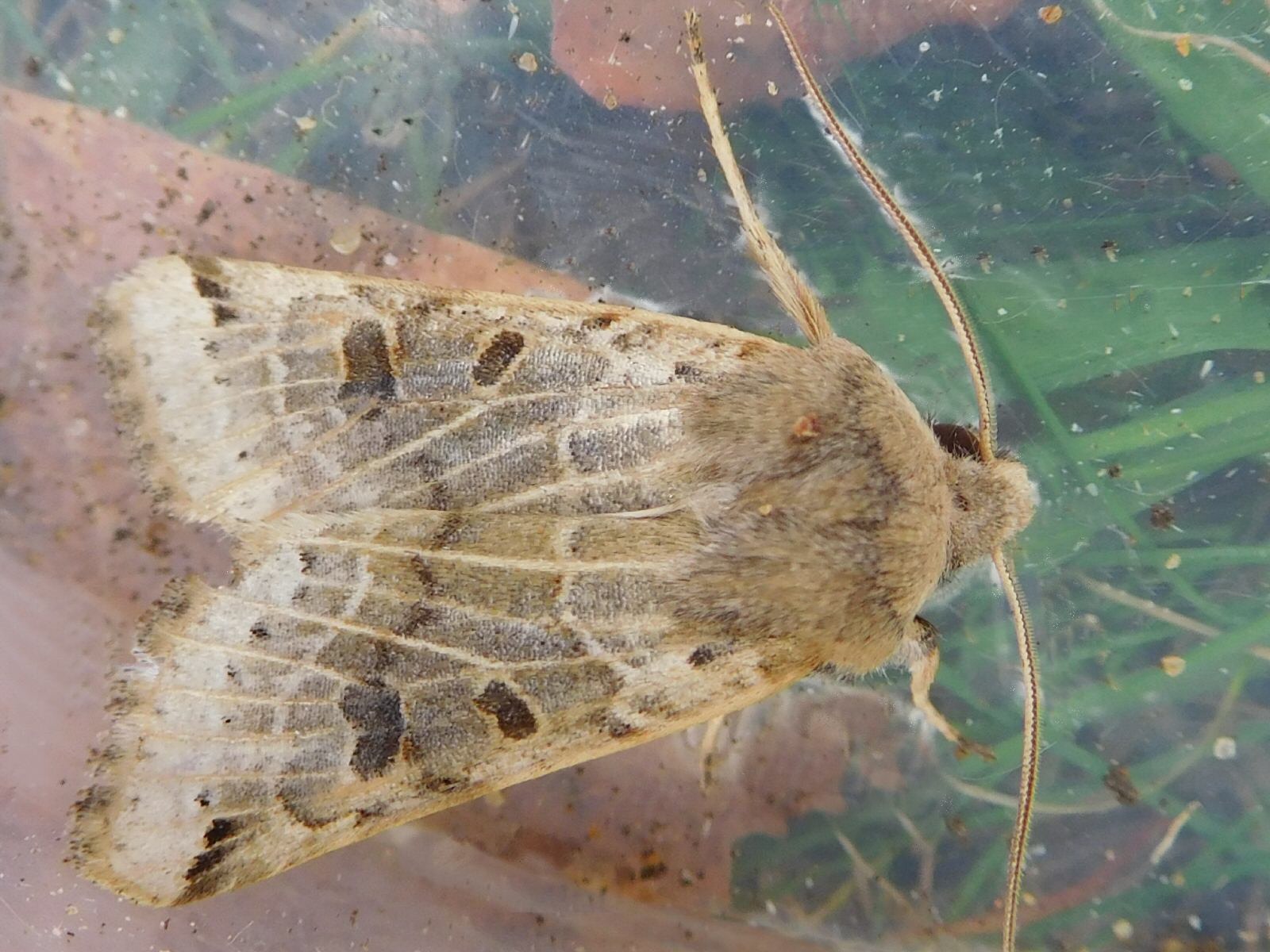
Lunar Underwing Moth from among the grassy tussocks in the Small Meadow
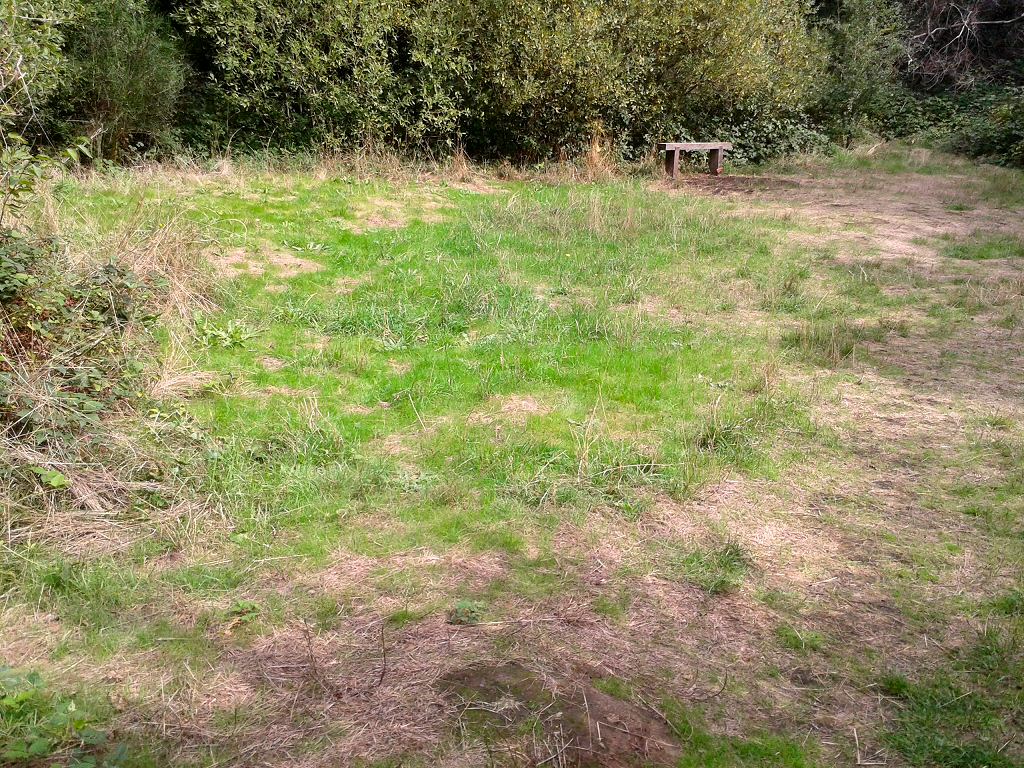
We carried on clearing brambles from the north bank and then the small meadow. The debrambling of previous years has helped, as there are far fewer large deep-rooted monsters than before, but we’ve still had plenty to do. I coppiced some Holm Oak, too.
We saw two or three of these Lunar Underwing moths (Omphaloscelis lunosa) among the grass. They eat grasses such as Yorkshire Fog and Annual Meadow-Grass.
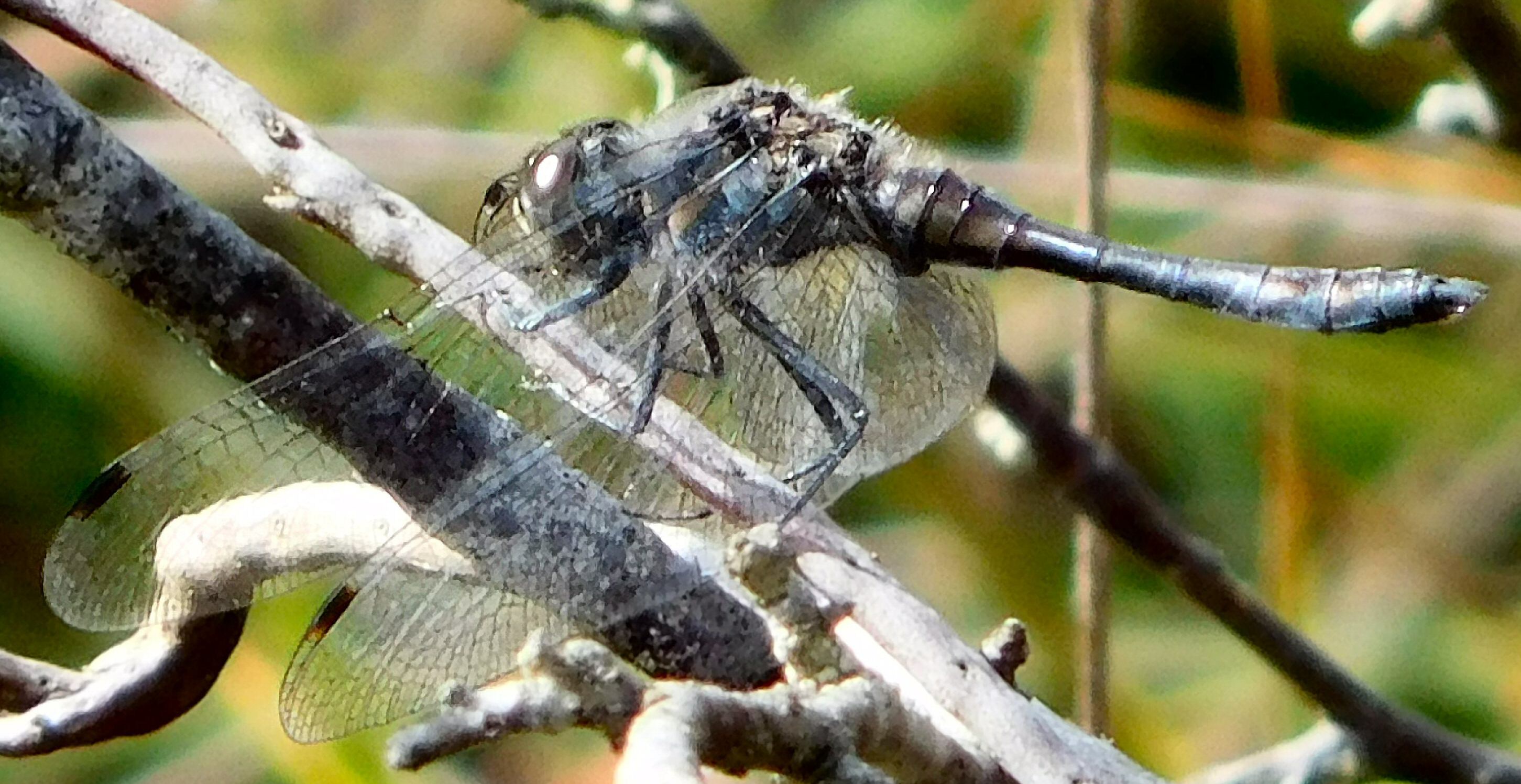
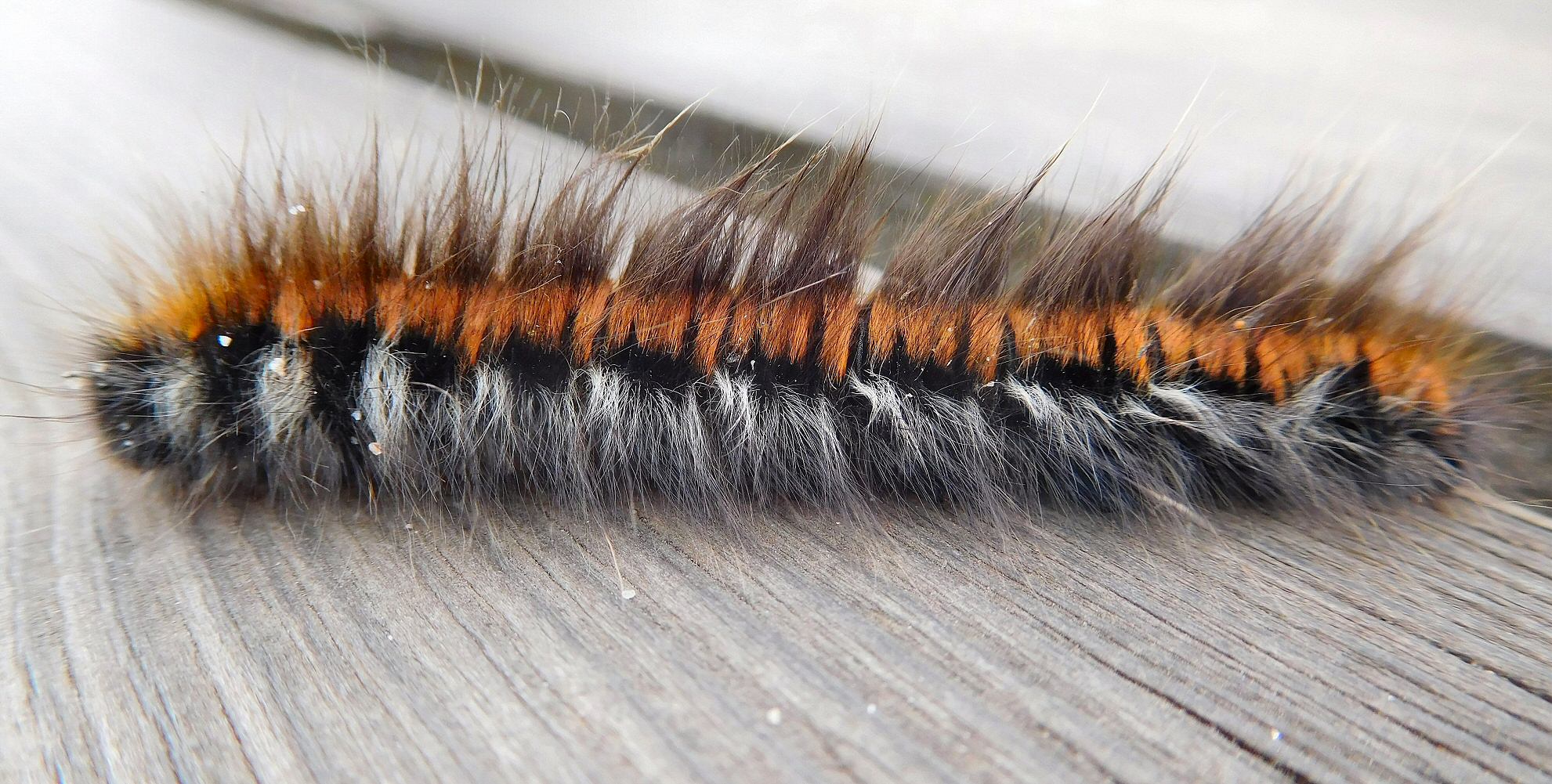
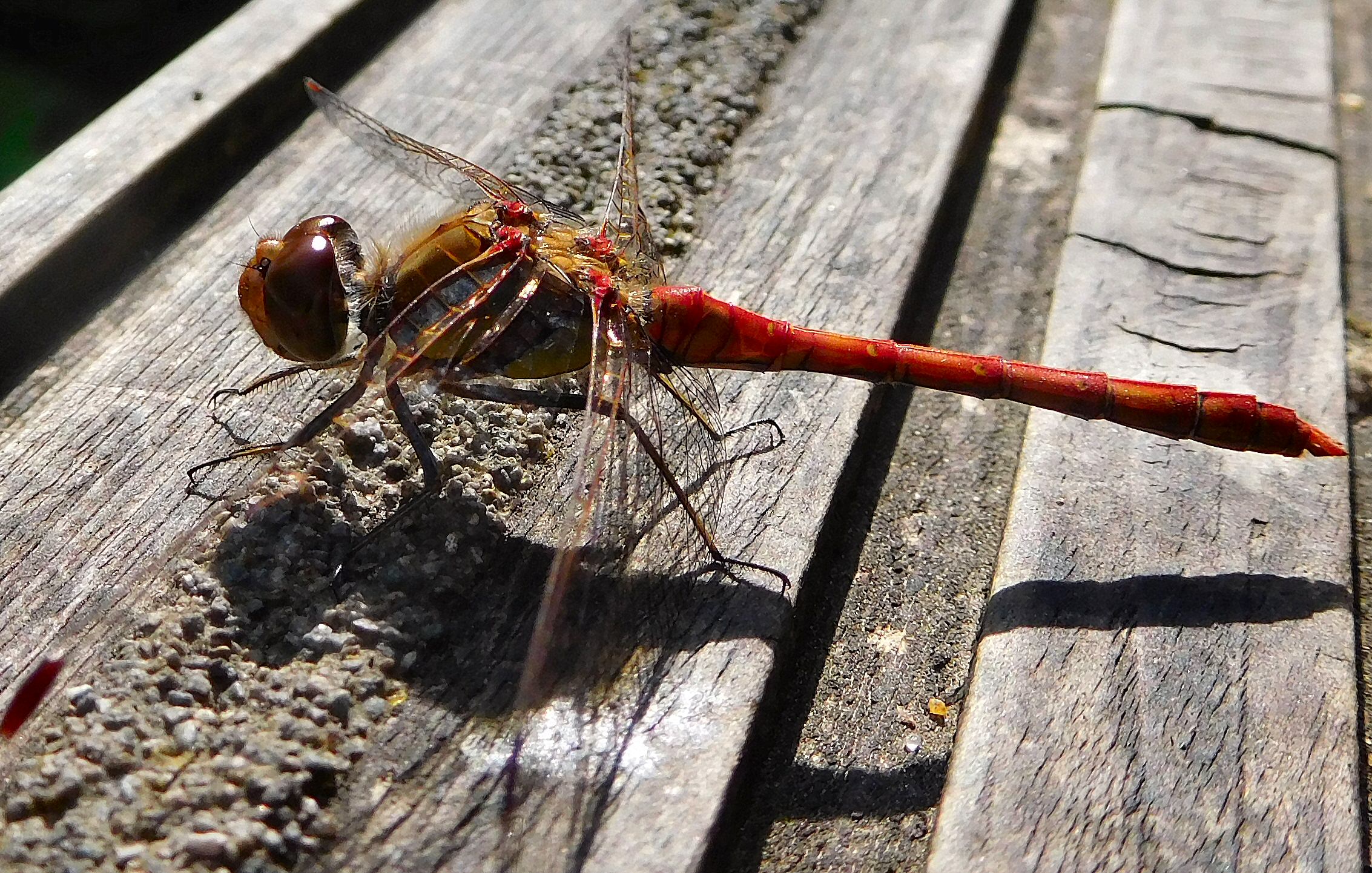
Black Darter – a dragonfly in late September, and a windy day too. The only other dragonfly about was the Common Darter, I saw two or three.Woolly Bear caterpillar (of a Garden Tiger Moth) on one of the boardwalks.
Other insects seen included a few bumblebees and some moths scooting away in the strong wind, perhaps Silver Y.
There were only a few birds about; I saw some swallows, two stonechats, a crow, a jay, a gull, a chaffinch, and a finch-sized bird with a white rump flying into a tree, perhaps a bullfinch. Three mallard loitered on the Moat Pond.
A flash of yellow revealed some Gorse in bloom, alongside some fine purple Bell Heather.
The only fungus to be seen was a brown rollrim. A dead birch trunk was colourful with Common Orange Lichen.
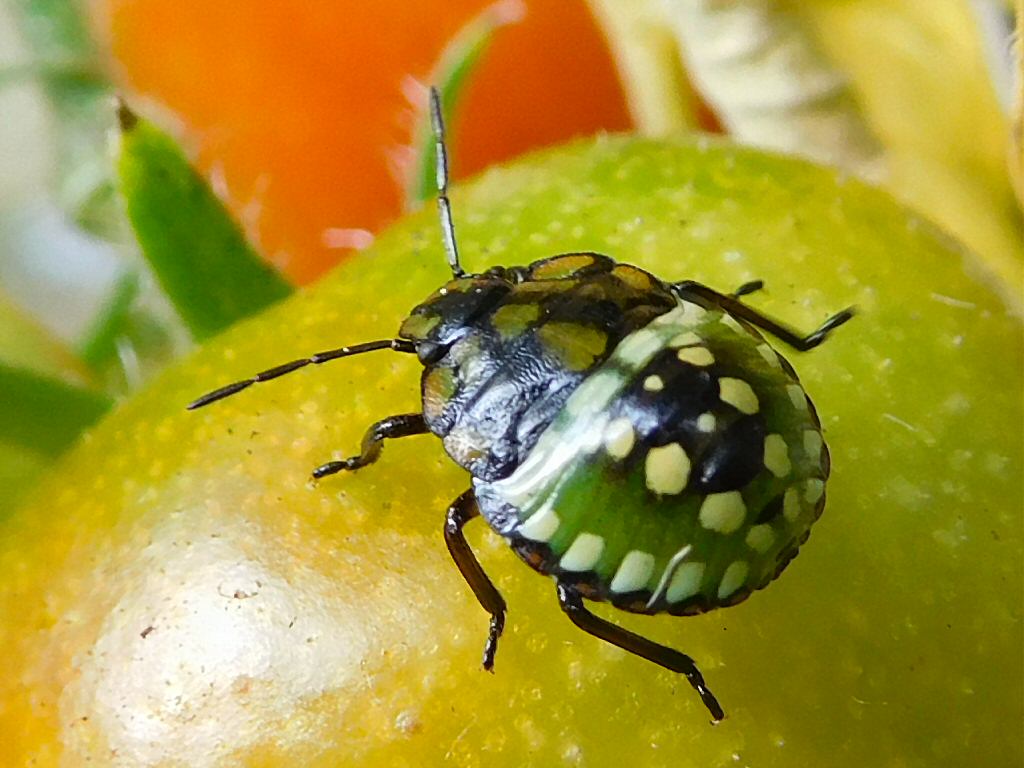
Bug instar on Tomato in my garden. Bug instars can look very different – and as here, often much more colourful – than adults. The black-and-cream contrast may well be aposematic (warning coloration).
One of the delights of walking in nature, or indeed in a botanic garden, is that you never know what surprises you may meet.
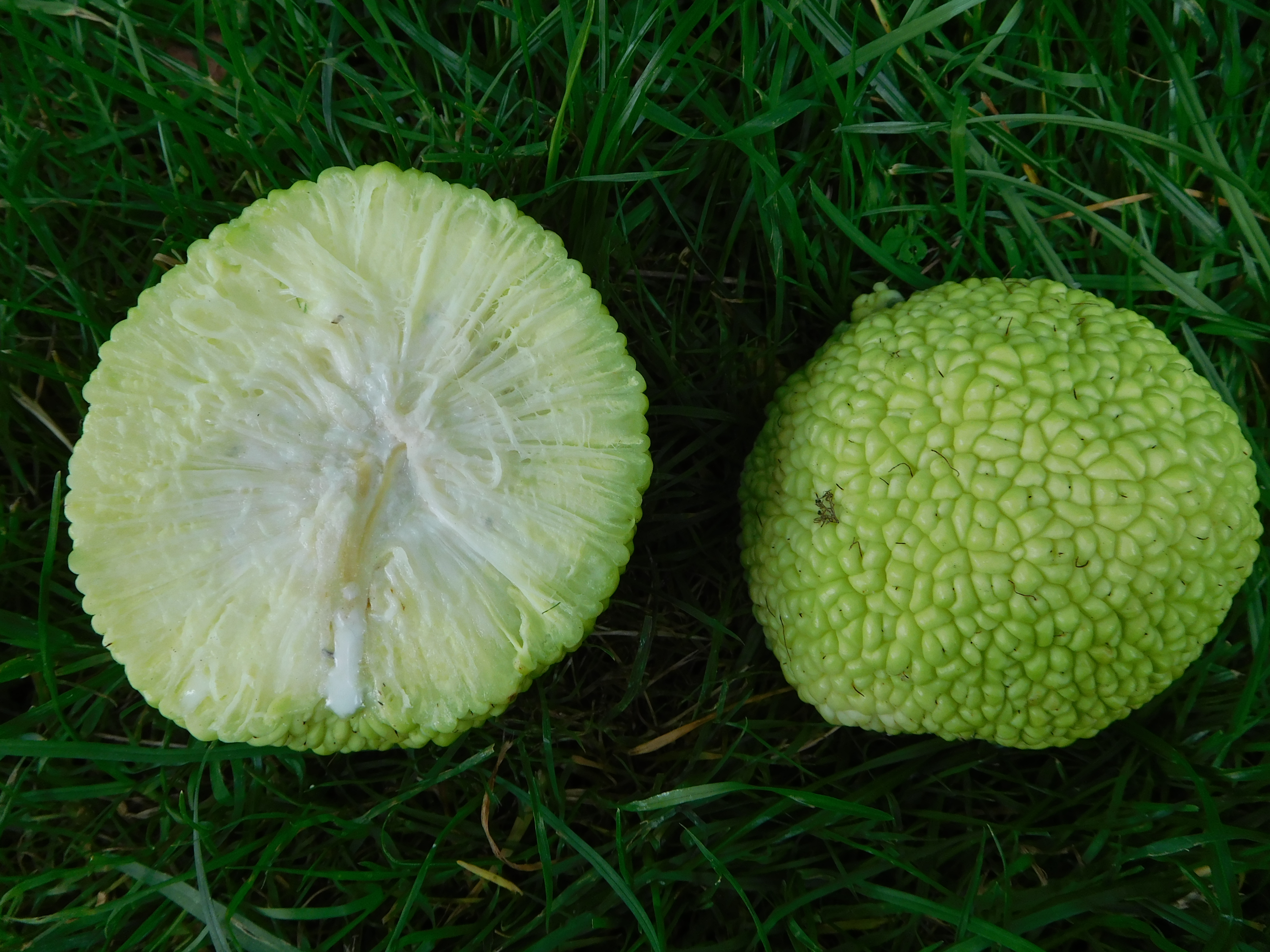
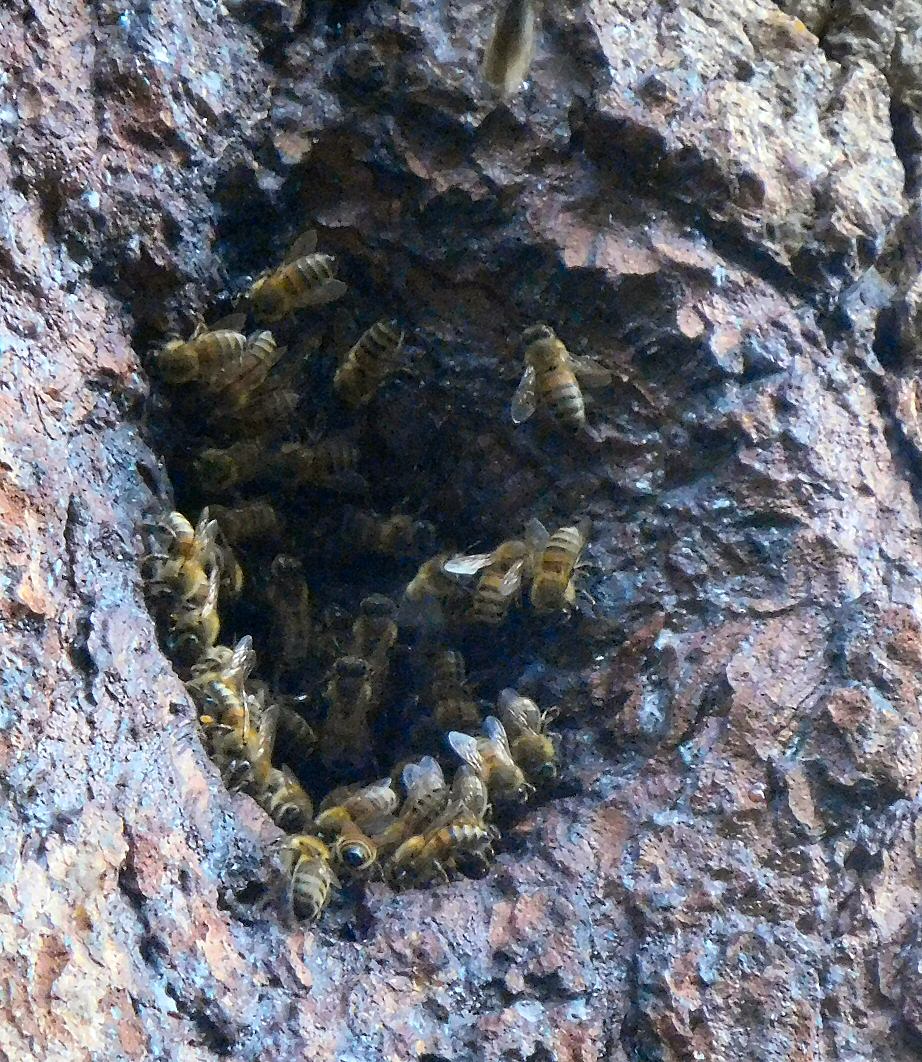
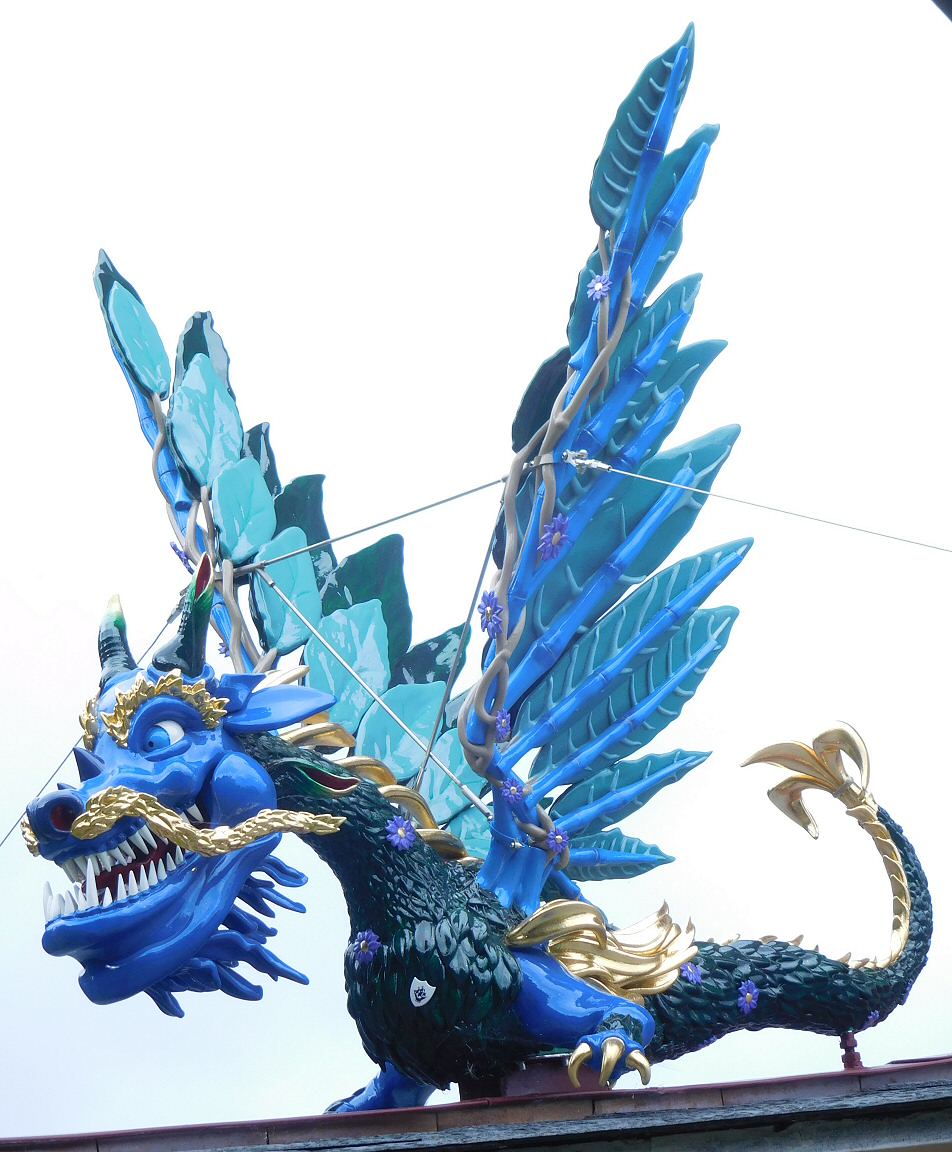
Osage Orange, Maclura pomifera fruit cluster, with sticky white latex when cut. The Osage were the tallest tribe in North America; they used the wood to make bows (for shooting). Maclure was a Scottish-American geologist. Pomifera (apple-bearing) means the ‘fruit’ looks vaguely like an apple. Actually it’s more reminiscent of a luridly fluorescent green tennis ball, and about the same size too.Wild Honey Bees guarding nest in Deodar cedar. David, one of the volunteer helpers, led us to it.New Blue Dragon on Kew Pagoda
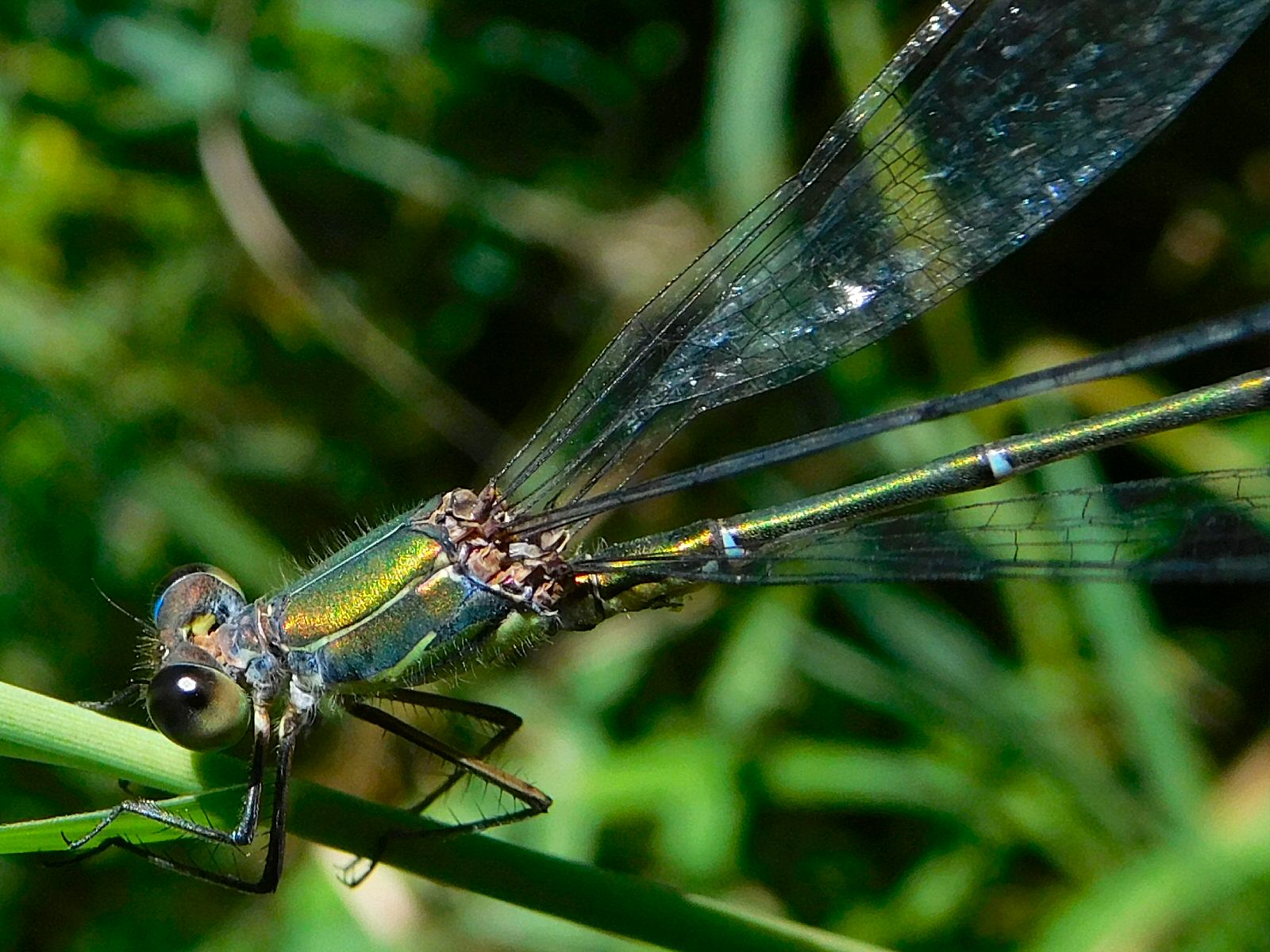
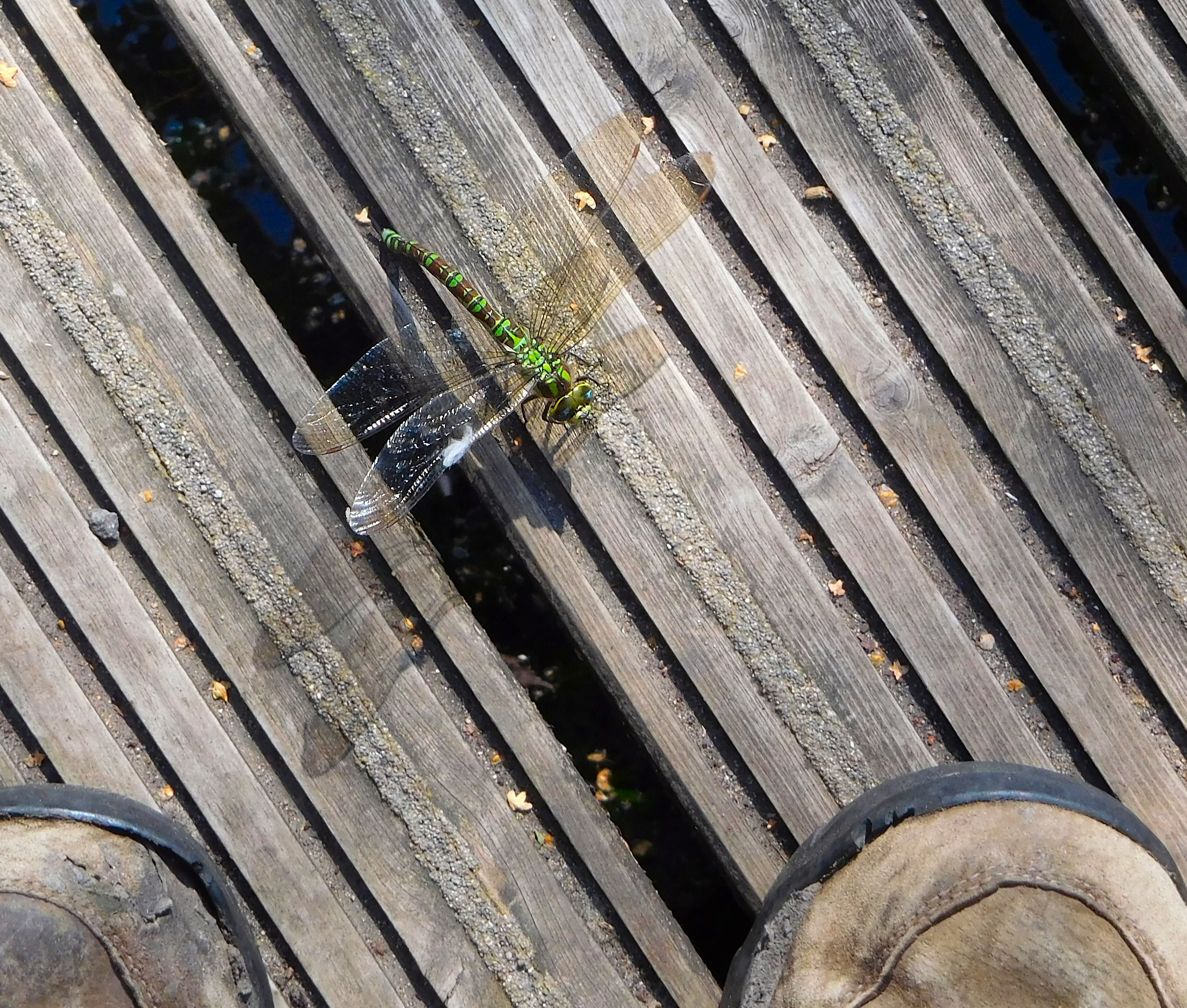
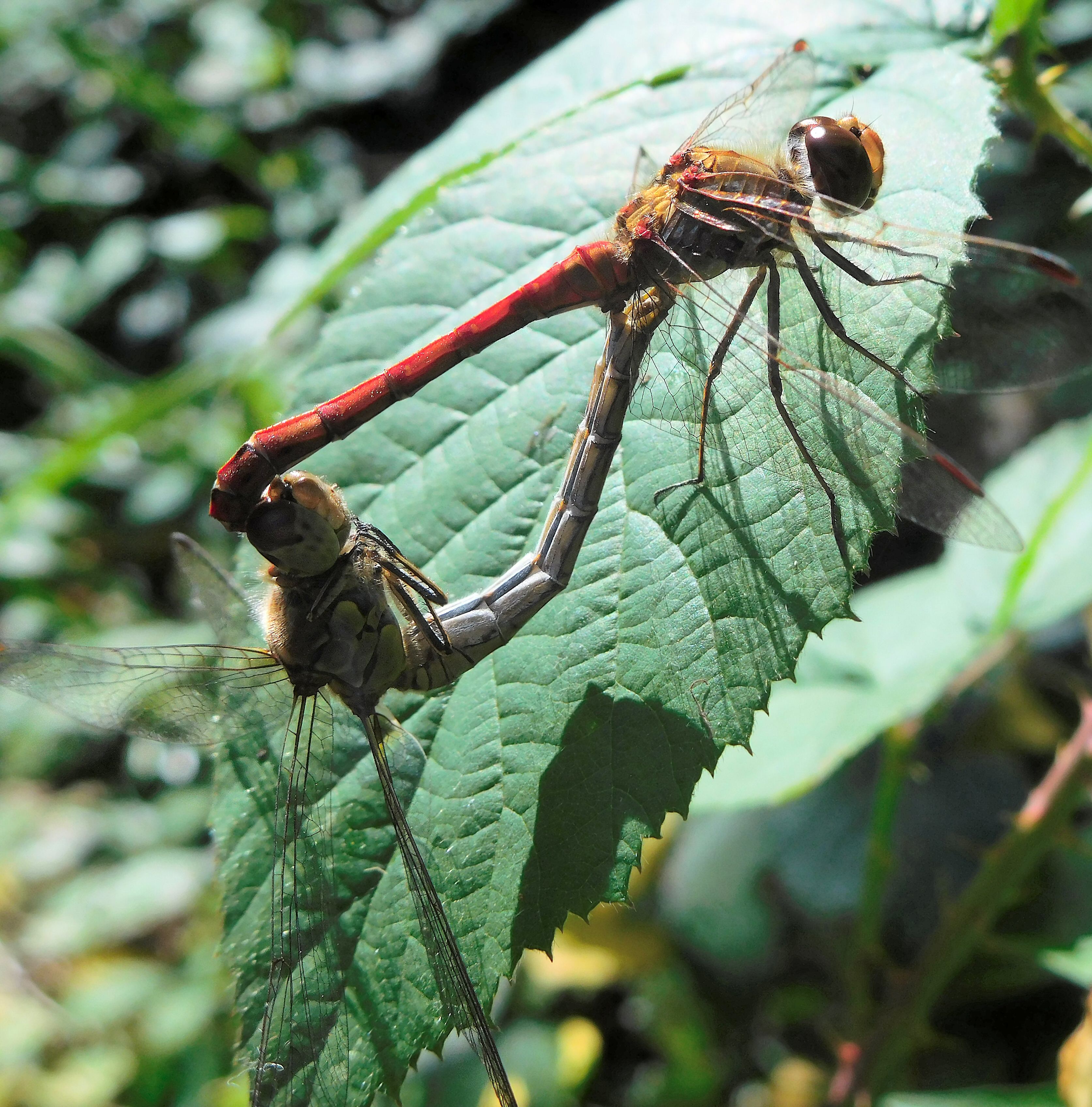
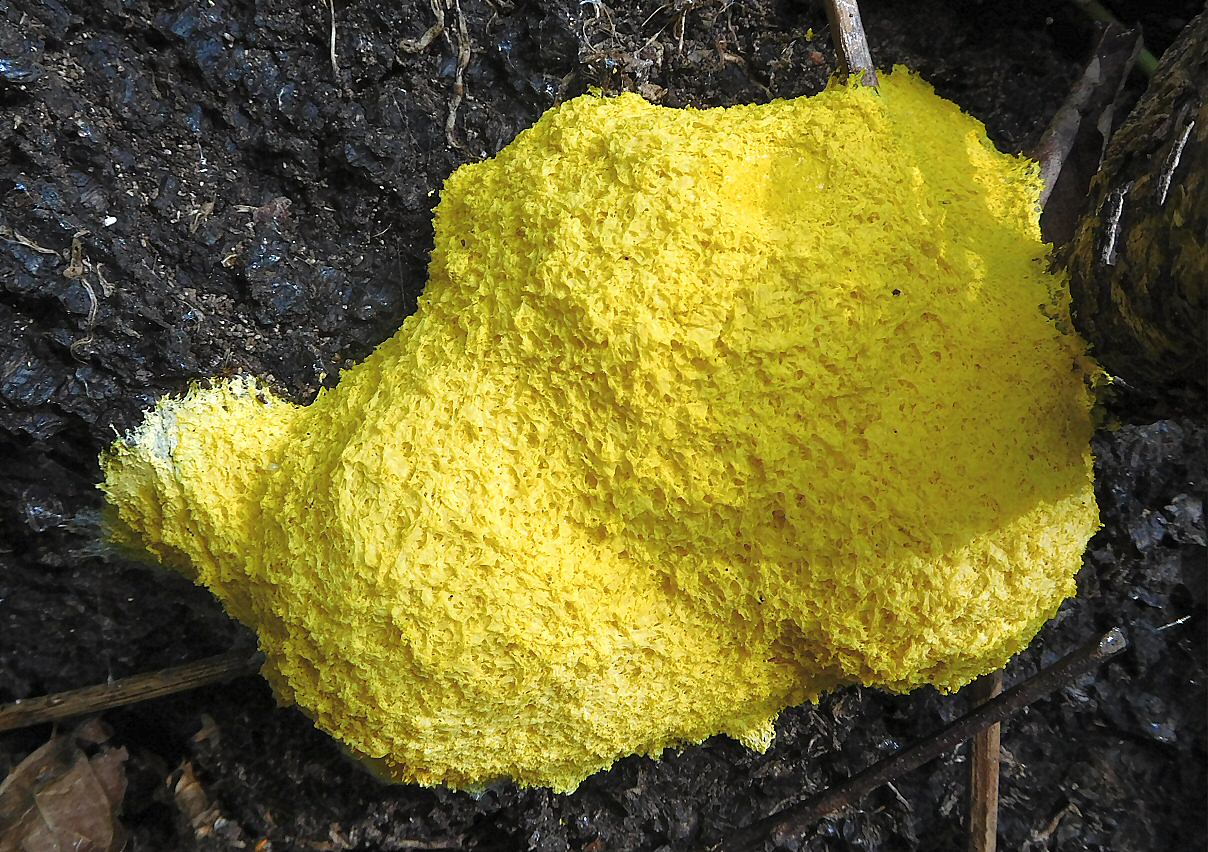
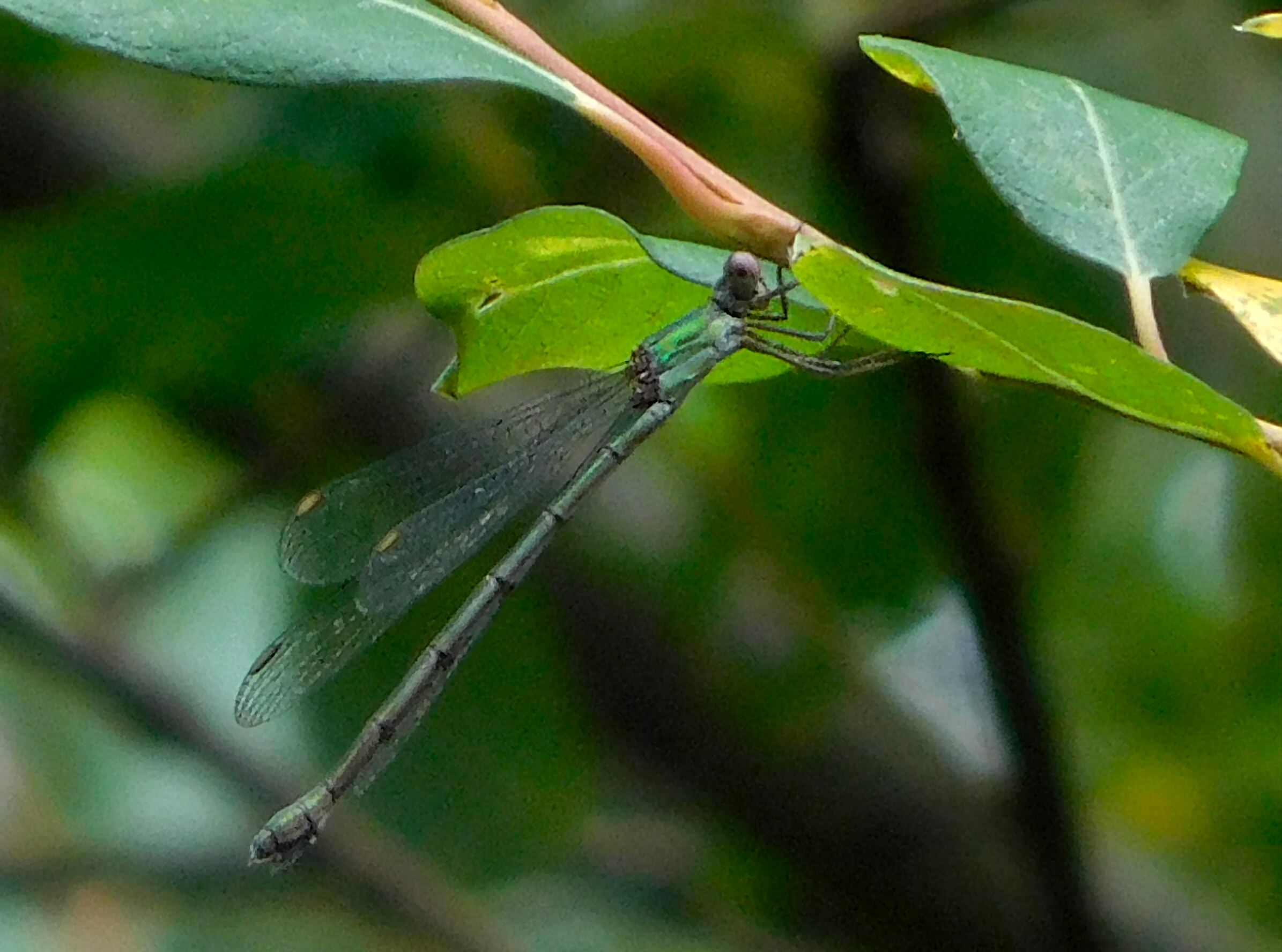
Willow Emerald or Spreadwing Damselfly, rainbow iridescent in the beautiful Indian Summer sunshine. The wings never quite close over the back as they do in other damselflies.Southern Hawker ovipositing on boardwalk (in front of my boots)Common Darters in CopDog’s Vomit Slime Mould, Fuligo septica, on Birch log
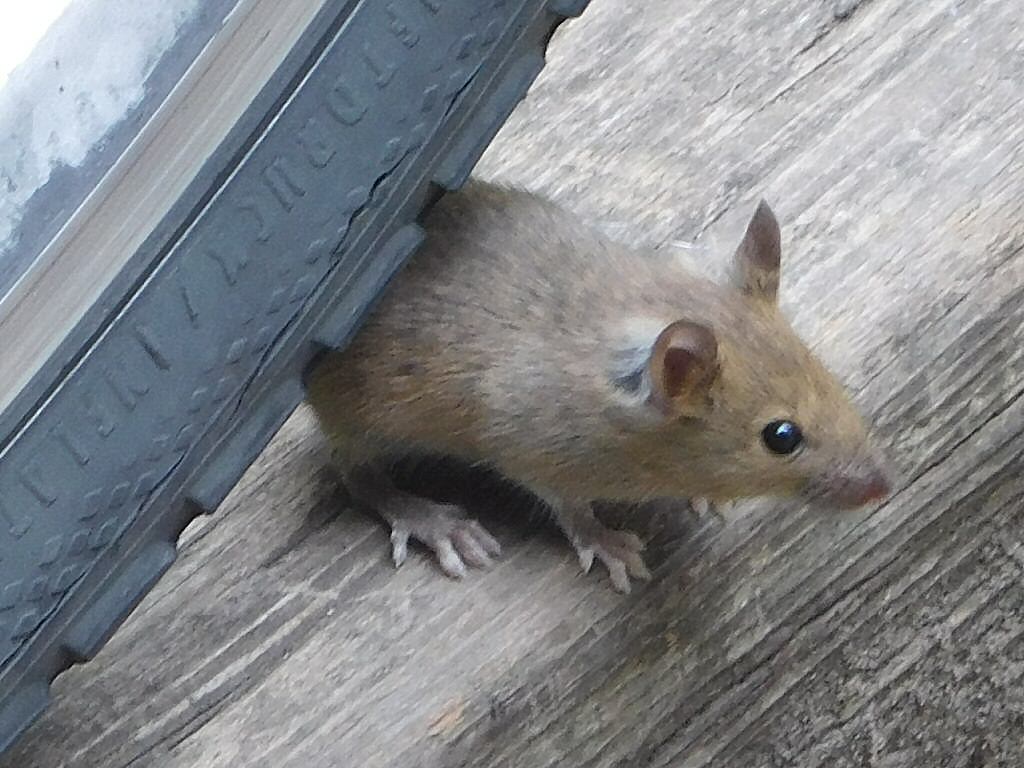
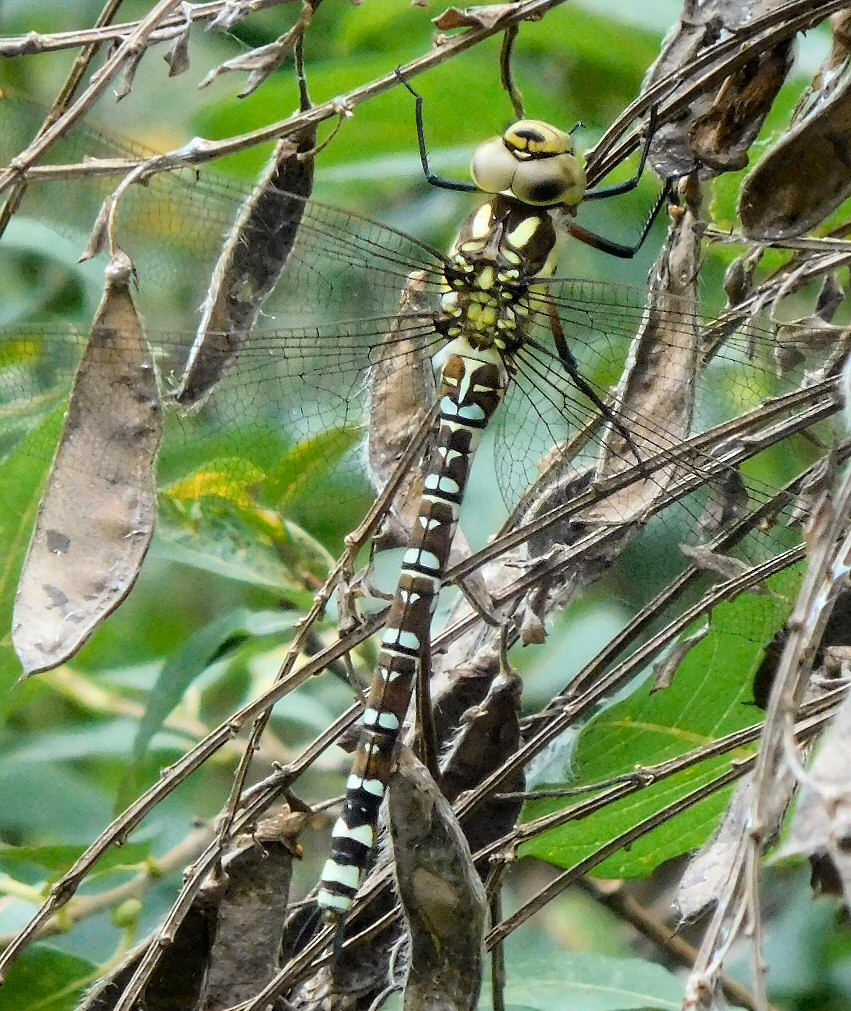
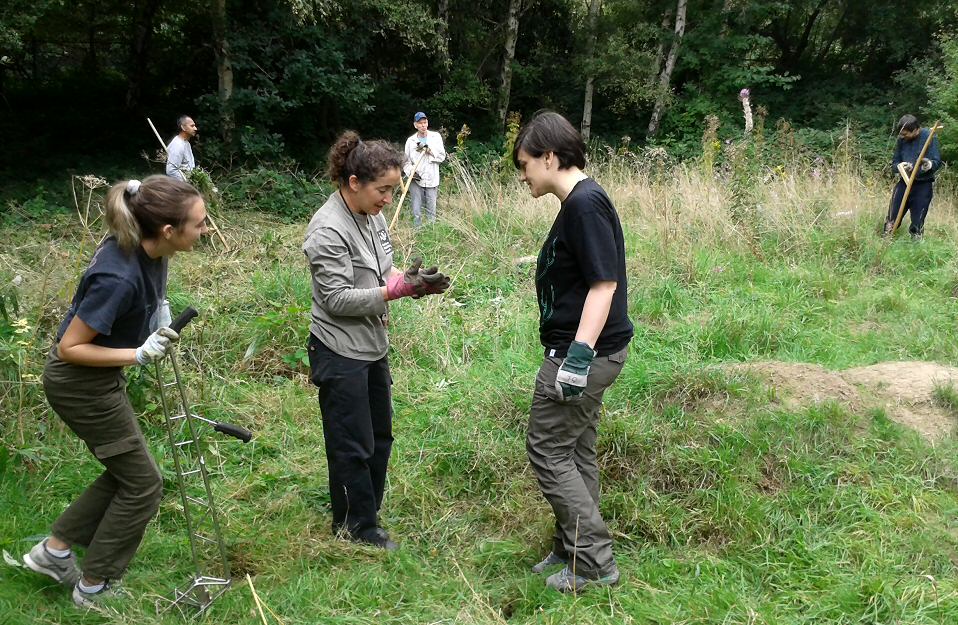
Willow Emerald Damselfly on Willow in GT. This is a new species in the UK, only having arrived from the Continent in the past couple of years. It appeared in numbers ovipositing in the GT pond in August. The species perches with its wings not fully closed together. The iridescent green is handsome when it flies, remarkably well camouflaged when perched.Woodmouse by GT bicycle wheelFemale Southern Hawker on BroomTara Netty Eleni volunteers mowing Anthill Meadow (and looking at interesting specimens). We found small toads, frogs, and newts in the grass.
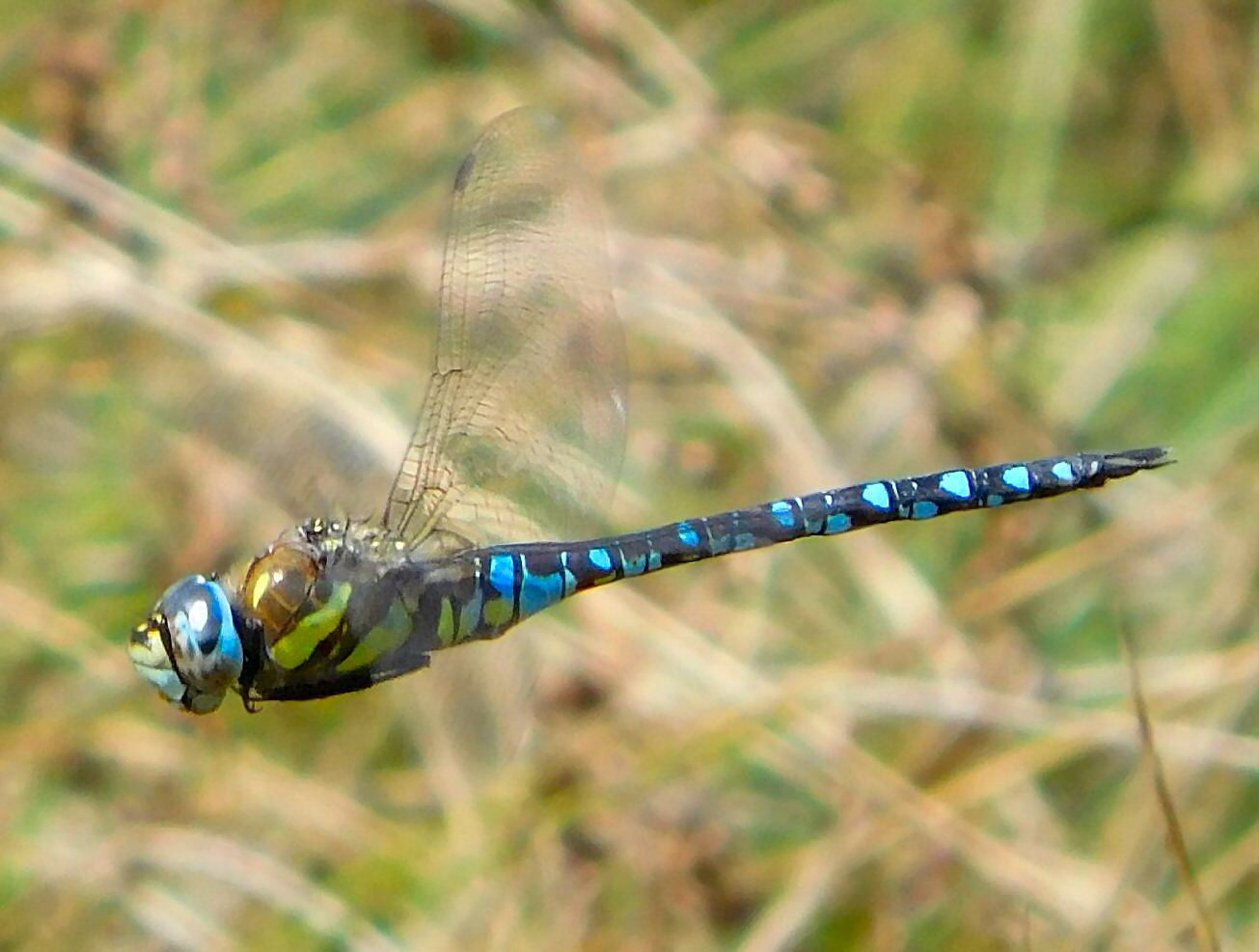
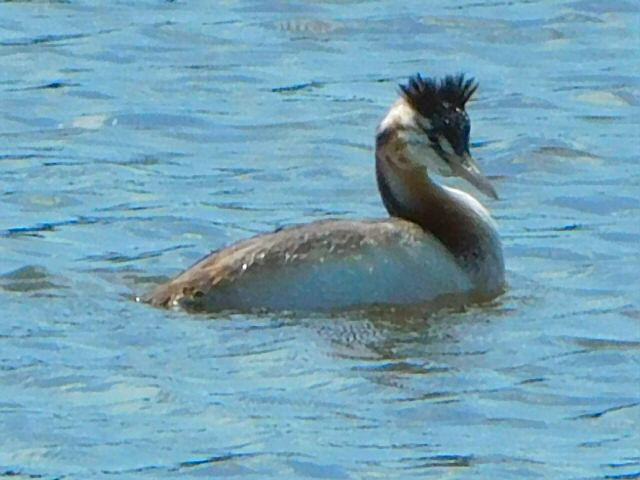
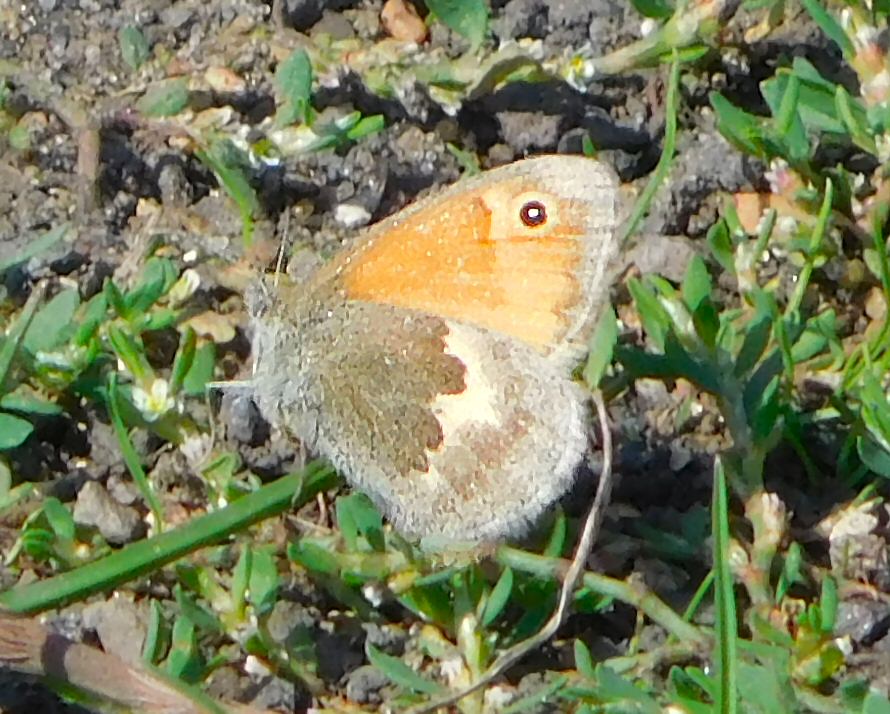
Migrant Hawker hovering by lower Pen Pond. I was pleased to get this nice shot of one of these handsome dragonflies, one of the most delicate and shimmering of the hawkers. It was alongside Common Blue damselflies (low over the path) and a few Common Darters.Great Crested Grebe in the warm waterSmall Heath butterfly: one of many skittering low in the short heathy grassland, perching on the ground. We saw few other insects, barring a fast and wriggly Carabid Beetle.
The Least Water-Lily, Nuphar pumila, is a rare plant. It’s even harder to find than it could be because it’s small, lives in remote Scottish lochs among other floating-leaved plants (generally way out across a swamp, so impossible to photograph decently), and most famously, because it hardly ever flowers.
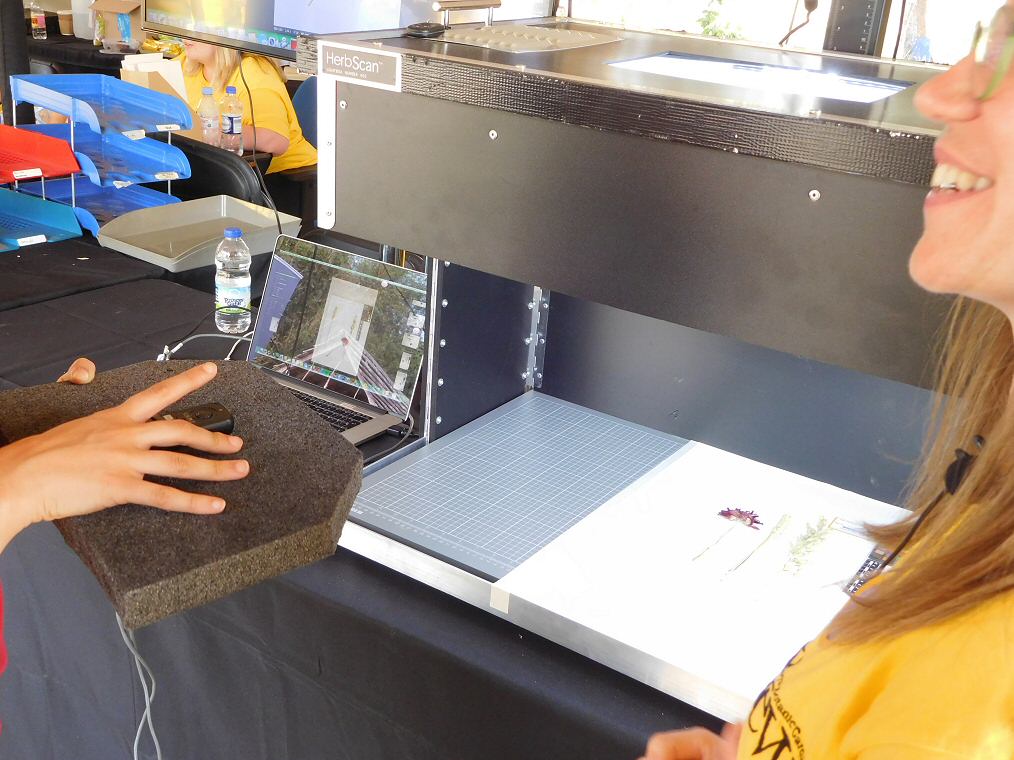
But I’m getting ahead of myself. I learnt about this tantalising little plant while visiting Wakehurst Place, the beautiful country seat of Kew Gardens. That day, it was holding a celebration of its wonderful work conserving seeds of plants from around the world in its extraordinary seed bank, and the staff were all available, full of smiles and sunshine, to greet the public, show off their array of techniques and gadgetry, and to explain their work.
Wakehurst Place Seed Bank Open Day
One of the stalls had a display about the Least Water-Lily. It was a small cousin of the Yellow Water-Lily, a common enough plant in quiet waters, but far rarer, known almost entirely from Scotland, barring a probable introduction into Shropshire.
Curious, I looked on the web to see where I might find it in Scotland, where I was about to travel. Lochan Ovie or Uvie was practically the first thing I found, and it was in walking distance of where I’d be staying. A visit, or rather a wild water-lily hunt, was in order.
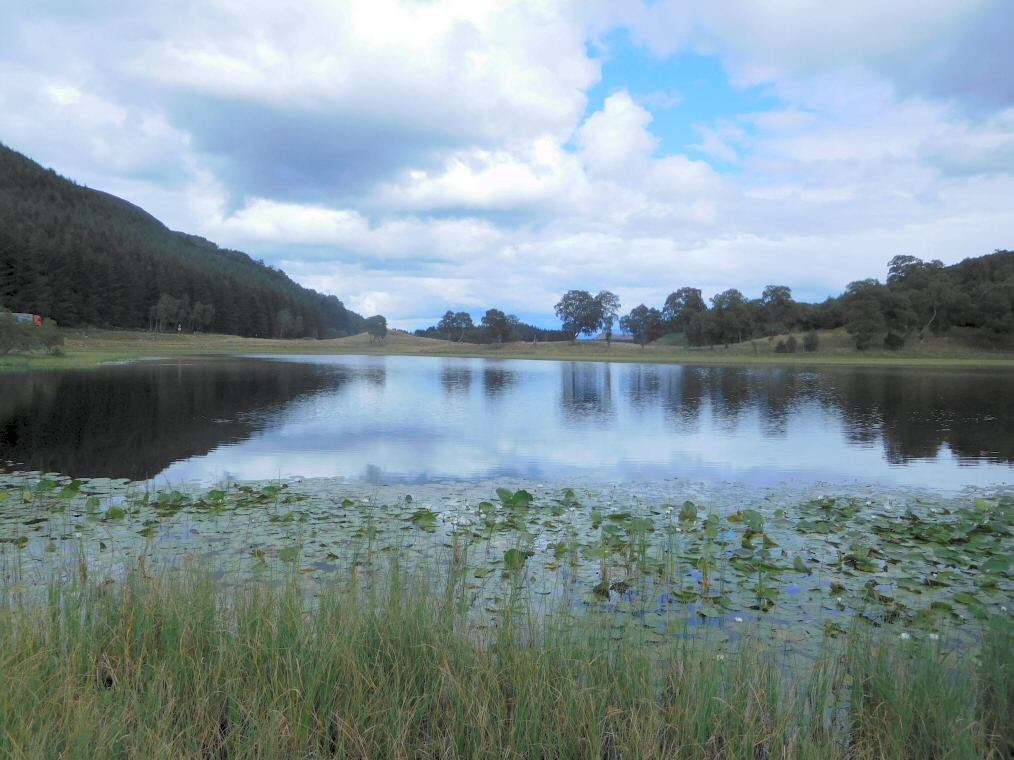
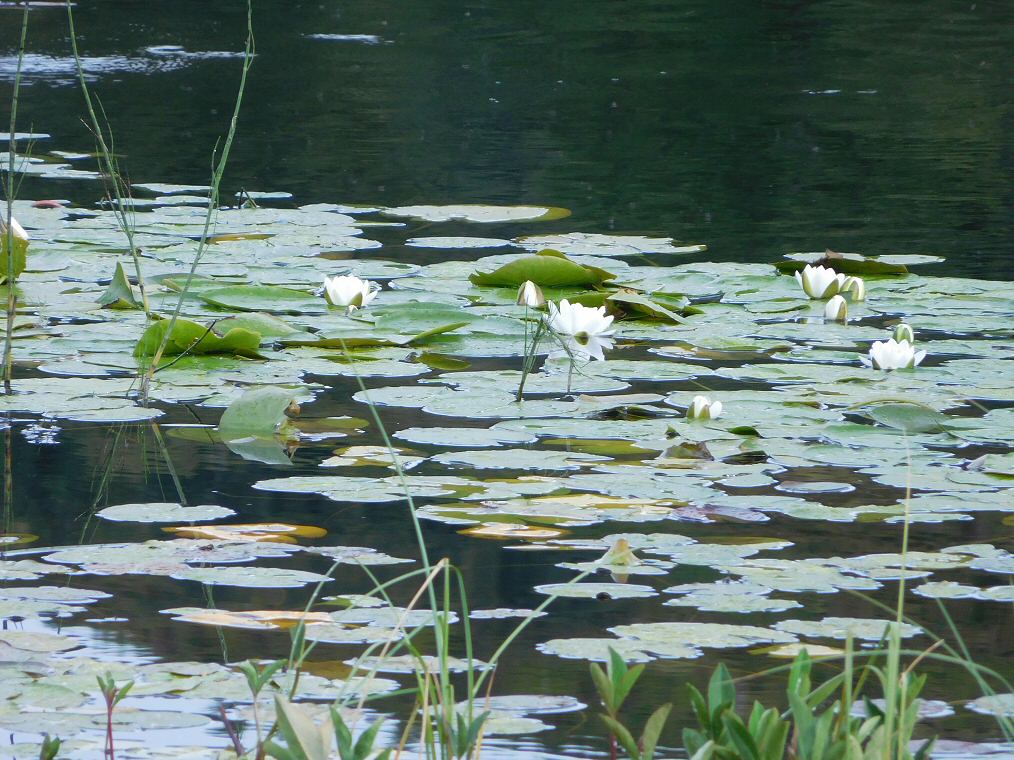
The lochan was indeed wild, with a wide natural border of wet swampy grassland, and a floating zone with Broad-Leaved Pondweed, Potamogeton natans, and Water Horsetail, Equisetum fluviatile, as stated. White Water-Lilies were reasonably abundant.
White Water-Lily, Broad-Leaved Pondweed, Water Horsetail in Lochan Uvie
But there was no sign of the elusive Least Water-Lily. There was an emergent plant with clusters of three leaves: but these were definitely leaves, not the green sepals of water-lily flowers: and certainly not the rounded, floating lily-pads of the Least Water-Lily.
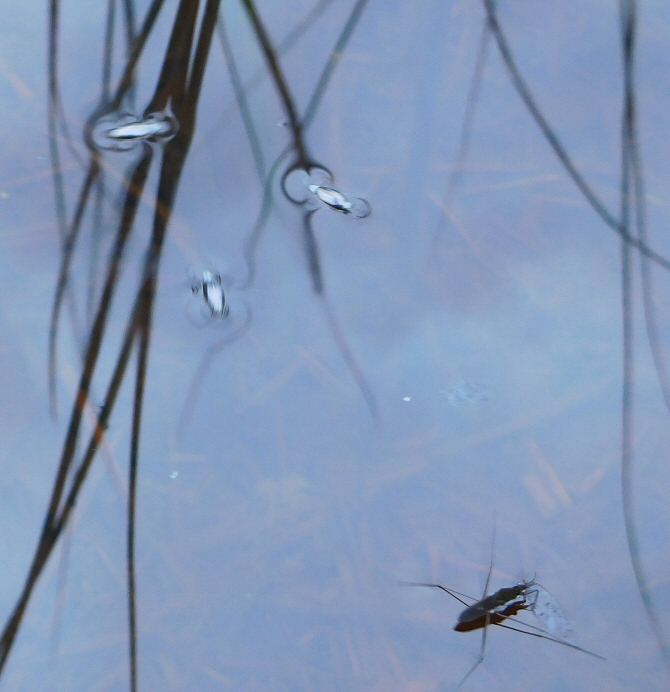
Some pond-skaters scooted about on the inky-blue water. Some tiny sky-blue insects seemed impossibly to have Marangoni propulsion, motoring about with no sign of legs or wings in the surface film.
Pond Skater and sky-blue insects Lochan Uvie
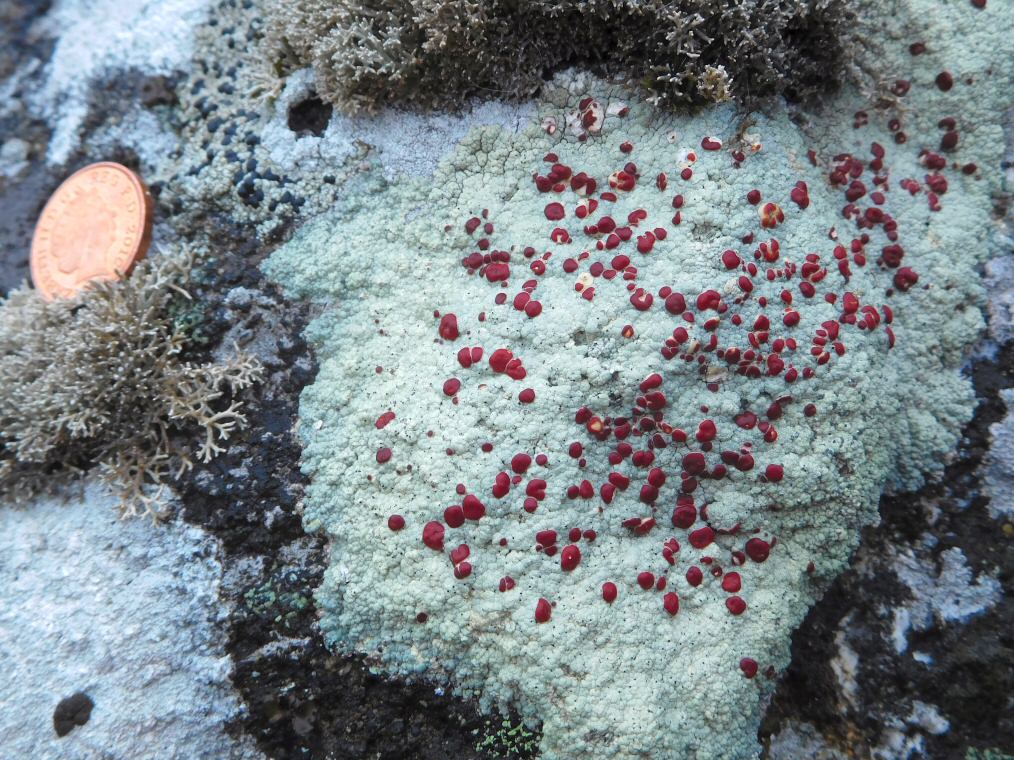
A huge boulder, whether from the crag across the road or left over from the Ice Age, was covered in magnificent lichens, one kind a grey-green crust with startling red apothecia.
Crustose Lichen Red Apothecia Lochan Uvie
But I still felt a little disappointed. As I was walking off, I found a Raven’s feather, a bit battered, but far too big to be a Crow’s. A Raven called cheerfully from far above, somewhere up on Creag Ddu.