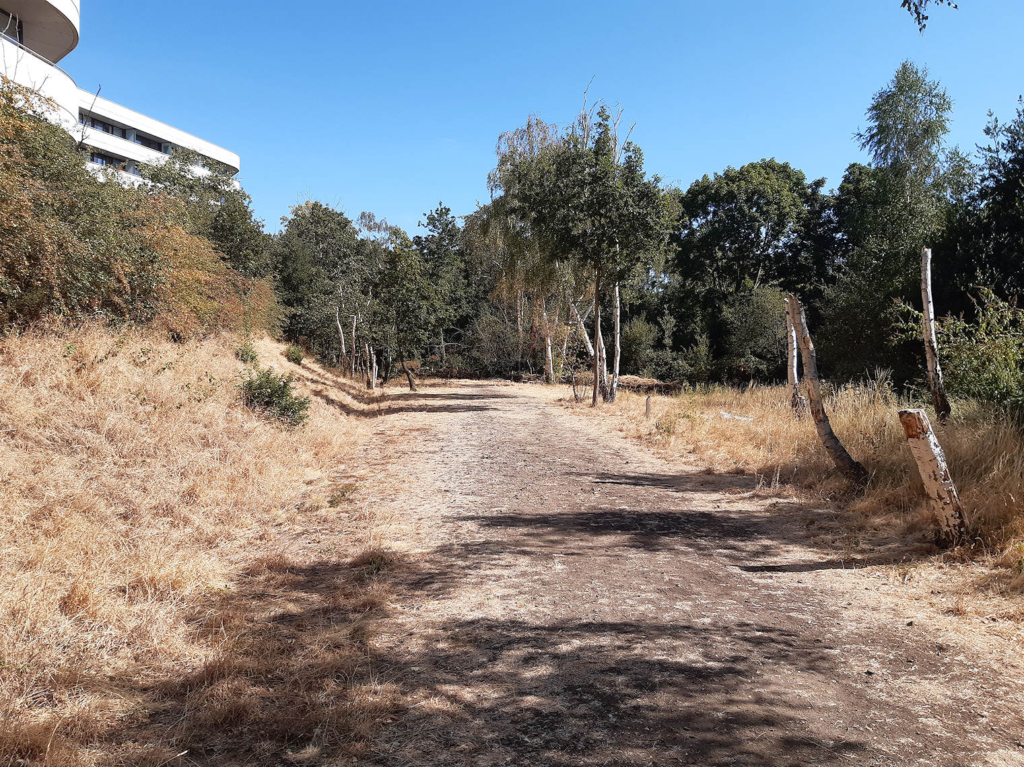
Not a butterfly in sight, with grass dry and nectar sources very scarce
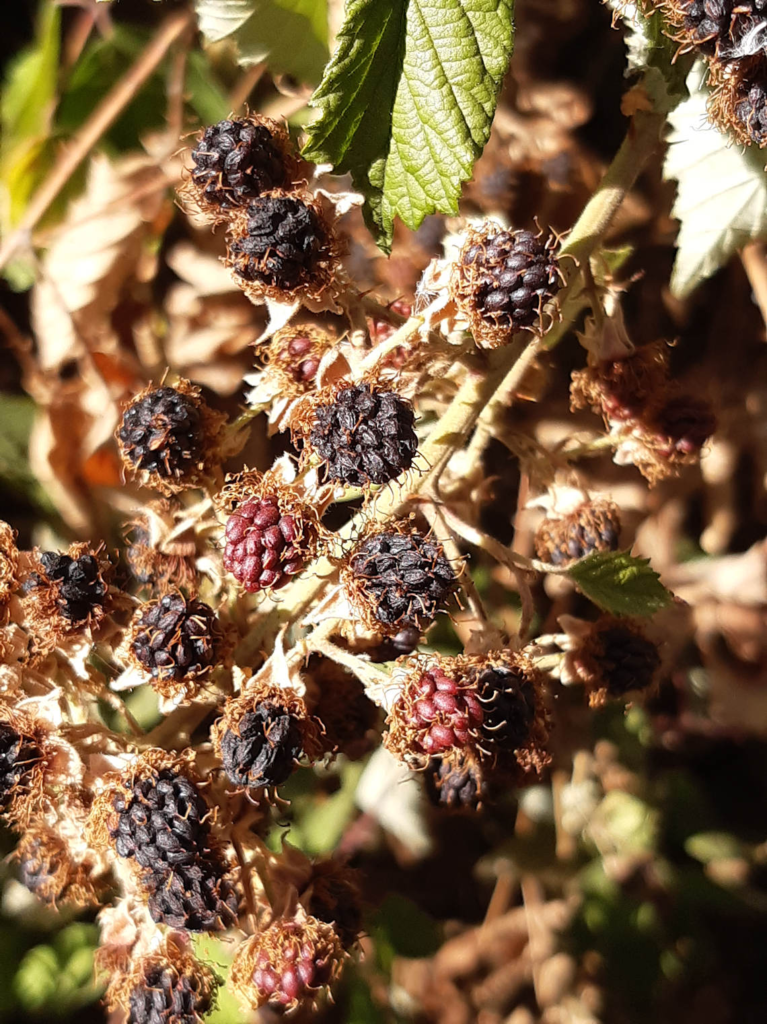
Even the hardy brambles are starting to look sorry for themselves, as these blackberries offer a dry, bitter, and unripe mouthful

Not a butterfly in sight, with grass dry and nectar sources very scarce
Even the hardy brambles are starting to look sorry for themselves, as these blackberries offer a dry, bitter, and unripe mouthful
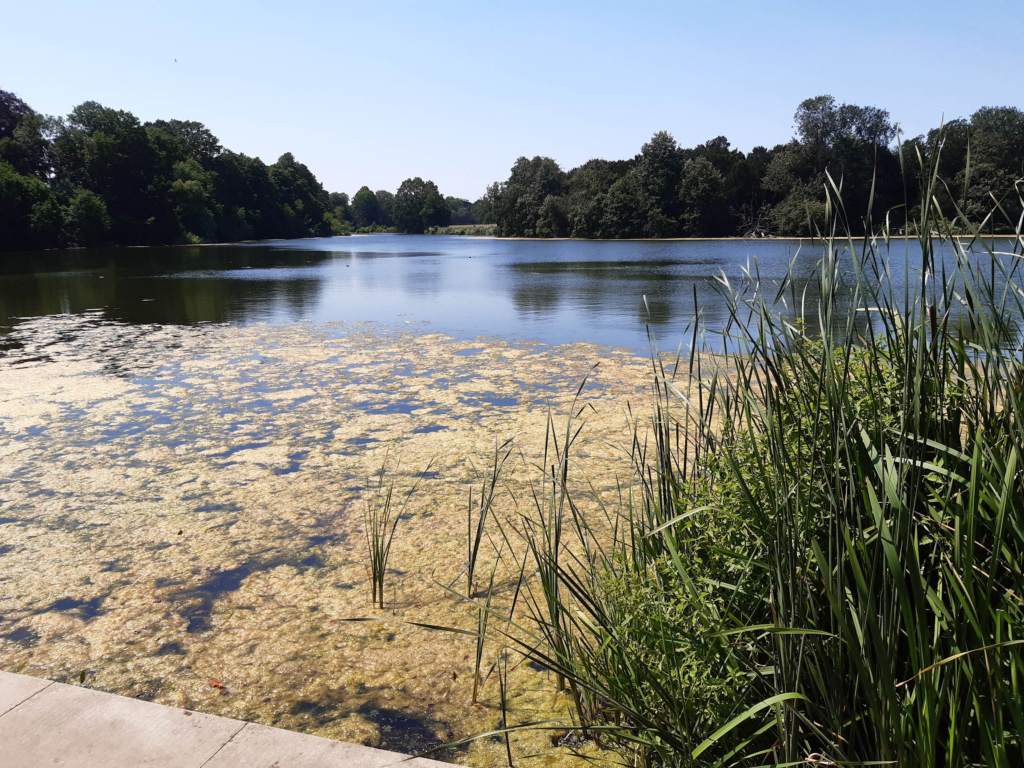
A handsome landscaped lake, forested banks, open water, marginal vegetation … and a mass of algae indicating eutrophication (and a heatwave)
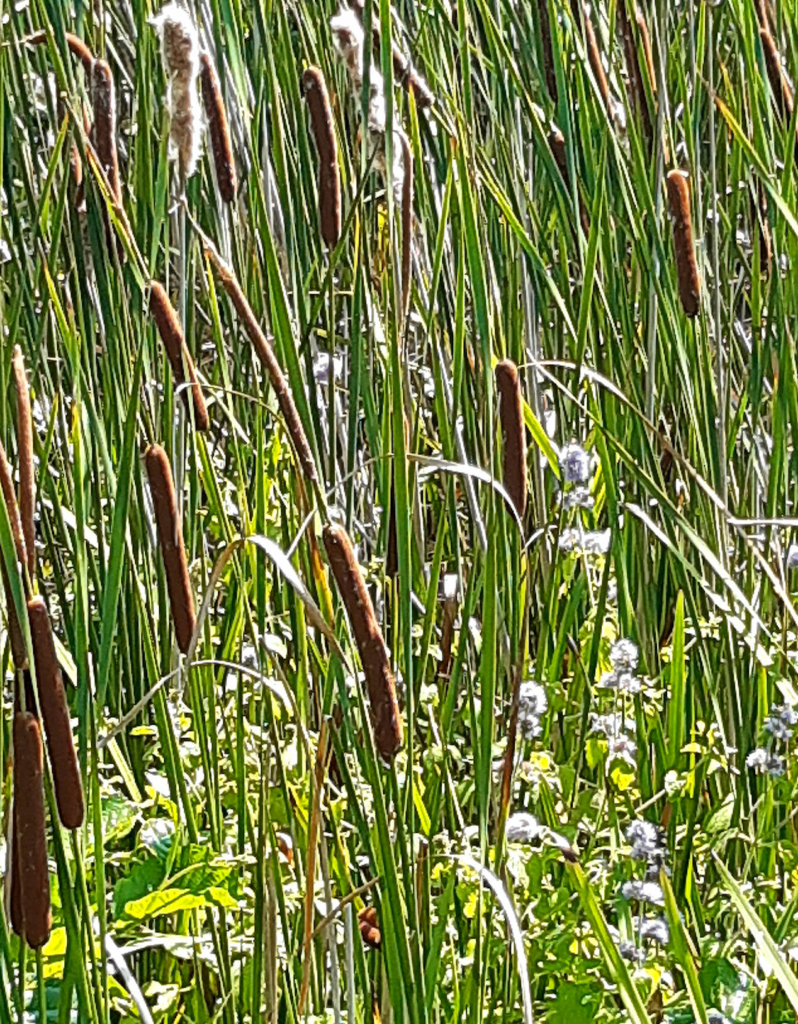
Reed Mace and Water Mint beside the lake
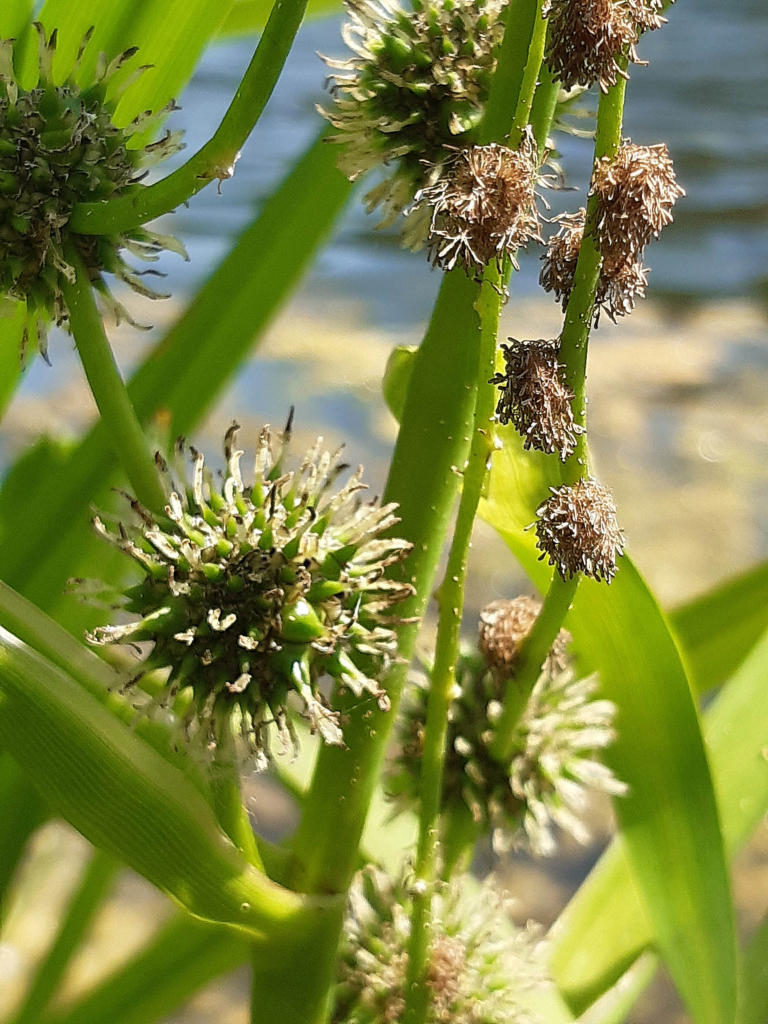
Branched Bur-Reed beside the lake
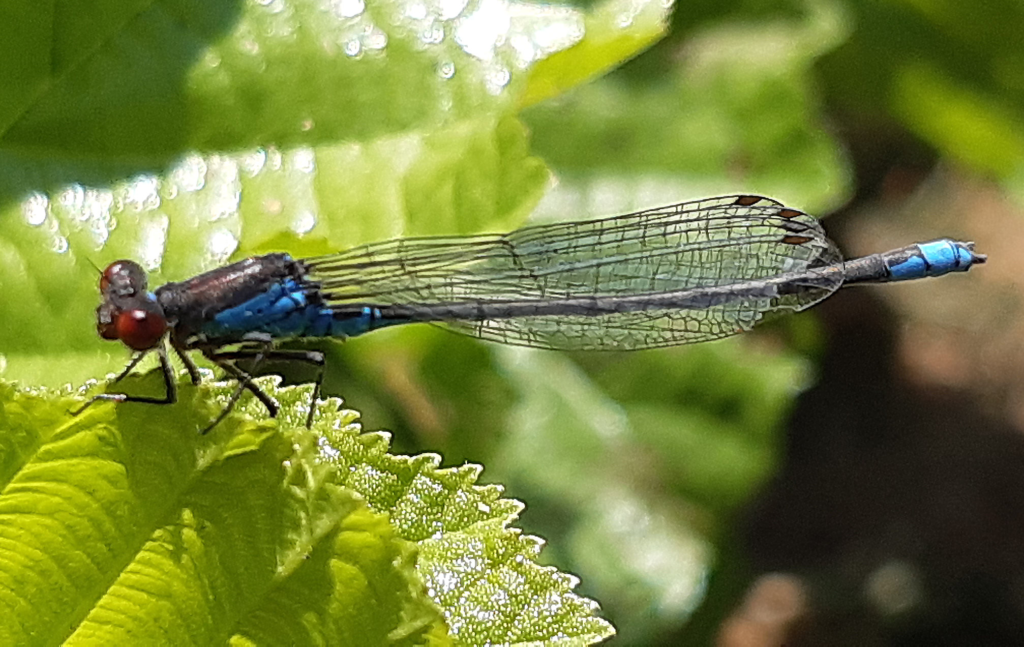
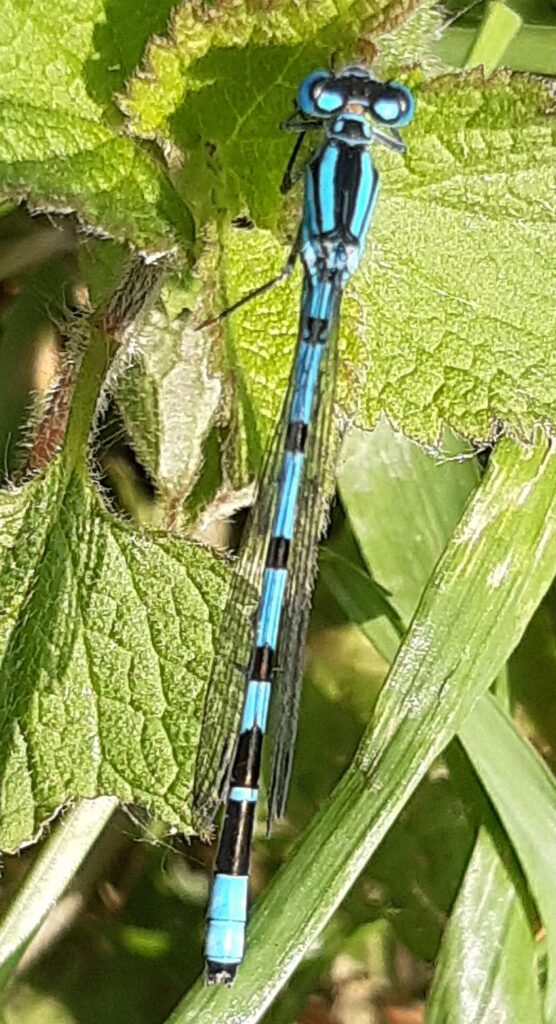
Small Red-eyed Damselfly; many Black-Tailed Skimmers raced above the water and around the marginal vegetation, with a few Emperor Dragonflies and some blue damselflies (Common Blue or Azure).
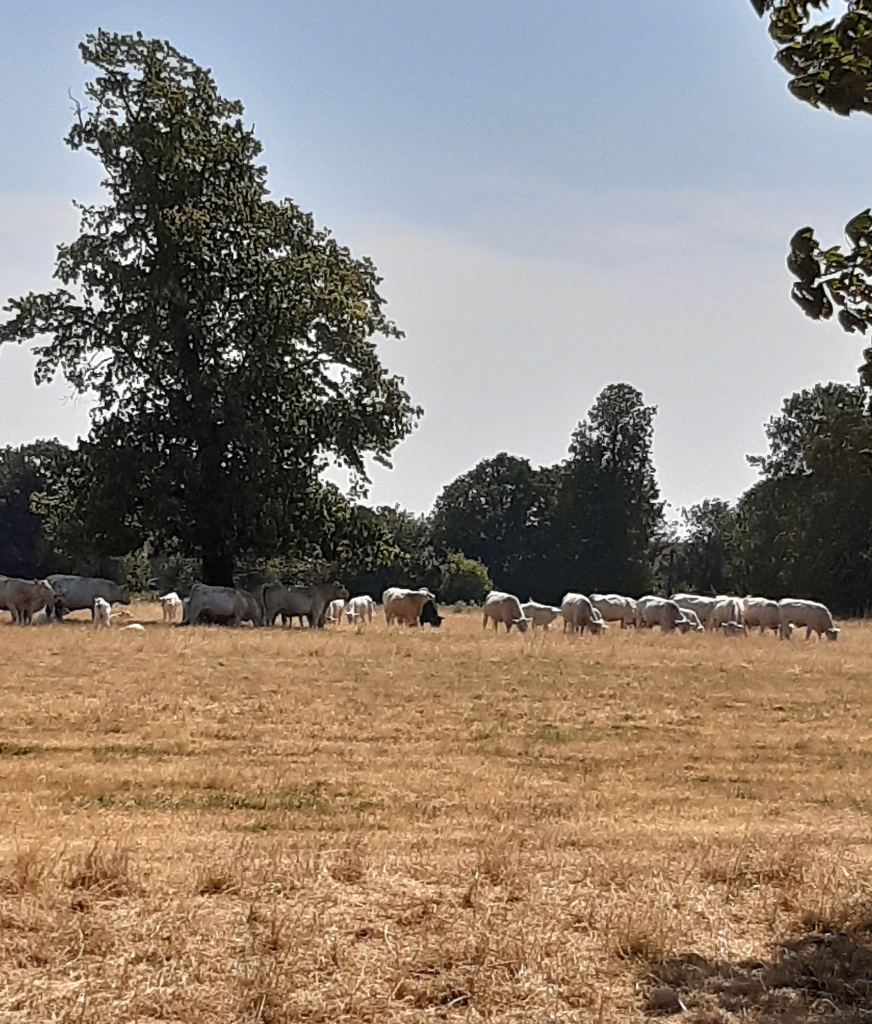
Cattle grazing on the dry grass of the pleasantly English parkland landscape, in a prolonged heatwave. (At the end of the month, the Met Office reported that July 2026 had been the driest month they had ever recorded, since 1836 when records began.)
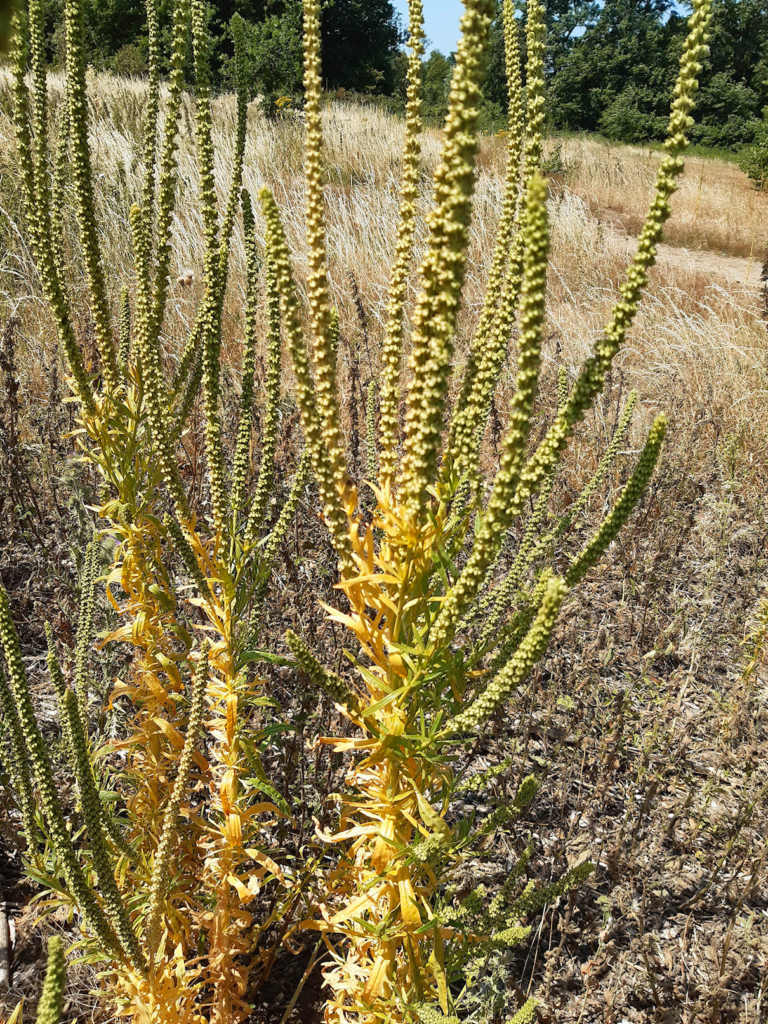
Weld (Reseda luteola), a tall handsome forb even when past flowering.
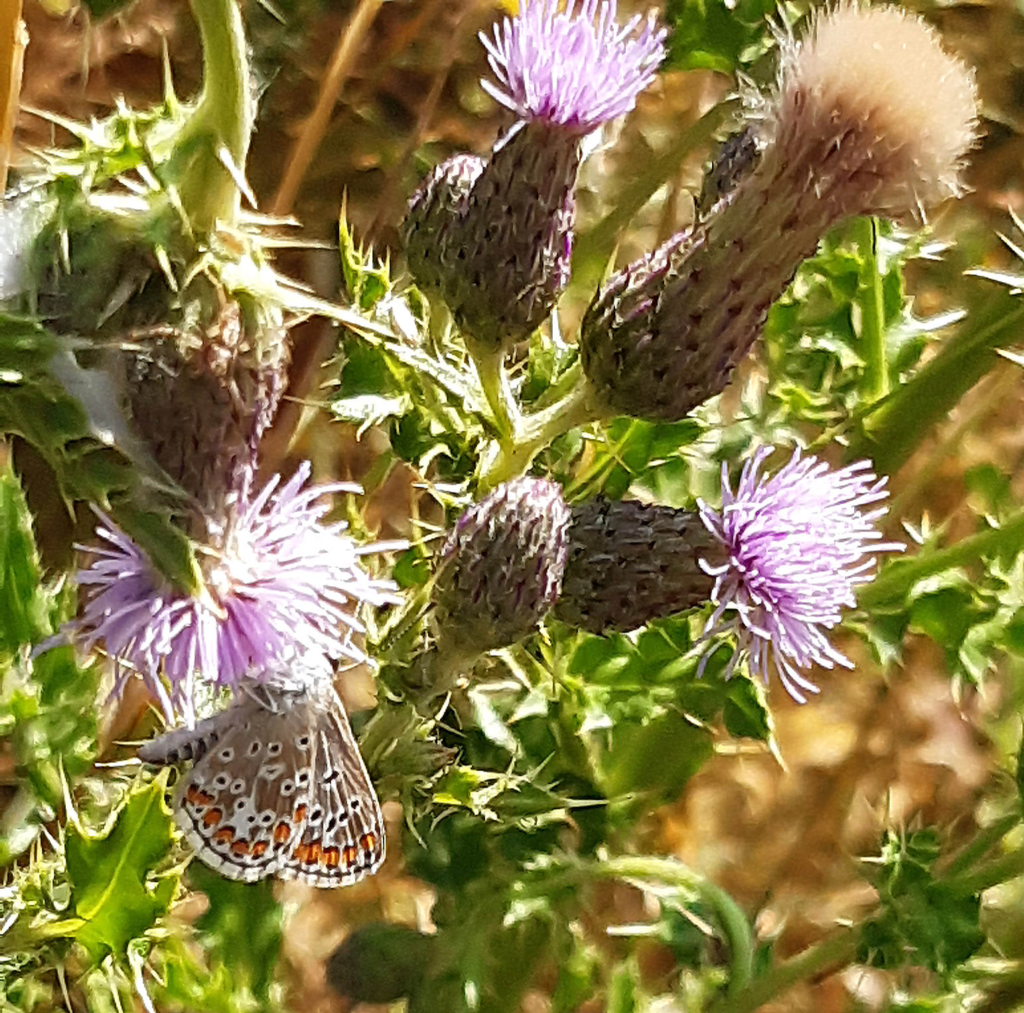
Female Common Blue butterfly on Creeping Thistle
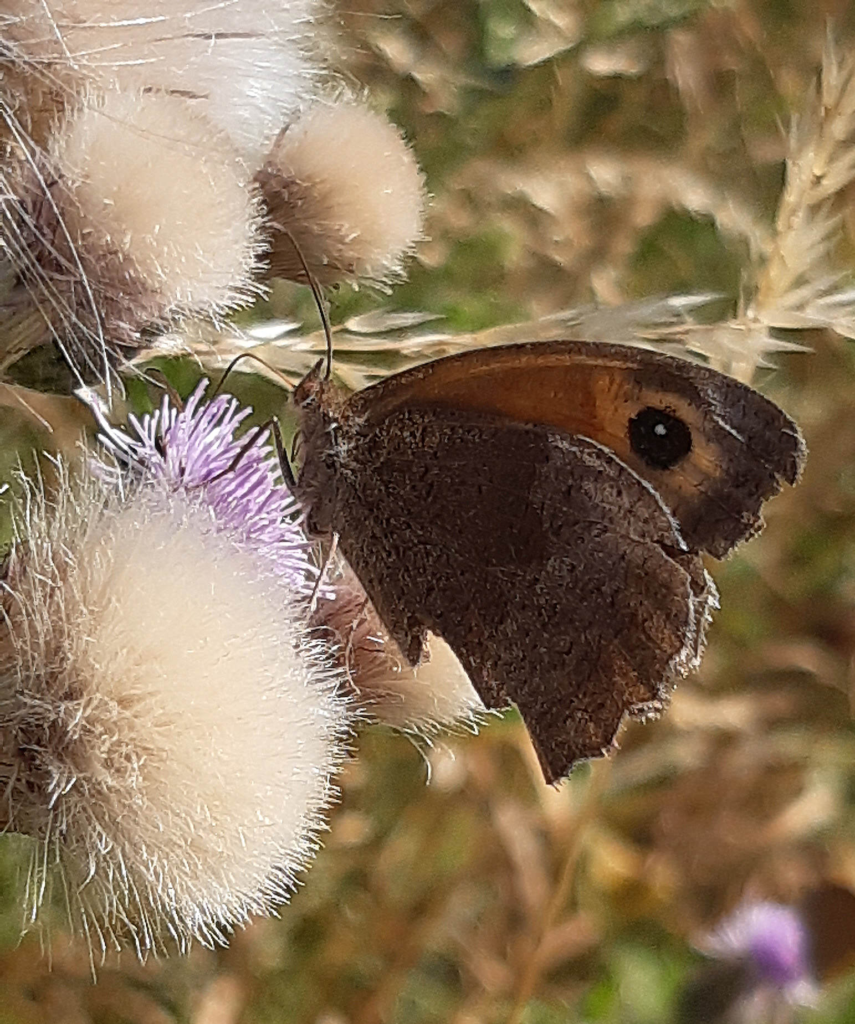
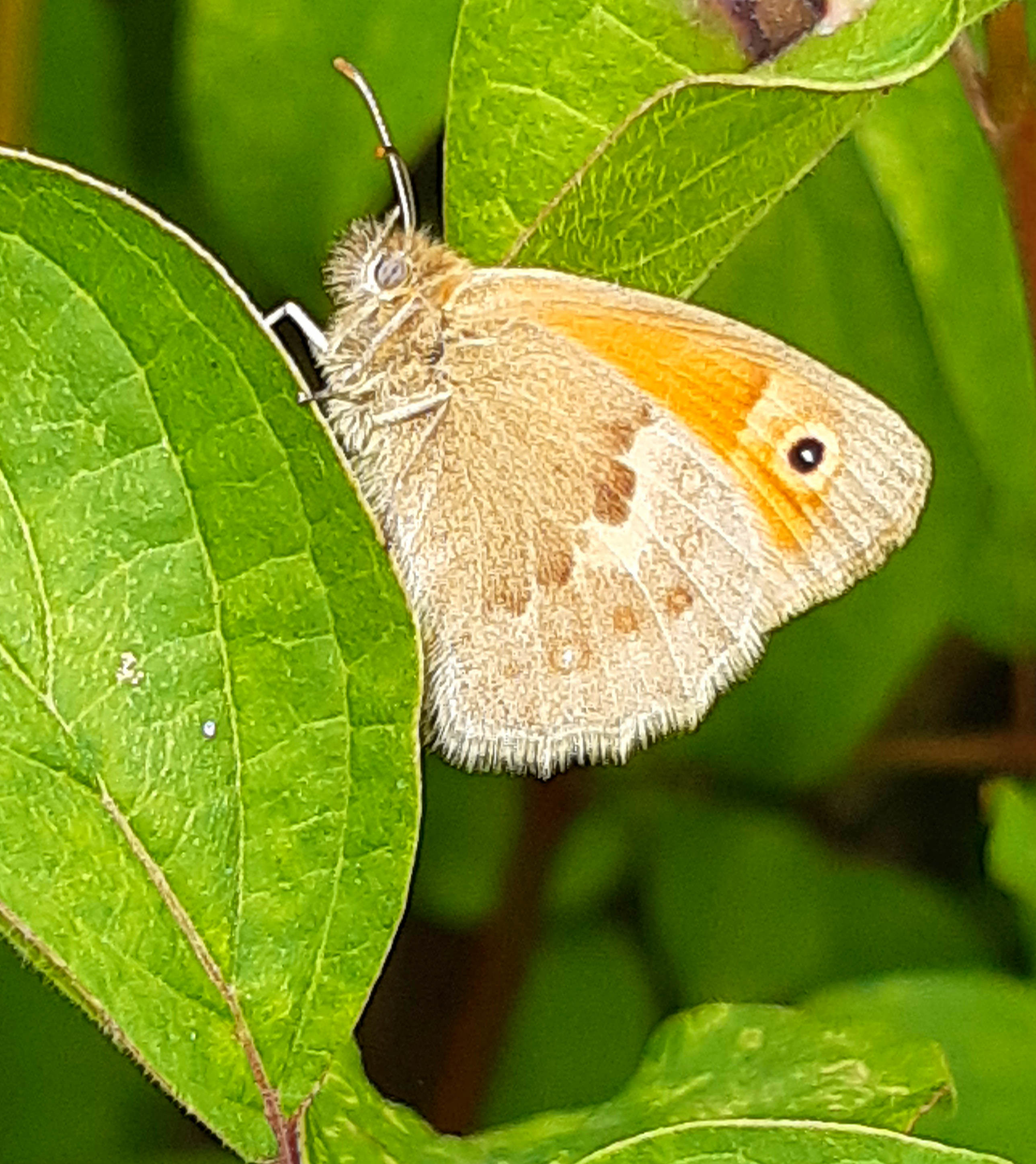
Meadow Brown, once so common I wouldn’t have thought to photograph it: now declining across Britain, but happily still thriving here at Osterley. Also around the meadow flowers were plenty of Gatekeepers.
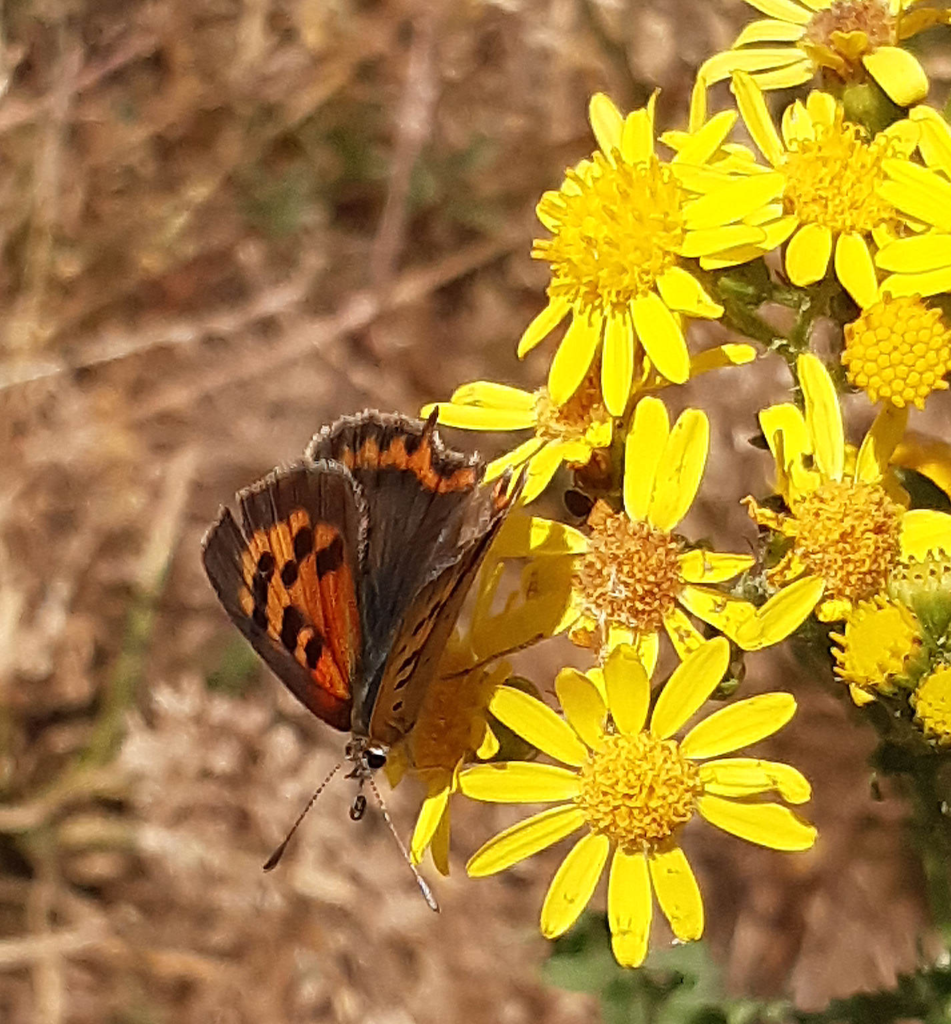
Small Copper
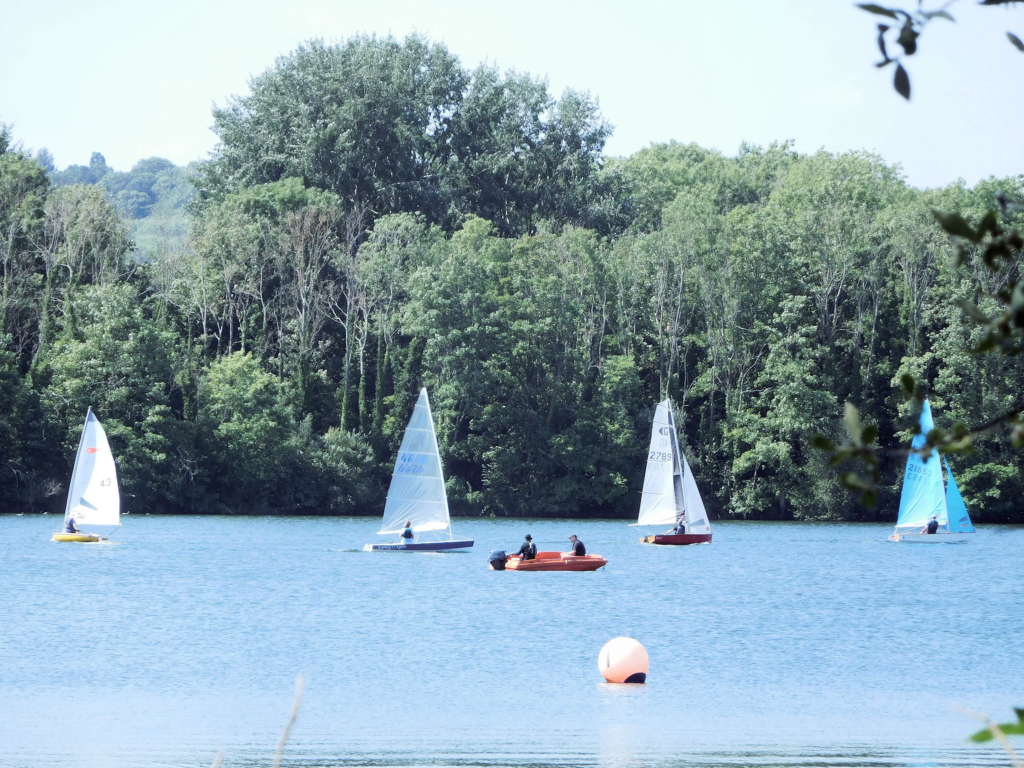
Wraysbury Lakes is an area of former gravel pits and secondary woodland where the Colne Brook flows across the Thames floodplain. One of the lakes is used for sailing; some are reservoirs. The land has a pleasantly reclaimed and scruffy feeling to it; a patch is a solar farm; another area is used for grazing ponies; and another is delightfully “weedy” with many colourful flowers of waste ground, and their pollinators.
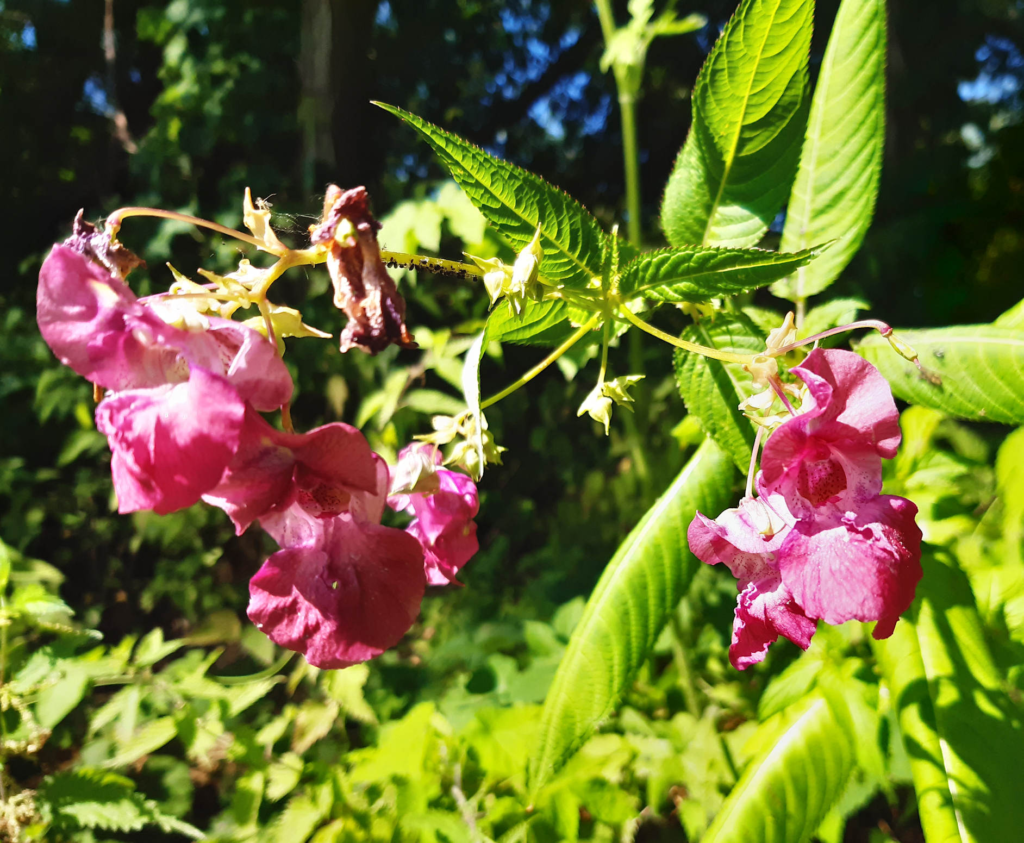
Himalayan Balsam grows beside the Colne Brook here and there, but has not become seriously invasive.
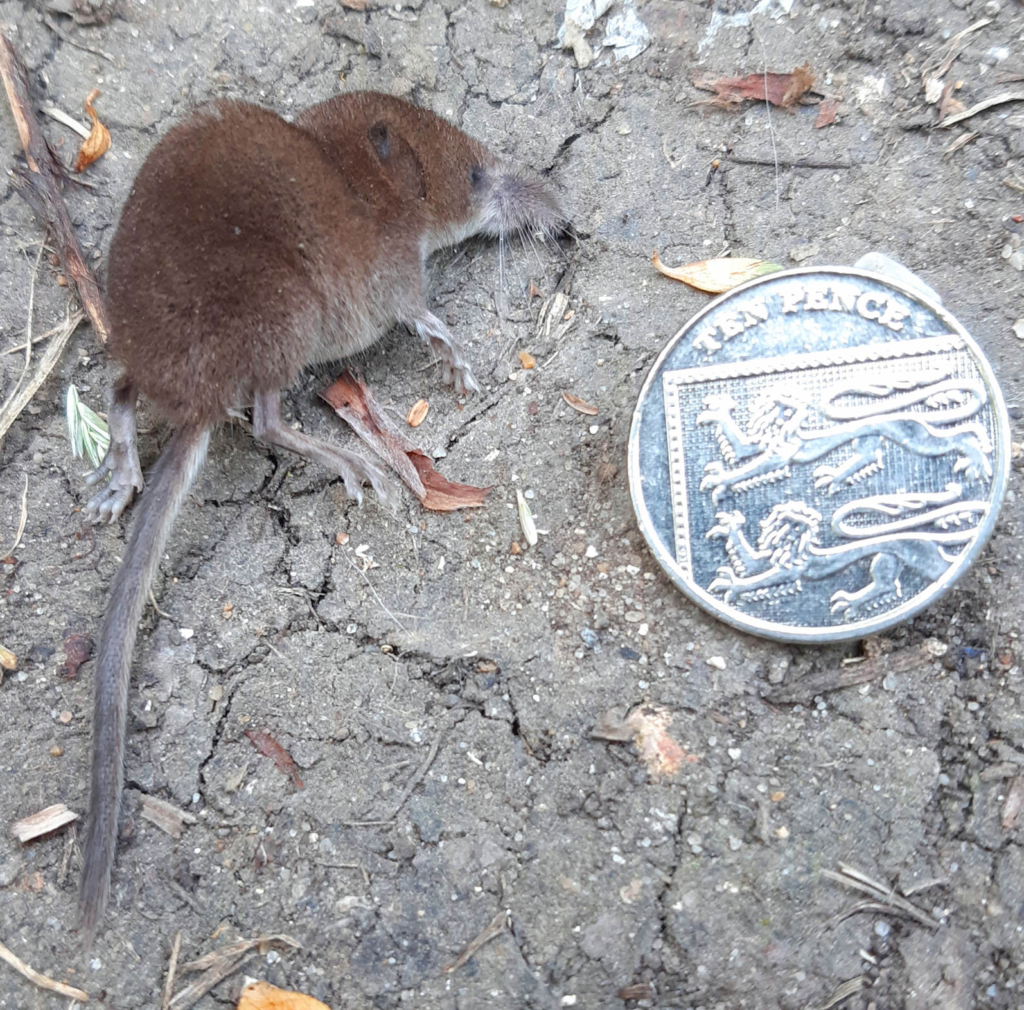
A Water Shrew, if the silvery hairs along tail and feet are anything to go by. Given its small size this must be a young one. The species is known in the area.
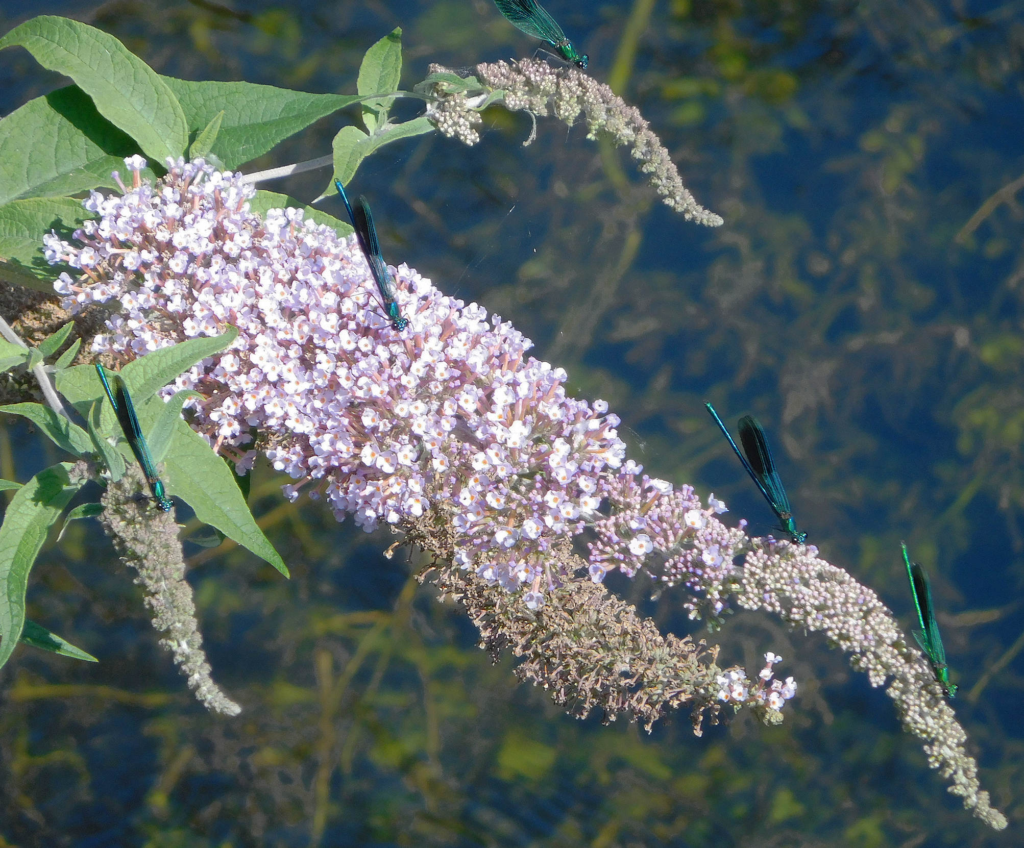
This Buddleia near the road bridge over the Colne Brook has attracted both male (blue) and female (green) Banded Demoiselles, an interesting sight having both together.
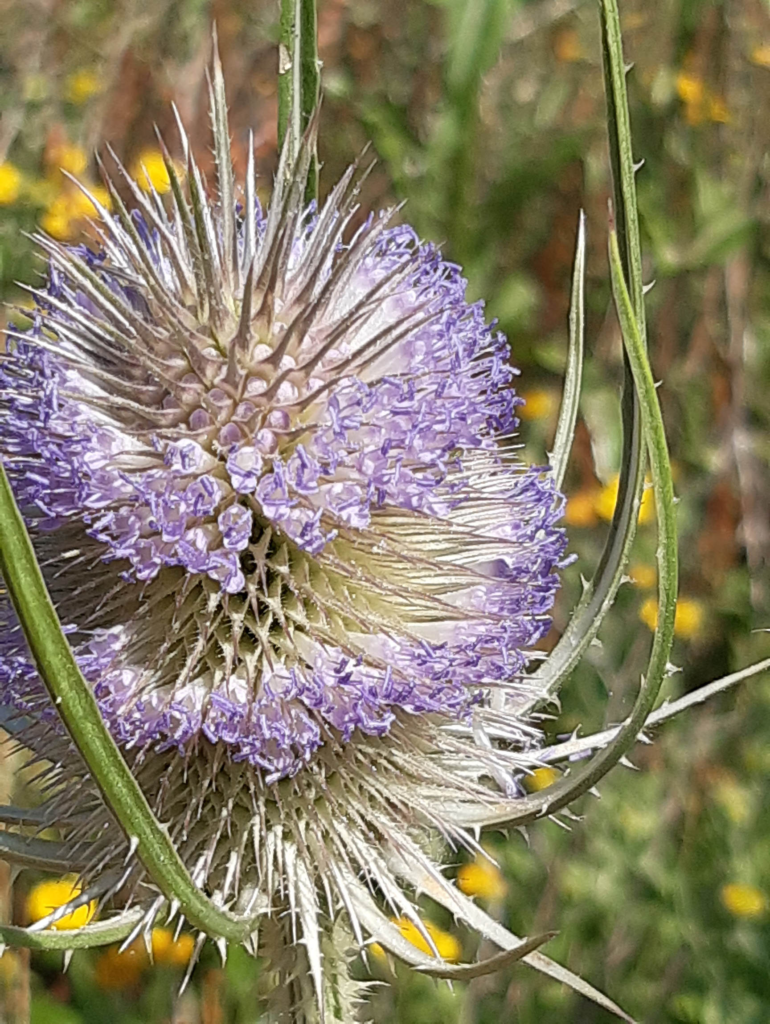
Out in the sunshine in the wasteland area are many tall flowering forbs, including Teasel …
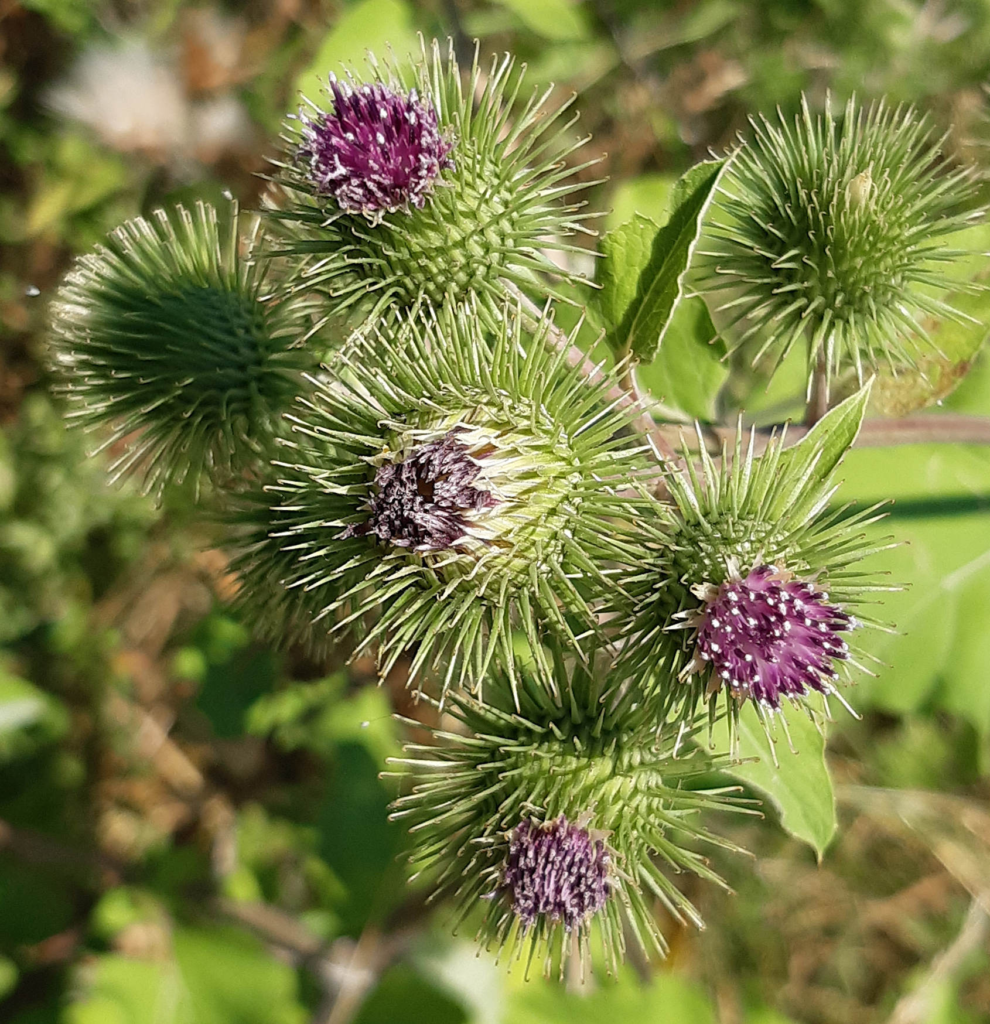
Burdock …
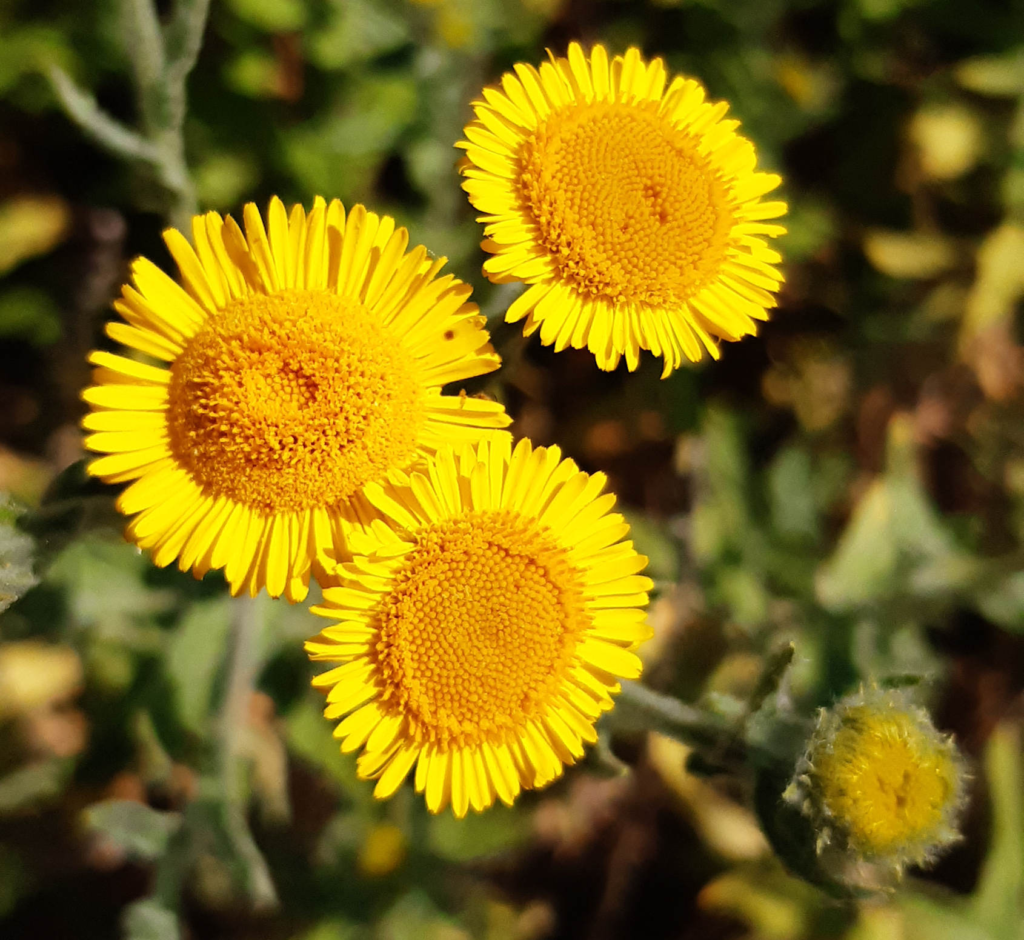
Fleabane …
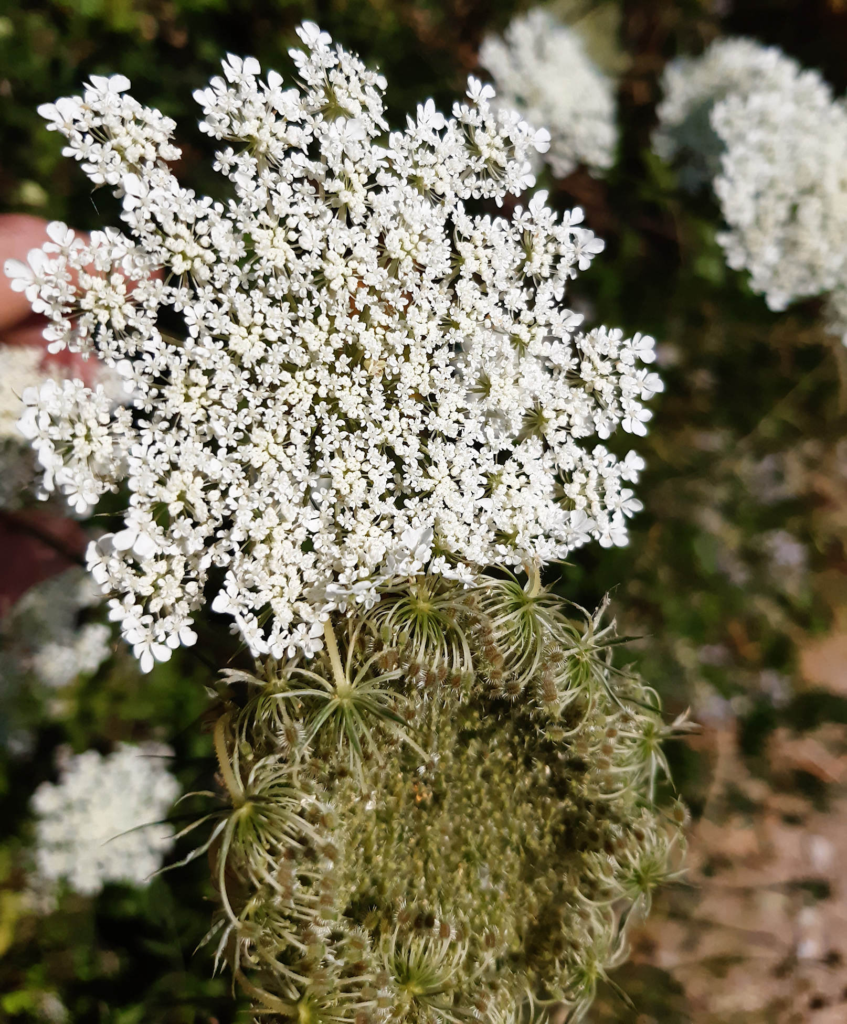
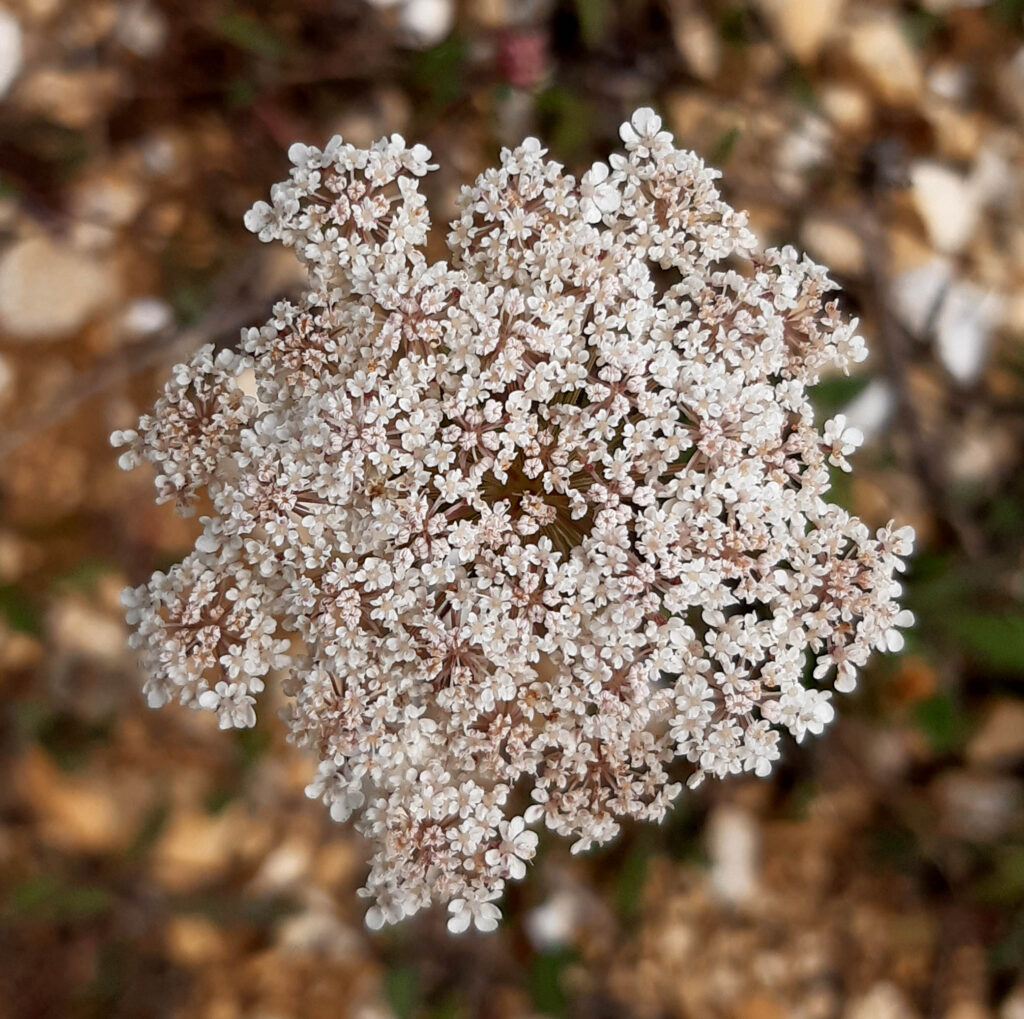
… and Wild Carrot.
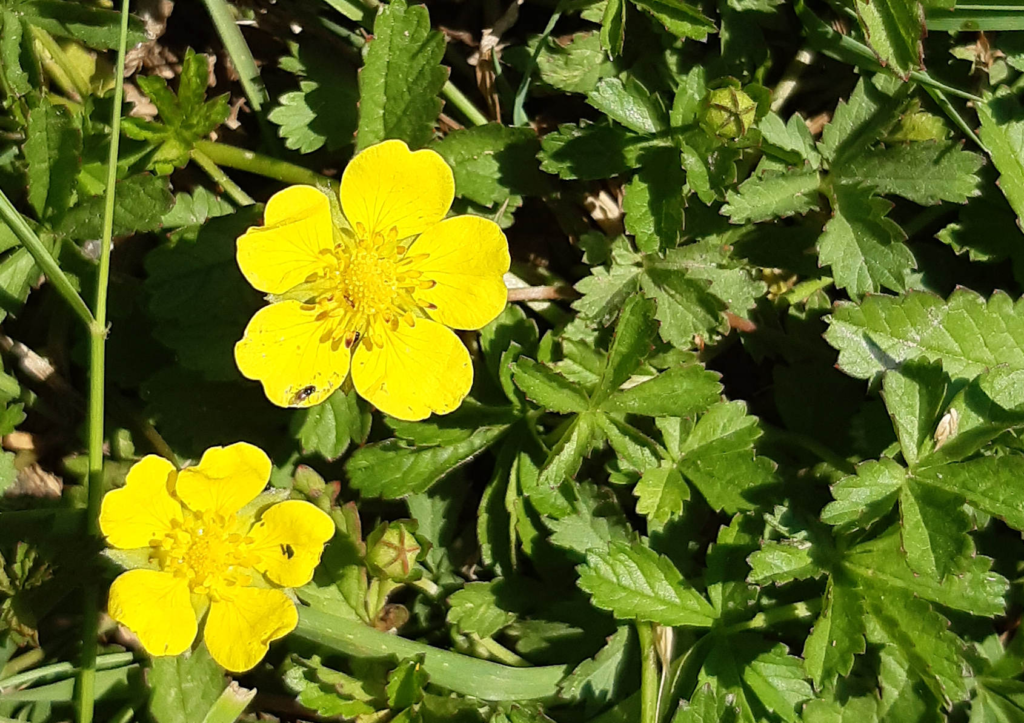
Beside the paths you can find lawns of Creeping Cinquefoil.
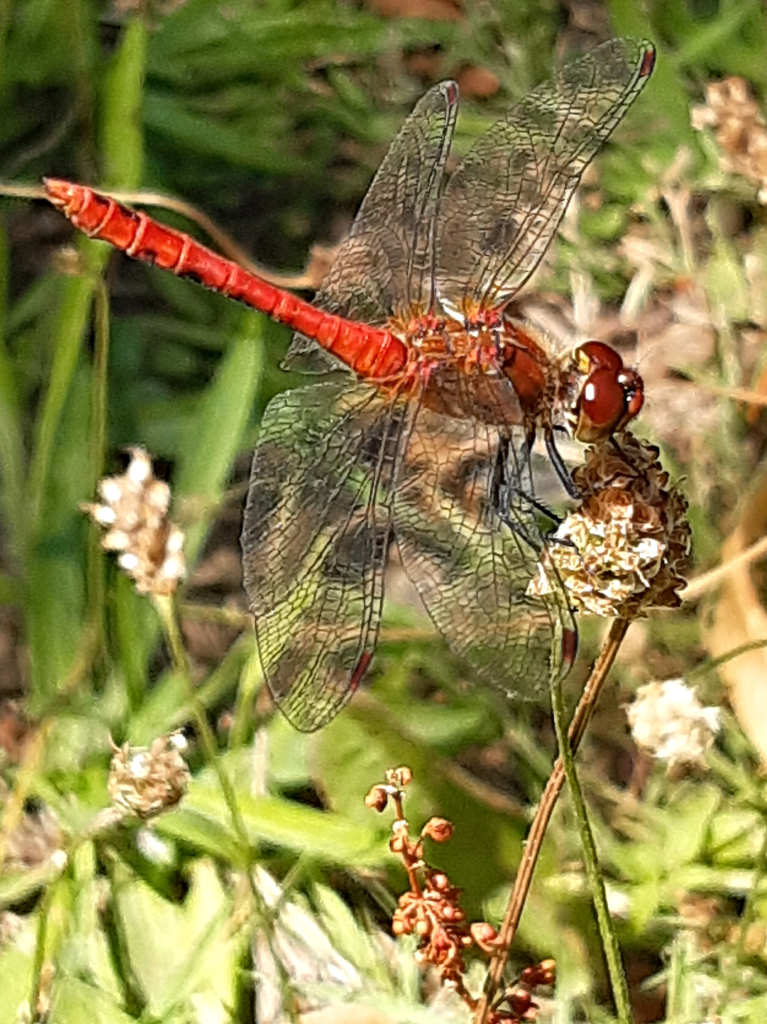
The heat dome over Europe has made water bodies like Kew’s lake all the more special. In the 30 C heat of the afternoon, the dragonflies sparkle, shimmer, and flash across the water, hardly perching, diving at each other in lightning-rapid defences of territory. This male Ruddy Darter perched long enough between aerial sallies to be pictured.
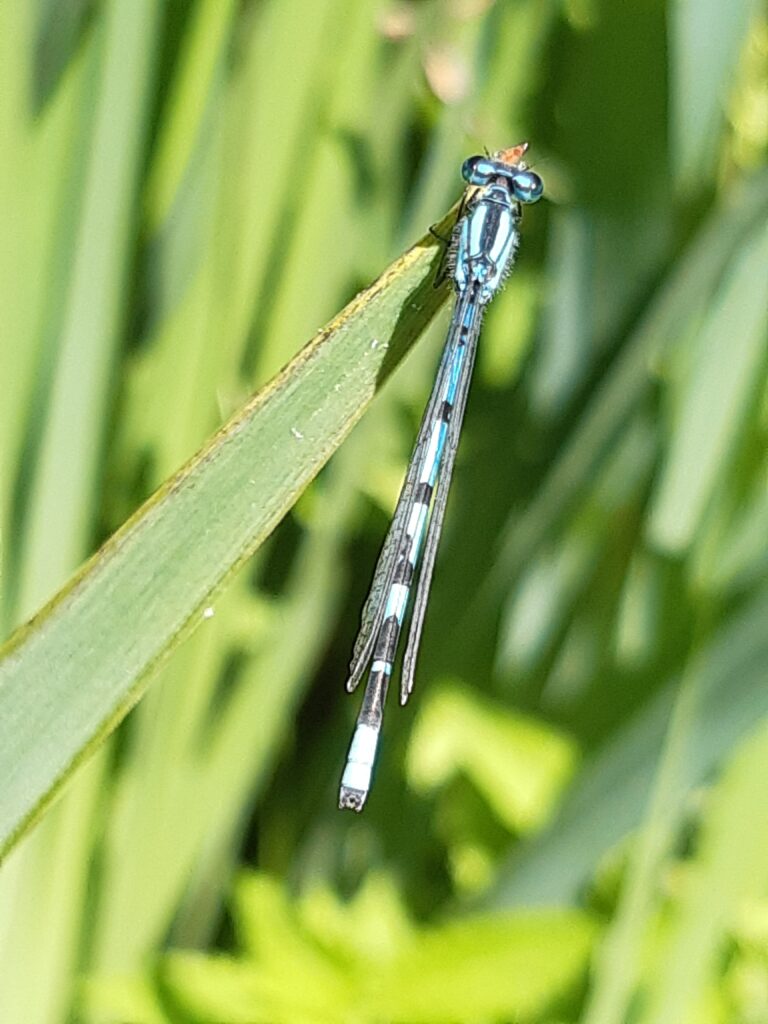
Common Blue Damselflies skittered about, perching for a few seconds at a time.
Higher over the water, Emperor Dragonflies patrolled ceaselessly. Smaller species like Black-tailed Skimmers and Broad-bodied Chasers flashed low over the water.
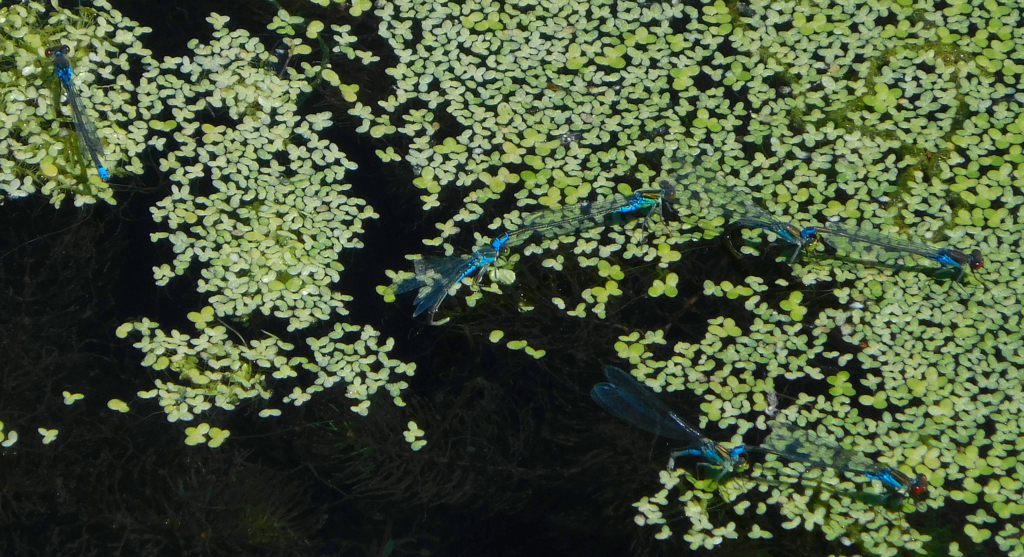
Pairs of Small Red-eyed Damselflies settled on the Duckweed near the margin of the lake, the females repeatedly laying eggs while the males clasped their necks.
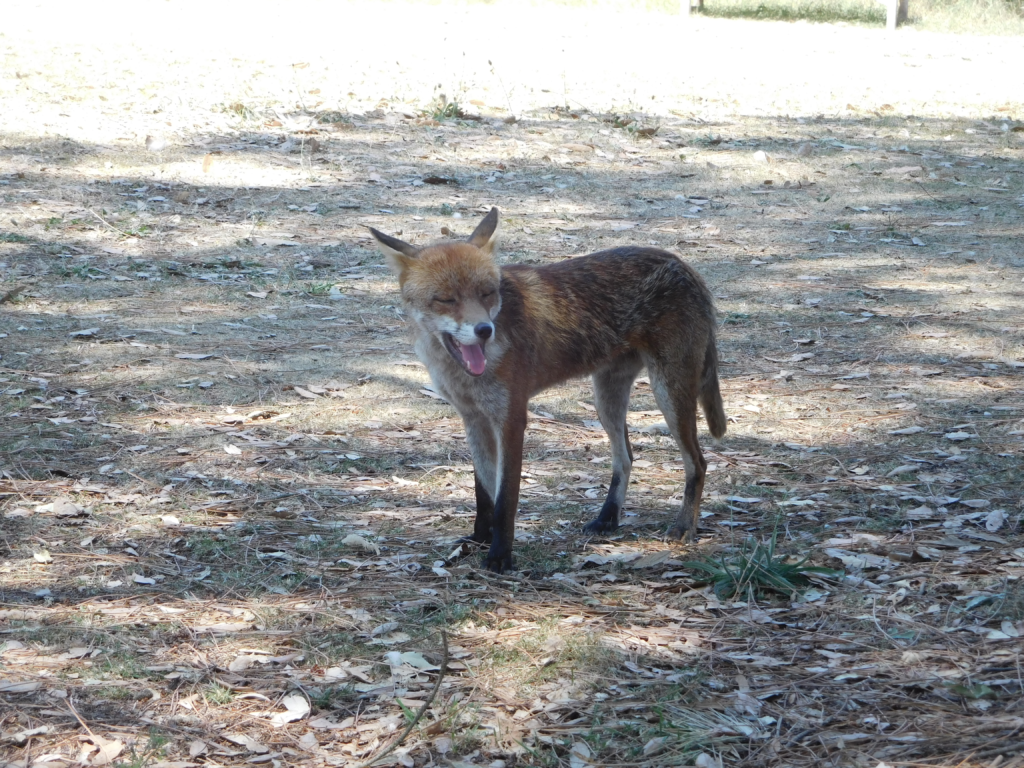
An extremely tame fox panted in the heat, hoping for dainty morsels of food from nearby picnickers.
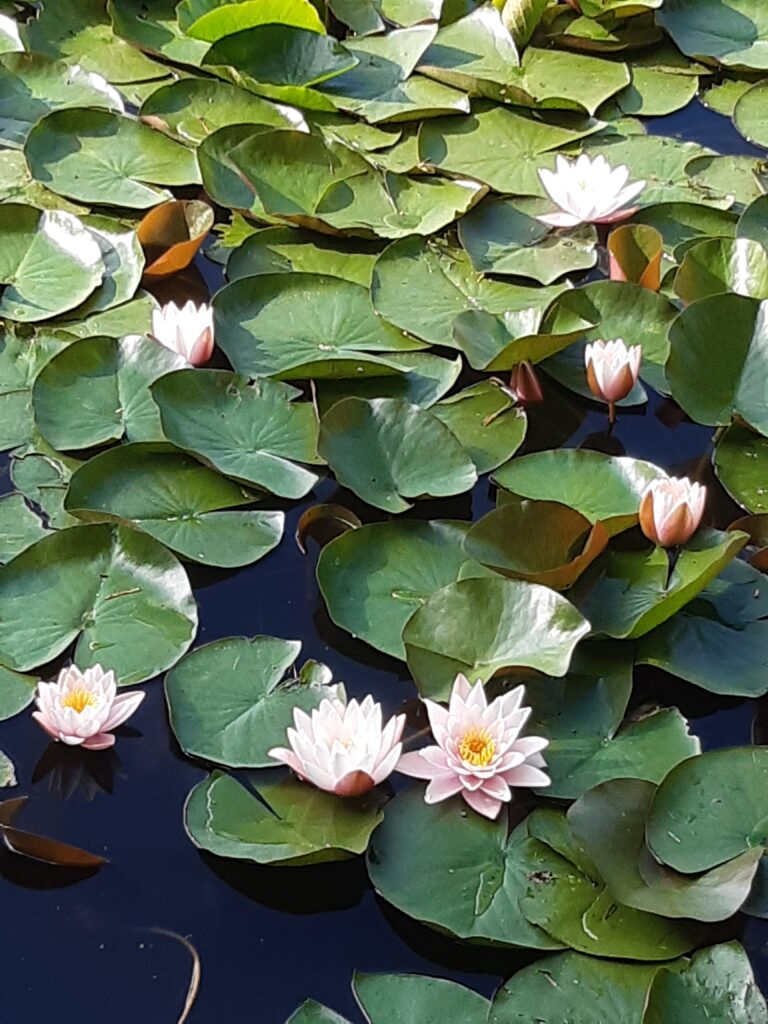
(28 June) Thursley Common is special, from the moment of arriving at Moat Pond with its sparkling white Water-lilies.
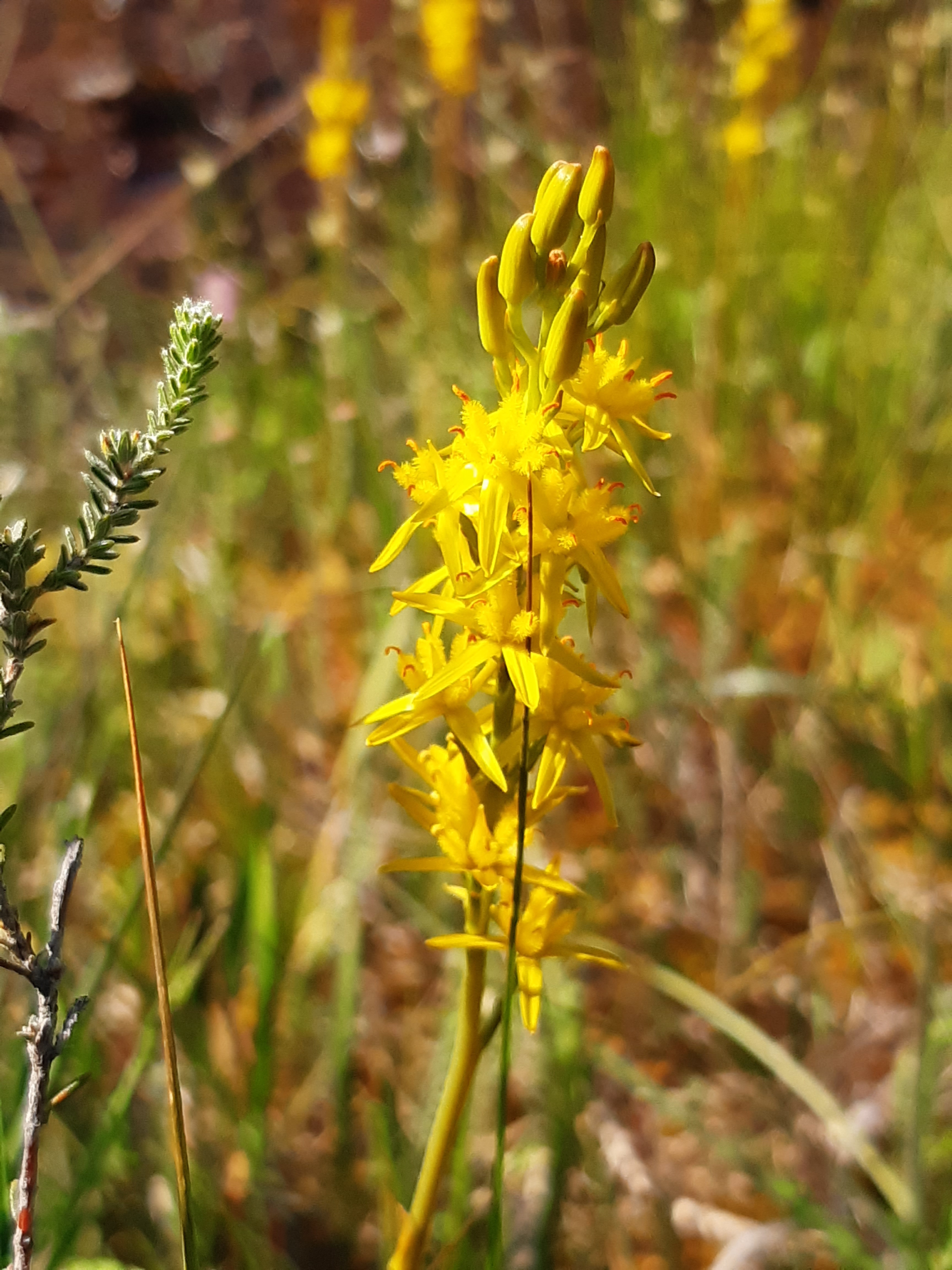
The flat boggy area is full of rare and exotic-seeming plants, like the beautiful Bog Asphodel that demands a wet acidic soil, growing lotus-like from the black mud.
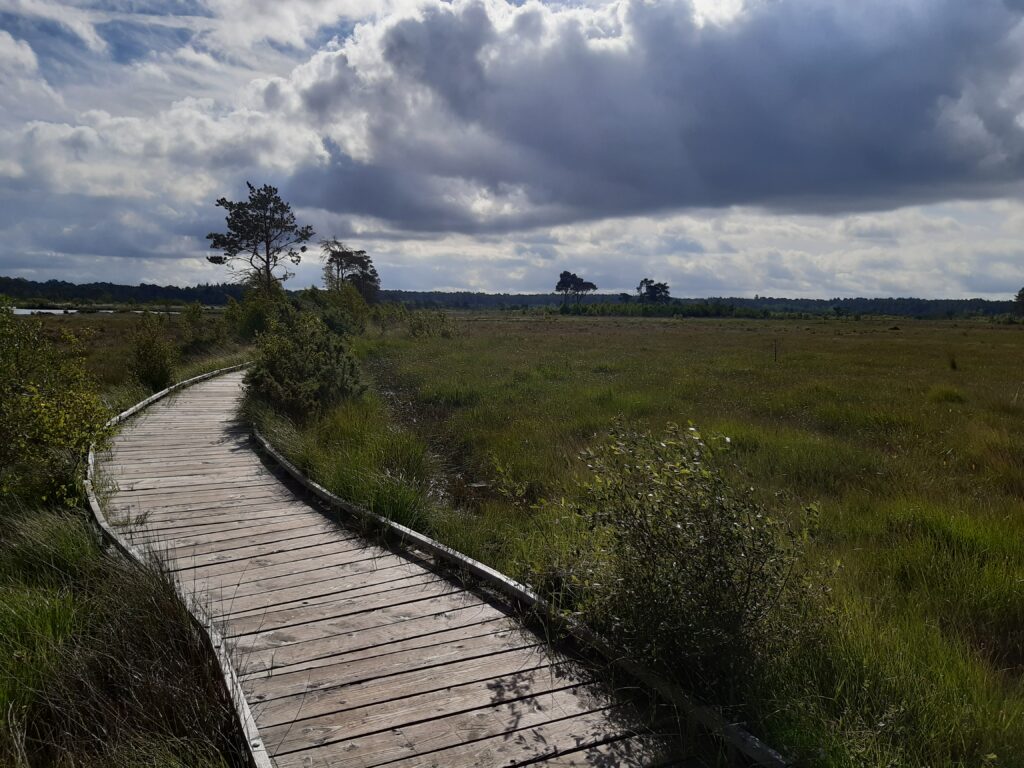
The common is a wide area of forest, bog, and little hills covered in heathland with boardwalks across the bog and dry sandy paths across the heath.
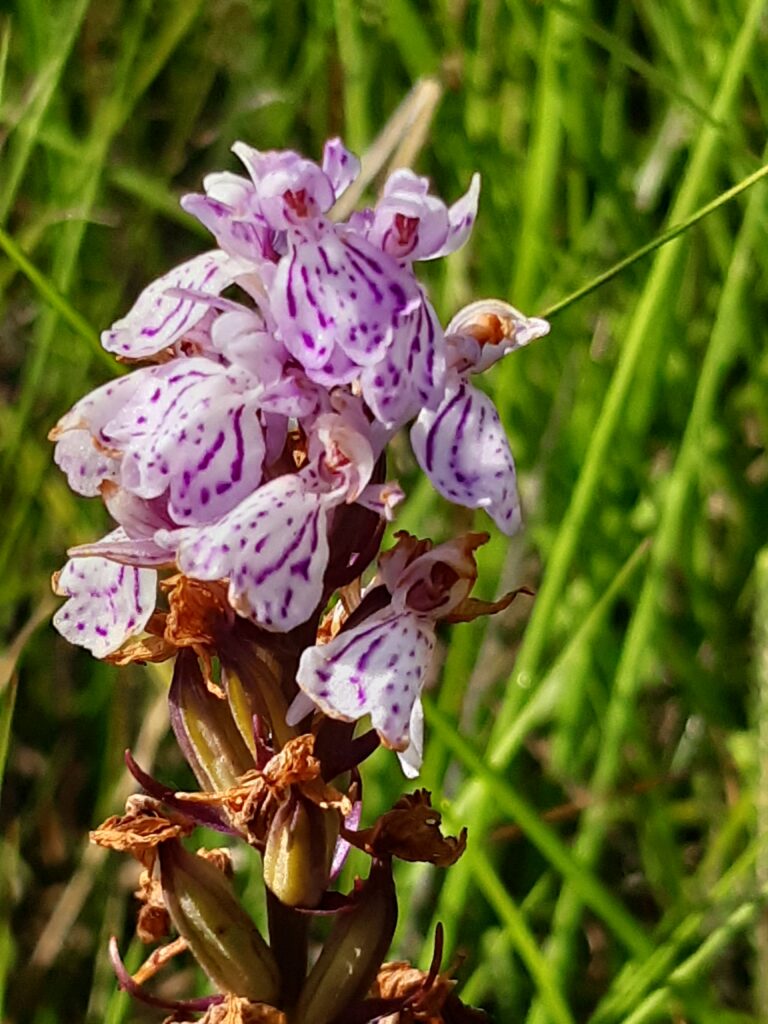
Among the delights of Thursley is the glorious Marsh Orchid.
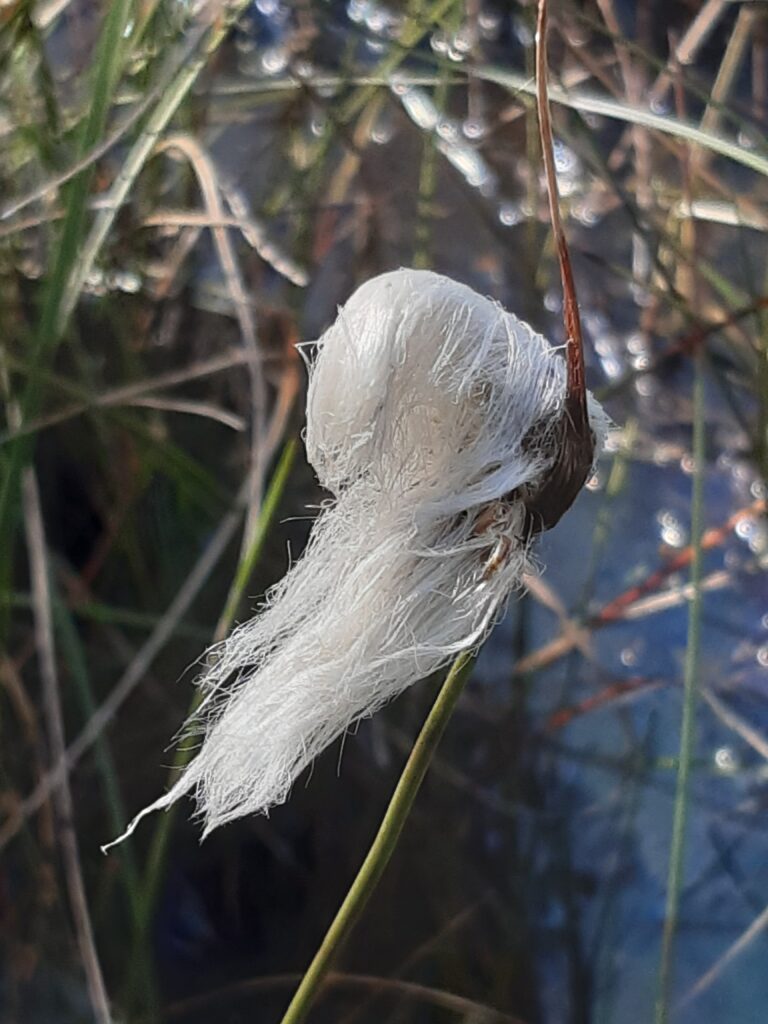
Molinia, the bog cotton, is a plant totally characteristic of wild (Northern) moorland. It’s marvellous to see it down here in the South of England.
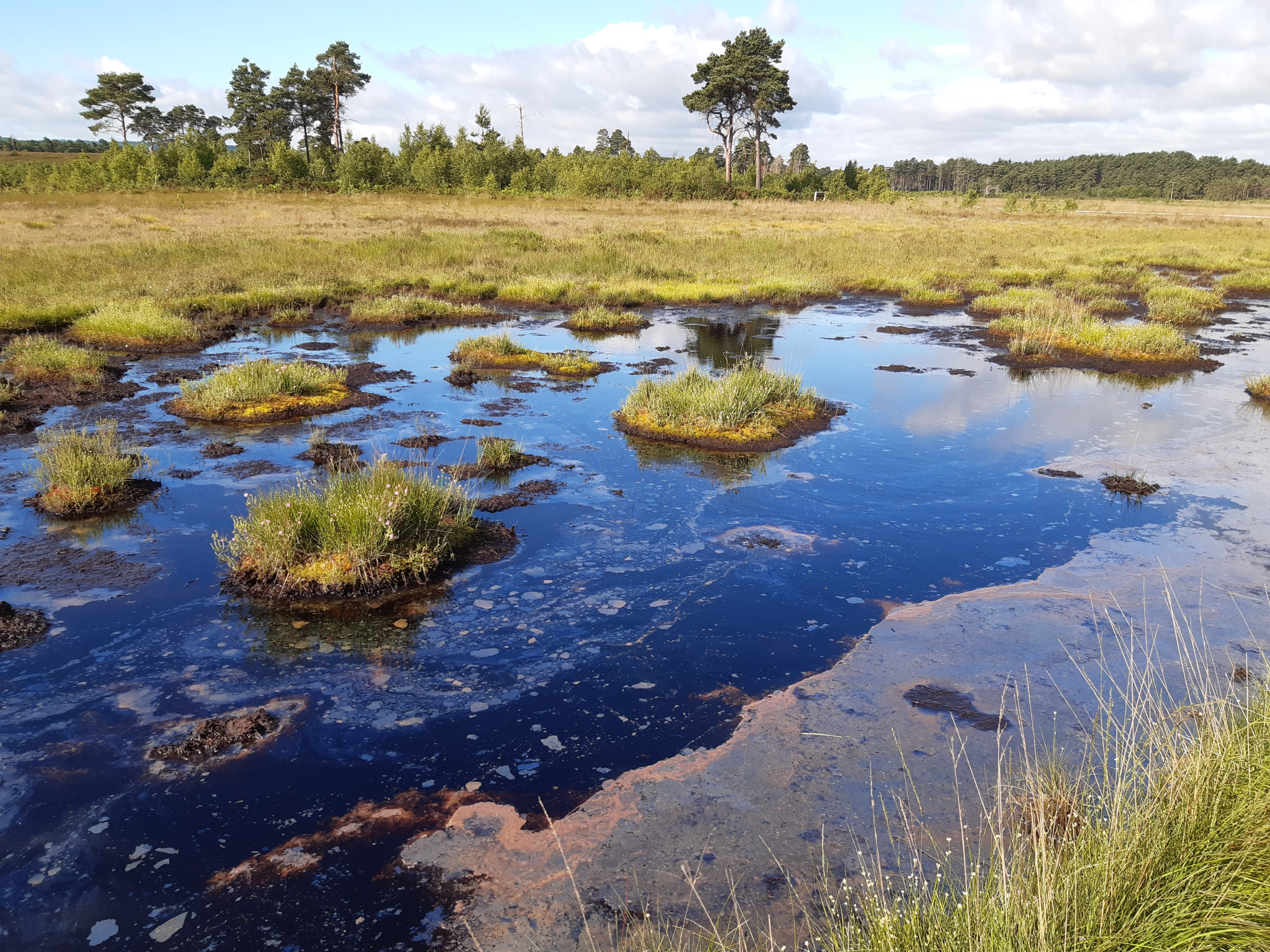
The bog pools are the home of dragonflies like the Black Darter, which can be seen only in this sort of habitat.
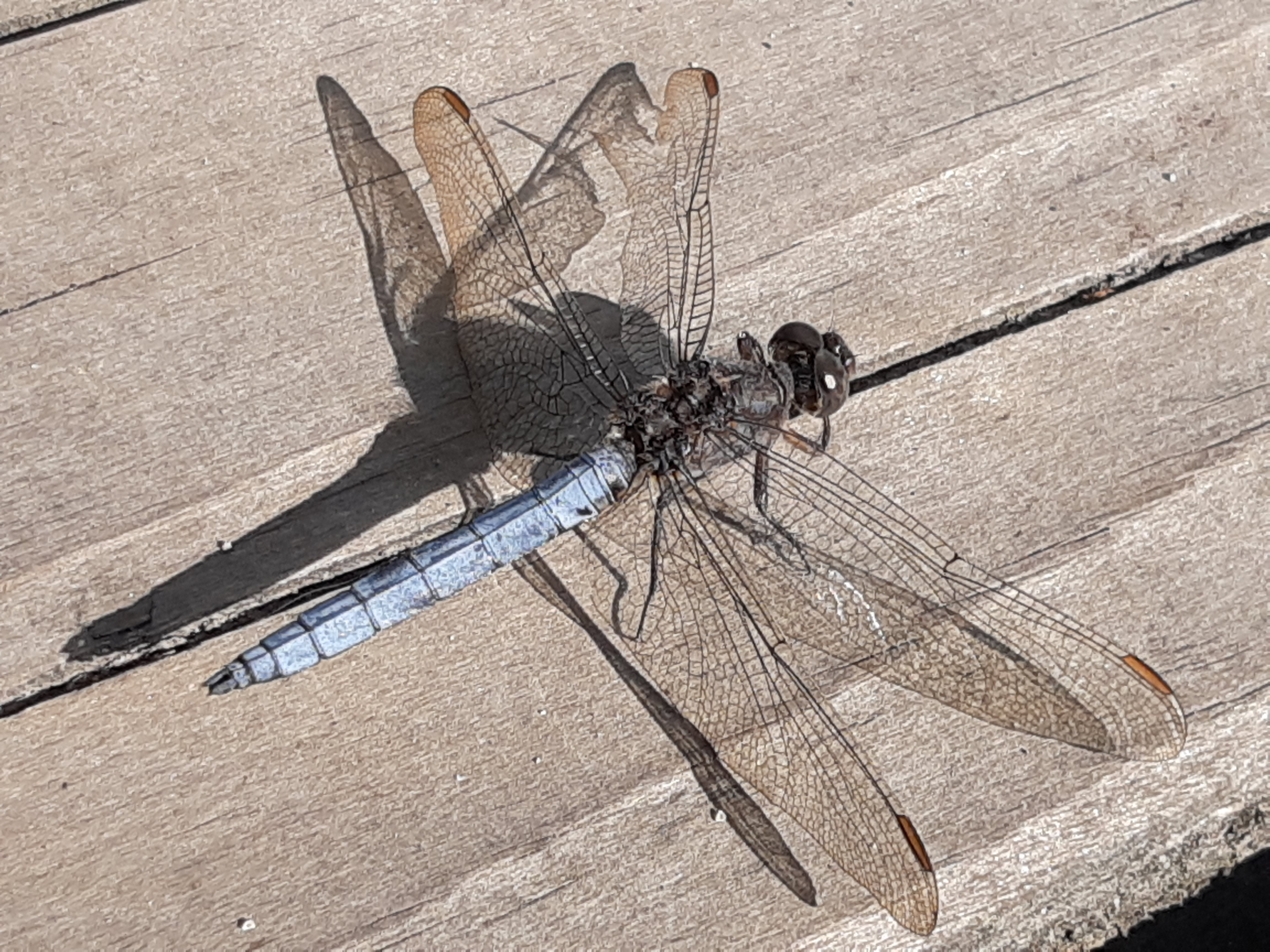
Other species like this Keeled Skimmer can be found in lowland streams as well as around bog pools.
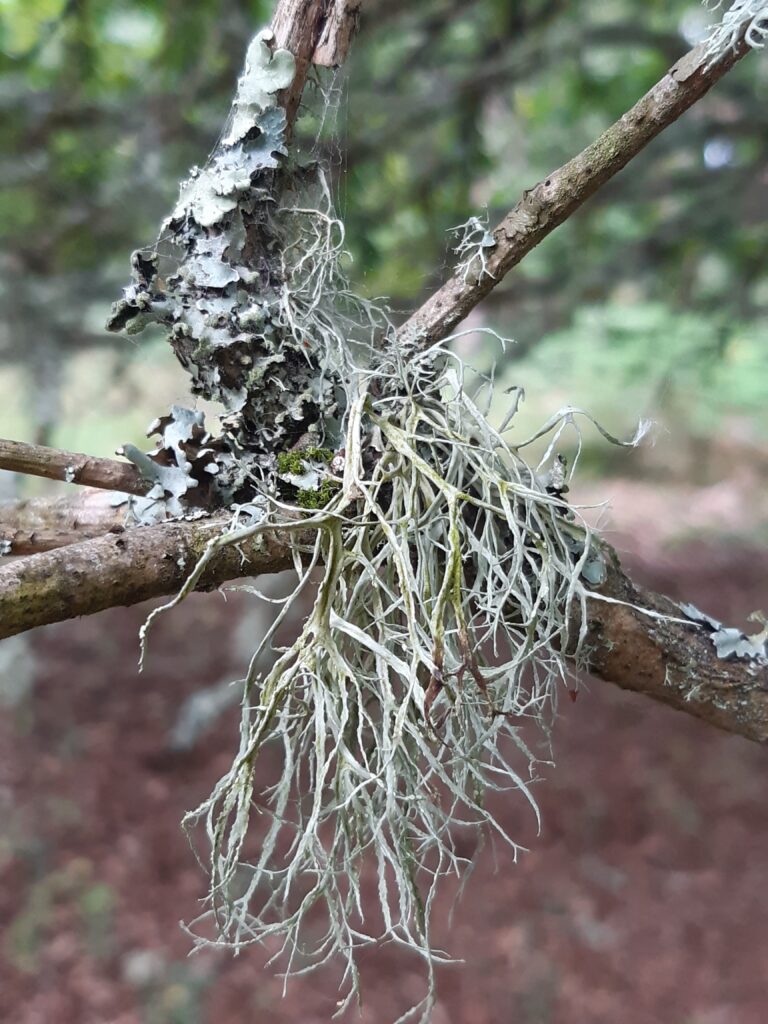
In the forested areas, handsome lichens like these long branching strands of Ramalina indicate the purity of the air. Leafy Parmelia-type lichens are growing in the background.
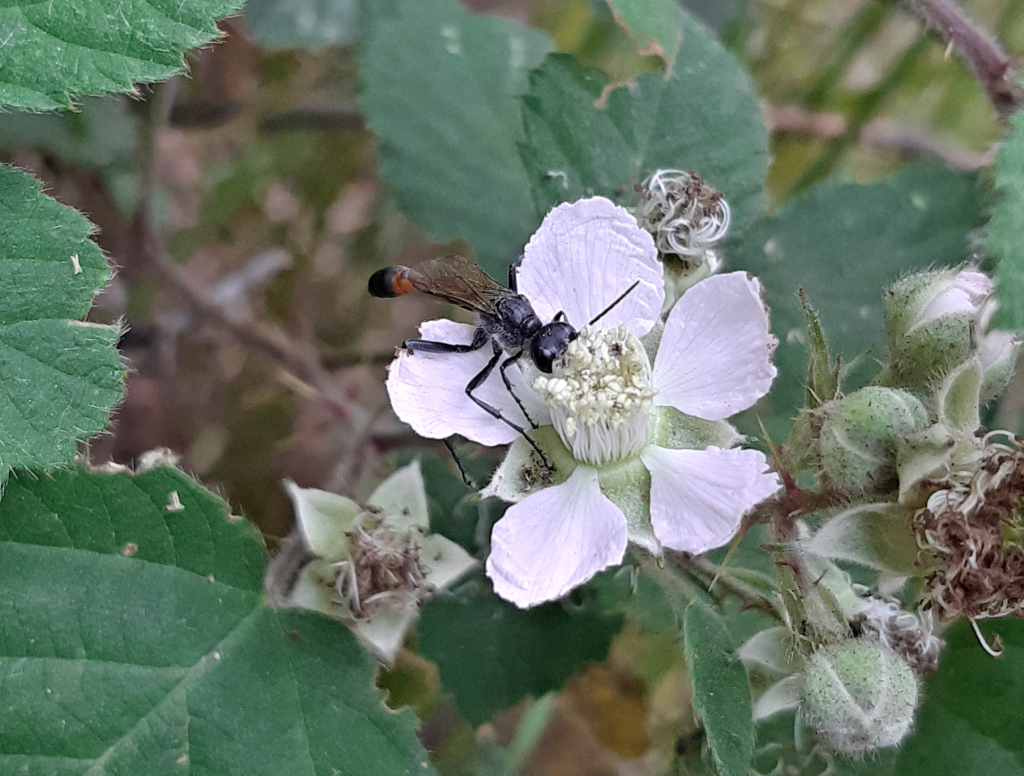
A large and handsome parasitic wasp takes nectar from a bramble flower.

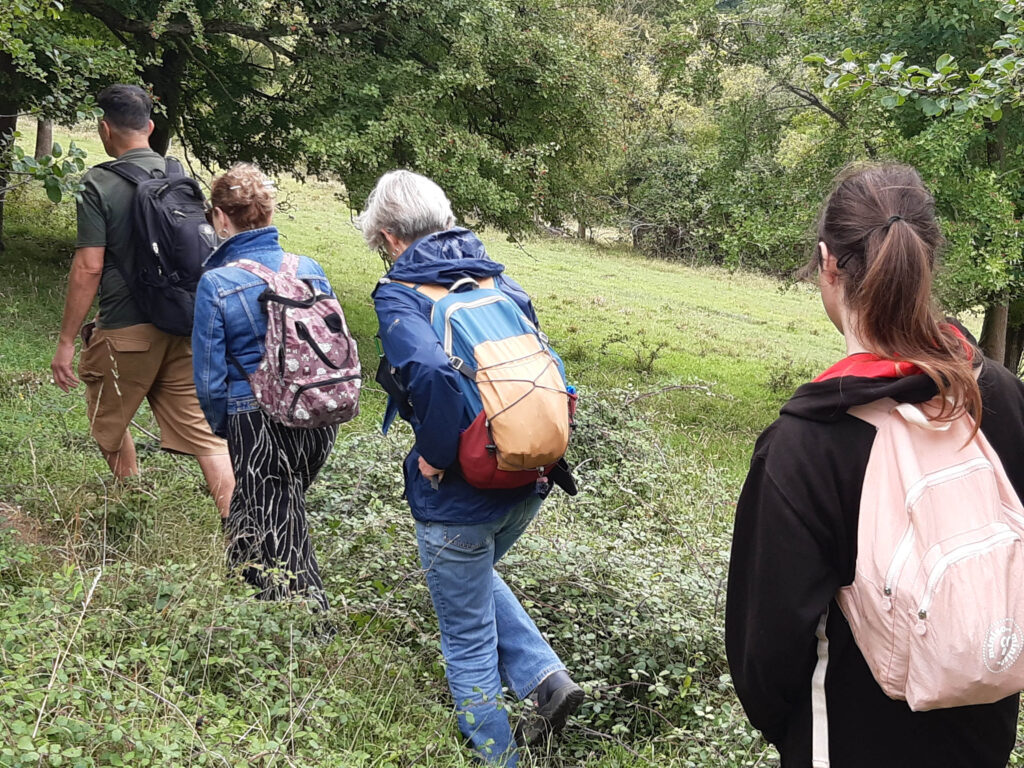
Our entire LWT volunteers group (well, everyone who wanted) took a day off work and travelled the tube, overground, and tram to get to New Addington. From the end of the tram line, we walked a few steps to Hutchinson’s Bank.
This is the start of the group of beautiful and quiet LWT reserves that line this part of the warm south-facing scarp slope of the chalk of the North Downs.
The chalk formed as the tiny shells of marine algae (coccolithophores) rained down on to the seabed of a warm shallow sea during the Cretaceous period. The upper chalk here formed 100 to 66 million years ago. It then hardened, and was eventually crumpled by tectonic movements to form a ridge above what is now the Weald of Kent and Sussex. That ridge eroded away, leaving a north-facing scarp on the South Downs, and the south-facing scarp of the North Downs that we were standing on.
The chalk is a soft limestone, rich in calcium, which makes the soil on it basic (alkaline), unlike the neutral or acidic London Clay and Thames Flood Gravels. The resulting soil is a thin, free-draining Rendzina on steep slopes, and a thicker Brown Earth in the valleys. These support a wealth of flowers such as Marjoram, Scabious, and several Orchids that like an alkaline soil. Those in turn support many species of butterfly; Andy says there are 40 species on the local list.
We strolled eastwards through the woods and chalk grassland of Hutchinson’s Bank, down the slope and through the wood of Three Corner Grove, and across the road to the third reserve, Chapel Bank.
The area is a few miles west, but on the same chalky slopes that Darwin visited from Down House: Down Bank and the little hill he called ‘Orchis Bank’ where he found specimens, and most famously described as a “tangled bank” in his 1859 book The Origin of Species.
Oh, all right then, here’s his description. You can decide for yourself if the chalk hills of the North Downs led him to devise his theory of evolution by natural selection:
I gave a brief introduction to the geology, soils, and ecology; Andy did the same for the butterfly fauna.
To see the images uncropped and at full size, open them in a new tab or window.
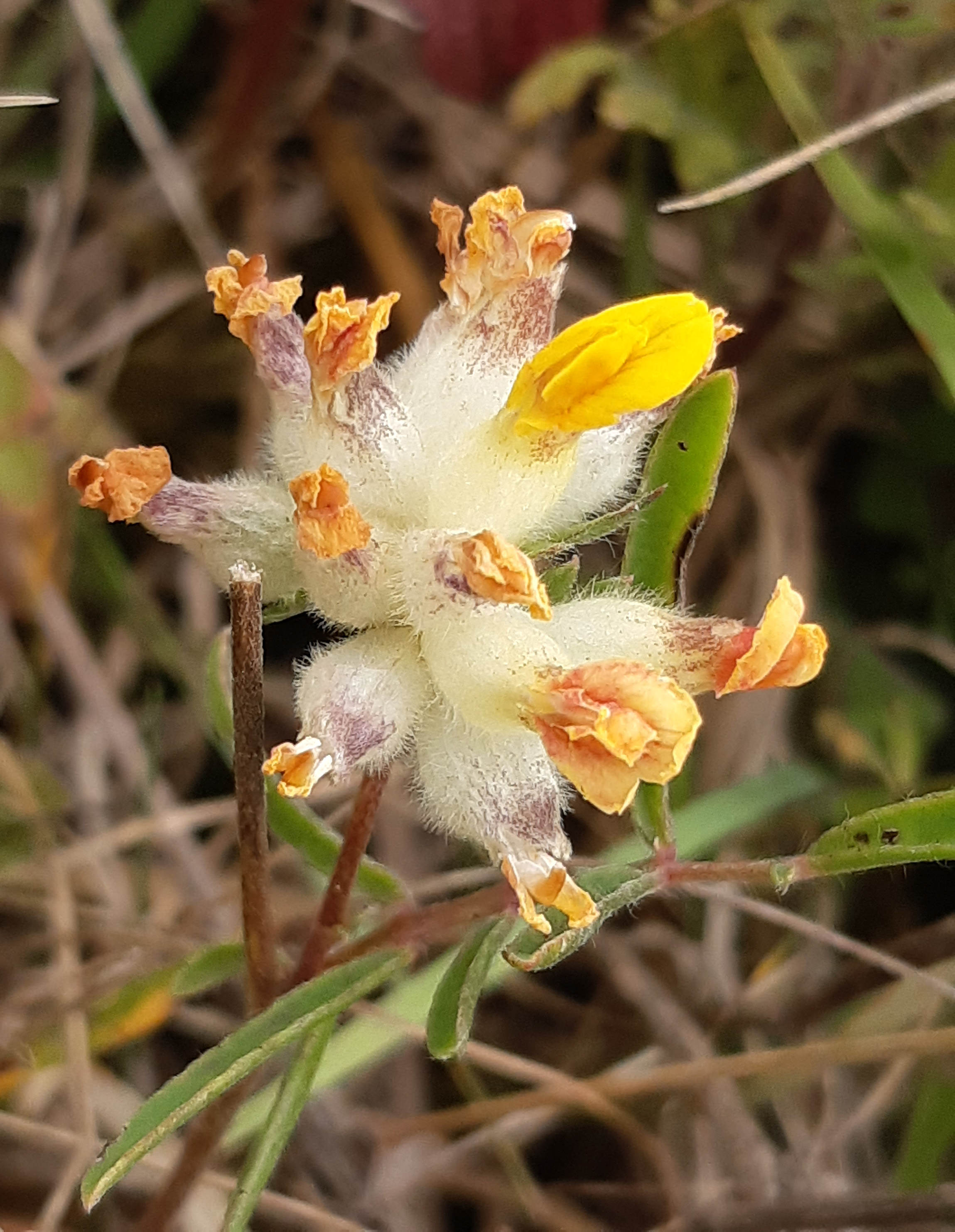
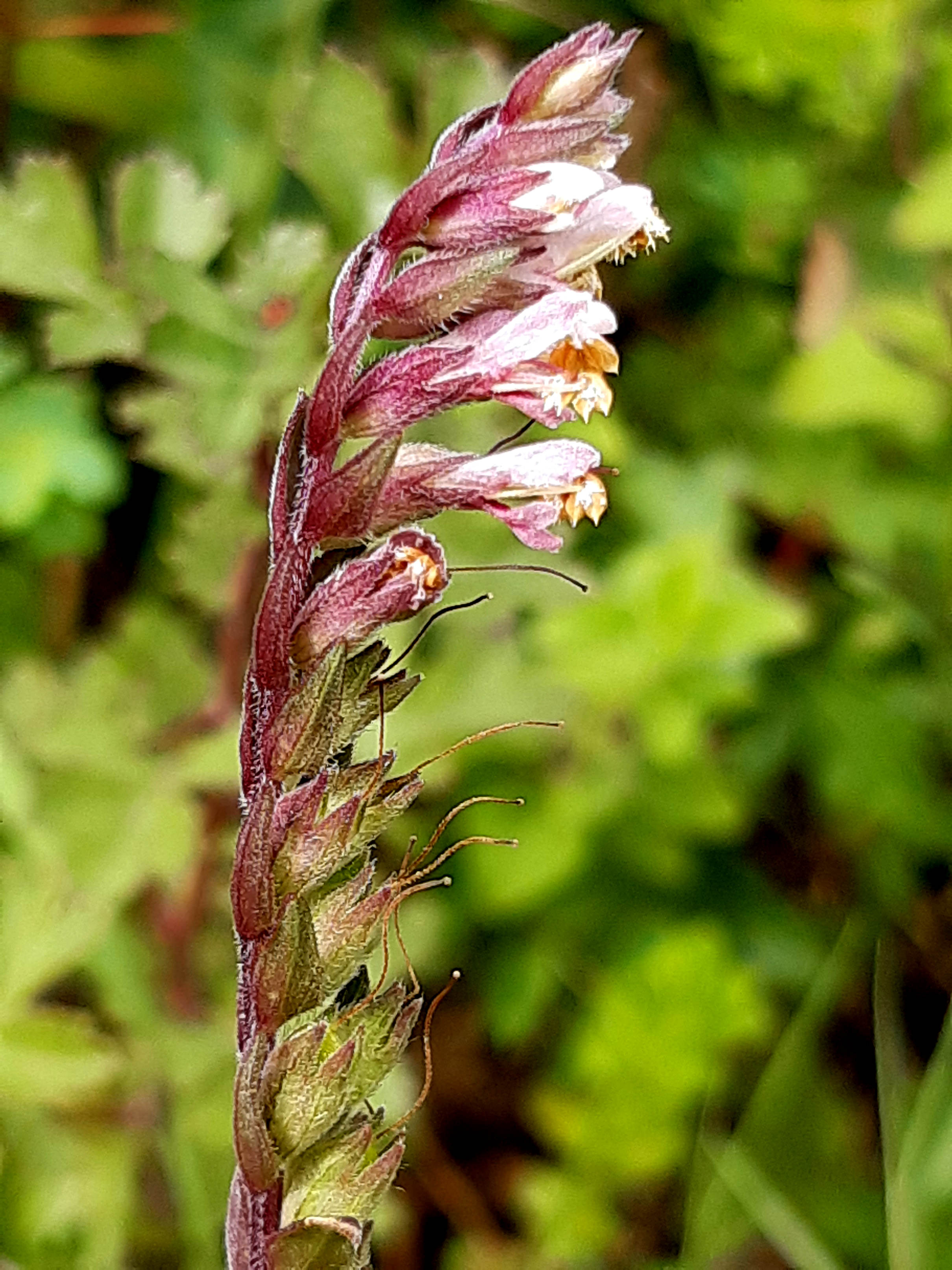
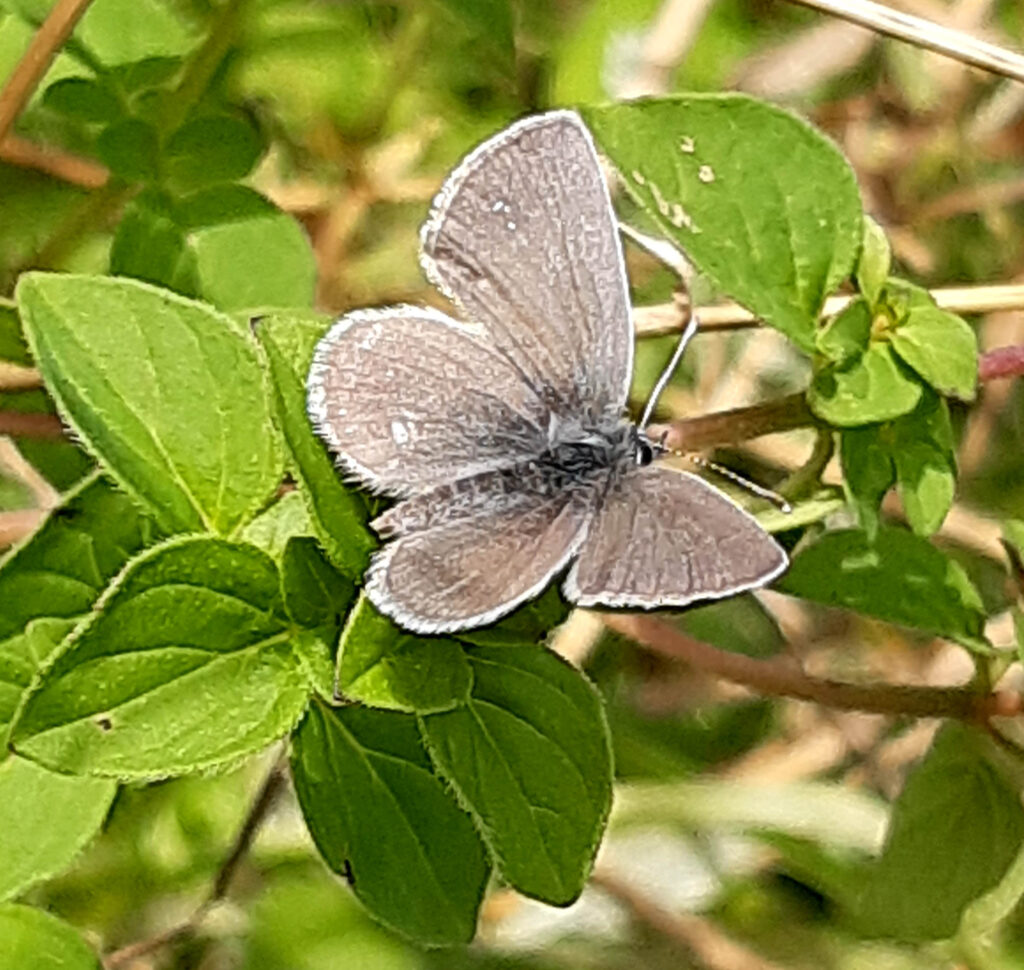
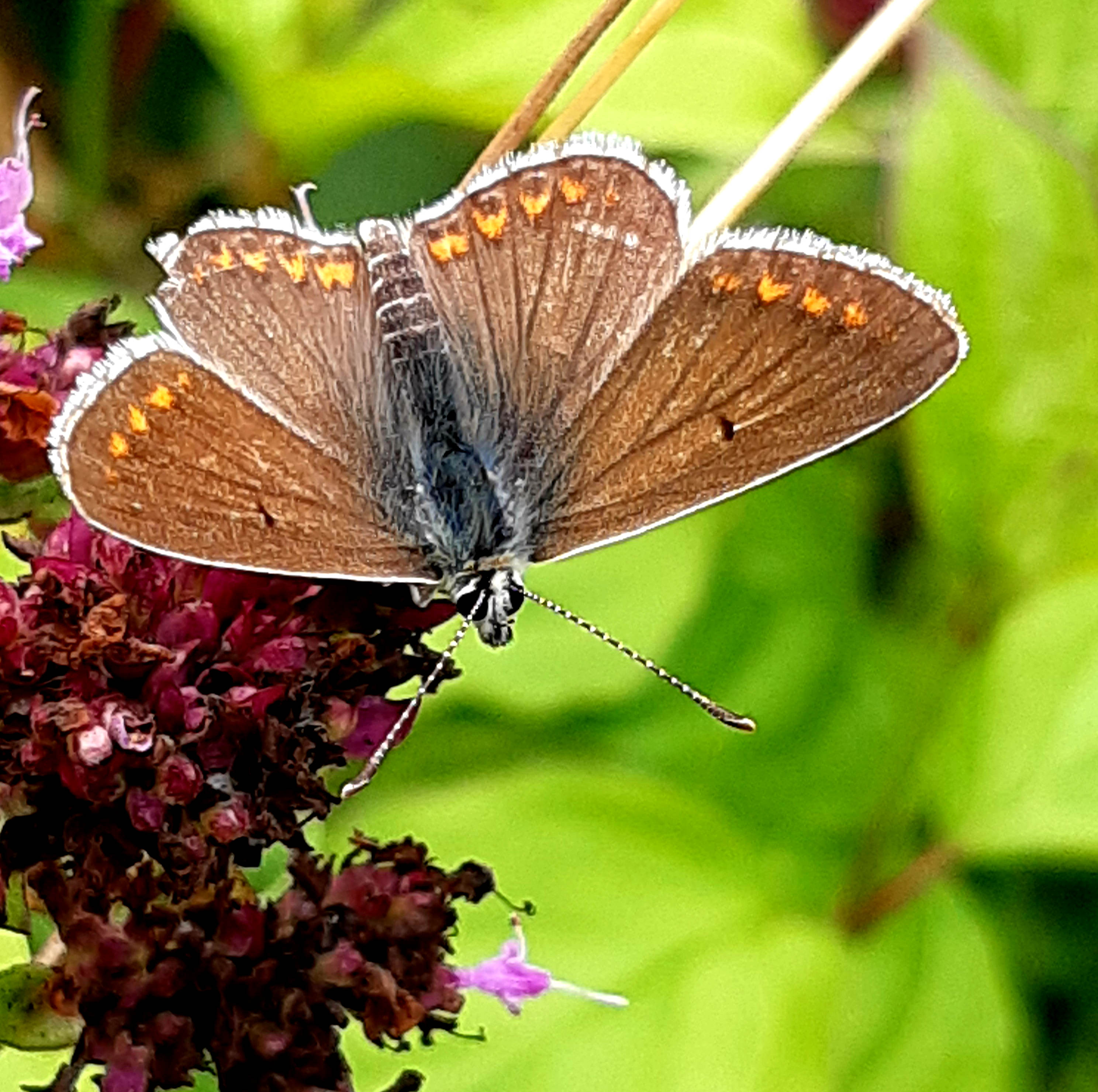
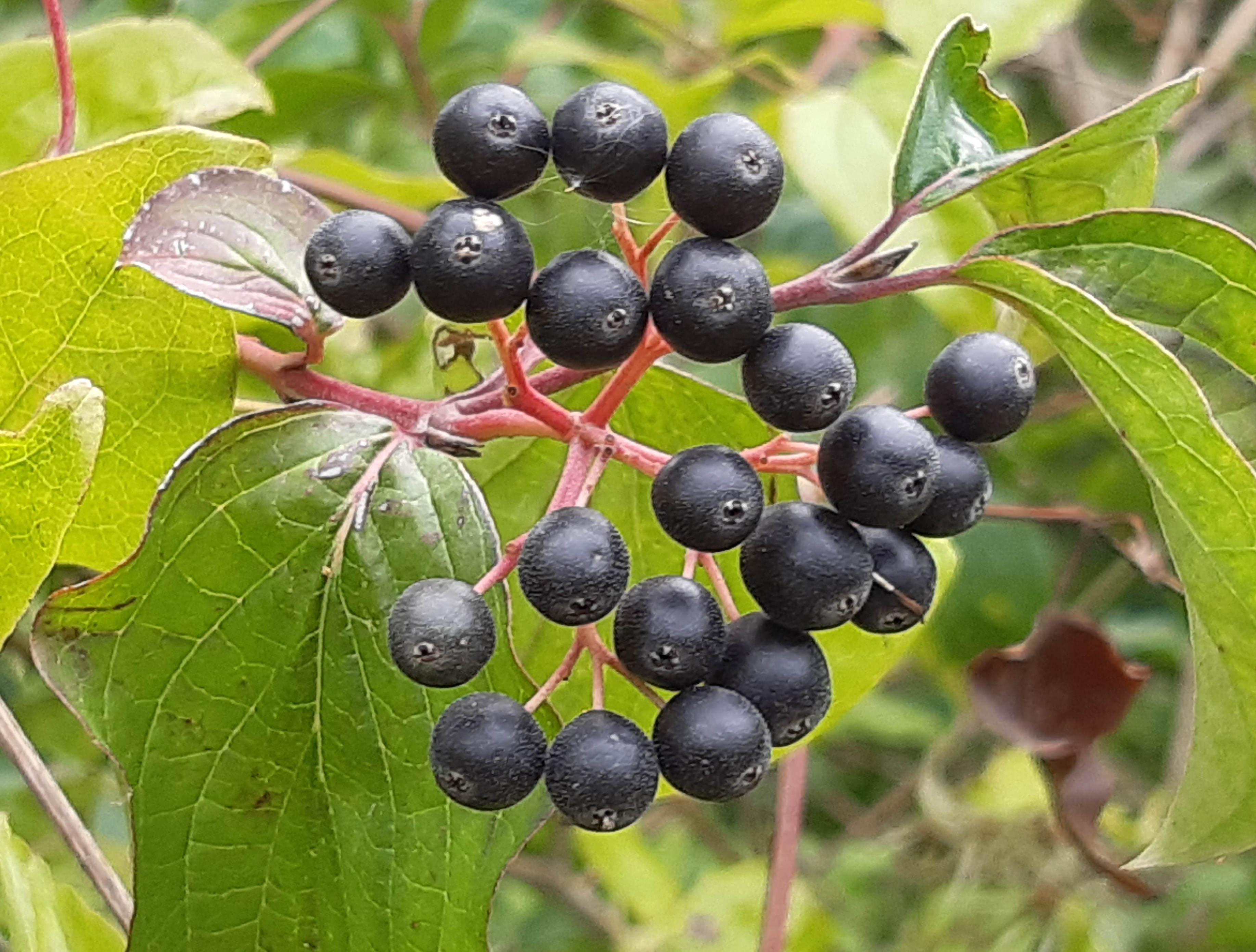
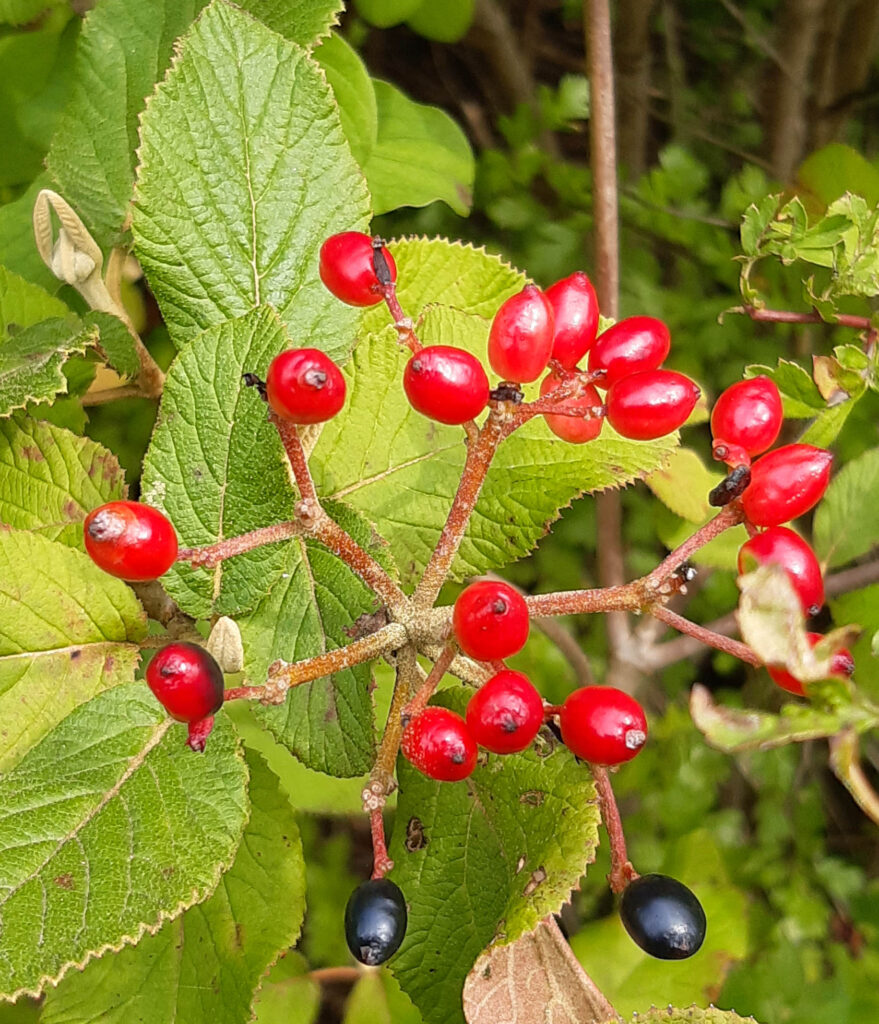
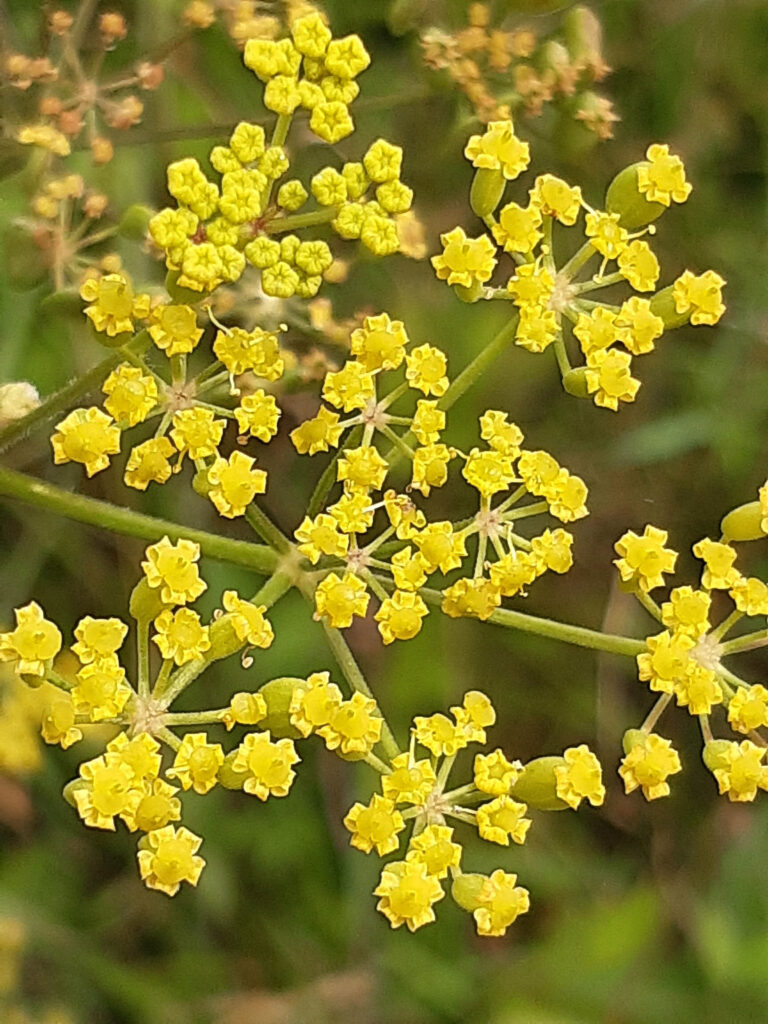
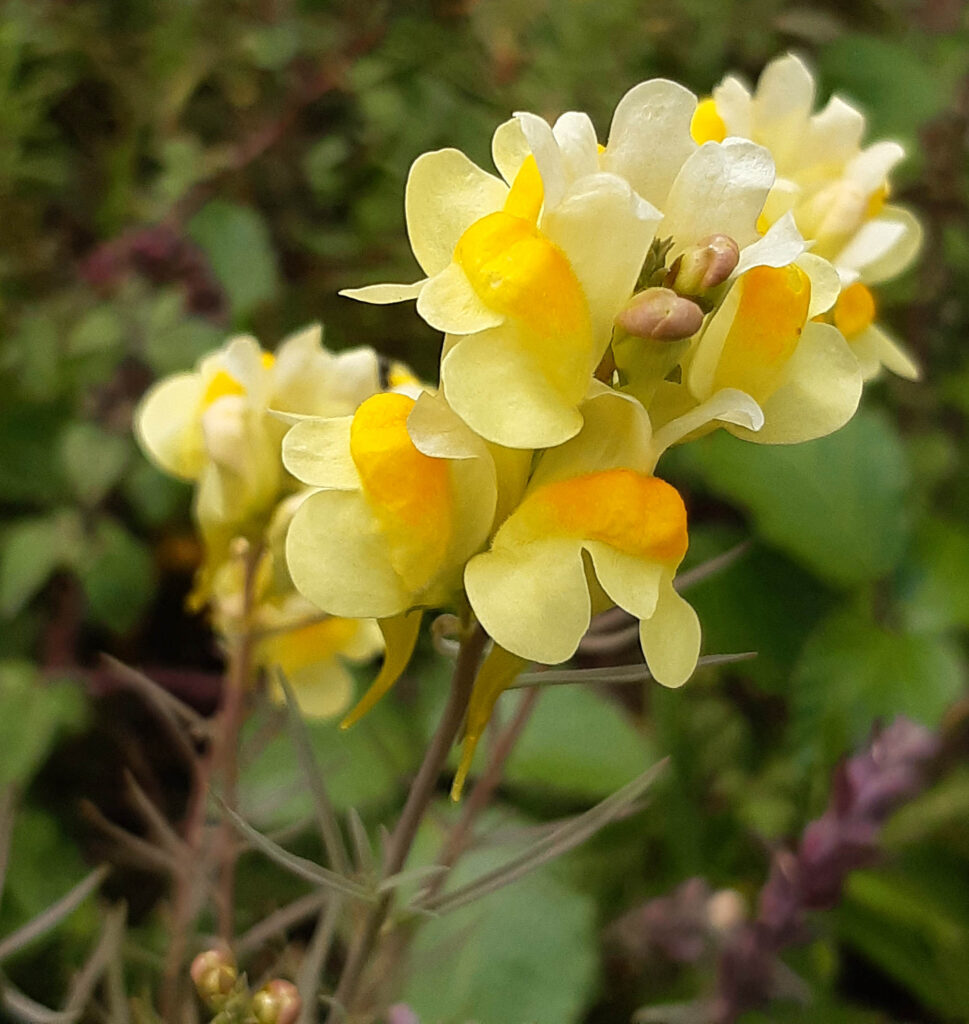
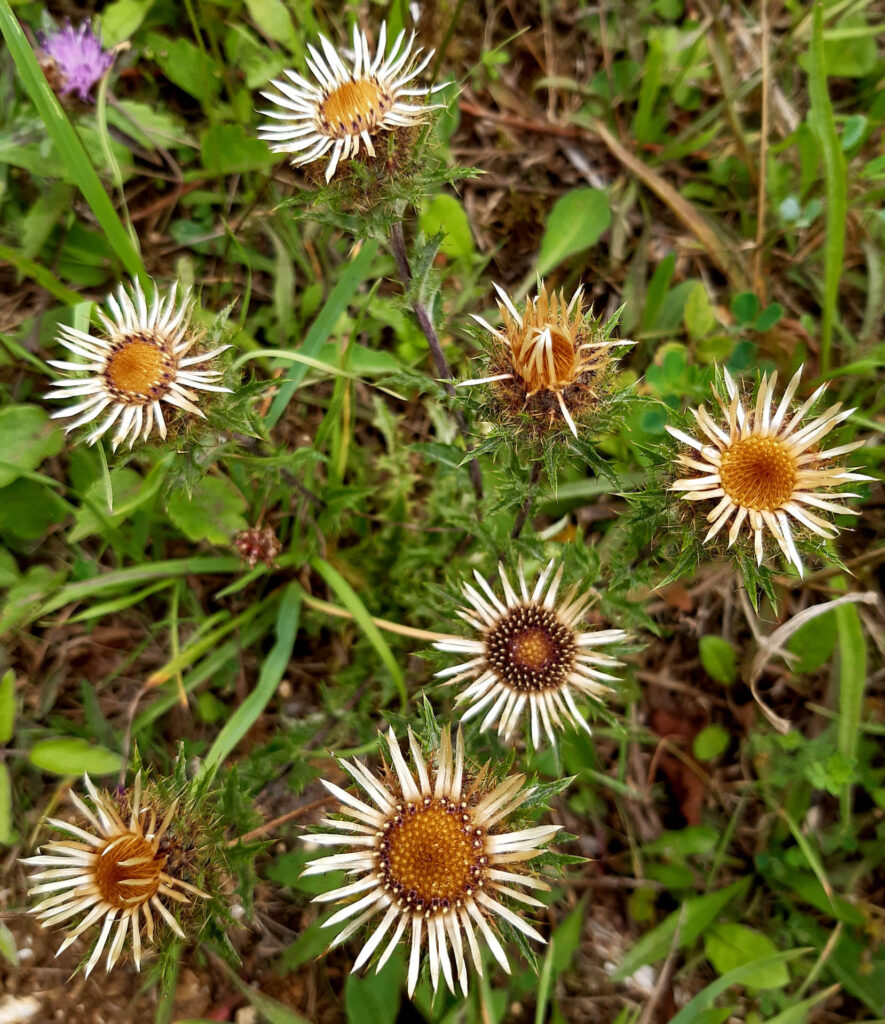
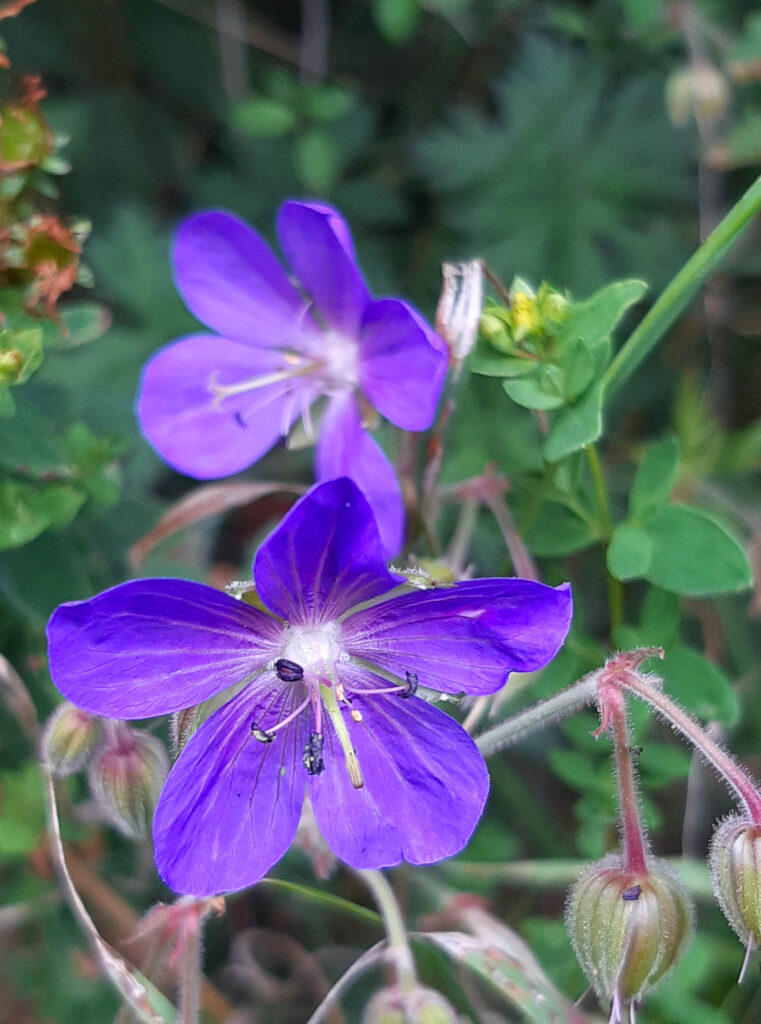
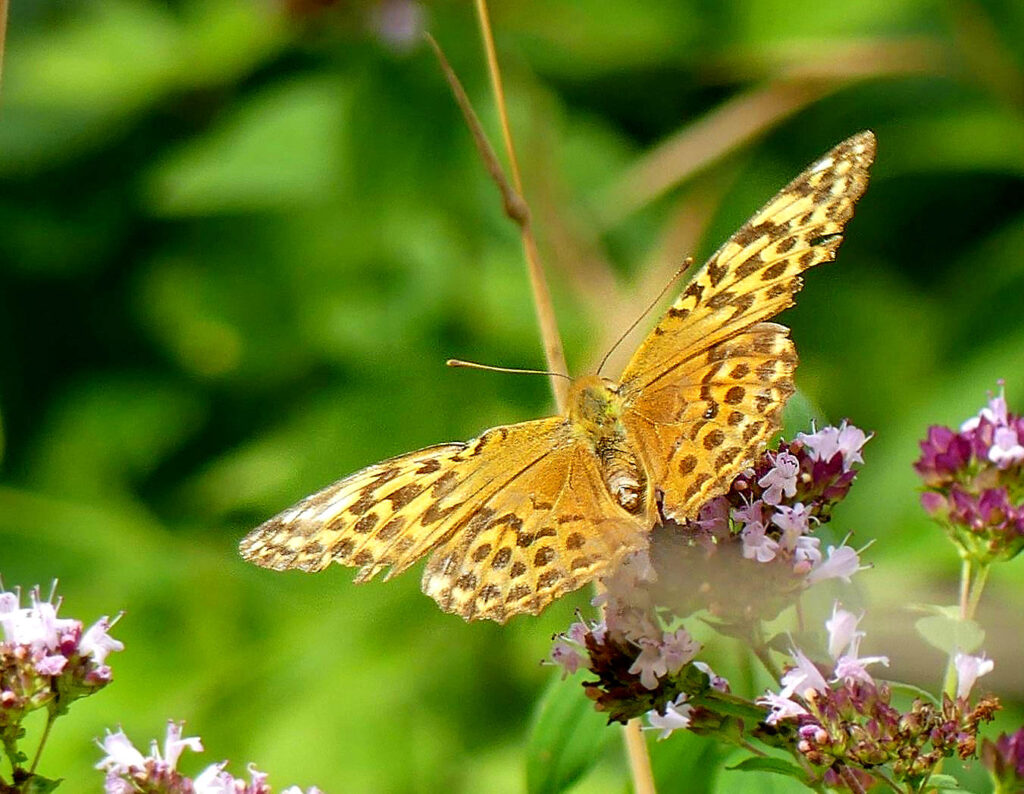
There was great excitement among the butterfly enthusiasts in the group when a large orange-brown butterfly flew past with the strong purposeful flight of a Fritillary. Two species, the Silver-Washed and the Dark Green, are native to the area; they are larger than the introduced or “escaped” species, the Glanville, Heath, and Marsh Fritillaries which can also be seen here.
Eventually, amidst much stalking of the first specimen, which proved to be a Silver-Washed, three more of that species came by, chasing each other about, and then obligingly landing on some of the abundant Marjoram which was aromatically in flower and nectar among the grass.
Here’s Andy’s photo of one of them.
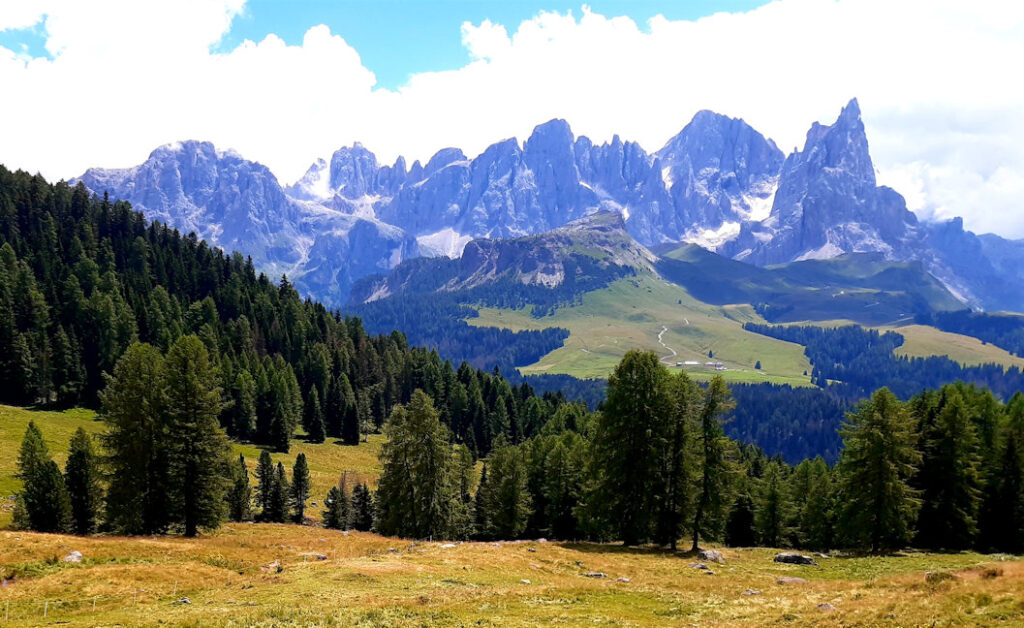
Here are some of the natural history delights of the Dolomites. I’ve avoided duplicating species from my earlier Dolomites post. To see the images at full size, open them in a new tab or window.
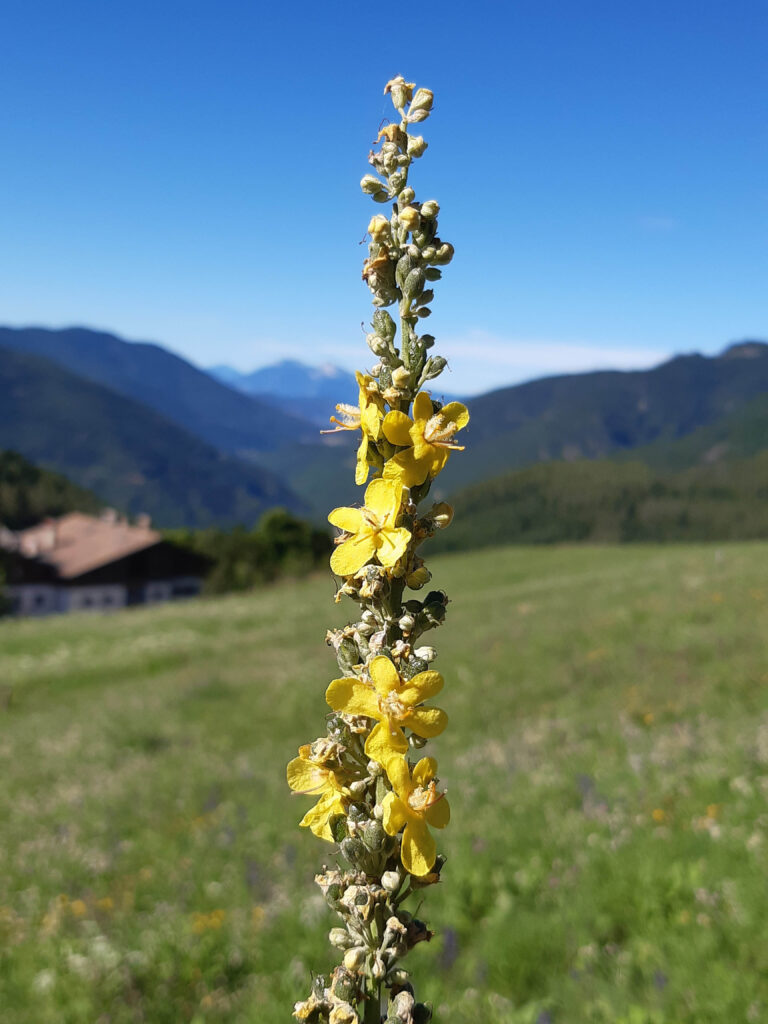
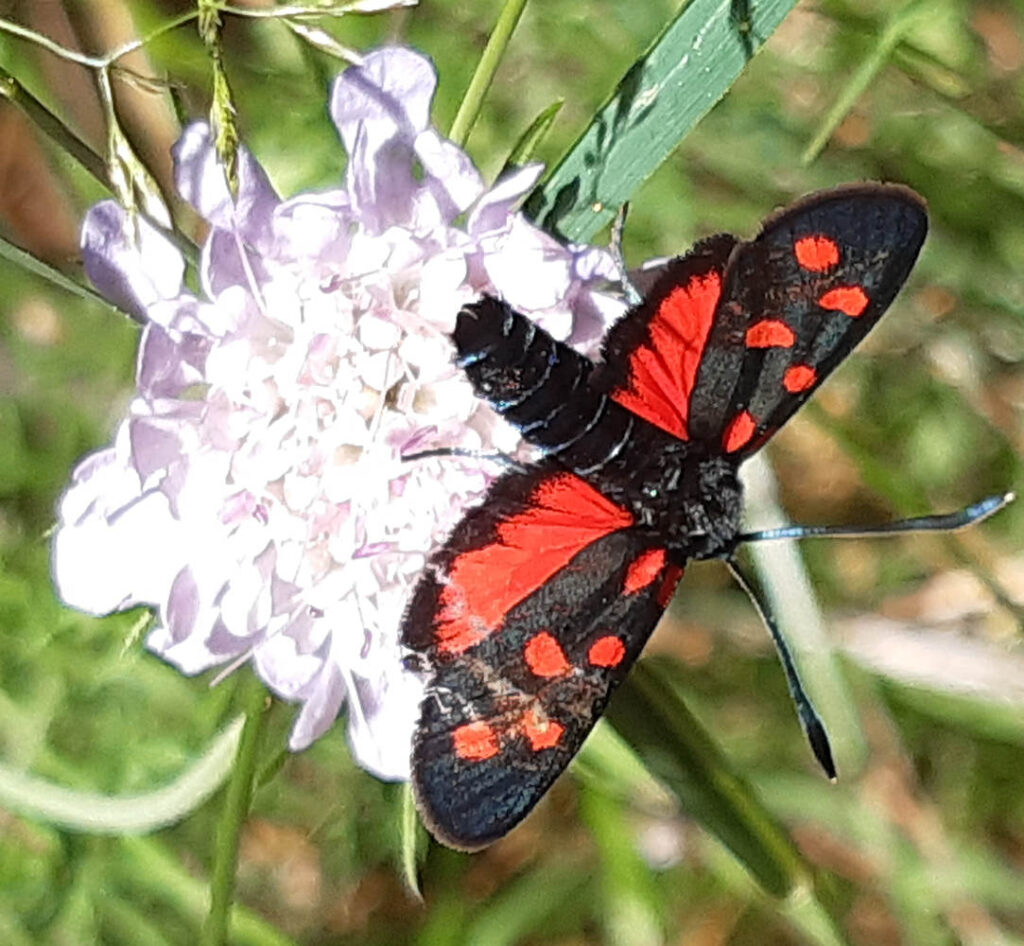
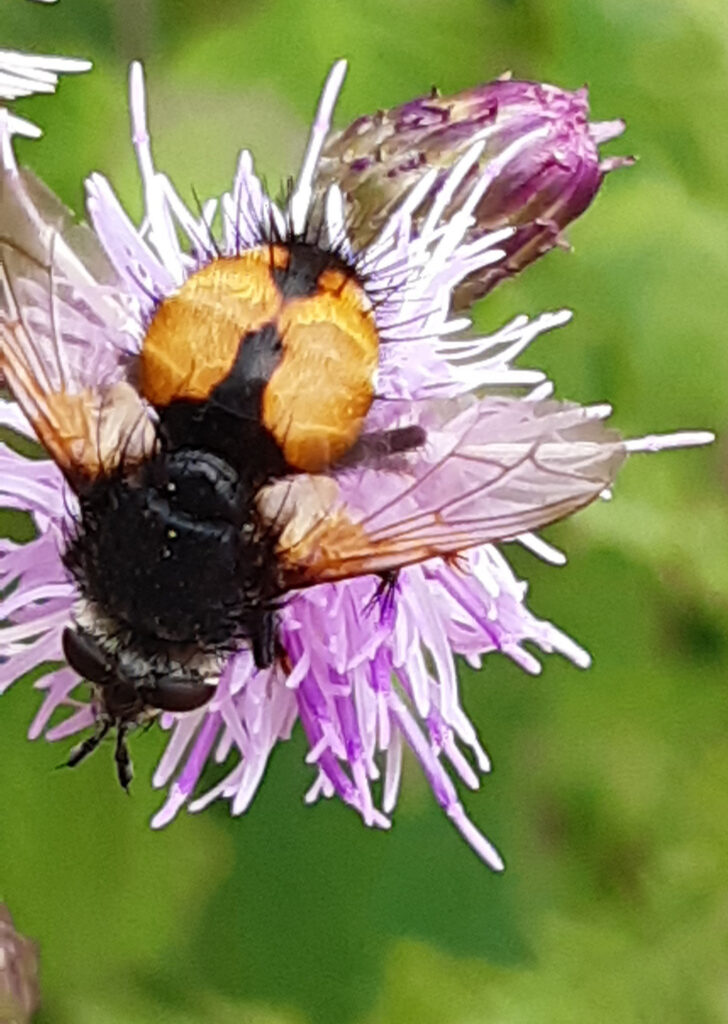
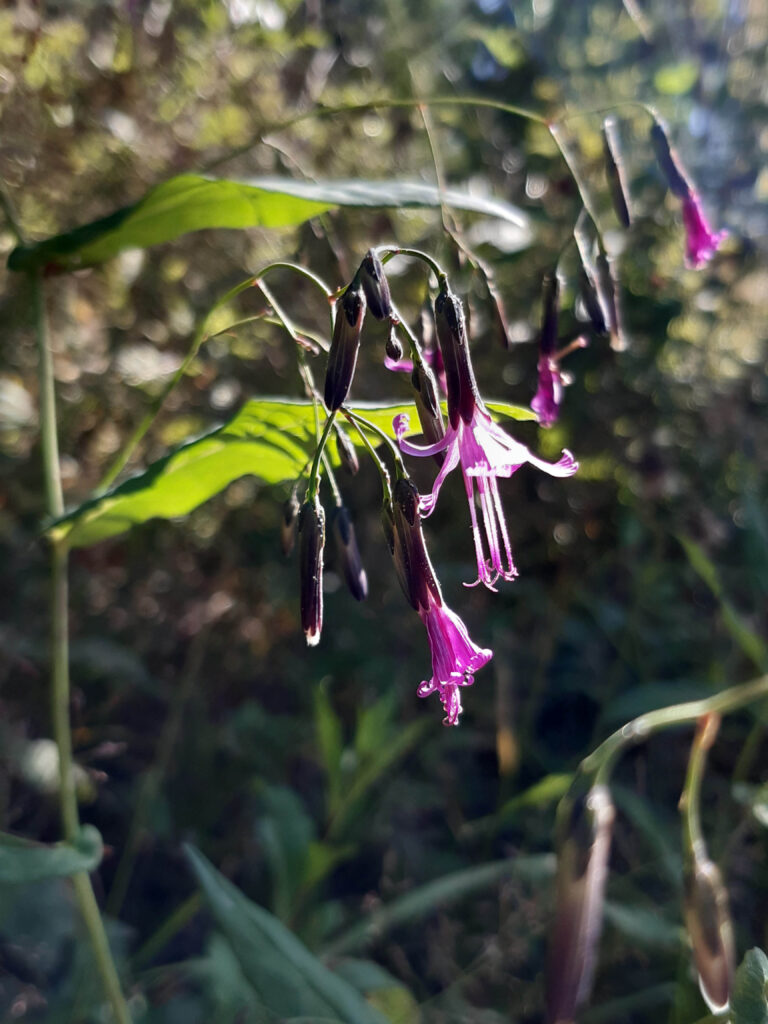
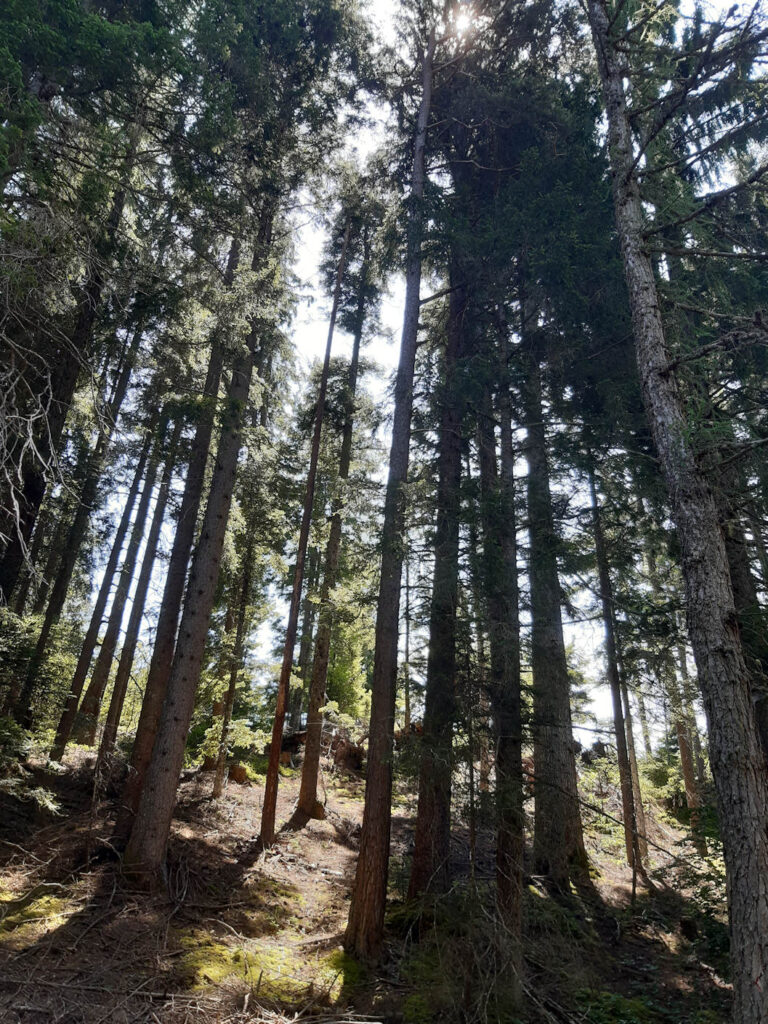
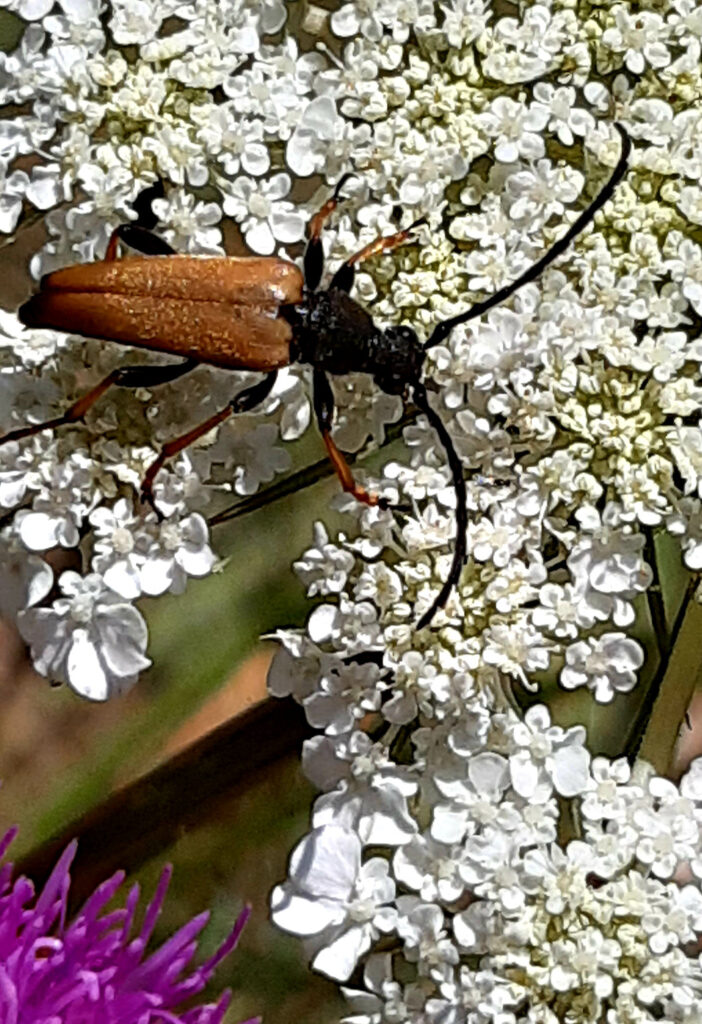

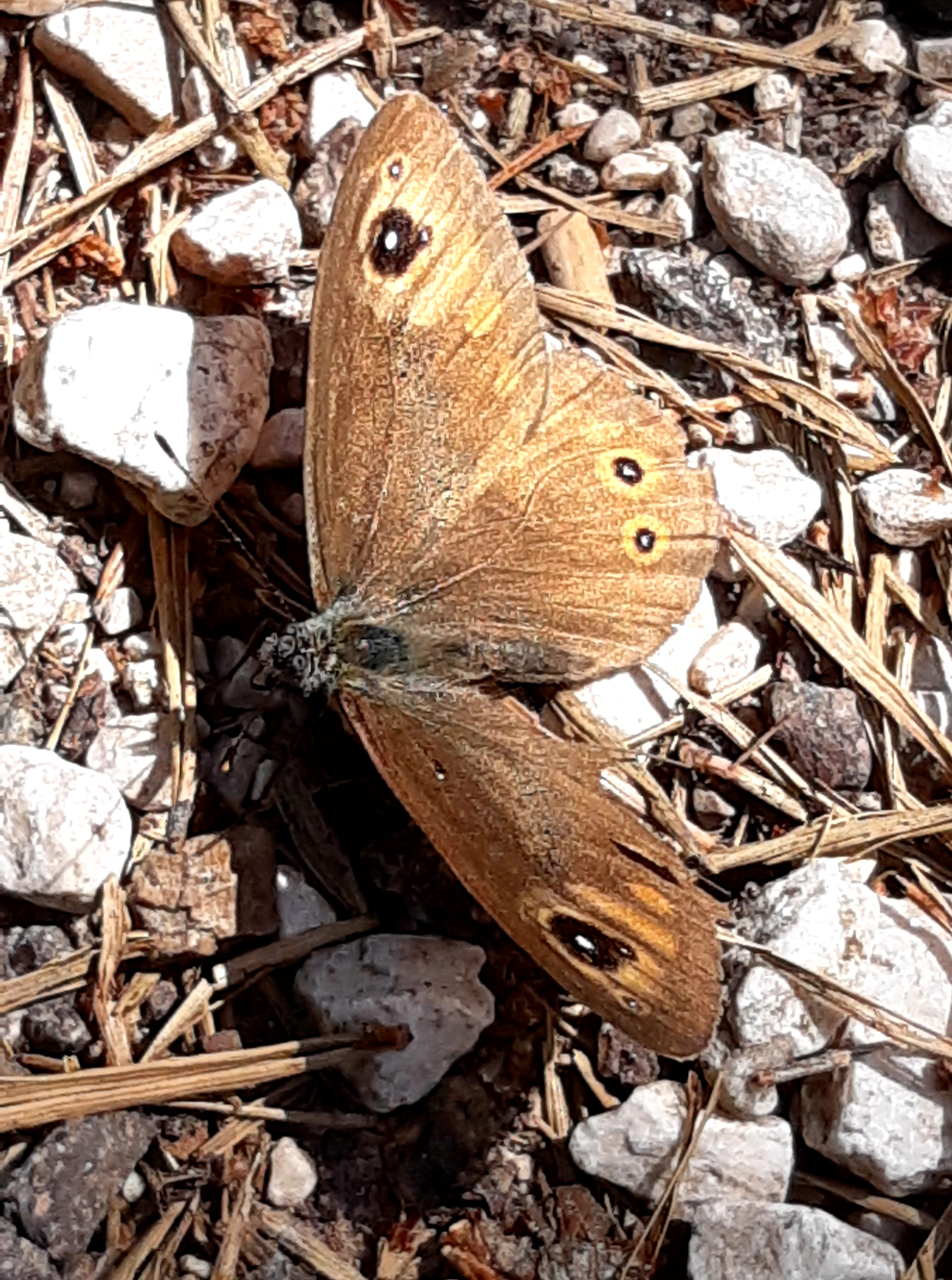
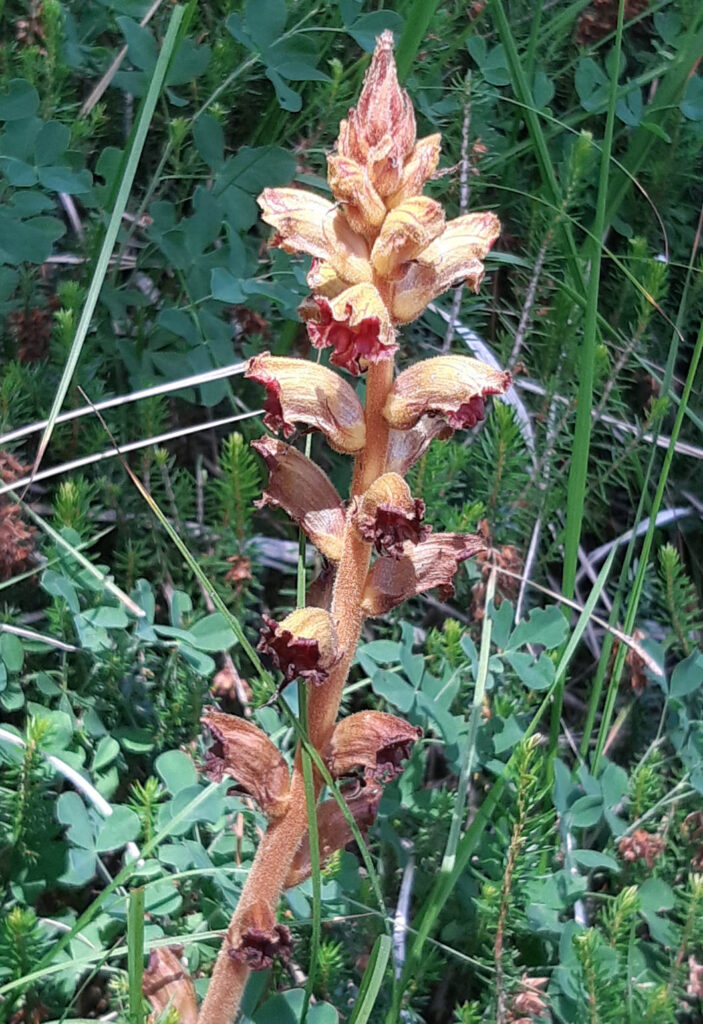
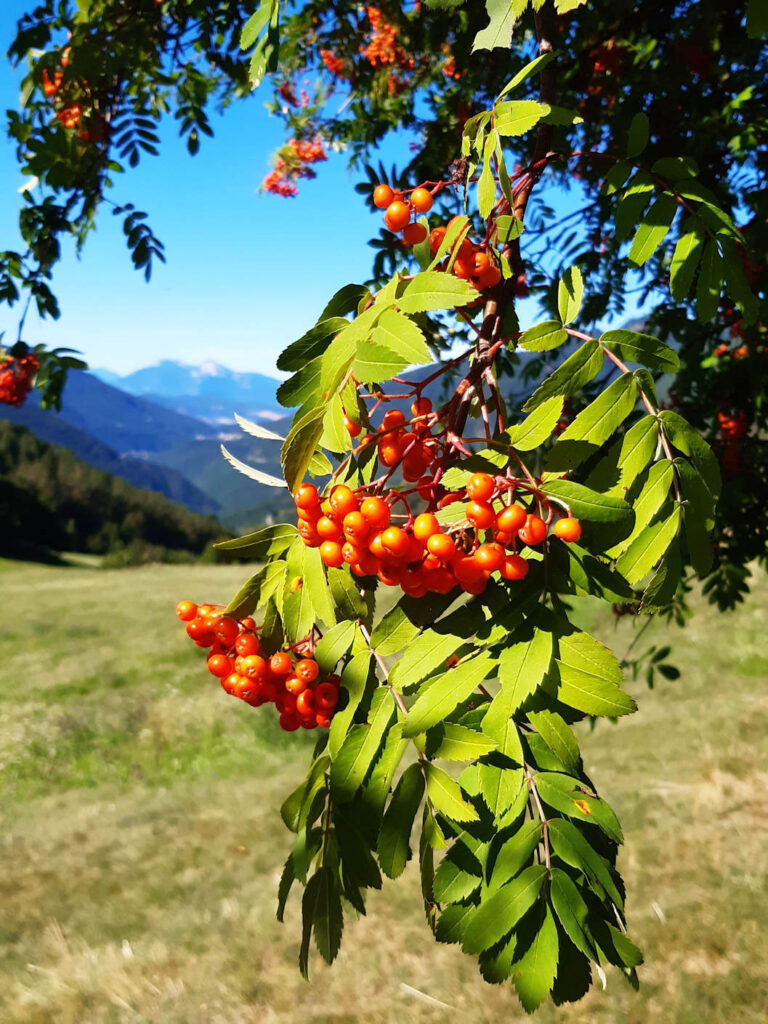
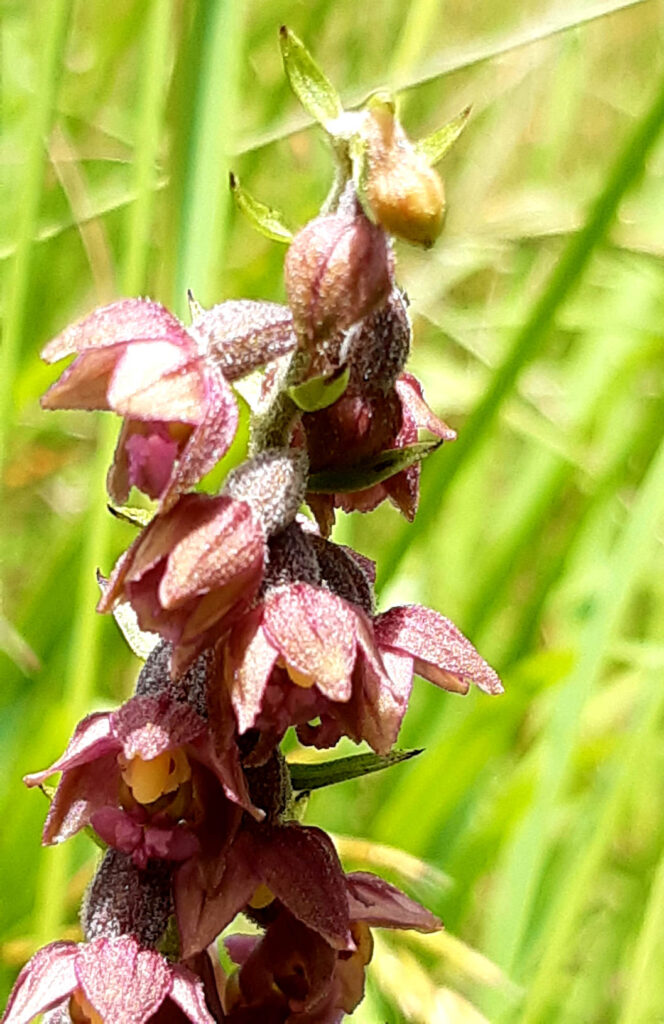
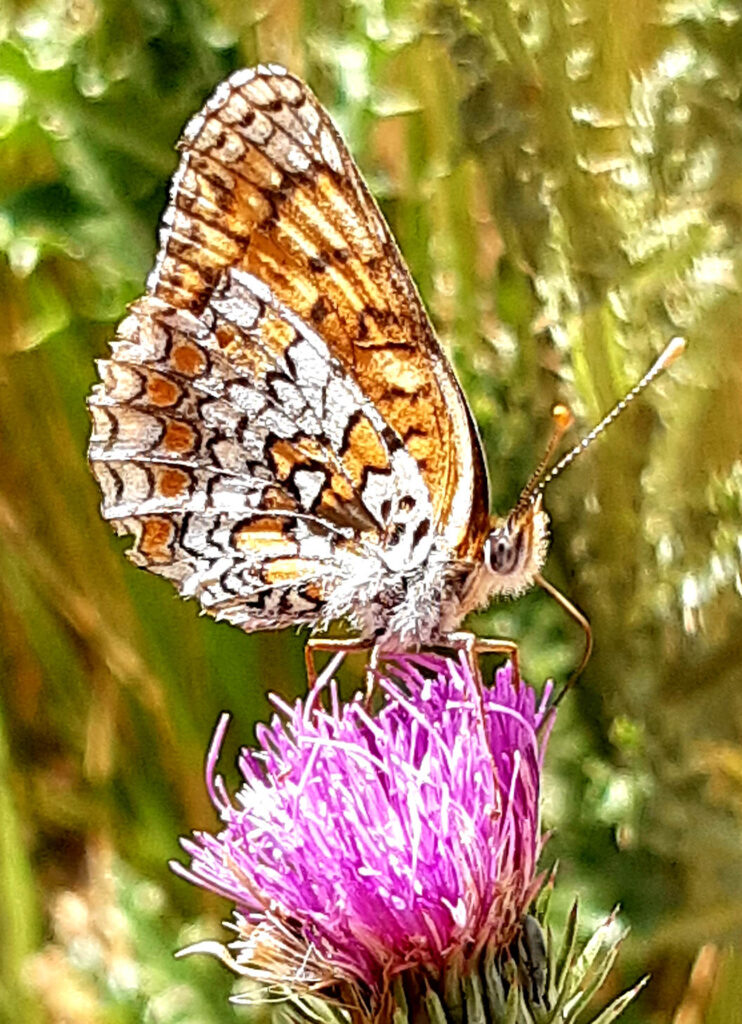
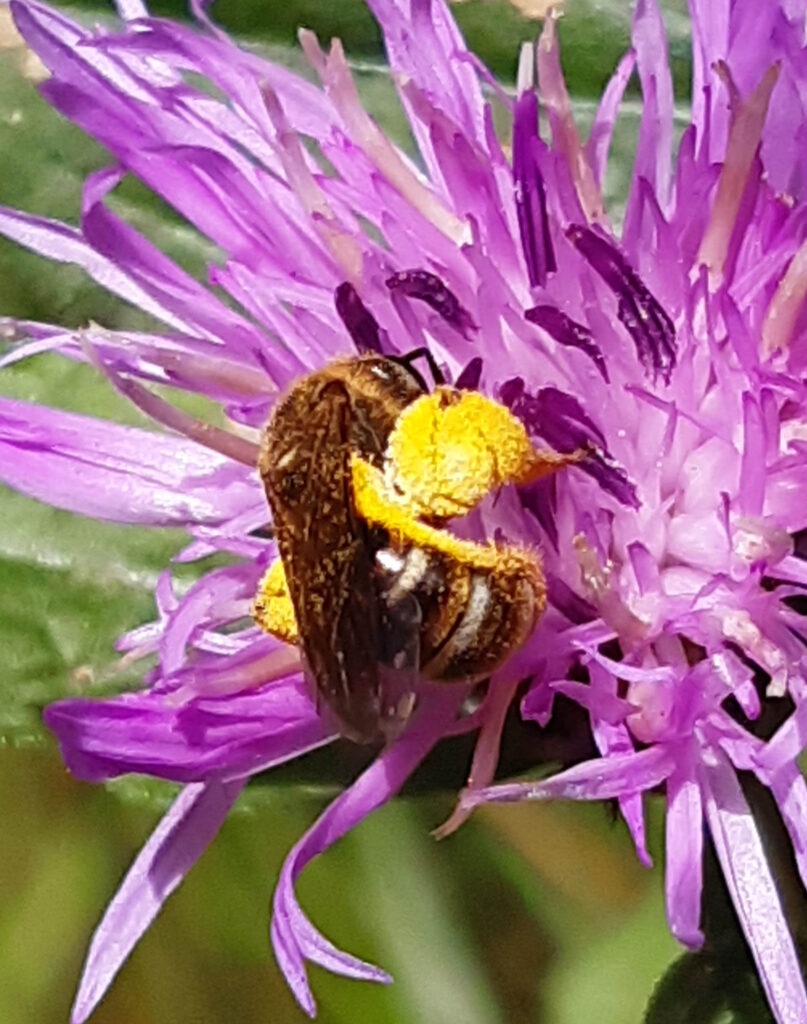
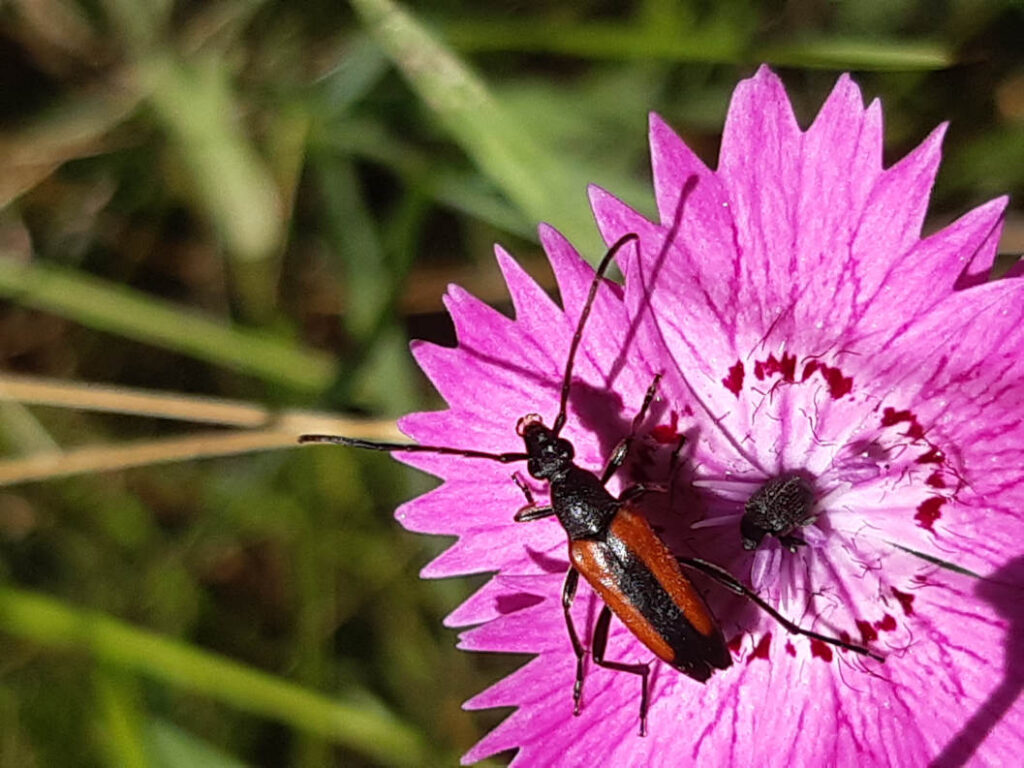
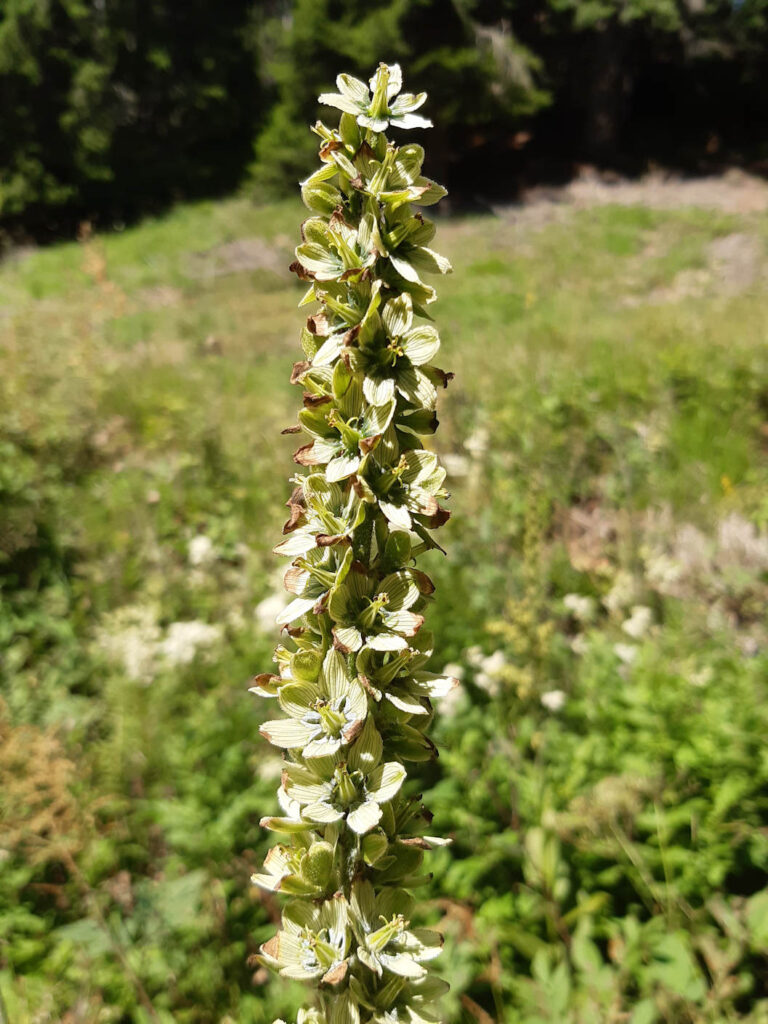
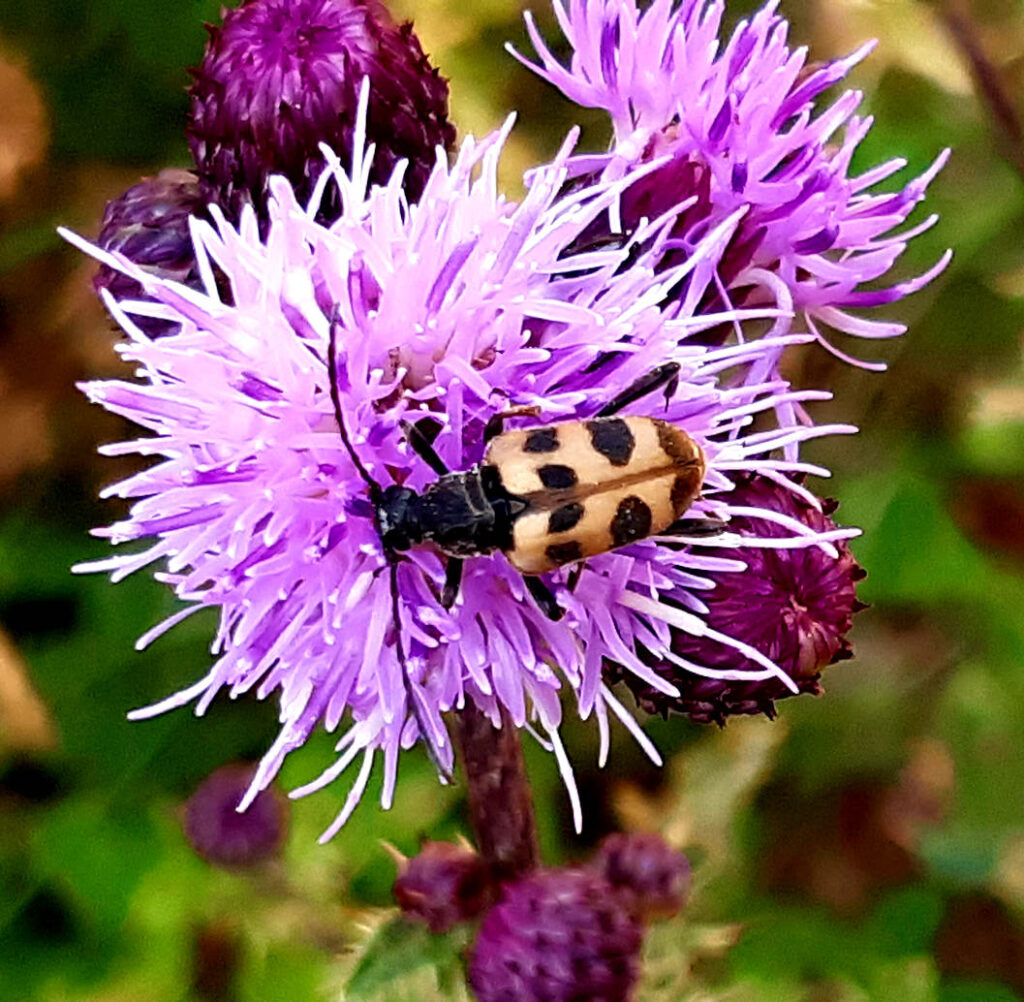
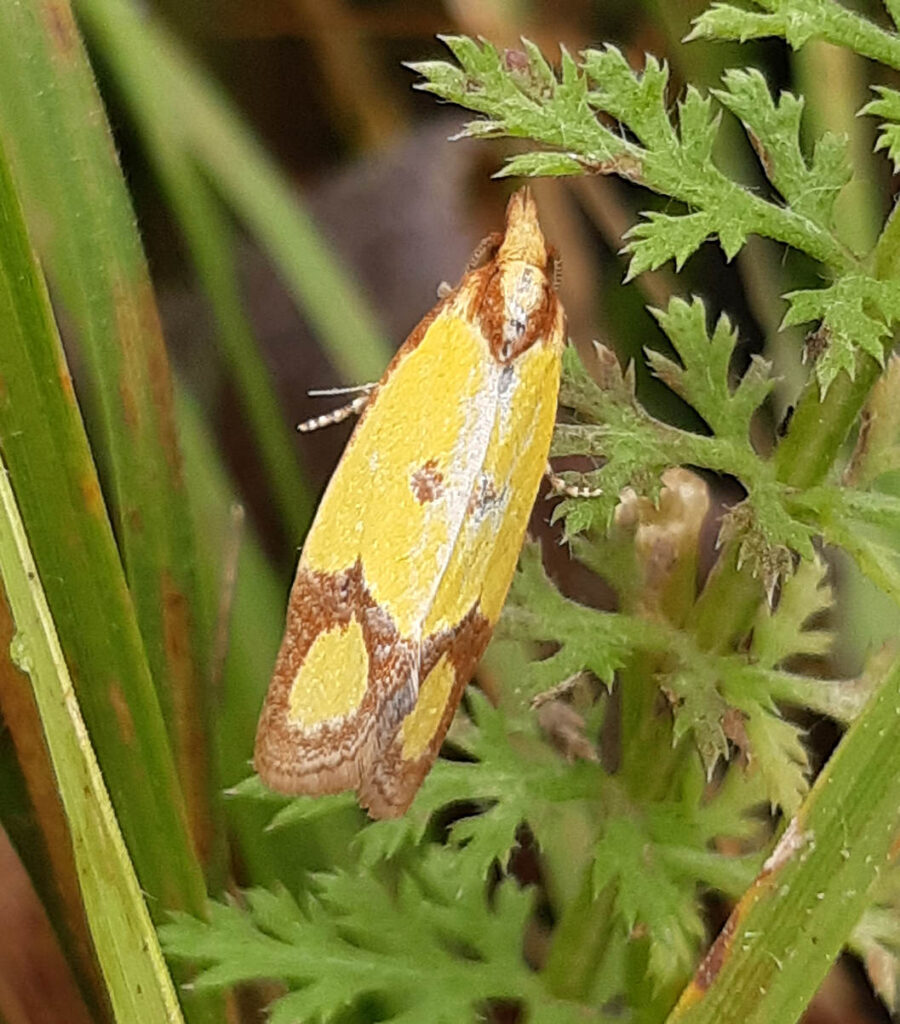
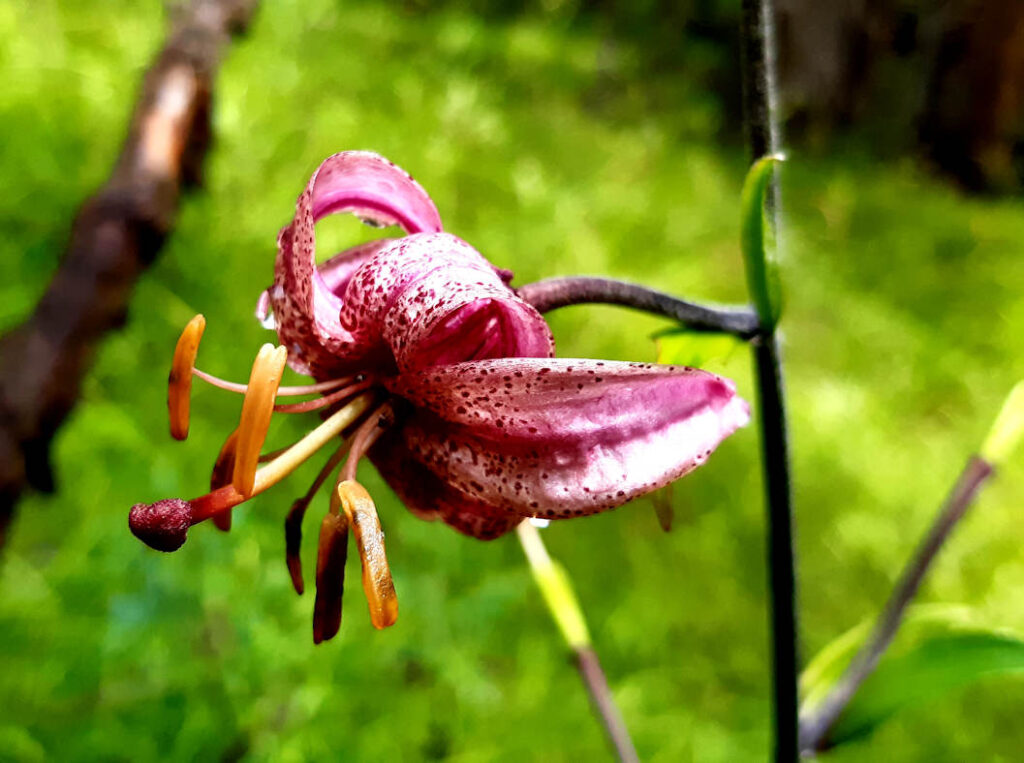
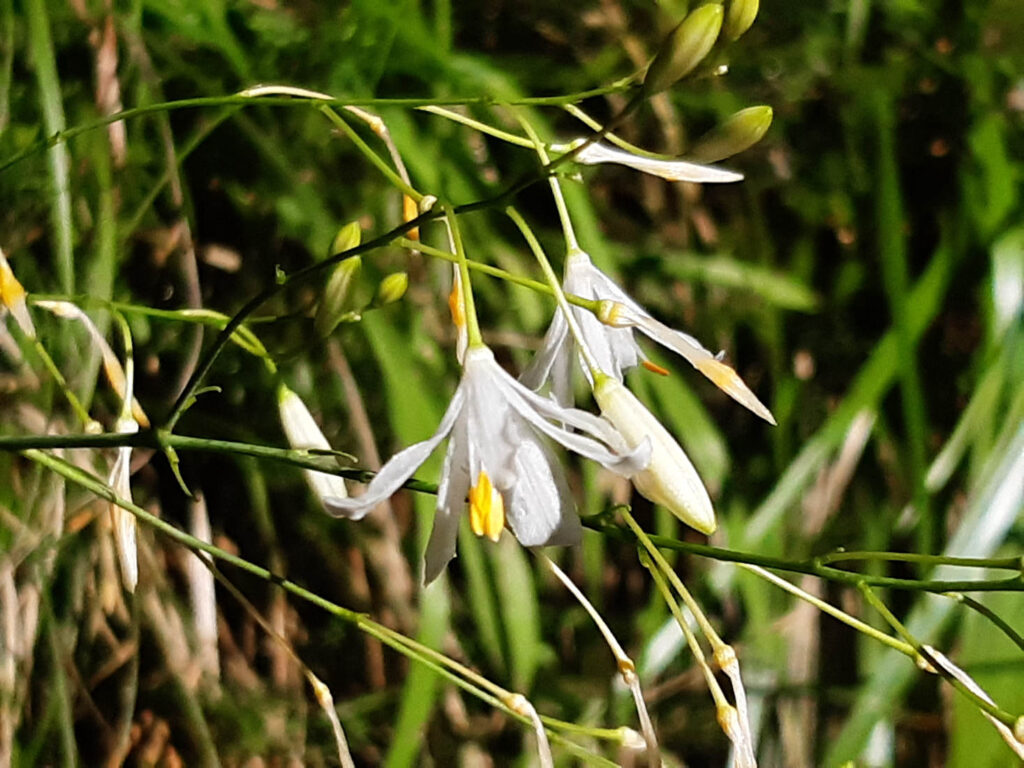
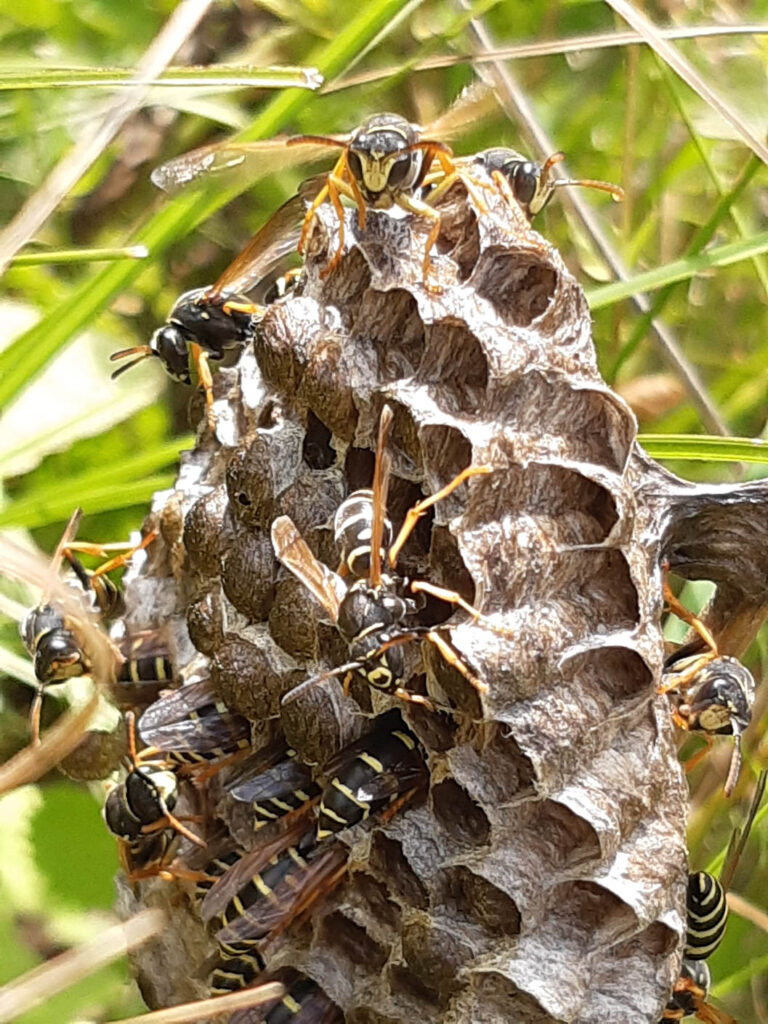
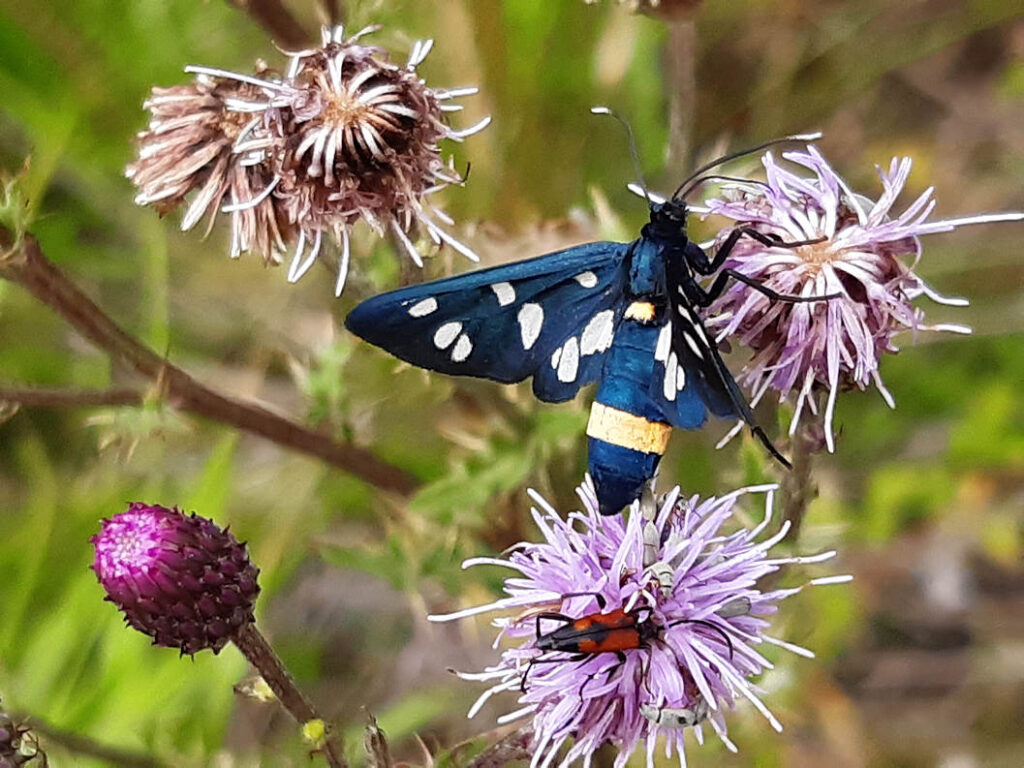
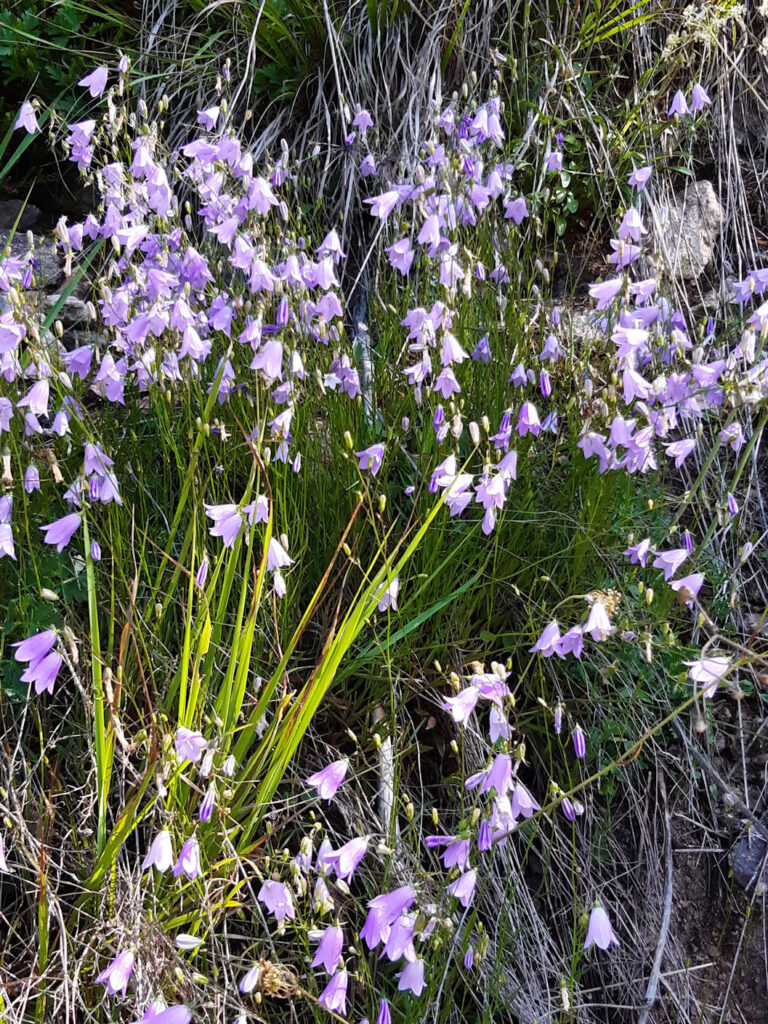
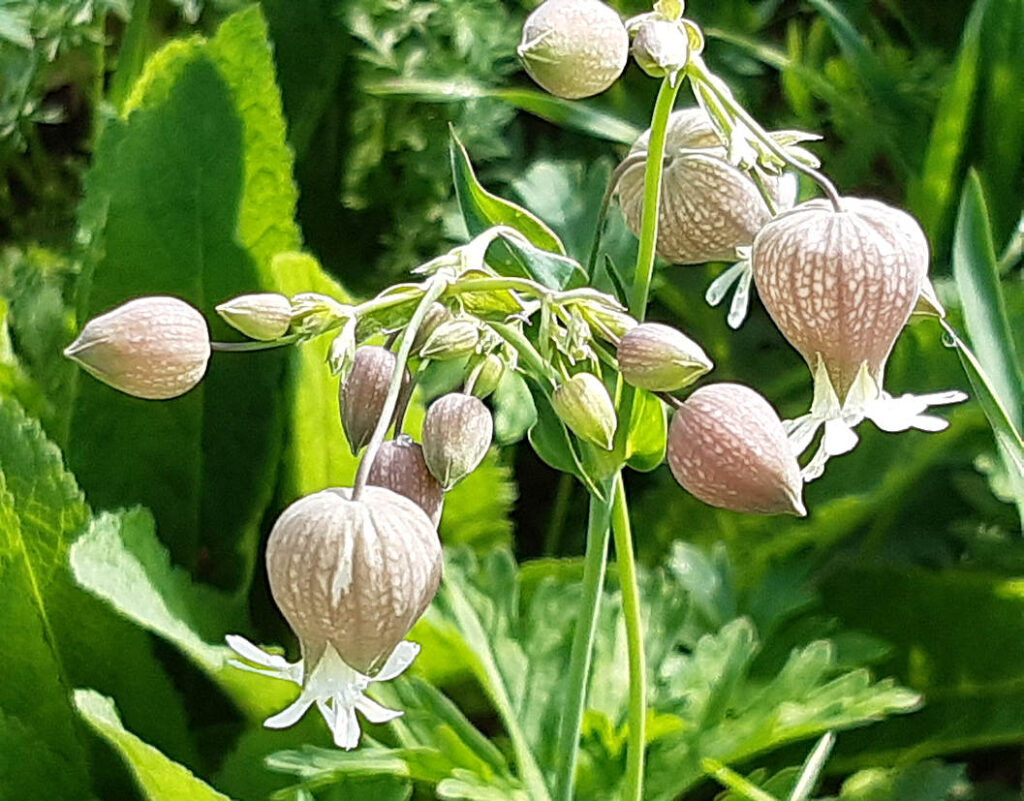
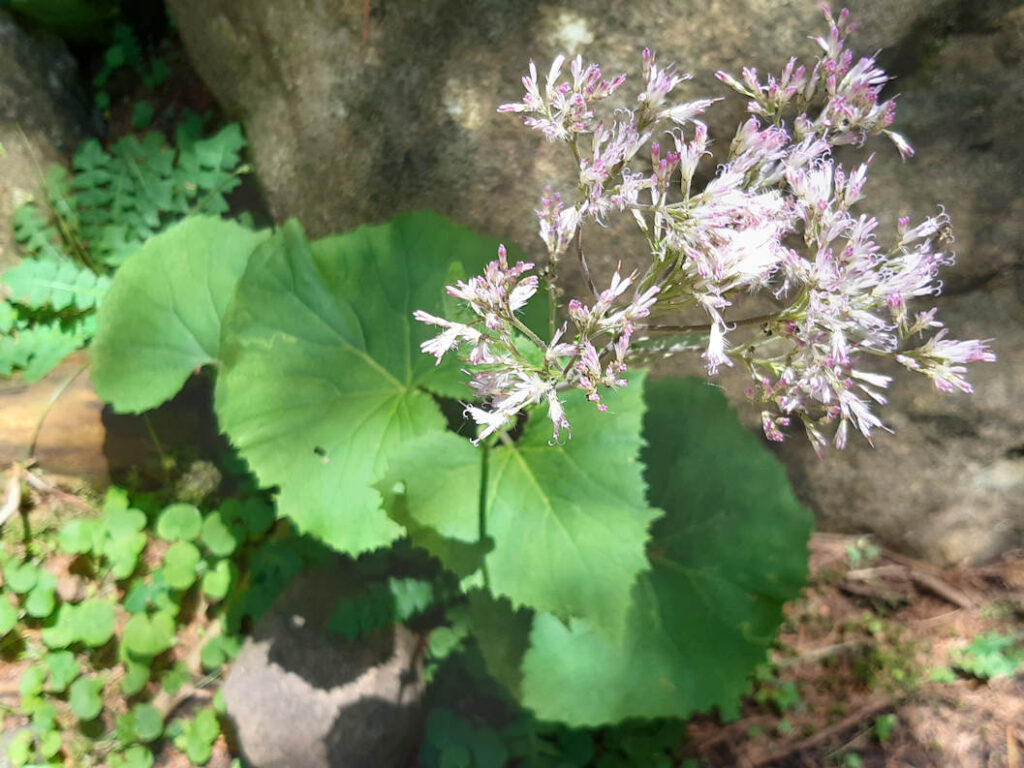
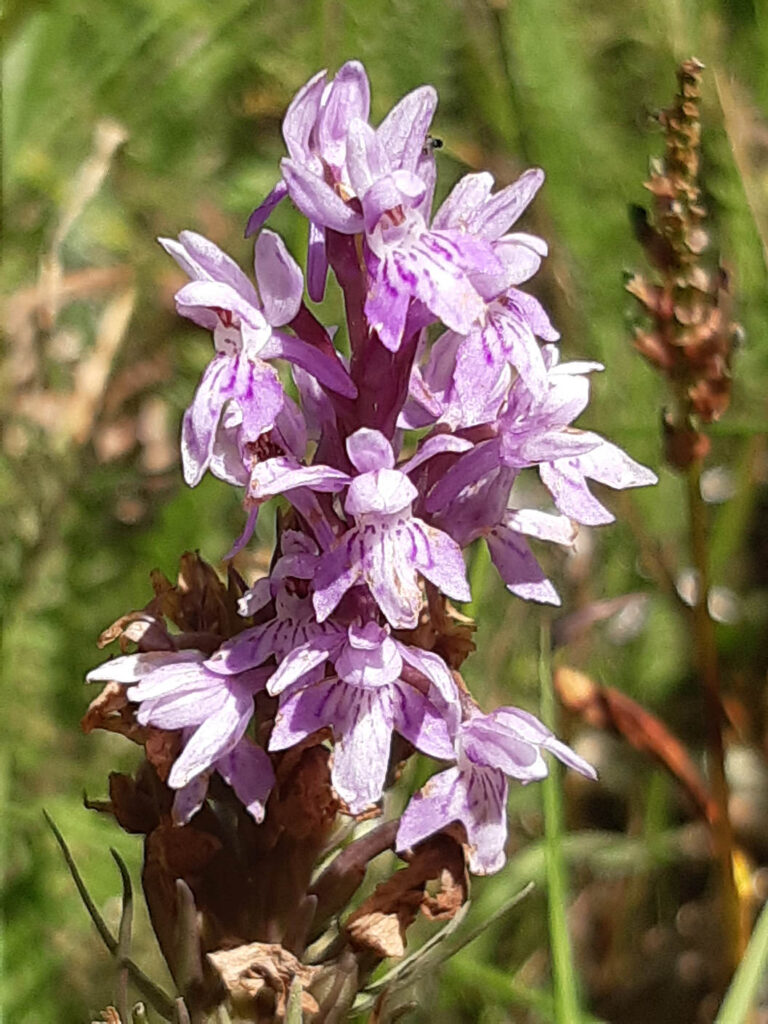
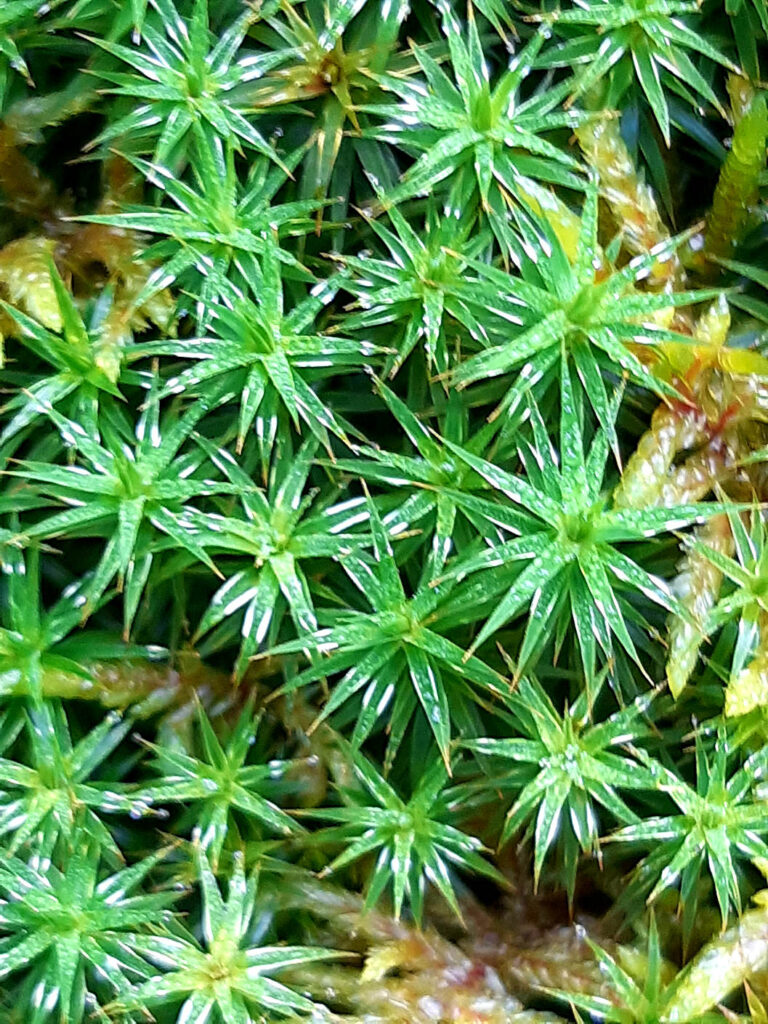
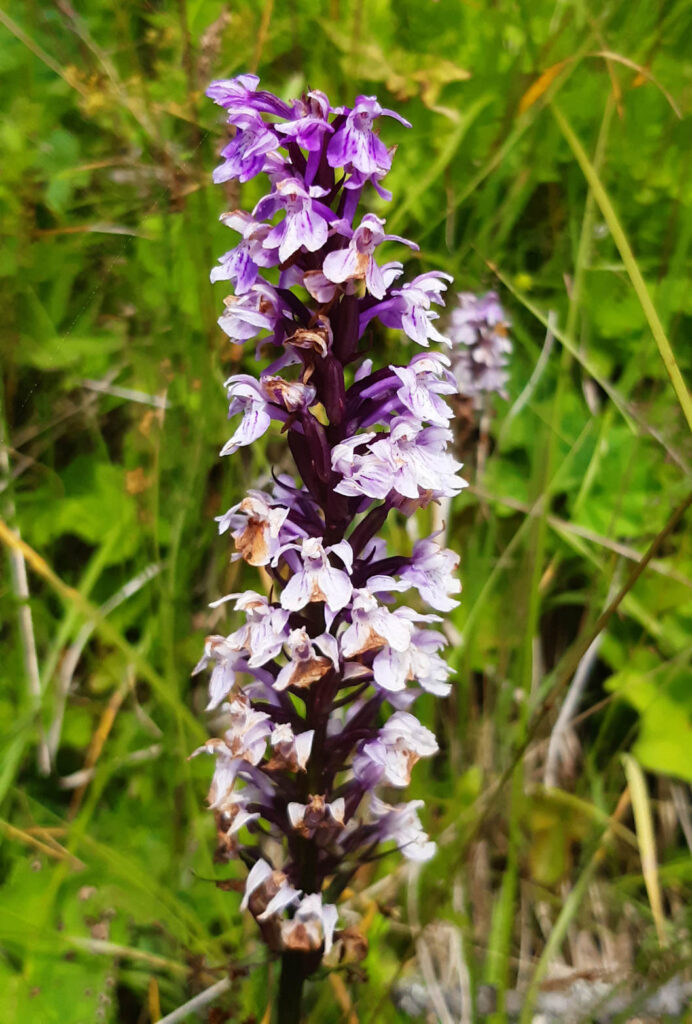
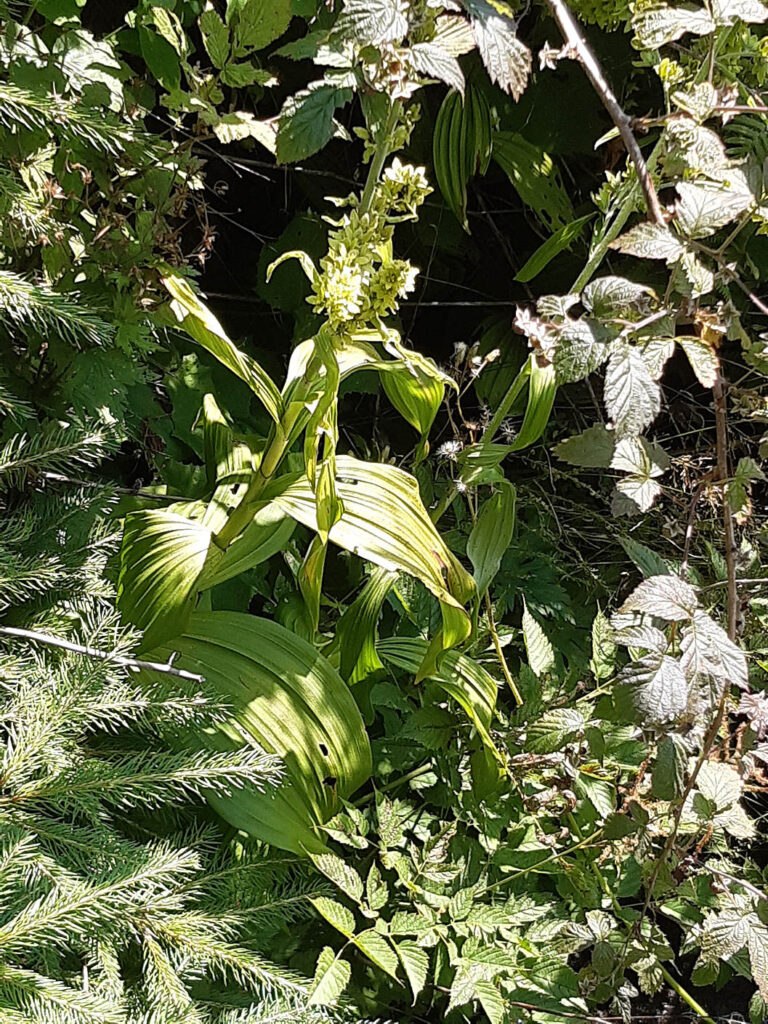
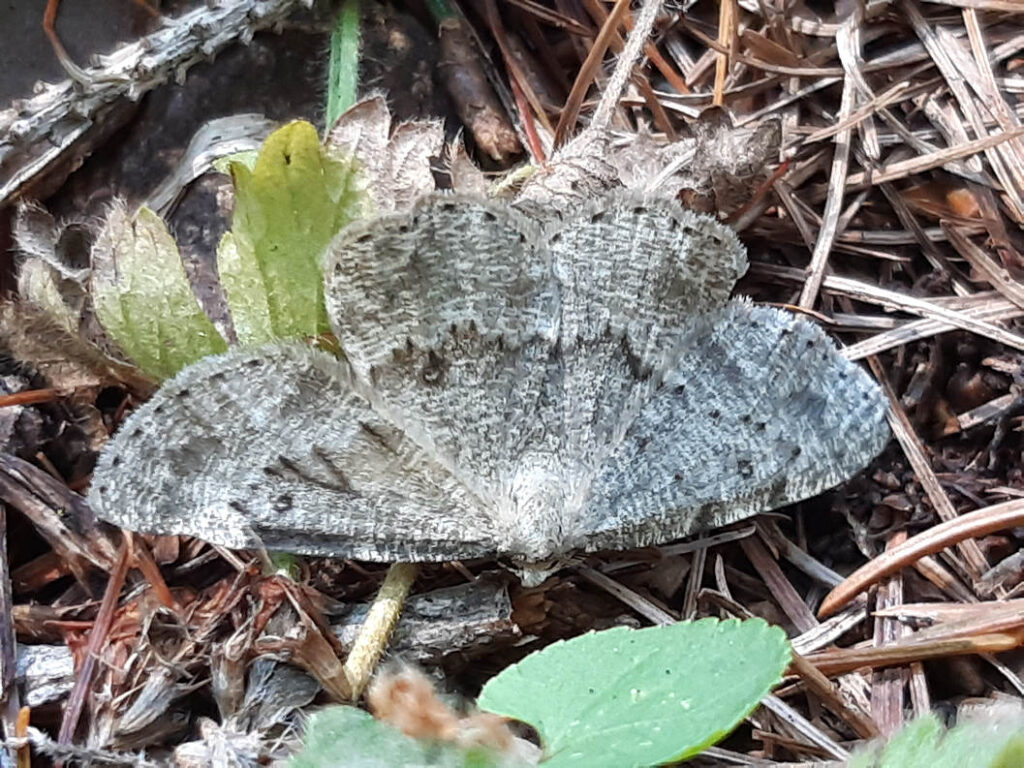
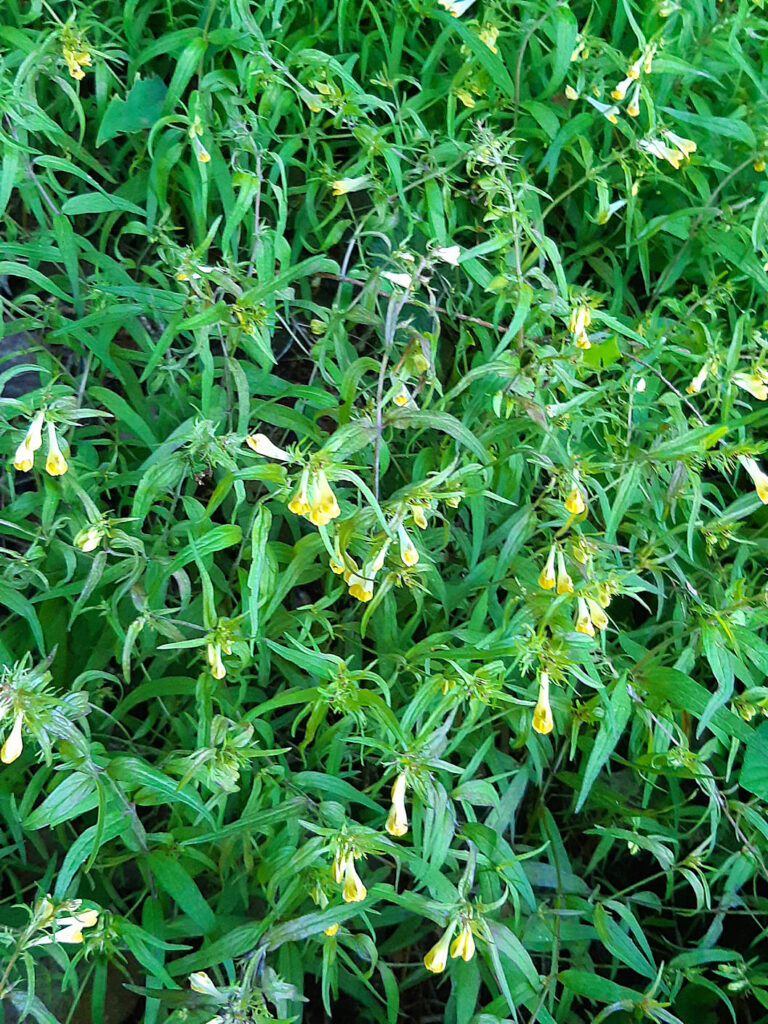
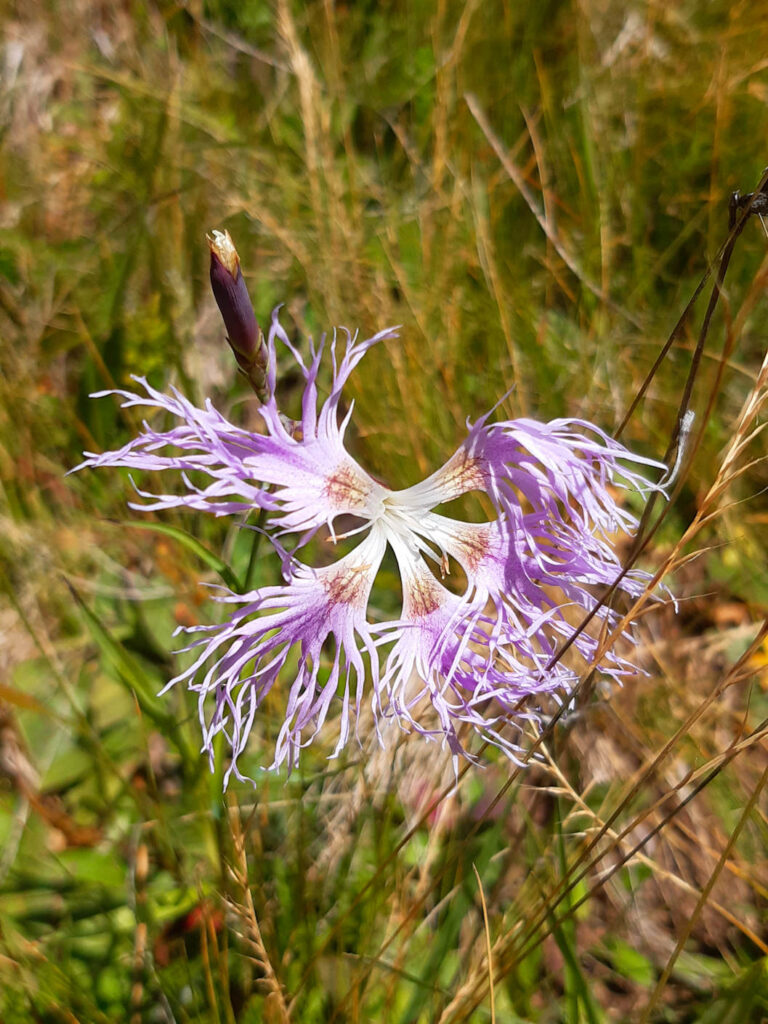
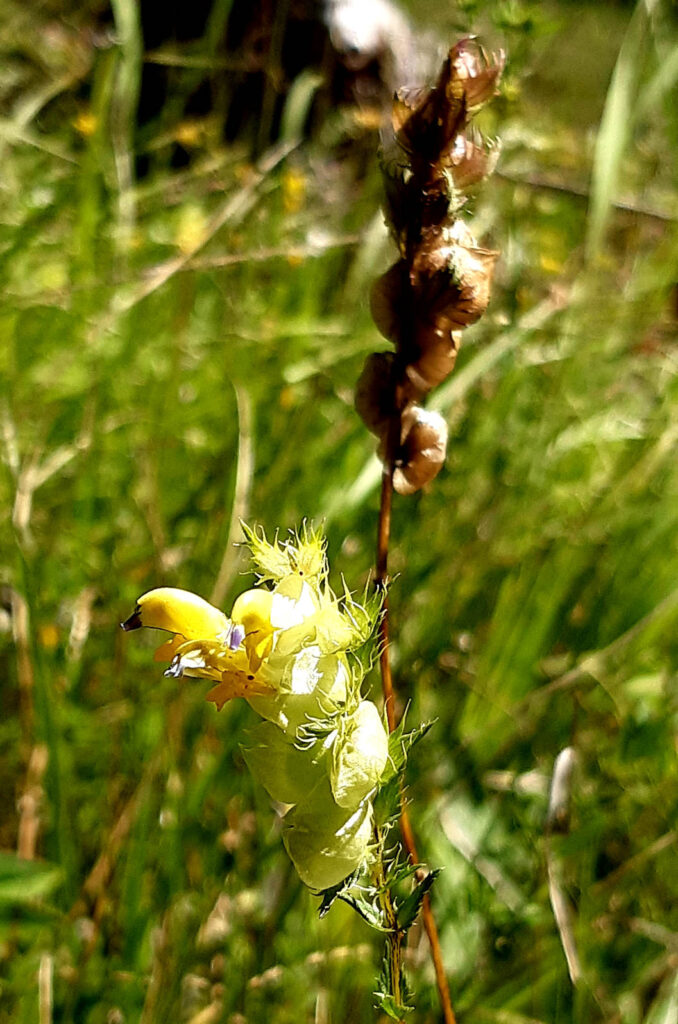
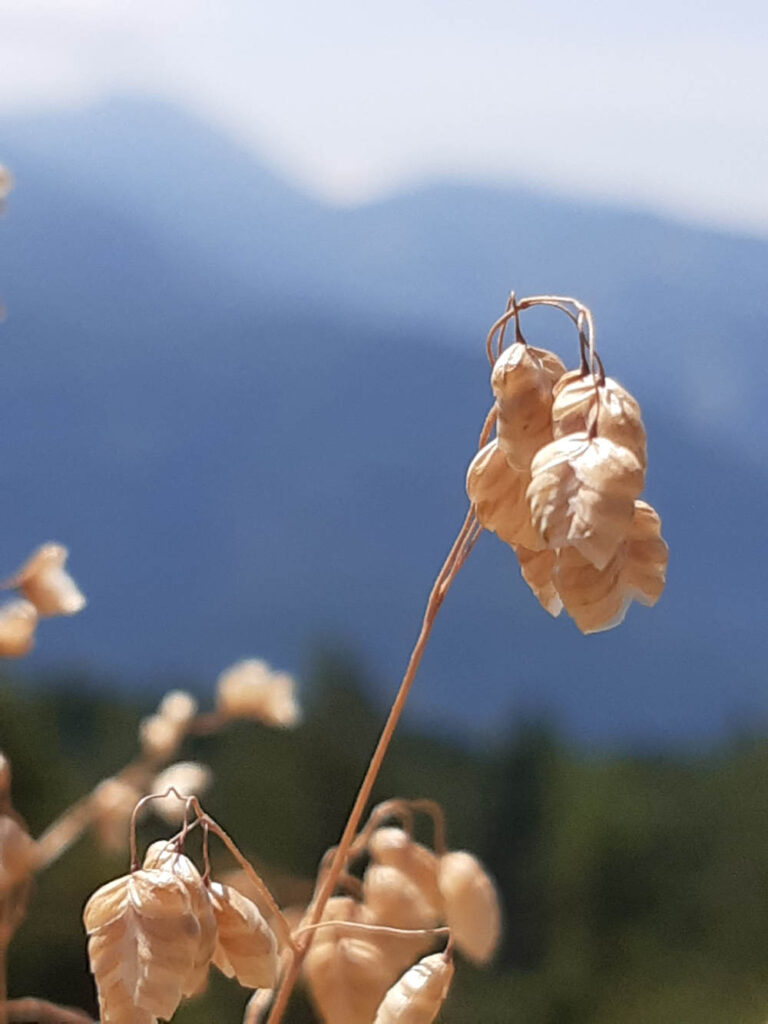
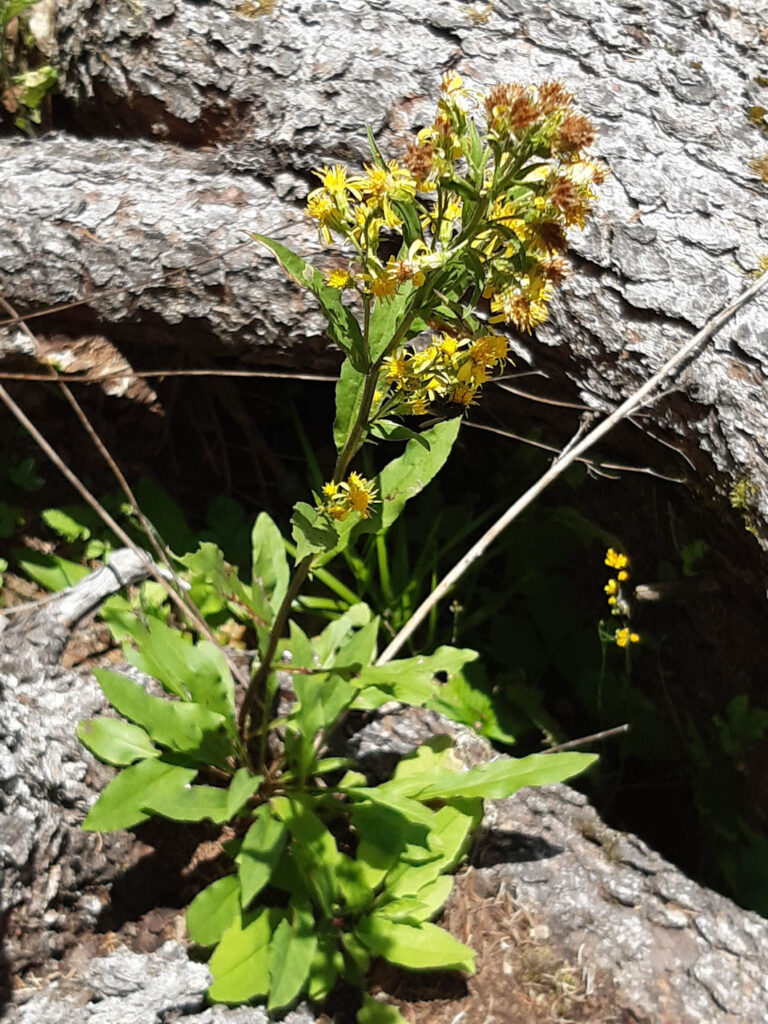
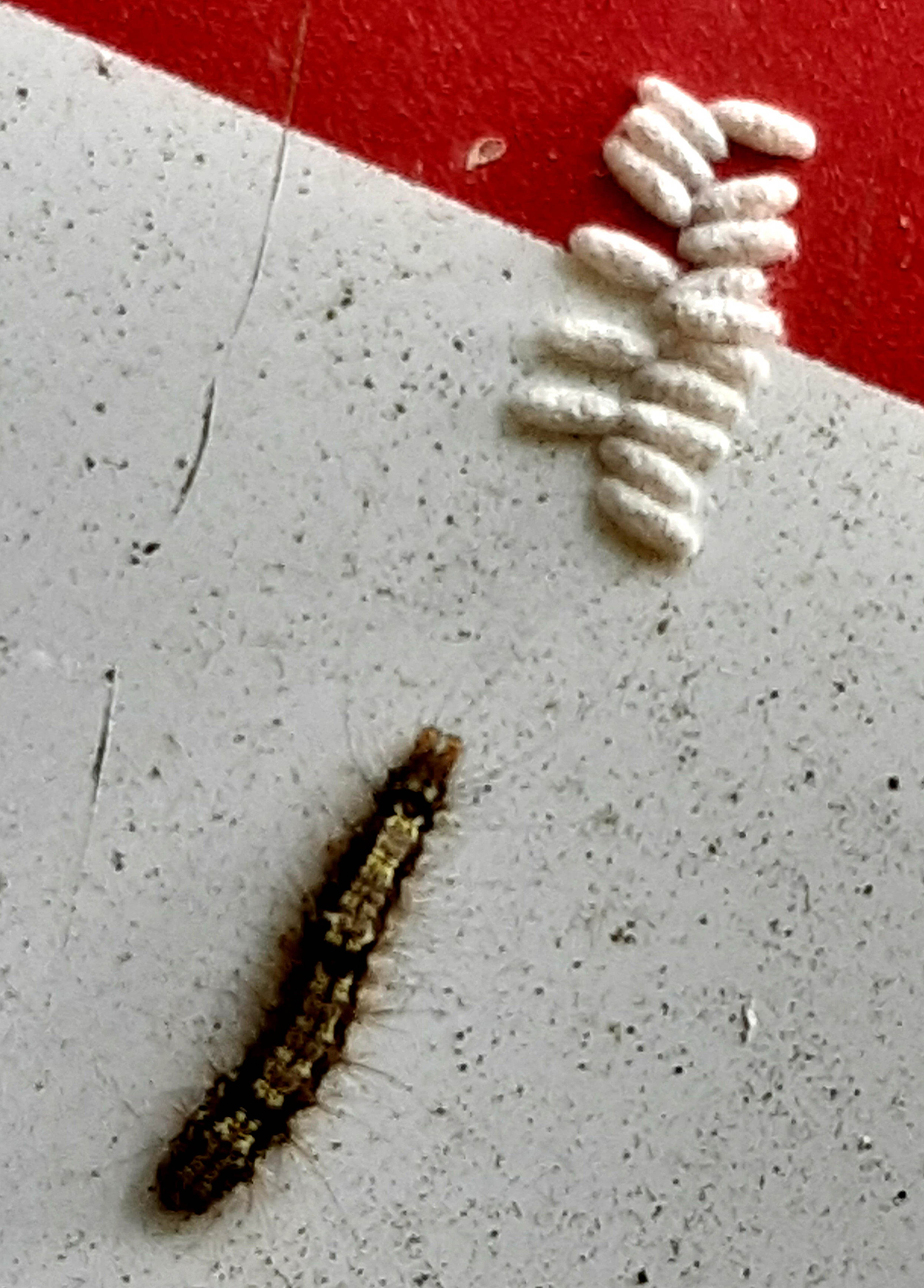
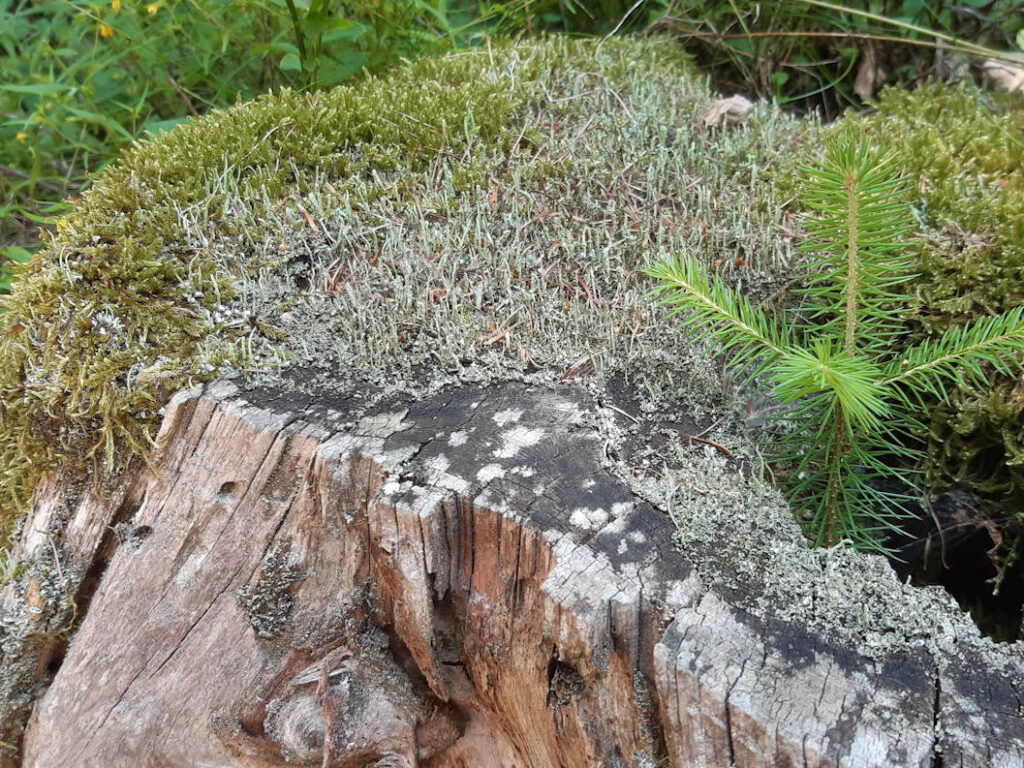
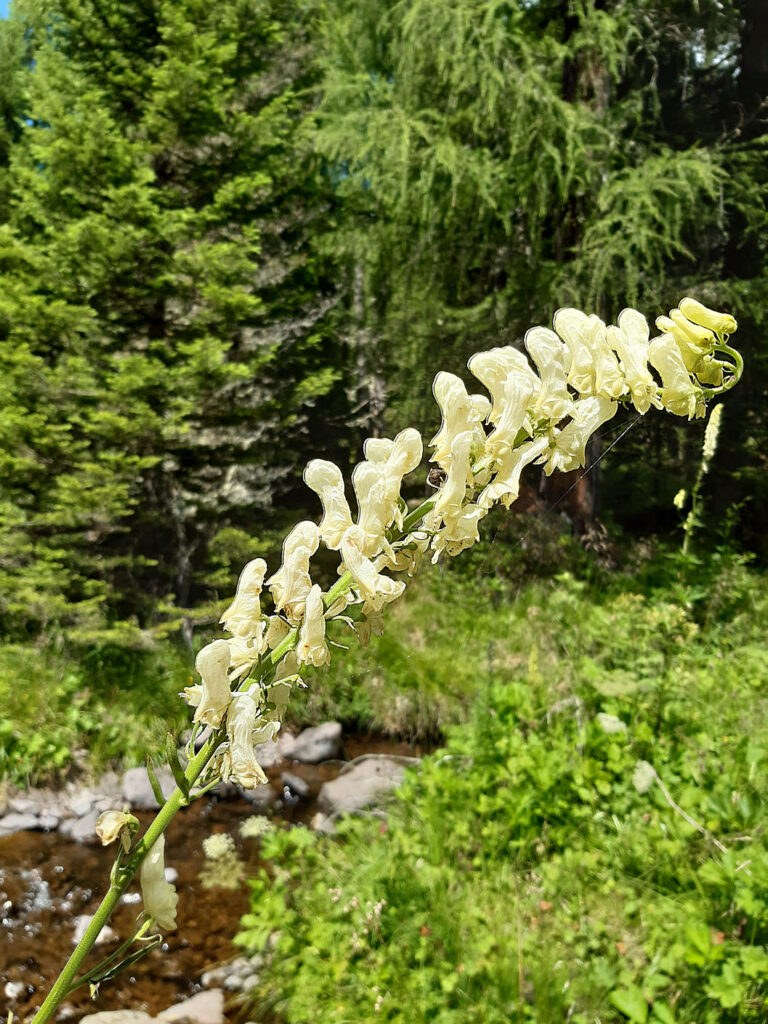
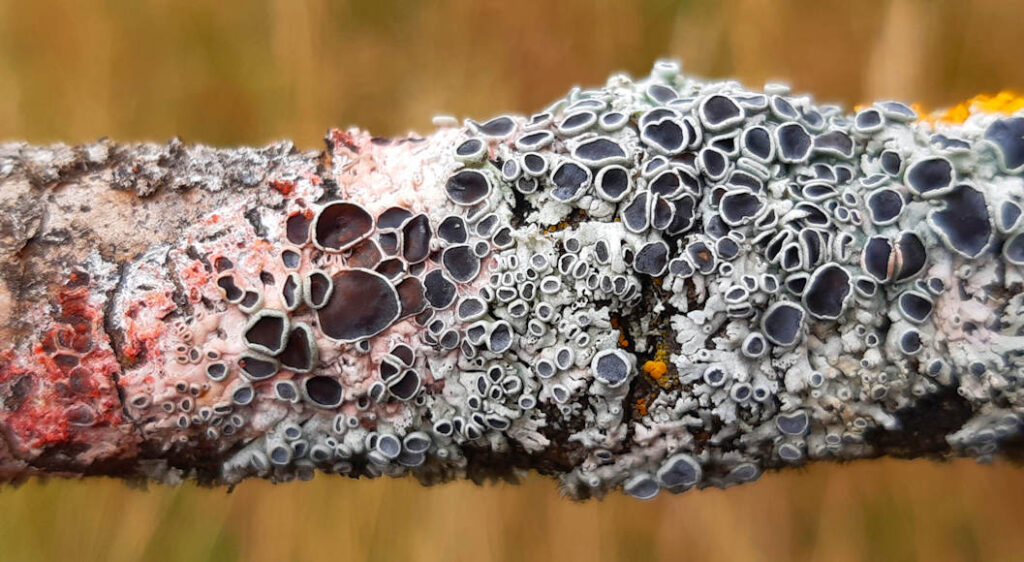
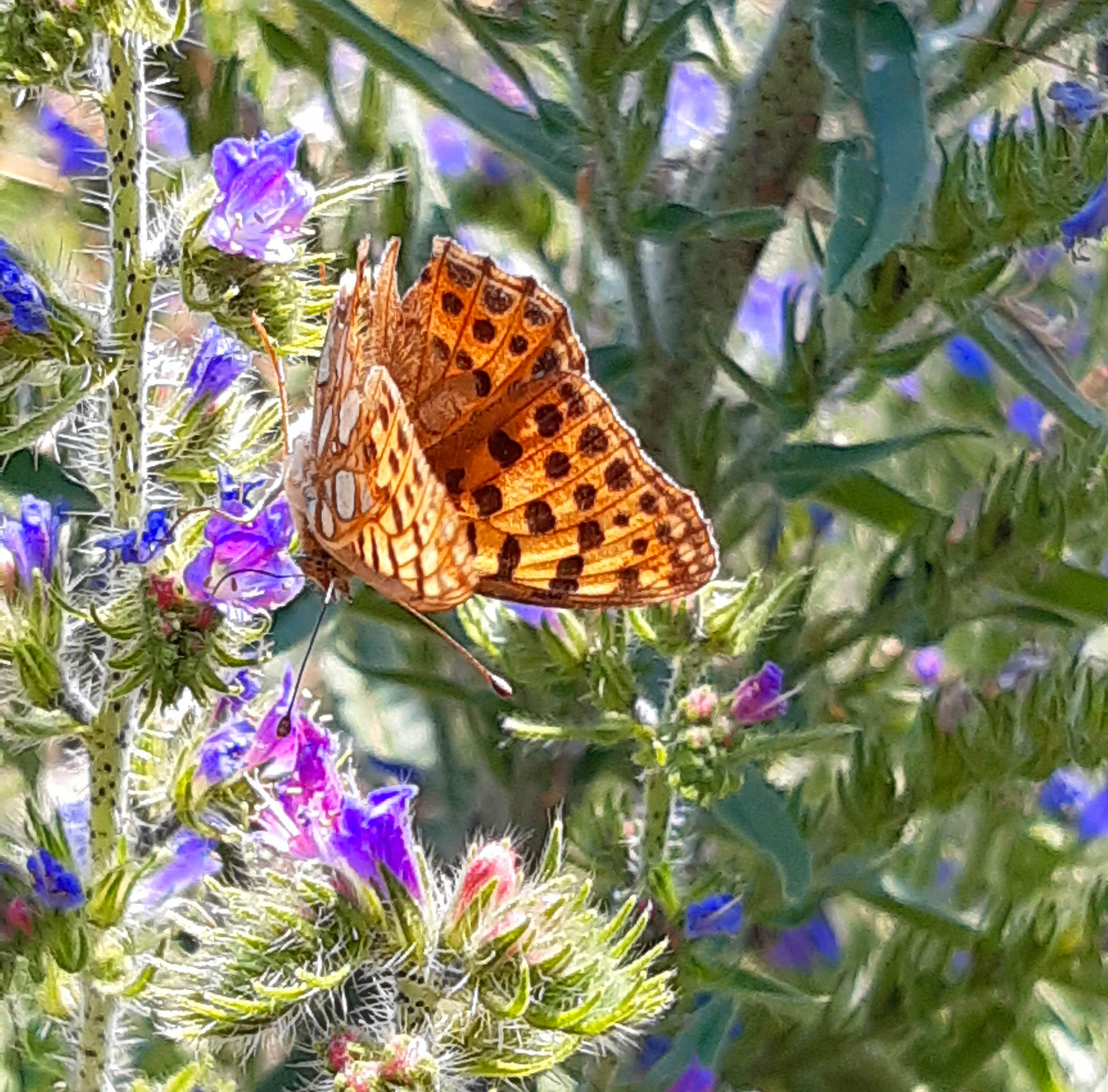
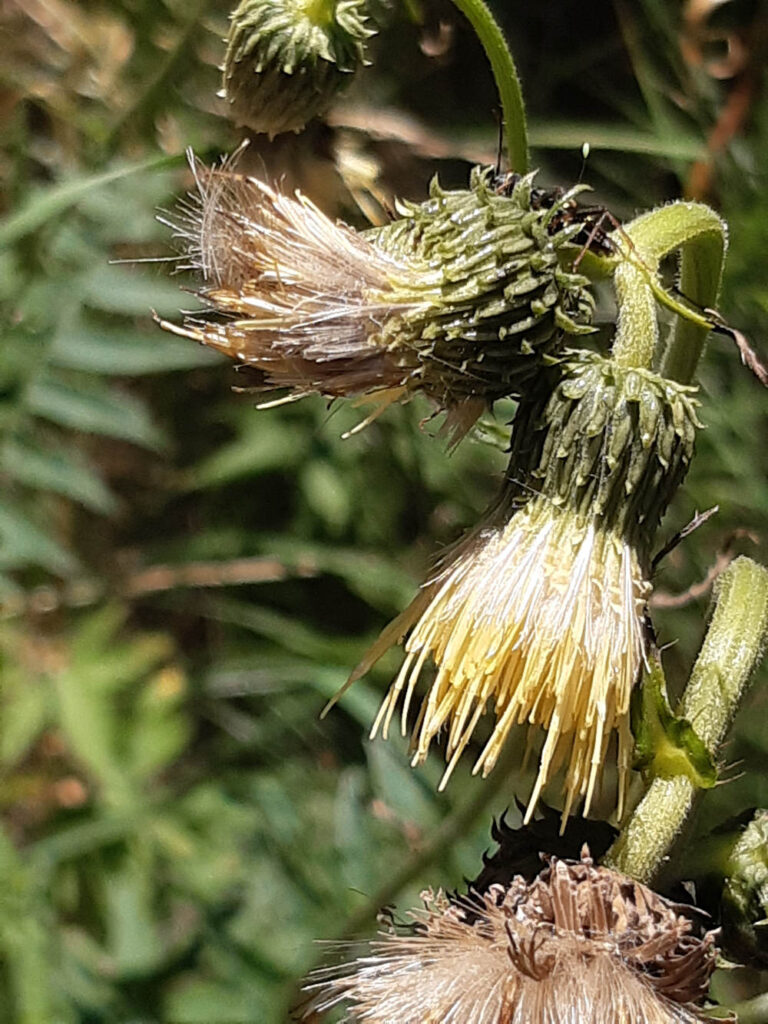
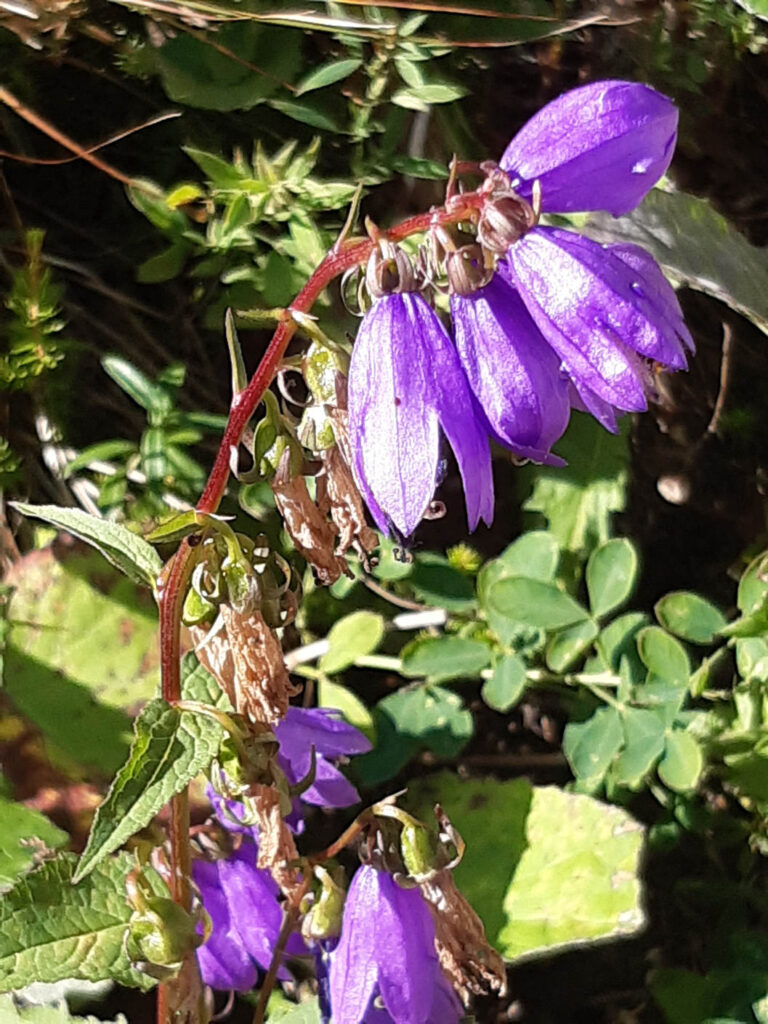
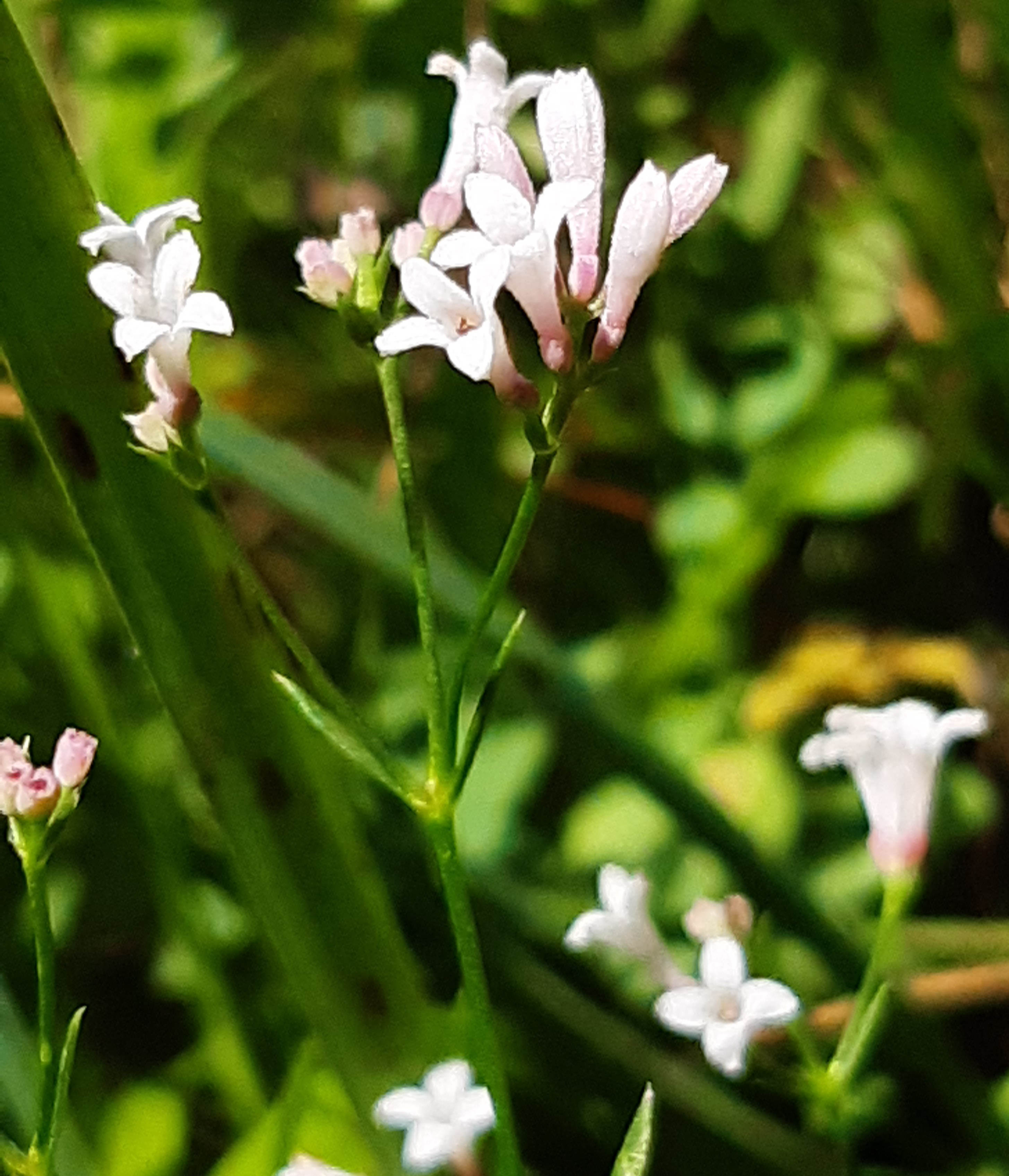
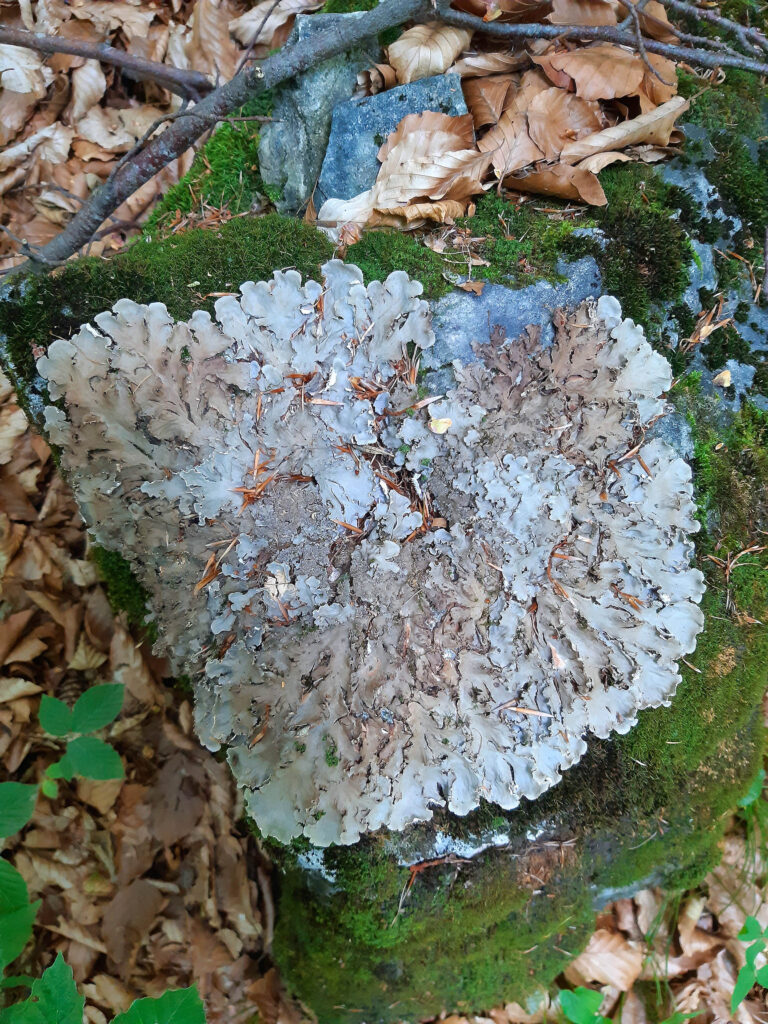
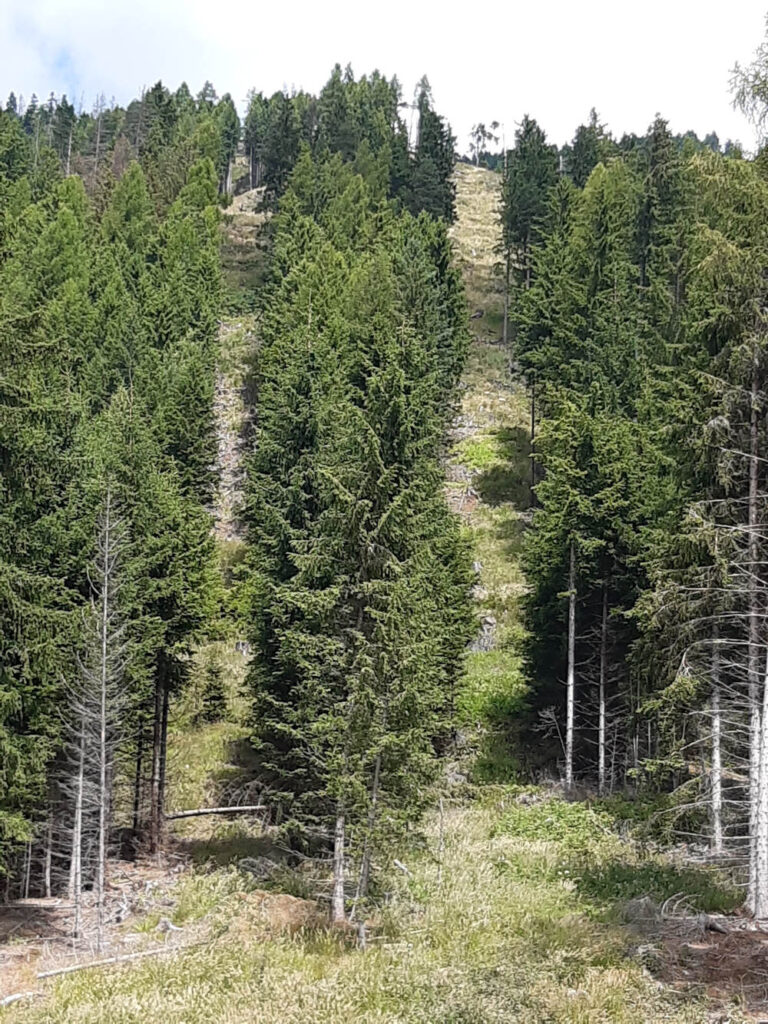
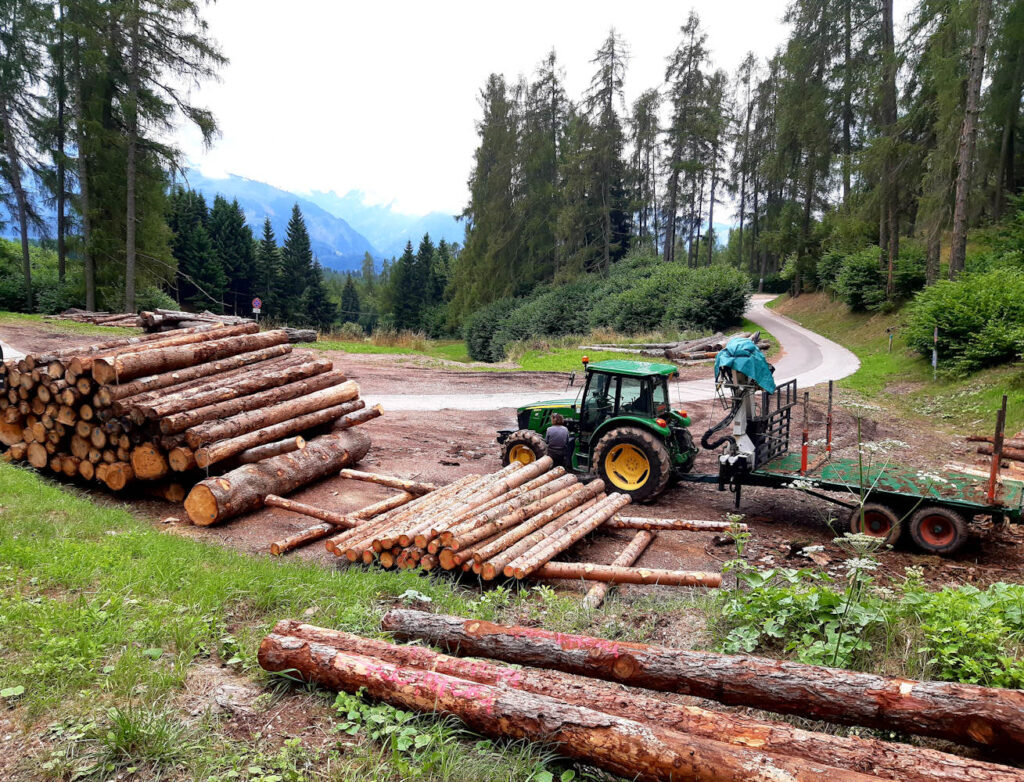
Among other interesting finds (including species recorded in my earlier posting), I am pretty sure I heard the call of the Nutcracker, a small crow of forested mountains. A Black Redstart perched obligingly on a fence post, twitching its red tail. A surprised Stag, early one morning, bounded away uphill from a forest track: there were generally few signs of deer, though plenty of cattle and some horses grazing in the alpine meadows and forest clearings. A Hummingbird Hawkmoth hovered over the flowerbed near the house one morning, gathering nectar. Male Common Blue butterflies showed off their dazzling coloration of caerulean blue, but there were no Idas Blue butterflies, which I saw last time (at another time of year). Seen again like last time was the handsomely red/black striped bee parasite beetle Trichodes apiarius, plenty of Scotch Argus, one Chalkhill Blue, countless Marbled Whites, and plenty of Brimstones and Clouded Yellows, and one or two Speckled Woods. Common Heath moths were, well, common; they may not exactly be day-flying, but they’re readily disturbed in long grass.
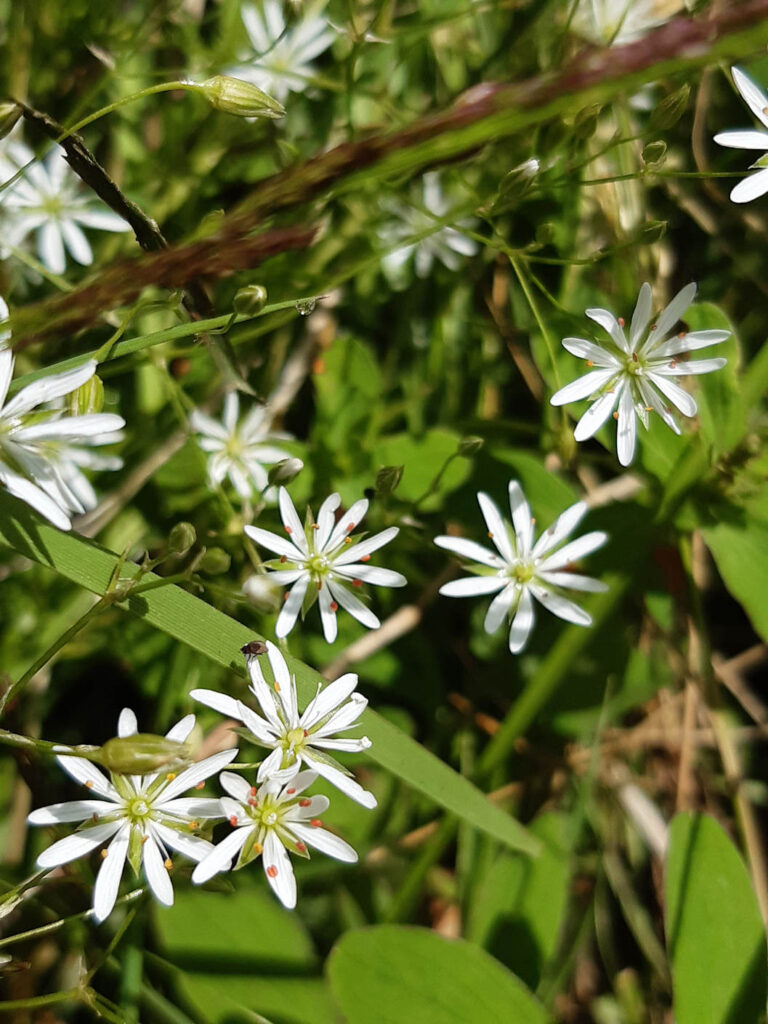
We enjoyed seeing some familiar plants, too: Meadowsweet, never common in these hills, sticking strictly to very damp meadowland; the small yellow 4-petalled Tormentil, the delicate yellow Rock-rose, and the aromatic Wild Thyme, as much at home in the English uplands as here. Less familiar were the umbellifers (Apiaceae) Sweet Cicely and Broad-leaved Sermountain. Wild flowers that we saw that share the distinction of being also in our London garden include Eyebright and Self-Heal. Among the less usual ferns were Polypody and Wall Rue Spleenwort.
It is hard not to compare the species richness of the flourishing alpine meadows and forests with that of Britain’s uplands. In Britain, sheep prevent trees from taking hold, and graze so severely that few flowers can grow. Farm subsidies and agricultural policy since the war have favoured production at the expense of wildlife; over 97% of Britain’s wildflower meadows, permanent pastures, have been ploughed up. Some of the ploughing was to enable reseeding with an “improved” grass mix, sometimes with clover. The result was invariably an impoverished agro-ecosystem, with far fewer species of grasses and flowers, far fewer insects, and degraded soil with fewer earthworms.
In some places, such as the chalk grassland near Beachy Head, the land was returned to pasture soon after the war with its urgent need for food. There is still, over 50 years later, a sharp contrast between the ploughed pasture land and the undamaged chalk grassland: the ploughed land has not recovered in that time.
It is no surprise that Britain’s bird, insect, and flower populations have collapsed. When hedges have been grubbed up and large fields carefully cultivated, after a while the farmer has a clean crop without flower “weeds” or insect “pests”, even without using herbicides or insecticides: there is no place for them to grow, no food for the insects to eat.
The only wild species that can survive in such a regime are efficient and troublesome weeds, like grasses too similar to cereal crops to be possible to spray; or genuinely pestlike insects, such as “cabbage white” butterflies, that can breed rapidly, fly or be blown long distances, and quickly destroy fields of Brussels sprouts if a farmer is unwary. All the more attractive and beneficial organisms are long gone.
See also Wildlife of the Dolomites (the animals and plants arranged into groups)