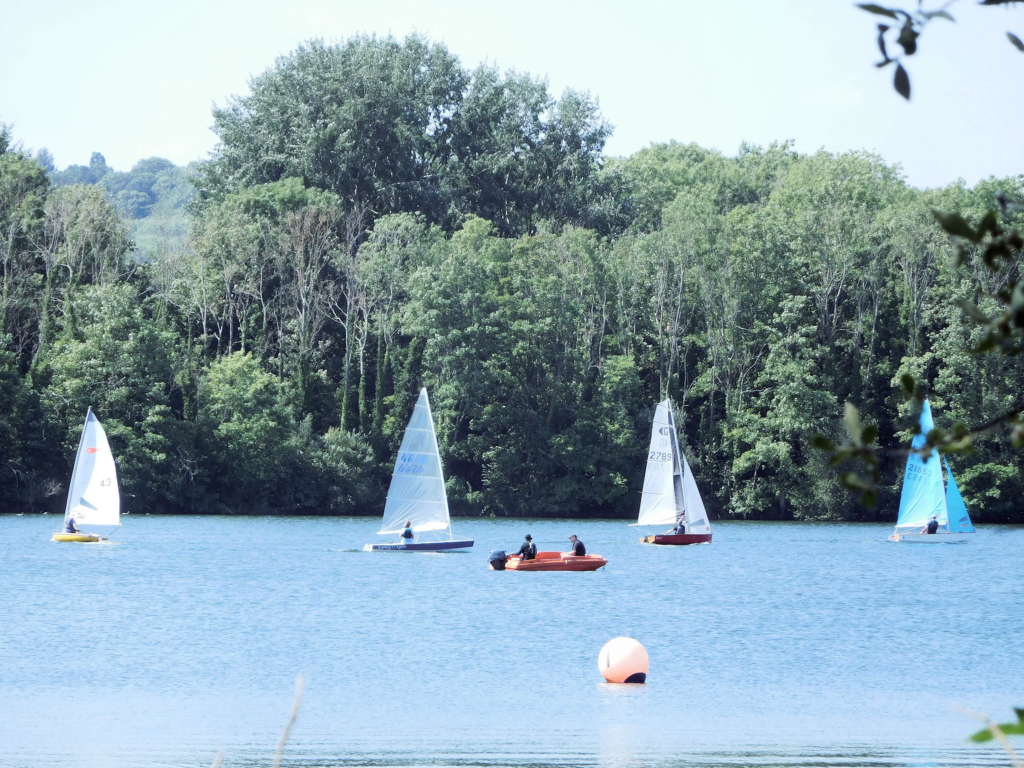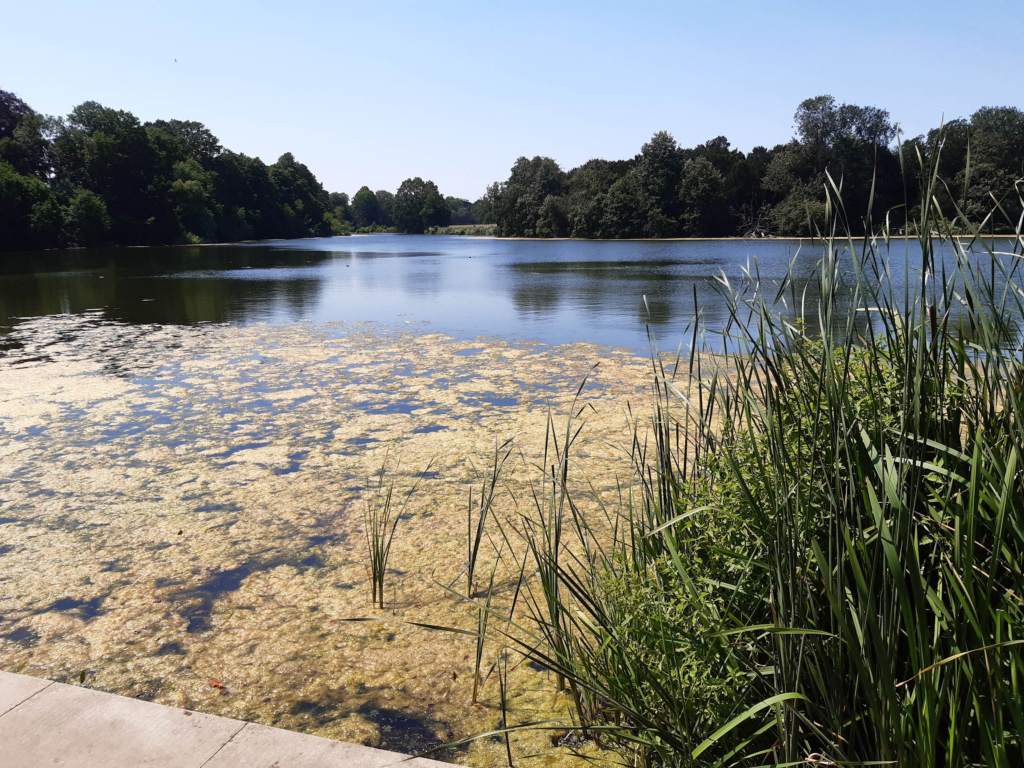
A handsome landscaped lake, forested banks, open water, marginal vegetation … and a mass of algae indicating eutrophication (and a heatwave)
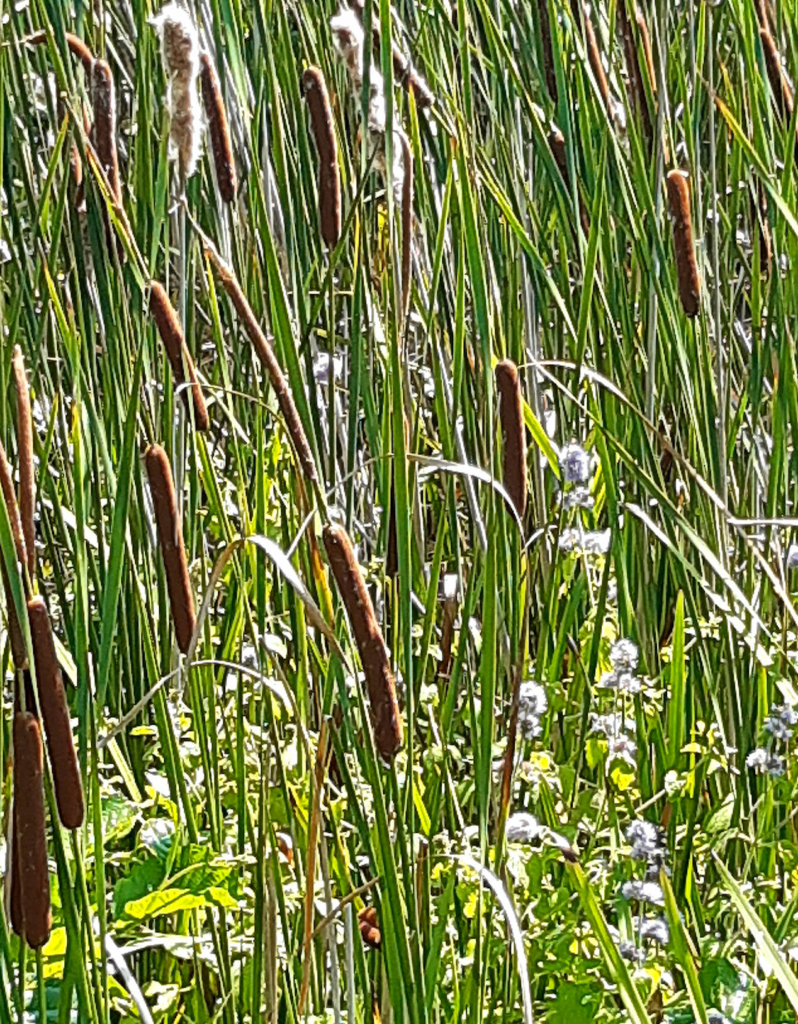
Reed Mace and Water Mint beside the lake
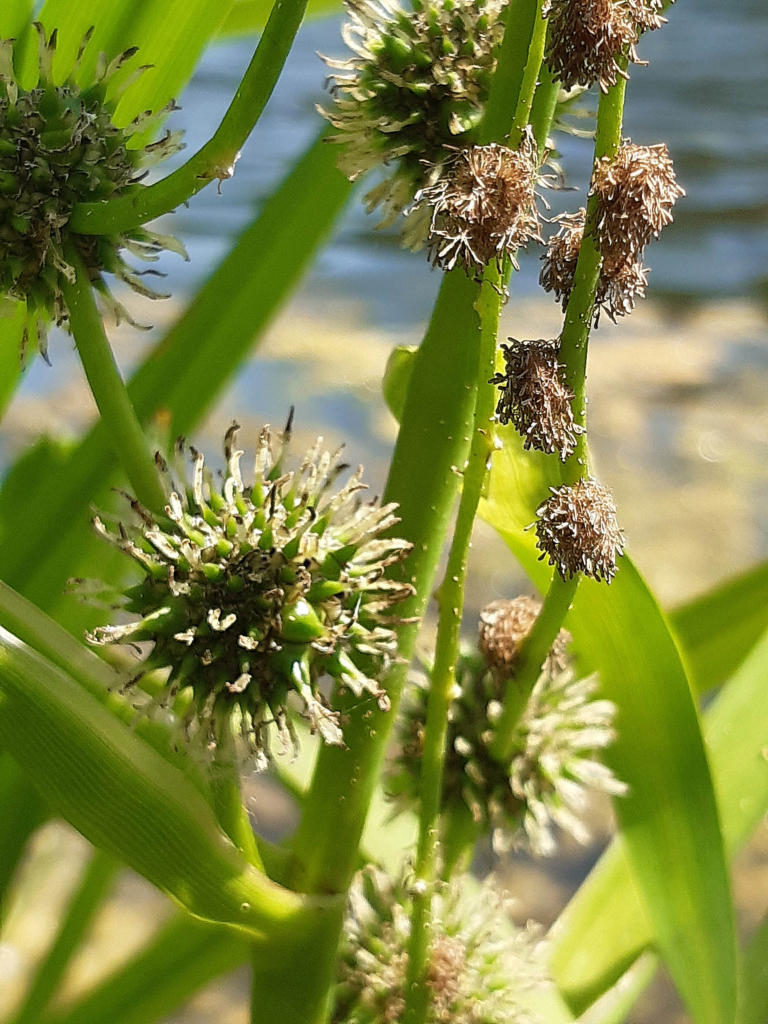
Branched Bur-Reed beside the lake
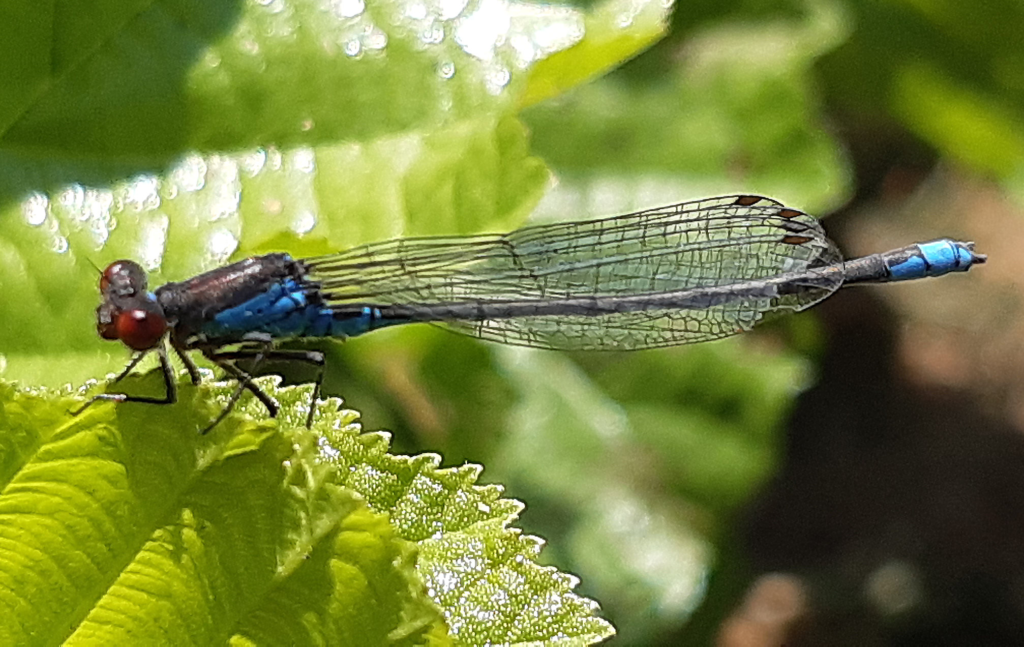
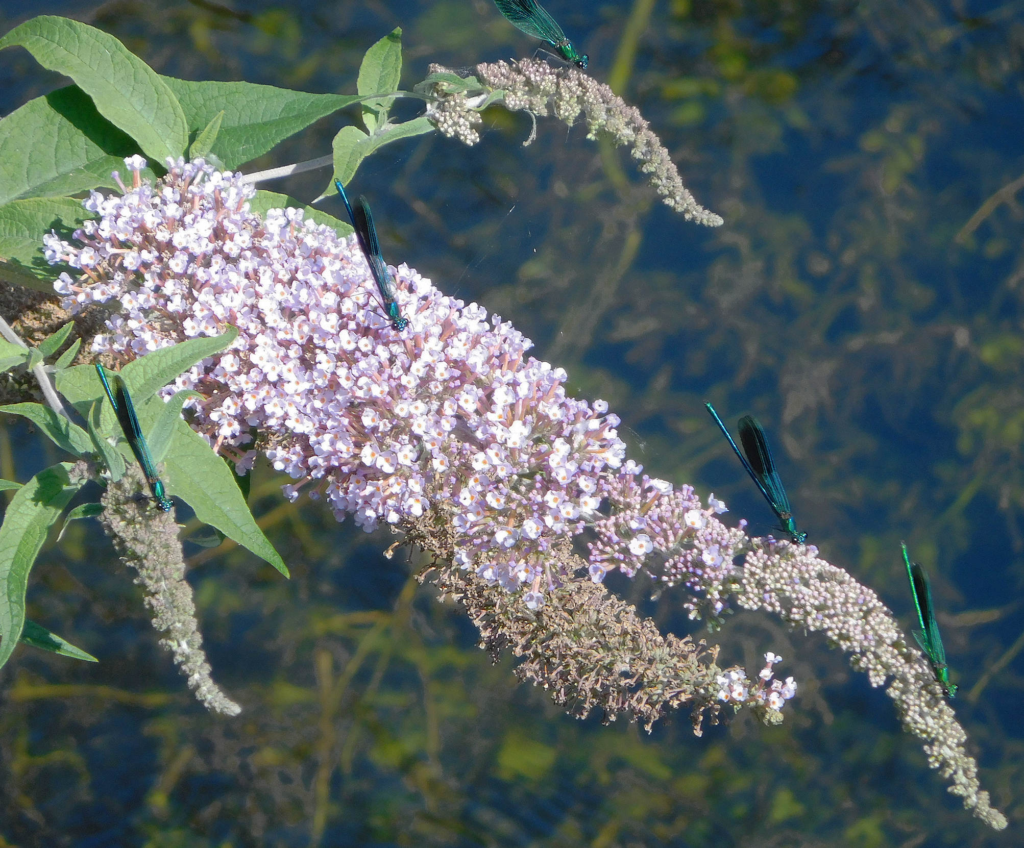
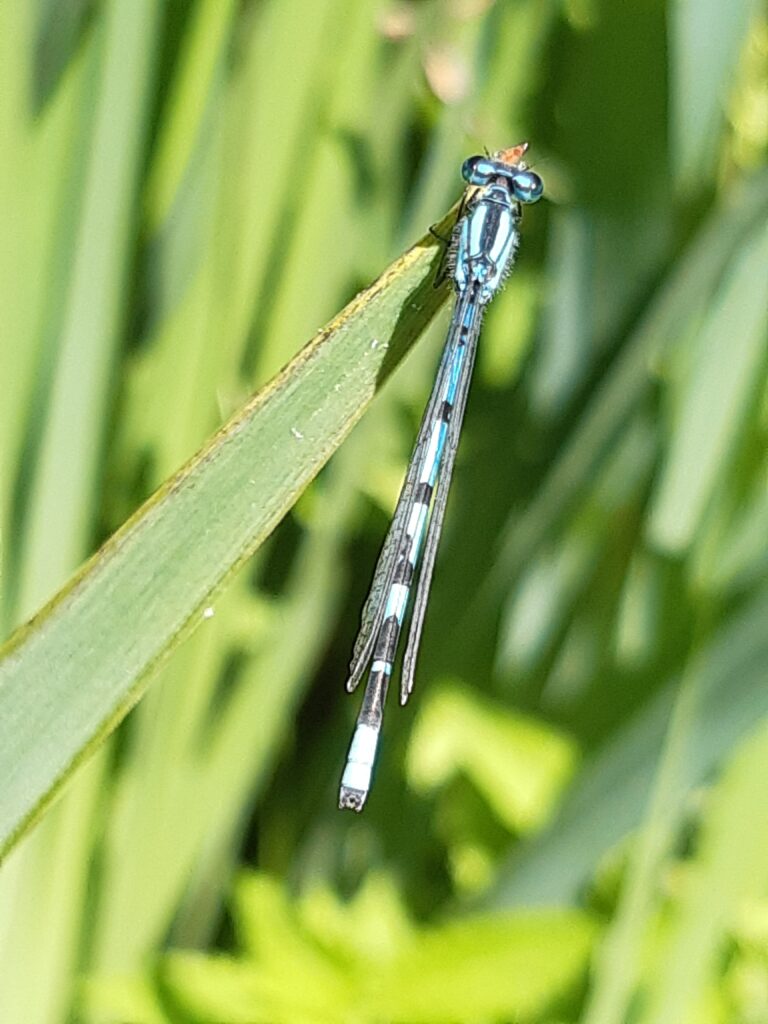
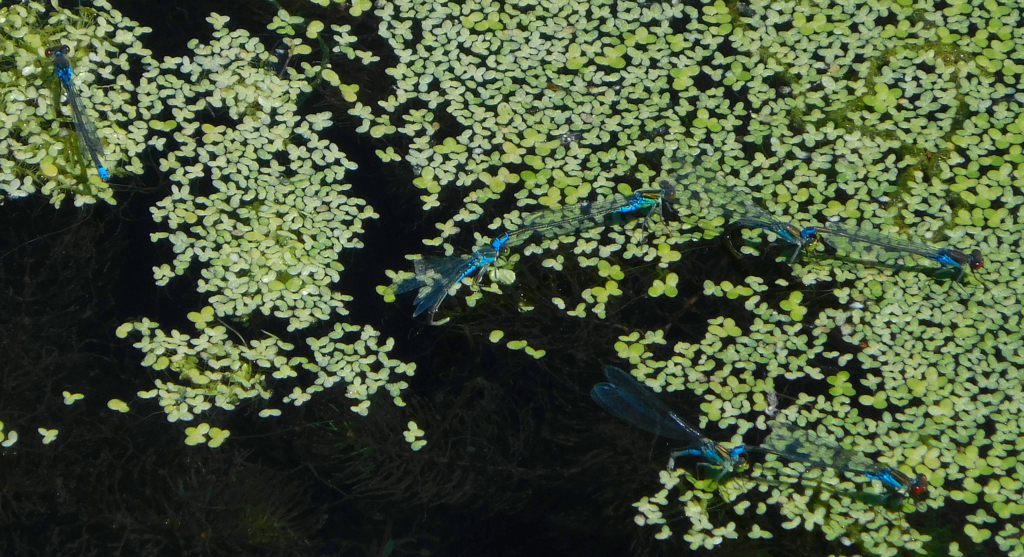
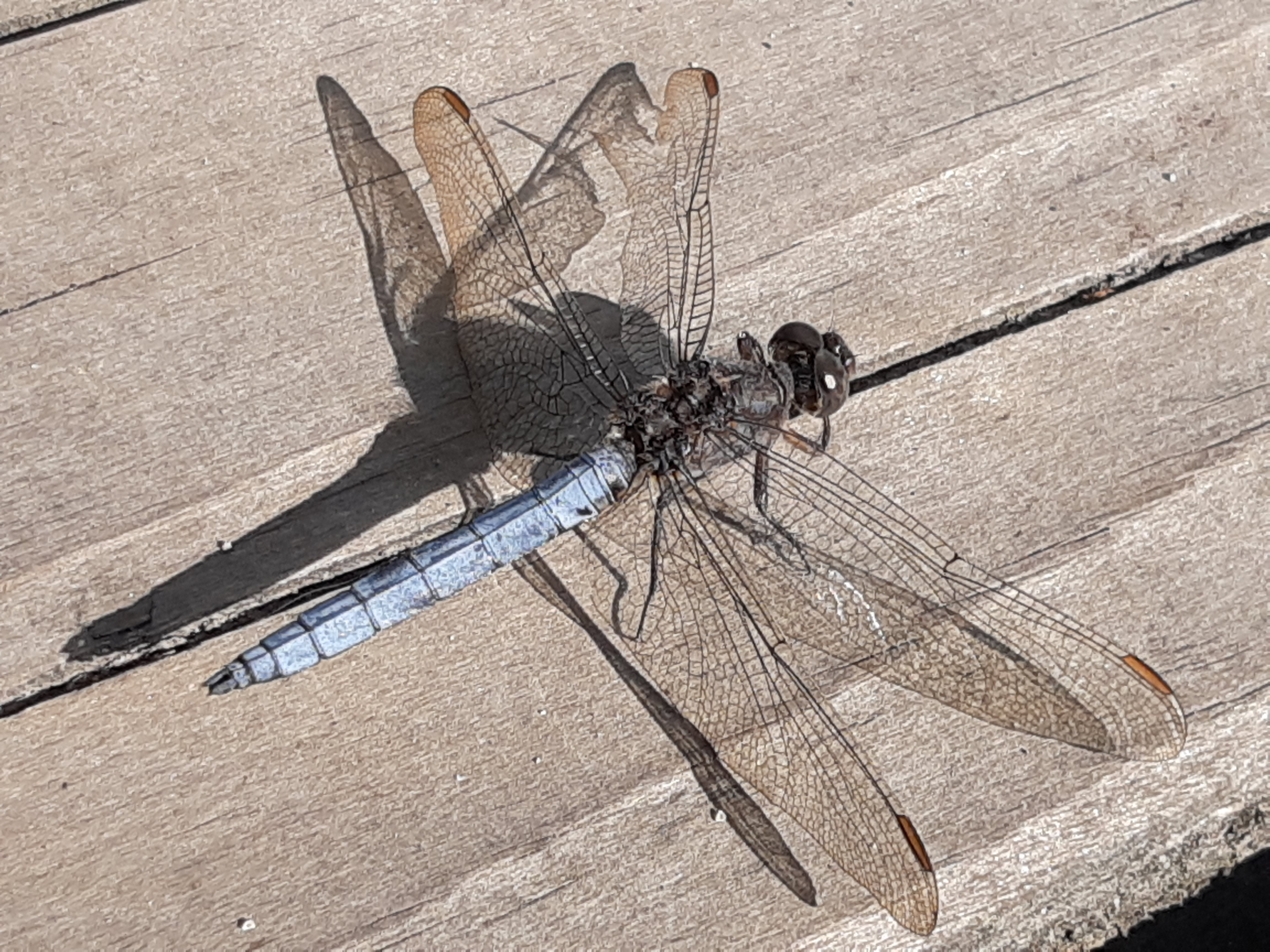
Small Red-eyed Damselfly; many Black-Tailed Skimmers raced above the water and around the marginal vegetation, with a few Emperor Dragonflies and some blue damselflies (Common Blue or Azure).
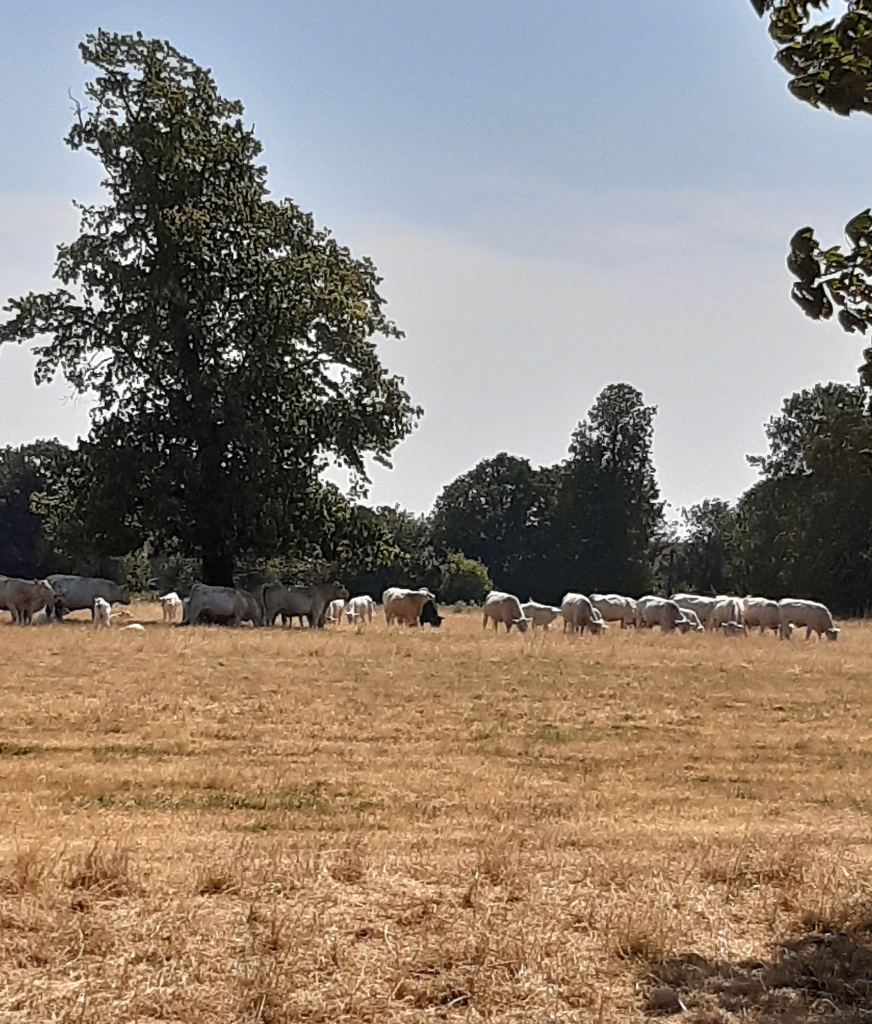
Cattle grazing on the dry grass of the pleasantly English parkland landscape, in a prolonged heatwave. (At the end of the month, the Met Office reported that July 2026 had been the driest month they had ever recorded, since 1836 when records began.)
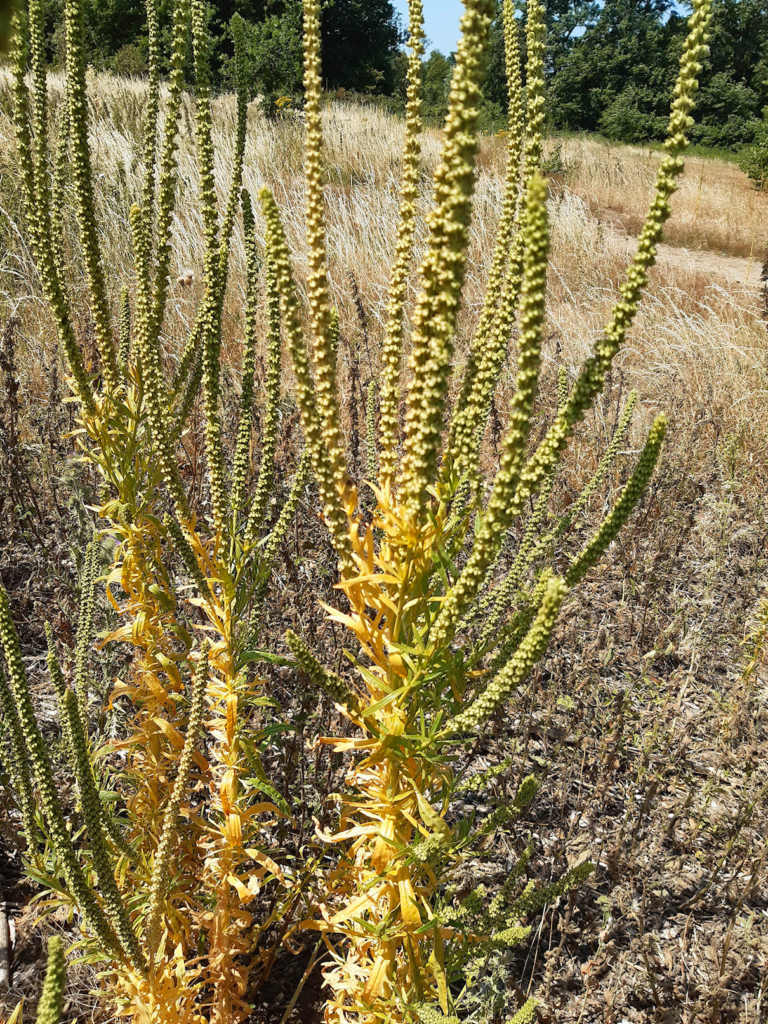
Weld (Reseda luteola), a tall handsome forb even when past flowering.
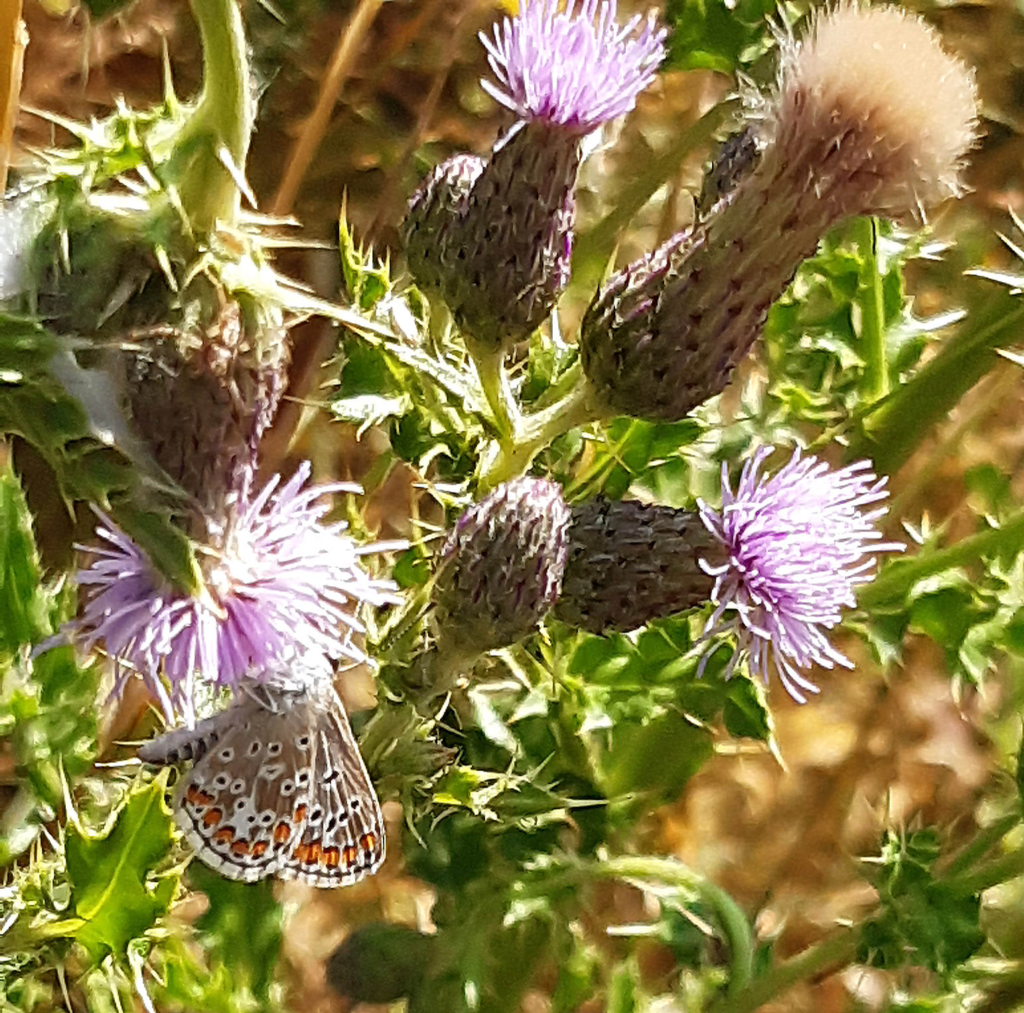
Female Common Blue butterfly on Creeping Thistle
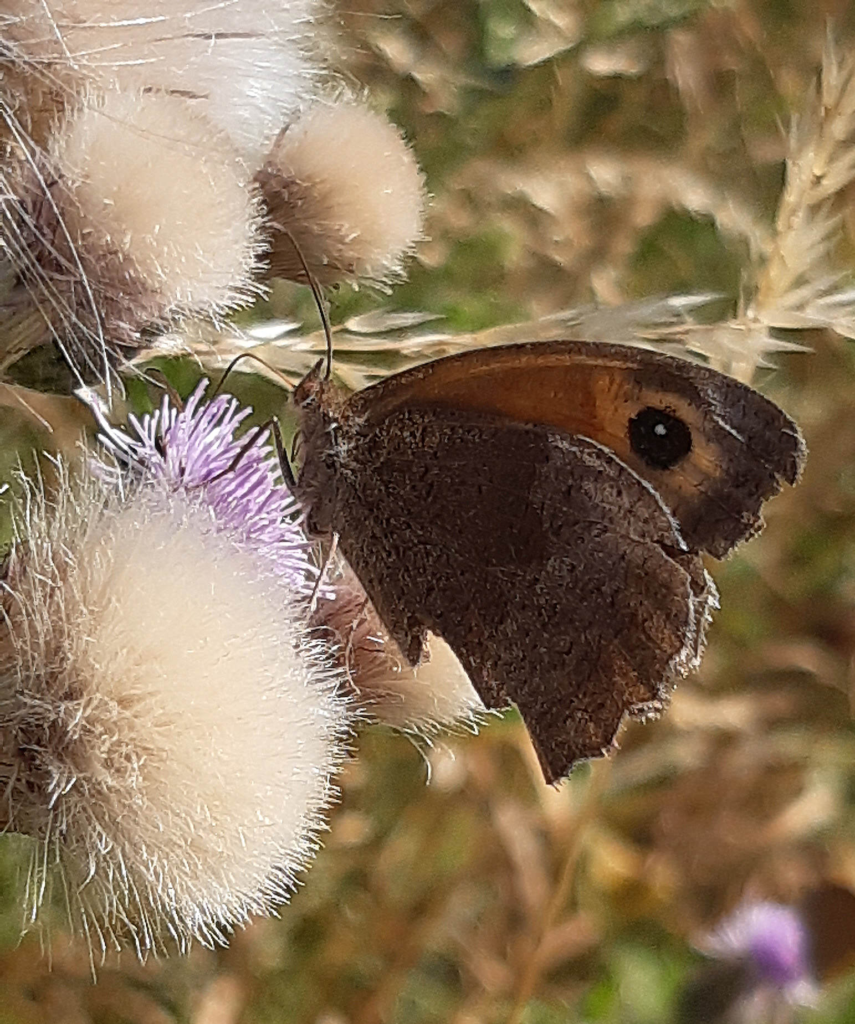
Meadow Brown, once so common I wouldn’t have thought to photograph it: now declining across Britain, but happily still thriving here at Osterley. Also around the meadow flowers were plenty of Gatekeepers.
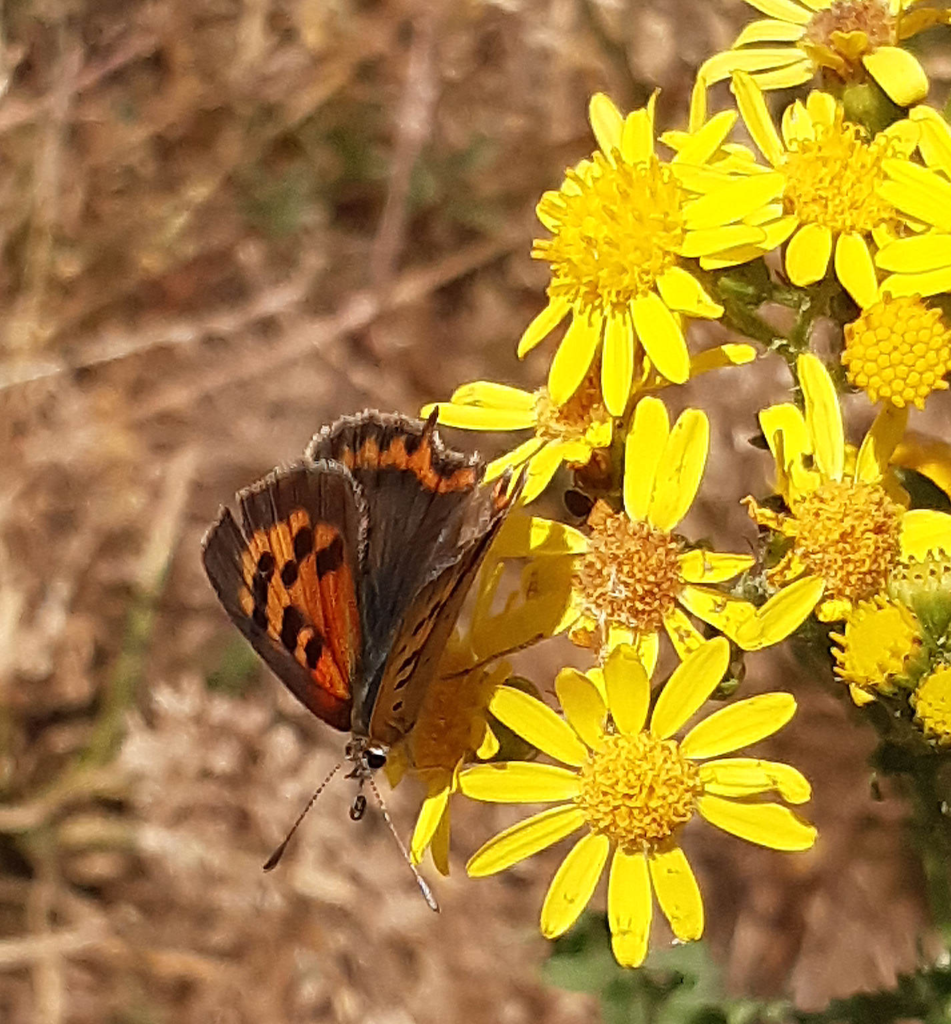
Small Copper