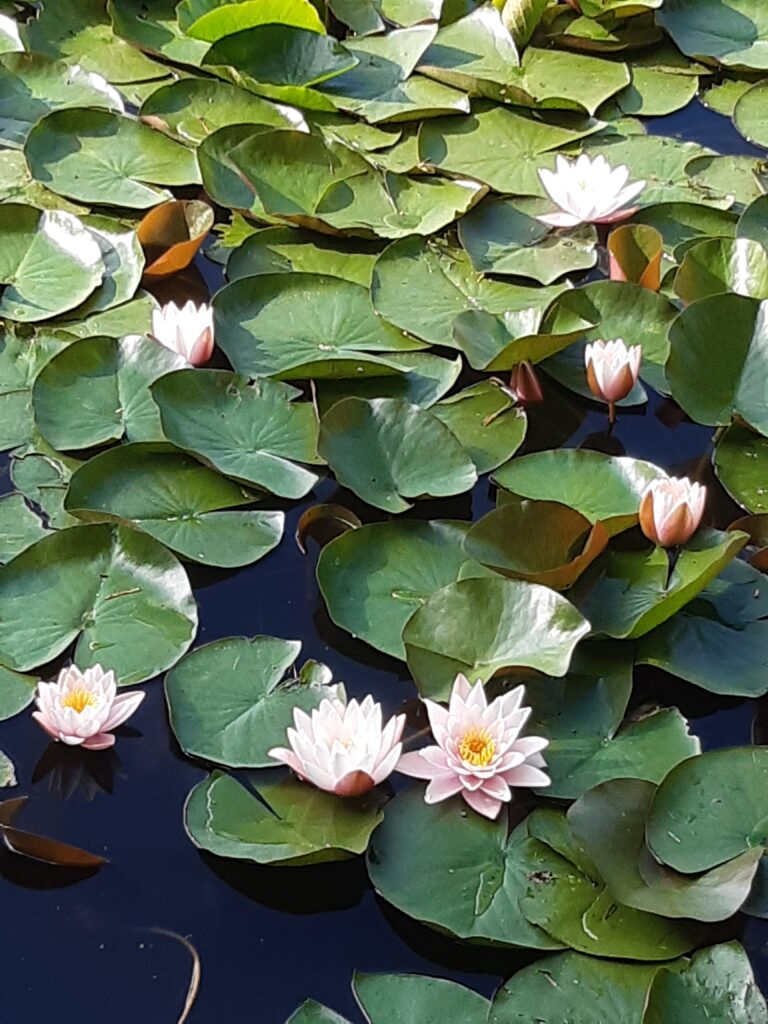
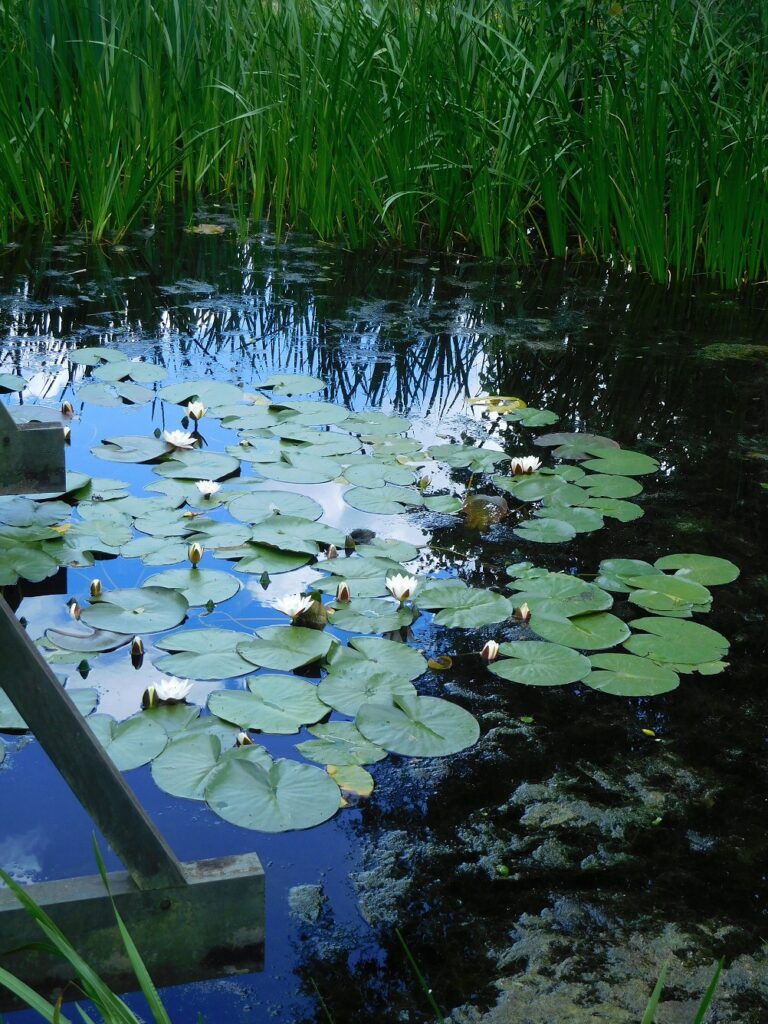
(28 June) Thursley Common is special, from the moment of arriving at Moat Pond with its sparkling white Water-lilies.
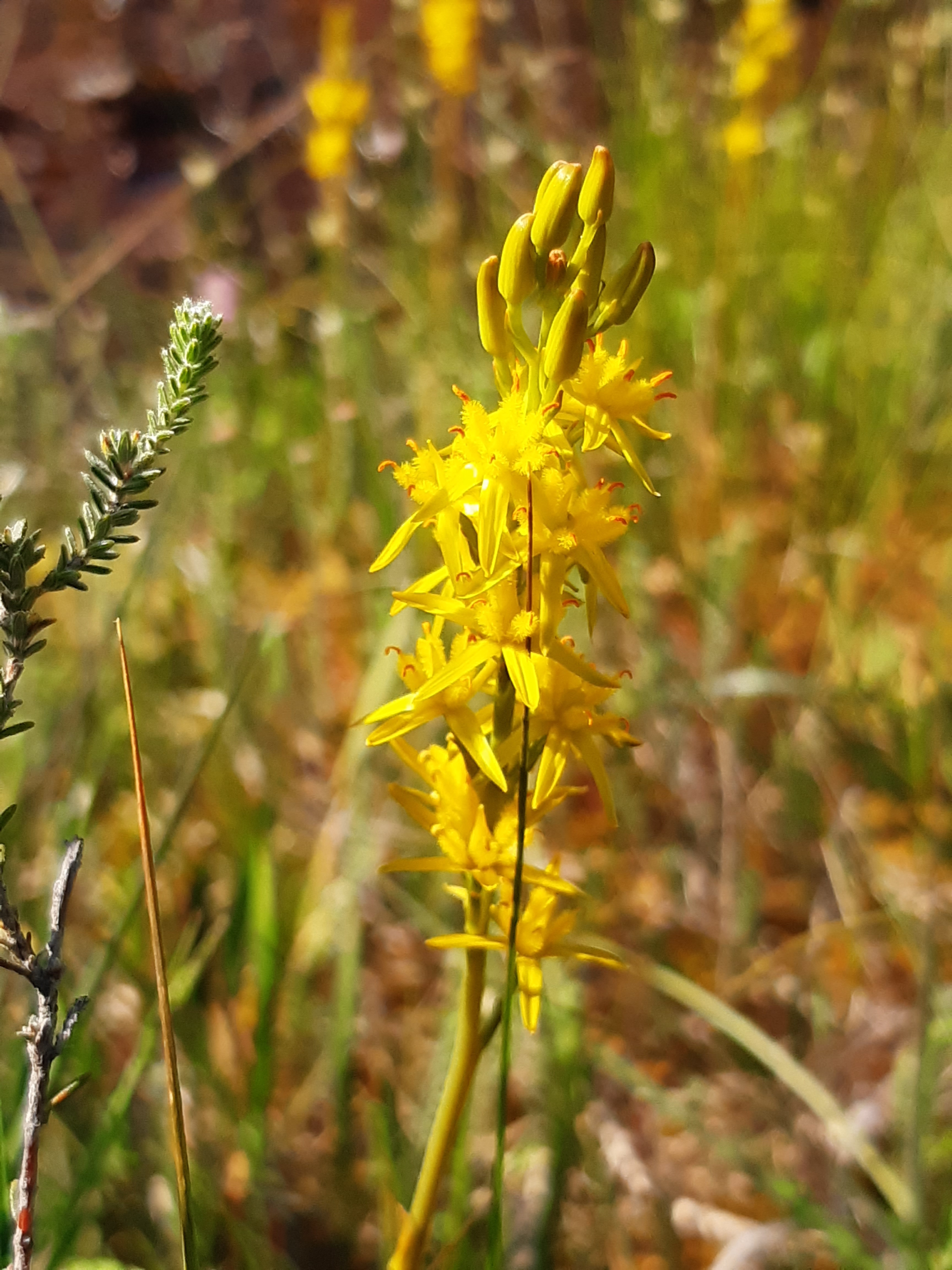
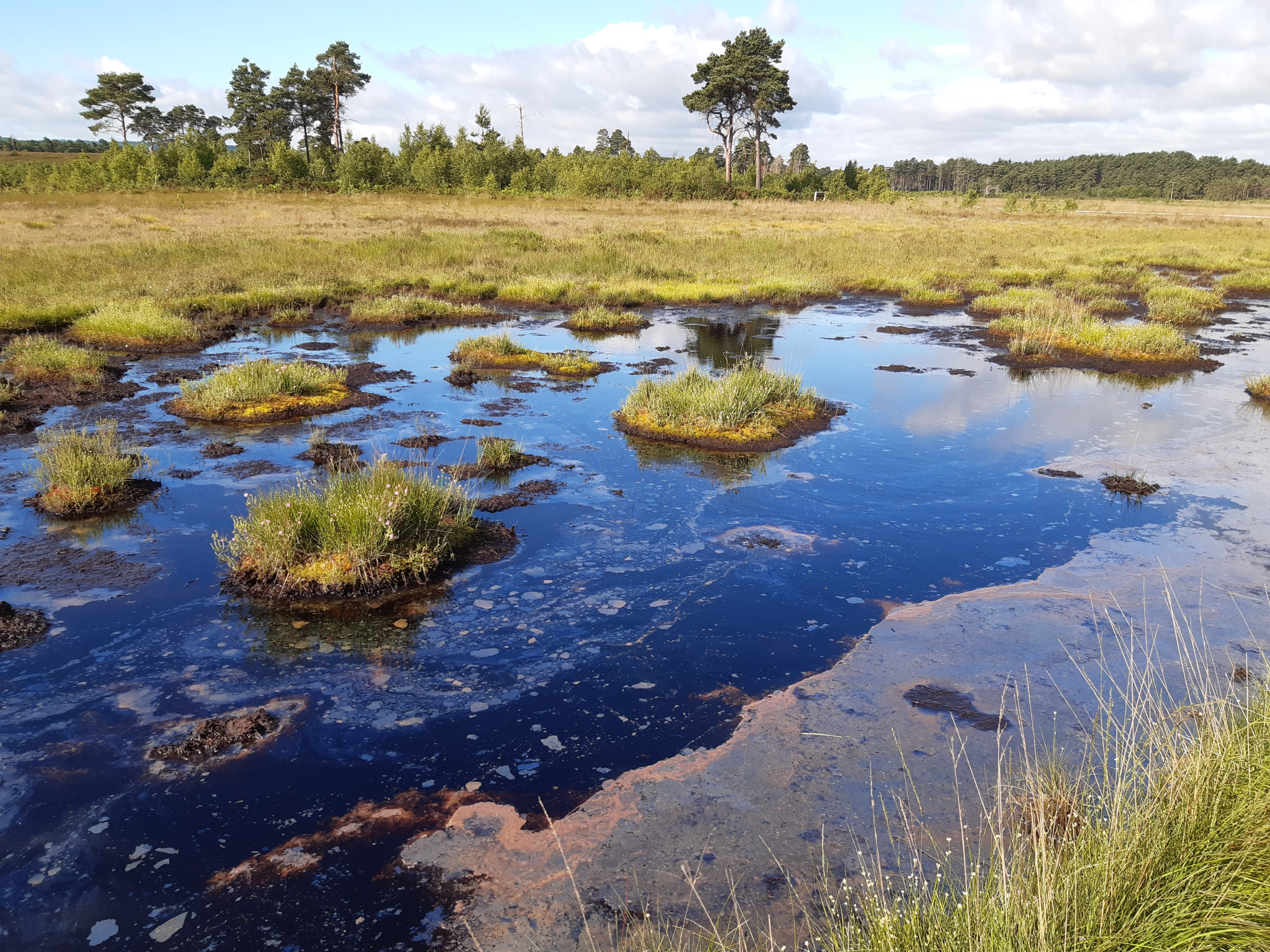
The flat boggy area is full of rare and exotic-seeming plants, like the beautiful Bog Asphodel that demands a wet acidic soil, growing lotus-like from the black mud.
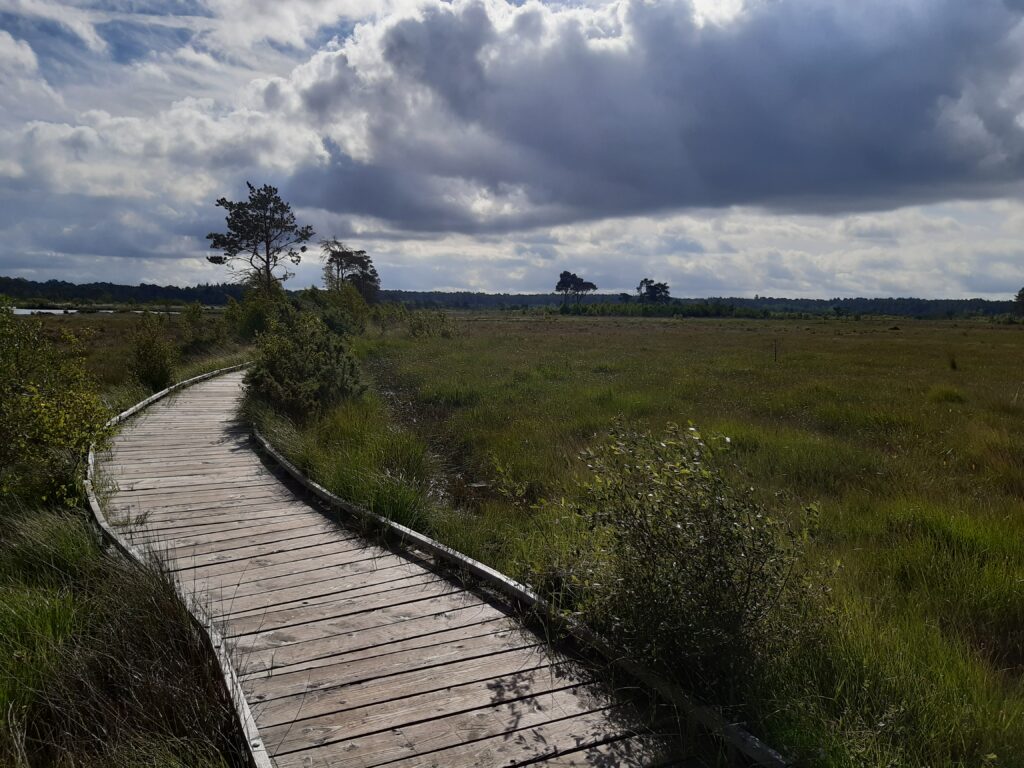
The common is a wide area of forest, bog, and little hills covered in heathland with boardwalks across the bog and dry sandy paths across the heath.
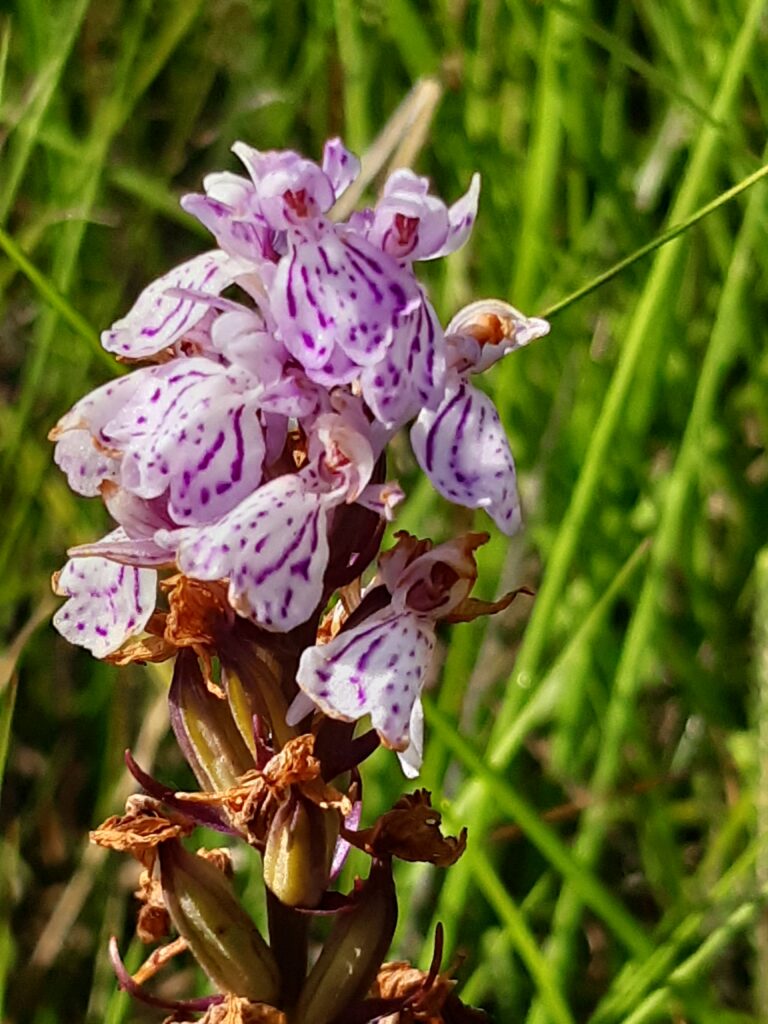
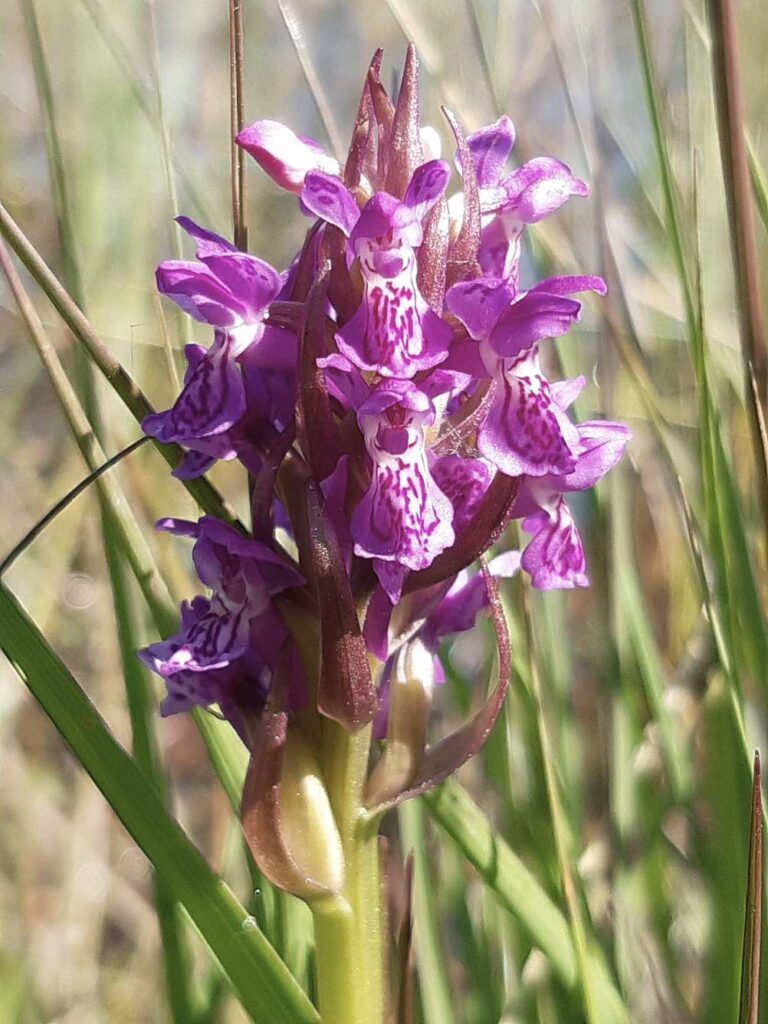
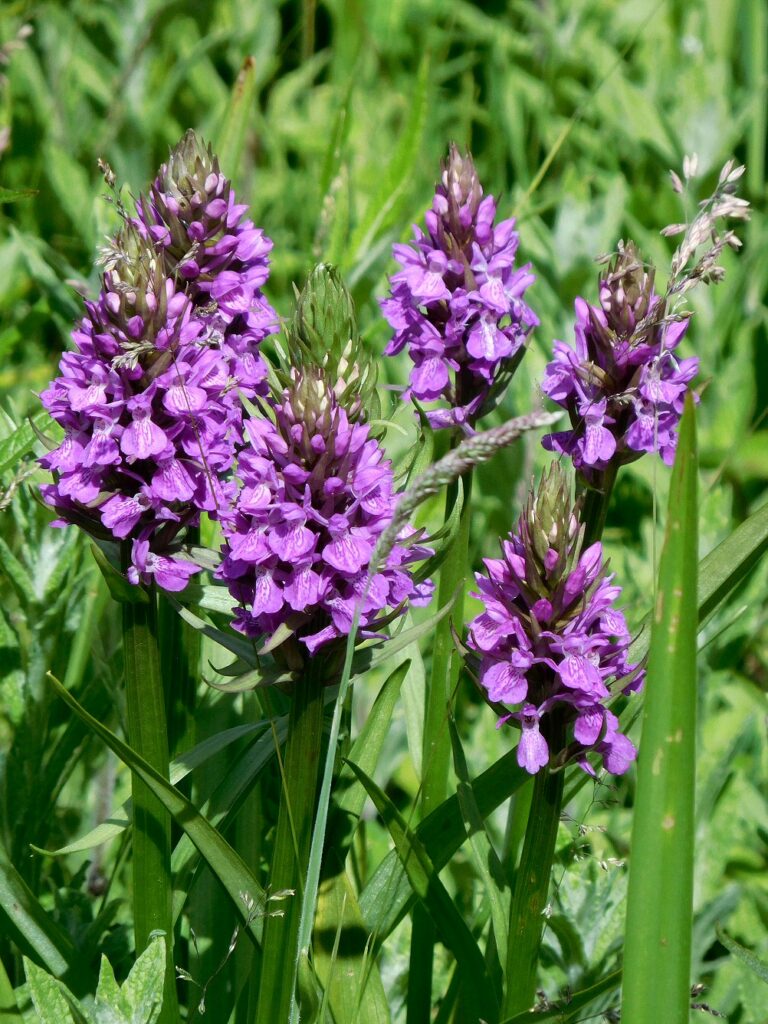
Among the delights of Thursley is the glorious Marsh Orchid.
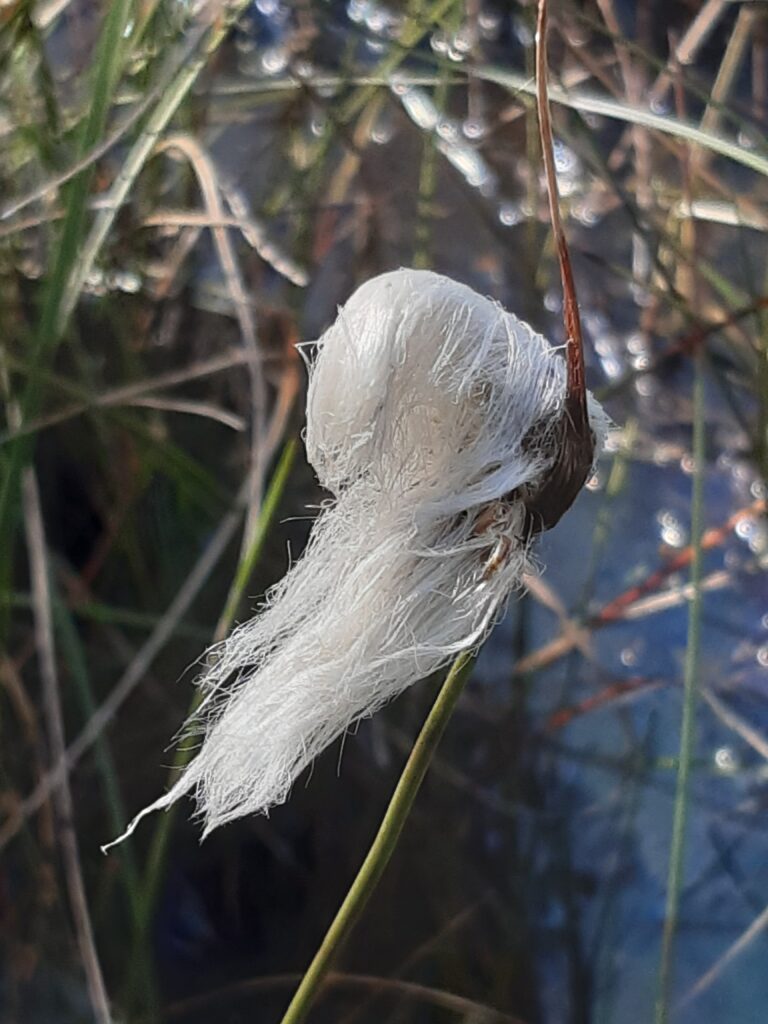
Molinia, the bog cotton, is a plant totally characteristic of wild (Northern) moorland. It’s marvellous to see it down here in the South of England.
The bog pools are the home of dragonflies like the Black Darter, which can be seen only in this sort of habitat.
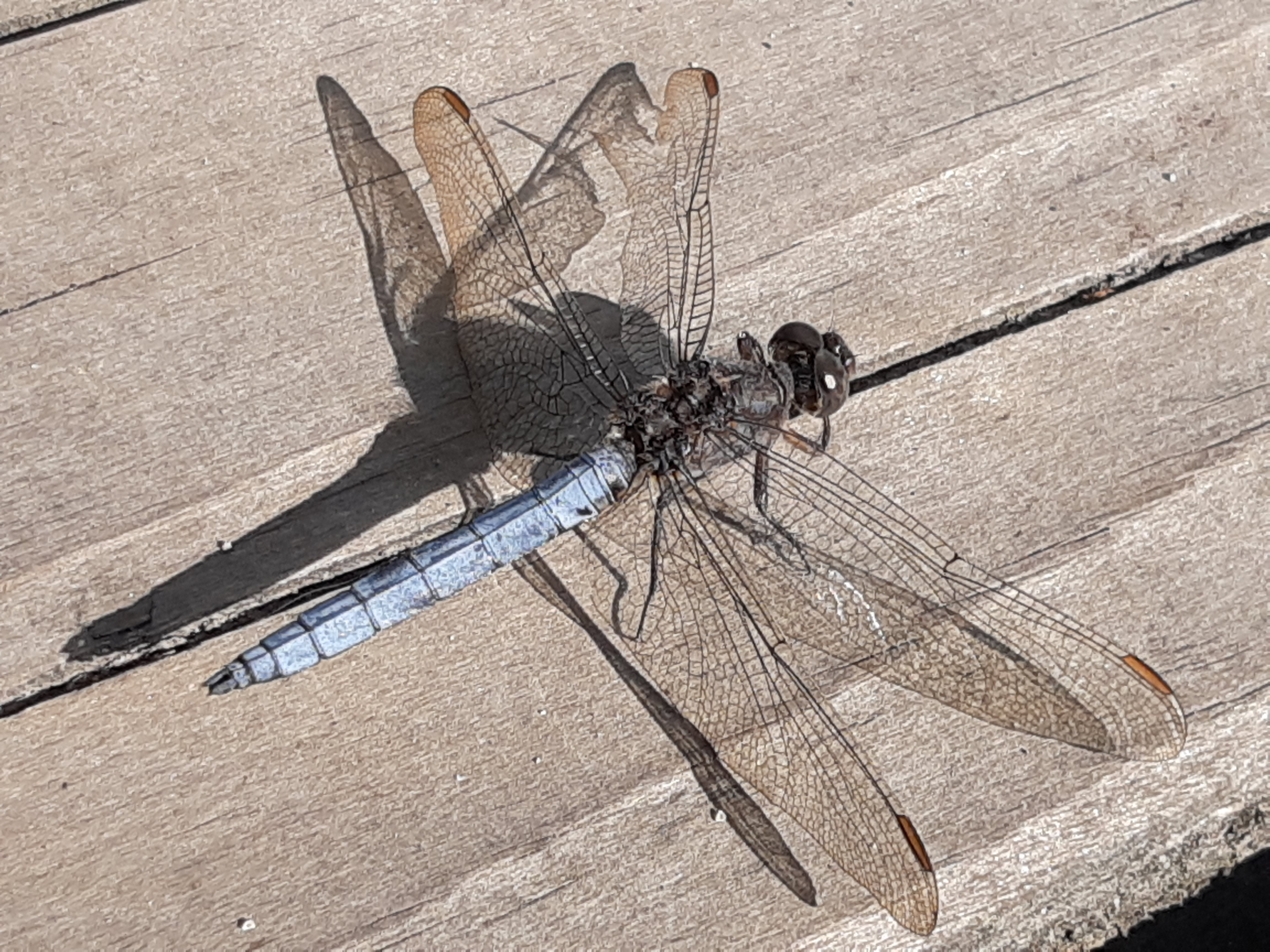
Other species like this Keeled Skimmer can be found in lowland streams as well as around bog pools.
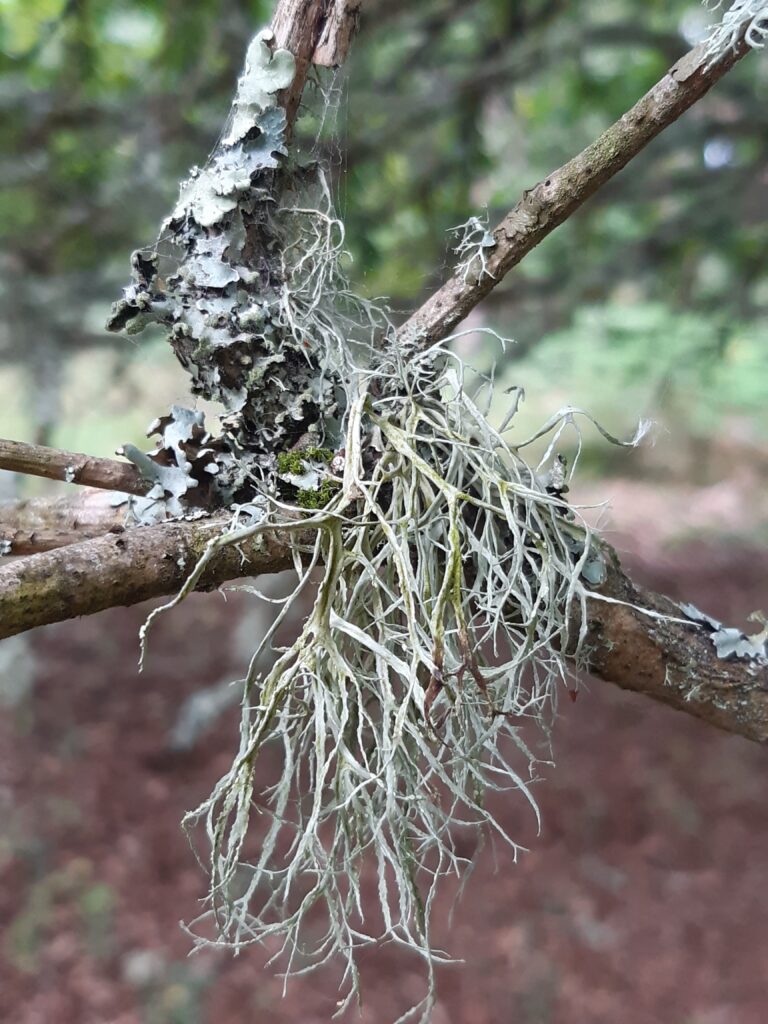
In the forested areas, handsome lichens like these long branching strands of Ramalina indicate the purity of the air. Leafy Parmelia-type lichens are growing in the background.
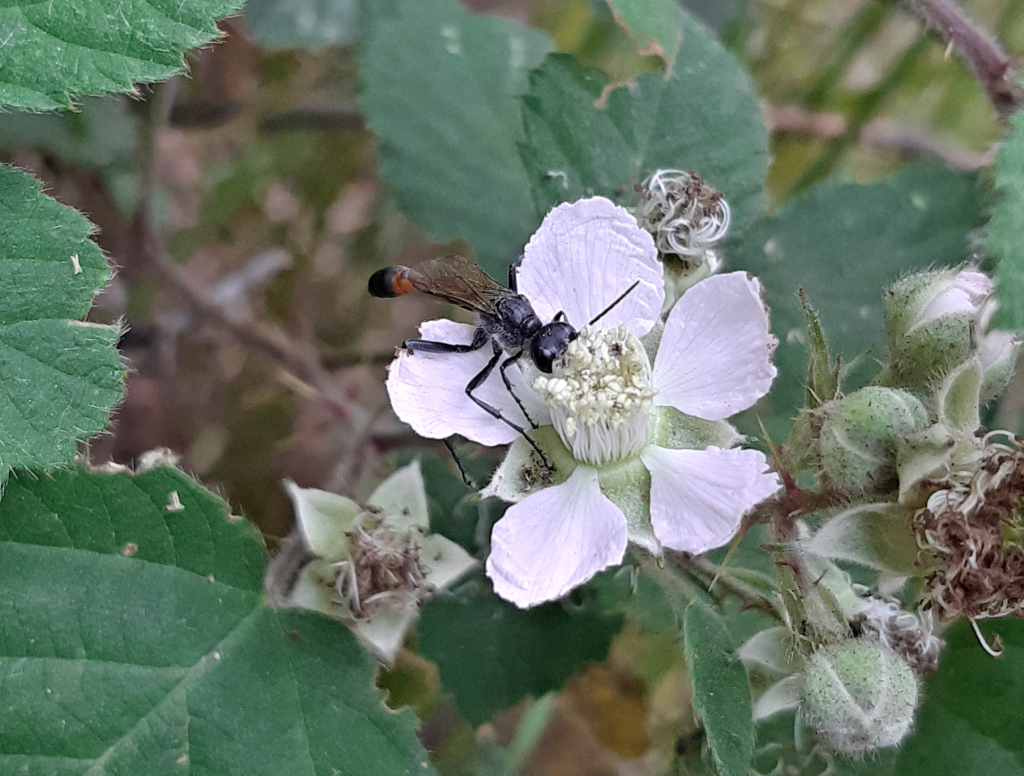
A large and handsome parasitic wasp takes nectar from a bramble flower.
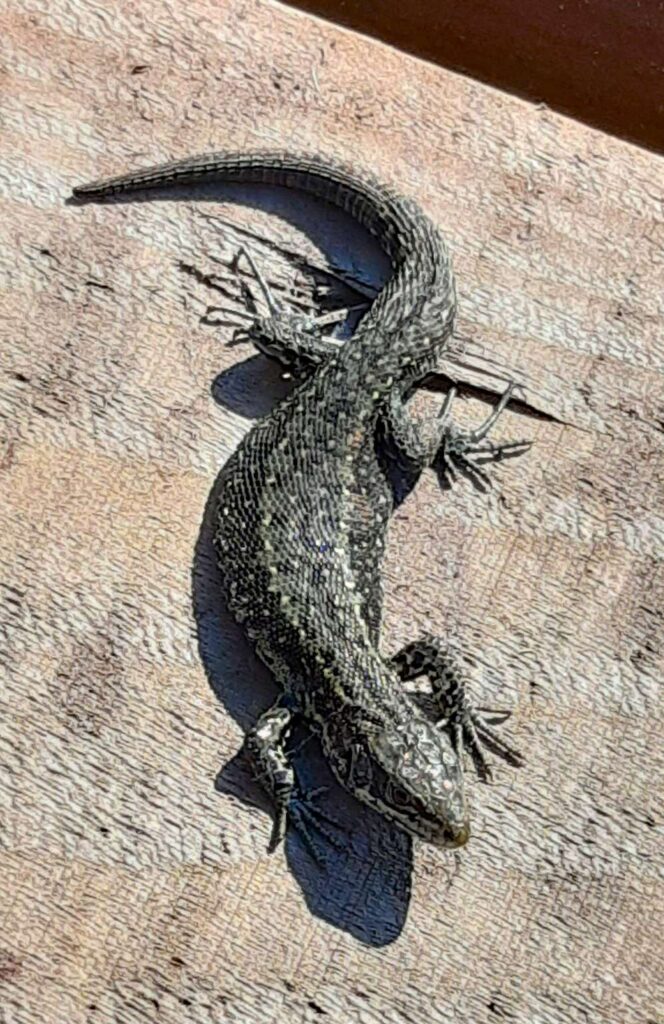
A few years ago, BC (Before Covid), a major fire burnt many of the Pines and Birches that had invaded the heathland of Thursley Common; and unfortunately, the fire took hold on the wooden boardwalk that crosses the national nature reserve’s marshy area, and destroyed nearly all of it. This mattered, as everybody enjoyed the open airy walk, summer or winter, across the flat expanse with its rare habitats for Southern England — acid bog, bog pools, heath — and its rather special inhabitants, including lizards (and snakes), many species of dragonfly, marsh orchids, bog asphodel, skylarks, curlews, and more. Suddenly, visitors were confined to the edges of the reserve.
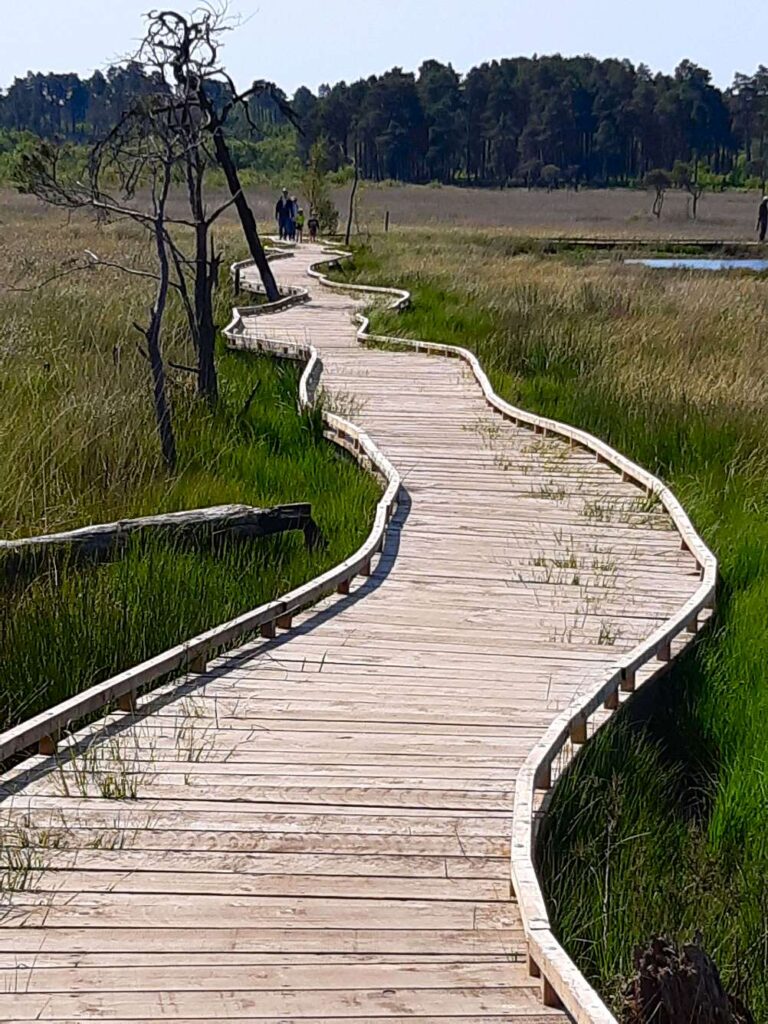
Well, people agreed the boardwalk must be rebuilt, and finally, here it is.
The smart new boardwalk with edge rails
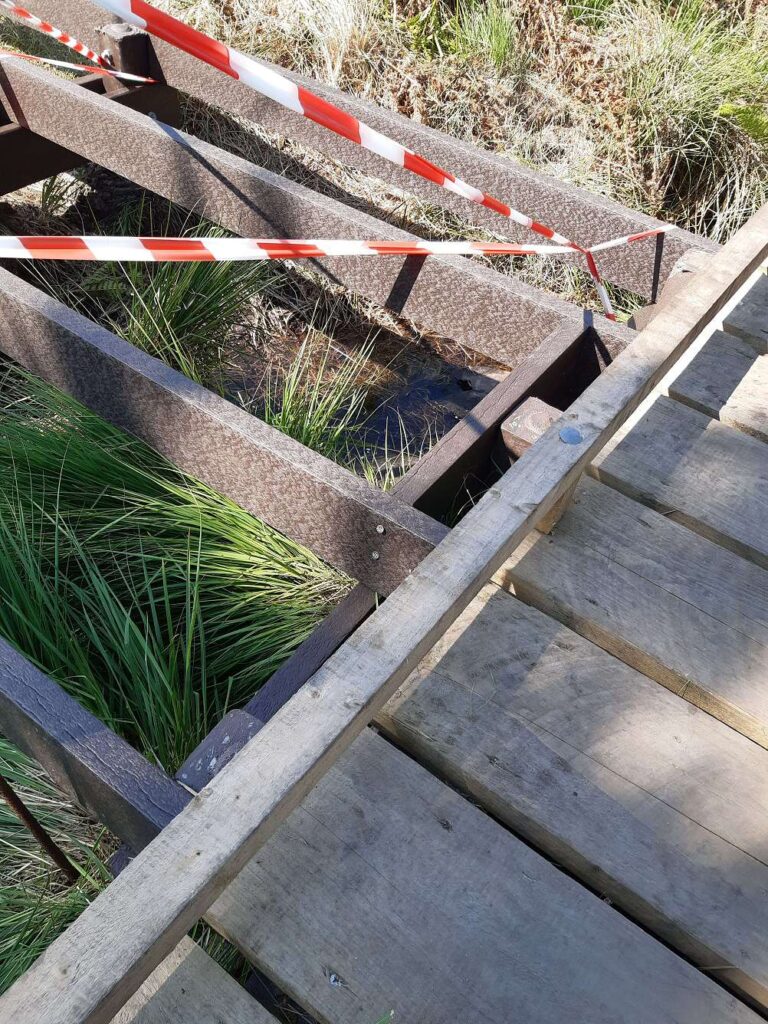
The wooden substructure has been replaced with posts and joists of recycled plastic. This artificial wood costs more than real wood, but will with luck last for many years: it’s invulnerable to rot, at least. Whether it’s actually friendlier to the environment is an interesting question: at least it doesn’t constitute new use of fossil fuels, or at least, not terribly much; wood is of course a fully renewable resource, as long as it comes from properly managed forests like those in Northern Europe. It could mean less maintenance and disturbance to the reserve, as it should need to be dug out and replaced far less often.
New Boardwalk Substructure in Artificial Wood (recycled plastic); the decking planks and rails are wood
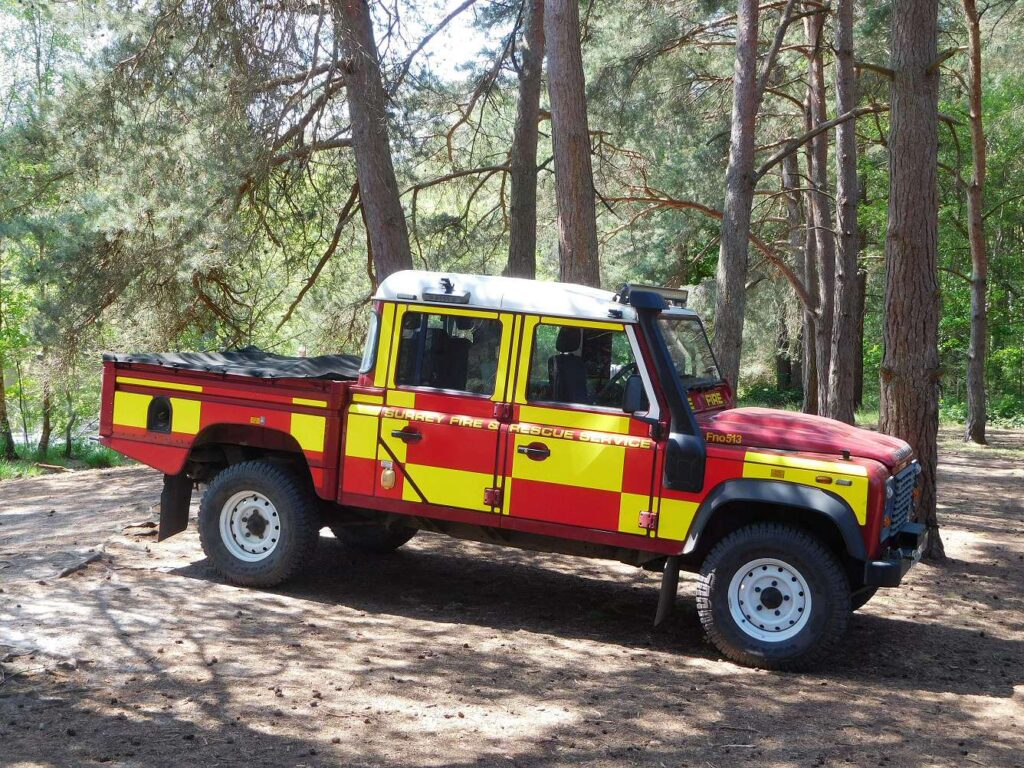
Fire is clearly now a sensitive matter on hot sunny days, with the unfamiliar sight of a Surrey Fire and Rescue Service truck patrolling the reserve, presumably to forestall any barbecue or picnic stove fires. There has recently been a serious fire across the road on Frensham Common, so the danger is close and real. We received a professional drive-by glance as we ate our definitely-cold sandwiches beside one of the bridleways. It’s interesting to see fire-watching in action here in Britain; in America, it has been going on for a century, and its effect there has been to allow the build-up of an enormous reserve of dry timber and brushwood across the national forests. That has been followed, one might think inevitably, by major fires that have burnt far hotter, for longer, and over much larger areas than previously.
Fire Truck
When I lived in Suffolk, it was a common practice among the older local people to go for a picnic on the heaths on a nice sunny day; and when the thermos of tea had been finished, to set fire to a little bit of the heath, which then smouldered and burnt quietly in an unobtrusive sort of way, removing the taller bushes of heather and gorse, and probably some small saplings into the bargain. This does little damage to the wildlife, and in fact favours (rare) heath over (common) trees, effectively managing the habitat by interrupting the ecological succession to forest. As such old-fashioned, seemingly casual management has fallen out of fashion, fire has become more and more of a problem. Of course, with global warming, hotter summers and lightning strikes become more and more likely, so large and destructive forest fires are becoming more frequent.
So, I’m not averse to seeing the fire truck: nobody wants to have another disastrously hot fire on this common or any other. But fires will happen, and better many and small than few and hot. So perhaps the fire-watching needs to be supplemented by a little carefully-managed fire-setting. Let’s hope that’s in the reserve management plan. Without it, woody plants can be controlled by cutting — for instance, a tractor can mow heather to remove excess wood and cut small tree seedlings — and by grazing, and indeed there are some grazing areas at Thursley. But anyone who looks at the common will see a mass of invading Birch and Pine saplings, and they may well wonder whether the current management regime is sufficient.
Water Lilies in Moat Pond
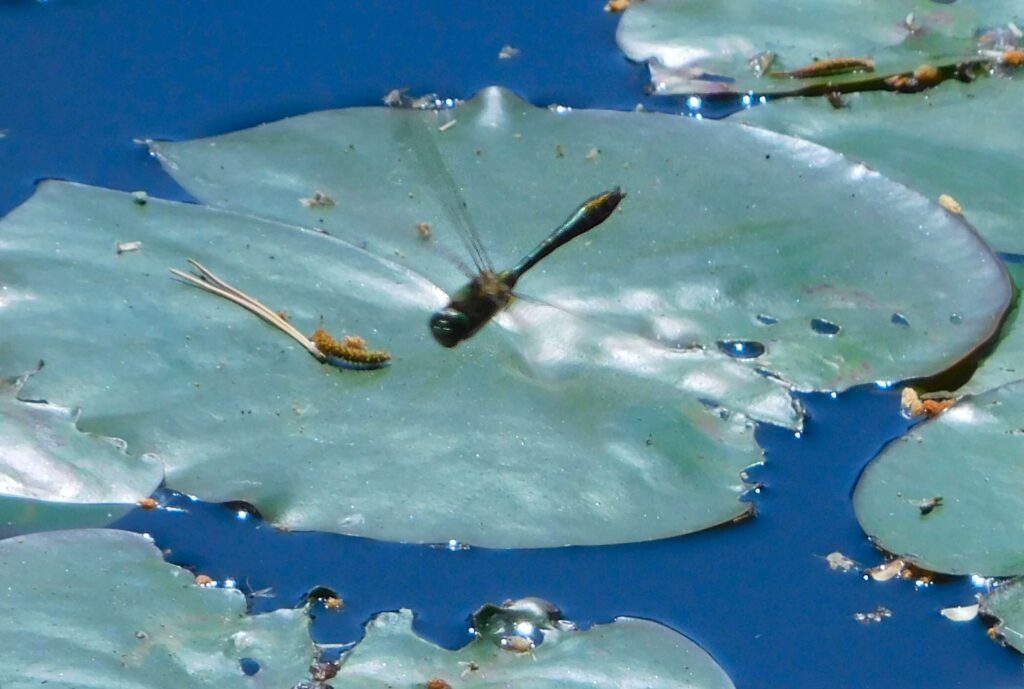
The pools were alive with sparkling dragonflies, really difficult to get binoculars on to, as they flashed, dashed, darted, chased, and flickered to and fro, defending territories over the best bog pools and floating vegetation. I was delighted to find a group of Downy Emerald Dragonflies strutting their stuff over the glorious water lilies in Moat Pond. The bog pools also harboured Black Darters (more often seen in Scotland than the south of England), Broad-Bodied Chaser, Four-Spotted Chaser, Common Blue Damselfly, and a Banded Demoiselle. More than likely there were several other species present but as they hardly ever settled, and as the brisk breeze gave them afterburner-speed, it was not easy to tell.
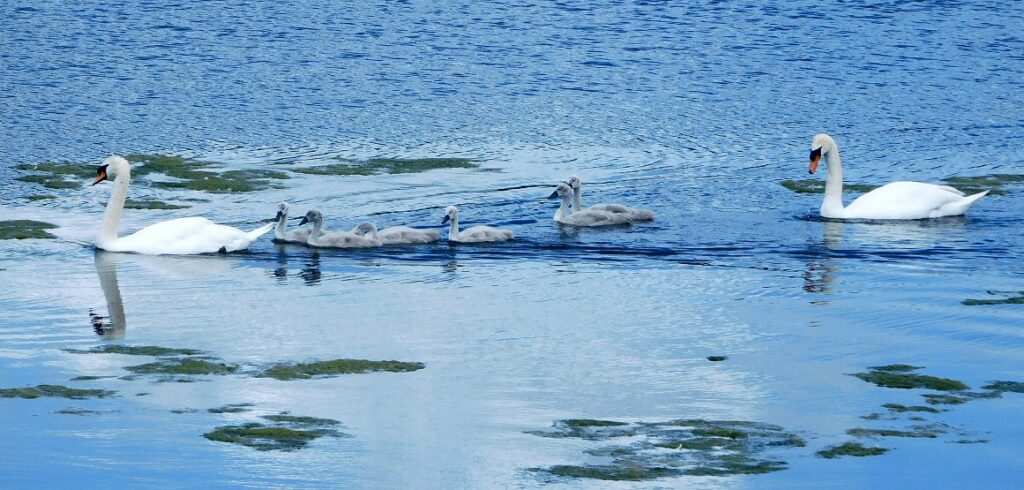
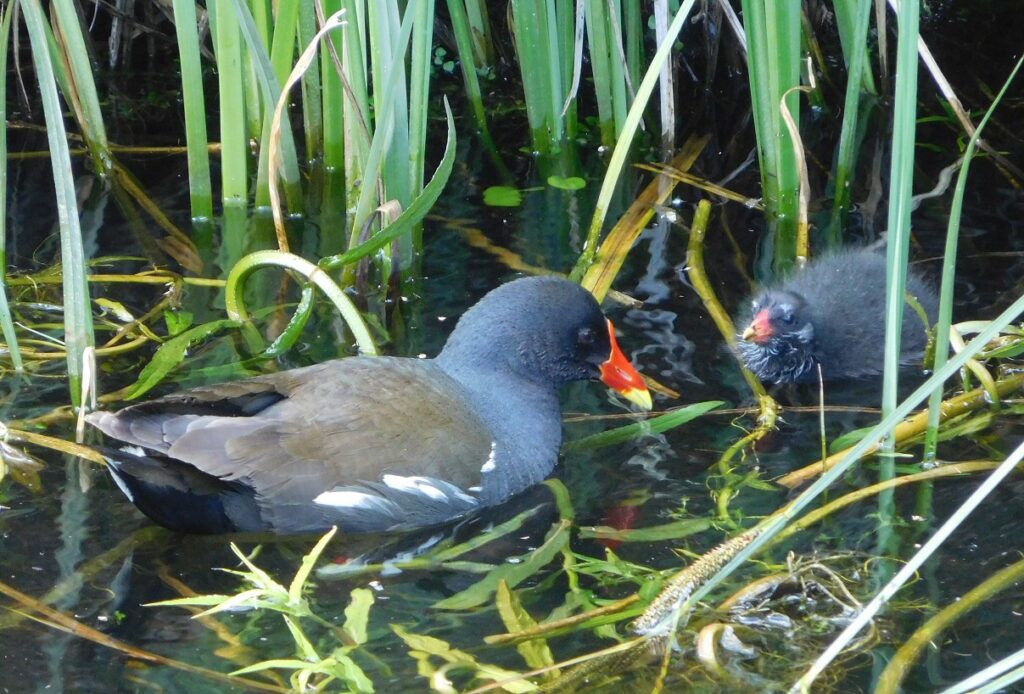
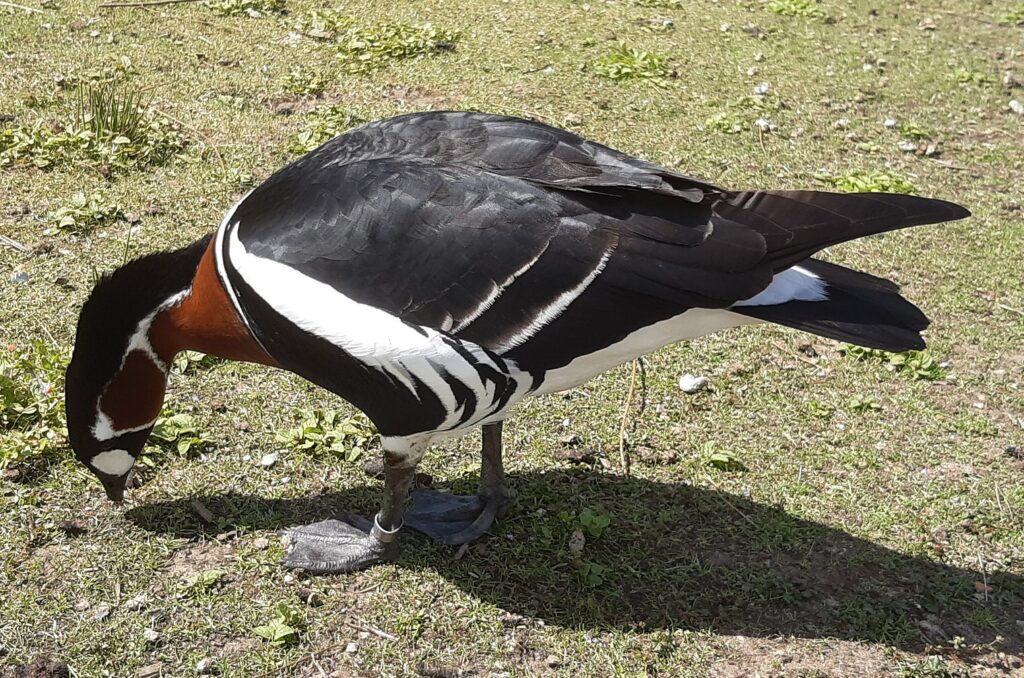
Family Outing … Mute Swans with Six Cygnets … Line Ahead!Moorhen and ChickMarsh OrchidsIn fact, a wet meadow’s worth of Marsh Orchids, amazing.Red-Breasted Goose, tame enough to touch (if you wanted to)Eat your heart out, Monet: White Water-Lilies, all over. Quite beautiful. Mmm.
The English seem unemotional … except for their passion for nature