Further to my Dolomites 2025 posting, here are some highlights of this year’s visit, focusing on species and themes I didn’t comment on then. All the images are mine except where indicated.
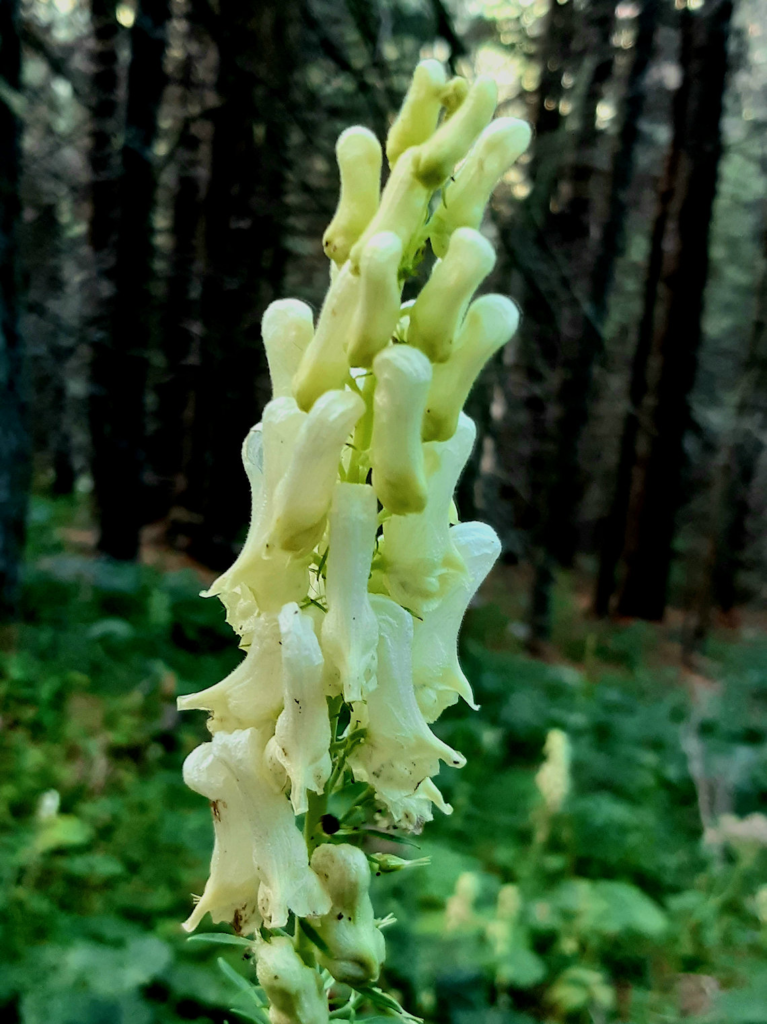
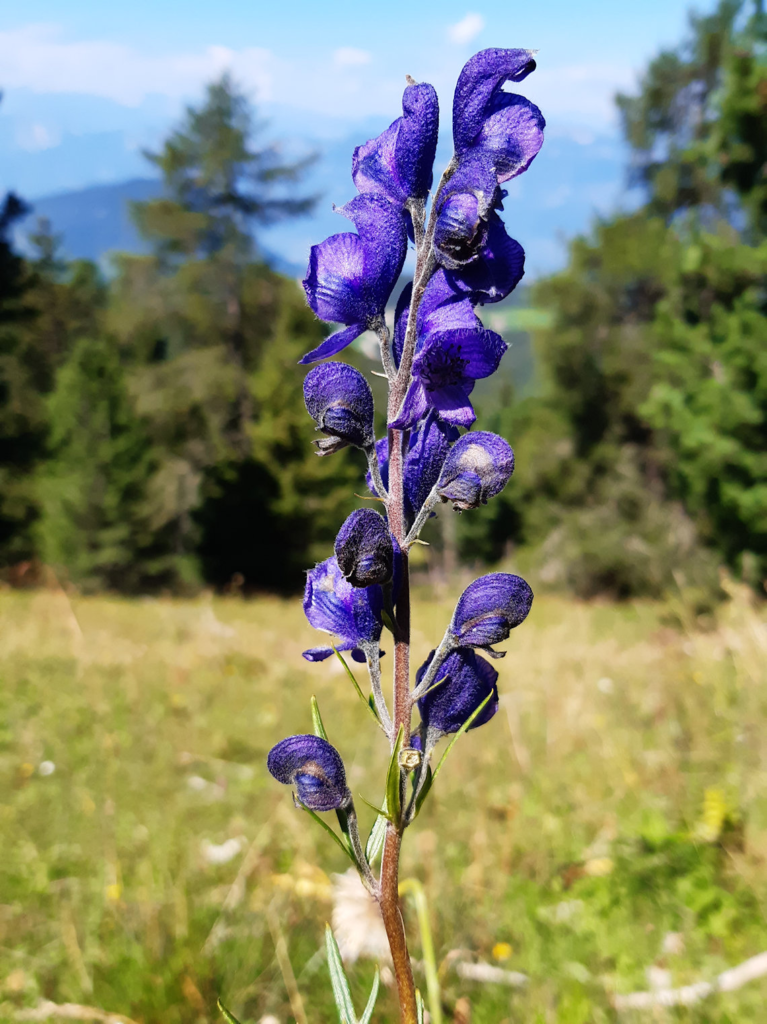
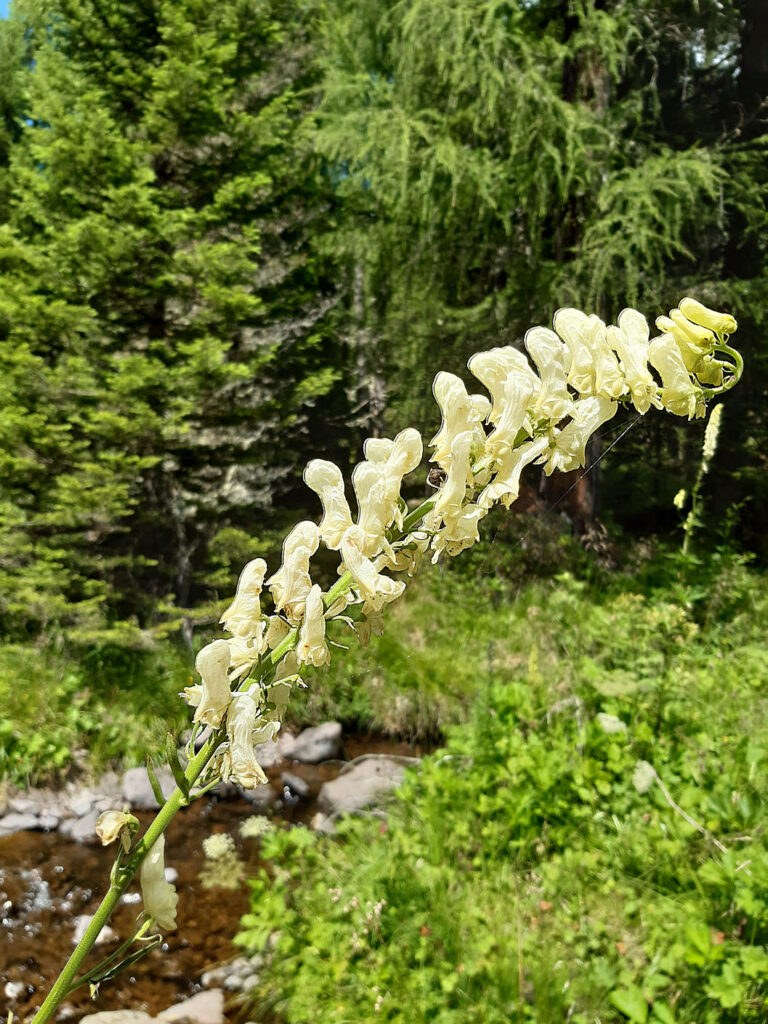
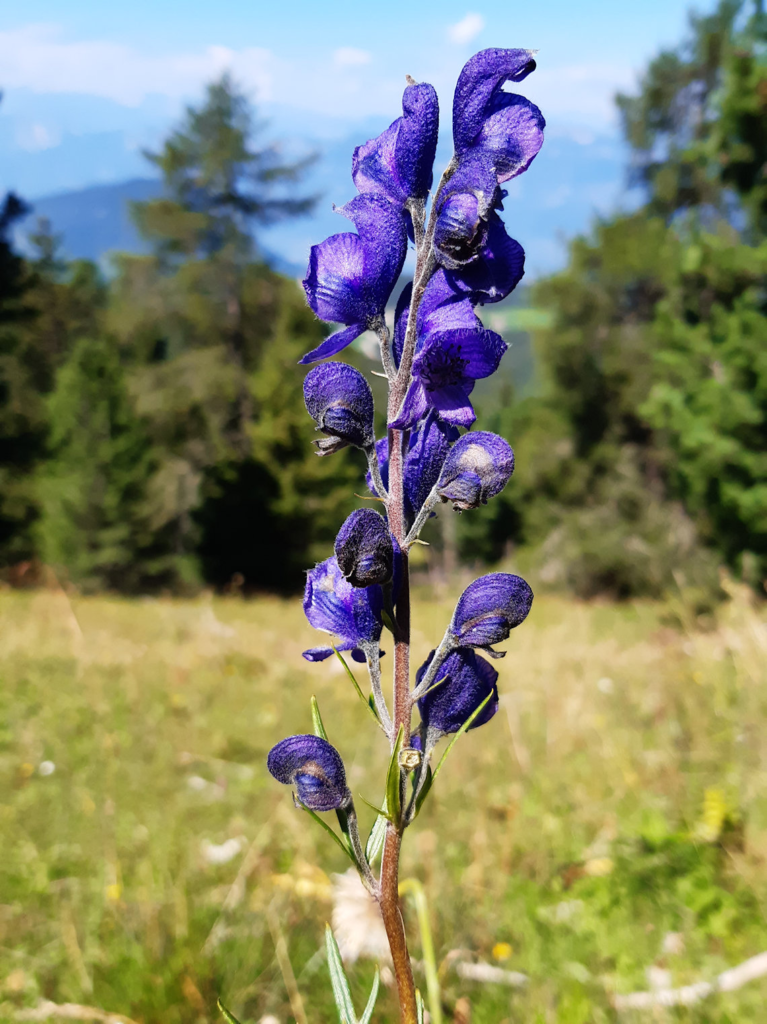
Monkshood (aka Wolfsbane), a beautiful but deadly poisonous plant, at 2000 metres
Since we went up to 2200 metres, we saw several species of flowers we had not come across before. (Right-click to view images in a separate tab if you want them larger.)
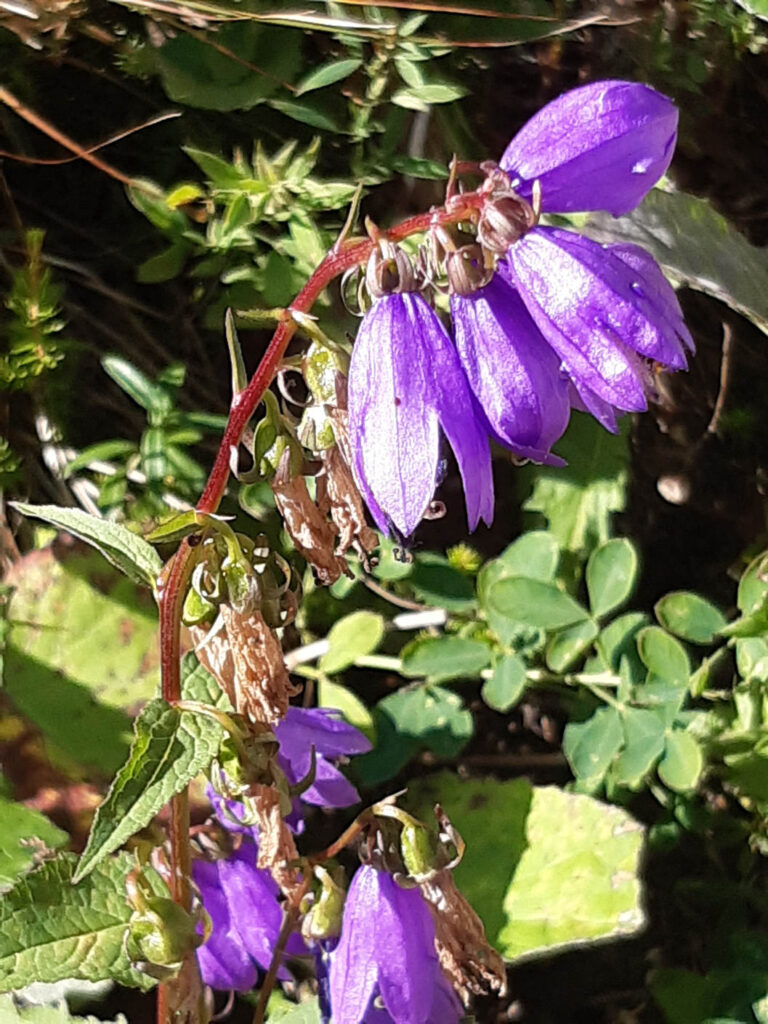
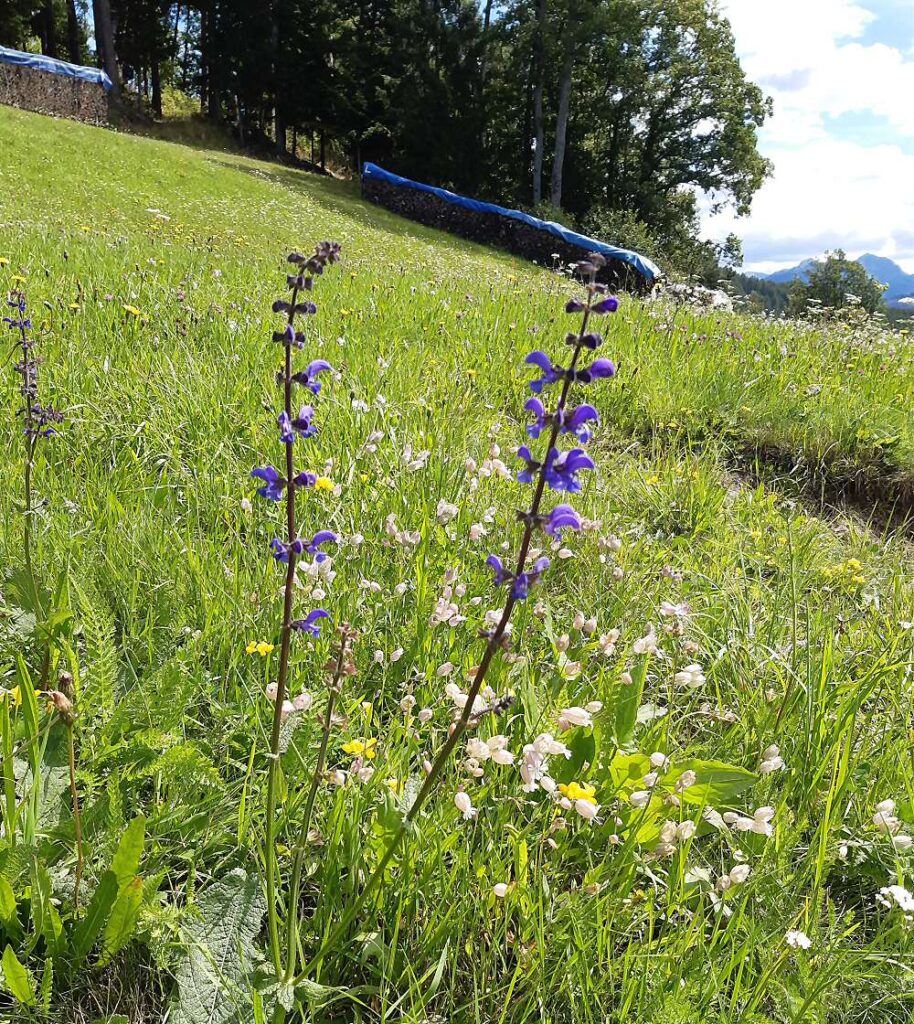
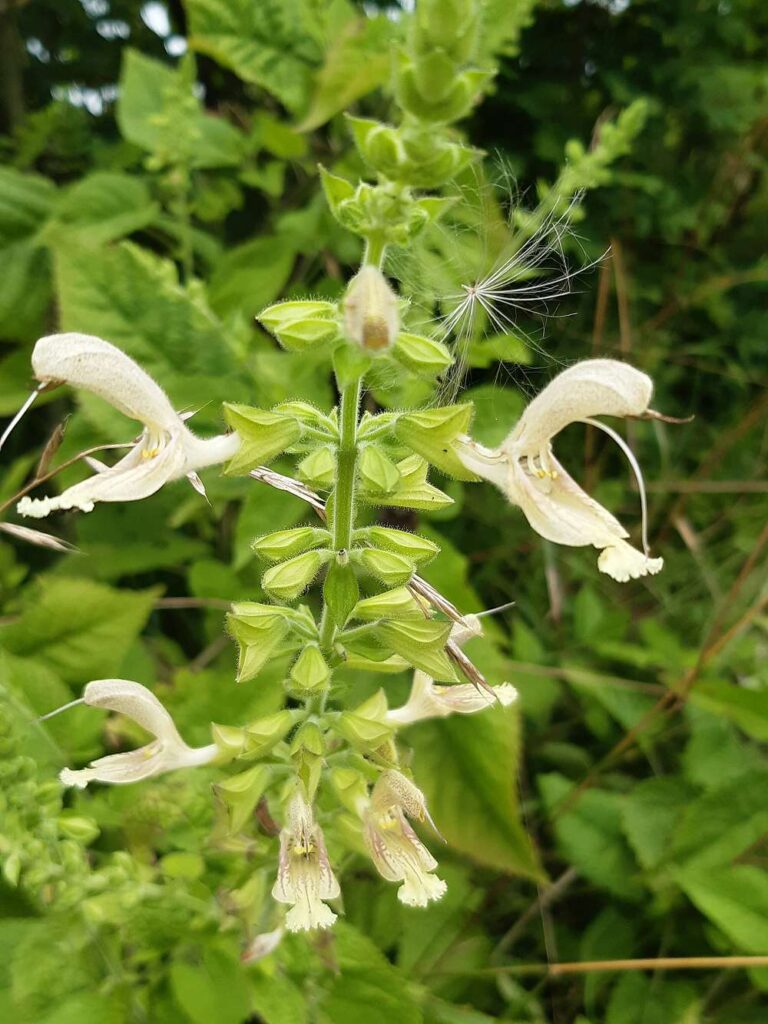
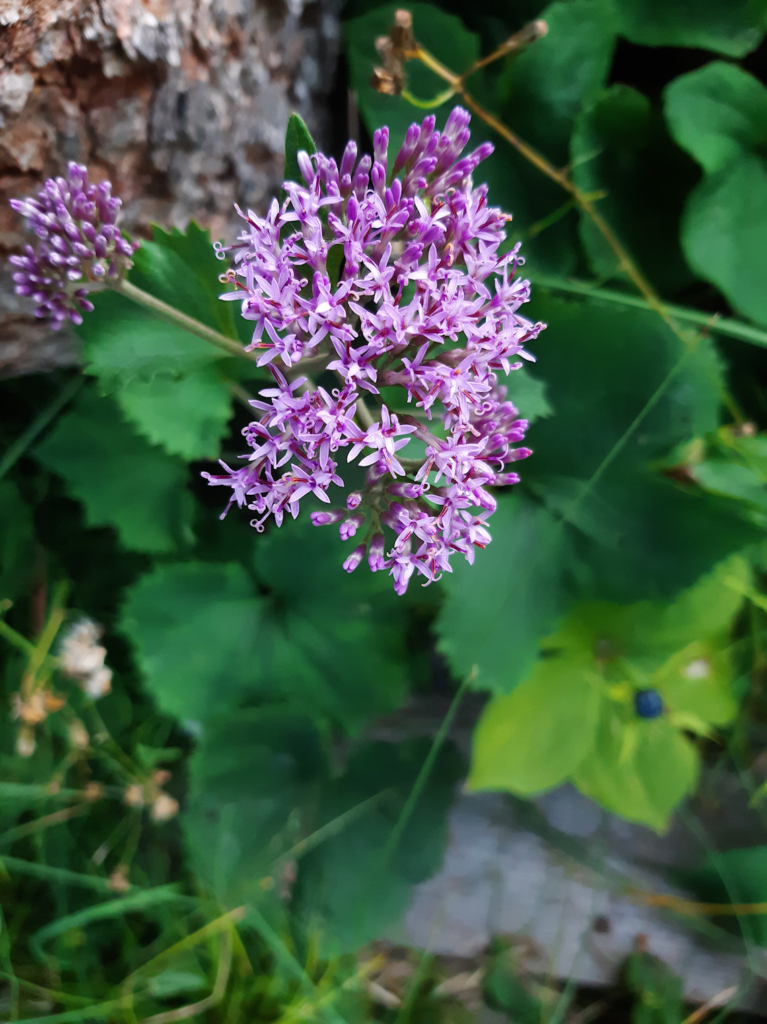
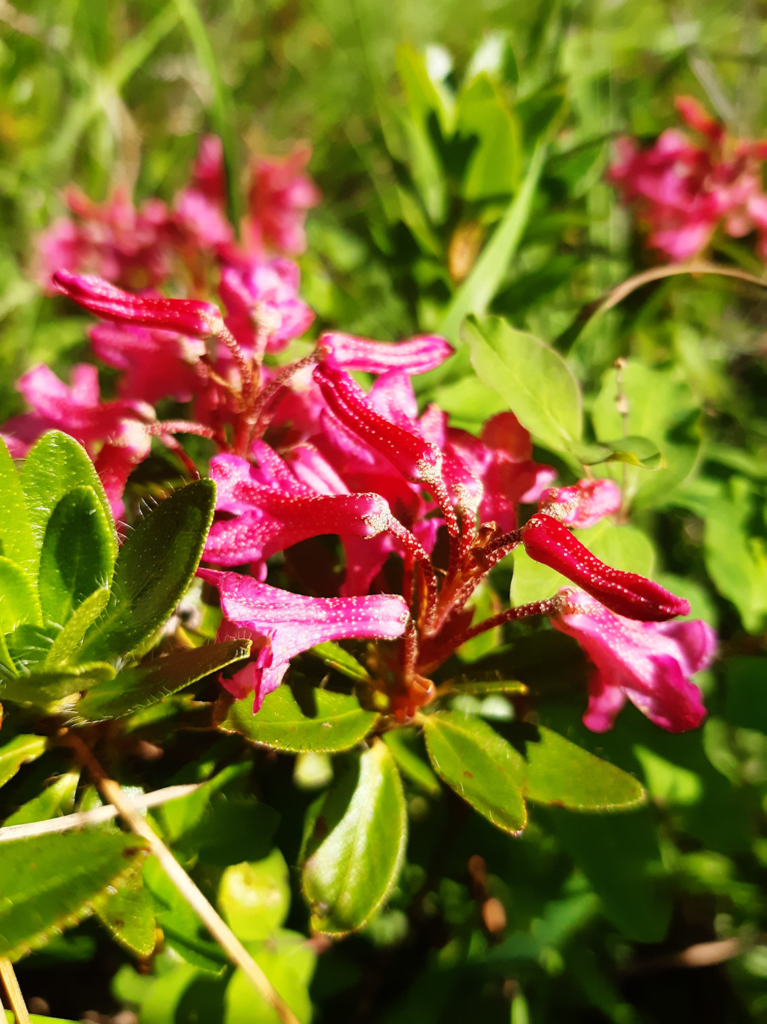
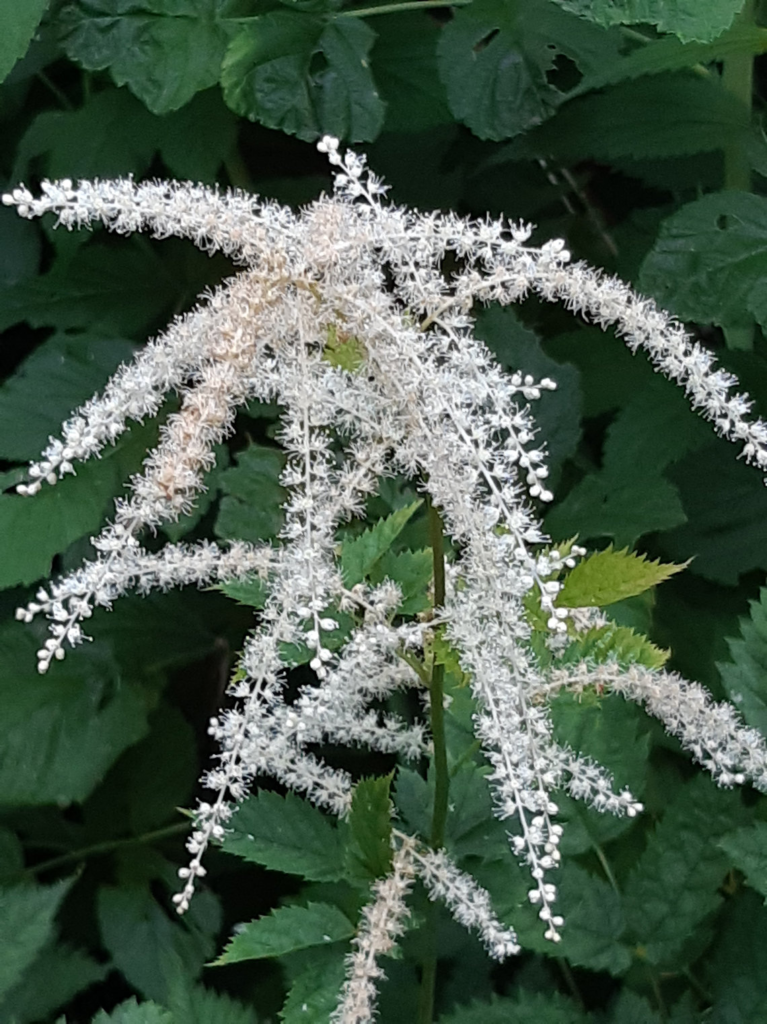
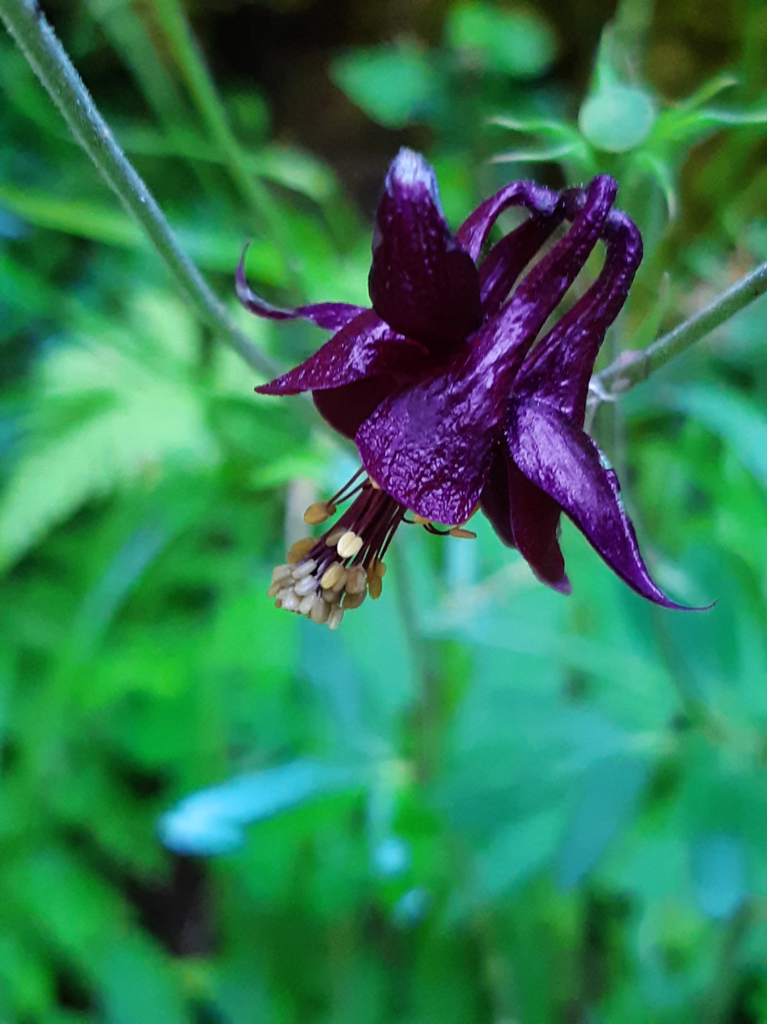
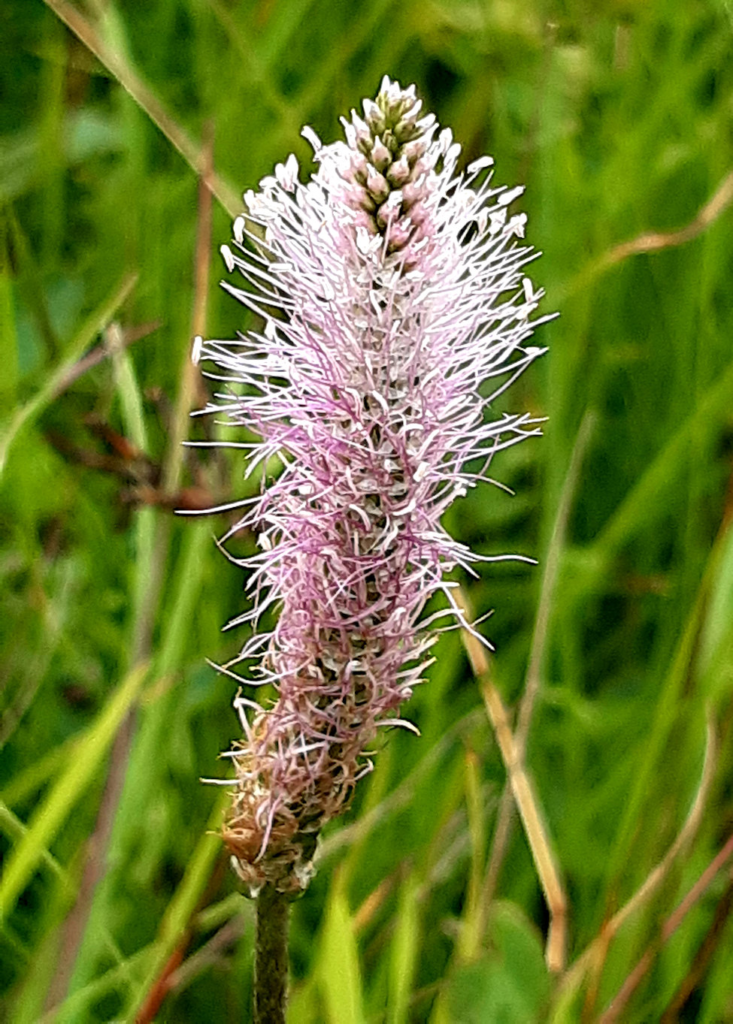
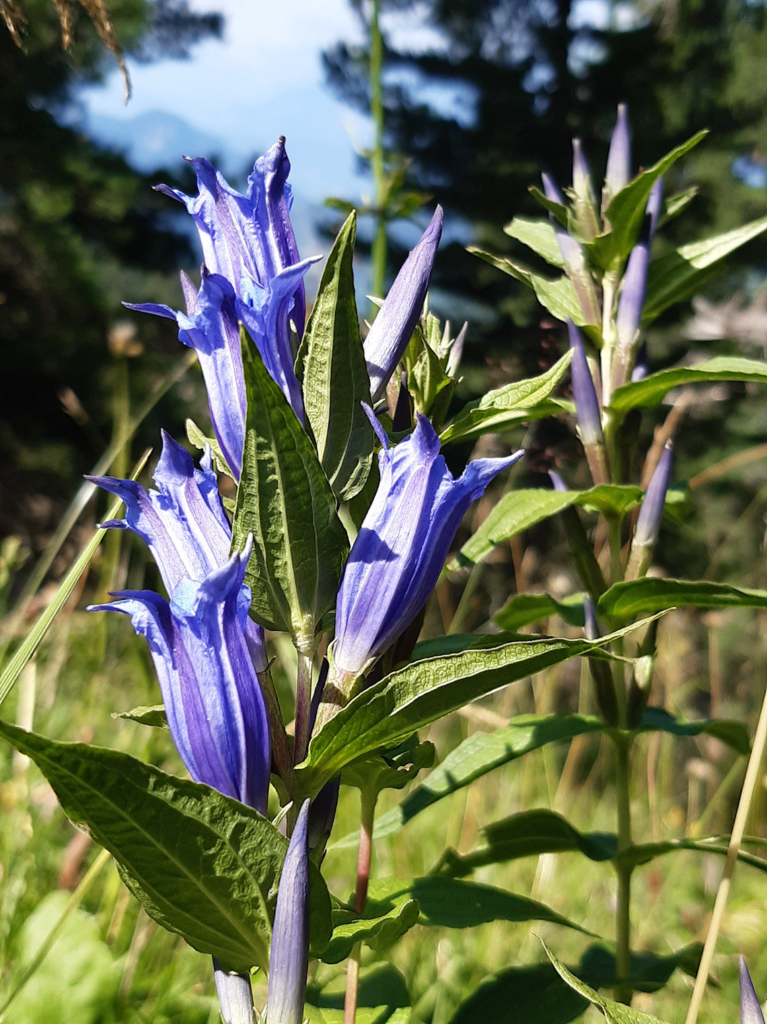
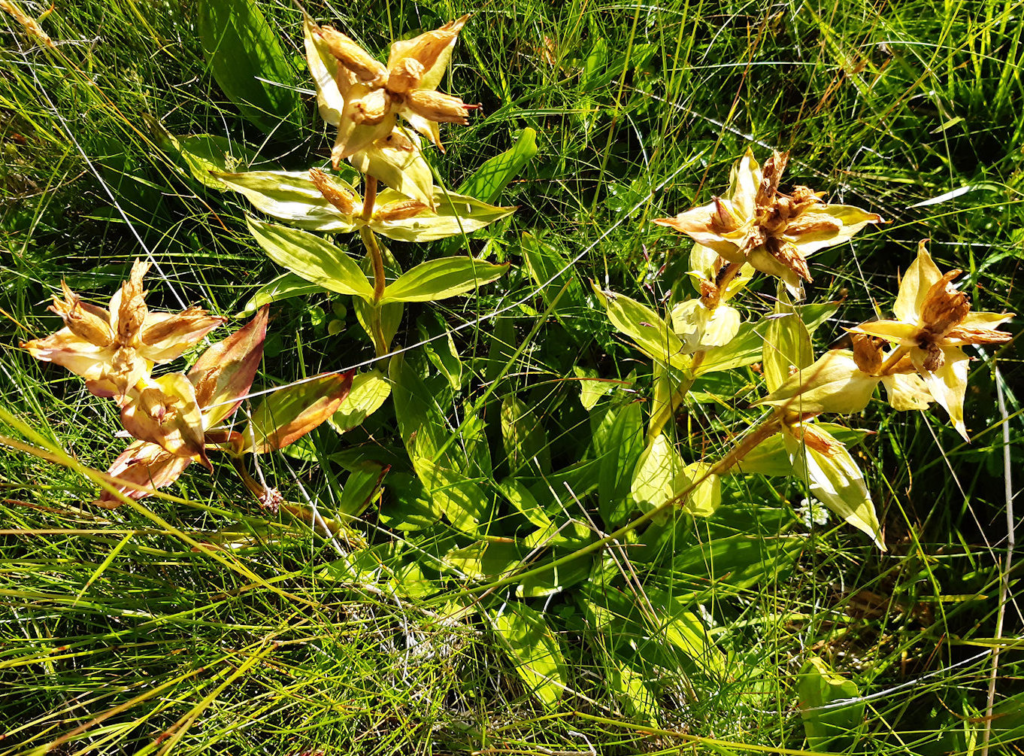
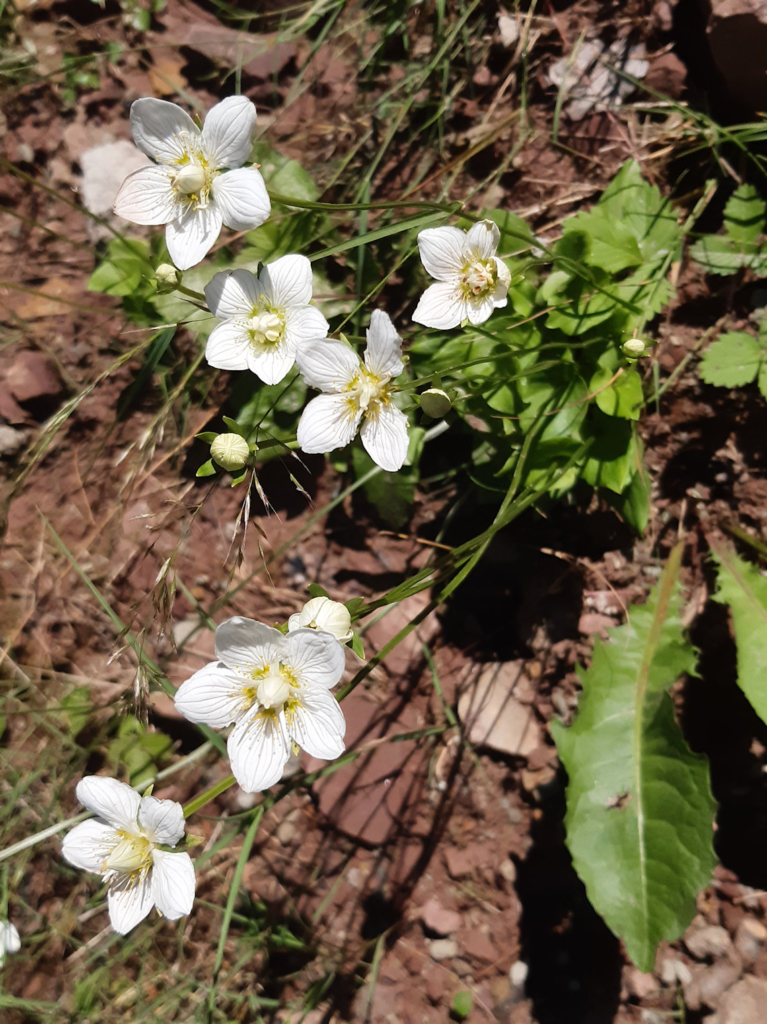
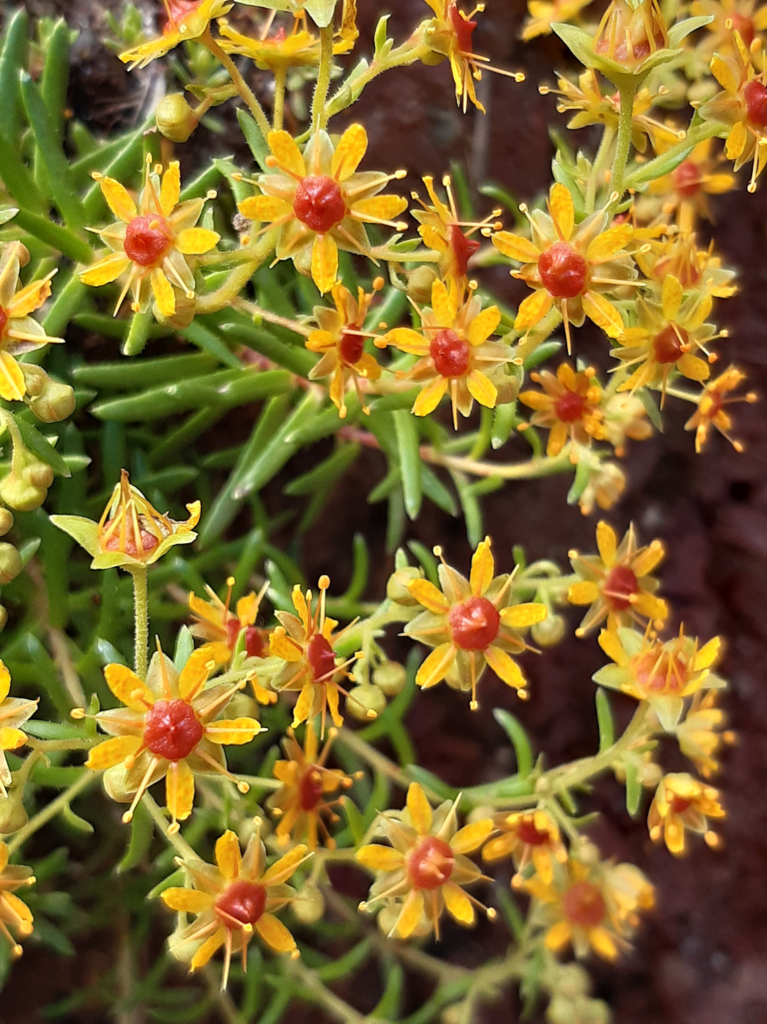
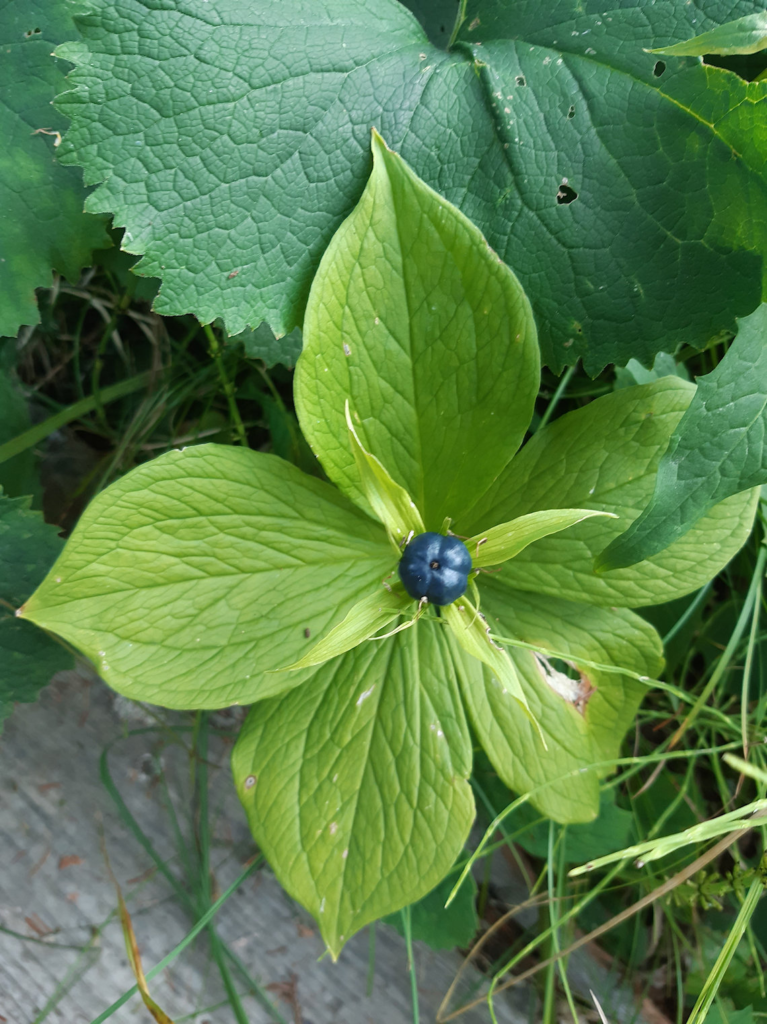
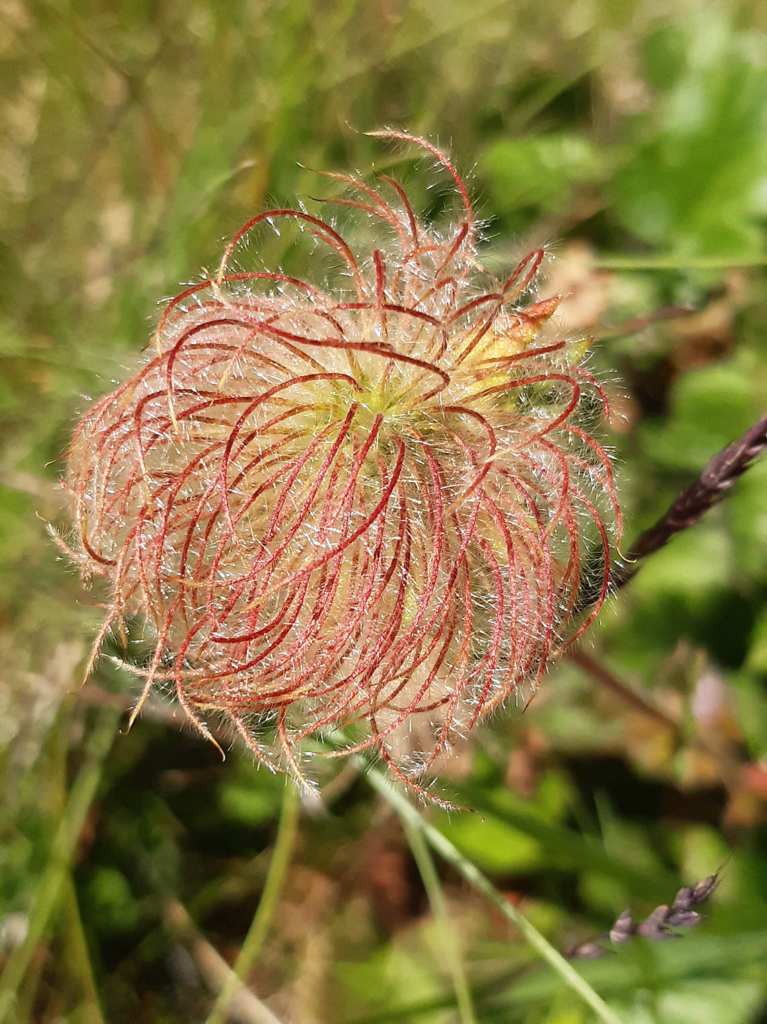
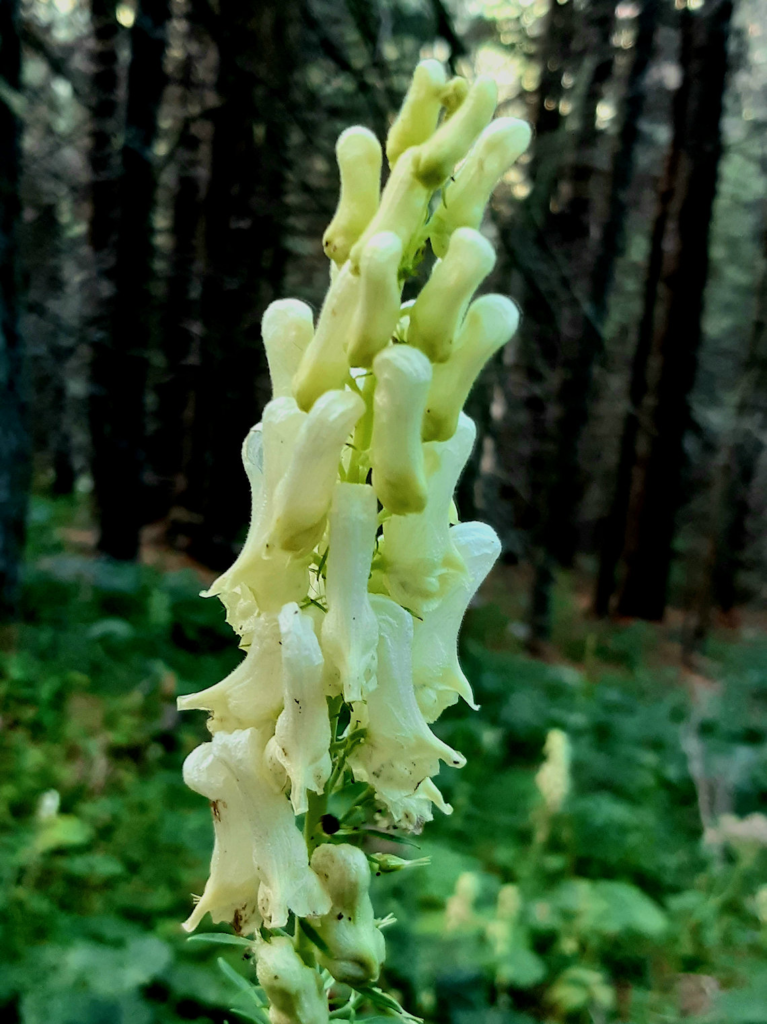
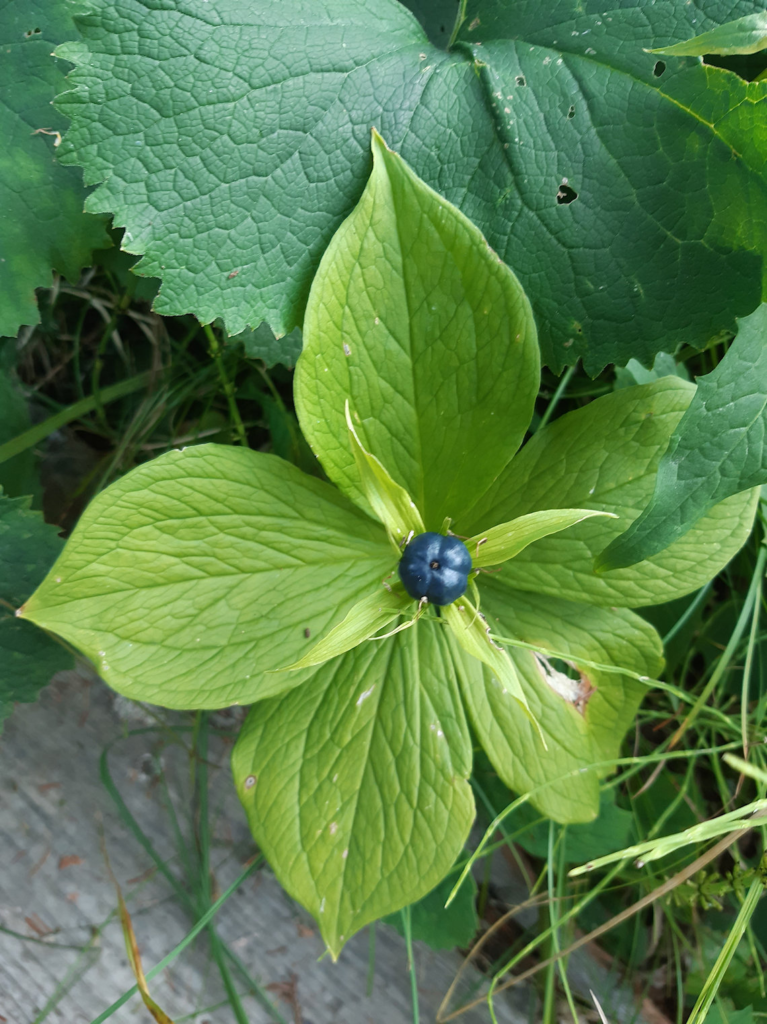
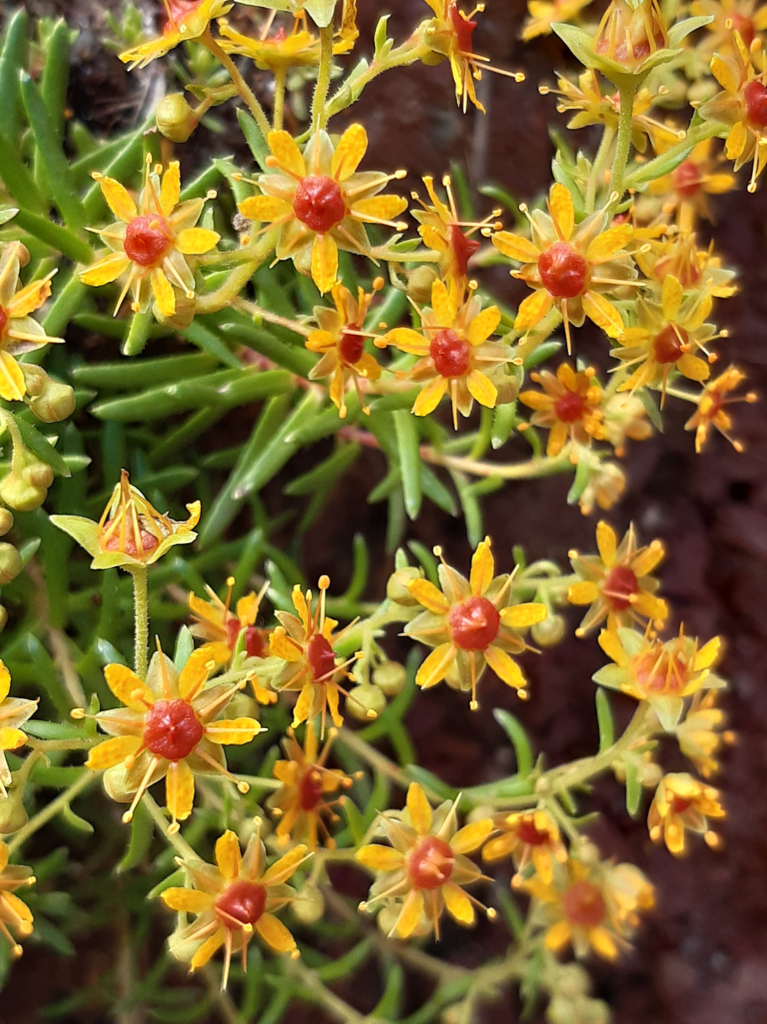
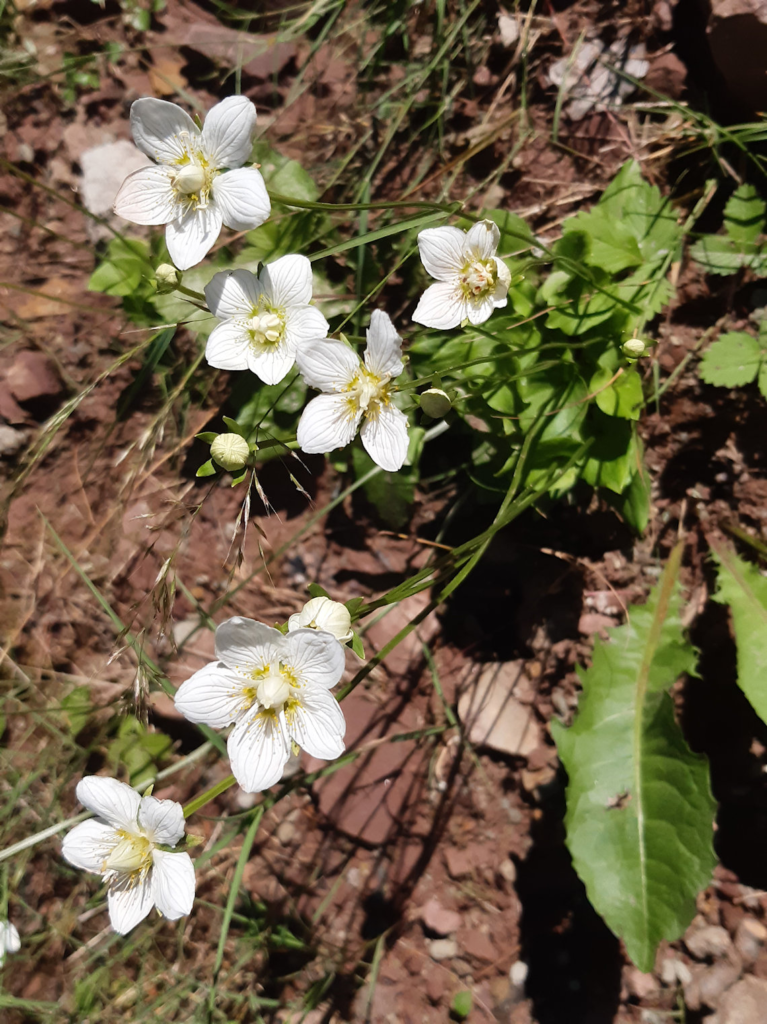
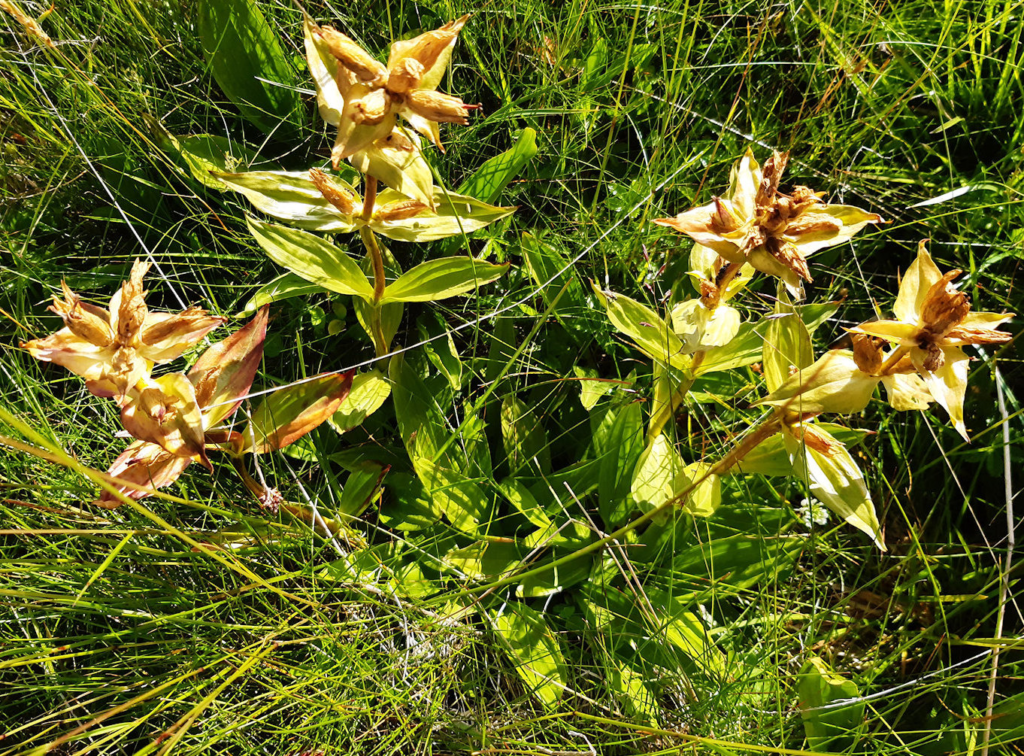
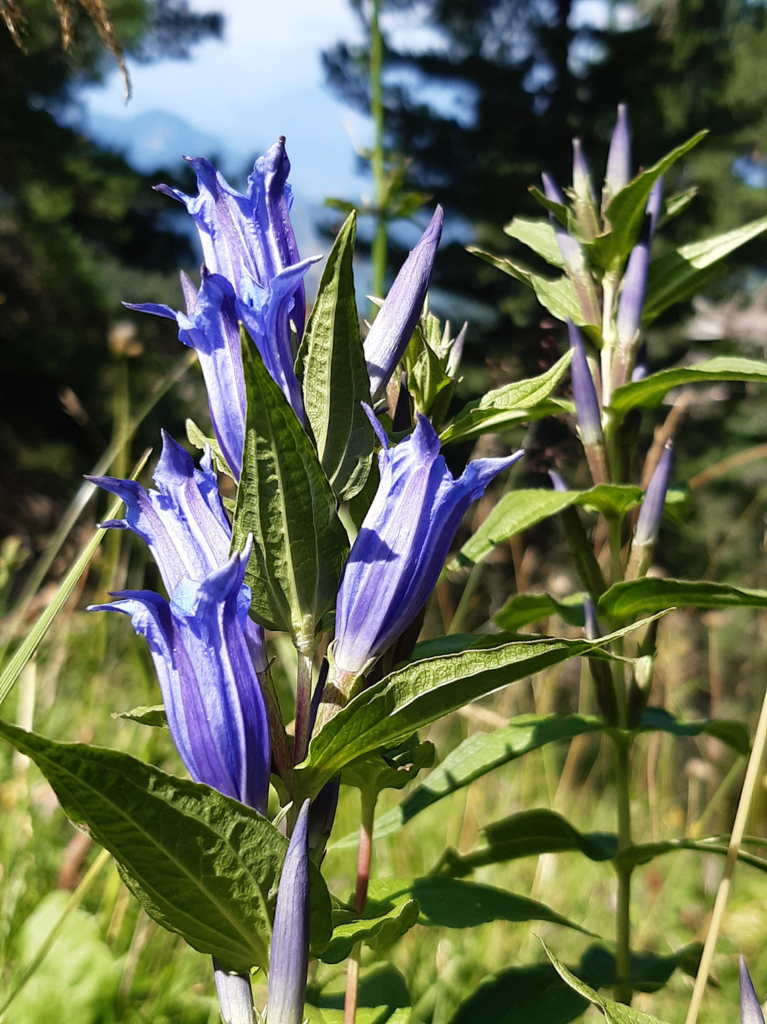
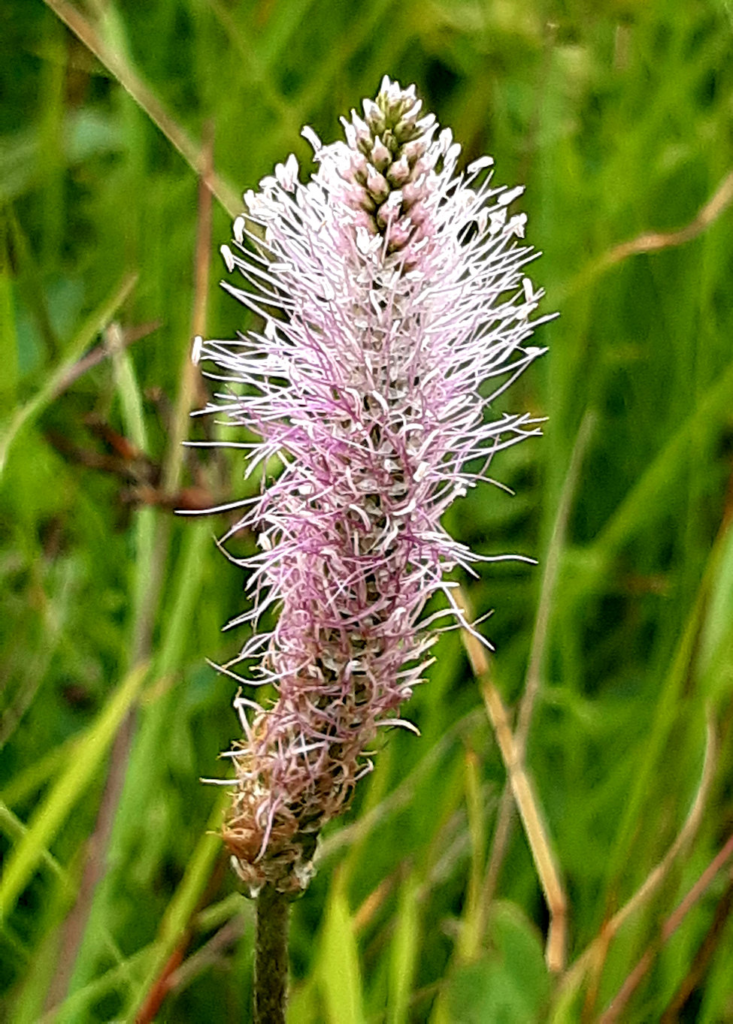
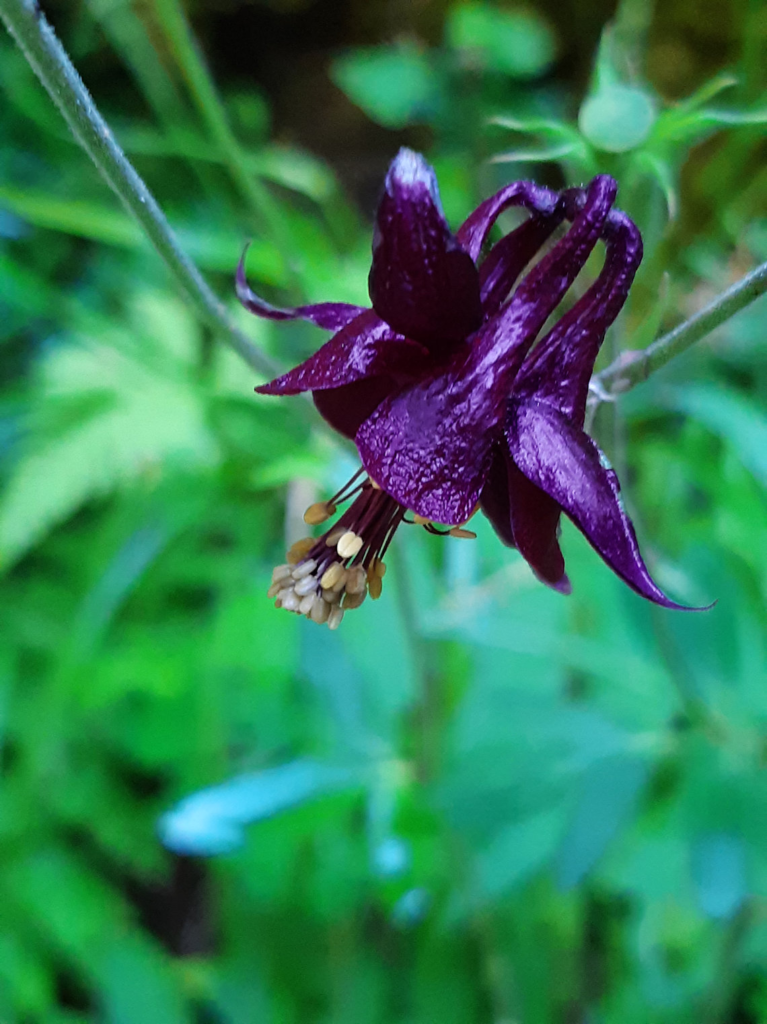
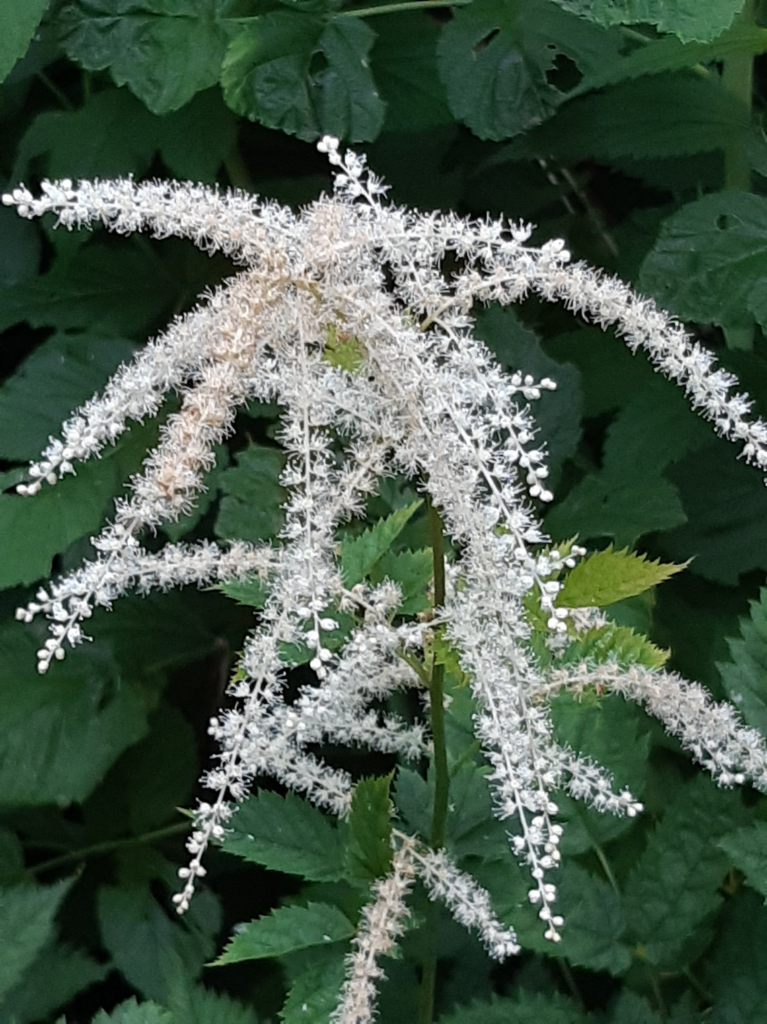
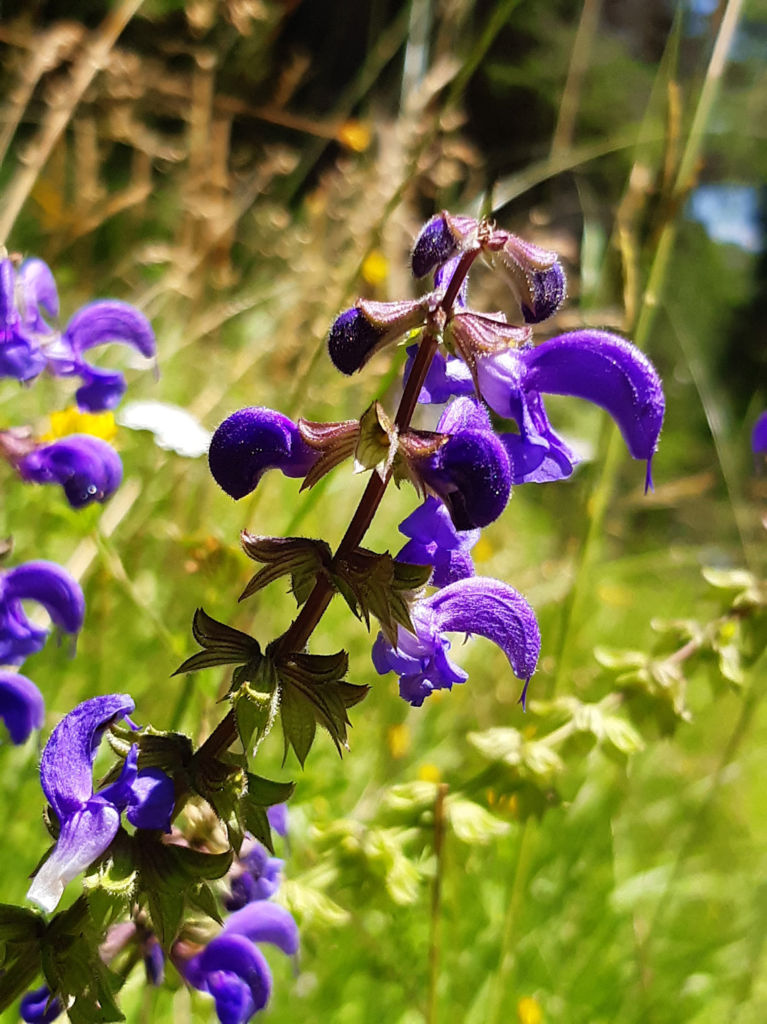
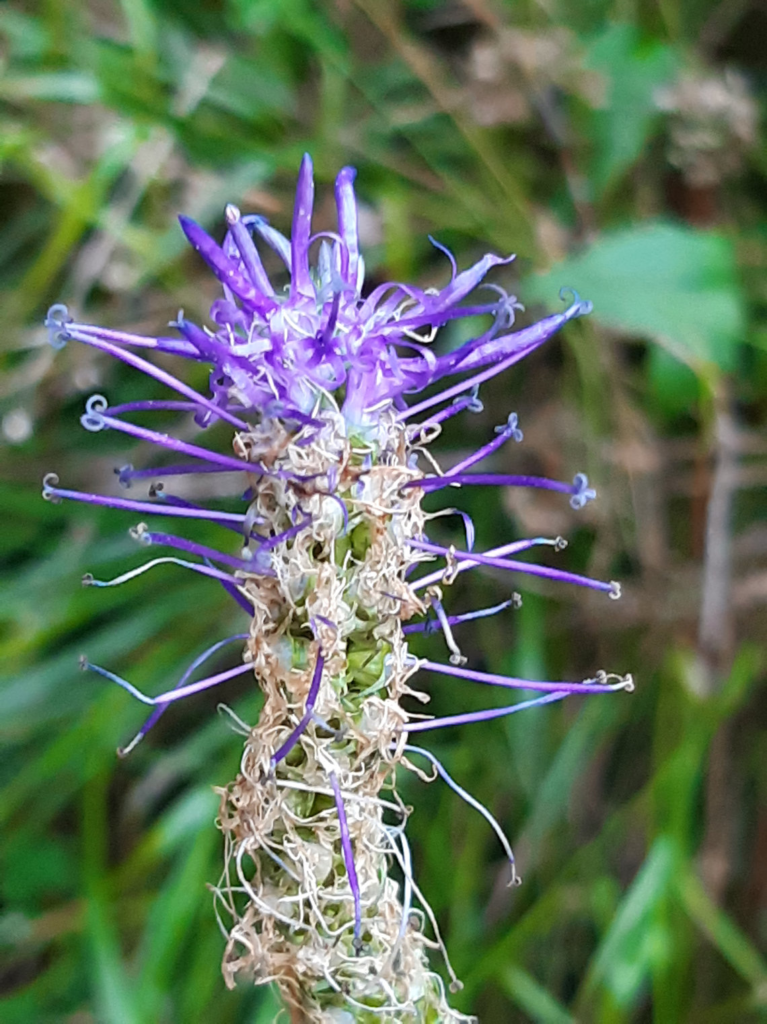
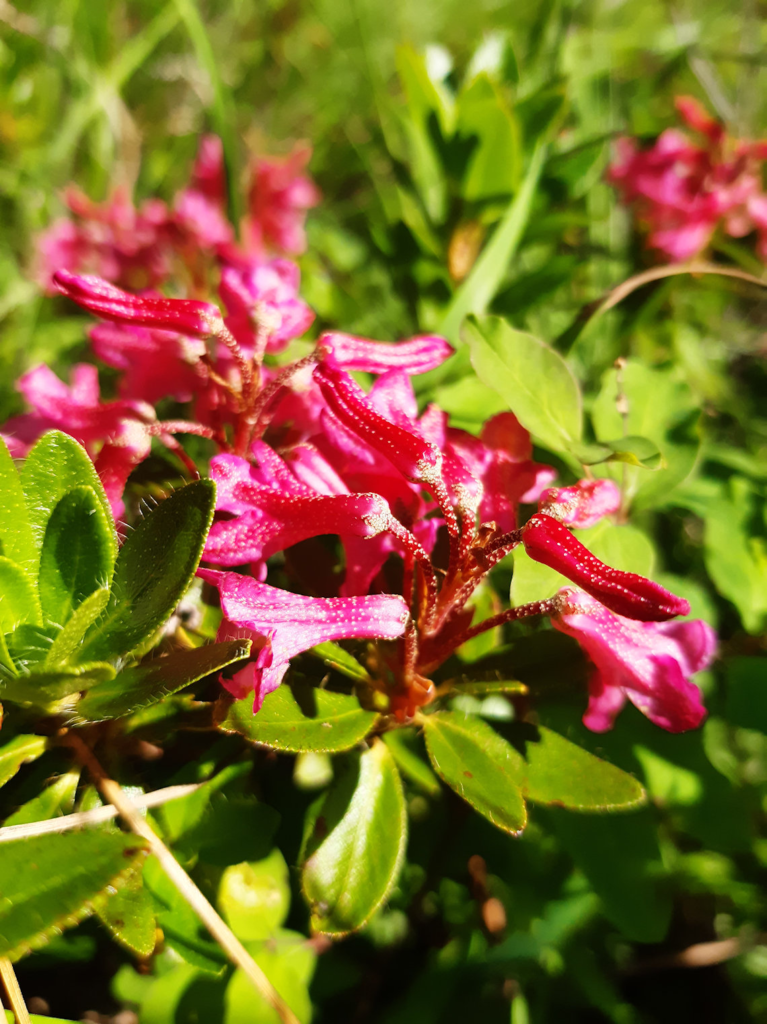
Yellow WolfsbaneHerb-Paris, a rare but distinctive plant of the high mountainsThe colourful symmetries of Yellow Mountain SaxifrageThe scarce and definitely montane Grass-of-Parnassus, divine at least in nameThe Spotted Gentian (yes! they’re not all purple!) coming into fruitThe glorious colour of the Willow Gentian, another scarce flower of the high mountainsThe Hoary Plantain, an elegant mountain member of a common genusThe striking wild Columbine (Aquilegia), mountain cousin of the garden plantsThe extraordinary and beautiful Goat’s Beard, Aruncus vulgarisClary Sage (Salvia), the attractive wild cousin of the garden herbBetony-Leaved Rampion, like a space invader in the plant worldThe Hairy Alpenrose, a high-altitude native member of the Rhododendron tribe
Time for a lichen or two!
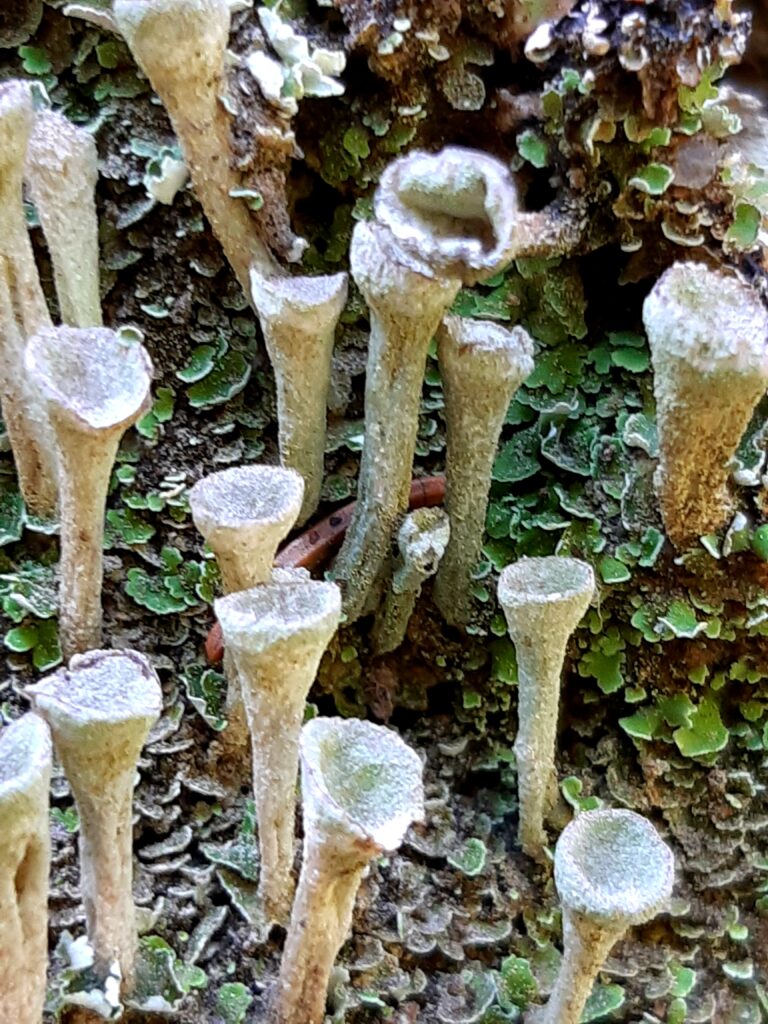
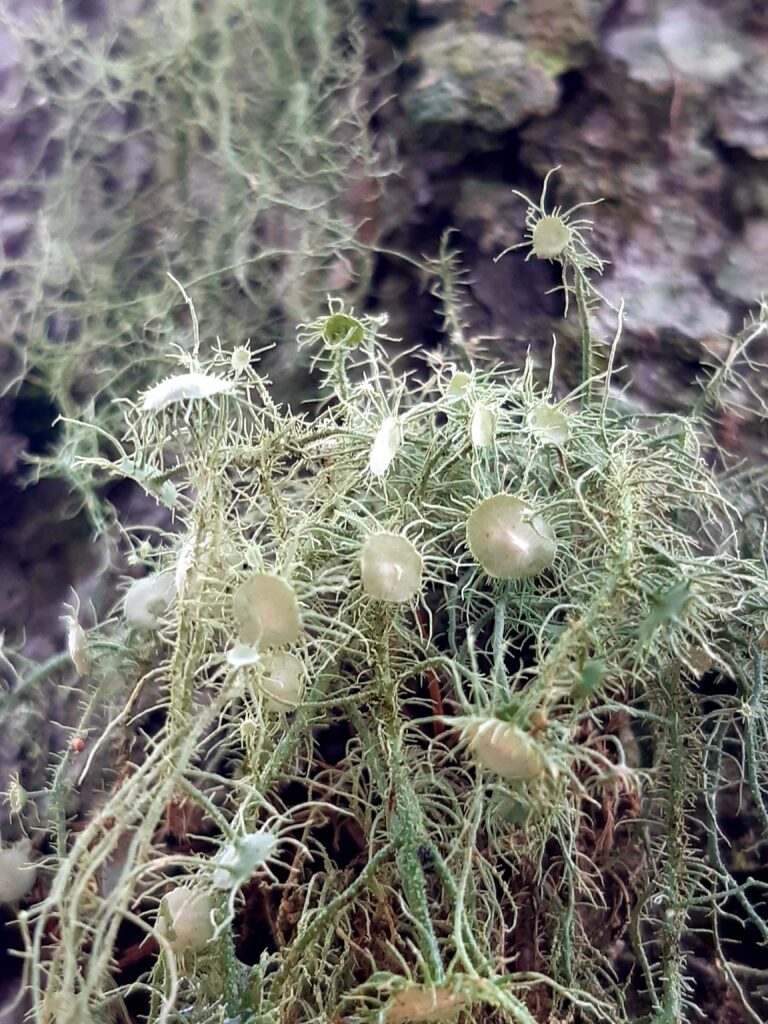
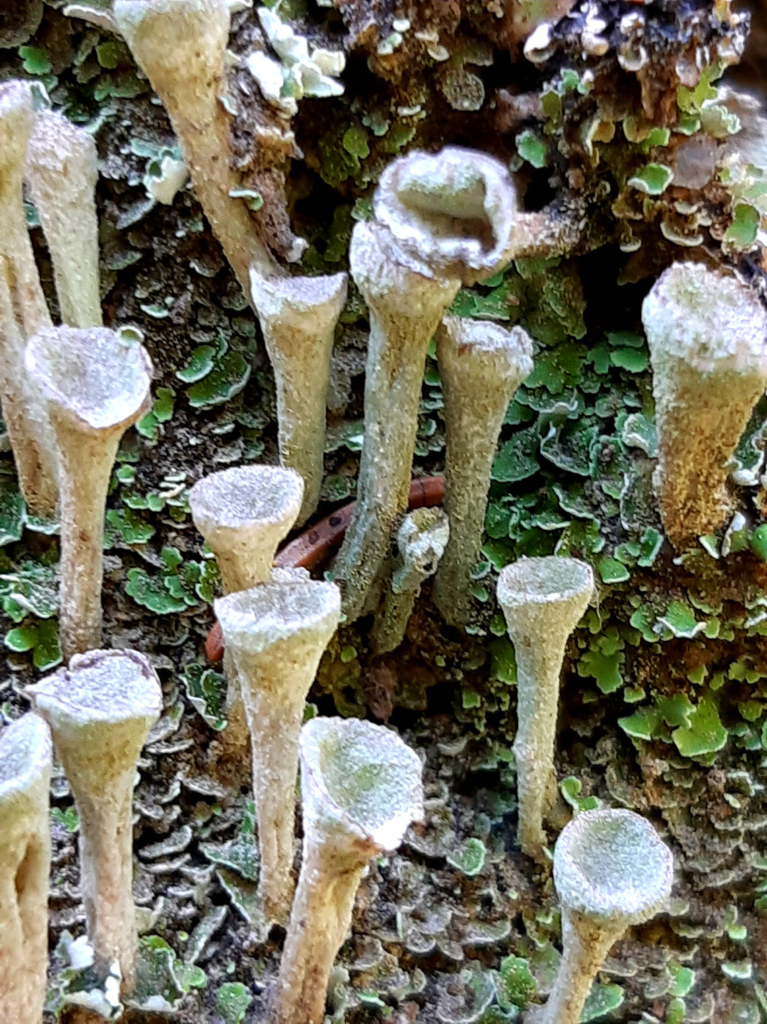
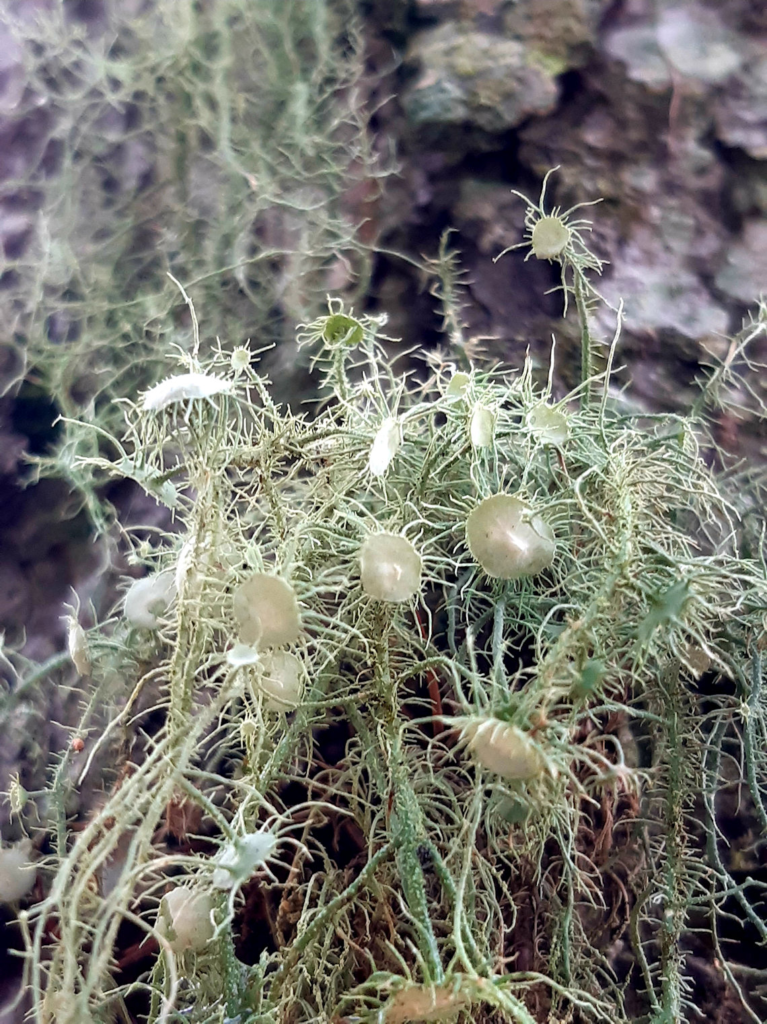
The graceful champagne flutes of the Cup Lichen, Cladonia cf fimbriataOne of the most attractive of all lichens, Usnea florida, the flowery beard lichen
And now for a few bugs!
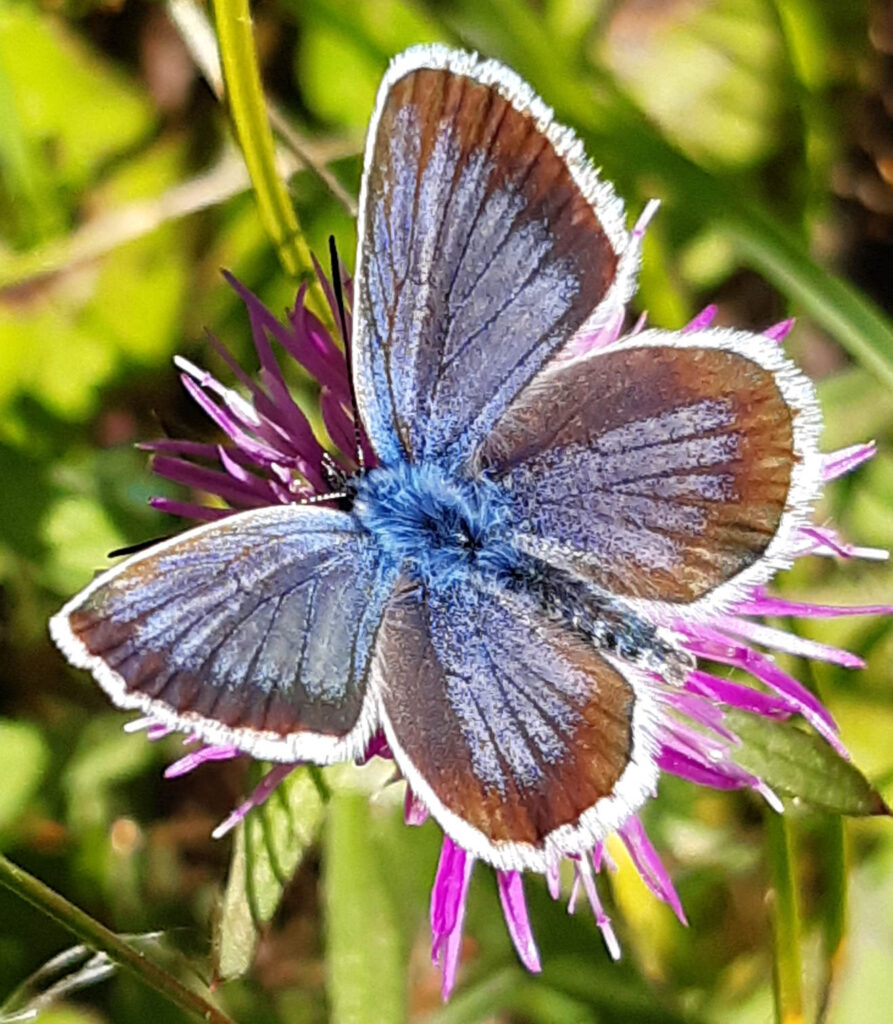
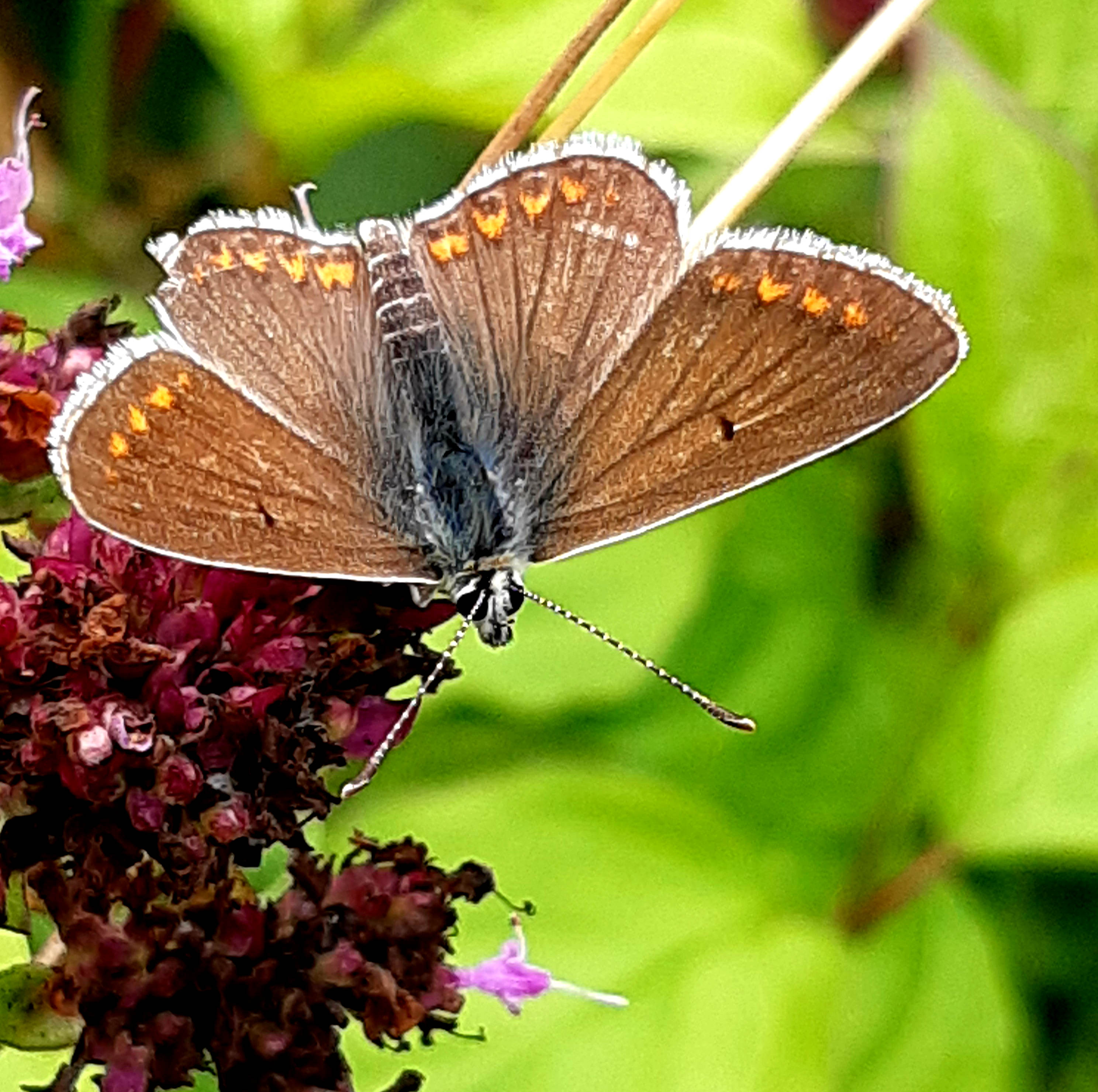
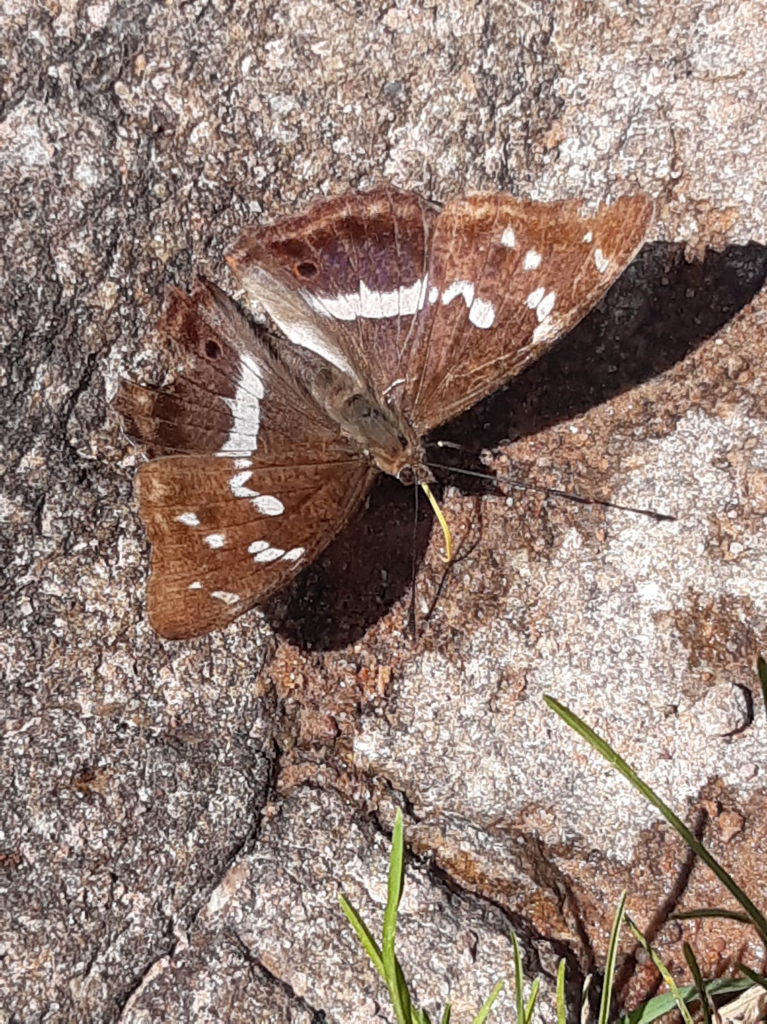
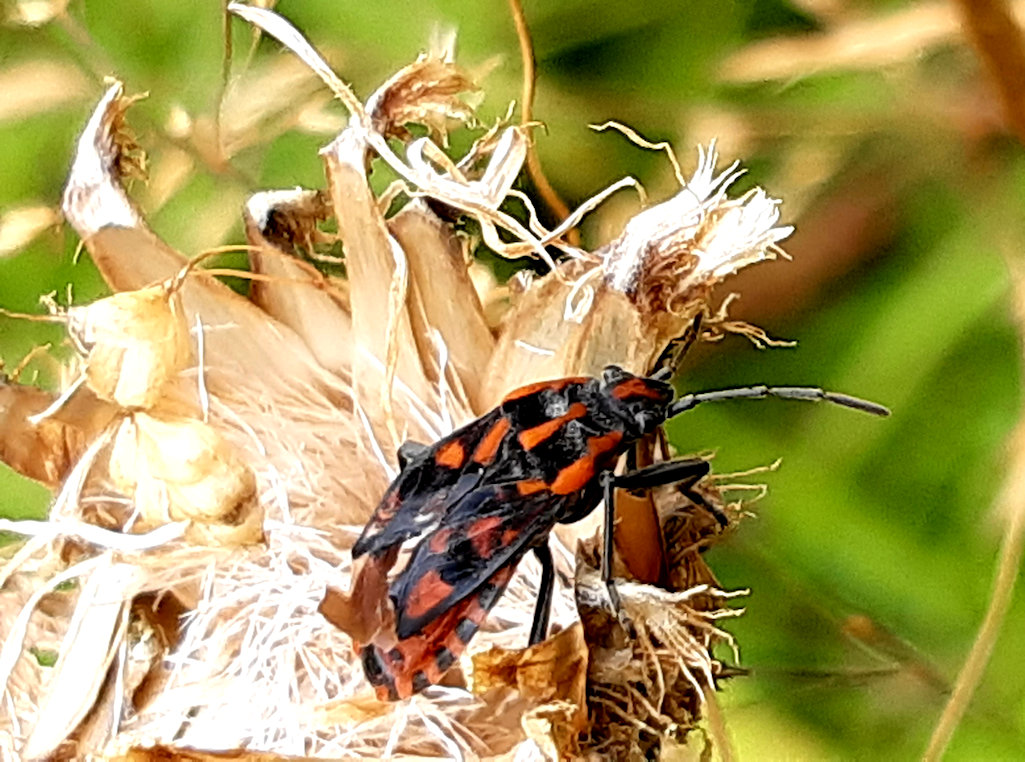
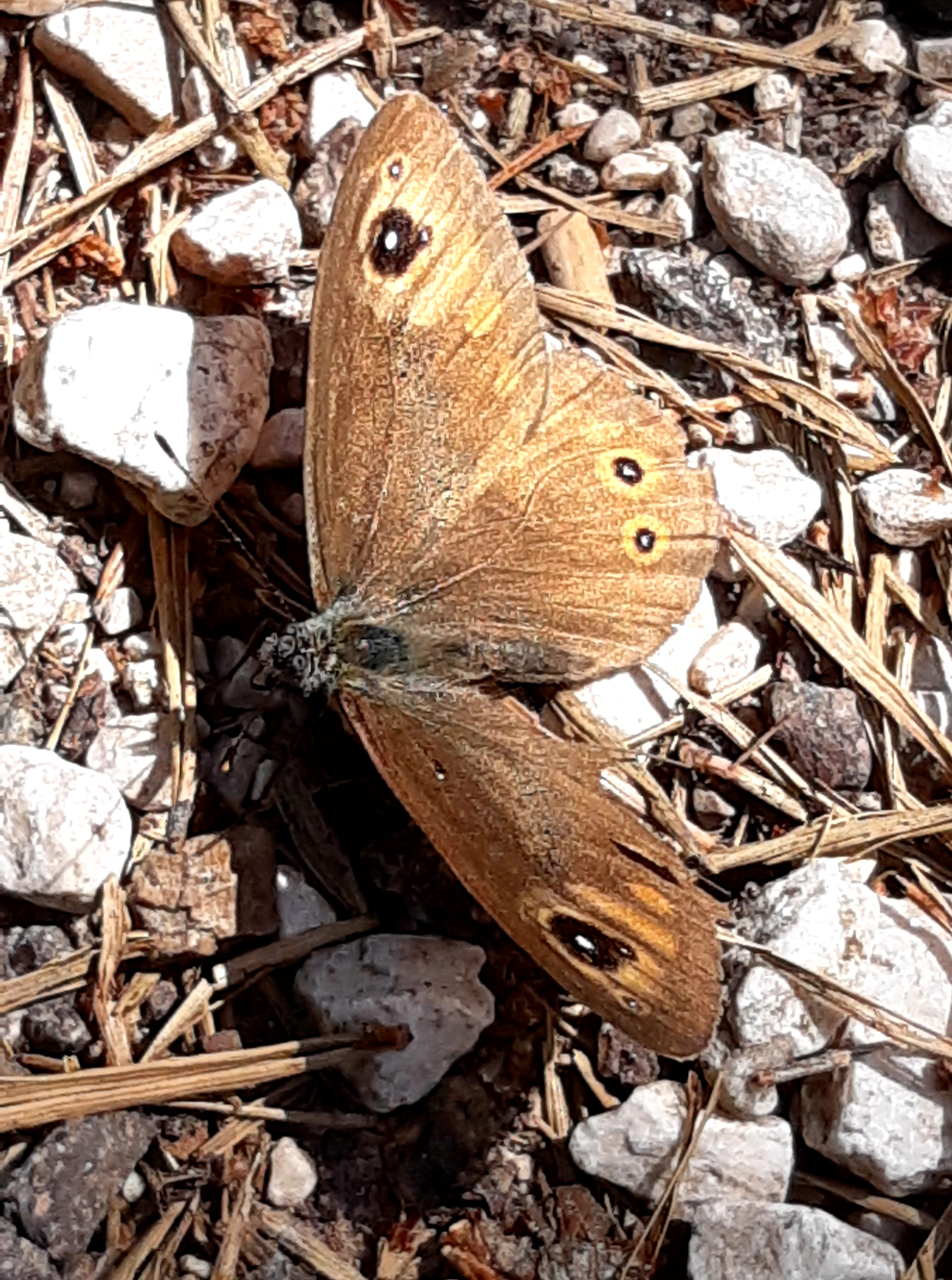
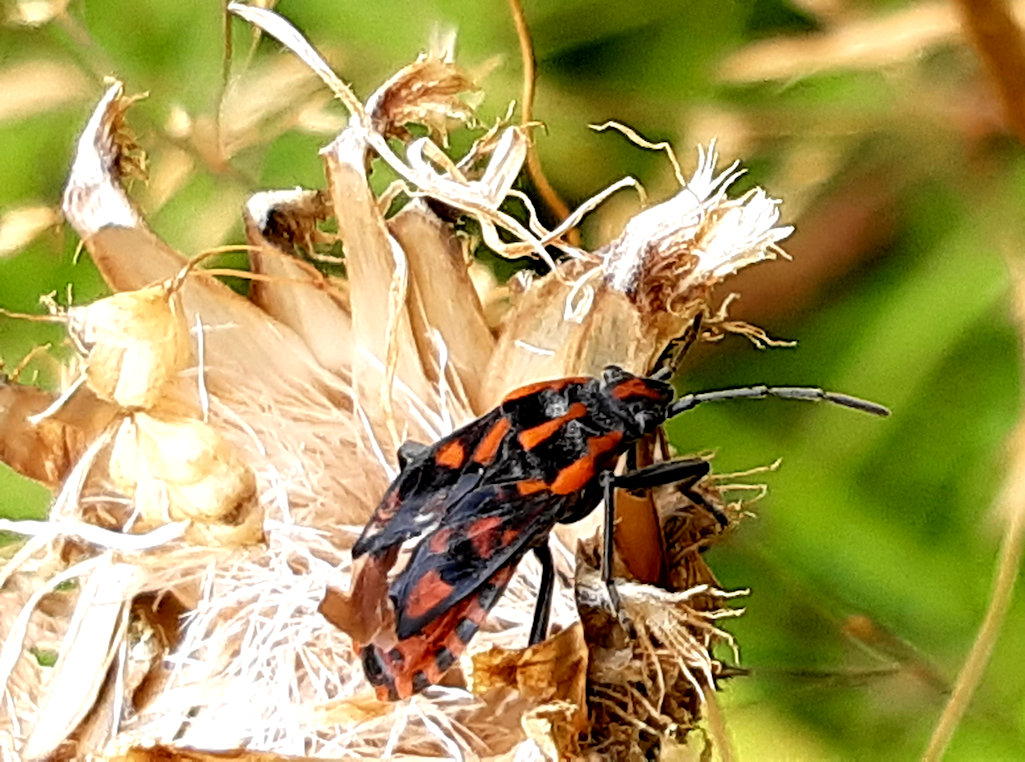
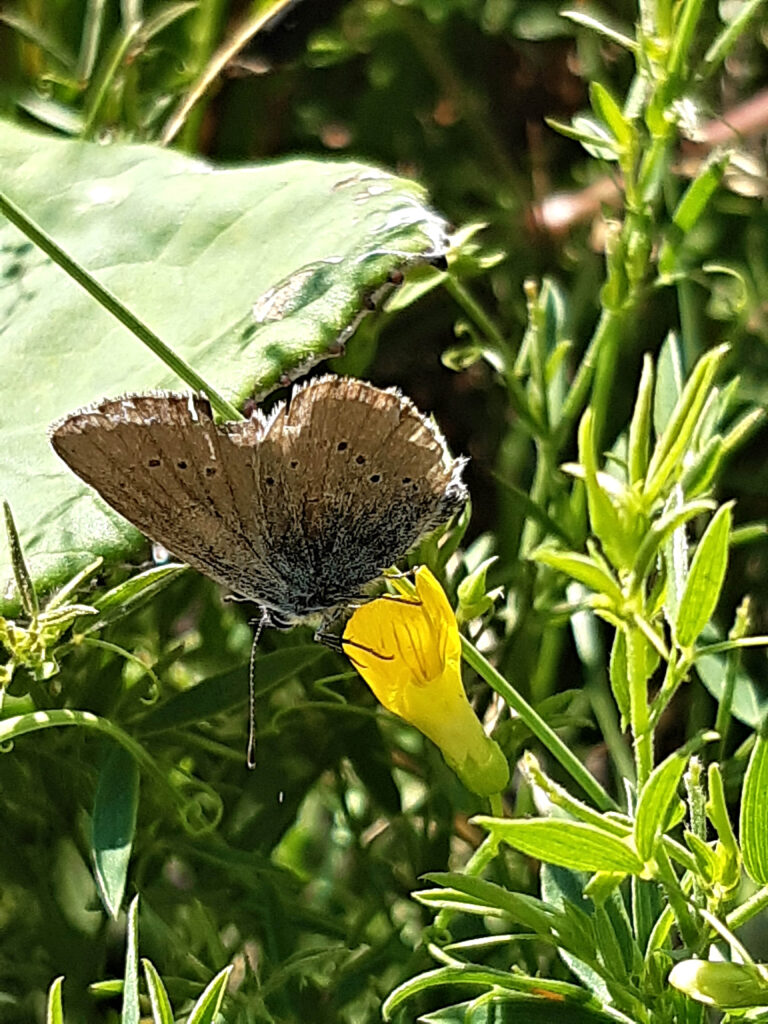
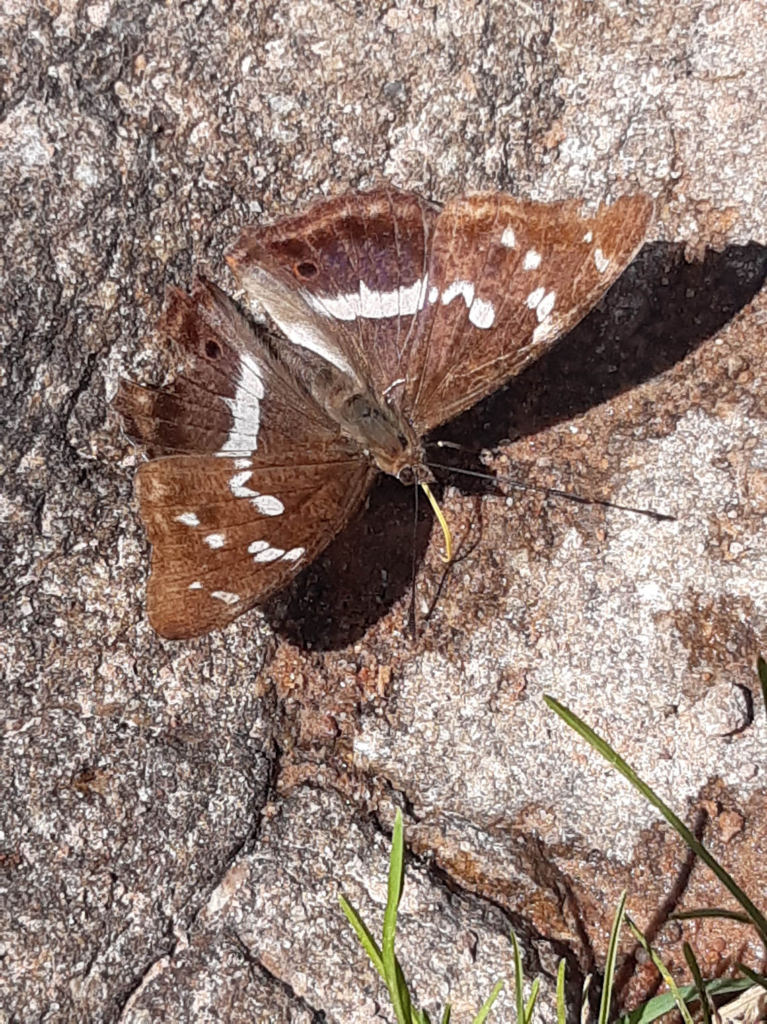
The bright warning coloration of the Mediterranean Milkweed Bug says “Don’t try eating me, I’m poisonous”.Female Mazarine Blue, extinct in BritainPurple Emperor
The Purple Emperor spends most of its time high in the treetops, but in hot weather (like the current heat dome covering most of Europe including Britain) comes down to wet rocks (here, beside a delightfully cold and refreshing mountain stream, which I visited for much the same reasons as the butterfly) to drink the mineral-rich water. You can see its long proboscis extended for drinking. The wings have a purple sheen, created by microscopic structures which interfere with light, when the light is in just the right direction; they are pigmented brown.
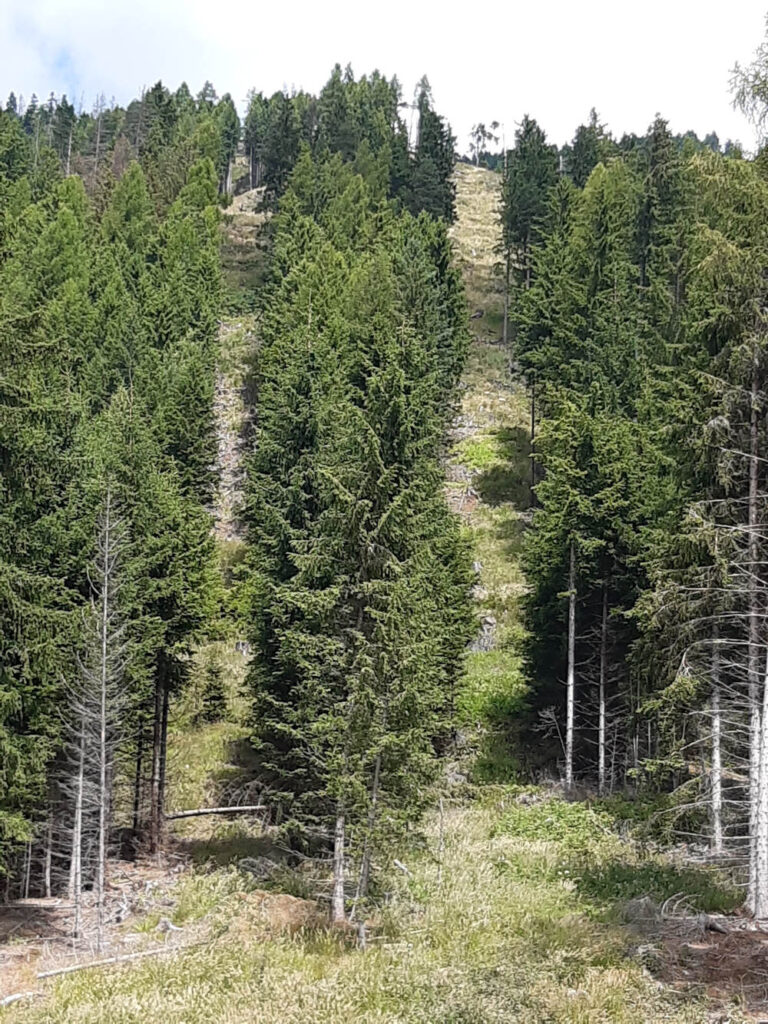
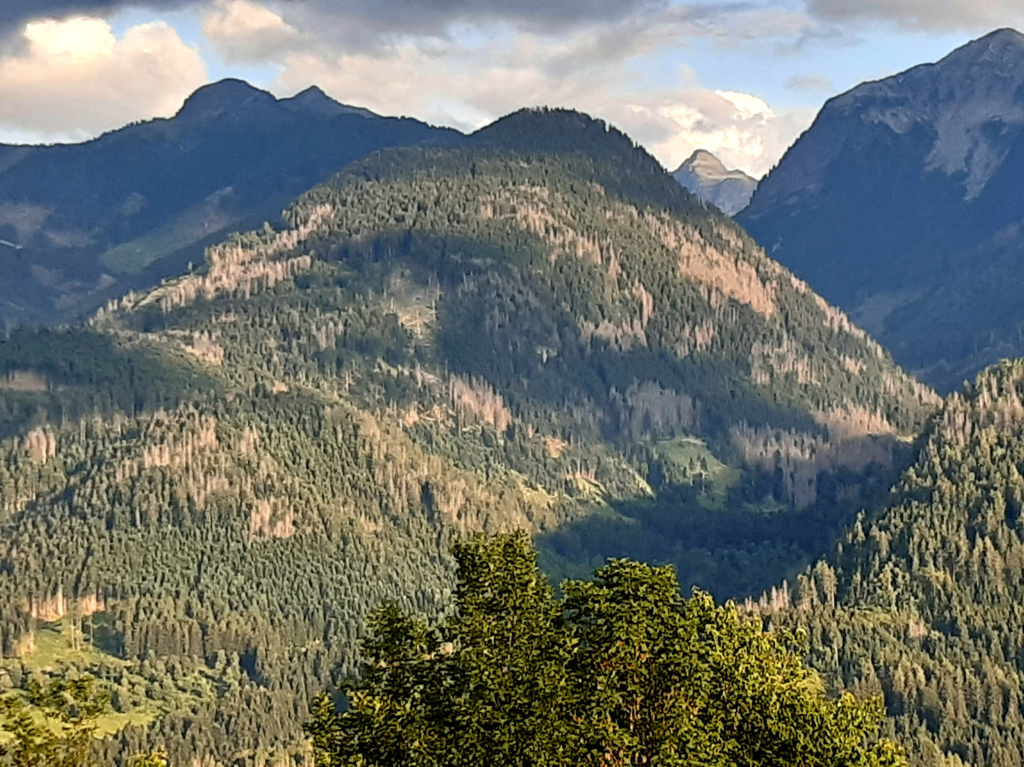
On the subject of increasing heat, this photograph of a mountain forest tells a sobering story. Dead Spruce trees are dotted about the slopes. They were killed by the European Spruce Bark Beetle, Ips typographus. As its name suggests, it mainly affects Spruce but can harm other conifers.
Ips typographus. Photo from Wikimedia Commons by Gilles San Martin. CC-by-SA 2.0
The female lays her eggs under the bark of the tree. The larvae make galleries there, which can be extensive enough to girdle and kill the tree.
Ips typographus’s galleries just under the bark of a spruce tree. Photo from Wikimedia Commons by Tonu Pani, CC-by-SA 3.0 unported.
Growth of the beetles is slowed or halted by hard winters, and they used to have just one brood per year. With global warming, Europe’s winters are becoming milder, and the beetles often survive the winter. In addition, they now have up to 3 broods per year; damage to forests has greatly increased.
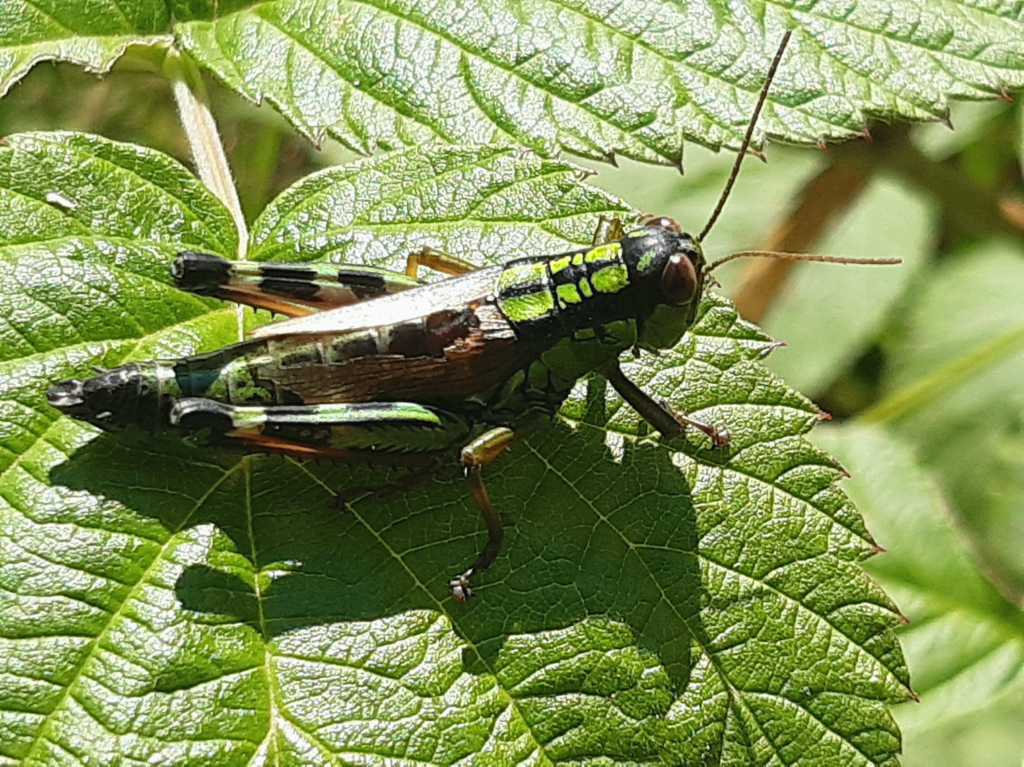
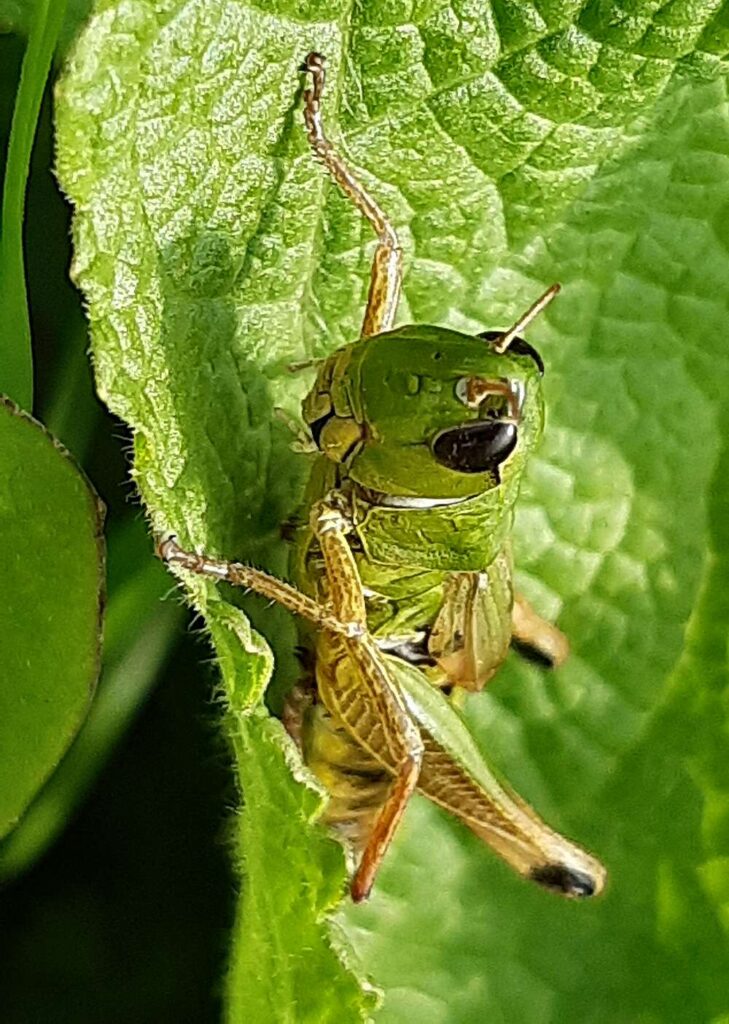
Green Mountain Grasshopper
The star of the show? The celebratory summer-lover, the Green Mountain Grasshopper. It was a joy when one landed on my shirt and stayed to pose for the photographers.
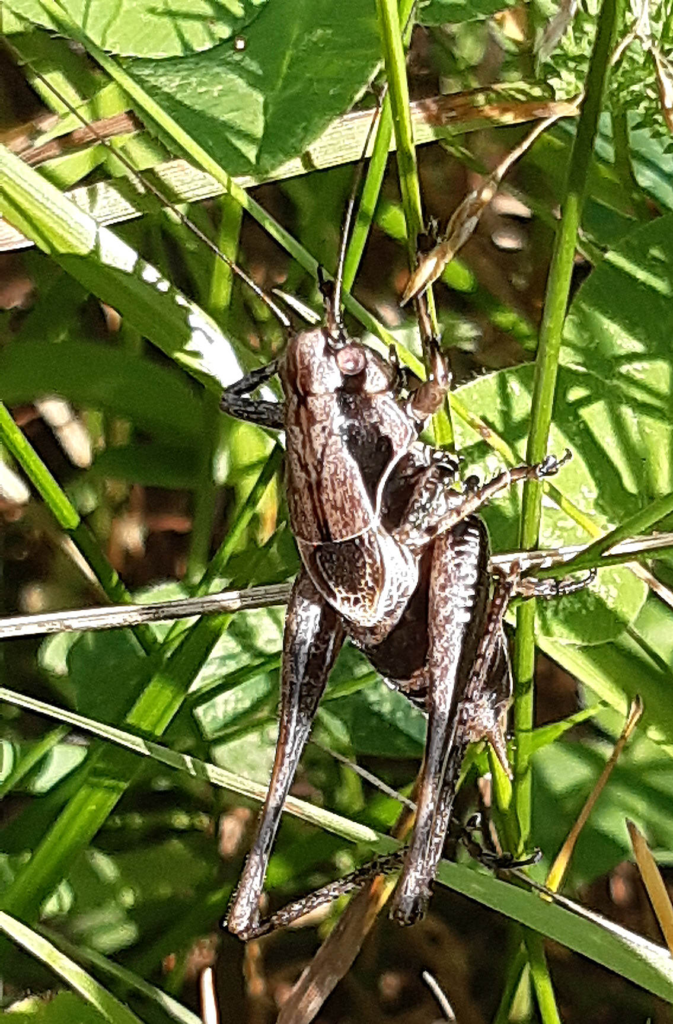
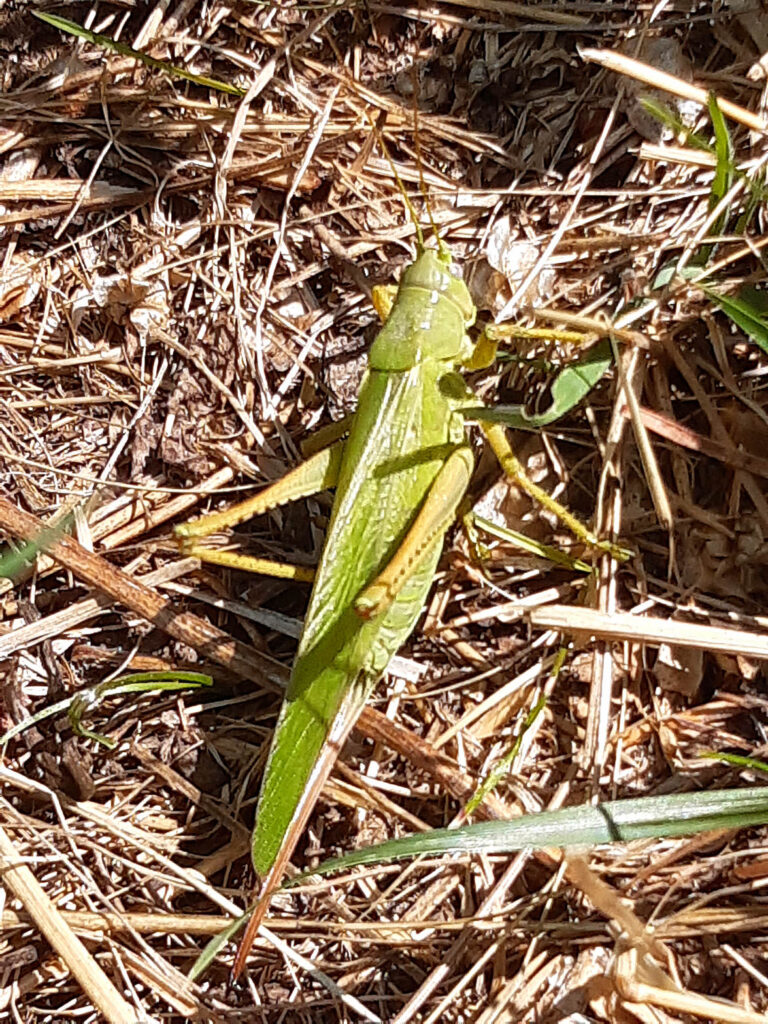
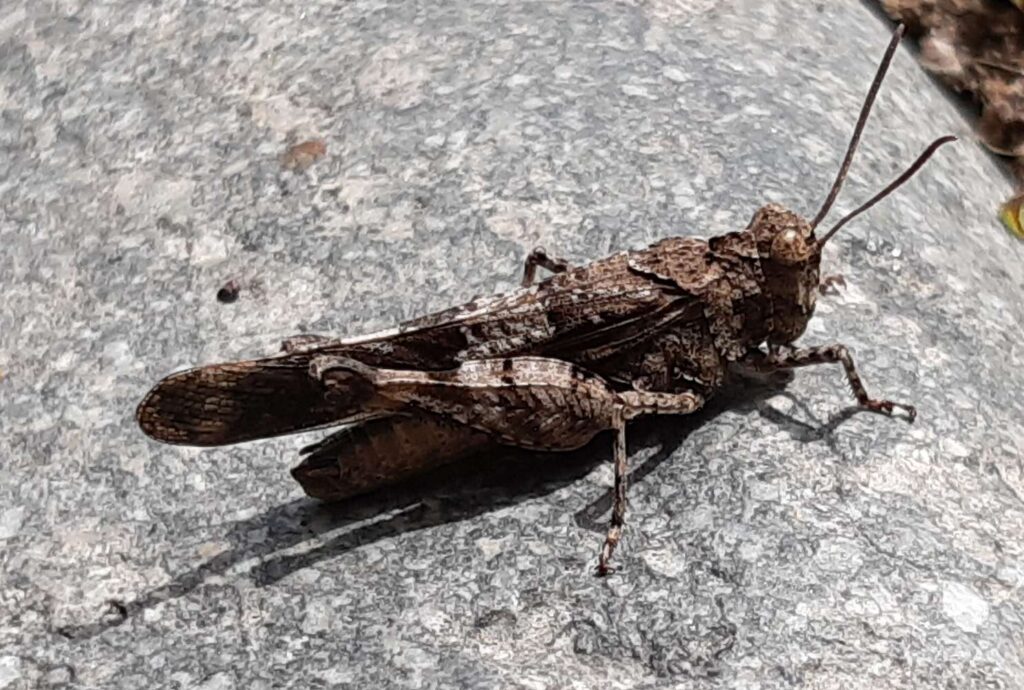
Dark Bush-CricketGreat Green Bush-CricketGreen GrasshopperGreen Mountain GrasshopperStone Grasshopper
Dragonflies
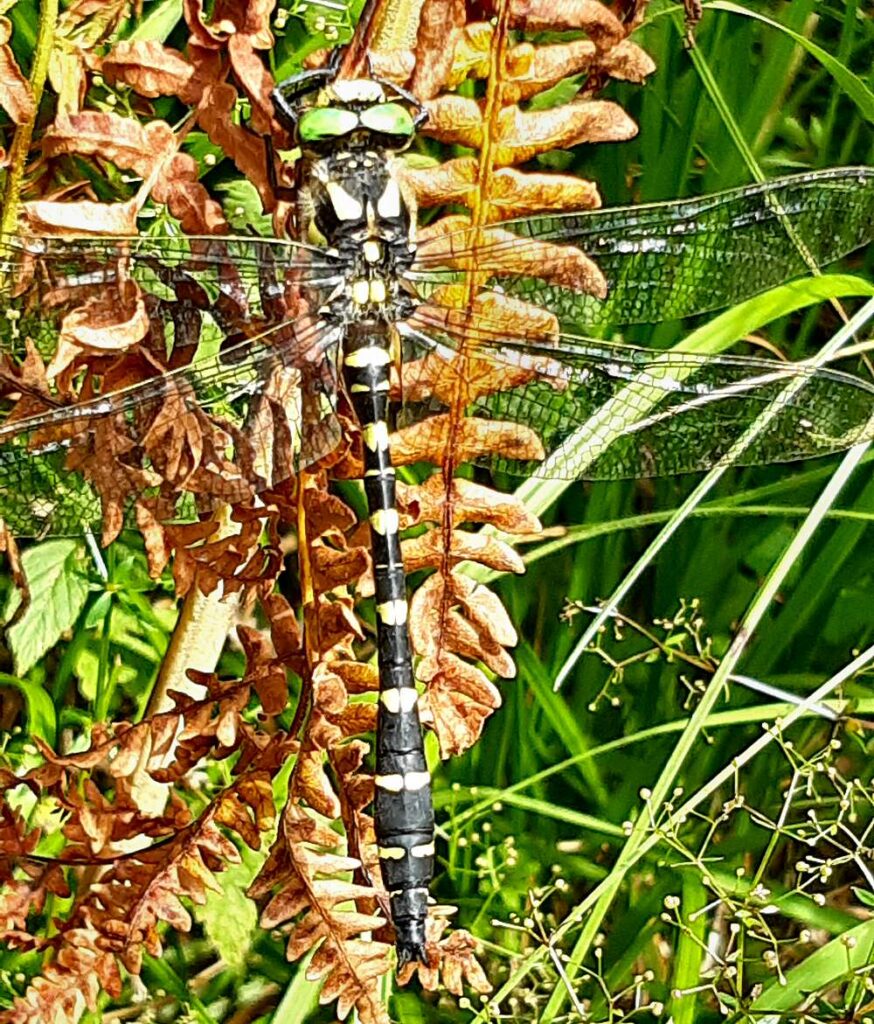
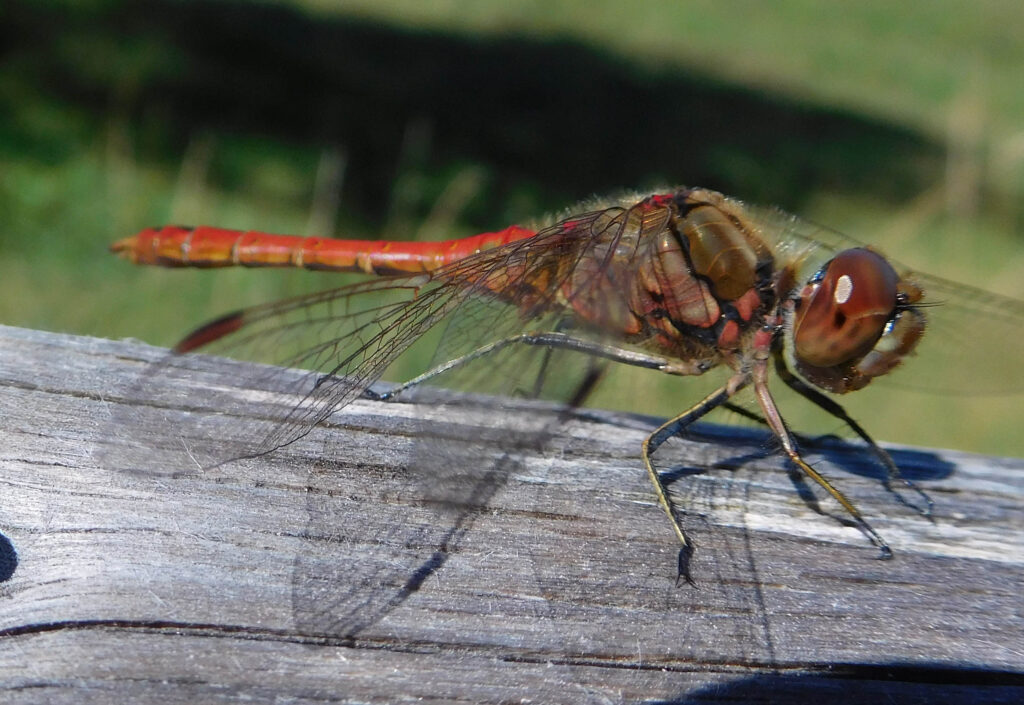
Golden-Ringed DragonflyMale Common Darter
Bees and Wasps
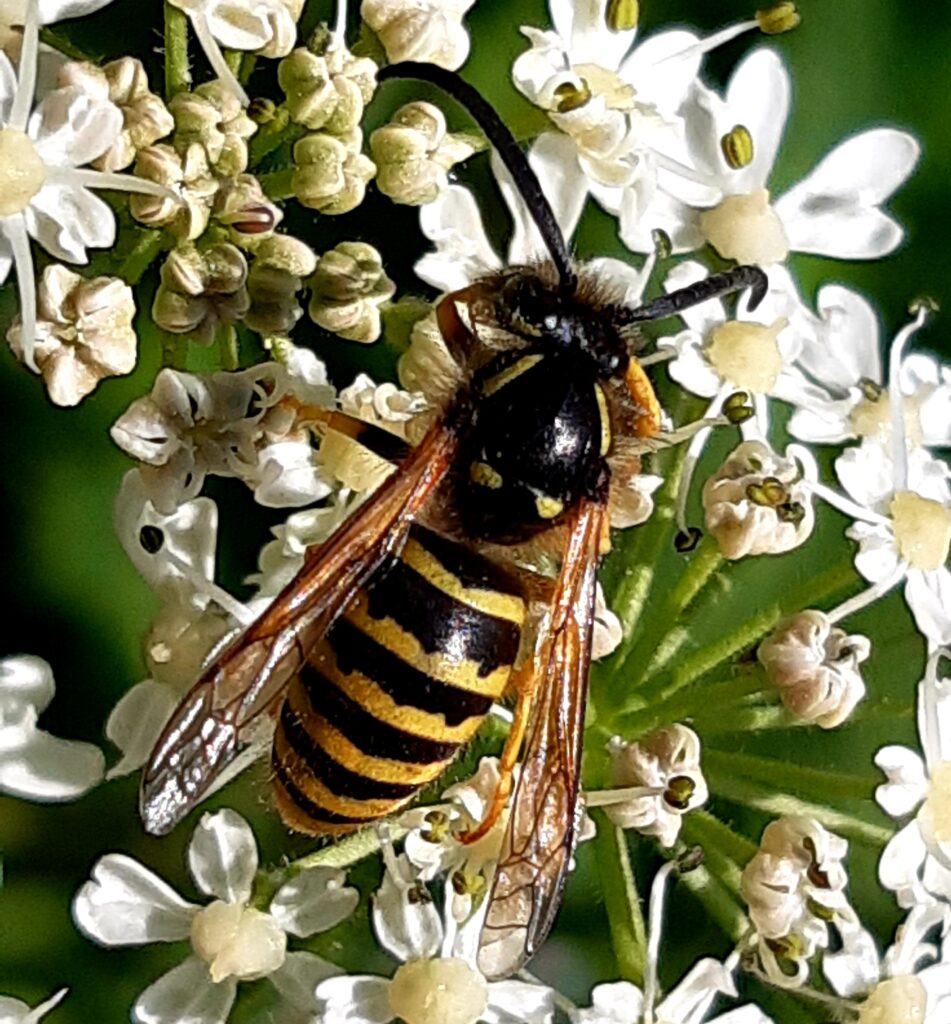
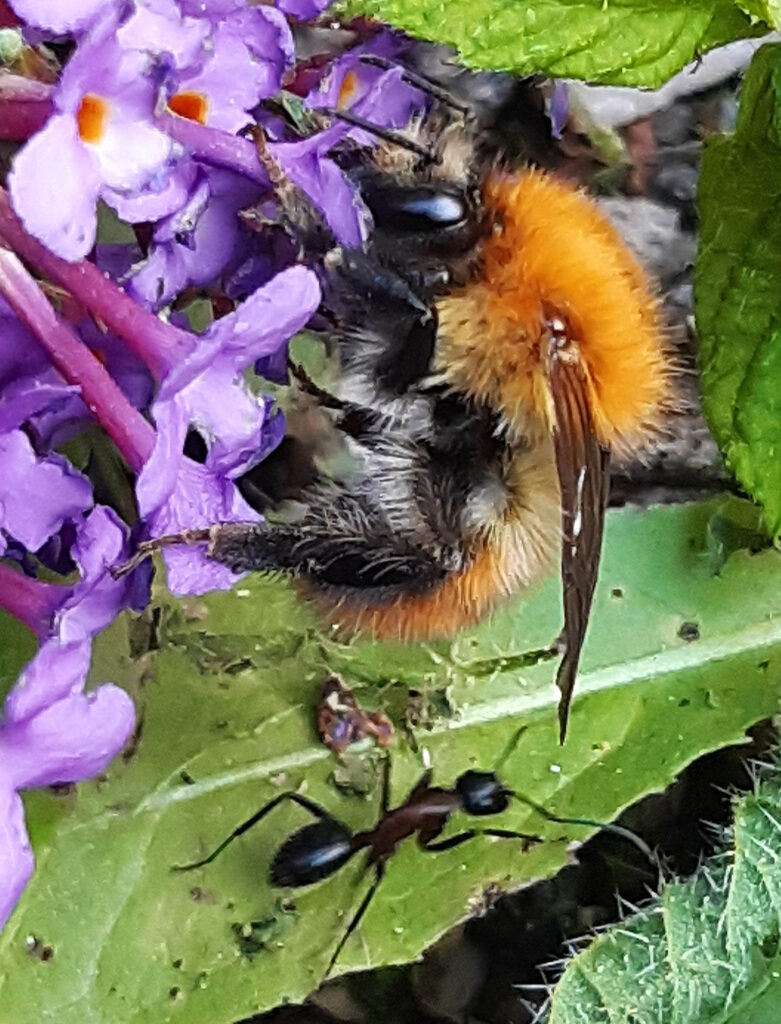
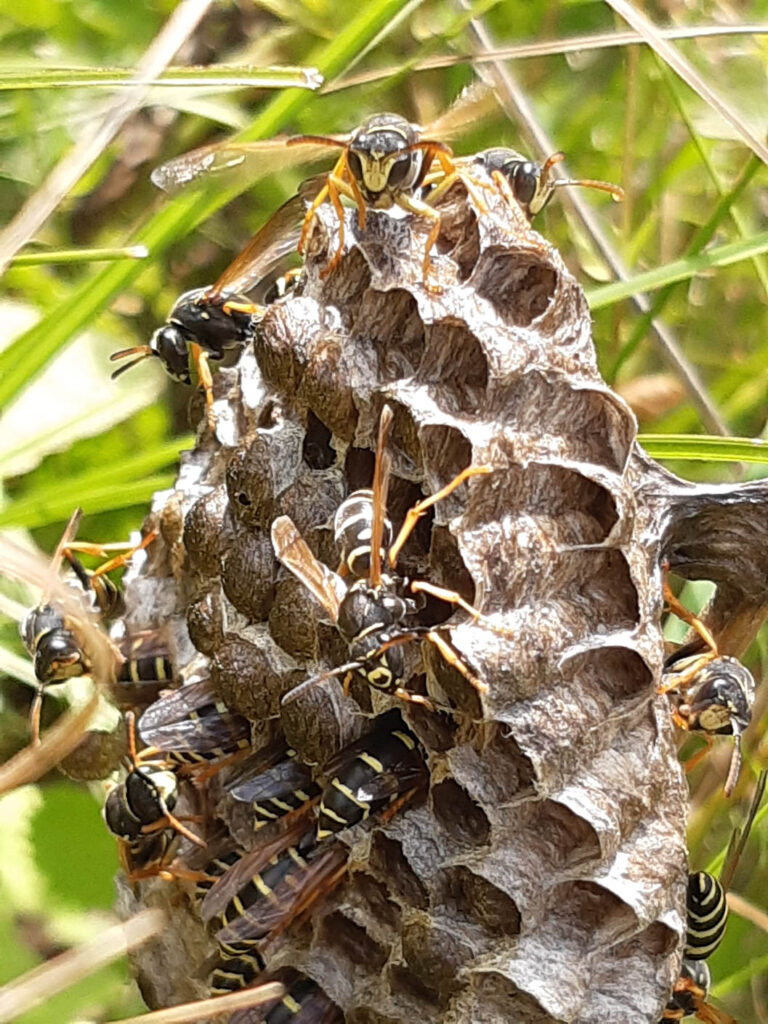
Halictus scabiosae mining beeSaxon Wasp (Dolichovespula saxonica)Brown-Banded Carder Bee, Bombus pascuorum, with Giant Forest Ant, CamponotusNest of Paper Wasp, Polistes
Other insects
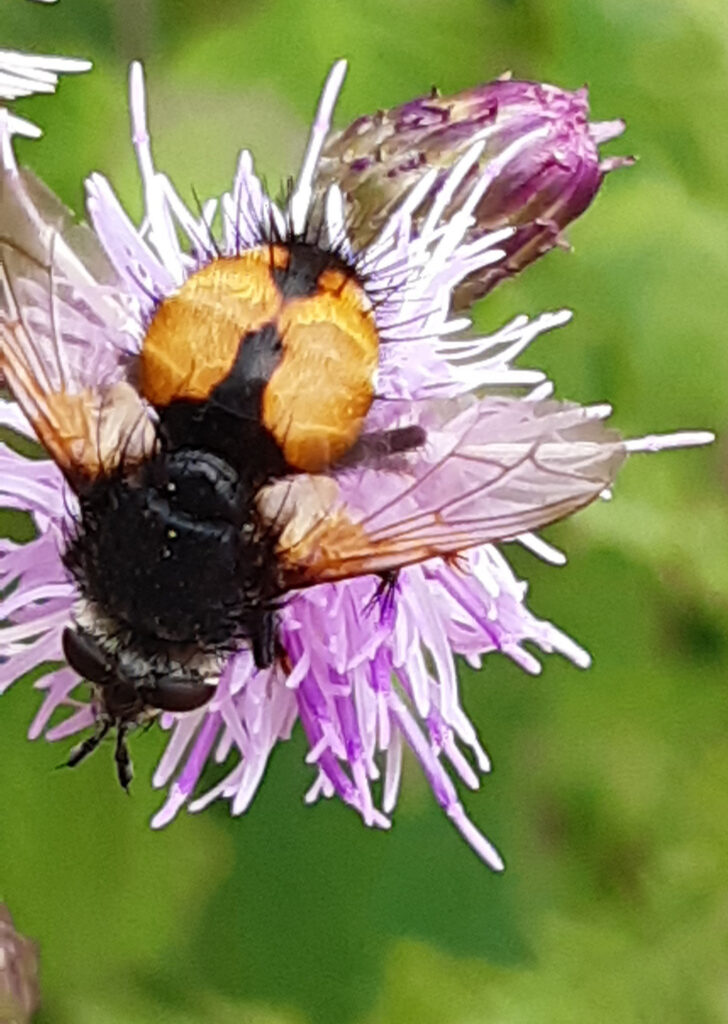
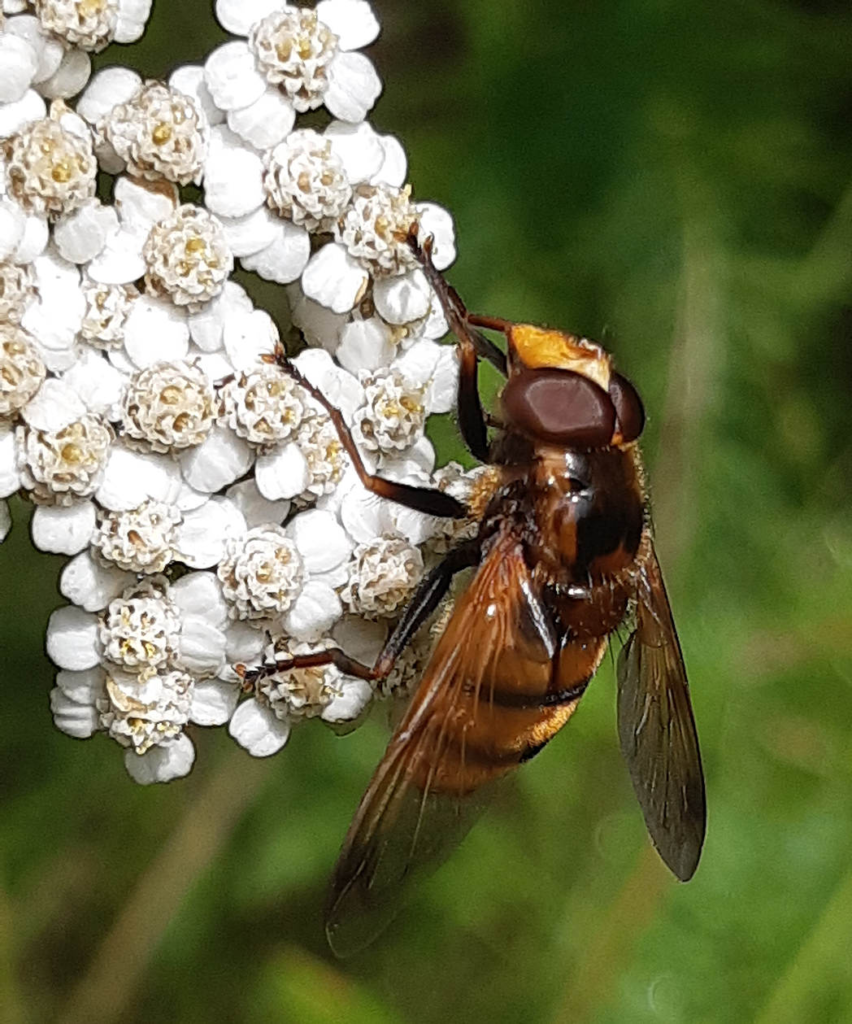
Orange-backed Tachinid FlyHoverfly on YarrowMediterranean Milkweed Bug
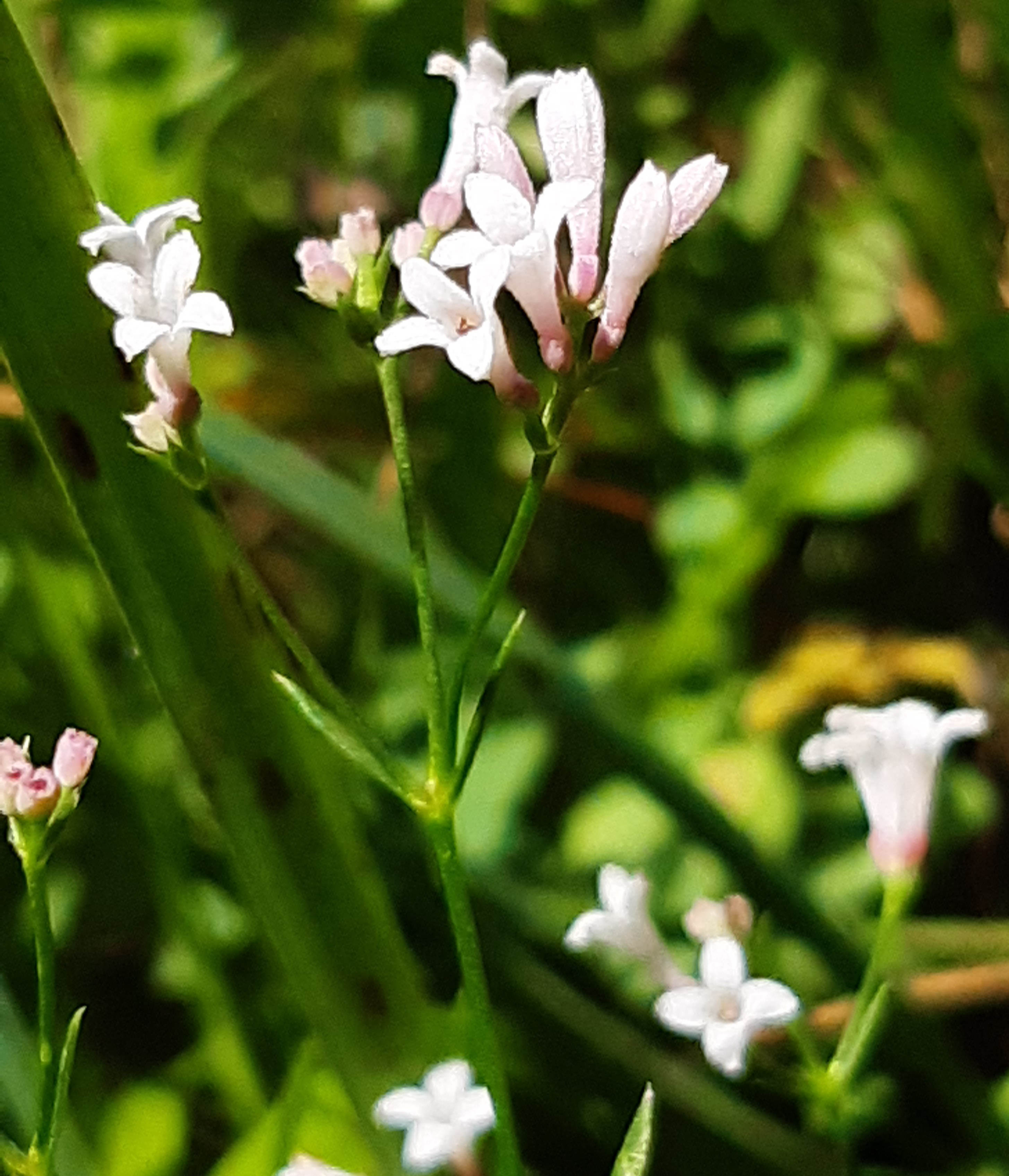
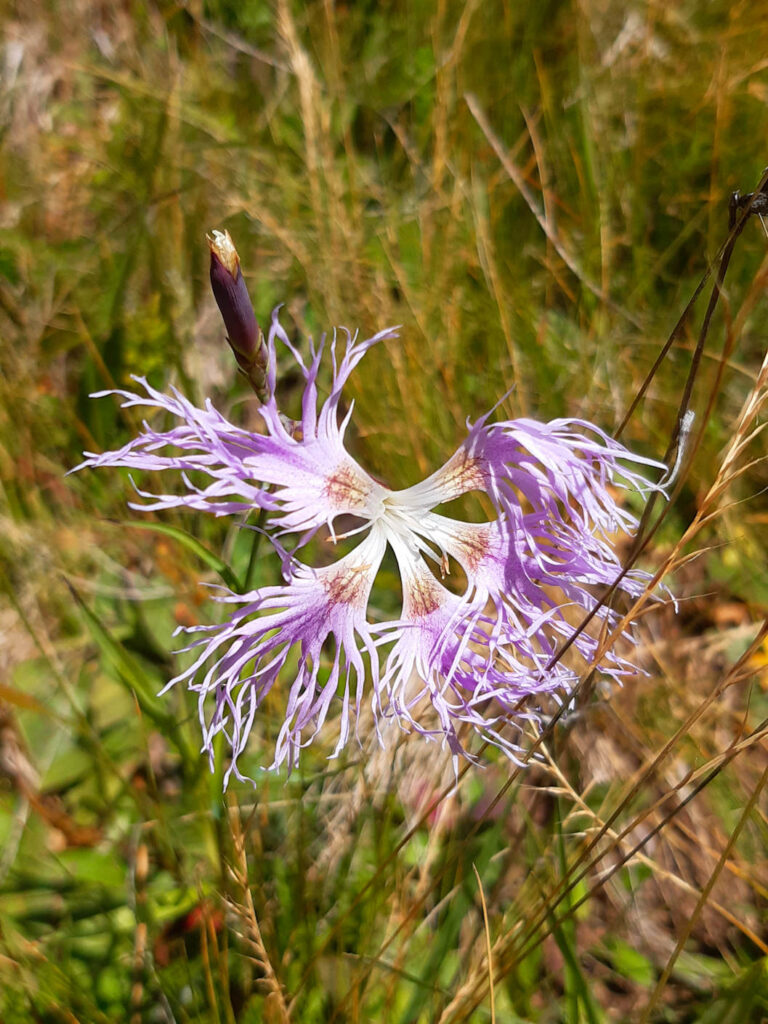
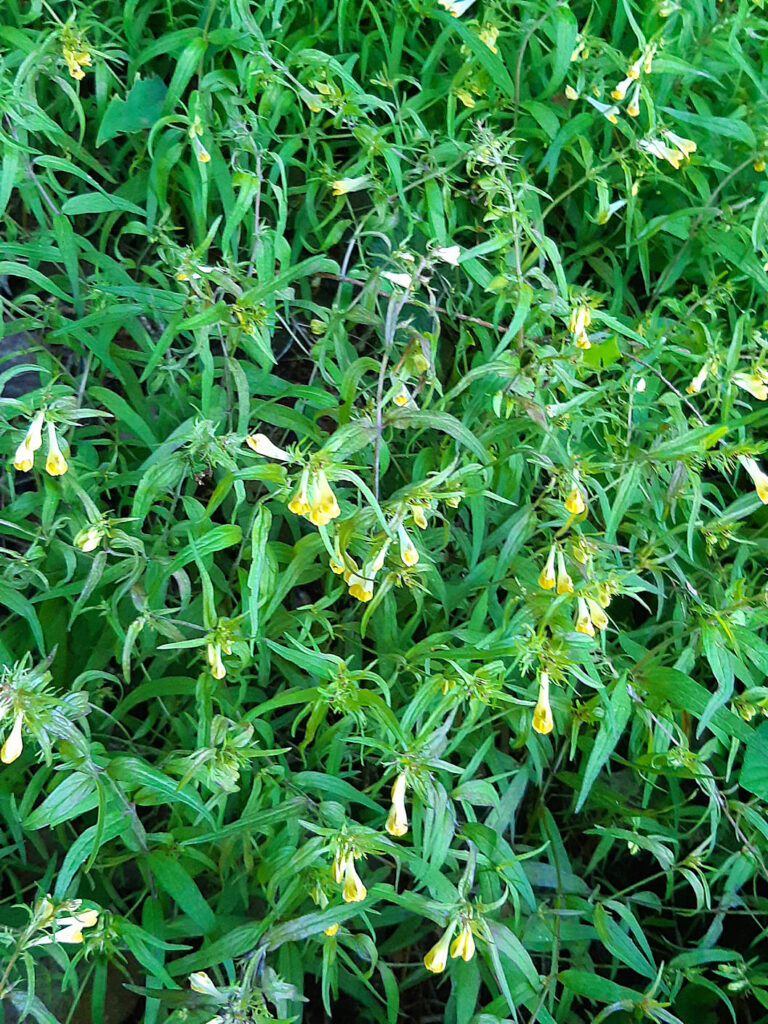
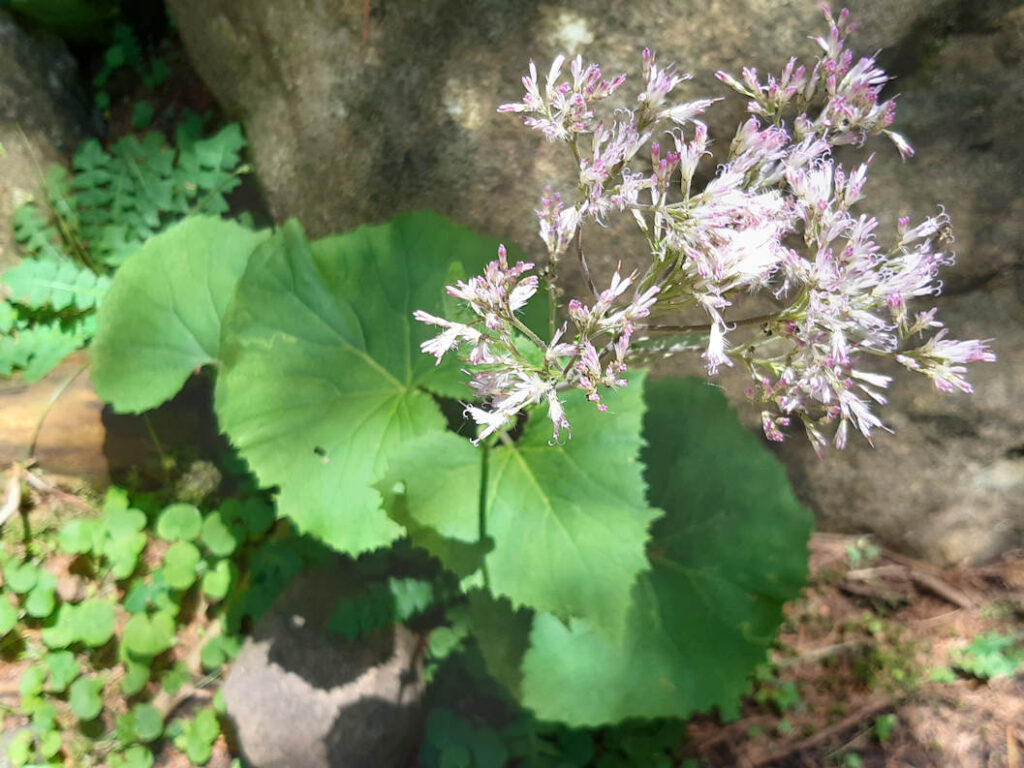
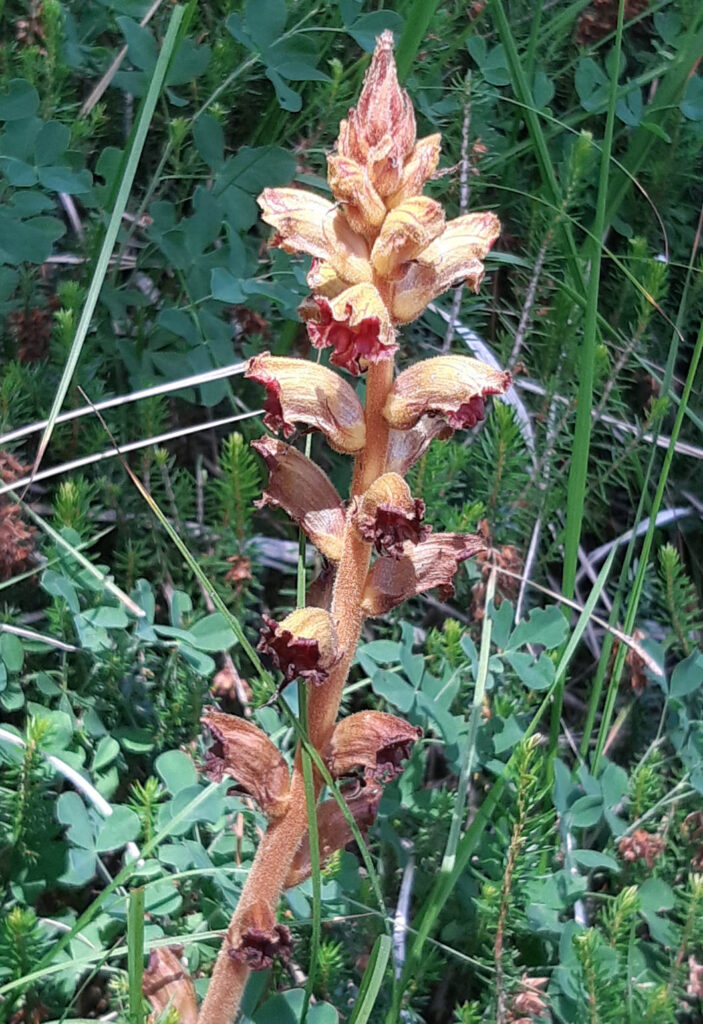
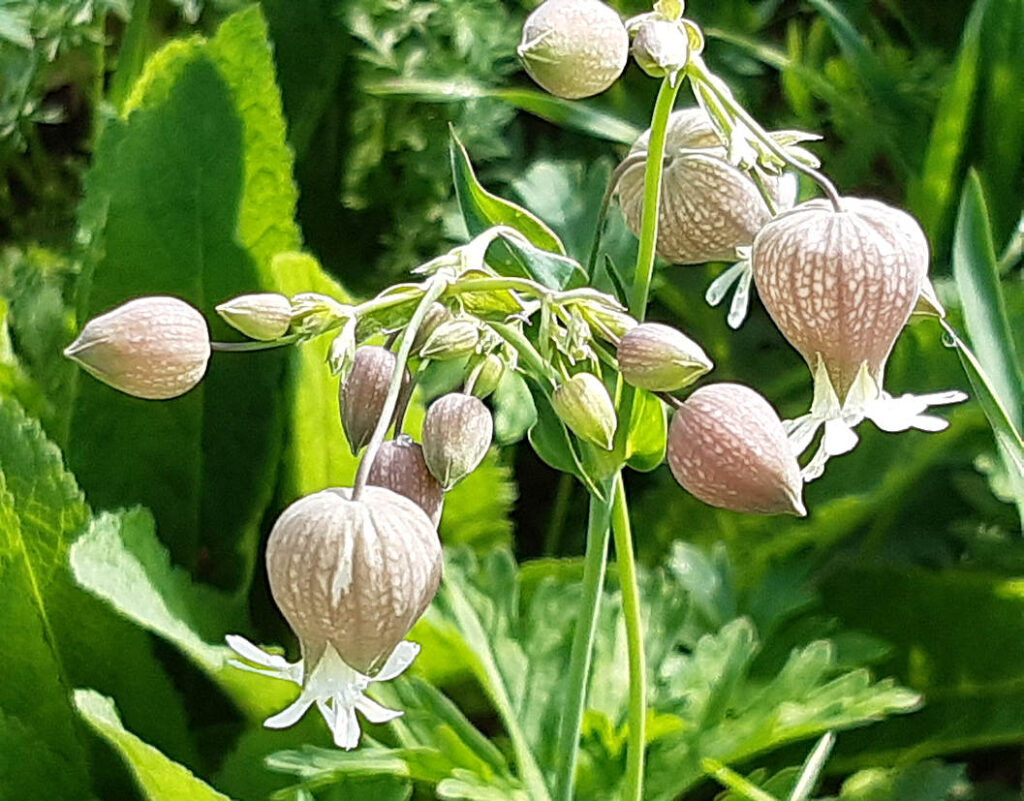
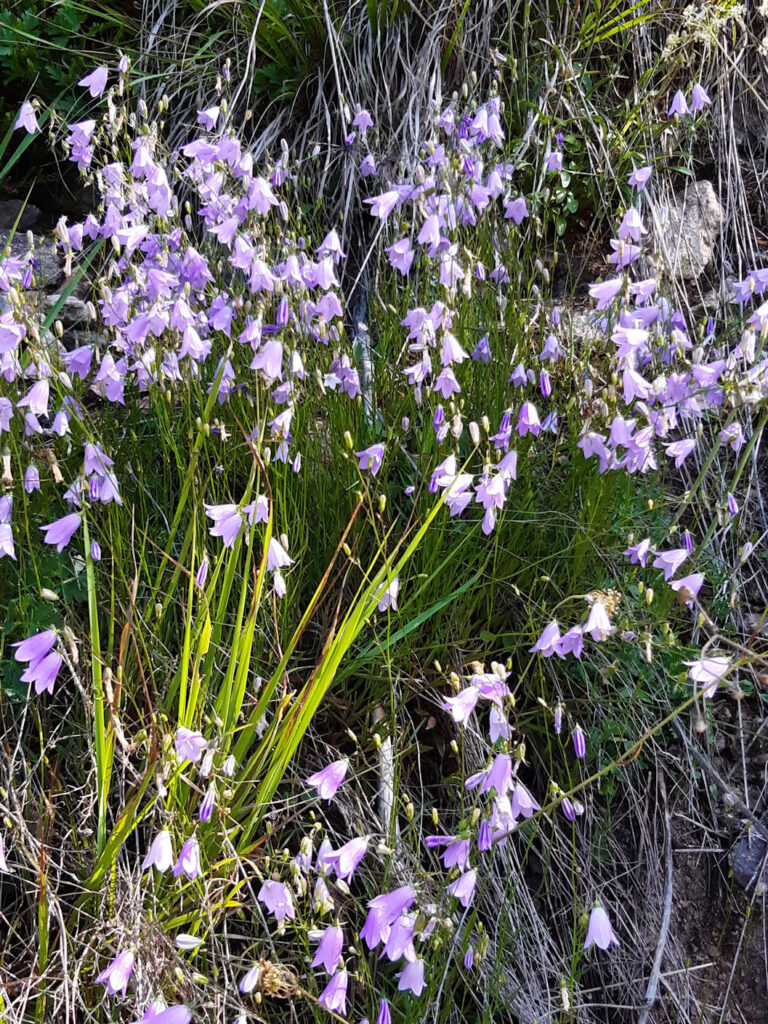
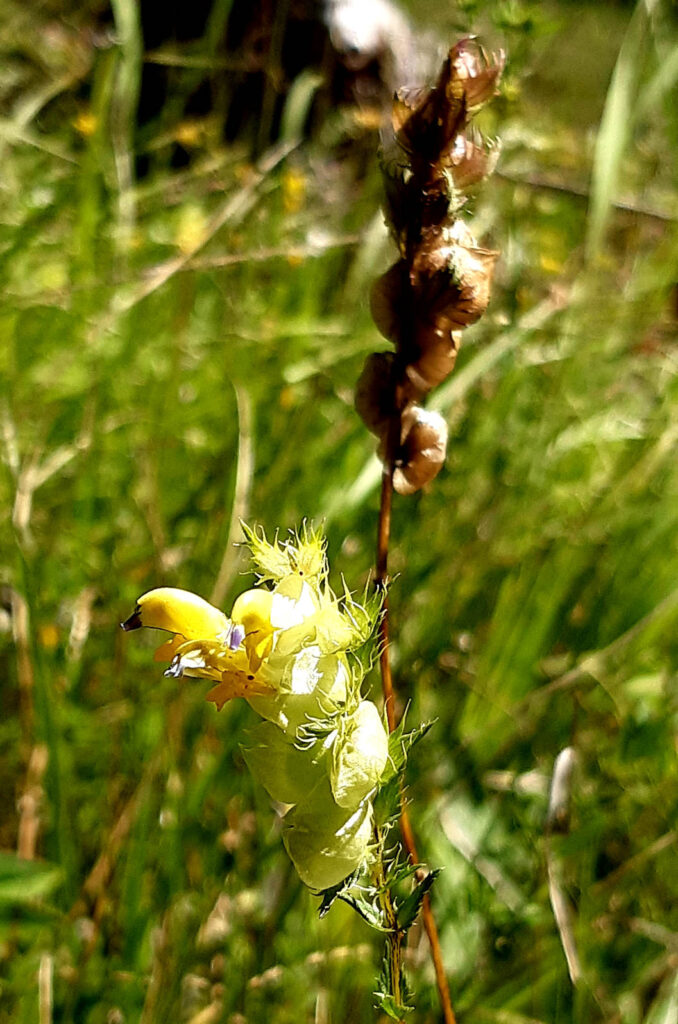
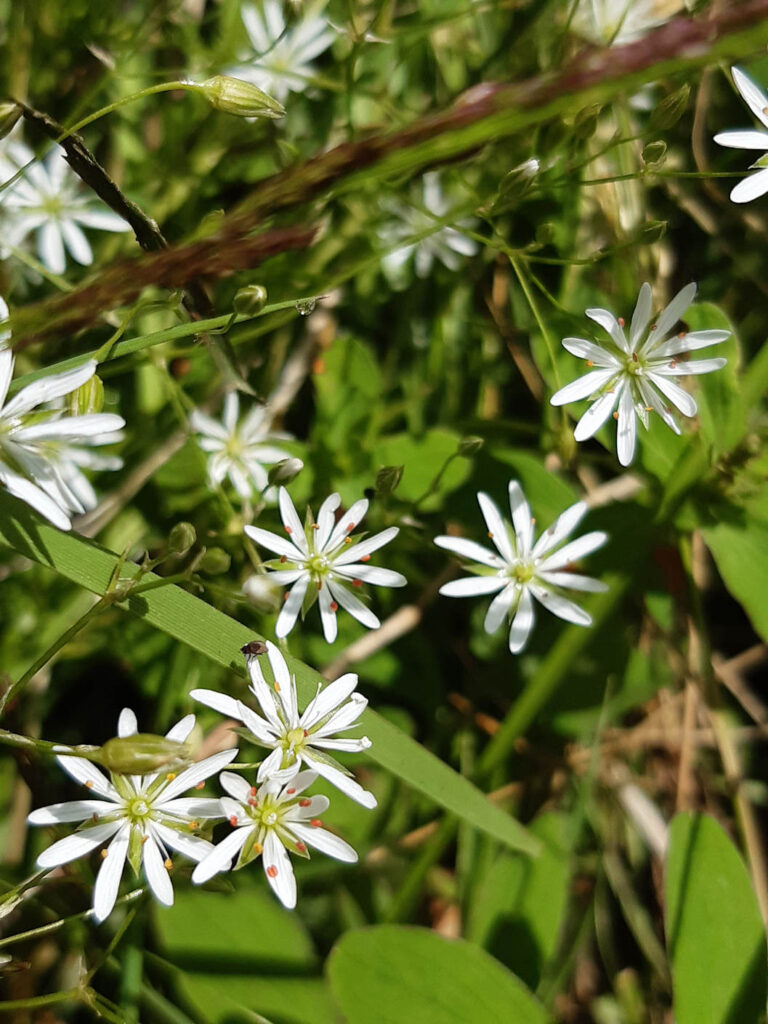
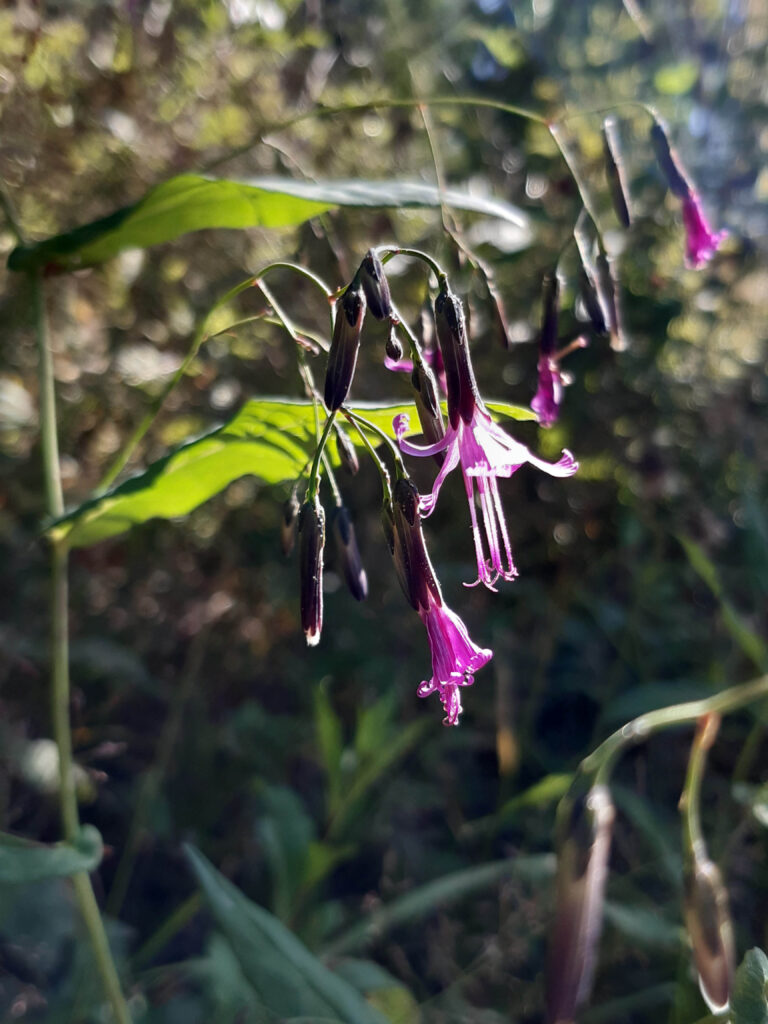
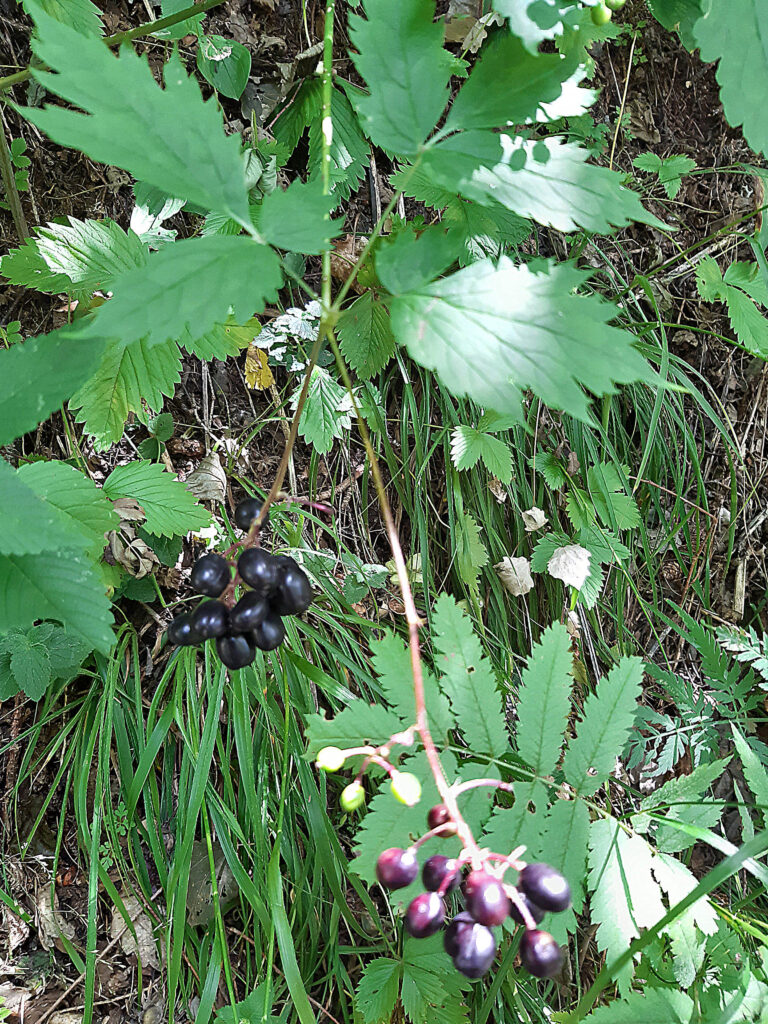
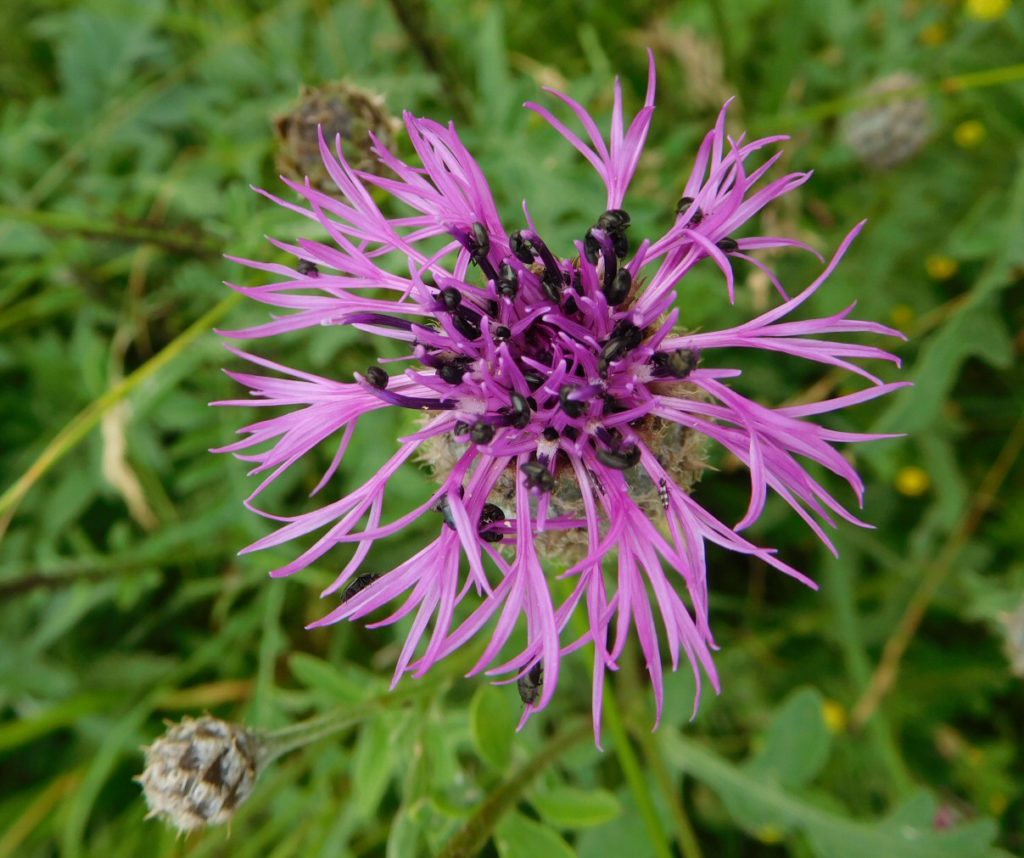
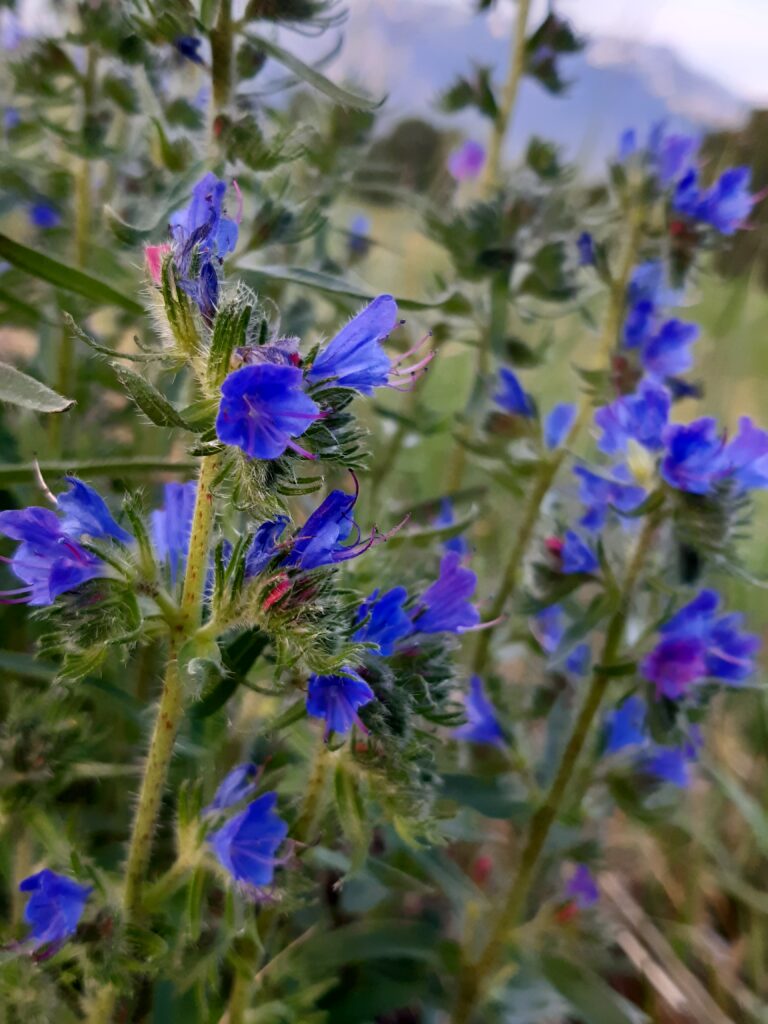
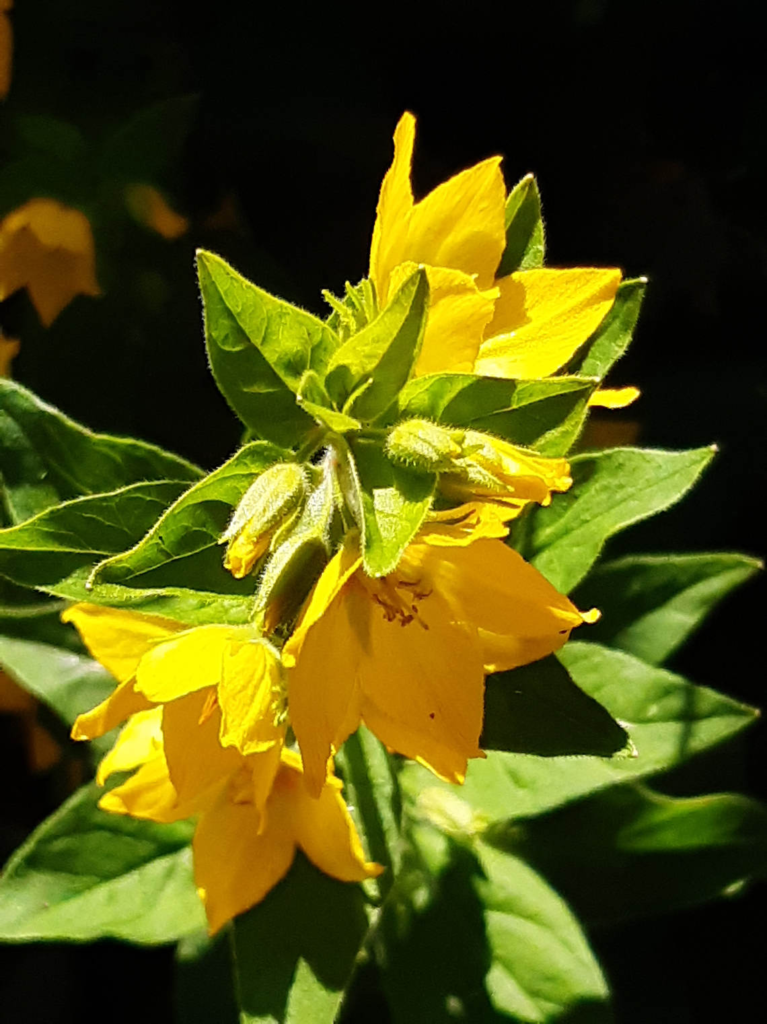
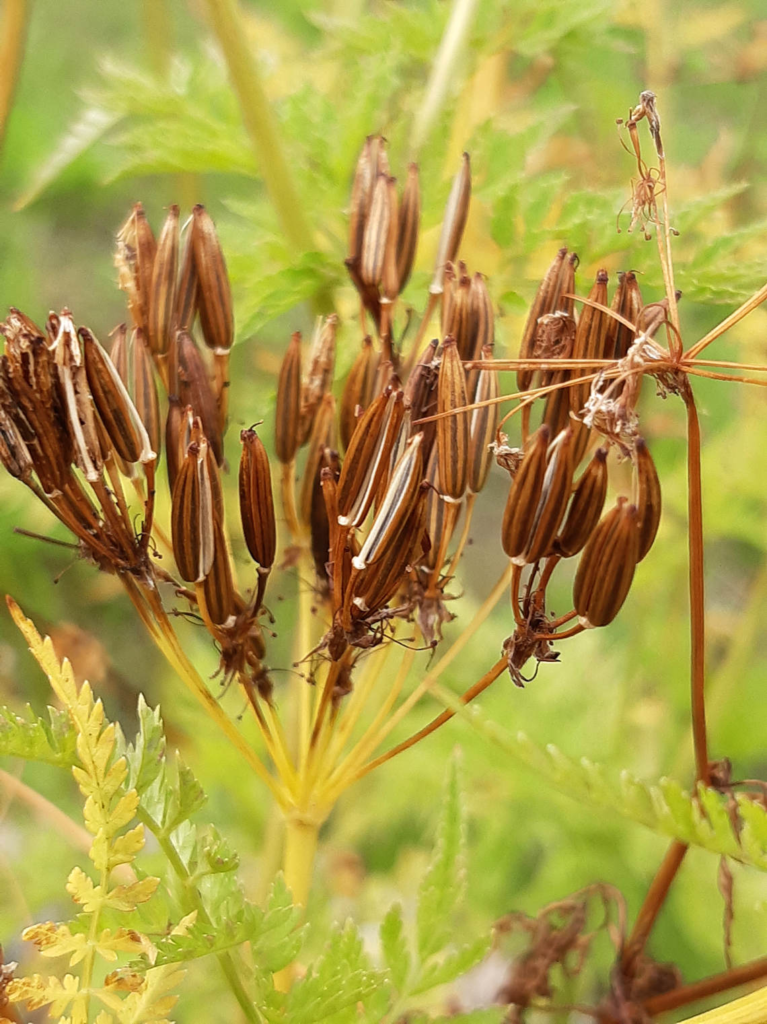
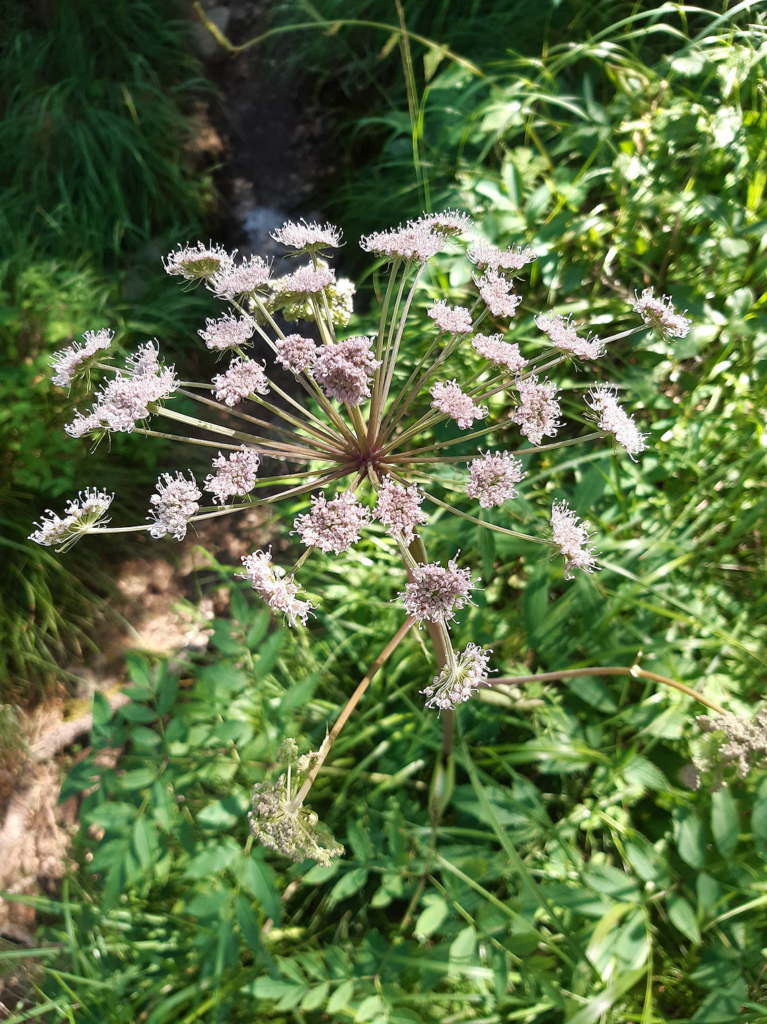
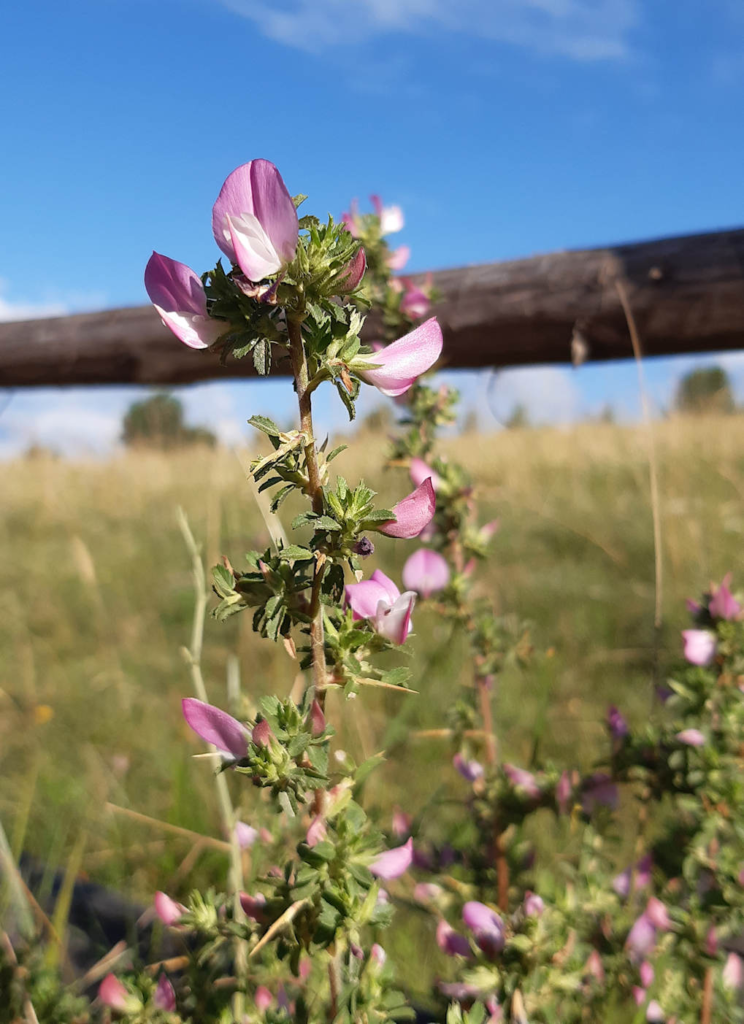
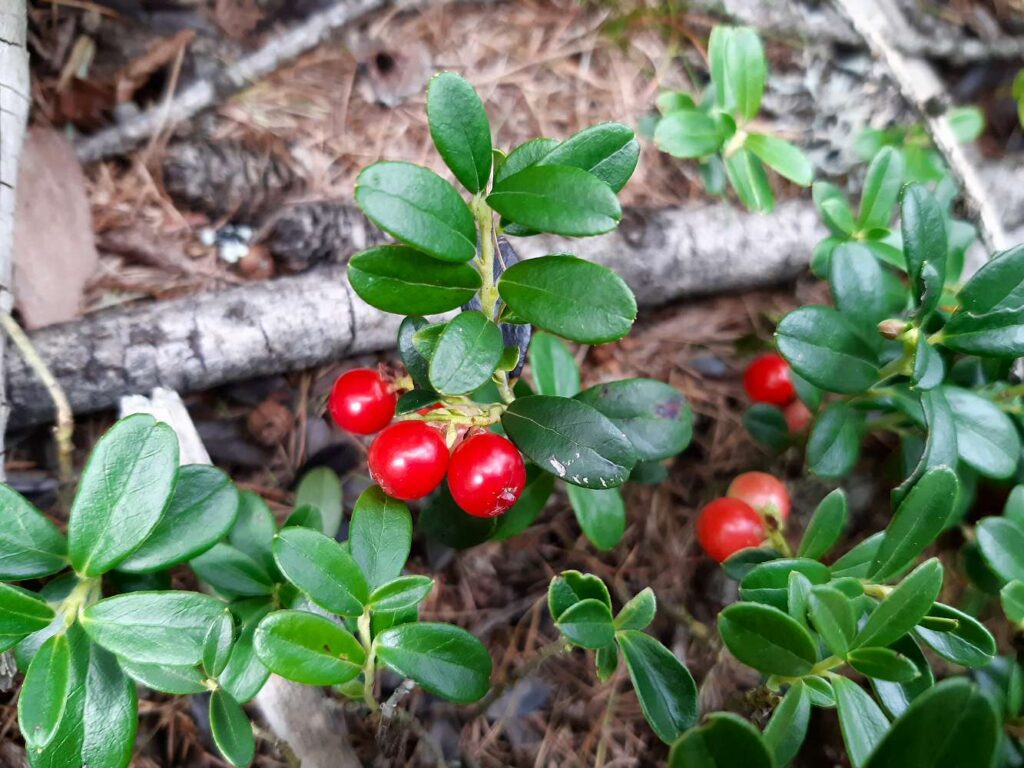
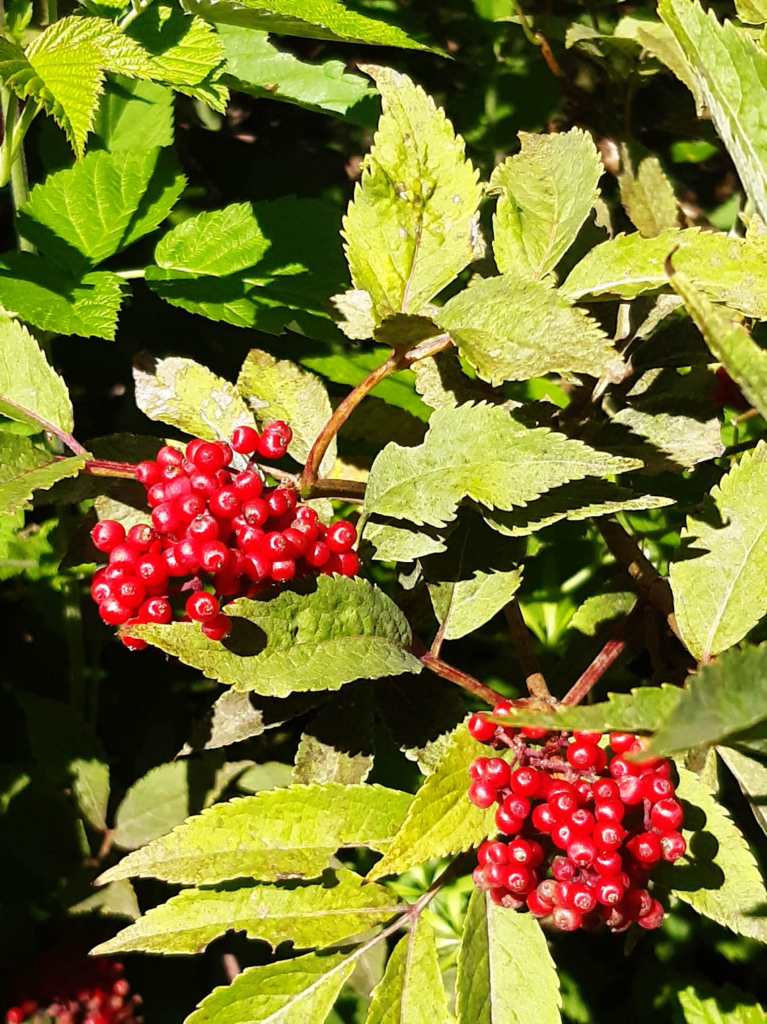
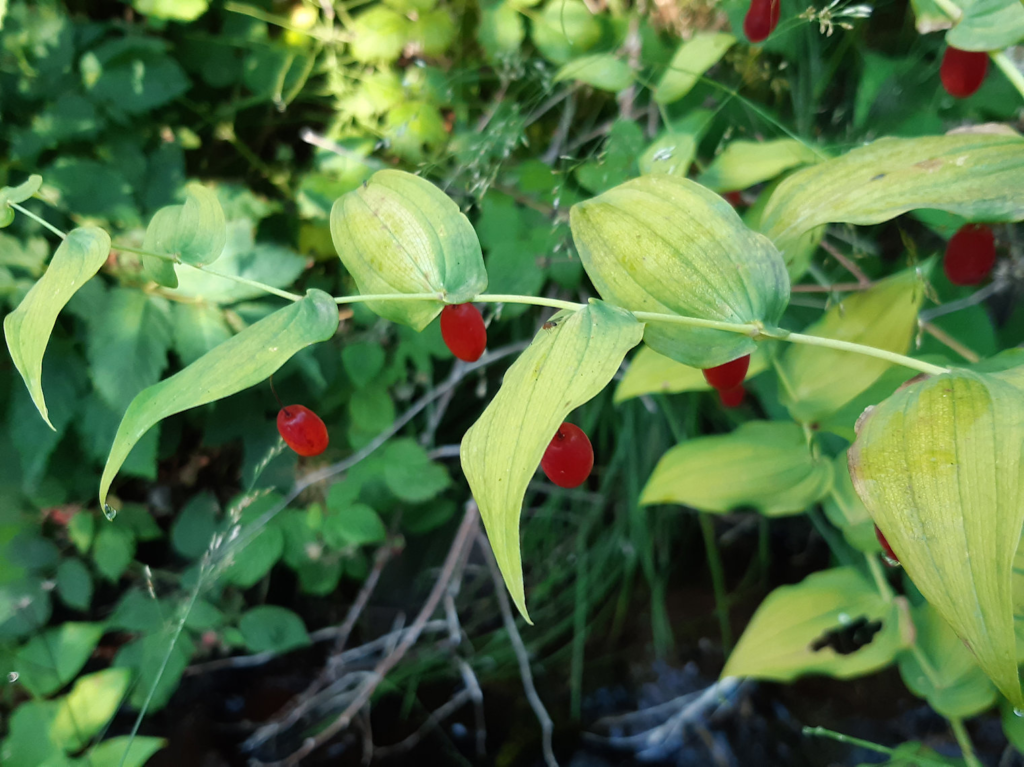
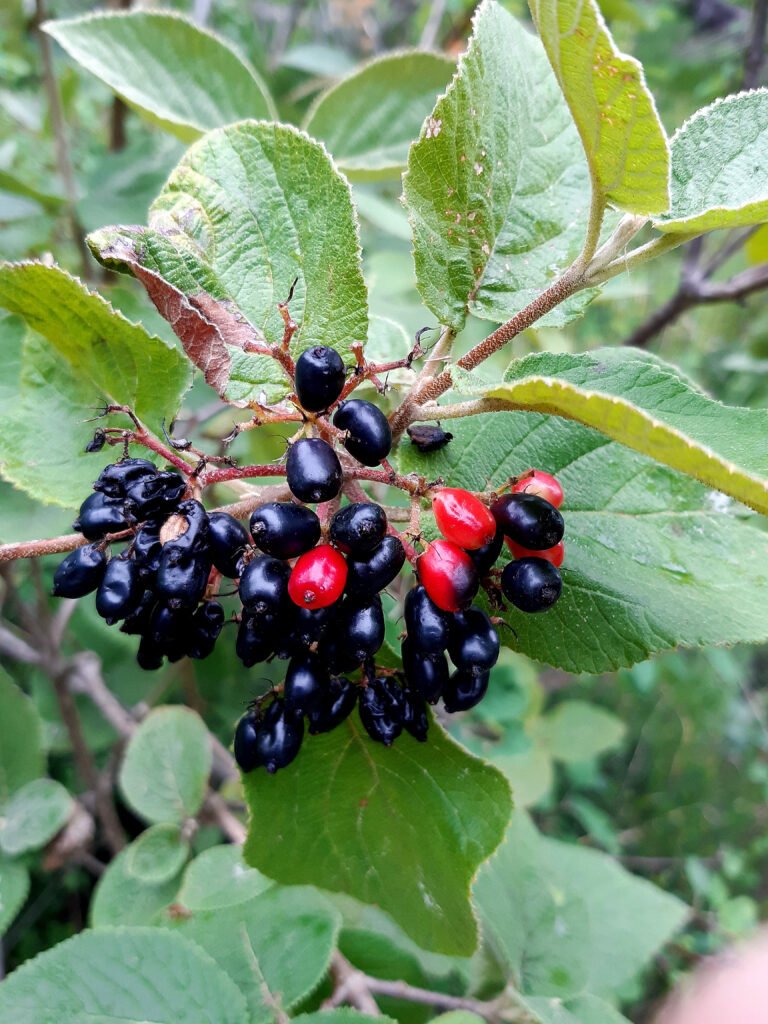
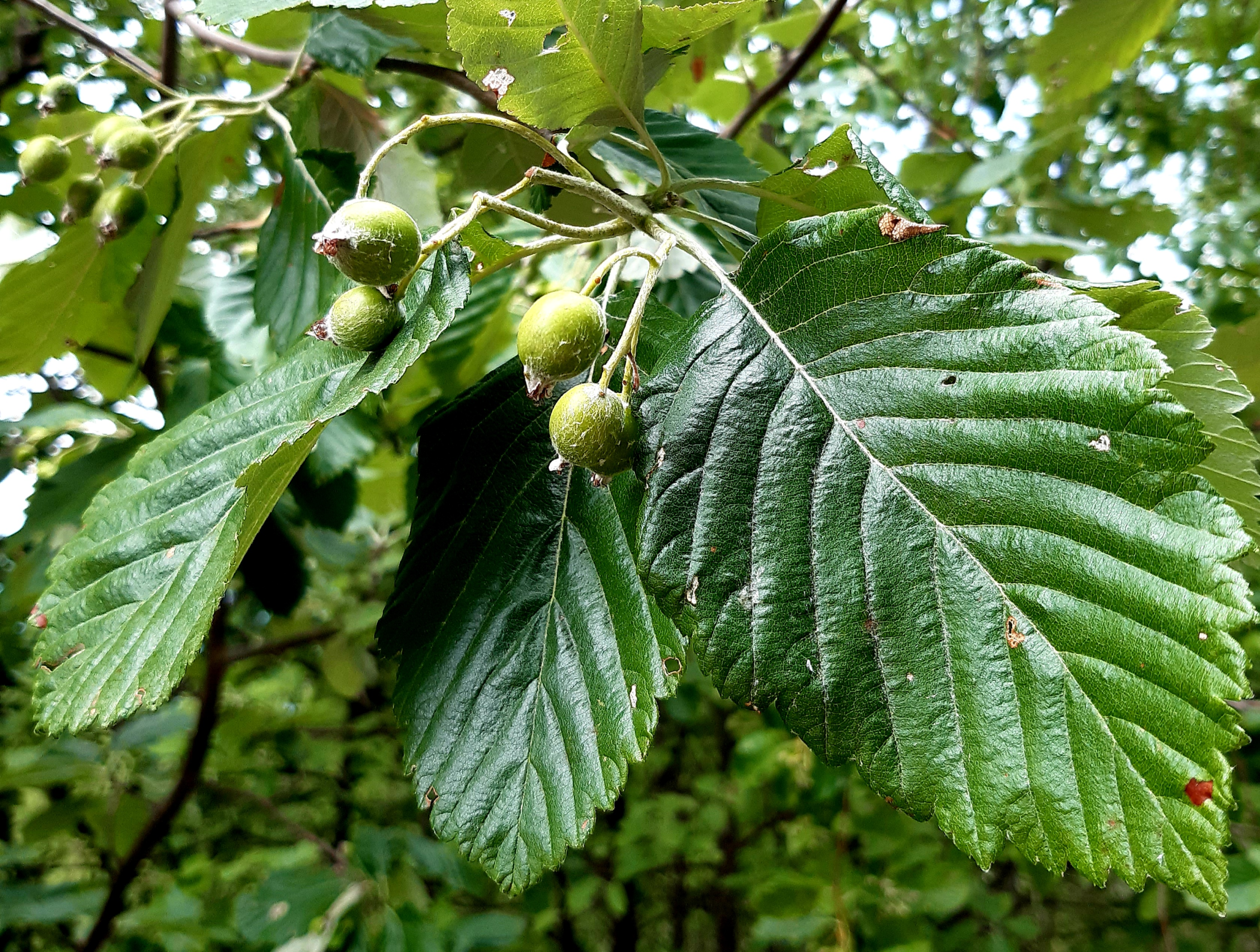
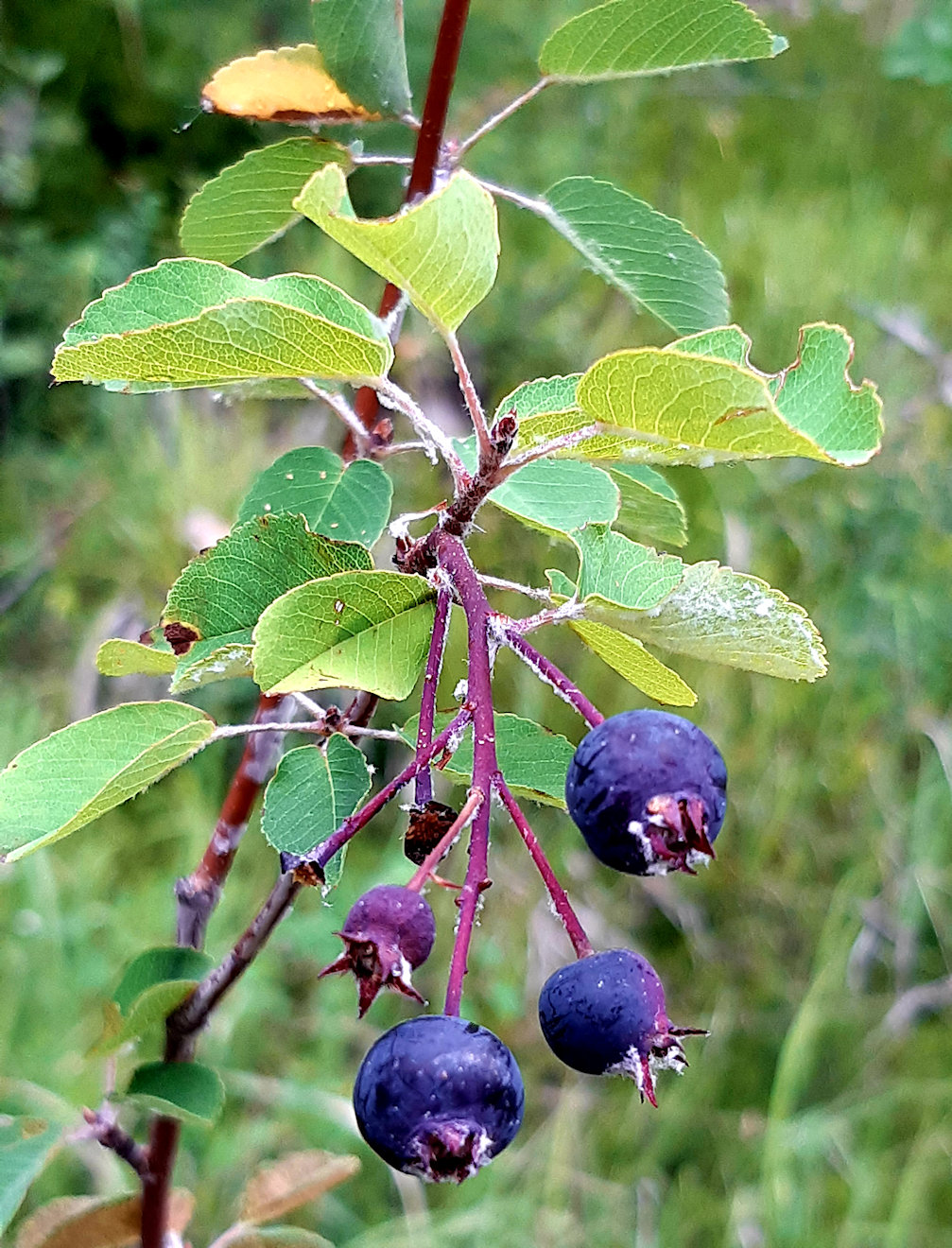
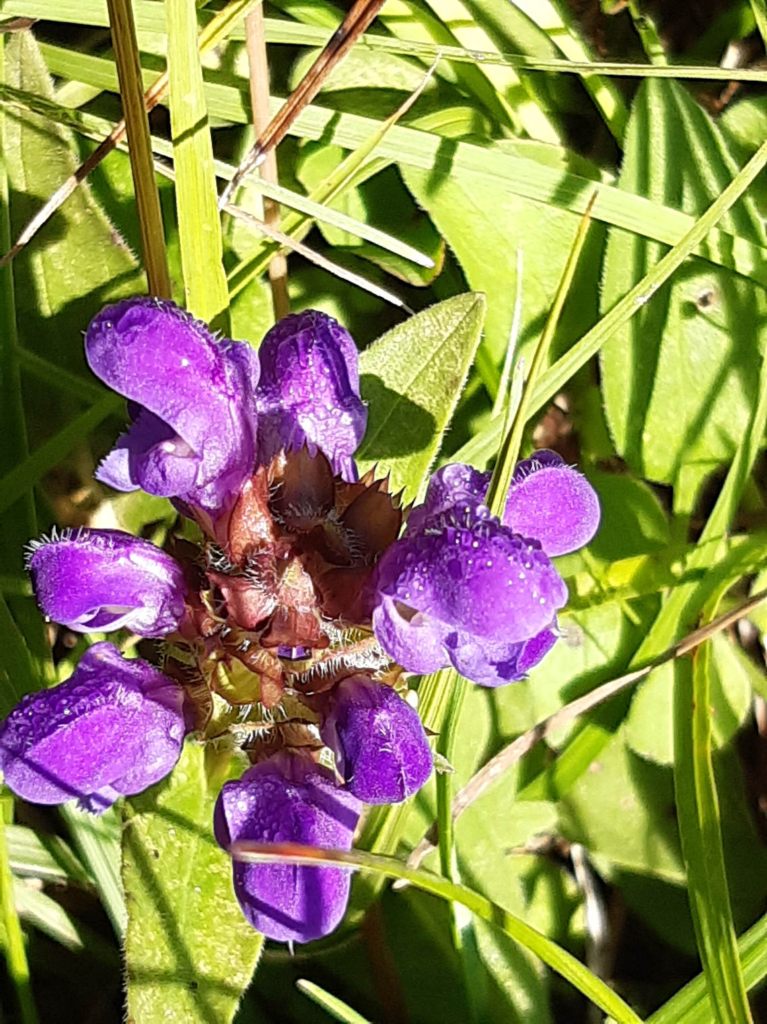
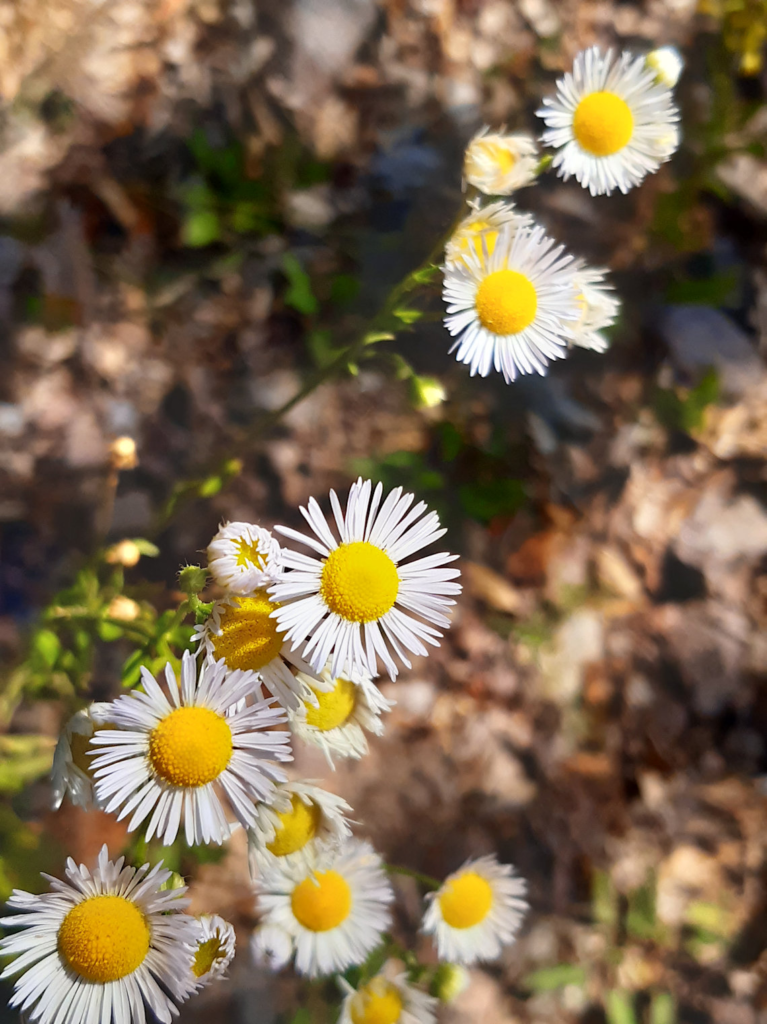
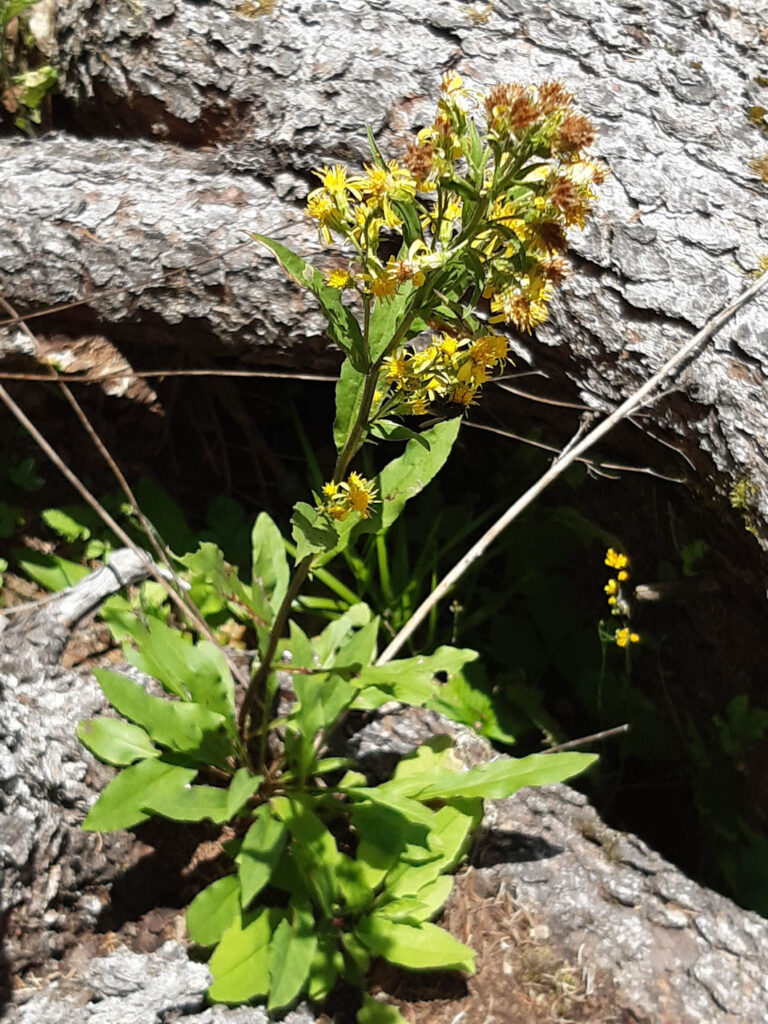
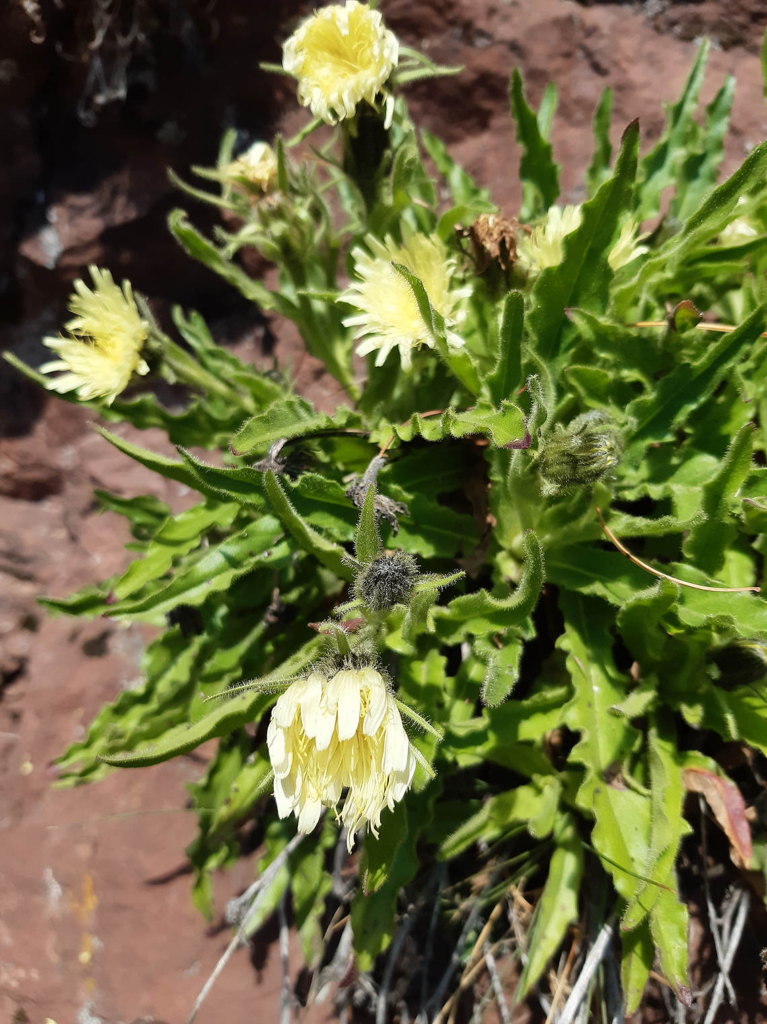
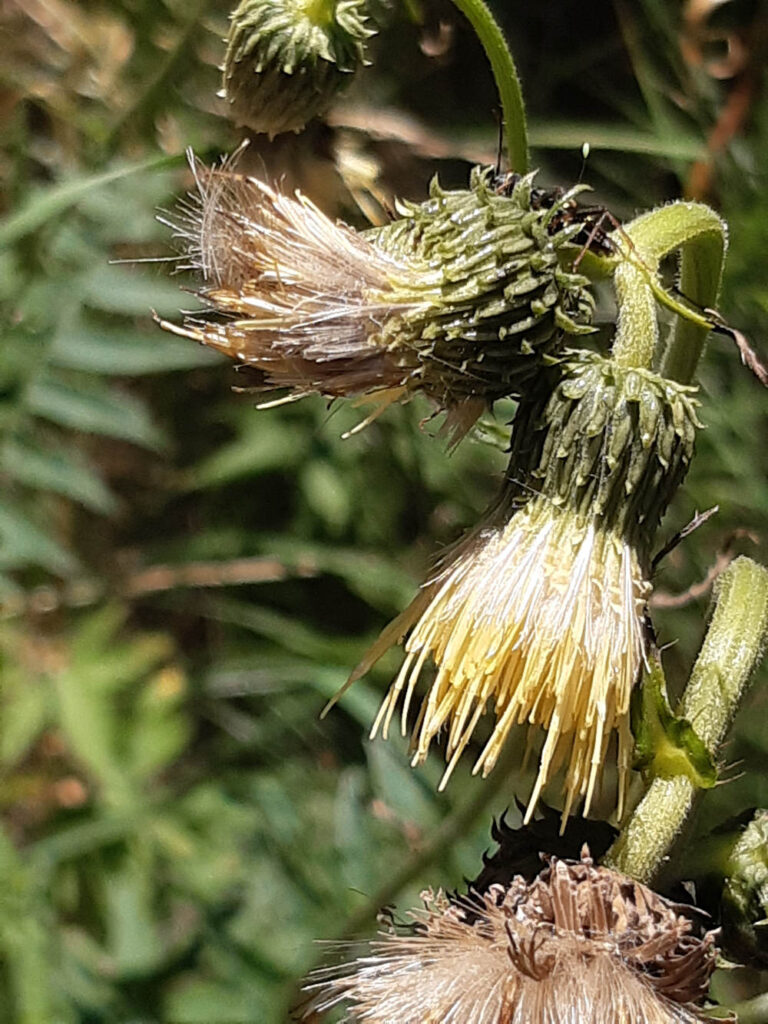
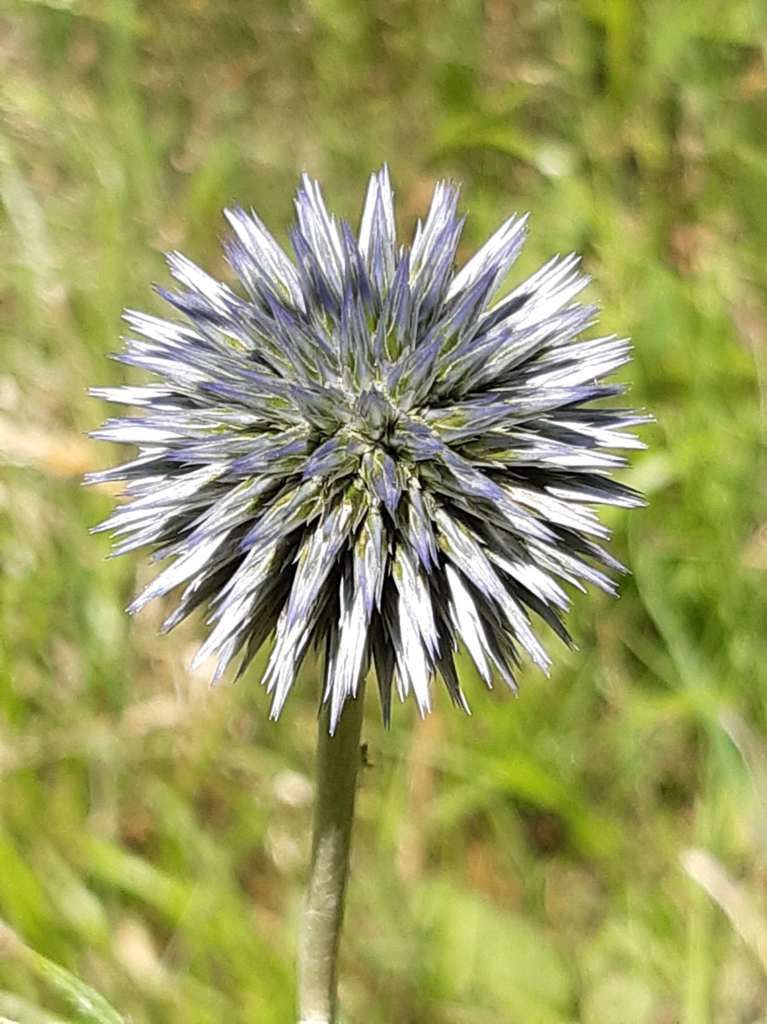
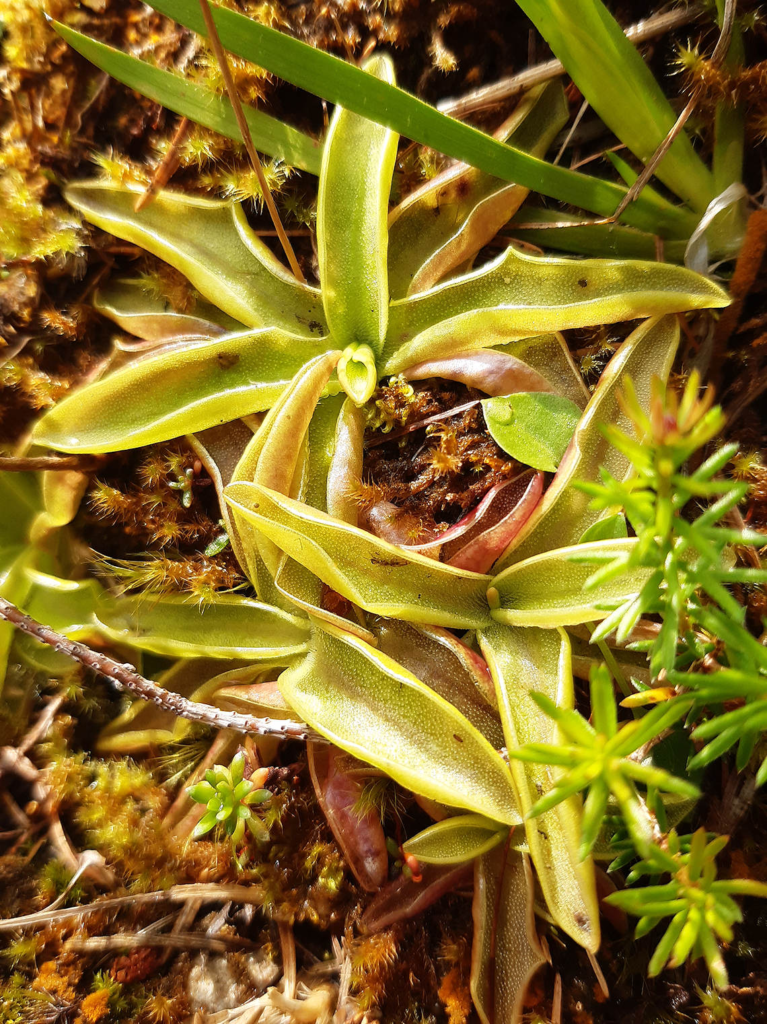
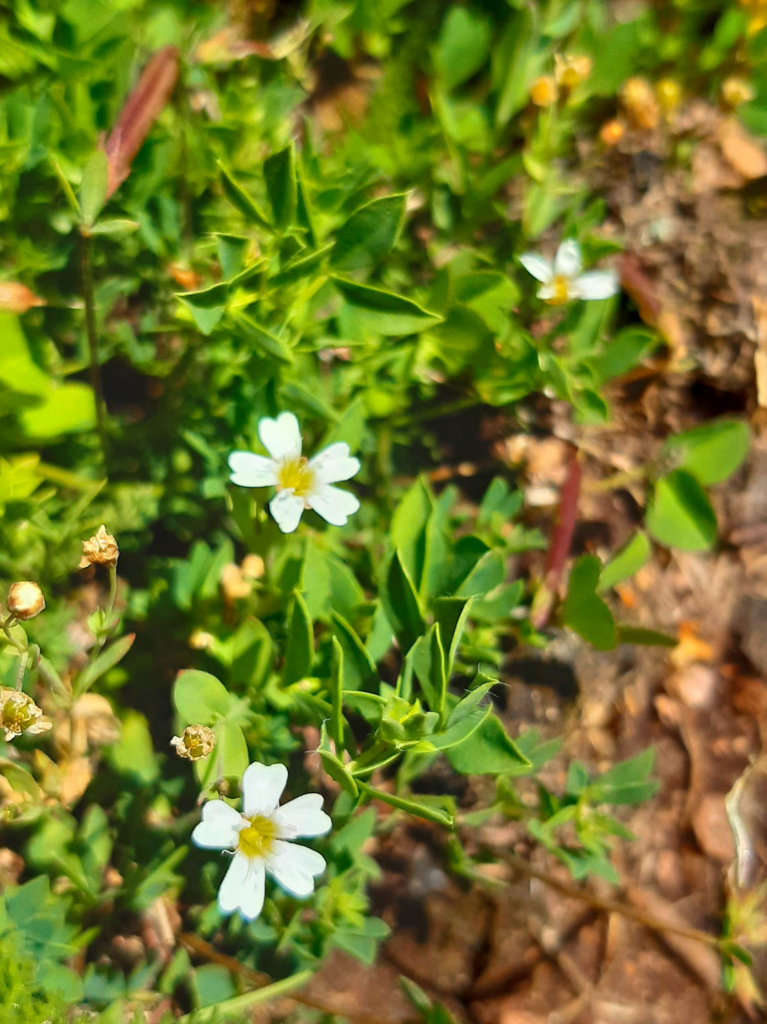
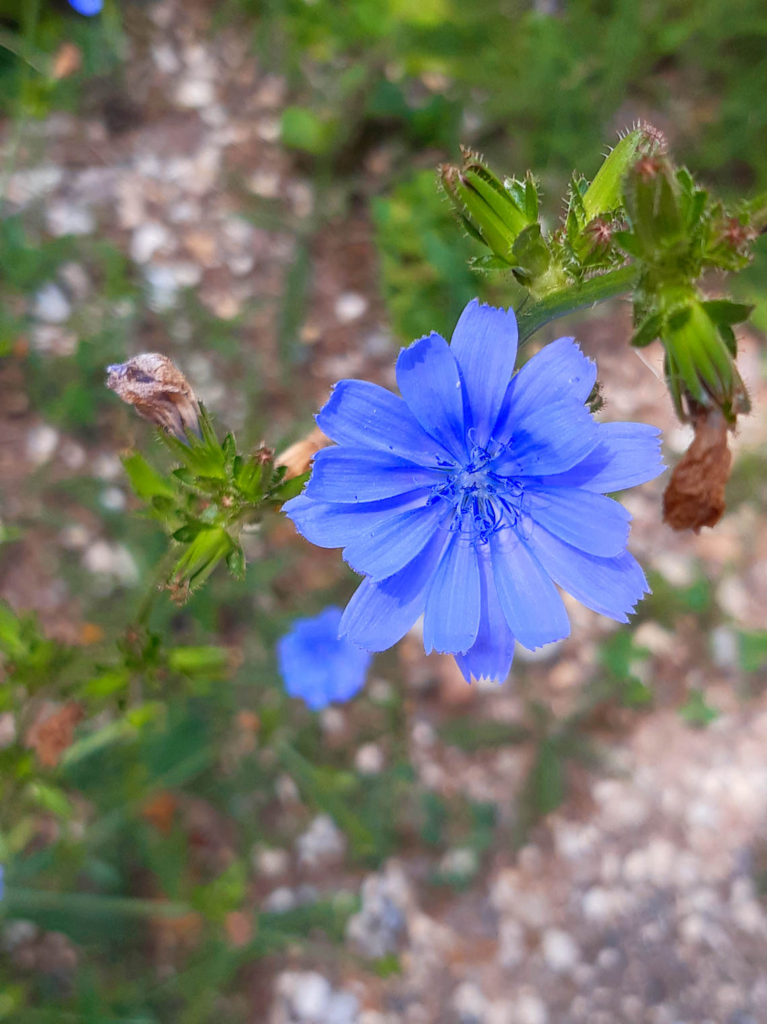
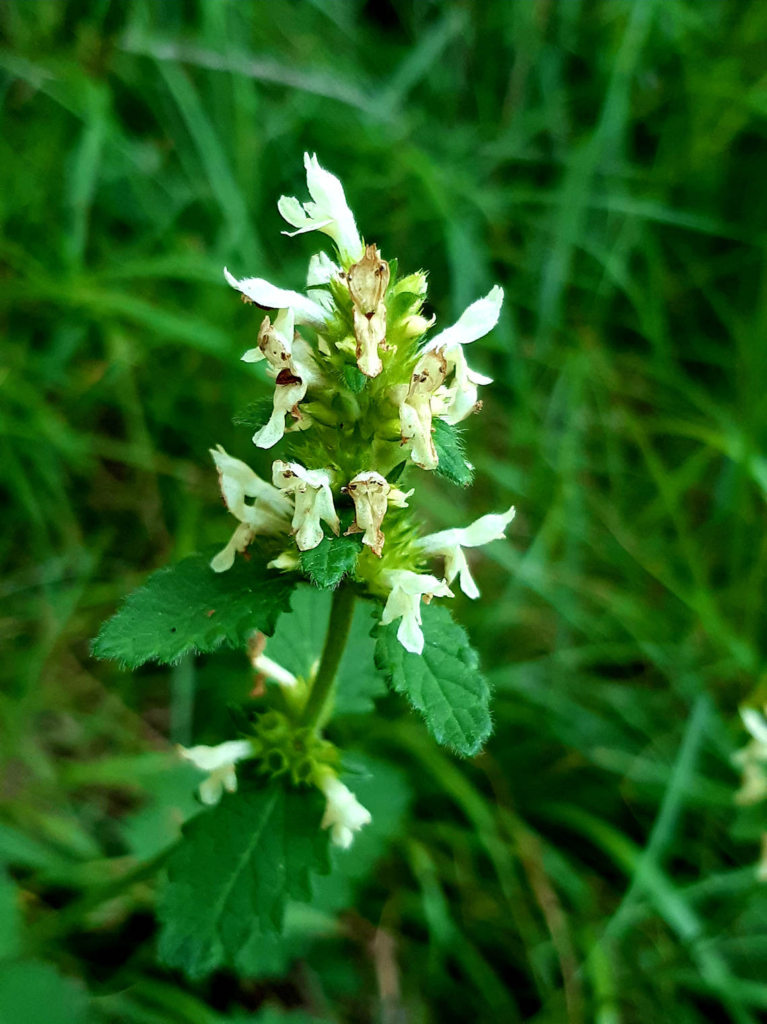
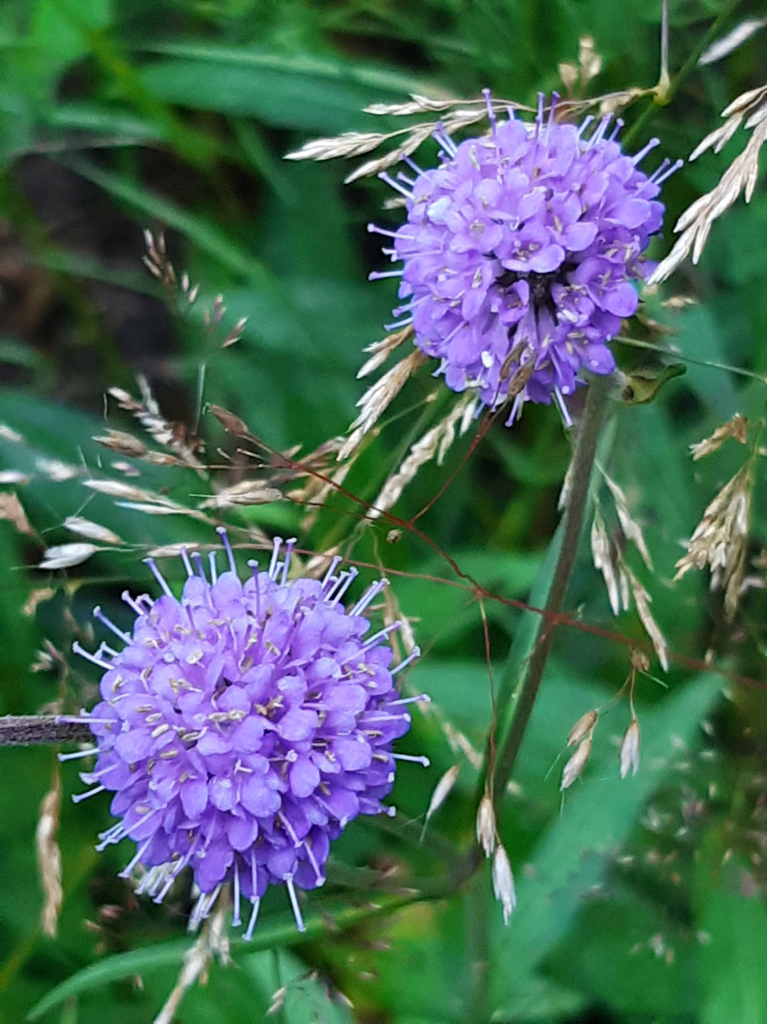
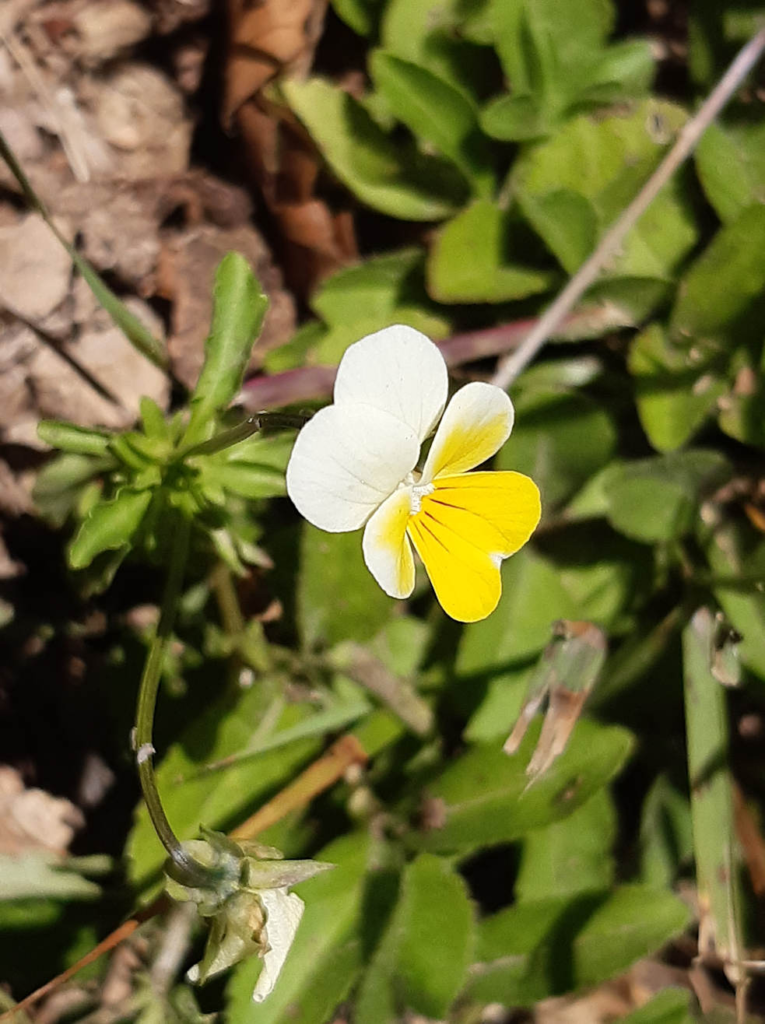
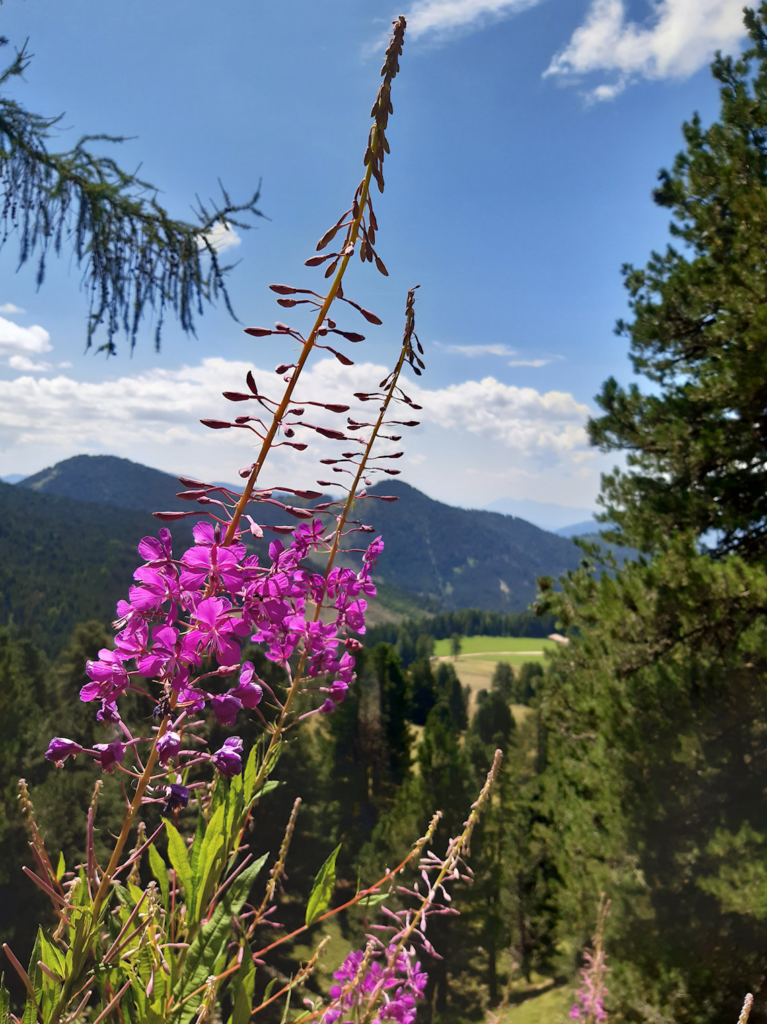
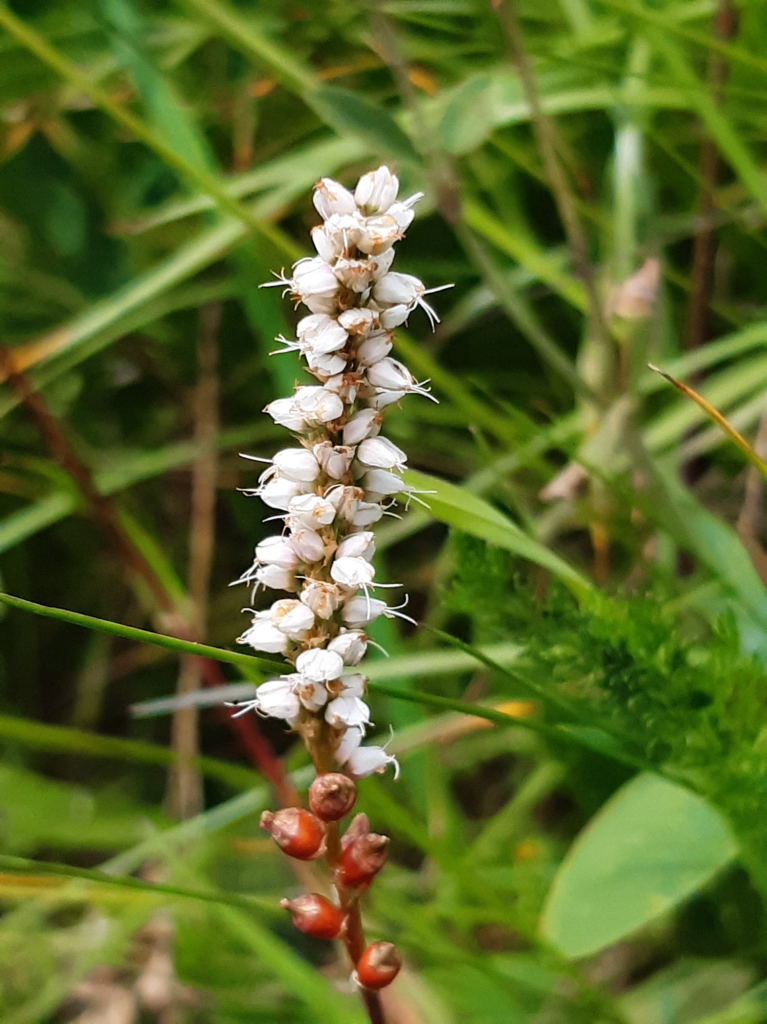
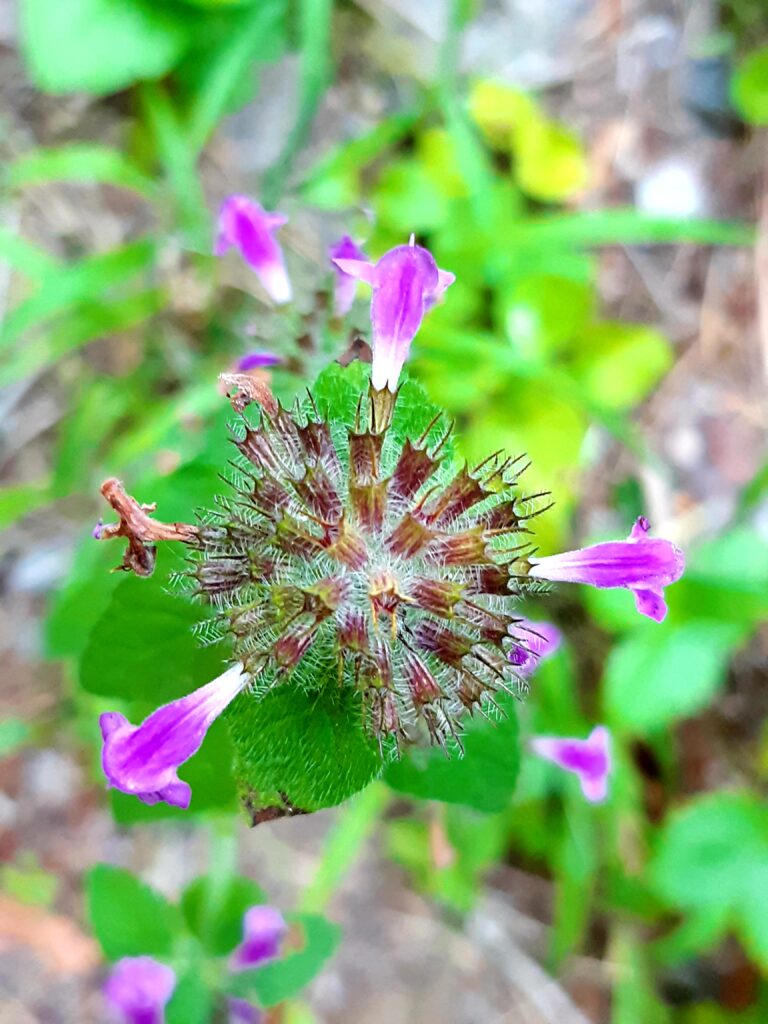
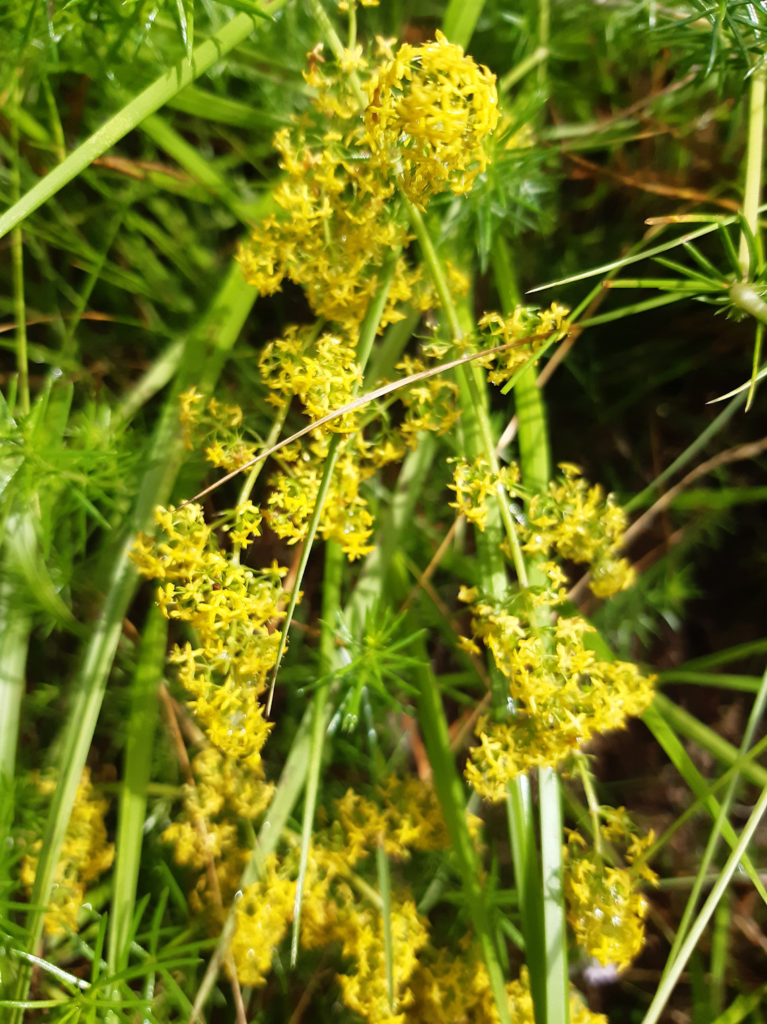
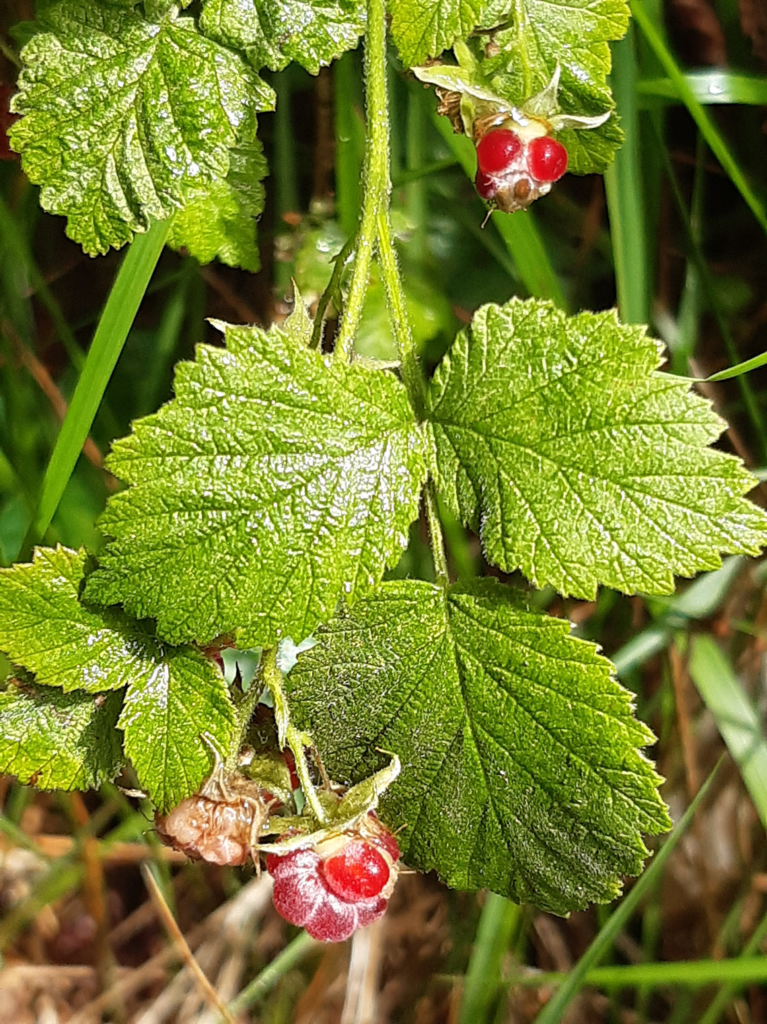
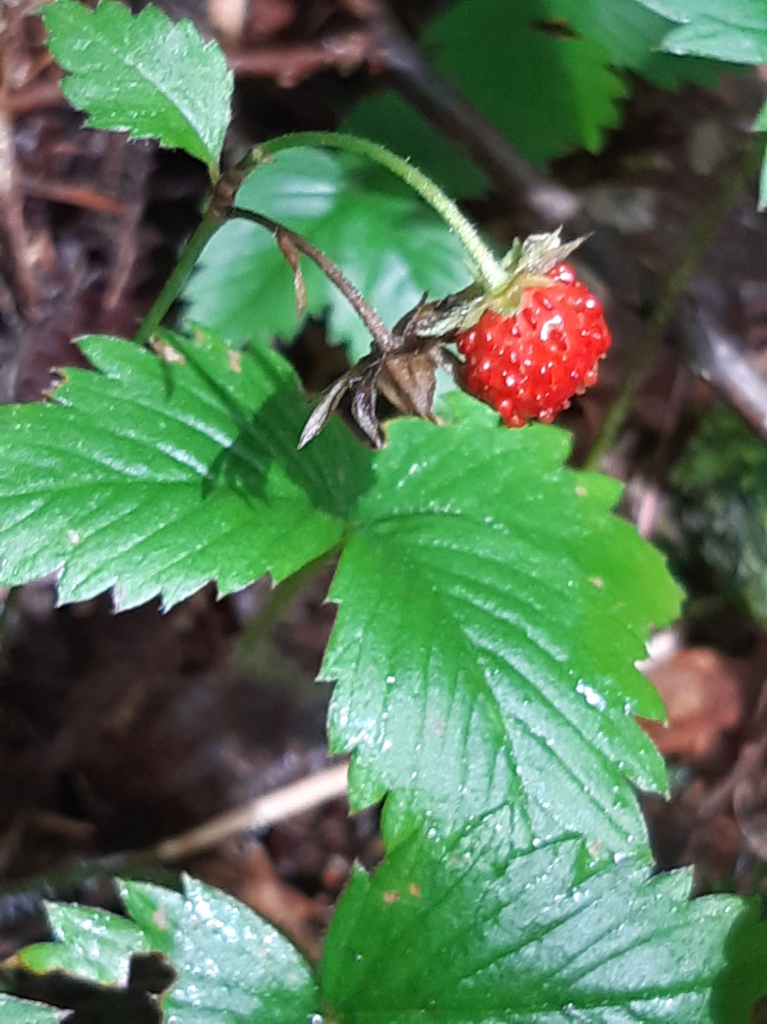
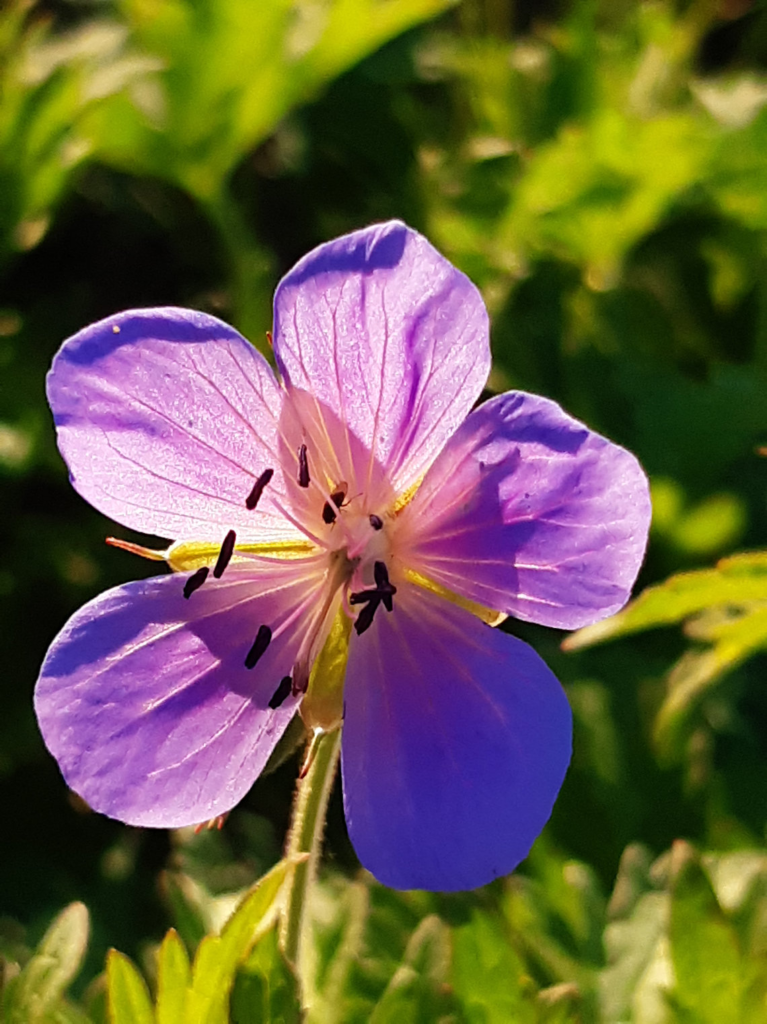
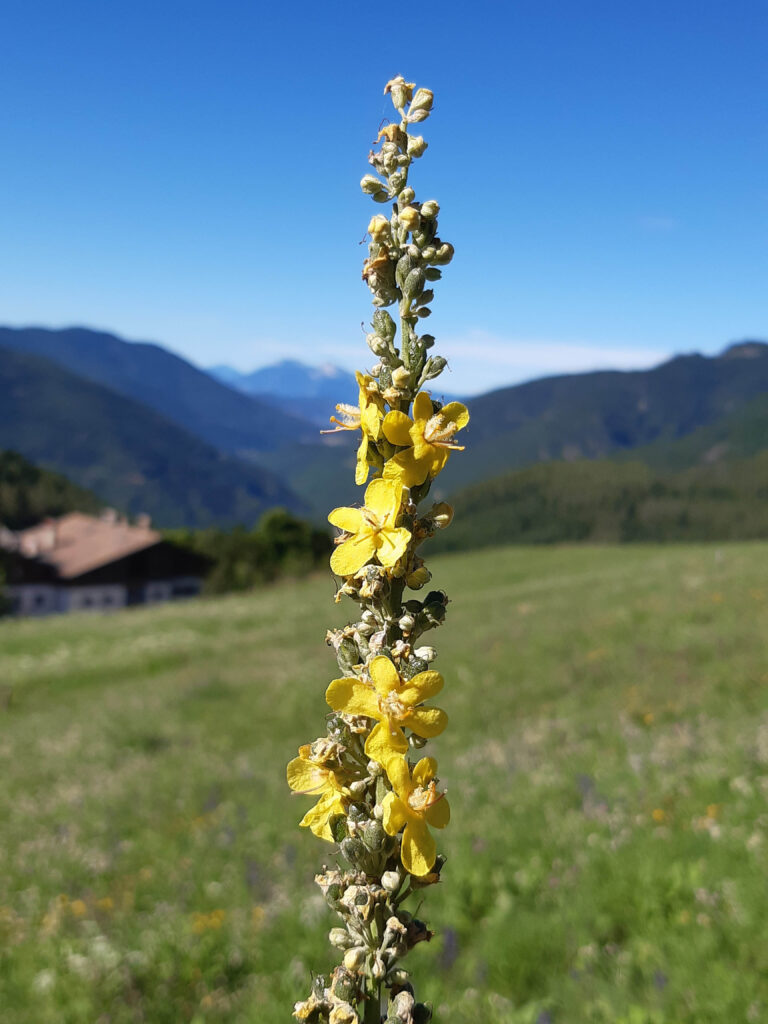
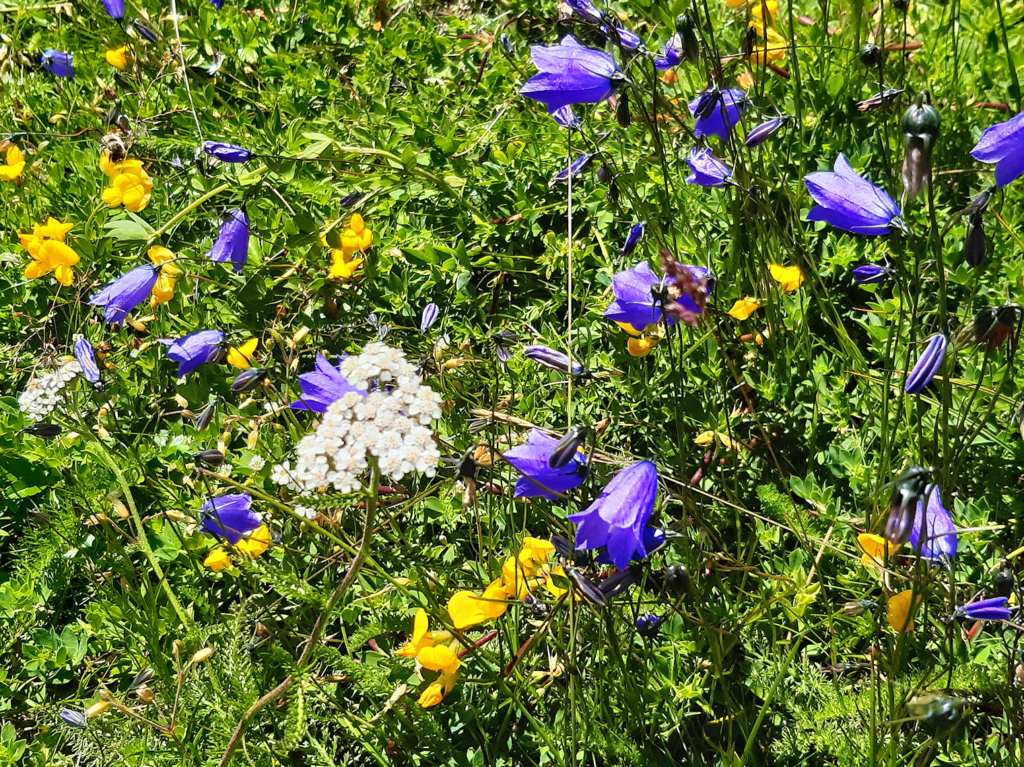
Squinancywort, AsperulaCreeping BellflowerFringed PinkCow-wheat, a hemiparasiteAlpine ButterburPurple Broomrape, parasitic on YarrowBladder CampionHarebellsYellow Rattle, parasitic on grassesClary Sage, in an alpine meadowSticky Clary (Salvia glutinosa), Val SuganaGrassy StitchwortPurple Lettuce, Prenanthes purpureaBaneberry, Actaea spicataGreater Knapweed Alpine AdenostylesHairy AlpenroseBetony-leaved RampionGoat’s Beard, Aruncus vulgarisWild Columbine, AquilegiaHoary PlantainNorthern WolfsbaneMonkshood, WolfsbaneWillow GentianSpotted GentianGrass of ParnassusYellow Mountain SaxifrageHerb-ParisViper’s BuglossDotted LoosestrifeSweet CicelyWild Angelica Spiny RestharrowLingon or CowberryRed ElderberryWatermelon Berry, StreptopusWayfaring TreeWhitebeamServiceberry, AmelanchierLarge-flowered Self-healDaisy FleabaneGoldenrodWhitish HawkweedSticky Thistle, CirsiumGlobe Thistle, EchinopsButterwort, insectivorousMountain Avens in fruit Field Mouse-ear at 2200 metres ChicoryYellow WoundwortDevil’s-bit ScabiousField PansyRosebay WillowherbAlpine BistortWild BasilThyme Small balsamCowslip in fruitLadies Bedstraw Raspberry Wild StrawberryMeadow Cranesbill Great Mullein in a mountain meadow
Mosses and Ferns
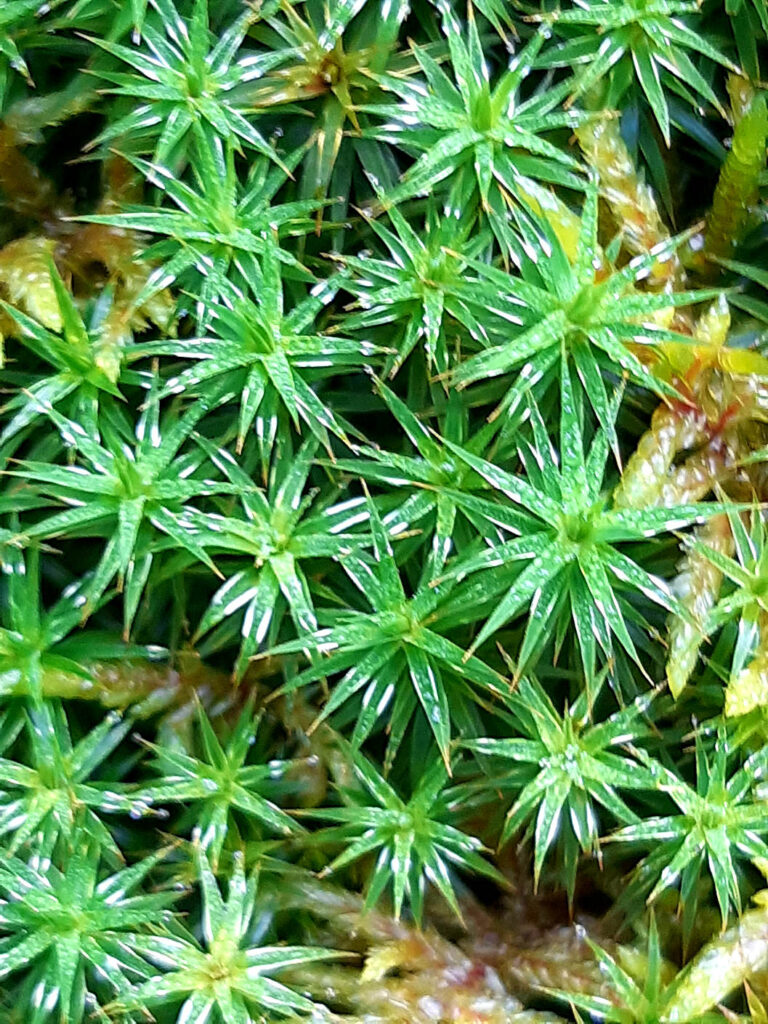
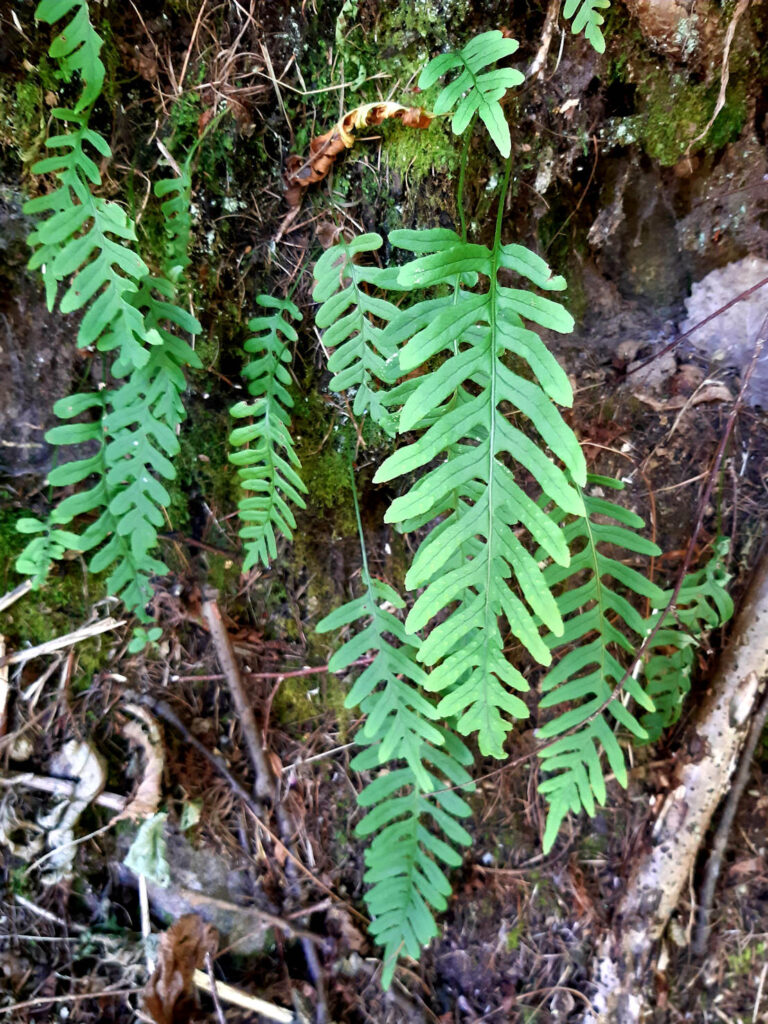
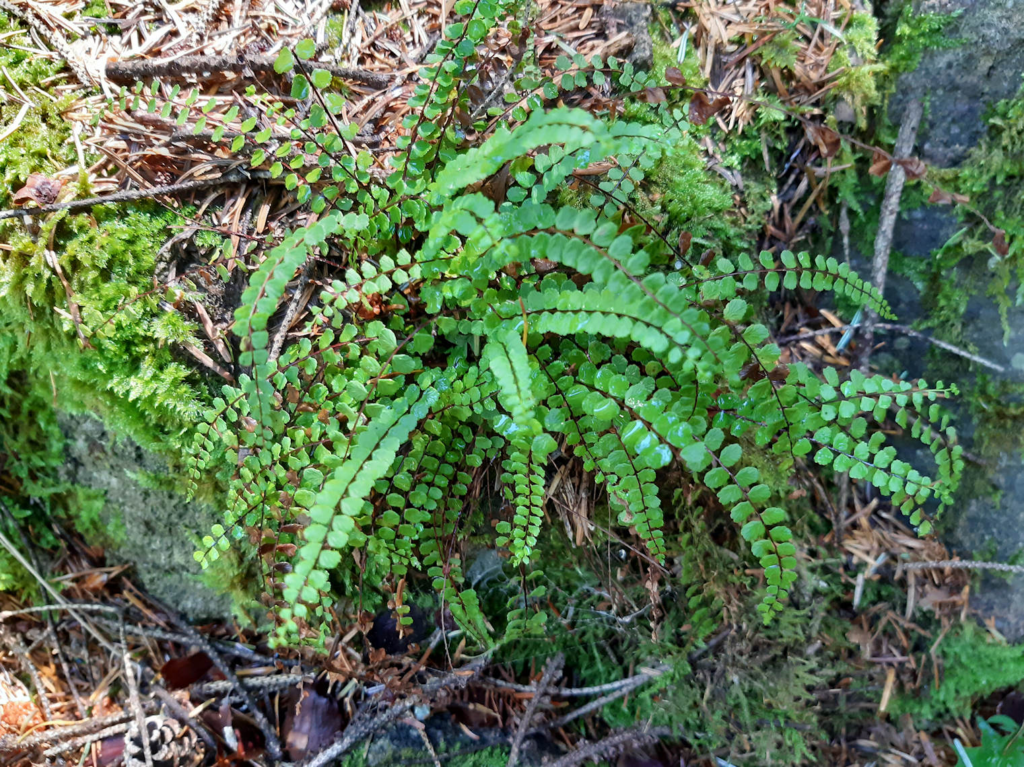
Haircap Moss, PolytrichumPolypody FernWall Rue Spleenwort, Asplenium
Fungi
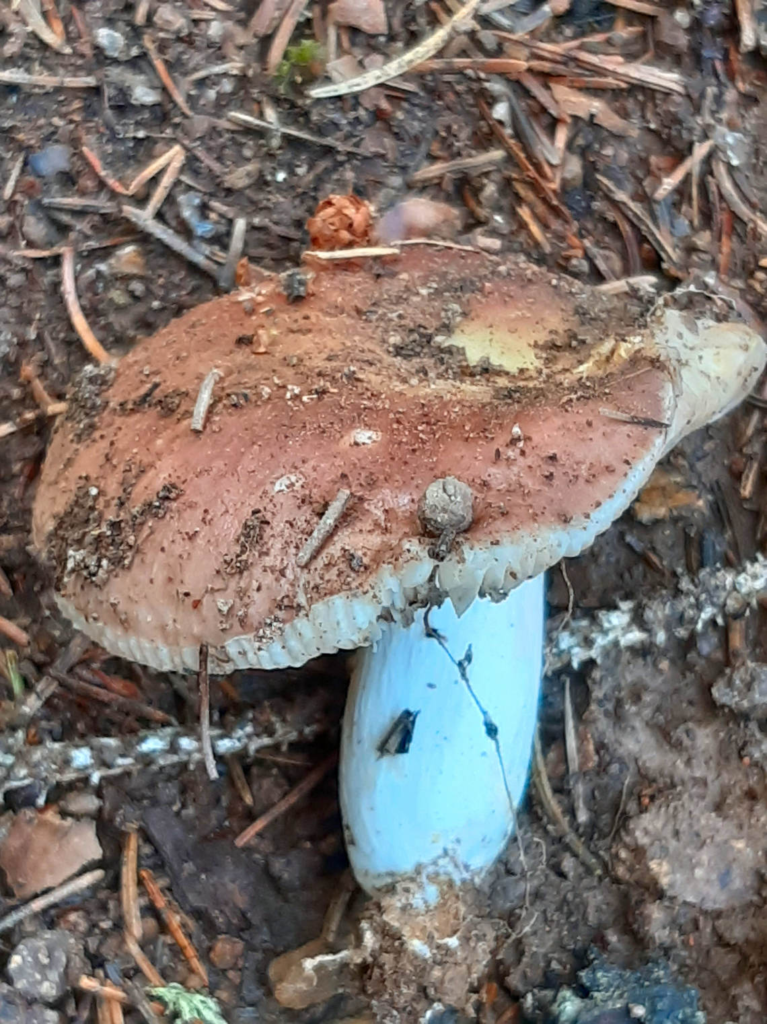
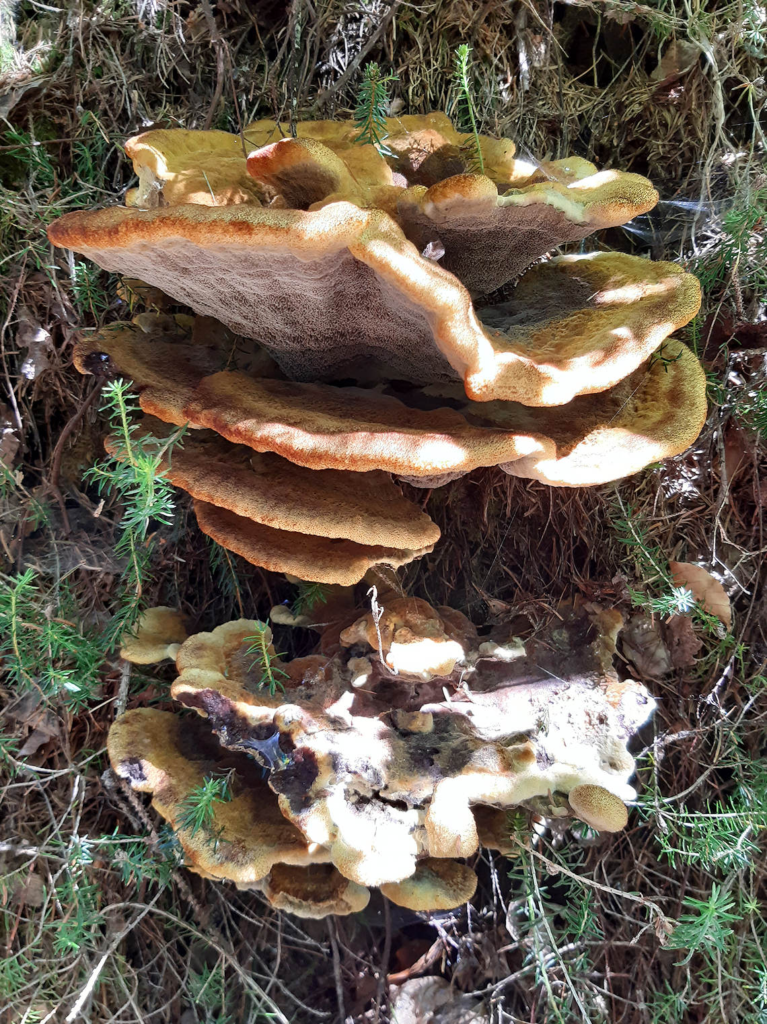
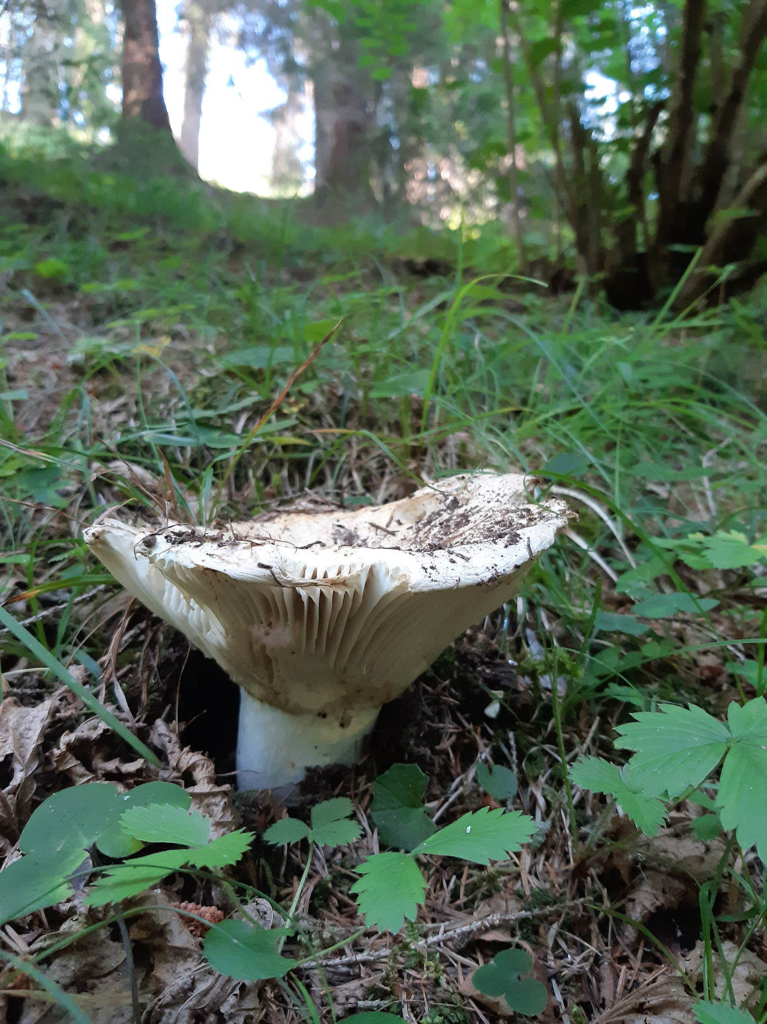
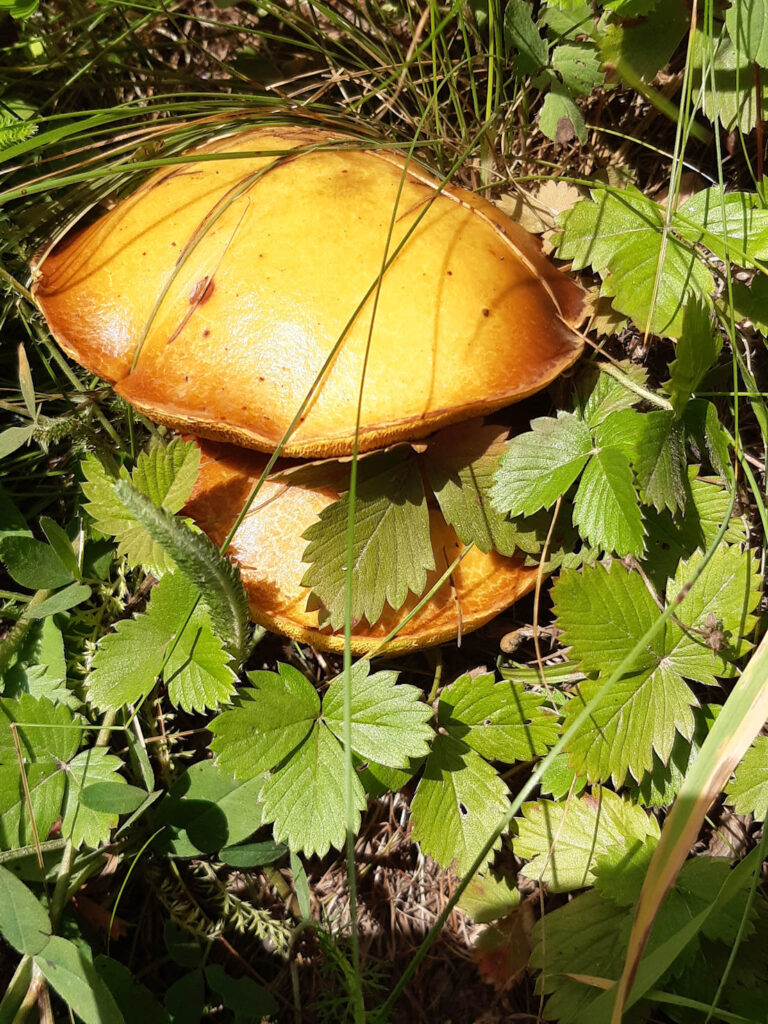
Russula, a BrittlegillDyer’s MazegillLactarius, a Milkcap, on a wooded hillsideSuillus grevillei, Larch Bolete
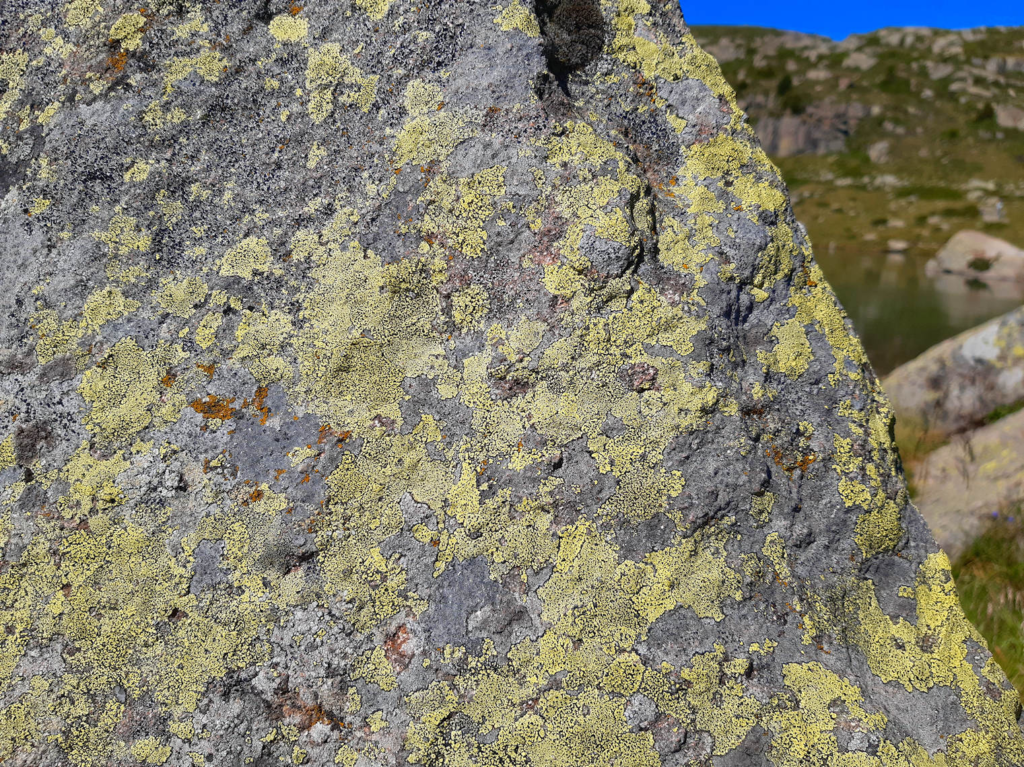
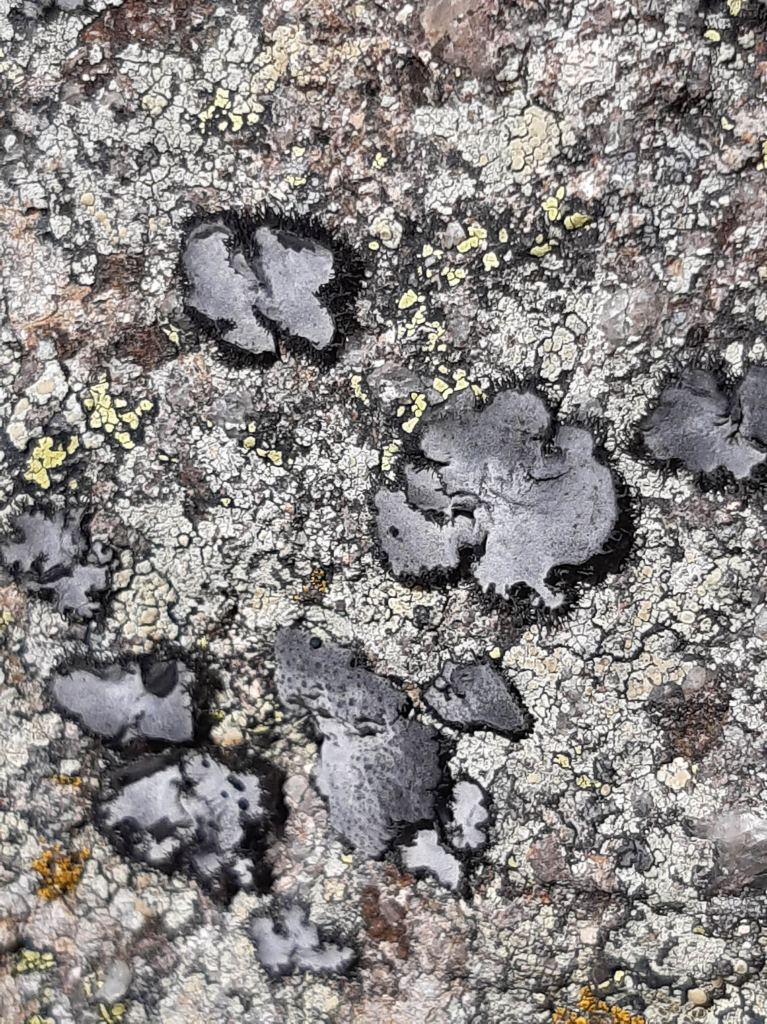
Lichens
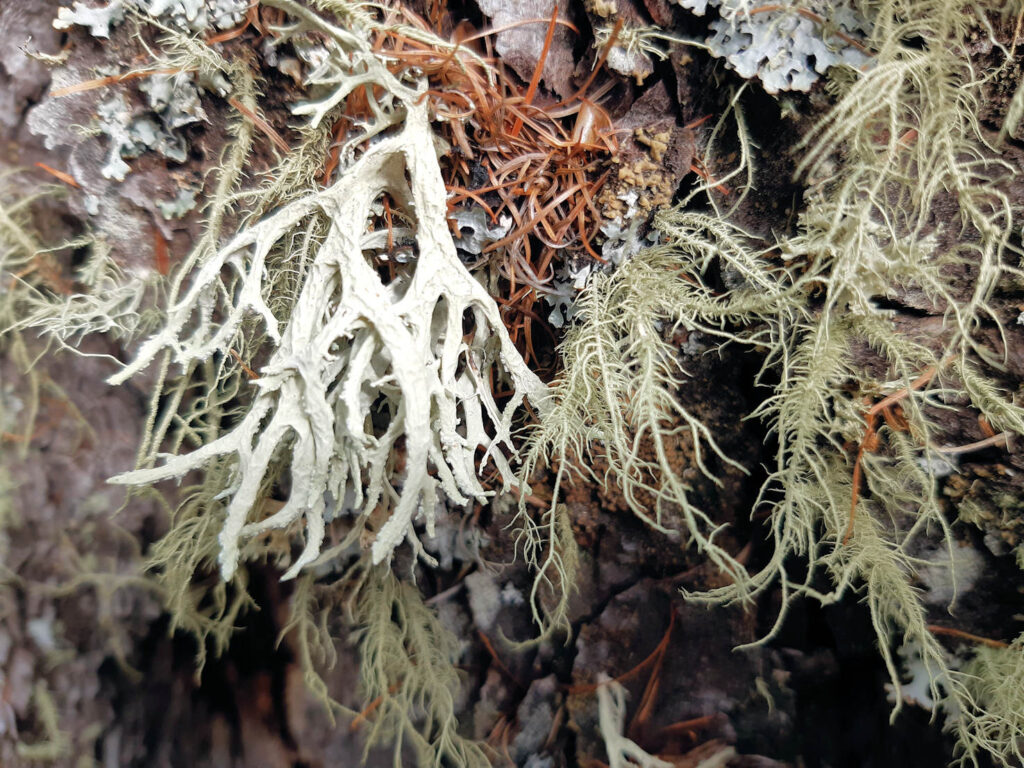
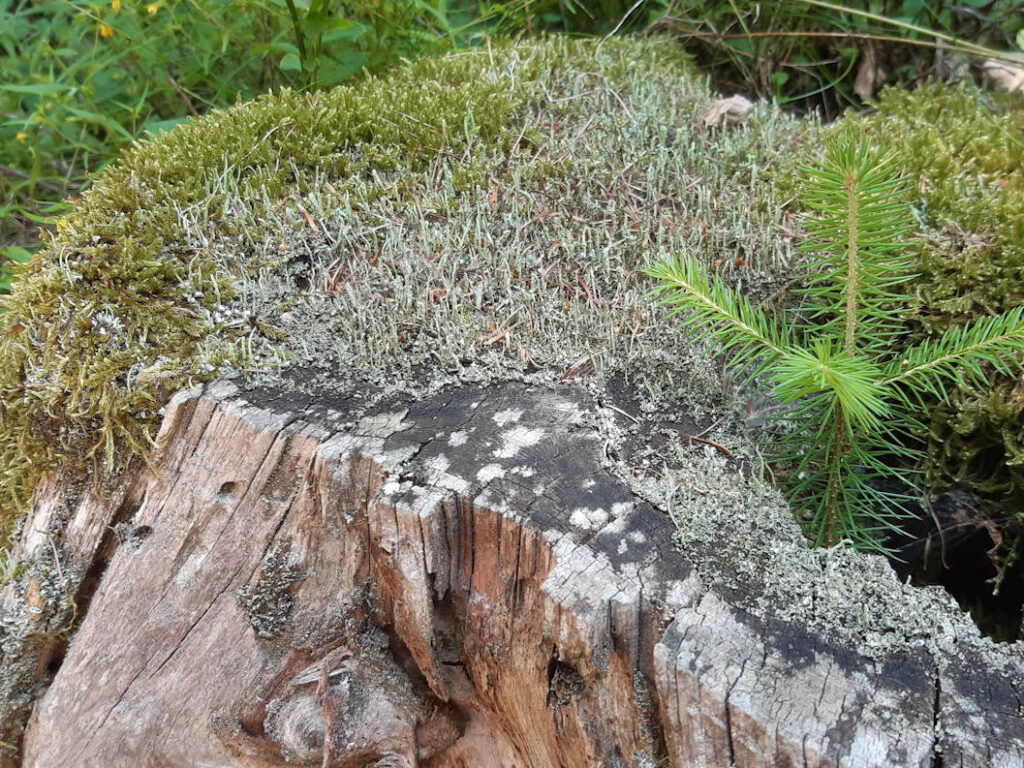
Dog Lichen, Peltigera caninaParmelia-type leafy lichensCladonia lichen, large patch on tree stumpCladonia cf fimbriata, Cup LichenRhizocarpon geographicum on boulderUmbilicaria cylindrica on boulderEvernia cf prunastri, Usnea cf filipendula (beard lichen)Usnea florida, Flowery Beard Lichen
Other animals
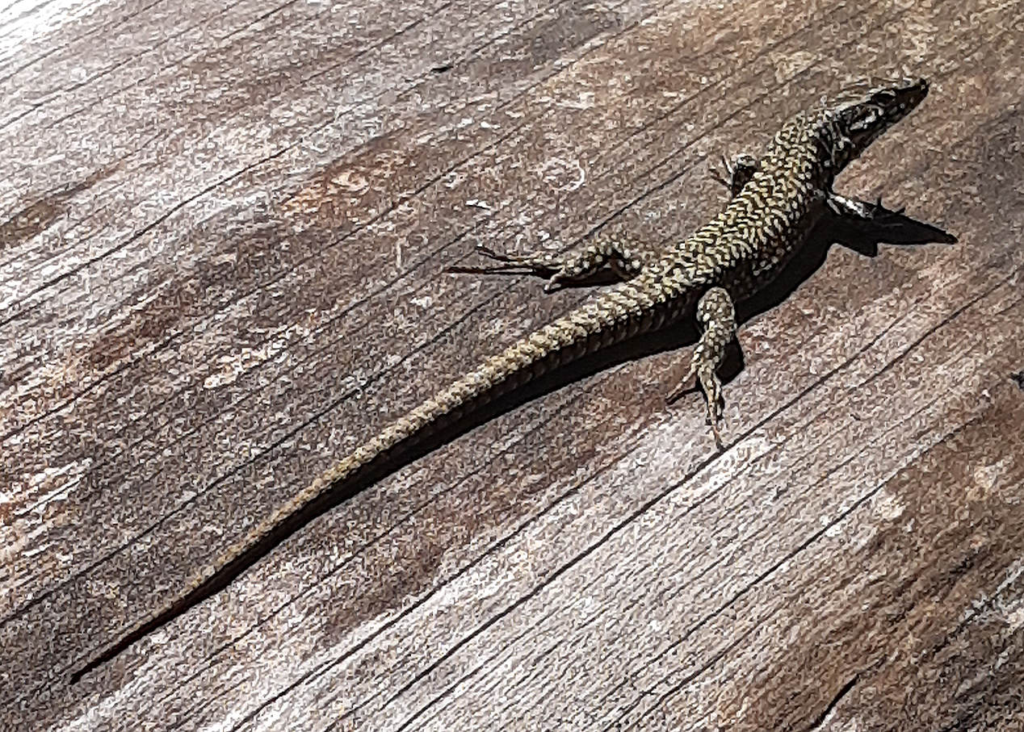
Common Wall Lizard
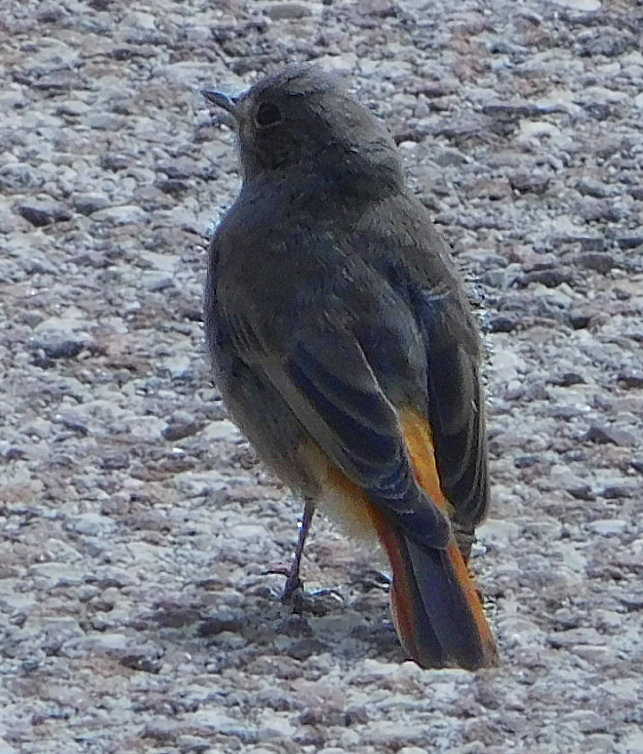
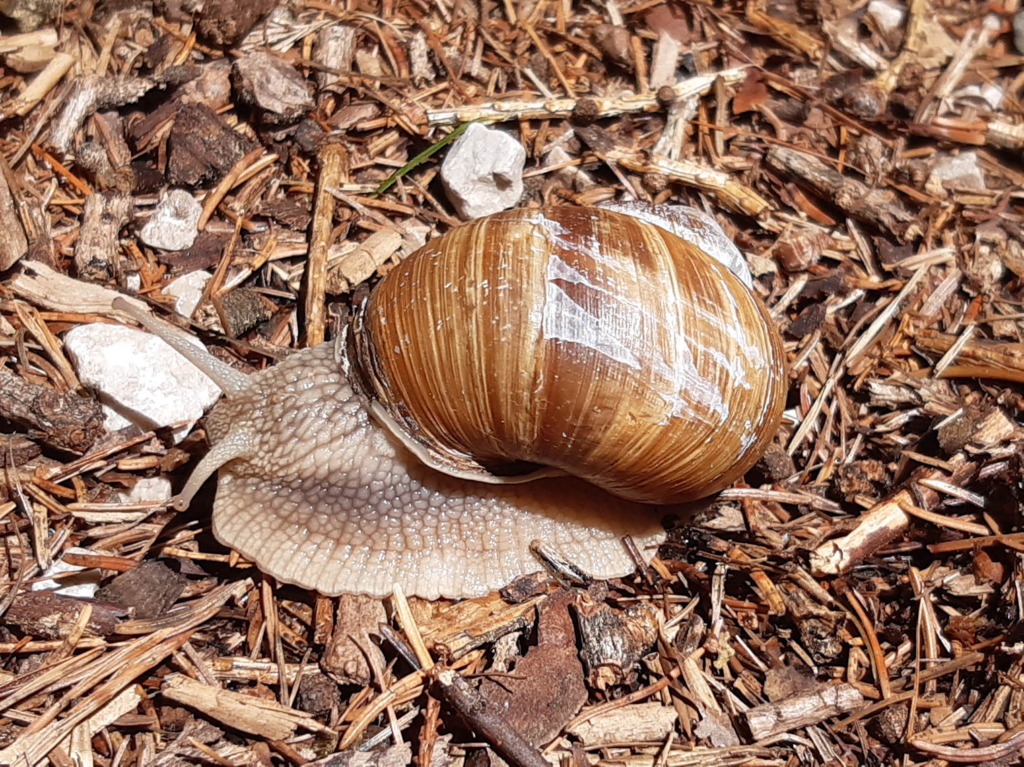
Black RedstartRoman Snail
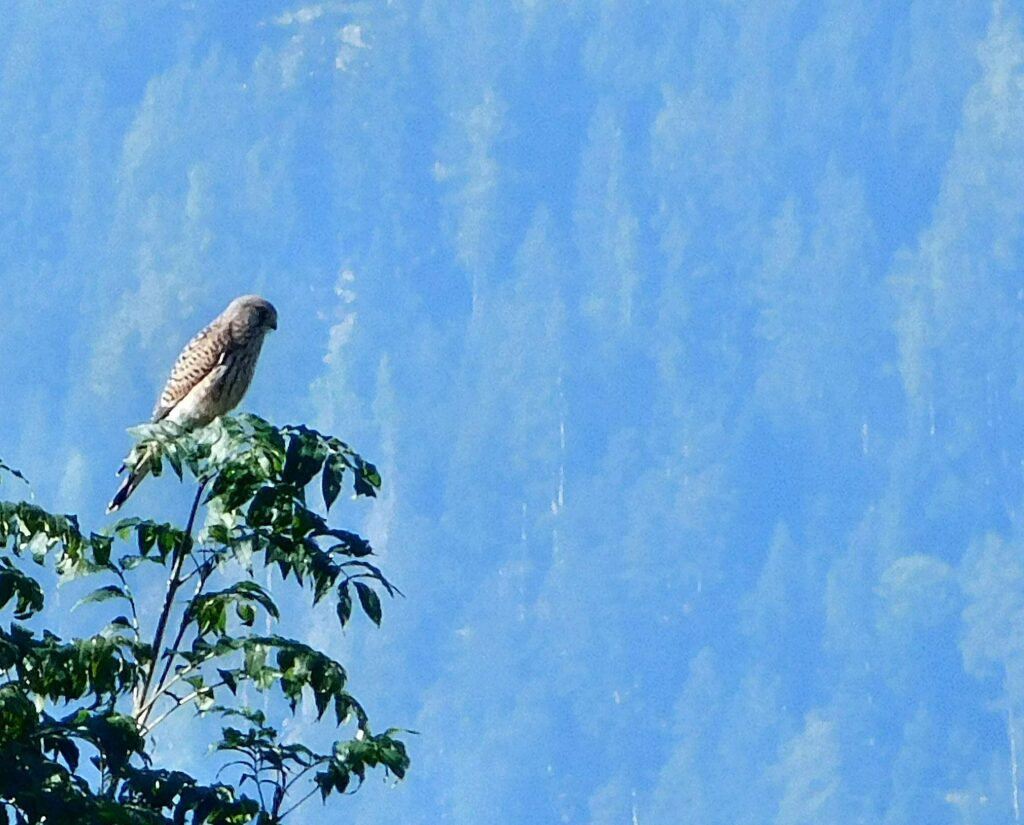
Kestrel in the mountains
A Human Landscape
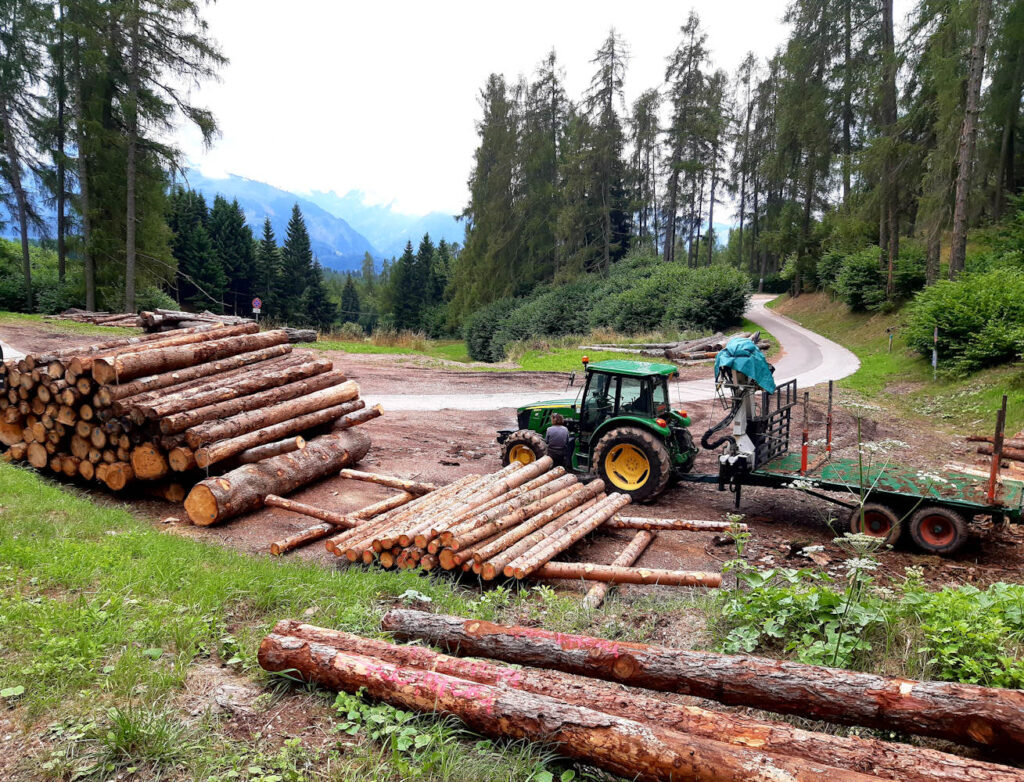
Trees cut in strips downslope, not clear-felledLocal-scale commercial forestryFlowery Meadow at 2200 metres
Here are some of the natural history delights of the Dolomites. I’ve avoided duplicating species from my earlier Dolomites post. To see the images at full size, open them in a new tab or window.
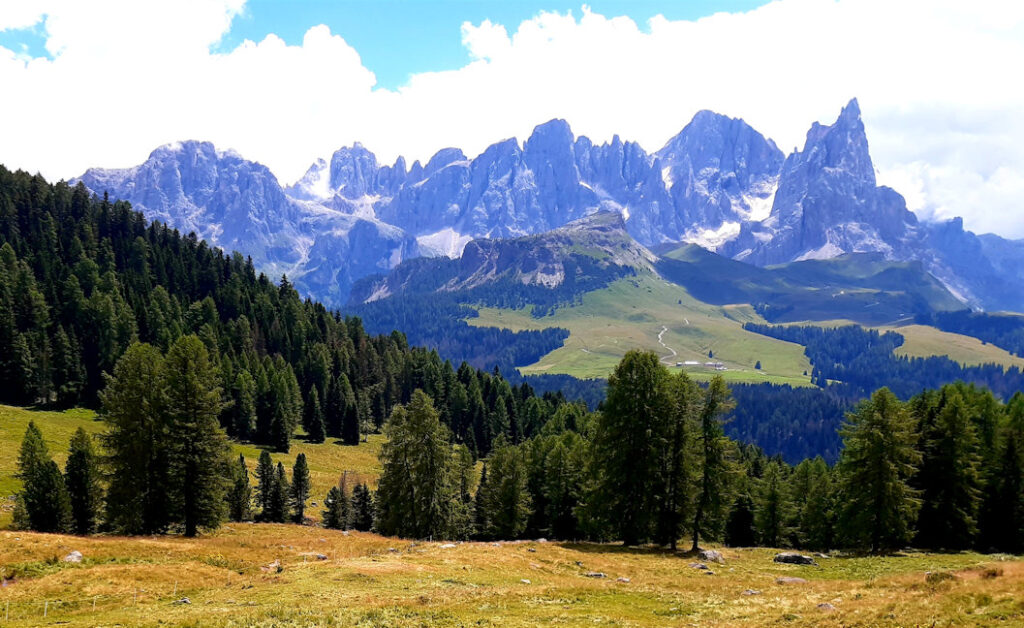
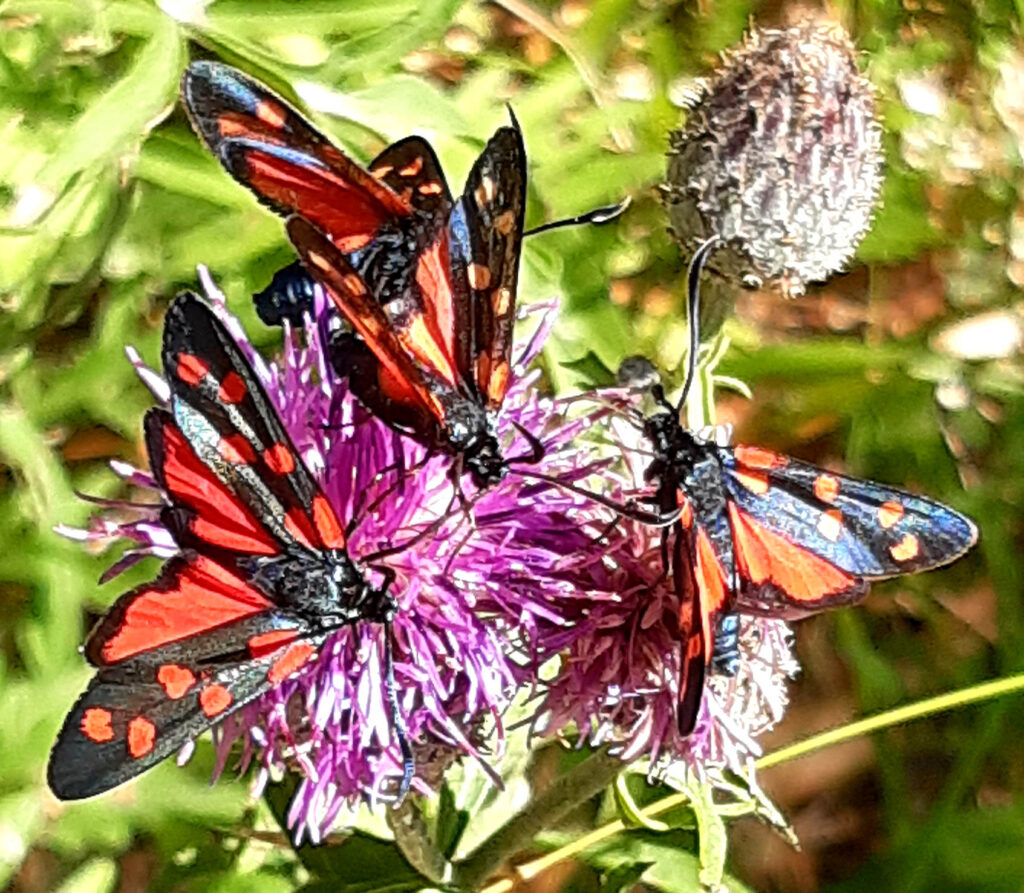
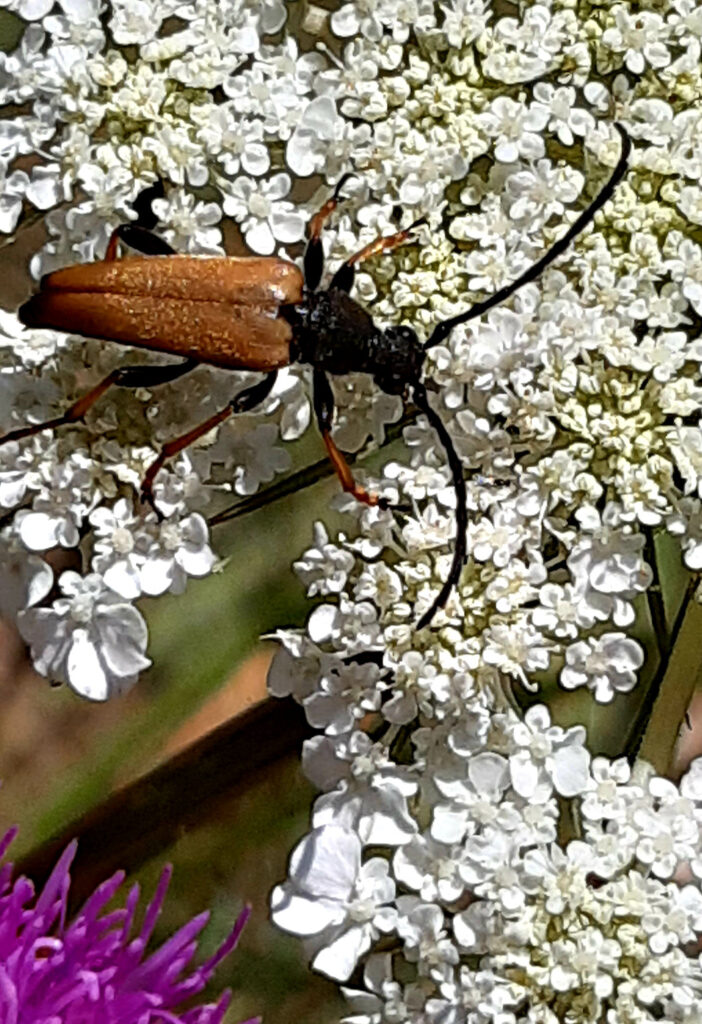
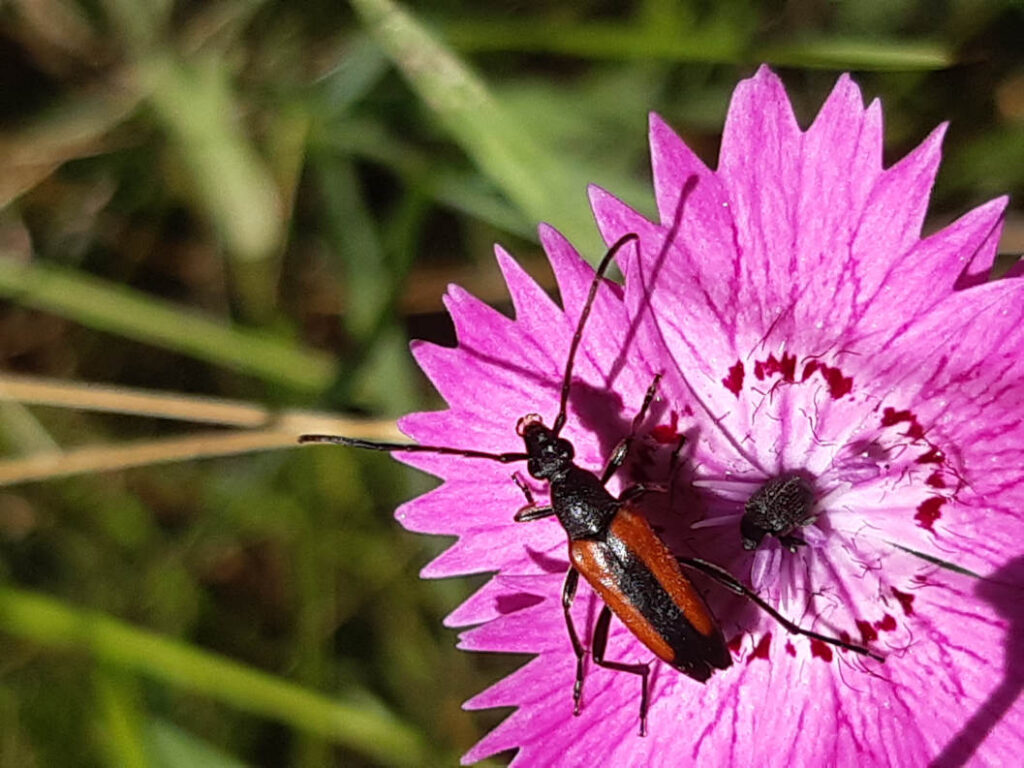
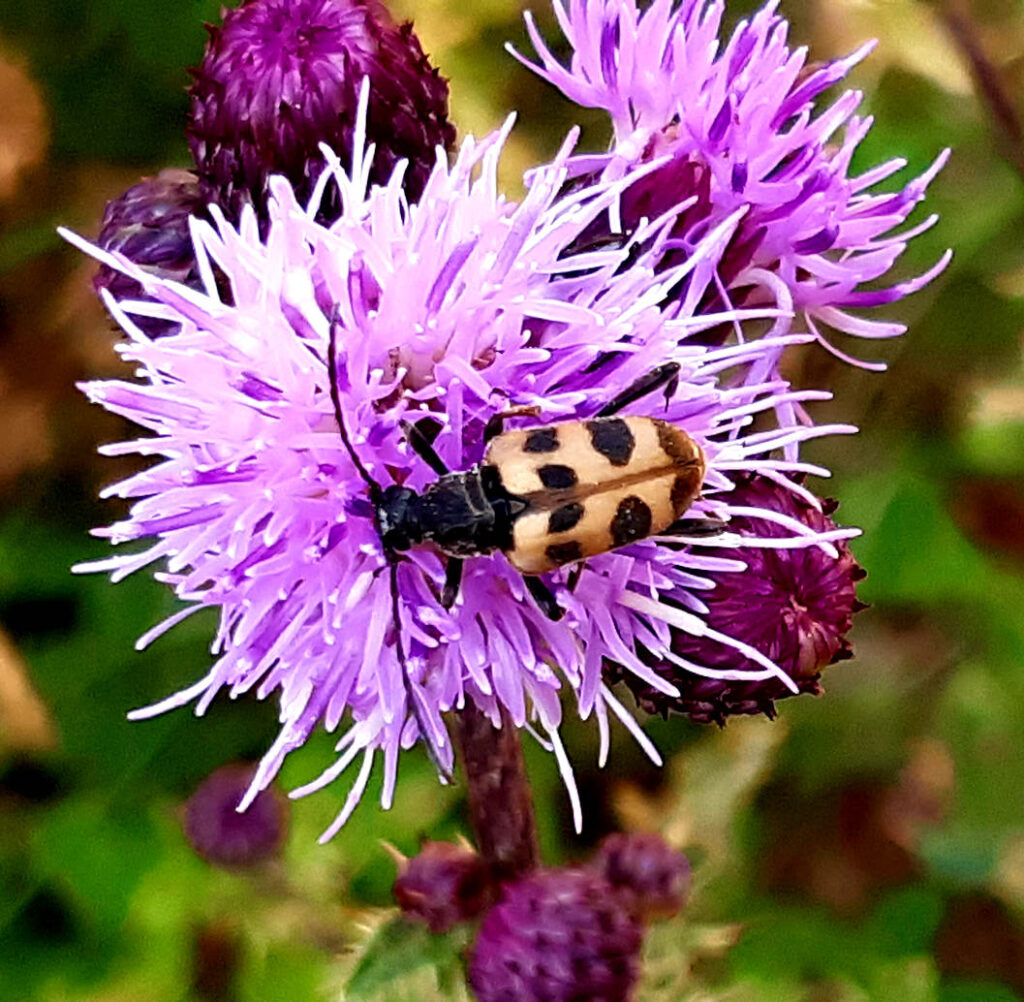
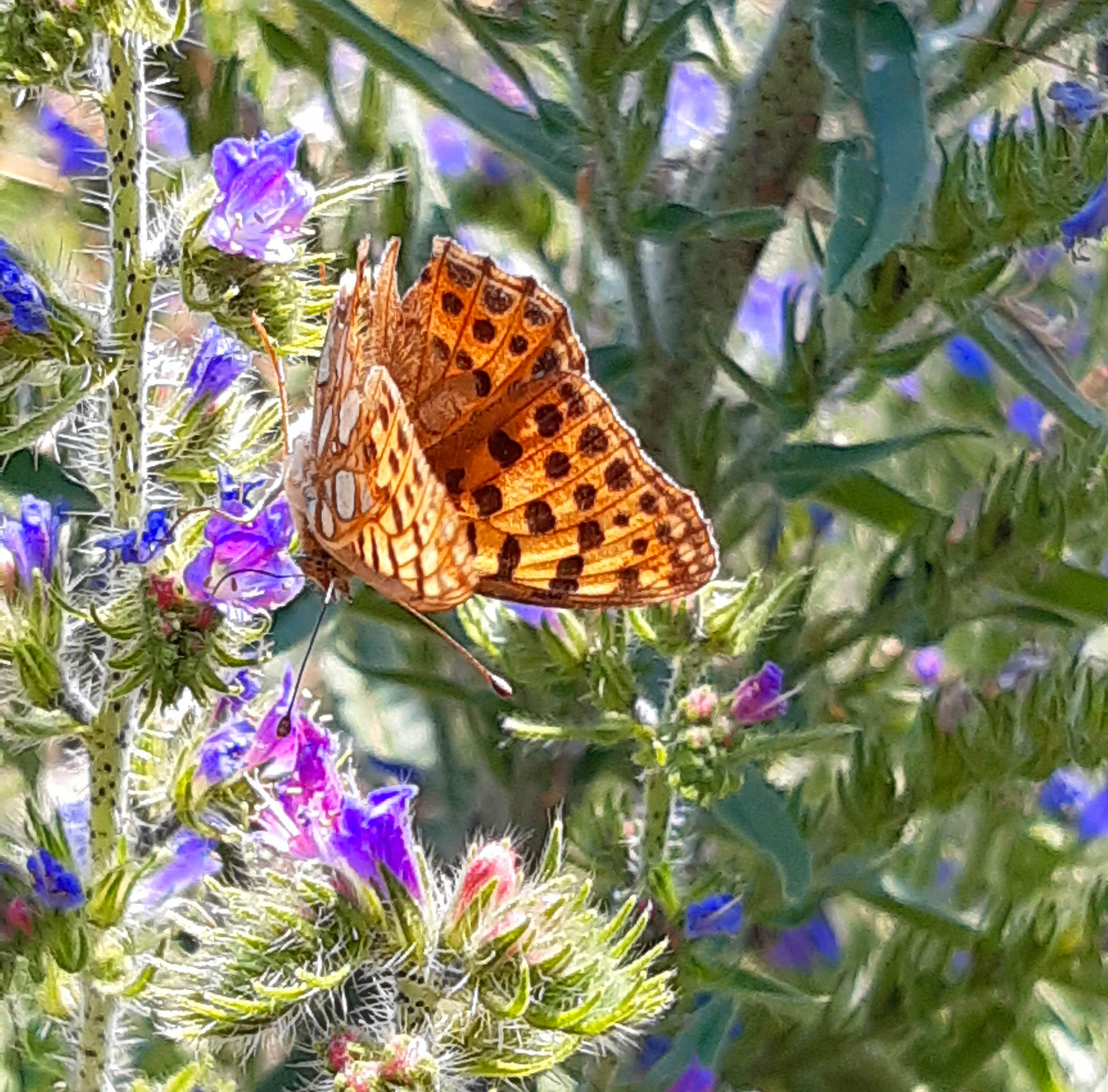
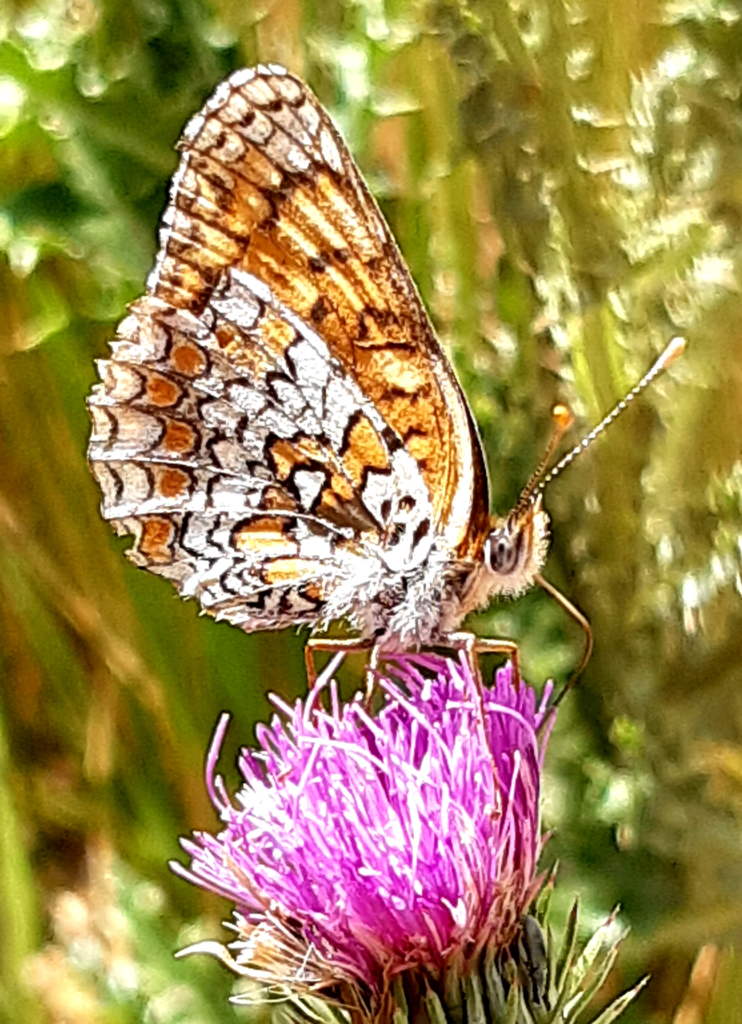
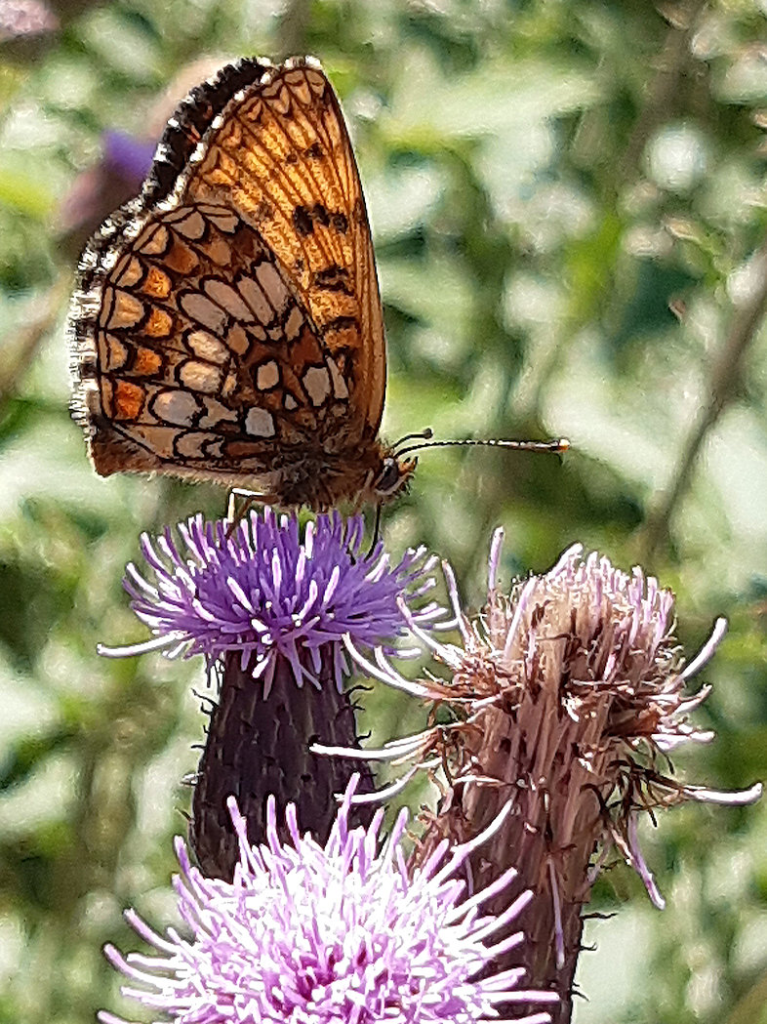
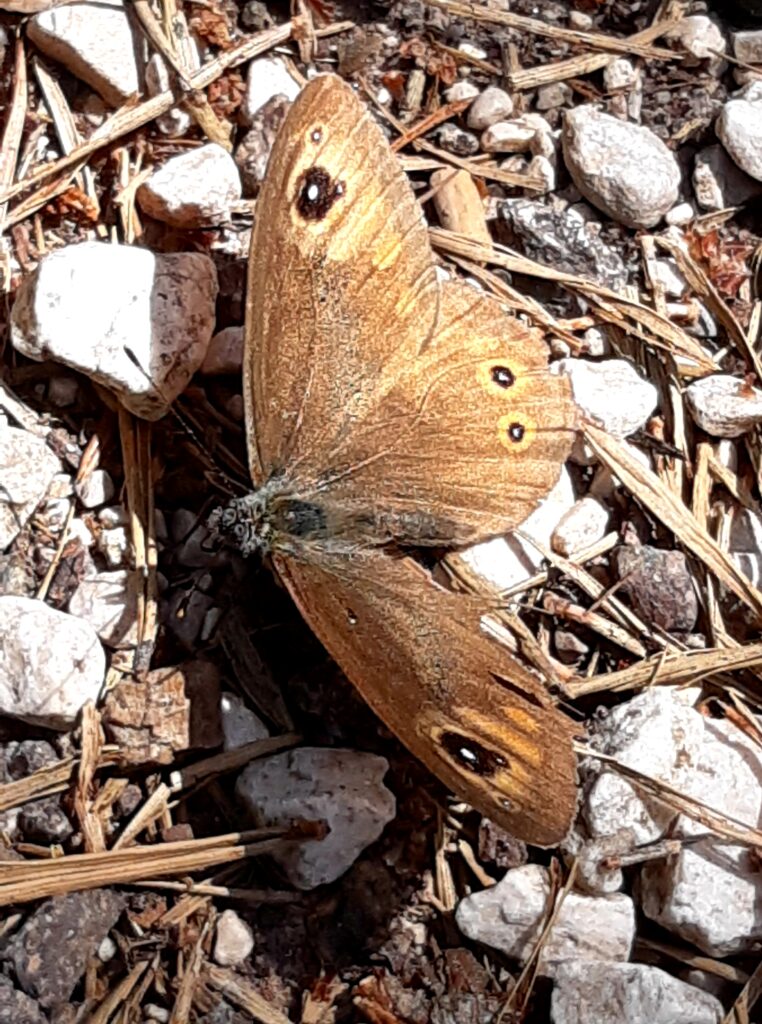
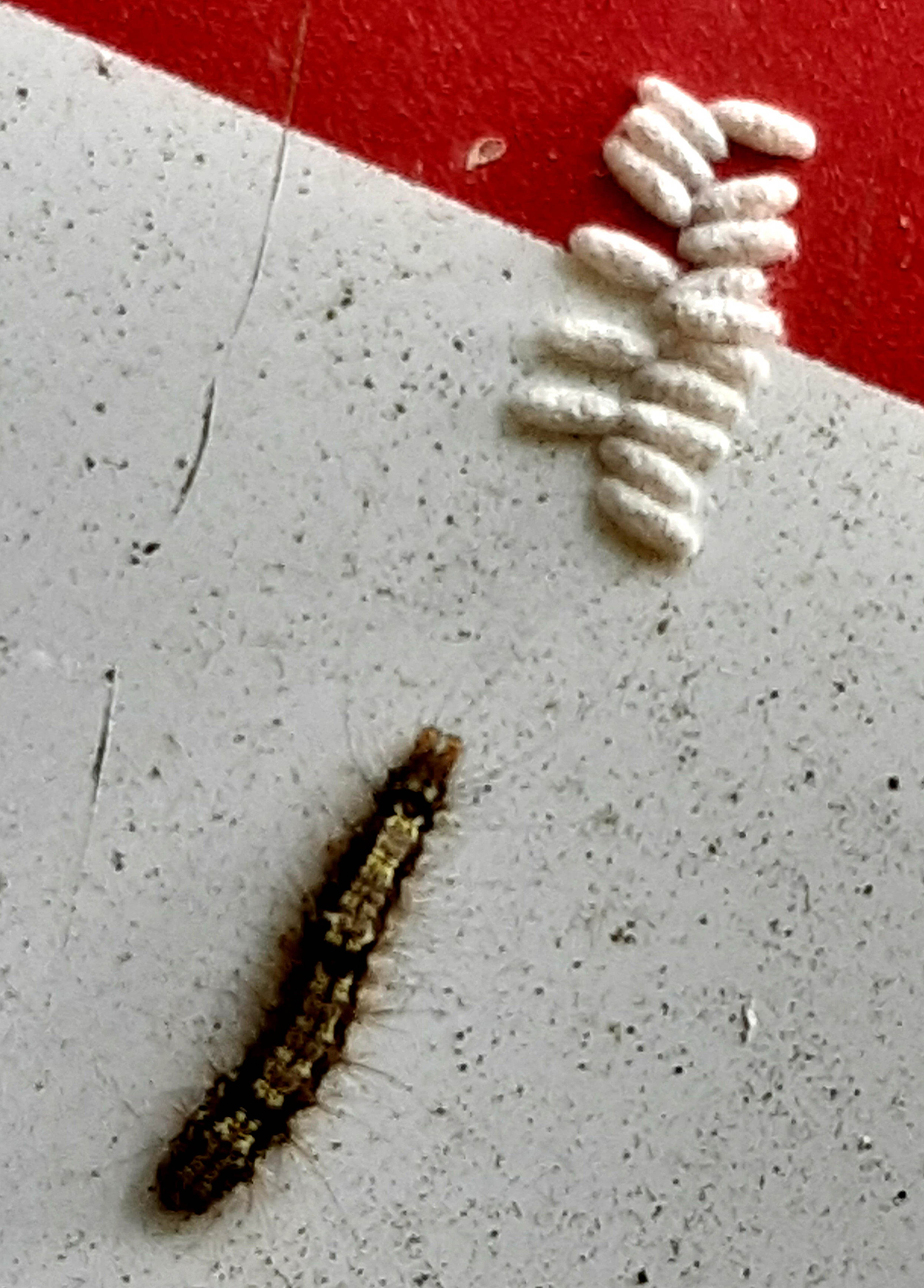
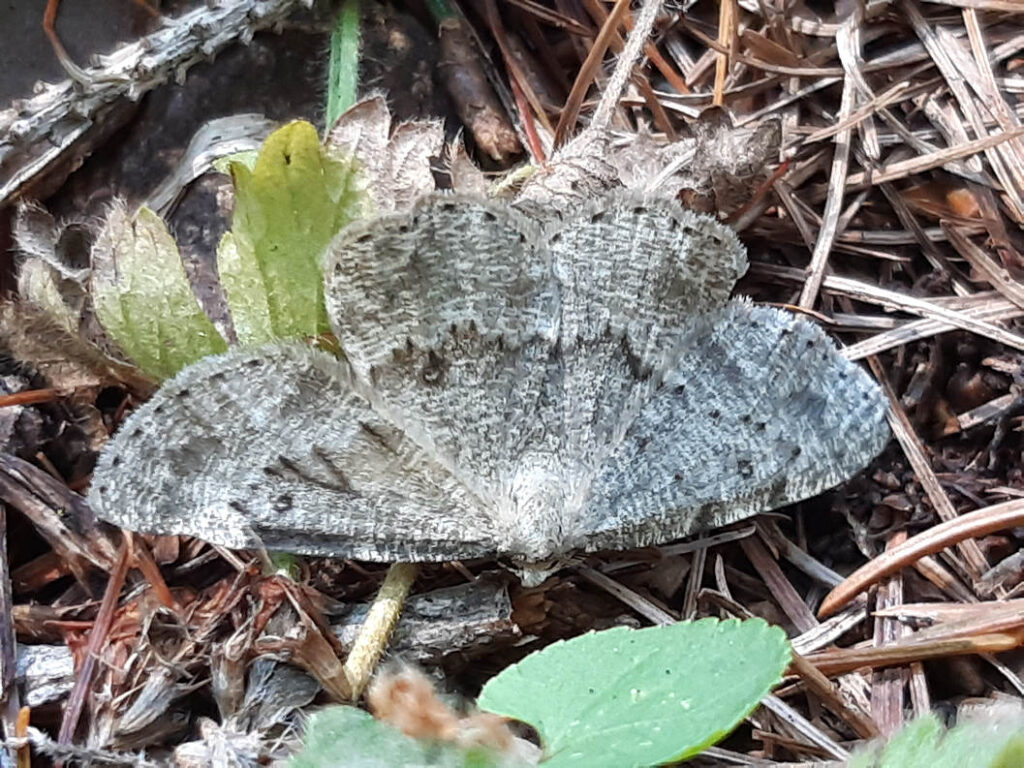
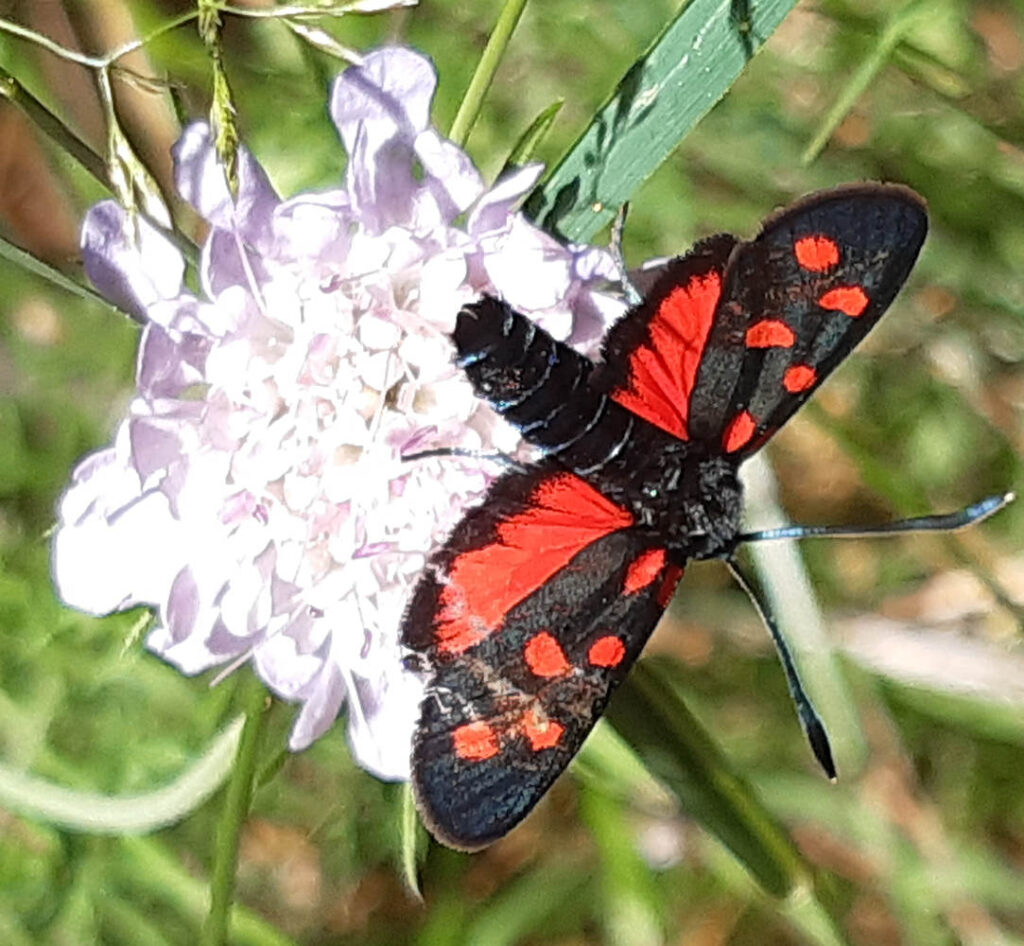
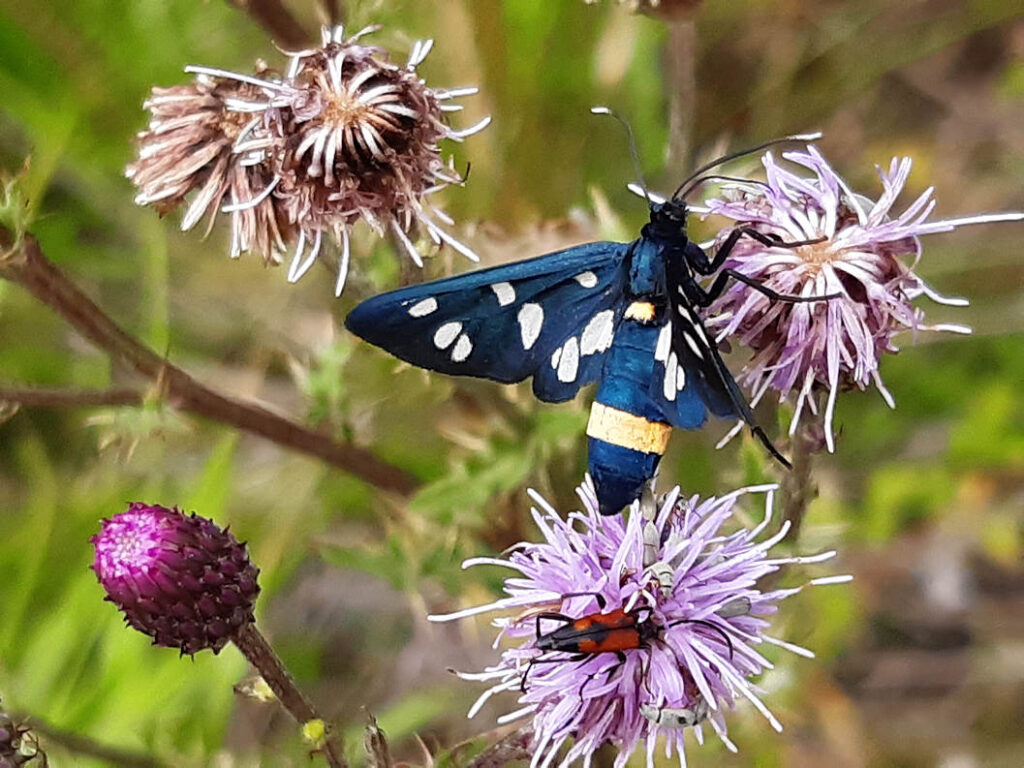
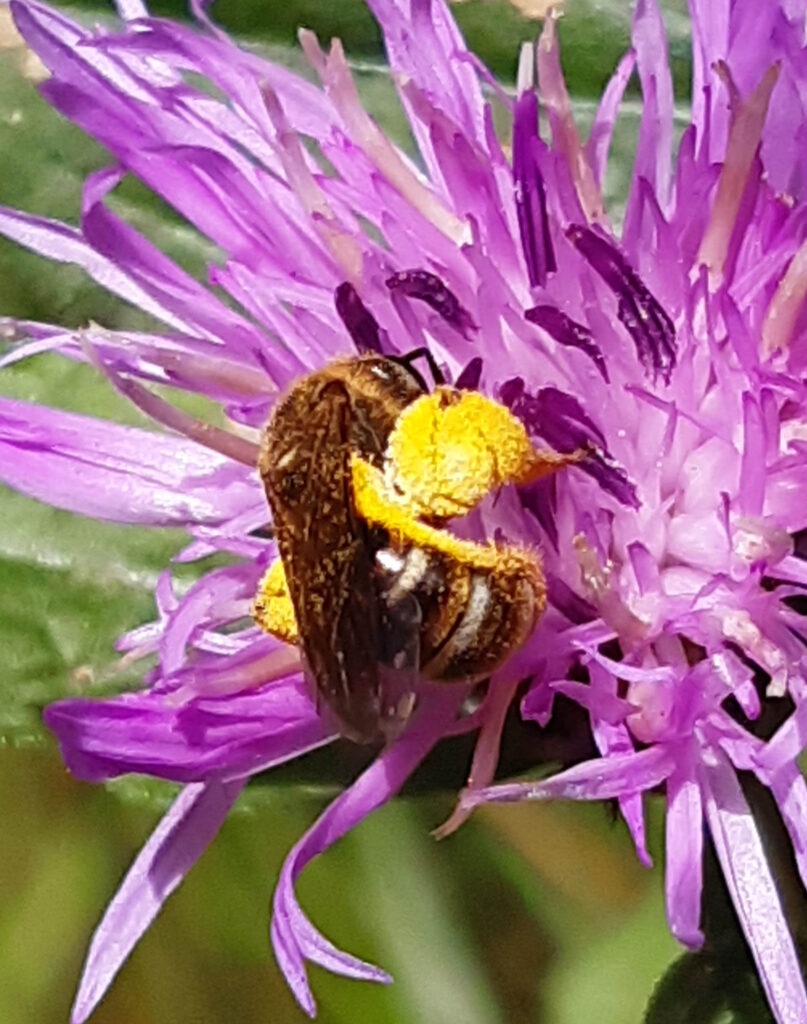
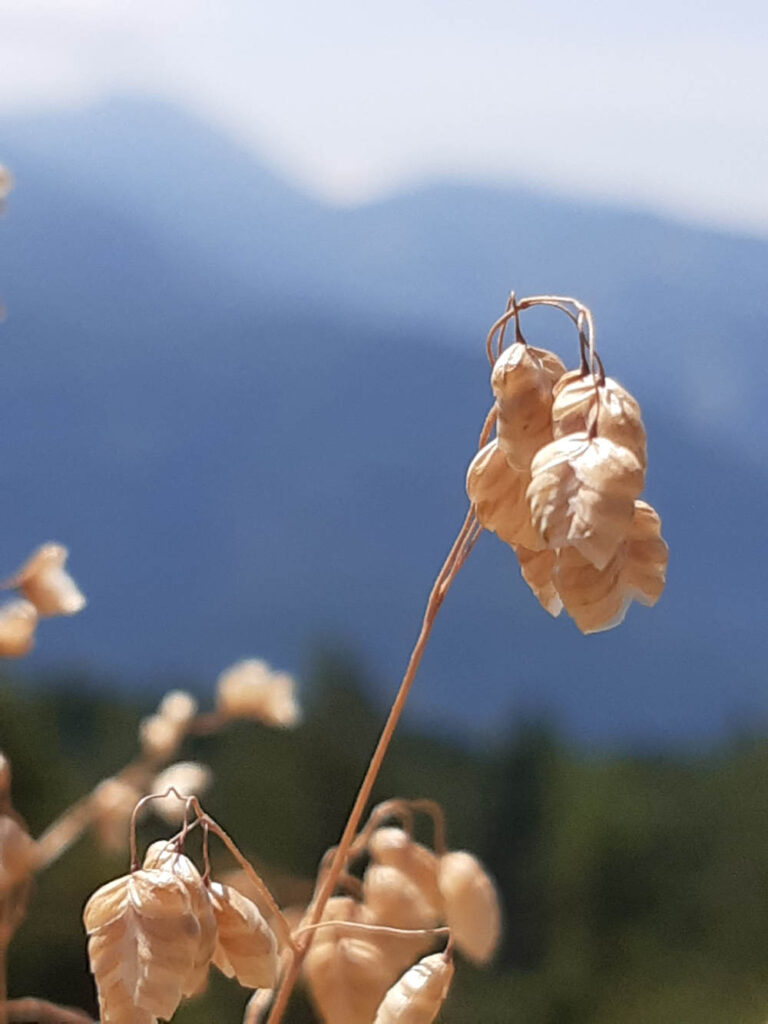
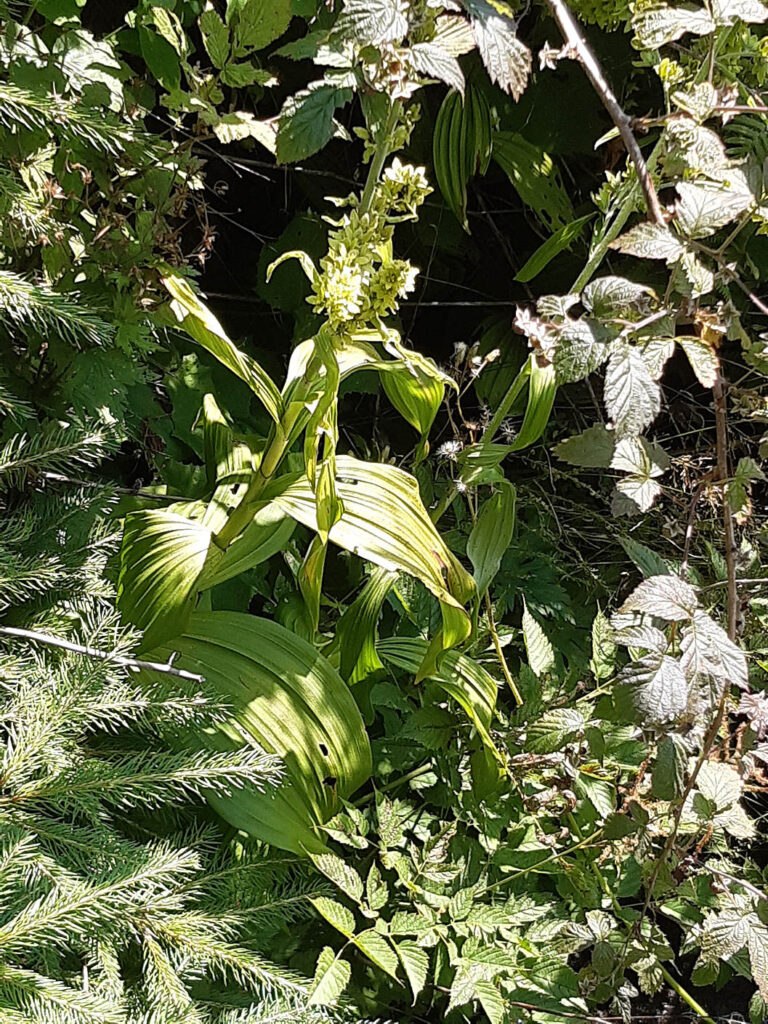
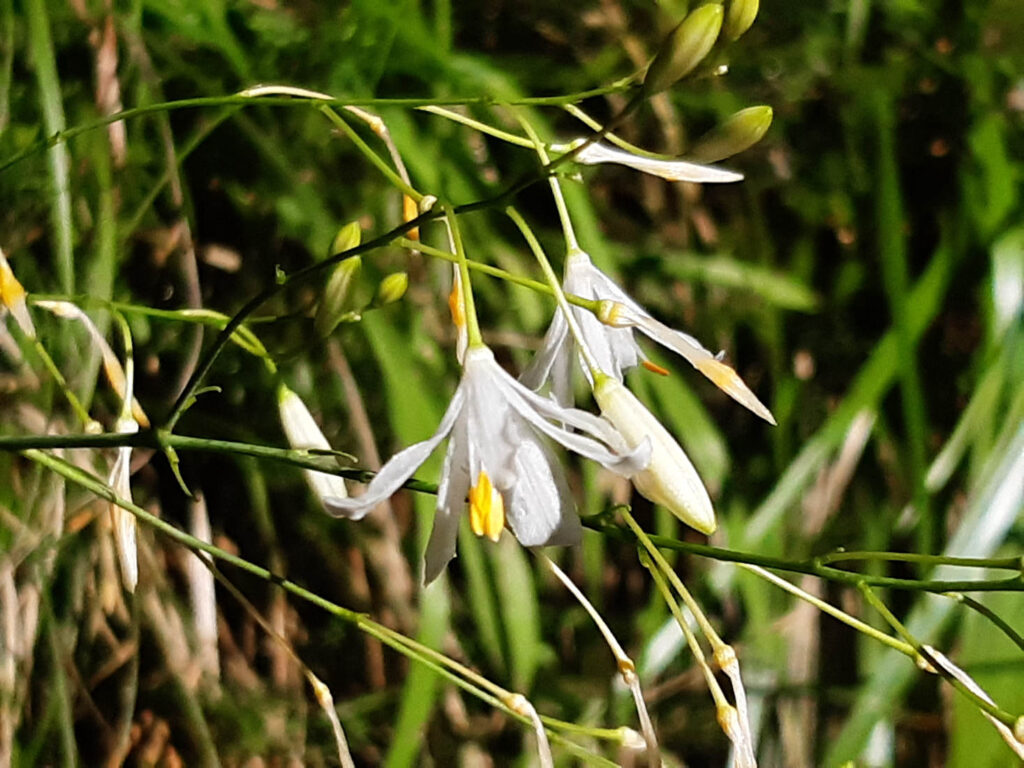
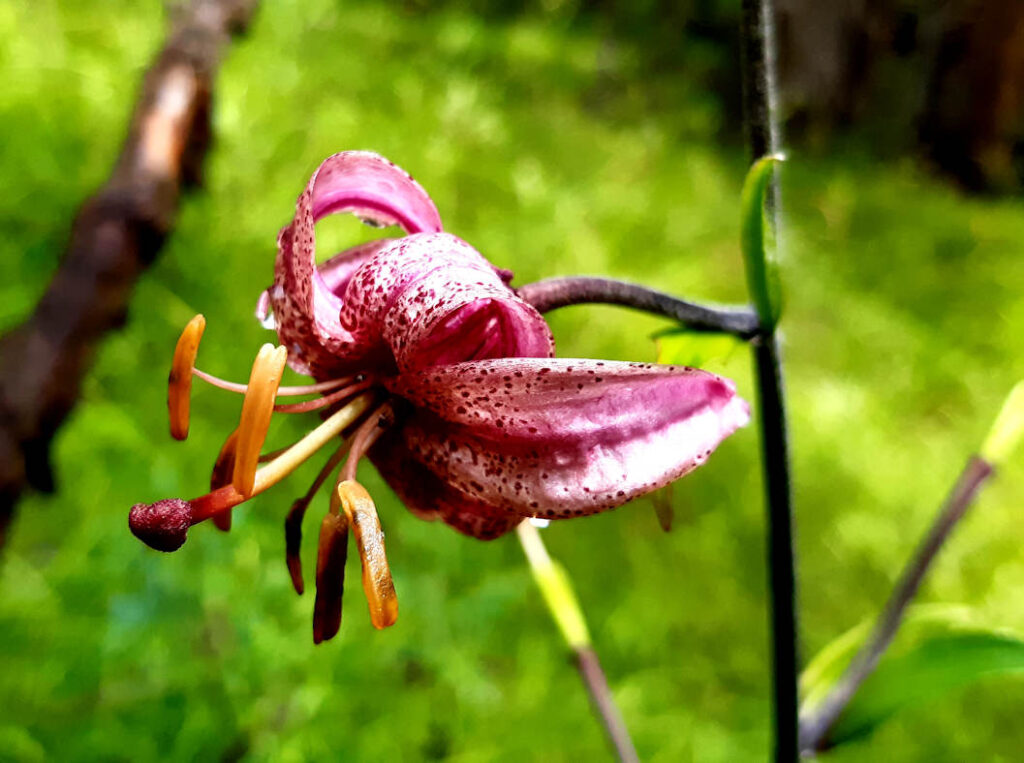
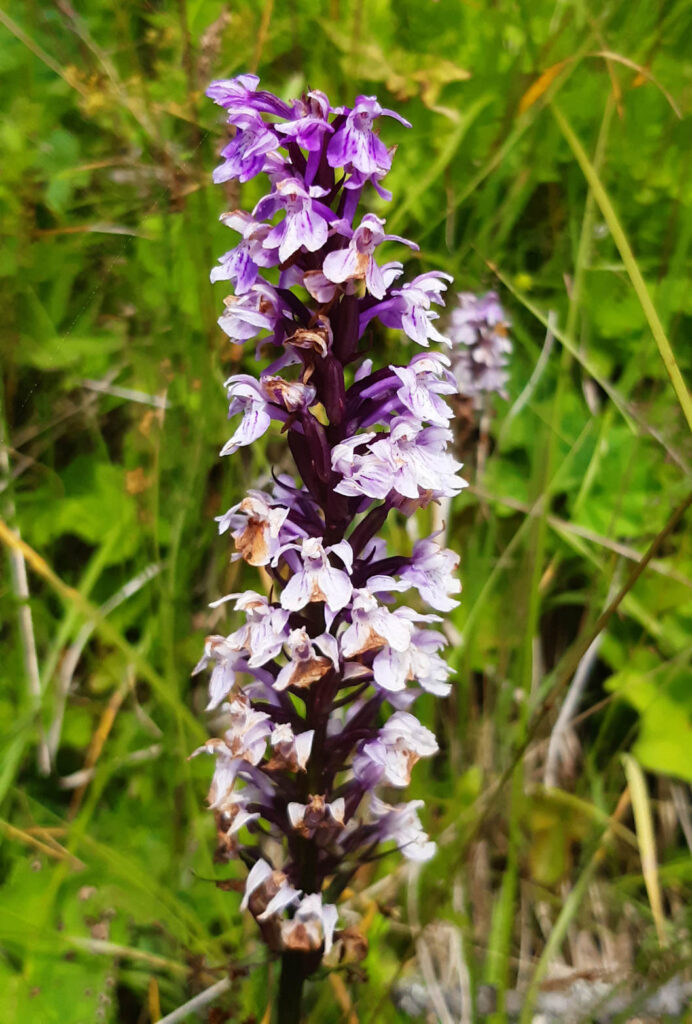
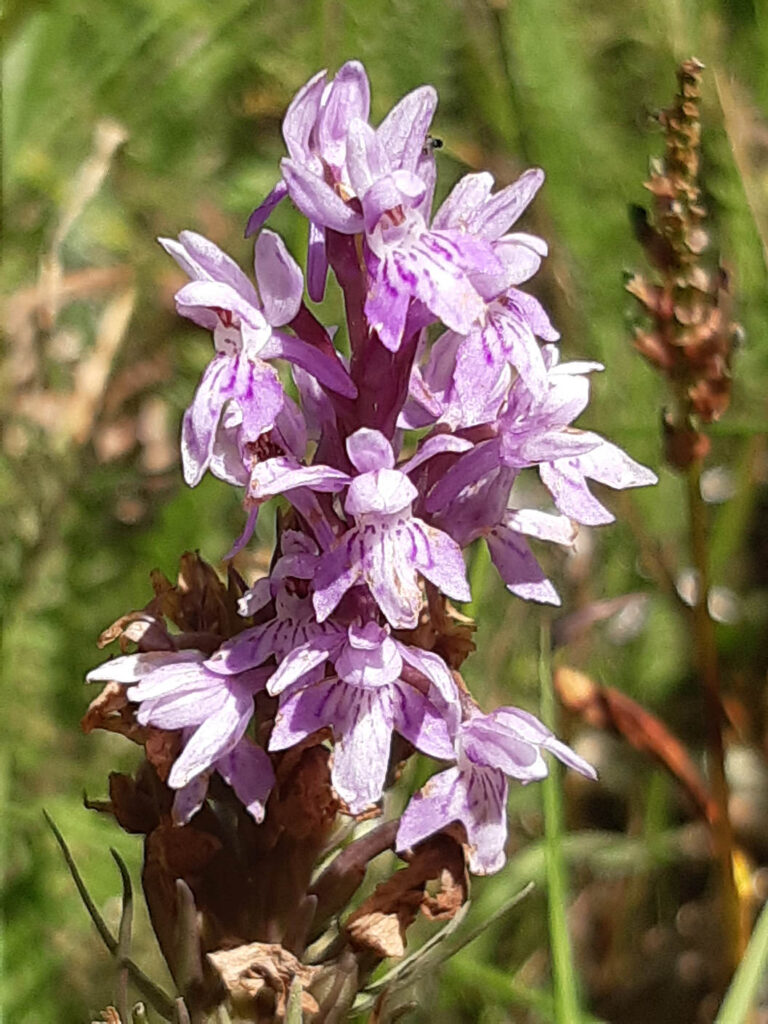
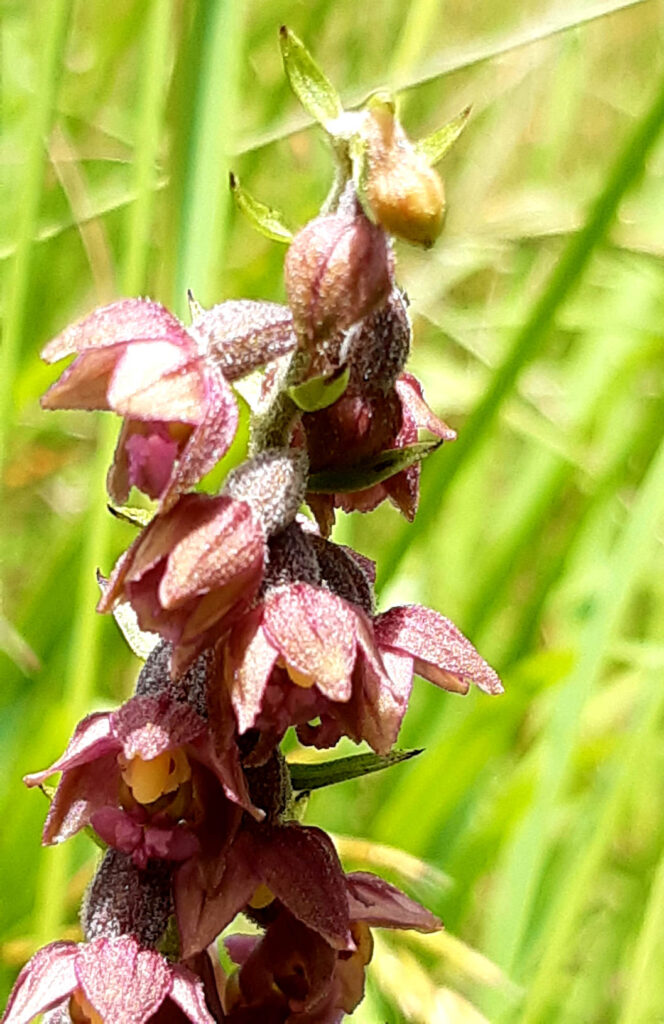
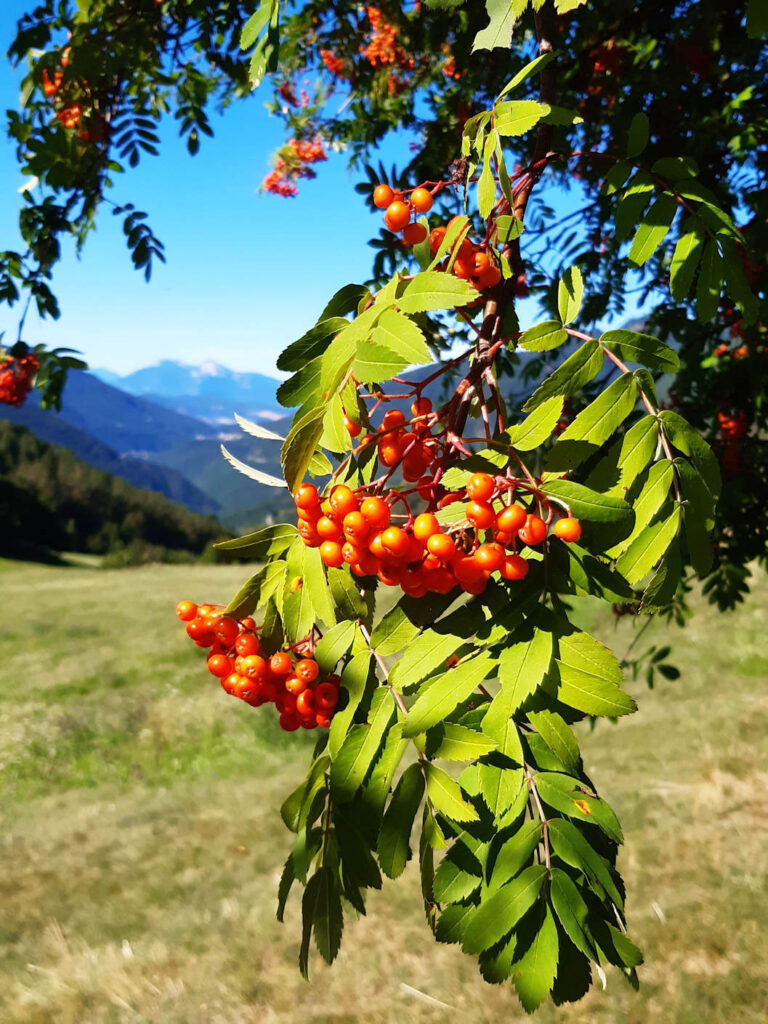
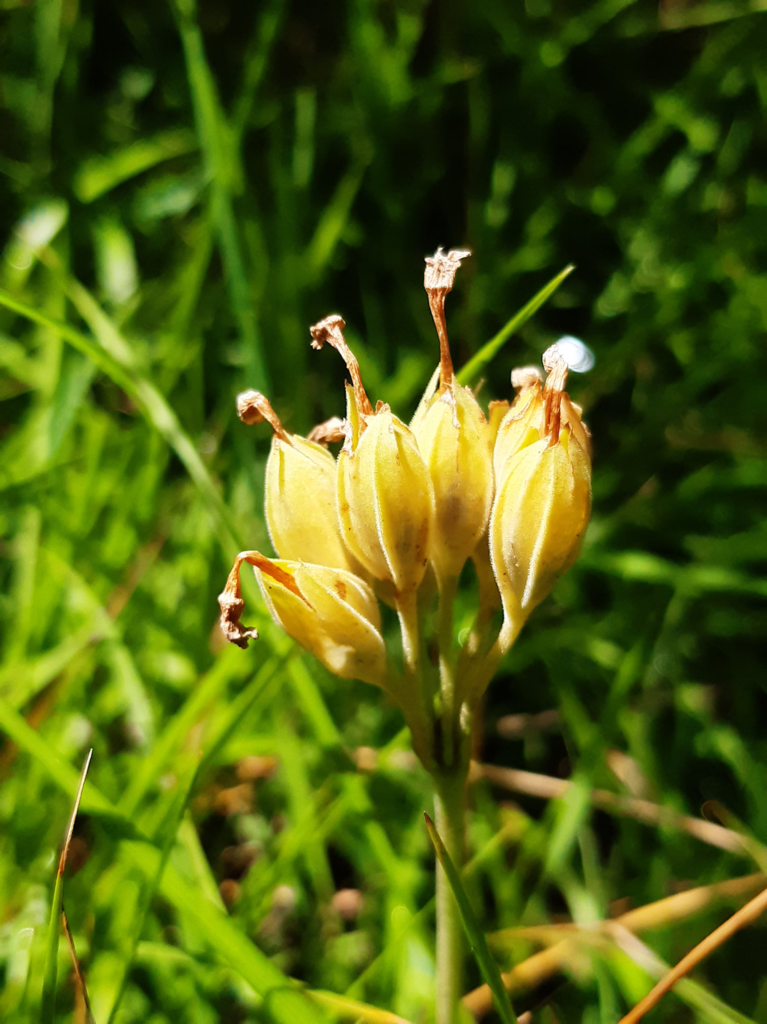
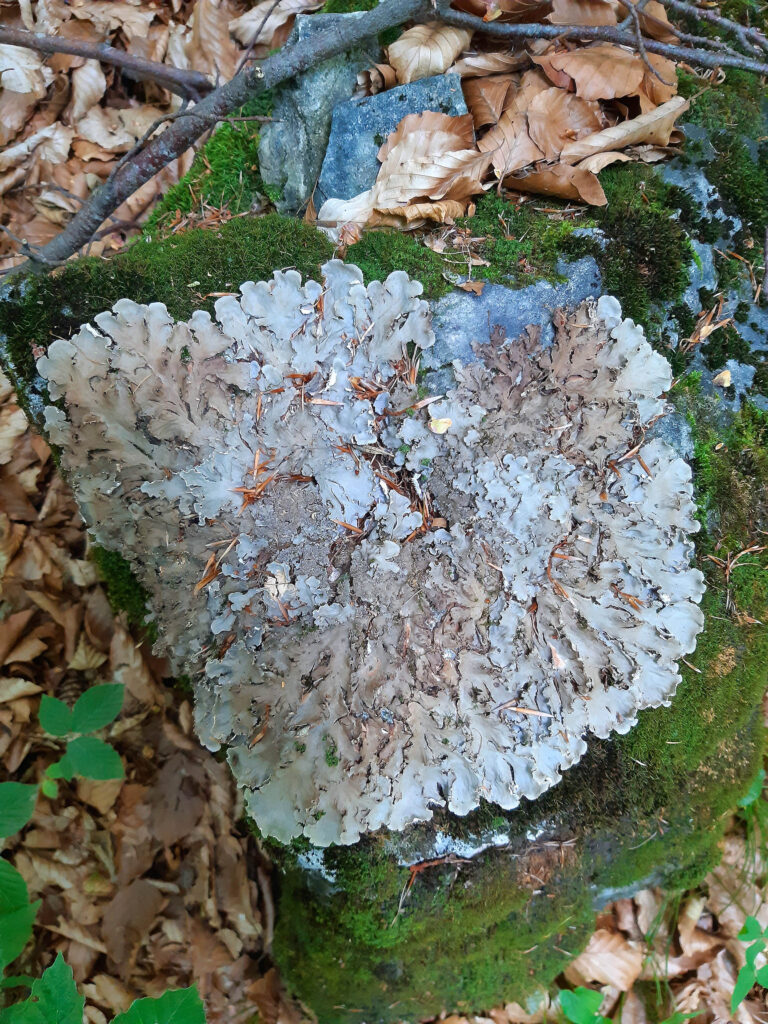
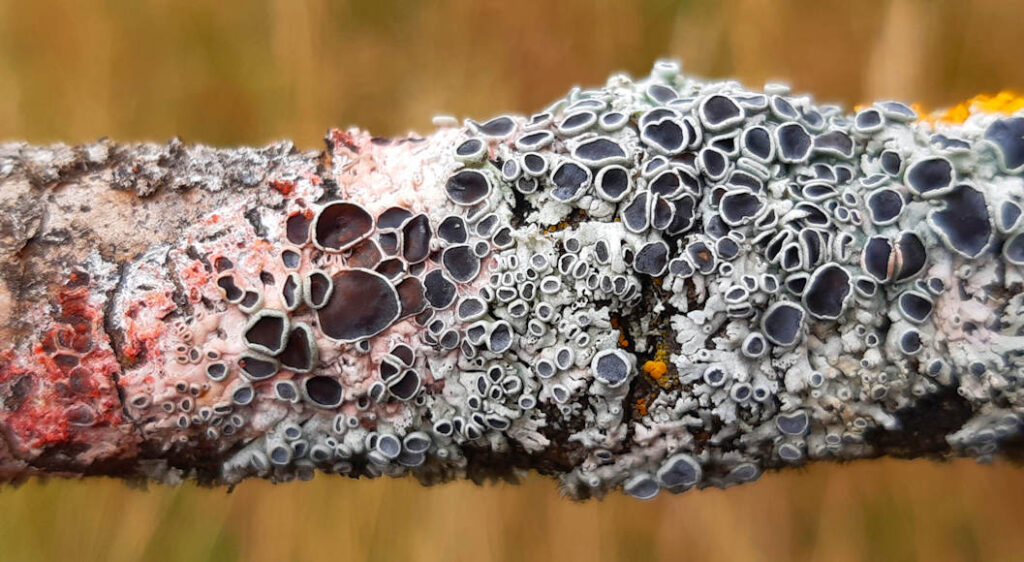
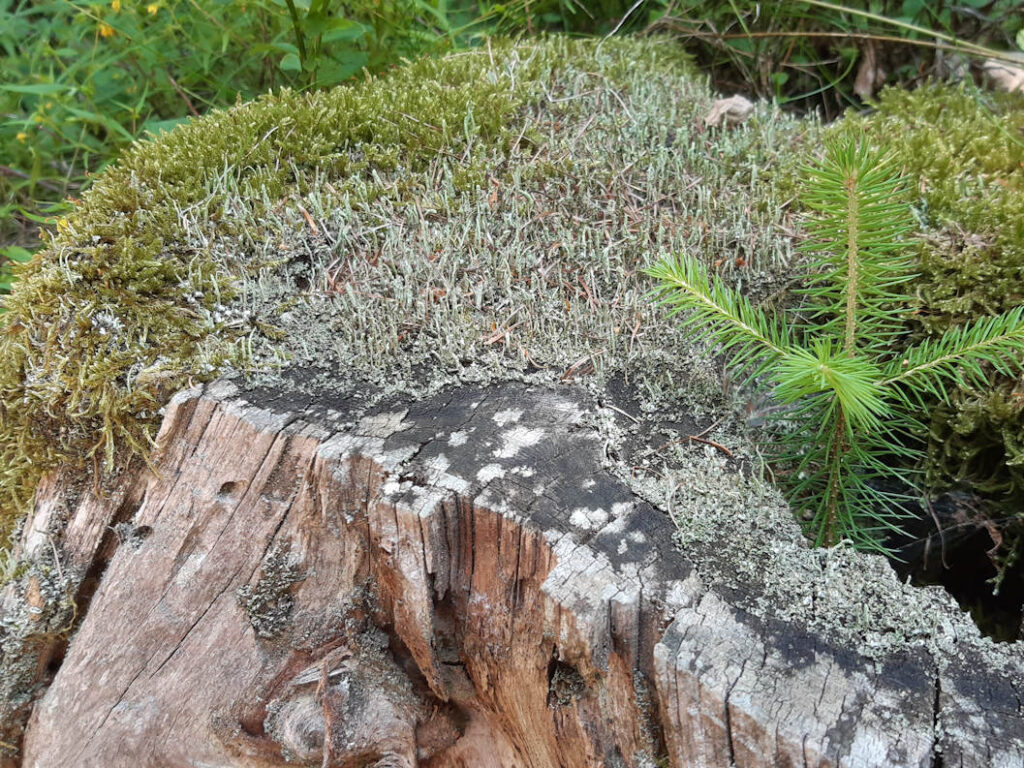
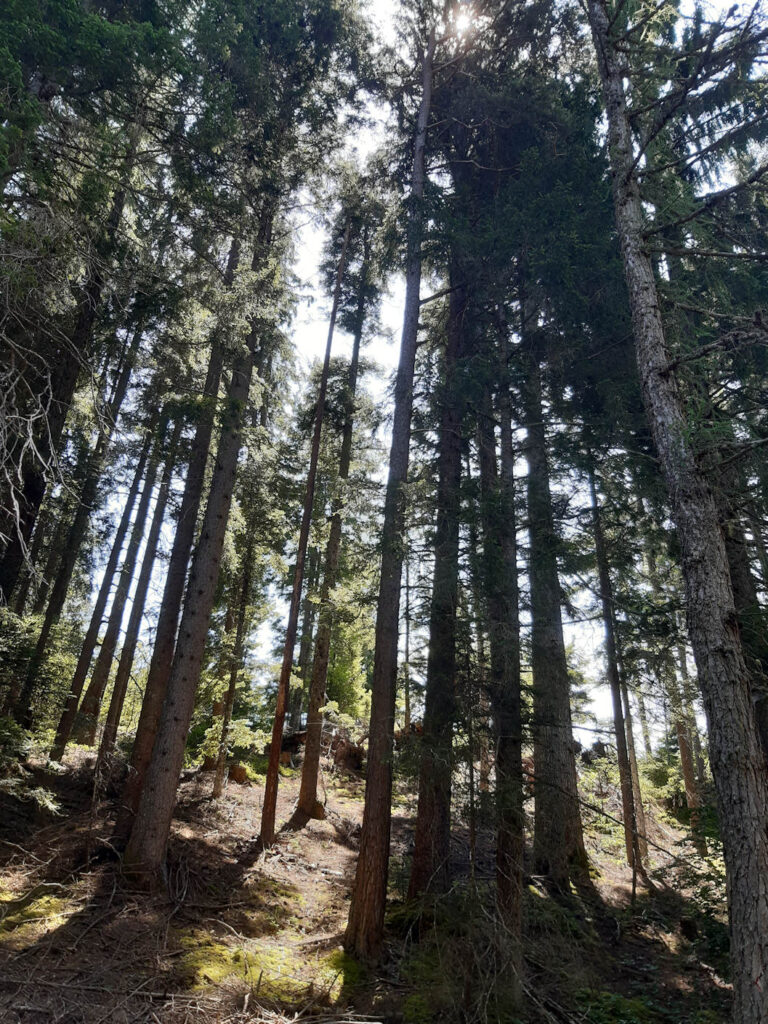
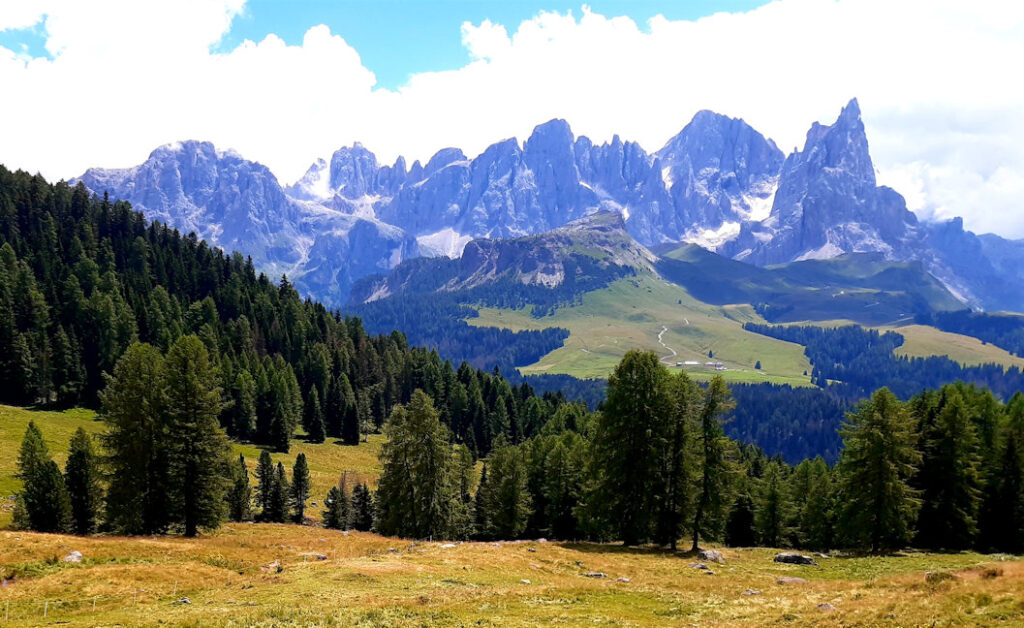
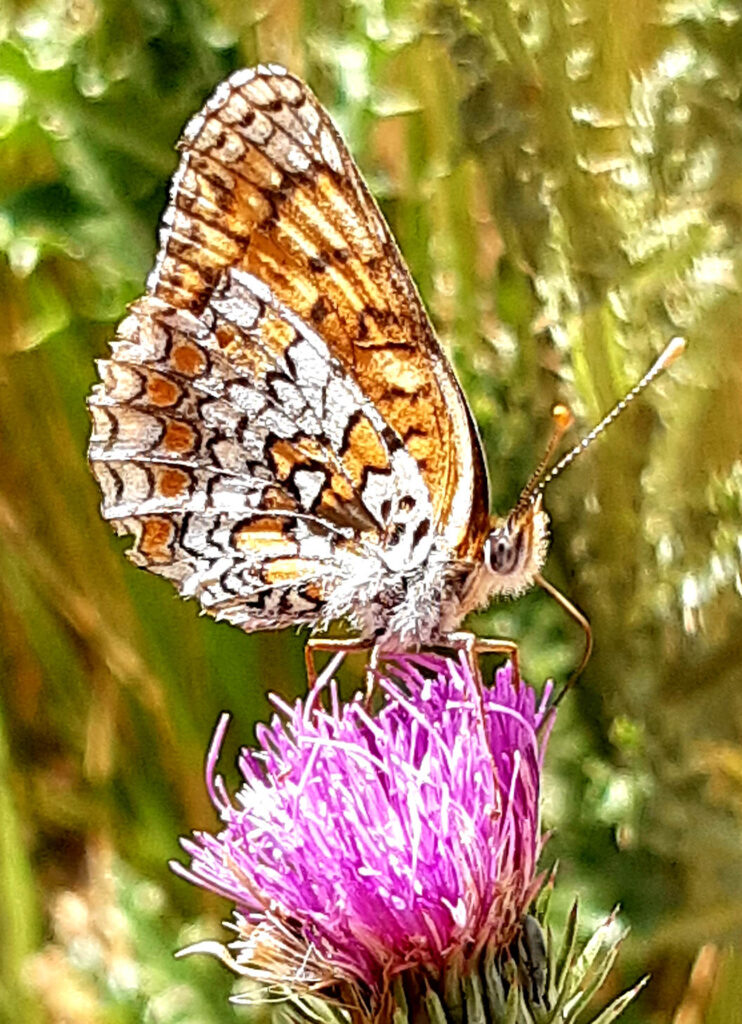
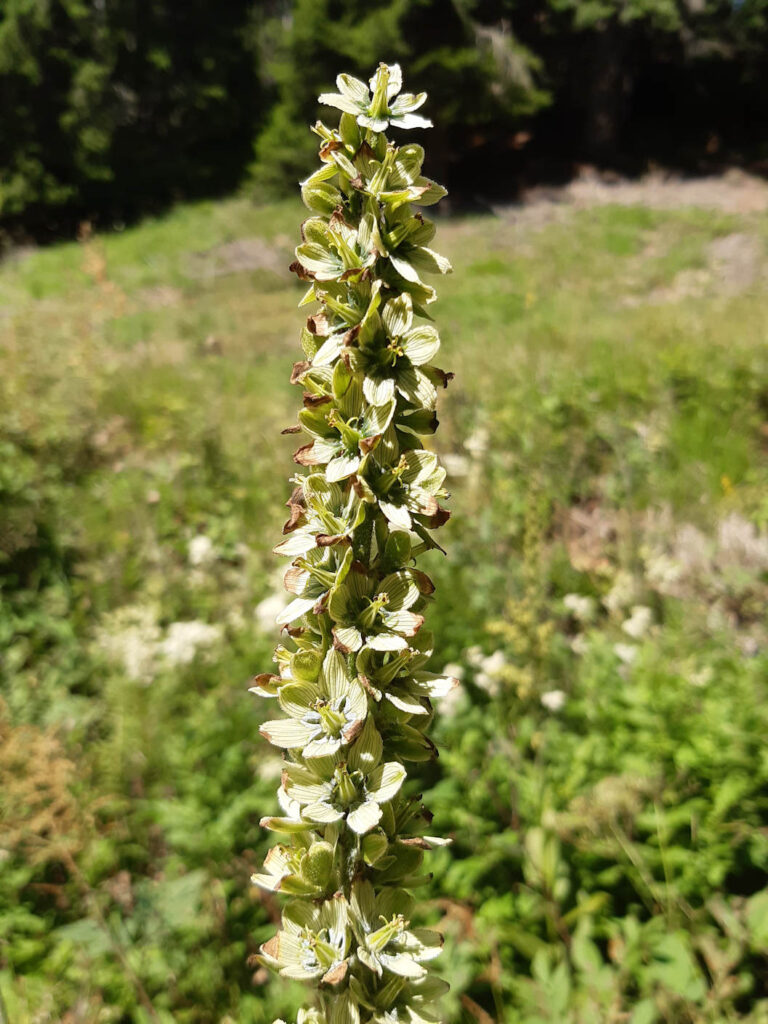
Mullein, AnterivoNarrow-bordered 5-spot Burnet Moth, on ScabiousOrange-backed Tachinid fly, presumably mimicking a beePurple Rattlesnake-rootMarvellous tall firs, AnterivoRed Pine Longhorn beetle. The adults take nectar; the larvae feed on rotting wood. Keeled GarlicLarge Wall Brown, TrodenaPurple Broomrape, Trodena. The plant has no leaves, relying entirely for its food on parasitising its host plant, Yarrow.Pale di San Martino mountains, alpine meadows, mixed coniferous forest of Spruce, Fir, Larch, and PineRowan or Mountain Ash, AnterivoDark Red Helleborine, AldinoKnapweed Fritillary, on KnapweedPollinator at work: a bee with full pollen baskets on its legs, probably a Halictus mining bee, on Knapweed (cf Halictus scabiosae, which does nectar on Knapweed as well as on Scabious, and has stripes of three colours on its abdomen)Black-striped Longhorn Beetle, on Seguier’s PinkWhite HelleboreSpotted Flower LonghornSulphur Knapweed mothMartagon or Turk’s Head LilySt Bernard’s LilyNest of Paper Wasp (Polistes). Workers are on guard; others tend the larvae. The outer row of cells always remains unused. Unlike common wasps, the nest is made in the open, attached to a herbaceous stem as here, and it never gets much larger than this. Some of the cells are sealed, with domed ends and pupae inside.Nine-spotted Moth taking nectar on Knapweed. Like the Burnet moths, its bold coloration is aposematic; it may also be a wasp mimic with the bold yellow stripe on its abdomen. Below it is a heart-spotted flower longhorn beetle, Stictoleptura cordigera.A mass of HarebellsBladder CampionAlpine ButterburHeath Spotted-orchidHaircap Moss (Polytrichum)Common Spotted OrchidFalse Hellebore (Veratrum), in the Liliales (like lilies) not the Asparagales (like the orchids that it resembles)Lesser Cream Wave (Scopula immutata)Cow-wheat is a hemiparasite, lives in a mutualistic relationship with the wood ant, and is the host plant of the Heath Fritillary.Fringed PinkYellow Rattle, a key plant in grassland as it parasitises tall grasses, weakening them and allowing many shorter flowers to flourish in alpine meadows.Greater quaking-grass (Briza), AnterivoGoldenrodGypsy moth caterpillar parasitised by Braconid wasps. They have eaten the inside of the caterpillar and have pupated alongside its body. The caterpillar has later slipped down away from the pupae.Grassy StitchwortCladonia lichen on fir stumpSmall Yellow FoxgloveHandsomely lichened twig. The leafy Parmelia-type lichens have large rounded apothecia which release spores of the lichen fungus. The reddish area on the left is a discouraged patch of lichen; many lichens are used to create vegetable dyes in reds, oranges, and yellows.Queen of Spain Fritillary on Viper’s BuglossSticky Thistle (Cirsium)Creeping BellflowerSquinancywort. It was formerly used to treat ‘quinsy’, an abscess behind the tonsils.An impressively big patch of Dog Lichen (Peltigera canina) covering a tree-stumpLocal-scale commercial forestry. Trees are removed in small strips, not clear-felled, respecting the ecology of the forest. Local-scale commercial forestry. The harvested trees are of different species and sizes.
Other sightings
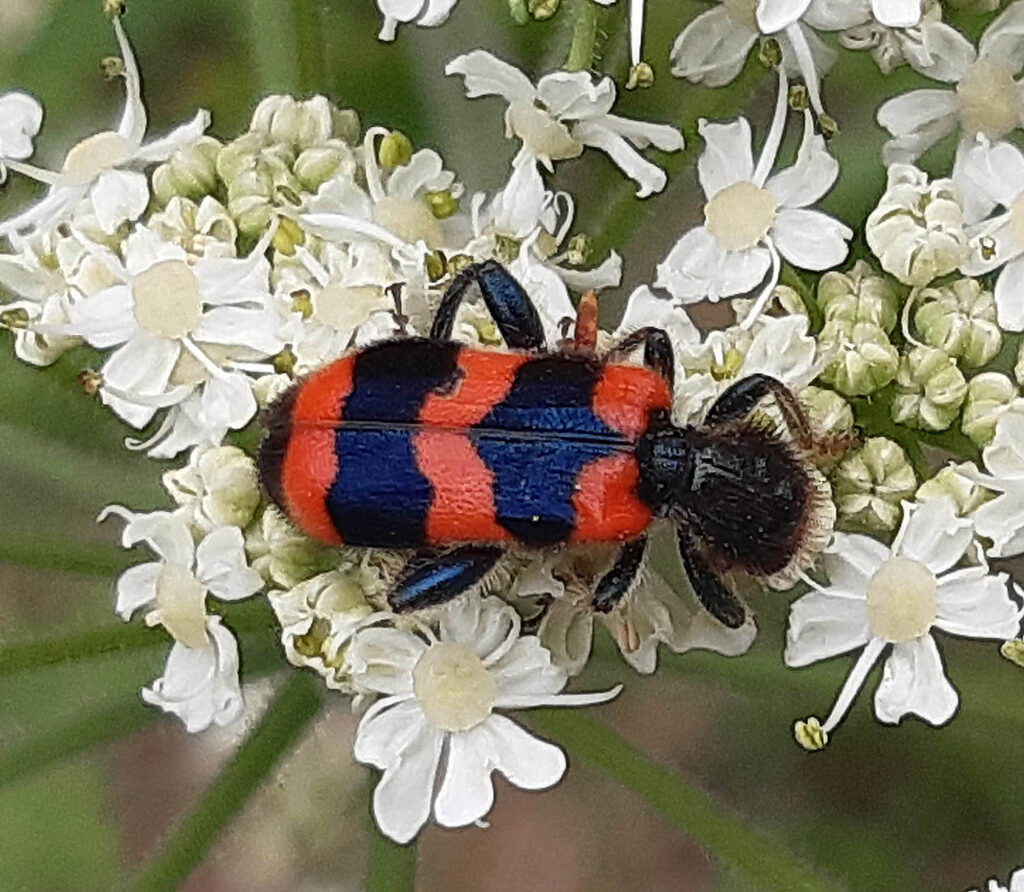
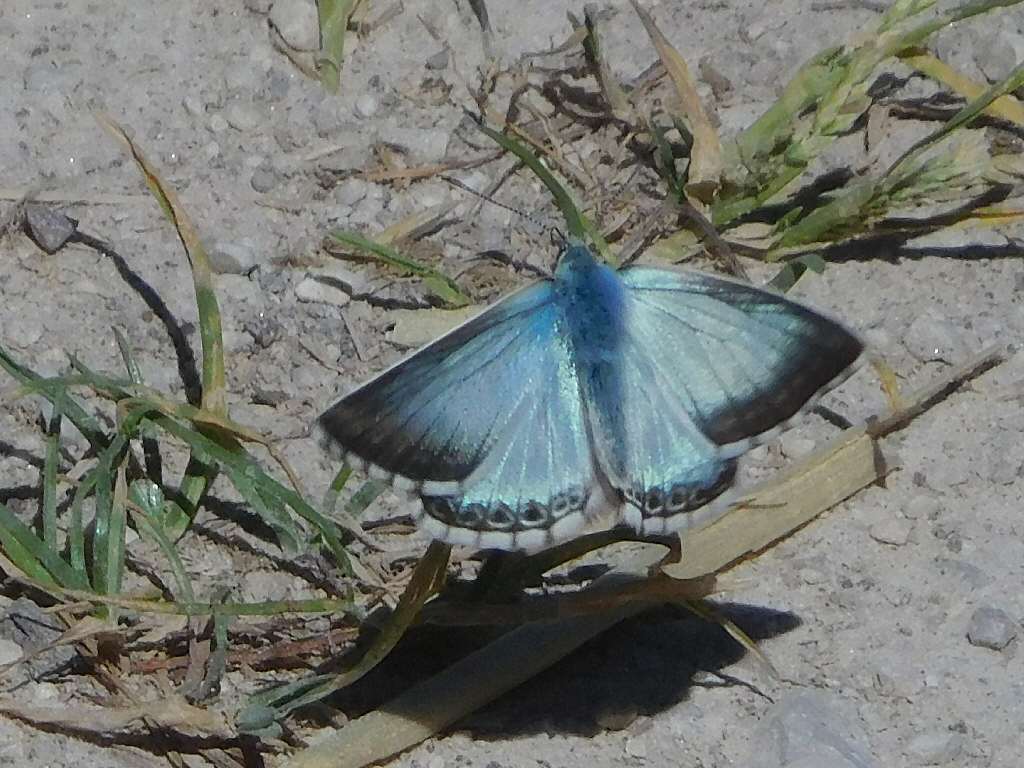
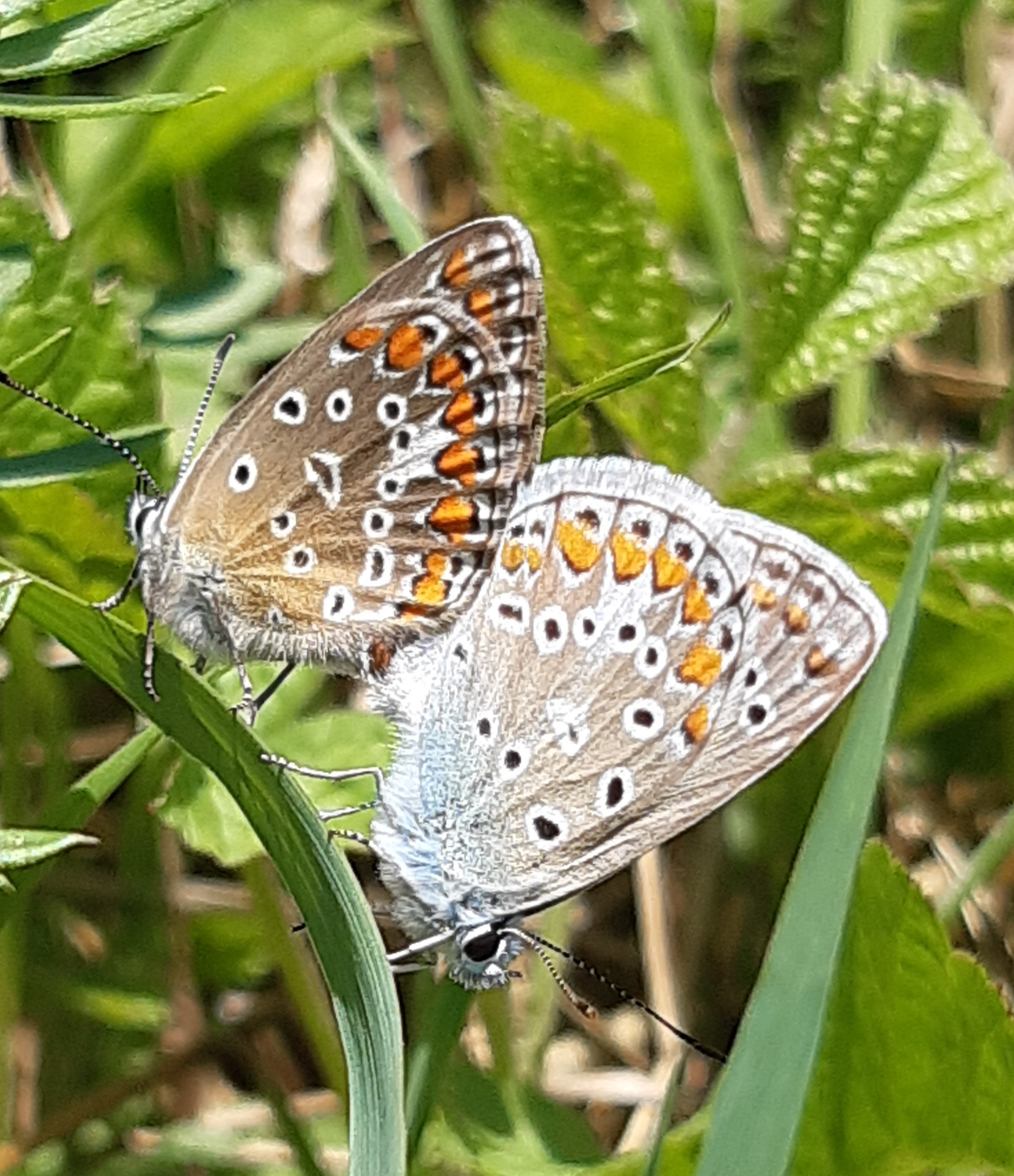
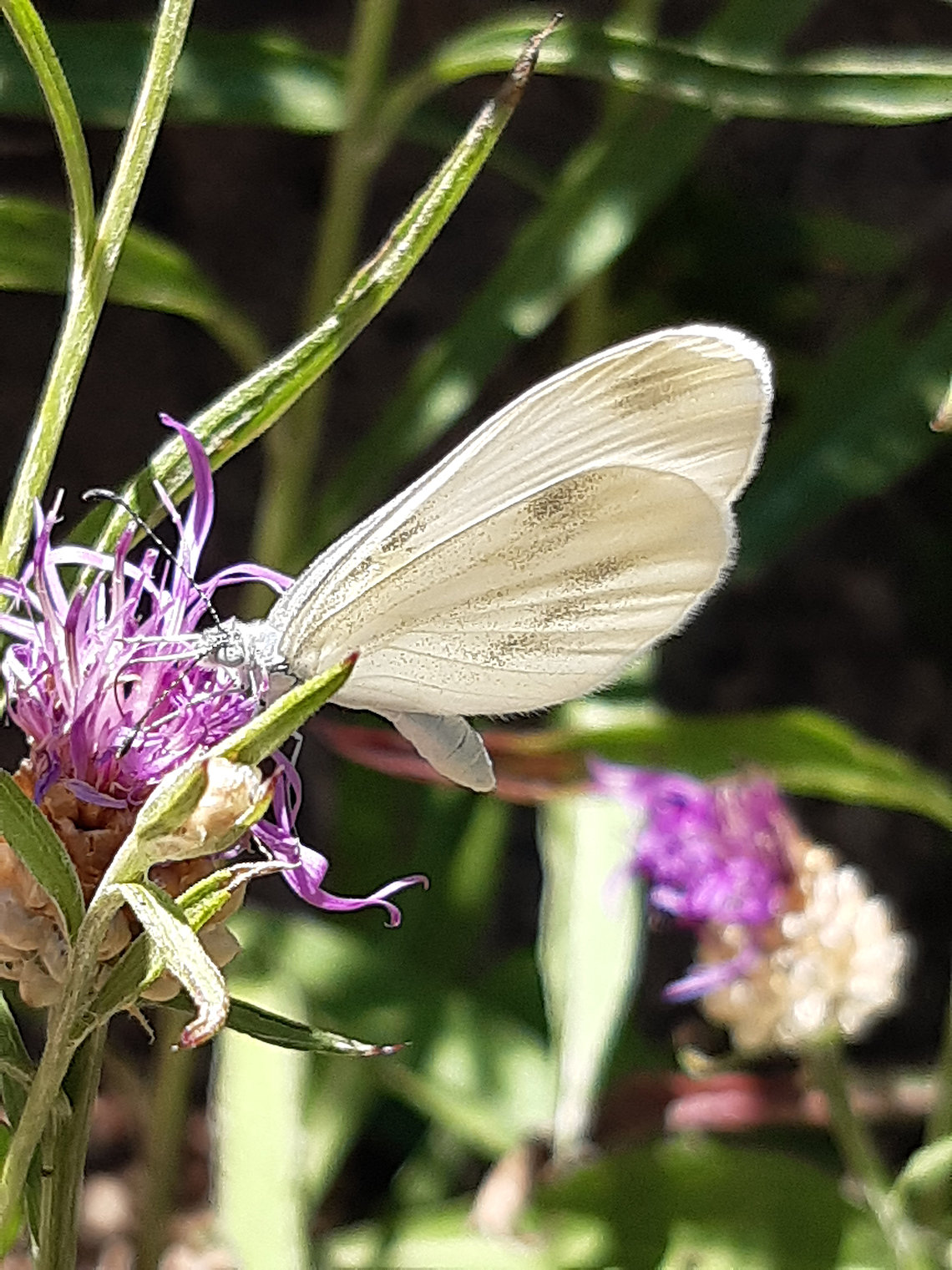
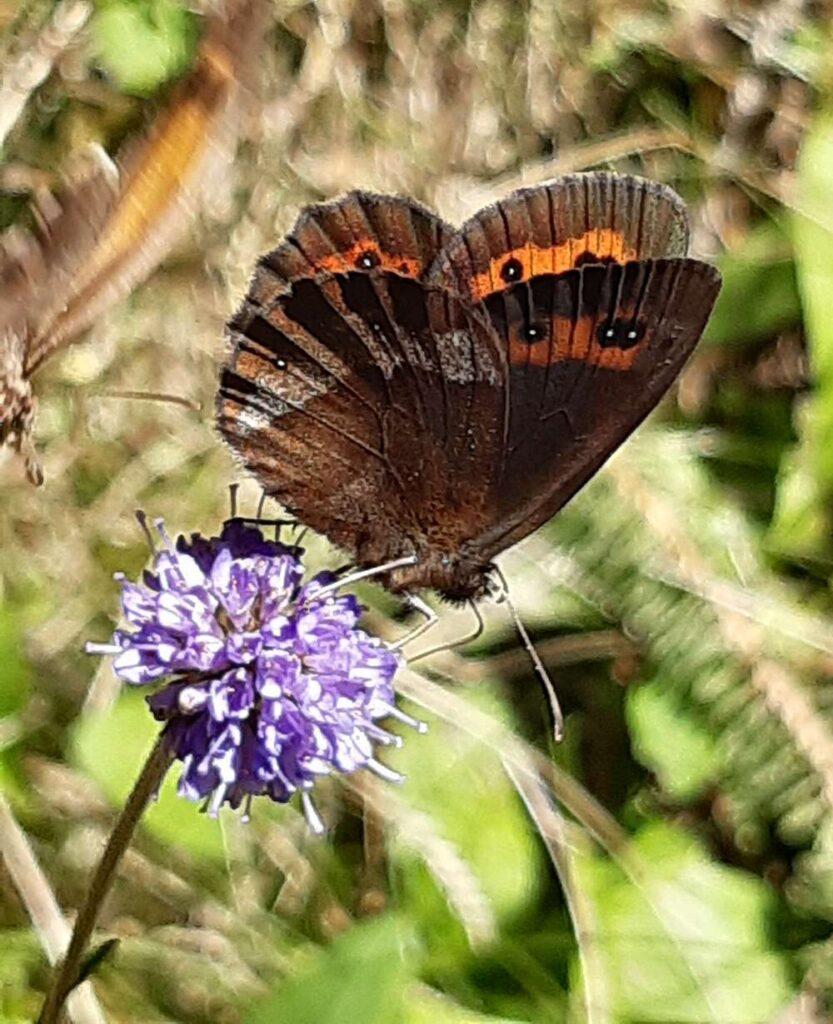
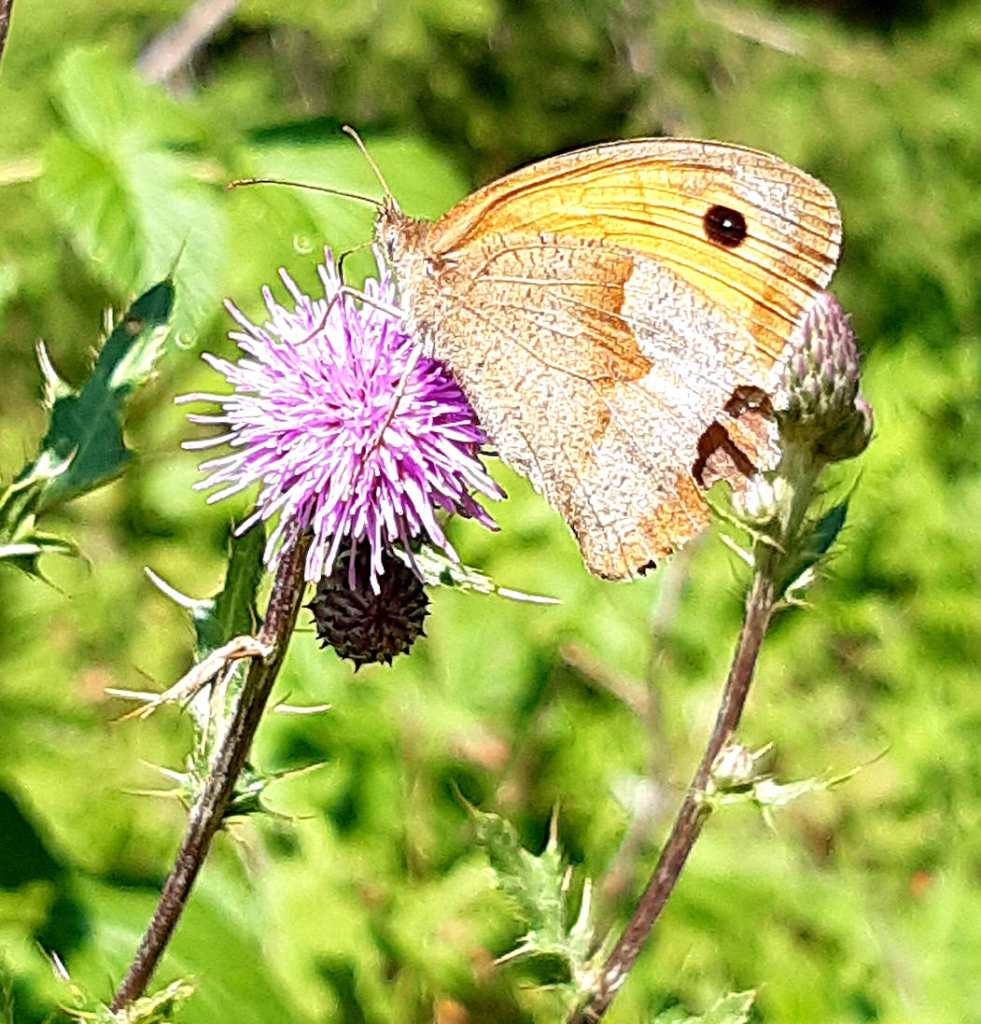
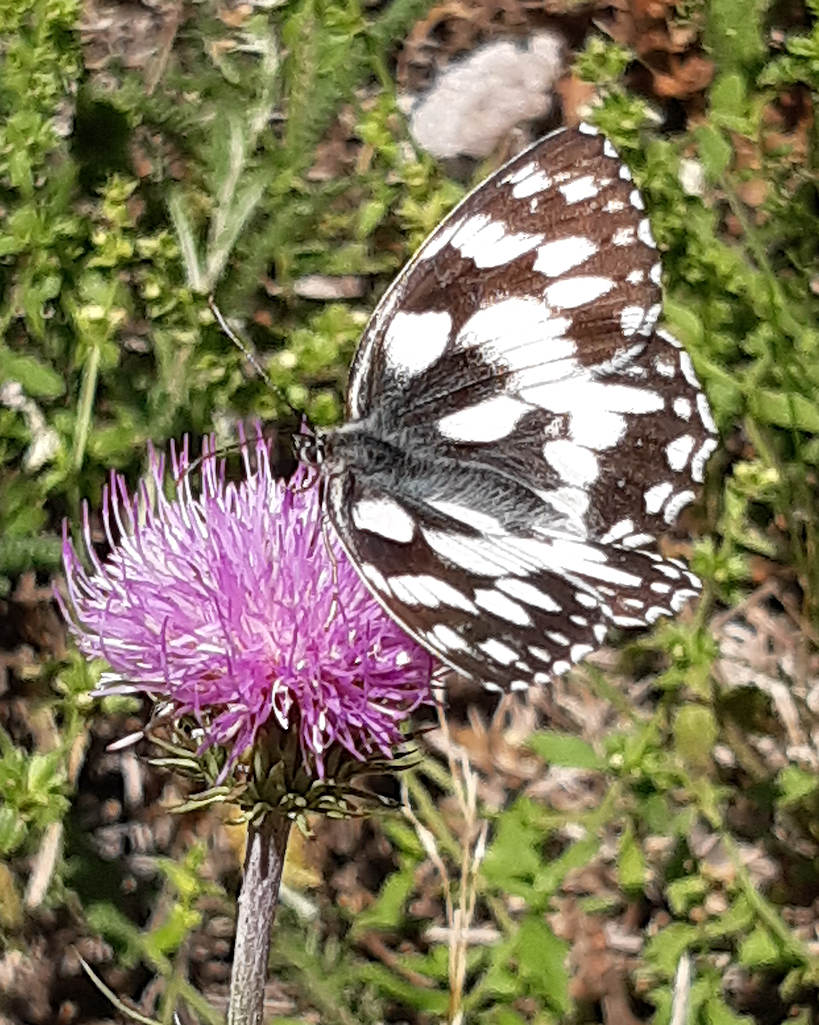
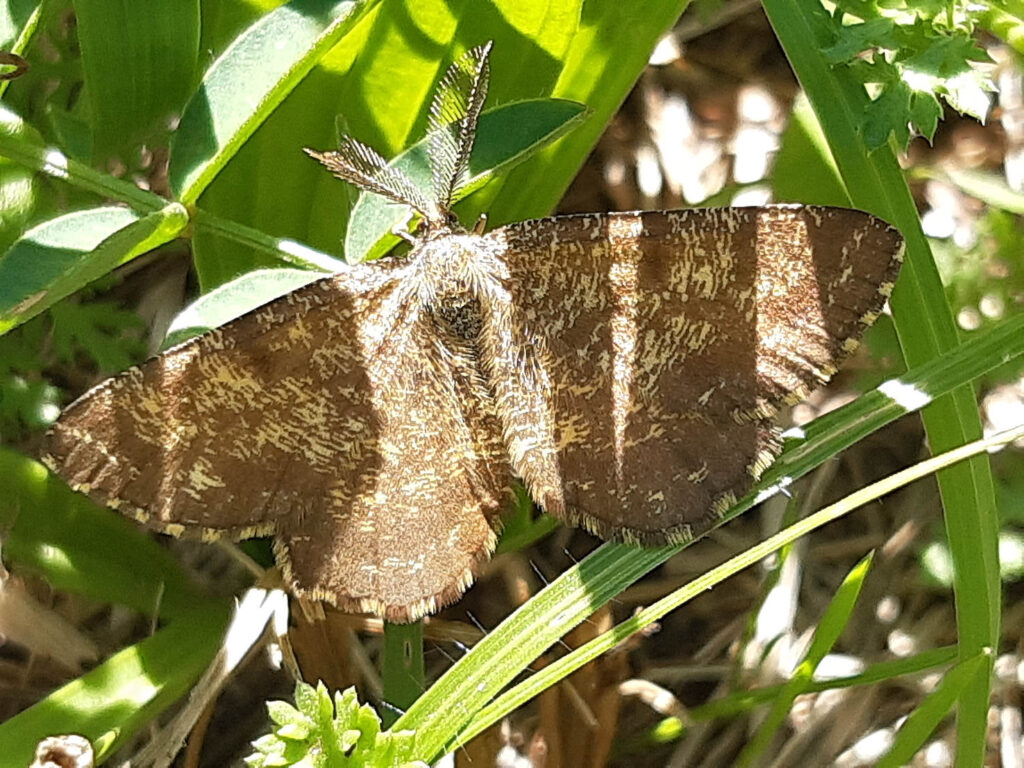
Among other interesting finds (including species recorded in my earlier posting), I am pretty sure I heard the call of the Nutcracker, a small crow of forested mountains. A Black Redstart perched obligingly on a fence post, twitching its red tail. A surprised Stag, early one morning, bounded away uphill from a forest track: there were generally few signs of deer, though plenty of cattle and some horses grazing in the alpine meadows and forest clearings. A Hummingbird Hawkmoth hovered over the flowerbed near the house one morning, gathering nectar. Male Common Blue butterflies showed off their dazzling coloration of caerulean blue, but there were no Idas Blue butterflies, which I saw last time (at another time of year). Seen again like last time was the handsomely red/black striped bee parasite beetle Trichodes apiarius, plenty of Scotch Argus, one Chalkhill Blue, countless Marbled Whites, and plenty of Brimstones and Clouded Yellows, and one or two Speckled Woods. Common Heath moths were, well, common; they may not exactly be day-flying, but they’re readily disturbed in long grass.
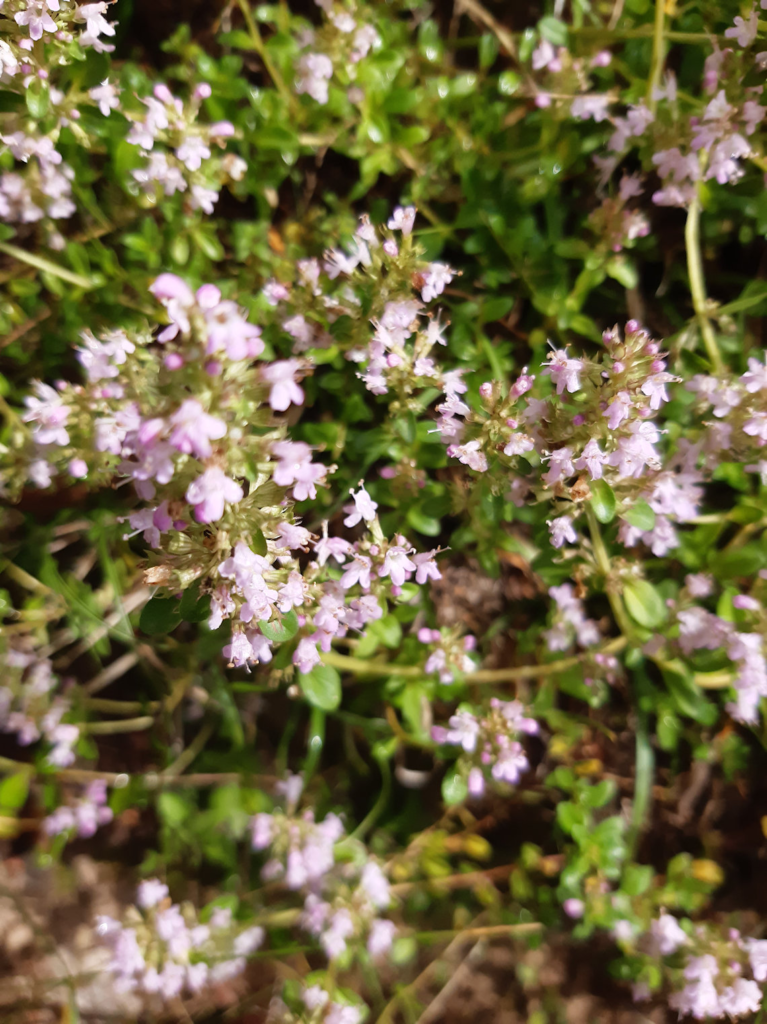
We enjoyed seeing some familiar plants, too: Meadowsweet, never common in these hills, sticking strictly to very damp meadowland; the small yellow 4-petalled Tormentil, the delicate yellow Rock-rose, and the aromatic Wild Thyme, as much at home in the English uplands as here. Less familiar were the umbellifers (Apiaceae) Sweet Cicely and Broad-leaved Sermountain. Wild flowers that we saw that share the distinction of being also in our London garden include Eyebright and Self-Heal. Among the less usual ferns were Polypody and Wall Rue Spleenwort.
Reflections
It is hard not to compare the species richness of the flourishing alpine meadows and forests with that of Britain’s uplands. In Britain, sheep prevent trees from taking hold, and graze so severely that few flowers can grow. Farm subsidies and agricultural policy since the war have favoured production at the expense of wildlife; over 97% of Britain’s wildflower meadows, permanent pastures, have been ploughed up. Some of the ploughing was to enable reseeding with an “improved” grass mix, sometimes with clover. The result was invariably an impoverished agro-ecosystem, with far fewer species of grasses and flowers, far fewer insects, and degraded soil with fewer earthworms.
In some places, such as the chalk grassland near Beachy Head, the land was returned to pasture soon after the war with its urgent need for food. There is still, over 50 years later, a sharp contrast between the ploughed pasture land and the undamaged chalk grassland: the ploughed land has not recovered in that time.
It is no surprise that Britain’s bird, insect, and flower populations have collapsed. When hedges have been grubbed up and large fields carefully cultivated, after a while the farmer has a clean crop without flower “weeds” or insect “pests”, even without using herbicides or insecticides: there is no place for them to grow, no food for the insects to eat.
The only wild species that can survive in such a regime are efficient and troublesome weeds, like grasses too similar to cereal crops to be possible to spray; or genuinely pestlike insects, such as “cabbage white” butterflies, that can breed rapidly, fly or be blown long distances, and quickly destroy fields of Brussels sprouts if a farmer is unwary. All the more attractive and beneficial organisms are long gone.

.jpg)