Further to my Dolomites 2025 posting, here are some highlights of this year’s visit, focusing on species and themes I didn’t comment on then. All the images are mine except where indicated.
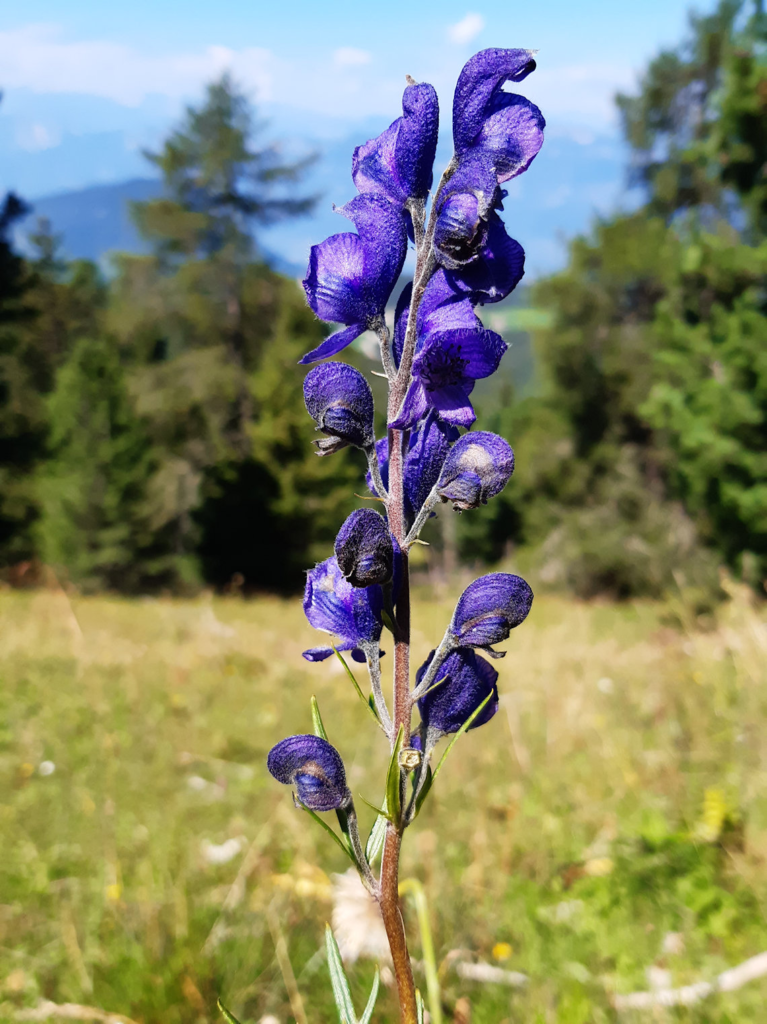
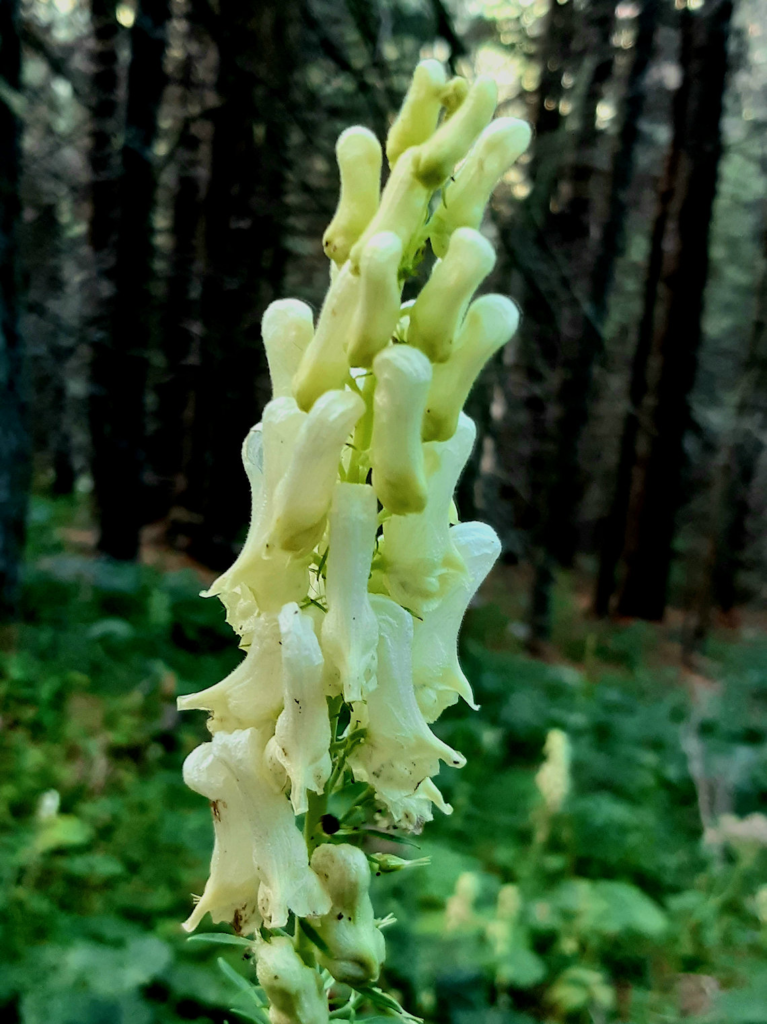
Monkshood (aka Wolfsbane), a beautiful but deadly poisonous plant, at 2000 metres
Since we went up to 2200 metres, we saw several species of flowers we had not come across before. (Right-click to view images in a separate tab if you want them larger.)
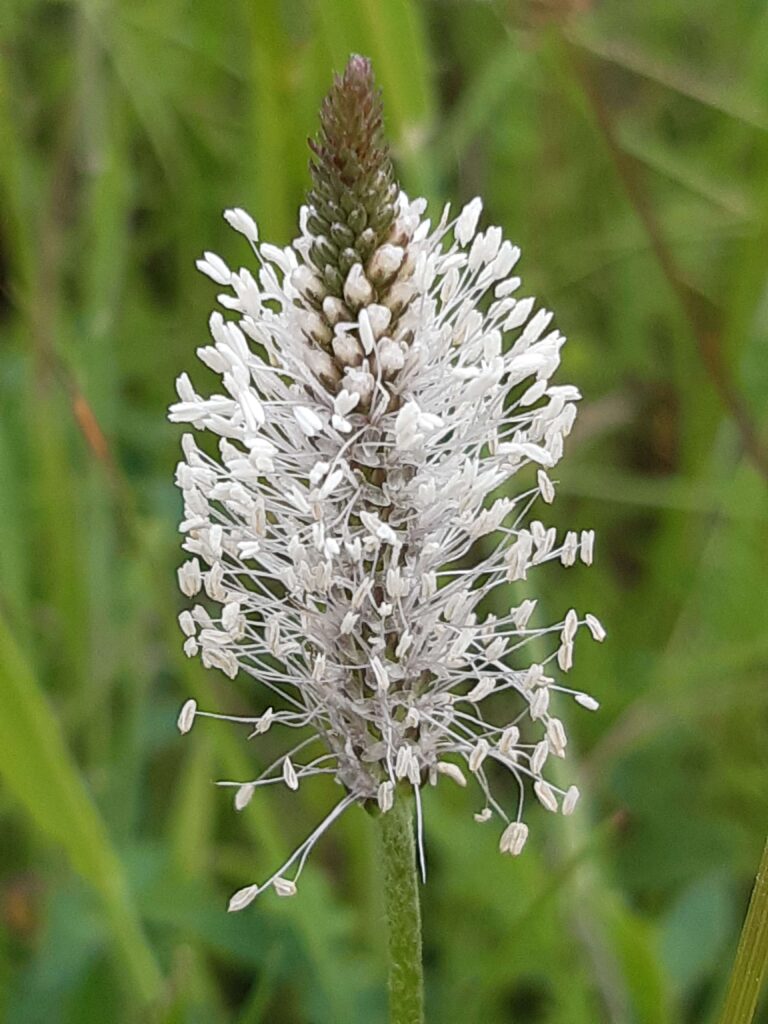
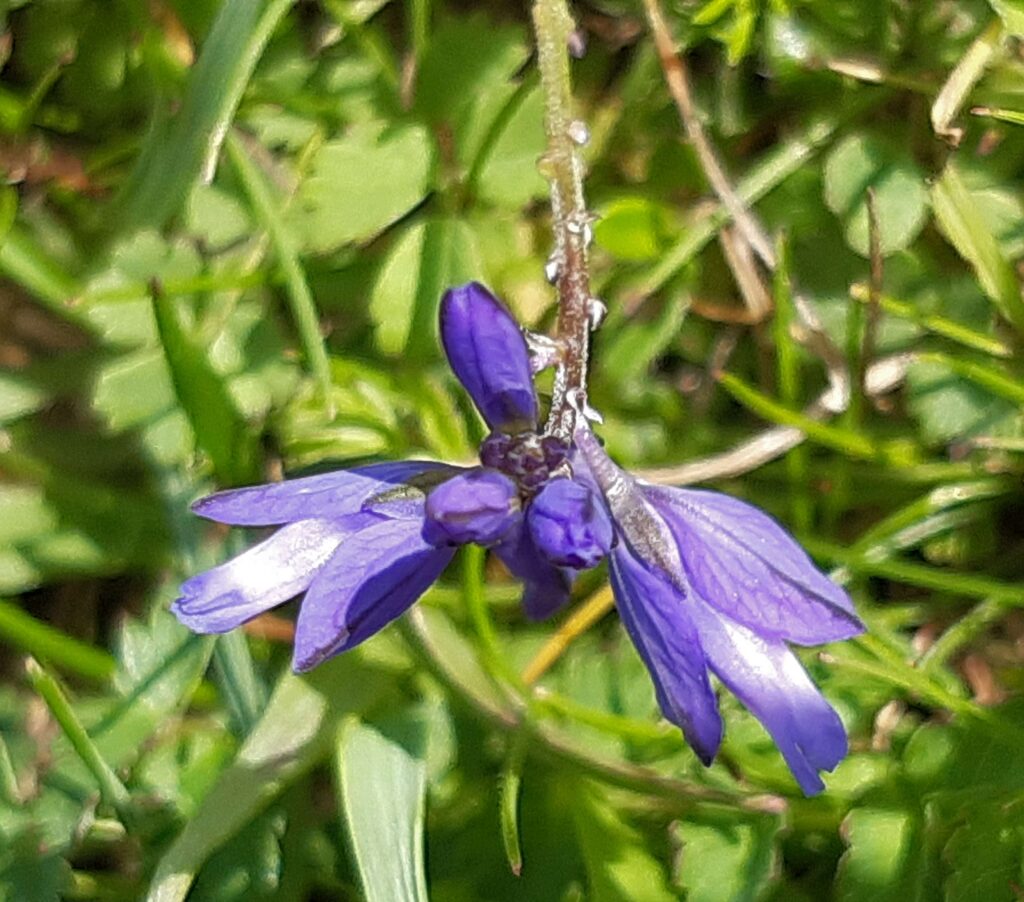
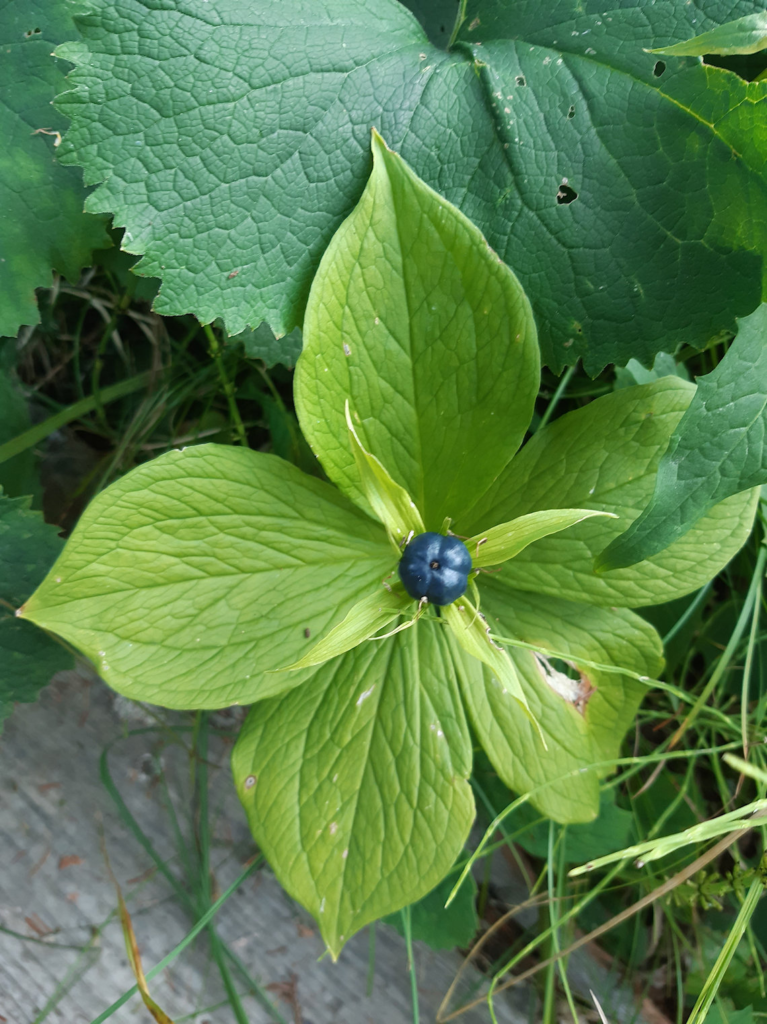
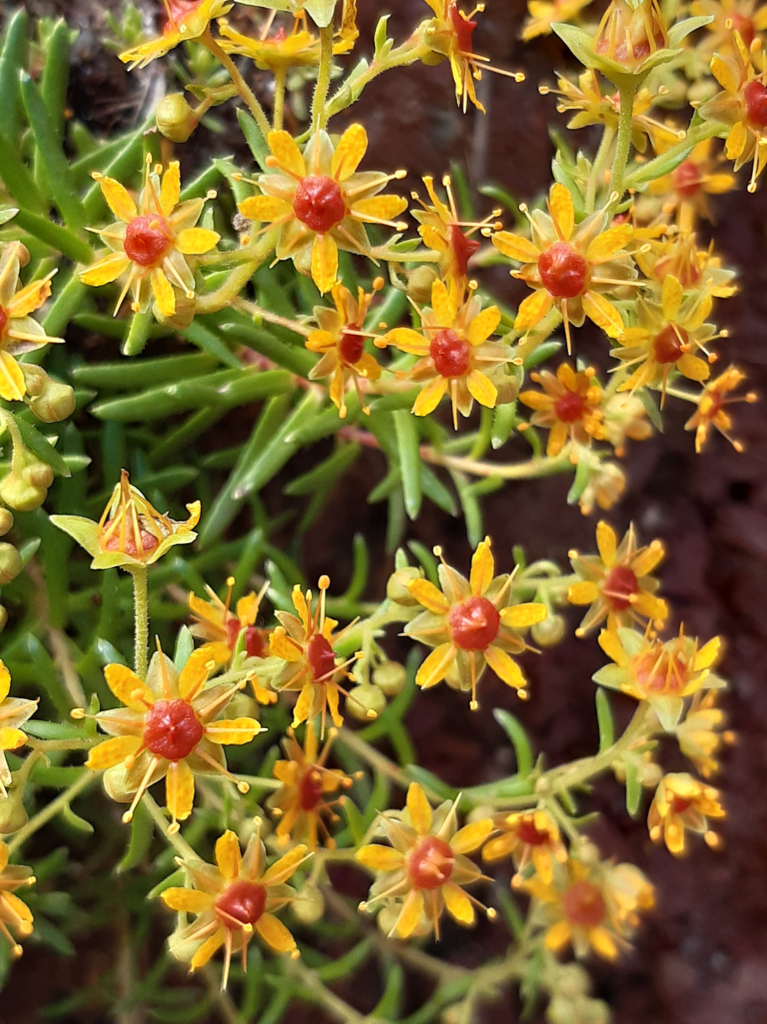
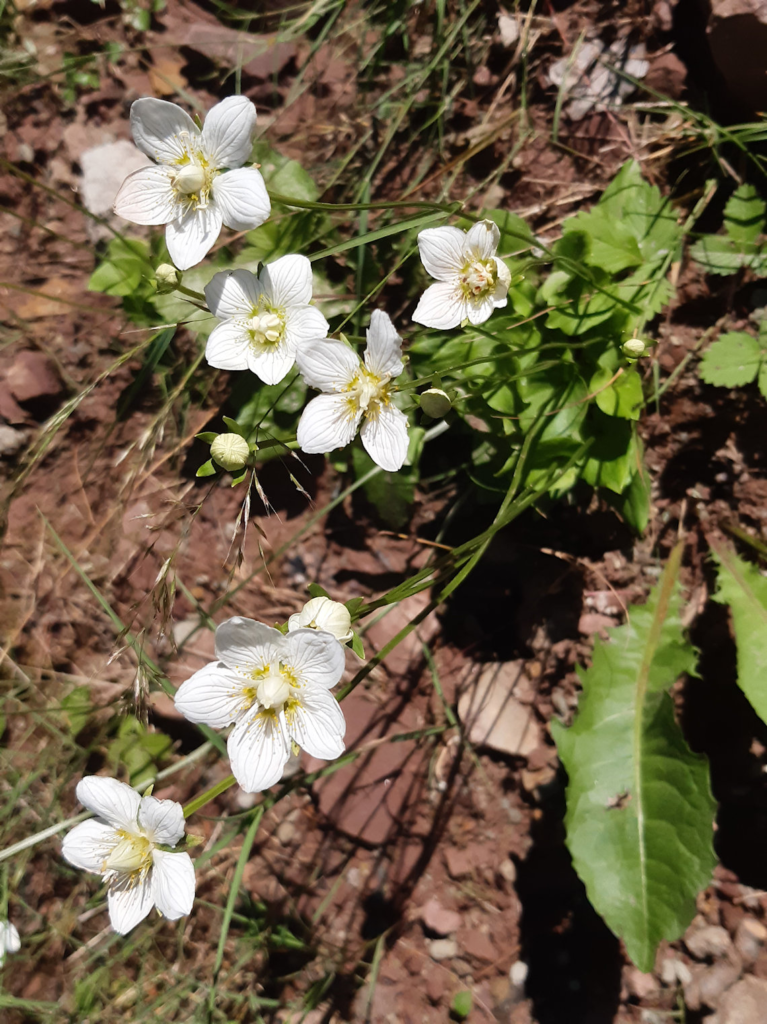
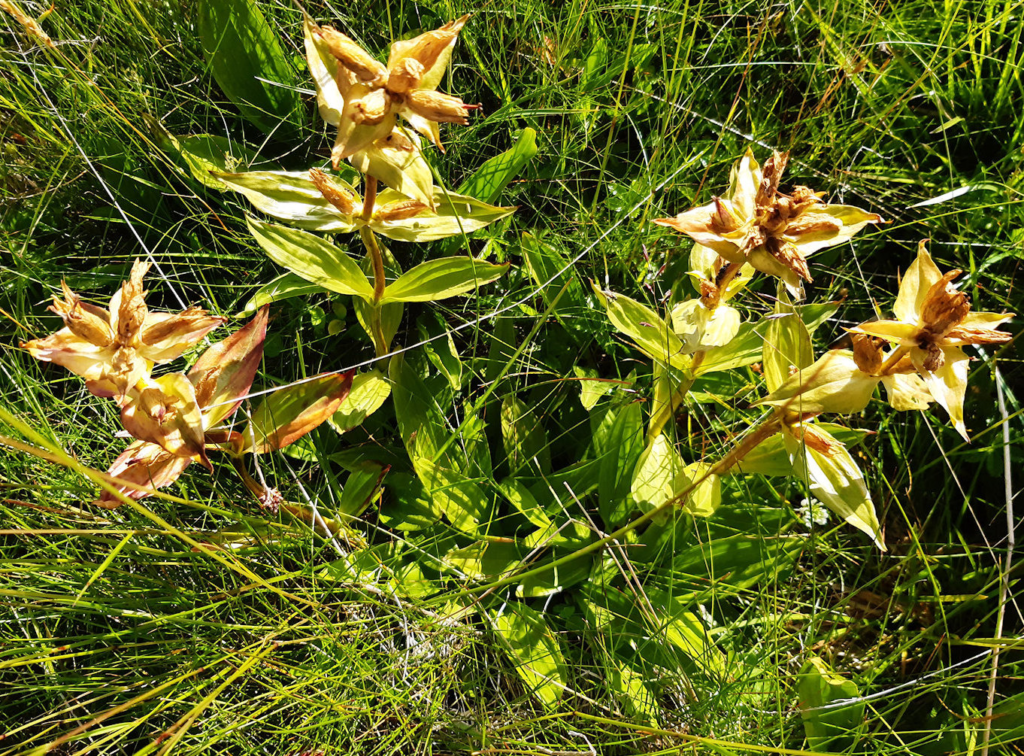
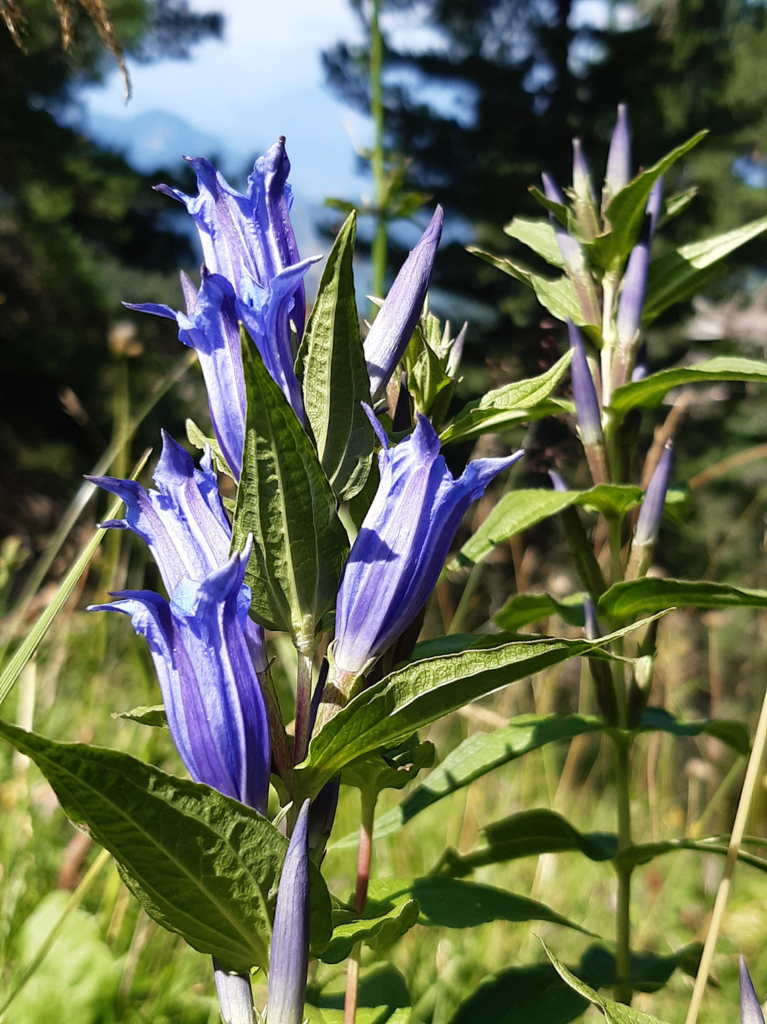
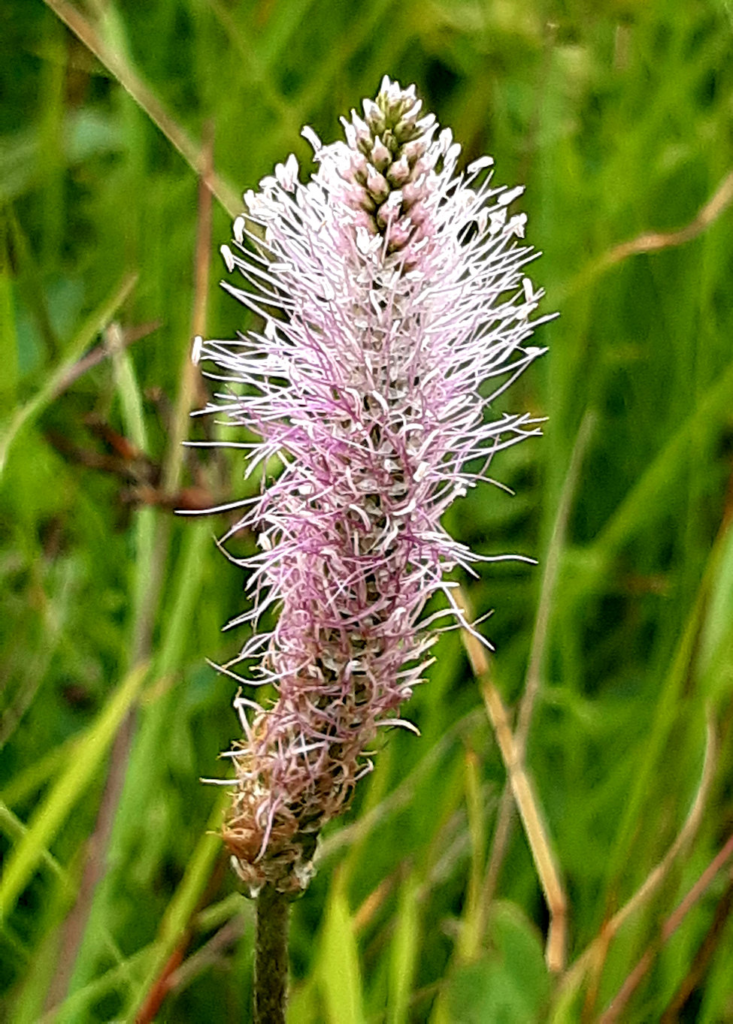
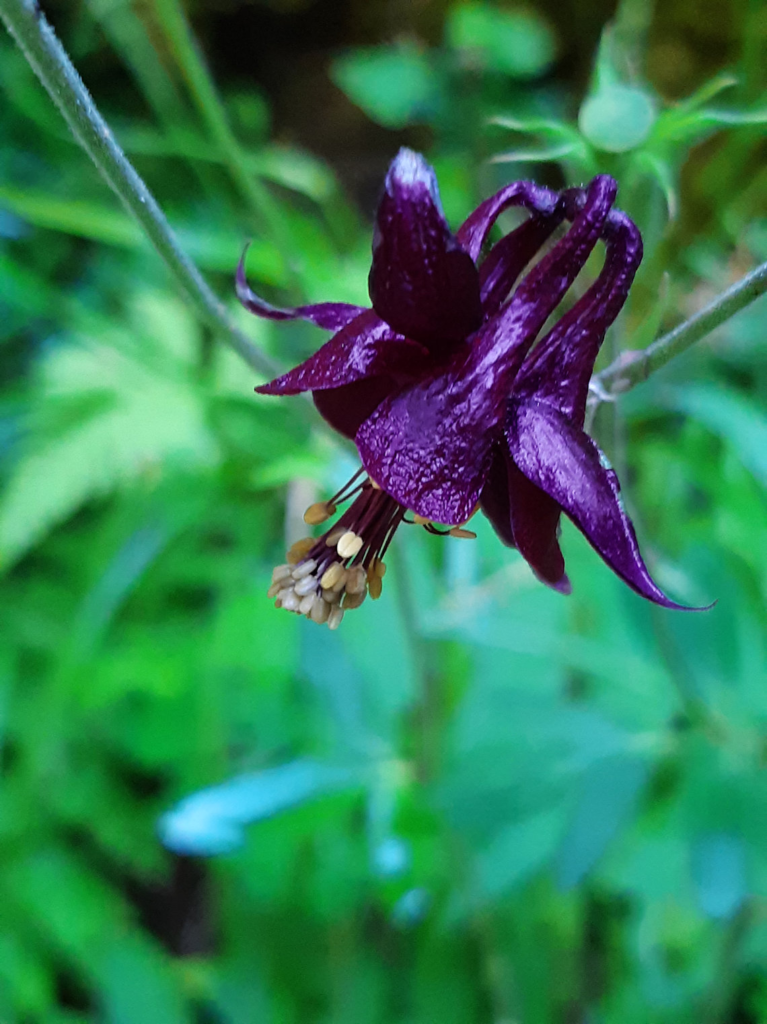
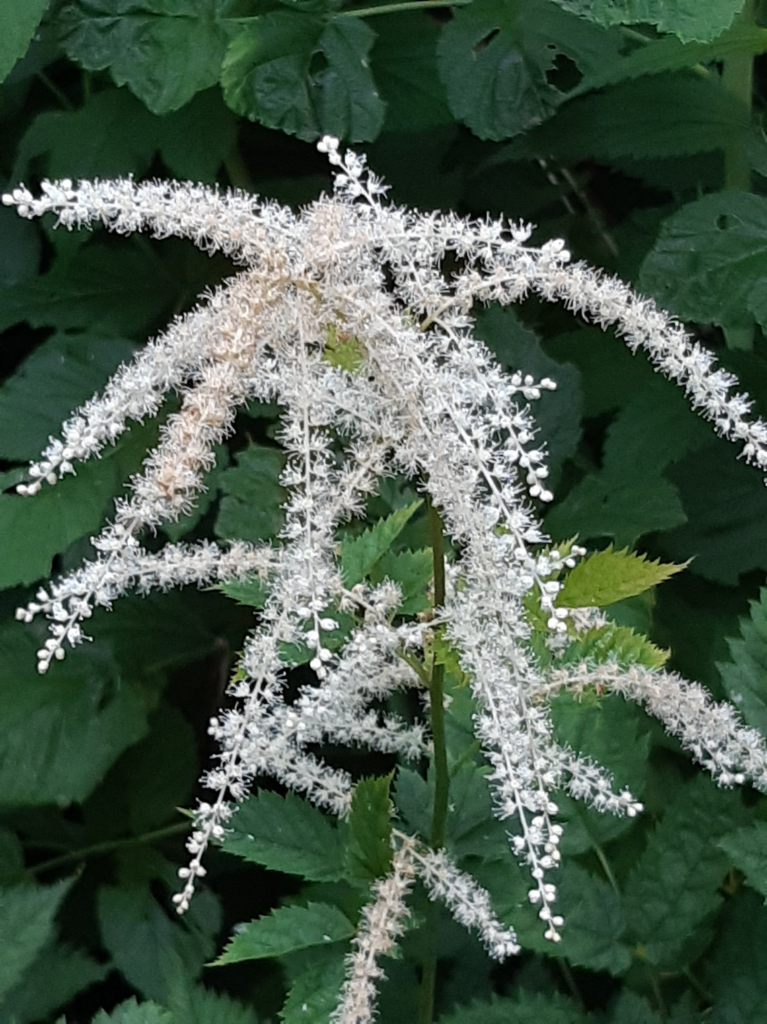
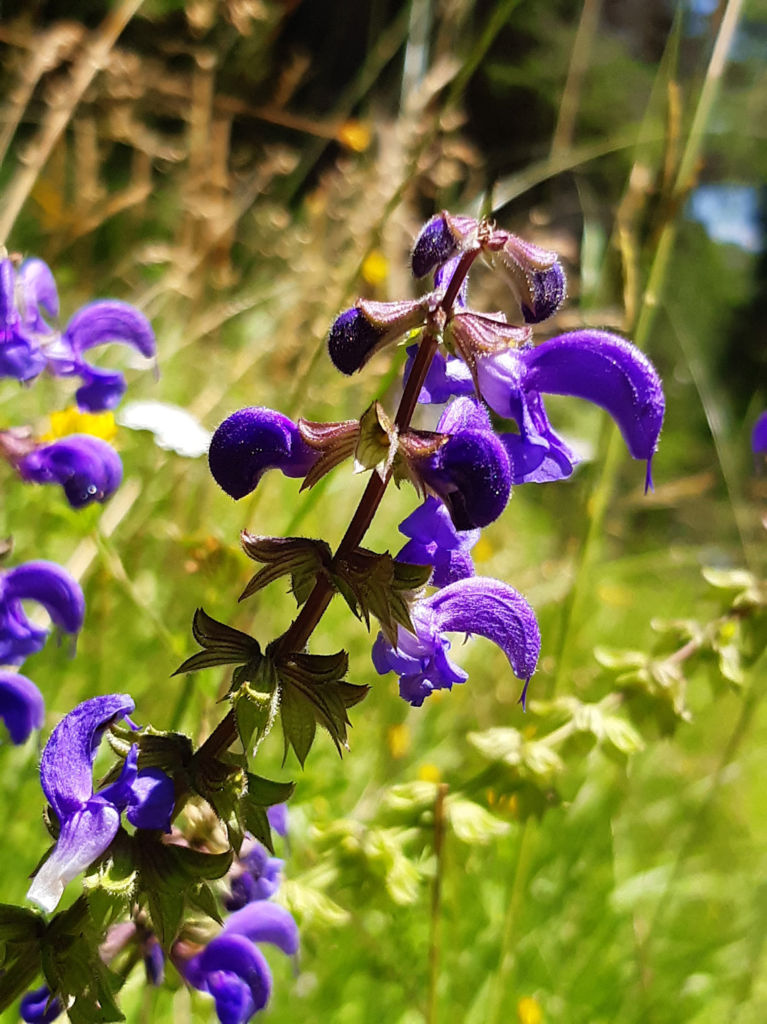
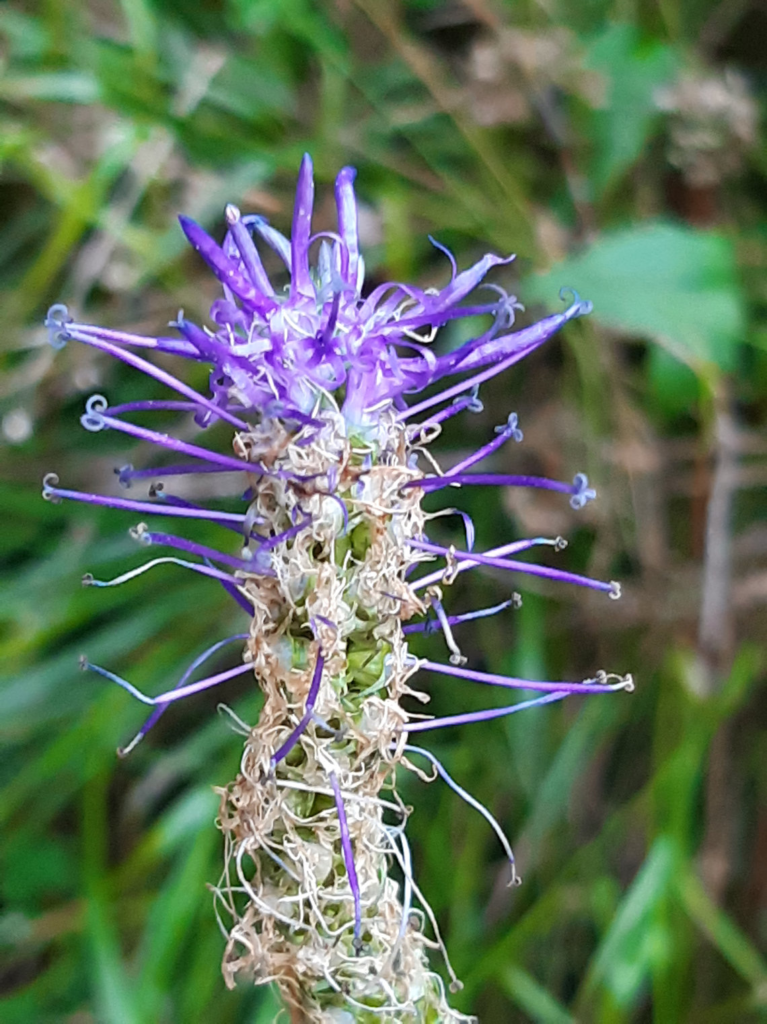
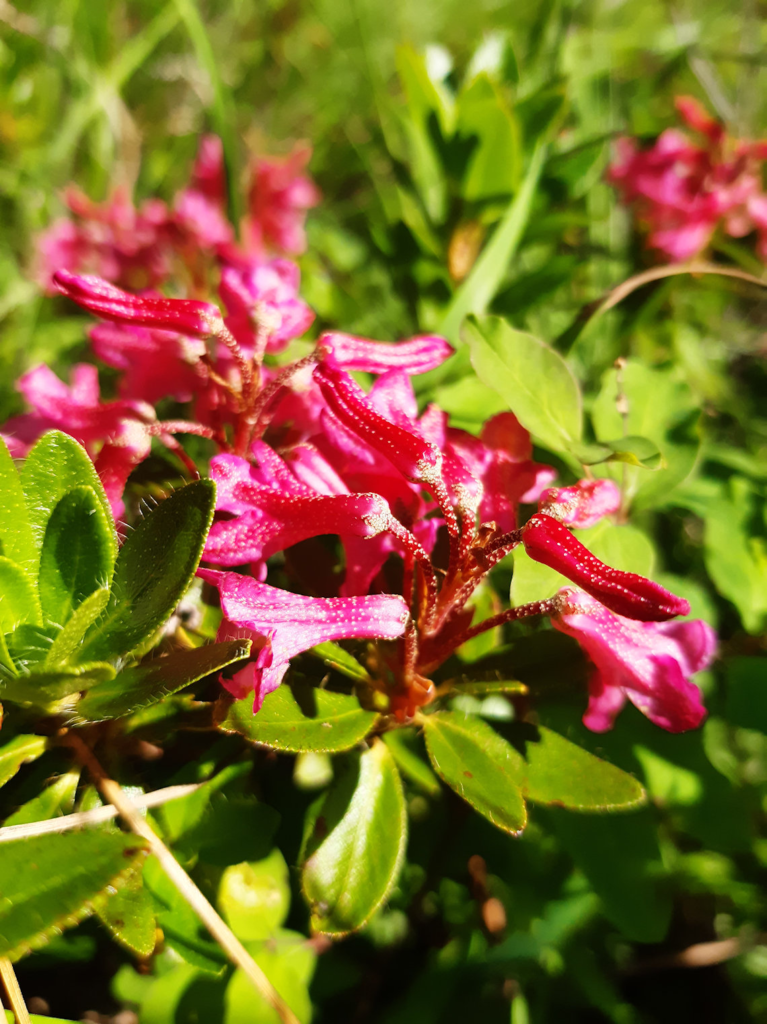
Yellow WolfsbaneHerb-Paris, a rare but distinctive plant of the high mountainsThe colourful symmetries of Yellow Mountain SaxifrageThe scarce and definitely montane Grass-of-Parnassus, divine at least in nameThe Spotted Gentian (yes! they’re not all purple!) coming into fruitThe glorious colour of the Willow Gentian, another scarce flower of the high mountainsThe Hoary Plantain, an elegant mountain member of a common genusThe striking wild Columbine (Aquilegia), mountain cousin of the garden plantsThe extraordinary and beautiful Goat’s Beard, Aruncus vulgarisClary Sage (Salvia), the attractive wild cousin of the garden herbBetony-Leaved Rampion, like a space invader in the plant worldThe Hairy Alpenrose, a high-altitude native member of the Rhododendron tribe
Time for a lichen or two!
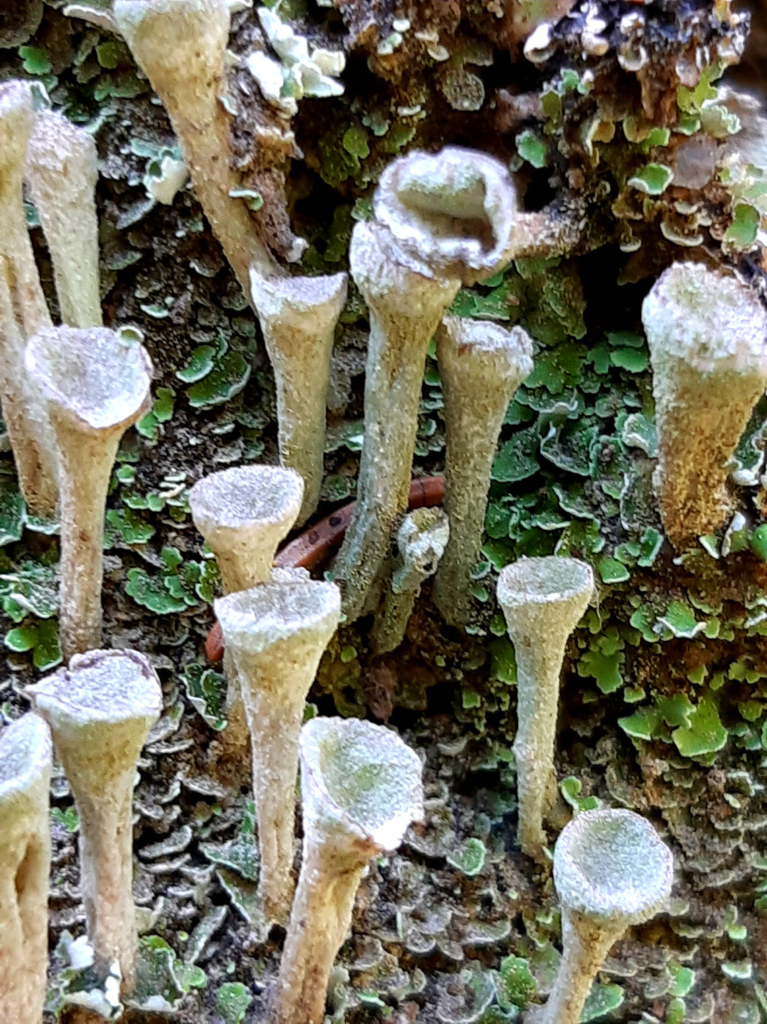
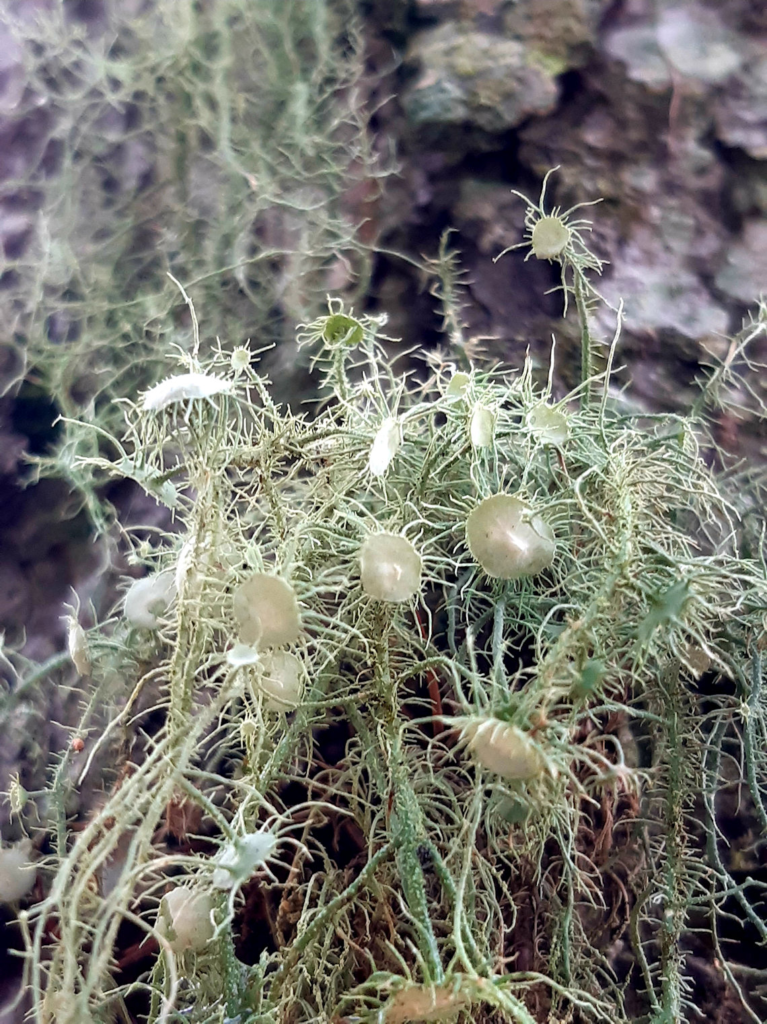
The graceful champagne flutes of the Cup Lichen, Cladonia cf fimbriataOne of the most attractive of all lichens, Usnea florida, the flowery beard lichen
And now for a few bugs!
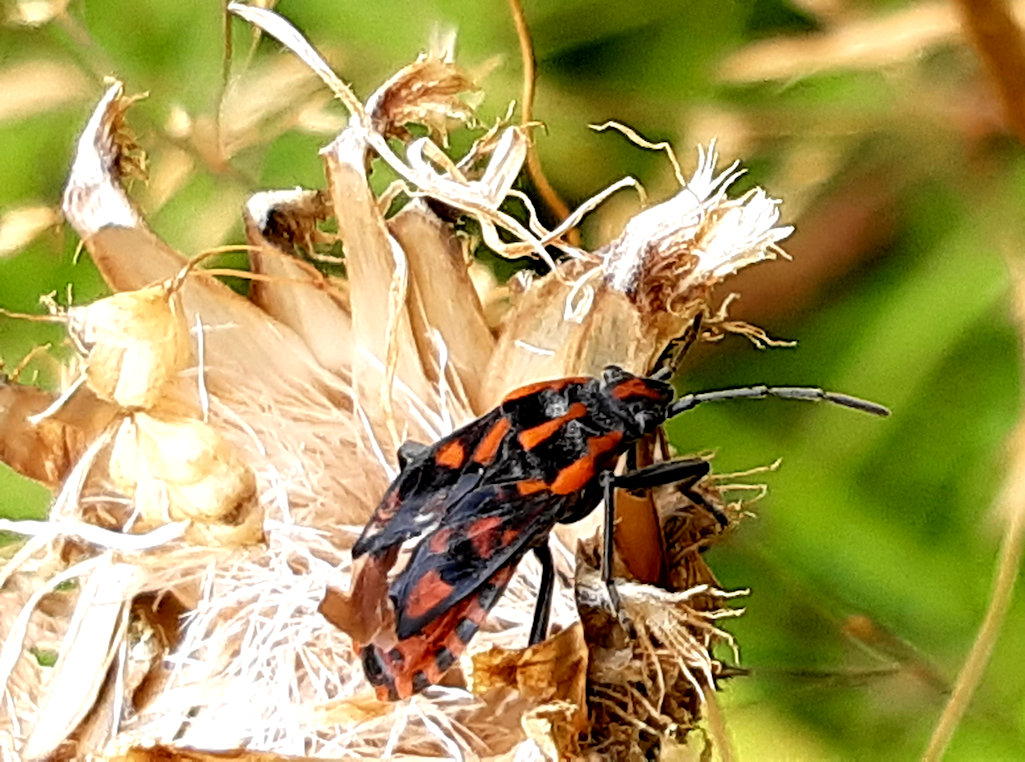
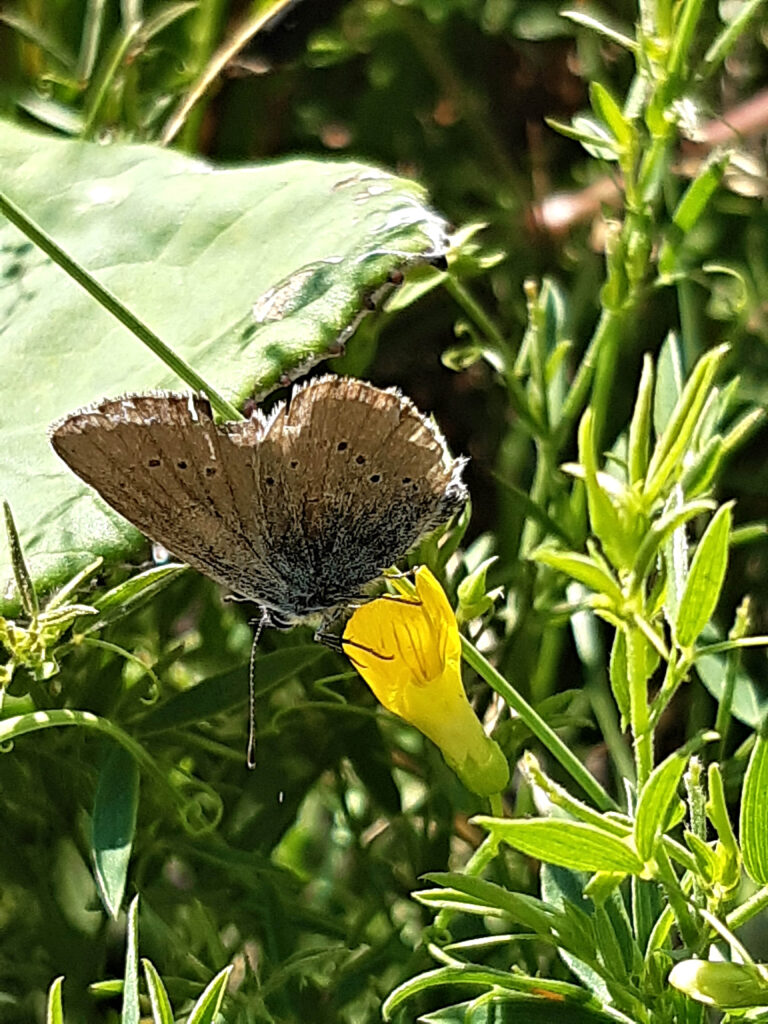
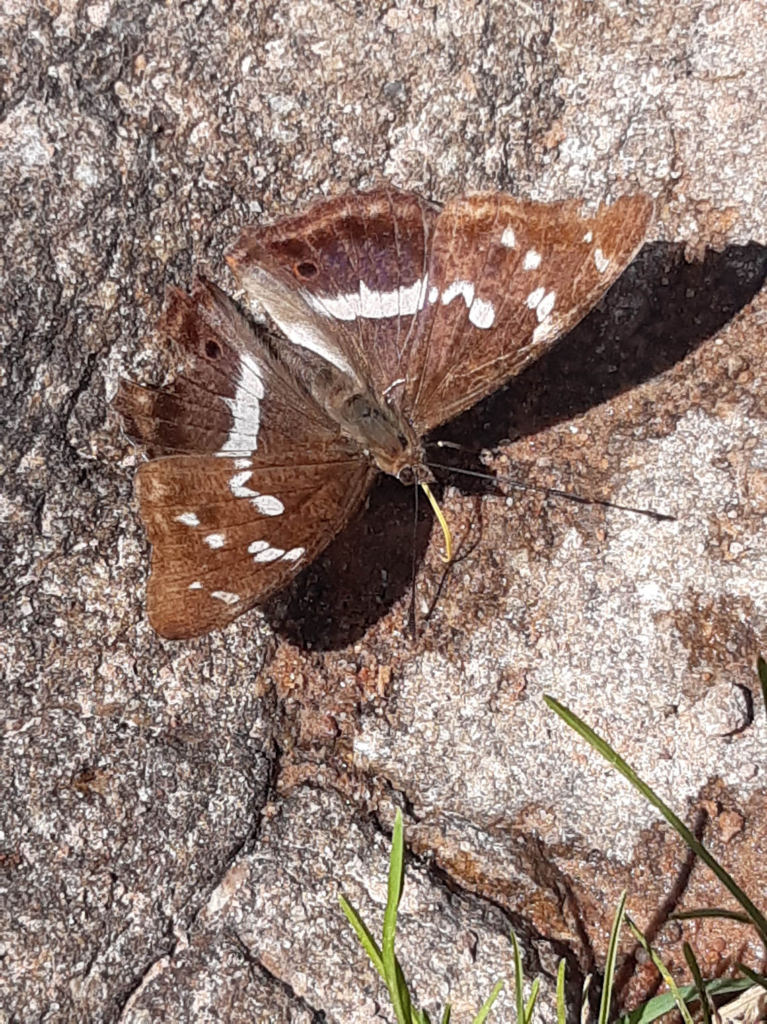
The bright warning coloration of the Mediterranean Milkweed Bug says “Don’t try eating me, I’m poisonous”.Female Mazarine Blue, extinct in BritainPurple Emperor
The Purple Emperor spends most of its time high in the treetops, but in hot weather (like the current heat dome covering most of Europe including Britain) comes down to wet rocks (here, beside a delightfully cold and refreshing mountain stream, which I visited for much the same reasons as the butterfly) to drink the mineral-rich water. You can see its long proboscis extended for drinking. The wings have a purple sheen, created by microscopic structures which interfere with light, when the light is in just the right direction; they are pigmented brown.
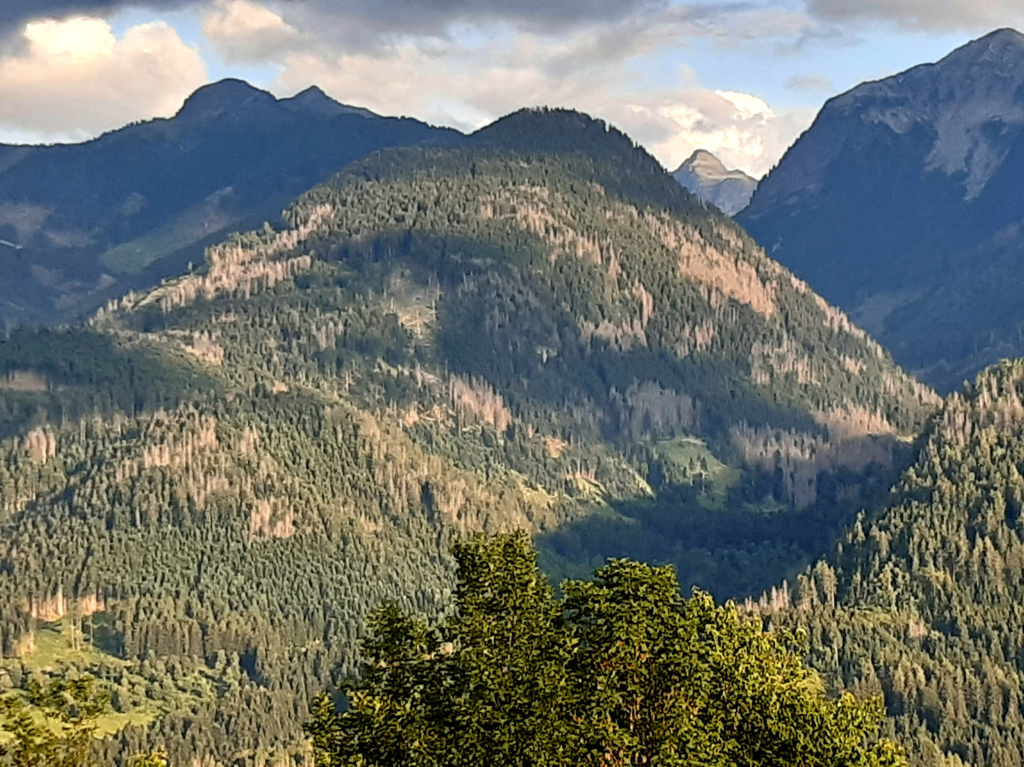
On the subject of increasing heat, this photograph of a mountain forest tells a sobering story. Dead Spruce trees are dotted about the slopes. They were killed by the European Spruce Bark Beetle, Ips typographus. As its name suggests, it mainly affects Spruce but can harm other conifers.
Ips typographus. Photo from Wikimedia Commons by Gilles San Martin. CC-by-SA 2.0
The female lays her eggs under the bark of the tree. The larvae make galleries there, which can be extensive enough to girdle and kill the tree.
Ips typographus’s galleries just under the bark of a spruce tree. Photo from Wikimedia Commons by Tonu Pani, CC-by-SA 3.0 unported.
Growth of the beetles is slowed or halted by hard winters, and they used to have just one brood per year. With global warming, Europe’s winters are becoming milder, and the beetles often survive the winter. In addition, they now have up to 3 broods per year; damage to forests has greatly increased.
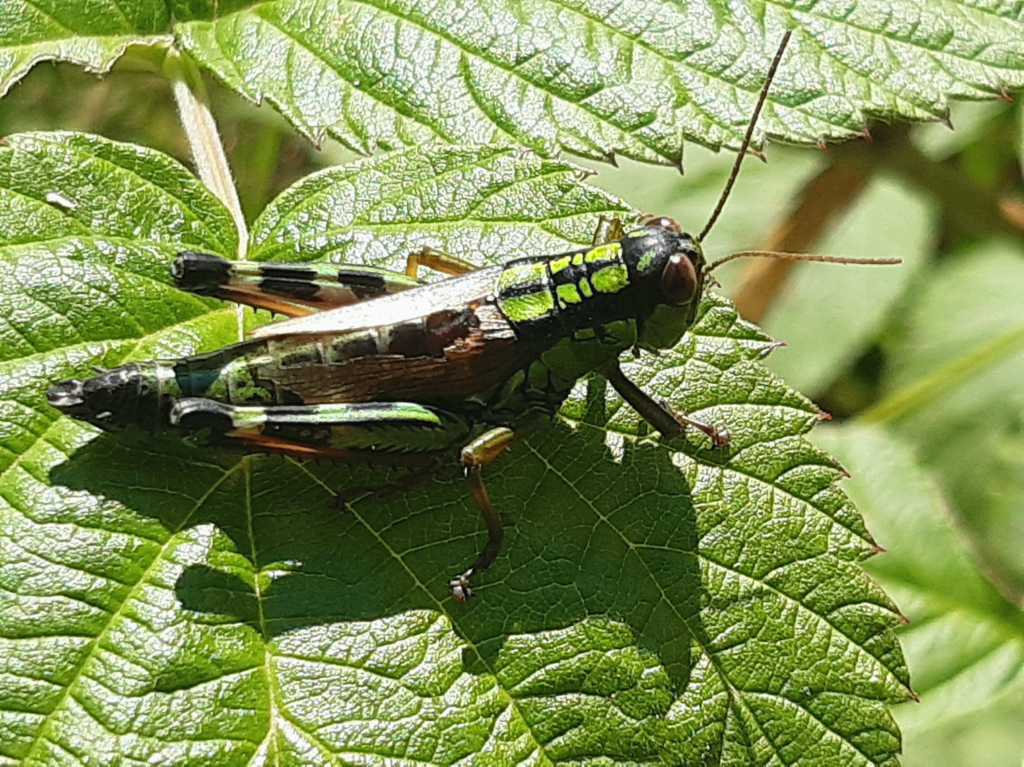
Green Mountain Grasshopper
The star of the show? The celebratory summer-lover, the Green Mountain Grasshopper. It was a joy when one landed on my shirt and stayed to pose for the photographers.
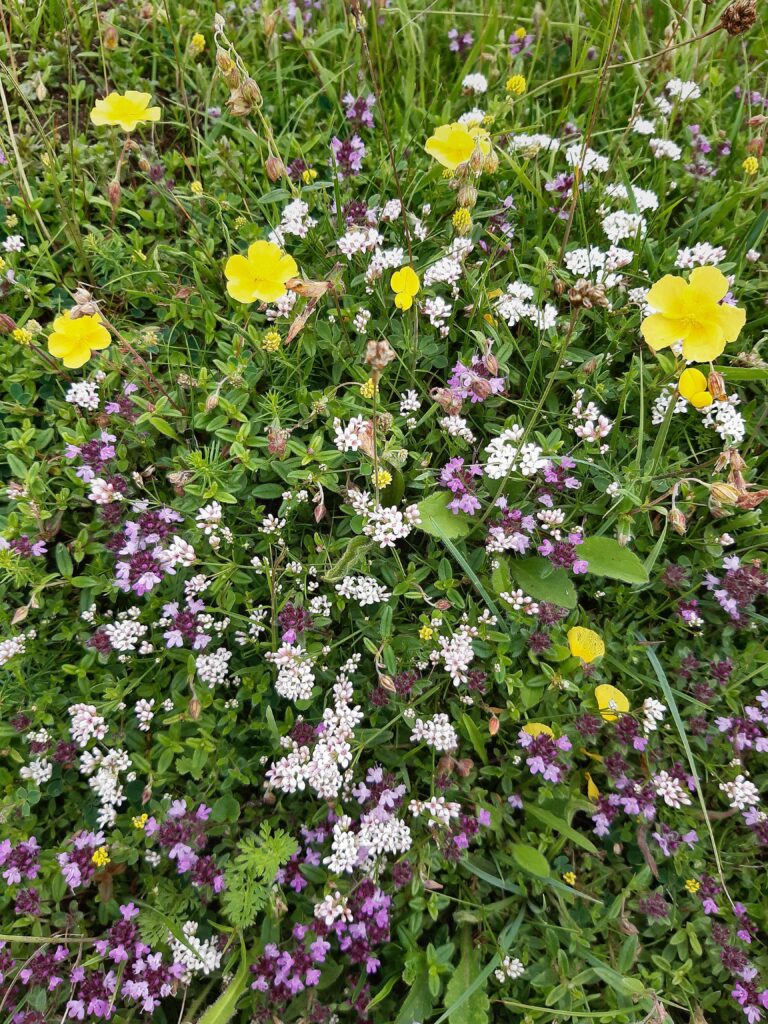
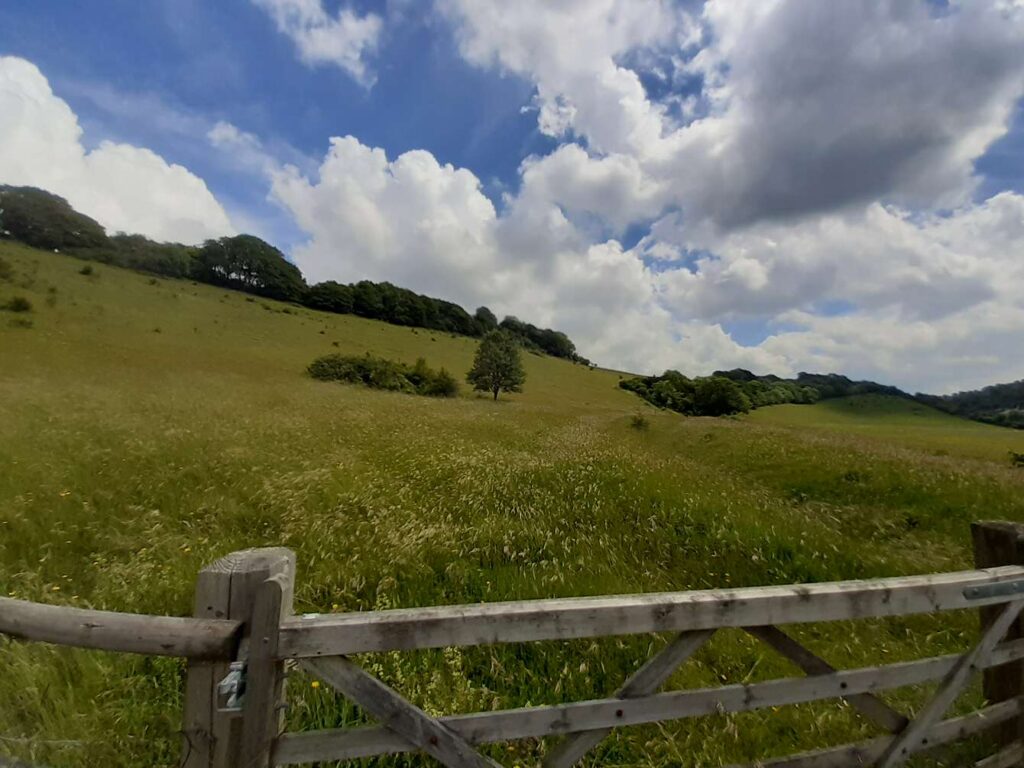
Aston Rowant’s fine south-facing flowery Chalk Grassland meadow
Well, this strange year – a cold dry April when the bees could hardly feed for lack of pollen and nectar; the wettest May anyone can remember; and now a June so late that cherries, raspberries and redcurrants are ripening all together. In some recent years, the end of June would have been too late for many flowers, specially on Aston Rowant’s steep, free-draining Chalk Grassland.
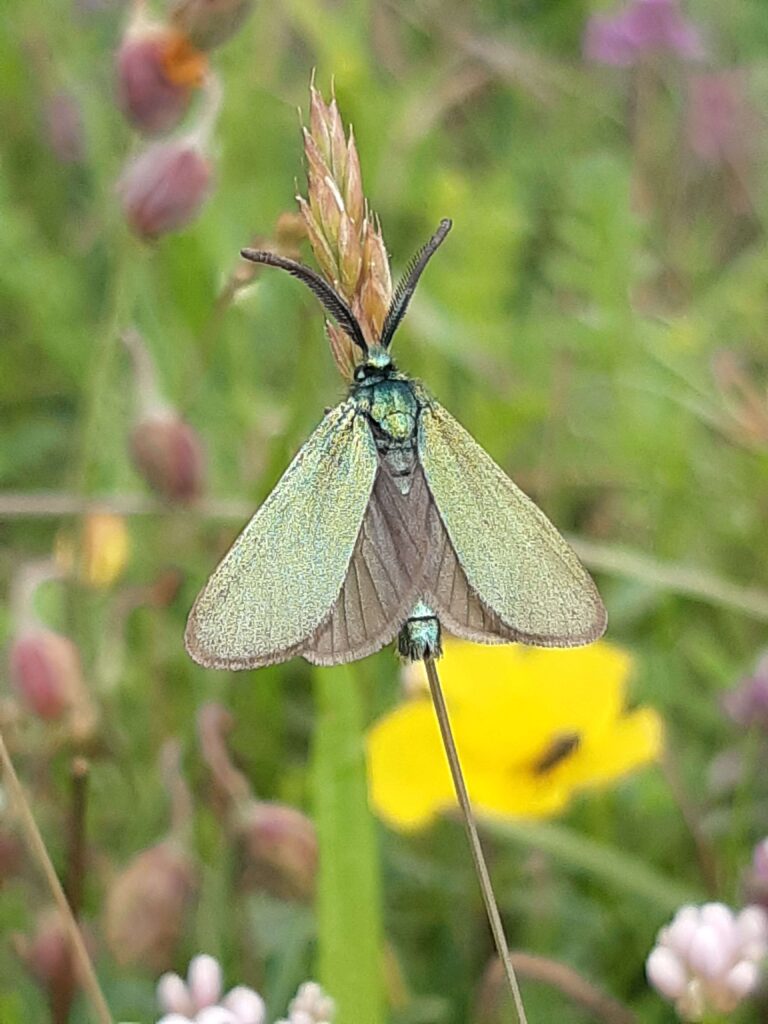
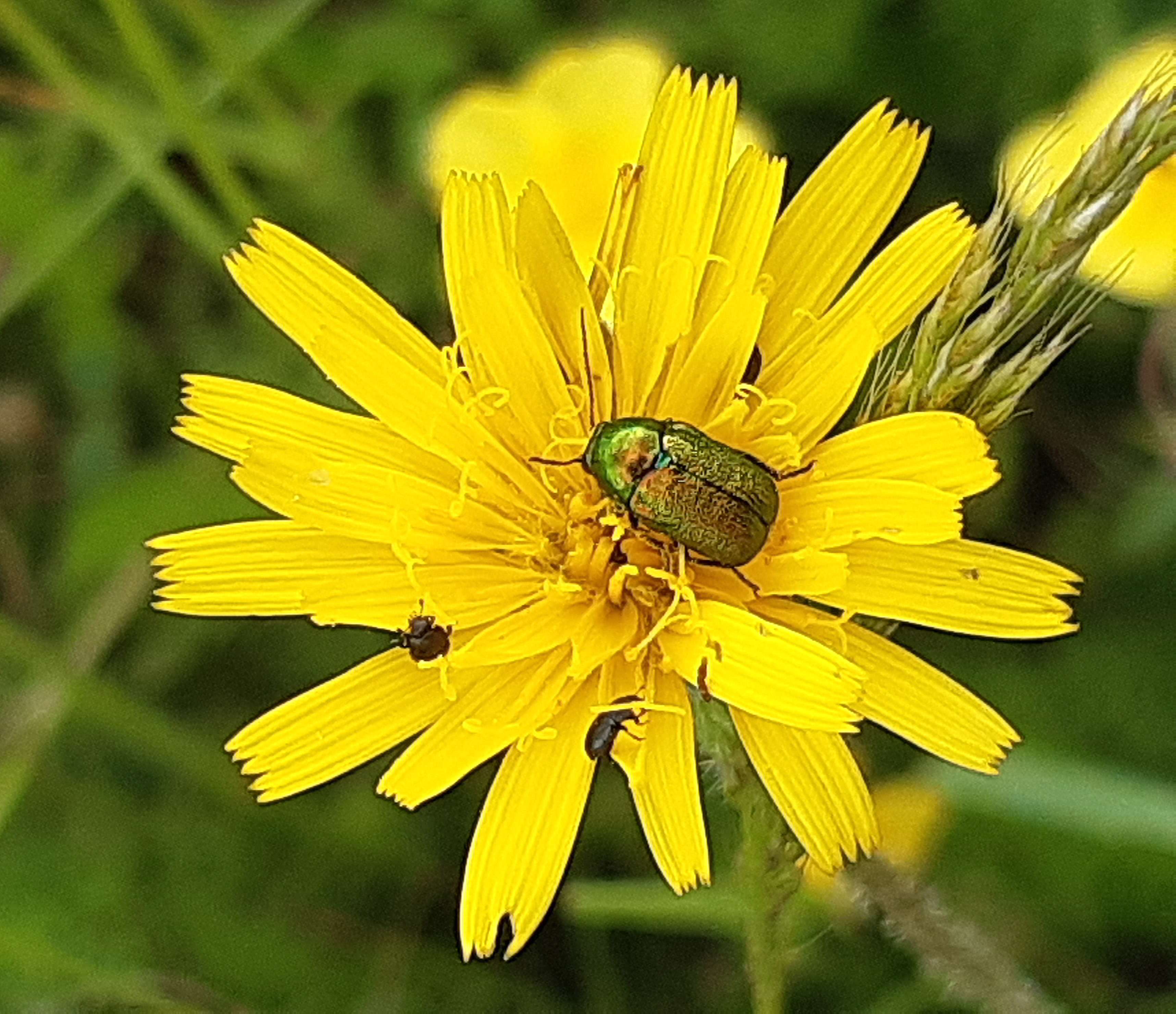
But not this year: it’s like Tolkien’s The Shire after Sam Gamgee has returned victorious and sprinkled the magic grains of earth from Galadriel’s Elvish Garden in all his favourite spots, and everything is glorious with colour, buzzing with bumblebees, and glittering with iridescent green Forester Moths, Thick-Kneed Flower Beetles, and astonishingly shiny Hawkweed Leaf Beetles.
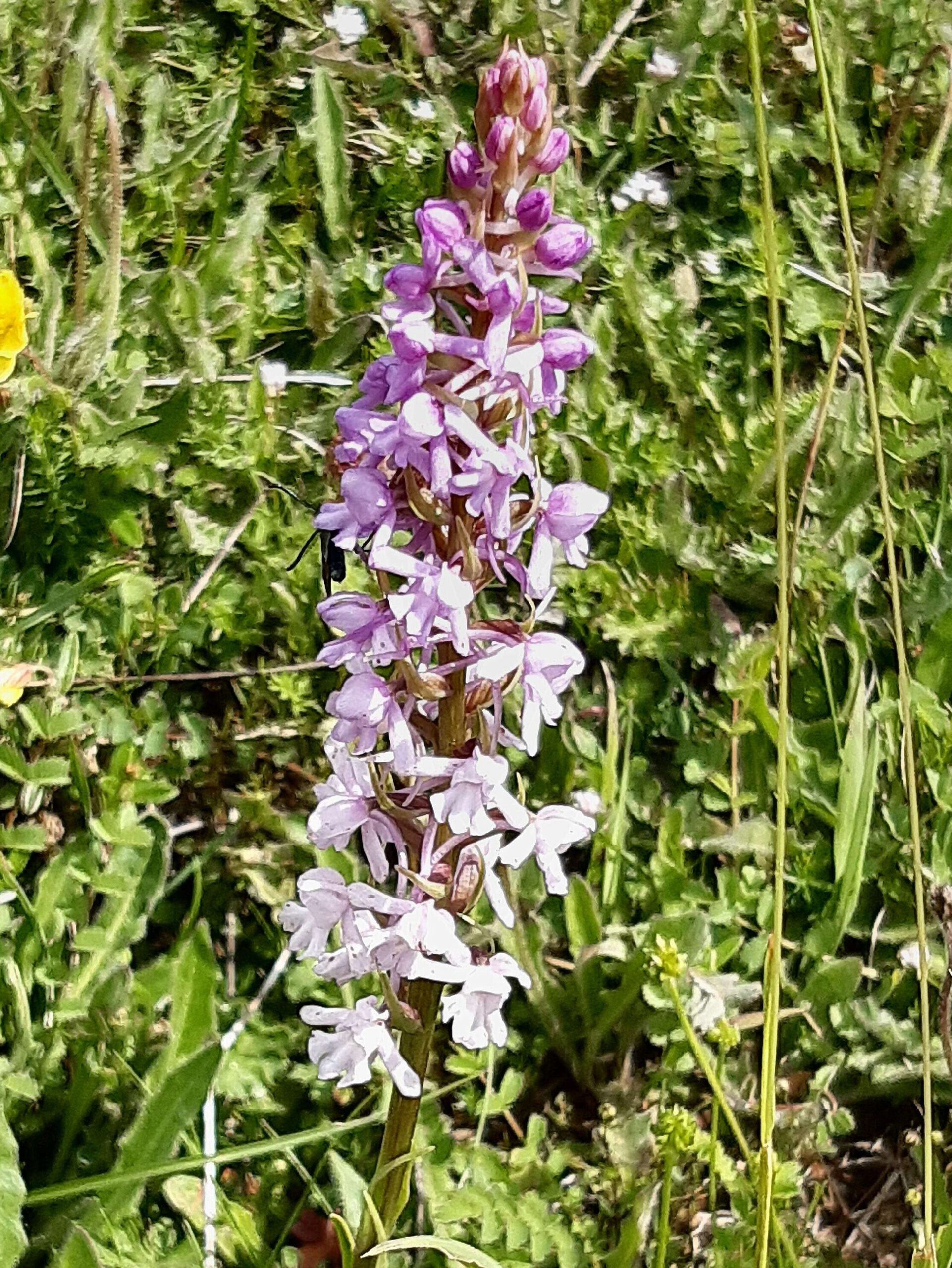
Chalk Fragrant Orchid (Gymnadenia conopsea)
Forester Moth, distinctive as a day-flying moth with shiny green scales and feathery antennae
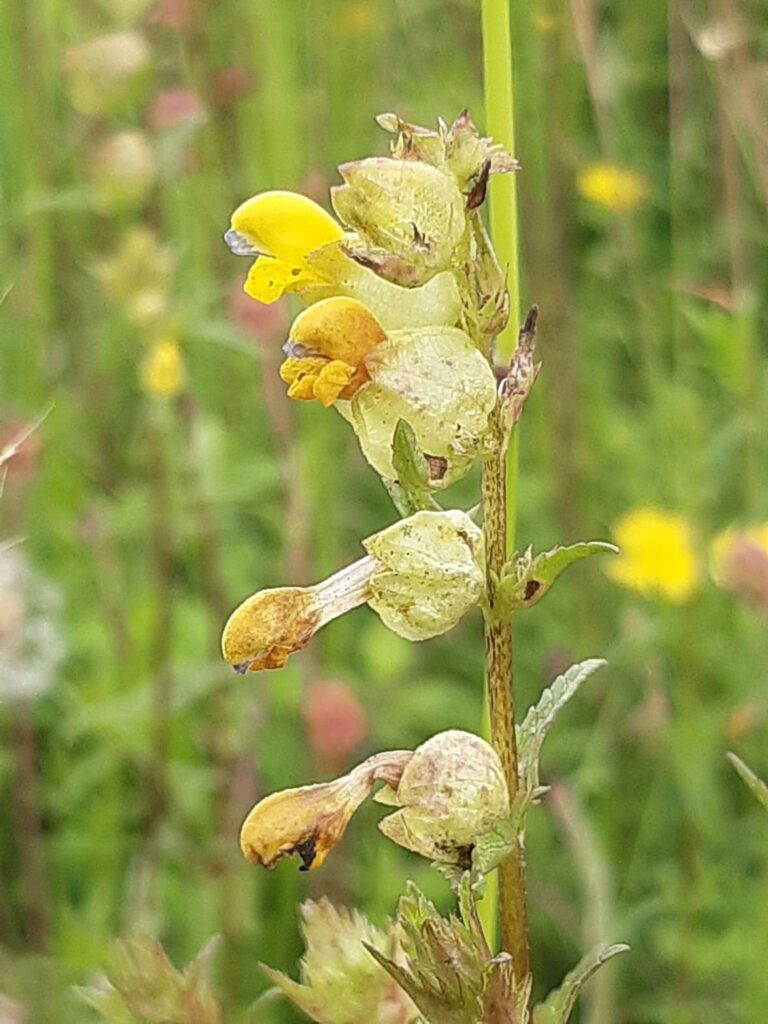
Yellow Rattle
This curious little flower in the Broomrape family, Yellow Rattle, may seem to be just an oddly-shaped herb; but it’s critically important to the flowery meadow ecosystem. It doesn’t have much in the way of green leaves, as it’s a parasite: its roots attach to nearby grasses, extracting the food it needs to live, and in the process weakening the grasses all around it. Result? Tall tough grasses that would otherwise crowd out and overwhelm their attractively coloured neighbours are suppressed, and a wealth of insect-pollinated flowers can, well, flourish. That doesn’t mean the area can just be left to look after itself: Hawthorn and other shrubs would quickly take over and turn the place into forest, so carefully-planned grazing is necessary to keep the land at the meadow stage. It’s called Rattle, by the way, because the ripe seeds dry out and rattle inside the leafy fruit capsules when the plant is shaken.
Cryptocephalus hypochaeridis (Chrysomelid leaf beetle) as usual on Hawkweed
Ragged Robin, another handsome and once common meadow flower. The attractive grass just below it is Briza, the Quaking-Grass: the little seed-heads shake on their long thin stems when touched.
Hoary Plantain, an elegant (and tall) member of a familiar and often-overlooked family. It grows on lime (such as Chalk Grassland)
Milkwort
This small flower was once common in meadows, indeed its name tells its story: it was found wherever milk cattle grazed, in all Britain’s meadows. Now in lowland Britain at least, it’s a rare and special sight, and we feel excited and happy to see it: such is the scale of the catastrophe that has overtaken our countryside. Basically, the flowers are almost all gone; so are the insects; and the birds are fast following them. A place like Aston Rowant is indeed special: its warm, south-facing chalk slopes really were always a wonderful place for flowers like the Chiltern Gentian and butterflies like the Adonis Blue, and happily it still is; but it’s now special just for being what our grandparents would have seen as ordinary: it’s full of what they knew as common wild flowers “of wayside and woodland”.
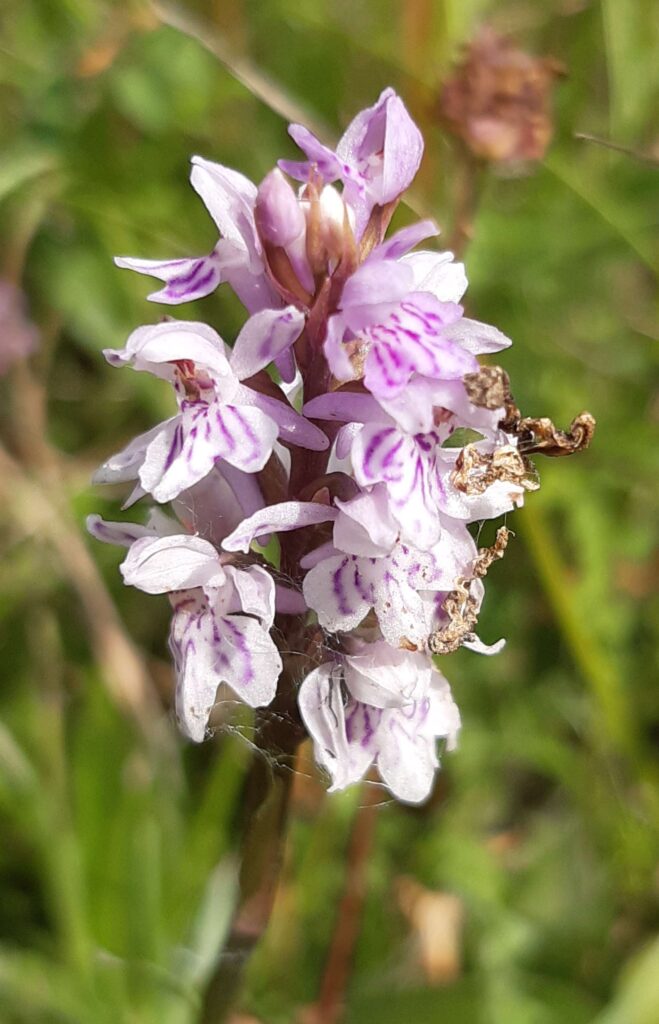
Common Spotted Orchid
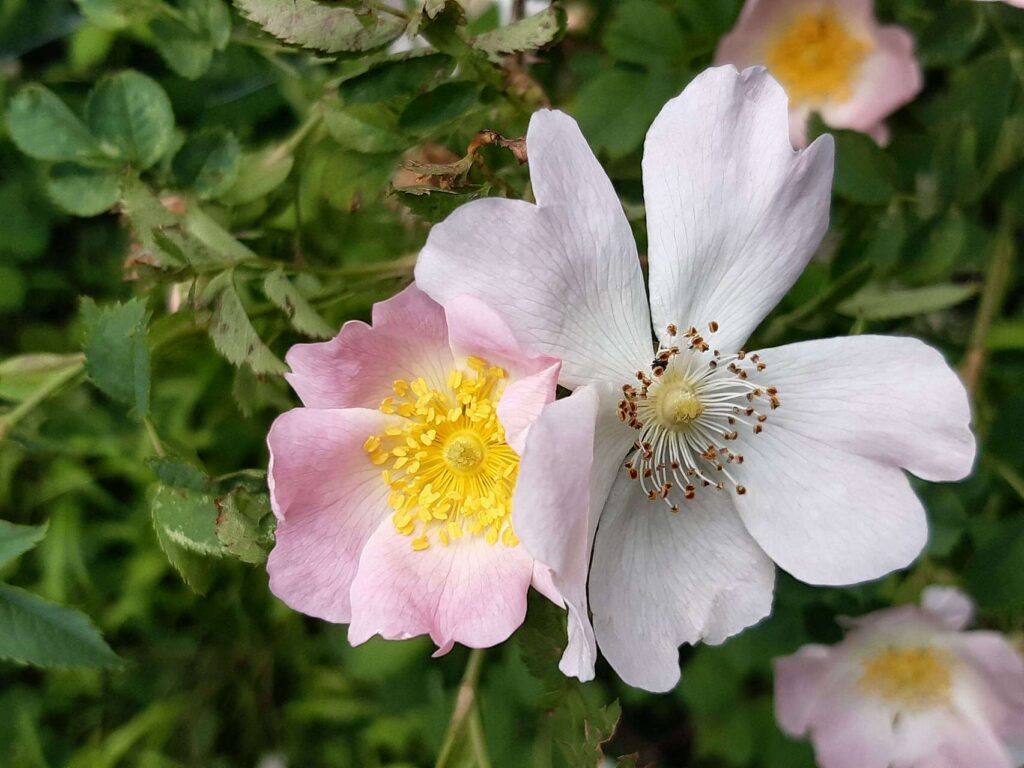
Dog Rose
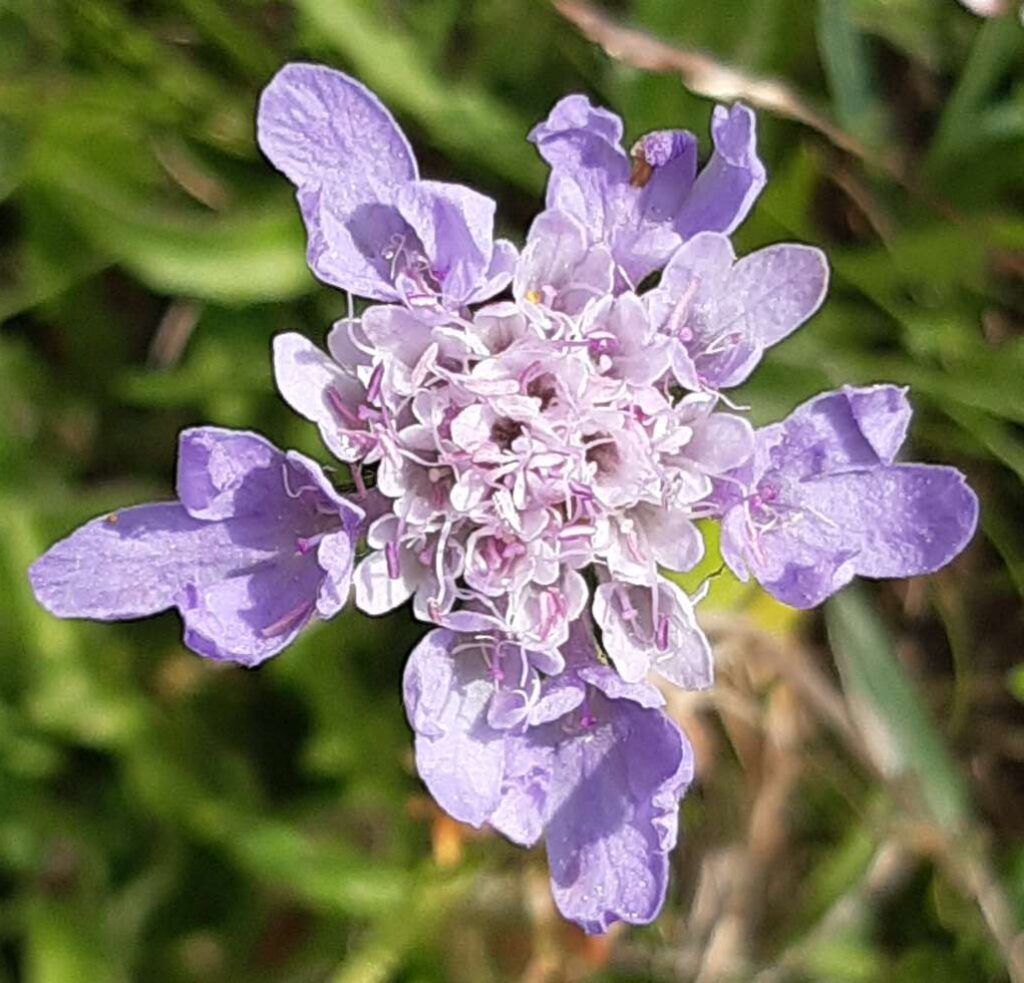
Small Scabious
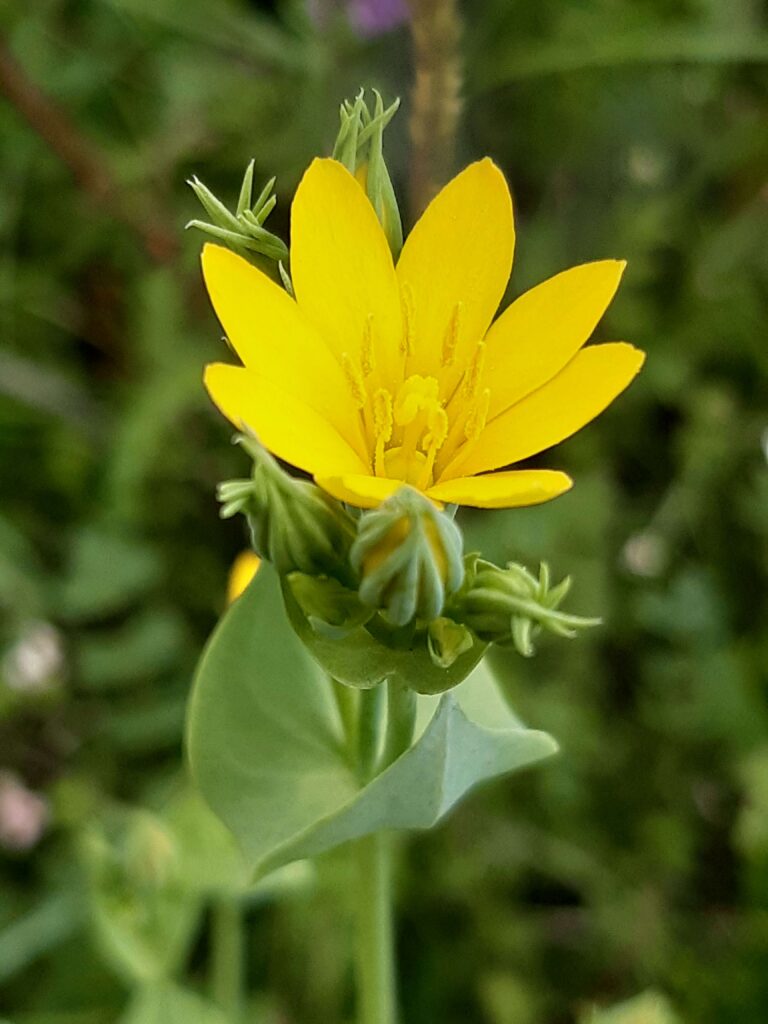
Yellow-Wort, a member of the Gentian family with its striking perfoliate habit and handsome 8-petalled flowers
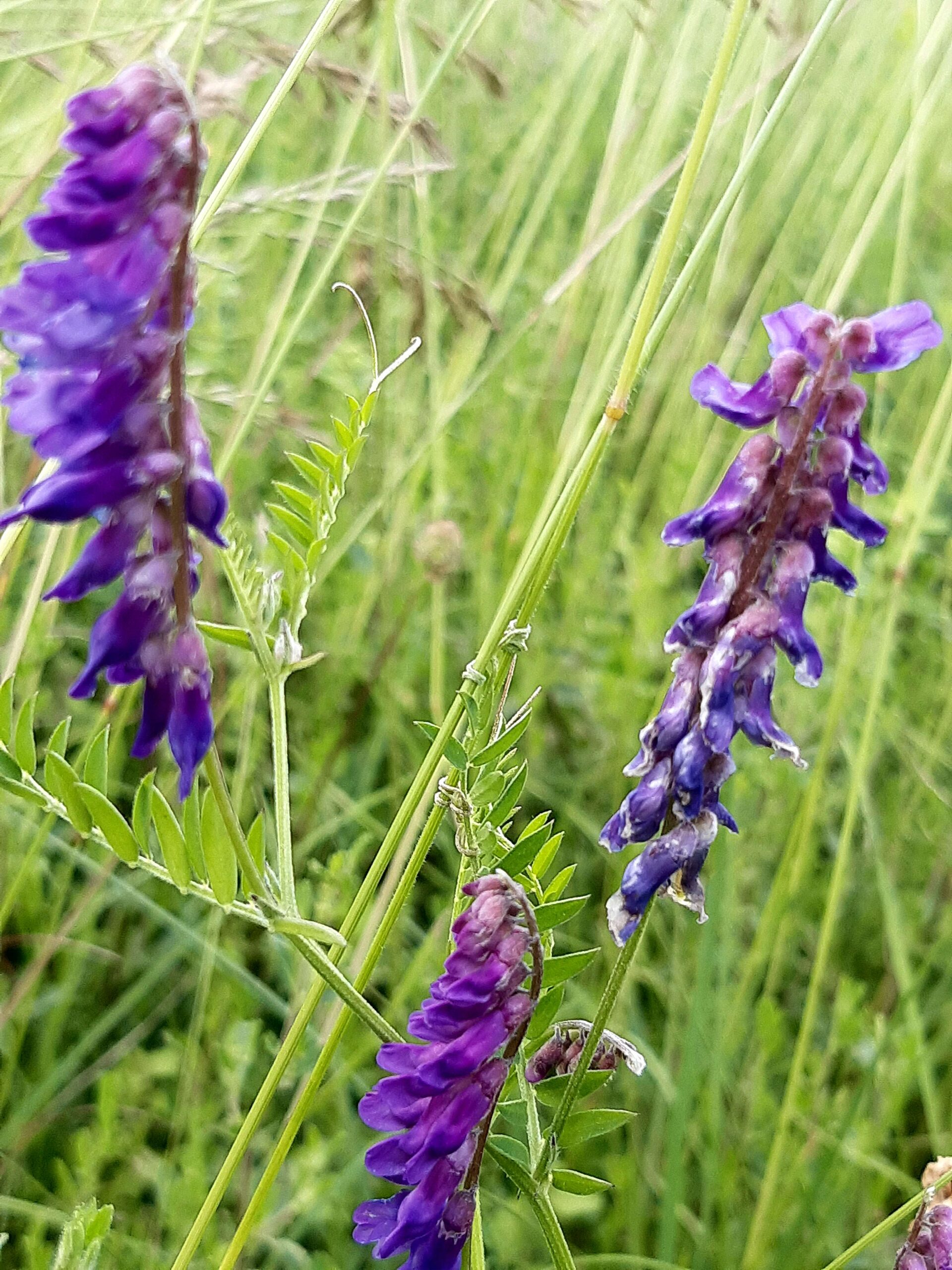
Tufted Vetch, showing off its fine purple tufts of flowers, its handsomely pinnate leaves, and its little paired tendrils grasping several nearby grass stems as it scrambles up.
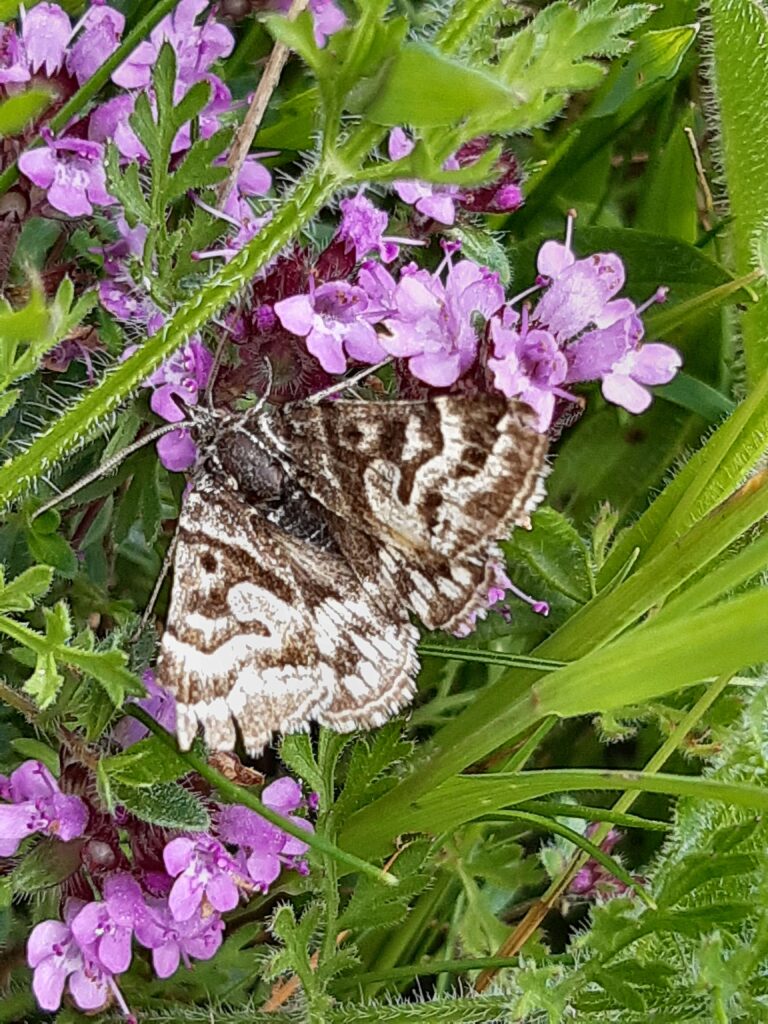
Mother Shipton Moth, named for a famous 16th-century Witch – her beaky nose and chin form a dark brown face pattern around her round eye and mouth. Seems to be a good day for day-flying moths!
There weren’t many butterflies about – Meadow Browns, Common Blues, a single Marbled White very handsome with its dancing flight, a good number of Small Heaths up on the hilltop, a Red Admiral. It looks as if the difficult spring has meant low butterfly numbers this year.
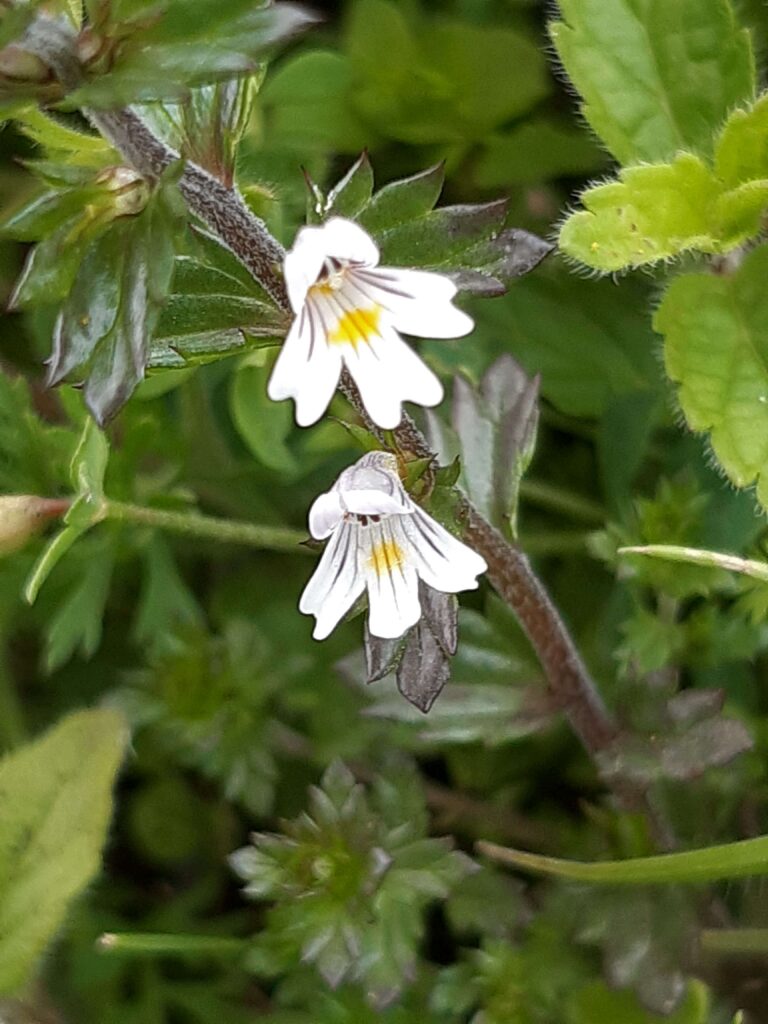
Eyebright
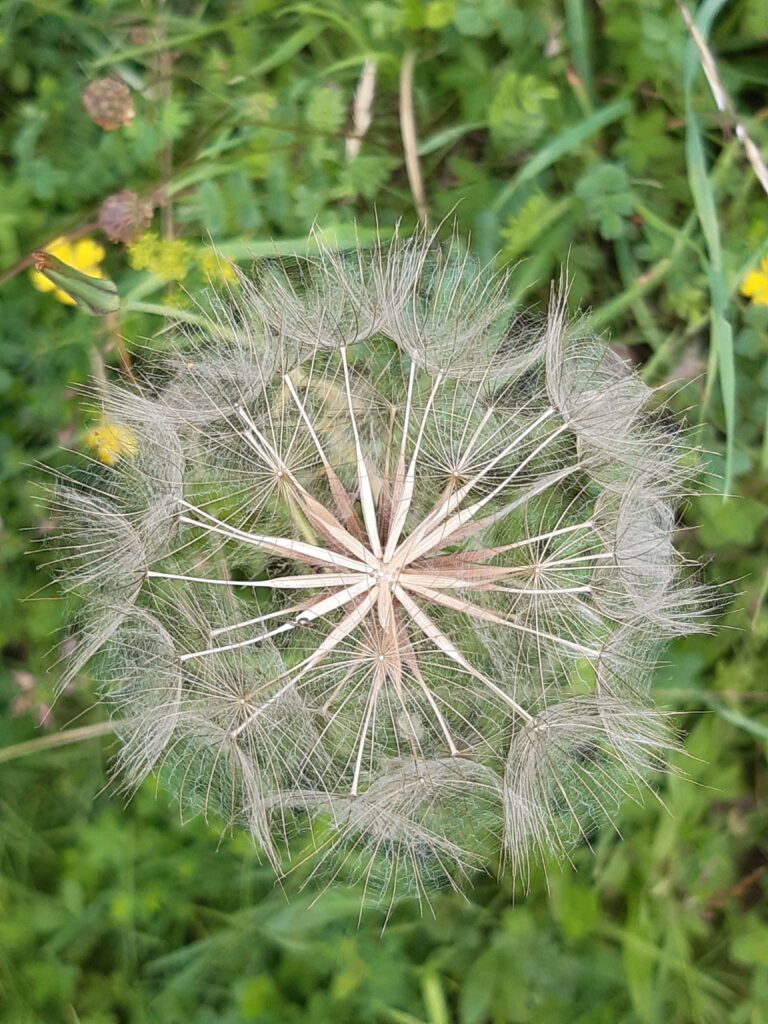
Goatsbeard Clock – the largest pappus of any of our dandelion-like composites
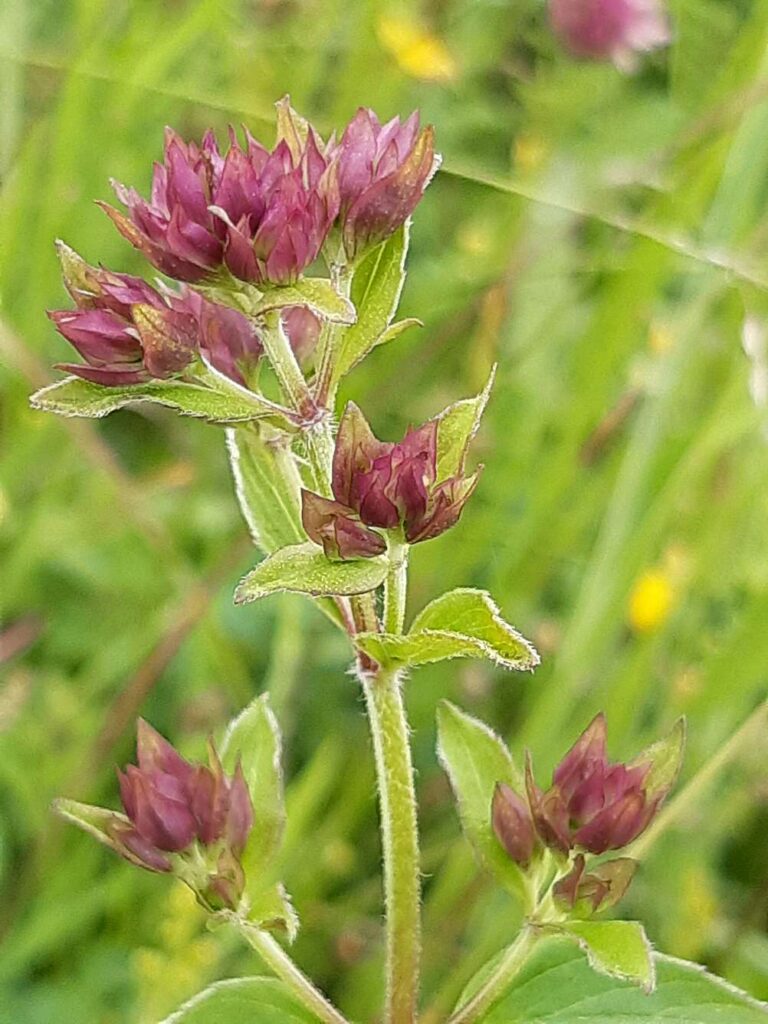
Gentians not yet in flower (but rather handsome even so) … come back later, and we’ll find out whether it was a Chiltern Gentian or an Autumn Gentian, maybe!

.jpg)