
Further to my Dolomites 2025 posting, here are some highlights of this year’s visit, focusing on species and themes I didn’t comment on then. All the images are mine except where indicated.
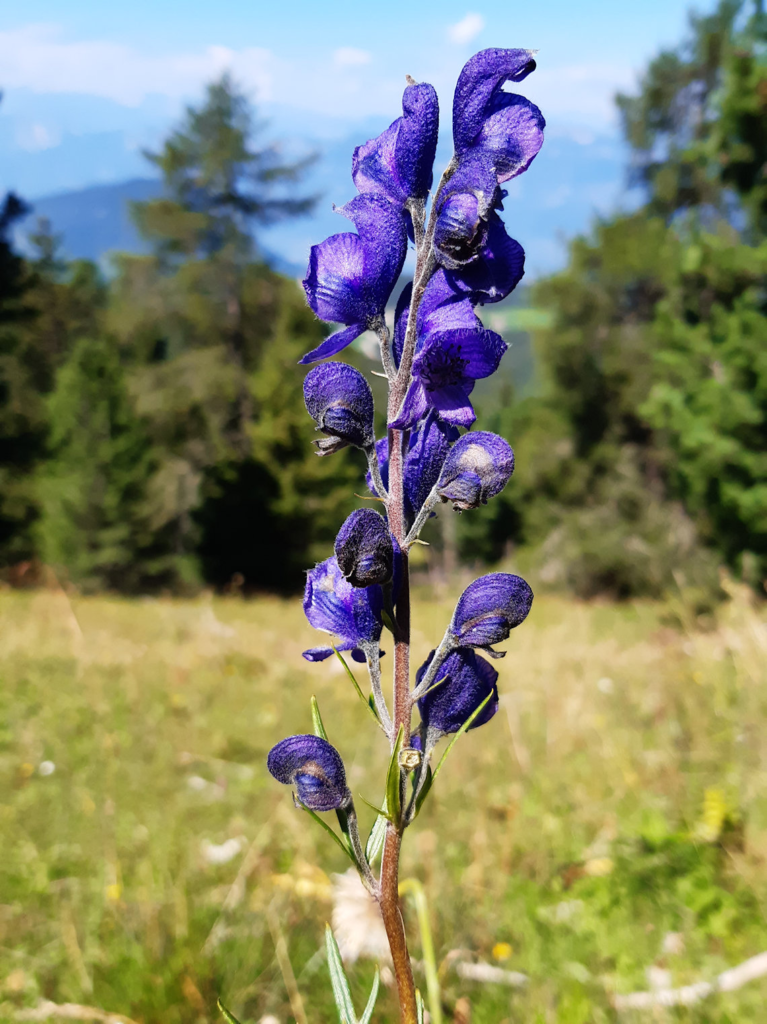
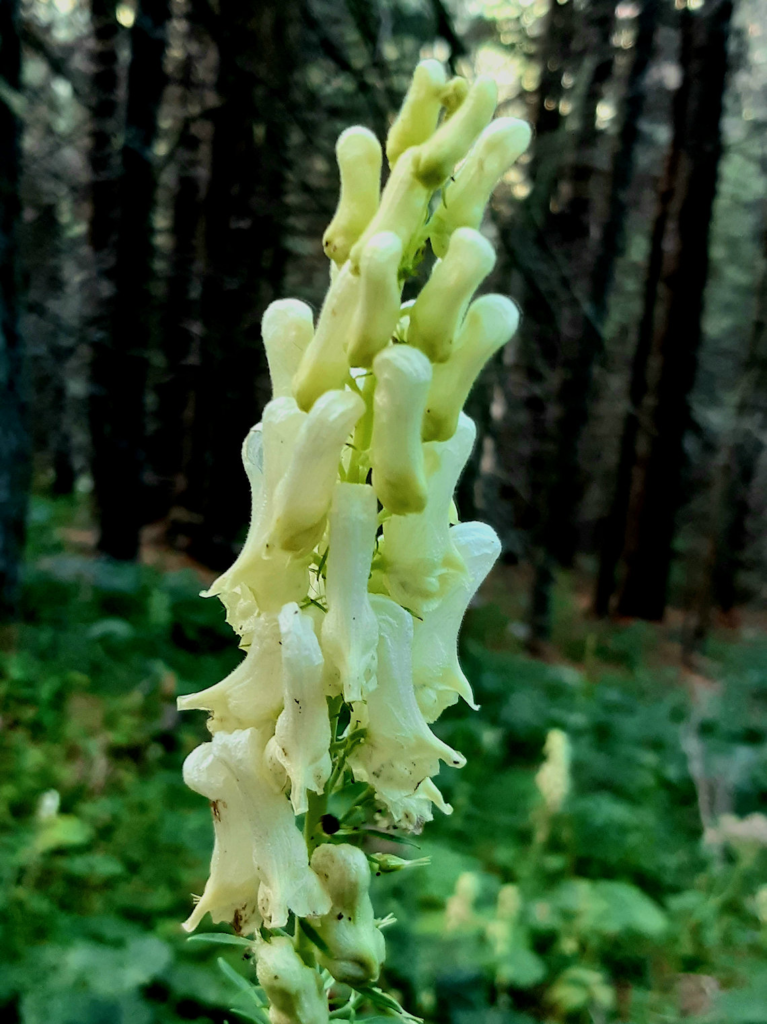
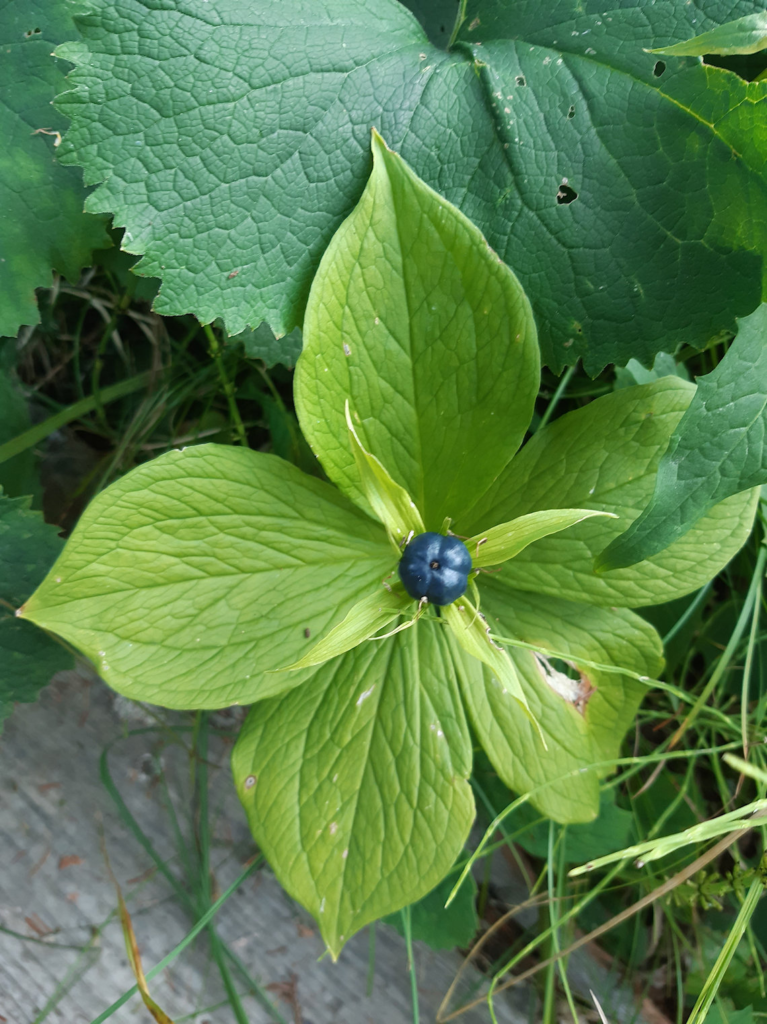
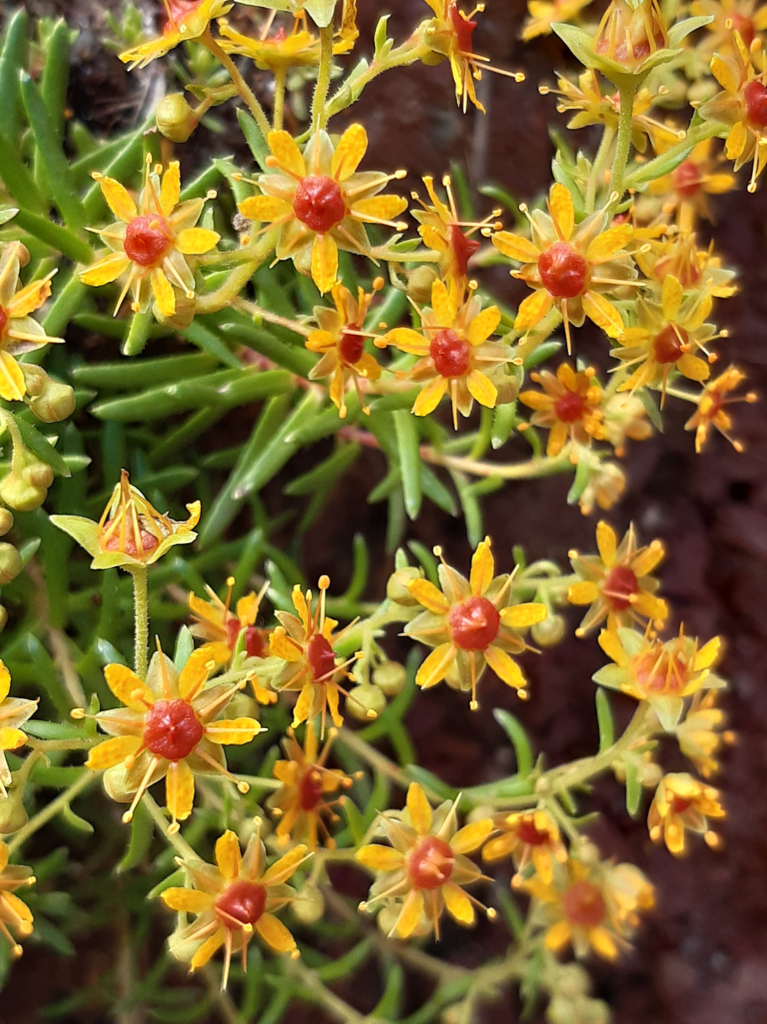
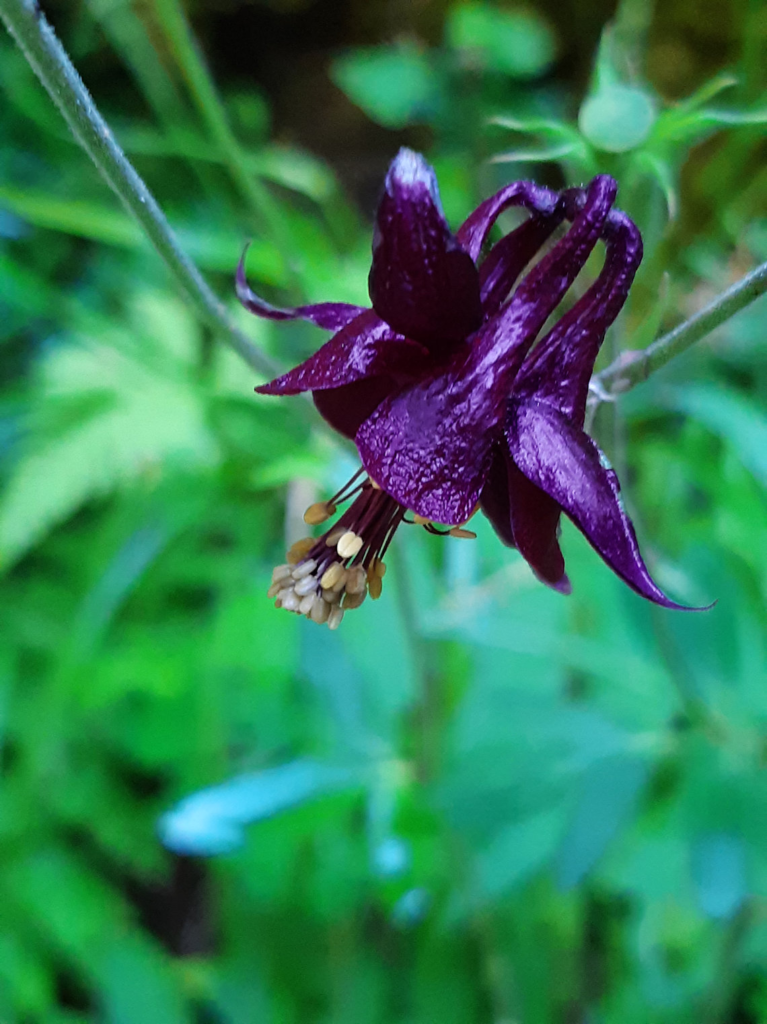
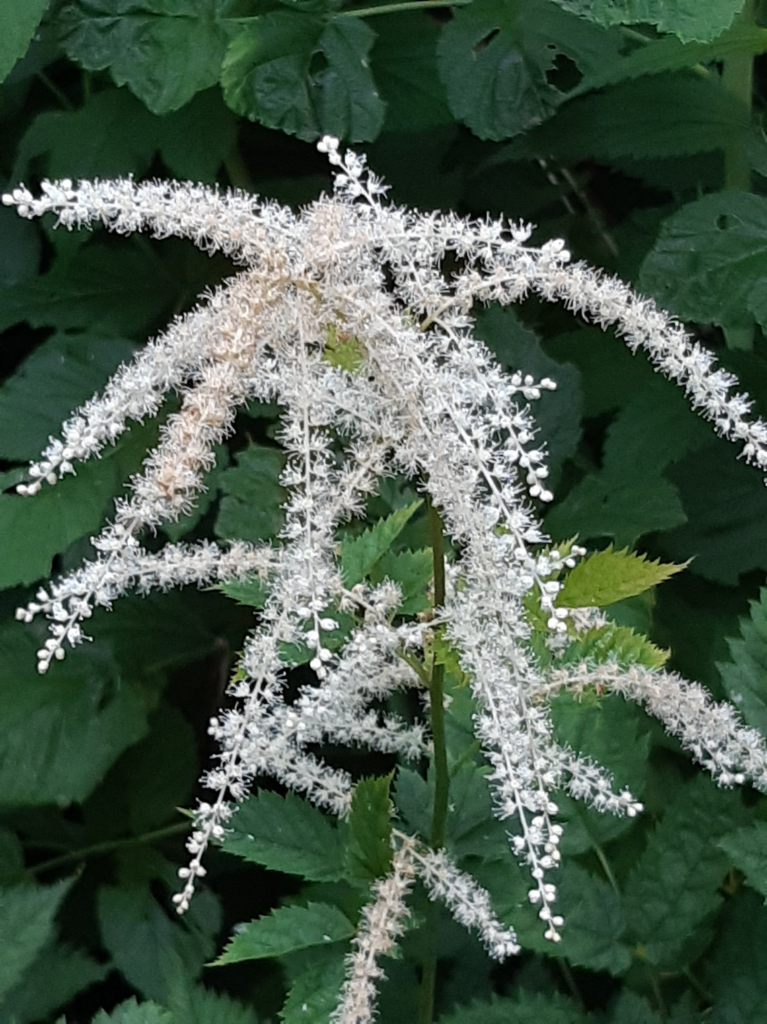
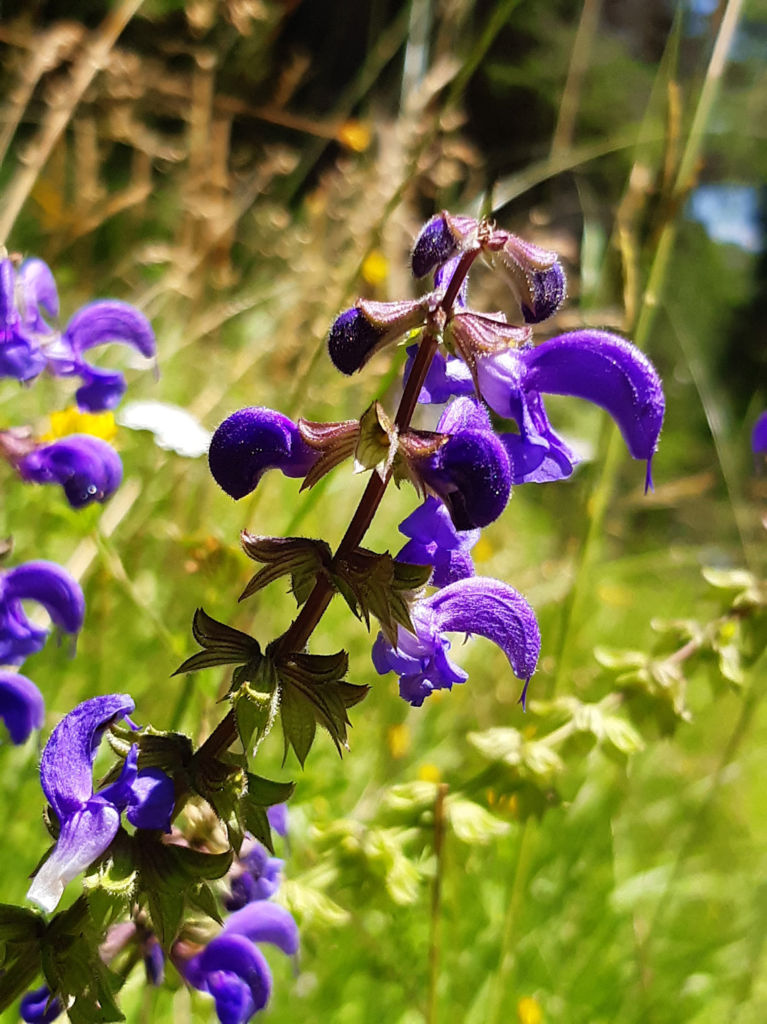
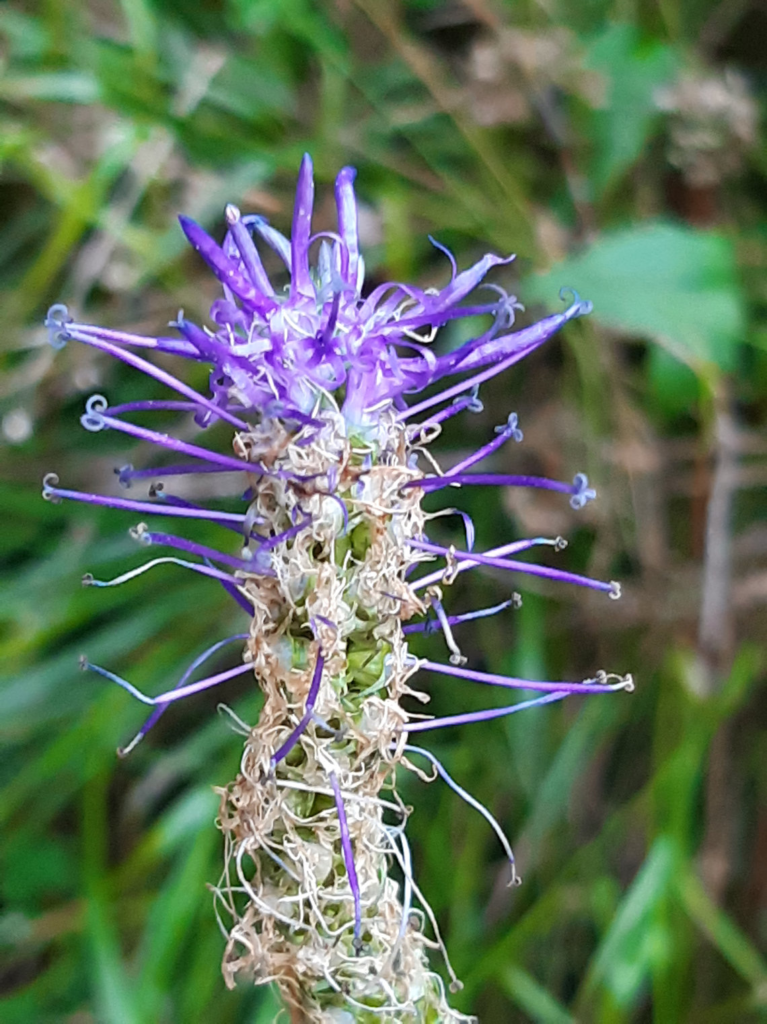
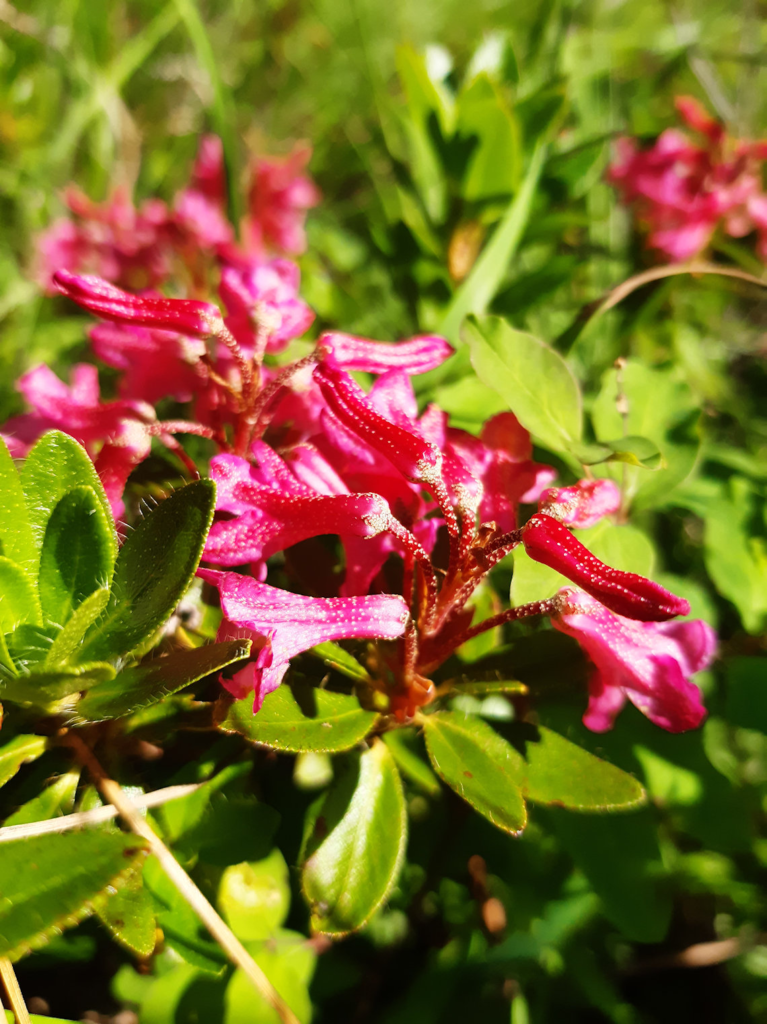
Since we went up to 2200 metres, we saw several species of flowers we had not come across before. (Right-click to view images in a separate tab if you want them larger.)
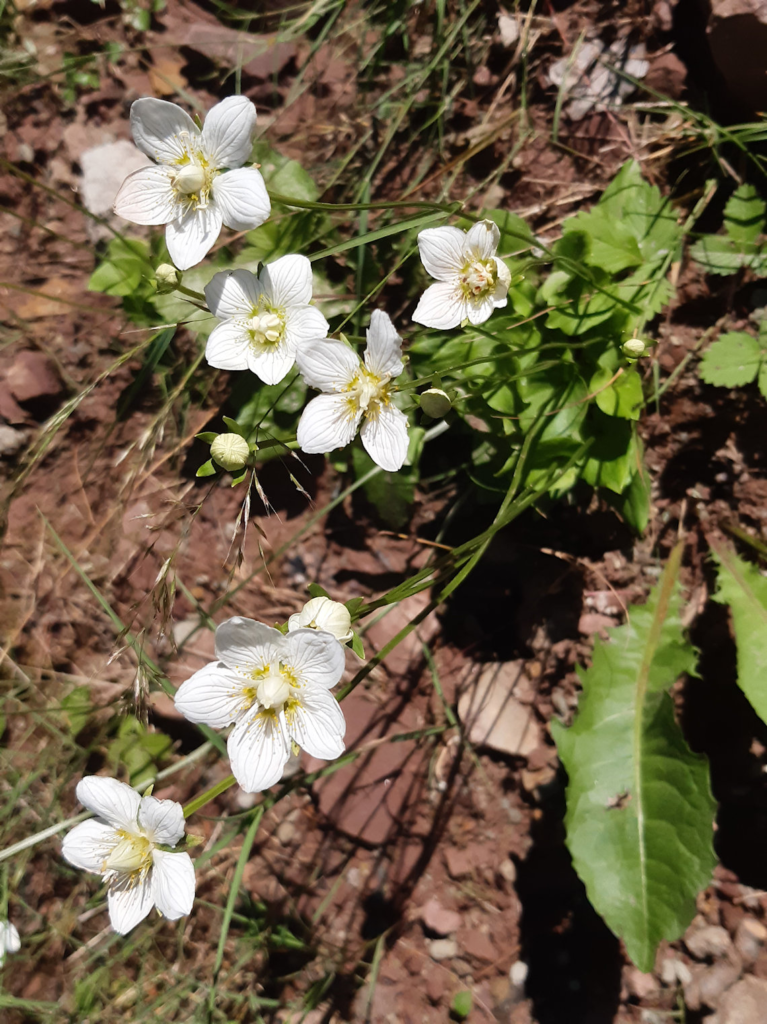
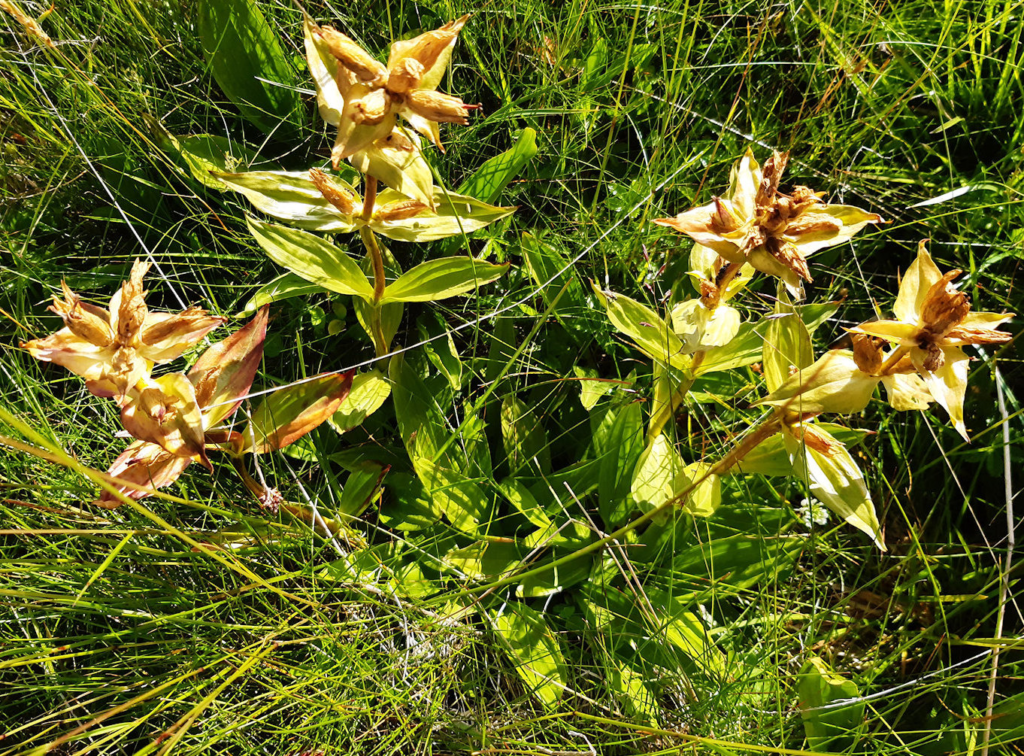
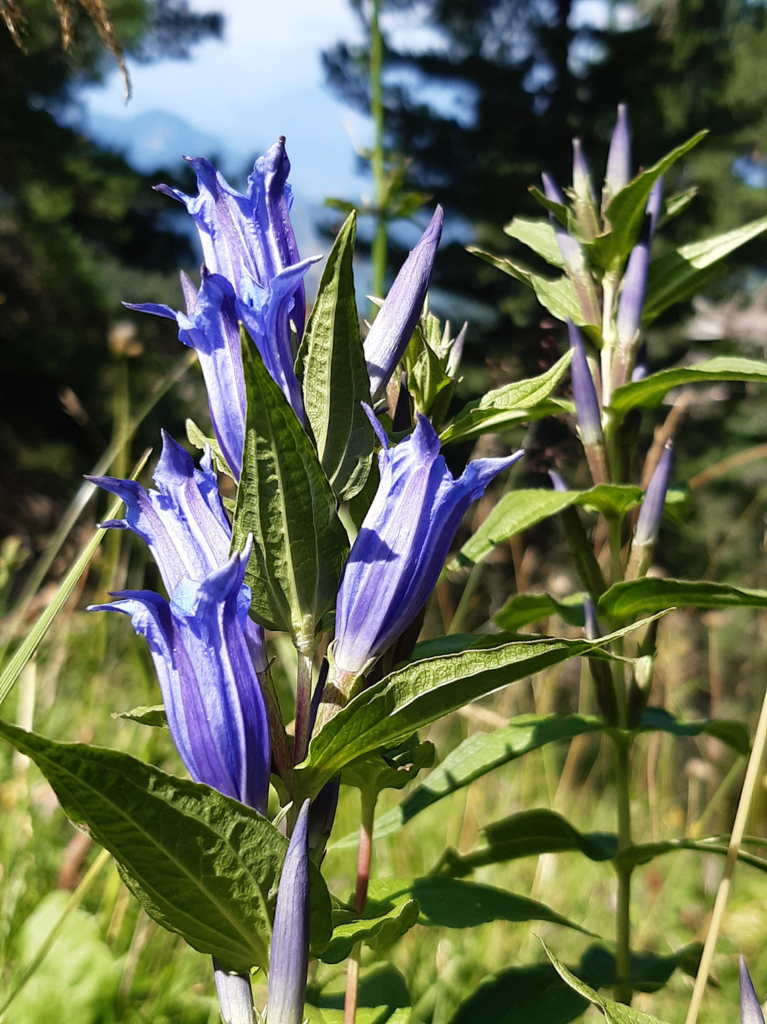
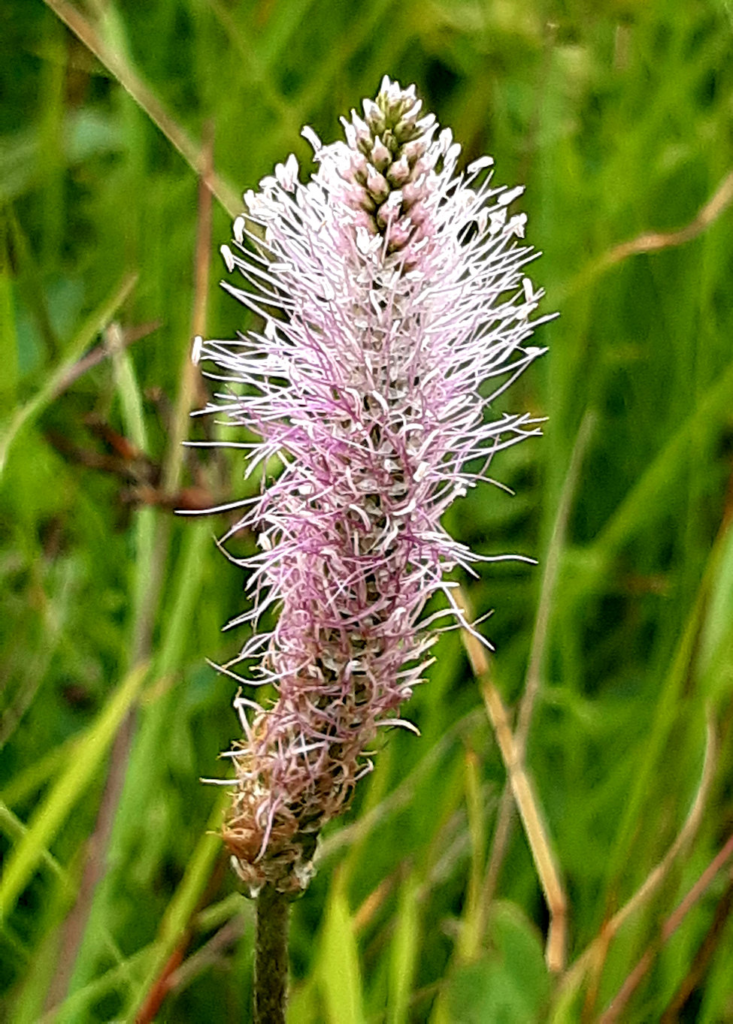
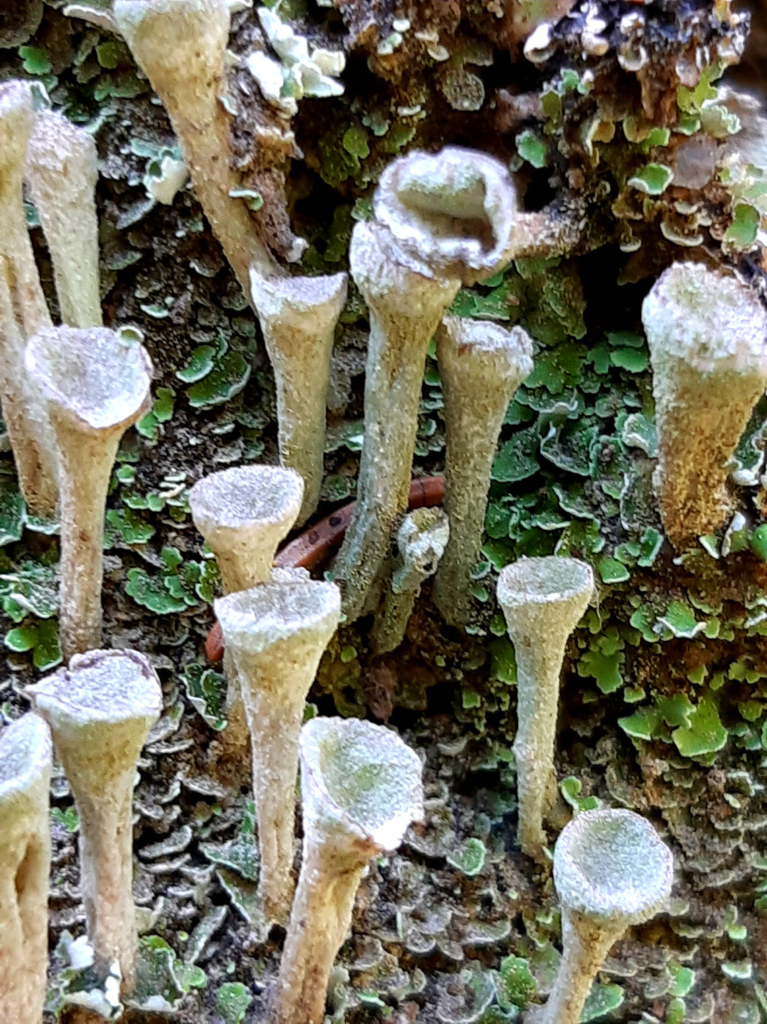
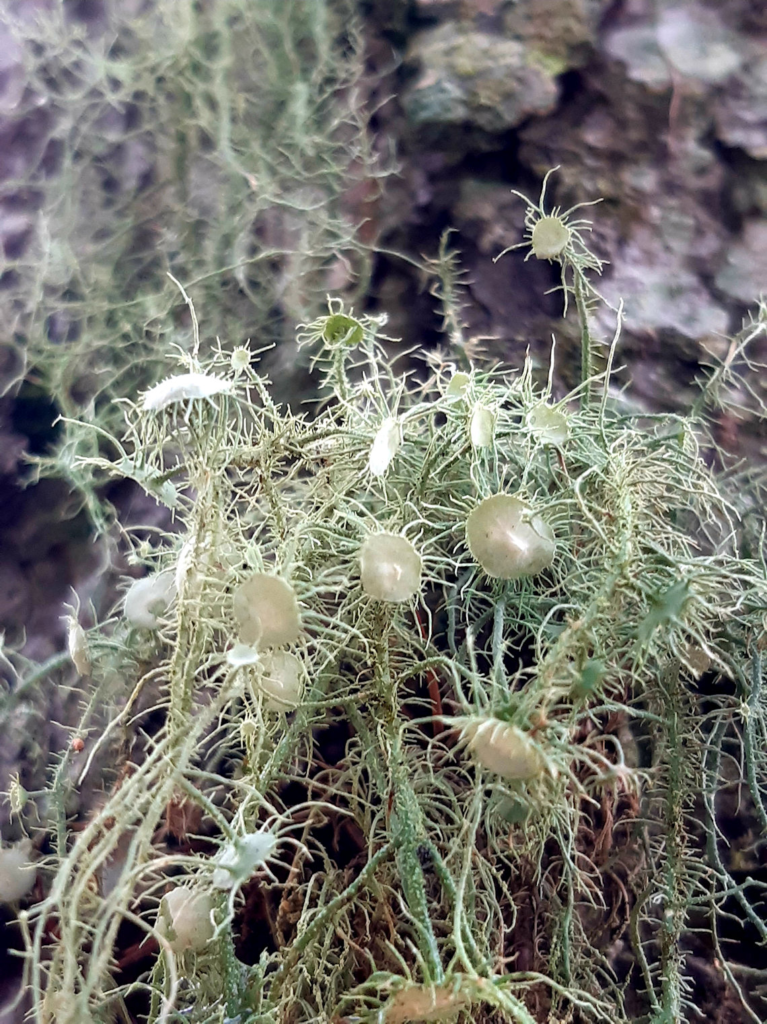
Time for a lichen or two!
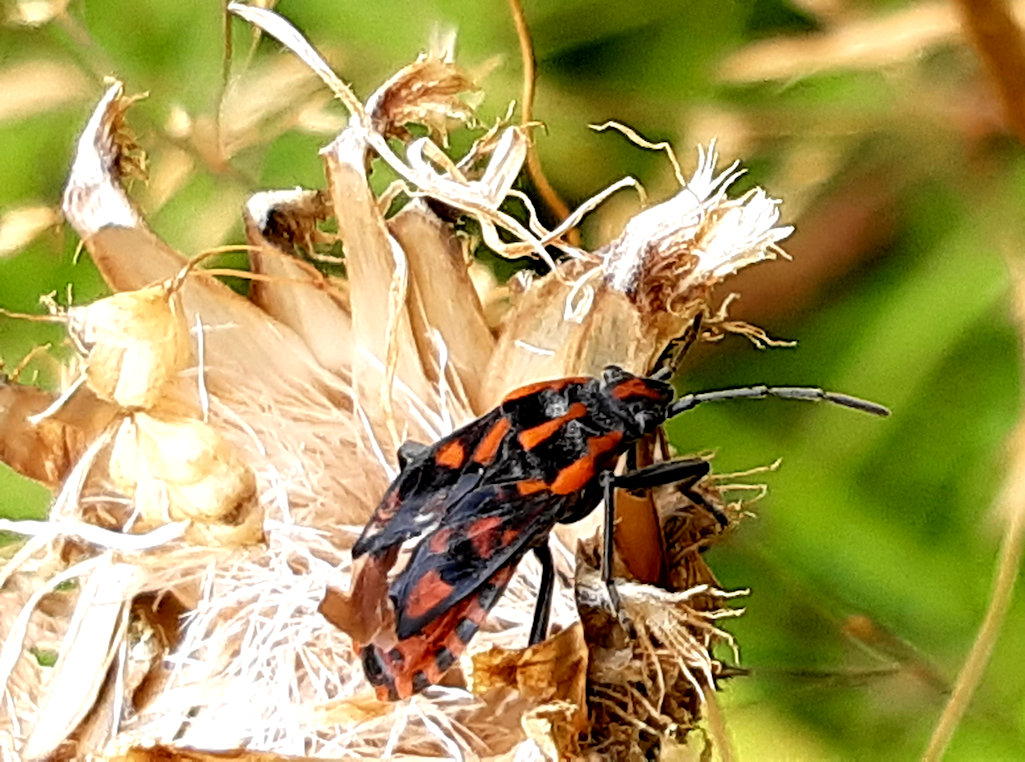
And now for a few bugs!
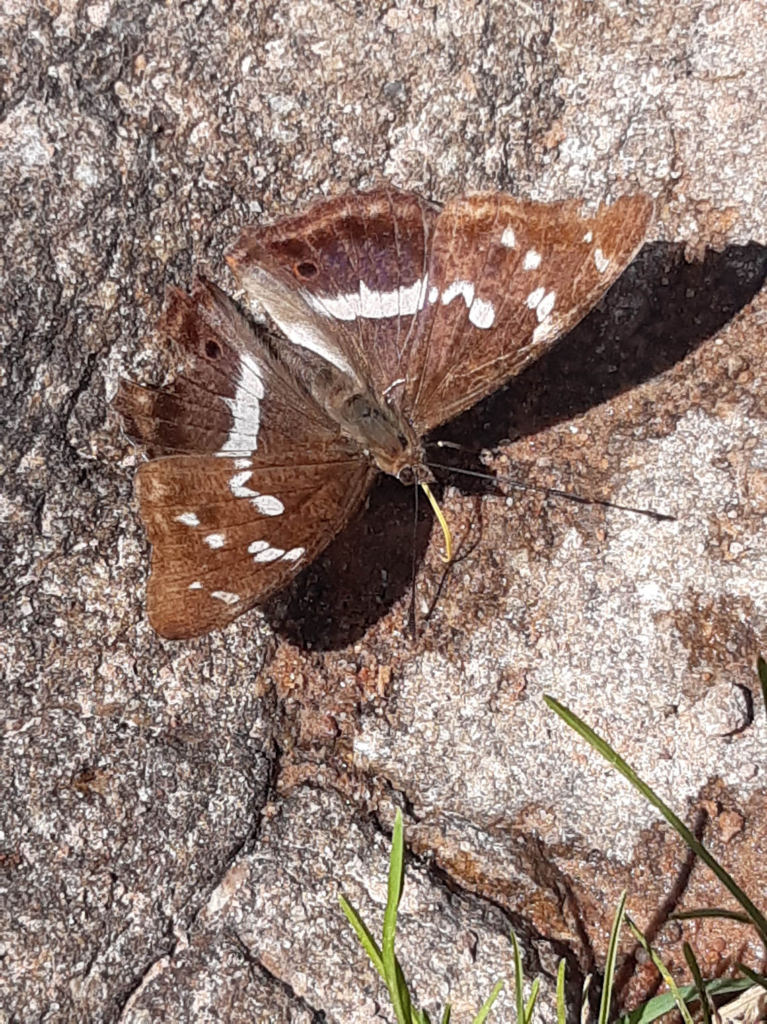
The Purple Emperor spends most of its time high in the treetops, but in hot weather (like the current heat dome covering most of Europe including Britain) comes down to wet rocks (here, beside a delightfully cold and refreshing mountain stream, which I visited for much the same reasons as the butterfly) to drink the mineral-rich water. You can see its long proboscis extended for drinking. The wings have a purple sheen, created by microscopic structures which interfere with light, when the light is in just the right direction; they are pigmented brown.
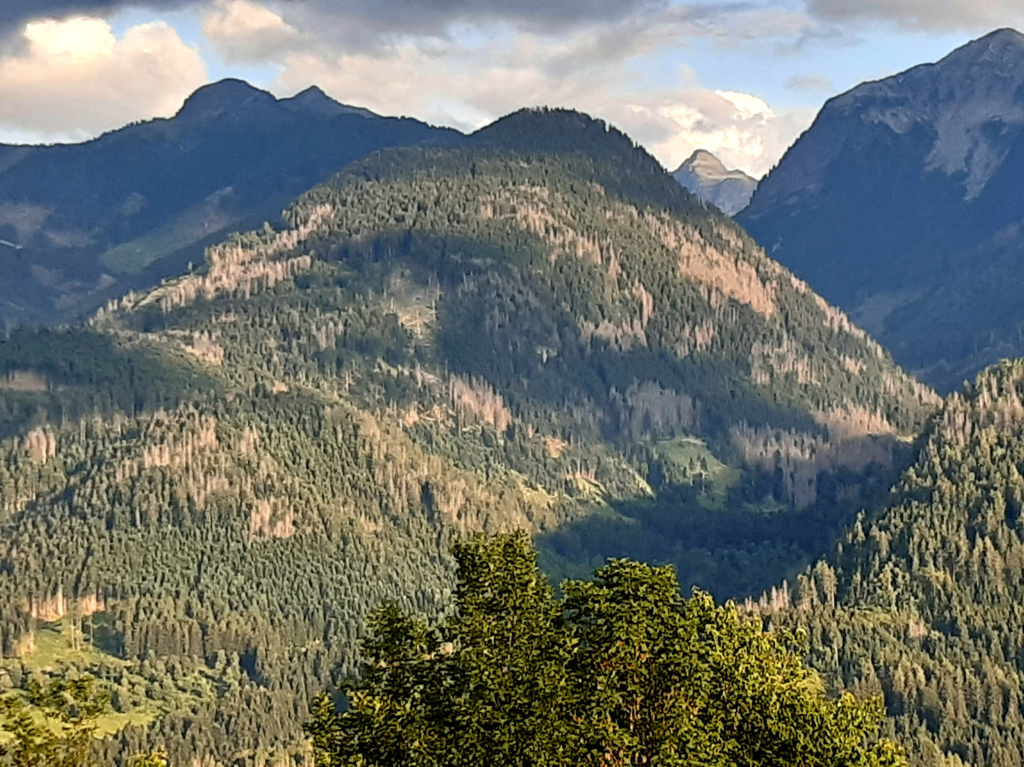
On the subject of increasing heat, this photograph of a mountain forest tells a sobering story. Dead Spruce trees are dotted about the slopes. They were killed by the European Spruce Bark Beetle, Ips typographus. As its name suggests, it mainly affects Spruce but can harm other conifers.
.jpg)
The female lays her eggs under the bark of the tree. The larvae make galleries there, which can be extensive enough to girdle and kill the tree.

Growth of the beetles is slowed or halted by hard winters, and they used to have just one brood per year. With global warming, Europe’s winters are becoming milder, and the beetles often survive the winter. In addition, they now have up to 3 broods per year; damage to forests has greatly increased.
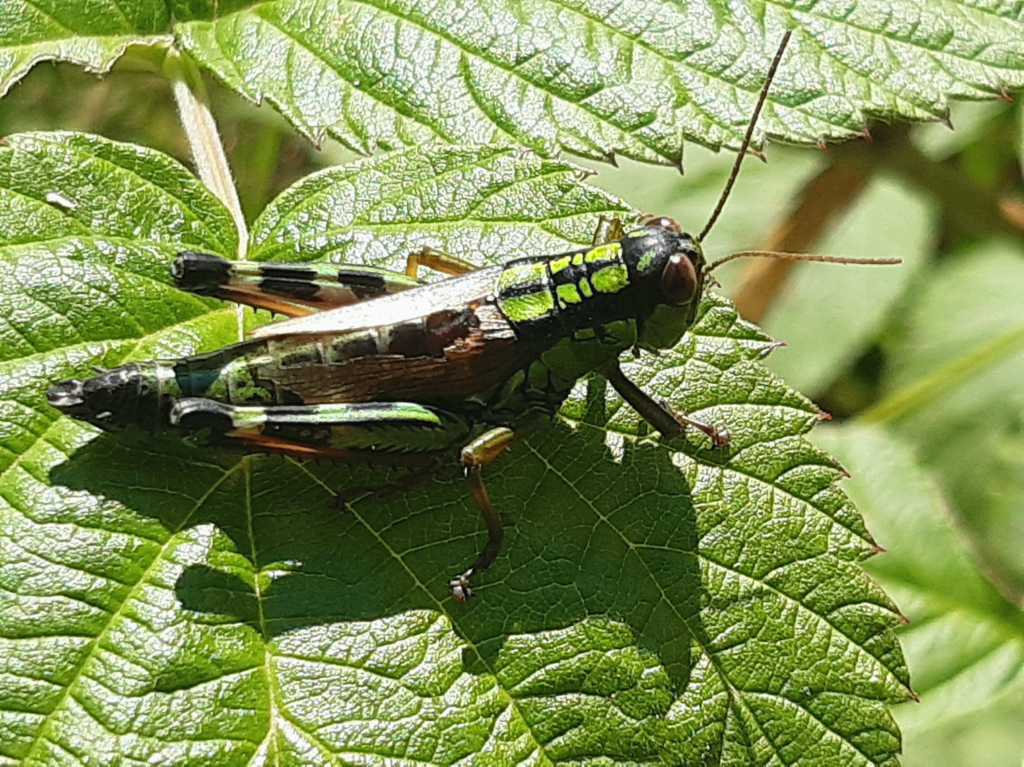
The star of the show? The celebratory summer-lover, the Green Mountain Grasshopper. It was a joy when one landed on my shirt and stayed to pose for the photographers.
For (much) more, see the page Wildlife of the Dolomites. It groups the organisms by type.