All posts by Ian Alexander

Dolomites 2026

Further to my Dolomites 2025 posting, here are some highlights of this year’s visit, focusing on species and themes I didn’t comment on then. All the images are mine except where indicated.
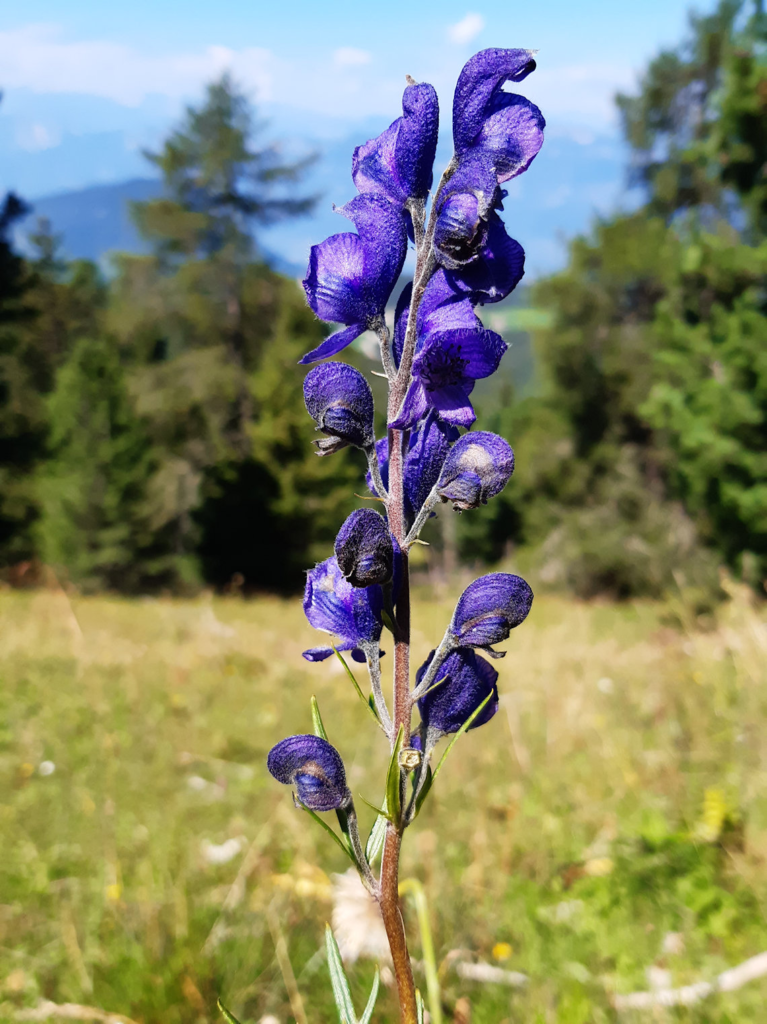
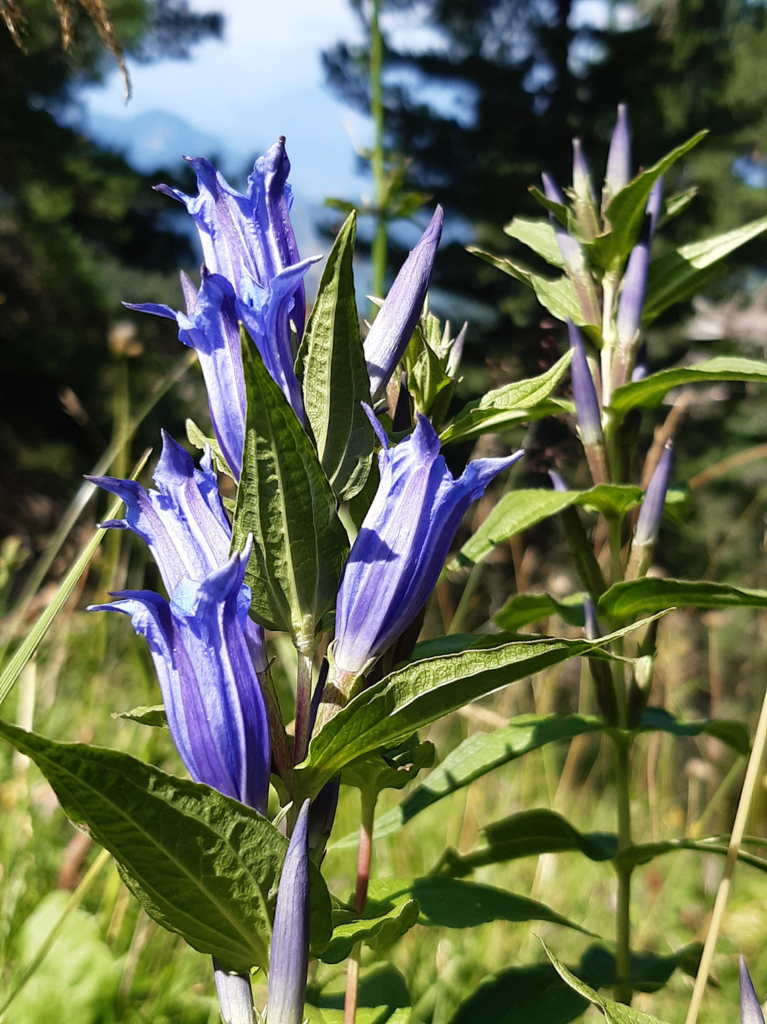
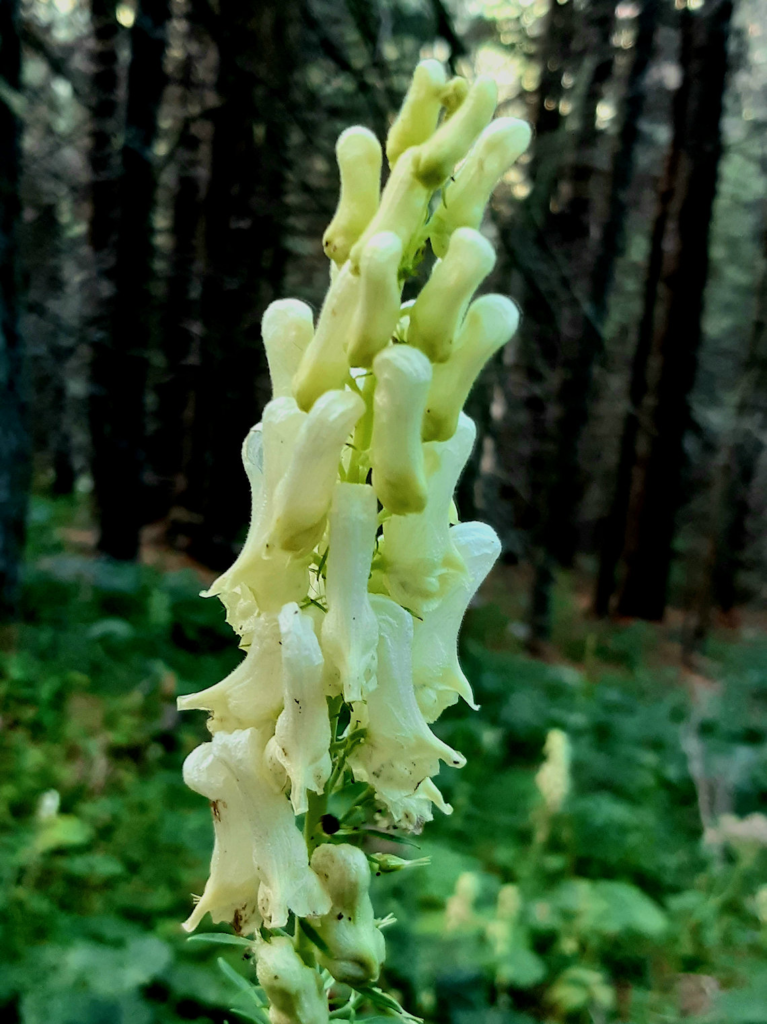
Monkshood
Monkshood (aka Wolfsbane), a beautiful but deadly poisonous plant, at 2000 metres

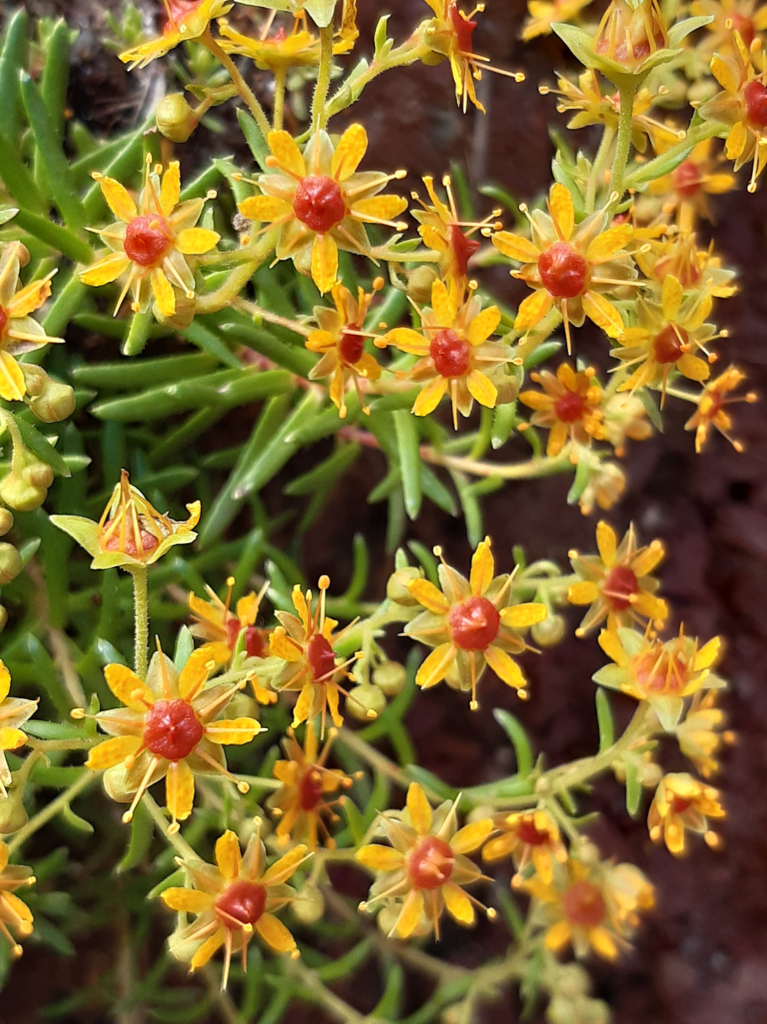
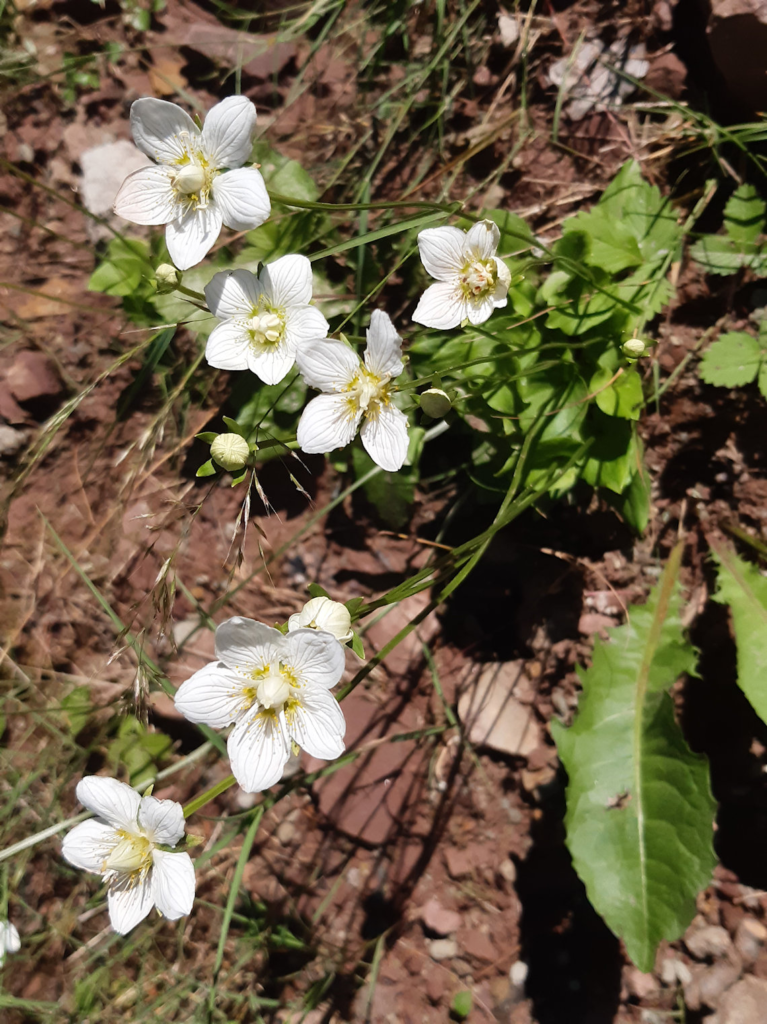
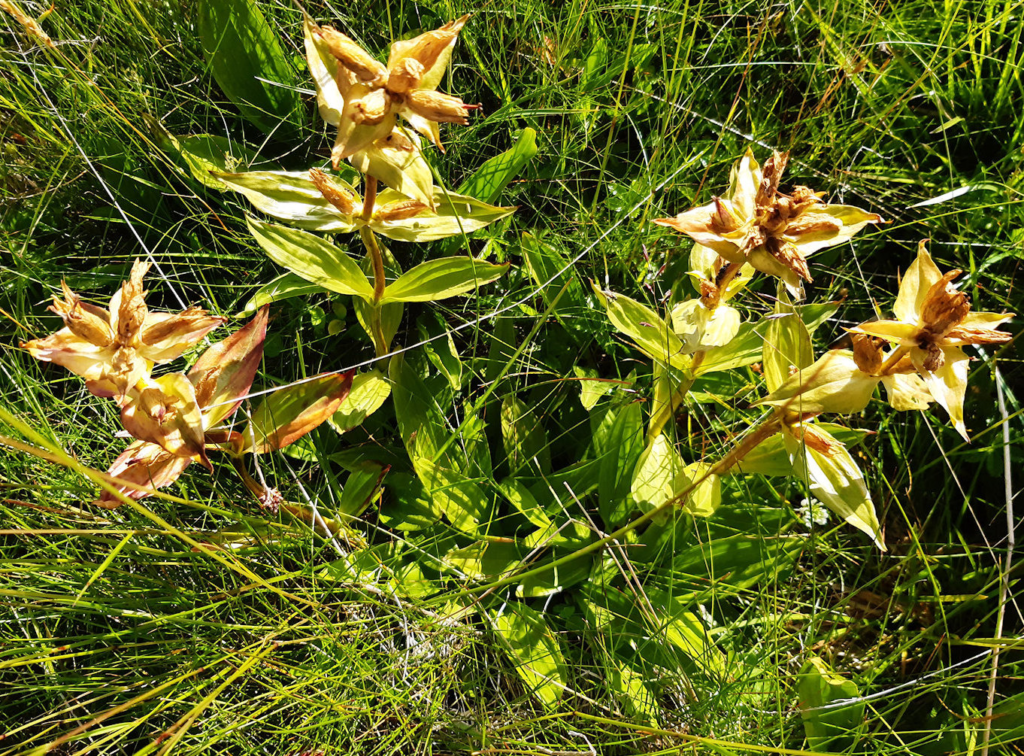
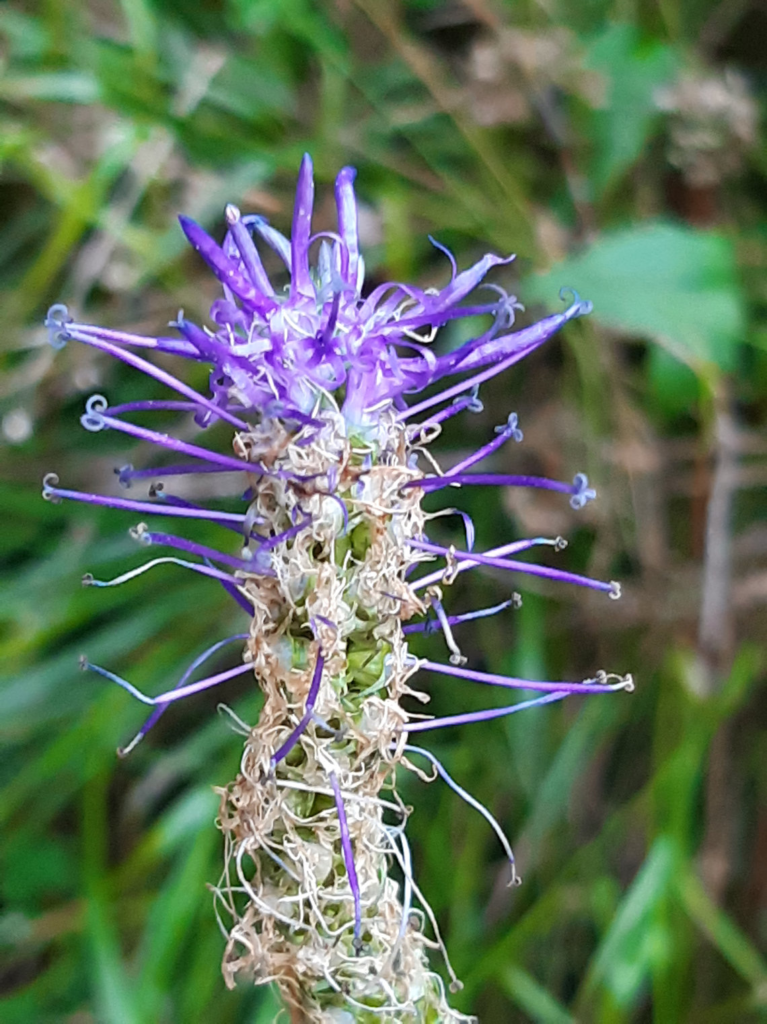
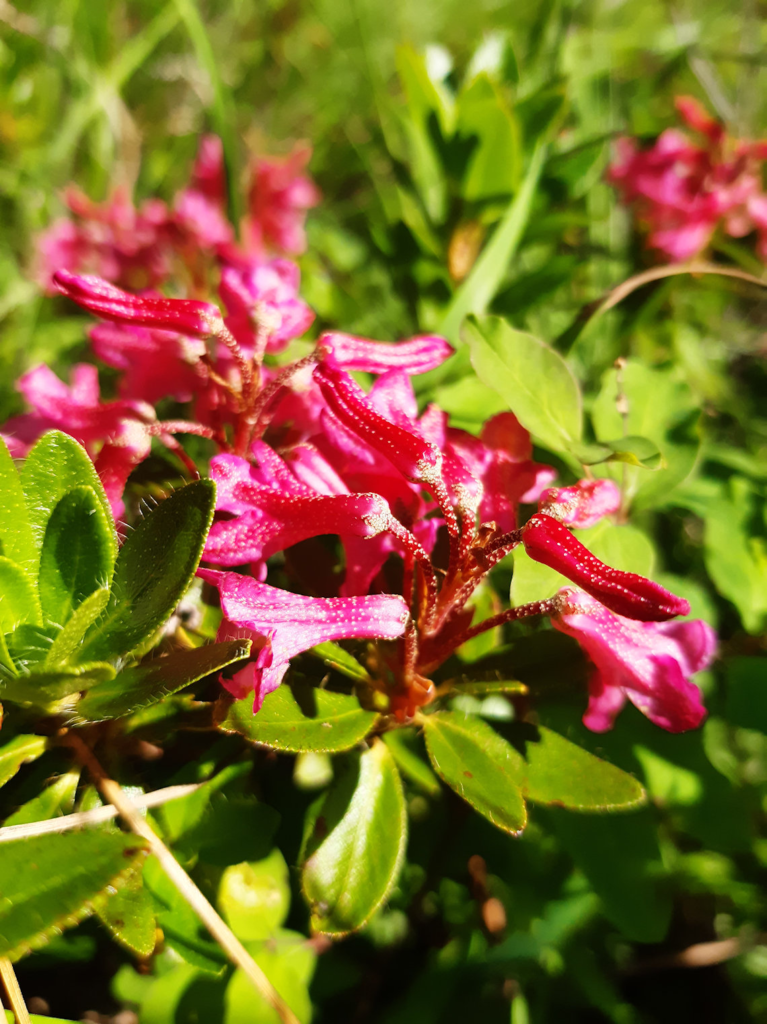
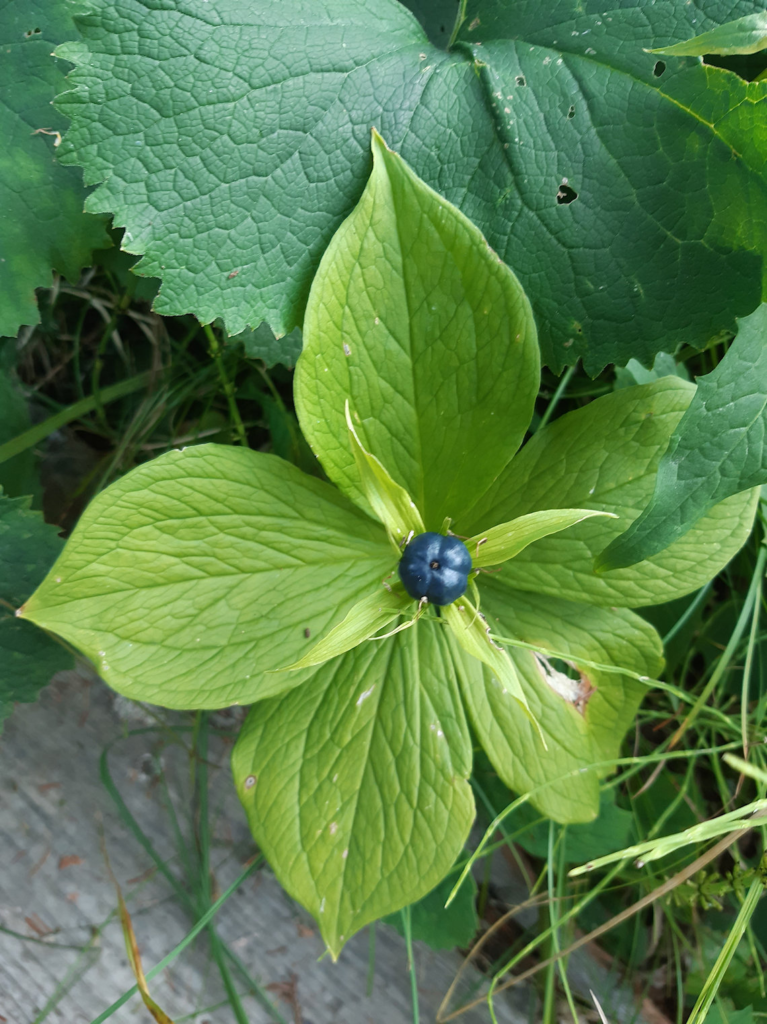
Since we went up to 2200 metres, we saw several species of flowers we had not come across before. (Right-click to view images in a separate tab if you want them larger.)
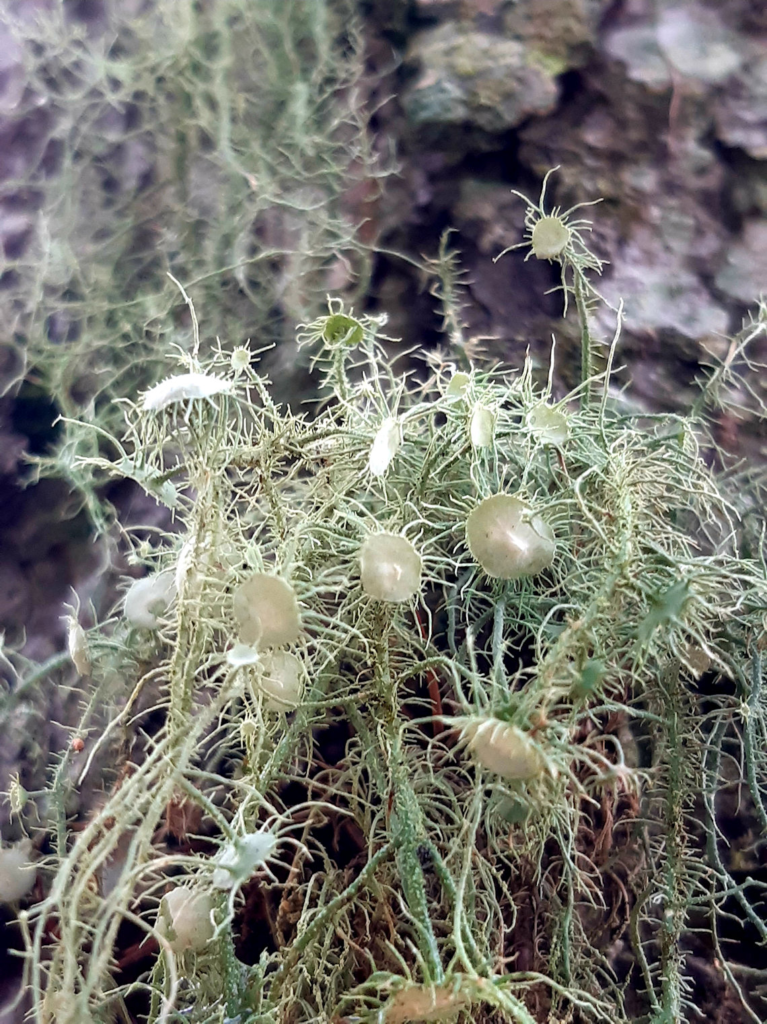
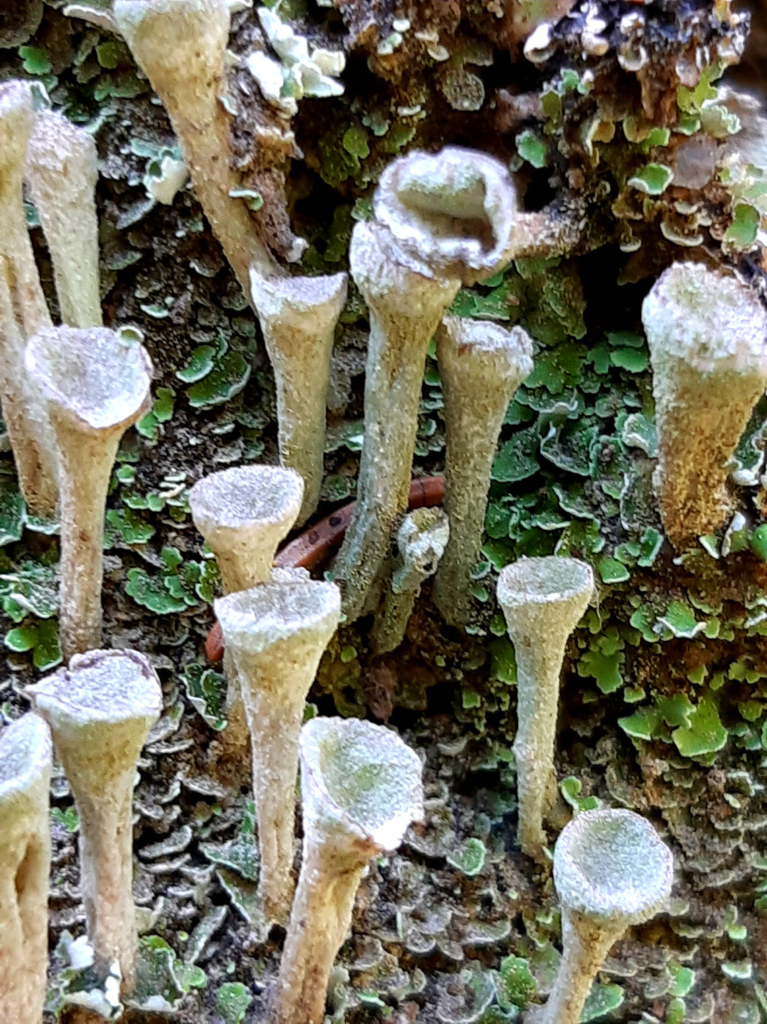
Time for a lichen or two!
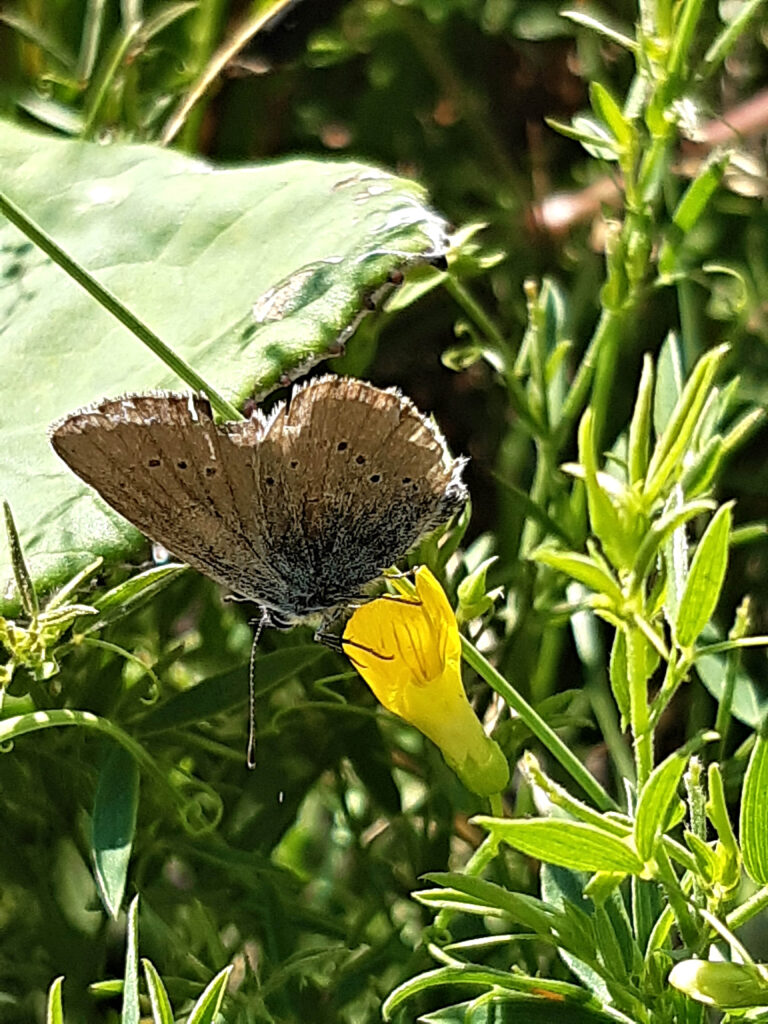
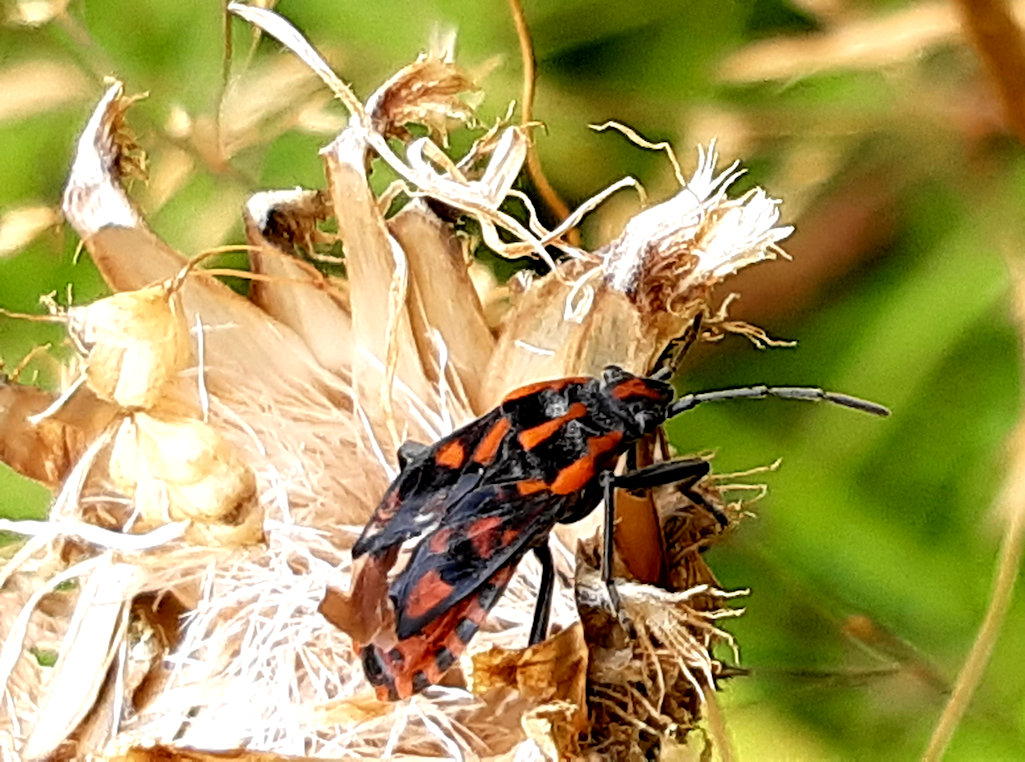
And now for a few bugs!
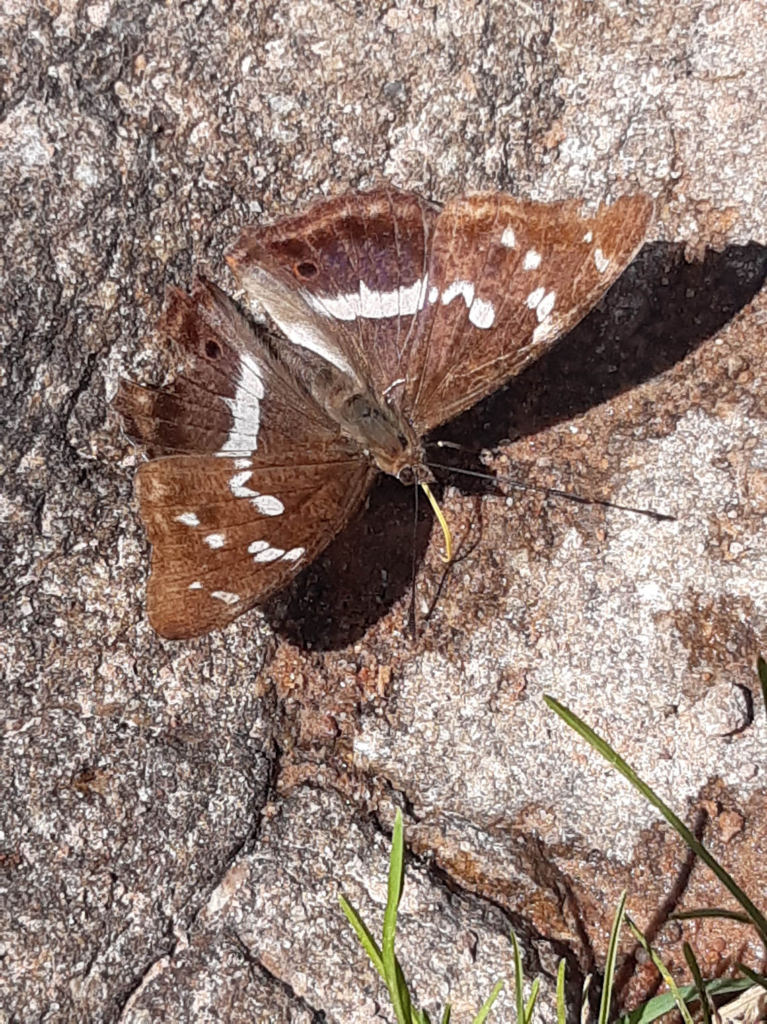
Purple Emperor

The Purple Emperor spends most of its time high in the treetops, but in hot weather (like the current heat dome covering most of Europe including Britain) comes down to wet rocks (here, beside a delightfully cold and refreshing mountain stream, which I visited for much the same reasons as the butterfly) to drink the mineral-rich water. You can see its long proboscis extended for drinking. The wings have a purple sheen, created by microscopic structures which interfere with light, when the light is in just the right direction; they are pigmented brown.
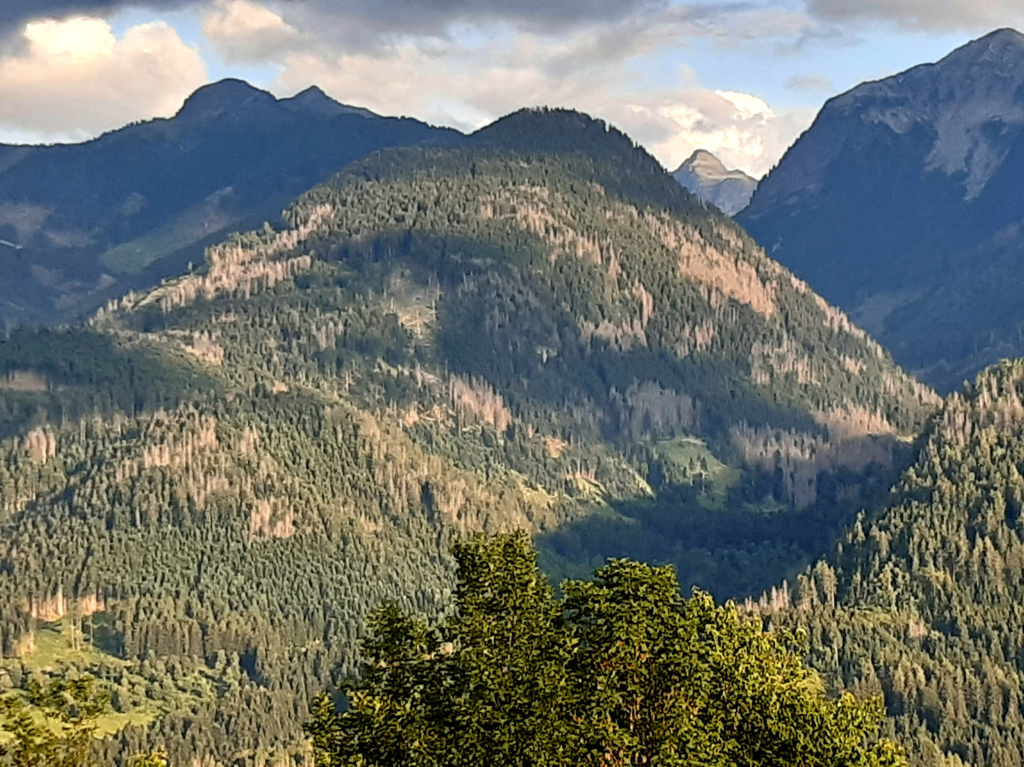
On the subject of increasing heat, this photograph of a mountain forest tells a sobering story. Dead Spruce trees are dotted about the slopes. They were killed by the European Spruce Bark Beetle, Ips typographus. As its name suggests, it mainly affects Spruce but can harm other conifers.

Ips typographus. Photo from Wikimedia Commons by Gilles San Martin. CC-by-SA 2.0

The female lays her eggs under the bark of the tree. The larvae make galleries there, which can be extensive enough to girdle and kill the tree.

Ips typographus’s galleries just under the bark of a spruce tree. Photo from Wikimedia Commons by Tonu Pani, CC-by-SA 3.0 unported.

Growth of the beetles is slowed or halted by hard winters, and they used to have just one brood per year. With global warming, Europe’s winters are becoming milder, and the beetles often survive the winter. In addition, they now have up to 3 broods per year; damage to forests has greatly increased.
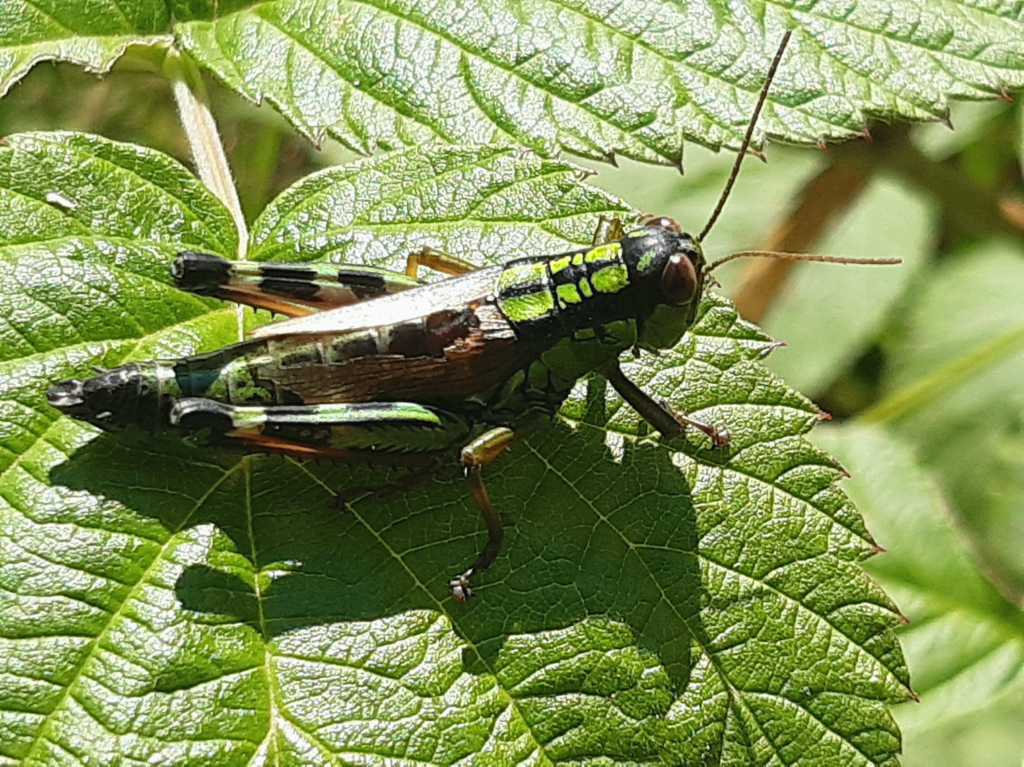
Green Mountain Grasshopper

The star of the show? The celebratory summer-lover, the Green Mountain Grasshopper. It was a joy when one landed on my shirt and stayed to pose for the photographers.

For (much) more, see the page Wildlife of the Dolomites. It groups the organisms by type.
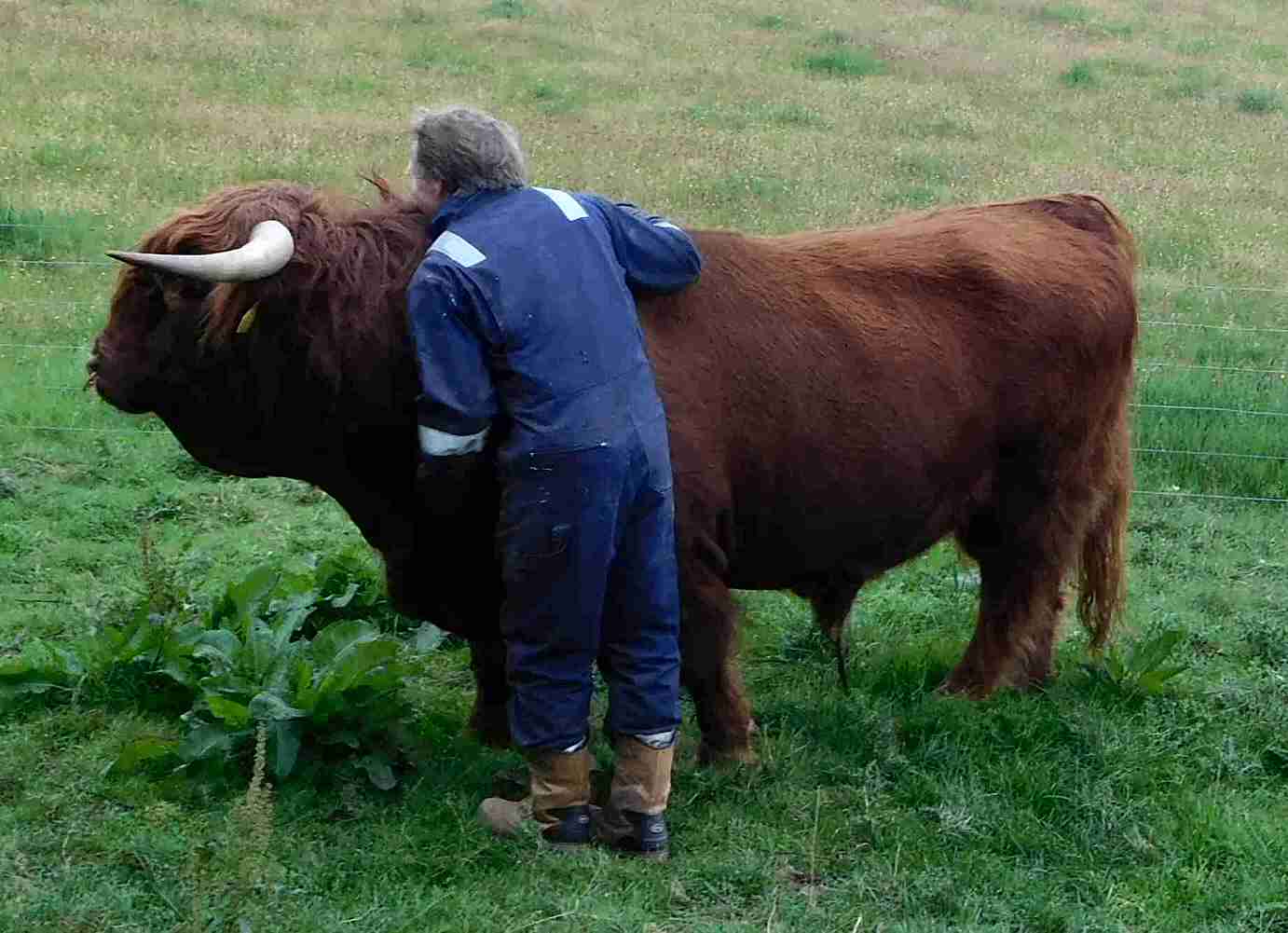
All in a Day’s Work on a Highland Farm

Seeing that the Highland Bull is happy

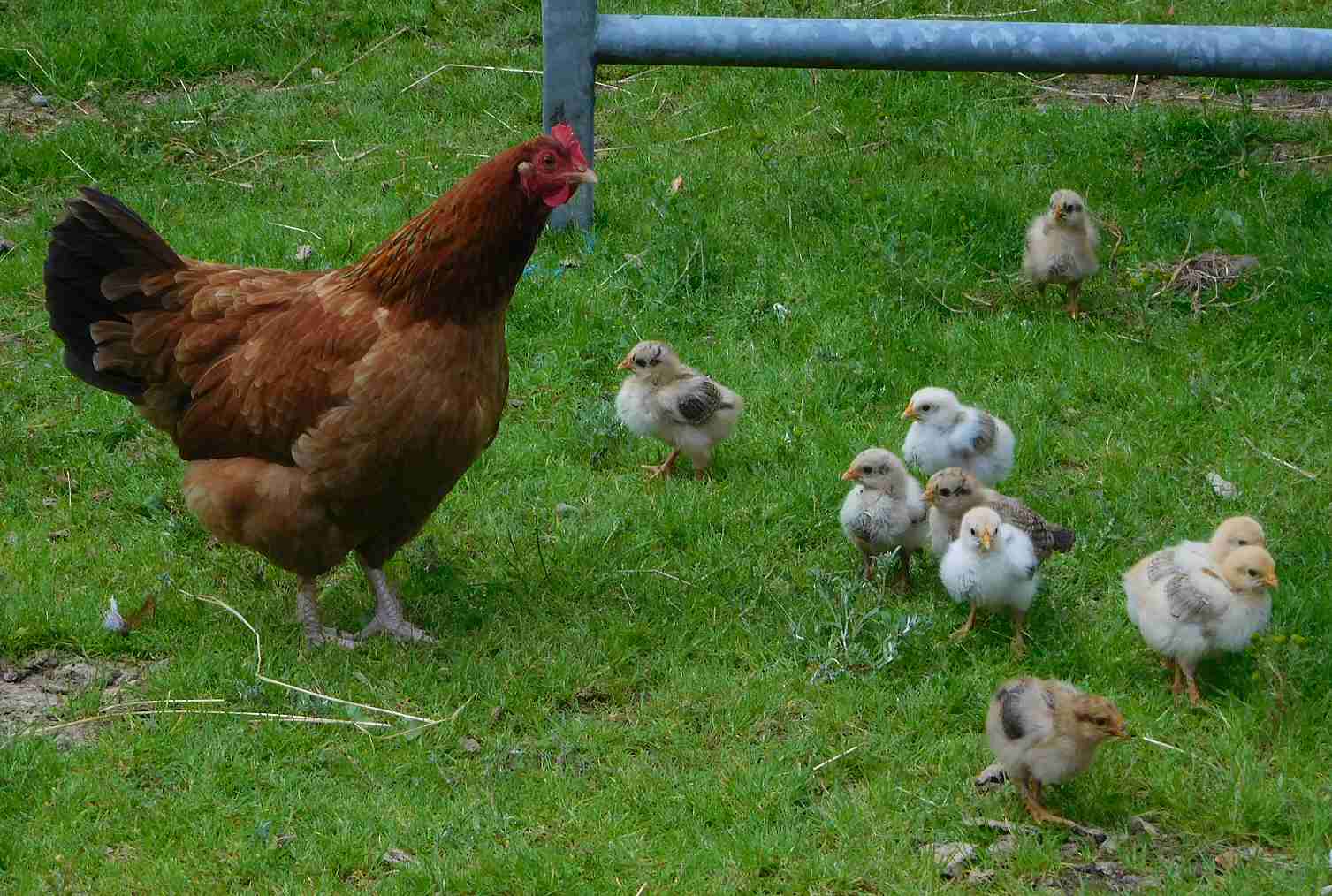
Chookie and nine chicks: she’s an excellent mother

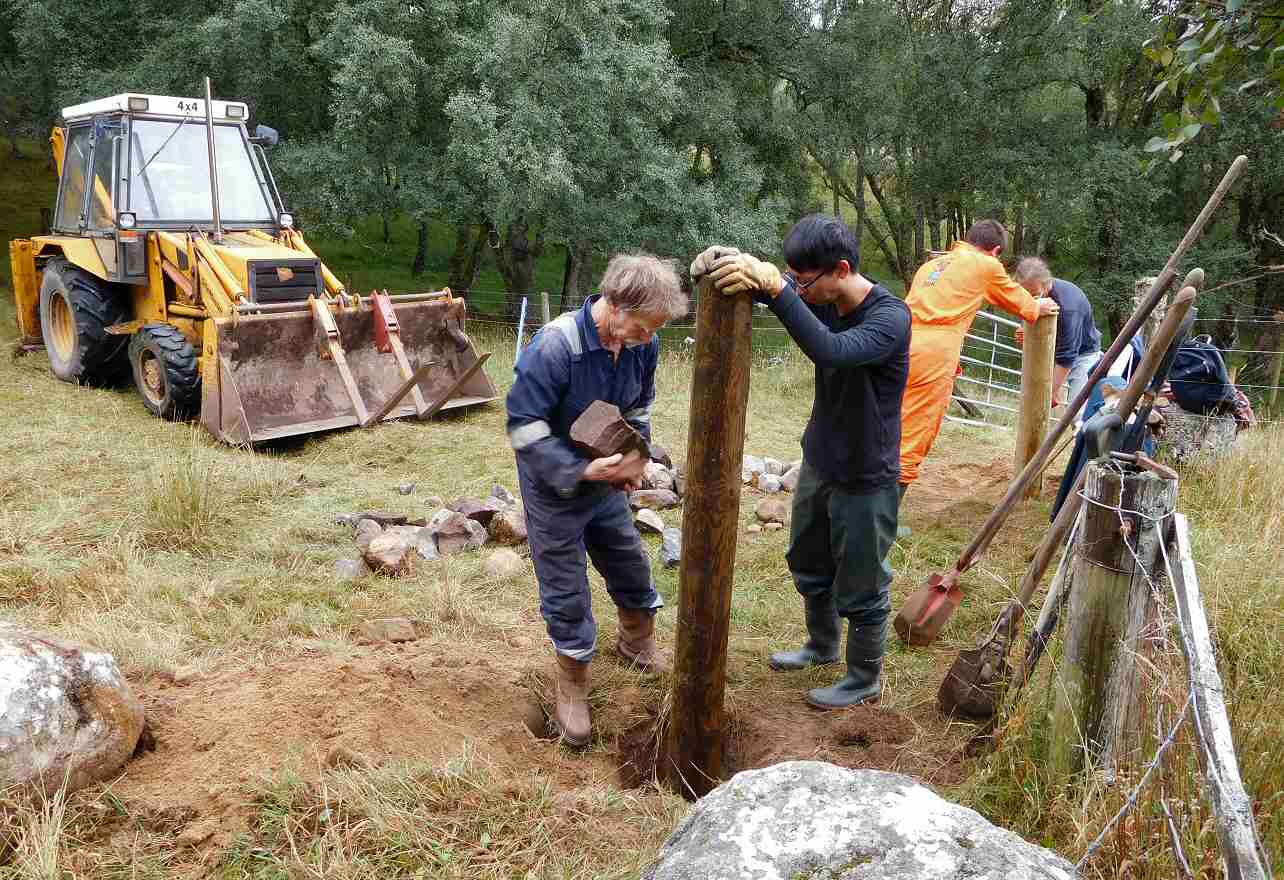
Roy and Wu Fixing New Gate Posts

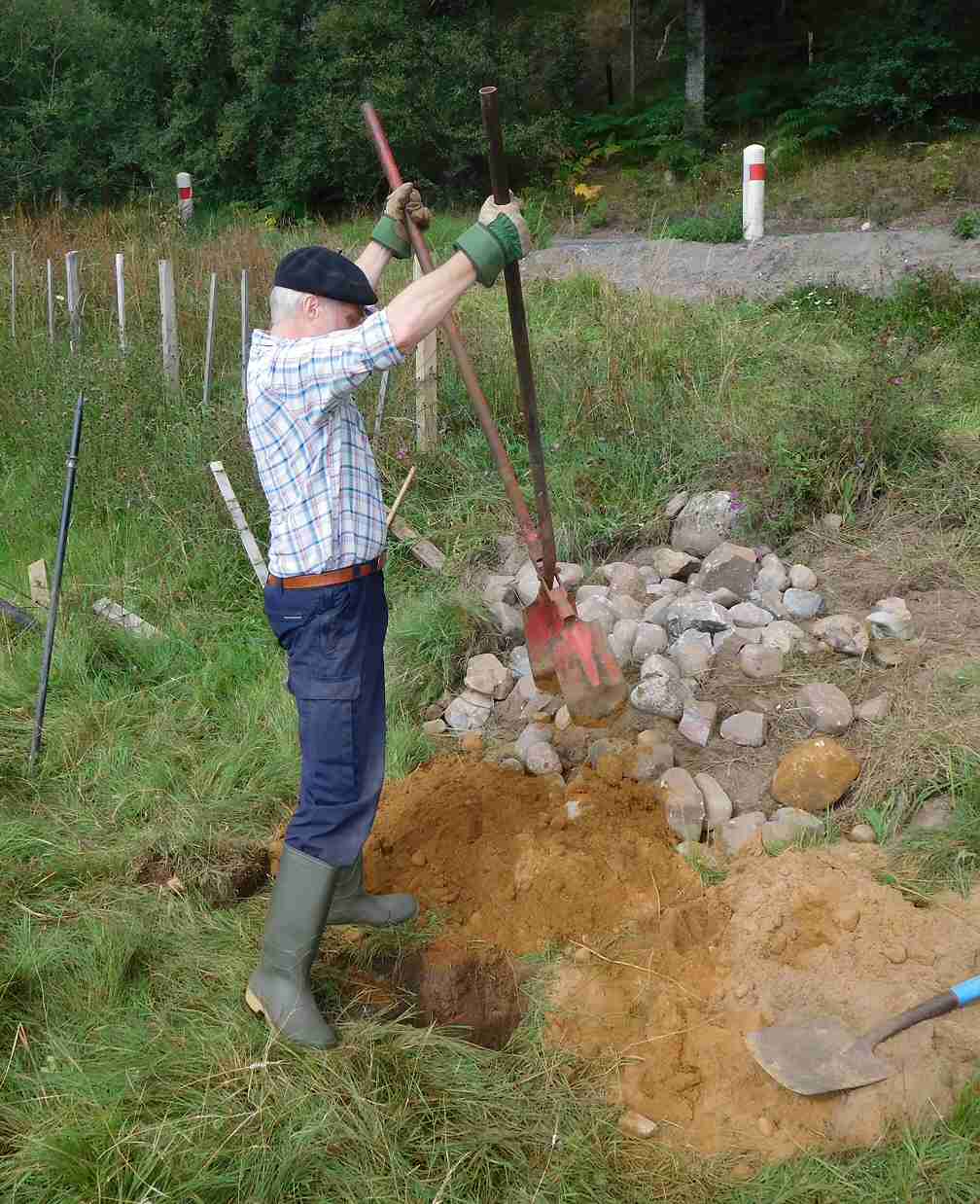
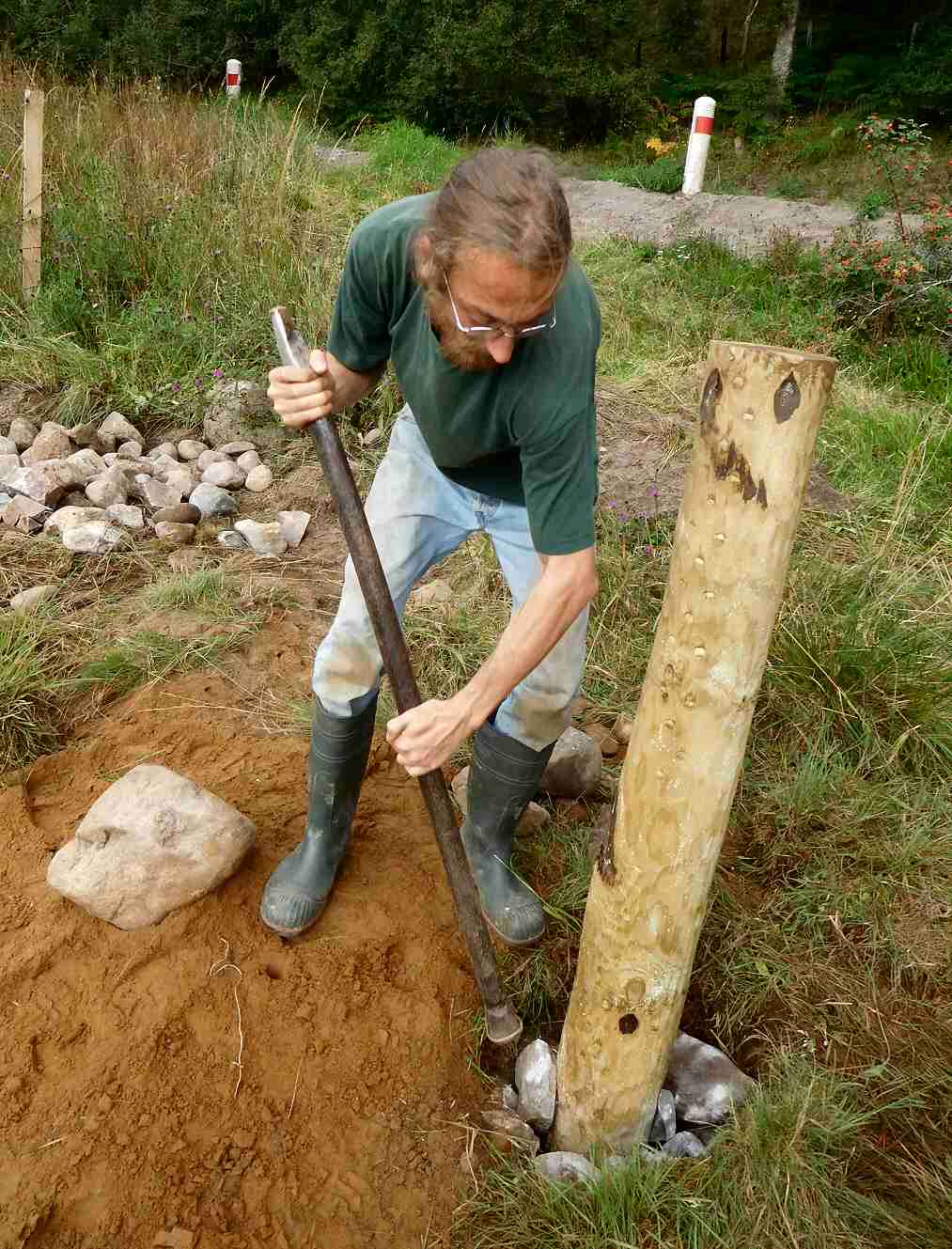
Digging strainer hole with twin shovels

Roberto hammering in stones to fix a strainer

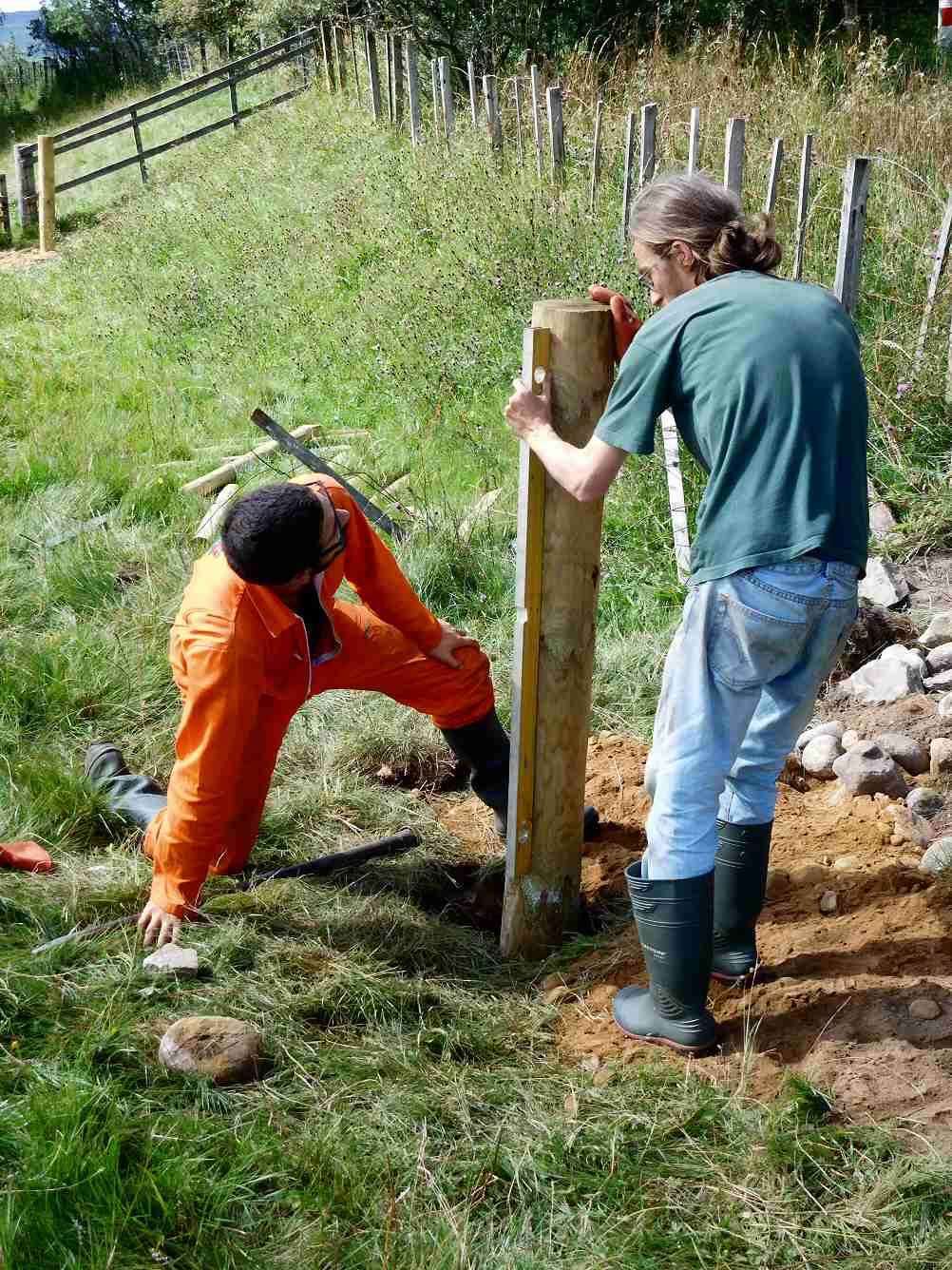
Antoine and Roberto setting a strainer plumb

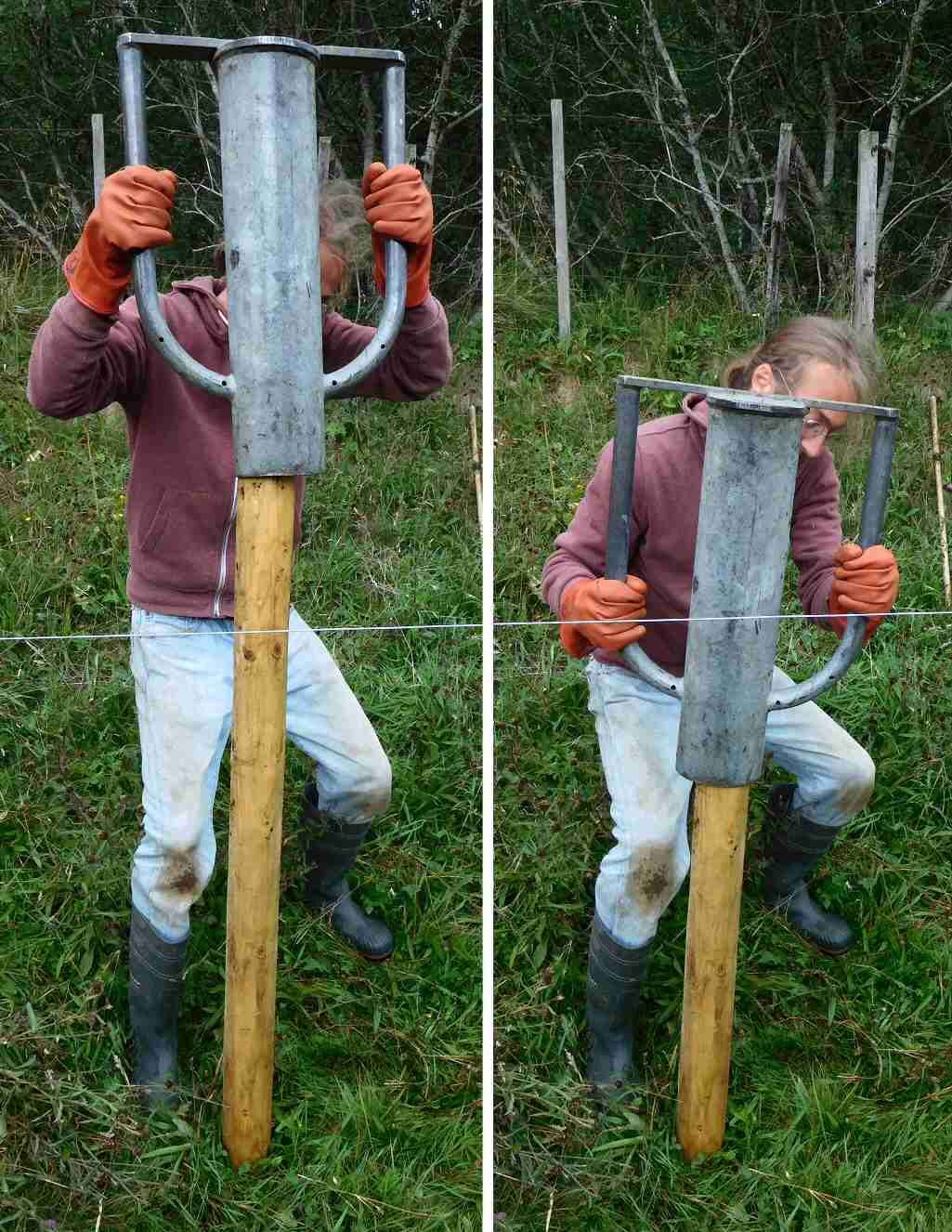
Roberto driving in a fence post with post hammer

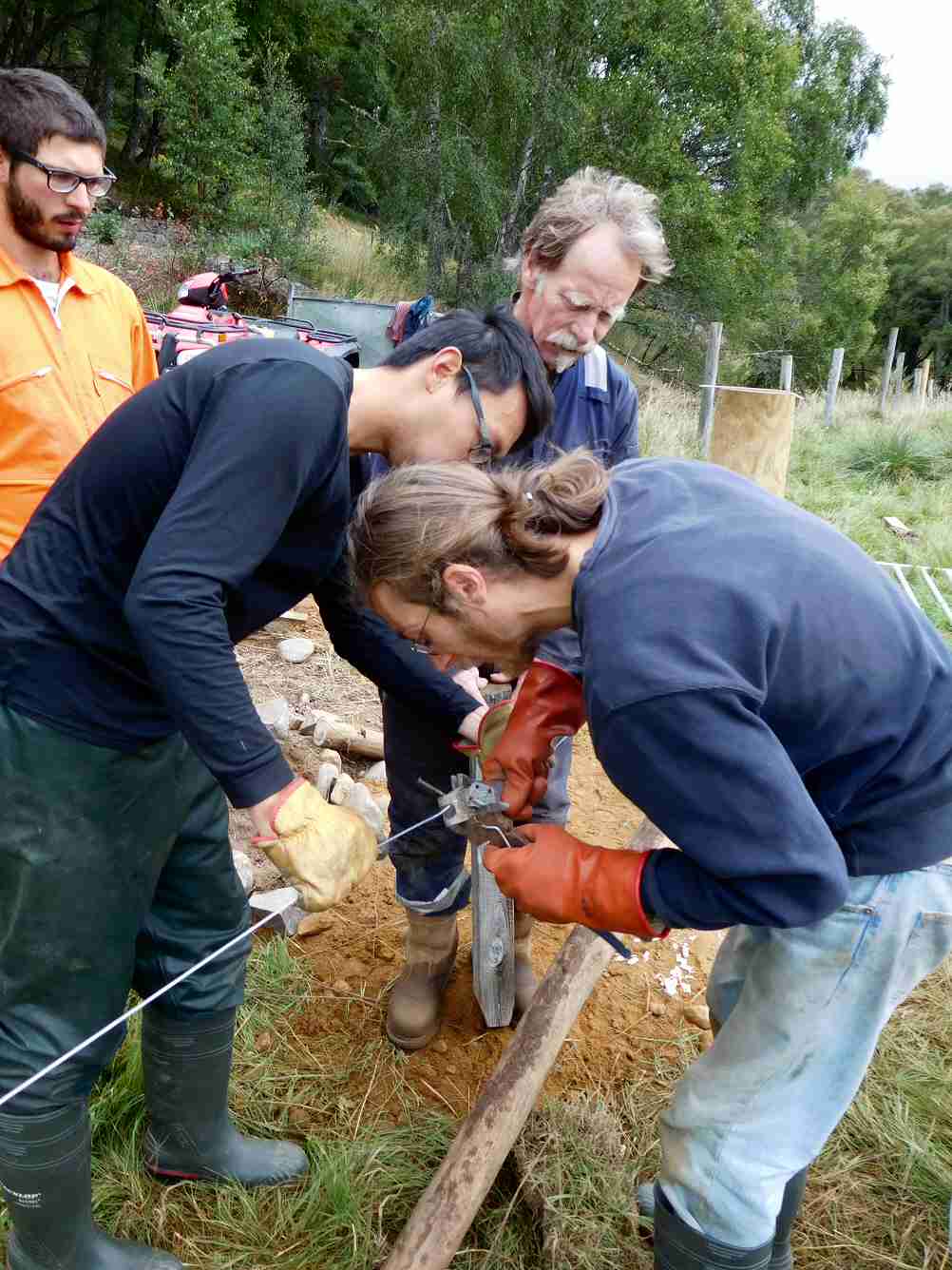
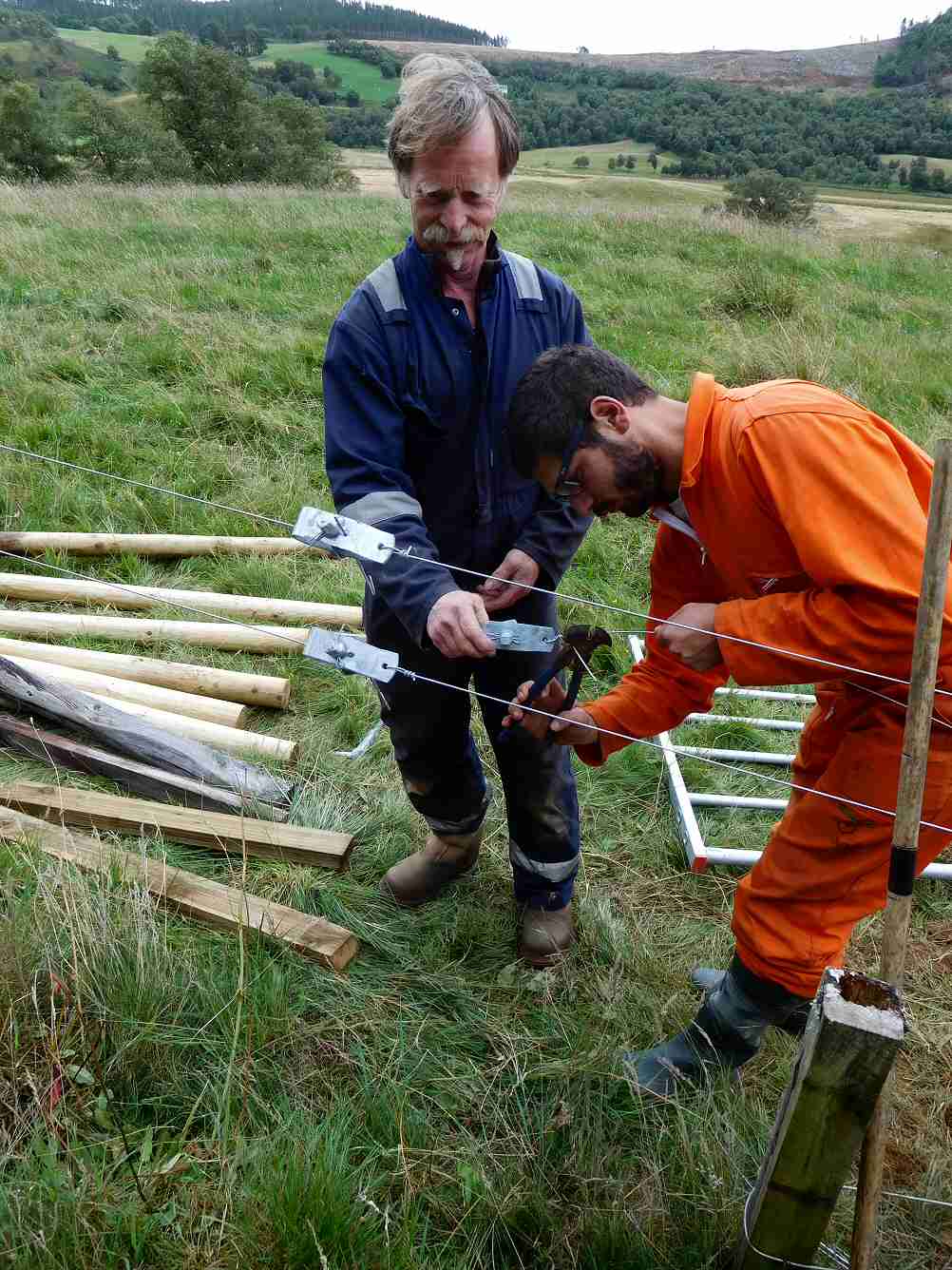
Wu and Roberto tightening a Radish

Roy and Antoine setting fencing wires

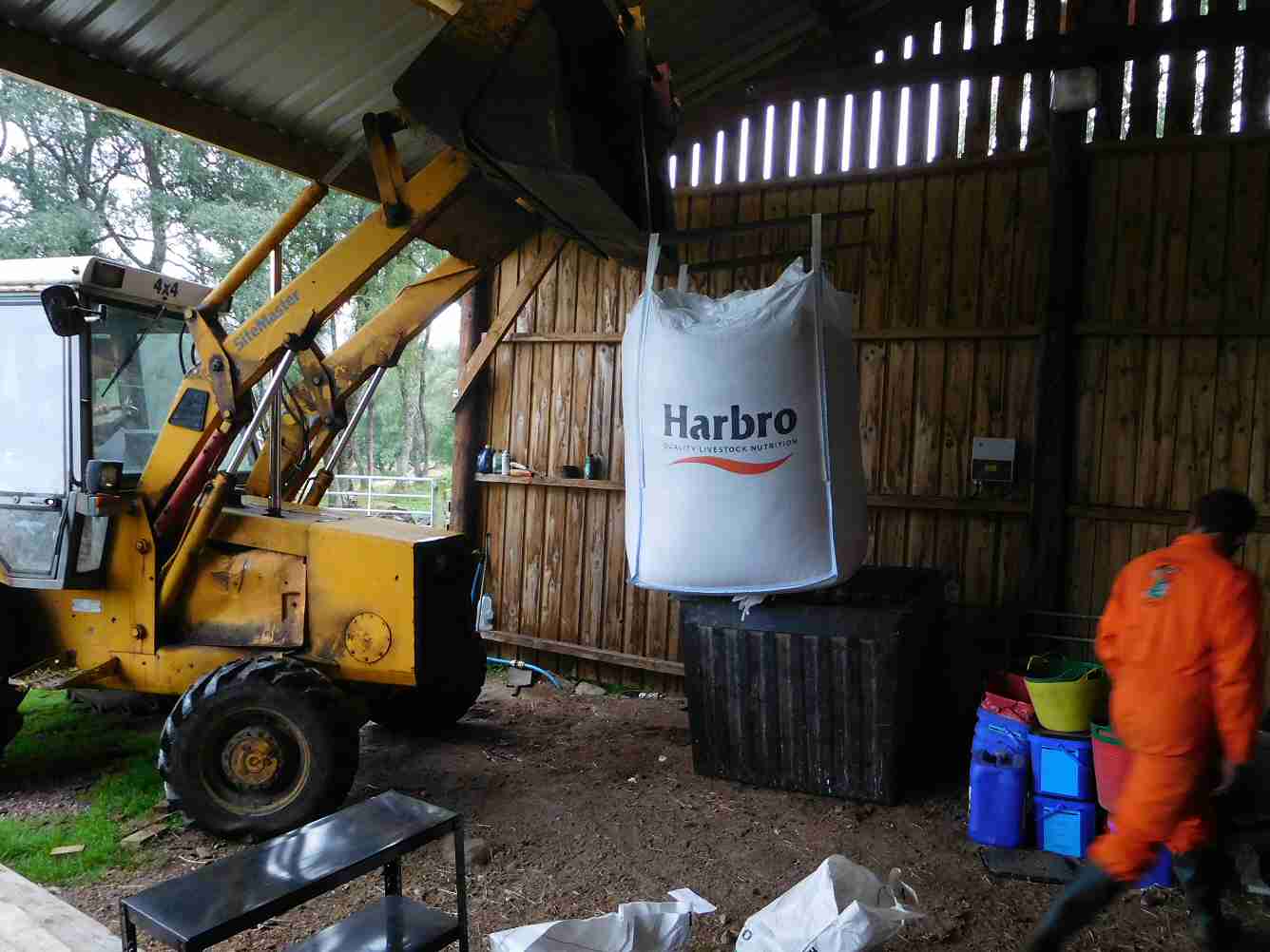
Digger lifting ton of feed over bin

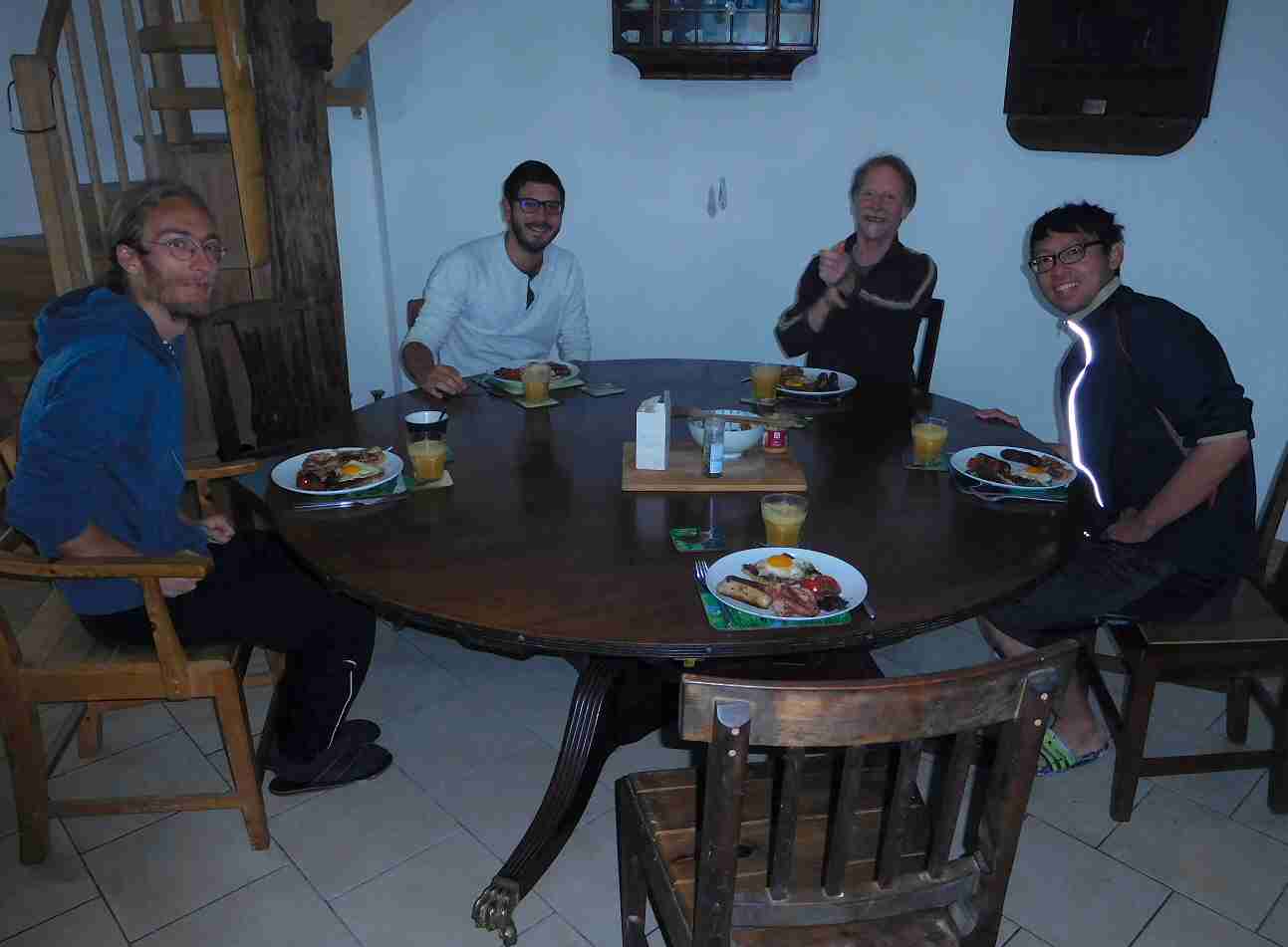
Full English All Round

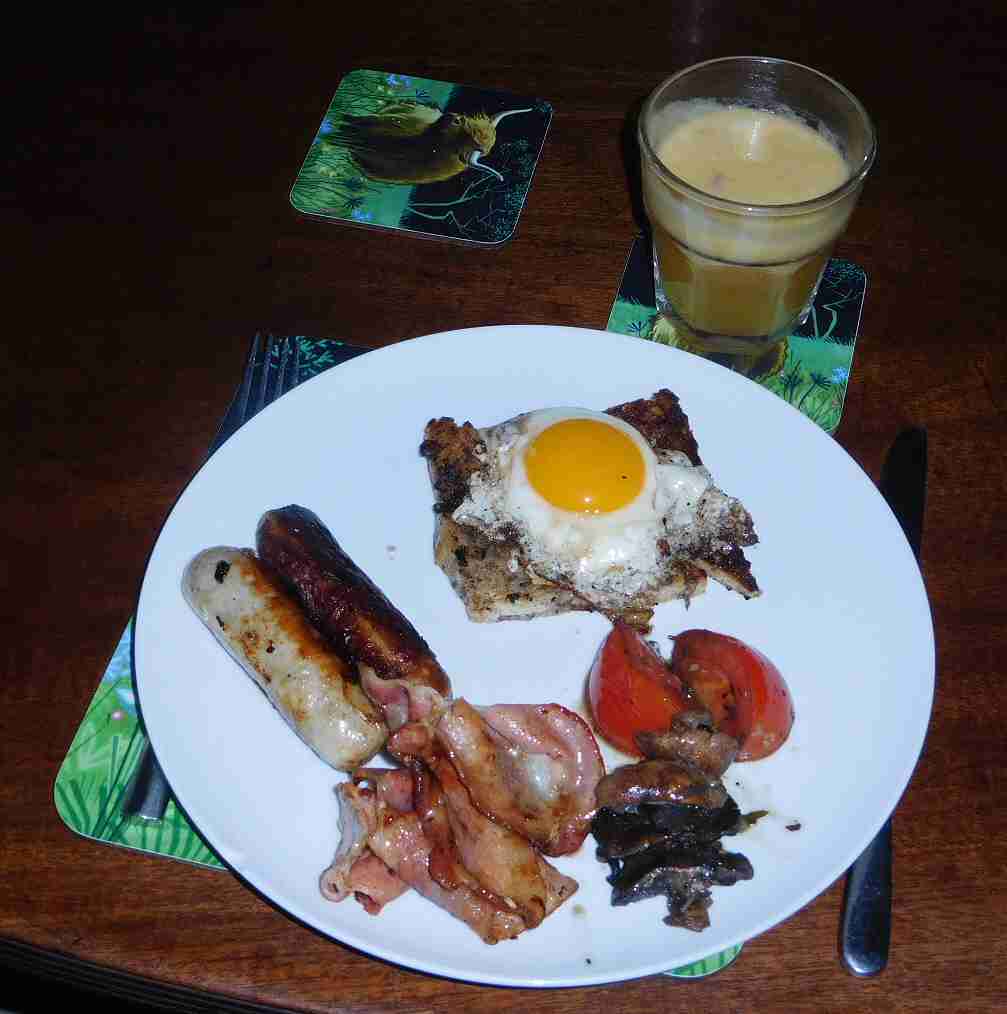
A mighty Full English on Sunday Morning (no lunch)

In search of the Least Water Lily

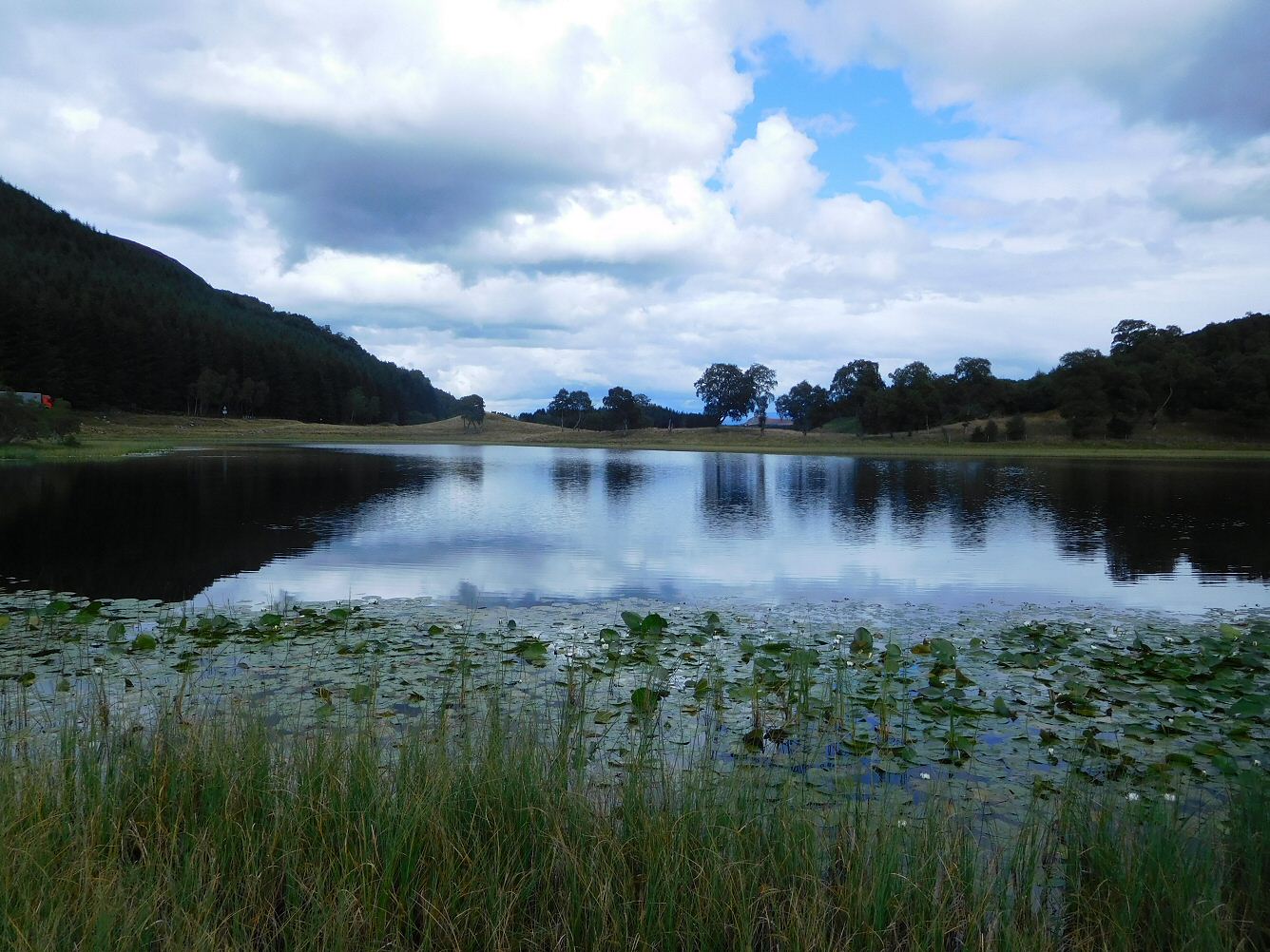
Lochan Uvie

Well the tale began at Wakehurst Place, the country seat of Royal Botanic Gardens, Kew. Their (splendid) open day showed off to perfection the many strands of their work, and their committed and enthusiastic staff.

One of the stands featured the rare Least Water Lily. Ok, I’d never heard of it.  It has one location left in Shropshire and is otherwise not found in England. But in Scotland, while it’s rare, small, and hard to find, not least because it hardly ever displays its yellow flowers, it has dozens of localities.

Curious, I nosed about the web. One good locality was Lochan Uvie. Since I was going right there…

Well, here it is. Beautiful, but surrounded by naturally wet meadow grading effortlessly into … swamp.

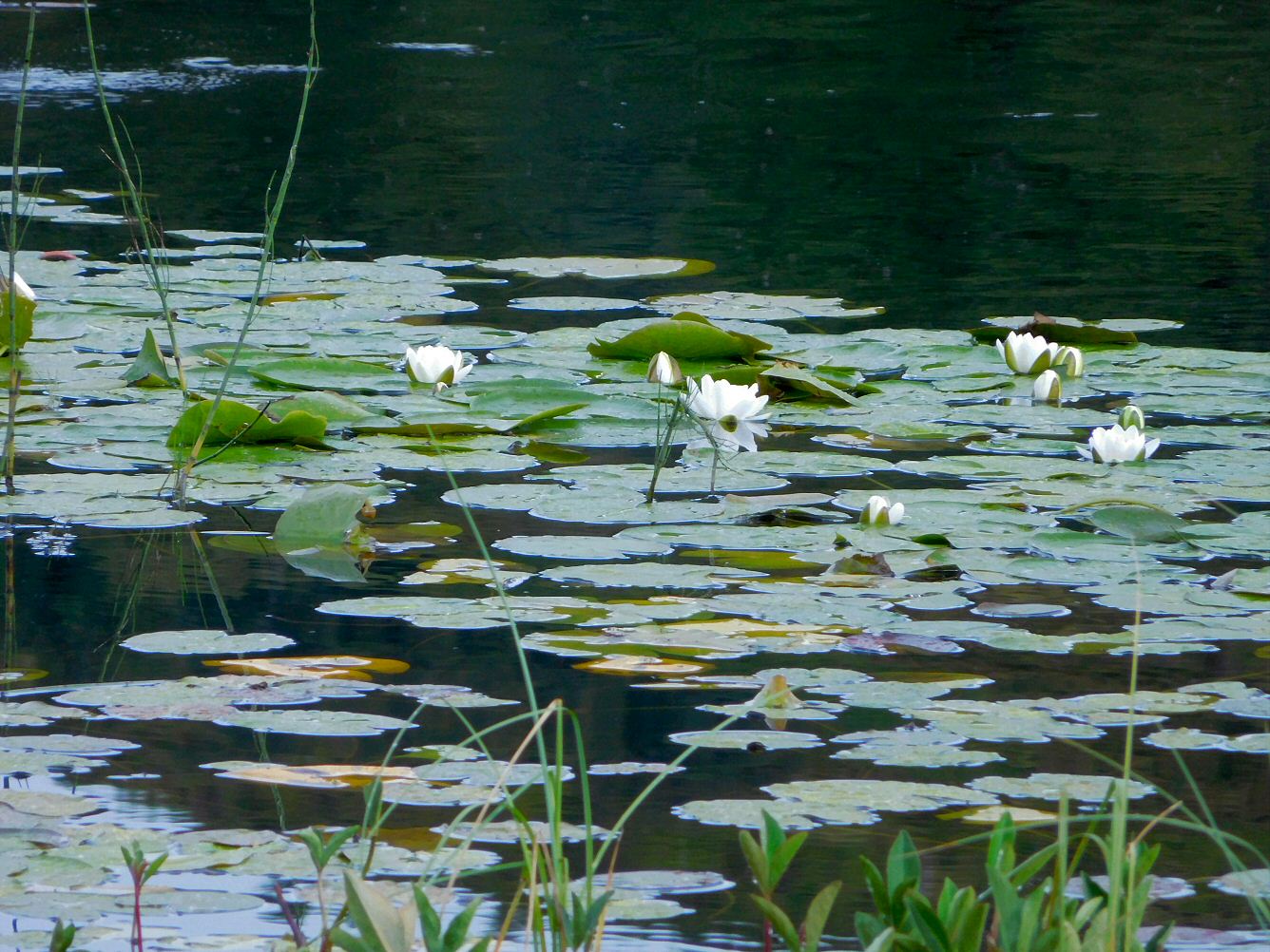
White Water Lilies in Lochan Uvie

So it’s hard to approach without getting very wet, and probably damaging the vegetation to boot. There are certainly plenty of White Water Lilies, but small yellow ones were not to be seen.

I’ll try again with gumboots and binoculars. Really, I’d need a boat.

LWT Hedge-Laying Course with Clive Leeke at GT

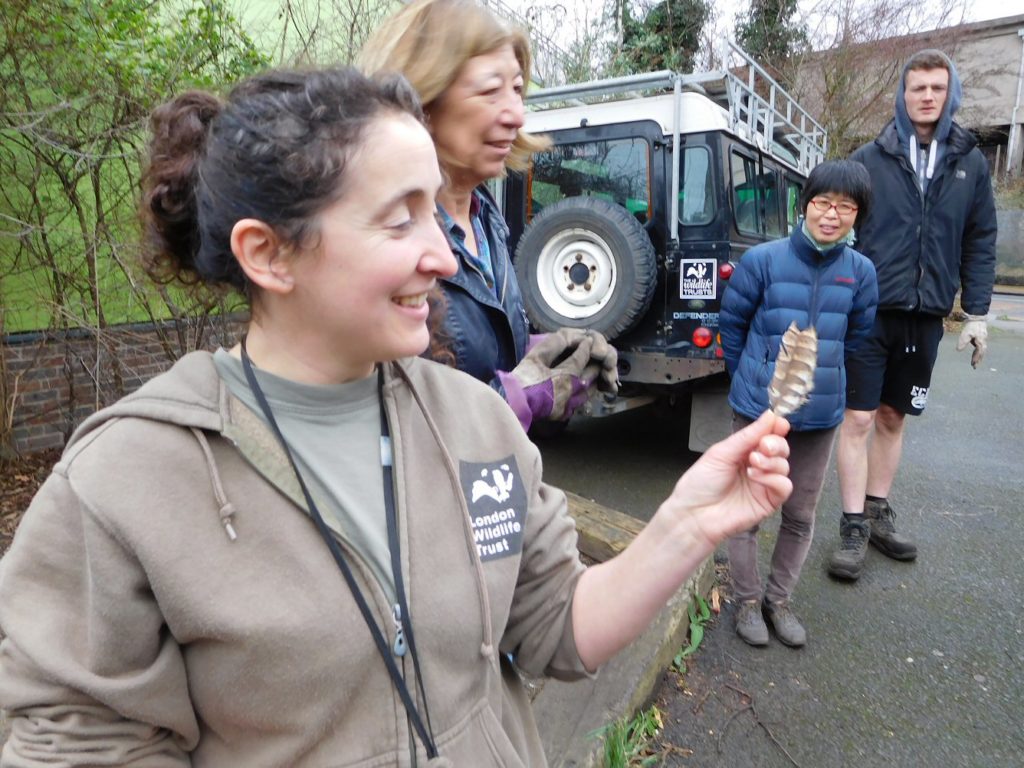
Netty delighted to find a Tawny Owl feather in the reserve, for the first time

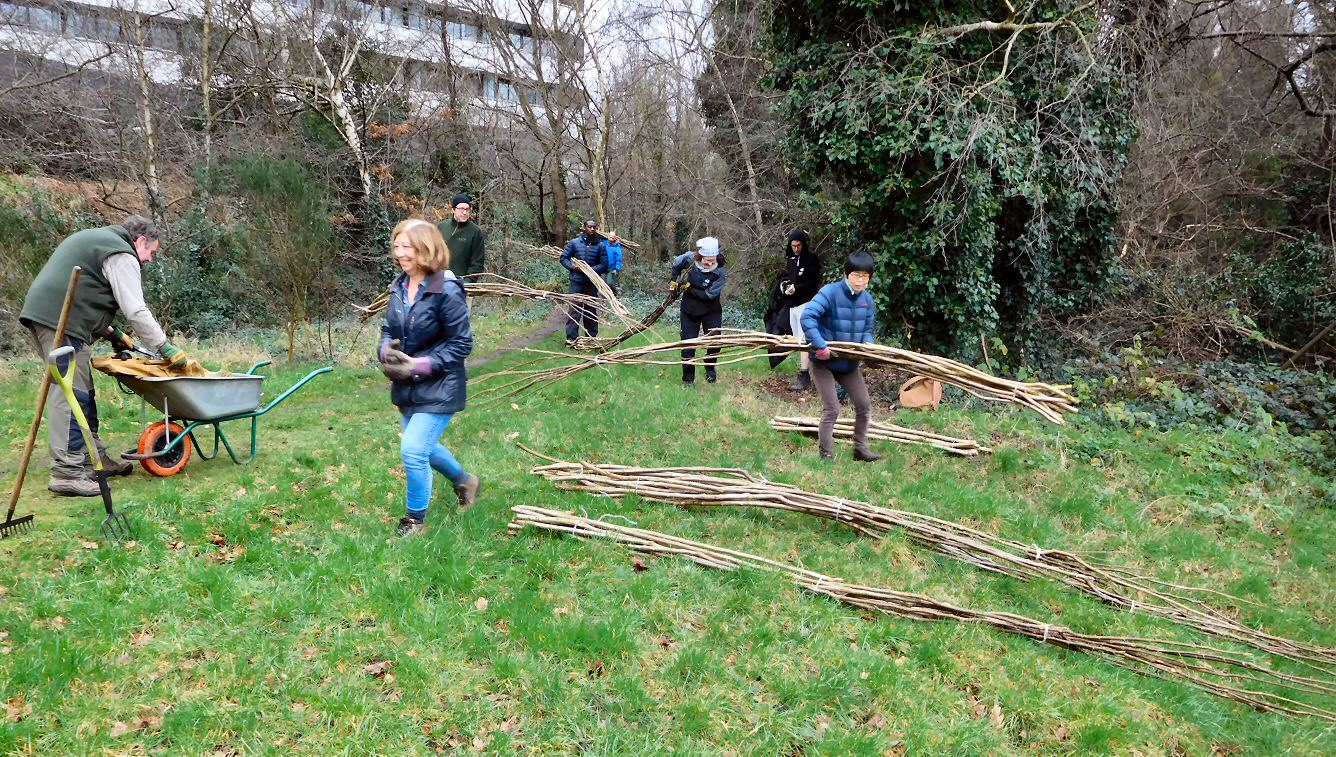
Margaret and the team delivering the binders to the meadow in front of the hedge site

The hedge before we started: tall, leggy, and apparently never cut or laid before

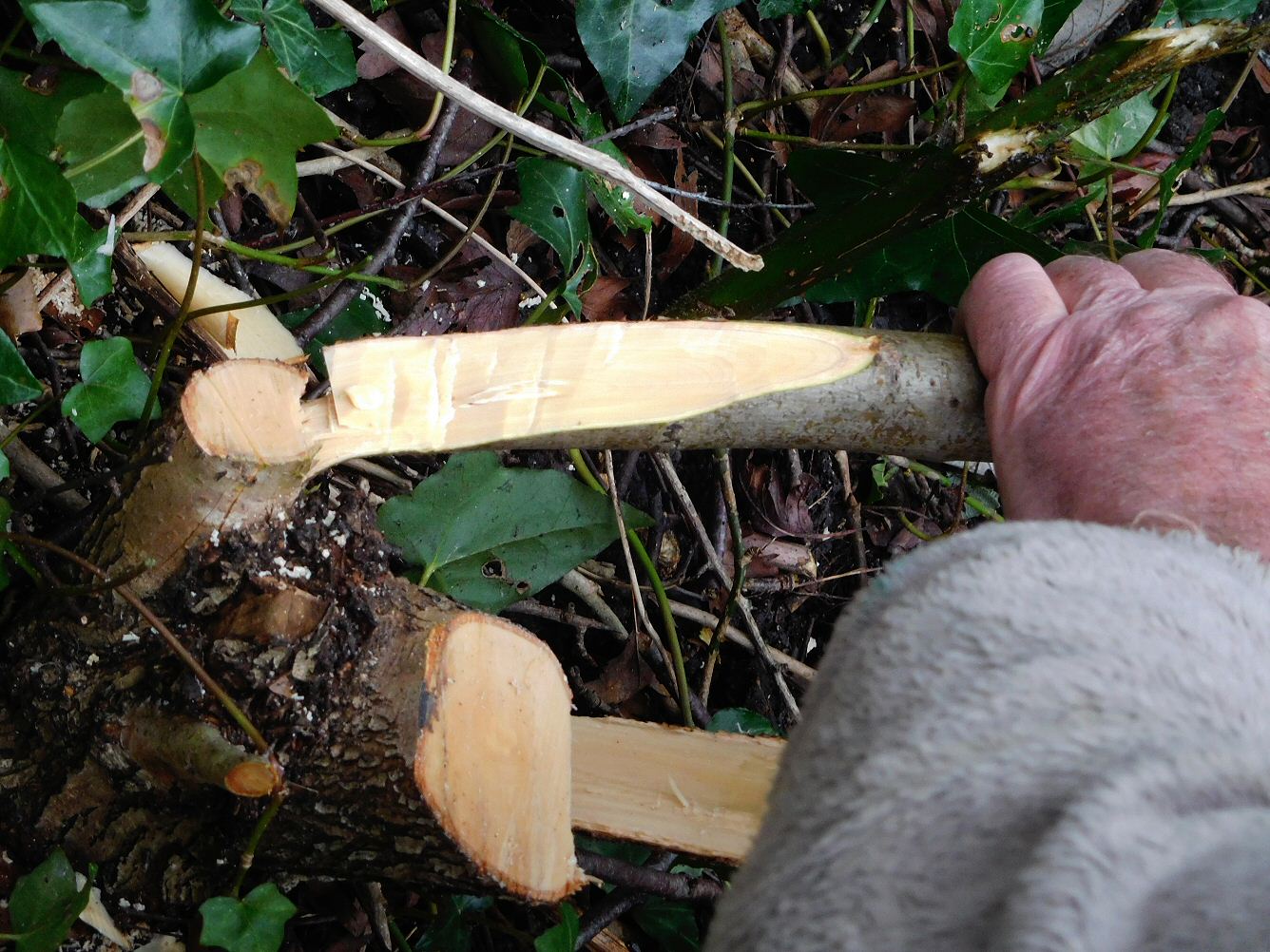
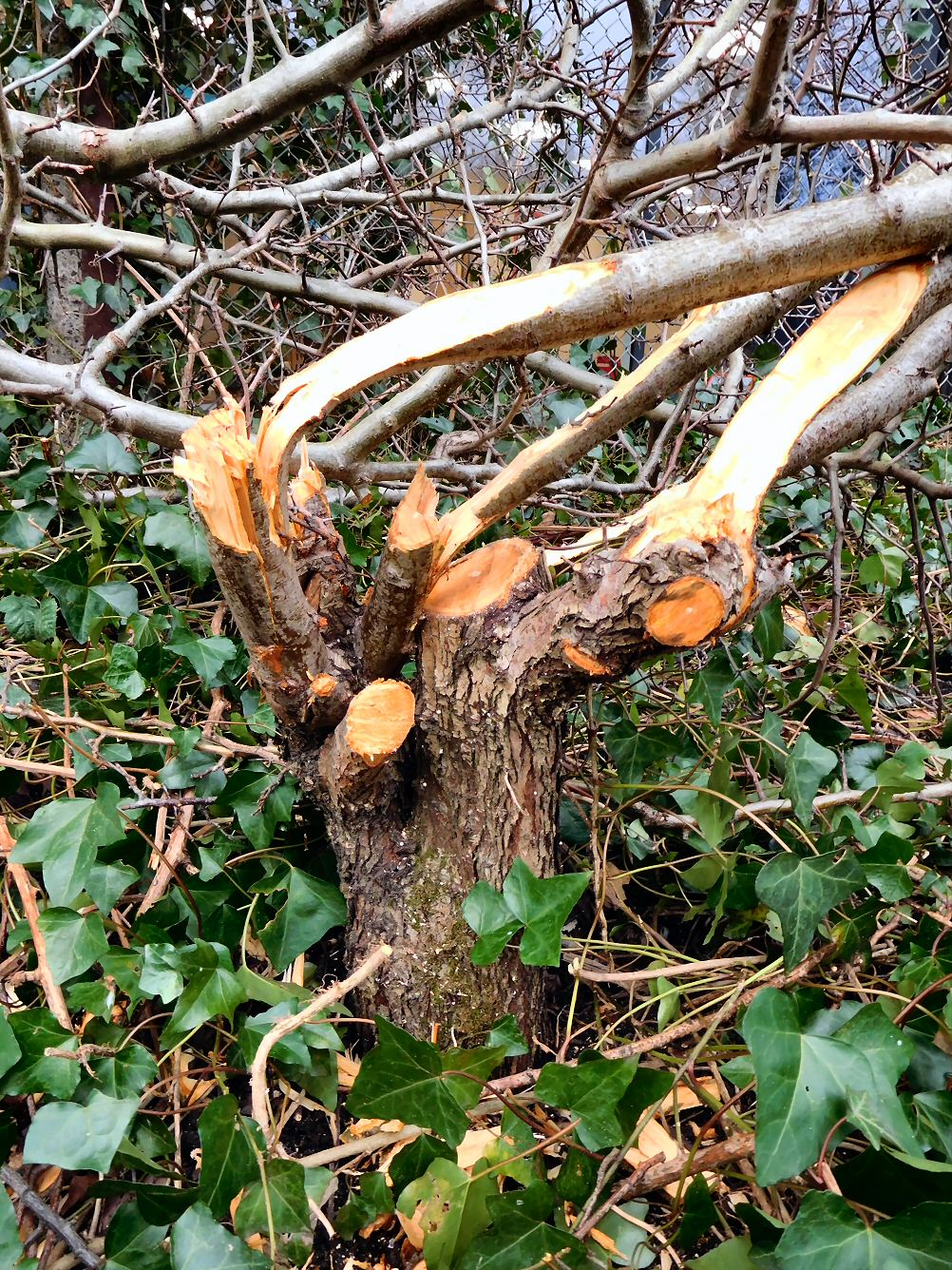
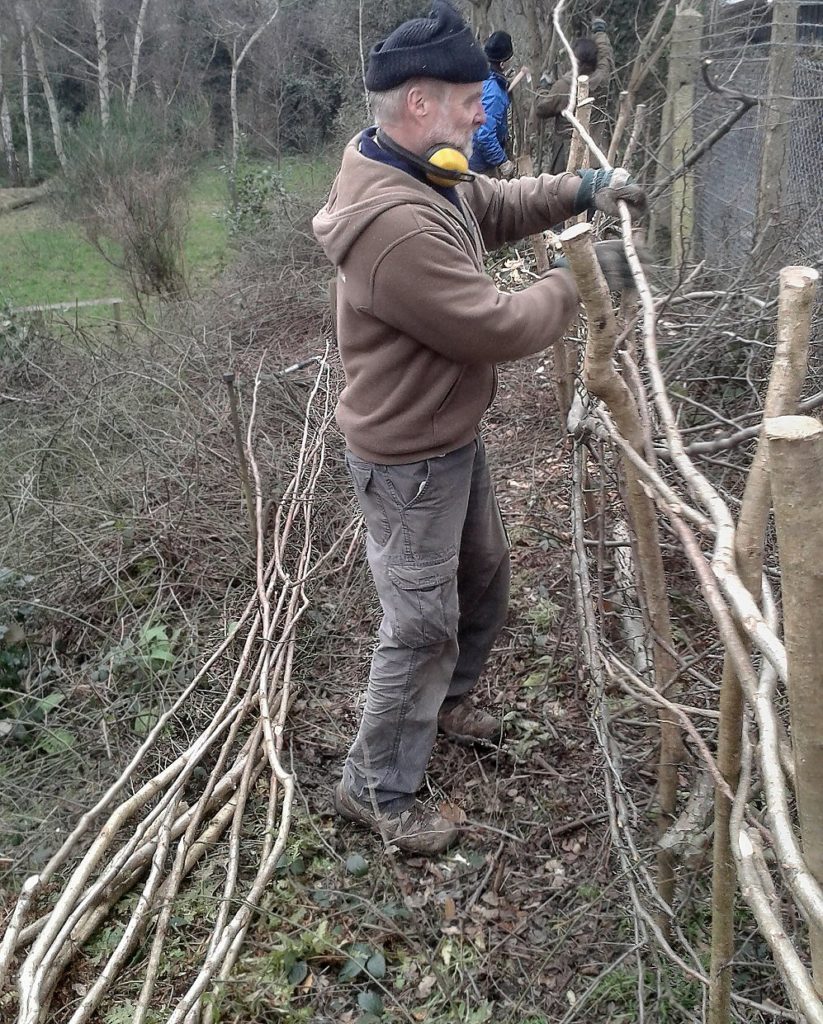
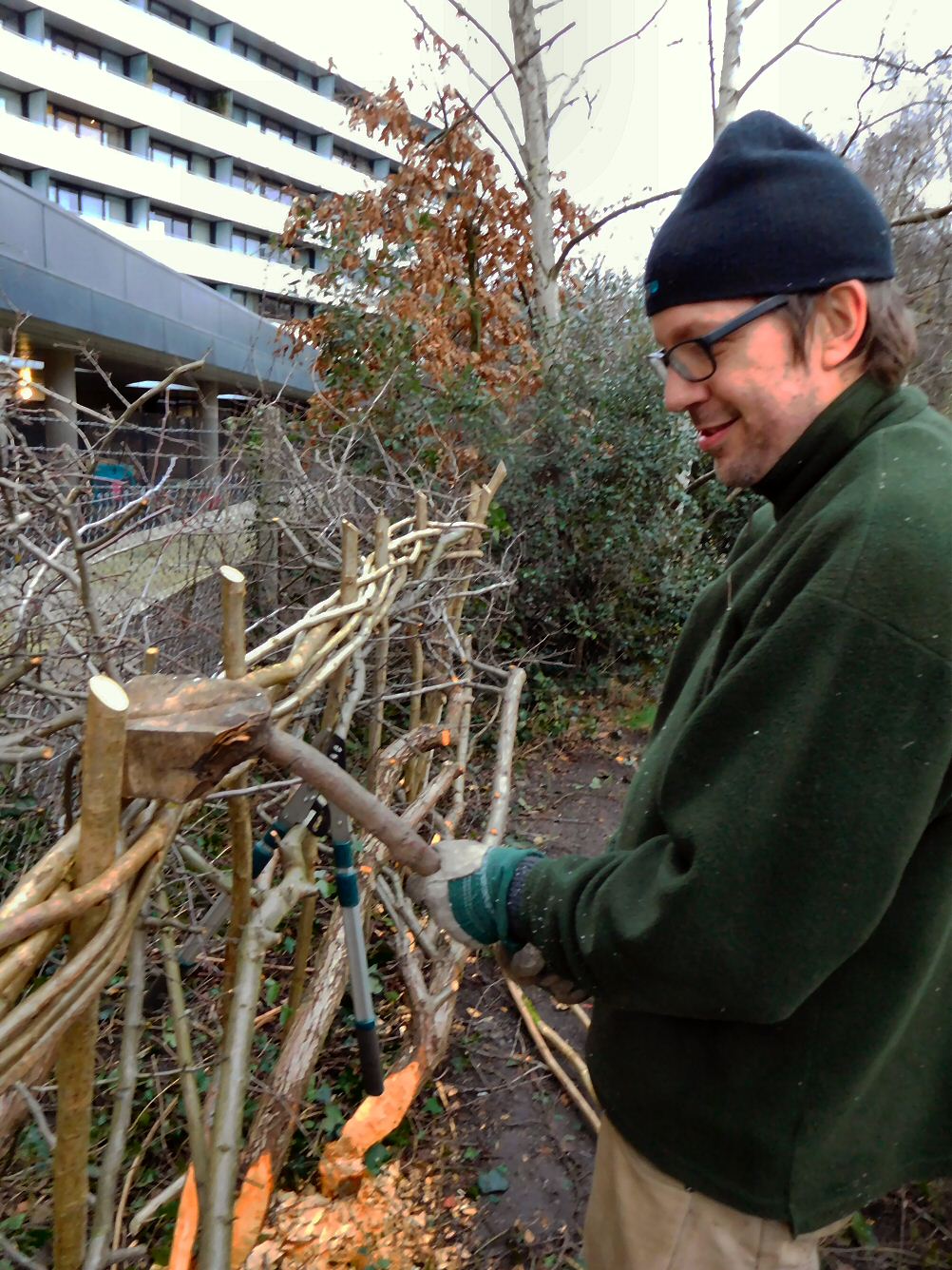
Clive demonstrating how to cut a pleacher, a Hawthorn stem that you can then lay to form a barrier. Somehow it looked quite easy when he did it.

… and down goes the pleacher, that’s all you have to do.

Well we managed it somehow, our first pleached Hawthorn (a complex job with a lot of stems to lay)

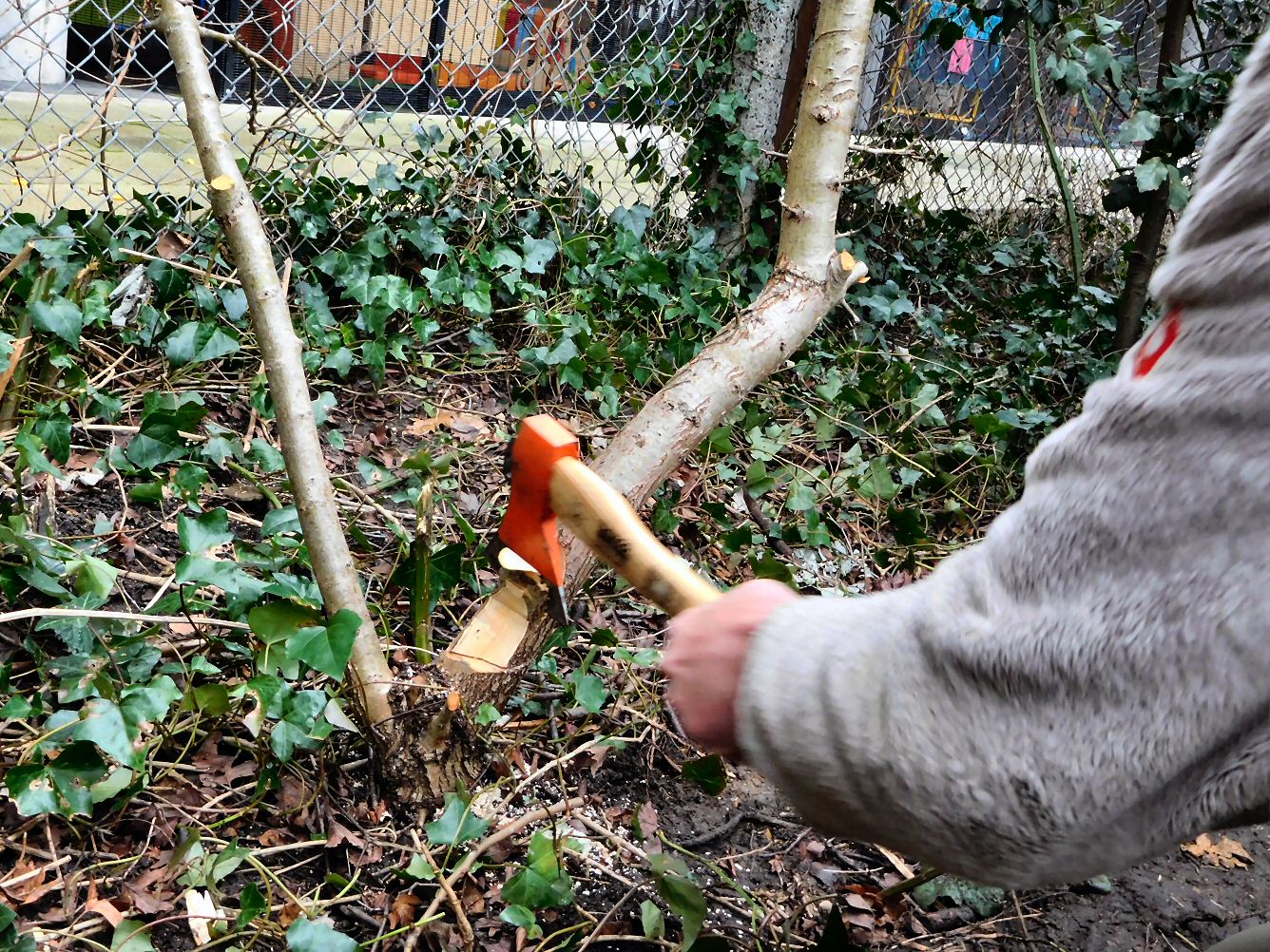
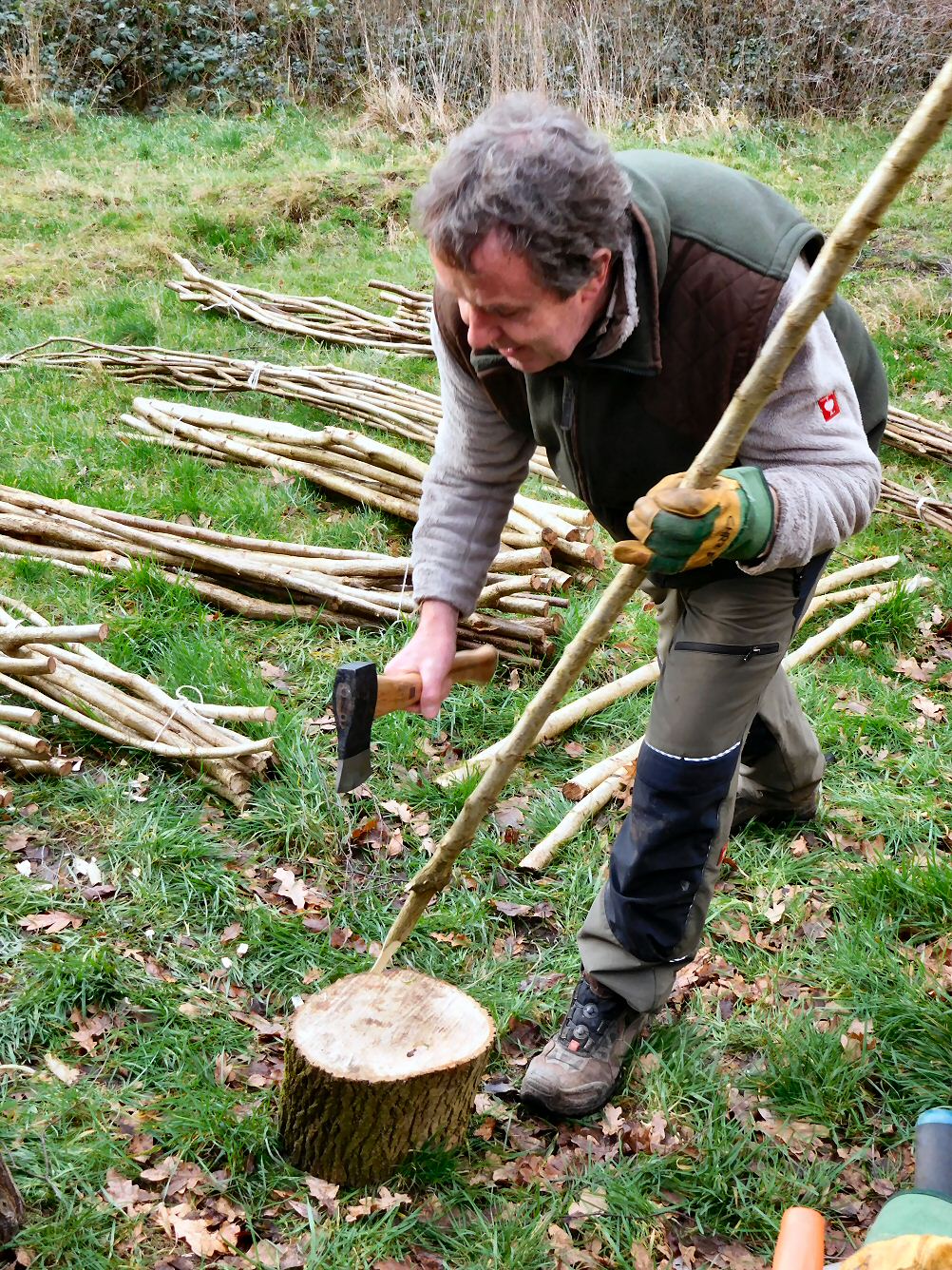
Clive Leeke showing us how to sharpen a stake with a few swift axe-blows

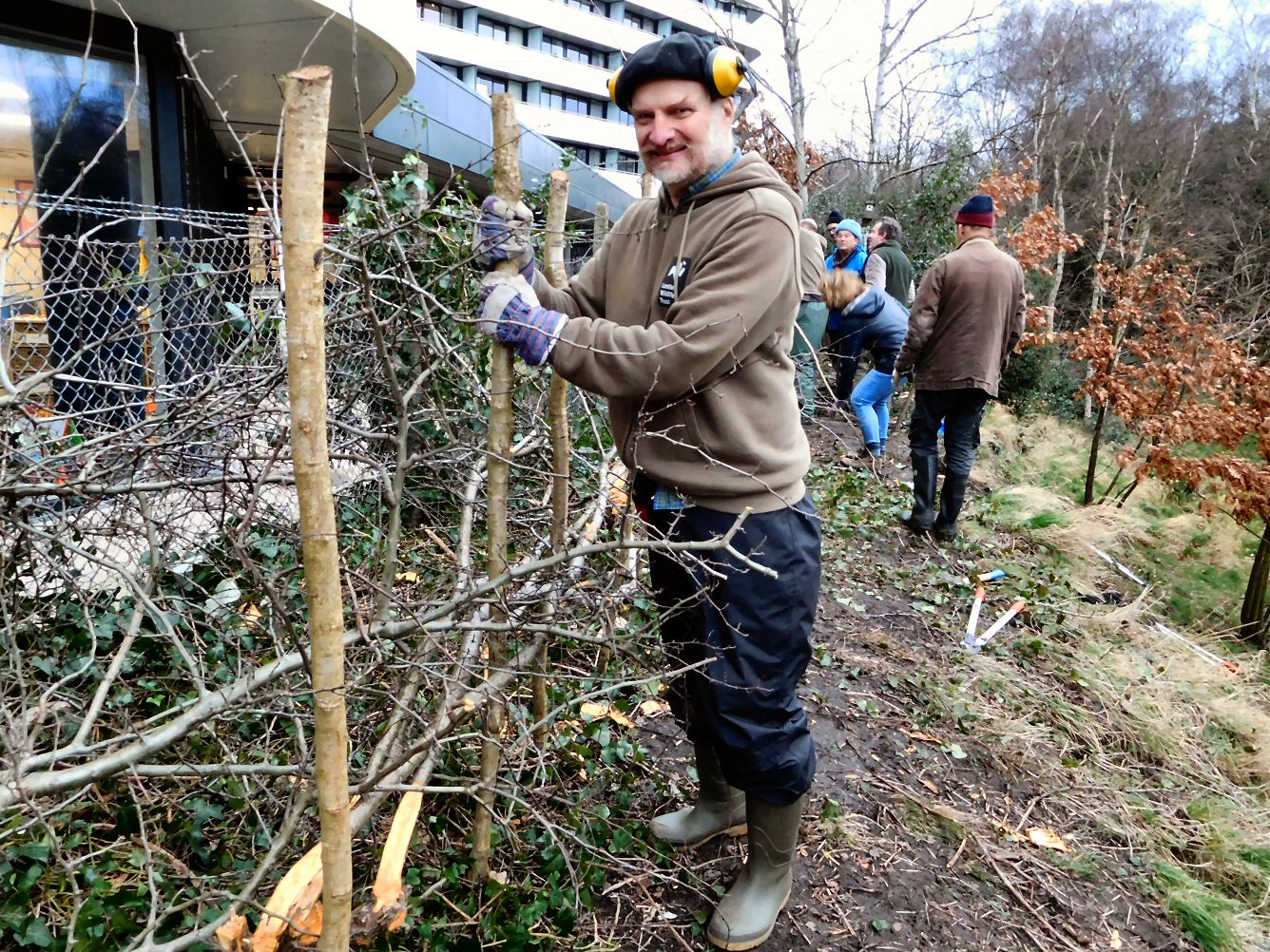
Hedge-Staker extraordinaire. The idea is to space them a cubit apart, in a straight line, trapping every pleached stem. The binders then retain the stakes. Well, that’s the theory…

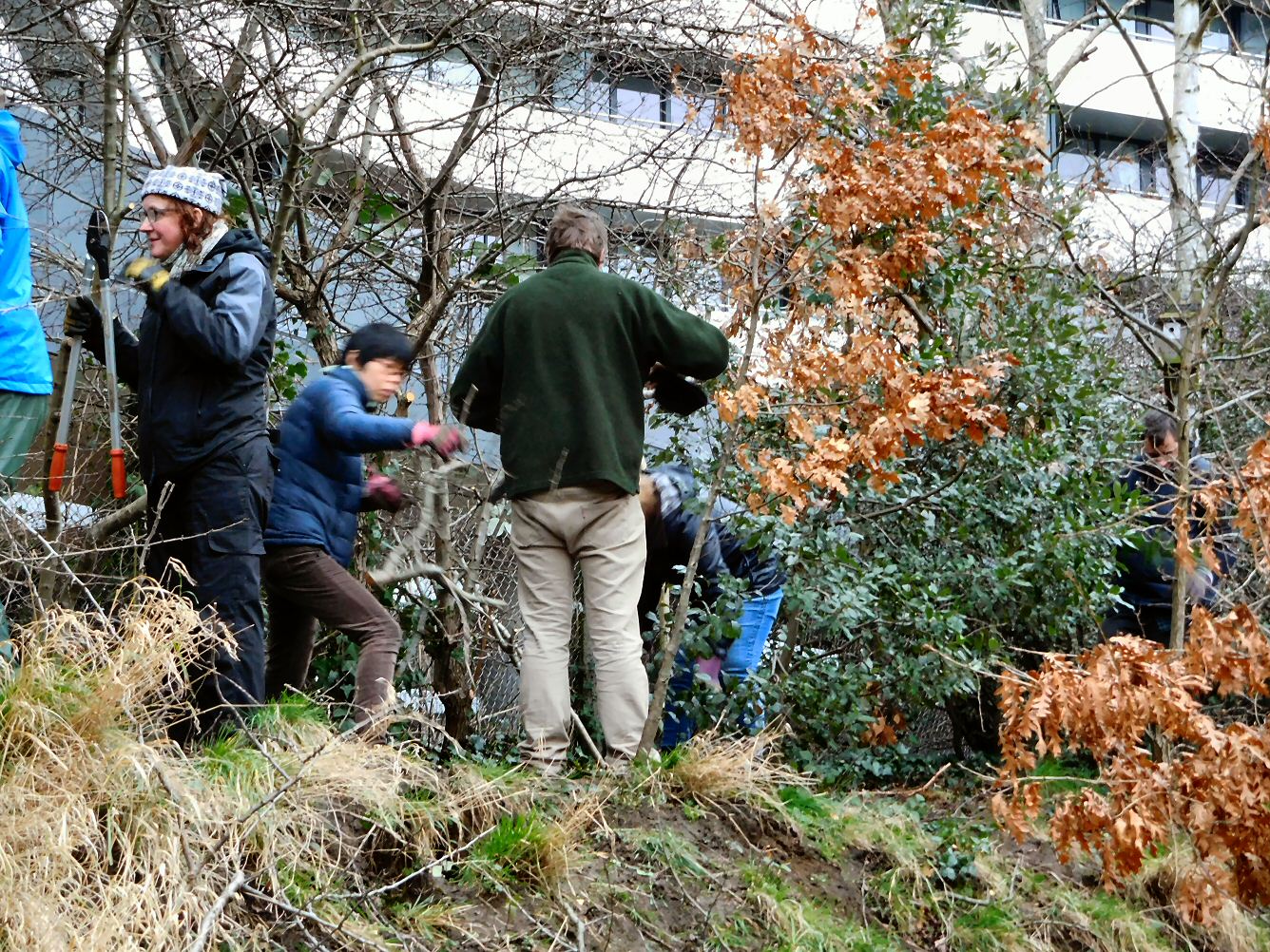
Weaving binders around hedge stakes

Jules boshing down the nicely woven-in binders

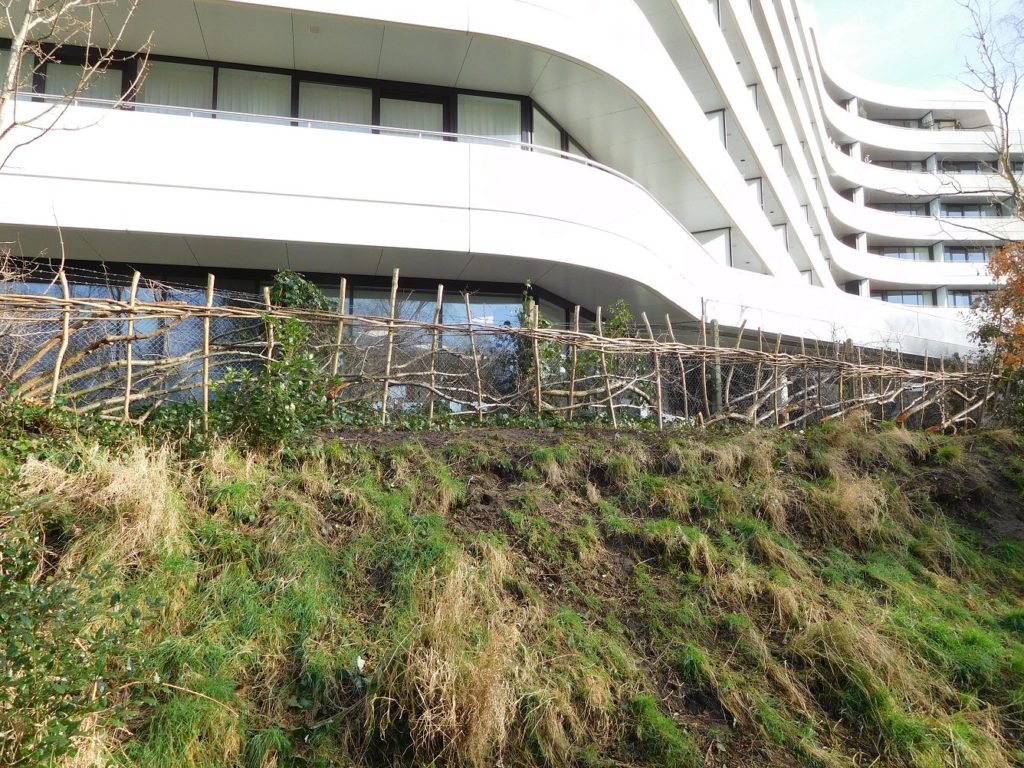
First section of hedge completed

Displaying Goldeneyes at Wraysbury

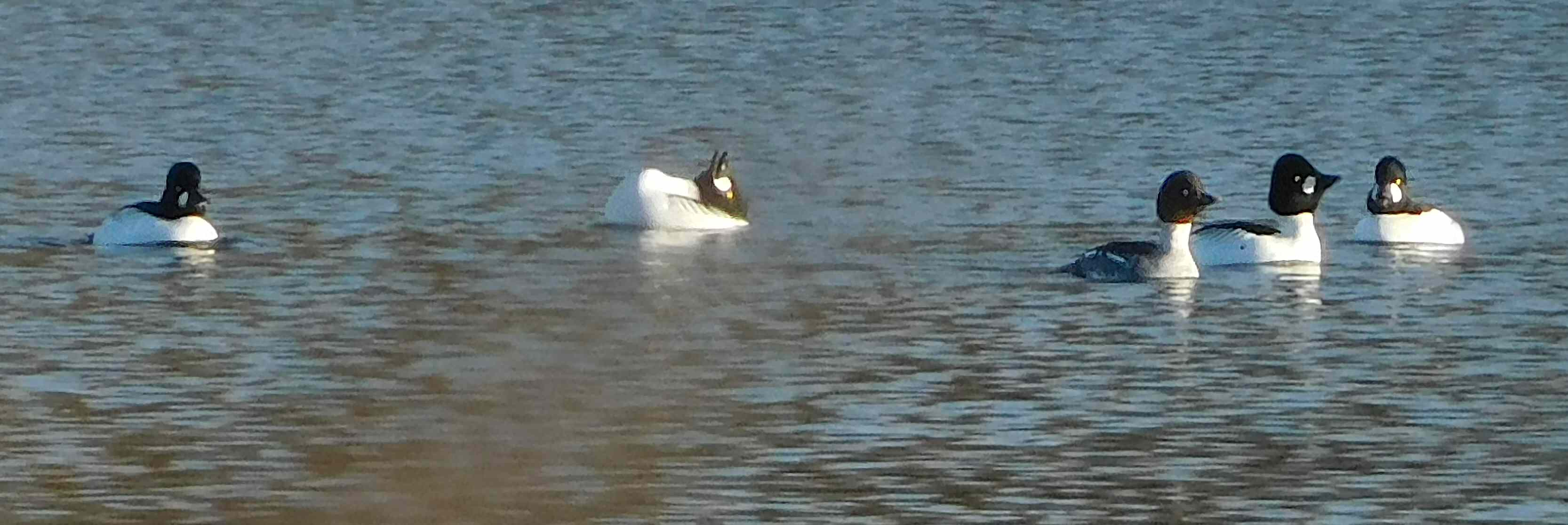
Five Goldeneyes: a male is displaying to the (brown-headed) female

It was a glorious winter morning at Wraysbury Lakes. The lakes themselves held few birds, but the Goldeneyes had arrived with the recent cold weather, and the males were giving their fine trumpeting call (they’re not called “clangula” for nothing, the duck with the resounding bell-like music) and displaying, too.

A few herons flapped lazily over the water; a small group of tits hopped through the bushes. My first fieldfares of the winter chack-chacked in the willows and obligingly gave good views of their handsome brown-and-grey plumage.

A sparrowhawk raced very low over the meadow. On the way home, a peregrine falcon perched on a streetlight.