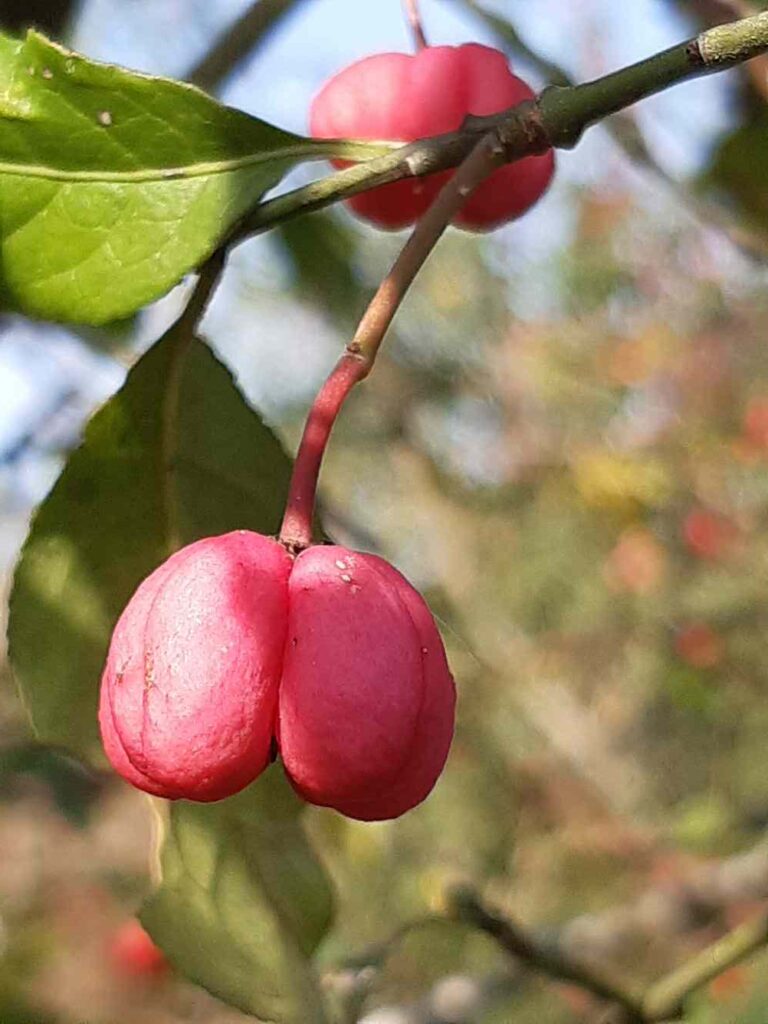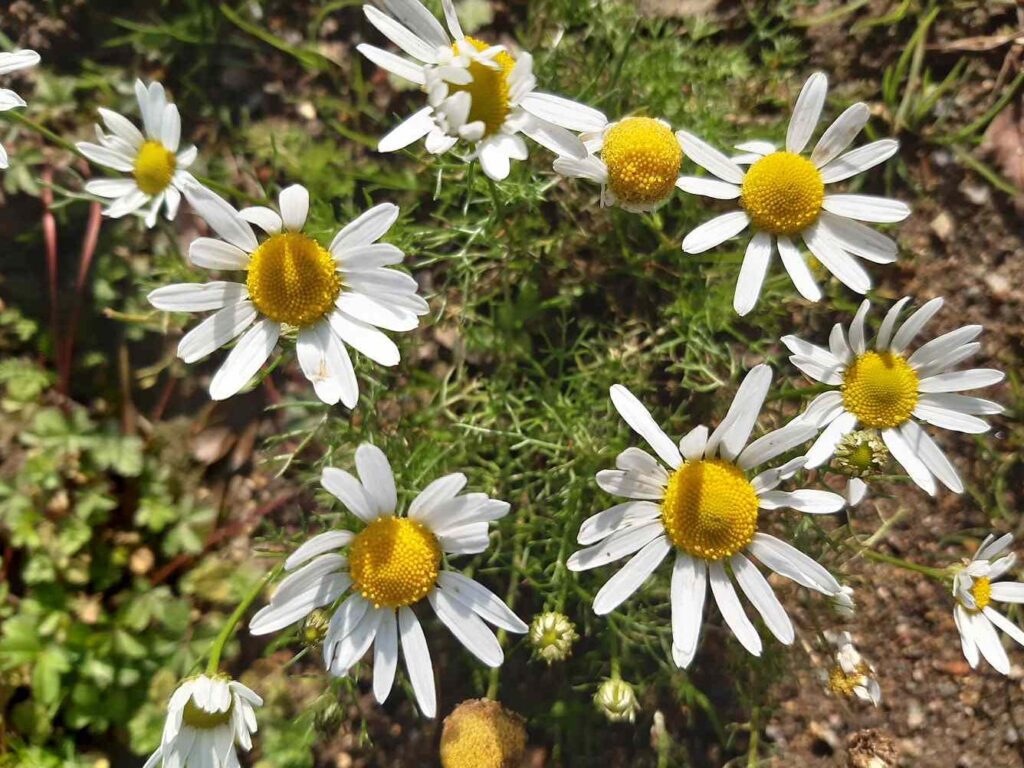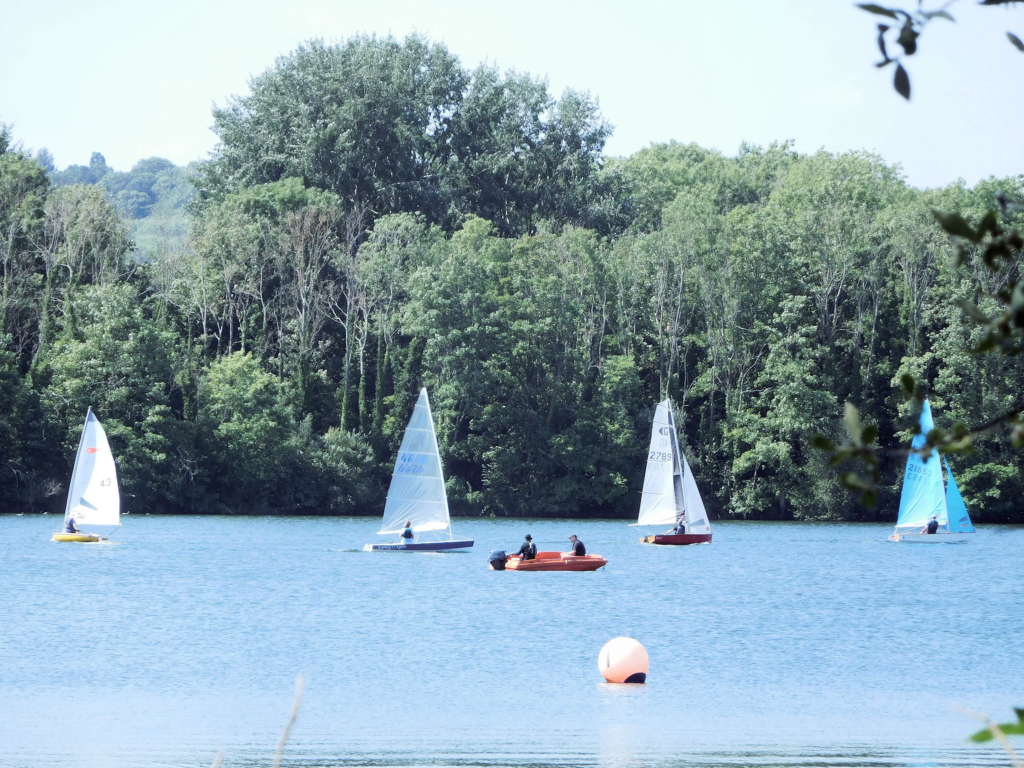
Wraysbury Lakes is an area of former gravel pits and secondary woodland where the Colne Brook flows across the Thames floodplain. One of the lakes is used for sailing; some are reservoirs. The land has a pleasantly reclaimed and scruffy feeling to it; a patch is a solar farm; another area is used for grazing ponies; and another is delightfully “weedy” with many colourful flowers of waste ground, and their pollinators.
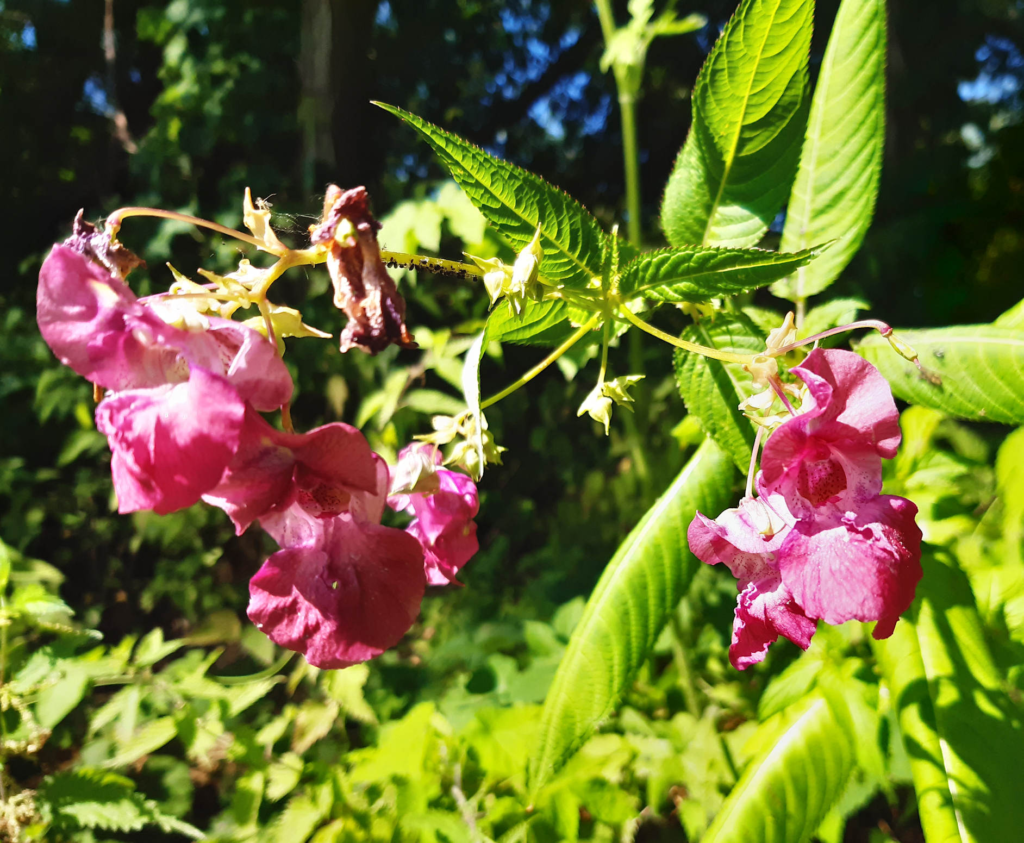
Himalayan Balsam grows beside the Colne Brook here and there, but has not become seriously invasive.
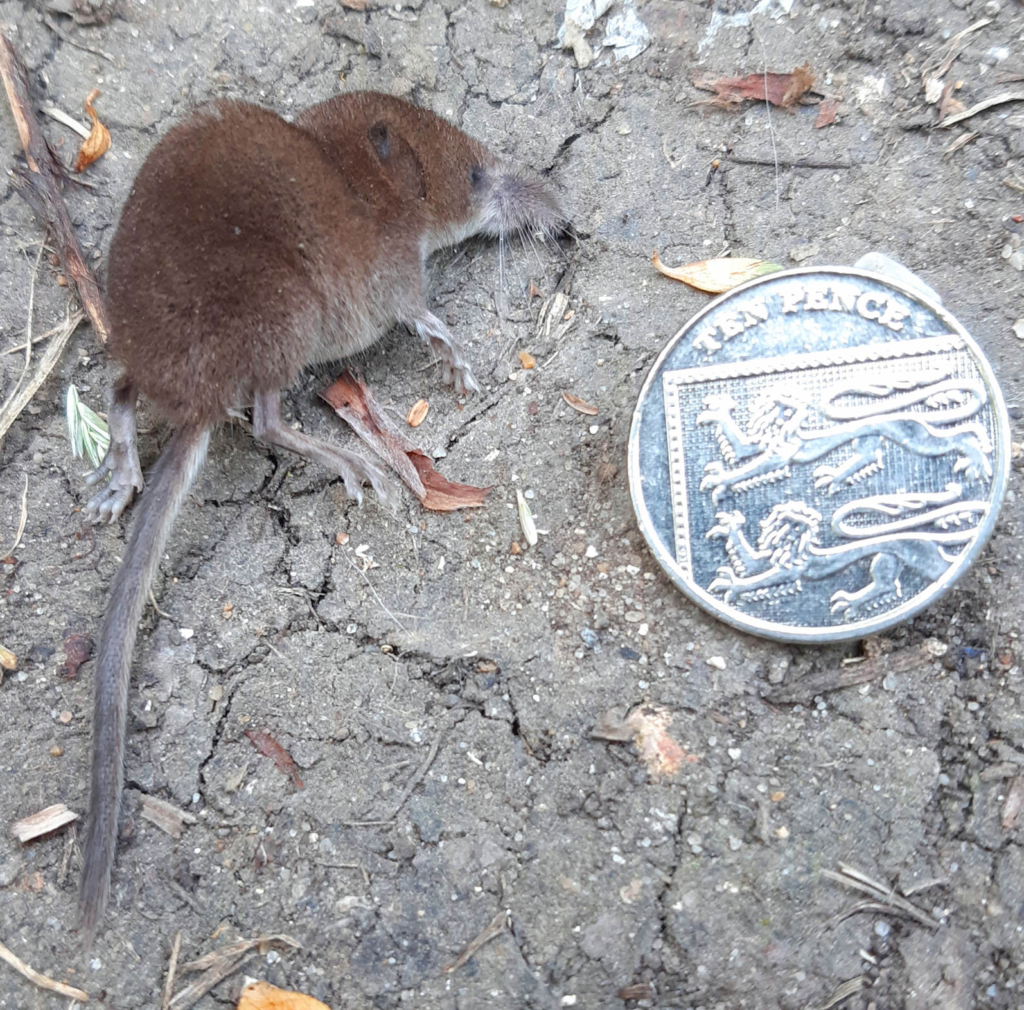
A Water Shrew, if the silvery hairs along tail and feet are anything to go by. Given its small size this must be a young one. The species is known in the area.
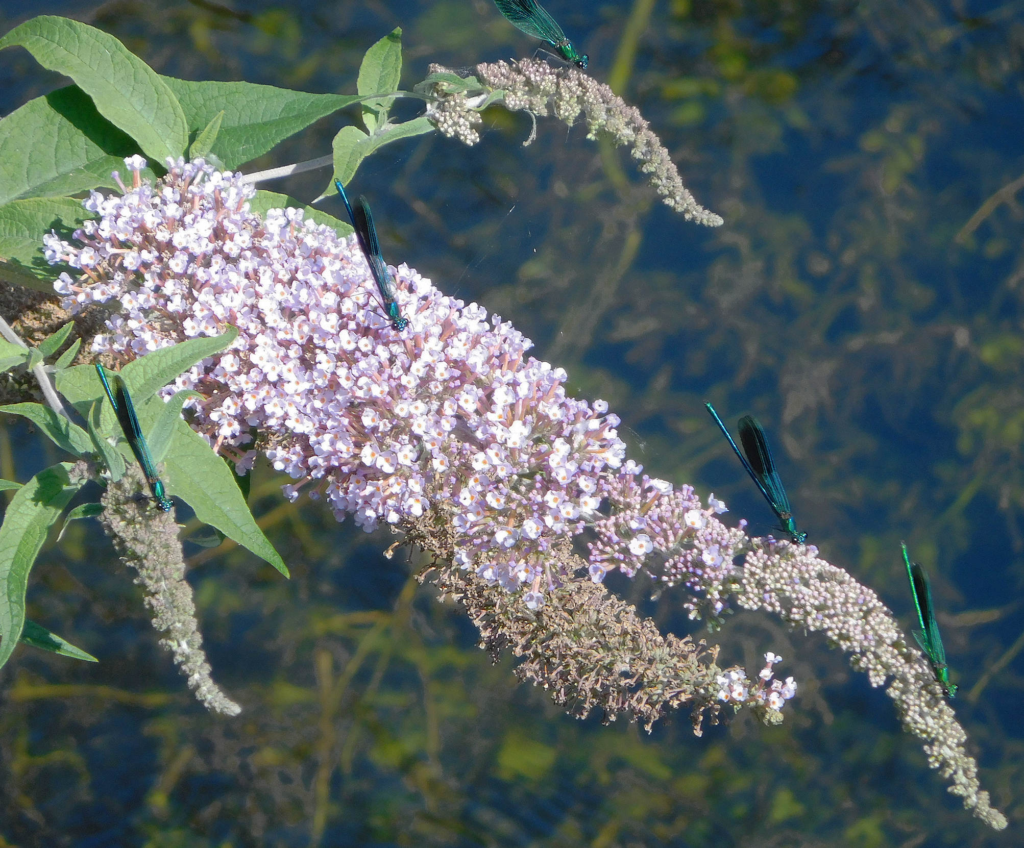
This Buddleia near the road bridge over the Colne Brook has attracted both male (blue) and female (green) Banded Demoiselles, an interesting sight having both together.
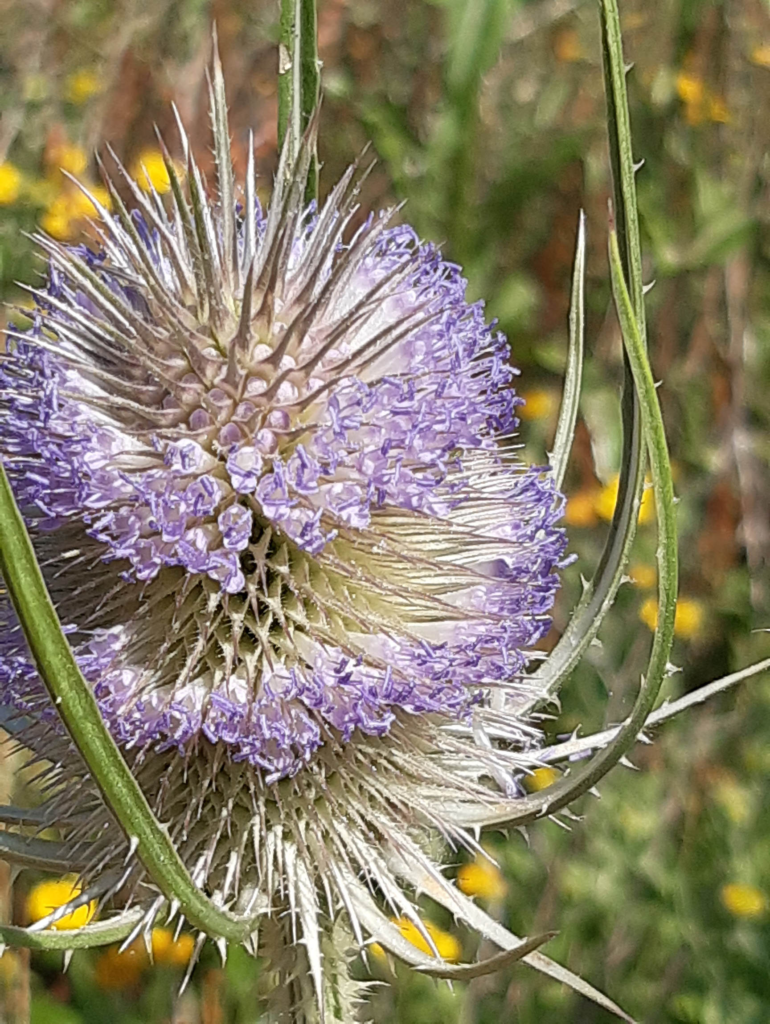
Out in the sunshine in the wasteland area are many tall flowering forbs, including Teasel …
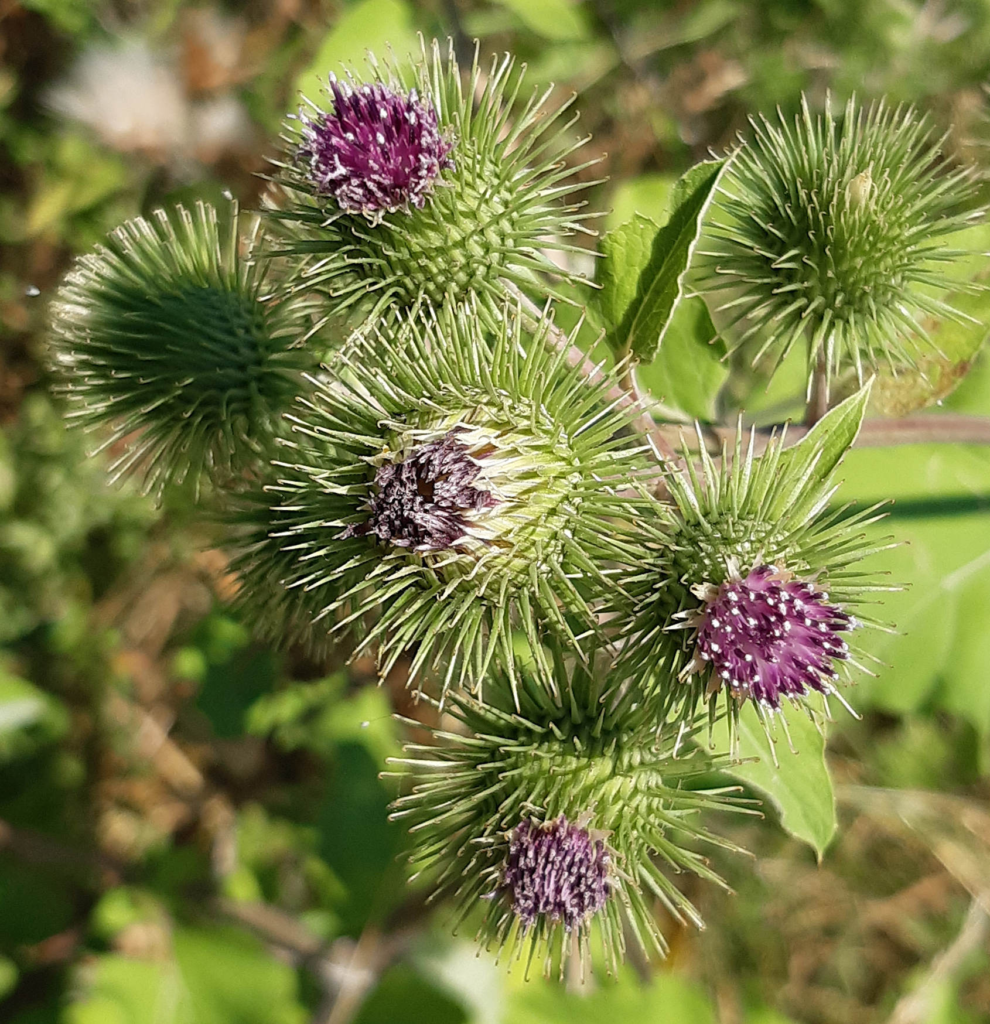
Burdock …
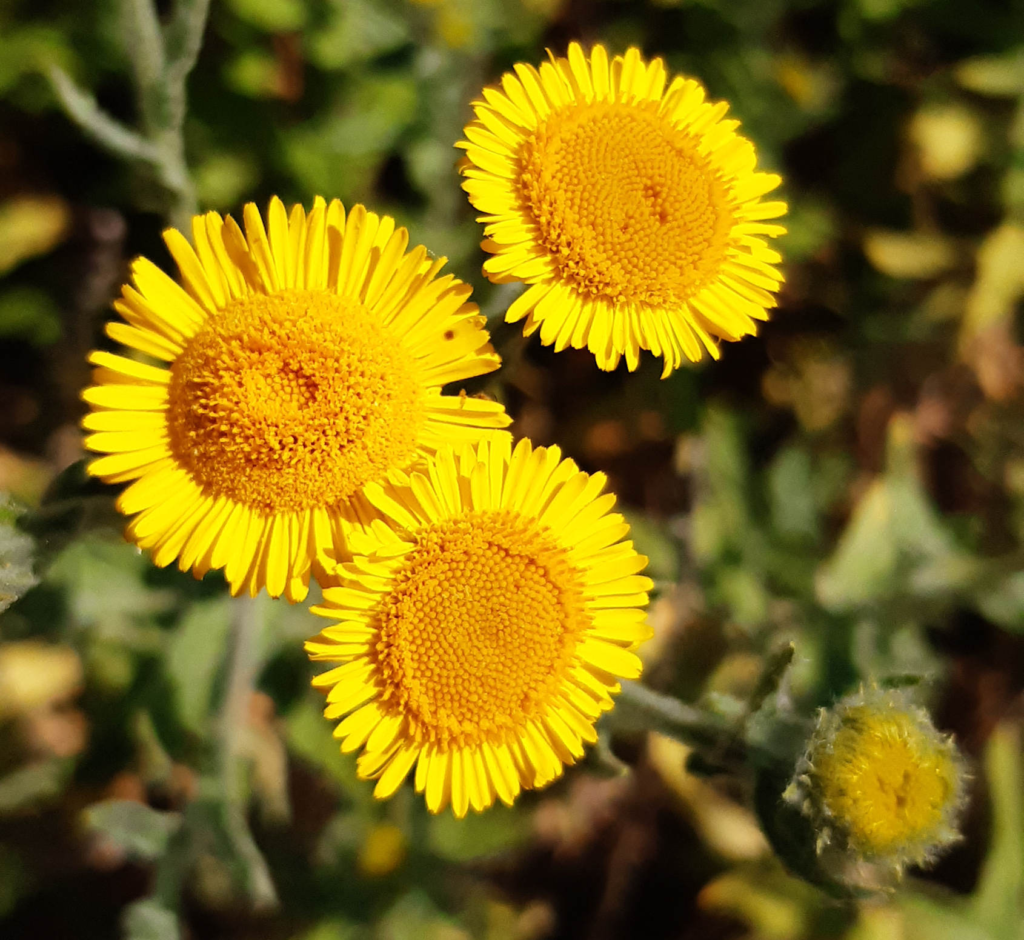
Fleabane …
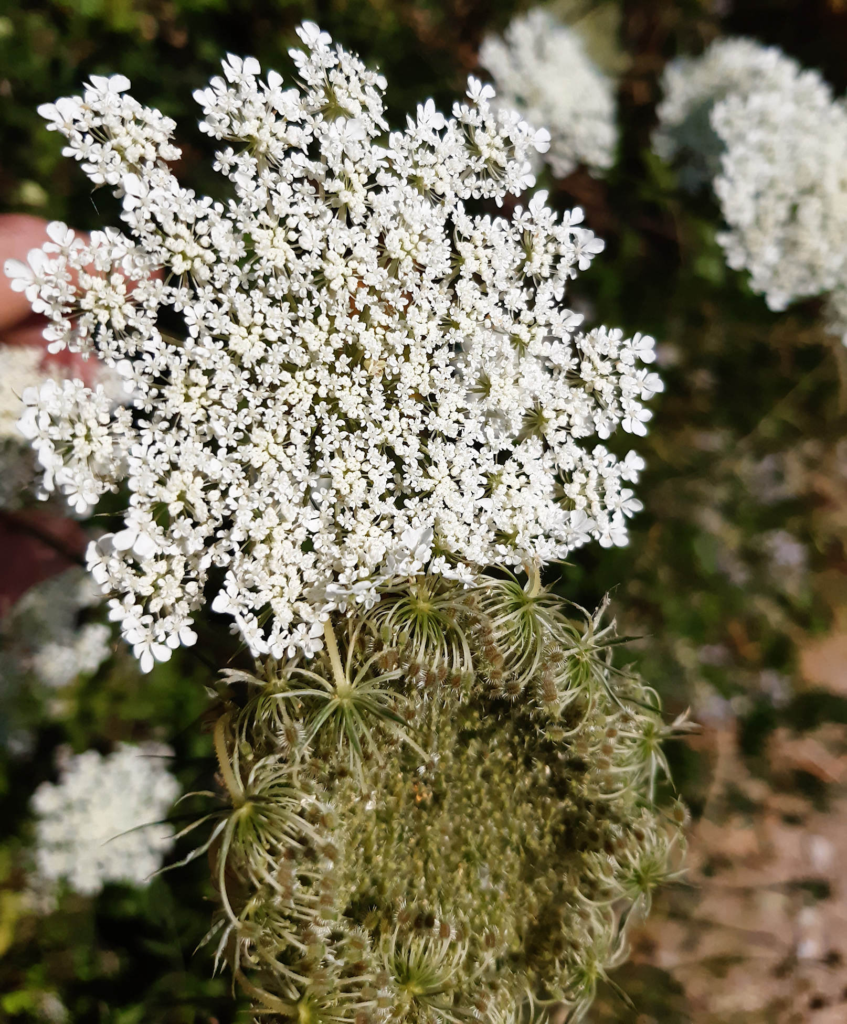
… and Wild Carrot.
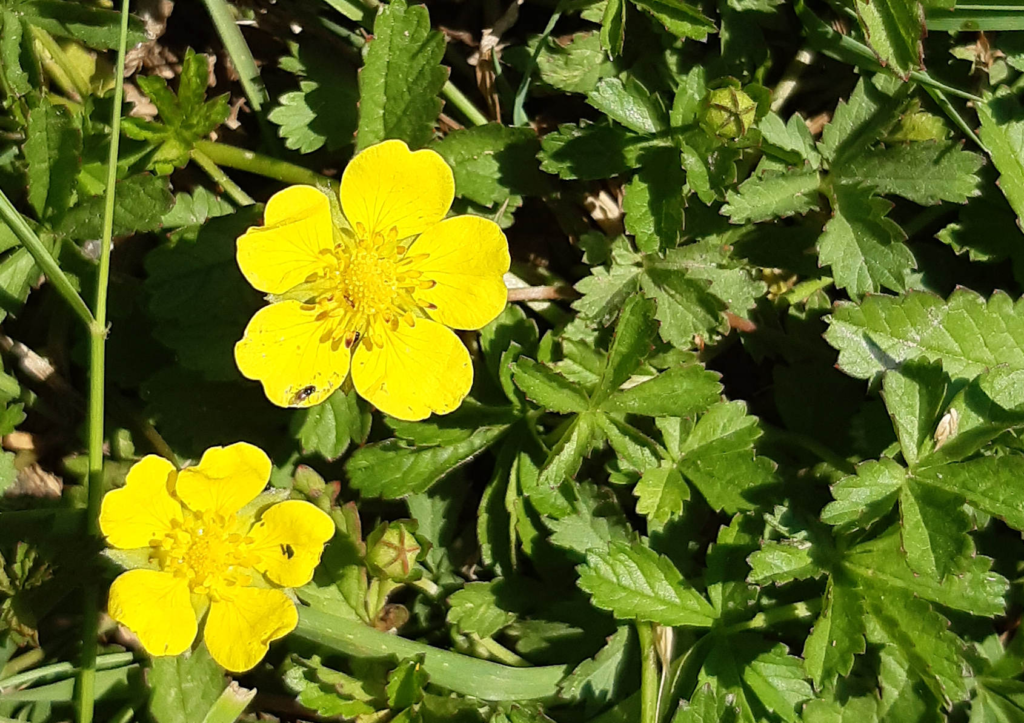
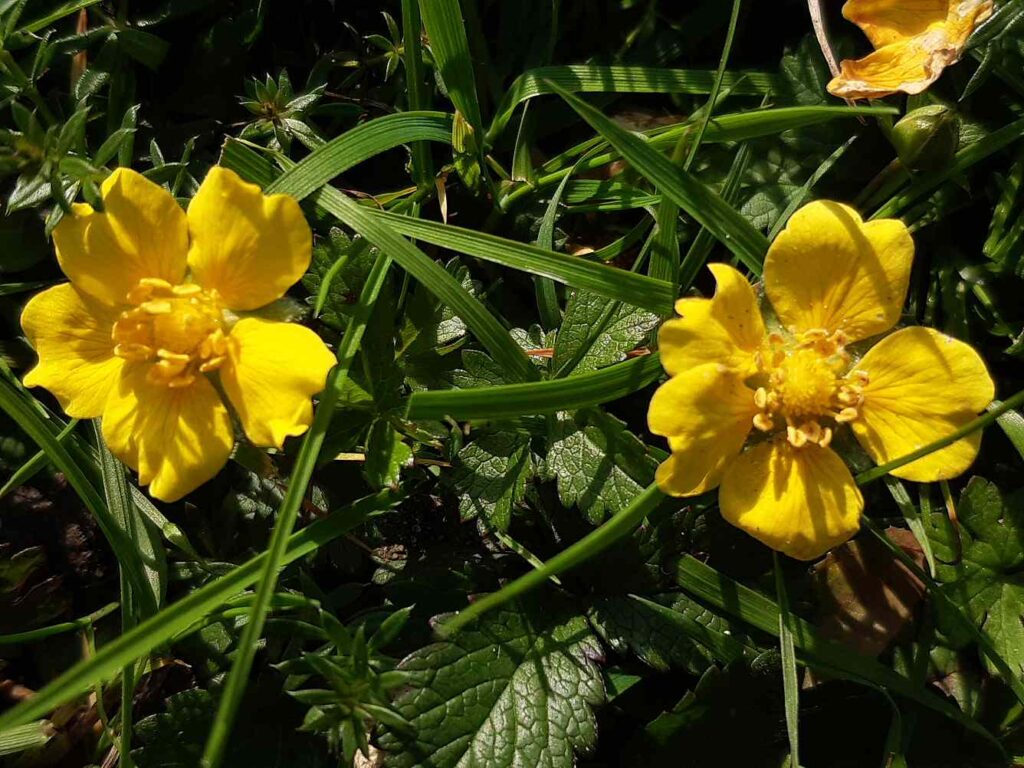
Beside the paths you can find lawns of Creeping Cinquefoil.