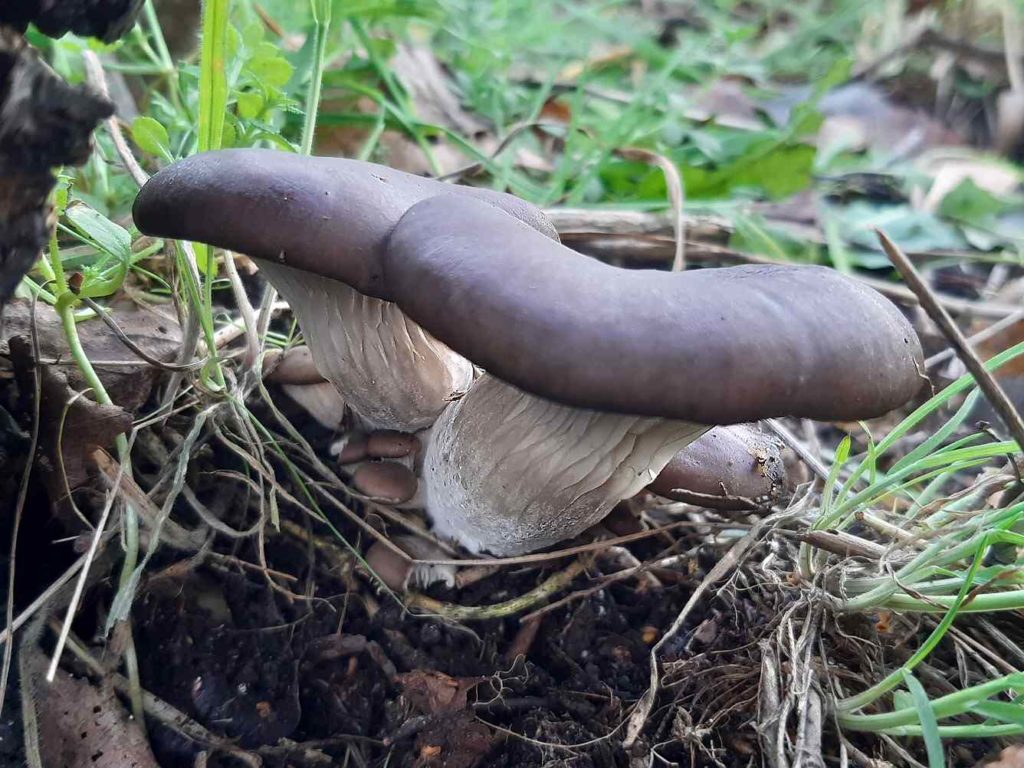
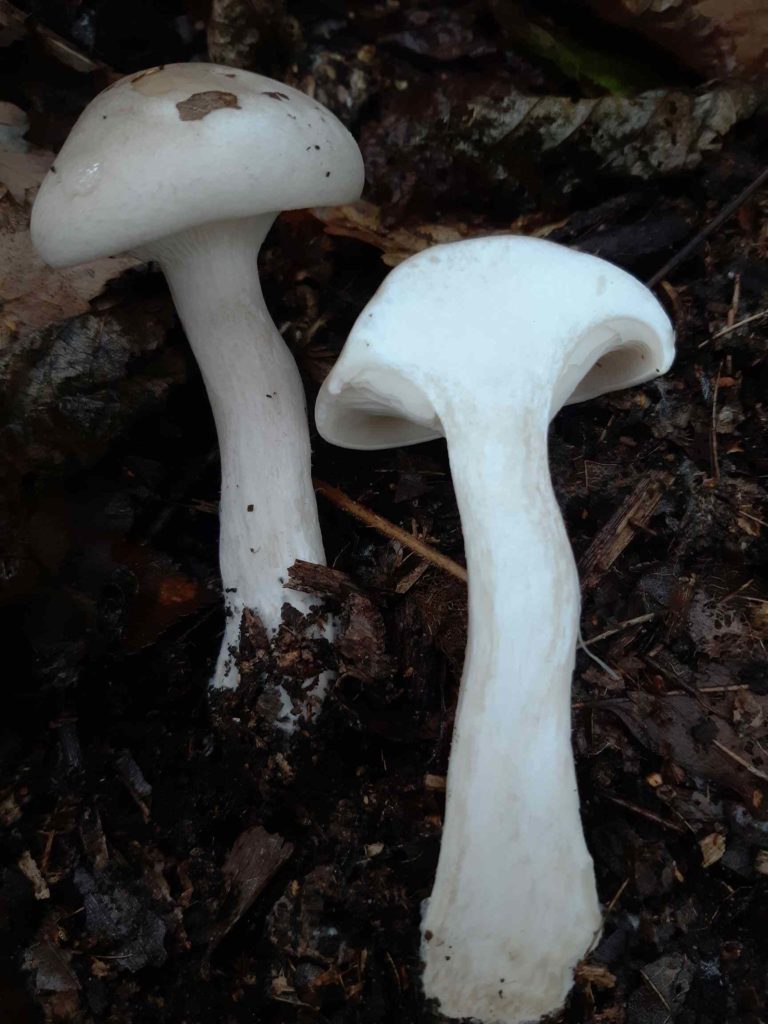
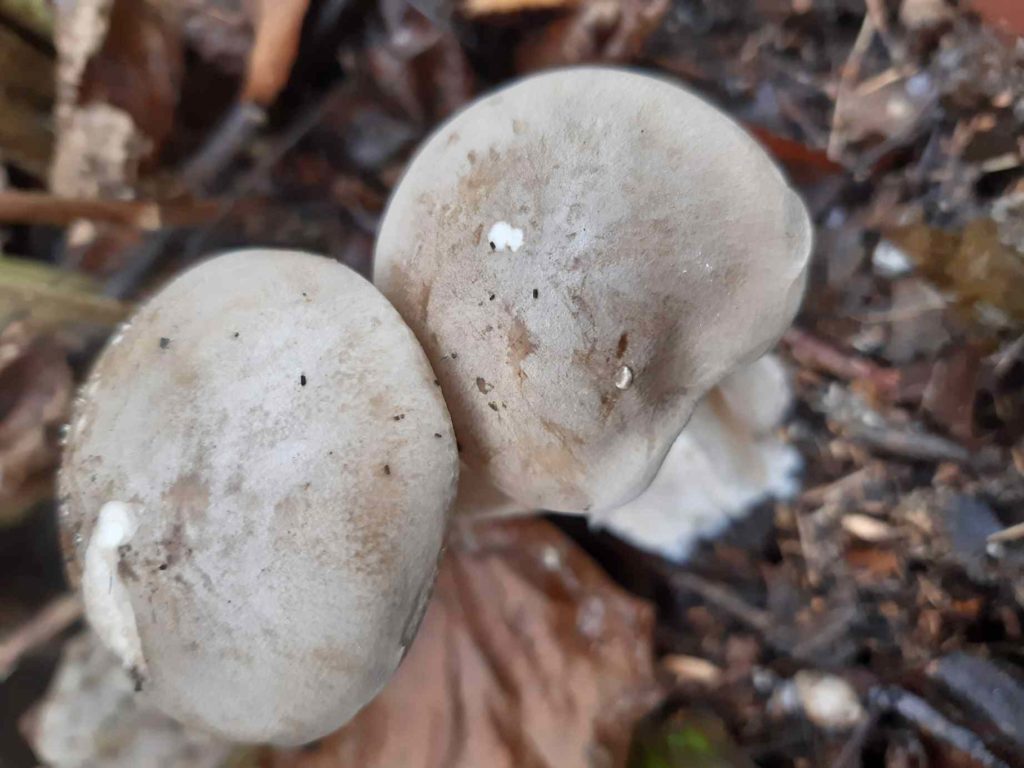
Pleurotus ostreatus var columbinus: the Winter variety of the Oyster Mushroom. It grows on dead wood, and has a thick, short, often nearly horizontal stem, very tough and elastic, ridged with the gills running down the stem (like a Chanterelle or Funnel). Whereas the top of the usual Oyster mushroom is pale grey-brown, this variety has a handsome blue-grey cap.
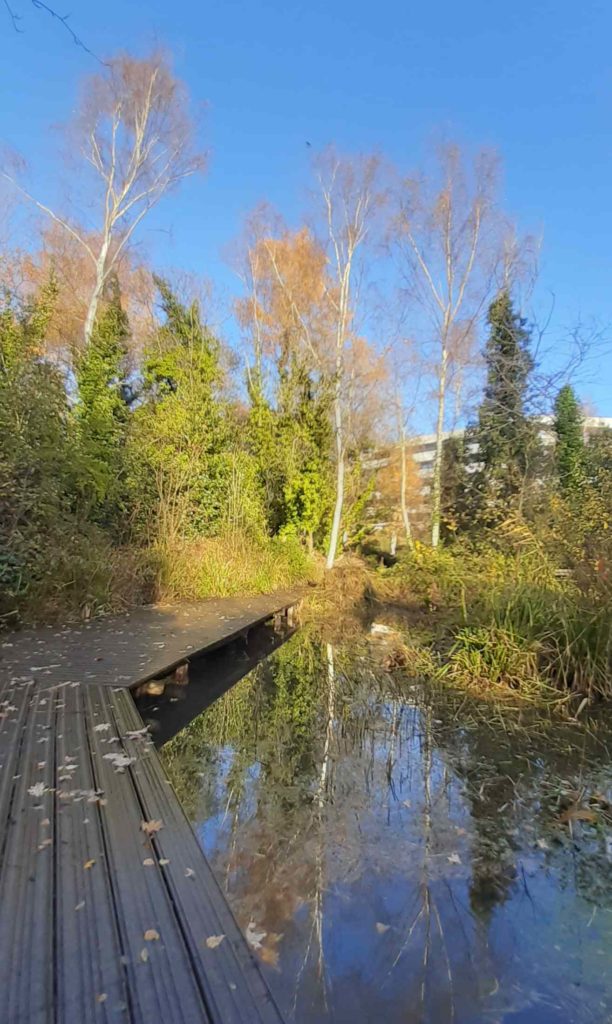
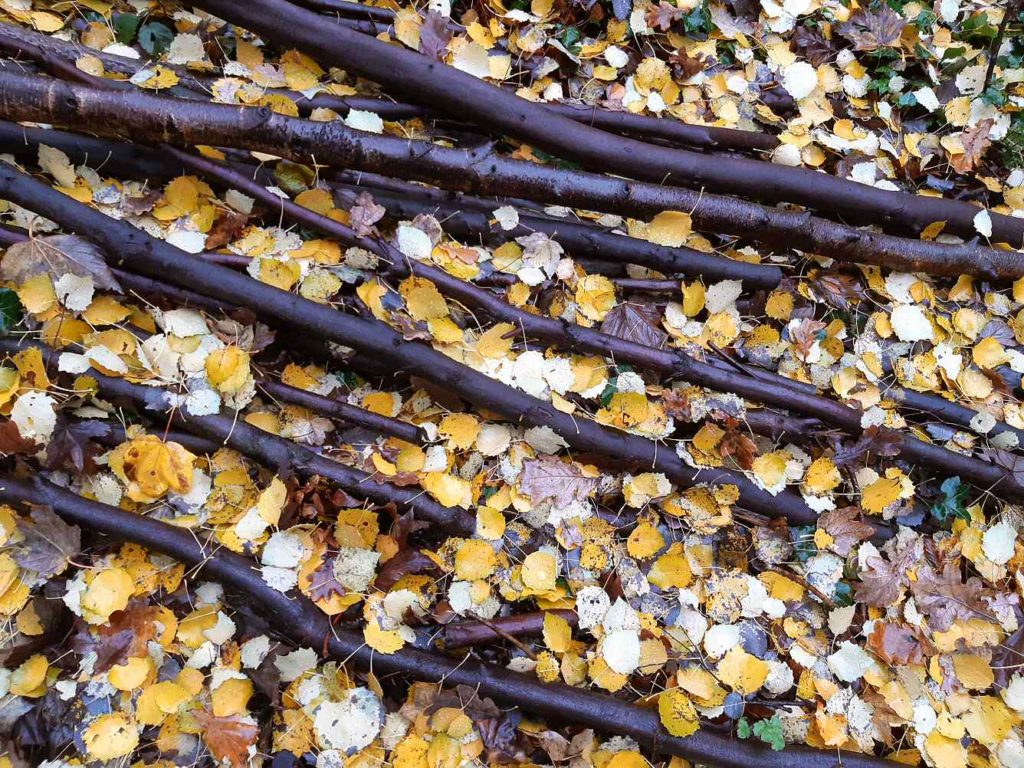
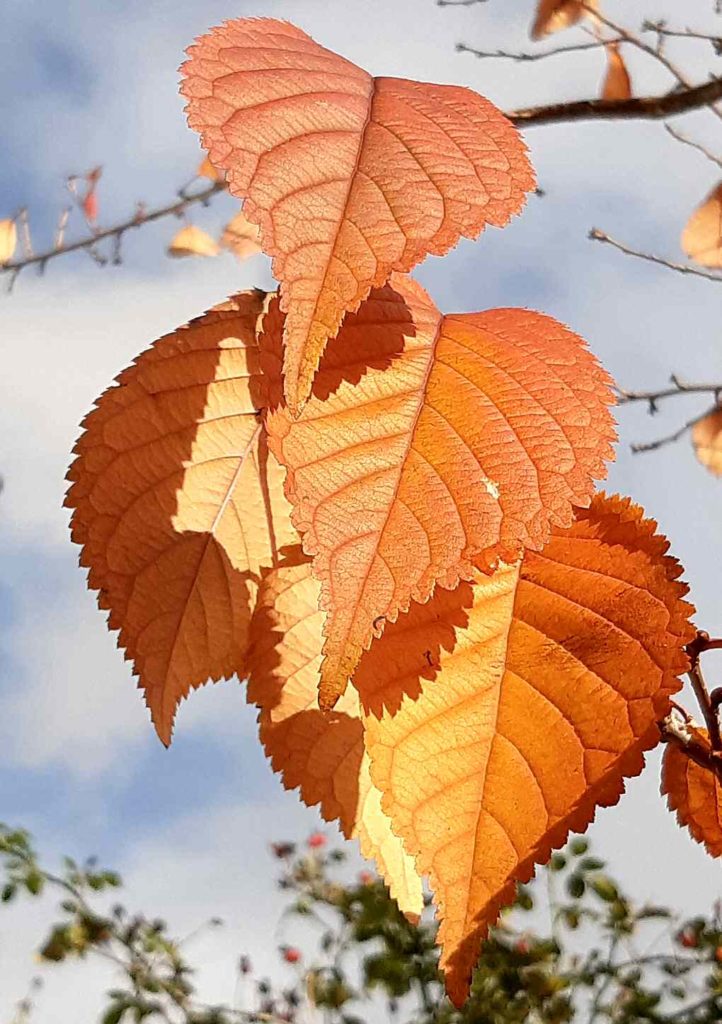
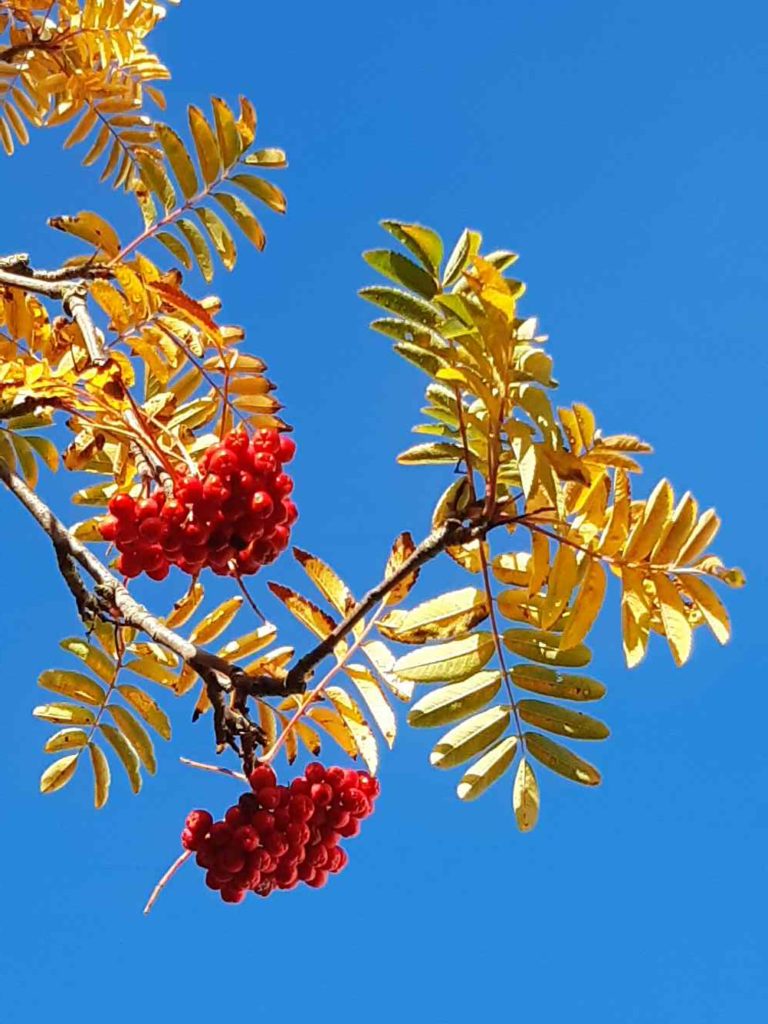
Sun on Birch Trees. Gunnersbury Triangle Pond, Late NovemberHolm Oak sticks among fallen Grey Poplar leaves, Gunnersbury TriangleA Symphony in Yellow, Chiswick
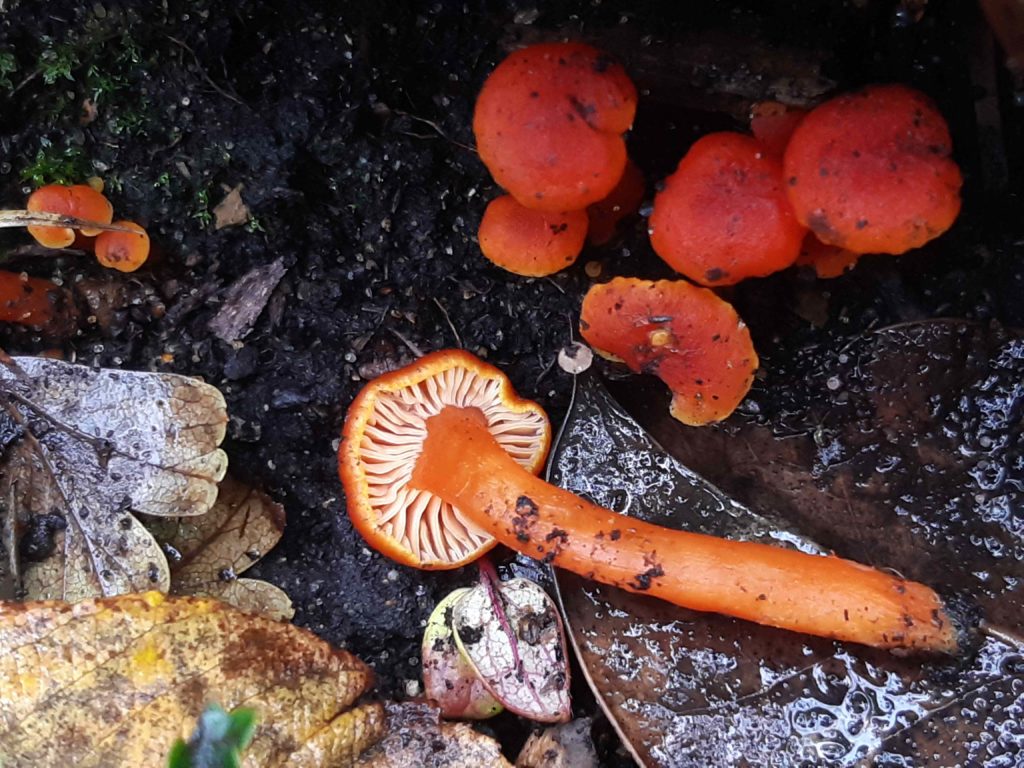
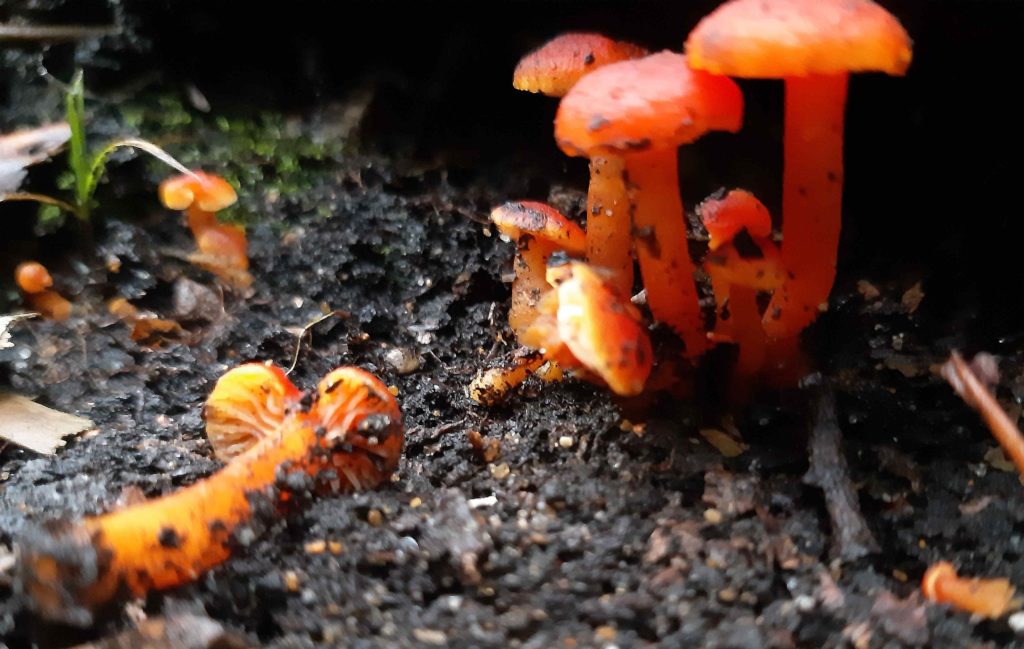
A Waxcap, Hygrocybe (cf. cantharellus). Growing at path edge next to edging-log on bare earthSide view showing domed caps, gills and stipe same colour as cap
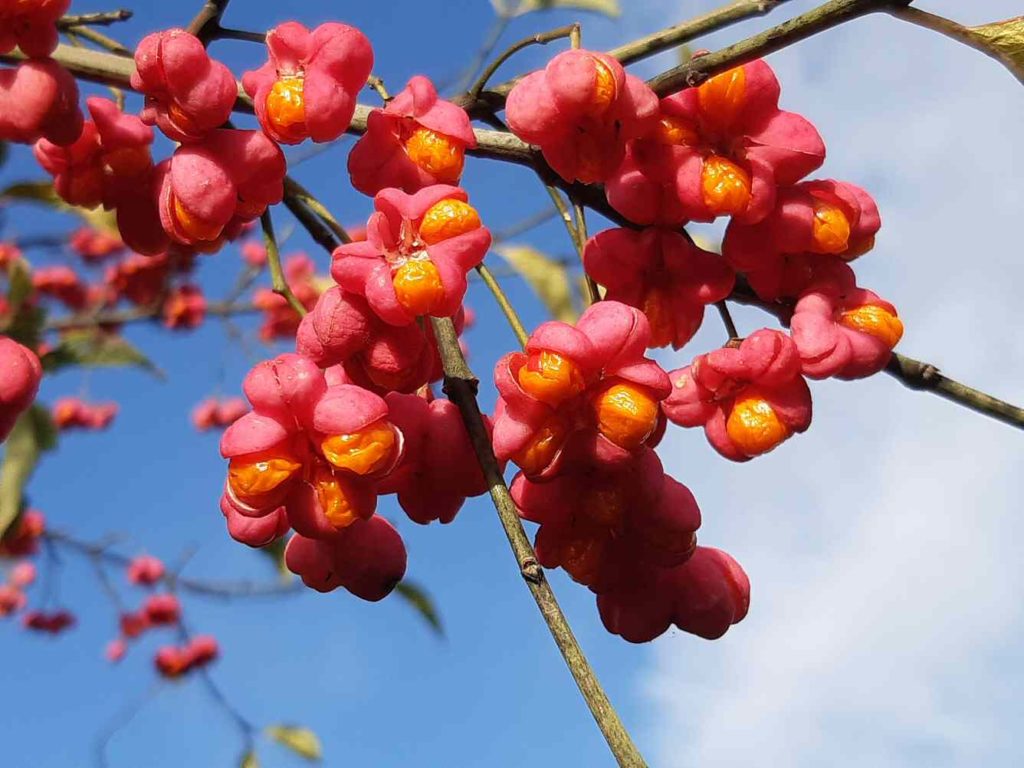
Yeah not brown at all: the extraordinary pink fruits / orange seeds of the Spindle Tree: not exactly rare, but uncommon enough to be a surprise and a delight
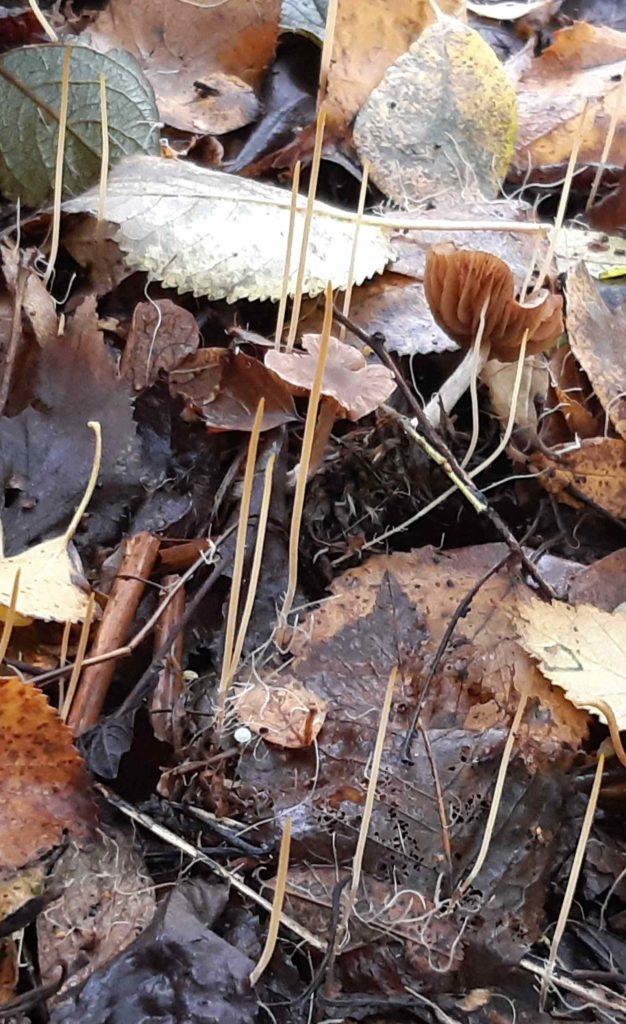
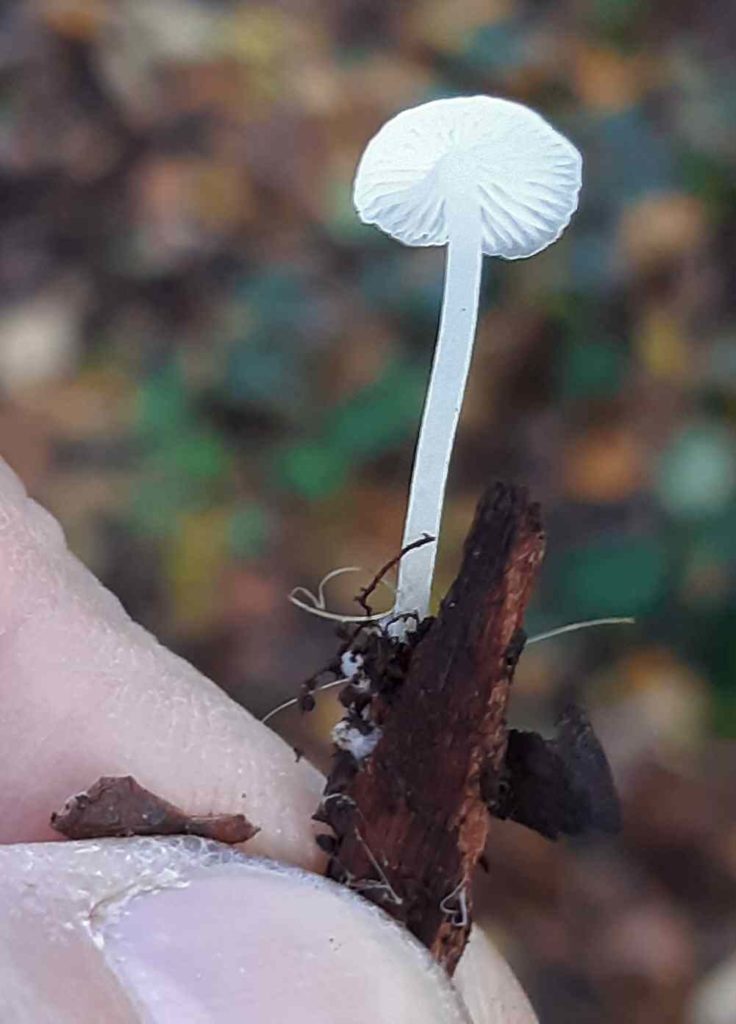
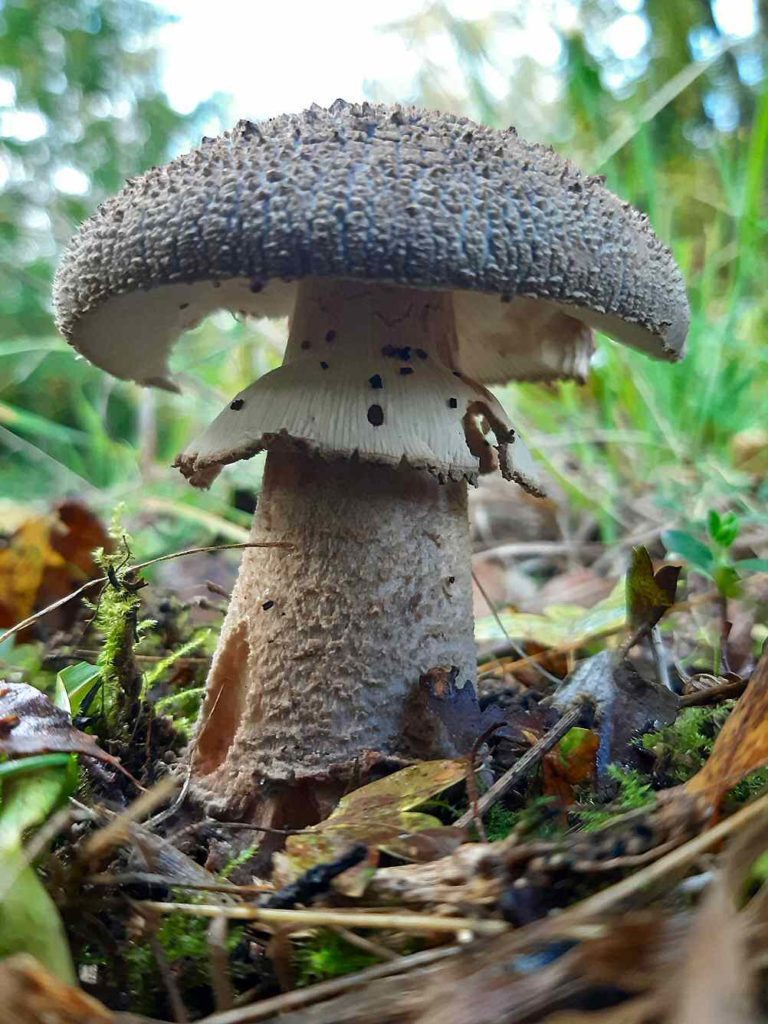
Seems to be the Twig Parachute Mushroom, Marasmiellus ramealis, a tiny beauty. It’s quite common but given its size it’s not surprisingly often overlooked.The Blusher, Amanita rubescens, young specimen. It’s said to be delicious but I wouldn’t recommend eating any member of the Death Cap genus (you’d only need to get it wrong once).
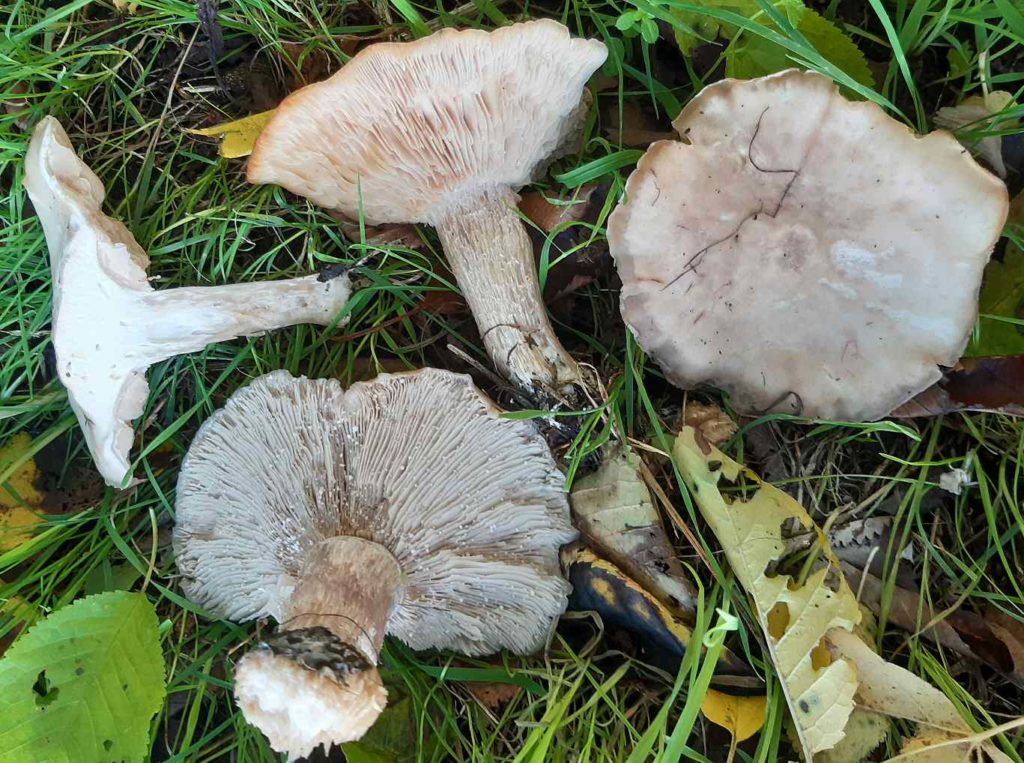
Well I’m sure it’s a Milkcap because you can see the milky drops on the gills of the specimen at bottom left. The cap is very pale and the stem tapered, so it looks like the Fleecy Milkcap, Lactarius vellereus. There is a little bit of fleeciness, indeed, on the cap at top right.
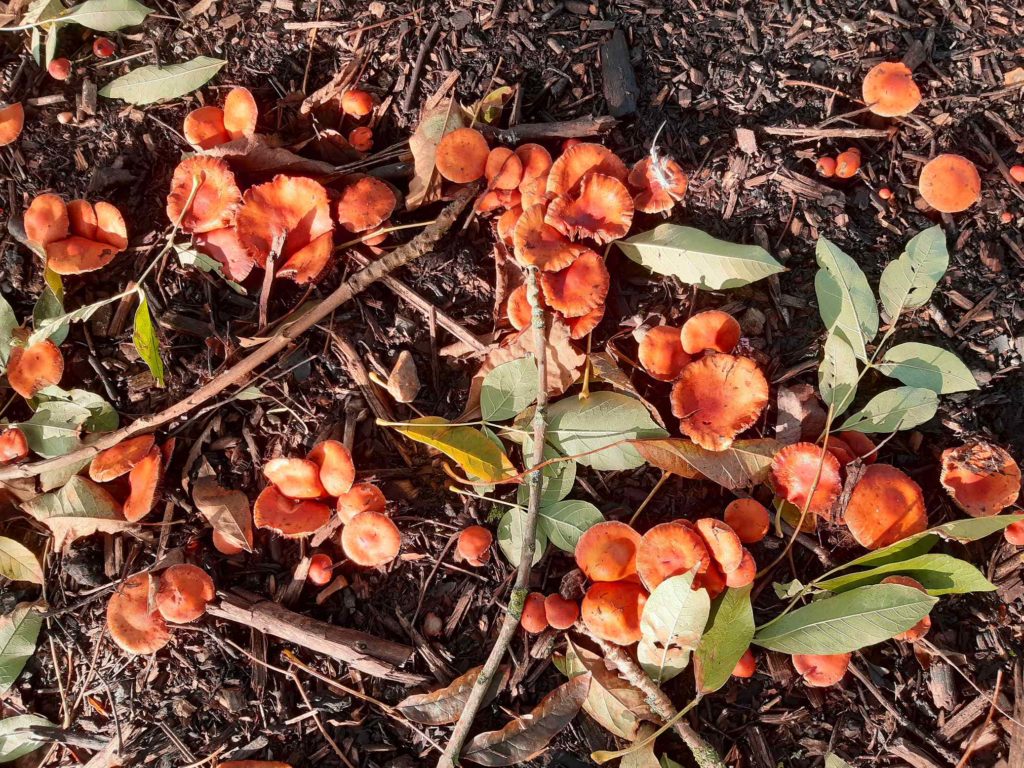
Redlead Roundhead, Stropharia aurantiaca: once a rare species, now sometimes all over the woodchip under trees in parks.
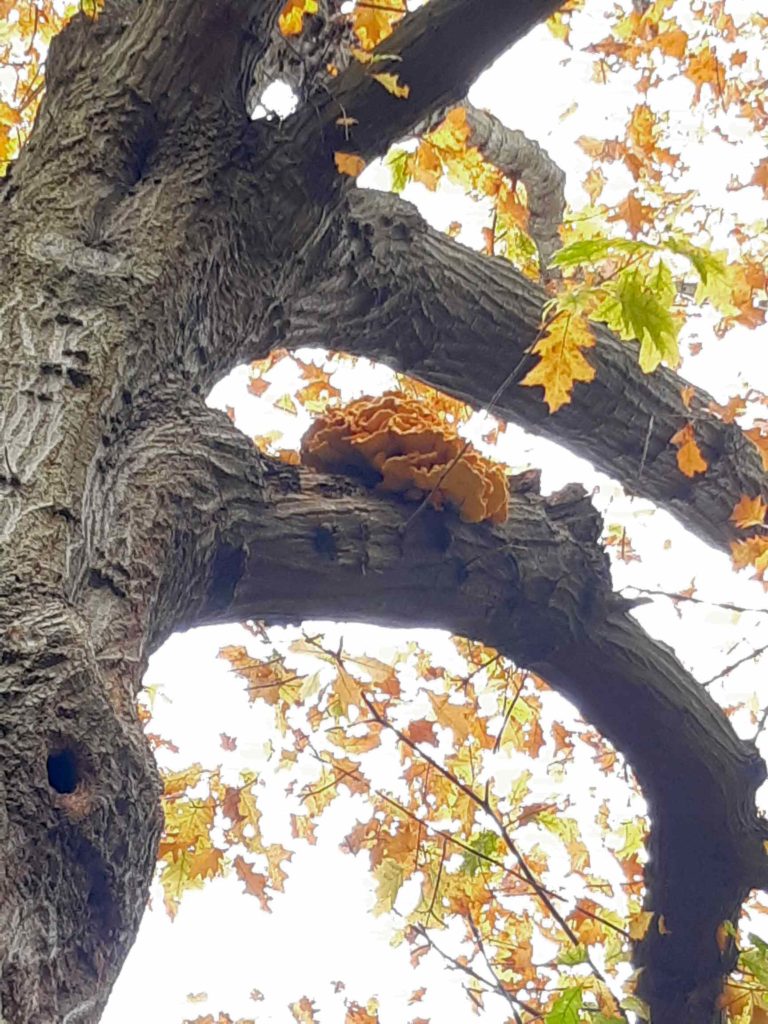
Chicken of the Woods Laetiporus sulphureus on Red Oak. It’s very good to eat … if you can reach it!
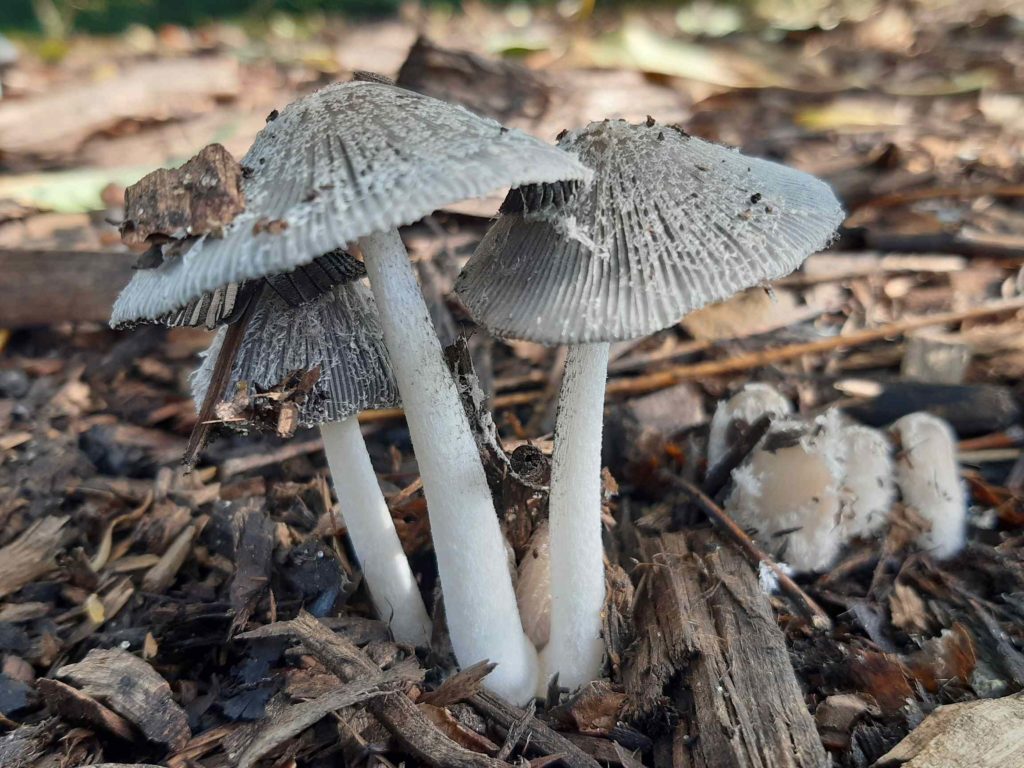
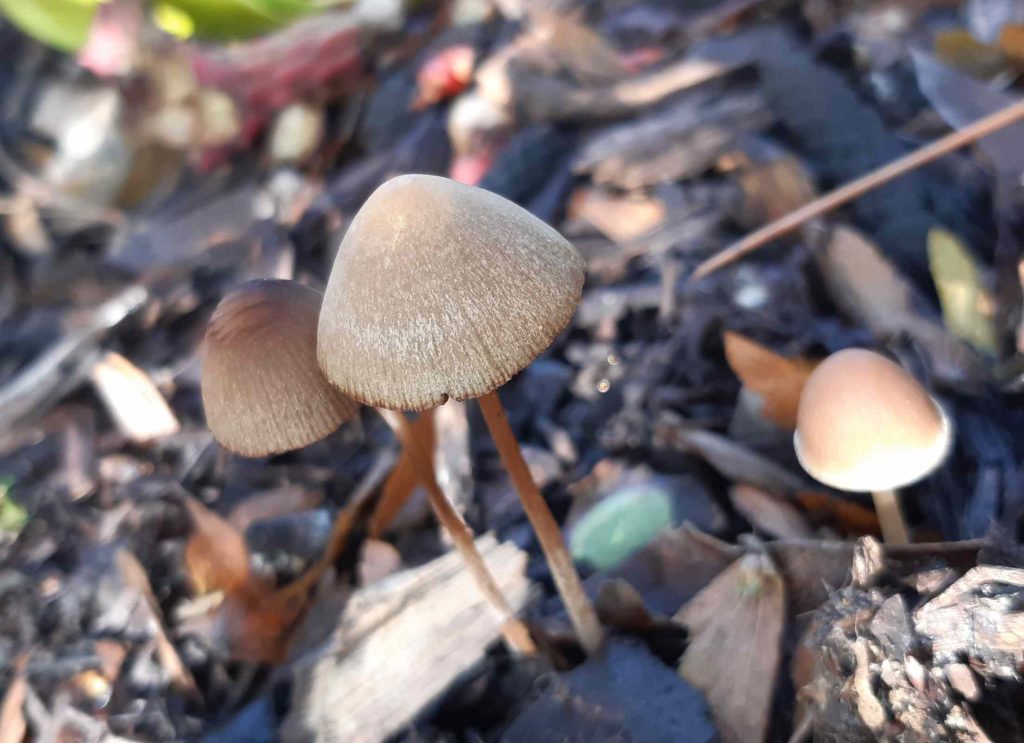
Hare’s Foot Inkcap, Coprinus lagopusBonnet mushrooms, Mycena sp. Hundreds of these delicate little fungi on the woodchip under almost every tree.
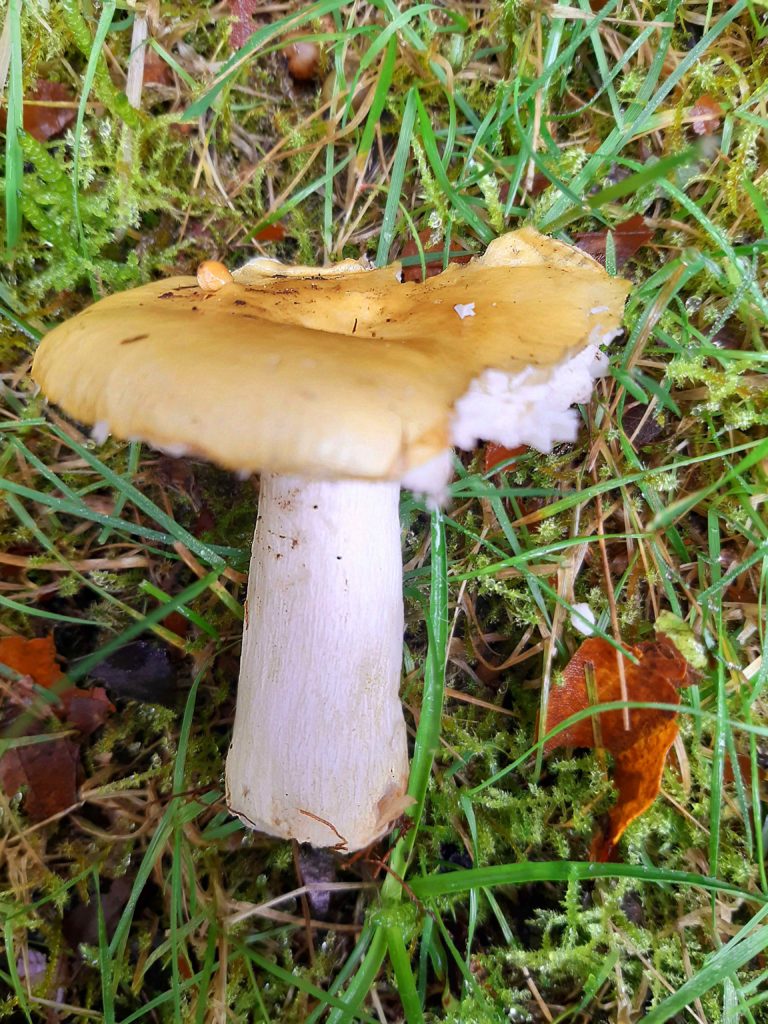
A yellow Brittlegill, Russula cf farinipes
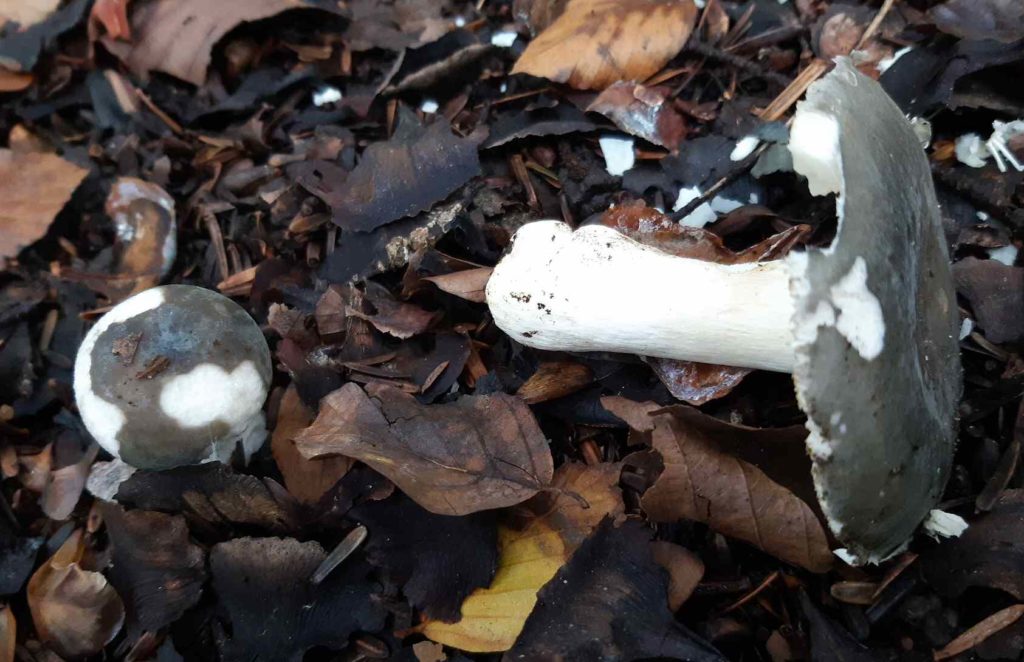
A grey Brittlegill, Russula; maybe R. cyanoxantha or R. brunnoviolacea
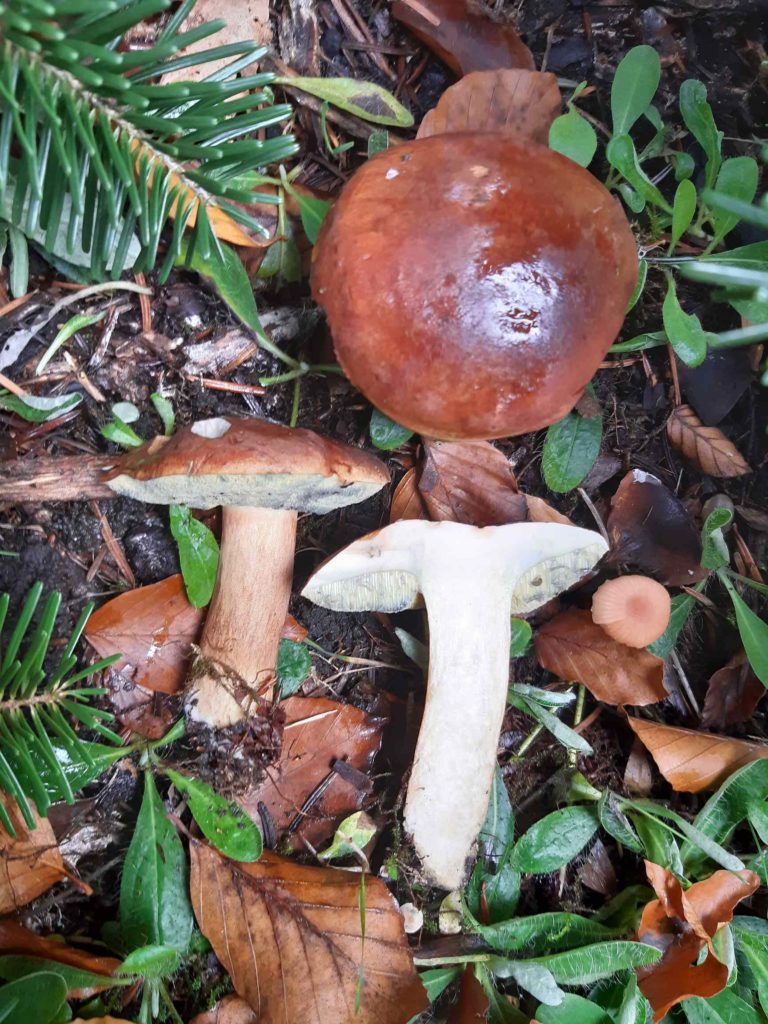
Bolete under Caucasian Fir, cf Slippery Jack Suillus luteus
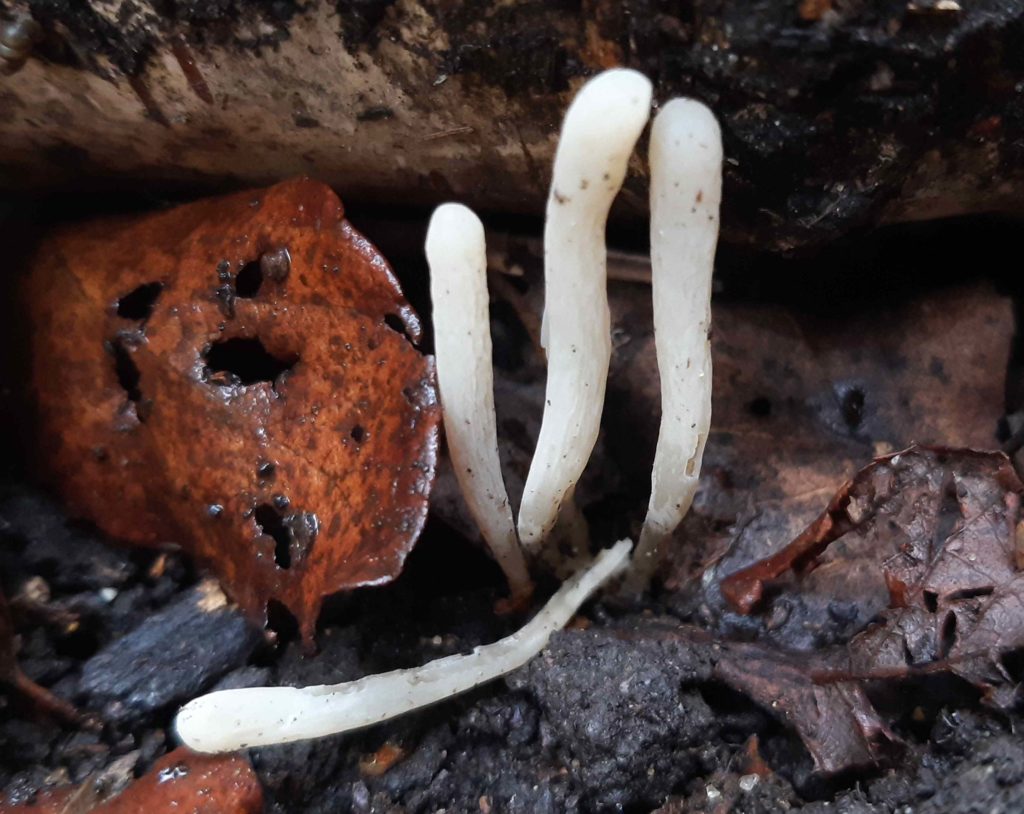
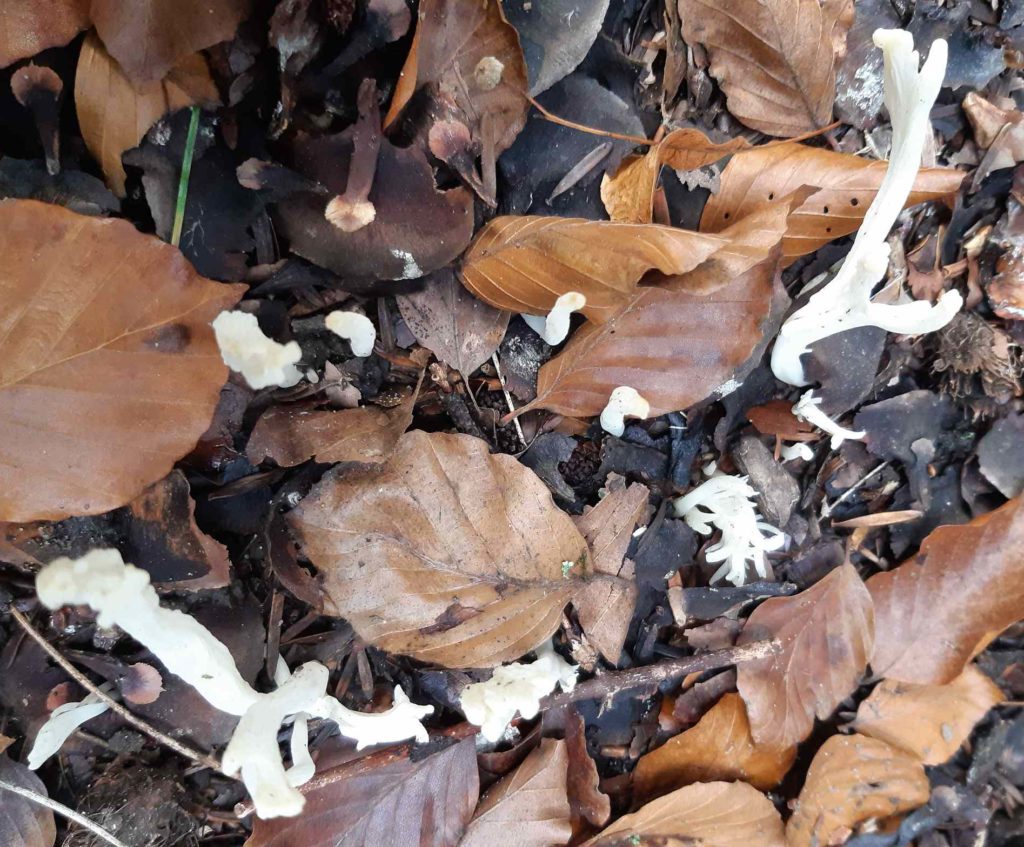
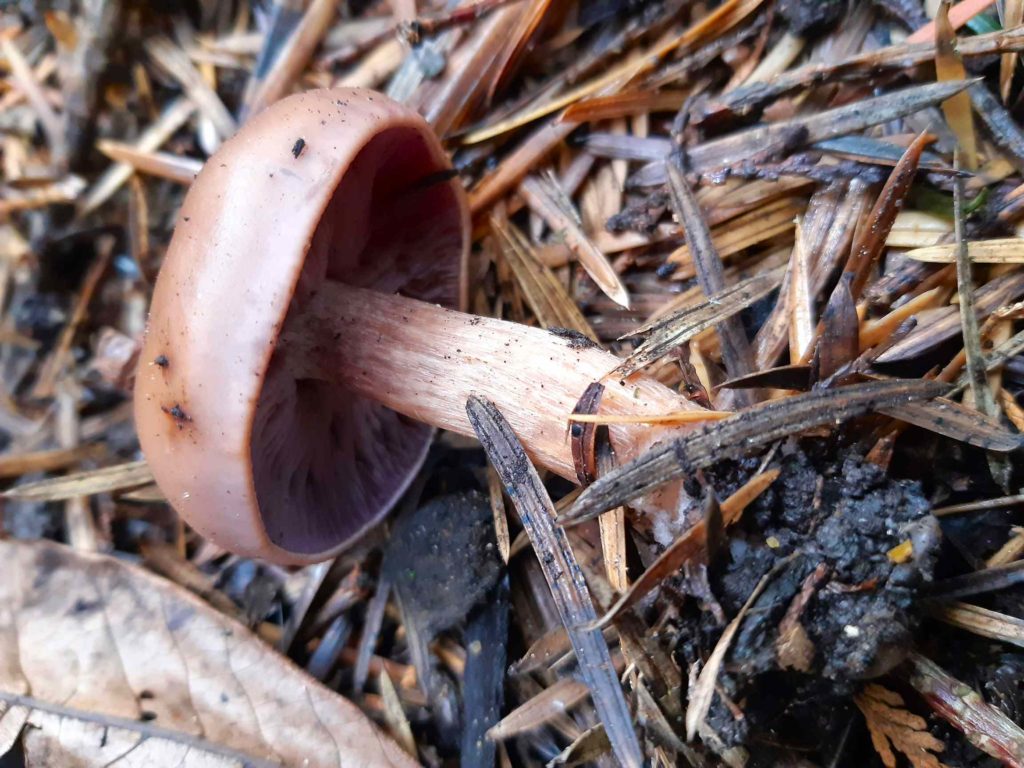
Wrinkled Club, Clavulina rugosa, a bit unusualBrown cap, lilac gills … Wood Blewit, Lepista nuda. Delicious, if you can find them somewhere you’re allowed to pick them!
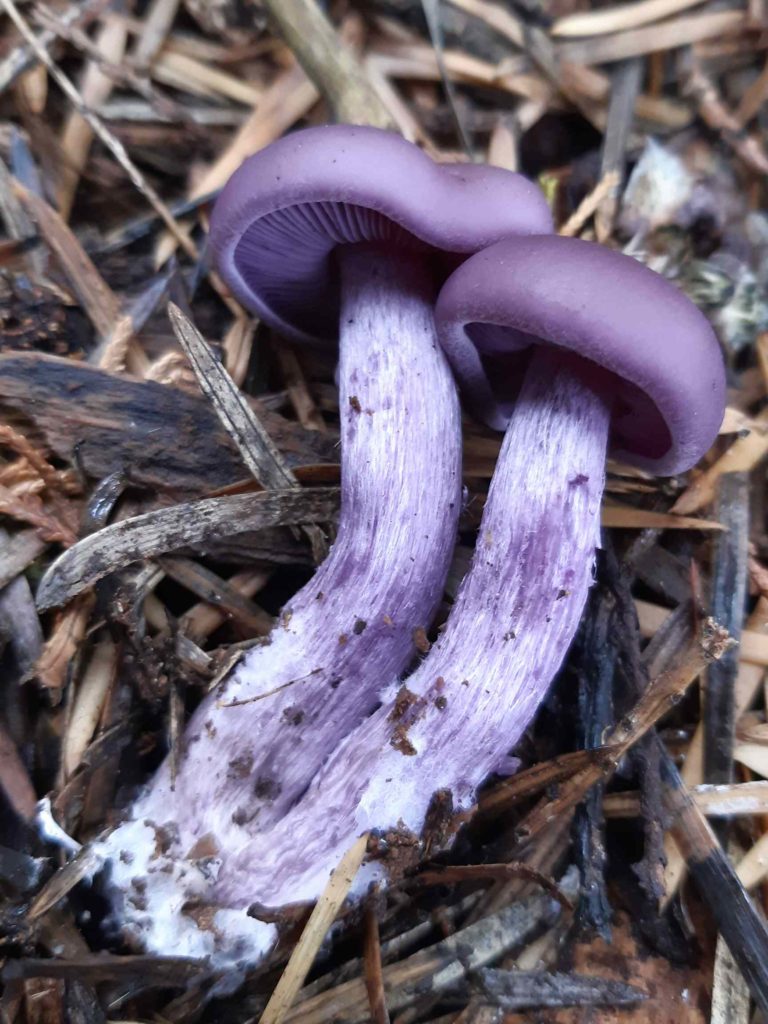
Young Blewits: now that’s an amazing colour! (absolutely no enhancement of any kind)
Clouded Funnel, Clitocybe nebularis: young specimens with cap still domed (that was confusing!), but top (see next photo) distinctively cloudy. Gills crowded and decurrent, white.
Young Clouded Funnels. Larger specimens develop a flattened or slightly funnel-shaped cap, and the gills become much more obviously decurrent.
The English seem unemotional … except for their passion for nature