I have been in love with nature as long as I can remember. Nature photography, birdwatching, lichens, fossils, orchids, mountains, insects, everything else. Conservation, gardening at home, community gardening. I've loved it all.
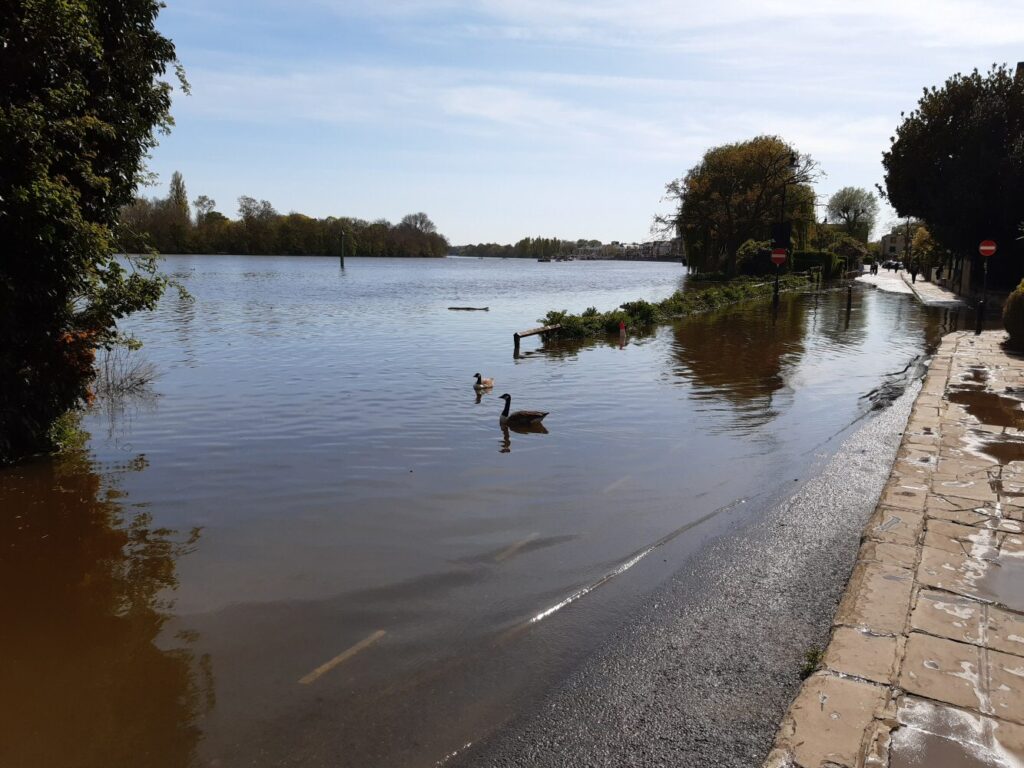
The goose is swimming in the road; the camera position is the pavement which stretches away on the right, though the road junction in the middle distance is flooded. The opposite side of the road is marked by the fence which runs from image centre to upper right. This happens at high spring tides, at least when the Thames Barrier is not operated to prevent damaging flooding.
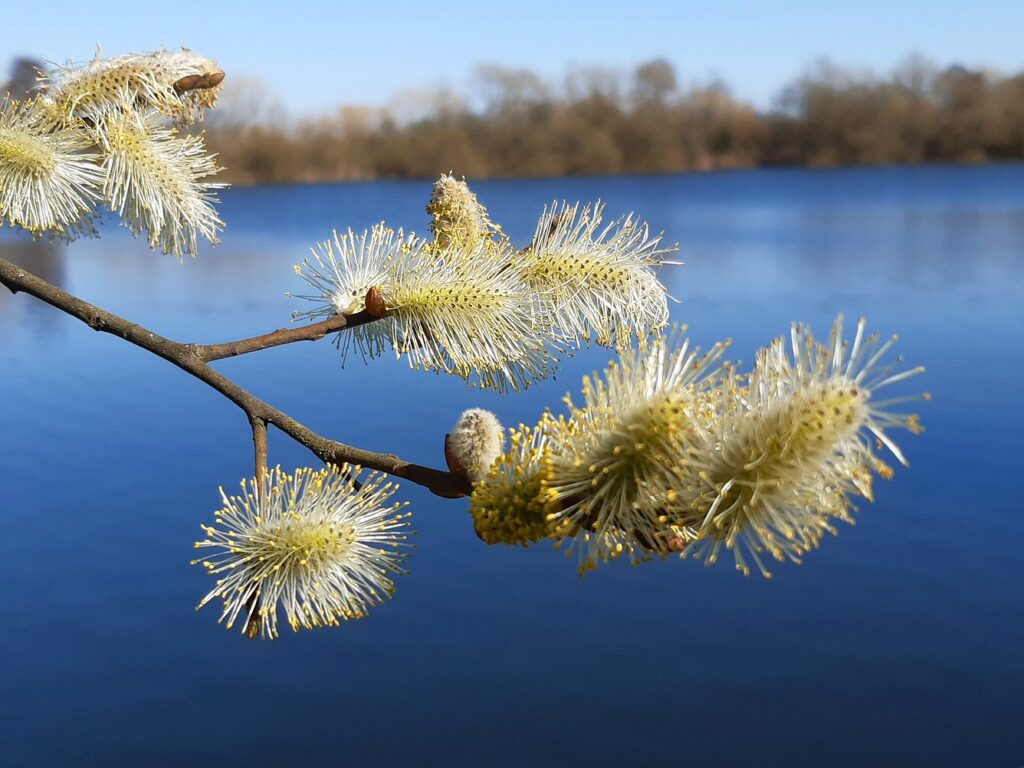
A sunny day … quiet, calm, the Chiffchaff, Blackcap, and Song Thrushes all singing, the Pussy Willow in glorious fluffy flower by the lake … and we’re allowed out for a proper walk. Another world.
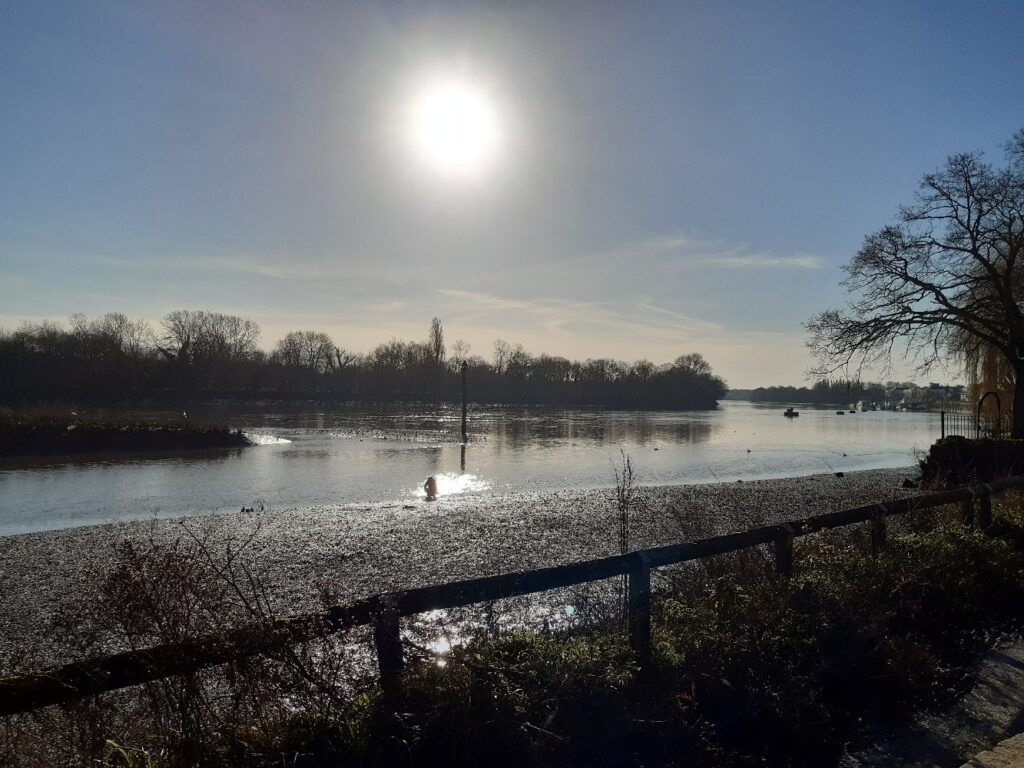
After a dull grey week, suddenly glorious sunshine for a morning’s exercise. Looking from Chiswick Mall along Corney Reach; the tip of Chiswick Eyot, a nature reserve inaccessible at high tide, is on the left.
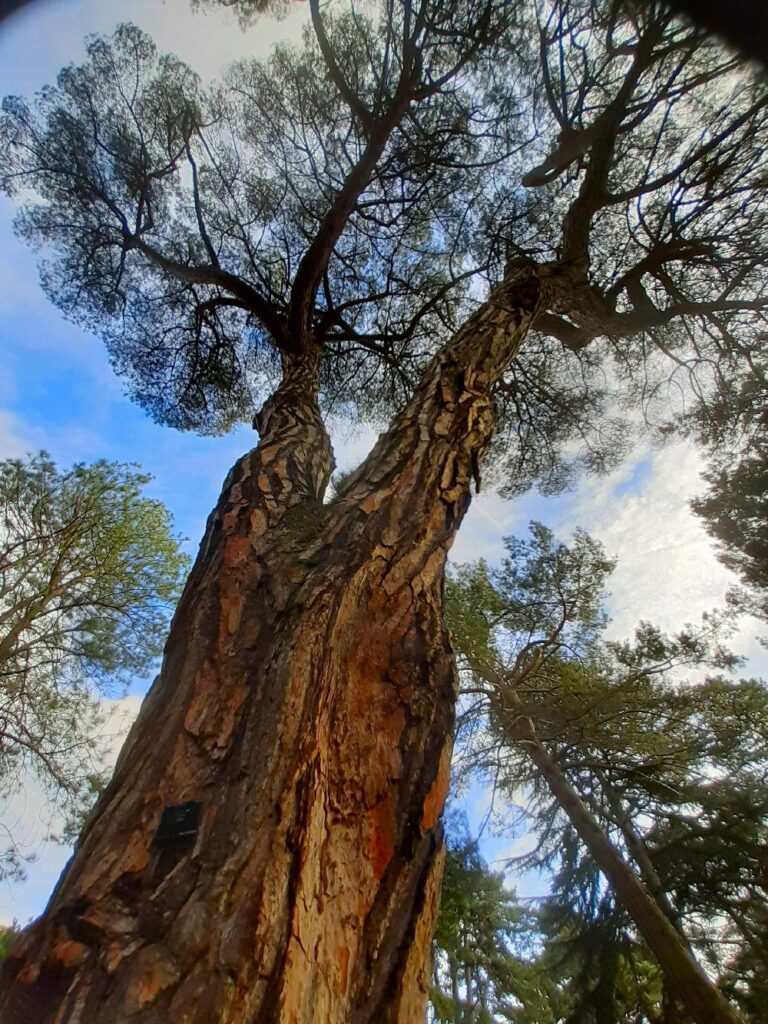
Yes, I live within easy reach of Kew Gardens, and after weeks of grey winter and grim news, it was a lovely moment in the sunshine among the fabulous variety of Pine trees – dozens of species – in the arboretum.
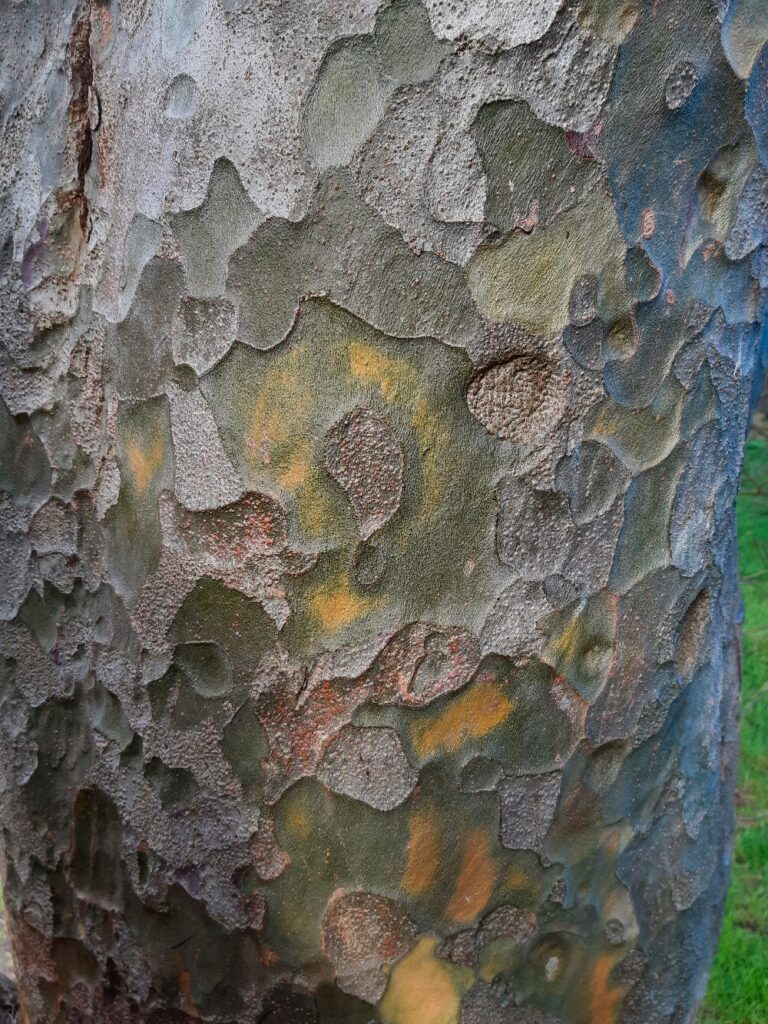
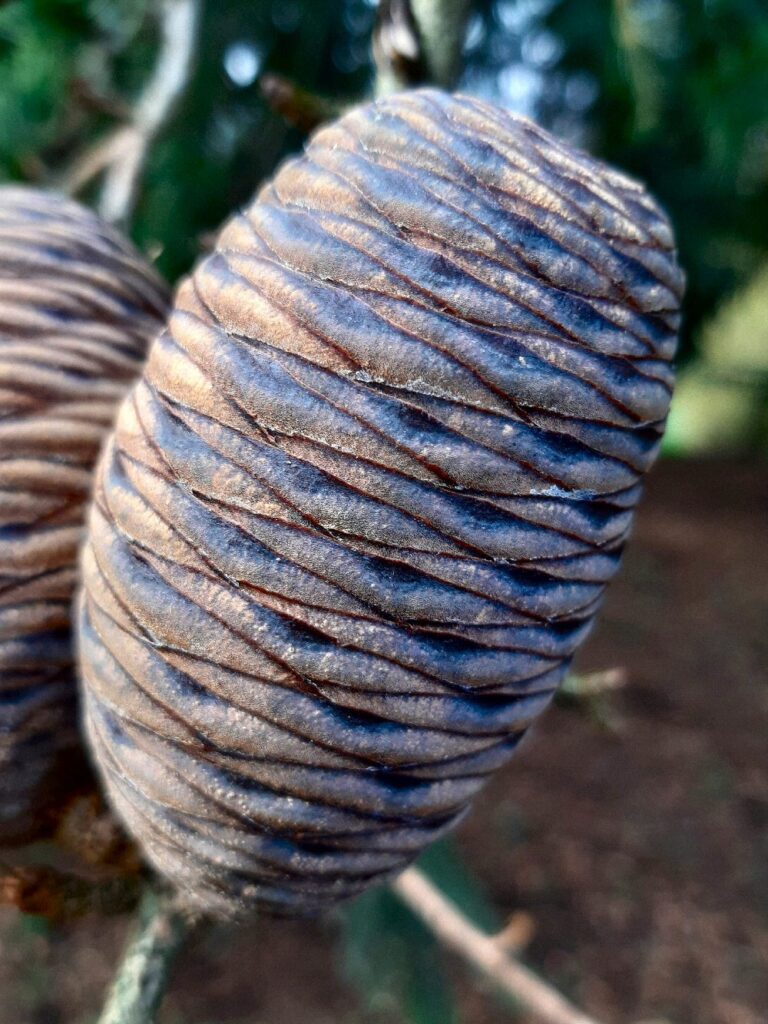
The gloriously abstract painterly bark of the Lacebark Pine (Pinus bungeana). It’s more reminiscent of laurels or the London Plane than of the craggy bark of many Pine species. It’s a graceful tree, too.The tightly packed structure of the cone of the Atlas Cedar, a magnificent and elegant tree from the Maghreb hills of Algeria and MoroccoFlowers in January! Yes, it’s a member of the Hamamelidaceae, the Witch-Hazel family, but not one of the usual suspects. This is the Persian Ironwood, Parrotia persica, from Iran and the Caucasus.
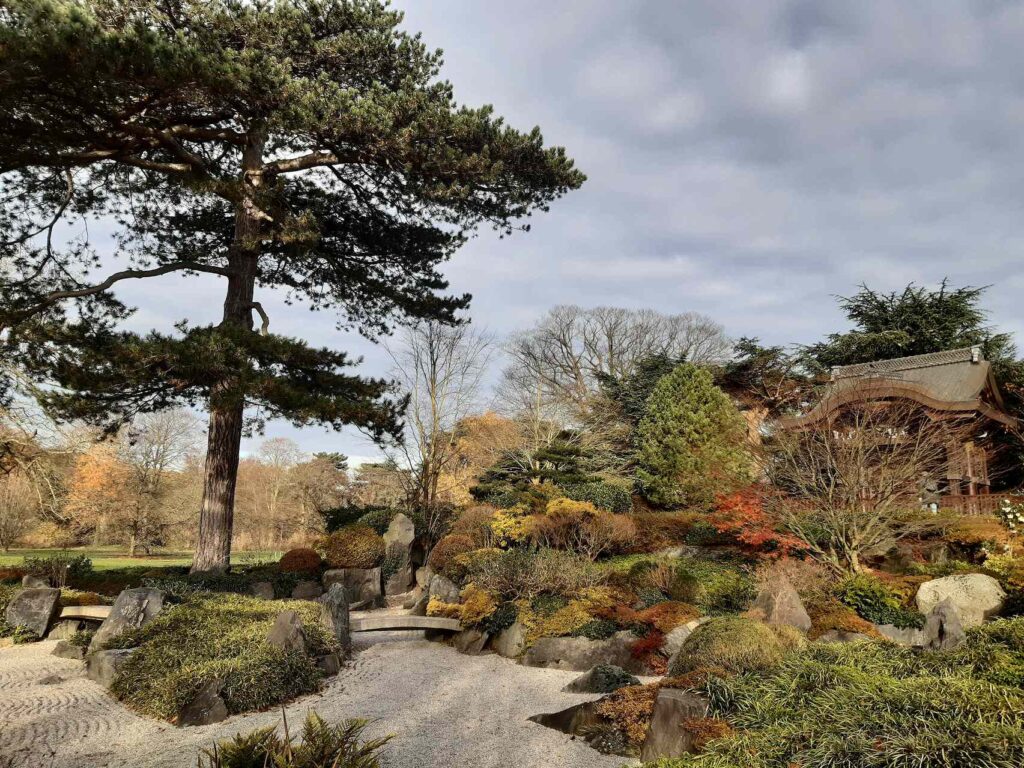
The raked gravel “sea”, hand-picked rocks, tiny bridges, marvellously-pruned trees and bushes, and subtle choices of colours and textures (not to mention the monumental gateway) all go to make up the Japanese ideal of garden landscape beauty.
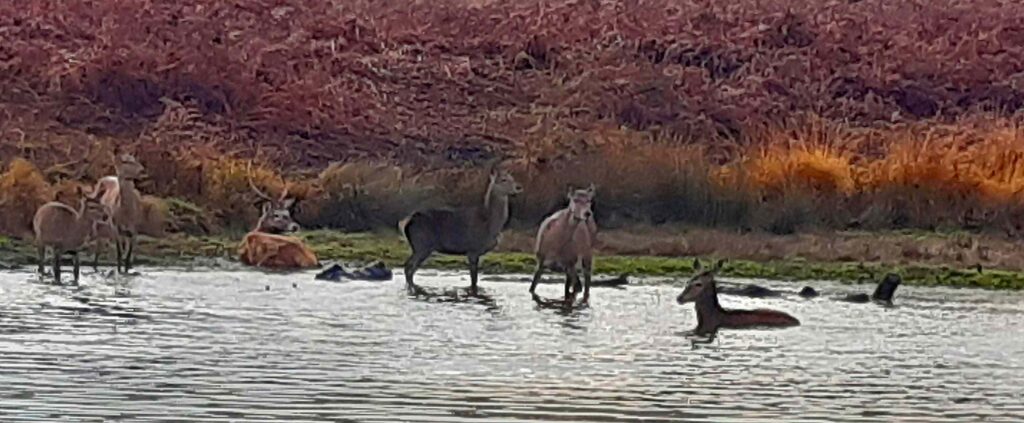
My daily lockdown walk was today in Richmond Park. I was delighted to see a harem group bathing in one of the ponds – the male is lying down centre left, with the females around him. I suppose this must happen most days, but I never saw it before. The scene has a peaceful domesticity about it, as well as being quite wild and free.
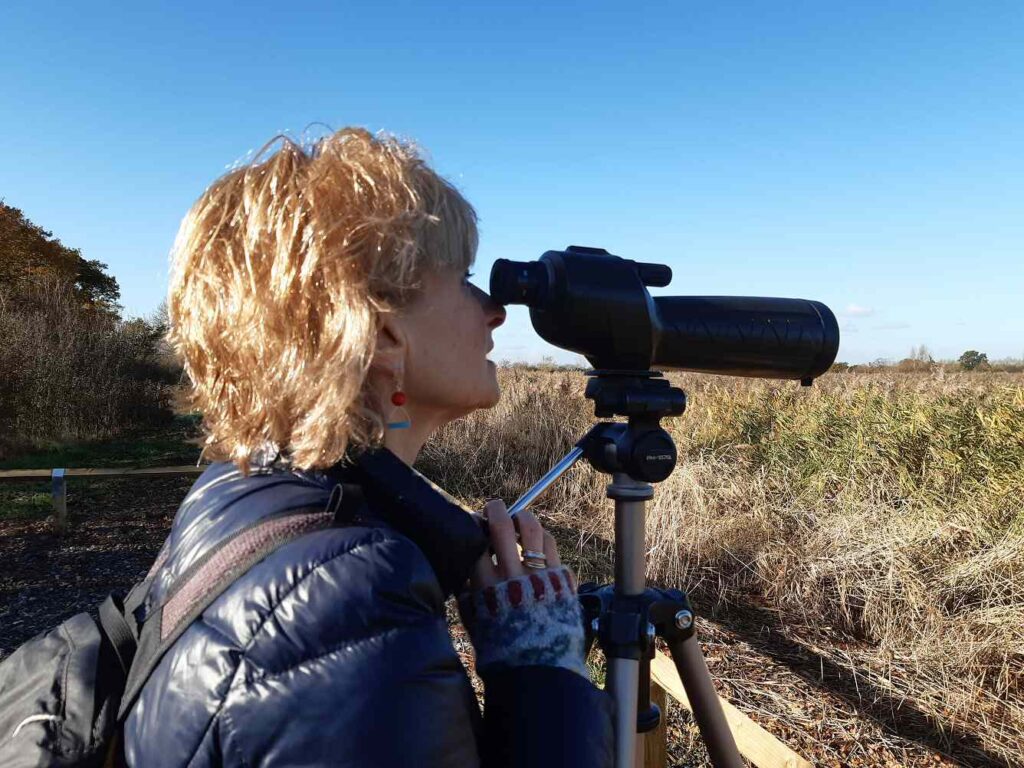
Birdwatching in a time of Covid, RSPB-style, the day before the second lockdown: normally one does anything to avoid the risk of scaring off the wildfowl, but here the reserve offers a convenient fence to peer over in the wide open air, and glimpse wheeling flocks of waders and gulls, their wings catching the sunlight.
A group of Greater Black-Backed Gulls, their deep calls markedly different from the Herring Gull, strode past on their long wings.
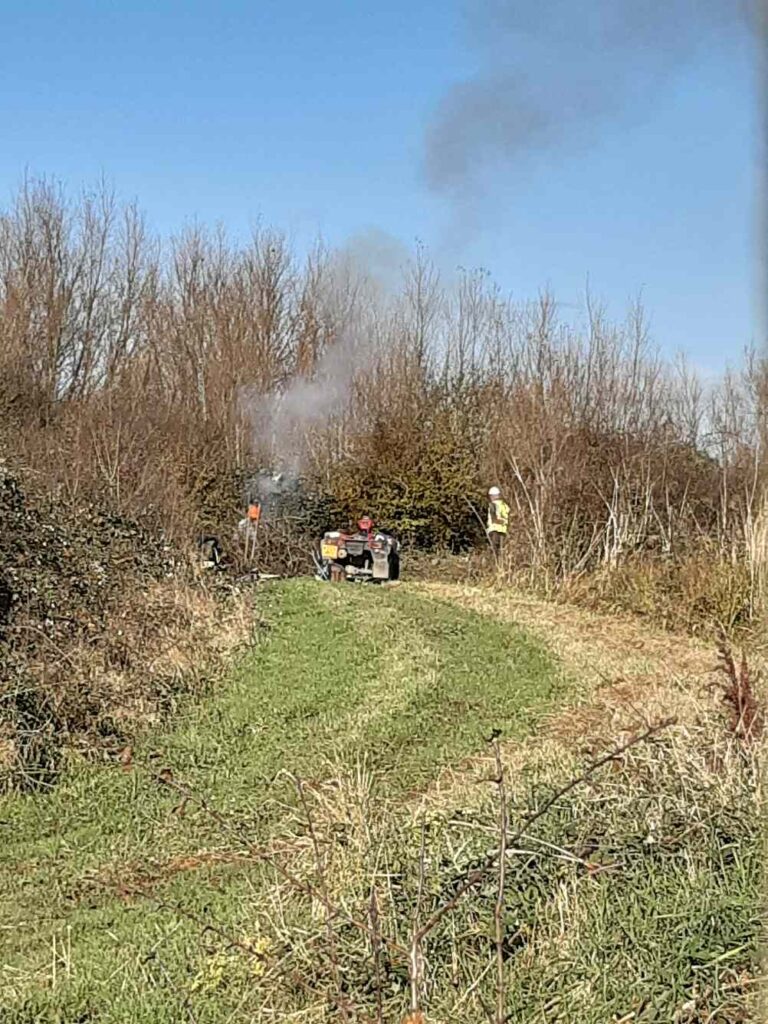
Managing a Habitat Mosaic: RSPB team cutting and burning Blackthorn scrub to provide a varied mix of habitats for passerine birds and other wildlife. The idea is to cut a bit of the scrub each year, so that some of it is low, some medium, some high and thick, providing as much diversity in types of cover and exposure to light as possible in the area, so that different plants can flourish, and the visiting birds have the choice of insects, seeds, and fruits they need to feed on.
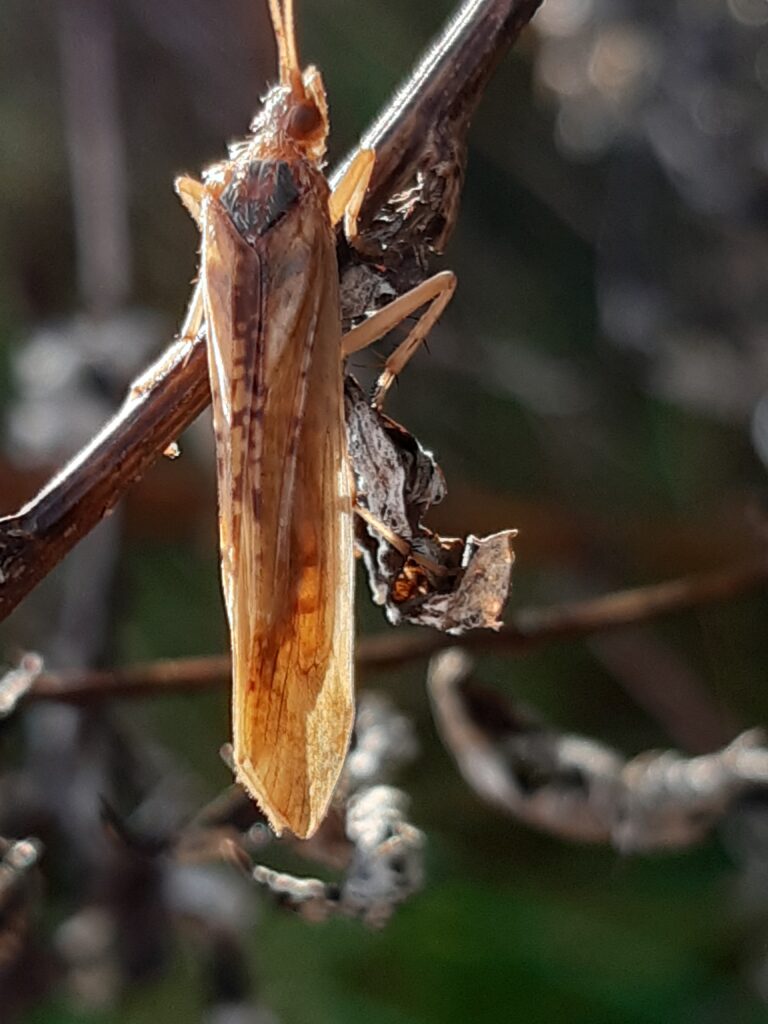
A big long-winged (predatory?) bug, with long antennae, still flying in November, as were several moths
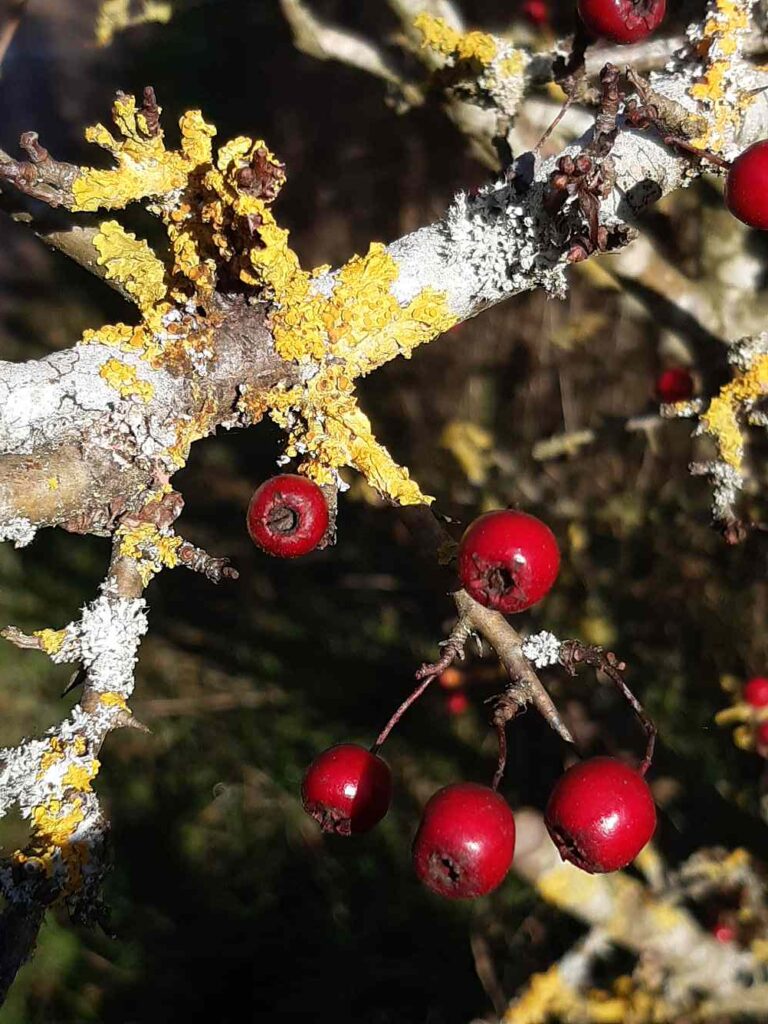
Colourful lichens (inc. Common Orange Lichen, Xanthoria parietina) and ripe Haws
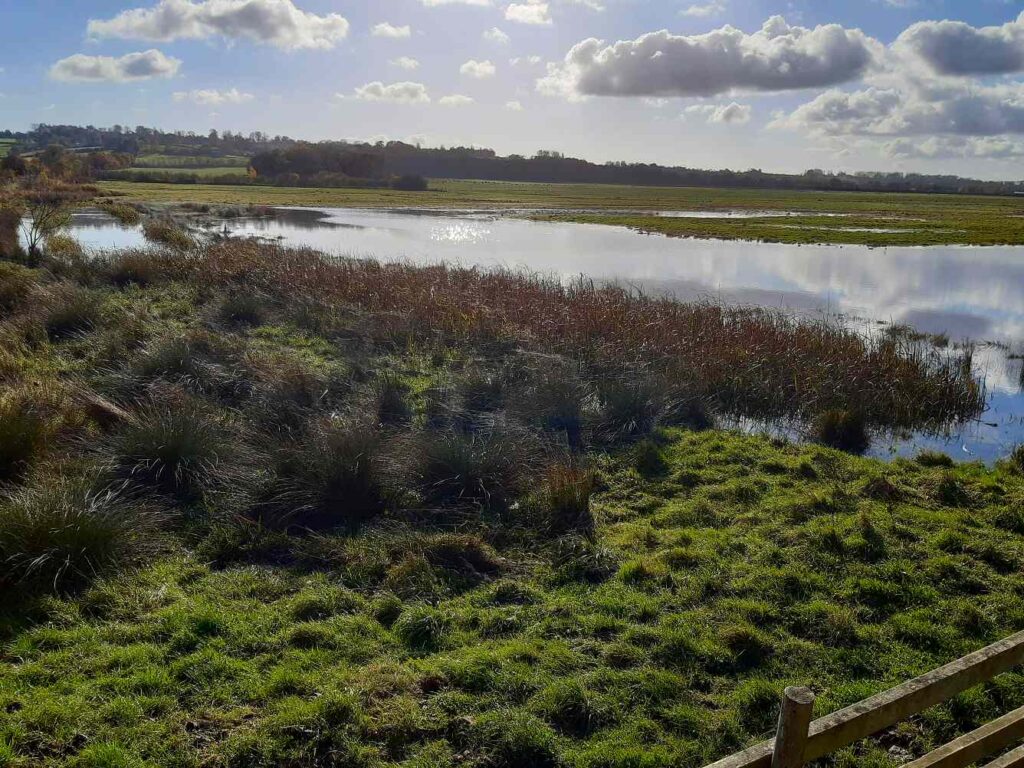
Reeds, shallow water, wet meadows: perfect habitat for Golden Plover (in hundreds), Lapwings, and Geese. The sound of a hundred Greylags and Canada Geese, their honks and calls mixing into a symphony of wild joy, has to be heard to be believed.
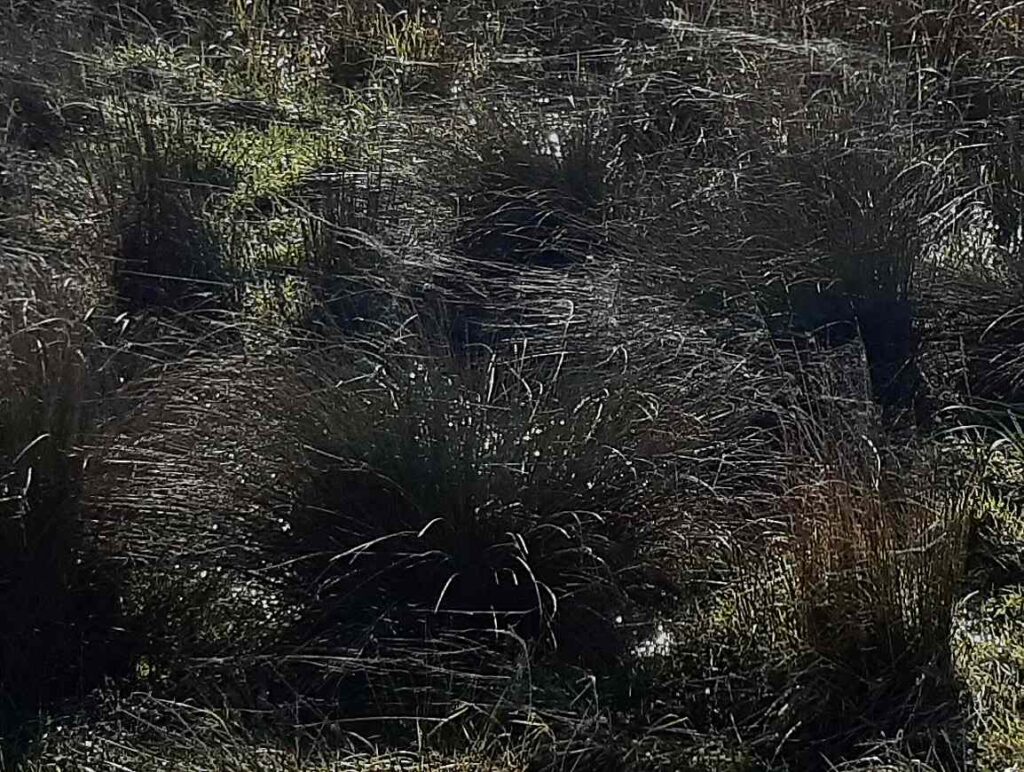
Rushes covered in sparkling spider-silk (detail), in case you couldn’t make it out in the wider landscape — quite beautiful in the surprisingly warm November sunshine!
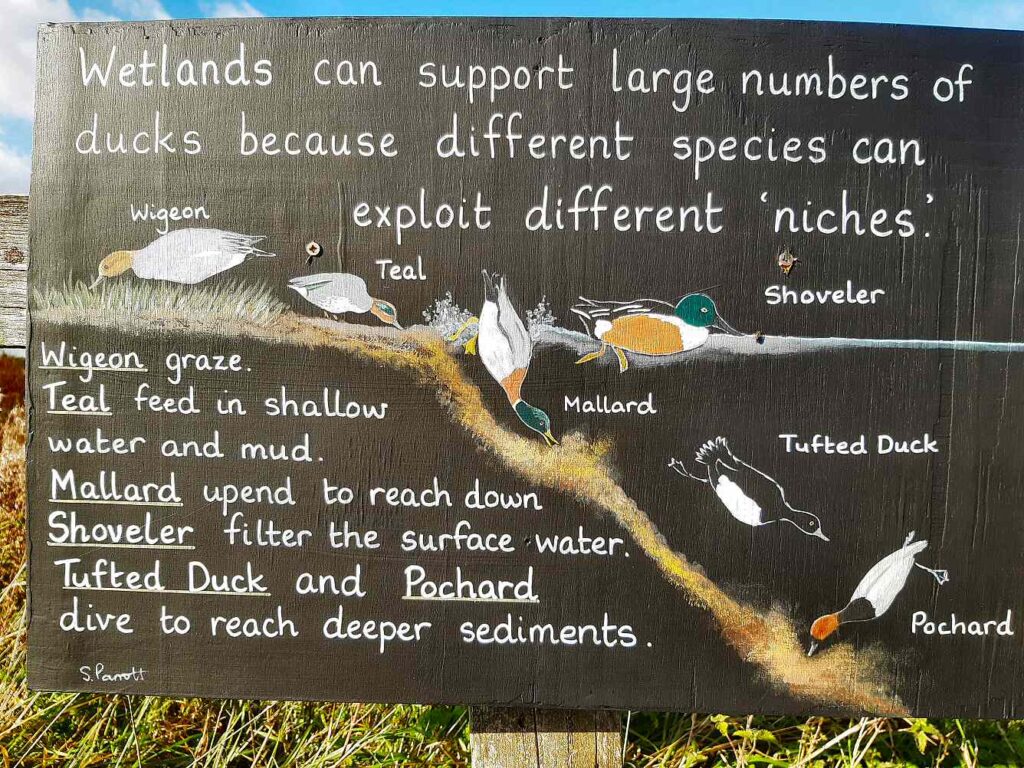
One of the extremely well-done info-paintings (if it was computerised, I’d have called it an infographic), explaining Duck Ecology, Niches, Habitat exploitation and other complex concepts in one clear image. Remarkably good, and beautiful, too: both scientific and welcoming, quite an achievement.
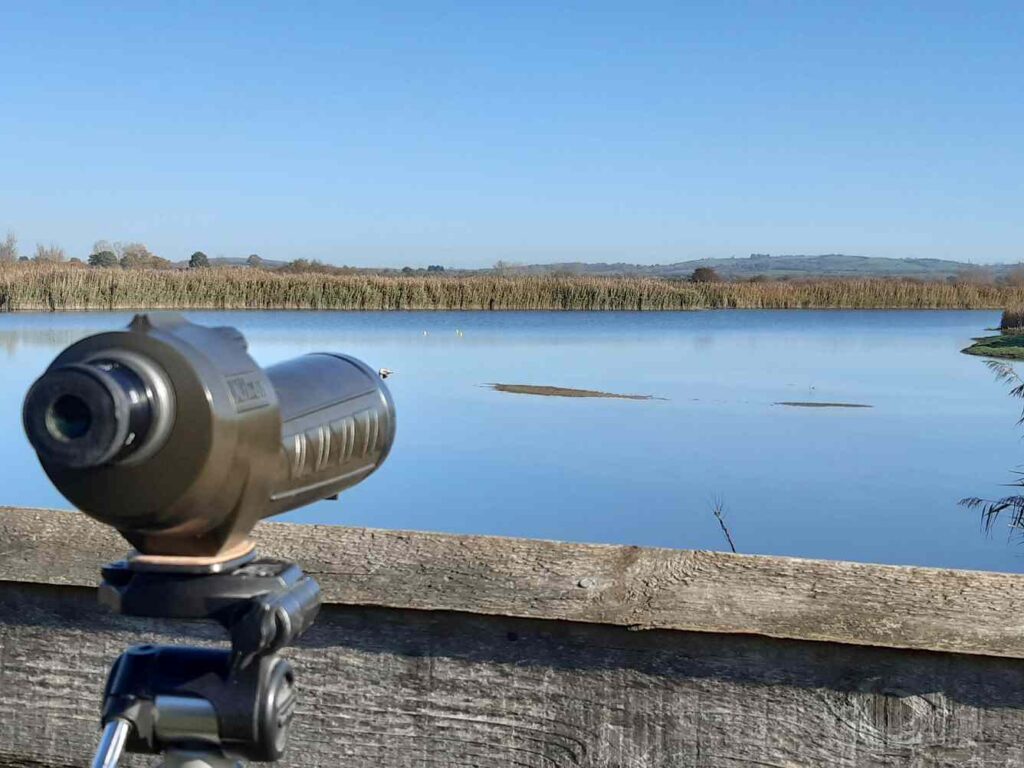
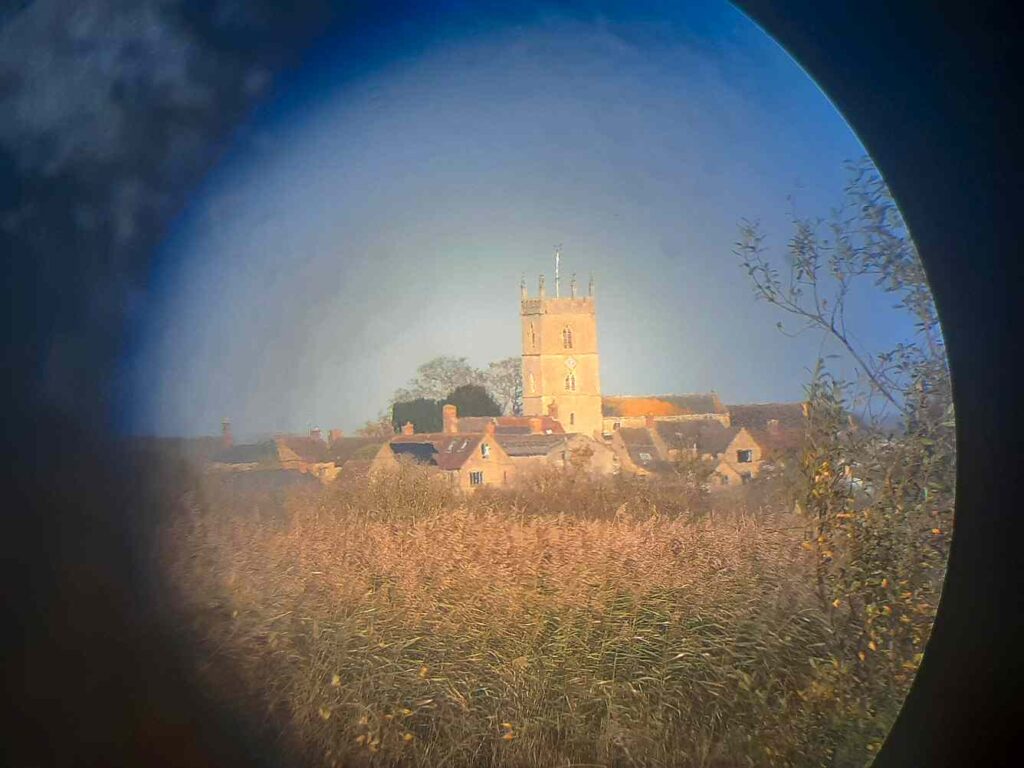
People often wonder why you need one telescope to look through, and another for the camera. Couldn’t you take a picture through a normal ‘scope? Well, it’s a bit tricky without an adapter (which you can buy, naturally), but yes, it is kind of possible… as here witnesseth the handsome church just across Otmoor from the reserve. I almost fancy I can read the church clock …
Actually, there is a ring of villages, each with its own distinctive church, all around Otmoor. All interesting; and the subject of fascinating social history research, showing that the rate of marriages between villages went down with distance, and with the presence of small streams between the villages! A little stream that you could just about step across increased the effective ‘marriage-distance’ by something like a mile … worth reflecting on.
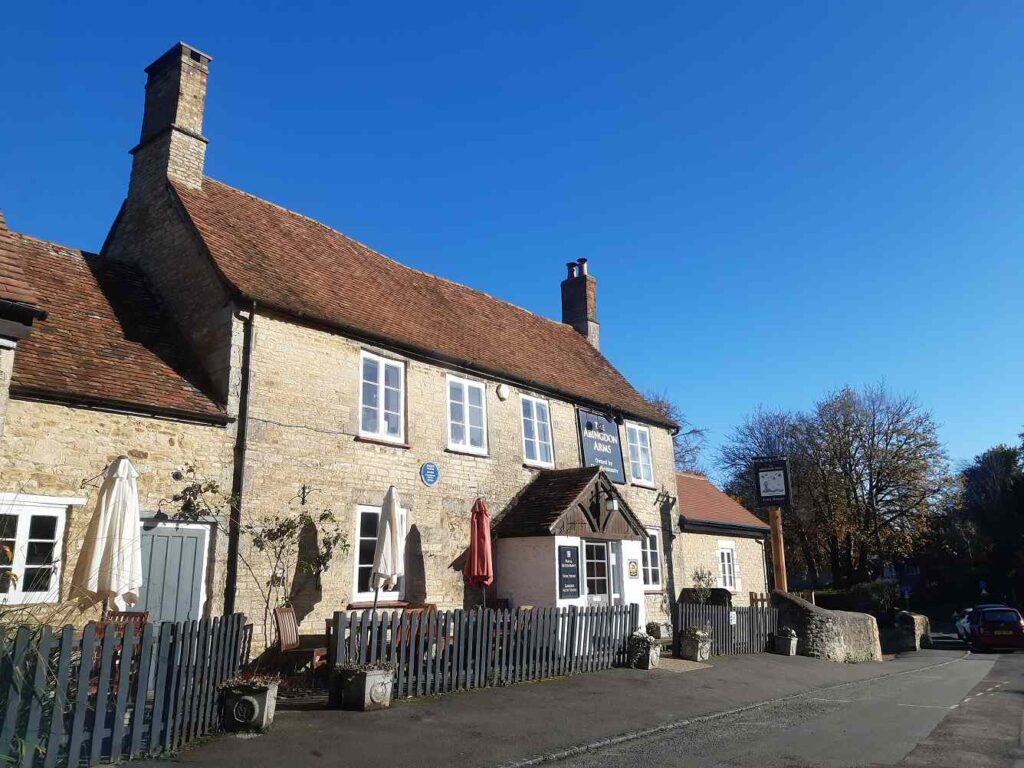
One day, lockdown will end, and we’ll be able to end our walks in England’s good old Hobbity Pubs, like Beckley’s splendid Abingdon Arms, once again.
The English seem unemotional … except for their passion for nature