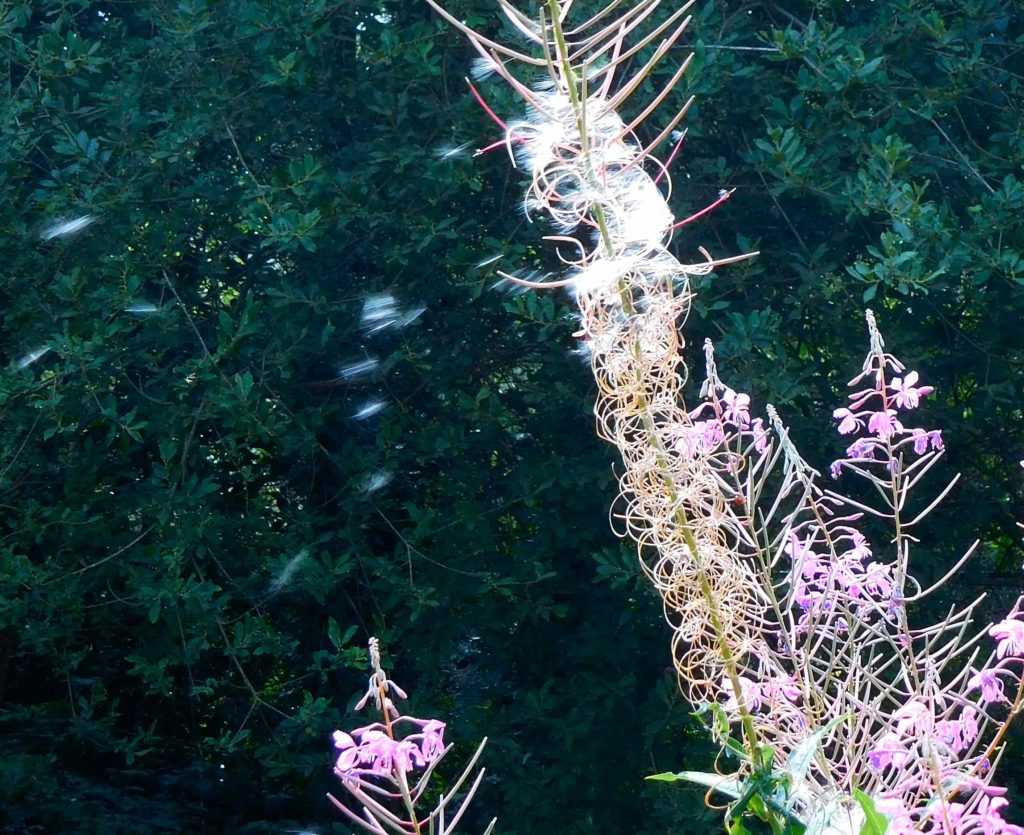
Seeds dispersing in wind from Rosebay Willowherb

For a moment I glimpsed the brilliant indigo of a Banded Demoiselle (Calopteryx splendens), just near Gunnersbury Triangle’s picnic meadow. It was the very first sighting of that species in the reserve: a bit surprising, as it’s a species of slow-flowing rivers. It does occasionally frequent lakes, so perhaps there’s a population near the artificial waterfall over in Chiswick Business Park? I’d better go and have a look!
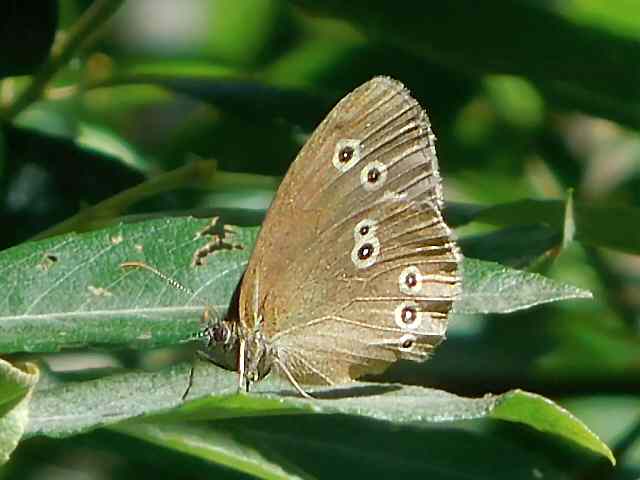
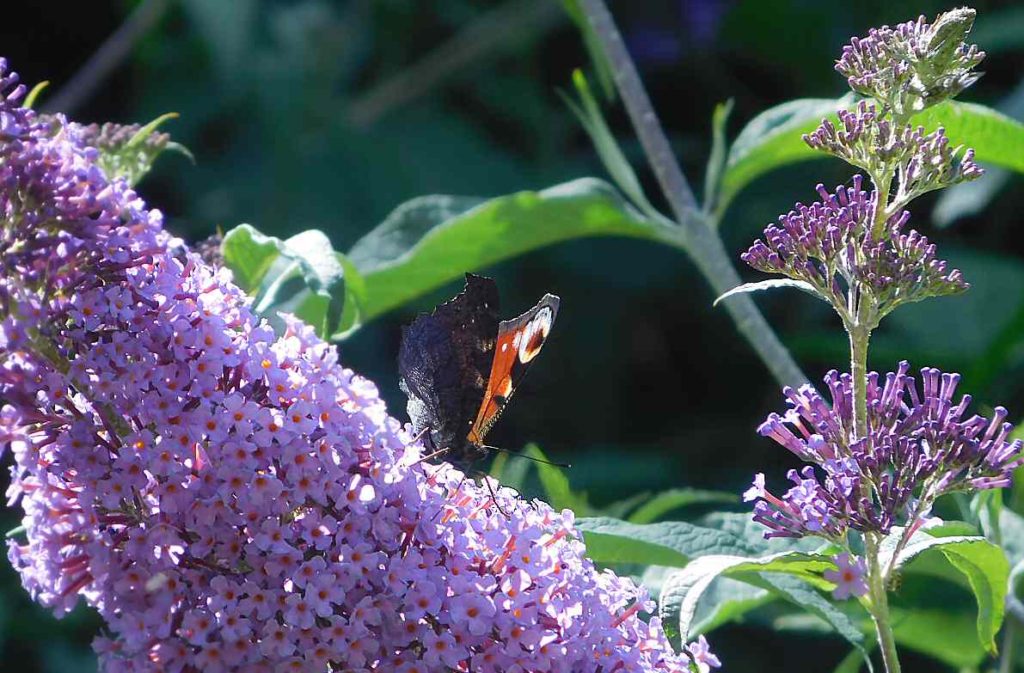
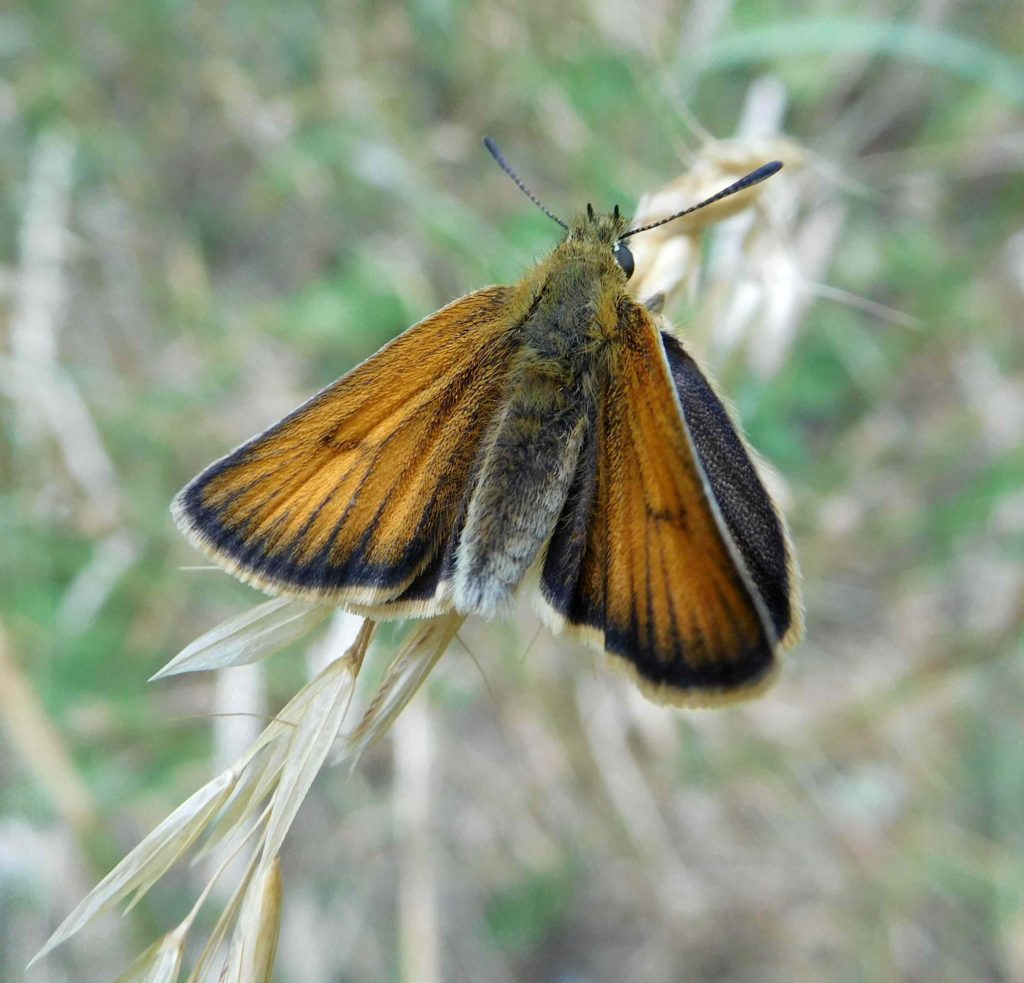
Finally on the 8th, walking round with Netty, I saw a Ringlet, its darker wings unmistakably marked with a line of little rings.



Caution: this article contains no blood, but one of the photographs of an insect could be upsetting to sensitive readers.
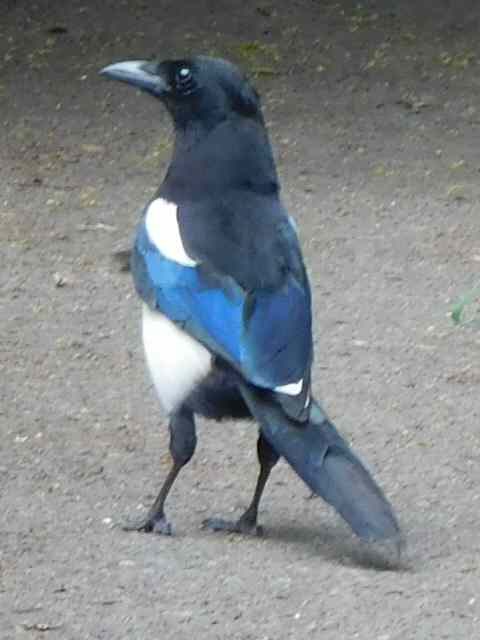
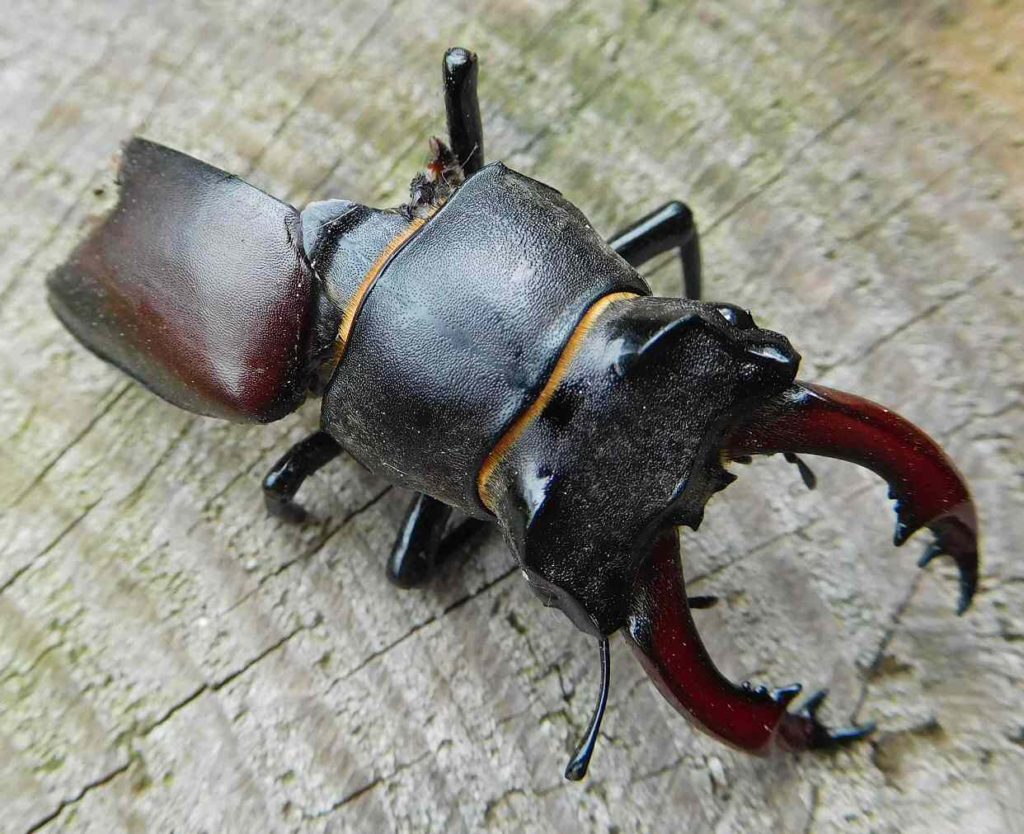
Magpies are rather omnivorous predators, feeding on whatever they can catch – the eggs of other birds are a favourite, along with chicks, and the juicy caterpillars and larvae of insects. Unlike foxes, which will crunch up even large beetles whole (leaving wing-cases and other recognisable body parts in their droppings), they feed selectively, eating the soft abdomen of large beetles like the Stag Beetle, and abandon the heavily-armoured thorax and head. The beetles, their bodies broken and their chances of reproduction gone, clamber slowly and pitifully about, sometimes for days.
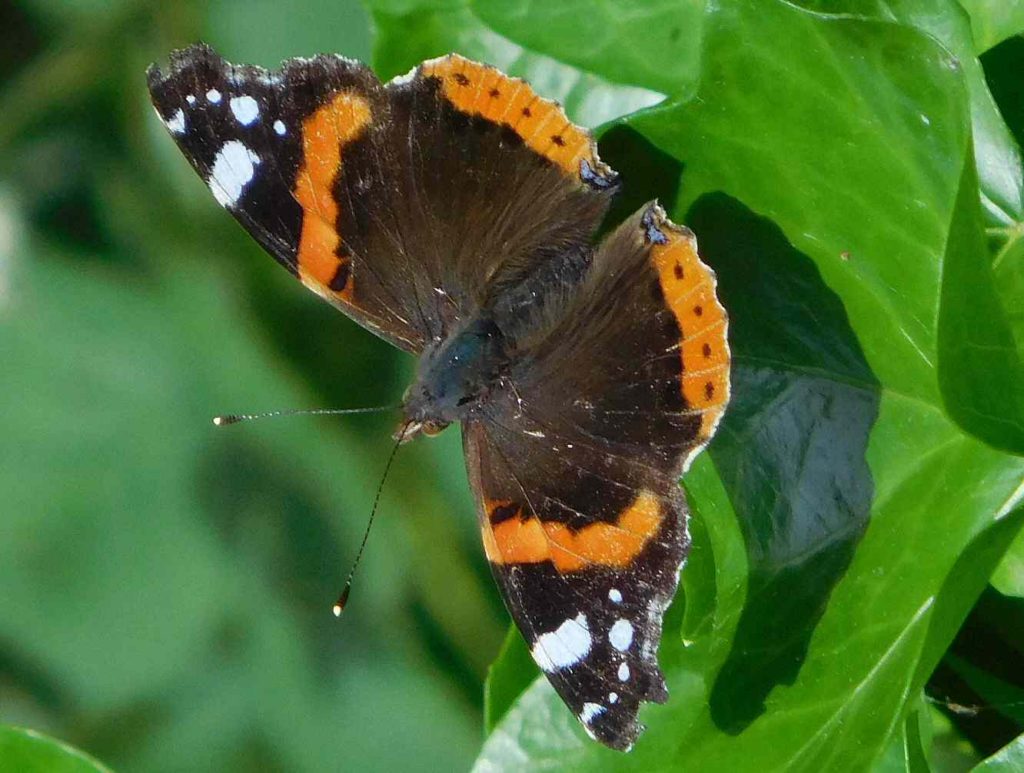
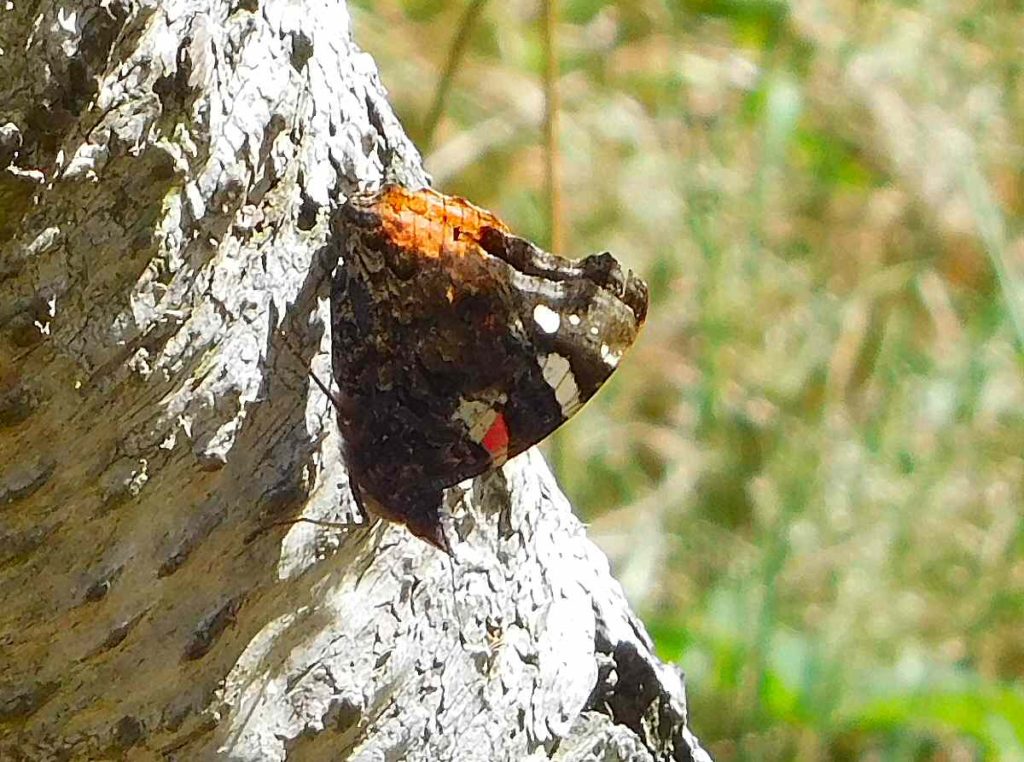
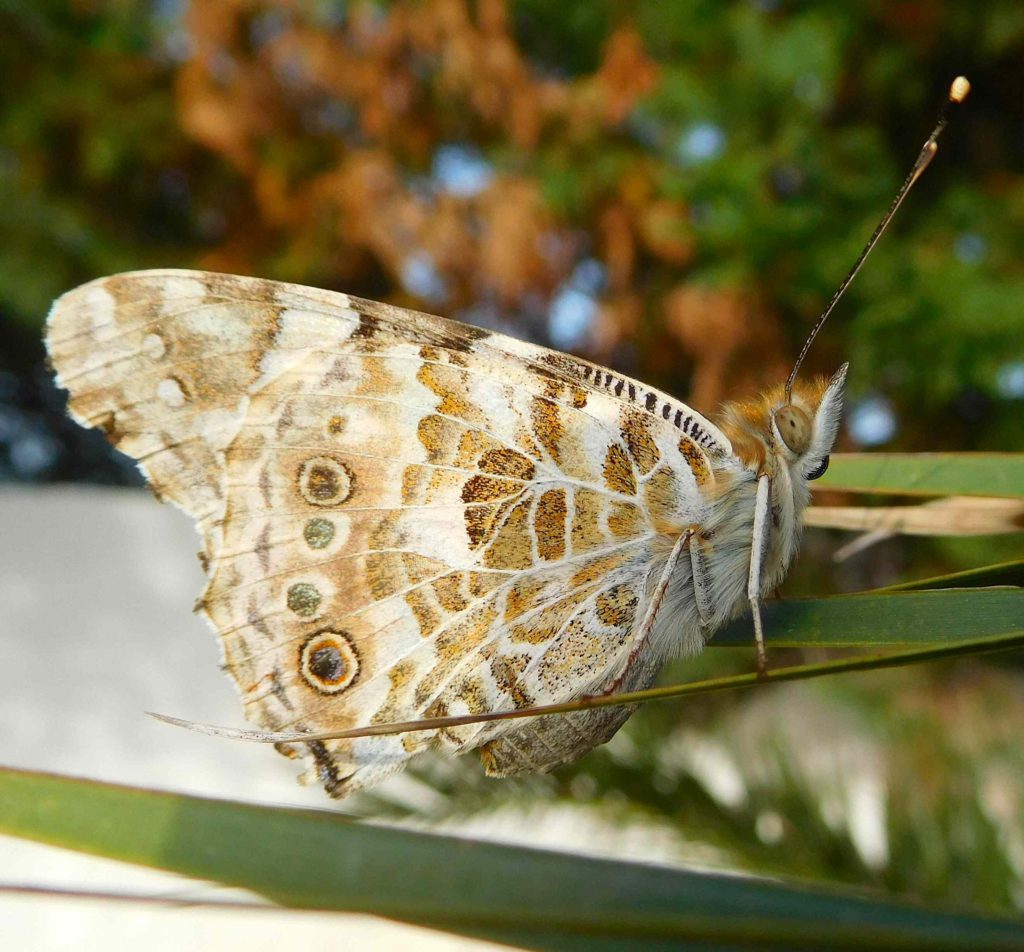
On a happier note, we saw a Red Admiral resting in the woods on some Ivy. The Nymphalid butterflies are all getting scarce, so it was a welcome addition to the usual suspects — Brimstone, Small White, Speckled Wood, Holly Blue — on a day without much sunshine to bring the butterflies out.