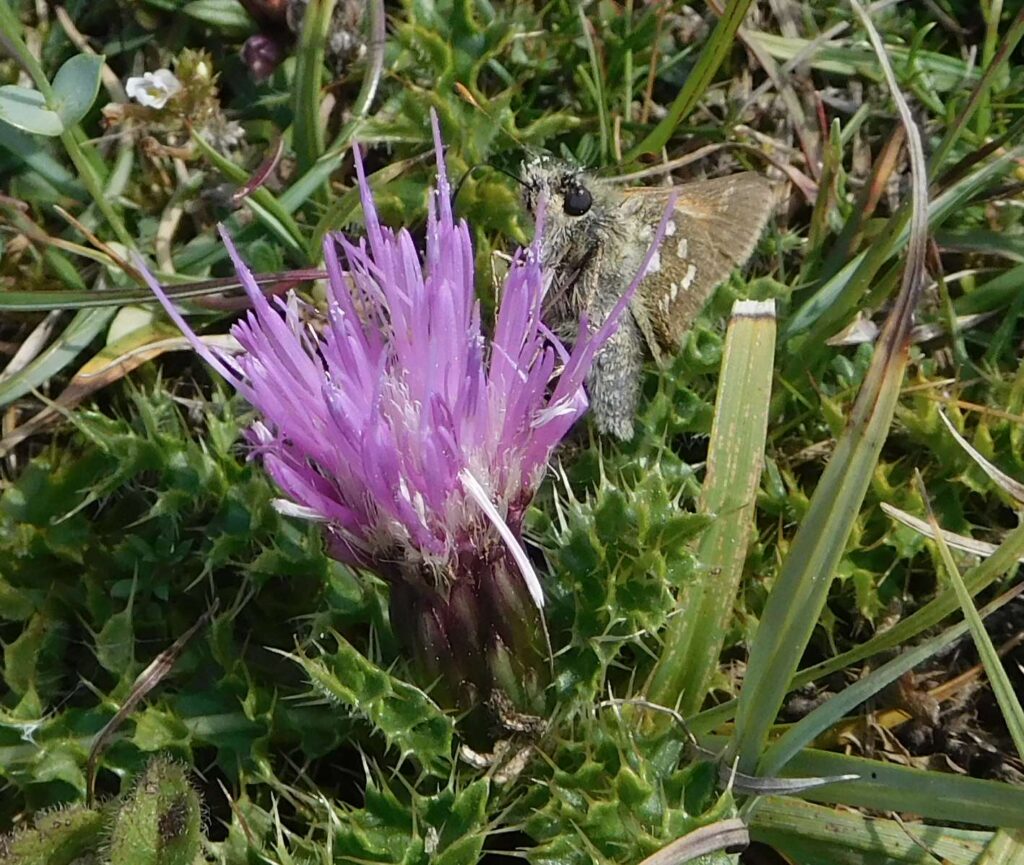
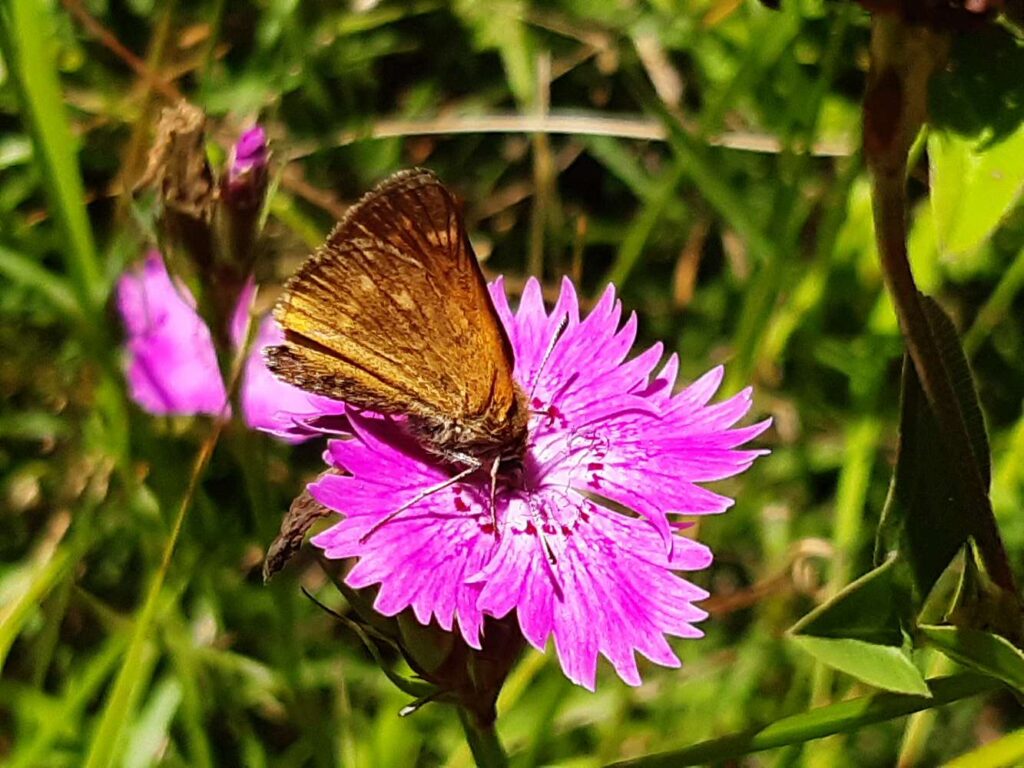
Silver-Spotted Skipper


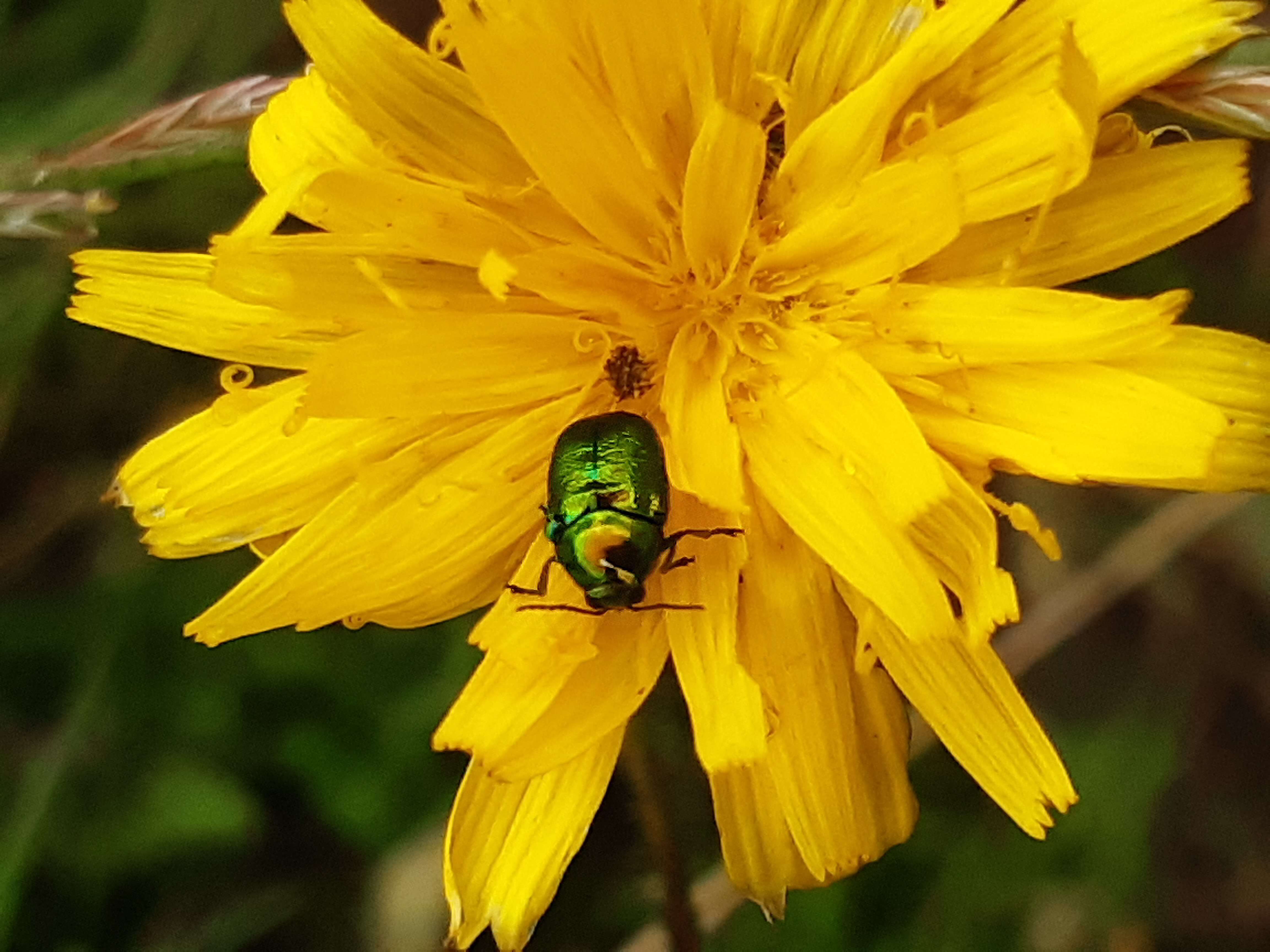
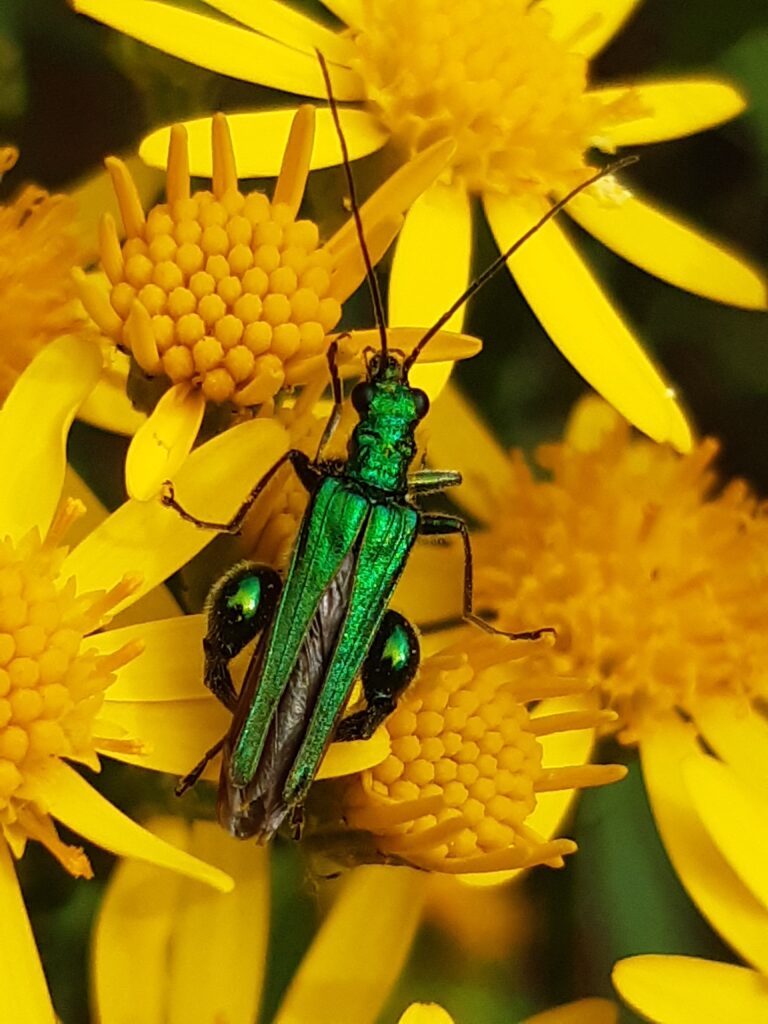
This beautiful iridescent metallic green insect is the male thick-kneed flower beetle — the female is less colourful, and doesn’t have the swollen femurs. All the coloration is structural, created by microscopic ridges of the cuticle, the right size to interfere with visible light. The insect’s Latin name is Oedemera nobilis, the “noble swollen-parted” (yes, like Oedema, swelling), presumably describing the thick “knees” and the insect’s handsome appearance.
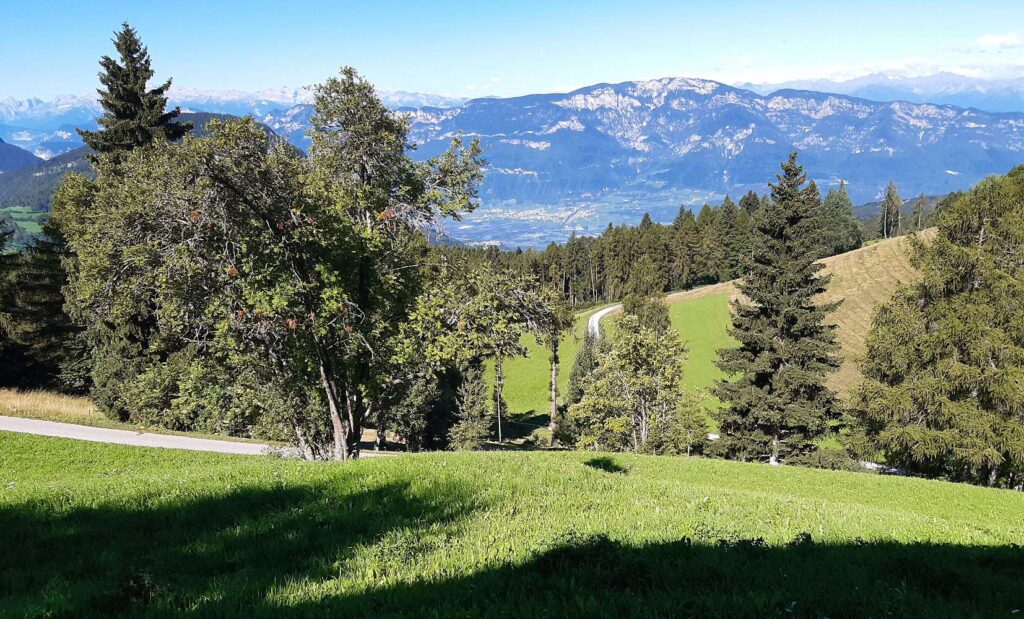
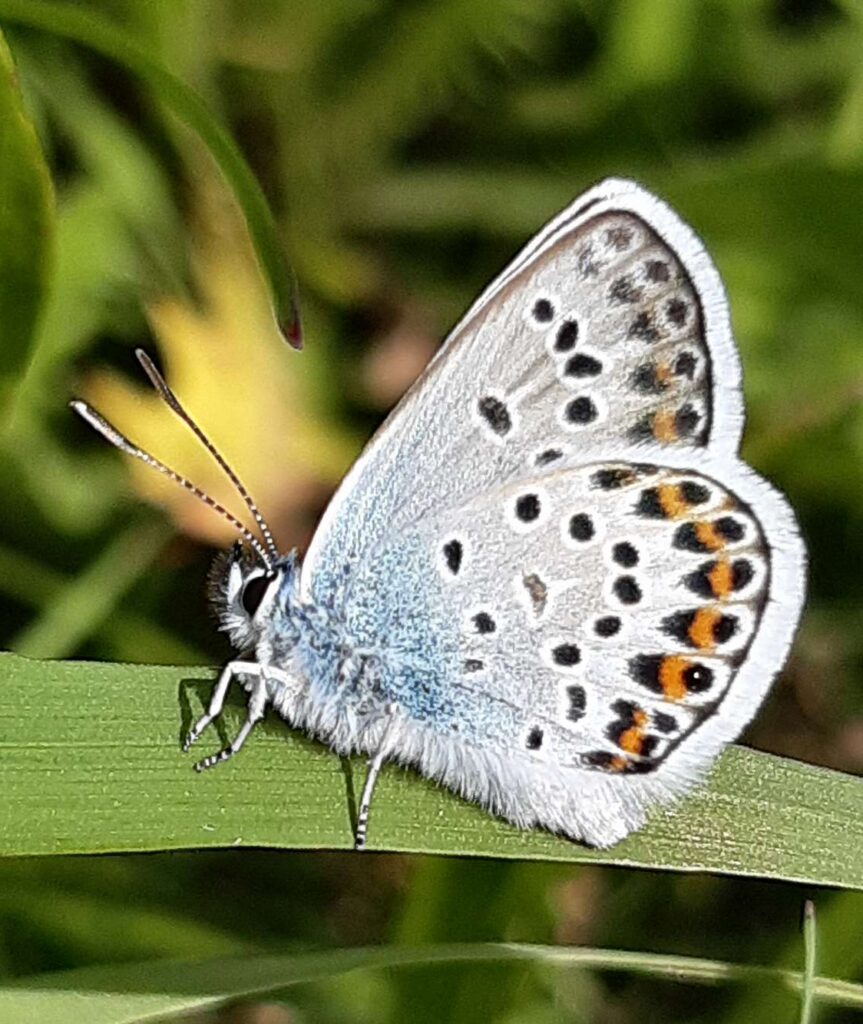
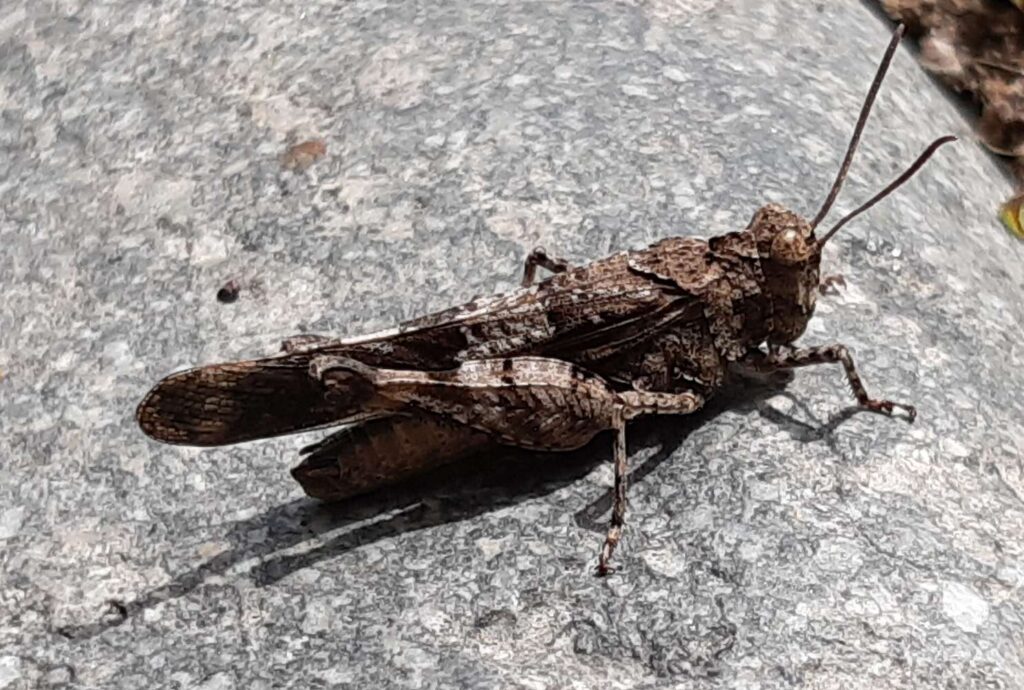
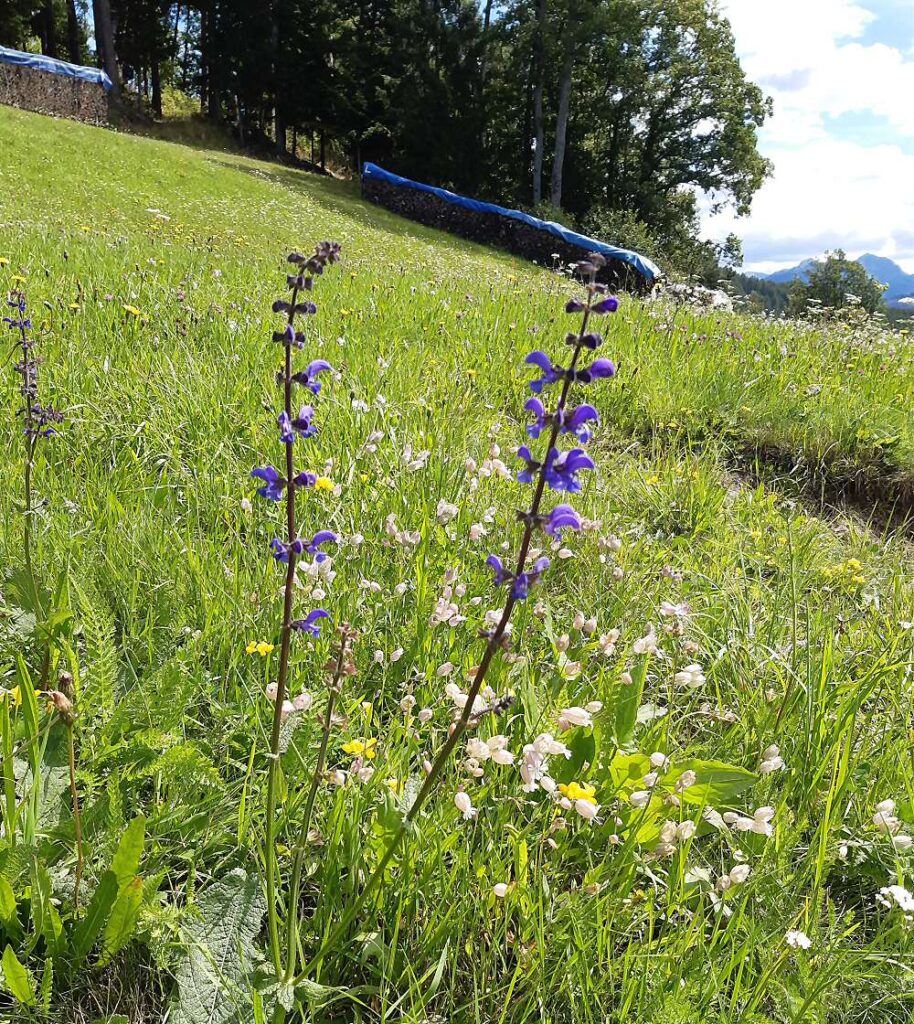
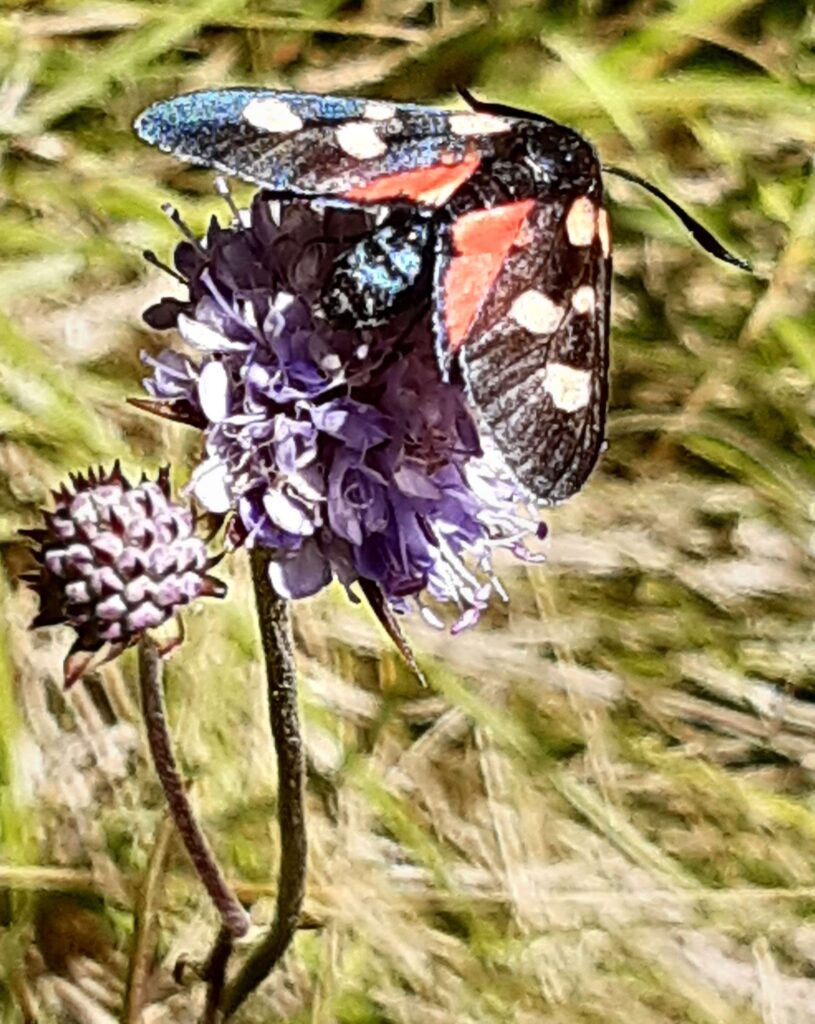
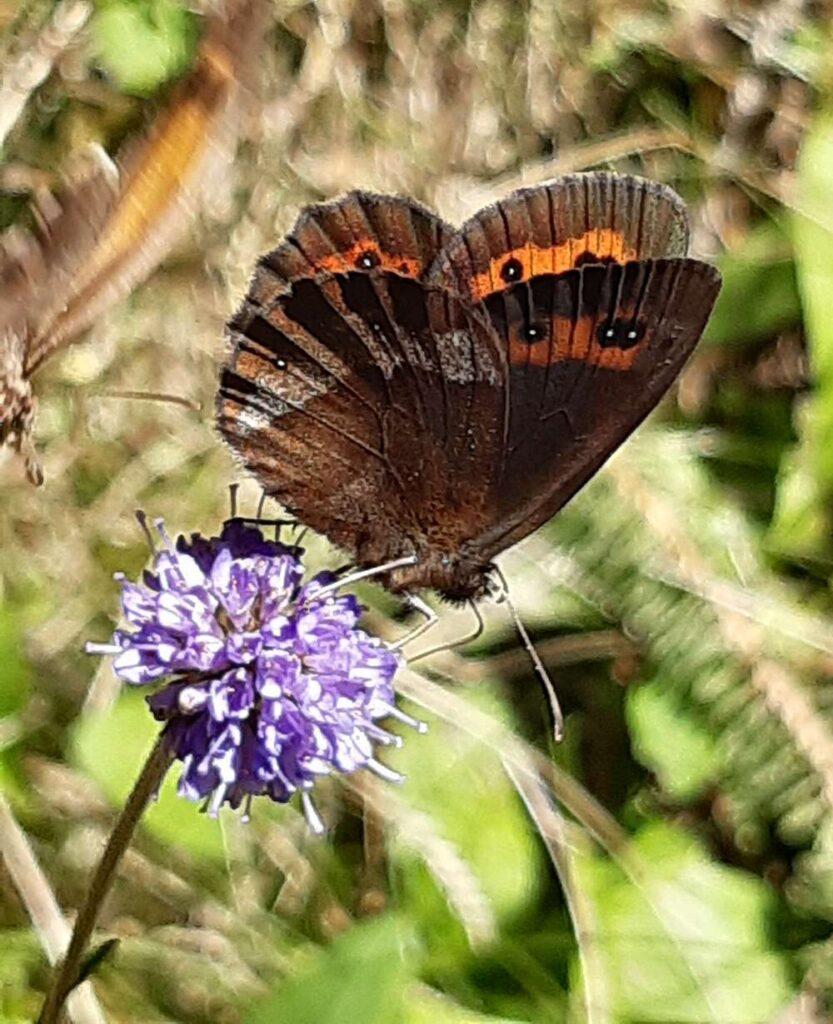
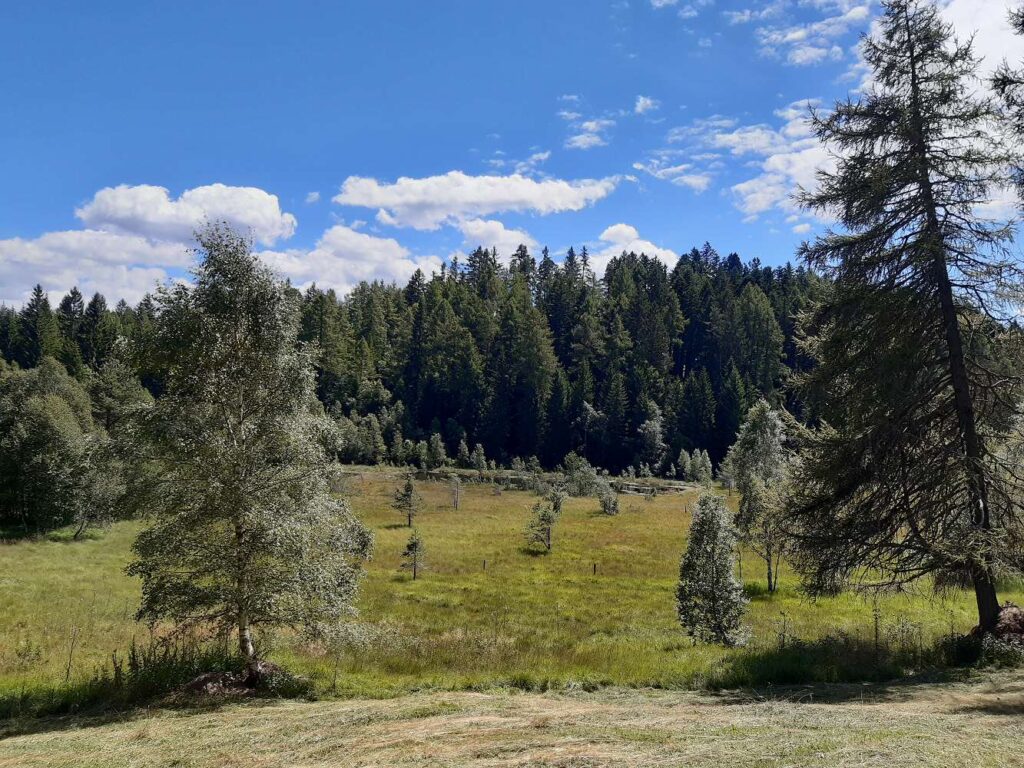
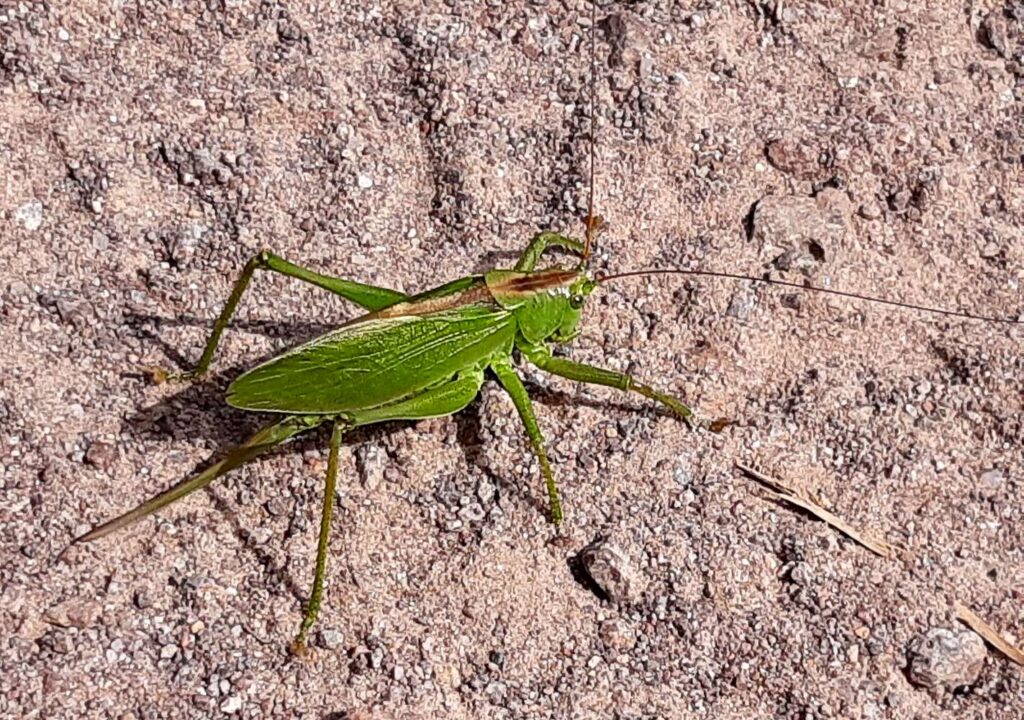
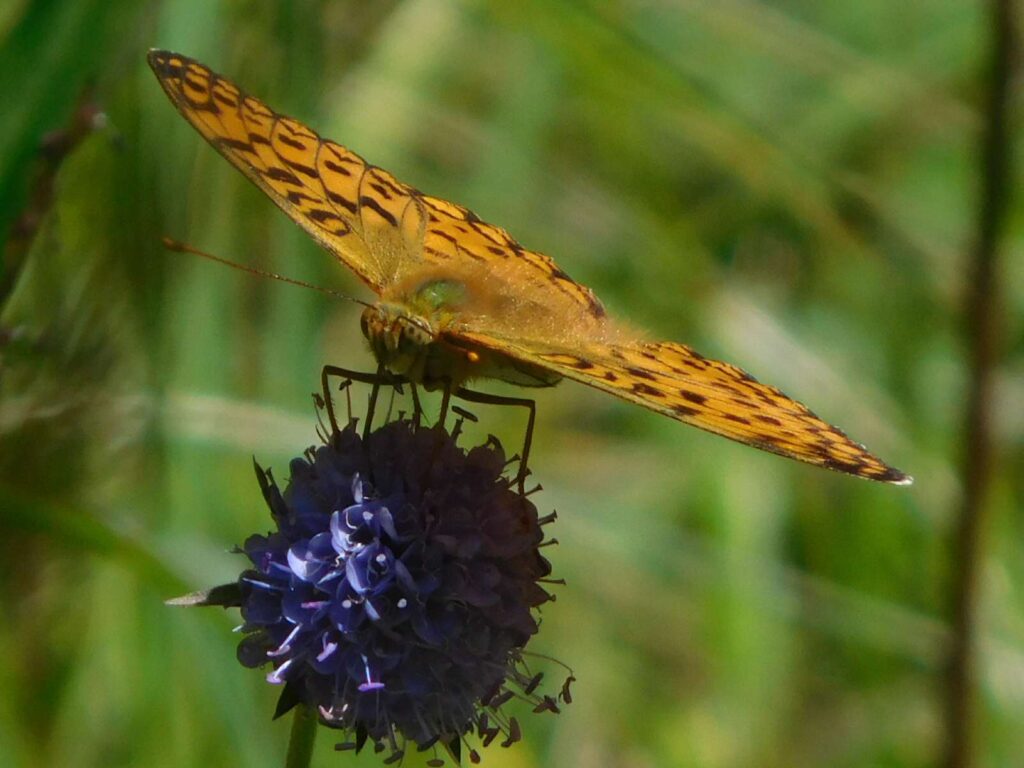
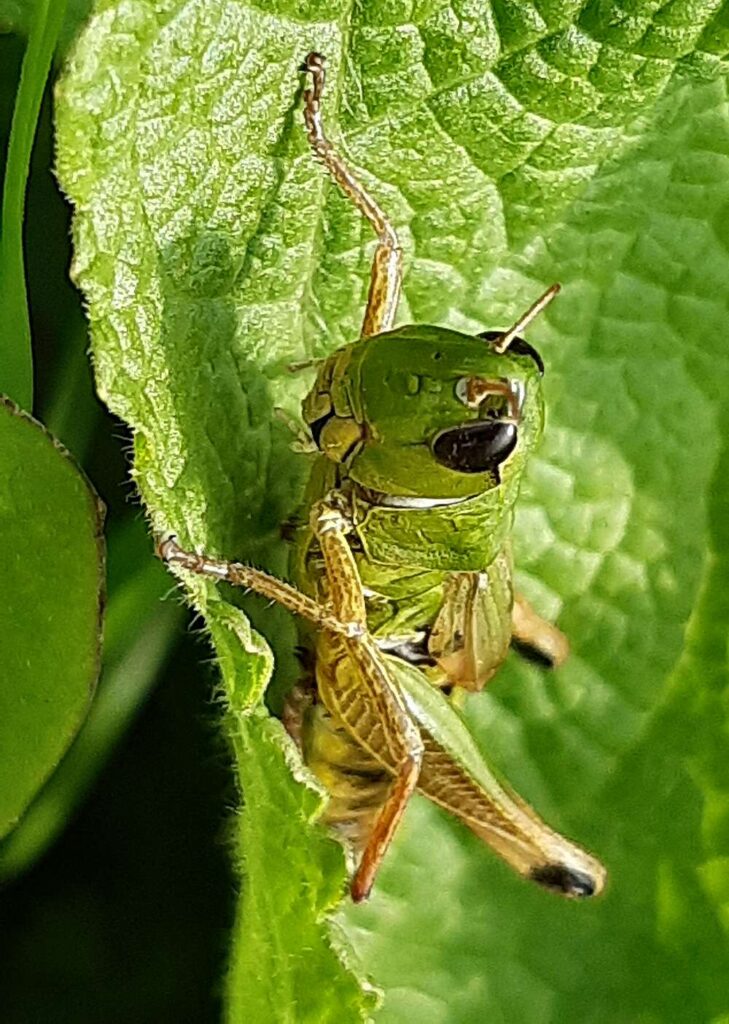
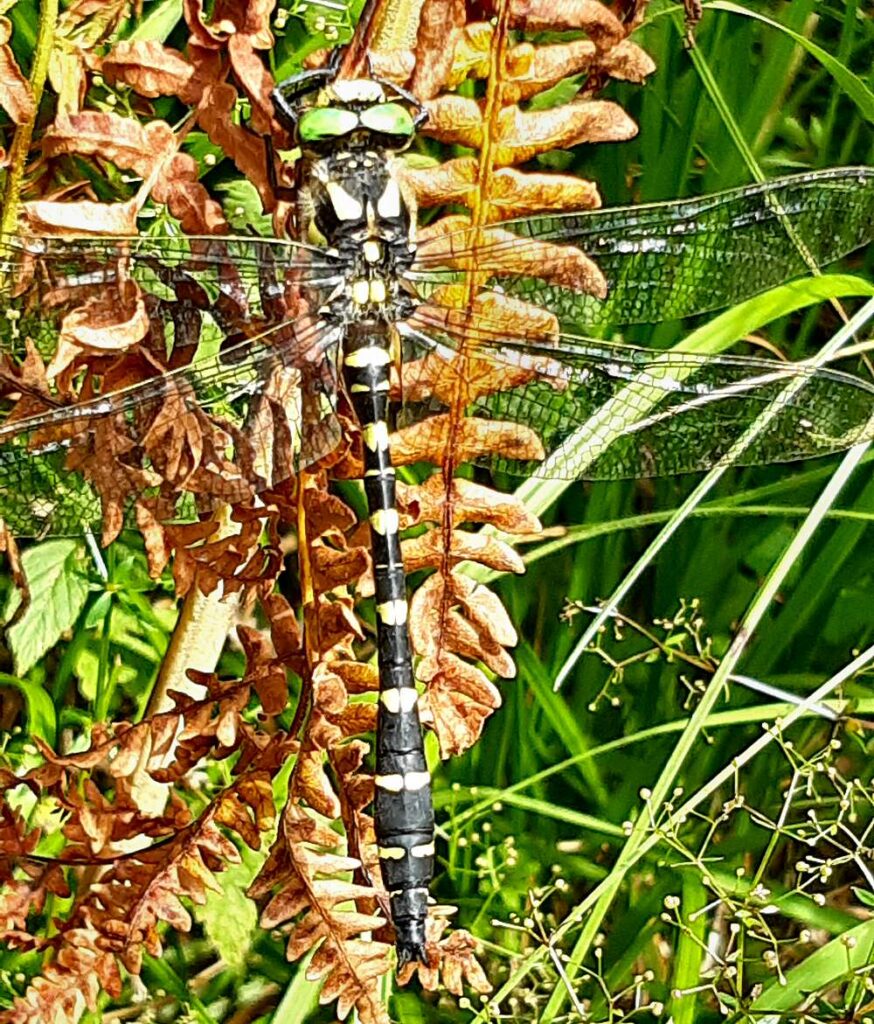
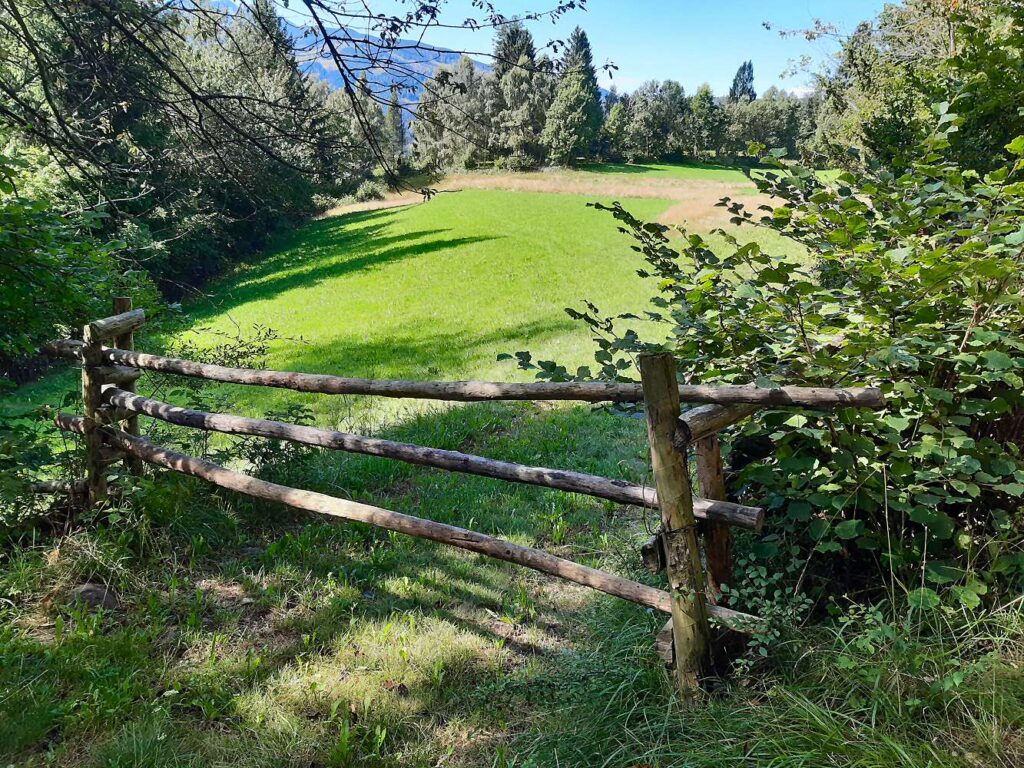
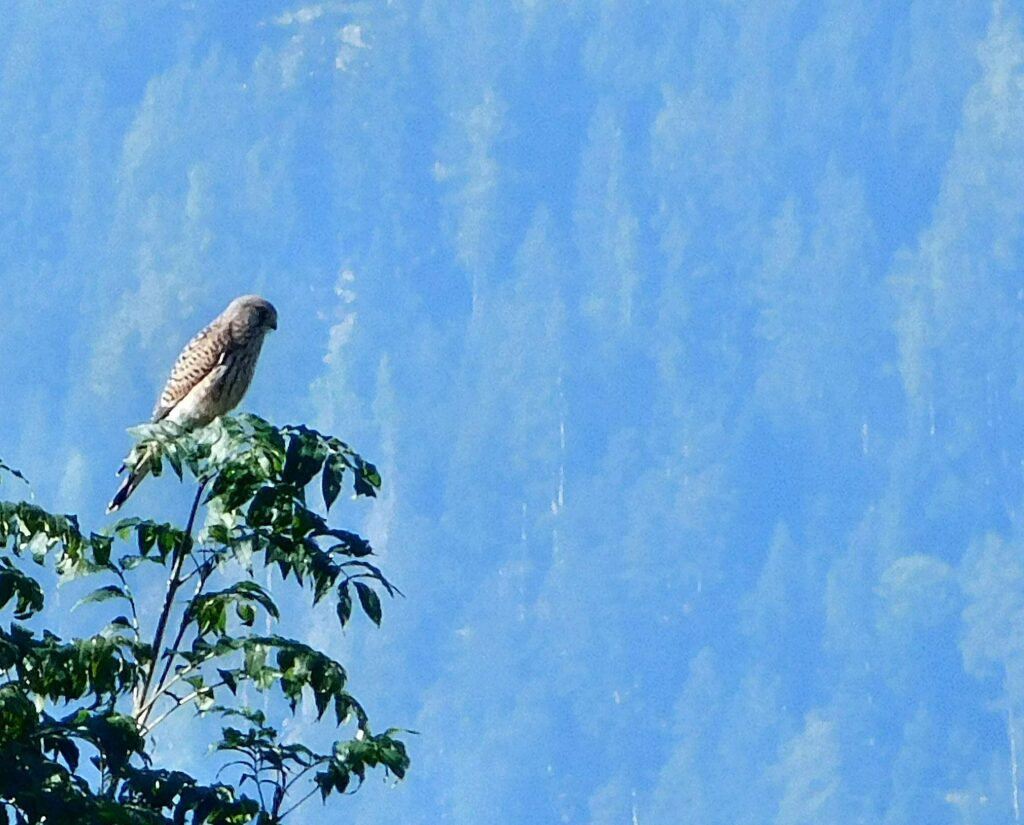
For more, see Dolomites Wildlife (part 2)
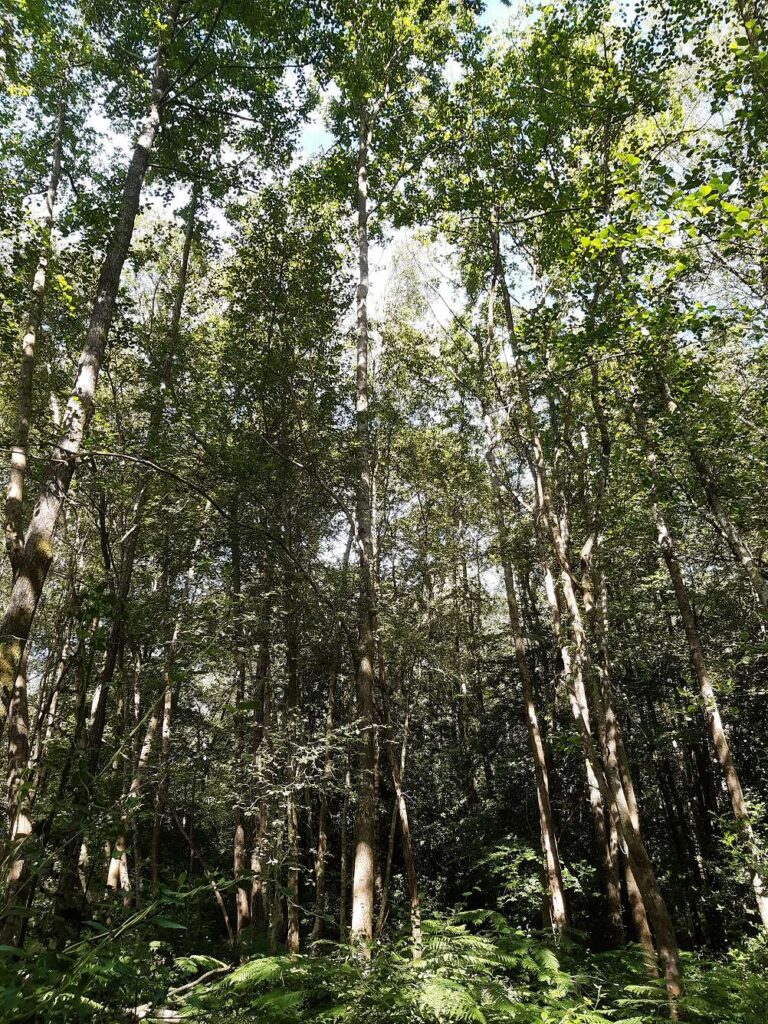
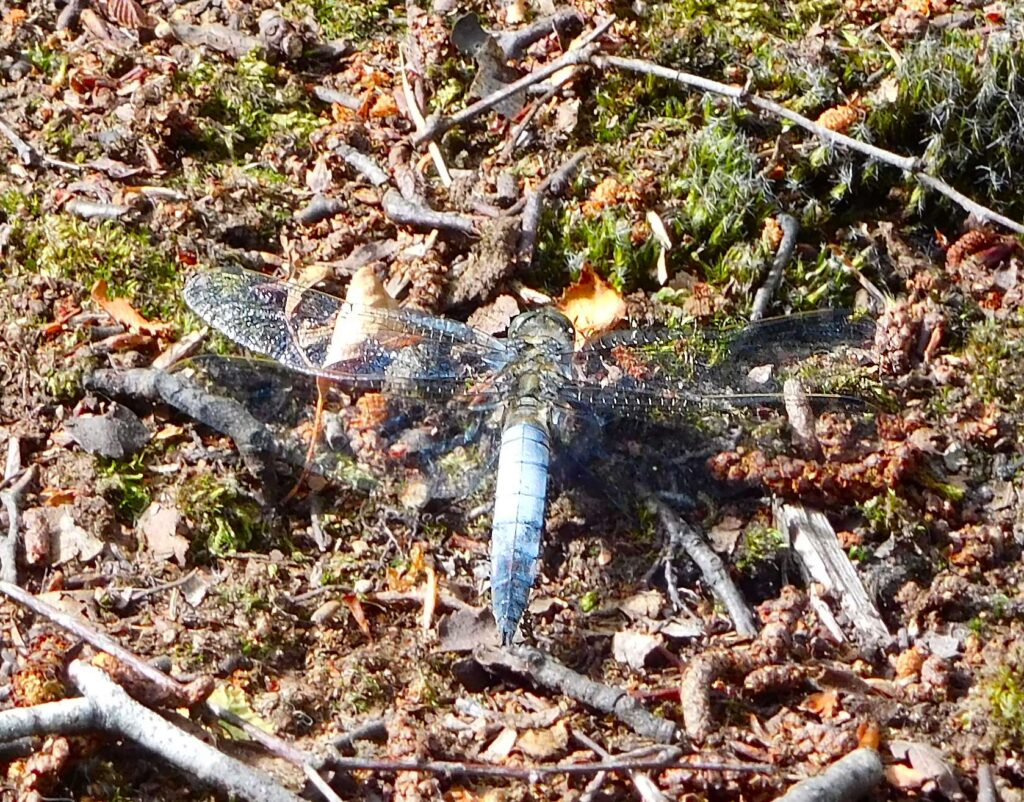
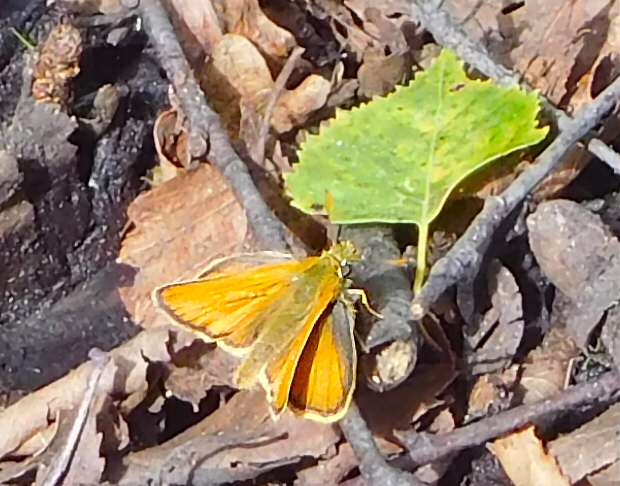
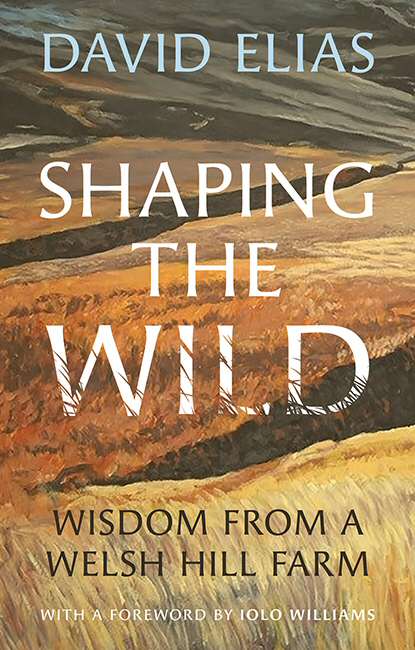
There are plenty of nature-on-farms books written by anxious conservationists, telling how everything is falling to bits (and it’s the farmers’ fault). There are not a few written by nature-loving farmers, telling how farmers are the people closest to the land and the nature on it.
There are rather fewer written by lifelong conservationists, who’ve chosen to visit and study one farm for a period of years, and try to understand the constraints on the farmer, the shifting tides of policy, and the balance that will actually benefit wildlife. In fact, I rather suspect this is the first one.
Craig-y-tân is a hill farm in the Eryri (Snowdonia) national park. There are some tiny stone-walled fields near the farmhouse; some rough pasture down by the river, the Afon Lliw; some old-fashioned broadleaved woodland on the hillslope, up to the mountain wall; an area as big as all of the above of “steep ffridd”, bouldery mountainside; and then a large area of upland blanket bog. The neighbouring areas include another isolated house, two footbridges, a ruined farm, a waterfall, and a chunk of 20th century conifer plantation.
It is difficult to make money on a hill farm. Traditional life was close to subsistence. Lambs were lost to foxes; hay was hard to make in wet Welsh mountain summers; peat was cut by hand. Governments have offered money to “improve” the land by draining or reseeding. Constant changes of farming policy have meant that one action was required to get a grant: then another. The blanket bog was filled with drainage ditches; now there are grants to stop up the drains and restore the peat, which stores large amounts of carbon: as long as it stays wet.
Conservationists have scratched their heads about how to manage wildlife on hill farms. If you take the sheep off the land, birch and willow trees spring up, their shoots un-nibbled, and the attractive rough grass, with its flowers and birds and insects, disappears into forest. If you add sheep, the farm may make more money but the flowers are grazed down to nothing and you again lose much of the wildlife. Just a little bit of conservation grazing, then? Elias notes the doubtful looks he gets when he hums and hahs in answer to a plain farming question, what to do. Possibly the farmer is doing really rather well, given all the trade-offs.
As for trees, governments in the 20th century encouraged economic forestry, meaning plantations of Sitka spruce, a non-native tree. This can all the same be good for wildlife, as young conifers compete with sallow, birch, rowan, and bramble, with homes for reed buntings, tree pipits, whitethroats and other warblers, along with butterflies and dragonflies. But as the spruces get tall and dark, all of that disappears, and there is a bare forest floor, shaded by a dense canopy, which supports a few specialist birds like siskins and crossbills. When the trees are big enough, they are harvested all at once with an enormous “sexy-looking Finnish machine” that enables one man to cut the trees, strip the trunks, slice them to length, and stack them for transporting without leaving the machine’s cab.
If you could have the conifers in small blocks of different ages (more like a traditional coppice woodland), then you would get a mosaic effect, with much more wildlife; even better, you might mix in some broadleaved trees for the insects and birds they can support. Of course, harvesting then becomes less convenient.
That’s not even to mention climate change. Many of the most-prized species are vanishing as the climate warms. Familiar upland birds like the curlew have all but gone; the farmer’s son doesn’t know them at all. A day spent searching the upland bog for large heath butterflies finds none: apparently there were only 2 sightings in the whole of Wales. Elias admits that in 50 years as a naturalist and conservationist, he has seen “a quiet draining away” of wildlife from many landscapes.
This is Elias’s first book. I found the first two or three chapters a little repetitive, as he chews over the issues slowly and carefully; a bit of copy-editing would not have gone amiss. But he warms to his work, and the later chapters are more direct, more fluent, if still grappling with the tangled conservation and farming issues.
His familiarity with farming legislation, carefully footnoted, and his evident sympathy for the Welsh hill-farmer make this an informative and distinctive book. Shaping the Wild doesn’t offer easy answers; but it steers clear both of despair (conservation has achieved nothing, hill-farming is doomed) and of facile optimism (the next government policy will fix everything).
The last chapter agrees that the countryside has changed beyond recognition, but insists that many people who are not conservationists enjoy nature, from farmers to mountain bikers. They’re the audience. And the farm? Elias considers whether
Craig-y-tân is an anachronism maintained at considerable public expense, or a beacon of hope and a way forward. It is still a beautiful place and rich in wildlife, especially by current standards; it is also a viable, if subsidised, working farm in the hands of a local Welsh-speaking family committed to their community and way of life. — Ch. 13 In the End
May it long continue.
Buy it from Amazon.com (commission paid)
Buy it from Amazon.co.uk (commission paid)
I received a review copy of this book.
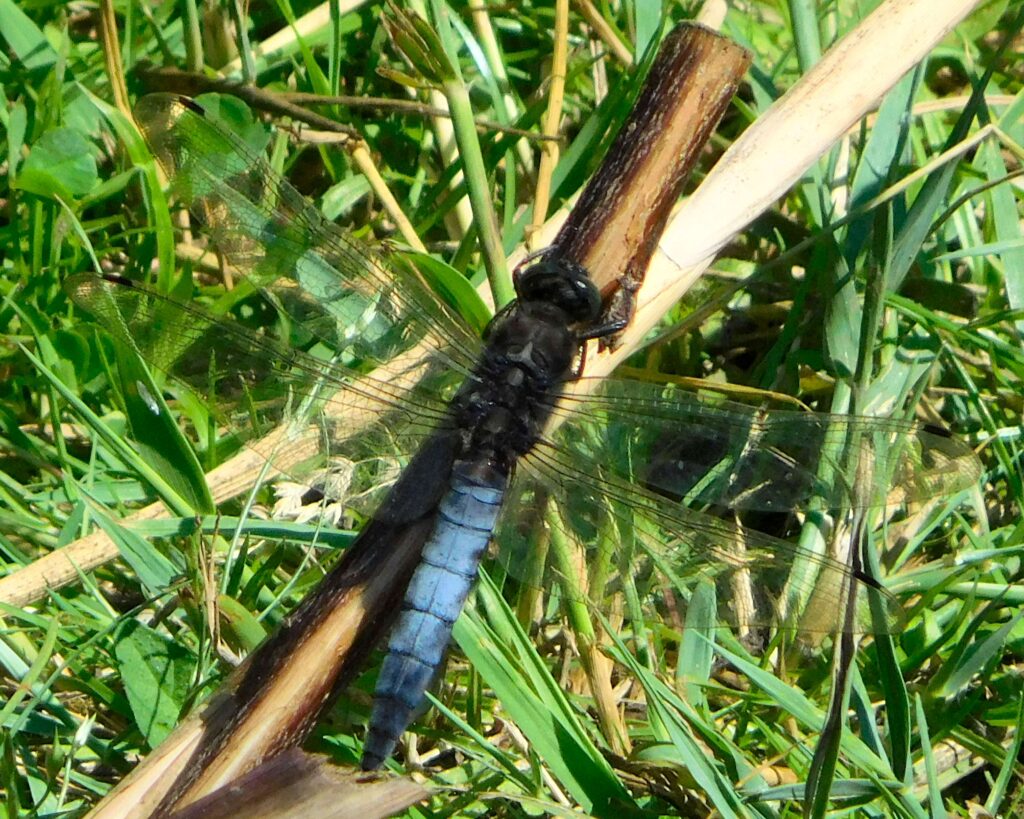
The whole of the wetland was sparkling with Emperor Dragonflies patrolling the pools: a few females laid eggs by Water-Lilies, the males occasionally chasing prey, or a rival. The margins were full of Azure Damselflies, nearly all males: I saw one pair in wheel formation.
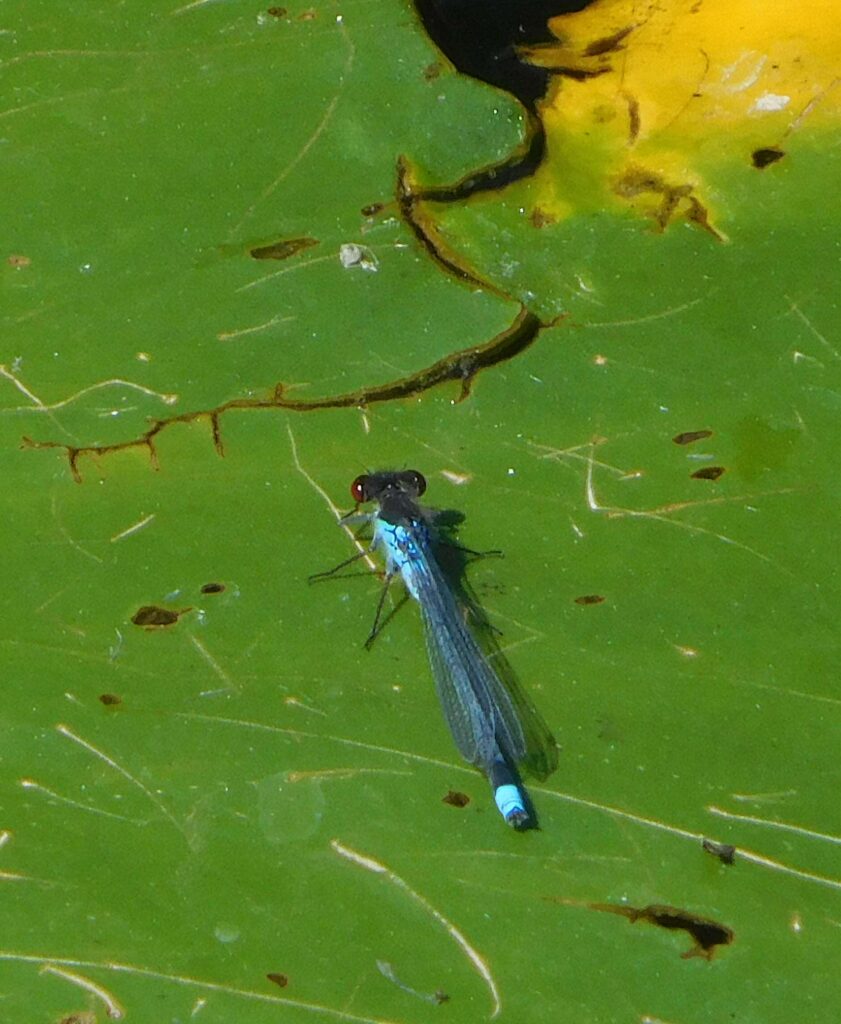
Several Red-Eyed Damselfly males displayed on lily-pads, chasing off rivals; occasionally an Azure came by too. Over one or two of the smaller pools, a Hairy Dragonfly patrolled; one of them had an aerial tussle with a similarly-sized red dragonfly, I think a Common Darter.
Overhead, quite a few Sand Martins caught insects over the water (well, the Wetland Centre does sport West London’s only Sand Martin bank, an artificial river cliff), along with a few Swifts, and I think exactly one Swallow … it feels as if something terrible has happened to these populations. They have to migrate across the Sahel, the Sahara, the Mediterranean, and numerous populations of hungry village boys and keen shooters, so it’s something of a miracle there are any left: and that’s not even speaking about climate change.
A couple of Common Terns, presumably those breeding on the Wetland Centre’s lake islands, made their bright and cheery waterbird calls as they wheeled about, searching for glimpses of tiny fish to dive in and catch.
There were only a few butterflies about – a Red Admiral, a Holly Blue, a couple of Speckled Wood, some Whites, a female Brimstone. For me, the bees and pollinators looked well down on normal, too. Amidst the warmth of the day, the beauty, the peace, and the brilliant colours, it is a sombre tale of decline.