
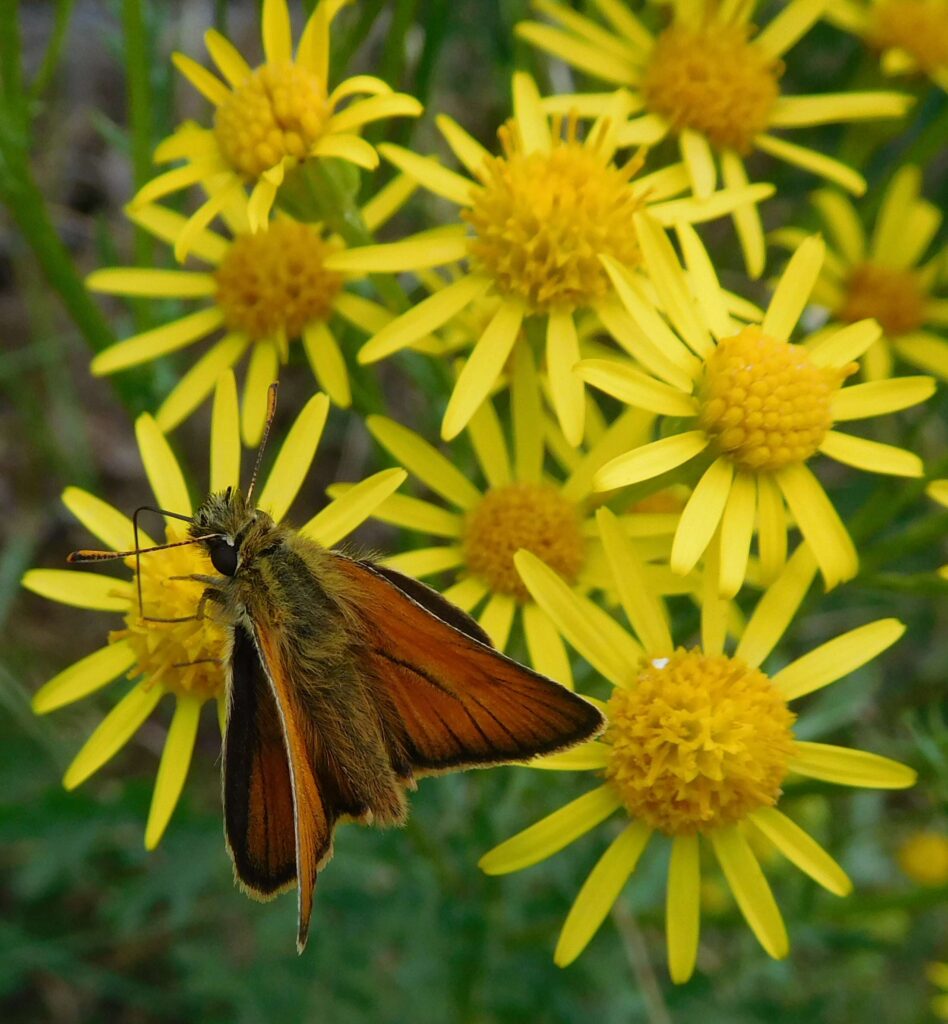
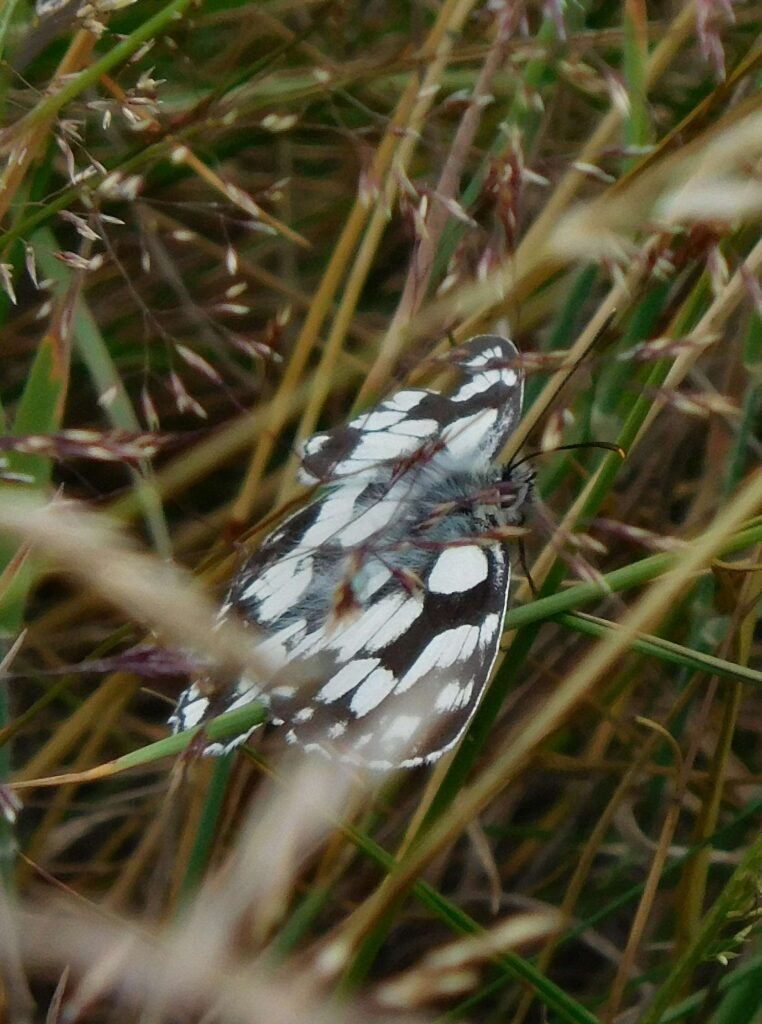
There were also many Meadow Browns – as with the Skippers, they had clearly all pupated recently; a Ringlet; two Red Admirals; and a Small White.
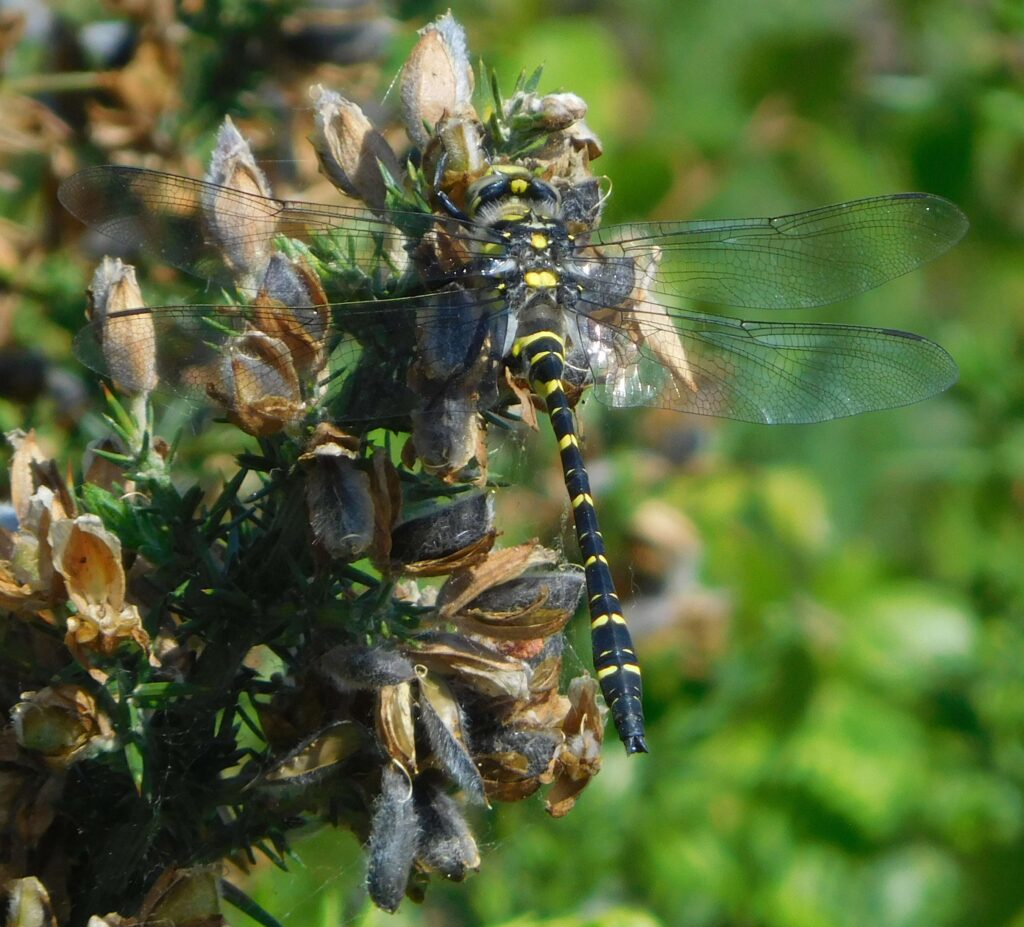
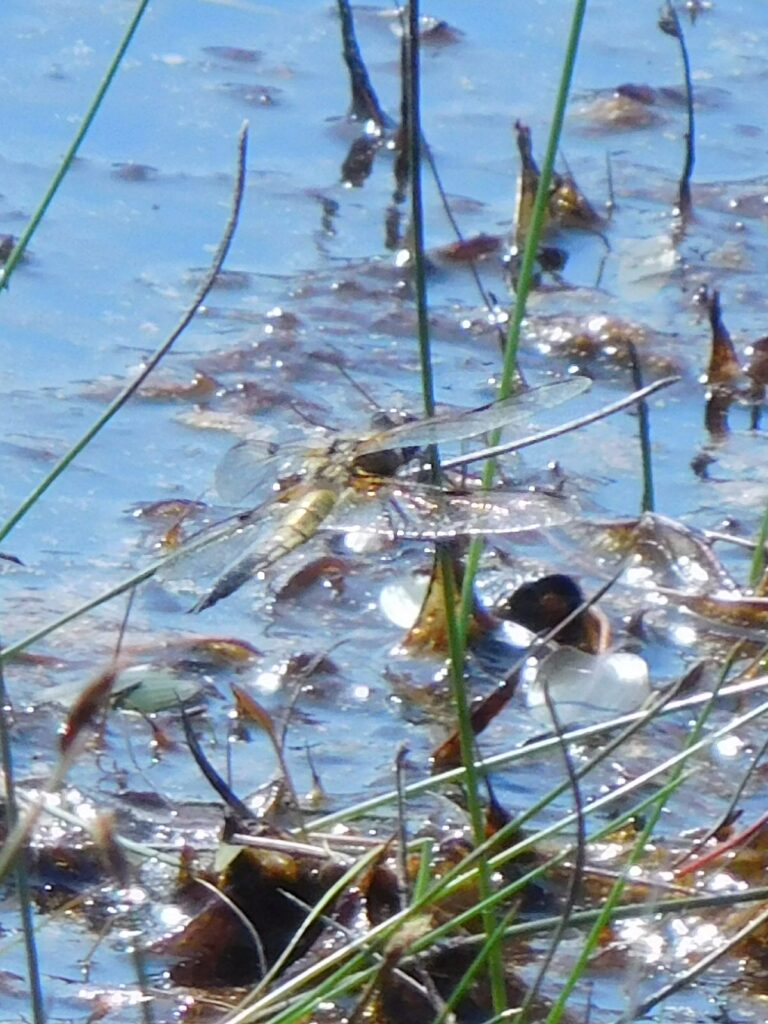
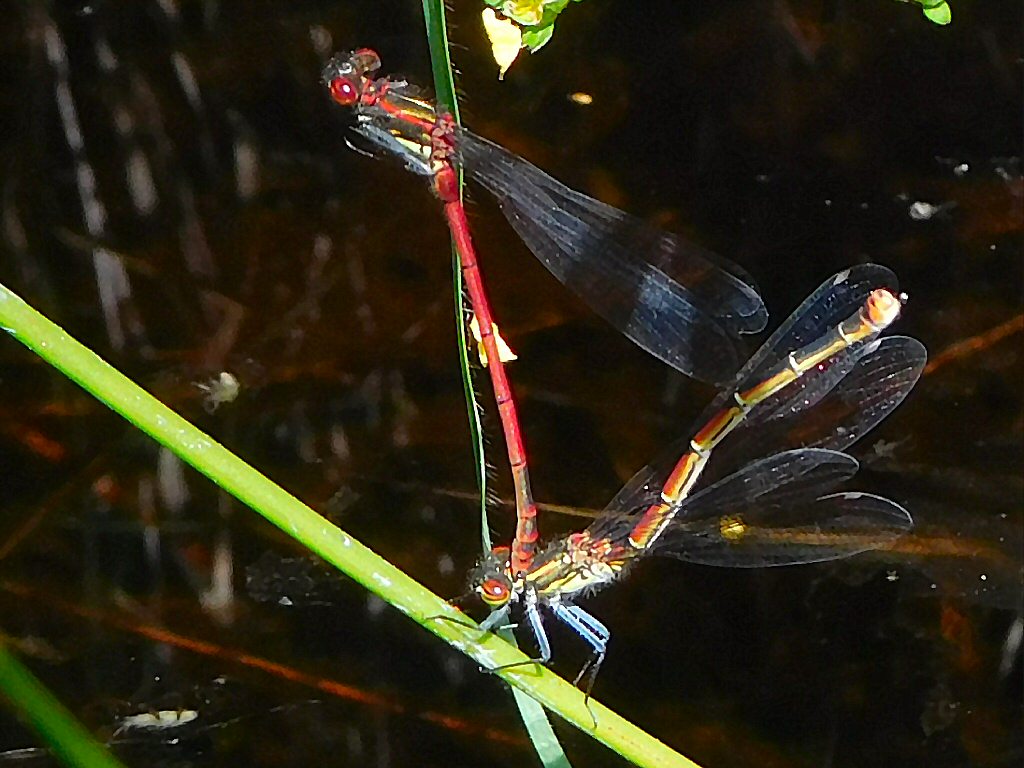
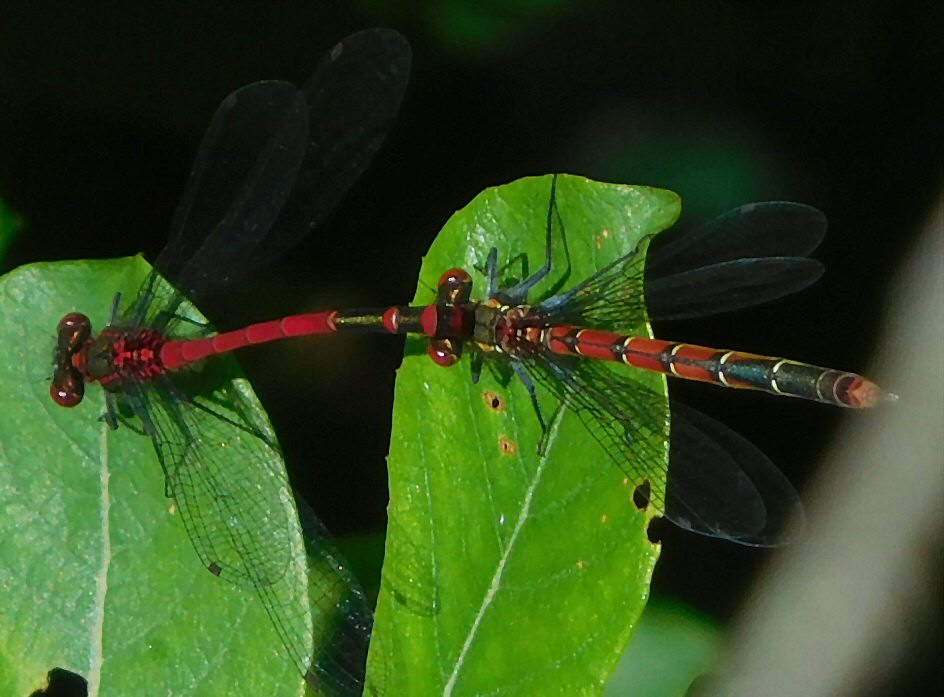
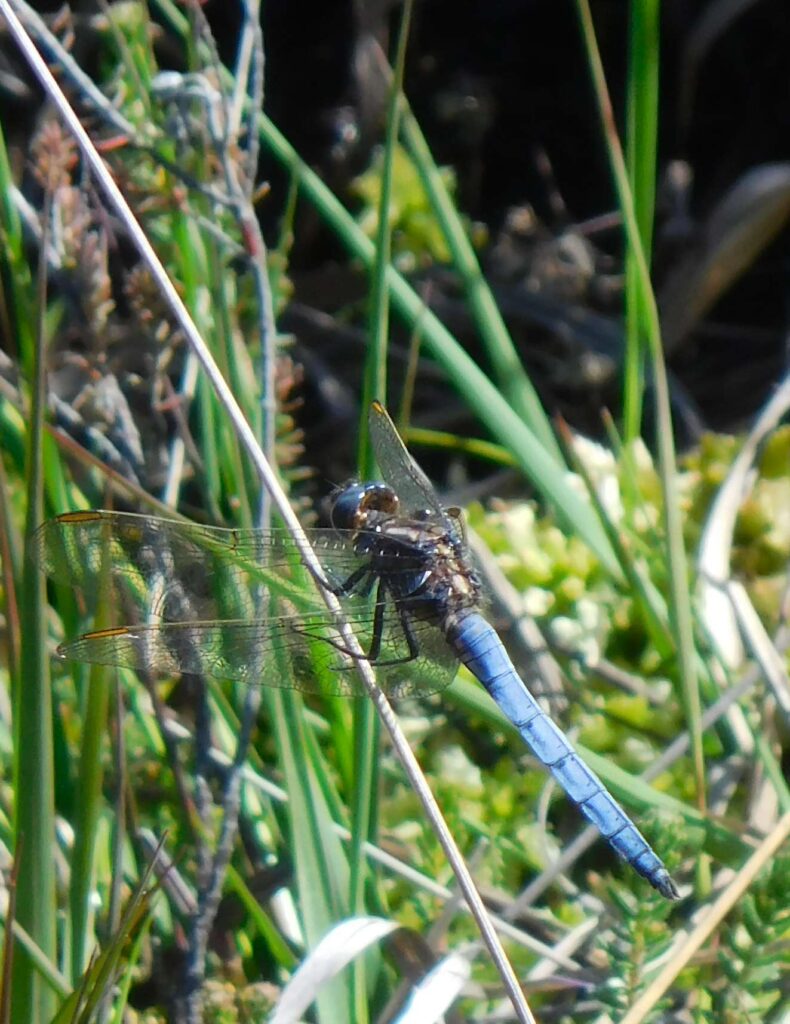
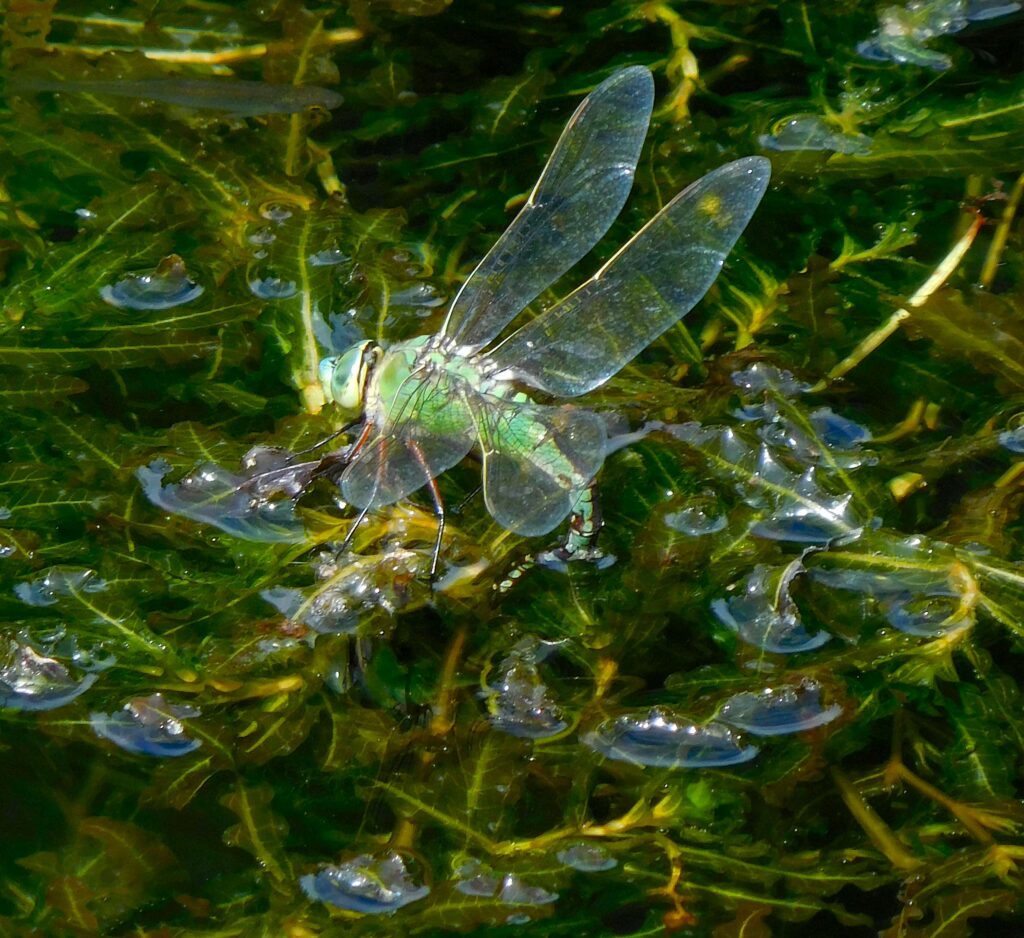
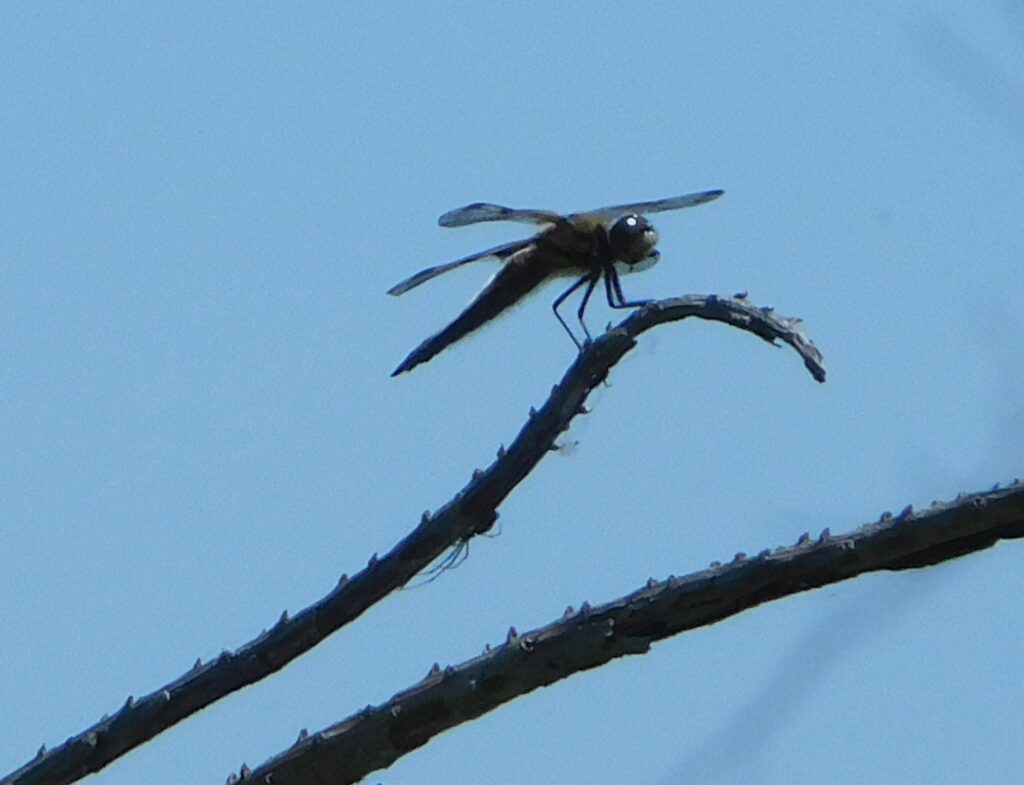
Also seen: one Emperor over the Moat Pond; Common Darters; Southern Hawker; Common Blue Damselfly.
There were few birds about, but they were good: the only pair of Curlews nesting in Hampshire, both seen, and both heard, flying from their nestplace over the bog, calling continuously (and evocatively) and landing separately; Dartford Warbler, a terrific view, the long tail cocked, and hopping about on a tuft of dry grass; Stonechat; Skylark; Buzzard. On the main lake, just Mallard, Coot, Tufted Duck; on the Moat Pond, Moorhen.
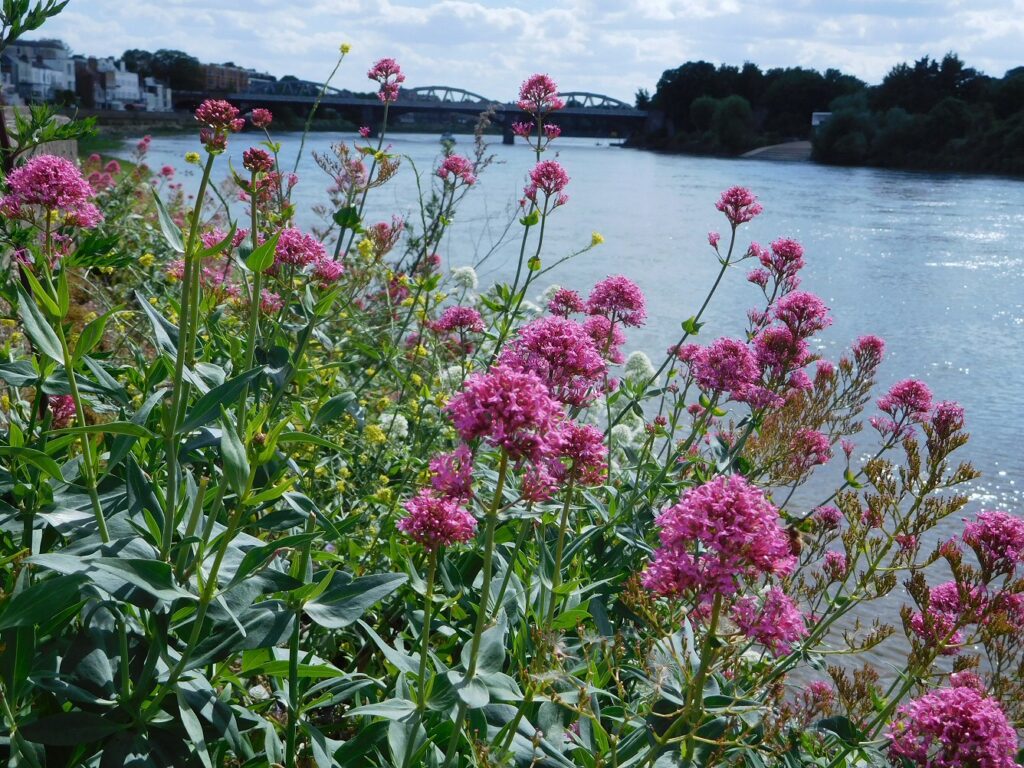
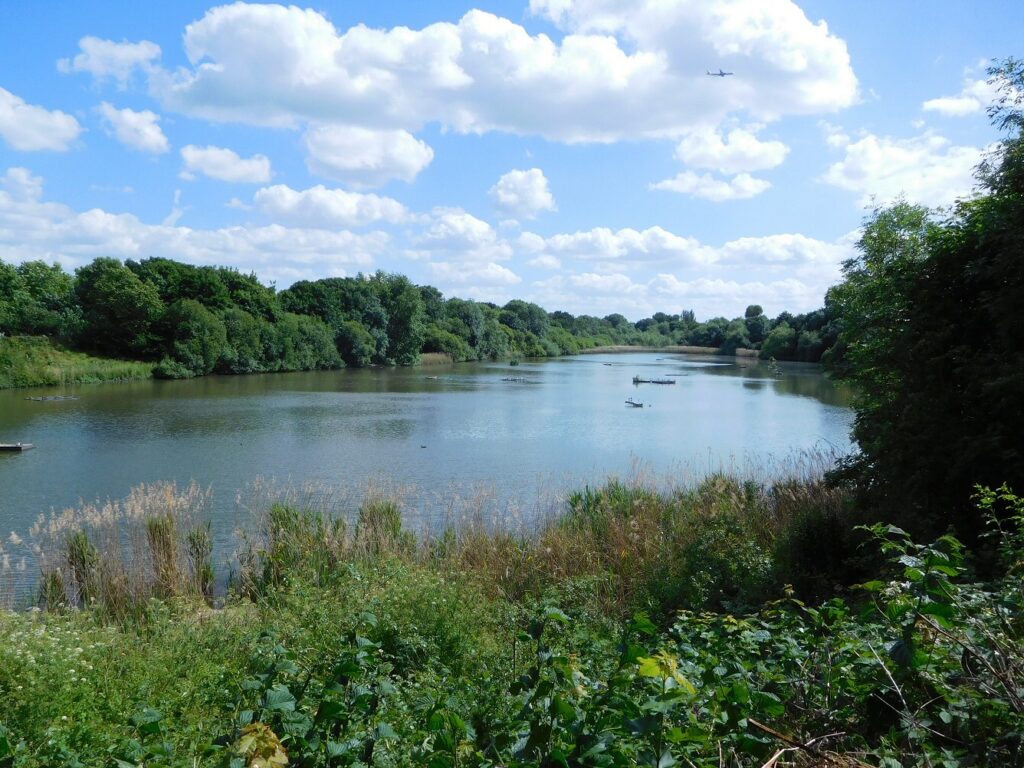
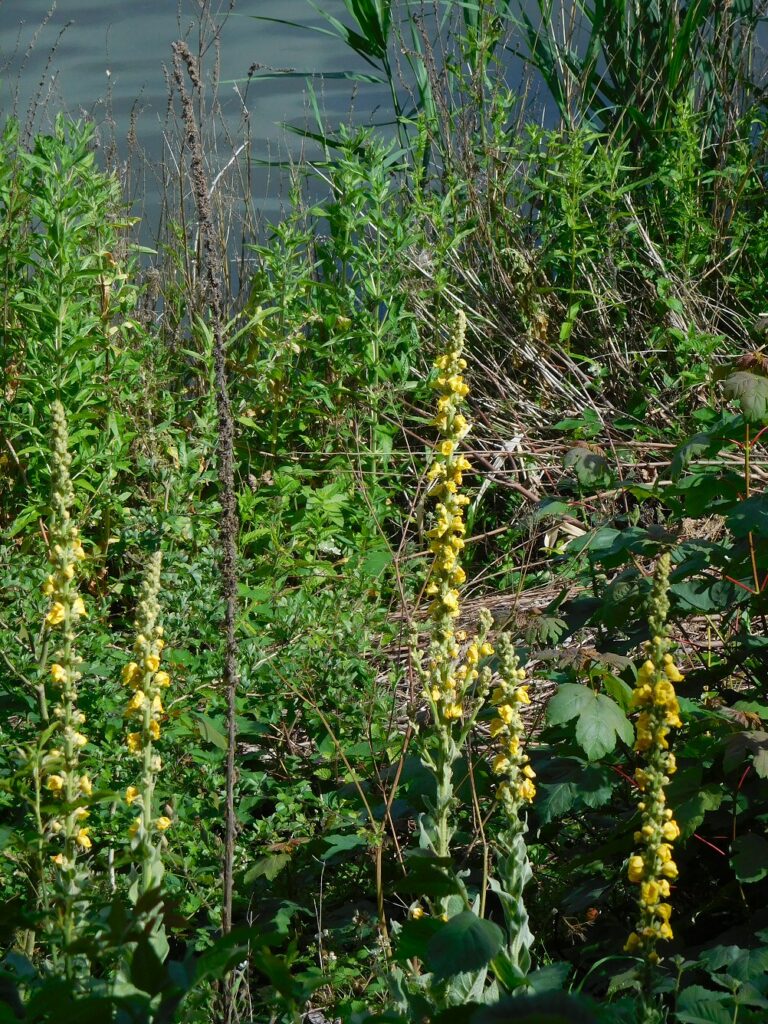
Oh, you’d like to come for a walk? Seen enough of my nature photos, want to actually feel what it’s like? OK, well, meet me down at the corner and we’ll see what we’ll see. And hear, smell, and possibly even taste, who knows.
You’ve brought your binoculars? No problem, I’ve got a spare pair, here you are. Right, let’s go. Do keep in to the side here, they whiz past like nobody’s business. Here’s the river, very pretty but a bit noisy just here. And here’s the entrance, just down here on the left.
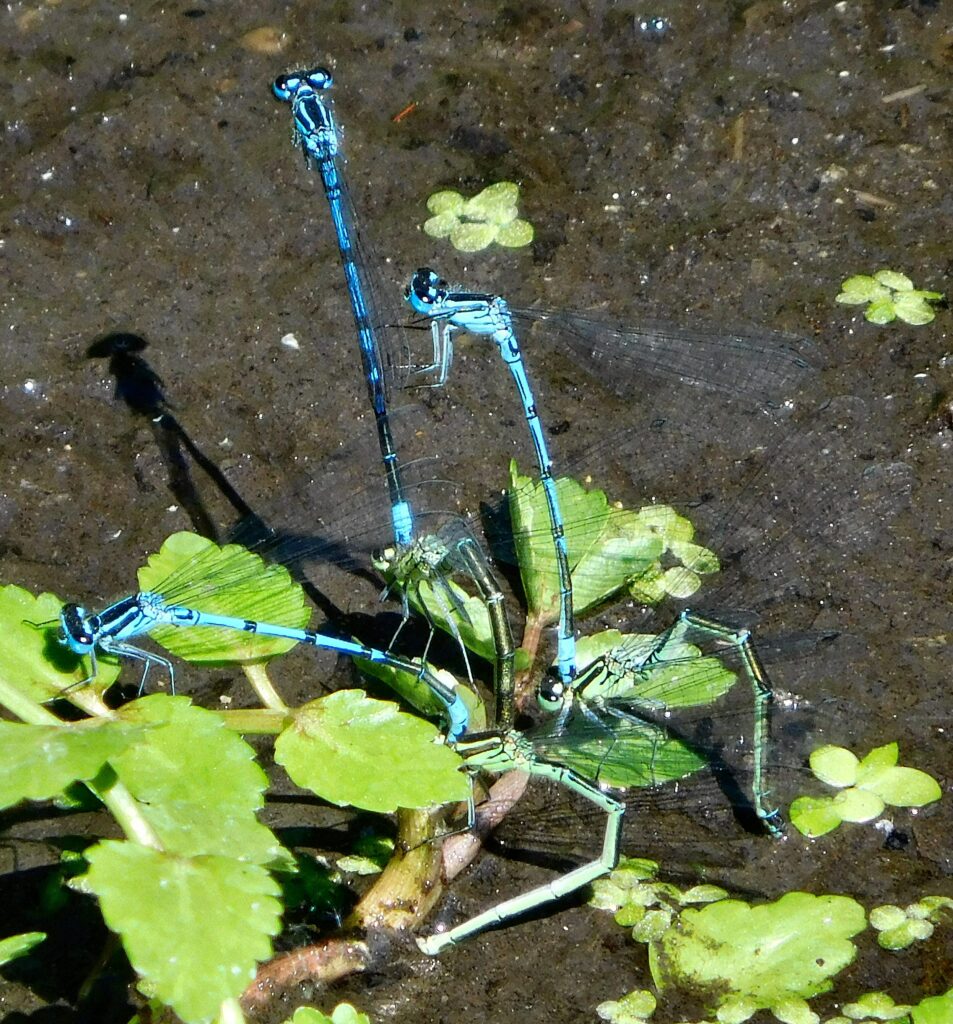
Look, the meadow is full of blue damselflies: they’re all males, getting ready for their big day. Let’s keep to the path, we don’t want to trample the habitat at this time of year.
That’s a blackcap singing, so sweetly. He starts out a bit hesitant and gets better, more fluty and operatic; just as he gets really good, he stops: “Blackcap’s brief” is how some people remember it.
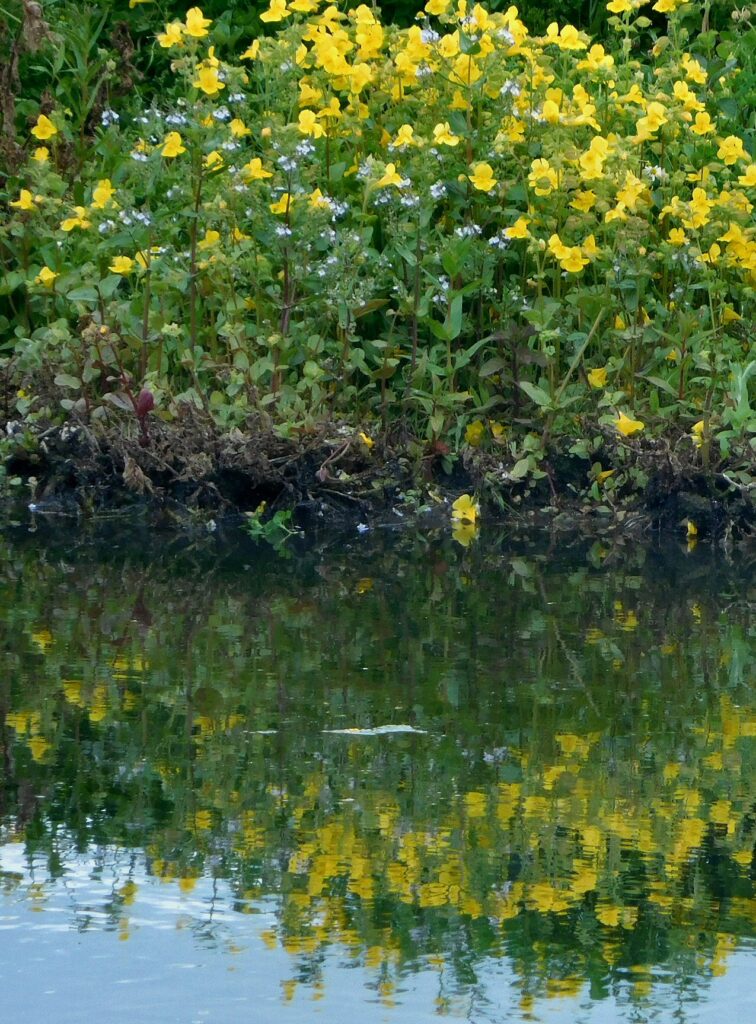
Over there in the river, those tall pointed leaves are yellow iris. And beside them are some giant rushes, d’you see, they each have a little tuft of flowers near the top. And on the left, a patch of yellow water-lilies. Couldn’t be better.
Gosh, everything’s rampant, it’s a jungle! Months of dry weather and nothing was growing: now with a week of rain, the herbs and brambles are wasting no time. Look, that’s a stinging nettle taller than I can reach! Better keep your hands up, away from those brambles and nettles: good thing we’re wearing long trousers.
Oh my, the comfrey is all over the path, it’s quadrupled in size in no time. The bees love it. In the middle ages they used it to help broken bones to knit back together.
Let me just pull down this branch. This is elder, as in elderflower cordial and elderberry wine. And the Italian liqueur Sambuco. Smell the flowers, sweet and heady.
Ah, that’s really loud and very close: a Cetti’s warbler. Chwit-i-pit-i-pit! You hardly ever see him, he skulks in the bushes near the lake. But you know he’s there all right.
There are azure damselflies and banded demoiselles everywhere. The female demoiselles, there, look, she’s a lovely clear green; the males are dark blue, their wings transparent with a big dark blue patch, so when they fly you get that amazing delicate flickering over the water. They like to sun themselves on the vegetation, but they’re really flighty.
Peep through here… quietly! There’s a pair of great crested grebes just down there on the water. Ah, now they’ve seen us.
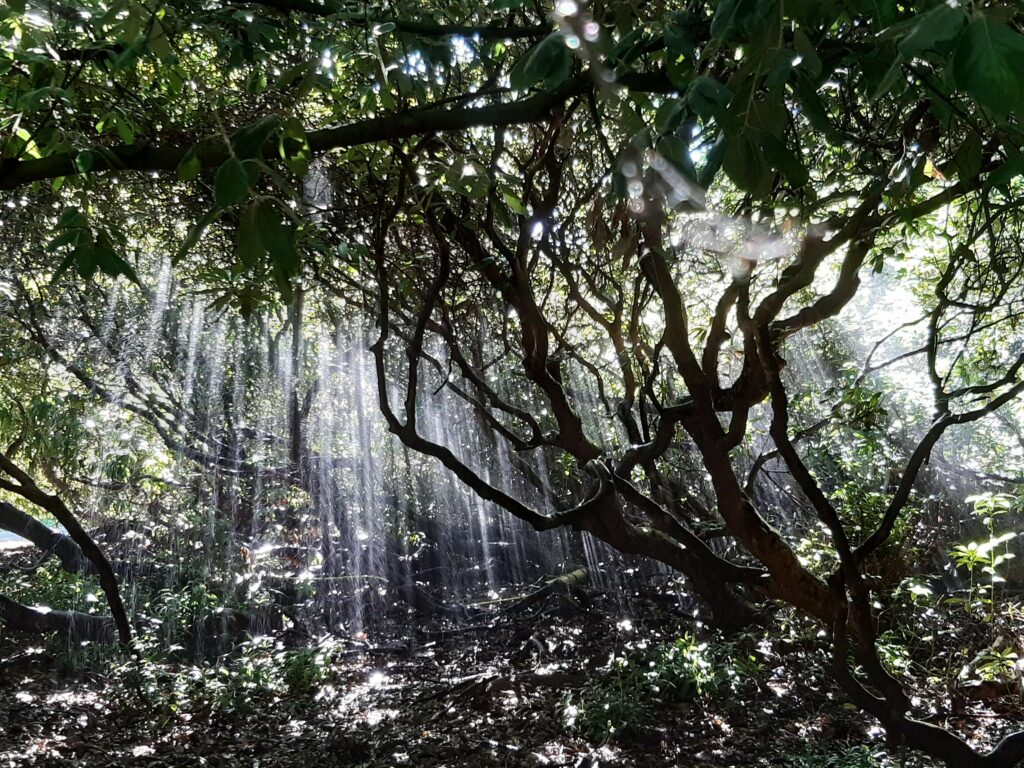
Come off the path for a moment, under the trees. It’s like the Alabama swamps, no? Isn’t that extraordinary? We could be miles from anywhere.
We’ll be out in the sunshine in a minute. Right… there’s a big old buzzard, broad brown wings, flapping slowly. Sometimes there’s a kite, sometimes a kestrel, even a hobby. You never know what may come over.
This big juicy herb, this is alfalfa. The arabs call it the king of herbs, it provides protein-rich grazing for their animals. Pea family, it fixes nitrogen with its root nodules, like clover.
Those are last year’s teasels, the big prickly dry flowerheads with lots of little spikes. A bristlier variety was once used to card wool, to tease out the knots, which is where the name came from. And over here, the slim pale green stalks with the sheathing pointy leaves, these are this year’s, with the tiny little bristly flowerheads just coming on …
And these enormous leaves, these are burdock. Over there, some of last year’s burrs, like balls of velcro covered in little hooks …
What are those, just a minute, on those hawthorn bushes … oh, they’re linnets, that’s rather a good sighting. They’re all streaky and a bit reddish if you get the binoculars on them. Used to be popular cagebirds, people liked a bit of sweet twittering in their drawing-rooms. That’s how it was in the 18th century.
A cuckoo! Yes, you’re right. A bit far away … that’s where we were walking. No doubt about it. No, it’s only the male, the female has a completely different call.
Well, I hope you enjoyed your walk. You must come along again! Bye!