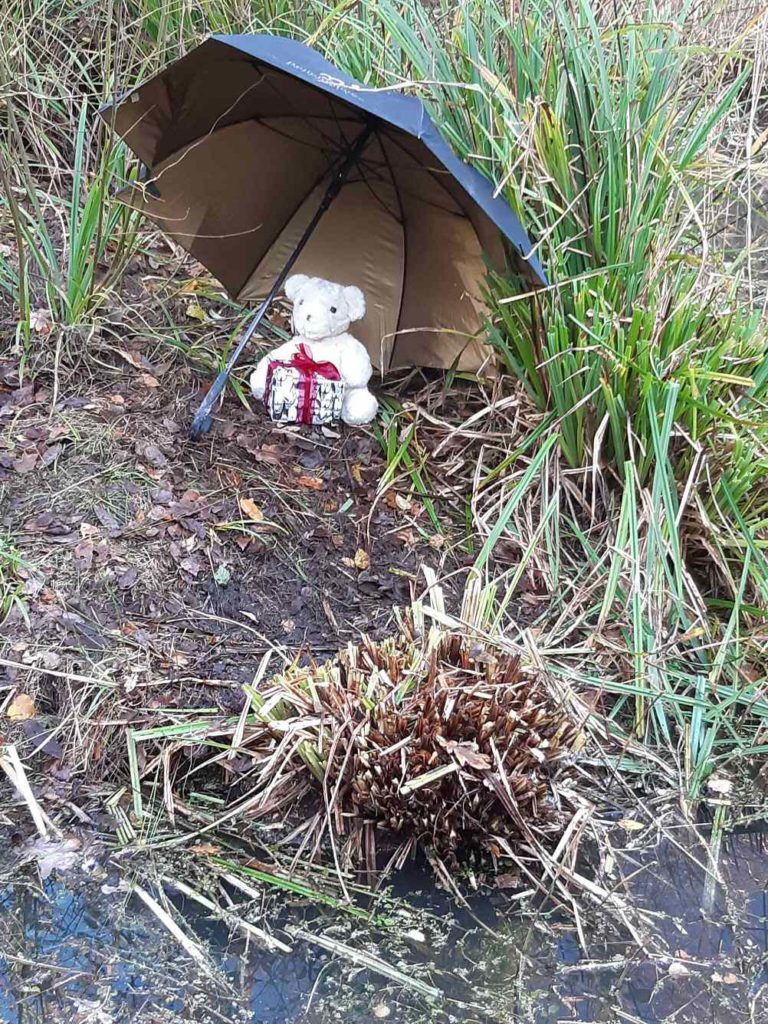


Once upon a time, the pigs took over the farm. “All animals are equal“, they said. Then a mystery virus came over the land. “Lock down!” shouted the pigs. “All animals must stay in their barns, sties, sheds, and chicken-coops.” BozJoz and DomCum ostentatiously stayed in the farmhouse, eating bacon butties and baking bread on the nice warm Aga stove, while the other animals shivered in their barns and lodgings. Then DomCum felt like going for a nice walk. He felt a bit sick and feverish but never mind, the rules were just for the other animals. Weasel spotted him and told everybody else. “Oi, that’s not fair!” they mooed, grunted, brayed, clucked, and quacked. “All animals are equal, but some are more equal than others”, said a source close to DomCum.
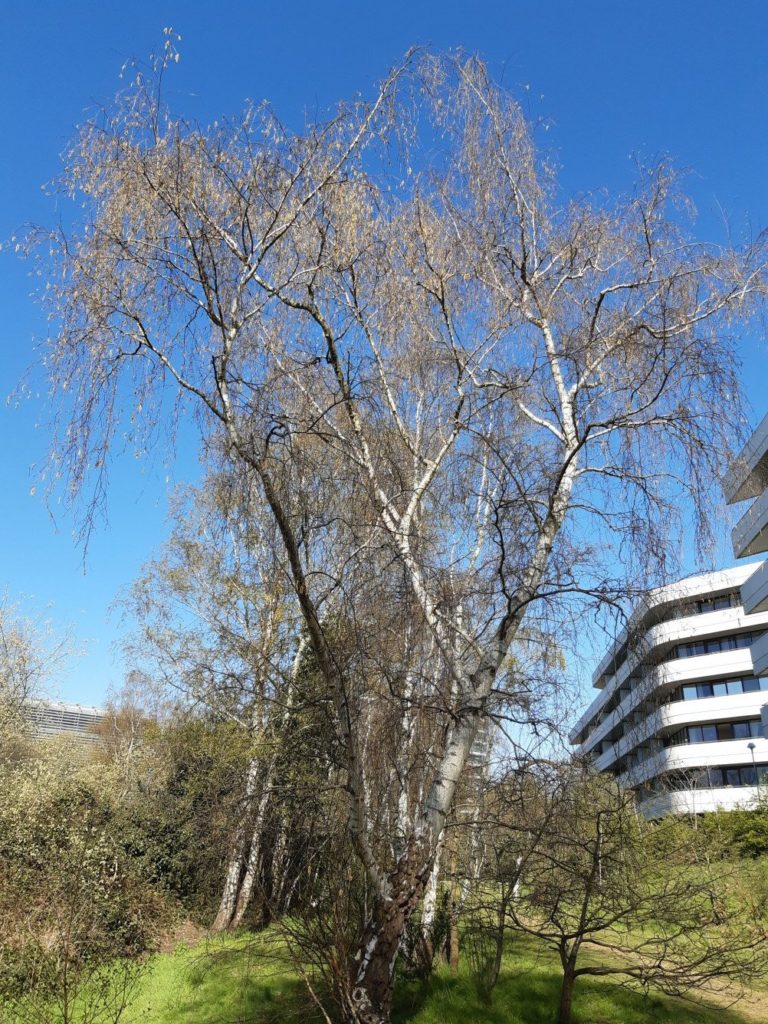
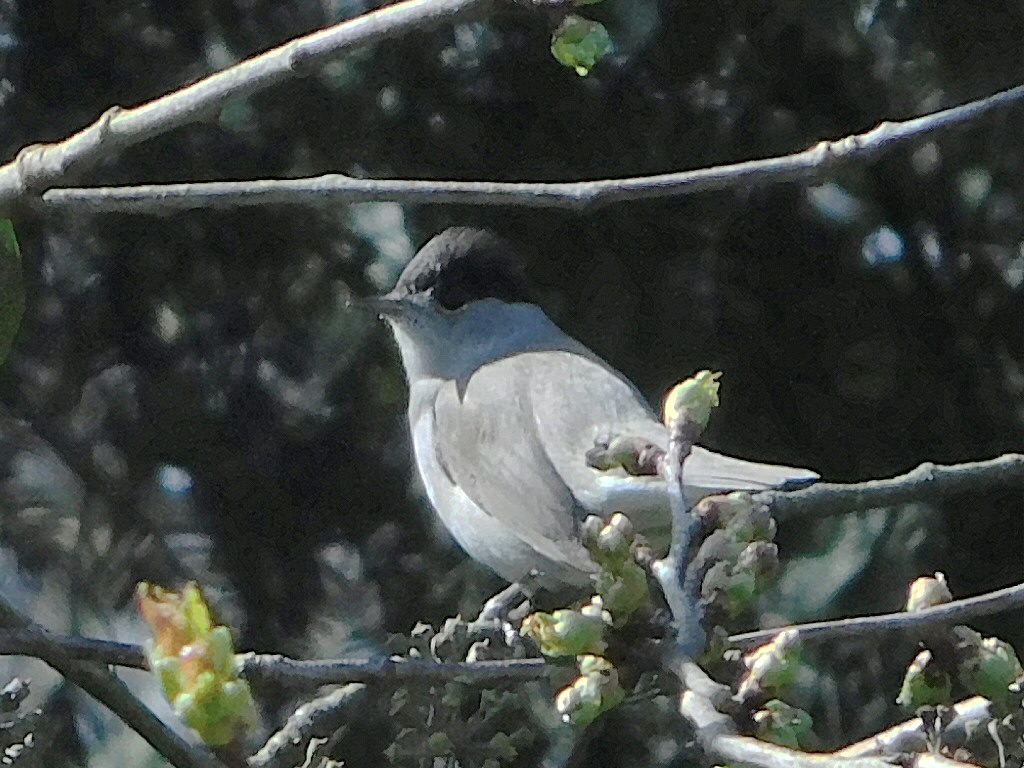
First sight of a Blackcap this spring, right out in the open, and singing beautifully! The male songster has the smart black cap; the female, a warm brown cap of the same shape.
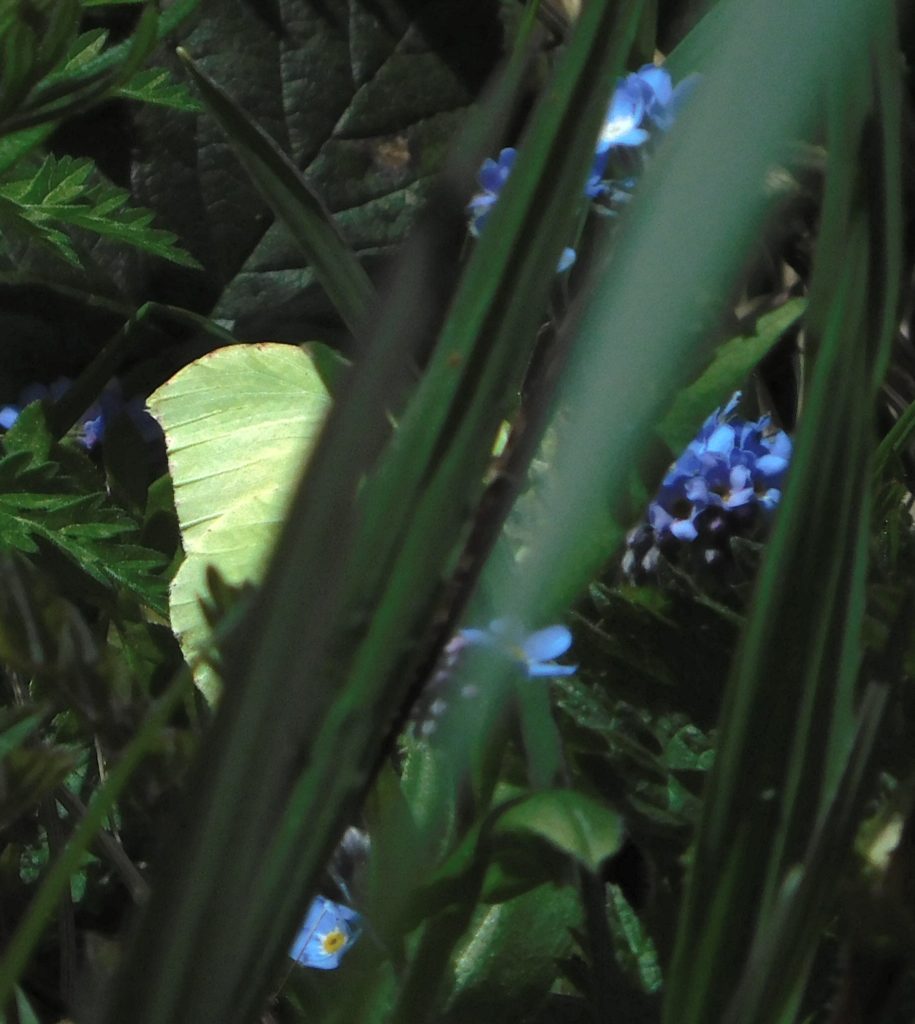
A pair of Brimstone butterflies basked and showed off their marvellous dancing flight — jinking like a rugby footballer to keep safe from predators — in the warm sunshine on the entrance ramp meadow.
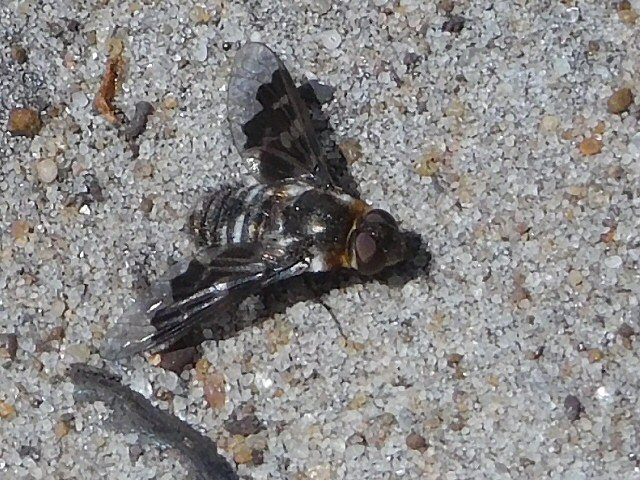
One or two Bee-flies hovered in their distinctive way (cheating by resting their front legs on a flower). They’re parasites of bumblebees, but so fascinating and beautiful that their lifestyle is quite forgiven.
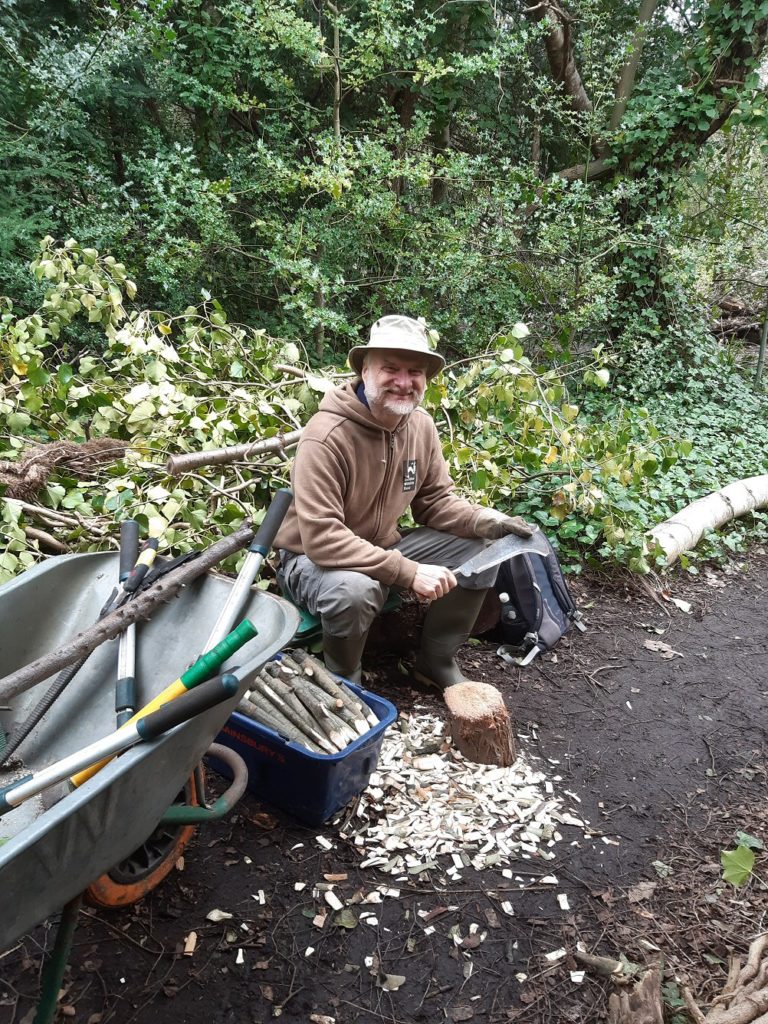
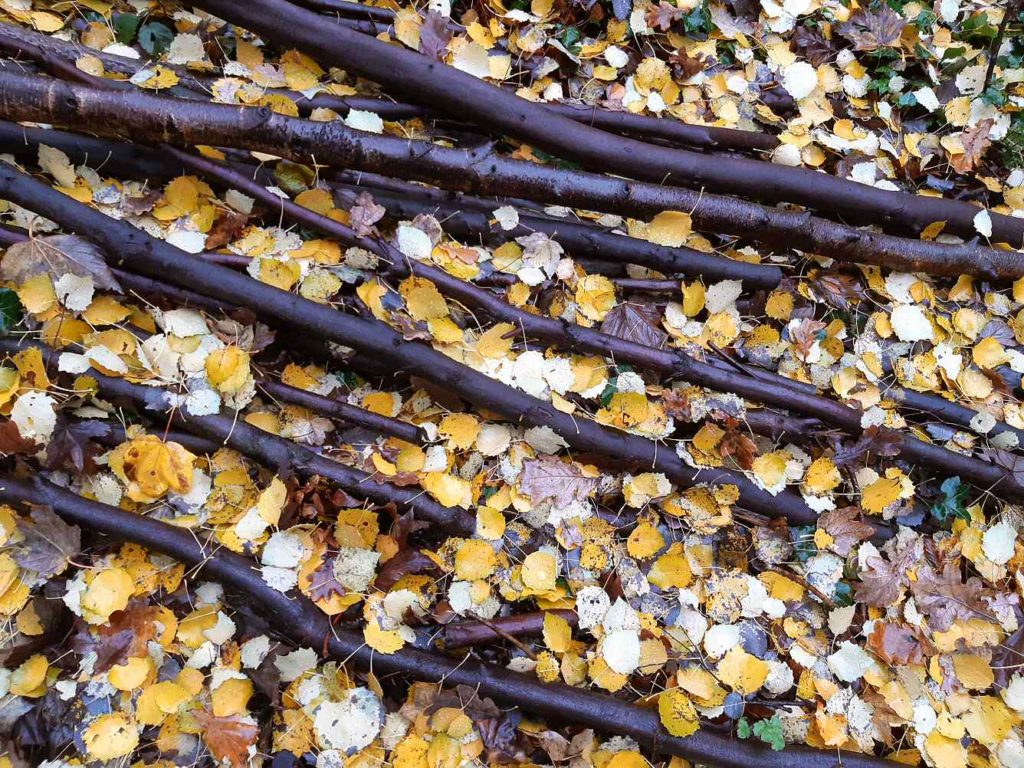
Corona-virus is reaching every part of all our lives. Last week I made my final box of stobs like overgrown willow-pencils, along with a fine pile of woodchips, before Gunnersbury Triangle volunteering was shut down. It was a happy workday with relaxed chat about everything from knitting to frogspawn.
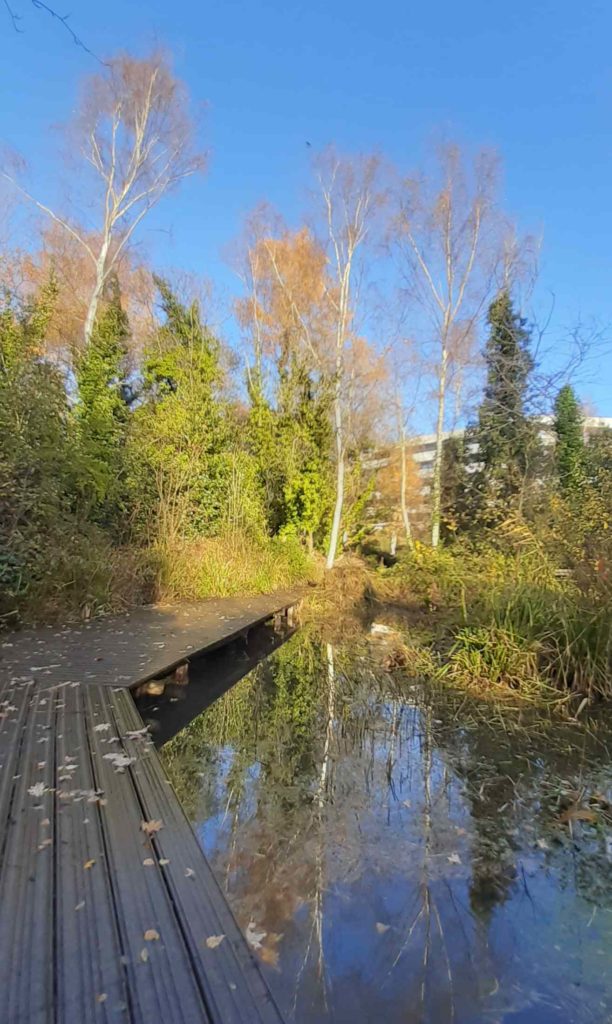
Today I went for a solitary walk around, keeping a good 2 metres from passers-by.
A Chiffchaff sweetly sang its simple song (its name, many times over), hopping about the still mainly-bare Willows and Birches, and feeding on the newly-leafed bushes of rose and hawthorn. Early spring is the best time to glimpse our warblers, which are small, slim, greeny-brown and very difficult to spot when all the trees are in full leaf. This one gave me a front seat in the stalls, singing in full view.
A brilliant yellow Brimstone butterfly, my first of the year, fluttered about the brambles, reflecting the warm spring sunshine, its wings slightly pointed in the middle (in the manner of Elf-ears, if you take my meaning).
A gloriously orange Comma butterfly, also the first for this year, shot past me and then landed near my feet to take the sun, its markings wonderfully fresh.
On the way home, my Dentist phoned to cancel the last remaining appointment in my diary. Let’s hope people will respect the rules so we can all continue to go out quietly and at least enjoy Nature.