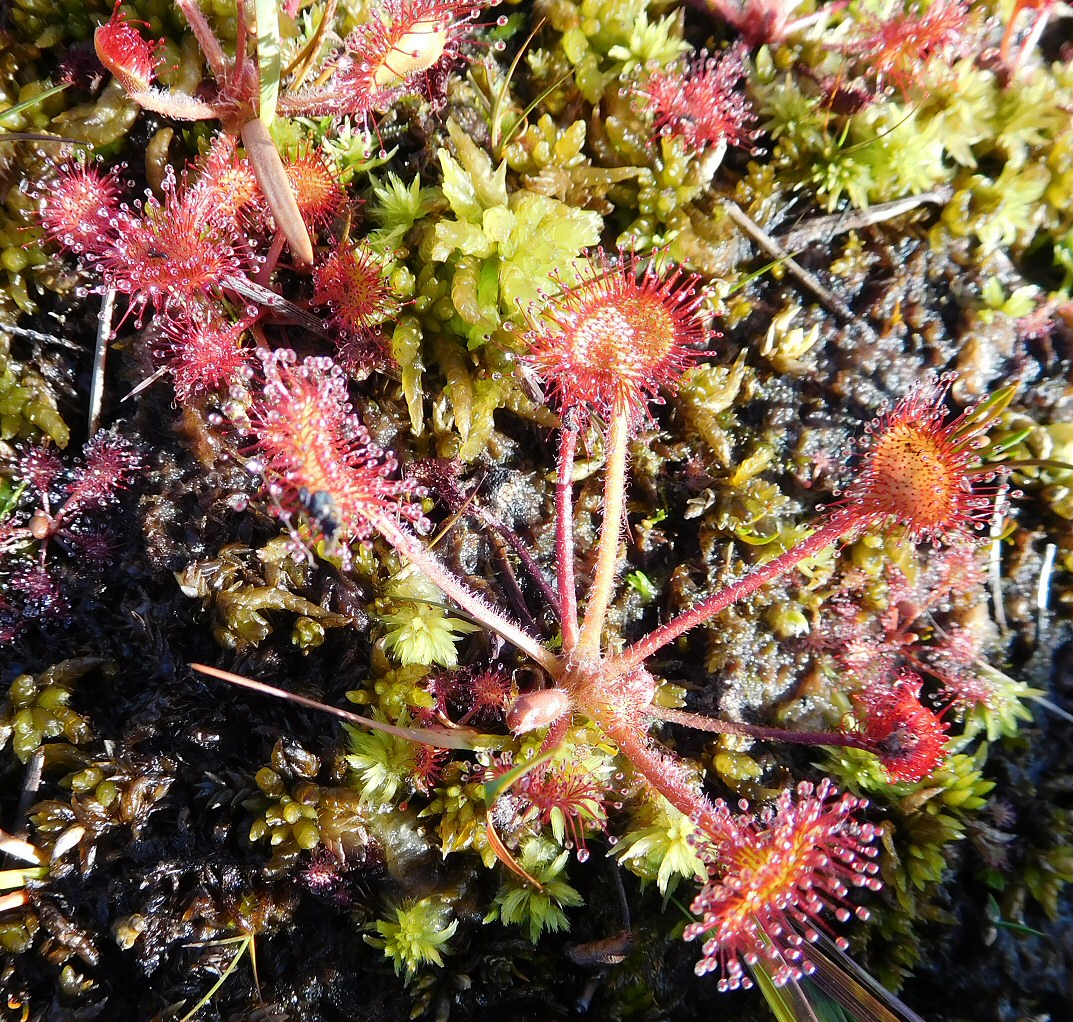
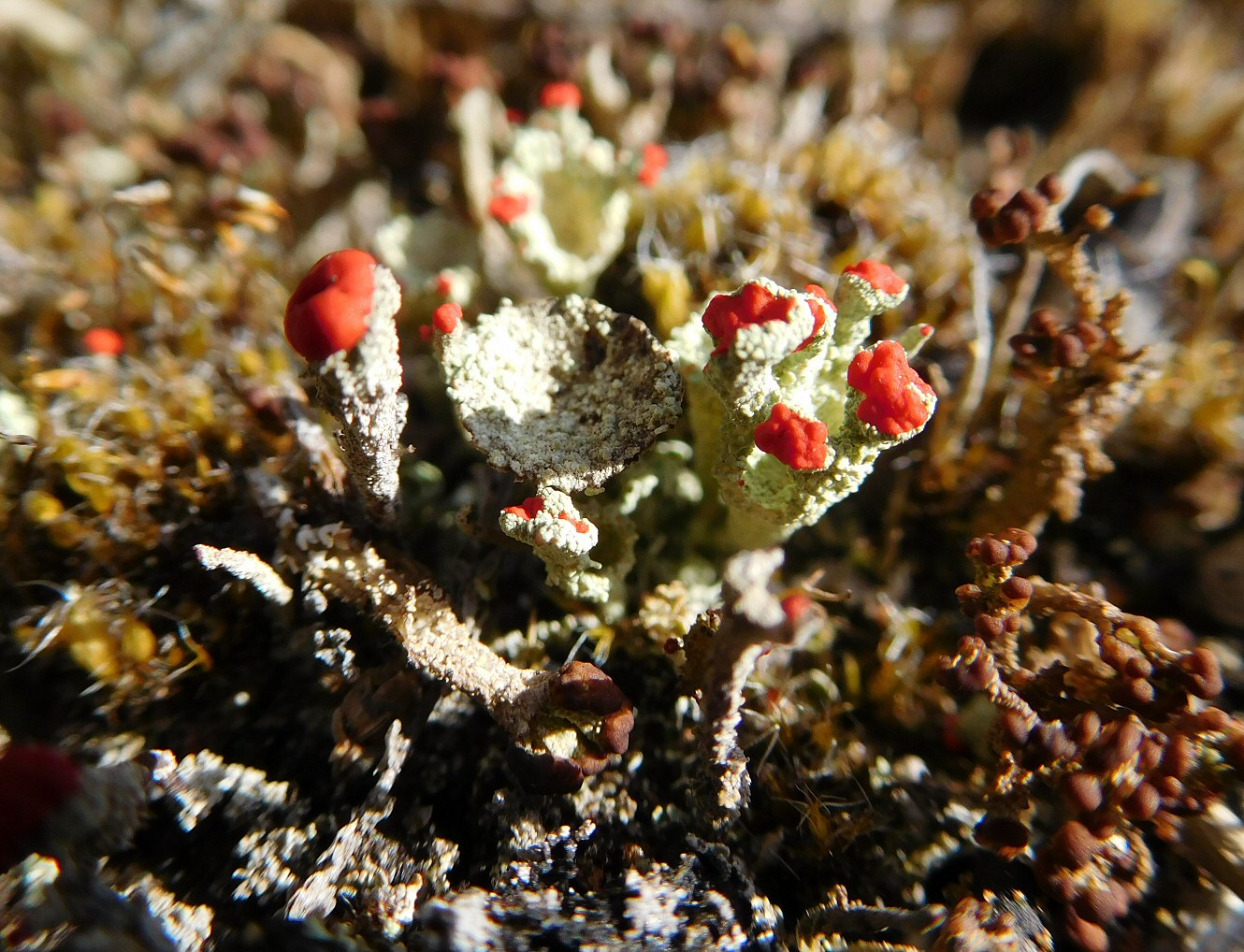
Round-Leaved Sundew Drosera rotundifolia, an insectivorous plantRed-topped Cladonia floerkana lichens
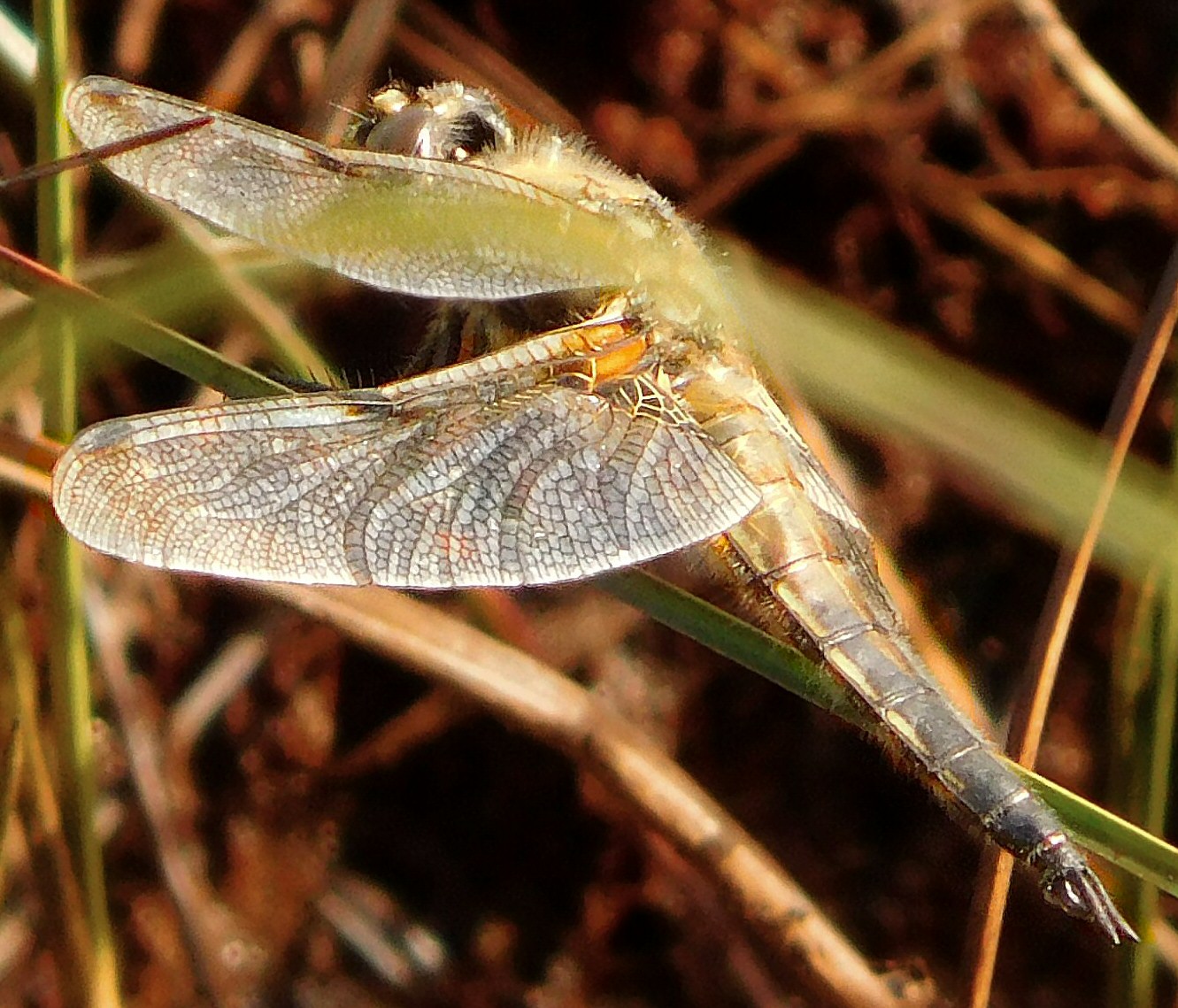
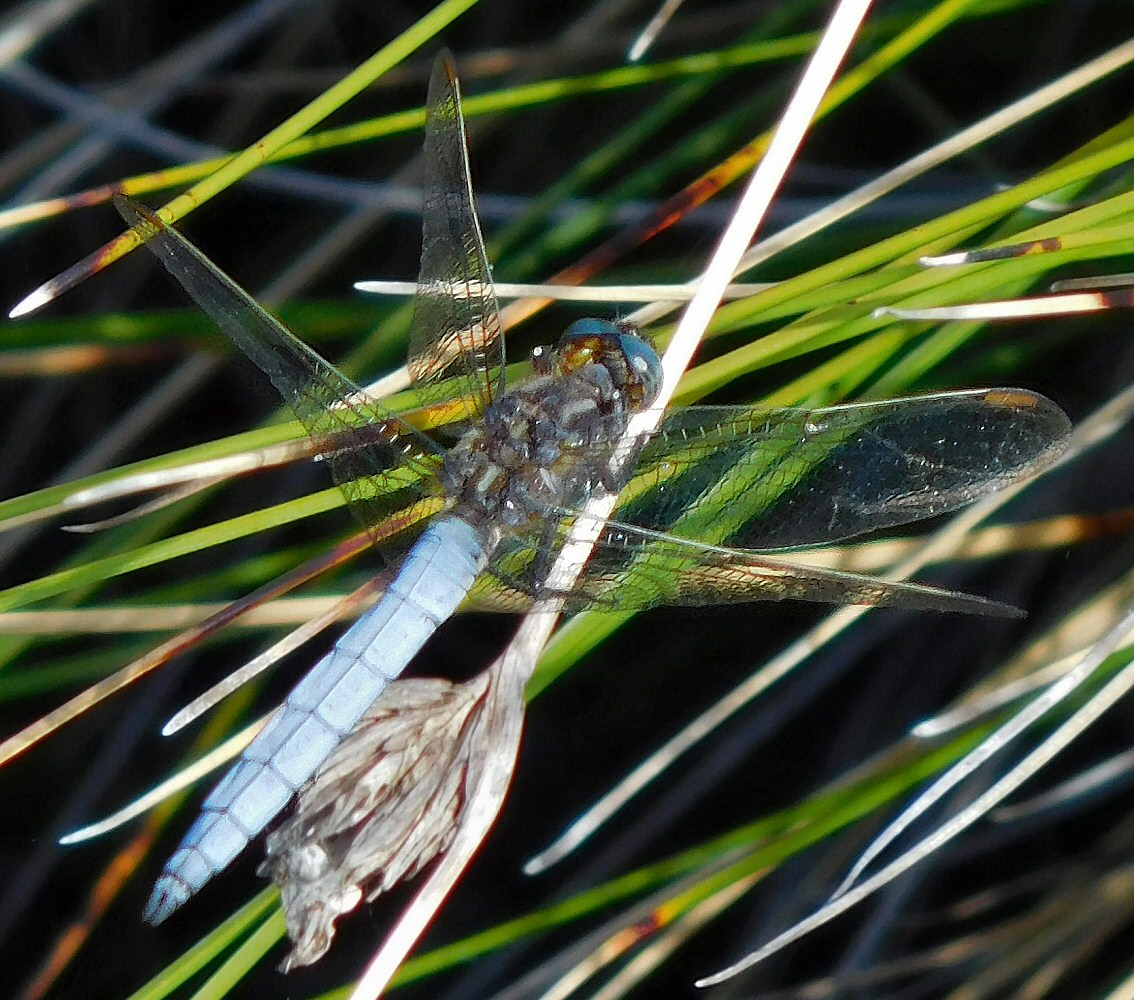
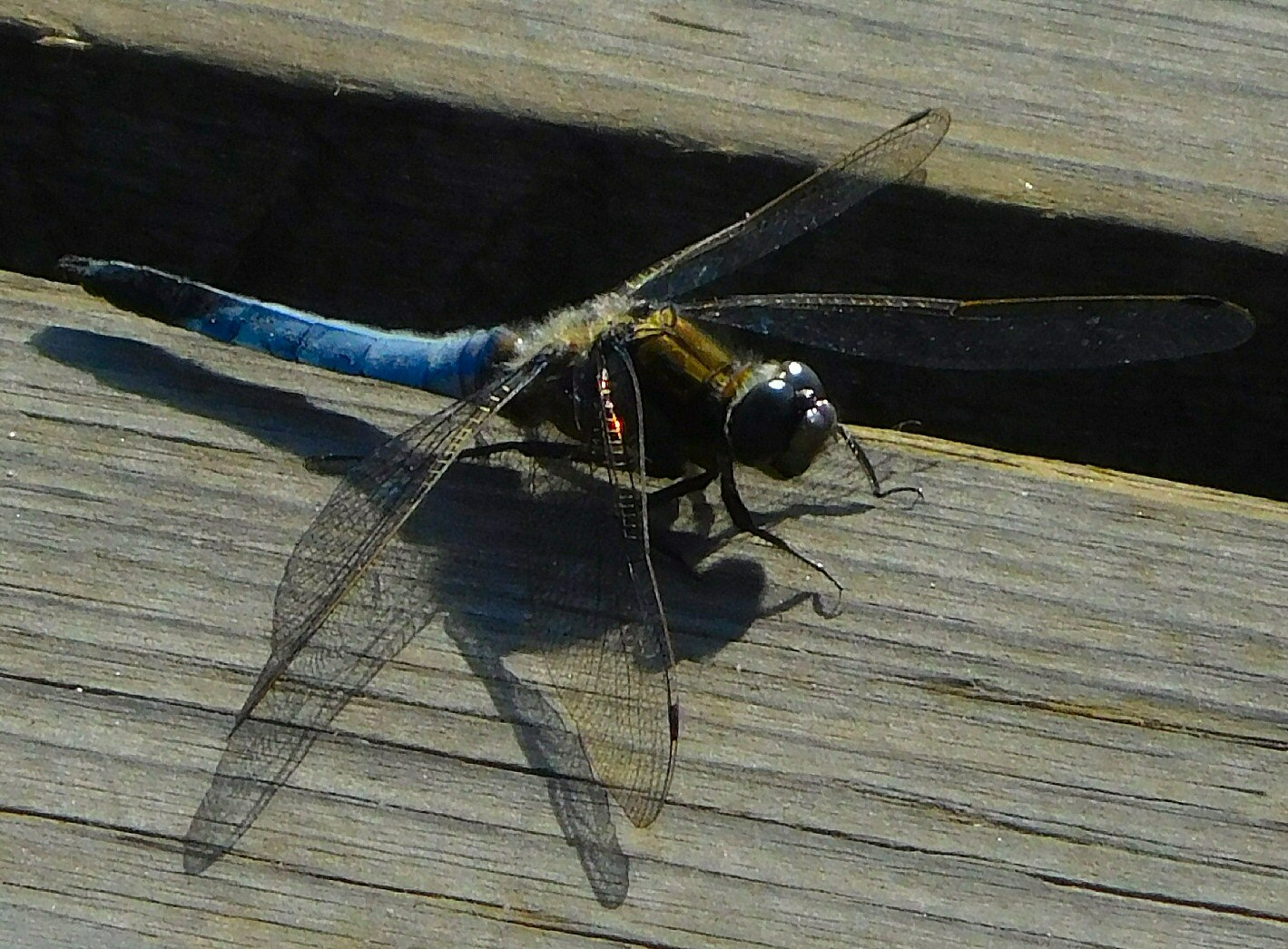
OK, ok, you wanted some dragonflies. There were masses of Black-Tailed Skimmers chasing about in groups at Pudmore Pond. Black Darters, Common Blue Damselflies, and Small Red Damselflies skittered about the smaller ponds. A large Hawker or two dashed past, unidentifiable, probably Southern Hawker. A Keeled Skimmer perched conveniently nearby, daintier than the Black-Tailed.
Female Black-Tailed Skimmer (doing a Tiffany Lampshade impression)Keeled Skimmer
Among the birds, some 50 Swallows were roosting on telegraph wires early in the day. Families of young Stonechats gave grating contact calls, unlike the stone-clicking call of the adults. A Redstart flicked its tail in the bushes. Skylarks rose and sang almost too high to see against the clouds over the heathy hills, Shelley described it perfectly in his ‘To a Skylark’: “a flood of rapture so divine”.
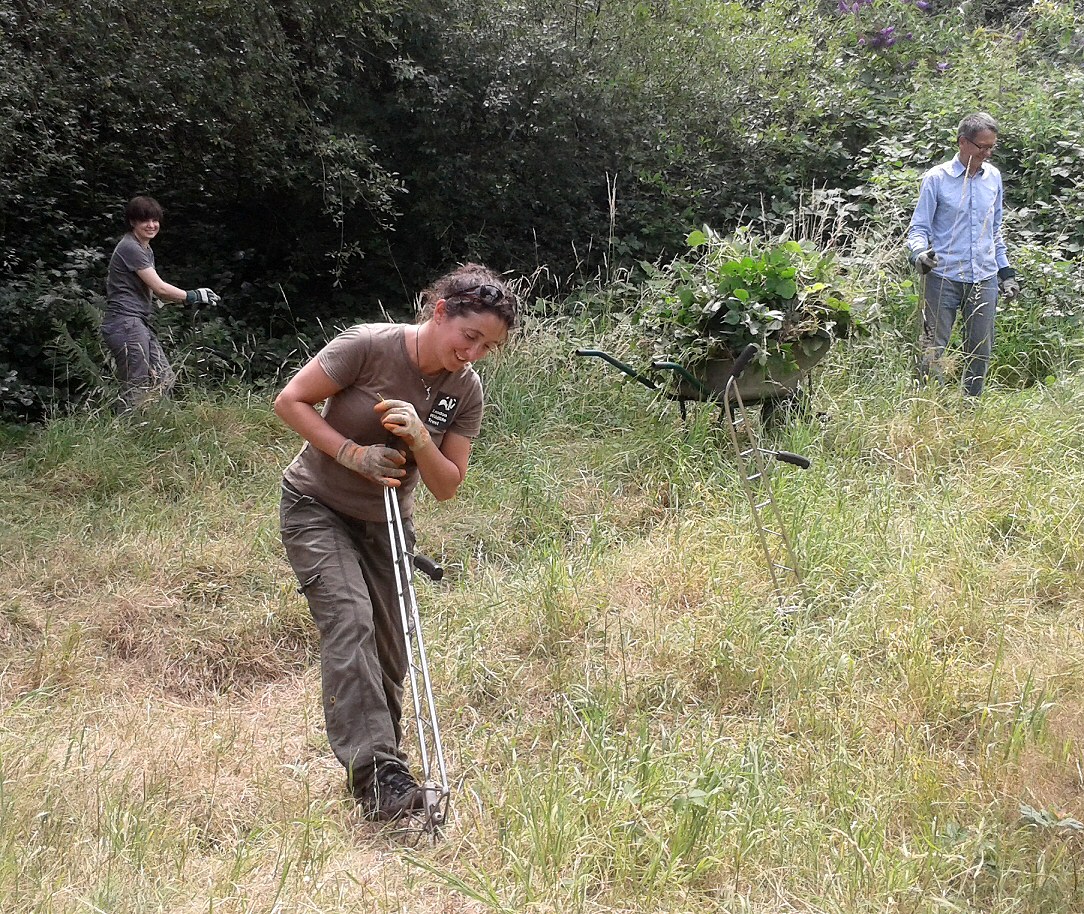
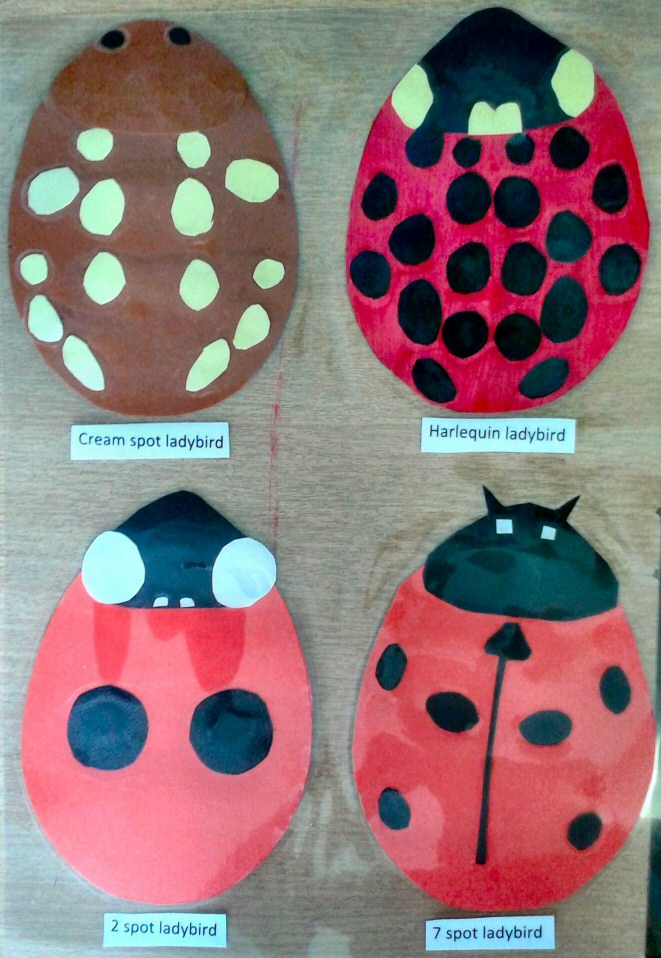
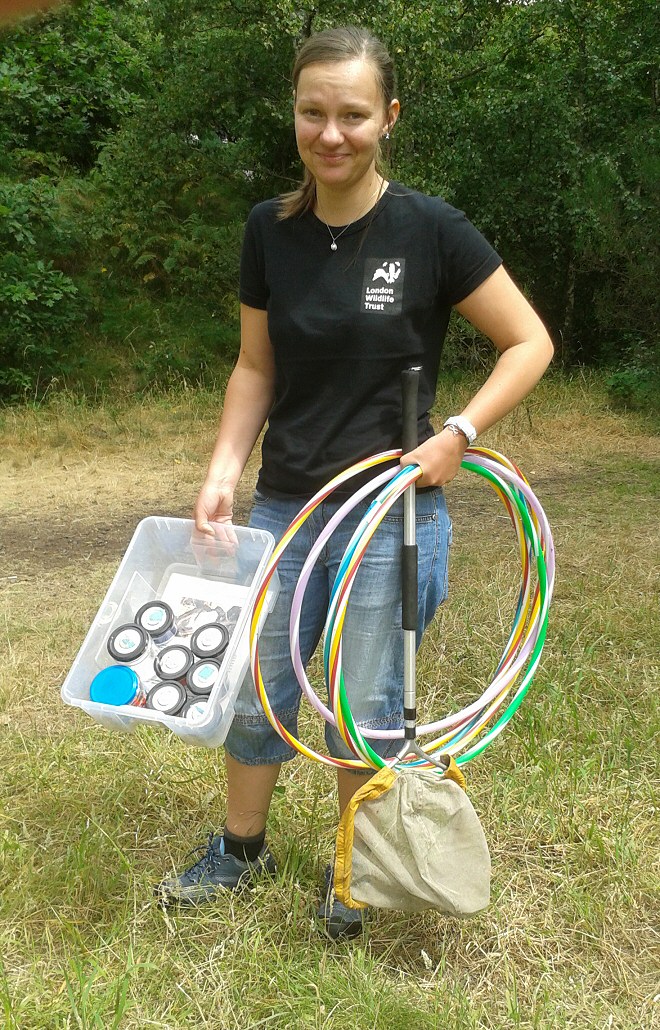
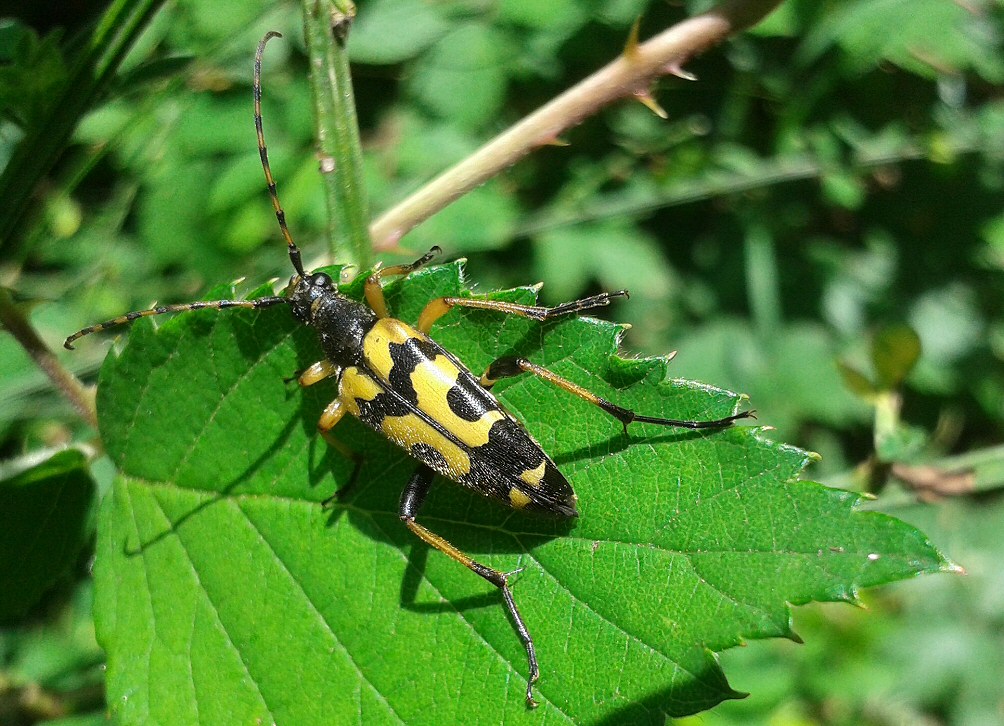
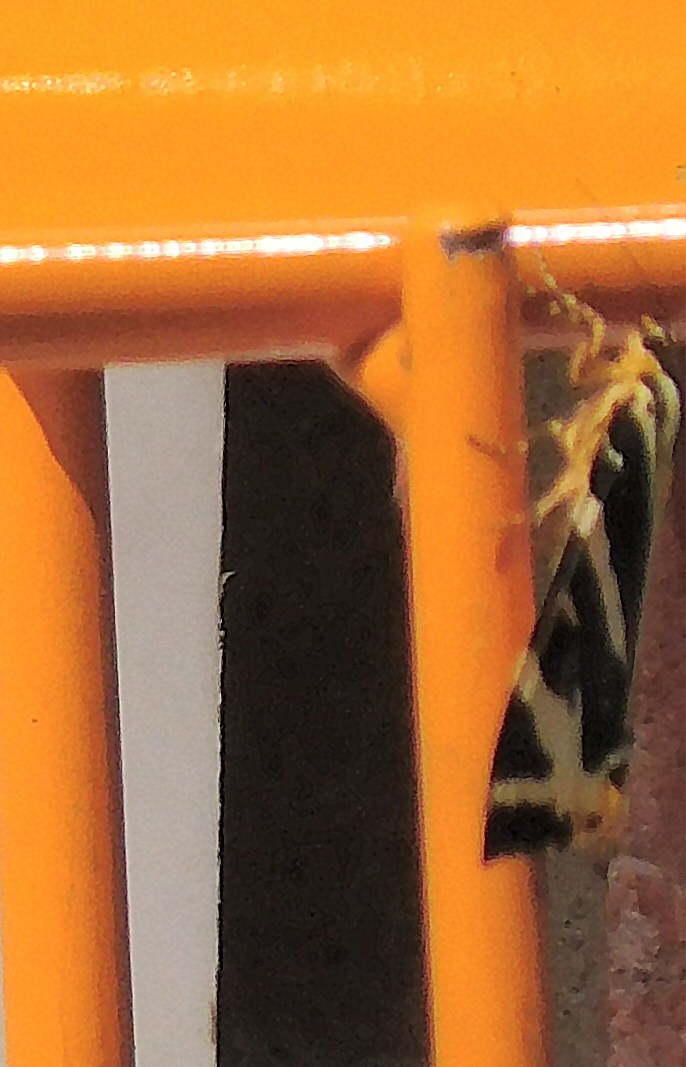
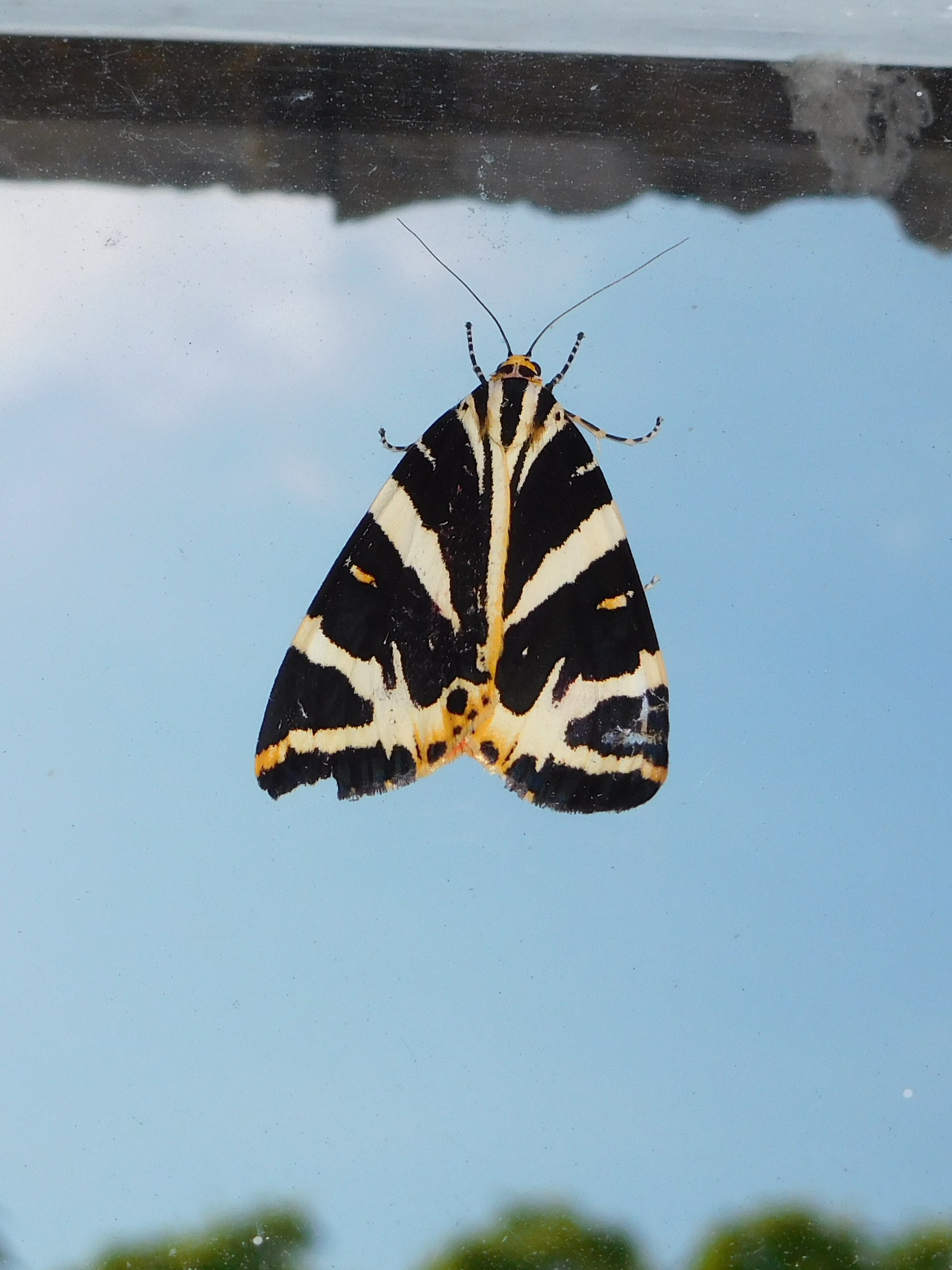
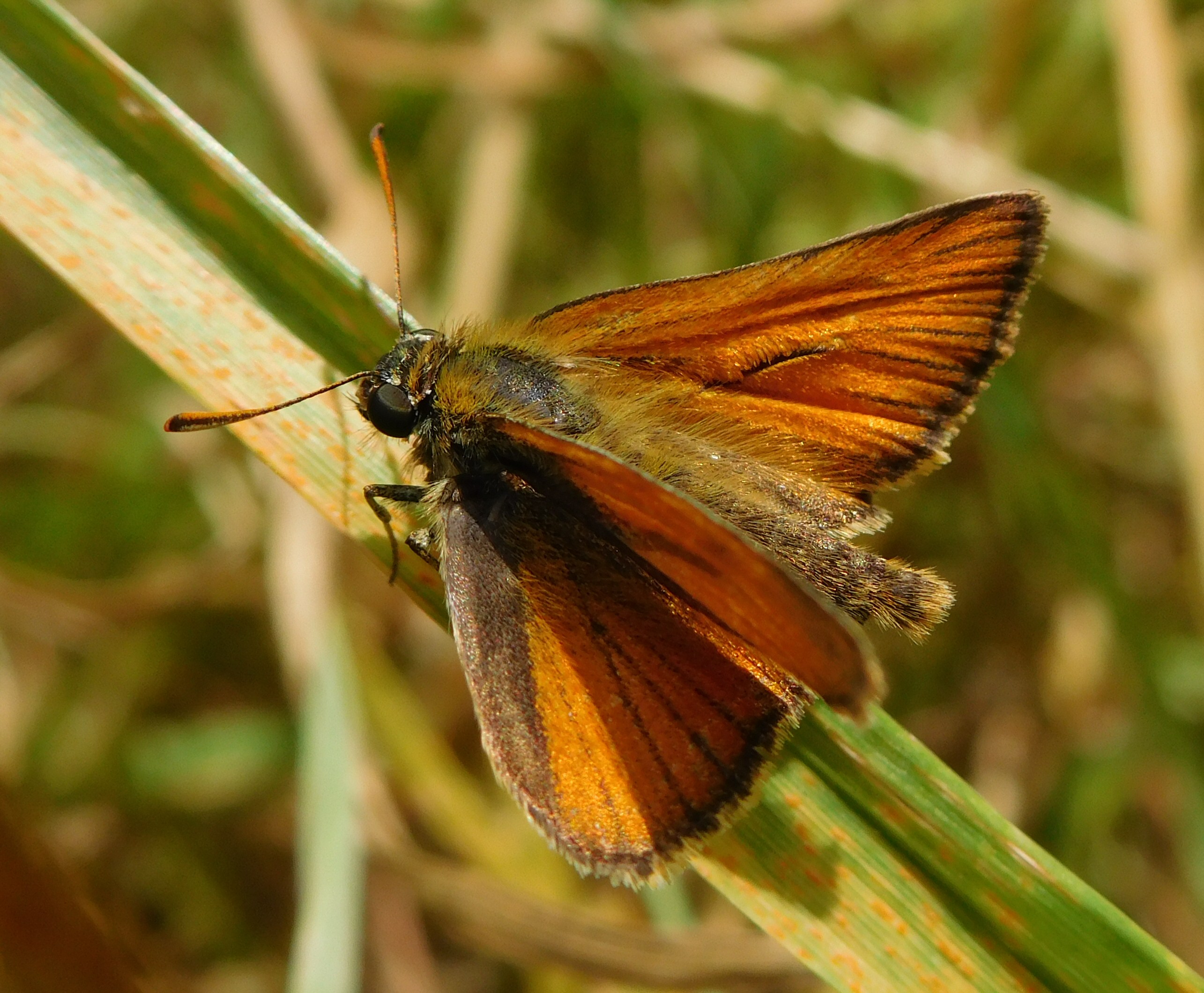
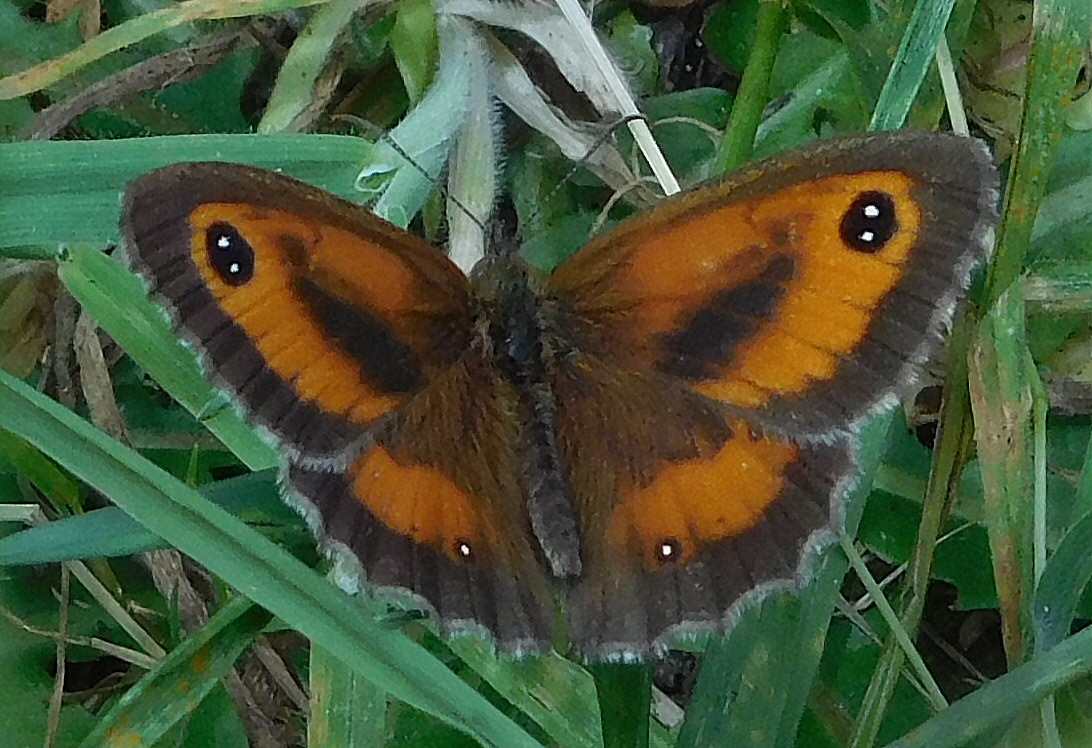
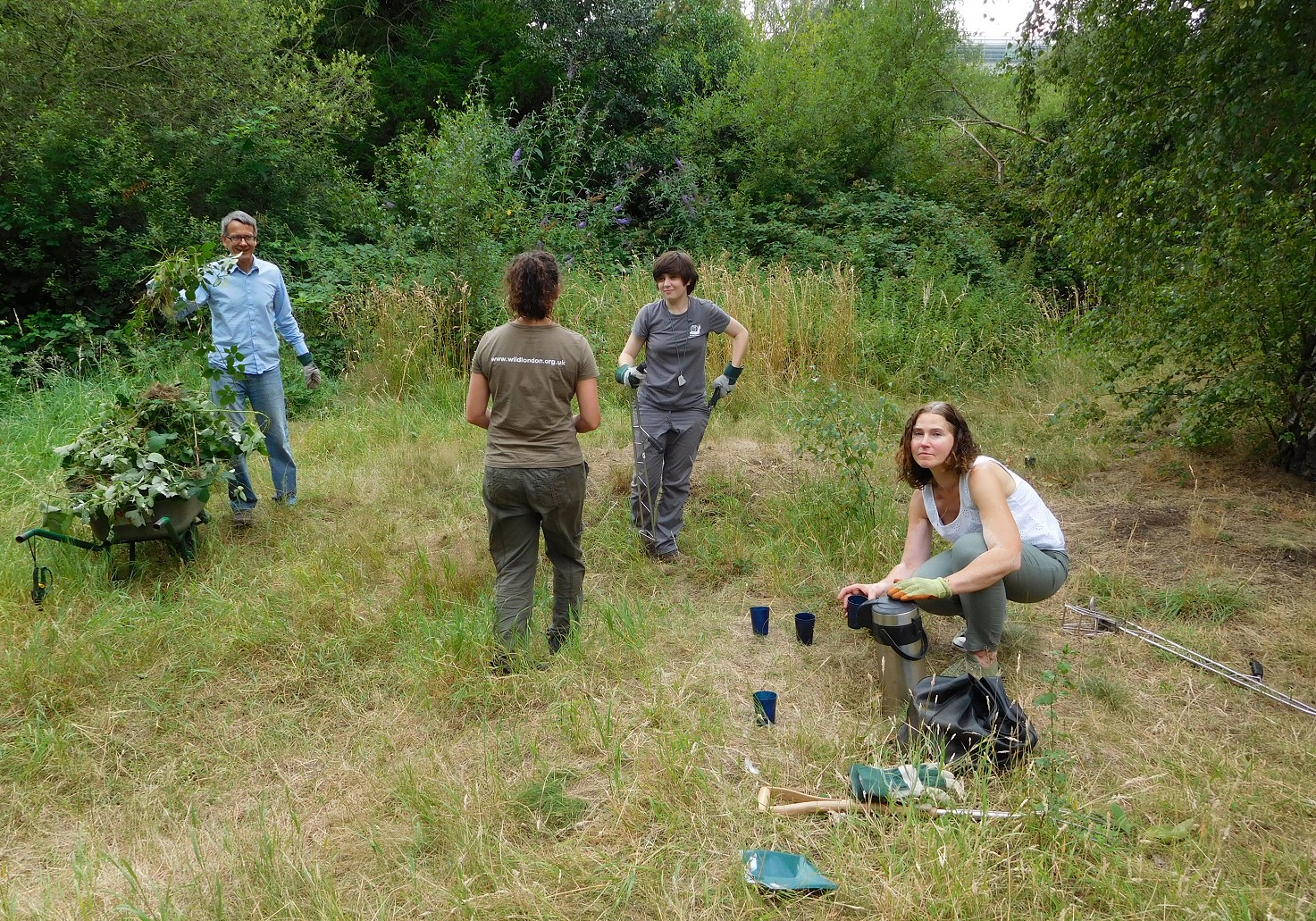
Netty demonstrating how to use the Lazy Dog toolSome of the Ladybirds we made for the children’s nature trailEdita with everything you need for Pond DippingStrangalia maculata longhorn beetle, a wasp mimicJersey Tiger Moth at Chiswick Park Station, very hasty photoJersey Tiger Moth in kitchen, later in the week – must be thousands of them all over town, presumablySmall Skipper GT small meadowGatekeeper GT small meadowHot work debrambling the Small Meadow
On a sorry note, Netty spotted a small tuft of feathers, still attached to a bit of skin. The scrap was whitish, spotted brown, like a Song Thrush’s breast, torn off by a Sparrowhawk: probably one of the pair that nested here until last year, but must now be nesting somewhere nearby. I reflected that I hadn’t heard the male Song Thrush singing for a fortnight. What a sad bit of fluff to pick up.
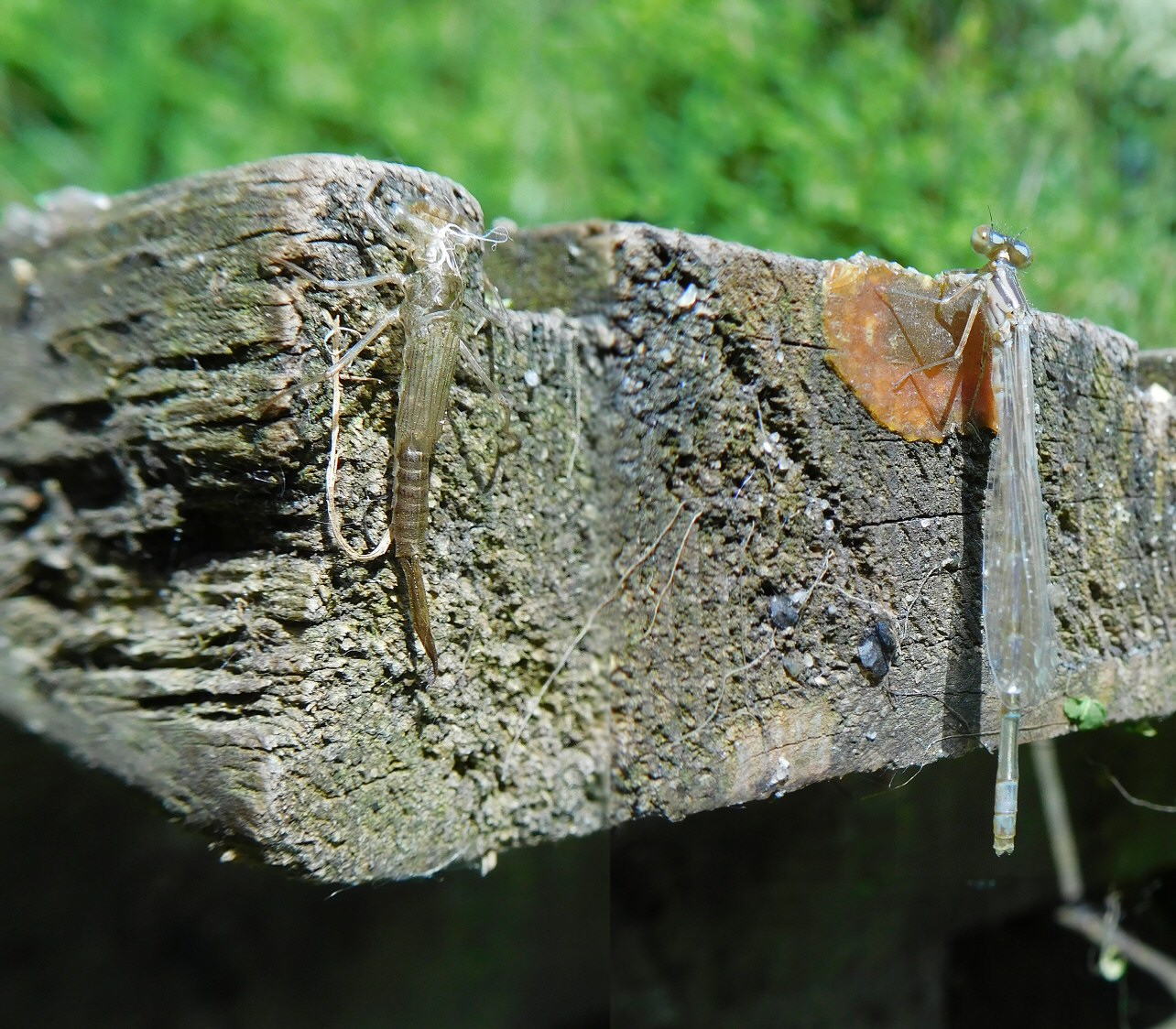
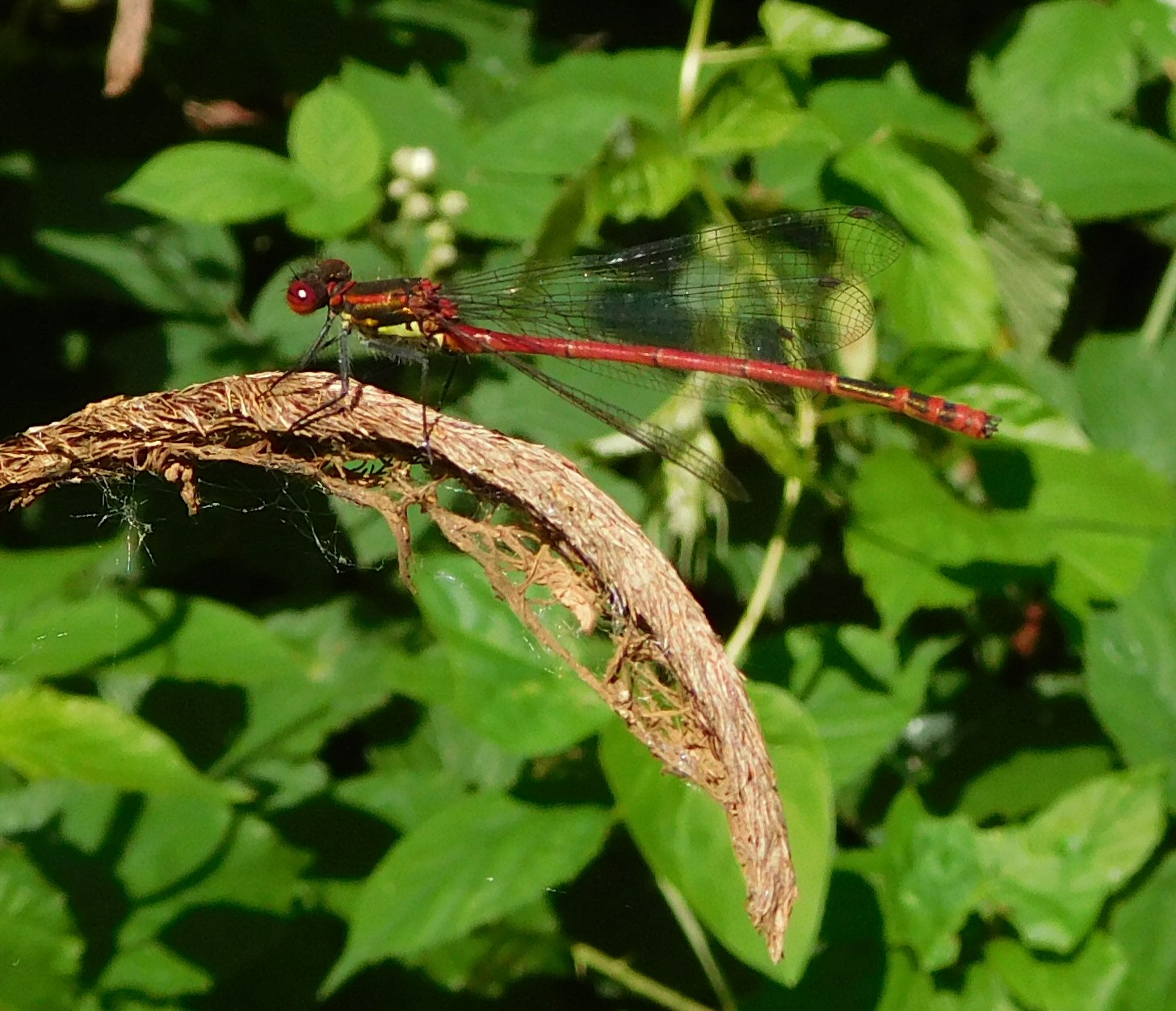
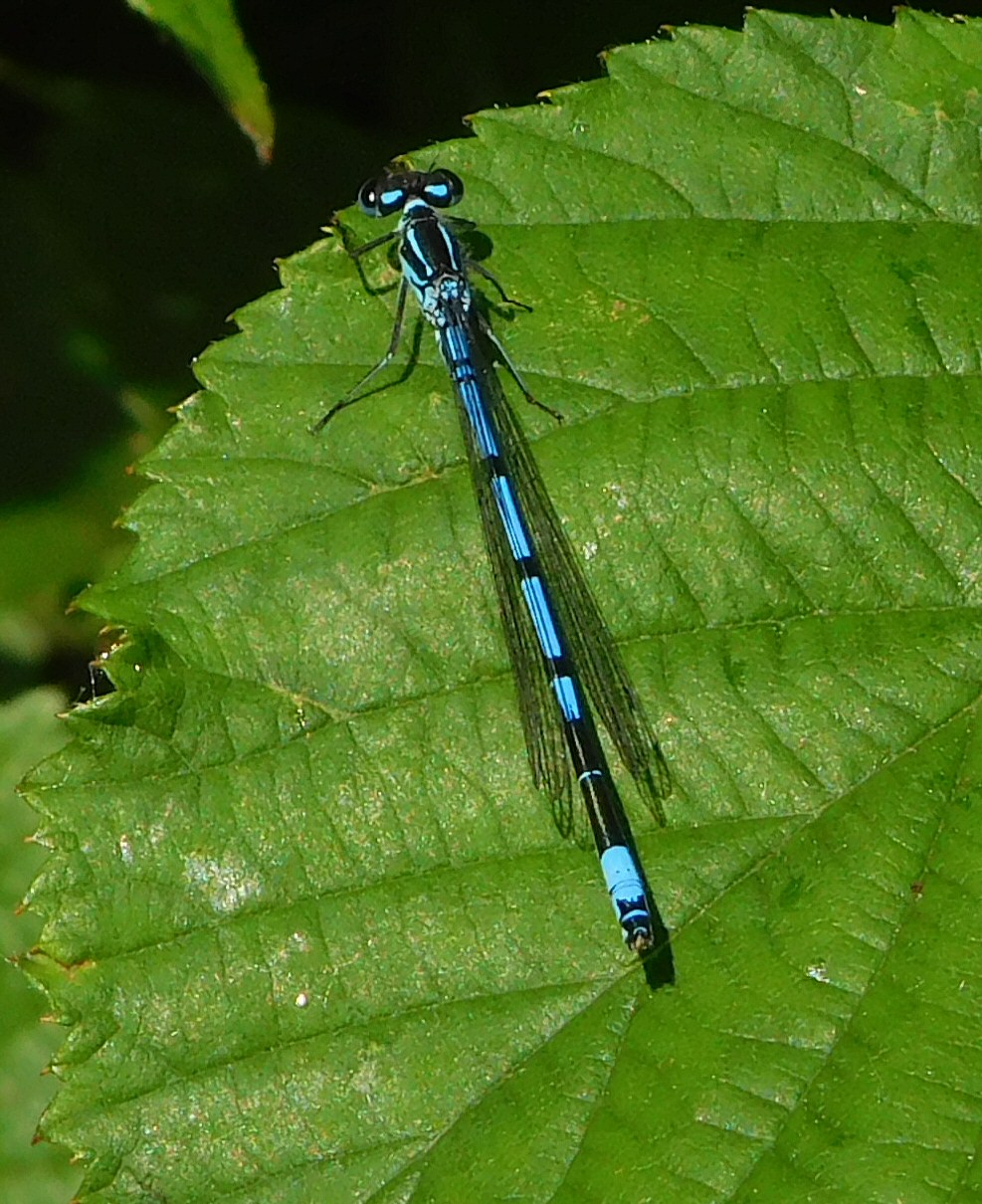
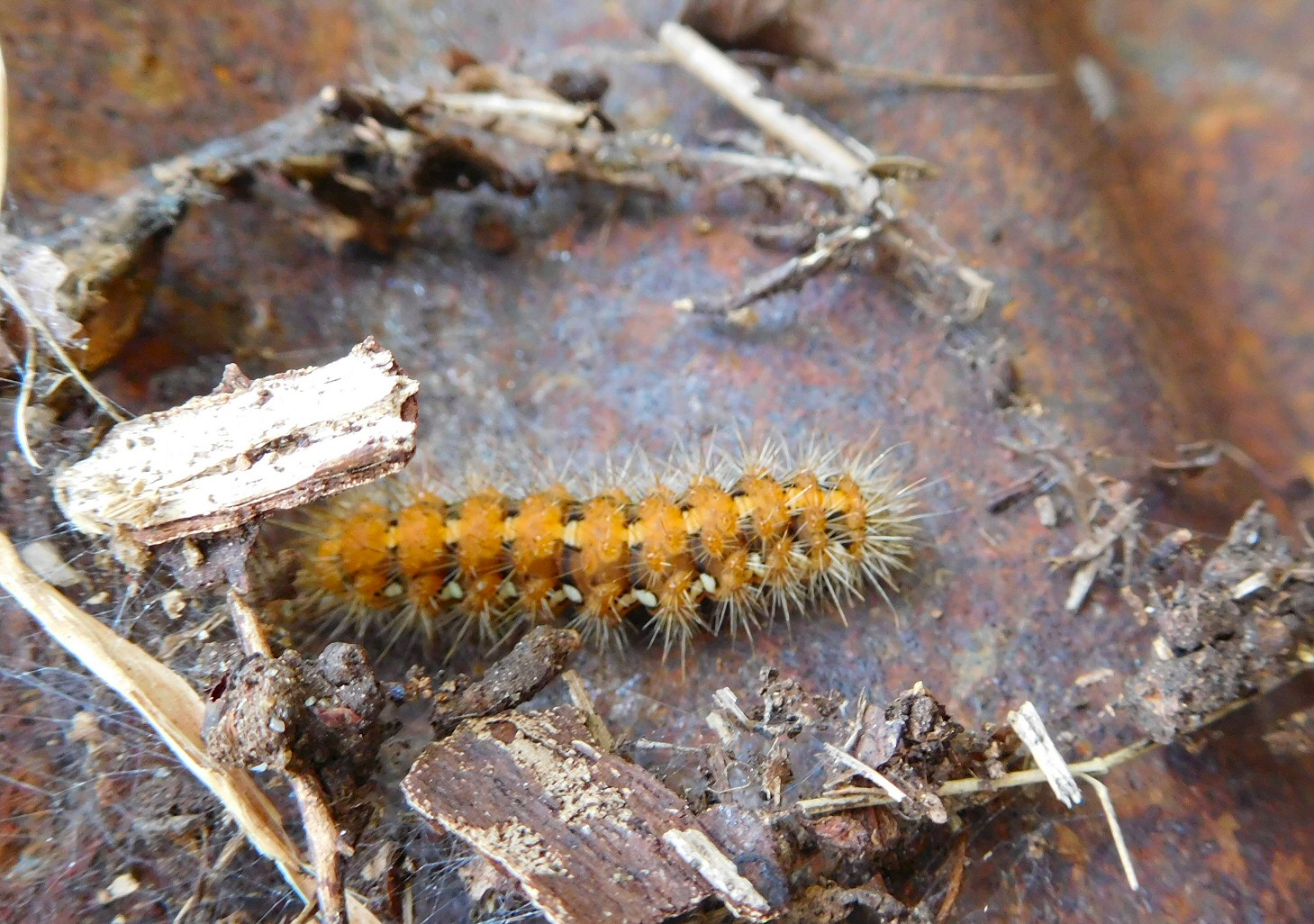
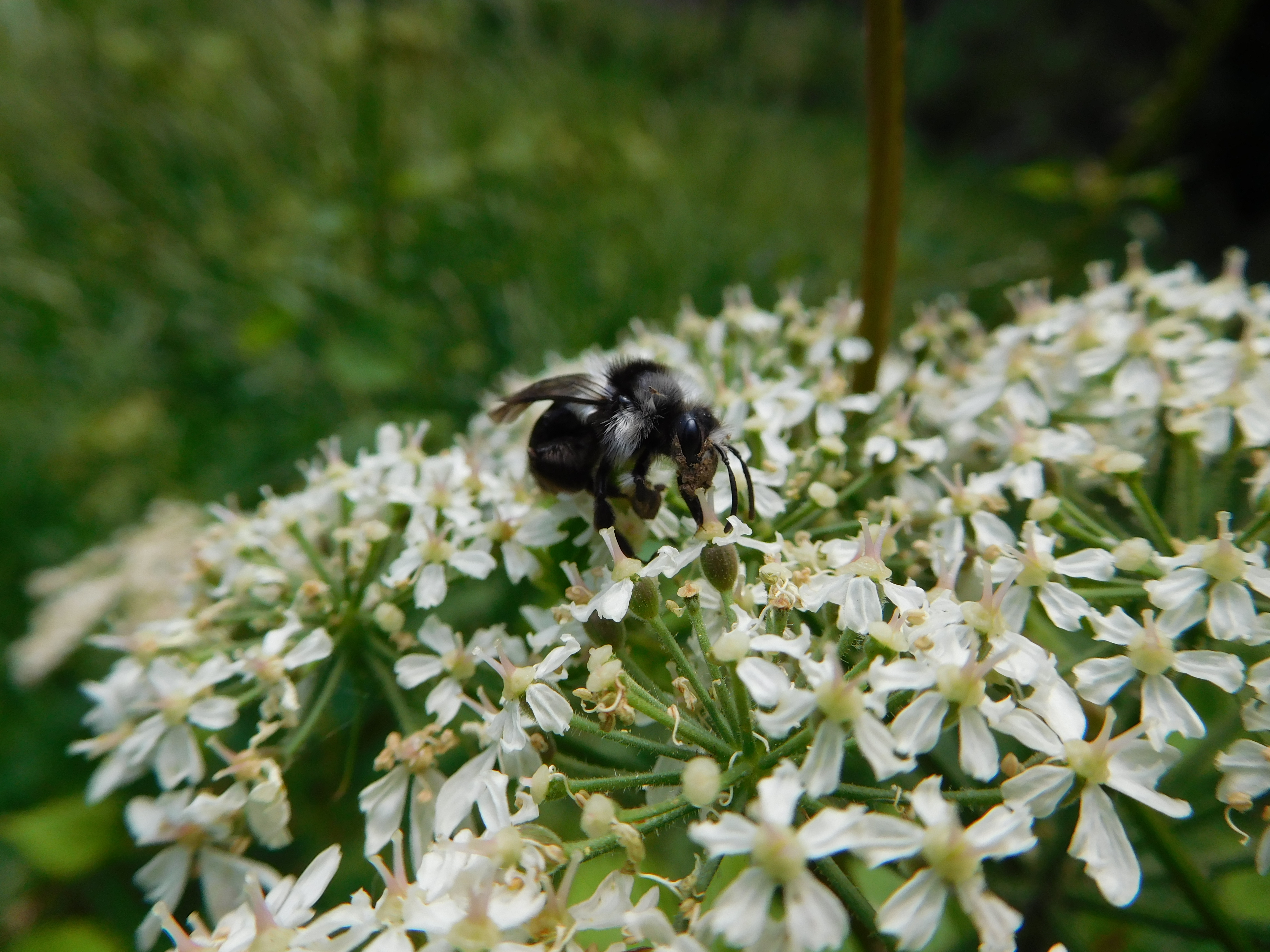
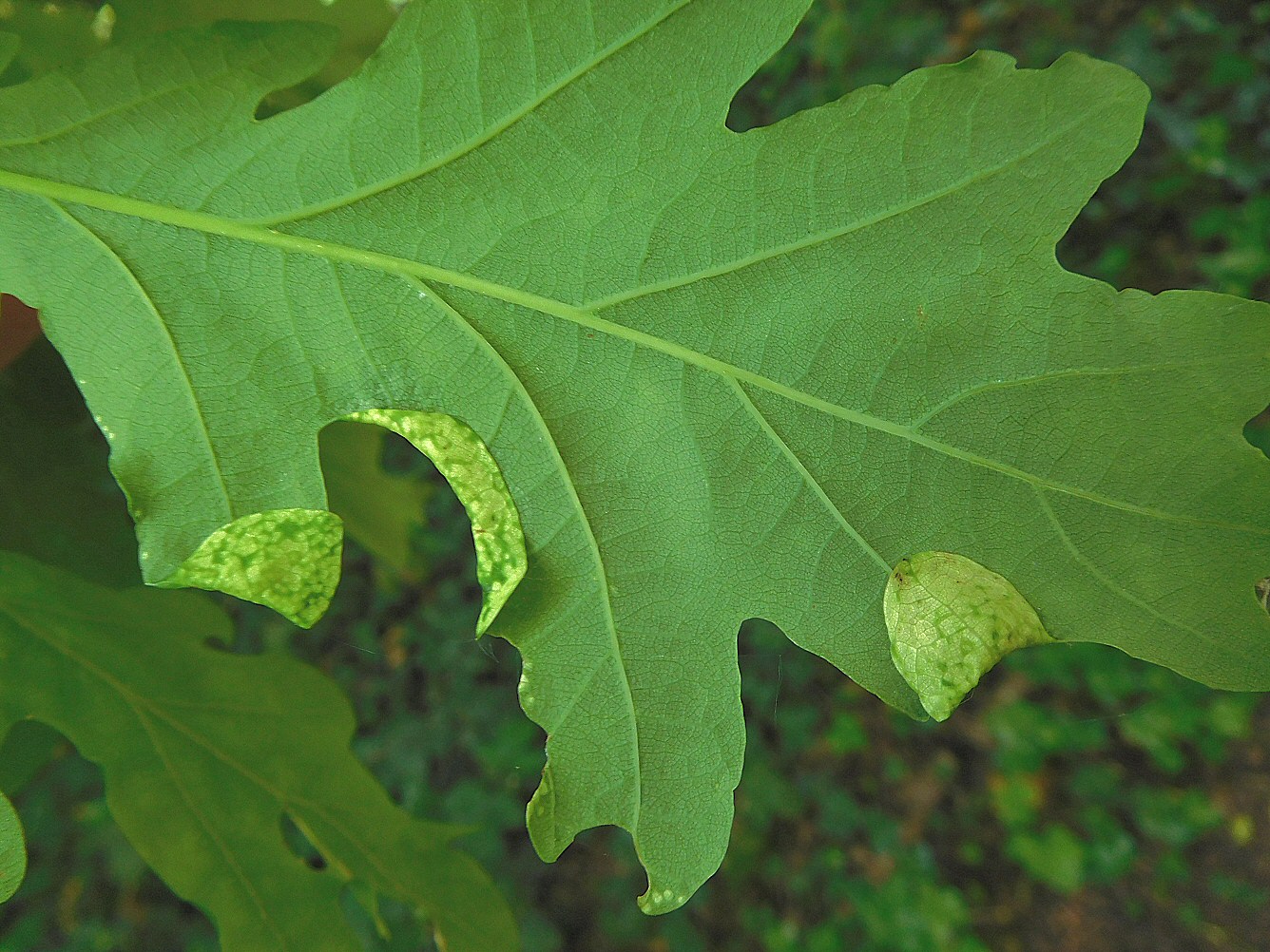
Teneral Azure damselfly drying wings beside its Exuviae. The difference in length shows just how much the adult has to stretch its new skin (by inflating it) after emerging.Large Red DamselflyAzure DamselflyEggar moth caterpillar under corrugated iron refugiumBlack and White Bee on HogweedInsect nests made by folding edges of Oak leaf
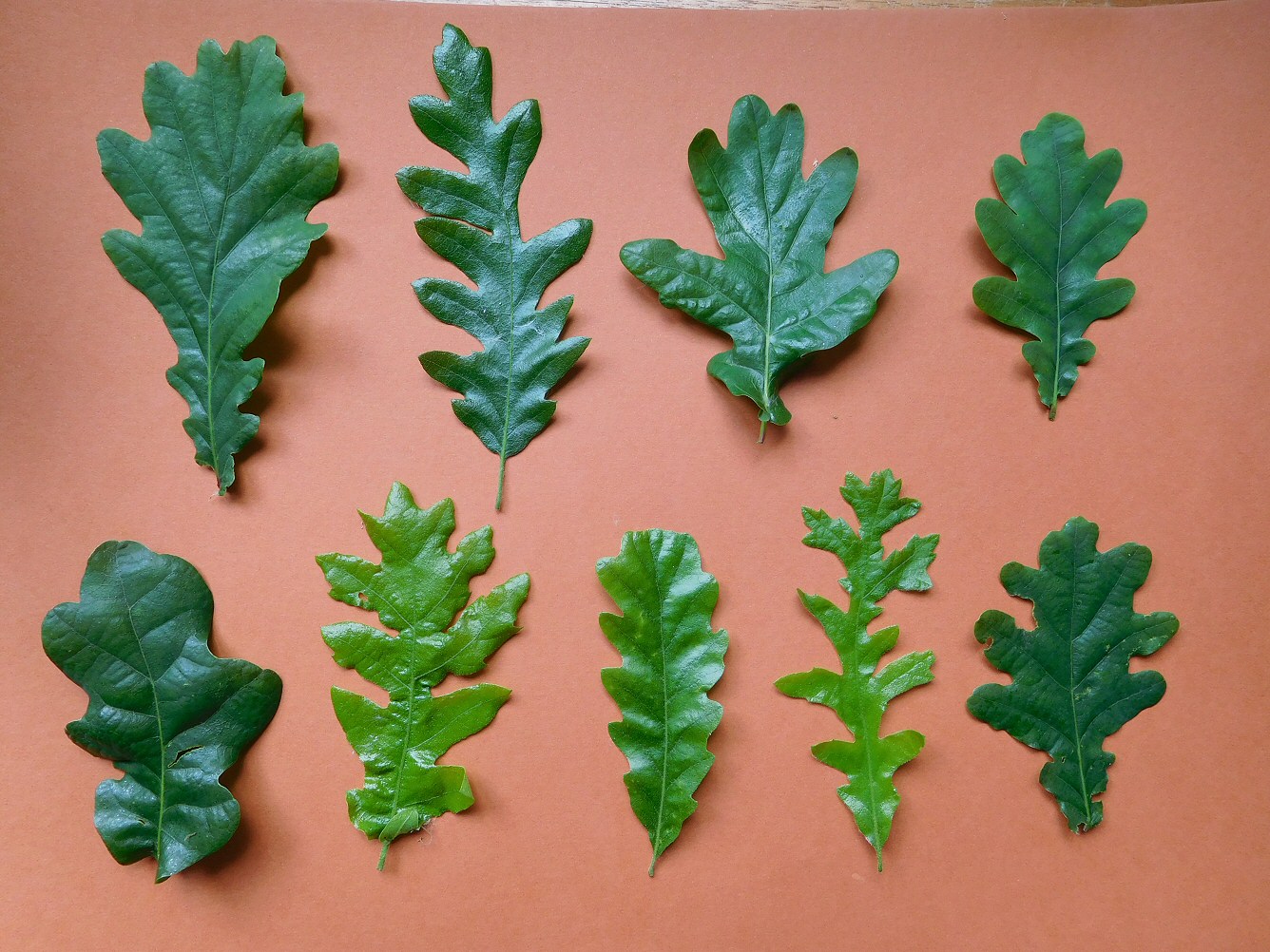
Hybrid Swarm of Oaks. Each leaf is from a different tree along the North side of the triangle. Some are close to English Oak, some to Turkey Oak and some anywhere in between.
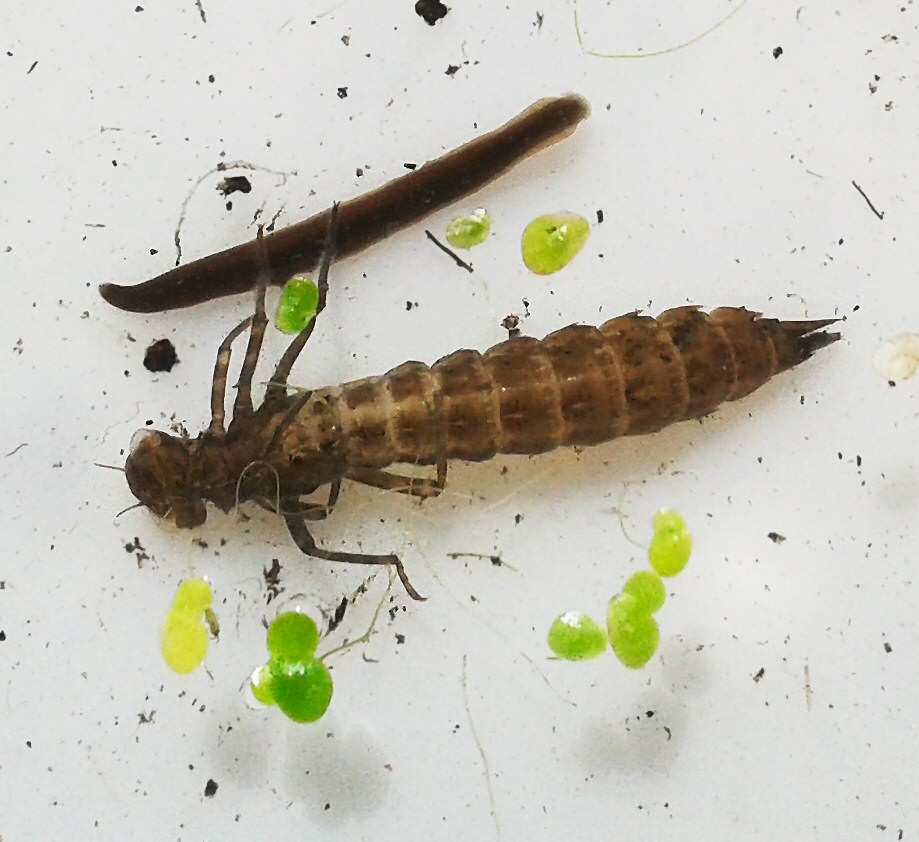
Since our Hawker Dragonflies (Migrant and Southern Hawkers) fly later in the year, we think this exuviae (cast skin) has survived the winter. It may have been hooked on to a plant just above the waterline, and only fallen into the pond with recent disturbance.
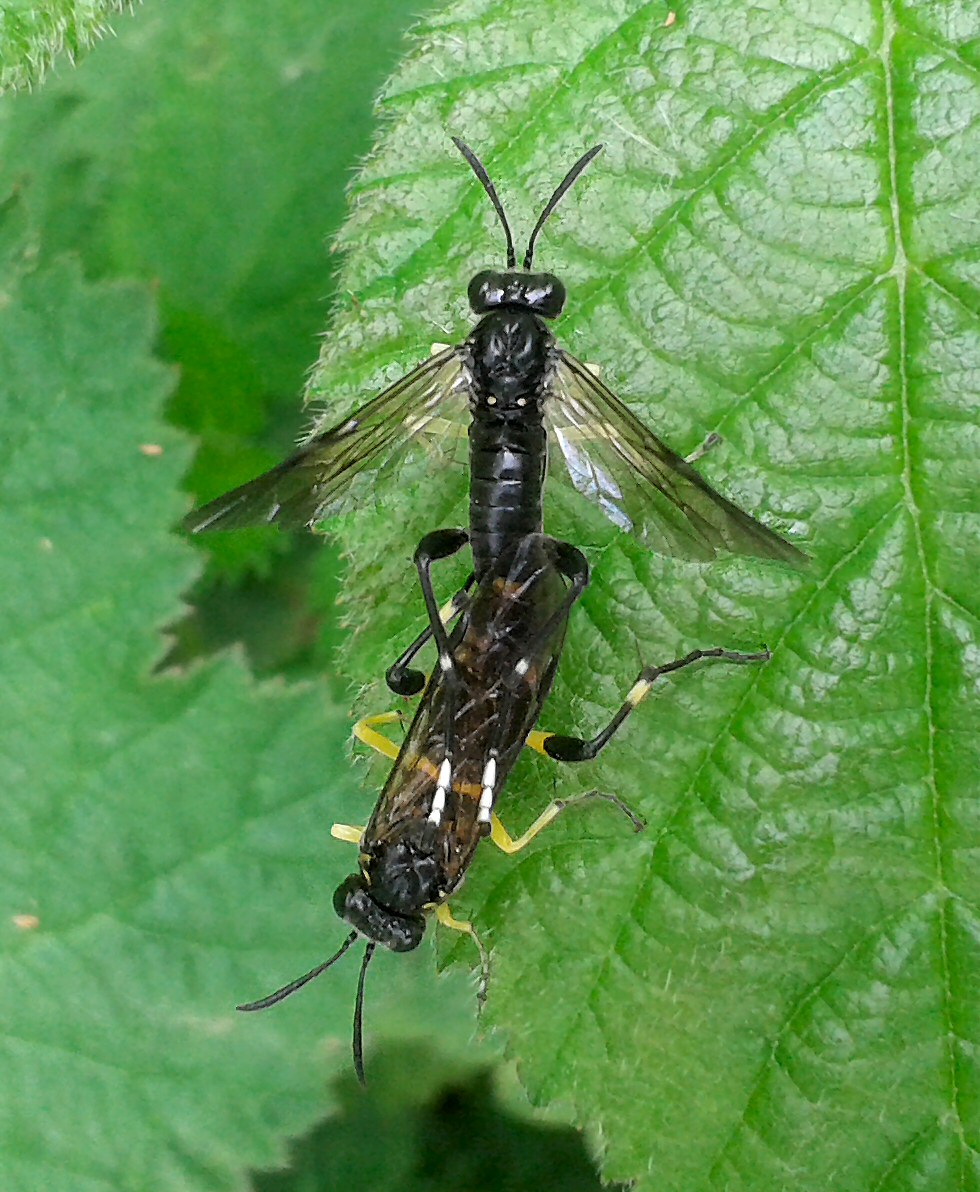
Mating Sawflies on Nettle
Sawflies look quite wasplike in their black and yellow, but have no narrow “waist” at the base of the abdomen – they’re pretty much the same width all the way along. All the waisted Hymenoptera evolved from Sawflies.
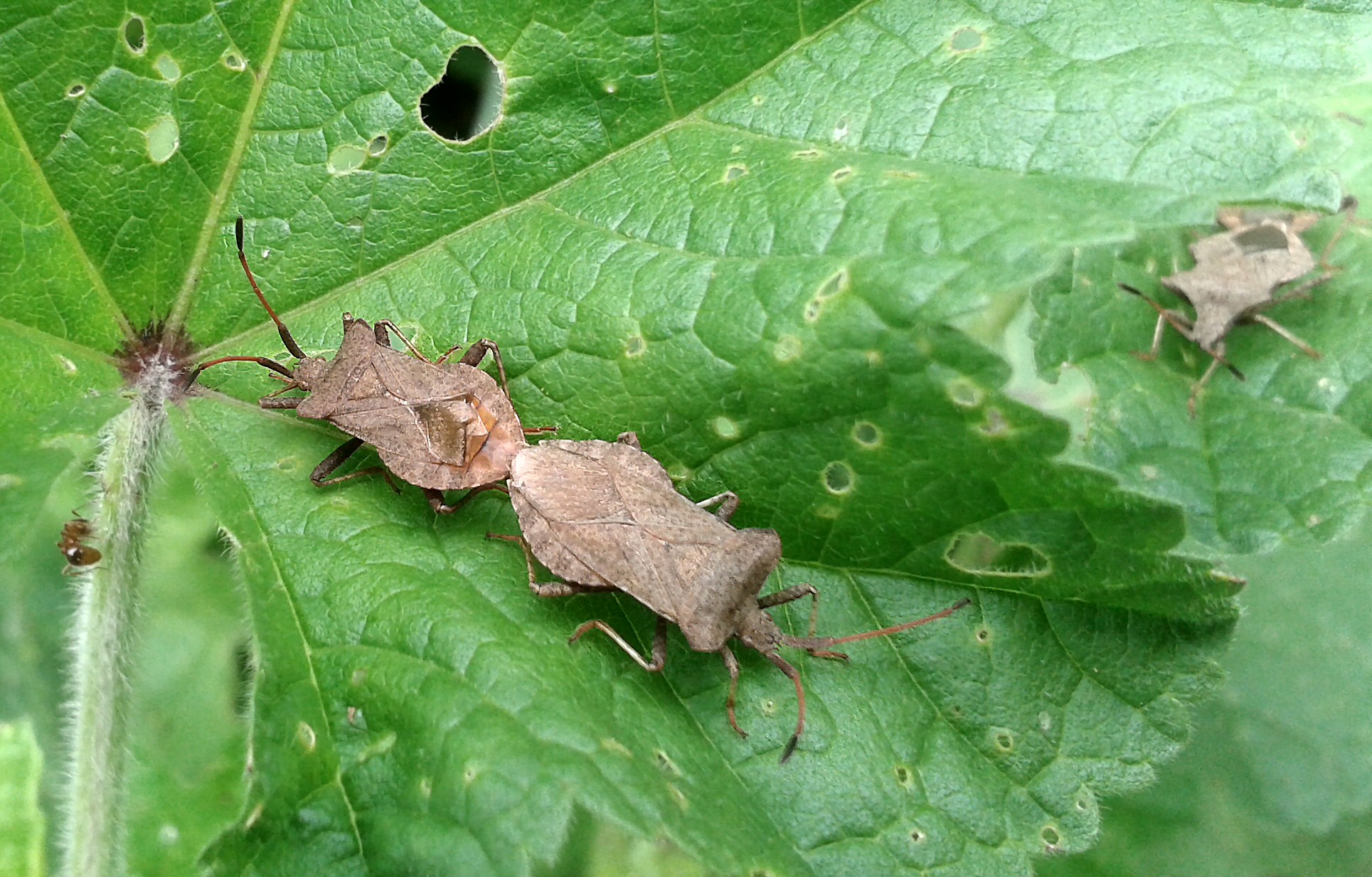
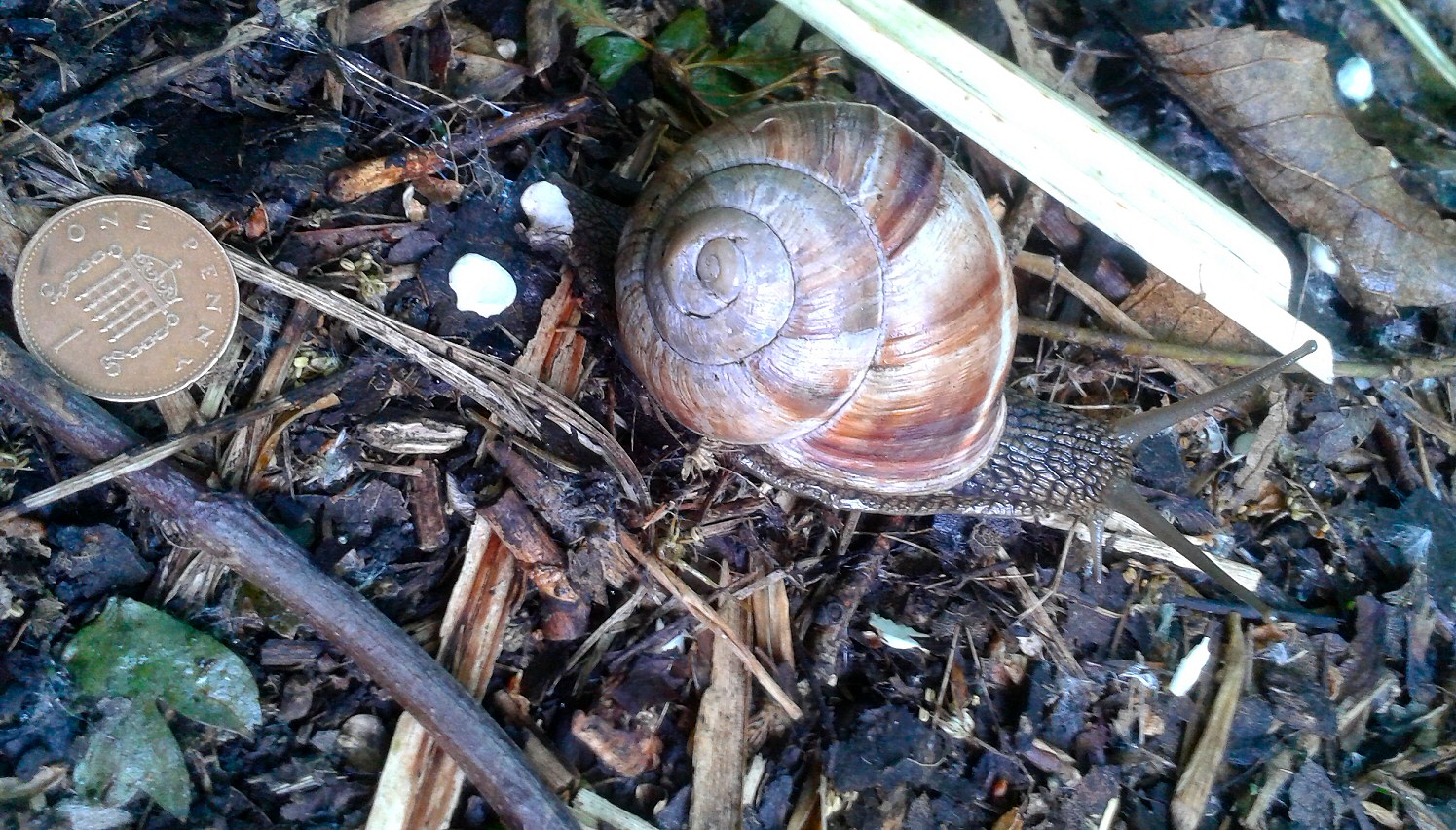
Mating Bugs on NettleRoman Snail crawling in open after rain
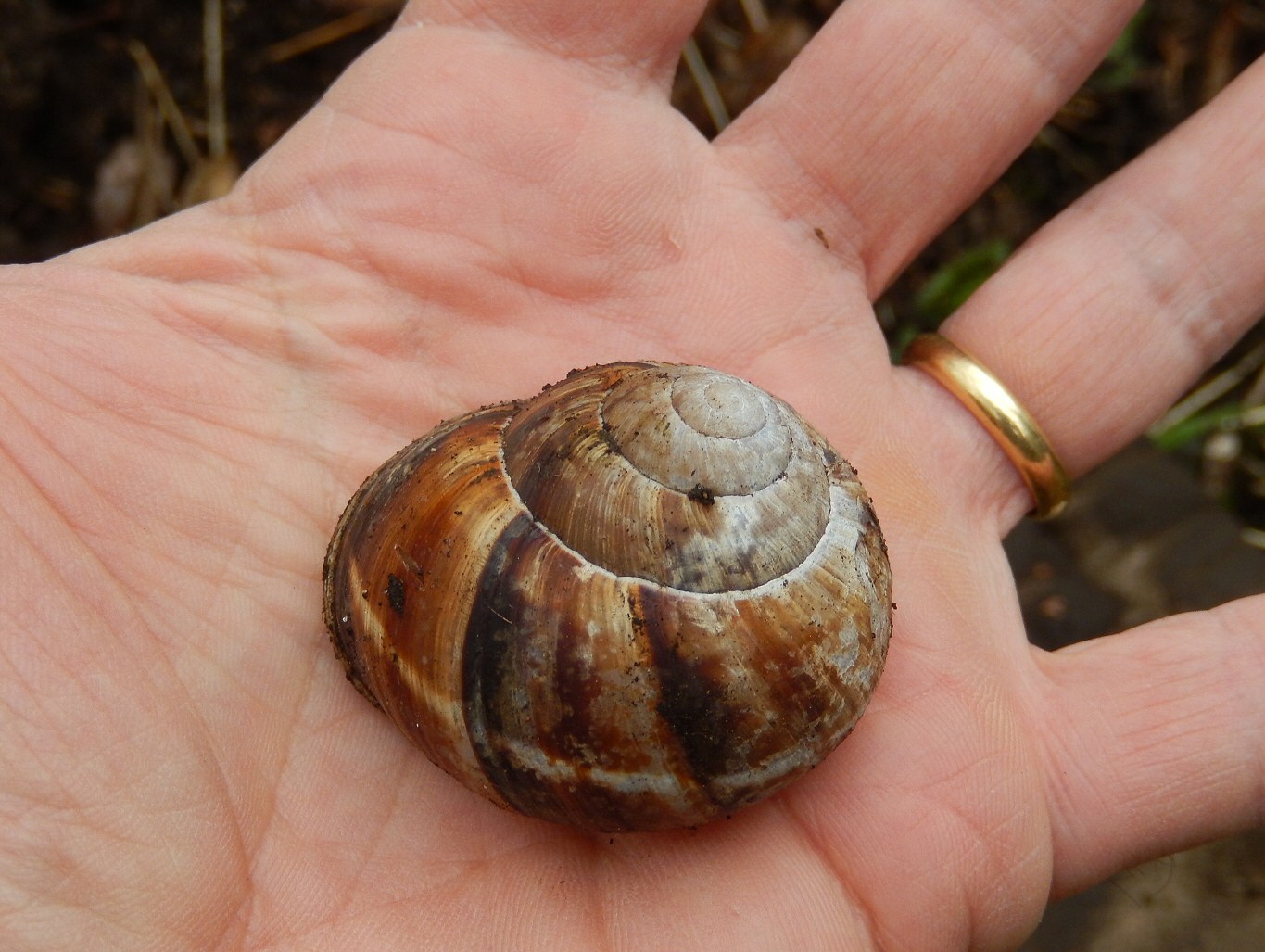
We’ve now seen three Roman Snails in different parts of the reserve, after none in the past few years, so either the weather has brought them out, or more likely someone released their pet snails when they no longer wanted them. As the name suggests, the species has been in Britain since the Romans, who introduced them for food. We’re happy to see this handsome species here, but all the same it does constitute an introduction to a nature reserve…
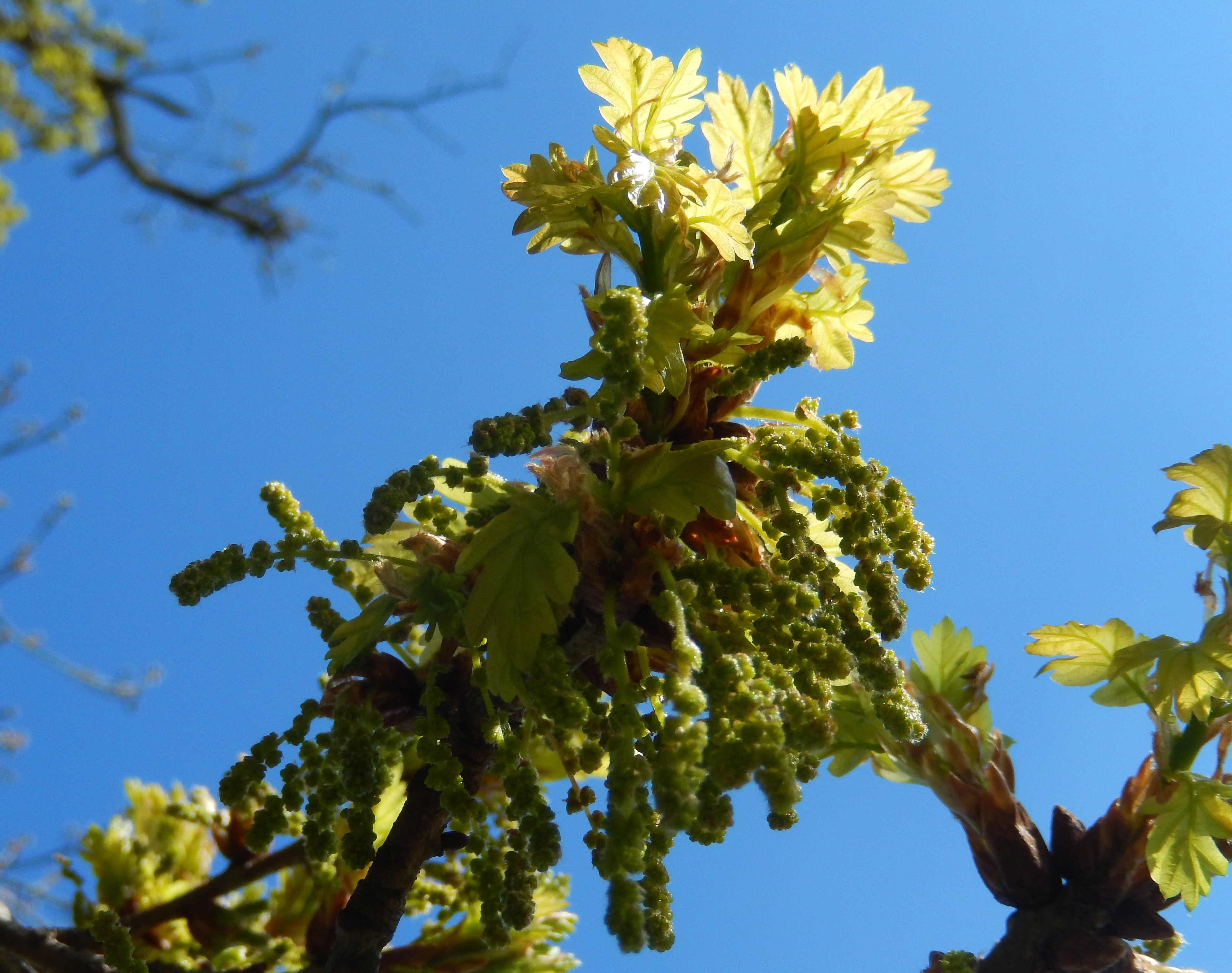
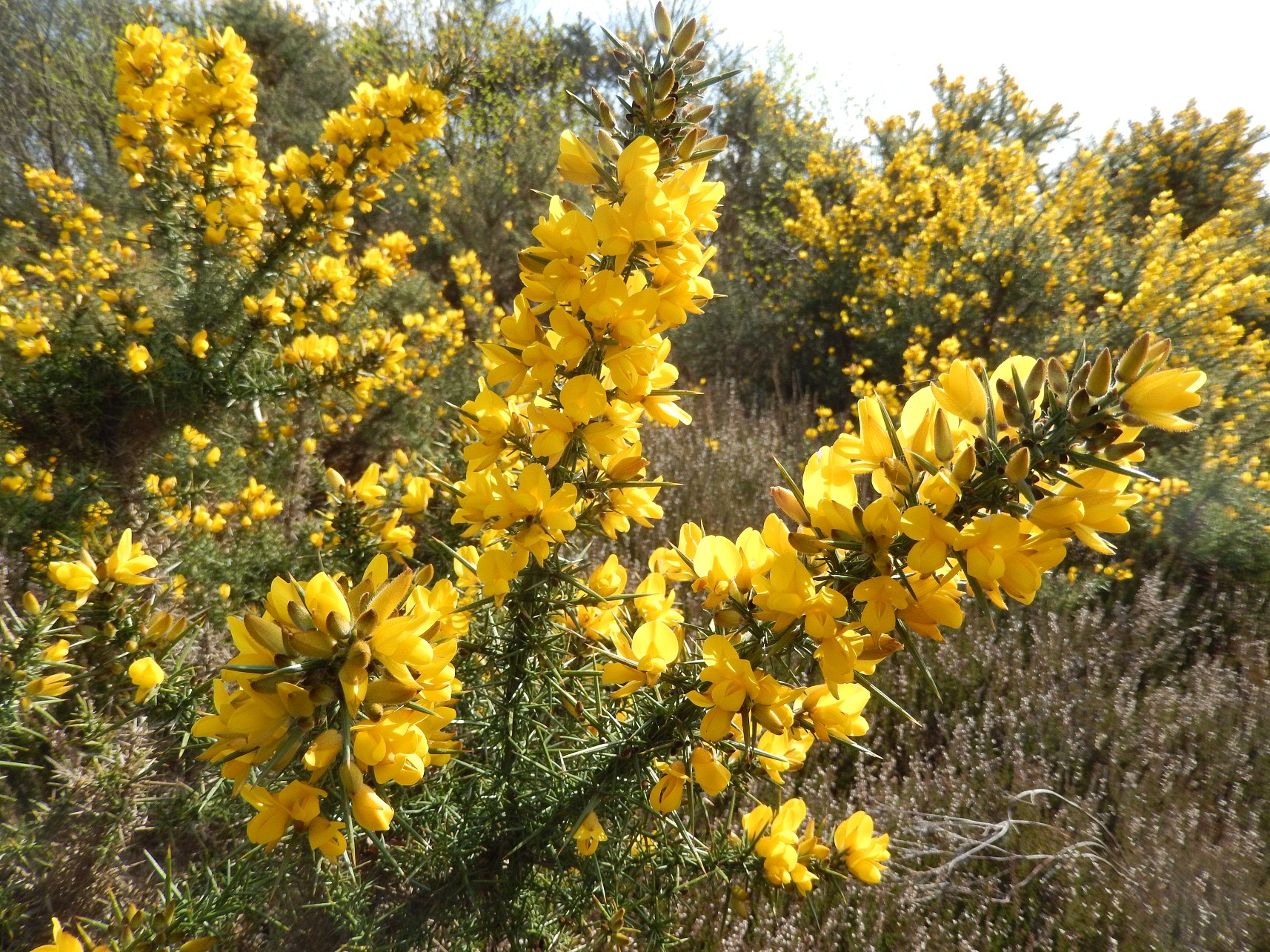
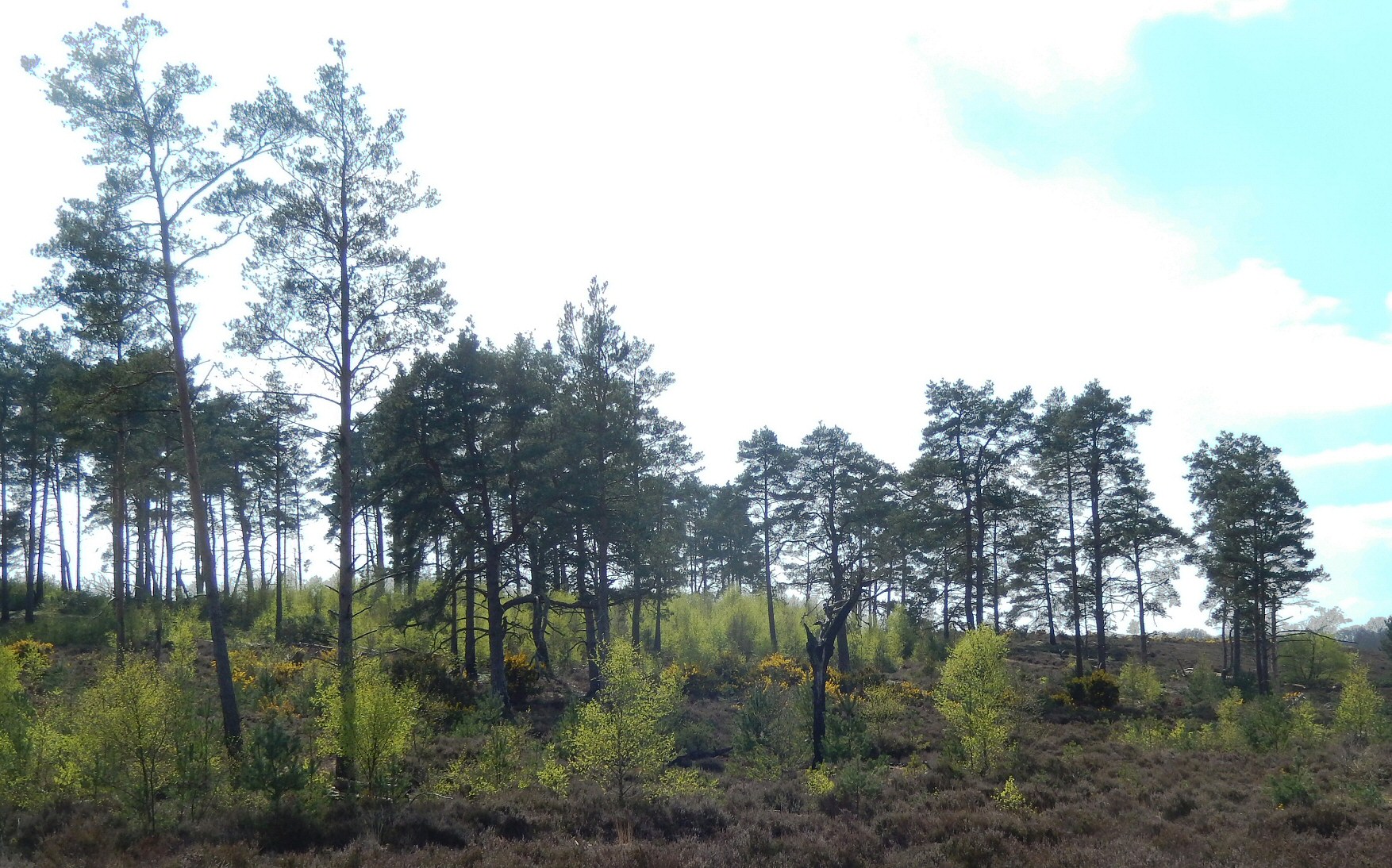
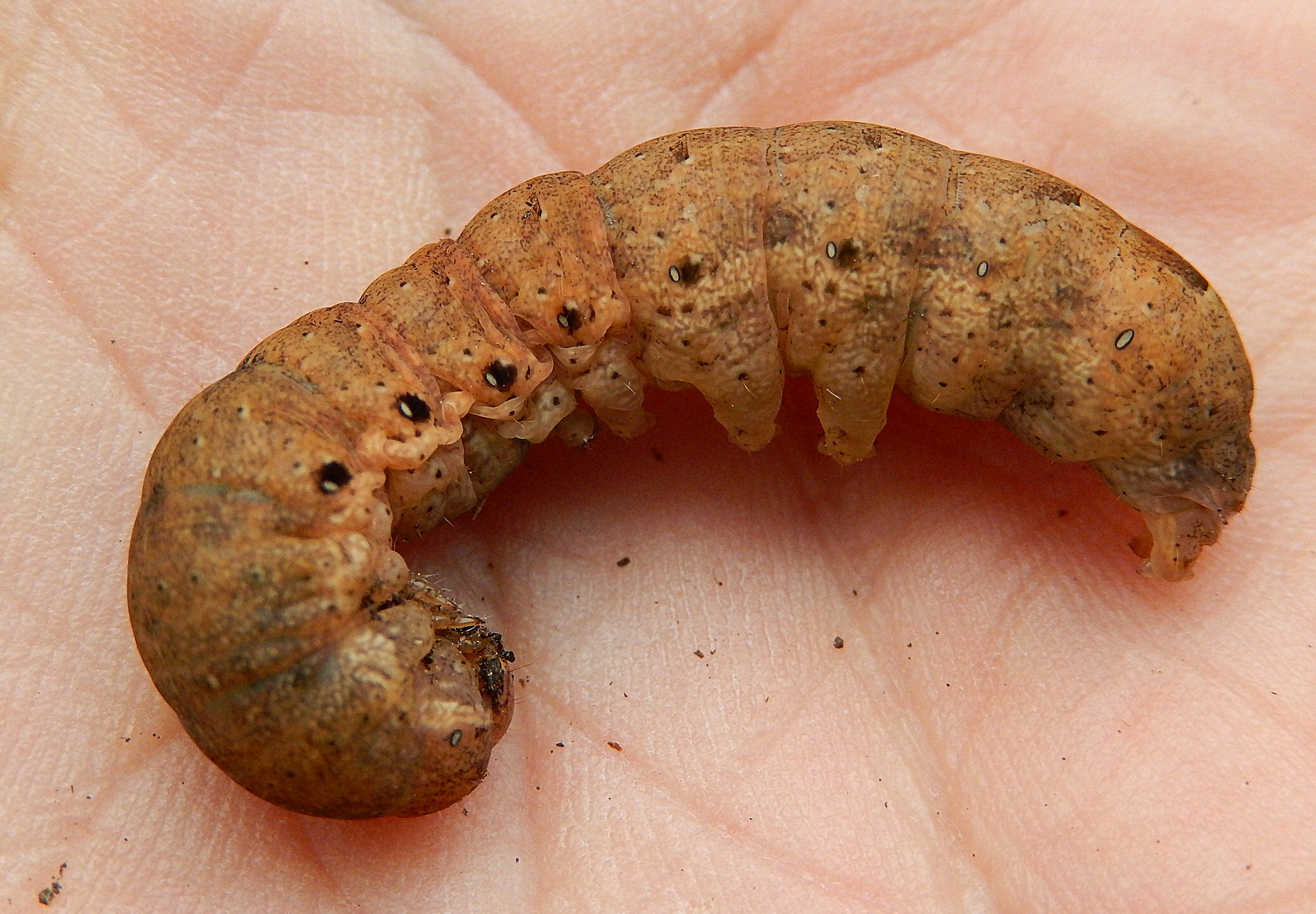
New Oak leaves and catkins, Richmond ParkKissing Season (Gorse in Bloom), Thursley CommonTulips, Kew GardensRoman Snail, Gunnersbury TriangleBirches in new leaf under dark pines ThursleyLarva of Broad-Bordered Yellow Underwing Moth, Gunnersbury Triangle
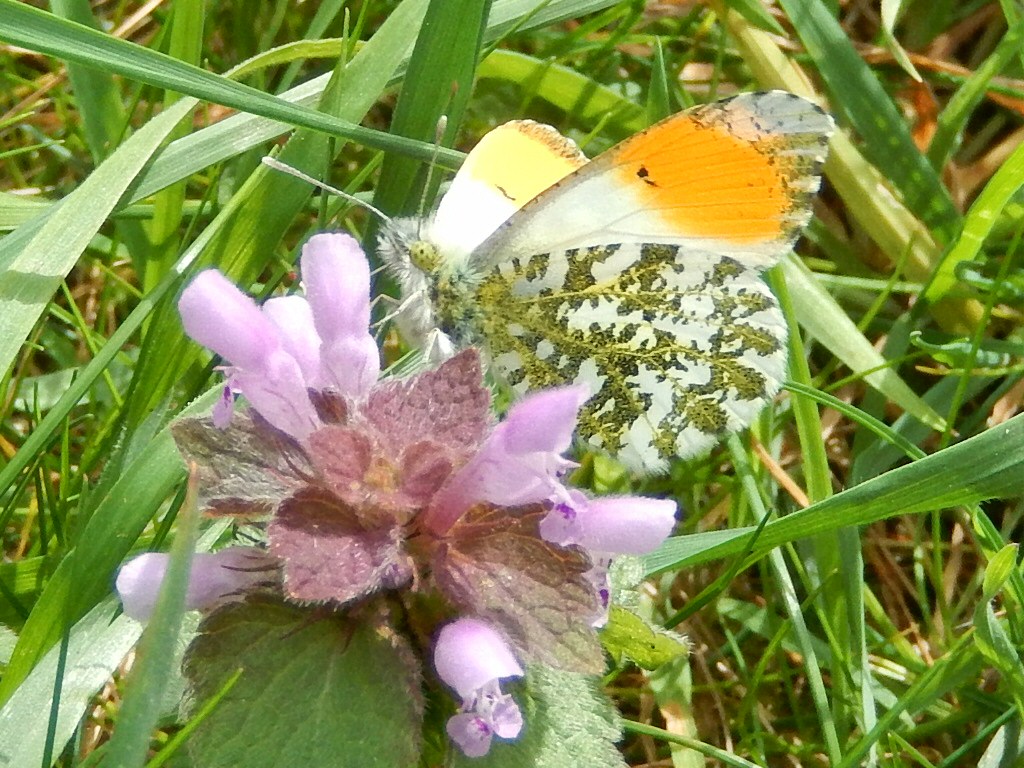
Spring has arrived, with Orange Tip, Brimstone, Holly Blue, Comma, and Small White butterflies all flying today.
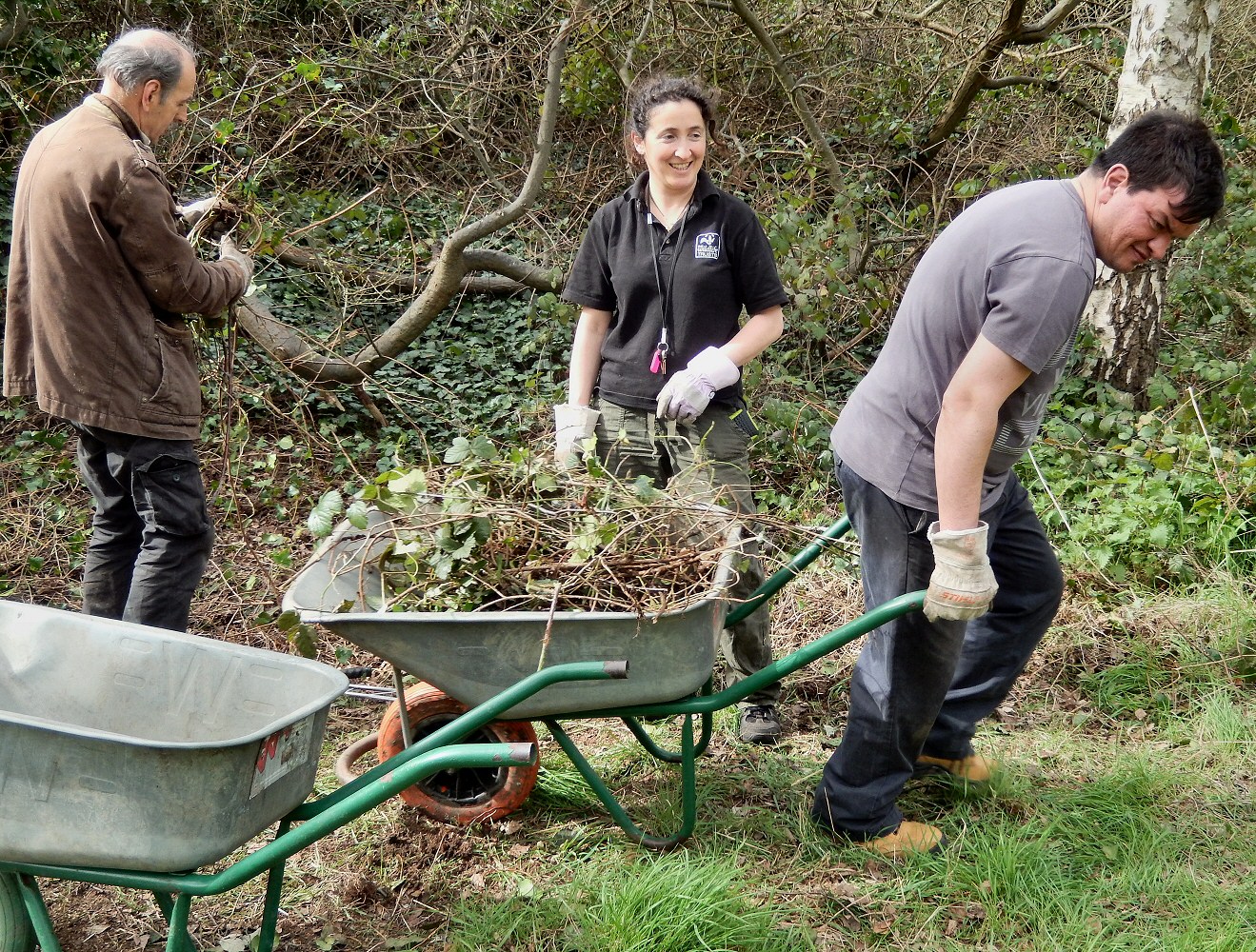
Jake, Netty, and Charlie doing the last of the wintertime bramble clearing
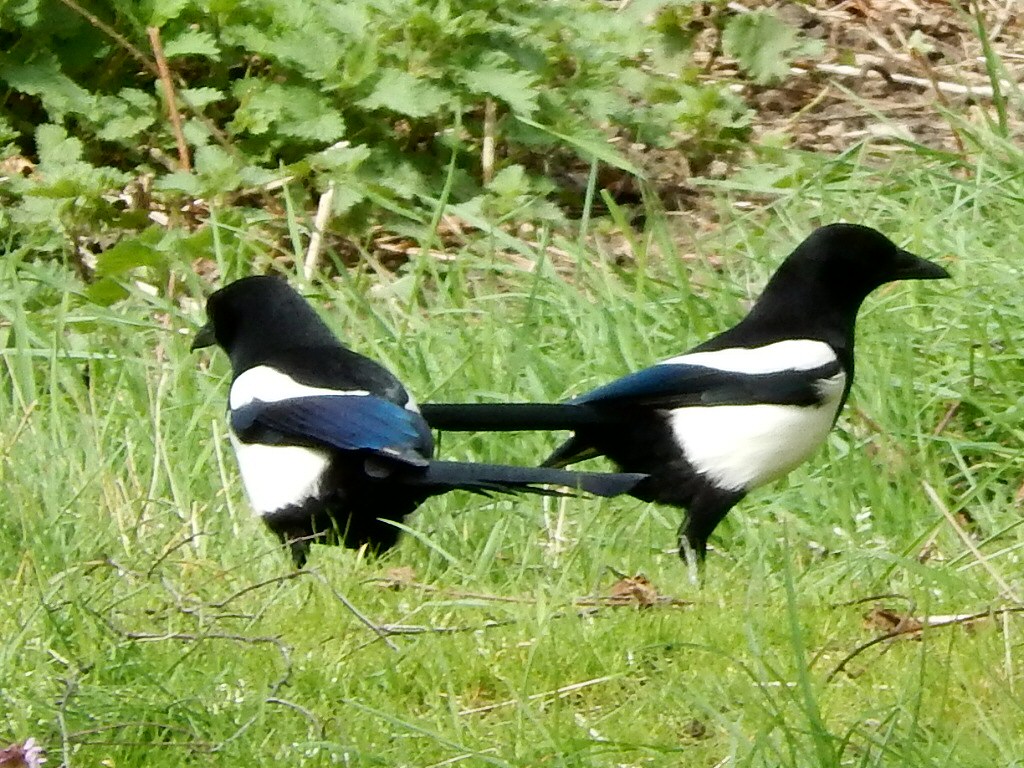
We’re racing to finish clearing the brambles along the edge of the old railway track where we hope to have some neutral or even acid grassland on the railway shingle. Time is against us now, as the warm spring weather and gentle winds have brought the warblers in. Today the first Blackcaps of the year sang in the reserve, along with Chiffchaffs, Wrens, Robins, Dunnocks, Great Tits, and Blue Tits, not to mention the chattering Magpies.
A pair of Magpies: “One for sorrow, Two for joy”, went the old rhyme
Among other animals celebrating the spring are the foxes, which have made many new holes and can often be seen about the reserve if you come along and sit quietly in the morning.
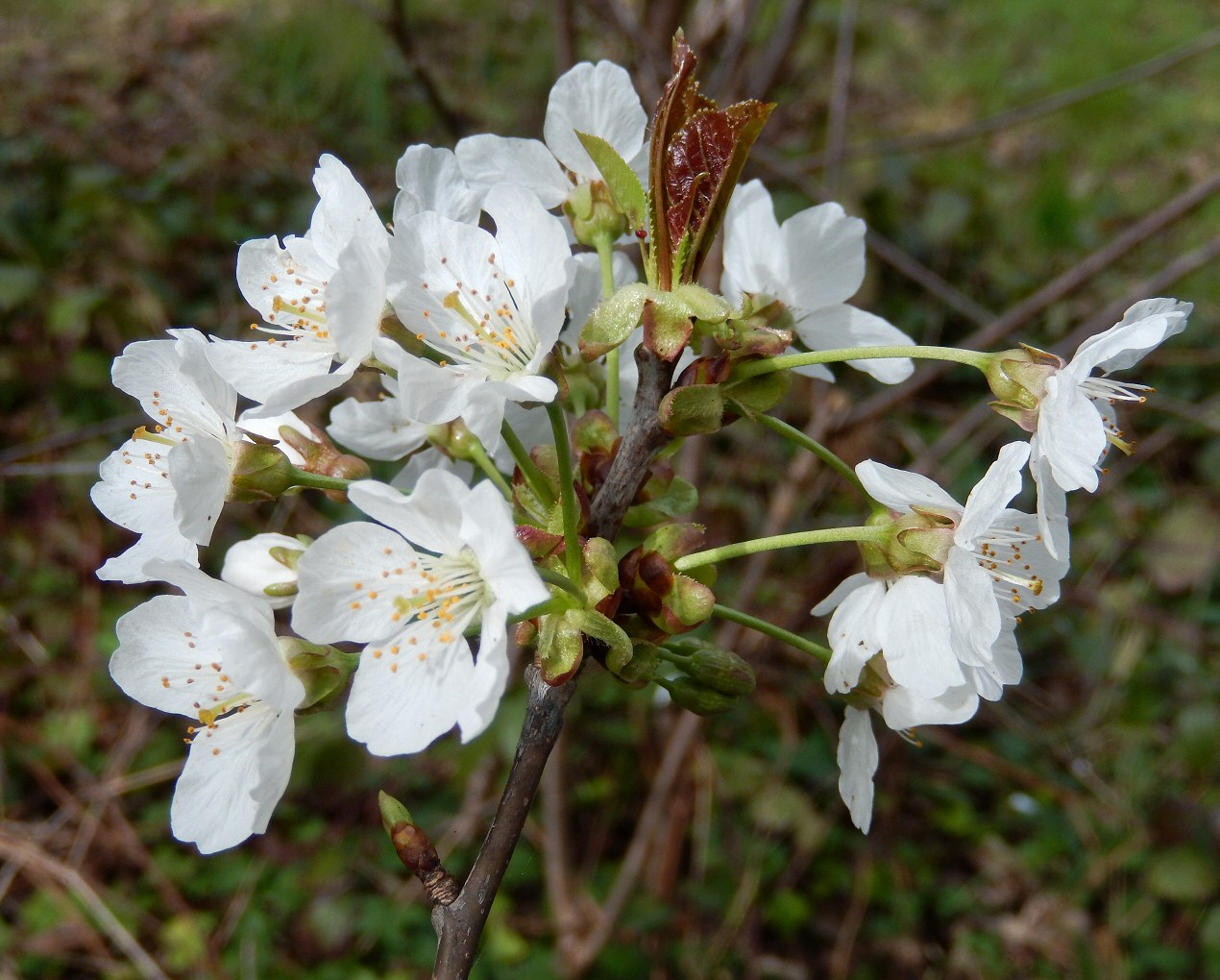
Wild Cherry in flower
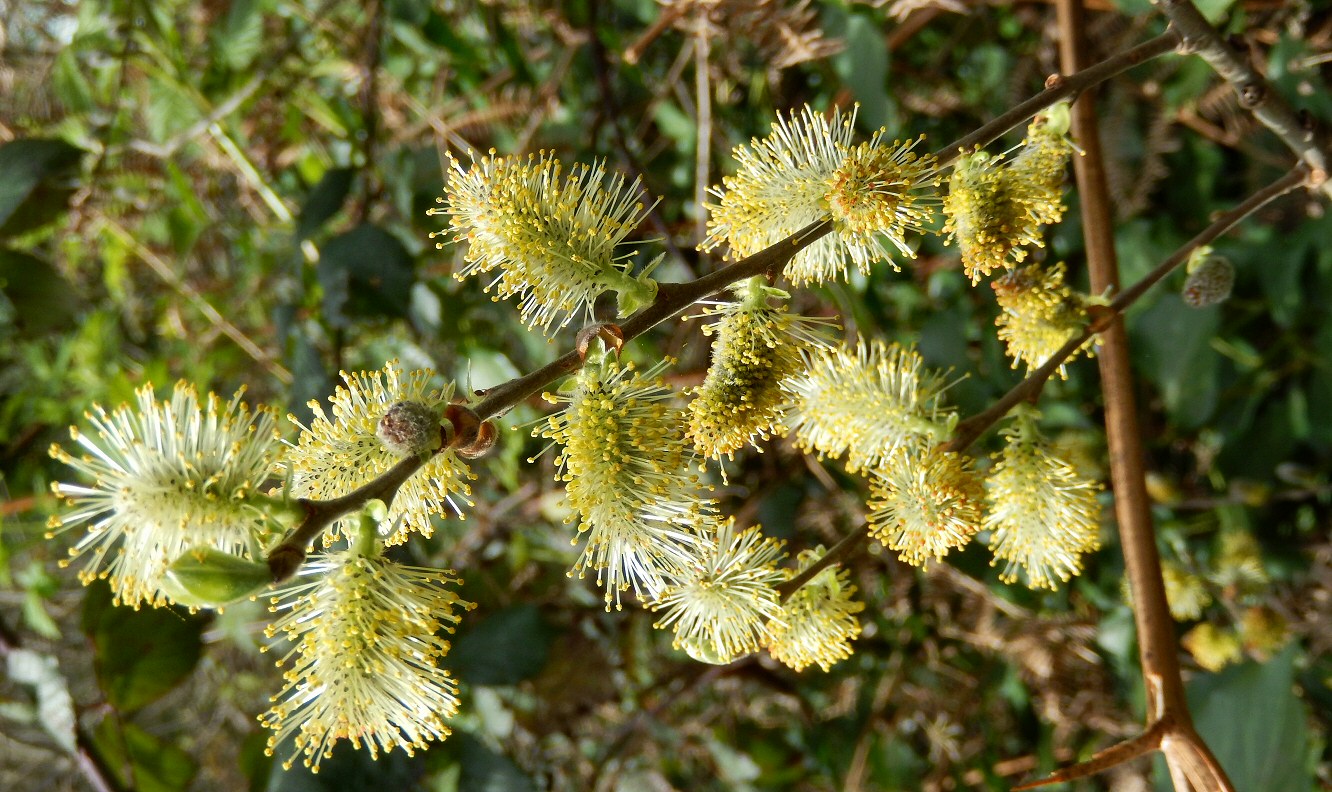
The wild Cherries are in flower all around the reserve, and the Pussy Willow catkins are glowing golden in the sunshine.
Pussy Willow catkins
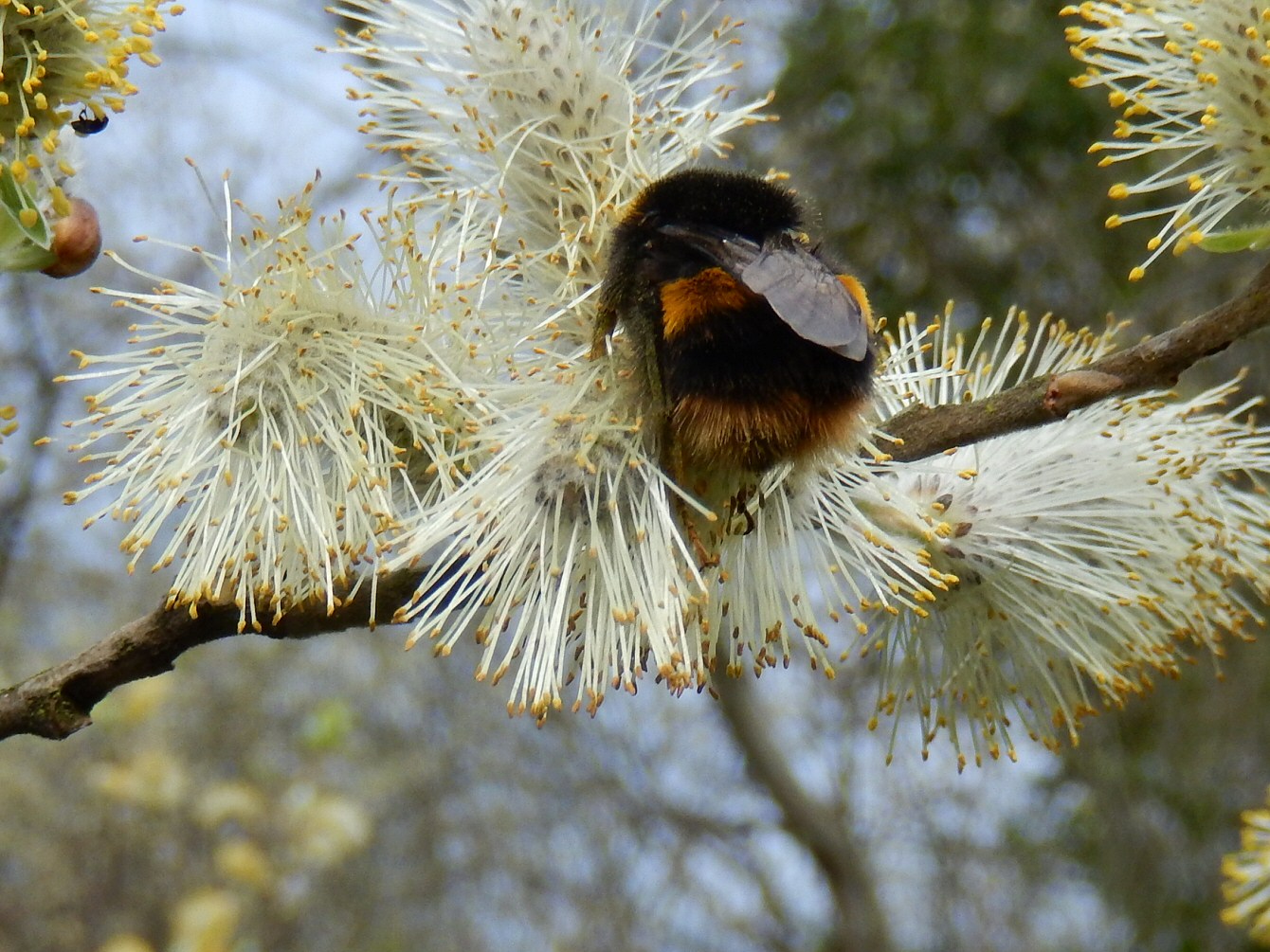
Bufftail Bumblebee queens seem to be everywhere, it being hardly possible to reach down for a bramble or a twig without disturbing one.
Bufftail Bumblebee
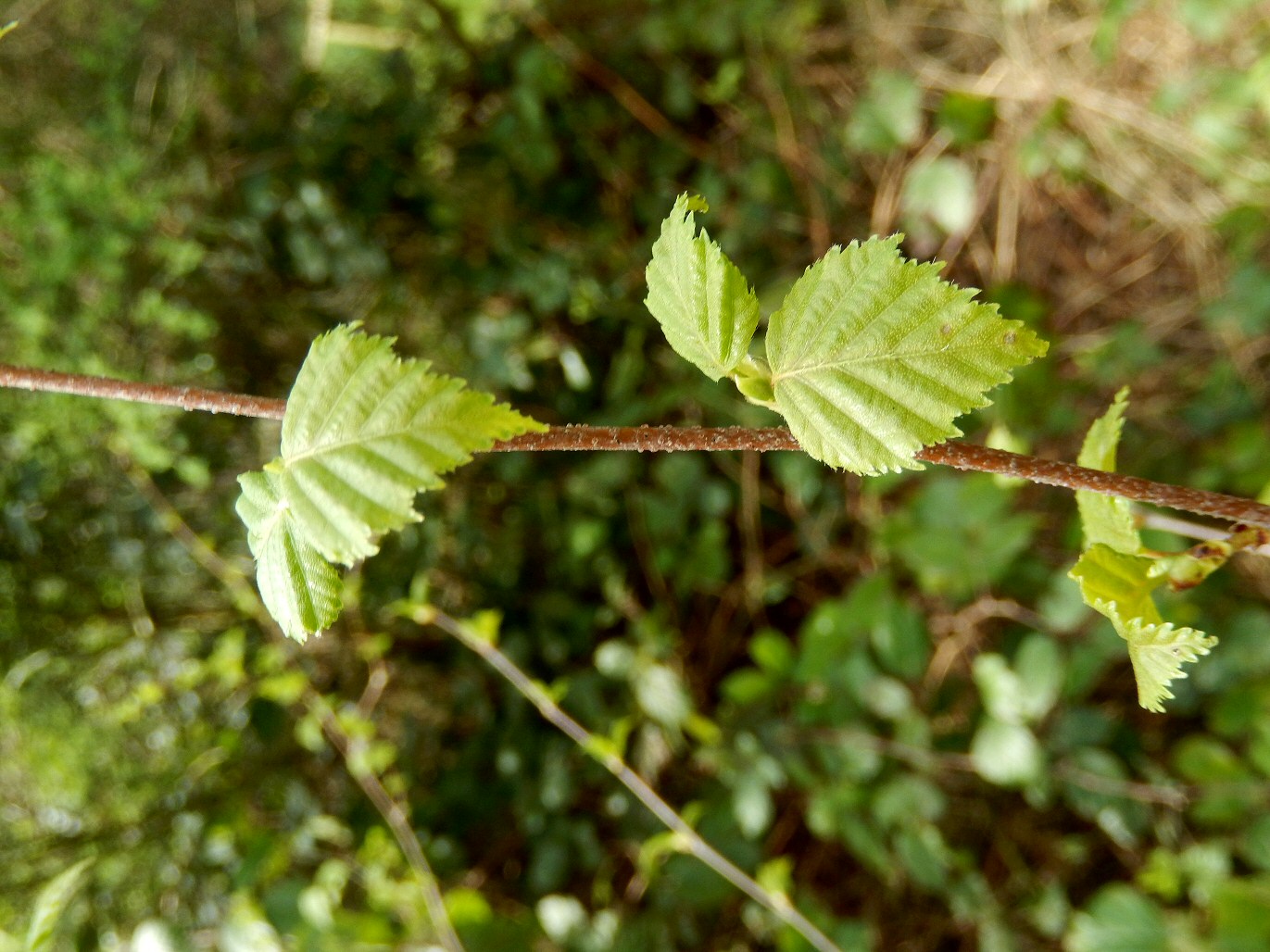
I was pleased to uncover two fine Birch saplings, just coming into new leaf, that had been hidden under the brambles.
Birch sapling in new leaf
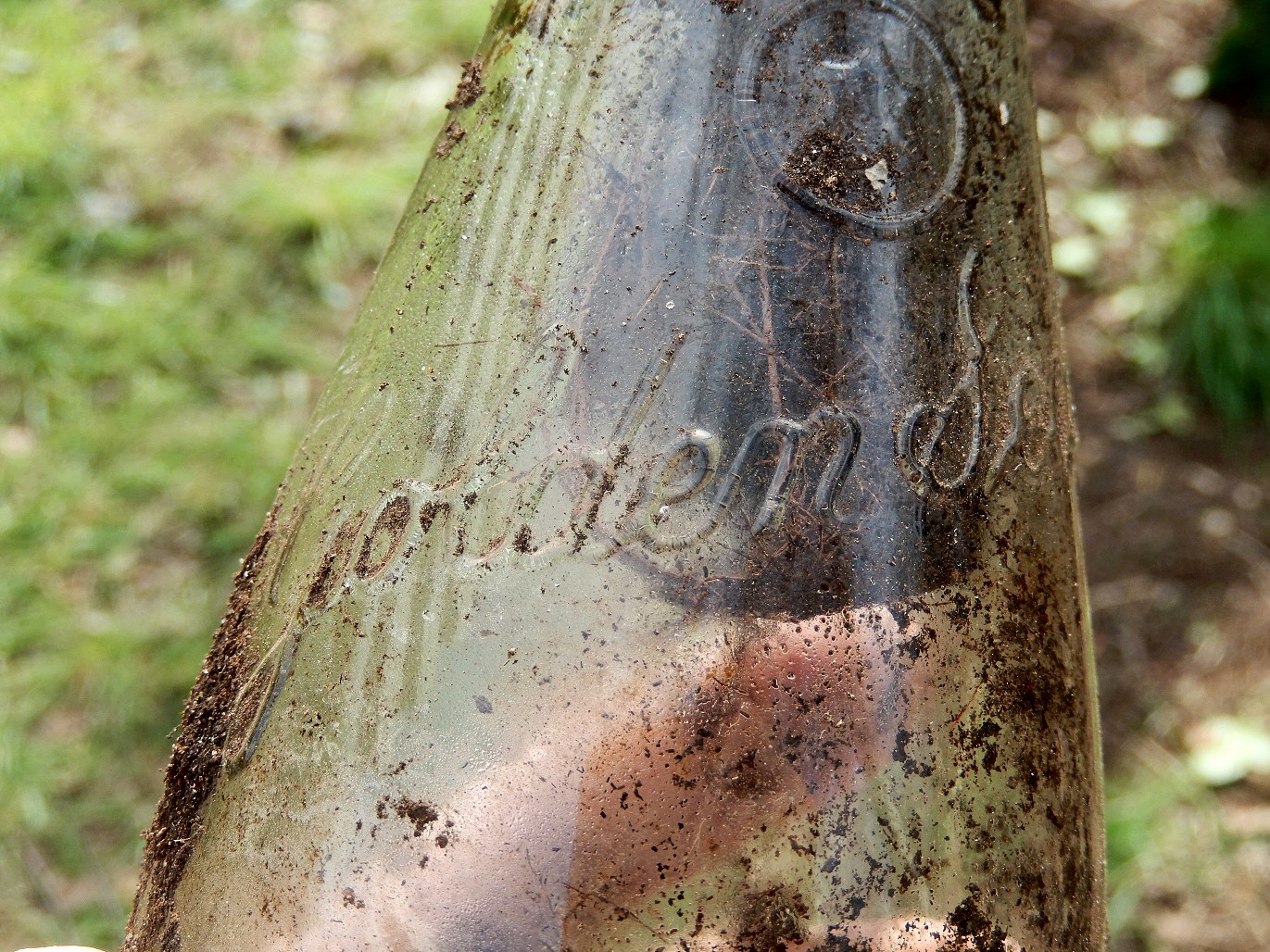
Patrick found a buried milk bottle. We wiped the earth off it and held it up to the light: it read “Golden Seal” in raised curly ‘handwriting’ lettering. The brand vanished in the mergers of the 1970s as dairies grew bigger, so the bottle must have lain undisturbed for perhaps half a century, from before the Triangle became a nature reserve.
‘Golden Seal’ milk bottle from around the 1960s, a small piece of archaeology from before the Triangle became a reserve.
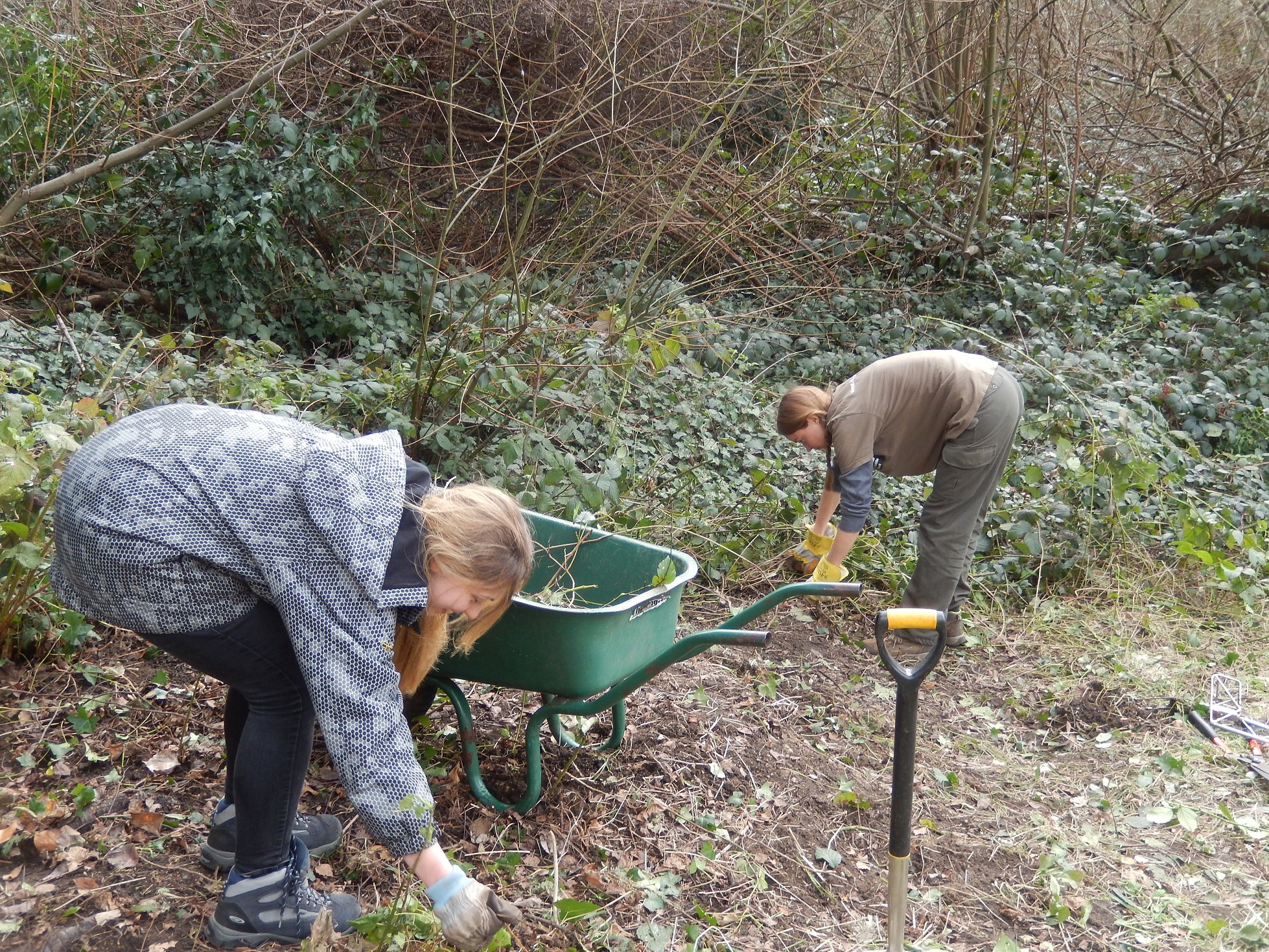
Wendy and Katherine clearing bramble in the small meadow
Netty is away so Katherine led the group to, yes, clear some more brambles. We do occasionally do other things, actually. It was pleasantly warm with bursts of sunshine, and we dug out one champion bramble root after another. The ones down here are far more deeply-rooting than those on the bank, have few stems and basal shoots, smaller ‘briar’ root lumps, and much thicker stems. In short, they are the monsters of the bramble world, and sometimes seriously difficult to dig out. It’s easy to believe these are a different microspecies from those up on the bank: there are around 100 microspecies known in the Rubus fruticosus aggregate. It would be fascinating to hear about the genetics of our local bramble populations.
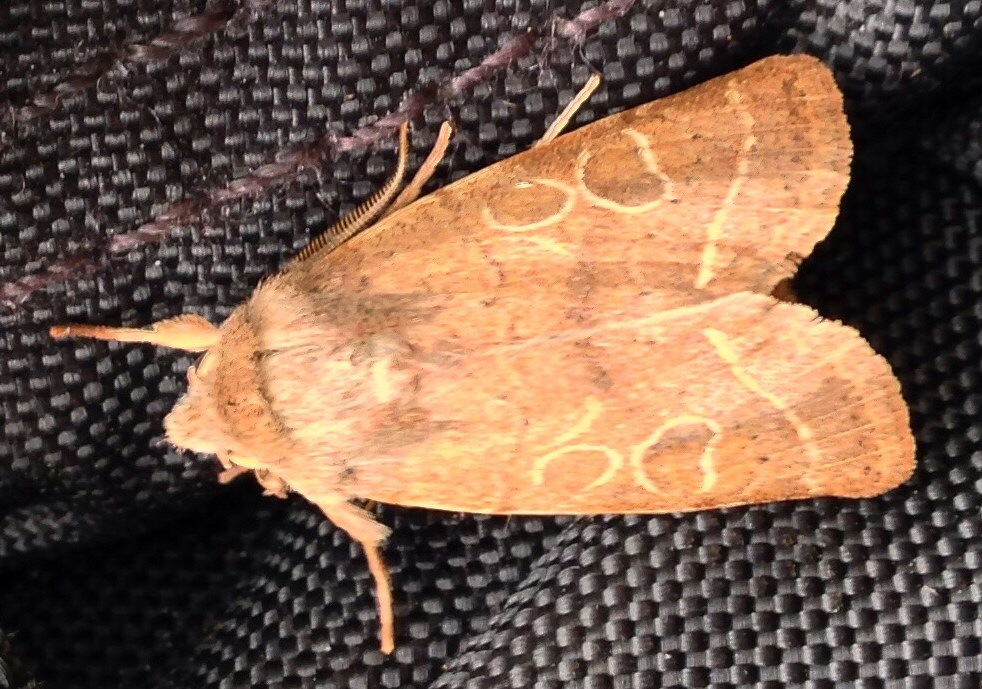
Katherine managed to photograph two Underwing moths:
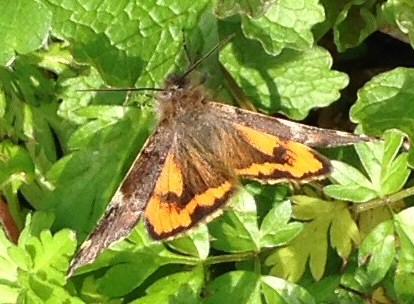
The two species both have brilliantly coloured underwings, concealed at rest under the cryptically coloured (well camouflaged) forewings, but revealing a flash of bright contrasting colours when they take flight. This is often enough to startle a predator, giving the moth a moment to escape. Curiously, these two species are in different families: Noctua janthe is a noctuid, while Archiearis parthenias is a geometrid. This implies that the trick of having a bold yellow/orange/red stripe contrasting with black has evolved separately at least twice among moths (the same sort of thing happens also in some grasshoppers), an instance of convergent evolution. In other words, if it works, invent it again. N. janthe is common everywhere, while A. parthenias specifically “flies in sunshine around tops of birch trees in spring before leaves develop” (writes Chris Manley in his marvellous British Moths and Butterflies), exactly the case here today. Dial up the right ecological conditions, and the species appear, often.
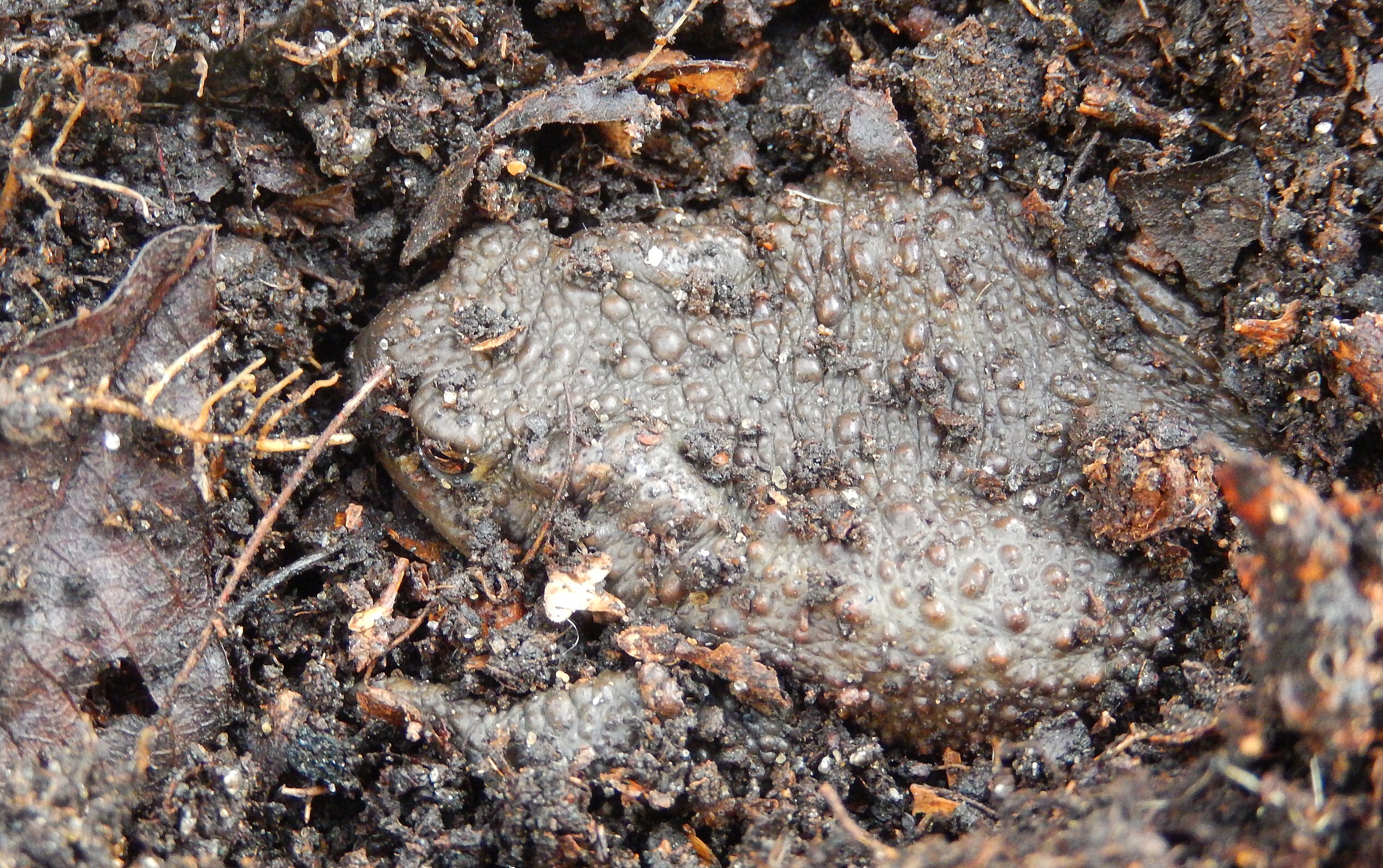
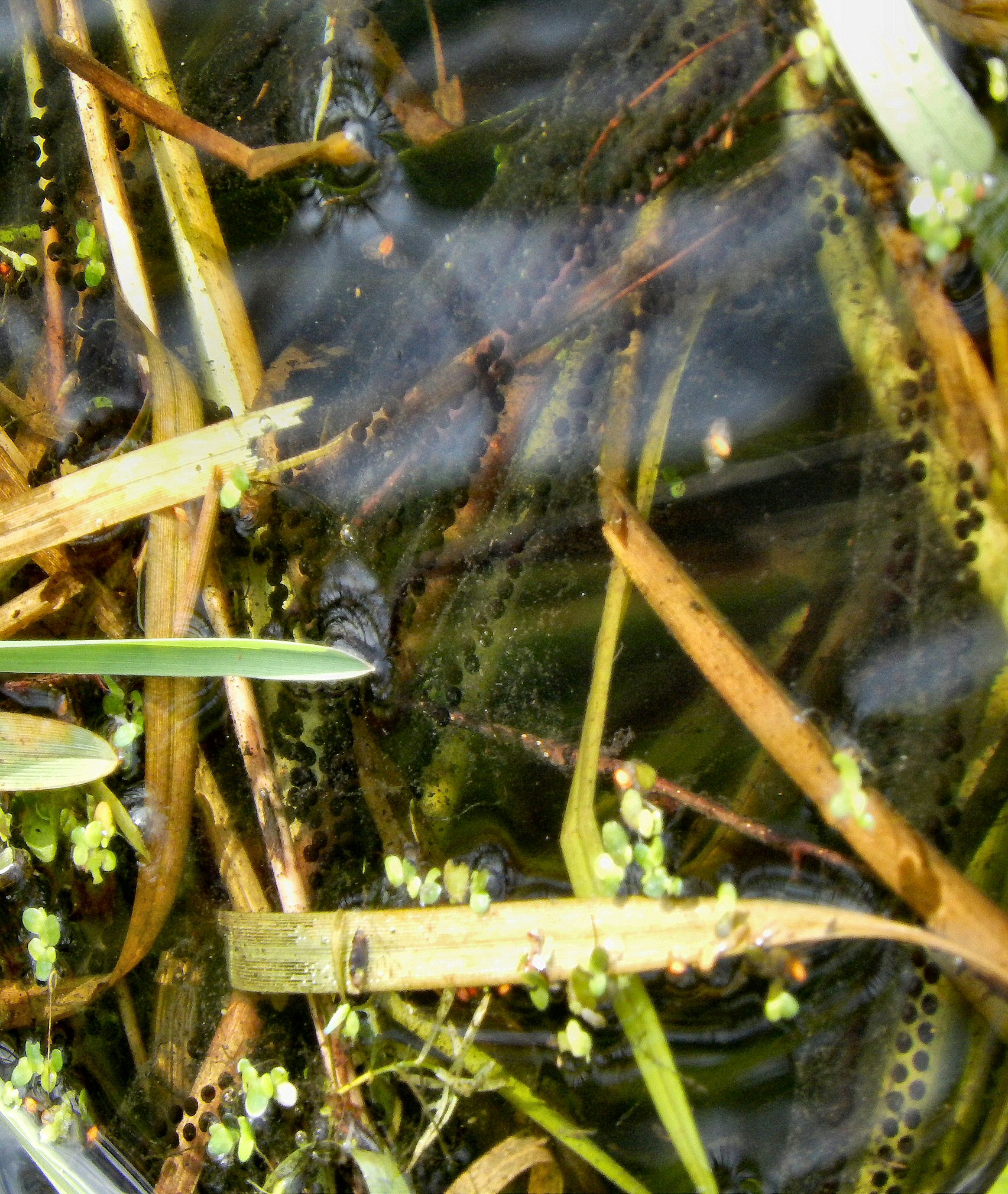
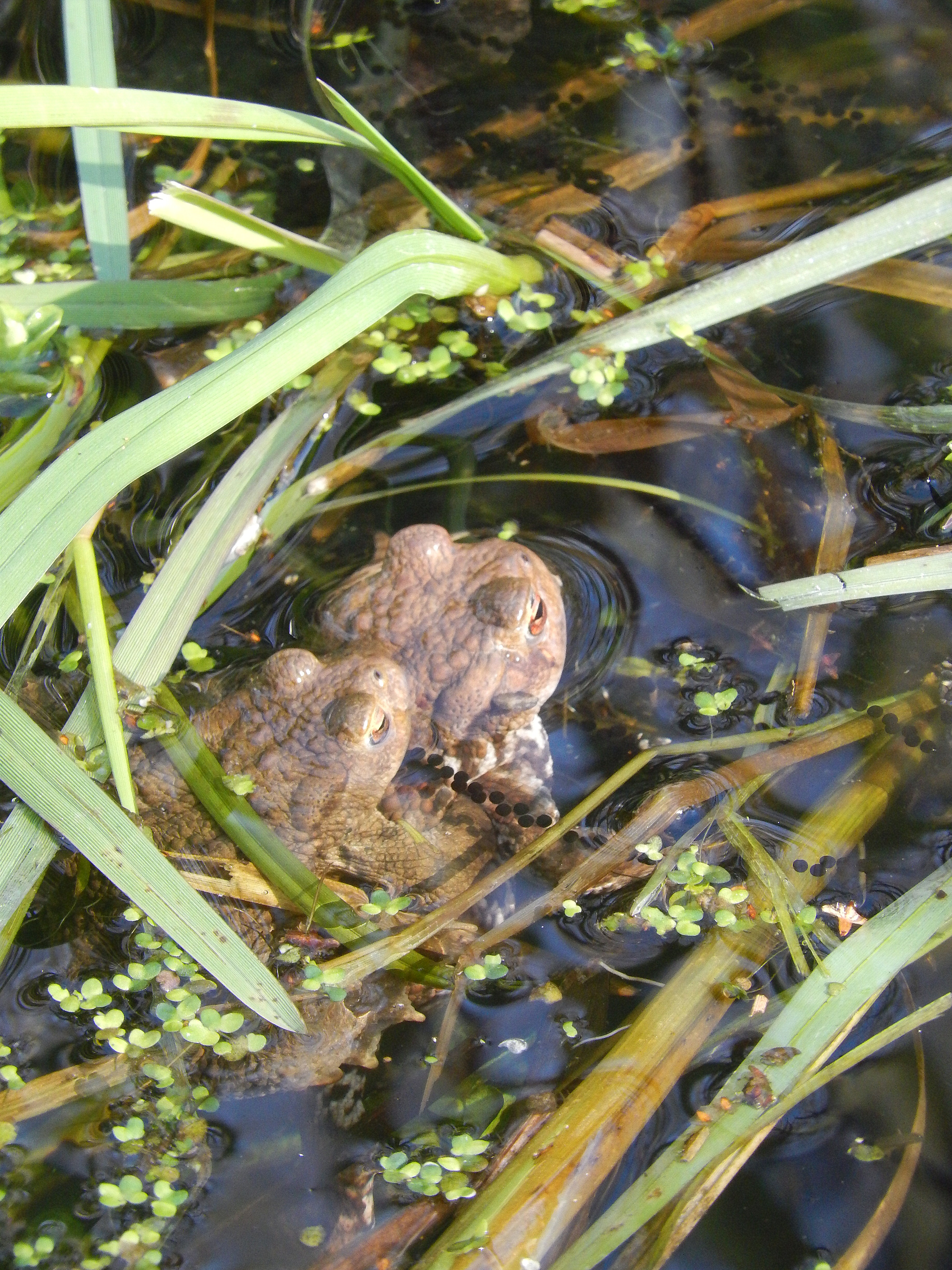
Toad found when clearing brambles and ivyStrings of ToadspawnToads in Amplexus with strings of toadspawn
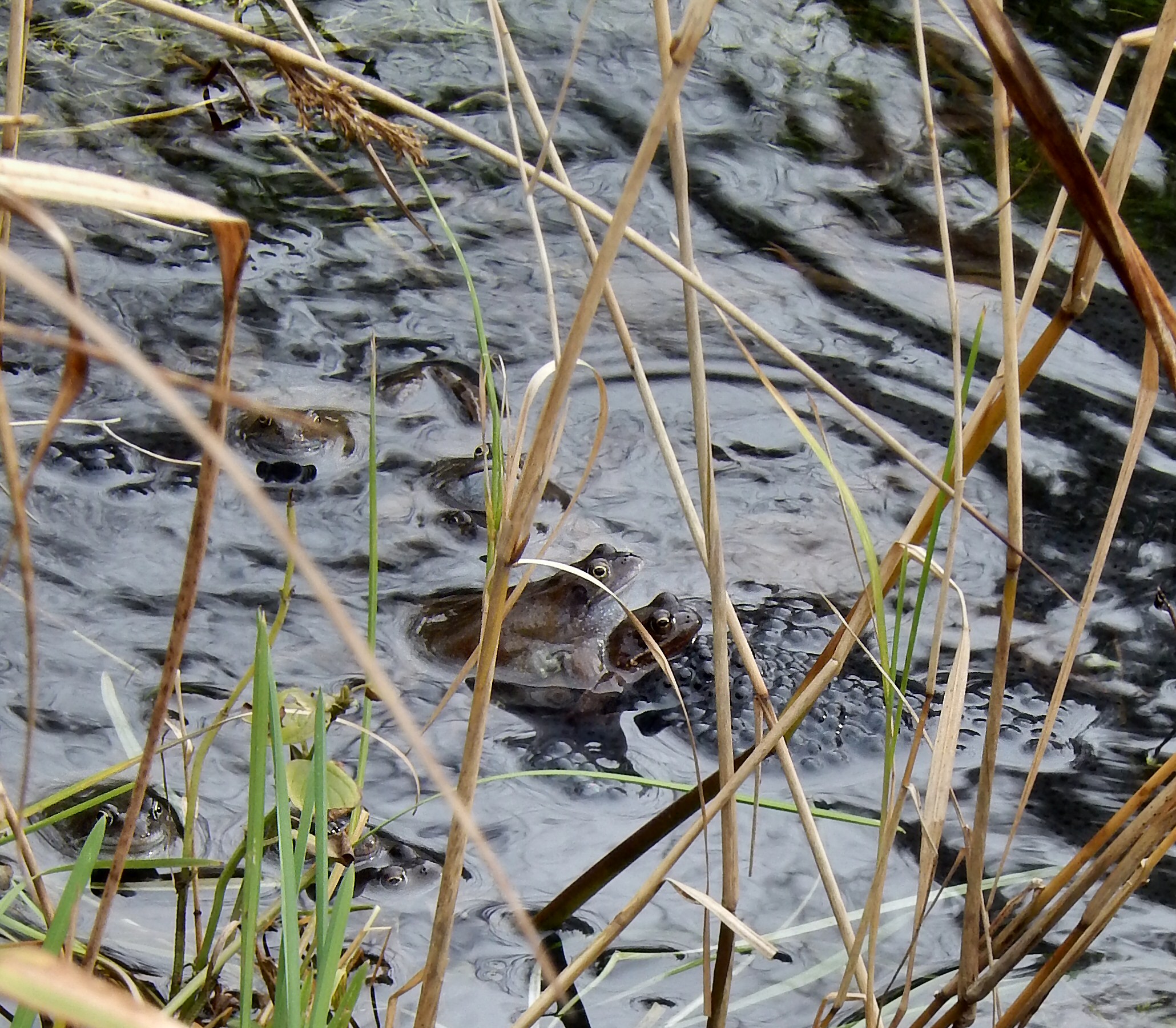
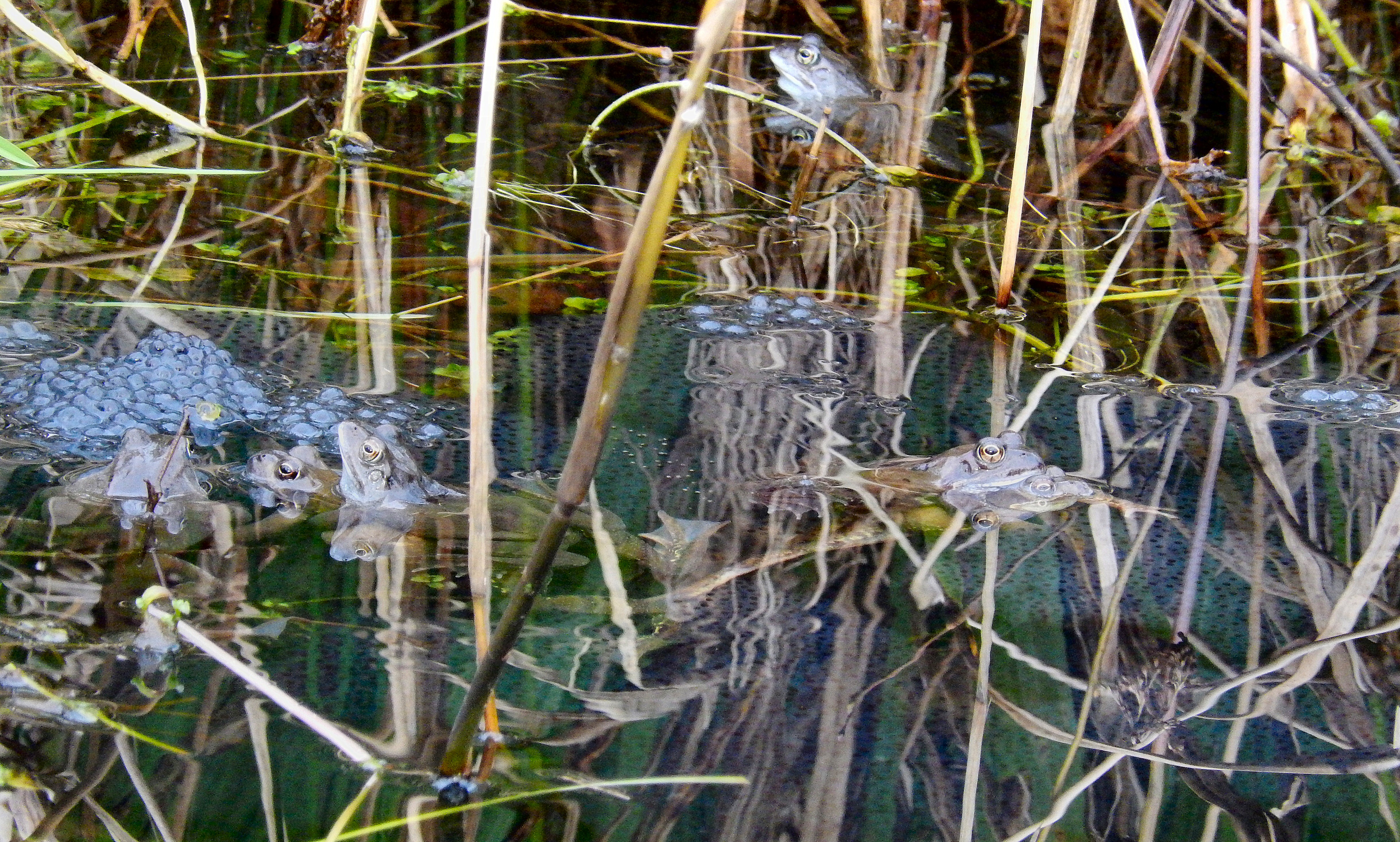
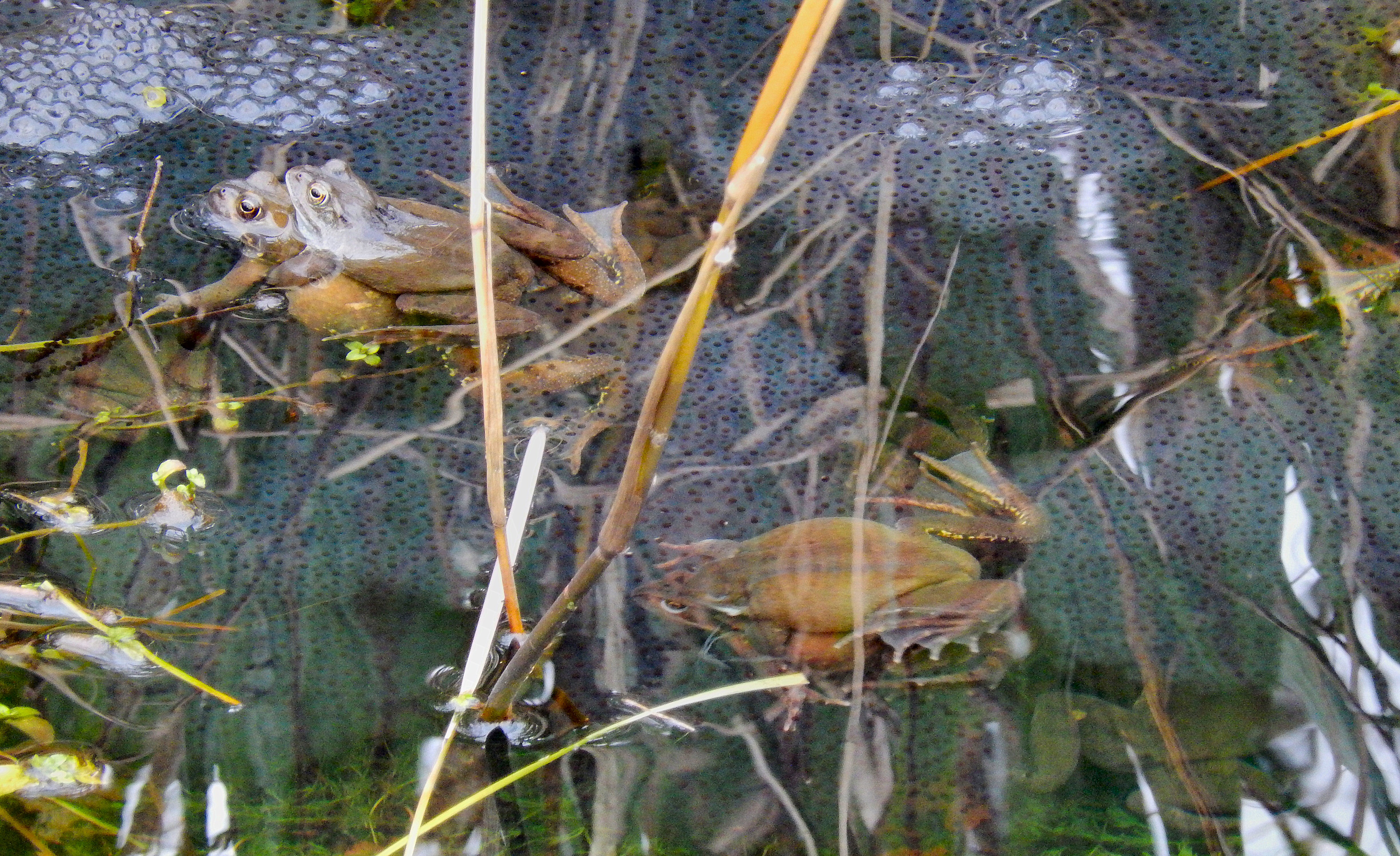
It was a good day for amphibians all round, as we also saw a pair of Smooth Newts in amplexus in the pond. I didn’t get a photo for the good reason that unlike the Common Frog, they remain elusive and well-camouflaged at the bottom of the pond. And the frogs were still going at it full throttle, with around 20 splashing about beside the island.