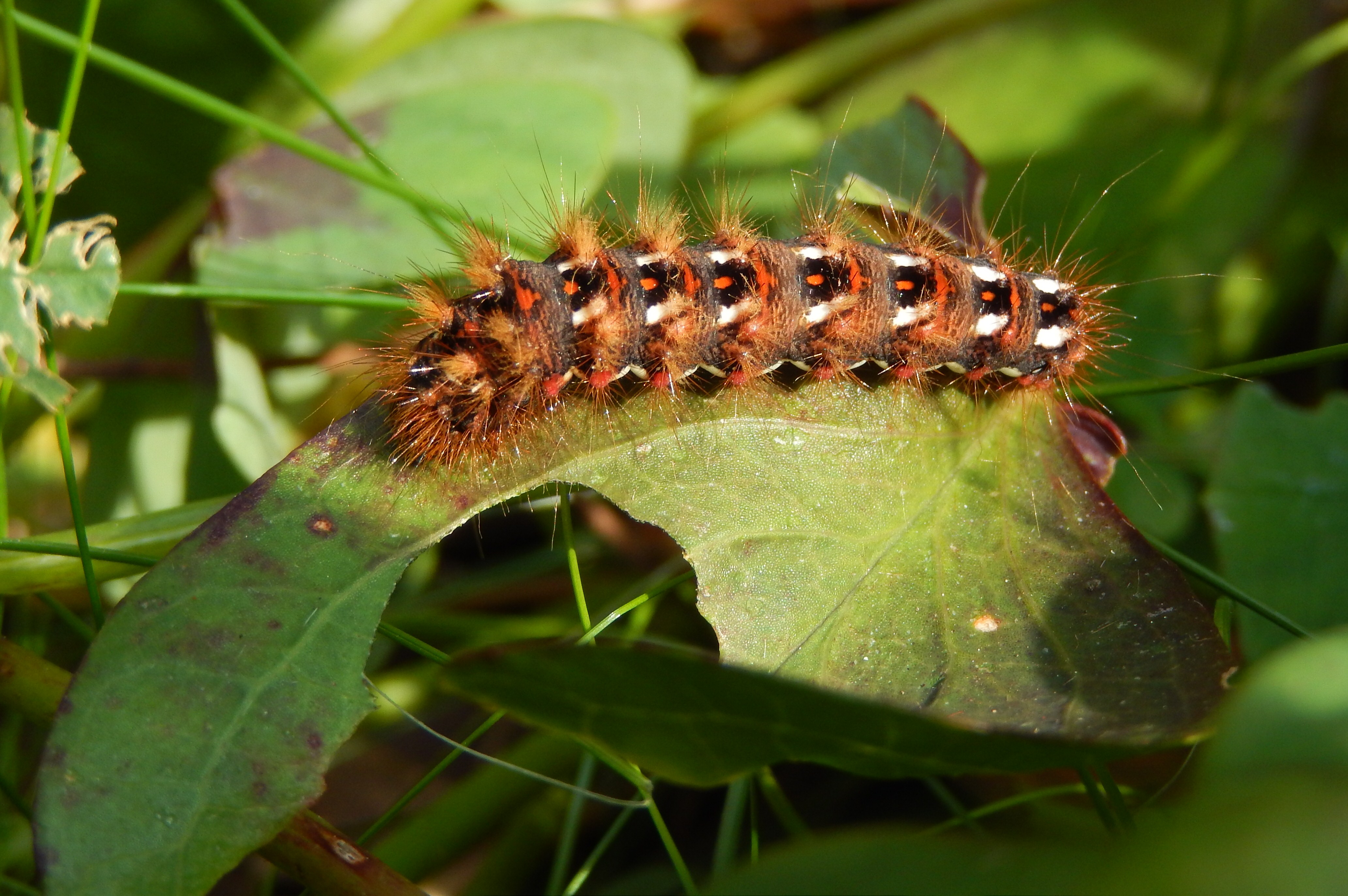
Knotgrass Moth Caterpillar

An Indian Summer is one of those special times. Yes, autumn is here; yes, flowers and leaves will soon fall; yes, season of mists and mellow fruitfulness, all of that: but for a brief moment, we know it is warm, even hot; that the time is precious, and we must seize the moment; and we drop everything to go outside with binoculars and camera to see whatever is to be seen.
And it is as wonderful as we could have hoped, warm and blithe. The Jackdaws hop about, quick to take their opportunities: some seem to live exclusively on sandwiches and crumbs. A Jay perches close by on an oak branch, abandoning the usual caution of its species. A series of high-pitched calls is not the usual posse of Ring-Necked Parakeets, but a family group of three Hobbies almost overhead, wheeling, diving, chasing each other, showing off their power and agility with long angled wings, stooping into a mock dive, fanning a tail, their black moustaches clearly visible.
Down at the Pen Ponds, pairs of Common Darter dragonflies are still in cop, laying eggs while the sun shines; around them zip Migrant Hawkers, and I glimpse one blue damselfly too. We walk around the ponds; a Heron flaps quietly across the water; a pair of Mute Swans ride high towards us, their two grey cygnets sailing between them.
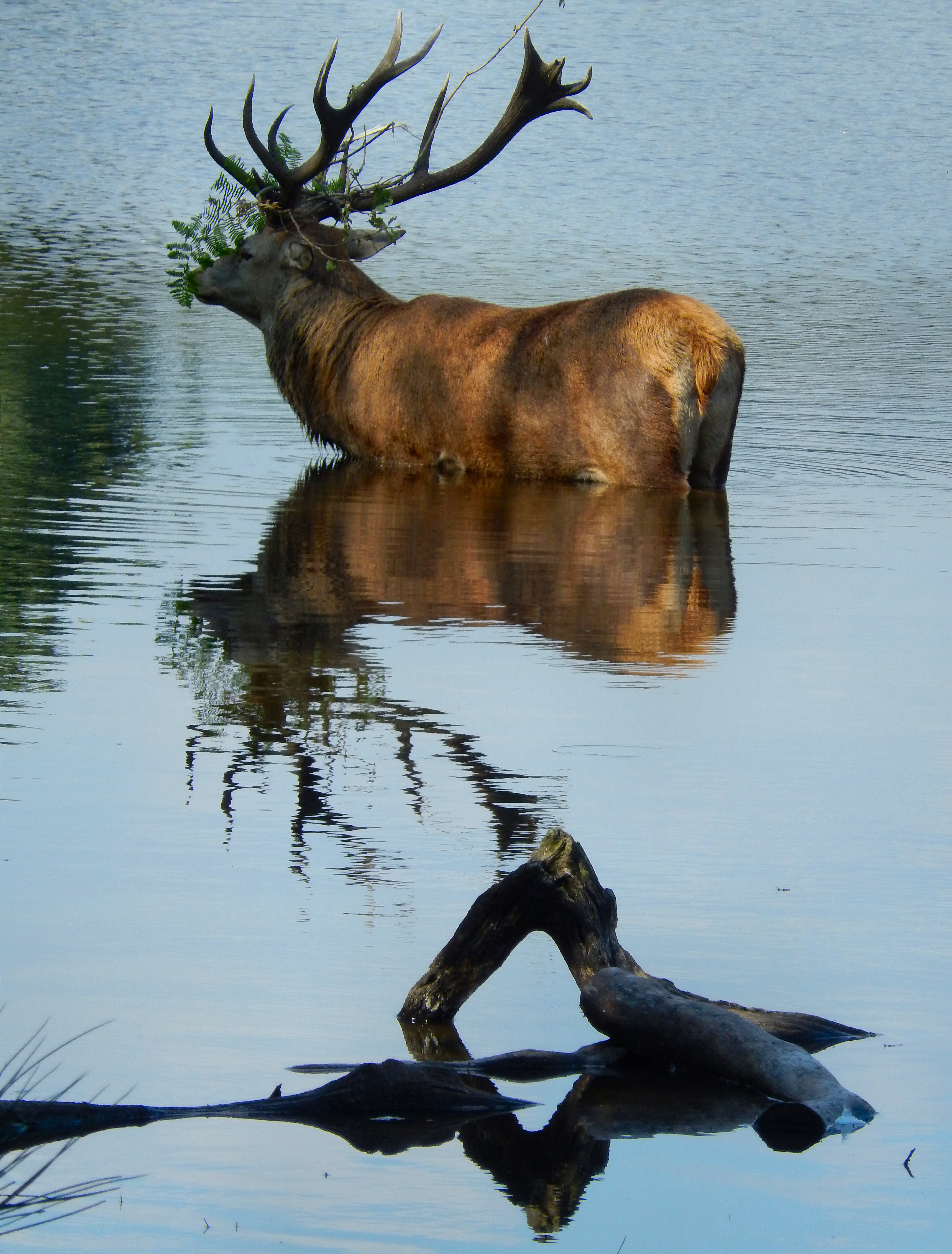
And then, quite suddenly, I saw him: a stag with fine 14-point antlers, brimming with testosterone, preparing for the autumn rut. He stood quite still, up to his belly in the water. He had decorated his head with vegetation – Bracken and some Oak twigs – and was now quietly absorbing the elements, sun and water, as he listened to the occasional preliminary roar of another stag in the distance. In a few weeks he will be fighting for a harem of hinds; but today, he seemed contemplative.
A few hundred yards away, in the open grassland, a group of twenty hinds is accompanied by a couple of young males with nearly straight antlers. A big stag will surely put them to flight in an instant when the rut begins; but today, they grazed quietly with the females.
A Buzzard soared overhead, circling in the fair-weather thermals; one of the young Hobbies dashed past.
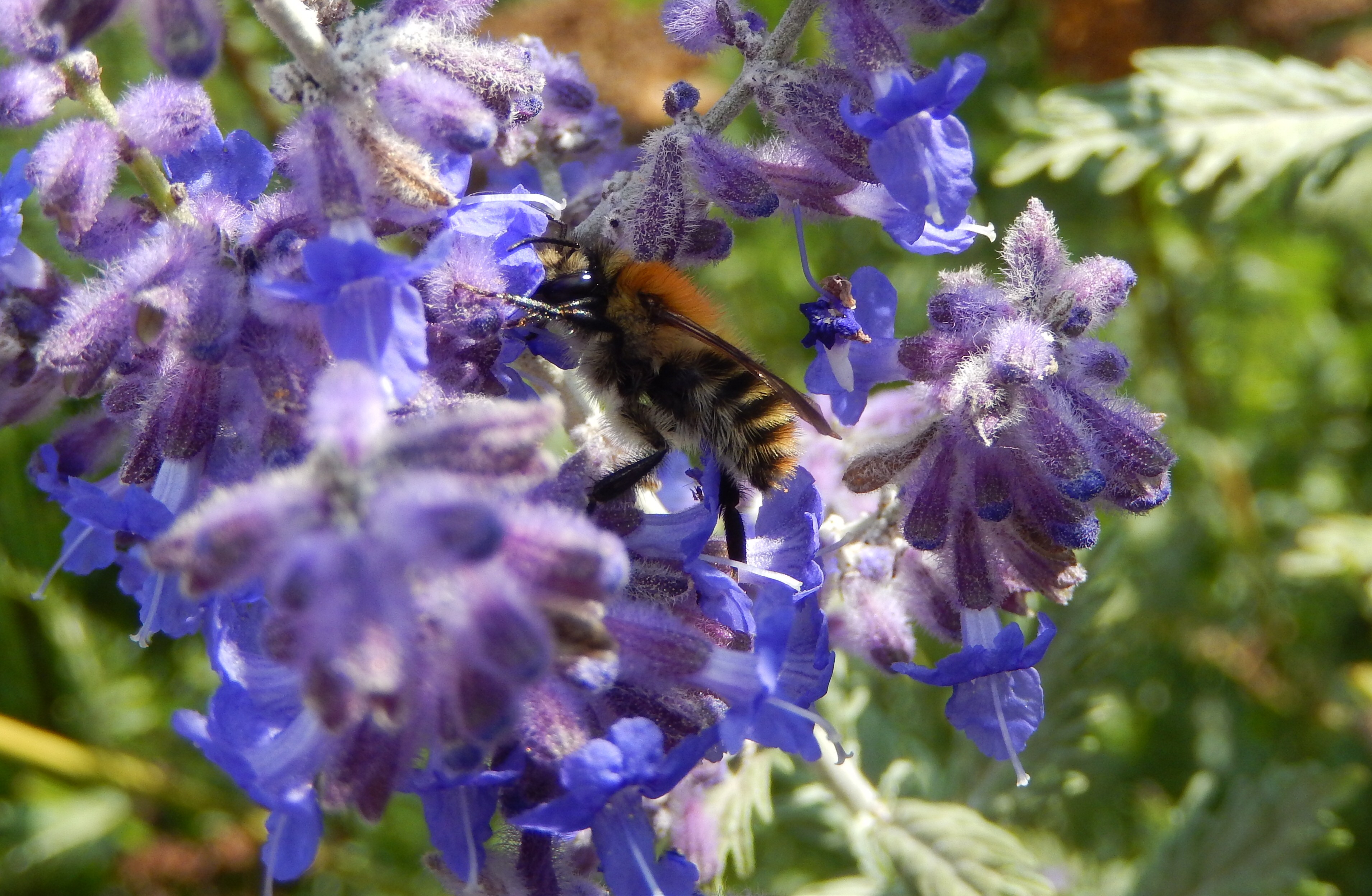
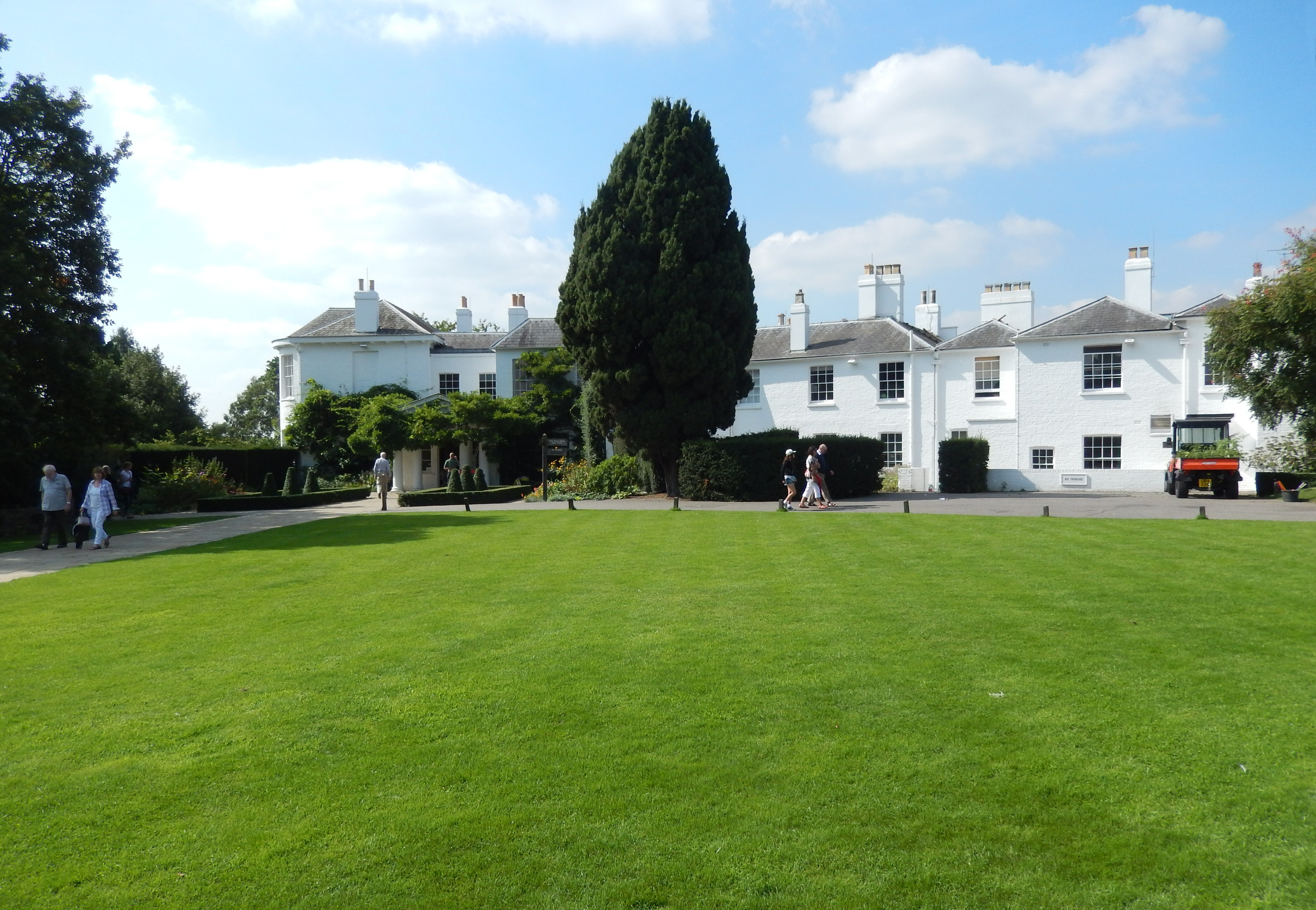
In the beautiful garden of Pembroke Lodge, they were preparing for a wedding, the lawn looking its verdant best, the bees buzzing softly in the still colourful flowerbeds full of tall daisies and delphiniums, lavender and alkanet. On the belvedere terrace, with its spacious view to the West, lovers made soft conversation at the café tables.
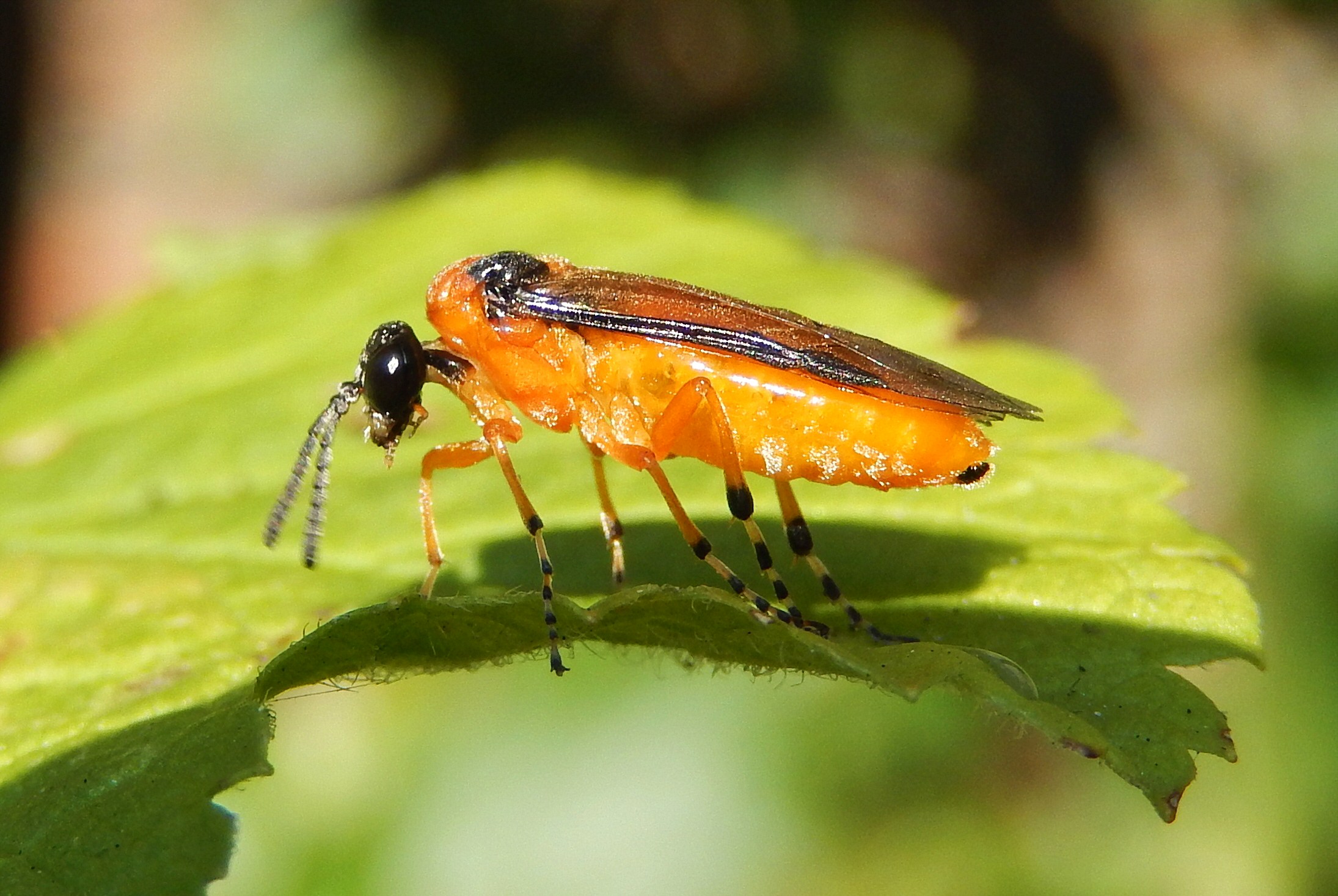
Back at home, a pair of bright saffron-coloured Gooseberry Sawflies (there are actually several species that attack gooseberries and other currants indifferently, I’m not sure what species this one is) were joyfully mating near my currant bushes, while others flew sedately about – they have a rather unusual steady flight, not like anything else. The air was warm and light; and the sawflies did not seem to have made any impact on the fruit crop. I was happy to get a photograph of one of the tiny insects, happy to see them flourishing in this Indian Summer.
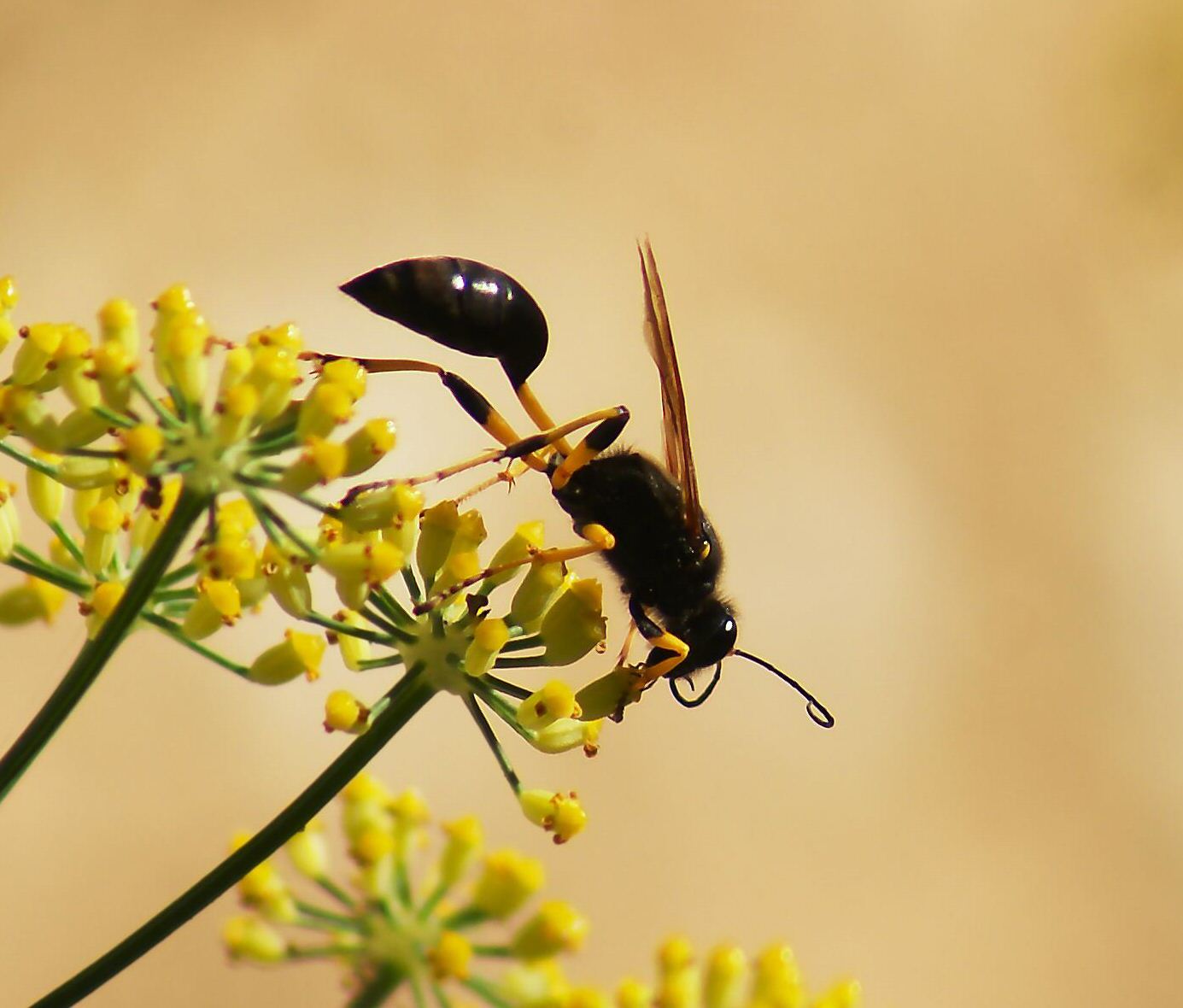
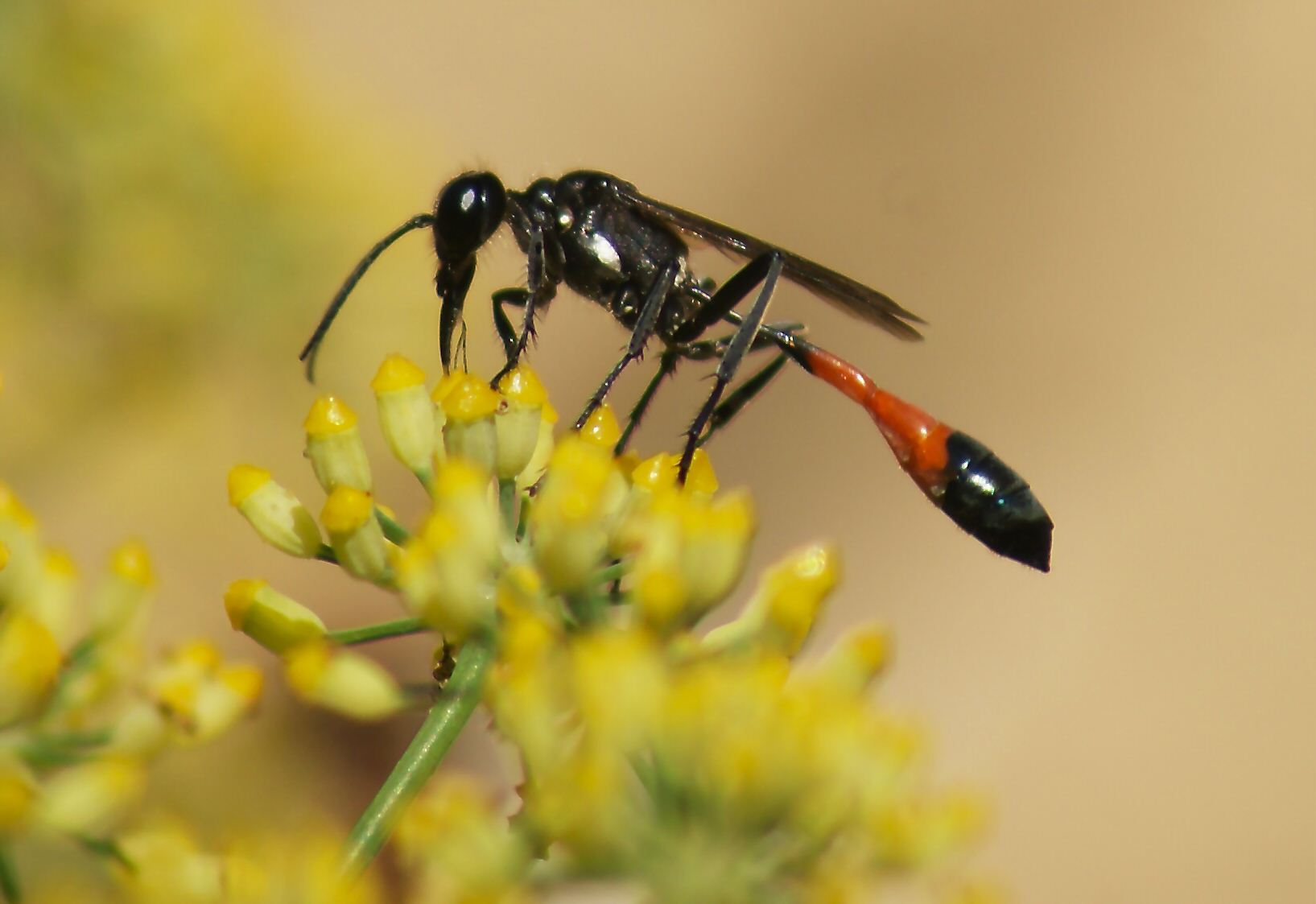
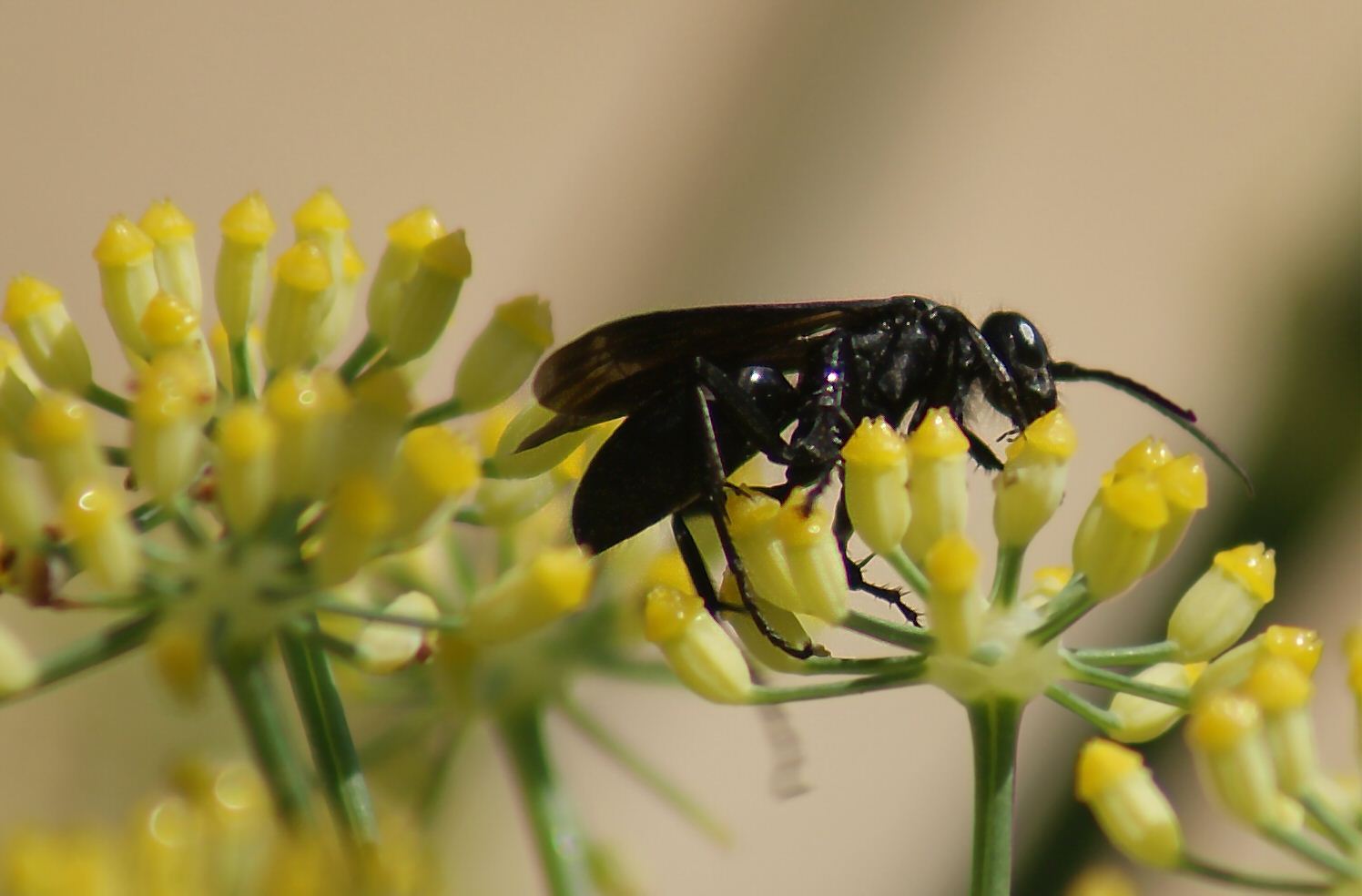
Today the morning sun blazed from a clear blue sky and the air around the tall handsome Fennel outside the kitchen swarmed with insects of all shapes and sizes, hastening to benefit from the plant’s abundant nectar. Among the visitors were the large black-and-yellow potter wasp, a small sand-wasp (Ammophila pubescens) – still a largish wasp, and a handsome species with its red and black abdomen – and an all-black spider-hunting wasp, like an Anoplius (and maybe of that genus) but without the red bands on the abdomen. Also enjoying the feast were many tiny solitary bees and a good number of flies of different species, including one with a long bristly red cylindrical abdomen, as well as what look very much like ordinary social wasps. A single red-and-black striped Trichodes alvearius beetle joined in.
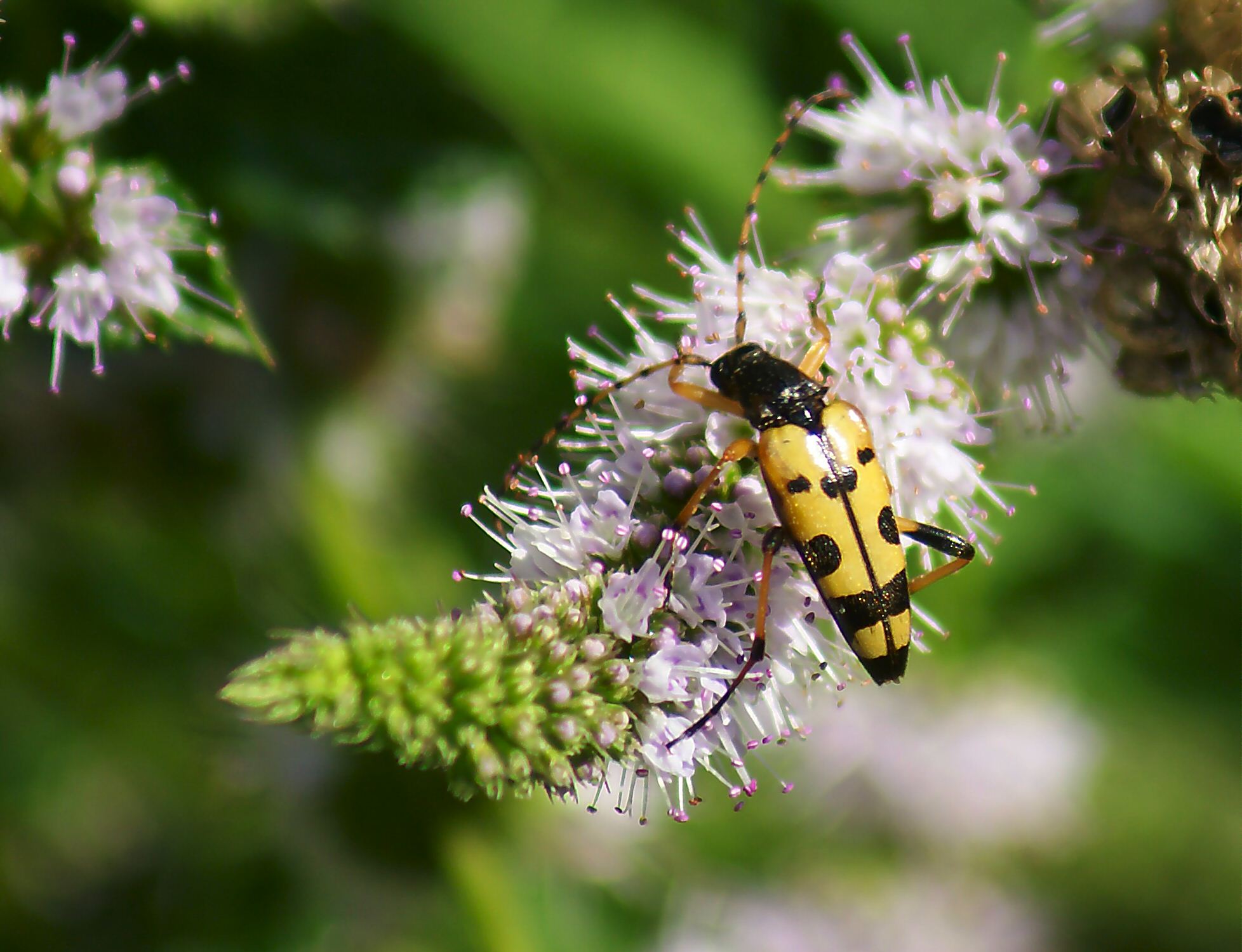
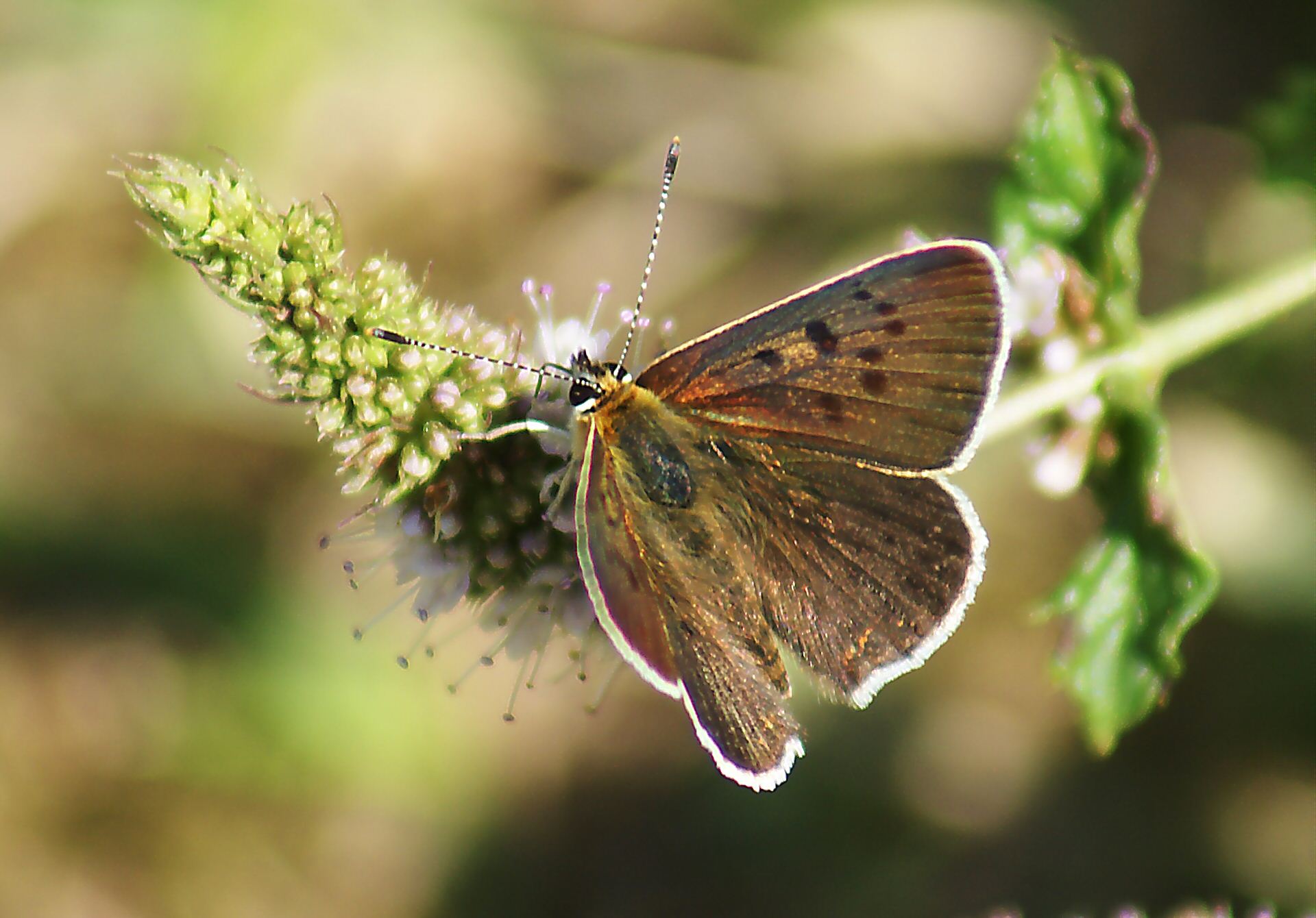
The garden Mint, now coming into full bloom, had an almost entirely different set of insects on and around it, including large flies (preyed on by Crab Spiders), a Strangalia maculata longhorn beetle, and a Sooty Copper. Half a dozen Gatekeeper butterflies chased about; a Wall Lizard scurried down the wall on the lookout for insect prey. A Large Skipper perched for nectar.
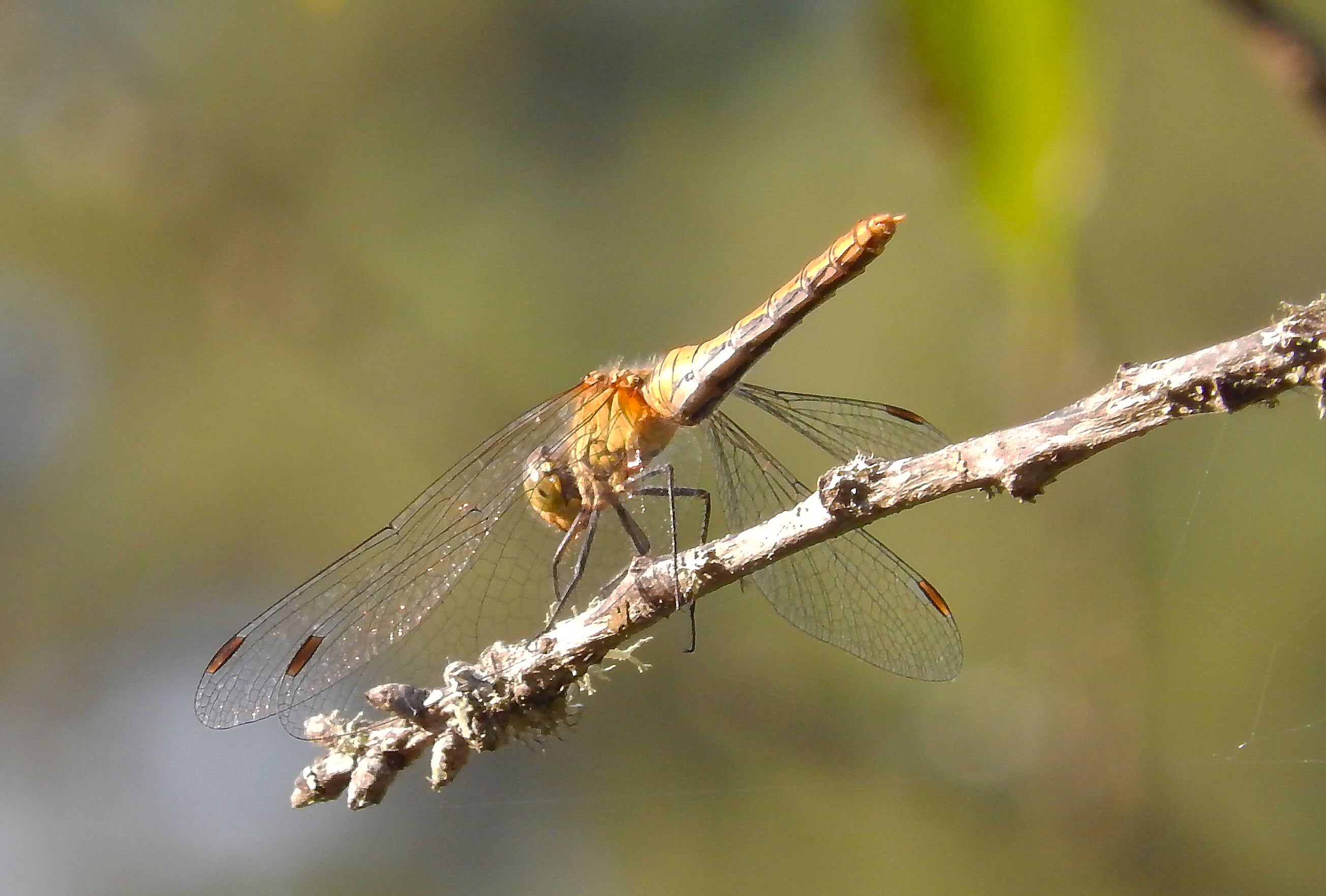
In the evening, two dragonflies hunted over the lawn. A Small Pincertail hawked up and down, its abdomen showing a roughly striped yellow and black appearance as it flashed past, wheeling up and turning aerobatically like a military helicopter over the box hedge. A Common Darter chose a perch at the end of any of three bare twigs on the Cherry, darting up like a Flycatcher, hovering, and landing again, often on the same perch. It was hard to see its markings against the light, even with binoculars, but by stalking it with the camera and adjusting the brightness and contrast it was possible to see its orange coloration and rather plain markings, as well as clear wings, excluding Yellow-Winged and Ruddy Darters, both of which I’ve seen here.
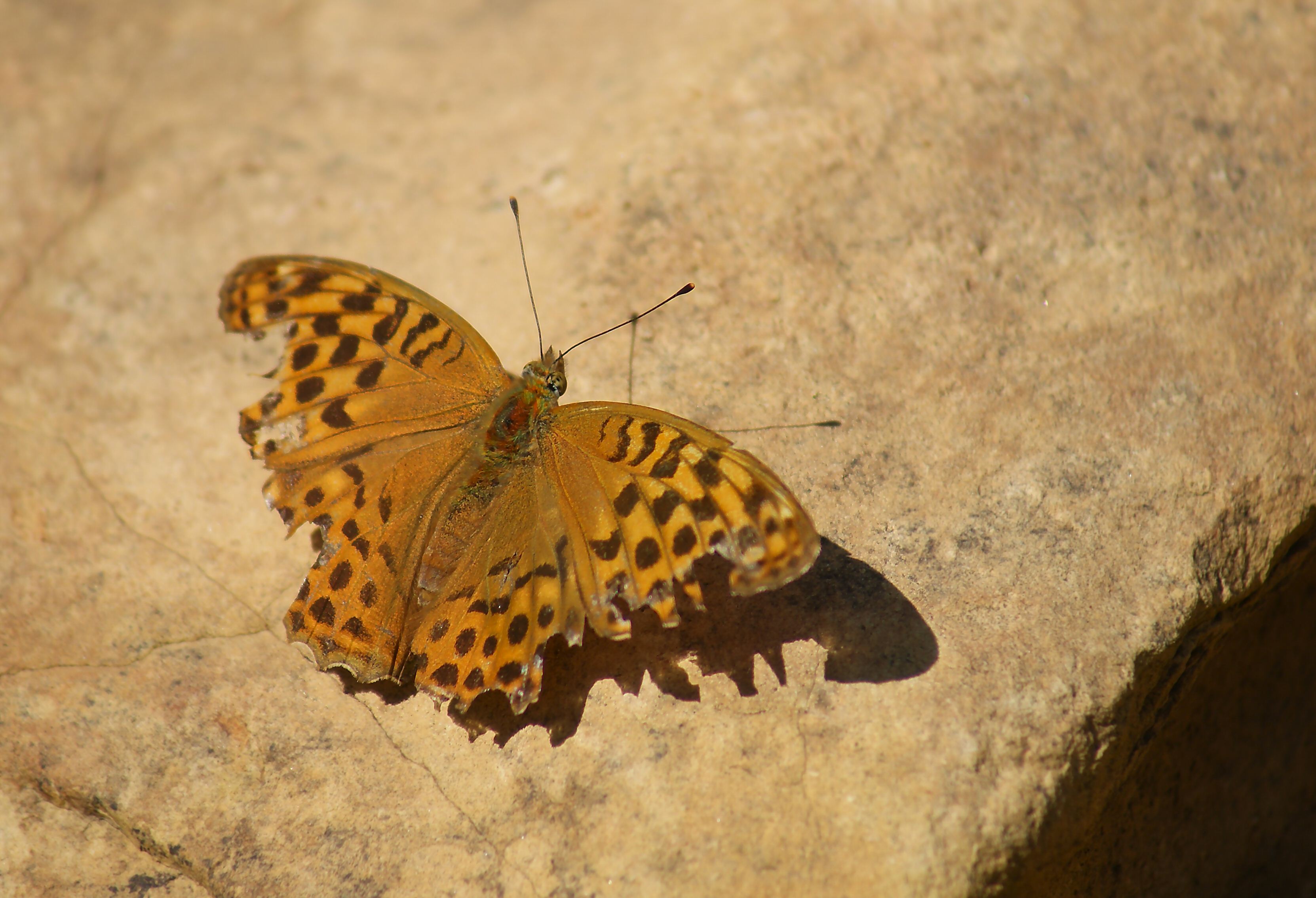
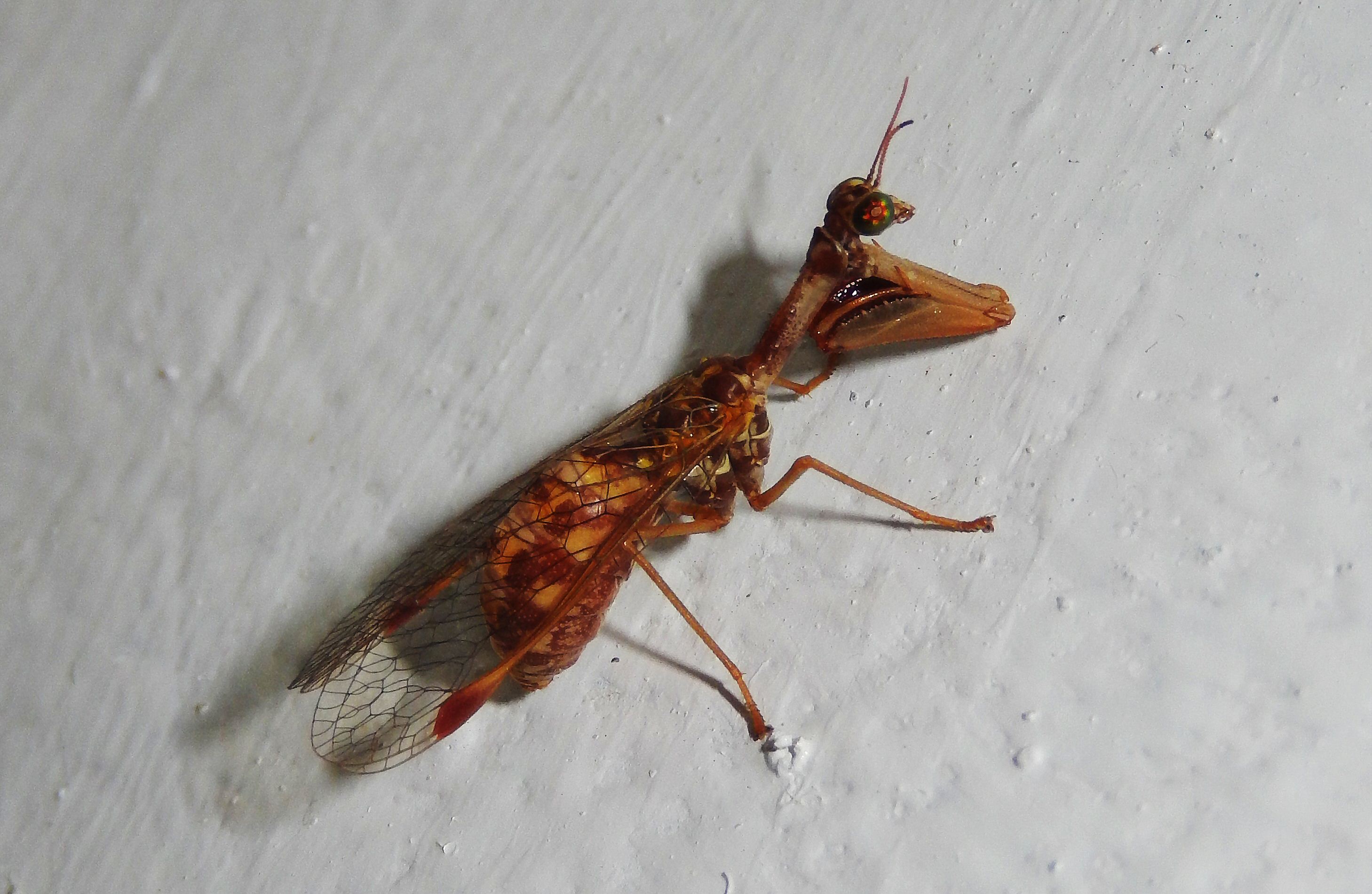
This rather beautiful small Mantis with a ‘millefiore bead’ pattern on its eye was resting on the kitchen shutters. I’ve never seen the species before: it is much shorter than the common green Praying Mantis of Europe that we get here (mainly on chalk, but also in sandy clay meadows), and it is probably well camouflaged in brownish grass or vegetation. The wings are surprisingly clear, so there is no startling ‘deimatic’ flash of bright colour available from the forewings. There seems no doubt, though, about the ‘praying’ front legs (I almost said ‘arms’).
Other insect visitors include Southern White Admiral and Scarce Swallowtail (actually commoner here than the ‘Common’ Swallowtail, a fast flier which we sometimes see).
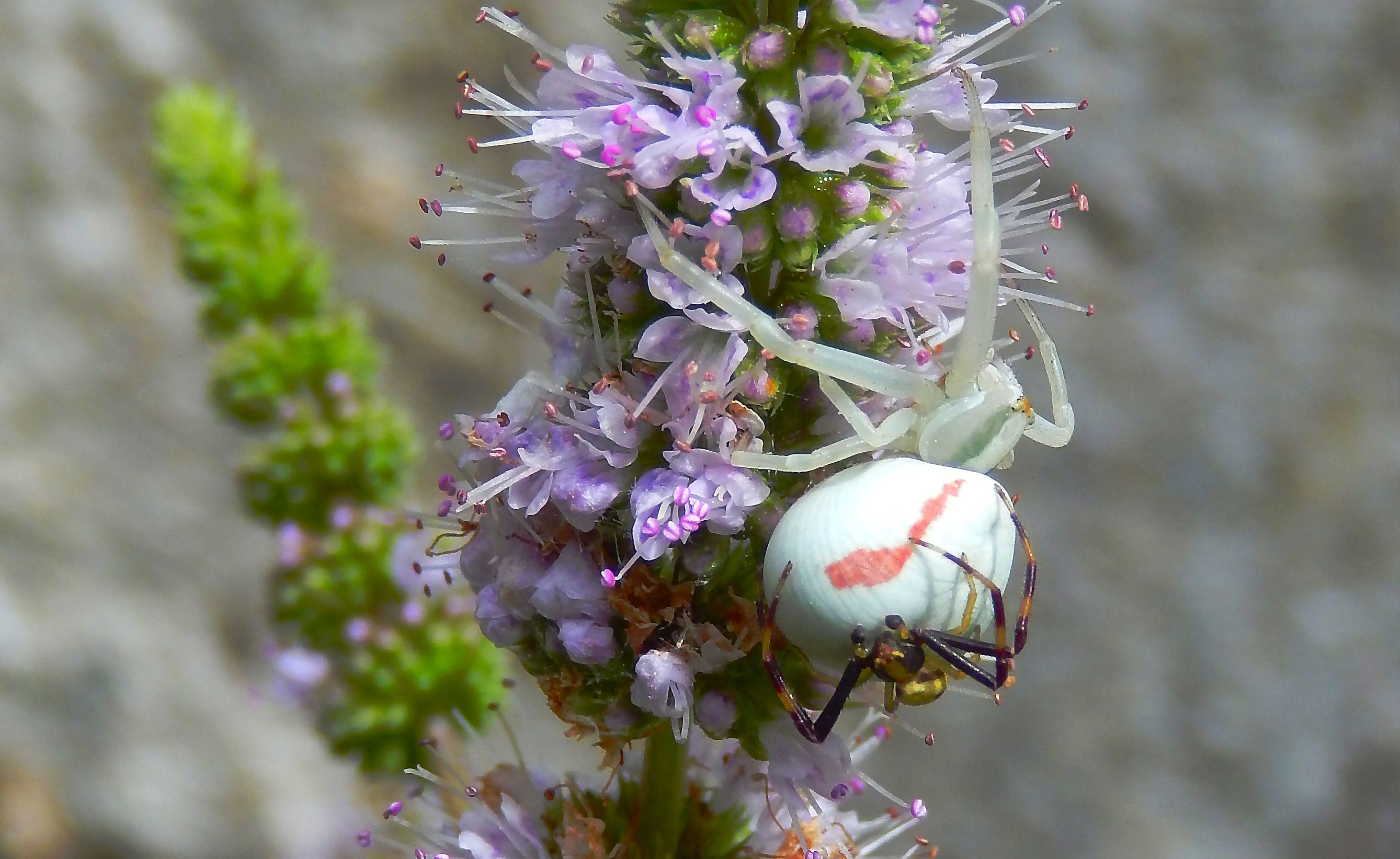
A spidery surprise. The garden mint is now in full flower, attracting a wide range of flies, bees, and other insects. Lying in wait are three Crab Spiders, which look mainly white to us, but are seemingly invisible to other insects. One of them was this morning visited by a small black-and-gold spider, apparently of quite a different kind judging by its body shape, coloration and large chelicerae; it hung onto her large globular abdomen for an hour or so, not seeming to do any harm, and certainly not appearing to mate. The male, for such it is, is far smaller than the conspicuous female. Whether he often ends up as a meal or not, he is impressively different from the female of the species Misumena vatia.
When I first acquired a macro lens for my camera, I raced about the meadows, photographing every insect I could: and many of them were species new to me, though I must have seen them flying past (or away) many times. For the close-up lens and detailed images gave me something I had never had: the ability to study shy insects as if I had caught them and pinned them to a Victorian collector’s card. Suddenly those speckled orange butterflies resolved themselves into Spotted Fritillaries, or for that matter Glanville, Queen of Spain, Silver-Washed, Small Pearl-Bordered and High Brown Fritillaries. It was a revelation, and a delight.
It was also sobering: in all my journeys around the British Isles, the only Fritillary I ever saw was a Small Pearl-Bordered, and that was on the north coast of Cornwall, only a few miles from Land’s End, as if almost the whole of Britain had been scrubbed clean of butterflies, but a few remote corners with the last few surviving individuals had somehow been overlooked.
But as far as rural France was concerned, once up in the wooded hills with their mosaic of old coppiced woodland, little meadows, fruit trees and ponds around old tumbledown farms and barns, or out on such steep chalk grassland hillsides as remain, the butterflies, beetles and wild flowers remained much as they must have been a century ago. I clicked away and framed a postcard-sized print of each species, 8 to a clipframe, and returned each day to the meadows to photograph more.
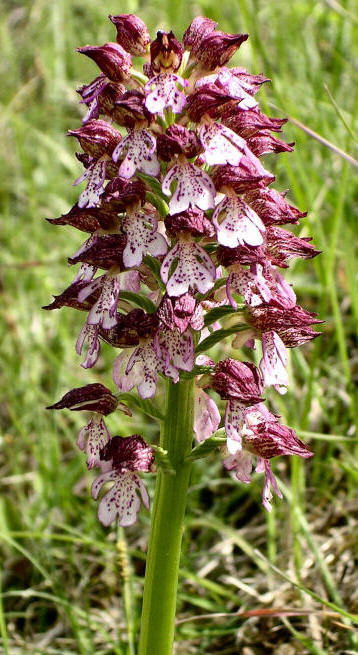
It was the same with the flowers, especially on the chalk, as soon as I finally managed to get down here in springtime to see the orchids, rather than in high summer to see dry brown grass (and perhaps burnt-out orchid seed-heads, the colour of well-cooked toast). Everywhere there were Pyramidal Orchids and Chalk Fragrant Orchids, so numerous as to have a wealth of variation in size, shape and height, evidently frequently hybridizing. In damper places were Early Purple Orchids; and here and there were species I had never seen in Britain – Lizard, Military, Lady, Green-Winged, Fly, and Butterfly Orchids. They all went on the wall, printed as close-ups.
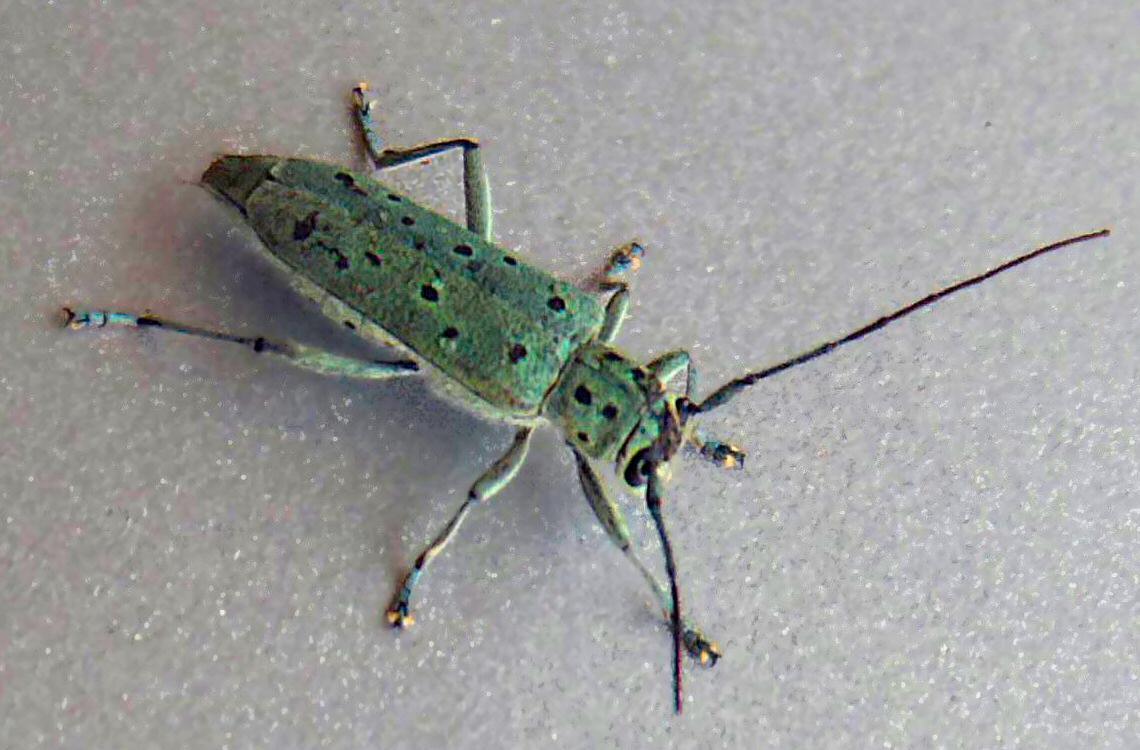
As for the beetles, the only really large species that I’d seen at all frequently in England was the Stag Beetle. Here, I photographed at least 8 species of Longhorn, from the mighty Tanner to two kinds of wasp-coloured beetle (Clytus and Strangalia) and a magnificent green kind with black spots, Saperda punctata. The Romanian Longhorn Project kindly identified it from the photo, saying that it is protected in Central Europe: such splendid insects are becoming rare, and not only in England.
Yet perhaps it was really the wasps that caught my eye and stole my heart. Yes, wasps. As well as ordinary-sized social wasps, the area was home to great spherical nests of the European (Red) Hornet and the new, darker, slimmer and far more aggressive Asiatic Hornet. And besides those were Sphecid or Digger Wasps of many kinds, all solitary and often handsome; Ichneumons with narrow waists and enormously long ovipositors like overgrown stings (though wasp stings are actually modified ovipositors, so only females have them); and marvellously beautiful and imposing Potter Wasps with black and yellow legs and long slender yellow waists. These are shy and wary of large animals, so photographing them was always a challenge: but eventually I managed it.
Now, as the years go by, I find I recognize these insects not only by their size and shape and patterns, but by their habits of flight, the kind of weather that brings them out, which plants they like to visit, where they nest. In short, they have become familiar: and with familiarity has come a comfortable feeling of friendship and of being at home, of things being in their right places. The excitement of the new has been replaced by the appreciation of this particular ecosystem, where ‘eco’ means what its Greek etymology implies: οικος (oikos), house: this is my and their home, the place where we live together.
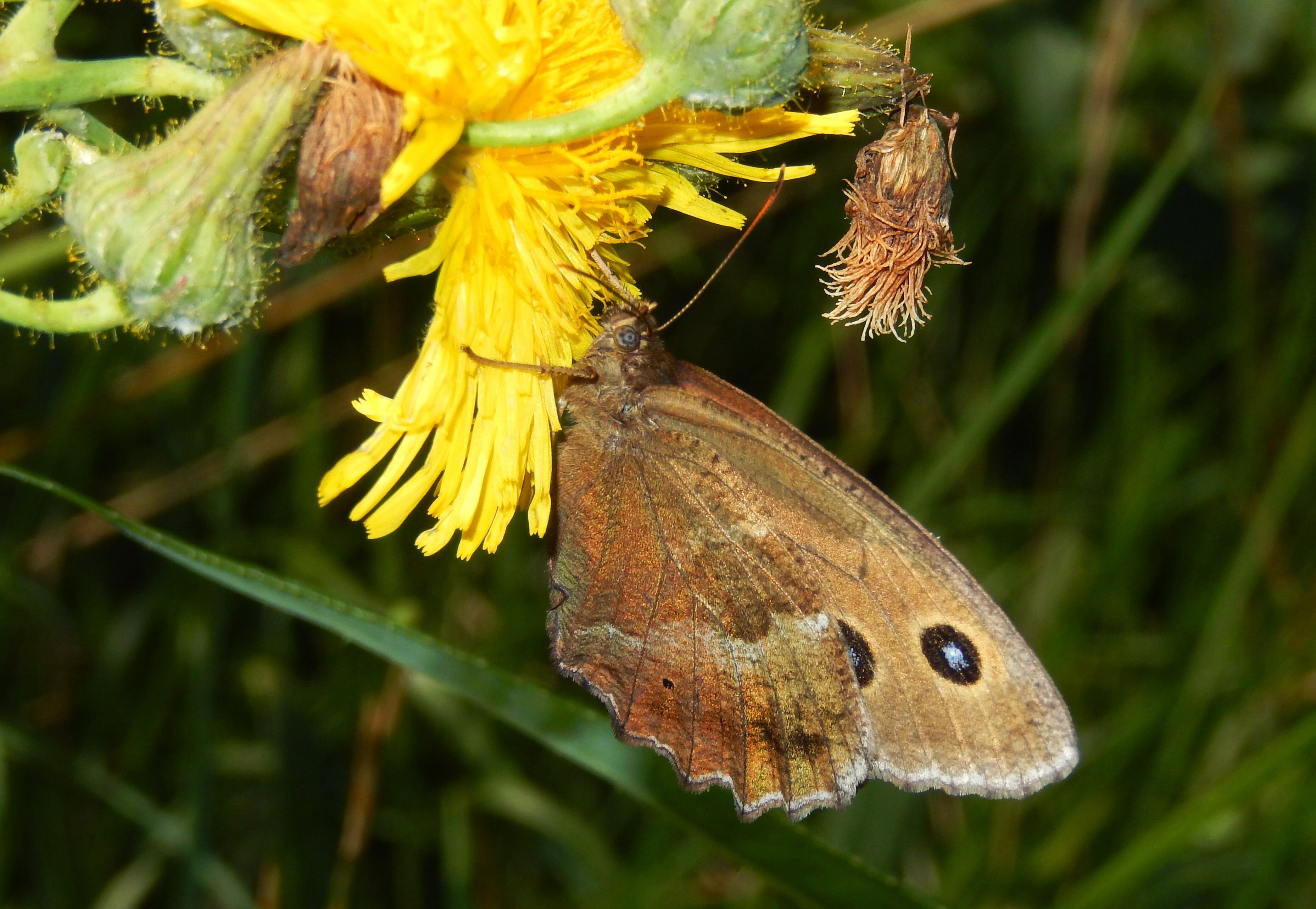
There were Dryad butterflies all over beside the paths on the fen peat of the Tourbières, the old peat workings (the French word Tourbe is cognate with our ‘turf’, a block of peat for the fire).
Turtle Doves cooed peacefully as we arrived, and continued the whole time.
Vendoire is one of the best wet meadow areas in all of Aquitaine, with its shallow fen pools and alkaline peat making it a wonderful place for dragonflies. Today, there were Keeled Skimmers all over, making local dashes low over the water; Blacktailed Skimmers here and there, dashing about widely; a pair of Emperors; Scarlet Darters fiercely territorial; White-legged damselflies; Common Bluetail damselflies; Banded Demoiselles; some Small Pincertails on the chalky entrance path.
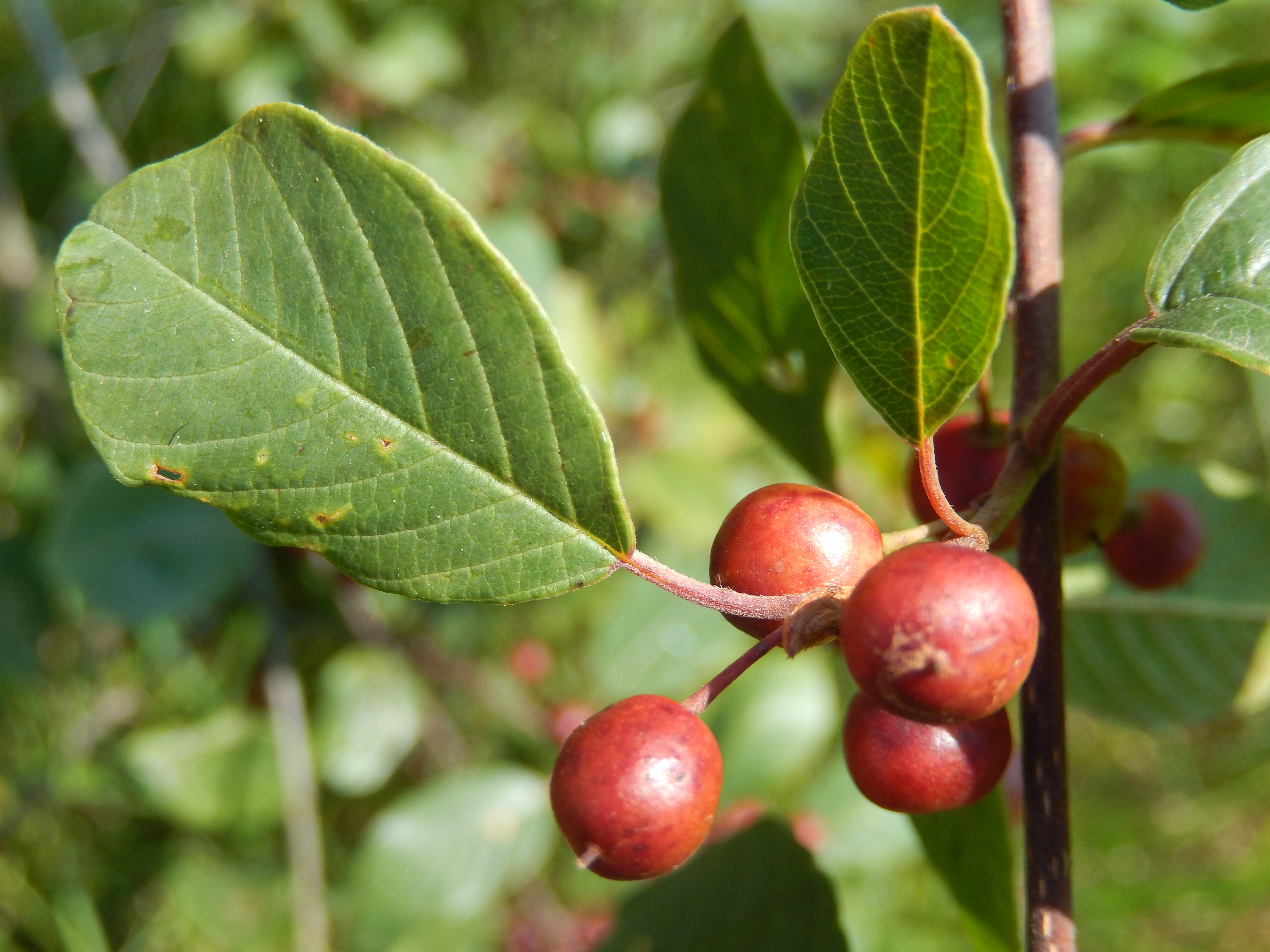
Marsh Frogs, Rana ridibunda, lived up to their Latin name (‘laughing frog’) with hilarious, loud laughing song (“what’s that bird?”) during our picnic. Around the peat-ponds are woods and Carr of Ash, Alder, Willow, Sallow, Alder Buckthorn, and wet meadow with long grass rich in flowers.
A single Hobby came overhead, its slender Swift-like wings scything, presumably hawking for dragonflies. A Rose Chafer whirred heavily into the air from the scented Meadowsweet and Purple Loosestrife.
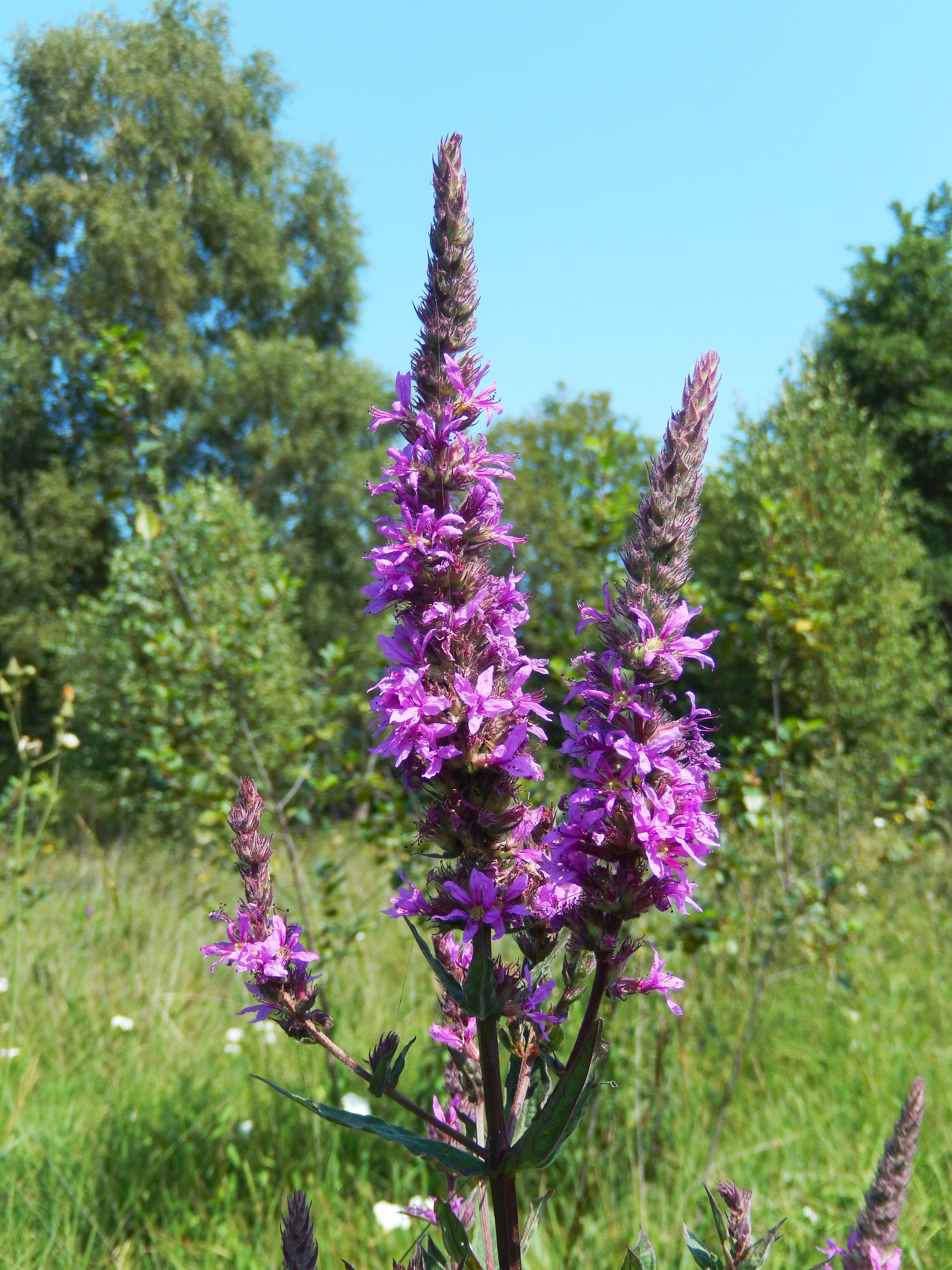
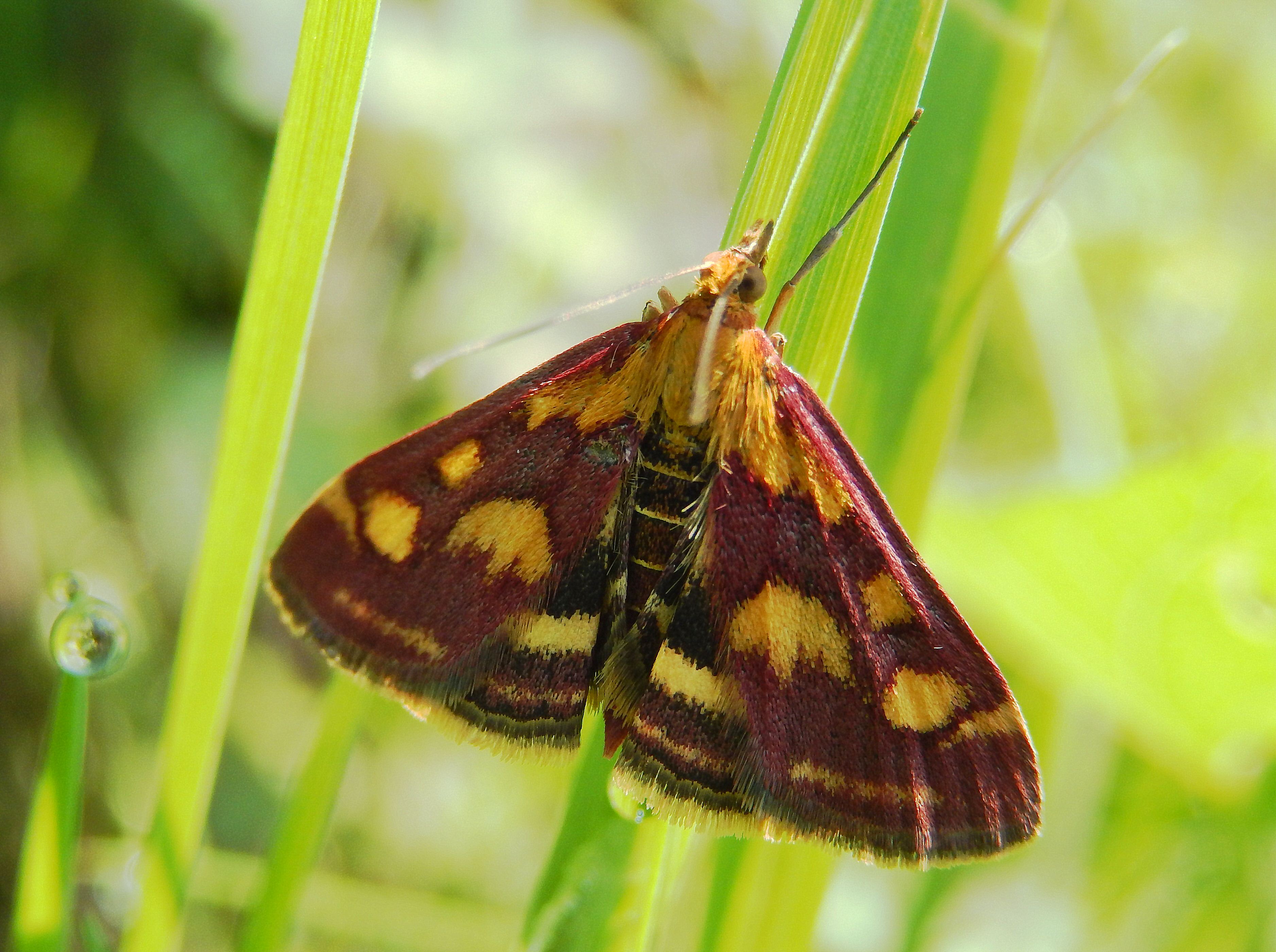
Among the butterflies, Large Skipper, Dryad, Gatekeeper, Mallow Skipper, Meadow Brown, Speckled Wood, Common Blue, Holly Blue. The attractive and common micro-moth Pyrausta purpuralis too.
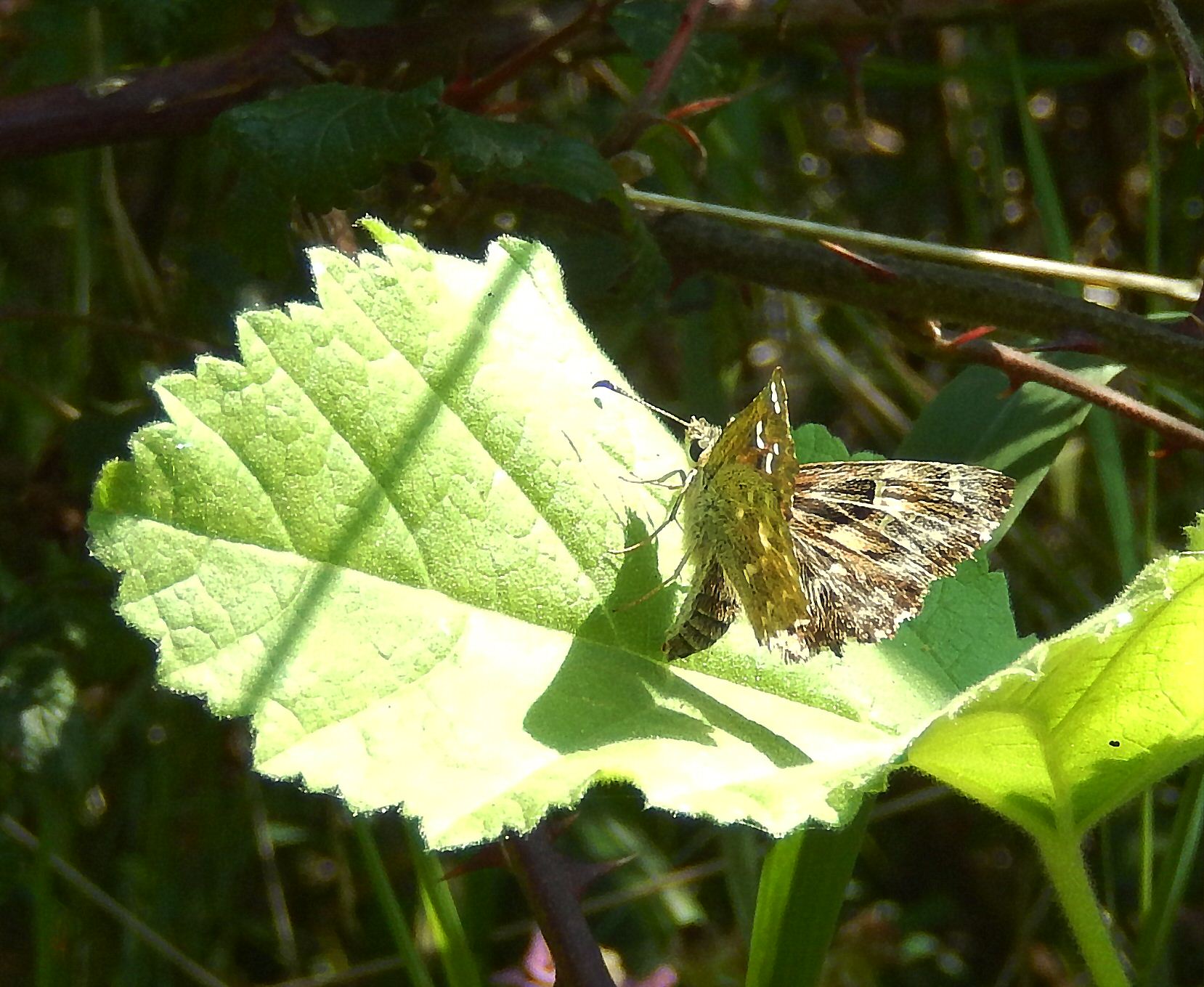
Plateau d’Argentine
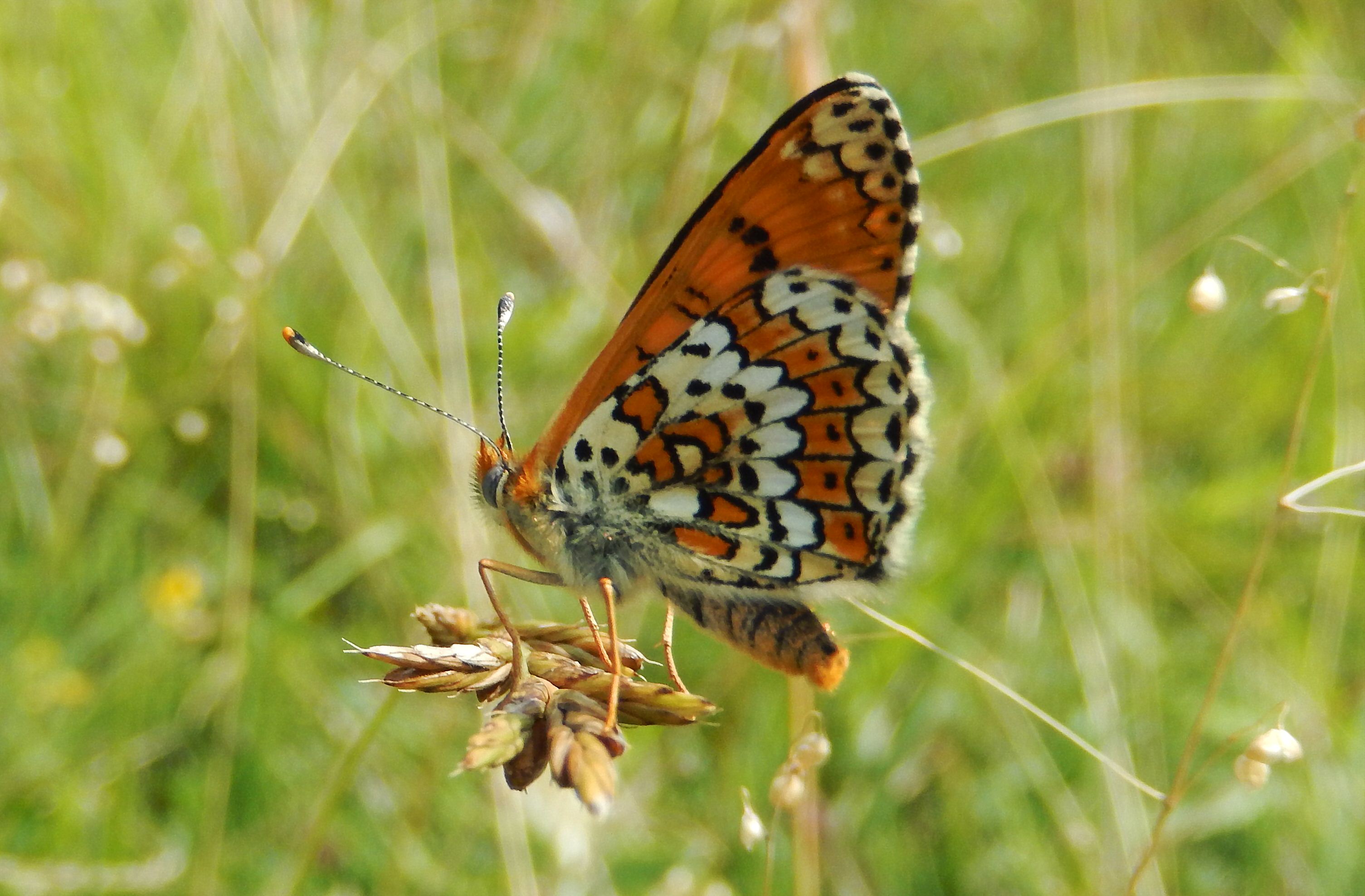
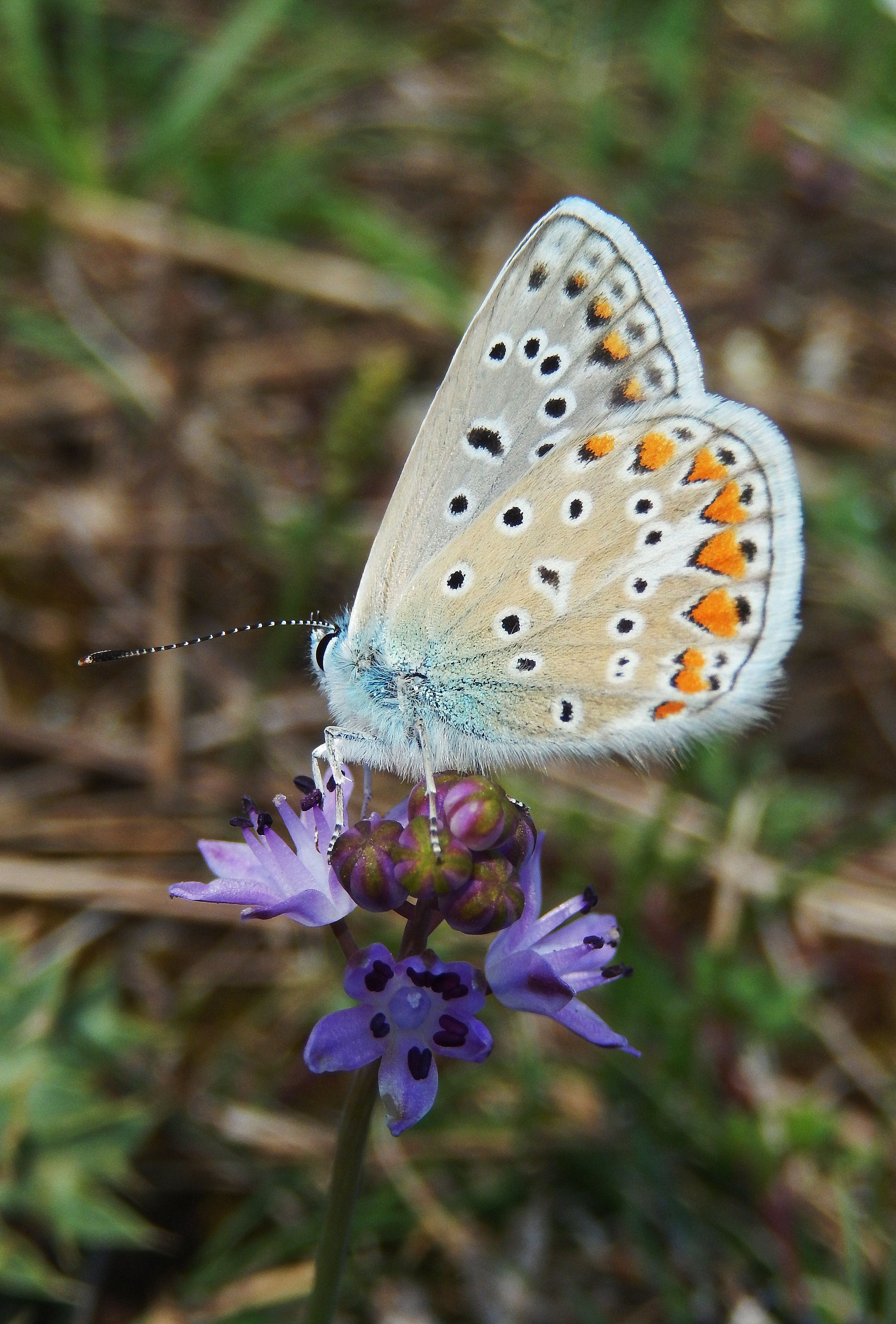
This wonderful reserve, if such it is – it’s still used to launch aircraft, not military any more but hang-gliders – is a flat bare plateau of hard limestone, topped with dry calcareous grassland and scrubby trees, rich in flowers like Viper’s Bugloss, Horseshoe Vetch, Knapweed, Autumn Squill, Eyebright and Devilsbit Scabious, as well as Orchids in springtime, and alive with butterflies. The temperature reached 33 degrees on this sunny afternoon, the Common Blue and Glanville Fritillary butterflies seemingly unaffected by the heat.
Back at base, a hairy black-and-red striped beetle, Trichodes alvearius visited the Fennel, remaining wary of approach. The very large, black-and-yellow-legged Sand Wasp did the same; it’s tricky to observe as its eyesight is so good.
Humans are the most obvious inhabitants, but definitely not the most numerous. The others include:
House Mice (frequently, in loft and whenever food is provided in the kitchen)
Stone Martens (occasionally, in the loft)
Potter and Mason Wasps (making nest pots in the walls)
Wall Lizards (visible any warm day)
Spiders, the ones with very long thin legs, that shake their bodies to warn off predators (we chase them out but there are always more)
Woodworm (never quite eliminated, despite best efforts)
Hornets (just a few, trying to nest in a hole much too small for a proper Hornets’ Nest, unless they’ve found a way right through into the loft, let’s hope not).
Common wasps, too, much as above.
Black Redstarts (well, they stalk the roofline at dusk, as owners of the place; they nest in a hedge nearby)
Meal moths (still living on 50-year-old cereal dust remaining from when the house was a working farm)
Today a White Admiral, a Brimstone female, and a Silver-Washed Fritillary paid visits.
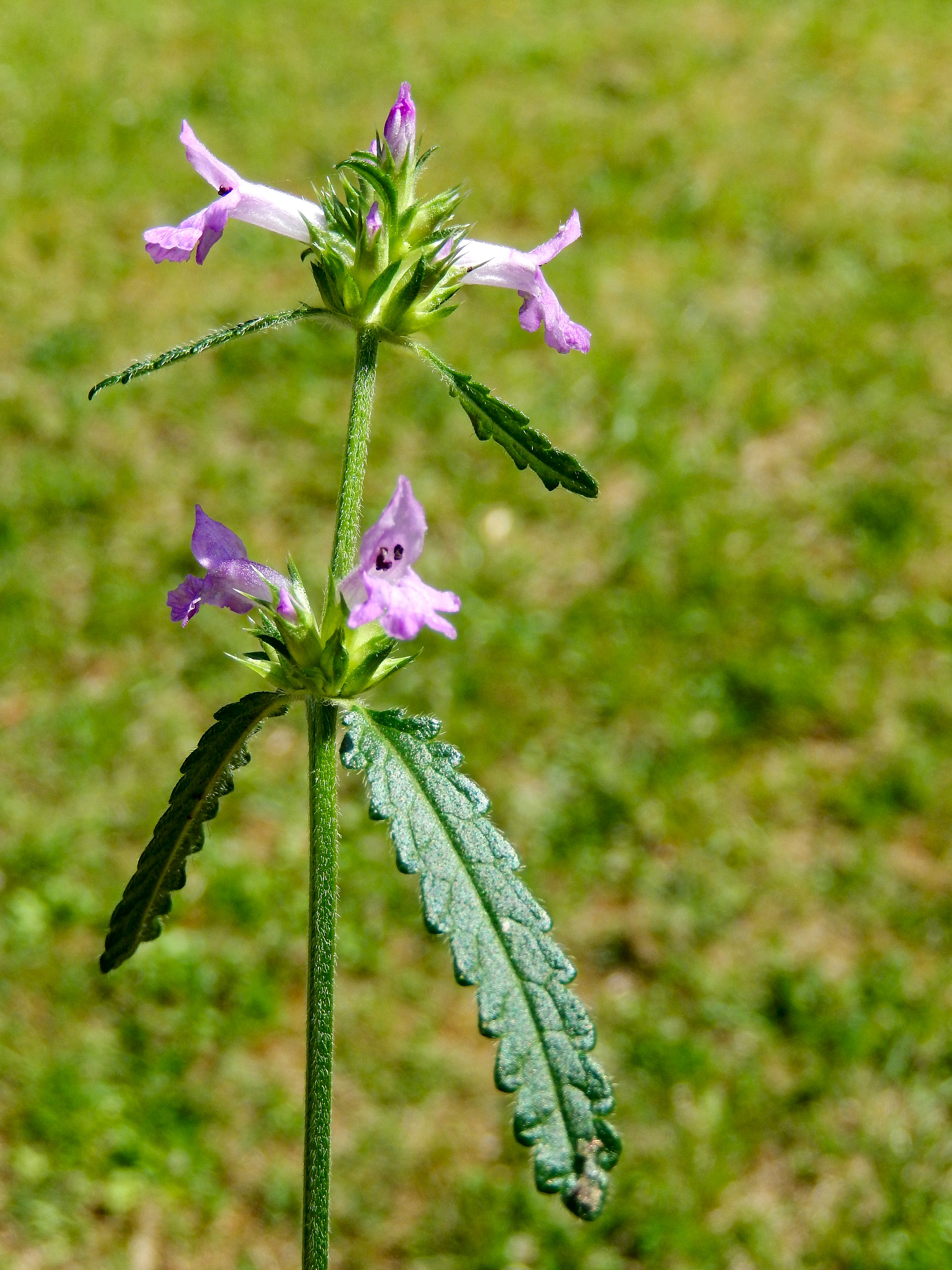
Betony, Stachys officinalis, is as its ‘official’ specific name indicates, a medicinal herb used, without scientific proof, “to treat anxiety, gallstones, heartburn, high blood pressure, migraine and neuralgia, and to prevent sweating. It can also be used as an ointment for cuts and sores” (according to Wikipedia). It is widespread across Europe, but unobtrusive, though its handsomely crenellated leaves with their long stalks, and the largish flower with a tube longer than the calyx, make it a rewarding find. Once you know it, you’ll see it everywhere.
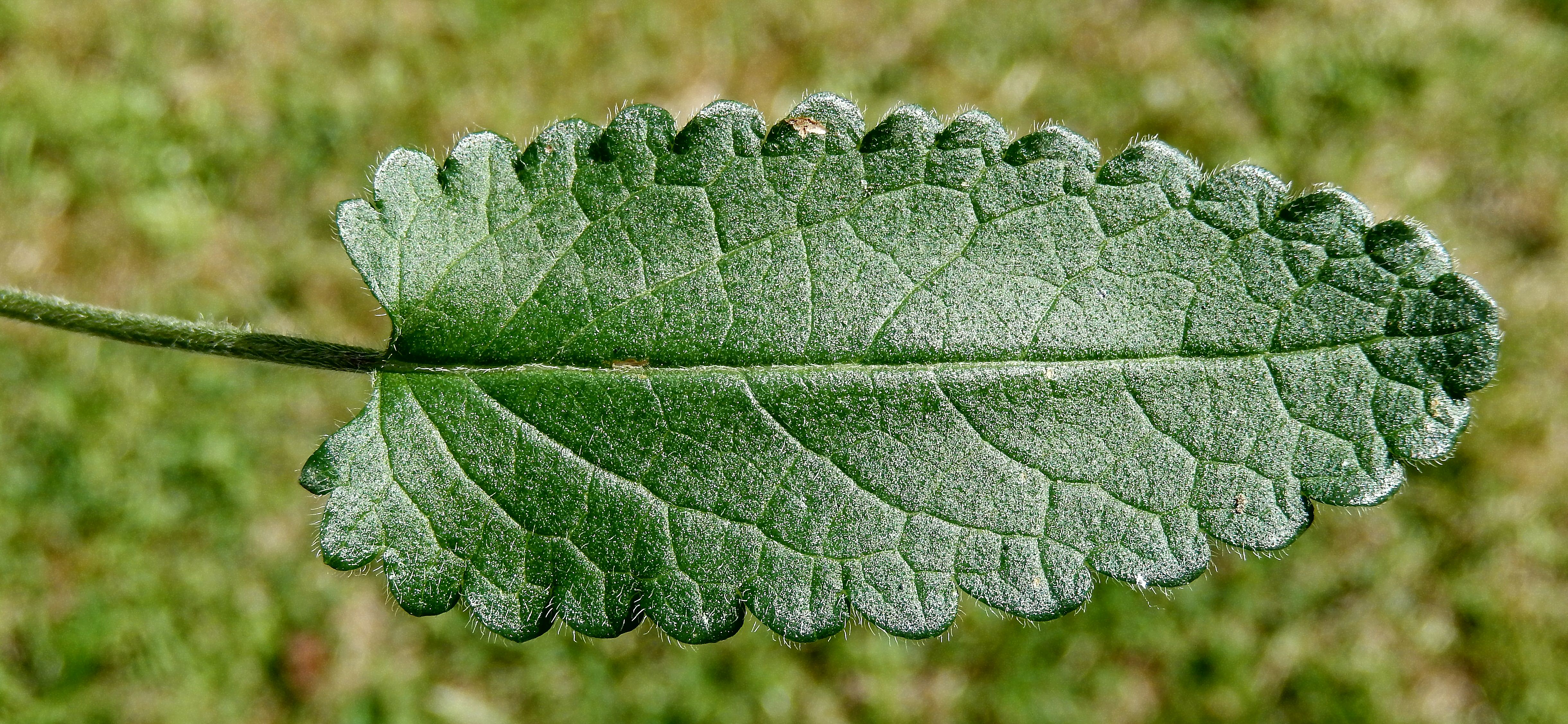
Lower leaf of Betony: the stalk is longer than the leaf-blade, and the basal leaves form a persistent rosette.
The day dawned bright but unsettled after a stormy night that brought down many small branches, with the news that an outdoor concert in the local market town was disrupted by lightning, sending several people to hospital. One may imagine that once a paid-for concert is under way, a few rumbles of thunder and a little rain do not necessarily cause instant abandonment of the event: a direct hit is of course another matter.
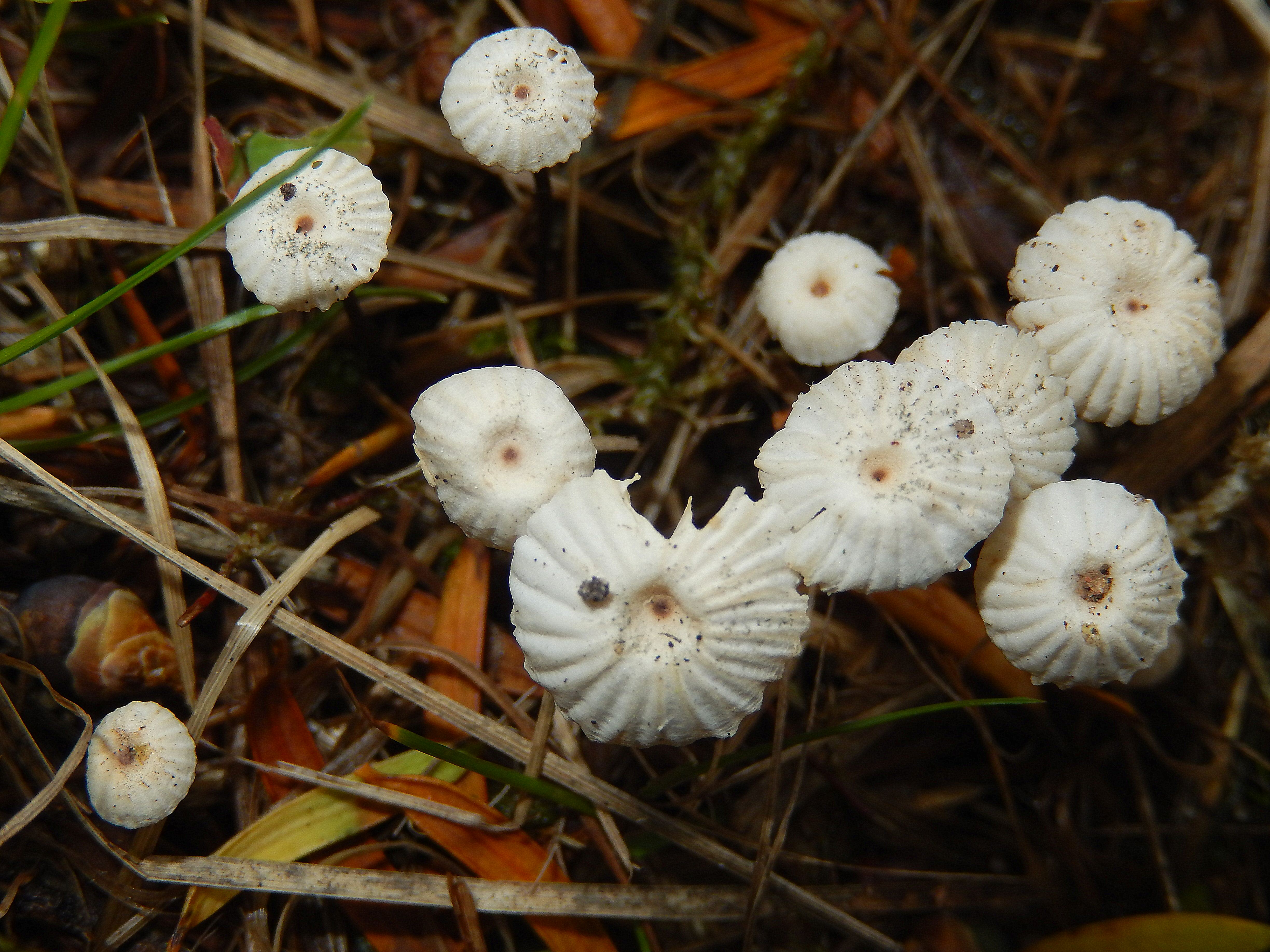
I made use of the cool weather to cut a low branch from the Yew tree, giving shady space to walk and sit on the lawn. The Yew is next to a (very good) Fig, but the two could not be more different. The Fig rapidly sends out a cluster of long flexible shoots that quickly flop over and block the way; they are soft but brittle, and are easily sliced off. In a hard winter, all the above-ground parts of the tree died back, but it soon shot up again; none of the branches are specially long-lived, even the thickest of them. The Yew grows around a single vertical axis, where the seedling grew half a century ago. It is still, as Yews go, a young tree: some live a thousand years or more. The wood is tinged with a rich deep winy red, and is hard, tough, and springy. It was the perfect choice for making longbows: durable, water-resistant, practically impossible to break. Sawing through it is a challenge. Below the cut branch, I saw after felling it, was a little clump of Collared Parachute mushrooms, which Sterry and Hughes record as ‘very rarely under conifers’. I suppose Yew is not a typical conifer.
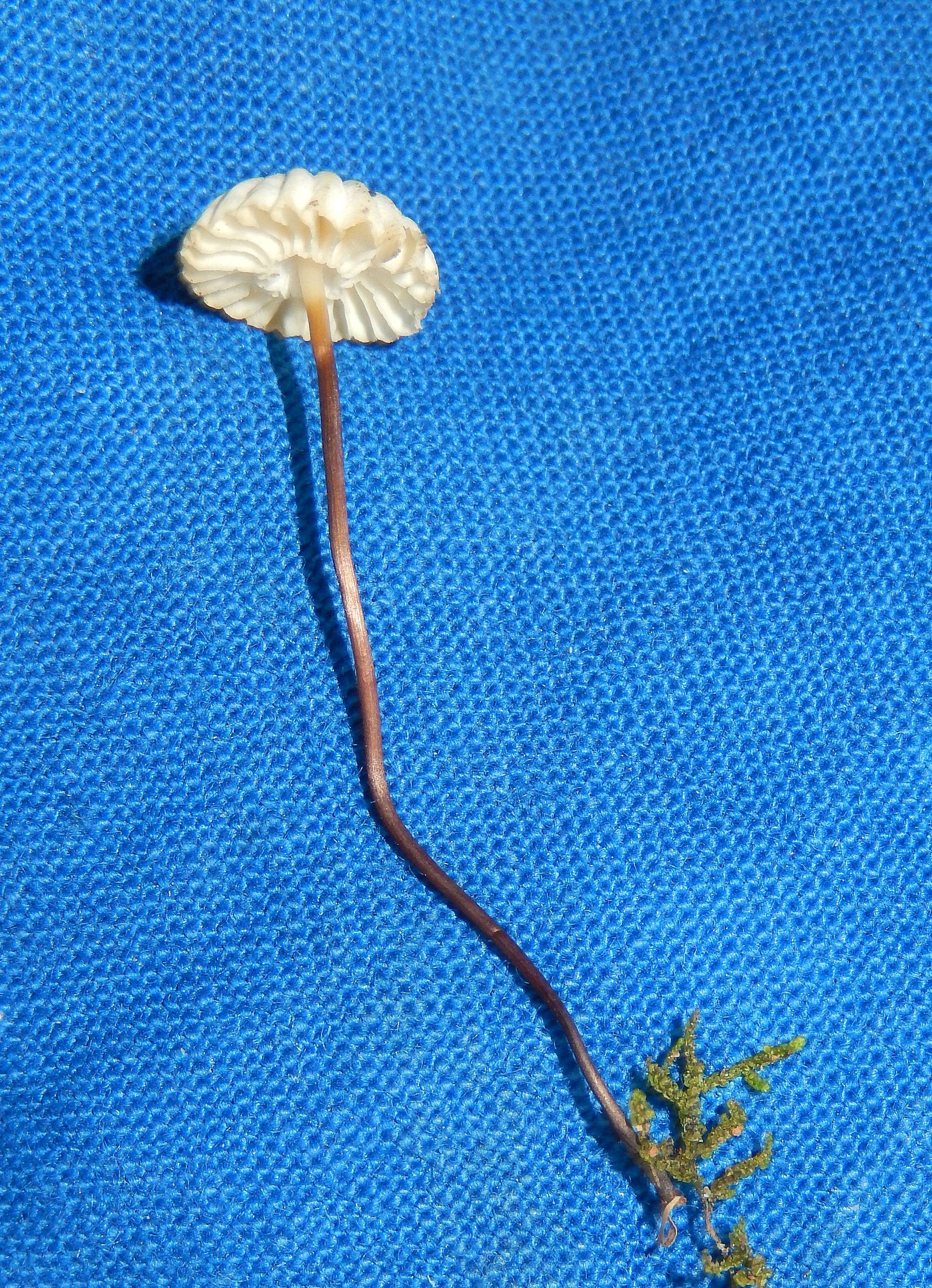
Collared Parachute mushroom, Marasmius rotula, showing off its elegant ‘parachute’, collar, and wheel effect (Latin rotula = little wheel). The stem is perhaps a millimetre thick, but quite strong and flexible.
I carted the cut pieces to the compost heap. The trees began to rustle and shake, the sky darkened abruptly, thunder rumbled and the rain lashed down again. Parachuting to safety seemed an appropriate metaphor.
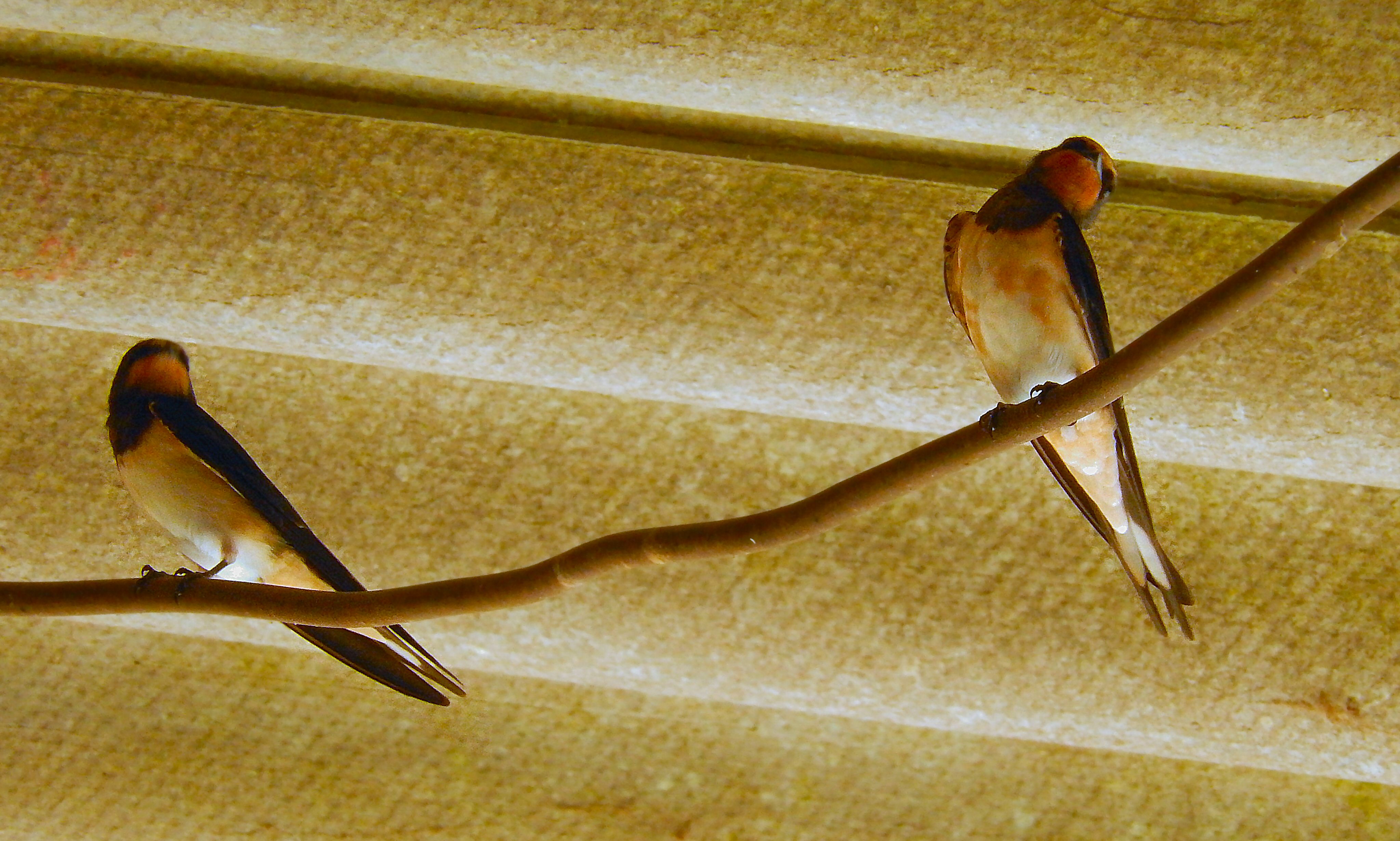
The riding stables swarmed with young Swallows, perhaps 15 of them growing strong for the flight down to Africa, twittering, swooping, perching on lofty cables.
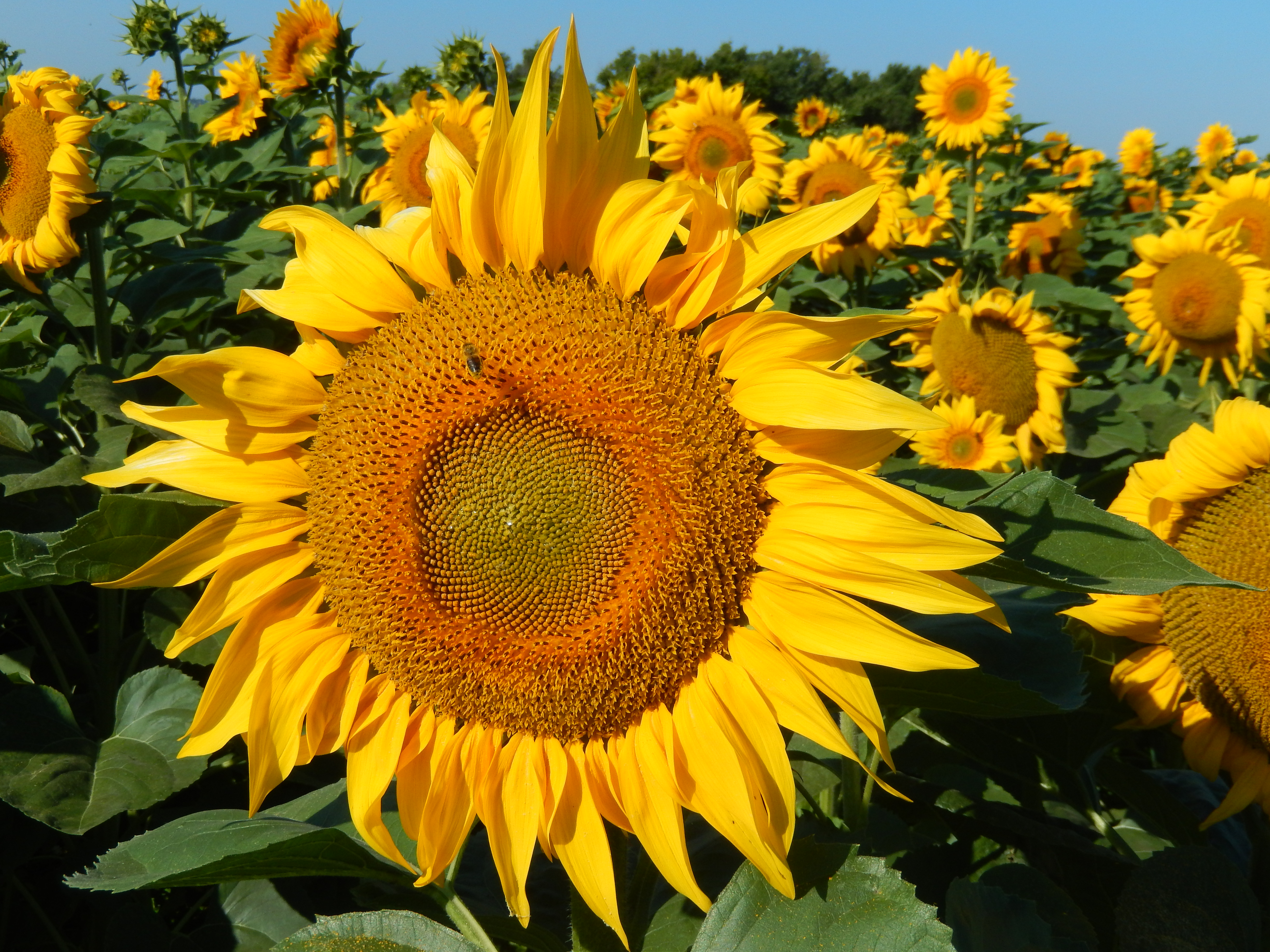
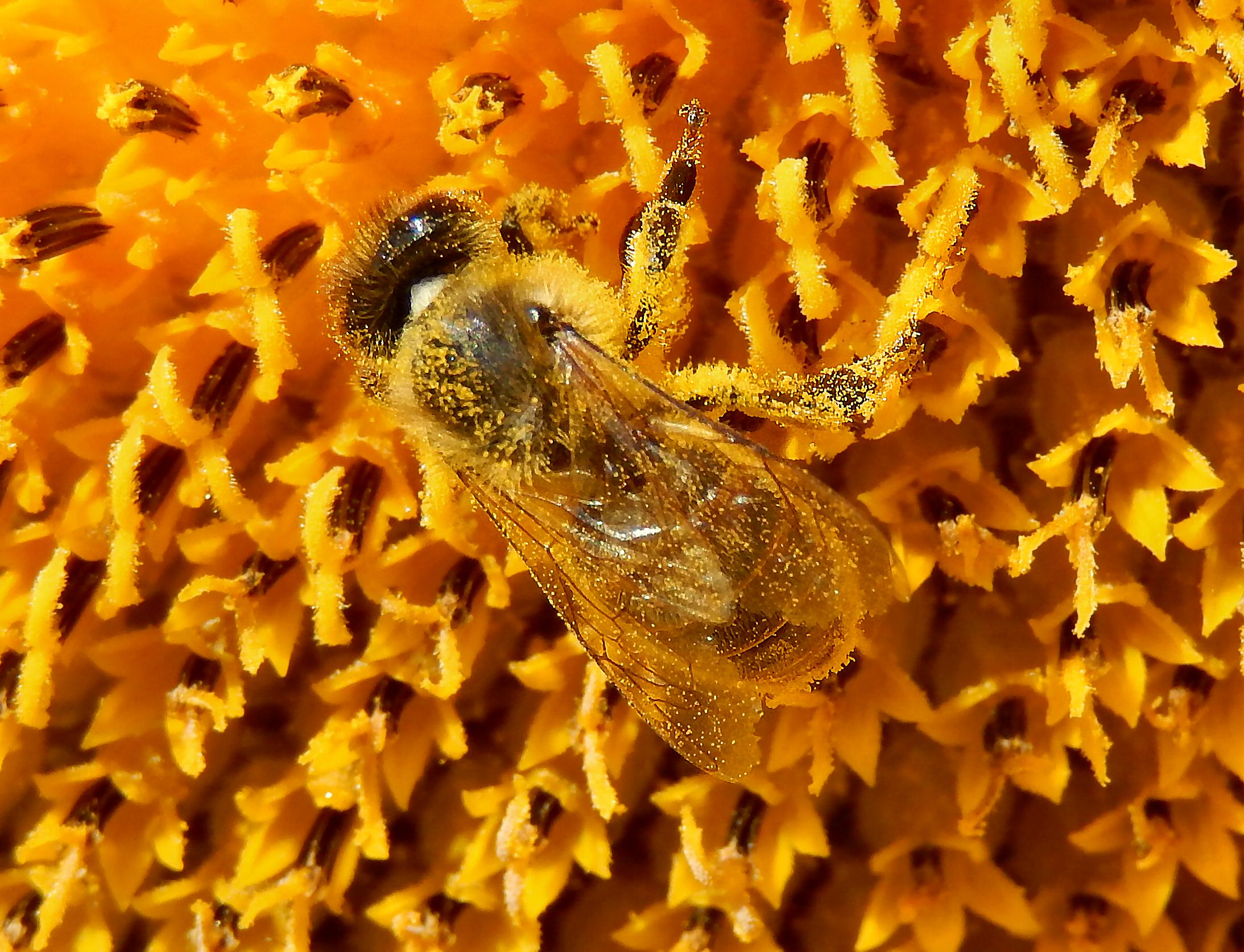
On the hill, maize and sunflowers grew in glorious profusion, the bees drunk on nectar and coated with yellow pollen.
Along the chalk path, Common Blue butterflies skipped and perched on chicory flowers, delicate blue. In the bushy hedge, masses of darkly glossy plums blooming with pale blue yeast dangled from the trees. Above, a Stonechat rasped out his scraping call. I picked up two stones and made the exact same call by scratching them together, as if lighting a stony match: scritch, scratch. House Sparrows cheeped from the bushes; more anxiously, a yellowish leaf warbler, probably a Melodious Warbler, churred continually and flew about semi-conspicuously to perch repeatedly in the long grass to distract me from its nest – its young continually piping from deep in the hedge. I retreated gracefully.
A Turtle Dove cooed softly from high on a power line. At the stables, a Scarce Swallowtail (actually reasonably common here) drifted past; a White Wagtail hawked for flies beside the manège.
At 4pm the temperature reached 34.5 degrees: such a heatwave is called the Canicule or Dog Days, as Sirius, the Dog Star, is high in the midnight sky at this time of year.