Tag Archives: Common Blue Damselfly

Demoiselles and Warblers beautiful at Wraysbury Lakes

Banded Demoiselle Female with Half-Open Wings

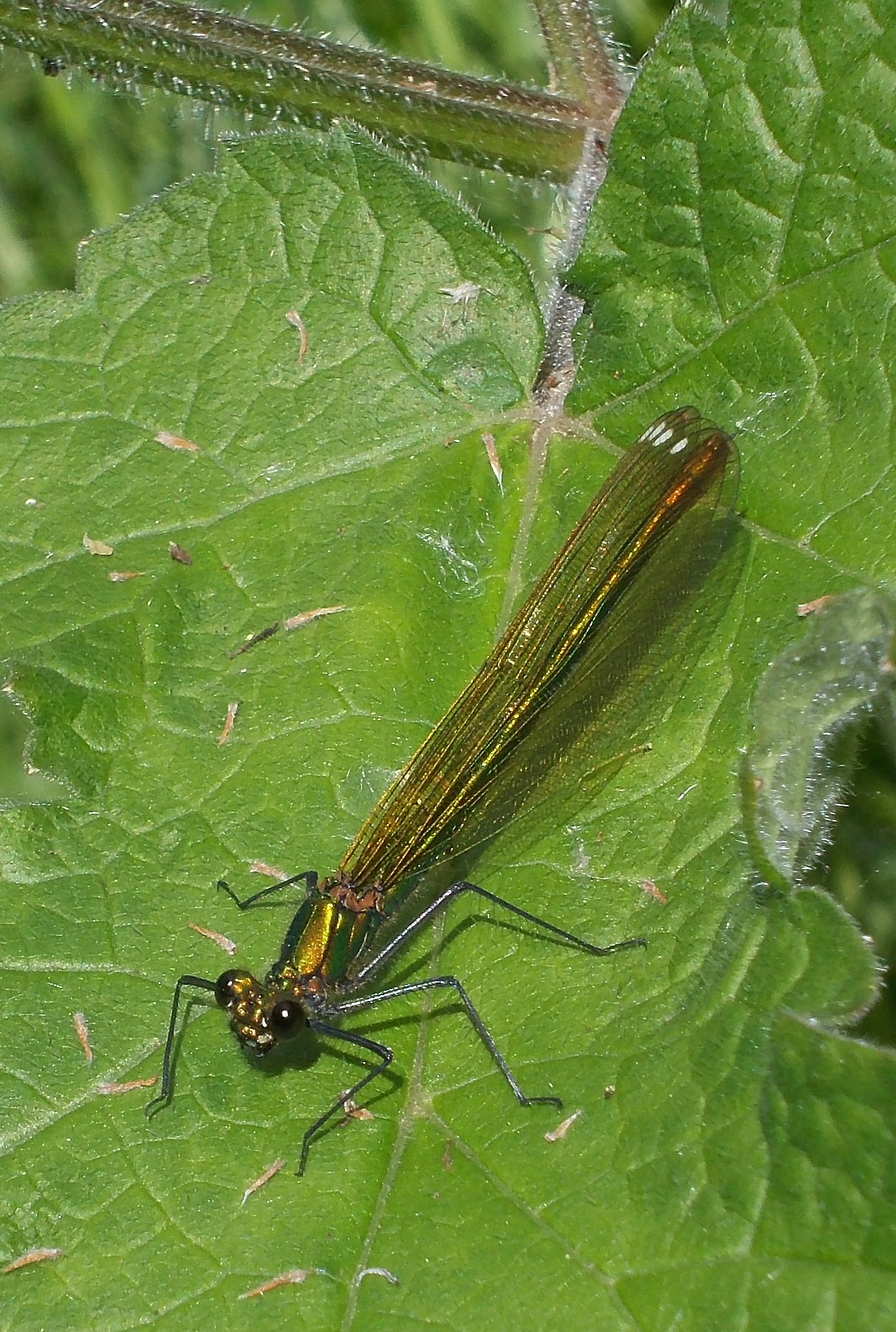
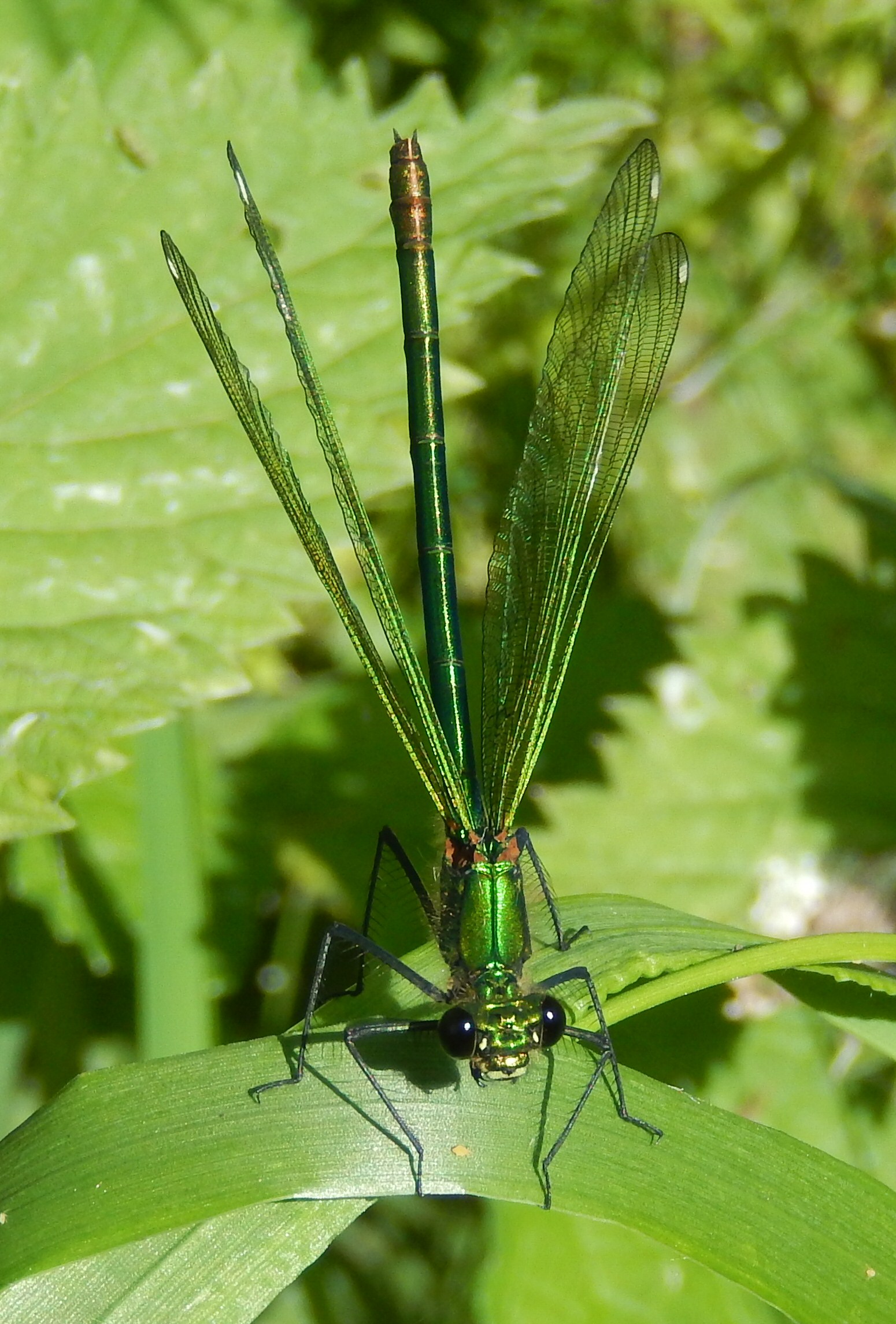
I had a beautiful, peaceful, sunny summer walk down at Wraysbury Lakes. Away from the roar of the traffic and the enormous queues brought on by roadworks and summer weekend commuting, I was surrounded by fluttering, glittering, shimmering Banded Demoiselle males, and on the vegetation also the gloriously iridescent green females, their clear green wings like fine lace dress trimmings to accompany their dazzling emerald-jewelled and enamelled bodies.
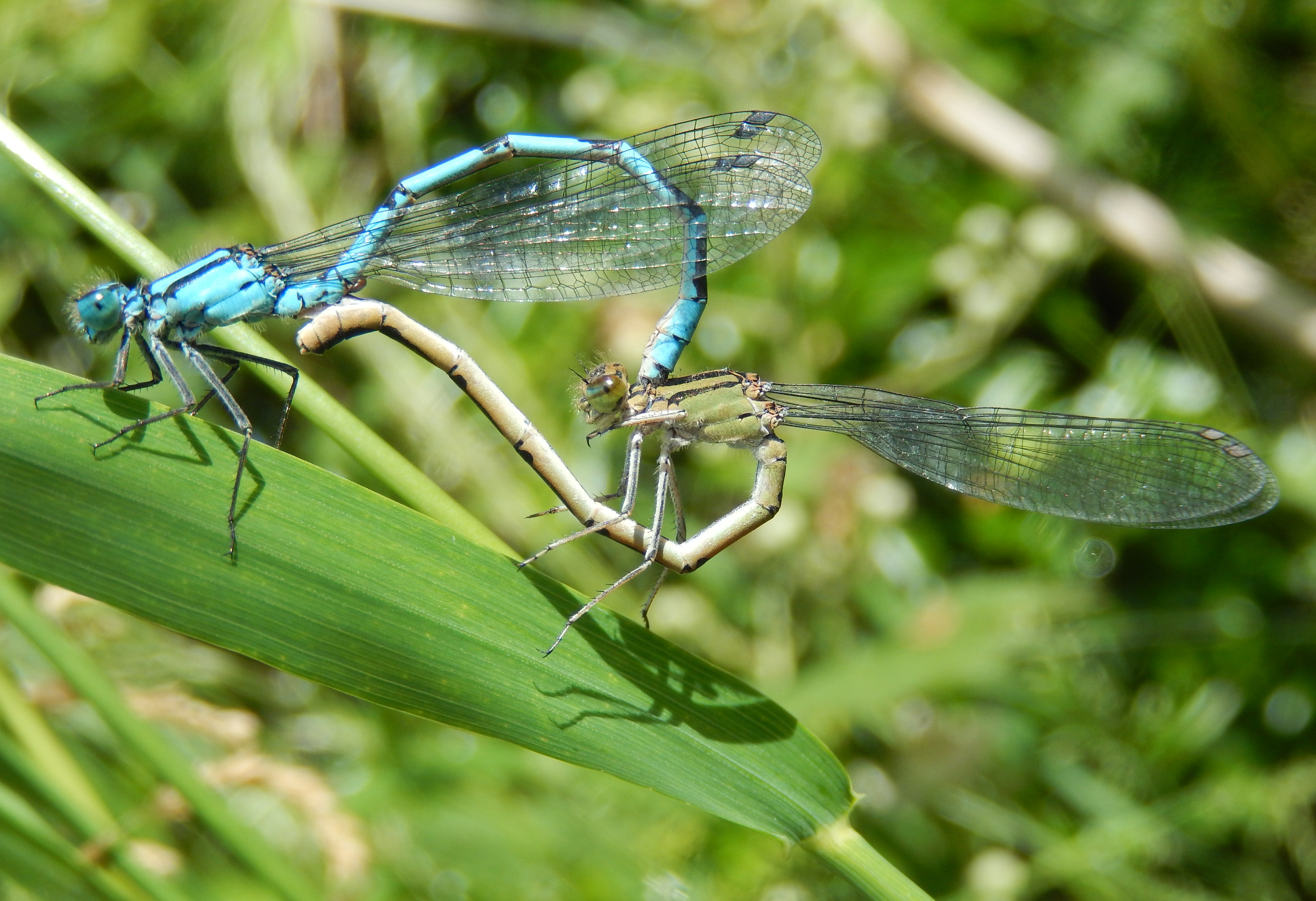
Common Blue damselfly pair in cop

As well, Common Blue damselflies basked in the sun; a few pairs in cop carried out their incredibly complicated sex act, all claspers (male tail to female neck, female tail to male belly with its spermatophore and secondary sexual organs, forming the startling ‘heart’ or ‘wheel’, in which the pair can, at a pinch, fly like synchronised swimmers.

At first I thought there were no warblers about, but gradually little bursts of song punctuated the afternoon, and by the end I had heard six warbler species, and good binocular views of three of them (Garden Warbler, Whitethroat and Willow Warbler).

There were some handsome Ichneumons about, but perhaps the insect I was most surprised to see was a Small Tortoiseshell butterfly. When I was a boy these were so common as to be unremarkable – as were House Sparrows, Starlings and Yellowhammers. It is almost a shock to discover that seeing just one is now a rare treat: more nostalgic than pleasurable, perhaps.  Much work needs to be done on landscape-scale and farmland conservation to bring back our common butterflies.
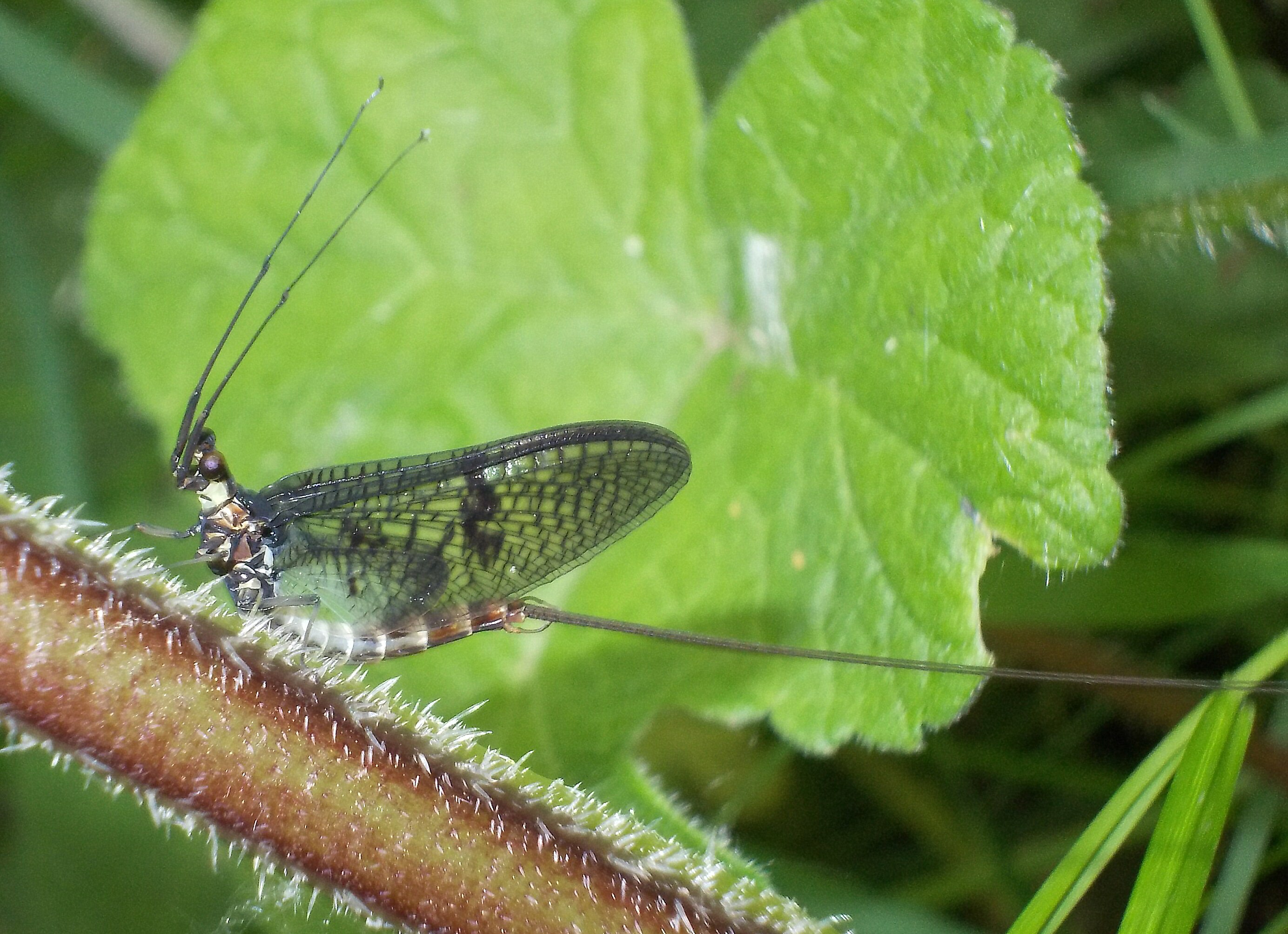
 

Mayflies, May Blossom… yes, it’s May at Wraysbury Lakes

Mayfly cf Ephemera vulgata

The sun is shining … in between the showers. Mayflies are resting all over the plants near the river. May blossom makes a bright show on every hawthorn bush. Yes, it’s May down at Wraysbury Lakes. The energetic breeze gives a cool feel, but out of the wind it’s very pleasant. Enjoying the brisk airflow are at least four Common Terns over the lakes and overhead; a few Swallows; and a small number of Swifts, newly arrived in the last few days, racing down to the water surface to catch flies — not the mayflies, which are active mainly at night. The warblers which are definitely about are hard to hear for the wind in the trees, but I caught snatches of Chiffchaff, Blackcap, many Whitethroats, plenty of Garden Warbler, a Willow Warbler, three Song Thrushes and a Blackbird, not to mention Robins and Wrens.  A Cormorant lumbered past, climbing with effort, its jizz very much like that of the Boeing 747s lumbering heavily into the air.

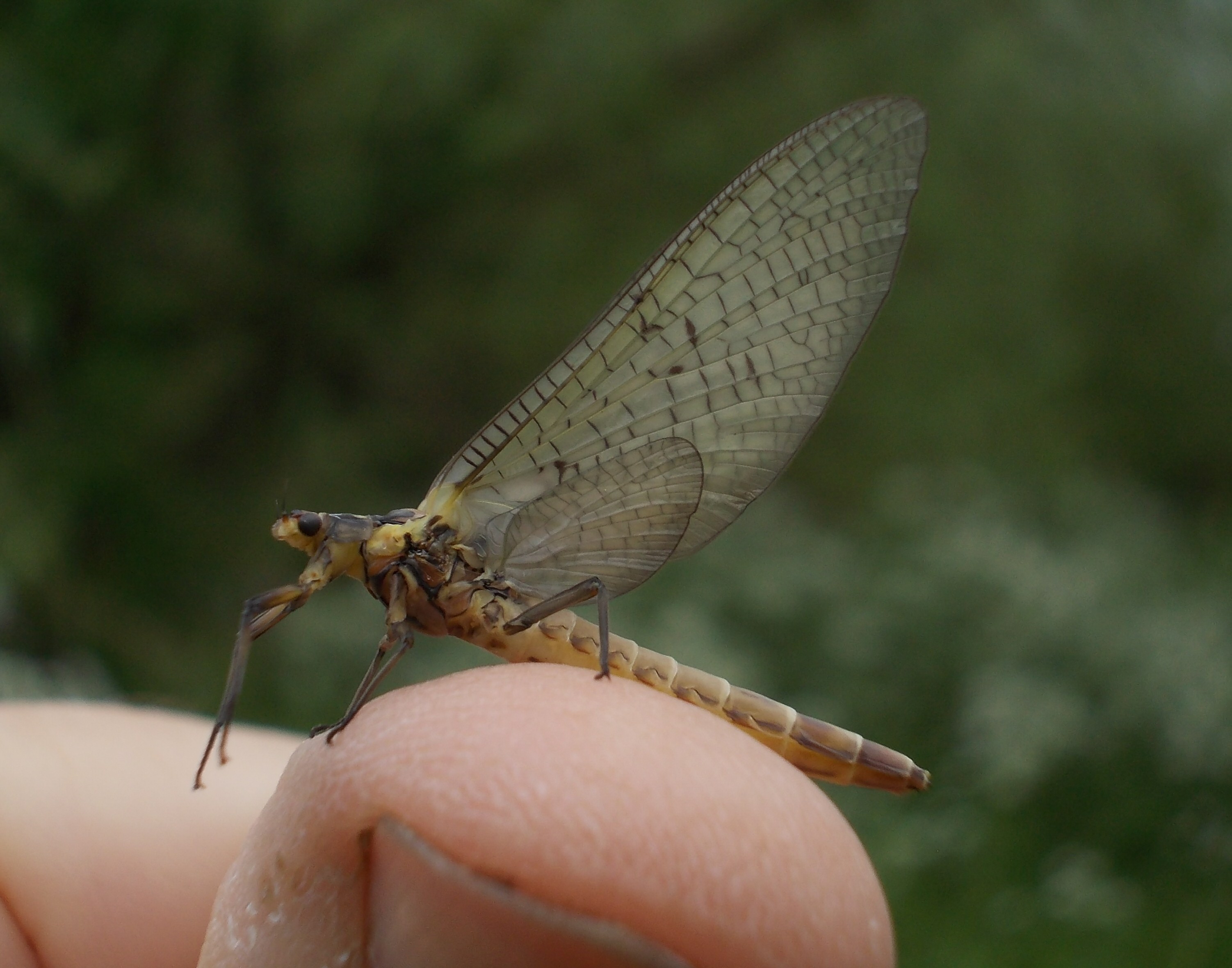
Mayfly look, but no tails. Hmm

There are some pale mayflies, with neither antennae nor the 3 tails: maybe these have broken off in the vegetation.

Beautifully iridescent green-bronze female Banded Demoiselle
Beautifully iridescent green-bronze: a female Banded Demoiselle

Also new today are quantities of damselflies: there are many brilliant iridescent blue male Banded Demoiselles, with their beautifully clear green-bronze females. This one seemed definitely to be watching me attentively. Two small blue species have also emerged, Blue-Tailed Damselfly and Common Blue Damselfly.

Over the lake, a long-winged falcon swooped at speed: I wondered for a moment if I had a Cuckoo, but the moustache and white face markings showed it was a Hobby, arrived from Africa in pursuit of the Swifts, and perhaps hunting damselflies as easier prey in this place. The low number of Swifts is worrying; they have been declining for years, as building renovation removes their old nest-holes, and increased human population pressure in Africa threatens them there too.

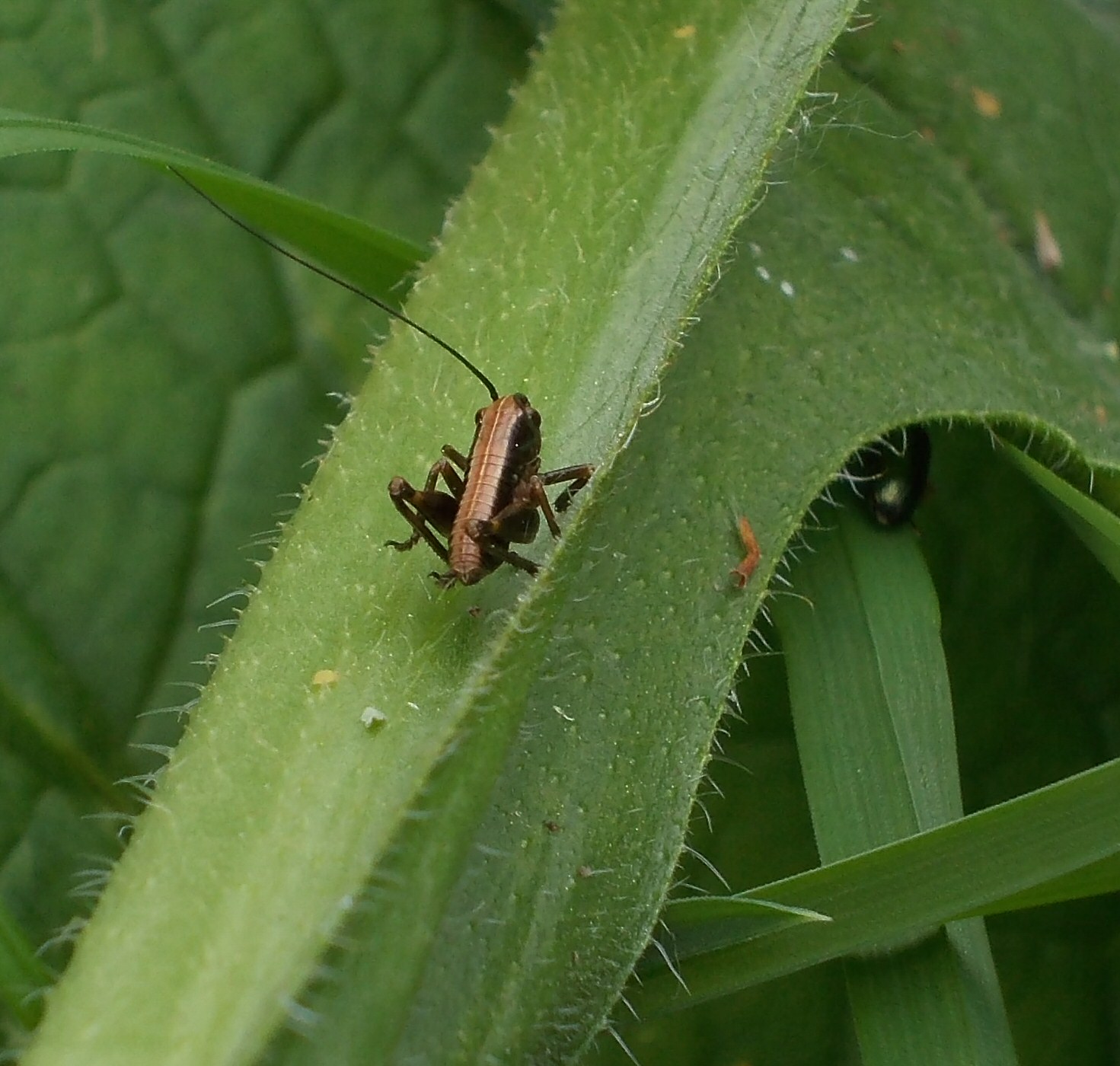
A small Grasshopper on Comfrey

This small grasshopper, missing an antenna, is my first of the year.

Further along, the bare damp area that often has teasels is bright yellow with clumps of a yellow Brassica that has clasping leaves like wild turnip (or cultivated swede). There’s a definite cabbagey smell. A Whitethroat, caught out in the open, makes a dash for a bush.