All posts by Ian Alexander

Bramble root worthy of the Wurzels

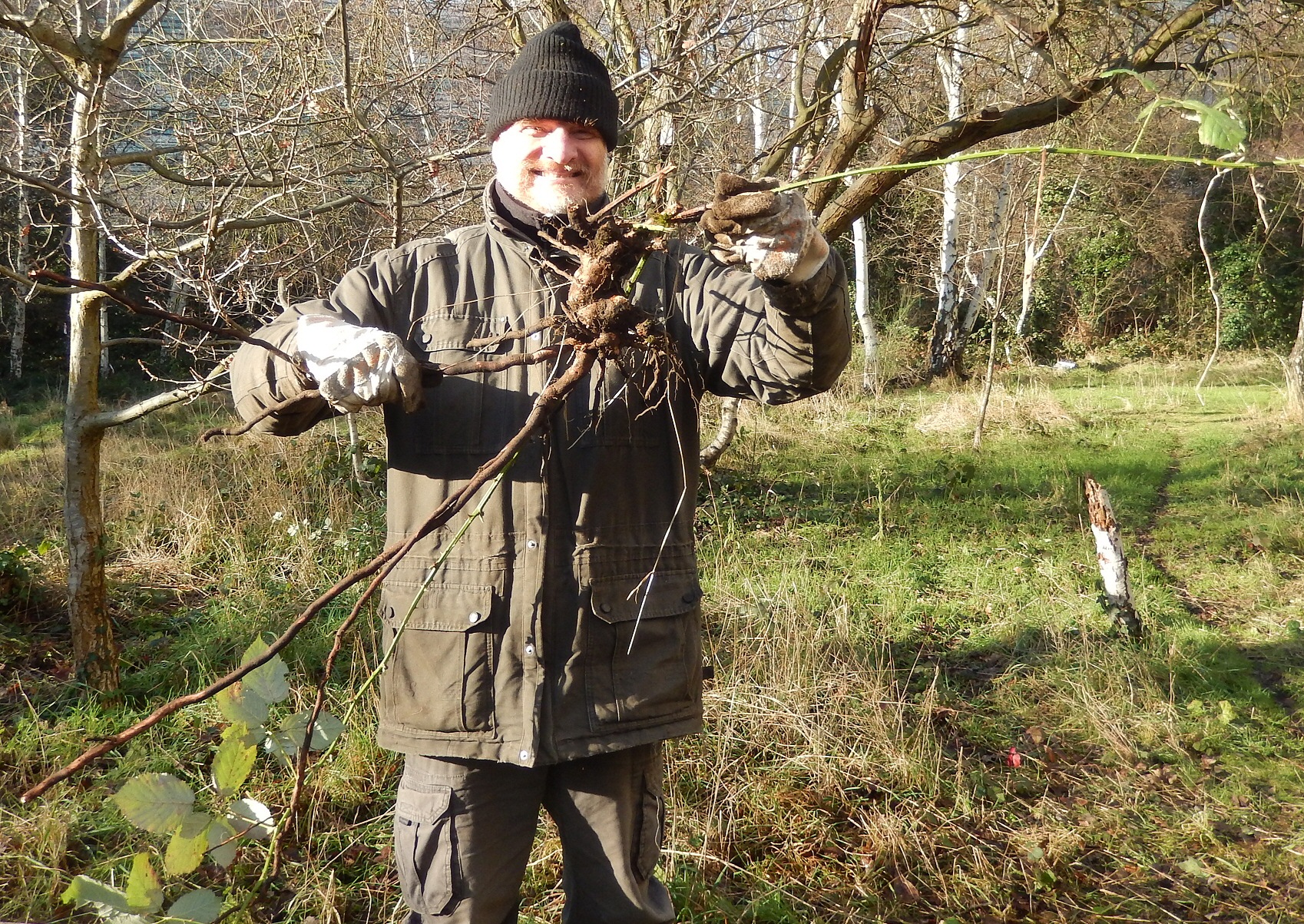
Just dug up a giant bramble root!

The Wurzels once sang about a giant marrow, to the immortal words “Oh what a beauty / I never saw one as big as that before”. I can’t imagine what they were referring to. Anyway, today in beautiful winter sunshine after days of rain, it was perfect weather for digging brambles out of the South-facing butterfly bank above the old railway track (which I’m standing on in the photo). The ground, too, was ideally soft and well-watered, so the roots came out with hardly any digging. Just before it was time to stop, my fork struck a large lump of wood, right under a small tuft of bramble stalks. I removed the loose earth above it, and made out to my pleasure half-a-dozen stalks that had been clipped off at ground level in earlier years as too difficult to dig out. Well, today was the day, and after really not very much wriggling with the fork, pulling and leaning on the fork handle, I triumphantly wrenched this grandfather-of-all-brambles from the ground, including to my surprise the yard-long taproot below my right hand. In short, a monster, if not a marrow.

The bank, by the way, is the reserve’s best place for Gatekeeper butterflies – we saw 35 there at once, on a stretch of the bank which was well weeded and grassy at the time. Now we have a far longer stretch all de-brambled at once, so perhaps we’ll have a bumper butterfly year, let’s hope so. And there are quite a few young Buddleias (“butterfly bushes”) self-seeded on the bank, a pleasantly “railway” feature, so the signs are good.
Warm Wet Winter Day at Wraysbury Lakes

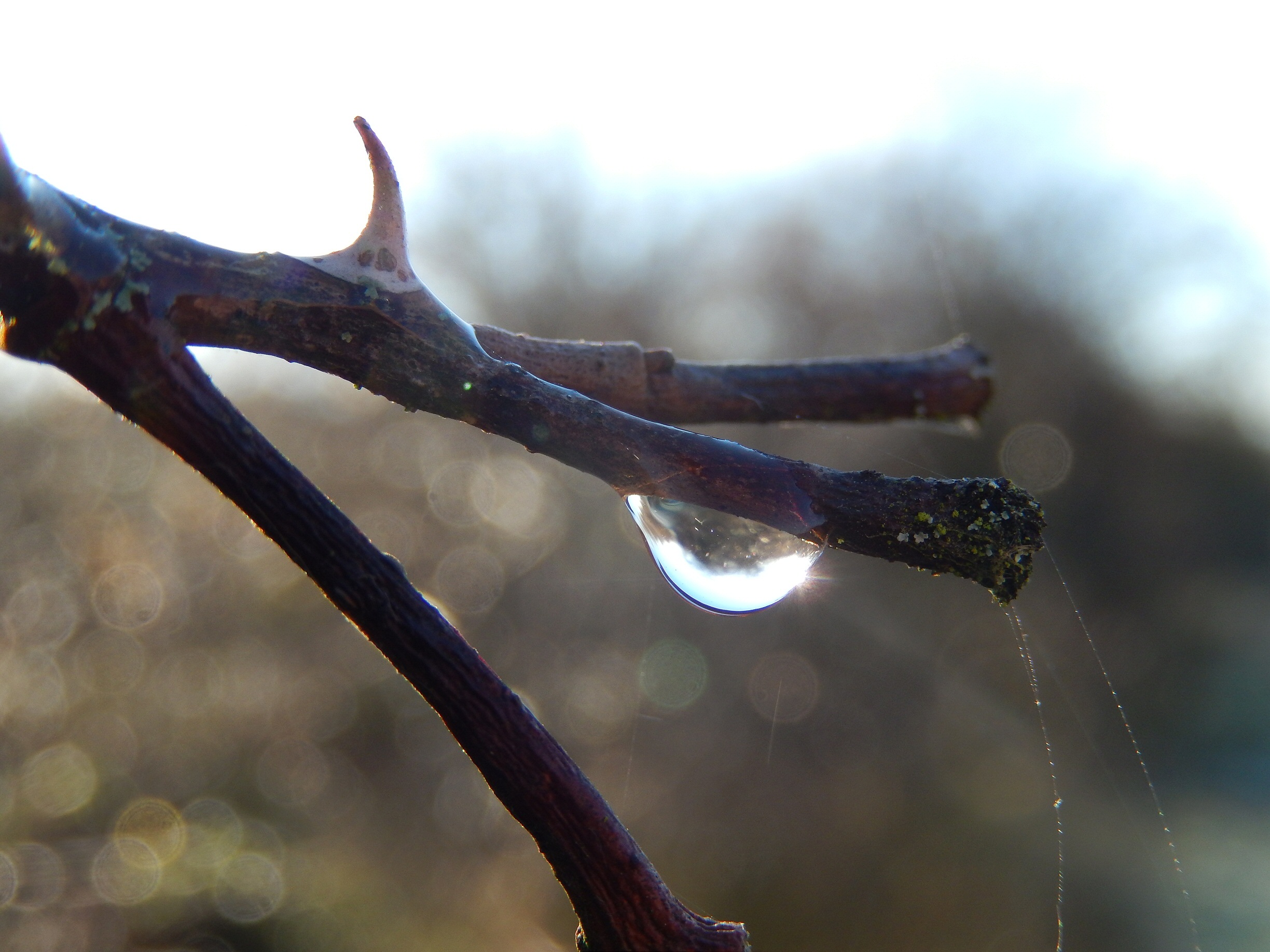
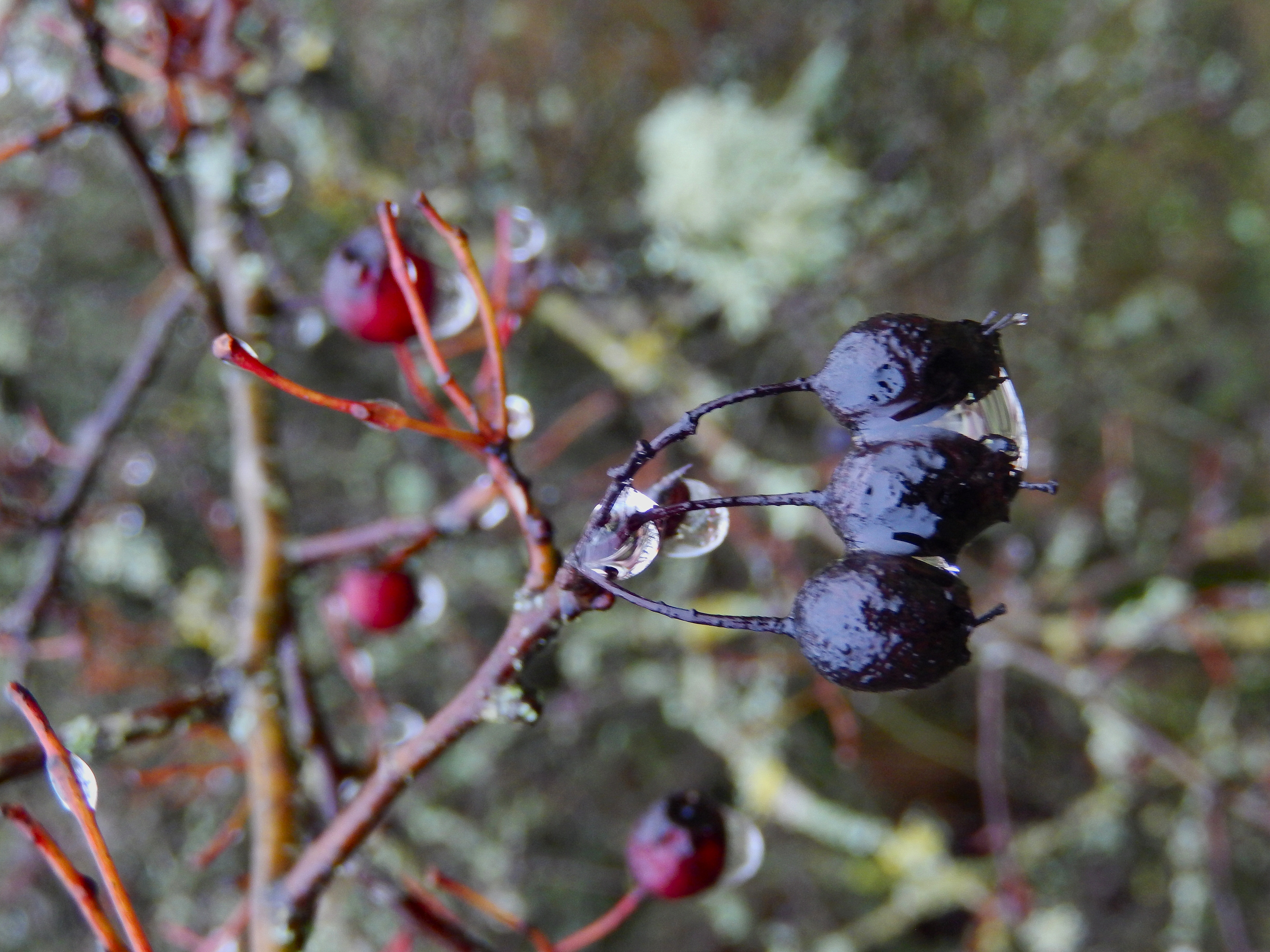
Wet Blackened Rose Hips

The day was exceptionally warm after the chilly winter weather. The hedgerow plants dripped gently. I liked the colours and light on these blackened rose-hips, still somehow looking invitingly fruity.

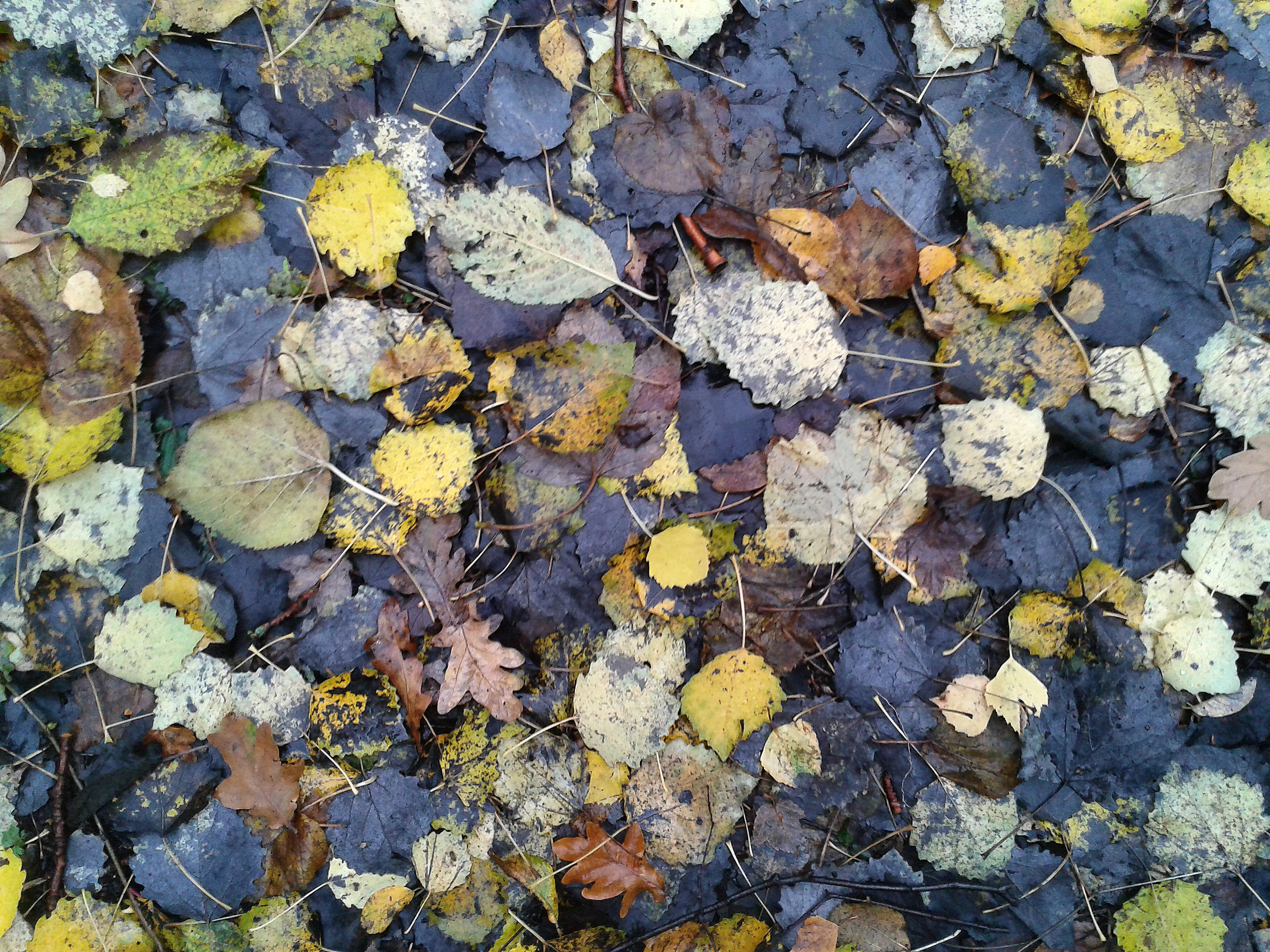
The path too was covered in blackened leaves, wet and slippery. On the lake, half-a-dozen Goldeneye, a couple of Pochard, a few Teal, some Tufted Duck, a few Mallard. Apart from the ducks, a couple of Cormorants, two young and very white Great Crested Grebes. On the meadows, a Green Woodpecker, flocks of Goldfinches, scattered Redwing and Fieldfare, a flock of Carrion Crows.

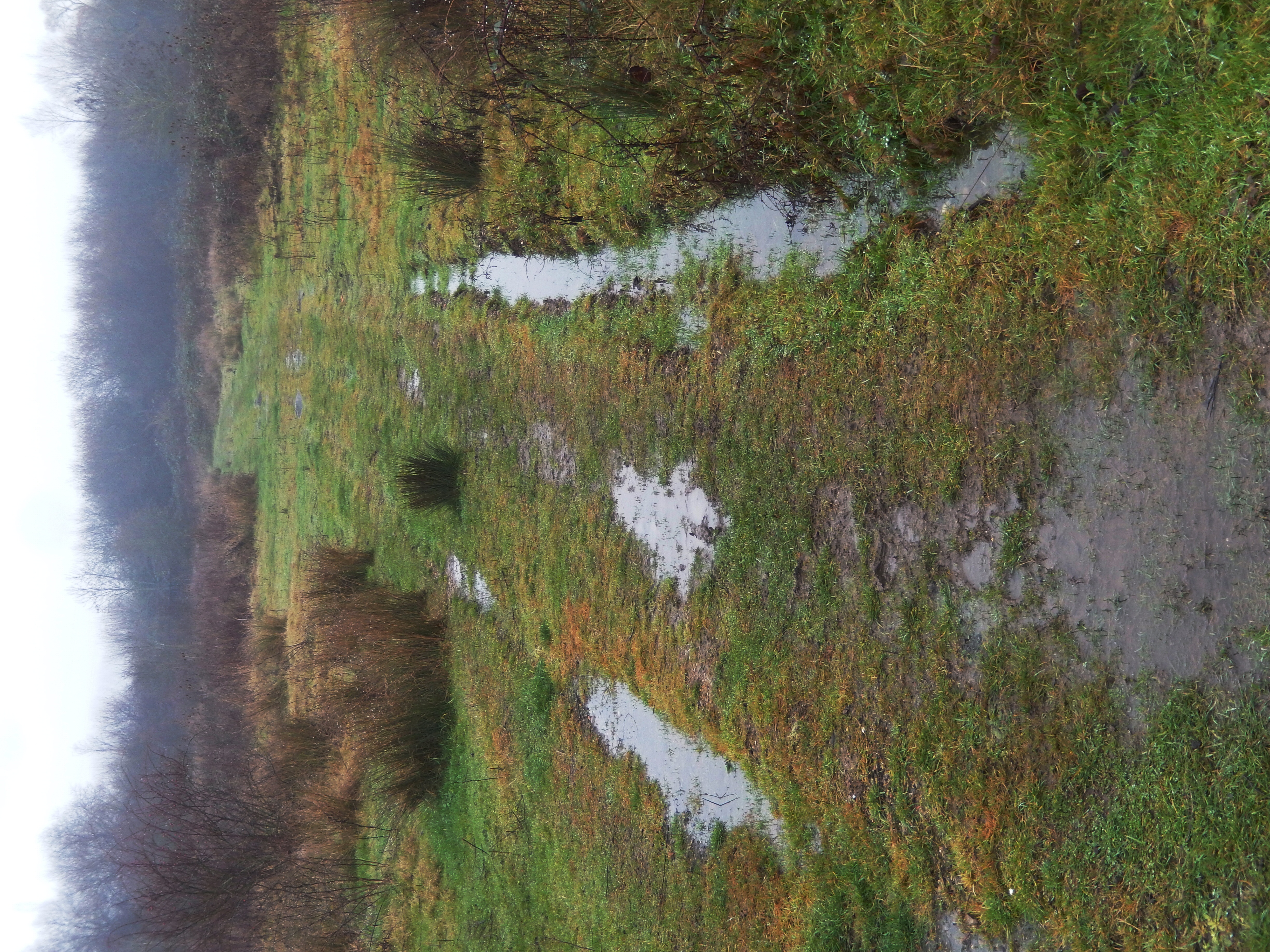
Rutted grassy track

Winter Thrushes in the Fog

With another day of freezing fog, very dangerous on the roads, nature is telling us that, yes, global warming or no, it’s winter. The false acacia, totally leafless, whirs with activity. A big wood pigeon sits impassively, ignoring the small passers-by. Within a few minutes, these include 3 goldfinches, keeping well away from each other in the branches; 2 male blackbirds, similarly, their heads high on the lookout for competitive activity; 4 ring-necked parakeets, never settling for more than a moment, jumping up squawking at the slightest provocation; 2 redwings, handsome with their contrasting eyestripes; 1 fieldfare, markedly bigger, and a handsome bird when seen in crisp winter sunshine rather than today’s murky fog. A few minutes later, a blackcap appeared: still a bird that we think of as a summer visitor, though a few pass through in winter from colder places. Later still, a great tit jumped in and wriggled about; and a little flock of 6 starlings blew in for a few minutes, sadly diminished from the sort of flocks I remember: and even this local flock used to have 7 members.

The effect as birds appear from and vanish into the gloom is rather of one of those popular tales physicists tell to try to make the public feel they understand what nuclear physics is all about: particles and antiparticles are ceaselessly created by the vacuum, and as continuously meet each other and annihilate, returning to their matrix, the apparently endlessly creative fog, which one would otherwise have mistaken for chilly nothingness.

Willow carr coppice makes nice fencing

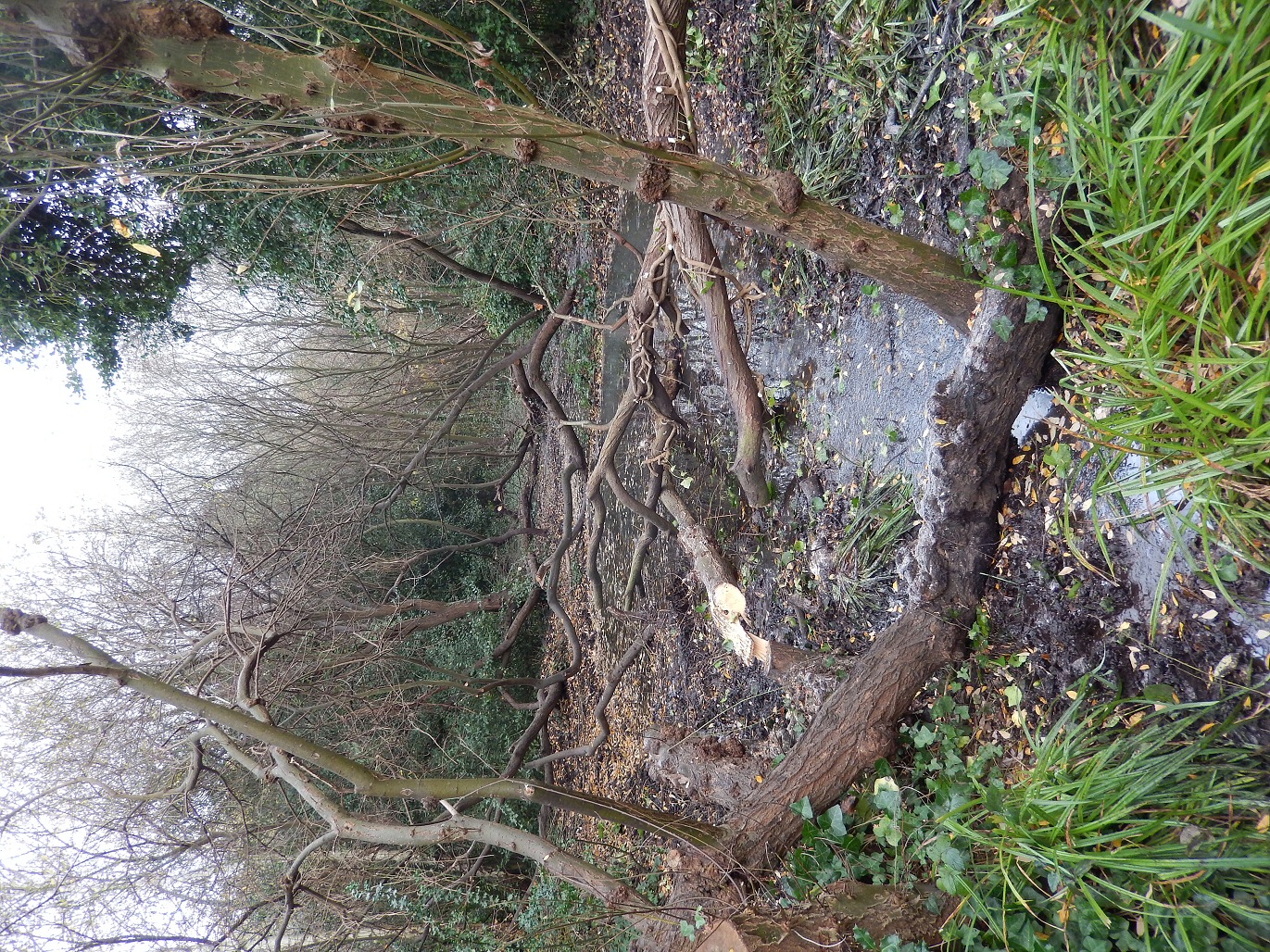
Mangrove Swamp after Coppicing and Digging out

Well, after all those sunny late autumn days – it seemed to go on all through October and November, and even in Mid-December it was still as much as 15 C, extraordinarily warm – it is time to get back to talking about conservation work.

Volunteers, a corporate group, and trainees took turns to coppice and dig out the mud in the “Mangrove Swamp” (Willow carr). The newly-qualified chainsaw specialists managed to lay two willows, carefully avoiding felling them completely, to add to the artful tangle of almost-mangrove trunks over the newly-deepened water, thus giving a surprisingly “natural” look after a great deal of work.

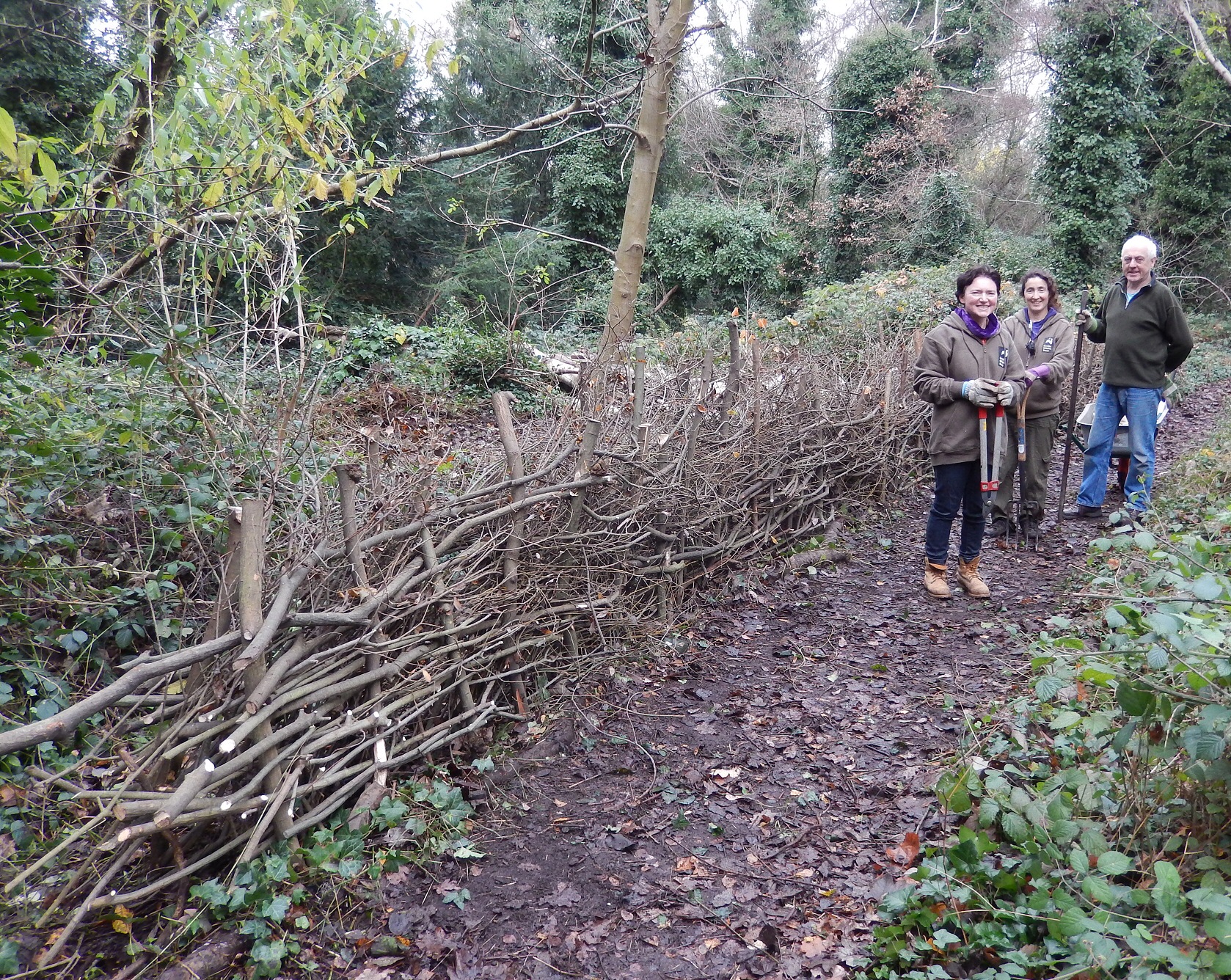
Birch Nursery Deadhedge completed

We then dragged the cut willow to the edge of the new Birch nursery area. Several Birches have already fallen (you can see a large trunk in the photo), and many others are on their last legs, covered in ivy and only waiting for a winter storm to bring them down. So we have cleared a sizeable patch of bramble to allow seedlings to grow, and protected the area with a woven deadhedge: two lines of sharpened willow stakes (front and back of the hedge), woven with snibbed willow wands, and packed with willow twigs in between. We’ve planted a few saplings we found around the site – an oak, a birch, two hazel – and we hope they’ll be joined by many small birches in due course.

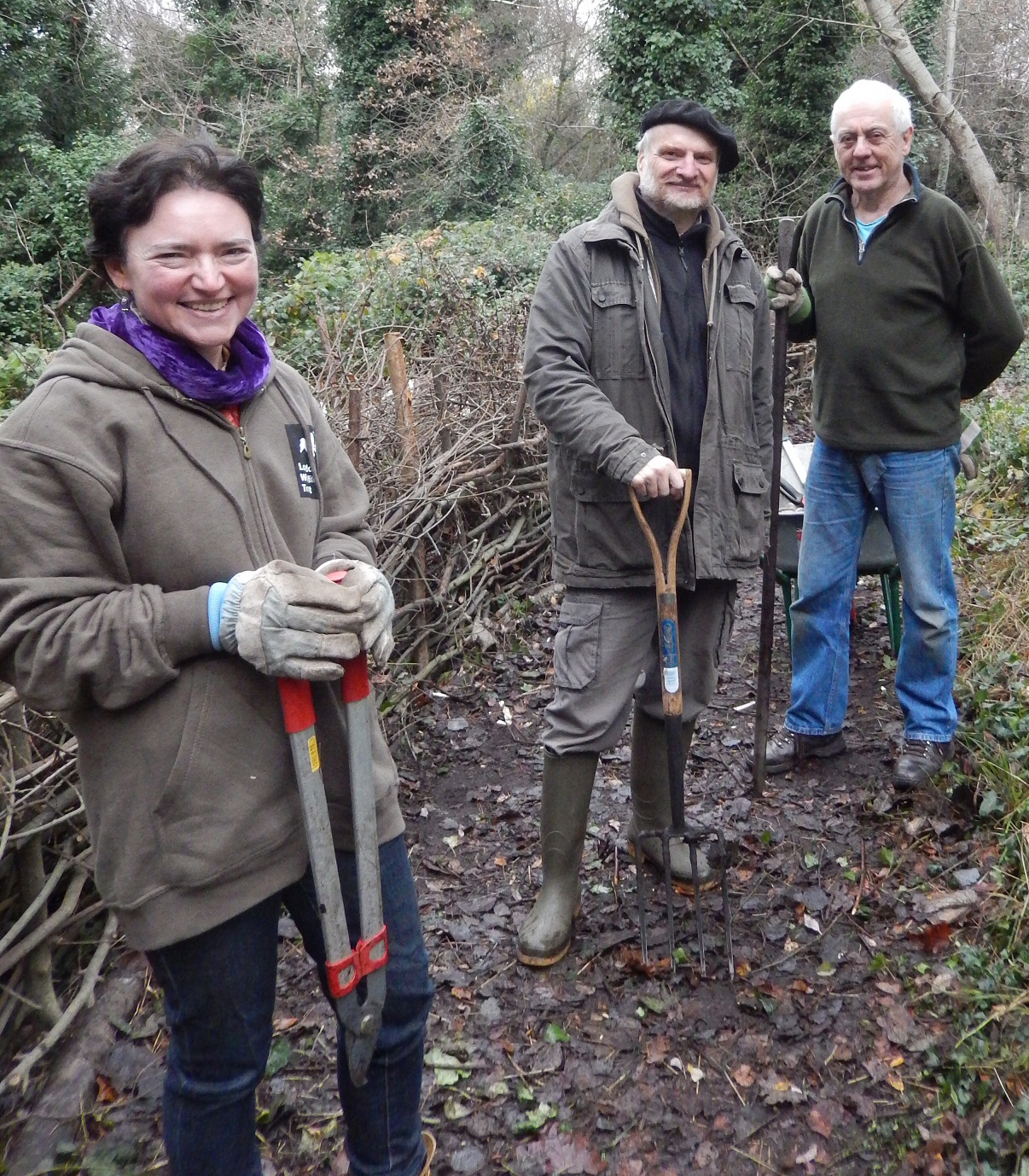
Birch Nursery Deadhedge workers


Who Said Pink and Orange Didn’t Go?

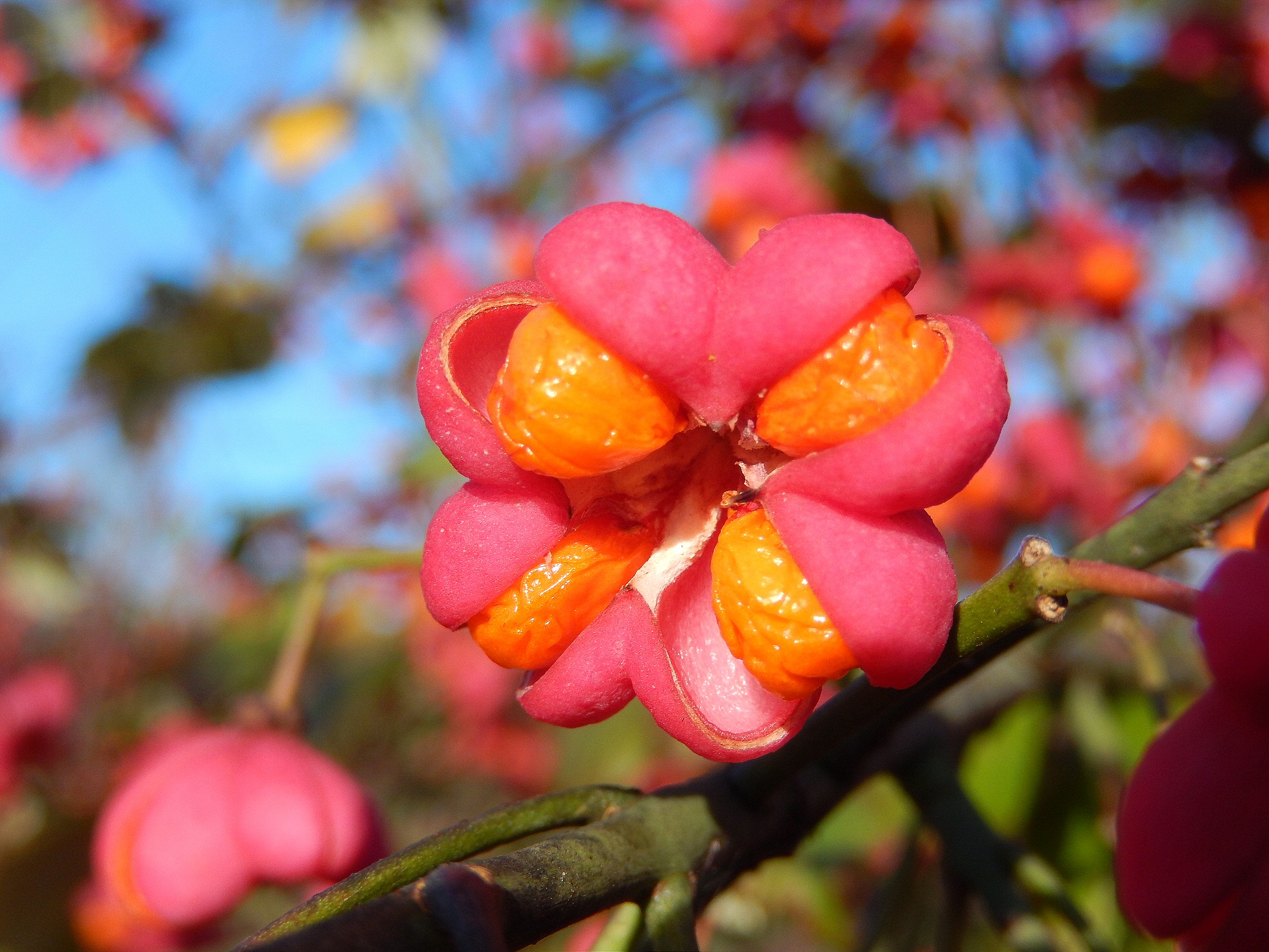
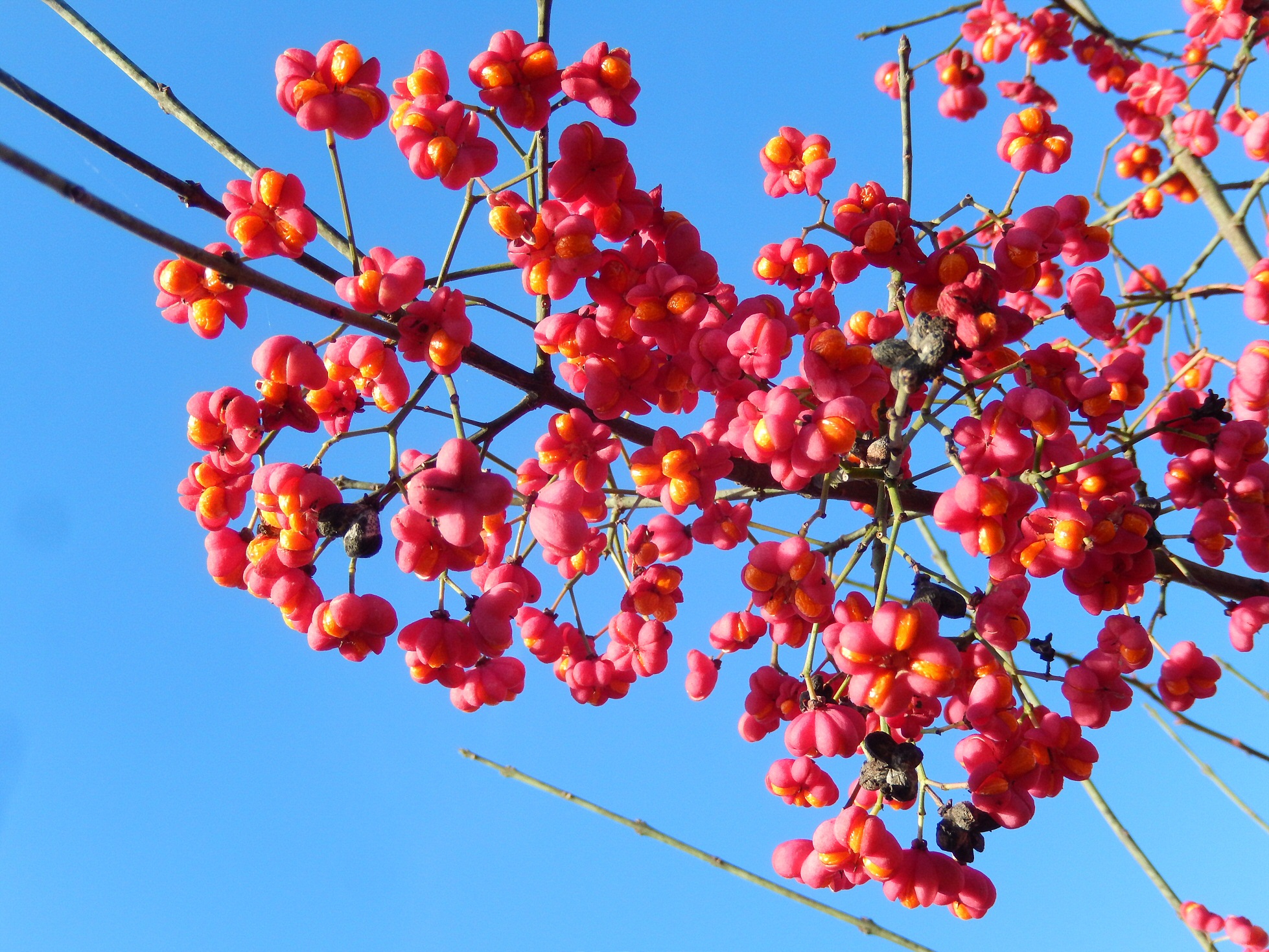
Pink and Orange Do Go - the Extraordinary Fruit of the Spindle Tree
Pink and Orange Do Go – the Extraordinary Fruit of the Spindle Tree.

The colours have not been manipulated in any way: they are just as they appeared on a sunny crisp November day.

Clusters of Spindle fruits

The Spindle tree was once used to make spindles for spinning thread (you can see the long straight twigs, which were ideal for the job). The bizarre fruits dehisce into four, revealing the four bright orange seeds.