All posts by Ian Alexander

A touch of winter at Wraysbury

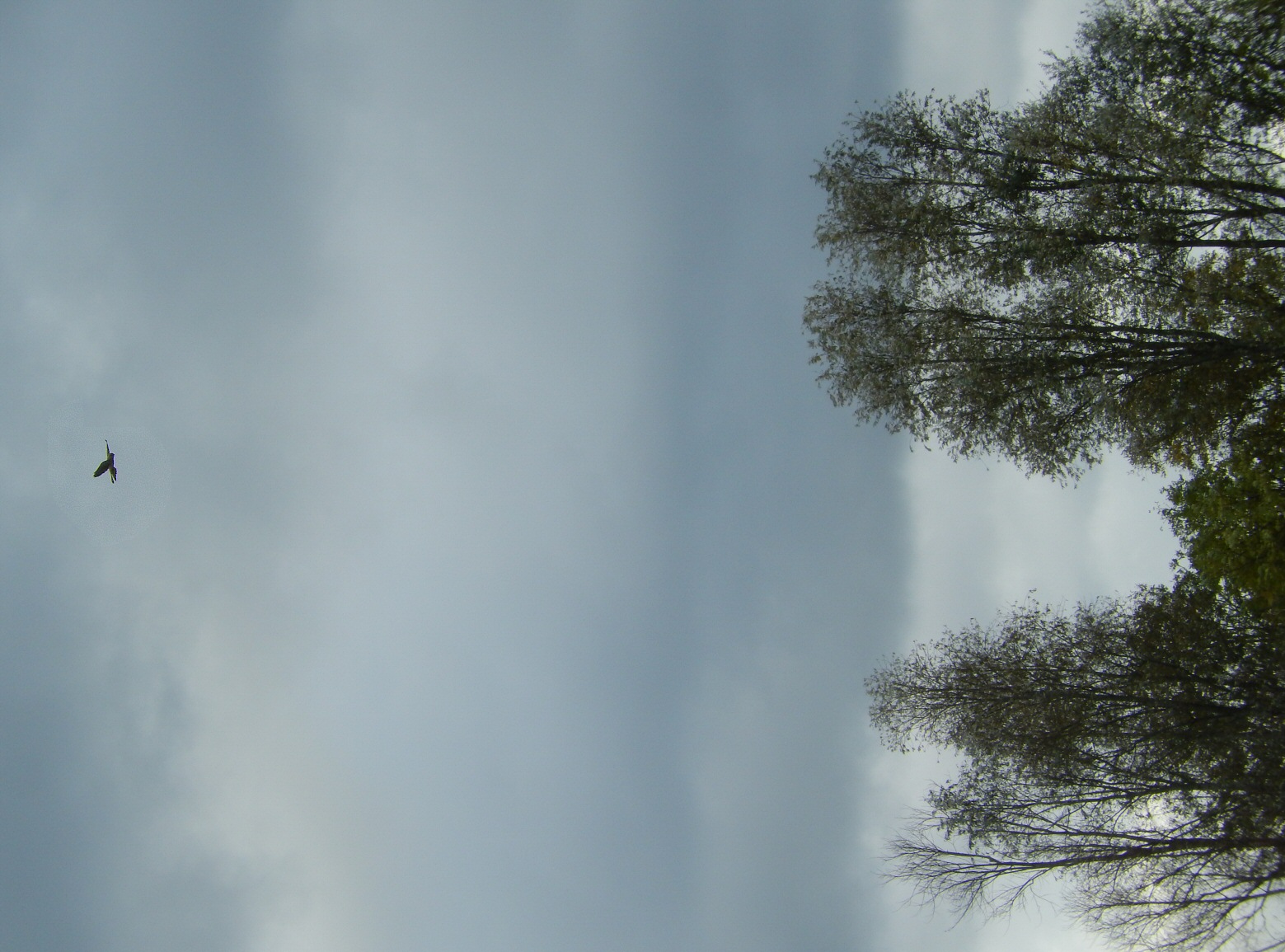
Kestrel hovering over Wraysbury
Kestrel hovering over Wraysbury, under a wintry sky

Winter showed her wizened hand today. The bright sunshine of the morning quickly gave way to cloud under a chilly northerly wind. Zipping up my coat, I wondered if I’d see anything worth remarking, and plodded up the path in the flat light. I looked left at the river Colne, and a plump Water Vole splash-dived among some juicy Iris leaves that I guess it had been cutting. Once a common enough sighting, it’s now something very special.

The main lake was almost devoid of birds, a distant swan, a few black-headed gulls and a coot or two more or less summing it up, a dull day (apart from the vole). I rounded a bend and came face to face with a very fresh-faced, brightly-coloured fox. It stared at me for a glorious second, then turned tail and fled. Given the long narrow neck of land between the river and the lake, it must have run quite a way to escape.
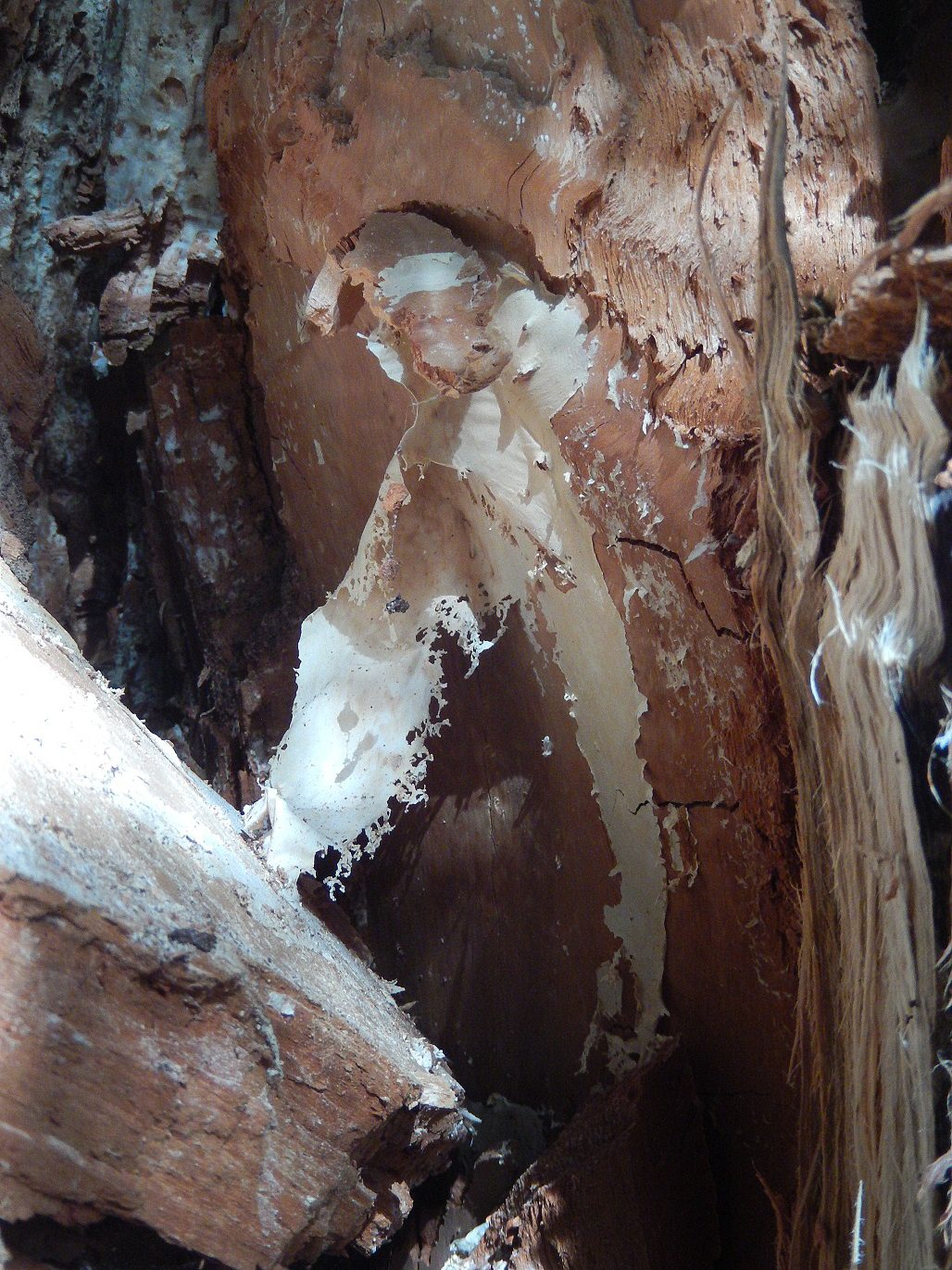
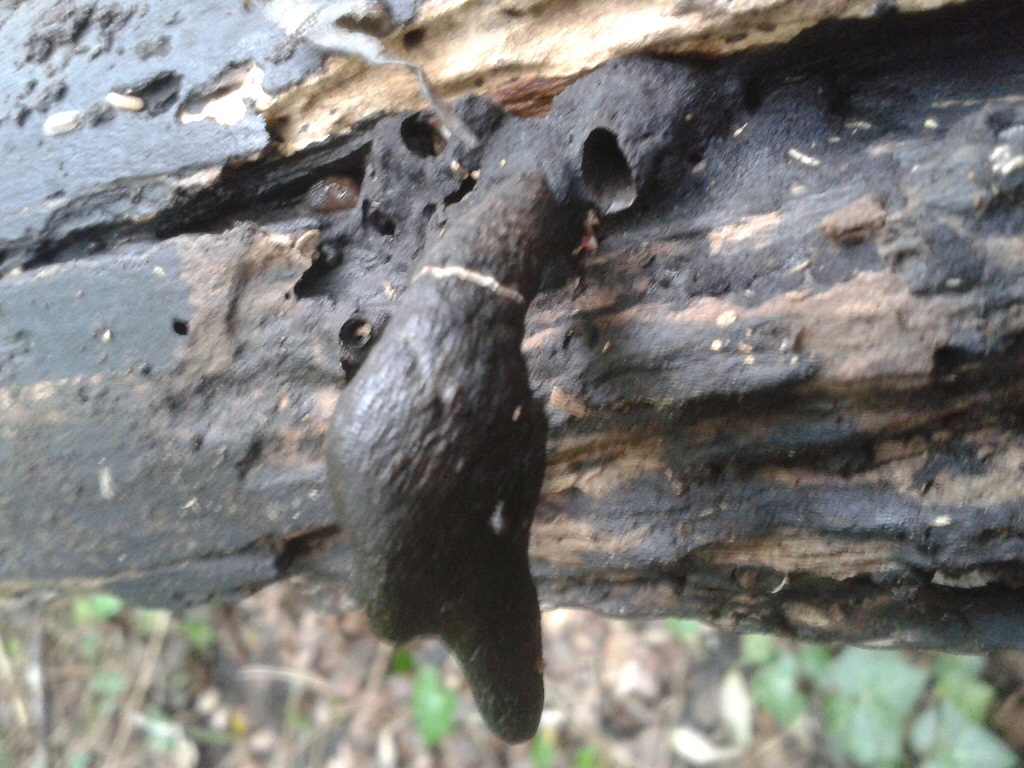
Fungal mycelium in newly-fallen Willow trunk

Not much further, a riverside willow had fallen on to an ancient hawthorn, forming a striking arch. The broken trunk was quite hollow, only a couple of inches of the newest wood remaining as a thin fragile tube. These large trees grow rapidly to a considerable size — and suddenly fall. The wood is soft, and it seems that saprophytic fungi (or perhaps parasitic) can speedily destroy it. This tree was layered with a dry papery sheet of whitish mycelium, presumably whatever species it was that rotted the trunk hollow.

A dark brown Buzzard, almost without markings, floated broad-winged just above the small lakeside trees, almost close enough to touch.

Beside me, the lake suddenly exploded into a mass of pattering feet on water, as a dozen Gadwall rushed to take off. Perhaps these newly-arrived birds are from the frozen north, unused to the slightest human disturbance.

The end of the lake held a score of Tufted Duck, their numbers too increasing rapidly now, again presumably from colder lands to the north or east.

At the steel bridge, a Bullfinch repeated its insistent call, Deu, Deu. And over the grassy meadow, a Kestrel floated silently, hovered, drifted effortlessly upwind to hover again.
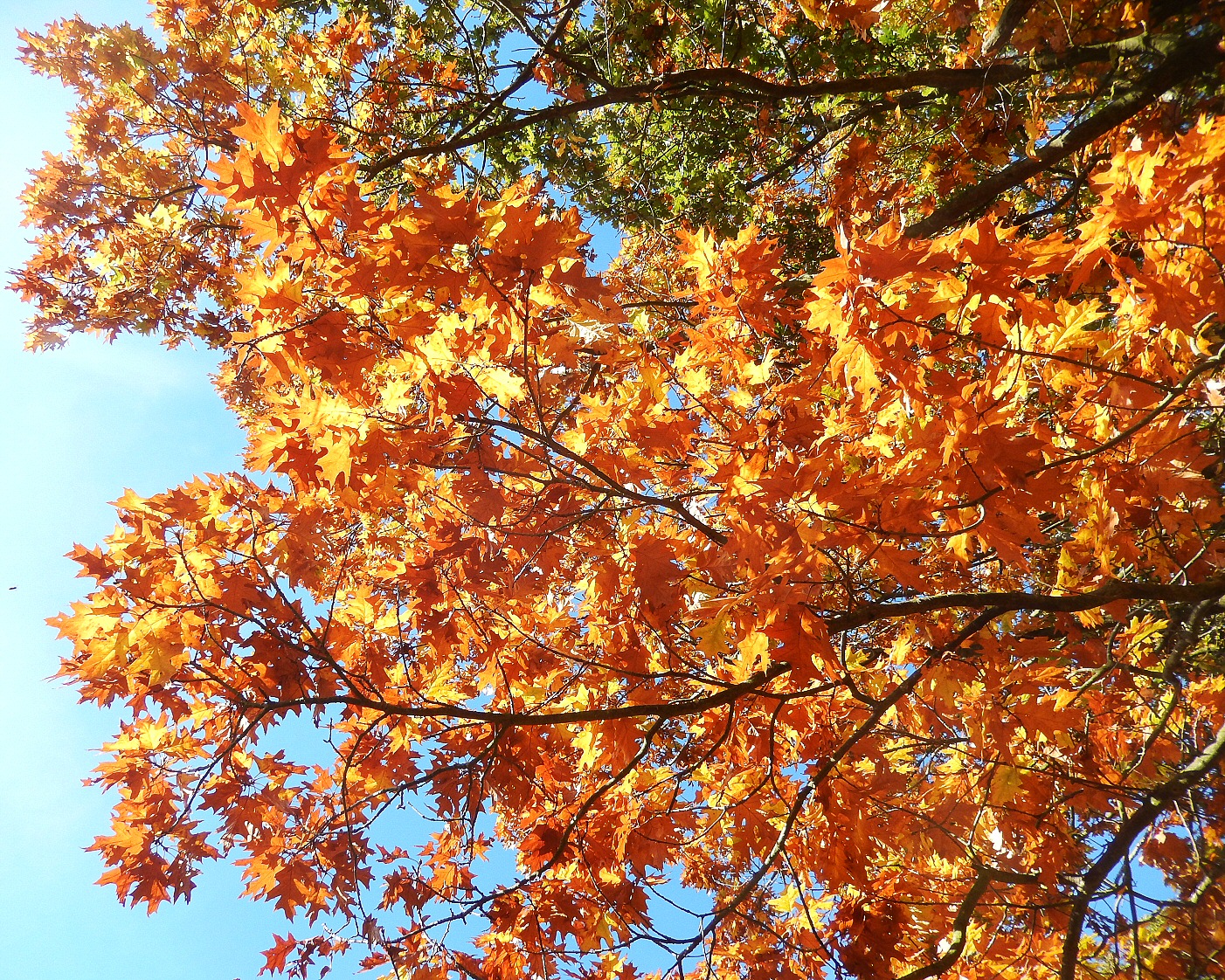
Hips, Haws, and Burrs: yes, it’s Autumn at Wraysbury Lakes

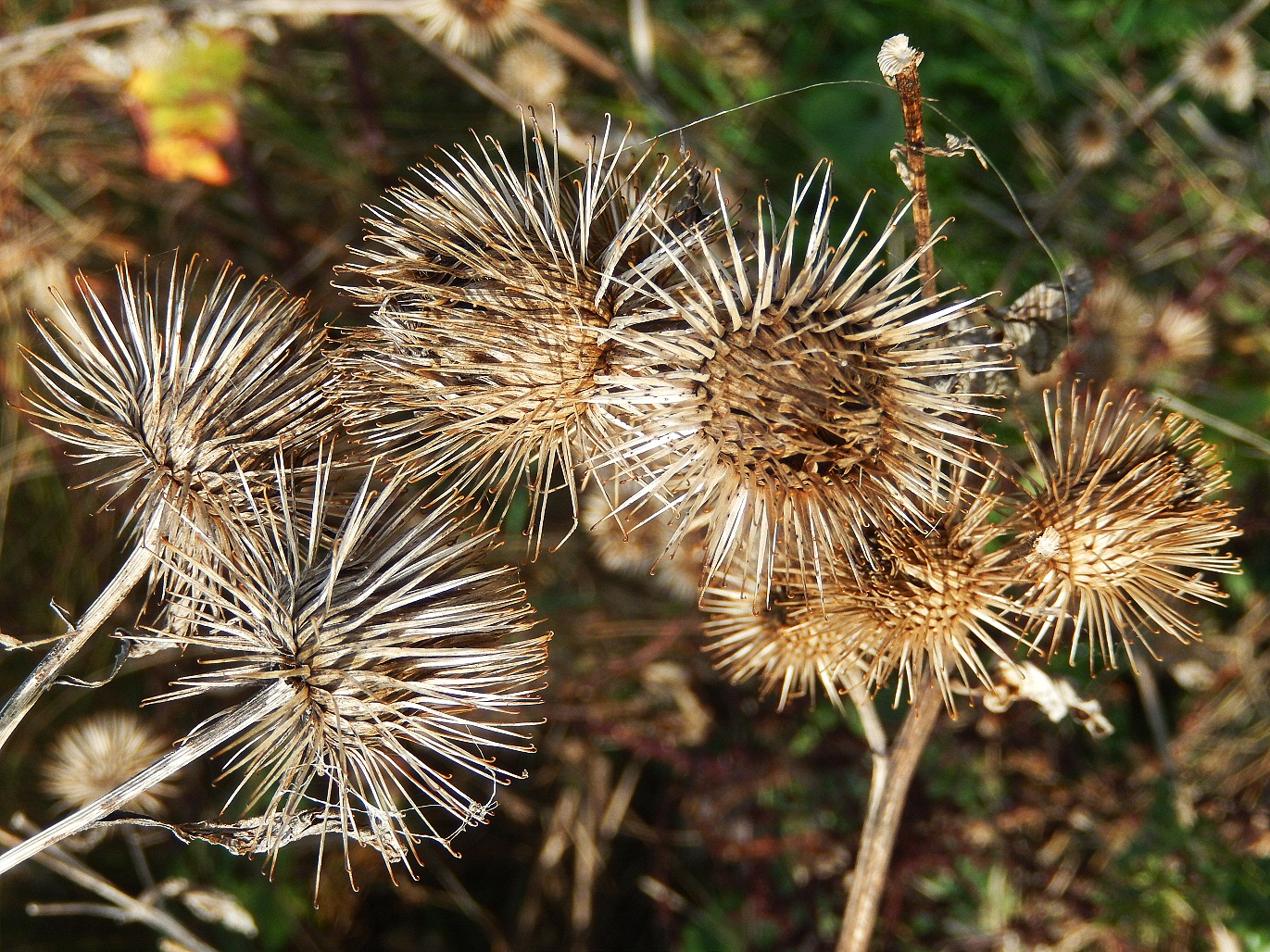
Burdock burrs, complete with the hooks that inspired Velcro
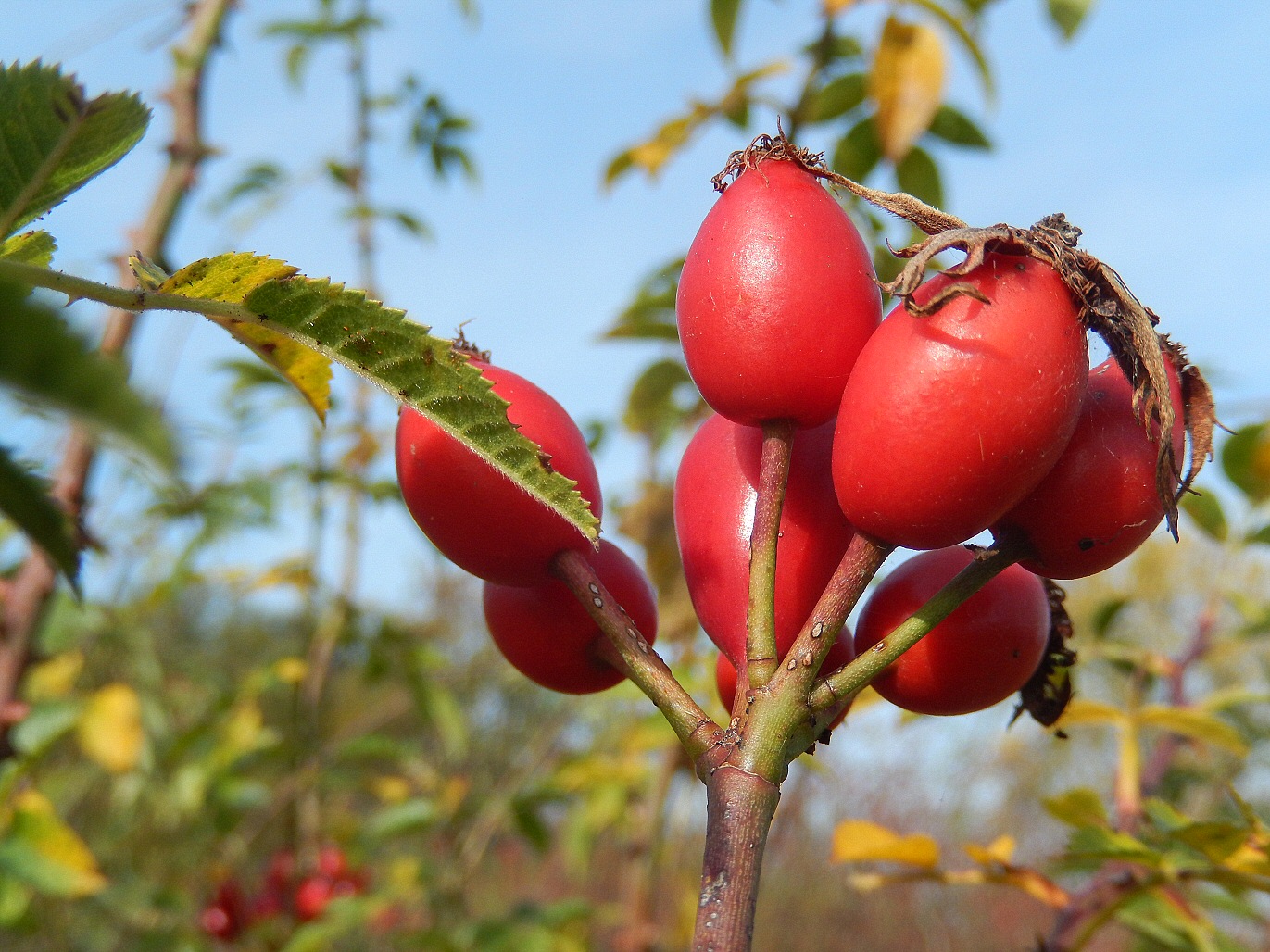
Rose Hips
Rose Hips
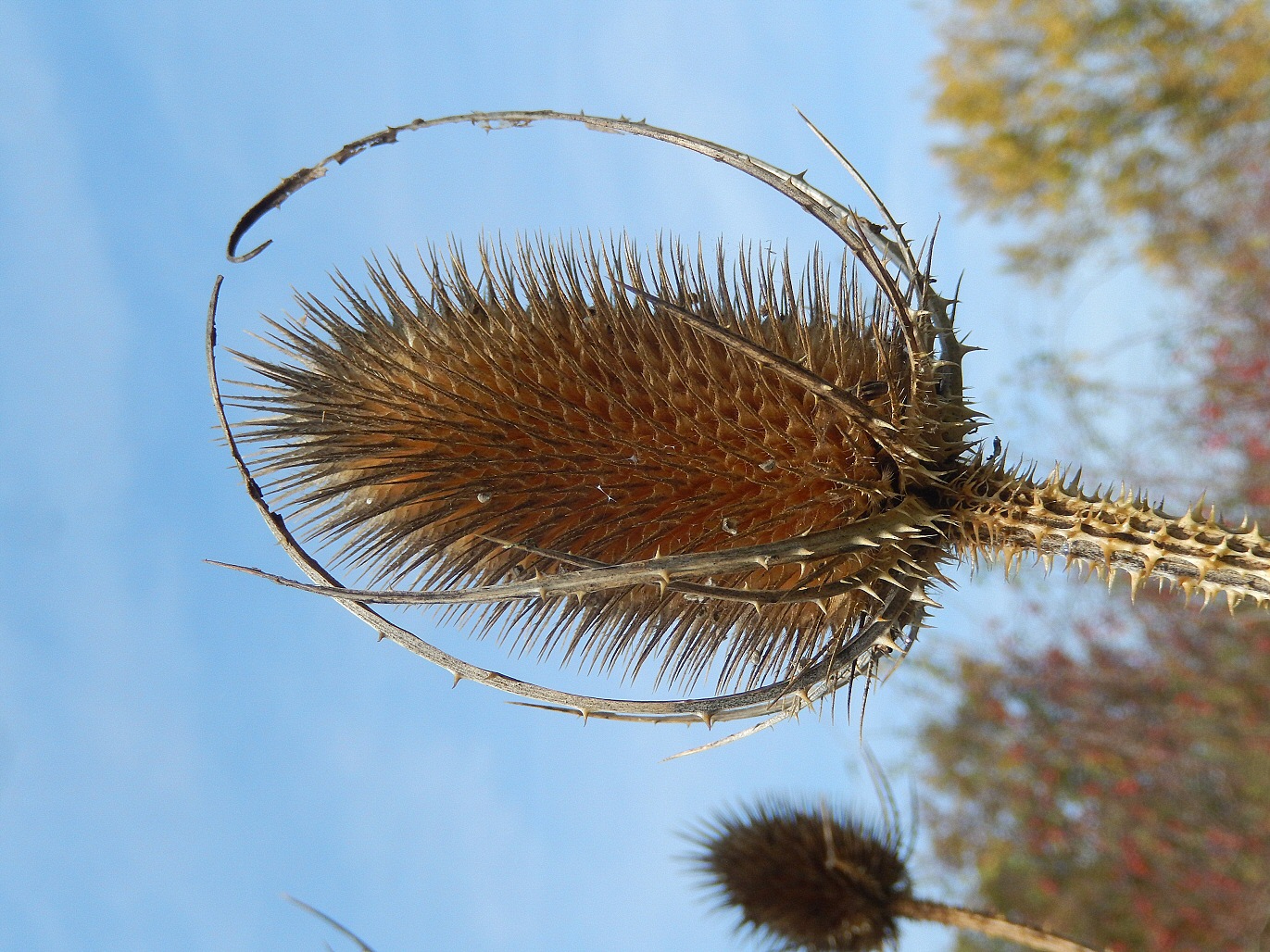
A Splendid Teasel
A Splendid Teasel

It really was a beautifully warm last day of October: 17.5 degrees, shirtsleeves only in the sunshine. The trees were going golden, the berries red, the burrs and teasels a warm brown.
Robins were singing, as always. On the lake, the first few winter ducks (three drake Gadwall) have arrived, but the general air was of late summer languor, and walking had that feeling of unreality that comes from knowing that everything is, just now, totally lovely and free, whatever frost, wind, rain, or manmade disaster may come along tomorrow.

A little twittering flock of Goldfinches blew by; a Green Woodpecker and a Kestrel lent colour to the meadow. It was warm, dry, and lovely.

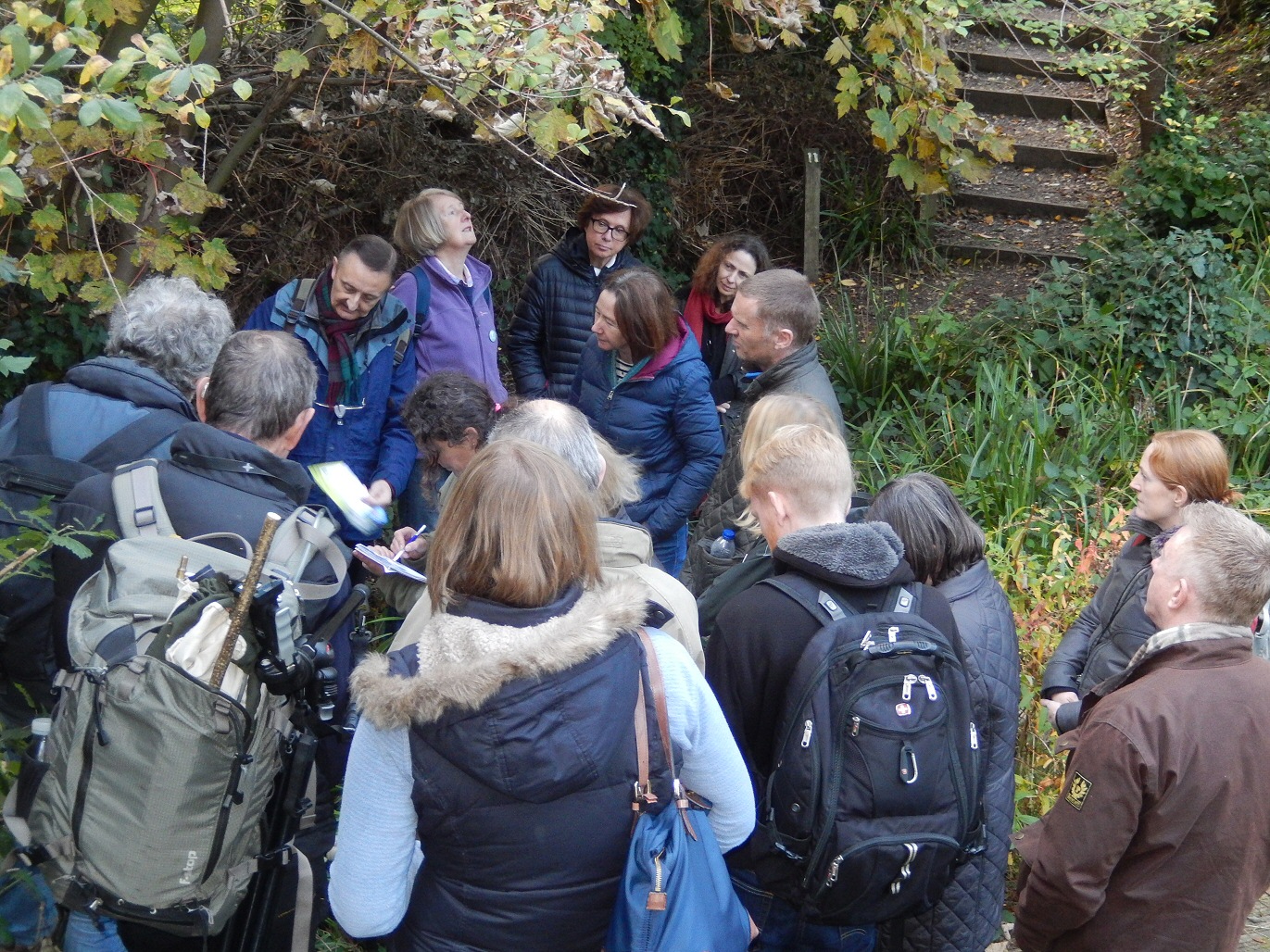
Fungus Foray with Alick Henrici

Fungus Foray
Fungus Foray in Gunnersbury Triangle
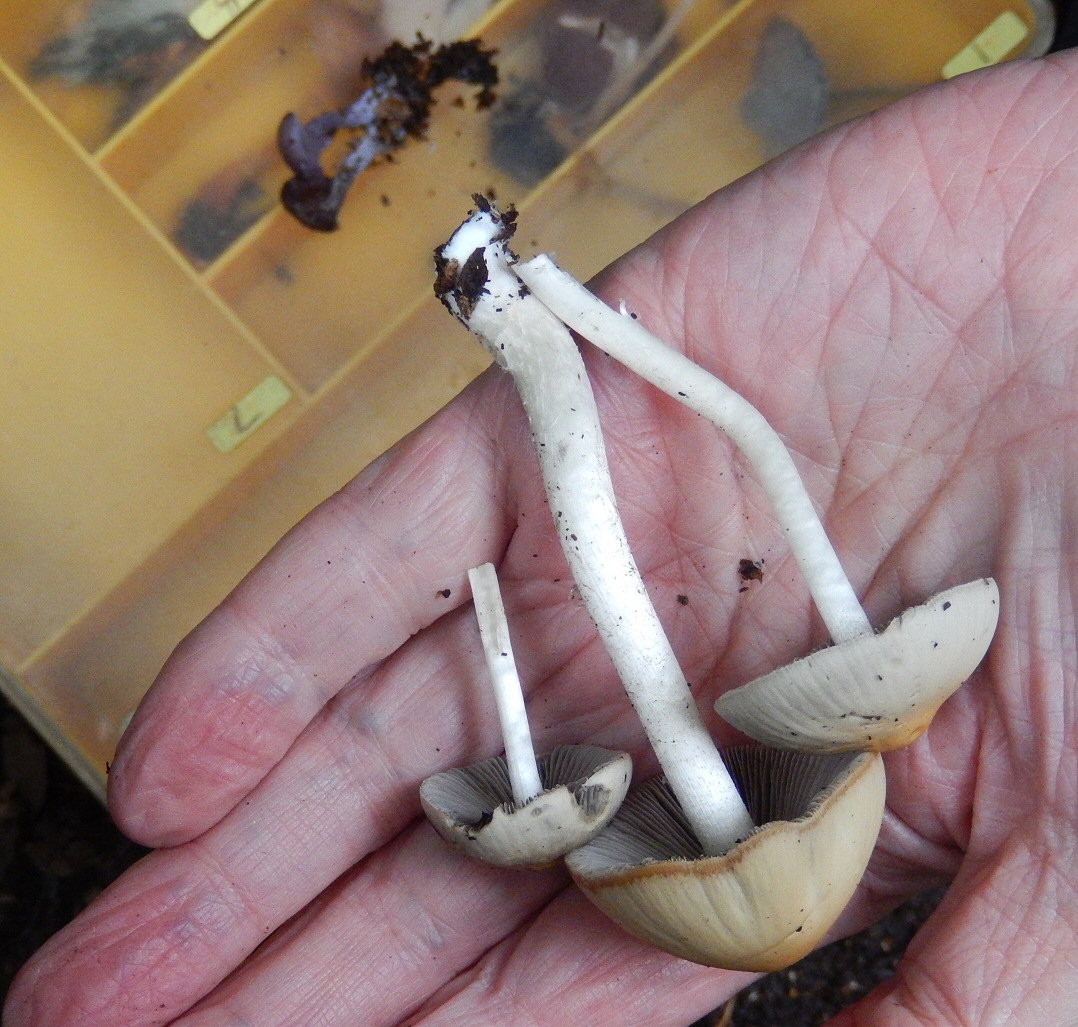
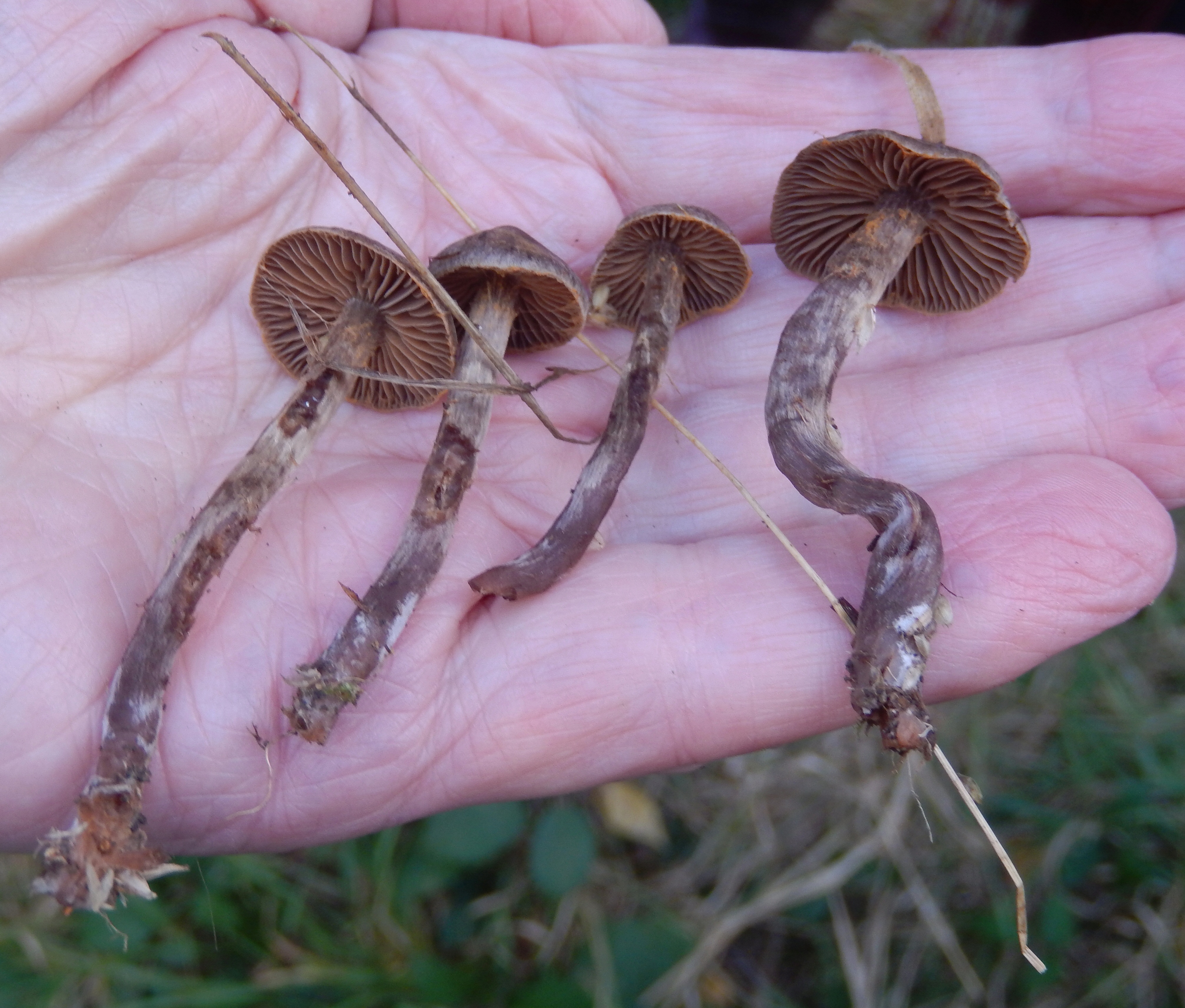
Brittlestems, Psathyrella
Brittlestems, Psathyrella, cousins of the Inkcaps
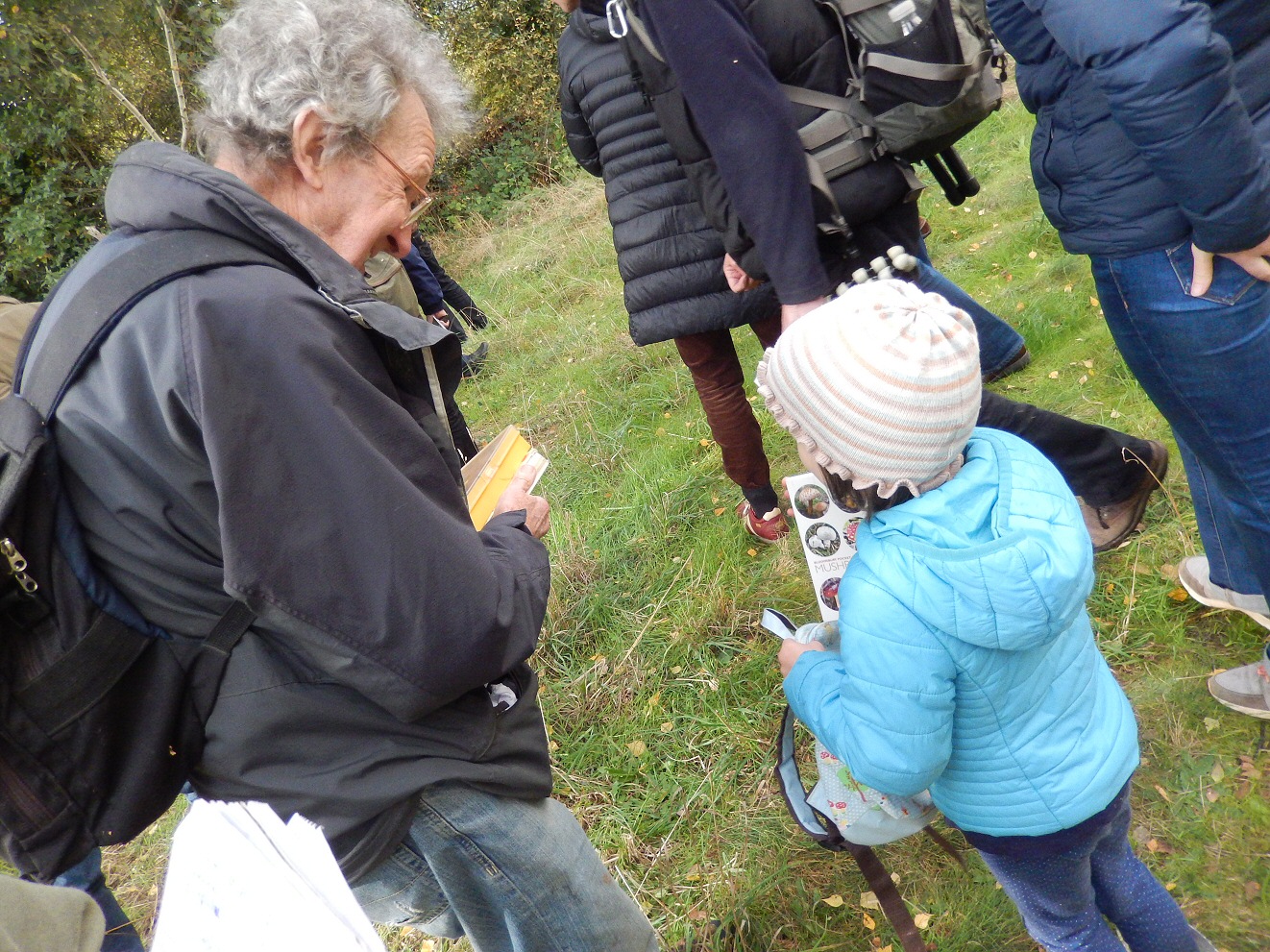
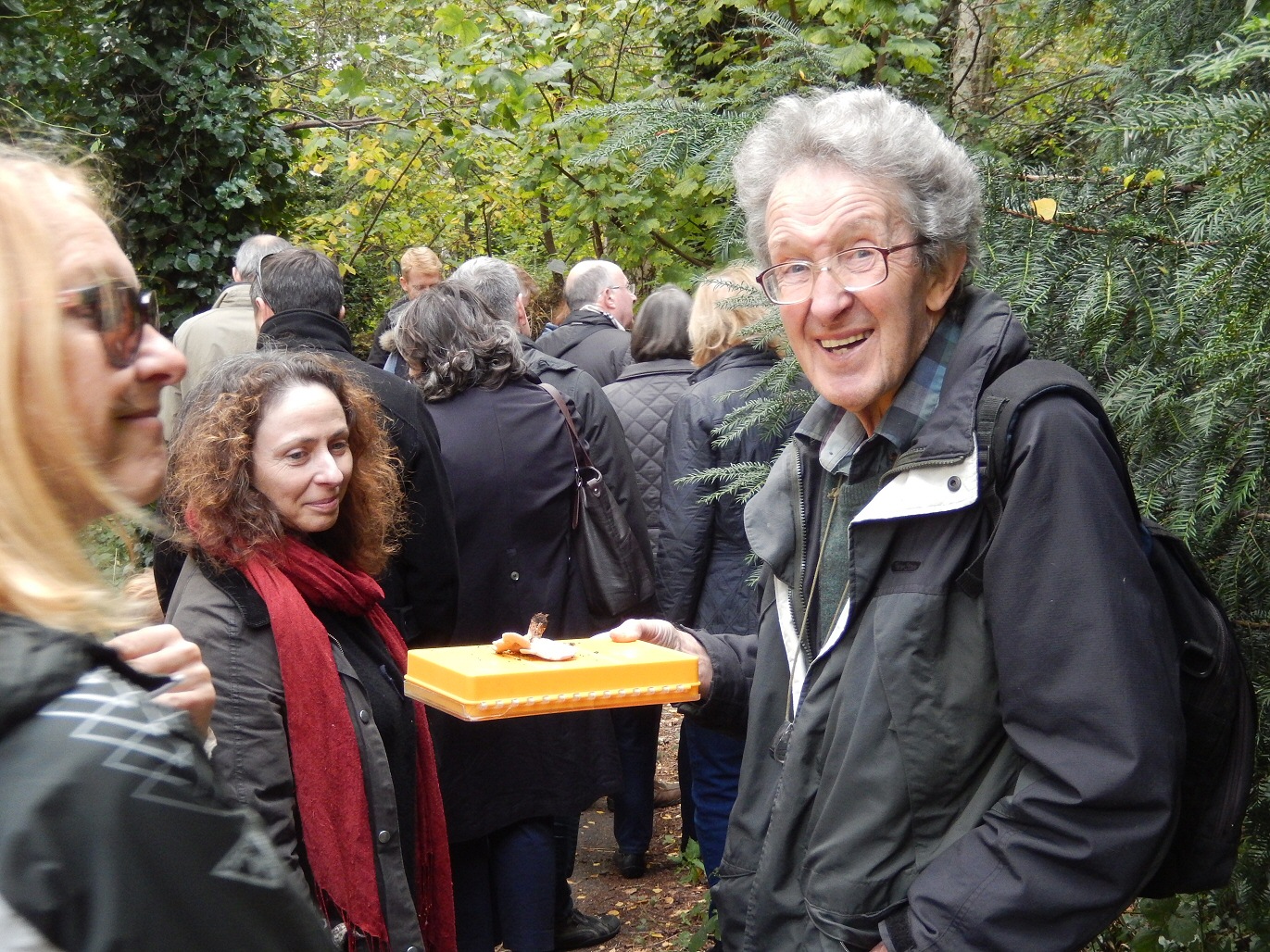
Mycology from the Master
Mycology from the Master: Alick Henrici with a keen pupil
A rare Rhodocybe gemina, the first record for Gunnersbury Triangle
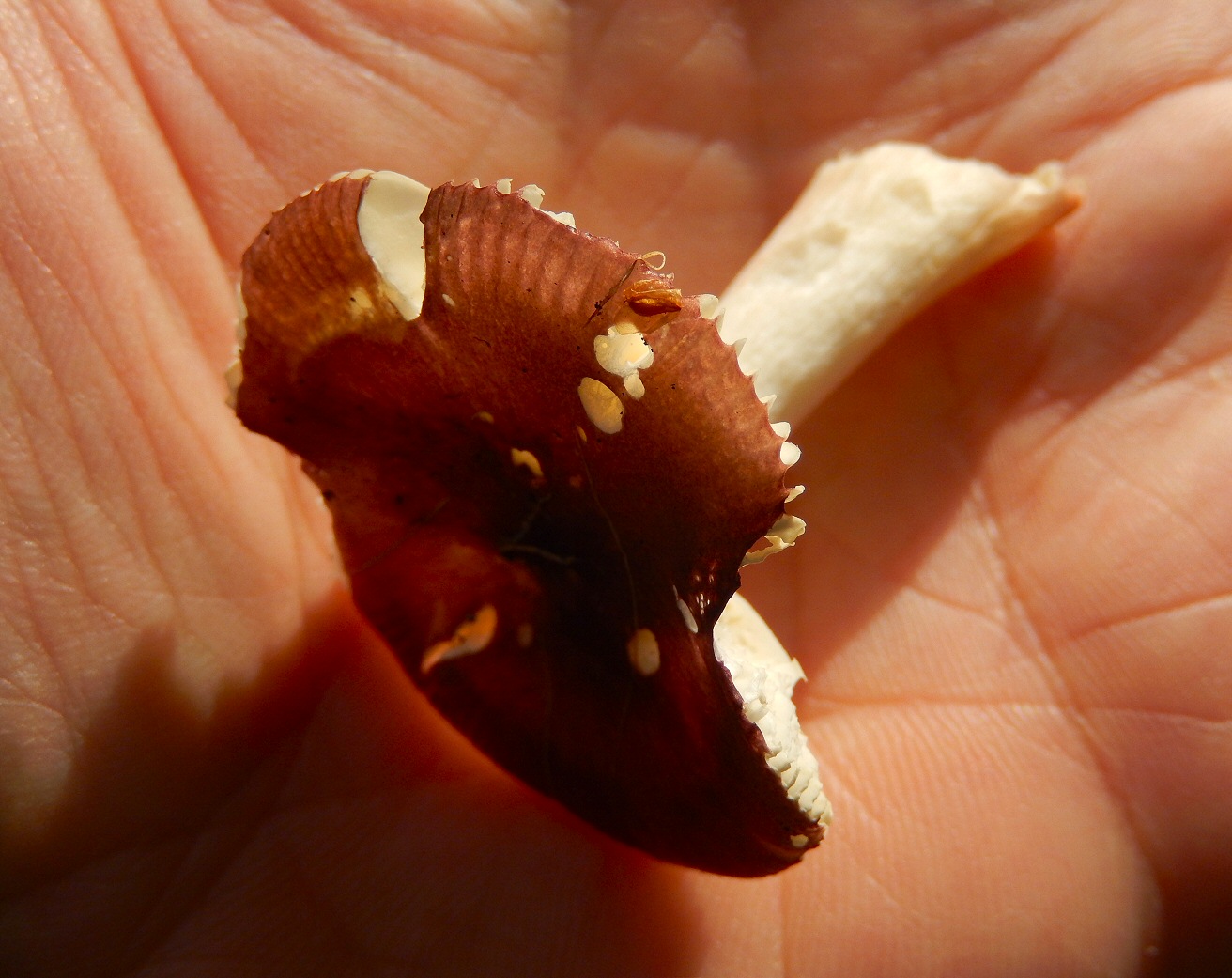
dscn8499-purple-swamp-brittlegill-russula-nitida-small
Purple Swamp Brittlegill, Russula nitida
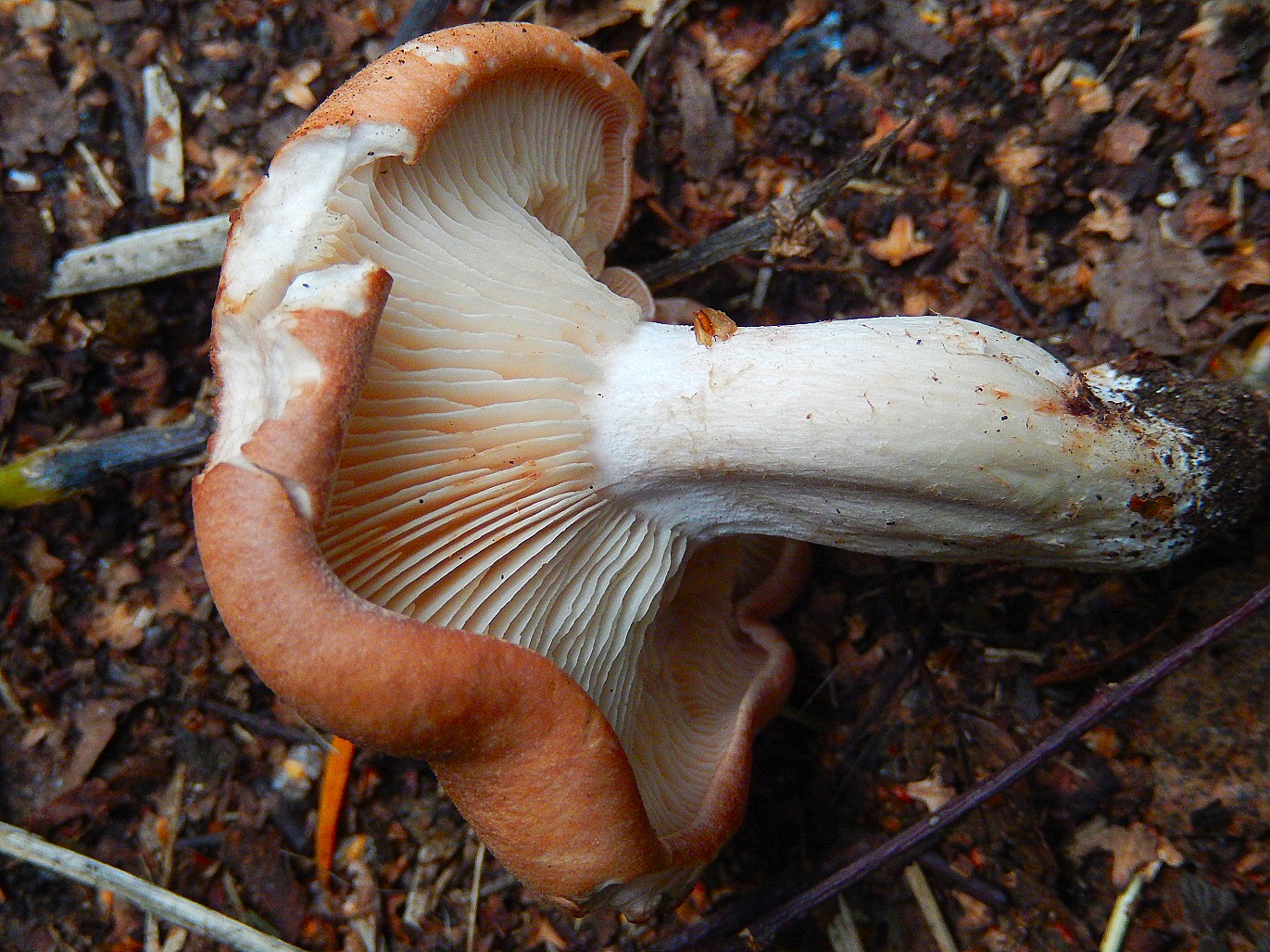
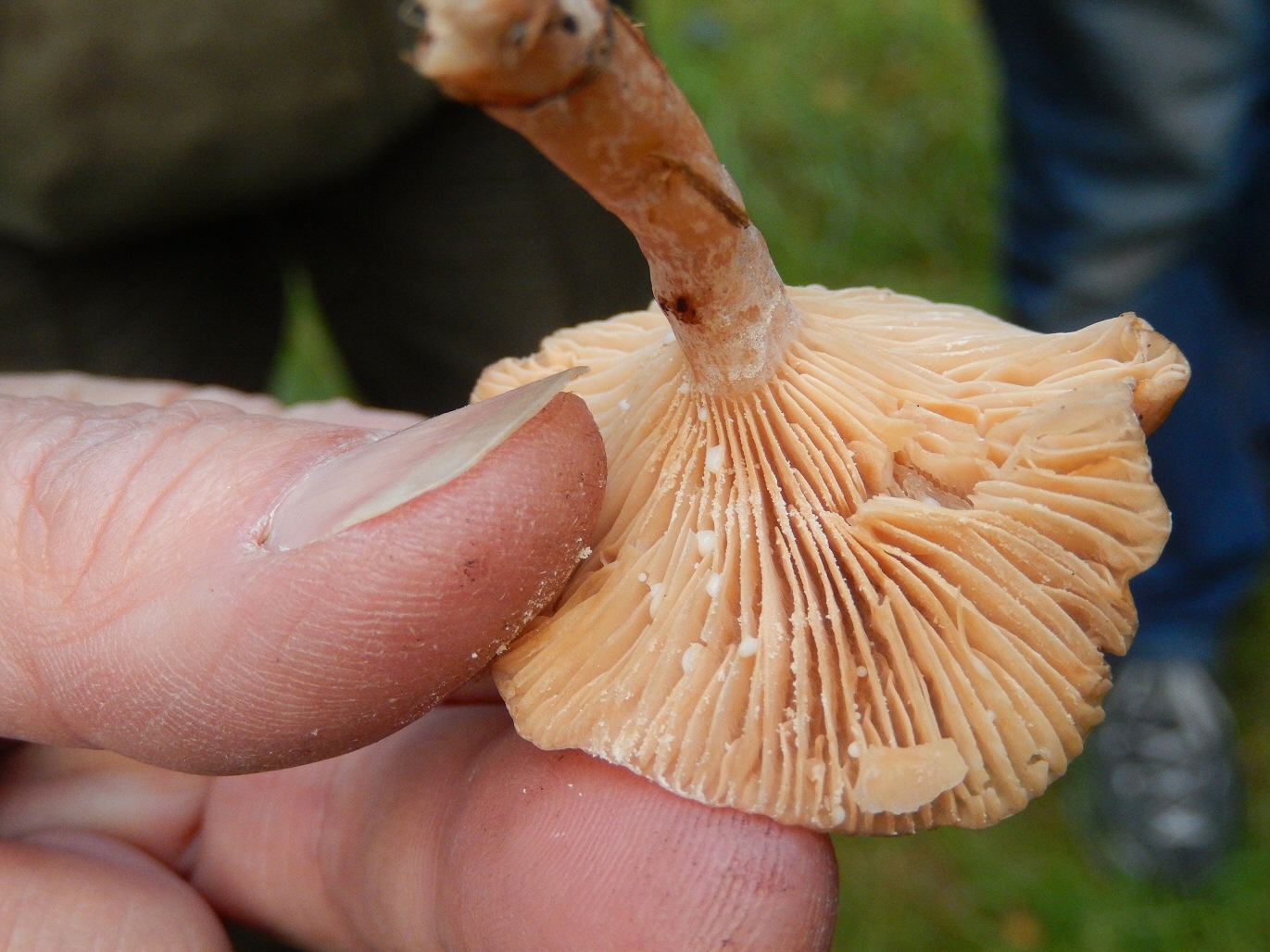
dscn8497-mild-milkcap-lactarius-subdulcis-small
Mild Milkcap, Lactarius subdulcis. When scratched, Milkcaps exude a milky liquid (note the drops), with a taste that helps in diagnosis. This one is not peppery!
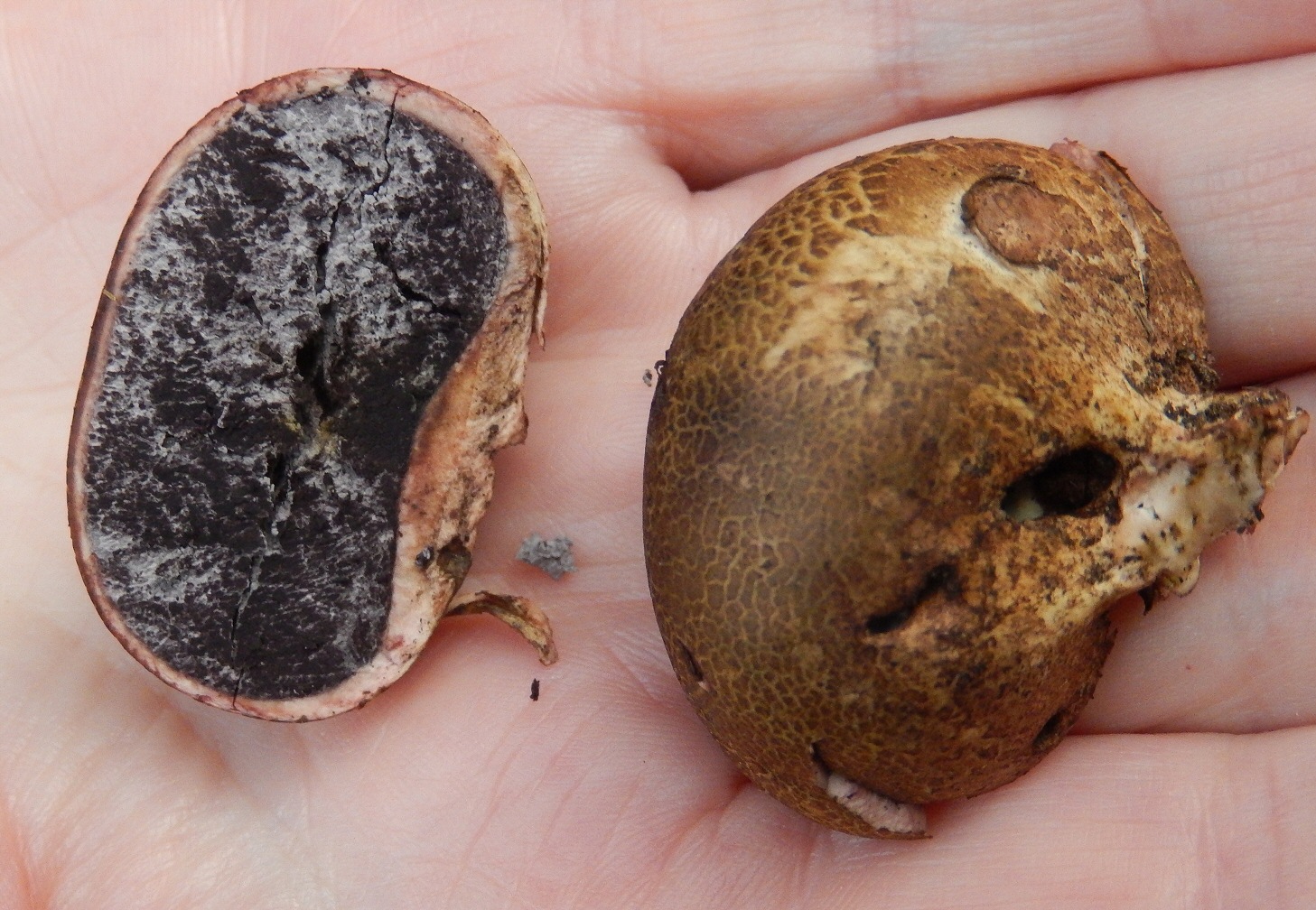
Earthball, Scleroderma - sometimes used to dilute costly Truffles, but toxic
Earthball, Scleroderma – sometimes used to dilute costly Truffles, but toxic
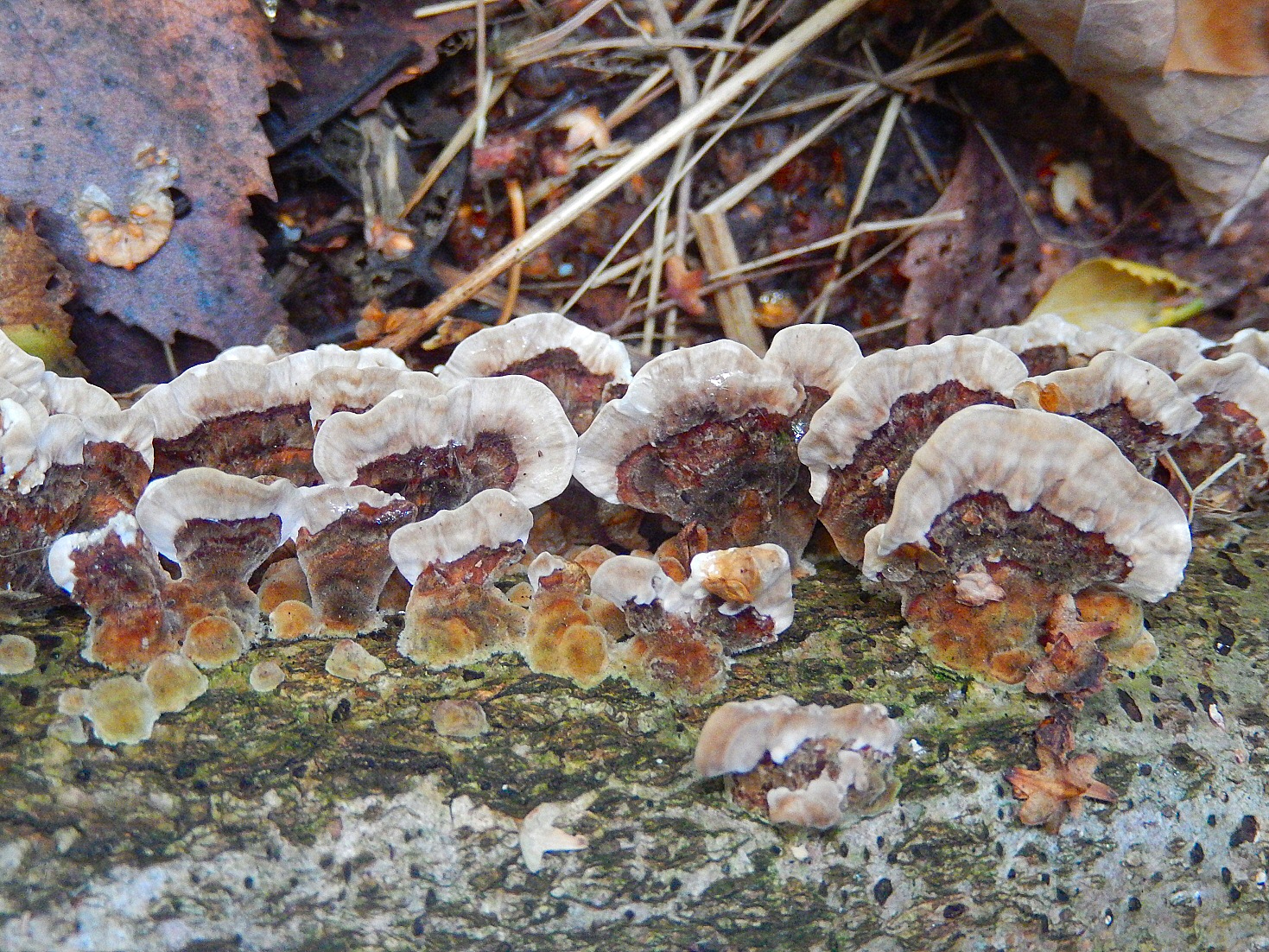
Turkeytail Bracket, Trametes versicolor
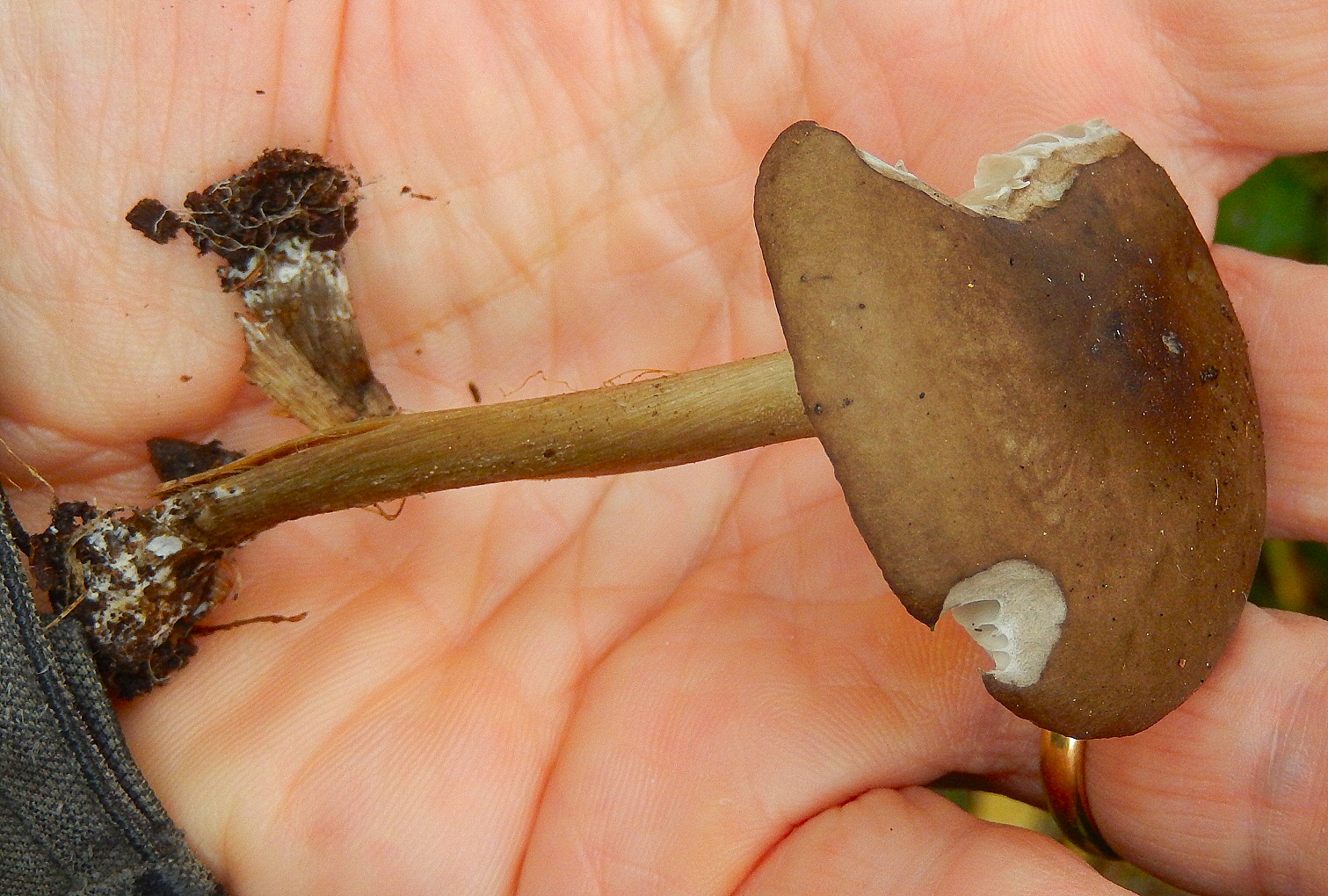
dscn8507-melanoleuca-polioleuca-small
Common Cavalier, Melanoleuca polioleuca
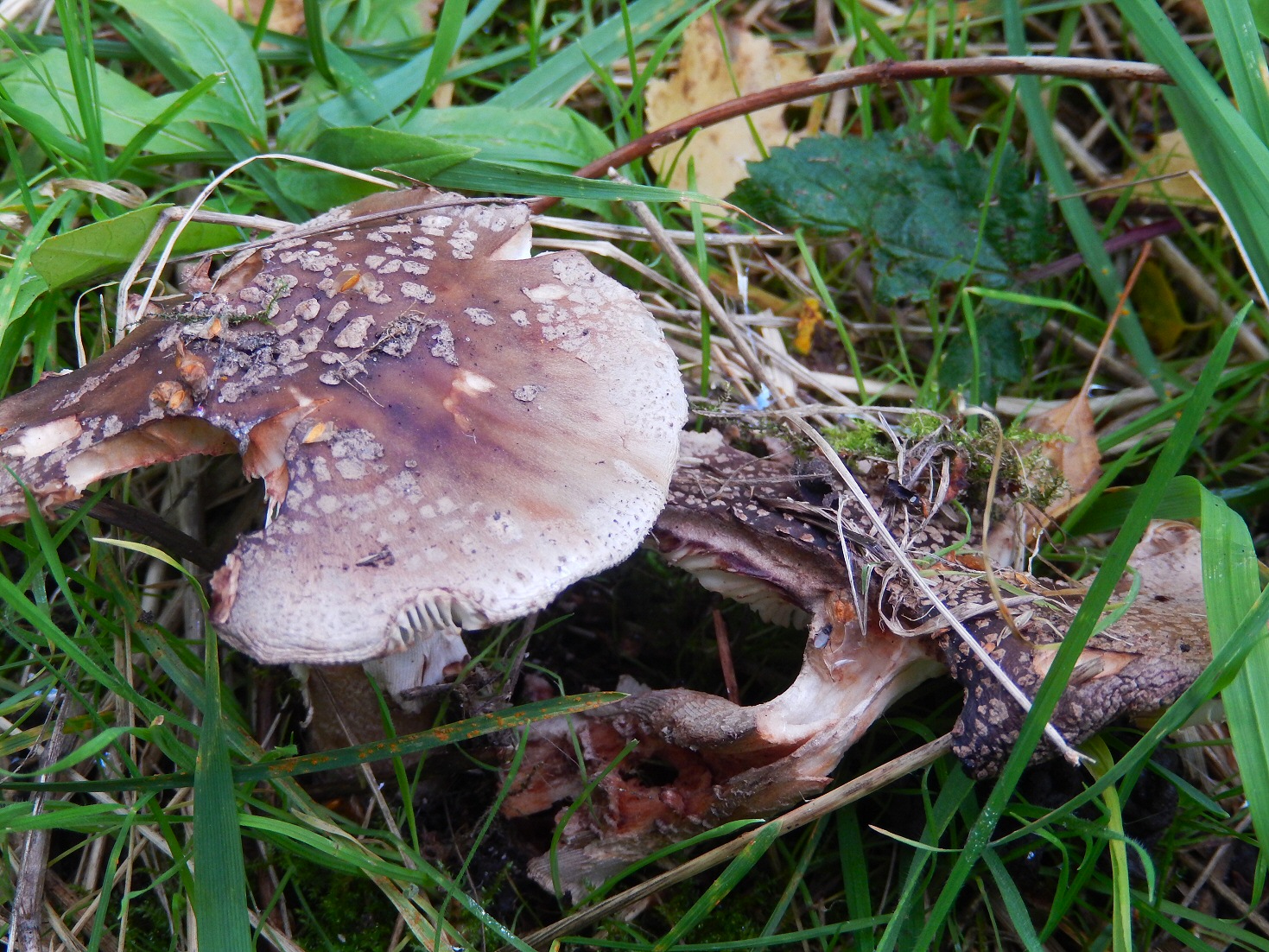
dscn8503-the-blusher-amanita-rubescens-small
The Blusher, Amanita rubescens – an edible member of a dangerous genus. Its pink ‘blush’ when damaged can be seen in small patches of the cap and on the broken stalk.

Apart from the fungi named in the image captions, we also saw plenty of the Deceiver (Laccaria laccata); Amethyst Deceiver (Laccaria amethystina); assorted species of Fairy Bonnets (Mycena spp.); the Brown Rollrim (Paxillus involutus); Puffballs (Lycoperdon perlatum); and more. There was hardly any Birch Polypore – we often have fine big white brackets of them: just one small nodule, Piptoporus betulinus.

Alick Henrici on Fungus Foray


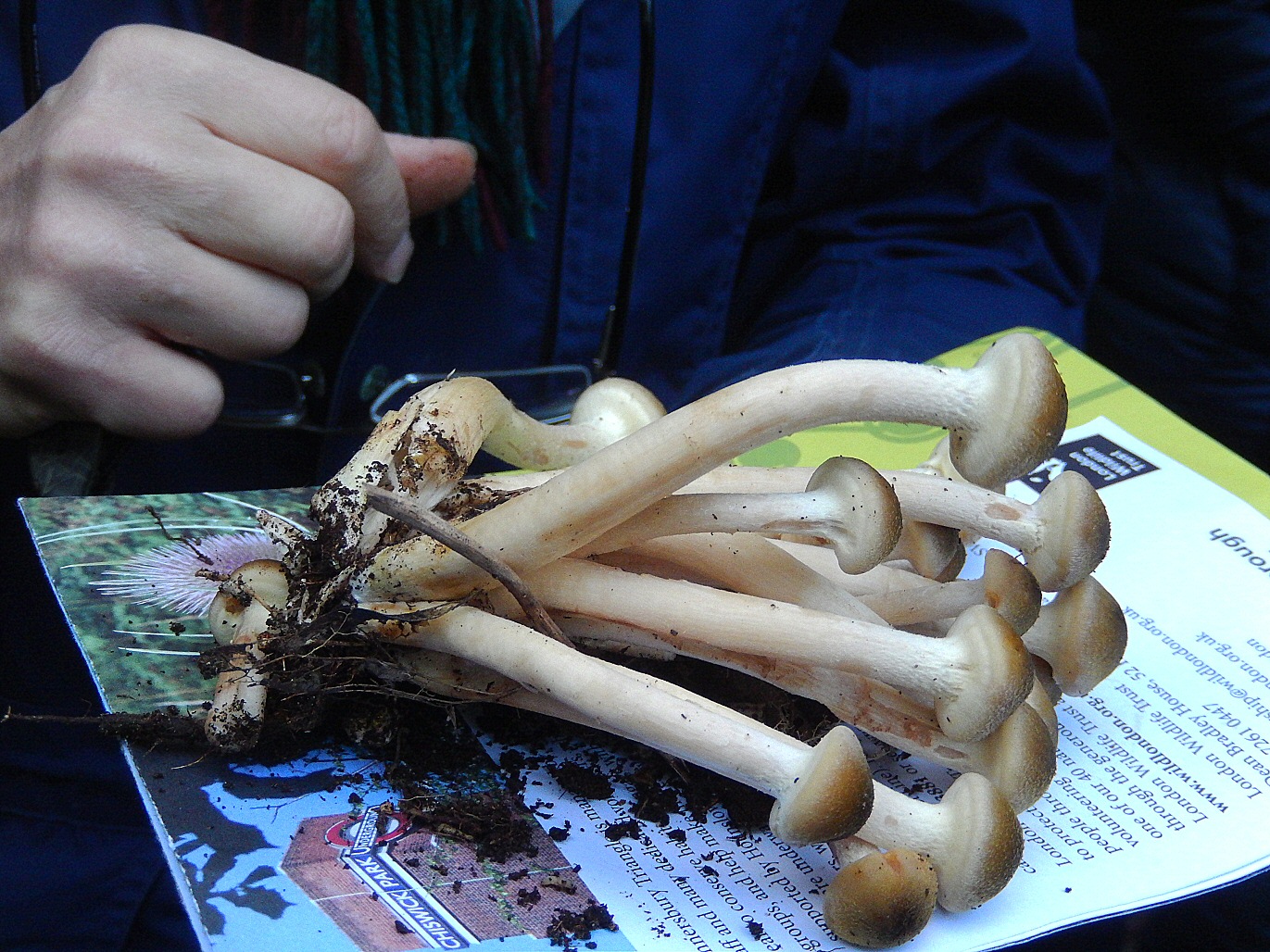
dscn8512-honey-fungus-armillaria-mellea-small
Dreaded by gardeners – Honey Fungus, Armillaria mellea
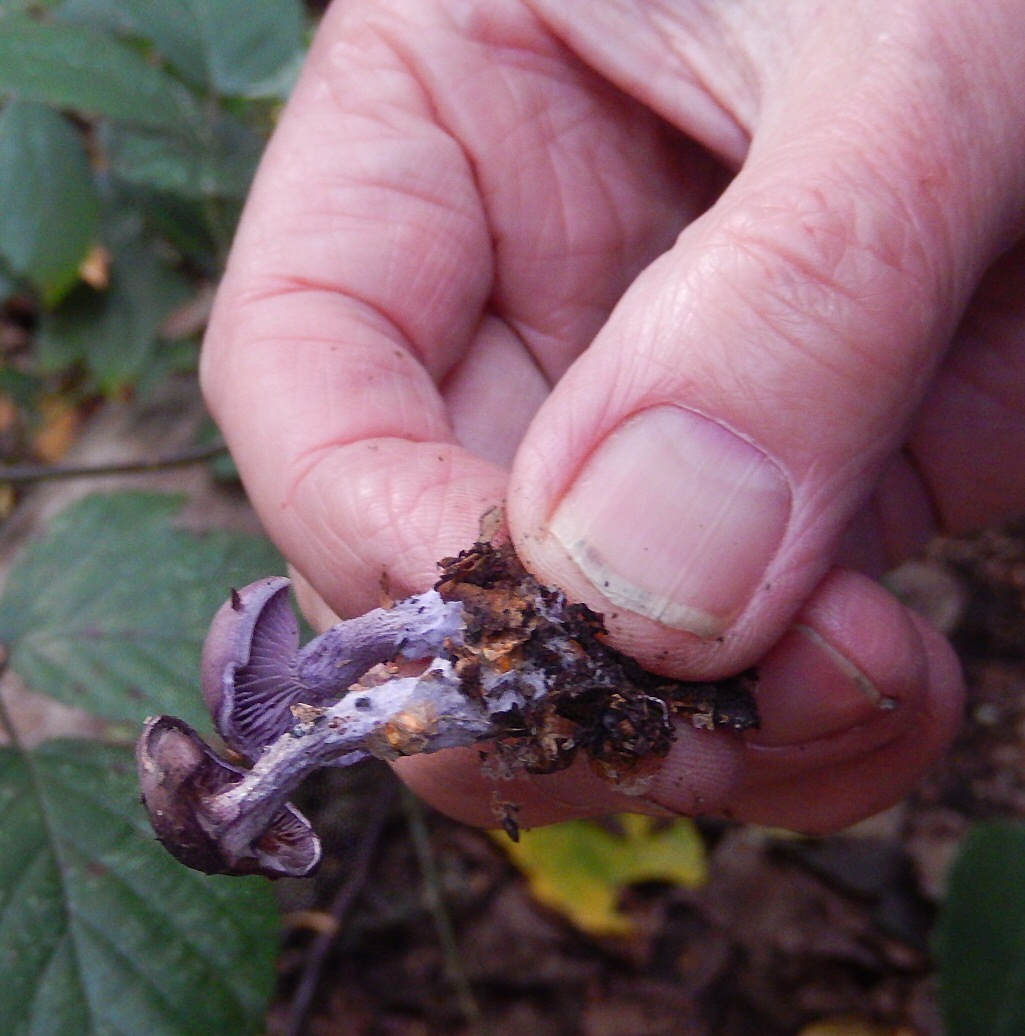
Inocybe geophylla var. lilacina
Lilac Fibrecap, Inocybe geophylla var. lilacina
Poisonous webcaps, Cortinarius
Webcaps, Cortinarius
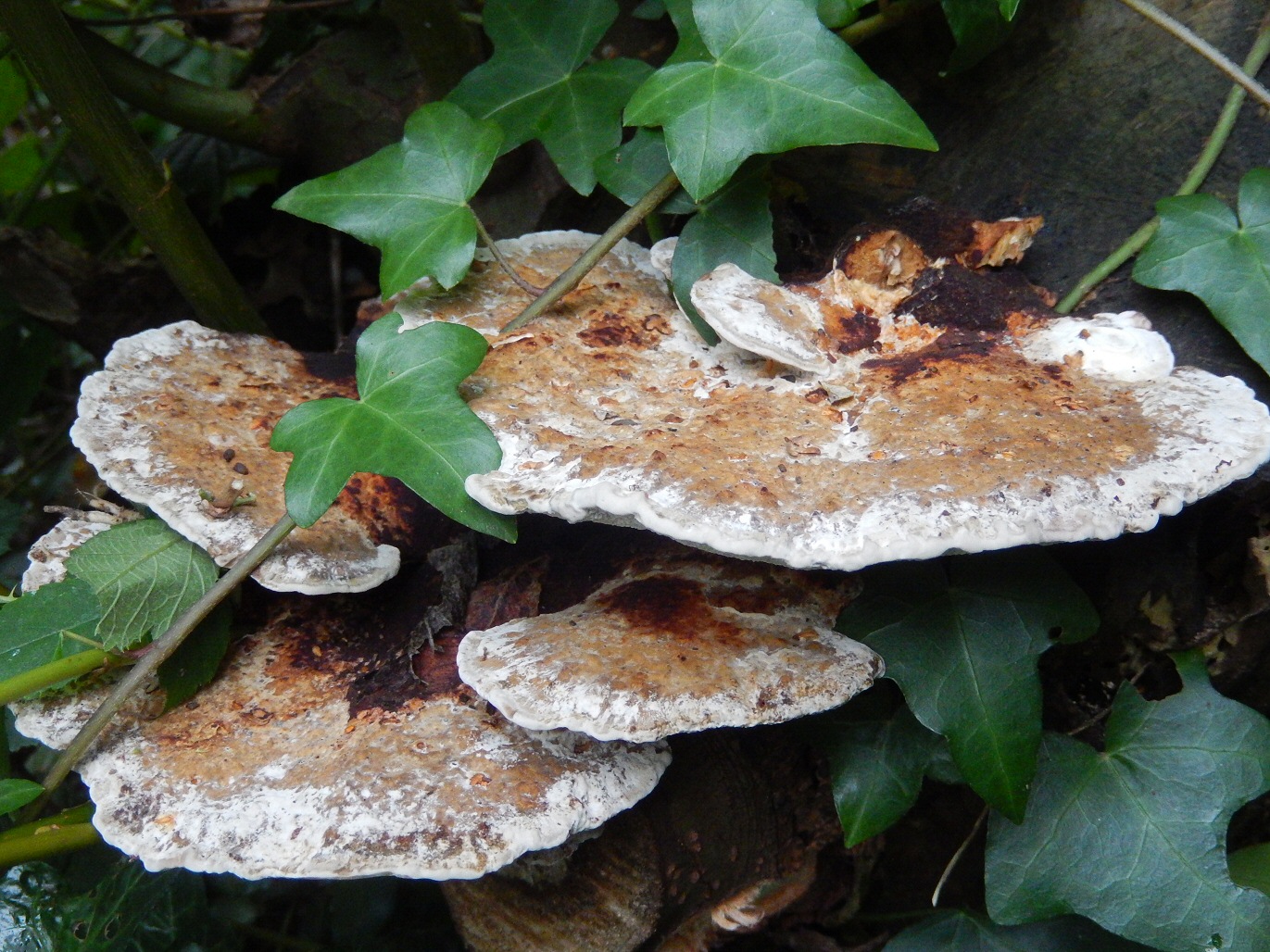
An extremely tough bracket fungus

Aural Amble at Wraysbury Lakes

Indian Summer days are delightful, but often not terribly rich in visible wildlife – this year’s young have fledged and left the nest; flowers have faded and gone into fruit (which can be beautiful, of course); butterflies and dragonflies have mostly stopped flying; summer birds have left for Africa; and the warm calm air doesn’t bring winter migrants from the frozen North.

But there was plenty to listen to this morning.

As I walked in off the road, a Heron took off behind the bushes, and gave a two-tone ‘cronk’ note as it flapped off over the lake. I peered through a gap, and there it was, its amazingly broad angled wings like an ingeniously light balsa wood and doped muslin flying machine, totally unlike the awkward folded umbrella of an ungainly bird that a Heron is when perched.

Two Mute Swans took off and flew low over the water right in front of me, as silent as their name: only their wings whistling with each heavy wingbeat.

A solitary Cormorant took off from the water, very black without the white breeding season thigh patches, also silent except for the heavy thwack of its feet slapping the water on the first ten wingbeats.

A Cetti’s Warbler, invisible in the waterside bushes as always, burst into its loud rude song. (Once you’ve read Barnes’s description of just how rude that is, in How to Be a Bad Birdwatcher, you’ll never hear a Cetti’s without smiling again, I promise.)

A Green Woodpecker gave its cheerful triple signature call, somewhere far out of sight. No need to look.

A few Long-Tailed Tits called anxiously to each other, ‘Tsirrup’, high in the willows. I couldn’t see them either, and again, I didn’t mind a bit.

Bizarrely (and this was a sight to behold, perhaps the only one of the walk), 4 Cormorants took to the air, seeming to be chasing 4 young Herons, presumably a family party.

Up on the horses’ hill, a Kestrel hovered silently on whirring wings.

The horses won’t be there much longer: Affinity Water have put up little notices To Whom It May Concern, saying they’ve had enough with ‘flygrazing’ (makes a change from flytipping, presumably) and will remove the horses if they’re not taken away. I suppose the gypsies have left them to breed as well as graze for free (there’s plenty of grass); the horses are always gentle, and do a good job of controlling the meadow, actually. Why would they do that, a friend wondered. I suggested that it made perfect sense – each year, the ‘owners’ could drop in, take a mare, and leave the others to keep up the supply of new horses. What an economical, ecological system. Without the horses, I guess someone will have to pay for mowing, or maybe they’ll hire a flock of sheep for a few weeks each year? Not sure the horses aren’t a better solution. Of course they could leave some goats to go feral. (Only kidding.)


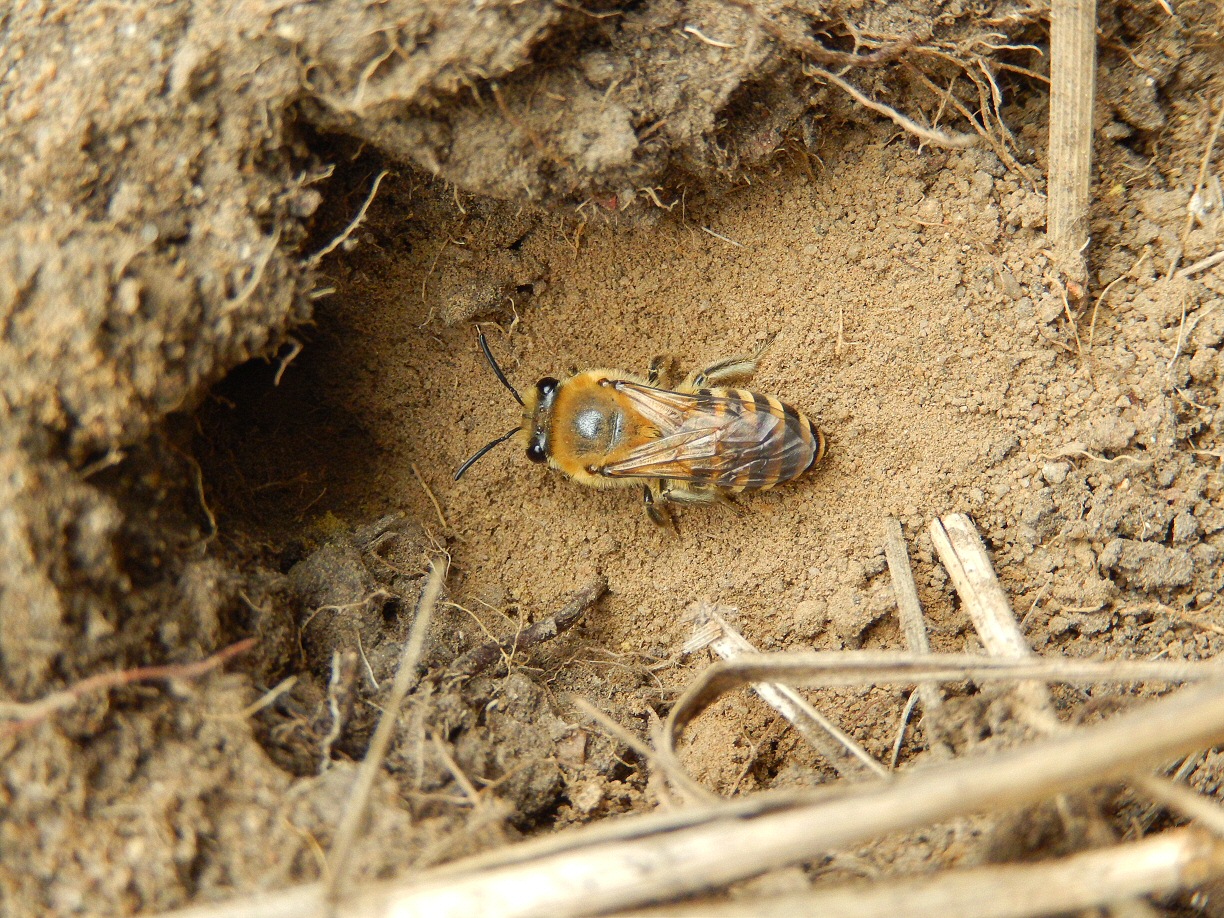
Ivy Bee, a new record for Chiswick!

Ivy Bee, Colletes hederae
Ivy Bee, Colletes hederae: female on the spoil she’s dug from her burrow (top) on the steep bank trodden bare by the reserve’s young foxes

It’s not every day a new species turns up, but here’s one. The Ivy Bee, Colletes hederae, was only described in 1993. It’s a European plasterer bee that likes warm dry sandy soil, and provisions its nest with Ivy pollen (Hedera, if you didn’t get it). The eggs hatch into larvae, which eat the pollen and overwinter in the burrow. The adults emerge the following September; the females dig burrows and energetically collect the pollen which is only available then, while the males laze about, fight, grab females and mate, boast about the women they’ve laid, and drive fast cars. Well, I lied about the last two items, obviously. In 2001 the species arrived in Dorset, and it has since spread across southern England, for instance finding good sandy sites in Oxfordshire. Now in 2016 it has come to Chiswick.

We’re happy to report that the bare sandy ground on the steep south-facing bank has turned out to be ideal for this rather special bee. The young foxes seem to lark about and run up and down the bank every morning, which keeps the vegetation very low with plenty of bare soil. This is just what mason and plasterer bees like, and the ground is full of nest holes.

My thanks to Mick Massie for bringing this species to my attention.

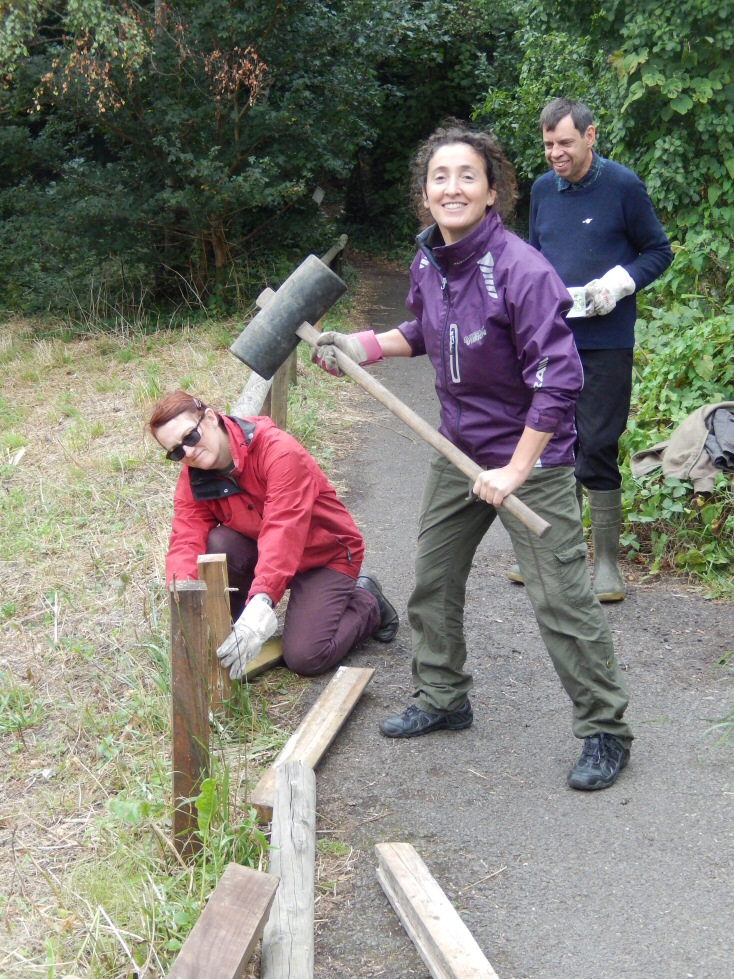
Hammer up
Hammer up
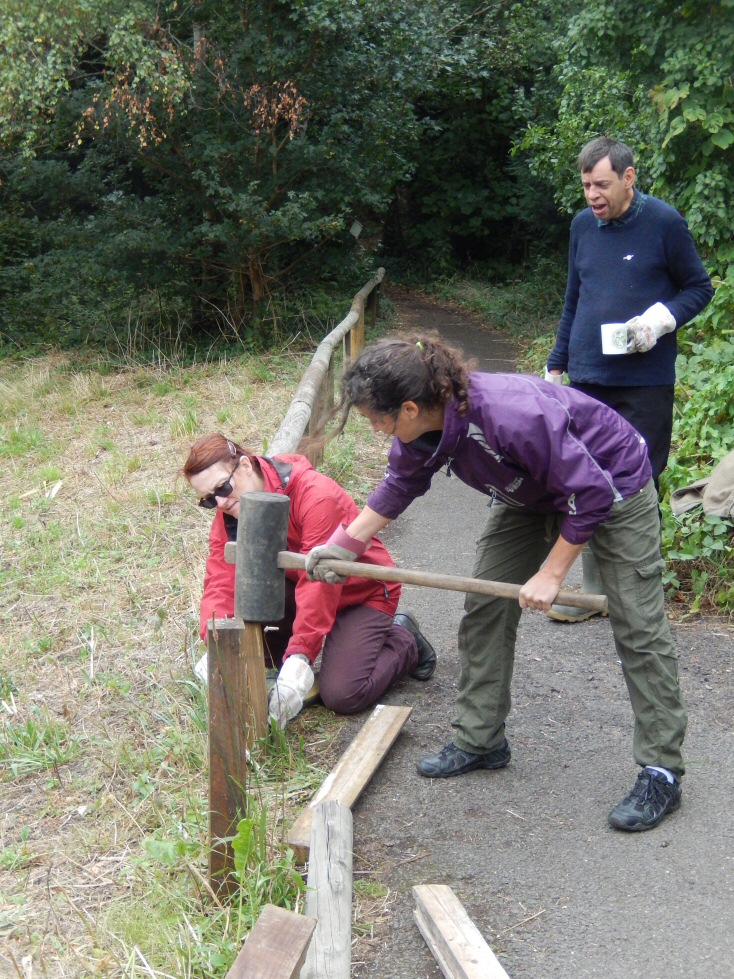
Hammer down
Hammer down

While we weren’t being diverted to photograph the Ivy Bee, we spent the day sorting out the low fence along the ramp path. Here’s Netty and the team whacking a post. I did quite a lot of digging and a fair bit of sawing.

Digging a post hole
Too narrow and deep to use a spade