All posts by Ian Alexander

I have been in love with nature as long as I can remember. Nature photography, birdwatching, lichens, fossils, orchids, mountains, insects, everything else. Conservation, gardening at home, community gardening. I've loved it all.

Onlooker

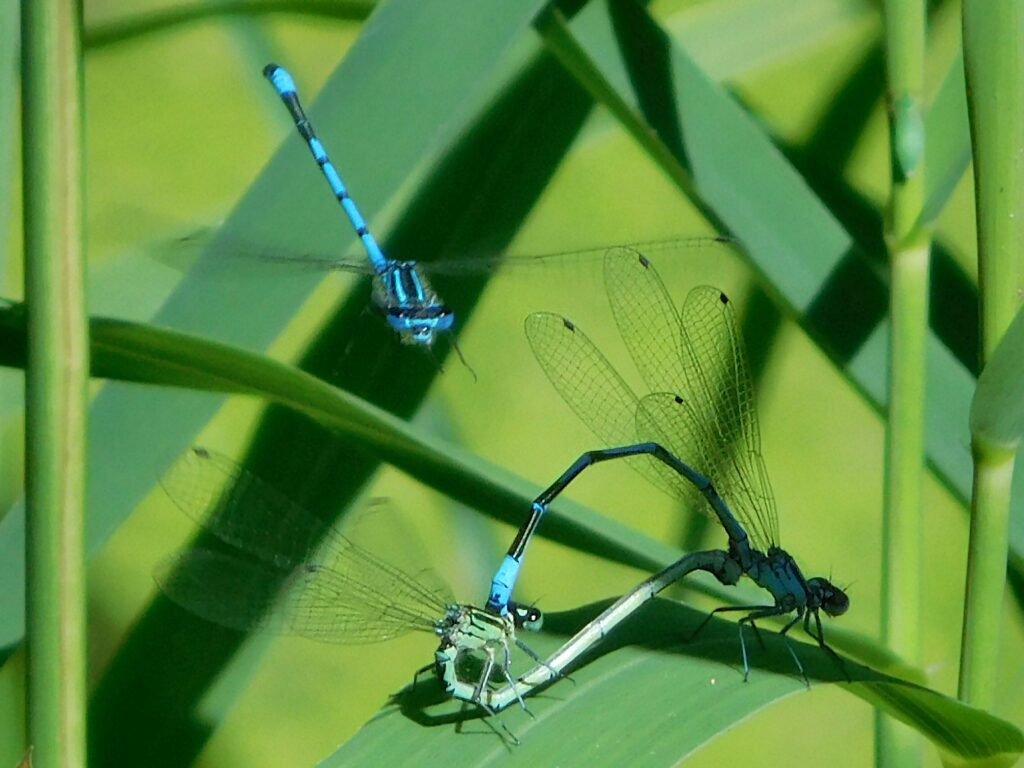
This pair of Azure Damselflies formed the “wheel” or “heart”, part of the complex mating behaviour of the Odonata, on a reed in the Gunnersbury Triangle nature reserve pond. As you can see, the colourful male (with the bright blue “tail”) uses his claspers to grasp the female behind the head so he obviously can’t use his tail end to fertilise her at the same time. He therefore transfers the packet of sperm, the spermatophore, to the underside of his abdomen. She uses her tail to pick up the sperm packet from there. So now you know.

Meanwhile, another male of the same species has noticed the female, and is hovering close in the vain hope of getting a chance to mate with her. Of course he looks as if he’s a voyeur, there to enjoy the spectacle; but from an evolutionary point of view, his “selfish genes” can’t be anything but “disappointed” at the fact that another male has got there first.
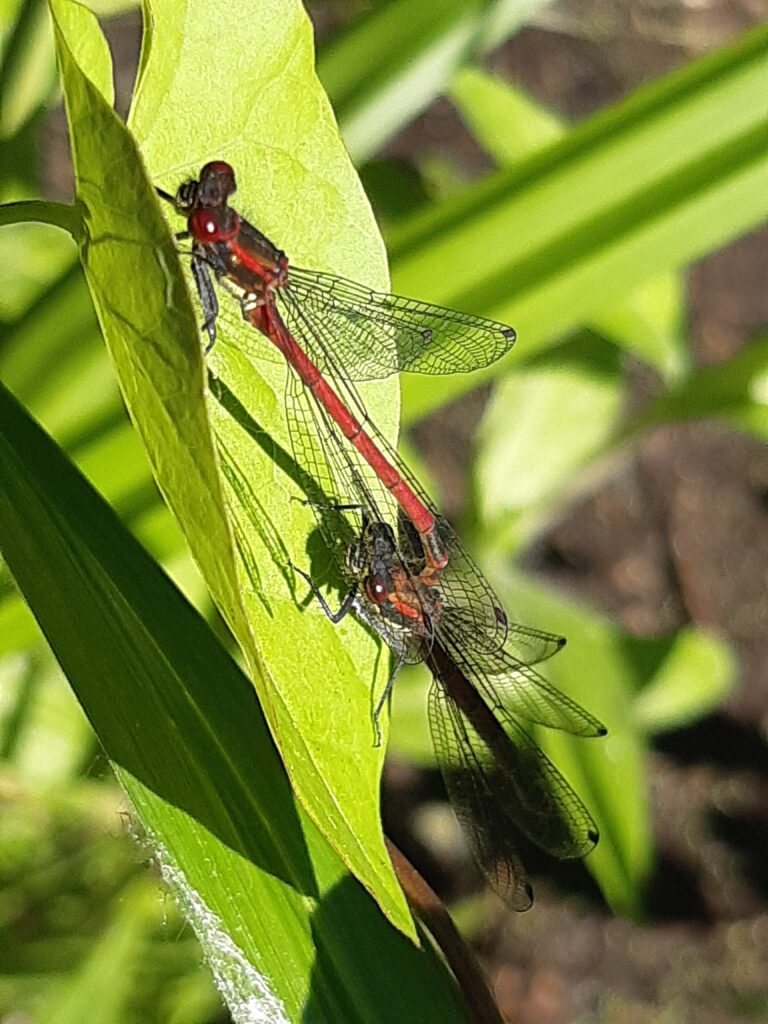
Large Red Damselflies in Gunnersbury triangle

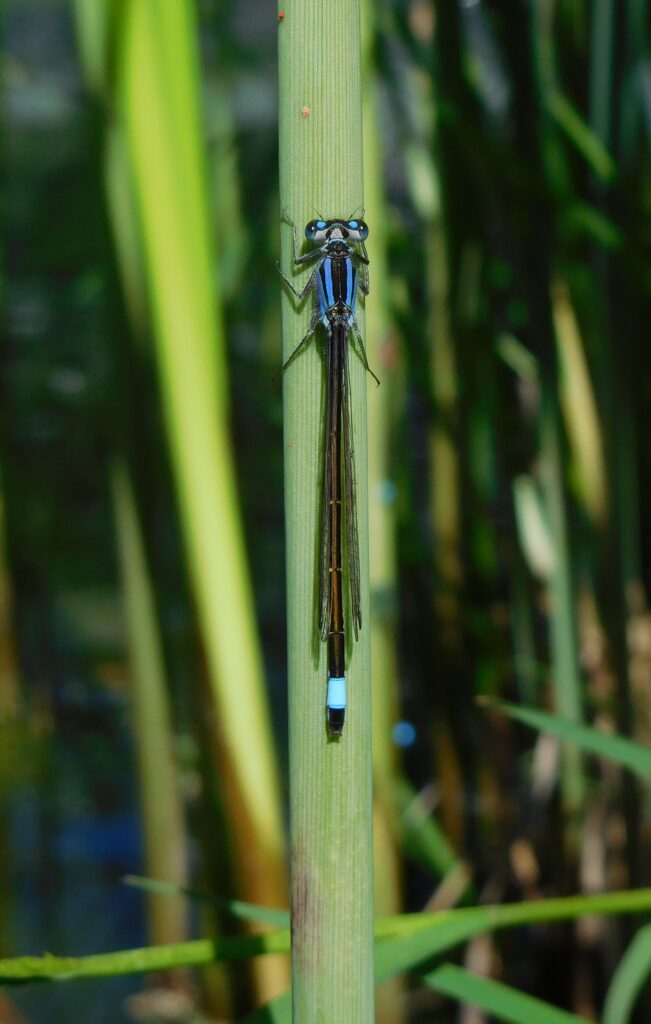
Suddenly, after a freezing but dry April and a warmer but moist (April Showers) May, it’s June and Summer. The hazels have rushed into full leaf; the brambles are pushing across the paths at astonishing speed; Azure Damselflies have all hatched at once and are sunning themselves near the pond; and pairs of Large Red Damselflies are urgently flying about, all 8 wings in harmony, in their complex mating system, to lay eggs rapidly on pond plants before it all dries up. Like their much larger cousins, the Dragonflies, Damselflies are predators, and fiercely competitive for their territory; males chase off not only other males but other insects.

Sumer is icumen in … Cuckoo, Swifts, Butterflies at wraysbury lakes

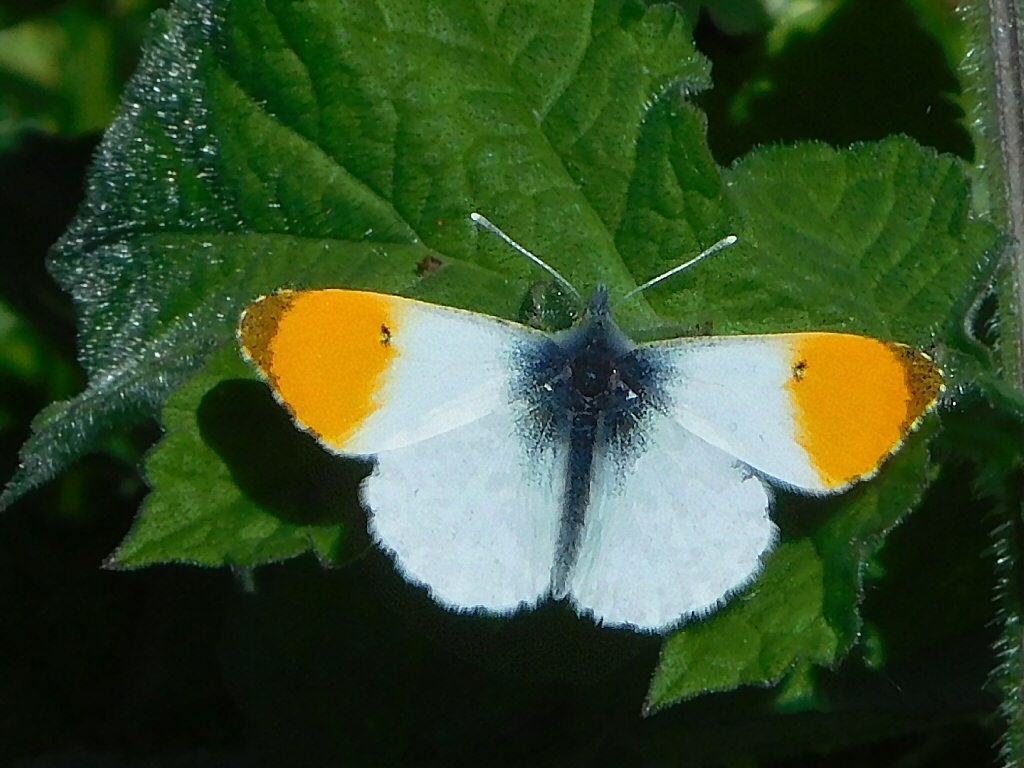
Male Orange Tip butterfly, a herald of summer
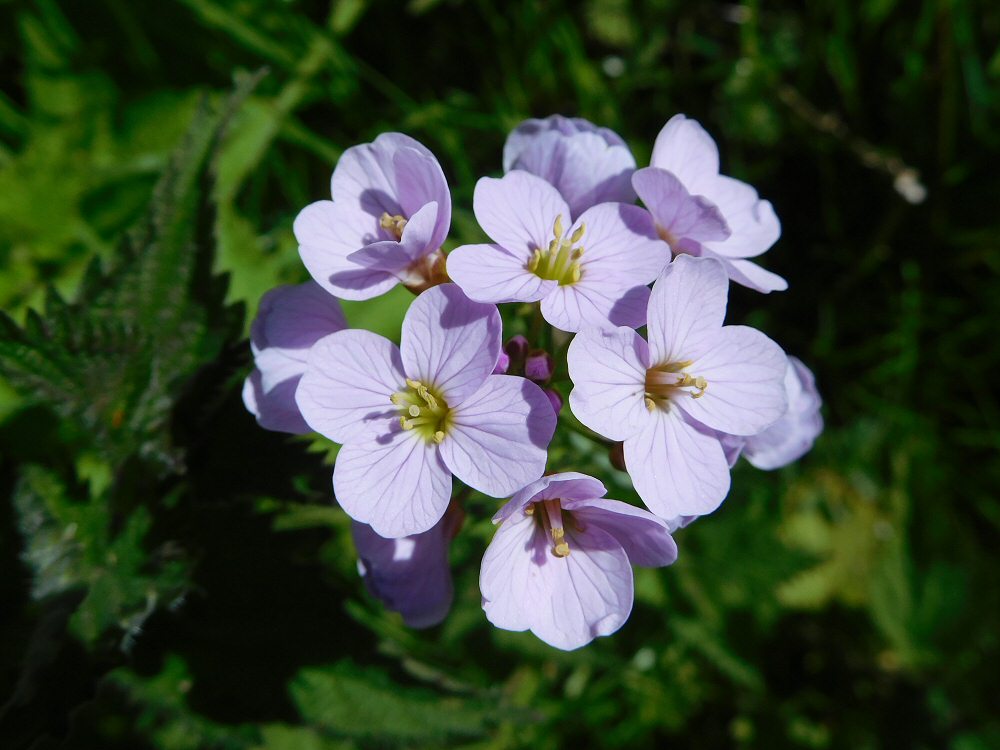
Cuckoo Flower, and yes, it’s so named because it comes out when the Cuckoo arrives

Cuckoo Flowers … and a singing Cuckoo! A real pleasure after months of lockdown. And a flight of 3 Swifts over the lake:

“Sumer is Icumen In,
Lhude sing Cuccu!”

sang the Middle English poet, centuries ago.

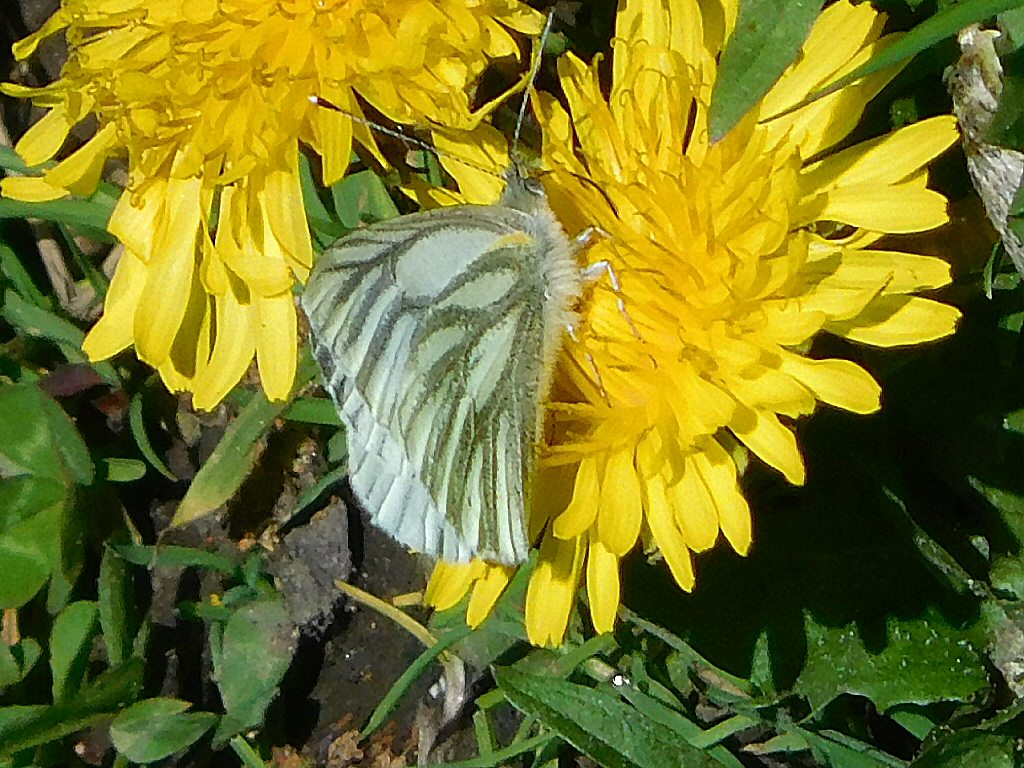
A Green-Veined White butterfly taking nectar in the brilliant sunshine
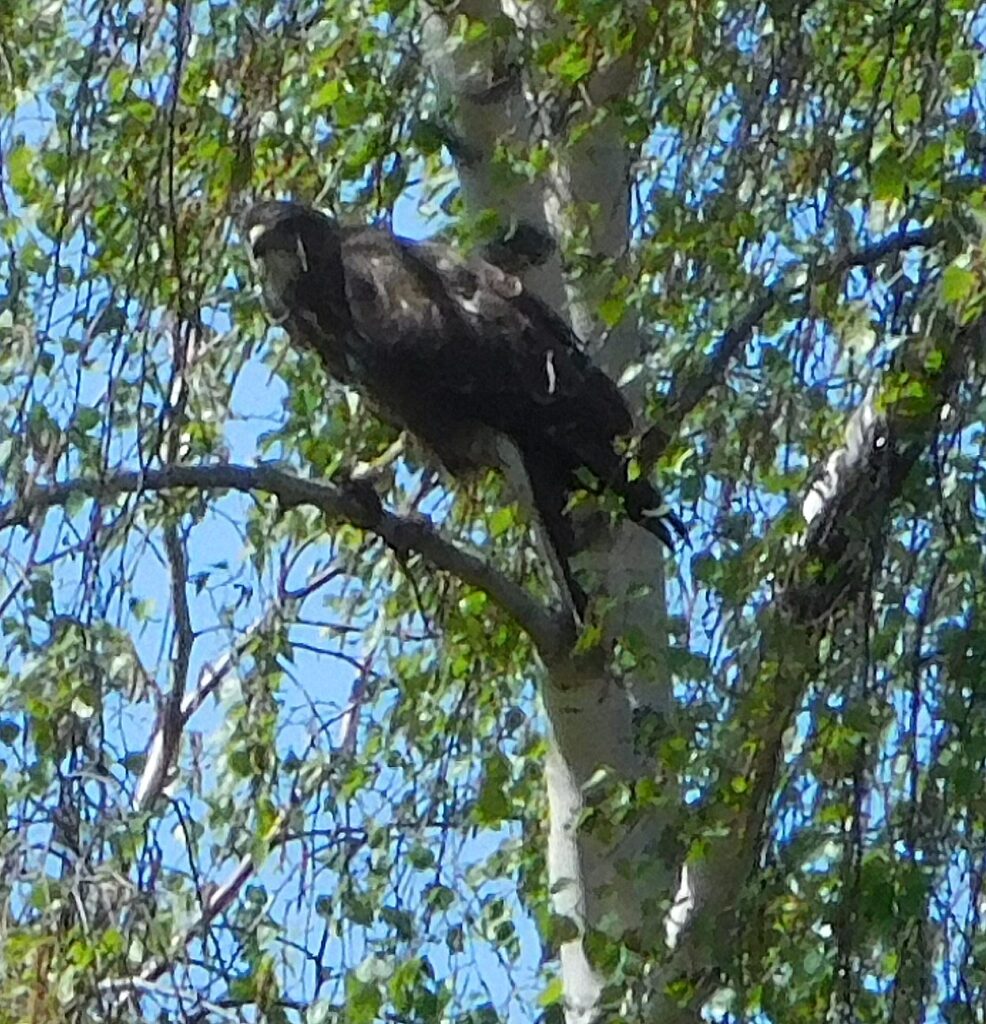
A Buzzard with prey, eyeing the camera beadily from a tall tree
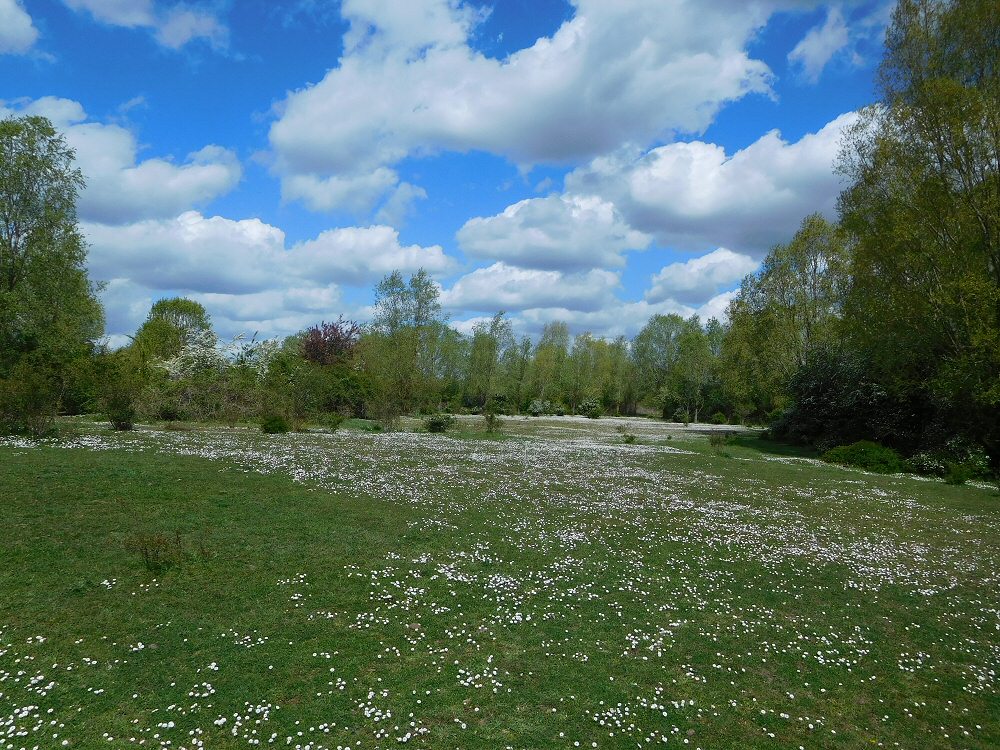
A beautifully-framed lawn of Daisies among the Willows and Poplars

Not pictured are the many Warblers that were singing today – Blackcaps, Chiffchaffs, Garden Warblers, Cetti’s Warblers, and Whitethroats. There weren’t any Sedge Warblers, though, something there always used to be here.

Apart from the attractive butterflies, there were the year’s first Banded Demoiselles, the males with their long transparent wings marked with a large dark blue patch; and near the water, Alder flies with their clear wings with dark veins.

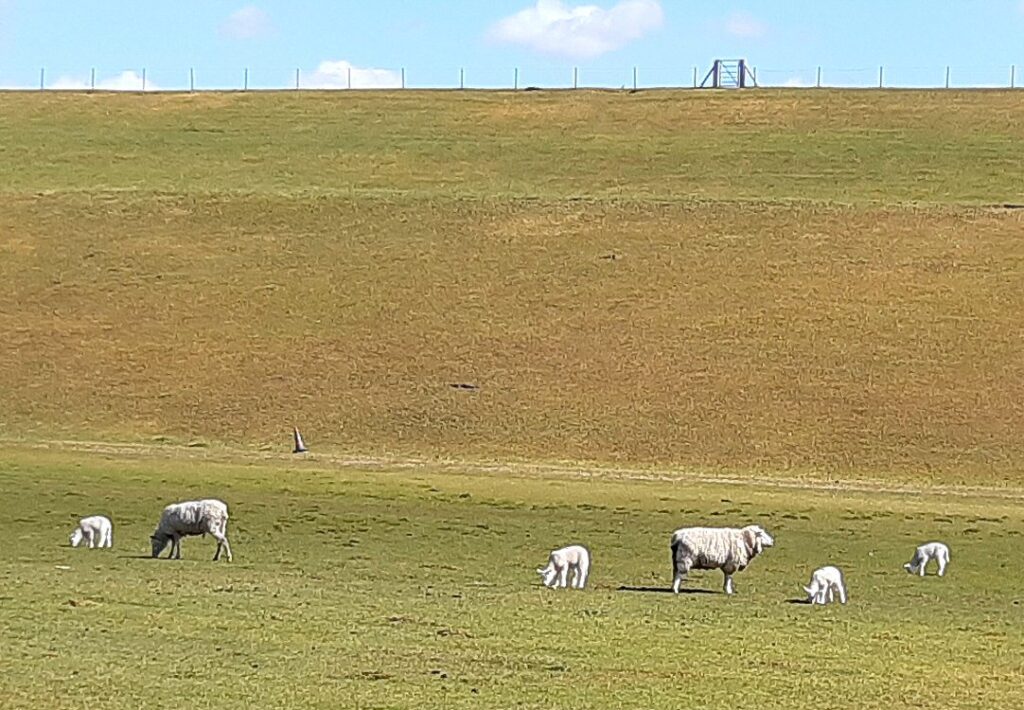
Ewes and lambs grazing the banks of the reservoir

Isn’t that a fine sight for London? Sheep peacefully grazing the steep grassy banks of the reservoir. The water company saves a lot of trouble, noise, fuel, money, and frankly danger trying to mow the slopes: the sheep do the job better. Now if only everything was so well thought out…