
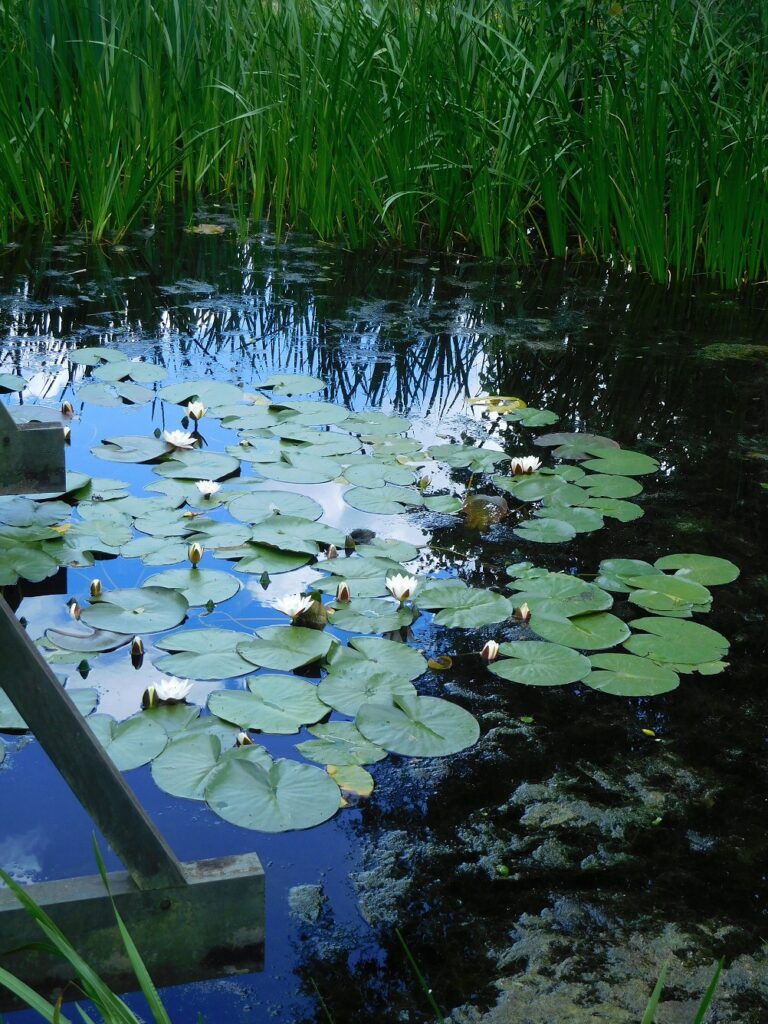

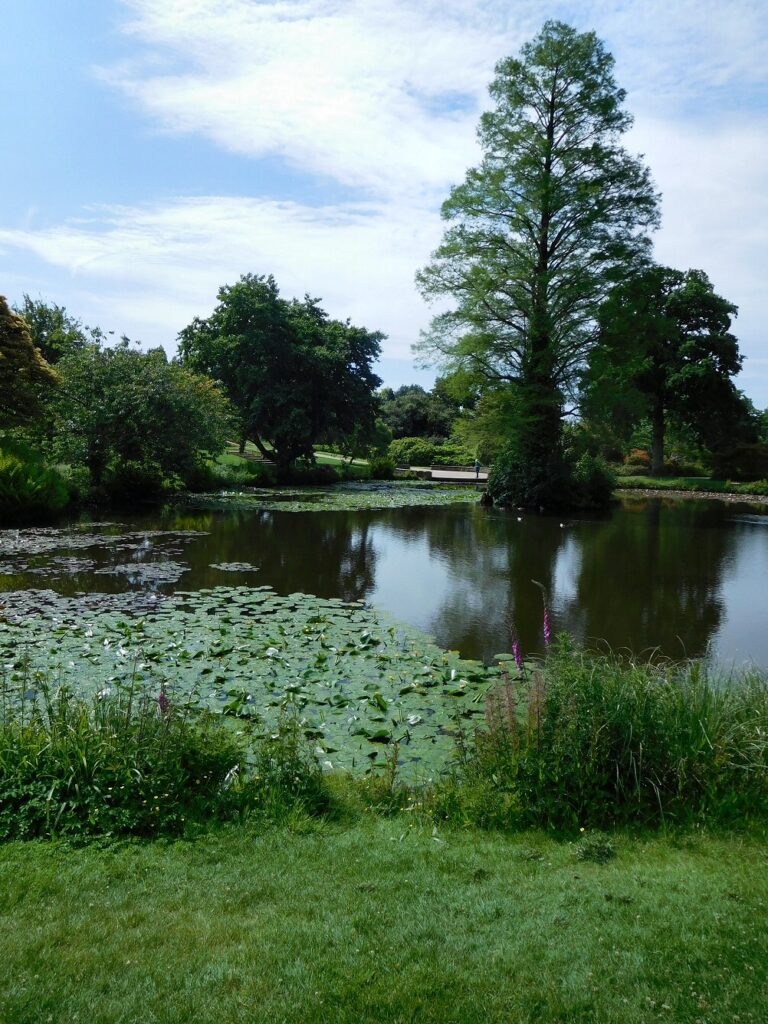
Well, I was hoping to see some colourful dragonflies on this hot and sunny day in early June, and they exceeded expectations. On the main pond just behind the Wakehurst Place mansion, the bulky shape of an Emperor Dragonfly, with its big apple-green thorax and downcurved blue abdomen, patrolled up and down over the Yellow and White Waterlilies, both gloriously in bloom. A single Broad-Bodied Chaser unmistakably whizzed low over the water.
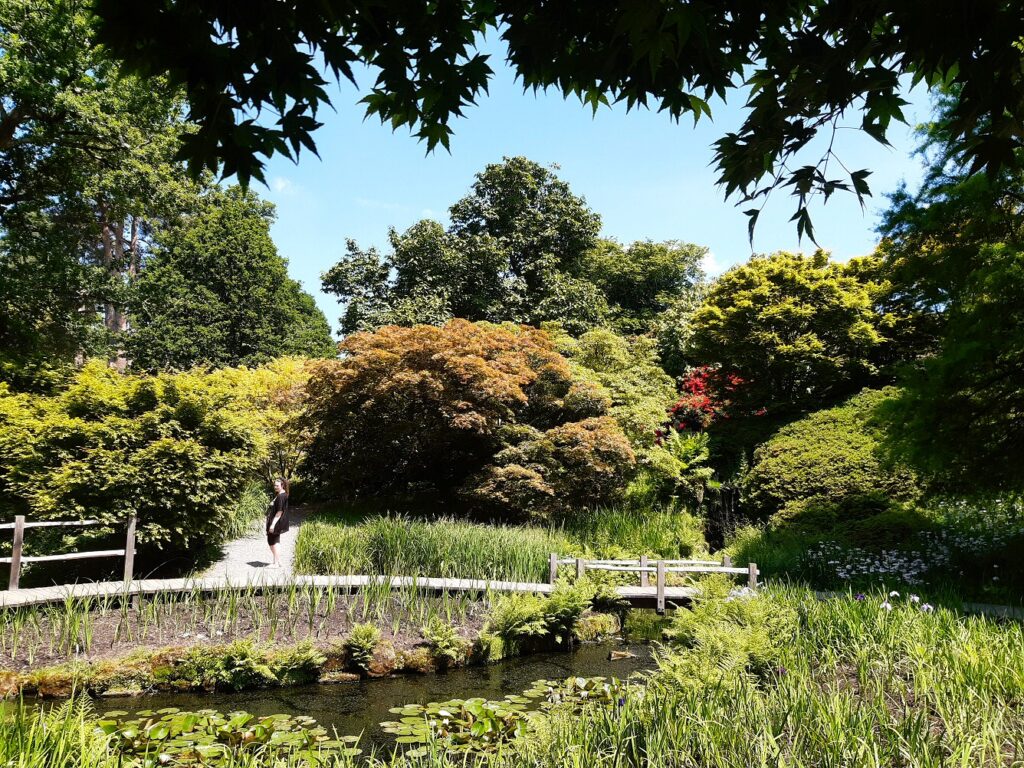
The Water Gardens glittered in the sunshine, the little waterfalls tinkled pleasingly, and a few damselflies busied themselves among the vegetation.
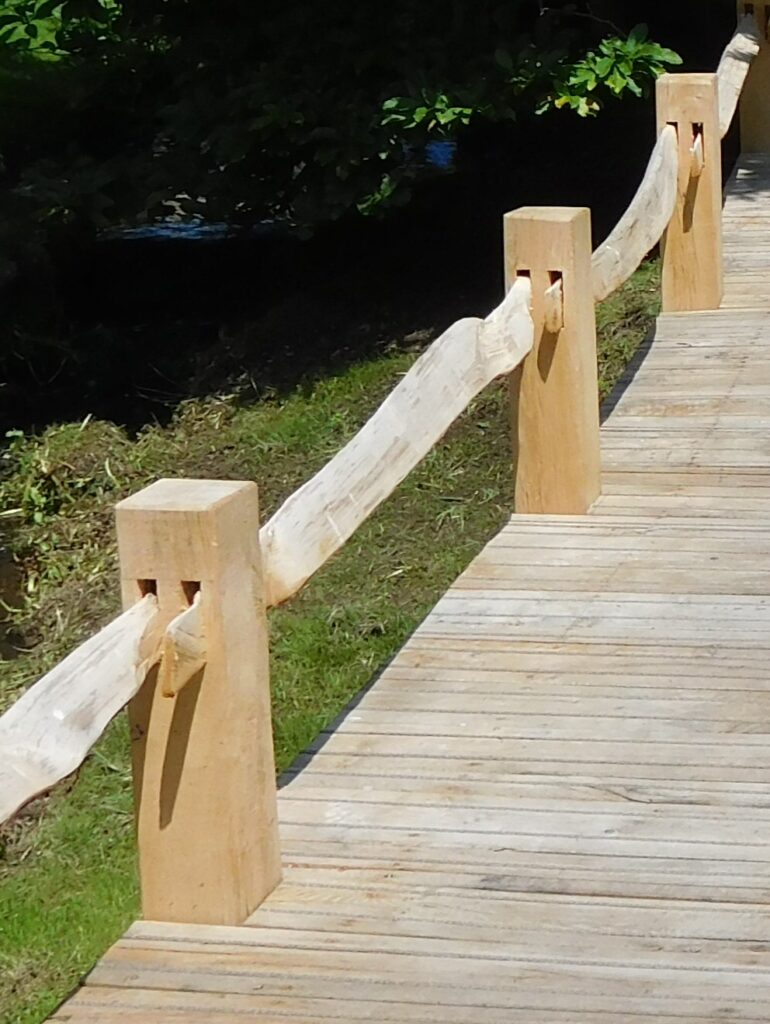
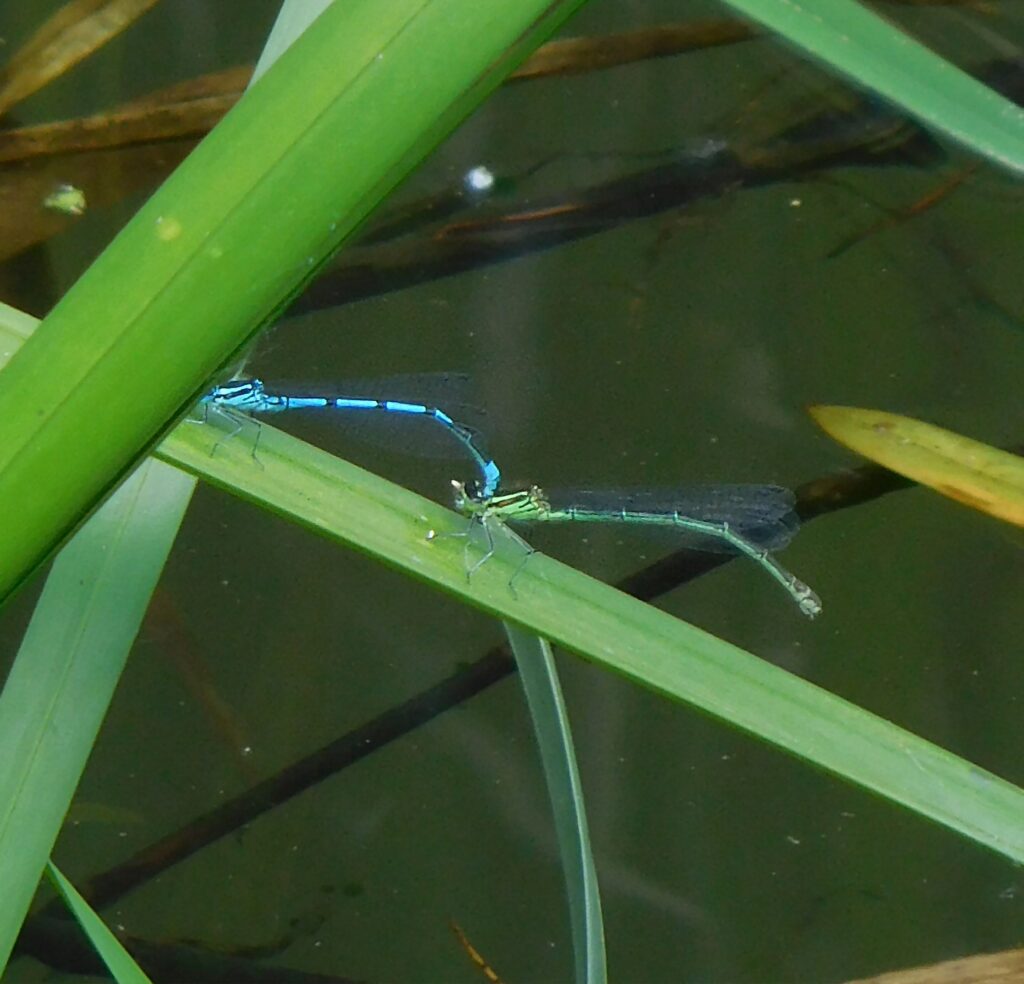
Down at the reedbed, the broad and elegantly-fenced boardwalk with its traditional green-oak posts and rails let us get as close as possible to the dragonflies down there. A Large Red Damselfly perched for a moment beside my hand on the rail. Azure Damselflies skittered about, some in cop, some ovipositing. A solitary Banded Demoiselle male, unmistakable with his big indigo wing-patches, fluttered back and forth.
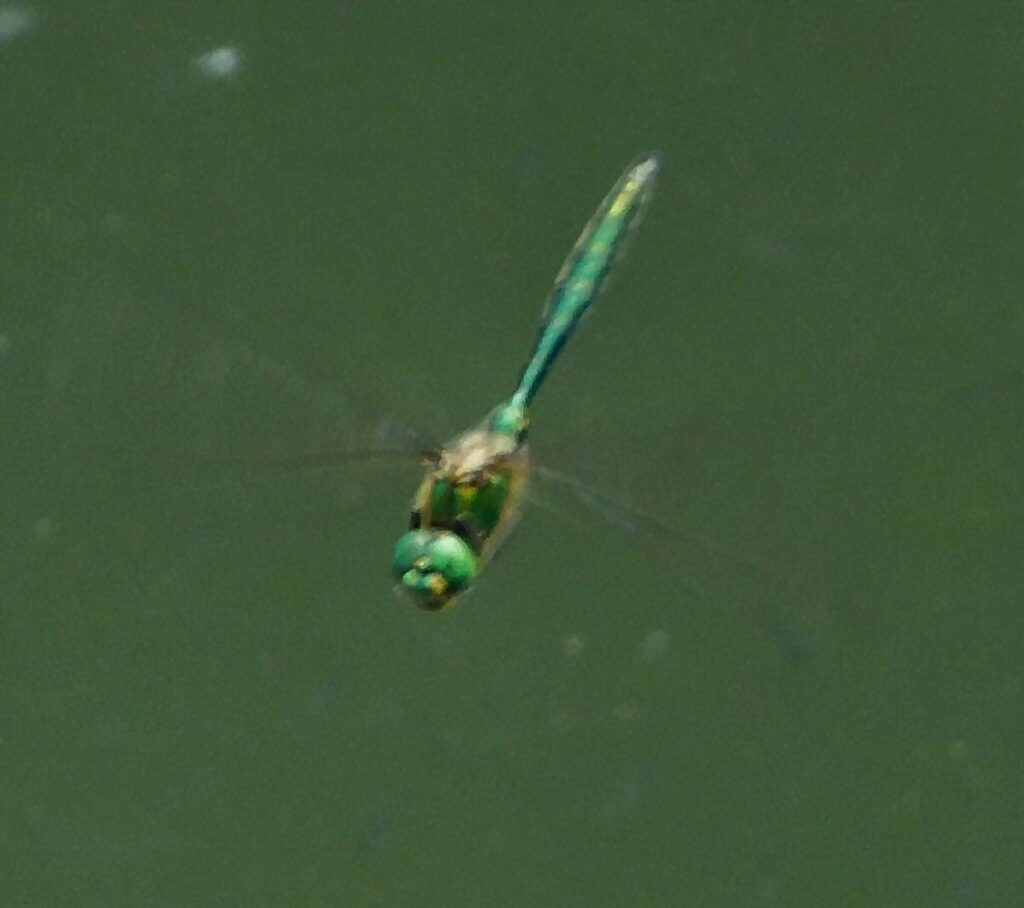
The other side of the boardwalk, a male dragonfly hovered over open water in the dazzling sunlight. I did my best to focus on the shimmering target. An Emerald! The Downy Emerald has been recorded here at Wakehurst Place, but this is also within the very narrow territory of the Brilliant Emerald in England, basically a bit of inland Sussex and Surrey, with another haunt in northwest Scotland. There is no sign of a downy thorax here, I don’t think; nor is the abdomen bronze-green, but rather a rich deep, iridescent, green; and it has the smooth spatulate outline of a Brilliant Emerald. Exciting!
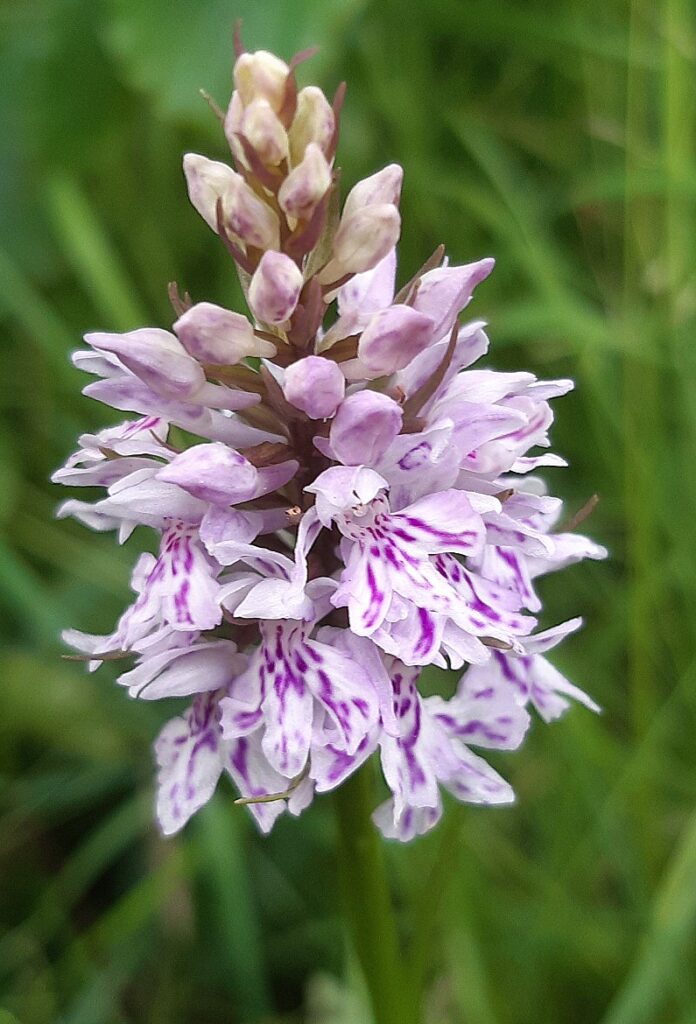
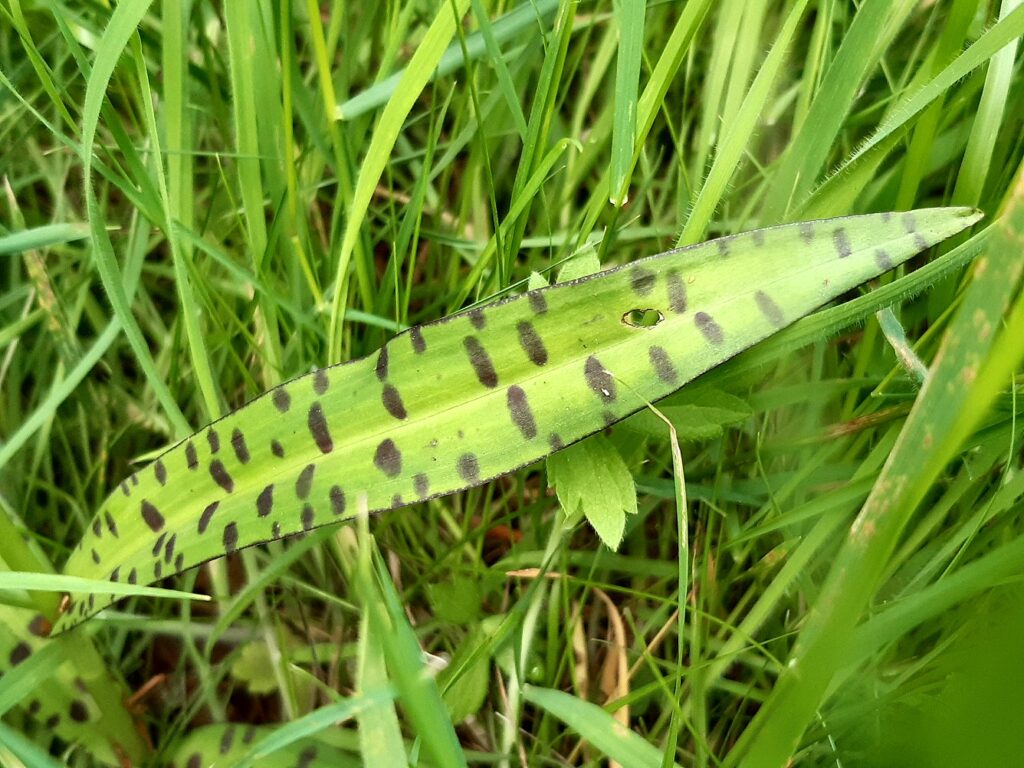
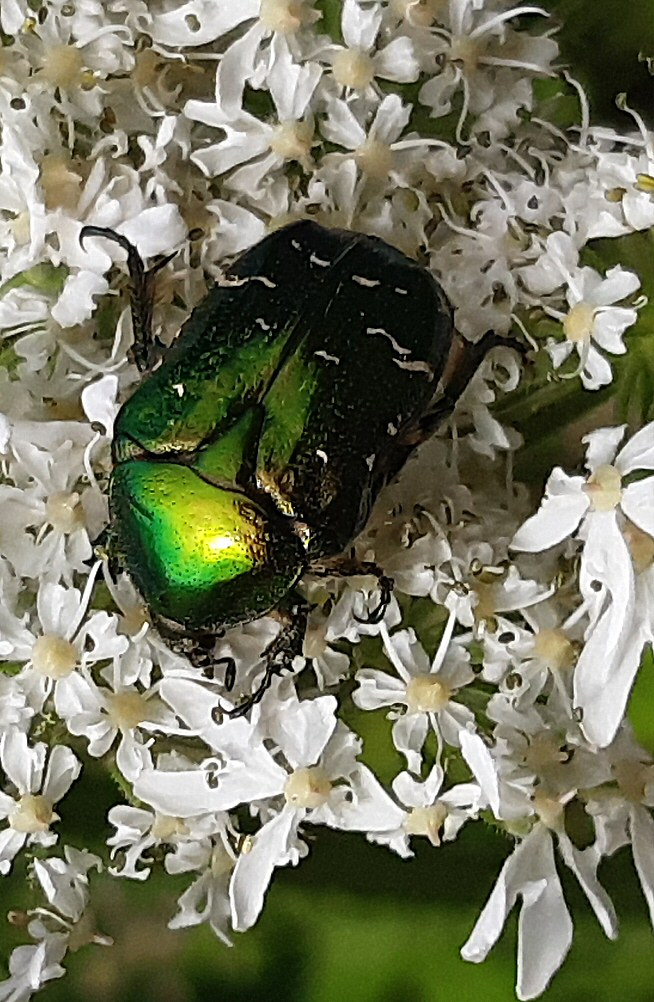
Well, where can you see swamps, meadows, wild flowers, scrub, woodland, lakes, riverside, rough grassland, and even a Victorian monument, all in an hour’s walk, and in easy reach of London? Wraysbury is the answer.
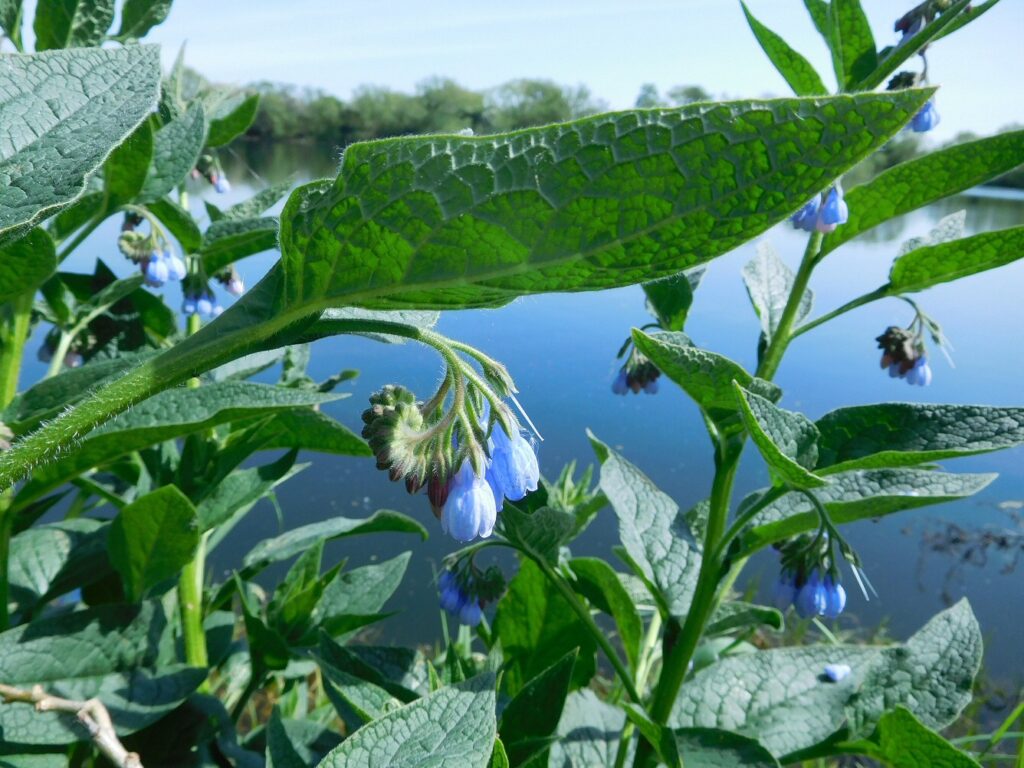
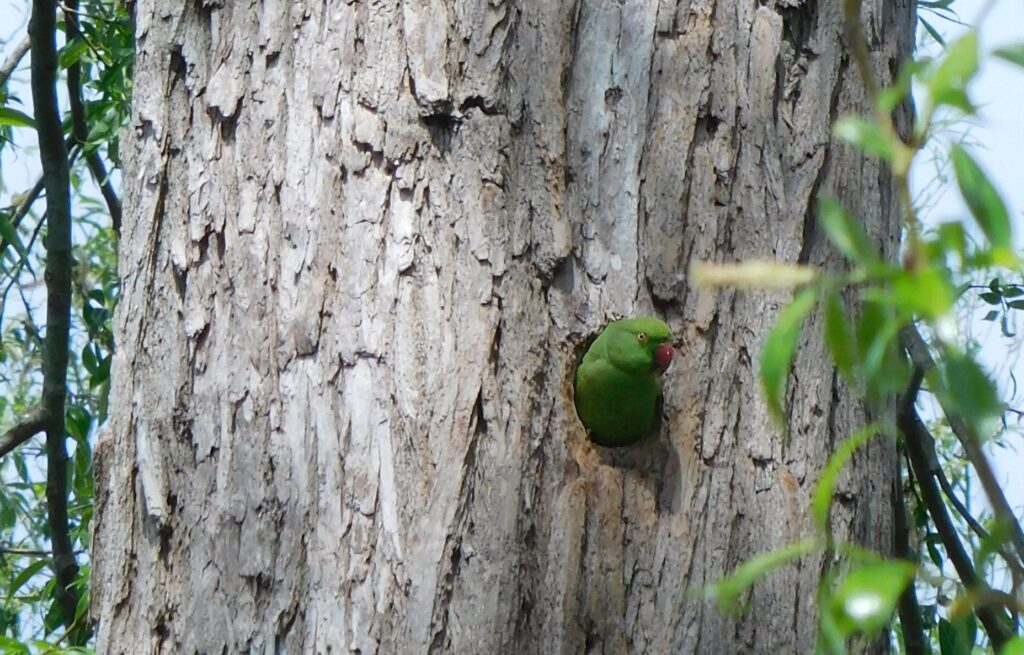
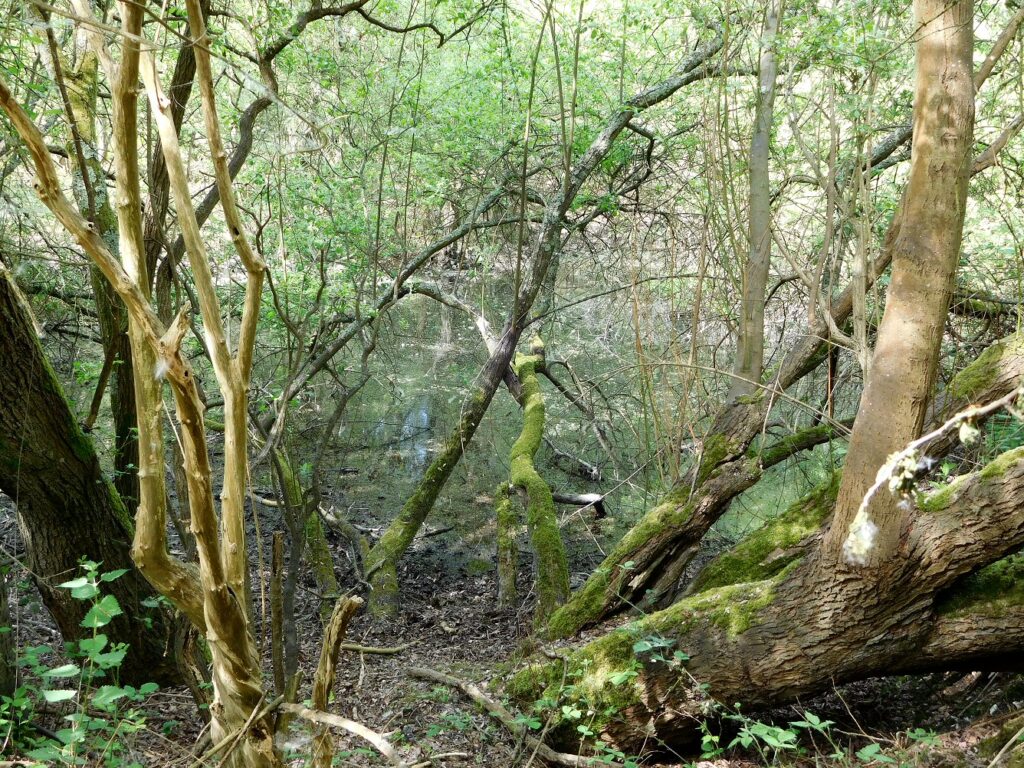
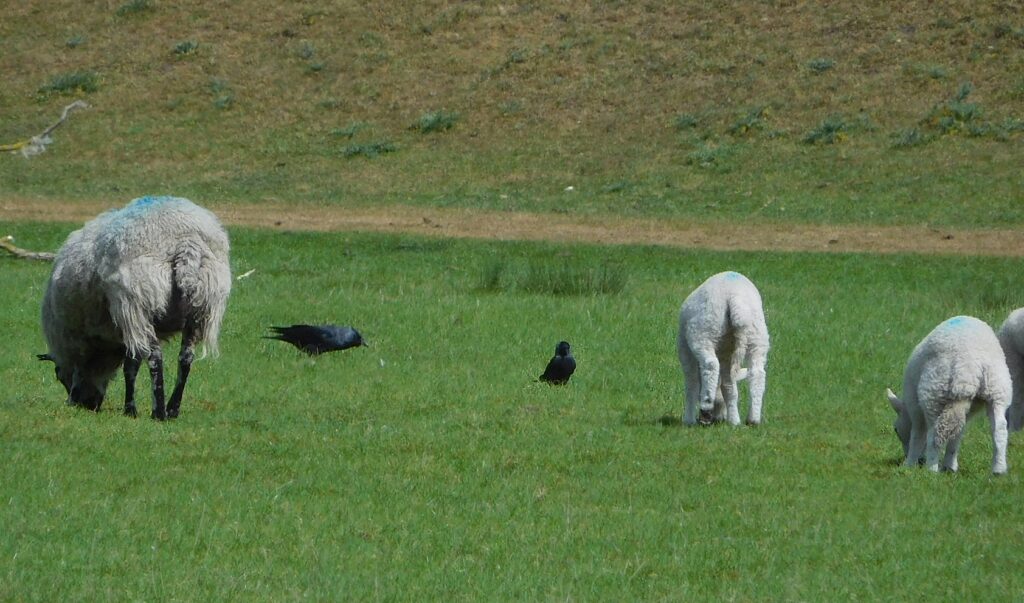
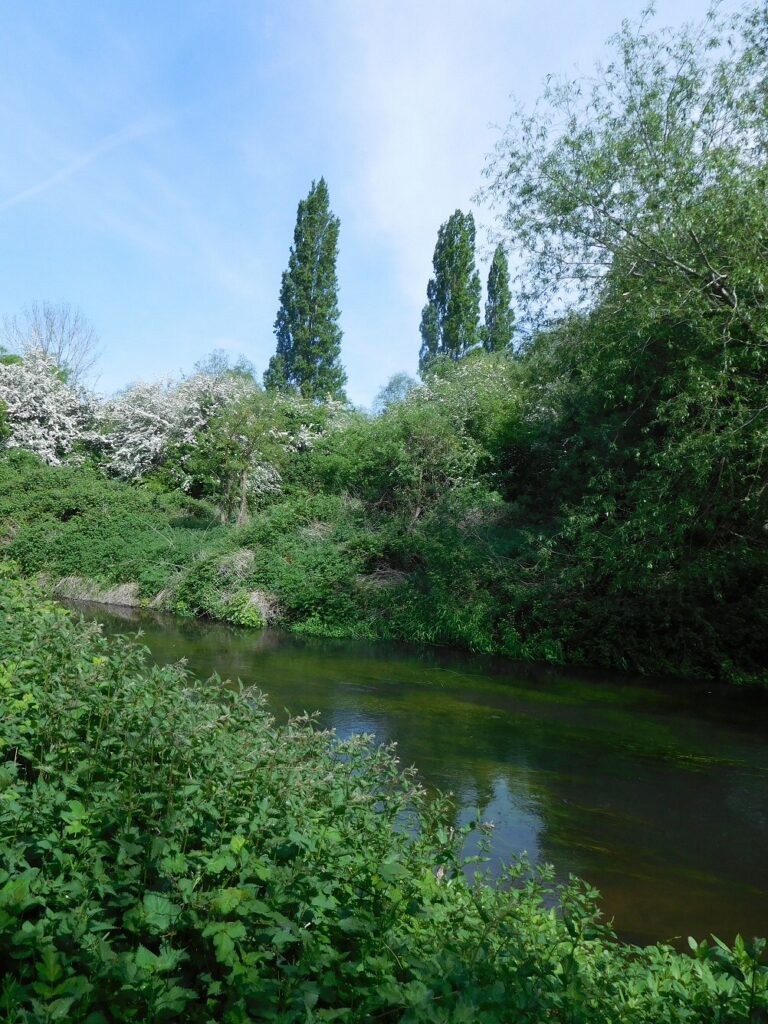
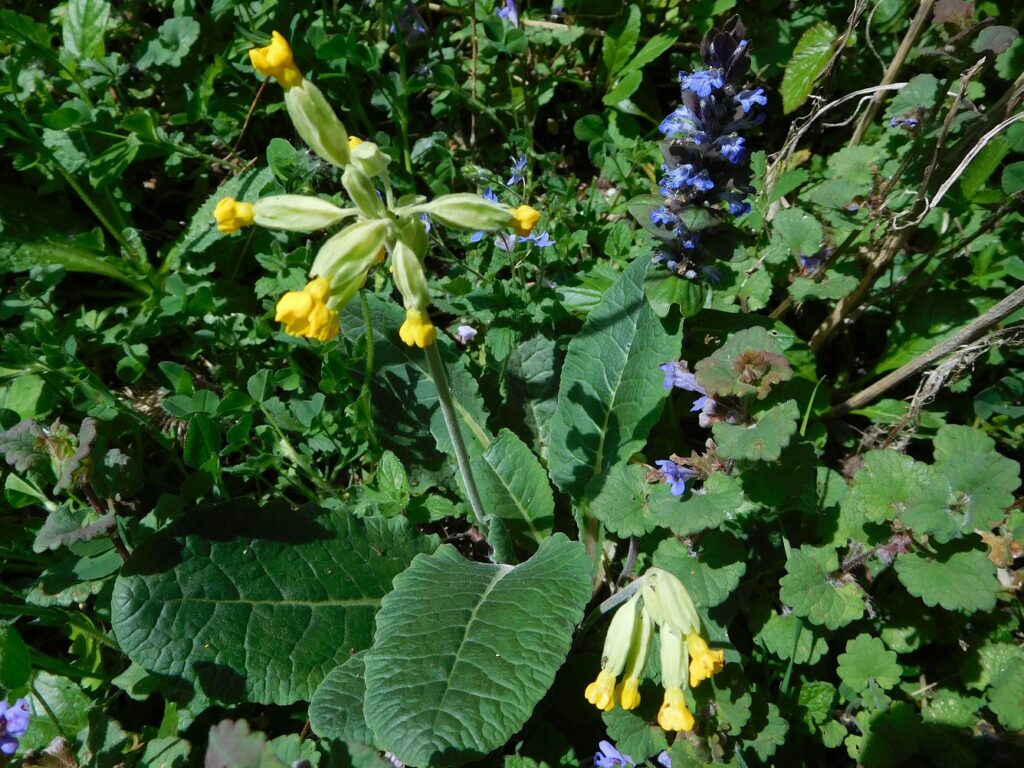
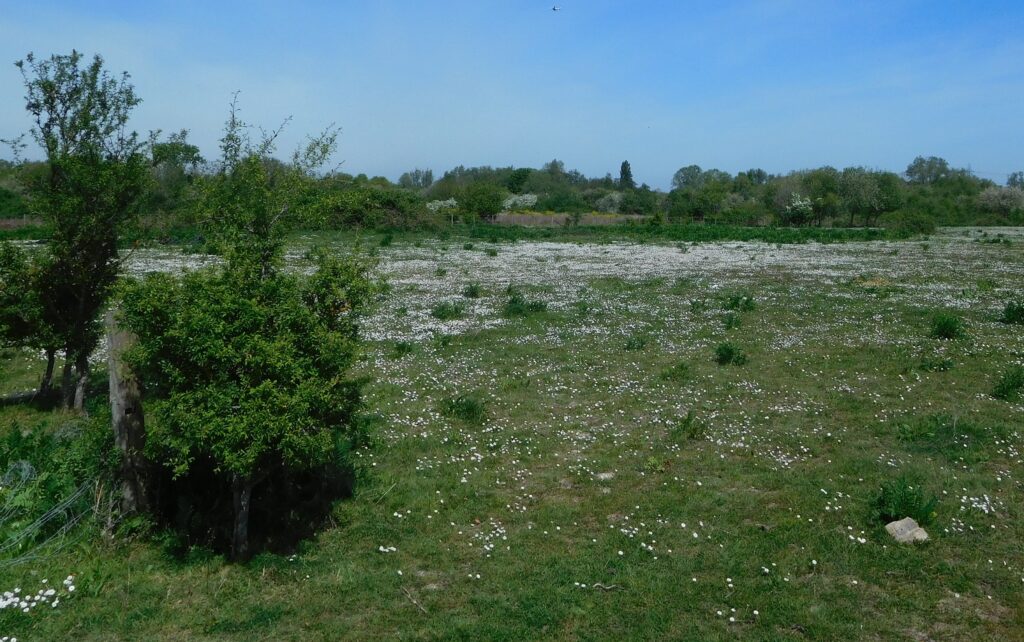
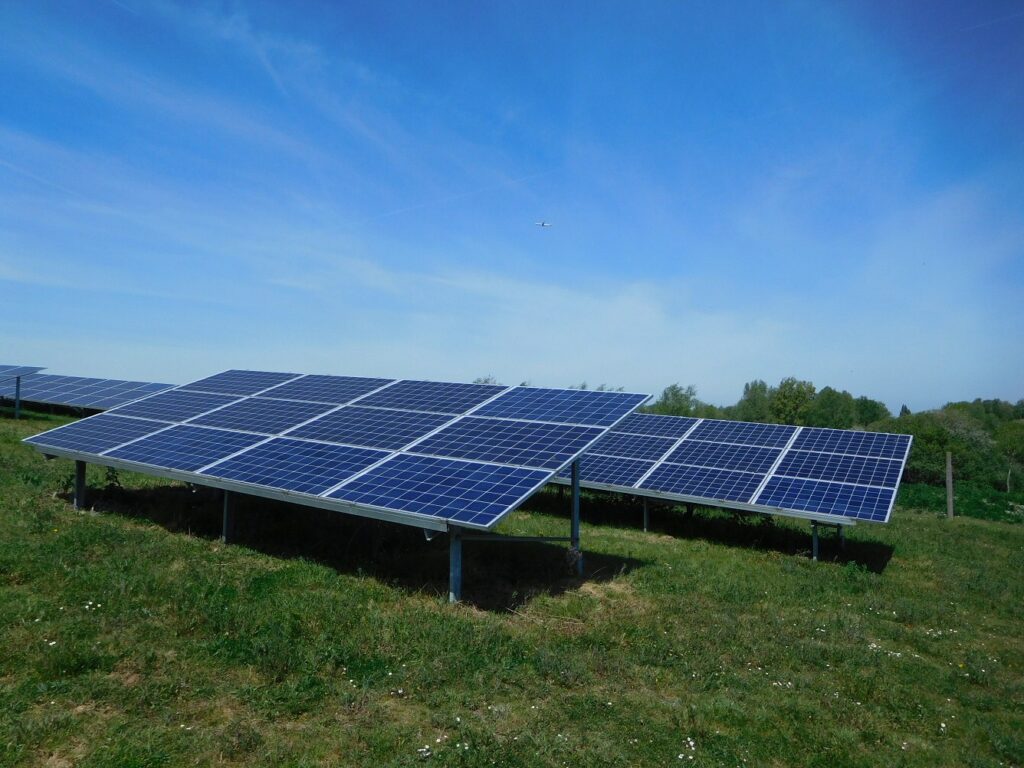
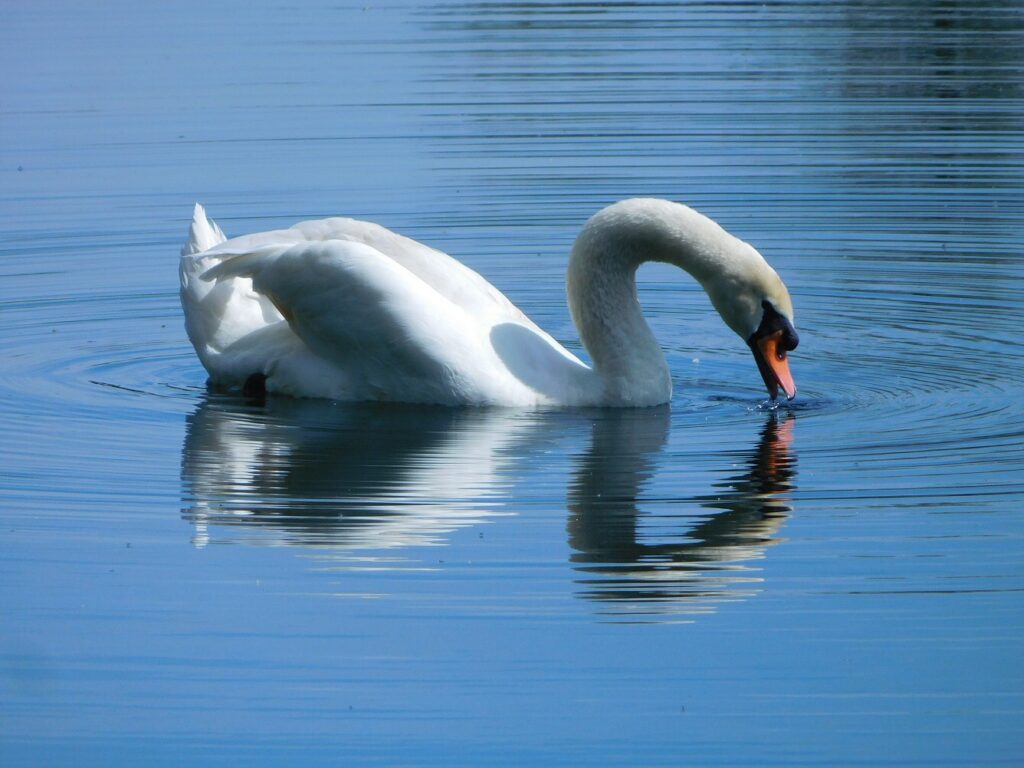
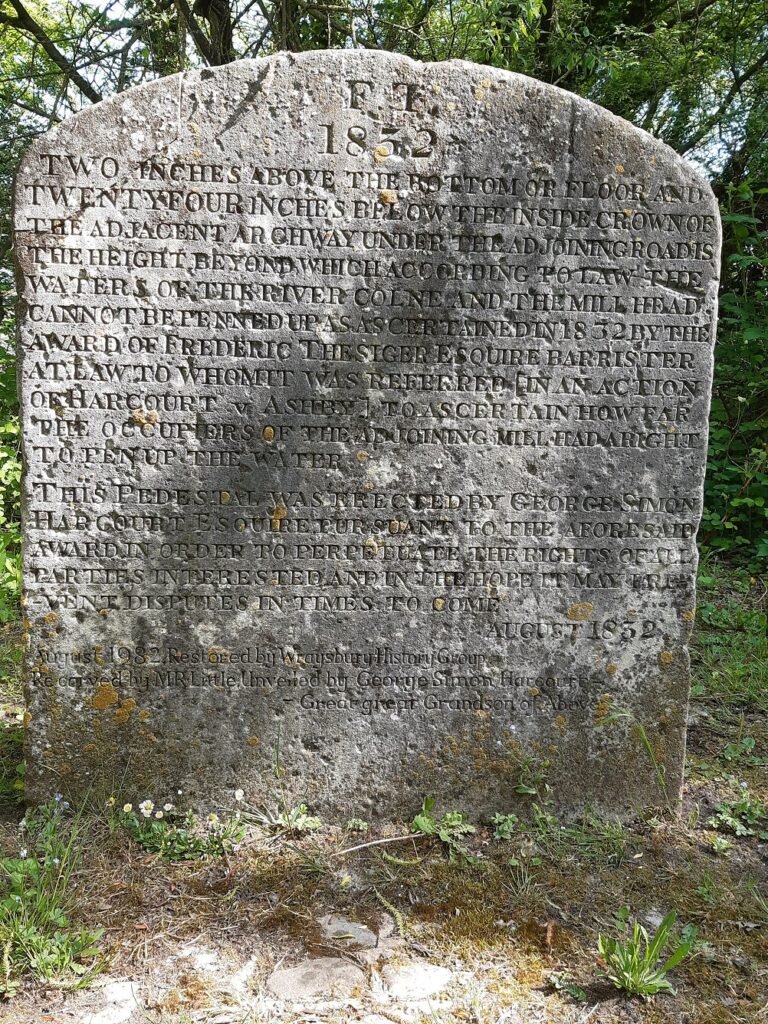
I don’t know if I’d set this in stone, but I heard 5 warblers singing, and caught a typical glimpse of a Cetti’s warbler diving from a bush beside the lake – big, dark brown, it really wasn’t any other bird. Still, I didn’t hear it call, which would have decided the matter beyond reasonable doubt. So, a 5-and-a-half warbler walk, I guess.
Butterflies: Large white, Small white, Brimstone, Holly blue, Peacock, Speckled Wood.
Odonata: Banded Demoiselle, Common blue (teneral, i.e. just emerged).
Other insects: Mayfly, Alder fly.
On the way home, I went round Heathrow airport, and a Skylark sang to me through the open car window from the grassy areas beside the runways.
Well, I guess the point of a walk in nature in May is to see what is in flower, what birds are singing, and which insects have emerged (in other words, it’s all about sex). The first warbler to make itself heard was the Blackcap, with many singing males trying out different brief songs. They were mixed in with Garden Warblers, which have a distinctly longer and more even song. A Cetti’s Warbler or two sang their loud abrupt call chwitipitit, chwitipitit: once heard, never forgotten. I couldn’t find any Sedge or Reed Warblers by the river for some reason. In the thorny scrub, a couple of Chiffchaffs sang their names, and many Whitethroats rasped out their short scratchy song, flying up to the tops of Hawthorn bushes and hopping about for the optimal perch.
A Little Egret flapped slowly across the lake: it would once have been thought a wonderful sighting, but the species has happily spread northwards and is now quite common on British coasts and lakes.
I was however delighted to hear the wheezing spring call of a male Greenfinch. It was until recently a common bird around towns and villages, but the population was halved by the Trichomonas parasite in the 2000s. Here in London it almost completely disappeared, and it is only slowly recovering.
I glimpsed one damselfly, probably a Common Blue.

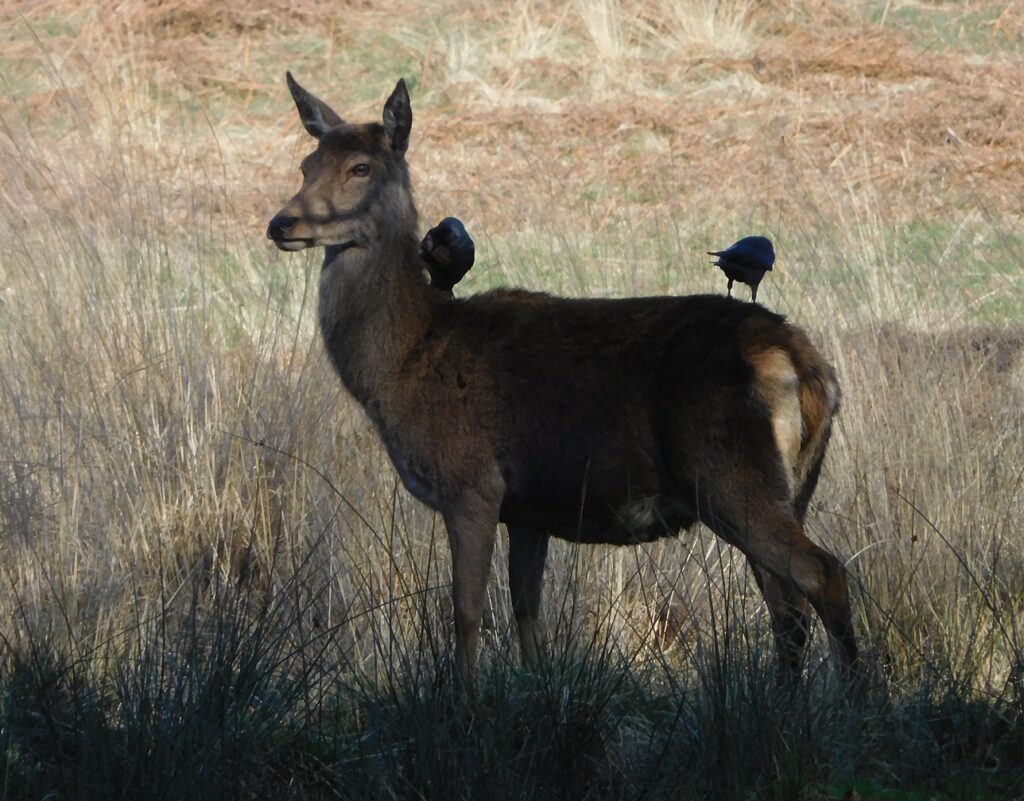
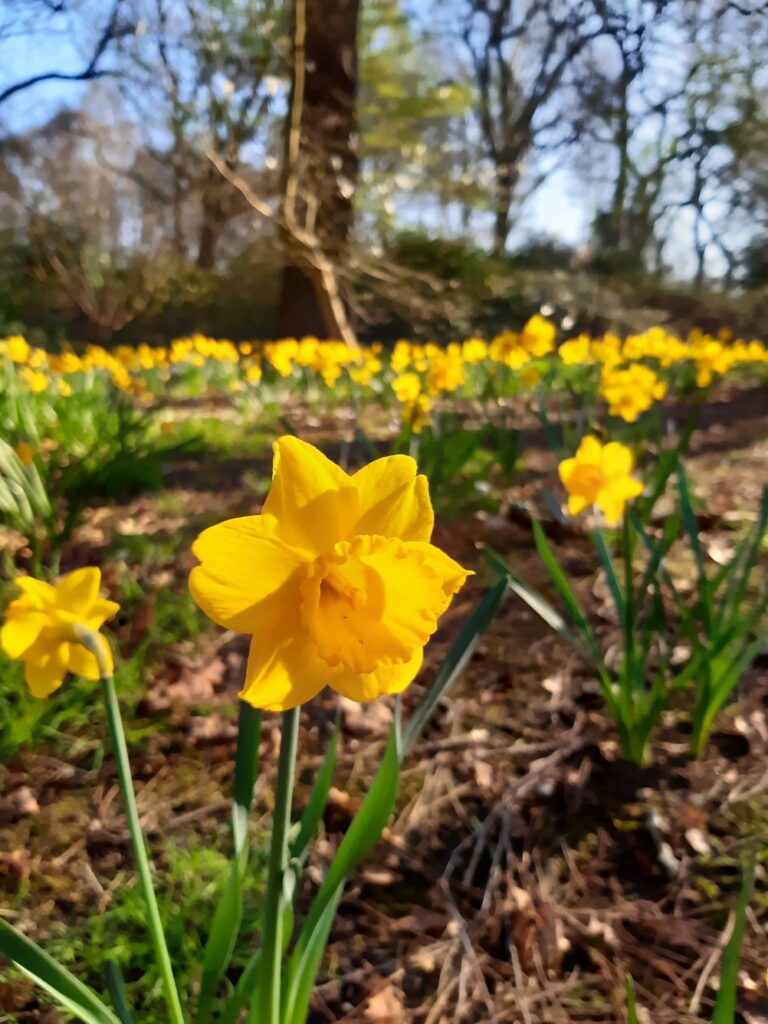
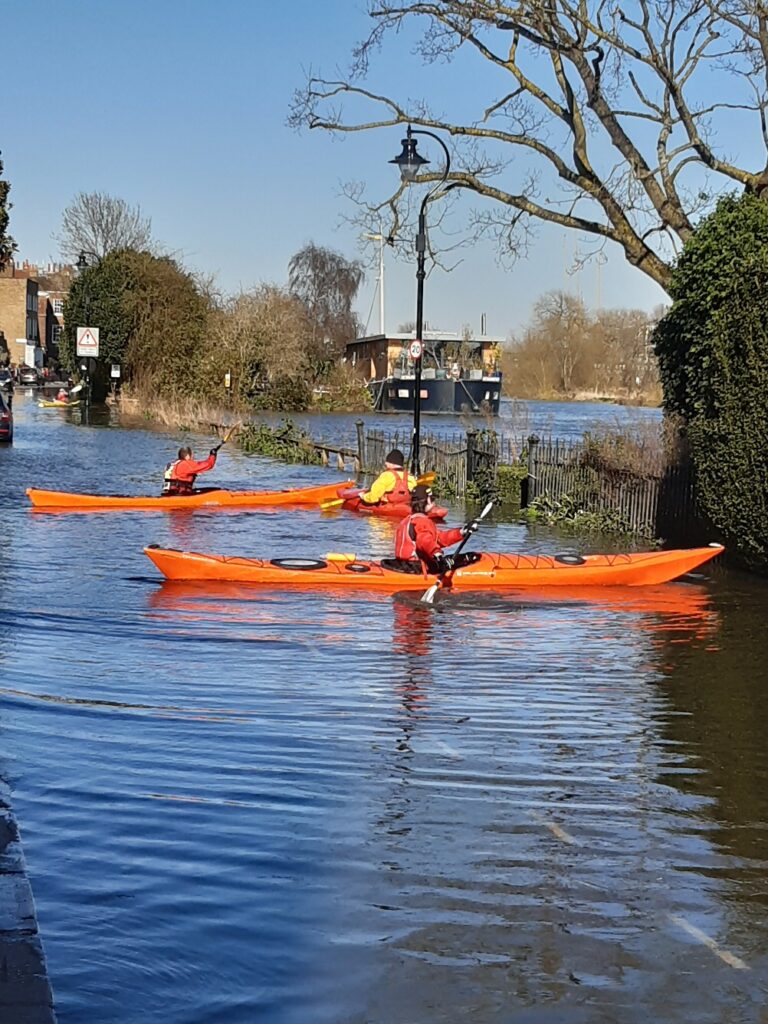
Chiswick Mall, like Strand-on-the-Green, is a low-lying riverside street here in Chiswick. At High Water on a Spring Tide, the streets regularly flood, but not always as much as this … and in 20 years, I never saw kayakers here before! So I was delighted to get this shot.
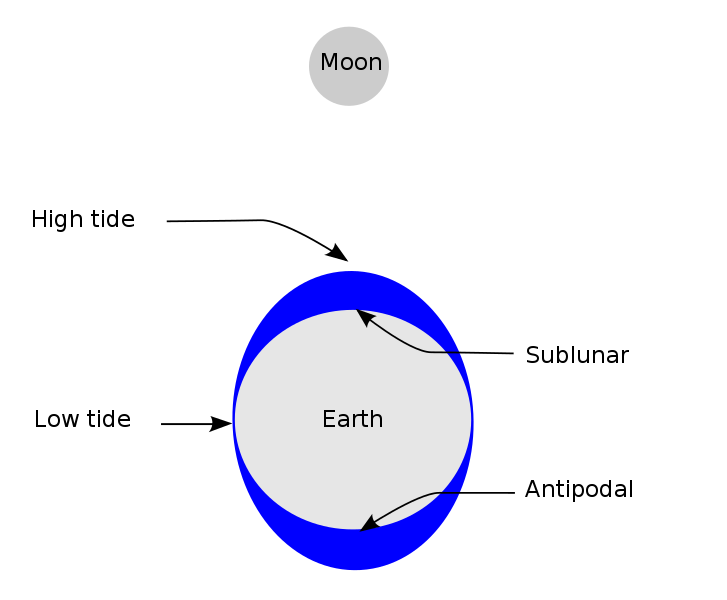
For landlubbers who’re a bit rusty on what a Spring Tide is, the tides follow the moon’s 28-and-a-half day cycle from Full Moon (opposite the sun) via half-moon (right angles to the sun) and New Moon (roughly in line with the sun, when eclipses sometimes occur). There is a high tide roughly twice a day (and a low tide twice also); every Full Moon, High Tide (High Water) is especially high, as the pulls from the moon and the sun on the oceans have maximum collaborative effect then.