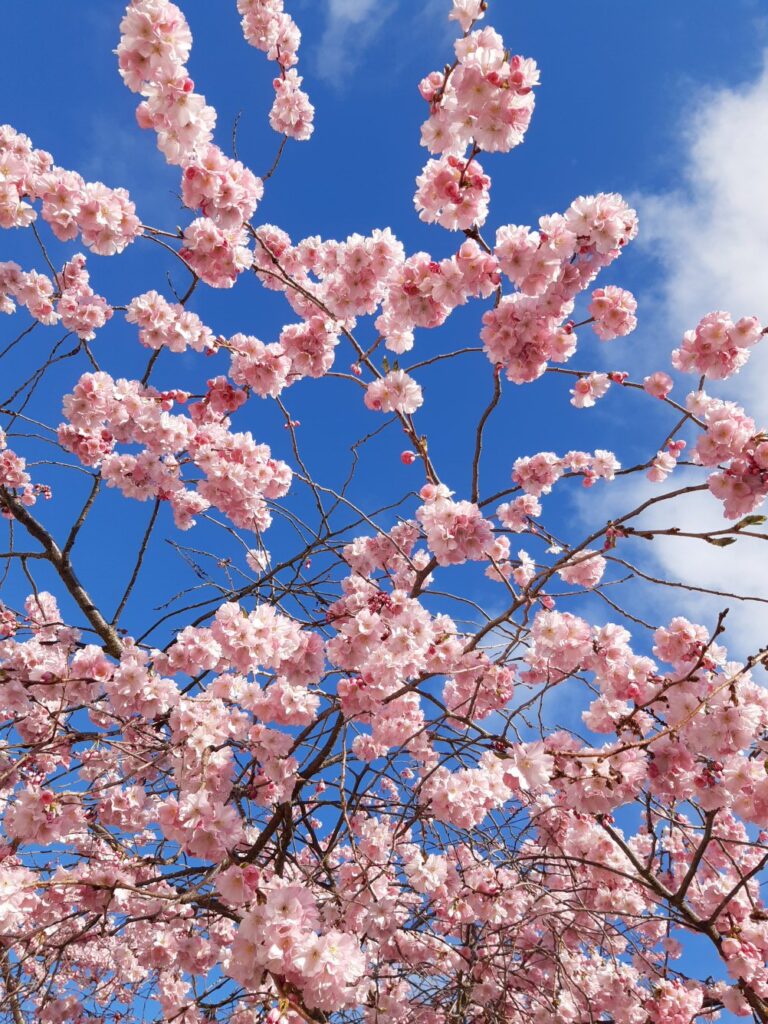
Spring! Cherry Blossom in Chiswick


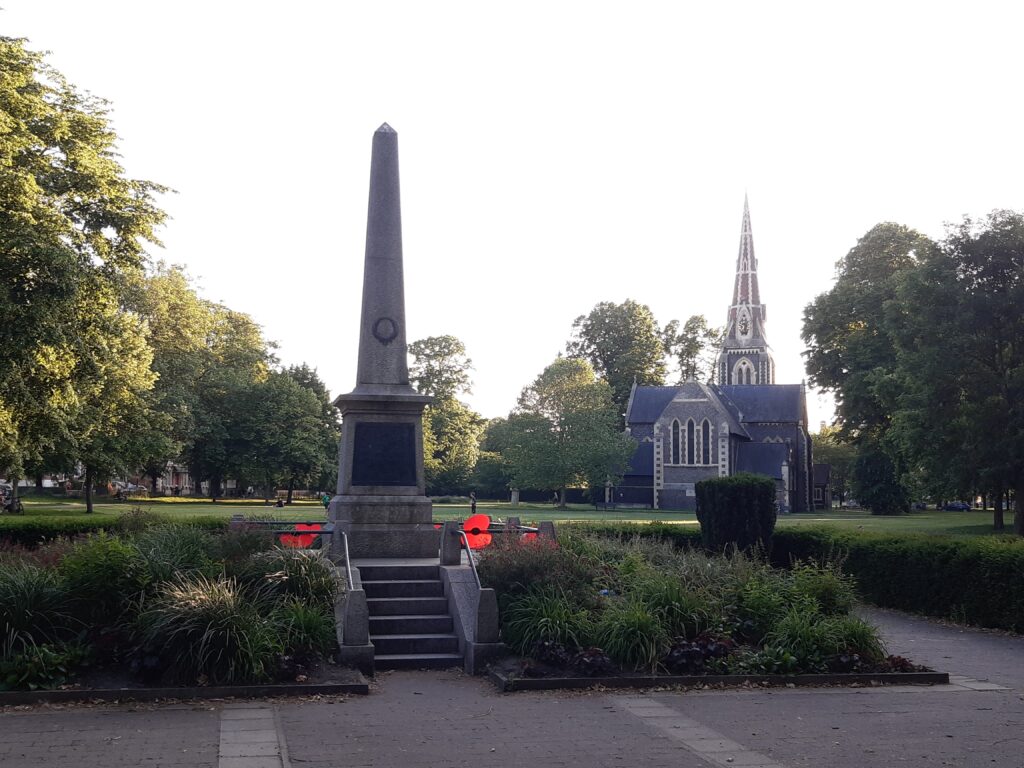
… and at midsummer …
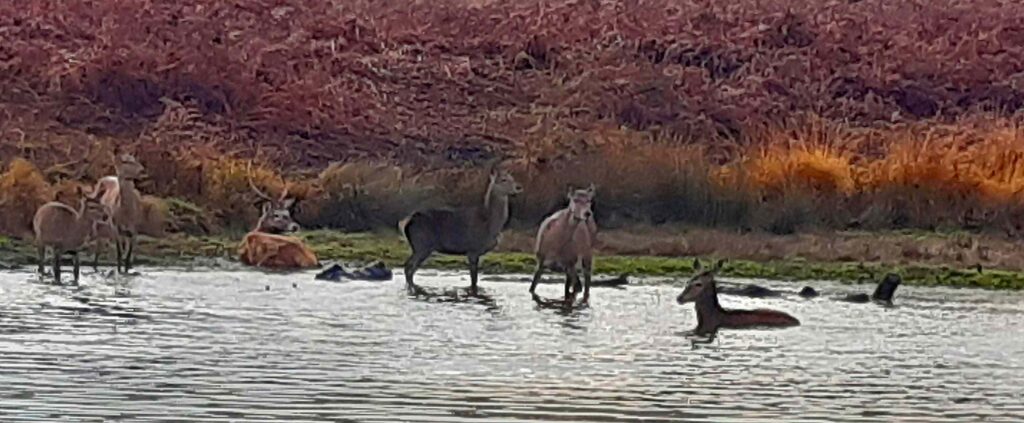
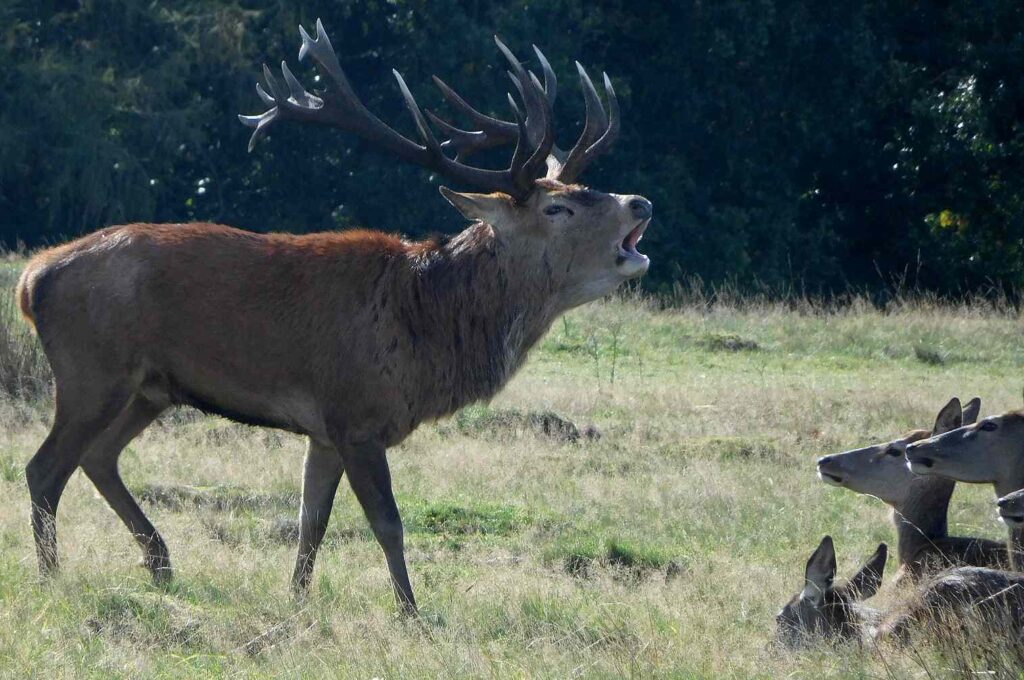
My daily lockdown walk was today in Richmond Park. I was delighted to see a harem group bathing in one of the ponds – the male is lying down centre left, with the females around him. I suppose this must happen most days, but I never saw it before. The scene has a peaceful domesticity about it, as well as being quite wild and free.
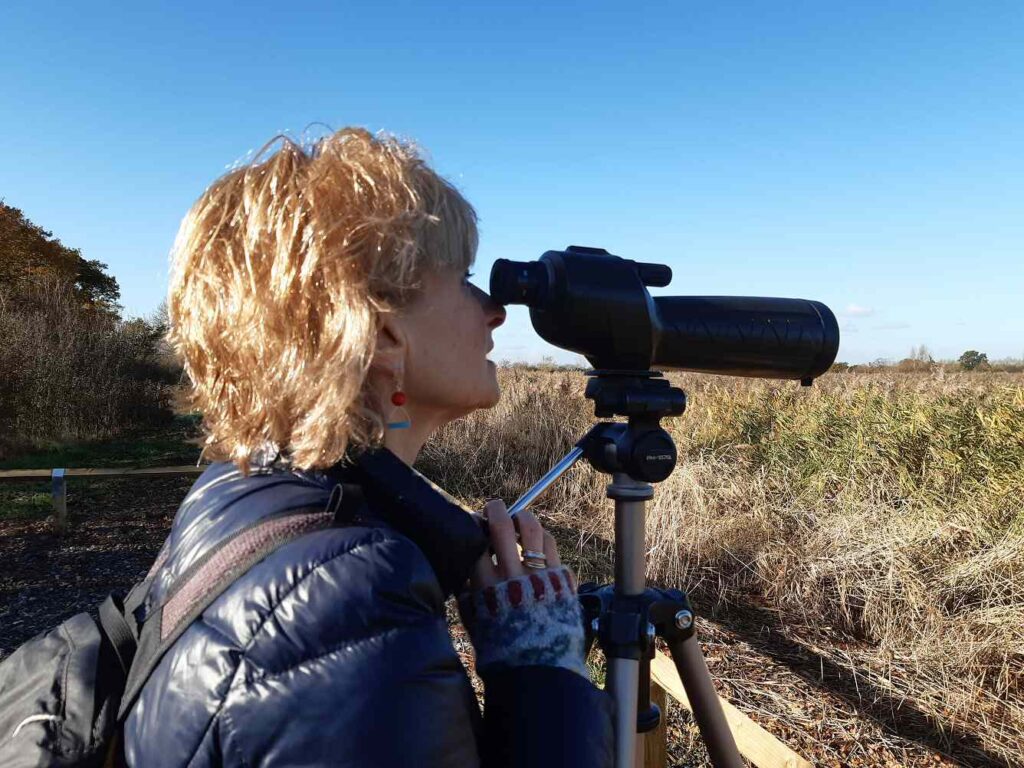
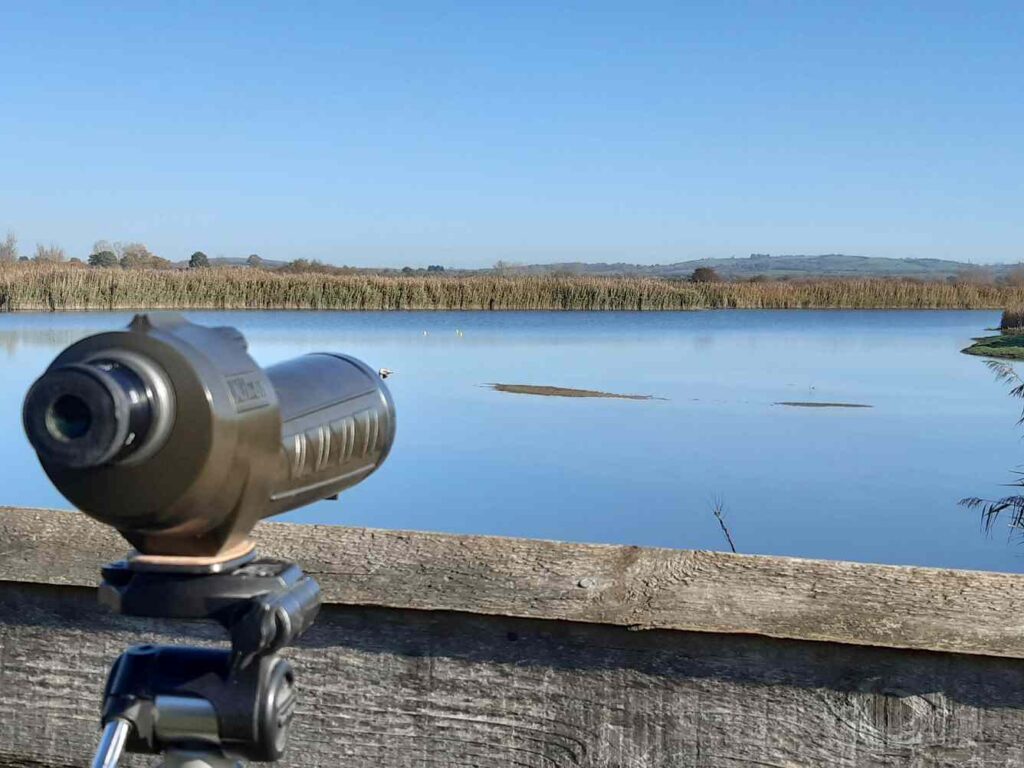
Birdwatching in a time of Covid, RSPB-style, the day before the second lockdown: normally one does anything to avoid the risk of scaring off the wildfowl, but here the reserve offers a convenient fence to peer over in the wide open air, and glimpse wheeling flocks of waders and gulls, their wings catching the sunlight.
A group of Greater Black-Backed Gulls, their deep calls markedly different from the Herring Gull, strode past on their long wings.
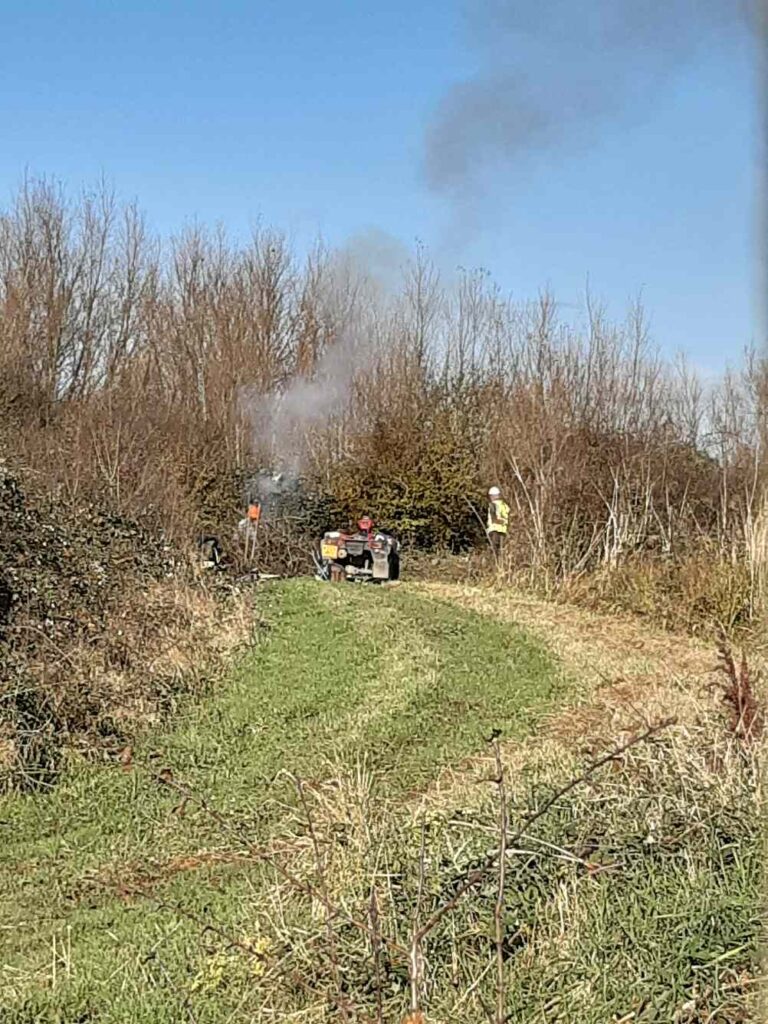
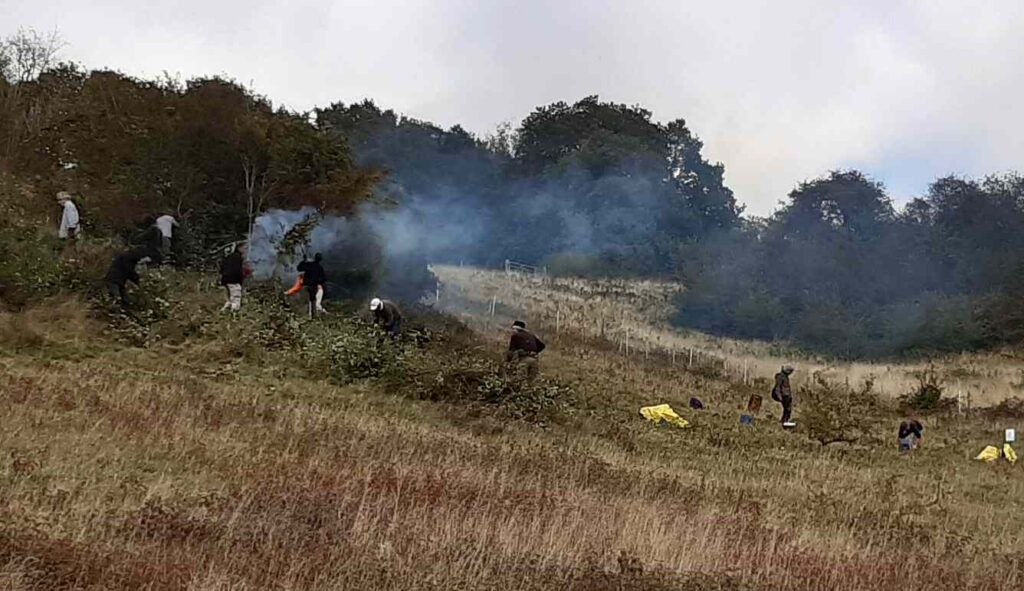
Managing a Habitat Mosaic: RSPB team cutting and burning Blackthorn scrub to provide a varied mix of habitats for passerine birds and other wildlife. The idea is to cut a bit of the scrub each year, so that some of it is low, some medium, some high and thick, providing as much diversity in types of cover and exposure to light as possible in the area, so that different plants can flourish, and the visiting birds have the choice of insects, seeds, and fruits they need to feed on.
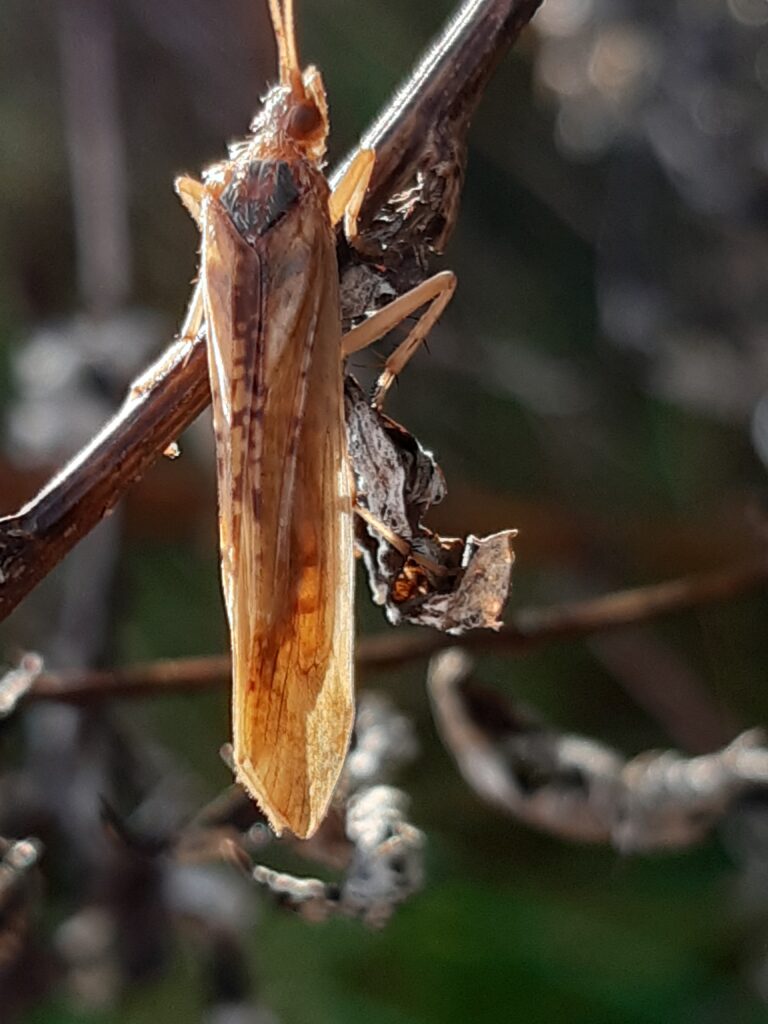
A big long-winged (predatory?) bug, with long antennae, still flying in November, as were several moths
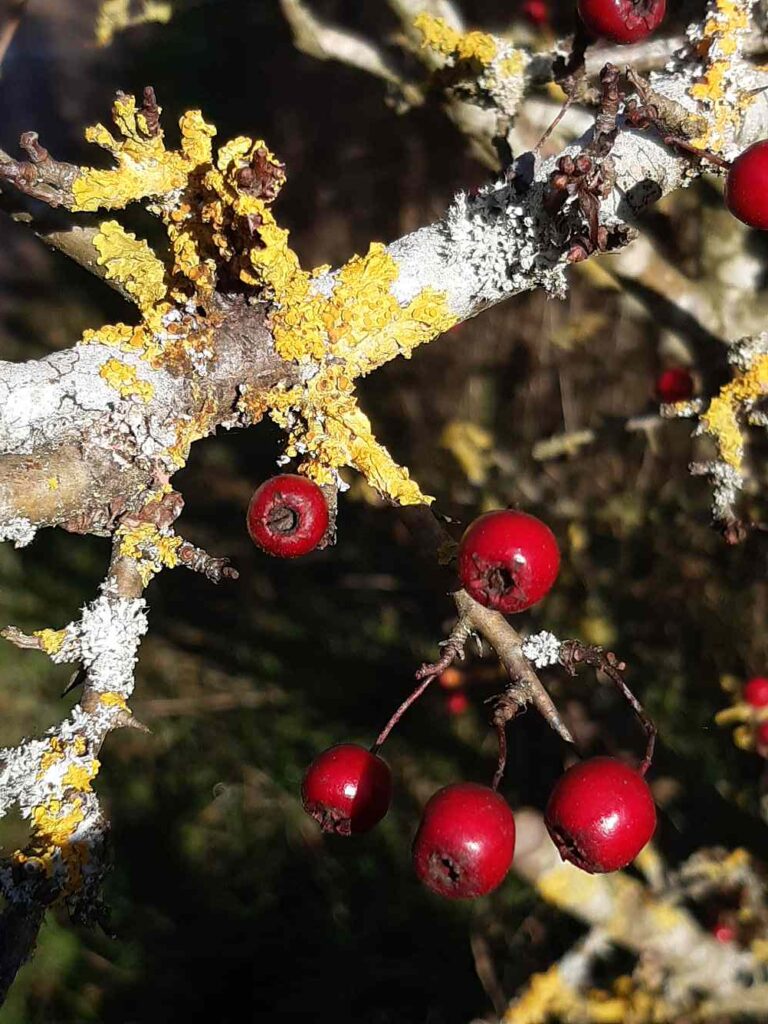
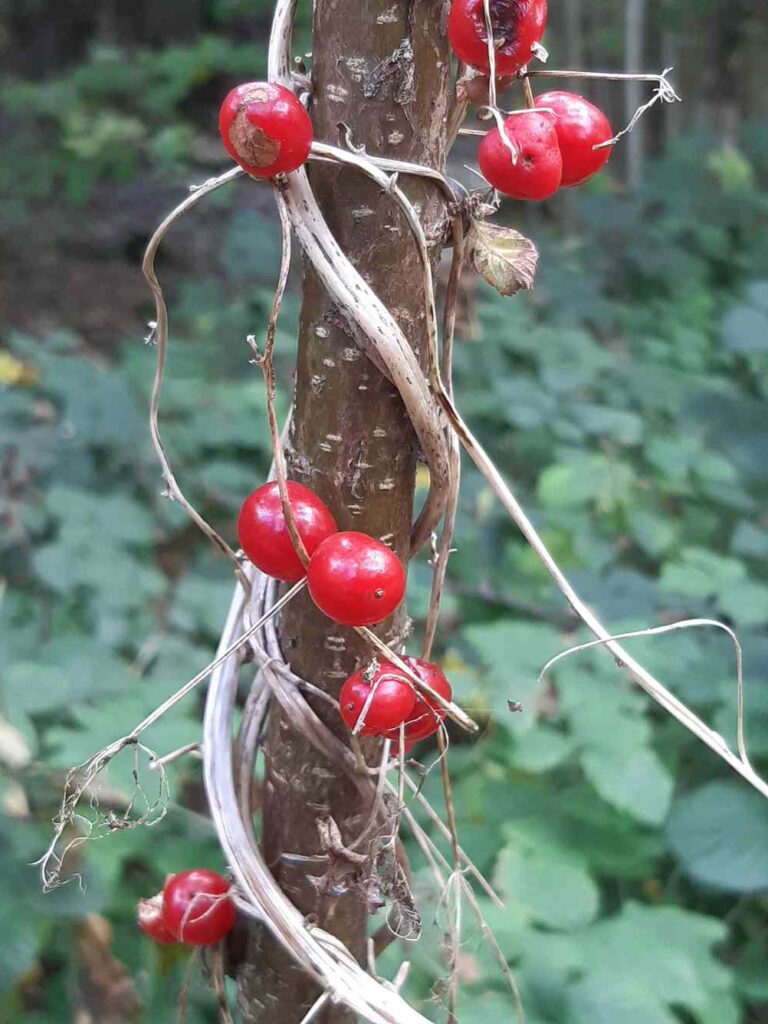
Colourful lichens (inc. Common Orange Lichen, Xanthoria parietina) and ripe Haws
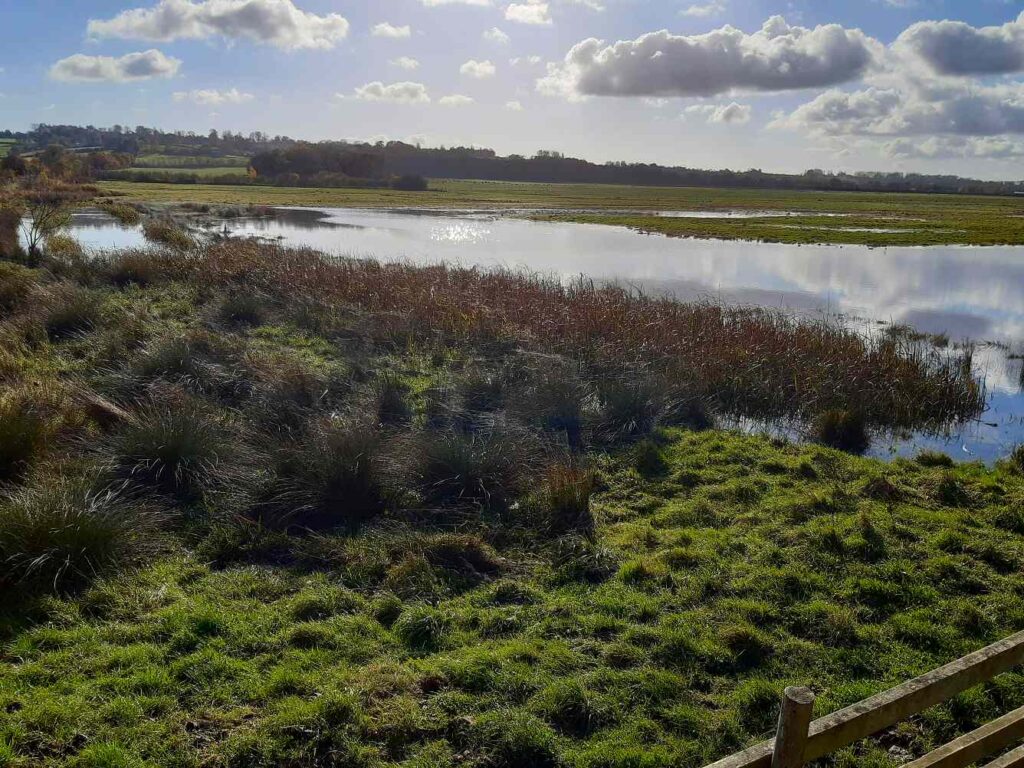
Reeds, shallow water, wet meadows: perfect habitat for Golden Plover (in hundreds), Lapwings, and Geese. The sound of a hundred Greylags and Canada Geese, their honks and calls mixing into a symphony of wild joy, has to be heard to be believed.
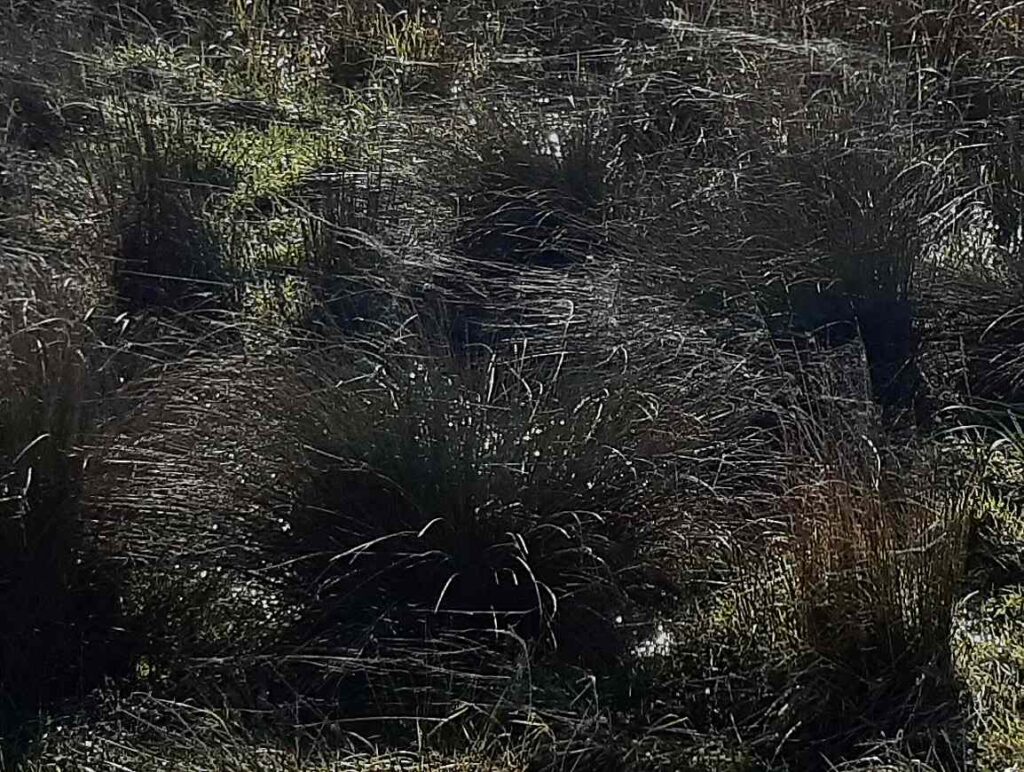
Rushes covered in sparkling spider-silk (detail), in case you couldn’t make it out in the wider landscape — quite beautiful in the surprisingly warm November sunshine!
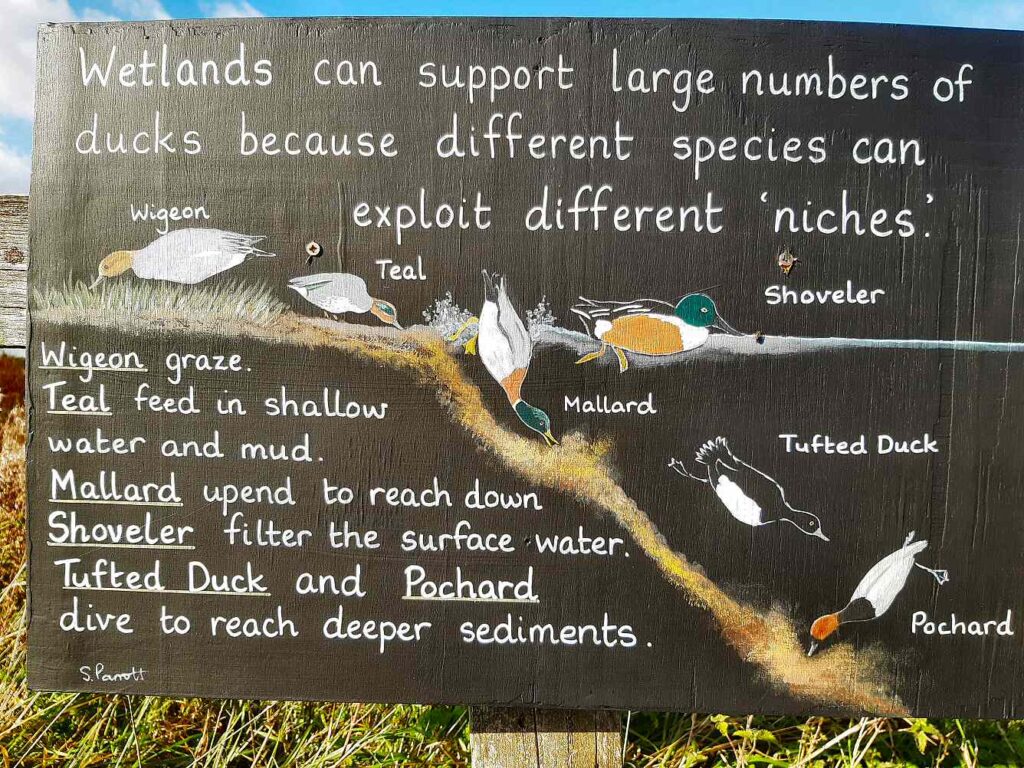
One of the extremely well-done info-paintings (if it was computerised, I’d have called it an infographic), explaining Duck Ecology, Niches, Habitat exploitation and other complex concepts in one clear image. Remarkably good, and beautiful, too: both scientific and welcoming, quite an achievement.
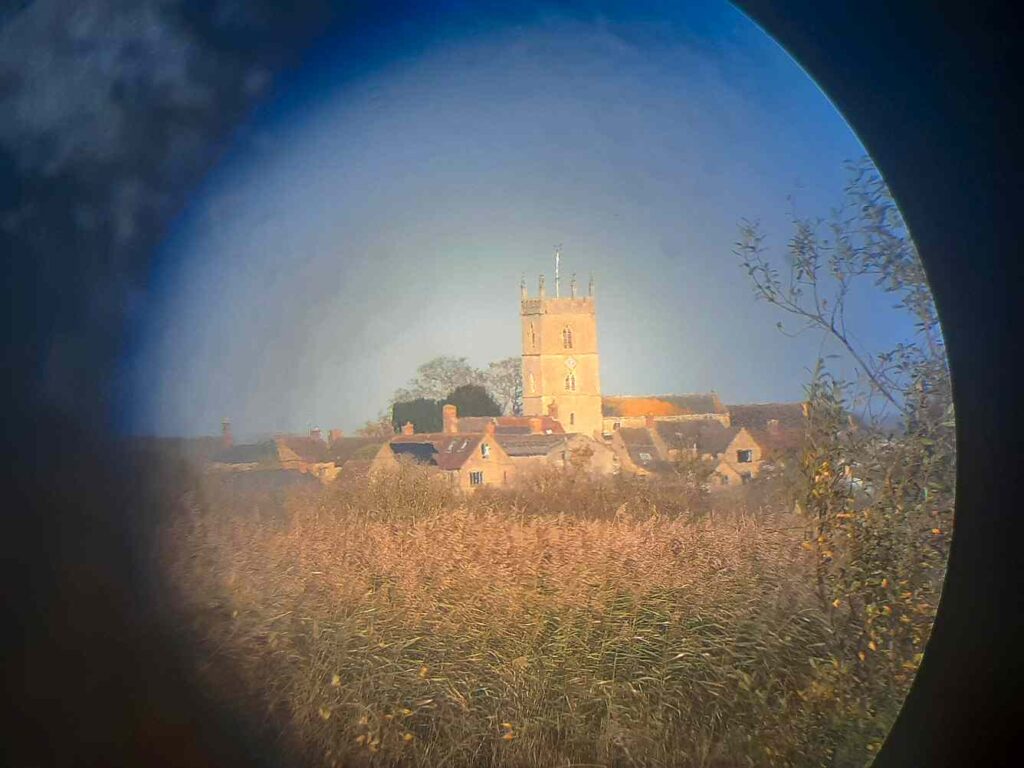
People often wonder why you need one telescope to look through, and another for the camera. Couldn’t you take a picture through a normal ‘scope? Well, it’s a bit tricky without an adapter (which you can buy, naturally), but yes, it is kind of possible… as here witnesseth the handsome church just across Otmoor from the reserve. I almost fancy I can read the church clock …
Actually, there is a ring of villages, each with its own distinctive church, all around Otmoor. All interesting; and the subject of fascinating social history research, showing that the rate of marriages between villages went down with distance, and with the presence of small streams between the villages! A little stream that you could just about step across increased the effective ‘marriage-distance’ by something like a mile … worth reflecting on.
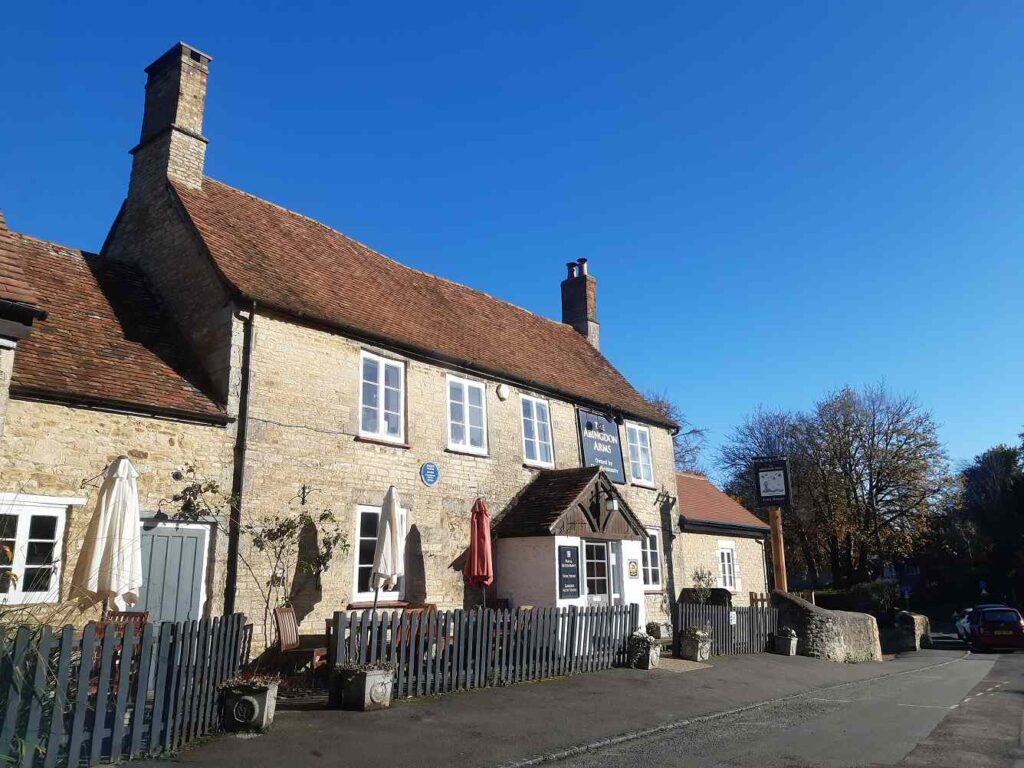
One day, lockdown will end, and we’ll be able to end our walks in England’s good old Hobbity Pubs, like Beckley’s splendid Abingdon Arms, once again.
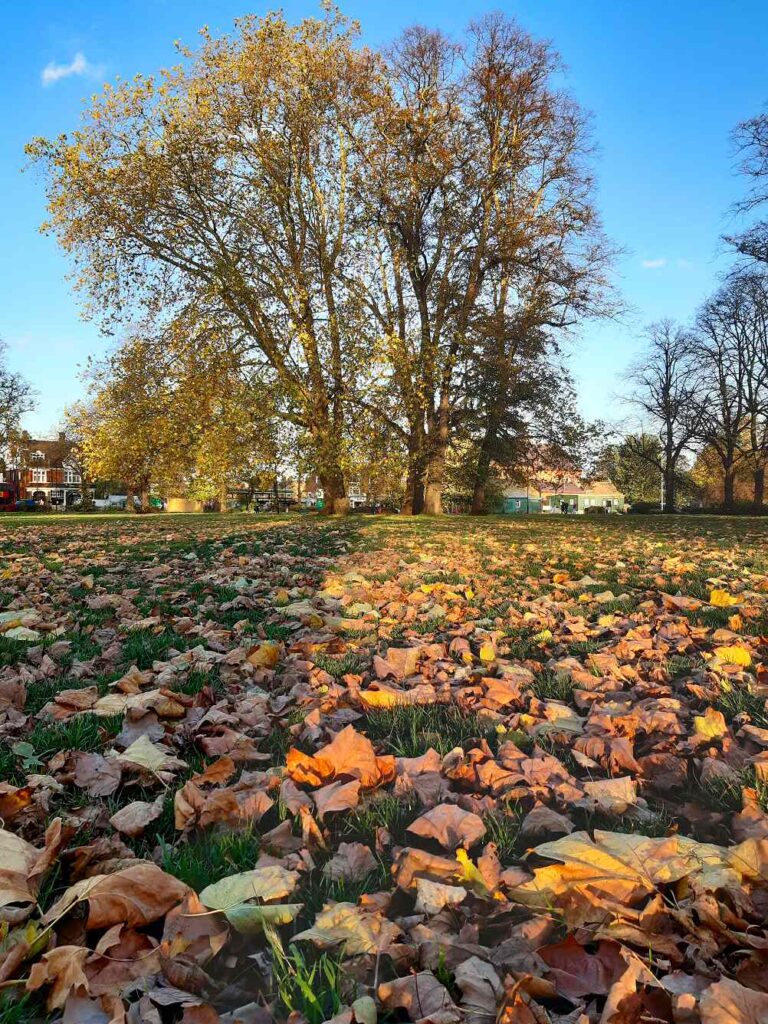
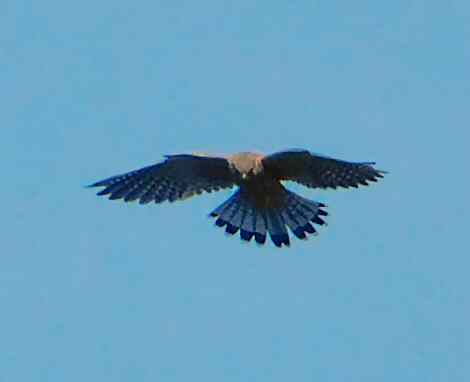
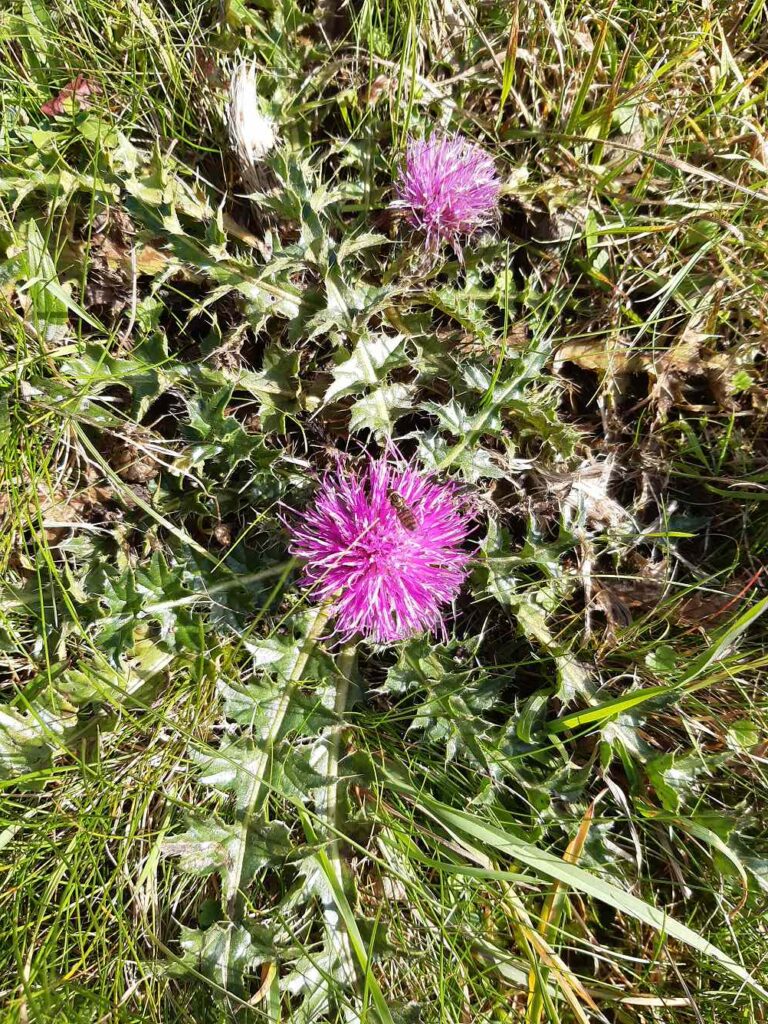
A Kestrel hovered persistently in the steady breeze, starting above treetop height and dropping lower in little steps, over the rough grass full of thistles, burdock, and teasels
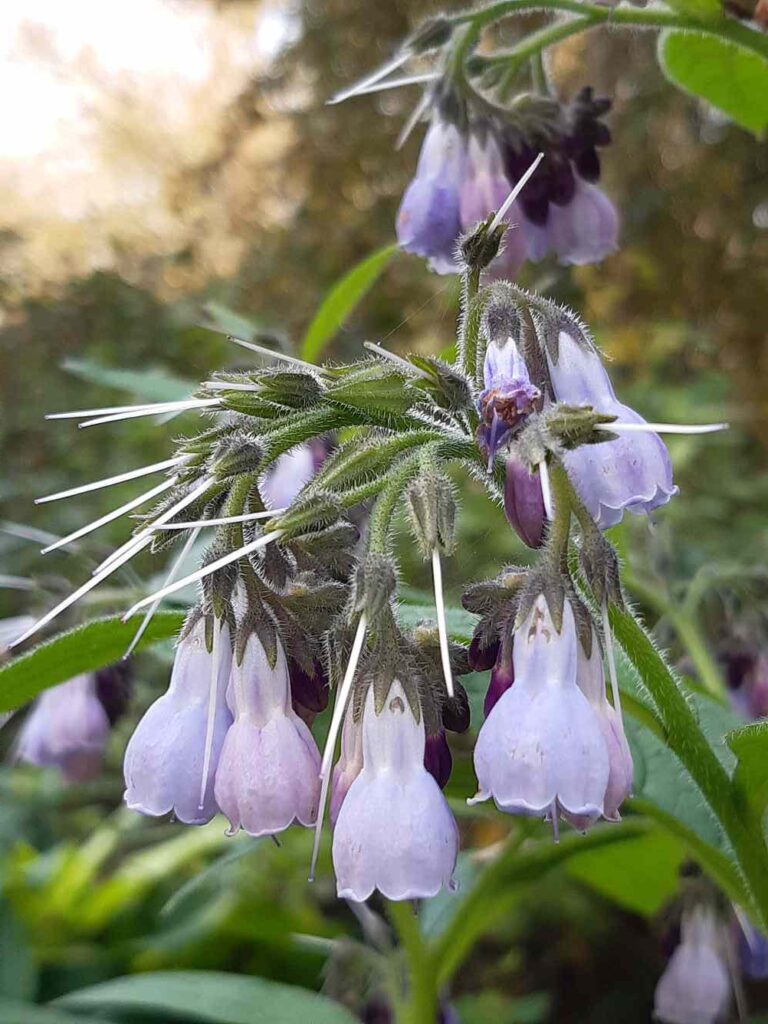
Comfrey, once used as a medicinal herb to knit bones, still in flower in October. A solitary Chiffchaff sang its simple song nearby.
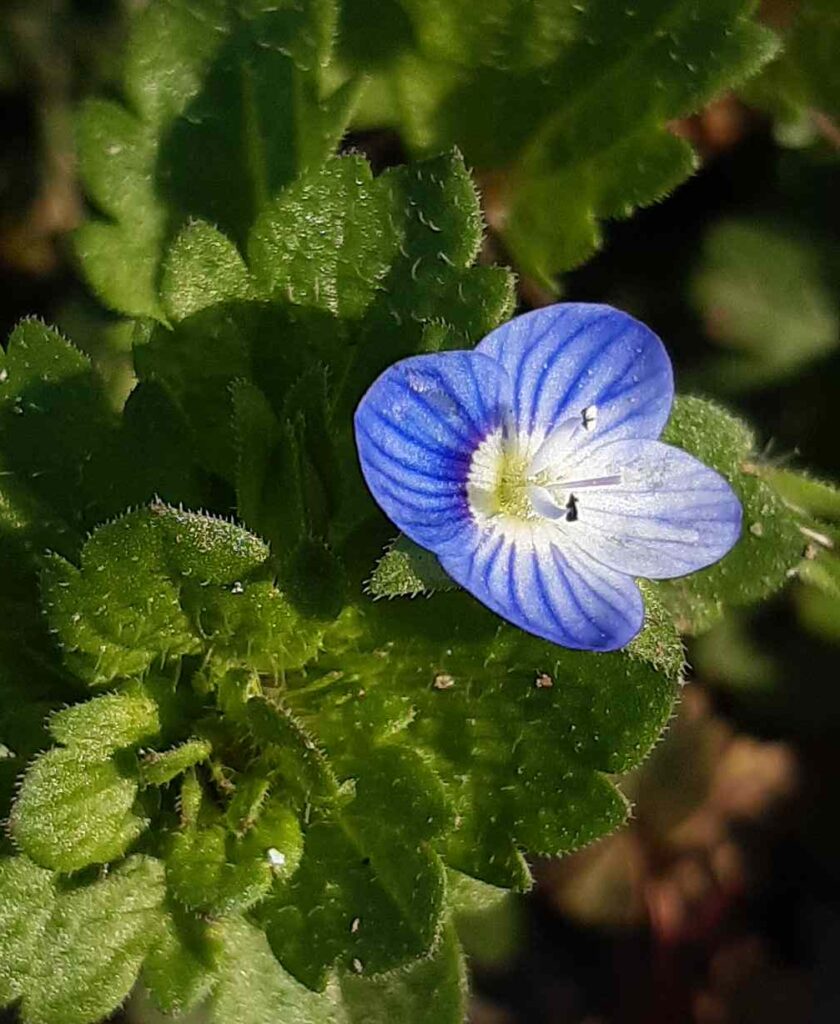
Germander Speedwell, a miniature beauty in bloom
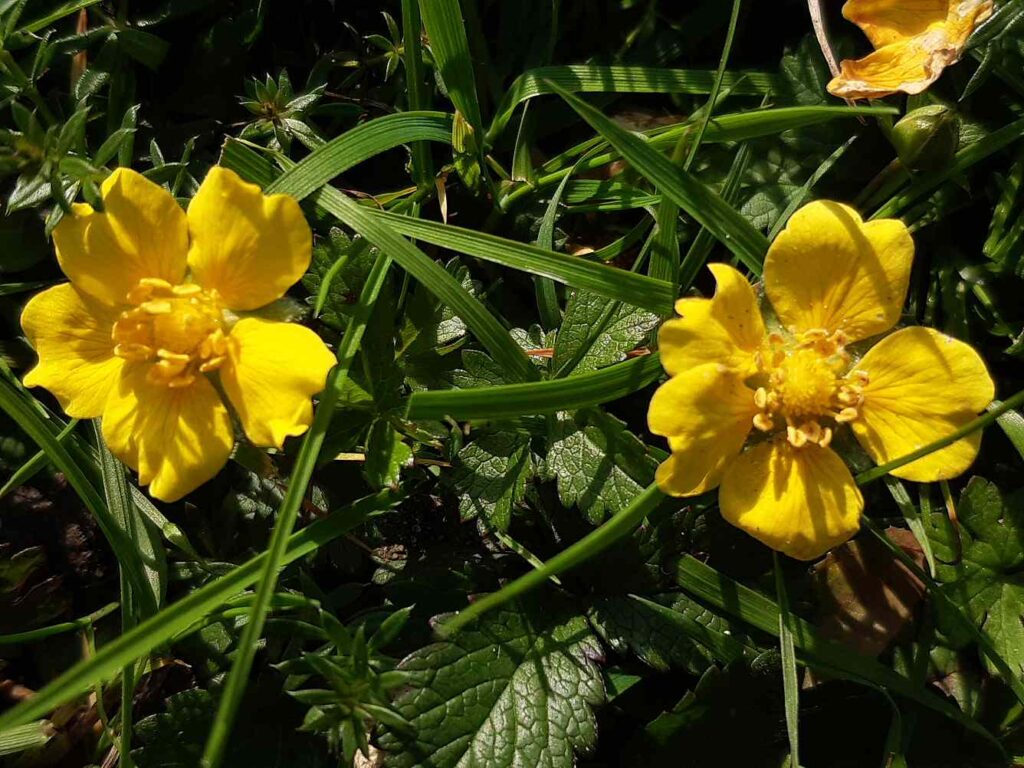
Creeping Cinquefoil, an attractively bright flower in clusters among the well-trodden grass of the path
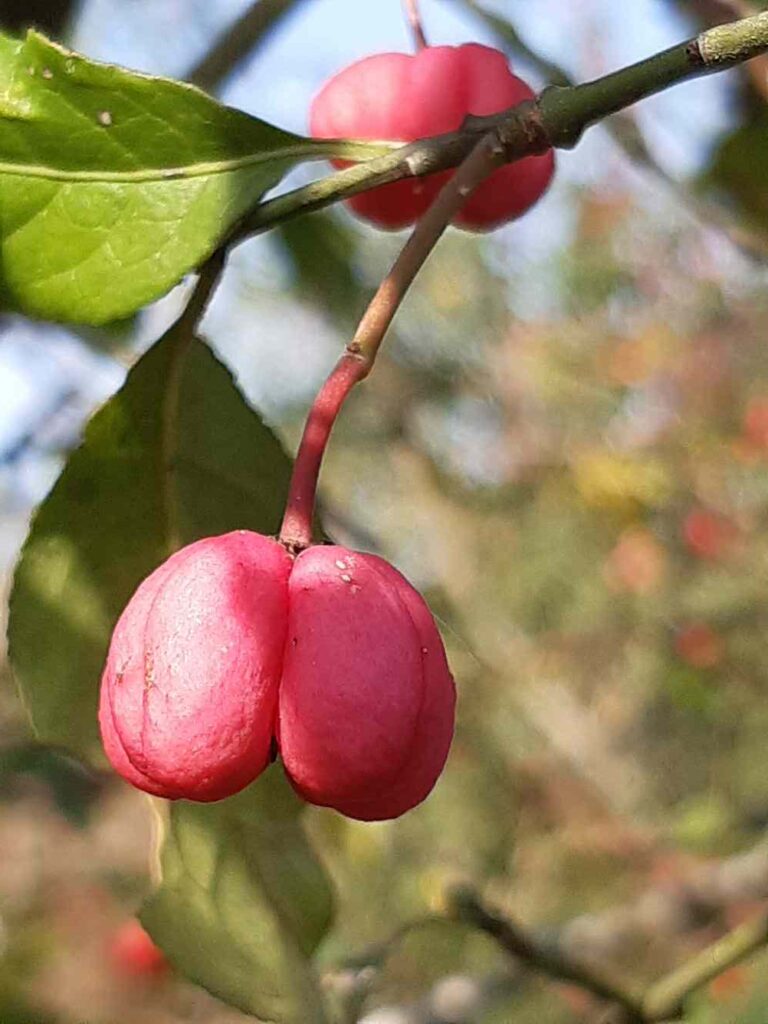
The extraordinary pink of the fruit of the Spindle Tree, a small slender tree with long and extremely straight twigs, that were ideal for medieval spinsters to use as spindles when spinning thread
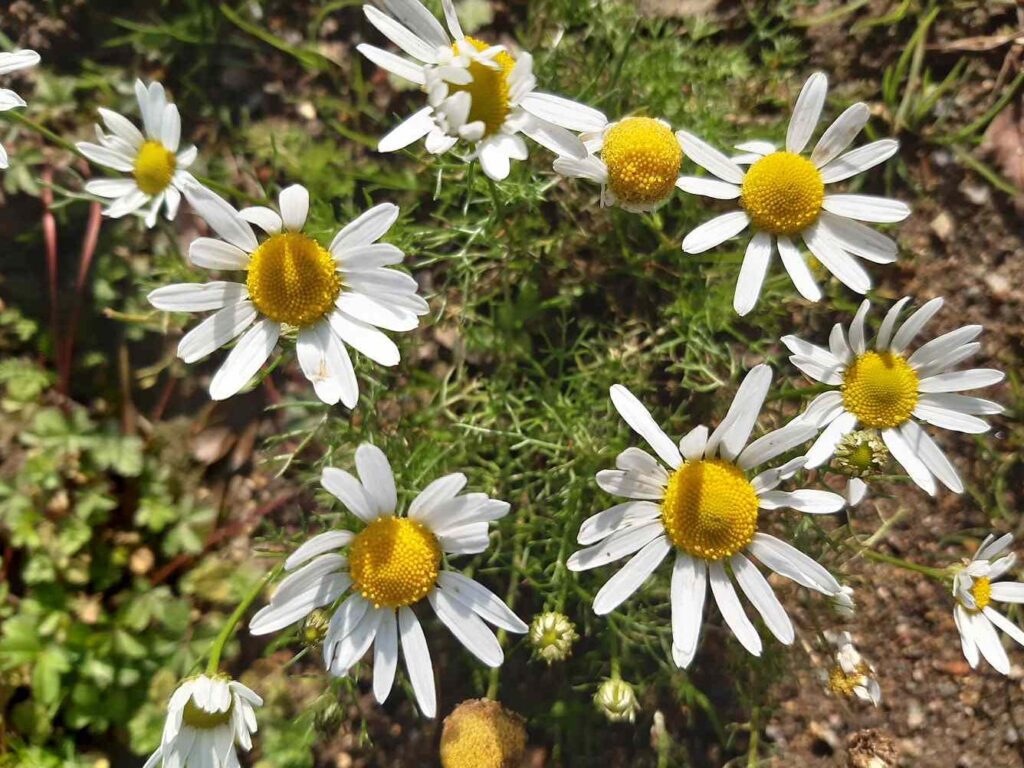
Scentless Mayweed, a cheerful flower of waste ground, common in the pony field. A twittering flock of Linnets flew into a bramble patch in the field, perching atop the bush and making little flights, apparently catching insects, before returning to their perches.
Ravens, several in aerobatic pairs, wheeled overhead, as did a Buzzard and quite a few Red Kites.
A Bullfinch wheezed its odd “Deu” call from a hawthorn bush as we had our picnic.
Walking down from the woods across the wide rough area with rushes, two Skylarks got up, twittering, and perched briefly on the Bracken: a very special sight for London.
Down past the Pen Ponds at the side of a wood, a Green Woodpecker flew handsomely up into a tree, swiftly hiding itself round the back of the trunk.
A quiet sunny day in October – probably no migrants or winter ducks – perhaps it’ll just be a peaceful walk in the fresh air. Not a bad thing.
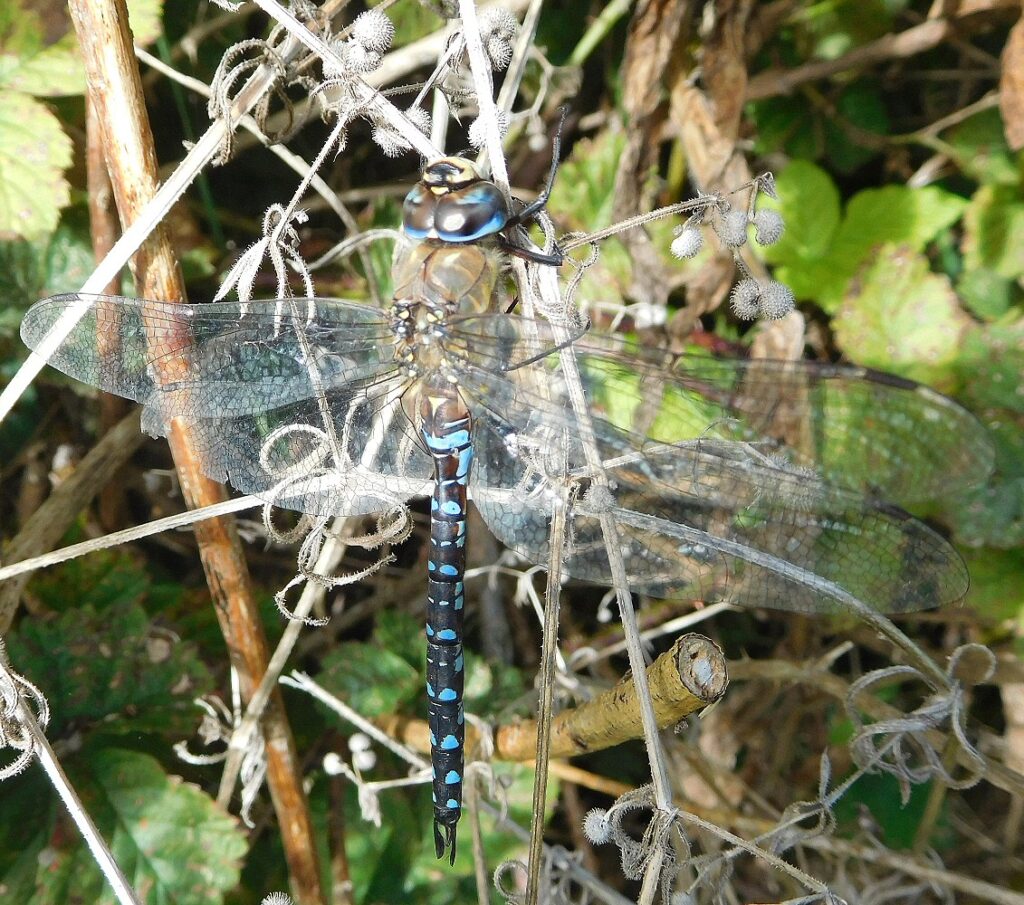
Among the brambles, a dragonfly flashed past; then another, patrolling up and down, inspecting a third one perched stock-still. They were small Hawkers, slim and with a lot of blue, and yes, they were definitely Migrant Hawkers, small Aeshnids that fly pretty late in the year. The patroller saw off a couple of bees or wasps: that’s quite aggressive, given that those insects can deliver a sting fatal to other insects.
Something hopping about in a Willow down by the water caught my eye, so I raised my binoculars, and was at once rewarded by an excellent view of a Chiffchaff, which helpfully called “Hweet” repeatedly to identify itself from the similar-looking Willow Warbler (not specially found in Willows), which says “Hoo-eeet” a bit more disyllabically. I had time to admire its bold eye-stripe before it disappeared into the foliage.
A few minutes further, a REALLY LOUD high-pitched chattering, — such a big sound that it hurt my ears. On a branch above the lake was silhouetted a small bird with a long heavy beak – it had to be a Kingfisher. At that moment, another Kingfisher flew up, hovered for a moment, chattering, and both birds raced off. Well!
Something heavy splashed into the water, leaving ripples. I peered through the branches. A Cormorant took off with noise and effort; another; and three more. A Little Egret joined them, white with short rounded wings and long conspicuous primary flight feathers spread out individually like fingers.
The path past the fishing lake was flooded after the recent storm, from its bone-dry state all summer.
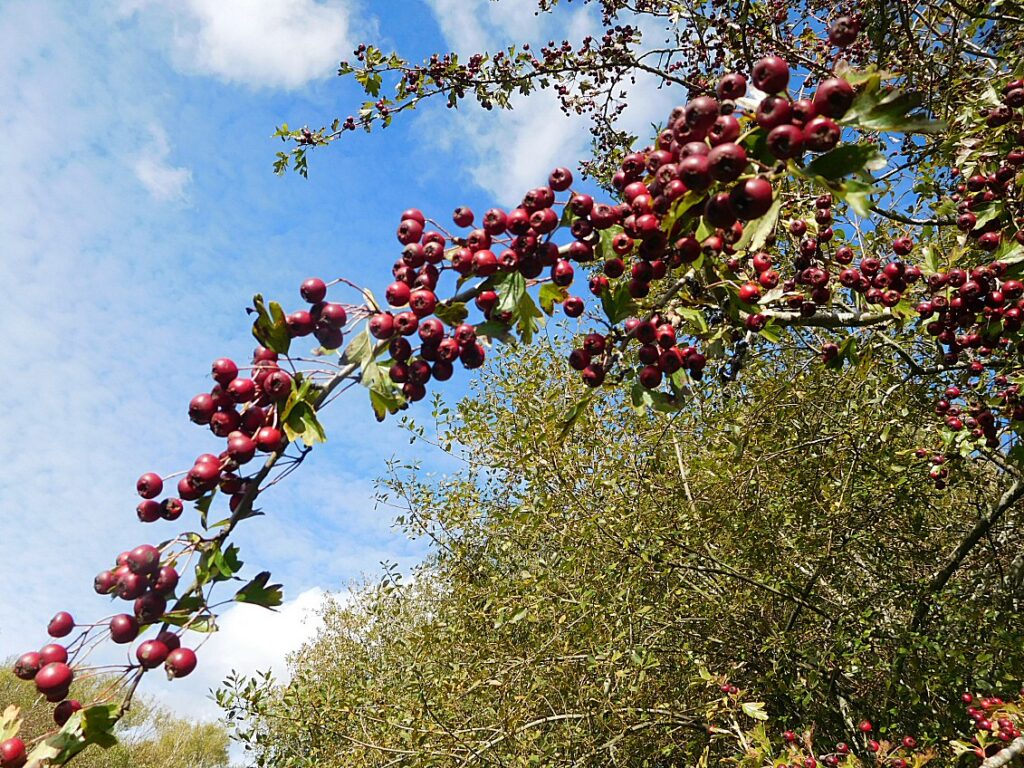
The Hawthorns were glowing a rich red, heavy with berries. Soon the winter thrushes, Redwings and Fieldfares, will arrive and feast on them.
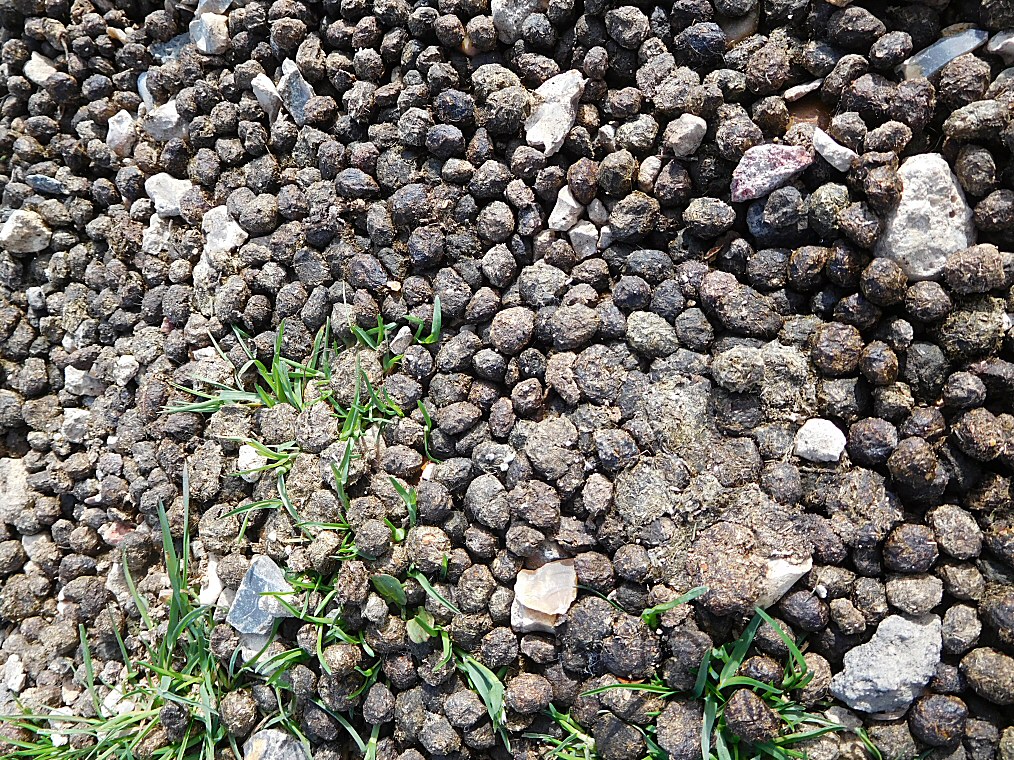
I looked down. In the middle of the track, an enormous latrine — for Rabbits. Hundreds of little round pellets of differing ages, some fresh, many dry and crumbly (I didn’t try to rub them) formed a miniature cobbled pavement. Did you know that Rabbits always used the same toilet? Now you do. Perhaps it help to avoid giving information to predators like the Red Fox about where the Rabbits are today, so the extra effort of, er, going to the toilet pays for itself in increased safety.
In the horse field, this year’s foals were still staying close by their mothers, who went on grazing unconcernedly; a foal eyed me nervously as I went by.
At the Solar Farm, a small tractor whirred up and down, cutting the grass. Seems a shame that they can’t follow the excellent lead of Thames Water, who use a flock of Sheep to keep the grass short around their reservoirs the other side of the railway line. Still, it’s clean green energy, for the most part.
Just a quiet autumn walk on a sunny day. Nothing remarkable to report.