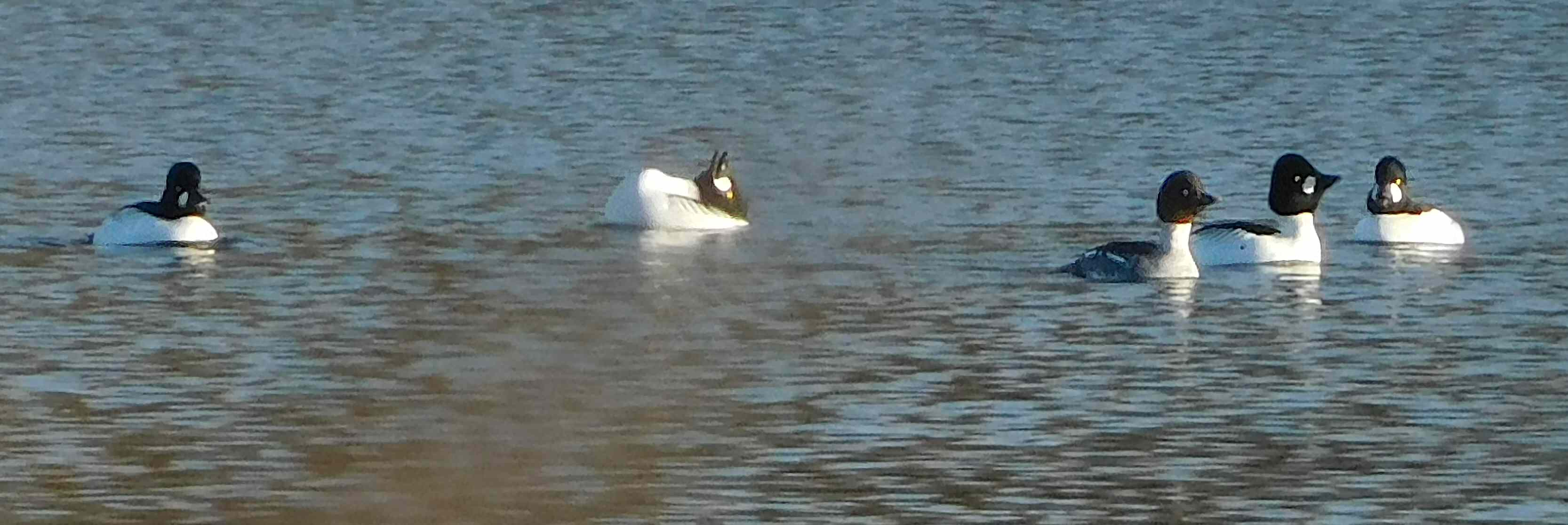
Five Goldeneyes: a male is displaying to the (brown-headed) female
It was a glorious winter morning at Wraysbury Lakes. The lakes themselves held few birds, but the Goldeneyes had arrived with the recent cold weather, and the males were giving their fine trumpeting call (they’re not called “clangula” for nothing, the duck with the resounding bell-like music) and displaying, too.
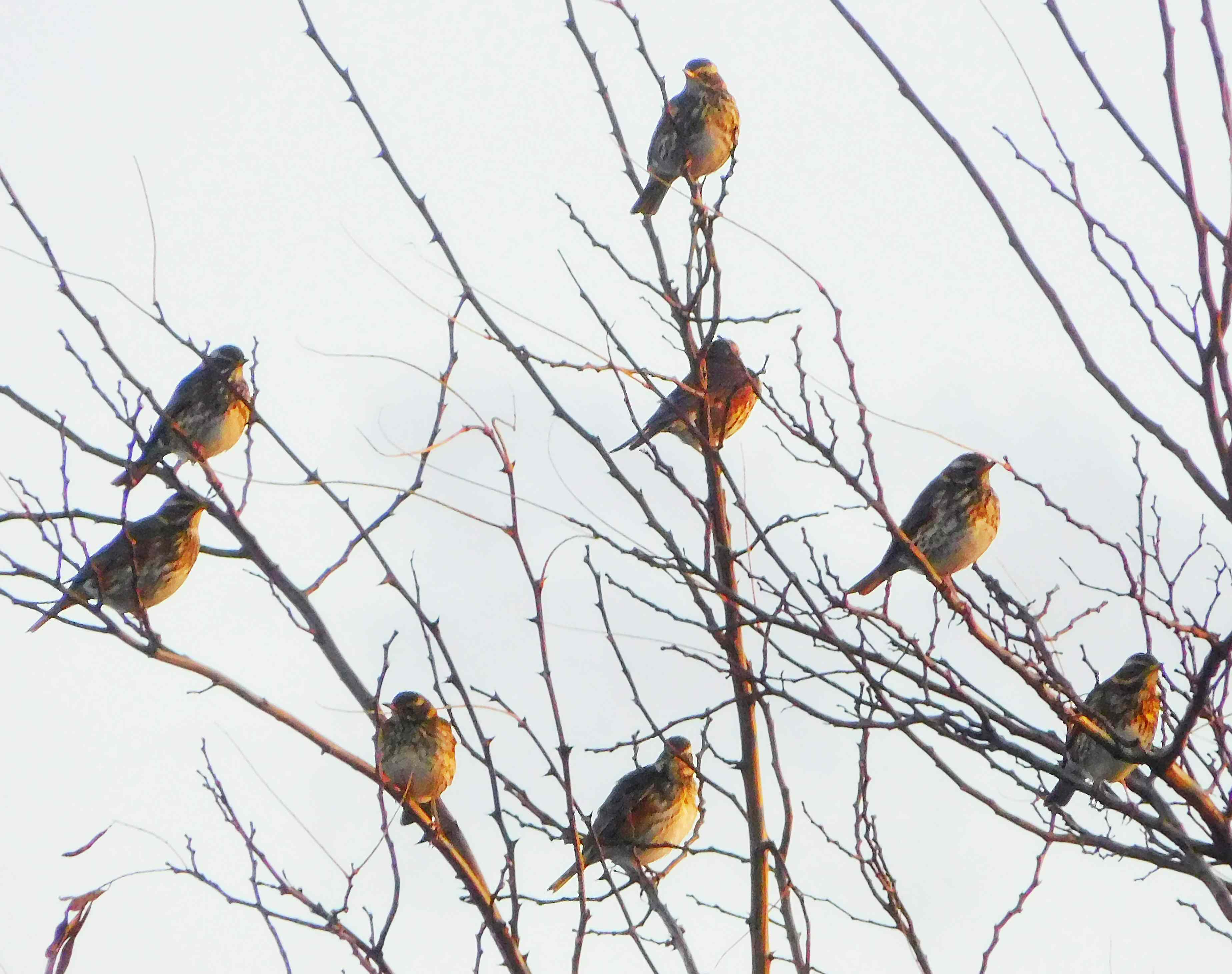
A few herons flapped lazily over the water; a small group of tits hopped through the bushes. My first fieldfares of the winter chack-chacked in the willows and obligingly gave good views of their handsome brown-and-grey plumage.
A sparrowhawk raced very low over the meadow. On the way home, a peregrine falcon perched on a streetlight.
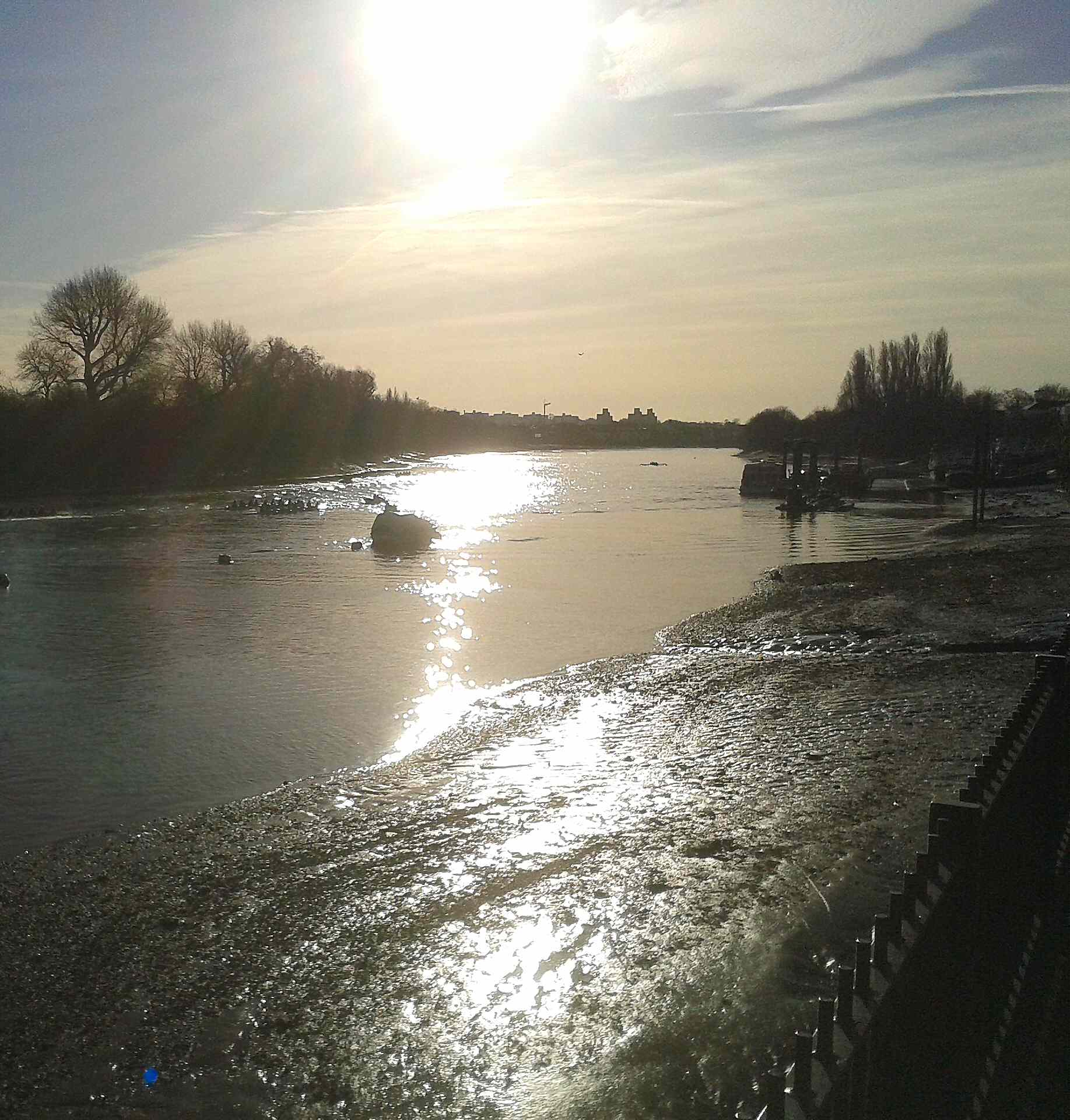
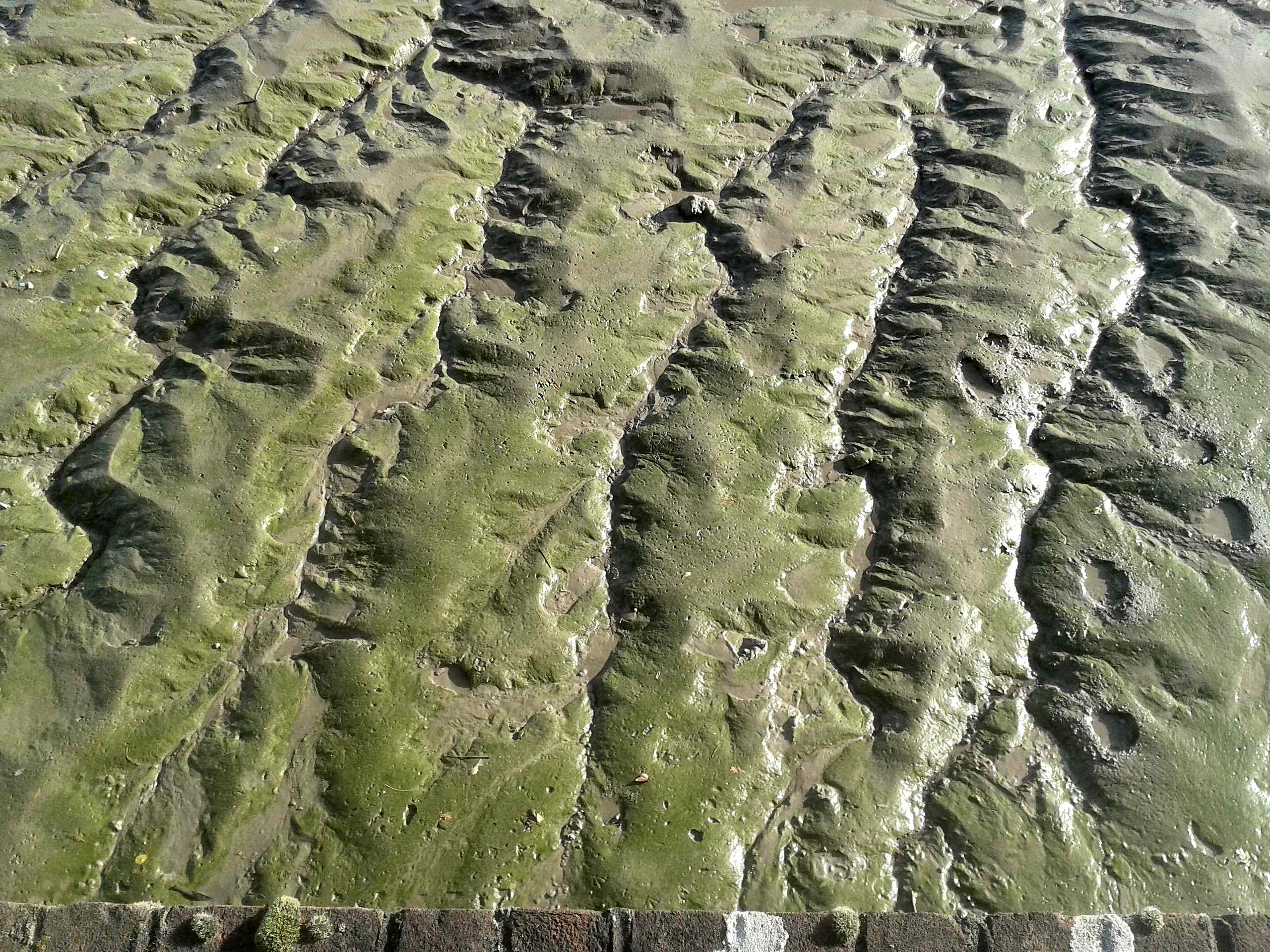
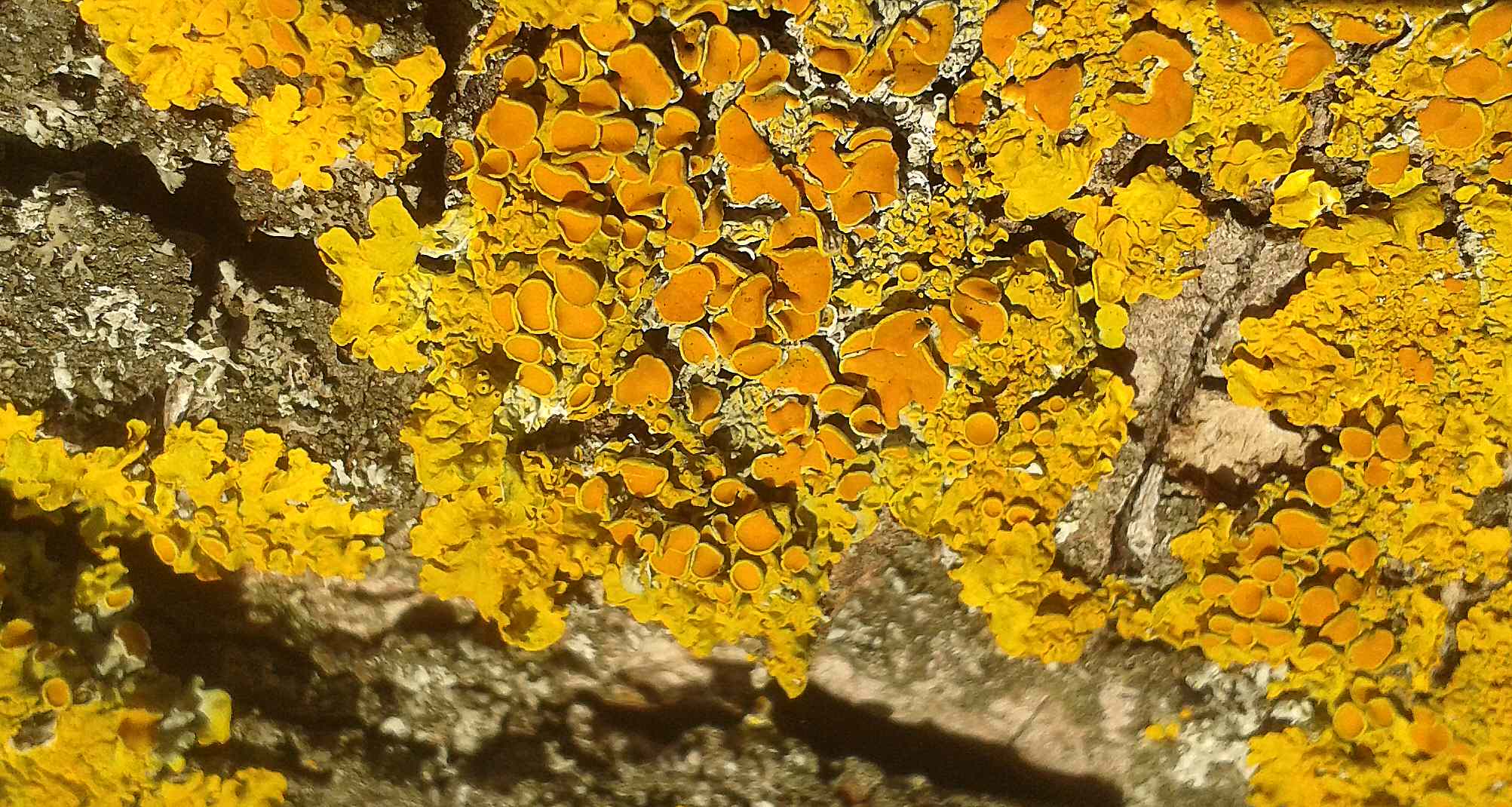
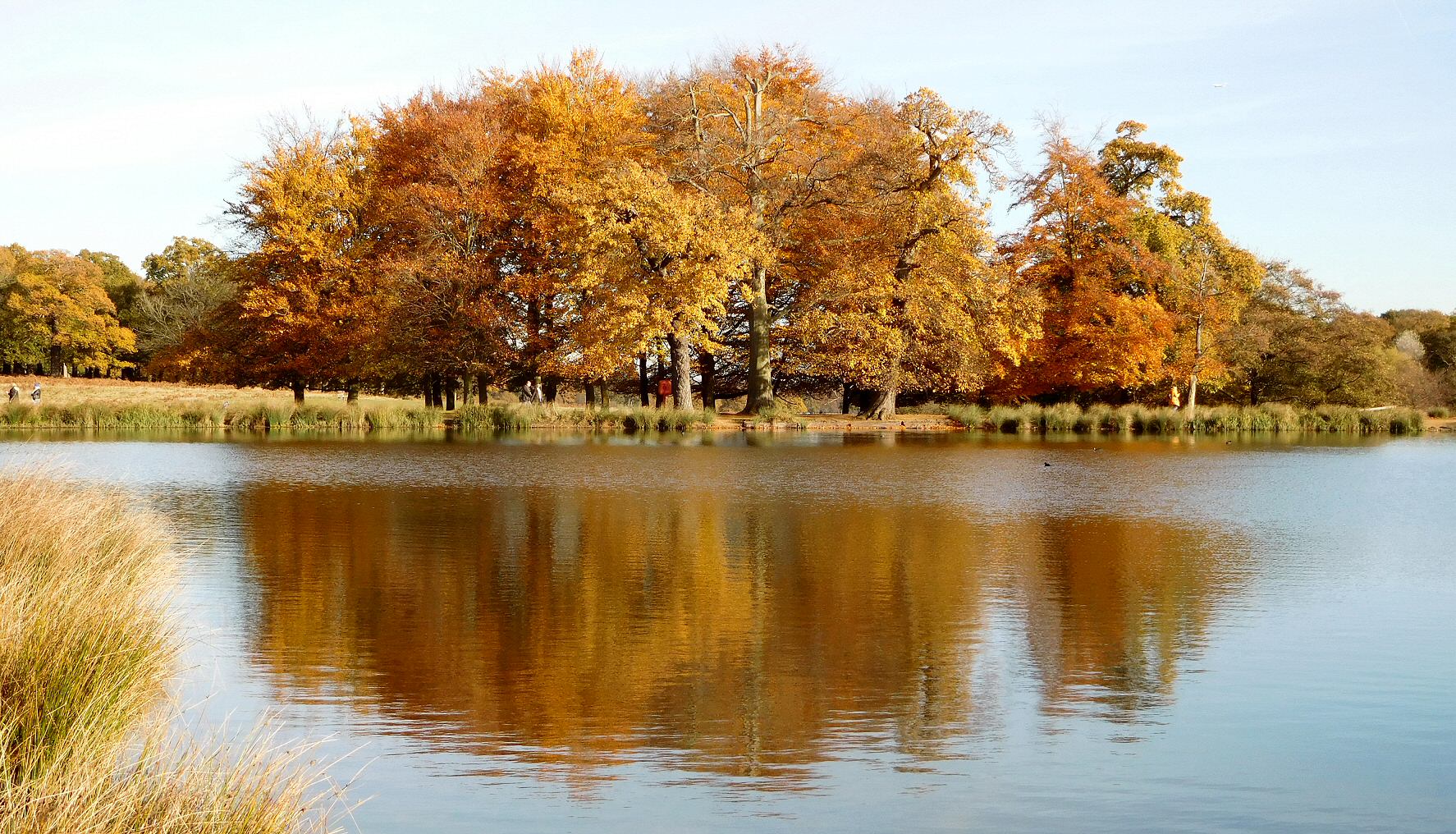
Dazzling winter sun over the River Thames at Corney Reach, ChiswickMud is beautiful! Green algae on naturally eroding mud at Corney ReachHow sunny is that! Winter Sun on Common Orange Lichen, Xanthoria parietina
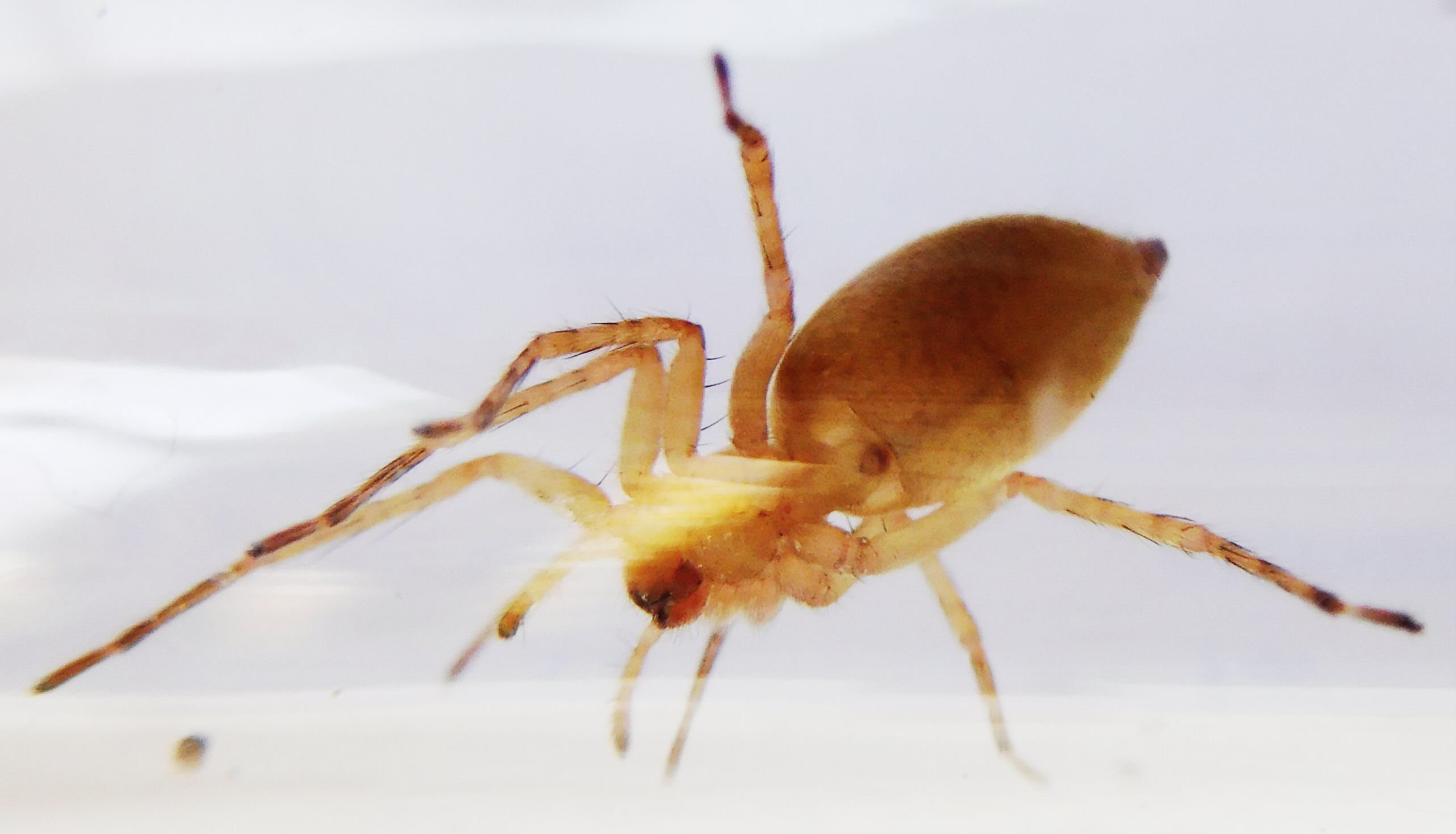
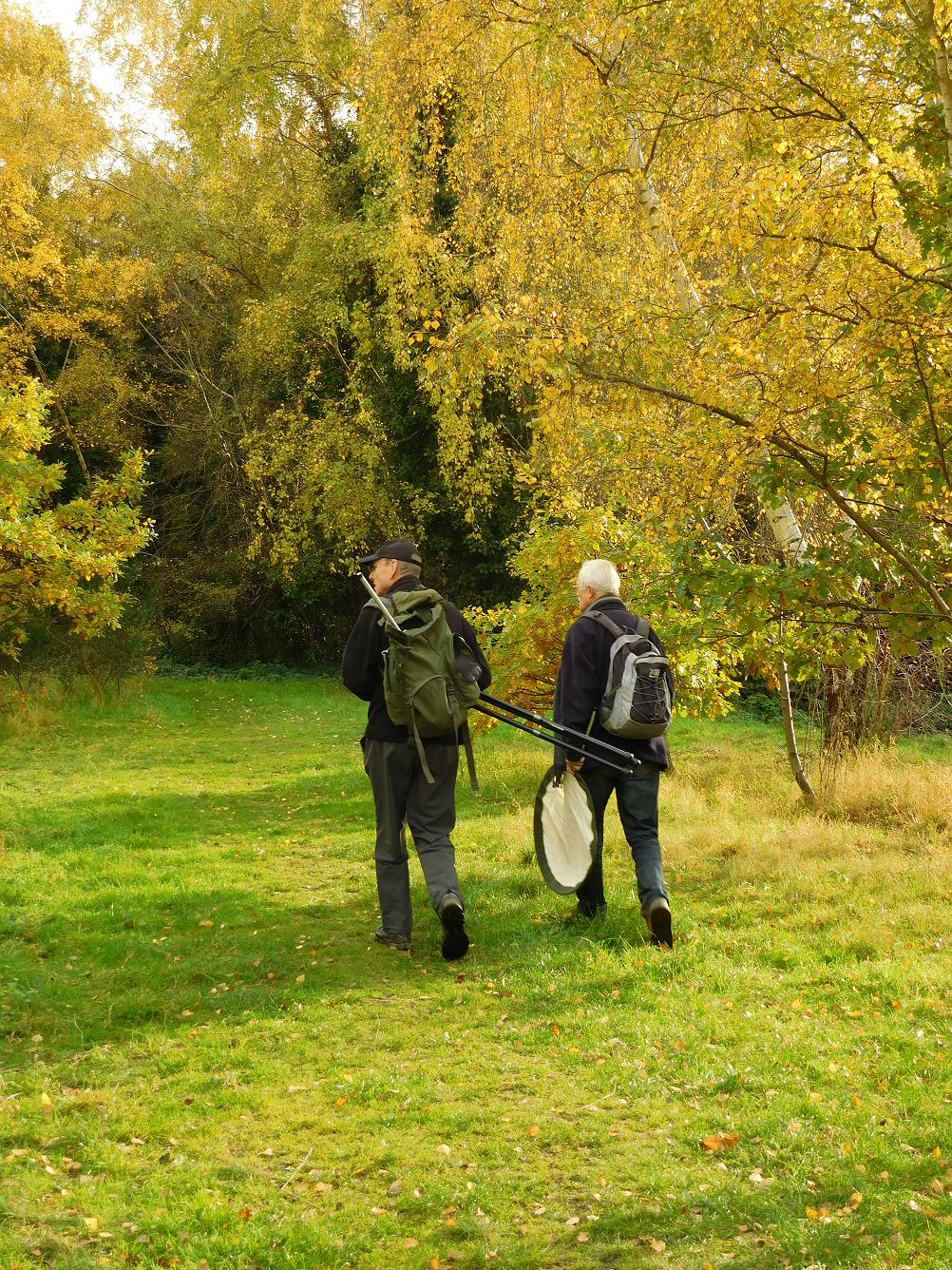
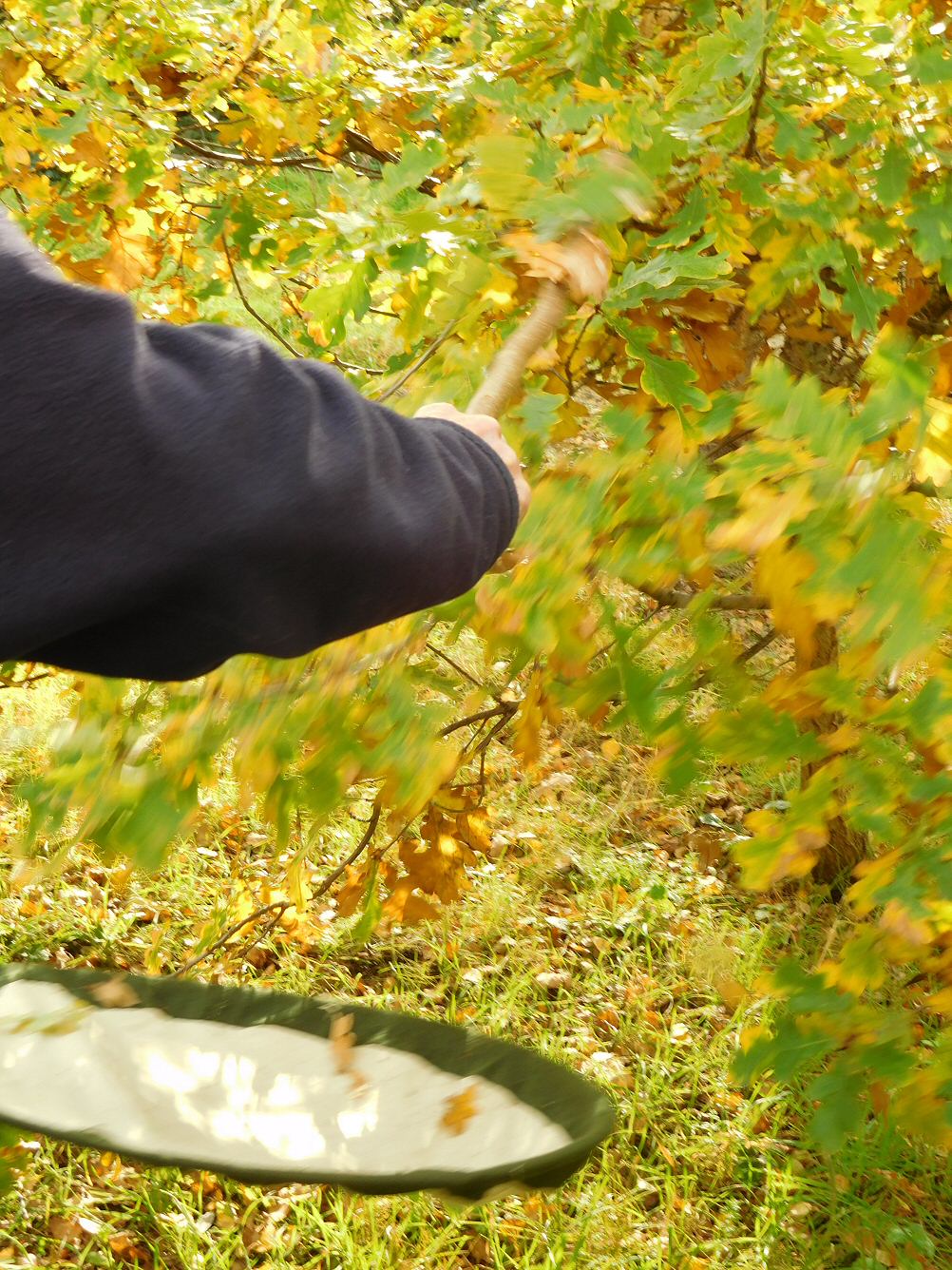
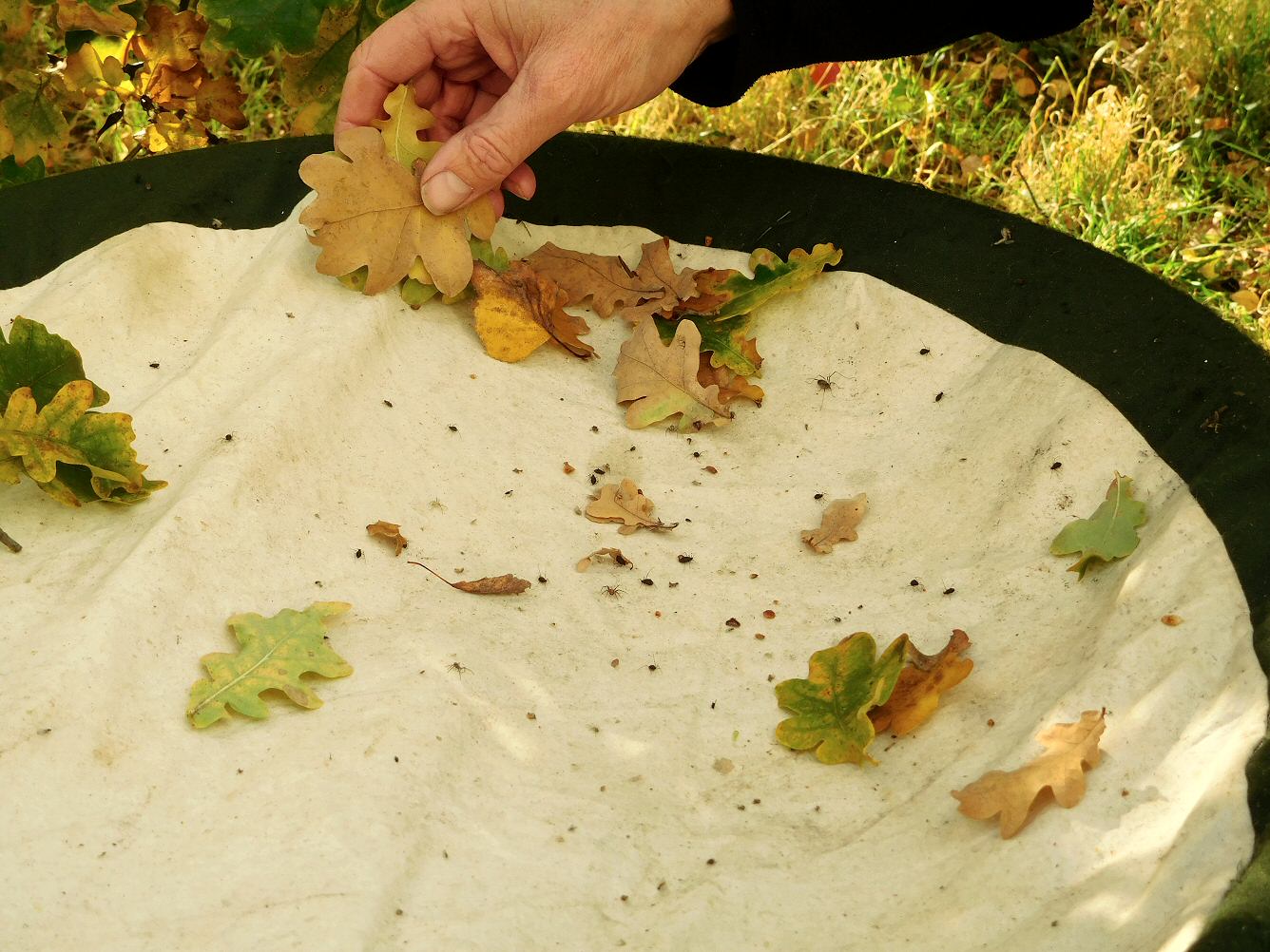
Anyphaena numida in GT – only the 2nd UK record for this North African spider. Many thanks to Mick Massie for letting me photograph his specimen! This is the female. Mick also caught a male (smaller), so presumably they are breeding here. She certainly looks plumply pregnant.Entomologists in the Triangle on a beautiful autumn dayBeating Oak leaves for arthropodsExamining the catch
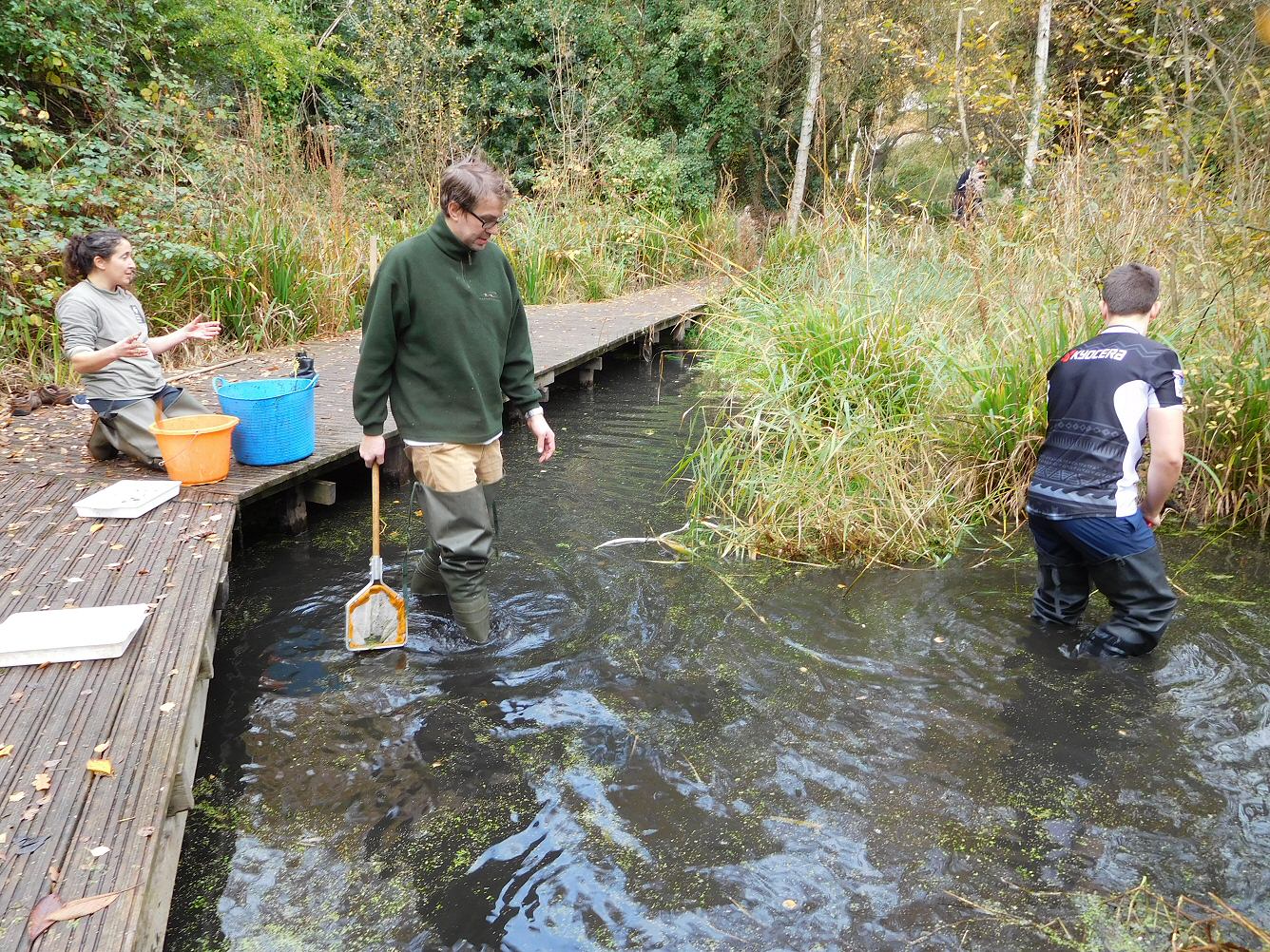
Pond-skimming. Netty is rescuing pondweed and animals especially damselfly nymphs to return them to the water.
We spent the time skimming off as much of the duckweed that was blanketing the surface of the pond as possible using pole nets. The idea is to let light filter down to the bottom of the pond to encourage the more delicate pondweeds. In the process, we had a good opportunity to check the status of some of the pond life that we don’t usually get to see, as the underwater plants are rather few beside the boardwalk – most likely because the continual sampling keeps them from growing much. But the rest of the pond is another story.
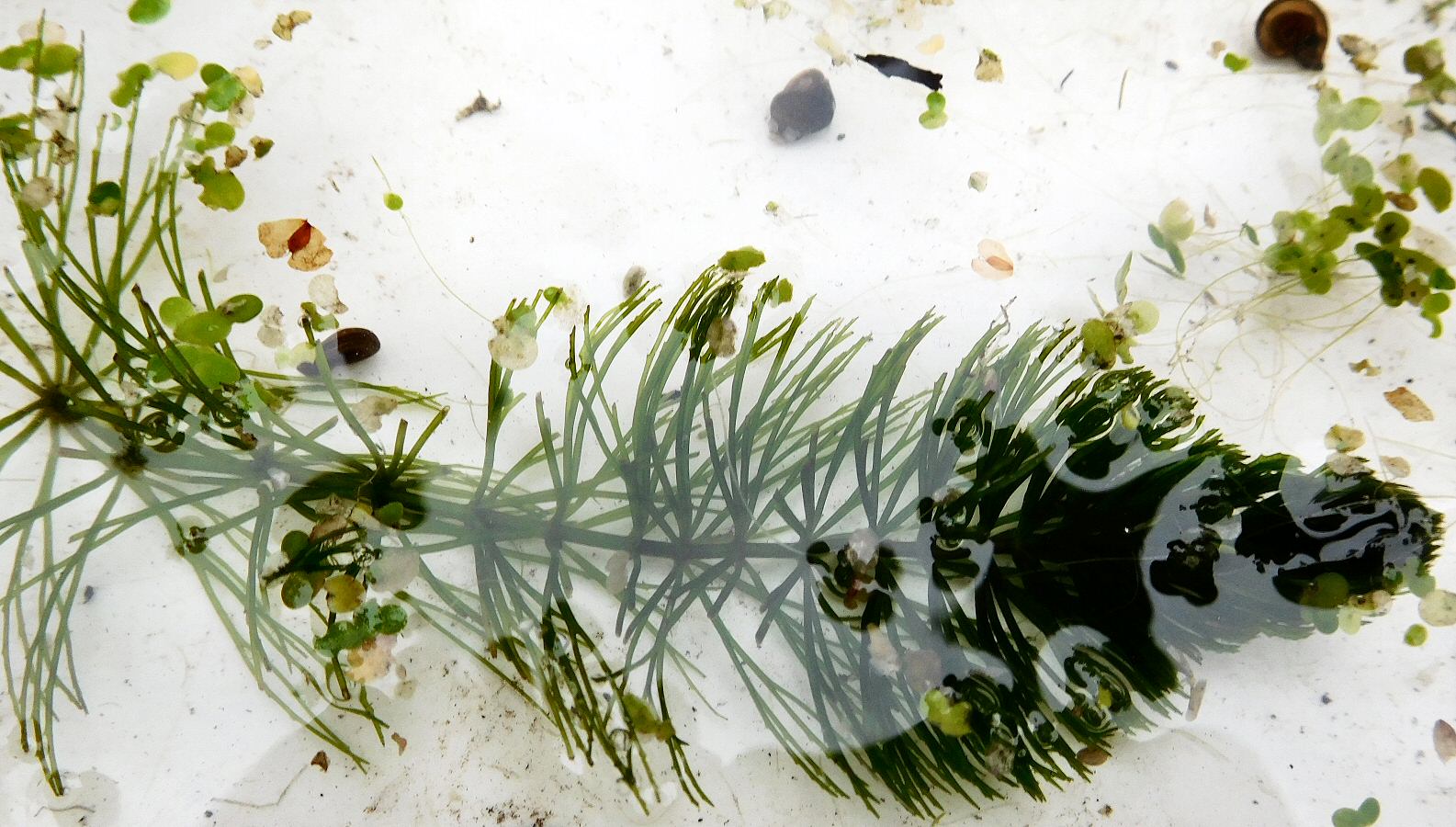
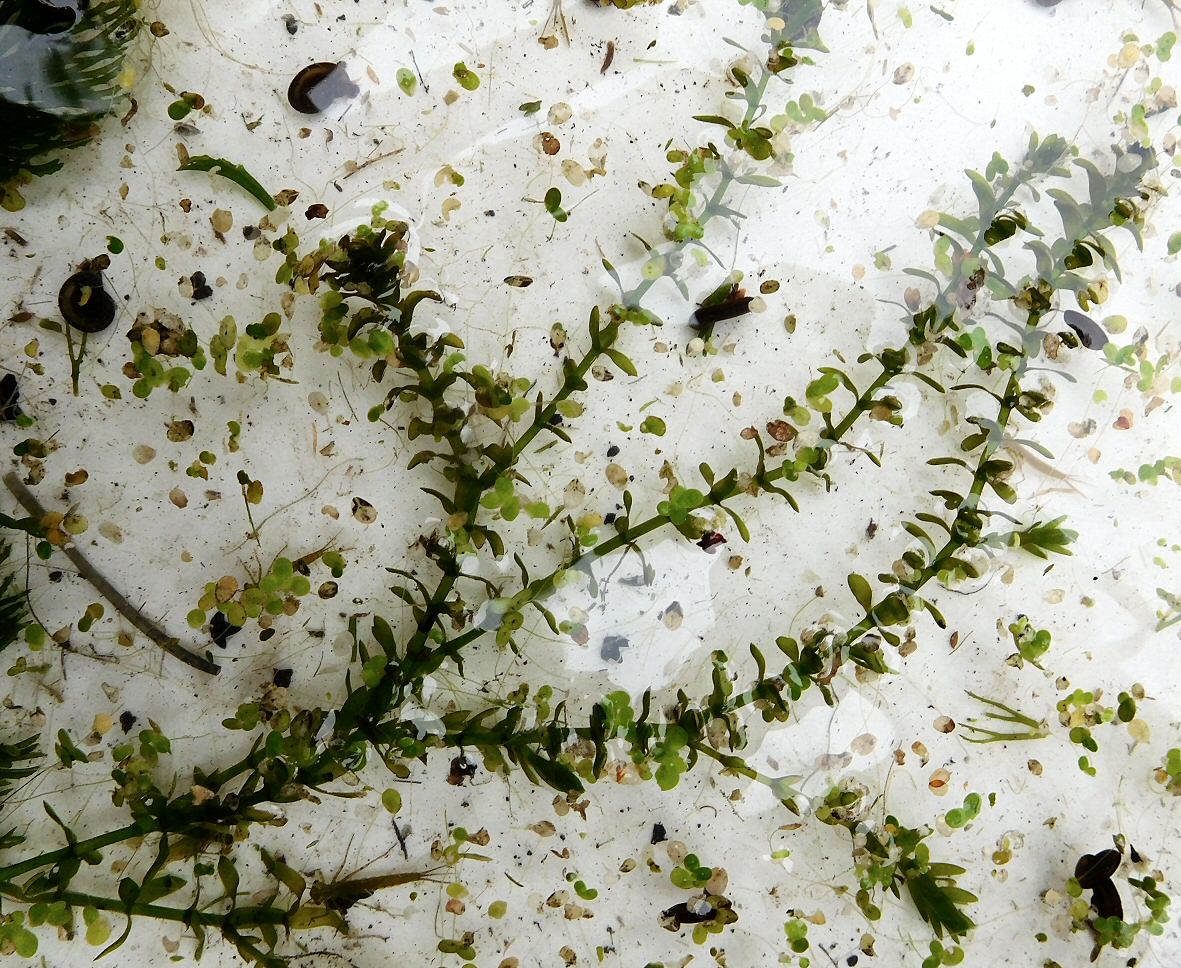
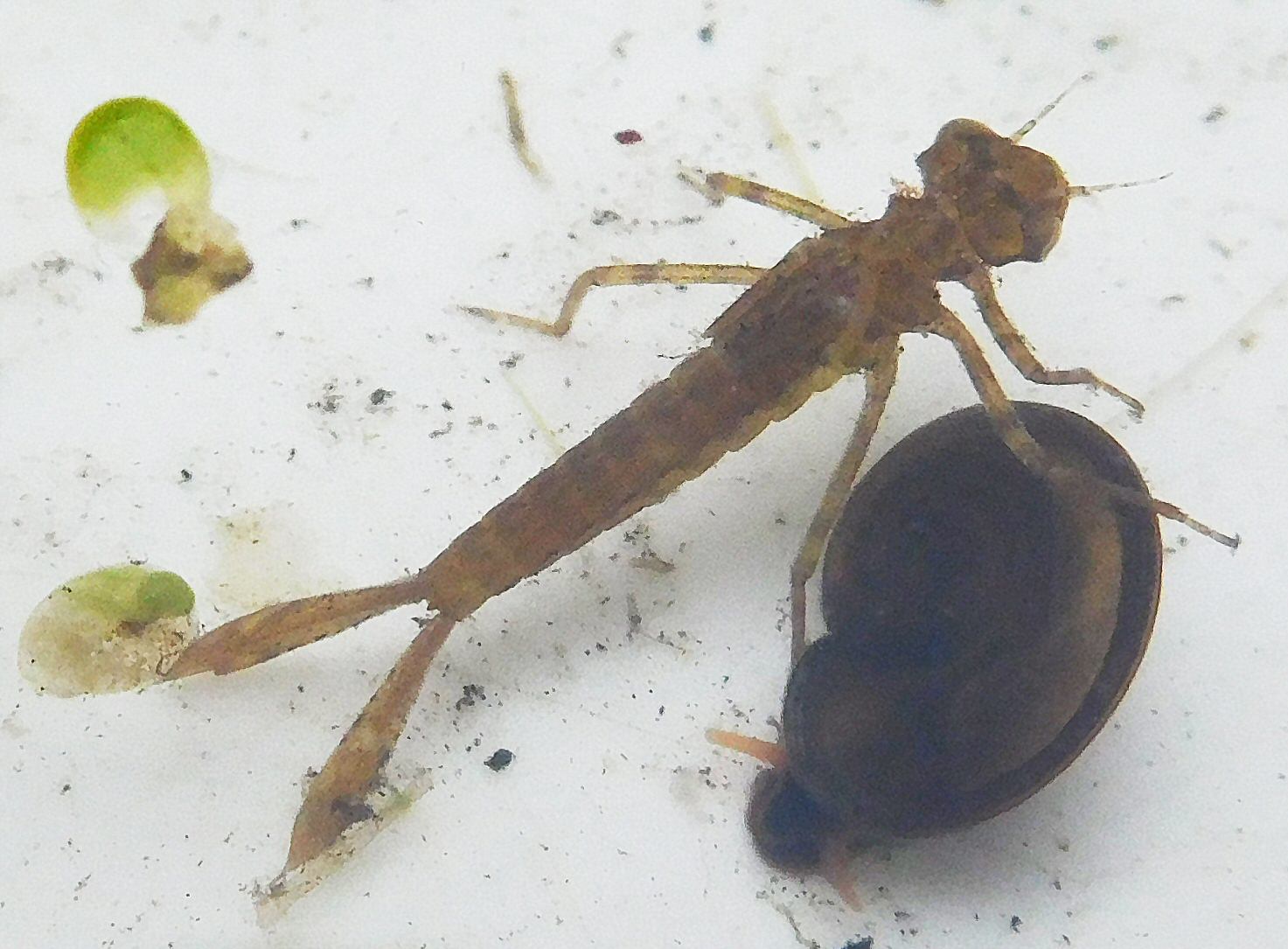
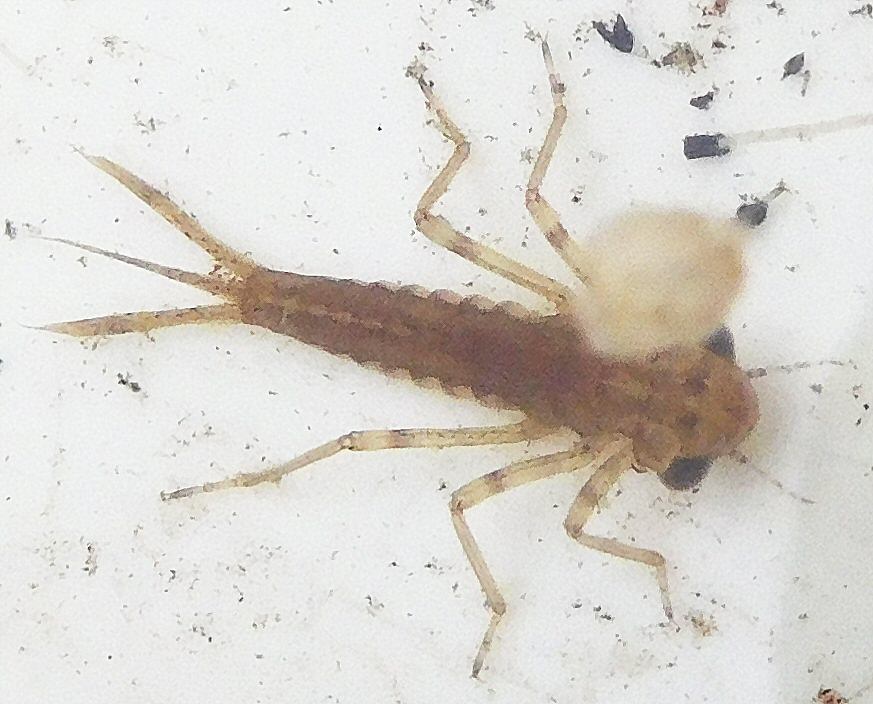
Rigid Hornwort, its shoots stiff as if covered in limescaleCanadian pondweedDamselfly nymph with leaflike tail appendagesA stubby damselfly nymph with spiky tail appendages
There were at least two kinds of damselfly nymph, possibly bluetail and azure damselflies, judging by a pondside look at the book without a handlens. The little camera in close-up mode is just about capable of resolving detail at this scale, given good light. The various damselfly nymphs have differently-shaped tail appendages, which the book says are diagnostic.
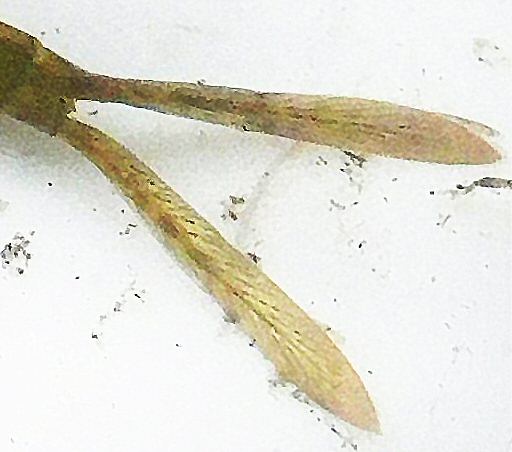
Leaflike tail appendages of a long slender damselfly nymph, with feathery venation just about visible: I must have a look with the microscope and book!
We also caught a newt or two. We carefully put all the minibeasts and interesting bits of pondweed back in the water.
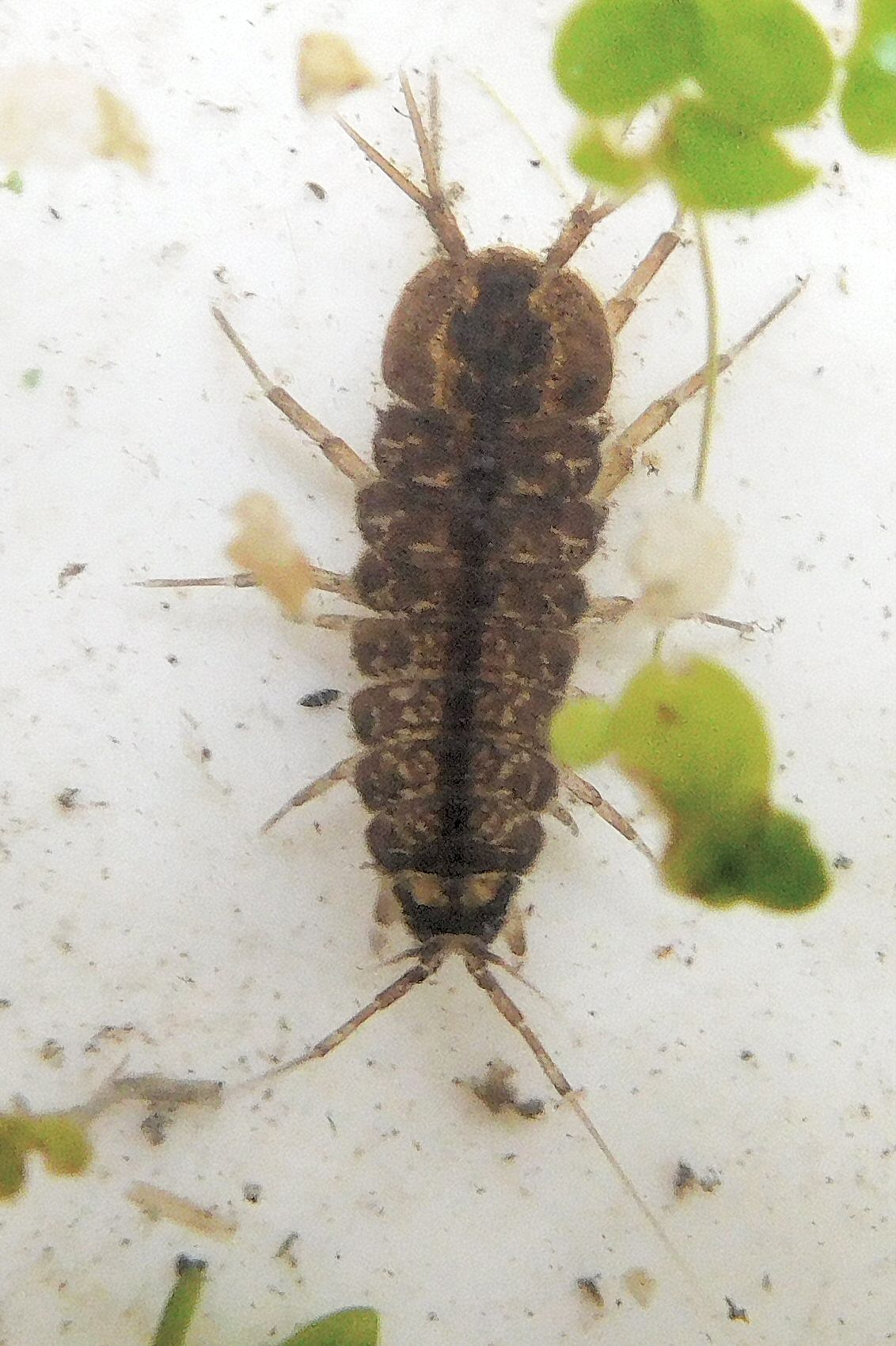
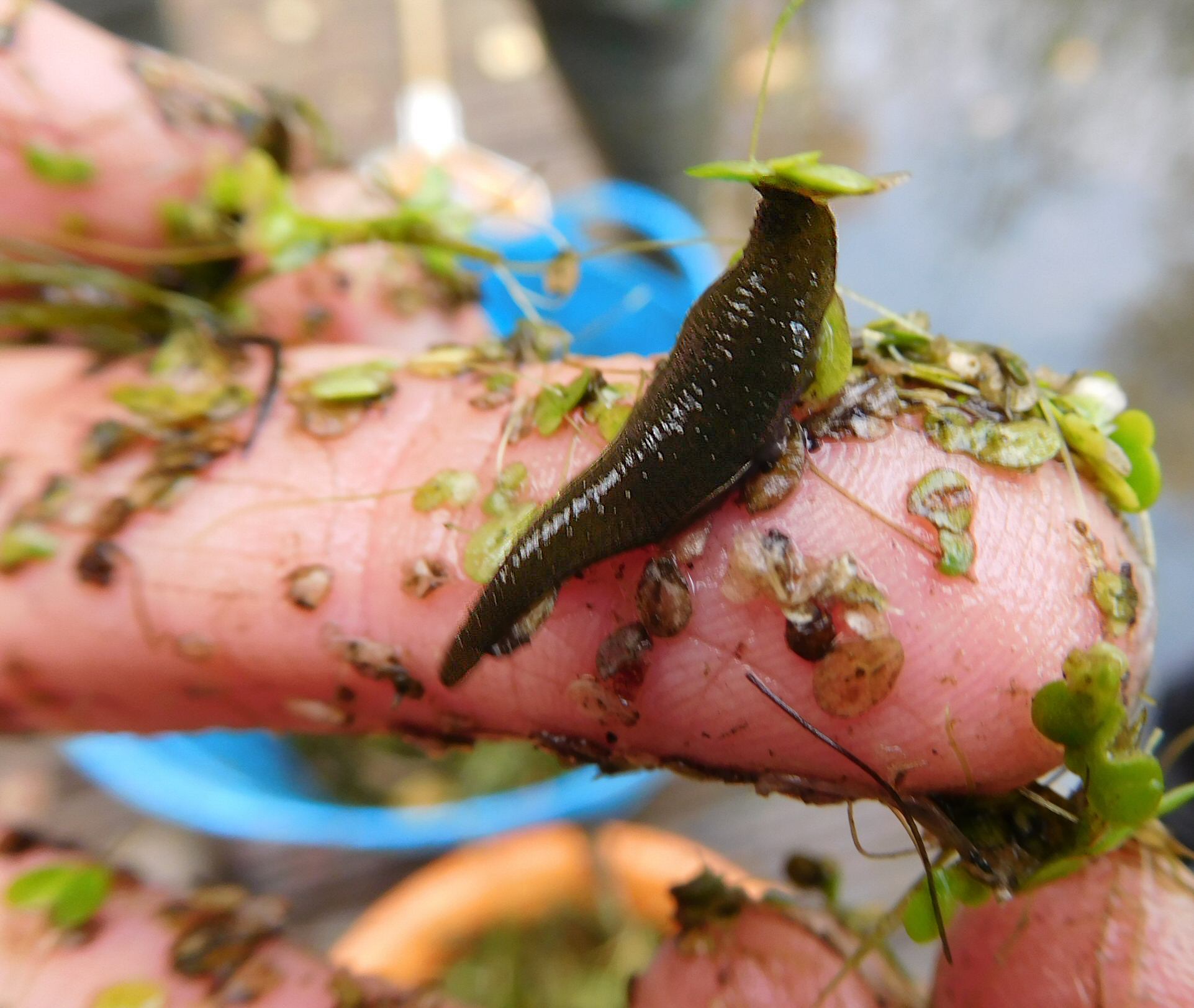
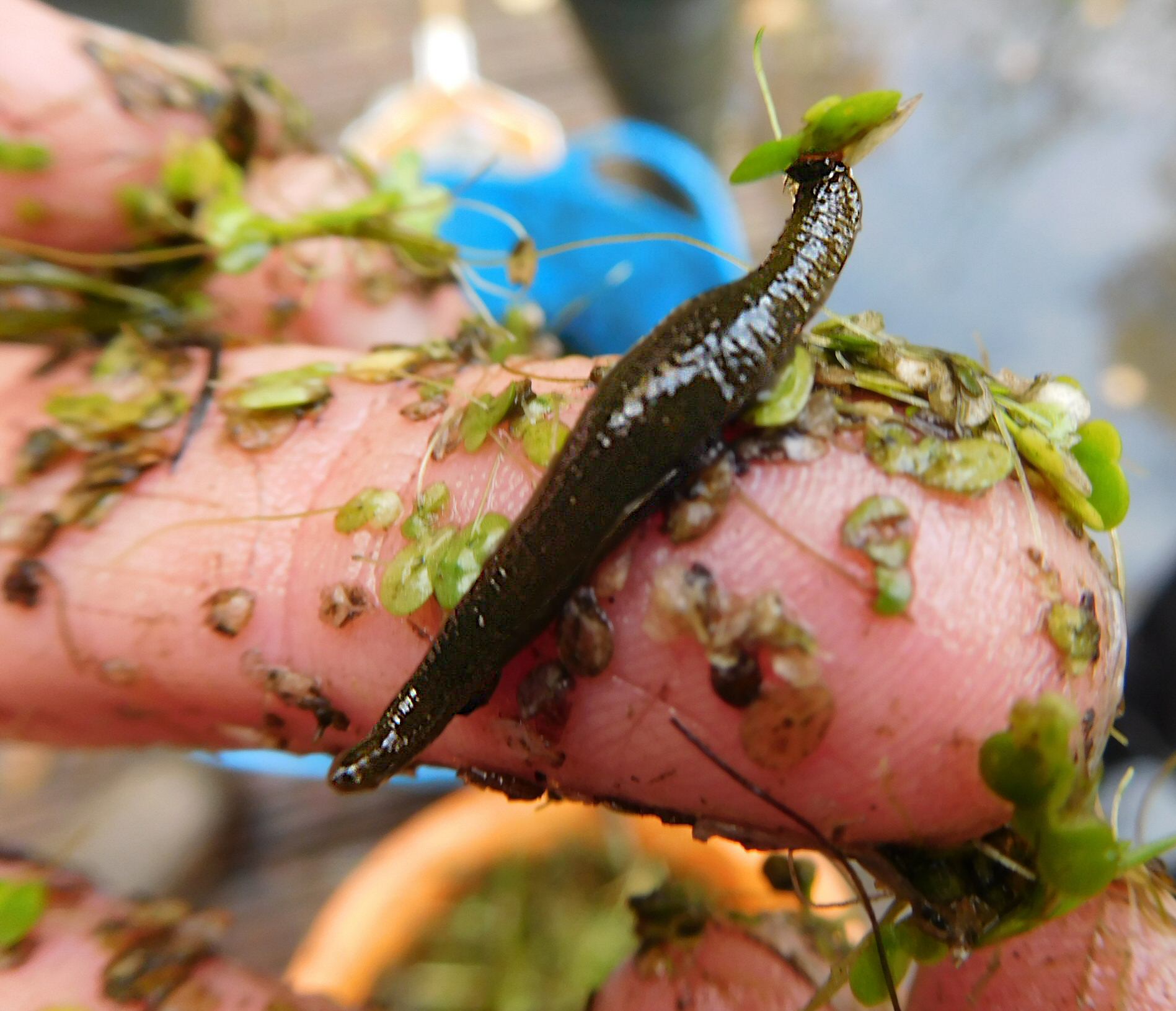
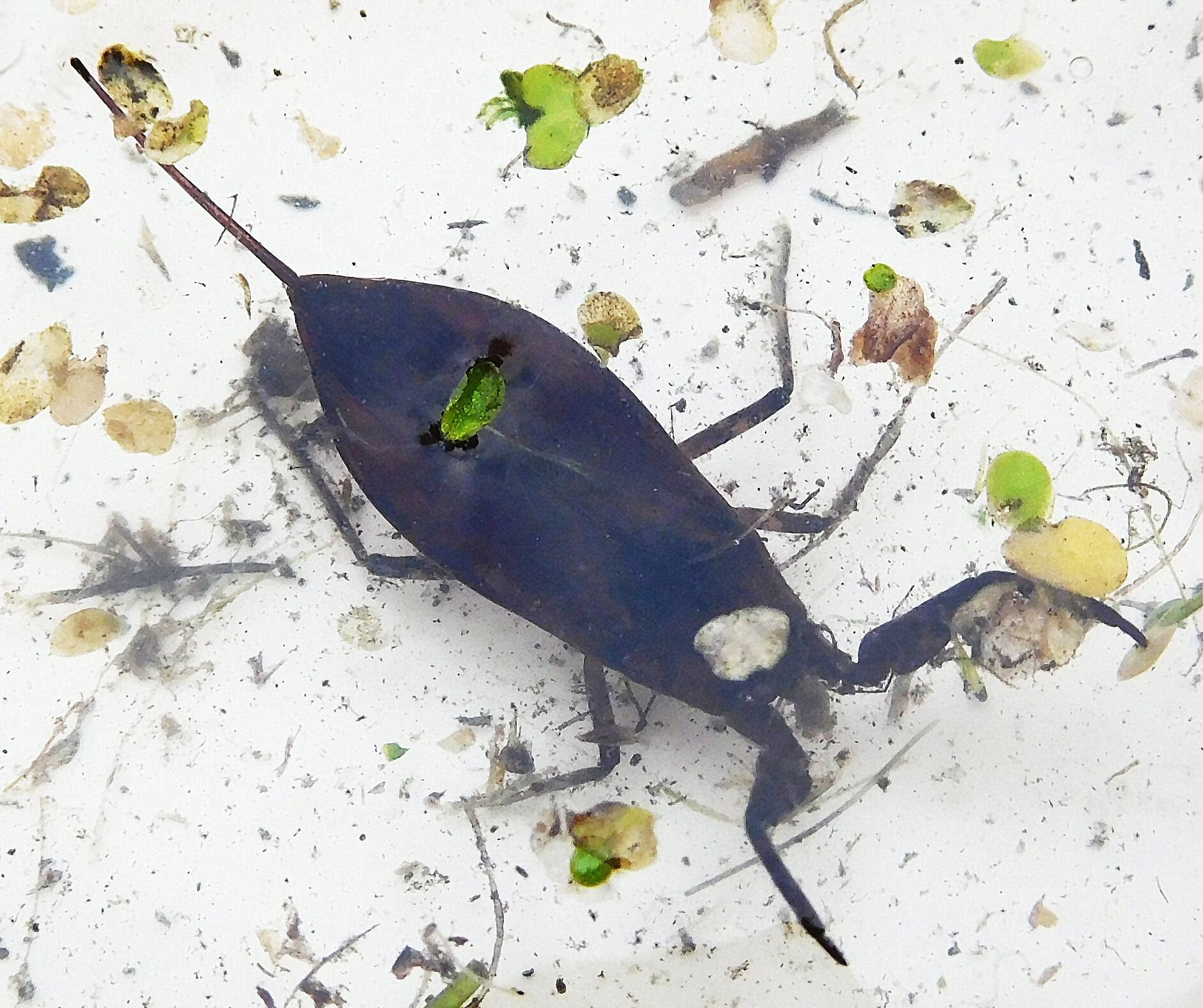
HoglouseLeech on finger 1Leech on finger 2A fine big Water Scorpion
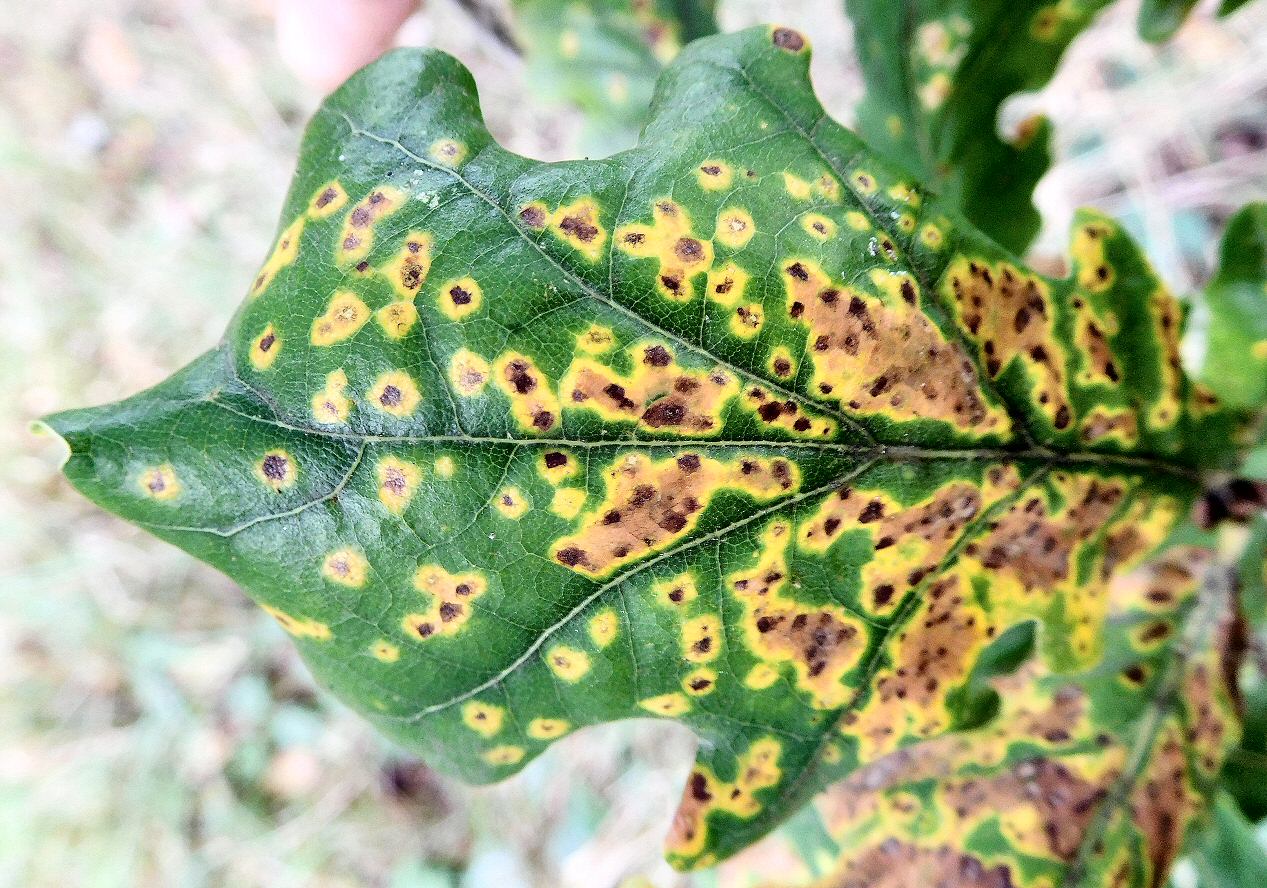
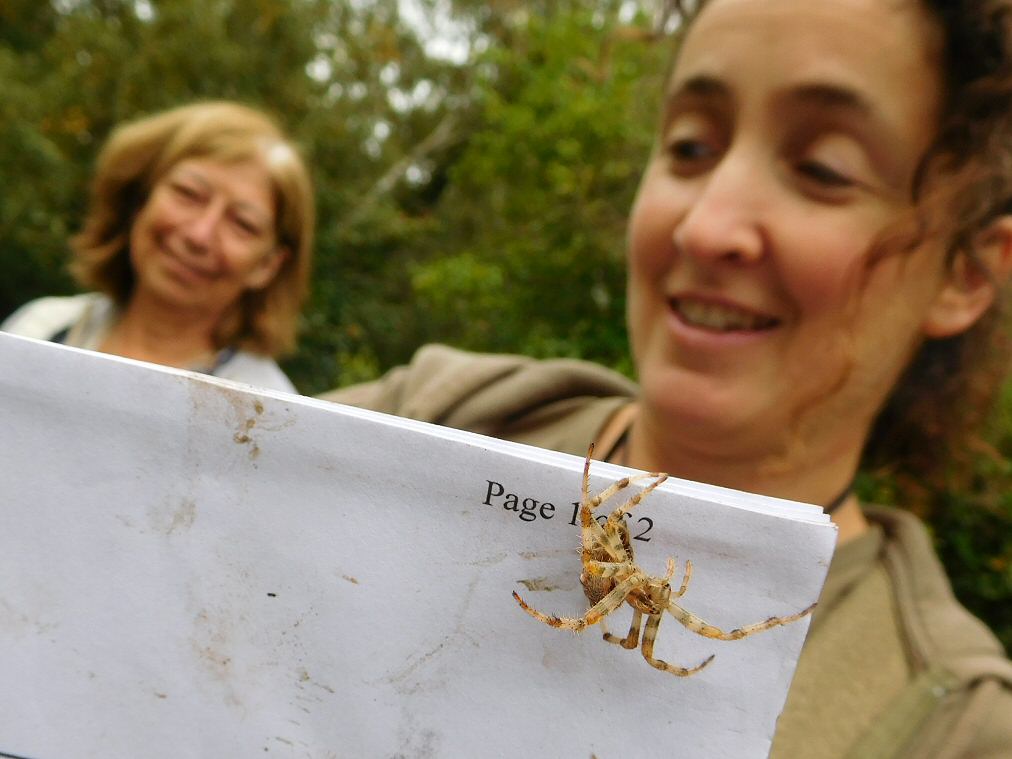
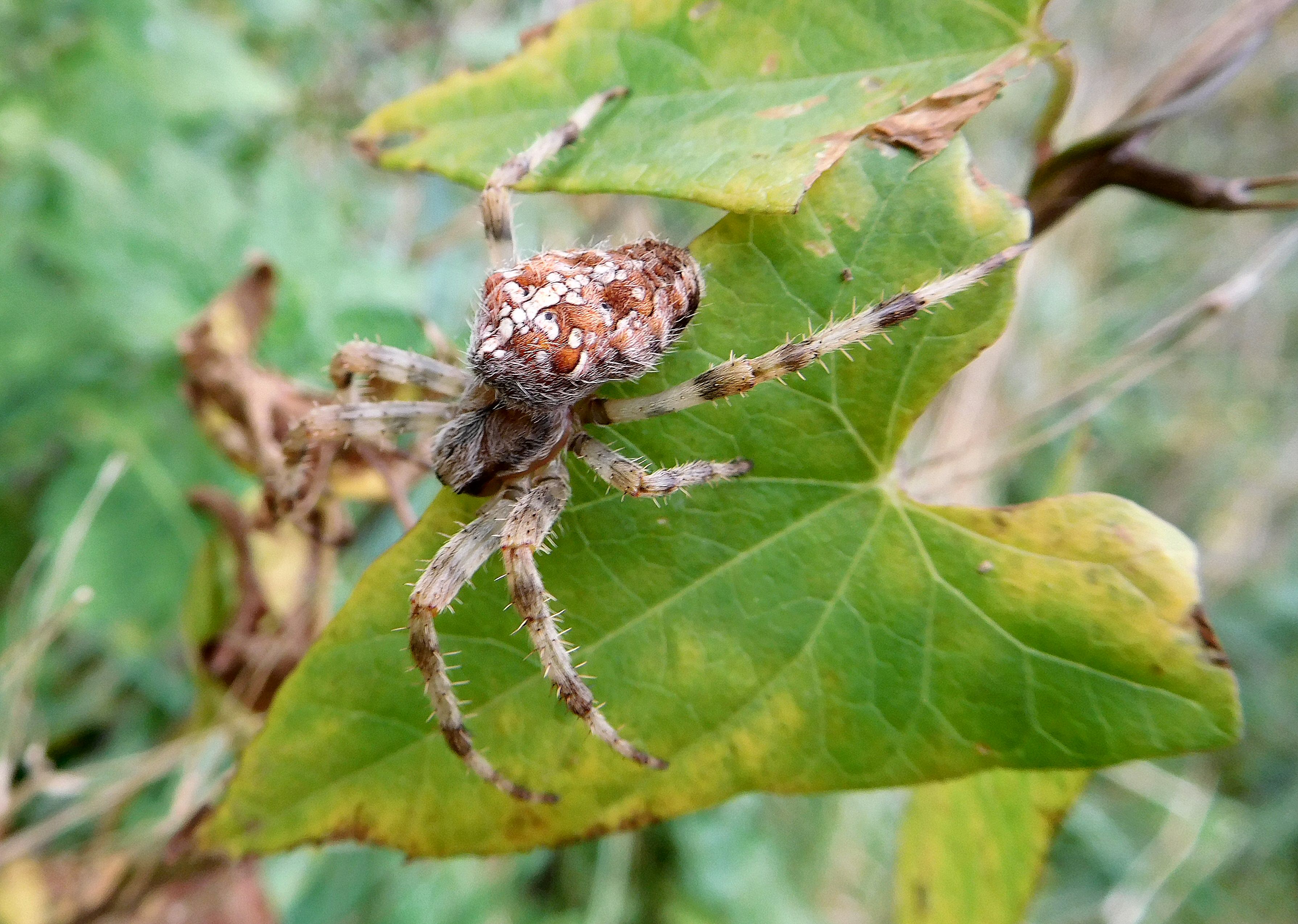
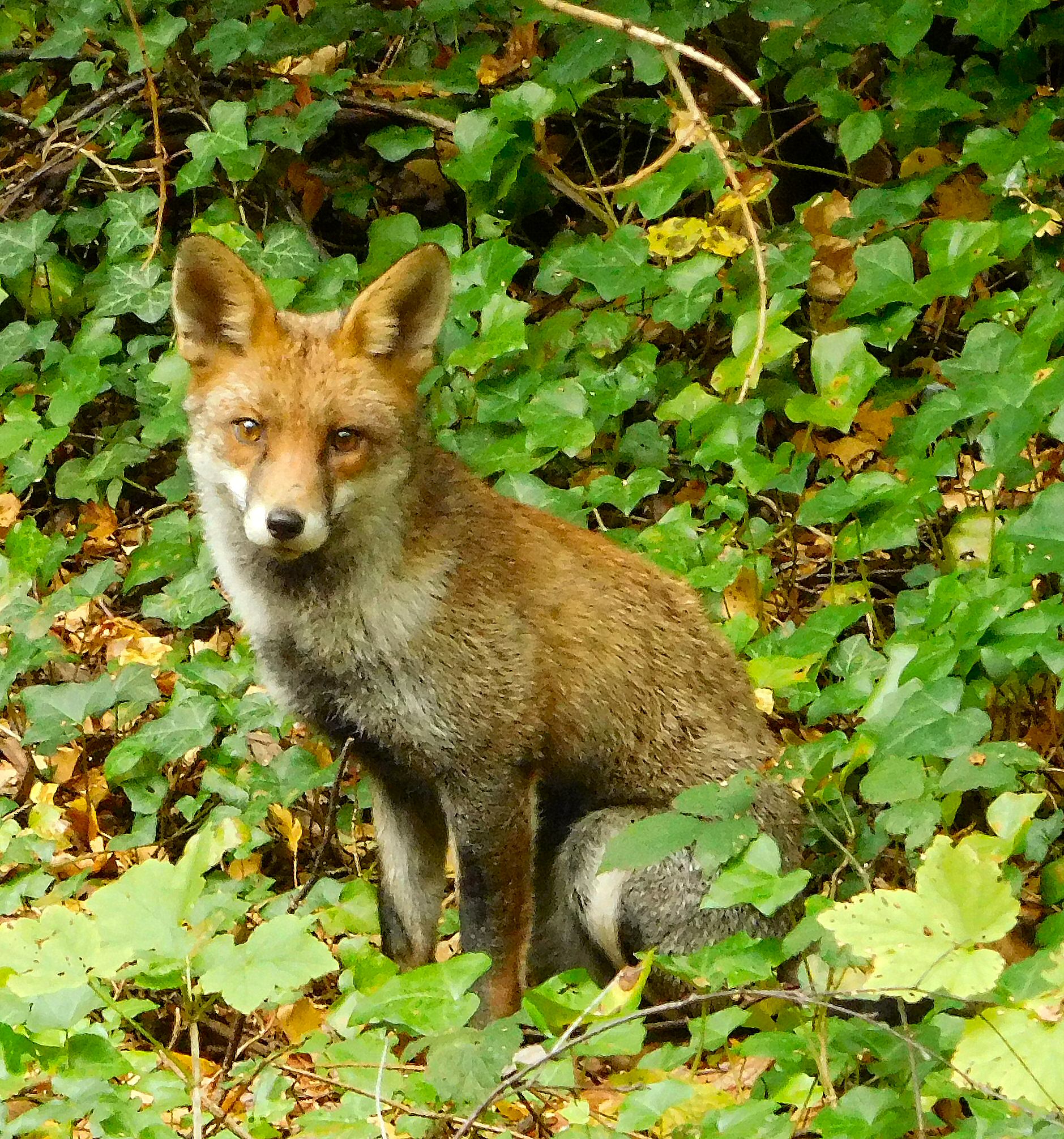
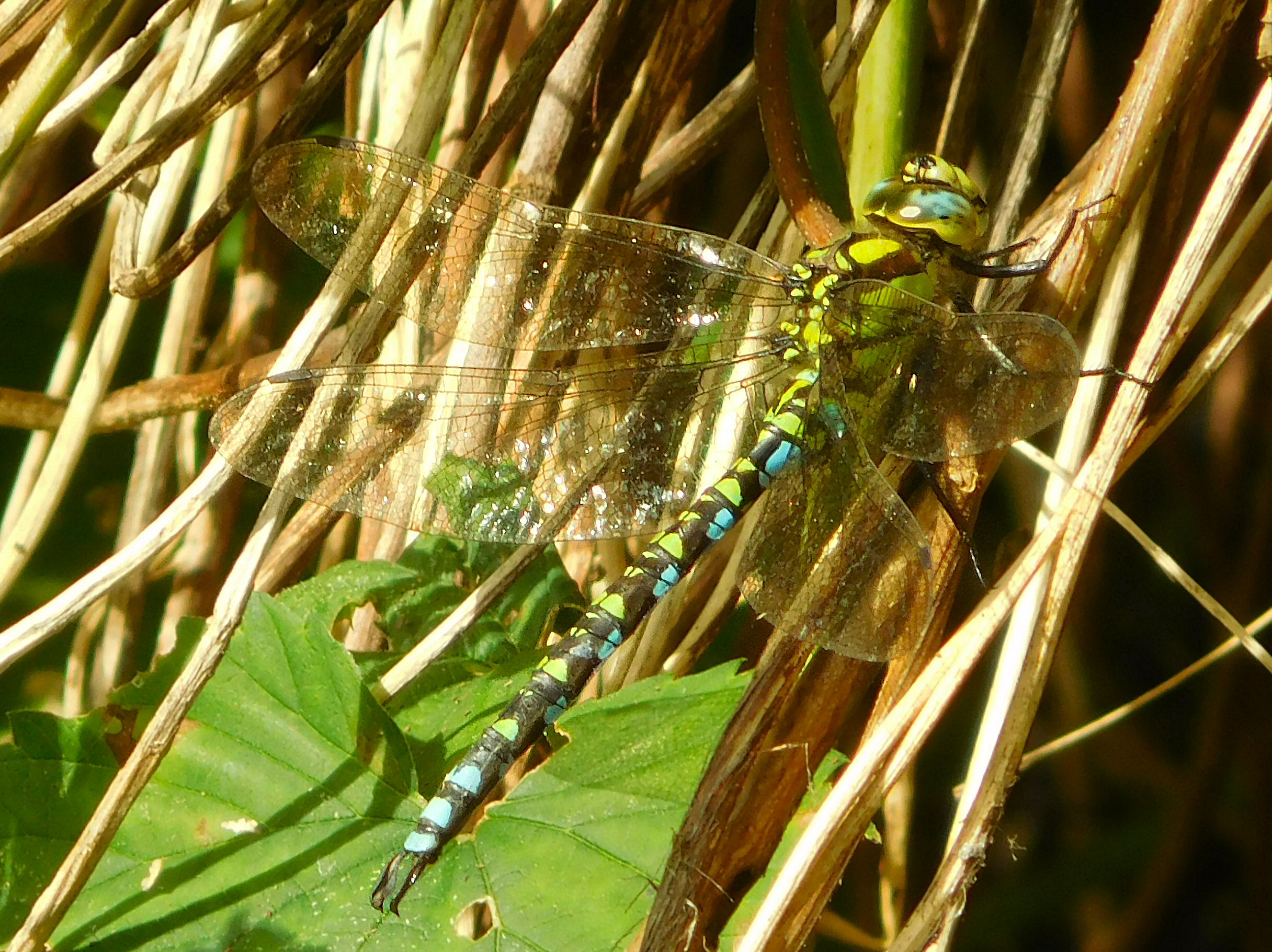
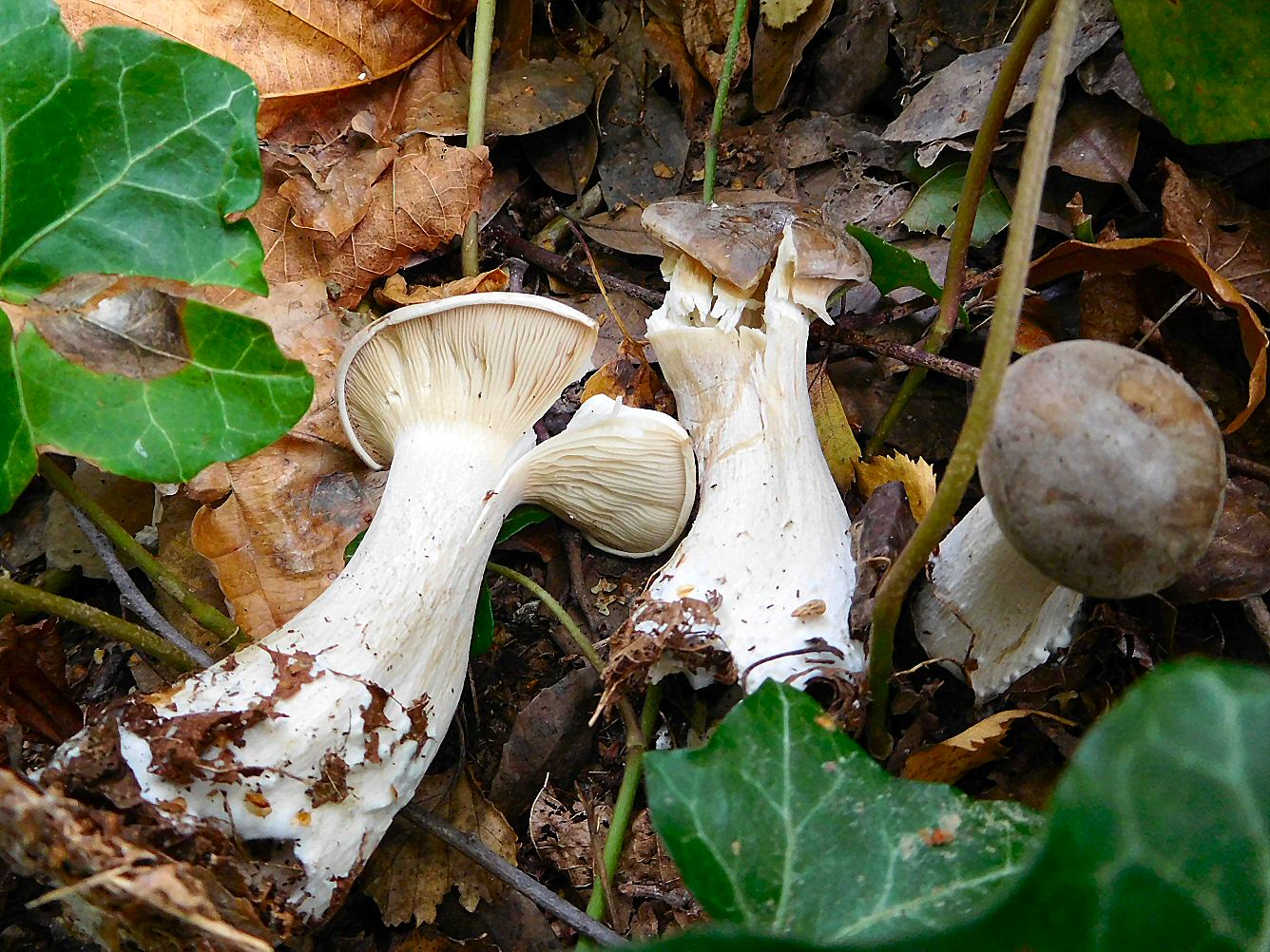
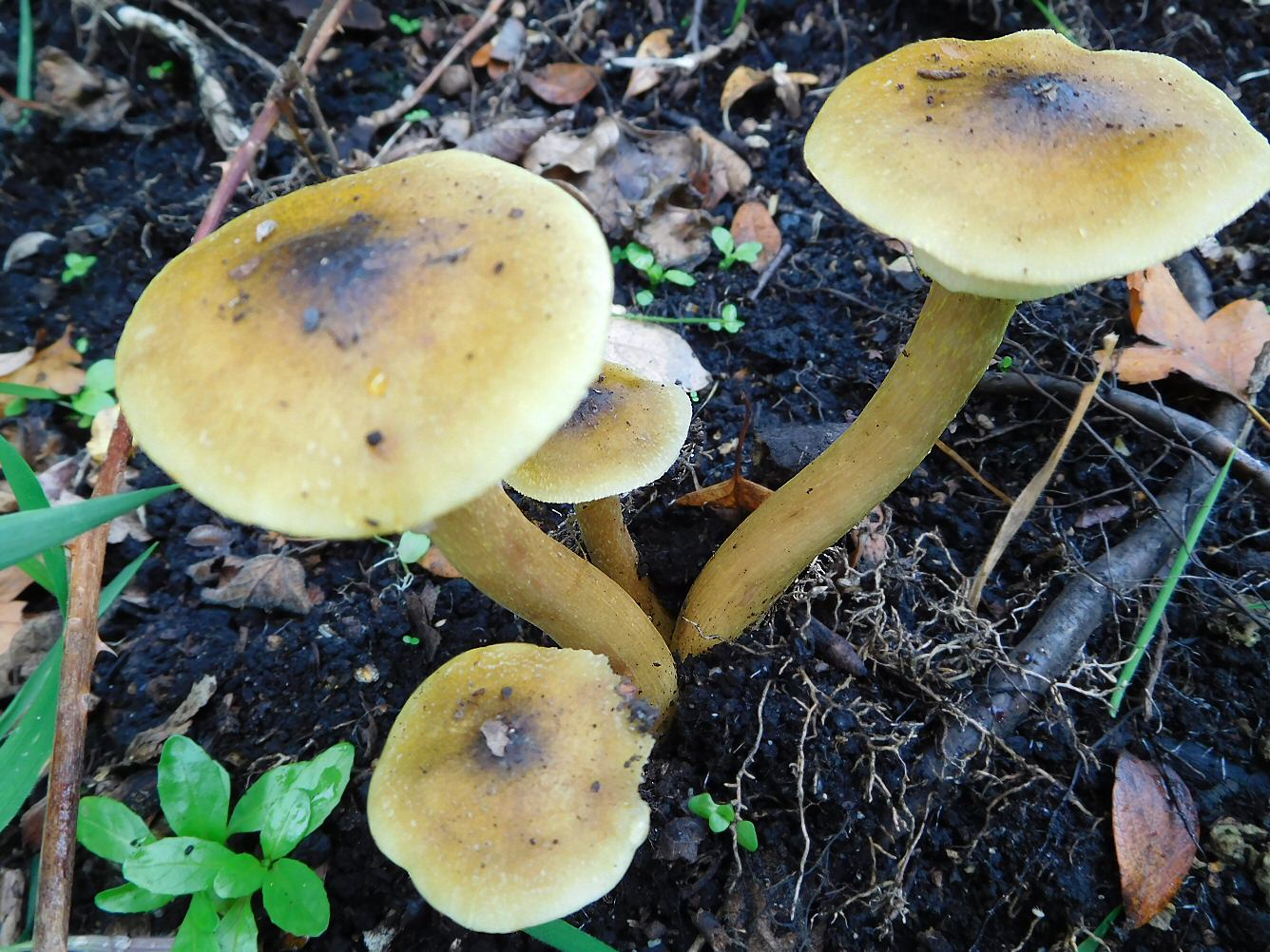
Leaf Spot on Oak. The spread of the fungus is limited by the tree’s defences, resulting in circular patches of damaged tissue.Margaret and Netty trying to get a Garden Spider to sit still for its photographGarden Spider on leafRed (and Grey) FoxSouthern Hawker dragonfly in Gunnersbury Triangle, 4 October 2017Tricholoma knight fungi
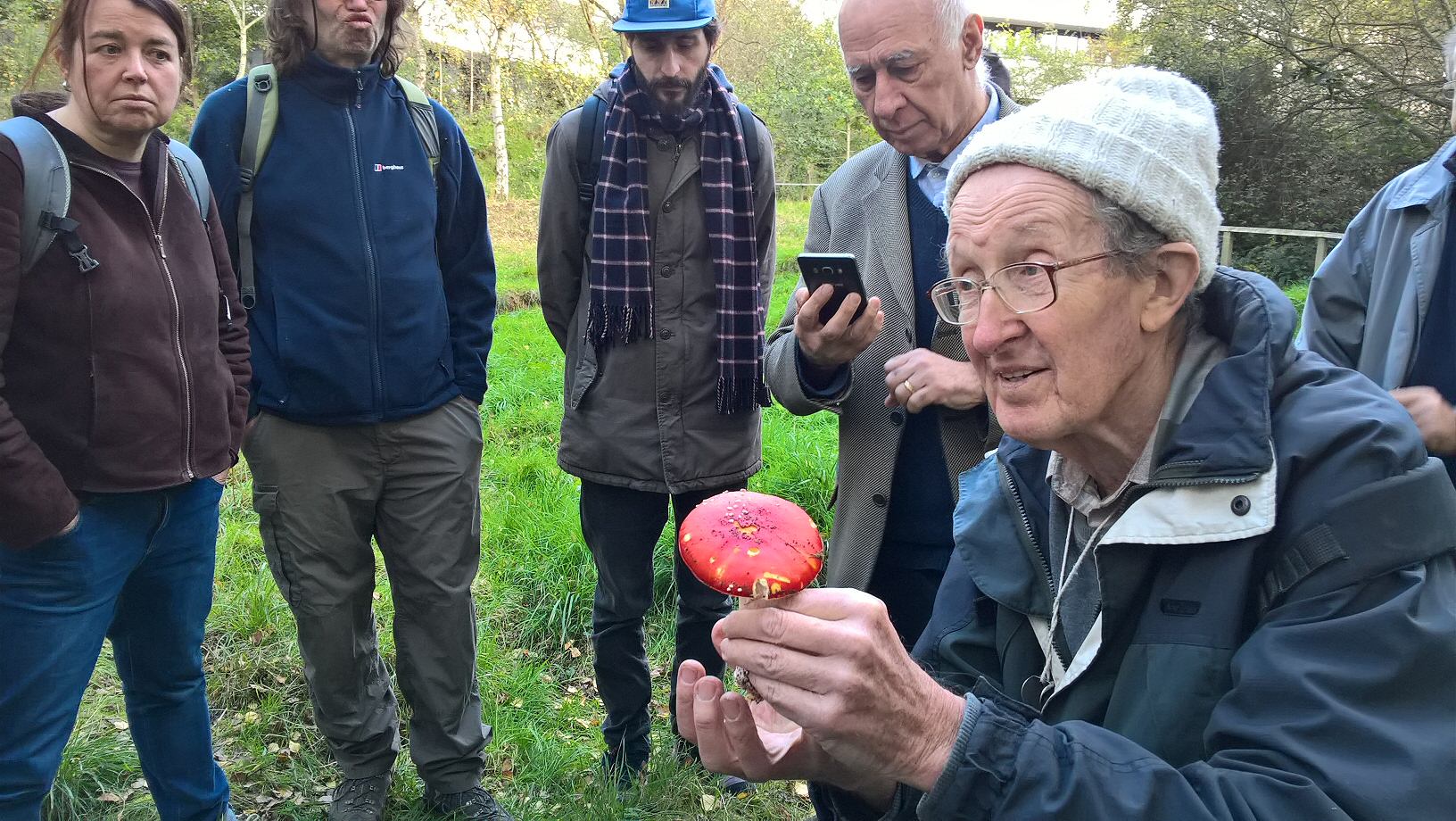
We also saw Fly Agaric, Trooping Funnel, Collared Earthstar, and Deceiver.
Armillaria mellea Honey Fungus by rotting Birch logs. The fungus is both parasitic (killing trees) and saprophytic (rotting their wood afterwards).
The English seem unemotional … except for their passion for nature