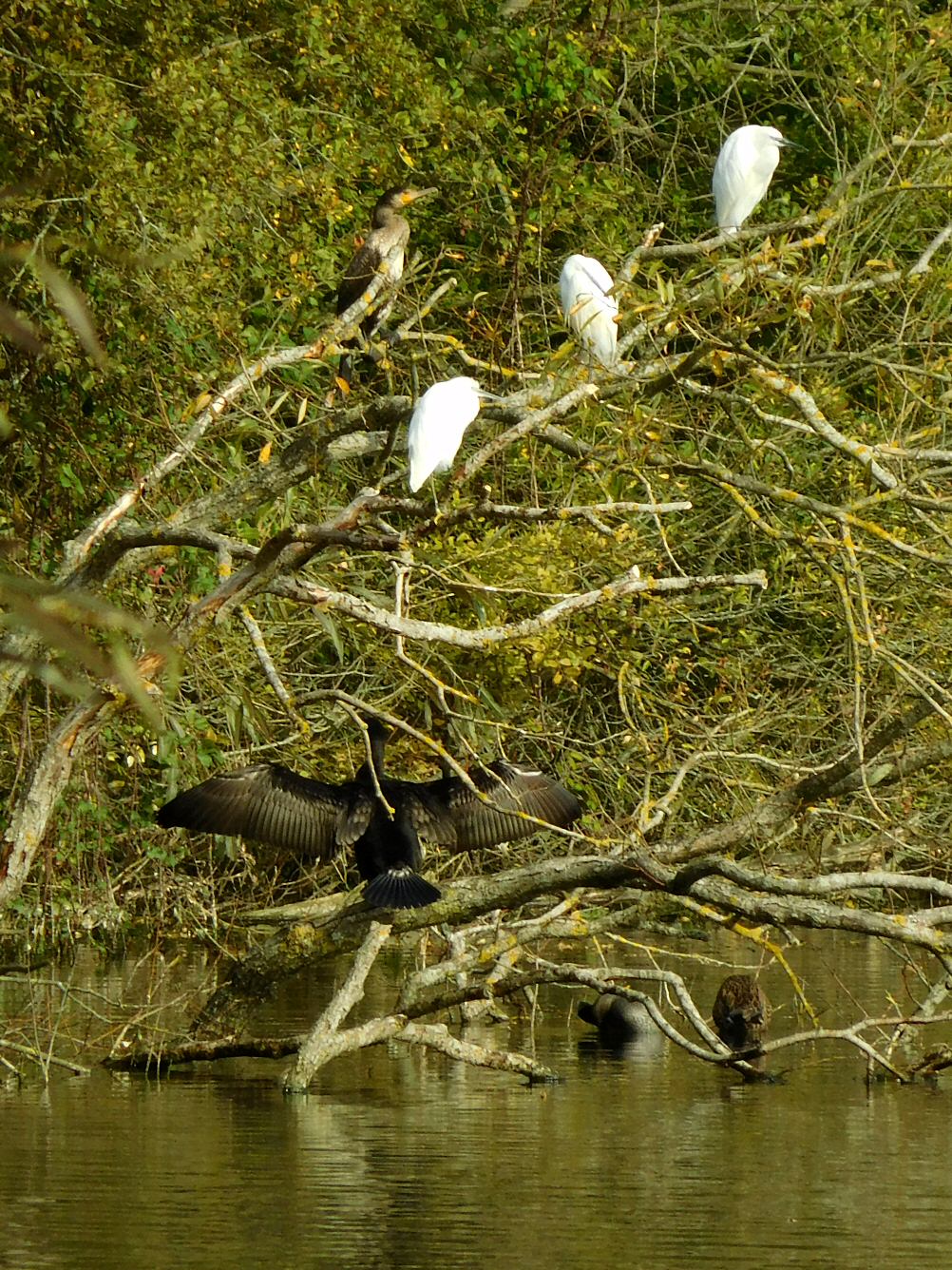

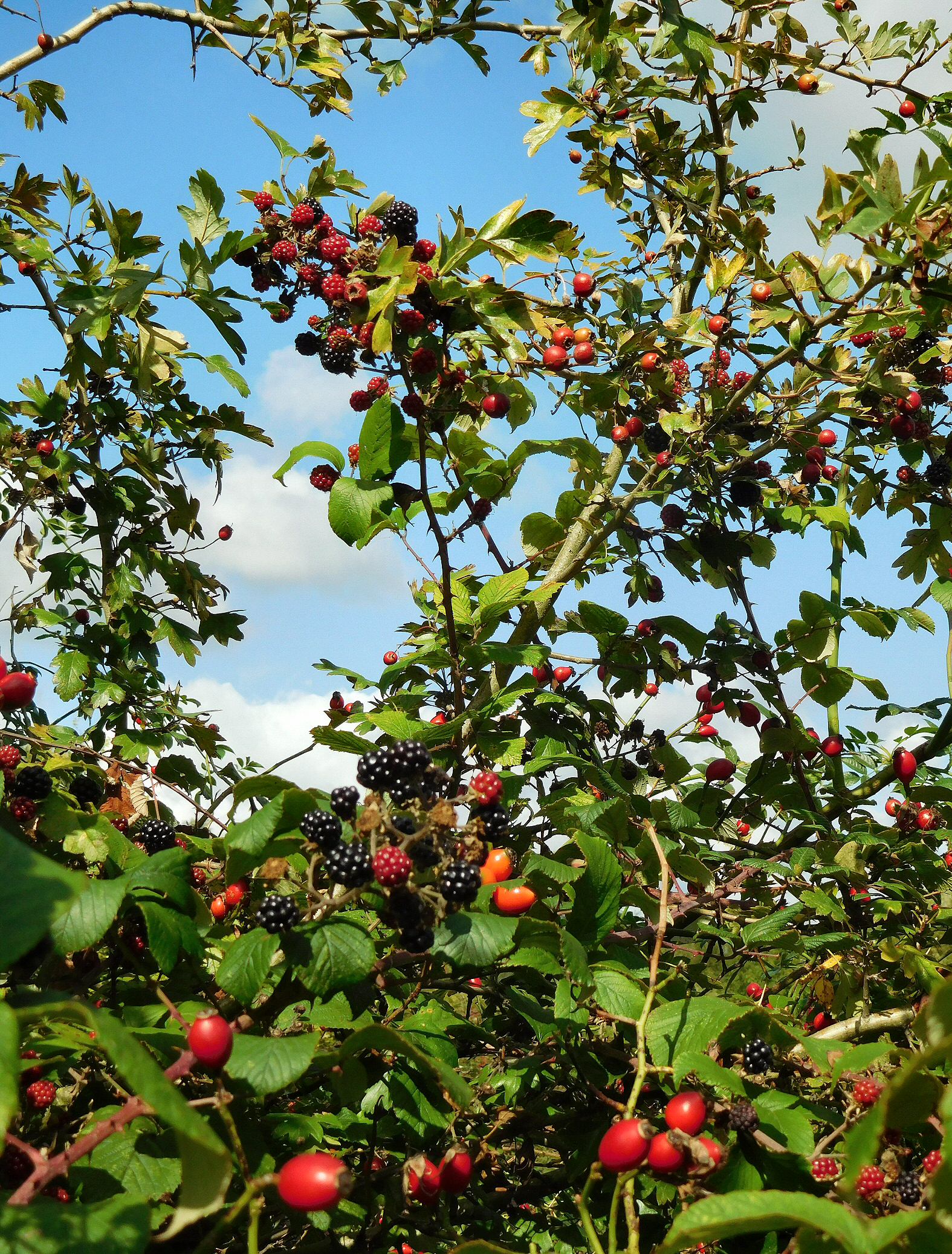
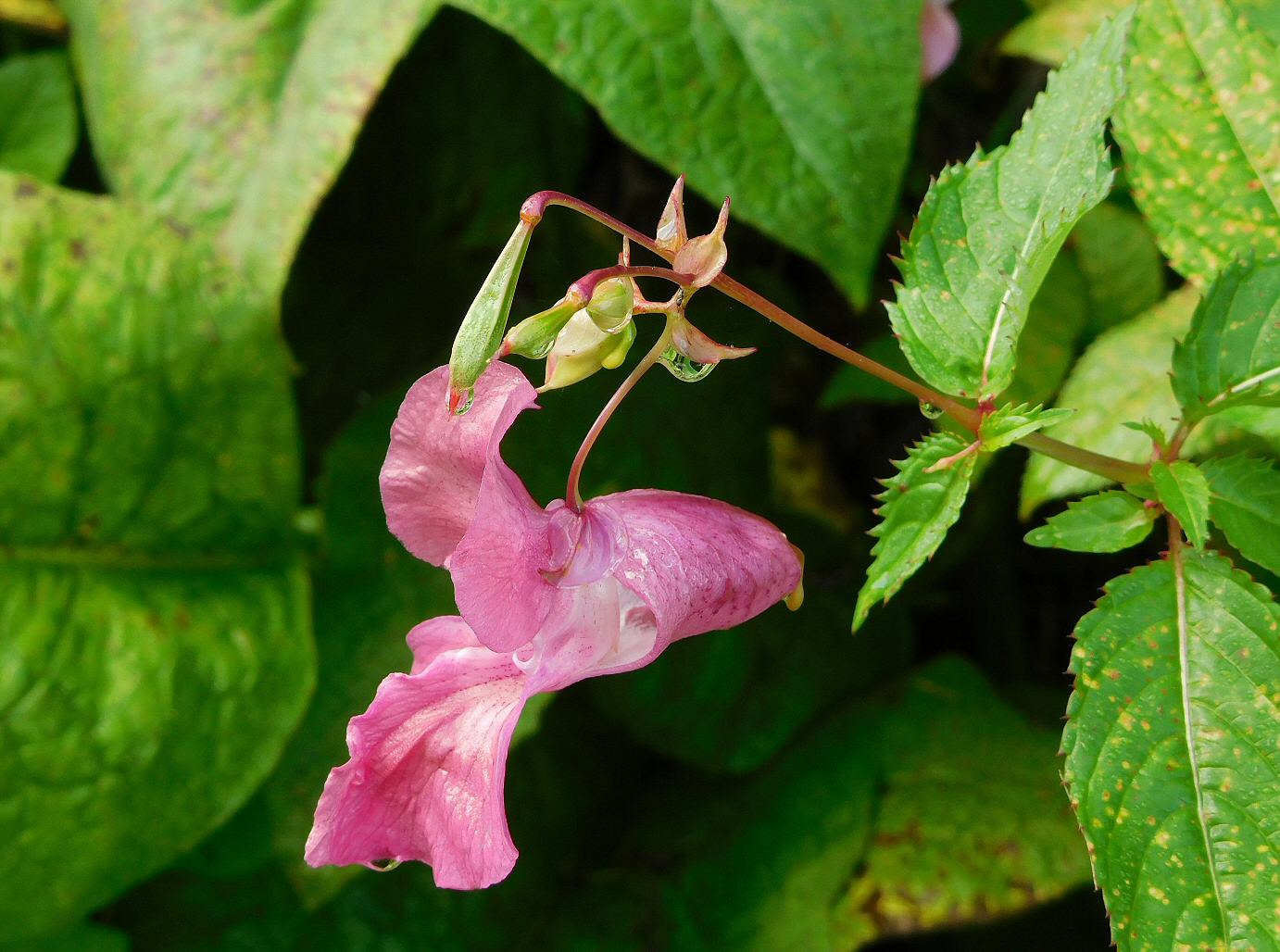
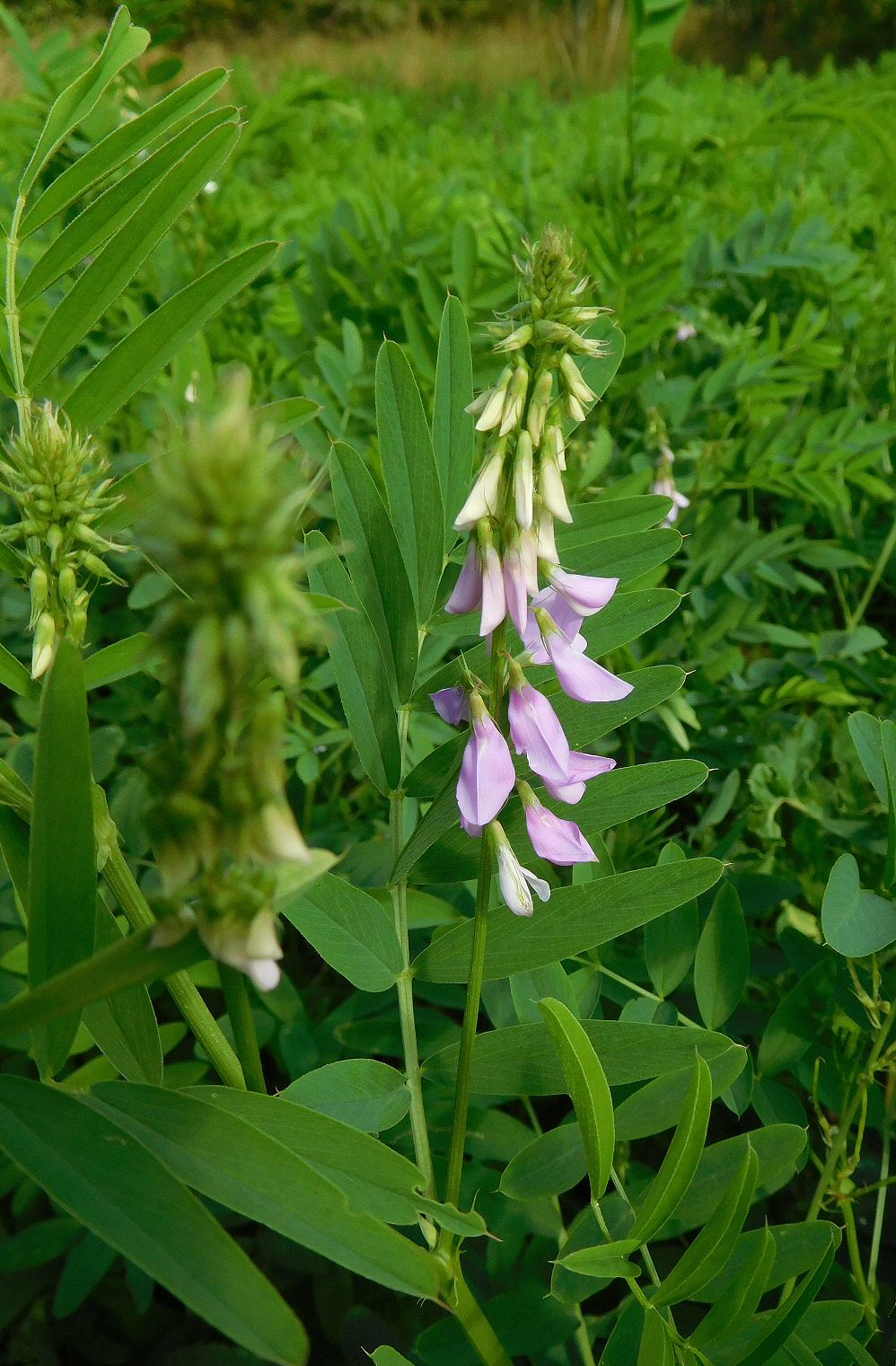
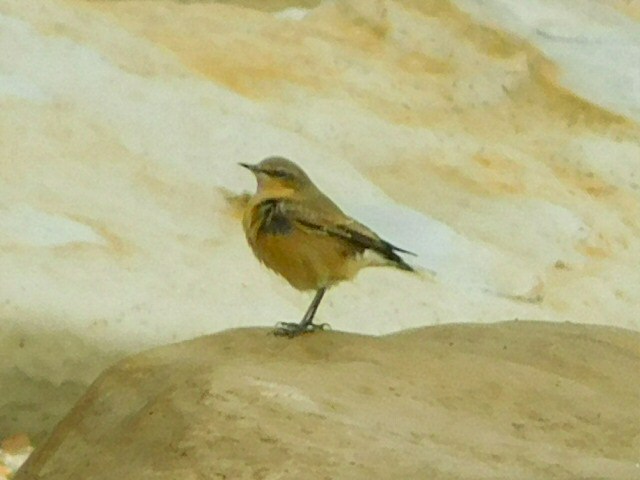
Not illustrated are the family of three Spotted Flycatchers and the Redstart surprisingly seen in a Sussex hedge! At this time of year they could easily be migrants from somewhere further north, of course. The Peregrine falcon that had a go at a Rook, however, was probably a local.
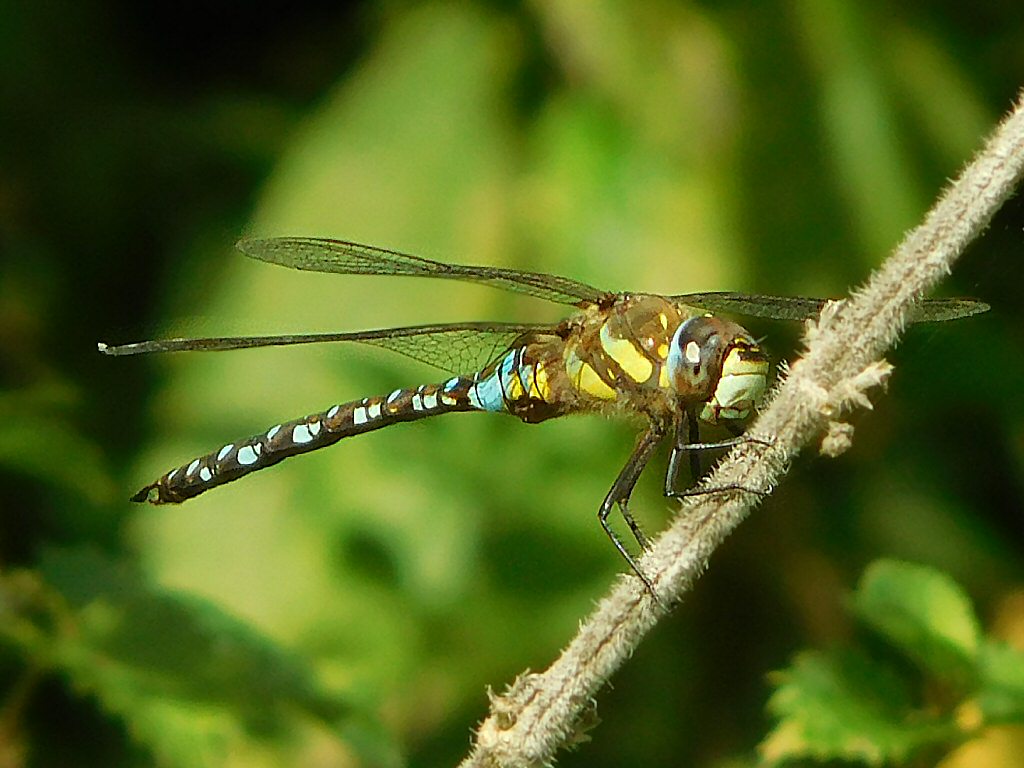
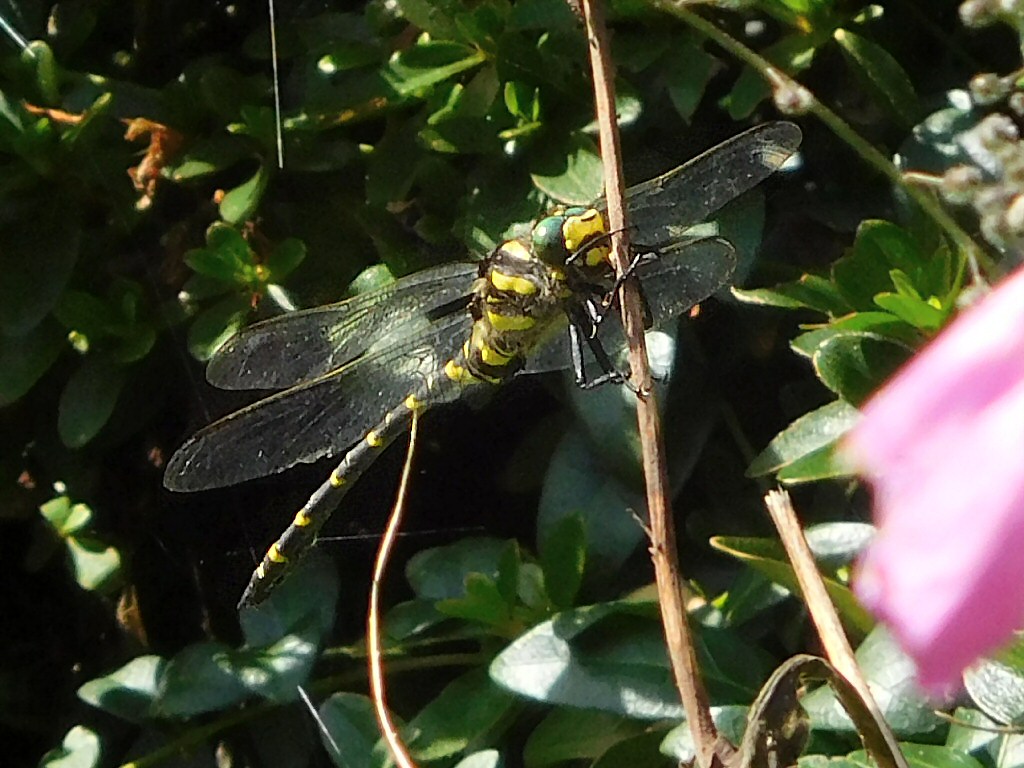
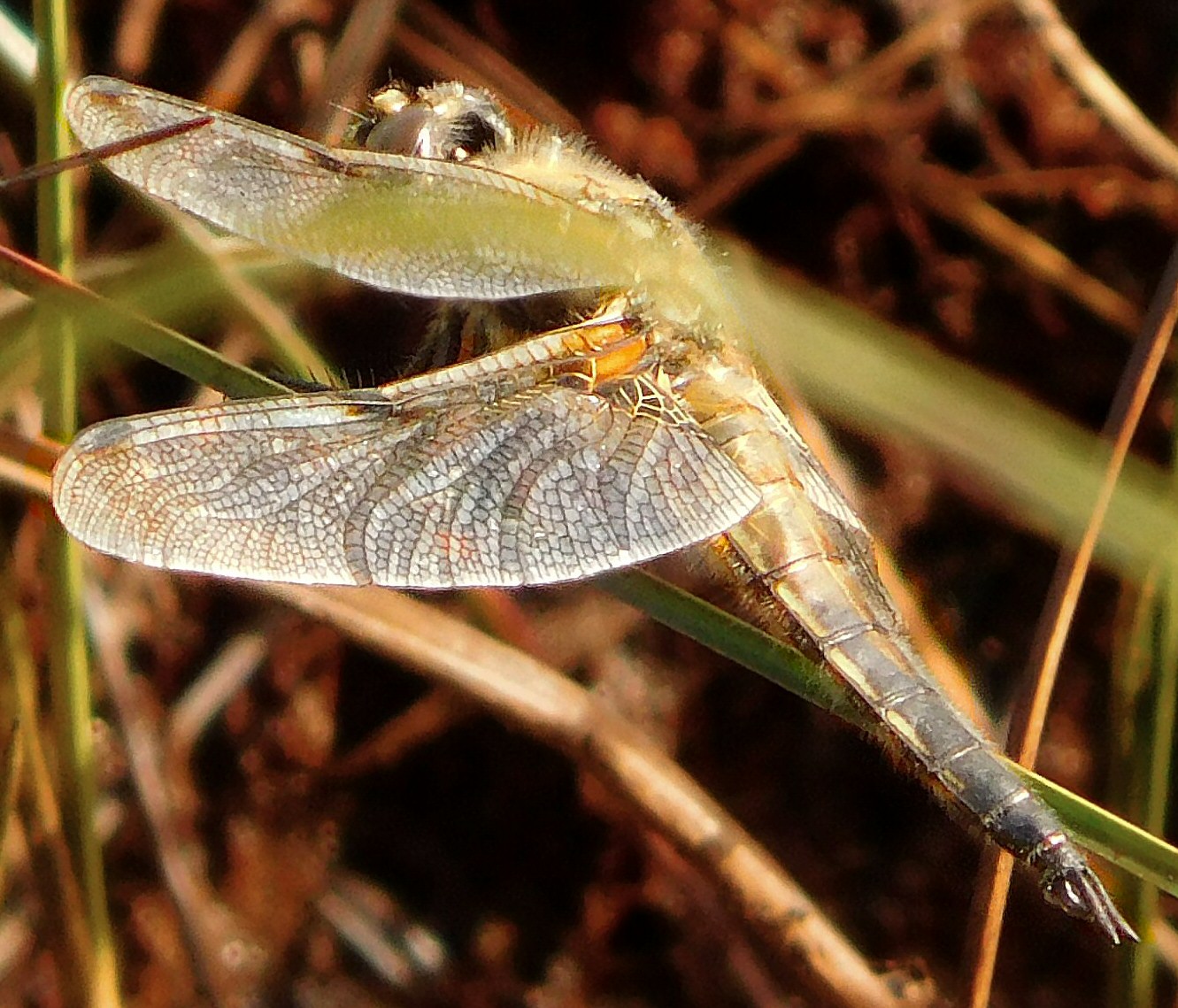
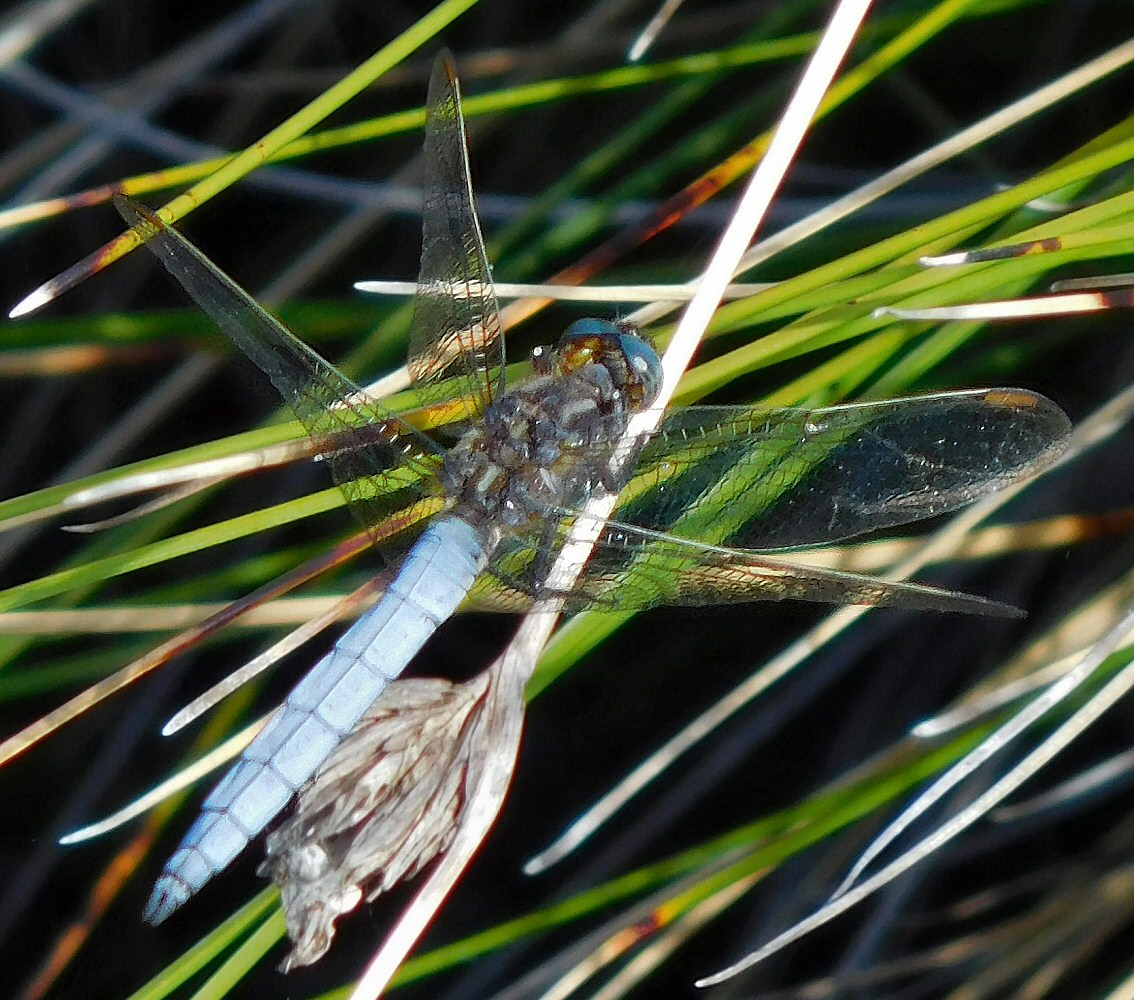
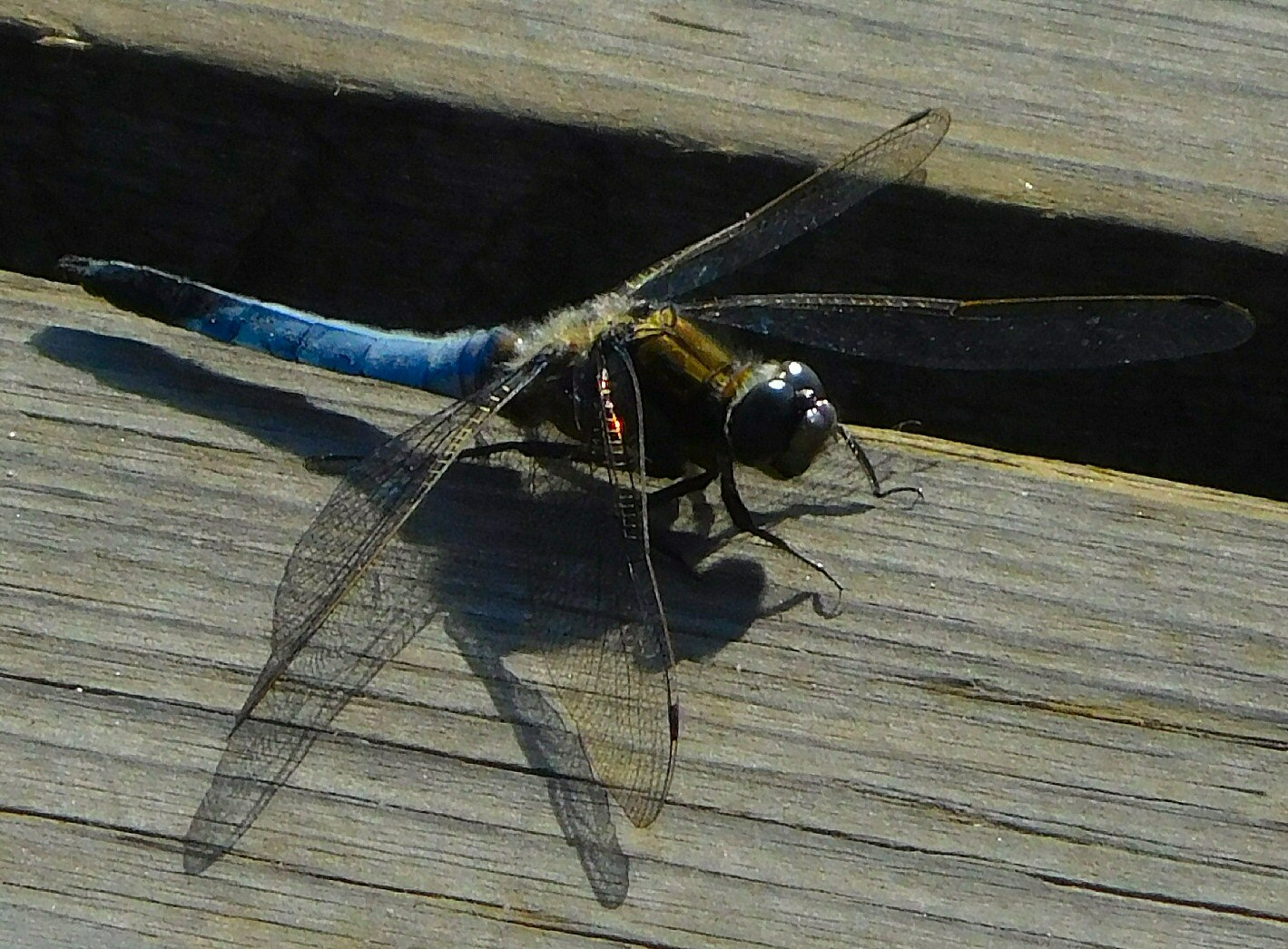
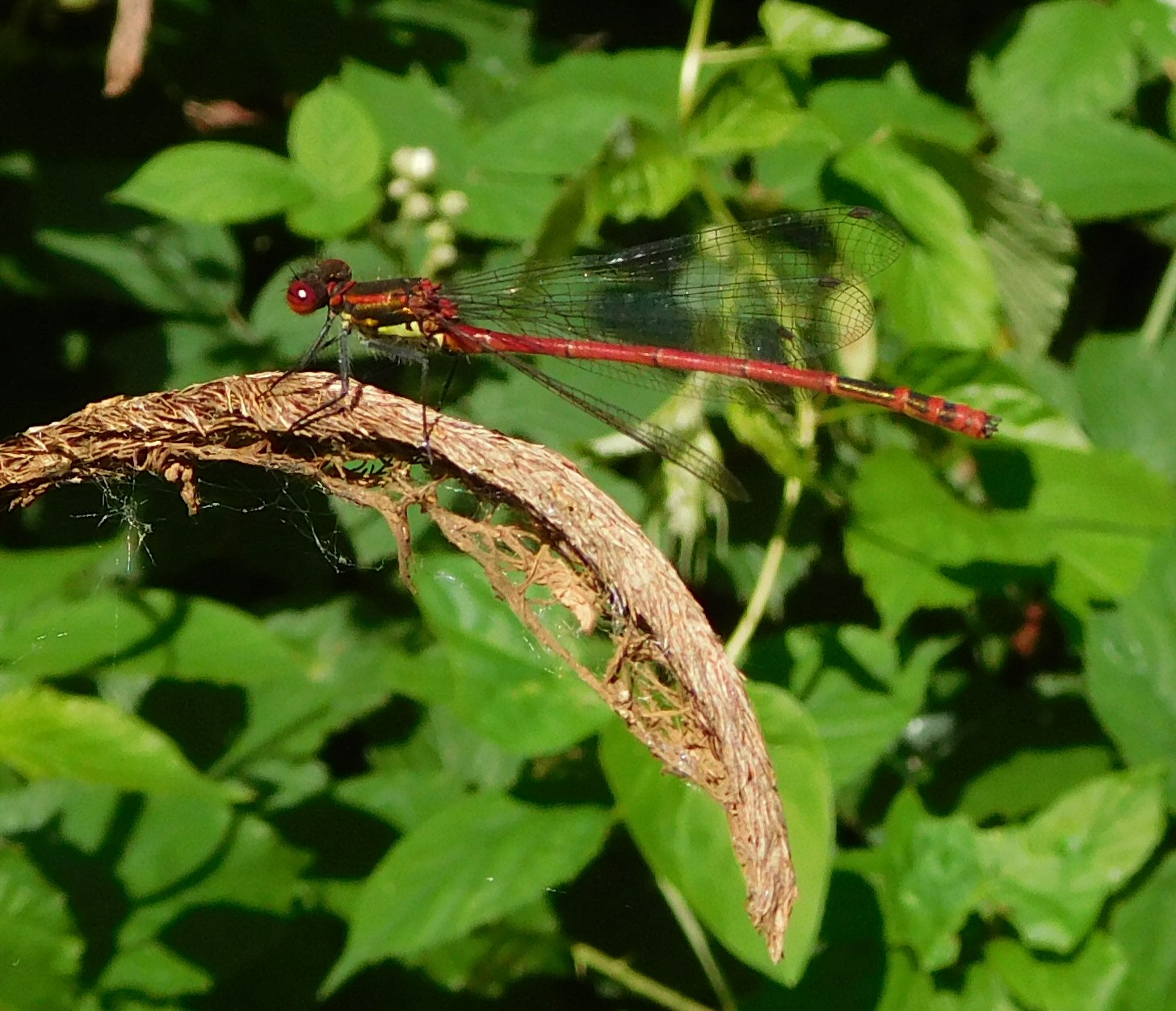
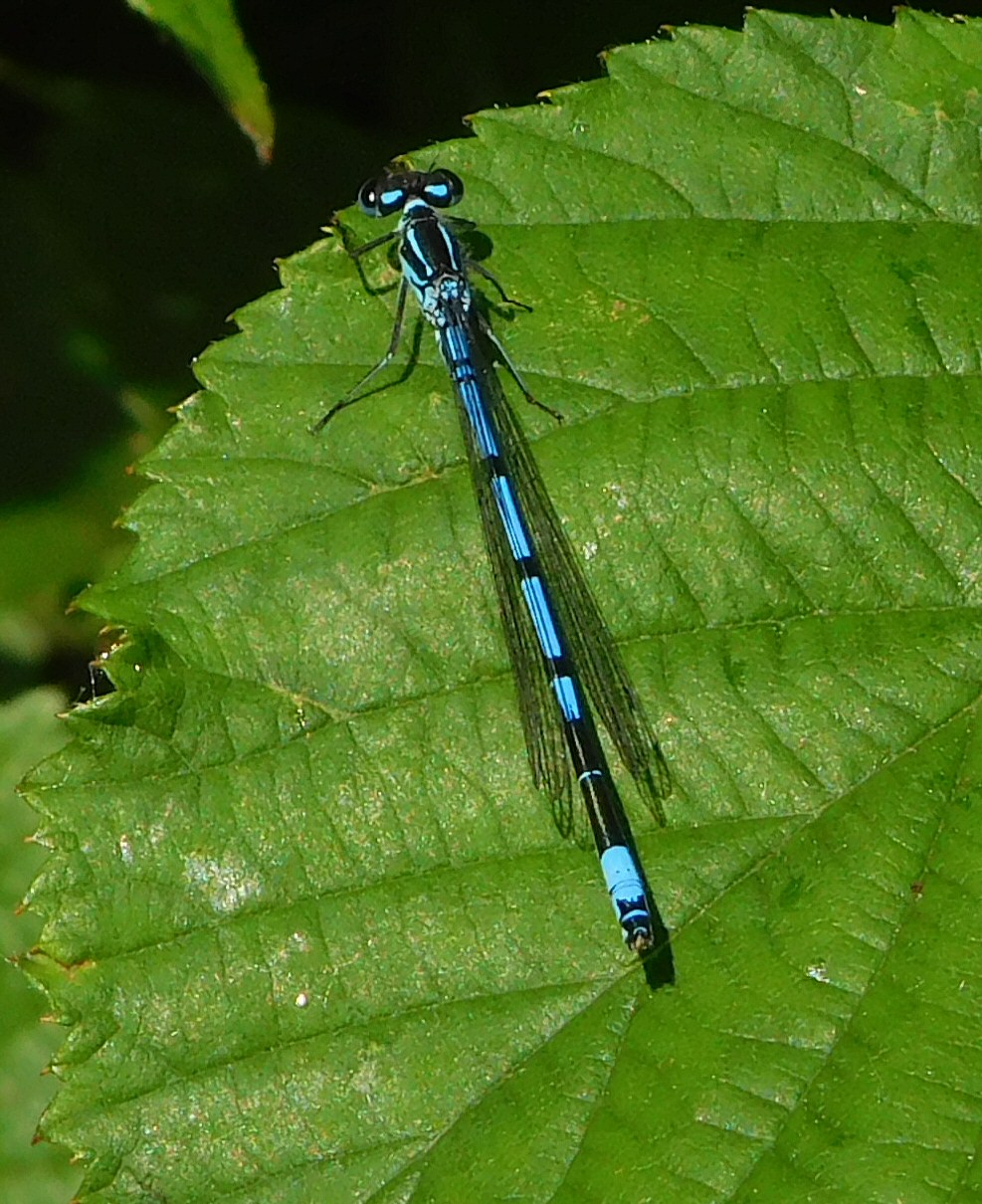
OK, ok, you wanted some dragonflies. There were masses of Black-Tailed Skimmers chasing about in groups at Pudmore Pond. Black Darters, Common Blue Damselflies, and Small Red Damselflies skittered about the smaller ponds. A large Hawker or two dashed past, unidentifiable, probably Southern Hawker. A Keeled Skimmer perched conveniently nearby, daintier than the Black-Tailed.
Among the birds, some 50 Swallows were roosting on telegraph wires early in the day. Families of young Stonechats gave grating contact calls, unlike the stone-clicking call of the adults. A Redstart flicked its tail in the bushes. Skylarks rose and sang almost too high to see against the clouds over the heathy hills, Shelley described it perfectly in his ‘To a Skylark’: “a flood of rapture so divine”.
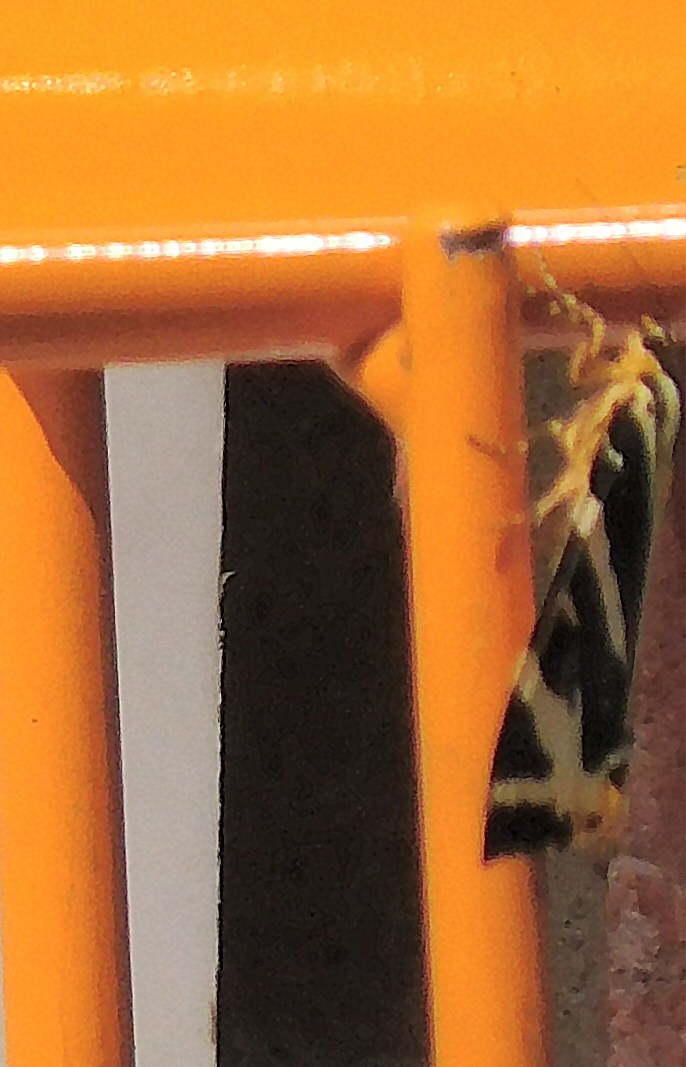
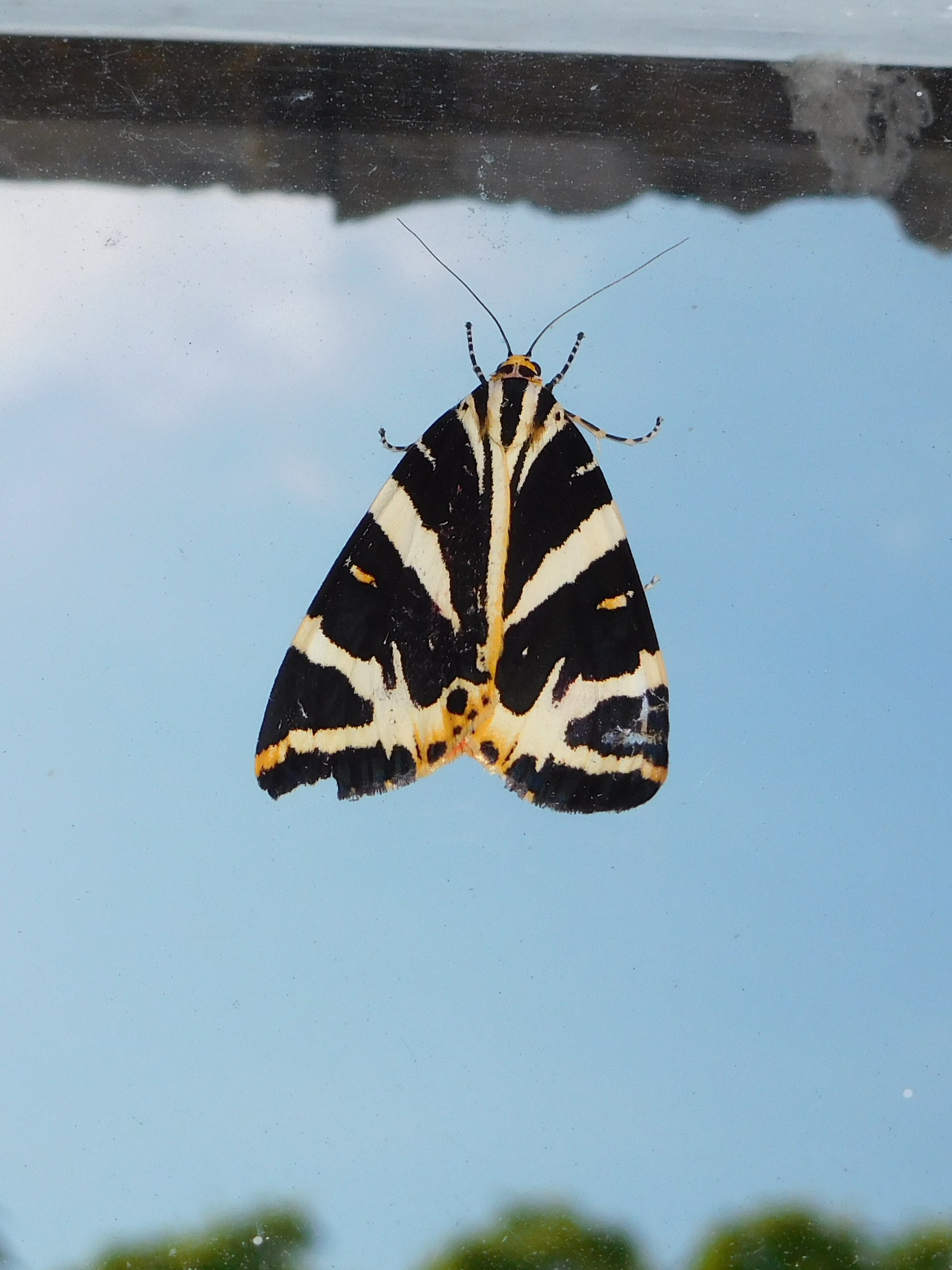
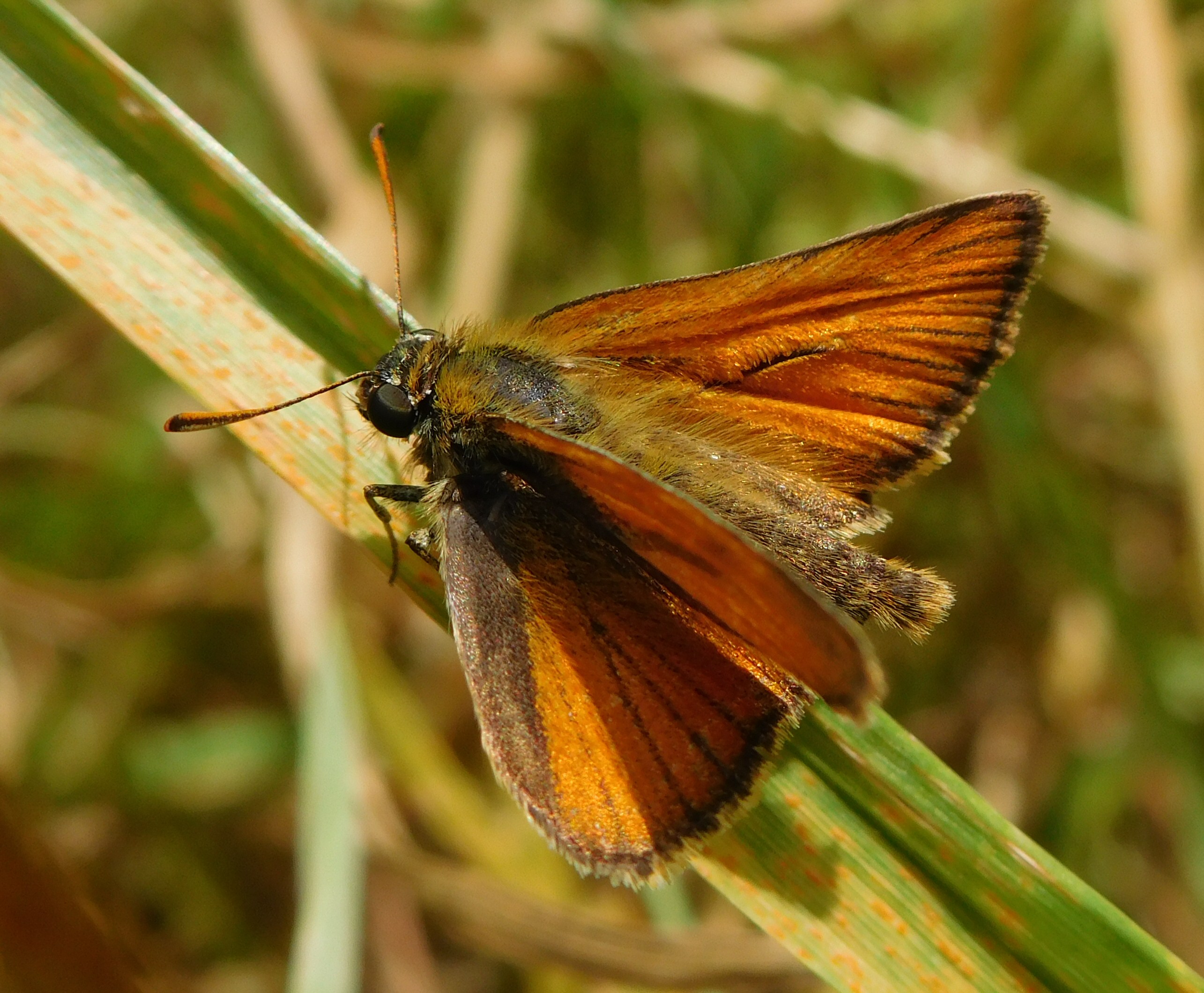
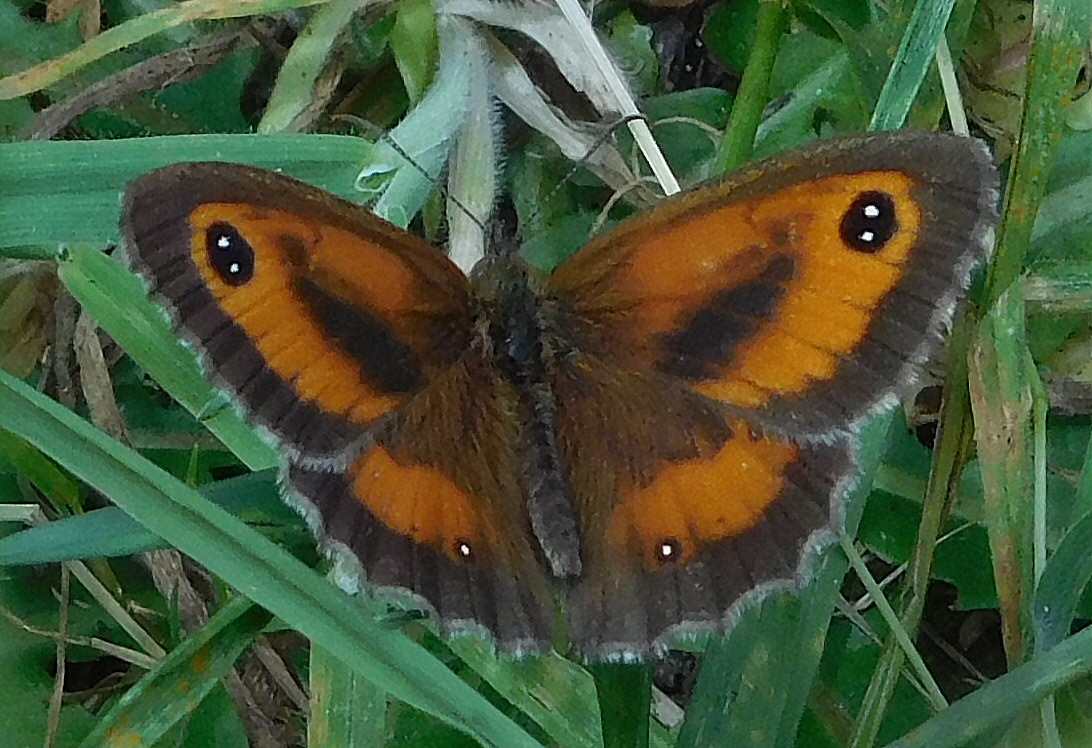
On a sorry note, Netty spotted a small tuft of feathers, still attached to a bit of skin. The scrap was whitish, spotted brown, like a Song Thrush’s breast, torn off by a Sparrowhawk: probably one of the pair that nested here until last year, but must now be nesting somewhere nearby. I reflected that I hadn’t heard the male Song Thrush singing for a fortnight. What a sad bit of fluff to pick up.
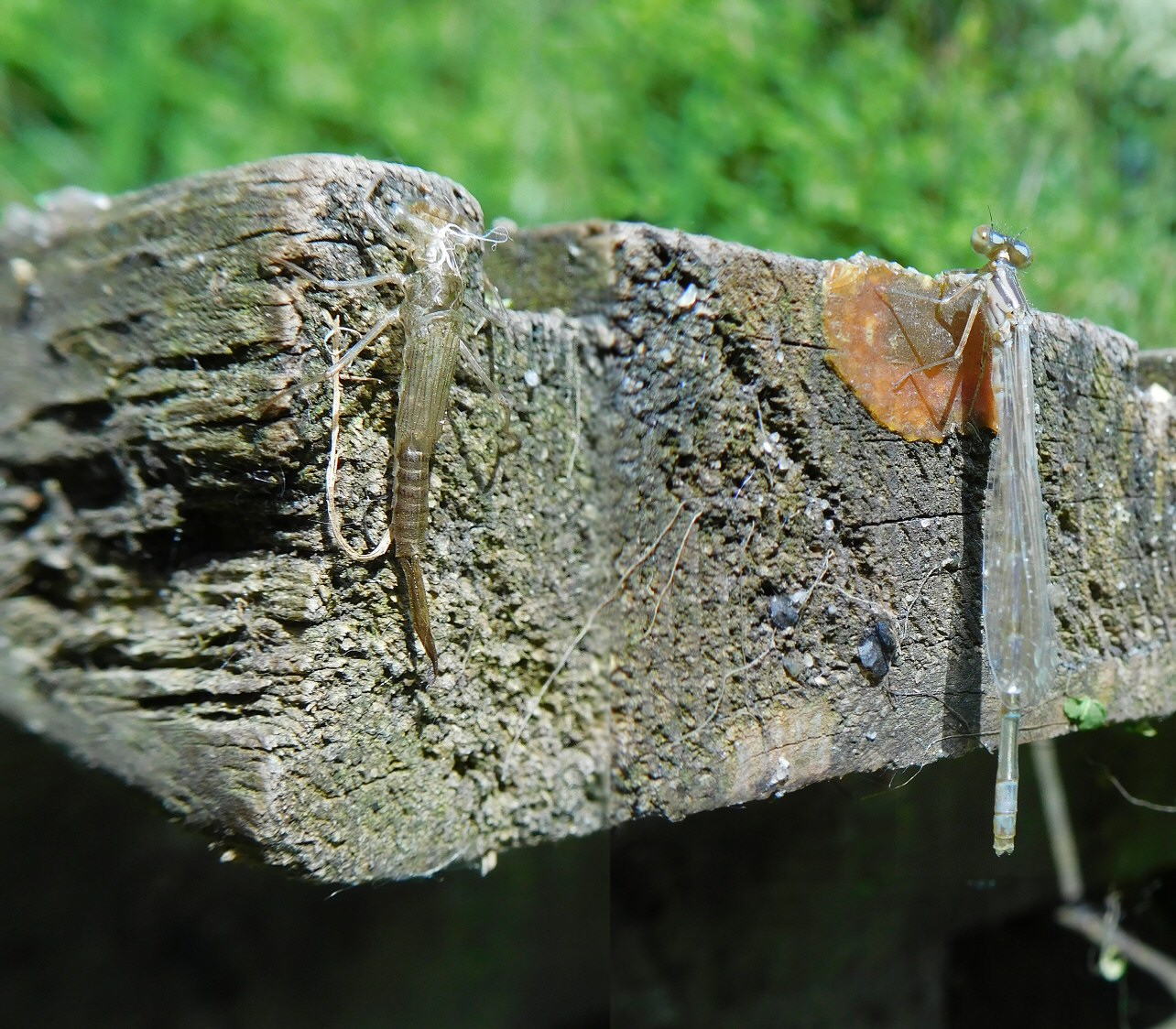
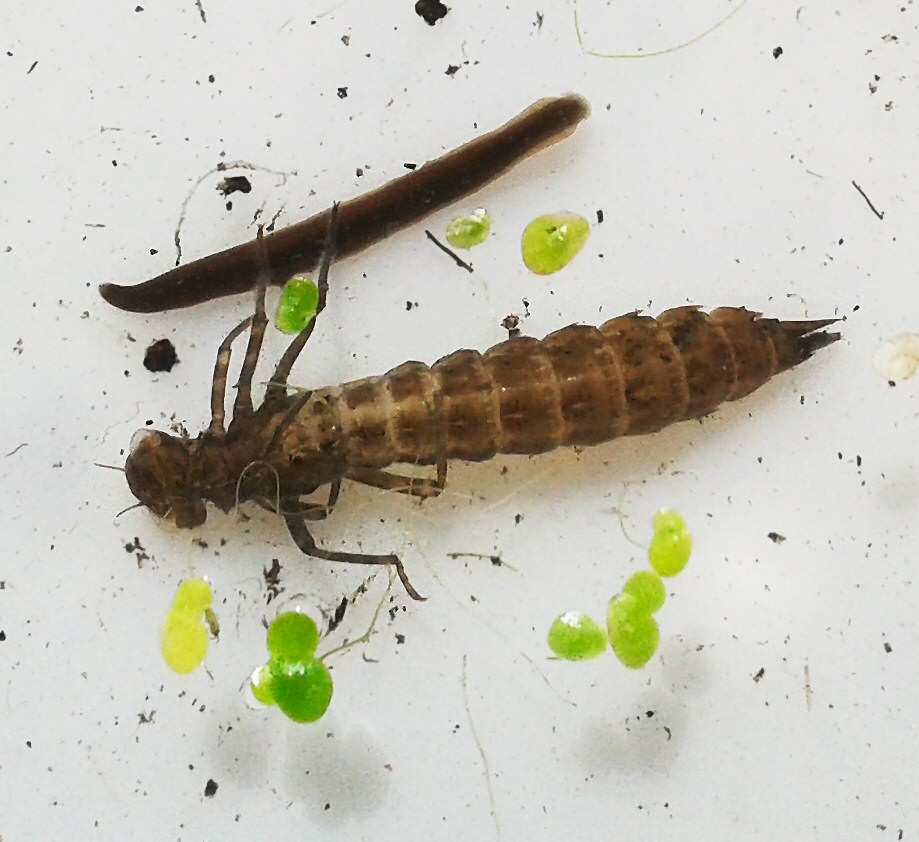
Since our Hawker Dragonflies (Migrant and Southern Hawkers) fly later in the year, we think this exuviae (cast skin) has survived the winter. It may have been hooked on to a plant just above the waterline, and only fallen into the pond with recent disturbance.
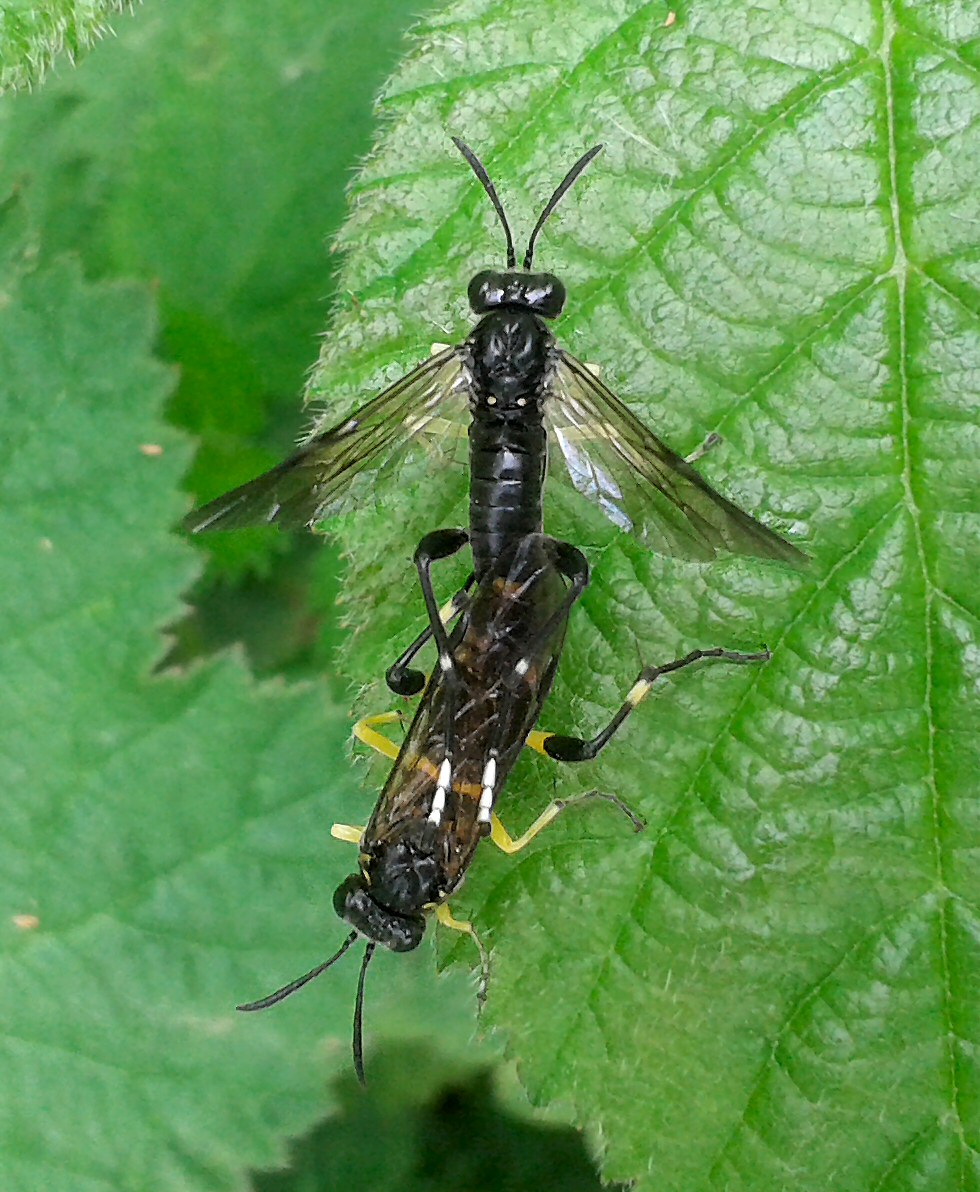
Sawflies look quite wasplike in their black and yellow, but have no narrow “waist” at the base of the abdomen – they’re pretty much the same width all the way along. All the waisted Hymenoptera evolved from Sawflies.
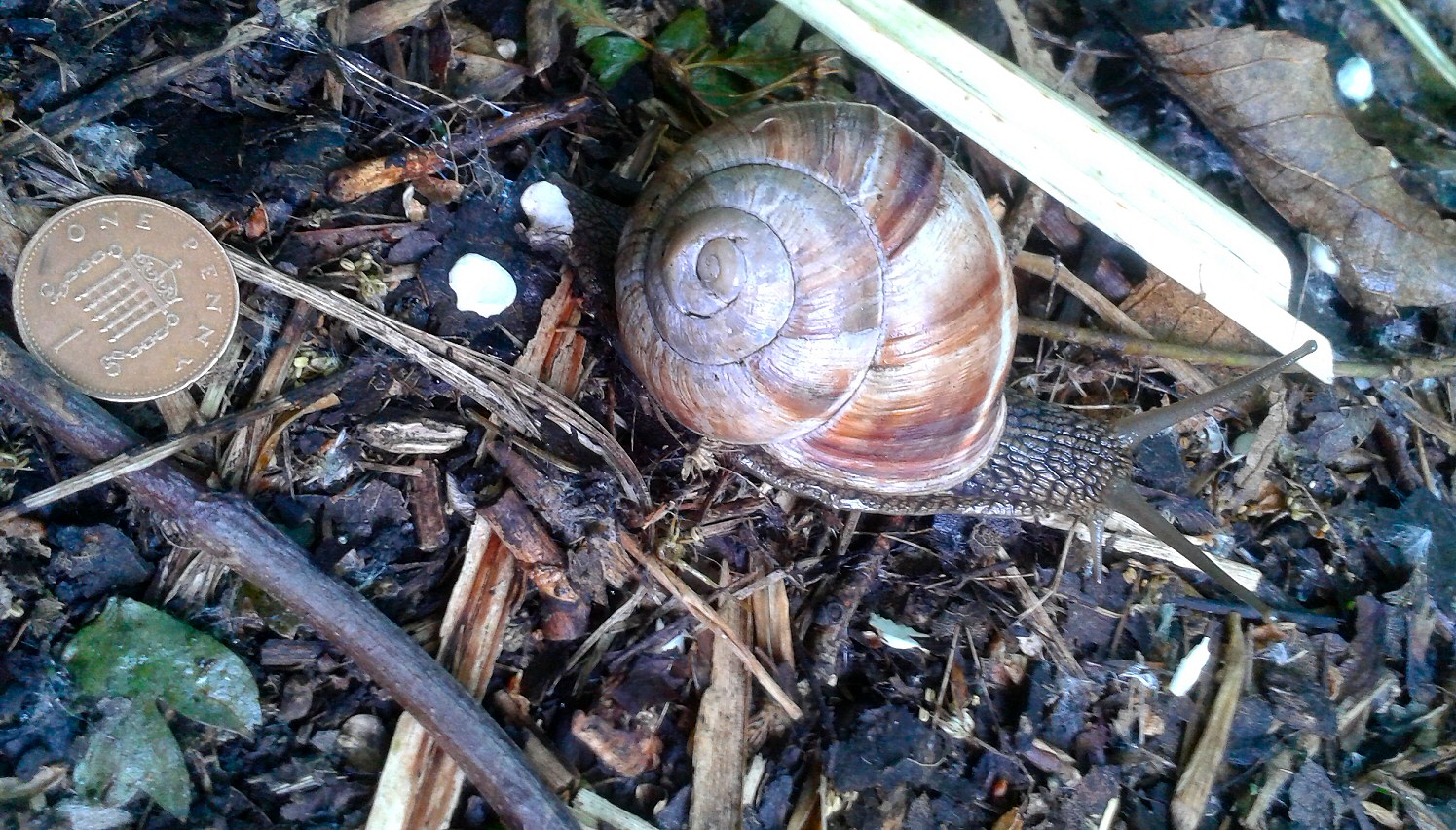
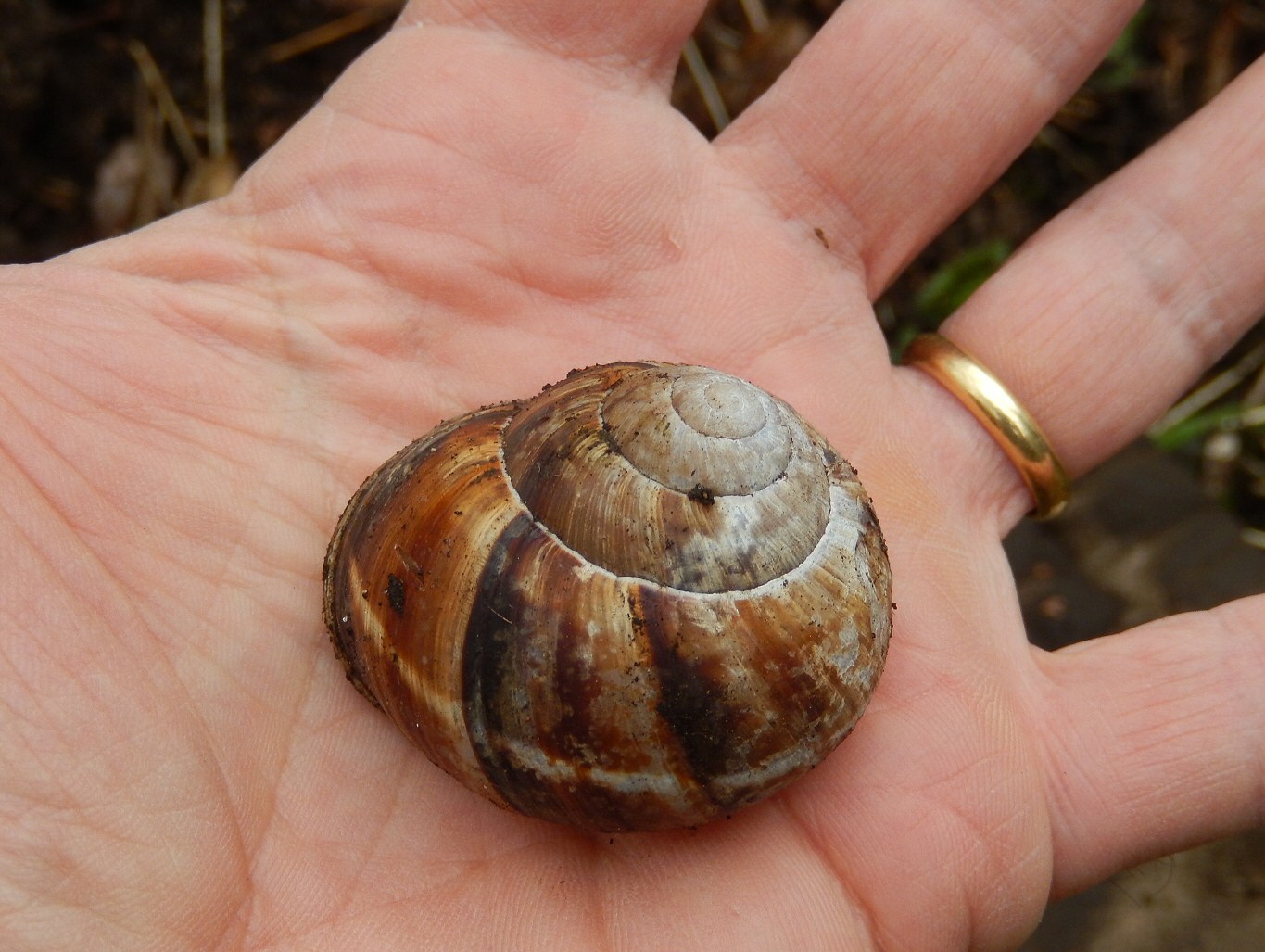
We’ve now seen three Roman Snails in different parts of the reserve, after none in the past few years, so either the weather has brought them out, or more likely someone released their pet snails when they no longer wanted them. As the name suggests, the species has been in Britain since the Romans, who introduced them for food. We’re happy to see this handsome species here, but all the same it does constitute an introduction to a nature reserve…