Category Archives: Natural History

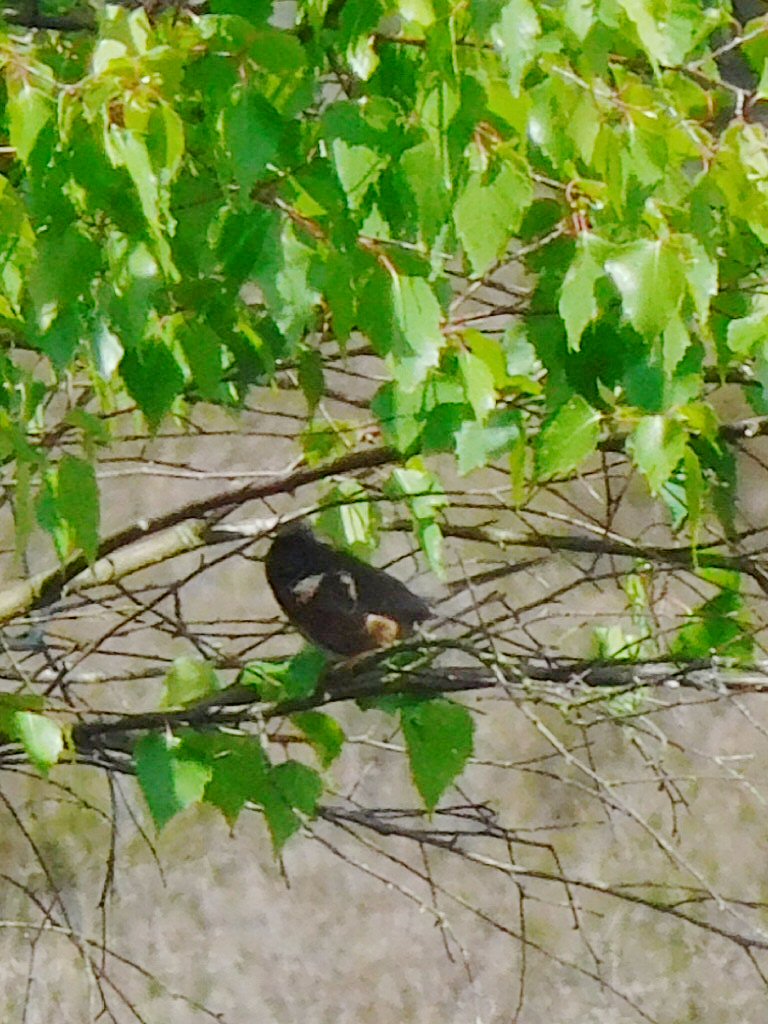
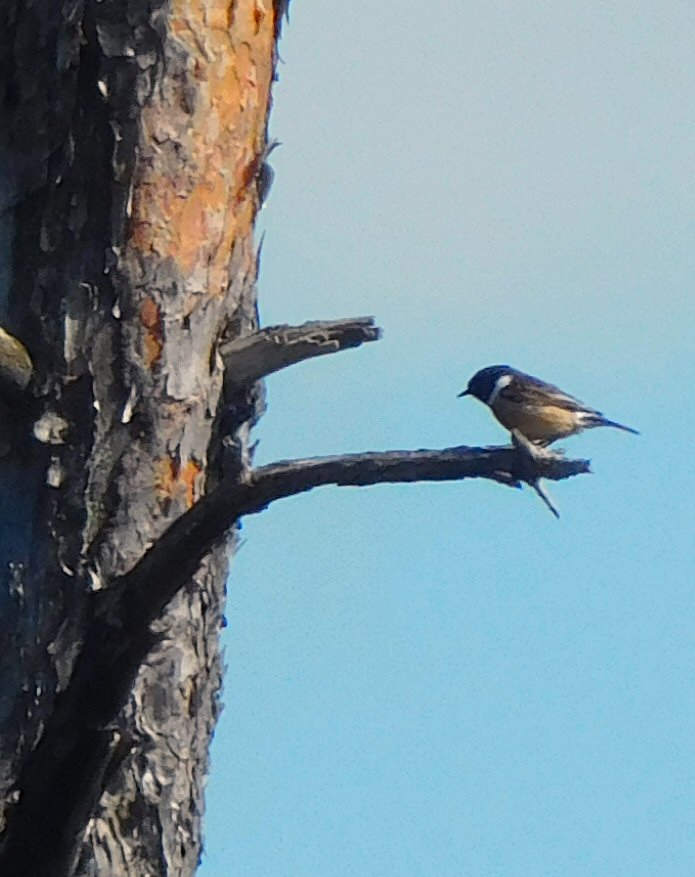
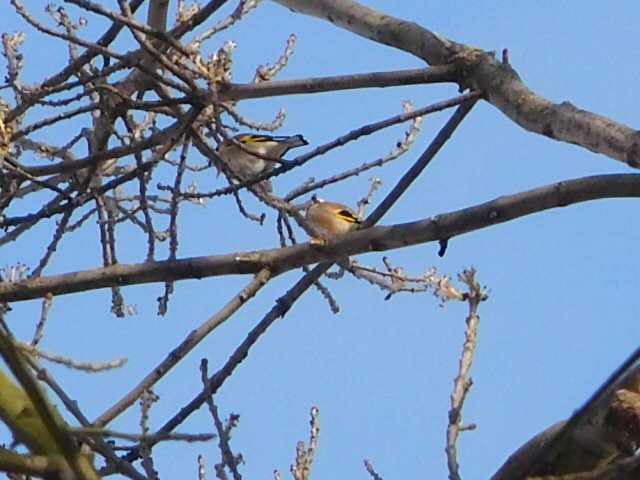
Lesser Whitethroat at Wraysbury Lakes

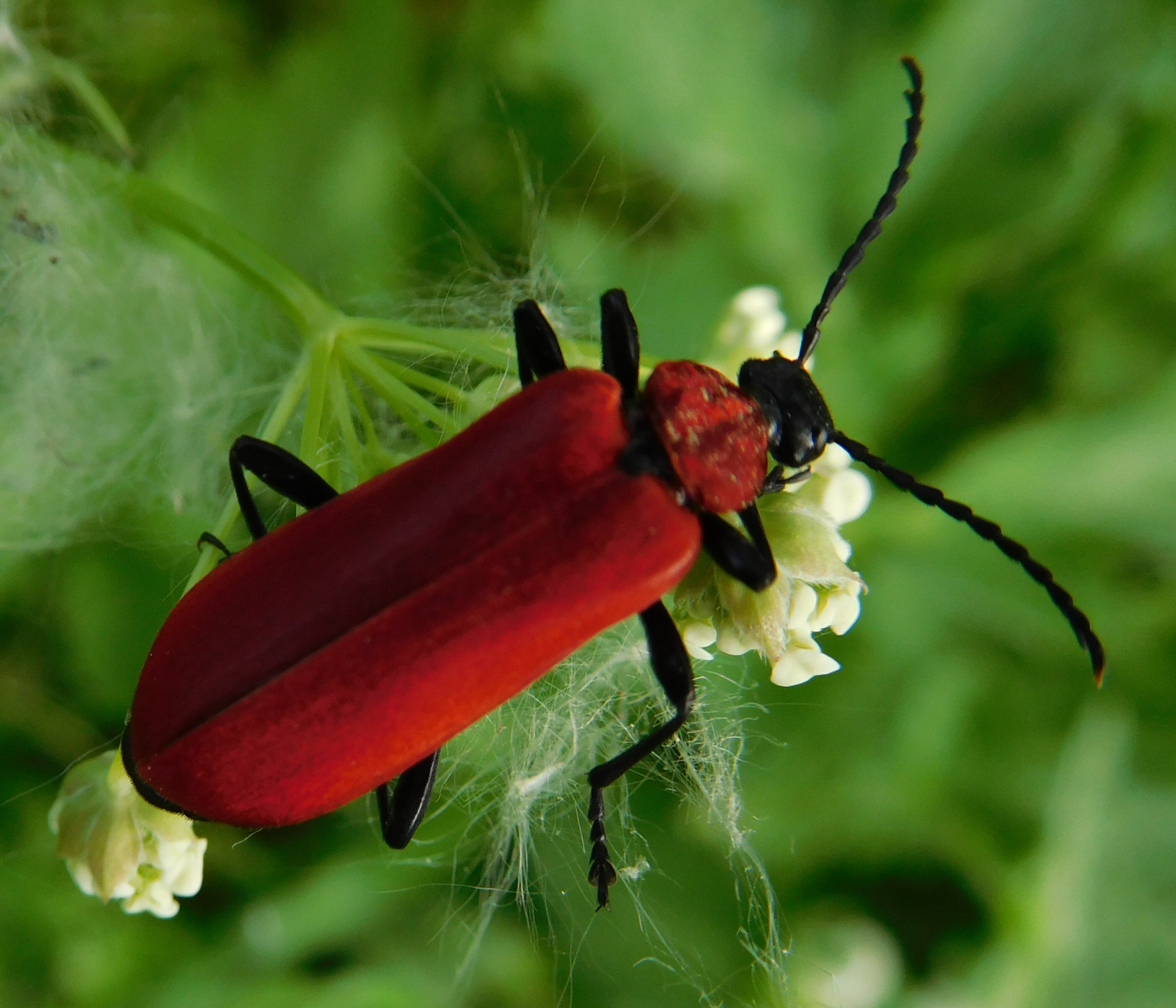
Cardinal Beetle, Pyrochroa coccinea

Well, I had two delightful surprises on my Wraysbury walk today. The first, as you can see, was a Cardinal Beetle, by no means a common sight any more, and unlike many claimed sightings, seems to be the actual species. I say seems to be, because the antennae were not especially toothy: the detail below shows that the end segments were certainly well toothed, the rest not. So either this was an individual with a slightly aberrant pattern, or it was a closely related species.

Cardinal Beetle – detail of antenna, well toothed at least at the end

The other thing was the warblers. There have been hardly any Chiffchaffs around in the reserve, but today I heard about six of them. They struggled to be heard above a background of Blackcaps with varied songs; and in some spots, a barrage of Garden Warblers as well (mixed with a bit of Blackbird, Robin, Chaffinch, Robin, and Wren). And, just once, the second delightful surprise: a Lesser Whitethroat, with its distinctive trill. So it was a Four Warbler Walk. I listened out carefully for Sedge Warbler, Cetti’s Warbler, and Willow Warbler but there weren’t any singing – the Cetti’s were surely lurking nearby.

Overhead, apart from the planes, were a Buzzard,  gently mobbed by a Carrion Crow, later joined by a circling Sparrowhawk.

The brambles and herbs (from nettles to Comfrey) were being used as perches by a mass of Banded Demoiselles, both the blue males with their glorious dark blue wing-patches, and the more subdued green females. They were joined by a few Common Blue Damselflies, the first of the year for me, as the demoiselles were.

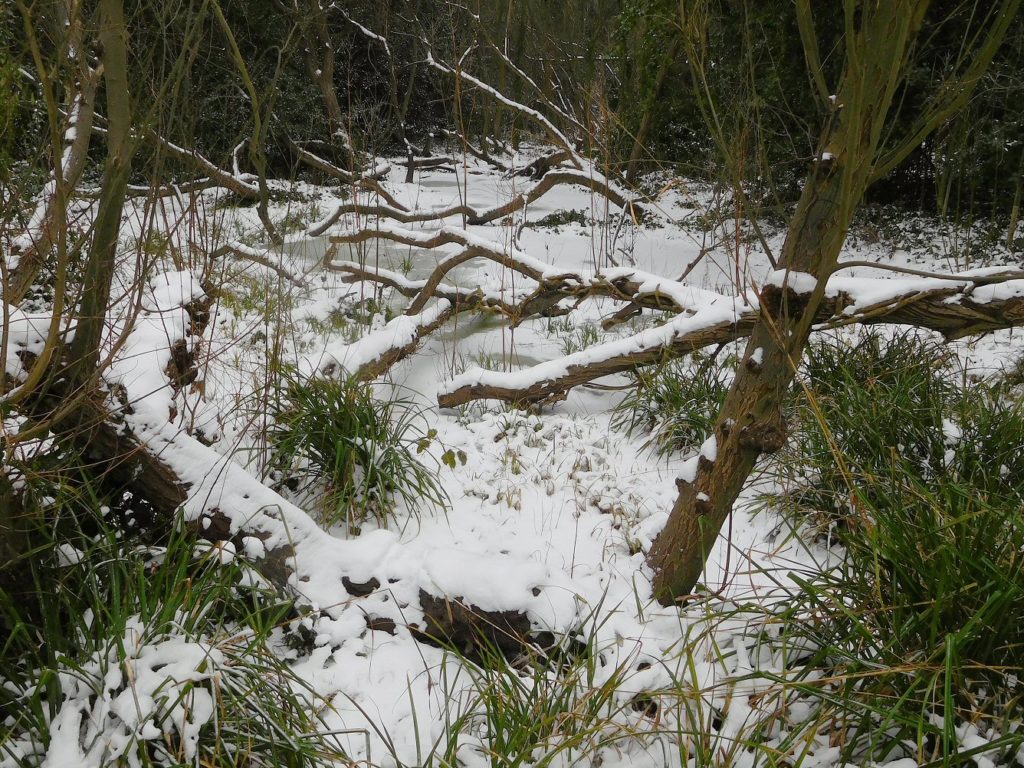
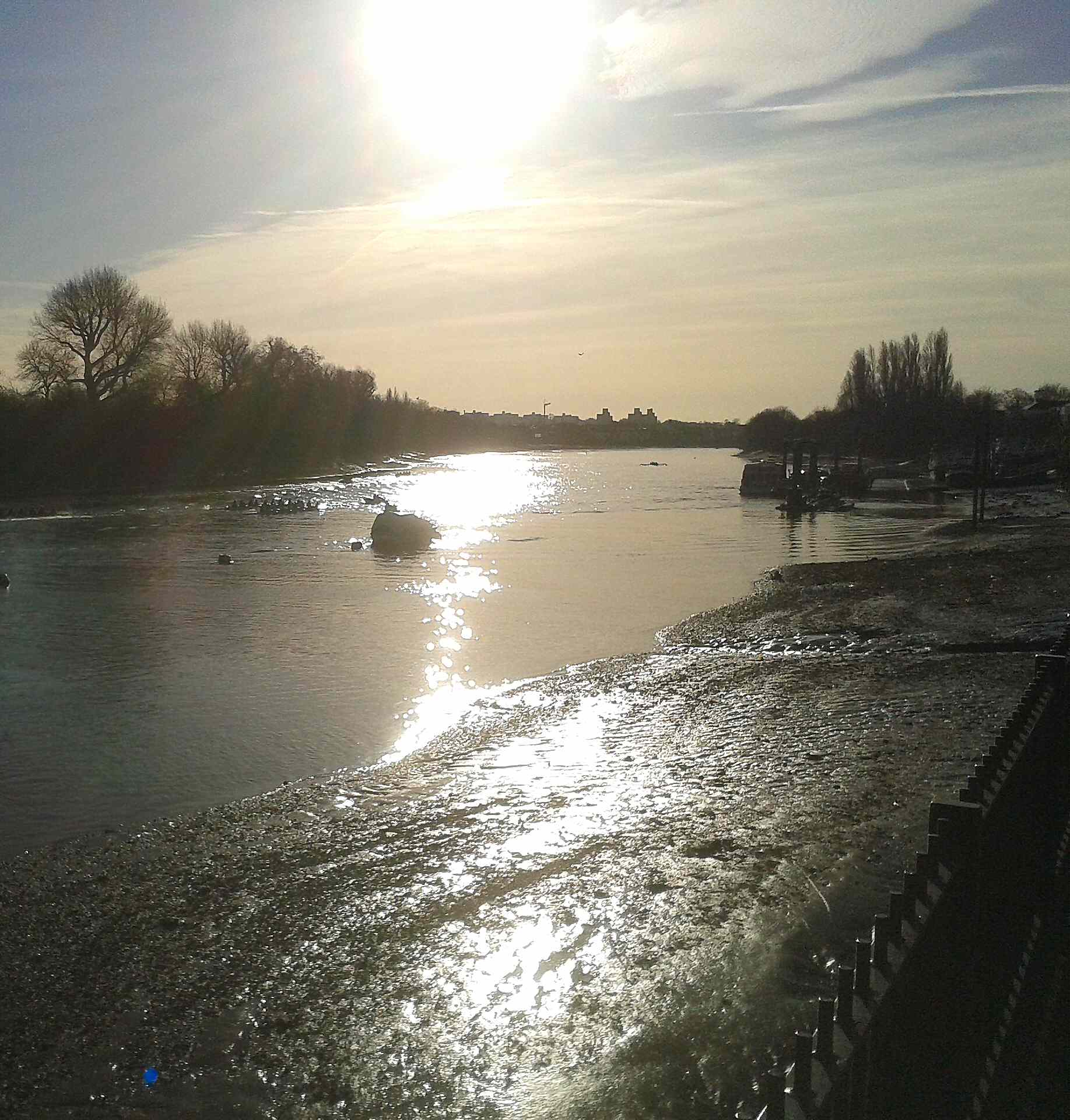
A sunny winter’s day at Wraysbury

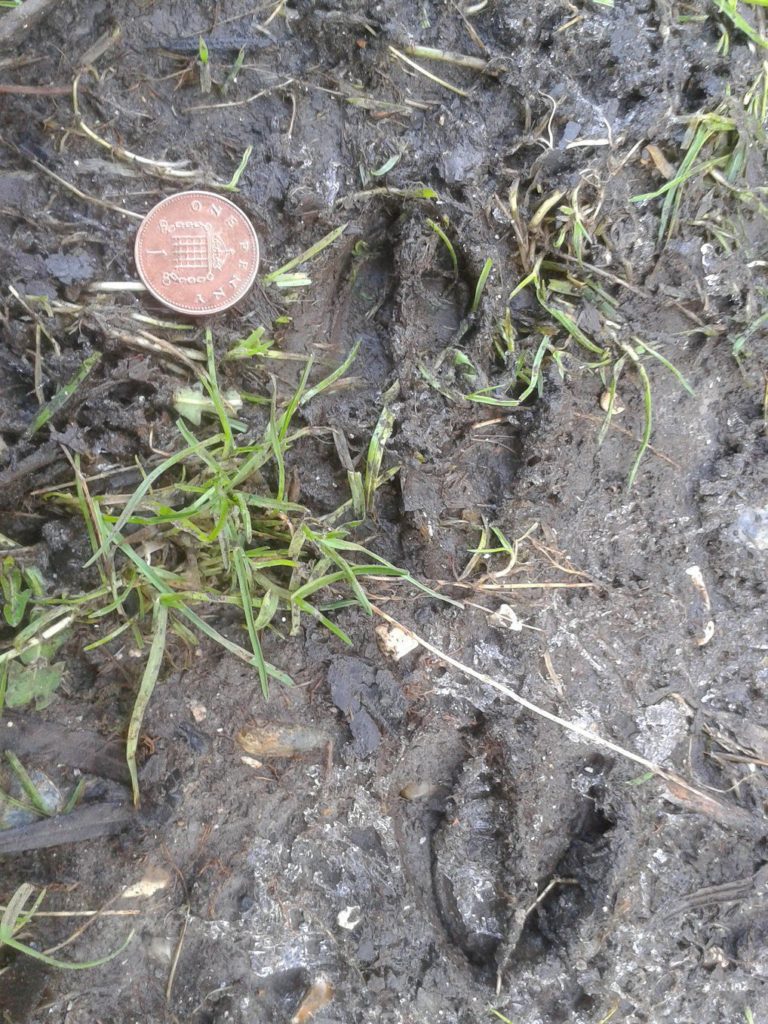
Muntjac Deer prints (3, 3.5 cm long)

I arrived at Wraysbury with nobody else about, the morning crisp and cold but lovely in the sunshine with no wind.

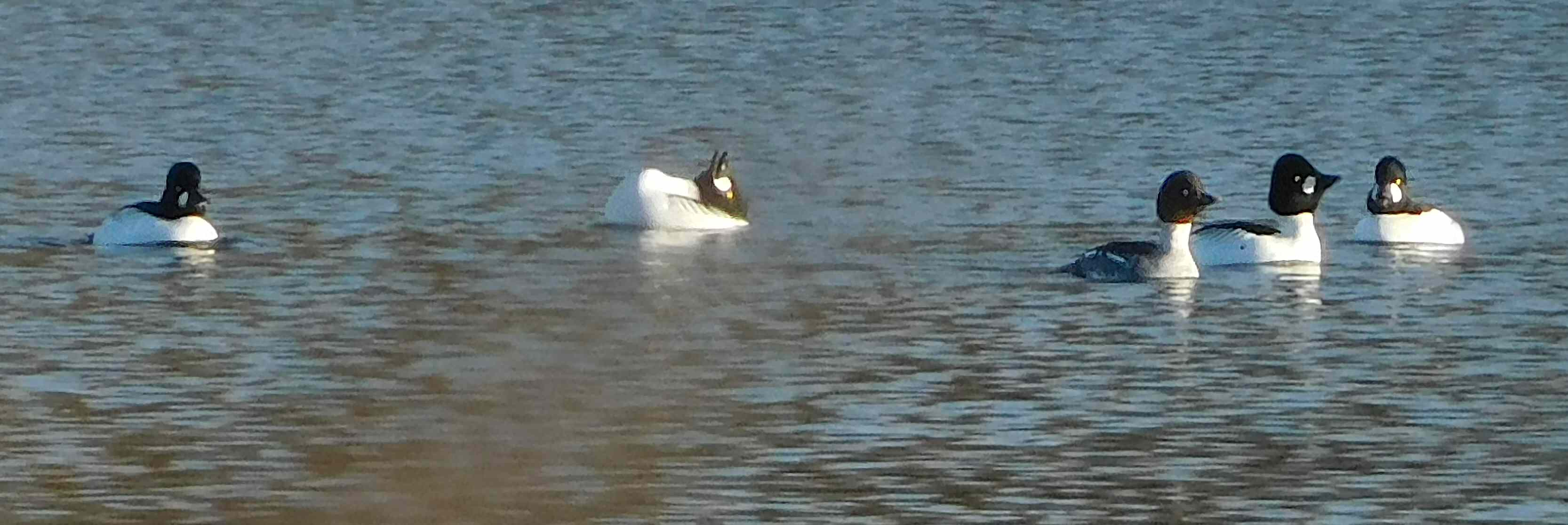
A dozen Goldeneye were calling their strange growling and trumpeting song, the males chasing about and displaying, throwing their heads back to call and signal. One or two females looked on, from a little distance.

A few Pochard and Great Crested Grebes made up most of the rest of the lake birds, apart from Tufted Ducks and a Black-Headed Gull or two.

The path had been trodden by Muntjac, large and small, not much earlier.

A Song Thrush sang, still a little hesitantly: it’s still Winter.

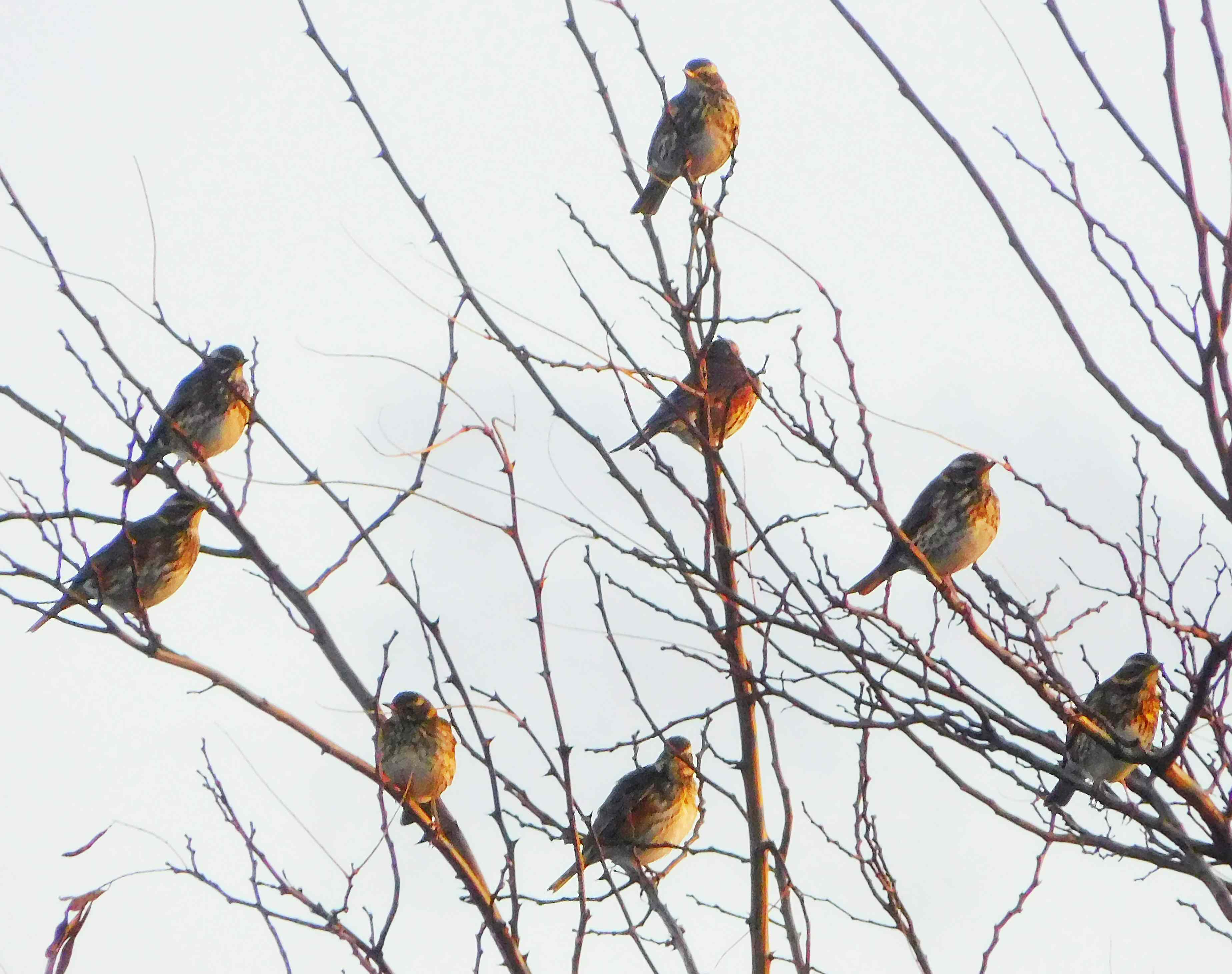
A small party of Redwings fluttered about in the bushes.

Over Hythe End, a pair of Red Kites circled and drifted along. A Pied Wagtail, the Chiswick bird (which is how its call sounds) sat on a gable end as I ended my walk.


Displaying Goldeneyes at Wraysbury

Five Goldeneyes: a male is displaying to the (brown-headed) female

It was a glorious winter morning at Wraysbury Lakes. The lakes themselves held few birds, but the Goldeneyes had arrived with the recent cold weather, and the males were giving their fine trumpeting call (they’re not called “clangula” for nothing, the duck with the resounding bell-like music) and displaying, too.

A few herons flapped lazily over the water; a small group of tits hopped through the bushes. My first fieldfares of the winter chack-chacked in the willows and obligingly gave good views of their handsome brown-and-grey plumage.

A sparrowhawk raced very low over the meadow. On the way home, a peregrine falcon perched on a streetlight.


Bughunters at work – with a rare spider

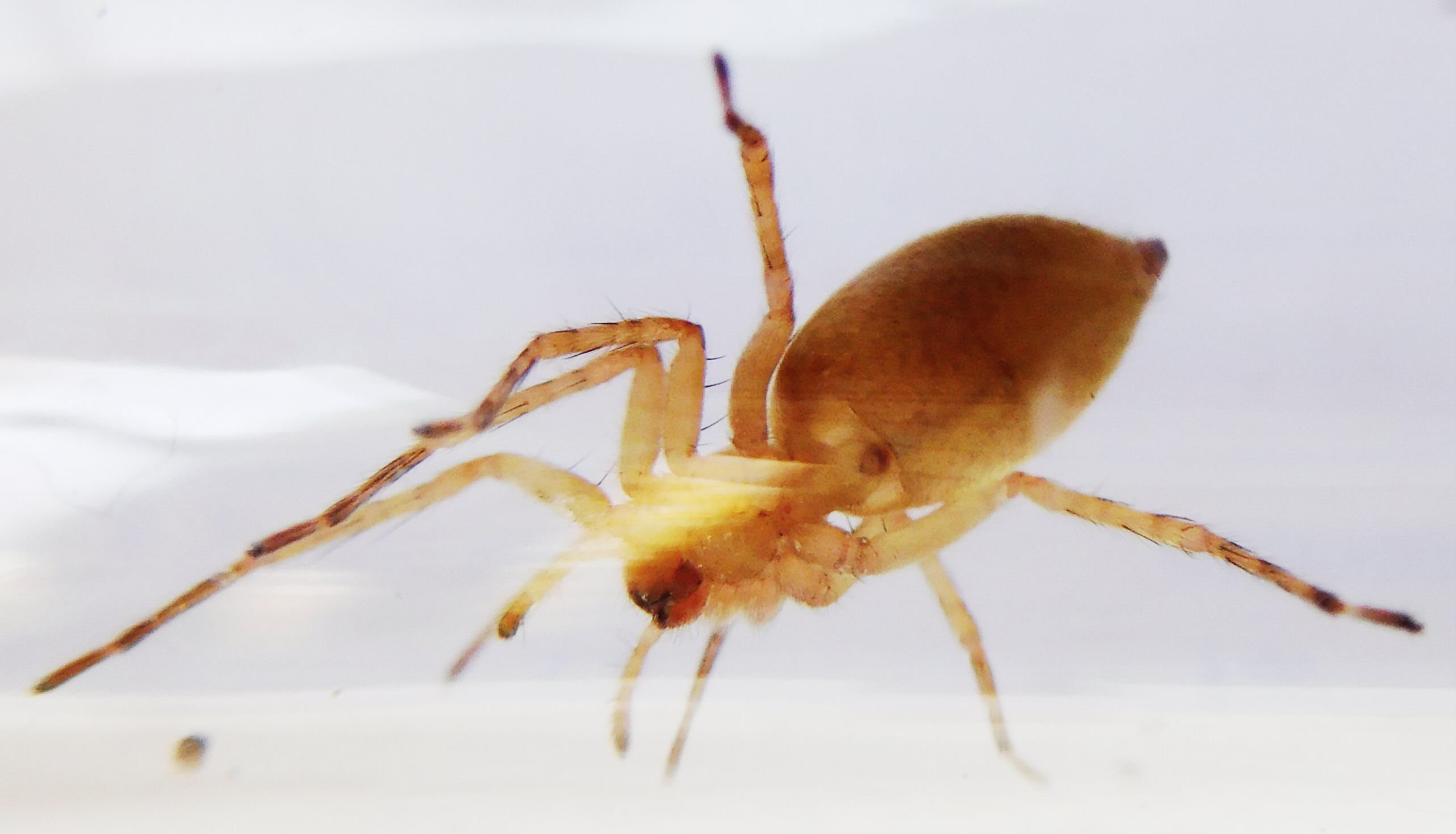
Anyphaena numida in GT – only the 2nd UK record for this North African spider. Many thanks to Mick Massie for letting me photograph his specimen! This is the female. Mick also caught a male (smaller), so presumably they are breeding here. She certainly looks plumply pregnant.
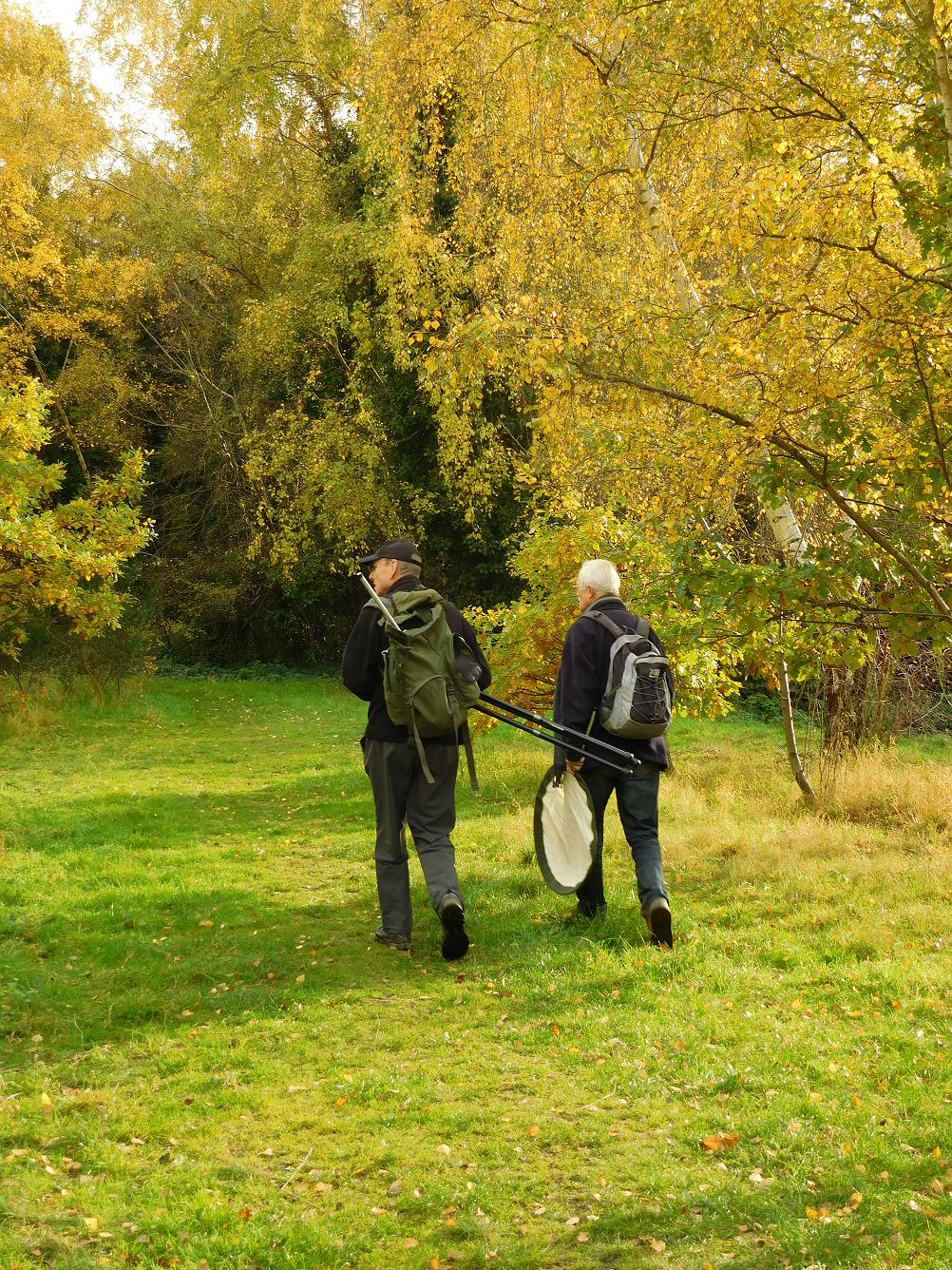
Entomologists in the Triangle on a beautiful autumn day
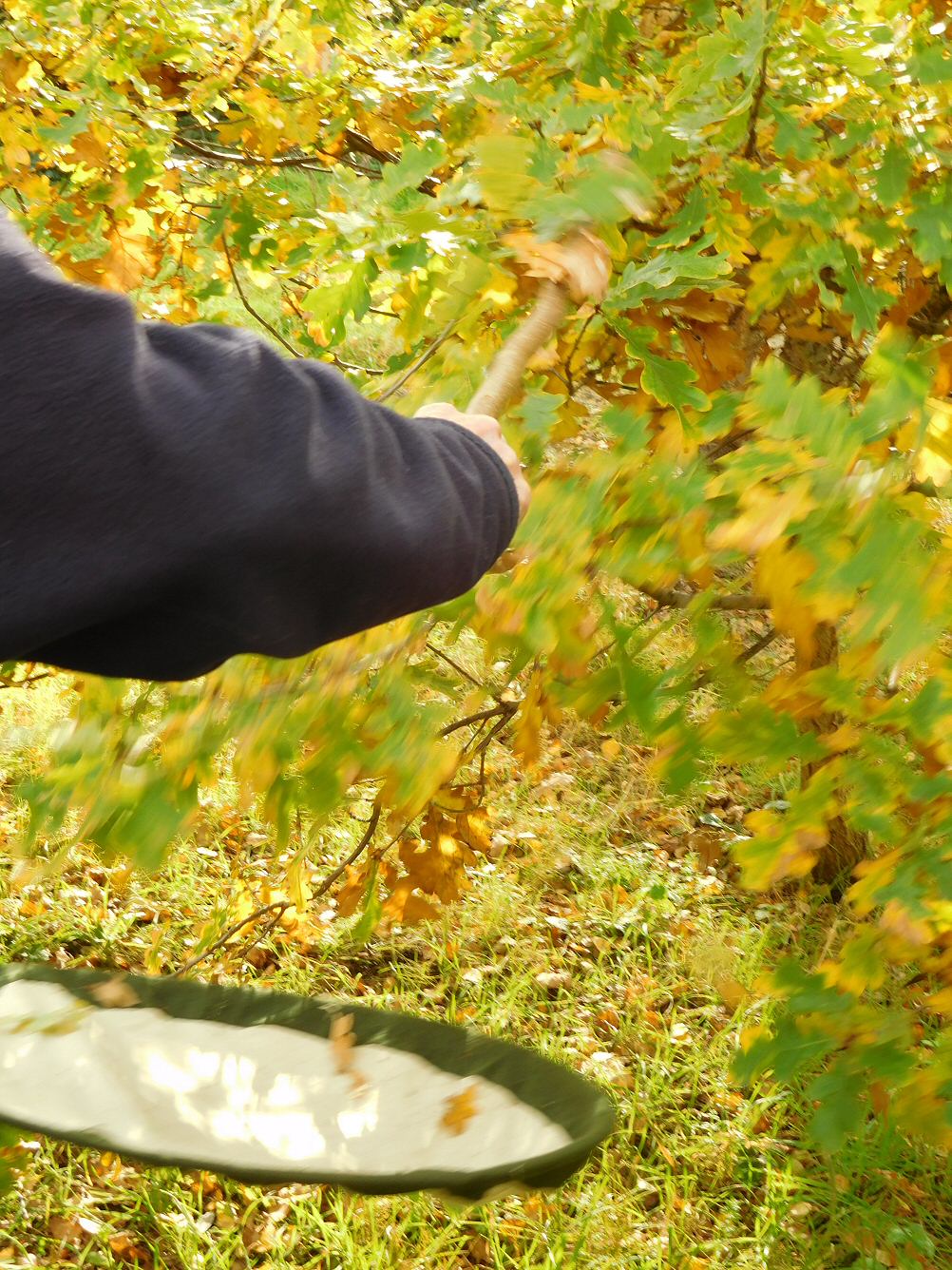
Beating Oak leaves for arthropods
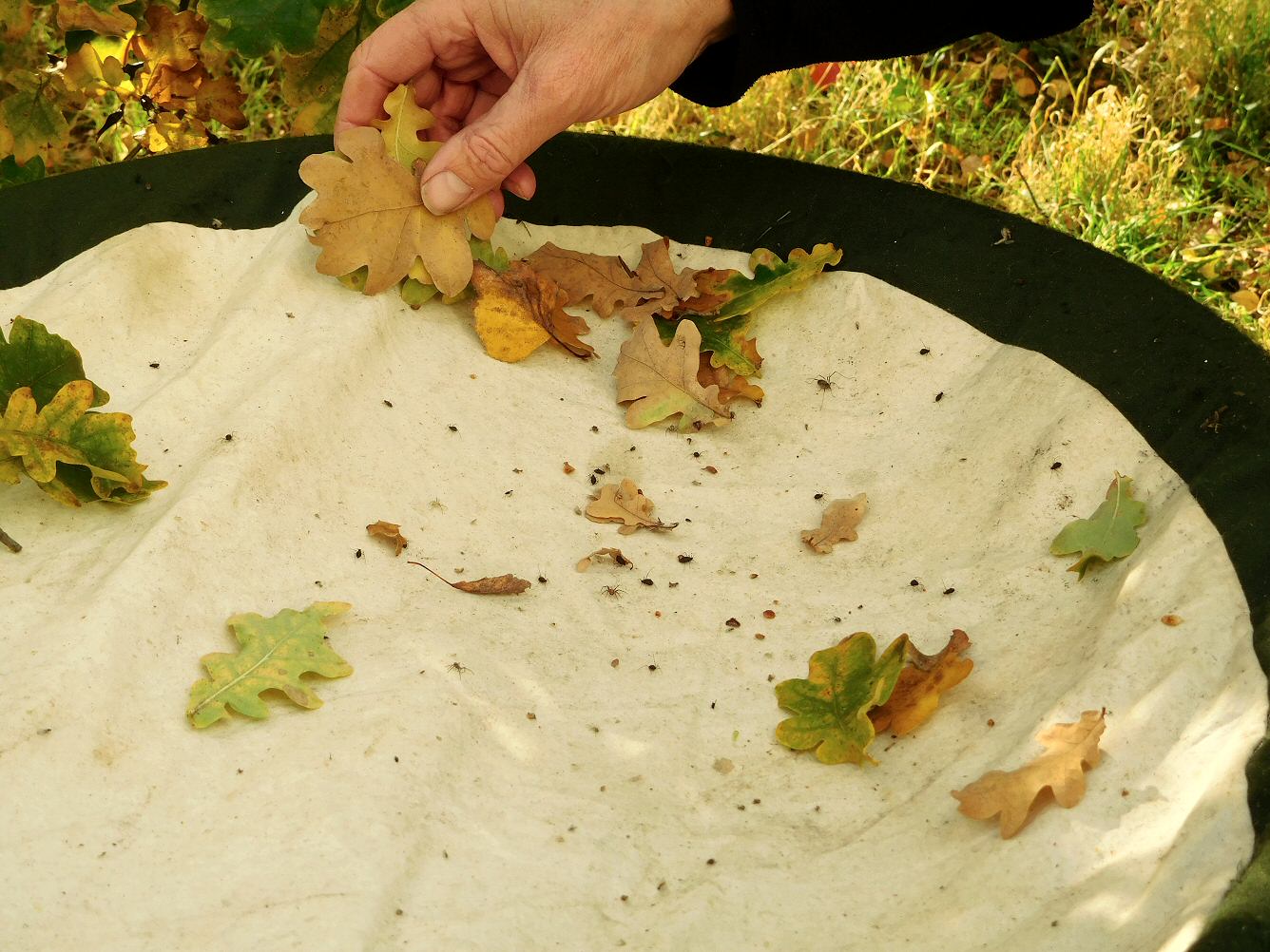
Examining the catch

Pond-Skimming Reveals Hornwort, Newts, Pondweed, Water Scorpion, Leeches

Pond-skimming. Netty is rescuing pondweed and animals especially damselfly nymphs to return them to the water.

We spent the time skimming off as much of the duckweed that was blanketing the surface of the pond as possible using pole nets. The idea is to let light filter down to the bottom of the pond to encourage the more delicate pondweeds. In the process, we had a good opportunity to check the status of some of the pond life that we don’t usually get to see, as the underwater plants are rather few beside the boardwalk – most likely because the continual sampling keeps them from growing much. But the rest of the pond is another story.

Rigid Hornwort, its shoots stiff as if covered in limescale
Canadian pondweed
Damselfly nymph with leaflike tail appendages
A stubby damselfly nymph with spiky tail appendages

There were at least two kinds of damselfly nymph, possibly bluetail and azure damselflies, judging by a pondside look at the book without a handlens. The little camera in close-up mode is just about capable of resolving detail at this scale, given good light. The various damselfly nymphs have differently-shaped tail appendages, which the book says are diagnostic.

Leaflike tail appendages of a long slender damselfly nymph, with feathery venation just about visible: I must have a look with the microscope and book!

We also caught a newt or two. We carefully put all the minibeasts and interesting bits of pondweed back in the water.

Hoglouse
Leech on finger 1
Leech on finger 2
A fine big Water Scorpion