
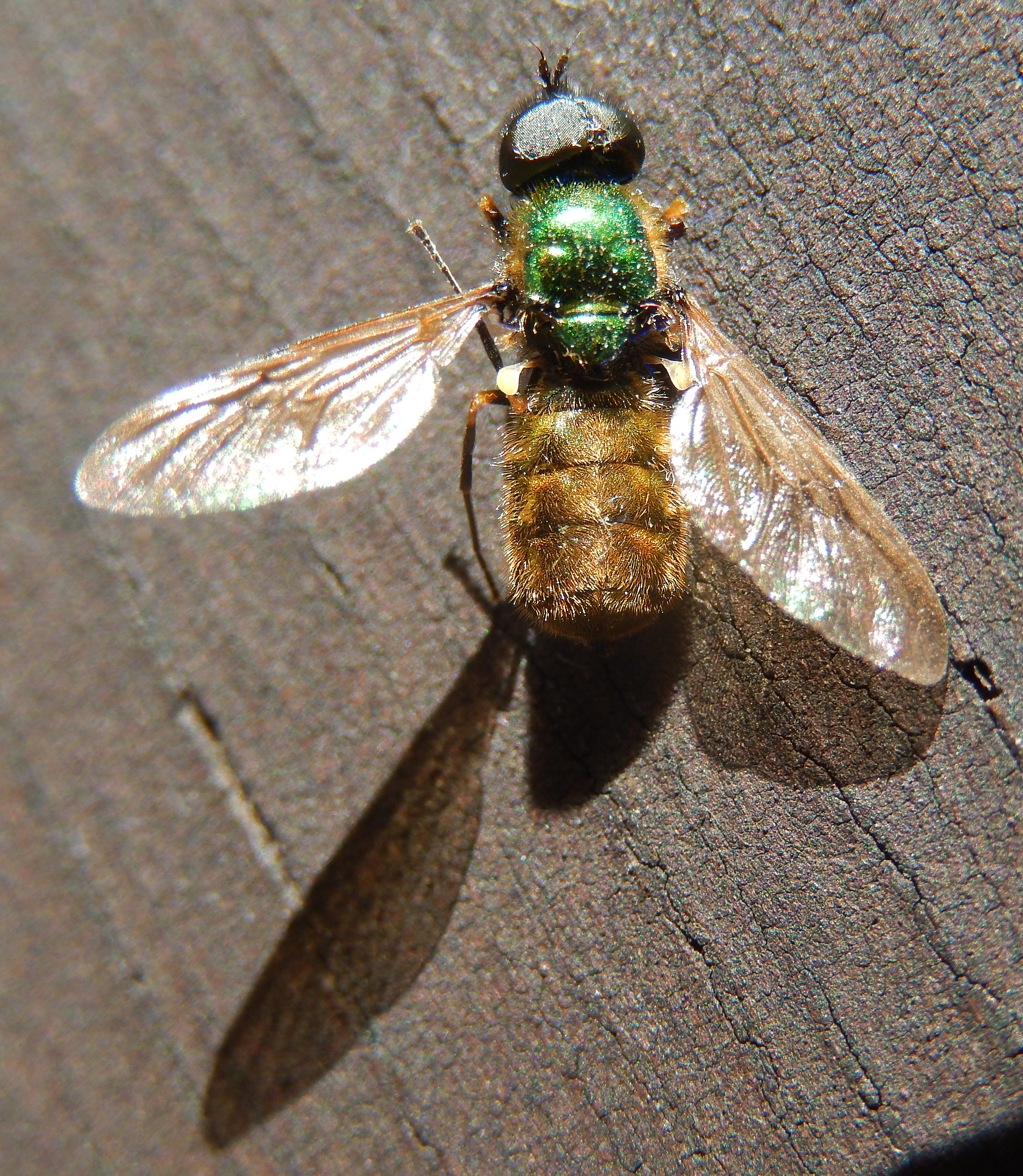
This little fly, seemed quite unassuming until I held it in the sunlight, and it sparkled iridescent, its thorax metallic green, its hairy abdomen gold. It is a male soldier fly (Stratiomyidae), a Dipteran as you can see from the club-like halteres in place of the hind wings. Its name is Chloromyia formosa, “the beautiful green fly”.
The book says the name soldier fly comes probably from the bright colours, like 18th century uniforms; the flies are not aggressive, but “often sluggish”.
The day looked unpromising for a nature walk, let alone a butterfly transect, but it was time to do one, so after a cursory tour to clip the worst of the brambles from the paths, we set off with clipboard and cameras to see what we could find.
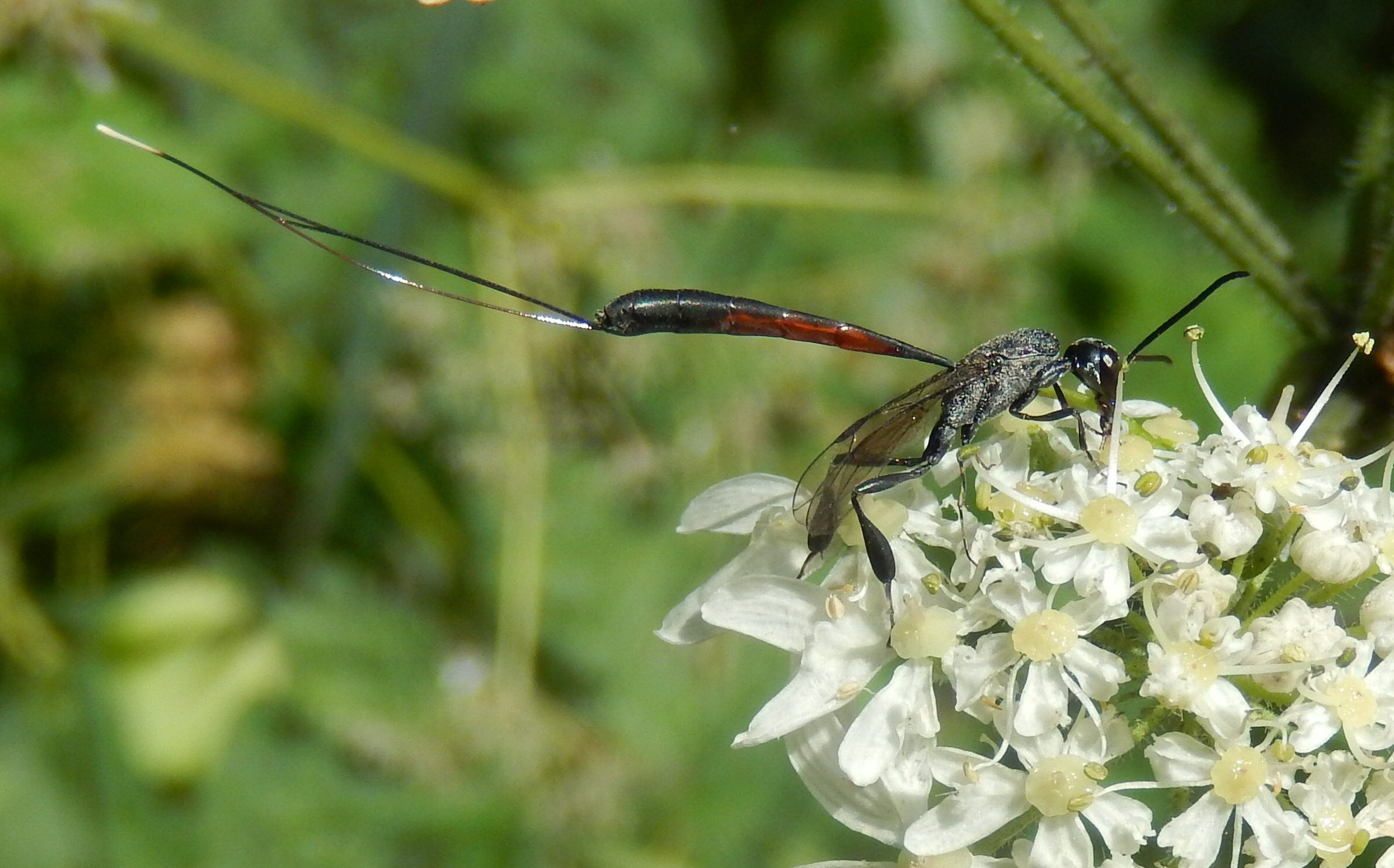
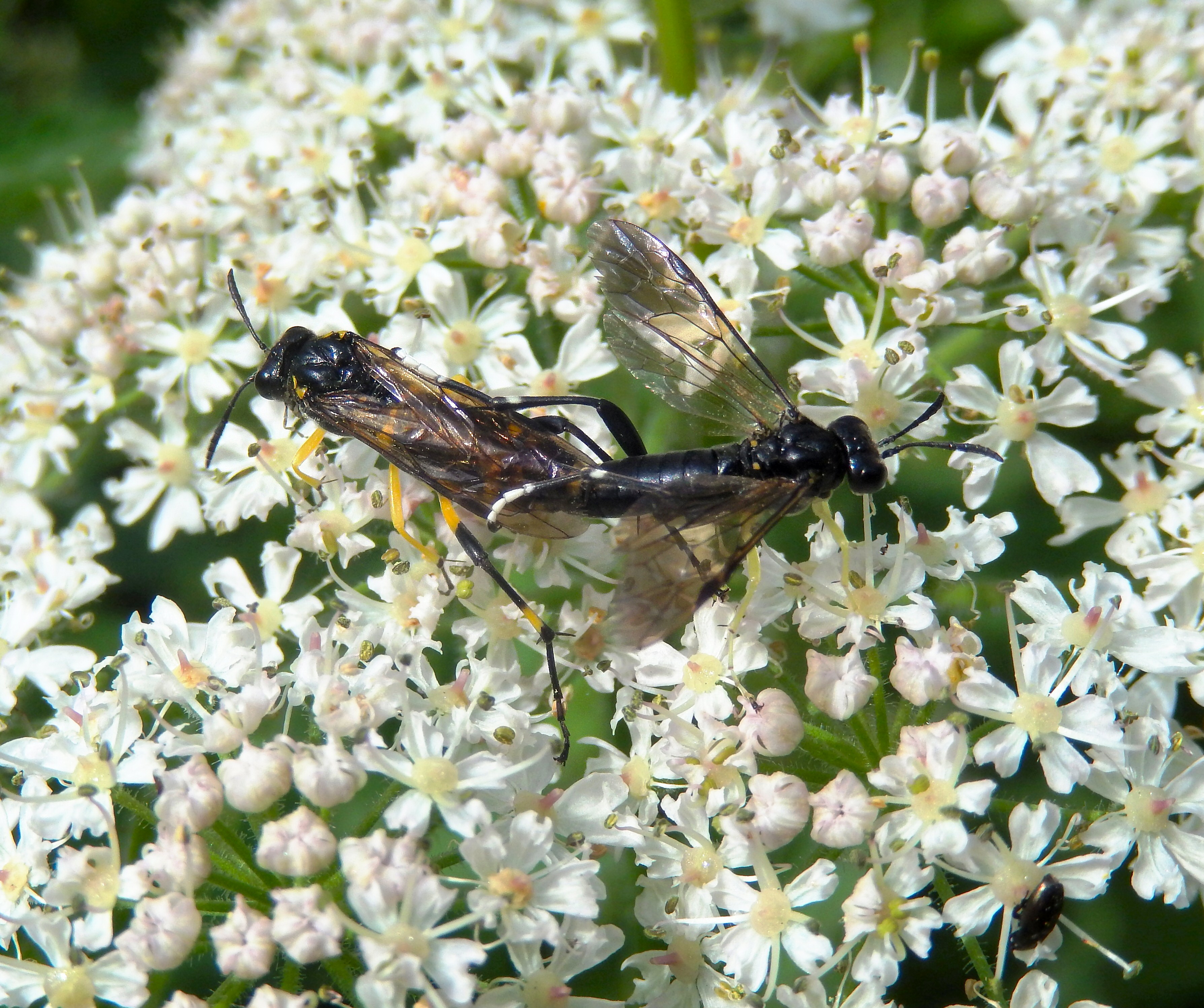
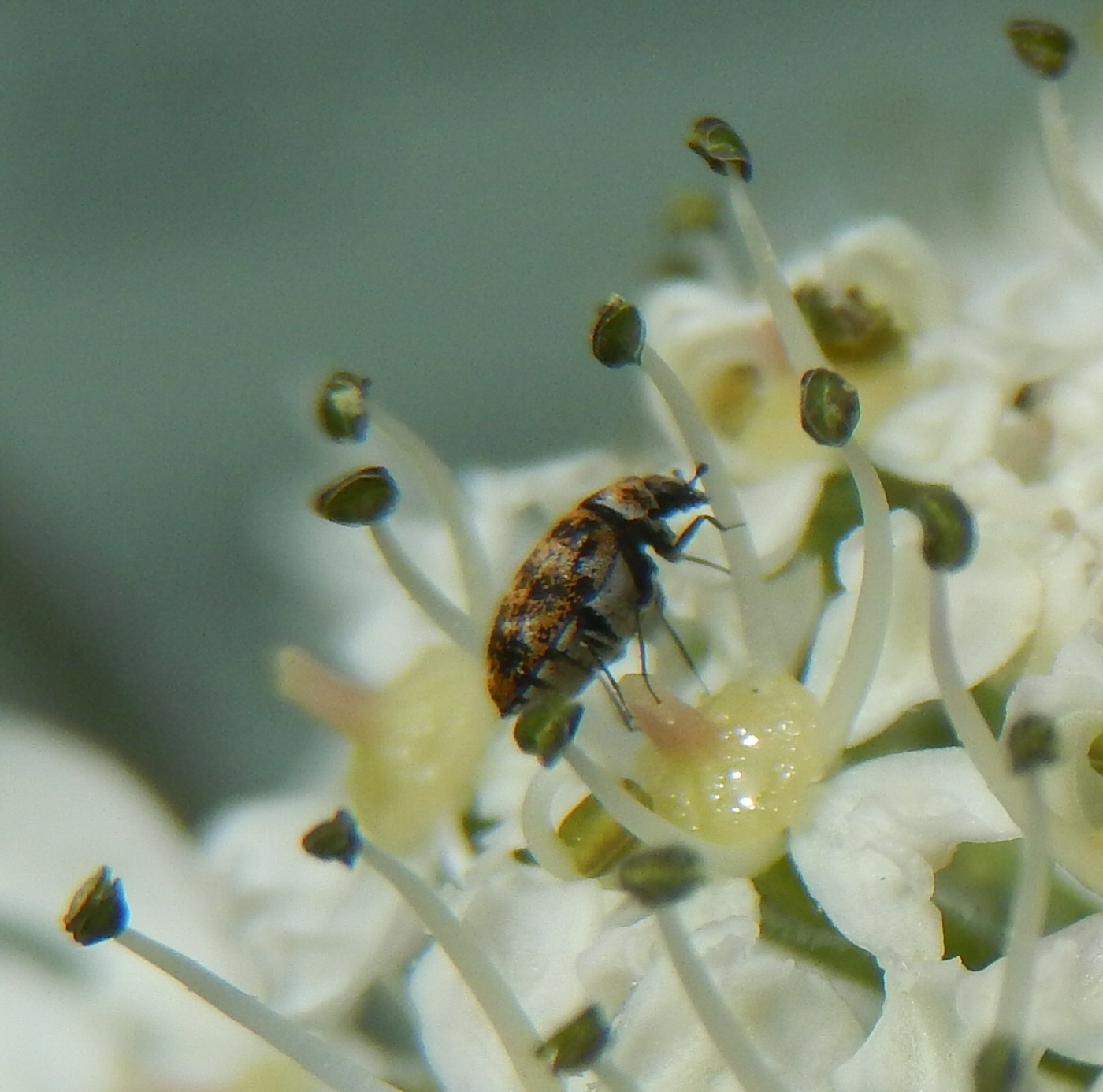
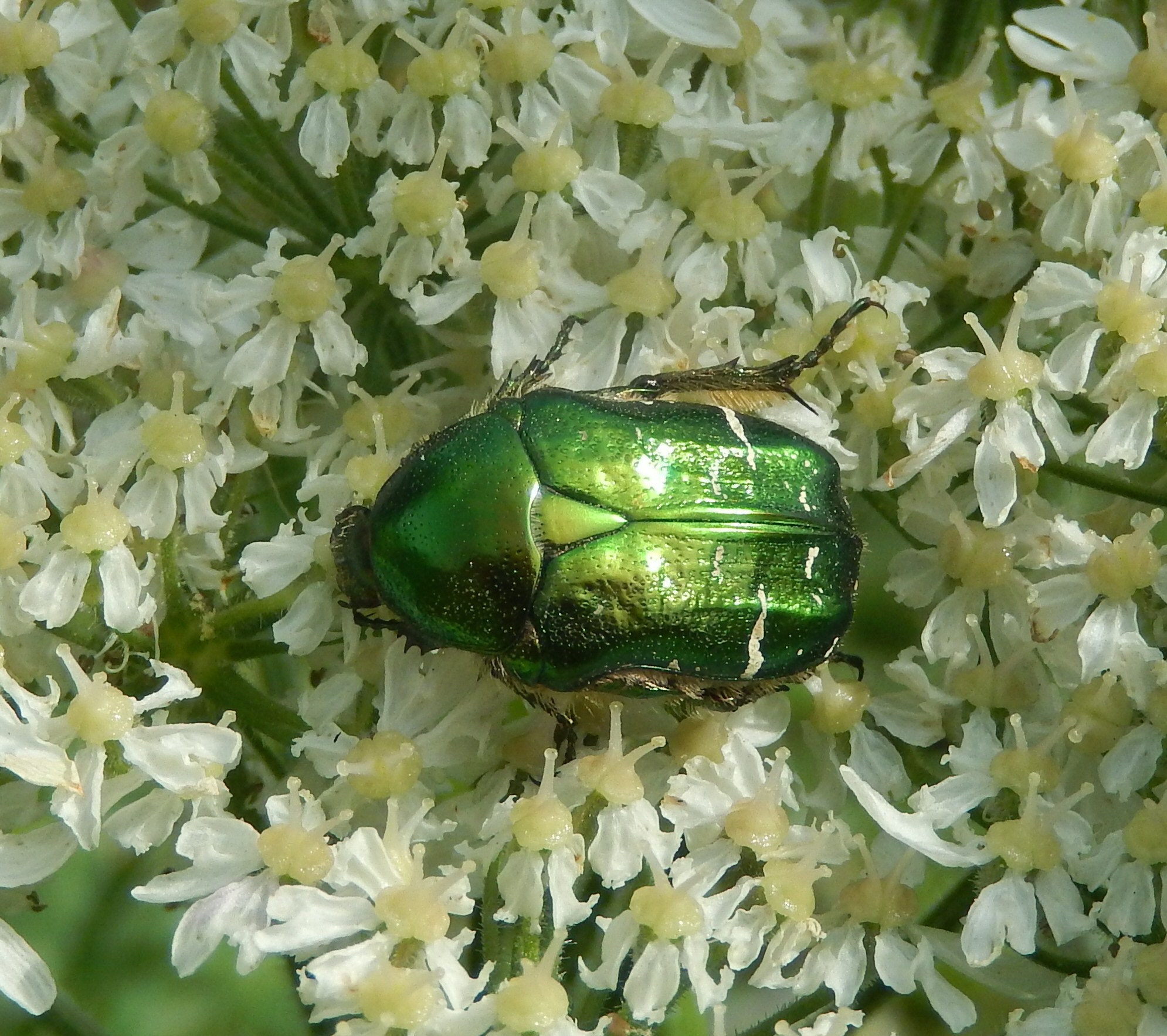
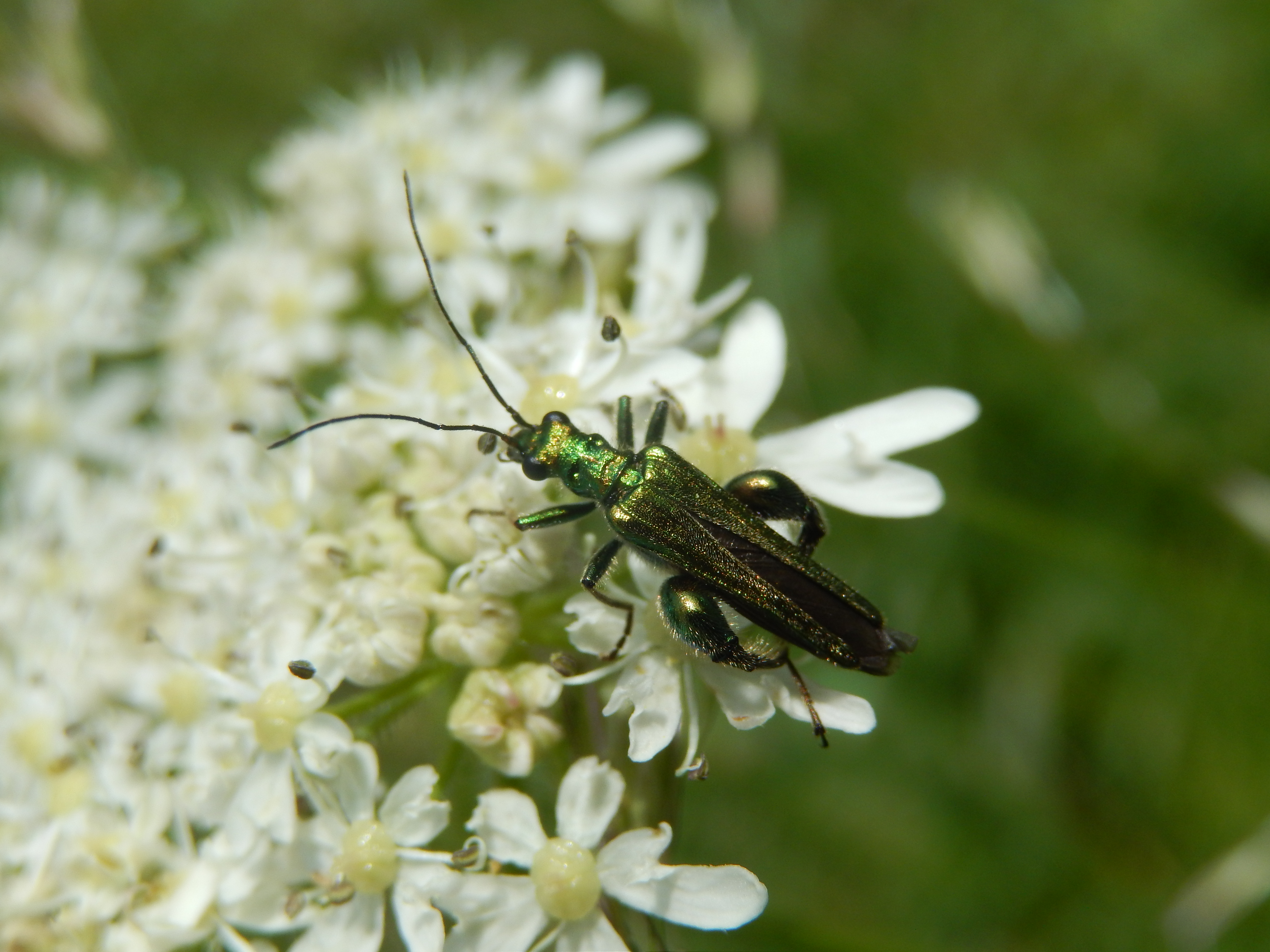
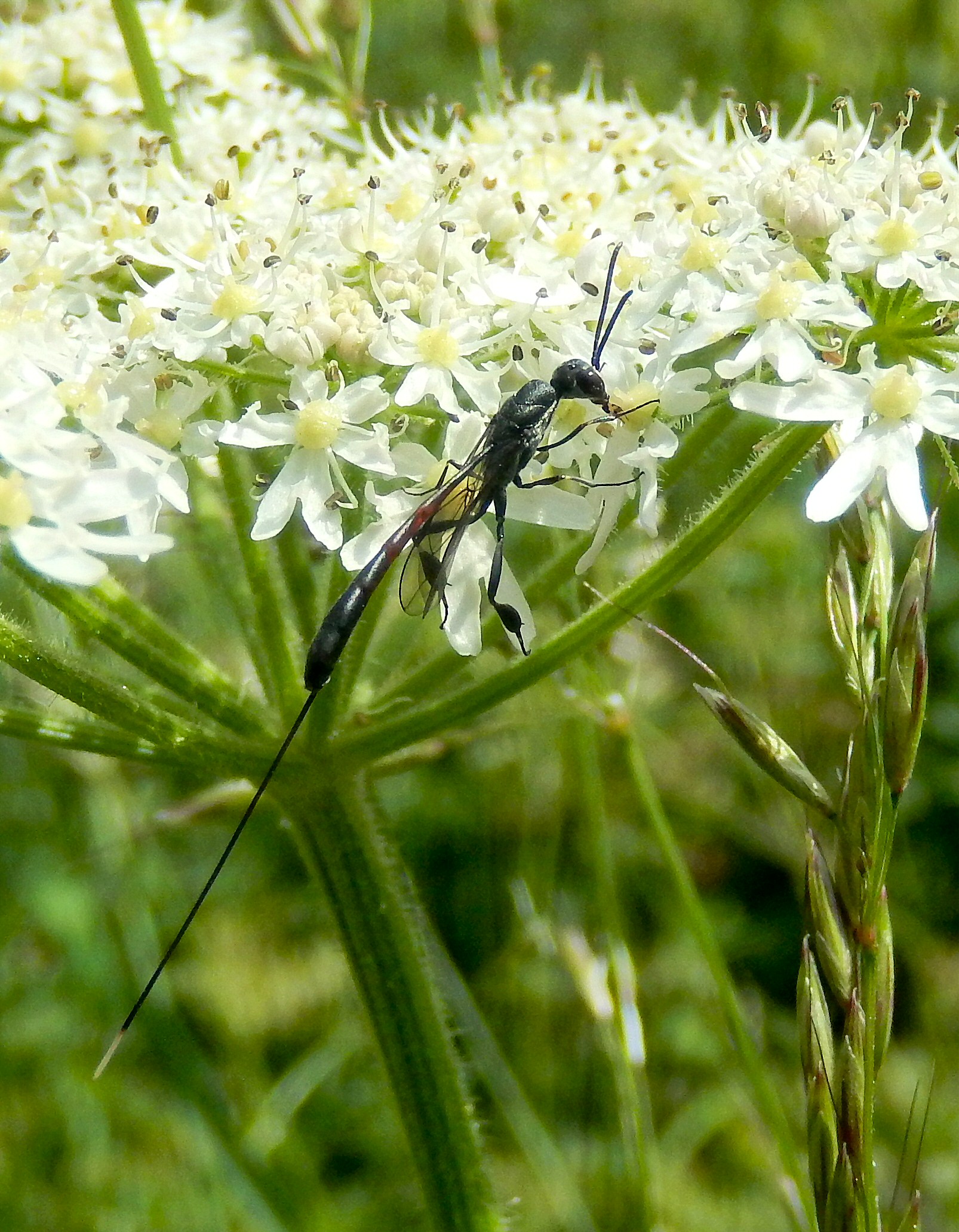
The hogweed, still in flower despite weeks of rainy weather that has caused many stalks to topple, was alive with flower beetles, bees large and small, and this magnificent Ichneumon wasp with its incredible ovipositor.
At first we saw only white butterflies, but a Comma was sunning itself, and a Speckled Wood had somehow survived the wet weather.
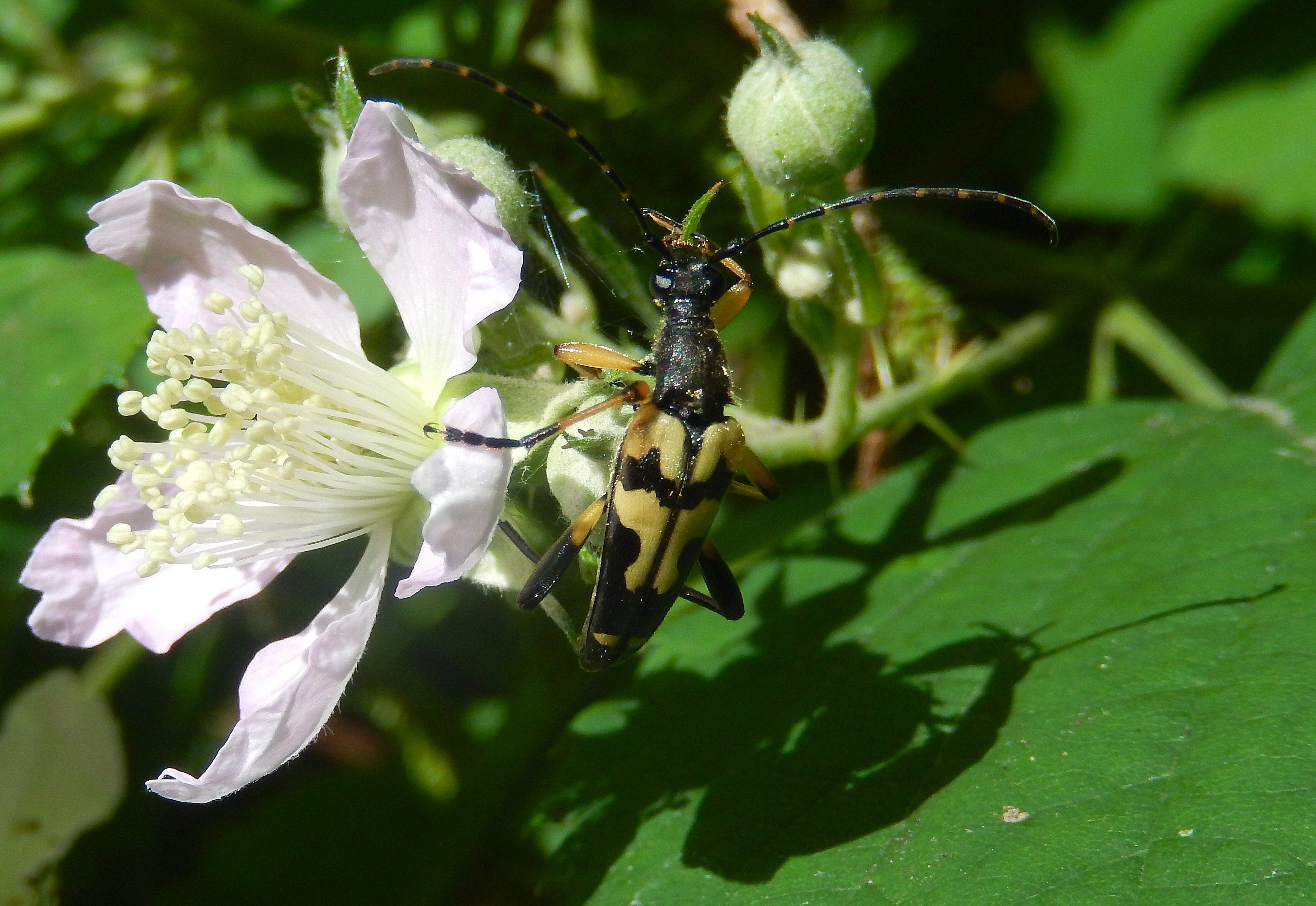
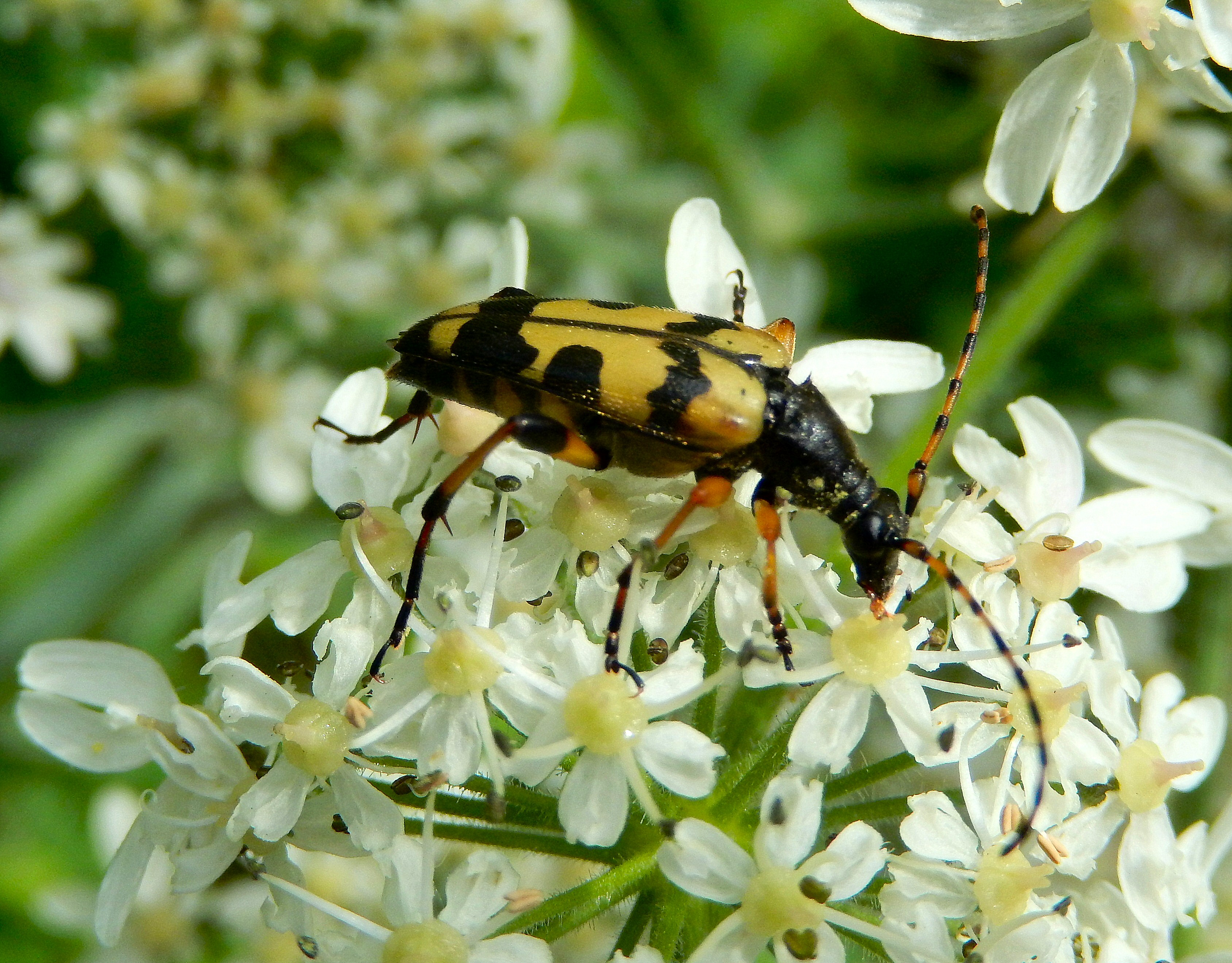
We saw two Strangalia maculata longhorn beetles taking nectar. They are Batesian mimics of wasps, looking in all truth only very slightly waspish, but perhaps young birds are put off. Or perhaps they do in fact taste foul.
We were just discussing the Sparrowhawks as we approached their nest tree when a commotion broke out along a branch, and a Sparrowhawk flew rapidly with its claws forward: a Squirrel raced away from the nest, hotly pursued by the angry bird; they leaped to the neighbouring tree and scurried up the matching branch out of sight. The Sparrowhawk broke into a loud excited chittering trill. We were all excited, laughing at the speed, the impossibility of reaching for a camera.
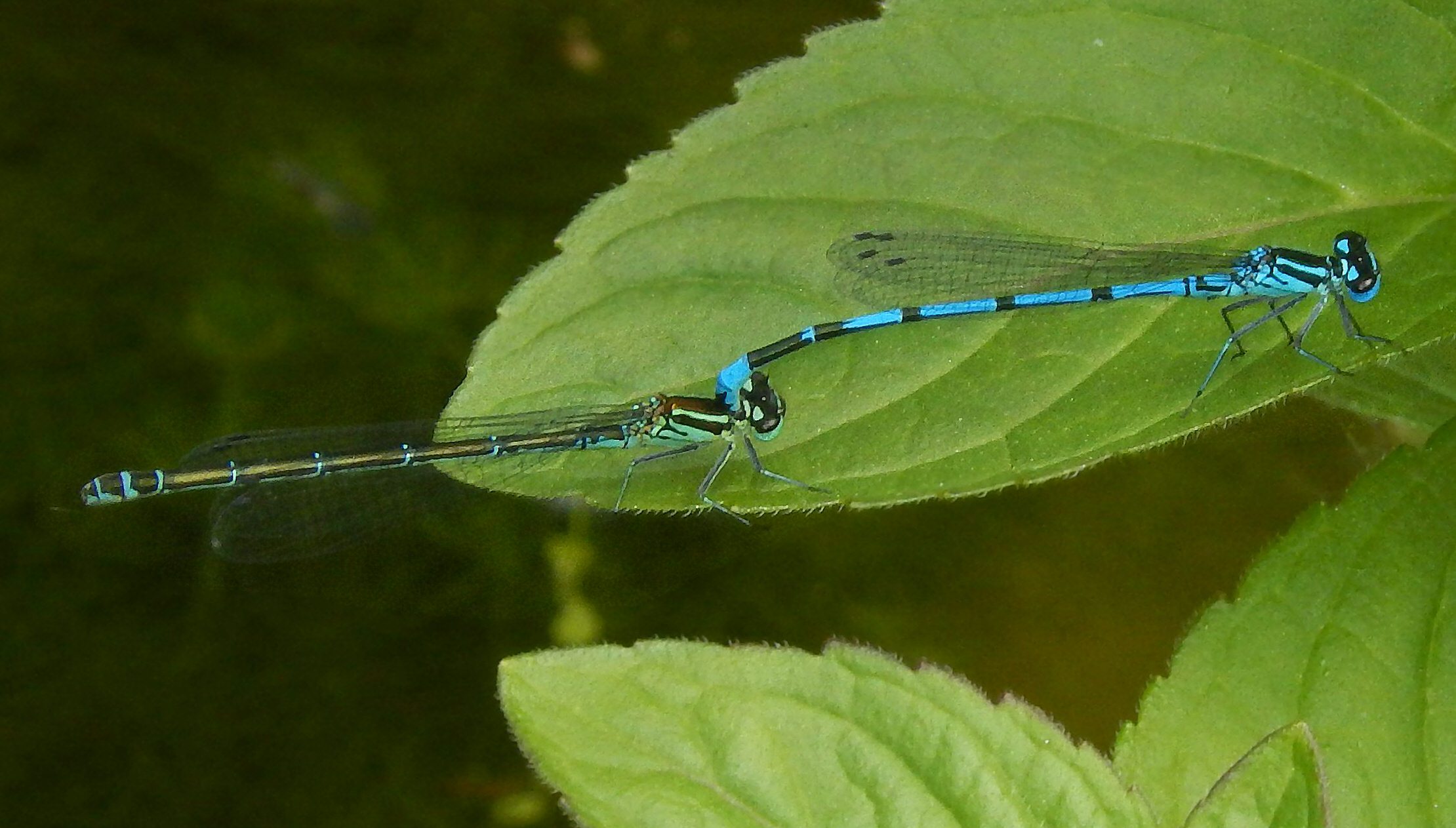
A Holly Blue flew over the pond, above several pairs of mating Azure Damselflies and a Yellow Iris now chewed right down to a semi-leafless state by the Iris Sawfly larvae.
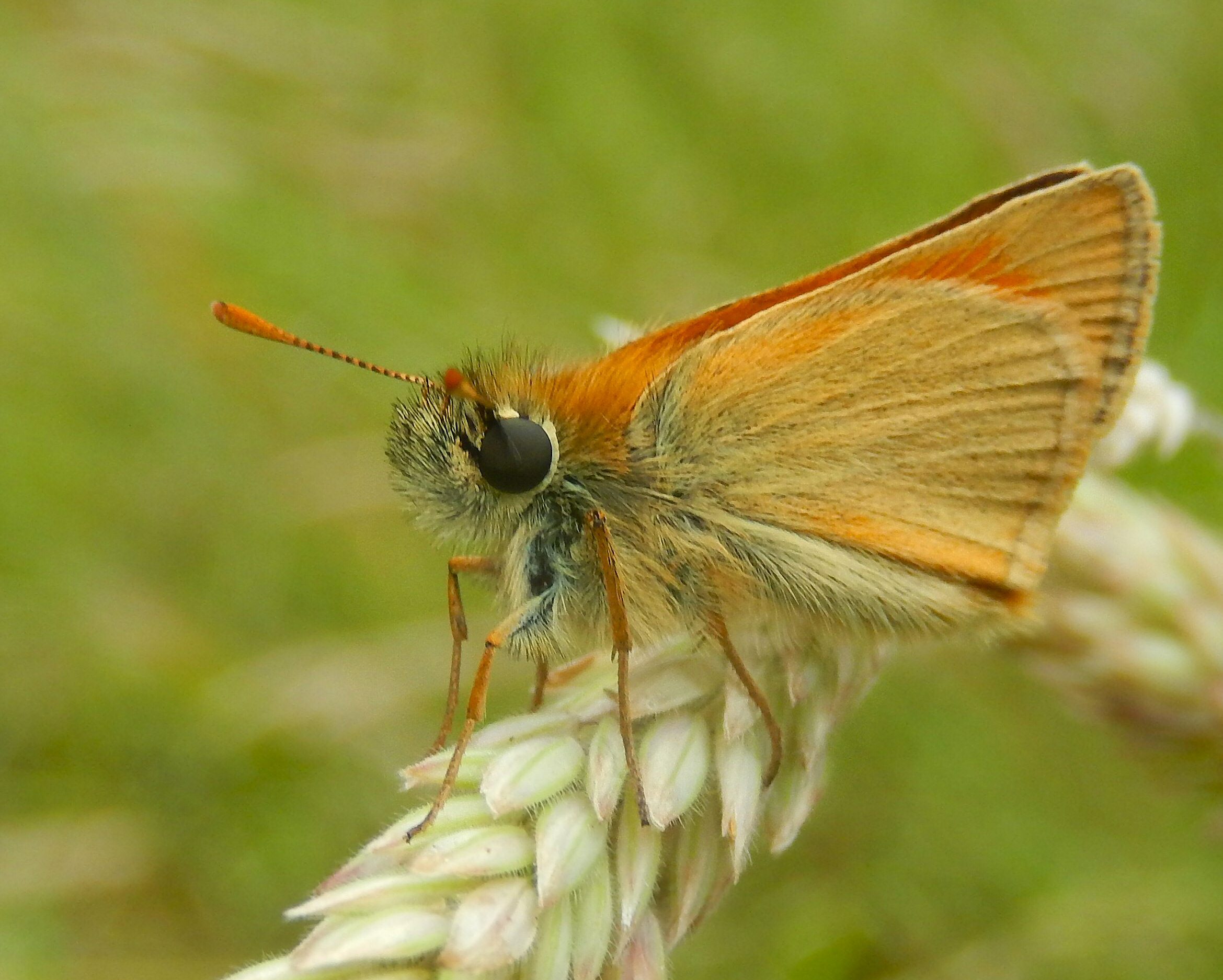
Down at the Anthill Meadow, a single Small Skipper perched on an ear of Yorkshire Fog.
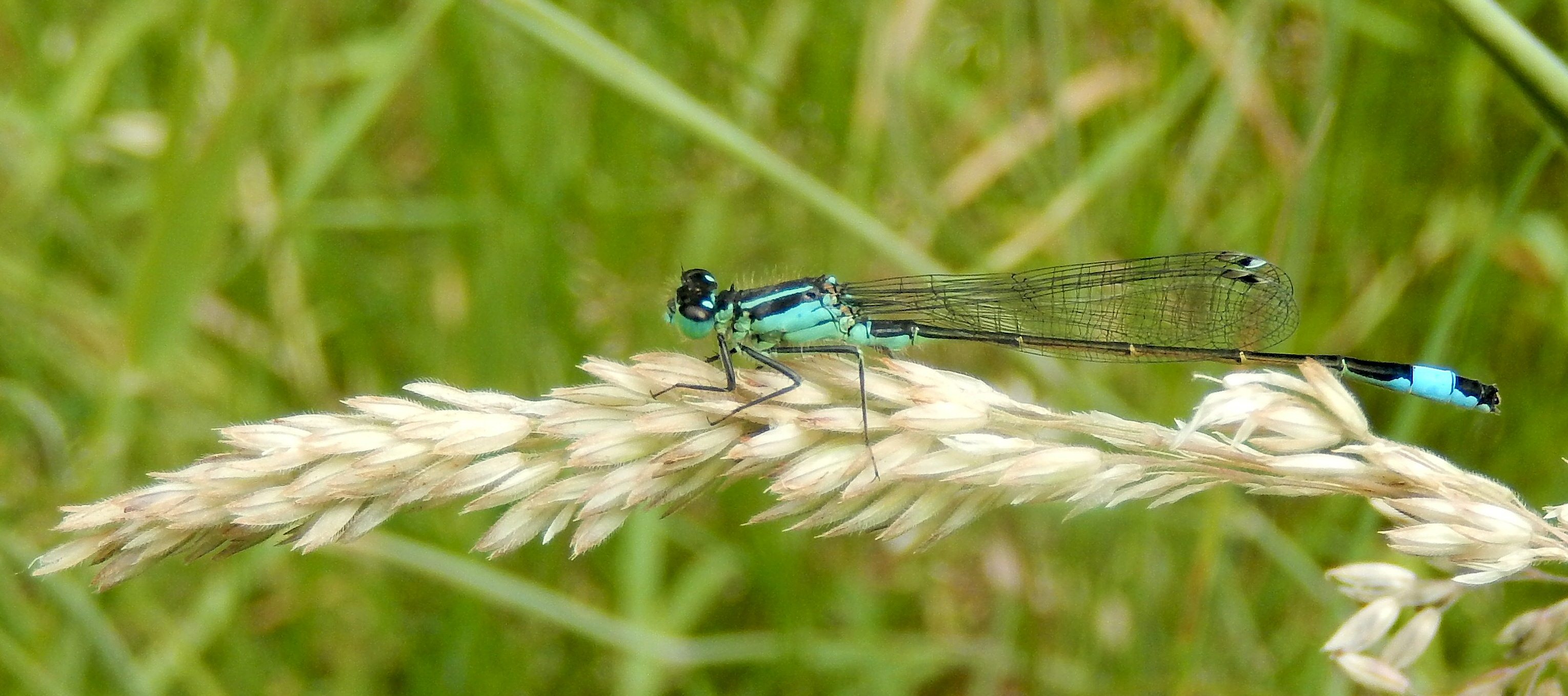
On the next ear was a male Bluetail Damselfly: they have emerged from the pond in the past week.
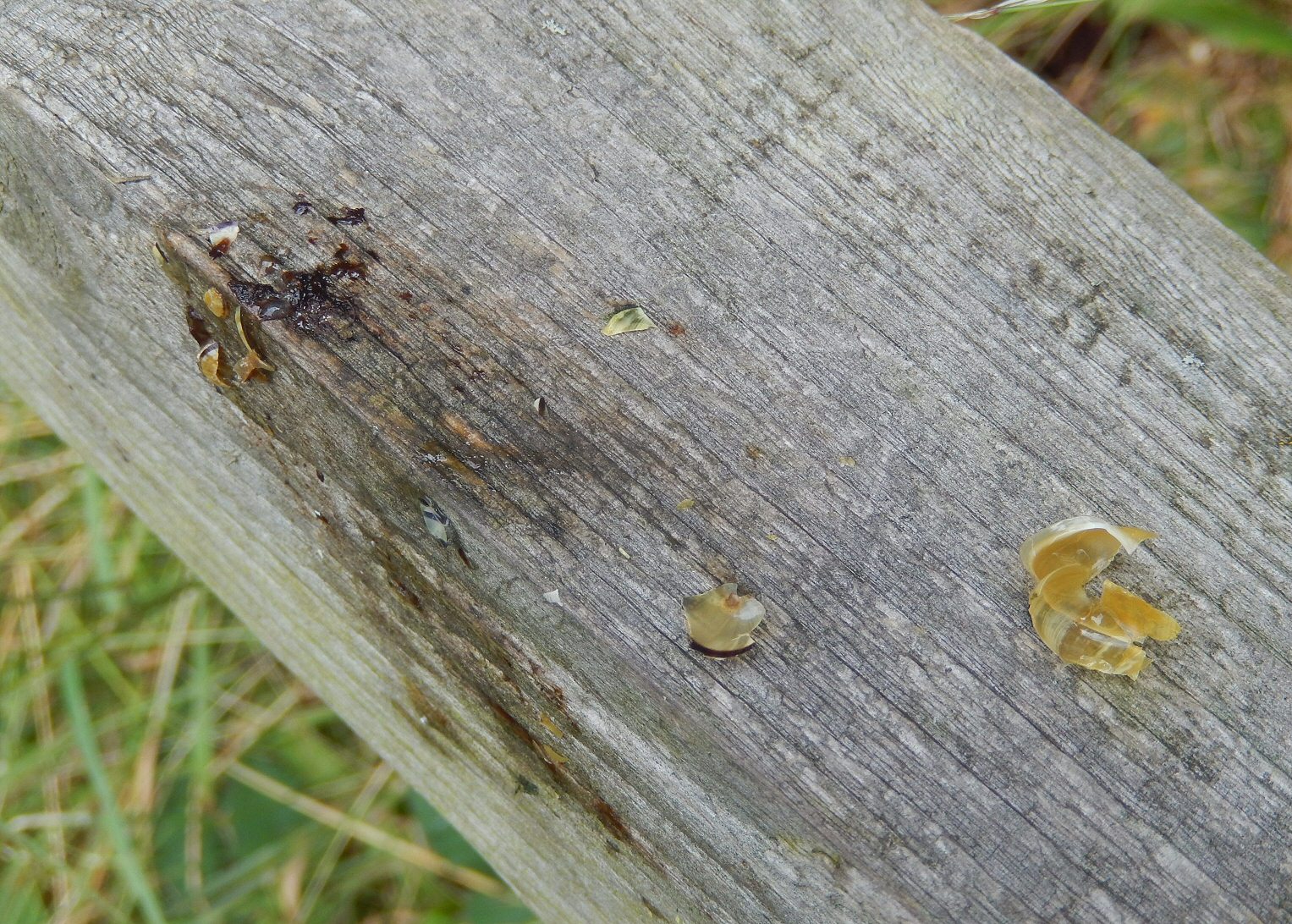
The wooden rail was sticky with snail pulp: a Song Thrush had hammered three snails open on the exposed woodwork, leaving shells and sticky patches behind.
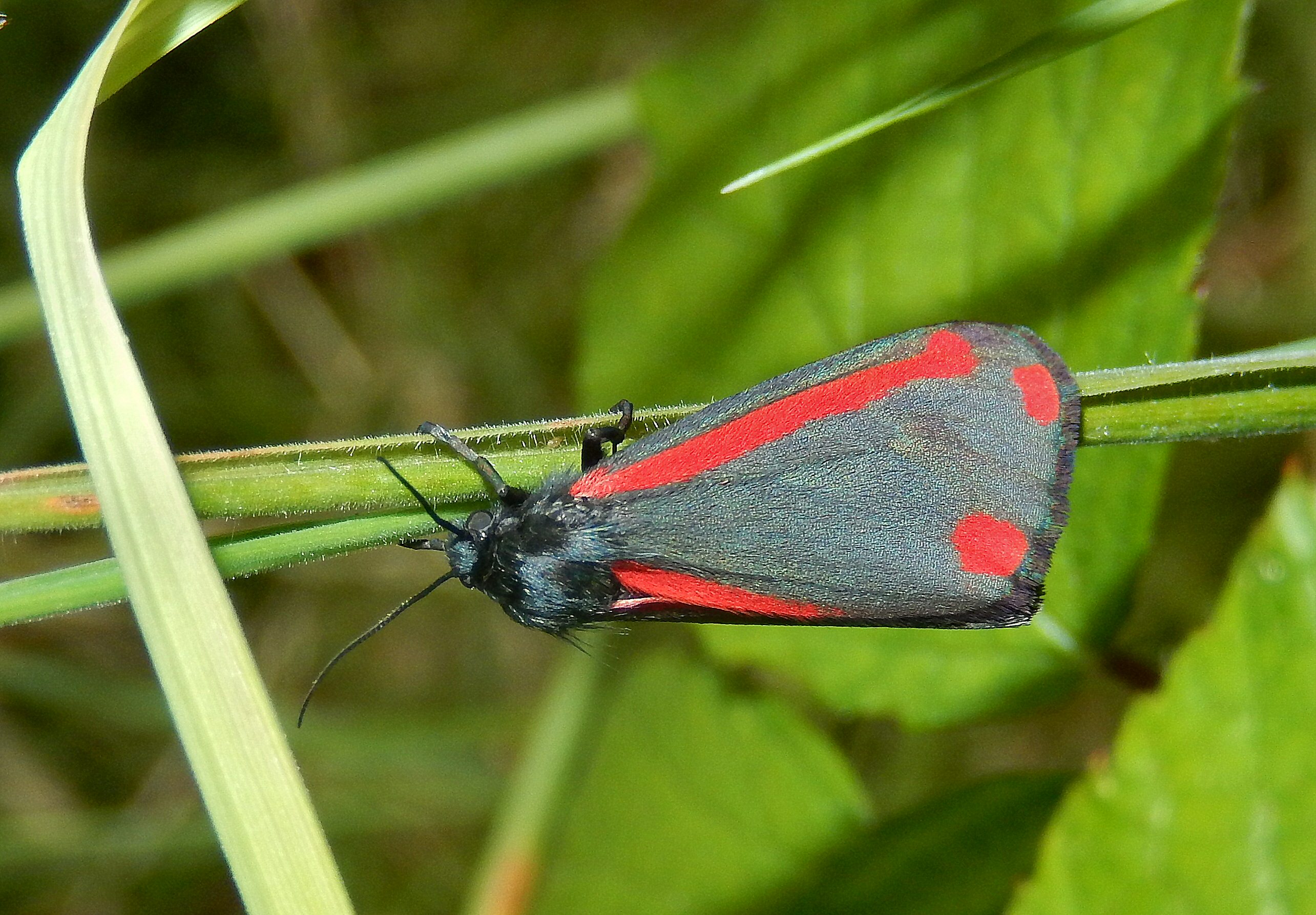
Two days ago I saw a Cinnabar moth in the Small Meadow. There is plenty of Ragwort coming up, so with any luck there will be plenty of caterpillars soon.
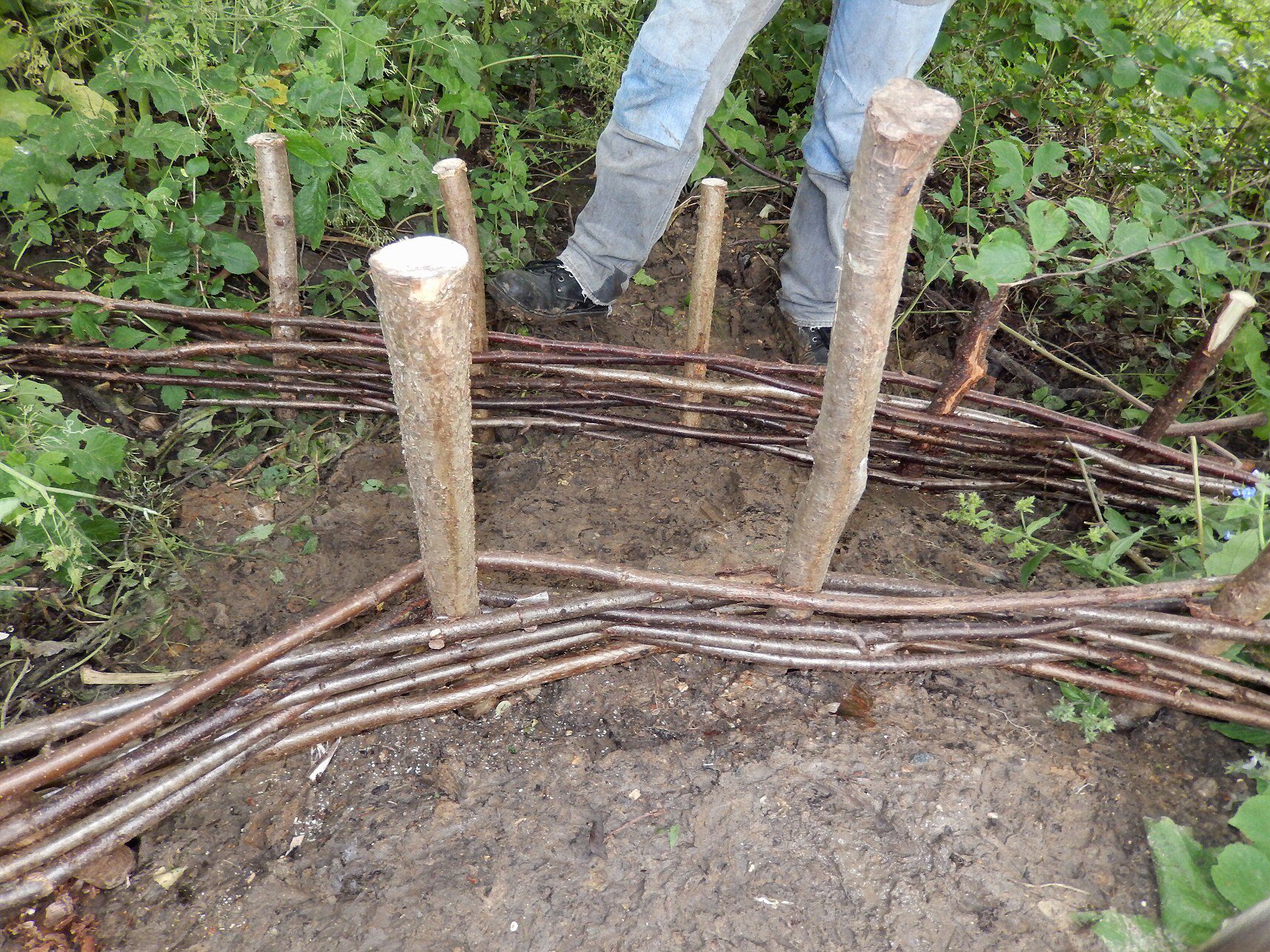
Well, you probably don’t need me to tell you that this summer – yes that was Midsummer’s day we just had – has been a teeny bit wet.
We’ve had the car park flooded repeatedly in front of the hut, and two storm channels have eroded tons of soil down the bank towards the railway.

Joking aside, we picked up some stout hazel poles and bundles of long slender binders, and sat at the top of the ramp with billhooks to sharpen the poles and cut them to length as withy-posts. We then hammered them into the very squishy mud of the main erosion channel, and did our best to weave the binders around them. They were a little dry and we heard a few ominous cracks, but in the main they wove in and out pretty well. We made two little fences with five posts each, leaving space for water to trickle below the basketwork, and indeed through it.
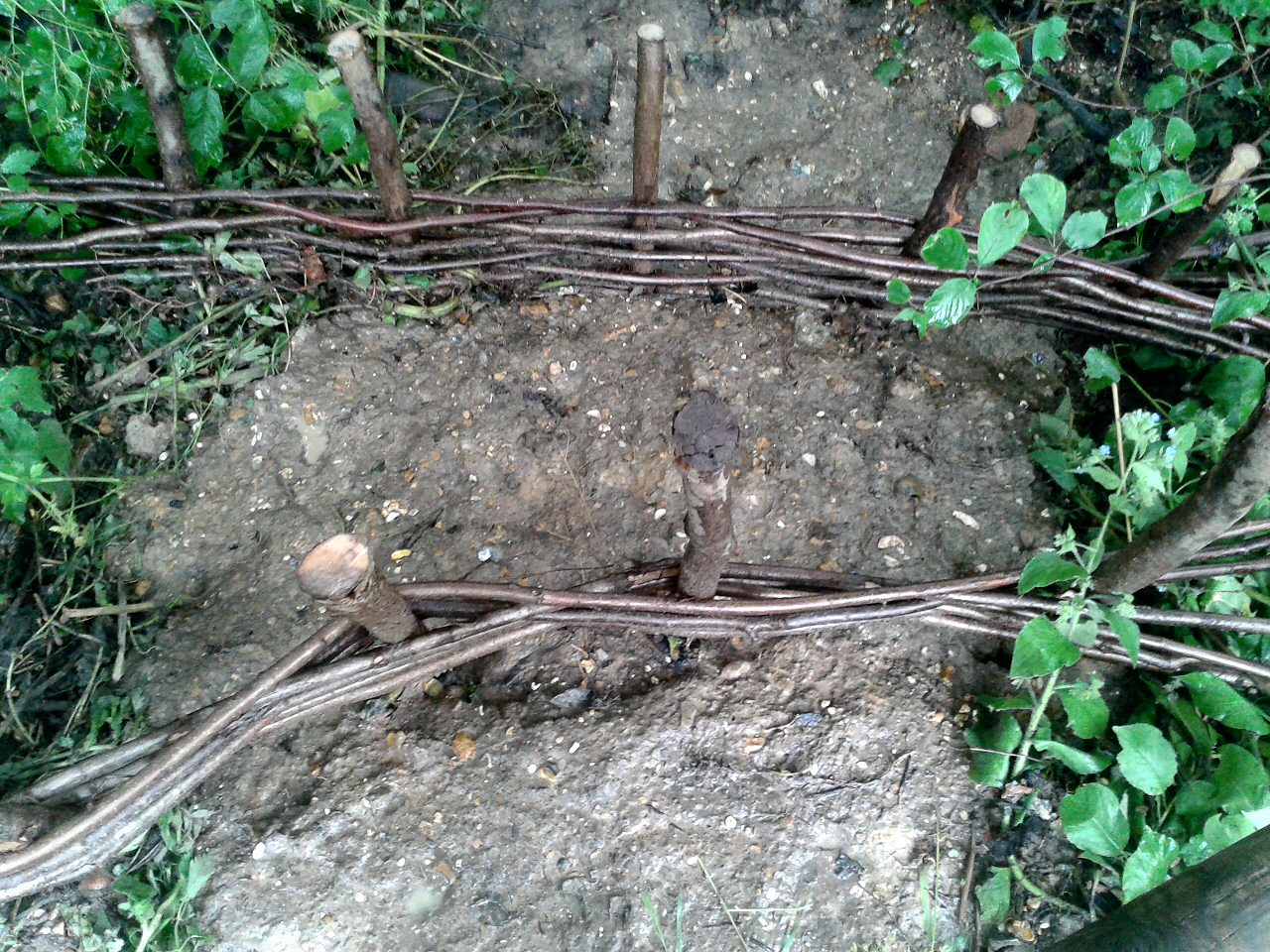
Last night there was yet another thunderous downpour, so this morning I went to have a look at whether our handiwork had helped. There was some scouring under the centre span of the front fence – overall, it looks as if the fences did a good job, but perhaps we need one more fence just at the front of the channel.
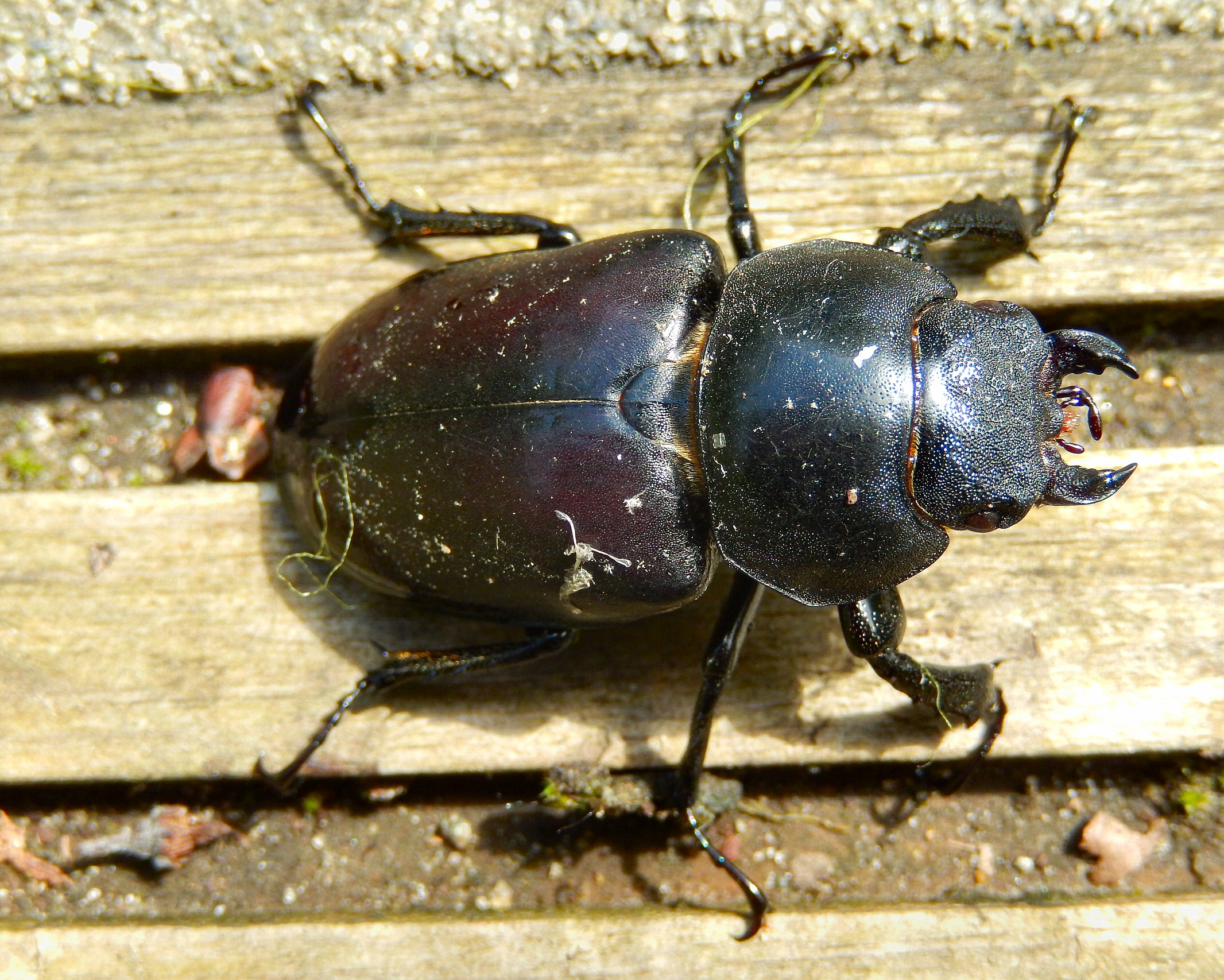
But happily, the bugs don’t seem to mind. I rescued this female Stag Beetle from a mat of weed in the pond: she seemed fine, holding on to my finger. She’s at least the third adult we’ve seen in recent weeks, so presumably many more have in fact hatched, a success for our loggeries and management approach.
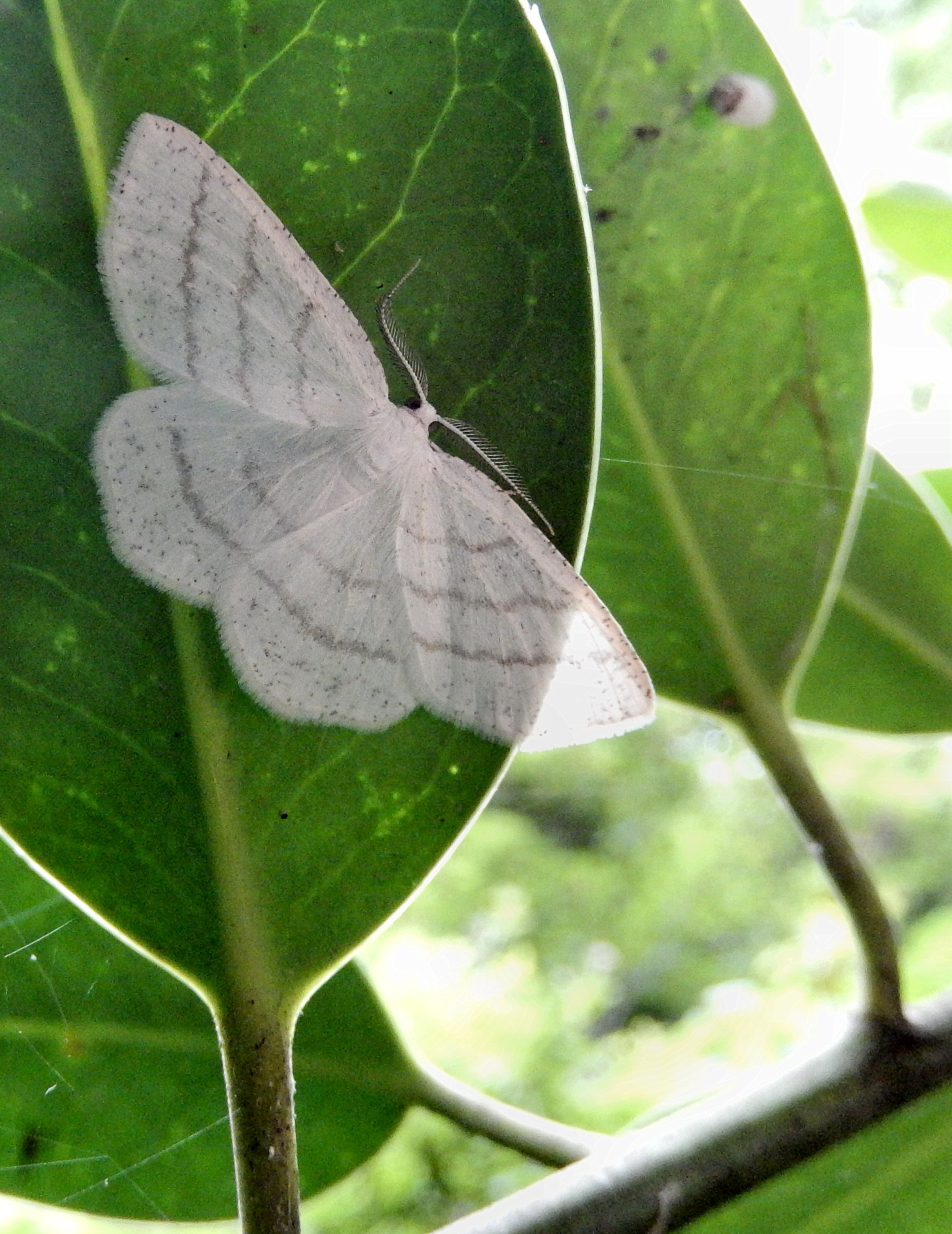
I’ve several times seen a biggish white moth rushing away to hide under bramble leaves. Today I managed to photograph one, which obligingly “hid” under a rhododendron leaf (yeah, we have some) and it’s the Common White Wave, Cabera pusaria. It likes Birch and Alder, so it must be living on our Birch trees here.
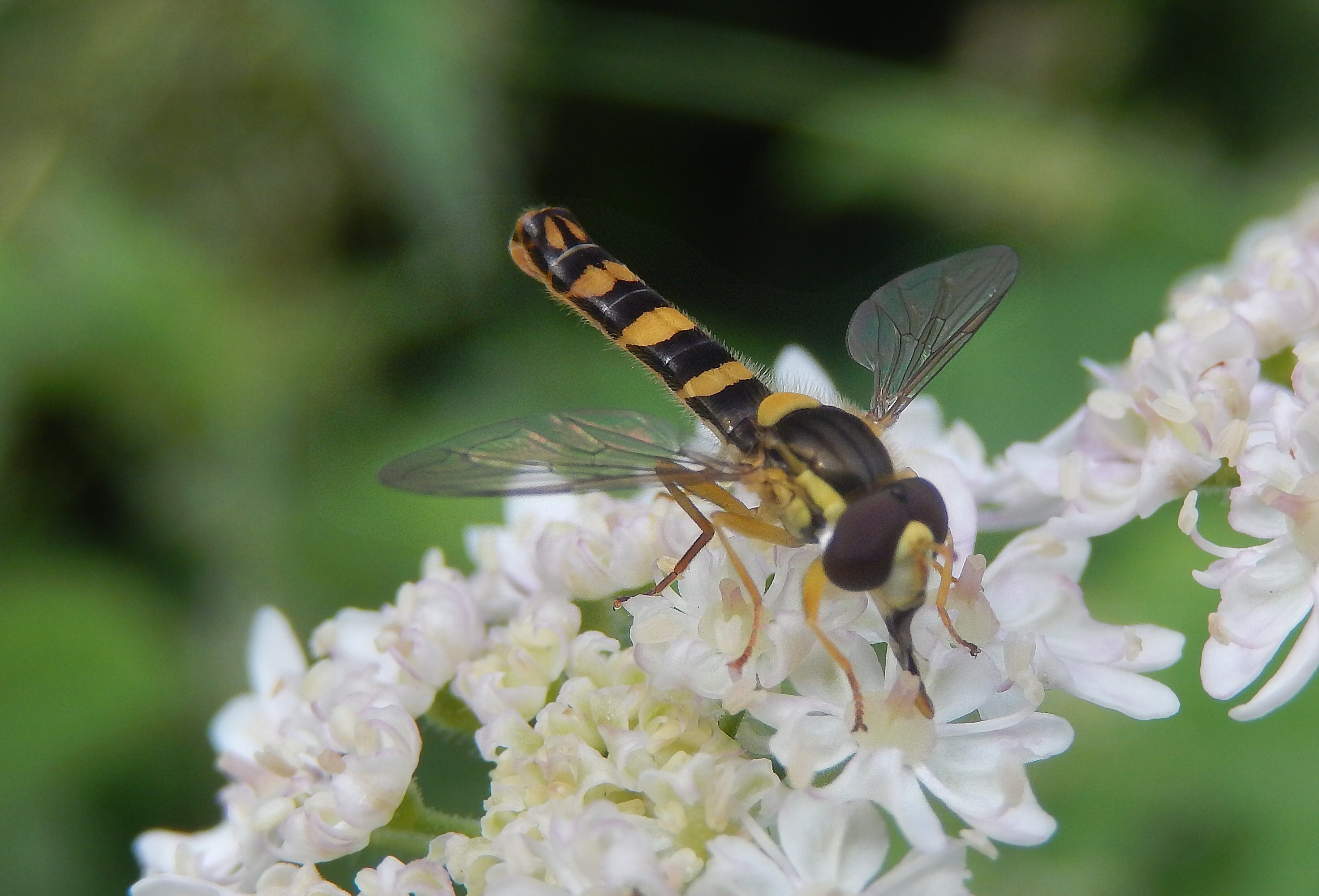
Mike instantly identified this handsome orange hoverfly as Sphaerophora scripta. It’s one of some 20 species he’s expertly noted in the reserve. A Volucella pellucens, the very large black and white species (with a pellucid whitish band on its abdomen, you really can see light through it) hovered unphotographably overhead.
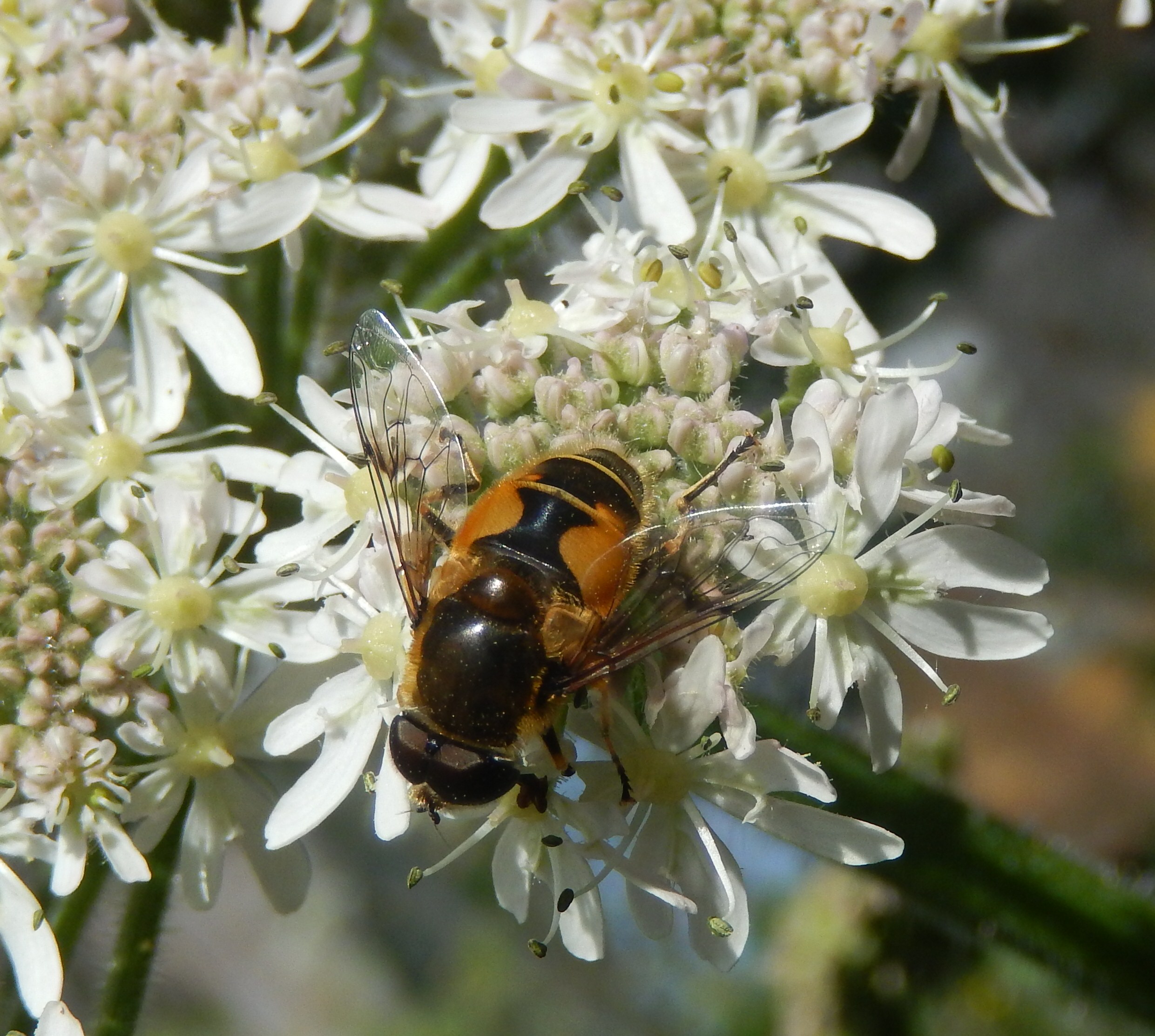
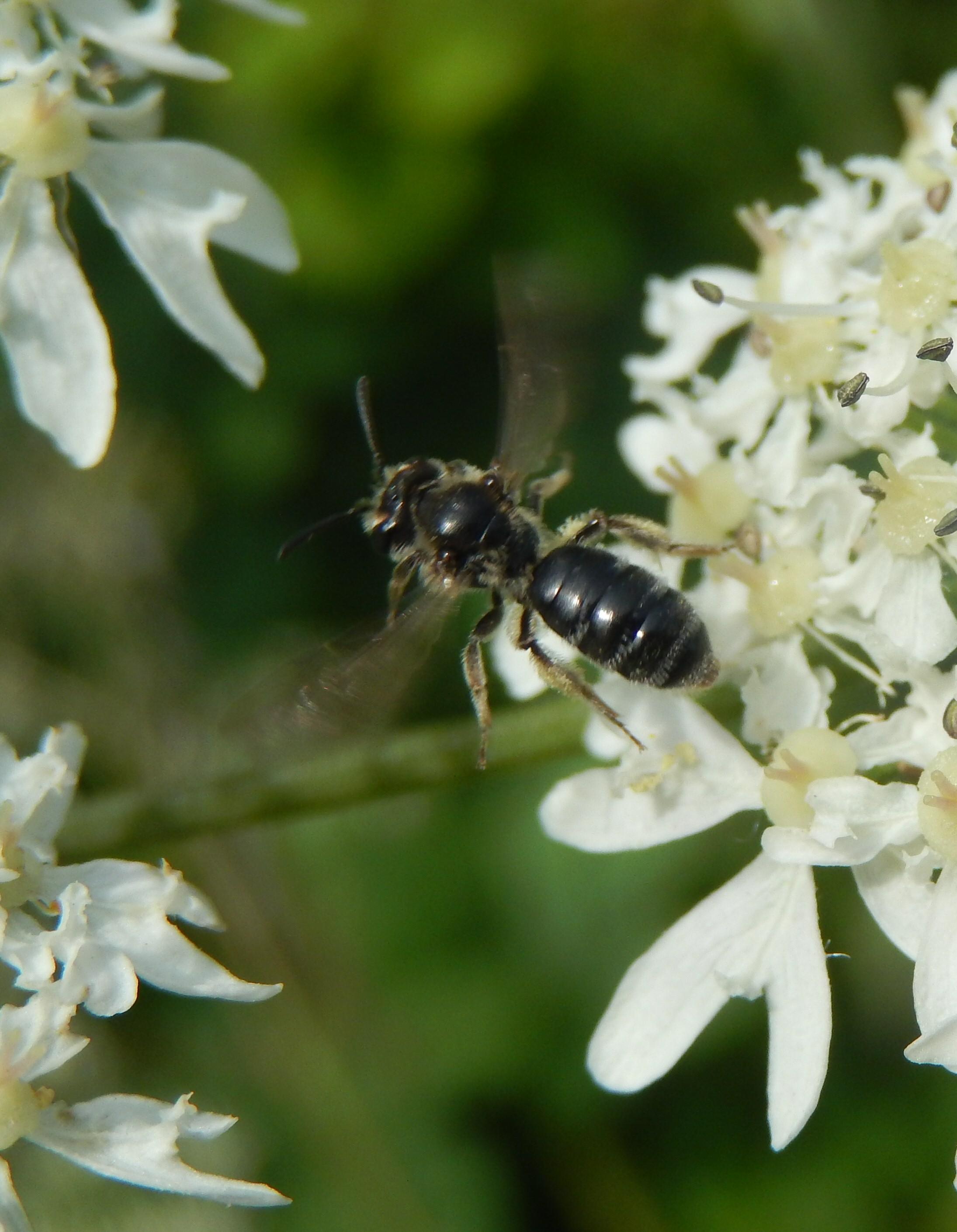
The Hogweed with its large white flowerheads is proving extremely attractive to different species of bees (honeybees, Andrena, Megachile leafcutters), bumblebees (tree, garden, buff-tailed, and others) and hoverflies, including this smart orange and black one. Mike says it’s a male Eristalis horticola, a new species for the reserve. Yay!
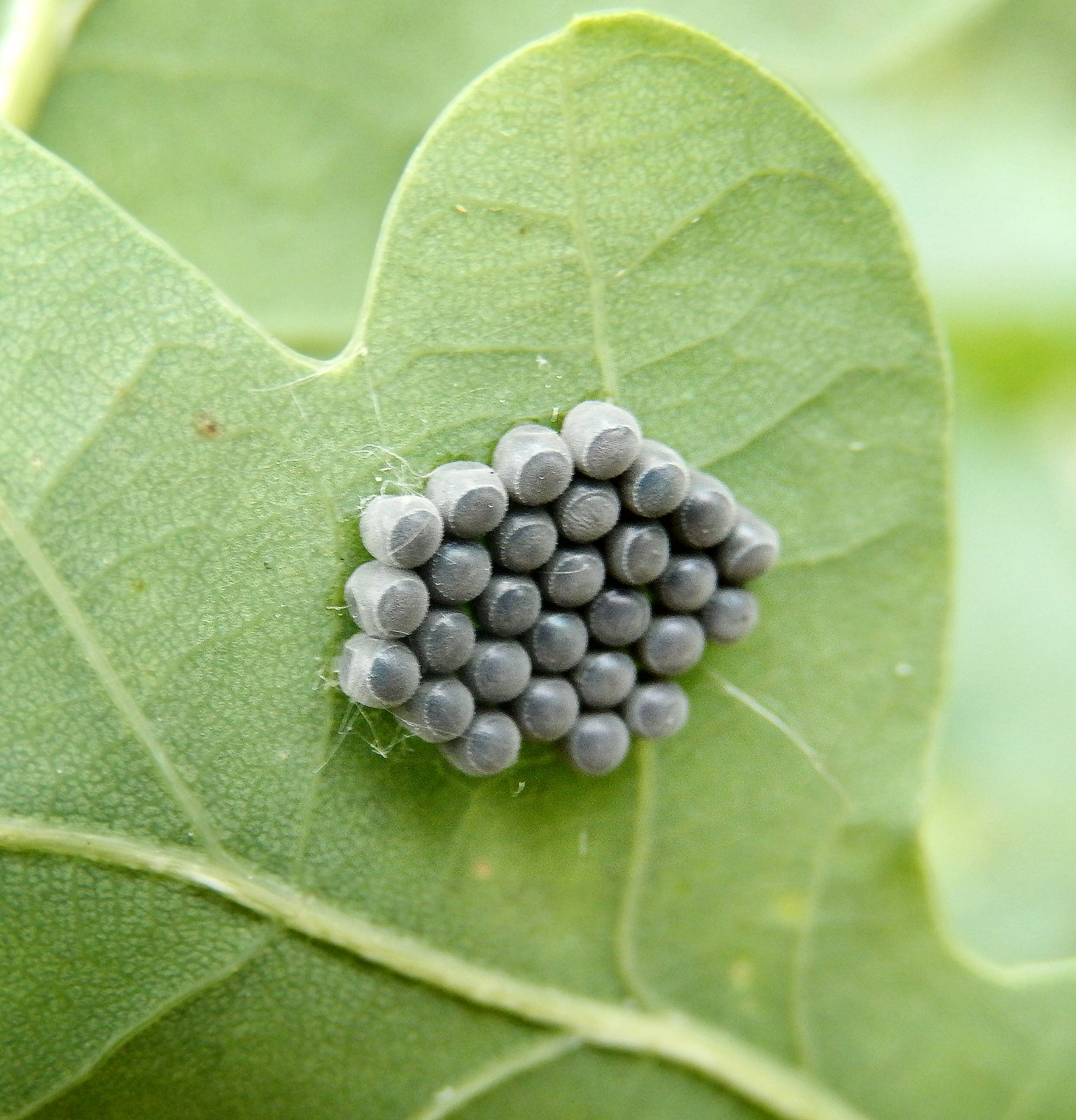
These are some moth (geometrid?) eggs on the underside of an English Oak leaf.
A miniature drama unfurled in my garden this morning, little streaks of orange and black sparkling in the sun as they chose places to land and sun themselves. They seemed to be newly-emerged, as they immediately stretched out their wings on landing: and if you look closely, you can see that the wings are not fully deployed, but are still soft and need to be puffed out quickly before they harden. If so, it’s remarkable that these little flies can take to the air in that condition.

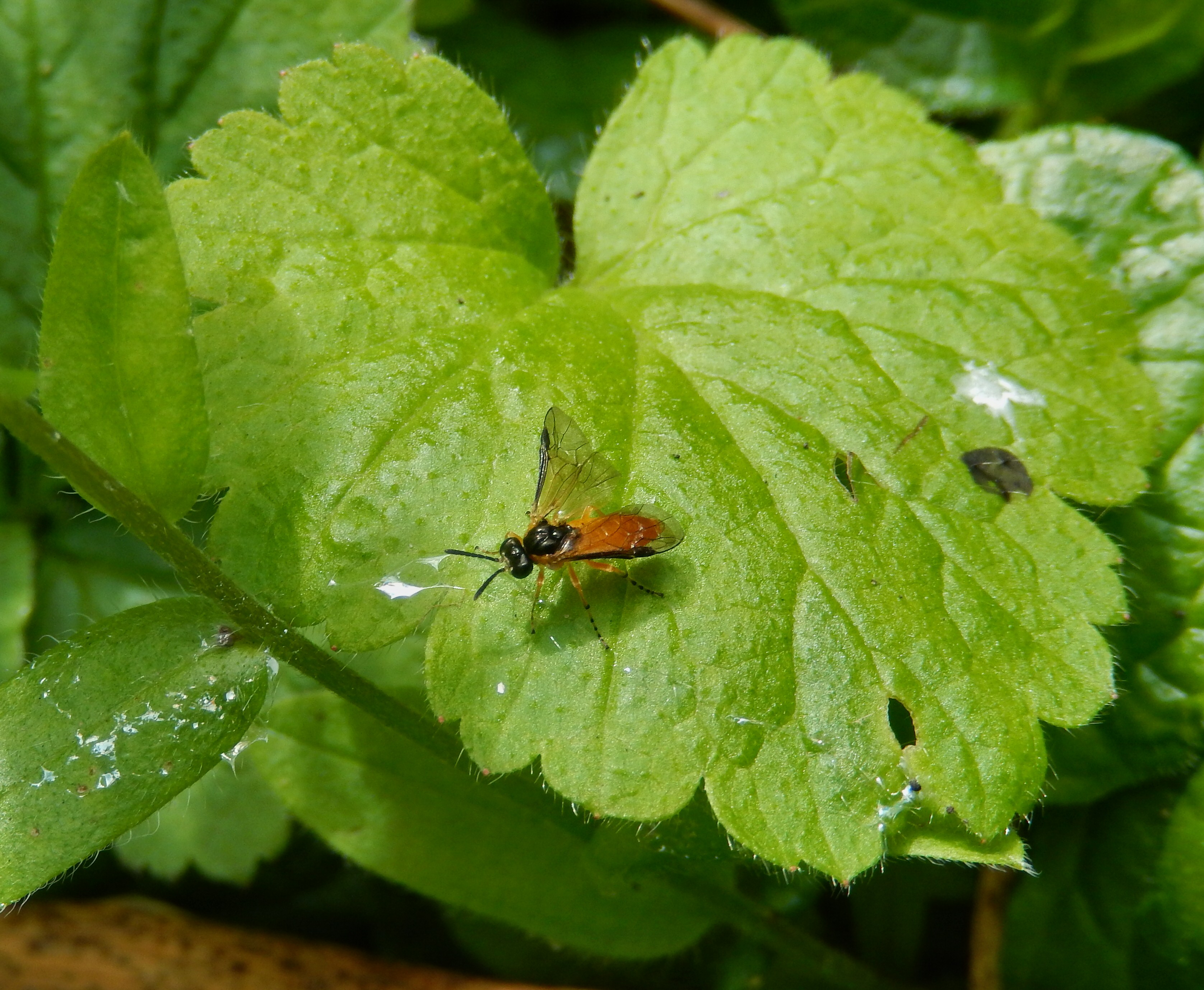
La Belle Noiseuse, the beautiful nuisance, roughly. Not the female sculptor in Jacques Rivette‘s 1991 film, starring Emmanuelle Béart, but a small sawfly. It’s a glorious little insect, shining in the sunlight, its deep orange-ochre abdomen contrasting with its black thorax and head, its legs elegantly banded black on orange, giving it a slightly waspish look in flight. (Indeed, it is presumably a Batesian mimic of wasps, benefiting by looking as if it might sting.)
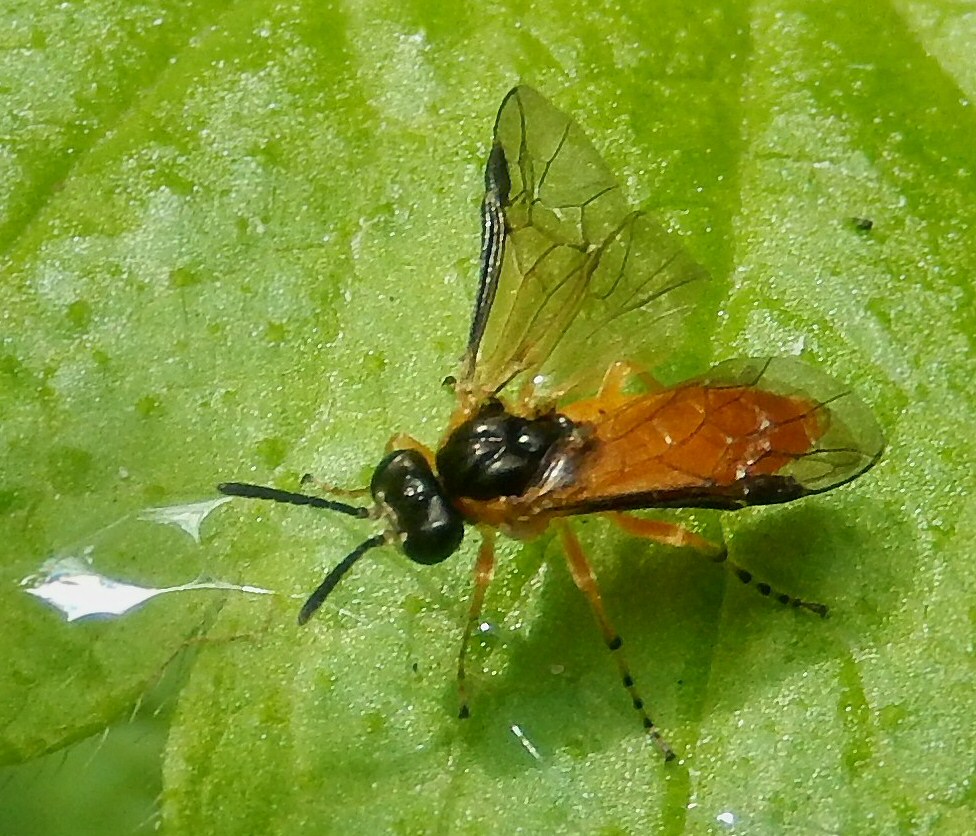
But its nuisance value does not lie in stinging, but in its caterpillar-like larvae, which devour the leaves of gooseberries and can defoliate whole bushes.
Still, it’s a splendid sight.
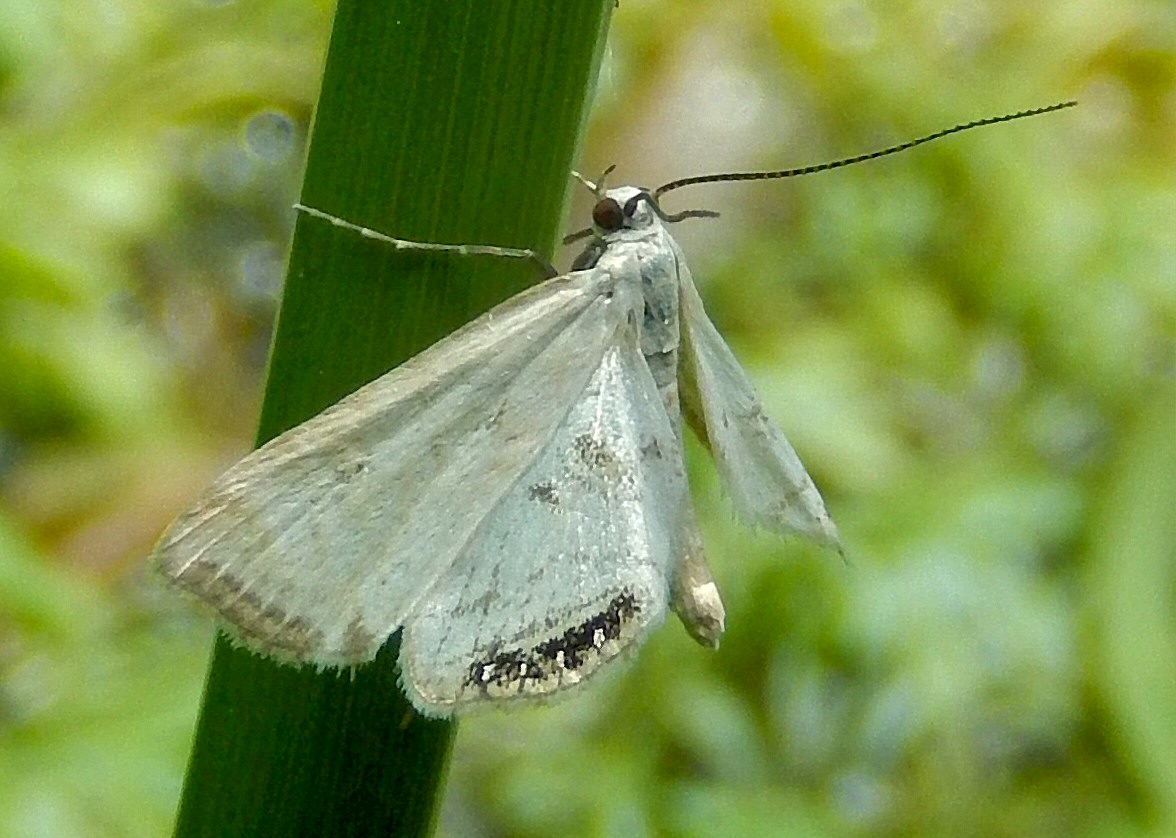
OK, and to end, one insect NOT on Hogweed, the Small China-Mark Moth, on a Reed. It and many others of its species were fluttering about the pond, where they mate and lay eggs in waterside vegetation. I was really pleased to get the camera so close to this attractive little insect.
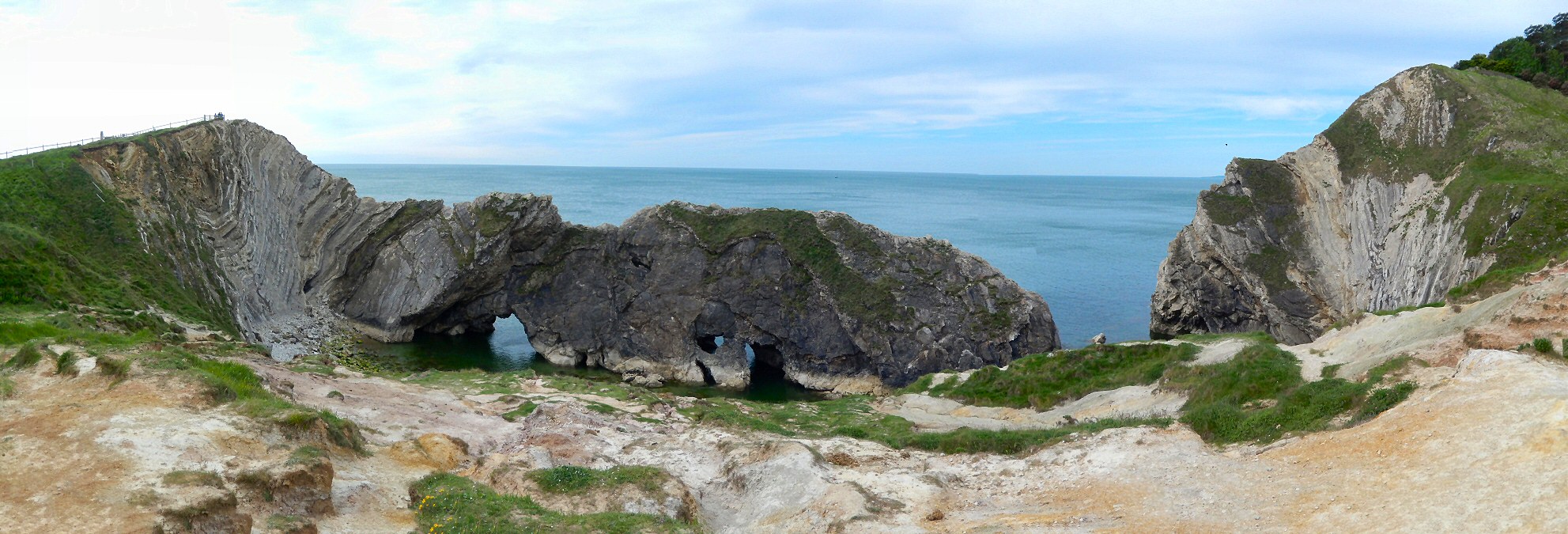
It was a cloudless morning, perfect for a walk around Thursley Common to look for dragonflies, other insects, birds, and bog flowers too.
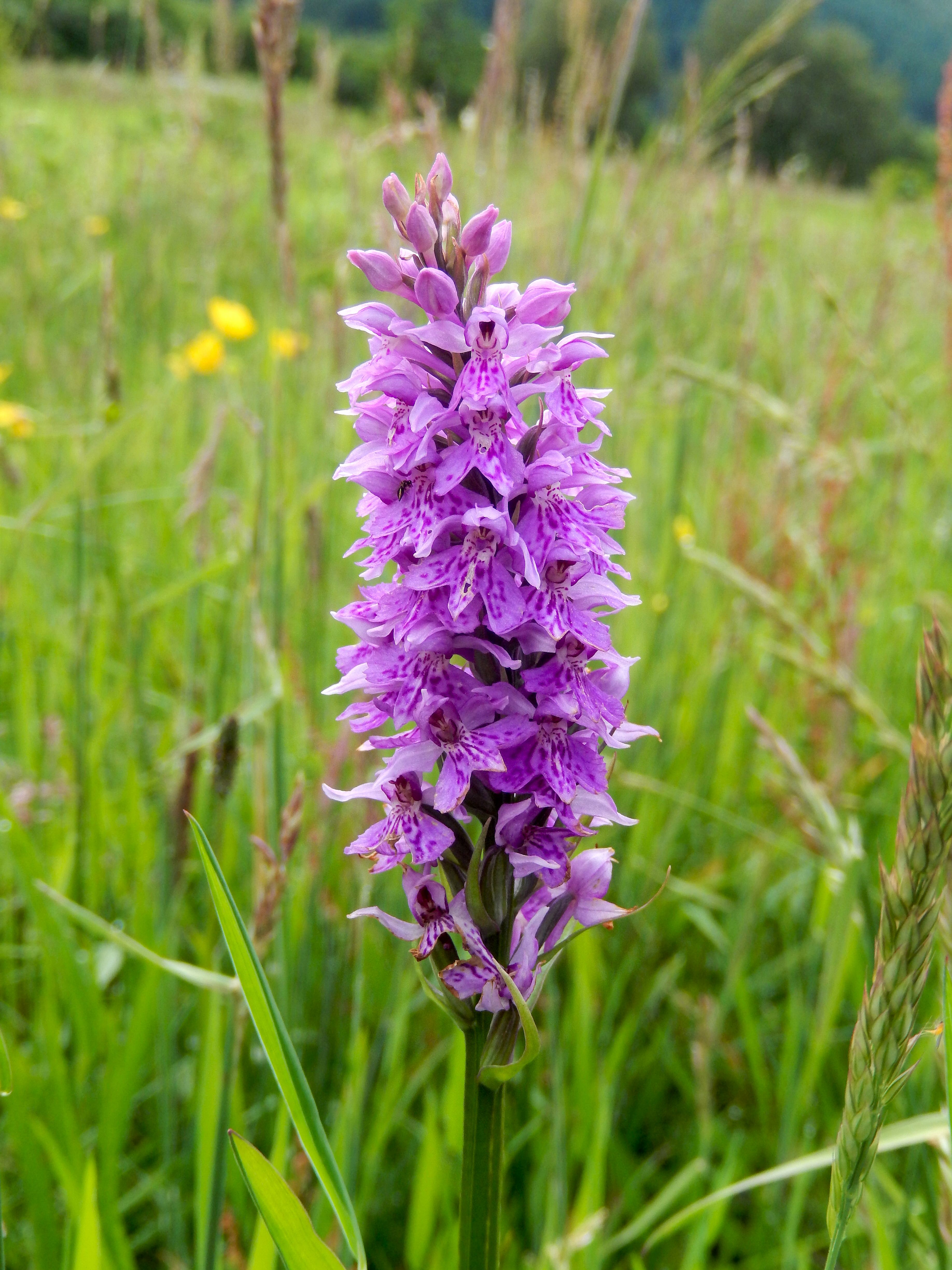
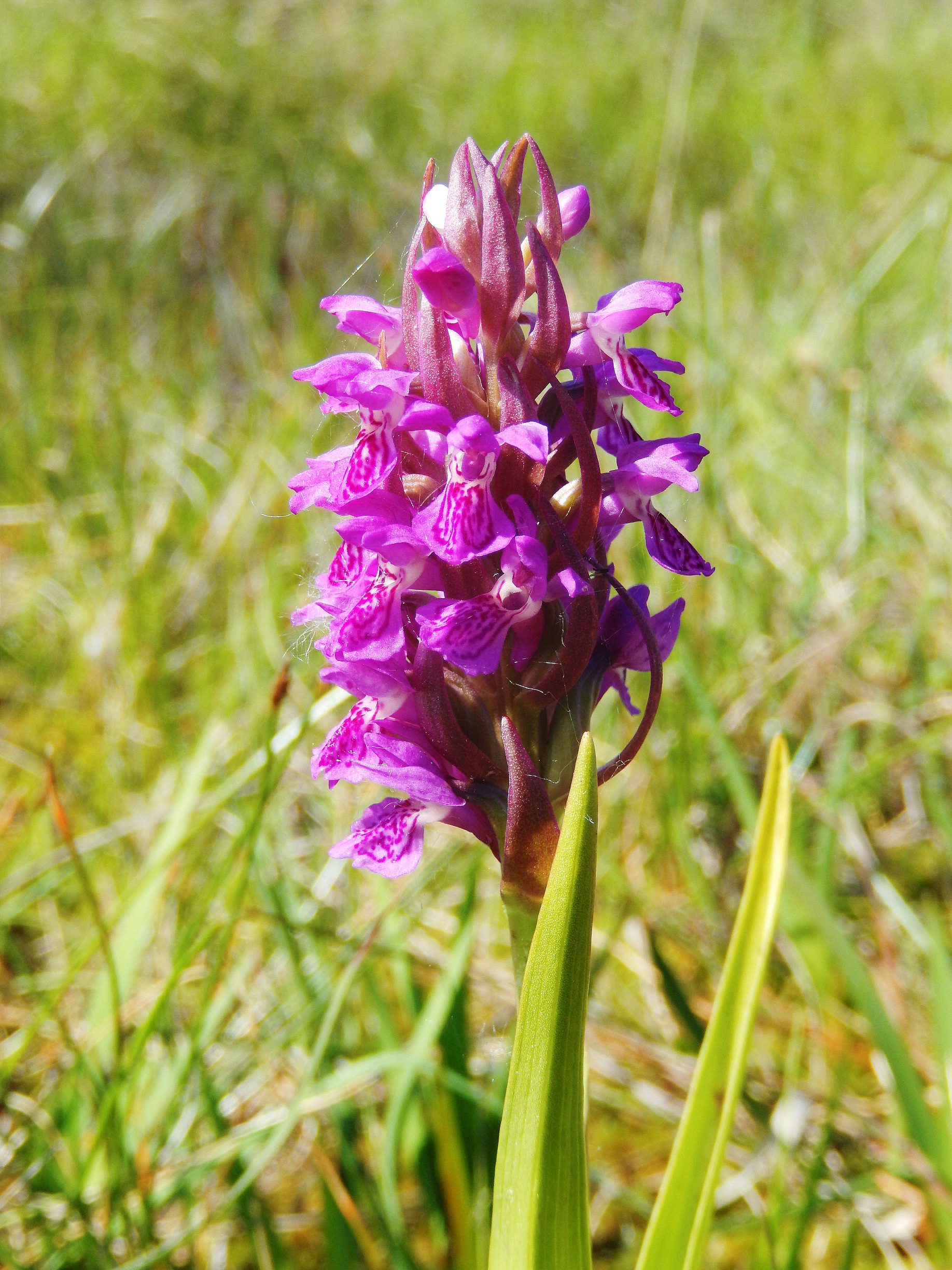
The bog pools were surrounded by Marsh Orchids in lovely purple bloom.
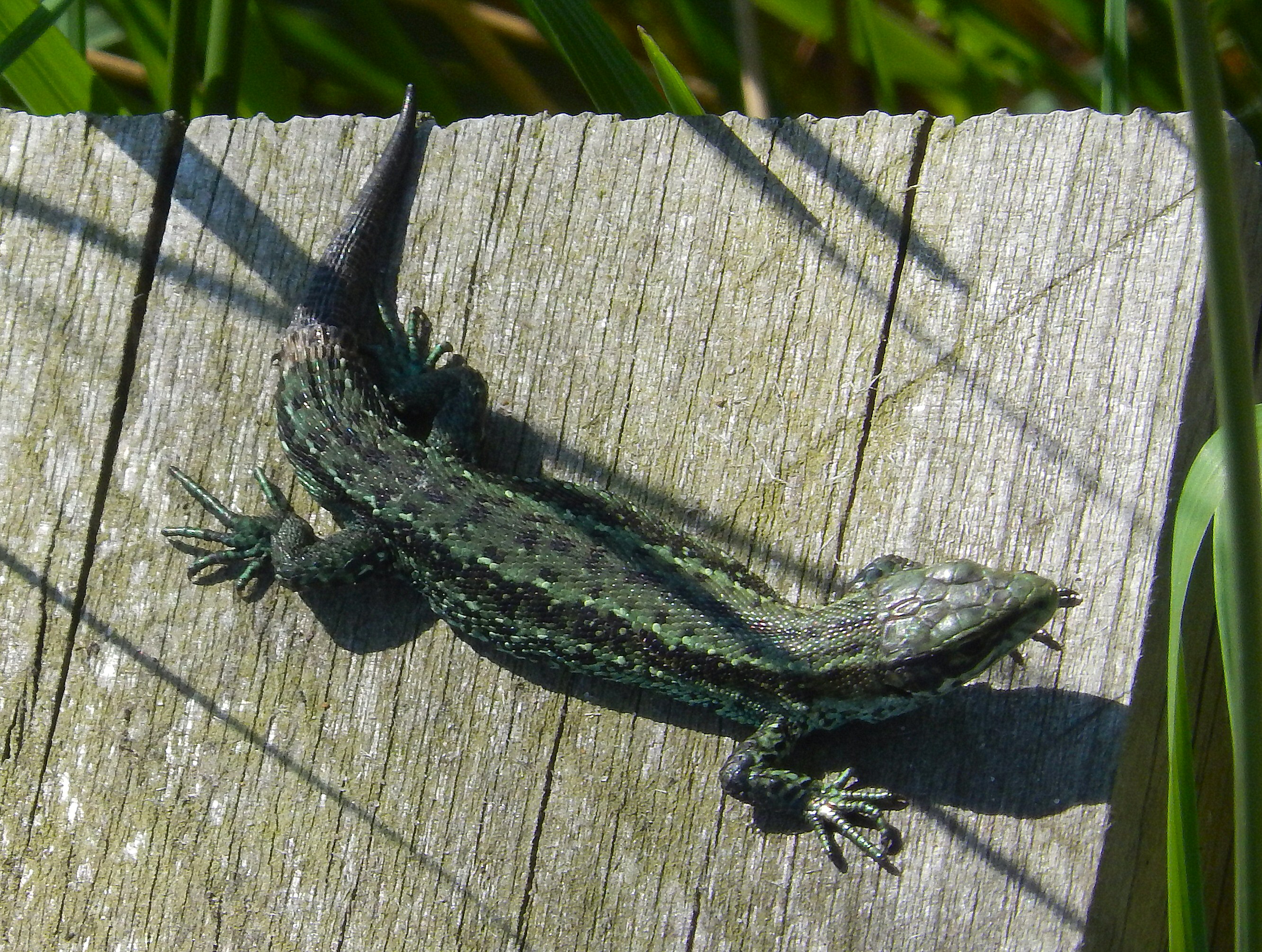
A few lizards, one with a regrowing tail, sunned themselves on the boardwalks.
Masses of Black-Tailed Skimmers chased aggressively about the pools, along with a few blue damselflies and some Black Darters. Some Large Red Damselflies warmed up on the heather, well away from the pools.
A Curlew called (or is it sang?) its beautiful, melancholic mating cry, flying high, slowly, and holding out its wings in a distinctive curve: something like a small heron, but with its incredible long downcurved bill, and tail feathers spread showily. It’s a rare delight, not least because Thursley is the only place Curlews breed for many miles around.
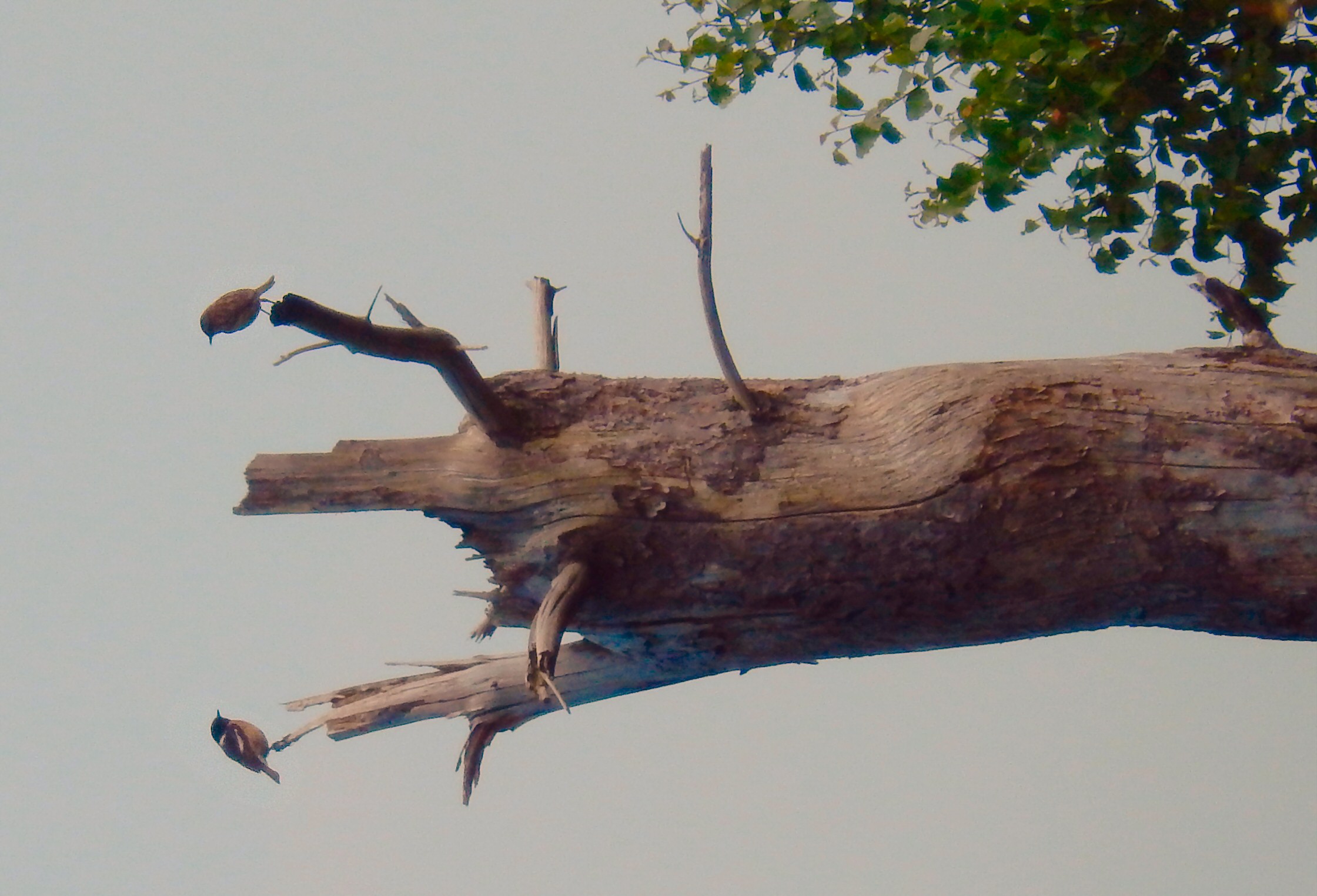
Stonechats sang their brief grating song from conspicuous viewpoints all over the common, sometimes in little family groups.
A Tree Pipit gave a fine display of its song flight from a tall tree.
On a lake filled with Yellow Water-Lilies at the edge of the common, gigantic Carp lurked and splashed at the surface, and Downy Emeralds chased, seeming club-tailed.
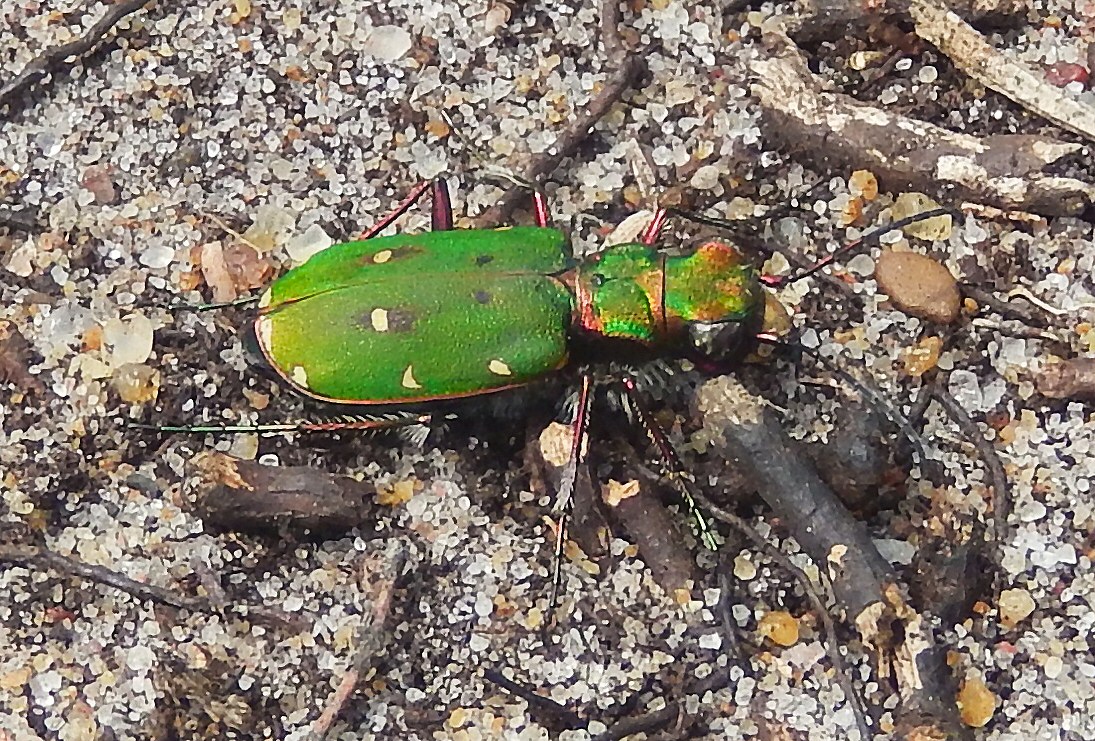
A Green Tiger Beetle whirred on to the path – a very strange flight jizz, but easily recognized once close enough.
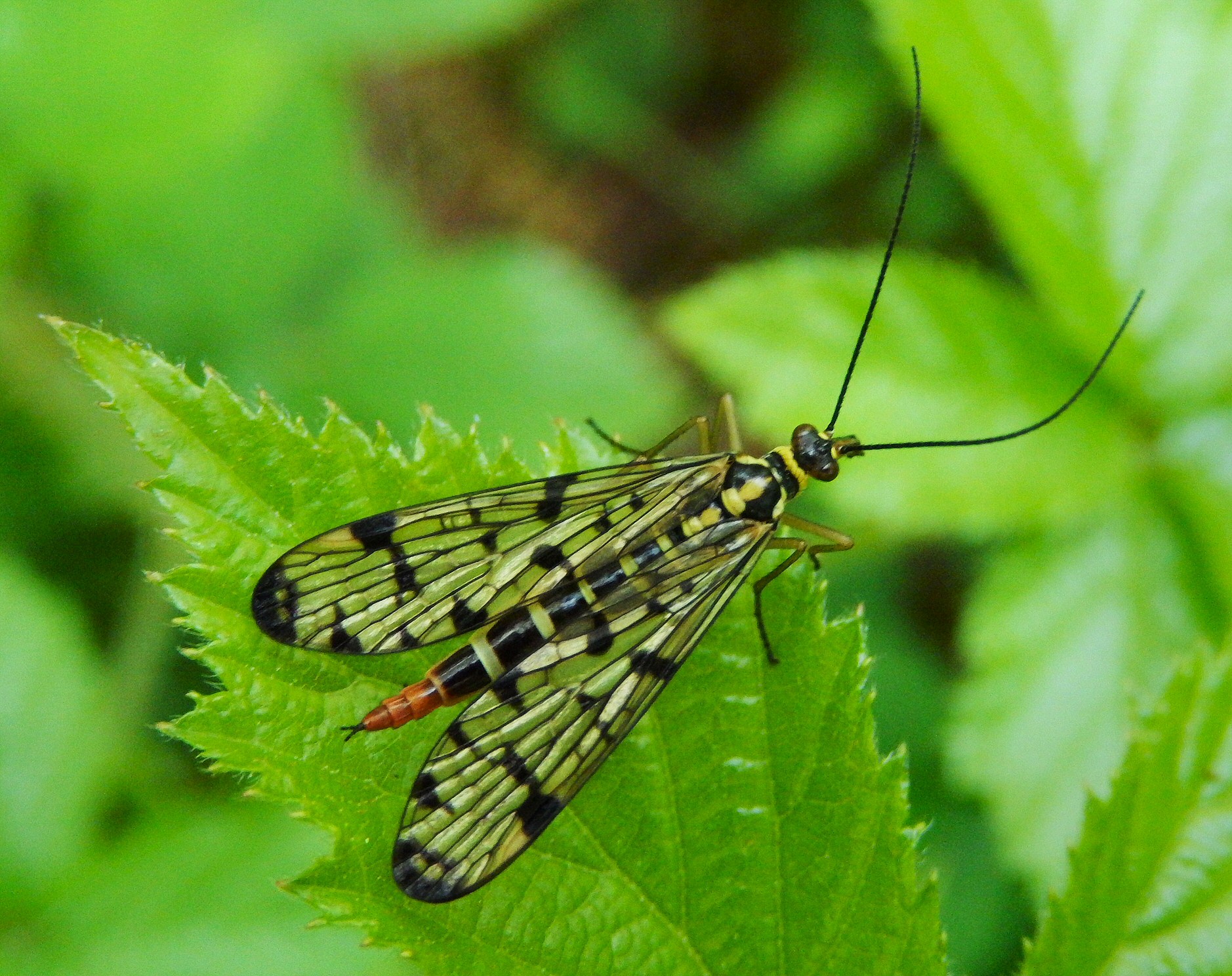
Perhaps the most tantalizingly lovely insect of the day, however, was this Beautiful Demoiselle, shining iridescent Lapis Lazuli blue against the delicate pale green of a birch sprig.
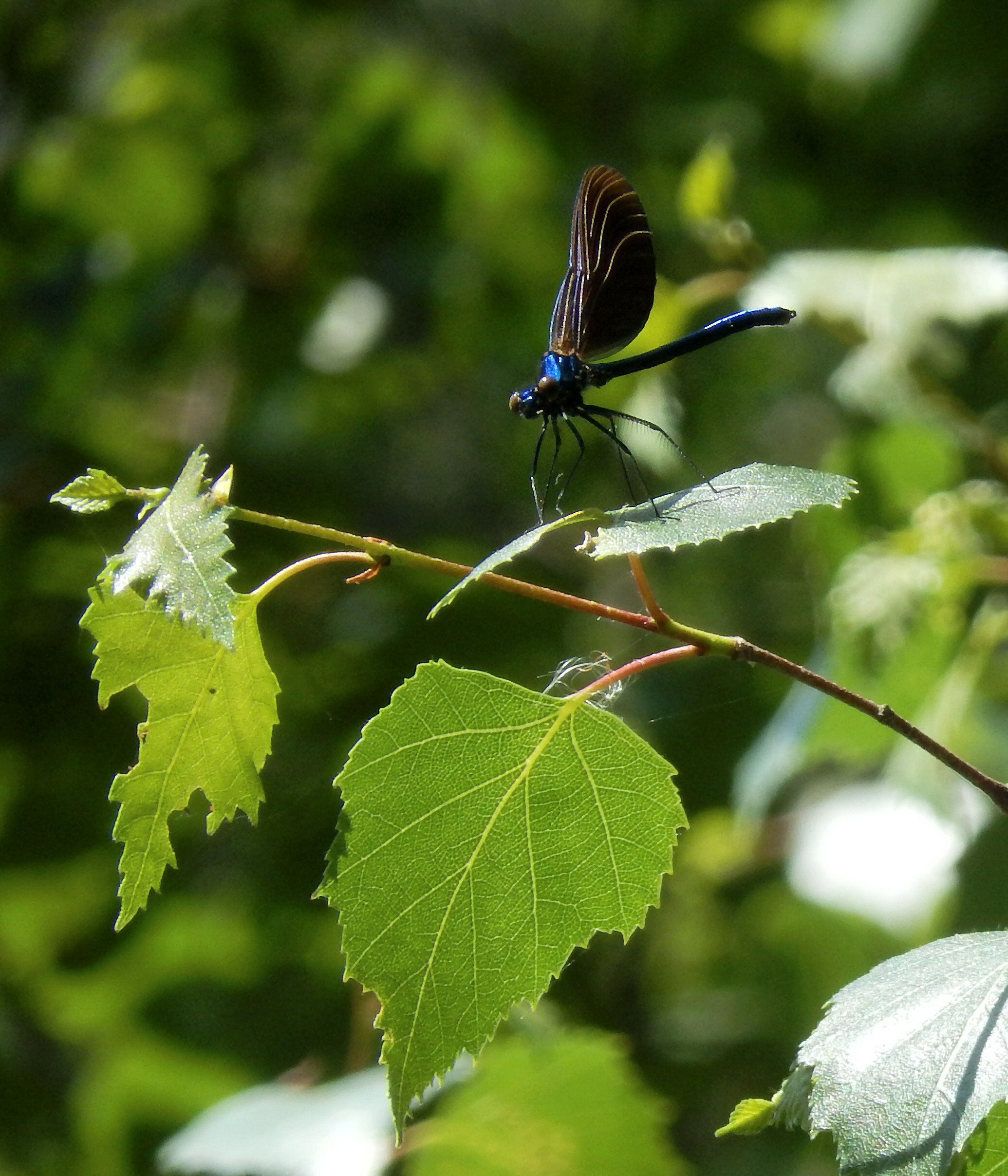
The screech and clatter of the Piccadilly line train filled my ears as we rattled, mercifully quickly, deep below the city centre in London’s fastest and loudest tube line, on the way to Manor House.
I emerged into the grey urban jungle of the Seven Sisters Road, the cars whizzing past the fast food shops as if to escape as soon as they might. Hooded youths hung about the estate gardens in small disconsolate groups. Women scuttled past, heads down, on the grimy pavements. I consulted my map, strode eastwards as purposefully as I could, and crossed into Woodberry Grove.
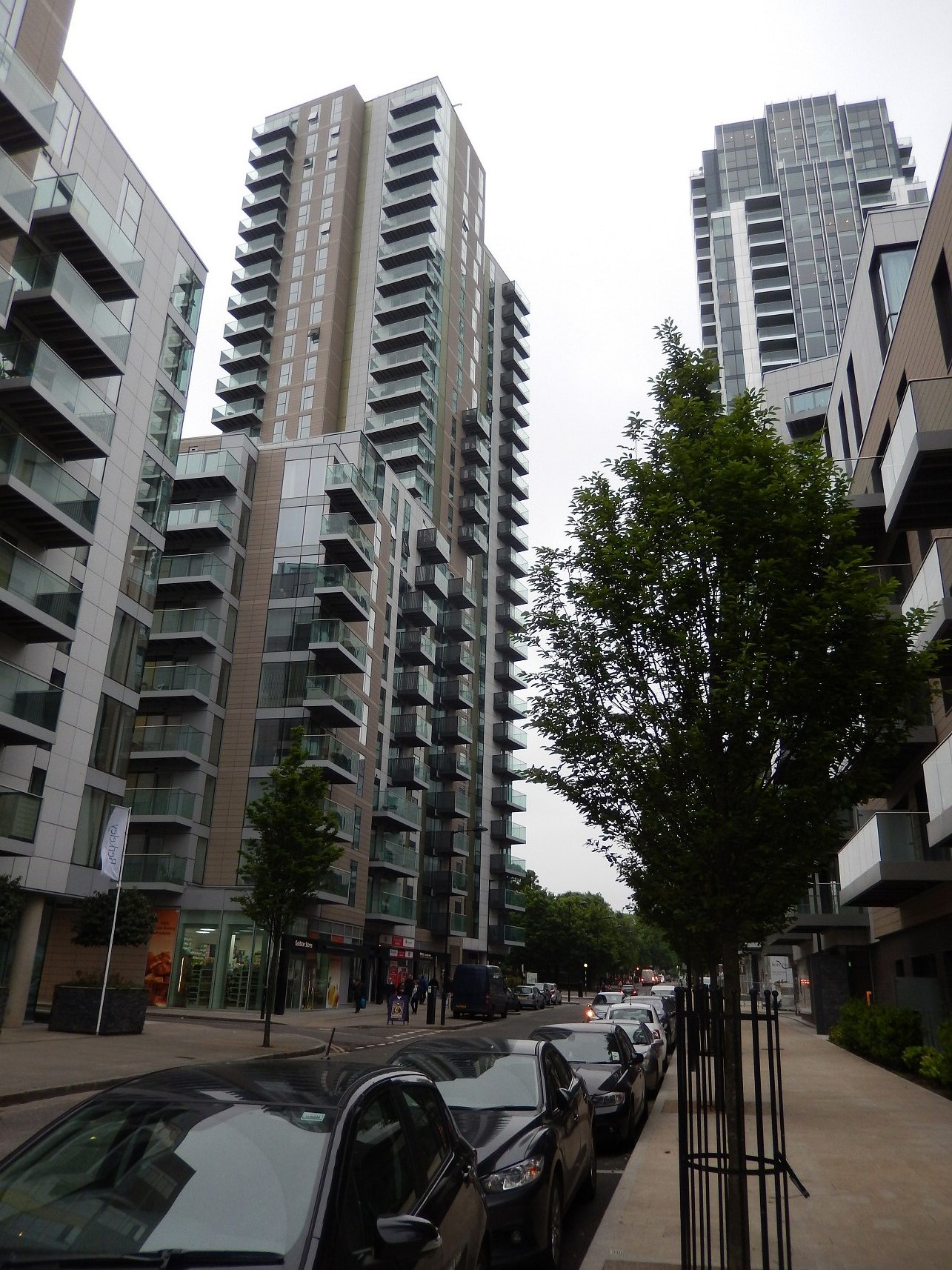
The gleaming new towers of “Woodberry Down” rose on either hand, the street lined with clean young trees and gleaming black cars. Even the pavements were newly laid in handsome yellow-brown flagstone. It was evidently a shinier, more prosperous Manor that the developers had had in mind.
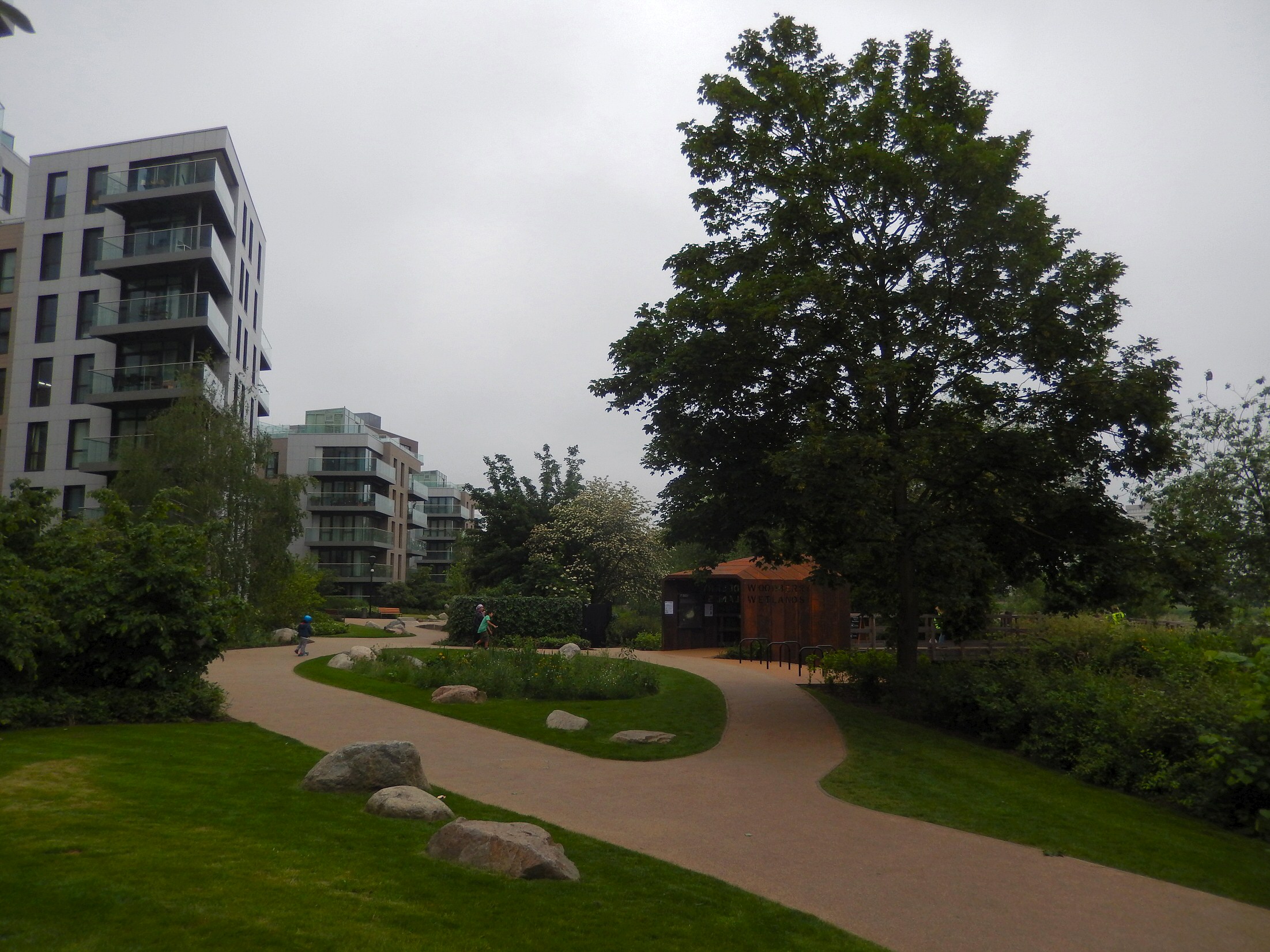
Around the corner lay the entrance to London Wildlife Trust’s newest reserve, Woodberry Wetlands. It too was carefully landscaped, and money (from Berkeley, Thames Water and the National Lottery) had evidently been lavished on the gateway itself, a cunningly strong rust-coloured hut of iron, the reserve’s name laser-cut right through the metal walls on both sides. The building straddled the New River, a natural moat; and the gatehouse had its own portcullis, in the form of robust iron gates, locked at night.
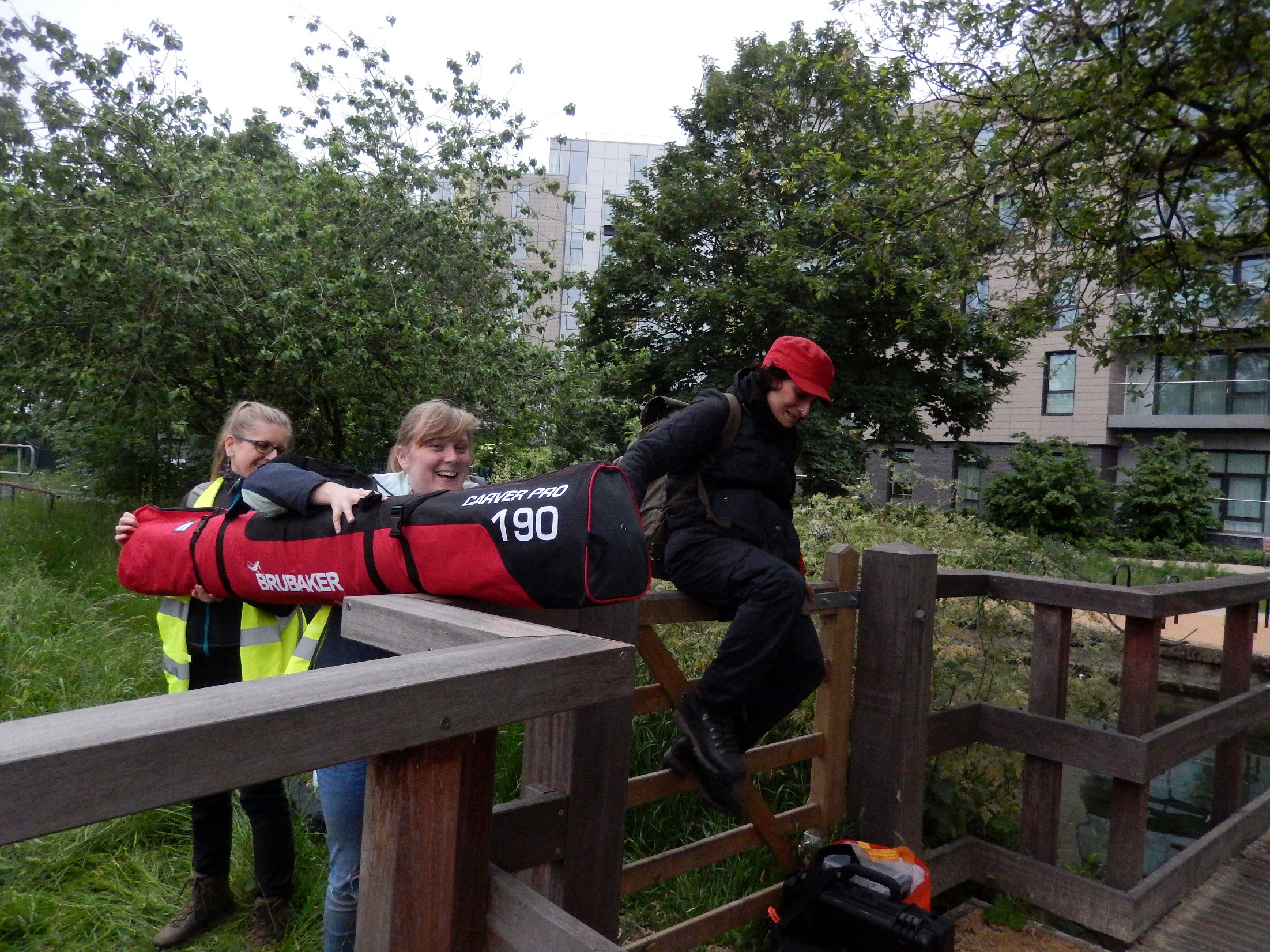
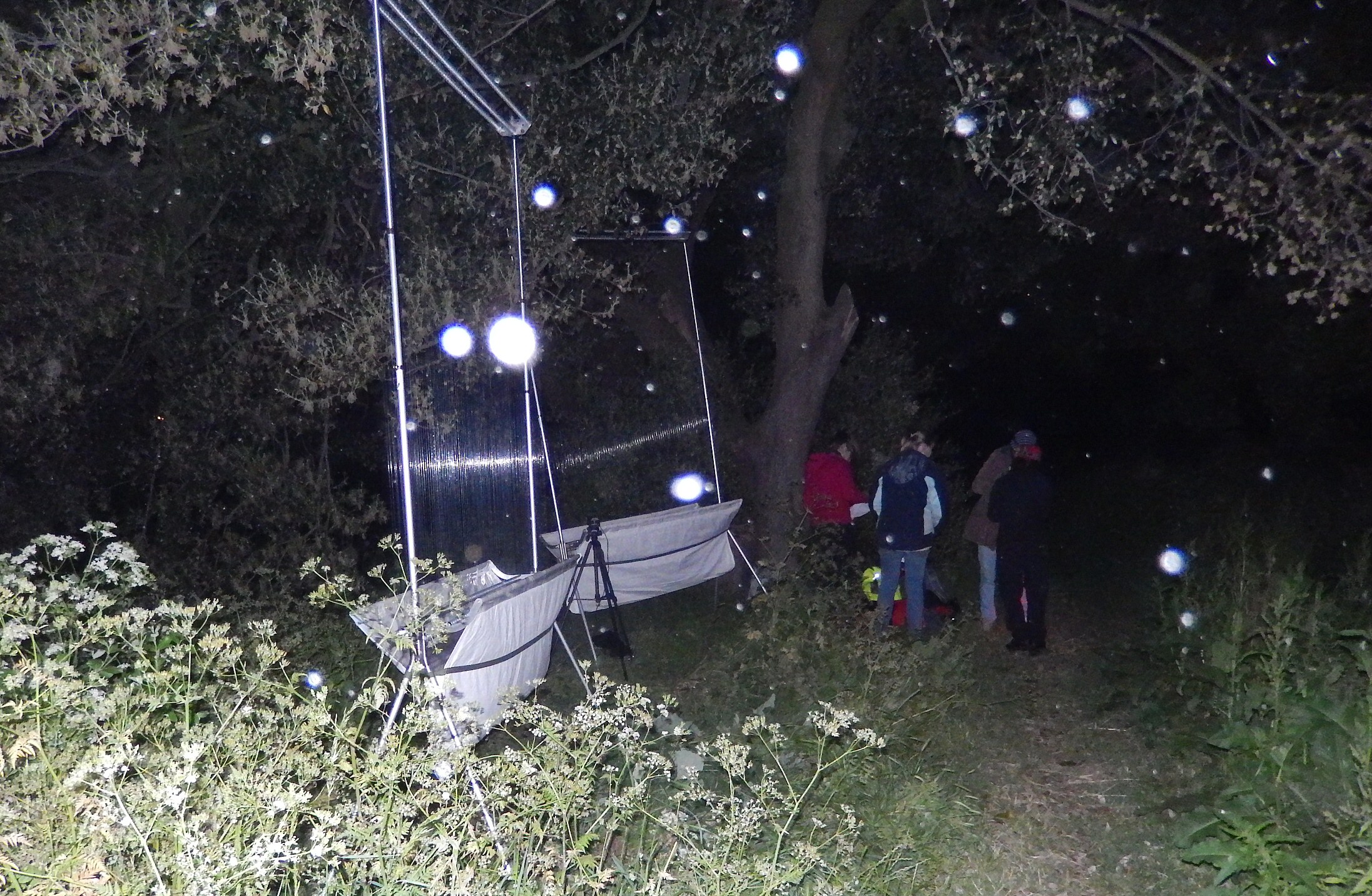
Huma (of Vole Patrol fame) and two other members of the London Bat Group arrived by car, carrying two enormous Harp traps in big red ski bags. I helped them over the footpath gates, locked to keep people away from bird nesting areas in the breeding season, and they walked around the reserve to a good place under the trees to set up their traps. They are doing some trapping as part of the National Nathusius Project, to learn about that species’ ecology and distribution in Britain.
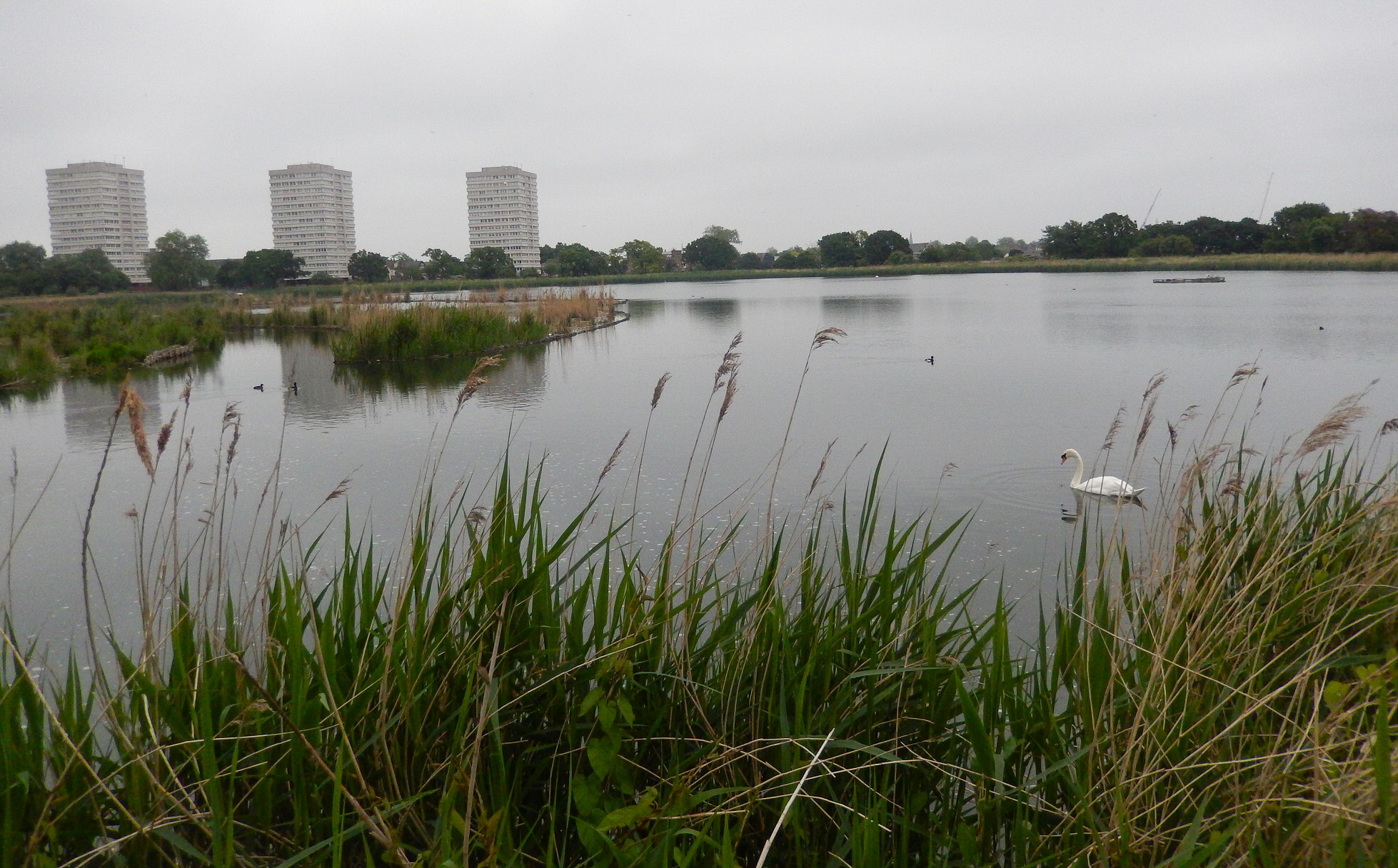
I walked along the broad new boardwalk to admire the reserve, a ring of reedbed and bushes around Thames Water’s East Reservoir. A Mute Swan dabbled peacefully; a few Mallard and Coot prepared for nightfall. I counted 66 Swifts whirling about the three grey towers across the water.
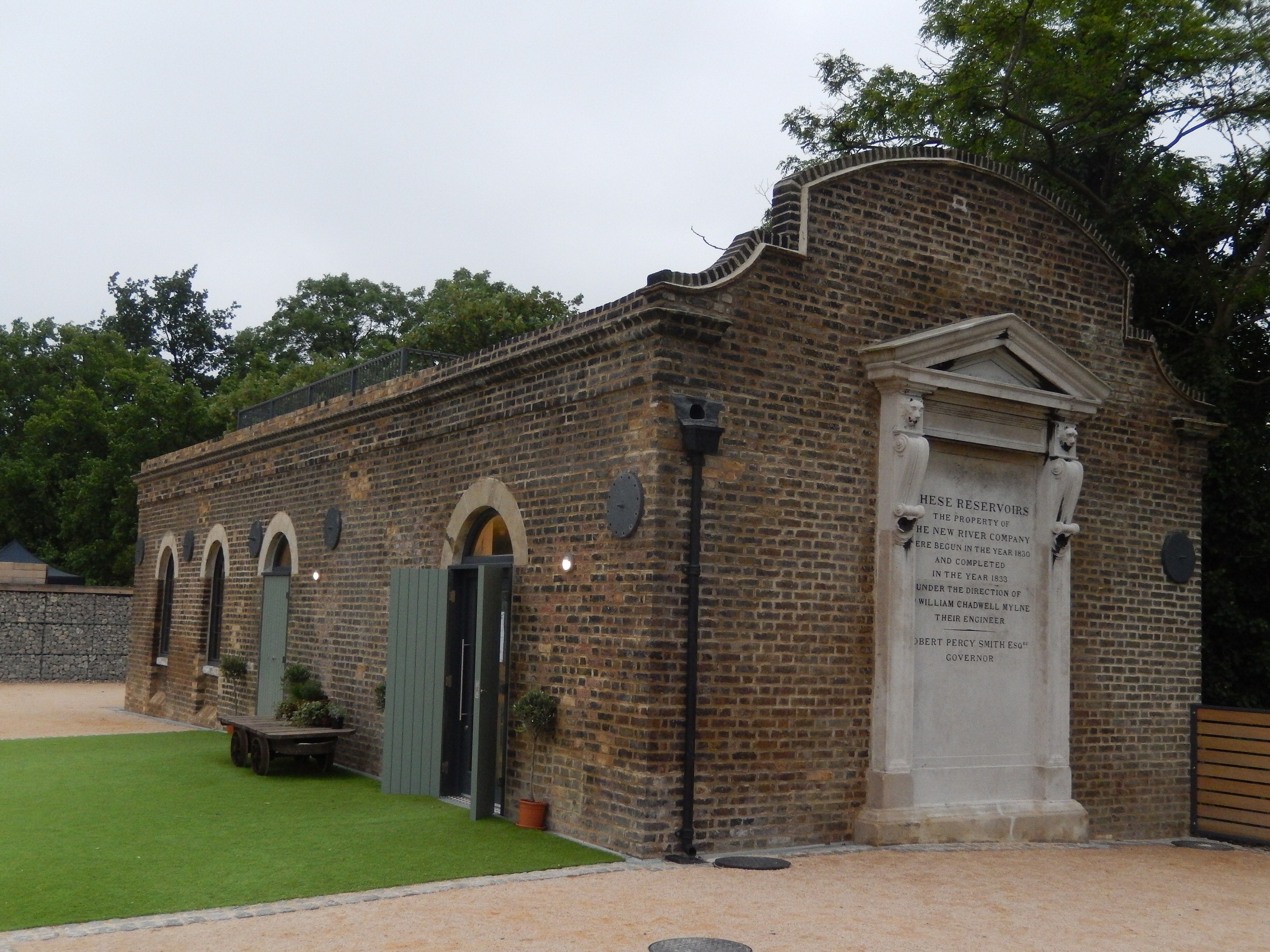
In an old Water Board building, elegantly converted to a cafe/meeting room, were waiting soft drinks and an excited crowd of the lucky few who’d managed to get tickets for the bat walk.
Huma ran in, a little late, but evidently excited by the result of putting up the traps. She quickly told us a little of the myth and truth about bats – they never get in your hair, they don’t really drink blood (well, vampires do exist, but they’re tiny, and they lap up a few drops of the blood of peccaries (wild pigs), unless humans cut down their forests, remove the peccaries, and then insist on lying with feet poking out of mosquito nets).
She introduced our local bats, too, painting colourful portraits of their respective characters.
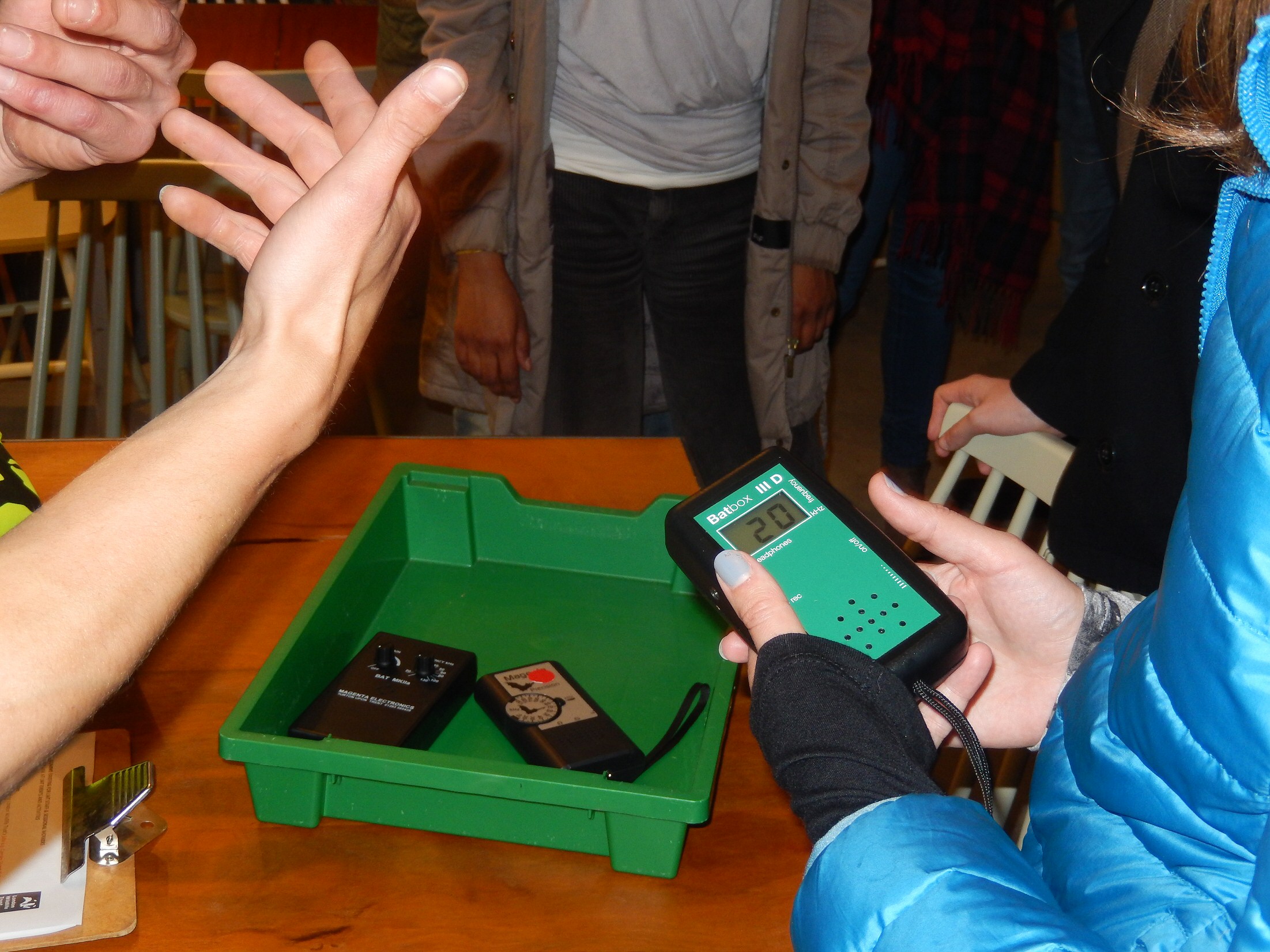
We picked up bat boxes, little miracles of electronics with a sensitive ultrasound microphone, speaker, and illuminated setting dial. They work by heterodyning the signal: that is, you guess or choose what frequency you want to listen out at, say 20 kHz (too high for nearly everybody’s hearing), and the device subtracts that from the signal received from the bat, if one is calling. The difference, if you have guessed close to reality, is a low frequency, say 1 kHz, which you can hear. If the bat is calling in bursts (which radar engineers call chirps), you hear those as patterns of clicks.
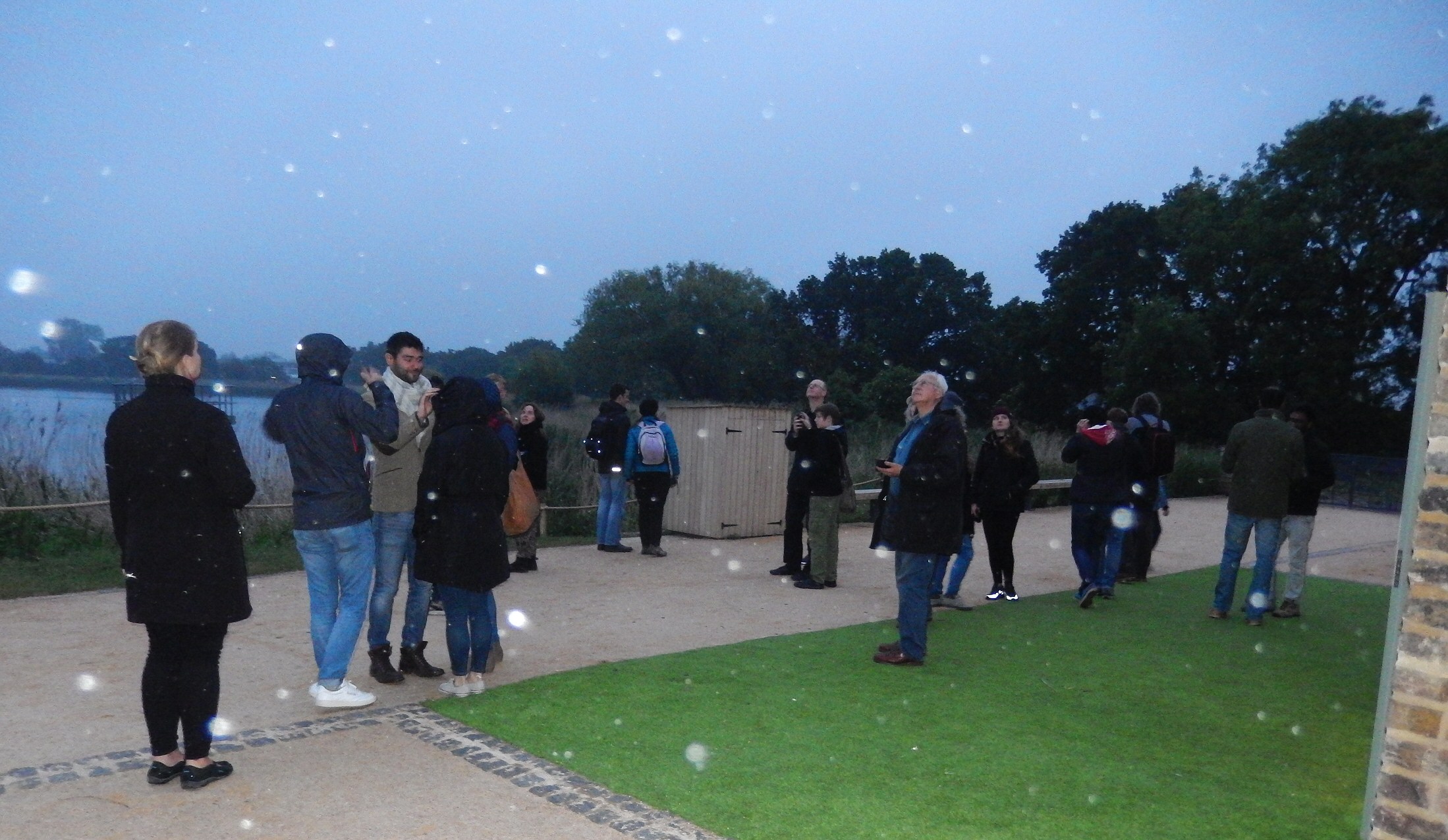
We went outside and fiddled with the controls. Clouds of gnats, and some nibbling to our ears and cheeks, as well as the whizzing Swifts, proved there was abundant insect food on the wing for any bats that might deign to turn up. Nothing.
Suddenly the air was filled unmistakably with the loud, distant, slow handclaps of a Noctule bat. The Germans fittingly call it the Grosse Abend-segler, the Great Evening-Sailor, as it strides boldly across the dusk sky. We saw no bat, however, just a few Swifts. Presumably the Noctule was far away, its calls detected by our sensitive electronics. We scanned the sky in hope.
And then there was one, plain to the naked eye. And another, and another, and yet more. Five Noctules at least whirled above our heads, uttering loud claps in chorus. With binoculars they looked exactly as you’d think, large batwinged shapes black against the still-glowing sky. Since I was on duty as a helper, I passed the binoculars around; and everyone who looked managed to see what we had come for, bats wheeling joyfully, plentifully, close by, in a London summer sky.
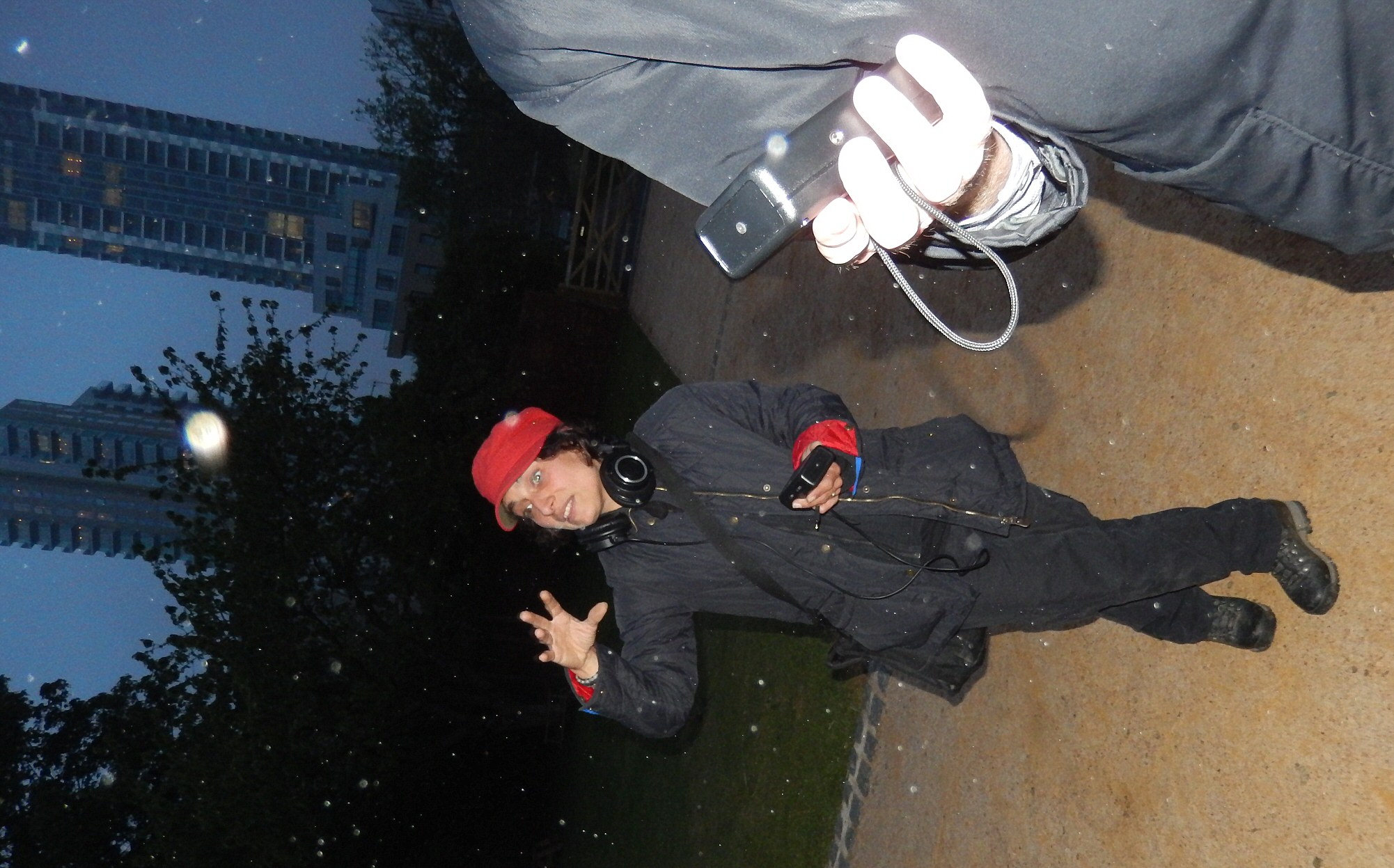
Huma led us on. Between the New River and the reedbed, with bushes and small trees all around, Pipistrelles darted and swerved, buzzed and clicked. They were harder to get in binoculars than their larger cousins, but it was possible. Heterodyned clicks and claps played a chorus all around. Excited fingers stabbed the sky. A Little Egret flapped slowly overhead, on its way to its night roost. The urban jungle felt very far away.
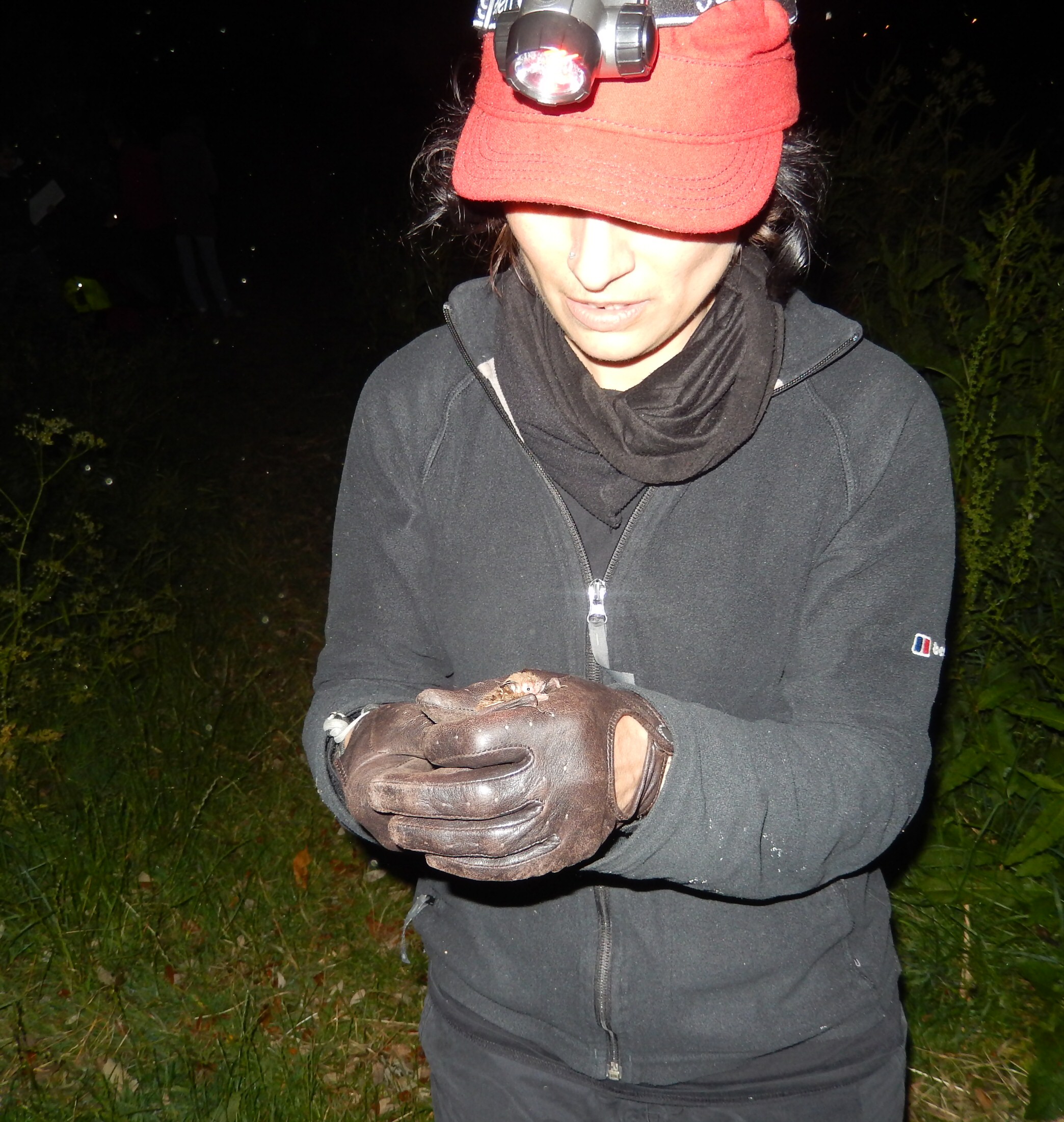
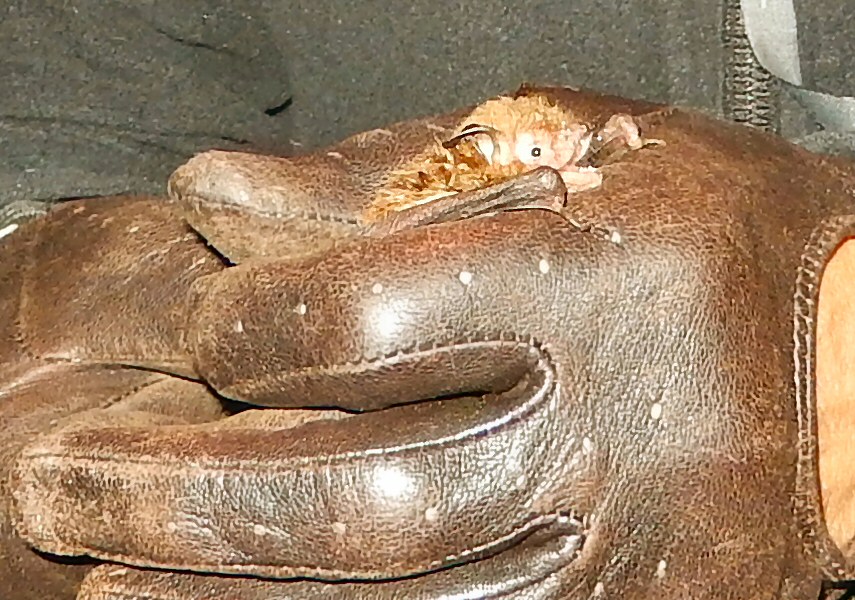
We were called forward in little groups to a gate to see the trapping. Huma came up and showed us a Daubenton’s Bat, her hands gloved against small sharp claws and insectivores’ teeth. The species is a specialist in hunting low over still water: it can scoop up insects from the water surface with a cunningly-designed flap, and if it should fall in, it can swim and take off again safely. The London Bat Group was carefully weighing and measuring the little mammals, and then releasing them. They were using a lure designed to attract Nathusius’ Pipistrelle: it also attracts Daubenton’s, hence the catches. But they did catch a female Nathusius’: Huma was delighted.
Let’s end with a closeup of the main photo. It’s not every day you see a Daubenton’s Bat face to face, let alone in a capital city.
Twitter users can follow the bat study at #LondonBatGroup,
#WildLondon, and #Mostlybats.