Category Archives: Natural History

Pipits and Peregrines at Portland Bill!

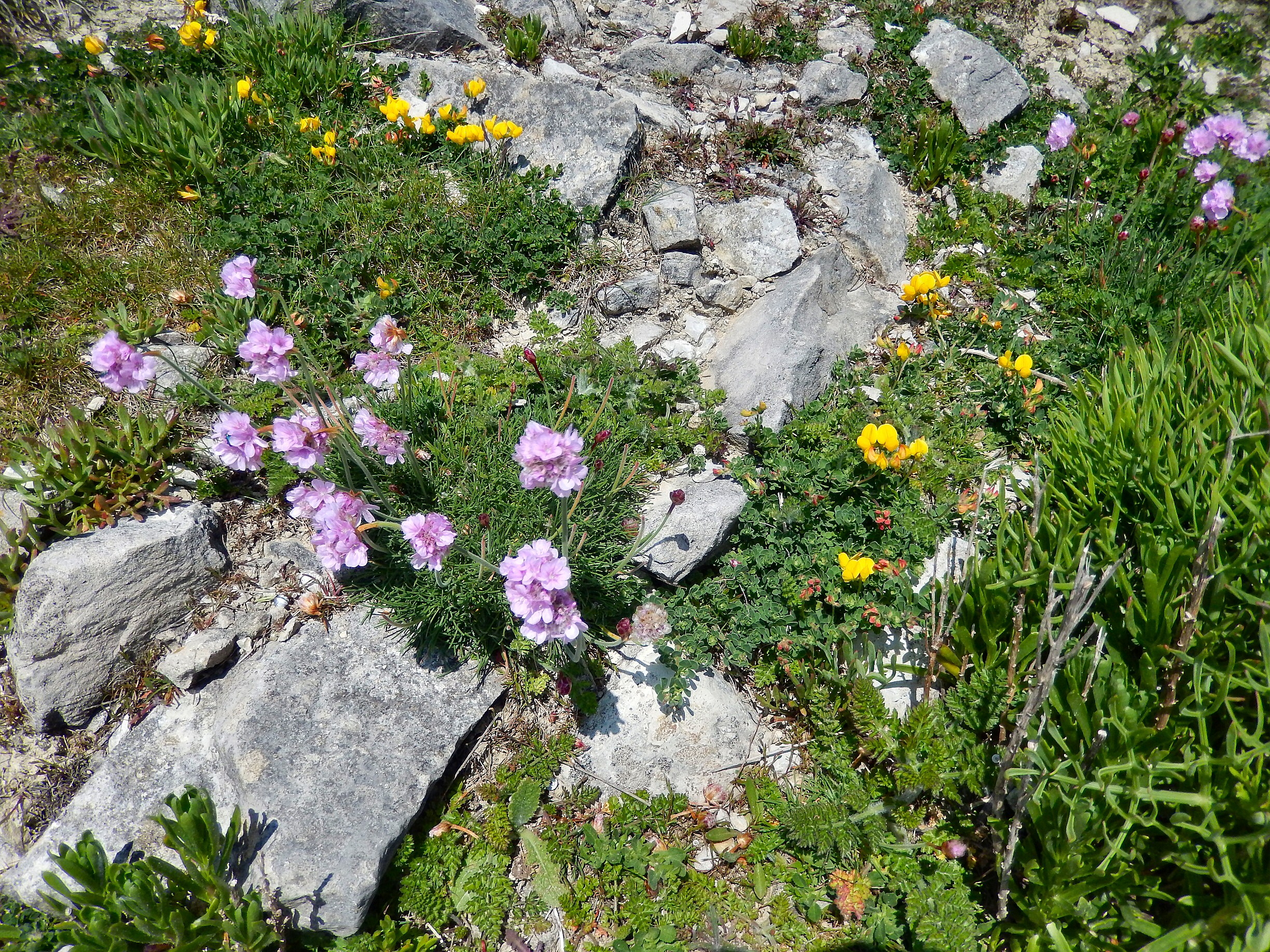
Thrift, Birdsfoot Trefoil on Isle of Portland

We had a fine airy walk in brilliant sunshine, cooled by a stiff northerly breeze, around the tip of the Isle of Portland. Underfoot was fine maritime turf and massive Portland limestone, dotted with tufts of pink Thrift and yellow Birdsfoot Trefoil. The sea sparkled blue and silver around a wooden sailing ship with four triangular sails. A pair of Gannets flew effortlessly down the wind, tilting their long black-tipped wings.

To the south, the fearsome tide-race splashed ominously as if some Odyssean sea-monster (Charybdis and its whirlpool?) lurked beneath: the tide there runs faster than a yacht can sail, one way and then the other. Jonathan Raban describes it wonderfully in his book Coasting, the feeling of rising alarm and then, going for it, being shot like a cork from a champagne bottle through the swirling water.

A Rock Pipit, its beak full of insect grubs, called urgently as we strayed too close to its nest. A Razorbill, improbably proportioned like a fat impresario in black tie and tails, flapped by on small rapid triangular wings.
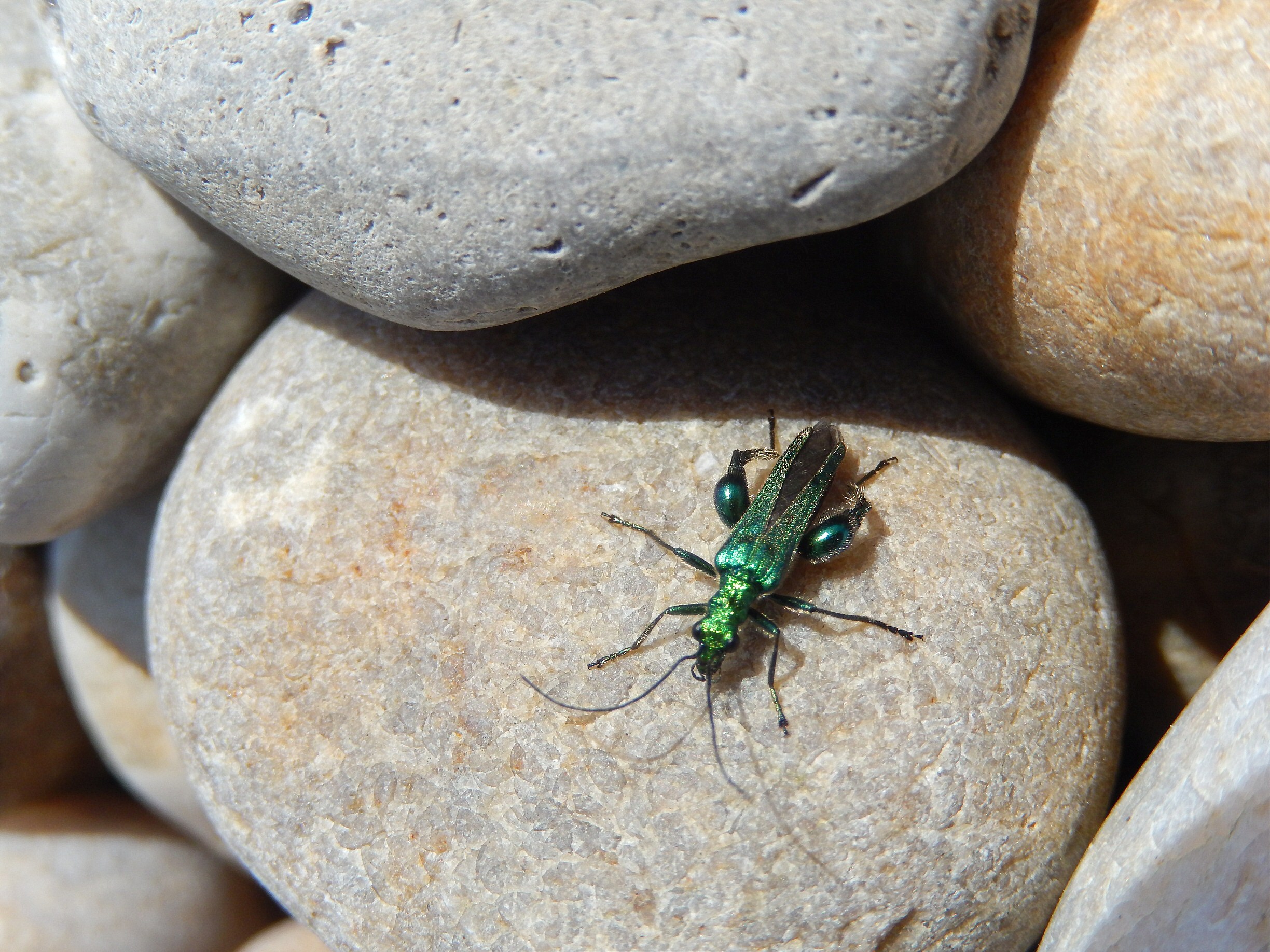
Oedemera nobilis, the thick-kneed flower beetle

We saw few insects – some bumble bees, some handsome Thick-kneed Flower Beetles glowing iridescent green on buttercups, later on one male perched on a pebble on Chesil Beach

.
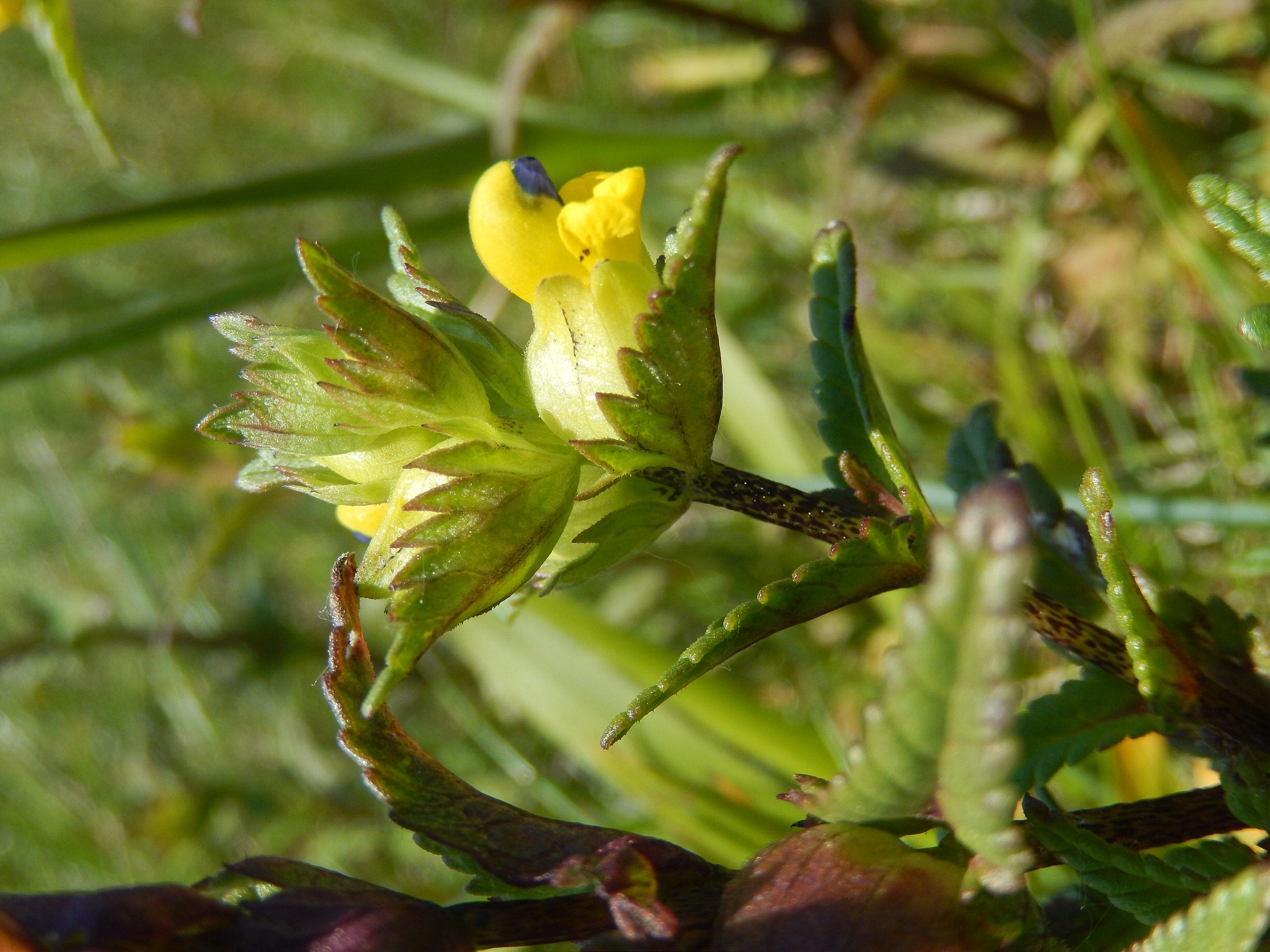
Yellow Rattle at Portland Bill

The best flower of the day was probably the Yellow Rattle, an odd-shaped parrot-beaked yellow flower with spiky leaves. It’s a member of the Figwort family (like the Eyebright, whose growth habit is similar though smaller), and a hemiparasite of grasses: an important plant, as it weakens the grasses, keeping them low and allowing in a wealth of other flowers. It was once common in our meadows and permanent pastures, but fertilizers and ploughing have destroyed over 95% of these, and Yellow Rattle and the rest of our grassland flowers are now all desperately uncommon.

Overhead, two Peregrine Falcons slid through the air, circling without visible effort. A pair of Ravens came by. Standing at the top of the western cliffs, Fulmars flew out from their cliff nests, circling on stiff wings.
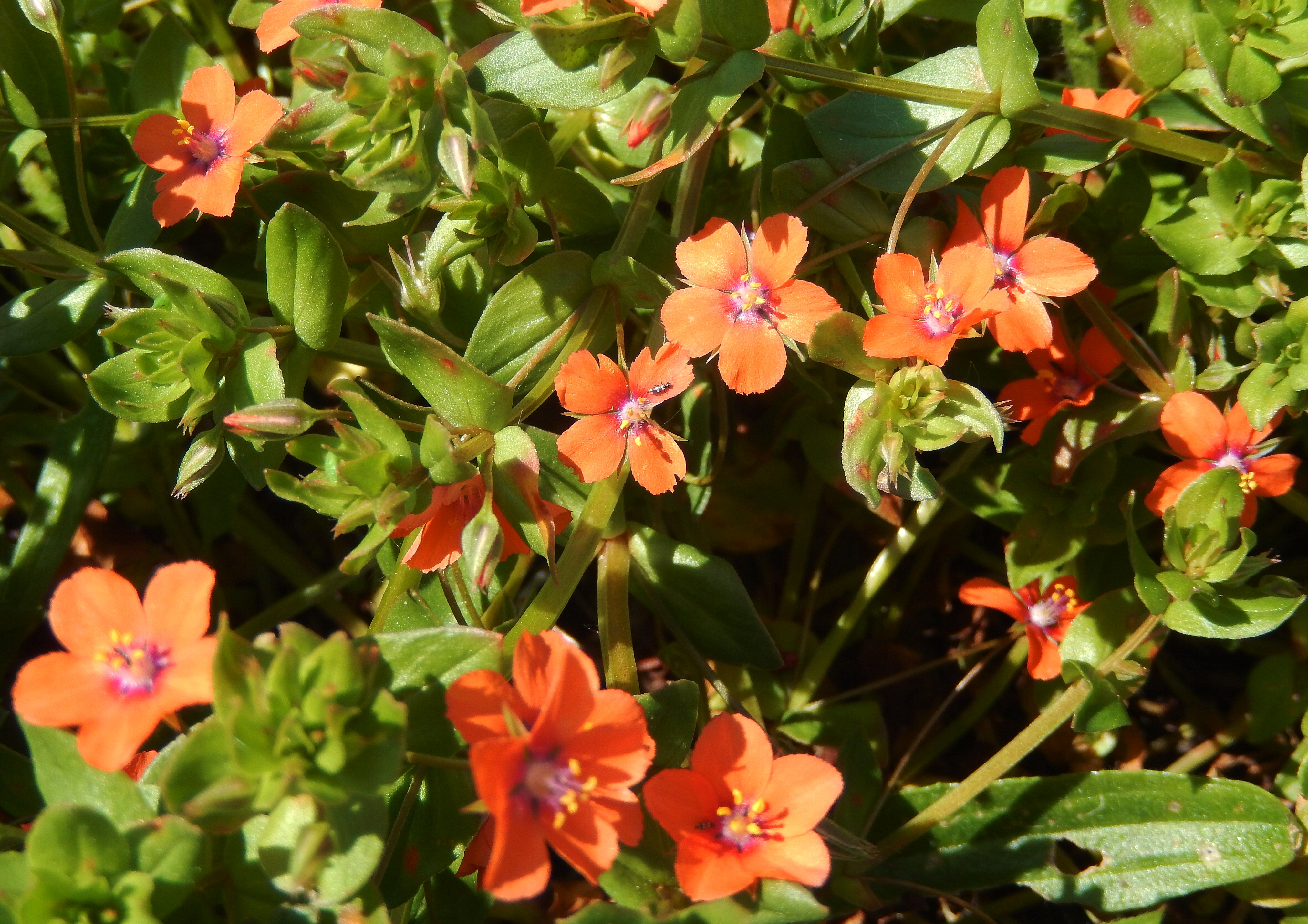
Scarlet Pimpernel
Scarlet Pimpernel

A little patch of Scarlet Pimpernel by a gate again reminded me of how this once common weed of cultivation (and sand dunes – presumably it was pre-adapted to disturbed ground) has declined.

We left Portland and drove down the hill to the Chesil Beach, struck as everyone is by the enormous shingle bar that stretches miles from Abbotsbury to the Isle of Portland, forming a bar with the Fleet lagoon behind it.
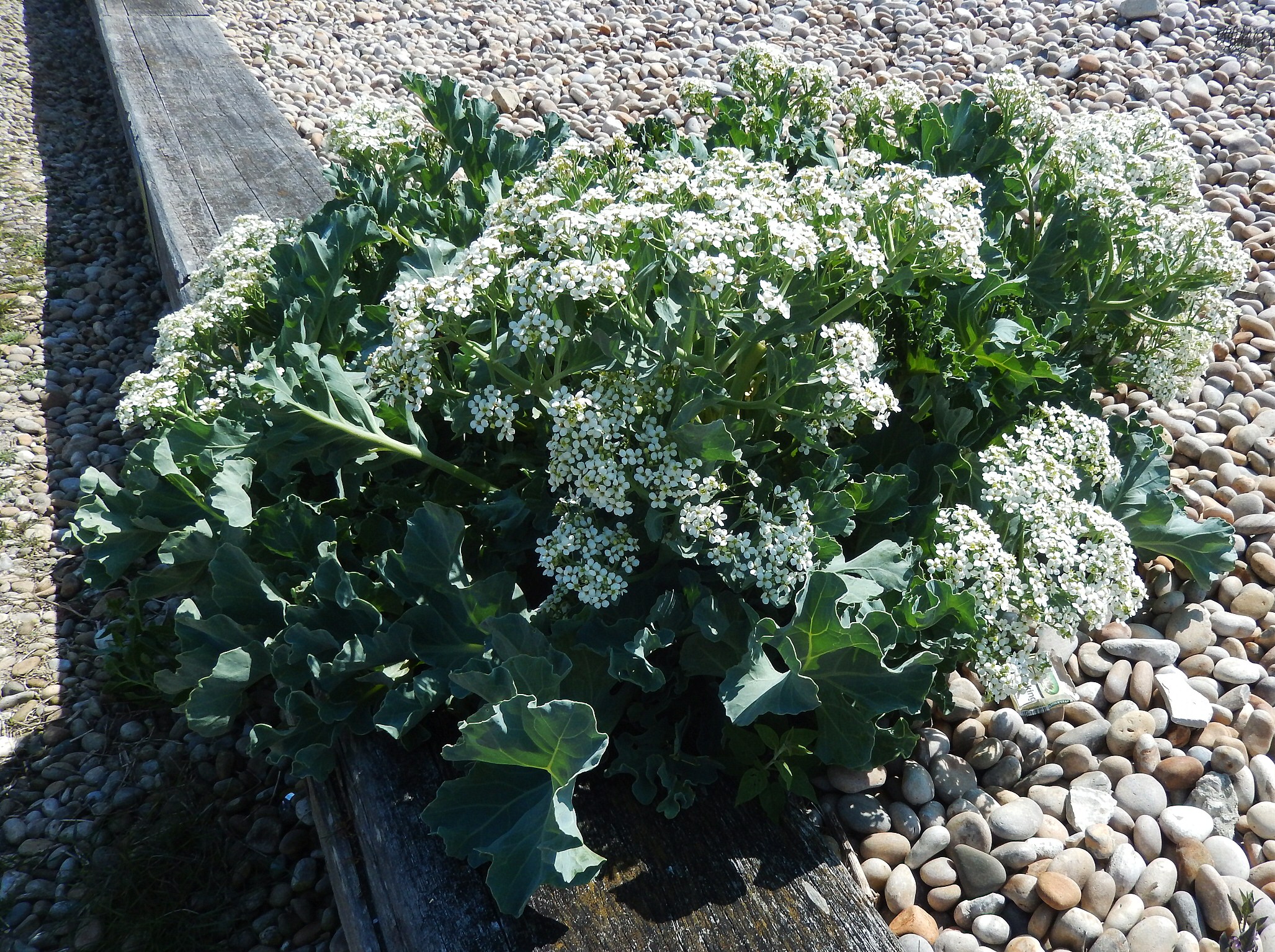
Sea Kale on Chesil Beach

A few handsome Sea Kale plants clung to the lower part of the landward side of the shingle, including this one on the edge of the car park. It is the ancestor of the domestic cabbage in all its varieties, from Broccoli to Brussels Sprouts, Kale to Cauliflower. It is itself (obviously) edible, though as a now-scarce maritime plant one wouldn’t want to pick any of it at all often.
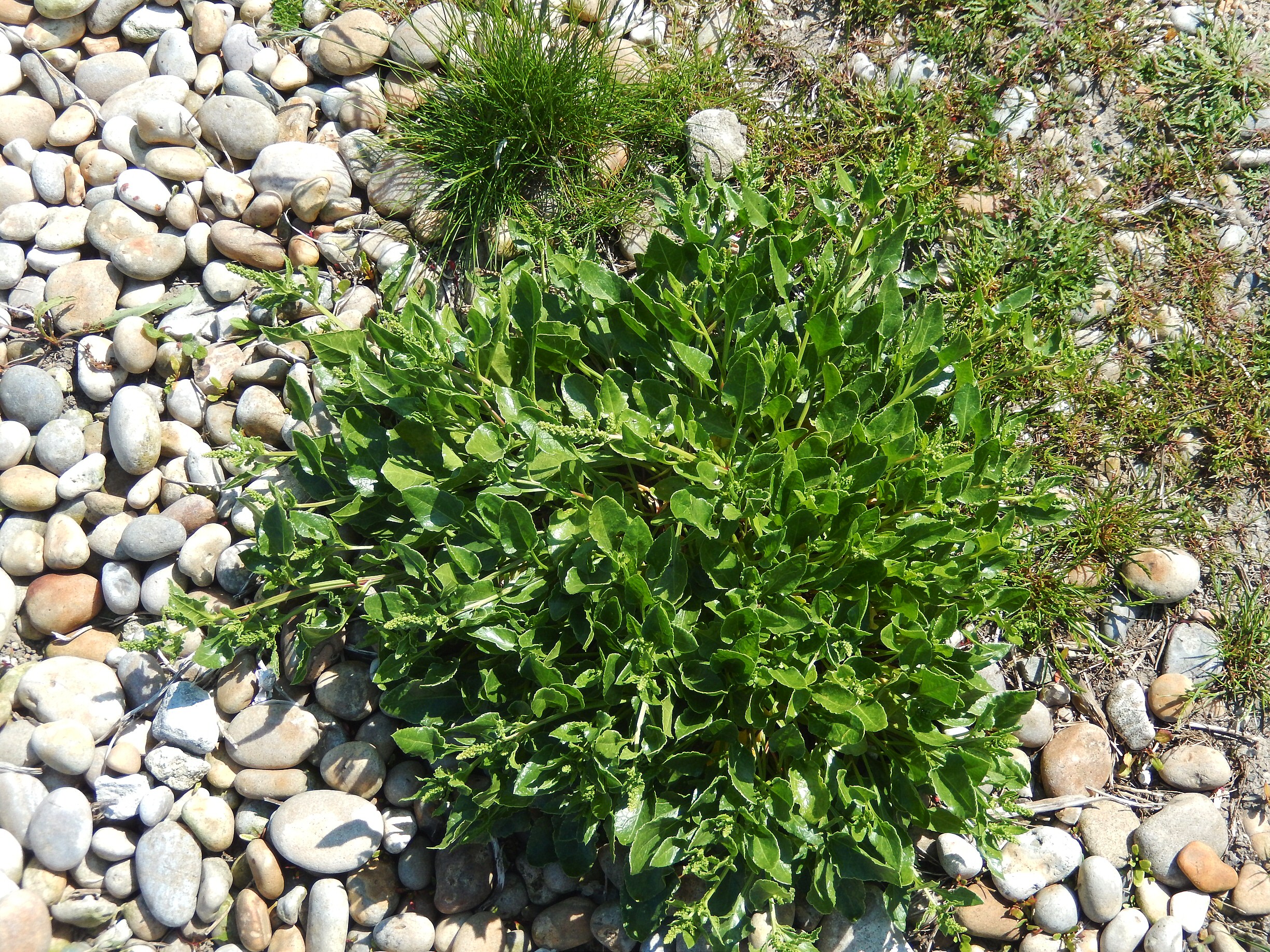
 Sea Beet
Sea Beet

Nearby, the ancestor of another valuable food plant, the Sea Beet, origin of Sugar Beet, purple Beetroot, and Spinach Beet. The wild plant too is edible, though the leaves are small, thick, and leathery!
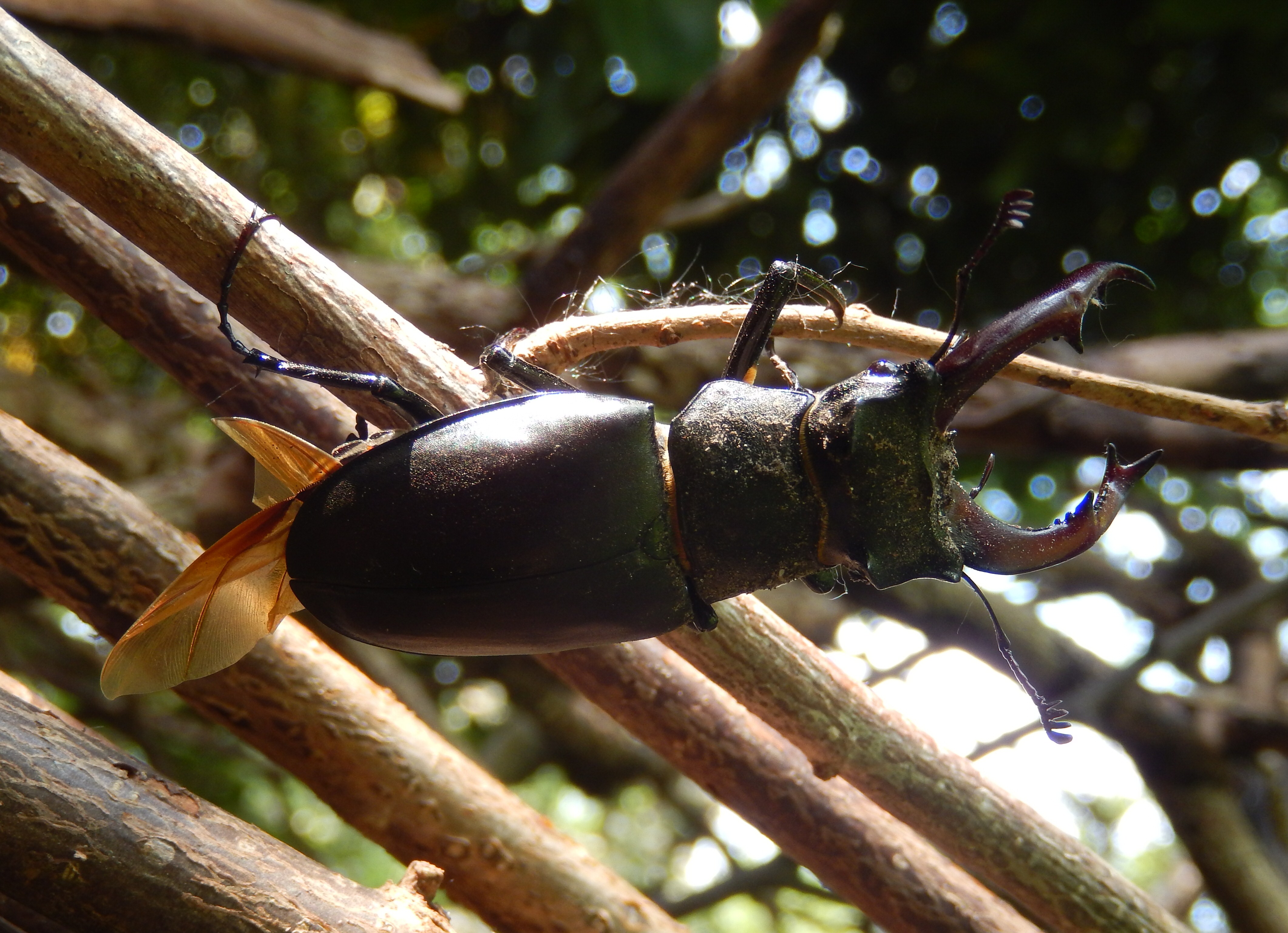
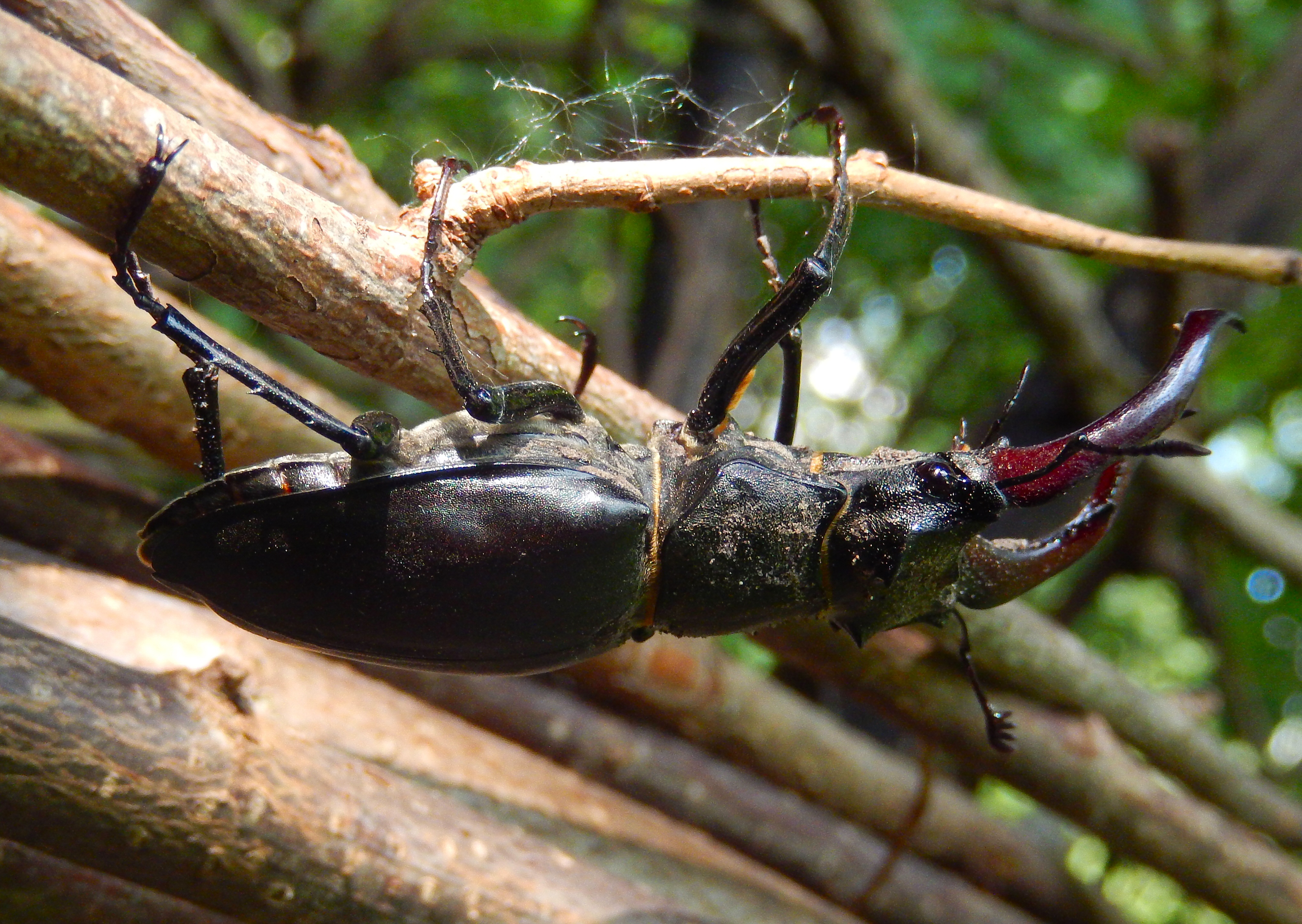
 

Stag Beetle at Gunnersbury Triangle

Stag Beetle, just landed, wings not fully folded
Stag Beetle, Lucanus cervus, just landed, wings not fully folded

I was just walking around the triangle, talking to one of the Garden Design students about its natural history, when a mouse-sized animal scurried across the top of a post that we had hammered in to form a dead-hedge above the boundary stones. In my binoculars, it was at once clear what it was, a Stag Beetle. As I pulled out my camera, it spread its wings impressively, and flew a few feet across to the woven top of the dead-hedge, folding its wings but leaving the ends still sticking out of its wing-cases for a while.

Stag Beetle
Stag Beetle, side view

So, all that work on loggeries may have paid off. Or perhaps it didn’t: behind the dead-hedge was simply a pile of brash and logs, abandoned for several years. Anyway, we’re very pleased to see a handsome adult male out in the sunshine.

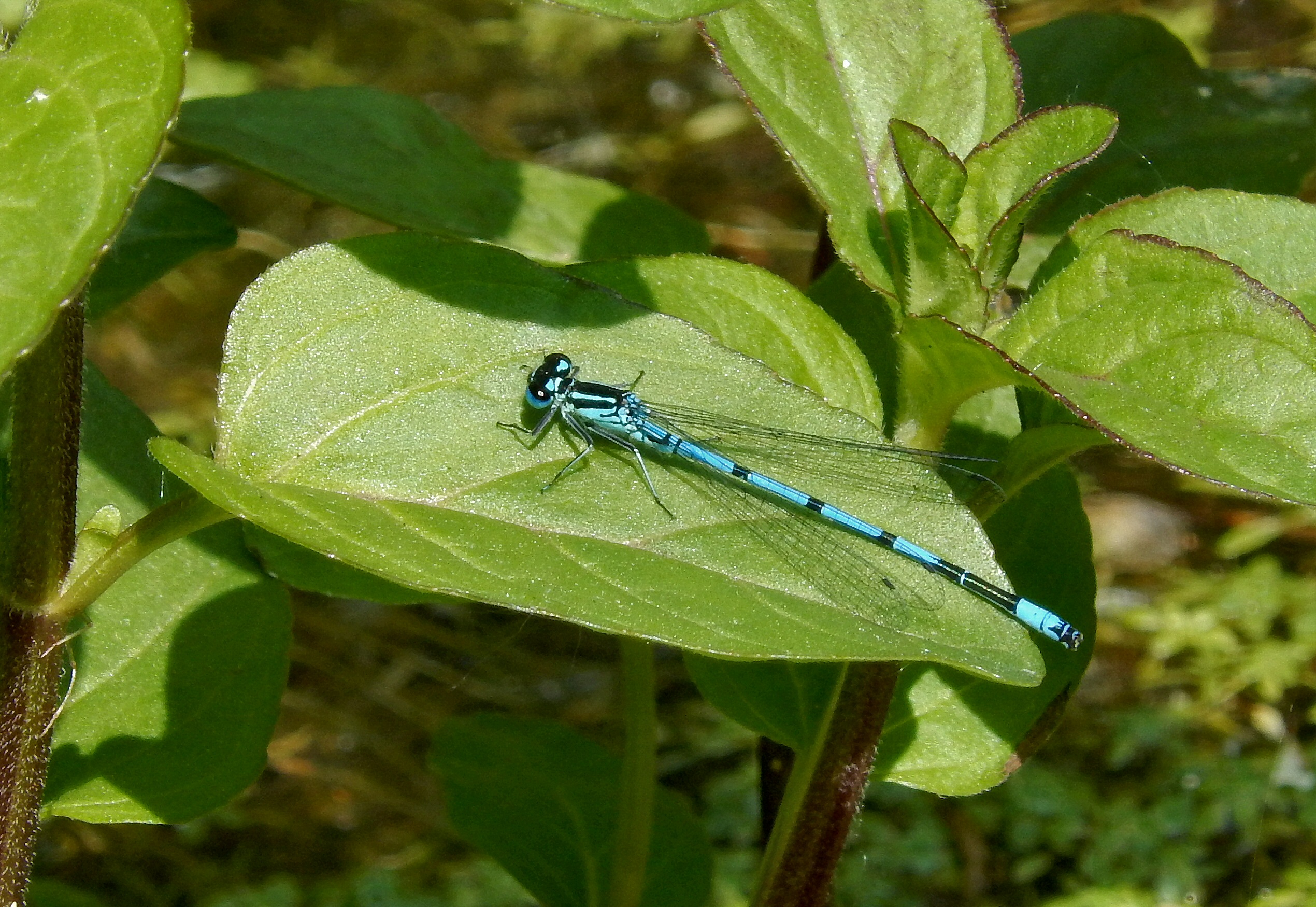
Azure Damselfly recent hatch

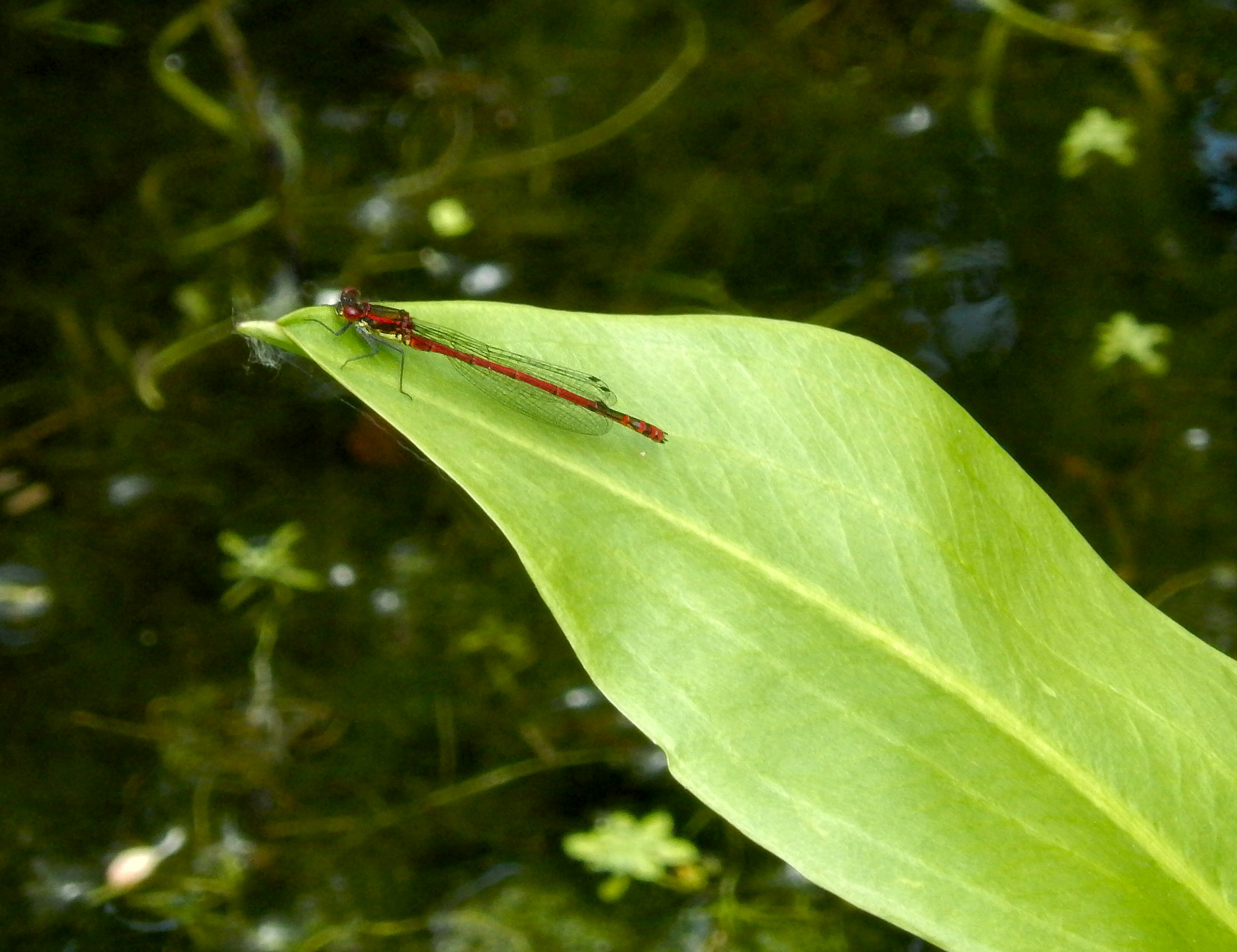
The triangle’s first batch of Azure Damselflies, surely within a day of hatching, perched on leaves of emergent water-plants, or flew around in cop, laying eggs already.  One or two Large Red Damselflies sunned themselves also.

Large Red Damselfly
Large Red Damselfly

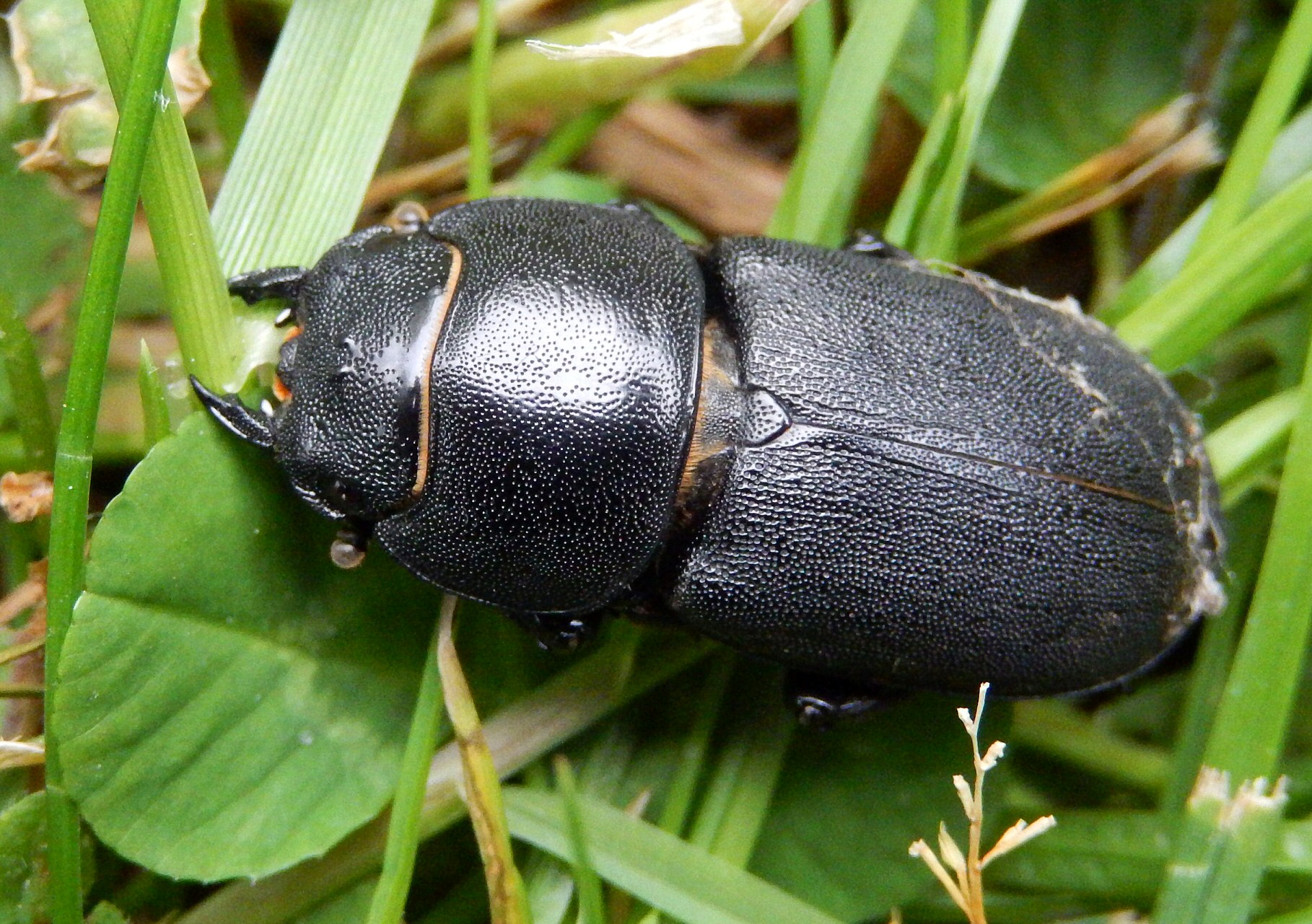
P.S. A week later, on 4 June, a Lesser Stag Beetle crawled across the lawn in my garden. I guess it emerged from the dead wood stacked in odd corners for that very purpose. It’s a lot smaller than the Stag.

Lesser Stag Beetle in garden
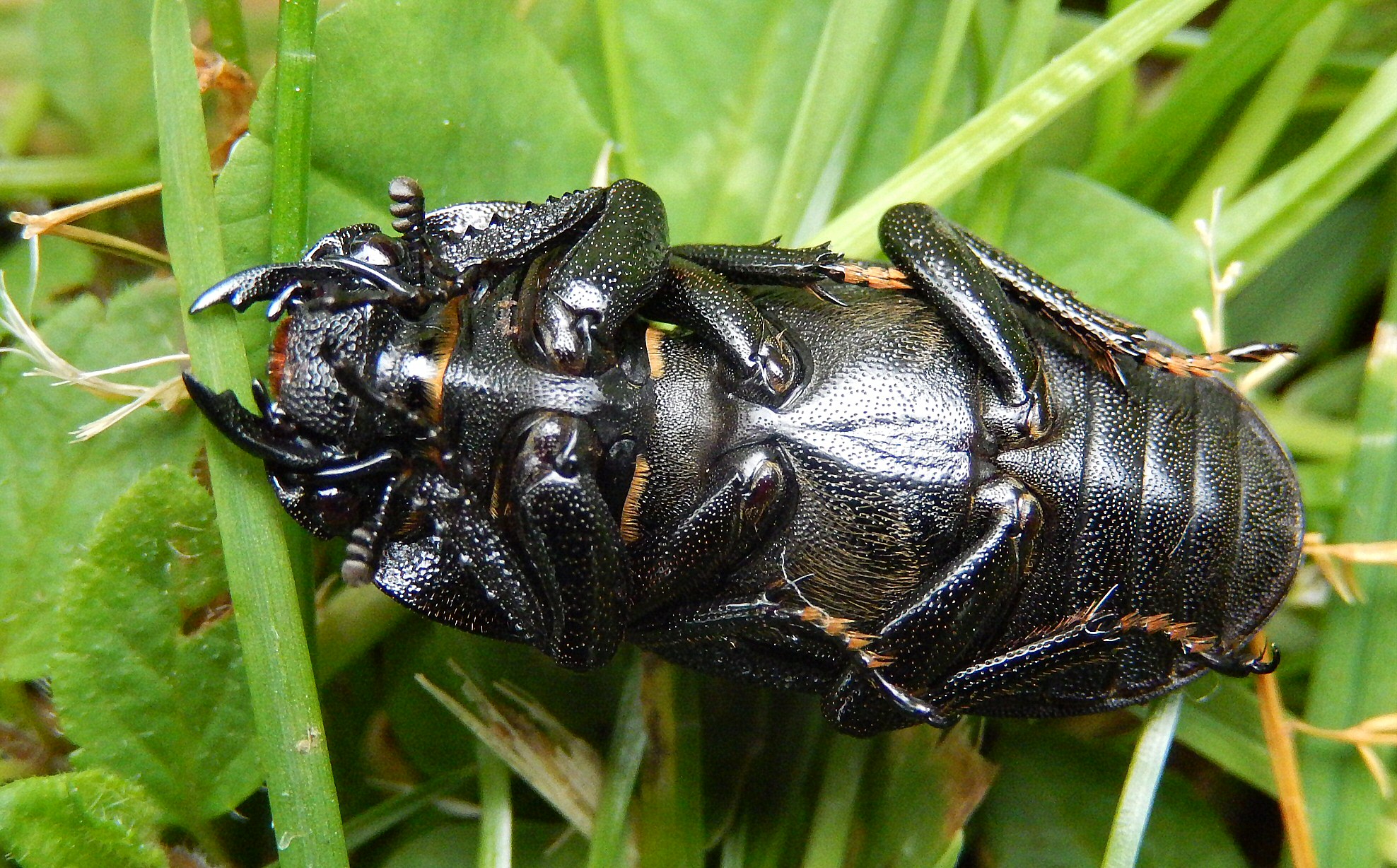
Lesser Stag Beetle, playing dead

I picked it up to ensure I got a photo, and was rewarded with a fine display of thanatosis, shamming dead.

Vole Patrol reprise: visiting nest boxes

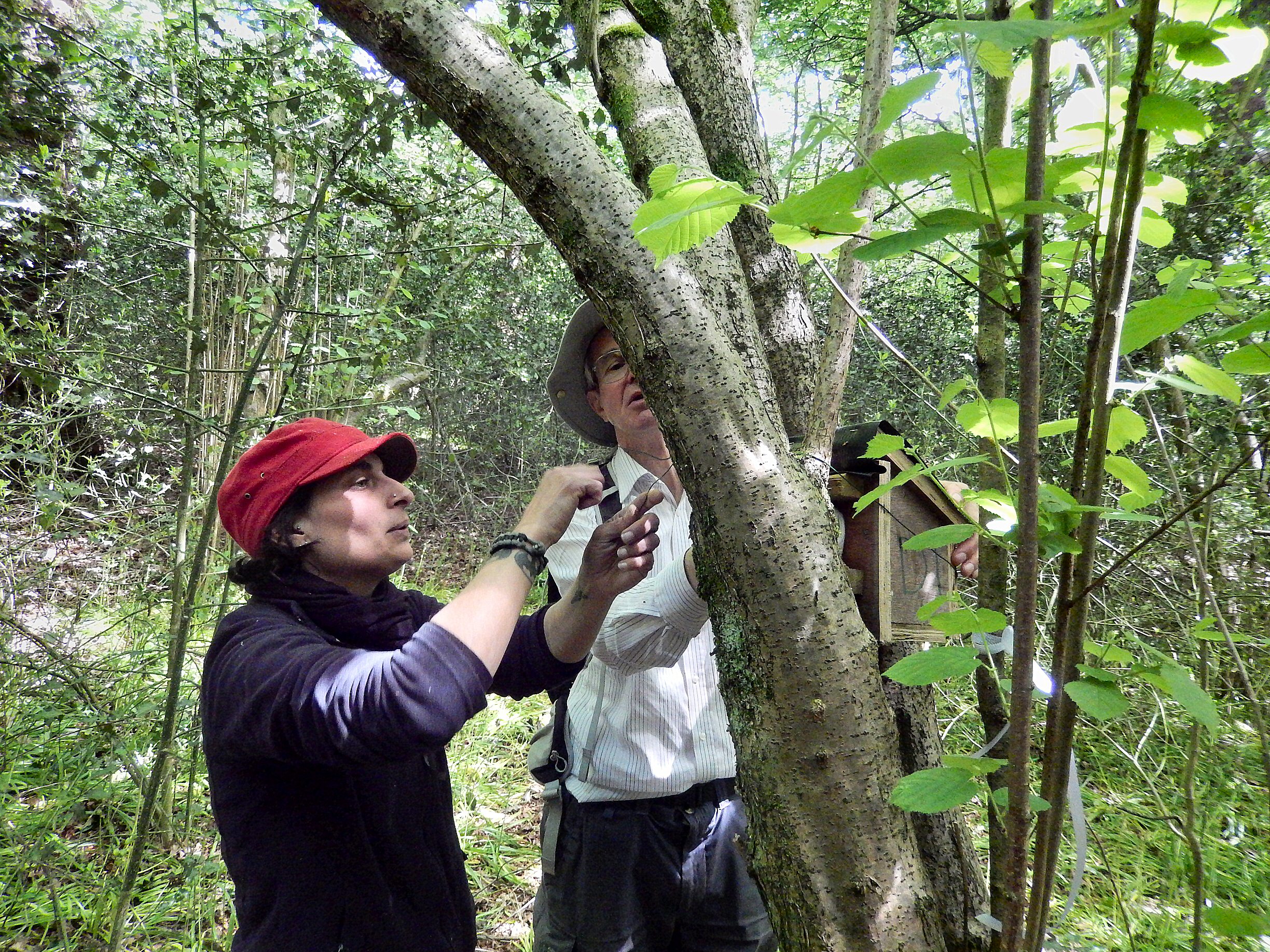
Huma and John on Vole Patrol with Mammal Nest Box Perivale Wood
Huma and John on Vole Patrol with Mammal Nest Box in Perivale Wood

We revisited the nest tubes and nest boxes that we put up for small mammals in four of the Vole Patrol study woods a few months ago. It seems another world: bare leafless trees over chilly wet forest floor have been replaced by a thick green mantle over a mass of brambles that seem to have shot up faster than tropical bamboos and bananas (my father maintained that he could watch a banana leaf unfurling while he shaved in the hospital he was running in postwar Malaya, but I digress).

So it was a case of first case your hare, or rather, first find your small mammal box.  Gunnersbury Triangle’s densest parts are pretty thick, and the nest tubes had been put up somewhat at random as the new team did its enthusiastic best on its first day of training all those months ago, followed by the brambles doing their enthusiastic best to hide all traces. We did well to locate 14 of 18 nest tubes: none of them seemed to have been used. We moved on to Perivale Wood, where stout wooden boxes like bird nestboxes had been tied to trees in a much more regular array, and we found them without too much difficulty.

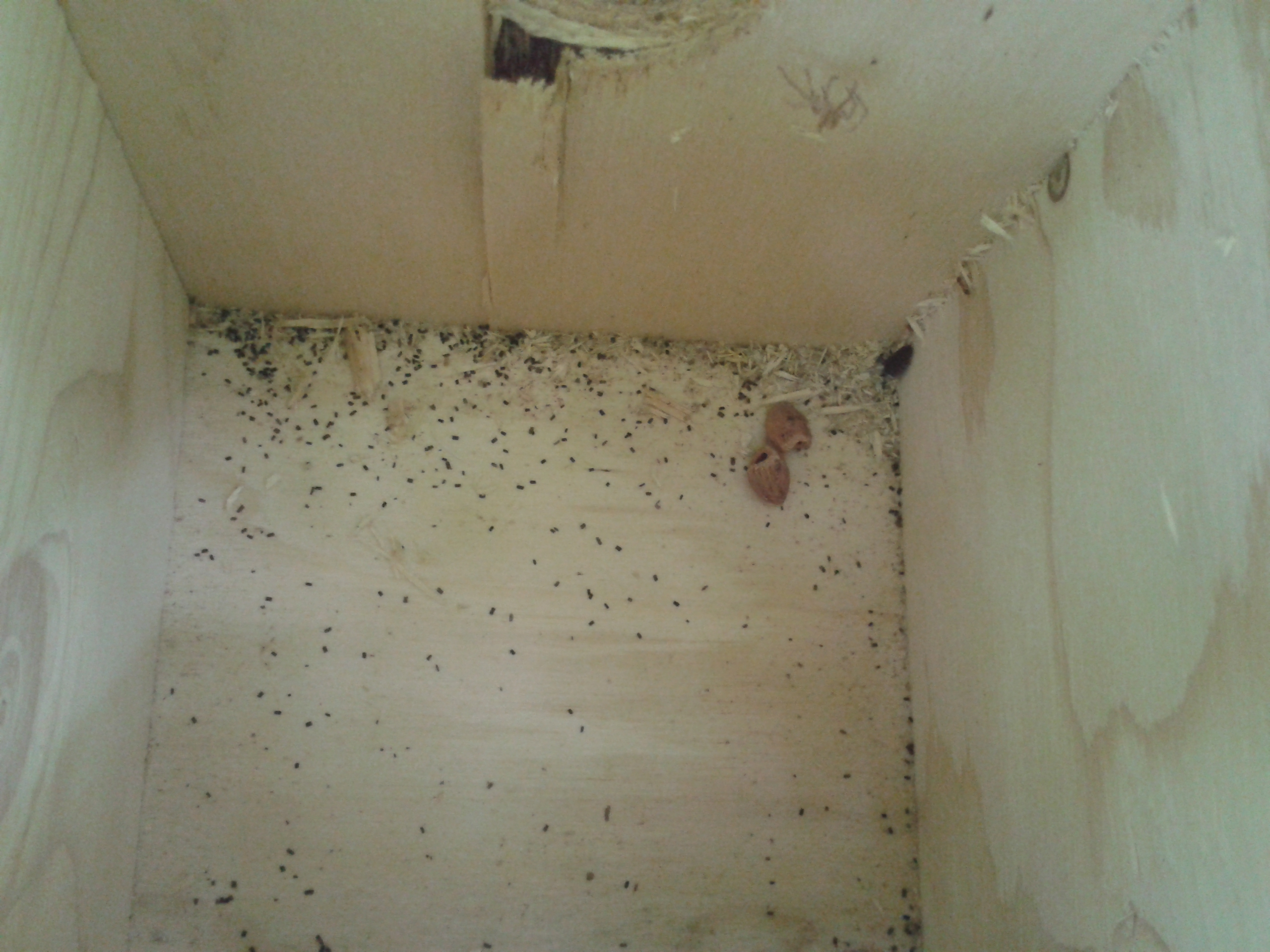
Mammal nest box used by Wood Mice, with opened hazelnuts

Three of the Perivale boxes were inhabited by Blue Tits, the helpless youngsters lying inside while (we suddenly realized) the alarmed but brave parents chattered excitedly outside. We closed the lids and backed off as quickly as we could. The boxes have the openings on the back to encourage mammals and discourage birds, but it’s of only limited value against sharp-sighted Blue Tits. One of the boxes had certainly been used by mammals: two hazelnuts had been opened by small teeth, their ends neatly gnawed to circular holes. I’m not certain I understand how a nut can be withdrawn through such a little hole.

Off to Tentelow wood through the grinding traffic. A game of cricket was going on in the playing fields; it was hot in the sun, a lot cooler under the canopy. The nettles were waist high, the brambles thick. It seemed impossible we would find any of the nest tubes, but we did, eventually. A Scorpion Fly perched on a bramble leaf beside the path.

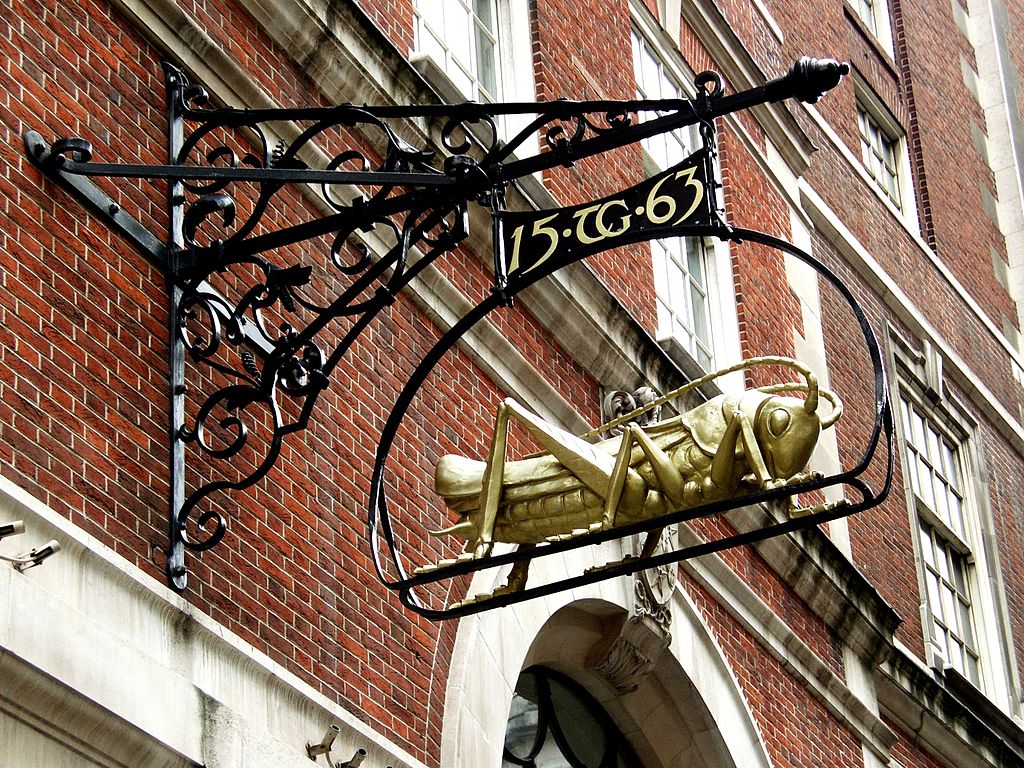
Sir Thomas Gresham's symbol, a golden grasshopper (a pun on his name, Grass-Ham), at his building in Lombard Street
Sir Thomas Gresham’s symbol, a golden grasshopper (a pun on his name, Grass-Ham), at his building in Lombard Street (photo: Wikimedia Commons)

Then we drove down to Long Wood, part of Sir Thomas Gresham‘s Osterley Park estate. He liked insects enough to use a golden grasshopper as his symbol, punning on his name, which might be Grass-Ham, village in the grass. It’s a beautiful wood, coppice with fine tall straight Oak standards, a proper stream running clean through a steep-sided valley, sullied only by the continuous roar of the M4 invisible above. Chiffchaffs and Blackcaps sang above the din.

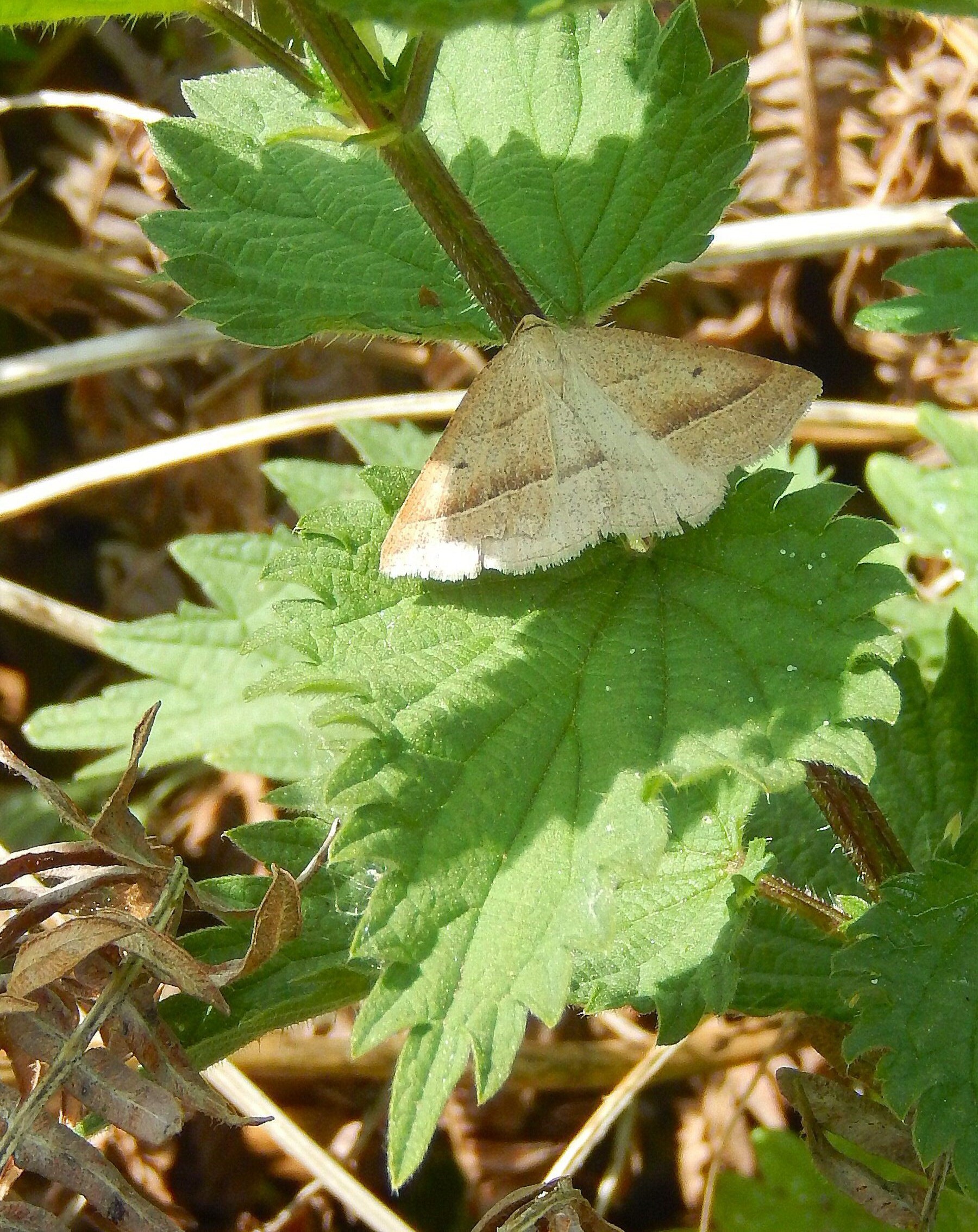
Brown Silver-line Moth Petrophora chlorosata at Long Wood
Brown Silver-line Moth Petrophora chlorosata at Long Wood, Osterley

I disturbed a Brown Silver-line Moth, which flitted among the nettles and bracken. We saw Holly Blue, Speckled Wood, Large White, and Red Admiral butterflies: it looks a fine place for Purple Hairstreak too.

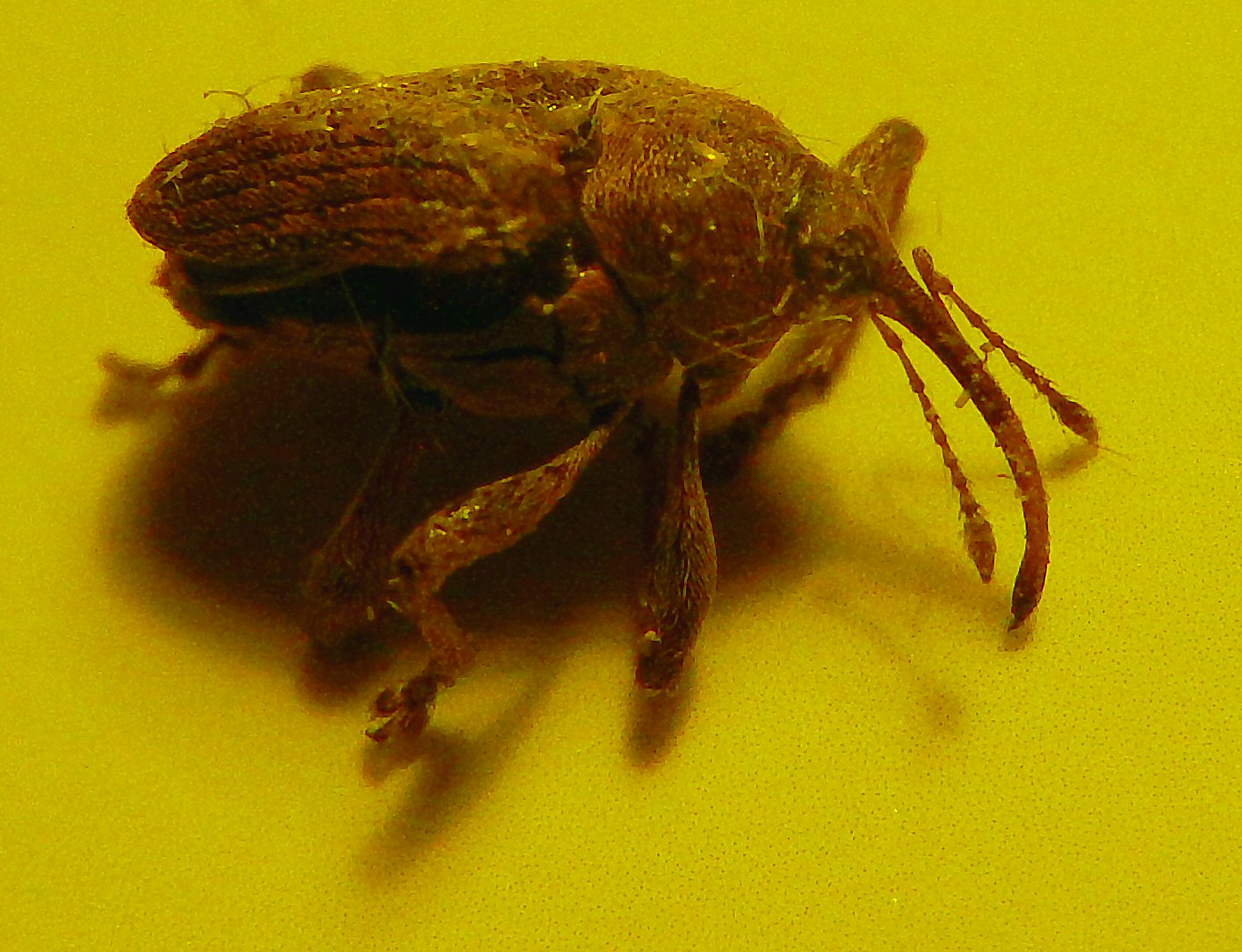
Acorn Weevil
Acorn Weevil, Curculio glandium

When I got home, I found this funky weevil under my shirt. It looks very much like the Acorn Weevil, presumably from one of the many Oaks I walked under.

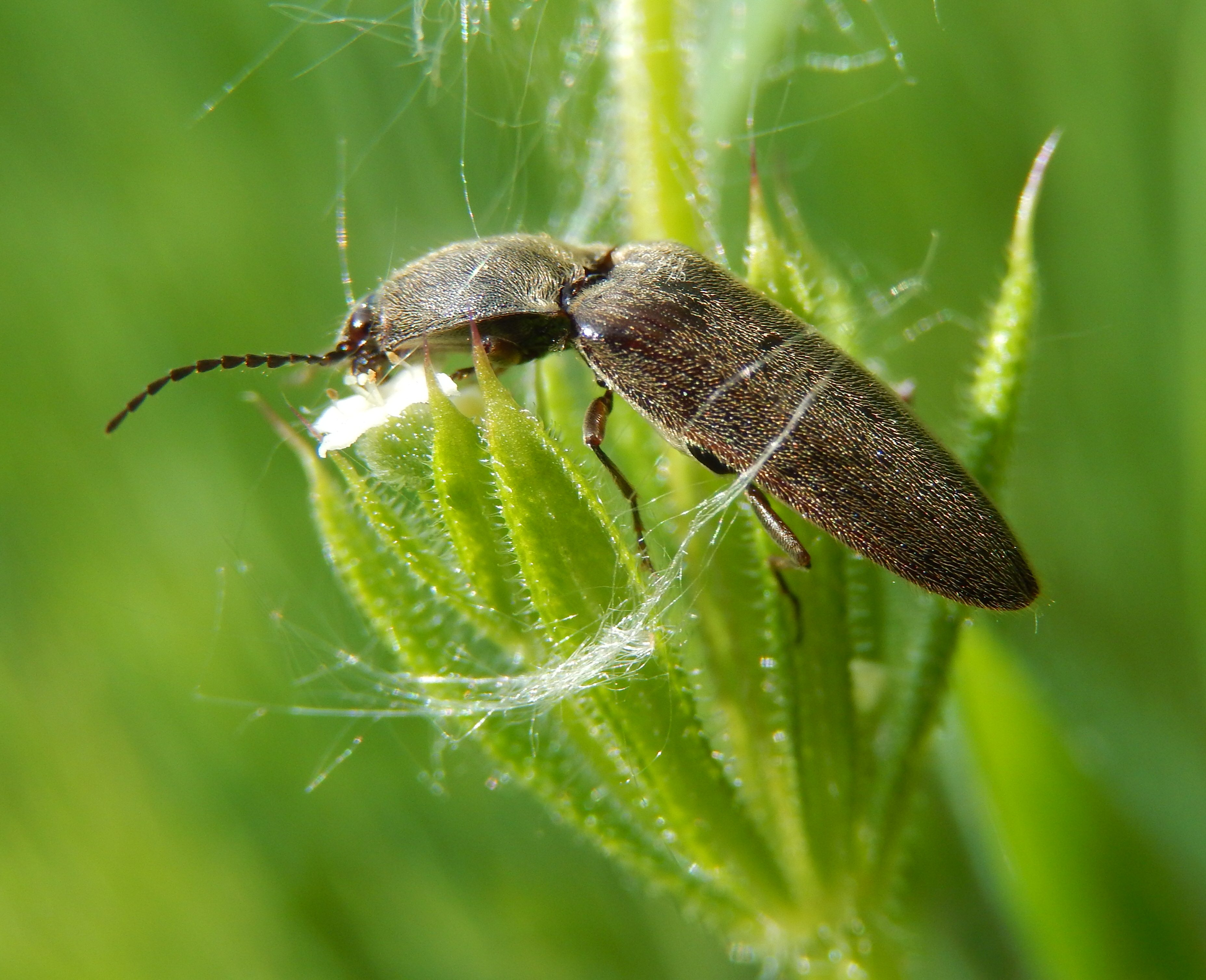
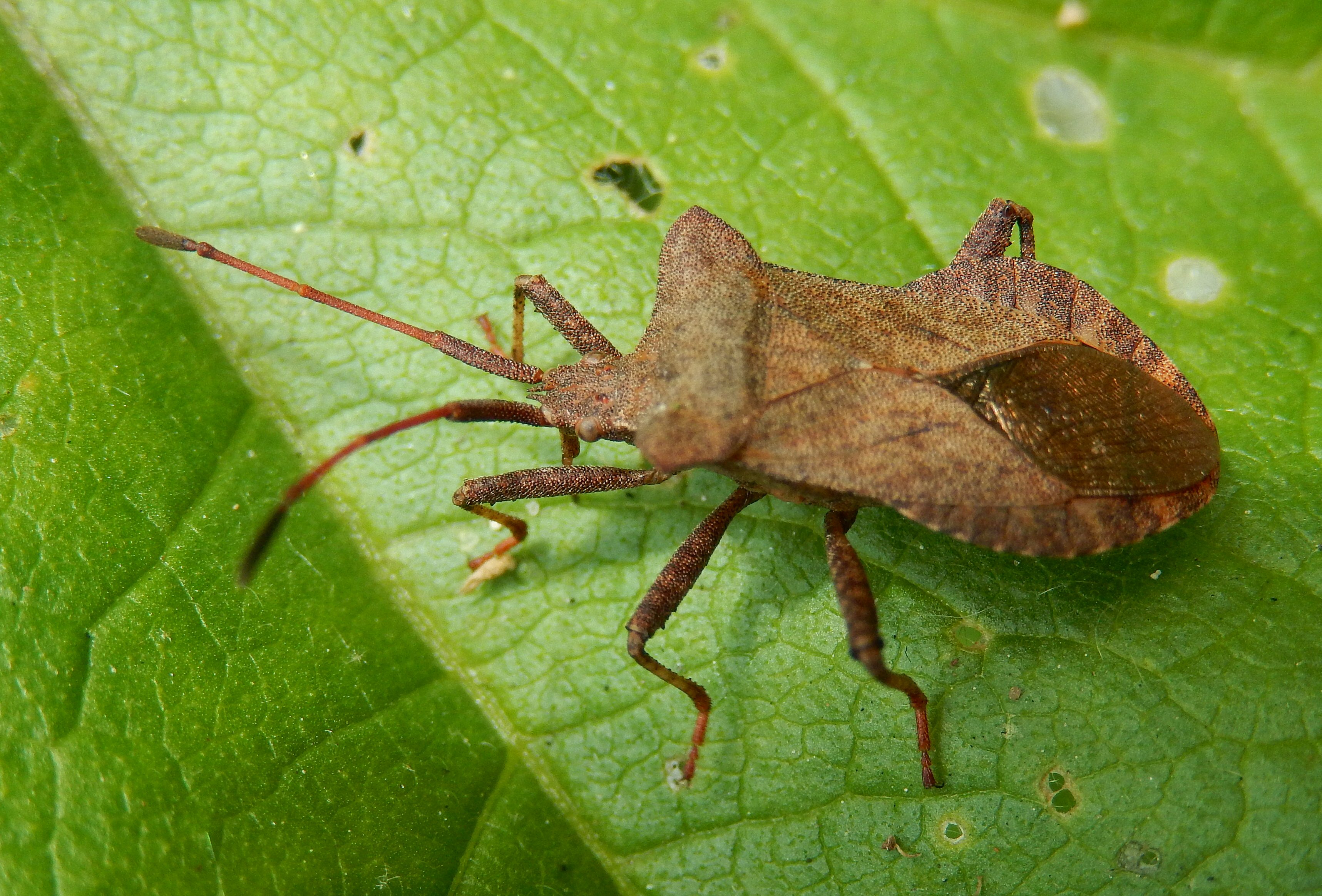
Click Beetle, Shield Bug at Gunnersbury Triangle

lick Beetle on goose-grass
Click Beetle, Athous haemorrhoidalis, on goose grass
Coreus marginatus shield bug, distinctive horns between antennae

As well as the handsome insects, a migrating Tree Pipit called from the wood near the Picnic Meadow. These once common birds are now scarce on farmland and have disappeared from London as breeding birds, but still drop in occasionally in spring and autumn migrations, and breed on larger commons such as at Thursley.

Mayfly, Damselfly hatch; 5 Warblers!

It was a lovely sunny walk today, spring in everything but temperature, in a fresh Northerly wind.

I was greeted at Wraysbury Lakes by a jumble of music, a loud and vigorous Garden Warbler competing with an even louder Song Thrush to pour out rich fluty notes in a confusing stream.

Suddenly the air is full of rising Mayflies with their long triple tails. The masses of Comfrey and Nettles are dotted with the iridescent blue of Banded Demoiselles, like slender dragonflies, and the clear green of the females. Also quite a few Azure Damselflies, the males brilliant blue with little cup markings at the base of their abdomens (Segment 2), the females green with little ‘Mercury’ markings in the same place. I think I saw a slender Sawfly, too; and quite a few bumblebees visiting the Comfrey. Just two butterflies, a Speckled Wood and a battered Red Admiral.

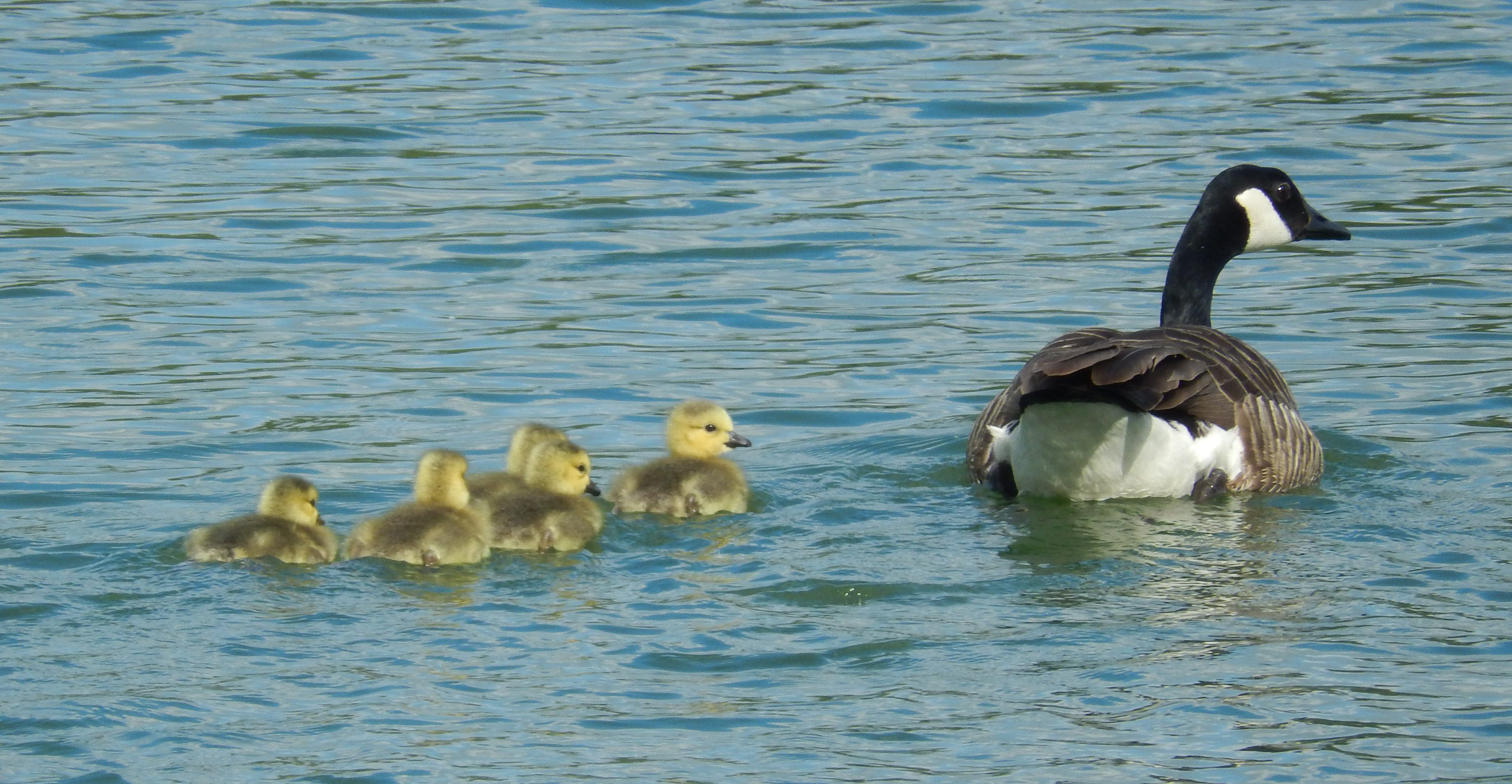
Canada Goose with Goslings

On the lake, a pair of Canada Geese watchfully escorting their fluffy line of chicks.

Further along, Blackcap, Robin, Blackbird; then a patch of Chiffchaffs; more Garden Warblers, then a few Whitethroats, making extraordinary wheezing and squeaking anxiety calls, and one in song flight; a little flock of Goldfinches; a few Willow Warblers, deep in the scrub, my first of the year. The May blossom is on time, the Hawthorns heavy with their white dresses. In clearings, Bugle, Forget-me-nots and Cowslips; a Red Campion.

In the sky, a Kestrel; a dozen Jackdaws; a Heron and a Cormorant; more surprisingly, a pair of Shelduck, rather big, rather white, with black wingtips and a brickred band across their chests. Four Swifts wheel past, race low over the hill.

Among the mares with their foals, a dozen Starlings making their rasping calls, feeding their newly-fledged young on the ground in the open or watching from the bushes; a French (Red-Legged) Partridge running rather than flying; a hen Pheasant flying in, her broad wings heavily loaded like the wide-bodied jets that roar overhead.

It’s utterly different from the heat earlier in the week, when I was down in Wiltshire, watching a Kingfisher flash along the river in Bradford-on-Avon, a Heron stalking fish in the shallows, a Horseshoe Bat among the bushes at dusk.

Garden Warblers All Over Watlington Hill!

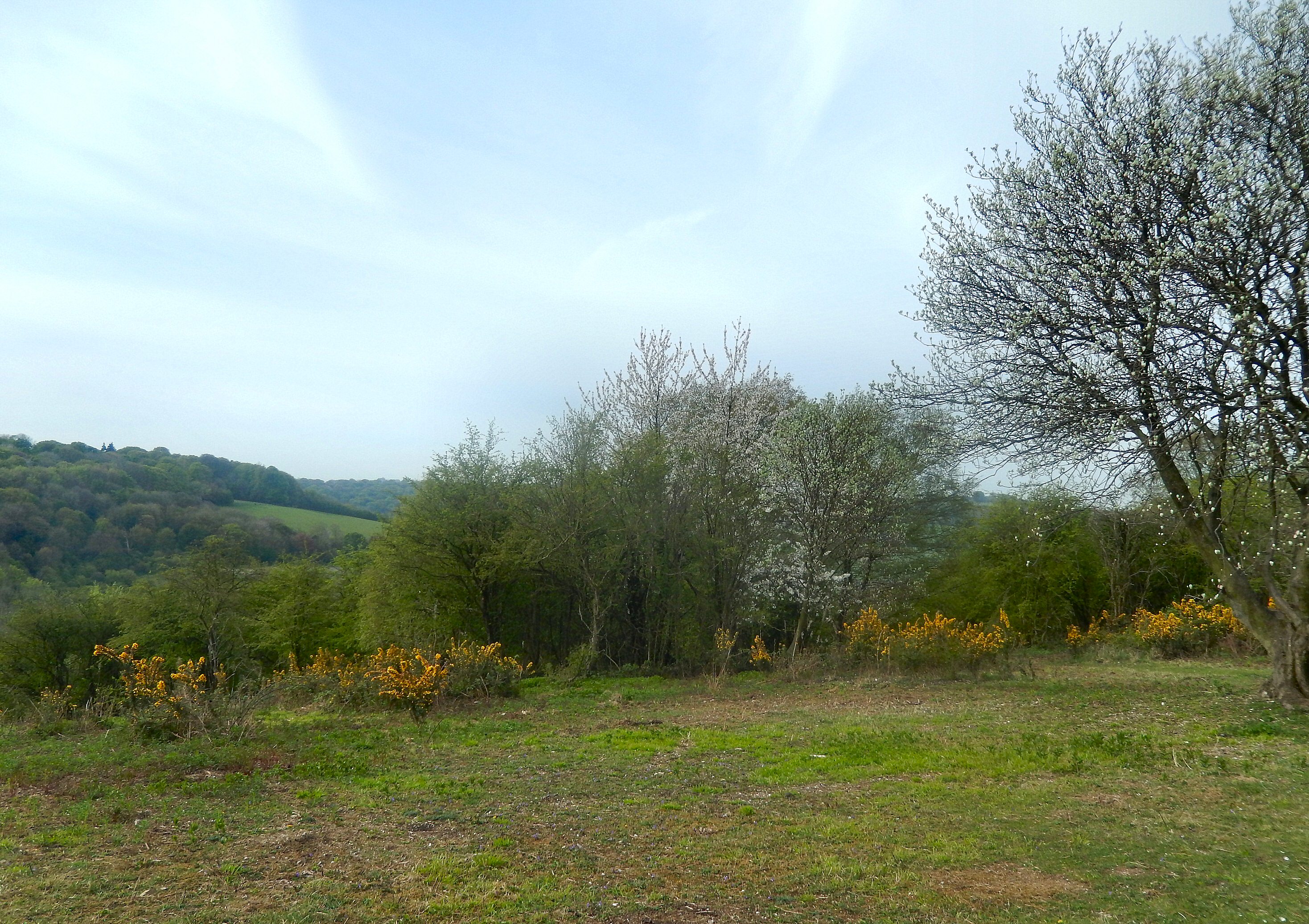
Prime Garden Warbler Habitat at Watlington Hill
Prime Garden Warbler Habitat at Watlington Hill, with Gorse, Blackthorn and Wild Cherry in bloom

The weather forecast said fine and warm, getting warmer each day. The chalk downs called, so I popped out to Watlington Hill to enjoy the spring sunshine and the birdsong. I wasn’t disappointed: I’ve never SEEN so many Garden Warblers, and I mean seen. Their full, rich warble came from every patch of scrub, sometimes two or three singing at once, and the still mainly leafless trees (the buds just broken) make them visible for once. In binoculars, they are almost evenly soft mouse-brown all over, slightly paler below for countershading, with the merest hint of a little half-collar of pale grey. Sylvia borin has been called “Sylvia boring” by birders, and it’s a good mnemonic, if not much of a joke. They don’t have the Whitethroat’s white throat or patterned tertials; they don’t have the Blackcap’s black cap, or even the Chiffchaff’s eyestripe. All negative descriptions: but their song is both lovely and readily recognisable.

Also singing were Chiffchaff and Blackcap, both in numbers; Blackbird, Mistle Thrush (conspicuously perched atop their respective trees, and calling loudly and ringingly to each other); Dunnock, Great Tit, Blue Tit, Robin, Chaffinch, Wren. From the woods, Jays screeched; a Pheasant called in the distance; a few Swallows caught flies overhead; Buzzard, Stock Dove, Wood Pigeon, Magpie, Jackdaw, and Carrion Crow were about.

The hill is on the west-facing scarp of the chalk (Cretaceous, obviously) of the Chilterns, dropping down to the Oxford Clay plain which stretches away to Didcot and Oxford in the haze. The chalk grass is closely cropped by rabbits, but constantly invaded by hawthorn, blackthorn, whitebeam and bramble scrub.

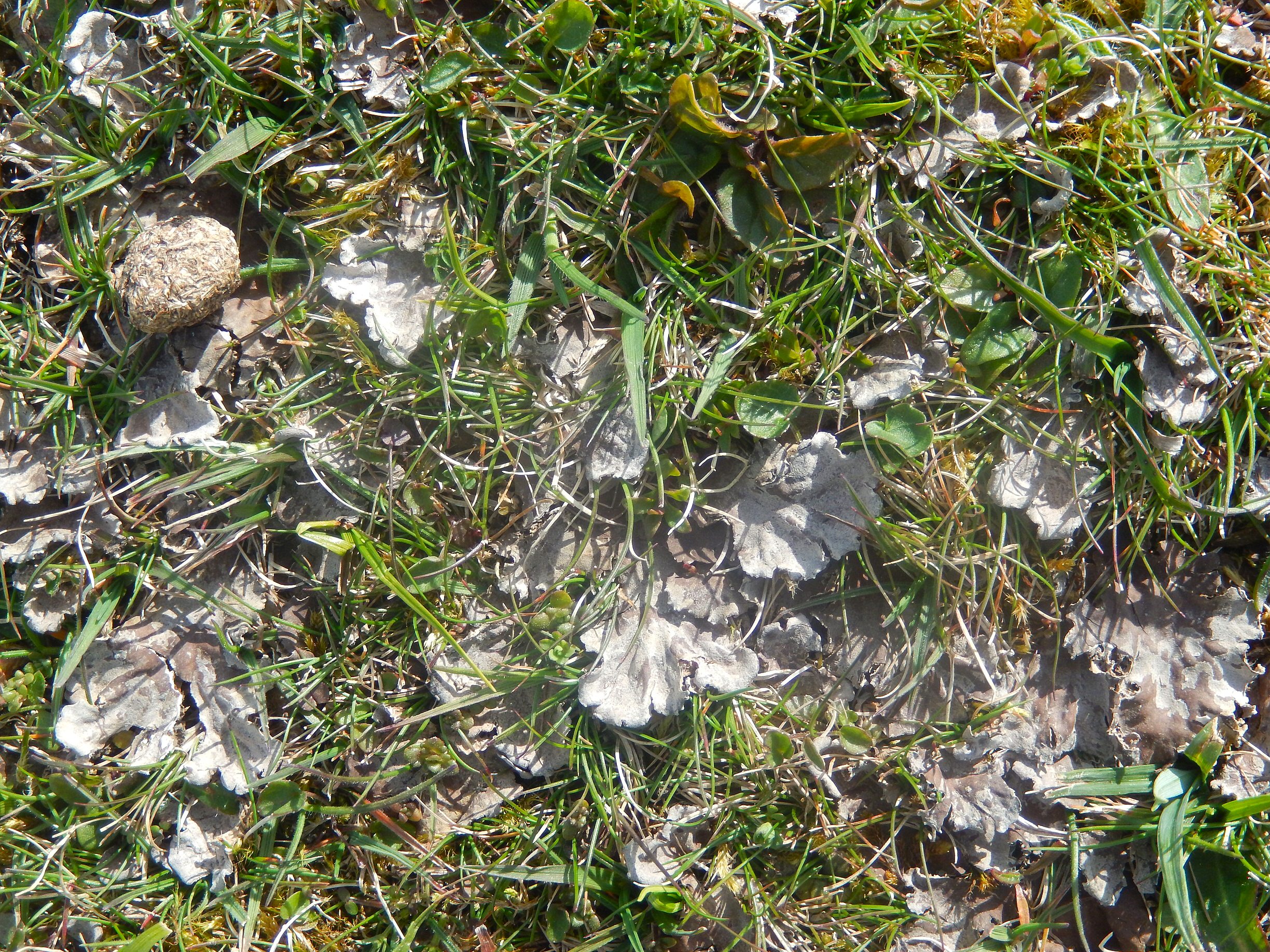
Dog Lichen, Peltigera canina, in chalk grassland
Dog Lichen, Peltigera canina, in chalk grassland, with rabbit dropping for scale

I was pleased to see some patches of the Dog Lichen in the low turf.

The shadow of a Red Kite passed over the grass, and I looked up. A pair of the long-winged, fork-tailed raptors drifted over the hill, swivelling their tails, their bodies perfectly streamlined and front-weighted like gliders.

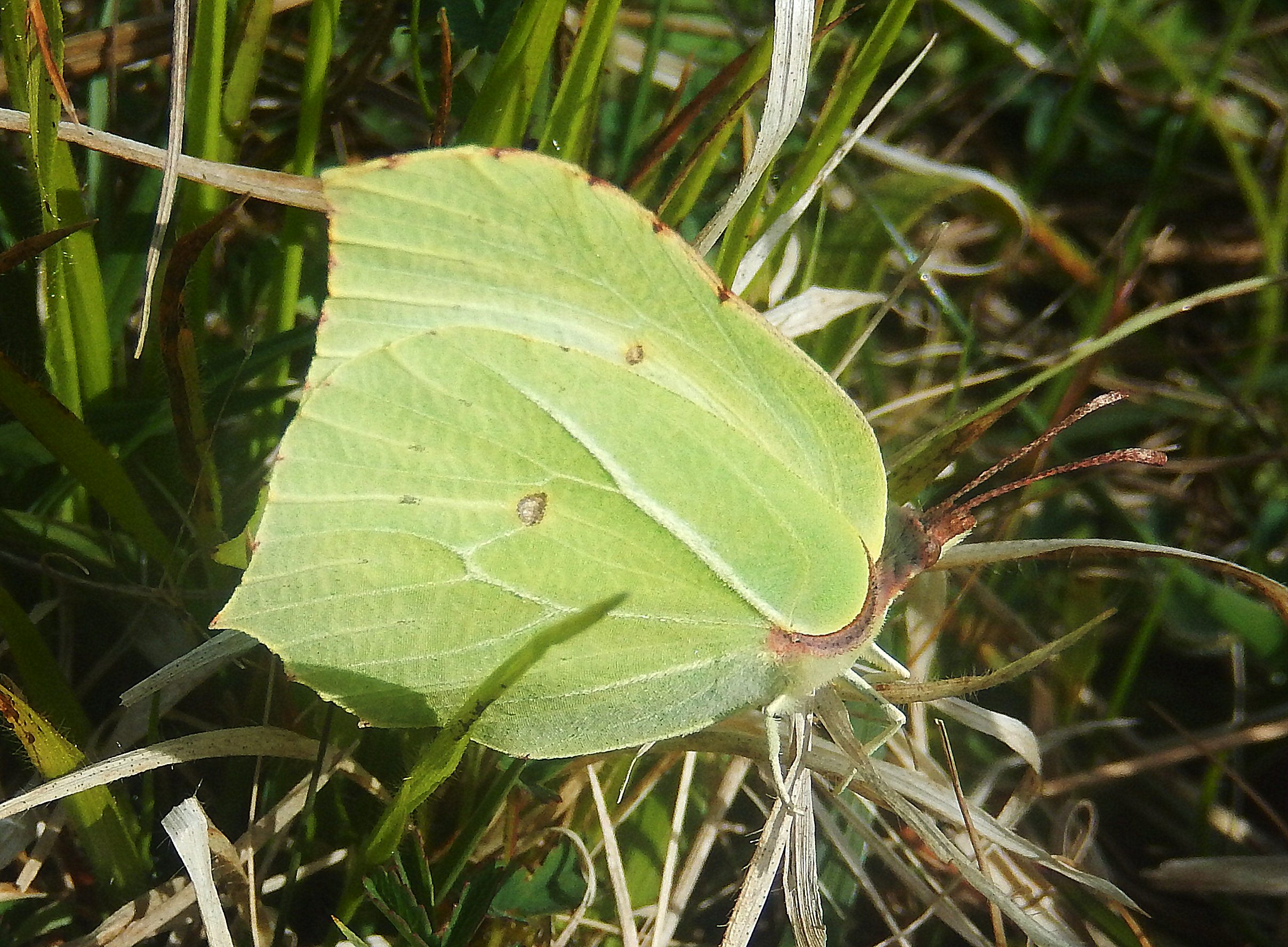
Brimstone female
Brimstone female

As it warmed up, a Brimstone butterfly appeared, perching on the ground to absorb some heat from the sun. It is one of the most leaf-like of our butterflies, which would suggest camouflage: but they are conspicuous even with closed wings. Perhaps birds see them differently from us.

Hoverfly Diversity at Gunnersbury Triangle

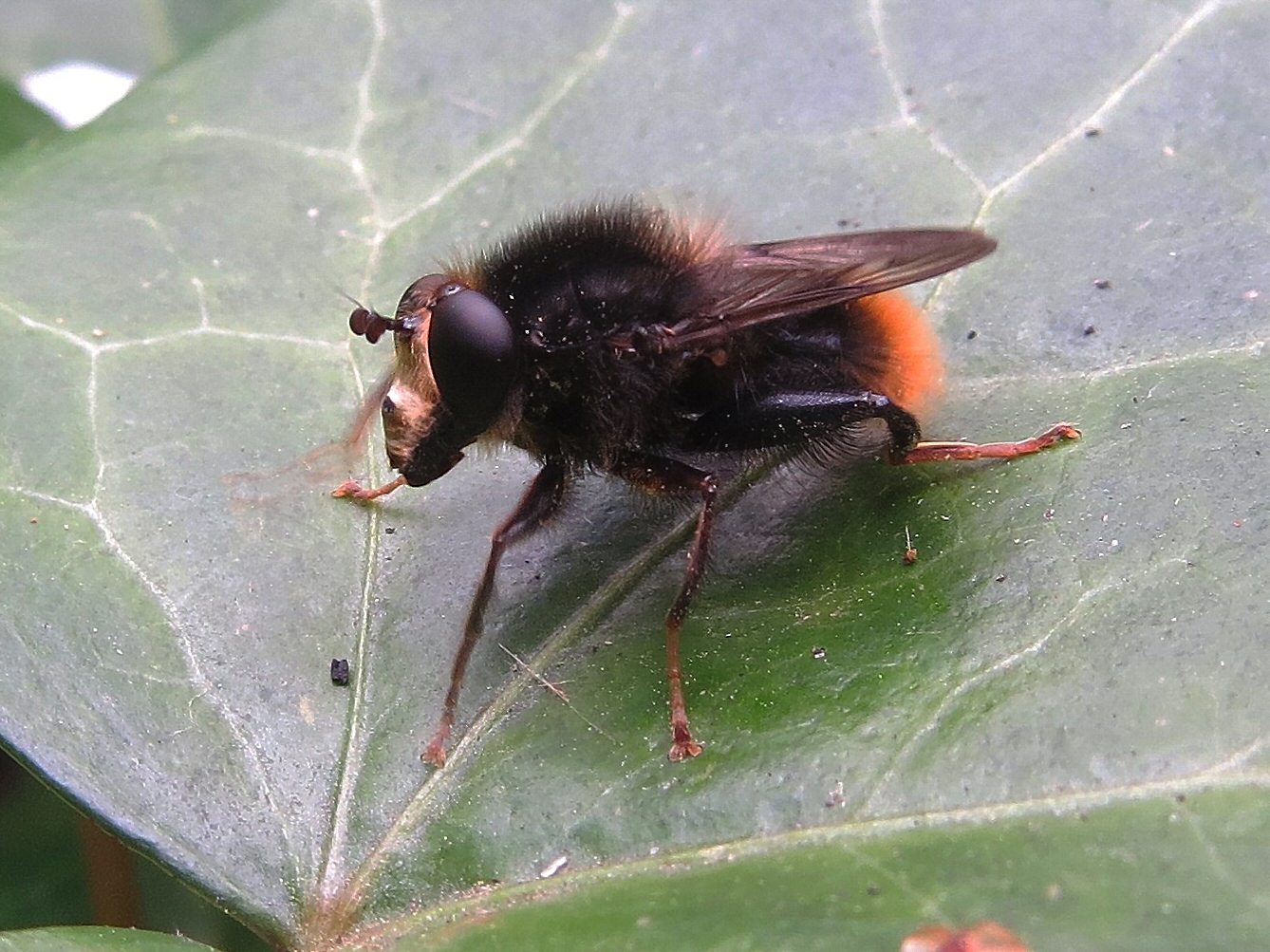
Criorhina ranunculi male, courtesy of Mike Fray

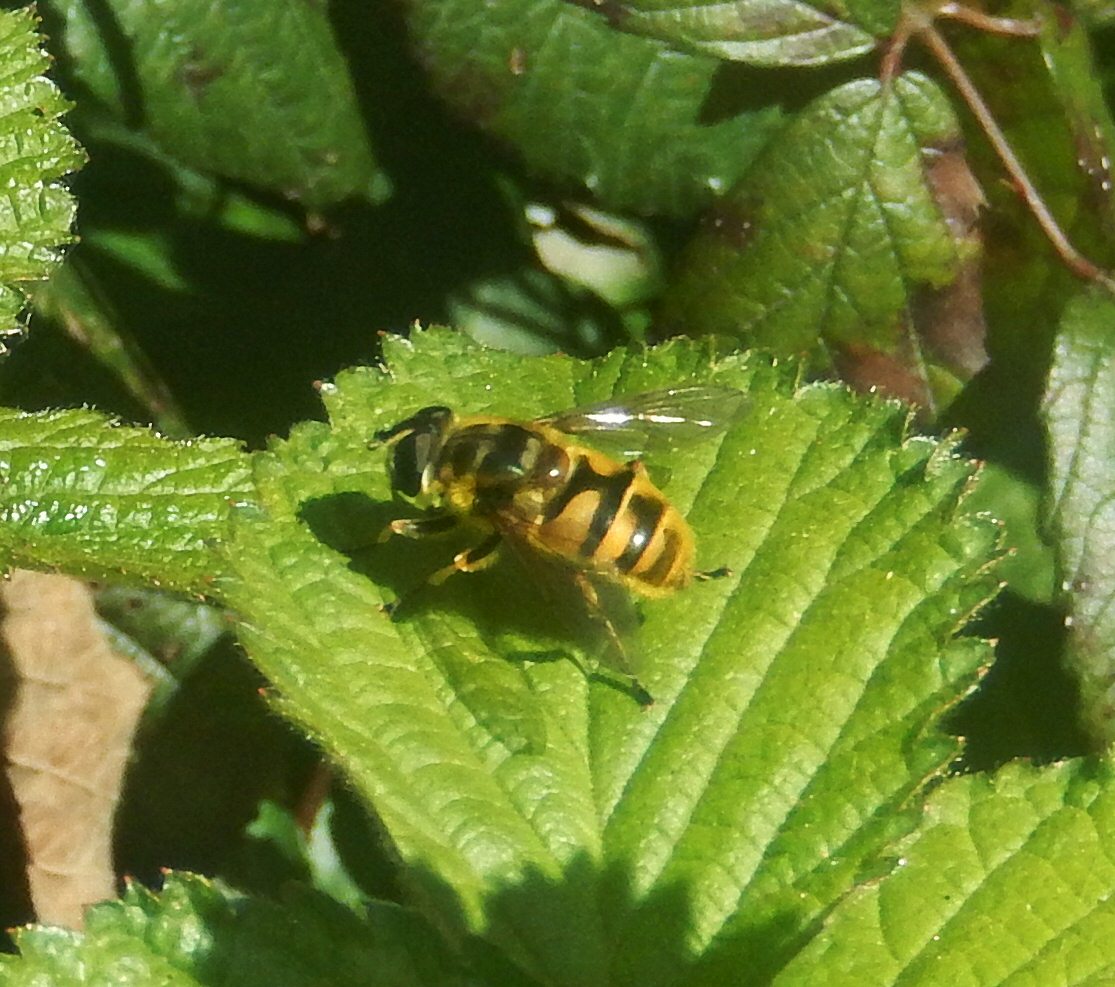
Well, at last it’s warm. The anticyclone is heating up the air nicely, a couple of degrees warmer each day. The air is buzzing with hoverflies, and luckily with Mike about, we can actually put names to them. This one, a really remarkable bumblebee mimic, is Criorhina ranunculi – nothing to do with buttercups (Ranunculus), but a species whose larvae live in rotting wood, and it does have an odd nose (rhino-). Quite an unusual species.

Myothropa florea, a wasp mimic hoverfly

This one, Myothropa florea, is a much more typical hoverfly, mimicking a wasp. Mike says he’s recorded some 18 species in the Gunnersbury Triangle LNR.

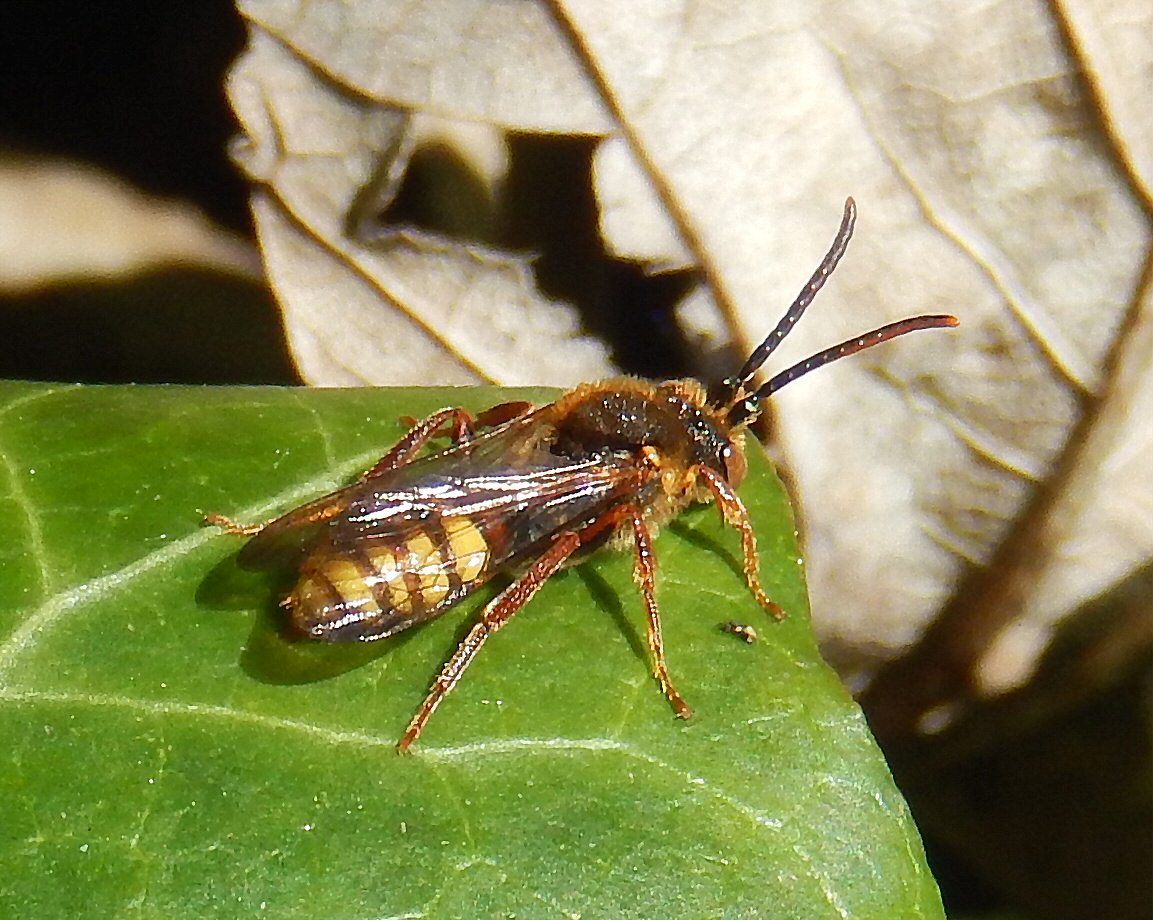
Nomada cf flava male cuckoo bee

This is a male Nomada cuckoo bee, a brood parasite of other bee species. Its jizz is quite wasp-like in flight, with a flash of aposematic yellow-striped abdomen looking distinctly worth avoiding. At rest, it looks much more like the bee that it is.

Andrena (broad-headed) bee


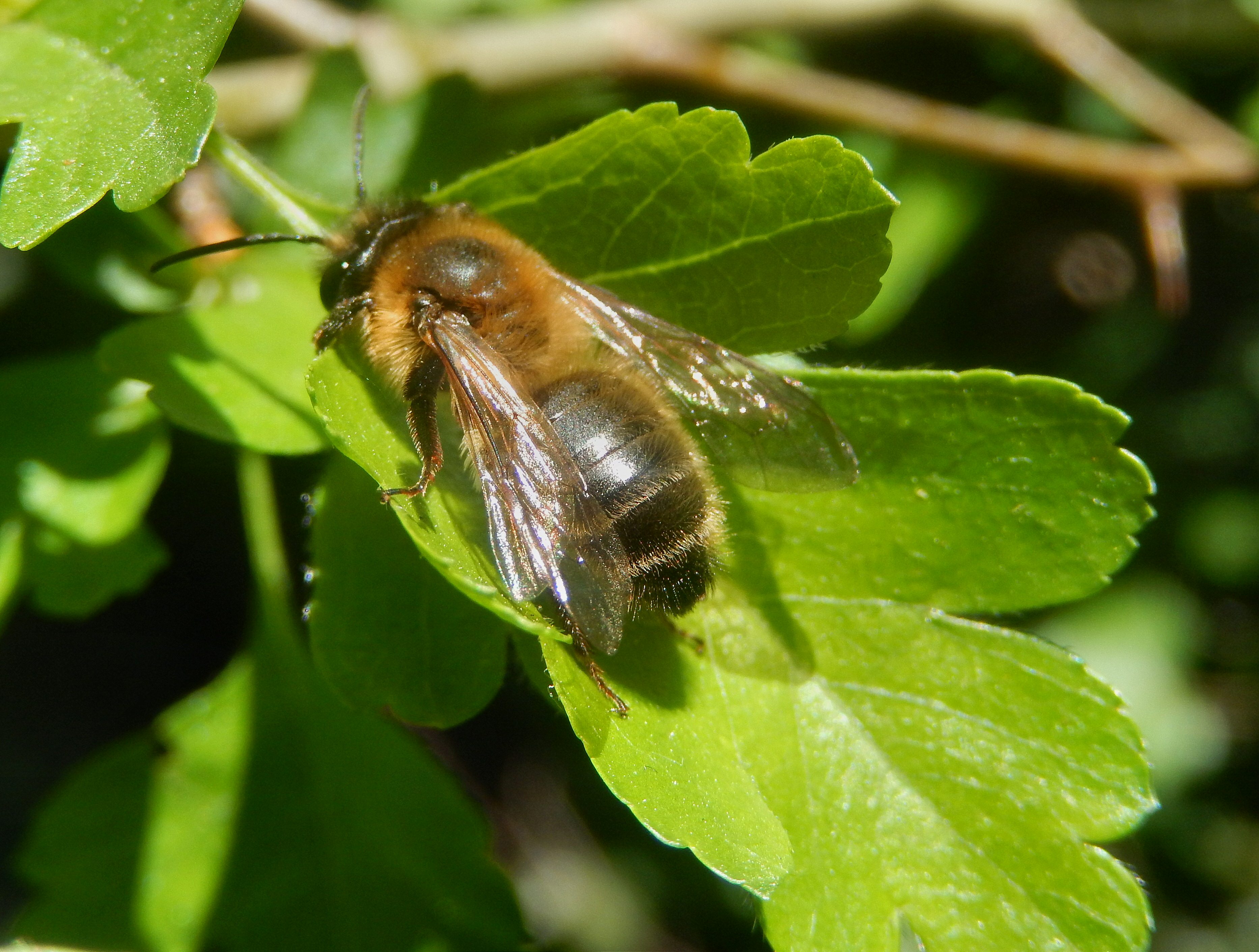
Andrena cf nigroaena on new Hawthorn leaf

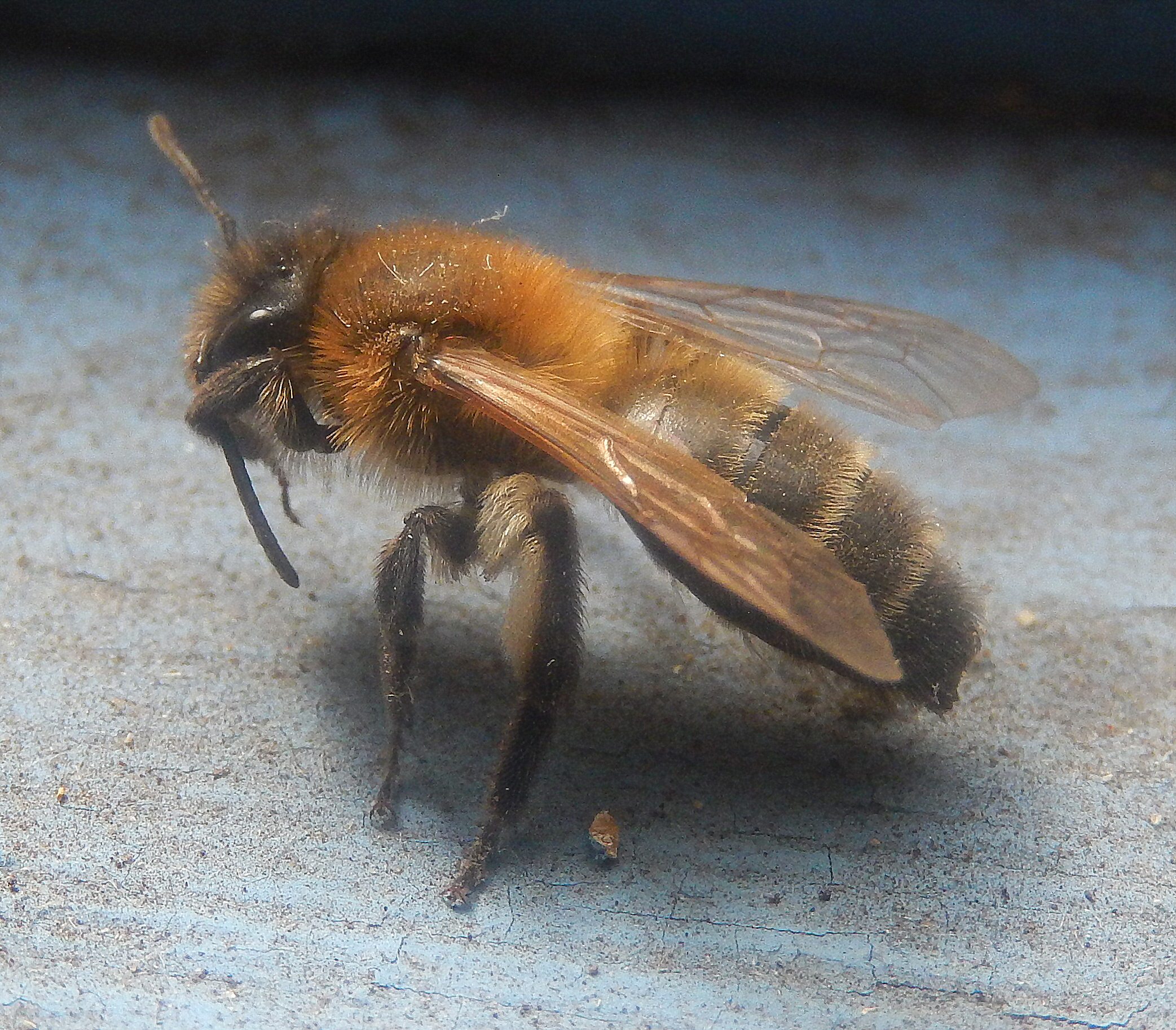
This honey-bee-like insect, in contrast, is obviously a bee, and not a parasite. If you’re used to honey-bees, you’ll notice it has a markedly short head, shorter than it is broad: all the Andrena genus are like this. The head can be short because the tongue is also short, the genus being adapted to short-tubed flowers, so evolution has economically saved energy on building a wastefully long head.

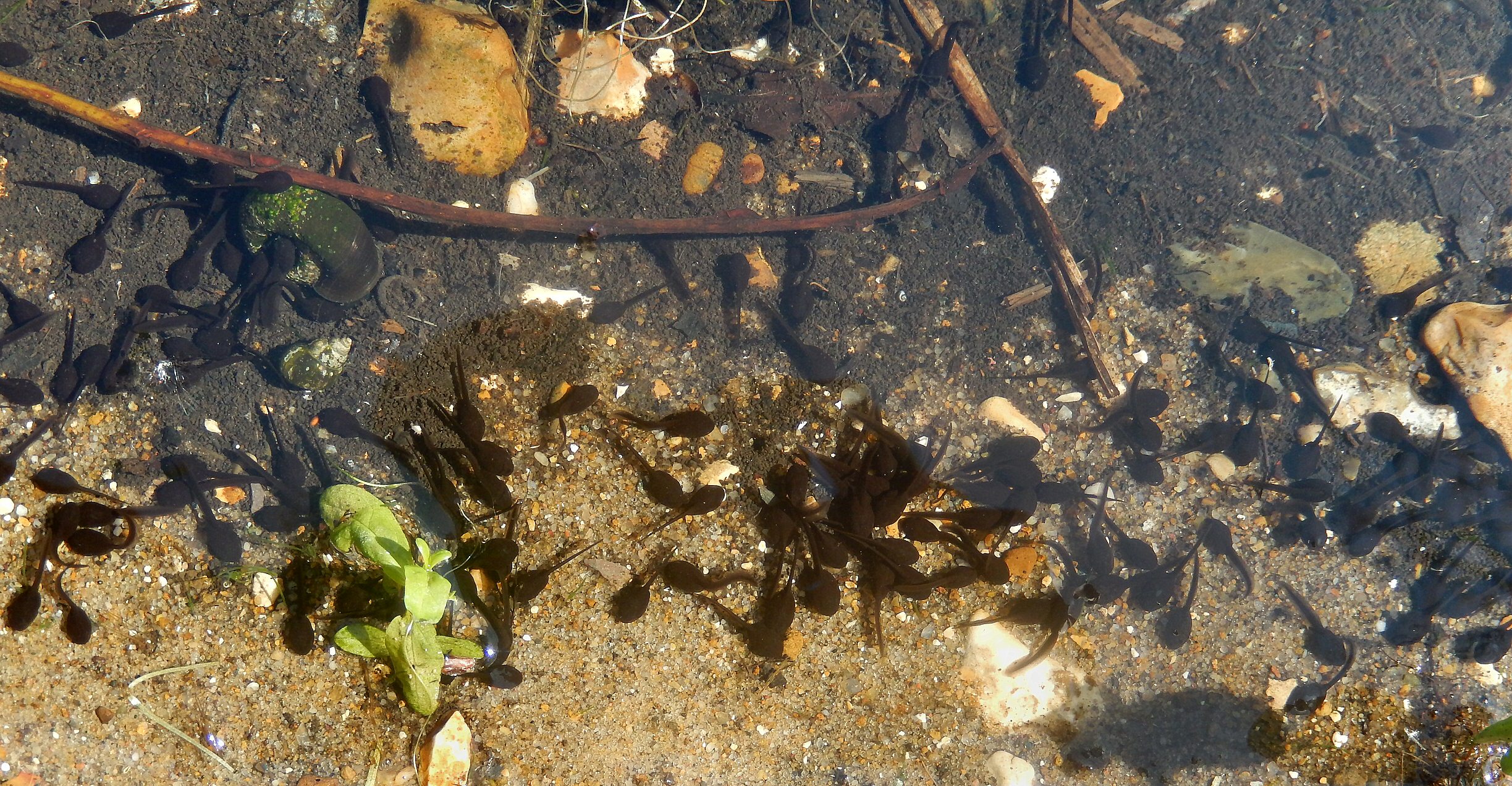
Tiny tadpoles in the shallows

Down at the pond, the sun sparkled on the clear water; a newt or two lurked between the weeds; and dozens of tiny tadpoles wriggled in the shallows. The Mallard pair swam about just below us, greedily feeding. I hope they miss some of the tadpoles.

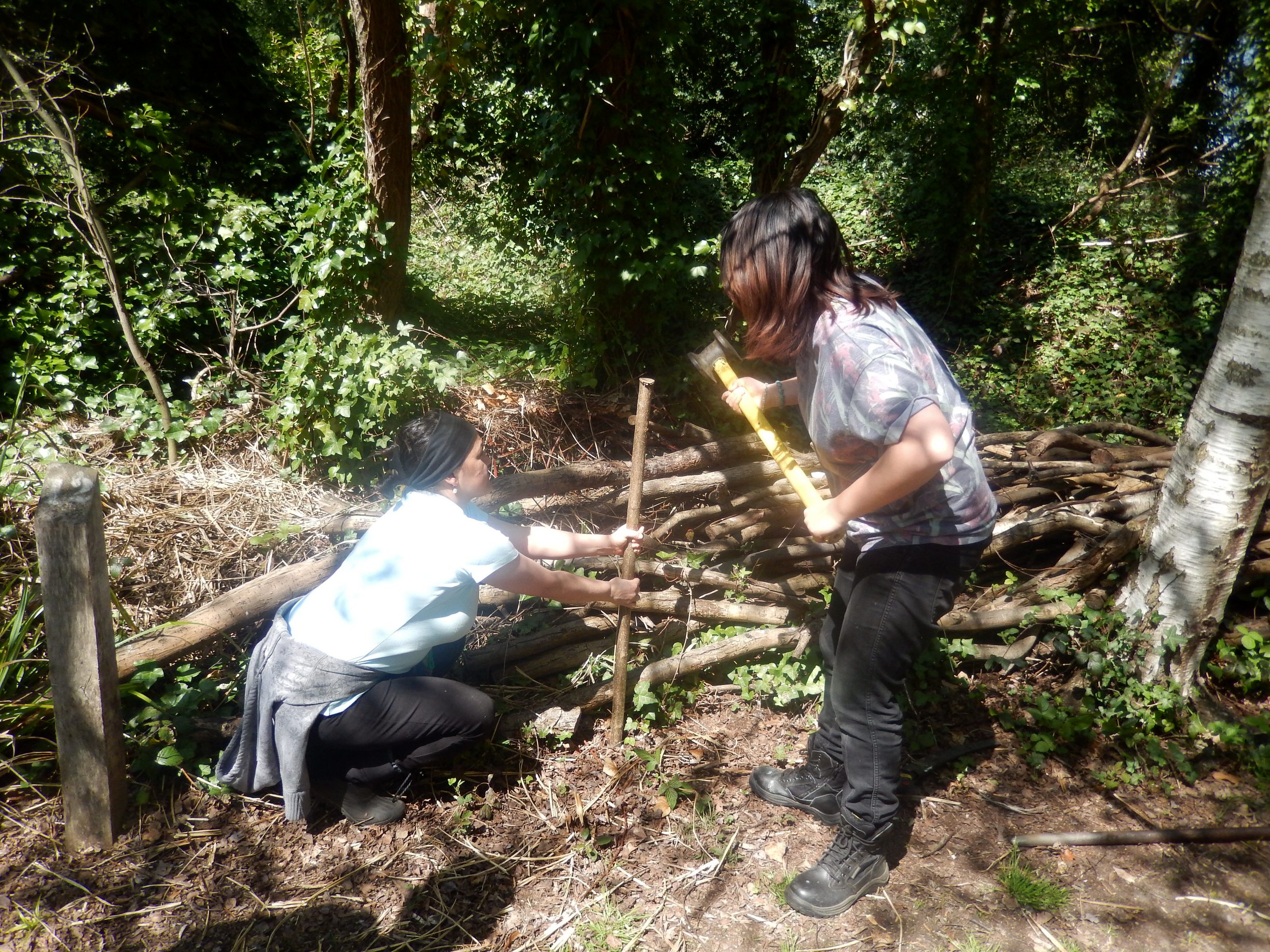
Women volunteers at work

We hammered in a line of posts for the log hedge, to reduce the number of sticks finding their way into the pond.  The ground was rather stony in places, and the iron bar came in handy to break through the stony layer first.

As we did the butterfly transect (Green-Veined White, Brimstone, Holly Blue, Speckled Wood, Large White), we saw a Sparrowhawk swoop into a tree, whistling to his mate. So it seems they’re nesting here again this year.

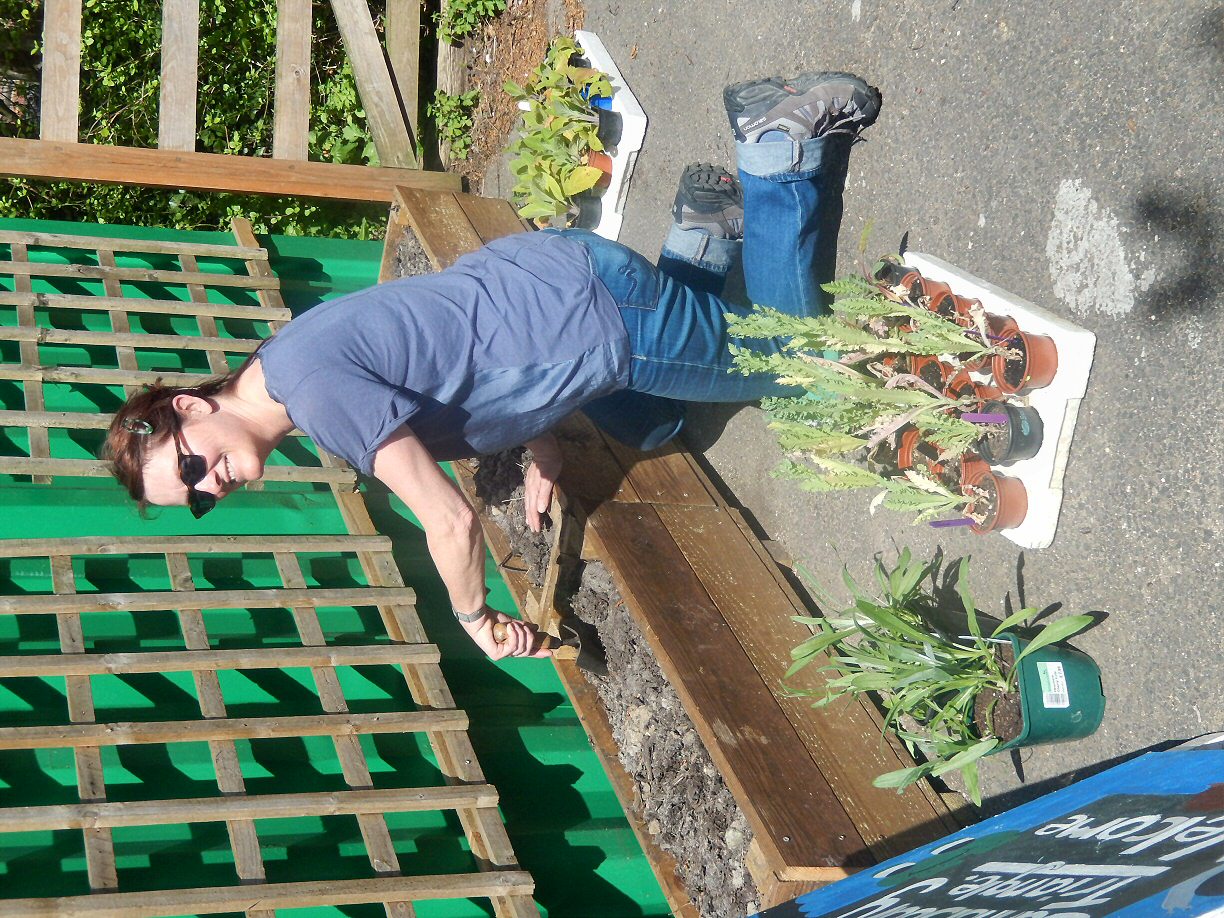
Jo planting out cornflowers, poppies, climbing nasturtiums and foxgloves

Back at the ranch, Jo was planting out some nice-looking small cornflowers, poppies, climbing nasturtiums and foxgloves raised by the Chiswick Horticultural & Allotments Society’s greenhouse team.

Two days later, the Swifts arrived in the skies over Chiswick, bringing their screaming flight calls to announce summer.


First Swifts, Garden Warblers at Wraysbury

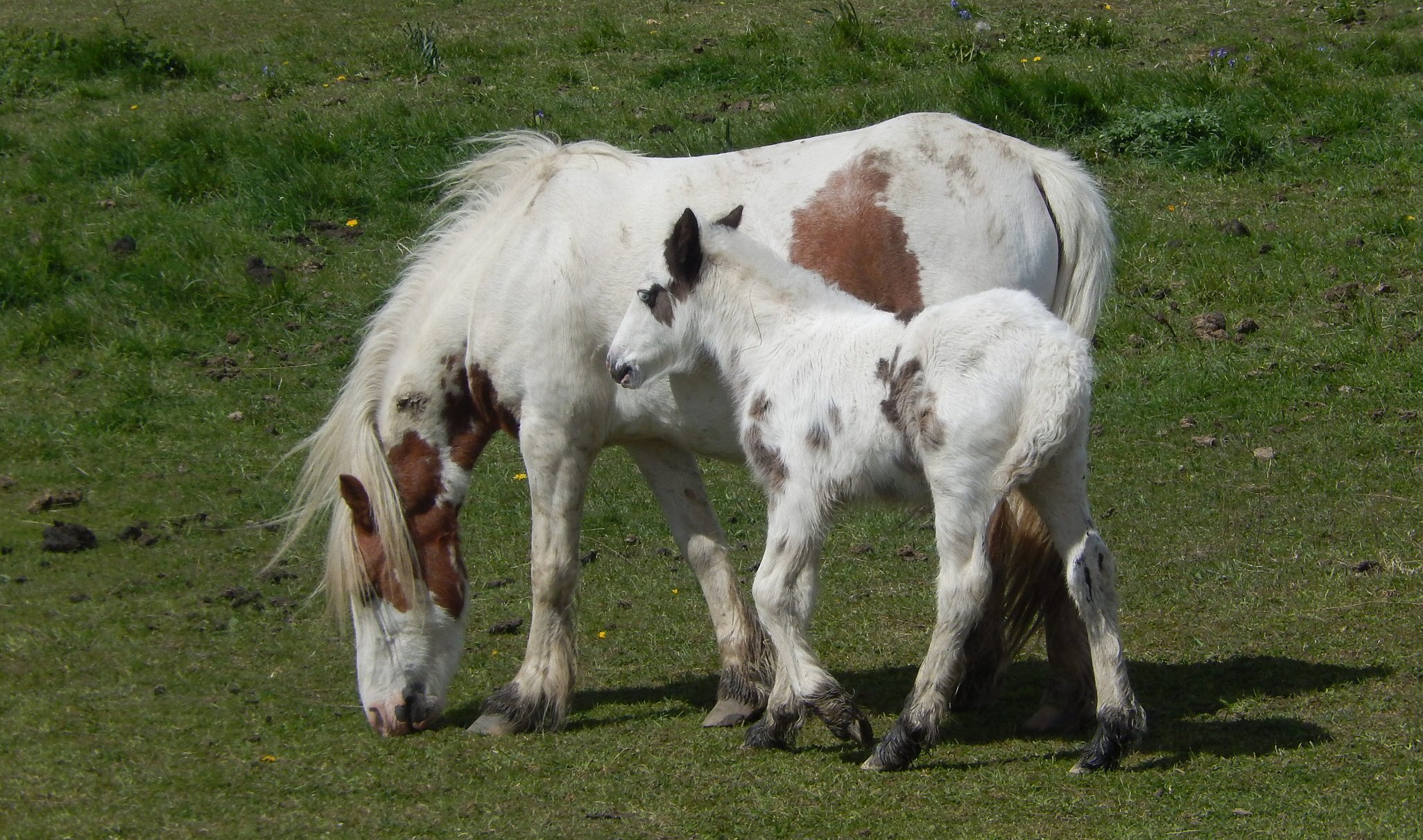
Mare and Foal
Mare and Foal

OK, it’s official, spring has arrived. It may be freezing in the North wind, snow may be forecast, but … this year’s foals look lovely, relaxing with their mothers in the sunshine.

Overhead, the first three Swifts of the year wheeled against the blue sky; a couple of Buzzards drifted past, one mobbed by a pair of Carrion Crows; a Kestrel hovered, moved on, hovered again.

Down below, Wraysbury’s Lakes are empty of ducks, the winter visitors long returned up to the far North. The bushes, however, are rapidly filling up with warblers. Chiffchaffs, Blackcaps, and for the first time this year, masses of Whitethroats (there must have been at least a dozen, wheezing out their scratchy little songs) displayed atop still bare thorn-bushes, one male even venturing a little song flight. Several Sedge Warblers chirruped, whistled and churred their complicated but not very harmonious song — avant-garde jazz with Ute Lemper, perhaps — and to my great pleasure a Garden Warbler gave out its marvellously rich, full, even, sustained warble from a dense Hawthorn. So it was a five warbler walk.

The prettiest bird of the day, however, was a male Linnet. After months of being drab and scruffy, he was in full breeding plumage, his head gray, his back brown, his tail crisply forked, and the band across his breast redder than a Robin’s orange, really startlingly red. Most of the time I think Lars Svensson’s marvellously detailed Collins Bird Guide is exaggerating in those too-beautiful colour plates by Killian Mullarney and Dan Zetterström — but its painting of a breeding male Linnet is exactly true. Red. So there.

Freshwater Clam at Wraysbury

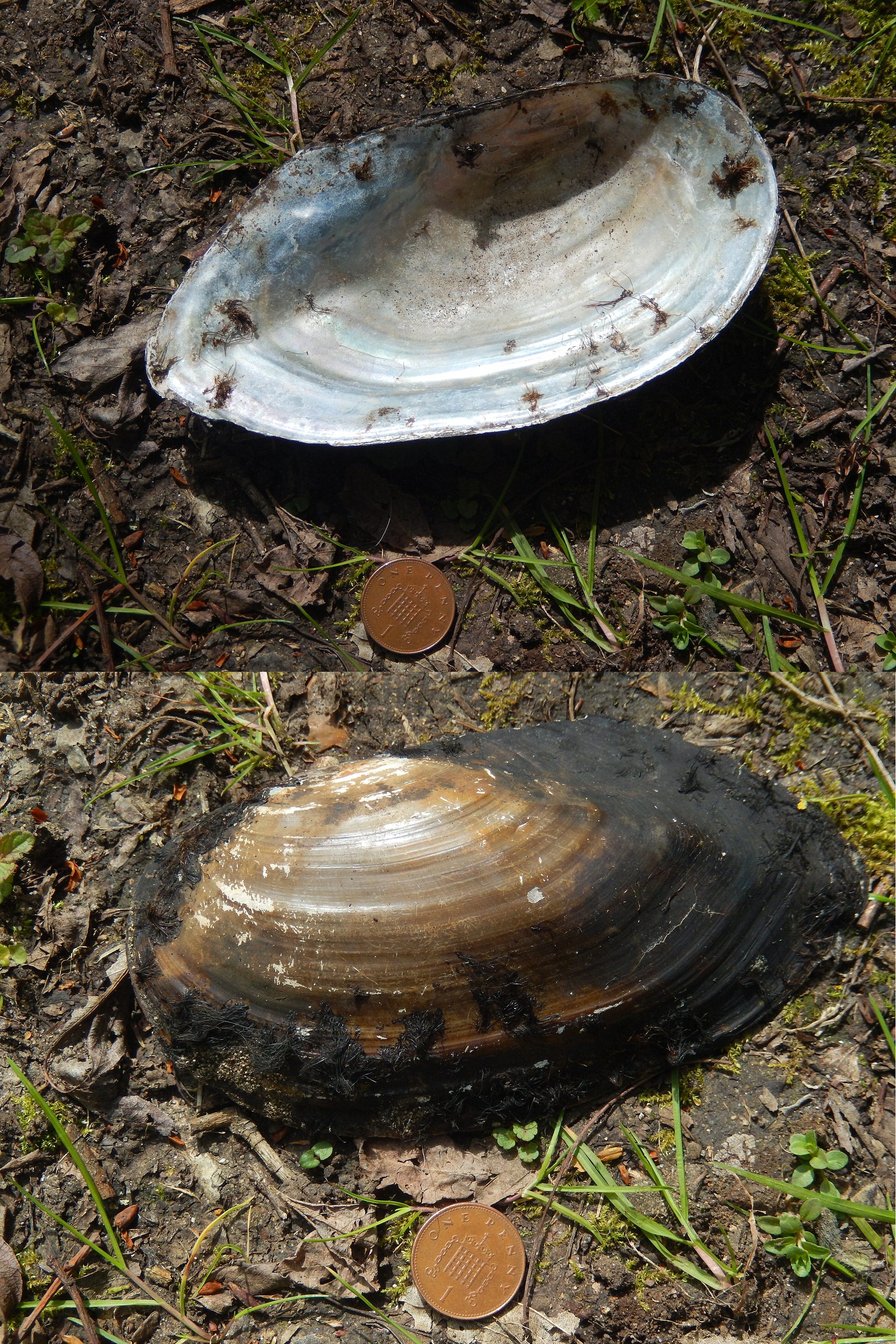
While off the beaten track listening to the warblers, I found this 13cm long Freshwater Clam shell. It was considerably thinner than a marine clam, and handsomely greenish-brown. I had no idea there were such large ones here right by London. It looks very much like the Swan Mussel, Anodonta cygnea, given its size, and indicates that the water “is in tip top condition”. The Natural History Museum has seen a specimen 19cm long.


Roe Deer at Fray’s Farm Meadows SSSI

Frays River
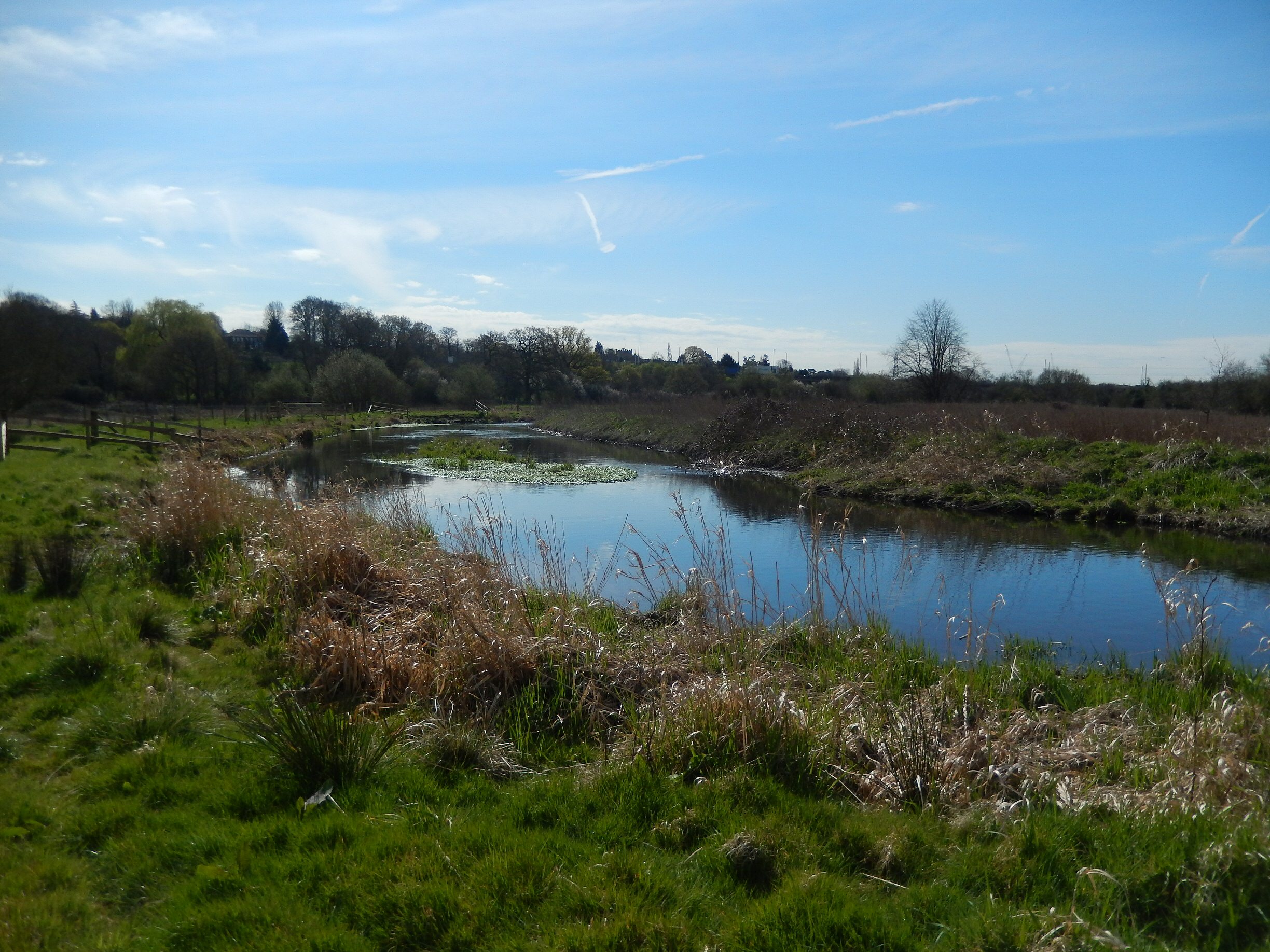
Frays River

Well, it isn’t every day one visits 3 nature reserves, but today I had a look at Hillingdon NHS’s Harefield Place LNR, London Wildlife Trust’s Frays Farm Meadows SSSI, and Denham Lock Wood to boot.

These are by London standards remarkably secluded and inaccessible, which is to say you need to know where to park and which way to walk, as there’s basically no indication on the ground until you arrive, and even the LWT website is misleading.

Whatever the reason, it’s a delight on a fine spring day to find woods alive with Chiffchaffs and Blackcaps, a pair of Greater Spotted Woodpeckers calling and chittering with excitement directly overhead (and visible  in the still nearly-leafless trees), the Blackthorn in delicate white clouds of new blossom, and a Roe Deer skipping away across the meadow, stotting slightly and flashing its “I’ve seen you, I’m running away, and I’m faster than you so don’t bother” white rump-patch. It’s what zoologists call an honest signal, something that benefits both predator and prey. The predator is saved a wasted chase, and the prey gets away without hassle to live another day.

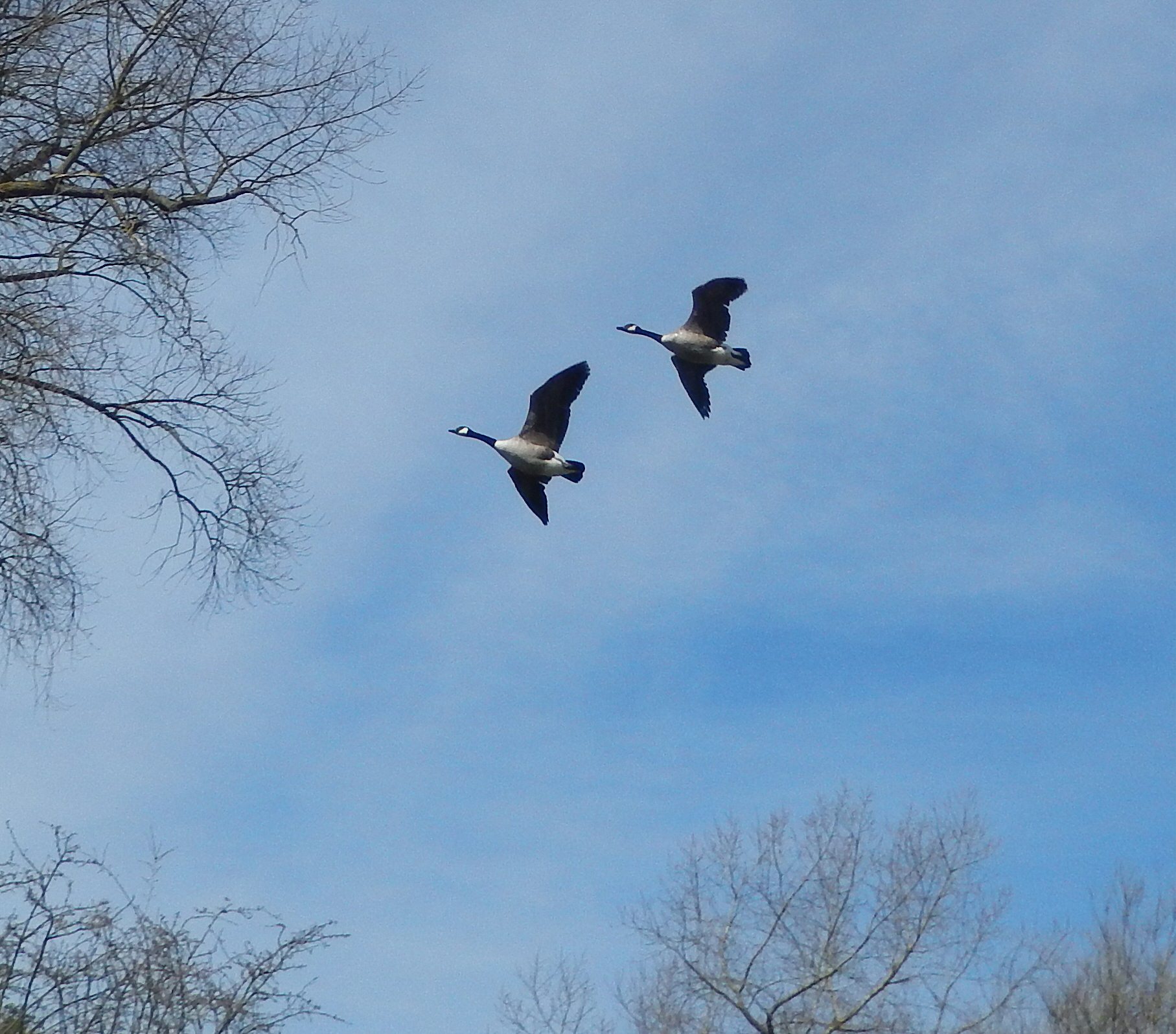
Canada Geese overhead

I walked in on the Golf Course path, a pleasant trek down the hill, past the lakes and along the muddy track through the willow woods. There are only our resident wildfowl at this time of year – Canada Geese, Egyptian Geese, Coot, Moorhen, Mallard, Tufted Duck, Mute Swan, Great Crested Grebe: presumably all breeding right here.

The track was studded with deer slots, and it was nice to have my “Roe Deer” slot identification confirmed with a broad-daylight sighting. Out of the woods, it grew hot, and I discarded coat and pullover.

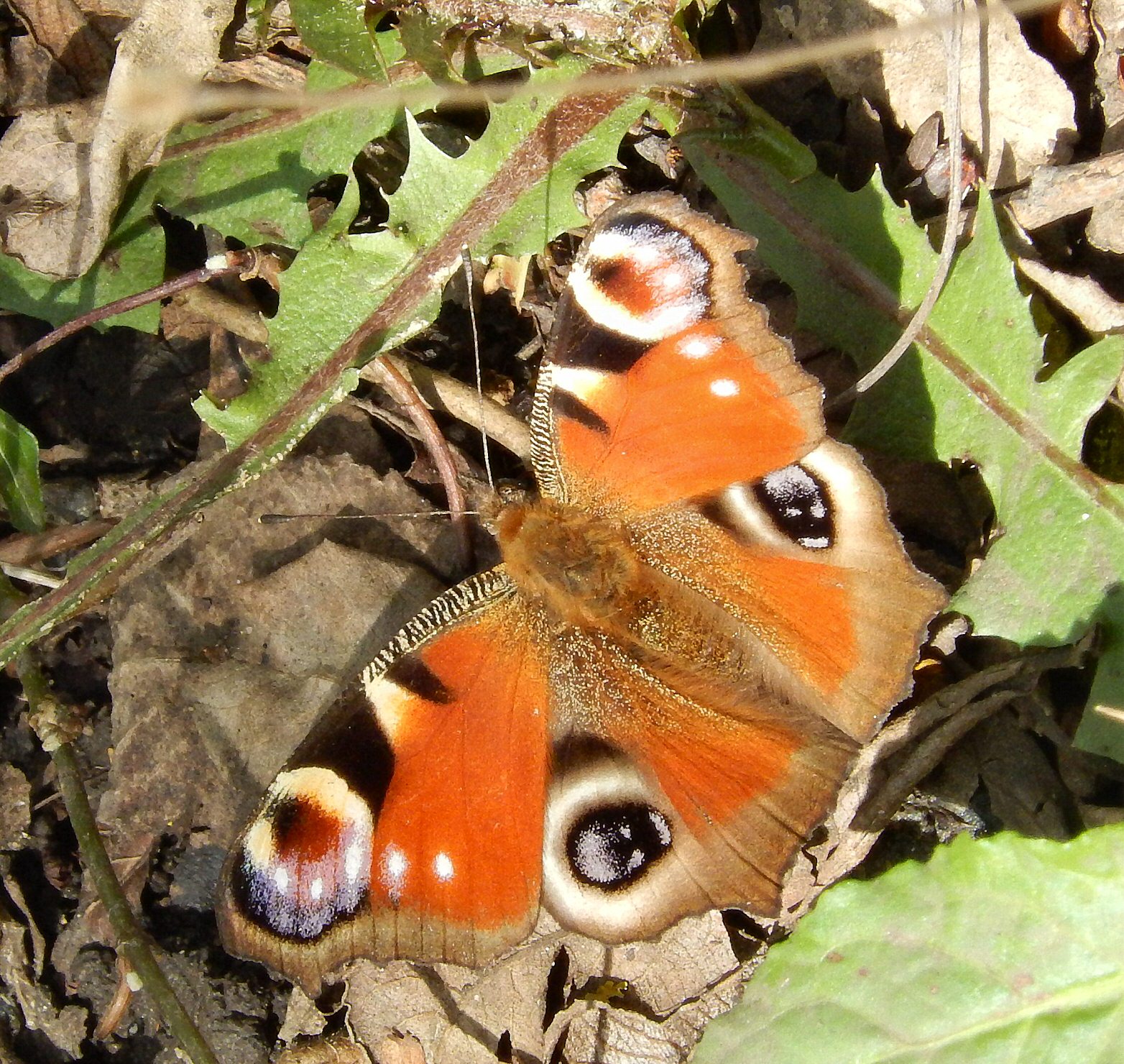
An early Peacock butterfly

A few butterflies flitted about – Brimstone near the brambles, a Meadow Brown or two, several Peacock.

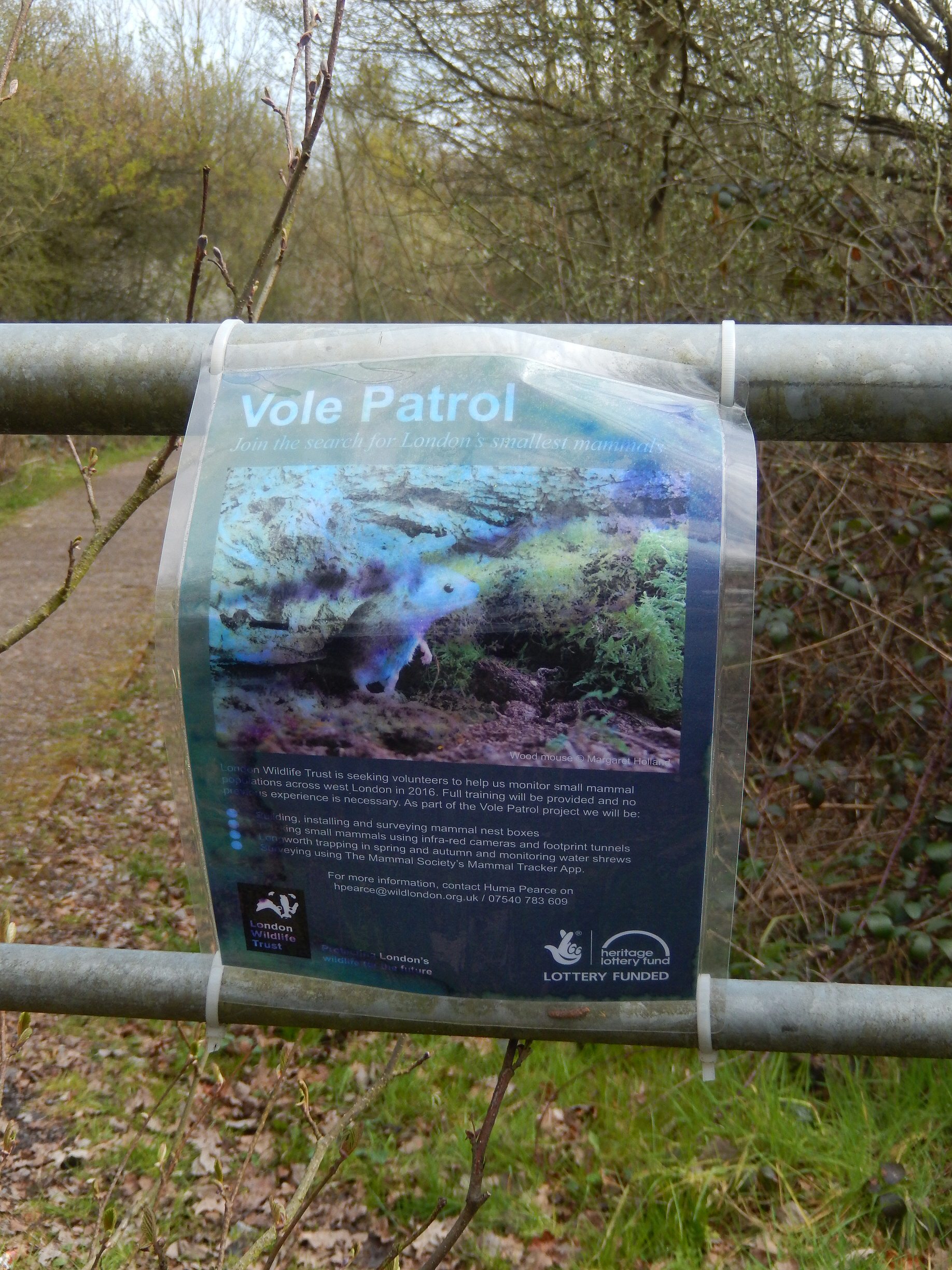
and a Vole Patrol poster

I met another LWT volunteer, Daniel, who it turned out was not only checking the local boardwalks, but had got up at 5:30 am to do the Vole Patrol on his local patch here! I said I volunteered at Gunnersbury Triangle, and he said he knew who I was, he read my blog (Hi Daniel!). We talked of Kingfishers and conservation and being bitten by small mammals. He asked me which group I particularly liked, birds, butterflies? I said dragonflies, but it was a bit early for them. Sure enough, a minute later, a damselfly flew past! I got my binoculars on to it but had no chance to identify it to species (Large Red is our earliest, but I saw no colour). Still, a distinct surprise so early in the year. Perhaps they are hatching earlier with the warmer climate.

On the way out, I passed a Vole Patrol poster. Huma, the small mammal expert in charge of the project, really can’t be getting a lot of sleep travelling all over West London like this and trapping every day.

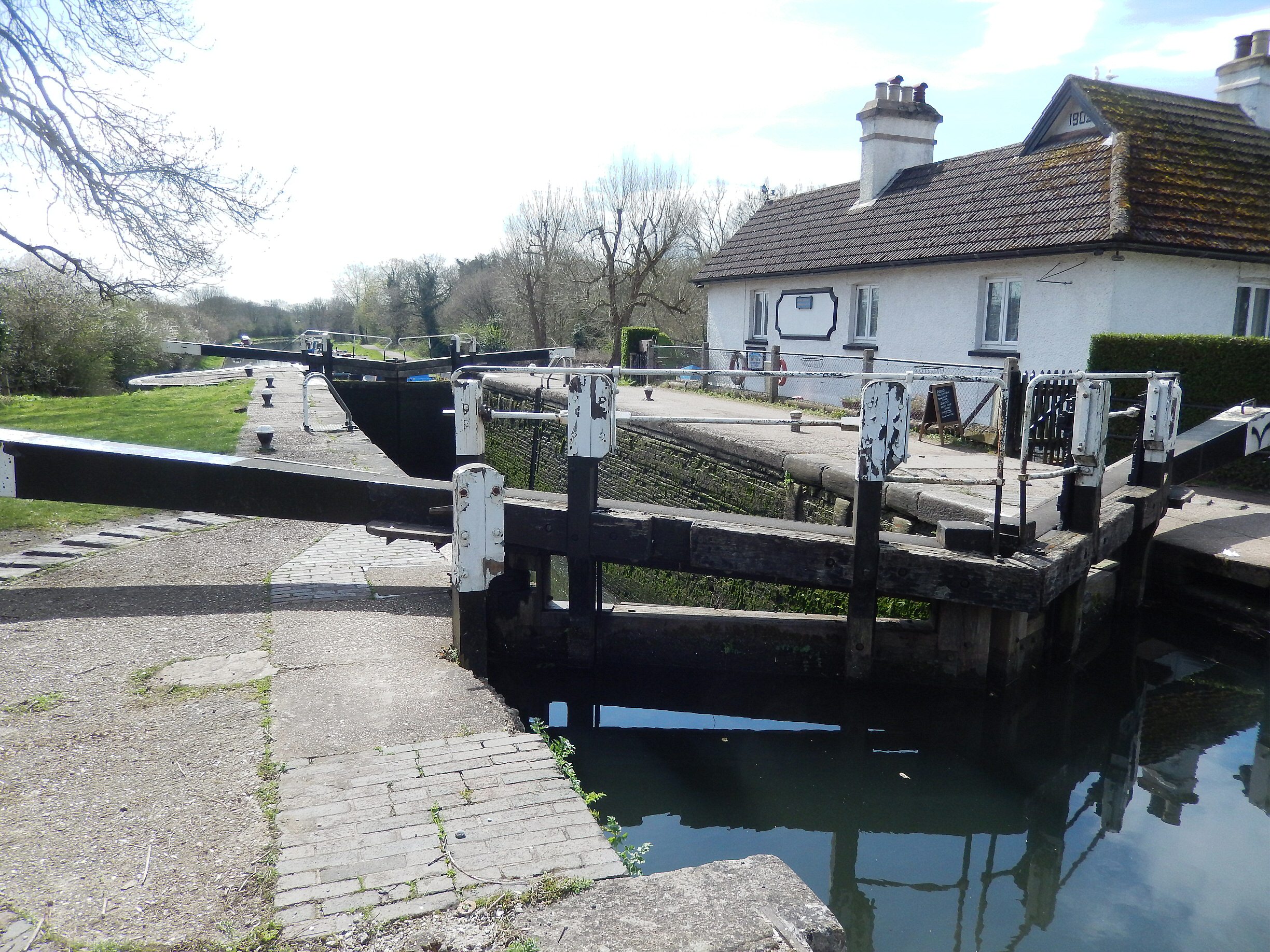
I walked across to Denham Lock, an attractively rustic spot with a line of narrowboats, traditional wooden lock gates and a delightful lock-keeper’s cottage complete with teashop.

Denham Lock
Denham Lock

A pair of Grey Wagtails flew about as if they owned the place, landing in the trees beside the canal, a few steps from where I took the photo. They must be breeding here too.


Spring Surprises: Treecreeper, First Swallows, Ground-Nesting Heron

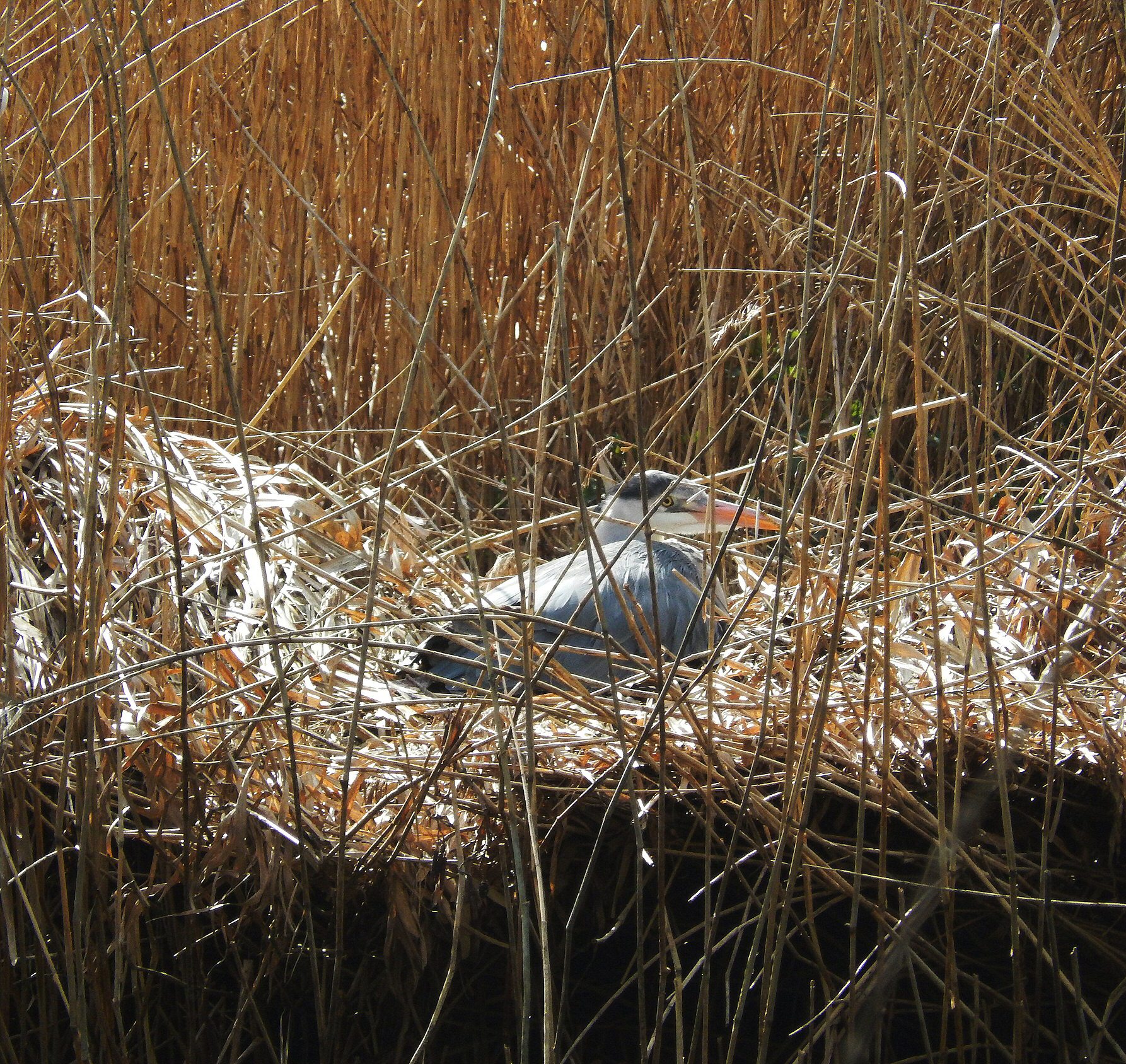
Ground-Nesting Heron a la Swan

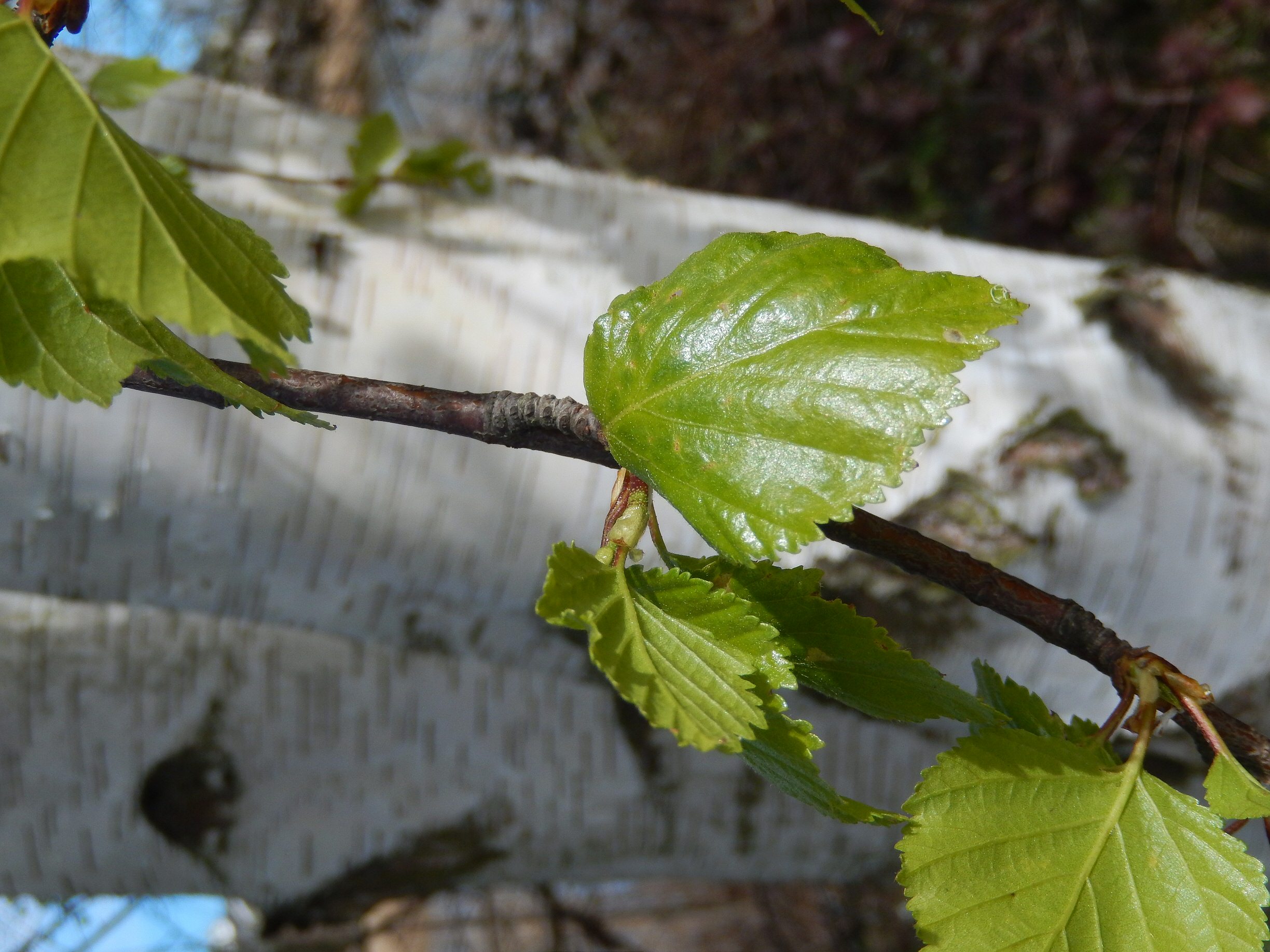
Spring is full of surprises, and this Heron, nesting not in a colony up in the trees, but all alone in an abandoned Swan’s nest in a reedbed, is certainly one of them. The London Wetland Centre this morning also boasted a mass of Blackcaps in the “Wildside” woodland, with at least three males and a female actually in sight at once,  along with an obliging Chiffchaff giving me an excellent view, and a characteristically invisible Cetti’s Warbler, shouting out its amazingly loud call. The Silver Birches were in wonderfully fresh green leaf, their bark crisply white against the clear blue of the sky.

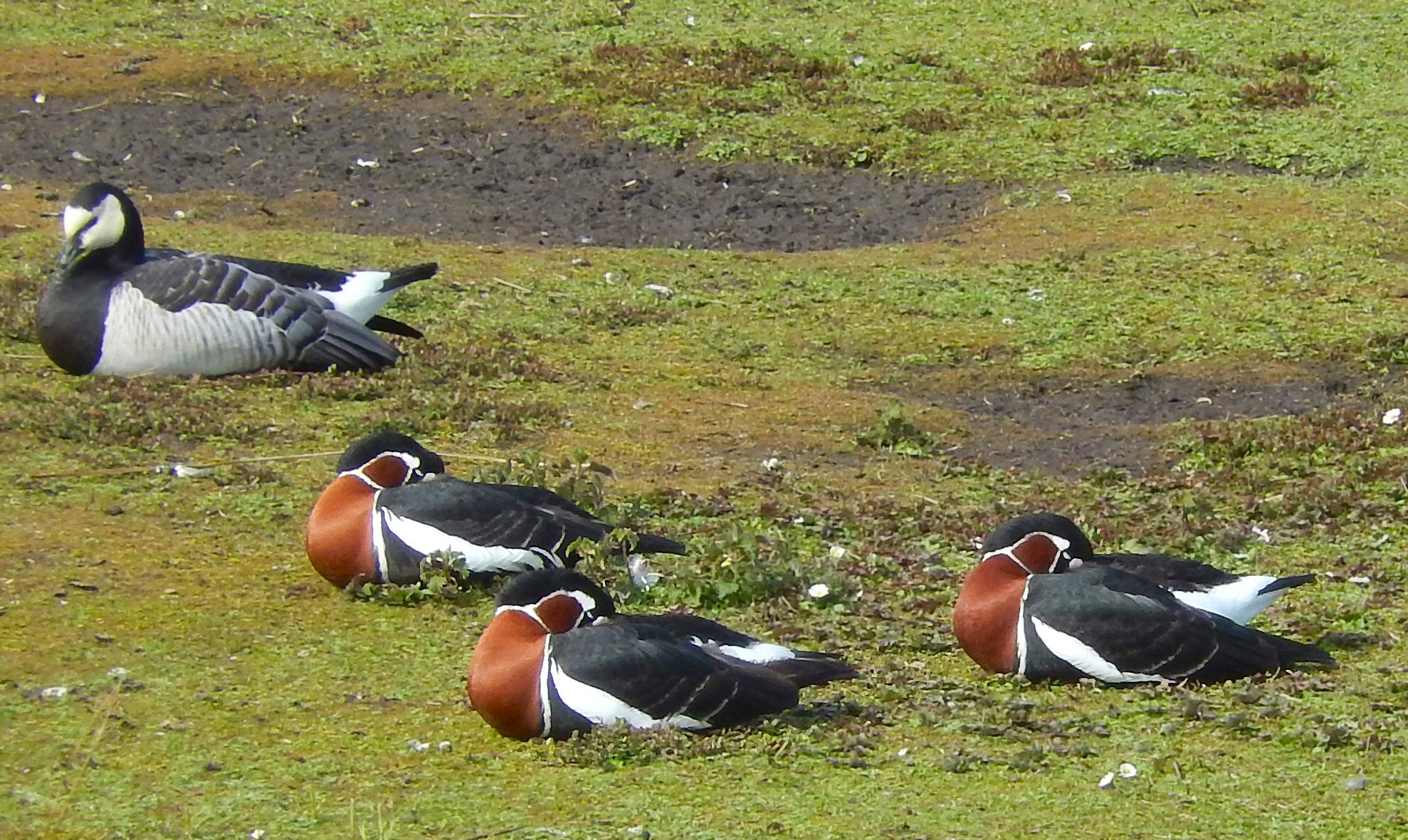
Red-Breasted Geese
Red-Breasted Geese
Birch in Fresh Green Leaf
“Birches in wonderfully fresh green leaf”

Yesterday, round at Wraysbury Lakes, the same set of three warblers sang, but more elusively. The most delightful surprise was a Treecreeper, not only creeping up the willow branches, but singing its sweetly plaintive little song. This used to be rendered, rather tweely, as “Tree, tree, tree, once more I come to thee”, which does capture the length and rhythm of the song. It is not unlike the Chaffinch’s song, if you know that, but without the twiddly “tissy-cheeooo” ending, and not so firm and harsh. One of the Blackcaps, in the thorn-scrub area, had a fine mimetic song. Out on Horse Hill, the first two Swallows of the year flitted overhead, a solitary Kestrel beat its way against the wind, and half a dozen Jackdaws played and chased in the air, for all the world like a gang of naughty schoolboys.