Category Archives: Natural History

Animal Tracks in the Snow

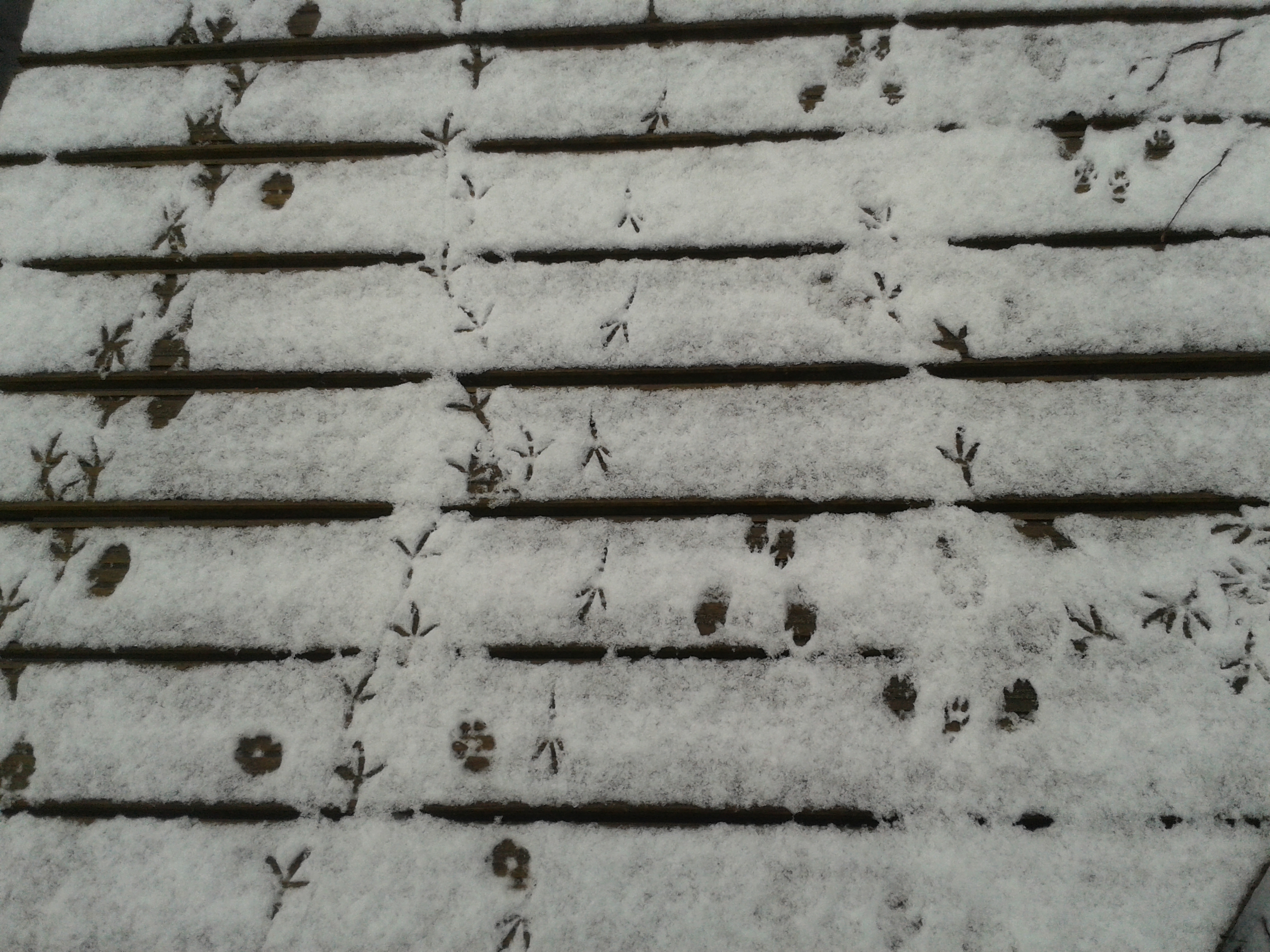
Animal tracks: Fox, Crow, and Squirrel prints on a snowy boardwalk

Today we woke to a snow-covered city, just a light dusting; and as often with snow, the weather was appreciably warmer than before the snow arrived.

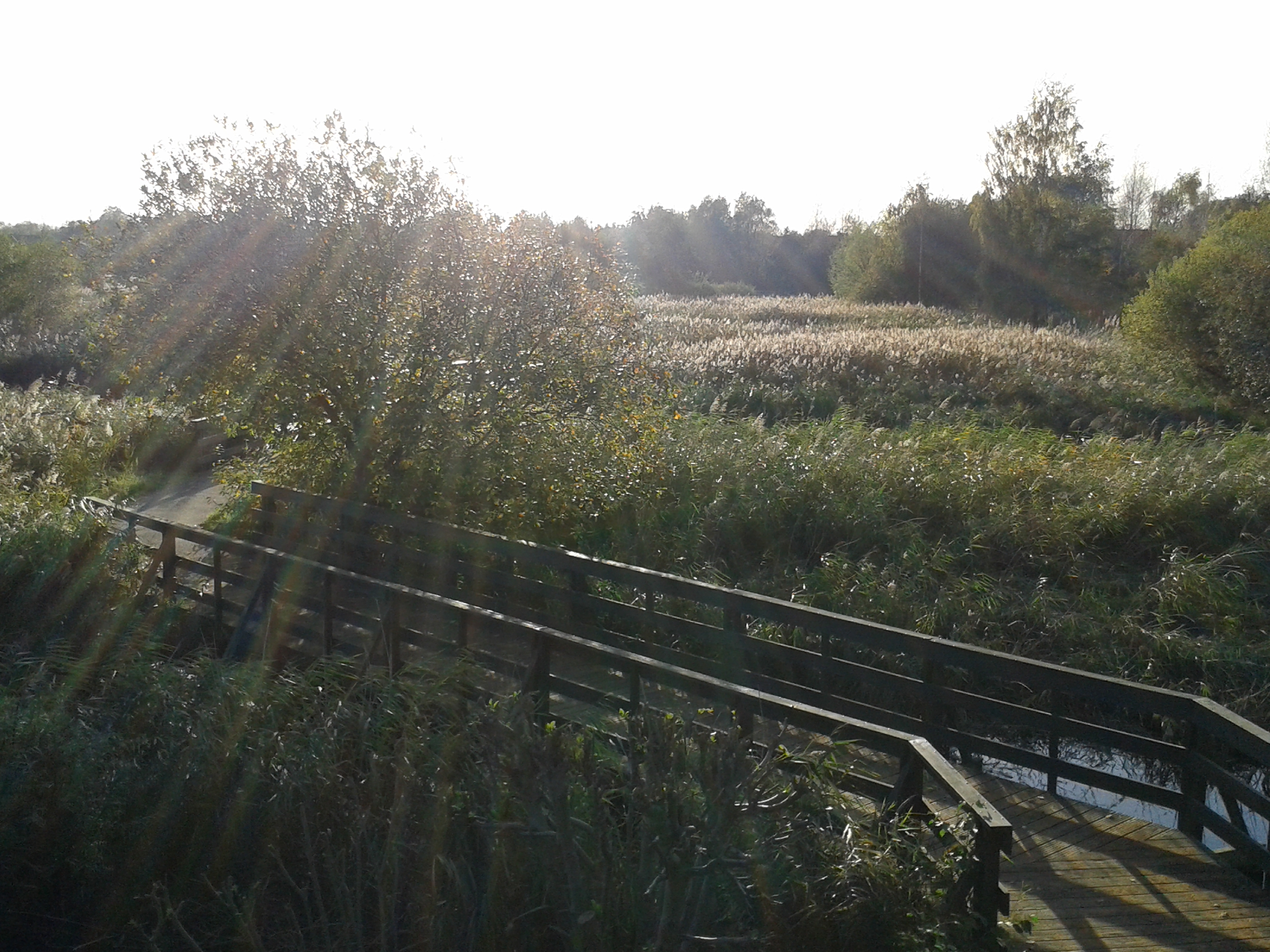
Down at the nature reserve,  the paths were empty of human footprints, but thickly sprinkled with animal tracks. Here some crows had walked to and fro across the path; there, a fox had jogged along the trail. But better was to come: the boardwalk across the pond was interlaced with tracks. On the left, a fox had gone the length of the boardwalk. In the centre, a crow had walked unsteadily along, the same way as me; and it, or another, had walked more rapidly back. On the right, more birds’ footprints: and the four-feet-together group of a squirrel, the smaller front prints clearly showing the marks of the sharp claws.

On a Birch branch above the anthill meadow, a Green Woodpecker hammered in search of food. Down by the ‘mangrove swamp’, a Jay screeched harshly, either for us or for a fox. Near the picnic meadow, a Sparrowhawk flew from its high perch, wheeled above the treetops, dived rapidly out of sight.

We carried tools and a ladder to visit the nestboxes and take down all that needed repairs. While I held the ladder, a party of four Long-Tailed Tits blew by, crossing from one Birch to the next one at a time. One of the boxes contained not just a mossy nest (like three others) but two old addled eggs, probably of Great Tit. While we struggled to prise off a somewhat too well attached box for maintenance, a Robin perched nearby, in hope of eating any grubs we might have disturbed. Several boxes had had their openings enlarged by much hammering by Blue Tits or Great Tits: nobody knows why they might do this, as it increases the threat to their nests from predators. We will make aluminium plates for the fronts of all the Tit boxes (the ones with circular holes): the Robin boxes just have a wide rectangular opening, which they definitely prefer. Inside one of the boxes was a mass of woodlice in the moss; another had a plump dead Noble False Widow Spider (Steatoda nobilis) inside.
Bullfinch! Winter Walk Hits Target

Winter has definitely set in. The spinach beet in my garden was all frozen, the air at -3 Celsius and the ground presumably rather colder under a clear night sky. Fearing it might all be lost, I picked some and went out to see what there might be today down at Wraysbury Lakes.

Almost the first thing I saw was a bulky little finch high in a waterside willow. It called ‘deu’ quite loudly, fidgeted about and flew before I could focus on it. Still, there was no doubt it was a Bullfinch: the call, its shape, its solitary habits, and its shyness all pointing the same way. It is never an easy bird to see, even where it is resident (it is regularly ringed at Wraysbury). Leafless trees and the rising energy of the coming breeding season provide one of the few opportunities to catch a glimpse of this less well known finch.

At first sight there seemed to be no birds out on the lake. Finding a small illicit patch cleared by a fisherman I set up the telescope and looked about. A Pochard or two; some Tufted Duck and Coot; a male Goldeneye… but the Smew and Goosander of a week or two ago were nowhere to be seen. The old truth is that you  never know what you’ll see: but it’s often a delightful surprise, and almost always energizing to be out in nature.

I walked on and looked about again: some rather white ducks caught my eye in the distance. Two male Goldeneye,  each with a female in tow. The males threw their heads forward a few times, pretended to preen; one threw his head back and forth, then lowered his head and stretched it out and in. His female swam after him, her head resting on her back as if she were asleep! But she was certainly watching the display, and swimming to keep up a few lengths behind.

A loud squawk betrayed a Heron; it flapped out of cover at the end of the lake and landed on the bank behind the ducks. A few Mallard panicked from the water below me; a Moorhen briefly took flight.

Away from the lake, a few Robin and Dunnock hopped in and out of the bushes. A solitary Fieldfare or two gave their chack-chack call from the hawthorns, watchful and flighty. Another Bullfinch calling, this time atop a bare hawthorn bush – or maybe the same bird, half a mile on – and again I couldn’t get binoculars on to it, despite my stealthiest movements: it had surely seen me at once, and just took a few seconds to decide when to flee.

A Kestrel hovered beyond the tall poplars: no Buzzards or Red Kites today, but really the Kestrel feels almost more special than them, its numbers declining across Britain.

A few Jackdaws, Carrion Crows and Wood Pigeons on the horses’ hill; some Fieldfares in the trees, with a single Redwing; a Stock Dove flying low.

A Bright Winter’s Walk in Richmond Park

Red Deer Stag
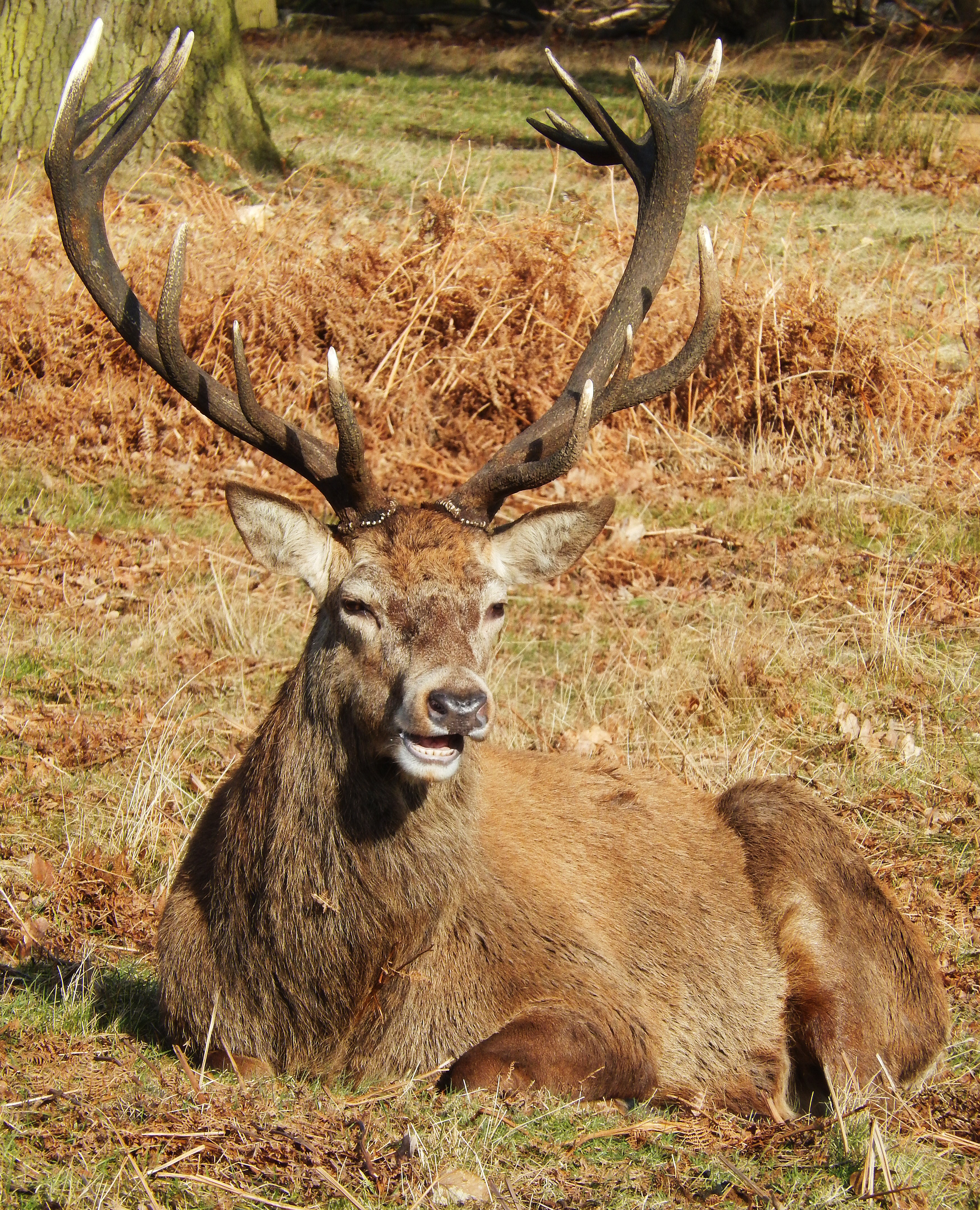
A fine 16-Point Red Deer Stag

In Scotland, the male of the Red Deer is called simply a Stag, all other male deer (presumably Roe in that country) being known as Bucks. Down here, with Sika and other species about, it may be wise to name the species explicitly. There are signs up warning of the impending cull, so now may be the best time of year to see fine large stags resting quietly, the rut over.

Richmond's splendid anthills
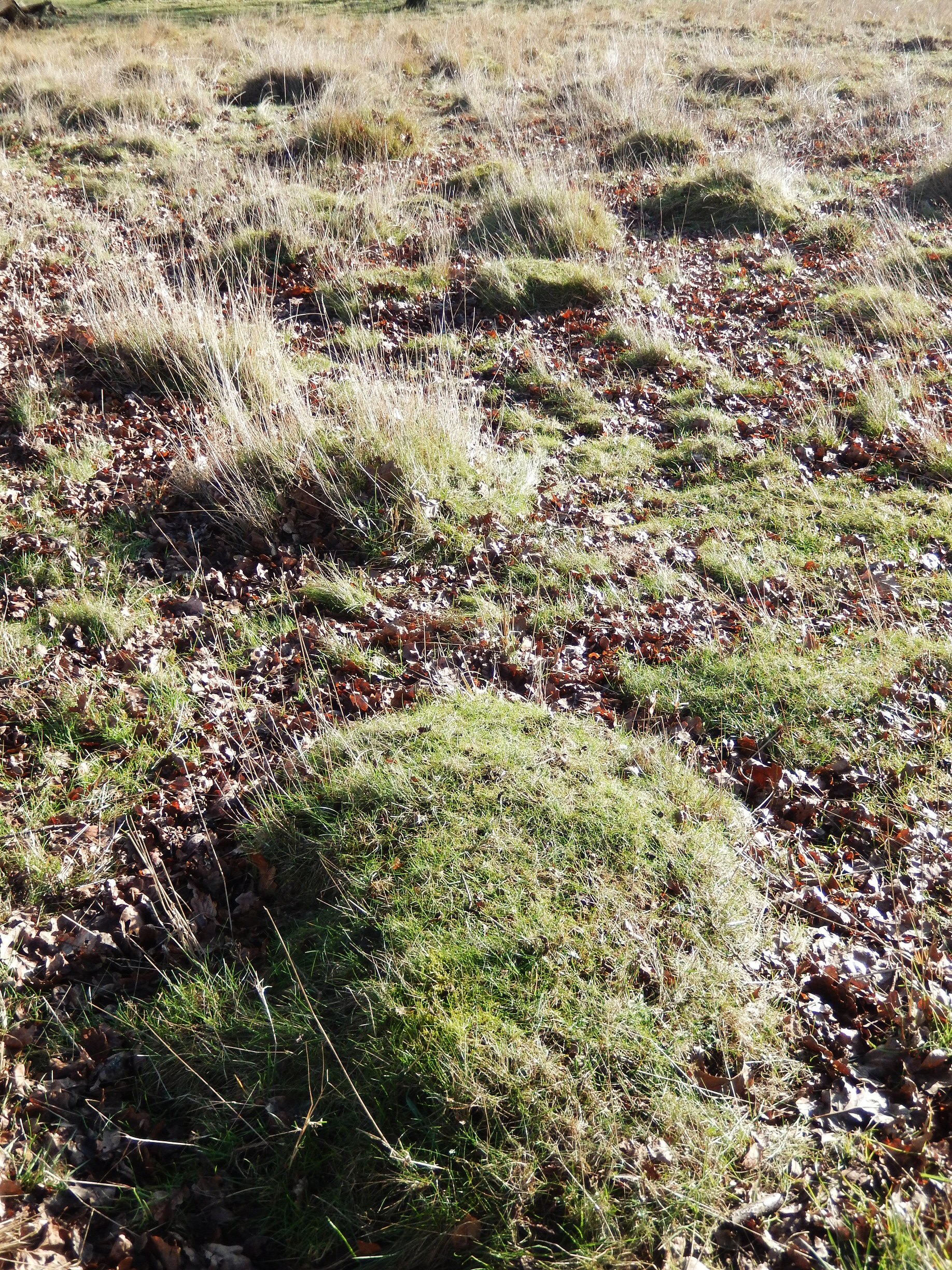
Richmond’s splendid anthills

I was welcomed to the park by a flock of Jackdaws chattering in the trees. Down in the valley, last year’s grass stalks are whitening, the fine big anthills well outlined in the low winter sunlight.

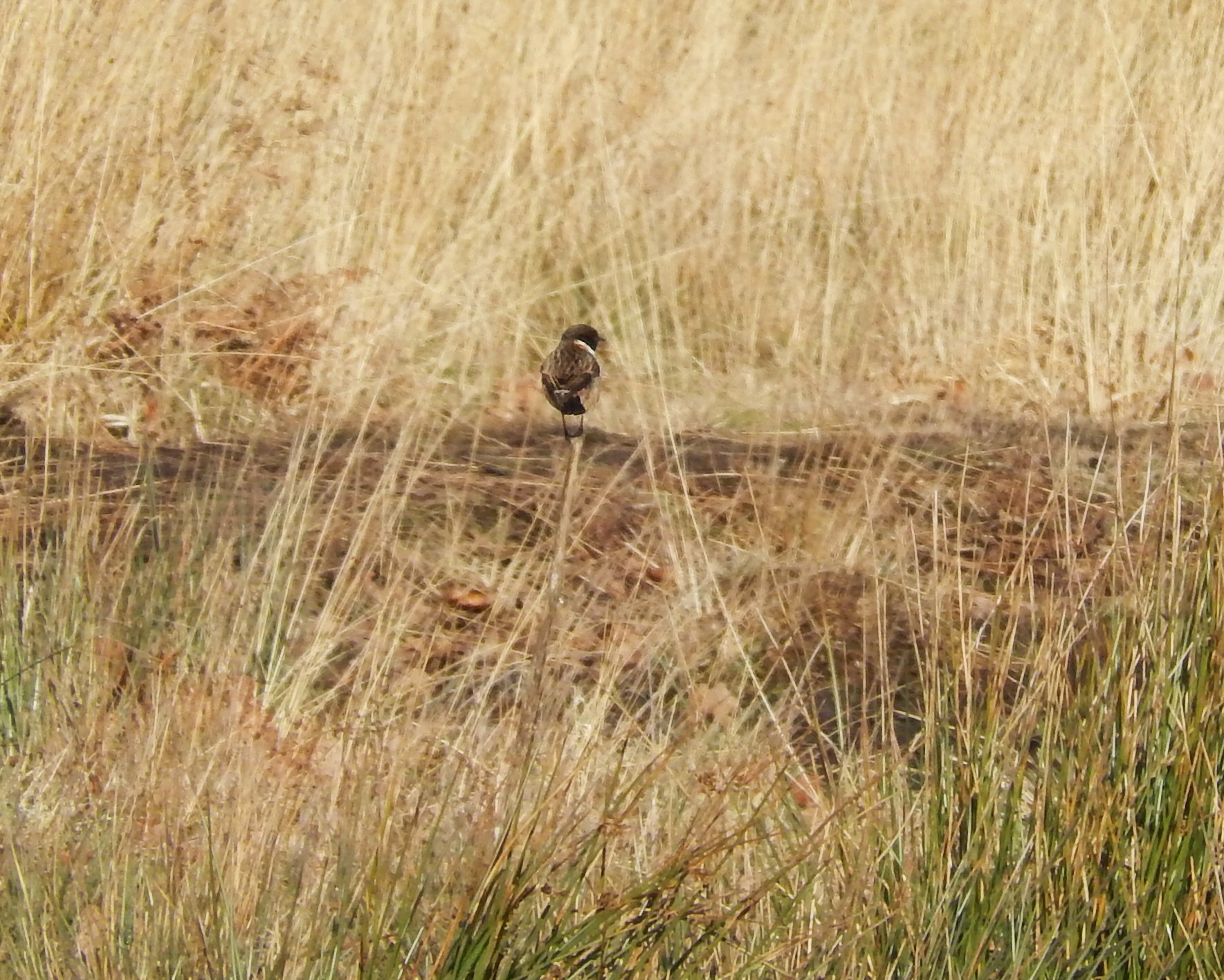
A Stonechat was perched on a slender stalk, level with the tops of the grass; there cannot be much in the way of insect food to catch just now.

Egyptian Geese under the Willows

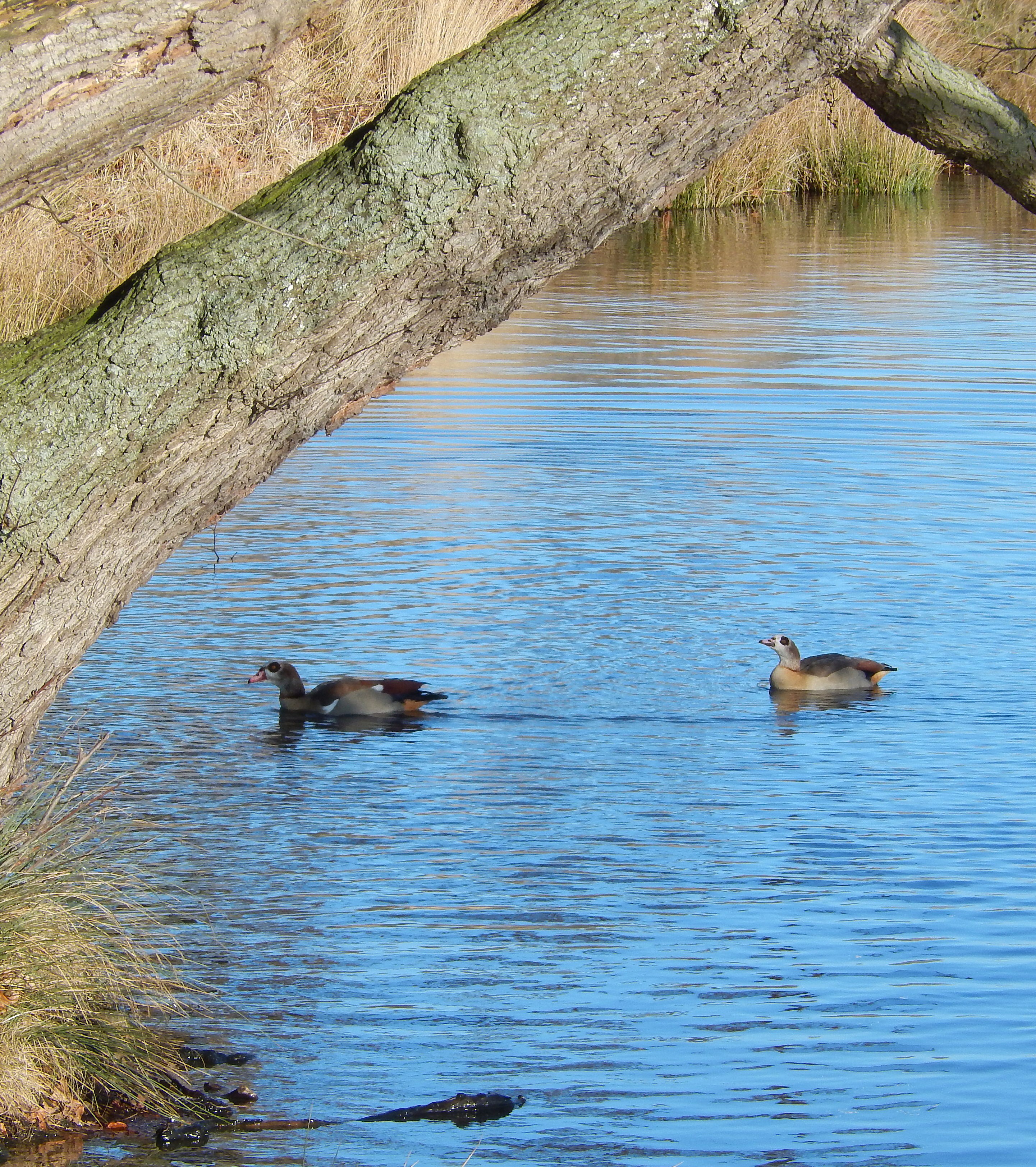
On the Pen Ponds, there were remarkably few waterfowl of any kind, but the lower pond had half-a-dozen Pochard. the males handsomely rufous-headed, a pair of Wigeon, the male with a conspicuous white wing-bar, and tucked in a corner under the willows a pair of Egyptian Geese, taking to the water and protesting with short dry honks when molested by a dog.

Male Stonechat
Male Stonechat

Walking back up the hill, a Kestrel hovered briefly, rested in a tree giving a good view of his spotted breast and back. Two herds of Red Deer, one at the base of the hill, one at the top, both with all ages and both sexes together, grazed silently. In the muddiest places, footprints of men, dogs and deer clustered together.

Unquestionably Globally Warmer

“We have a clear signal that our climate is changing, and when you look at the evidence it’s because of human activities. The evidence is so strong I don’t know why we are arguing any more”.

So said Don Wuebbles of the University of Illinois. He pointed out that the world has just had the hottest year for 1,700 years, very probably for 5,000 years.

NOAA 1880-2014 global average temperature anomaly
NOAA 1880-2014 global average temperature anomaly: recent decades, and especially the most recent twenty years, have been the warmest since records began. Global warming is under way

Thirteen of the fifteen warmest years ever recorded in Britain have been since 2000: the others were just before then. 2014 had the hottest summer for 350 years (when local records began). There is no doubt that we are experiencing climate change in these islands.

Around the world, the pattern is as clear as crystal: rapid, global warming, especially strong in the furthest northern climes, as in Alaska. There, the warming is drastic. Permafrost, which stores enormous reserves of carbon locked away in frozen peat, is melting: and the fossilized plant material, exposed to the air for the first time in millennia, is starting to oxidize. There is nothing to stop all the rest of it melting away.

Actually, the story up in the far north is more frightening than that. The warmer it becomes, the more three different positive feedback cycles collaborate to speed up global warming even more.

  • First, as mentioned, the permafrost is melting. That releases carbon to the air, as the greenhouse gas carbon dioxide, which accelerates the warming and melting.
  • Second, as the ice vanishes, the albedo (reflectivity) of the once-frozen north goes down dramatically, from icy white (reflecting most of the sunlight that hits it) to muddy brown or black (hardly reflecting anything). The ground absorbs more sunlight, so it becomes warmer, accelerating the melting and oxidation of carbon; and it directly contributes to having a warmer planet.
  • Thirdly, as the lakes and pools lose their ice cover, enormous amounts of methane hydrates, chilly masses of carbon-rich material in the icy mud, collapse and release streams of bubbles of methane gas, a far more potent greenhouse gas than carbon dioxide. If it were to be burnt, carbon dioxide would be released; unburnt, it accelerates global warming still more rapidly.

Back in Britain, everyone noticed that the weather in late 2014 was exceptionally warm. October and November in my childhood were leafless windy months with what seemed to be incessant grey skies and driving rain that churned football pitches into cold greasy mud. This time around, it was possible to work outside in shirtsleeves to the end of November. The change? Out of all recognition. It was a wholly new climate.

But the weather is not the climate. Britain is now in winter’s grip. Scotland shivers down to -15 Celsius. Here, under clear blue skies, the Birch trees glitter in the nearly horizontal sunlight. A greater spotted woodpecker, calling “Chik!” loudly, flies into the canopy of a Birch, clings to the elegant white trunk, the few remaining triangular leaves shining a rich yellow. The woodpecker bounds off, its wings whirring in short bursts.

The cold weather, like the increasingly violent storms that brought down two trees in the reserve last week, is part of the warming pattern too. The atmosphere has more energy than before: warmer air masses meet cold ones with a higher difference in temperature, releasing more powerful storms than we ever used to see. Winters can be colder, wetter, and windier as a result: more trees fall; more valleys flood. It may not feel warmer, but this is a direct consequence of climate change. Feel like denying it? Look at the evidence. It’s all around you.

Lichens in London’s Streets: Local Pollution Down

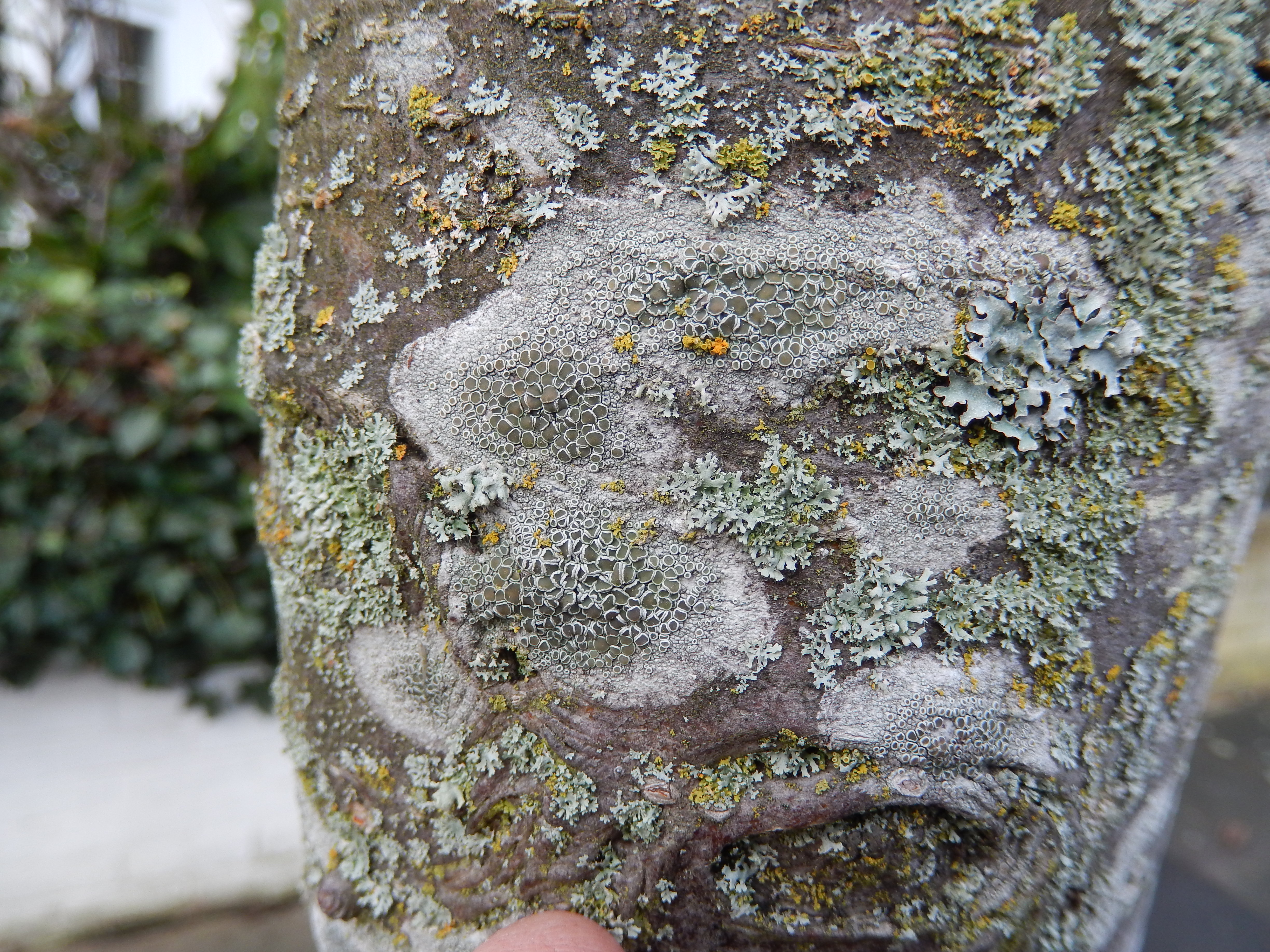
Crustose and Foliose lichens on a street tree
Crustose and Foliose lichens on a street tree in West London

Amidst the grim news of habitat loss and species in retreat or going extinct, it is pleasant to be able to observe a small conservation success story. Lichens, which had almost disappeared from Britain’s cities by 1970 – I was there, and I remember looking about in Hyde Park with some disappointment – are creeping back into London’s streets, and (I don’t doubt) streets all over Britain.

Back in 1970, if you wanted to see a lichen in Britain, you basically had to travel westwards, to Cornwall, Wales, the Lake District, or the Highlands and Islands. Those places had what lichens need: good rocky habitat, or old forest trees; and one special ingredient: clean air. For, we had unintentionally discovered, lichens are sensitive indicators of air quality.

Or, to put it bluntly, air pollution. Tiny concentrations of sulphur dioxide gas are enough to kill all the lichens in an area. Britain today has rather few volcanoes belching out clouds of dangerous sulphurous gases. The sulphur came from fossil fuels, mainly coal. When it was burnt, the sulphur was oxidised to sulphur dioxide (SO2) , and when mixed with rainwater, it fell as sulphurous acid (H2SO3). Where did it fall? Initially it just trickled out of small chimneys, of homes and factories, polluting the cities and creating “London fog” – in reality, a poisonous yellow photochemical smog, a witches’ brew of sulphur and nitrogen oxides.

This problem was interestingly addressed by the Tall Chimneys policy. The smoke was carried up much higher than before, so Britain’s prevailing Westerlies blew the stuff much further afield. The concentration of noxious gases around our factories fell satisfactorily; London’s romantic Dickensian “fogs” disappeared. The gases travelled across the North Sea, causing acid rain in Scandinavia, and depriving Stockholm and the beautiful clean-looking pine forests and islands of its Archipelago of their lichens. I know, I looked for them in 1986, and I remember finding one small colony in a morning’s walk.

Back to here and now. Nearly all our coal mines have closed, and with them most of the shipyards and steelmakers too. Houses are heated by clean natural gas – nearly pure methane. Houses are no longer blackened by smoke; a shirt worn in the city for a day does not have a black collar in the evening. And lichens are creeping back into the streets.

In the photograph, you can see at least four species of lichen. There are the large rounded colonies of crustose lichens in the centre, with olive-disked apothecia (fruiting bodies containing masses of spores) rimmed with white. There are small grey foliose (leafy) lichens of the kind I still call “Parmelia“. There is a much larger, greyer “Parmelia”. And there are many small colonies of an orange foliose lichen, probably the Common Orange Lichen, Xanthoria parietina. Perhaps there are more. (If you are a lichen expert, I’d love to know what they all are. Do contact me.)

Apparently there are now 17 urban lichens, up from, well, one rather tough species – Lecanora conizaeoides. It’s a tiny, rather flat grey species, and it alone can tolerate a moderate dose of sulphur dioxide; at least, it could be found in sheltered places even in London, even in 1970, away from the worst of the smog.

Is this a conservation success? The Tall Chimneys were a health measure; the death of Coal was mainly an economic matter. Still, it’s nice to see the lichens coming back. Perhaps in a few decades’ time (lichens are rather slow-growing) we may see big yellow splashes of lichen on roofs, walls and trees in every street. Let’s hope so.


What I’d like to know from every political party before the General Election

On the PM programme on Radio 4, the presenter Eddie Mair regretted the long, long wait until polling day, given the inevitable length of the campaign with a fixed-term parliament. He sympathized with listeners at having to endure the same old party political ding-dong as the rivals seek to batter each other into submission. He suggested that we listeners tell him what we would like to know about the next general election.

What politicians want to talk about

The parties seem to want to tell us about the NHS (Labour) and the Economy (Conservative) and Immigration (all of them), so I’d like to hear about, well, anything else: especially nature.

Politicians don’t even call nature by its name any more.

  • They burble about “Sustainability“, but making our cities larger every year is not sustainable: that would mean a steady state. Think about it. Sustainable living is imaginable, but it would be nothing like how we live now. Everything – I mean everything – would be recycled. We’d use glass not china, so it could be melted down and reused when it broke. We’d burn no coal, oil, or gas. We’d design every product to be broken down into its components for recycling, as they’ve started to do in Germany. In short, current politico-talk about sustainability is just waffle, greenwash. You may have a ruder word for it.
  • They mumble about the “Environment“, as if nature impinged on our lives solely through dirt or noise in the places where we live. But our impact on the natural world is far, far greater than that. We have ravaged every habitat, every ecosystem on the planet. The African bush, home to elephants, rhinos, gazelles? It’s in free fall. Grasslands and meadows? We’ve lost 98% of ours. Wetlands, marshes, reedbeds? Disappearing everywhere. Mangroves and coral reefs? In crisis wherever they (used to) occur. Rainforest? You know the answer.
  • They waffle about “Biodiversity“, as if the word were a charm or mantra, calling for impact assessments for each major building project, which the planners then immediately ignore. But the diversity of life in England, like that of the whole world, is in crisis.  Many people alive today will witness the mass extinction of perhaps a third of all the species now alive; man-made global warming and the resulting changes to the climate; the catastrophe being visited on all the oceans through overfishing; pollution, overpopulation, deforestation: the worldwide destruction of nature.
  • They ramble on about “Conservation“, as if nature would be fine if limited to a few nature reserves here and there, and try to change the conversation to the economy/the NHS/immigration (delete according to taste) as soon as possible. But nature is the whole of our planet (including us, if you prefer, but that’s another story). We depend on plants and algae for the oxygen we breathe. We depend on plants and animals for the food we eat. We depend on bees and other insects to pollinate many of our crops. We depend on bacteria to detoxify our sewage and rubbish. We depend on plant genomes for our medicines and our crops’ resistance to disease. We depend completely on nature.

What I’d like the politicians to tell me

I’d like to know what they will actually do for Nature, for everyone’s benefit:

  • what each party’s policy on nature really is
  • how they will prioritize nature
  • how children, NHS patients, and old people will be given access to nature for education, rehabilitation, wellbeing
  • how fisheries will be protected
  • how the decline of wildlife on farms will be reversed

Direct answers, please.

Well, I’d like to know a whole lot more, given the global disaster I’ve outlined, but that should be enough to start with.  What would you ask?

England: Paradise Lost

England: Paradise Lost

While inveighing against all things Brussels, the English gentleman was able to take the fullest advantage of the Common Agricultural Policy, developing the agribusiness of the seventies and eighties, expanding subsidized yields by grubbing up hedges and copses, ploughing up verges and making vast stretches of monoculture kept sterile by aerial doses of pesticide. As a result, millions who grew up before this onslaught mourn the loss of grasshoppers, skylarks, the songthrush, even the common [house] sparrow, and many unseen others, which their children will never know. The countryside of Shakespeare and his successors in all the arts, Vaughan Williams’s ‘The Lark Ascending’, for instance, no longer has a true point of reference.

Maureen Duffy England— Maureen Duffy. England. The Making of the Myth from Stonehenge to Albert Square. Fourth Estate, 2001. Page 250.

Buy it from Amazon.com
Buy it from Amazon.co.uk

Winter Sun in Gunnersbury Park (and a natural graft)

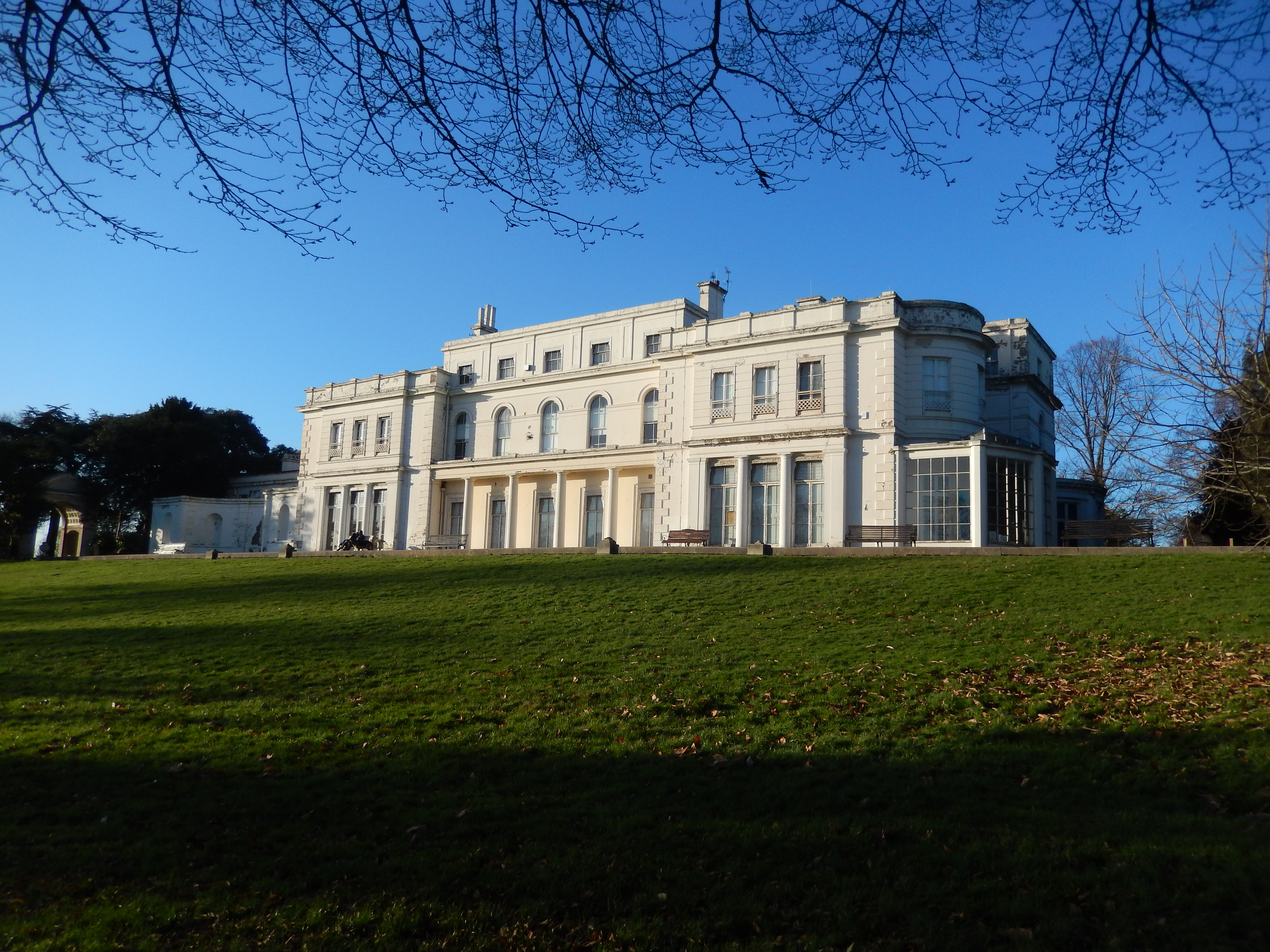
The Large Mansion, Gunnersbury Park

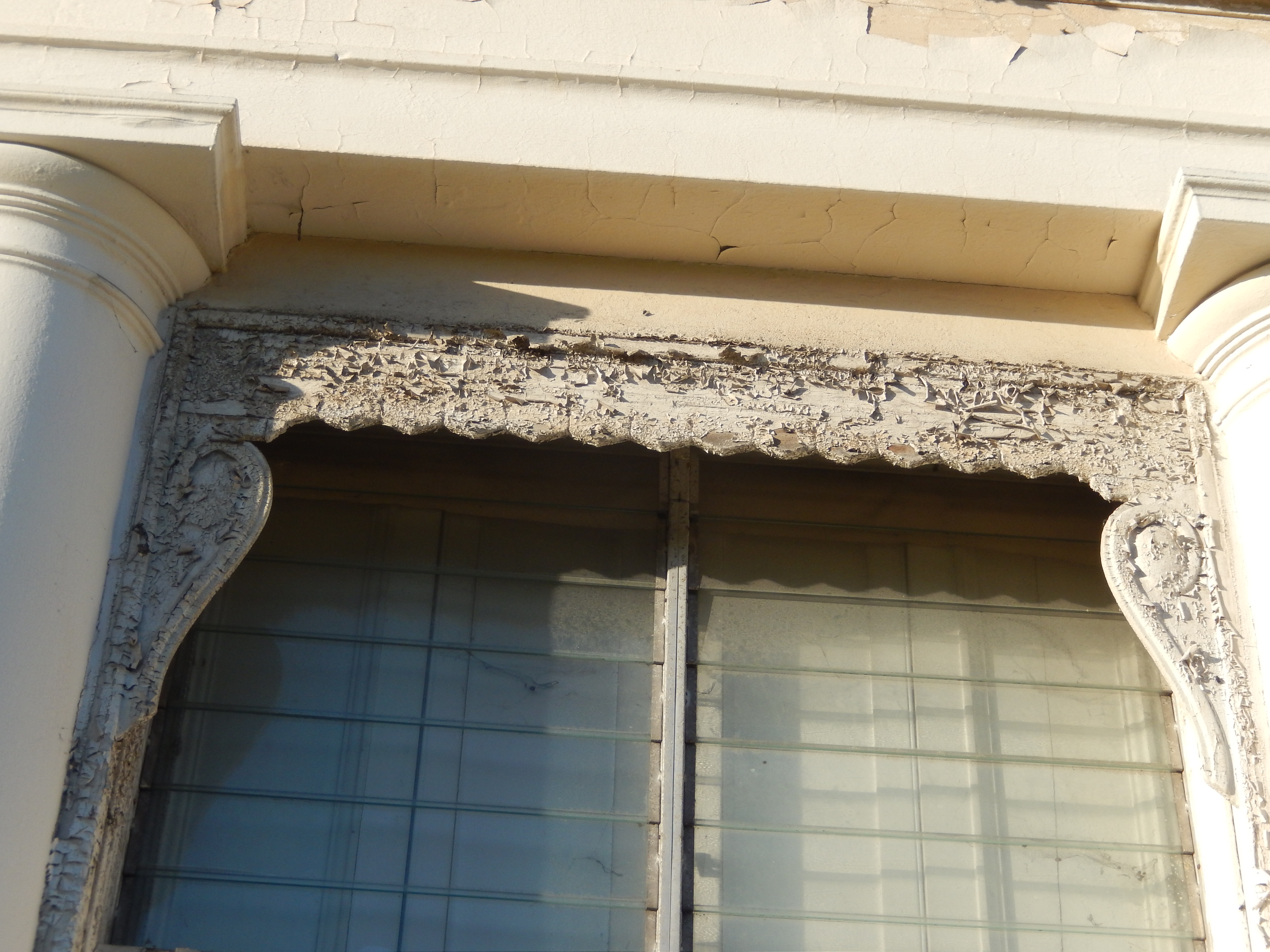
On this beautiful winter’s day we went for a stroll in Gunnersbury Park. The park and its mansions have won the lottery in the shape of a sizeable grant from the Heritage Lottery Fund. The golf course will be relocated from its present (ridiculous) position right in the middle of Lord Rothschild’s garden (at least, it would have been if he had lived to visit his house here), and many improvements will be made to the beautiful but dilapidated buildings, the museum, and the park. The house’s position was chosen to get the maximum possible sunshine and the best imaginable view: when built, it sat at the top of the hill on the north bank of the Thames, the green meadows stretching below it all the way down to the river to the south.

Flaky paint: the dilapidated state of the Large Mansion

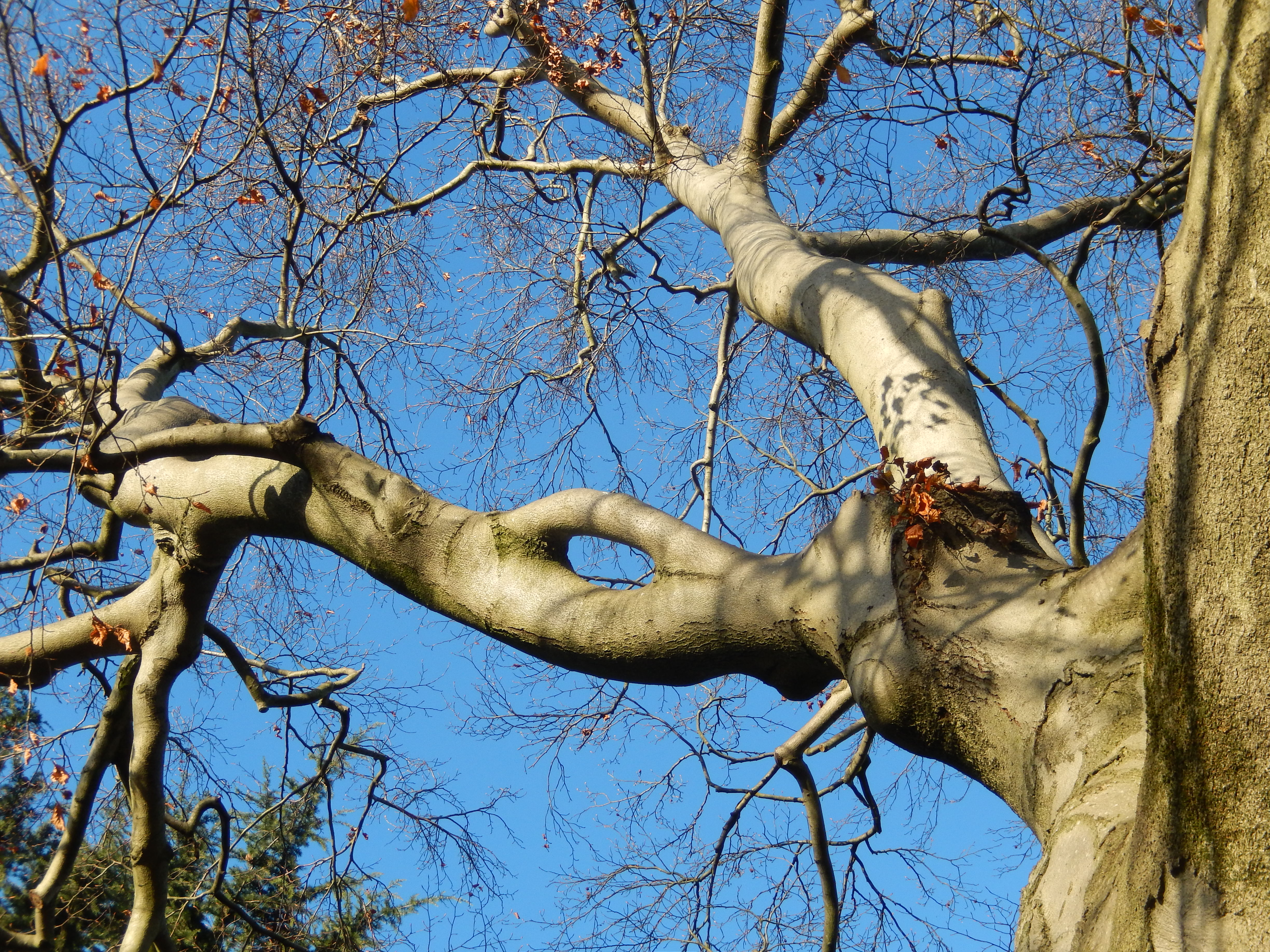
Against the glorious cloudless sky in the clear dry air, I noticed a handsome natural graft forming a large eye on a high branch of the now leafless Beech tree near the mansion.

Natural graft in Beech, Gunnersbury Park
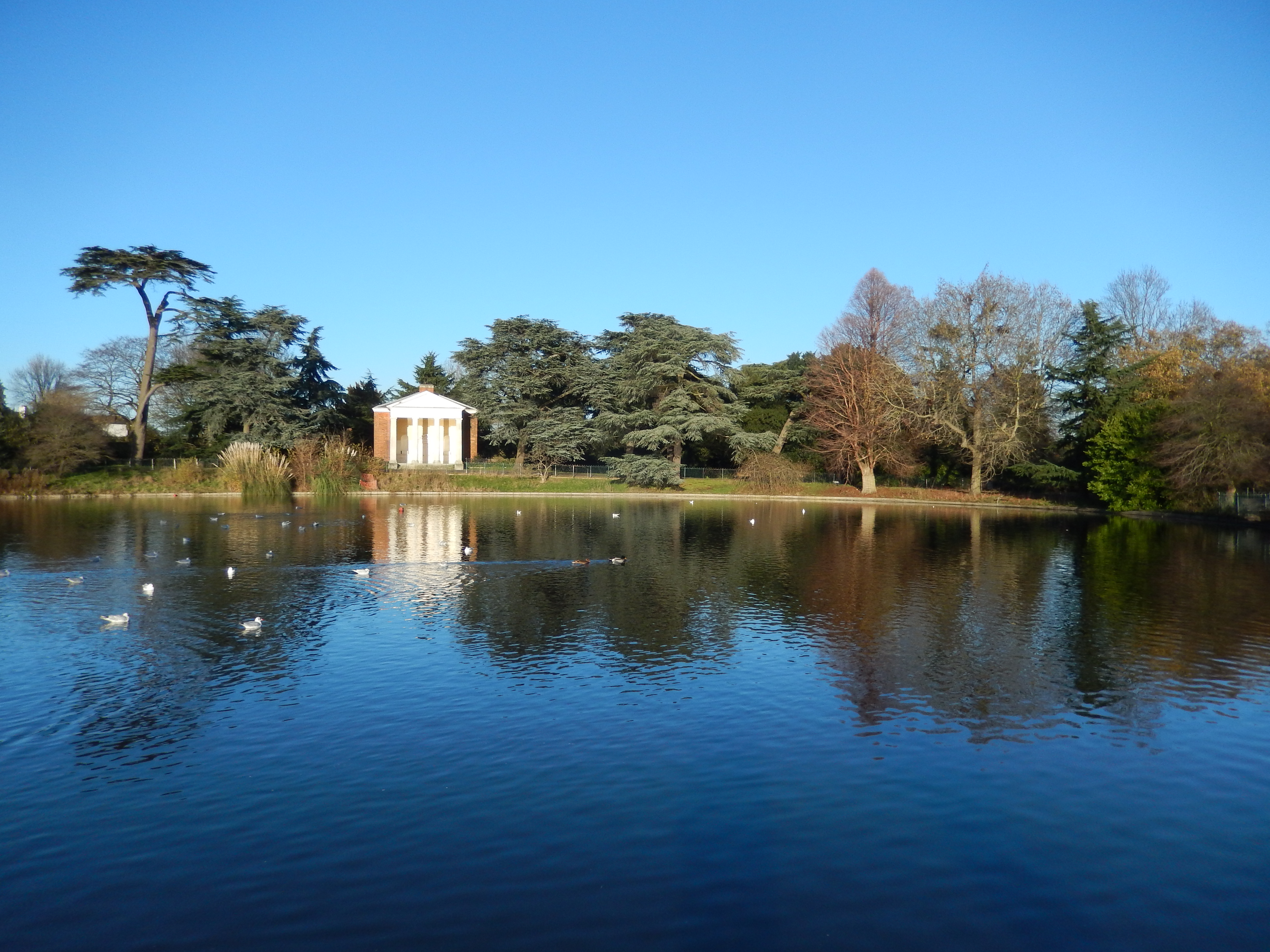
Famous view: the boating lake and (folly) temple

Winter Flocks at Wraysbury

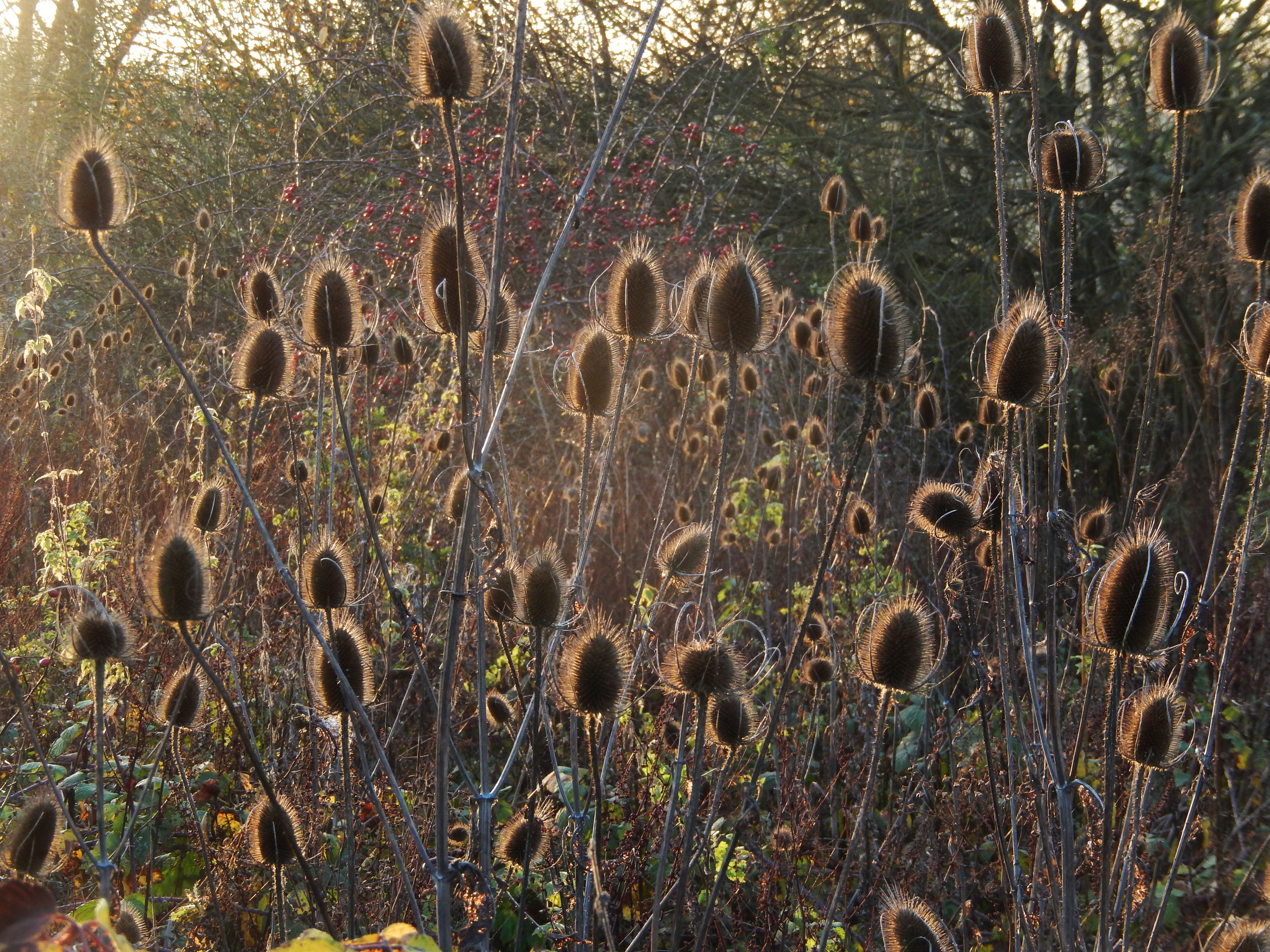
Backlit Teasels
Backlit Teasels

Finally, right at the end of November, autumn is starting to look something like winter. Even now, and even with a light easterly wind, it is mild, almost too warm for any sort of winter coat.

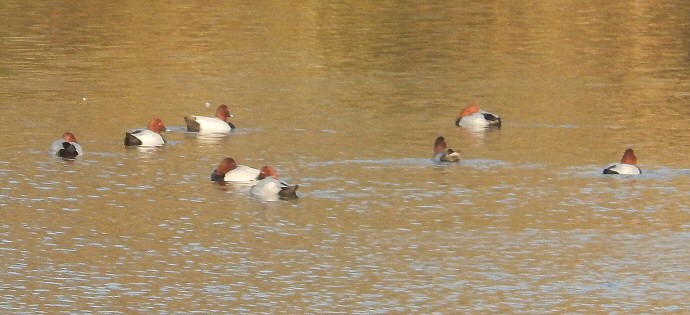
Pochard, here for the winter

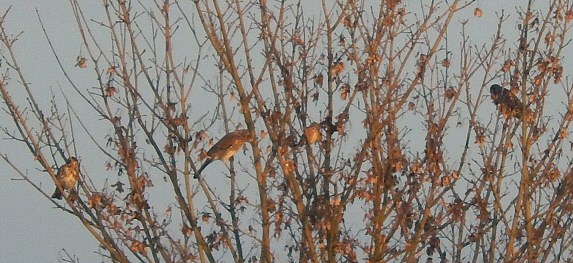
But winter flocks of birds have at last arrived: 45 Pochard on the lake, handsome with their reddish heads contrasting with pale grey backs; dozens of Goldfinch in the nearly leafless trees, twittering ceaselessly; a dozen or more Fieldfare in the thorn bushes in the horse field; a few Redwing in another thorn bush.

Redwings
My first flock of Redwing this winter

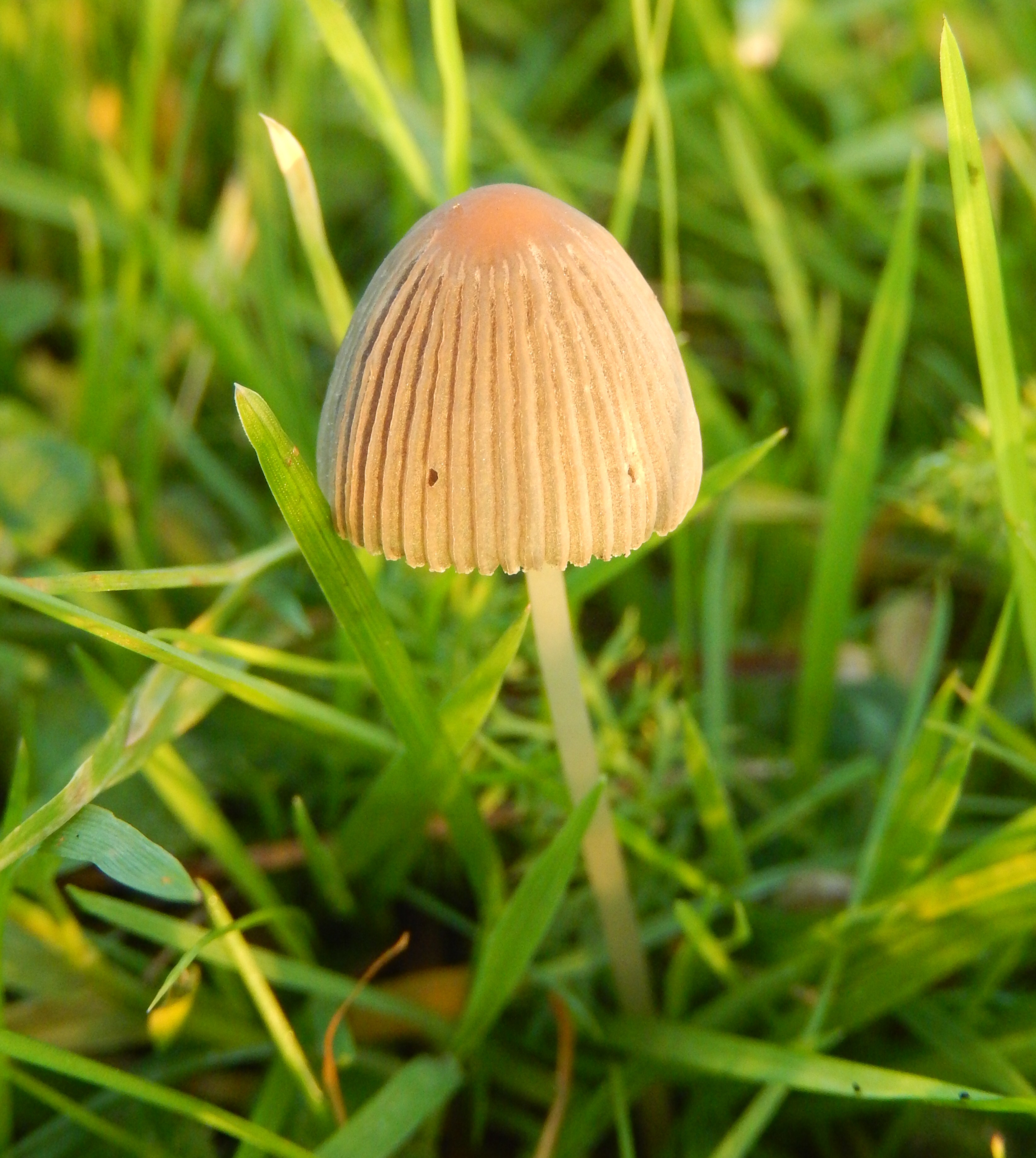
The low sun made the dried flowerheads of the Teasels beautiful. A single Pleated Inkcap gleamed among the short grass and muddy hoofprints.

Pleated Inkcap, Coprinus plicatilis

Hot as Hell? No, just the warmest Hallowe’en ever recorded

It was too sunny and warm to sit at a desk writing, so I took bicycle and binoculars and went along the Thames path to the Wetland Centre. Even in a T-shirt it was warm work, feeling more like an English July (ok, that’s not saying much) than the last day of November .

Afternoon sunshine on a very warm Halloween at the Wetland Centre
Afternoon sunbeams on a very warm Halloween at the Wetland Centre

Inside the Centre I passed some diminutive witches and warlocks: they seemed to be sweating uncomfortably inside their costumes. I took a swig of water and cooled off in a hide; two rare migrants, Green Sandpipers, bobbed daintily at the end of one of the little islands, dwarfed by a Black-Headed Gull and a Moorhen, neither of them particularly large birds. Their habit is not unlike that of the Common Sandpiper, but they lack the white streak that rises in front of the wing. One of them took flight, its slender dark wings and white belly giving it something of the look of a rather large and clunky House Martin. It felt very odd to be watching autumn migrants on such a summery day.

Over at the wader scrape, a Little Egret strutted and once fluttered across the shallow water; it is an uncommon visitor here, though becoming more usual along the south coast marshes and estuaries.

A Green Woodpecker bounded over the grazing marsh in its distinctive undulating flight, its red cap and green body showing beautifully in the hot sunshine, with a loud laughing call in case anybody was in any doubt what it was.

A Cetti’s Warbler sang its bold short song, Chwit-i-pit-i-pit, Chwit-i-pit-i-pit, as usual invisible deep in a reedbed.

Out on the open water, numbers of winter ducks are (oddly, given the summery weather) building up; several Shovelers dabbled; some dozens of Wigeon grazed; a few Teal, the drakes in glorious colour, swam nimbly about with some Gadwall.

Even on the way home, I had no need of a pullover. The BBC weather report confirmed what everyone instinctively knew: it was the warmest 31st of October ever recorded in Britain, with an astonishing 23.6 Celsius in London. Of course, a cold front is forecast.

P.S. The next morning was grey and rainy, autumn on the way. Two large grey Mistle Thrushes flew overhead, rasping out their wintry calls, like a boy blowing over a comb covered in tracing paper.

P.P.S. Four days later, after a clear starry night, the sun rose over a chilly town on a fine November morning. It was winter.