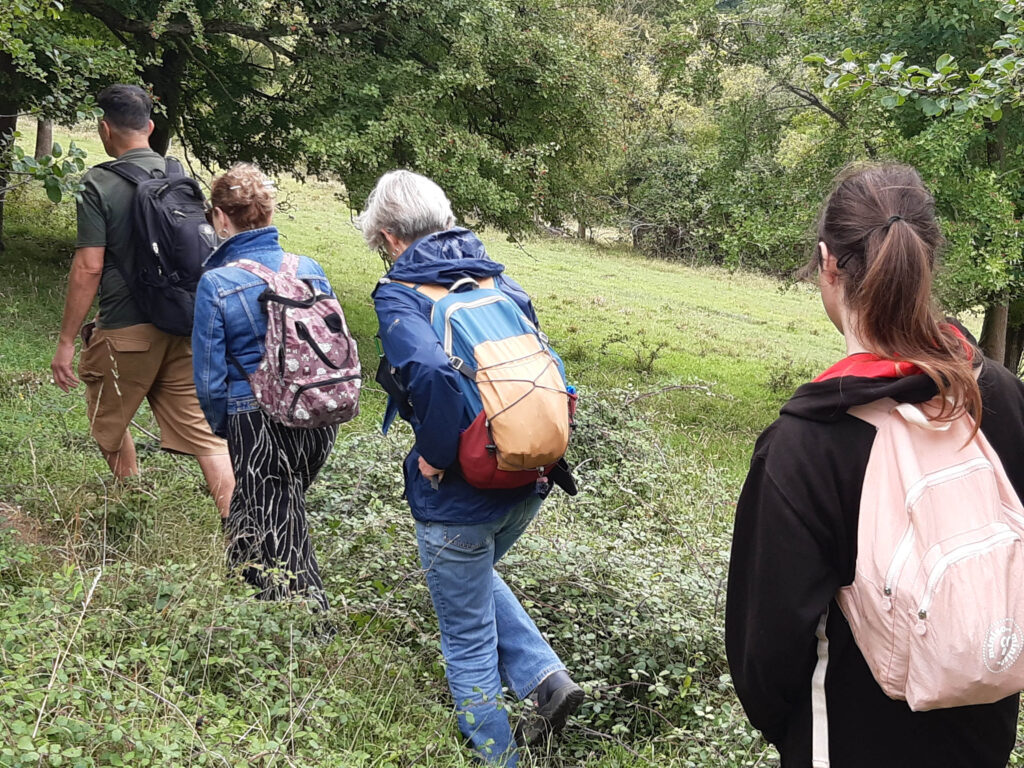
Our entire LWT volunteers group (well, everyone who wanted) took a day off work and travelled the tube, overground, and tram to get to New Addington. From the end of the tram line, we walked a few steps to Hutchinson’s Bank.
This is the start of the group of beautiful and quiet LWT reserves that line this part of the warm south-facing scarp slope of the chalk of the North Downs.
The chalk formed as the tiny shells of marine algae (coccolithophores) rained down on to the seabed of a warm shallow sea during the Cretaceous period. The upper chalk here formed 100 to 66 million years ago. It then hardened, and was eventually crumpled by tectonic movements to form a ridge above what is now the Weald of Kent and Sussex. That ridge eroded away, leaving a north-facing scarp on the South Downs, and the south-facing scarp of the North Downs that we were standing on.
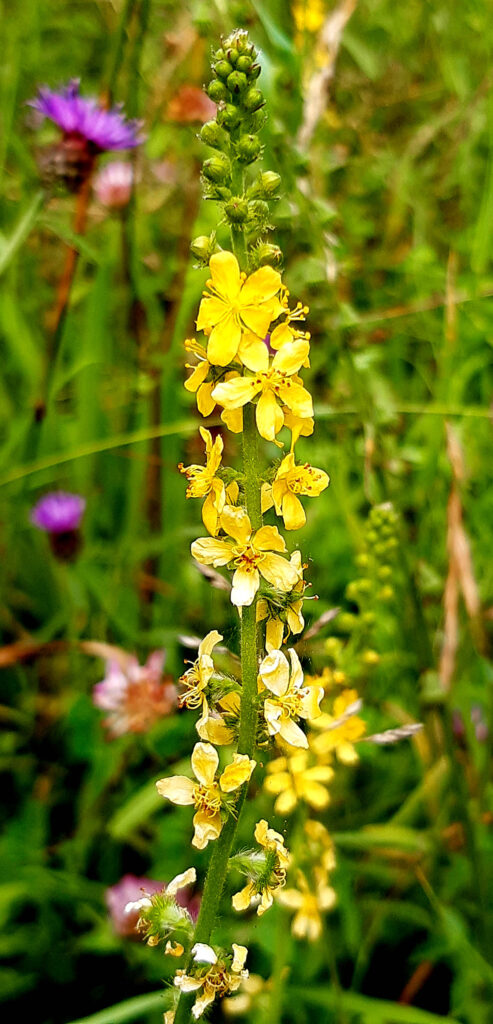
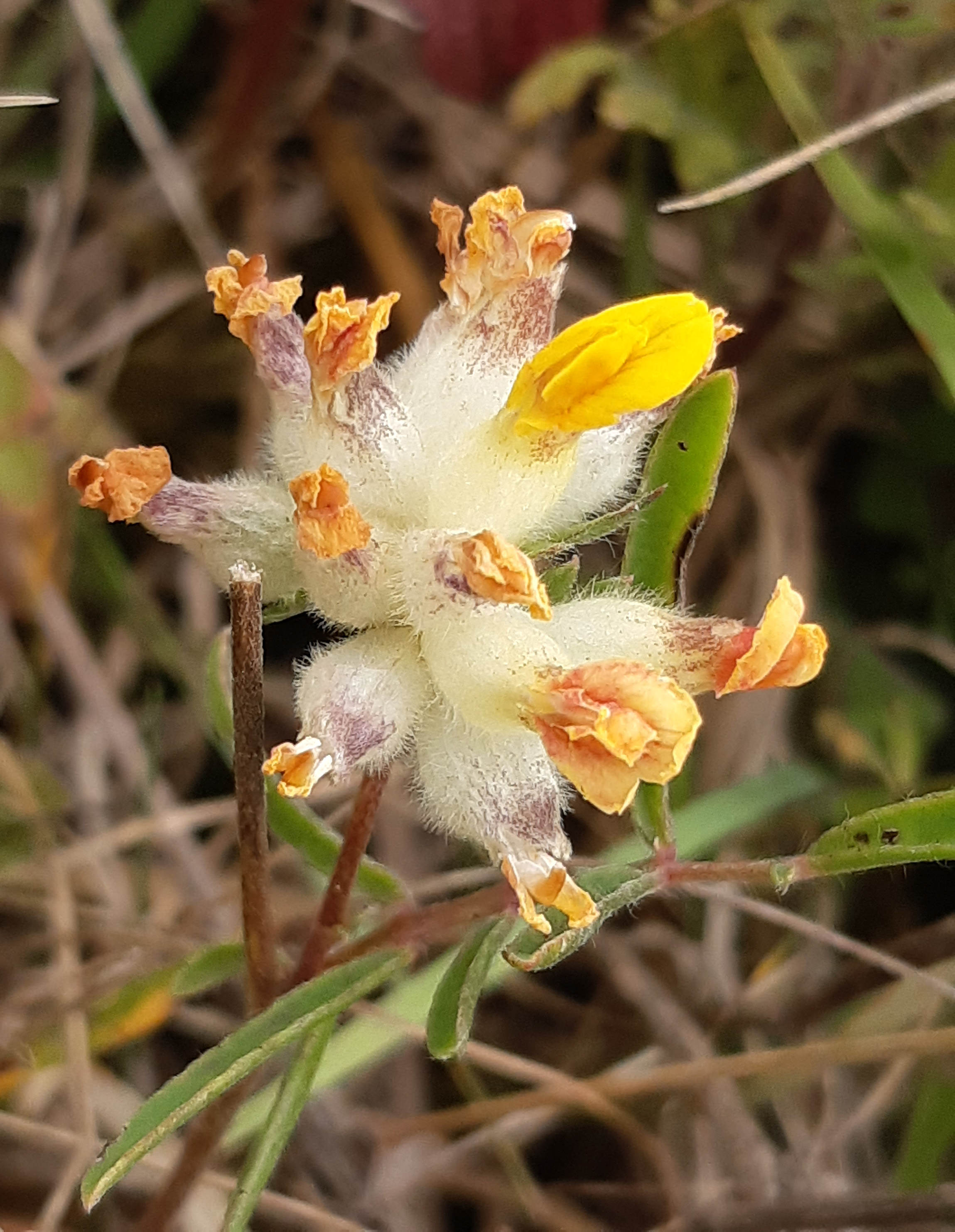
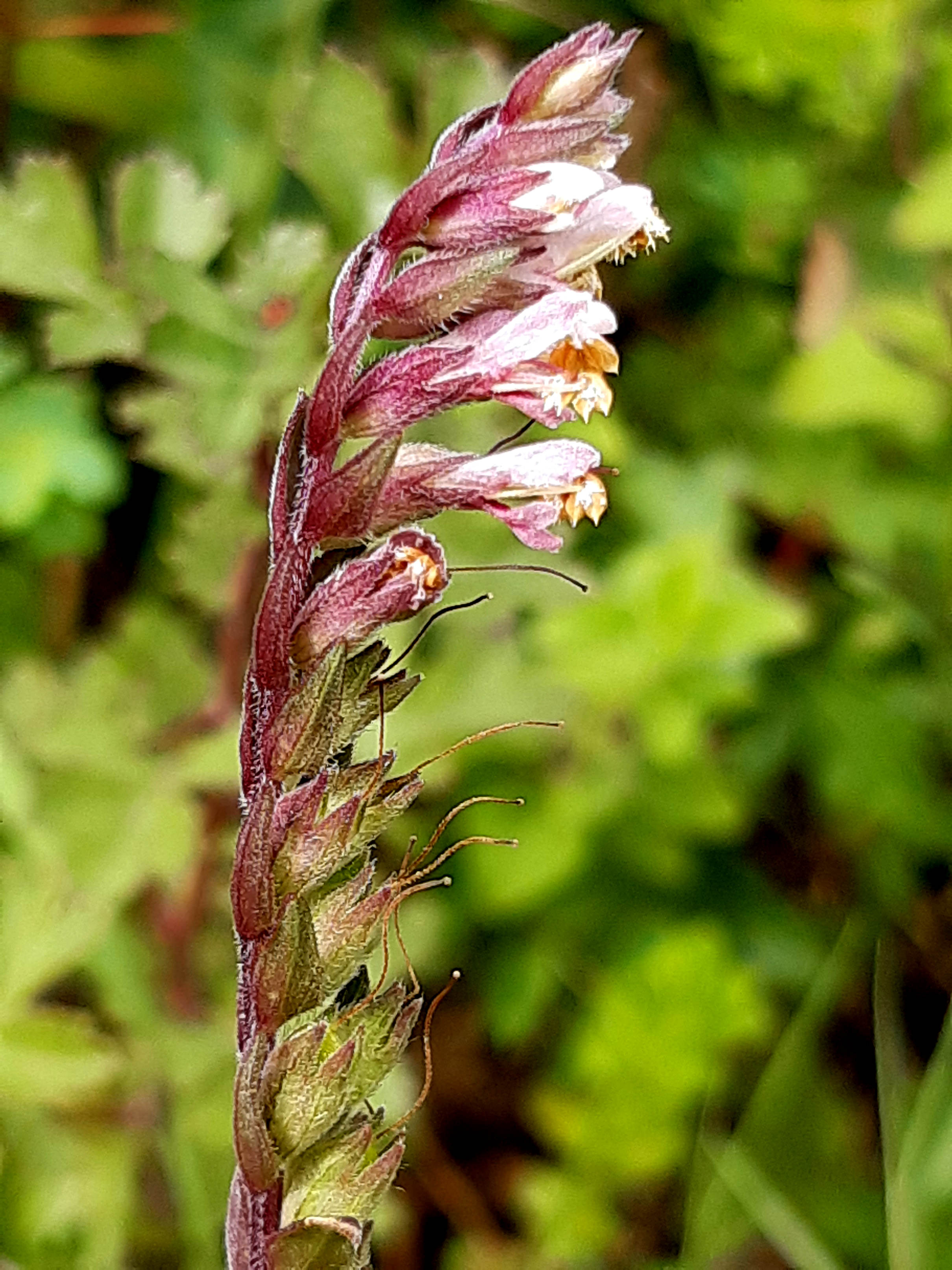
The chalk is a soft limestone, rich in calcium, which makes the soil on it basic (alkaline), unlike the neutral or acidic London Clay and Thames Flood Gravels. The resulting soil is a thin, free-draining Rendzina on steep slopes, and a thicker Brown Earth in the valleys. These support a wealth of flowers such as Marjoram, Scabious, and several Orchids that like an alkaline soil. Those in turn support many species of butterfly; Andy says there are 40 species on the local list.
We strolled eastwards through the woods and chalk grassland of Hutchinson’s Bank, down the slope and through the wood of Three Corner Grove, and across the road to the third reserve, Chapel Bank.
The area is a few miles west, but on the same chalky slopes that Darwin visited from Down House: Down Bank and the little hill he called ‘Orchis Bank’ where he found specimens, and most famously described as a “tangled bank” in his 1859 book The Origin of Species.
Oh, all right then, here’s his description. You can decide for yourself if the chalk hills of the North Downs led him to devise his theory of evolution by natural selection:
- It is interesting to contemplate a tangled bank, clothed with many plants of many kinds, with birds singing on the bushes, with various insects flitting about, and with worms crawling through the damp earth, and to reflect that these elaborately constructed forms, so different from each other, and dependent on each other in so complex a manner, have all been produced by laws acting around us.
I gave a brief introduction to the geology, soils, and ecology; Andy did the same for the butterfly fauna.
To see the images uncropped and at full size, open them in a new tab or window.
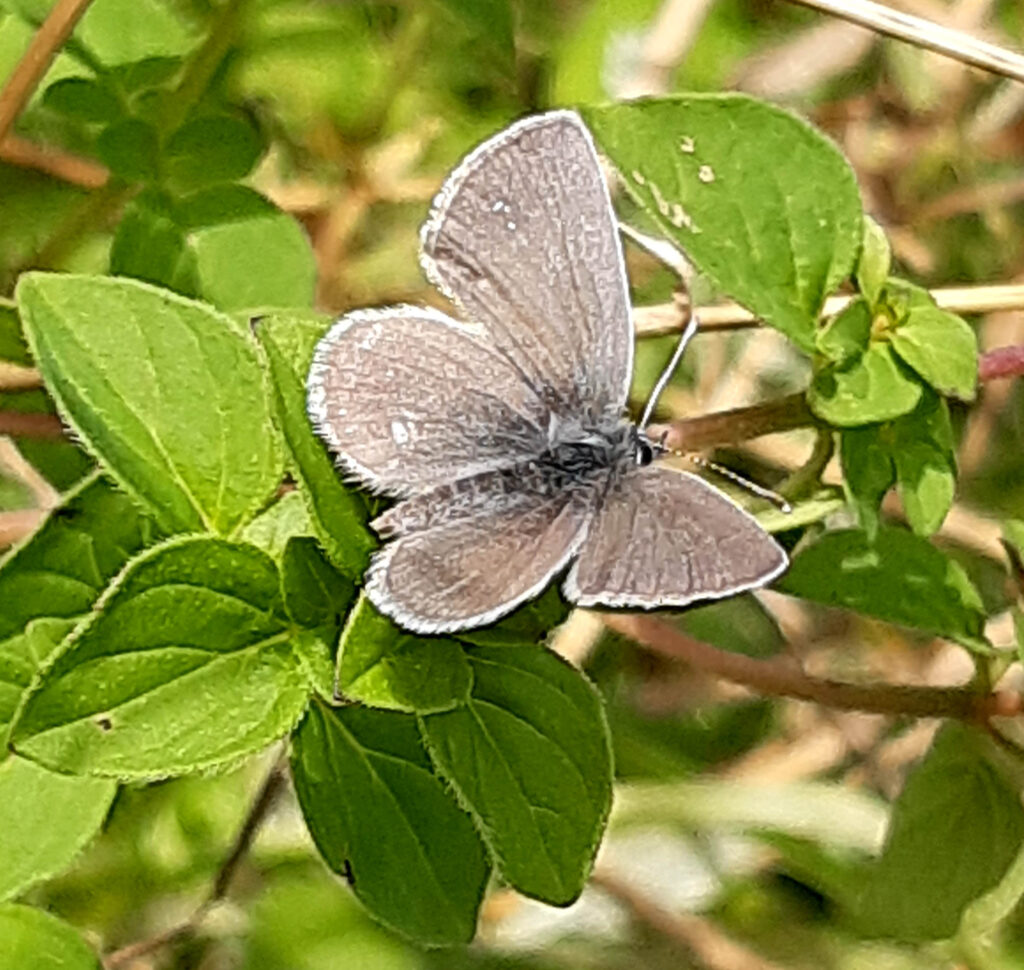
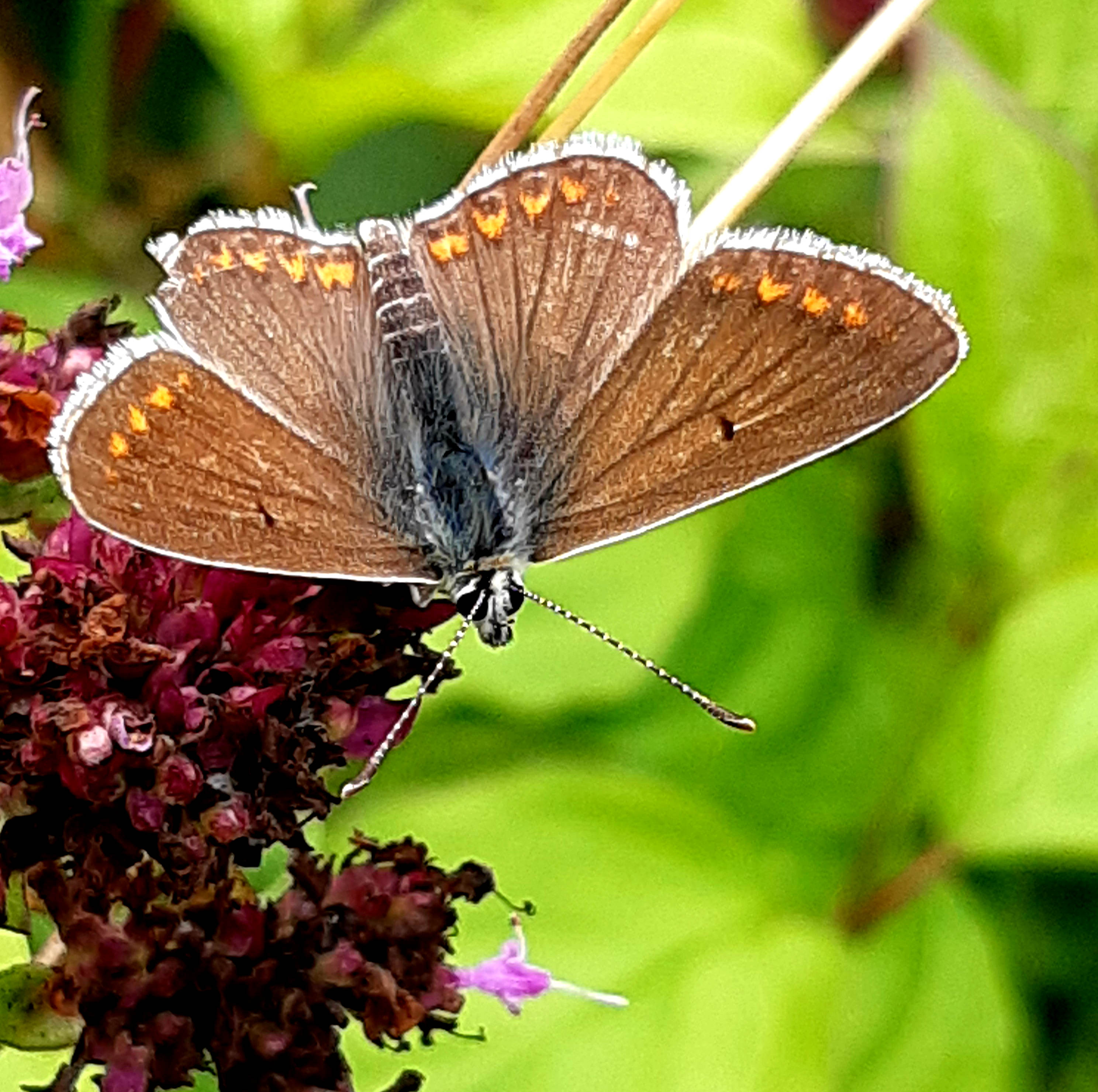
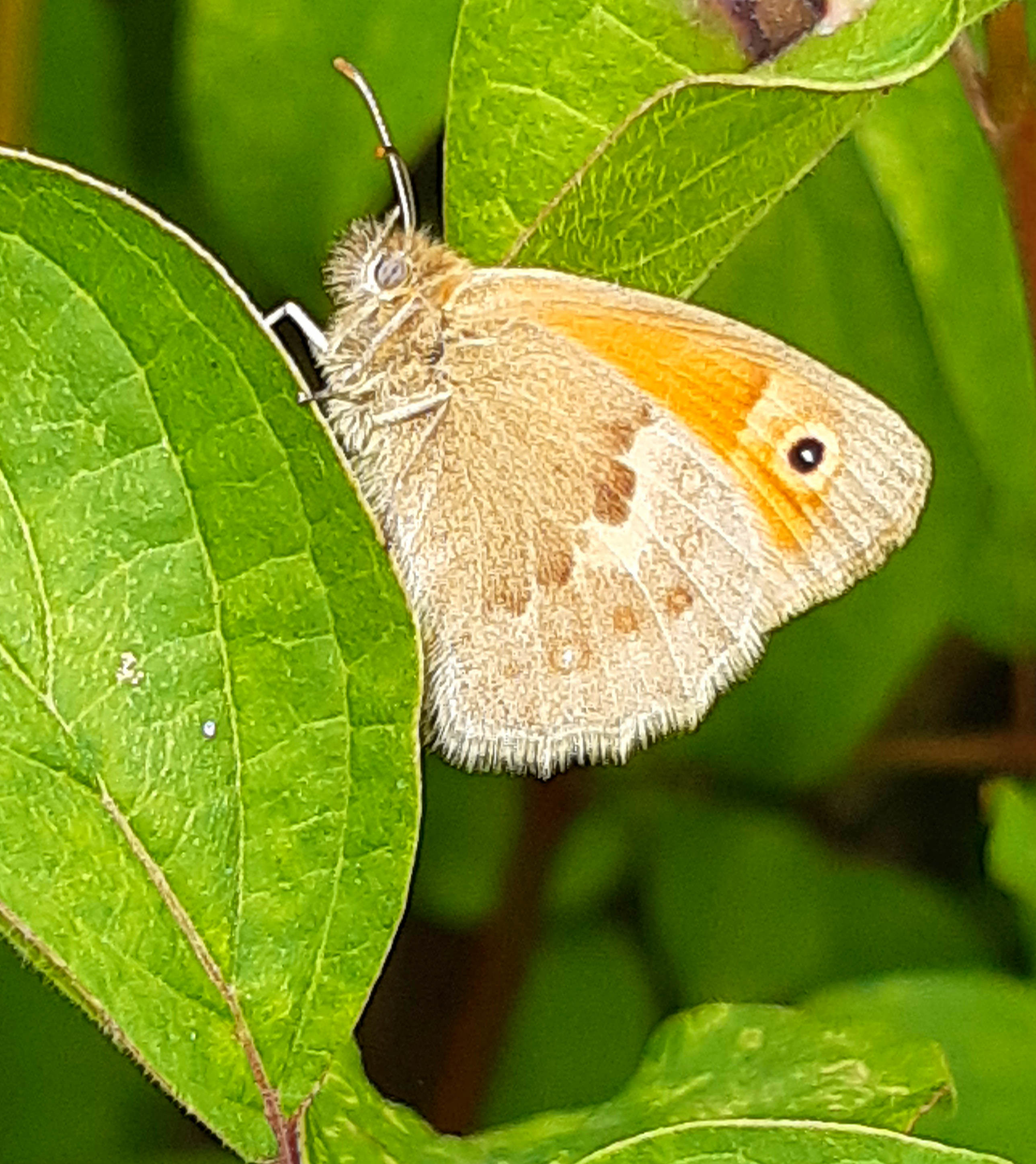
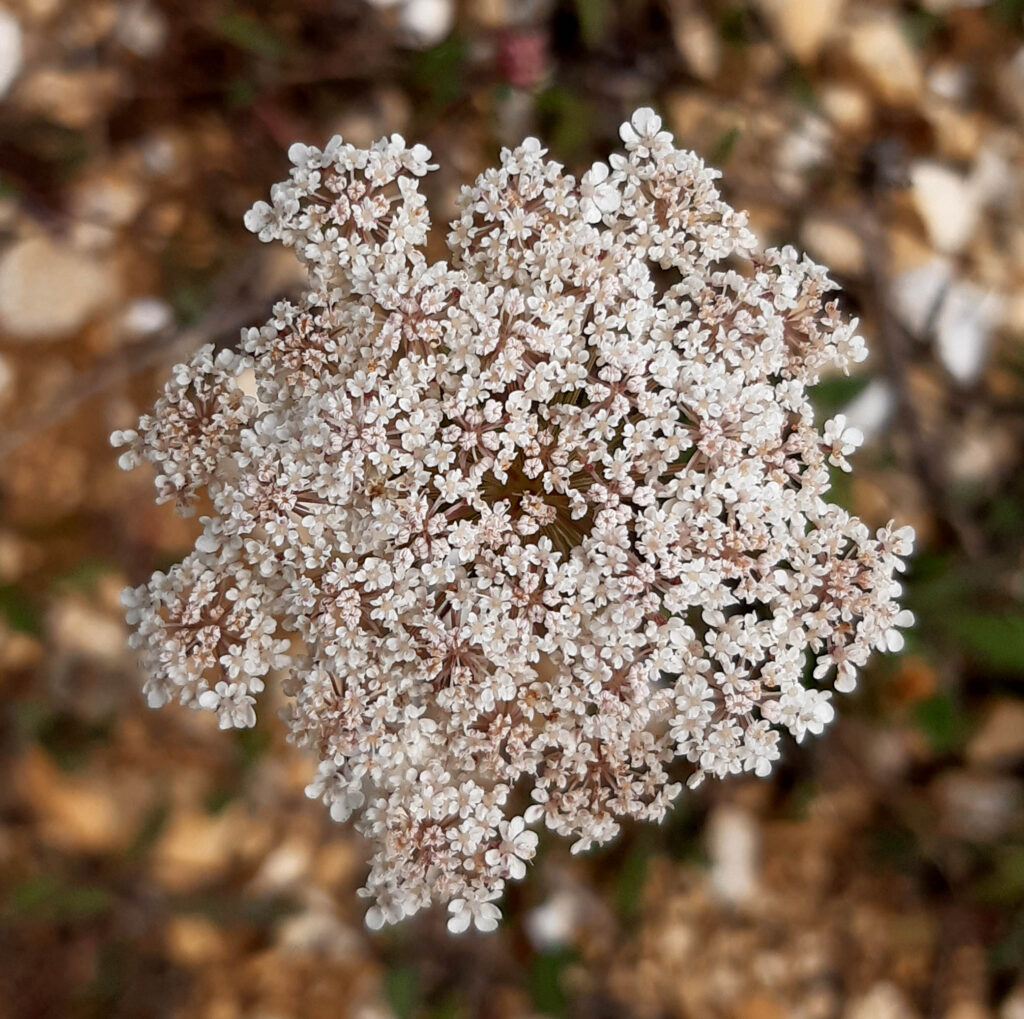
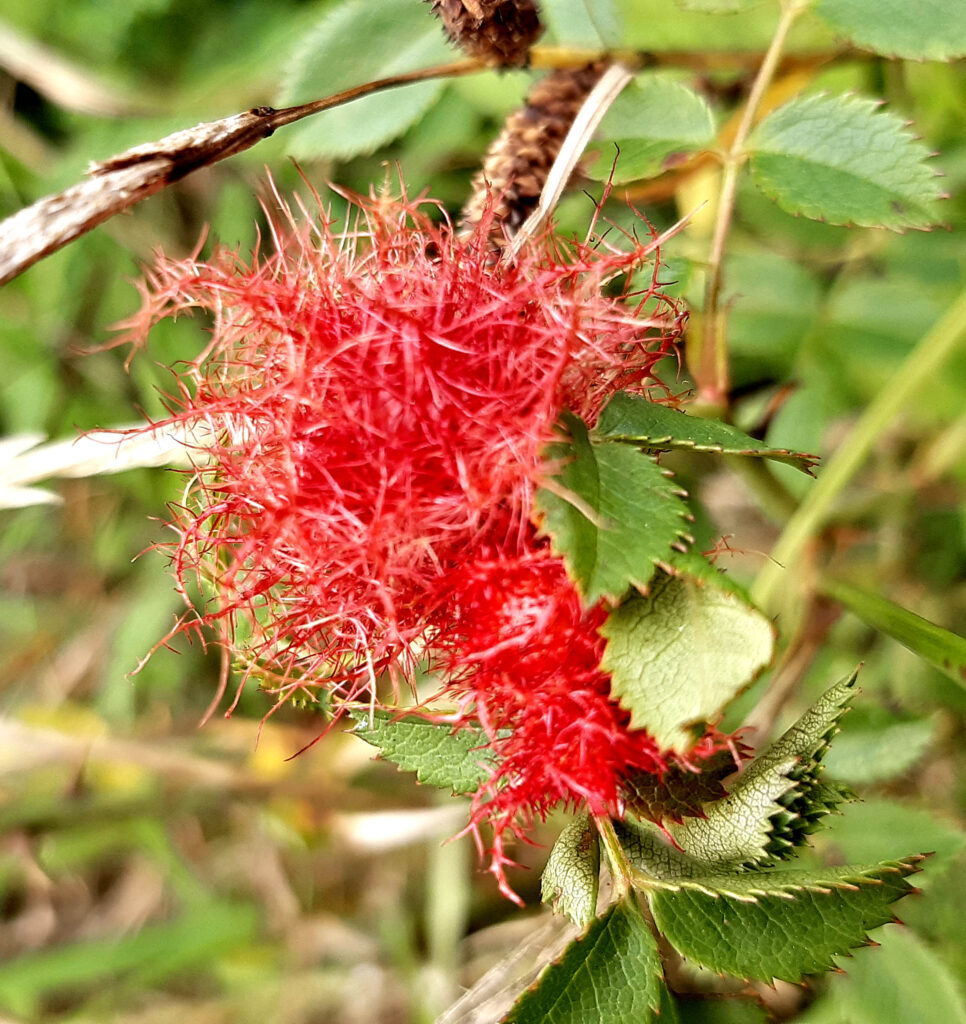
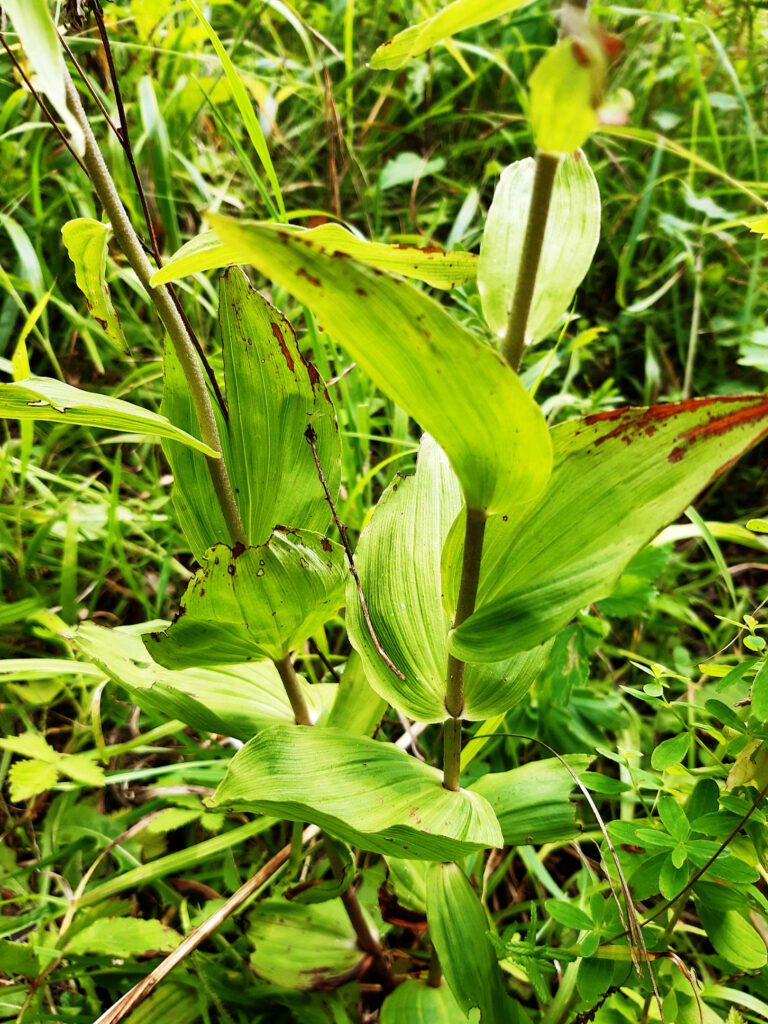
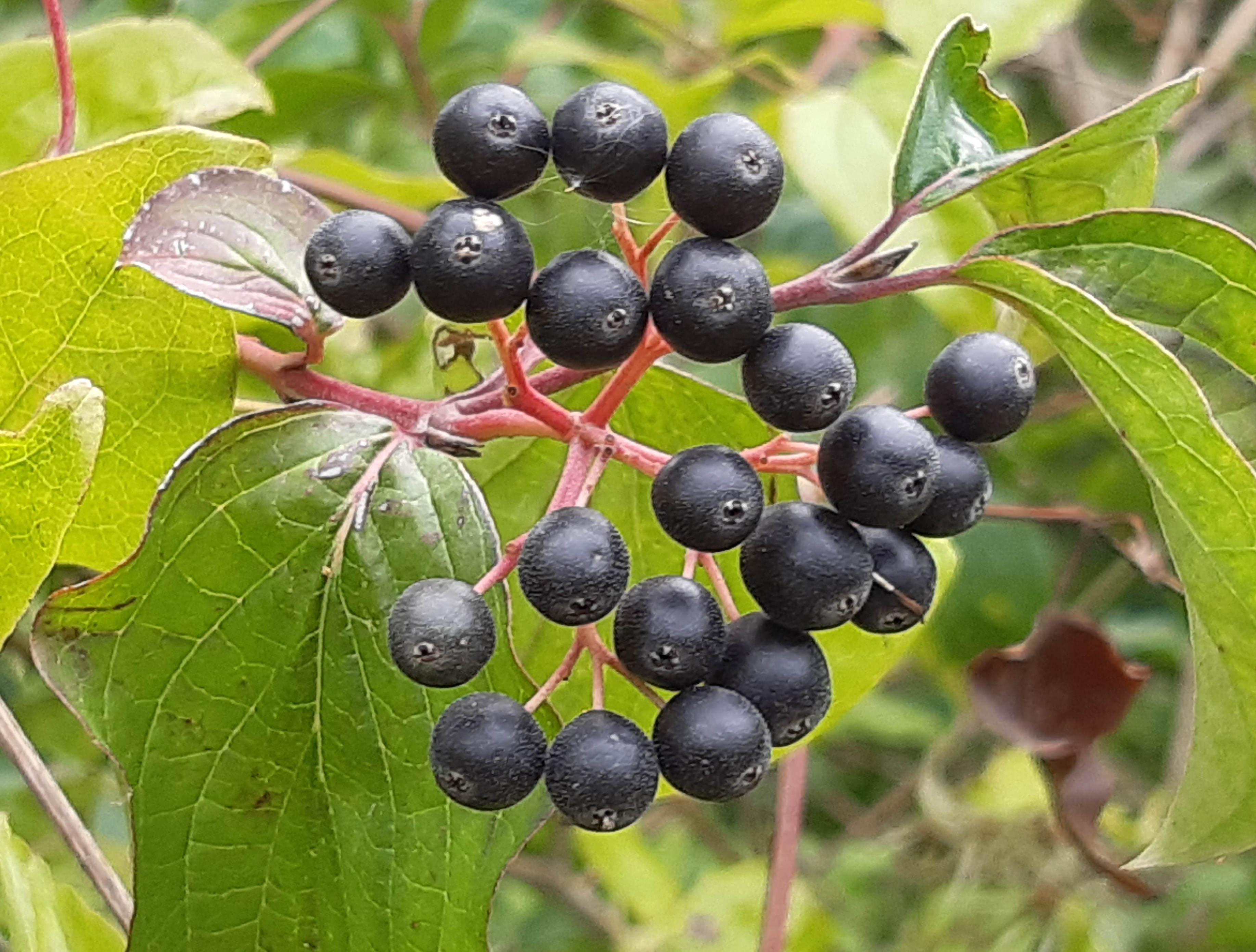
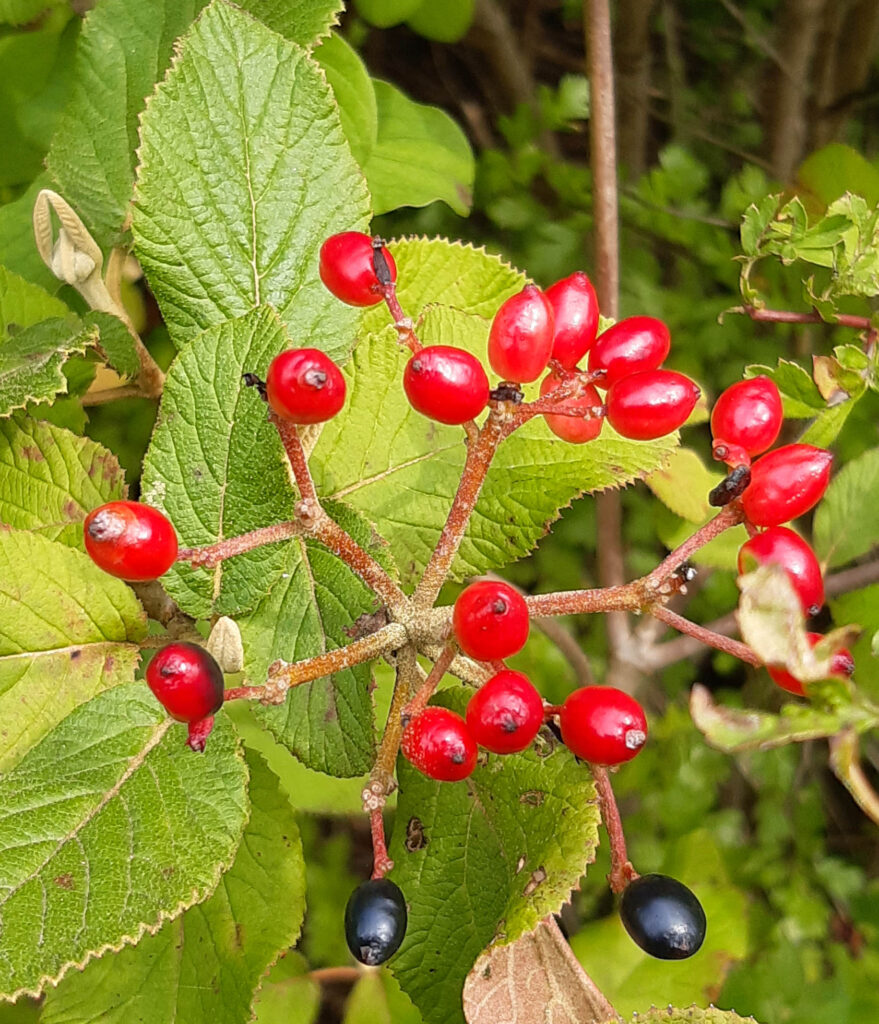
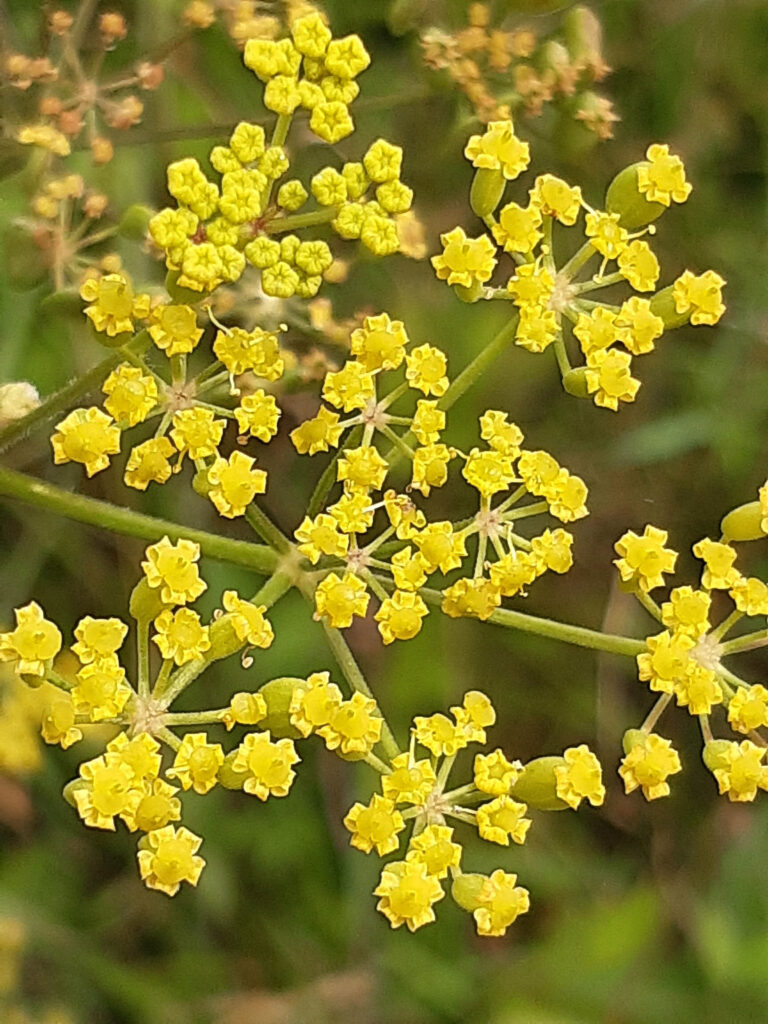
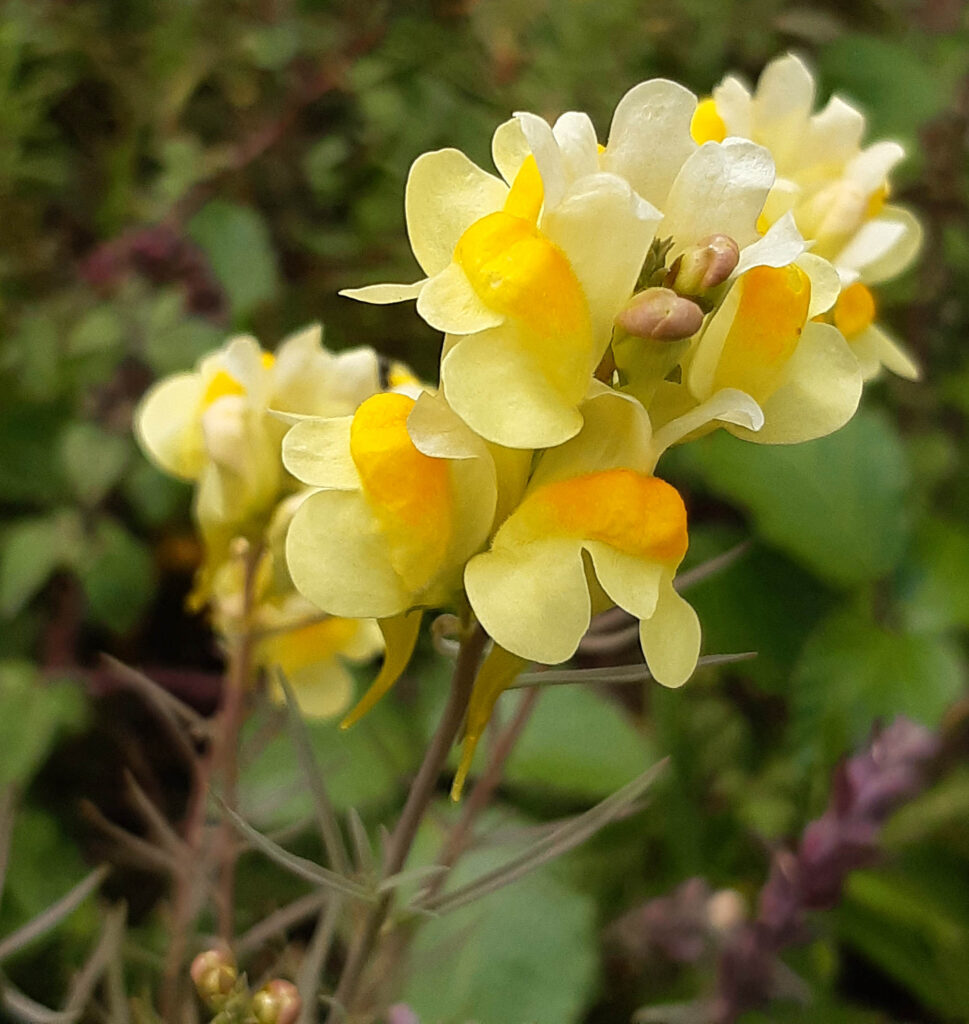
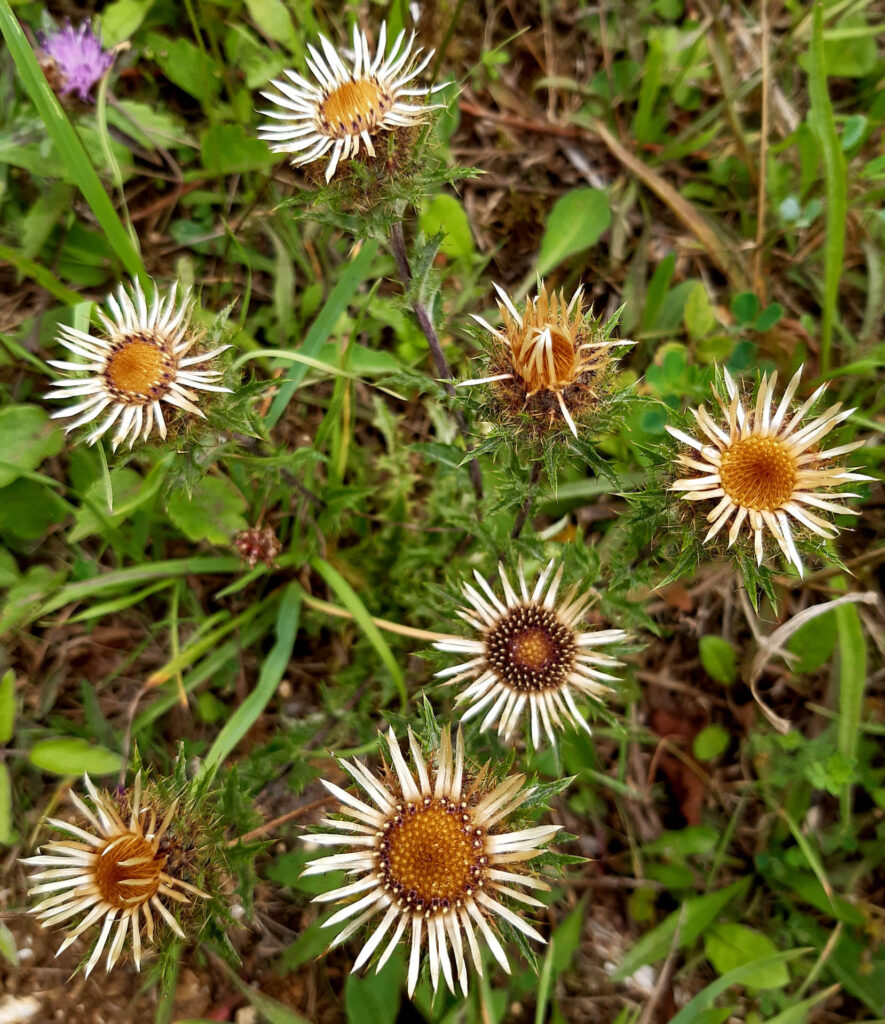
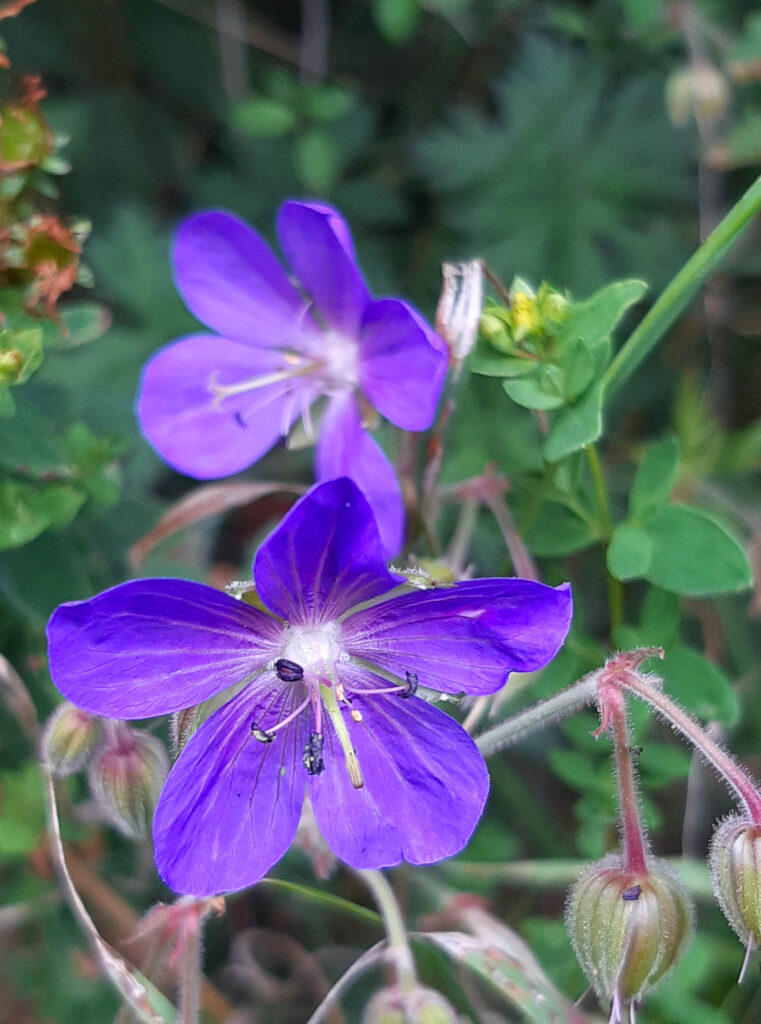
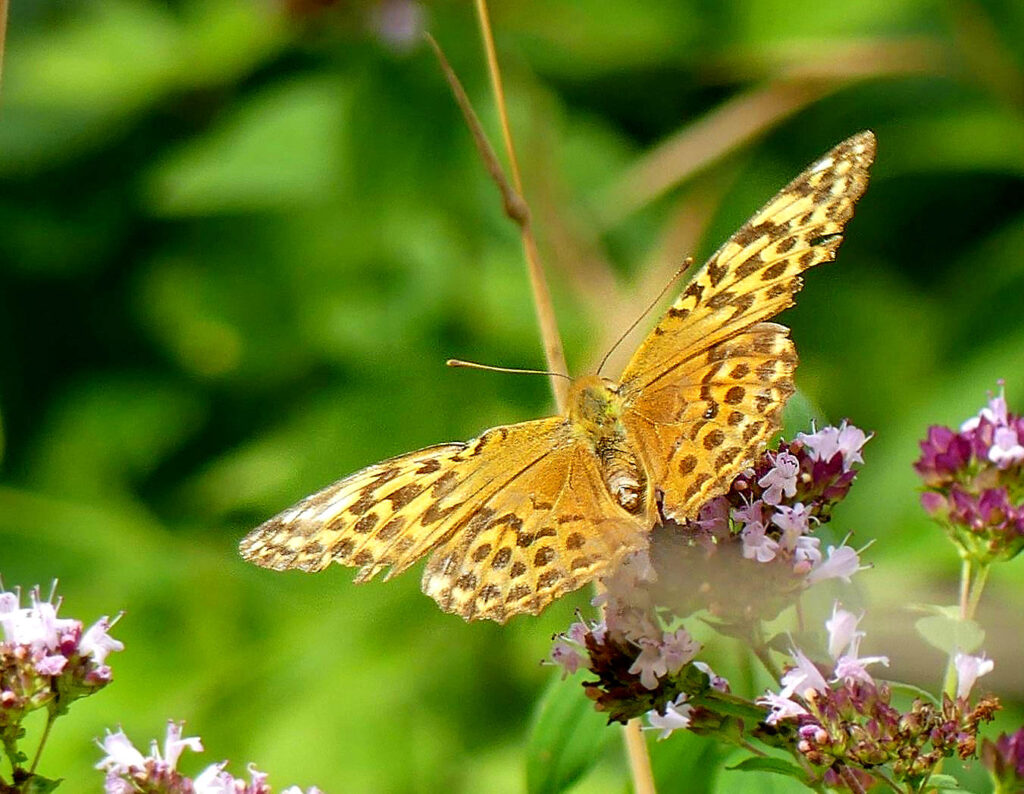
There was great excitement among the butterfly enthusiasts in the group when a large orange-brown butterfly flew past with the strong purposeful flight of a Fritillary. Two species, the Silver-Washed and the Dark Green, are native to the area; they are larger than the introduced or “escaped” species, the Glanville, Heath, and Marsh Fritillaries which can also be seen here.
Eventually, amidst much stalking of the first specimen, which proved to be a Silver-Washed, three more of that species came by, chasing each other about, and then obligingly landing on some of the abundant Marjoram which was aromatically in flower and nectar among the grass.
Here’s Andy’s photo of one of them.