Tag Archives: Brown Argus

LWT Nature Walk at Hutchinson’s Bank

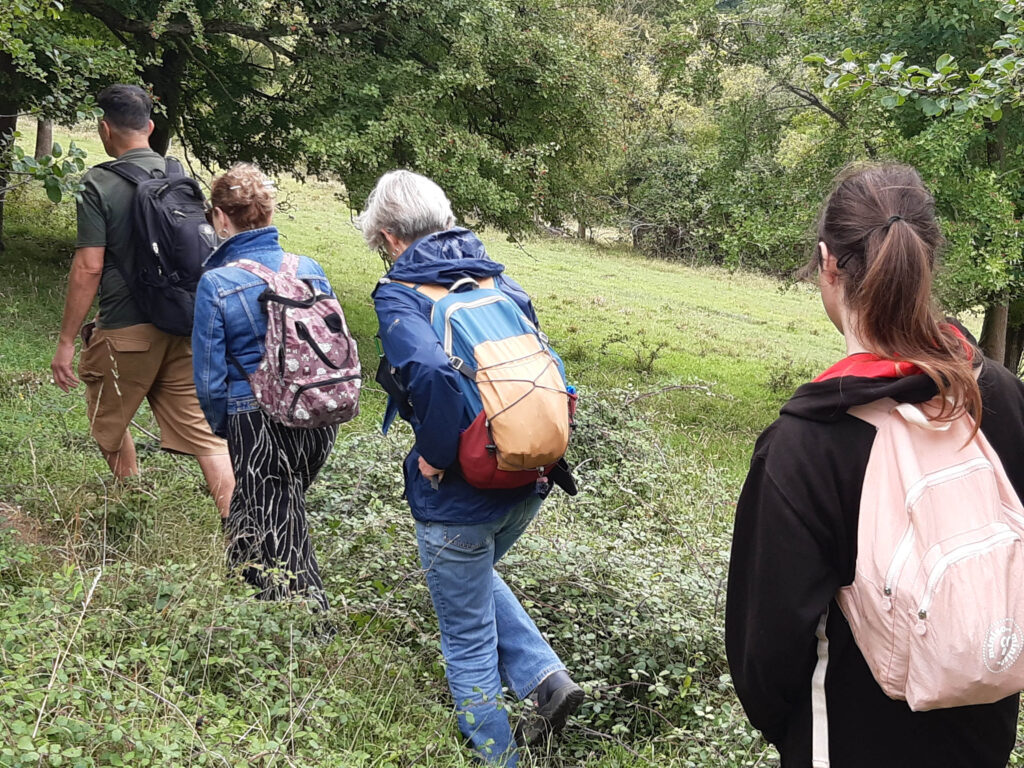
GT LWT group setting off into the reserve

Our entire LWT volunteers group (well, everyone who wanted) took a day off work and travelled the tube, overground, and tram to get to New Addington. From the end of the tram line, we walked a few steps to Hutchinson’s Bank.

This is the start of the group of beautiful and quiet LWT reserves that line this part of the warm south-facing scarp slope of the chalk of the North Downs.

The chalk formed as the tiny shells of marine algae (coccolithophores) rained down on to the seabed of a warm shallow sea during the Cretaceous period. The upper chalk here formed 100 to 66 million years ago. It then hardened, and was eventually crumpled by tectonic movements to form a ridge above what is now the Weald of Kent and Sussex. That ridge eroded away, leaving a north-facing scarp on the South Downs, and the south-facing scarp of the North Downs that we were standing on.

The chalk is a soft limestone, rich in calcium, which makes the soil on it basic (alkaline), unlike the neutral or acidic London Clay and Thames Flood Gravels. The resulting soil is a thin, free-draining Rendzina on steep slopes, and a thicker Brown Earth in the valleys. These support a wealth of flowers such as Marjoram, Scabious, and several Orchids that like an alkaline soil. Those in turn support many species of butterfly; Andy says there are 40 species on the local list.

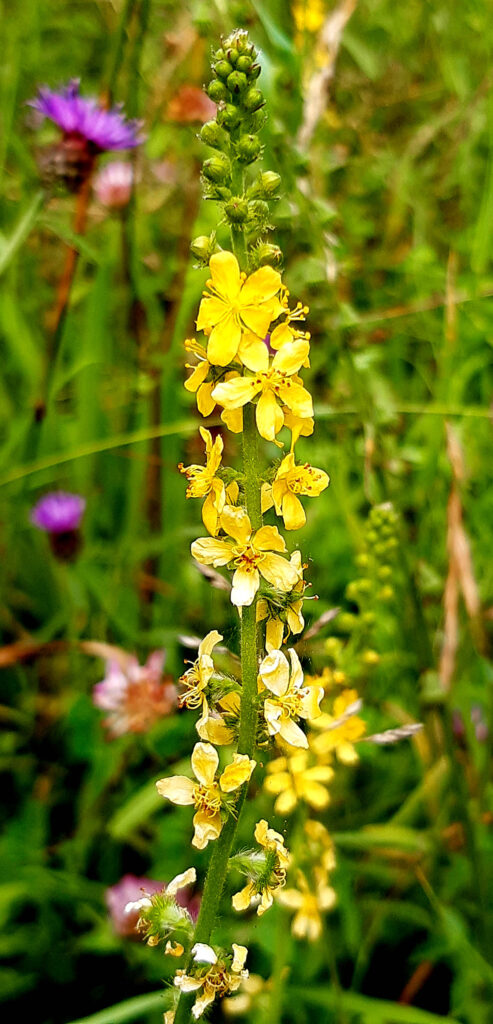
We strolled eastwards through the woods and chalk grassland of Hutchinson’s Bank, down the slope and through the wood of Three Corner Grove, and across the road to the third reserve, Chapel Bank.

The area is a few miles west, but on the same chalky slopes that Darwin visited from Down House: Down Bank and the little hill he called ‘Orchis Bank’ where he found specimens, and most famously described as a “tangled bank” in his 1859 book The Origin of Species.

Oh, all right then, here’s his description. You can decide for yourself if the chalk hills of the North Downs led him to devise his theory of evolution by natural selection:

  • It is interesting to contemplate a tangled bank, clothed with many plants of many kinds, with birds singing on the bushes, with various insects flitting about, and with worms crawling through the damp earth, and to reflect that these elaborately constructed forms, so different from each other, and dependent on each other in so complex a manner, have all been produced by laws acting around us.

I gave a brief introduction to the geology, soils, and ecology; Andy did the same for the butterfly fauna.

To see the images uncropped and at full size, open them in a new tab or window.
There was great excitement among the butterfly enthusiasts in the group when a large orange-brown butterfly flew past with the strong purposeful flight of a Fritillary. Two species, the Silver-Washed and the Dark Green, are native to the area; they are larger than the introduced or “escaped” species, the Glanville, Heath, and Marsh Fritillaries which can also be seen here.

Eventually, amidst much stalking of the first specimen, which proved to be a Silver-Washed, three more of that species came by, chasing each other about, and then obligingly landing on some of the abundant Marjoram which was aromatically in flower and nectar among the grass.

Here’s Andy’s photo of one of them.
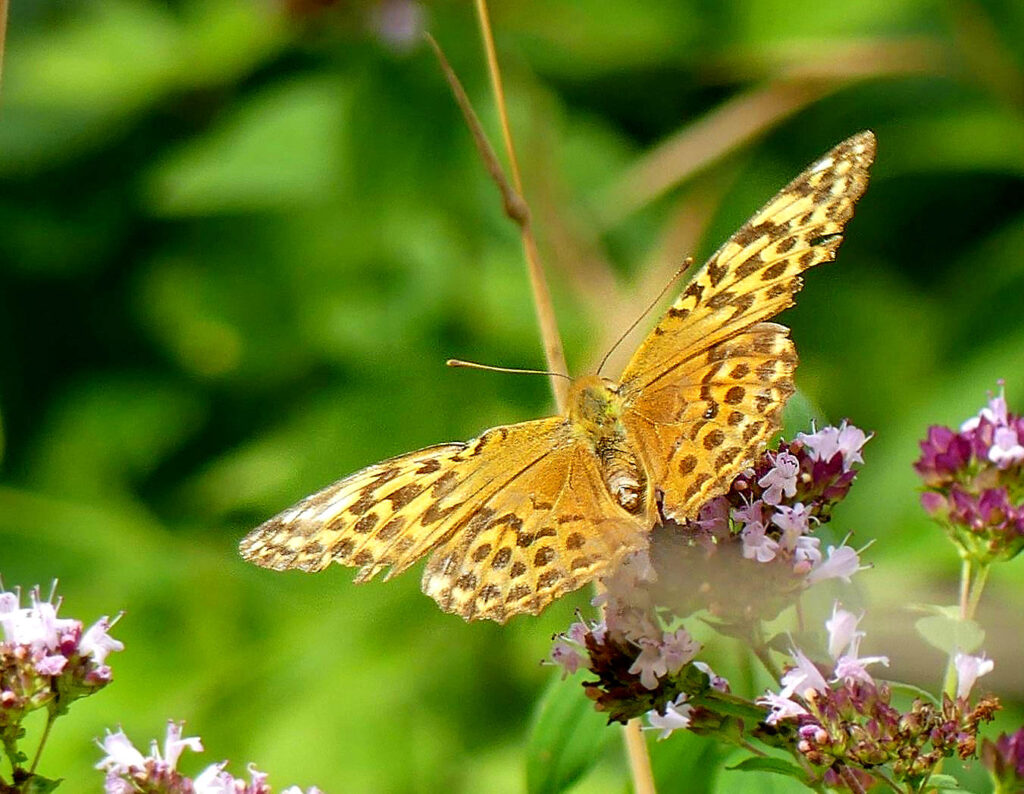
Silver-Washed Fritillary on Marjoram, taken by Andy

Glorious Insects and Flowers of the Dolomites

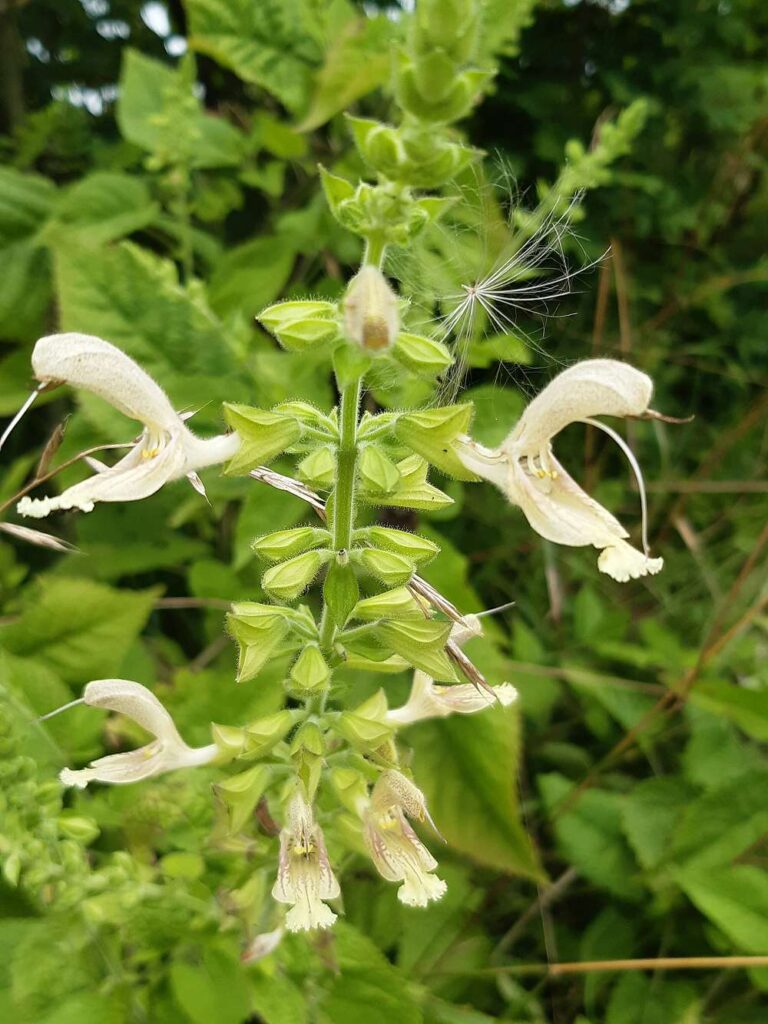
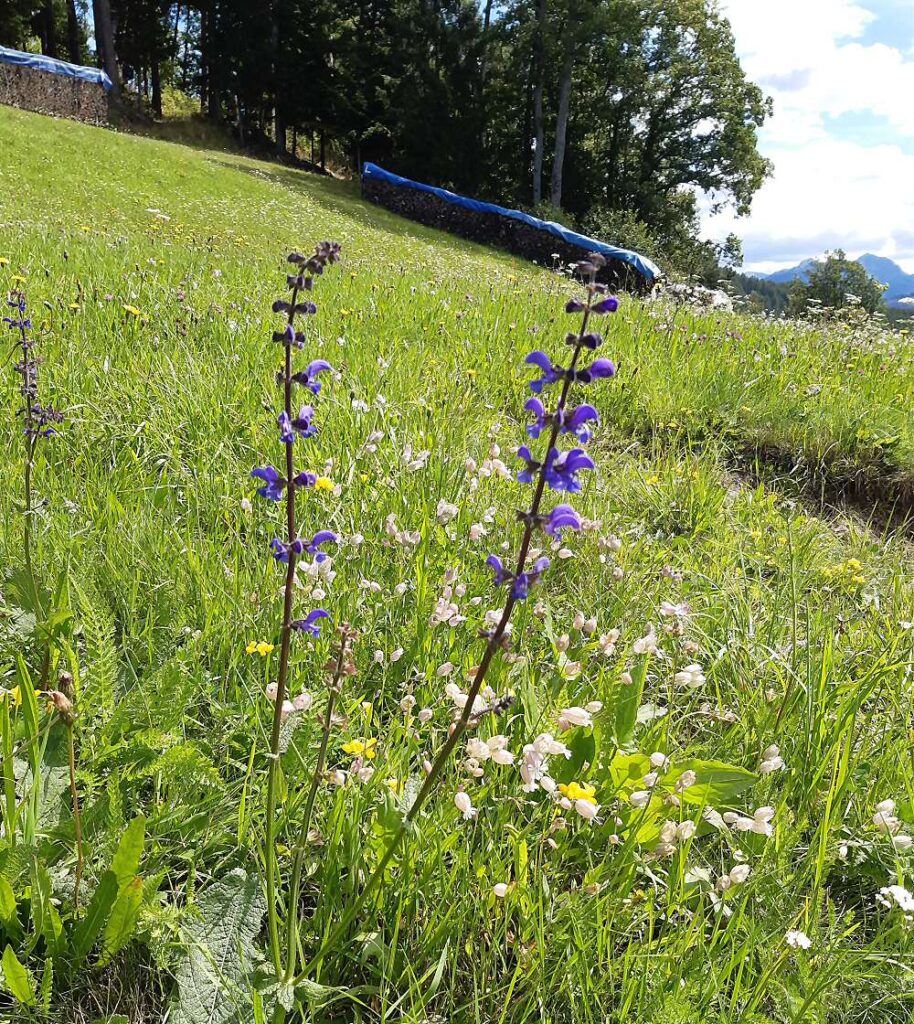
Sticky Clary (Salvia glutinosa), Val Sugana
At Calvello, Val di Fiemme
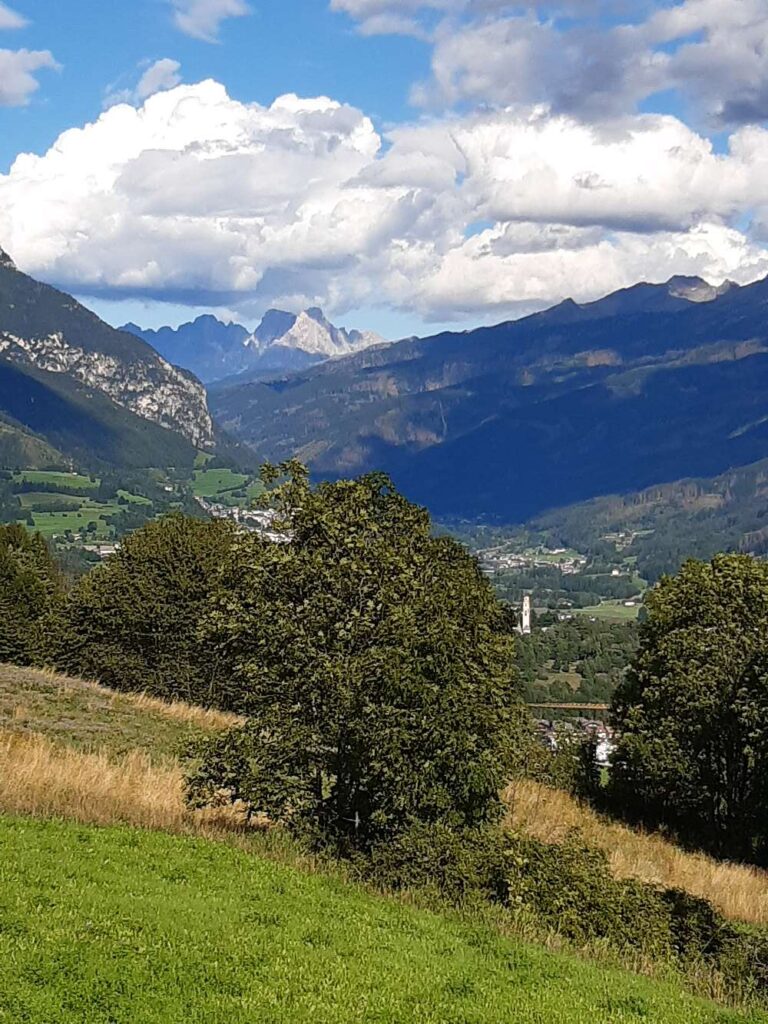
Val di Fiemme
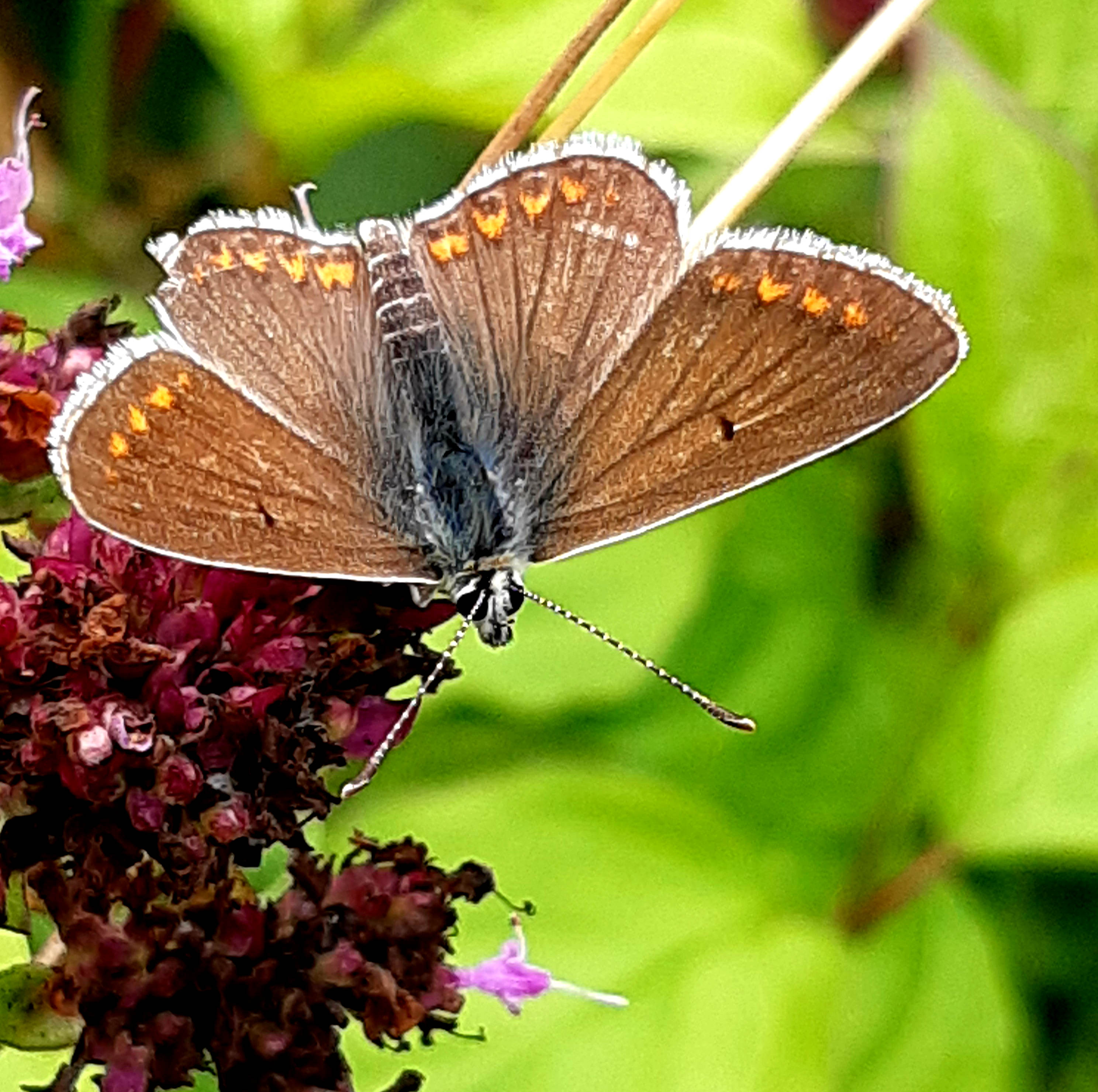
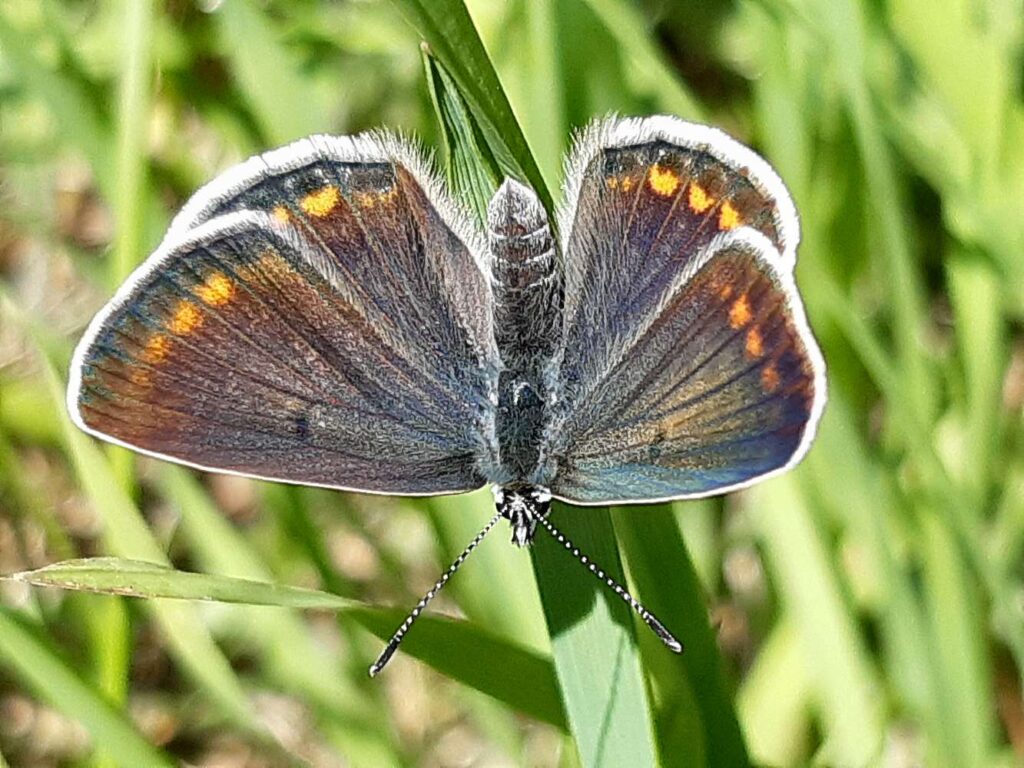
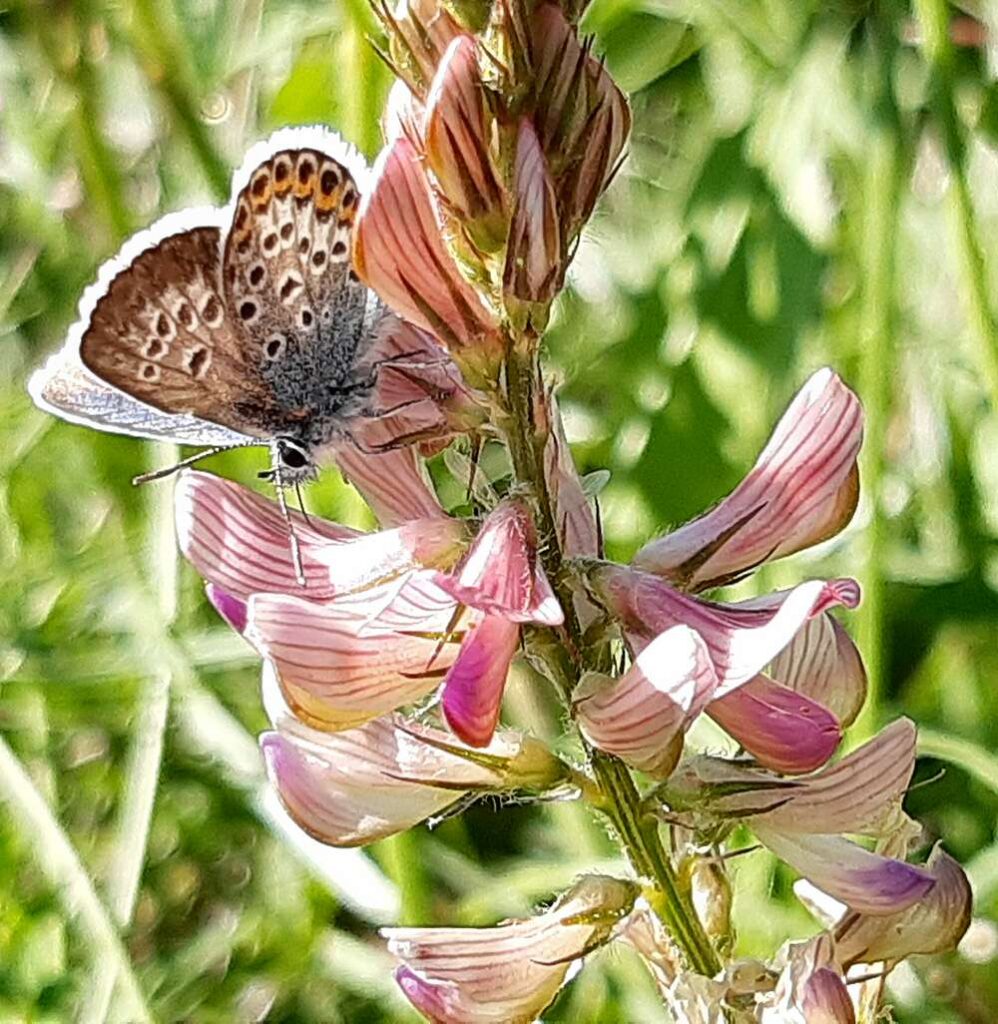
Brown Argus at Redagno
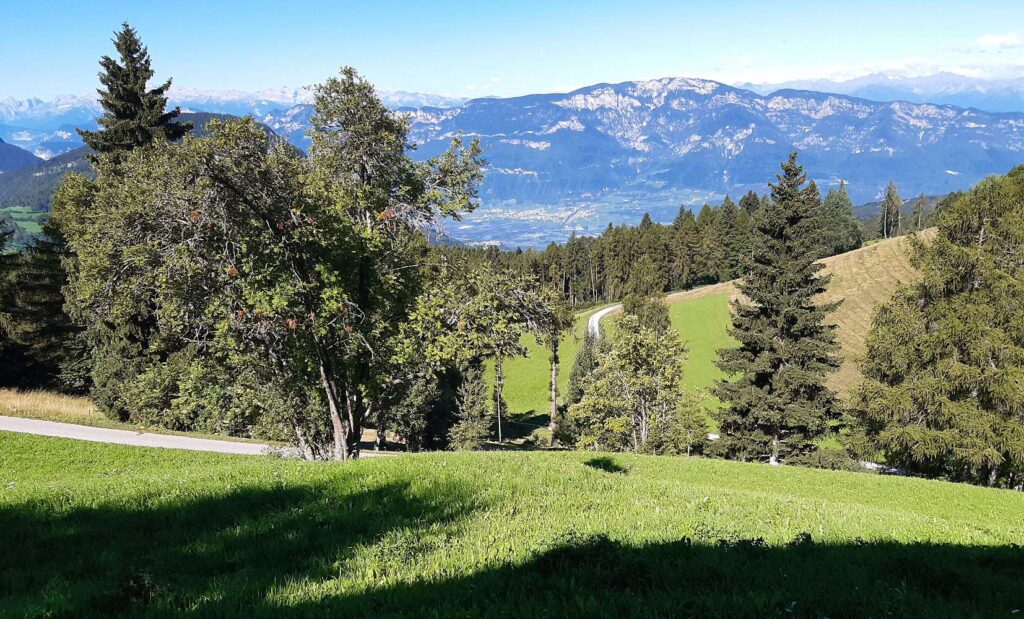
Dolomite landscape at Redagno
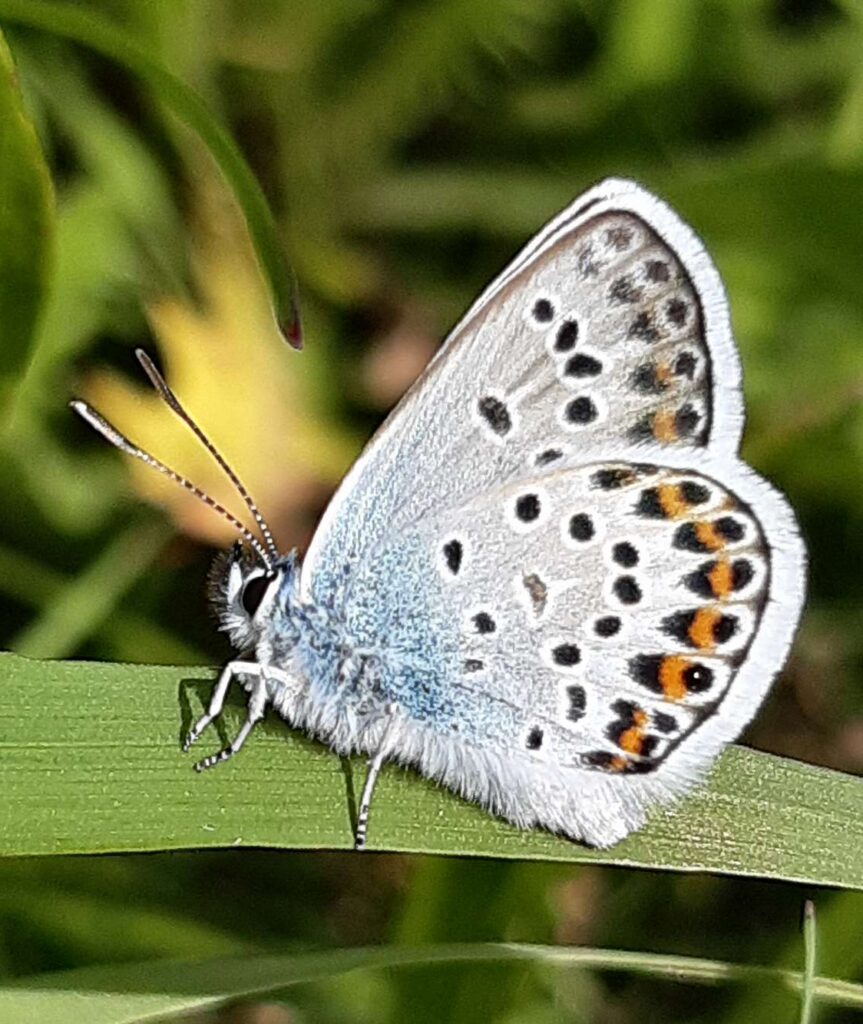
Idas Blue at Anterivo
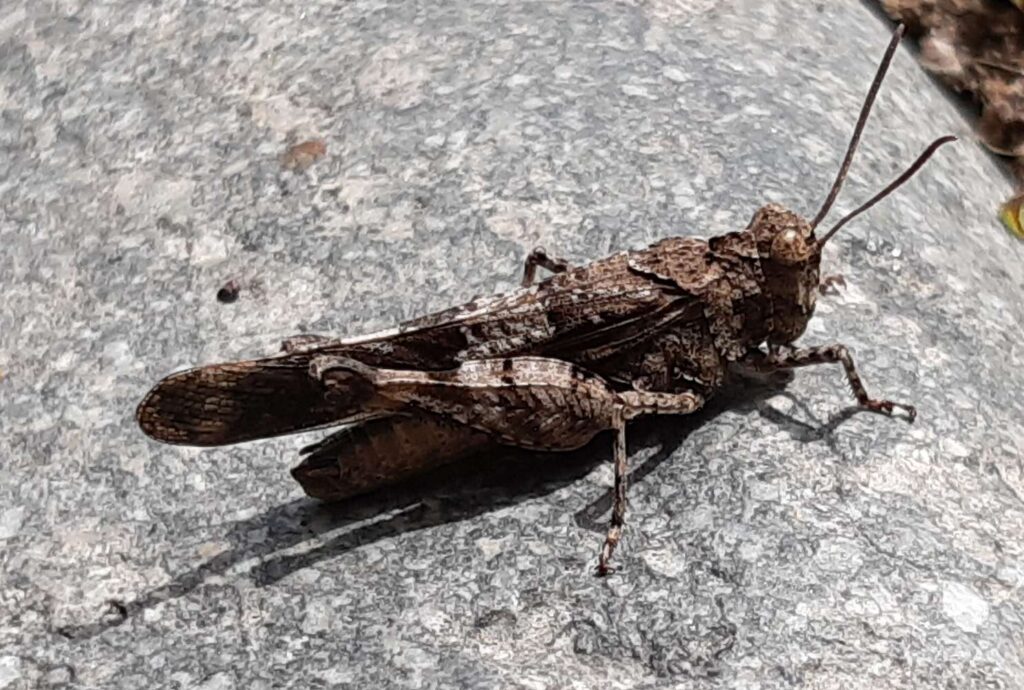
Stone Grasshopper above Anterivo
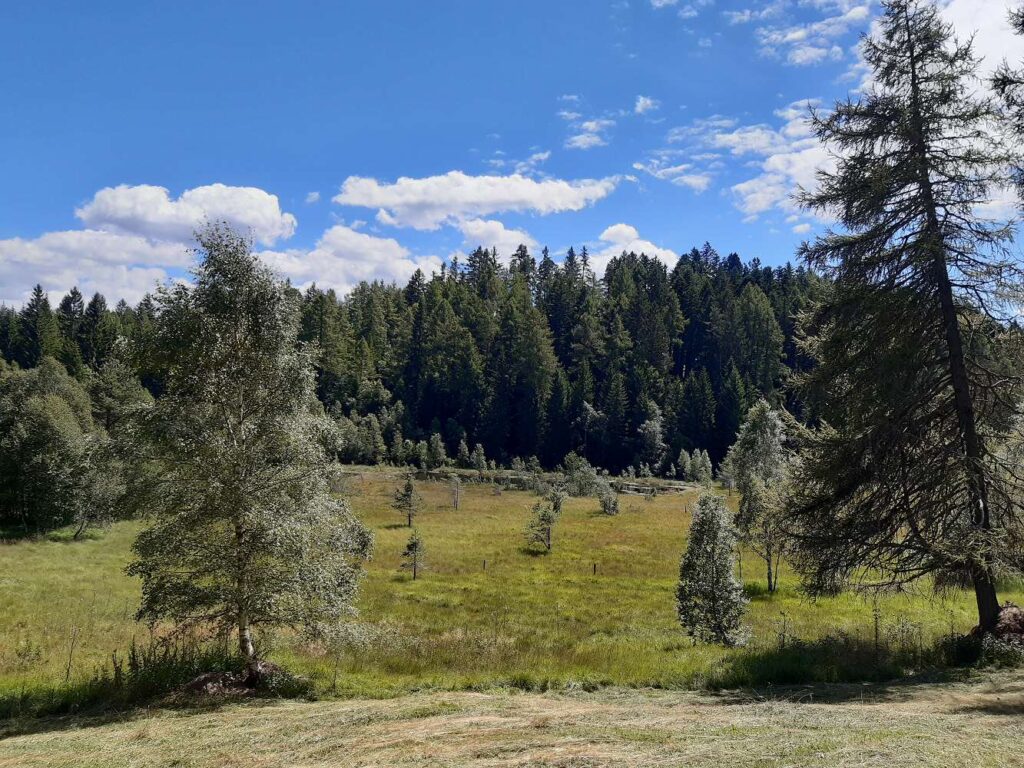
Alpine meadow and forest, with wood-stacks, above Anterivo. The flower-rich grass is cut annually for hay.
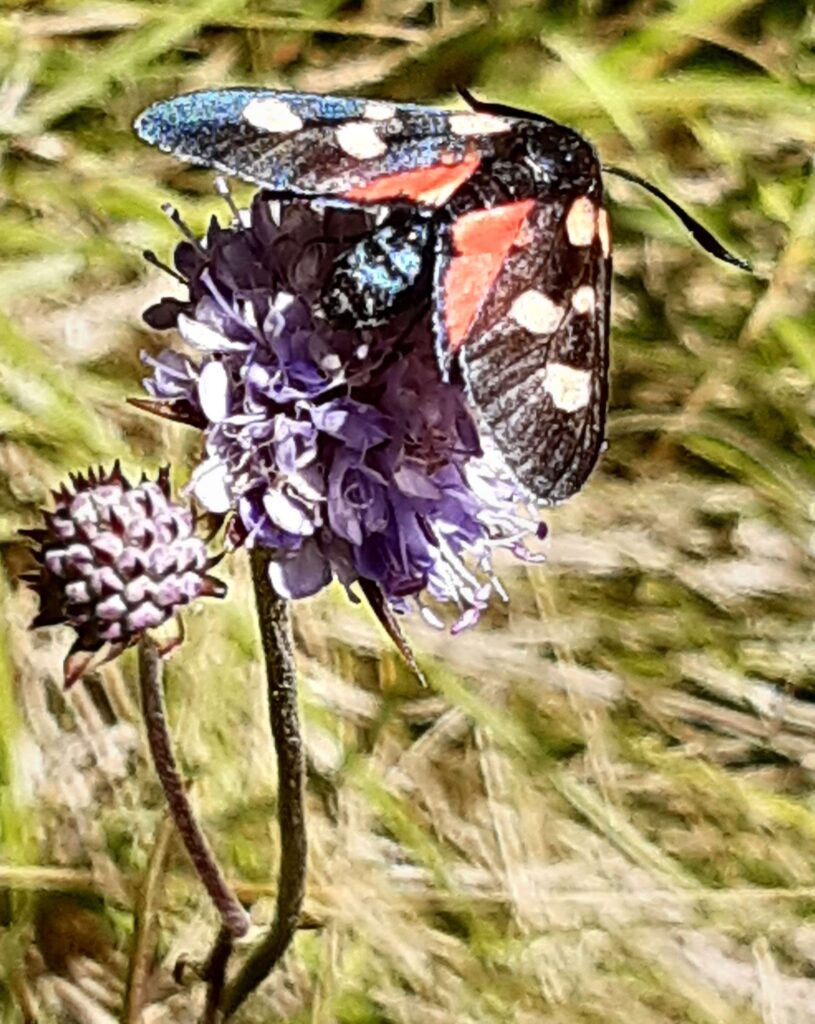
Burnet Moth on Scabious above Anterivo
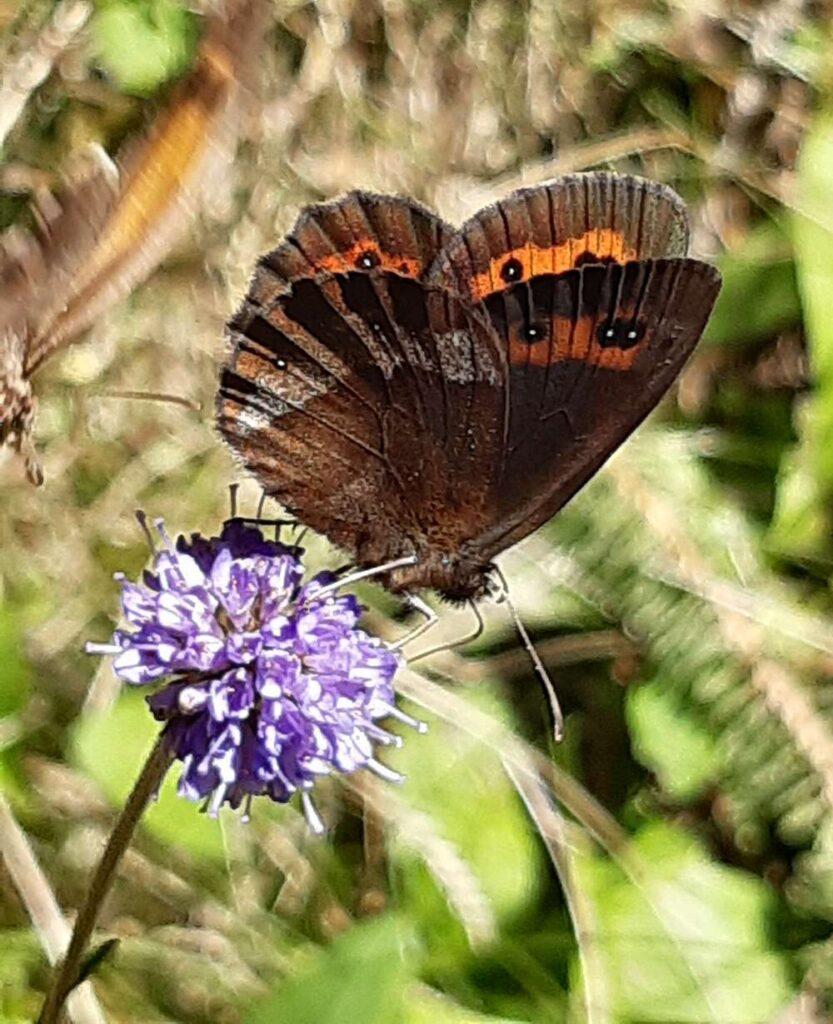
Scotch Argus at Anterivo
Fir forest, marsh with Birches, meadow, bog pool above Anterivo
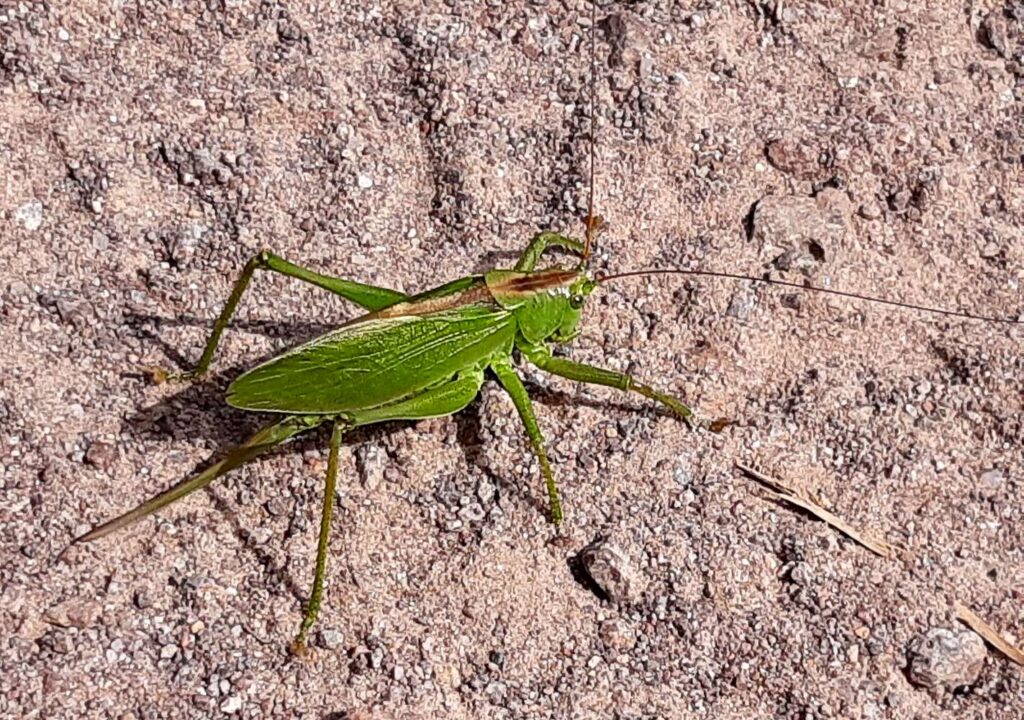
Great Green Bush-Cricket above Anterivo
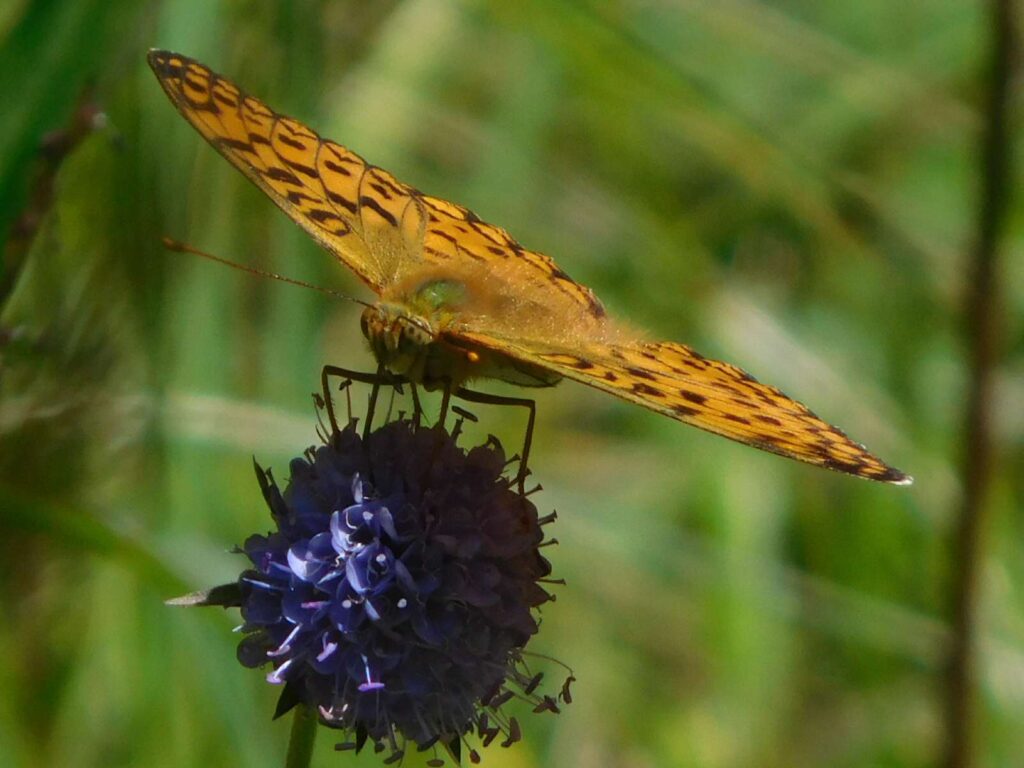
Silver-washed Fritillary on Devilsbit Scabious
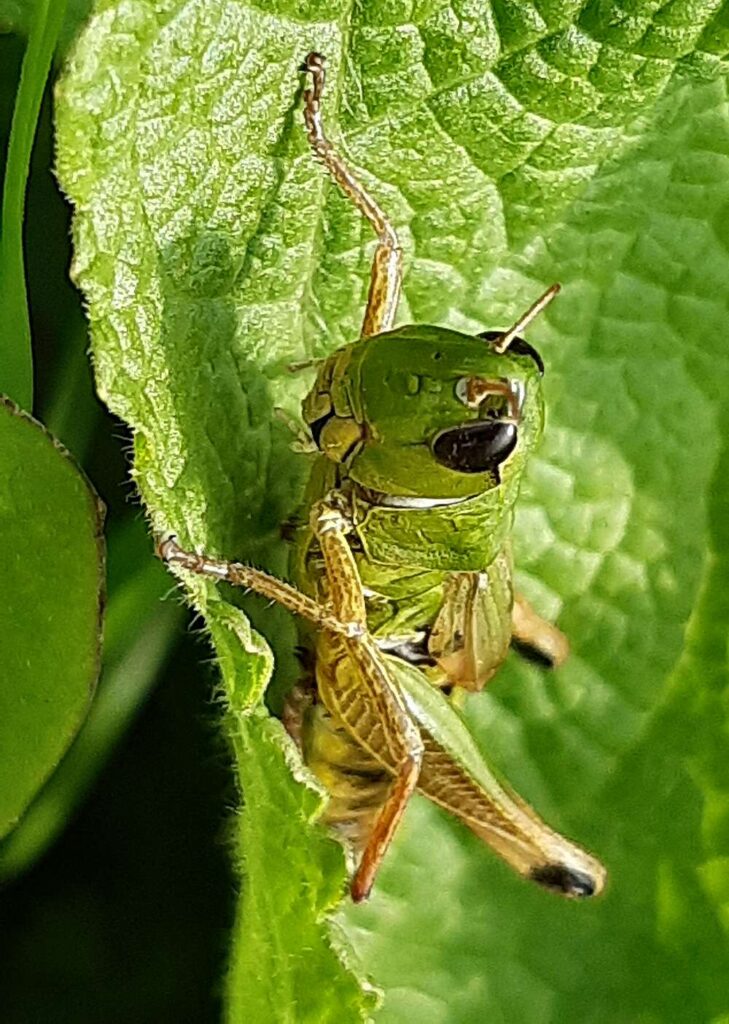
Alpine Green Grasshopper, Val di Fiemme
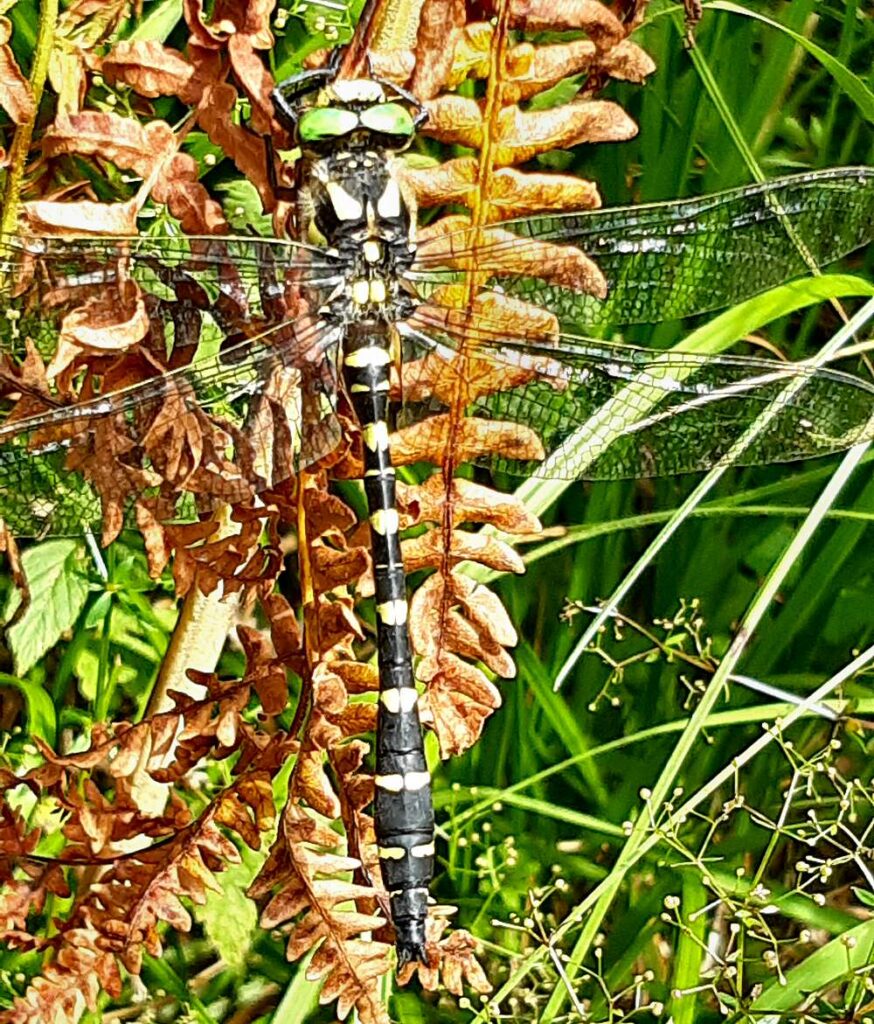
Golden-ringed Dragonfly at Calvello
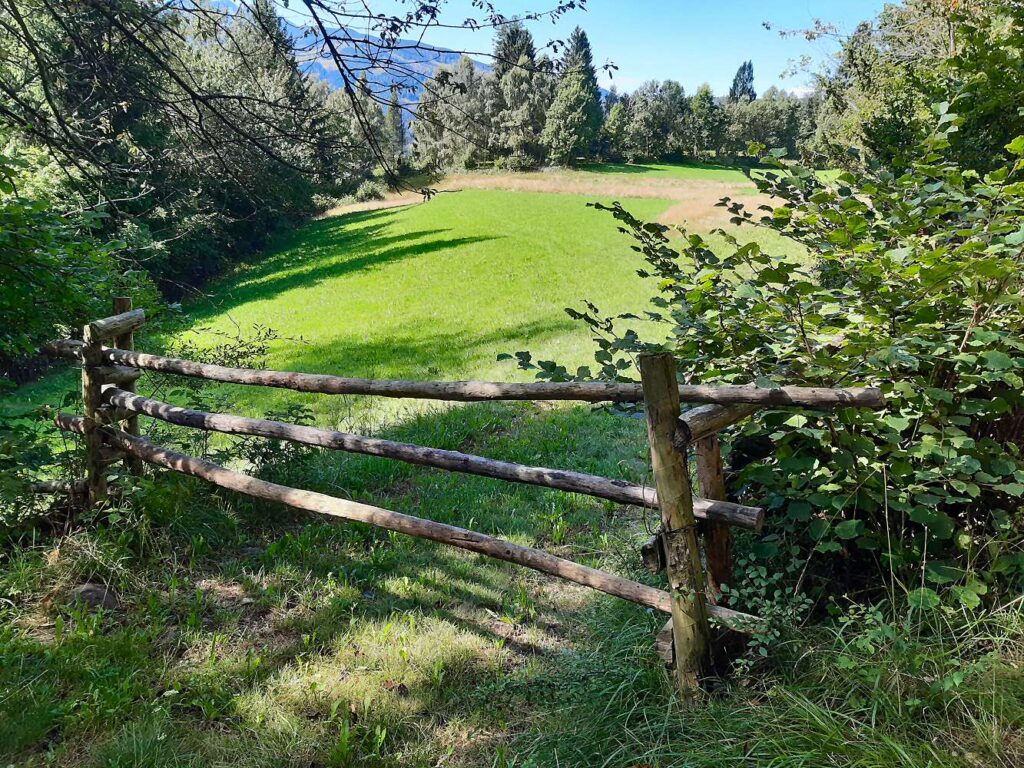
Well-maintained Alpine meadow at Calvello, with hingeless gate, Hazel bushes, Birch and Fir trees
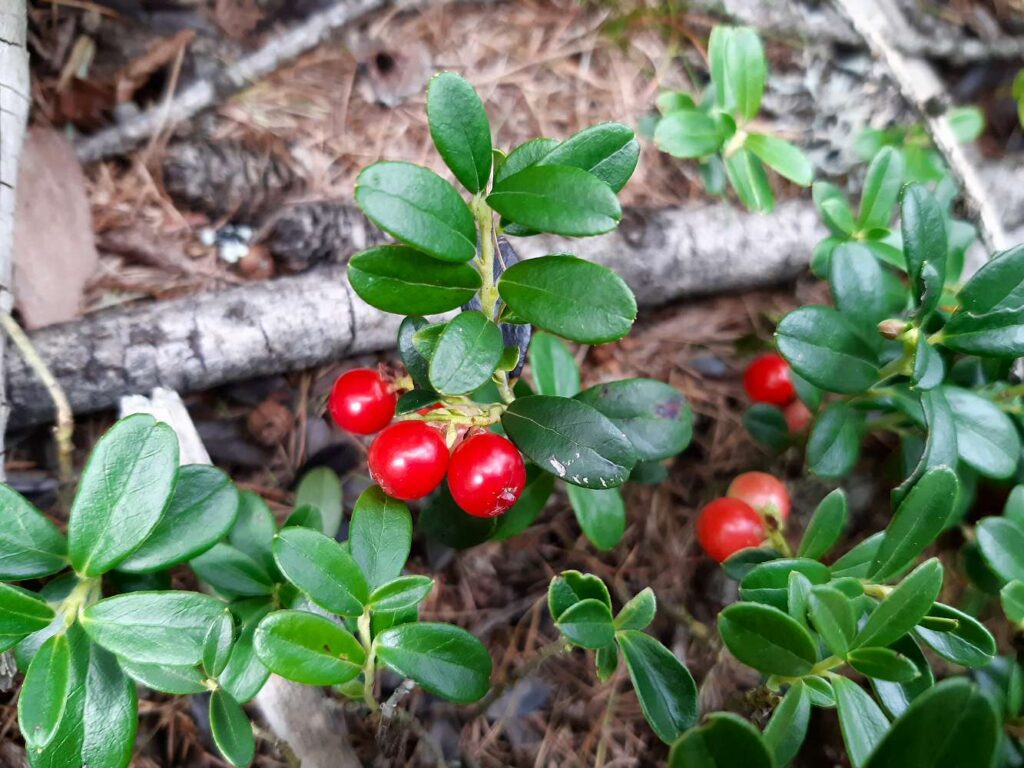
Lingon or Cowberry at Calvello: far less common than Bilberry in the Dolomites
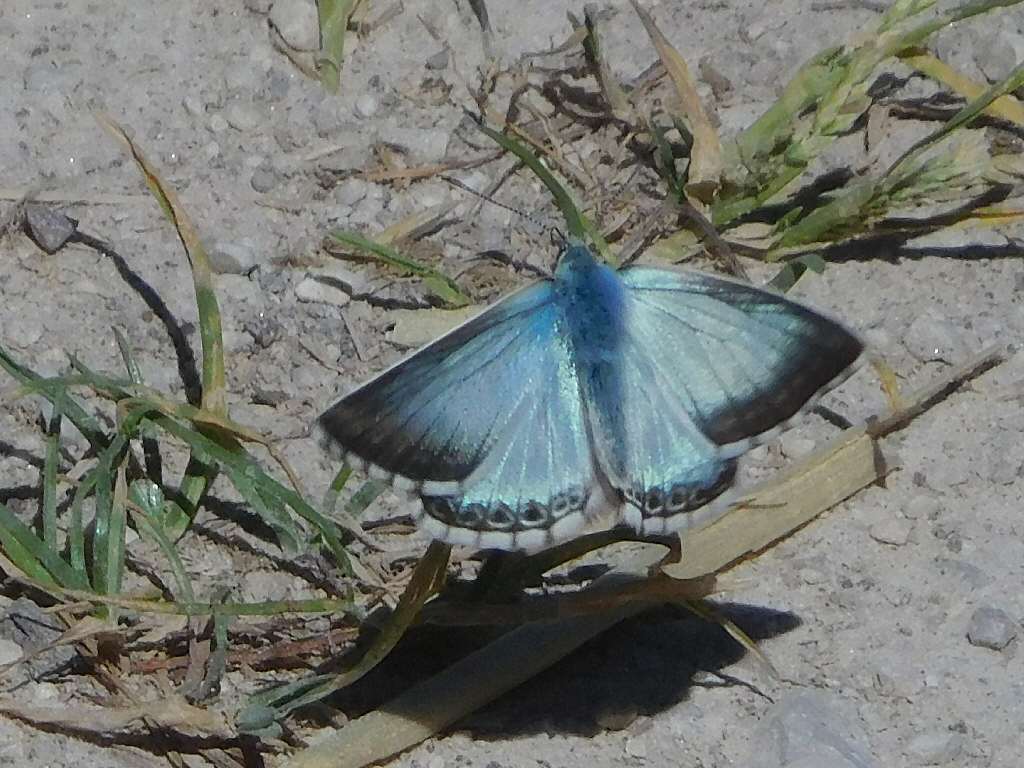
Chalkhill Blue, male, above Carano, on legume
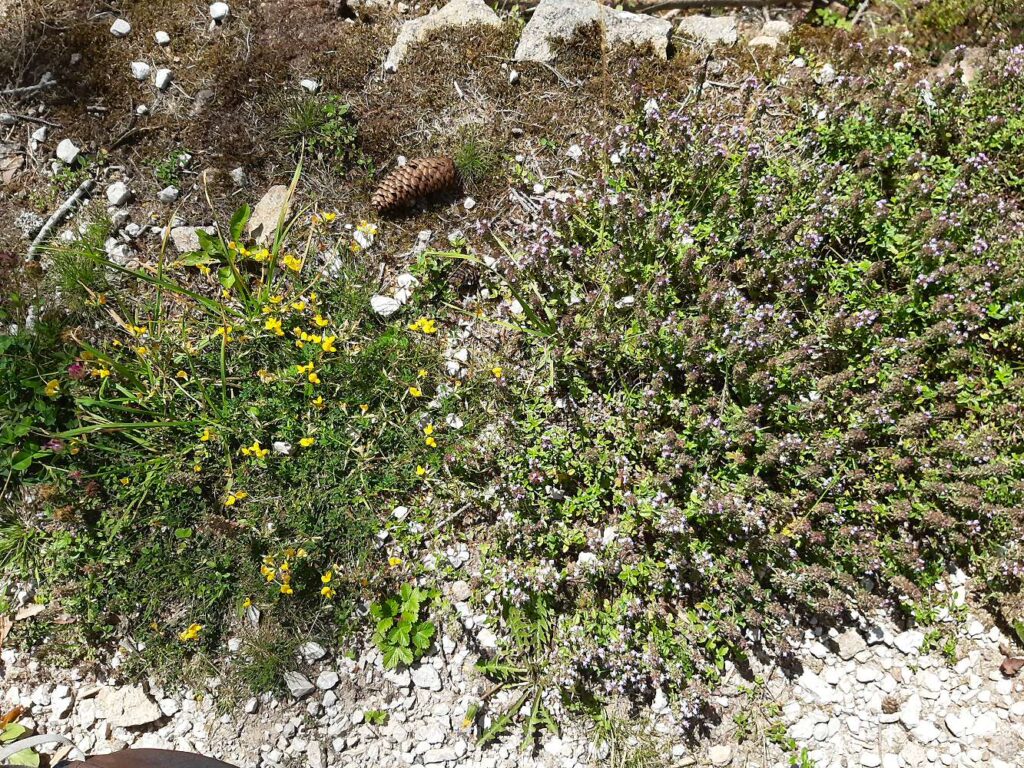
Vetch and Thyme on limestone beside forest path (with fir-cone), Calvello
Chalkhill Blue, male
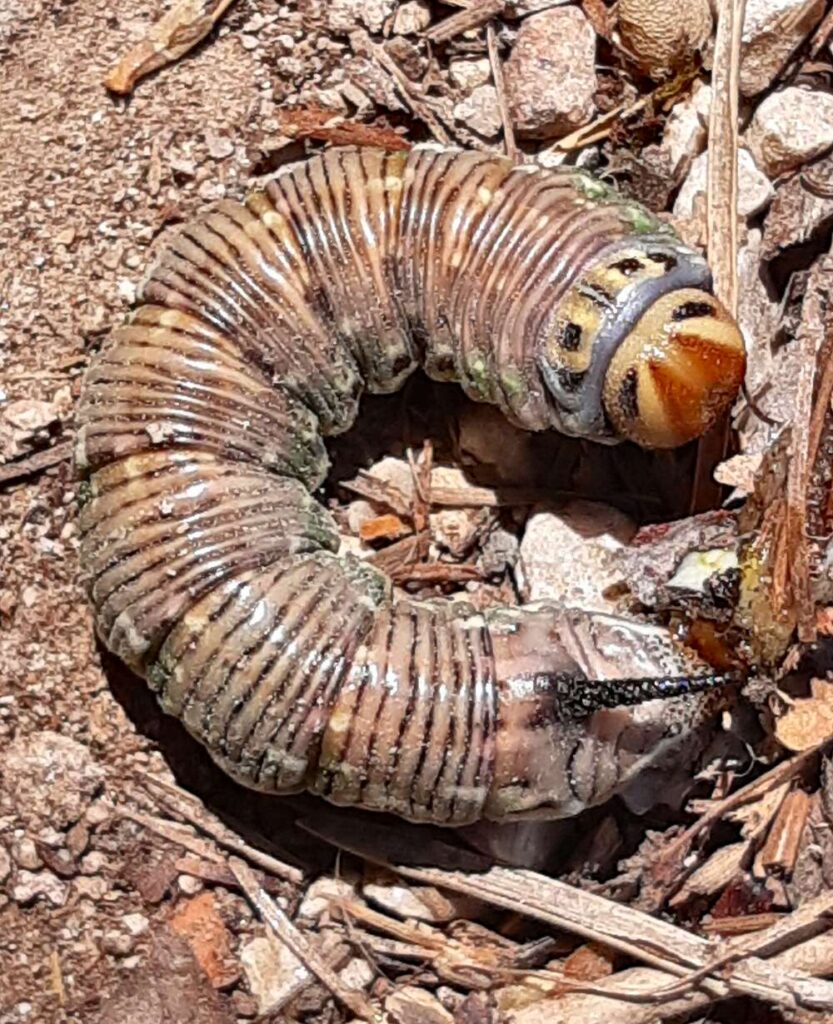
Pine Hawk-Moth caterpillar
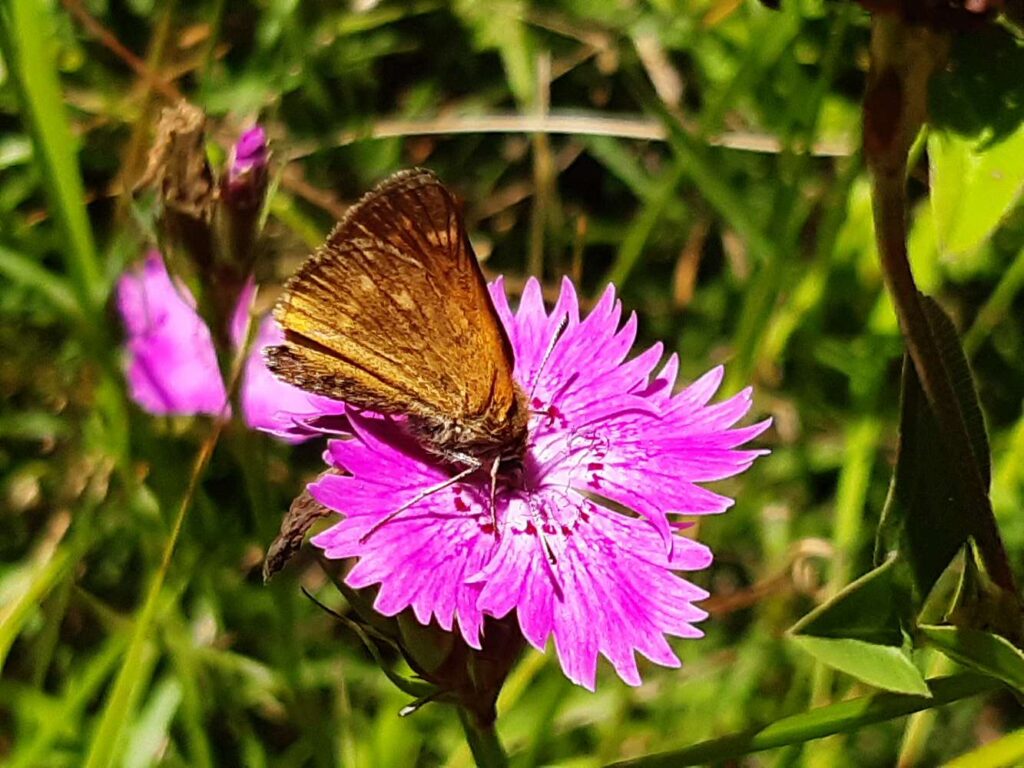
Large Skipper on alpine pink
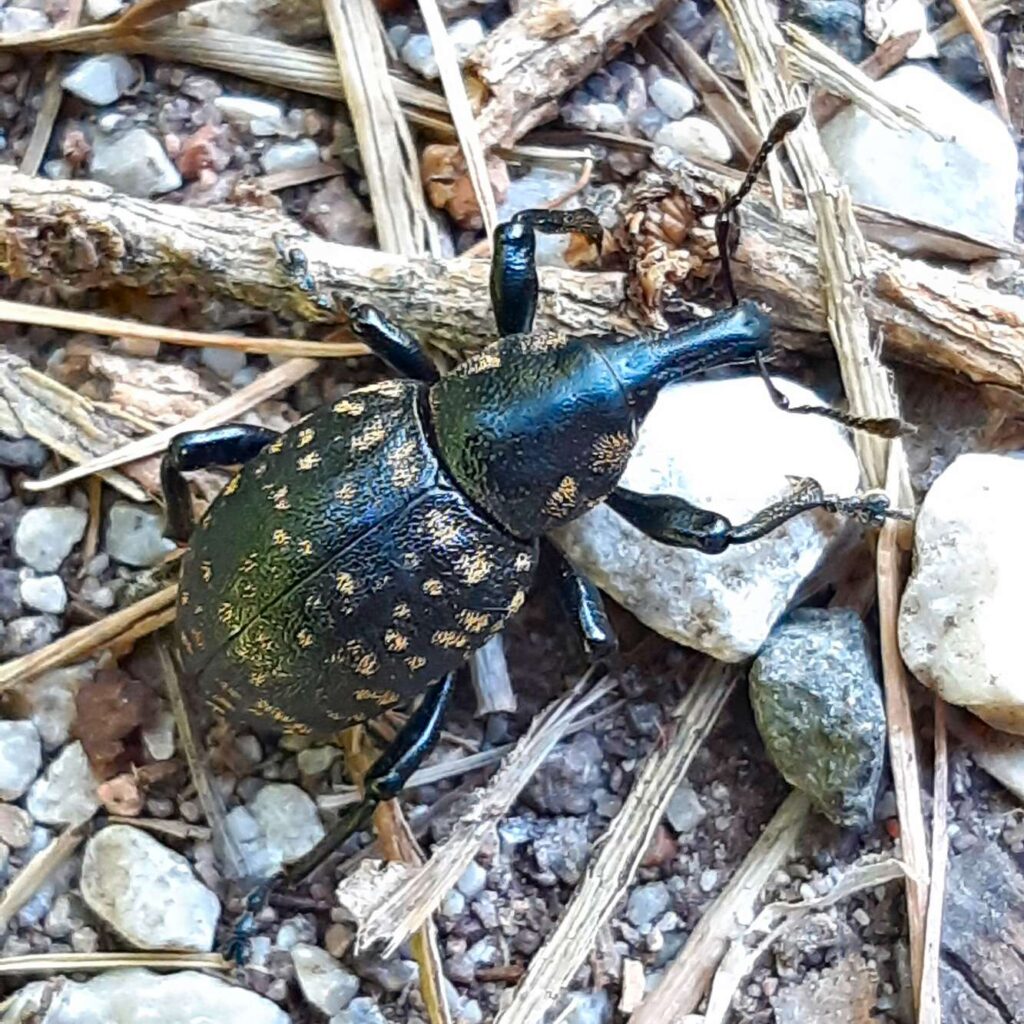
Large Pine Weevil at Calvello
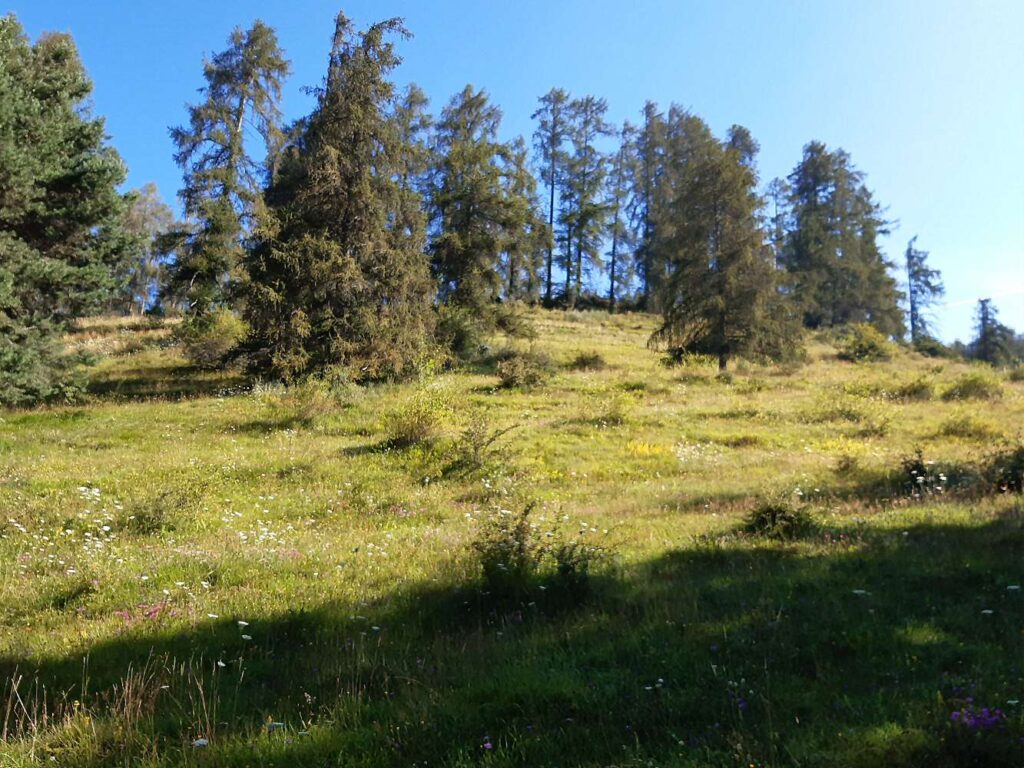
Abandoned flowery meadow colonised by Fir trees, Val di Fiemme
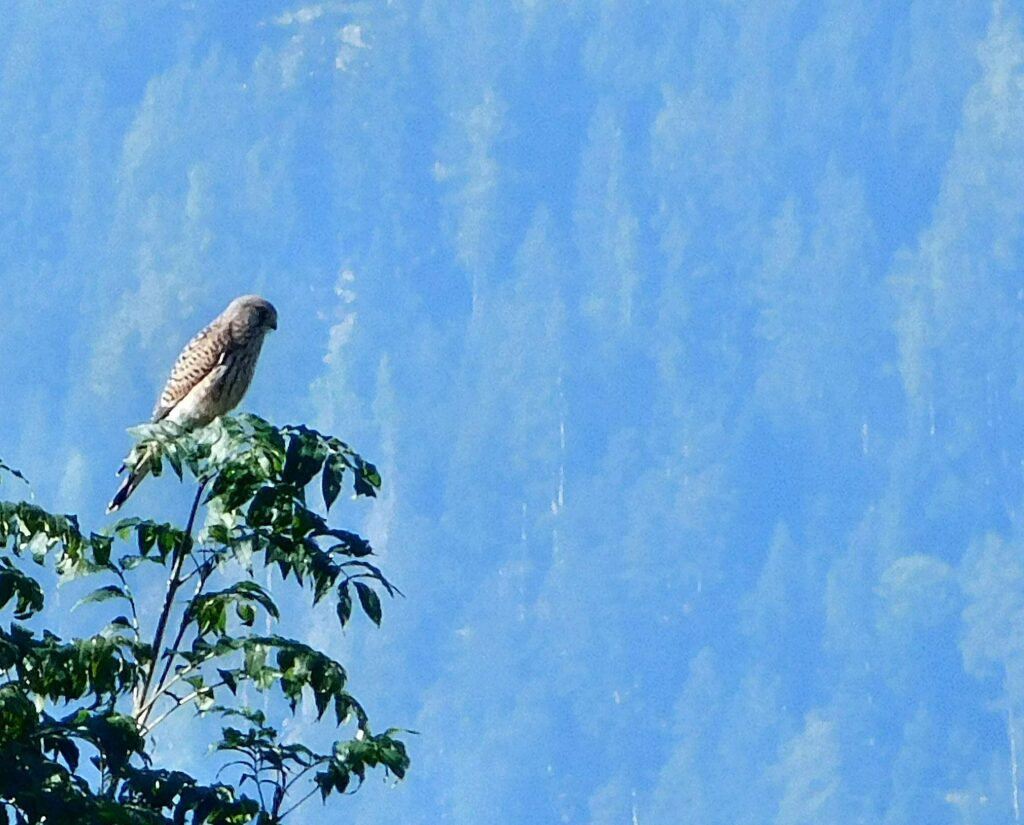
Kestrel above Val di Fiemme

For more, see Dolomites Wildlife (part 2)

Orchids Surviving, Butterflies Vanishing in West Wiltshire

I had the good fortune to get down to West Wiltshire in hot if sometimes humid summer weather.

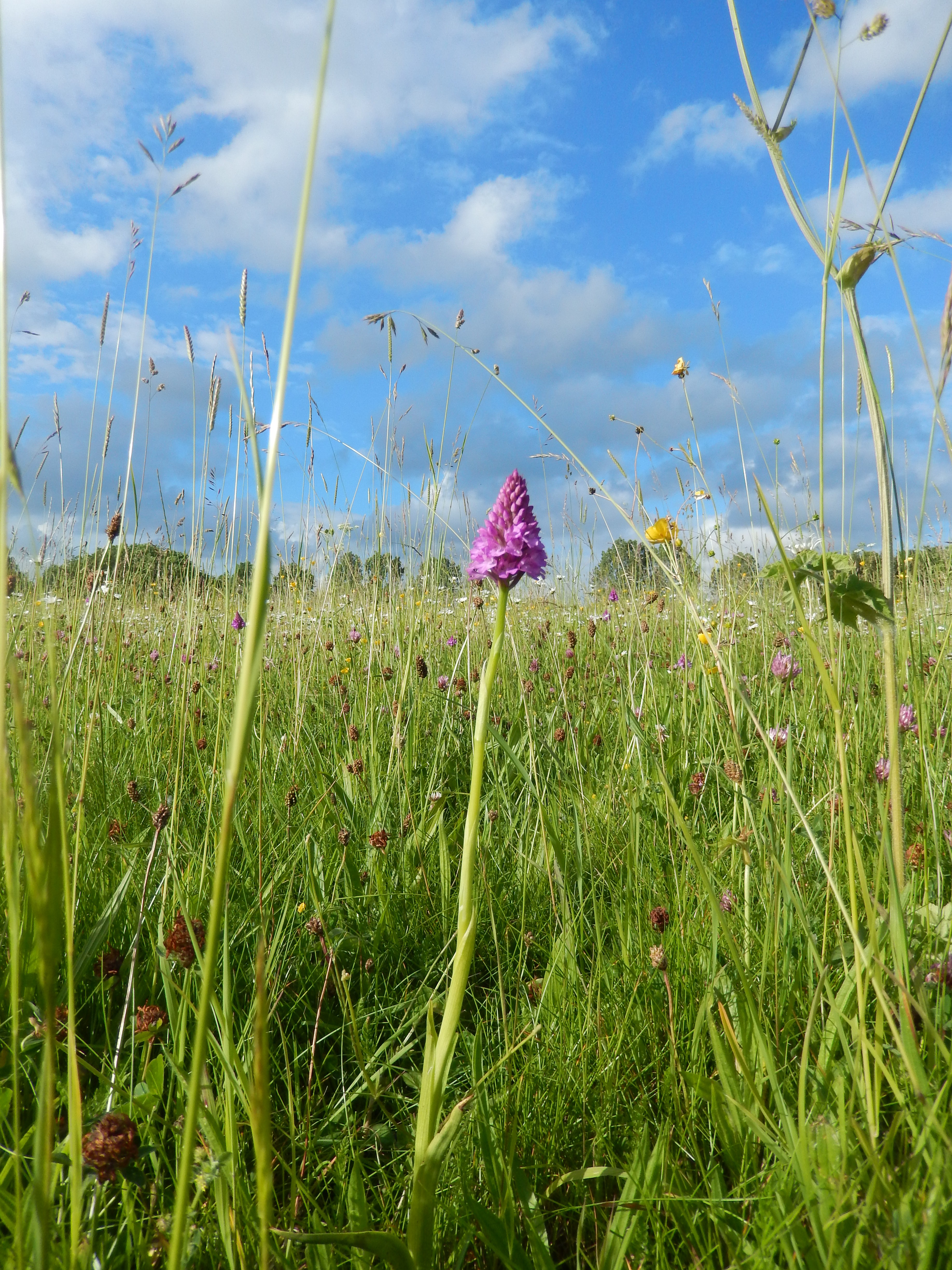
Pyramidal Orchid in Flowery Meadow

It was a pleasure to find the Pyramidal Orchid in a flowery meadow near a town: despite the dog-walkers, the increasingly uncommon flowers were clearly spreading from a small patch across the meadow, which is mown annually.

Less pleasantly, there were next to no insects pollinating the flowers: we saw one Small Tortoiseshell, a fly or two, and one (white/buff-tailed) bumblebee. It was a stark contrast to the masses of bees and beetles I’ve seen on the reserve in London. Of course, in London there is now very little use of pesticides, and basically none on an industrial scale.

This year (2014) does seem to be particularly poor for butterflies. It was an extremely warm winter and a very wet and windy spring, so I wonder if the result has not been a bad spring for insect pests … and perhaps, whether England’s farmers have not sprayed insecticide especially heavily? It’s a question that could clearly be answered by someone. If the answer is yes, then our ‘useful insects’ have suffered very heavily as a consequence.

The next day we went to Cley Hill, a western outlier of the Salisbury Plain chalk downs, sticking up above the plain below the chalk escarpment.

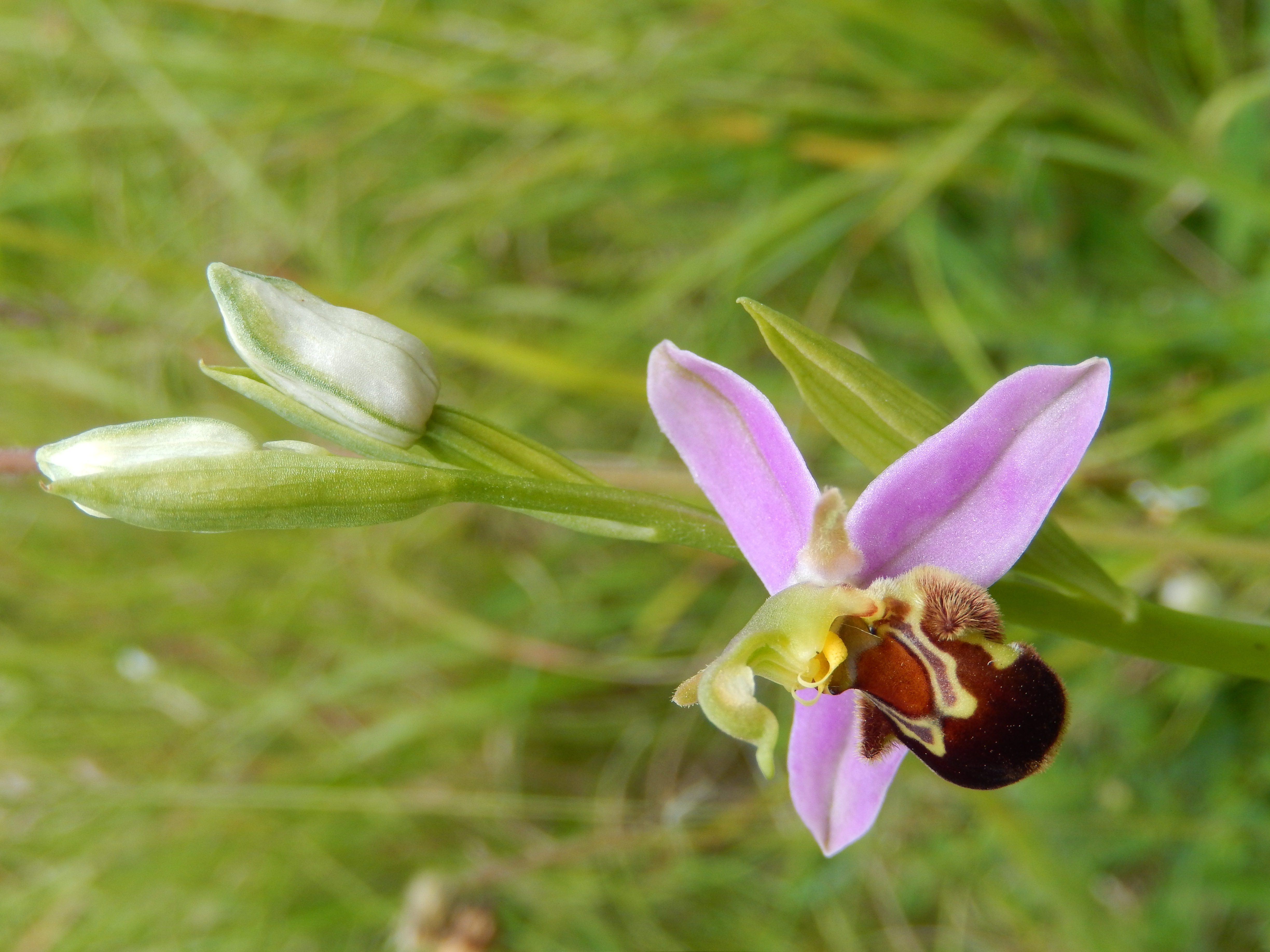
Bee Orchid
Bee Orchid

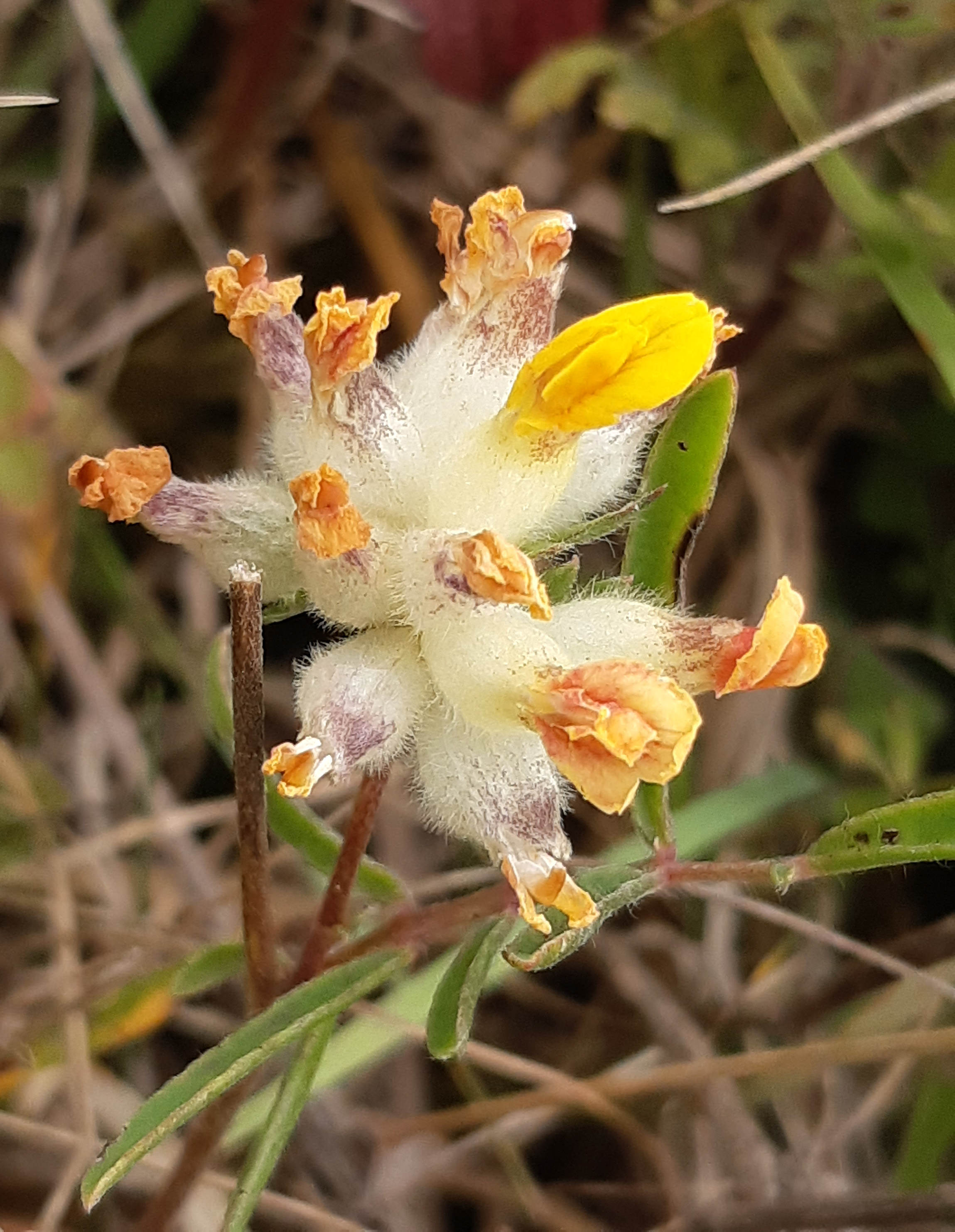
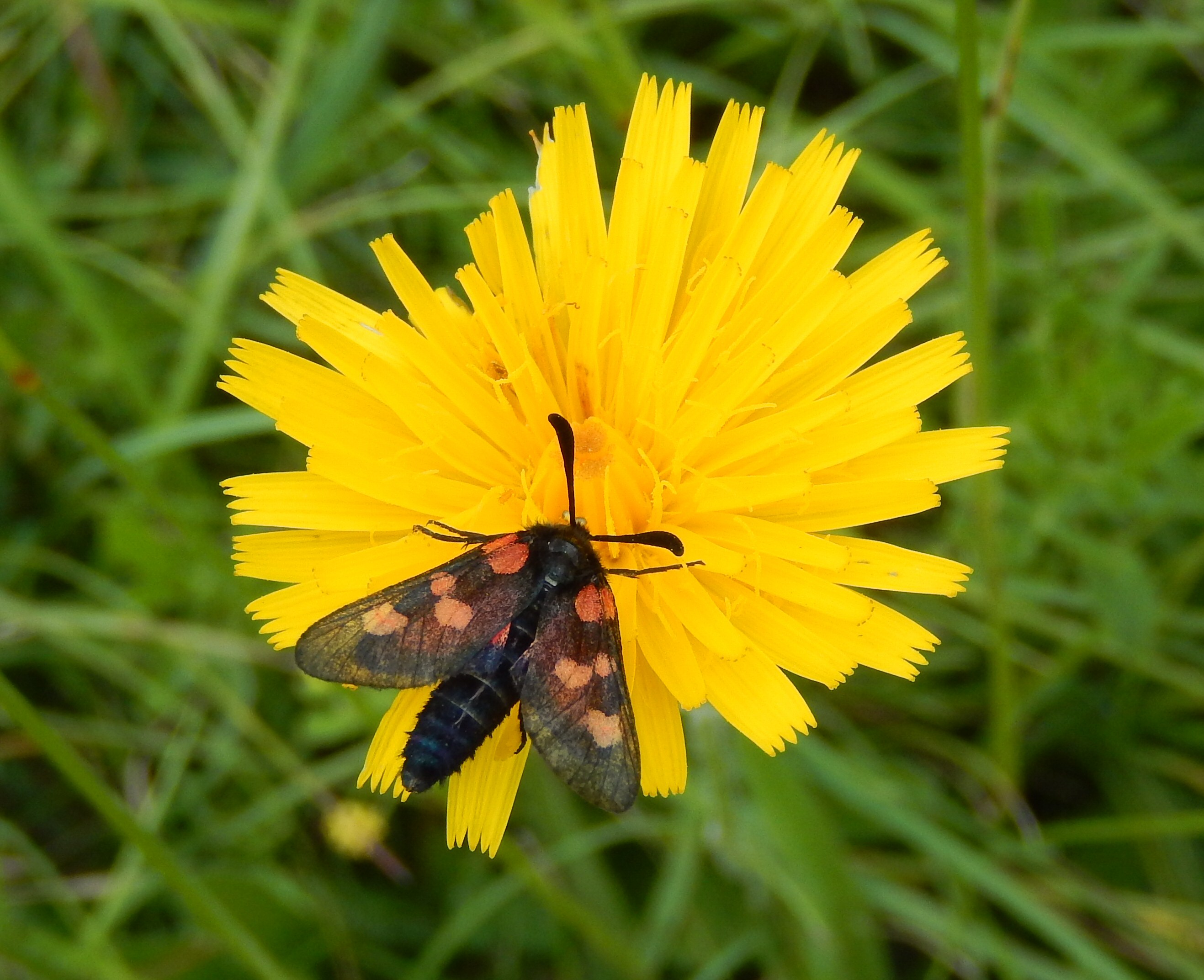
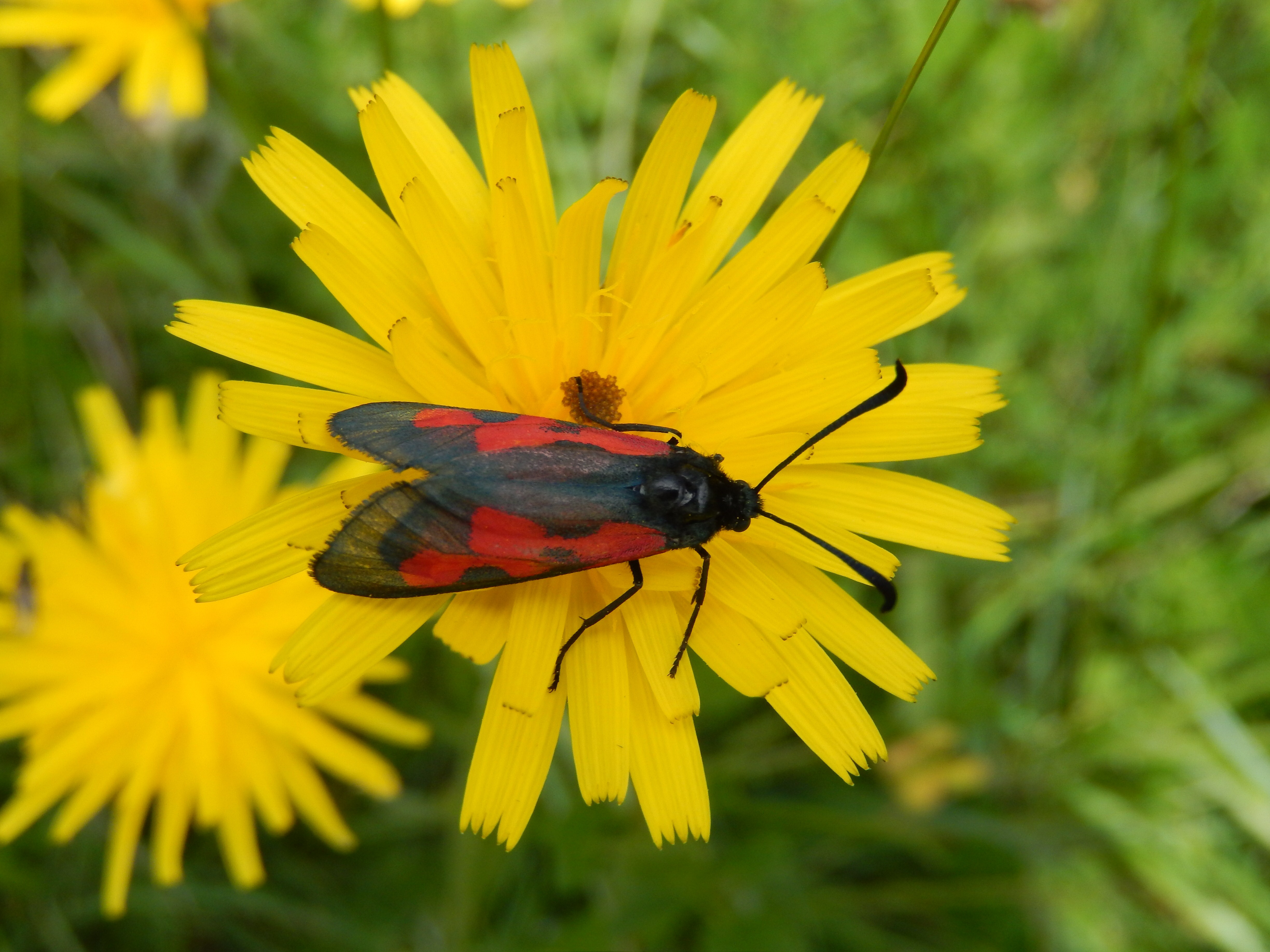
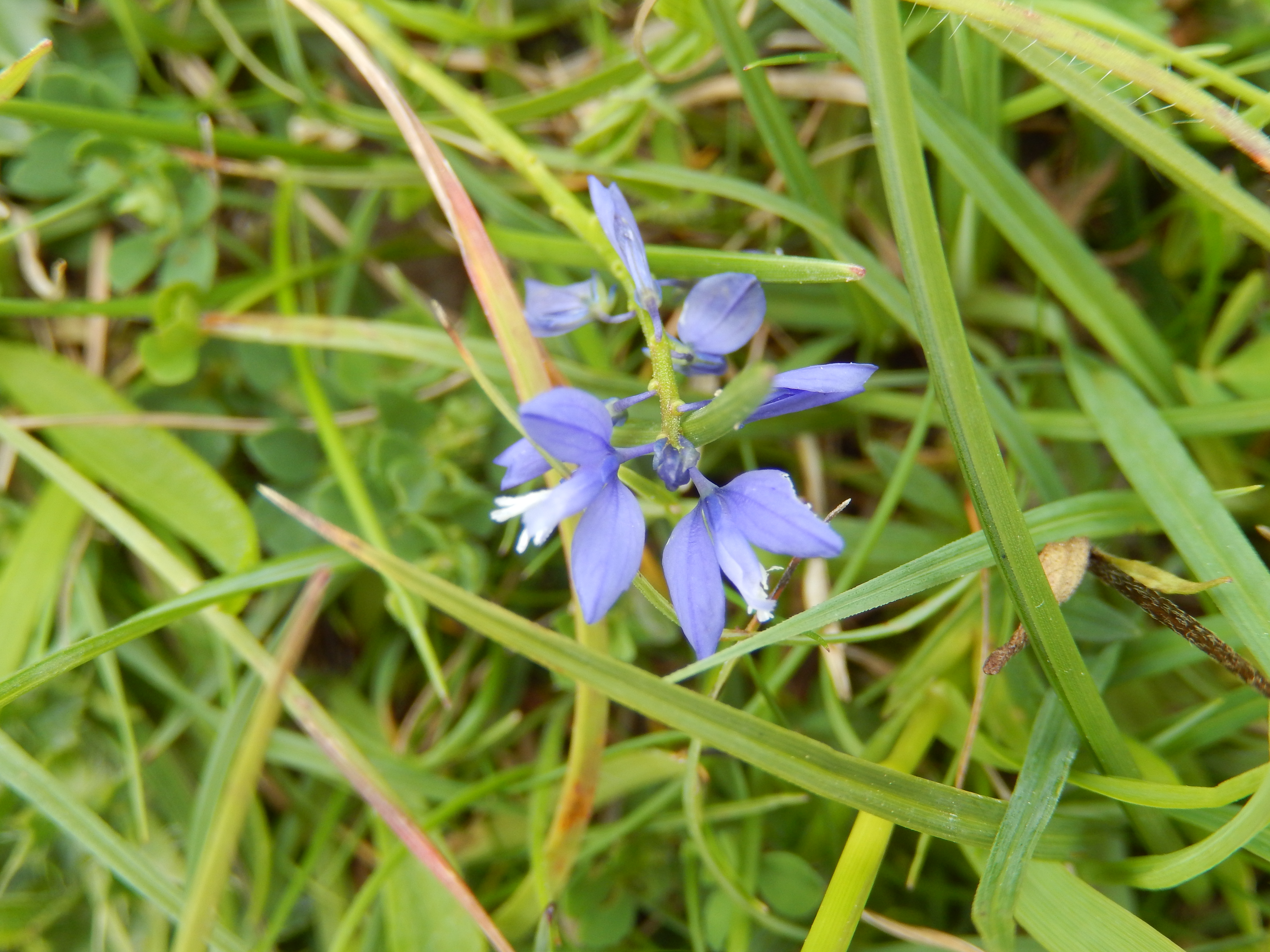
In the short grass, full of lovely flowers – Sainfoin, Milkwort, Horseshoe Vetch – were Bee Orchids, and happily both bumblebees in this special place protected by the National Trust and Burnet Moths – mostly Five-Spot Burnet, with some Transparent Burnet too, quite a treat.

Five-Spot Burnet Moth

Transparent Burnet Moth

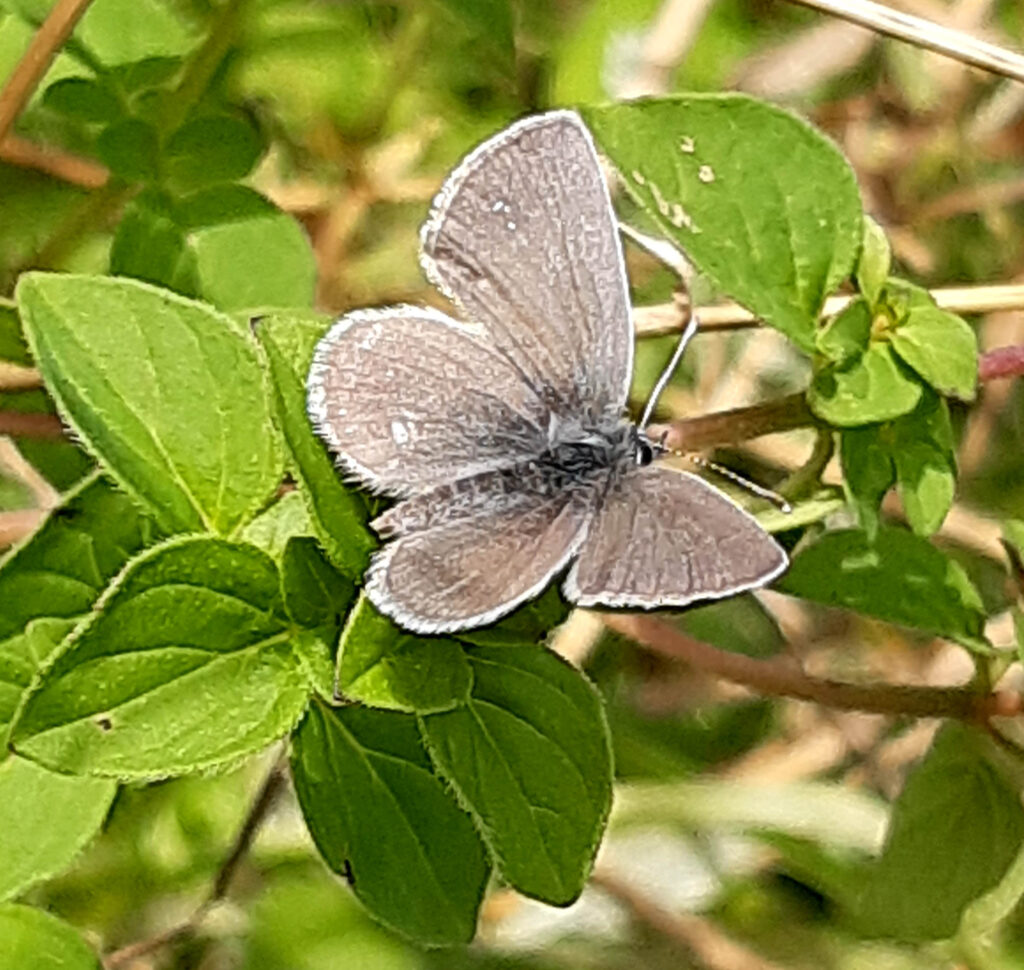
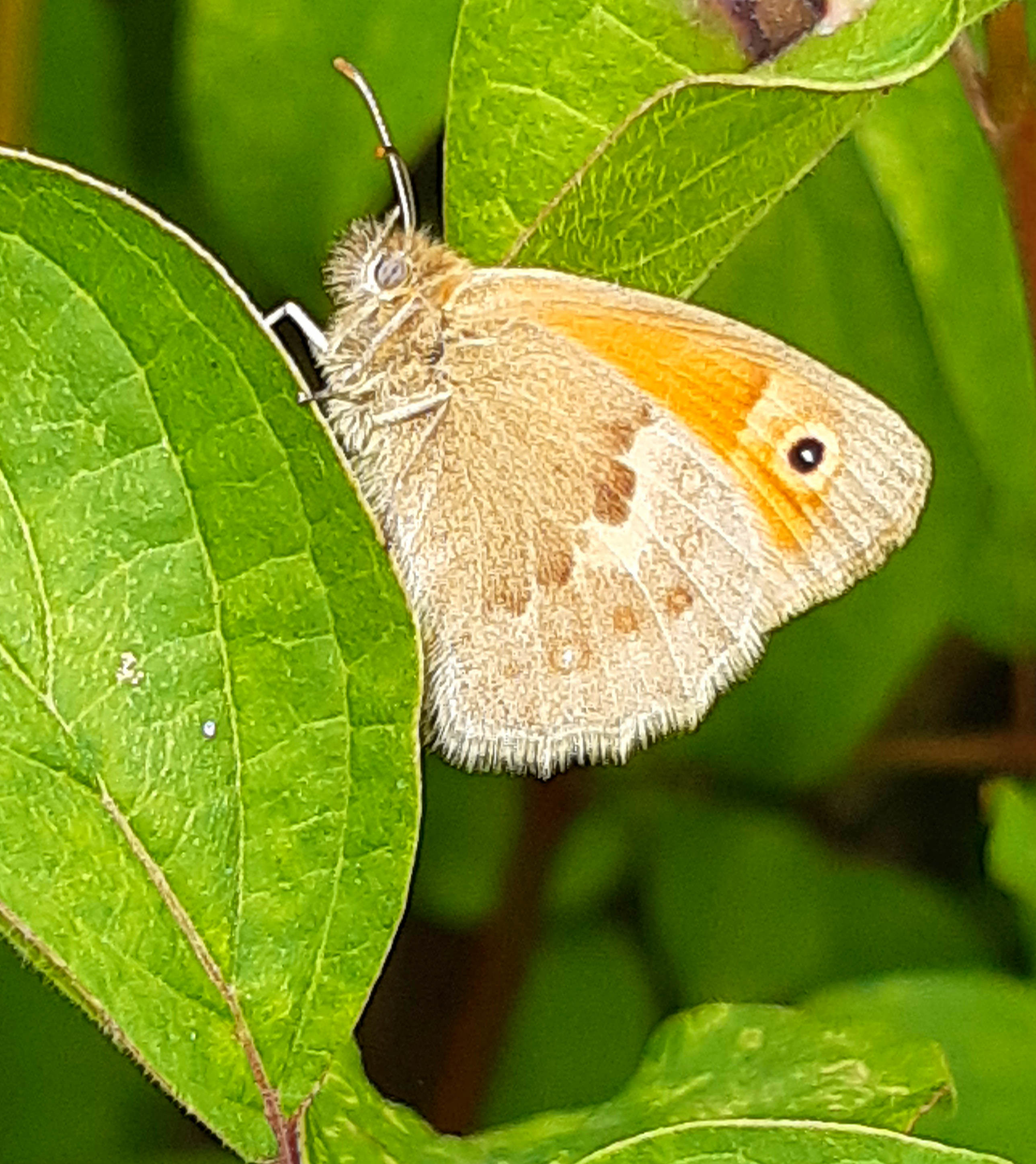
On the top of the hill, above the Iron Age earthworks, we came across a group of about five Wall Brown butterflies, all very tatty and worn: perhaps they had been blown across the Channel from France on the warm southerly wind that is accompanying this anticyclone (centred to the east). Nearby were a few Brown Argus, small butterflies in the Blue family: not uncommon in France, far from common in England. Their coloration may seem odd for the Blue family, but females of quite a few species are brown, contrasting with their bright blue males, so the genes for ‘brown’ are clearly available: perhaps it takes just one or a few genetic switches to turn on brownness in both sexes rather than in just one.

In several places on the hill, often on bare chalk paths or short grass, we saw the glowing blue and purplish blue of Adonis Blue butterflies, with their chequered wing borders. So we saw some rather special butterflies, though with the definite feeling that they are only just hanging on in the area.

Milkwort, once a common plant in (cow) meadows

The hill is also host to Chalk Fragrant Orchid, Pyramidal Orchid, Spotted Orchid and more: it was lovely to see them all, though we were moved on swiftly by an anxious pair of Skylarks circling rather low overhead, trying to get back down to their nest, clearly not far from where we were sitting. All around in the thorn bushes were Tree Pipits, singing away, with some twittering Goldfinches and one Yellowhammer, my first of the year: yet another species that was once commonplace in every hedge.