Tag Archives: Queen of Spain Fritillary

Dolomites 2025

Here are some of the natural history delights of the Dolomites. I’ve avoided duplicating species from my earlier Dolomites post. To see the images at full size, open them in a new tab or window.
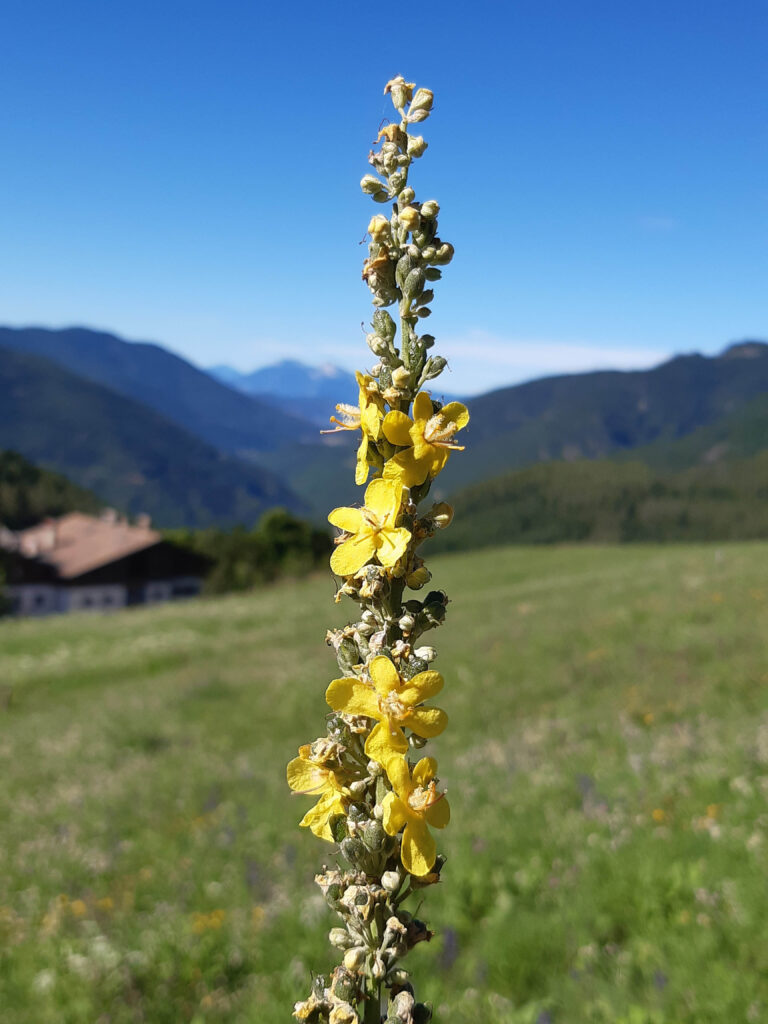
Mullein, Anterivo
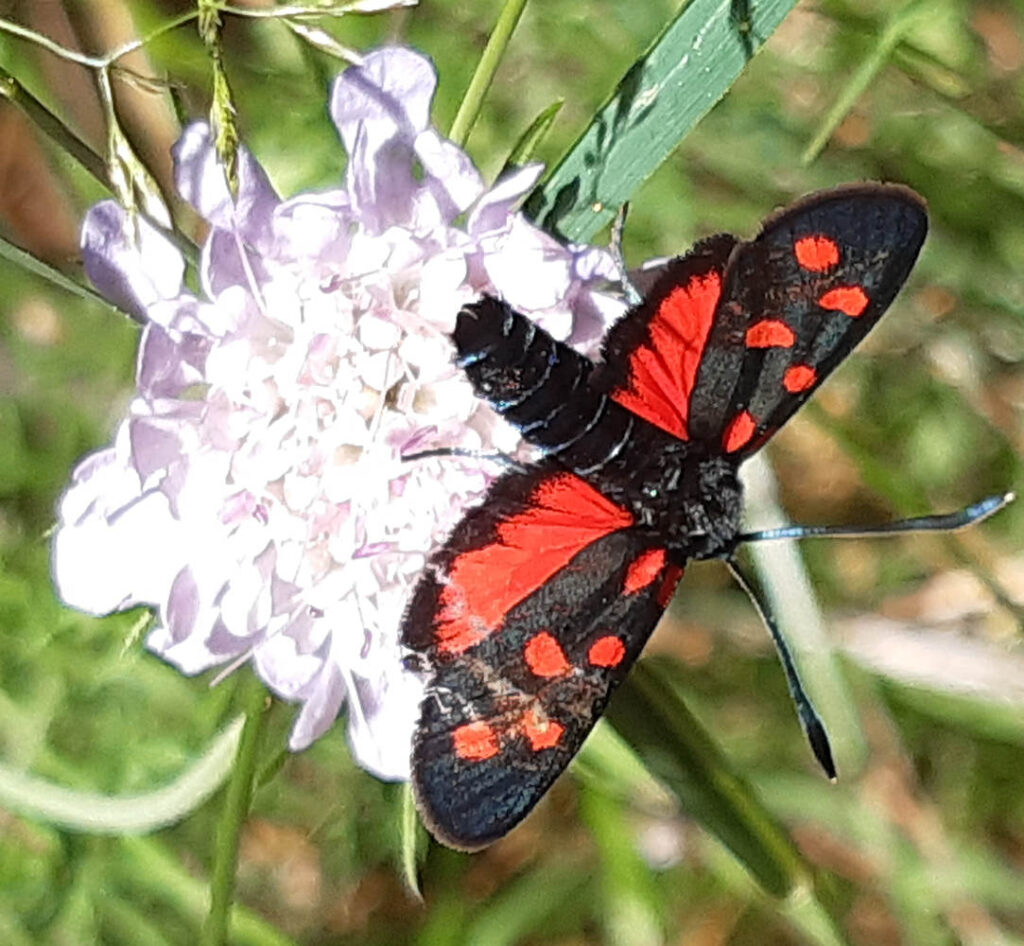
Narrow-bordered 5-spot Burnet Moth, on Scabious

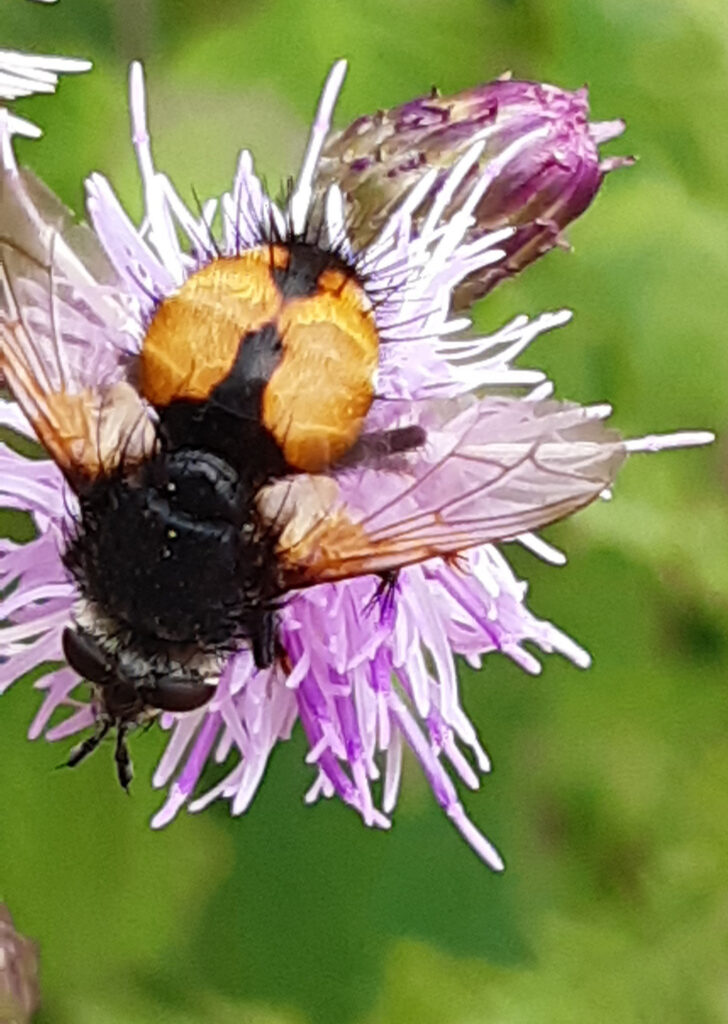
Orange-backed Tachinid fly, presumably mimicking a bee
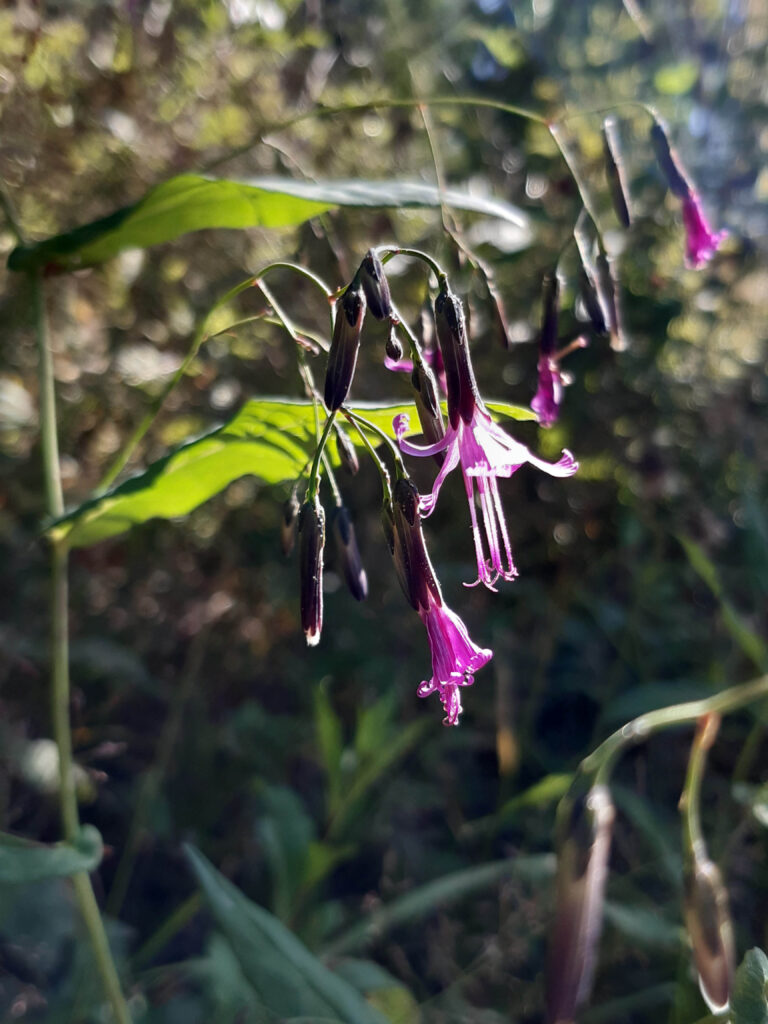
Purple Rattlesnake-root
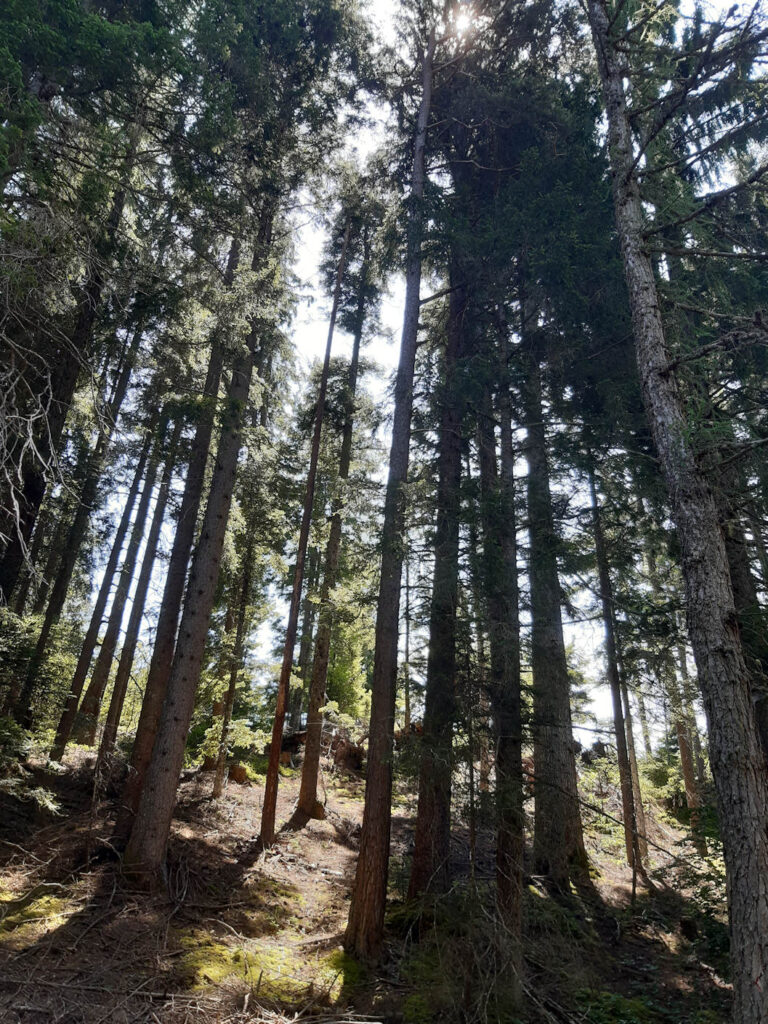
Marvellous tall firs, Anterivo
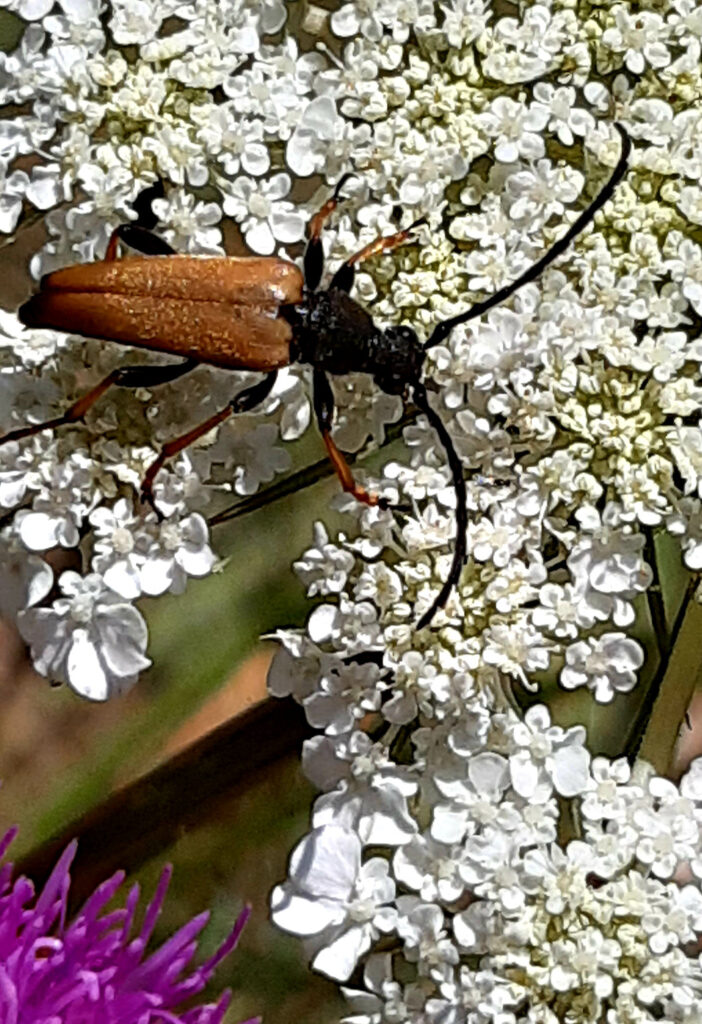
Red Pine Longhorn beetle. The adults take nectar; the larvae feed on rotting wood.
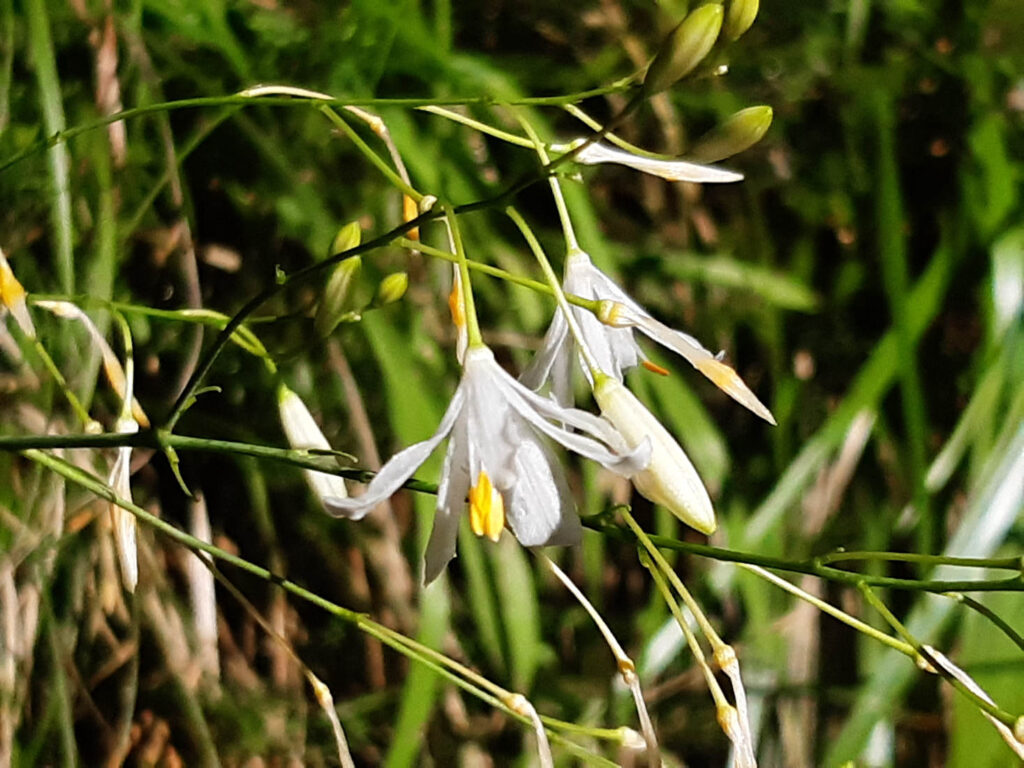
Keeled Garlic
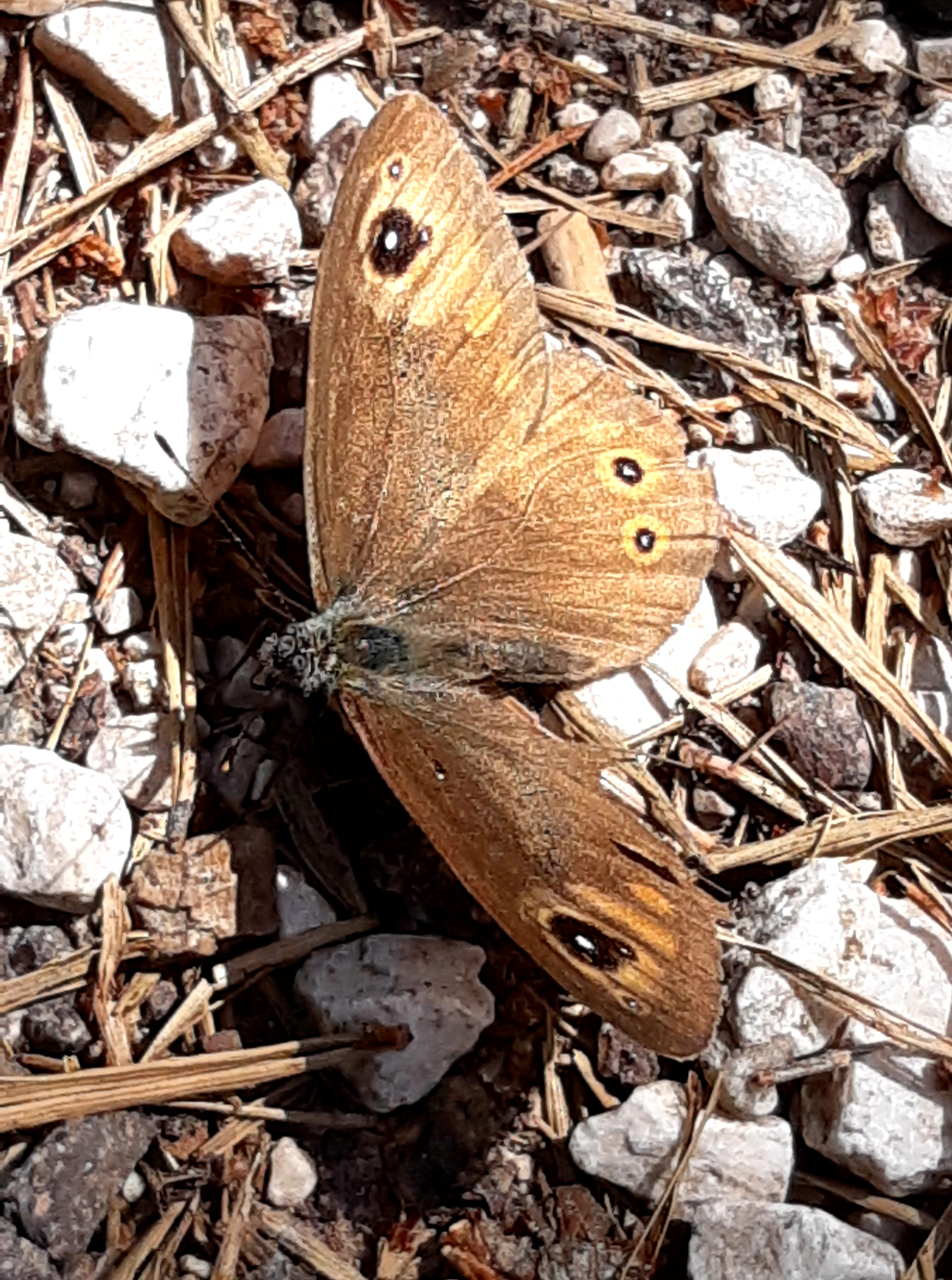
Large Wall Brown, Trodena
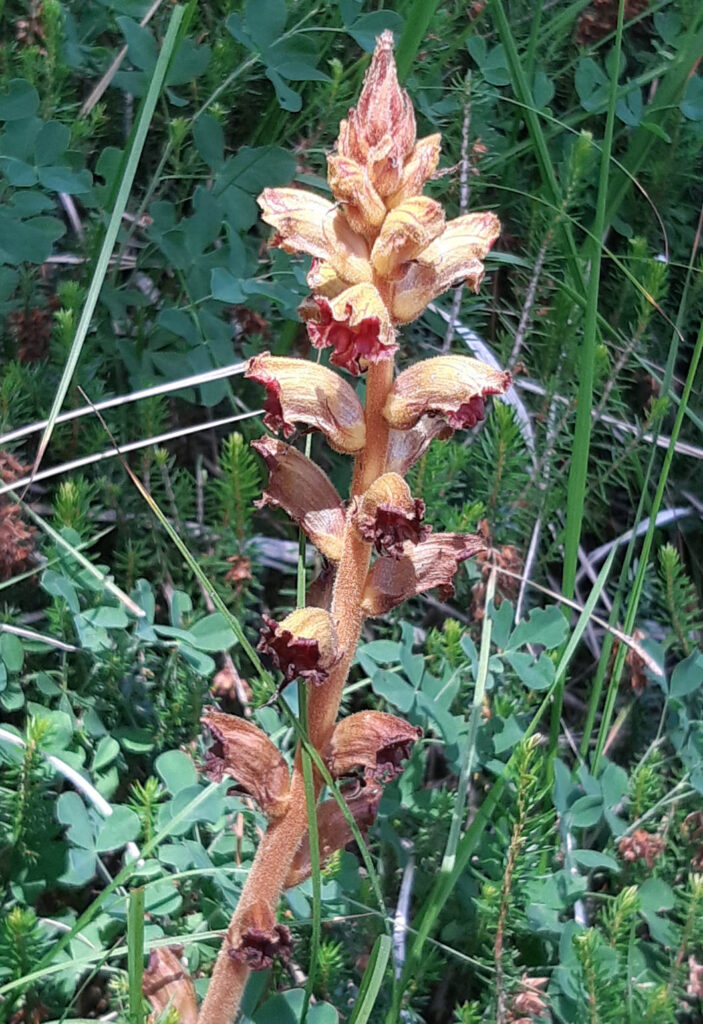
Purple Broomrape, Trodena. The plant has no leaves, relying entirely for its food on parasitising its host plant, Yarrow.
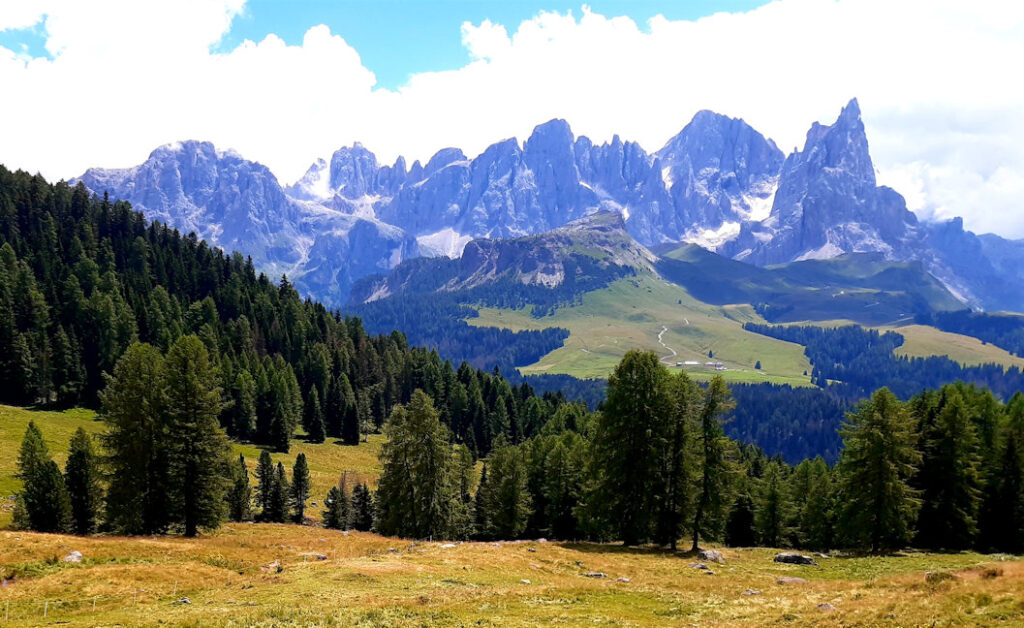
Pale di San Martino mountains, alpine meadows, mixed coniferous forest of Spruce, Fir, Larch, and Pine
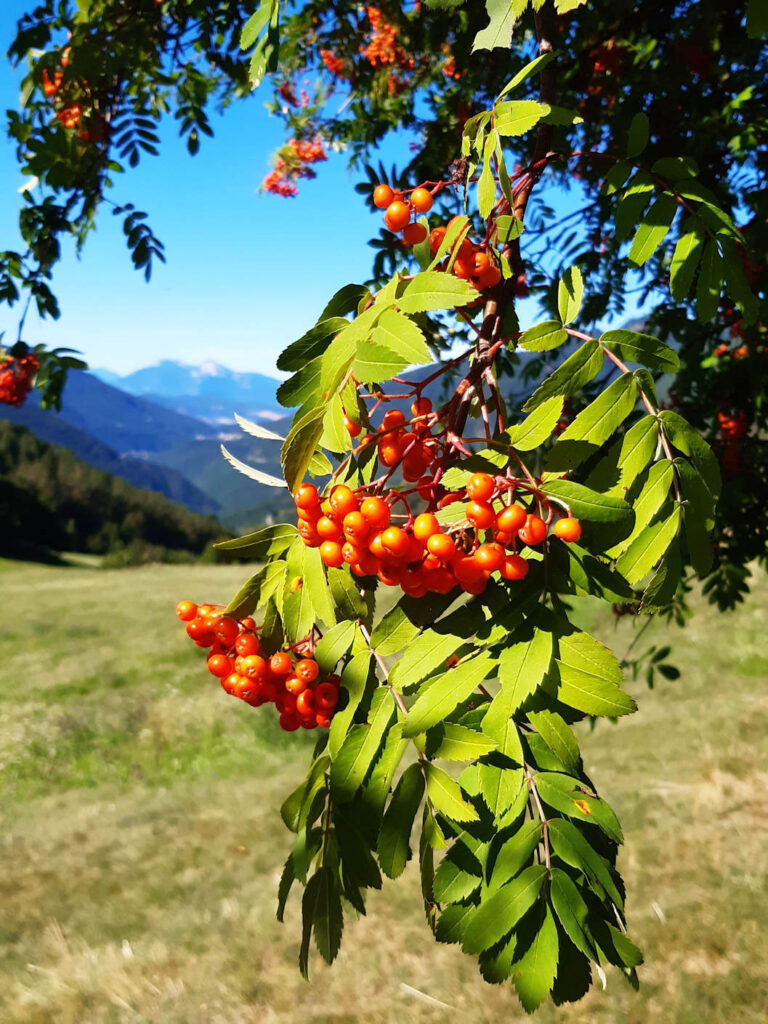
Rowan or Mountain Ash, Anterivo
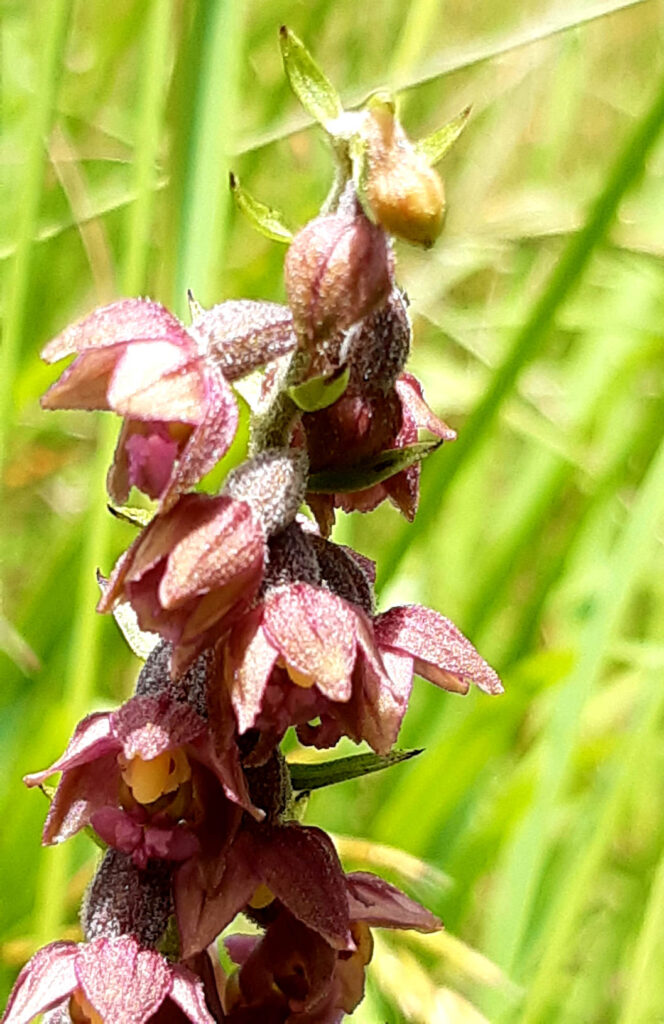
Dark Red Helleborine, Aldino
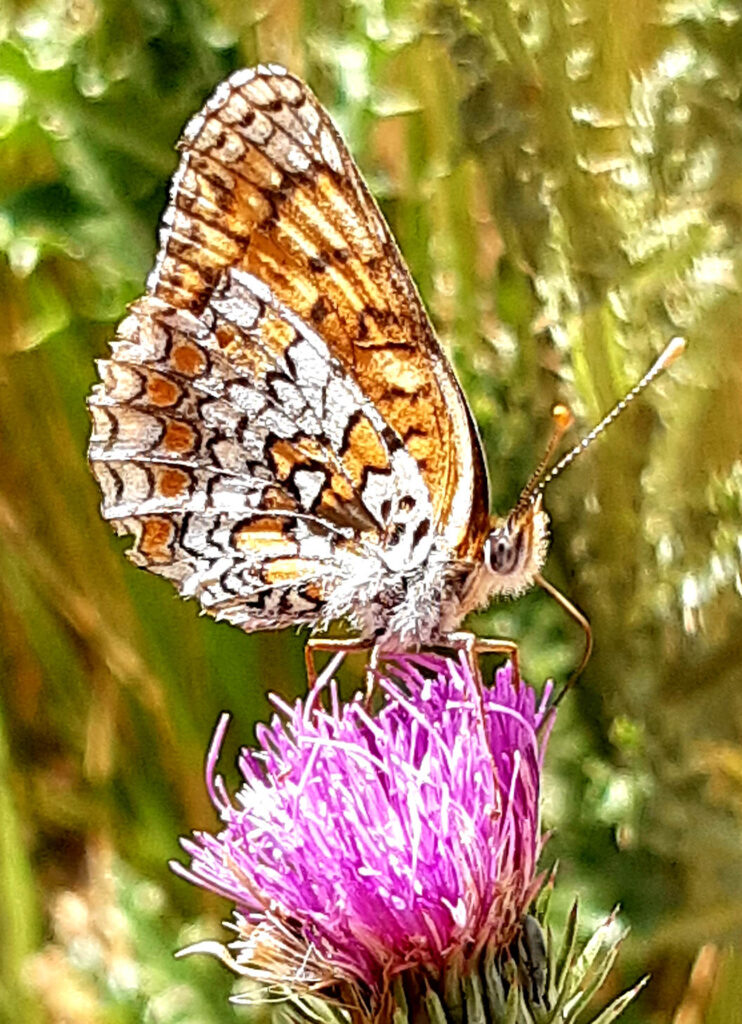
Knapweed Fritillary, on Knapweed
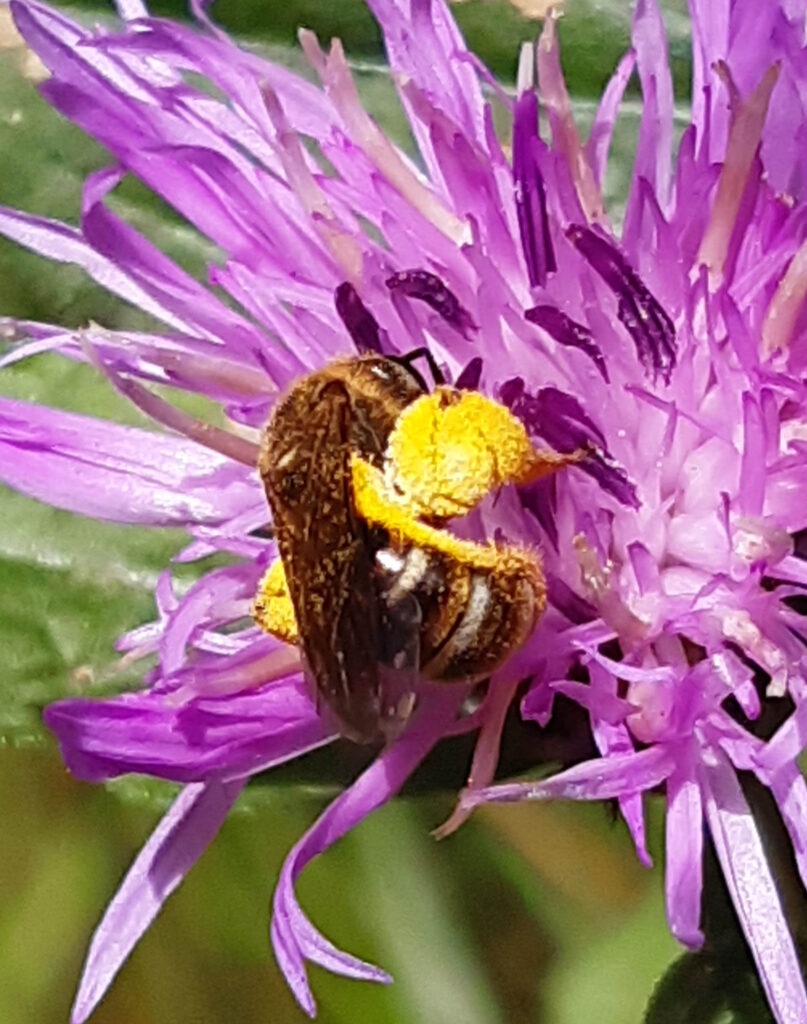
Pollinator at work: a bee with full pollen baskets on its legs, probably a Halictus mining bee, on Knapweed (cf Halictus scabiosae, which does nectar on Knapweed as well as on Scabious, and has stripes of three colours on its abdomen)
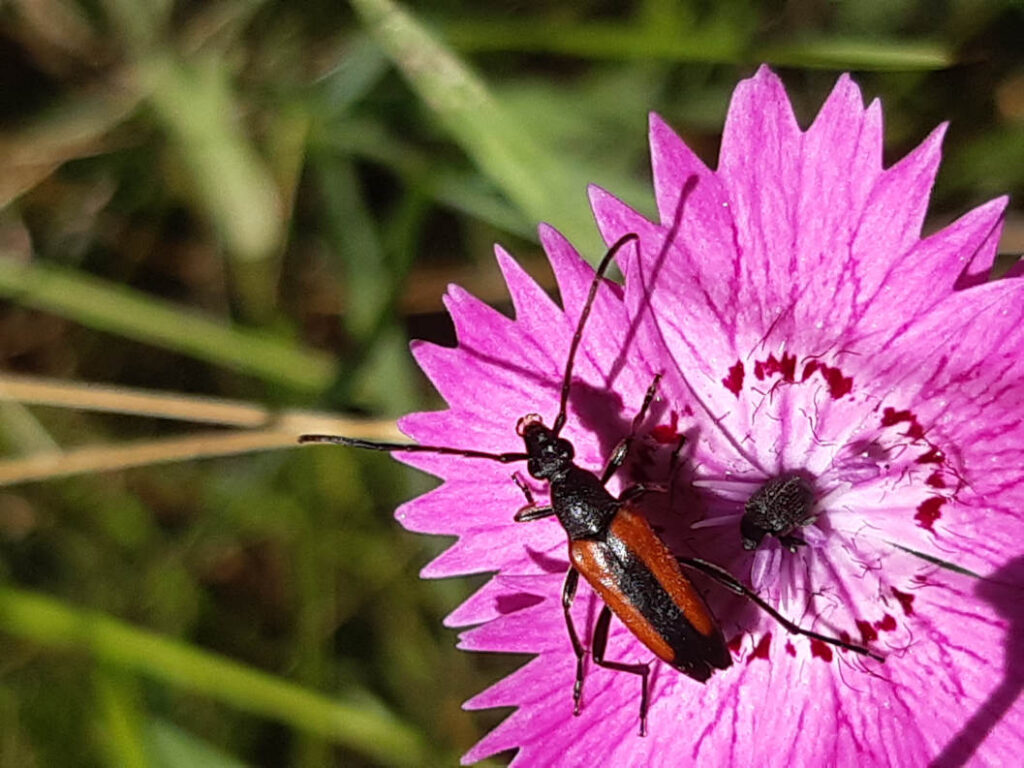
Black-striped Longhorn Beetle, on Seguier’s Pink
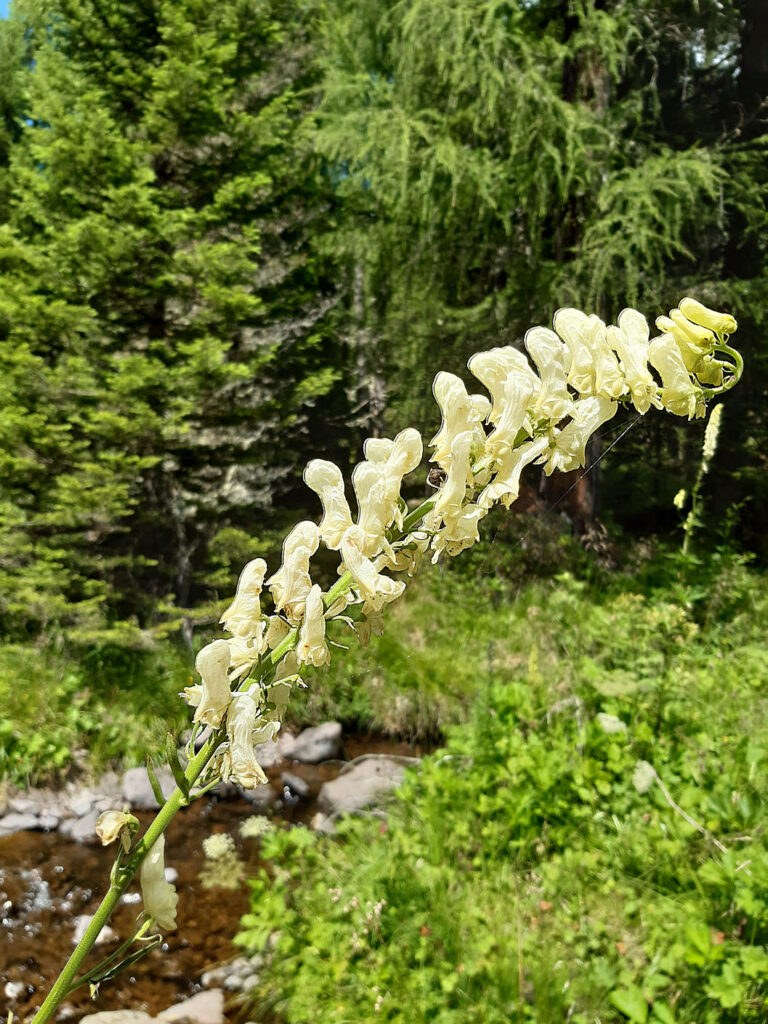
White Hellebore
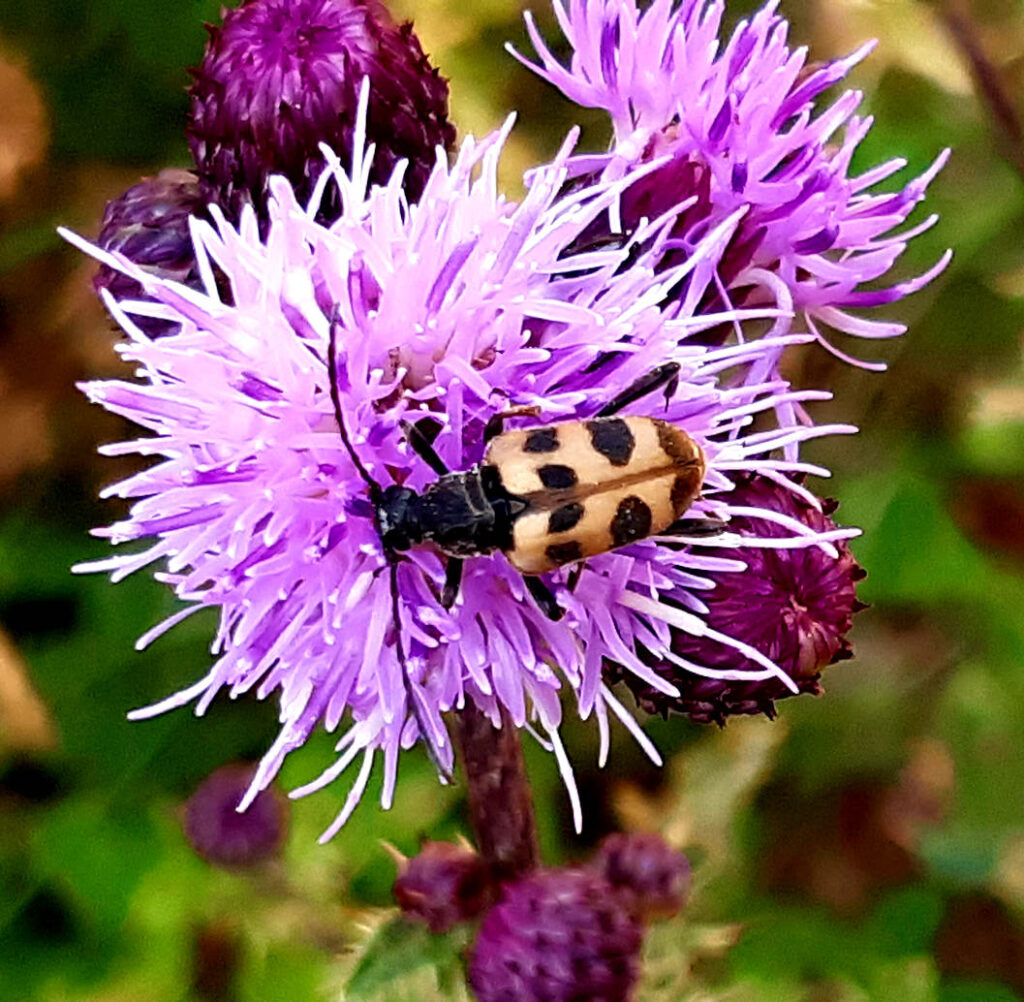
Spotted Flower Longhorn
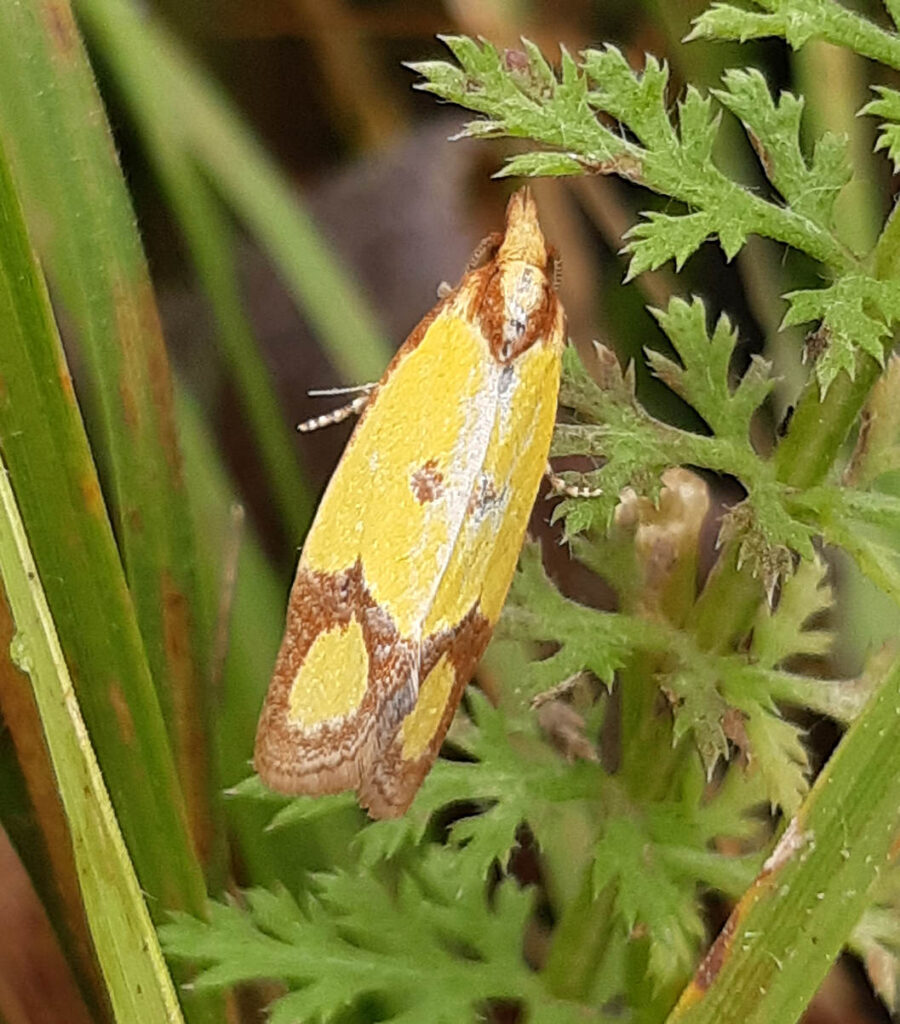
Sulphur Knapweed moth
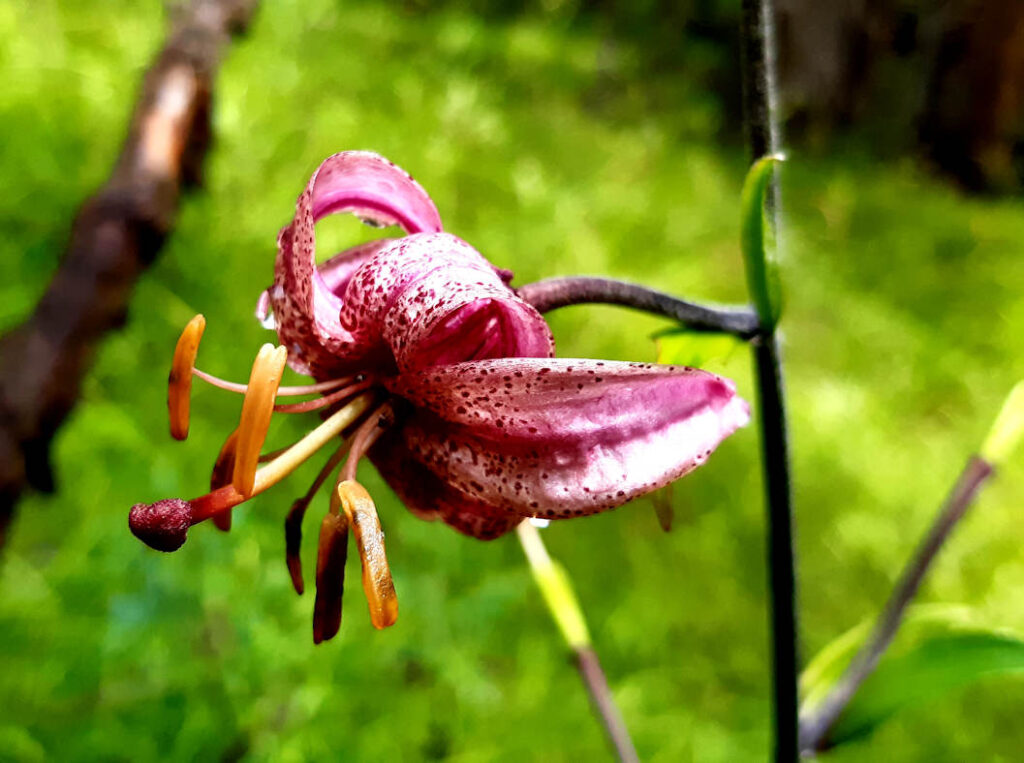
Martagon or Turk’s Head Lily
St Bernard’s Lily
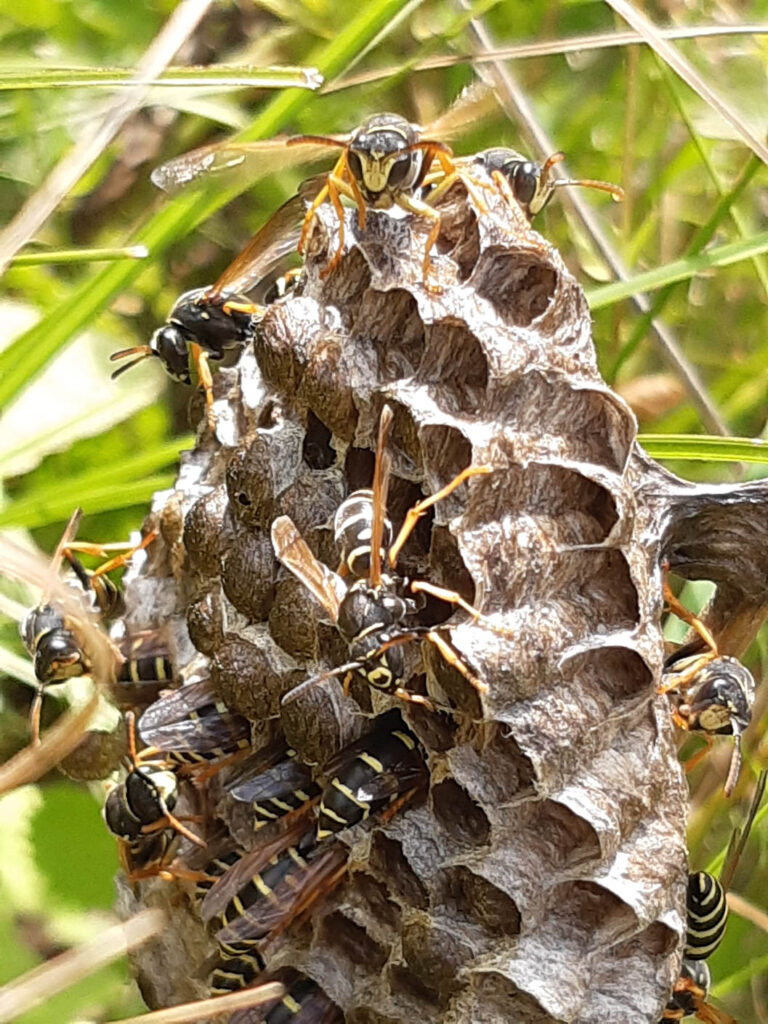
Nest of Paper Wasp (Polistes). Workers are on guard; others tend the larvae. The outer row of cells always remains unused. Unlike common wasps, the nest is made in the open, attached to a herbaceous stem as here, and it never gets much larger than this. Some of the cells are sealed, with domed ends and pupae inside.
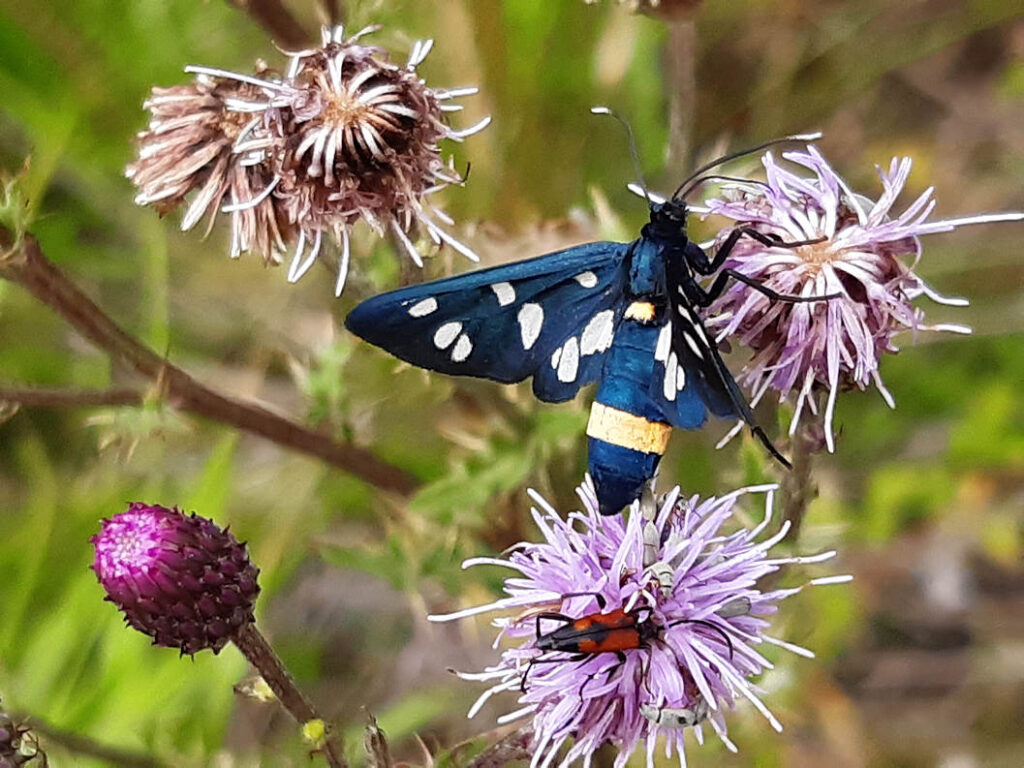
Nine-spotted Moth taking nectar on Knapweed. Like the Burnet moths, its bold coloration is aposematic; it may also be a wasp mimic with the bold yellow stripe on its abdomen. Below it is a heart-spotted flower longhorn beetle, Stictoleptura cordigera.
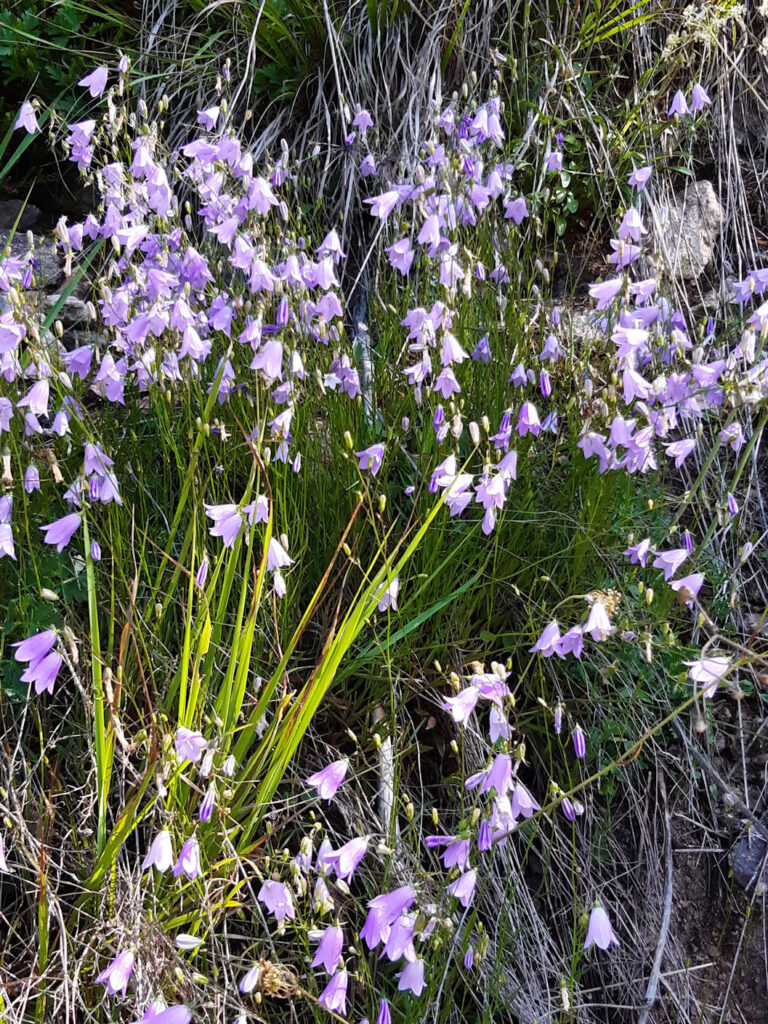
A mass of Harebells
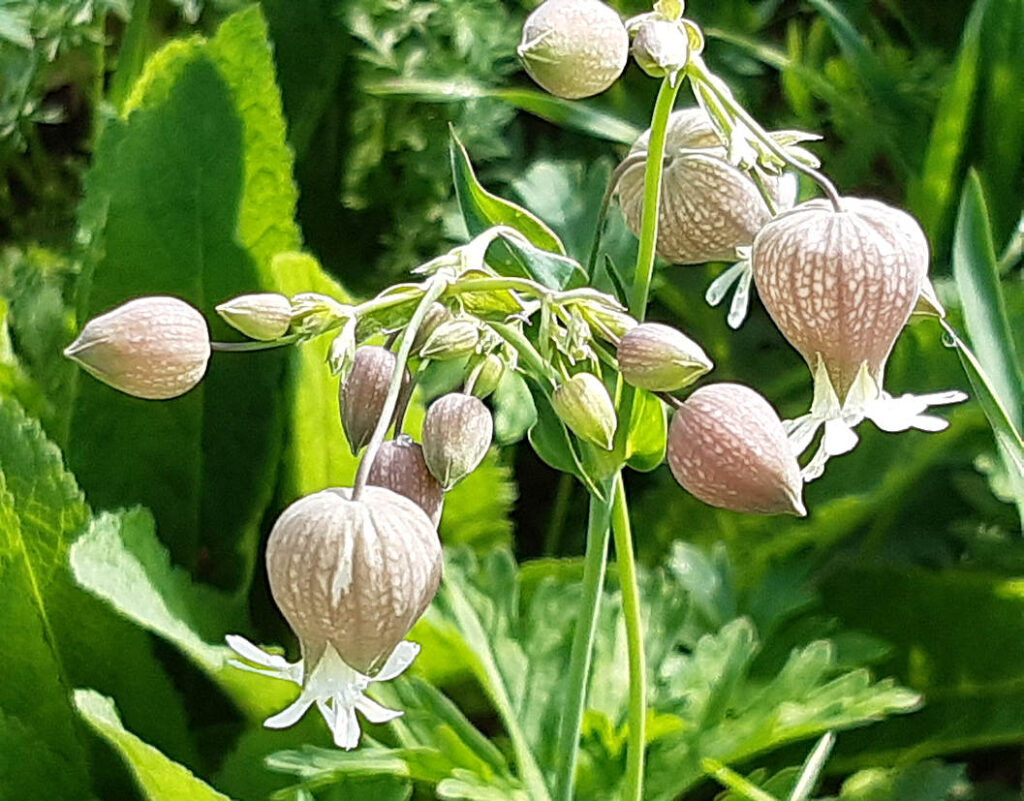
Bladder Campion
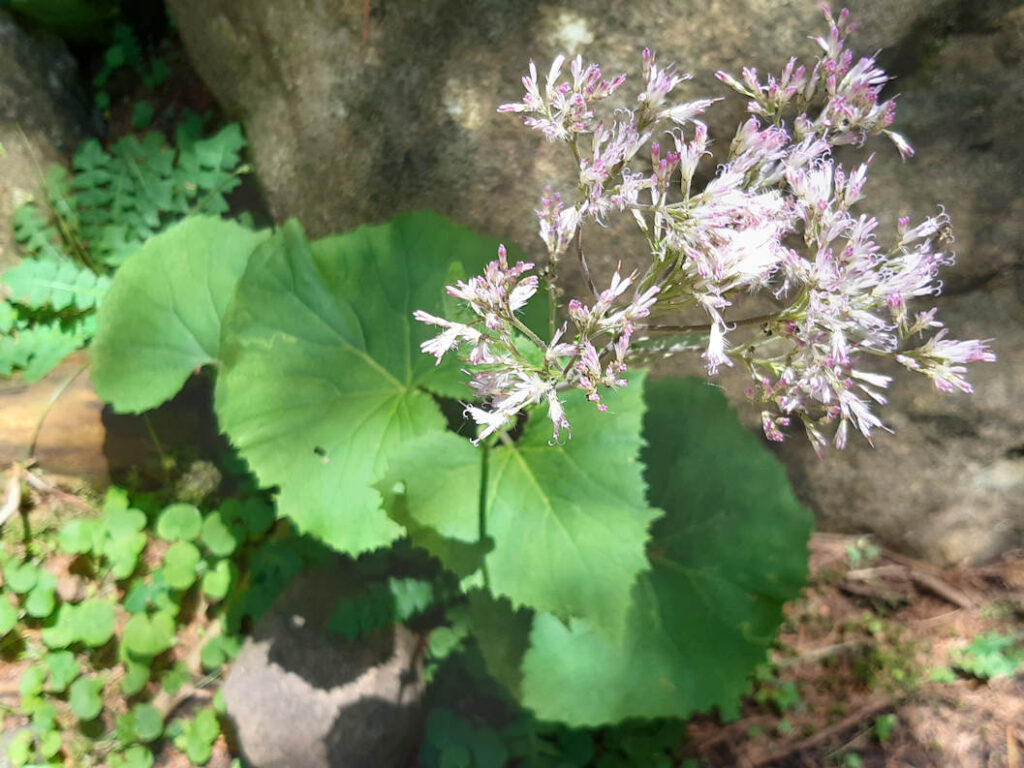
Alpine Butterbur
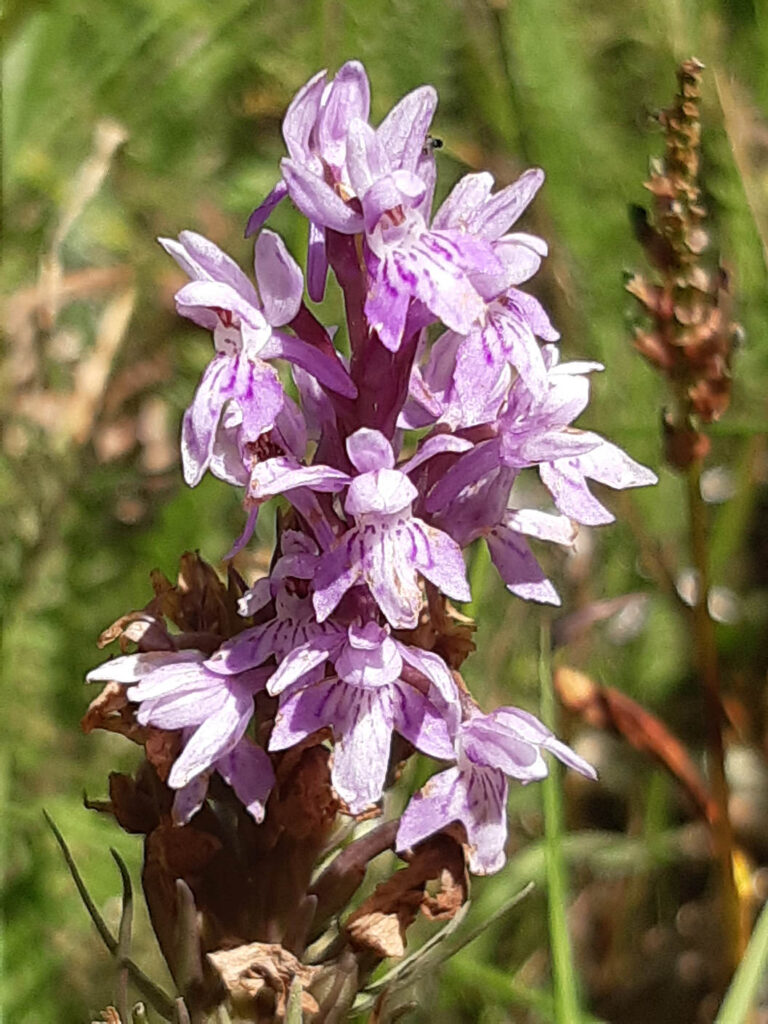
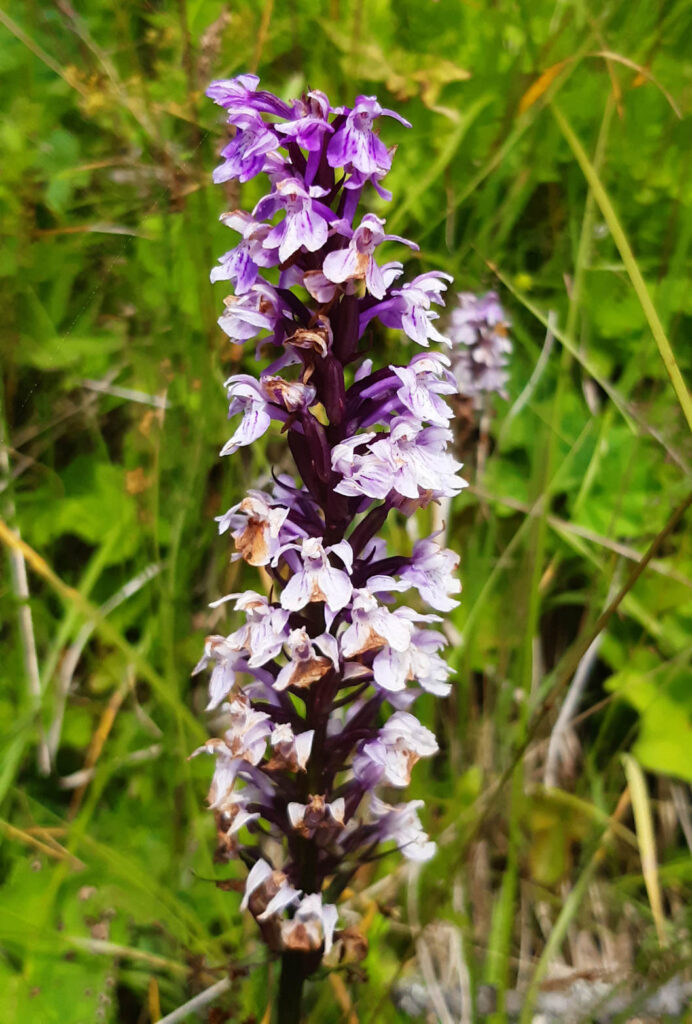
Heath Spotted-orchid
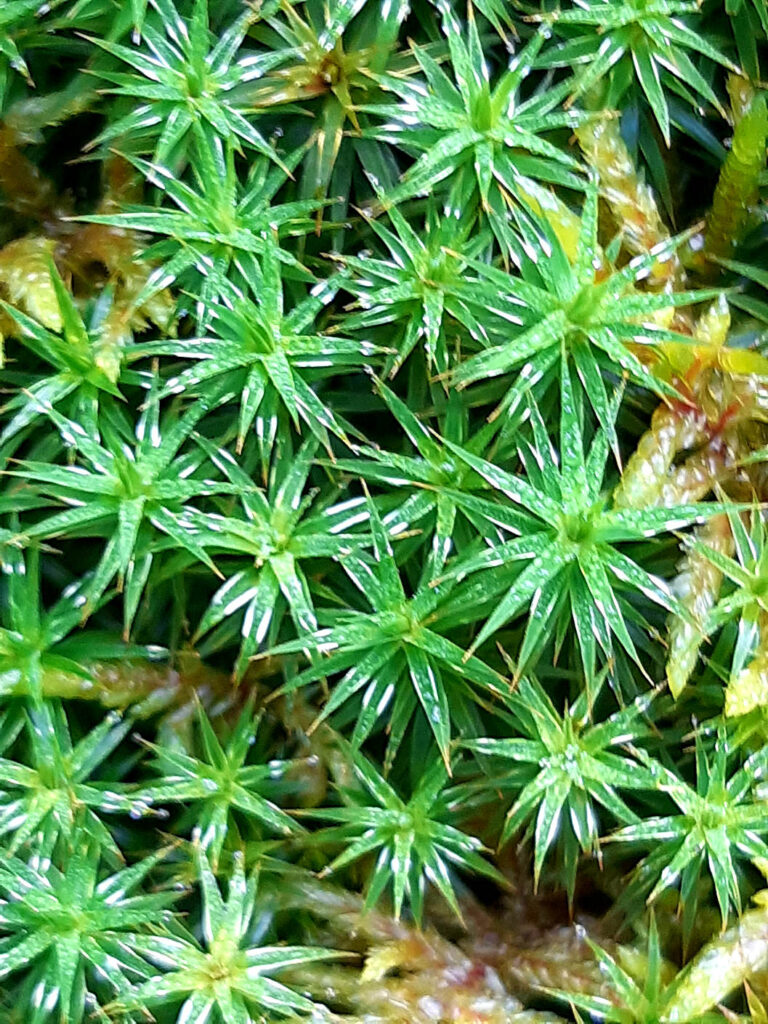
Haircap Moss (Polytrichum)
Common Spotted Orchid
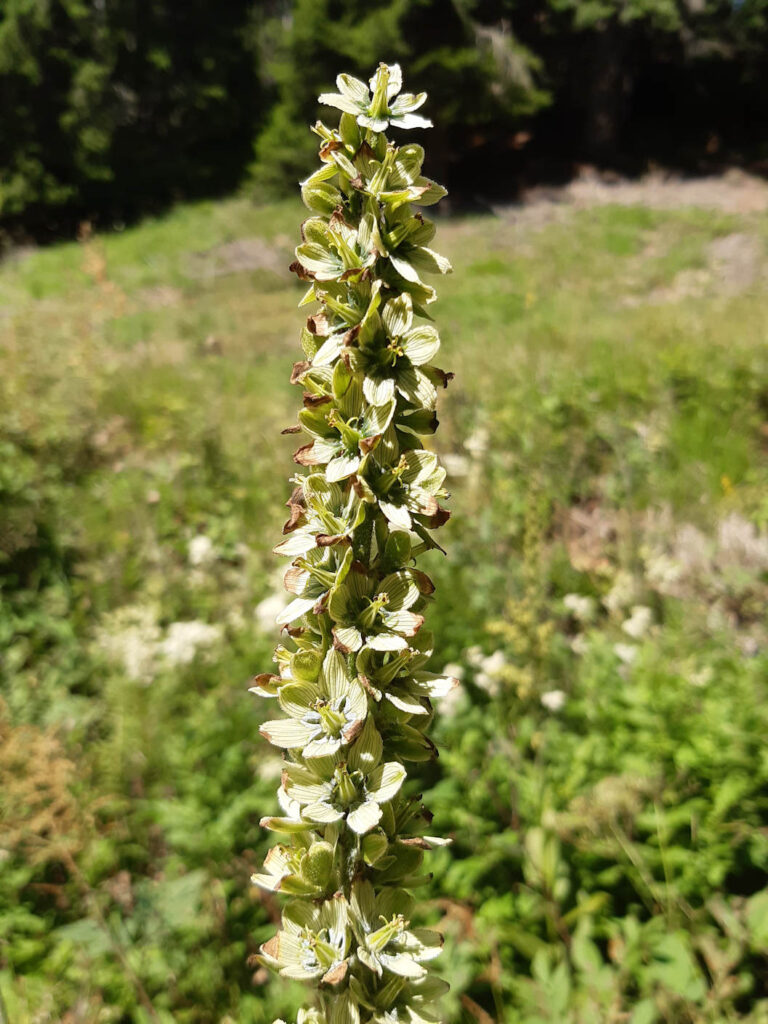
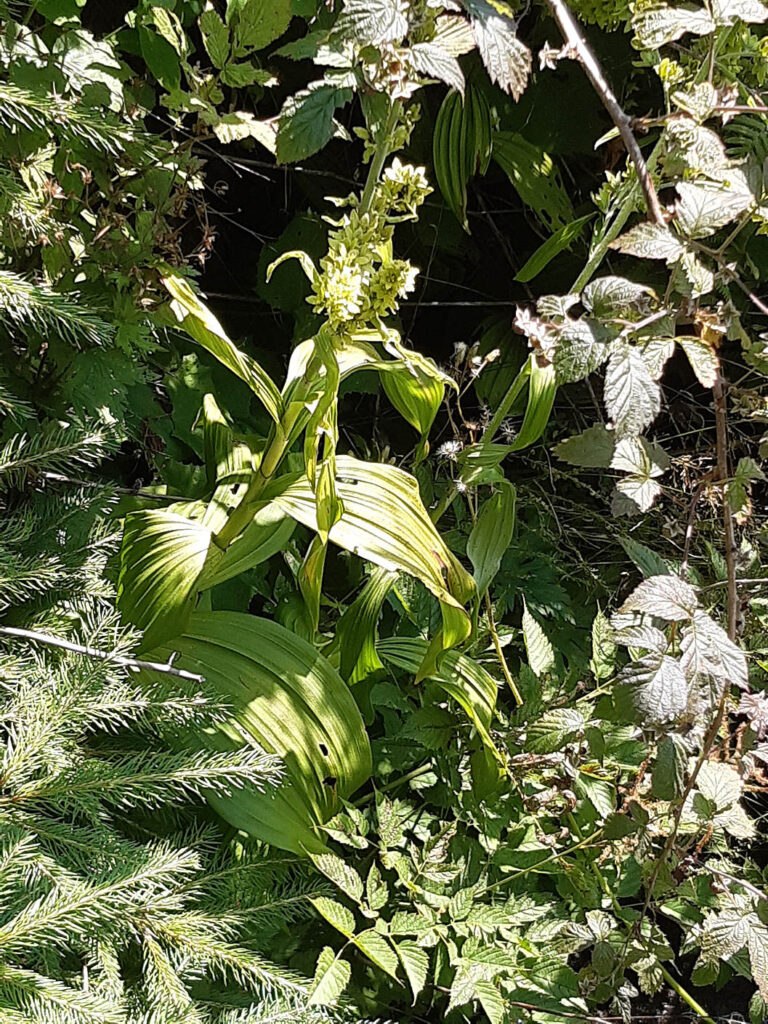
False Hellebore (Veratrum), in the Liliales (like lilies) not the Asparagales (like the orchids that it resembles)
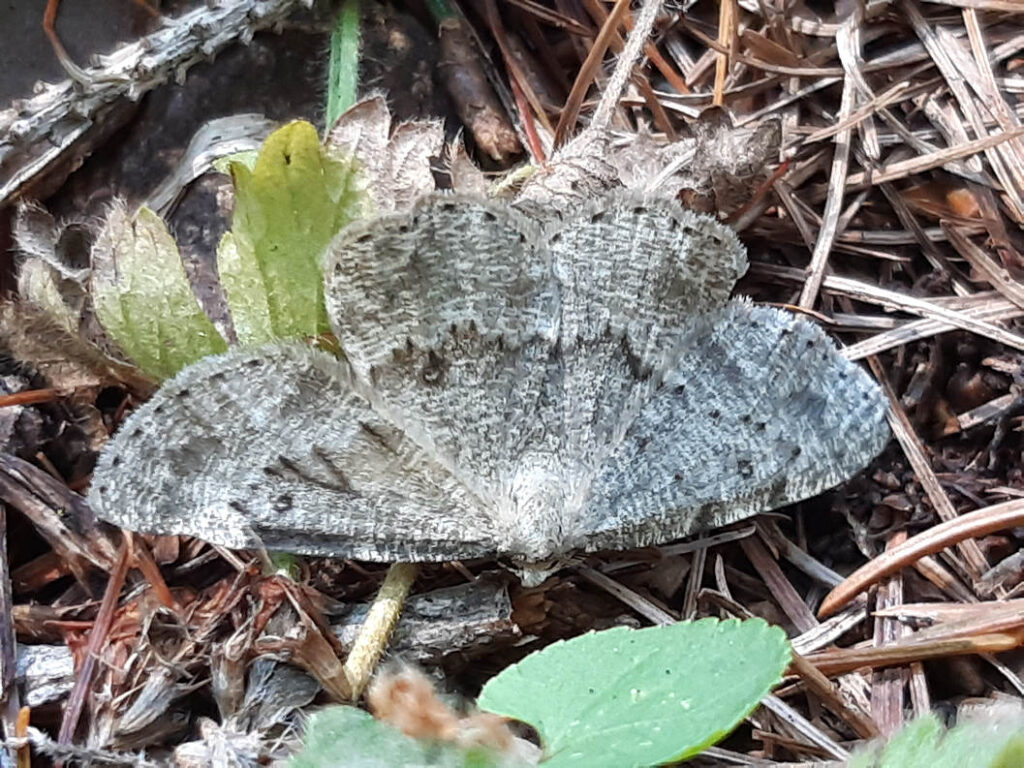
Lesser Cream Wave (Scopula immutata)
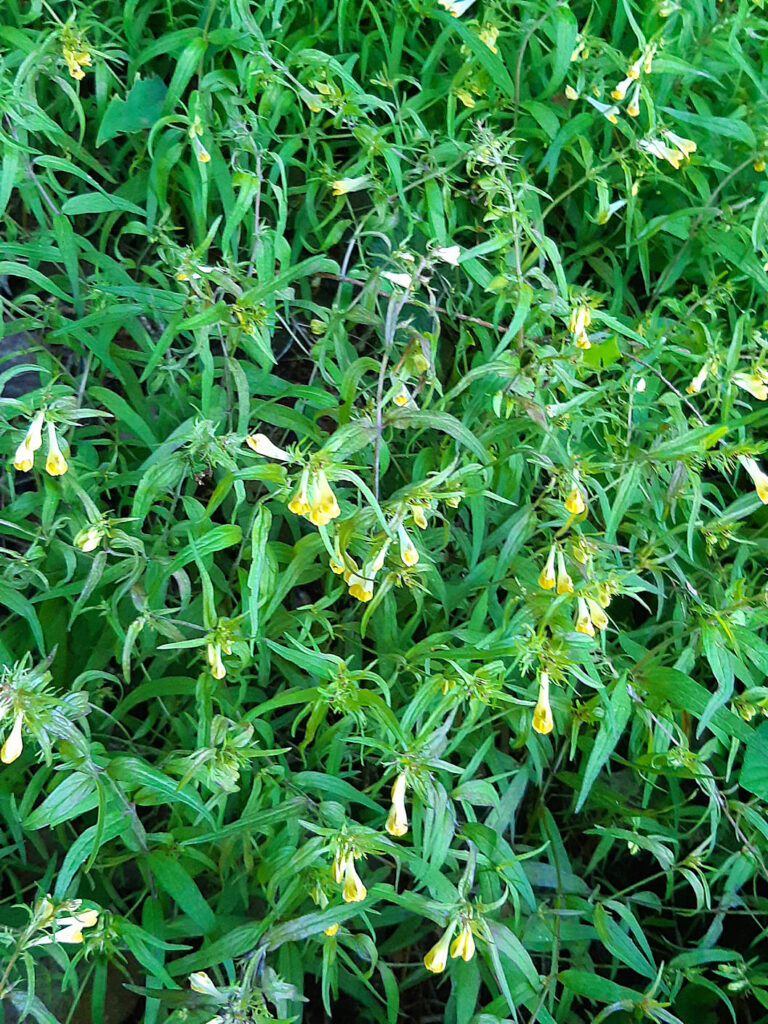
Cow-wheat is a hemiparasite, lives in a mutualistic relationship with the wood ant, and is the host plant of the Heath Fritillary.
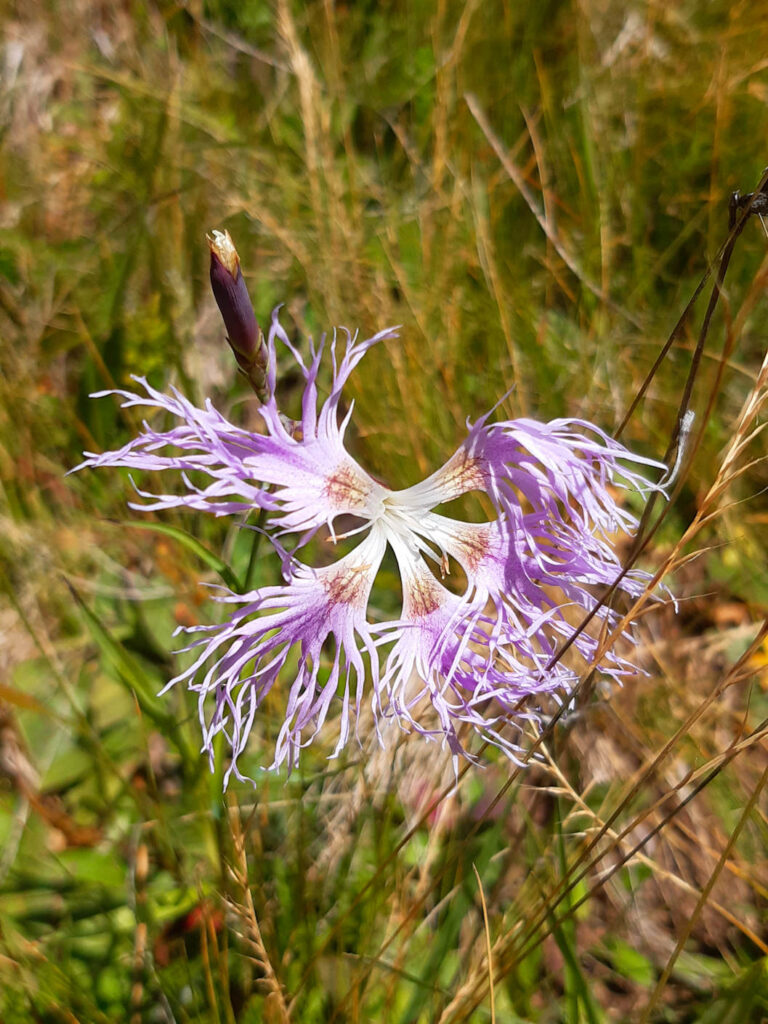
Fringed Pink
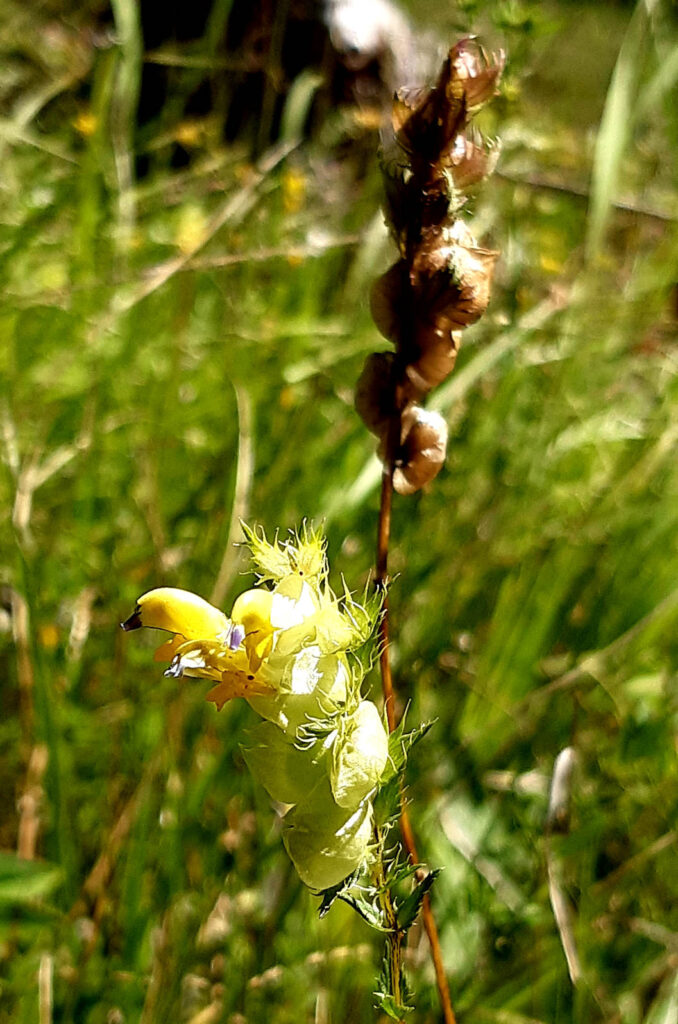
Yellow Rattle, a key plant in grassland as it parasitises tall grasses, weakening them and allowing many shorter flowers to flourish in alpine meadows.
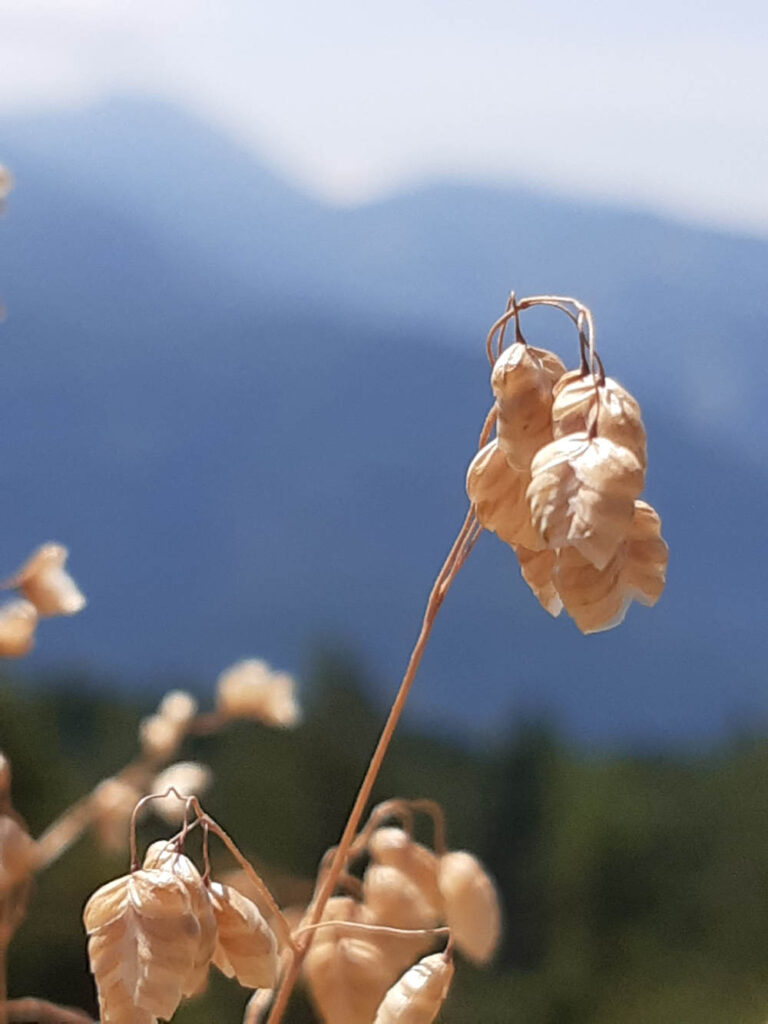
Greater quaking-grass (Briza), Anterivo
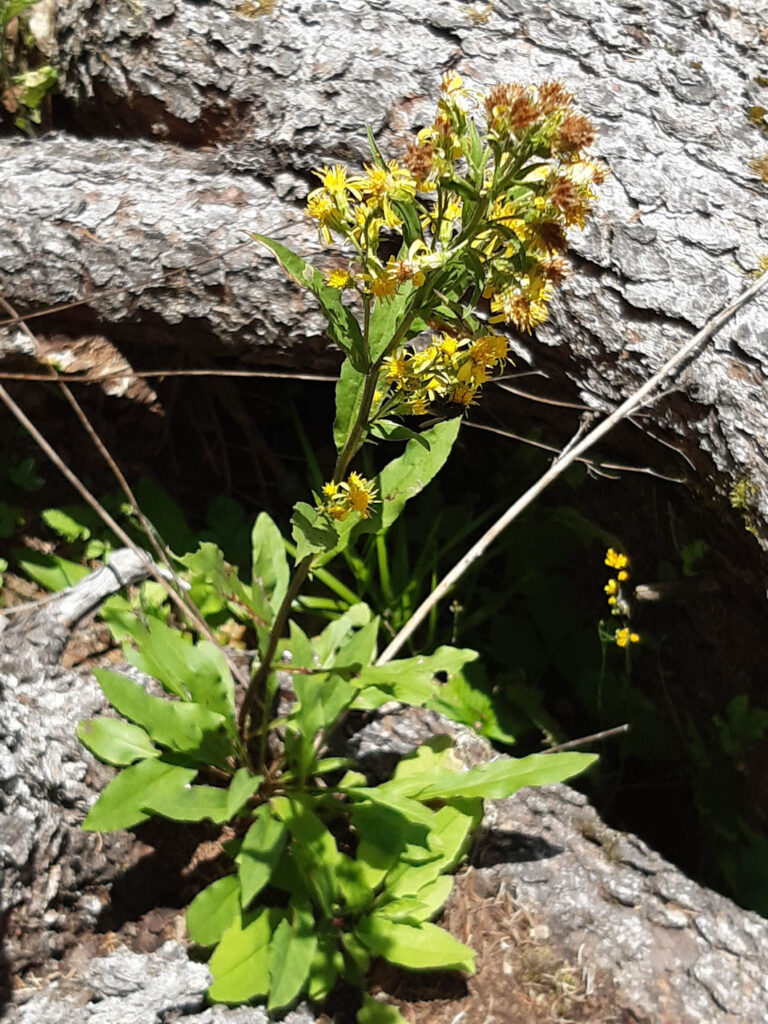
Goldenrod
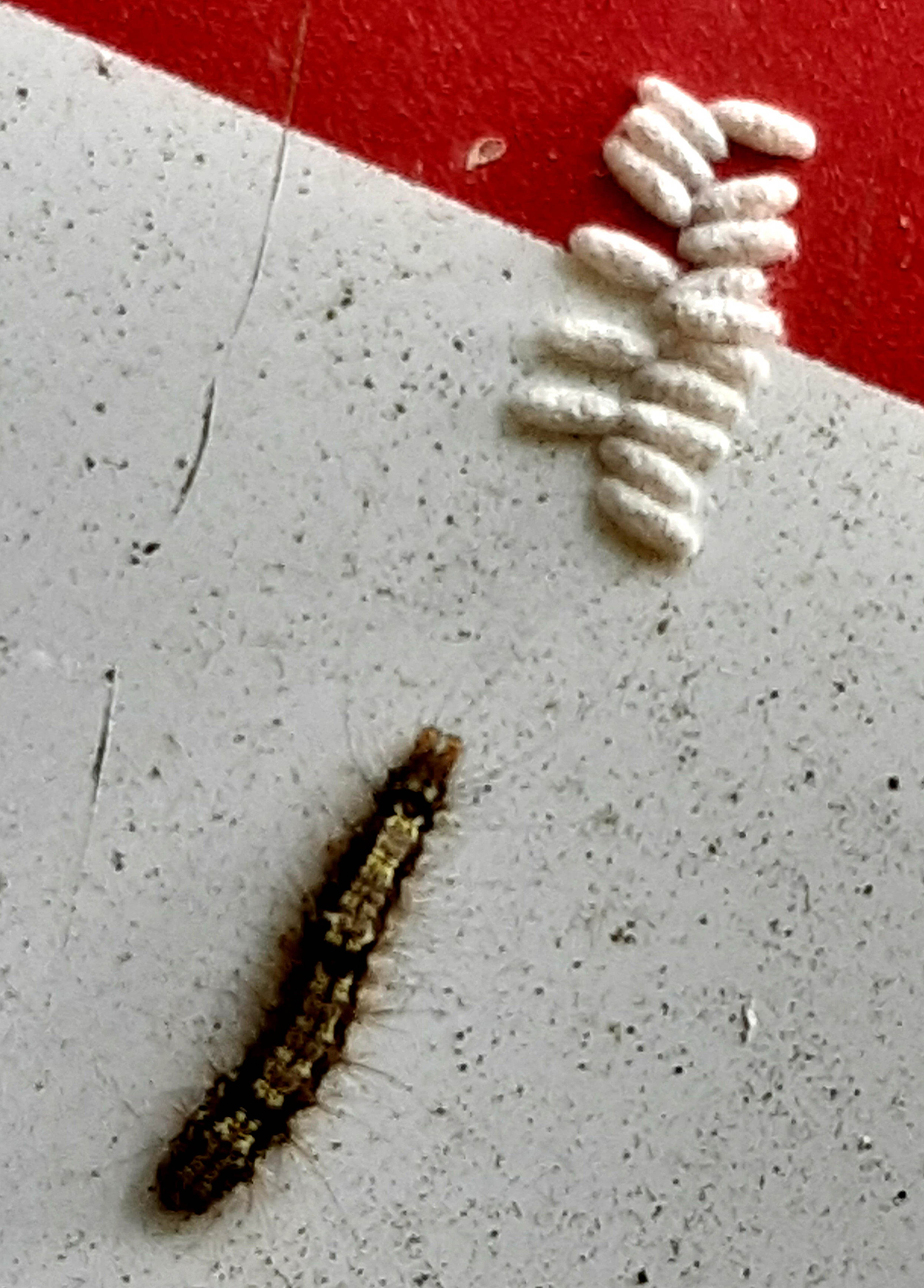
Gypsy moth caterpillar parasitised by Braconid wasps. They have eaten the inside of the caterpillar and have pupated alongside its body. The caterpillar has later slipped down away from the pupae.
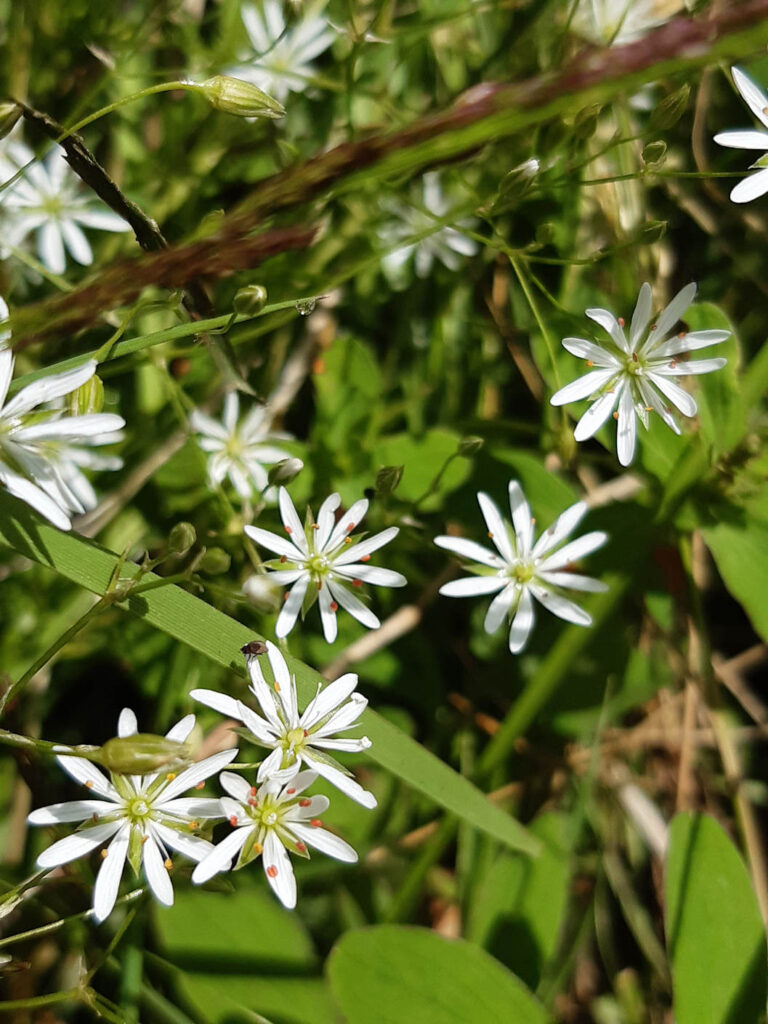
Grassy Stitchwort
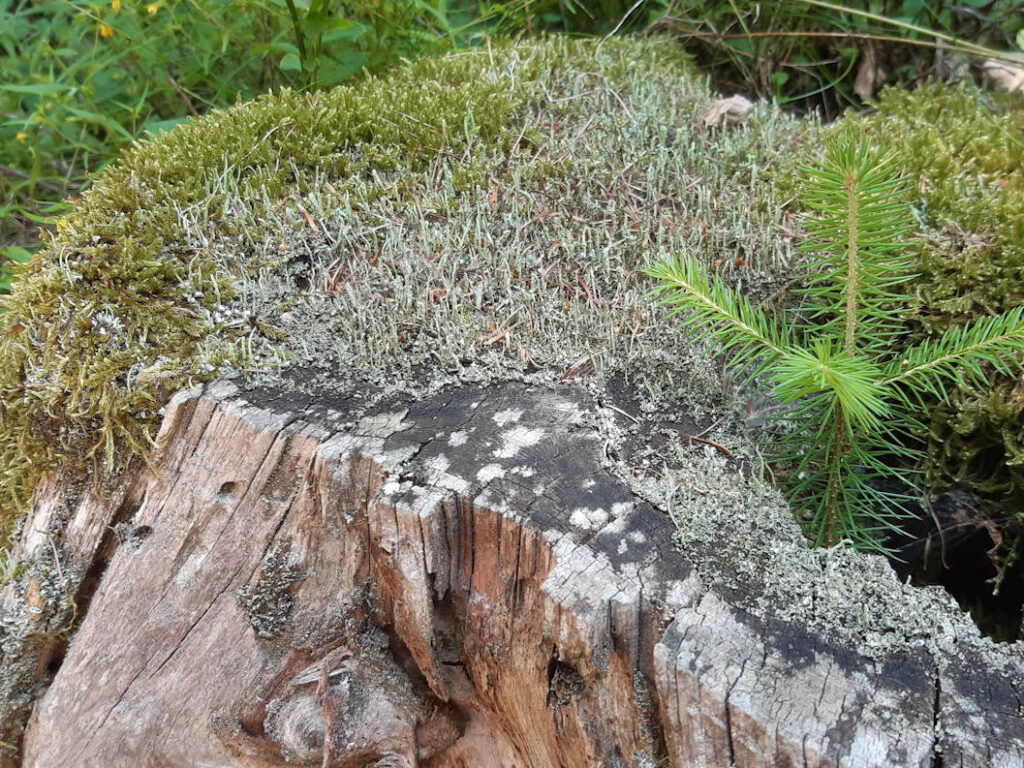
Cladonia lichen on fir stump
Small Yellow Foxglove
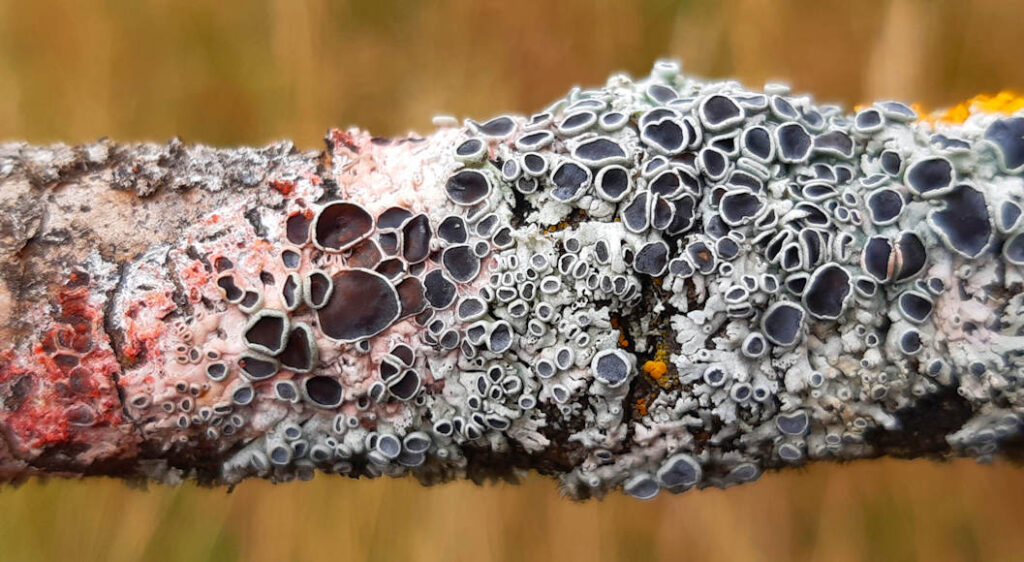
Handsomely lichened twig. The leafy Parmelia-type lichens have large rounded apothecia which release spores of the lichen fungus. The reddish area on the left is a discouraged patch of lichen; many lichens are used to create vegetable dyes in reds, oranges, and yellows.
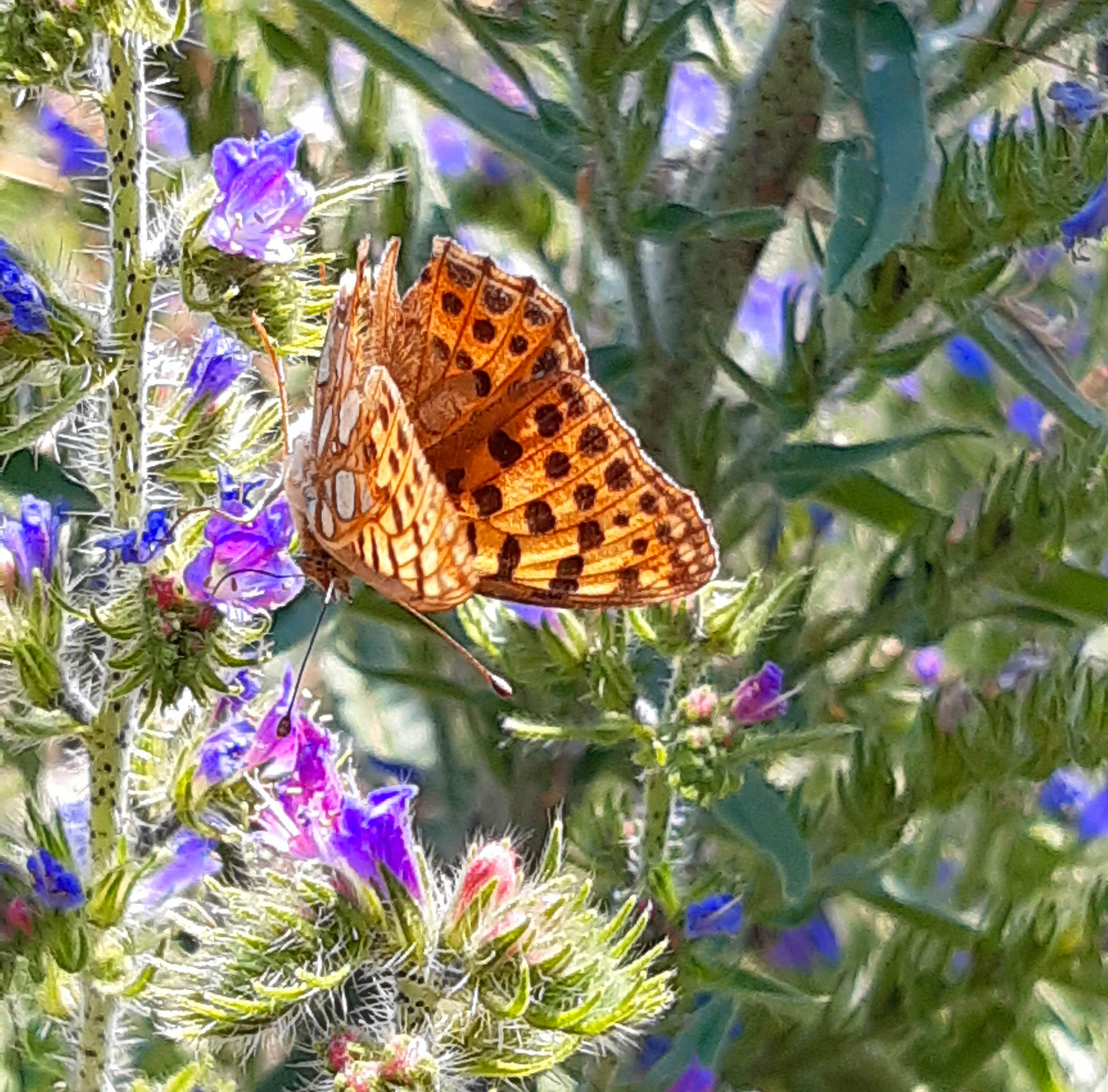
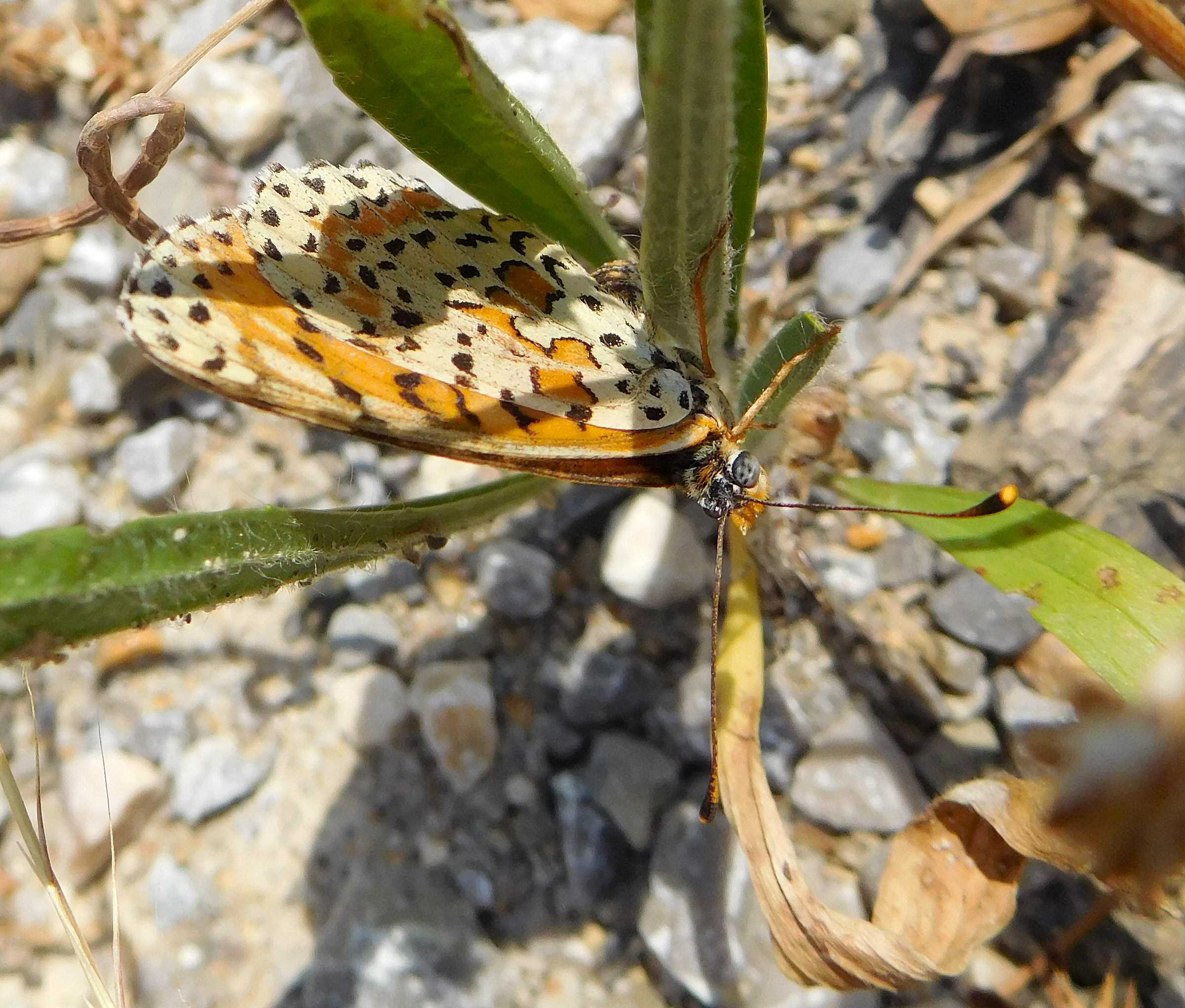
Queen of Spain Fritillary on Viper’s Bugloss
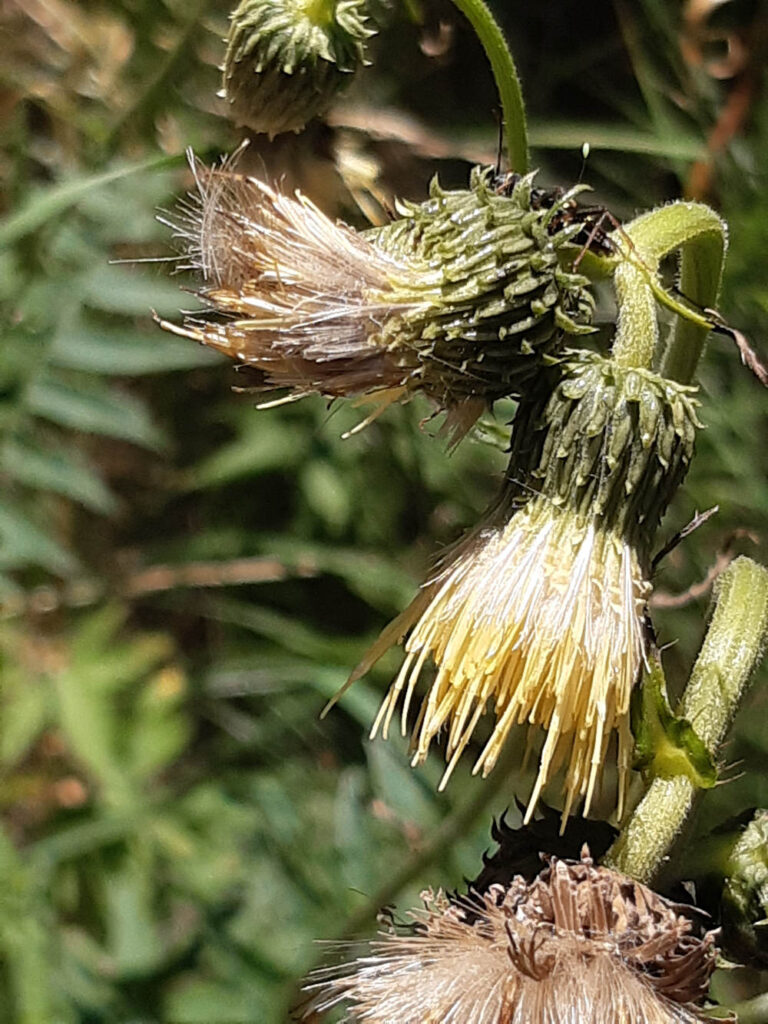
Sticky Thistle (Cirsium)
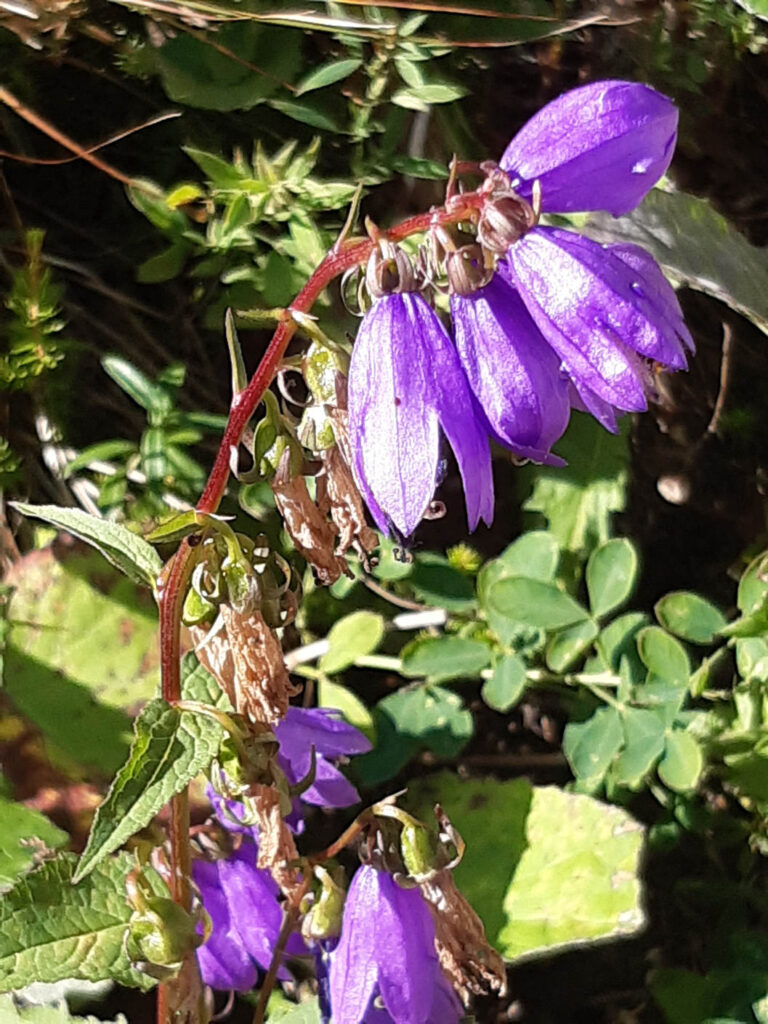
Creeping Bellflower
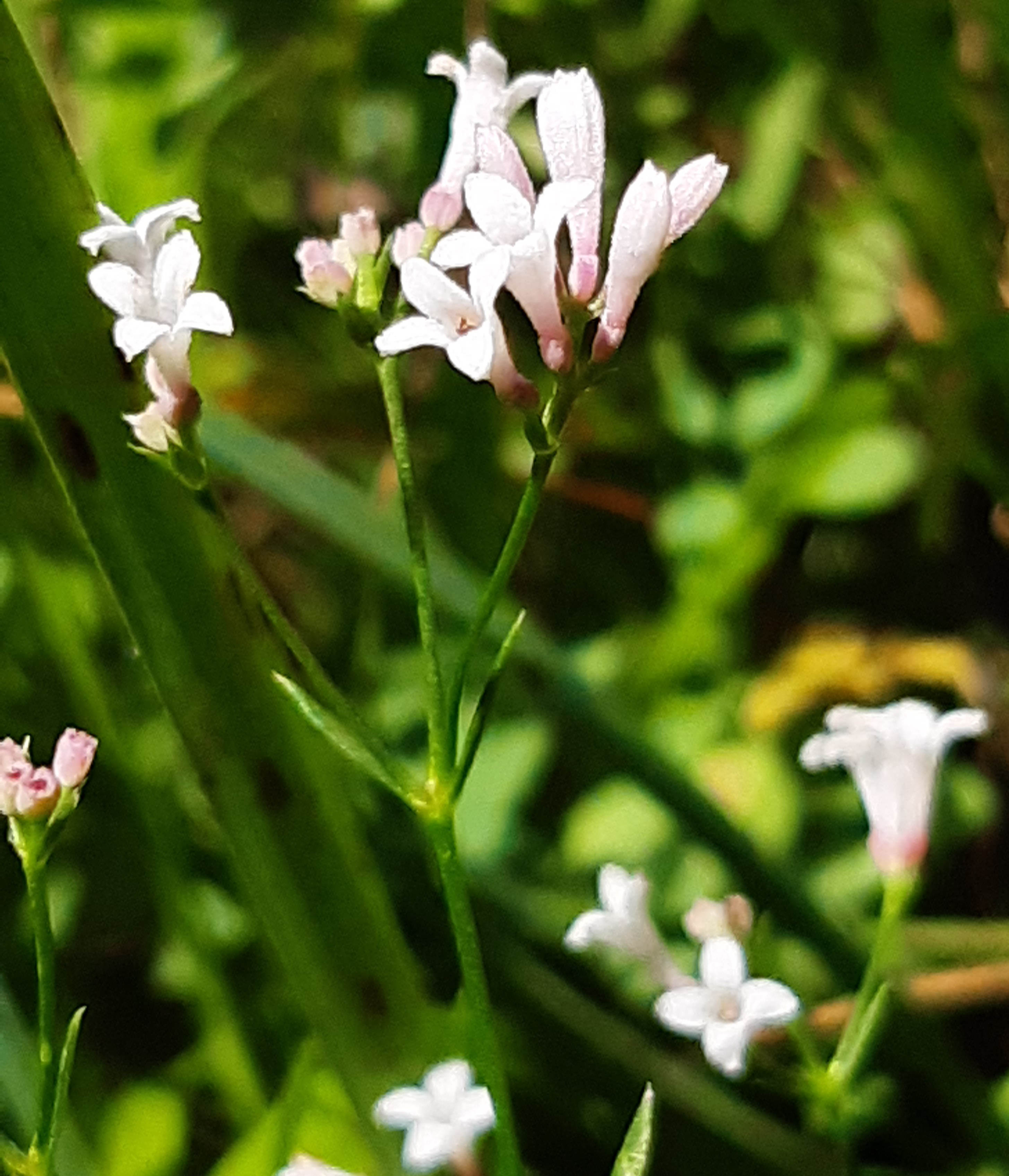
Squinancywort. It was formerly used to treat ‘quinsy’, an abscess behind the tonsils.
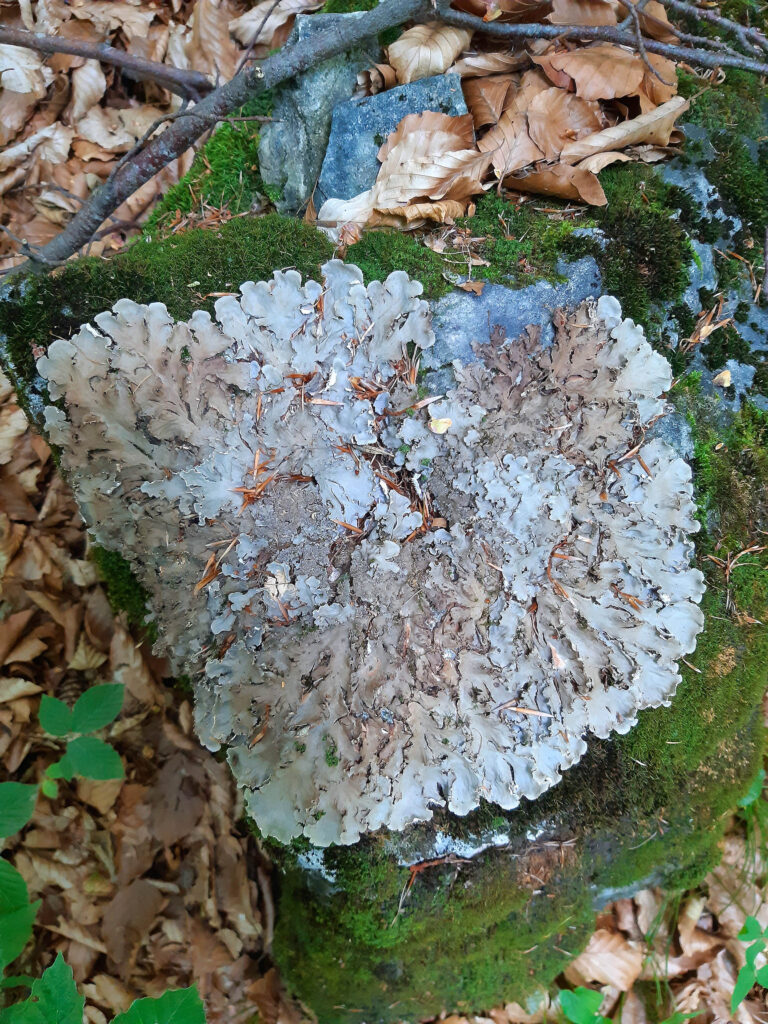
An impressively big patch of Dog Lichen (Peltigera canina) covering a tree-stump
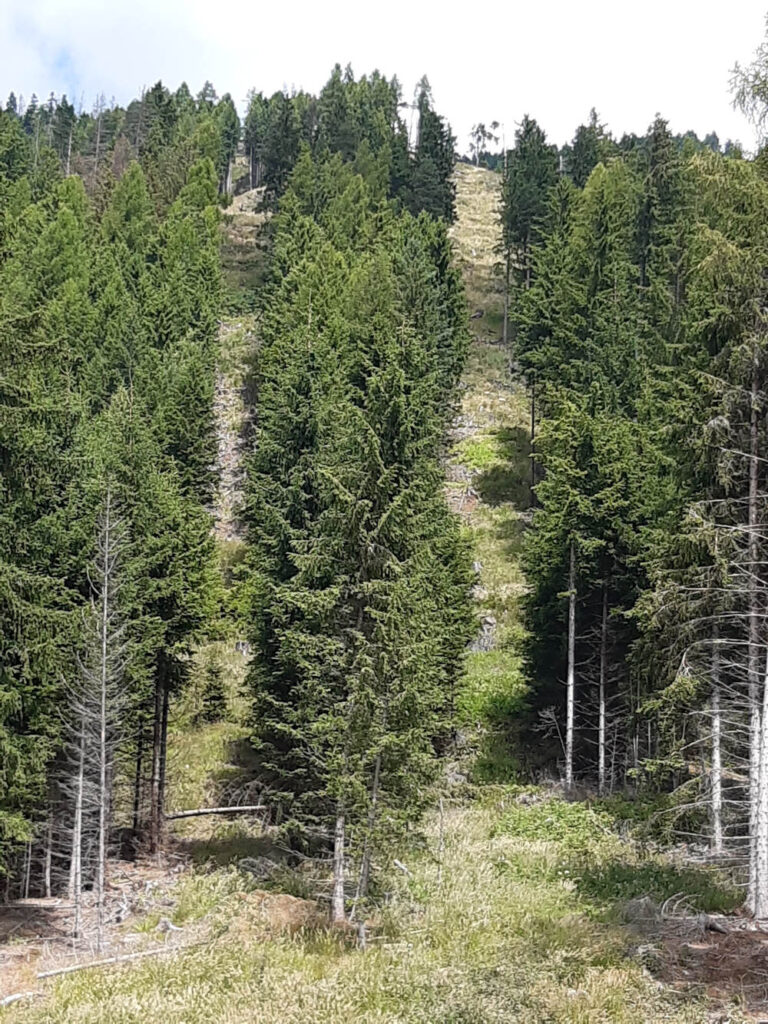
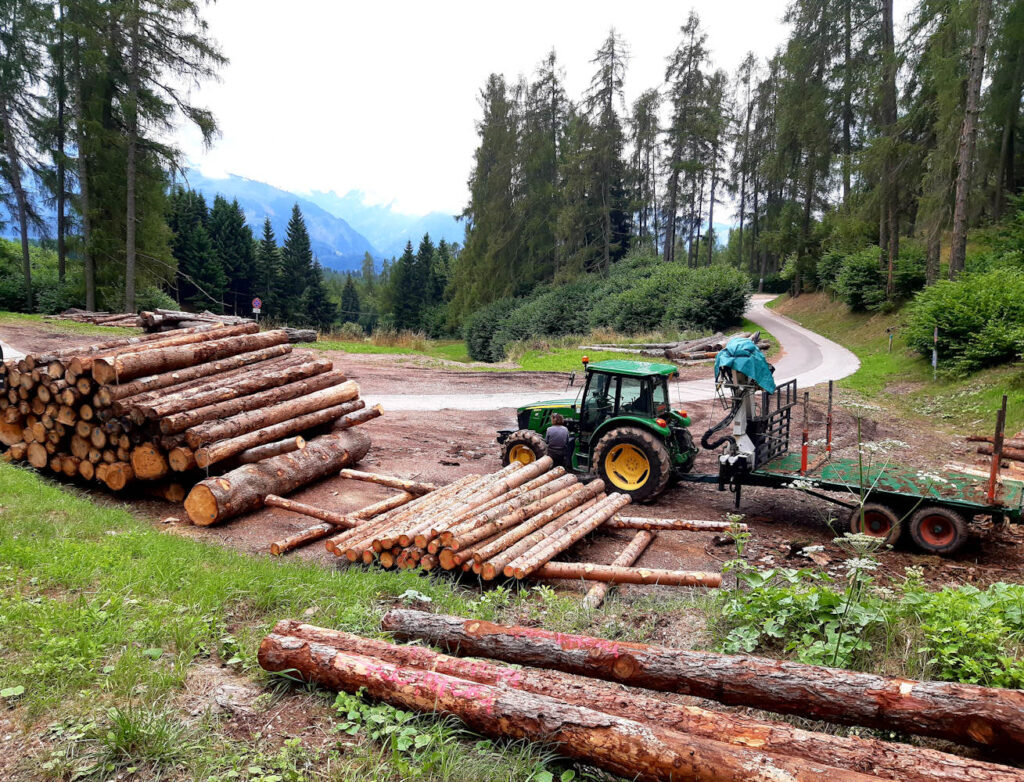
Local-scale commercial forestry. Trees are removed in small strips, not clear-felled, respecting the ecology of the forest.
Local-scale commercial forestry. The harvested trees are of different species and sizes.

Other sightings

Among other interesting finds (including species recorded in my earlier posting), I am pretty sure I heard the call of the Nutcracker, a small crow of forested mountains. A Black Redstart perched obligingly on a fence post, twitching its red tail. A surprised Stag, early one morning, bounded away uphill from a forest track: there were generally few signs of deer, though plenty of cattle and some horses grazing in the alpine meadows and forest clearings. A Hummingbird Hawkmoth hovered over the flowerbed near the house one morning, gathering nectar. Male Common Blue butterflies showed off their dazzling coloration of caerulean blue, but there were no Idas Blue butterflies, which I saw last time (at another time of year). Seen again like last time was the handsomely red/black striped bee parasite beetle Trichodes apiarius, plenty of Scotch Argus, one Chalkhill Blue, countless Marbled Whites, and plenty of Brimstones and Clouded Yellows, and one or two Speckled Woods. Common Heath moths were, well, common; they may not exactly be day-flying, but they’re readily disturbed in long grass.

We enjoyed seeing some familiar plants, too: Meadowsweet, never common in these hills, sticking strictly to very damp meadowland; the small yellow 4-petalled Tormentil, the delicate yellow Rock-rose, and the aromatic Wild Thyme, as much at home in the English uplands as here. Less familiar were the umbellifers (Apiaceae) Sweet Cicely and Broad-leaved Sermountain. Wild flowers that we saw that share the distinction of being also in our London garden include Eyebright and Self-Heal. Among the less usual ferns were Polypody and Wall Rue Spleenwort.

Reflections

It is hard not to compare the species richness of the flourishing alpine meadows and forests with that of Britain’s uplands. In Britain, sheep prevent trees from taking hold, and graze so severely that few flowers can grow. Farm subsidies and agricultural policy since the war have favoured production at the expense of wildlife; over 97% of Britain’s wildflower meadows, permanent pastures, have been ploughed up. Some of the ploughing was to enable reseeding with an “improved” grass mix, sometimes with clover. The result was invariably an impoverished agro-ecosystem, with far fewer species of grasses and flowers, far fewer insects, and degraded soil with fewer earthworms.
In some places, such as the chalk grassland near Beachy Head, the land was returned to pasture soon after the war with its urgent need for food. There is still, over 50 years later, a sharp contrast between the ploughed pasture land and the undamaged chalk grassland: the ploughed land has not recovered in that time.

It is no surprise that Britain’s bird, insect, and flower populations have collapsed. When hedges have been grubbed up and large fields carefully cultivated, after a while the farmer has a clean crop without flower “weeds” or insect “pests”, even without using herbicides or insecticides: there is no place for them to grow, no food for the insects to eat.

The only wild species that can survive in such a regime are efficient and troublesome weeds, like grasses too similar to cereal crops to be possible to spray; or genuinely pestlike insects, such as “cabbage white” butterflies, that can breed rapidly, fly or be blown long distances, and quickly destroy fields of Brussels sprouts if a farmer is unwary. All the more attractive and beneficial organisms are long gone.

See also Wildlife of the Dolomites (the animals and plants arranged into groups)
Butterflies in Tuscany

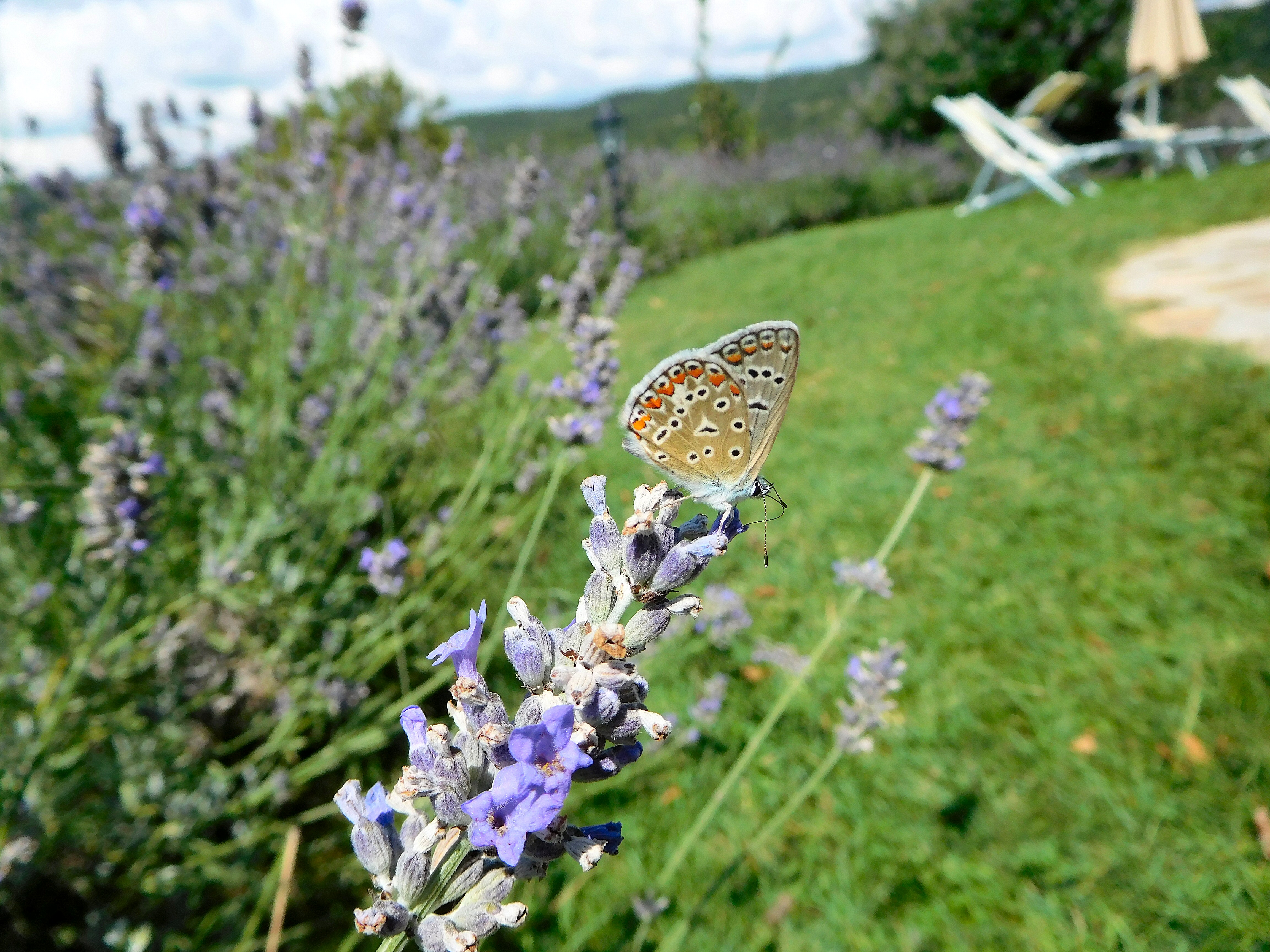
Common Blue [L’icaro o argo azzurro] (Polyommatus icarus) on Lavender beside the swimming pool of the lovely agriturismo farm, Rocca di Cispiano, where we stayed in Chianti. Species names are shown in English [Italian] and (Latin).

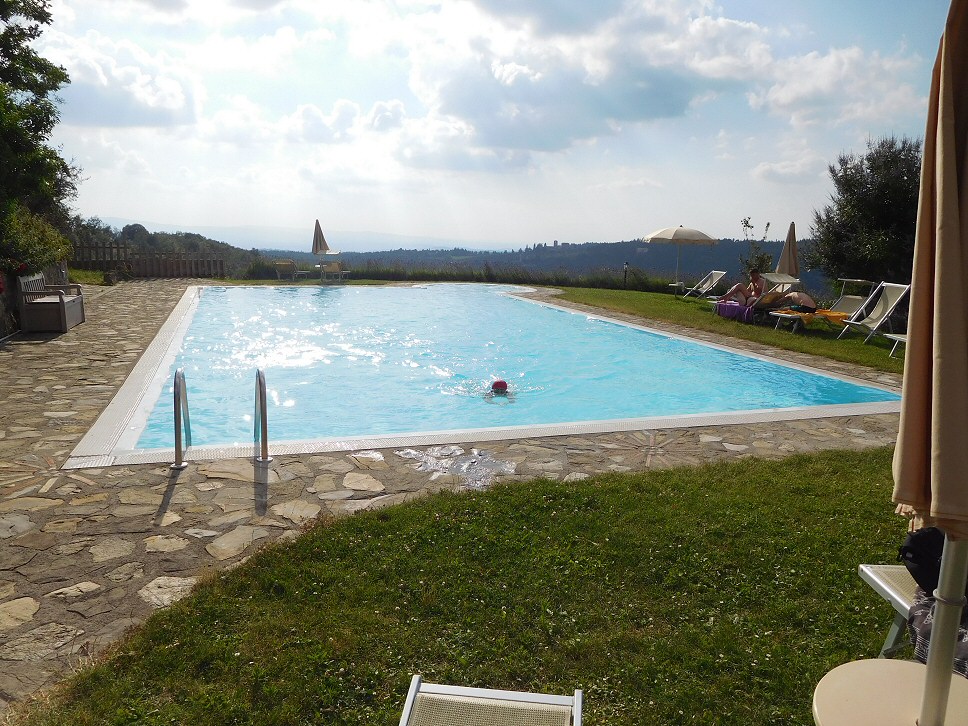
Pool area: not an obvious place for butterflies, but the clever planting of a Lavender border made all the difference

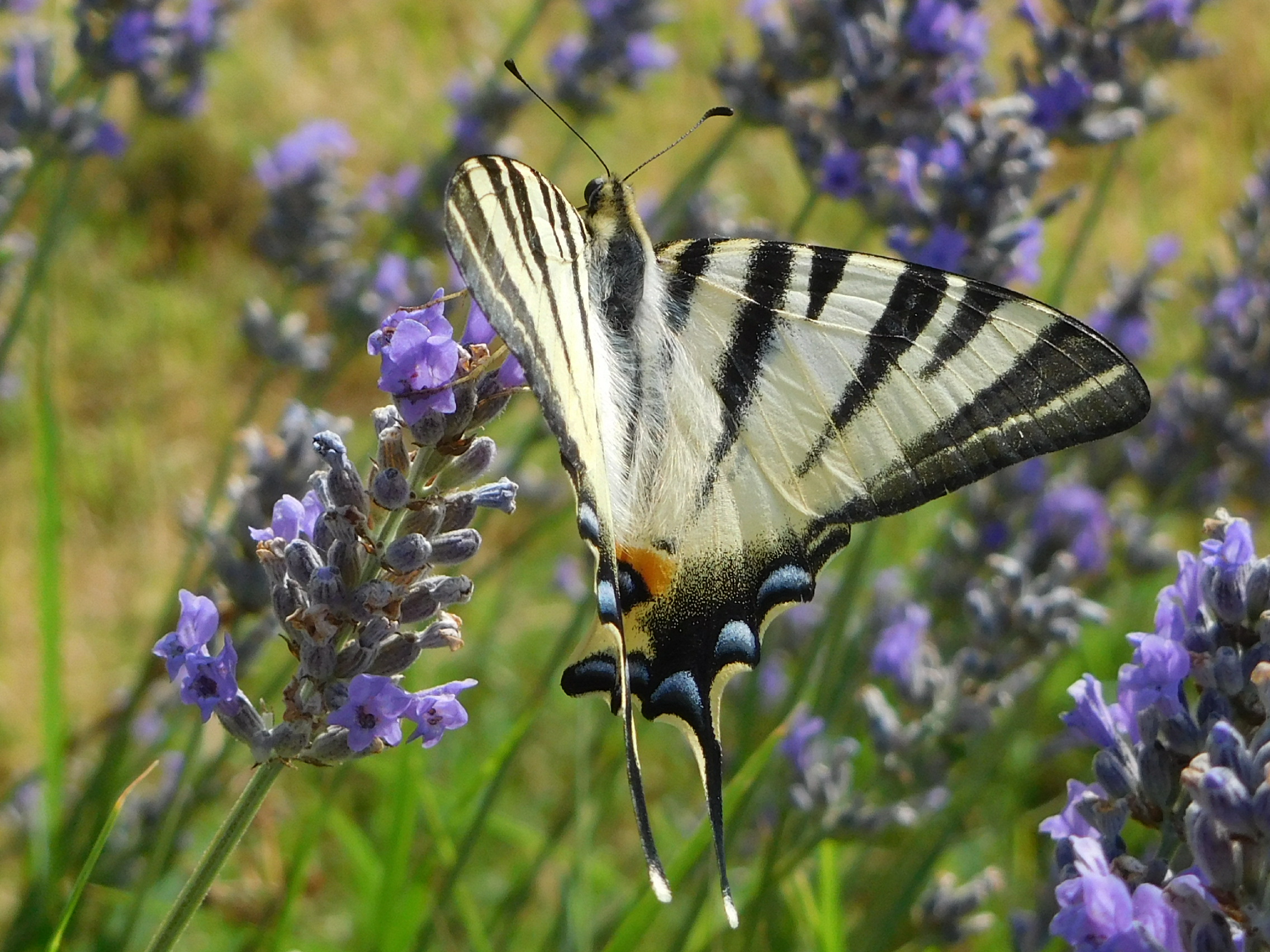
Scarce Swallowtail [Il podalirio] (Iphiclides podalirius), a large butterfly with a distinctive sailing flight, taking nectar beside the pool
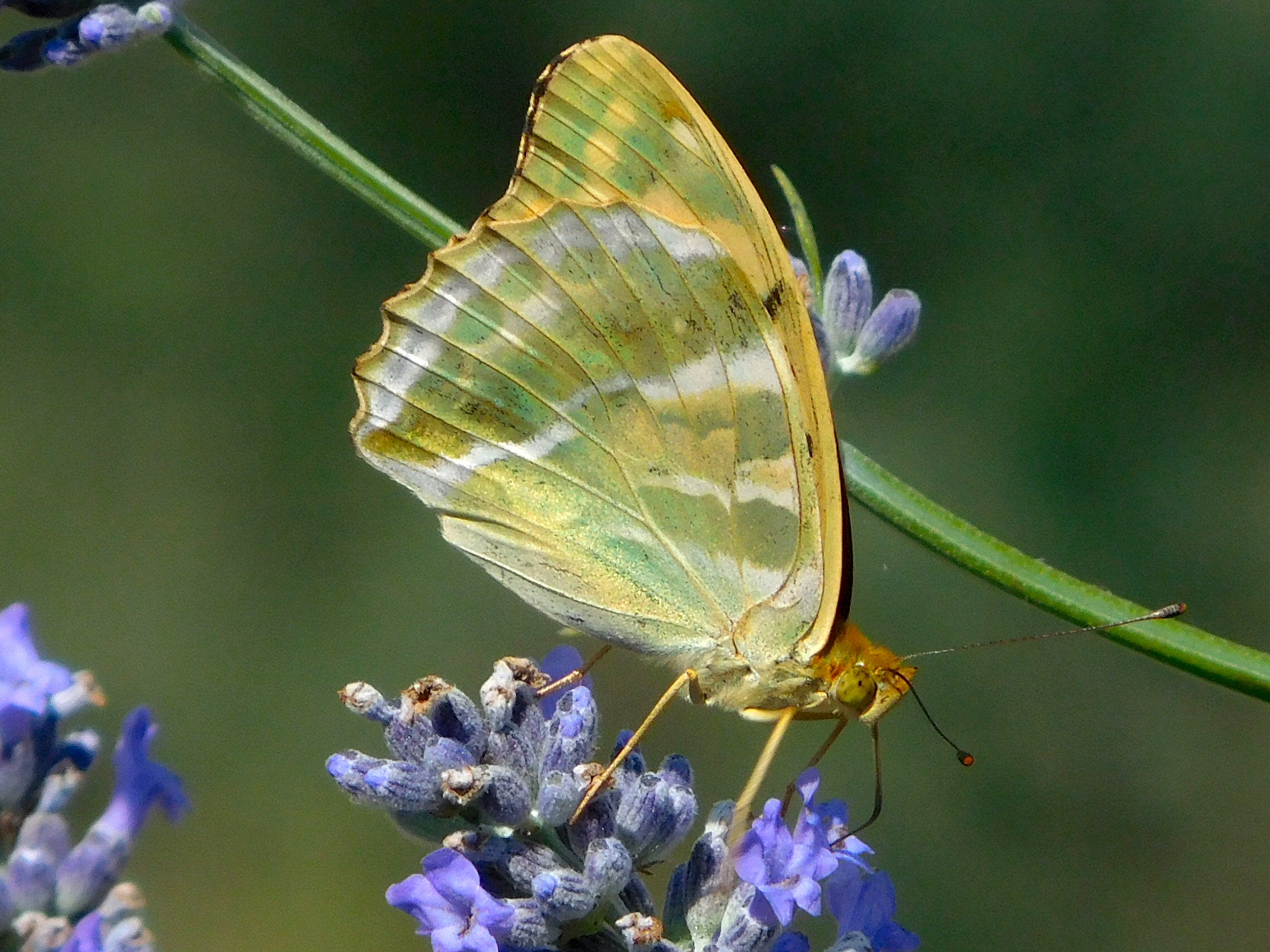
Silver-Washed Fritillary [La pafia o Tabacco di Spagna o Fritillaria] (Argynnis paphia), a handsome and distinctive species

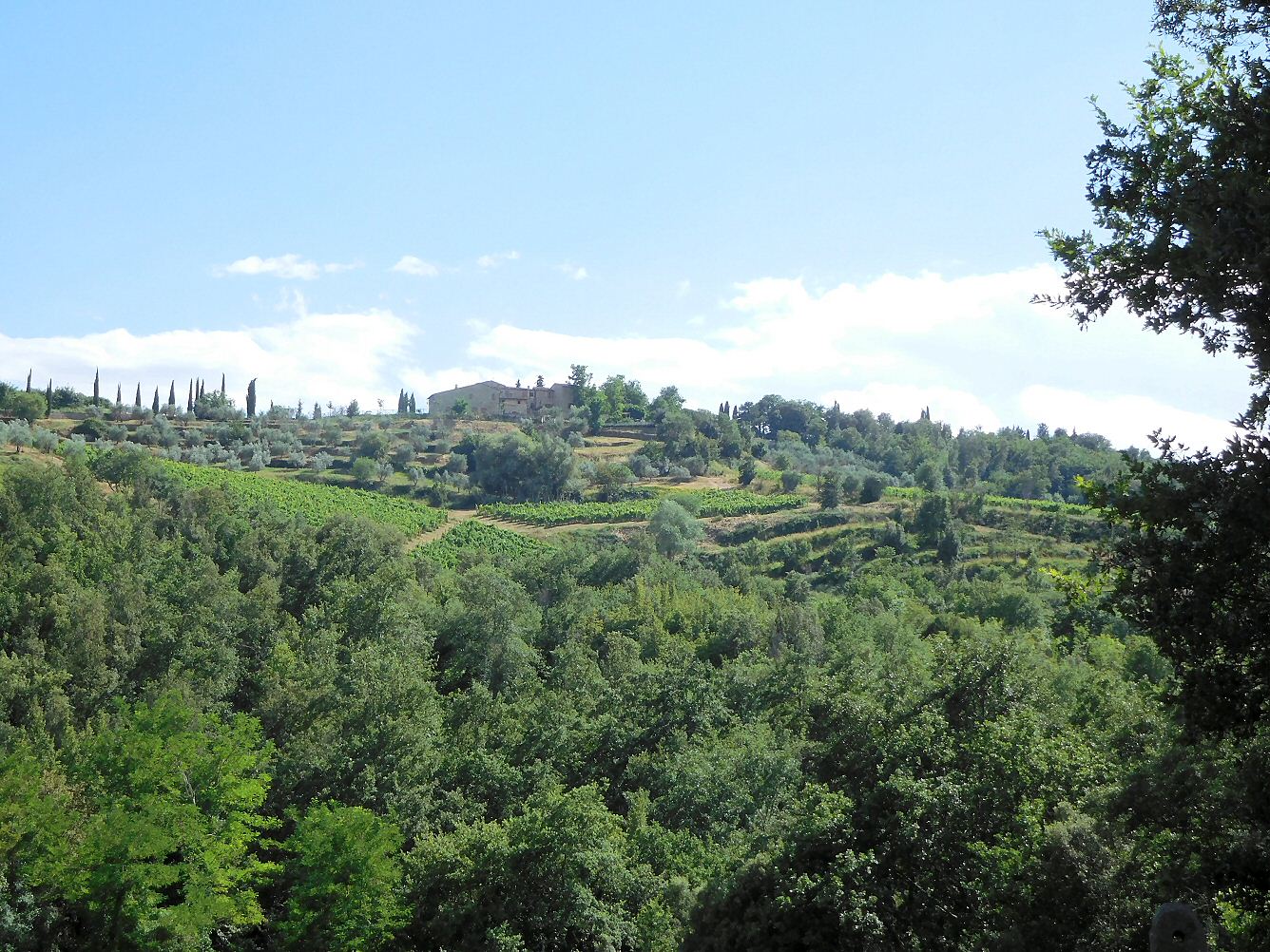
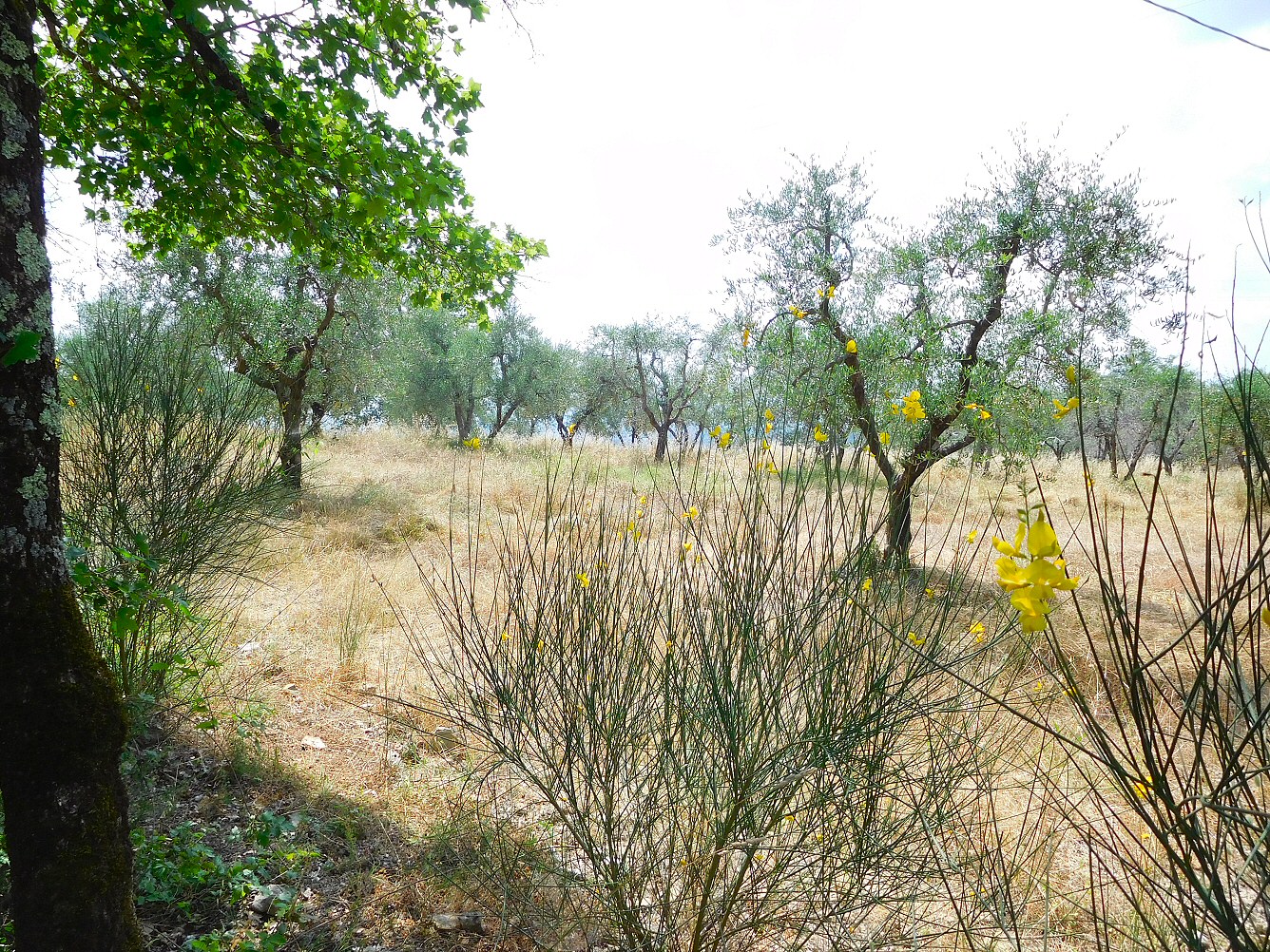
Tuscan landscape (Chianti): hilltop farms, Vines (bright green rows), Olive trees (blue-gray trees in rows), low mixed maquis (macchia mediterranea) forest, Cypress trees on left skyline

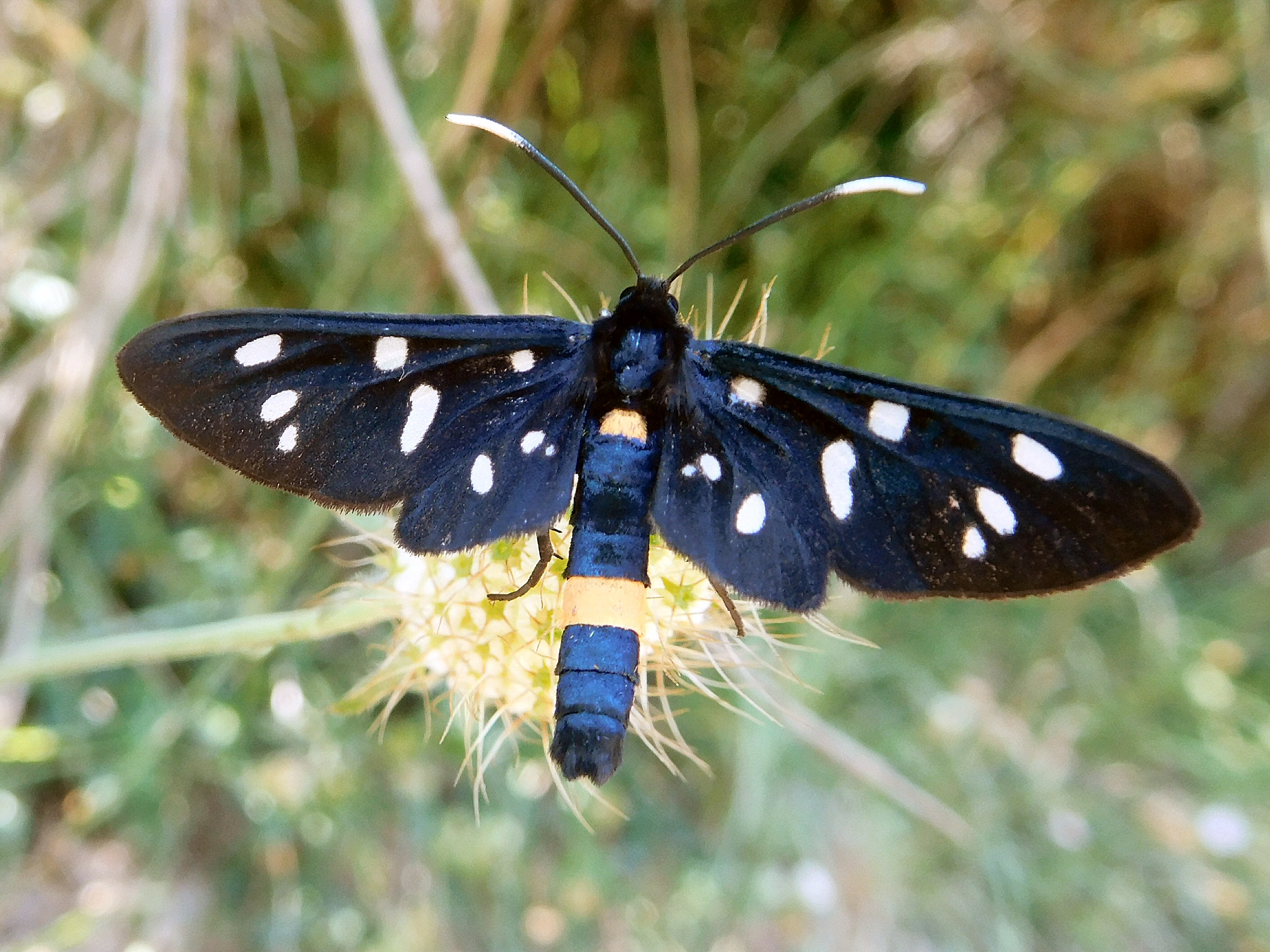
Nine-Spotted Moth [La fegea] (Amata phegea) frequently visited the lavender border and other flowers. It was once also found in England; Chris Manley suggests that global warming might allow it to return (a possible silver lining to that cloud).
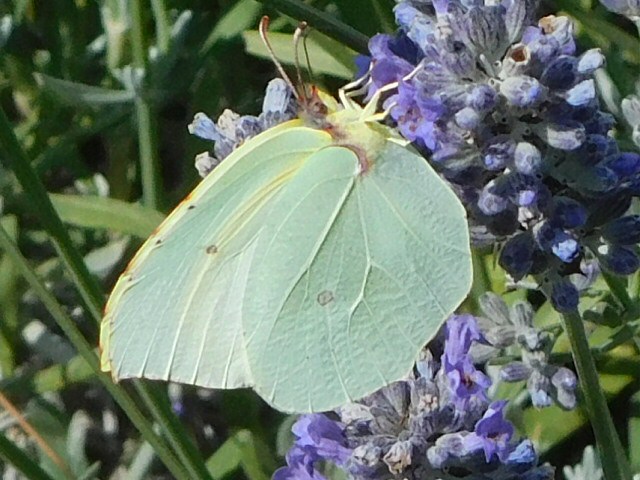
Brimstone [La cedronella] (Gonepteryx rhamni)
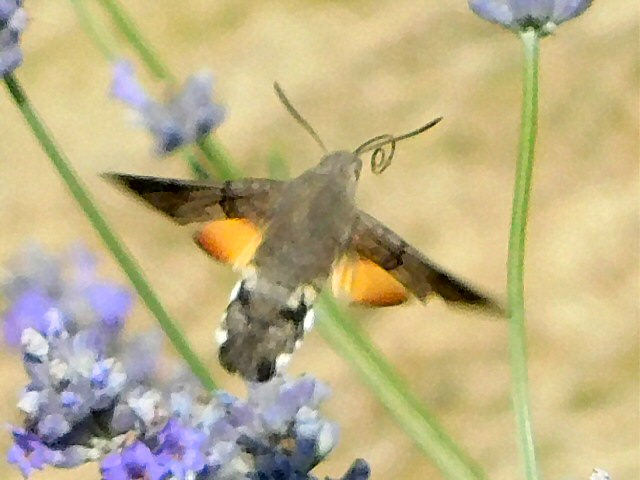
Hummingbird Hawkmoth [La sfinge del galio o sfinge colibrì] (Macroglossum stellatarum), darting from flower to flower each time just before I managed to focus the little camera …

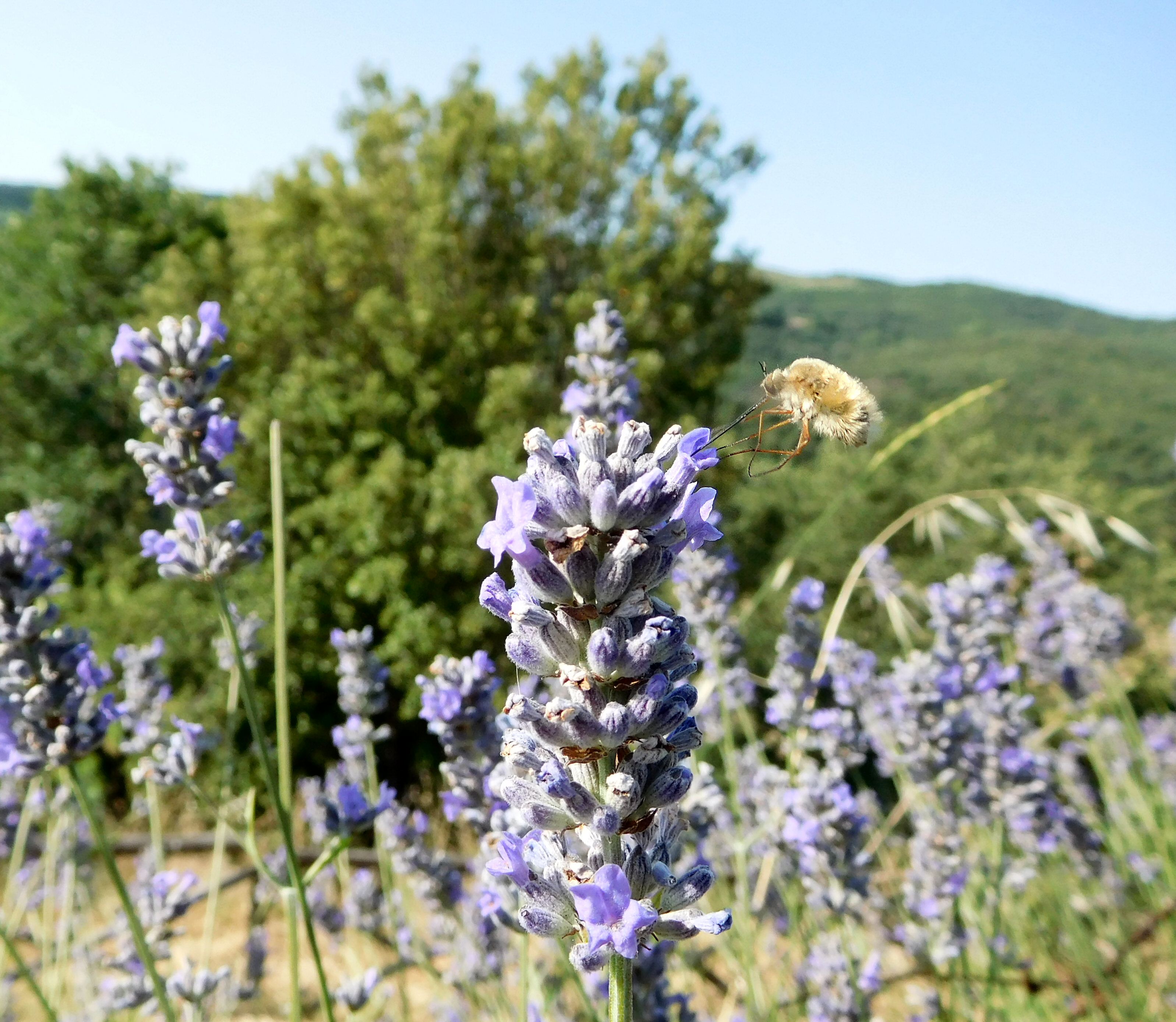
Bee-fly (neither a bee nor a butterfly) half-hovering to take nectar, making a particularly loud buzz

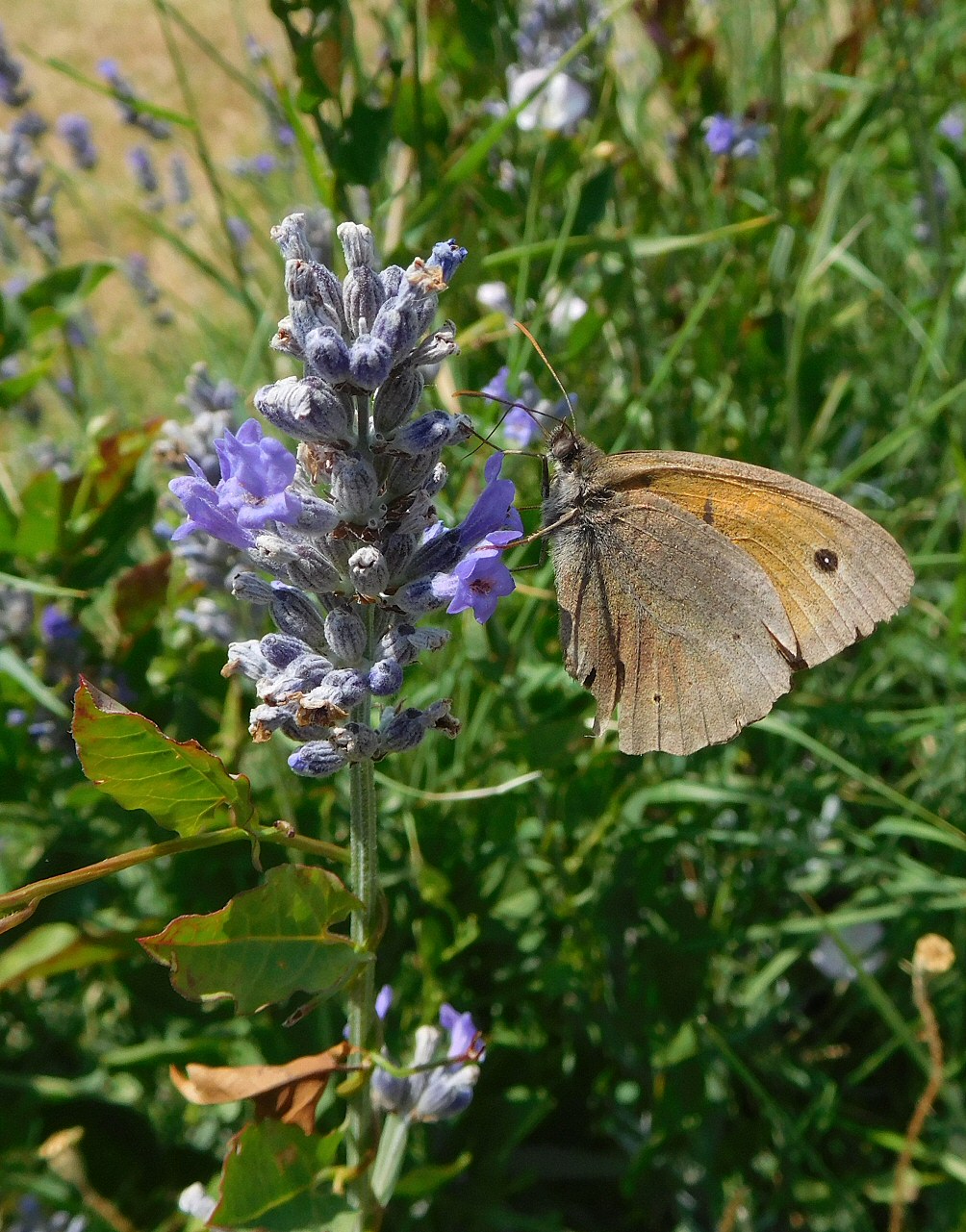
Meadow Brown [La Giurtina o Maniola comune] (Maniola jurtina)
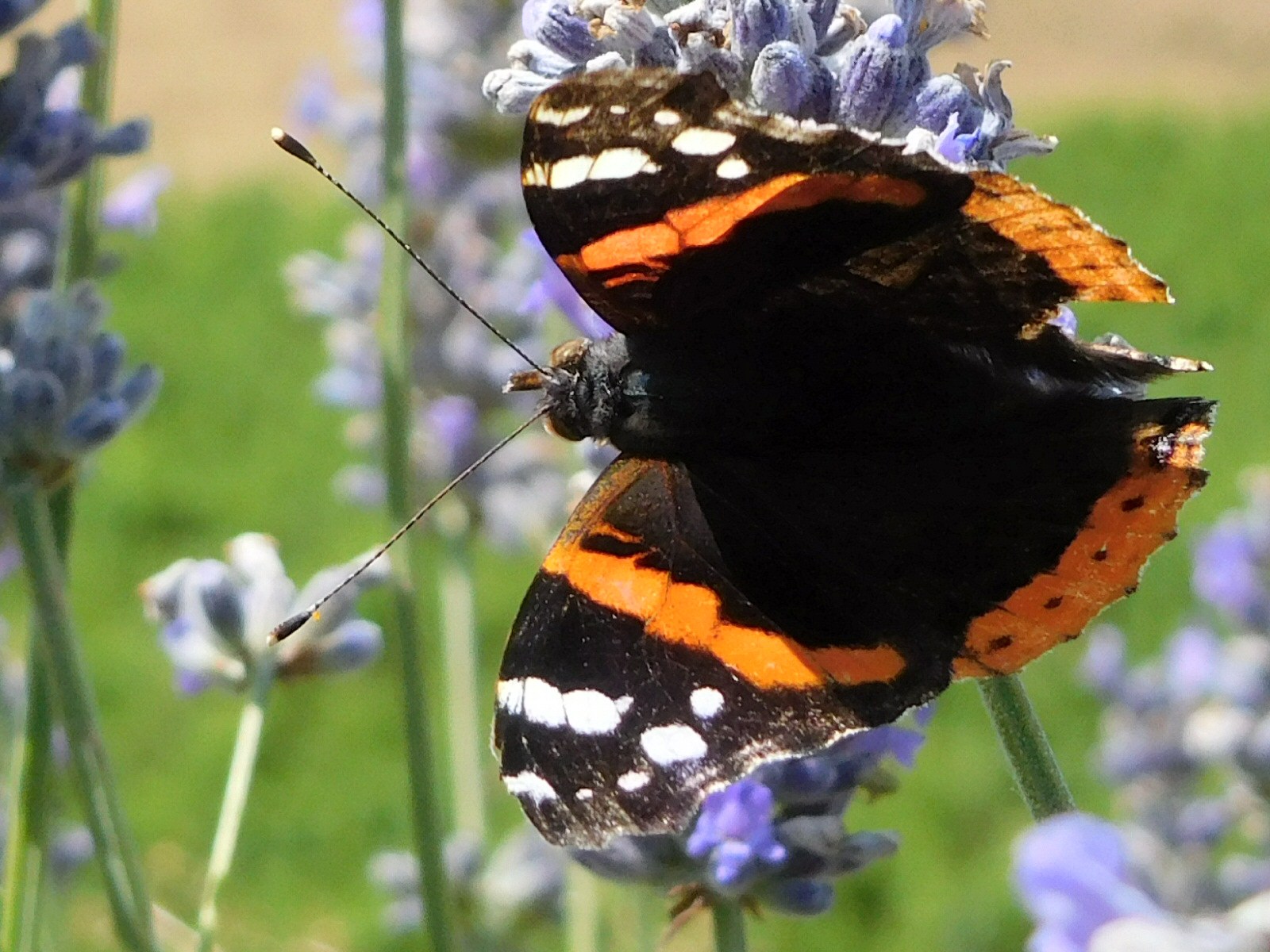
Red Admiral [L’atalanta] (Vanessa atalanta). It has  a chunk out of its right hindwing, showing it survived an attack.
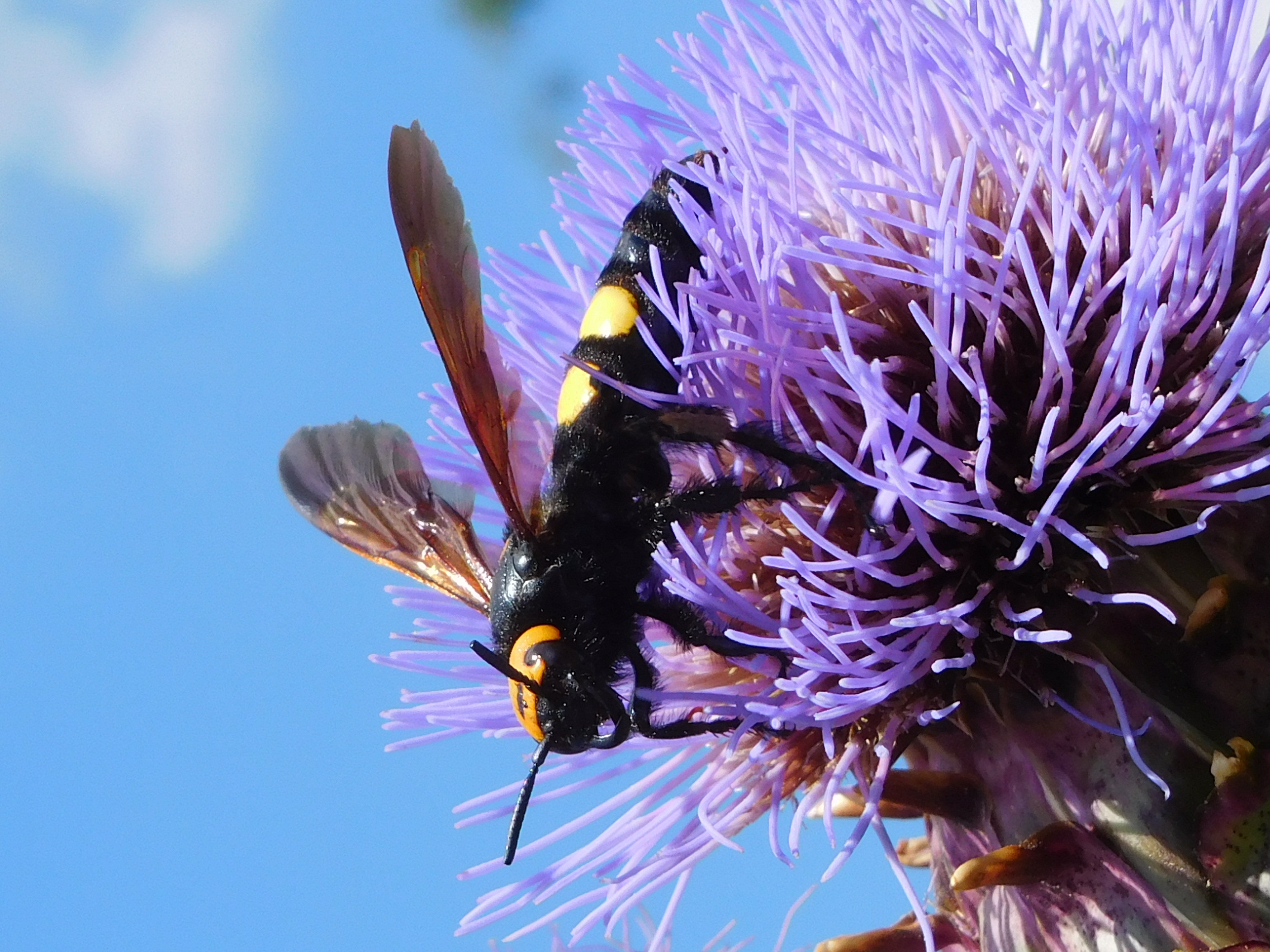
The enormous, fearsome, but non-aggressive Mammoth Wasp, [La vespa mammuth] (Megascolia maculata), on Wild Artichoke. Presumably its sting would be serious but I can’t find any record of people being stung by this peaceful insect.

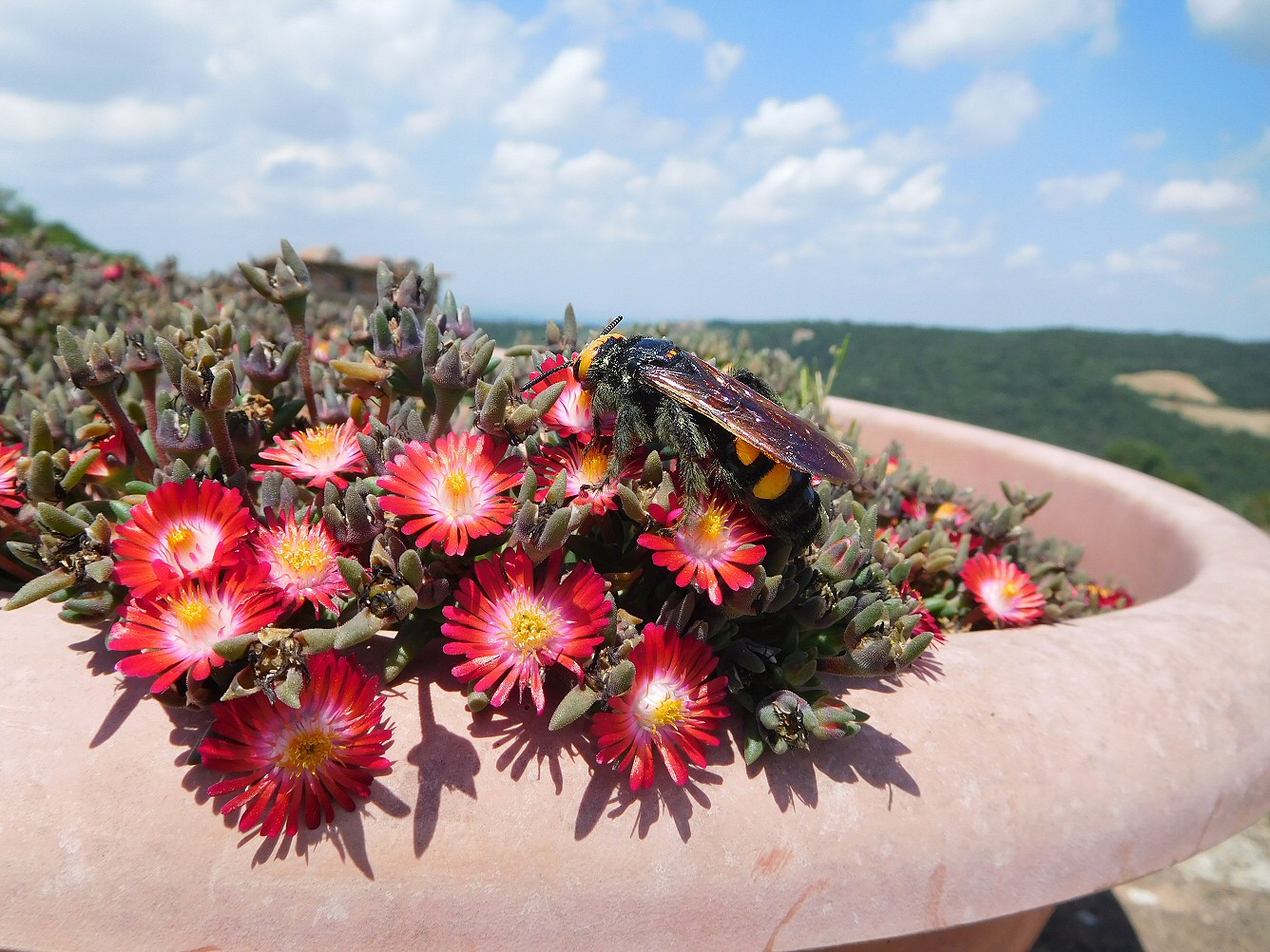
A Mammoth Wasp visiting a potted Hottentot Fig, with a wide view of the Tuscan landscape

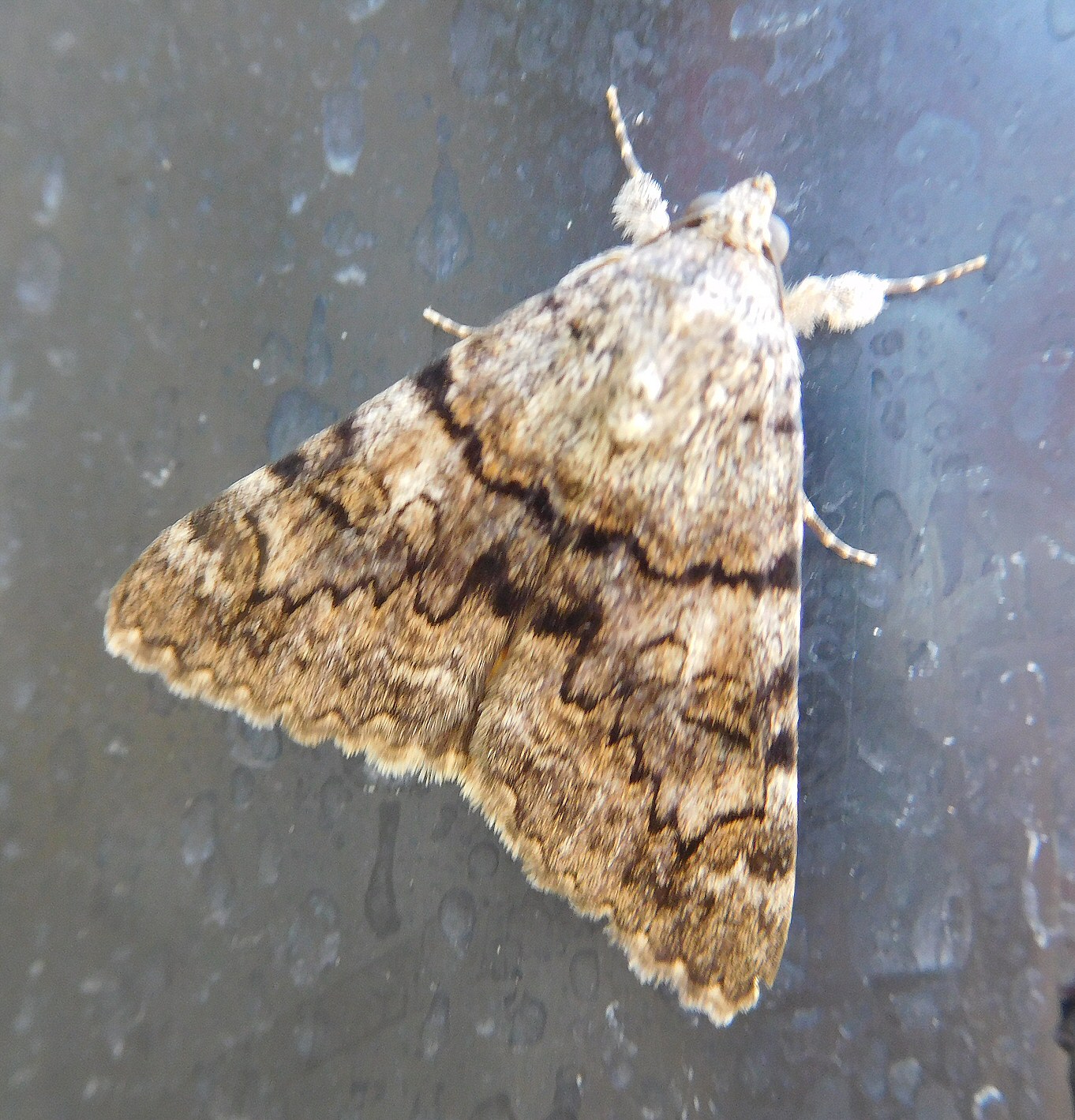
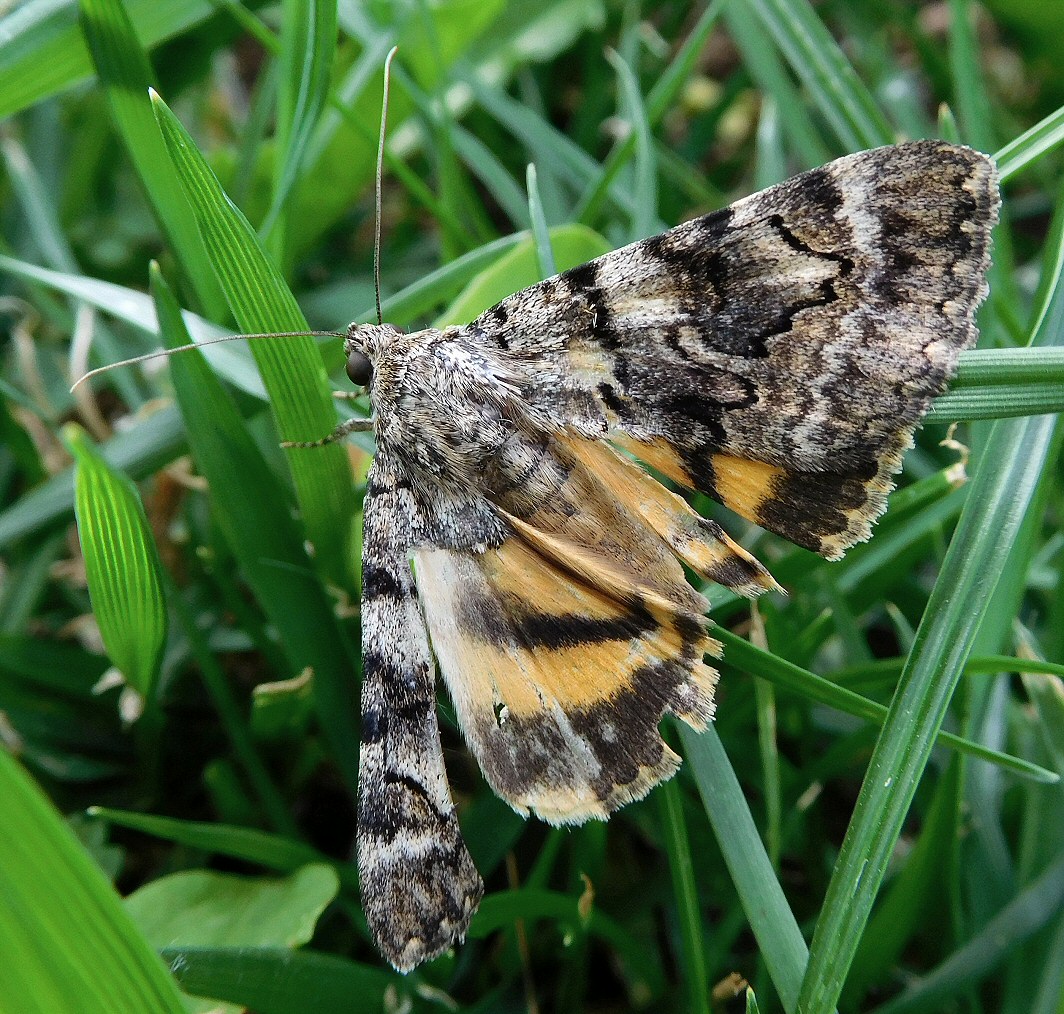
Oak Yellow Underwing Moth (Catocala nymphagoga) on shower beside pool

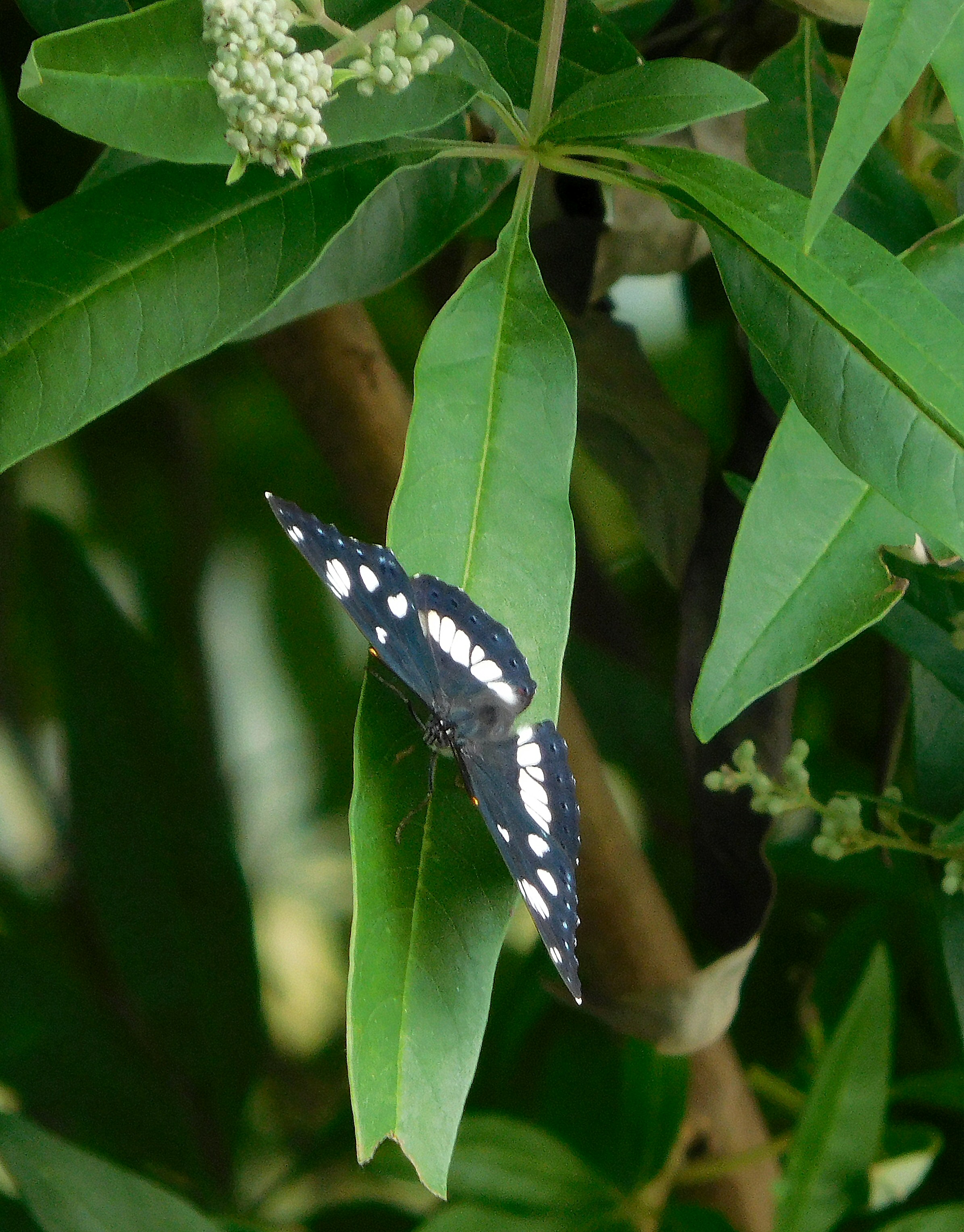
The bushes by the pool attracted this Southern White Admiral [Il Silvano azzurro o Piccolo silvano] (Limenitis reducta)
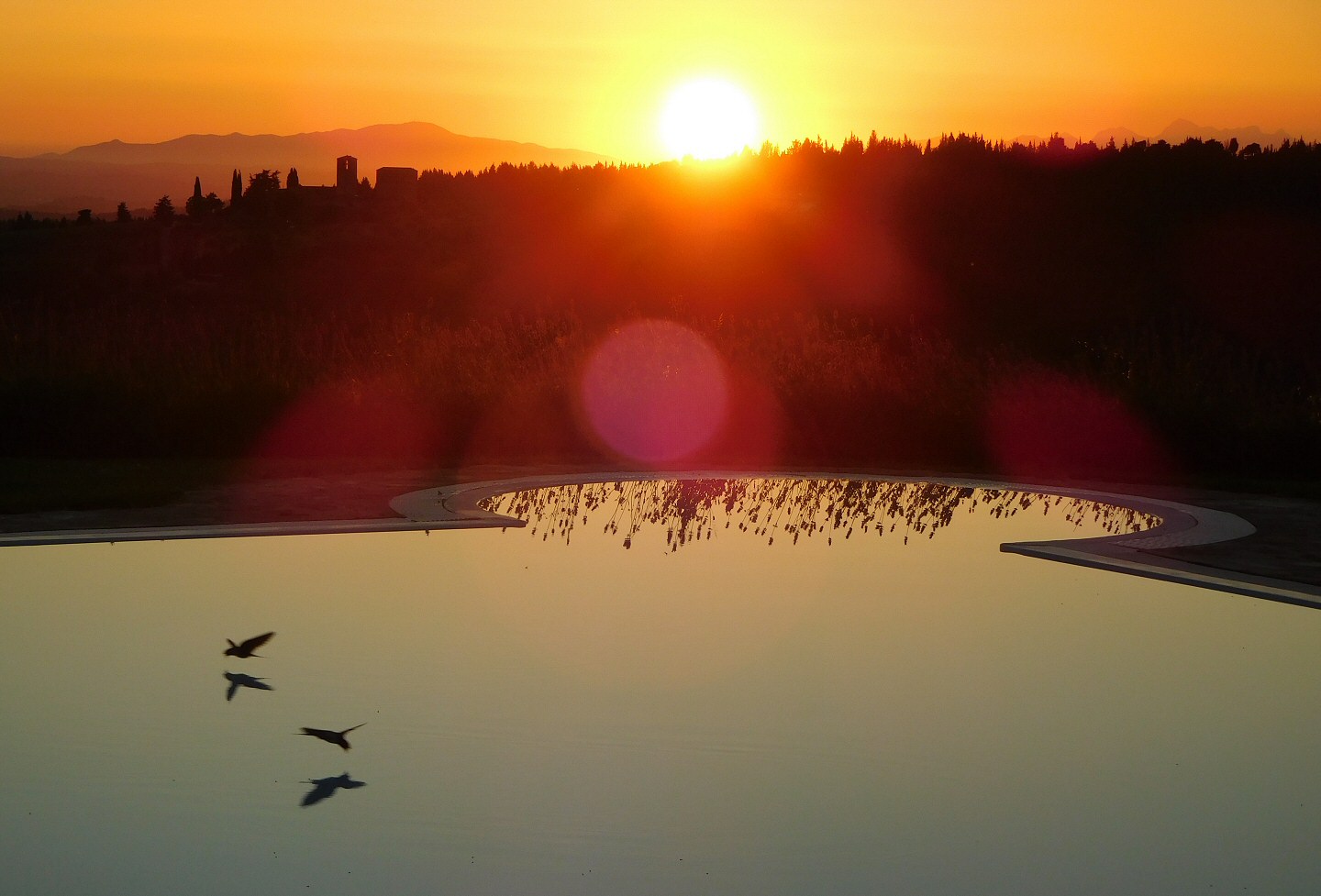
Swallows  [La rondine] (Hirundo rustica) swooping over the pool at sunset. Many pairs nest in the farm buildings; there were two active nests inside our porch.

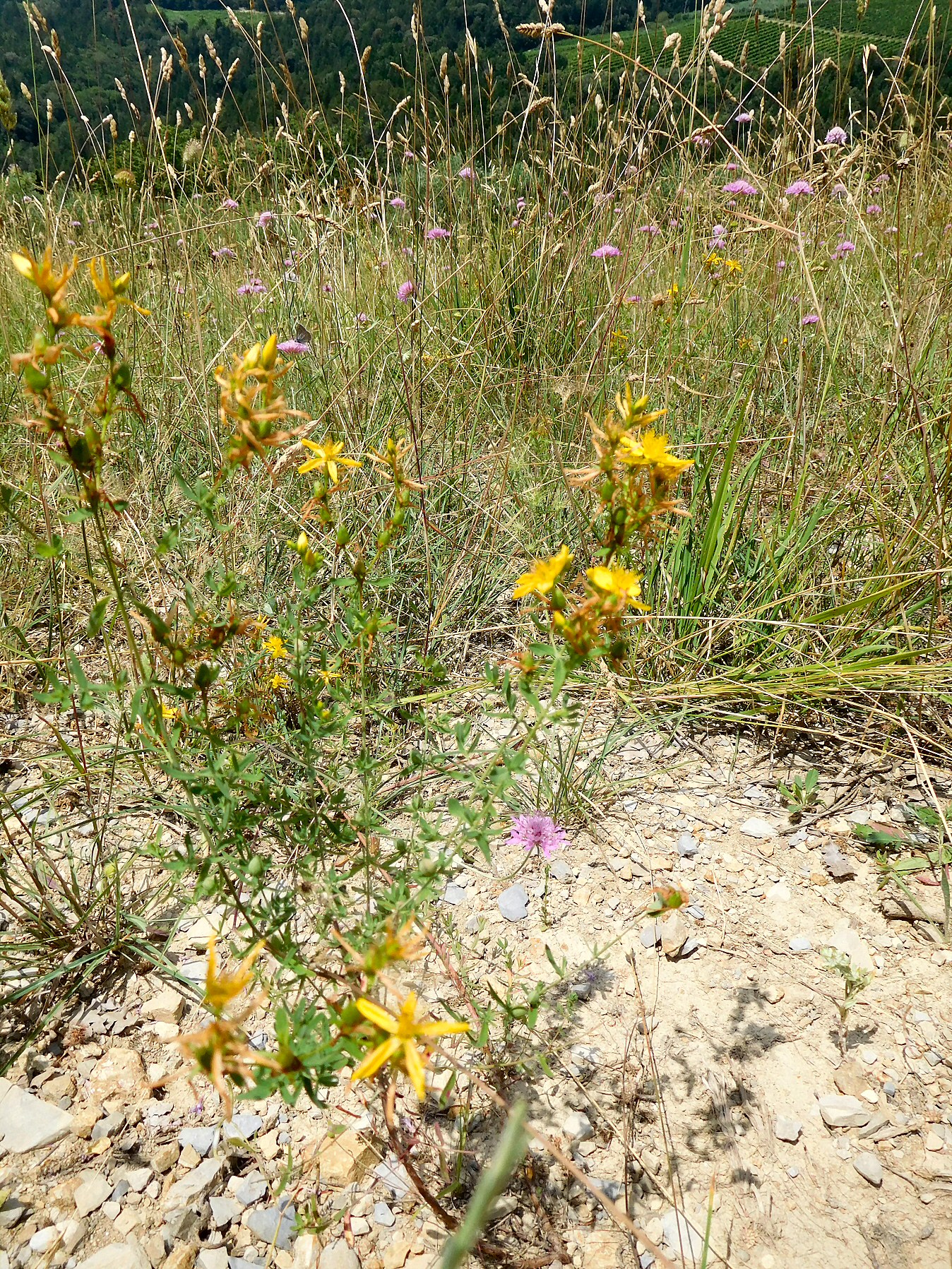
Perfect butterfly habitat a short walk from the agriturismo: meadow grass by Olive groves with Scabious (blue) and St John’s Wort (yellow). There’s a tiny Queen of Spain Fritillary in the picture!

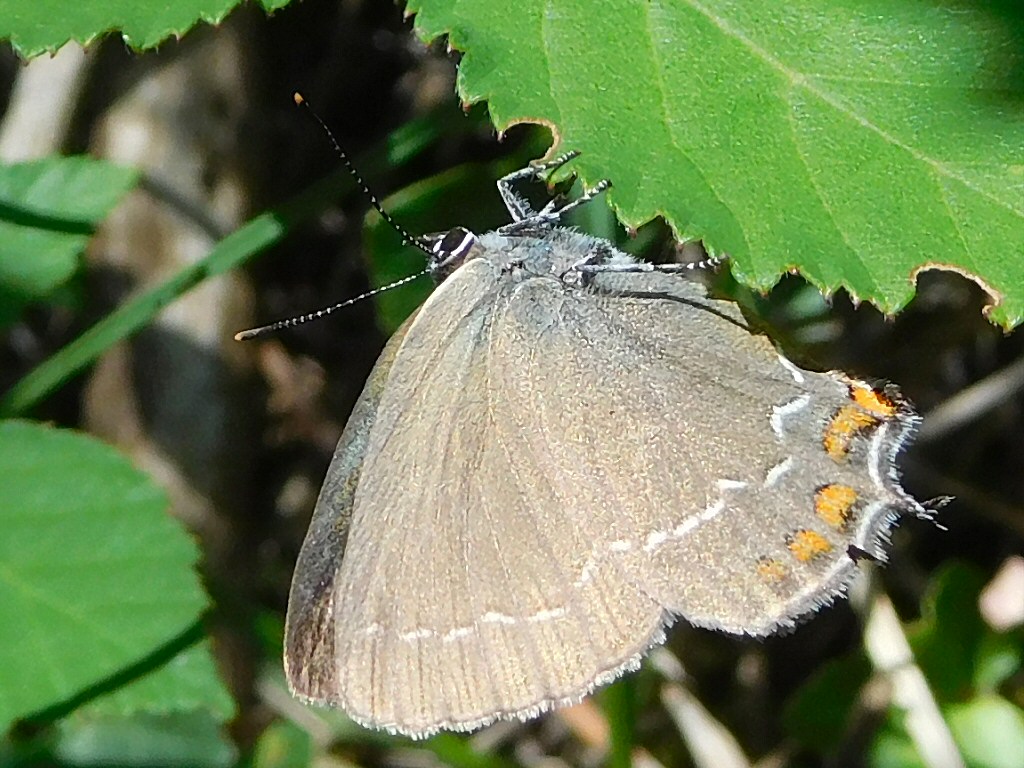
Sloe Hairstreak [Satiro dell’acacia] (Satyrium acaciae)
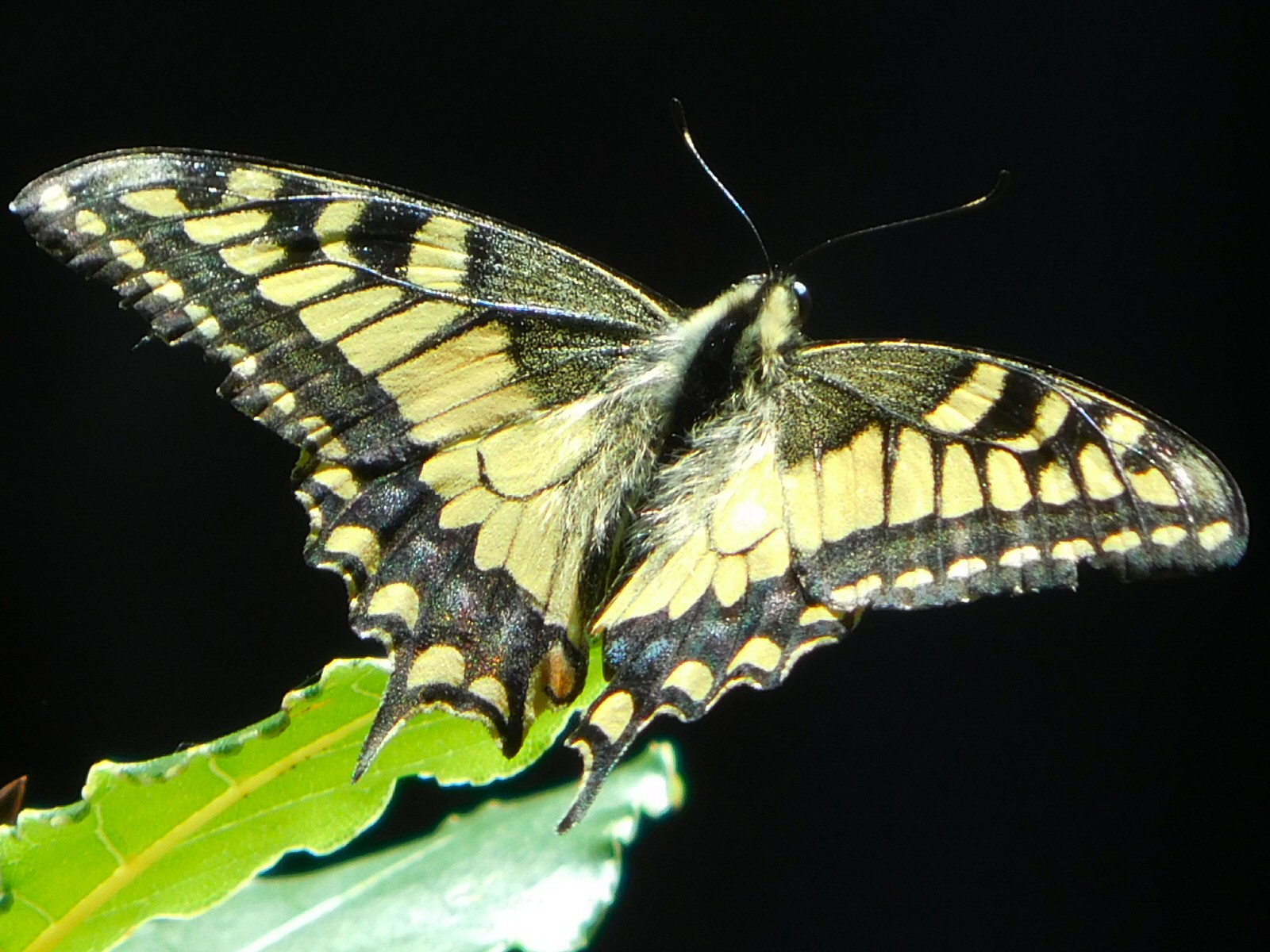
Swallowtail [Il macaone] (Papilio machaon); this one at Brolio castle, but there were many near the agriturismo too
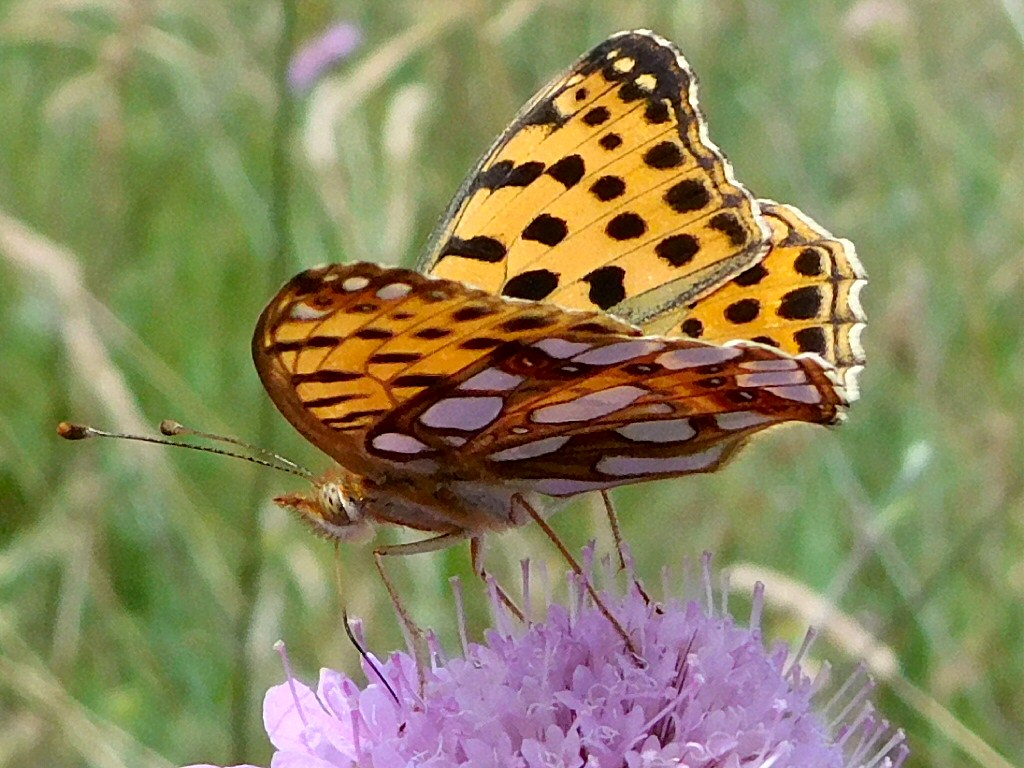
Queen of Spain Fritillary [La latonia]  (Issoria lathonia) on Scabious
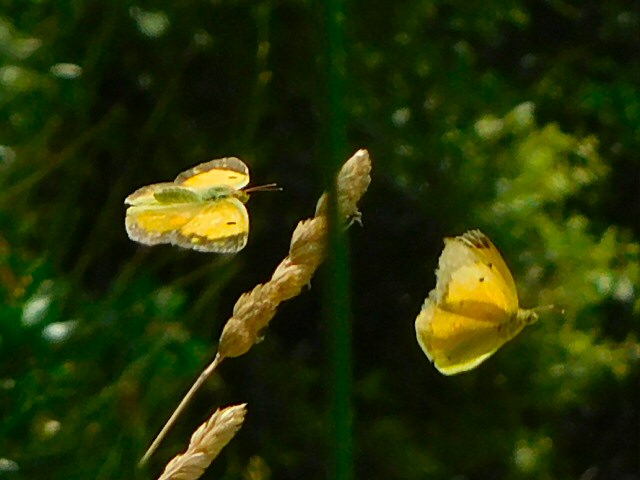
Clouded Yellow [La crocea, La limoncella, Il postiglione] (Colias croceus) pair in nuptial flight
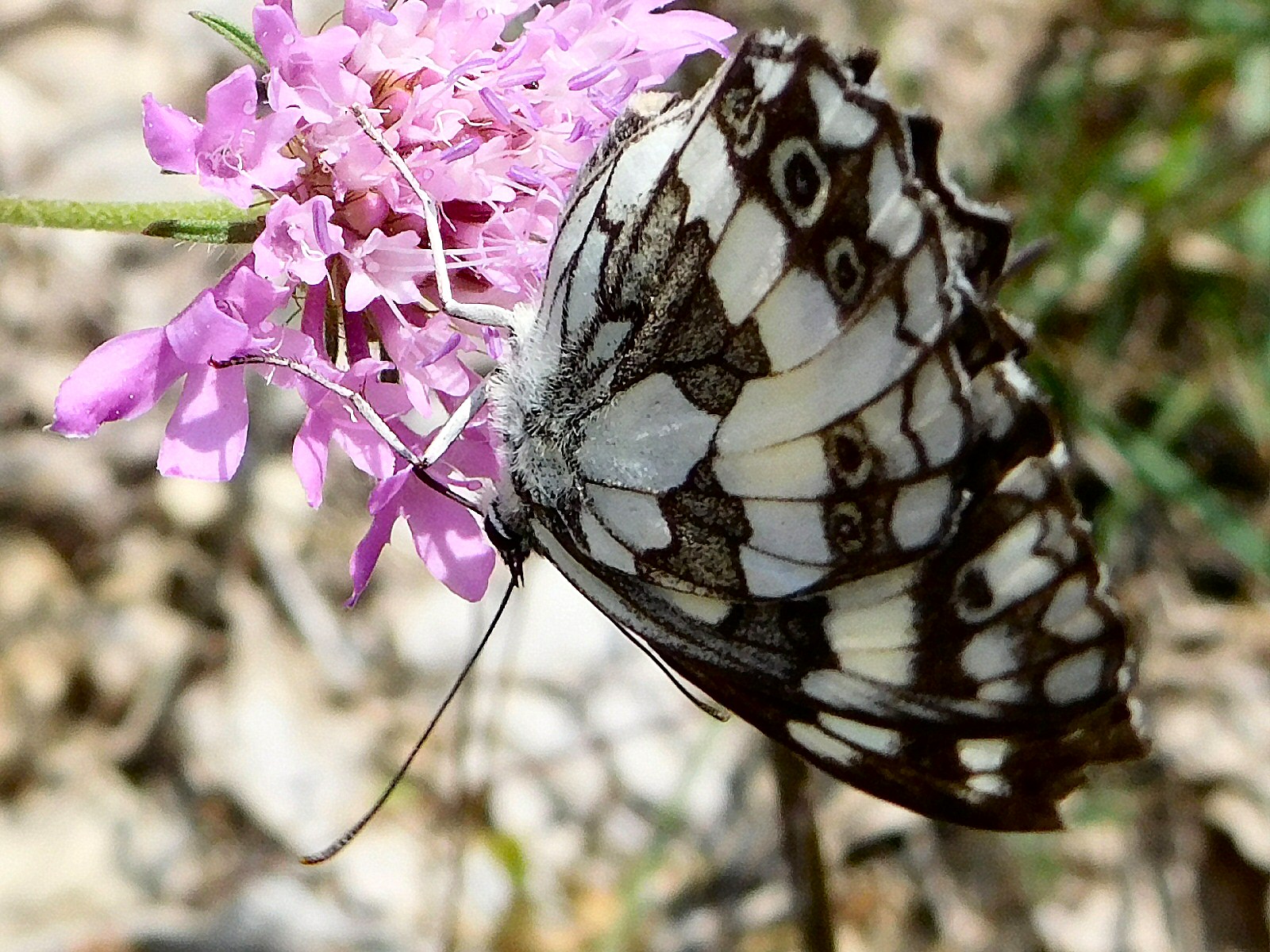
Marbled White [La galatea] (Melanargia galathea)
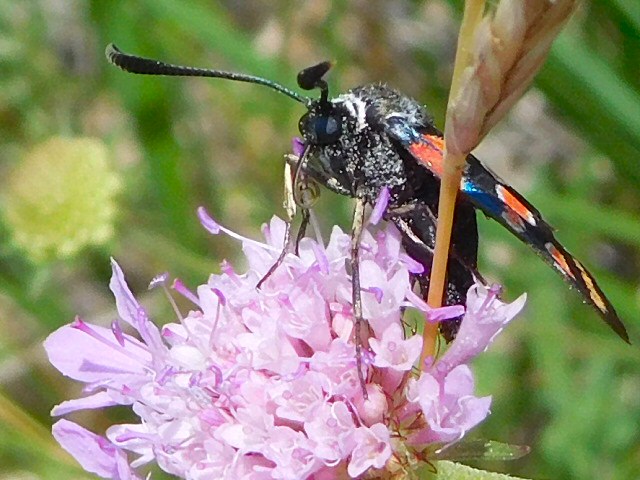
Probably Eastern Burnet Moth [La carniolica] (Zygaena cf carniolica) on Scabious.

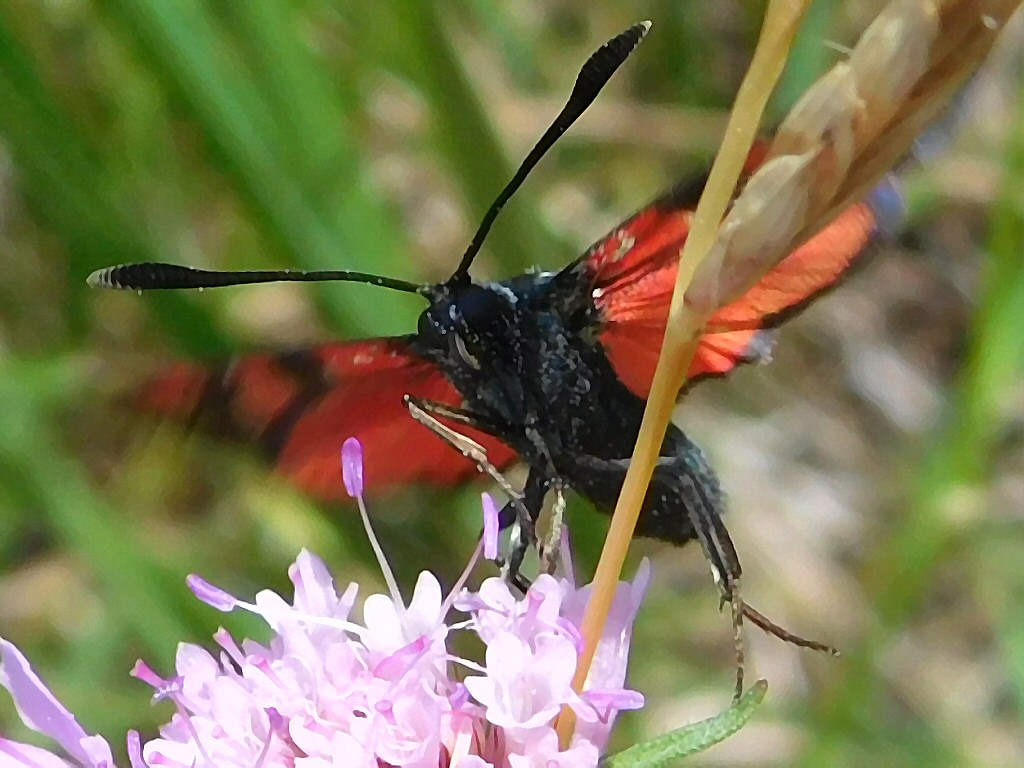
Zygaena cf carniolica taking flight. The brilliant red underwings give a strong and honest warning signal of the insect’s inedibility.

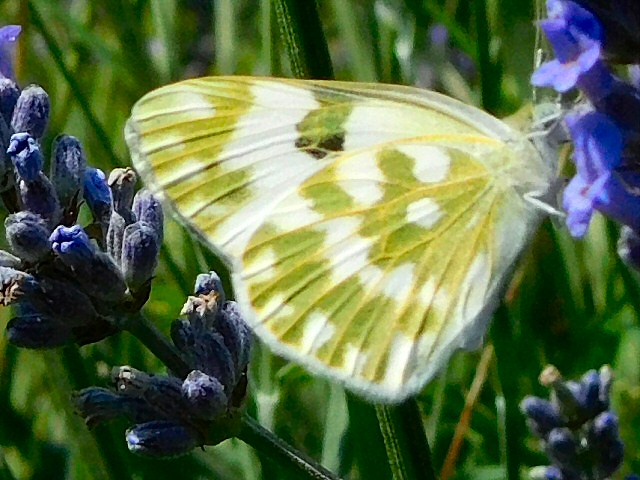
Eastern Dappled White [L’ausonia] (Euchloe ausonia)

Olive Grove and Spanish Broom. Butterflies skittered about the flowery meadow below the trees.

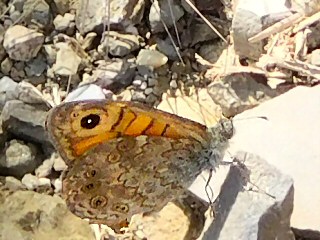
Wall Brown [La megera] (Lasiommata megera)
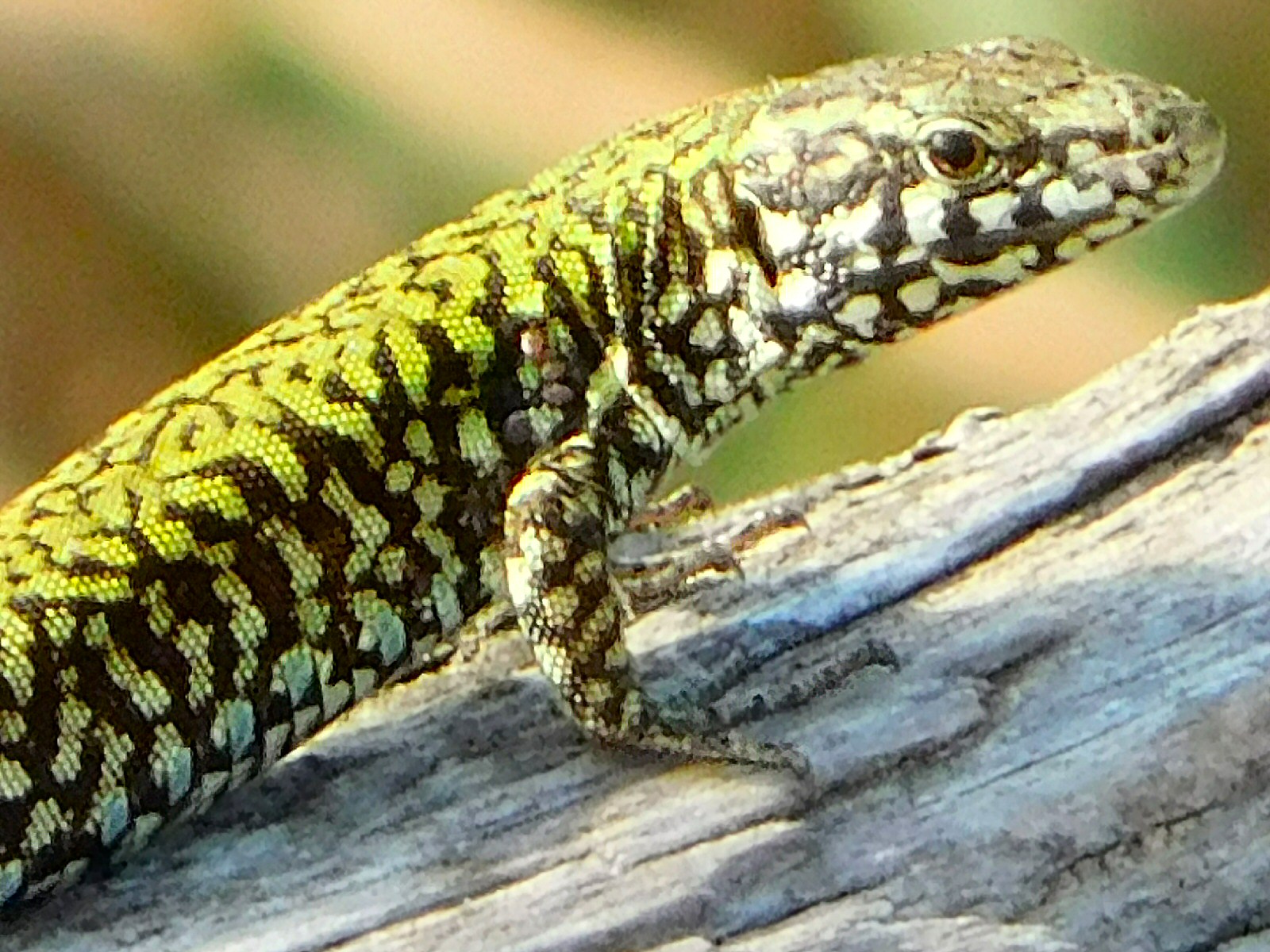
A lizard, probably the Common Wall Lizard [Lucertola muraiola] (Podarcis muralis) given its dark chin, scurried along the wooden rail at the edge of the pool area.

A very battered Oak Yellow Underwing that has survived an attack by a bird

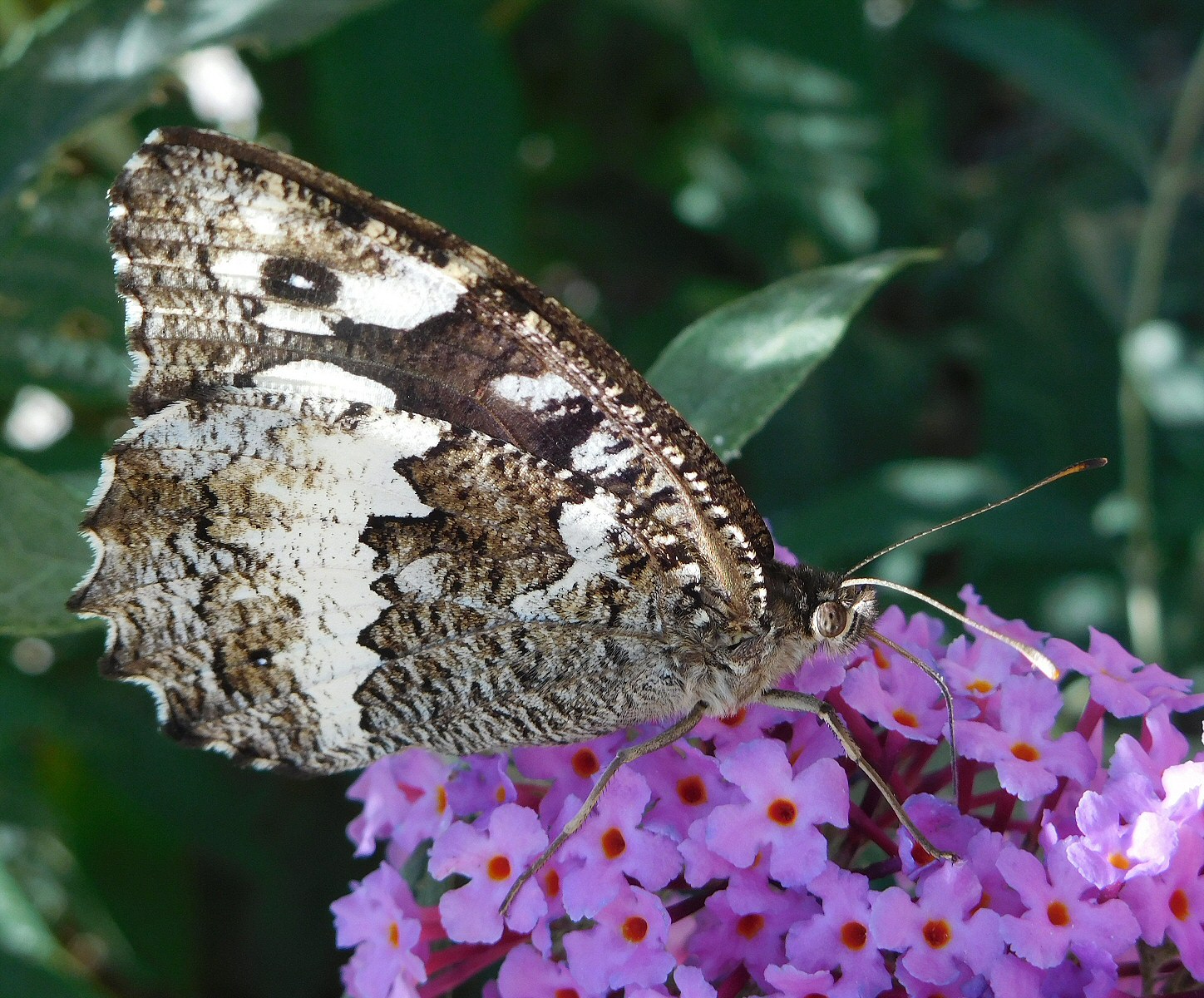
Great Banded Grayling [Circe, Satiro circe, Sileno] (Brintesia circe)
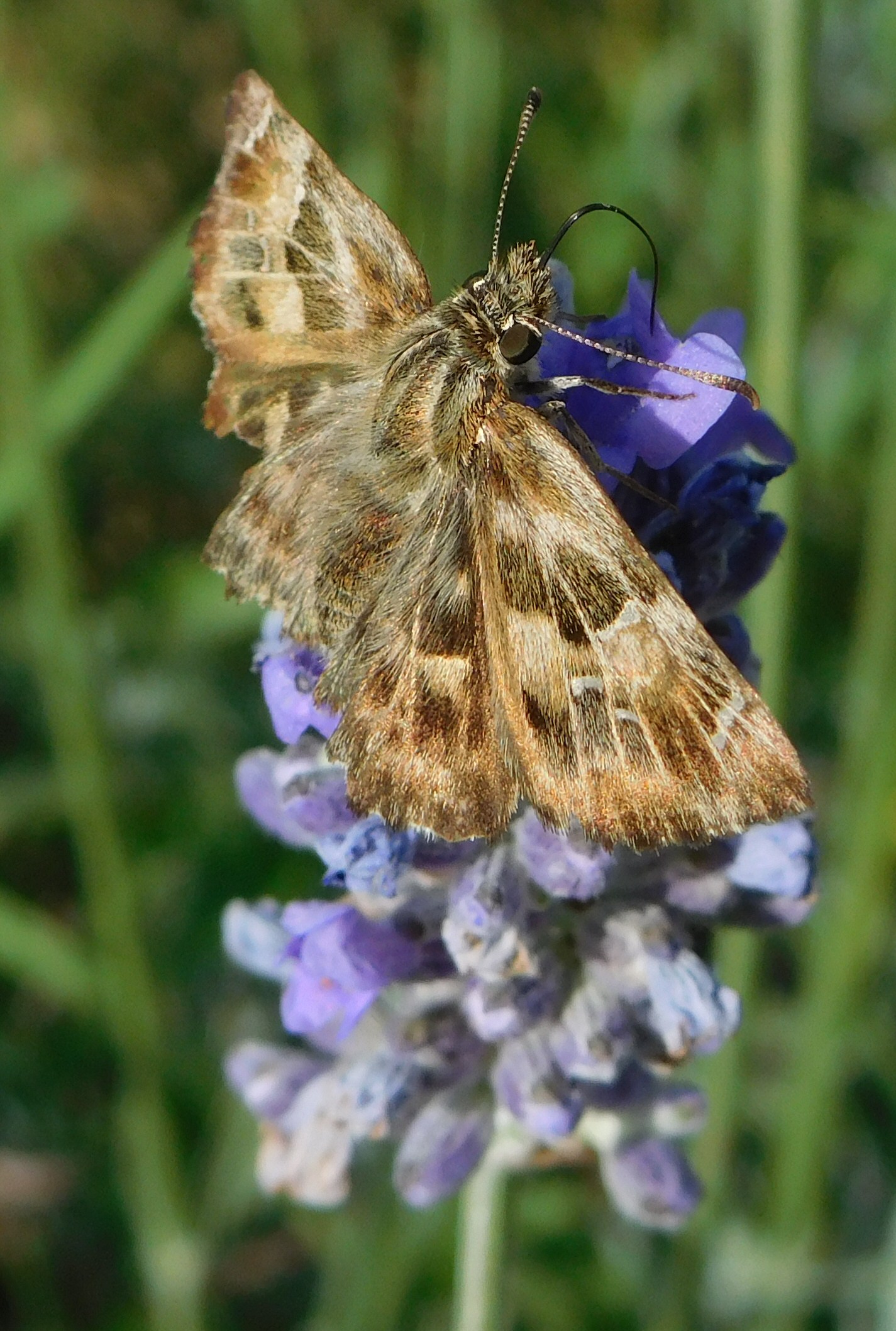
Dingy Skipper [Tagete] (Erynnis tages). There were Large Skippers about too, but their habit of perching on slender waving grasses made photography hopeless.
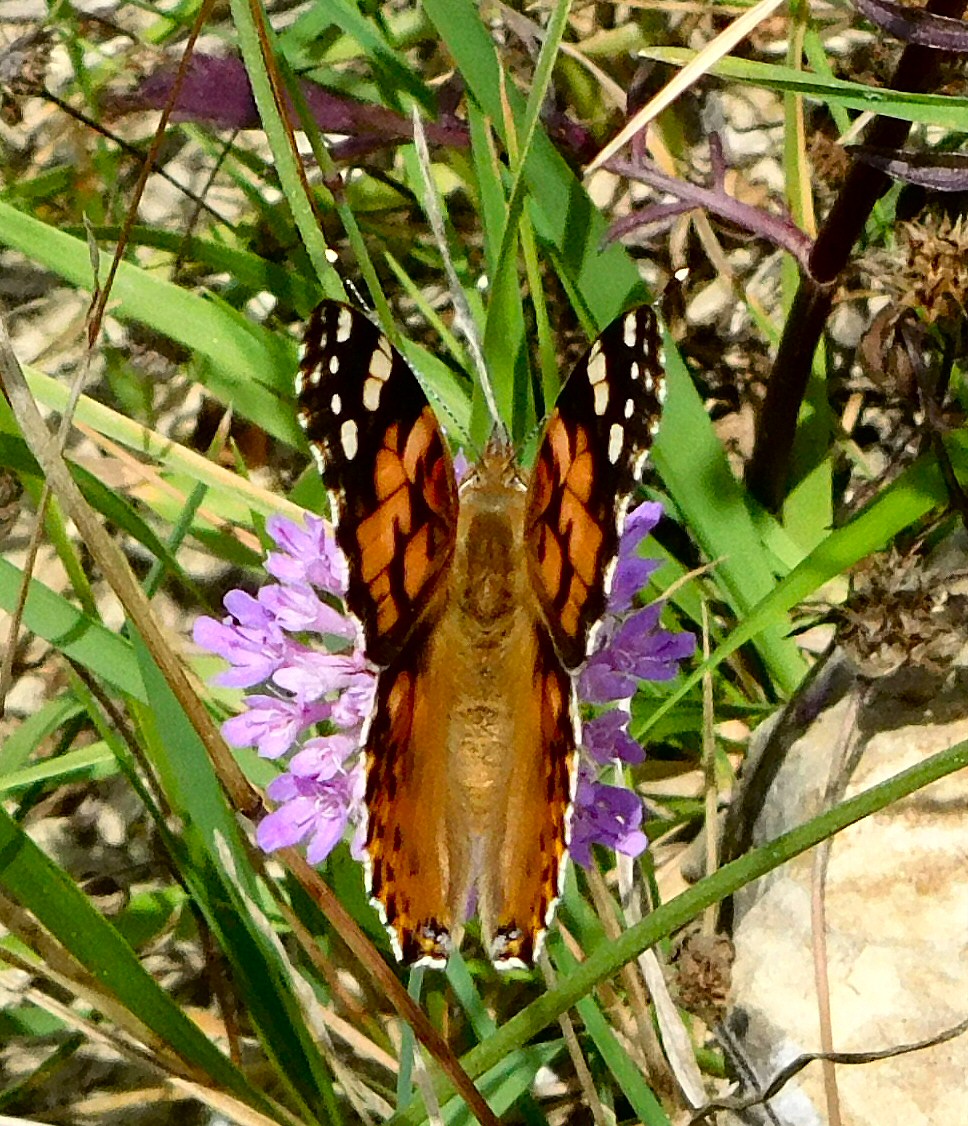
Painted Lady [La vanessa del cardo] (Vanessa cardui)
Spotted Fritillary [La didima] (Melitaea didyma)

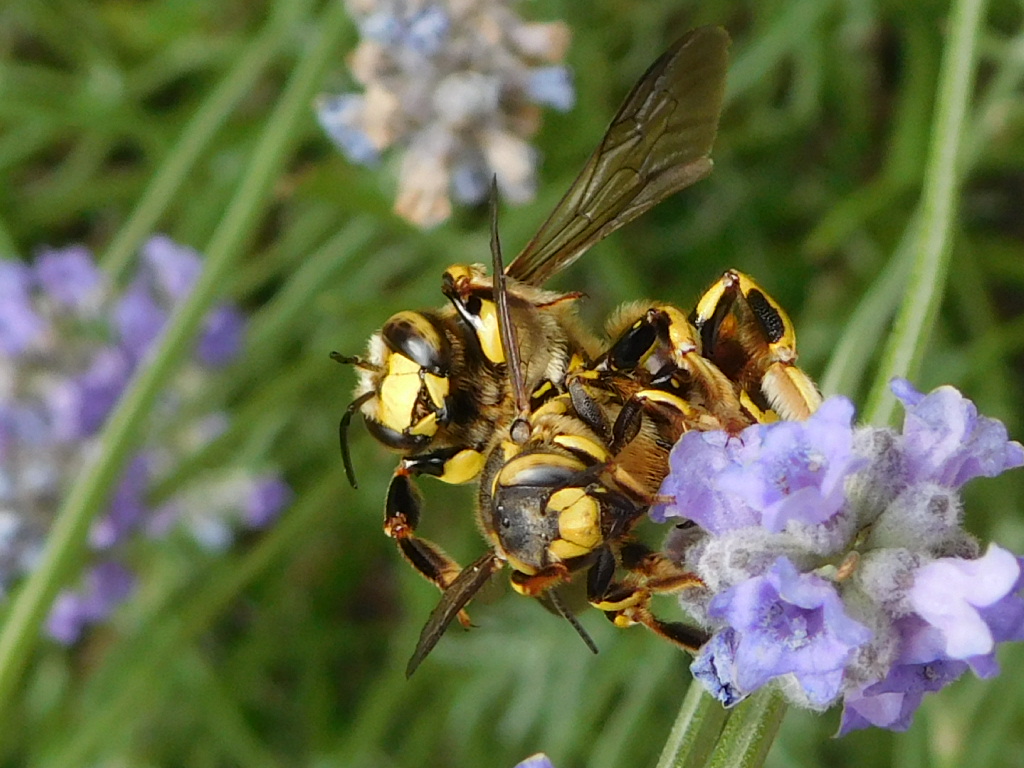
Some rather fine wasps apparently attempting to mate

Although it was a bit late in the season for them, we saw half-a-dozen fireflies in the woods by the strada bianca (unmetalled road) and among the olive trees, half an hour or so after sunset.

I made no attempt to photograph birds, but a Hoopoe flew over the pool, and Turtle Doves cooed nearby. A Cuckoo called from far across the valley; a Song Thrush sang; a Green Woodpecker gave its laughing cry. White Wagtails flew up to the roof, and Italian Sparrows hopped about. Goldfinches twittered in the trees. A Sardinian Warbler raced for the cover of the trees, its black crown conspicuous; a Melodious  Warbler sang from the woods. In the night, an owl called, it could have been a Scops Owl. And of course, Cicadas buzzed and Bush Crickets chirped all day long.

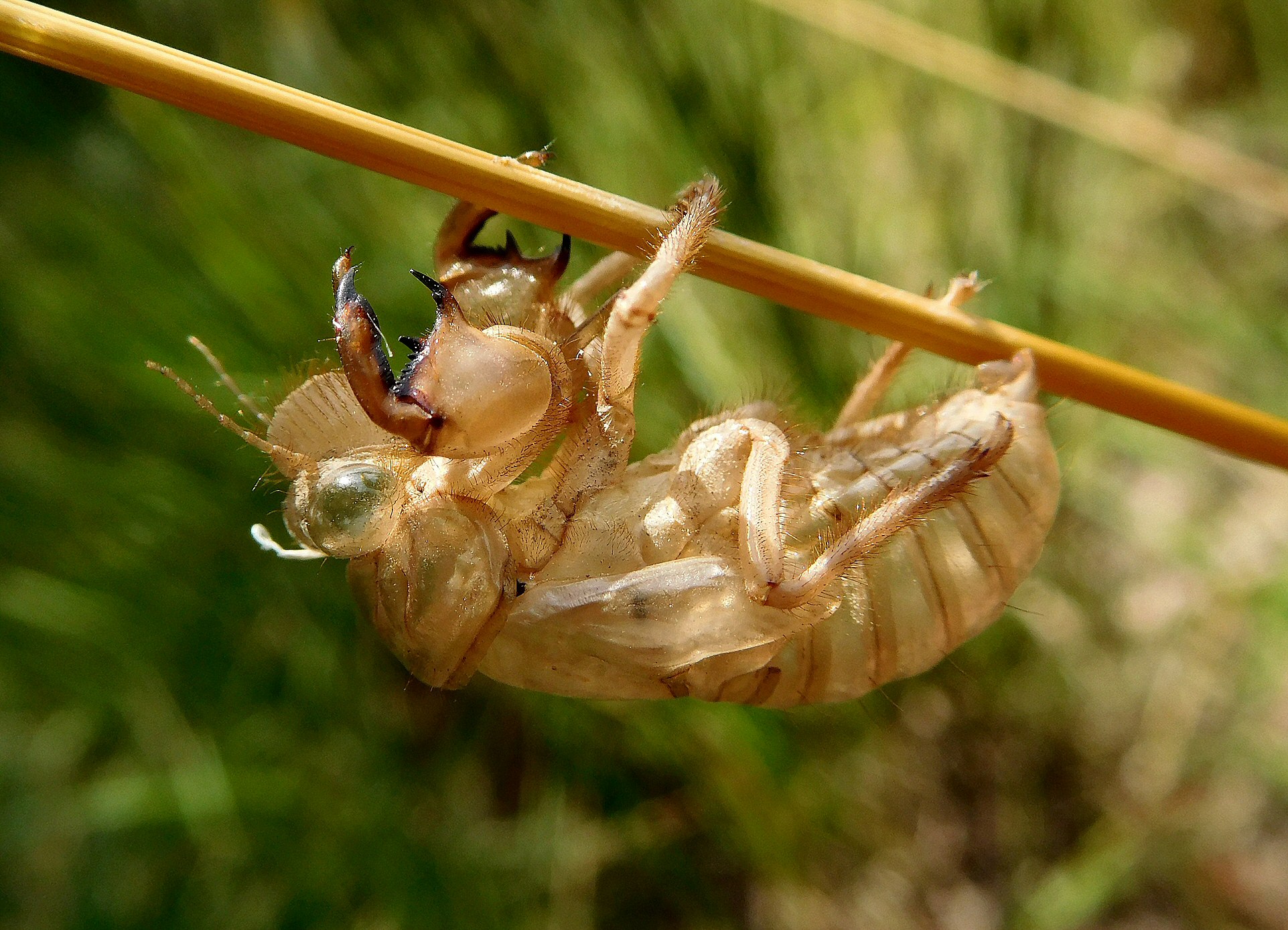
Cicada exuviae, the shed skin of a wingless nymph

All photos © Ian Alexander 2018