Tag Archives: Silver-Washed Fritillary

LWT Nature Walk at Hutchinson’s Bank

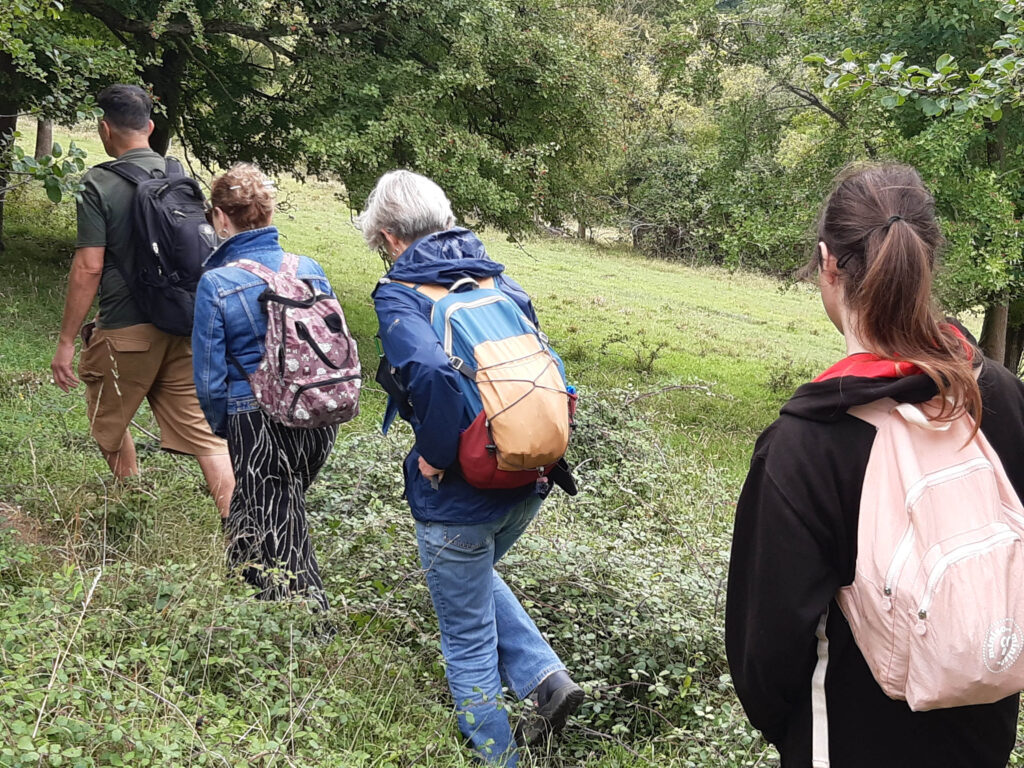
GT LWT group setting off into the reserve

Our entire LWT volunteers group (well, everyone who wanted) took a day off work and travelled the tube, overground, and tram to get to New Addington. From the end of the tram line, we walked a few steps to Hutchinson’s Bank.

This is the start of the group of beautiful and quiet LWT reserves that line this part of the warm south-facing scarp slope of the chalk of the North Downs.

The chalk formed as the tiny shells of marine algae (coccolithophores) rained down on to the seabed of a warm shallow sea during the Cretaceous period. The upper chalk here formed 100 to 66 million years ago. It then hardened, and was eventually crumpled by tectonic movements to form a ridge above what is now the Weald of Kent and Sussex. That ridge eroded away, leaving a north-facing scarp on the South Downs, and the south-facing scarp of the North Downs that we were standing on.

The chalk is a soft limestone, rich in calcium, which makes the soil on it basic (alkaline), unlike the neutral or acidic London Clay and Thames Flood Gravels. The resulting soil is a thin, free-draining Rendzina on steep slopes, and a thicker Brown Earth in the valleys. These support a wealth of flowers such as Marjoram, Scabious, and several Orchids that like an alkaline soil. Those in turn support many species of butterfly; Andy says there are 40 species on the local list.

We strolled eastwards through the woods and chalk grassland of Hutchinson’s Bank, down the slope and through the wood of Three Corner Grove, and across the road to the third reserve, Chapel Bank.

The area is a few miles west, but on the same chalky slopes that Darwin visited from Down House: Down Bank and the little hill he called ‘Orchis Bank’ where he found specimens, and most famously described as a “tangled bank” in his 1859 book The Origin of Species.

Oh, all right then, here’s his description. You can decide for yourself if the chalk hills of the North Downs led him to devise his theory of evolution by natural selection:

  • It is interesting to contemplate a tangled bank, clothed with many plants of many kinds, with birds singing on the bushes, with various insects flitting about, and with worms crawling through the damp earth, and to reflect that these elaborately constructed forms, so different from each other, and dependent on each other in so complex a manner, have all been produced by laws acting around us.

I gave a brief introduction to the geology, soils, and ecology; Andy did the same for the butterfly fauna.

To see the images uncropped and at full size, open them in a new tab or window.
There was great excitement among the butterfly enthusiasts in the group when a large orange-brown butterfly flew past with the strong purposeful flight of a Fritillary. Two species, the Silver-Washed and the Dark Green, are native to the area; they are larger than the introduced or “escaped” species, the Glanville, Heath, and Marsh Fritillaries which can also be seen here.

Eventually, amidst much stalking of the first specimen, which proved to be a Silver-Washed, three more of that species came by, chasing each other about, and then obligingly landing on some of the abundant Marjoram which was aromatically in flower and nectar among the grass.

Here’s Andy’s photo of one of them.
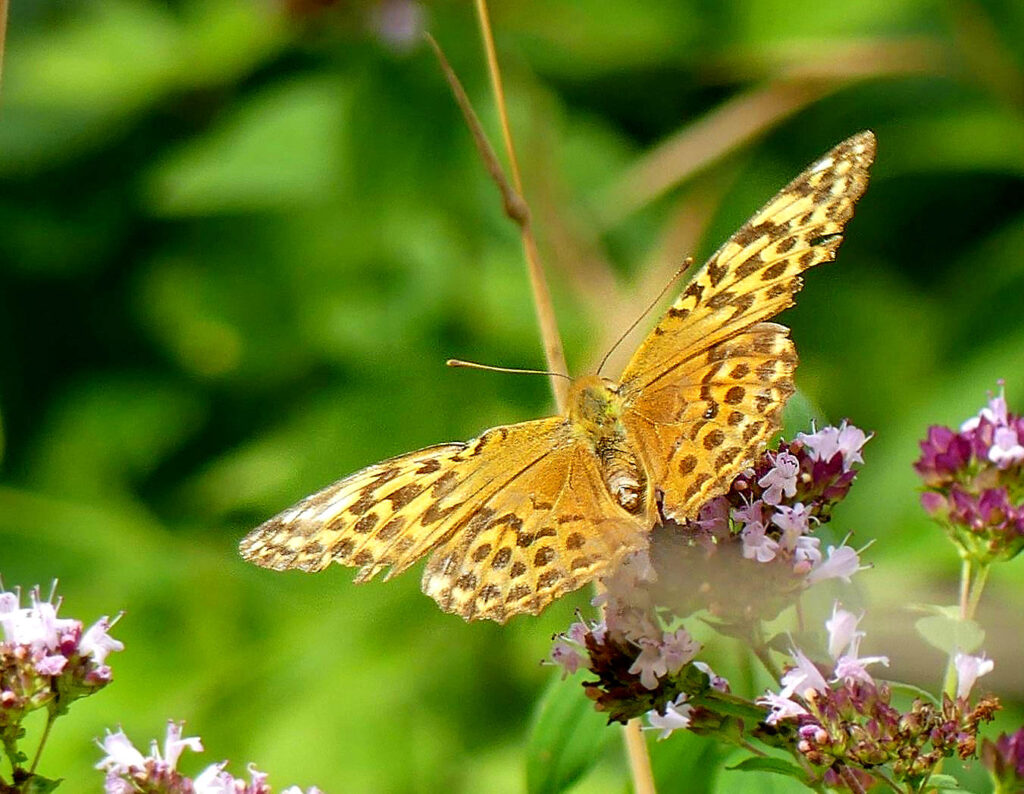
Silver-Washed Fritillary on Marjoram, taken by Andy

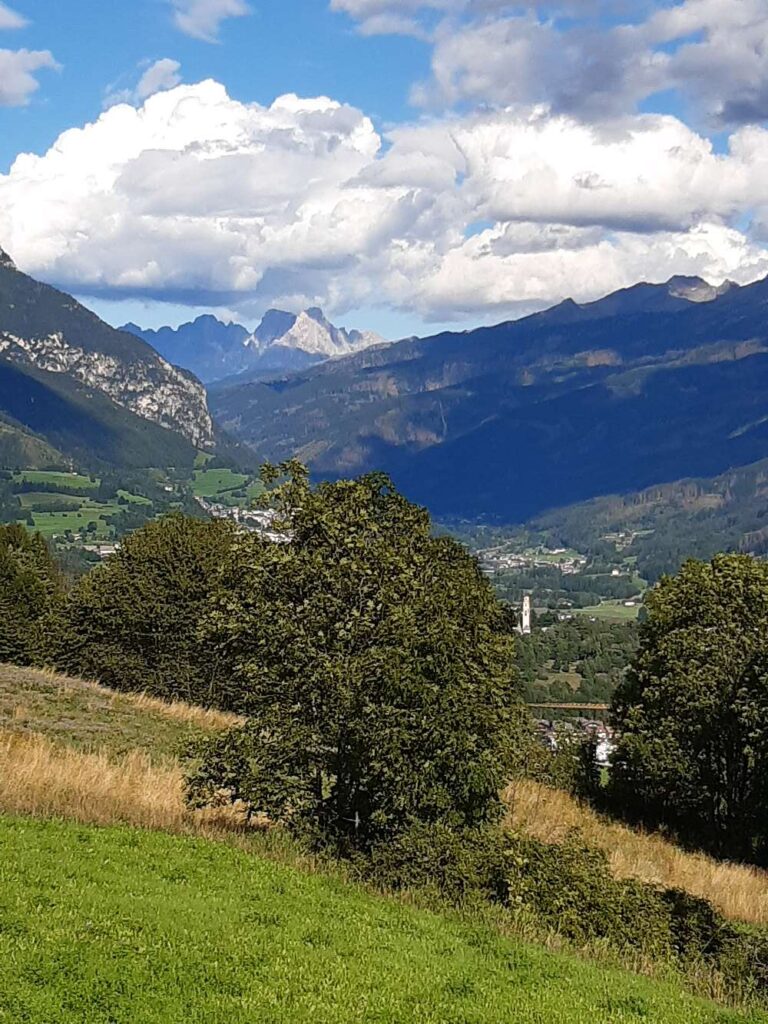
Glorious Insects and Flowers of the Dolomites

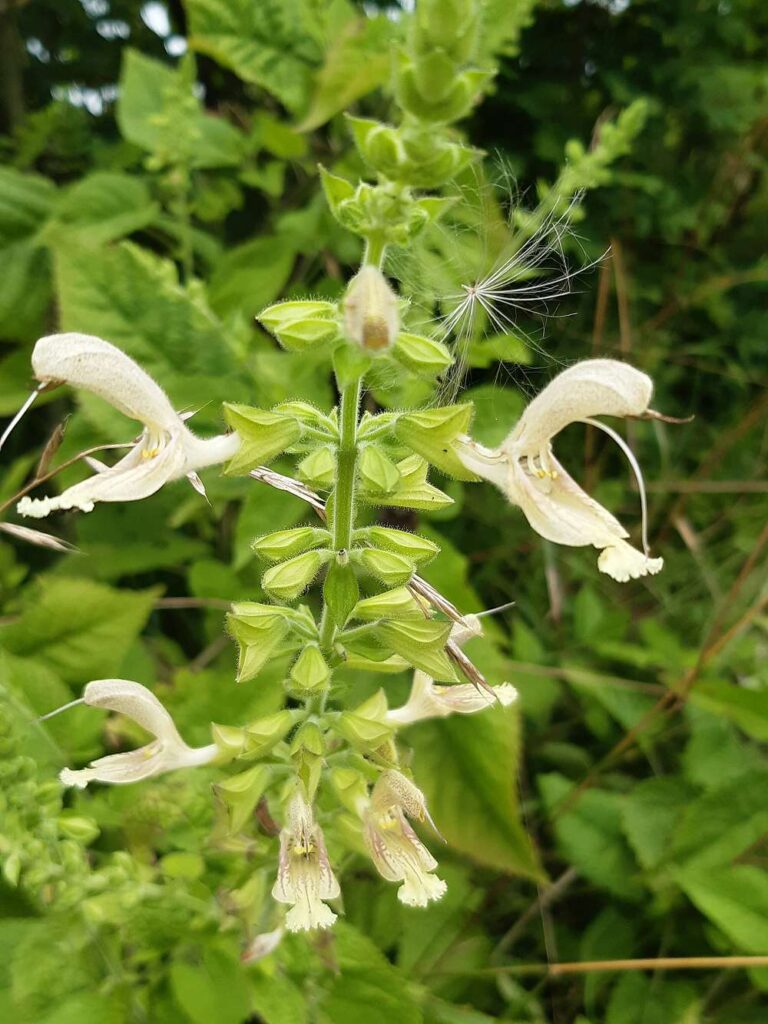
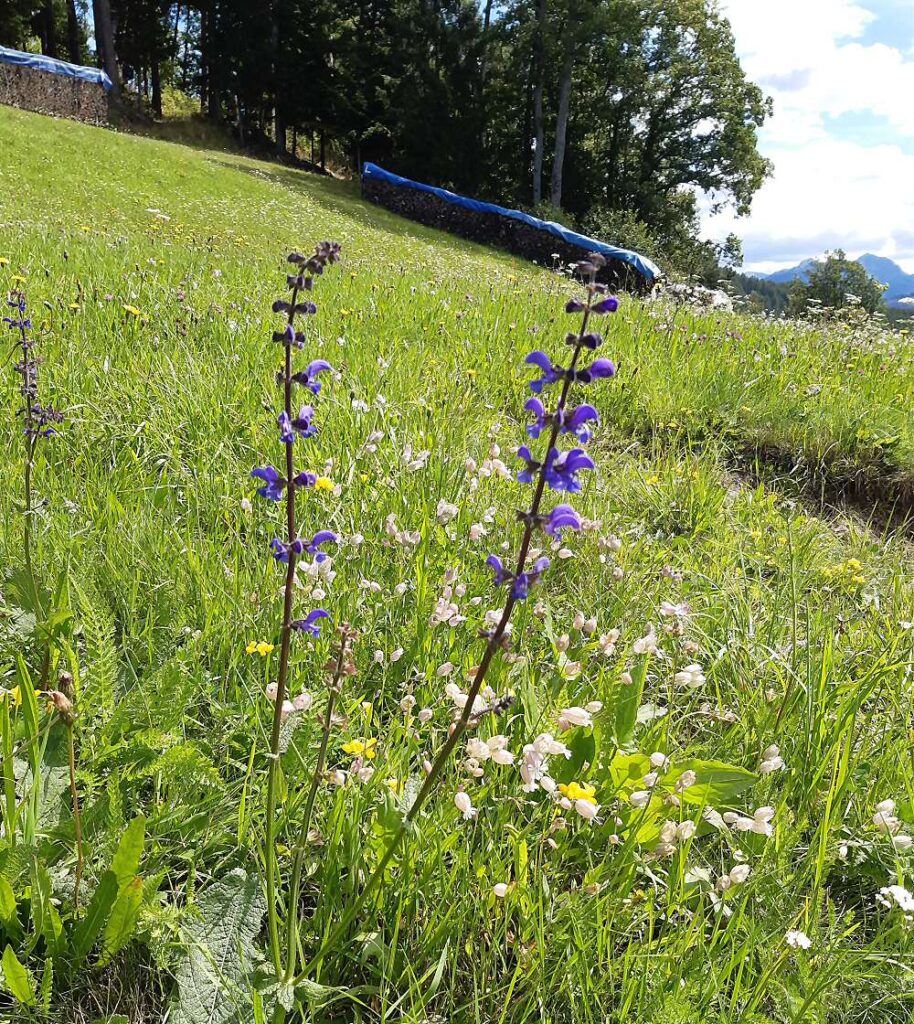
Sticky Clary (Salvia glutinosa), Val Sugana
At Calvello, Val di Fiemme
Val di Fiemme
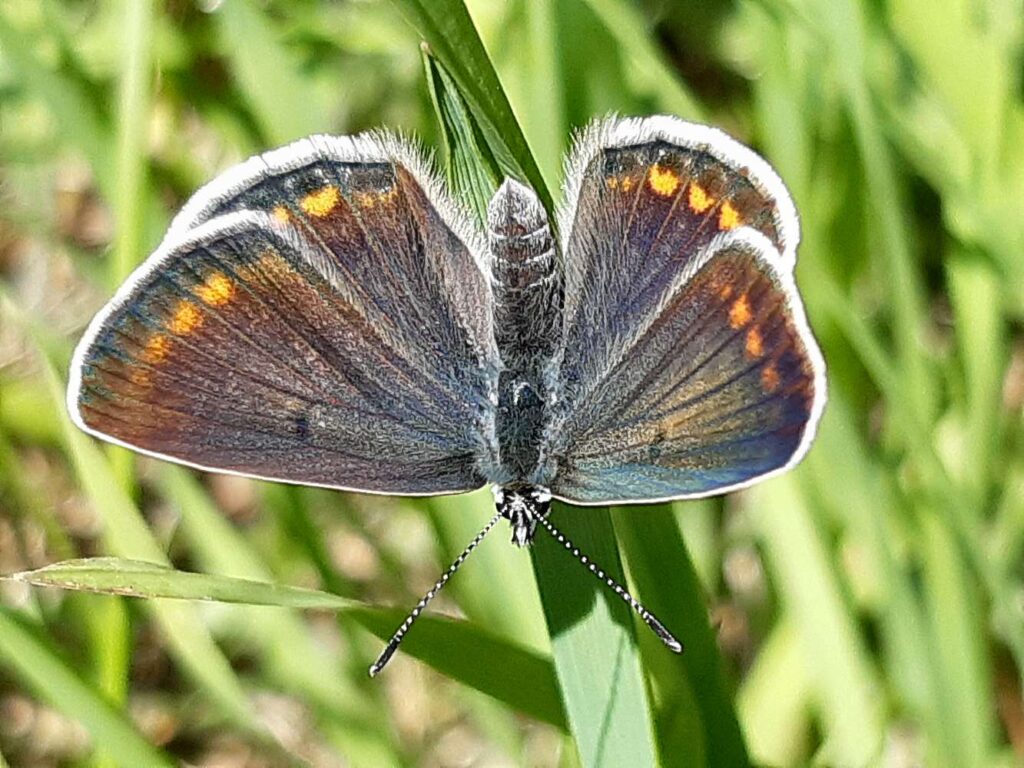
Brown Argus at Redagno
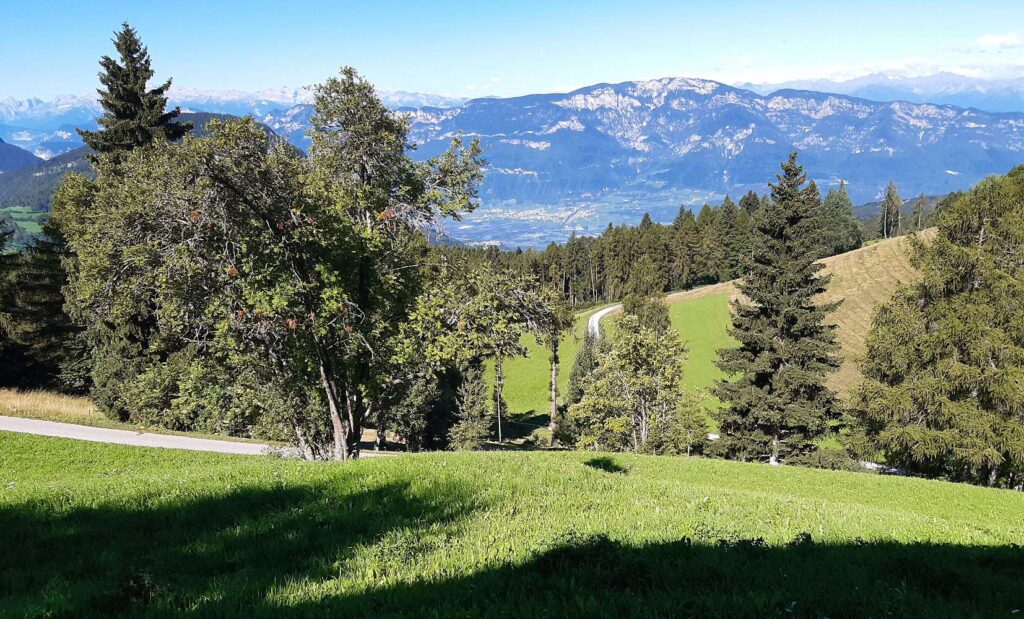
Dolomite landscape at Redagno
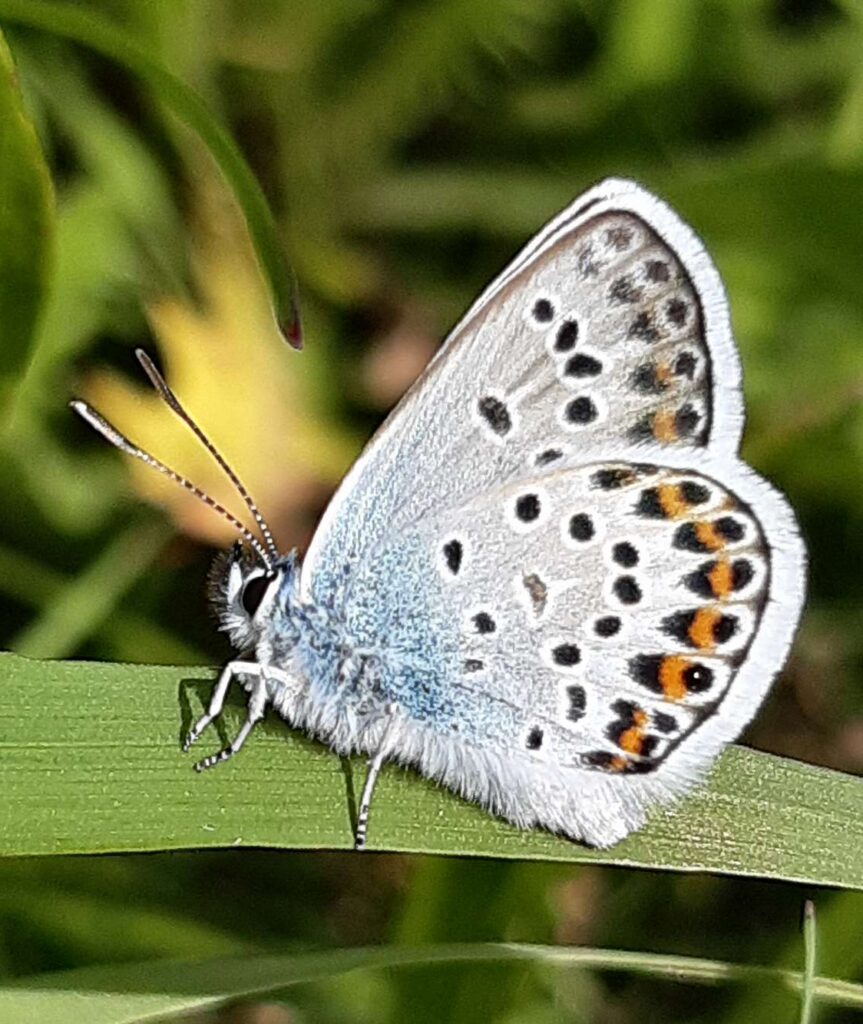
Idas Blue at Anterivo
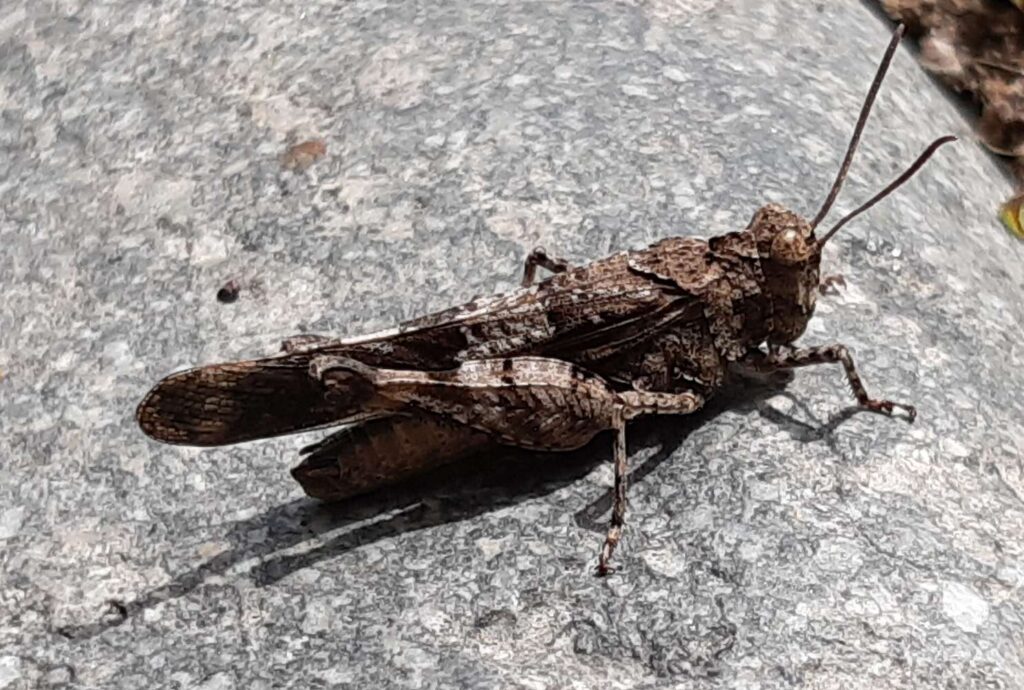
Stone Grasshopper above Anterivo
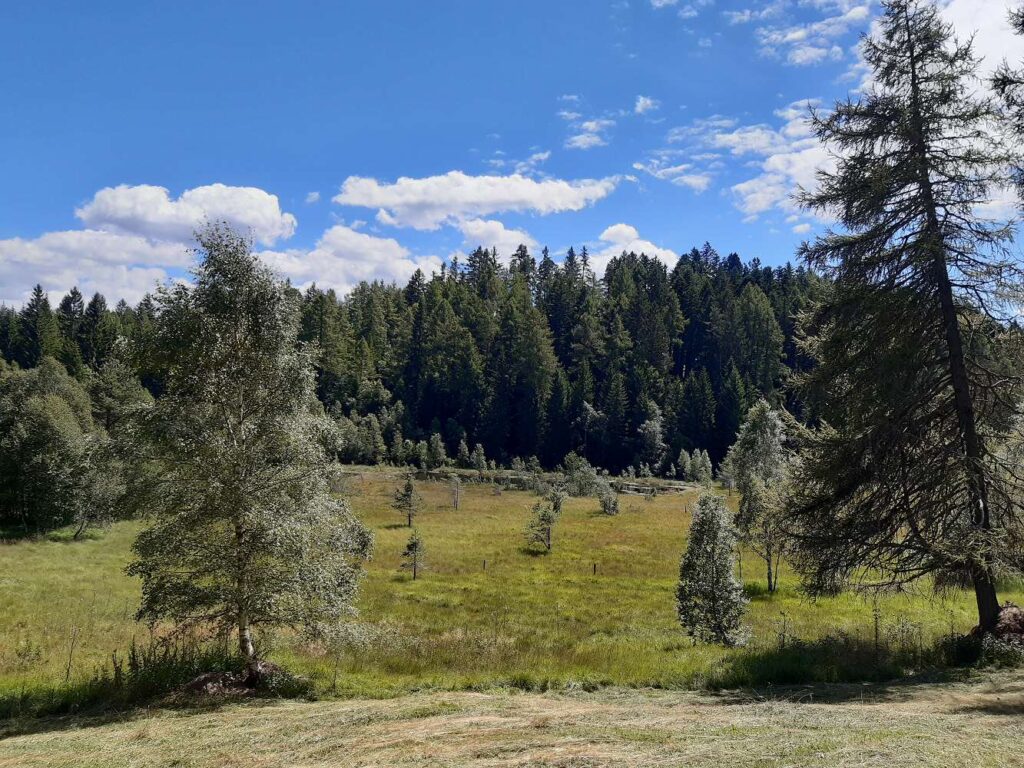
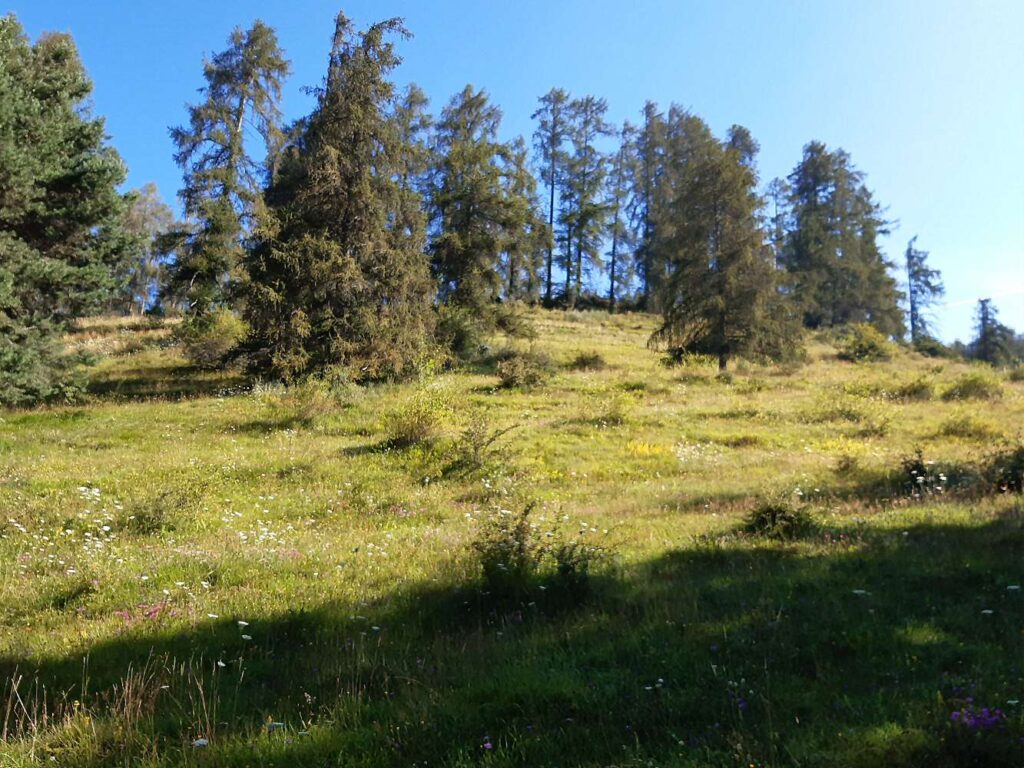
Alpine meadow and forest, with wood-stacks, above Anterivo. The flower-rich grass is cut annually for hay.
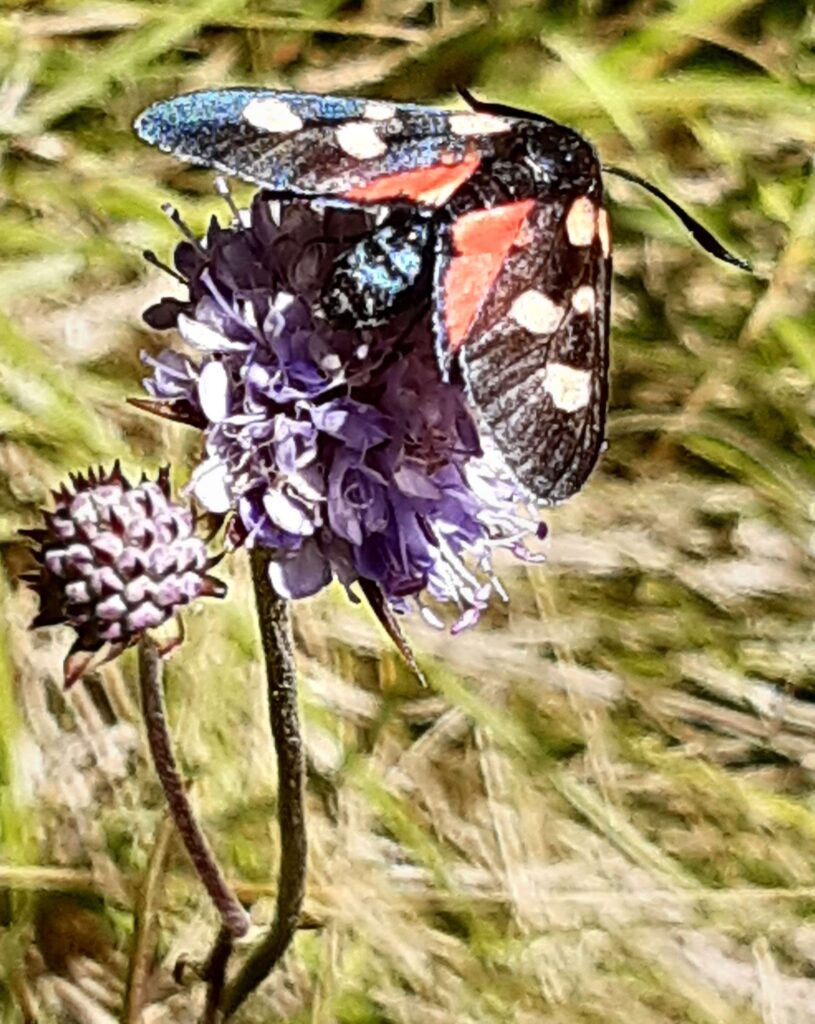
Burnet Moth on Scabious above Anterivo
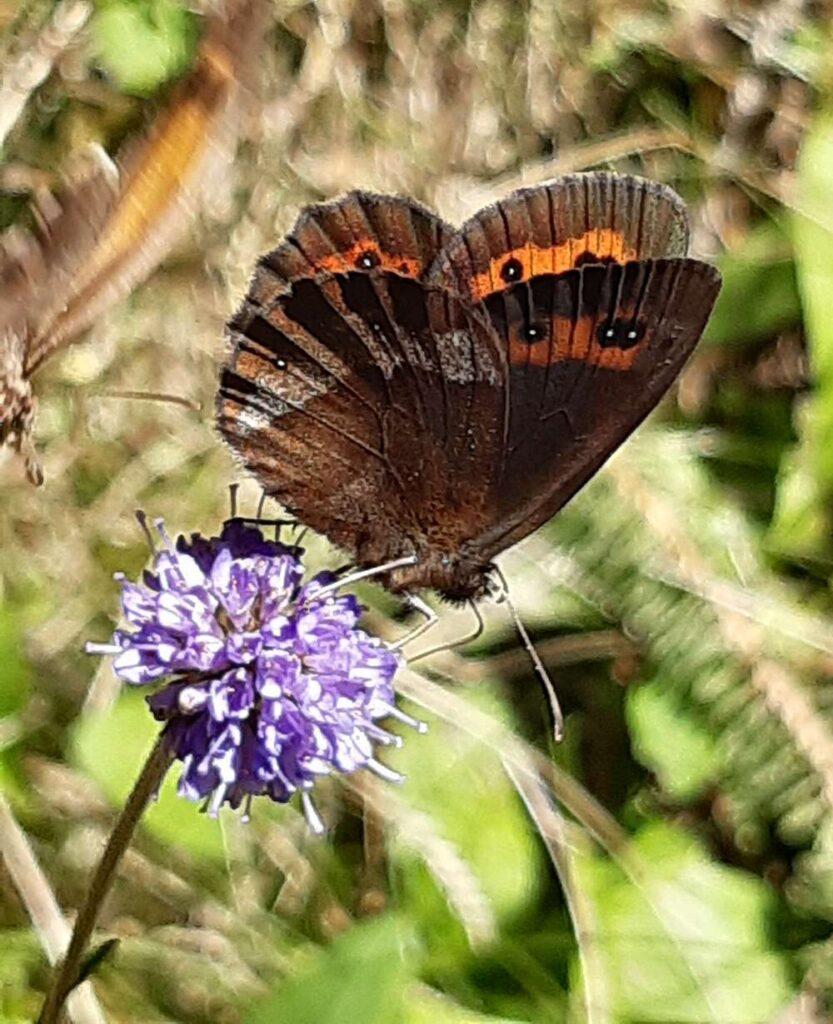
Scotch Argus at Anterivo
Fir forest, marsh with Birches, meadow, bog pool above Anterivo
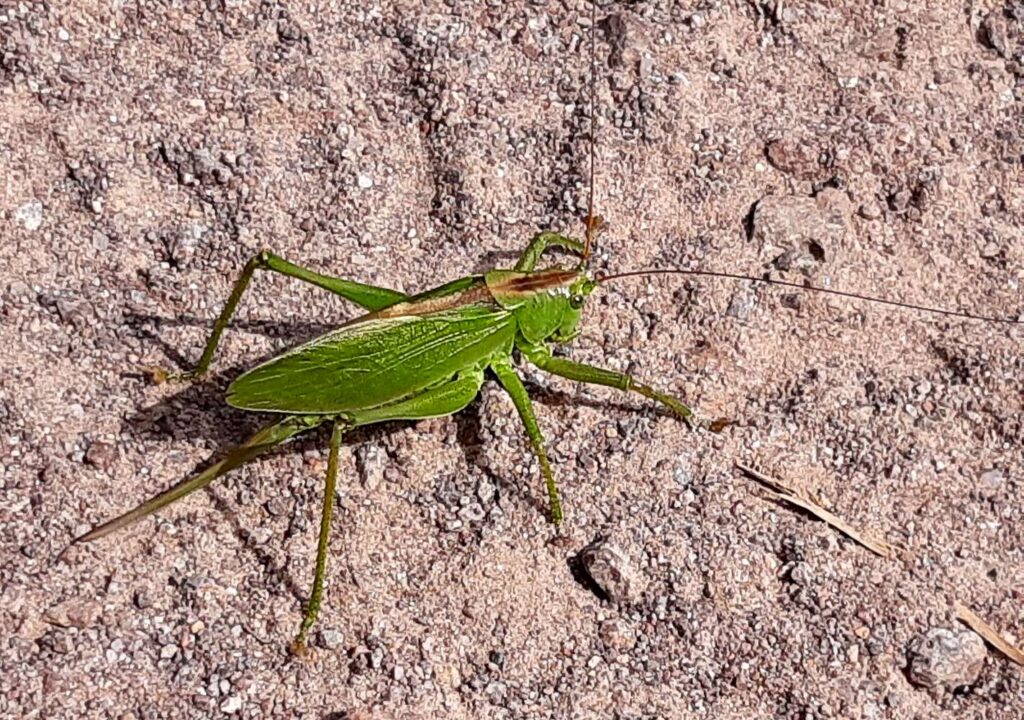
Great Green Bush-Cricket above Anterivo
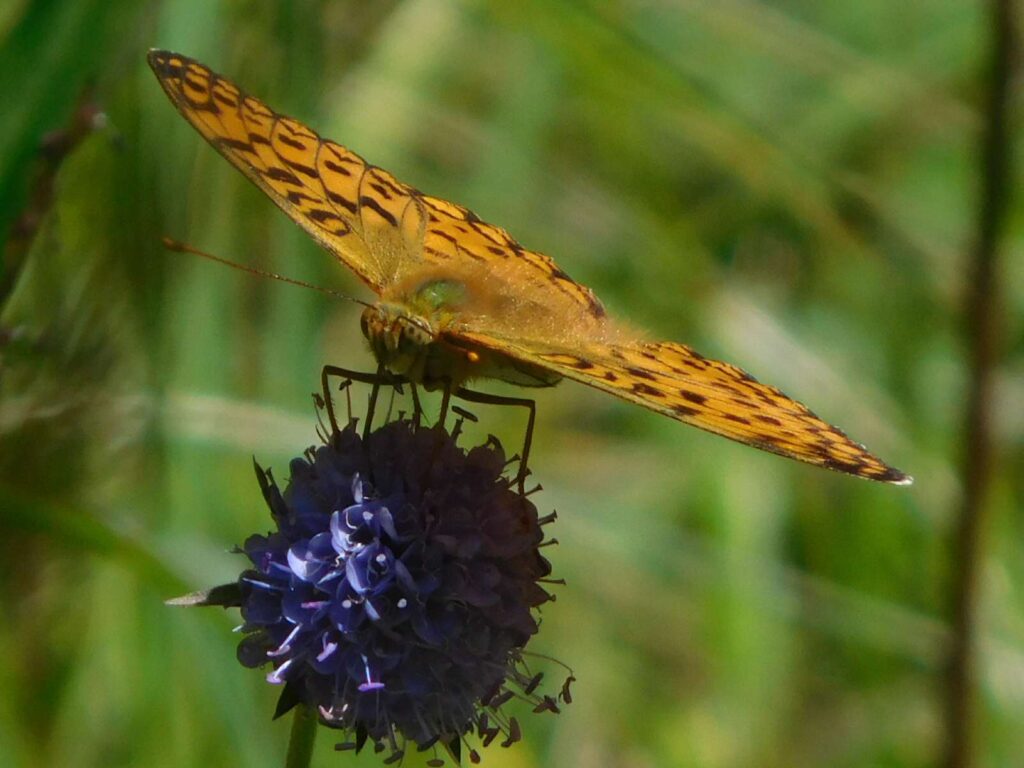
Silver-washed Fritillary on Devilsbit Scabious
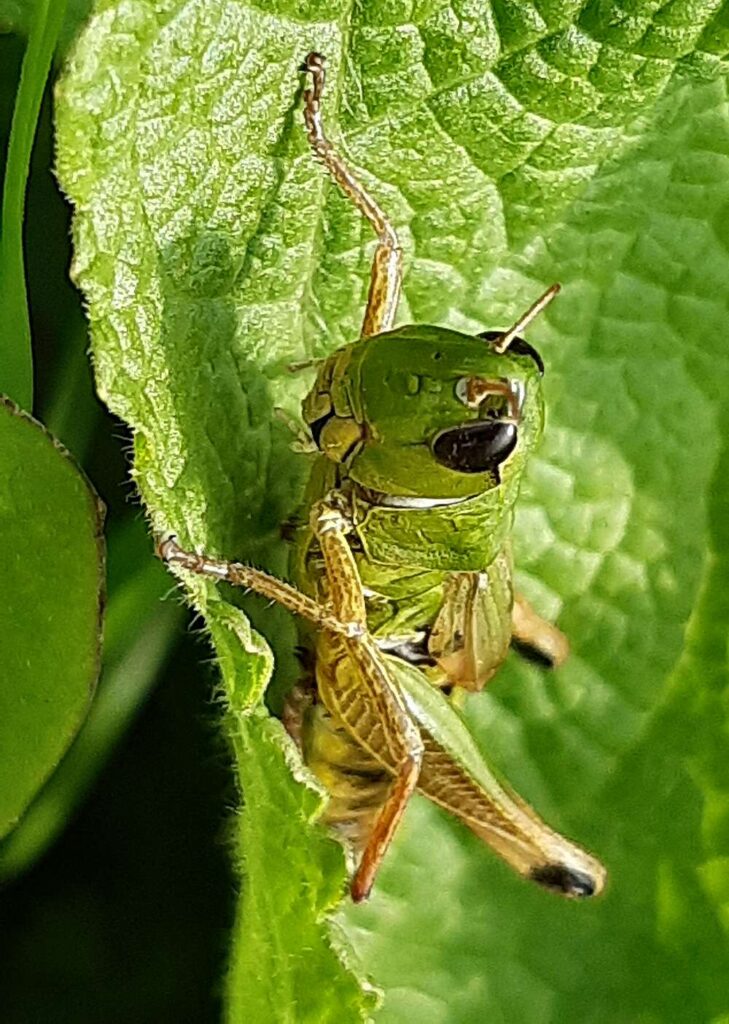
Alpine Green Grasshopper, Val di Fiemme
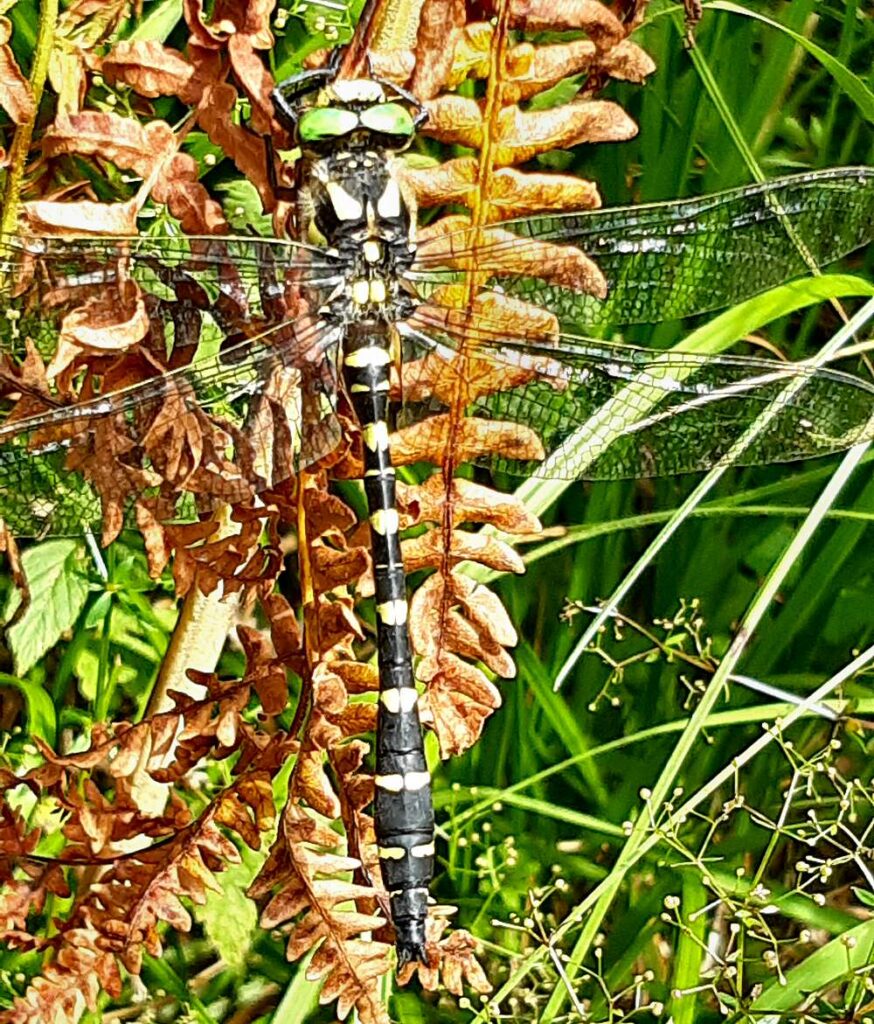
Golden-ringed Dragonfly at Calvello
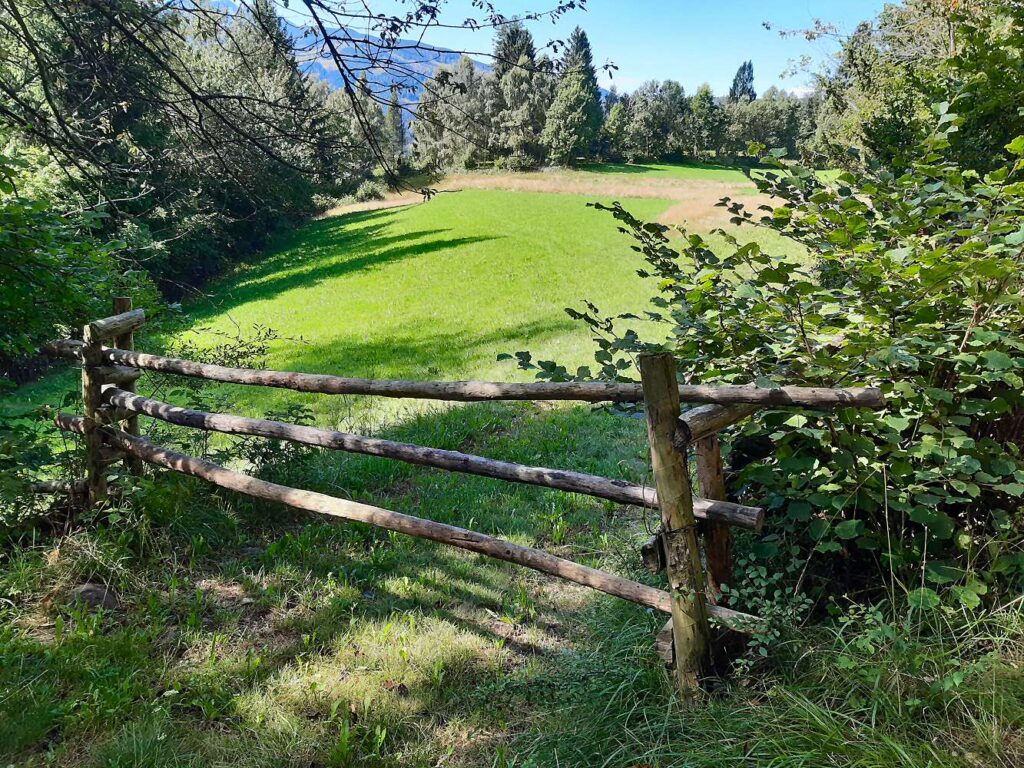
Well-maintained Alpine meadow at Calvello, with hingeless gate, Hazel bushes, Birch and Fir trees
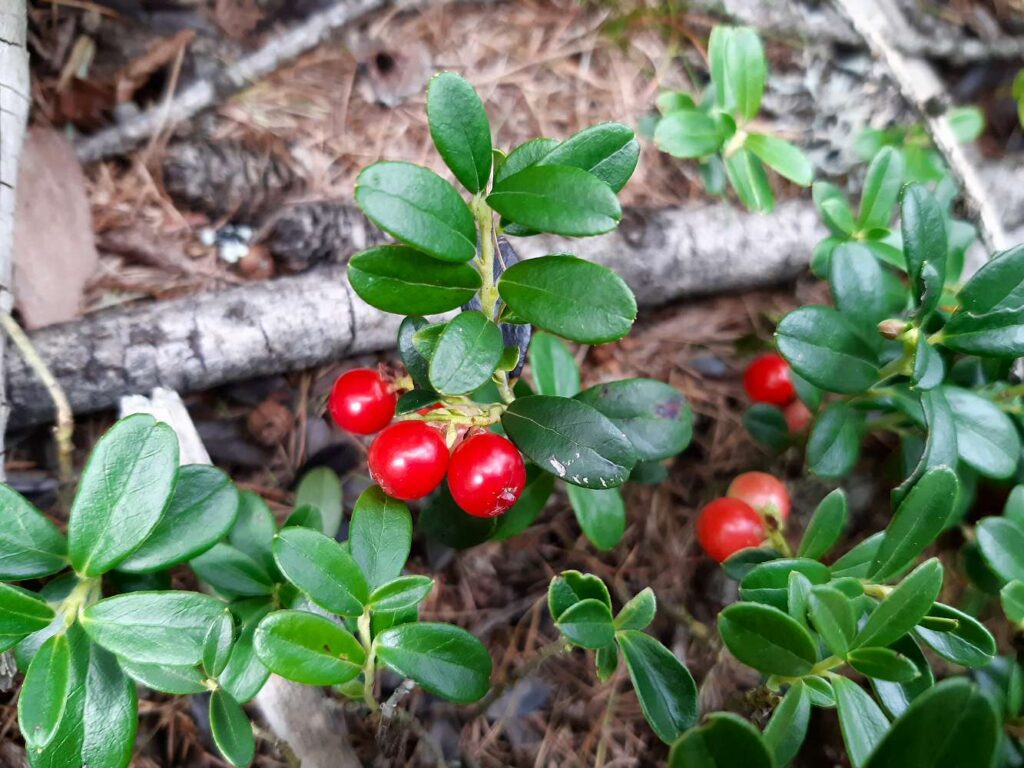
Lingon or Cowberry at Calvello: far less common than Bilberry in the Dolomites
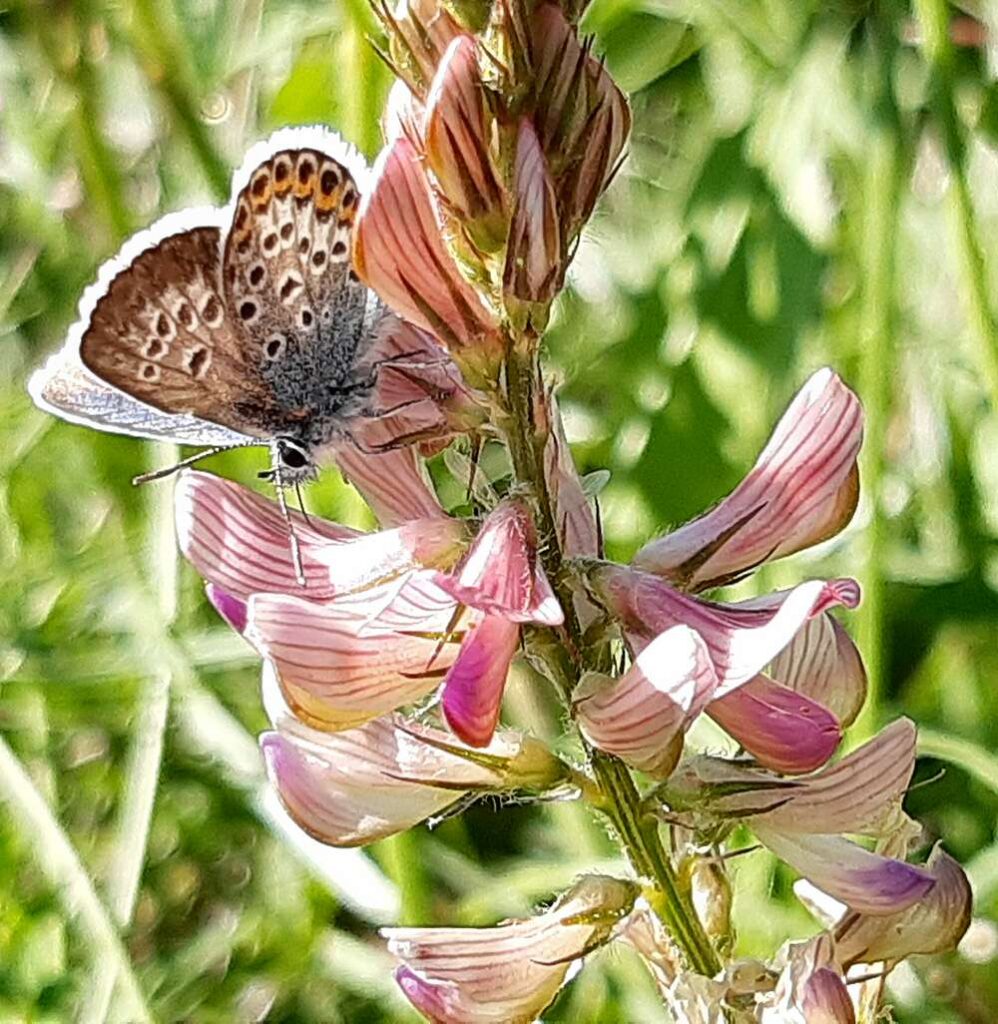
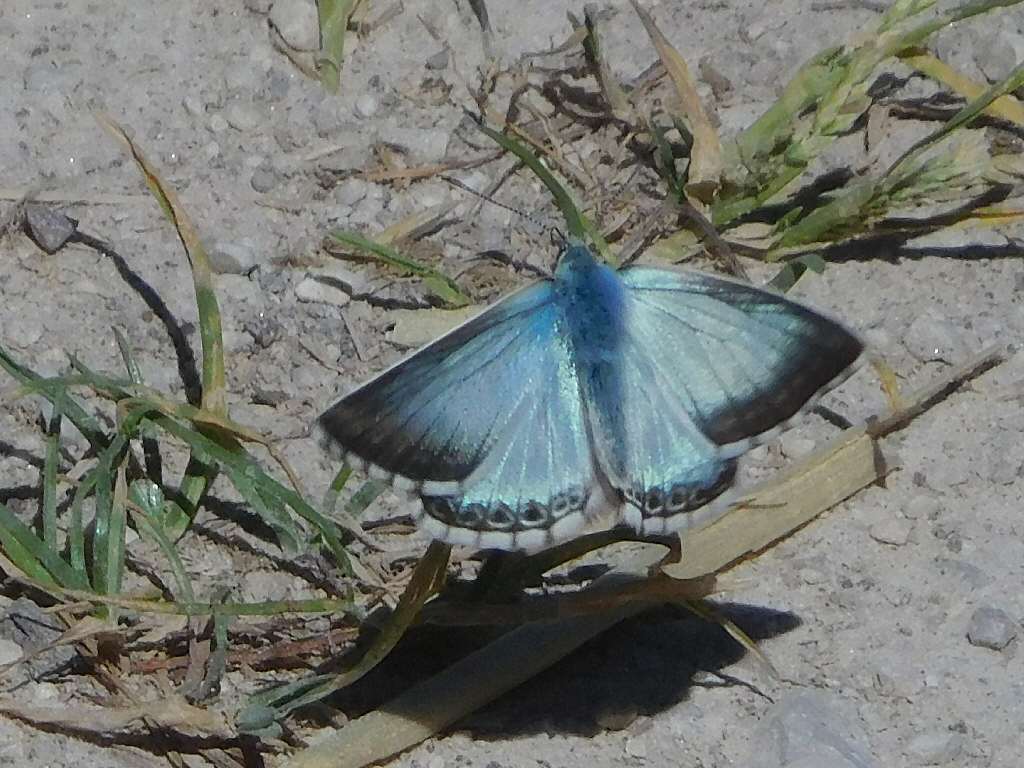
Chalkhill Blue, male, above Carano, on legume
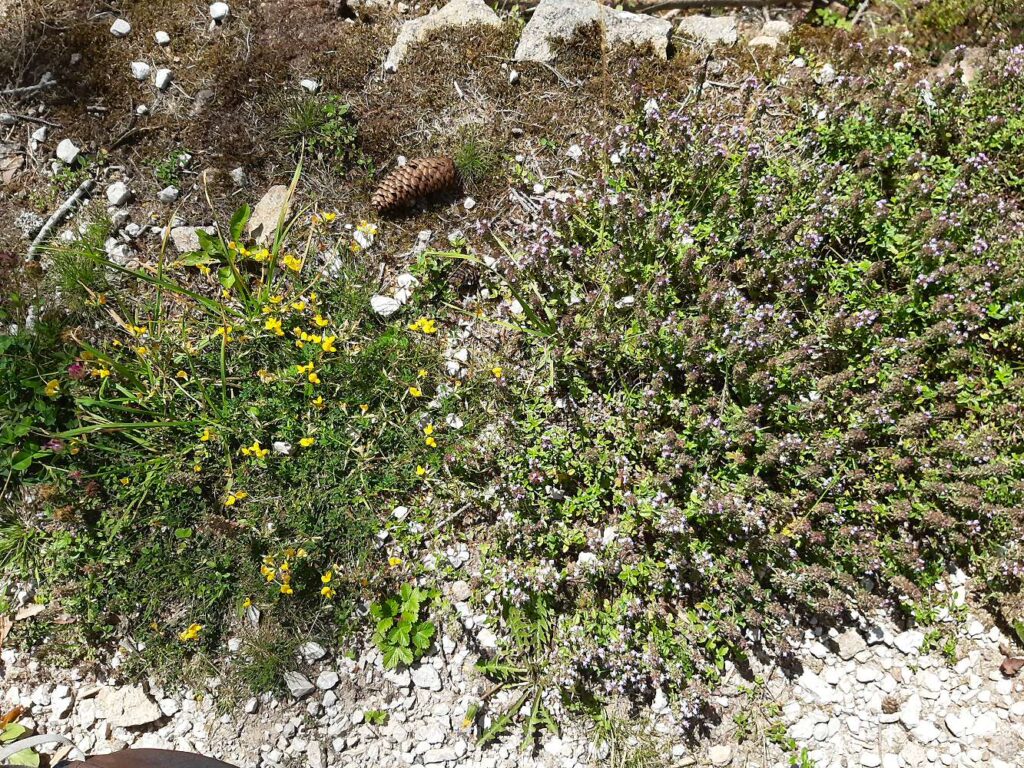
Vetch and Thyme on limestone beside forest path (with fir-cone), Calvello
Chalkhill Blue, male
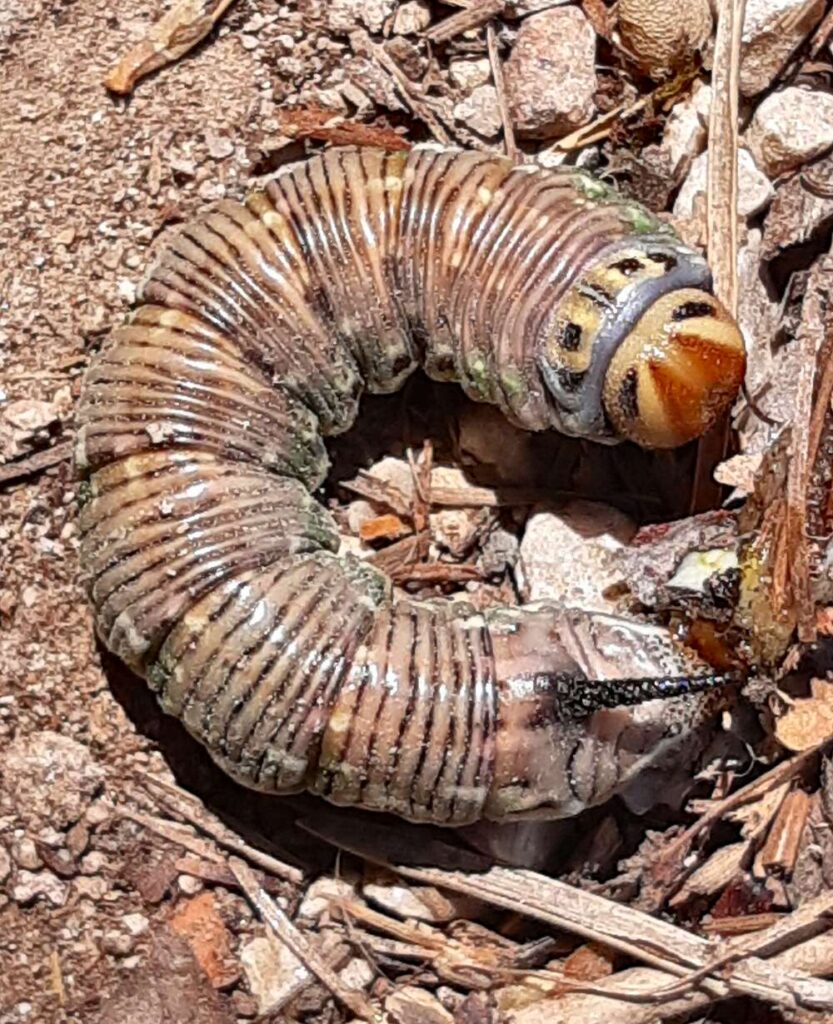
Pine Hawk-Moth caterpillar
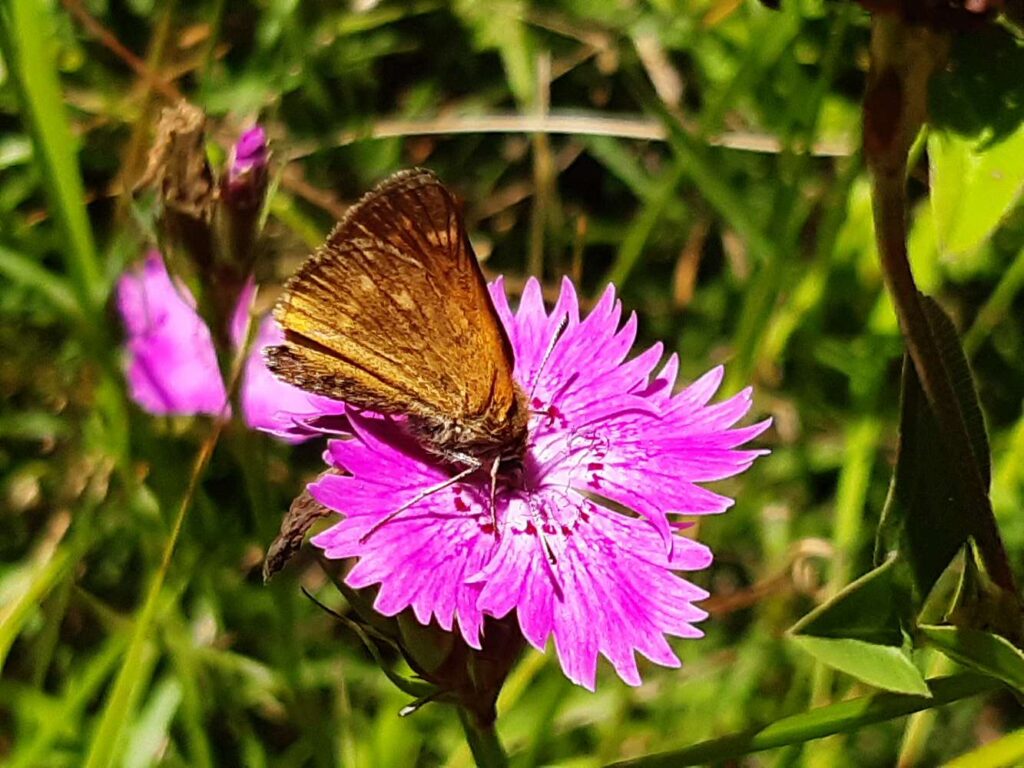
Large Skipper on alpine pink
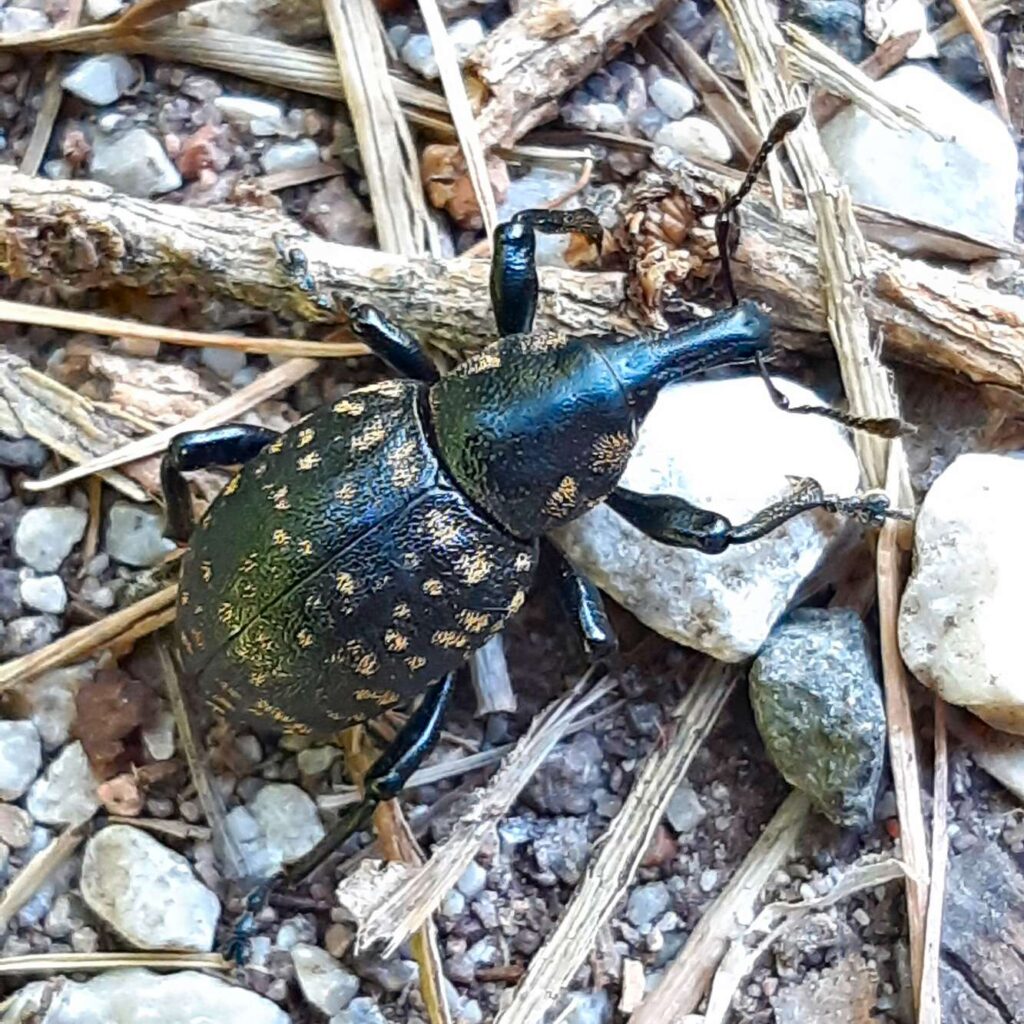
Large Pine Weevil at Calvello
Abandoned flowery meadow colonised by Fir trees, Val di Fiemme
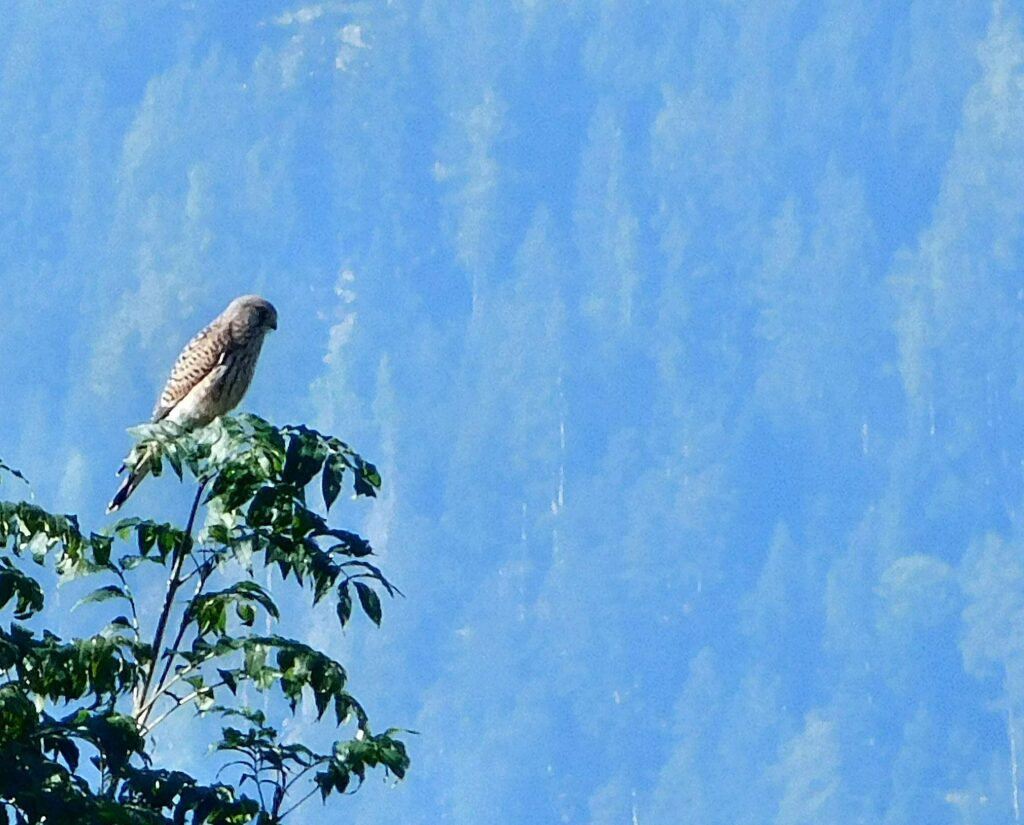
Kestrel above Val di Fiemme

For more, see Dolomites Wildlife (part 2)

Butterflies in Tuscany

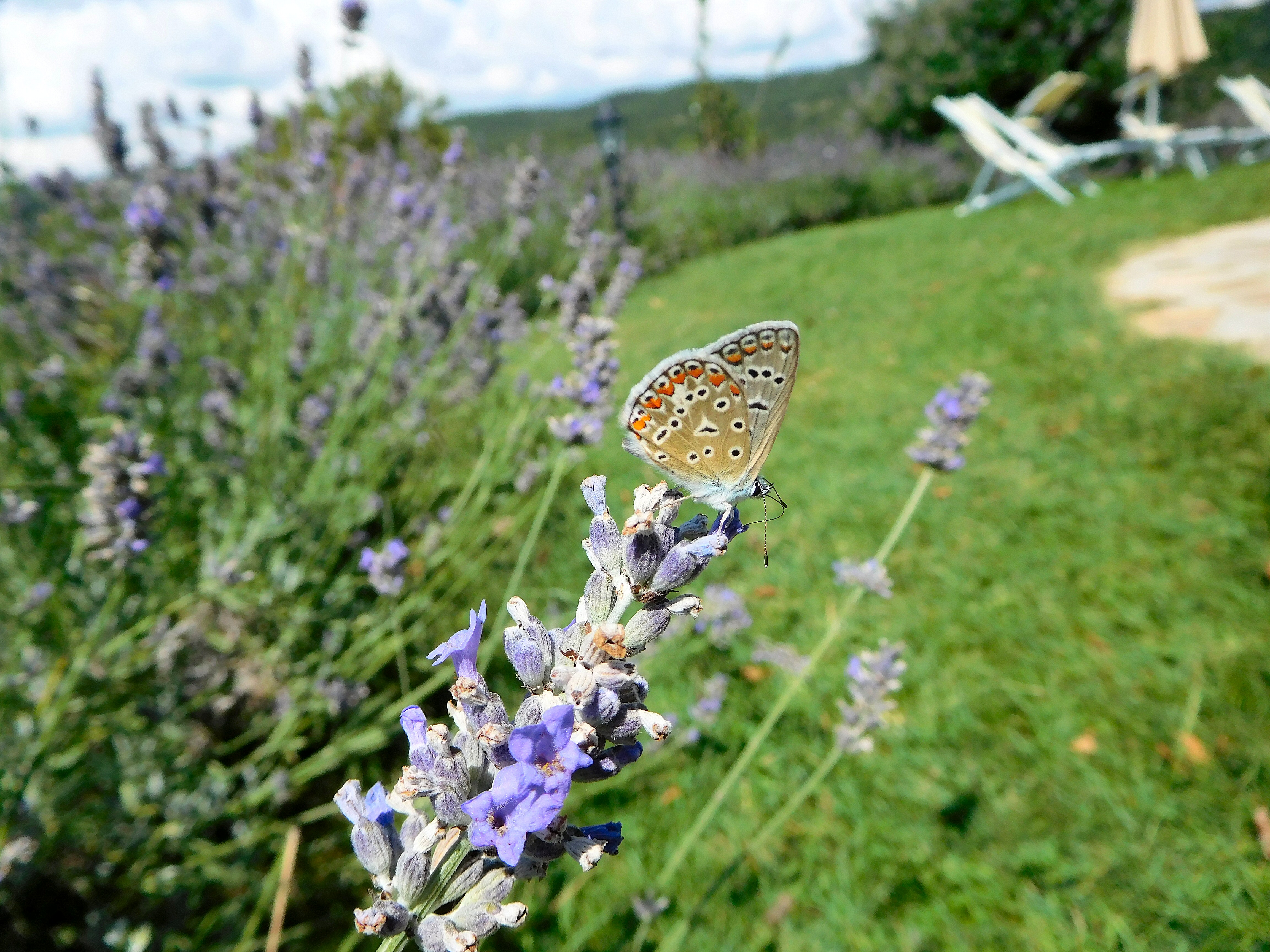
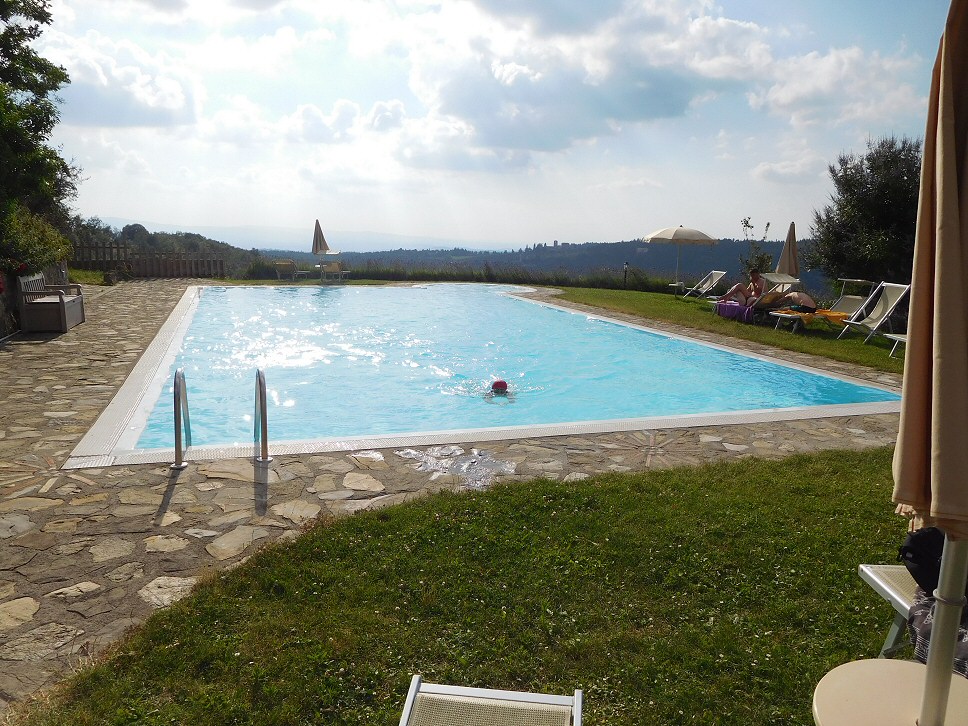
Common Blue [L’icaro o argo azzurro] (Polyommatus icarus) on Lavender beside the swimming pool of the lovely agriturismo farm, Rocca di Cispiano, where we stayed in Chianti. Species names are shown in English [Italian] and (Latin).

Pool area: not an obvious place for butterflies, but the clever planting of a Lavender border made all the difference

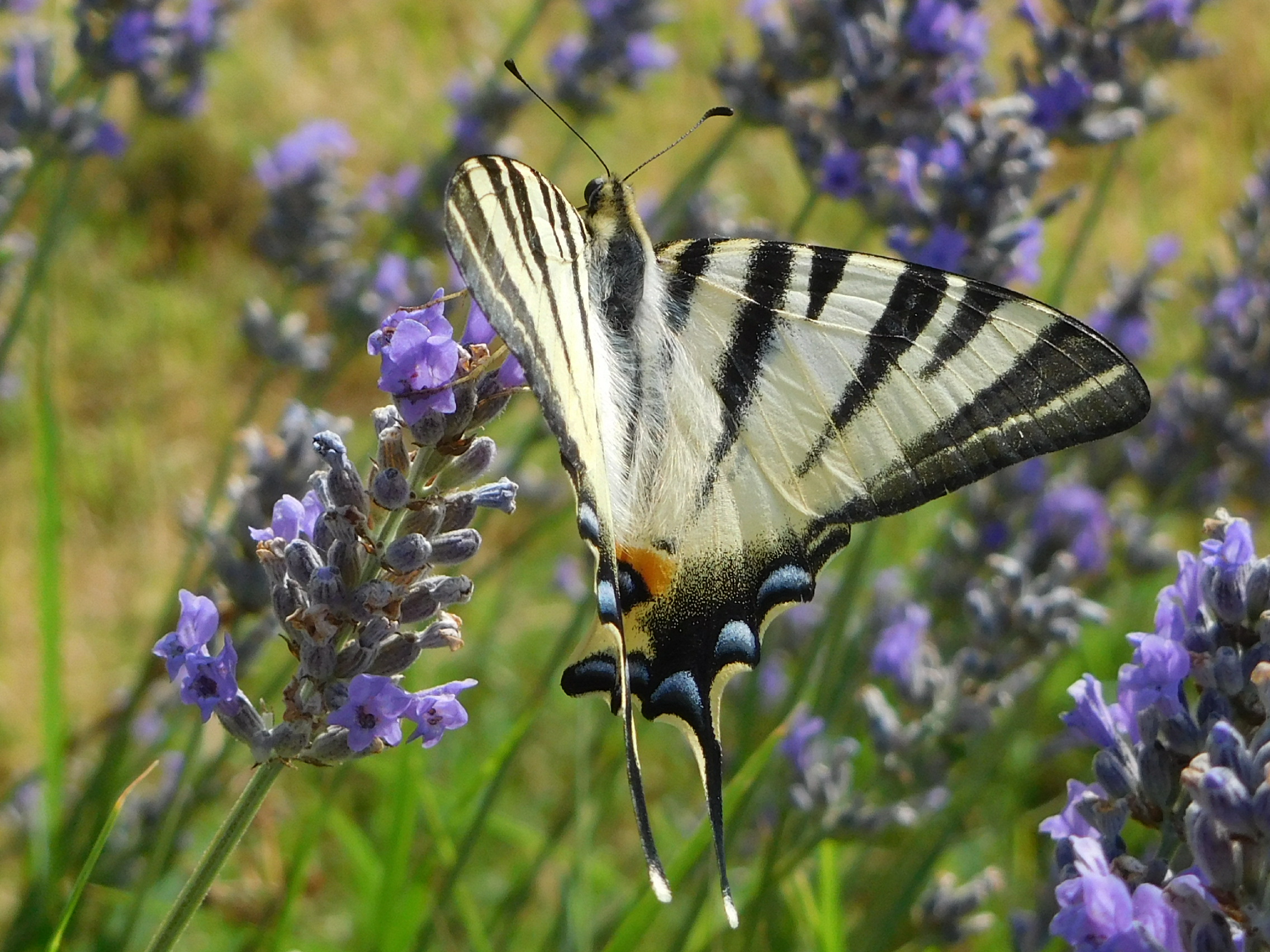
Scarce Swallowtail [Il podalirio] (Iphiclides podalirius), a large butterfly with a distinctive sailing flight, taking nectar beside the pool
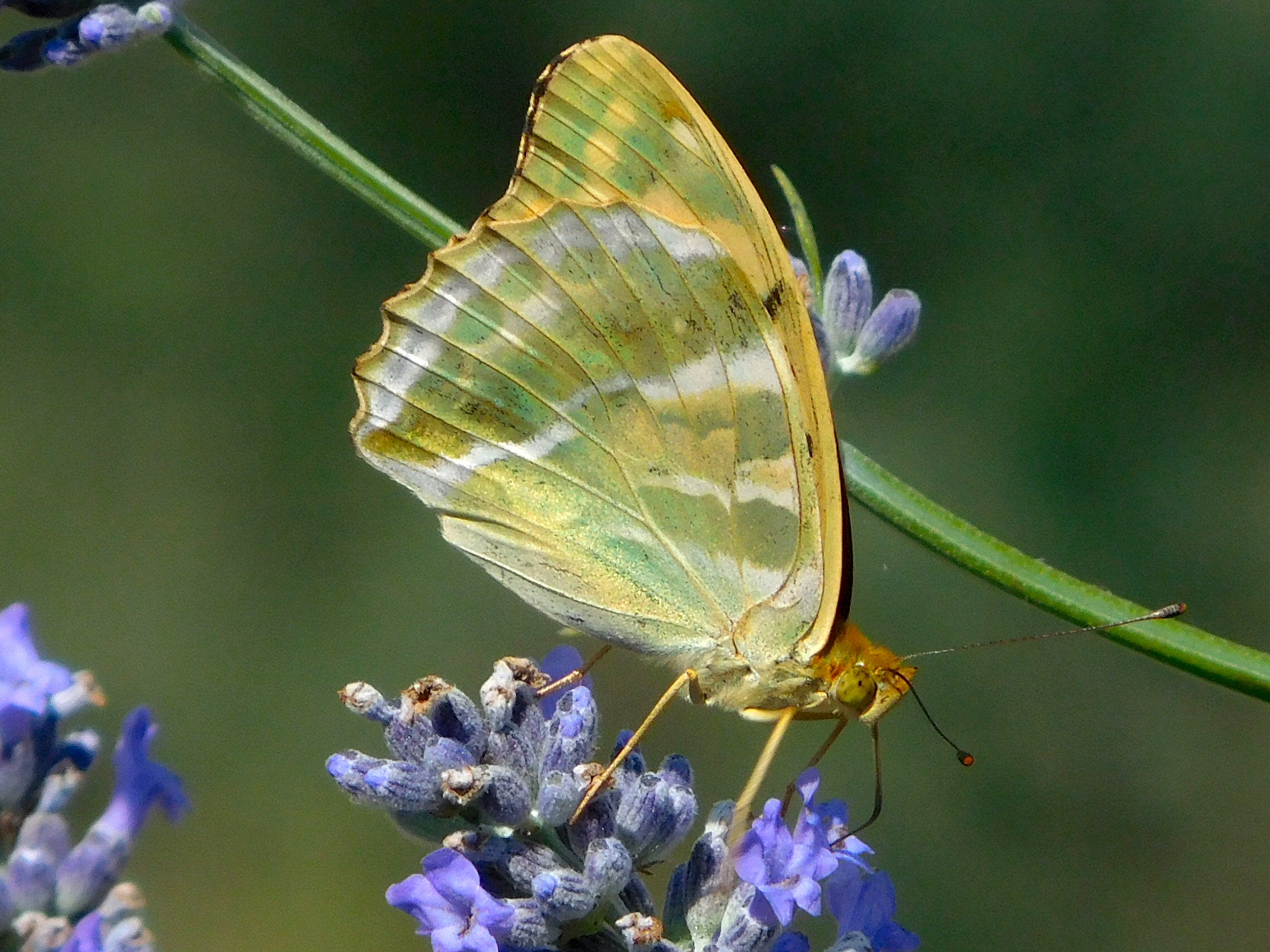
Silver-Washed Fritillary [La pafia o Tabacco di Spagna o Fritillaria] (Argynnis paphia), a handsome and distinctive species

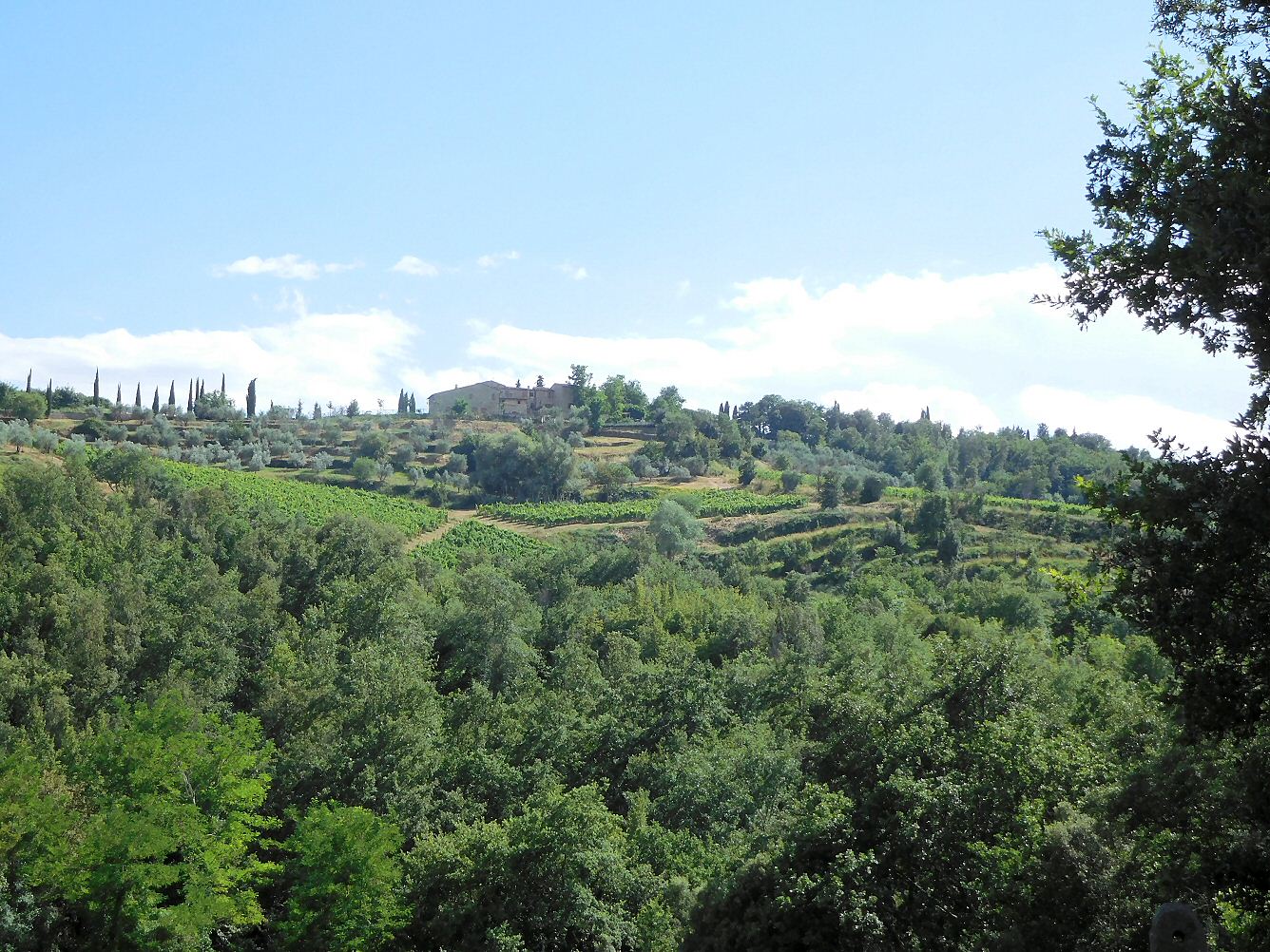
Tuscan landscape (Chianti): hilltop farms, Vines (bright green rows), Olive trees (blue-gray trees in rows), low mixed maquis (macchia mediterranea) forest, Cypress trees on left skyline

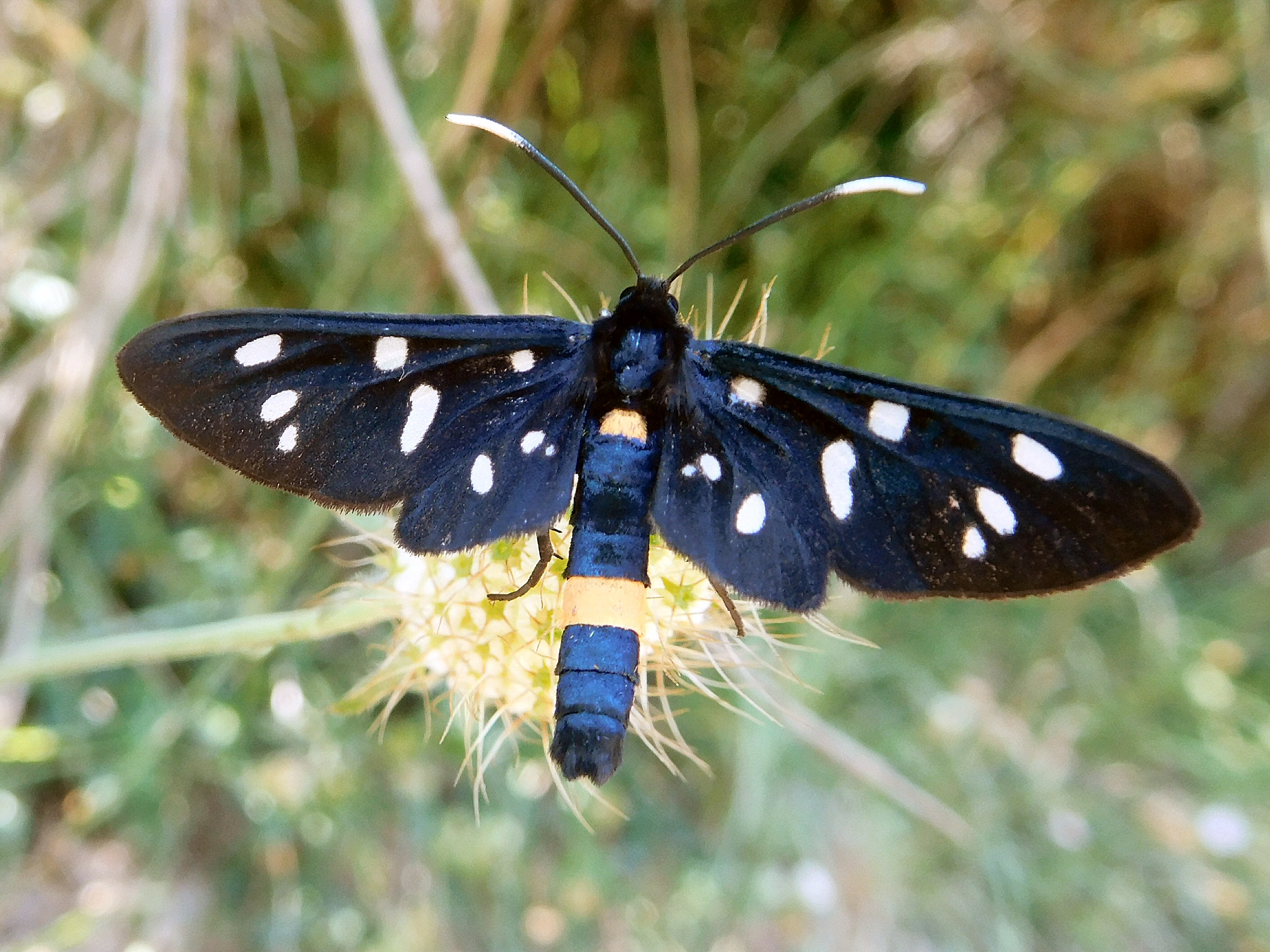
Nine-Spotted Moth [La fegea] (Amata phegea) frequently visited the lavender border and other flowers. It was once also found in England; Chris Manley suggests that global warming might allow it to return (a possible silver lining to that cloud).
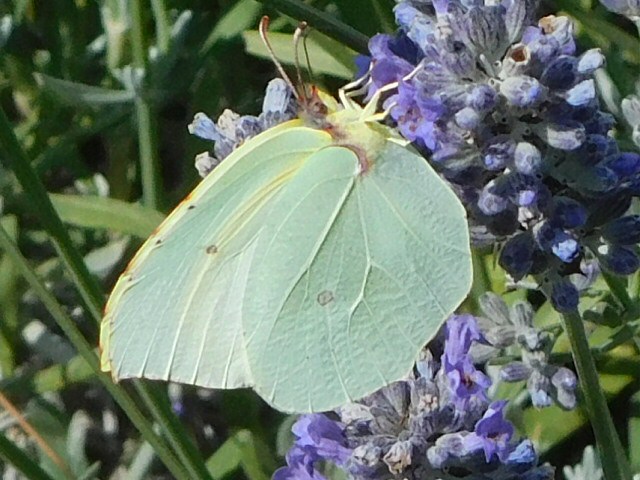
Brimstone [La cedronella] (Gonepteryx rhamni)
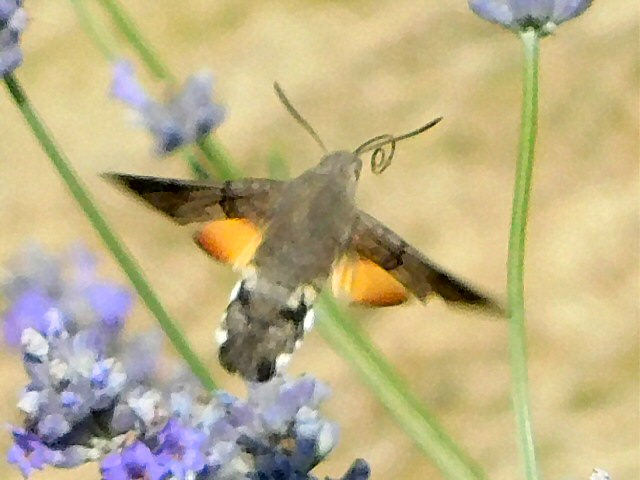
Hummingbird Hawkmoth [La sfinge del galio o sfinge colibrì] (Macroglossum stellatarum), darting from flower to flower each time just before I managed to focus the little camera …

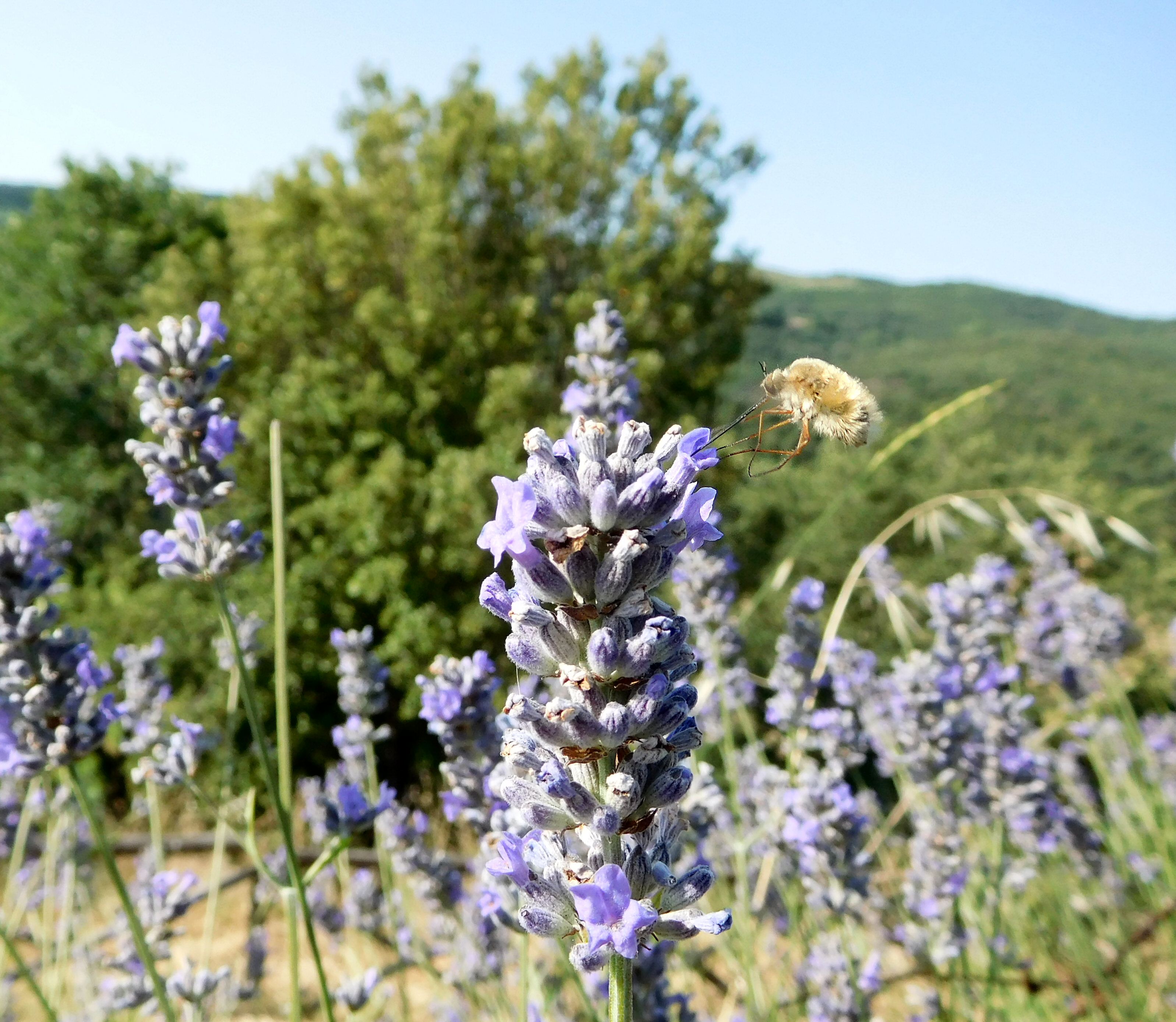
Bee-fly (neither a bee nor a butterfly) half-hovering to take nectar, making a particularly loud buzz

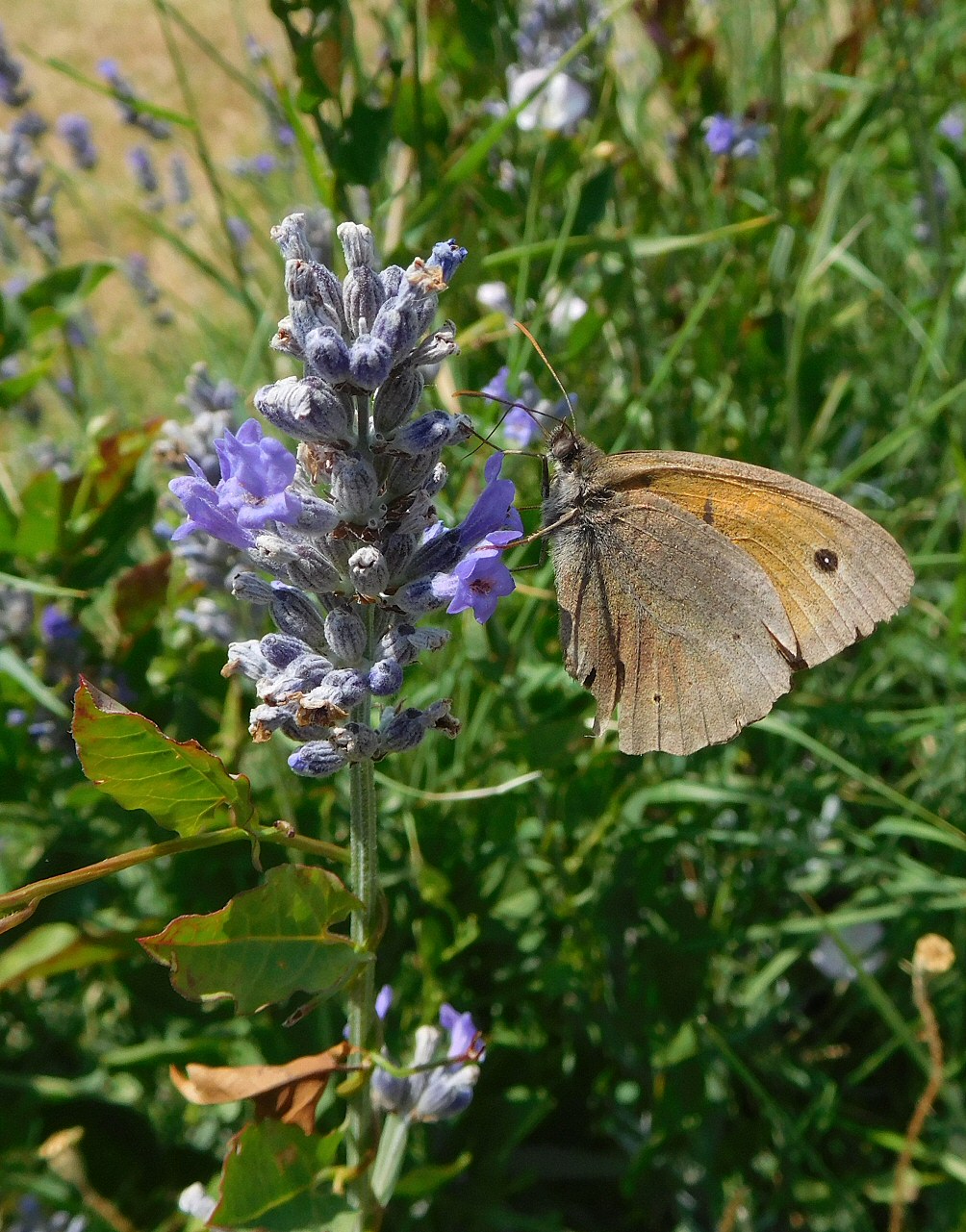
Meadow Brown [La Giurtina o Maniola comune] (Maniola jurtina)
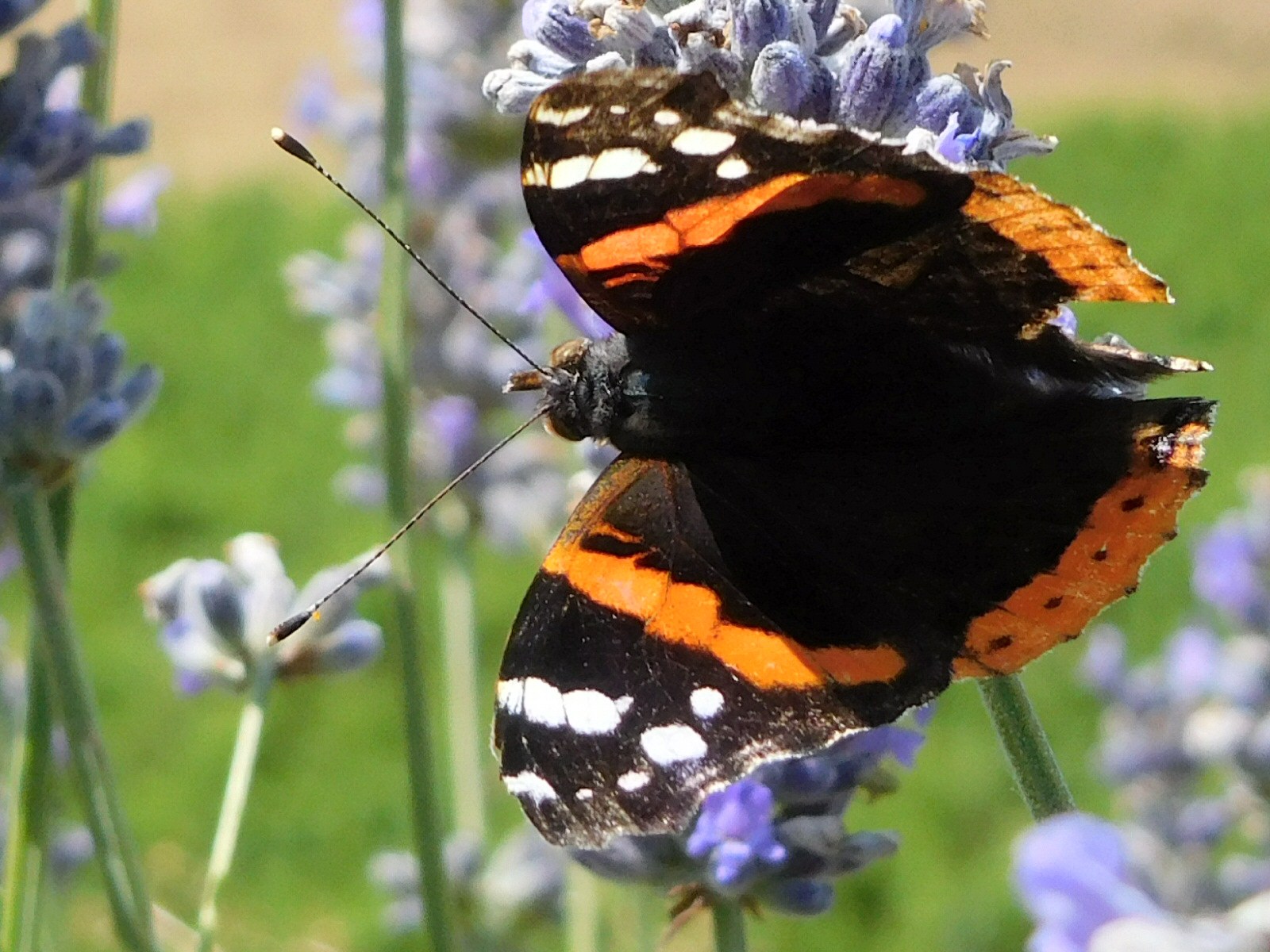
Red Admiral [L’atalanta] (Vanessa atalanta). It has  a chunk out of its right hindwing, showing it survived an attack.
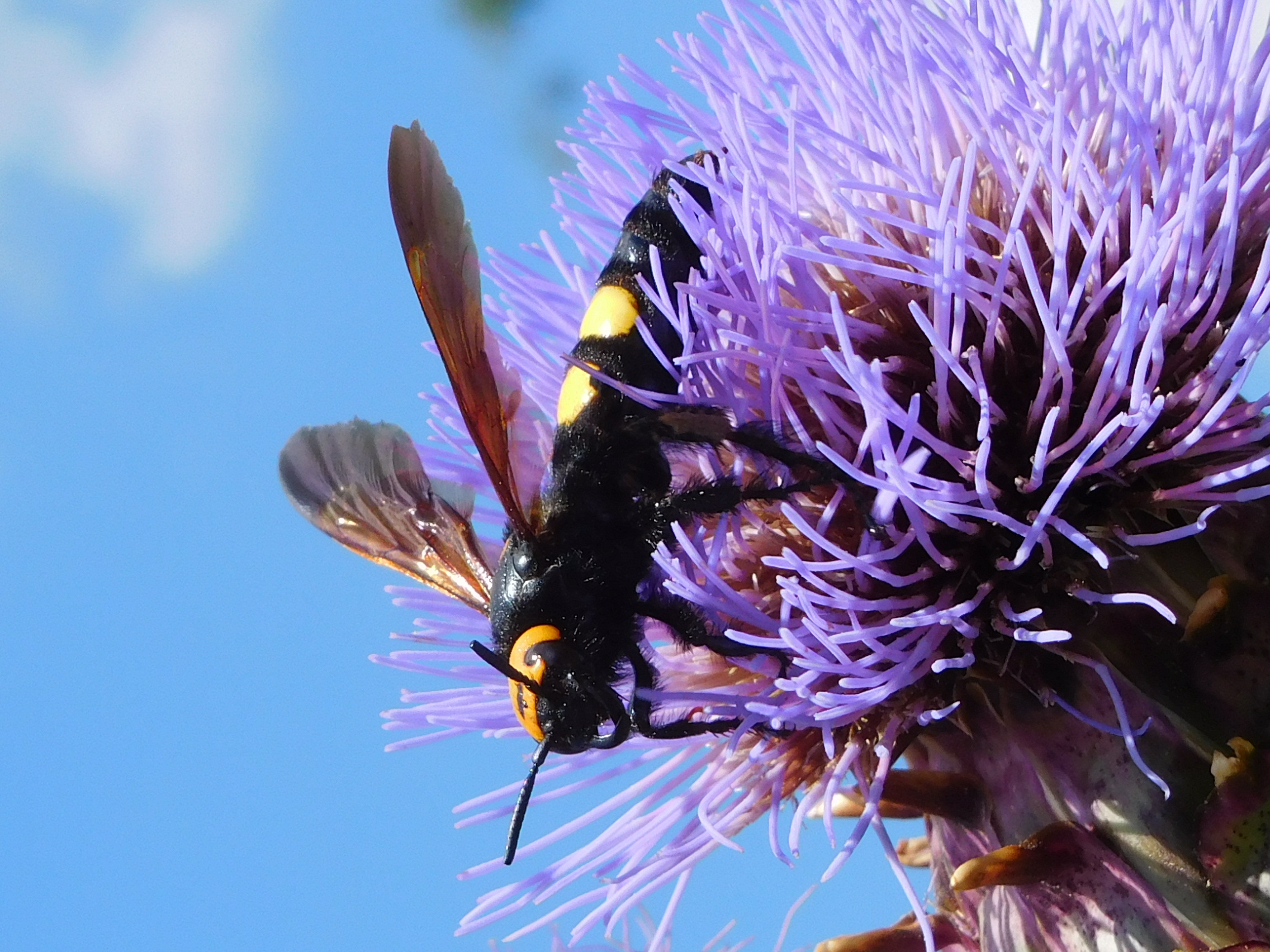
The enormous, fearsome, but non-aggressive Mammoth Wasp, [La vespa mammuth] (Megascolia maculata), on Wild Artichoke. Presumably its sting would be serious but I can’t find any record of people being stung by this peaceful insect.

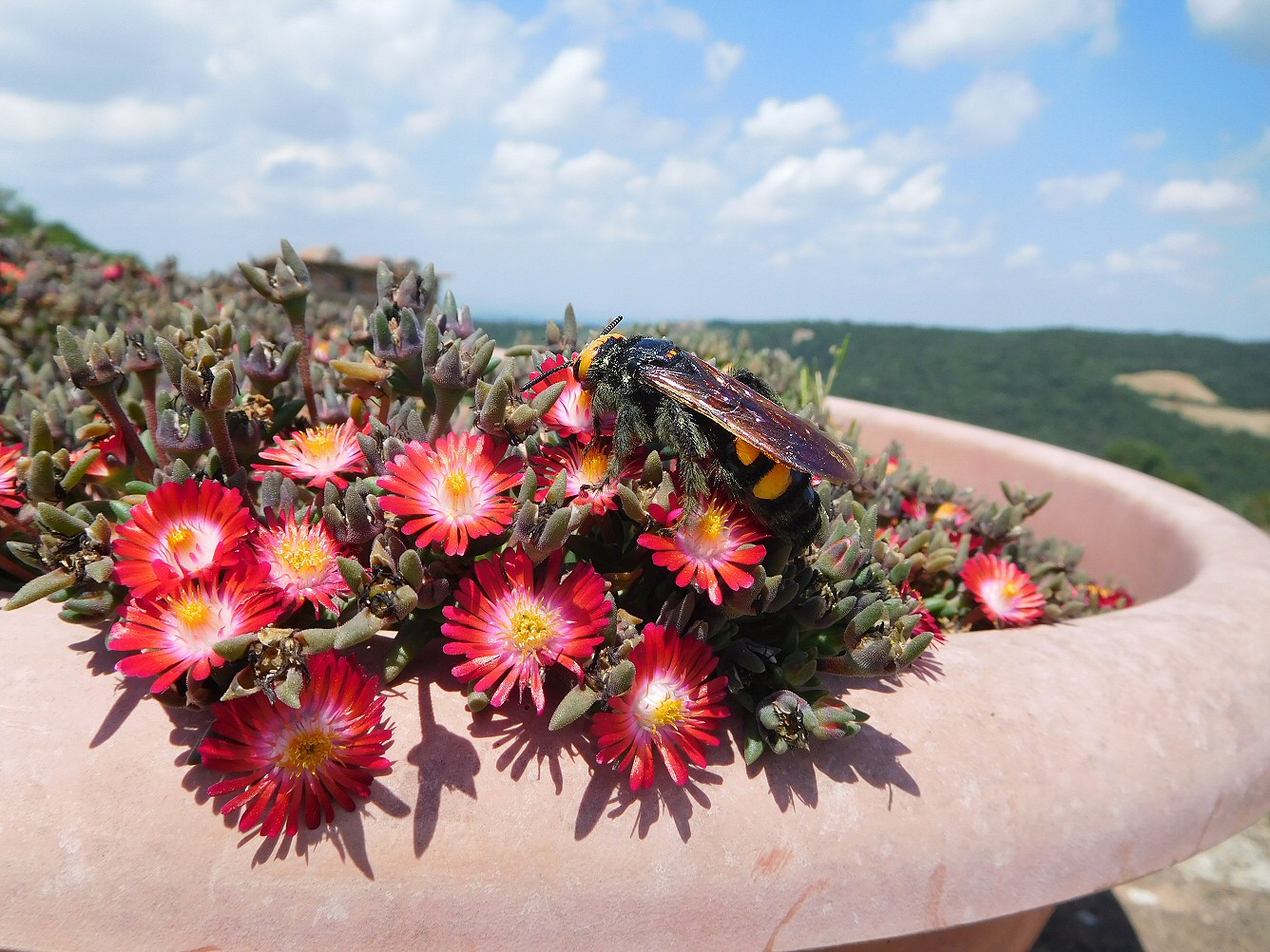
A Mammoth Wasp visiting a potted Hottentot Fig, with a wide view of the Tuscan landscape

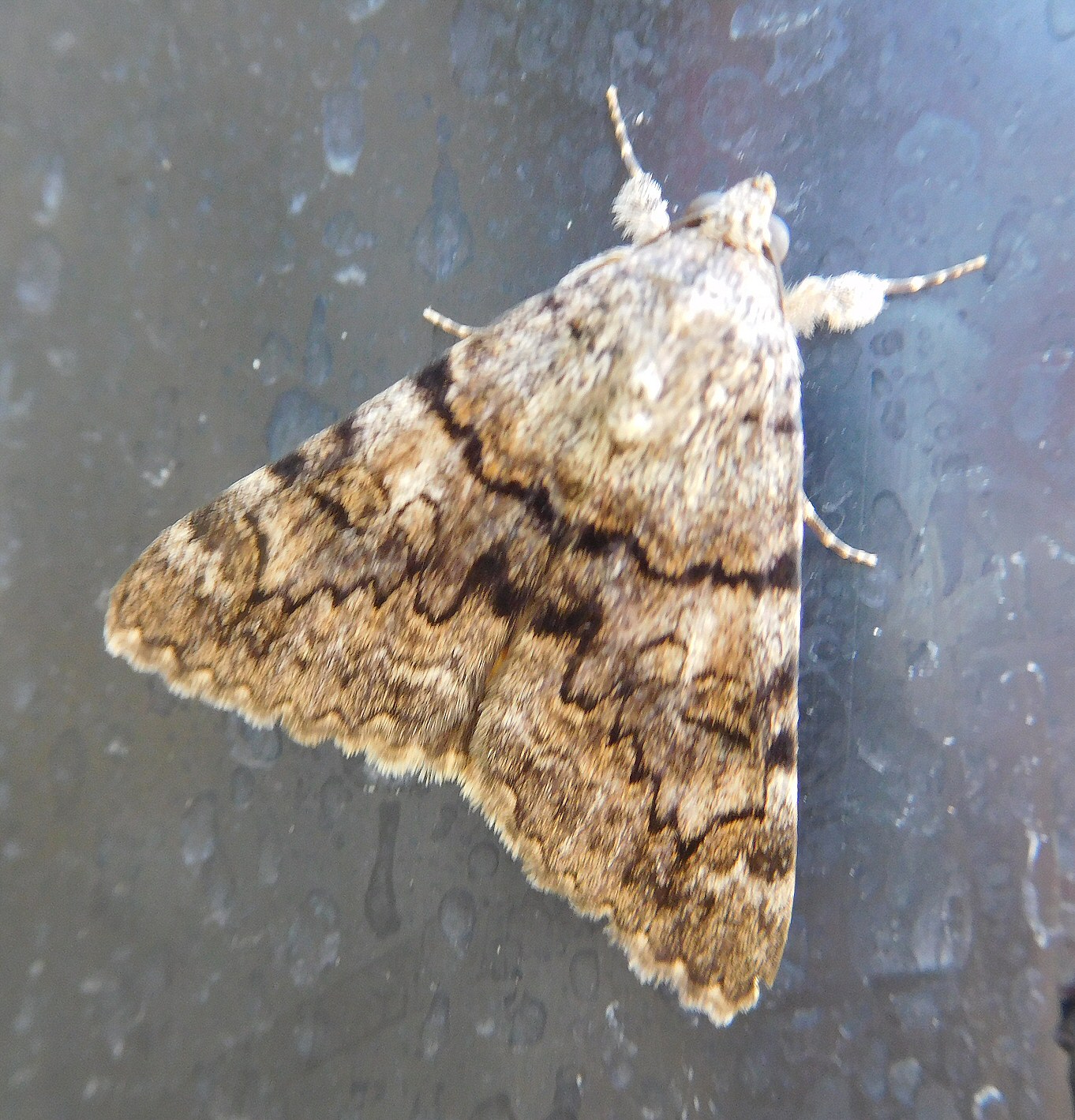
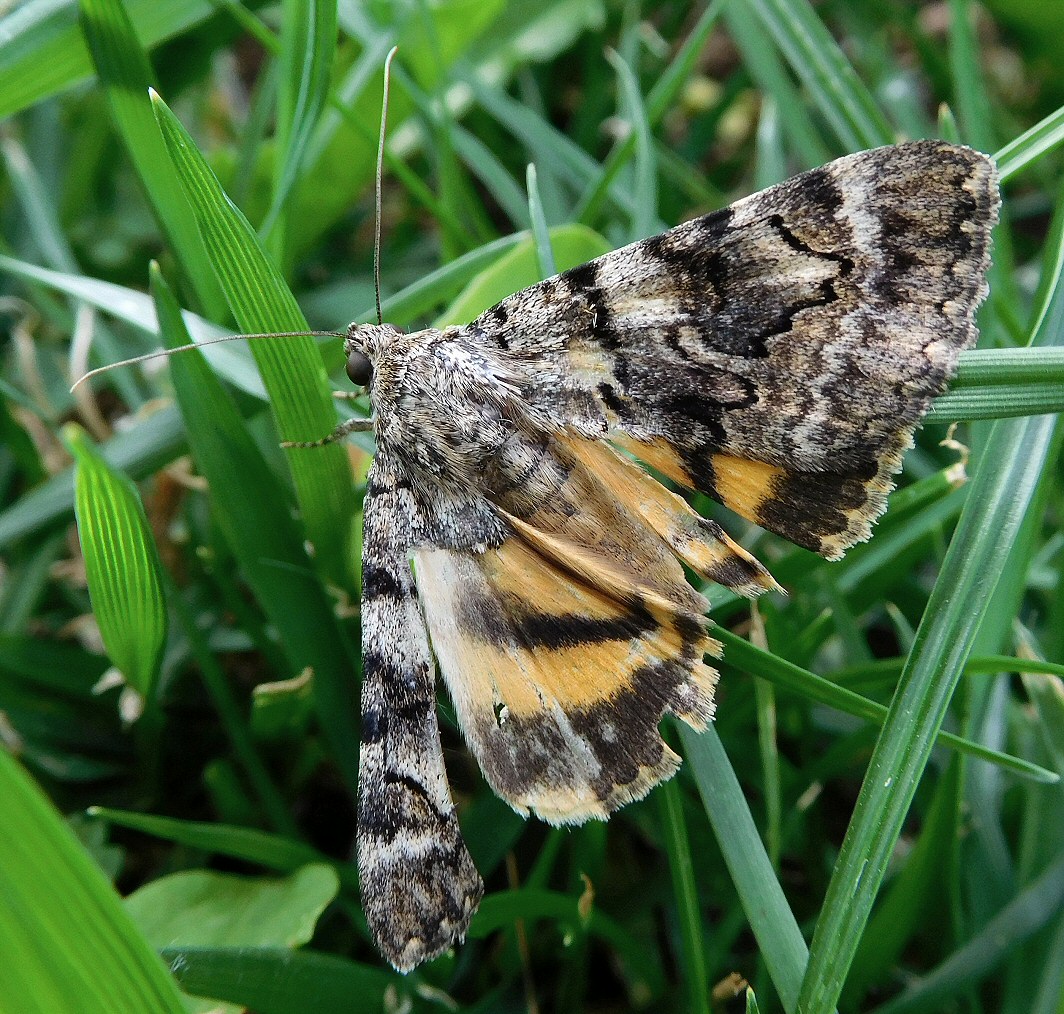
Oak Yellow Underwing Moth (Catocala nymphagoga) on shower beside pool

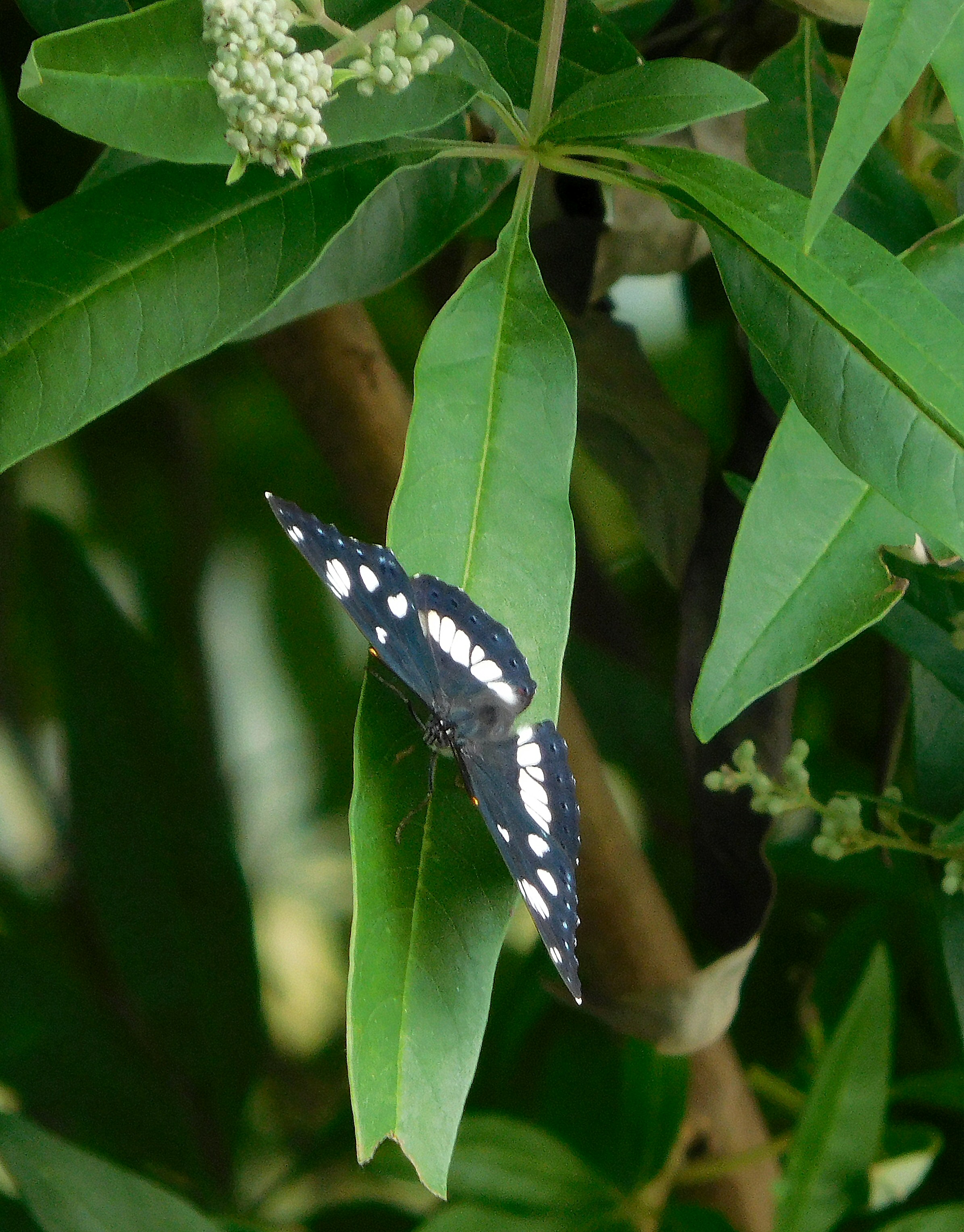
The bushes by the pool attracted this Southern White Admiral [Il Silvano azzurro o Piccolo silvano] (Limenitis reducta)
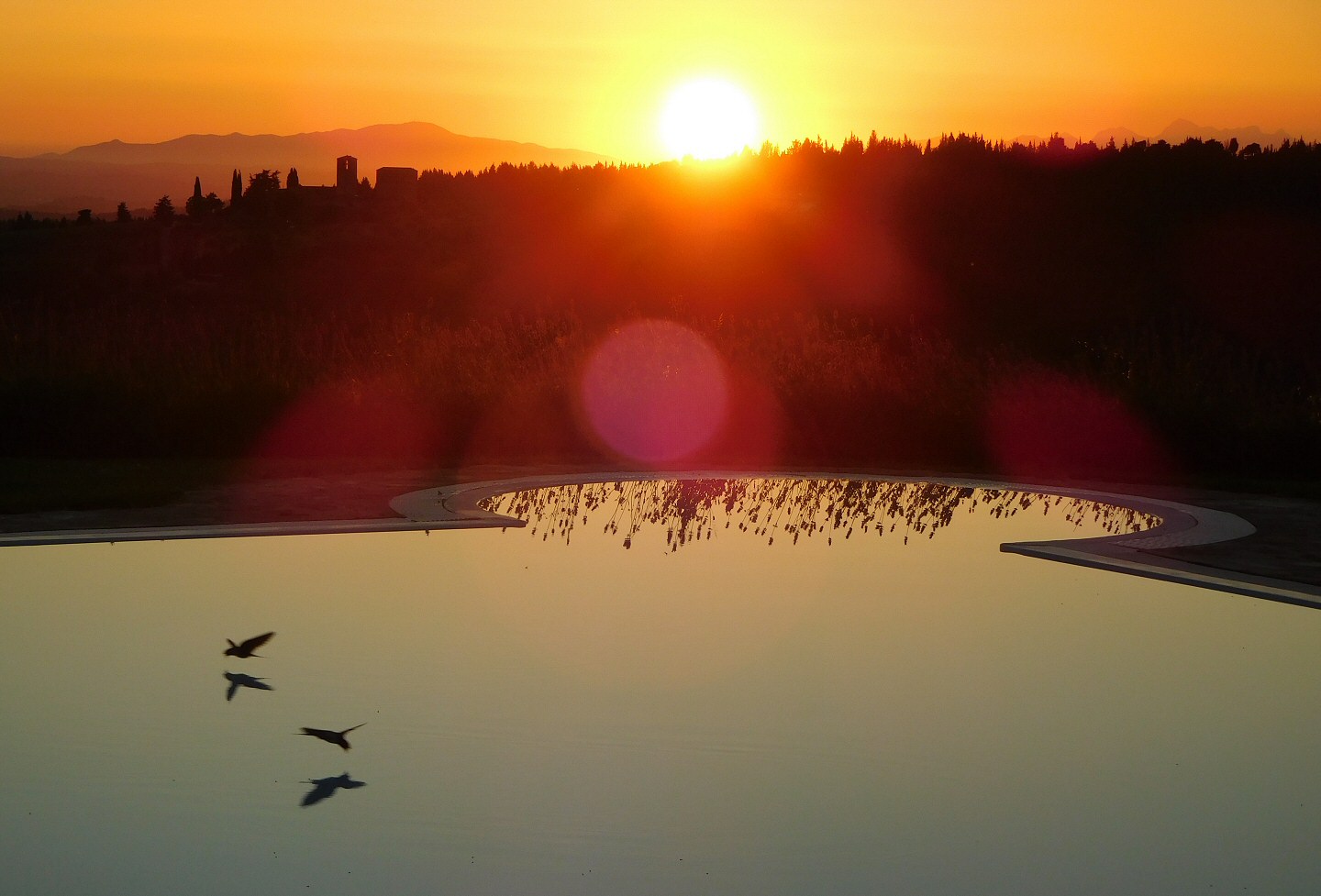
Swallows  [La rondine] (Hirundo rustica) swooping over the pool at sunset. Many pairs nest in the farm buildings; there were two active nests inside our porch.

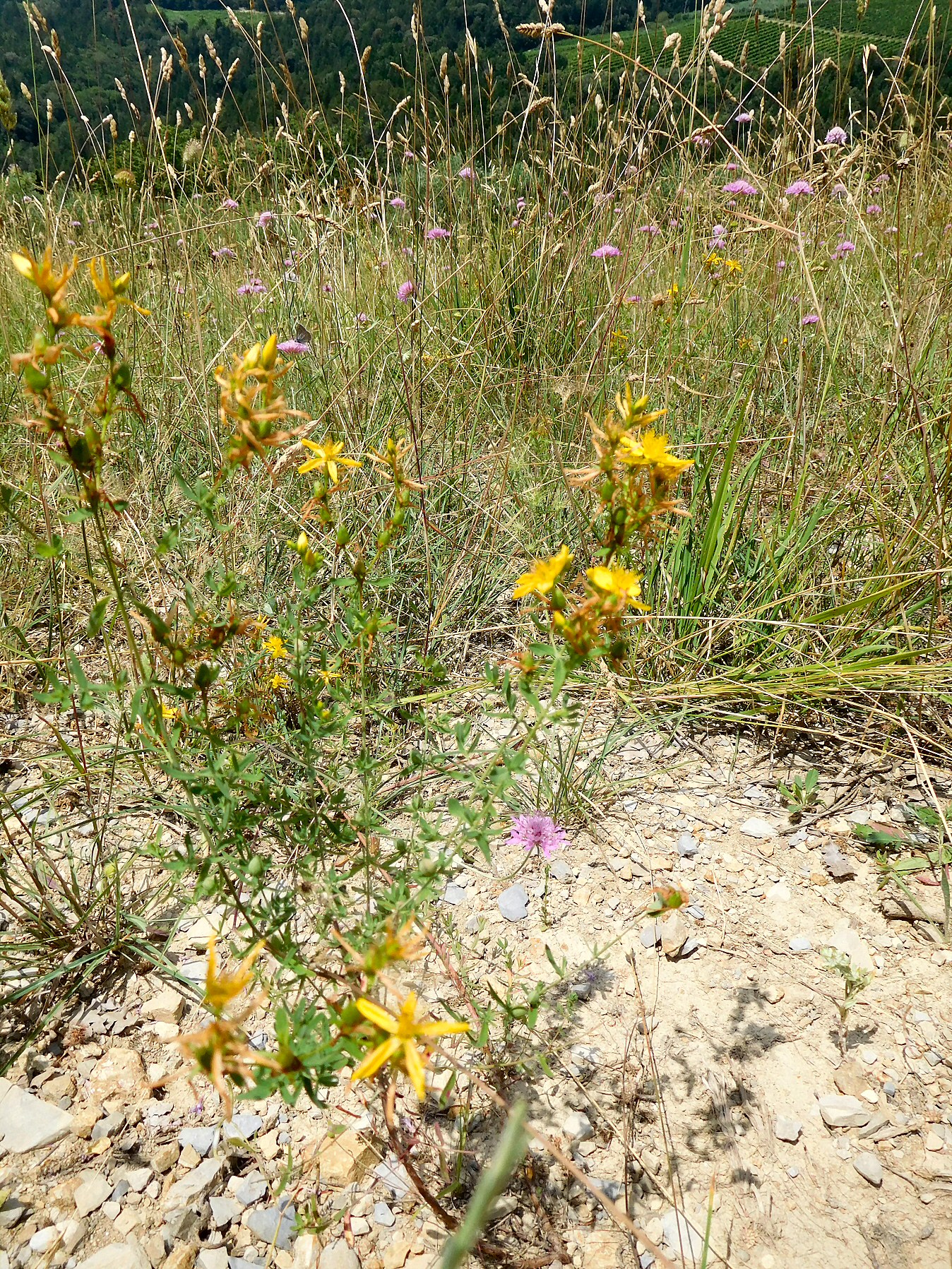
Perfect butterfly habitat a short walk from the agriturismo: meadow grass by Olive groves with Scabious (blue) and St John’s Wort (yellow). There’s a tiny Queen of Spain Fritillary in the picture!

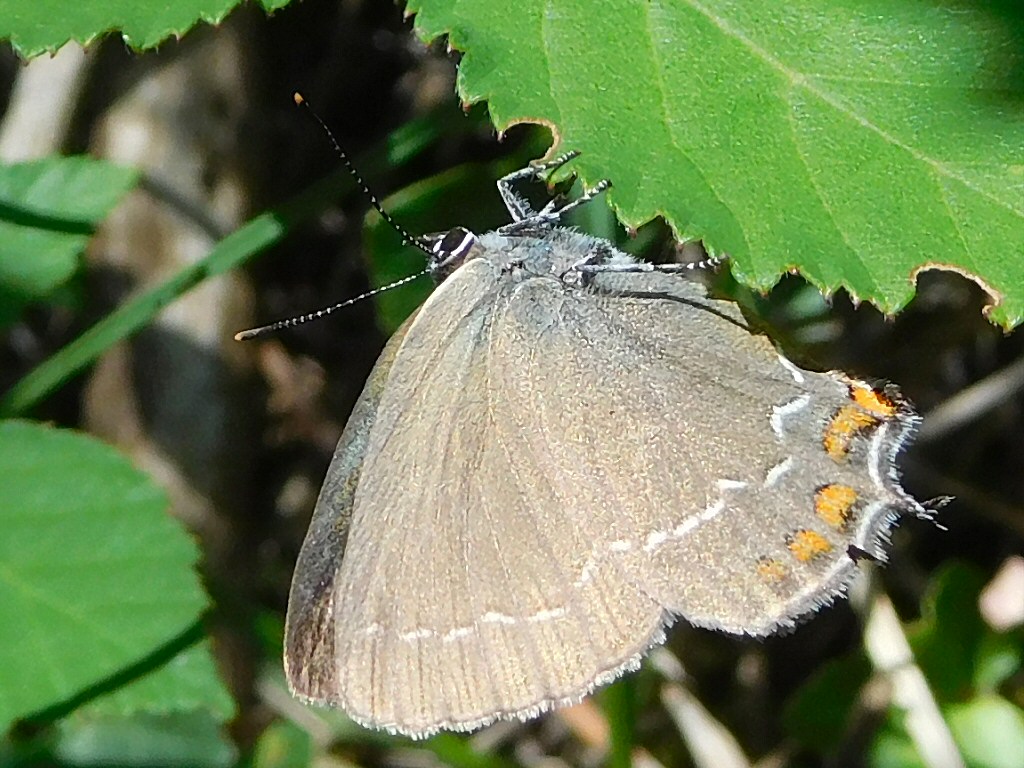
Sloe Hairstreak [Satiro dell’acacia] (Satyrium acaciae)
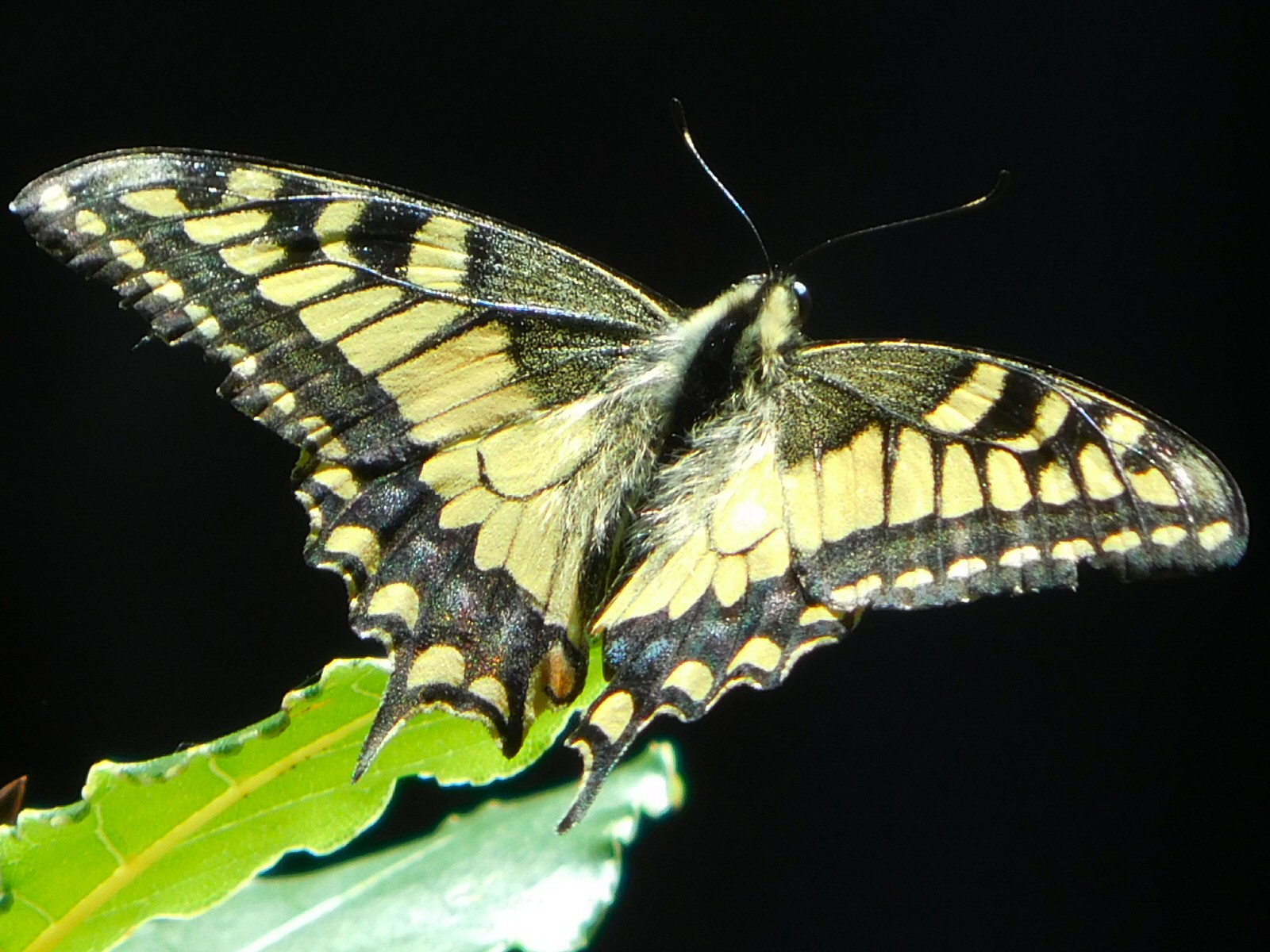
Swallowtail [Il macaone] (Papilio machaon); this one at Brolio castle, but there were many near the agriturismo too
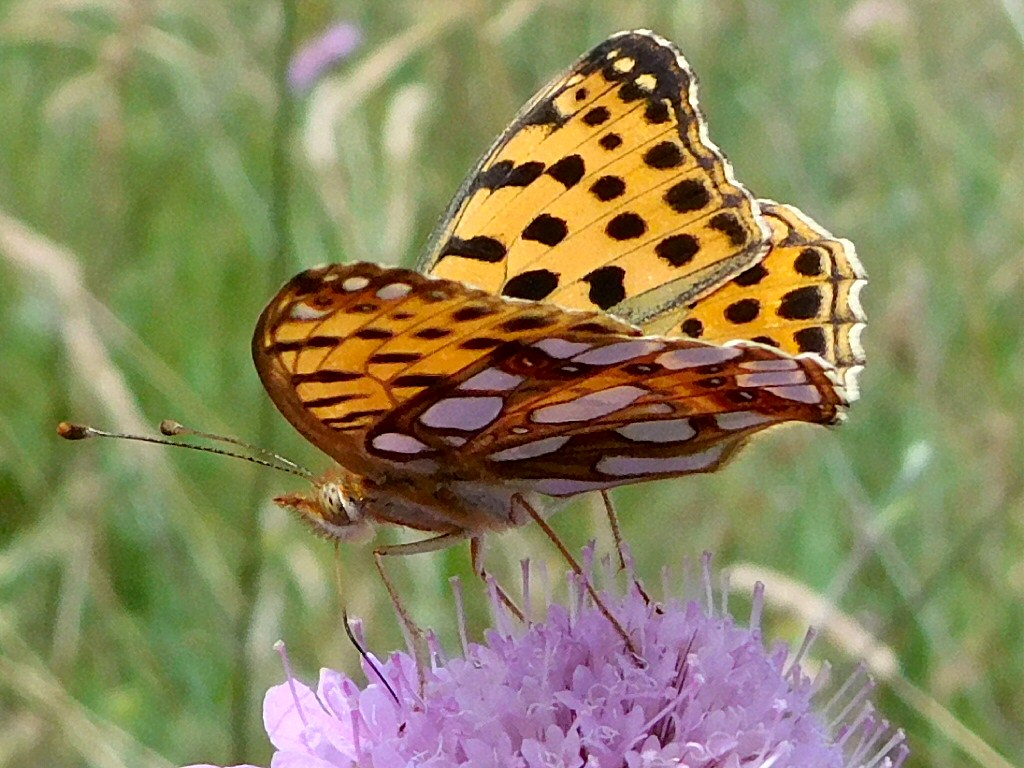
Queen of Spain Fritillary [La latonia]  (Issoria lathonia) on Scabious
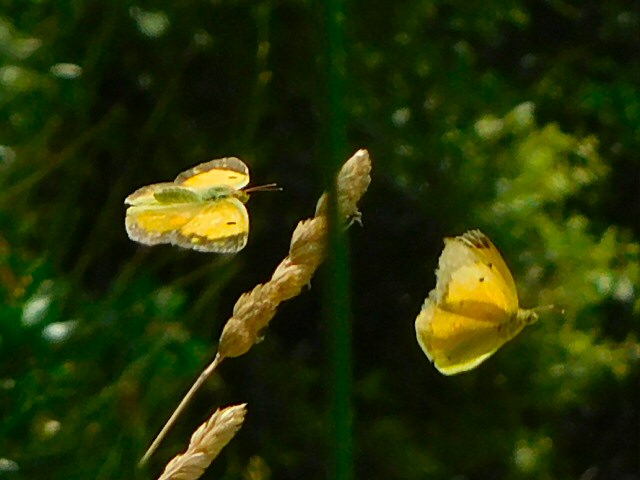
Clouded Yellow [La crocea, La limoncella, Il postiglione] (Colias croceus) pair in nuptial flight
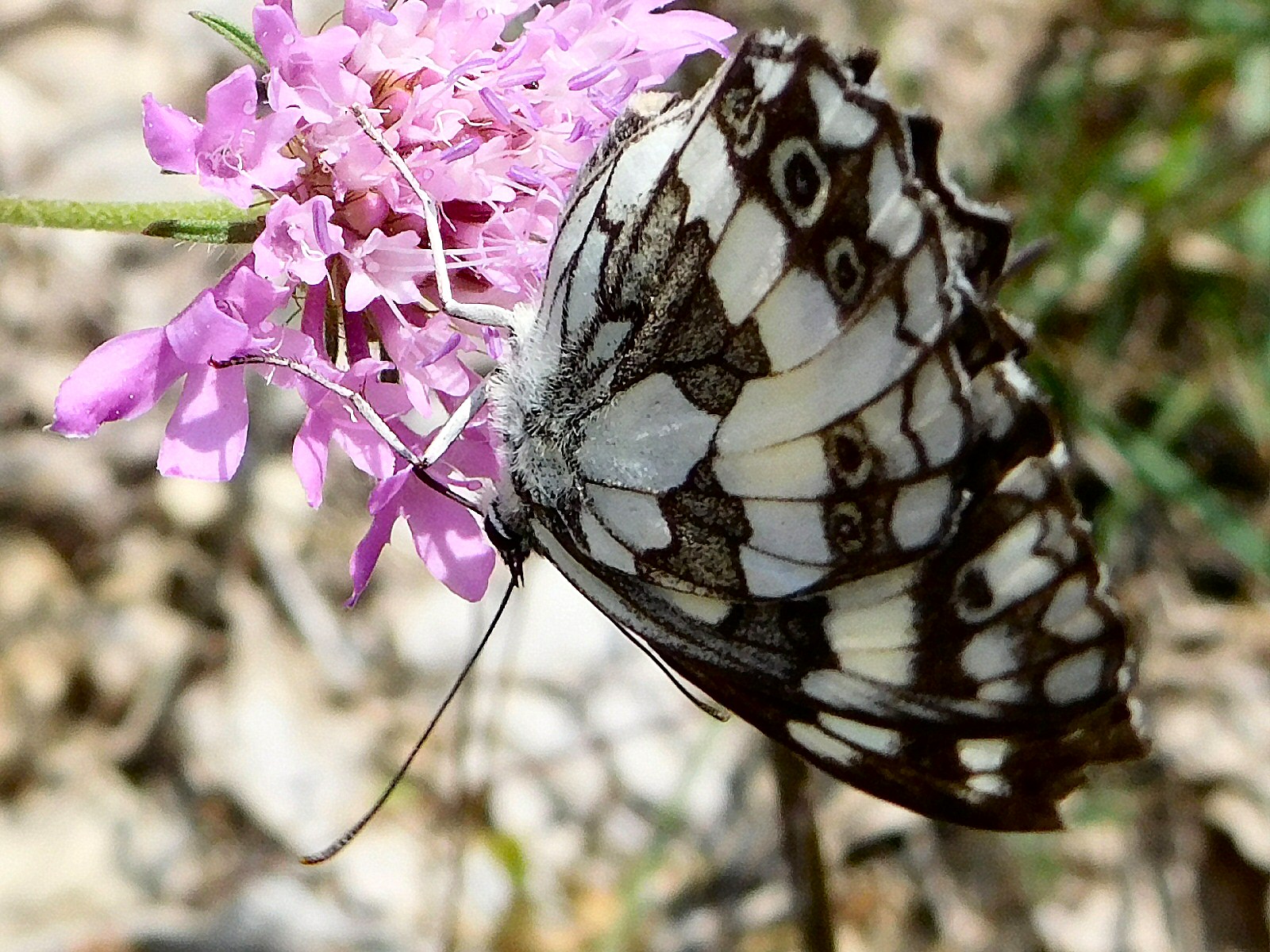
Marbled White [La galatea] (Melanargia galathea)
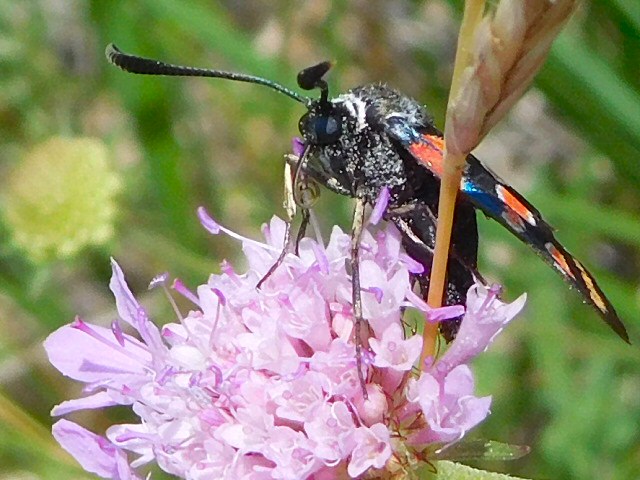
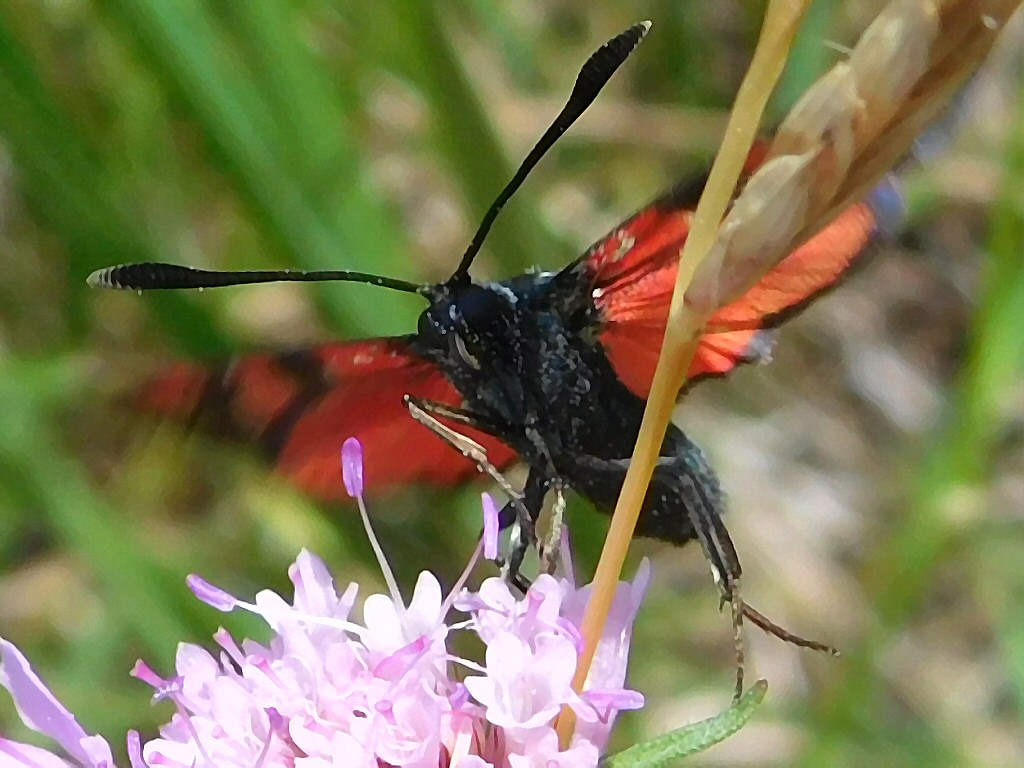
Probably Eastern Burnet Moth [La carniolica] (Zygaena cf carniolica) on Scabious.

Zygaena cf carniolica taking flight. The brilliant red underwings give a strong and honest warning signal of the insect’s inedibility.

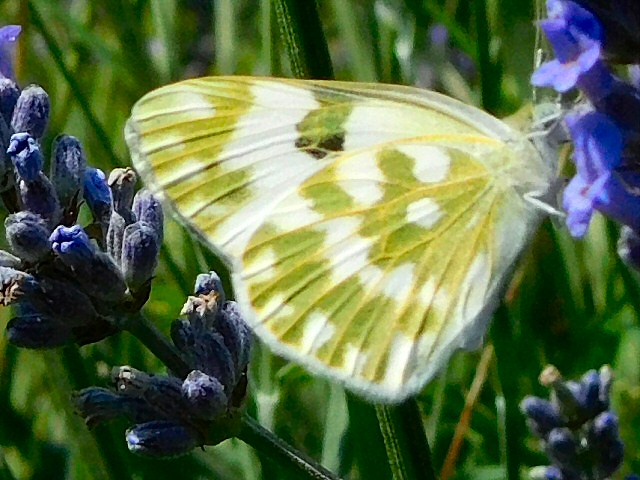
Eastern Dappled White [L’ausonia] (Euchloe ausonia)

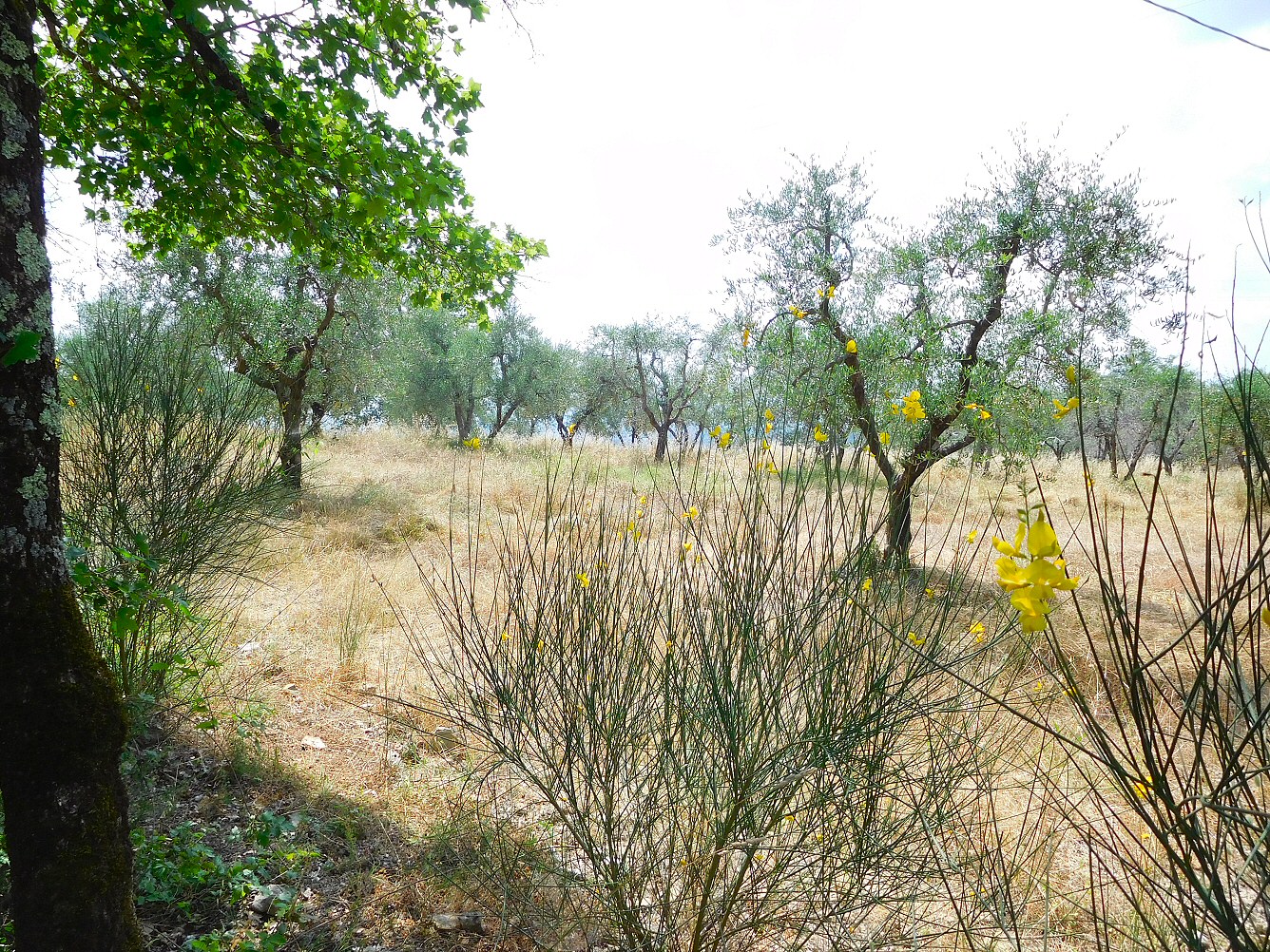
Olive Grove and Spanish Broom. Butterflies skittered about the flowery meadow below the trees.
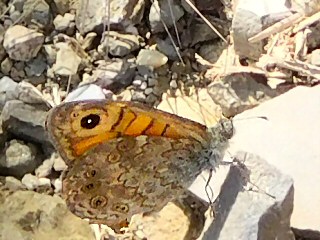
Wall Brown [La megera] (Lasiommata megera)
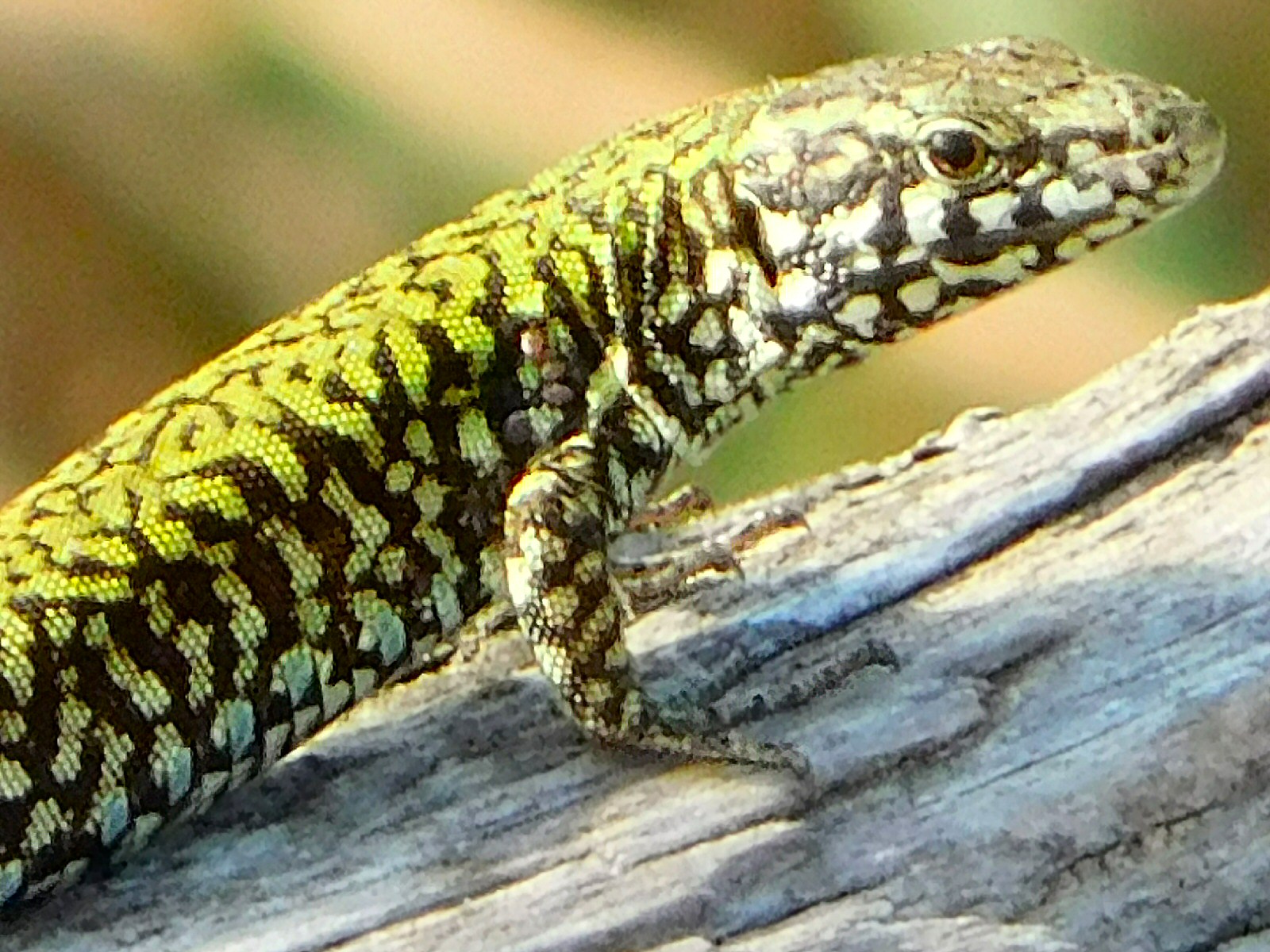
A lizard, probably the Common Wall Lizard [Lucertola muraiola] (Podarcis muralis) given its dark chin, scurried along the wooden rail at the edge of the pool area.

A very battered Oak Yellow Underwing that has survived an attack by a bird

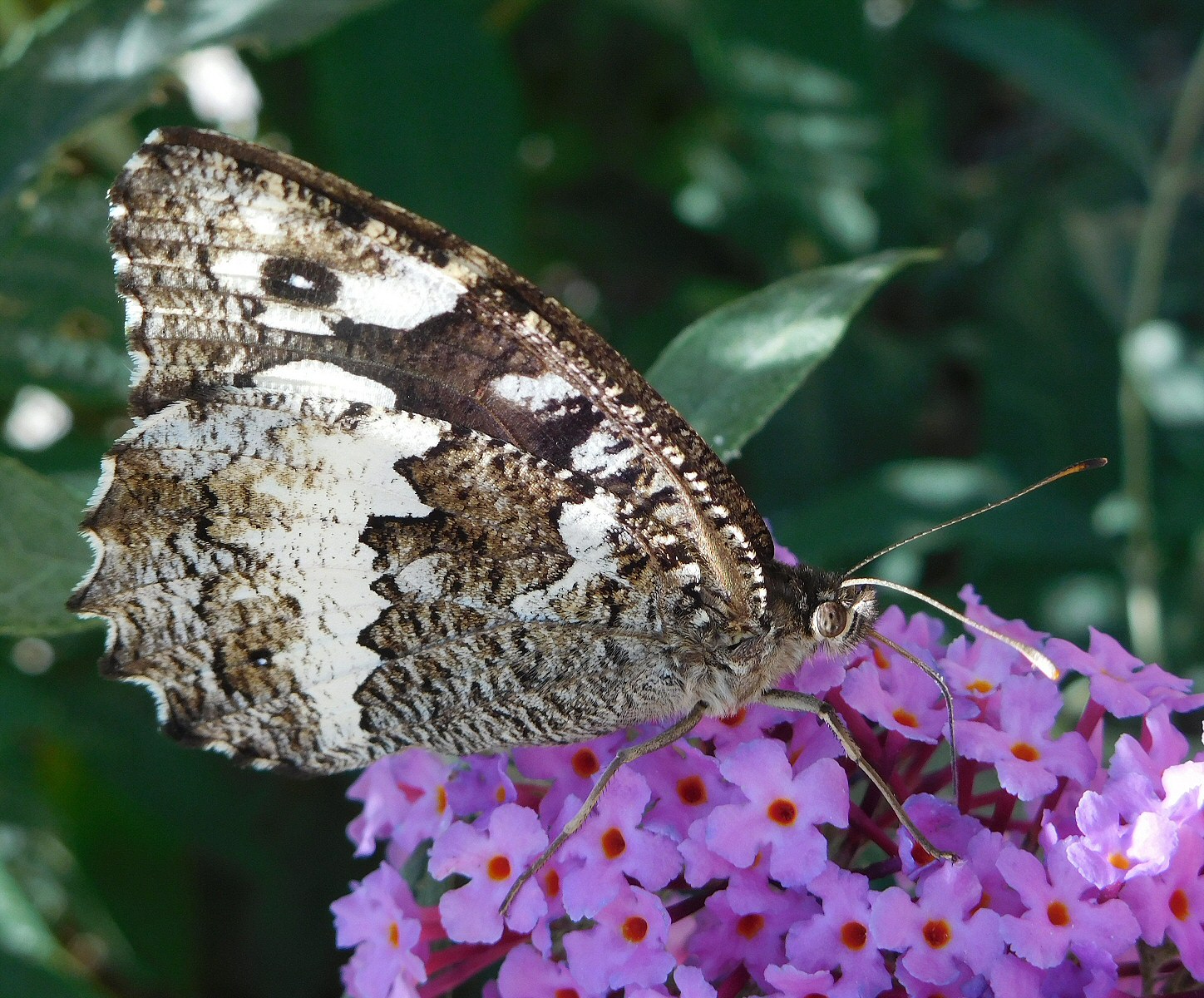
Great Banded Grayling [Circe, Satiro circe, Sileno] (Brintesia circe)
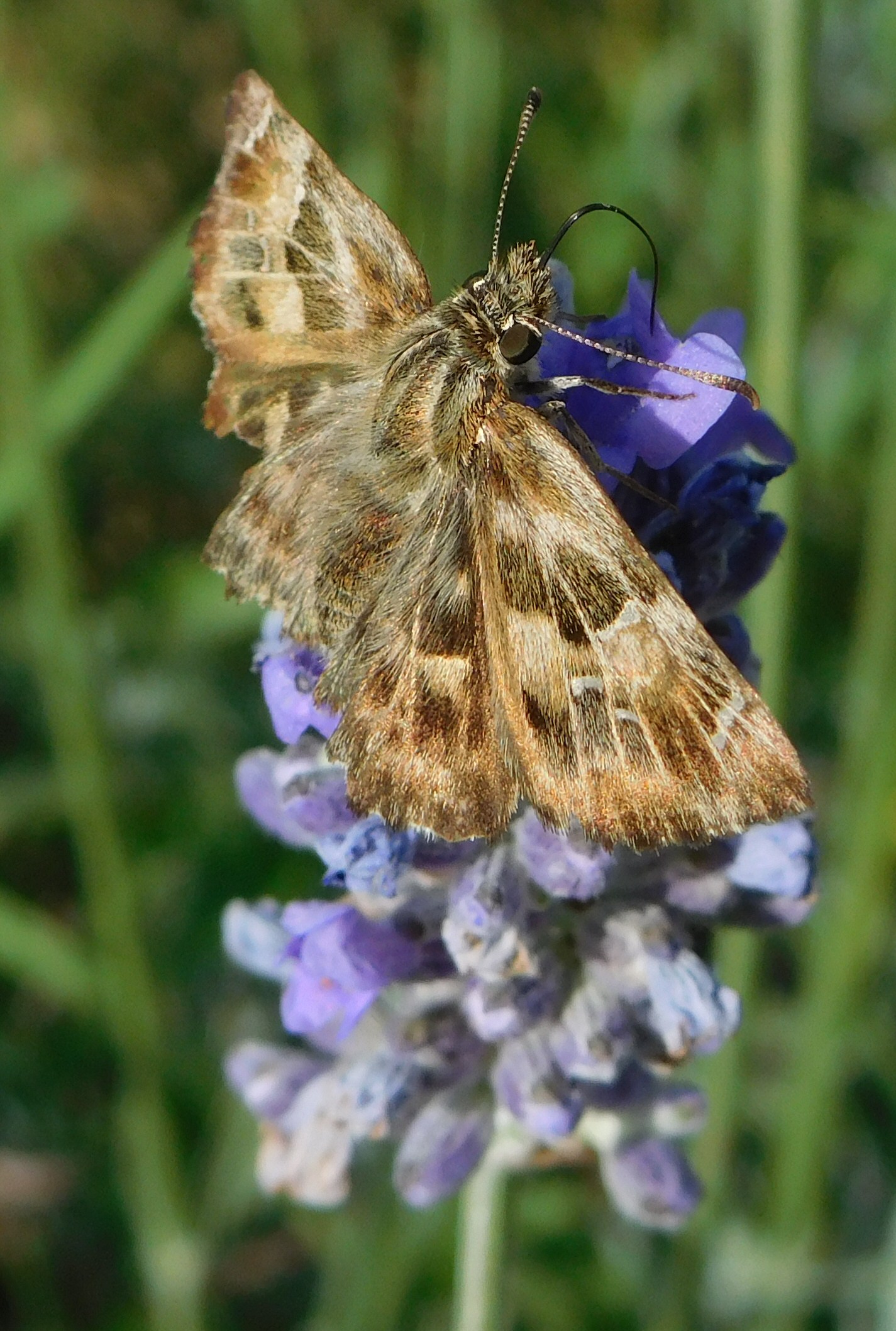
Dingy Skipper [Tagete] (Erynnis tages). There were Large Skippers about too, but their habit of perching on slender waving grasses made photography hopeless.
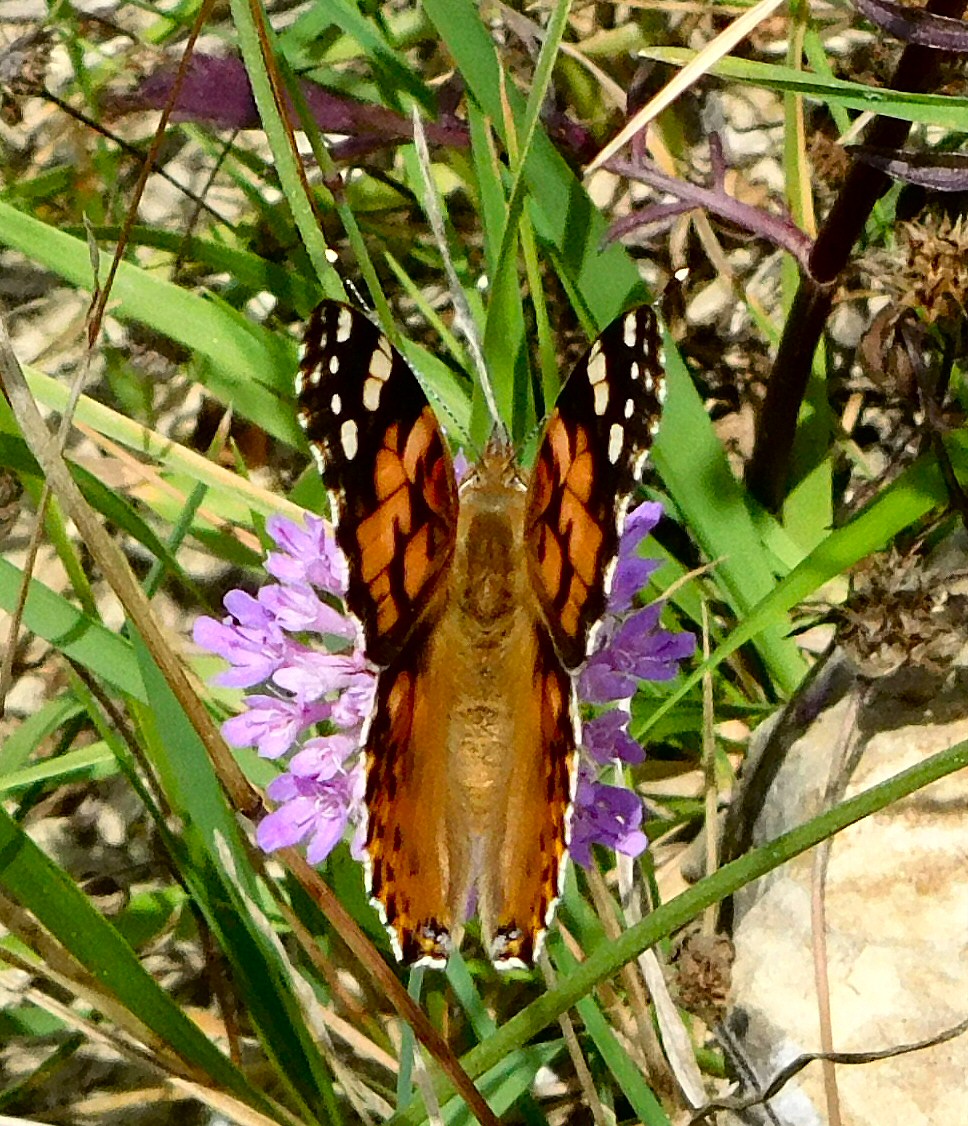
Painted Lady [La vanessa del cardo] (Vanessa cardui)
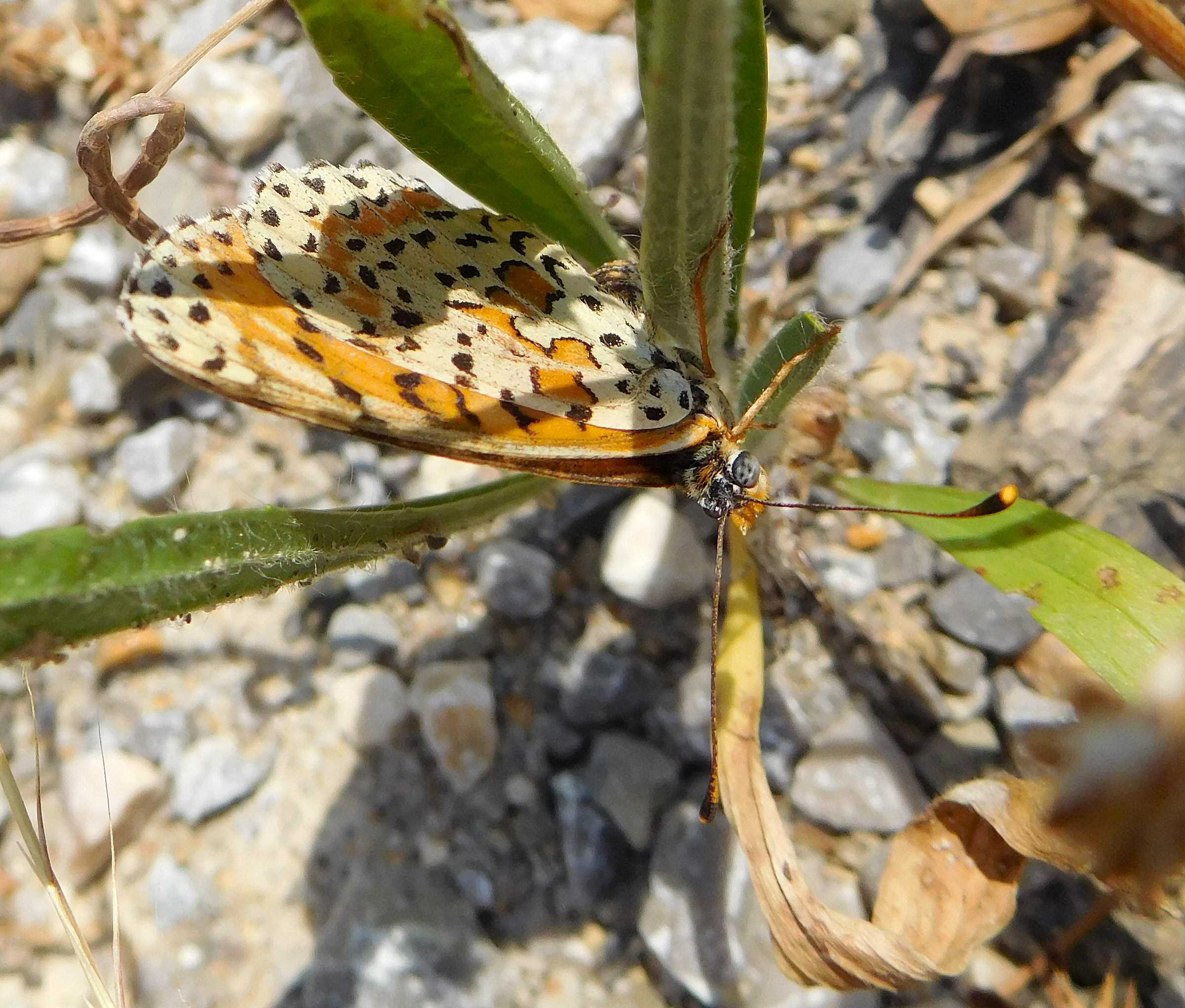
Spotted Fritillary [La didima] (Melitaea didyma)

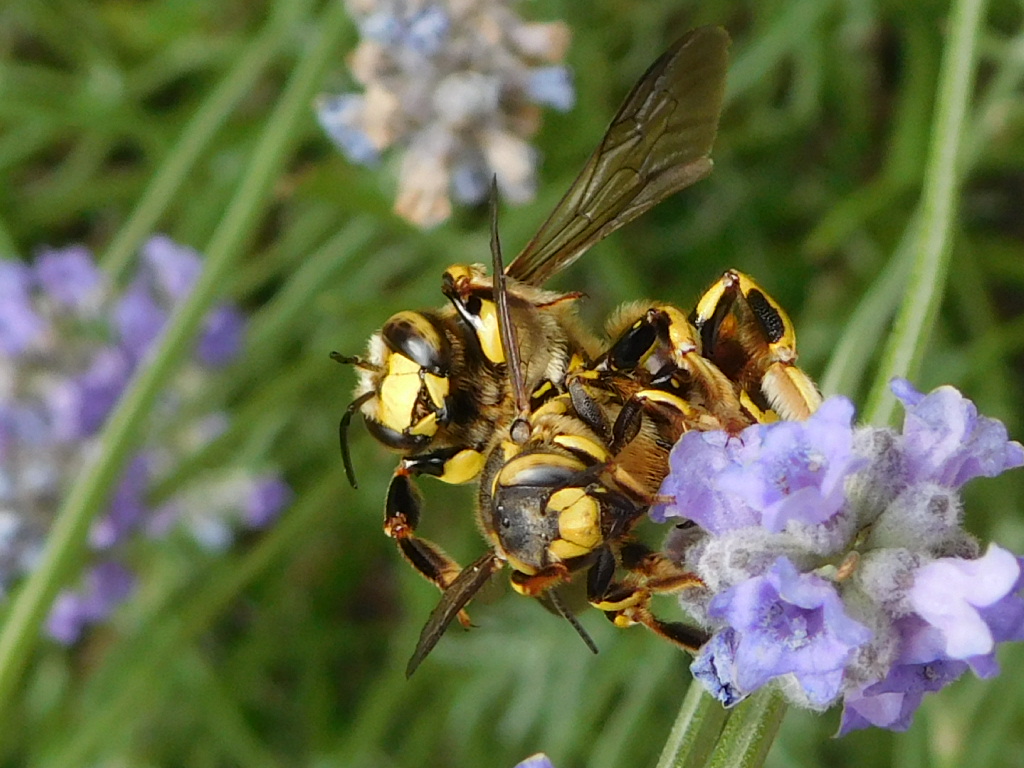
Some rather fine wasps apparently attempting to mate

Although it was a bit late in the season for them, we saw half-a-dozen fireflies in the woods by the strada bianca (unmetalled road) and among the olive trees, half an hour or so after sunset.

I made no attempt to photograph birds, but a Hoopoe flew over the pool, and Turtle Doves cooed nearby. A Cuckoo called from far across the valley; a Song Thrush sang; a Green Woodpecker gave its laughing cry. White Wagtails flew up to the roof, and Italian Sparrows hopped about. Goldfinches twittered in the trees. A Sardinian Warbler raced for the cover of the trees, its black crown conspicuous; a Melodious  Warbler sang from the woods. In the night, an owl called, it could have been a Scops Owl. And of course, Cicadas buzzed and Bush Crickets chirped all day long.

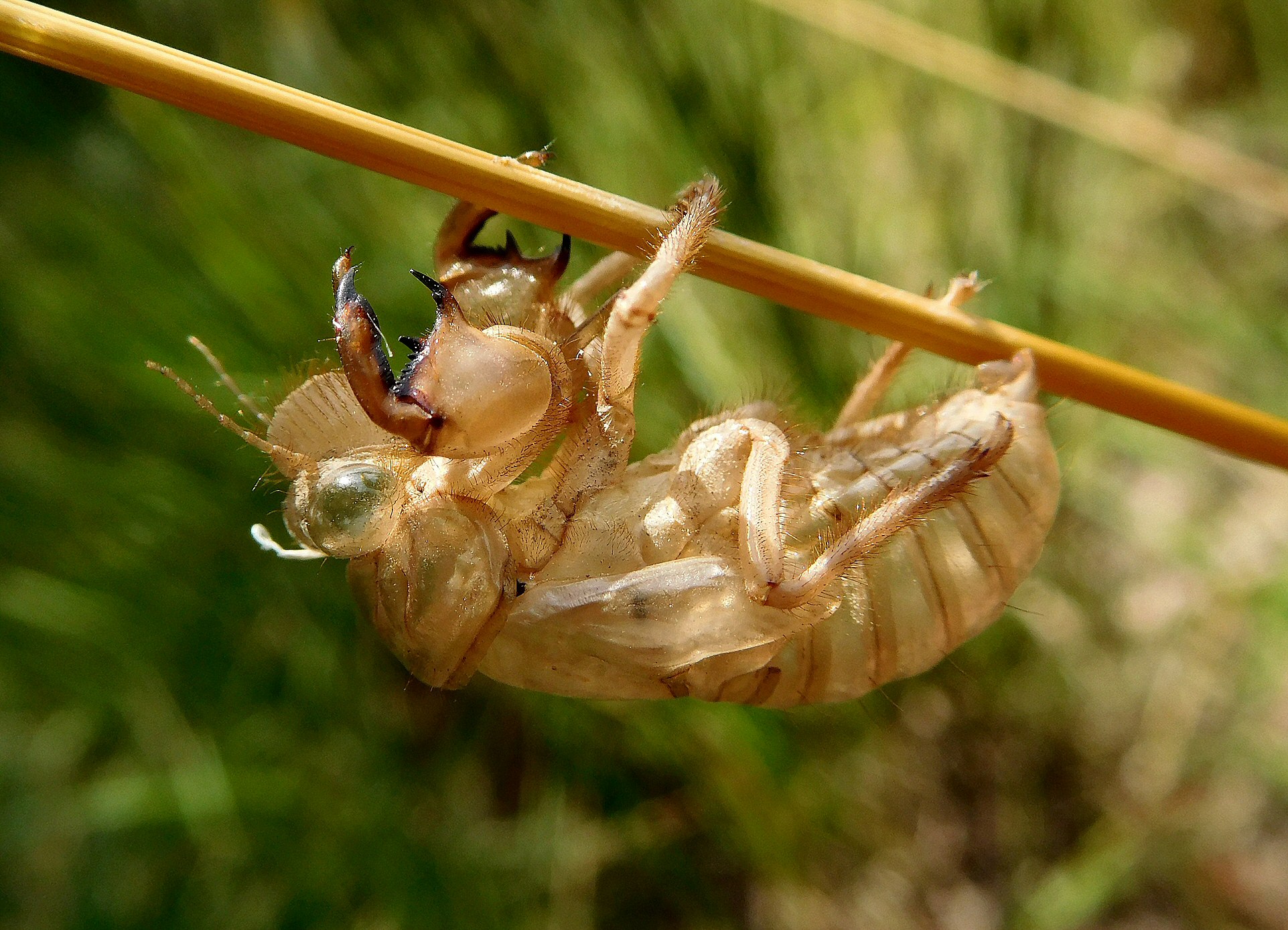
Cicada exuviae, the shed skin of a wingless nymph

All photos © Ian Alexander 2018

Dordogne Insects

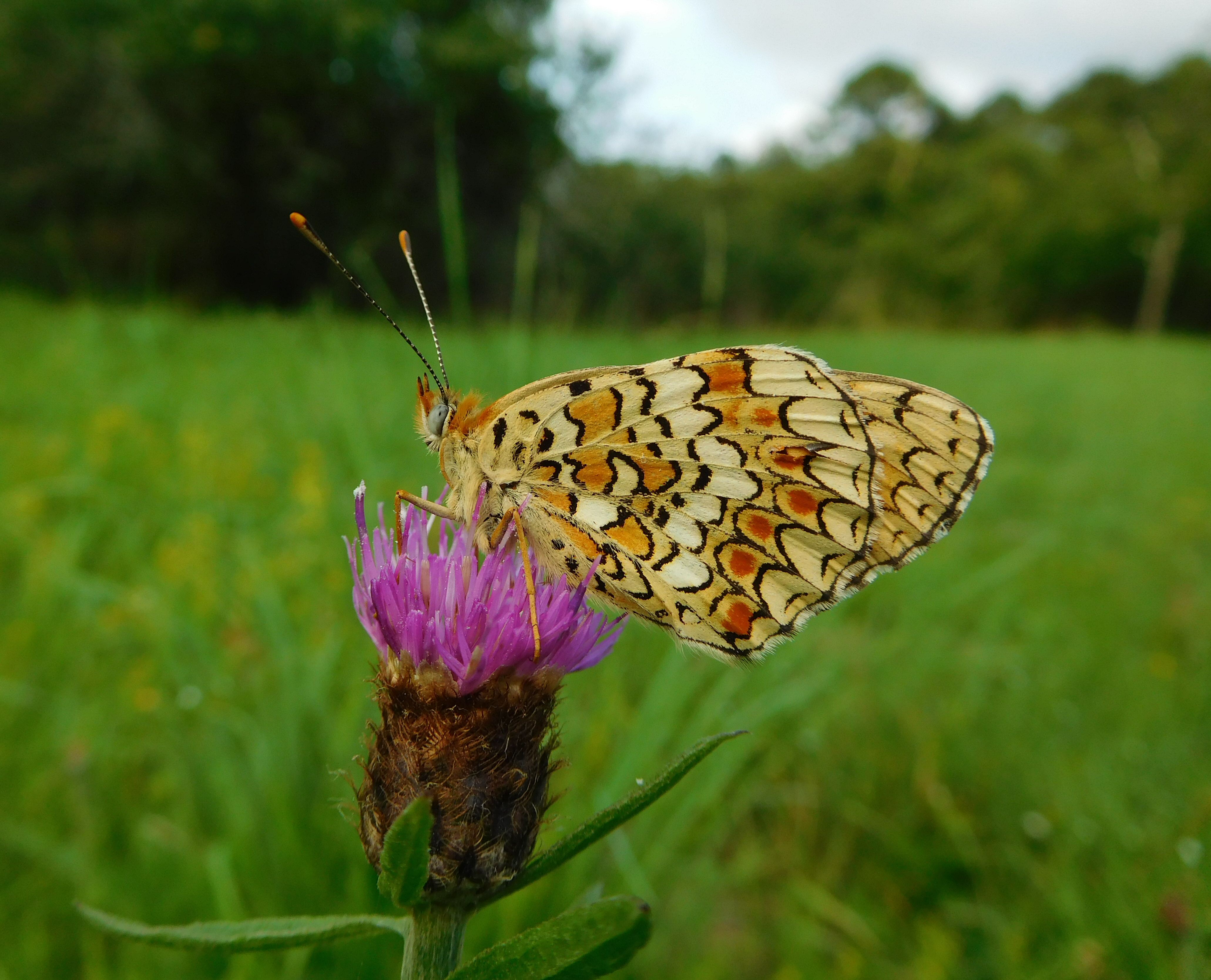
Knapweed Fritillary

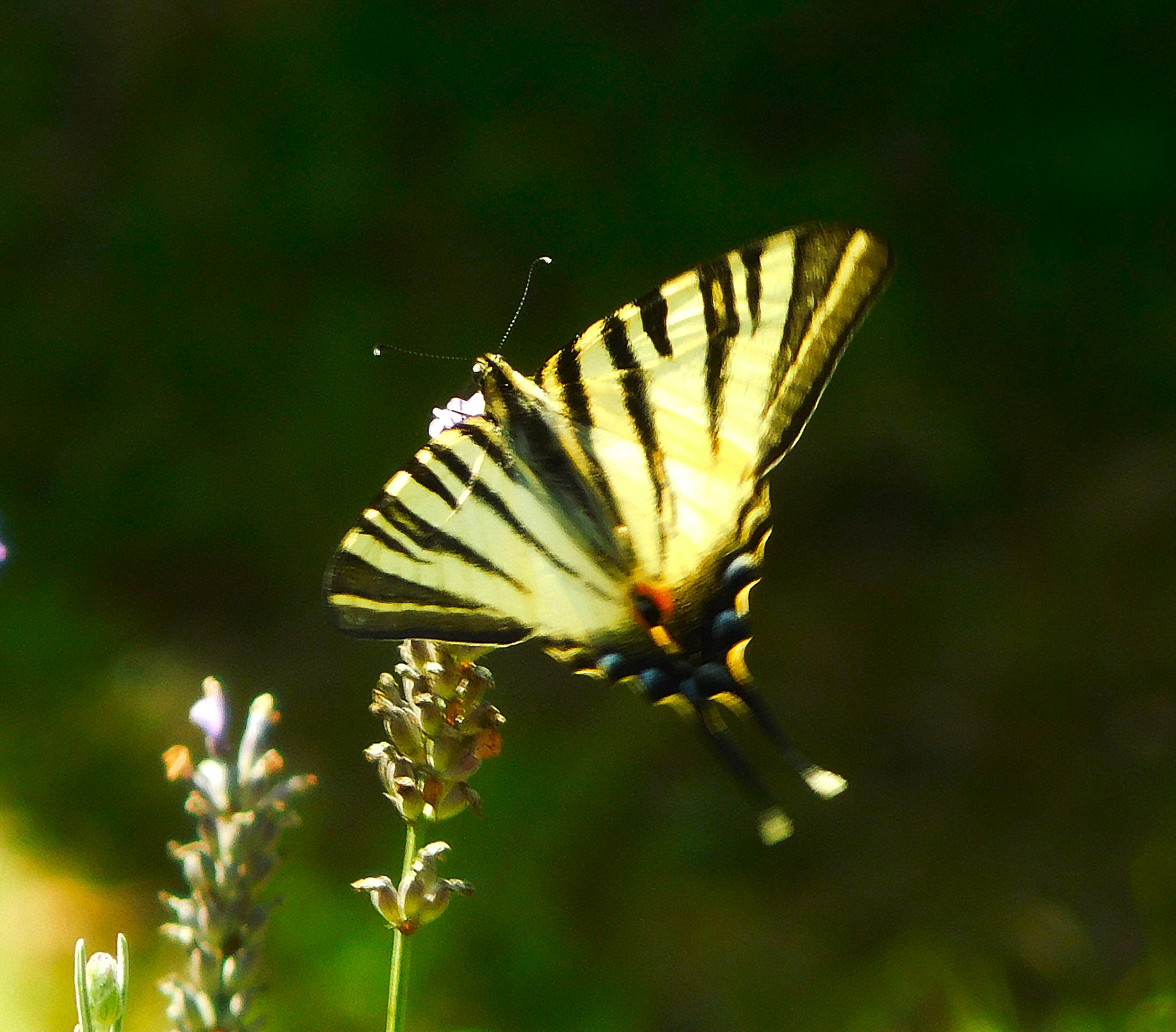
Scarce Swallowtail

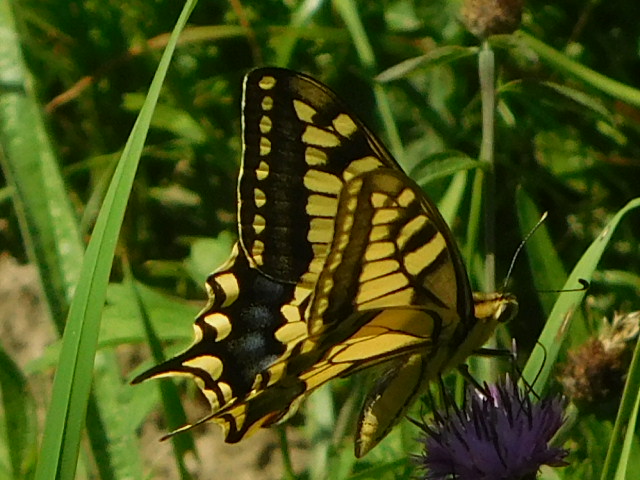
Swallowtail (Papilio machaon)

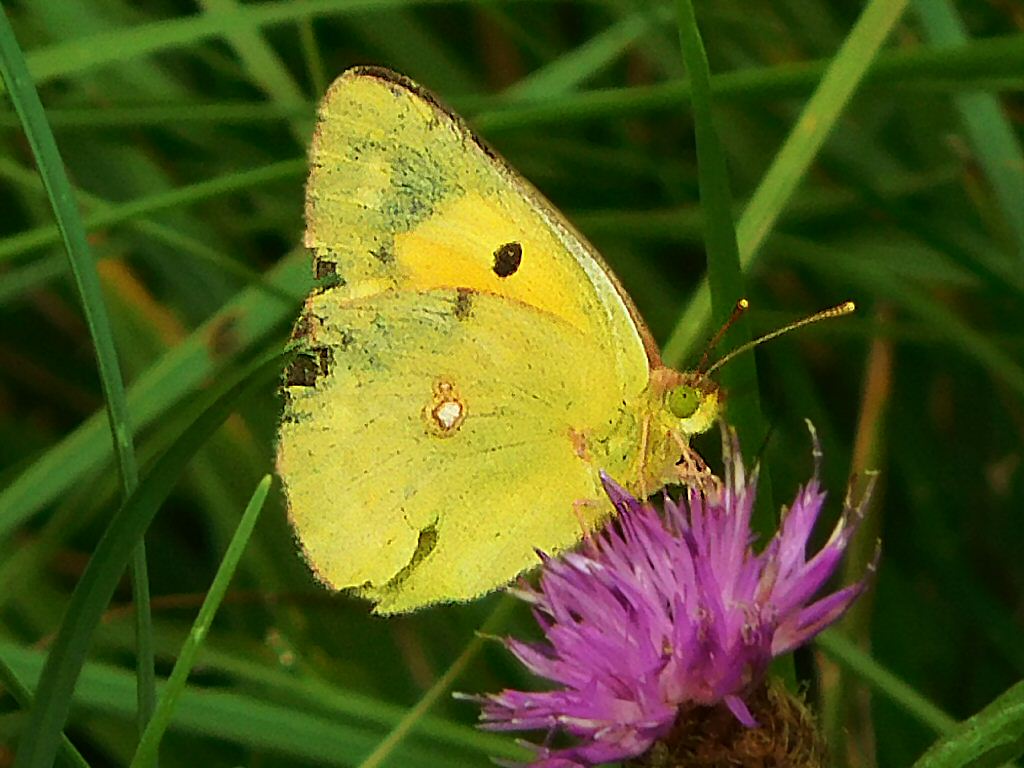
Clouded Yellow on Knapweed

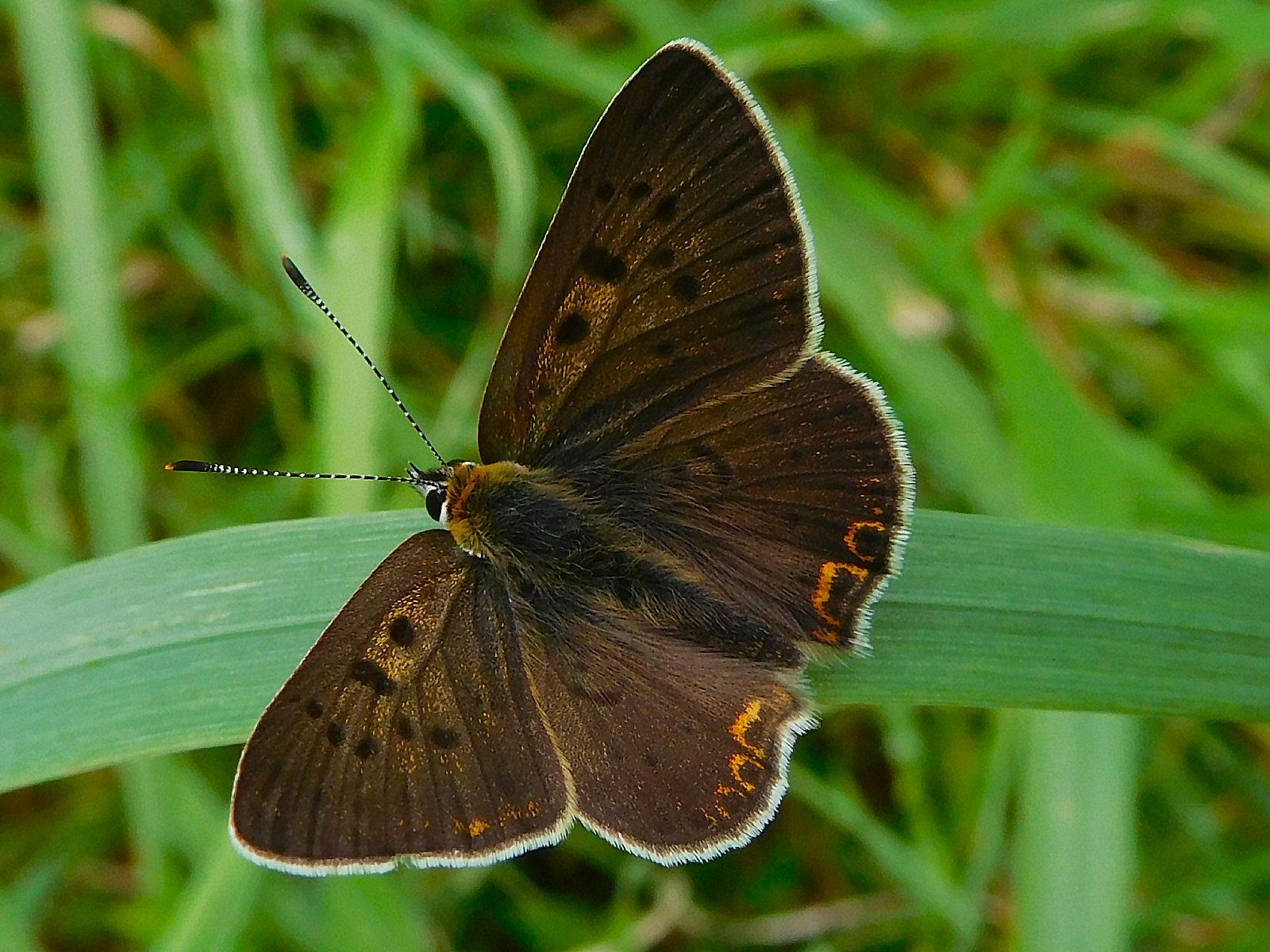
Sooty Copper

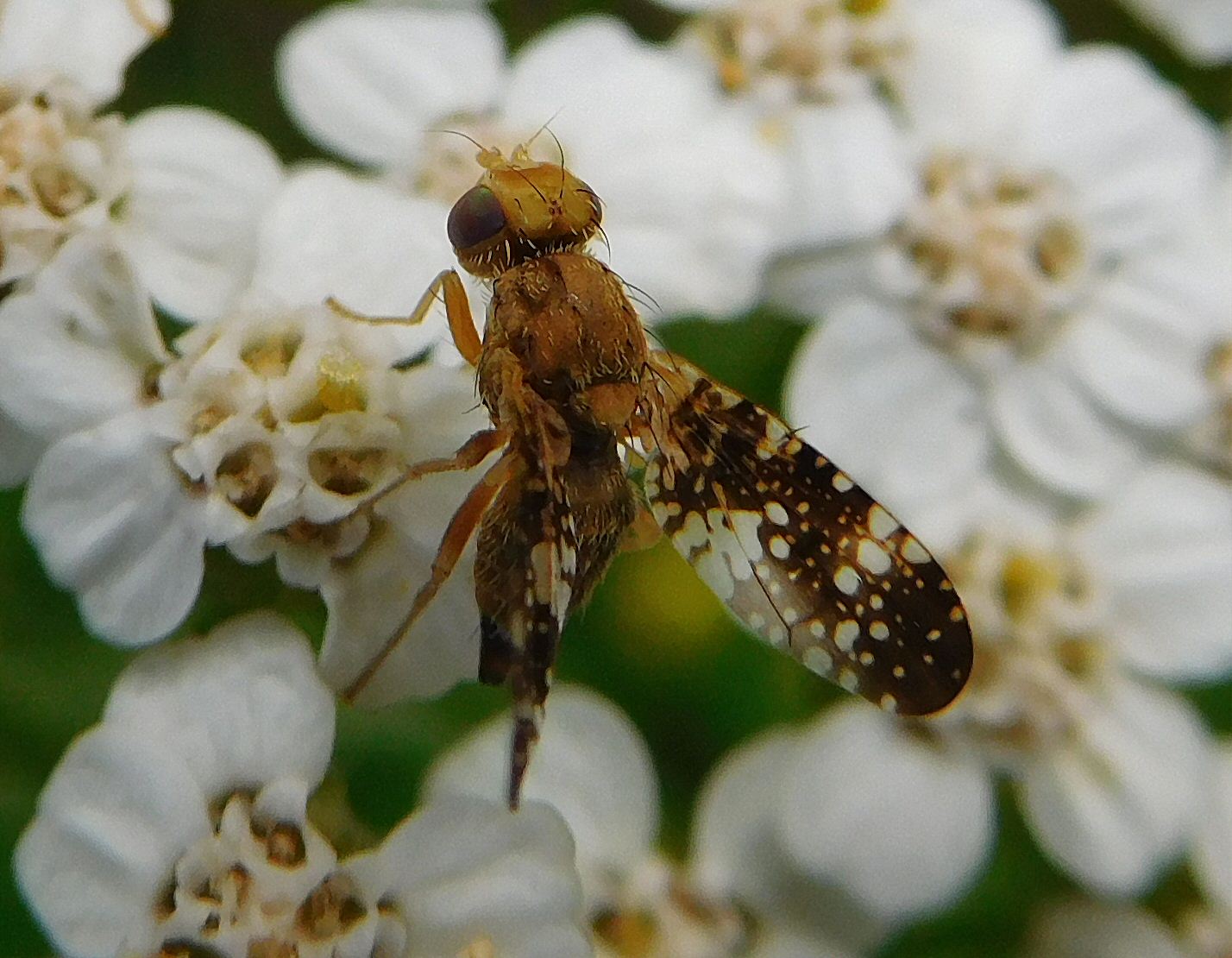
Handsome little picture-winged male fly displaying on Yarrow

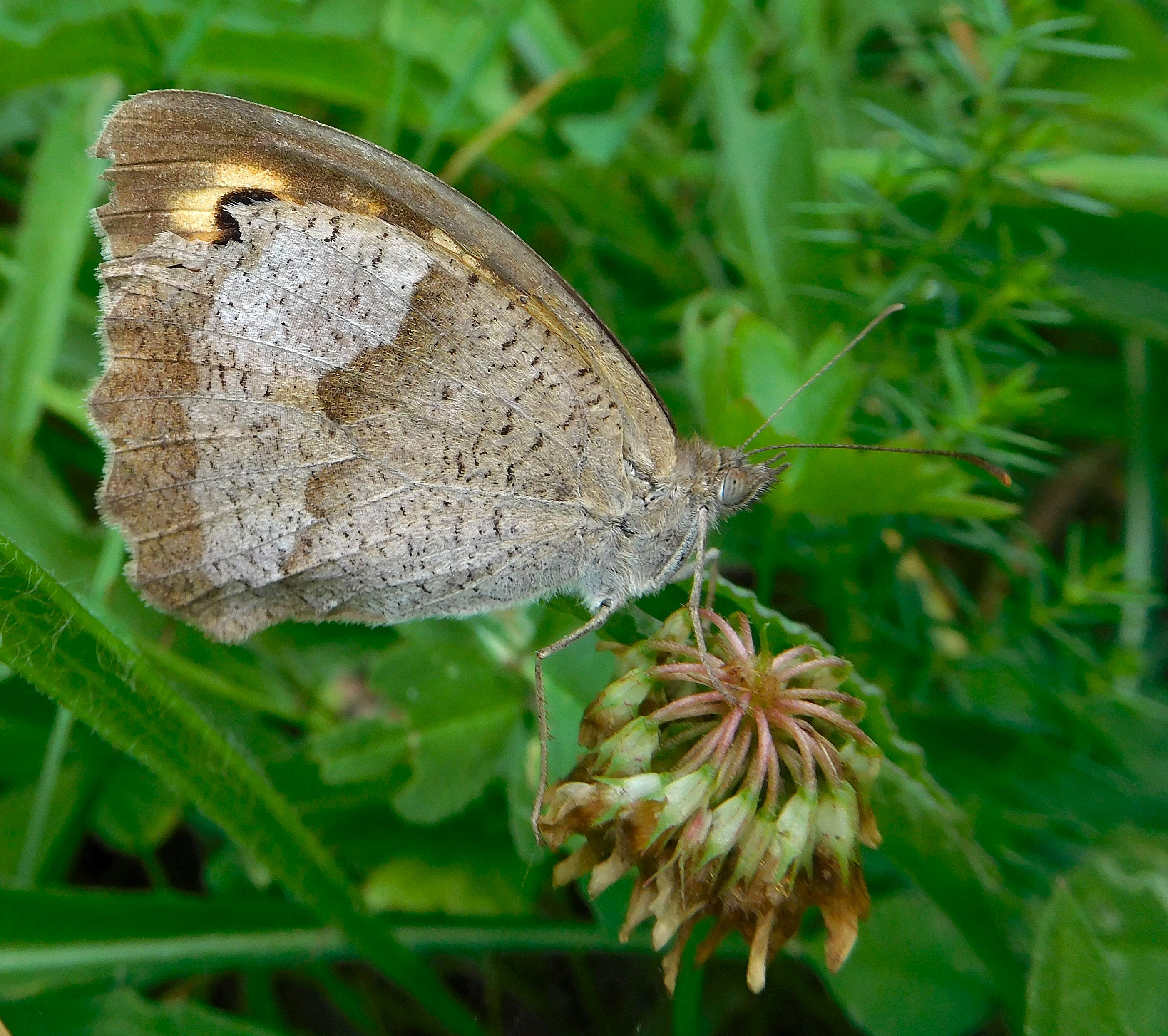
Woodland Grayling

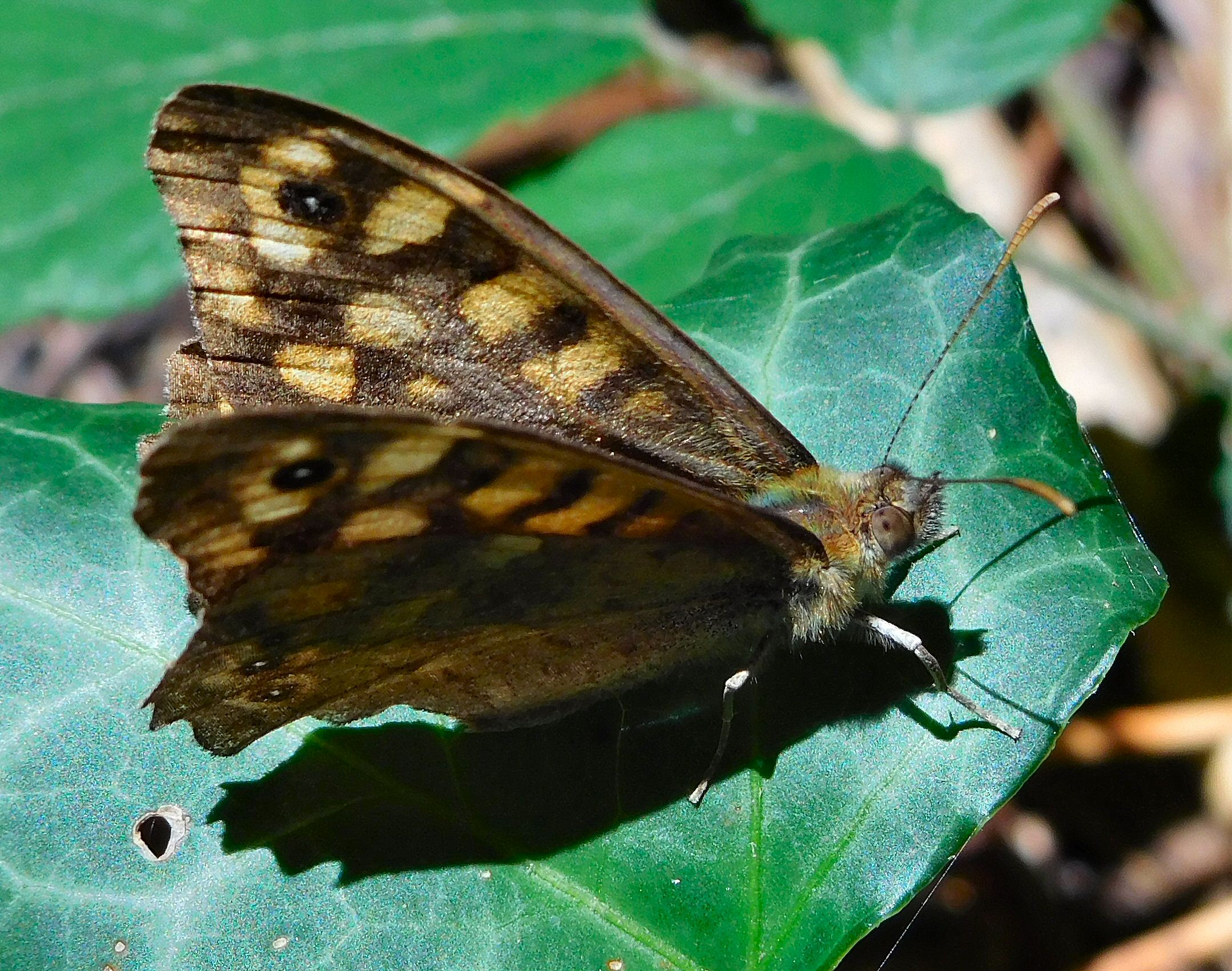
Speckled Wood

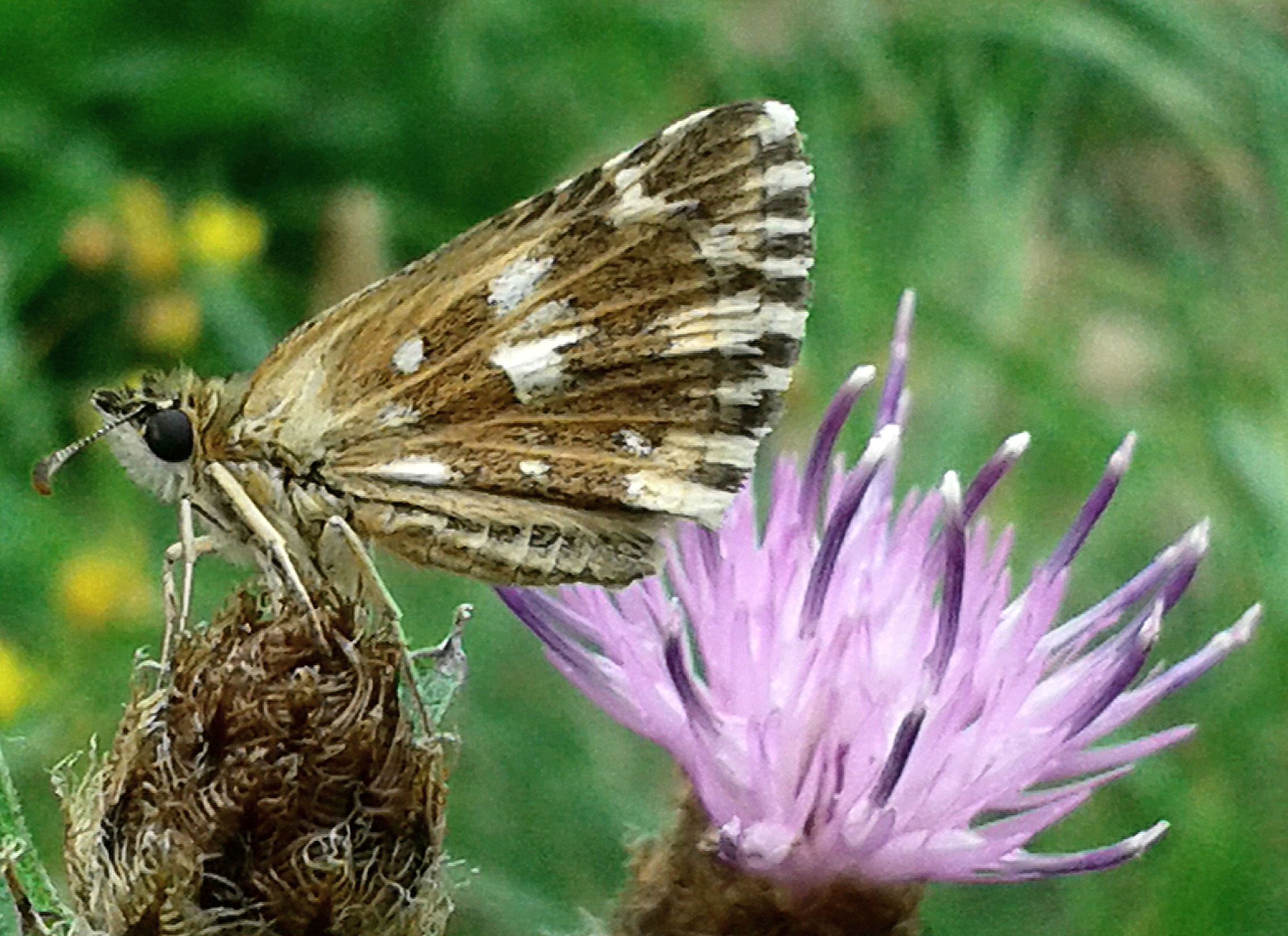
Grizzled Skipper

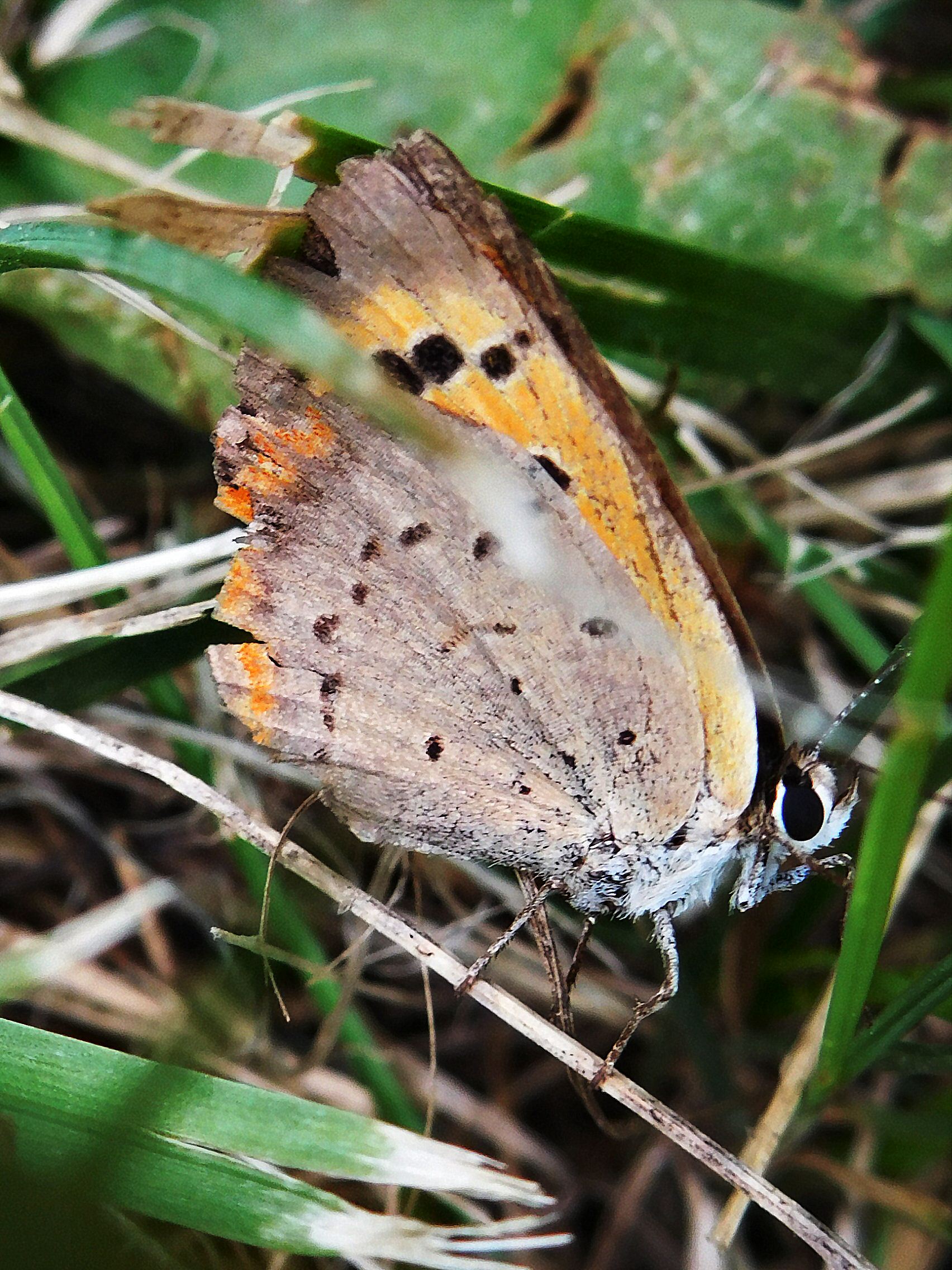
Small Copper

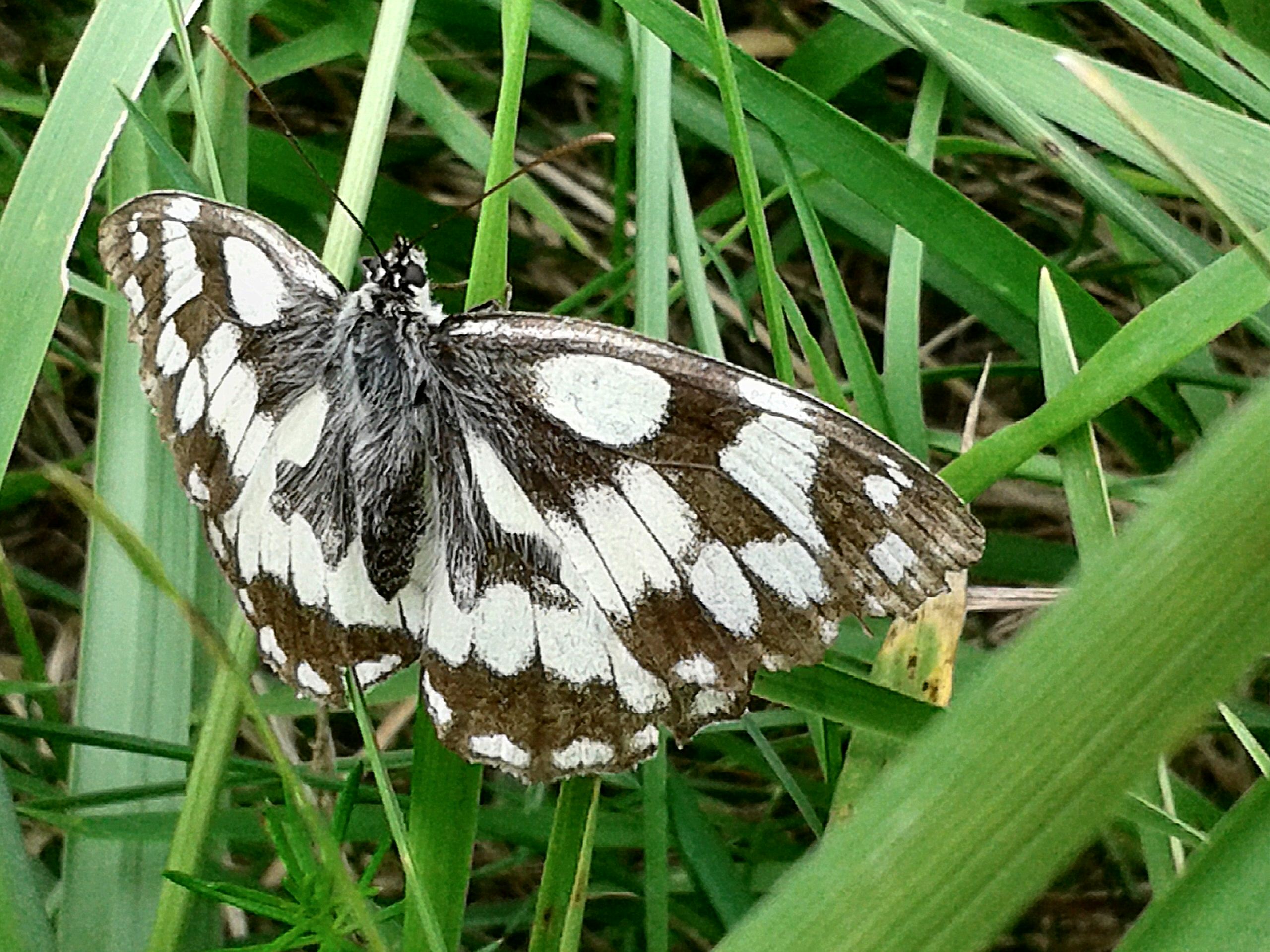
Marbled White

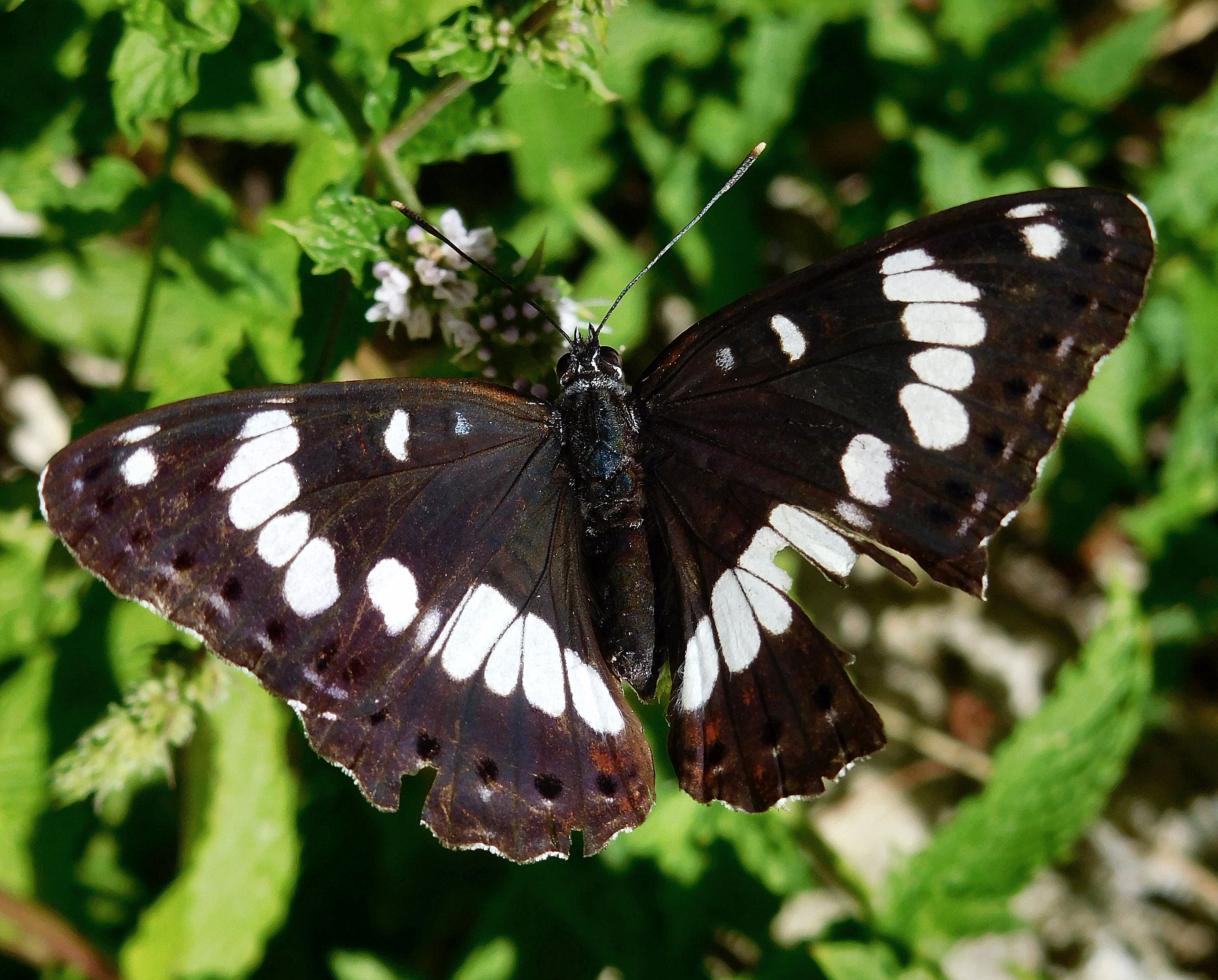
White Admiral

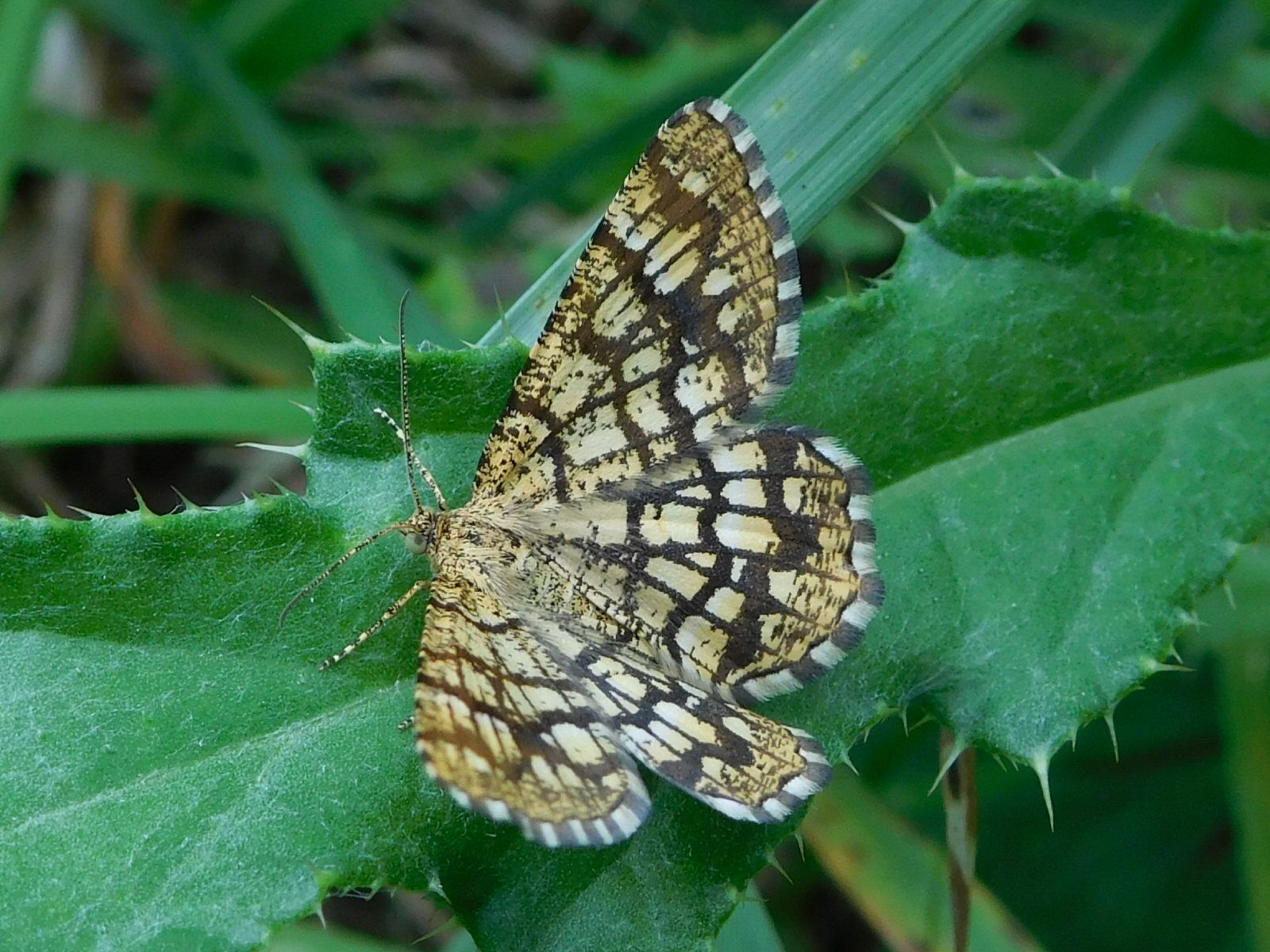
Latticed Heath

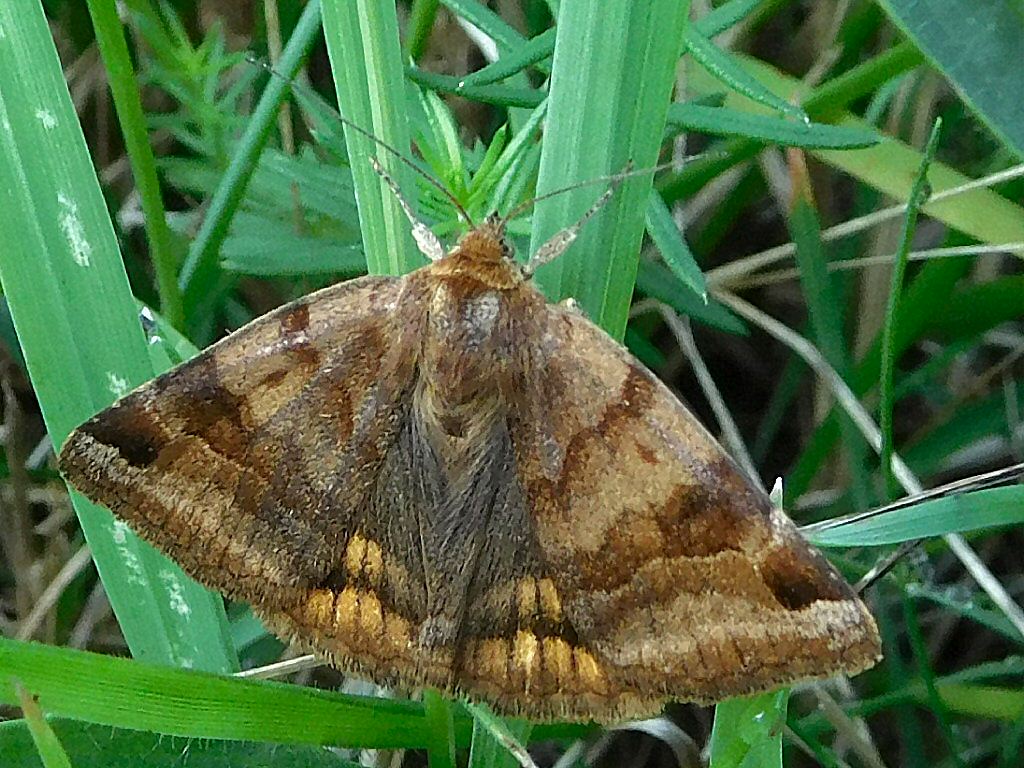
Burnet Companion

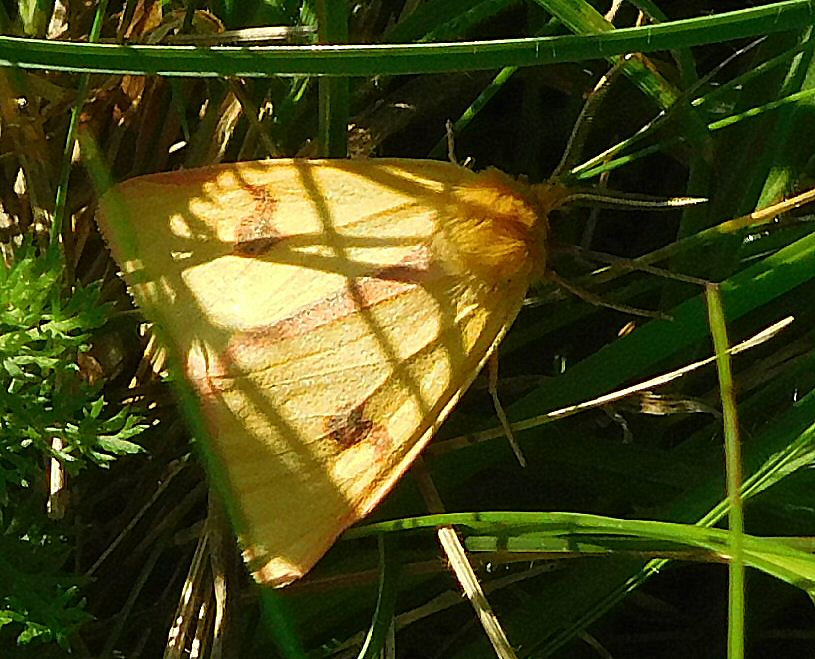
Clouded Buff

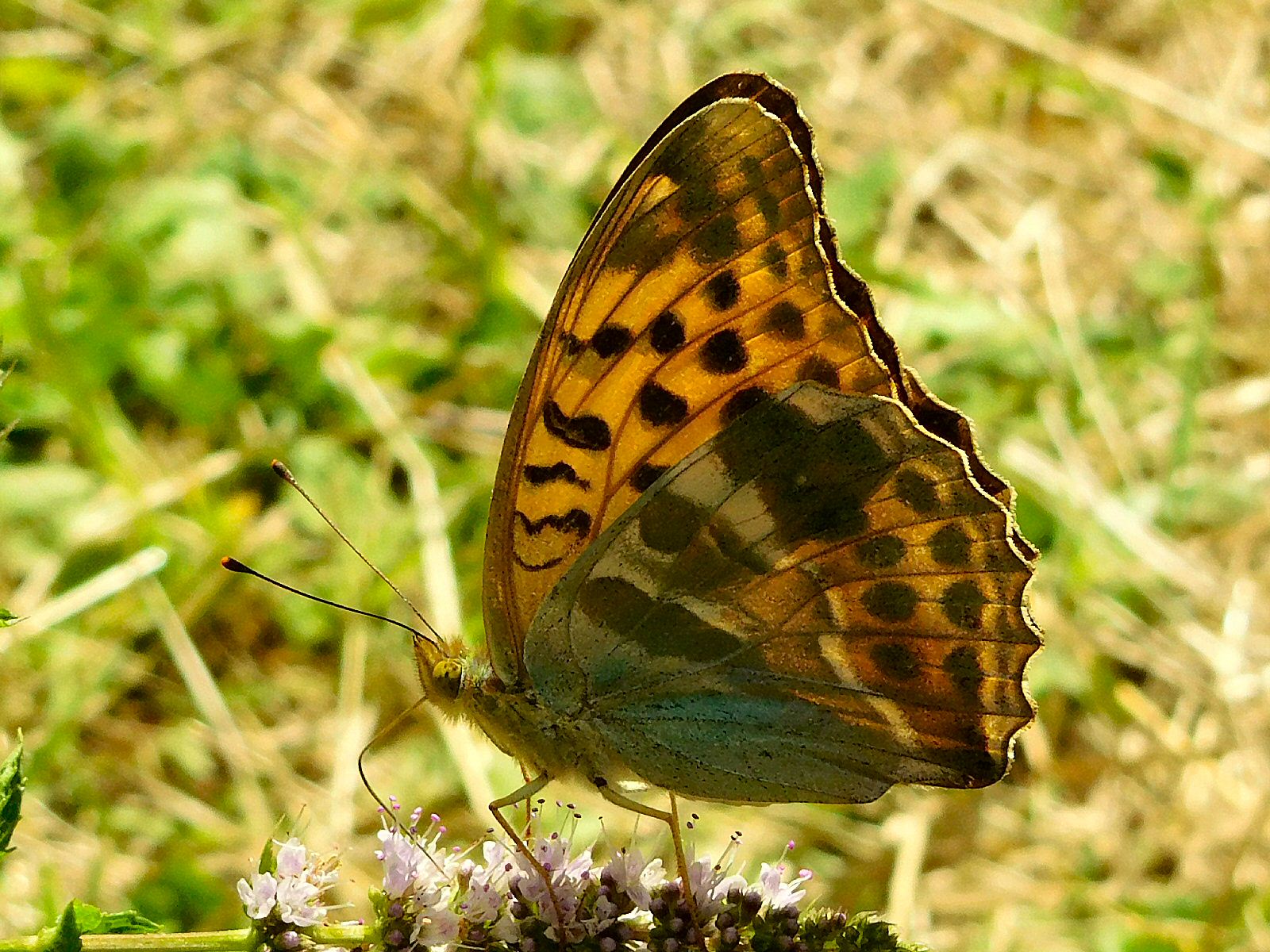
Silver-Washed Fritillary

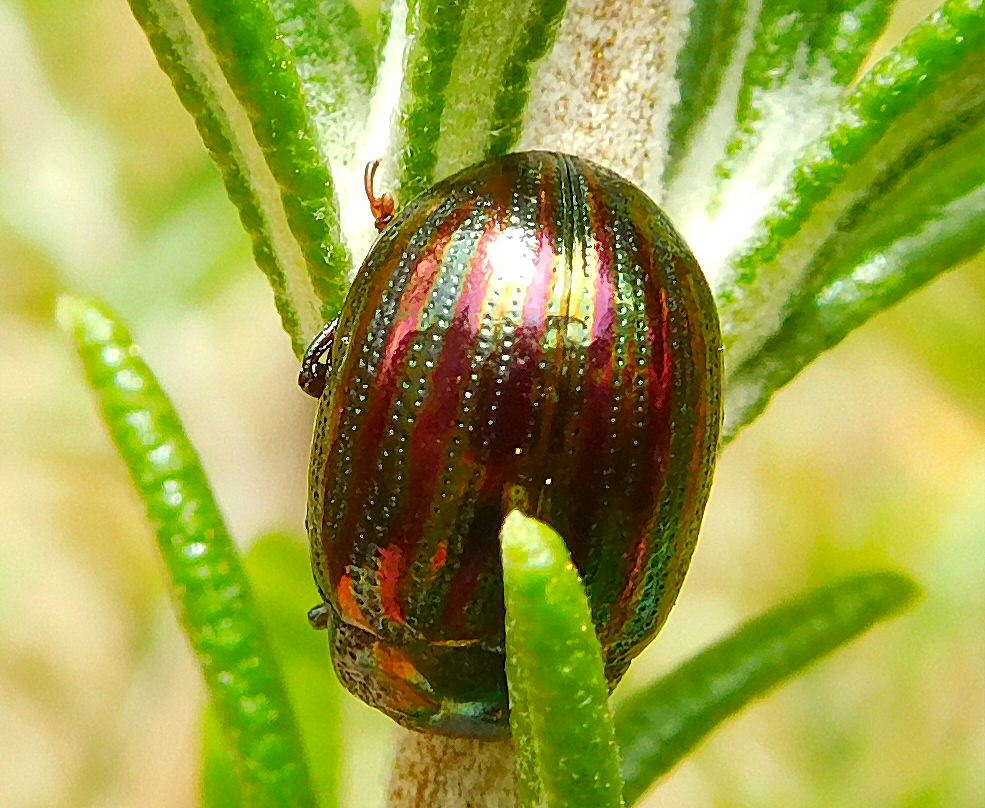
Iridescent Magenta-Green Leaf Beetle on Rosemary

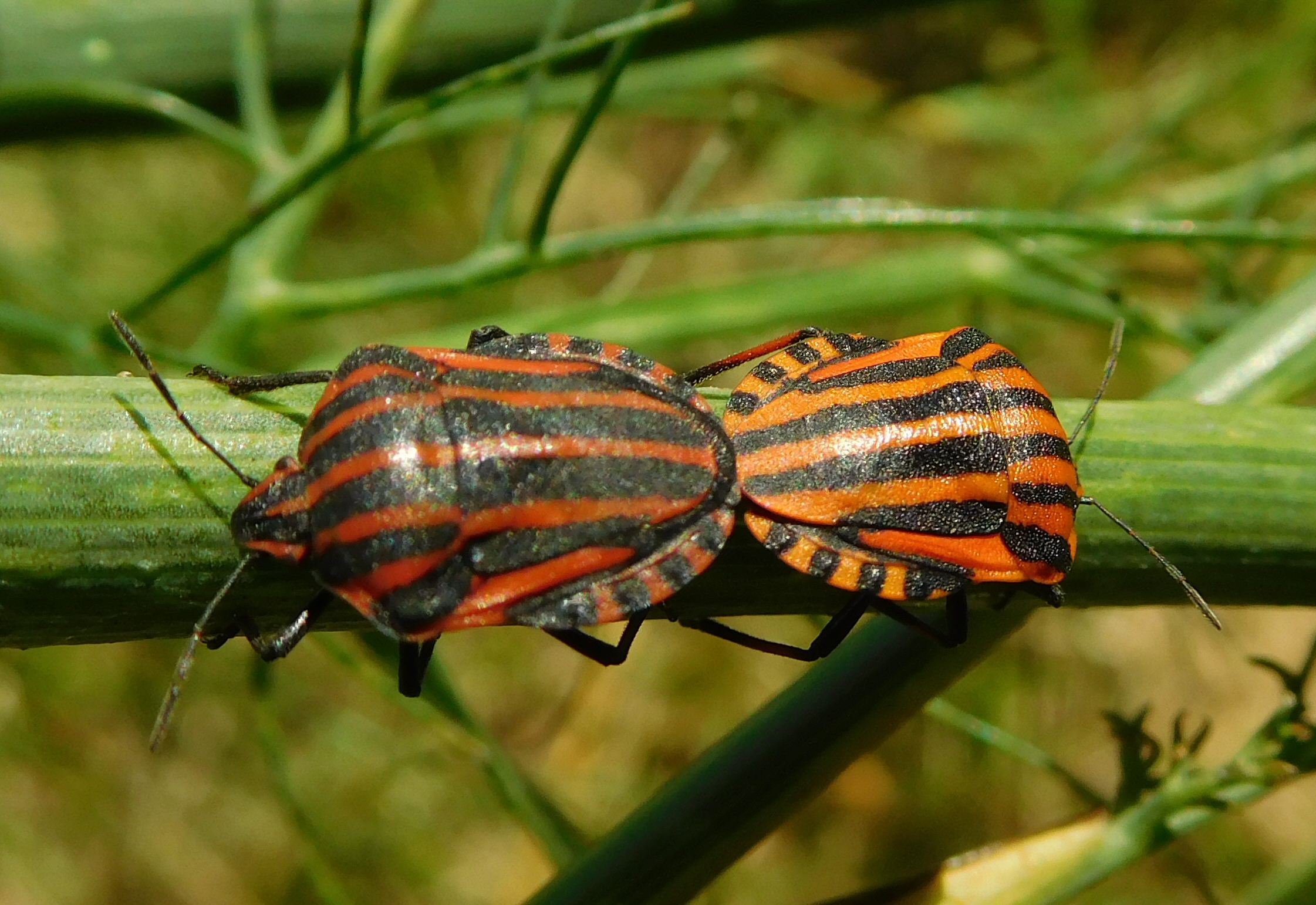
Italian Striped-Bugs

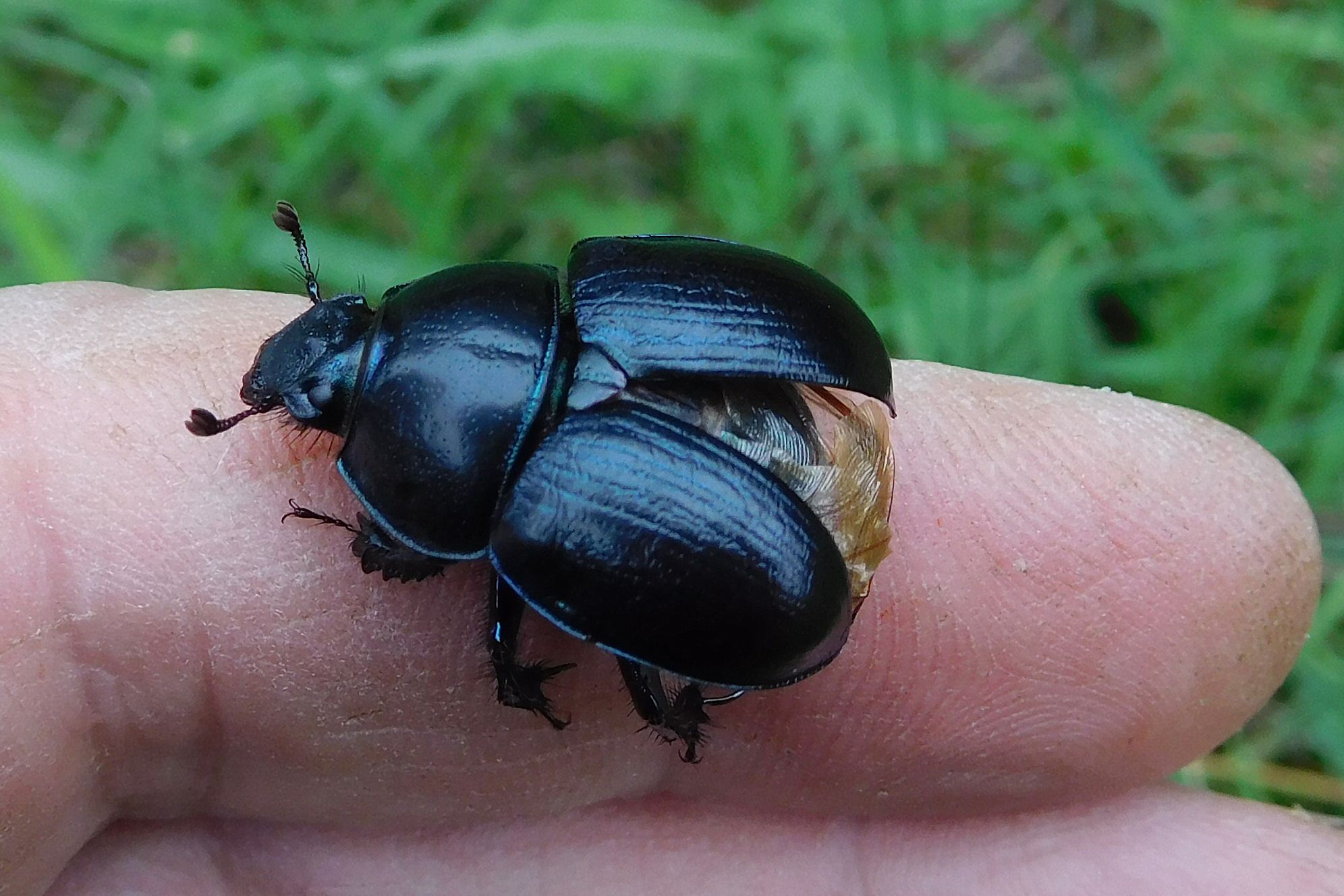
Dor Beetle