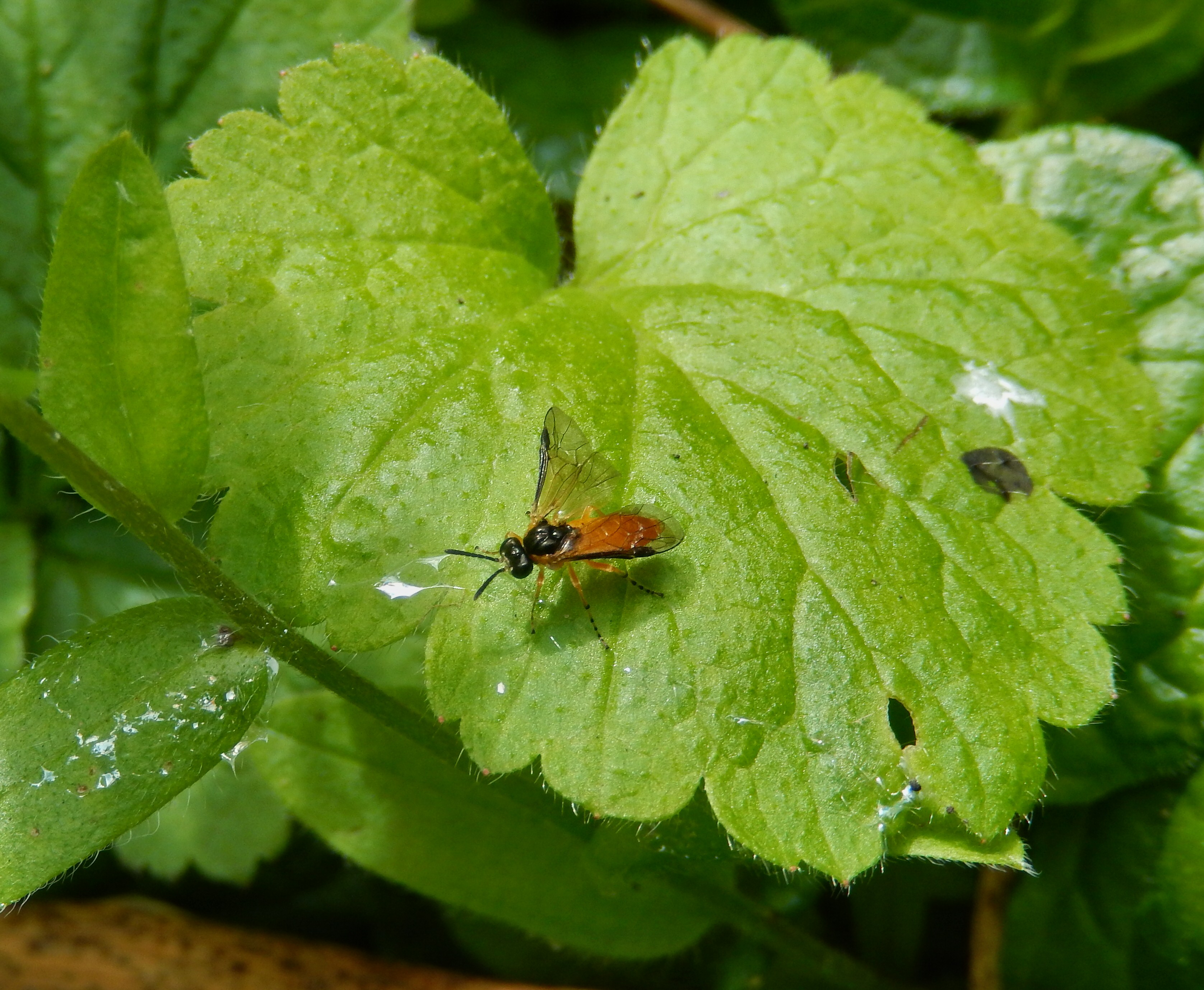
Newly-emerged Sawfly stretching its still-curled wings
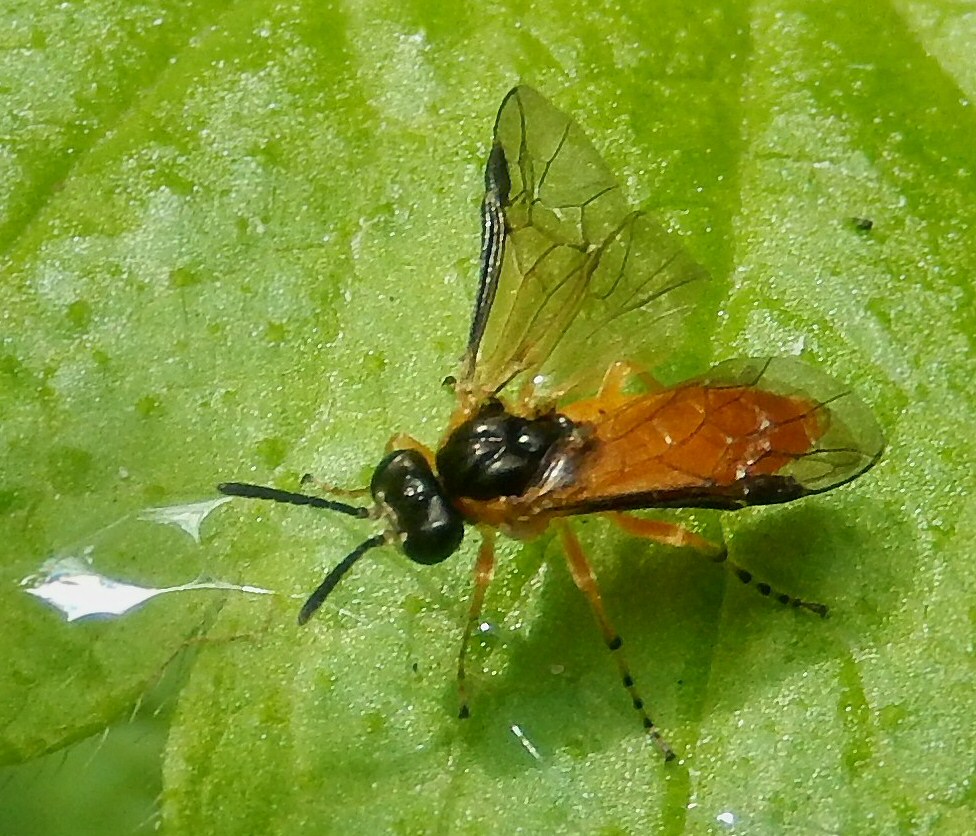
A miniature drama unfurled in my garden this morning, little streaks of orange and black sparkling in the sun as they chose places to land and sun themselves. They seemed to be newly-emerged, as they immediately stretched out their wings on landing: and if you look closely, you can see that the wings are not fully deployed, but are still soft and need to be puffed out quickly before they harden. If so, it’s remarkable that these little flies can take to the air in that condition.
Emmanuelle Béart in La Belle Noiseuse
La Belle Noiseuse, the beautiful nuisance, roughly. Not the female sculptor in Jacques Rivette‘s 1991 film, starring Emmanuelle Béart, but a small sawfly. It’s a glorious little insect, shining in the sunlight, its deep orange-ochre abdomen contrasting with its black thorax and head, its legs elegantly banded black on orange, giving it a slightly waspish look in flight. (Indeed, it is presumably a Batesian mimic of wasps, benefiting by looking as if it might sting.)
Newly-emerged Sawfly detail
But its nuisance value does not lie in stinging, but in its caterpillar-like larvae, which devour the leaves of gooseberries and can defoliate whole bushes.
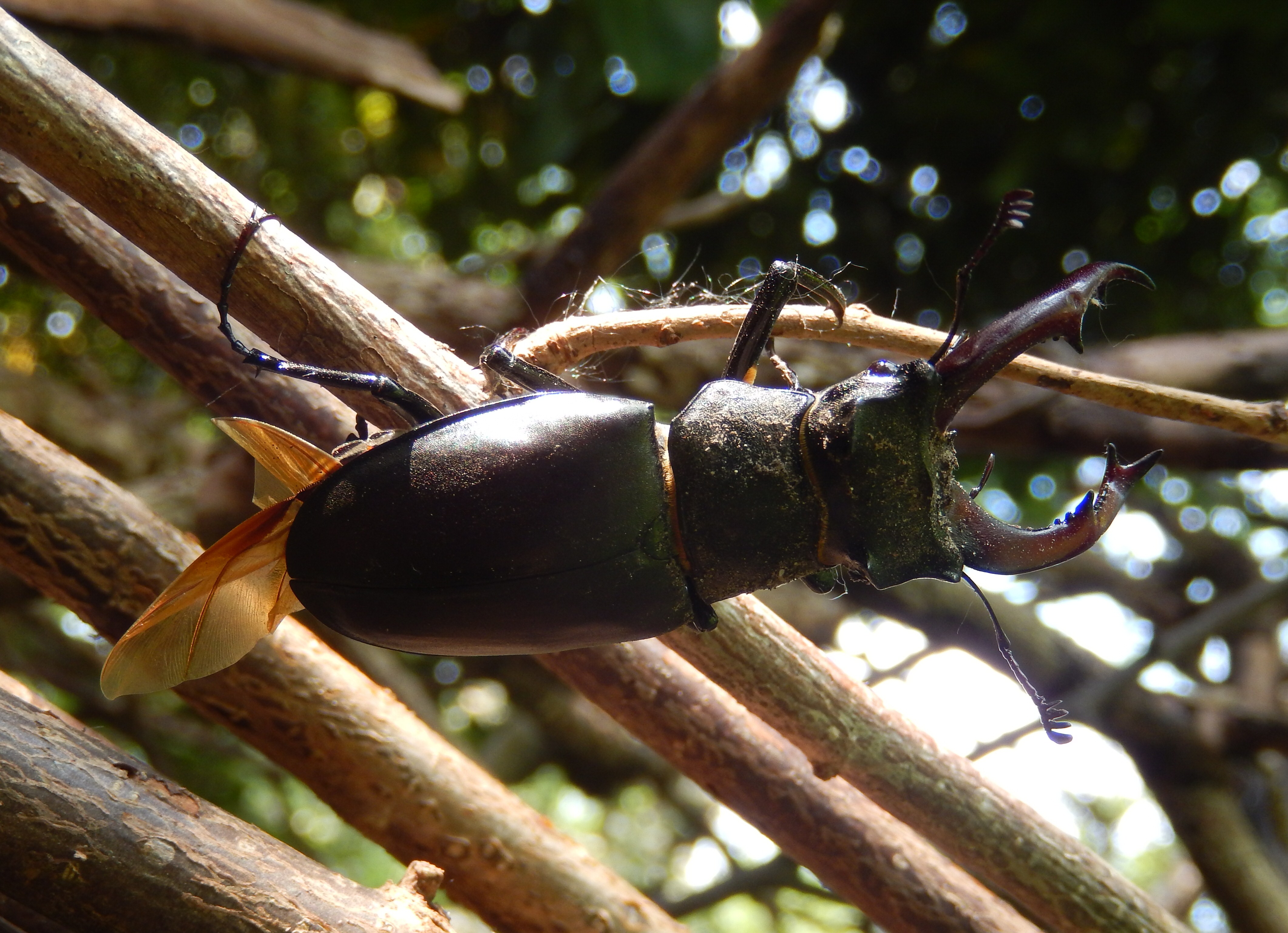
Stag Beetle, Lucanus cervus, just landed, wings not fully folded
I was just walking around the triangle, talking to one of the Garden Design students about its natural history, when a mouse-sized animal scurried across the top of a post that we had hammered in to form a dead-hedge above the boundary stones. In my binoculars, it was at once clear what it was, a Stag Beetle. As I pulled out my camera, it spread its wings impressively, and flew a few feet across to the woven top of the dead-hedge, folding its wings but leaving the ends still sticking out of its wing-cases for a while.
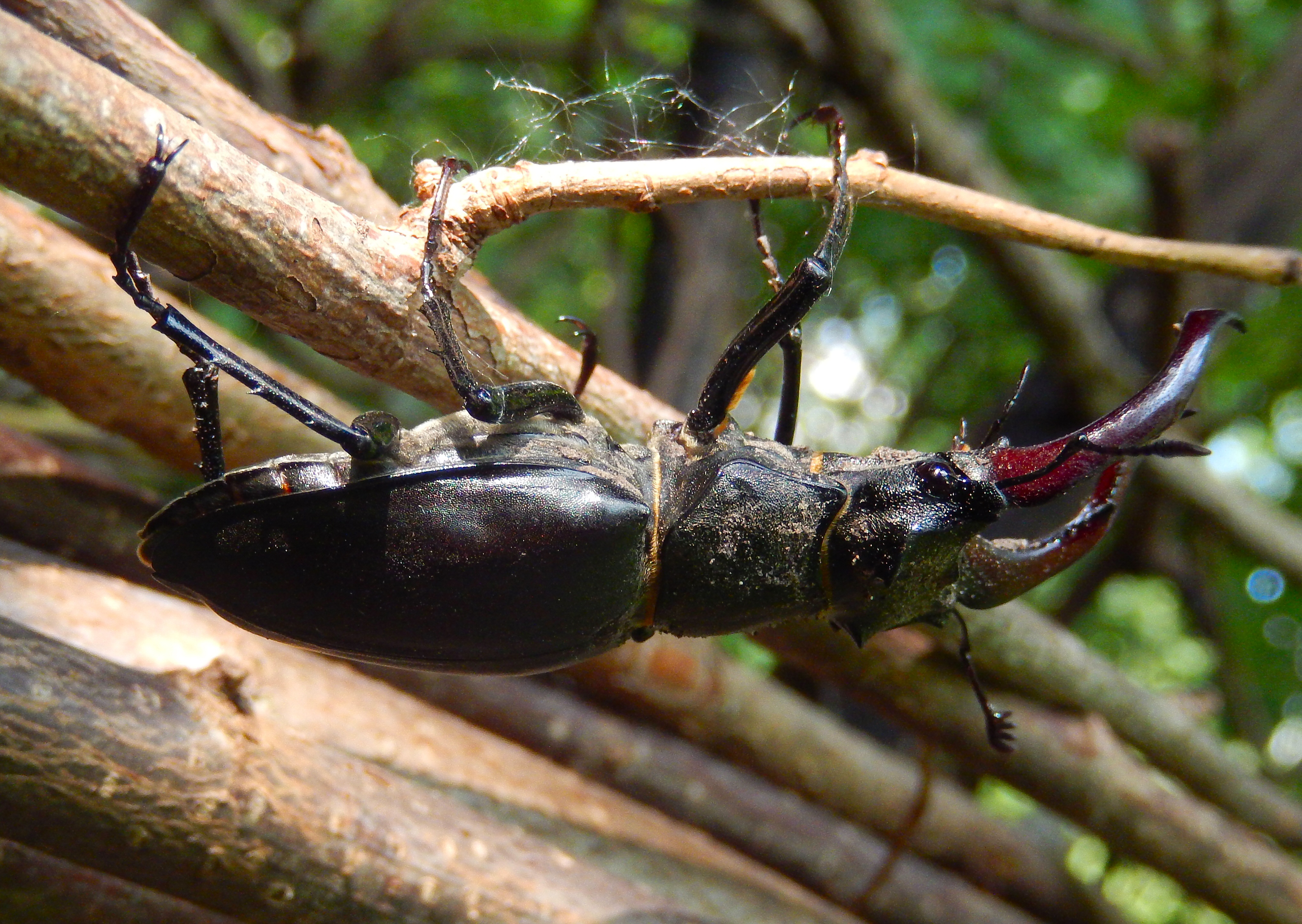
Stag Beetle, side view
So, all that work on loggeries may have paid off. Or perhaps it didn’t: behind the dead-hedge was simply a pile of brash and logs, abandoned for several years. Anyway, we’re very pleased to see a handsome adult male out in the sunshine.
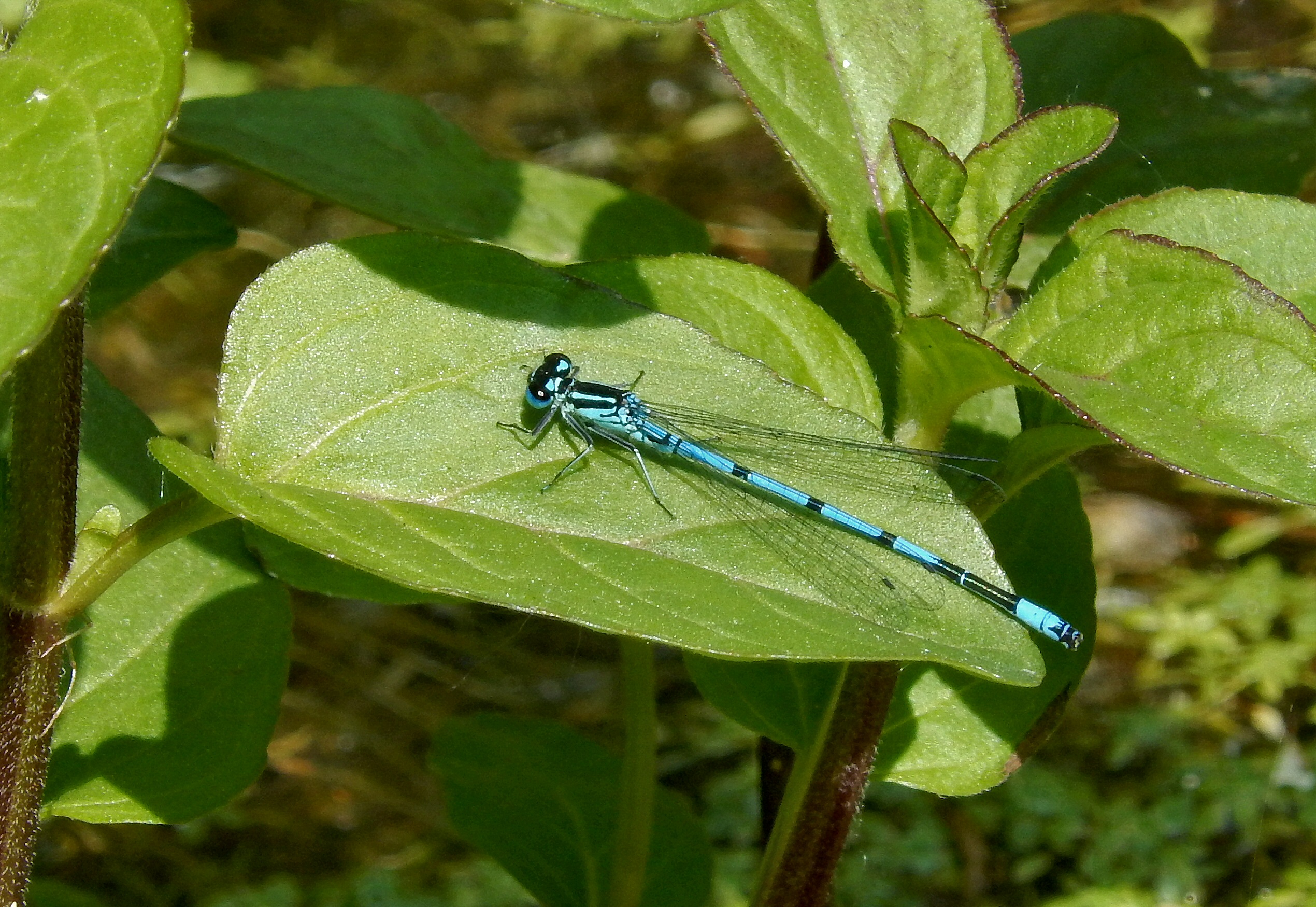
Azure Damselfly recent hatch
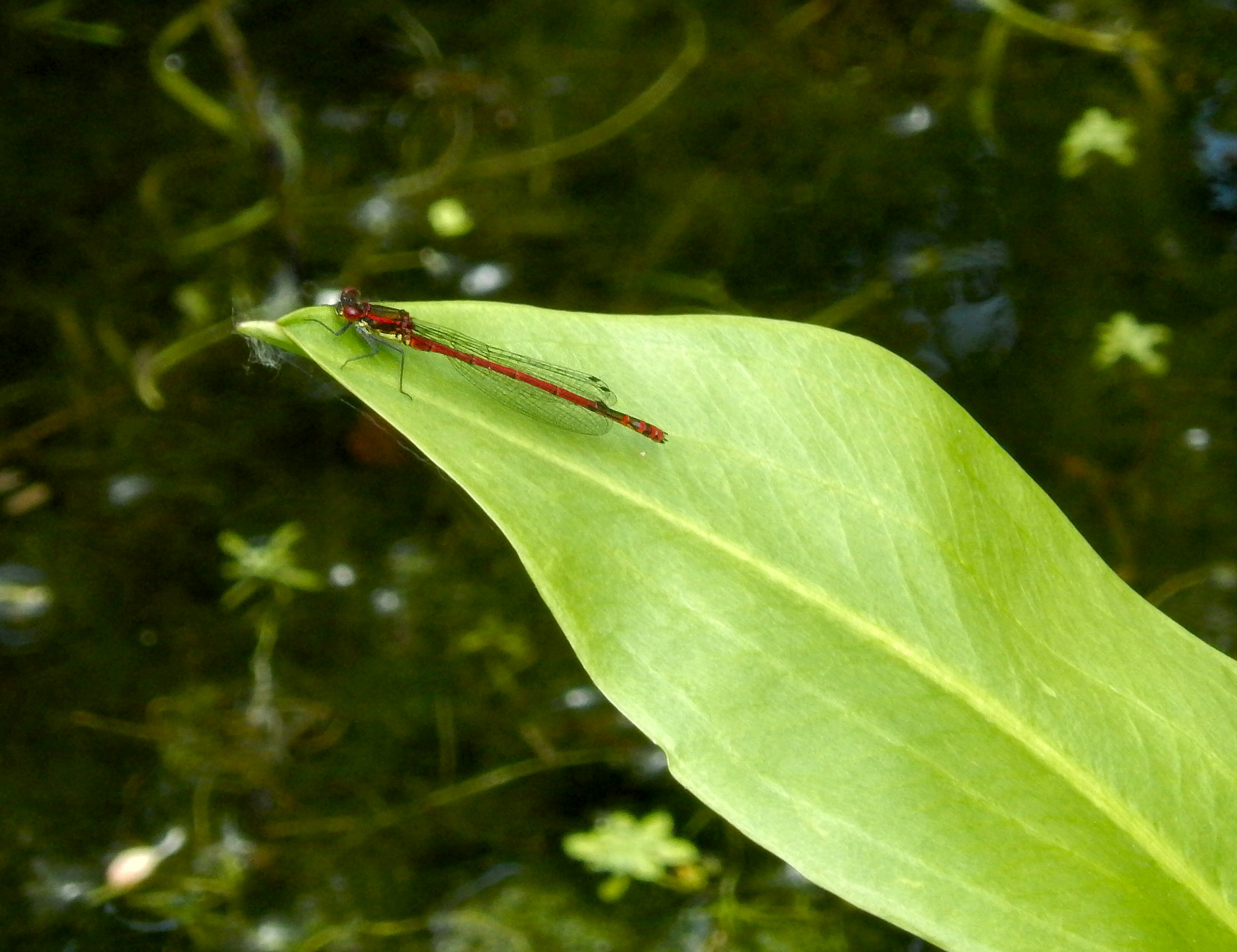
The triangle’s first batch of Azure Damselflies, surely within a day of hatching, perched on leaves of emergent water-plants, or flew around in cop, laying eggs already. One or two Large Red Damselflies sunned themselves also.
Large Red Damselfly
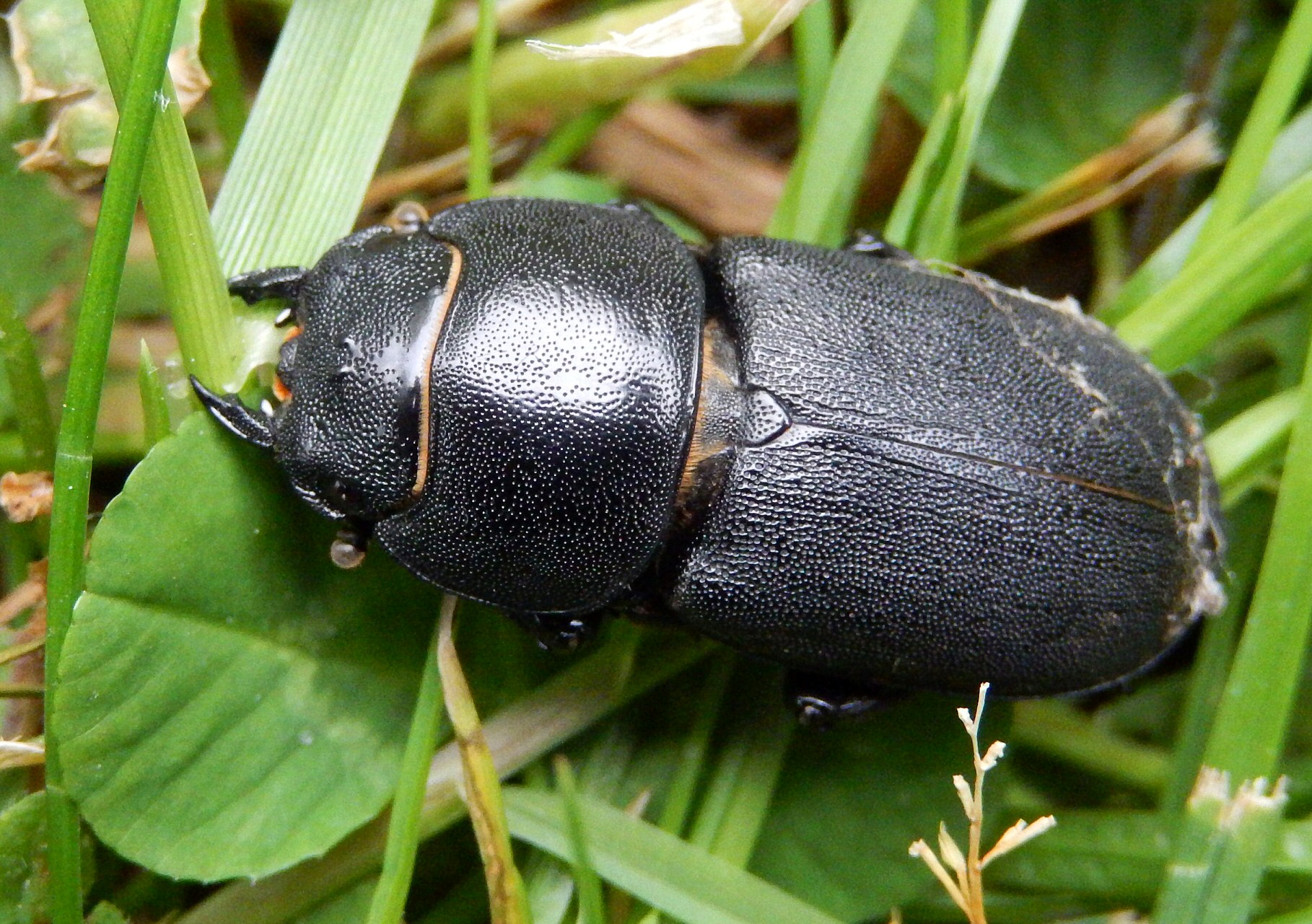
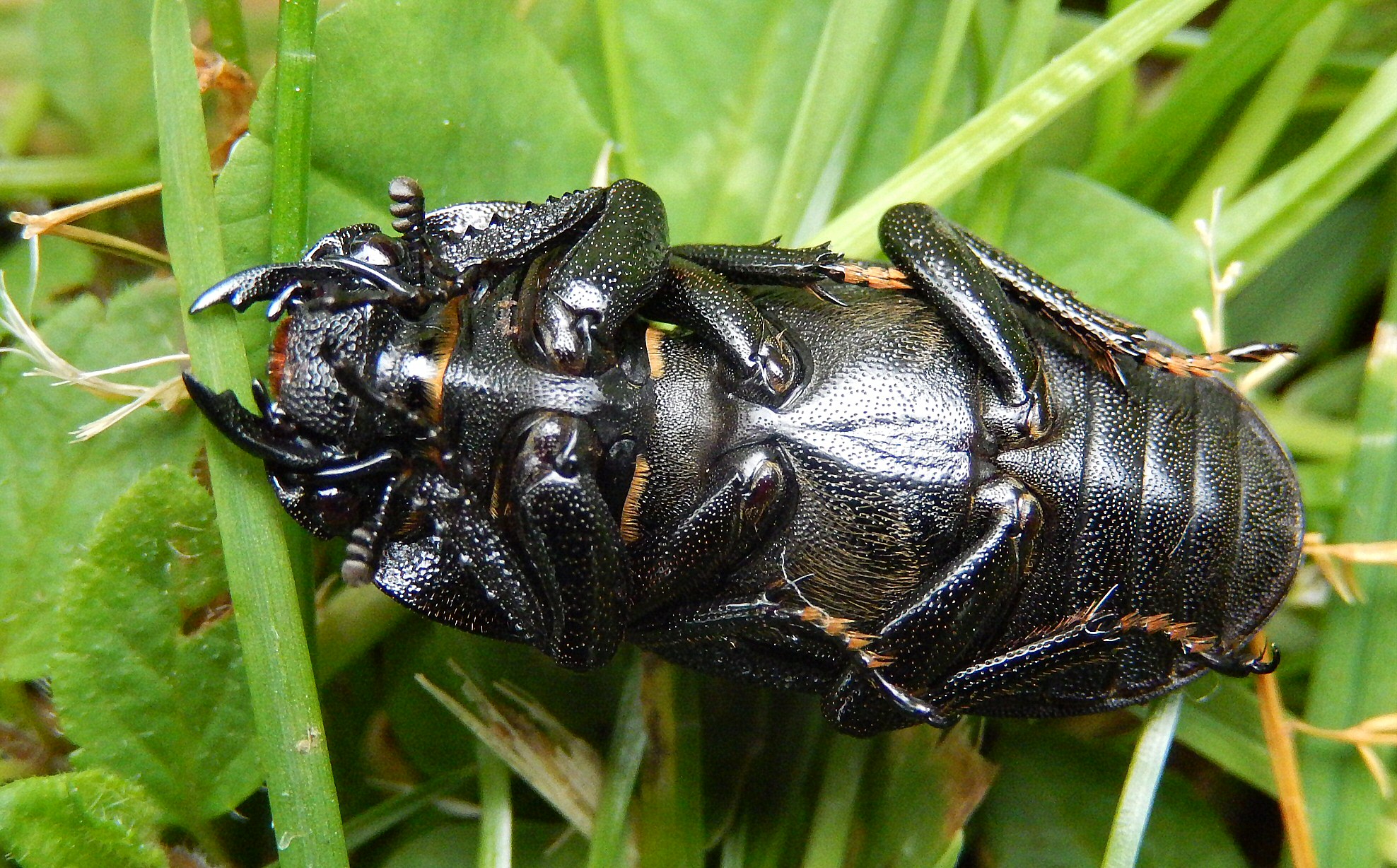
P.S. A week later, on 4 June, a Lesser Stag Beetle crawled across the lawn in my garden. I guess it emerged from the dead wood stacked in odd corners for that very purpose. It’s a lot smaller than the Stag.
Lesser Stag Beetle in gardenLesser Stag Beetle, playing dead
I picked it up to ensure I got a photo, and was rewarded with a fine display of thanatosis, shamming dead.
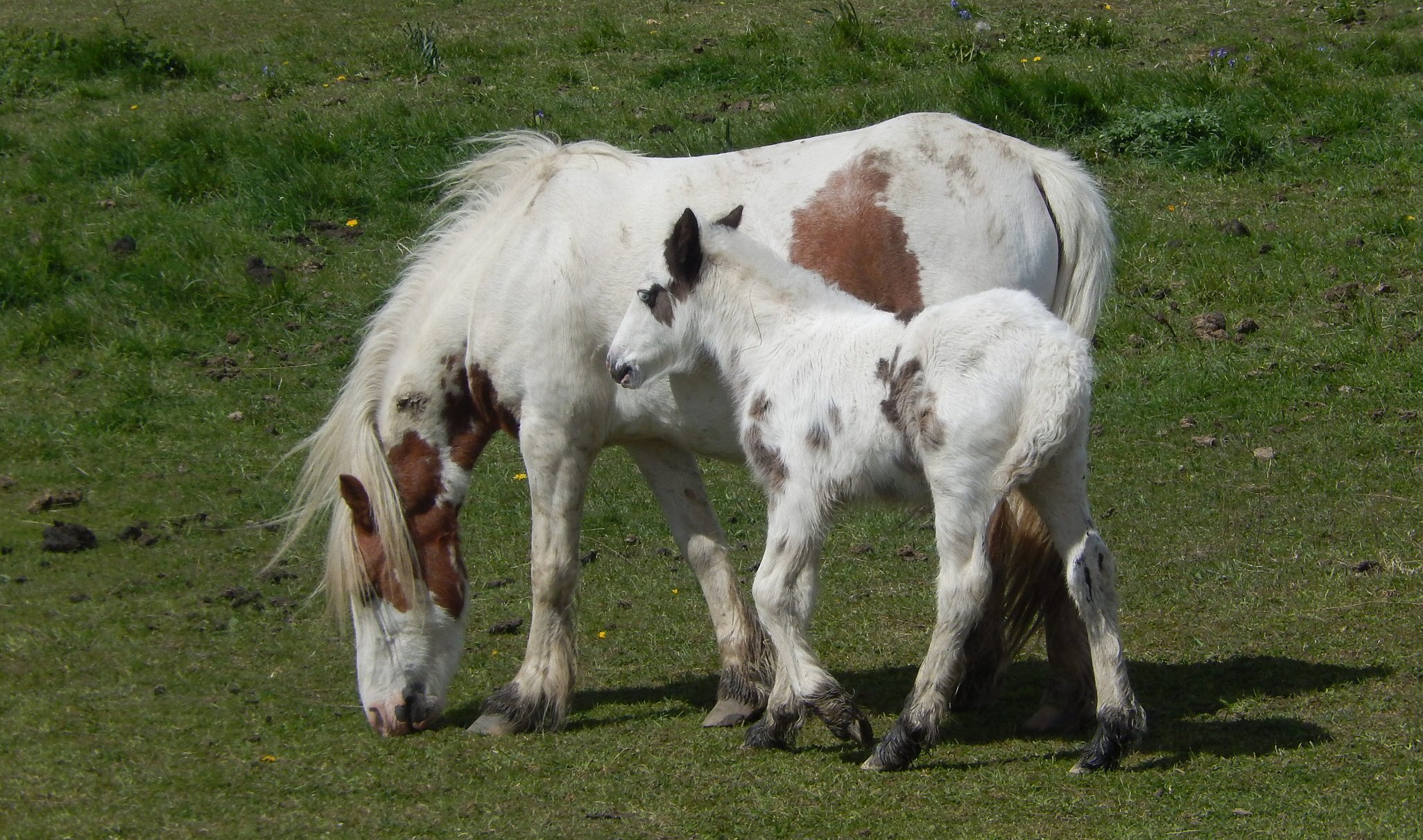
OK, it’s official, spring has arrived. It may be freezing in the North wind, snow may be forecast, but … this year’s foals look lovely, relaxing with their mothers in the sunshine.
Overhead, the first three Swifts of the year wheeled against the blue sky; a couple of Buzzards drifted past, one mobbed by a pair of Carrion Crows; a Kestrel hovered, moved on, hovered again.
Down below, Wraysbury’s Lakes are empty of ducks, the winter visitors long returned up to the far North. The bushes, however, are rapidly filling up with warblers. Chiffchaffs, Blackcaps, and for the first time this year, masses of Whitethroats (there must have been at least a dozen, wheezing out their scratchy little songs) displayed atop still bare thorn-bushes, one male even venturing a little song flight. Several Sedge Warblers chirruped, whistled and churred their complicated but not very harmonious song — avant-garde jazz with Ute Lemper, perhaps — and to my great pleasure a Garden Warbler gave out its marvellously rich, full, even, sustained warble from a dense Hawthorn. So it was a five warbler walk.
The prettiest bird of the day, however, was a male Linnet. After months of being drab and scruffy, he was in full breeding plumage, his head gray, his back brown, his tail crisply forked, and the band across his breast redder than a Robin’s orange, really startlingly red. Most of the time I think Lars Svensson’s marvellously detailed Collins Bird Guide is exaggerating in those too-beautiful colour plates by Killian Mullarney and Dan Zetterström — but its painting of a breeding male Linnet is exactly true. Red. So there.
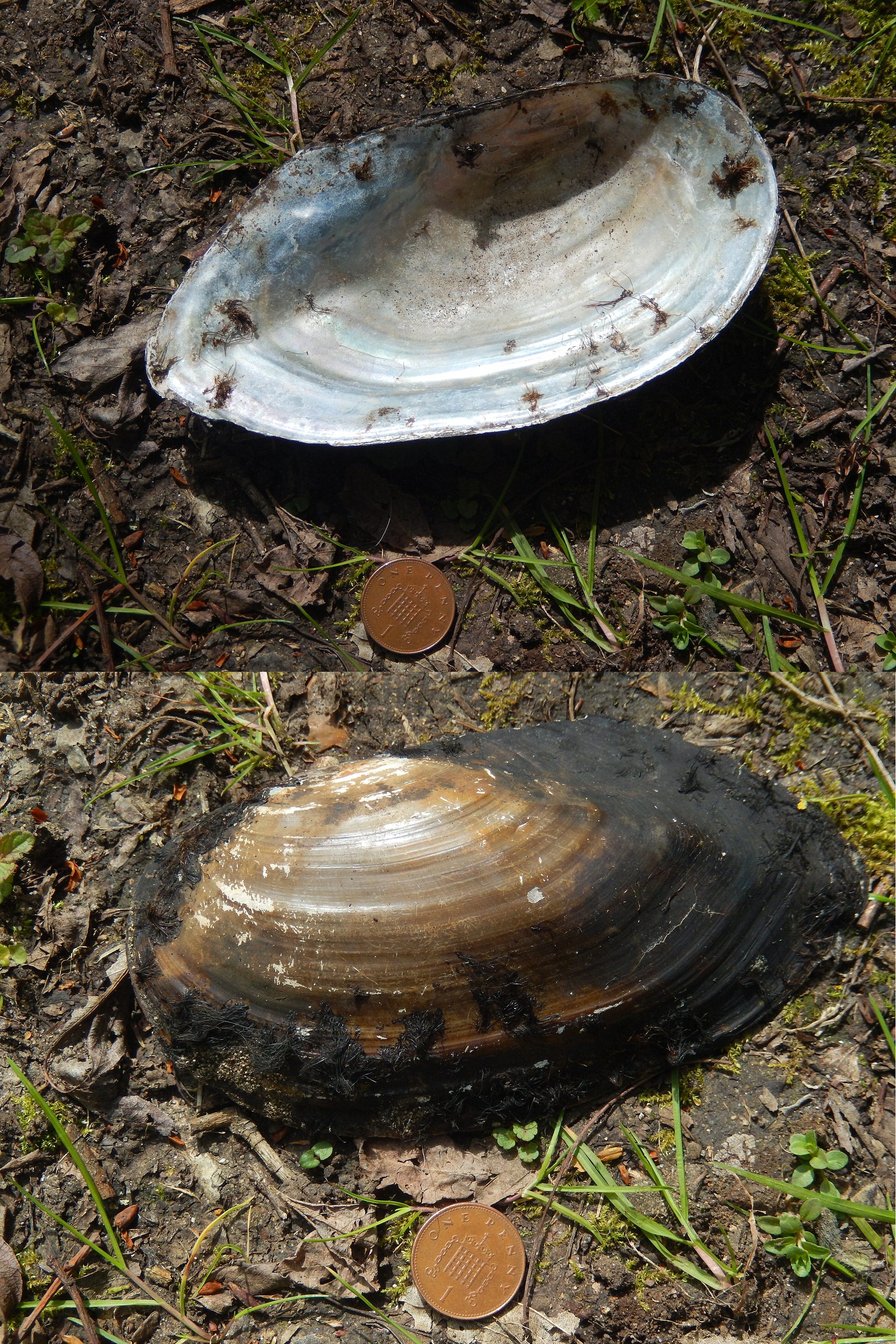
Freshwater Clam at Wraysbury
While off the beaten track listening to the warblers, I found this 13cm long Freshwater Clam shell. It was considerably thinner than a marine clam, and handsomely greenish-brown. I had no idea there were such large ones here right by London. It looks very much like the Swan Mussel, Anodonta cygnea, given its size, and indicates that the water “is in tip top condition”. The Natural History Museum has seen a specimen 19cm long.
Well, it isn’t every day one visits 3 nature reserves, but today I had a look at Hillingdon NHS’s Harefield Place LNR, London Wildlife Trust’s Frays Farm Meadows SSSI, and Denham Lock Wood to boot.
These are by London standards remarkably secluded and inaccessible, which is to say you need to know where to park and which way to walk, as there’s basically no indication on the ground until you arrive, and even the LWT website is misleading.
Whatever the reason, it’s a delight on a fine spring day to find woods alive with Chiffchaffs and Blackcaps, a pair of Greater Spotted Woodpeckers calling and chittering with excitement directly overhead (and visible in the still nearly-leafless trees), the Blackthorn in delicate white clouds of new blossom, and a Roe Deer skipping away across the meadow, stotting slightly and flashing its “I’ve seen you, I’m running away, and I’m faster than you so don’t bother” white rump-patch. It’s what zoologists call an honest signal, something that benefits both predator and prey. The predator is saved a wasted chase, and the prey gets away without hassle to live another day.
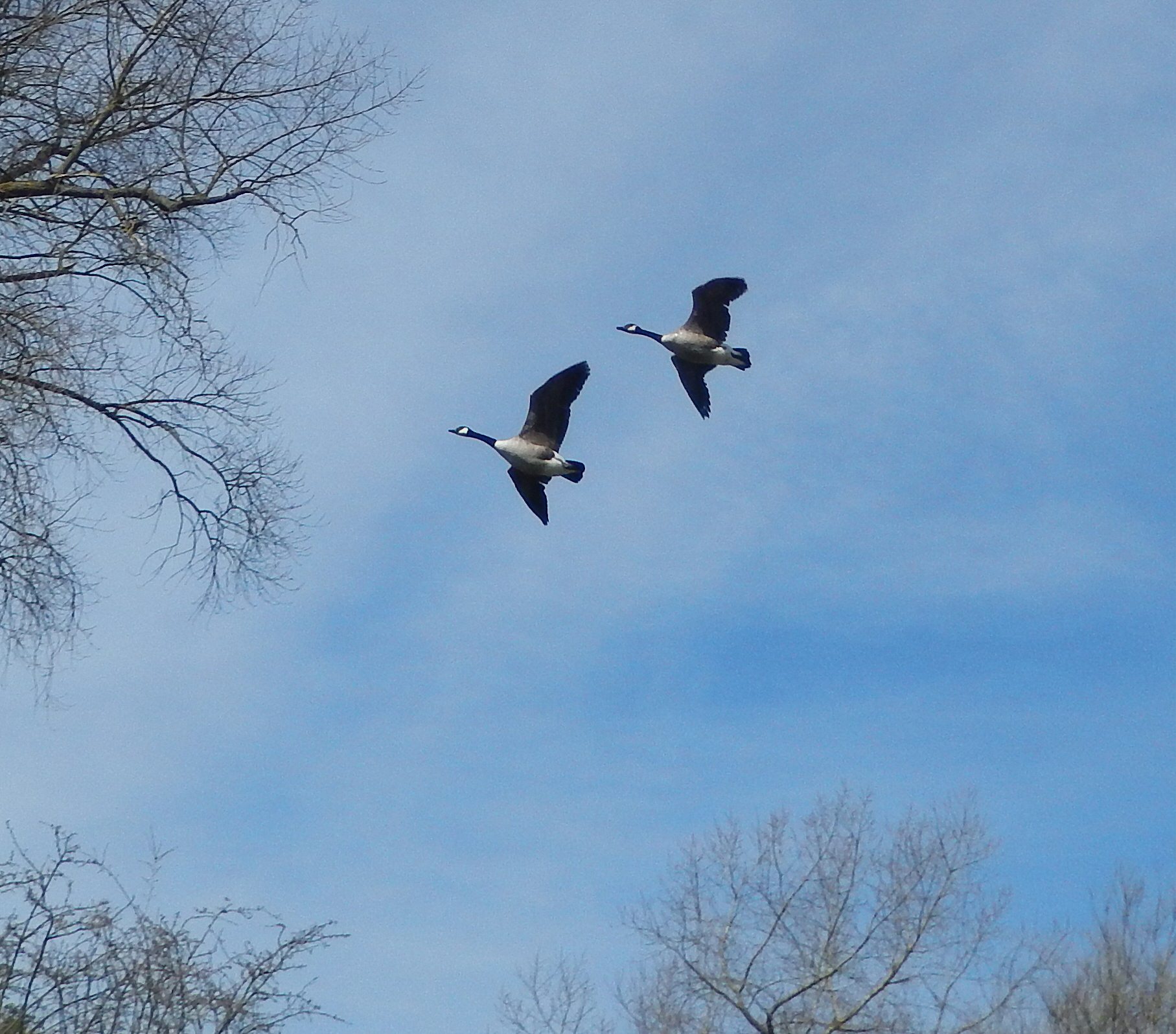
Canada Geese overhead
I walked in on the Golf Course path, a pleasant trek down the hill, past the lakes and along the muddy track through the willow woods. There are only our resident wildfowl at this time of year – Canada Geese, Egyptian Geese, Coot, Moorhen, Mallard, Tufted Duck, Mute Swan, Great Crested Grebe: presumably all breeding right here.
The track was studded with deer slots, and it was nice to have my “Roe Deer” slot identification confirmed with a broad-daylight sighting. Out of the woods, it grew hot, and I discarded coat and pullover.
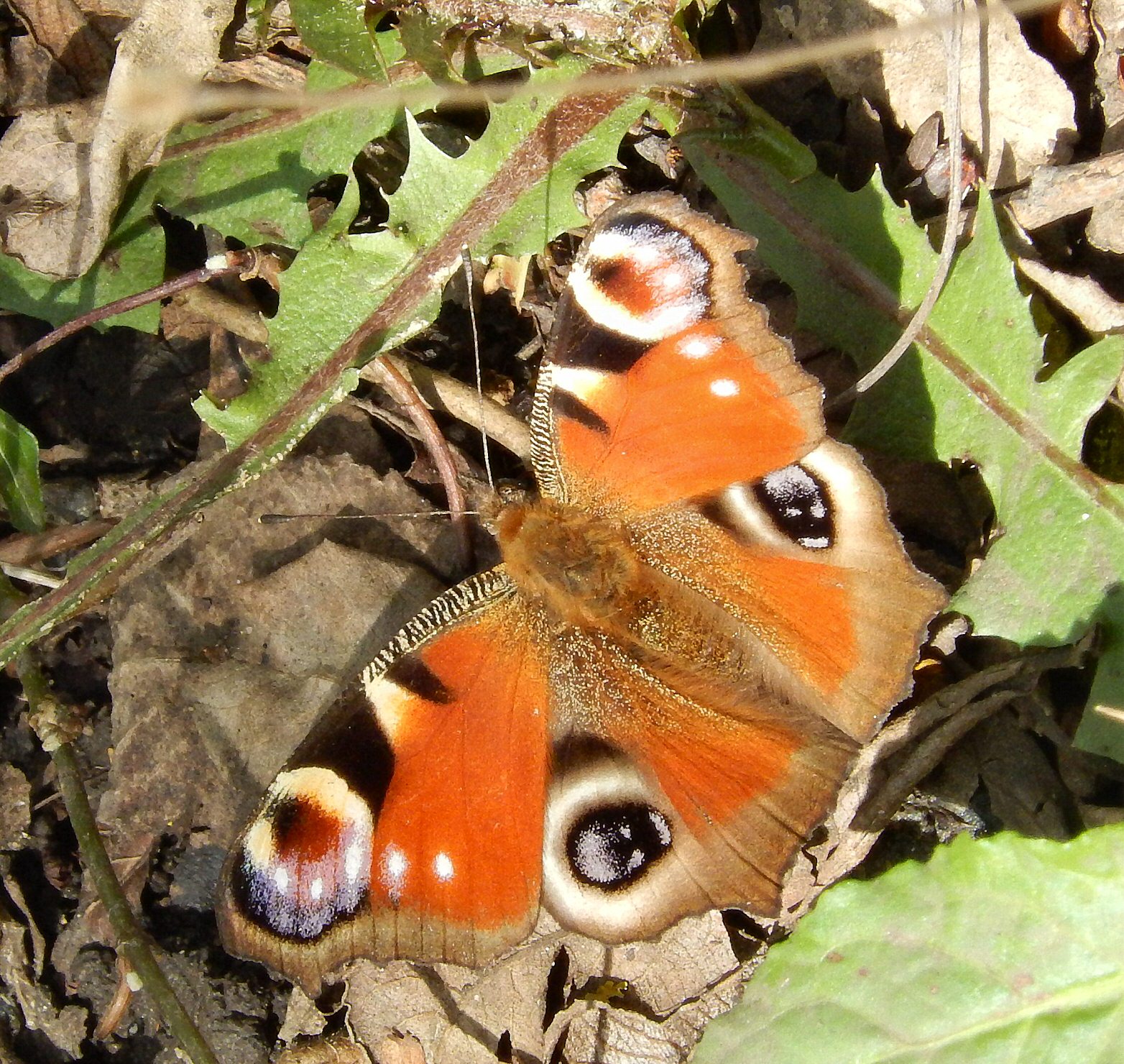
An early Peacock butterfly
A few butterflies flitted about – Brimstone near the brambles, a Meadow Brown or two, several Peacock.
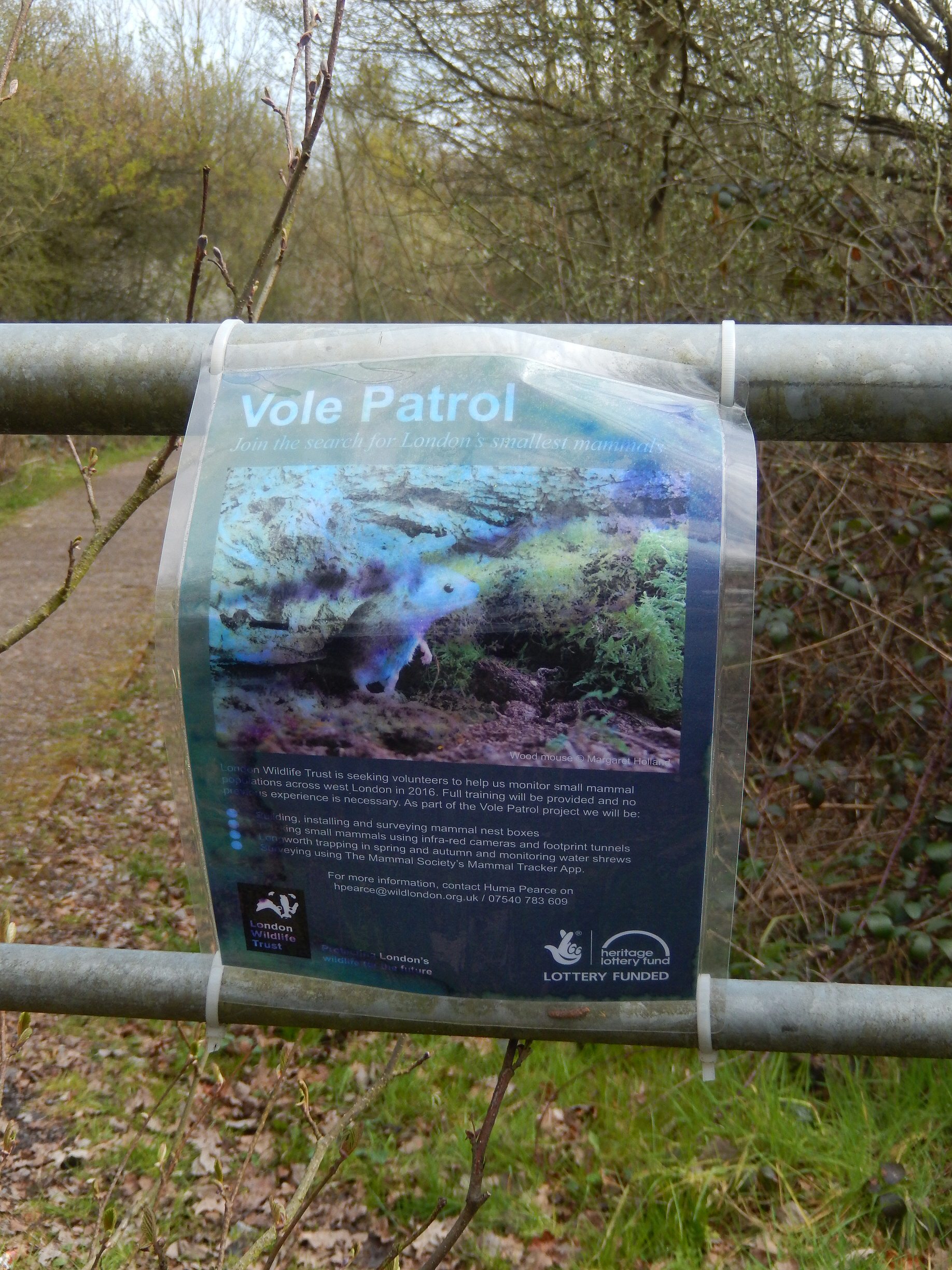
and a Vole Patrol poster
I met another LWT volunteer, Daniel, who it turned out was not only checking the local boardwalks, but had got up at 5:30 am to do the Vole Patrol on his local patch here! I said I volunteered at Gunnersbury Triangle, and he said he knew who I was, he read my blog (Hi Daniel!). We talked of Kingfishers and conservation and being bitten by small mammals. He asked me which group I particularly liked, birds, butterflies? I said dragonflies, but it was a bit early for them. Sure enough, a minute later, a damselfly flew past! I got my binoculars on to it but had no chance to identify it to species (Large Red is our earliest, but I saw no colour). Still, a distinct surprise so early in the year. Perhaps they are hatching earlier with the warmer climate.
On the way out, I passed a Vole Patrol poster. Huma, the small mammal expert in charge of the project, really can’t be getting a lot of sleep travelling all over West London like this and trapping every day.
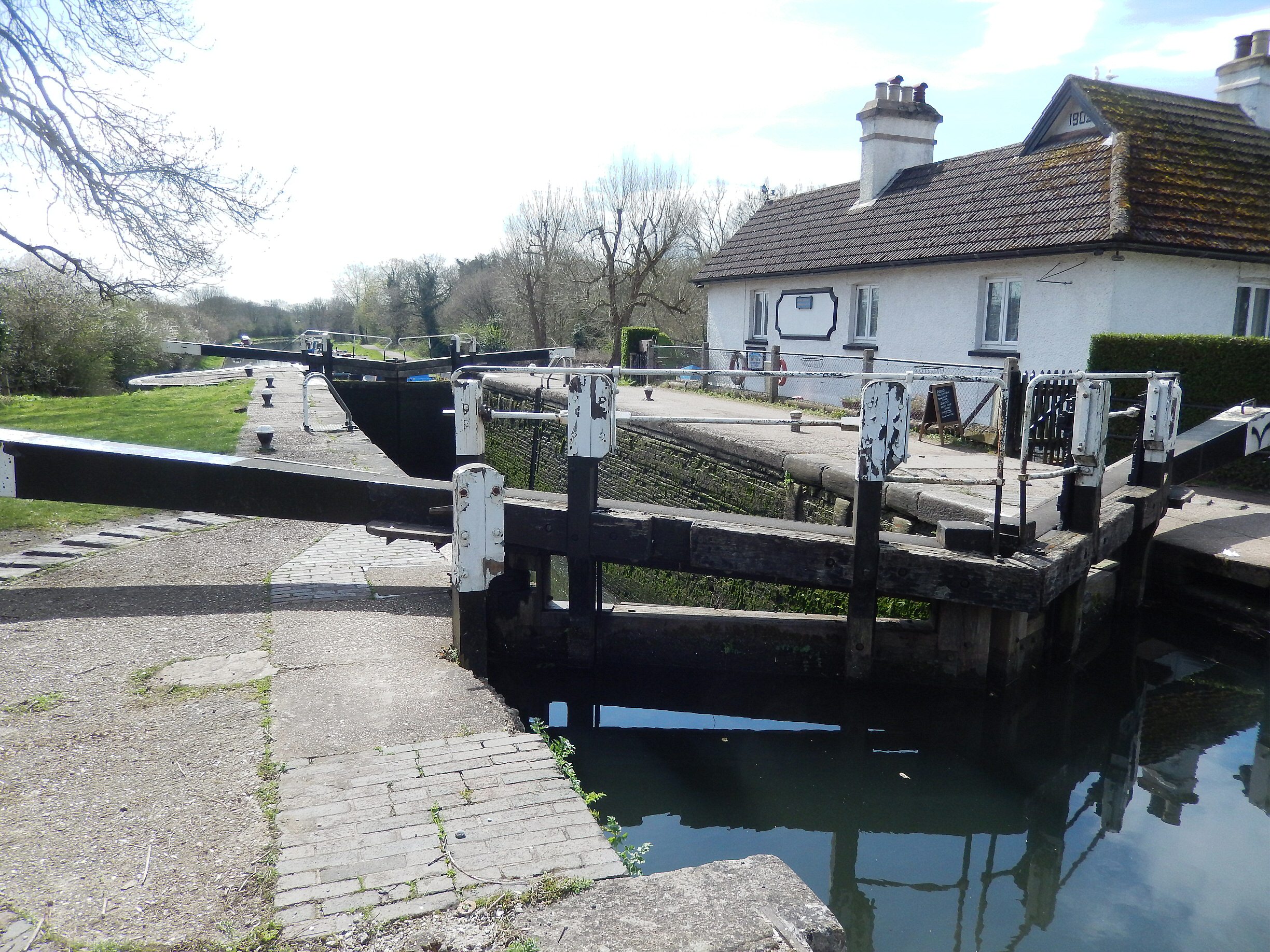
I walked across to Denham Lock, an attractively rustic spot with a line of narrowboats, traditional wooden lock gates and a delightful lock-keeper’s cottage complete with teashop.
Denham Lock
A pair of Grey Wagtails flew about as if they owned the place, landing in the trees beside the canal, a few steps from where I took the photo. They must be breeding here too.
“Cast ne’er a clout till May be out”, runs an old proverb. I guess it means, don’t trust the appearance of spring and sunshine in March or April: I recall two other spring proverbs, “March winds, April showers”, and “One Swallow doesn’t make a Summer”. In other words, spring arrives in fits and starts.
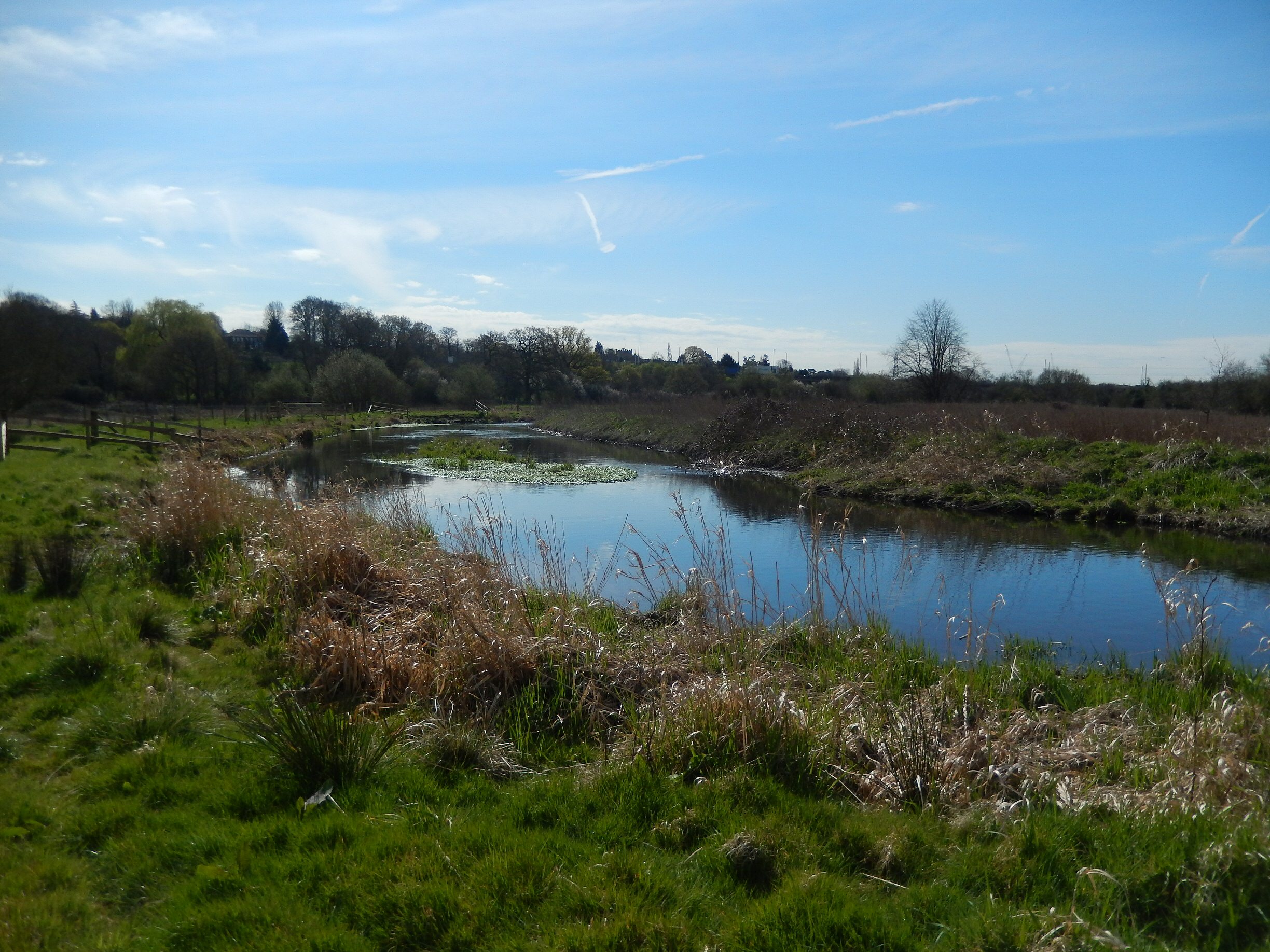
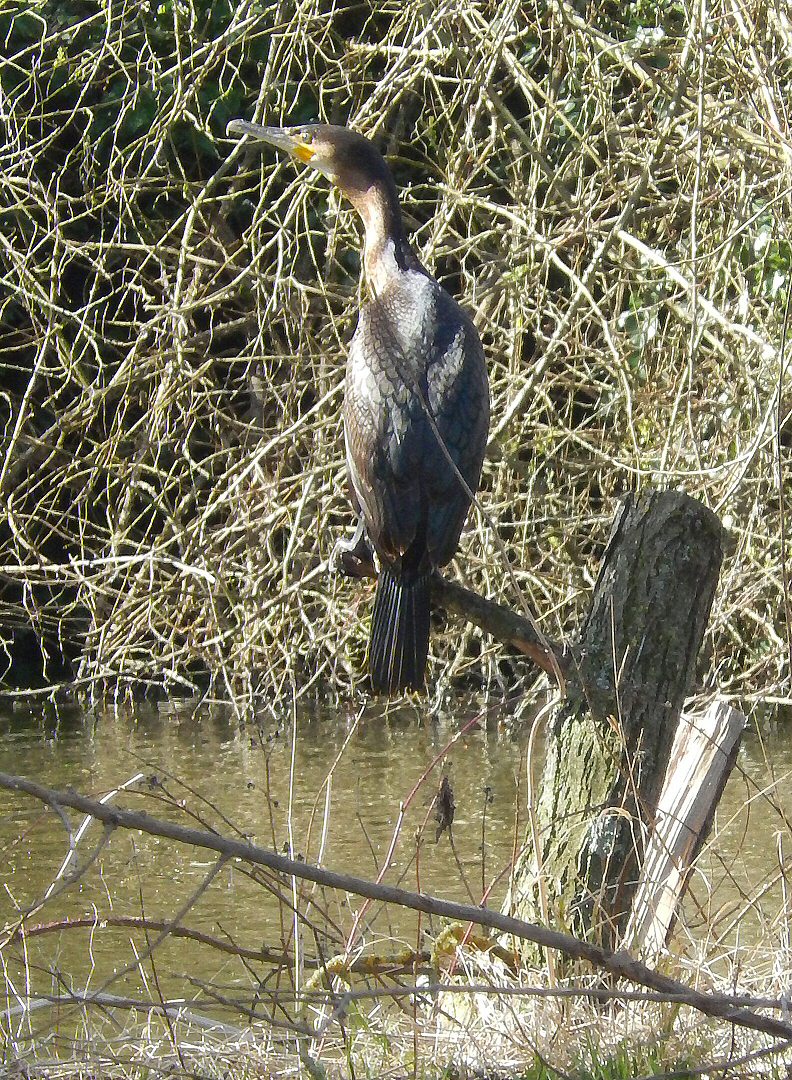
Well, it felt almost like spring at Wraysbury Lakes, with bursts of bright sunshine. A rather bold Cormorant investigated the fish in the river from a low perch. Many Willows have fallen and been cut down: they grow very rapidly, soon become hollow or outgrow their roots in the soft ground, and snap in a storm or topple — across the path, or into the water.
A Cetti’s Warbler gave me a single burst of its loud song from a waterside bush: as usual it was invisible.
Three or four Chiffchaffs chorused uncertainly. There were no other warblers to be heard. Perhaps I’ll get a Six Warbler Walk in a few weeks’ time. The early songsters remain the Song Thrush, the Great Tit and of course that 12-month, 24-hour standby, the Robin.
A Magpie chattered on the woodland edge of Horse Hill: a big brown Buzzard flapped slowly away from the annoyance to perch in a tree.
It was a delight to walk in Kew Gardens in spring sunshine. The thousands of daffodils shone golden on the mound of the Temple of Aeolus; thousands of blue Scillas coloured the grass, and a mass of Grape Hyacinths (Muscari) puzzled visitors as it grew under a hundred different labels of herbs not yet emerged from their winter rest!
Overhead, a Nuthatch ran about the branches like an arboreal mouse, calling loudly (but with single whistling calls, not its triple see-see-see). A pair of Marsh Tits, presumably on migration, called Pitchu! Pitchu! to each other, readily visible in the still-bare trees. Hundreds of small children clustered eagerly around the Easter Egg hunt stands.
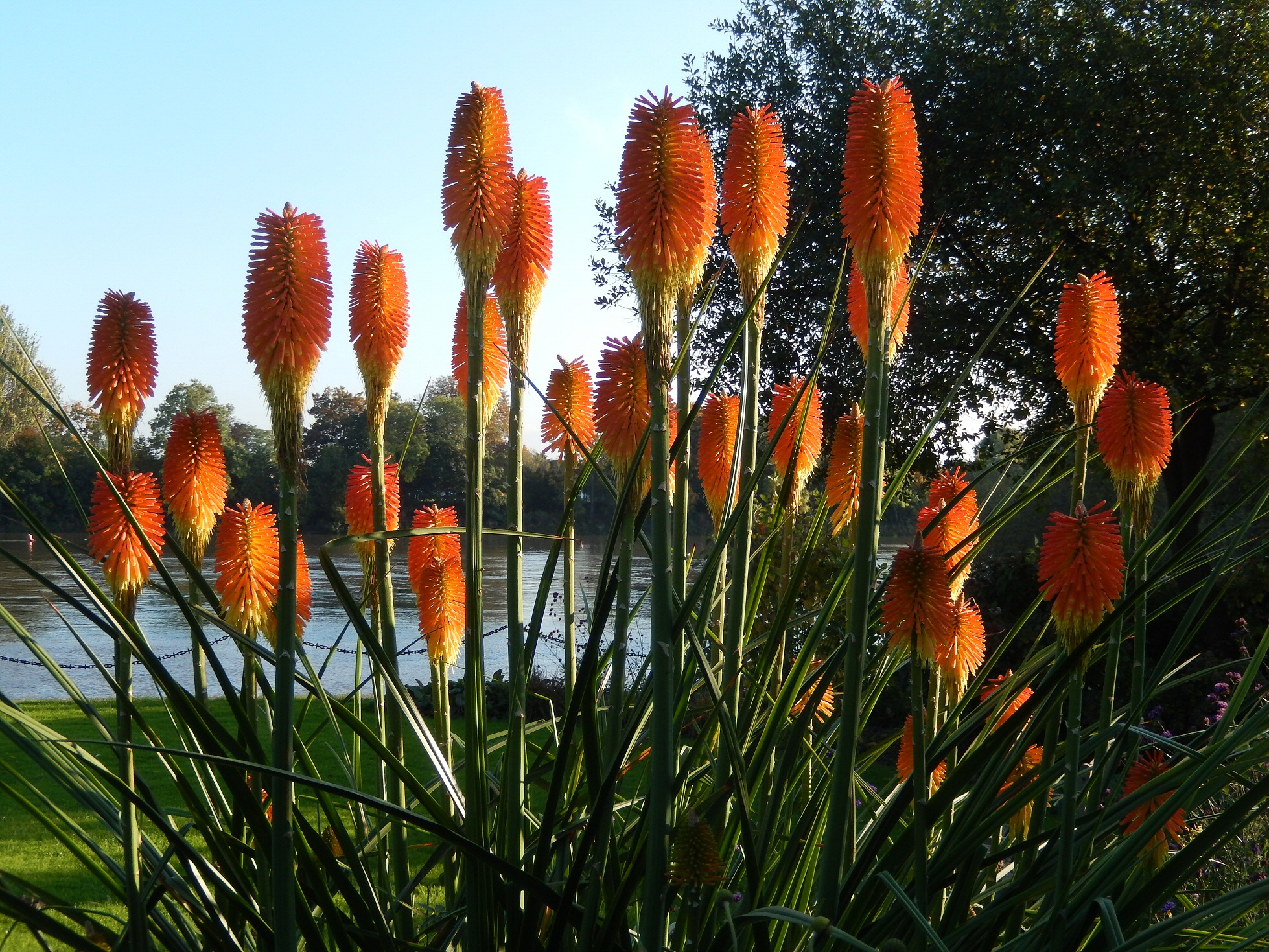
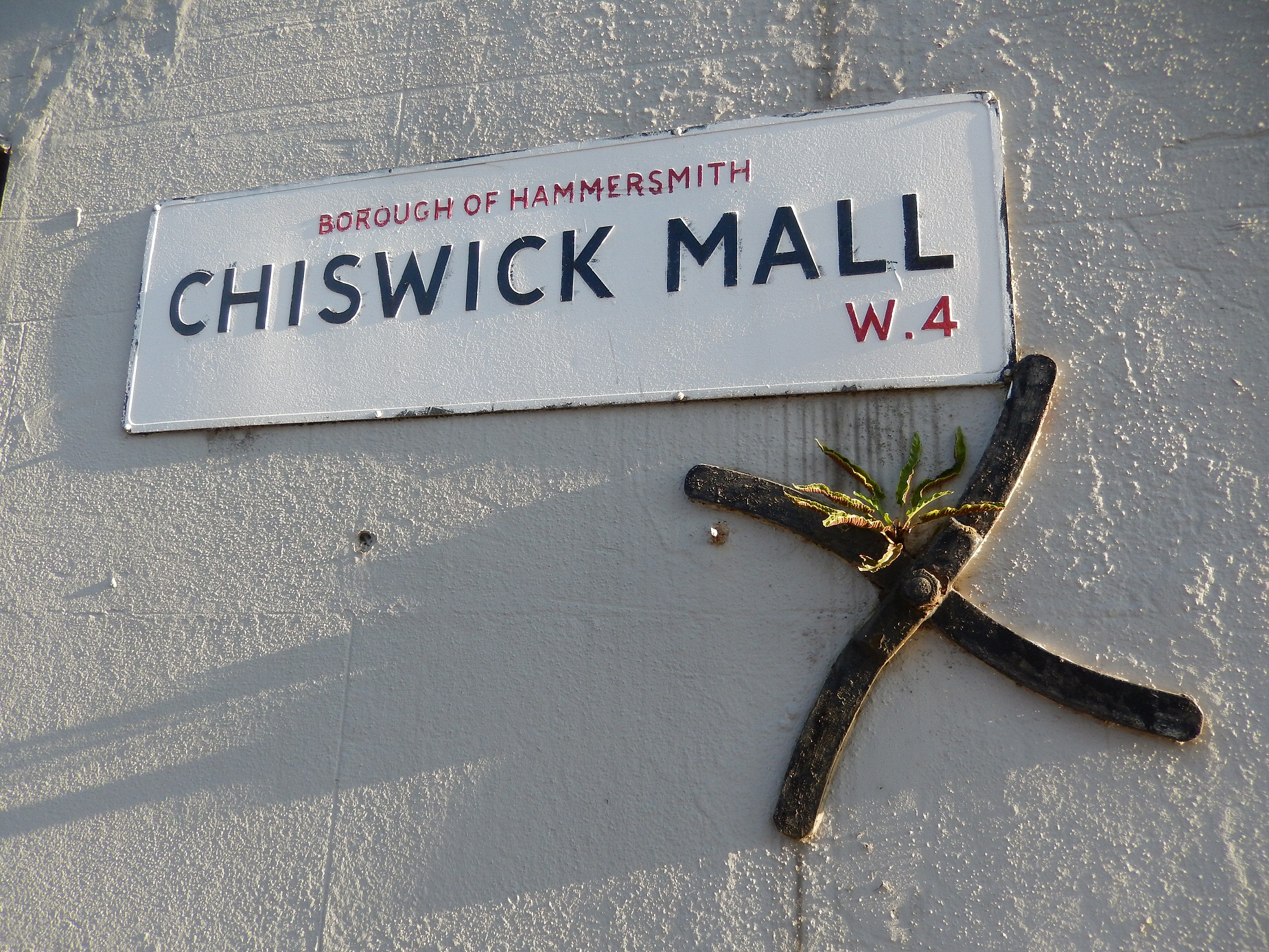
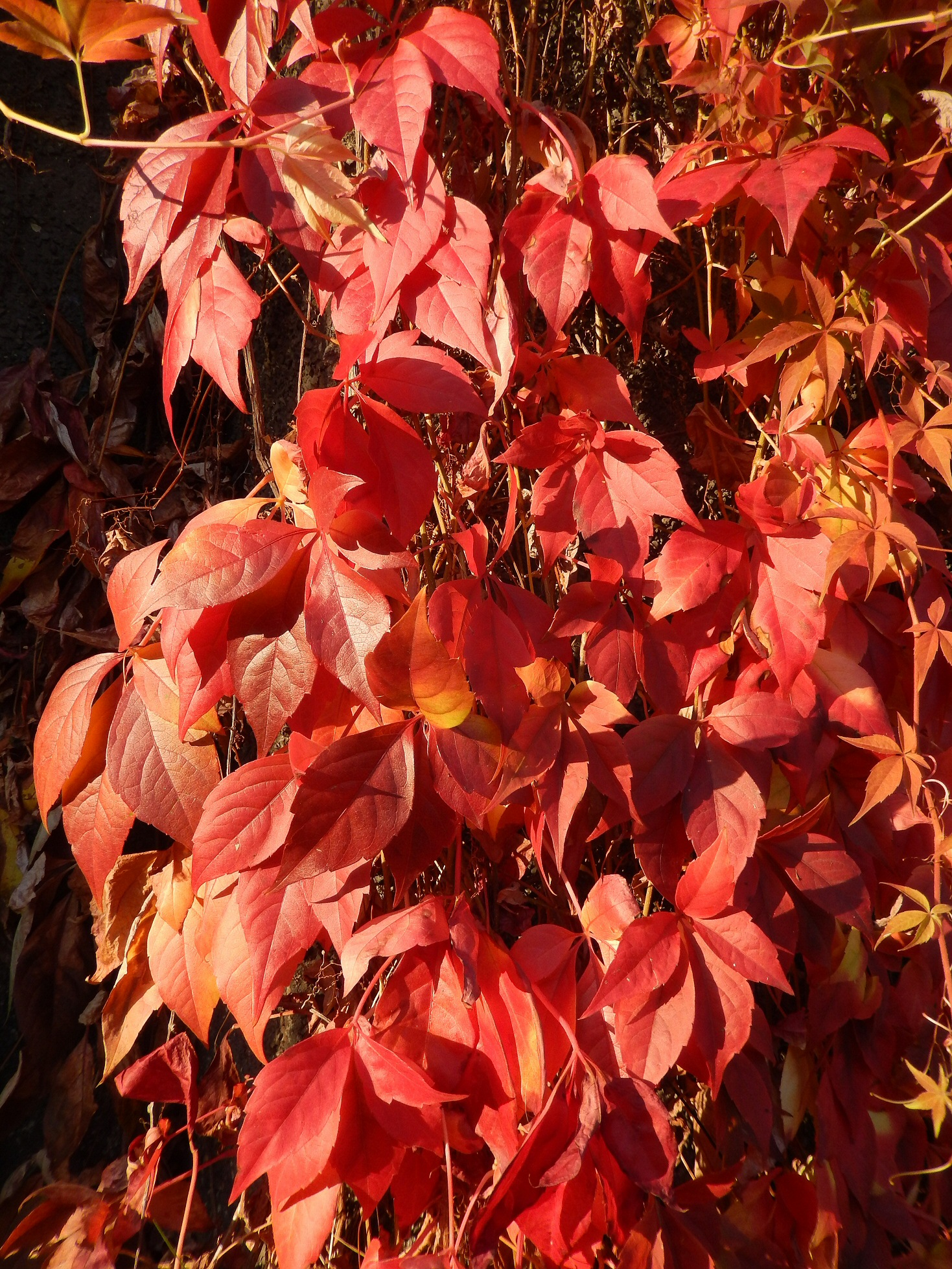
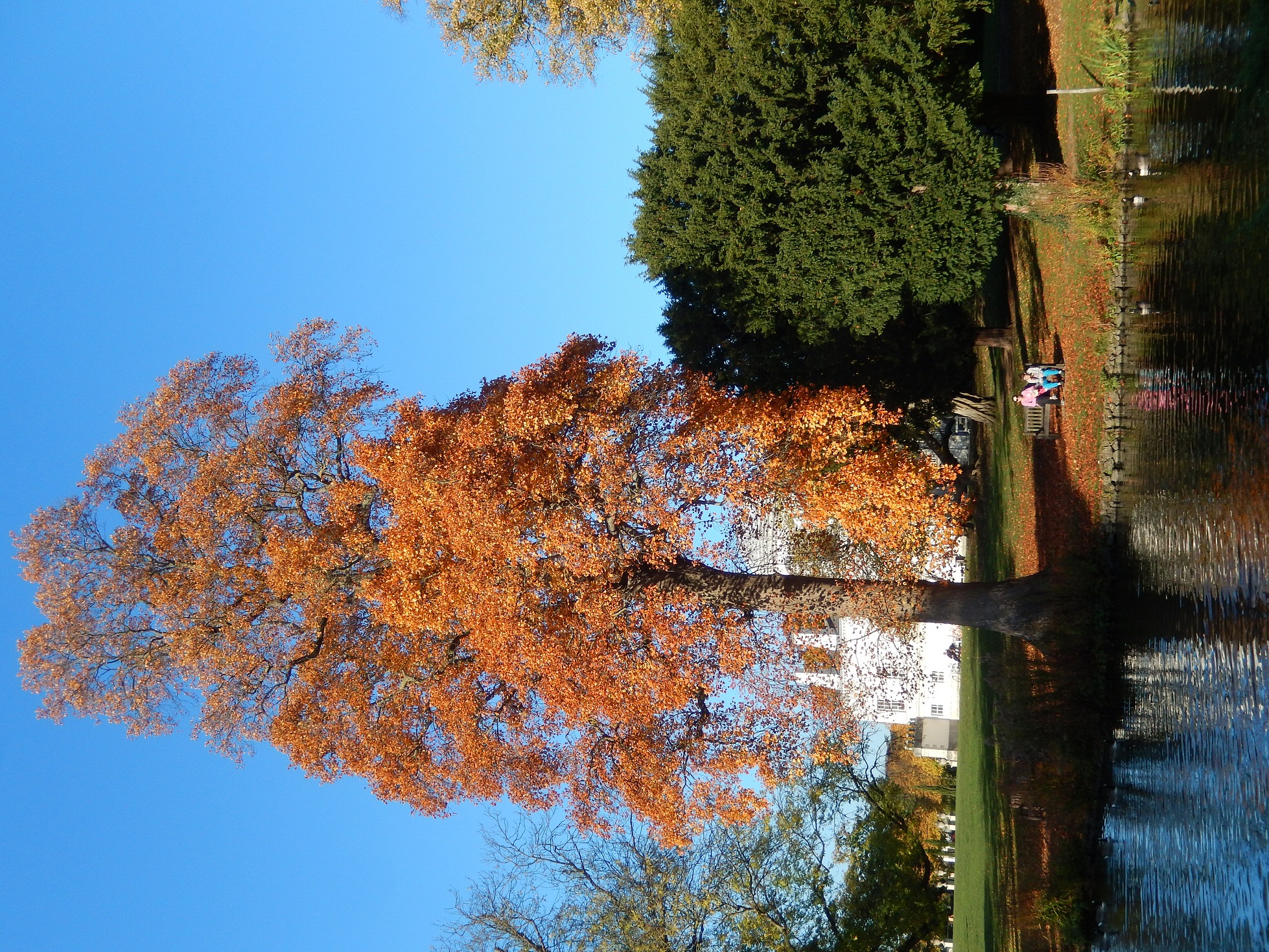
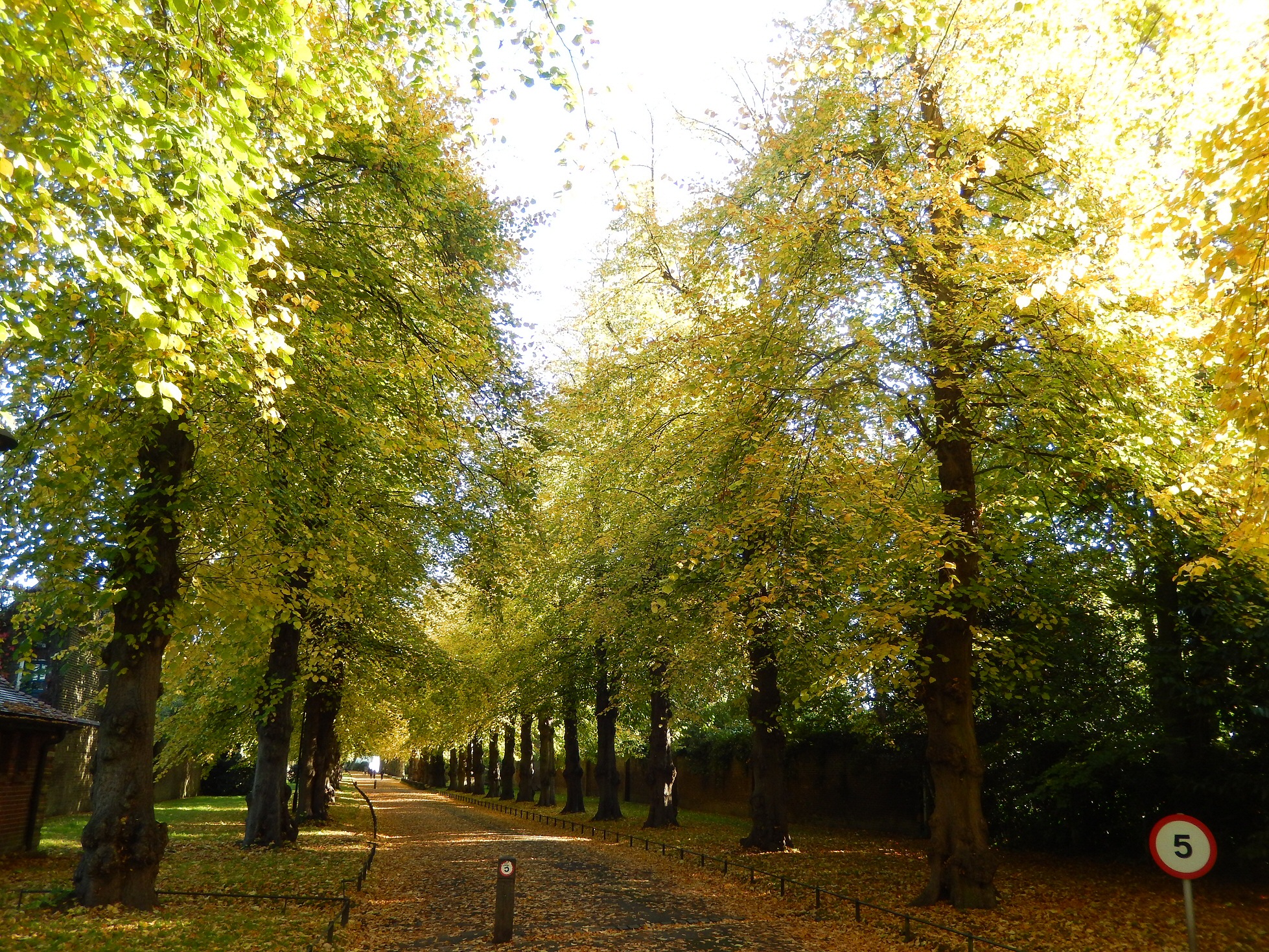
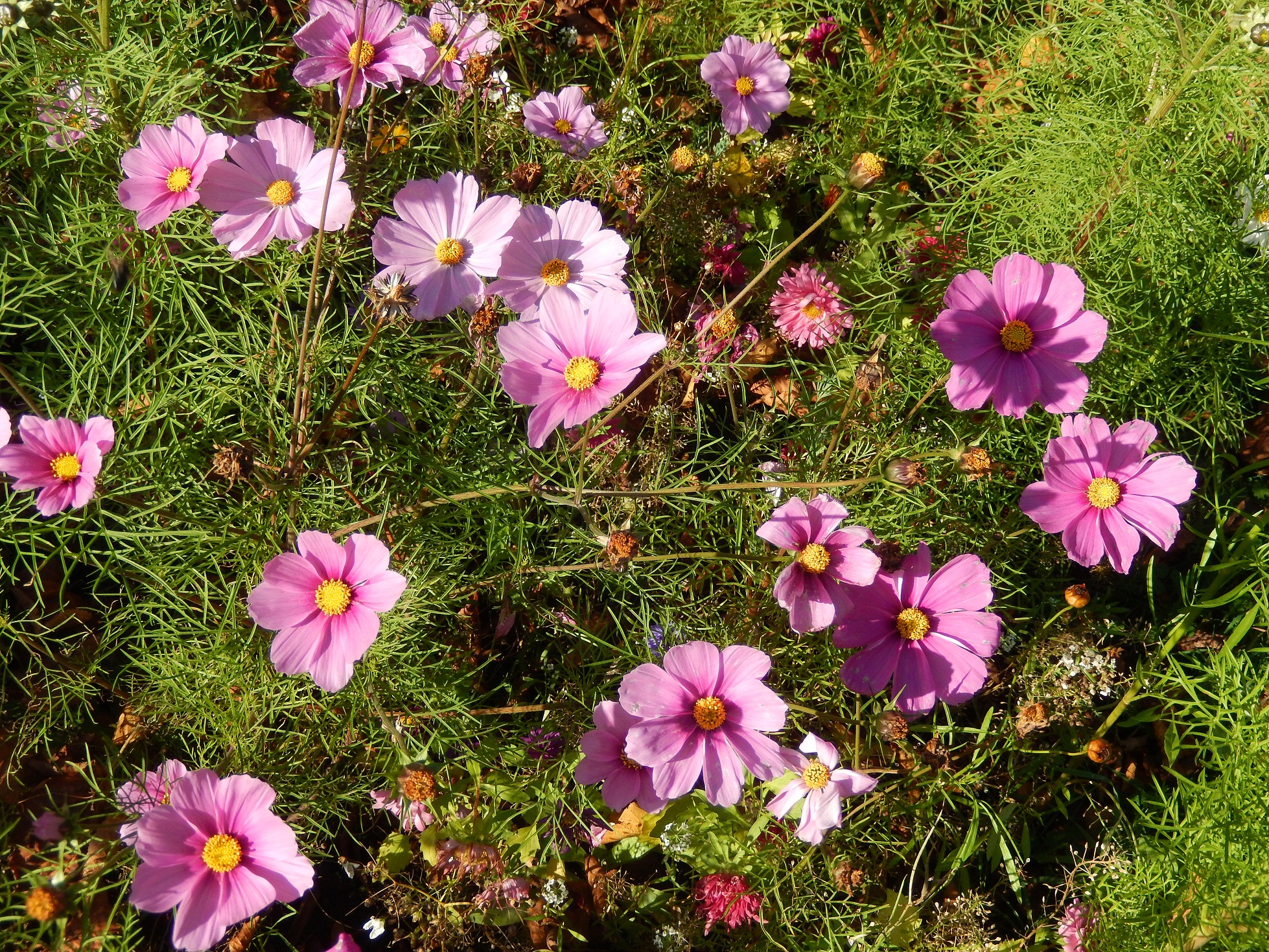
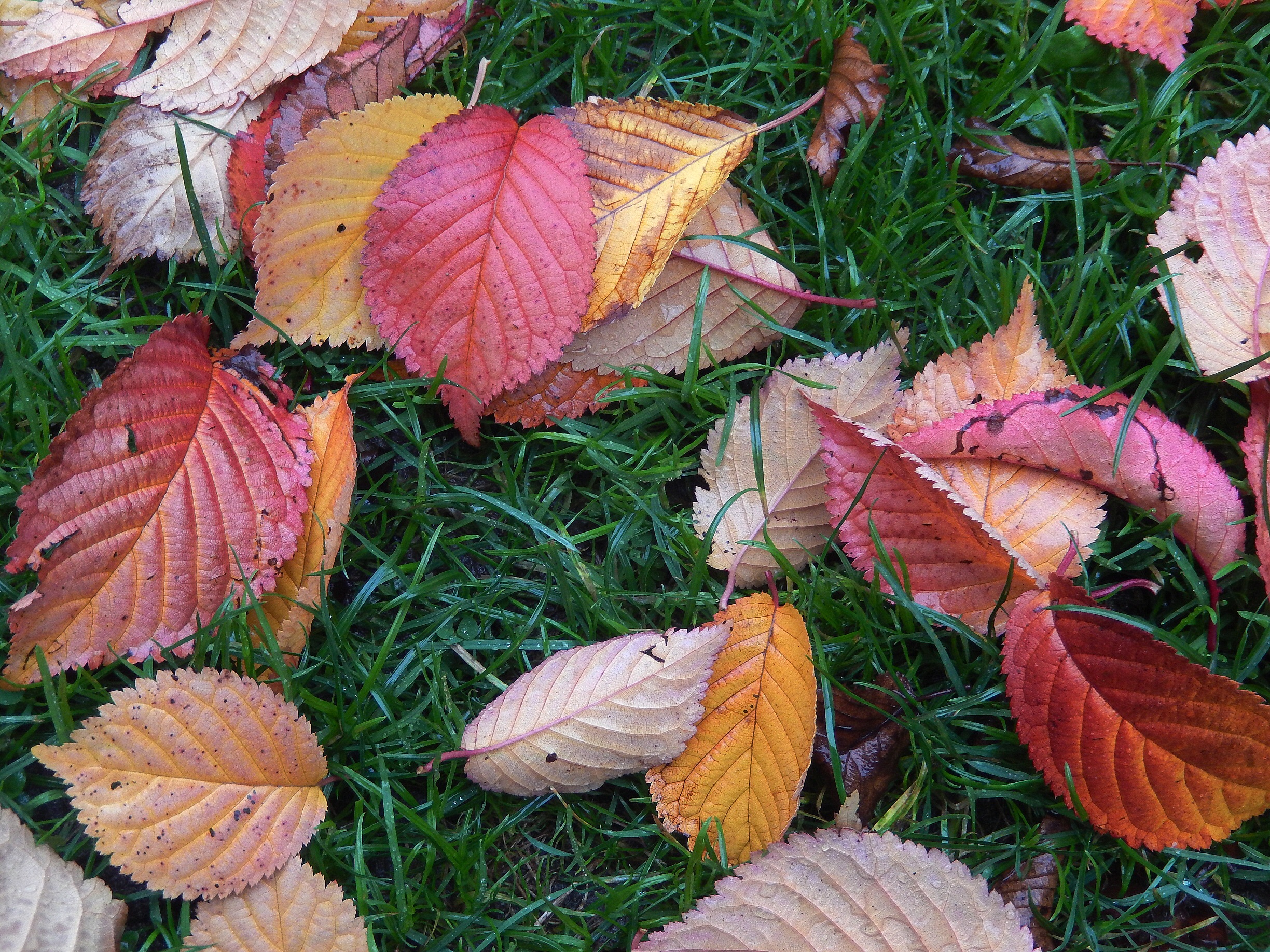
Red Hot Pokers on Chiswick MallA Study in White: Harts Tongue Fern, Chiswick MallVirginia CreeperTulip Tree (Liriodendron) Autumn Colours Chiswick HouseGolden Autumn: Lime Avenue in Chiswick ParkCosmos in full bloom, 26 OctoberFallen cherry leaves, 30 October
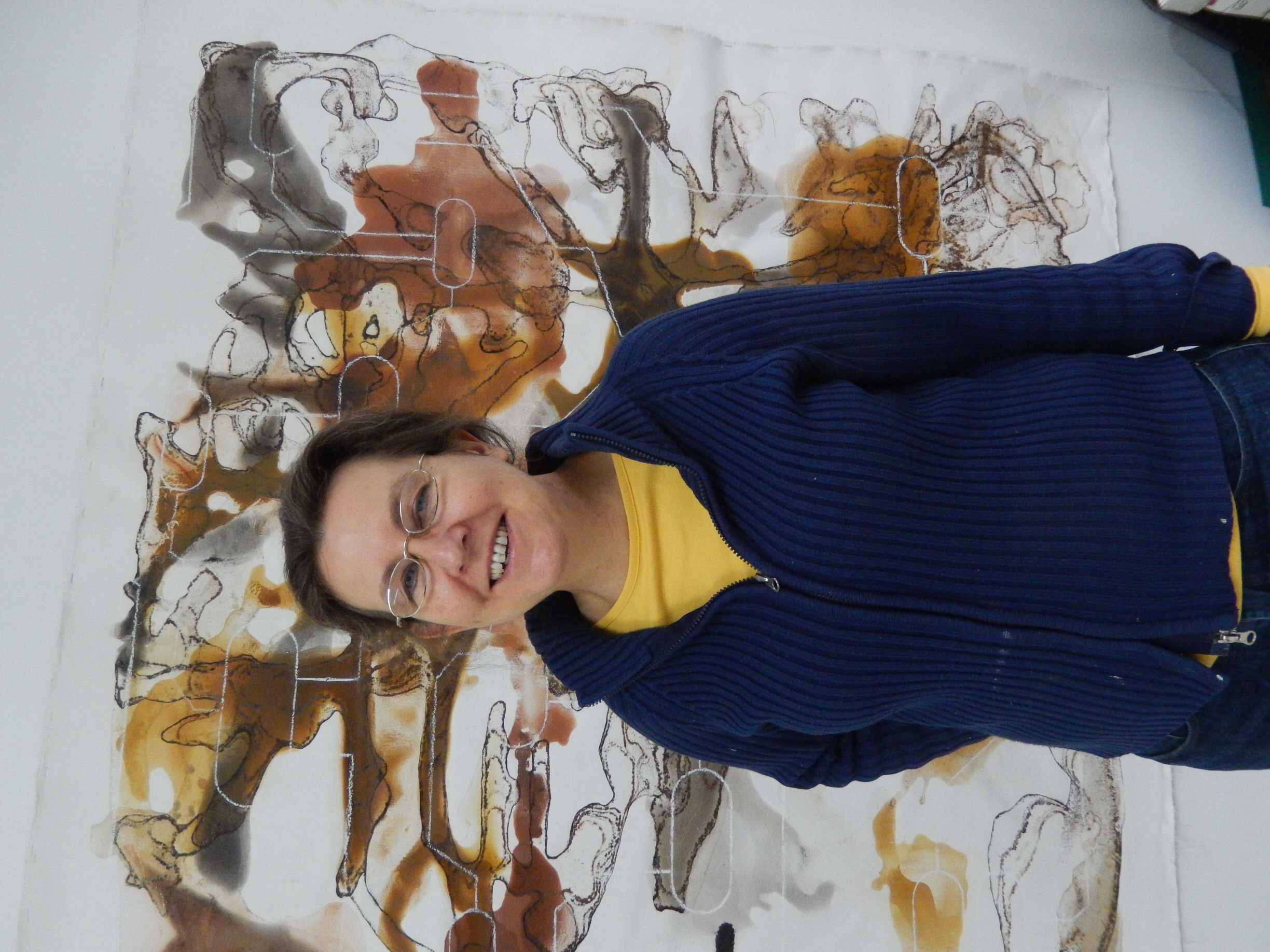
The artist Gail Dickerson creates her paintings through what must be a unique combination of observation of technological artefacts and the deliberate application of natural materials through the recreation of natural processes.
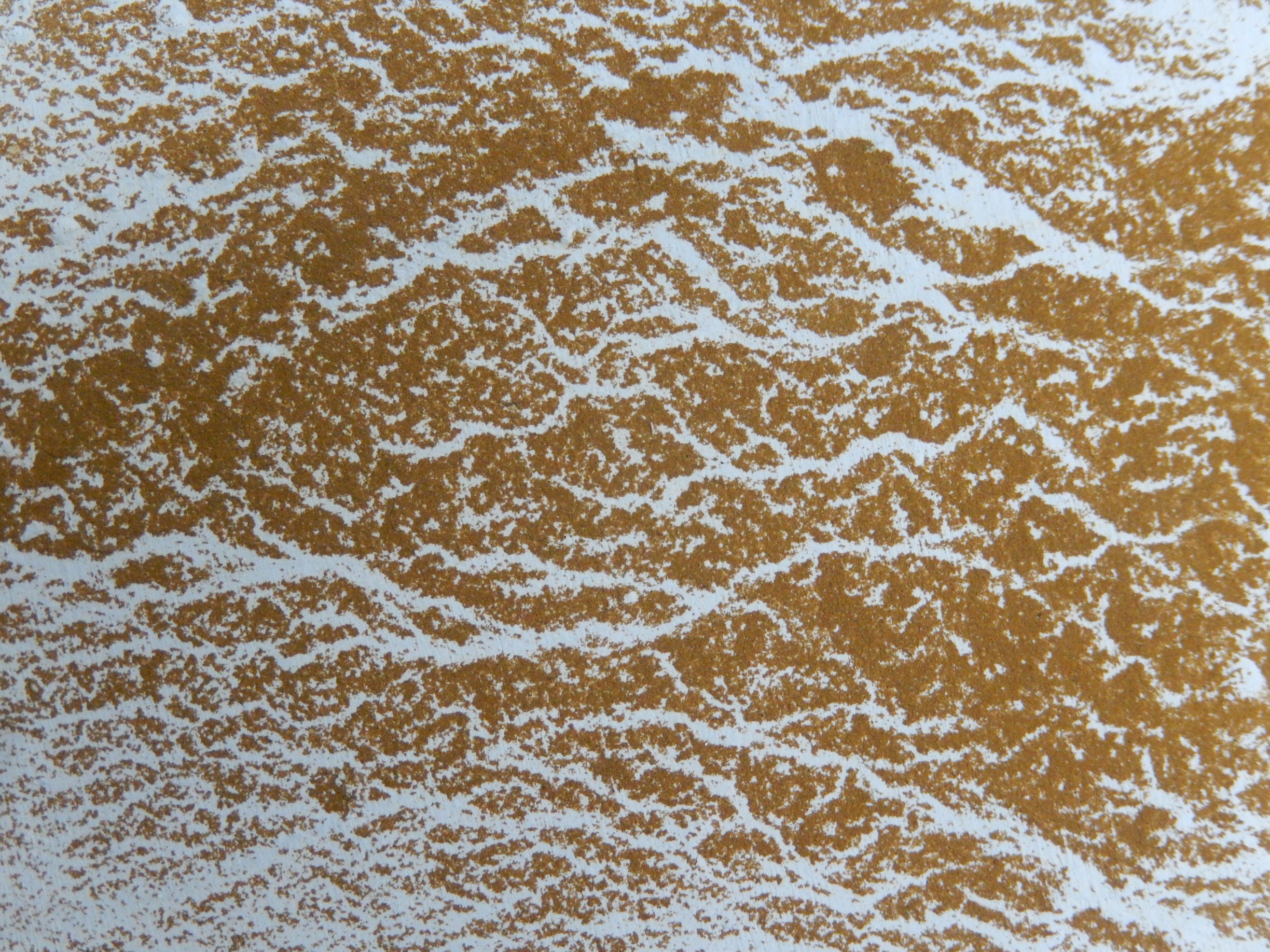
Fractal detail of painting
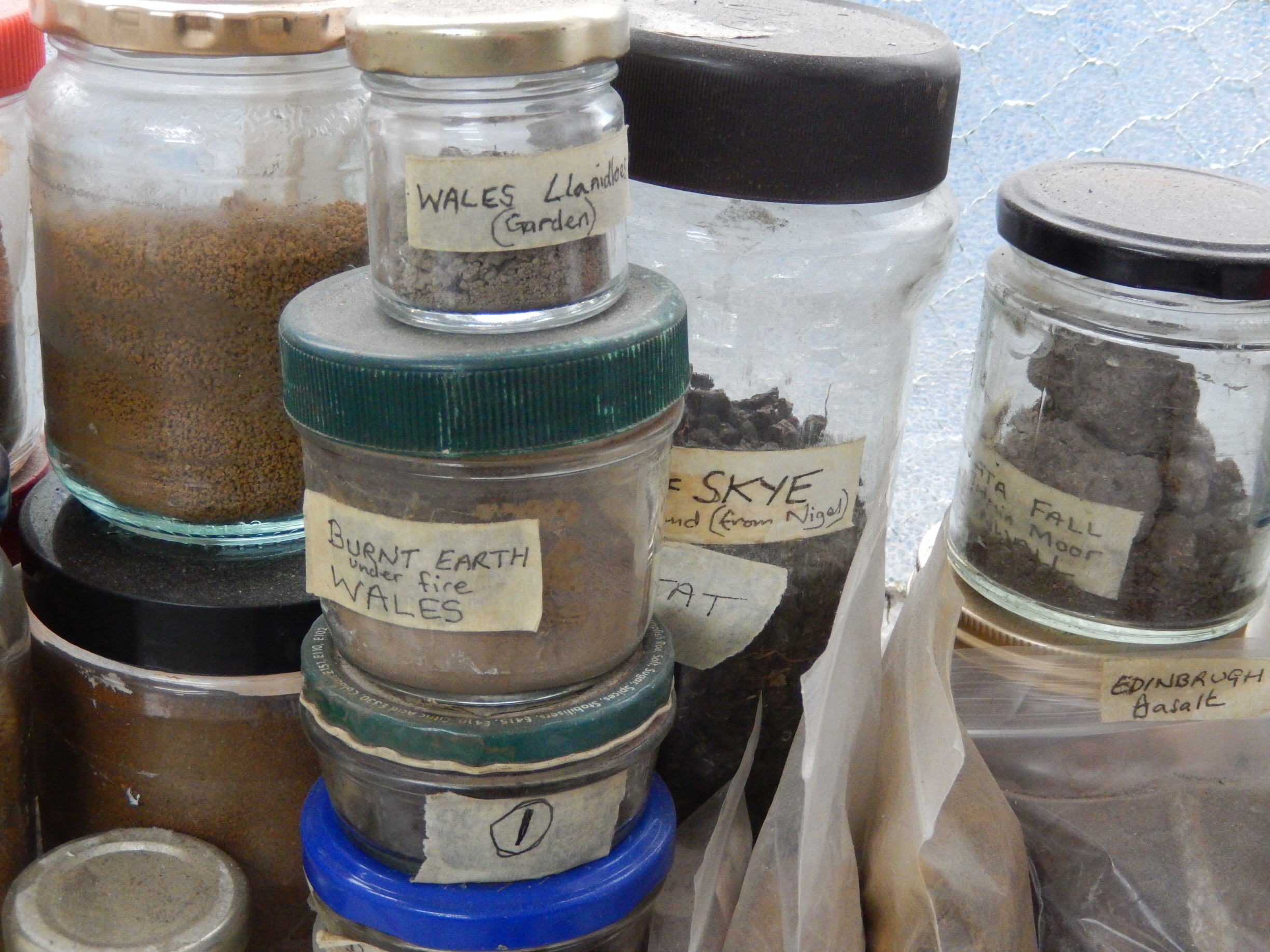
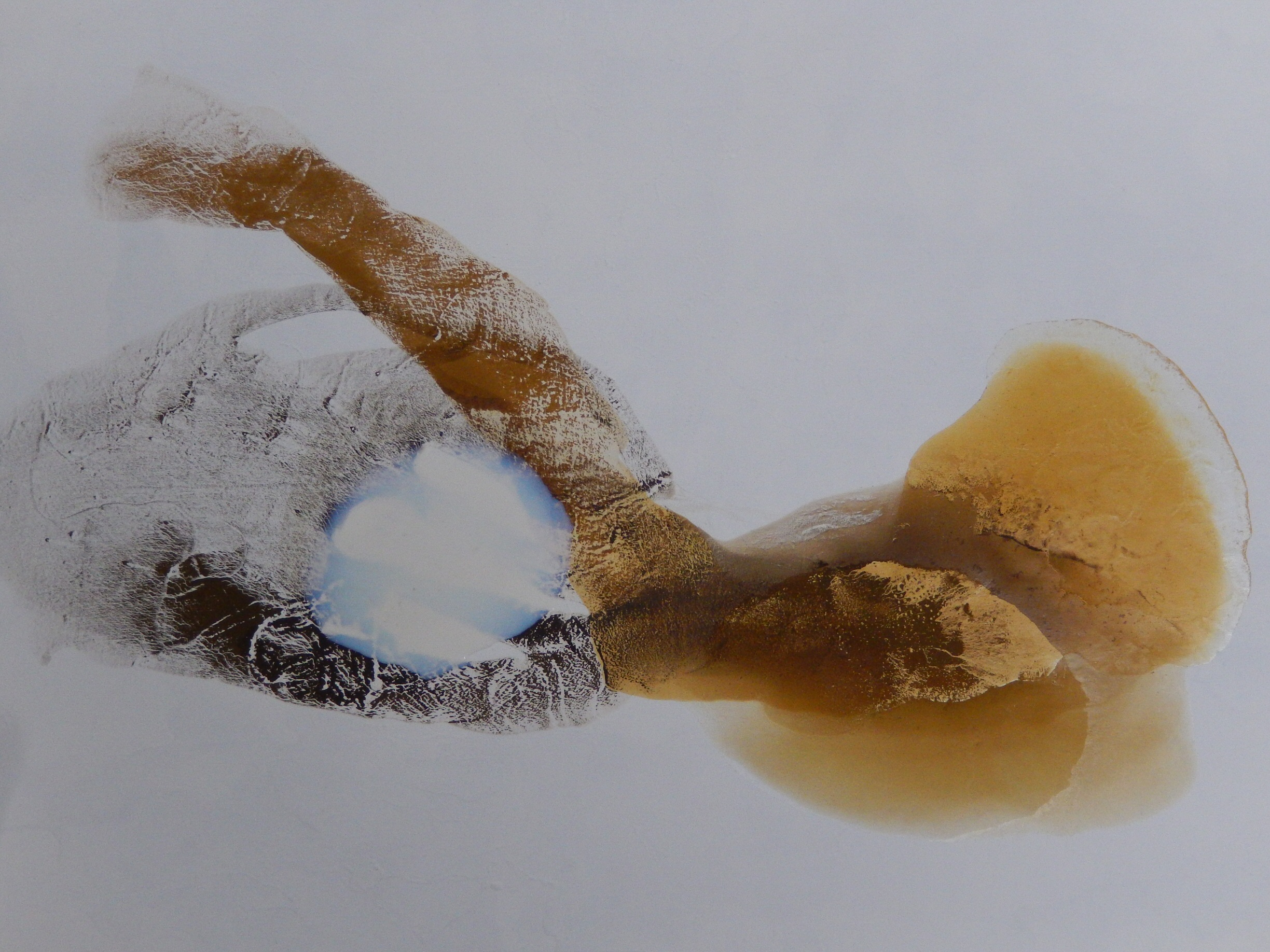
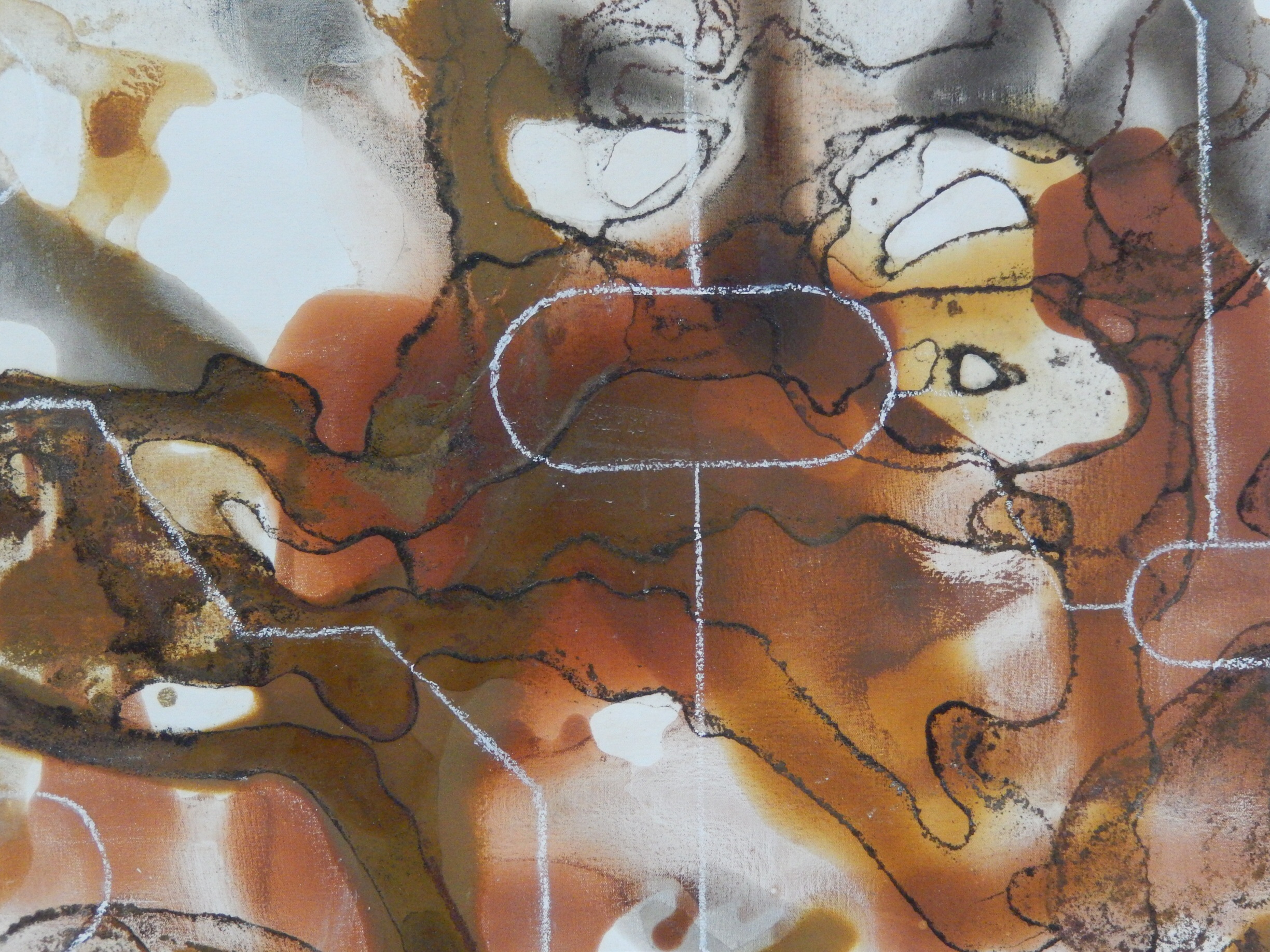
Thus it is no accident that her paintings have a natural, accidental, chaotic look: they are created from actual earths, muds and clays of many different colours – real earth pigments – and they are allowed to form themselves on to the canvas through processes that recreate the basic geological processes of erosion (of rocks) and deposition (of sediments). Gail crushes and grinds the earths to form usable pigments: of course she also transports them to her studio, just as glaciers transport rocks as ‘erratics’, grind and crush rocks to rock-flour as moraines and the thick, sticky boulder clay that covers the little hills of Southeast England.
Earth pigments from Wales, Skye, Edinburgh …
Then she mixes the pigments with water and a binder to make simple paints, and pours them on to her canvases, where they flow, evaporate, diffuse, and arrange themselves into the beautiful fractal patterns of sand-dunes, beach ripples, estuary channels, or just puddles seen in her paintings.
A work in progress (evaporating – there are reflections from the liquid in the white central area)
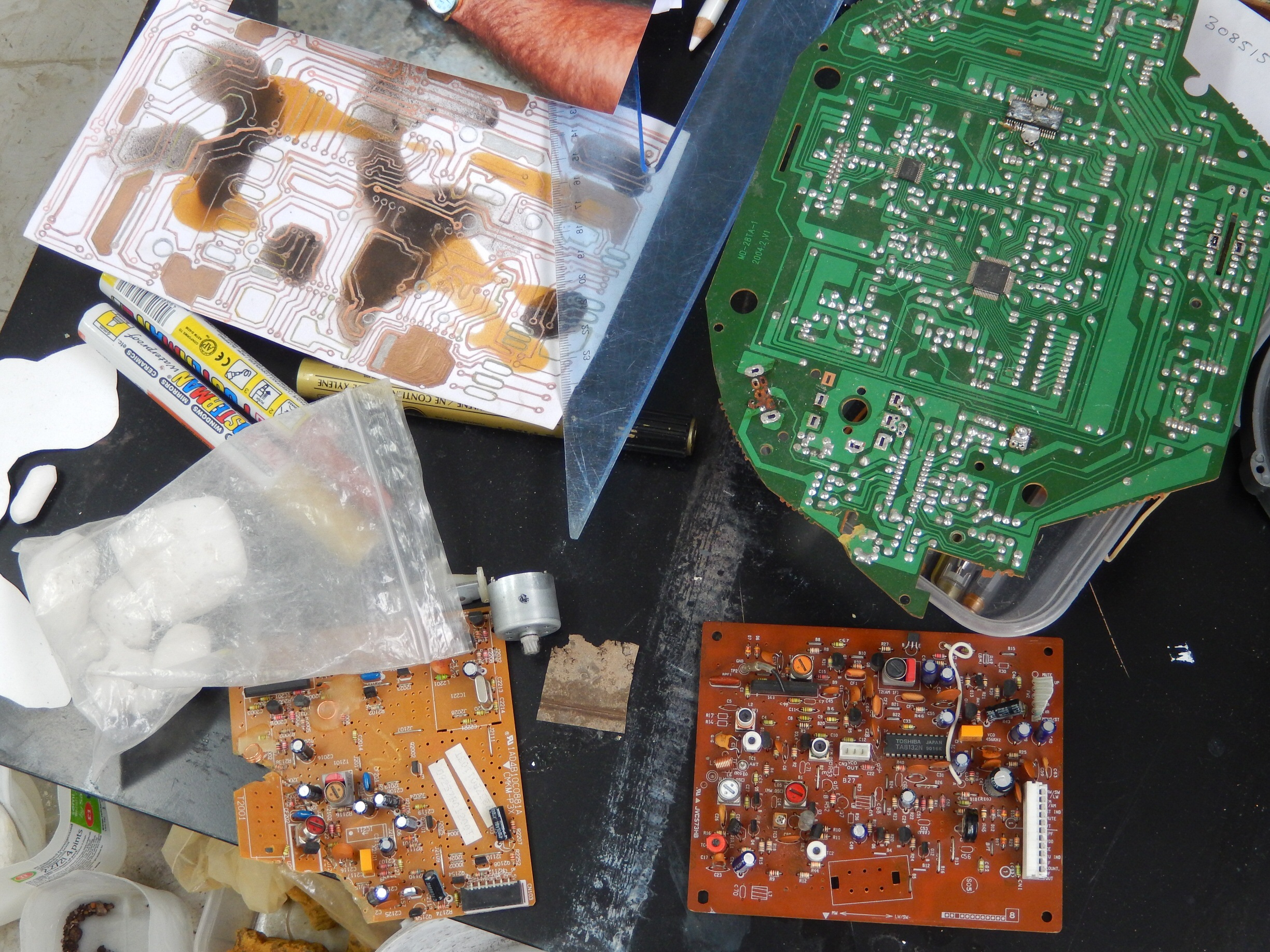
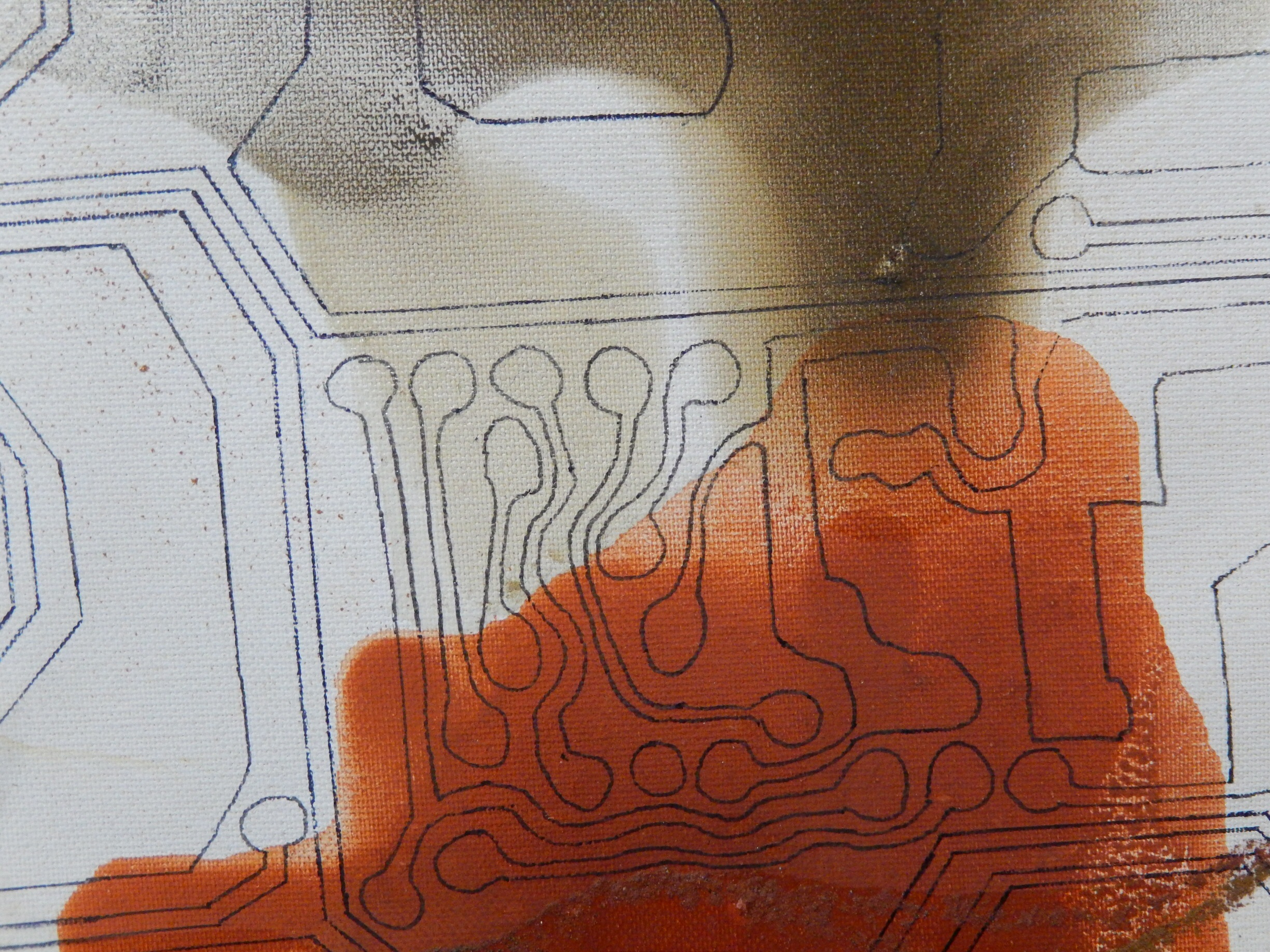
The other input to Gail’s paintings is the high-speed world of modern technology. She strips printed circuit boards from abandoned devices (which with today’s instant obsolescence often means only a couple of years after they were made) and draws their patterns on to her canvases. In an earlier phase of her work, she actually placed assorted components on the canvas and allowed them to leave their “shadows” behind as pigments flowed over and around them.
Printed circuit boards and a painting based on them
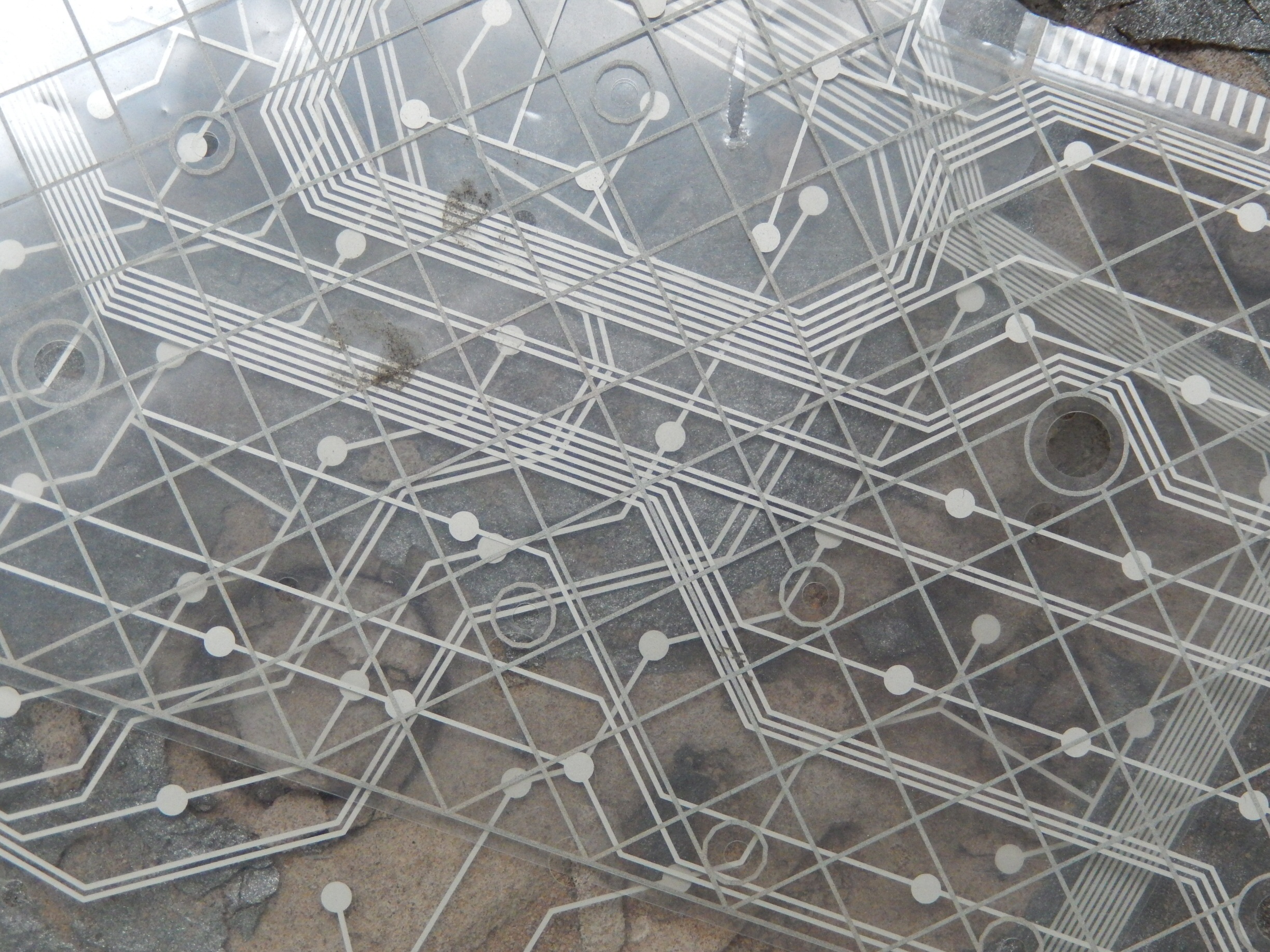
Circuit boards form patterns as their wiring is optimised to follow shortest paths for the many interconnections, as well, sometimes, as to provide sufficient spacing to reduce electromagnetic interference between the rapidly oscillating currents in the tiny wires. (Gail commented that these technical terms would make good names for artworks.) Gail had redrawn or imagined suitable wiring layouts on transparencies, and it was hard to tell her imaginings from the real thing, so convincingly did they wander in apparently optimal directions between components.
PCB transparencies showing optimisation of wiring paths
Gail then transfers the circuit layouts, suitably transformed, to her canvases, where they and the variously oozing, evaporating earths in their chaotic patterns do a dance together, neither taking over, neither too prominent.
For me, it’s a figure of the modern world, where man makes use of nature – ColTan ore turning into electronic components, sand turning into silicon chips, oil turning into the plastics and resins of insulation and circuit boards (after all, all materials are ultimately from nature), and the manmade patterns of thought, algorithmically-designed electronics, squeak and chatter at their inaudibly-high GigaHertz frequencies (as recently as 1994, we all had slow old modems that audibly squeaked when connecting to the Internet to retrieve emails and briefly browse a few small klunkily laid out early web pages, how quickly things change in that world).
Detail of circuit layout among earth pigments in one of Gail’s paintings
For me, then, Gail’s paintings, made in nice old buildings a stone’s throw from the Shard, the river, and Shakespeare’s Globe – inevitably, just about to be turned into expensive new apartments or offices – beautifully sum up modern life. We are still rooted in Nature: our tailless ape ancestry of course, our drives for food, water, sex, power, sleep absolutely apelike; while another part of us races ahead in the bustling city, now sprawling across the river from the City of London to the Docklands and down onto the South Bank around London Bridge and the suddenly burgeoning glass towers of Southwark. Alexander Pope had it right in his Essay on Man when he describes us as
Created half to rise and half to fall, The glory, jest, and riddle of the world.