
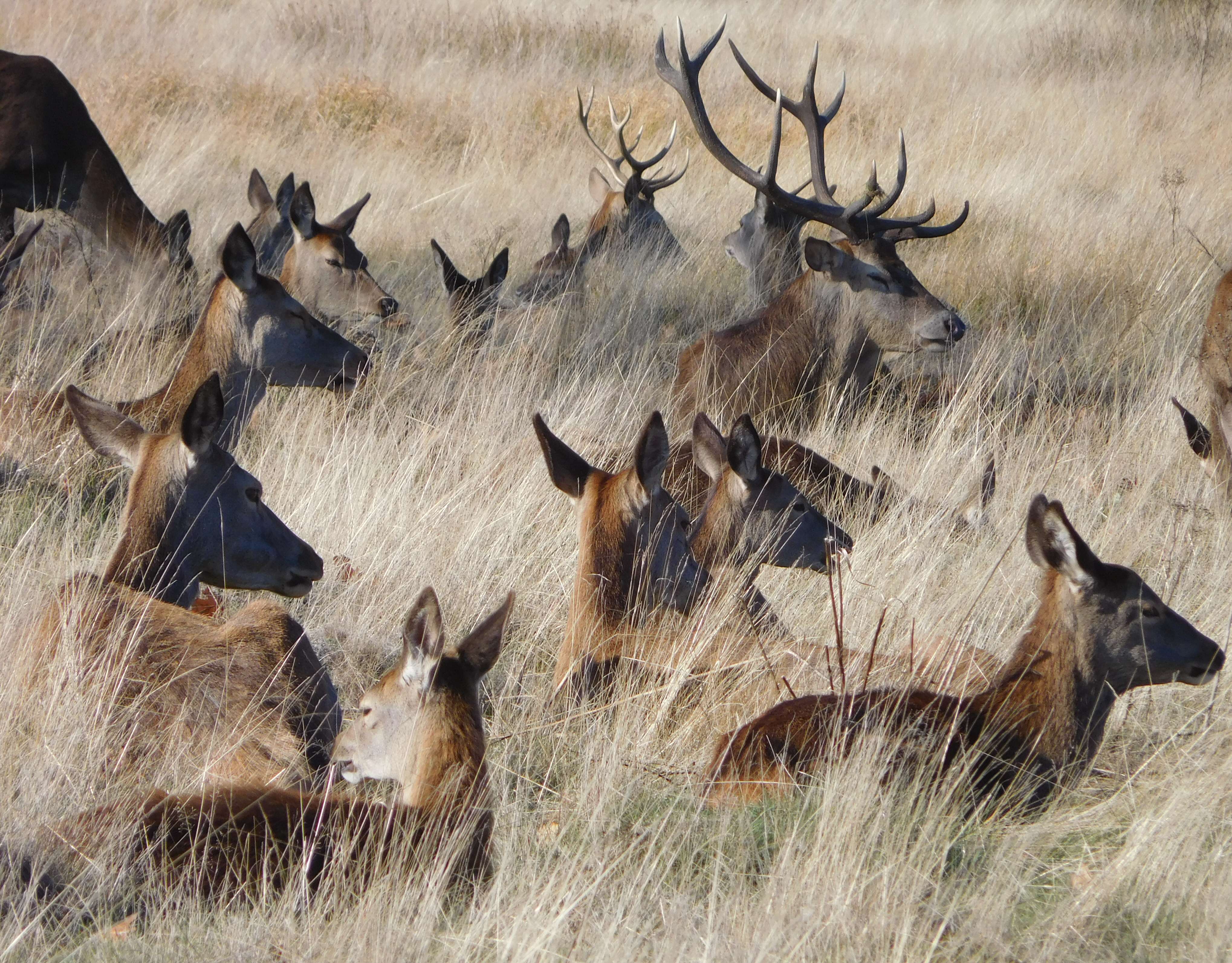
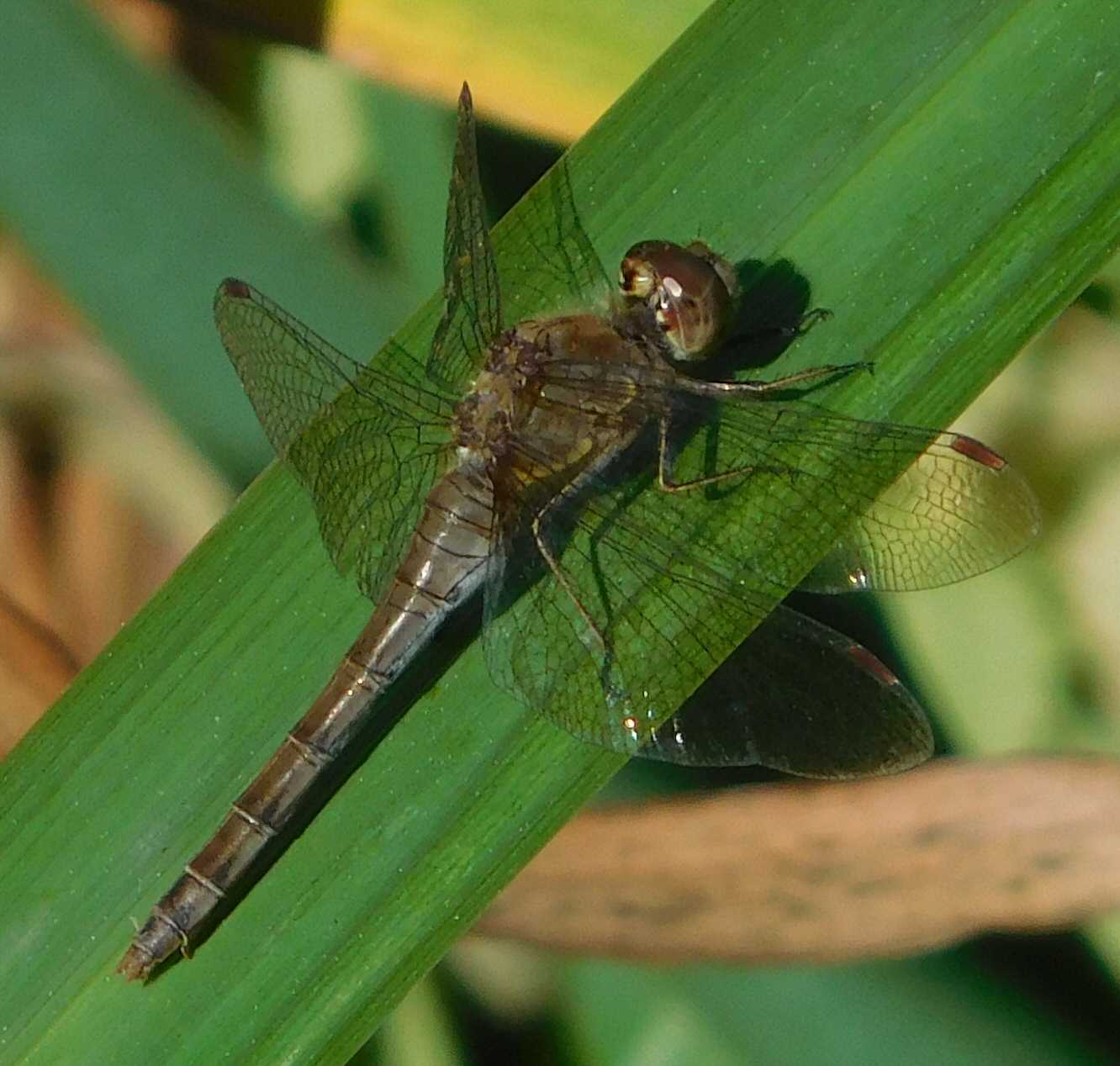
Well, I might reasonably have expected to see Red Deer in Richmond Park in today’s beautiful sunshine, but Dragonflies for Hallowe’en? That was a bit of a surprise. I saw that magical sparkle about 7 times, twice consisting of an attached pair (“in cop”) of Common Darters. Most of the rest were certainly also darters, but once I caught a flash of blue, so perhaps that was a Migrant Hawker or more probably a Southern Hawker dashing into the distance on the breeze.
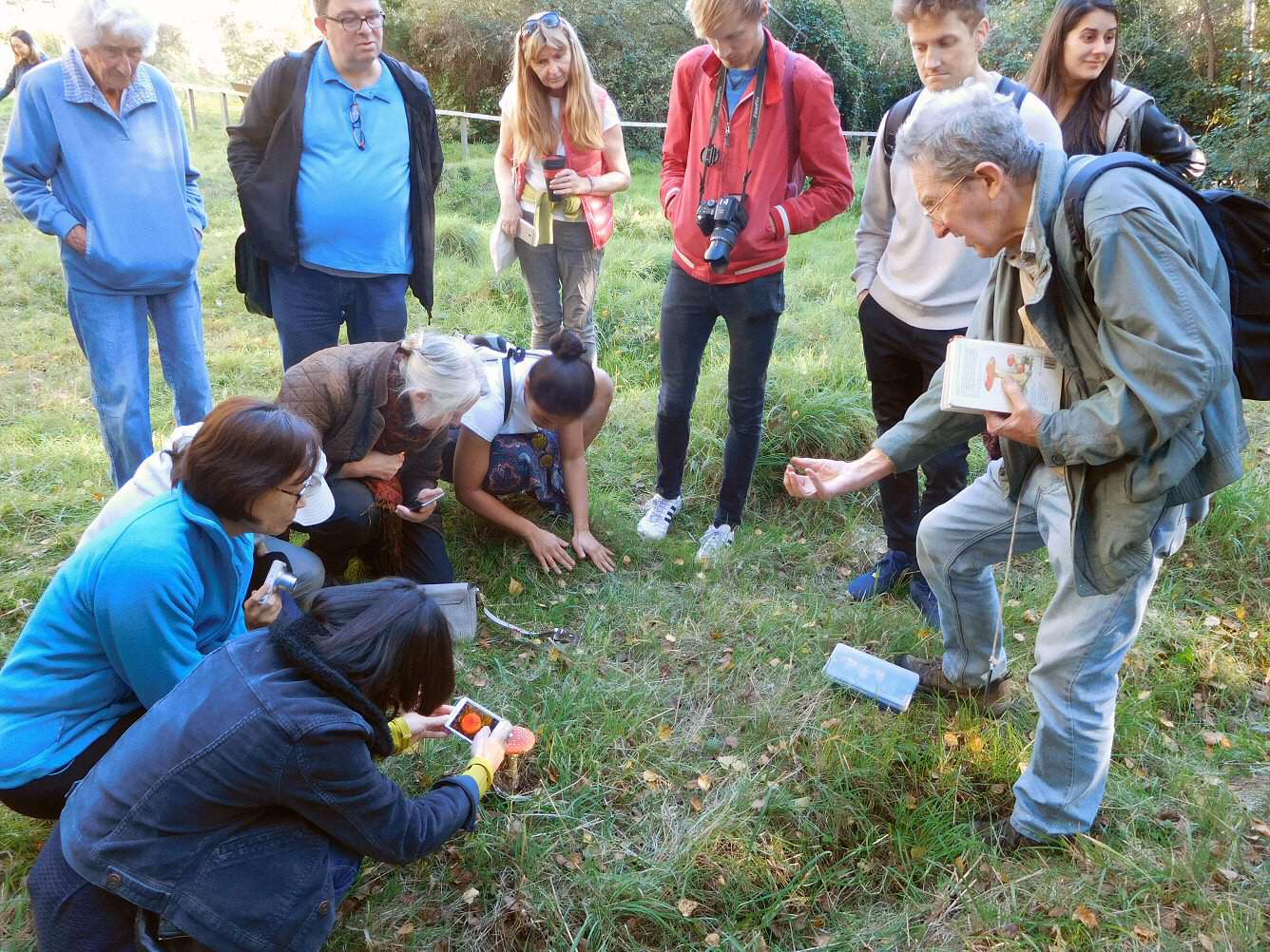
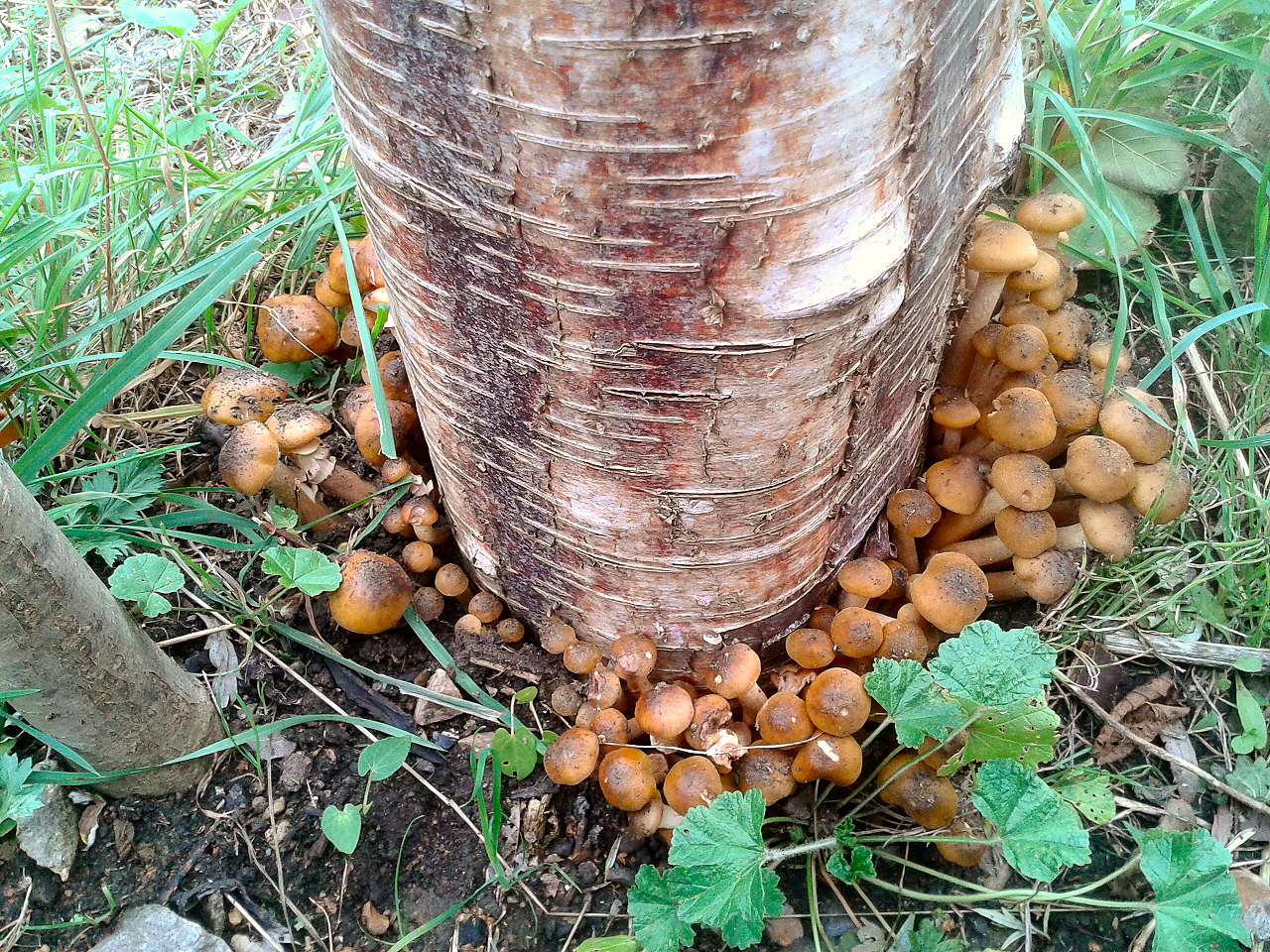
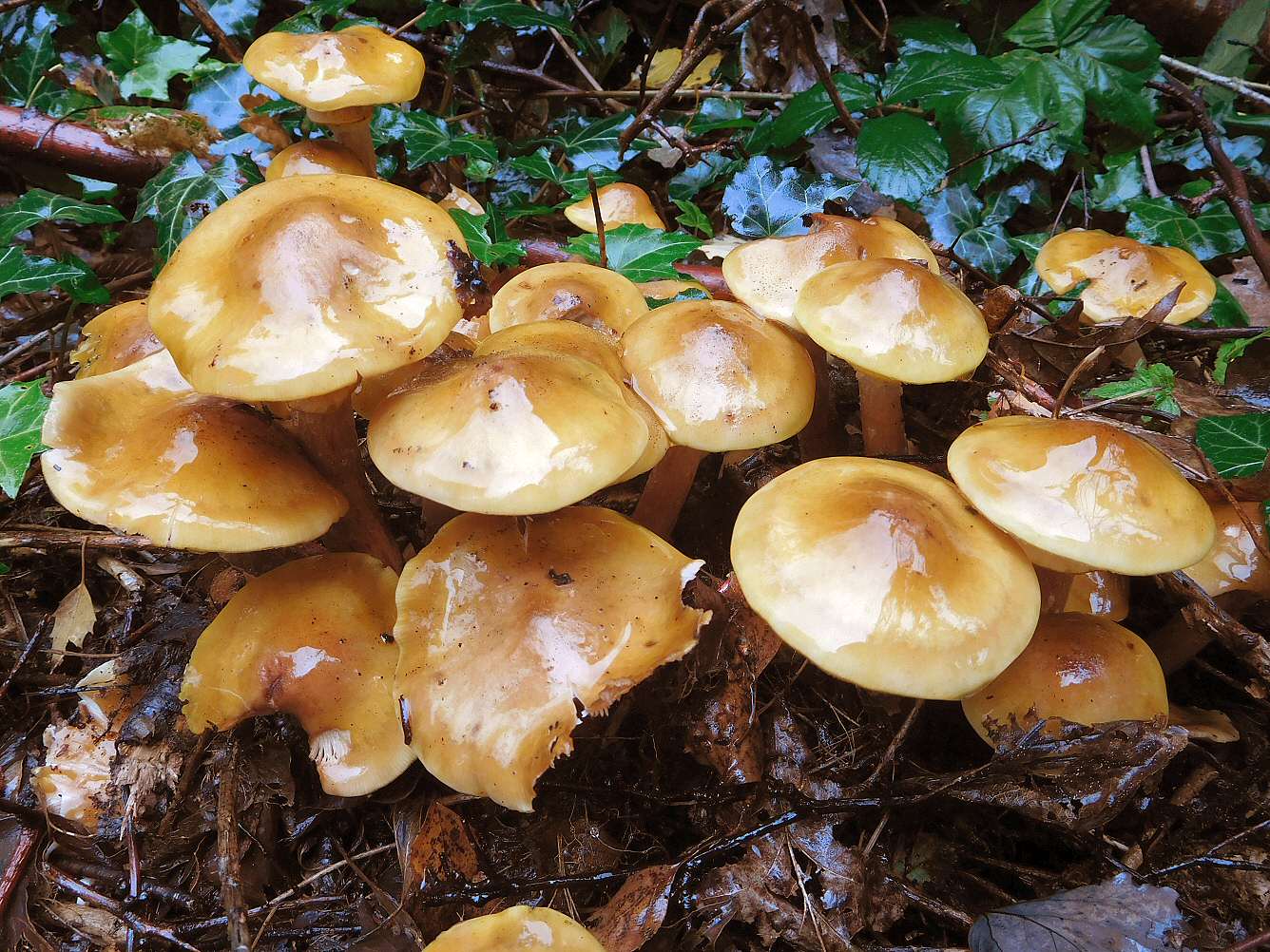
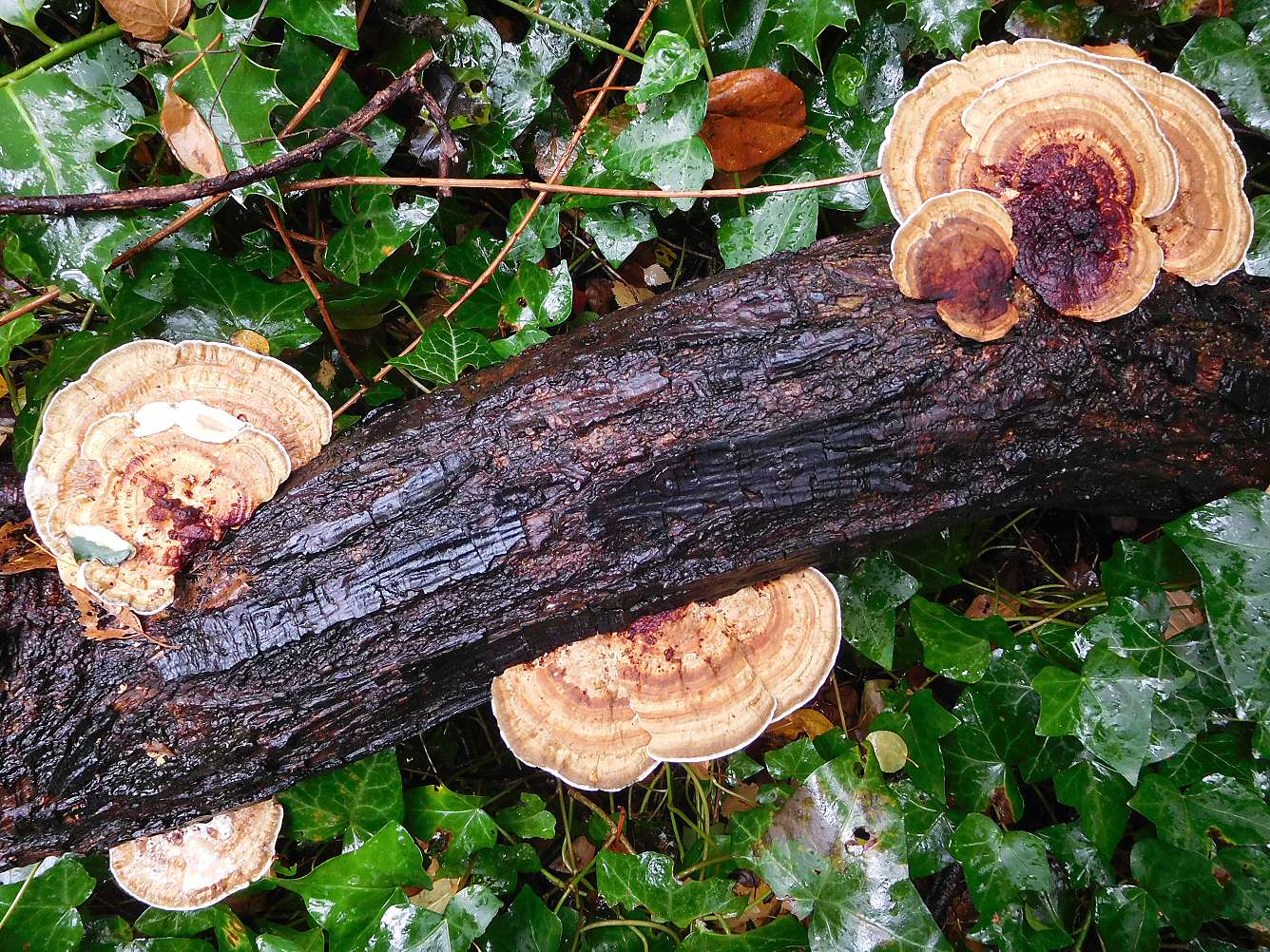
It was a beautifully sunny and warm late October day, and Alick was pessimistic. It had been far too dry for weeks and there would be very few fungi on the walk. But he admitted that children were very good at spotting mushrooms.
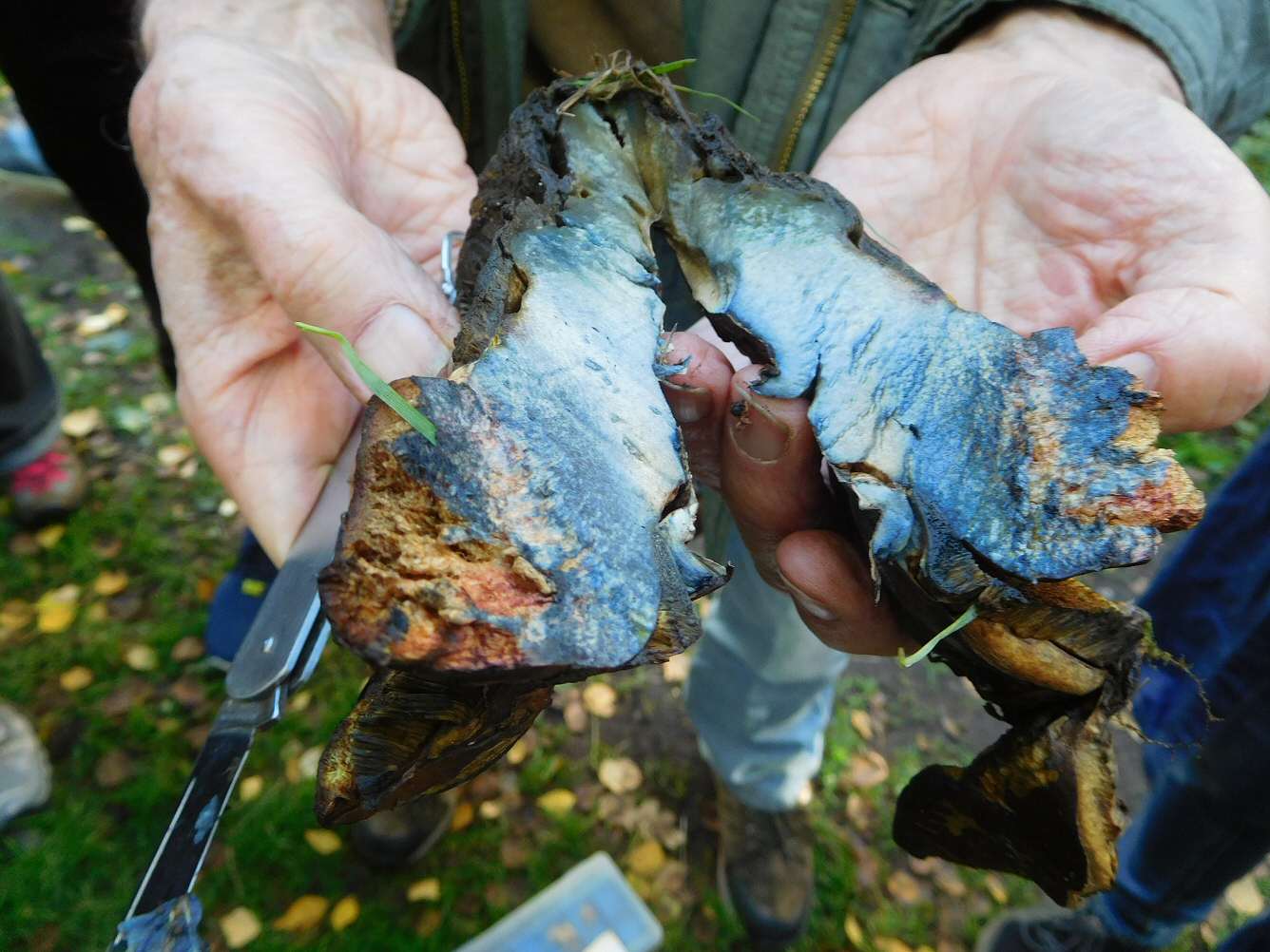
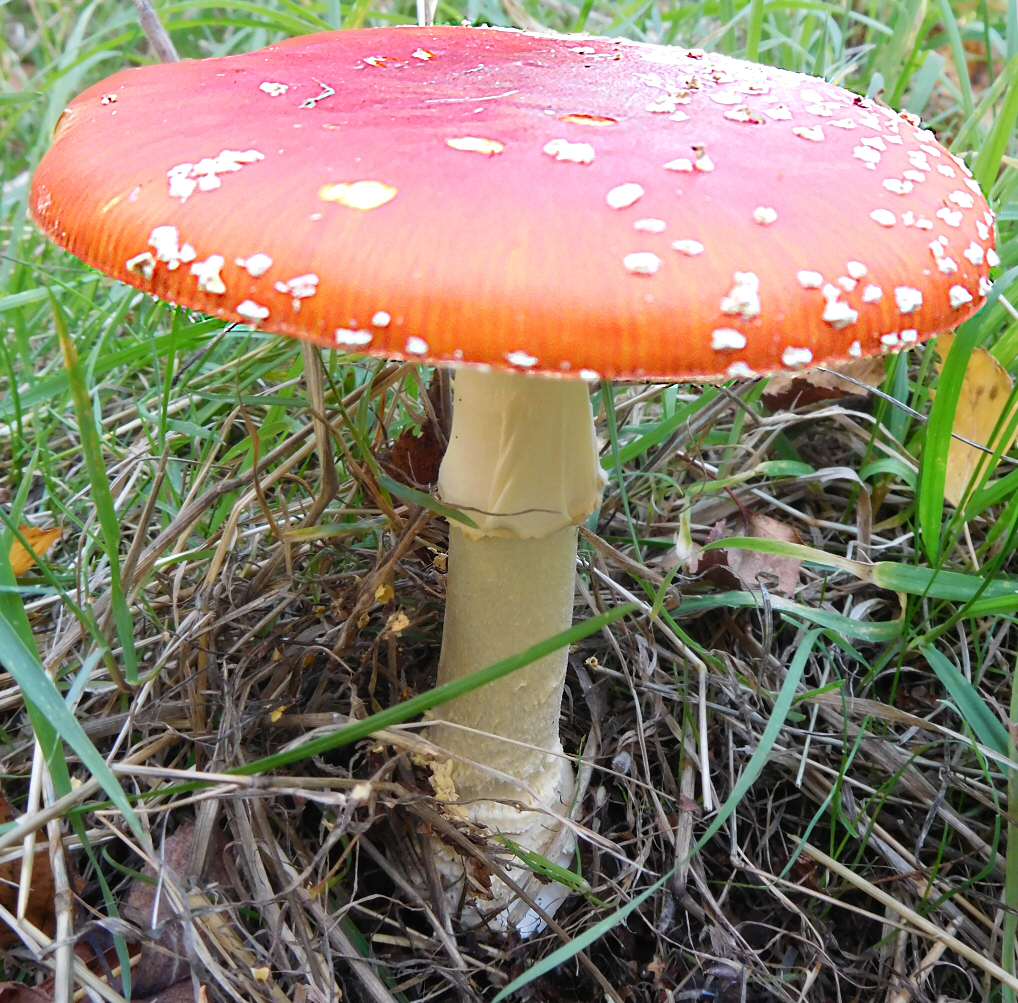
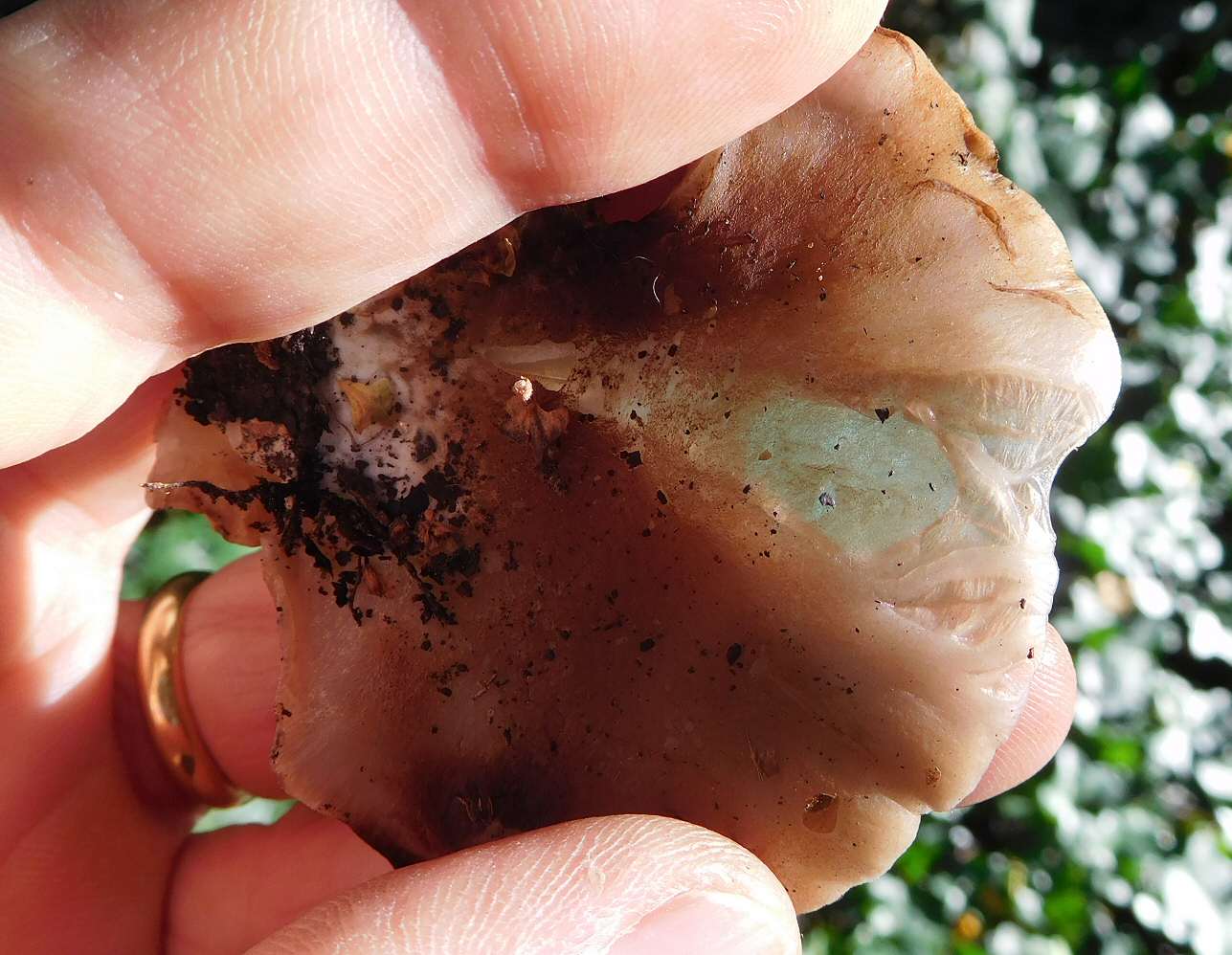
They were. We found 31 species, more if you count the small Ascomycetes of the kinds whose fruiting bodies are little dots on rotting twigs. Some indeed like the Fly Agaric and the Scarletina Bolete were large, colourful, and spectacular; others smaller and quieter, but often also beautiful, and all fascinating. None were stranger than Crepidotus mollis, the Peeling Oysterling, a bracket-shaped gill mushroom with a peeling cuticle, and an extraordinary jelly-like consistency revealed by gently stretching the cap, as shown in the photo.
Alick Henrici writes that he found four species new to the reserve during the Fungus Foray:
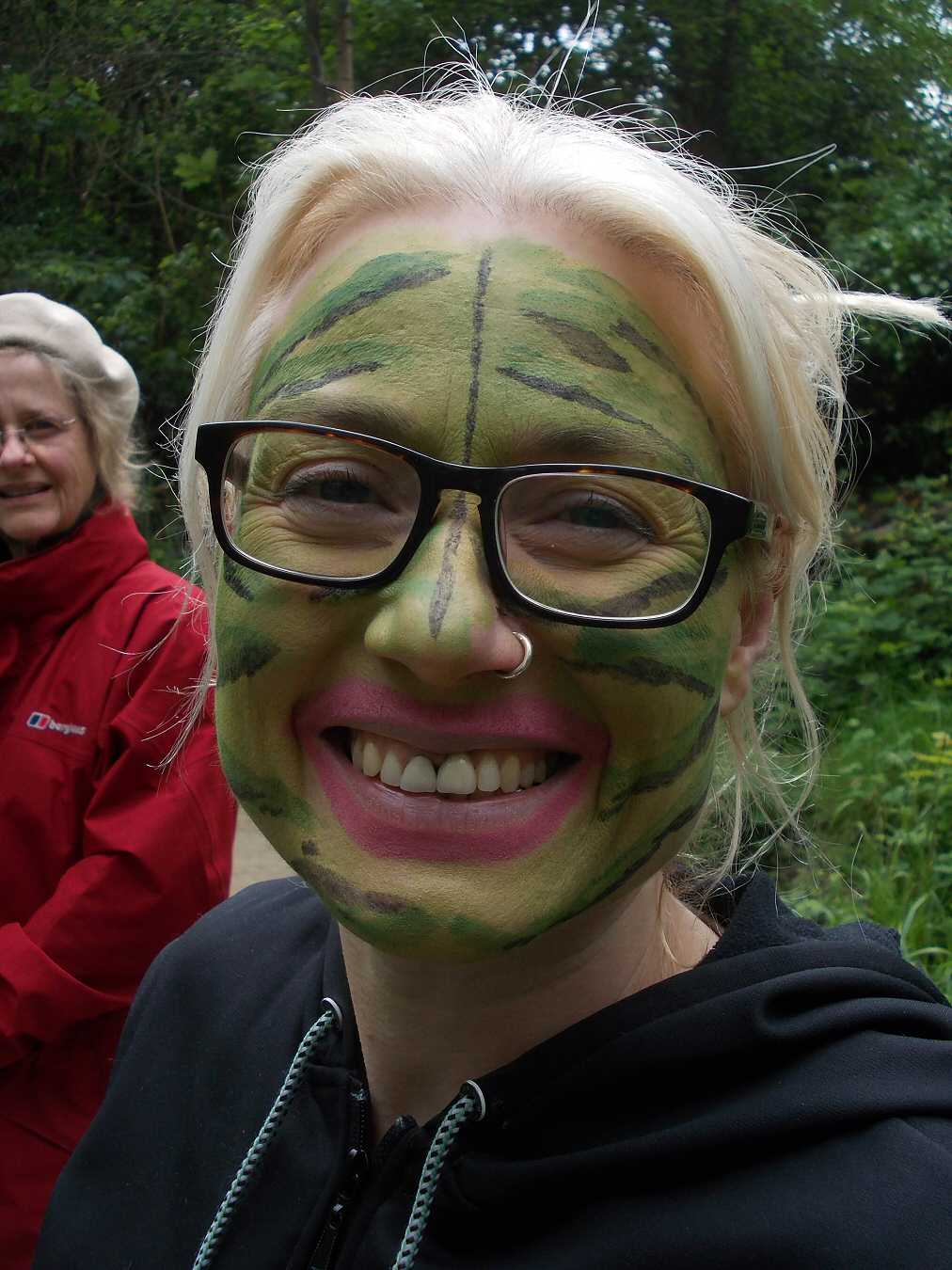
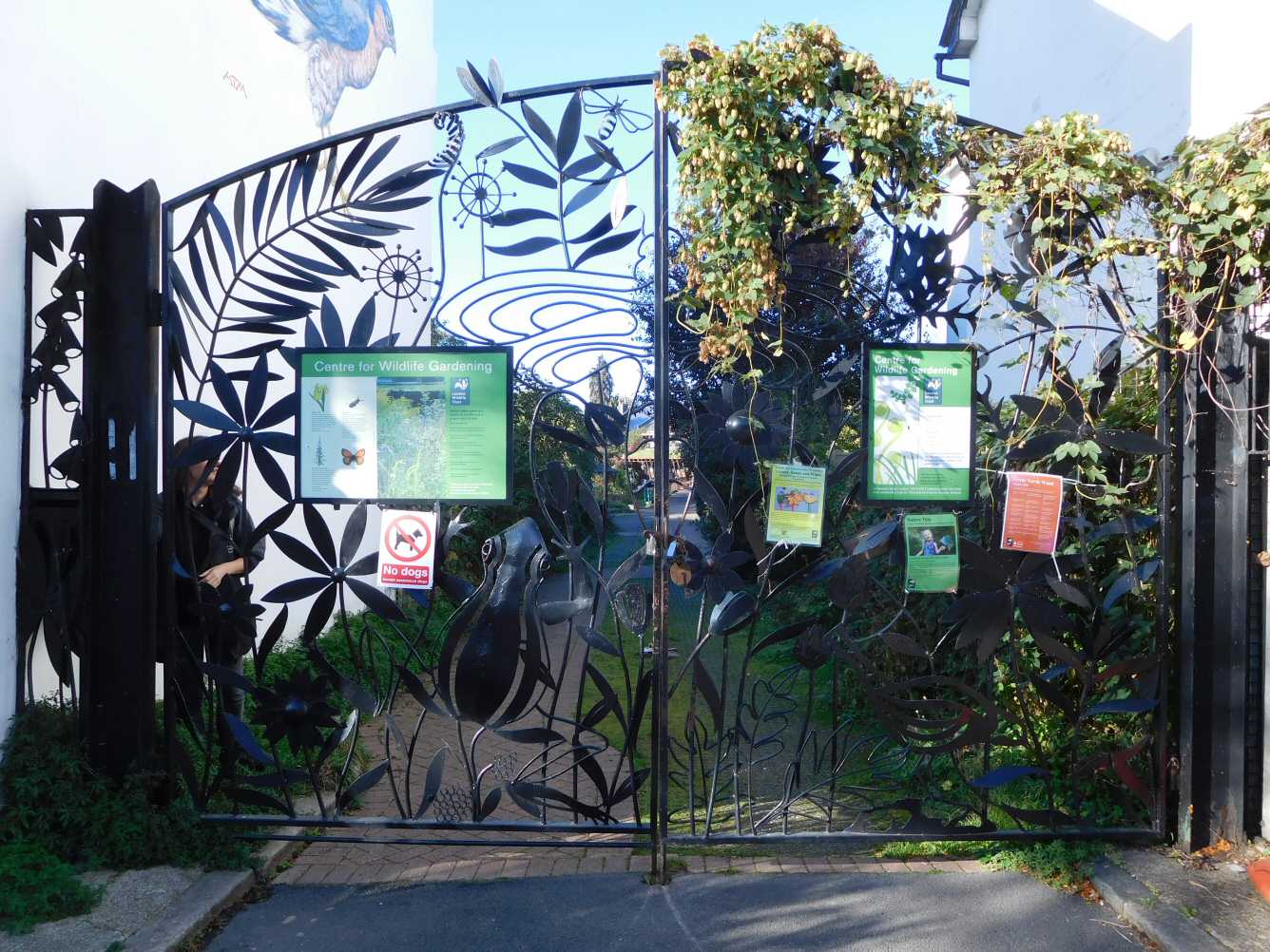
Helen has worked for London Wildlife Trust for ten years, several of them as volunteer officer at Gunnersbury Triangle. She did the job with enormous energy and enthusiasm, and got the best out of everybody. Her frog day was memorable not just for her stripy green face but for the improv frog puppet show conducted behind the gate to the wheelbarrow store!
In her farewell interview for Wild London, she said “We also had amazing older volunteers who could turn their hand to anything” (thanks!) … “I really enjoyed working with them [of all types], because they taught me so much – we had volunteers who were experts in everything from butterflies, birds, and amphibians, through to the military application of animal camouflage” (thanks Helen, I know who that is!) … “Plus, I was always amazed at the sheer volume of practical management work they could get done.” (We know, we know.)
Helen, have a great time in your new job at Greenwich. We’ll miss you.
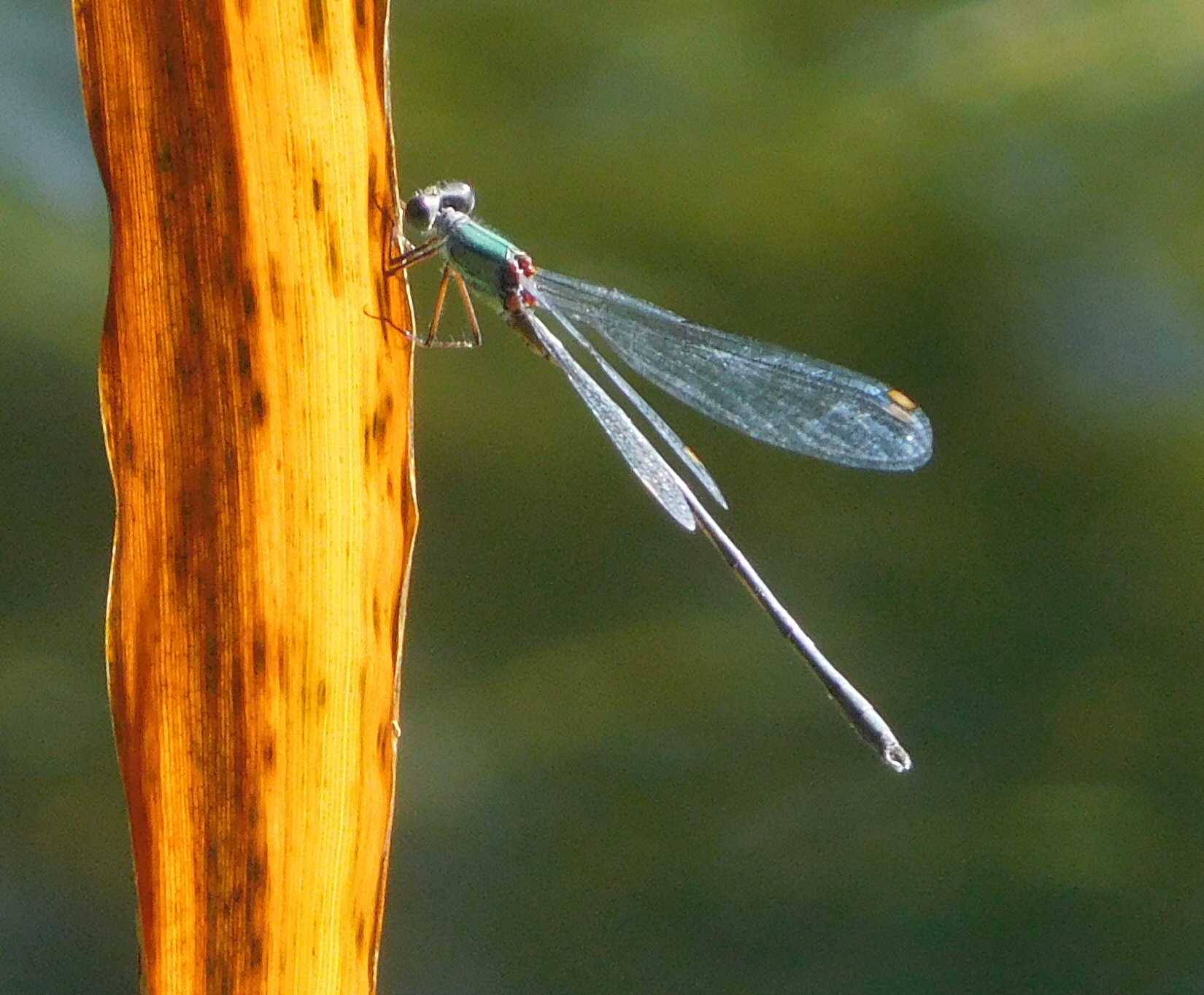
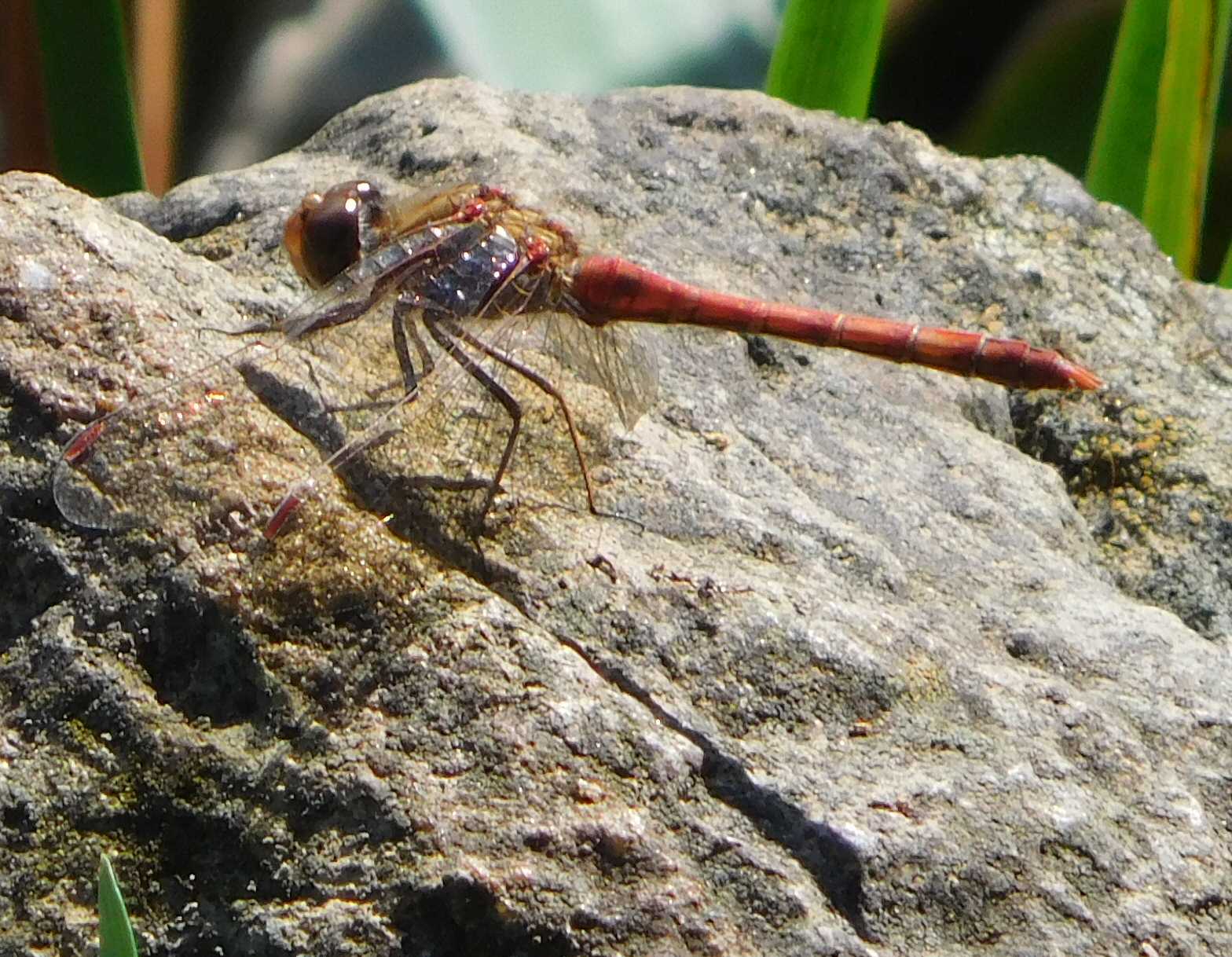
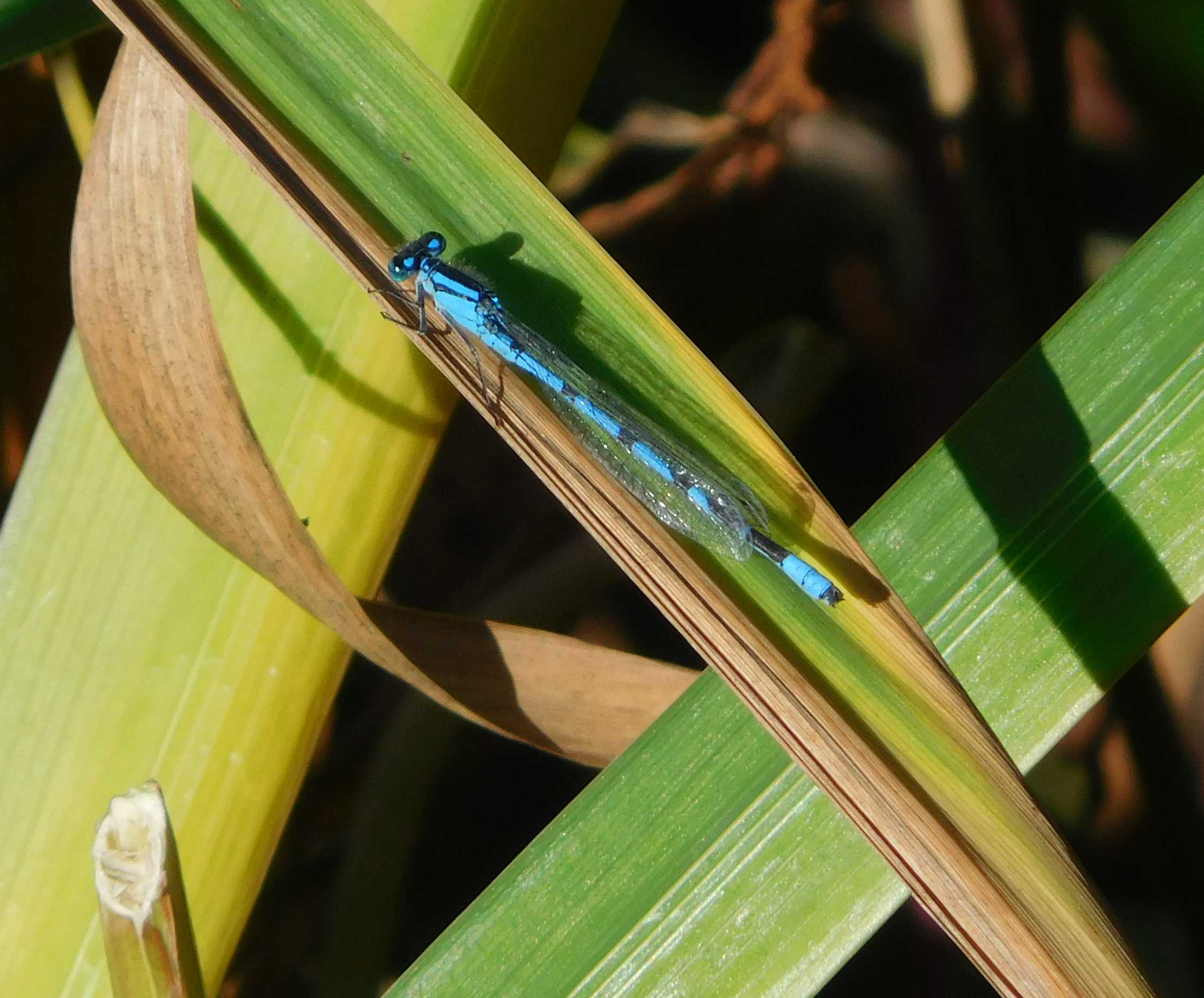
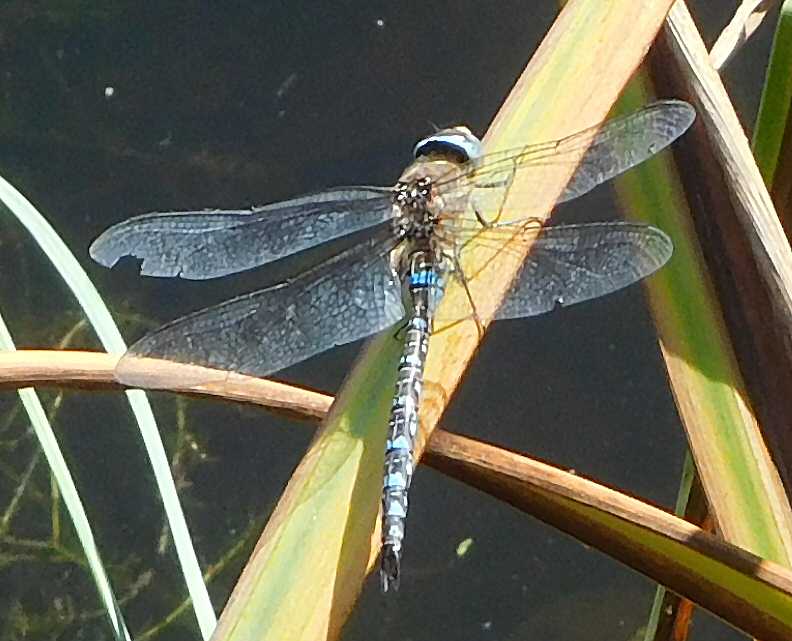

All these images are copyright. You are welcome to use them as long as you name me beside the image and provide a link to this page.
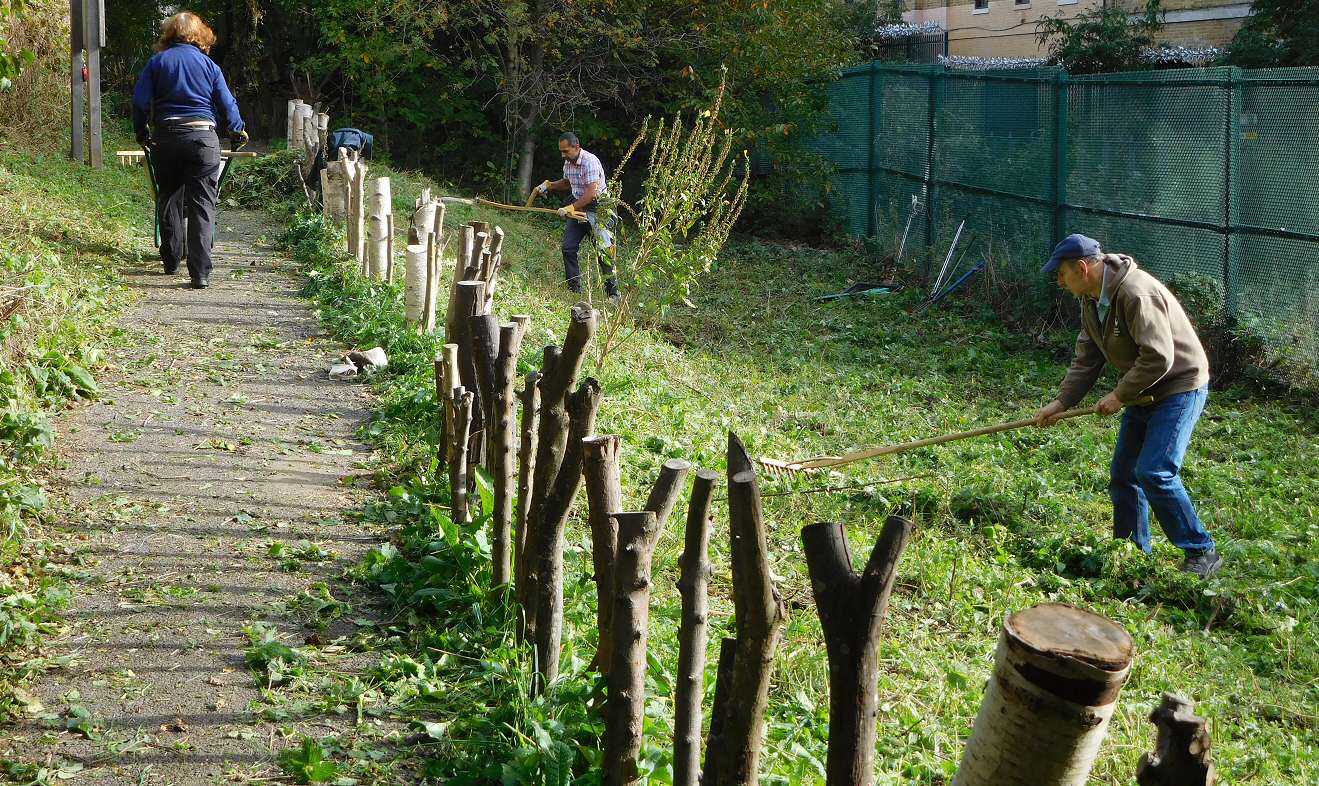
We carried on clearing brambles from the north bank and then the small meadow. The debrambling of previous years has helped, as there are far fewer large deep-rooted monsters than before, but we’ve still had plenty to do. I coppiced some Holm Oak, too.
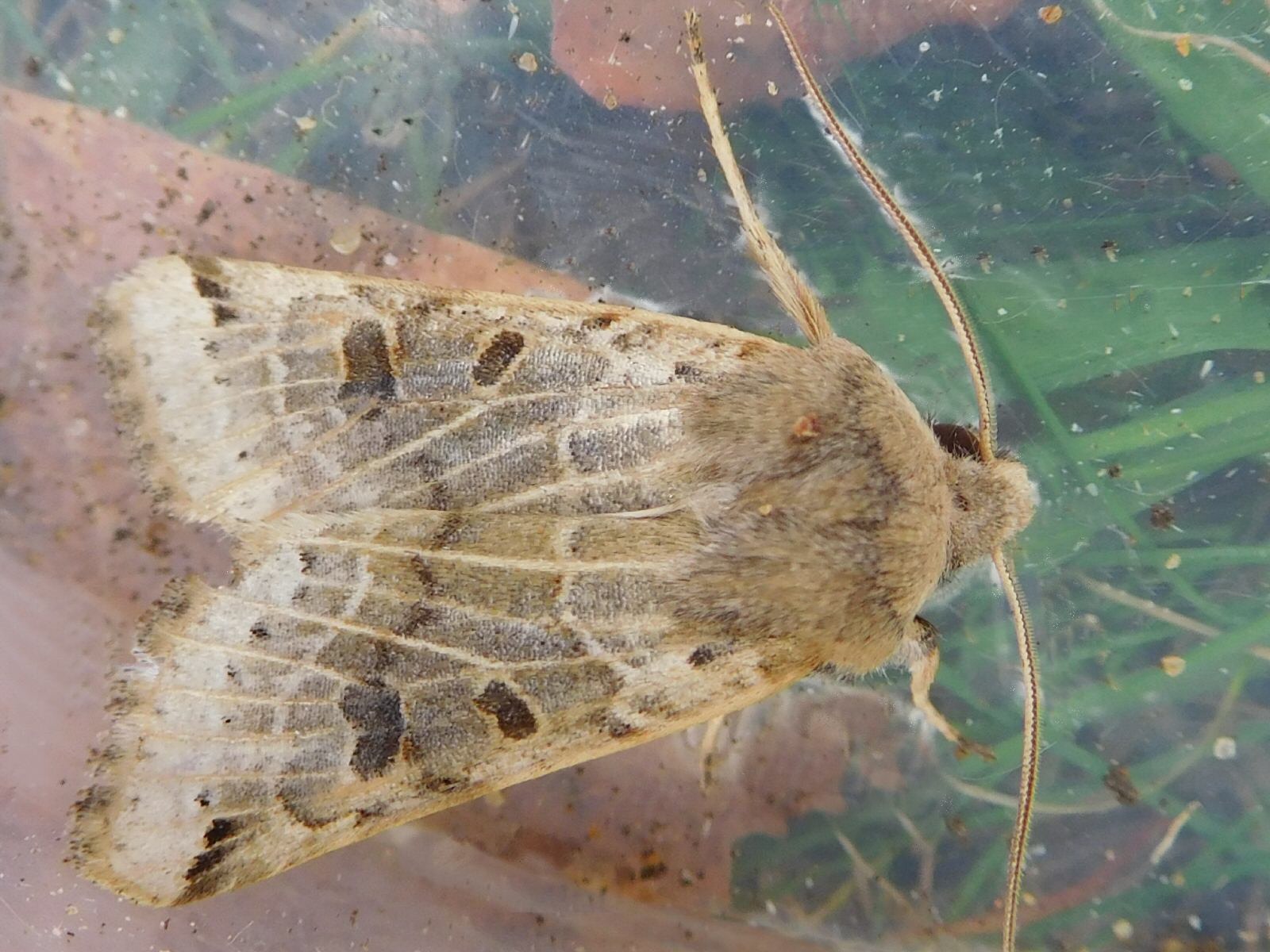
We saw two or three of these Lunar Underwing moths (Omphaloscelis lunosa) among the grass. They eat grasses such as Yorkshire Fog and Annual Meadow-Grass.