
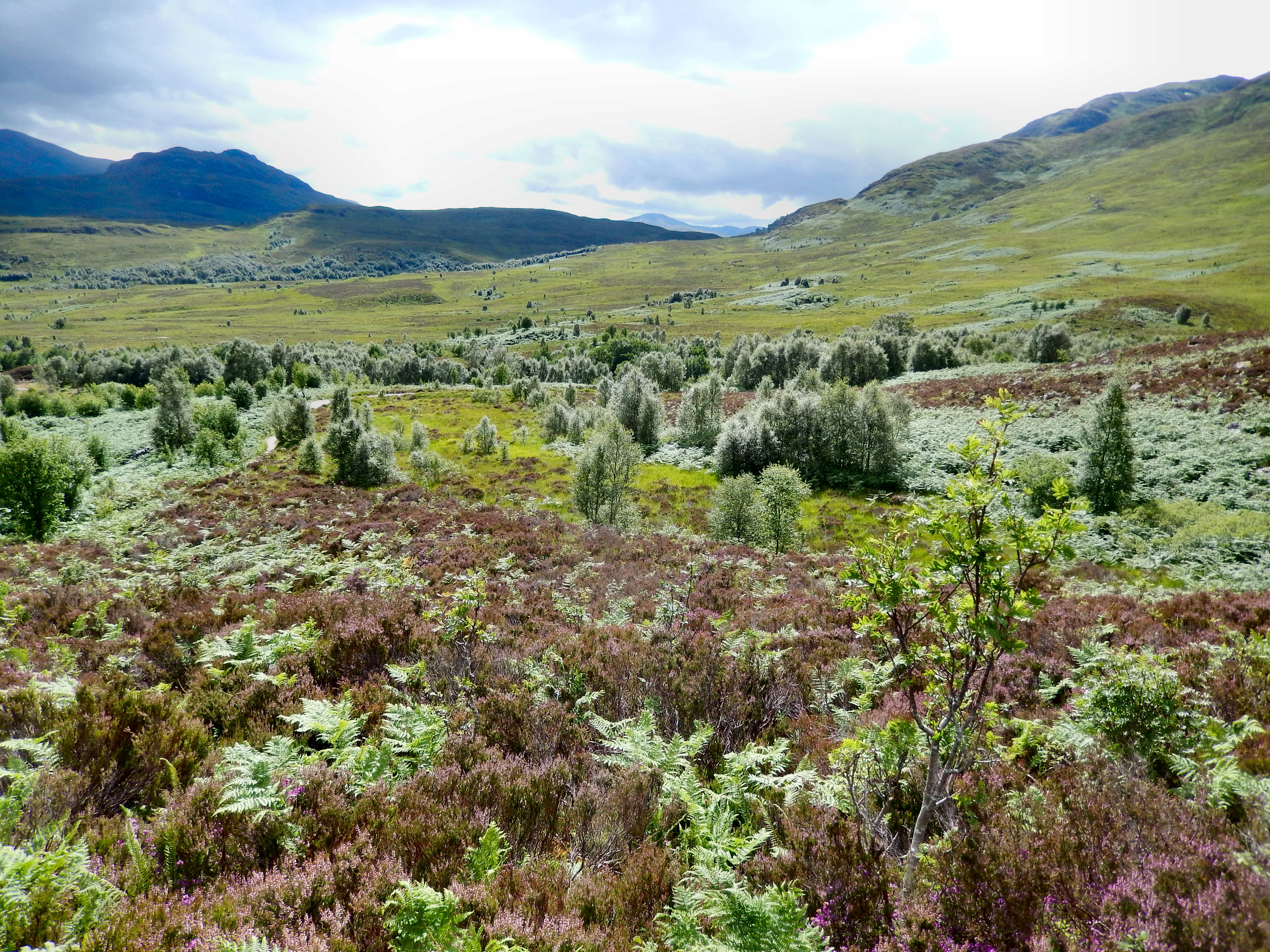
After a morning sheltering inside from the pouring rain, it cleared and I drove down to Creag Meagaidh, the enormous national nature reserve that fills a watershed from Loch Laggan up to the named mountain. The sun shone nearly all the time despite billows of cloud to the south. The hills were blue, setting off the shining grey-green of the birches, the russet of the heather – the Ling just coming into bloom now – and the bright yellow-green of the mossy grass.
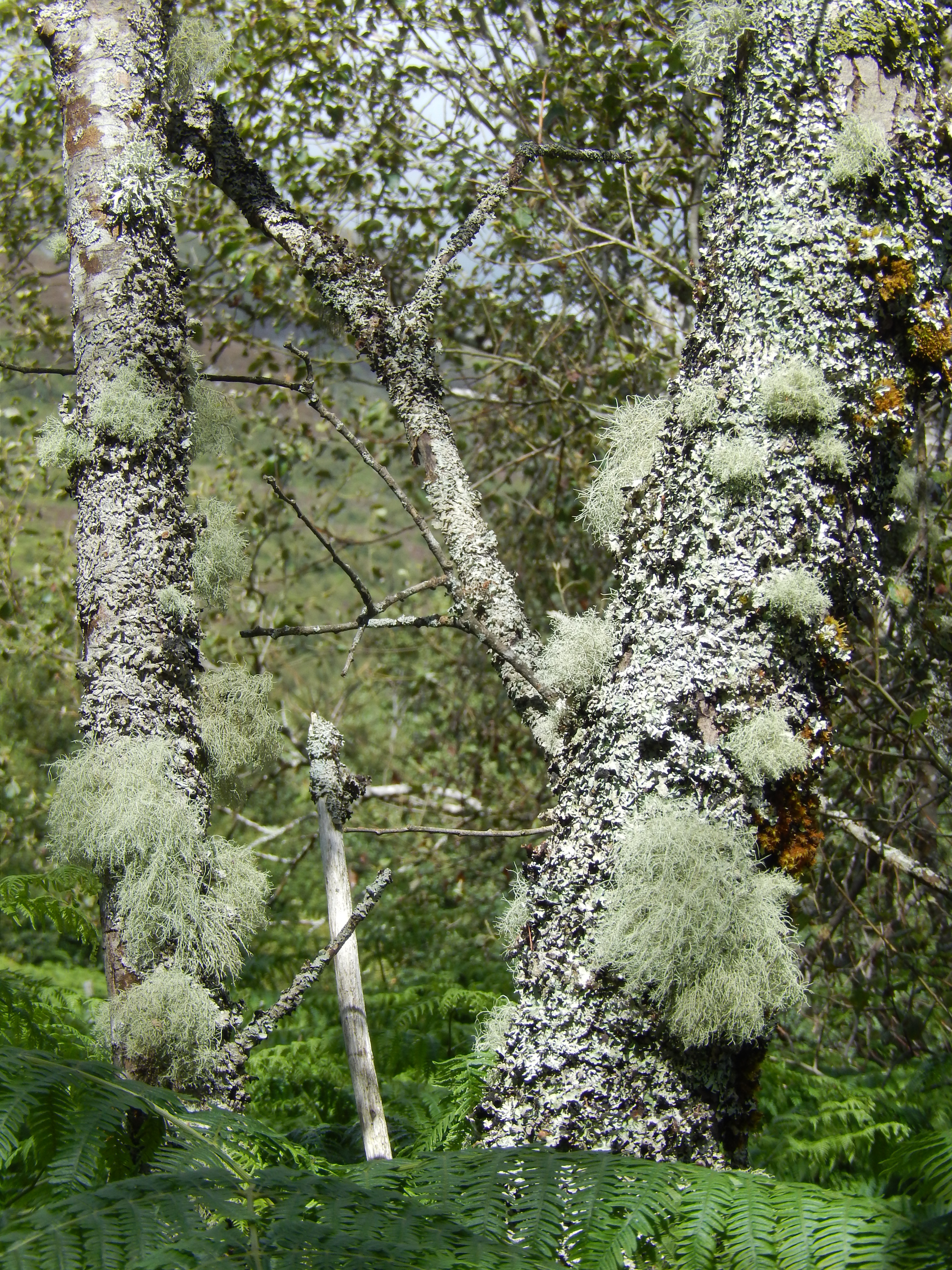
The Downy Birch is a stockier tree than the Silver Birch, tough enough to survive mountain winters, and home to a rich variety of lichens including Usnea beard lichens, bristly Ramalina, dark stringy Alectoria jubata (now renamed Bryoria fremontii), and various leafy Parmelia species that yield orange dyes used in Harris Tweed.
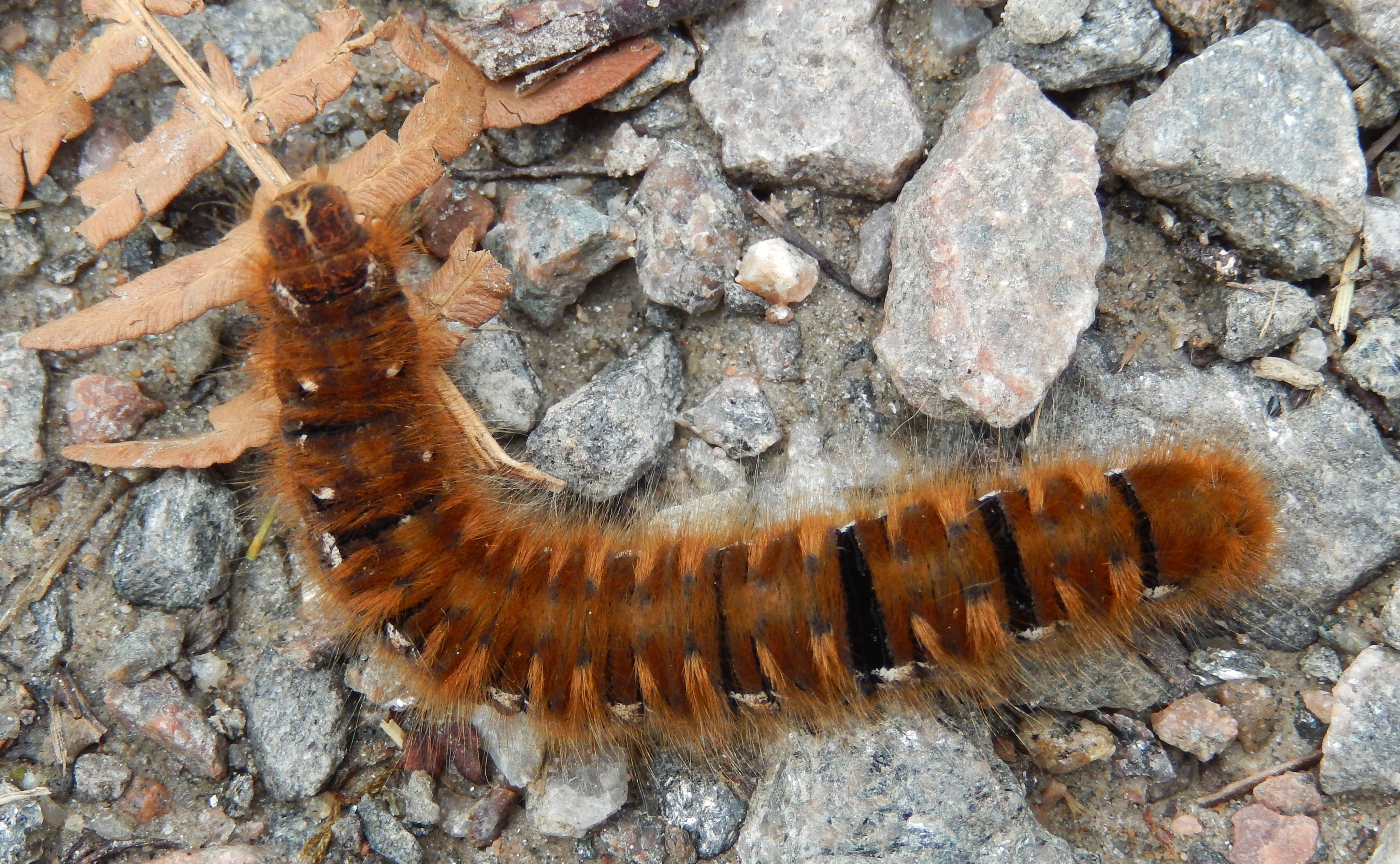
Large handsome caterpillars of the Northern Eggar Moth, the Scottish form of the Oak Eggar (Lasiocampa quercus), up to 3 inches (75 mm) long and nothing to do with oak trees, wriggled across the path, their rufous hairs warning off predators. They feed on Heather and Bilberry.
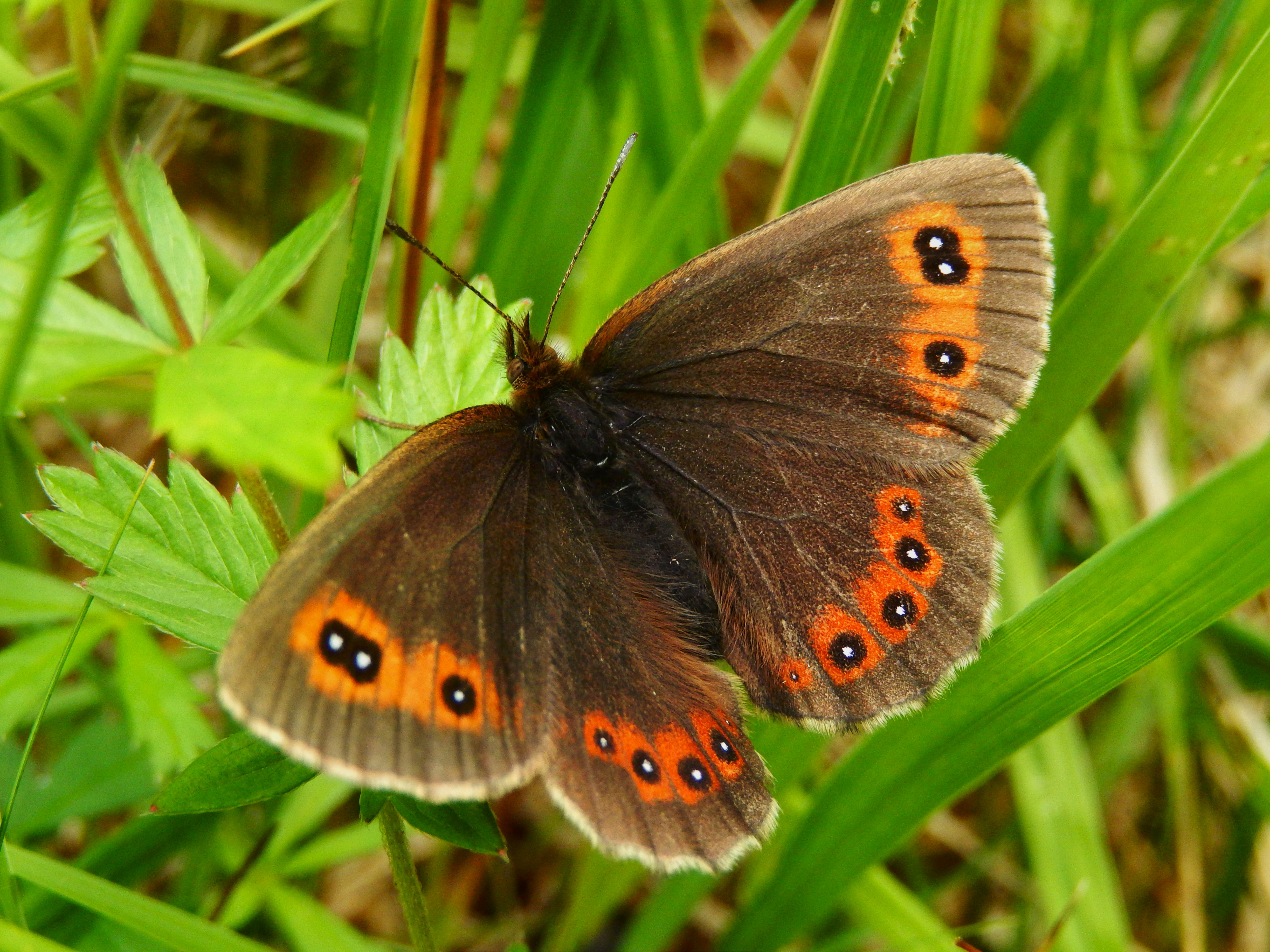
In every patch of damp grassland, Scotch Argus butterflies skittered, looking very dark in flight. They are hard to approach as they constantly chase each other off from their territories, but eventually I found one that stayed settled long enough to creep up to. Close up, the upper side is a rich brown, with red patches around the wing edges dotted with black circles that have white centres.
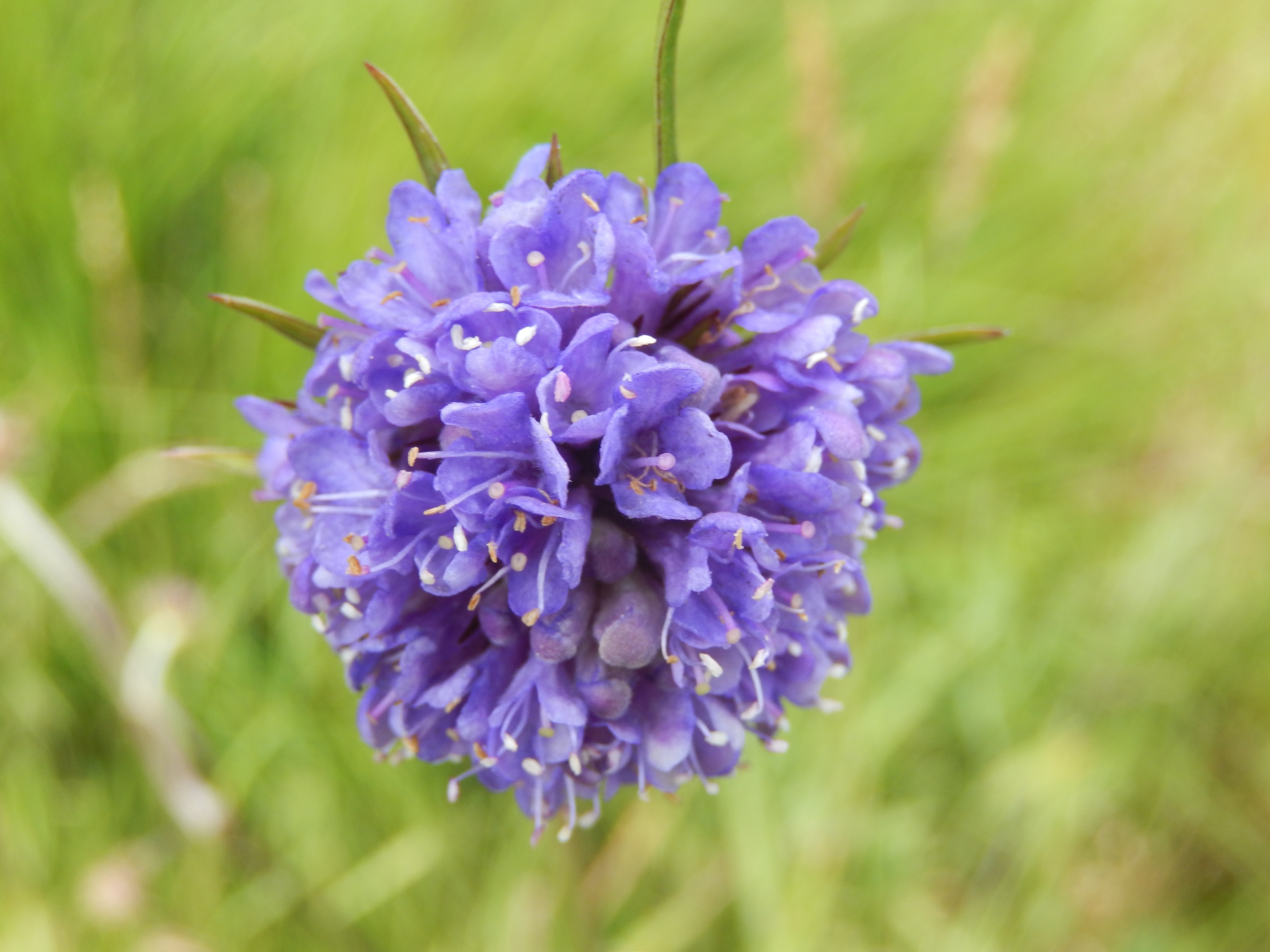
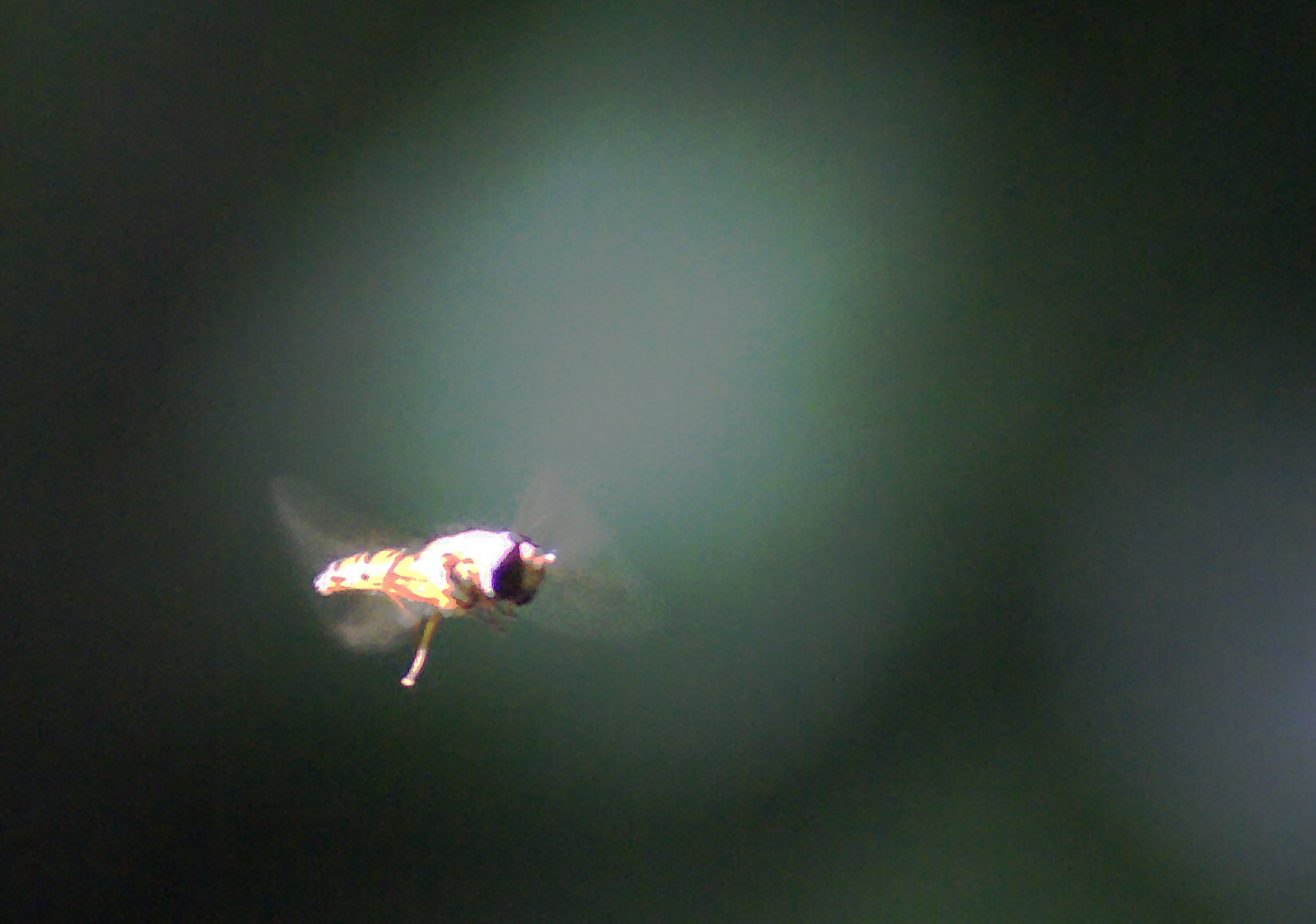
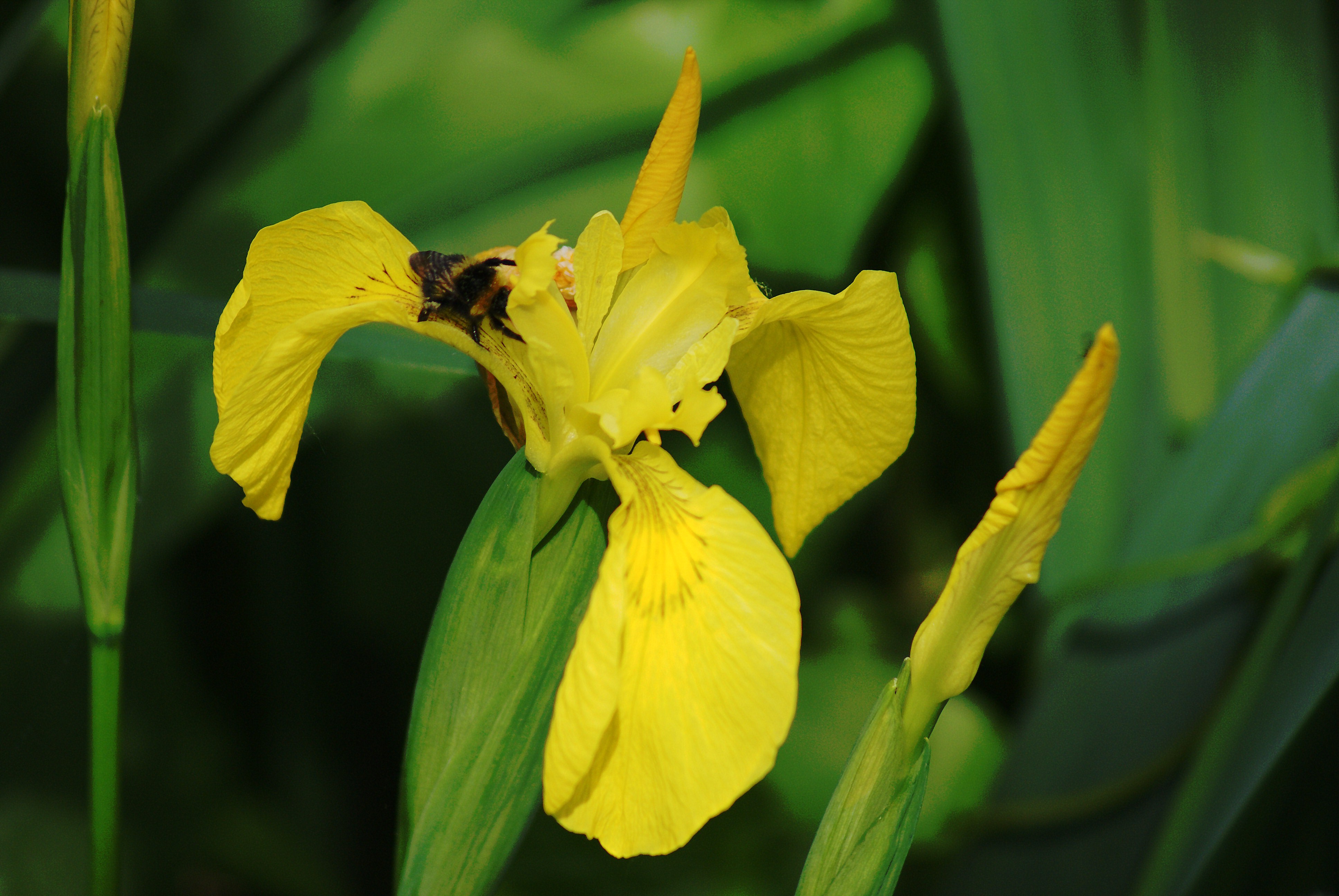
A few bumblebees, some of unfamiliar species, visited the Devilsbit Scabious (Scabiosa succisa) briefly. Large Syrphid hoverflies basked on the paths.
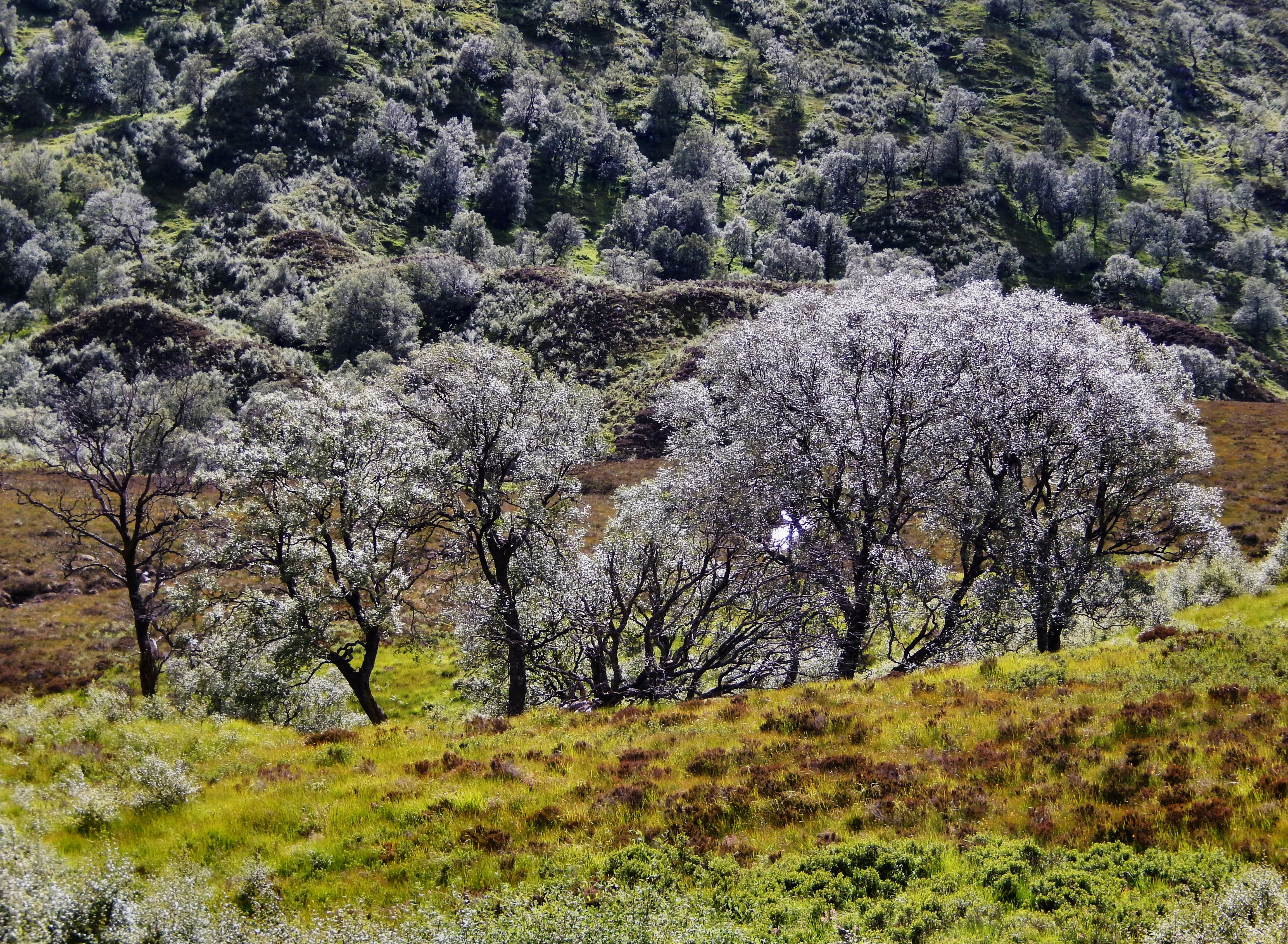
Further up the valley, a fine group of birches actually glittered in the bright sunlight, the water of the stream shining silver behind them.
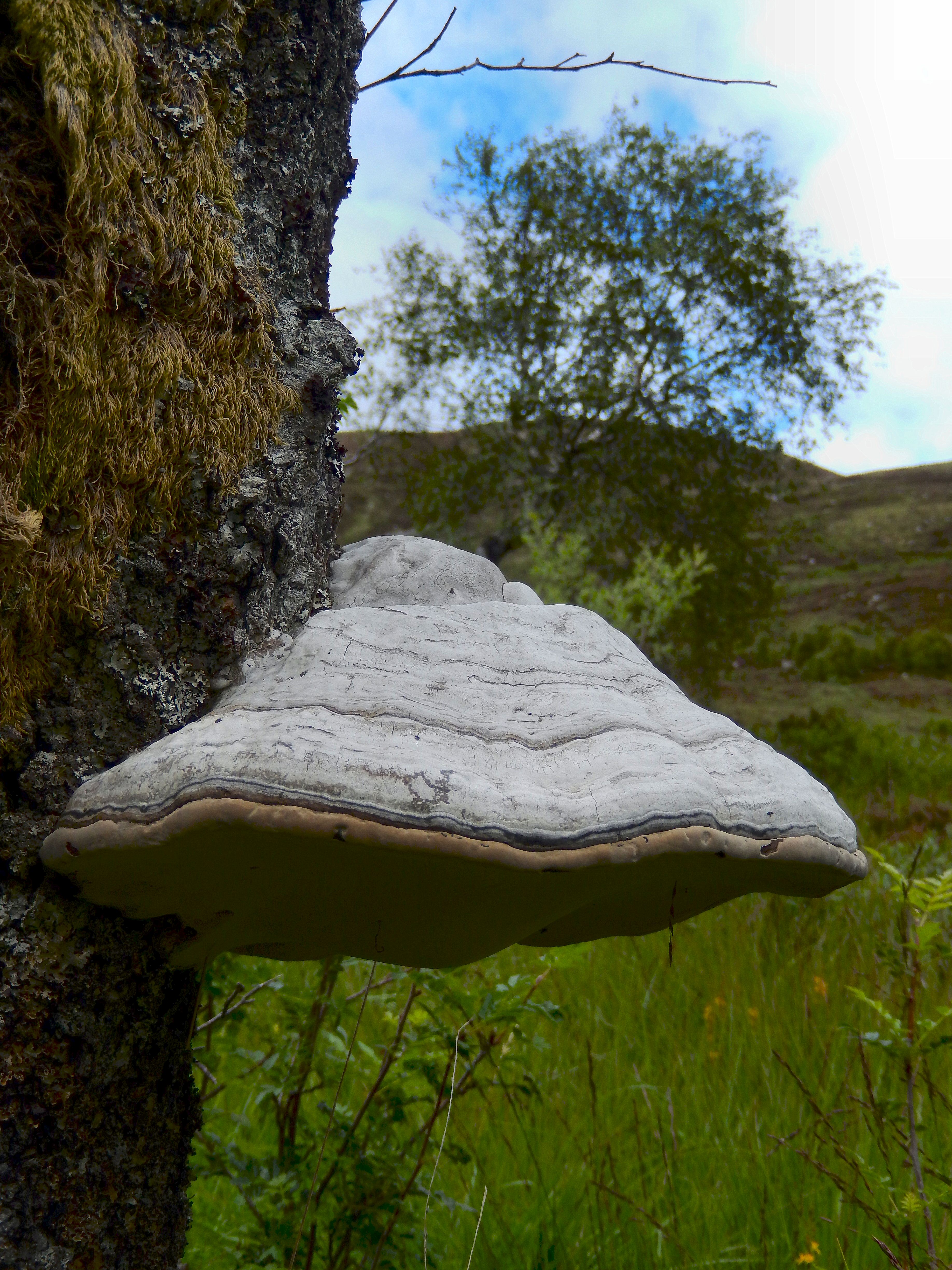
A dead birch, stark against the sky, supported stout Birch Bracket polypores, handsomely whitish-grey above, yellow ochre below.
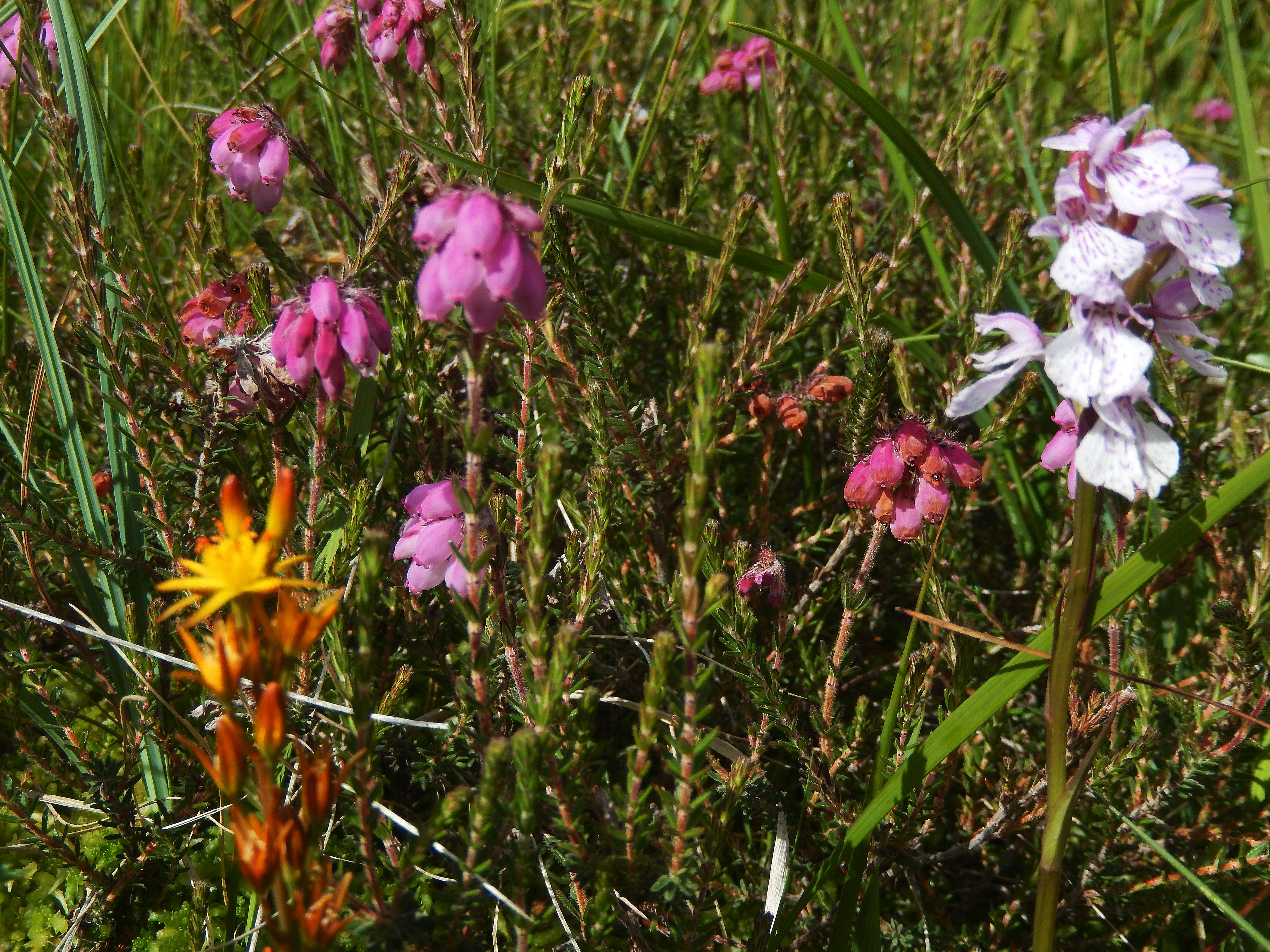
In the boggier patches, Bog Asphodel and Marsh Orchid flowered among the Bell Heather.
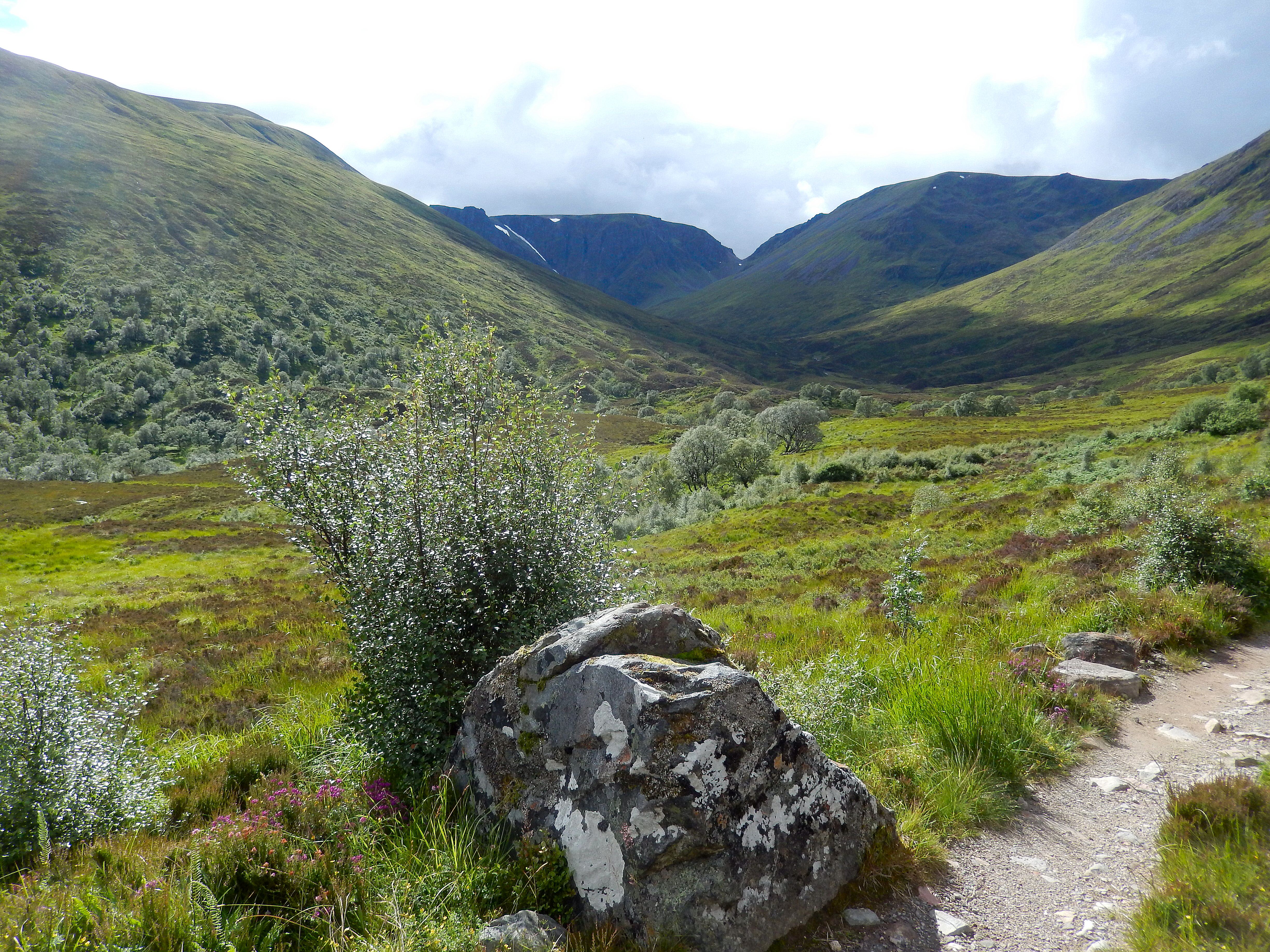
I turned the corner of the valley to see snow still lying in the deep, north-facing gullies on Creag Meagaidh, and the striking notch of the col that gives access to the mountain ridge.
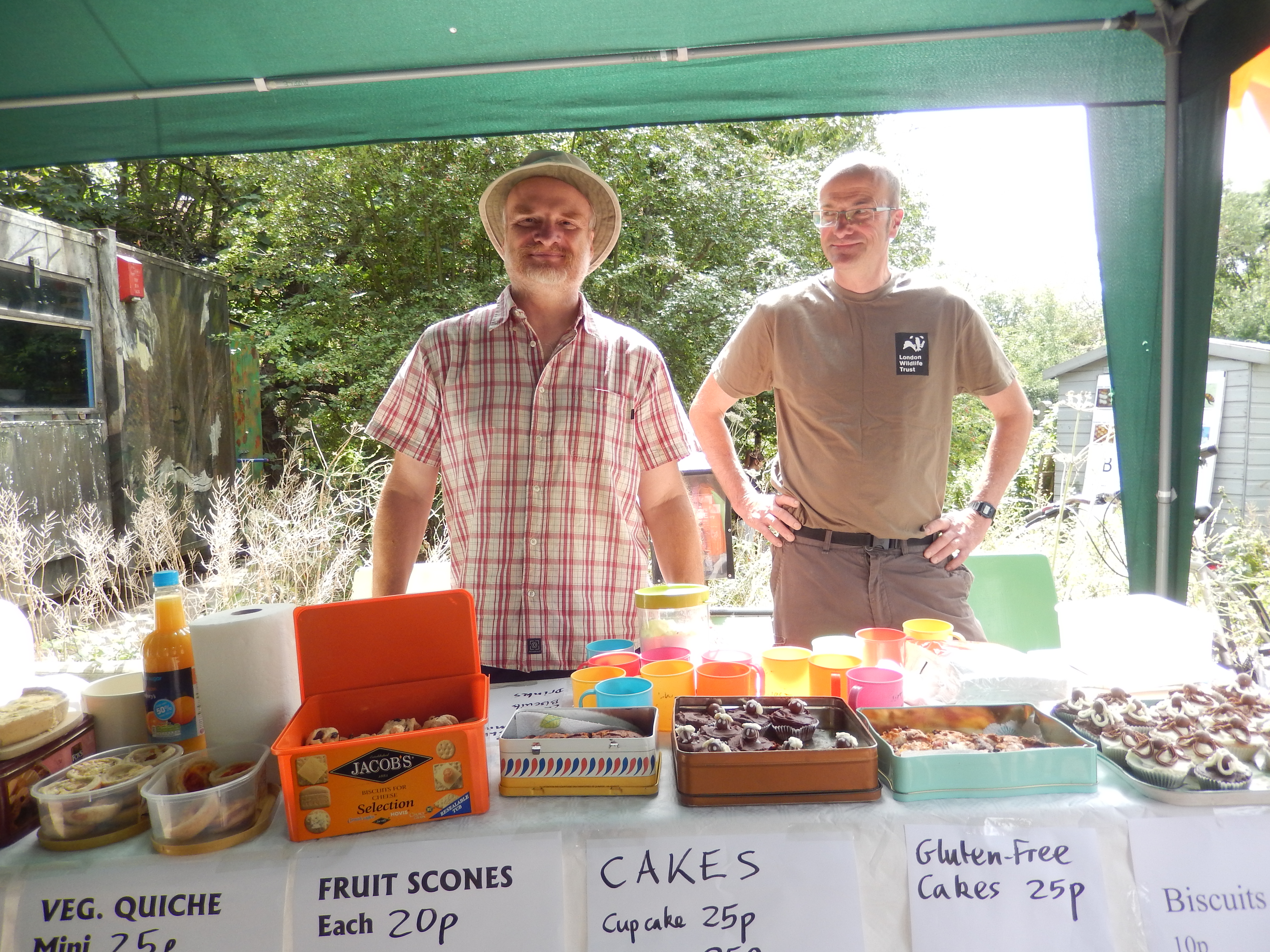
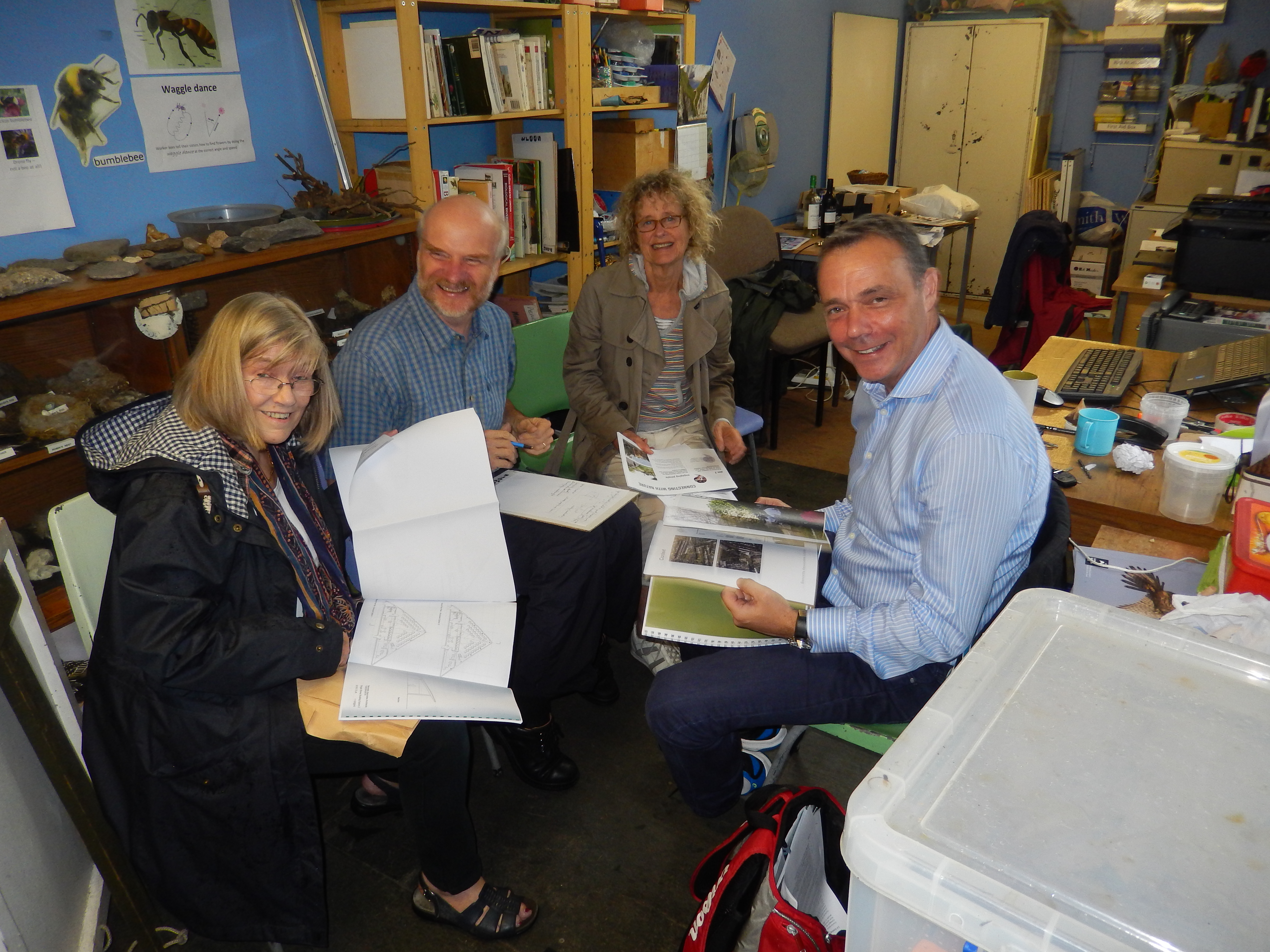
There was face-painting, and a beekeeper with a demonstration hive and lots of honey, and a brilliant nature walk guided by John Wells, and pond-dipping with damselflies and newts and water scorpions and ramshorn snails and mayfly nymphs, and butterflies all around.
It was seriously sunny and parents pushed pushchairs.
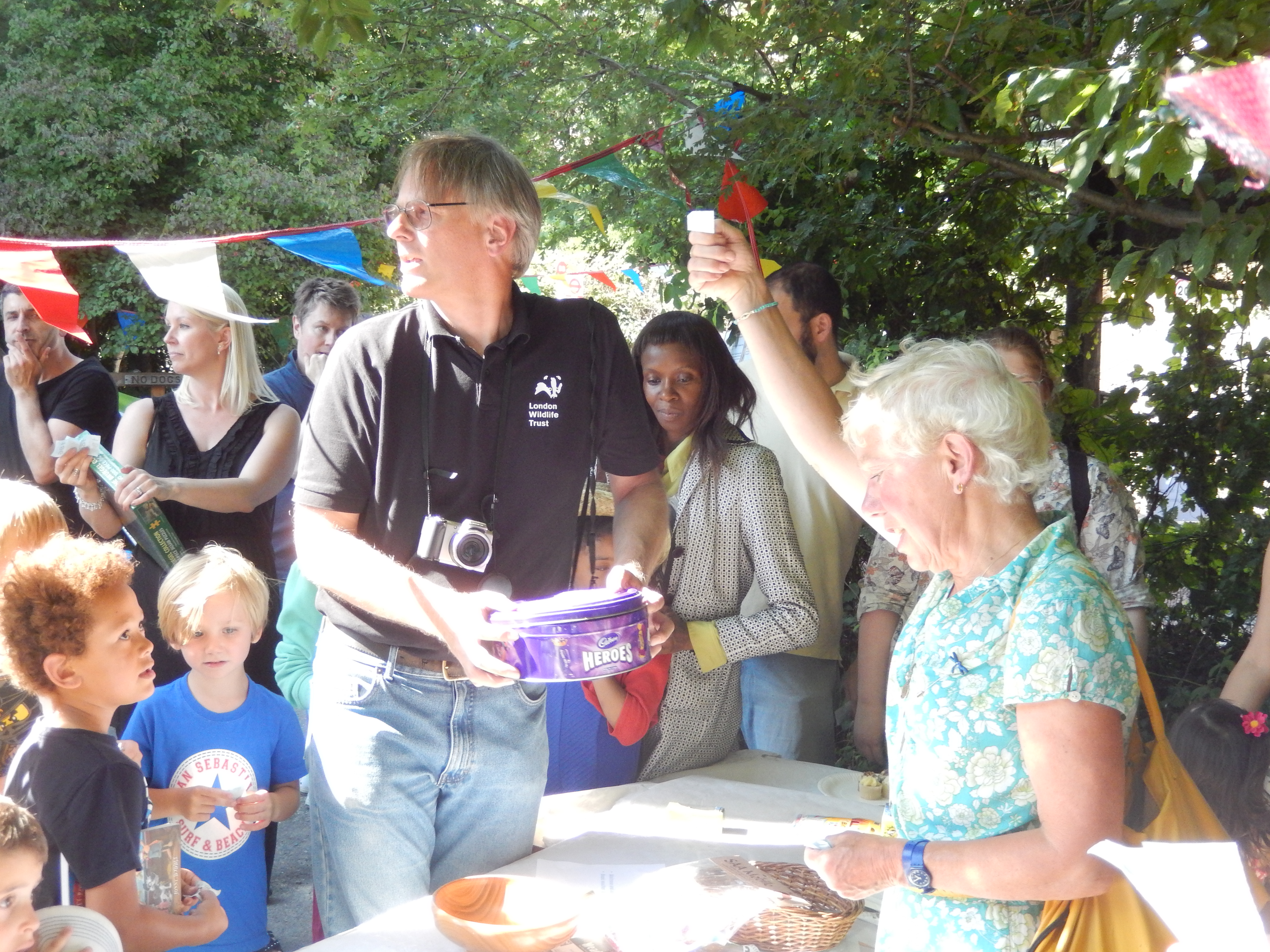
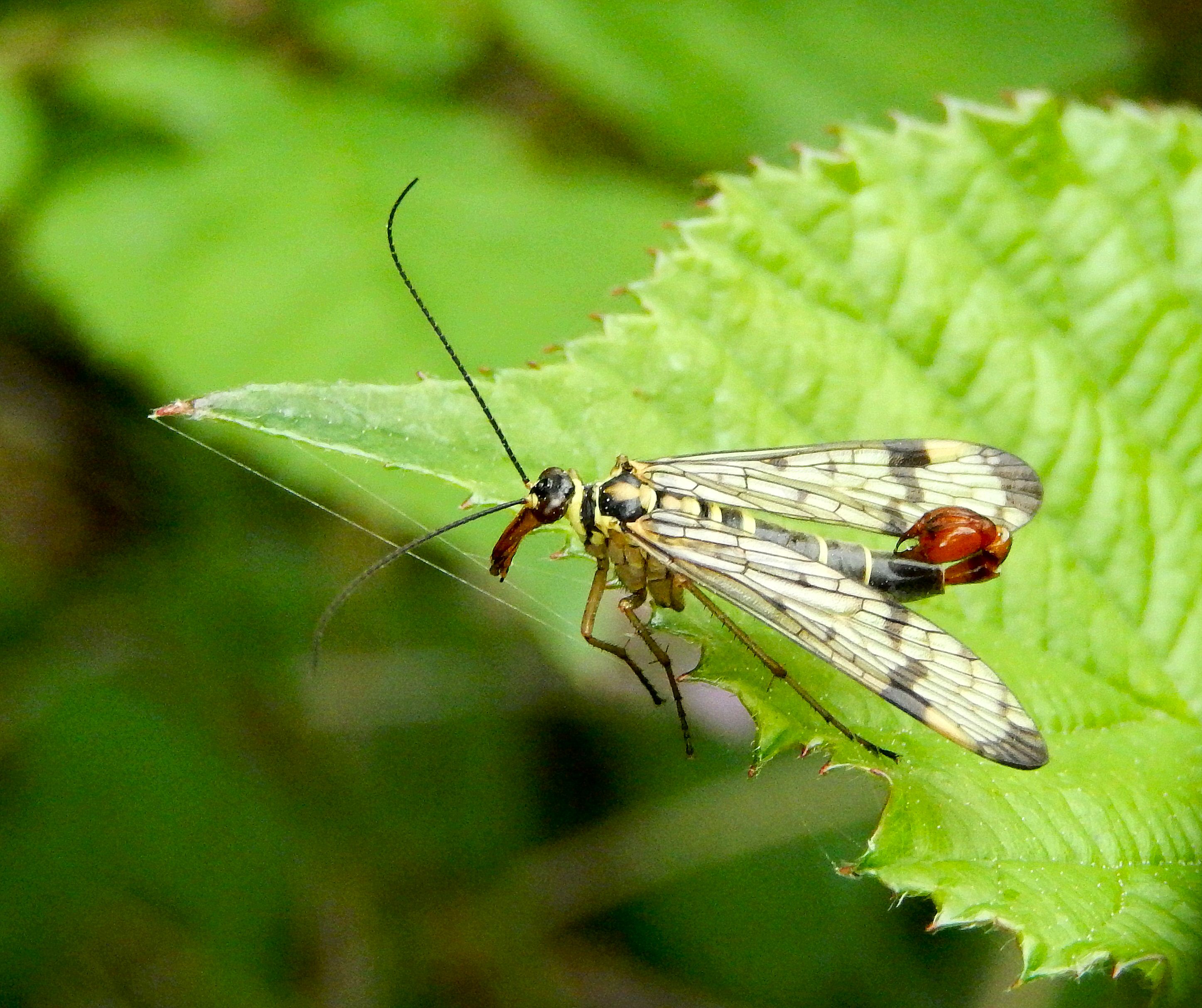
It was hot. There were lots of happy people. We sold masses of cakes, quiches, scones and delicious chocolatey things and tea and coffee and orange squash.
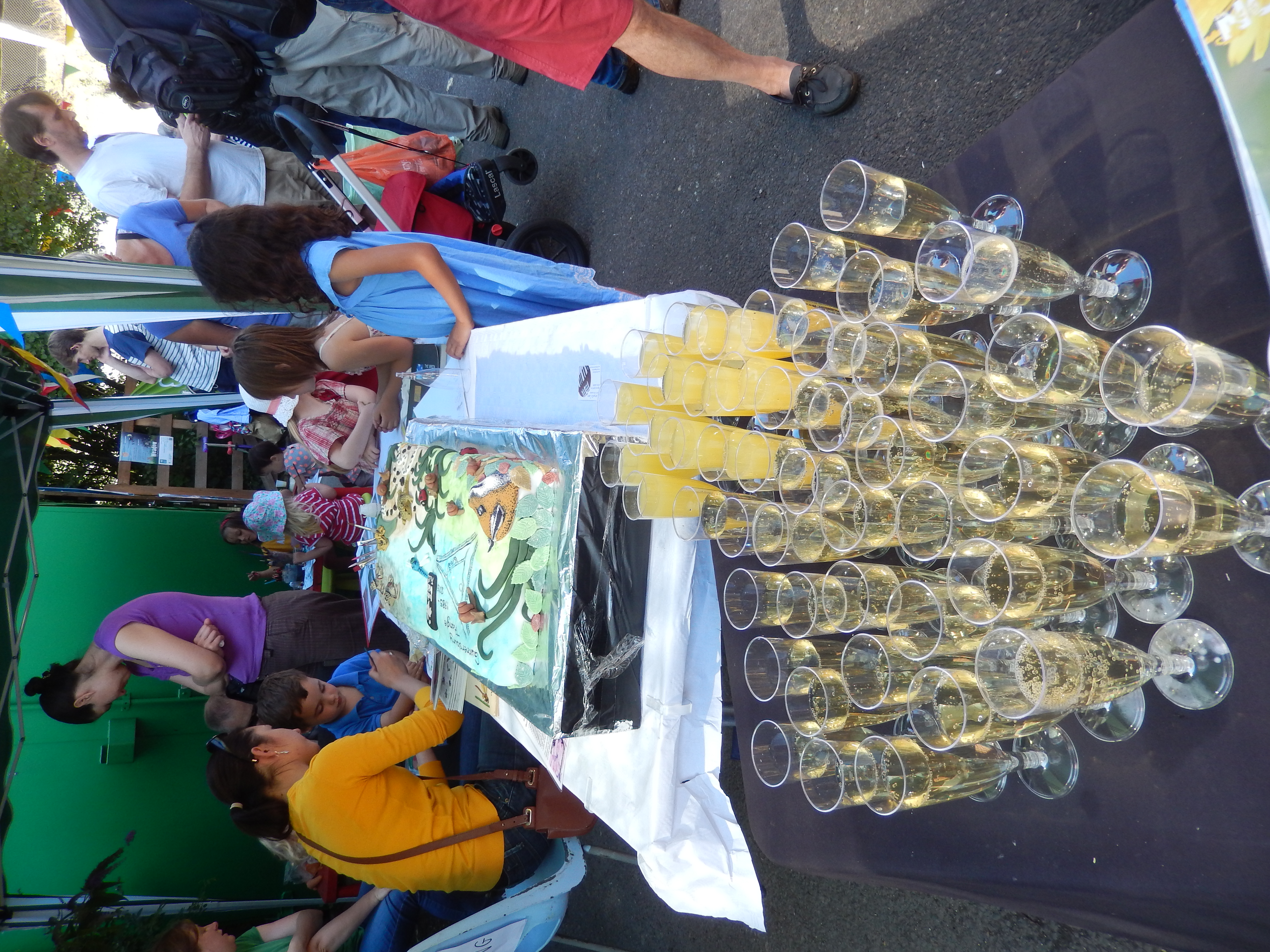
I was too dizzy in the heat and busy with the stall, pond-dipping – and pouring birthday Cava – to take more than a few desultory photos. We had a 30th birthday for the saving of the Triangle from development, two years ago; a party for officials and Trust workers back in May for the day the reserve opened; and now this one for the public. Anyone would think we liked parties or something.
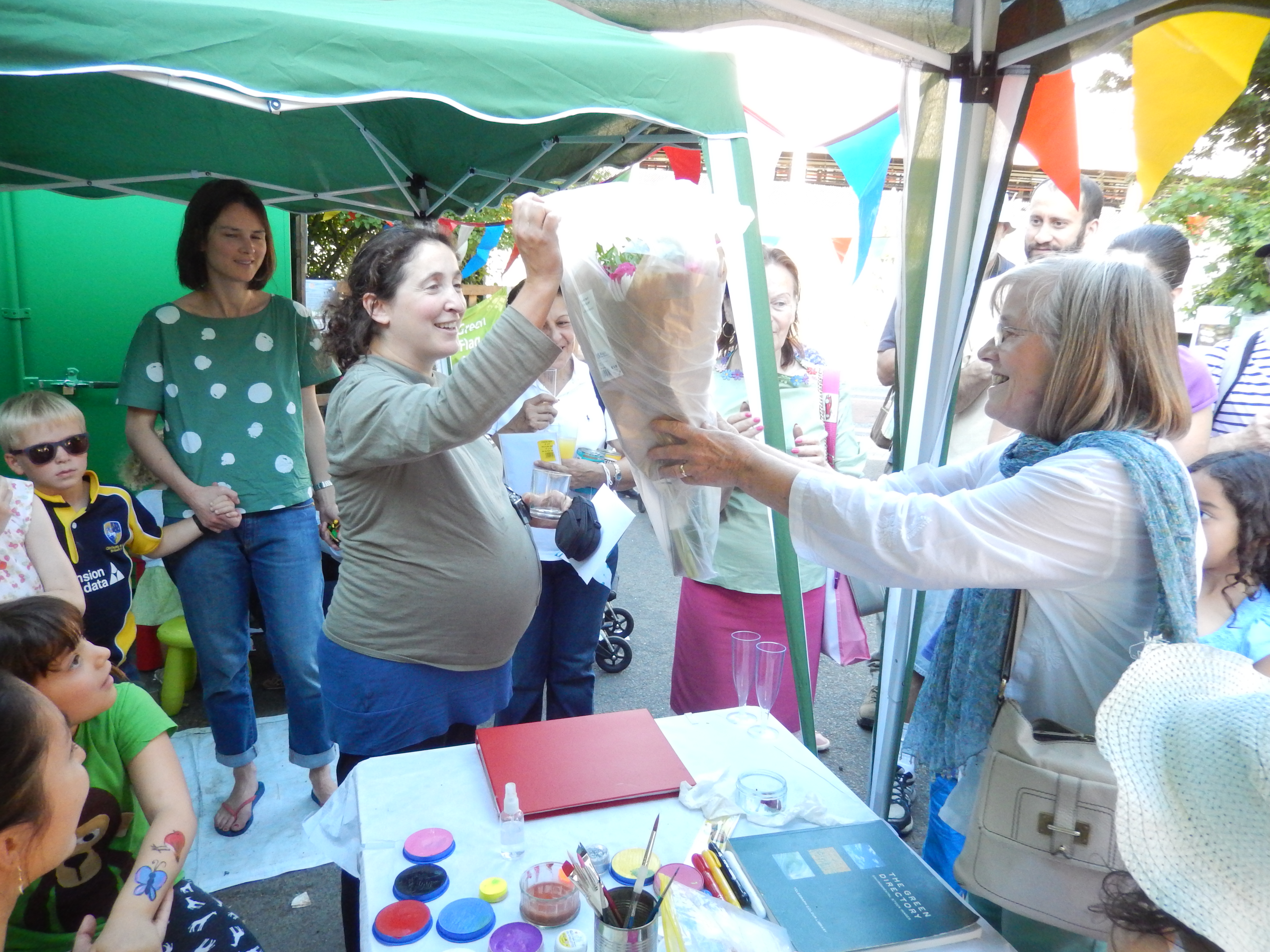
Netty, our Conservation Officer, is now on maternity leave. On behalf of the committee, Jan gave her a card and a big bouquet of flowers.
The old bench by the pond had been getting very rotten and rackety, so the back, seat and one of the sides (yeah, 60% of it then) were taken off and the team had the job of putting it all back together using new wood and a bag of coach bolts.
If only things were that simple. Cutting the wood to length wasn’t too complicated. The side stretcher was angled but I managed to measure that with the saw and a pencil and marked holes from the bolts of the surviving stretcher. The bolts were too long, so they had to be cut down with a hacksaw to make it possible to use a socket spanner to tighten them.
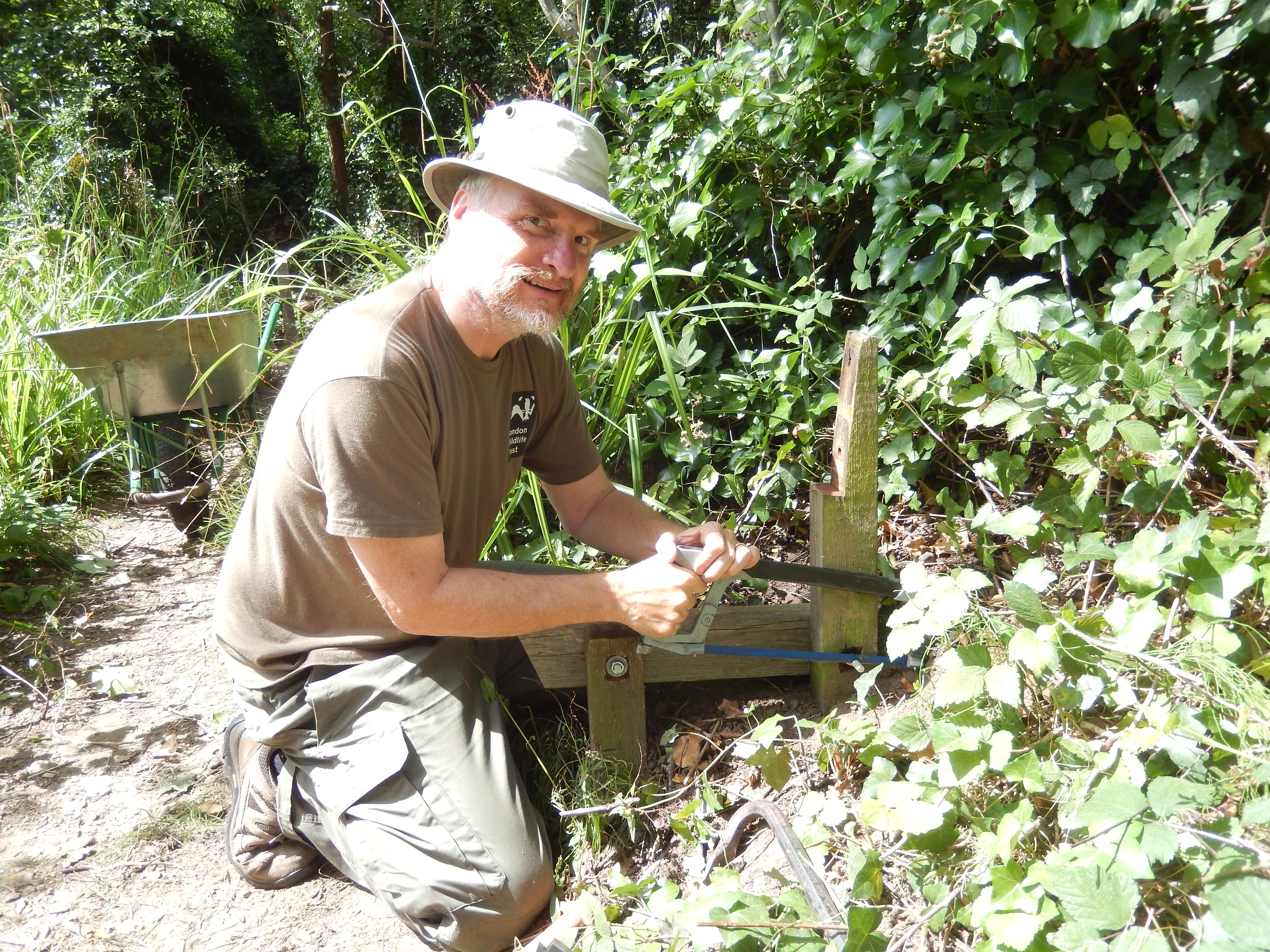
Then we marked the position of all five timbers for the back and seat, marked the bolt holes, and drilled them. The two for the back were countersunk for the heads, and fitted to the posts. The bolts were heavier than the old ones, giving us trouble trying to tighten them in the small countersunk space available. I widened the gap with a bit of chiselling and managed to tighten the nuts using a pair of grips. The bolts weren’t long enough for the seat timbers and the thickness of the stringers so we drilled the timbers with starter holes (very narrow) and nailed them down with six-inch nails, a considerable effort. The vibration made the timbers climb up the nail, so when the nail was seemingly fully down, it in fact still had an inch to go and the timber was way adrift of the stringer. We thumped the thing down with a lump hammer and then continued tapping away on the nail with an ordinary hammer. The engineer’s maxim, ‘when all else fails, use b****y great nails’ did come to mind. It was very hot in the sunshine and we gratefully shared a thermos of iced water between us.
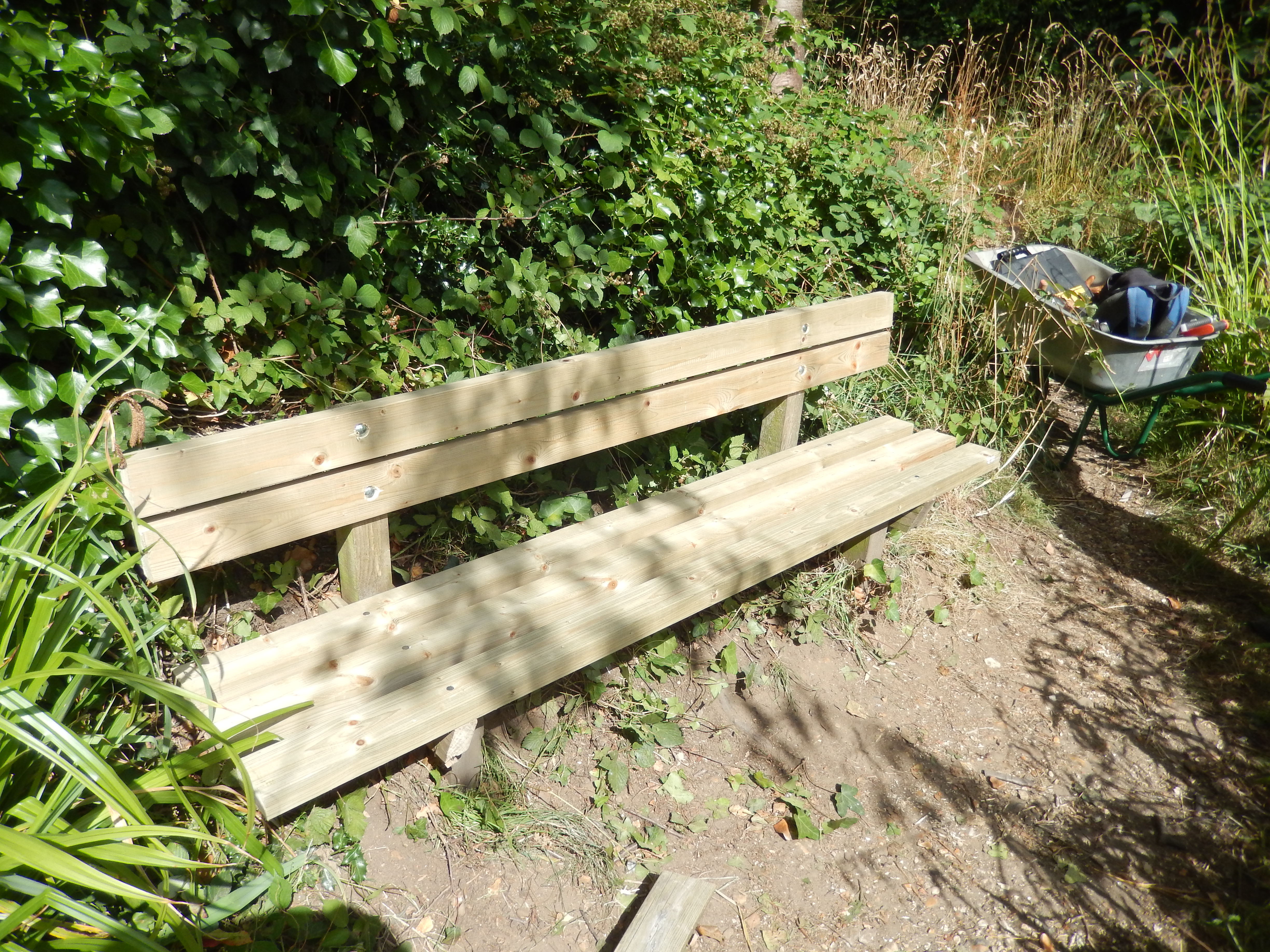
The bench actually looked quite new and professional. Of course if the old posts fall to bits, we’ll have to start over, but it* should last a few more years yet.
* It – the bench – is now officially a “Grandad’s Axe”. You know, grandad’s axe is over 70 years old, and has had seven new shafts and two new heads over the years…
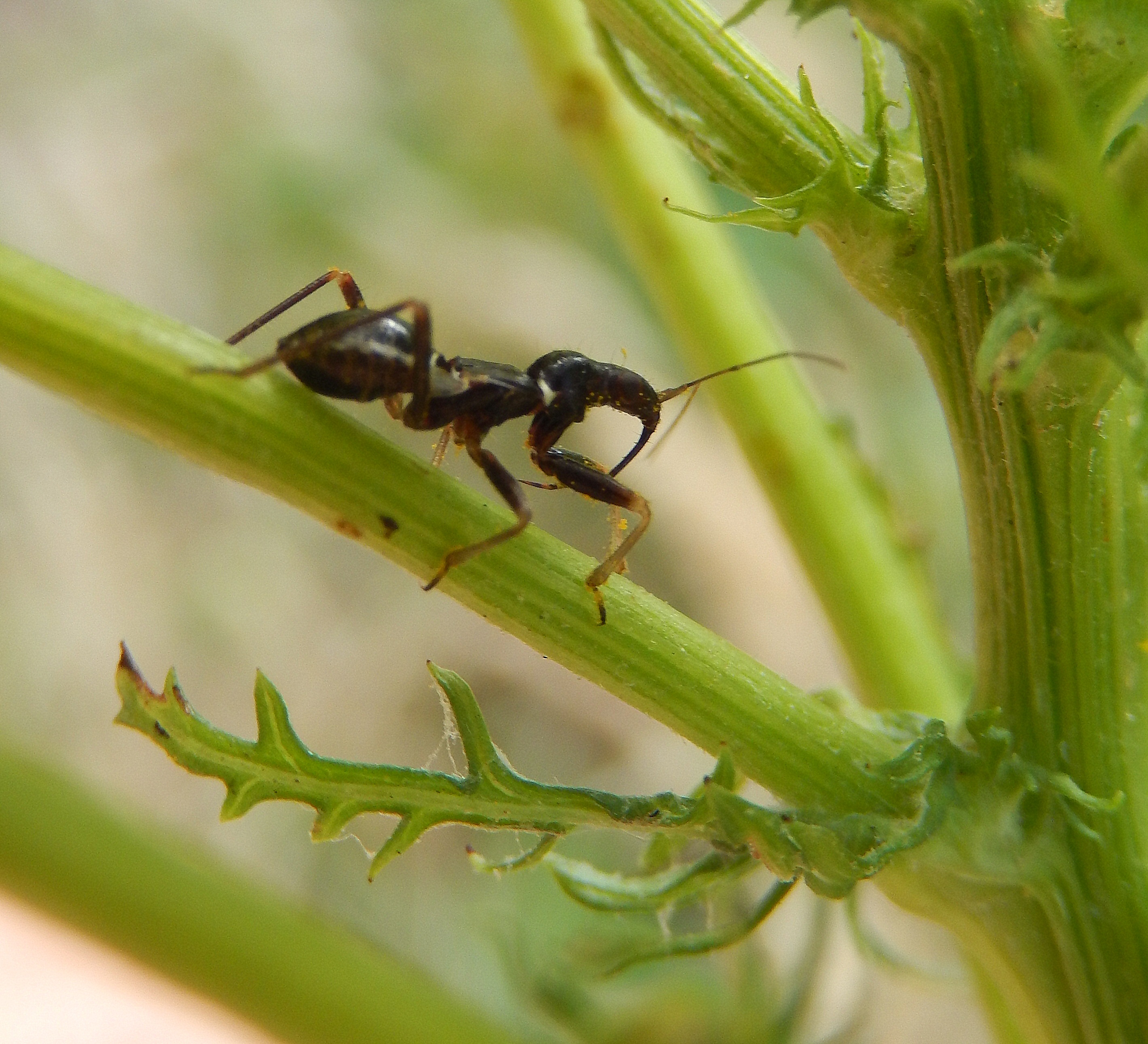
Here’s a bug that avoids being eaten by looking quite enough like an ant to fool a variety of predators. Its name, mirmicoides, means ant-like. Its naturally thick body is made to appear to have a typical ant “waist” with a judicious bit of white camouflage.
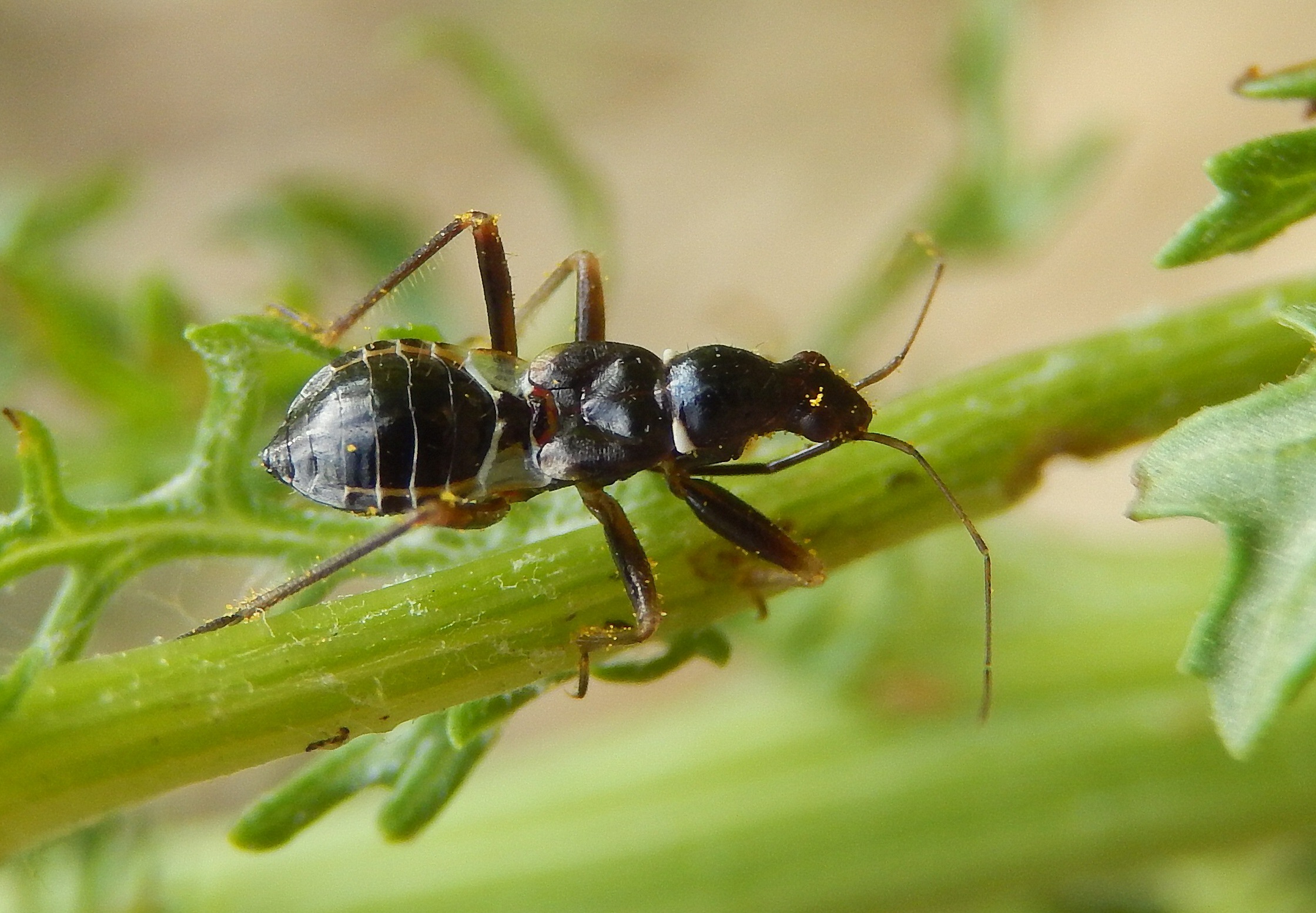
Certainly an interesting “bug” to find. (It’s a true bug, family Nabidae, the damsel bugs, in the Hemiptera.)
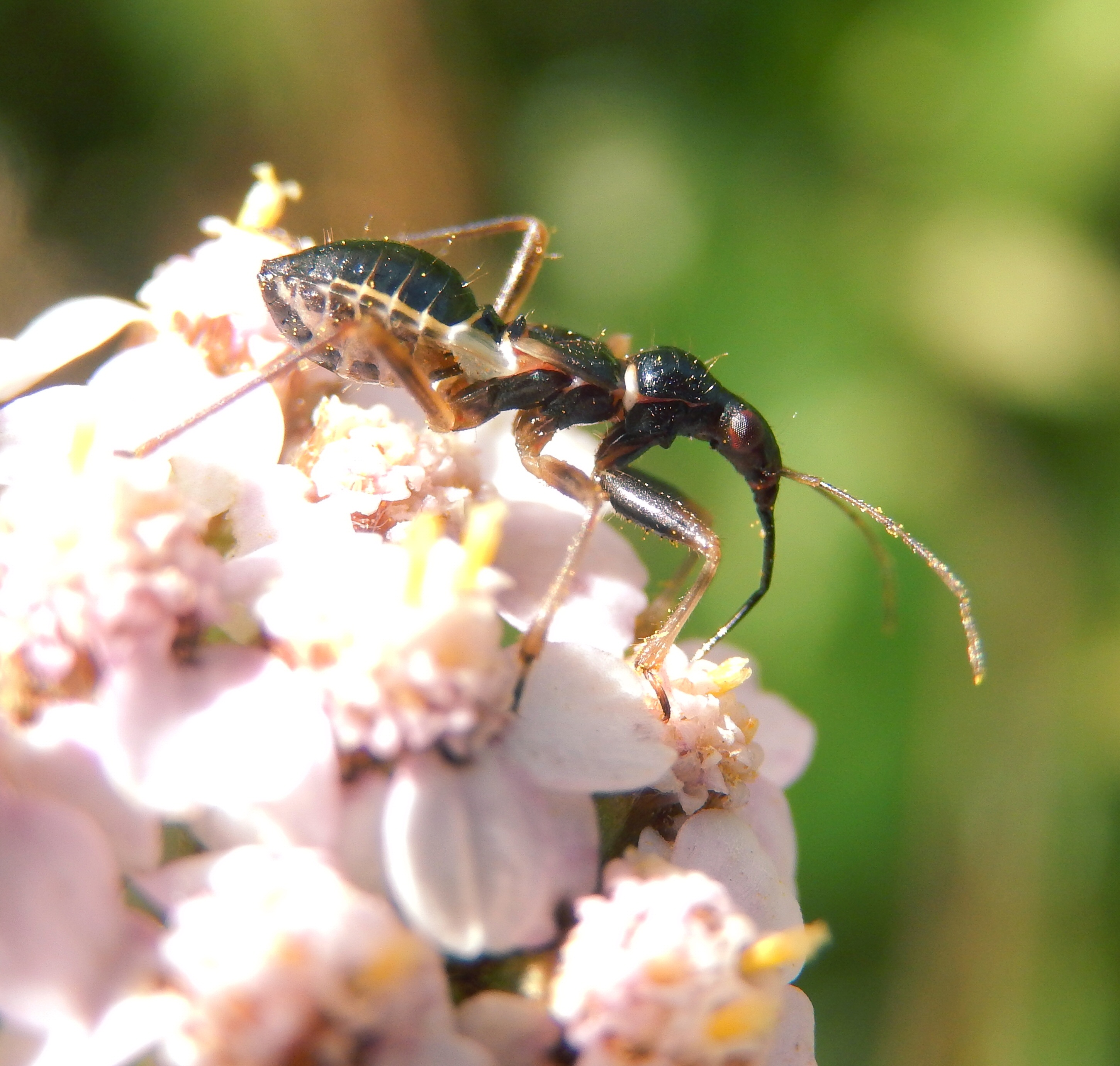
The long and distinctly un-antlike rostrum is held under the head, so predators presumably don’t notice it much. The antennae are similarly much too long to be an ant’s.
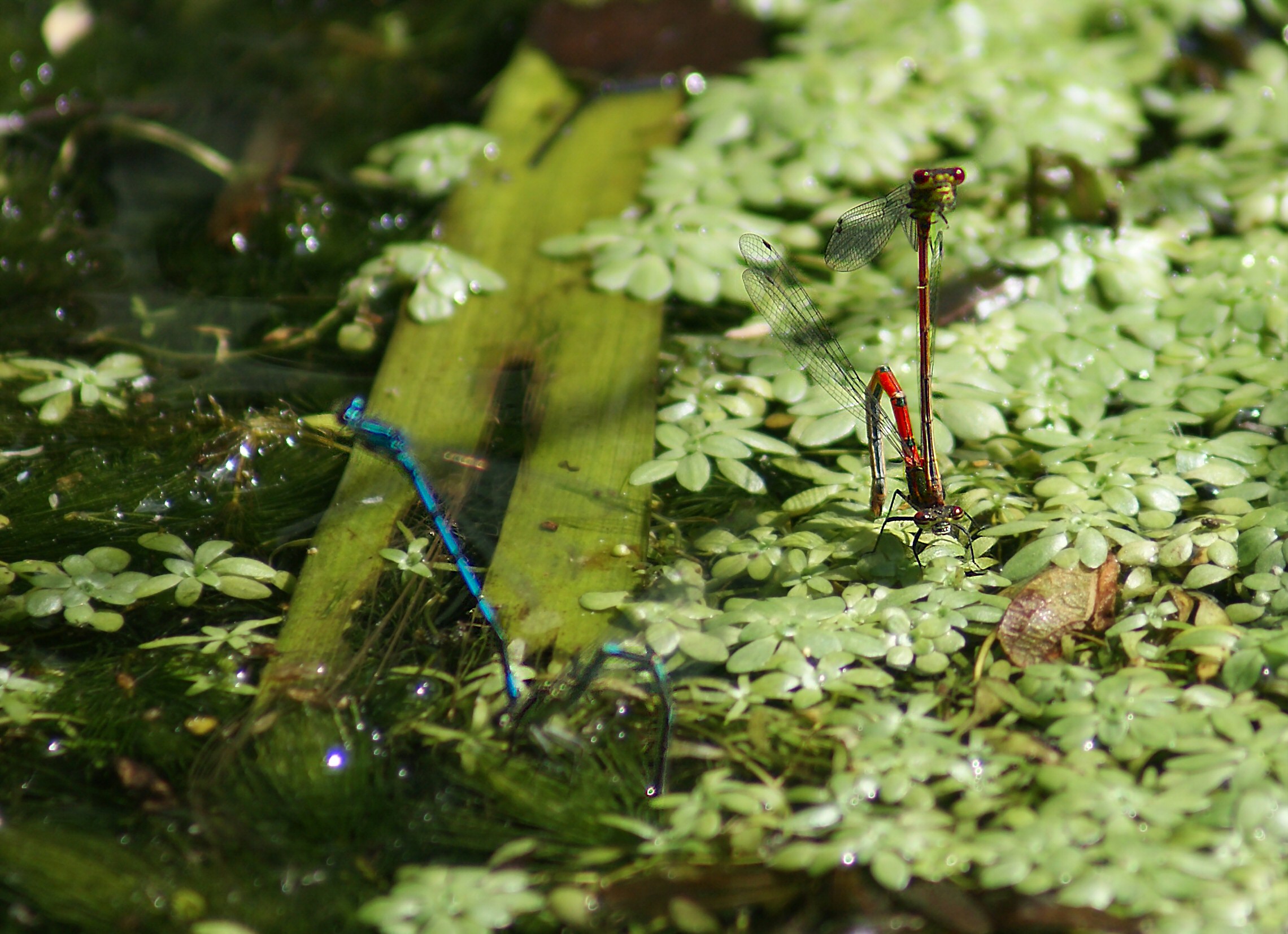
Today I “manned the pond”, resplendent in my The Wildlife Trusts T-shirt complete with badger logo on a black background. I didn’t so much as “stand up for nature” as lie down, hoping that the rather lively toddlers waving pond-nets wouldn’t fall in. Their fortunately very quick mother asked me if any children had in fact fallen into the pond, and I replied truthfully that none had done so, so far. And somehow, they didn’t.
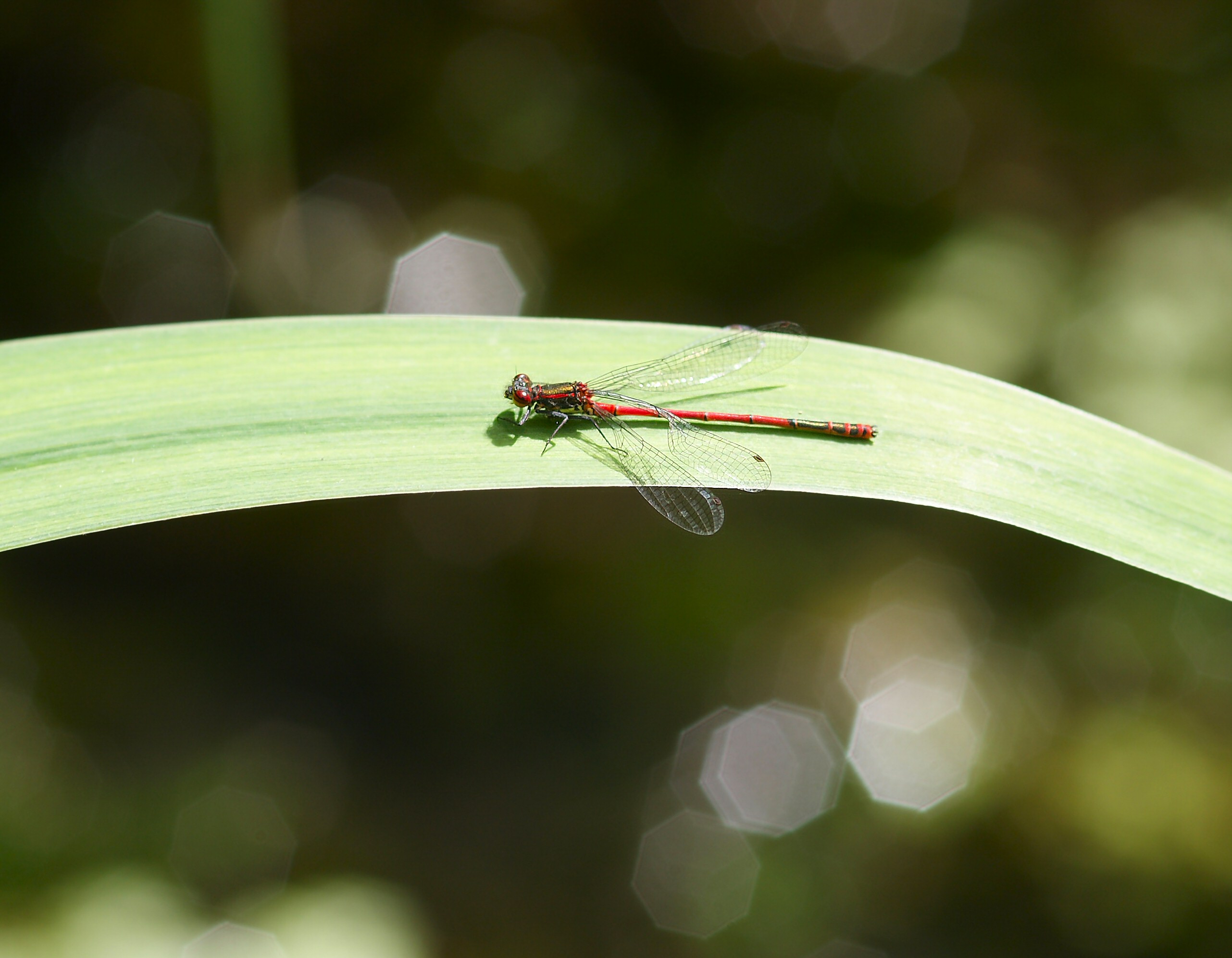
In the warm sunshine, the air above the pond was buzzing with Azure and Large Red Damselflies, some paired up and laying eggs, some males patrolling anxiously, chasing off rivals and presumably hoping for some more females to turn up.
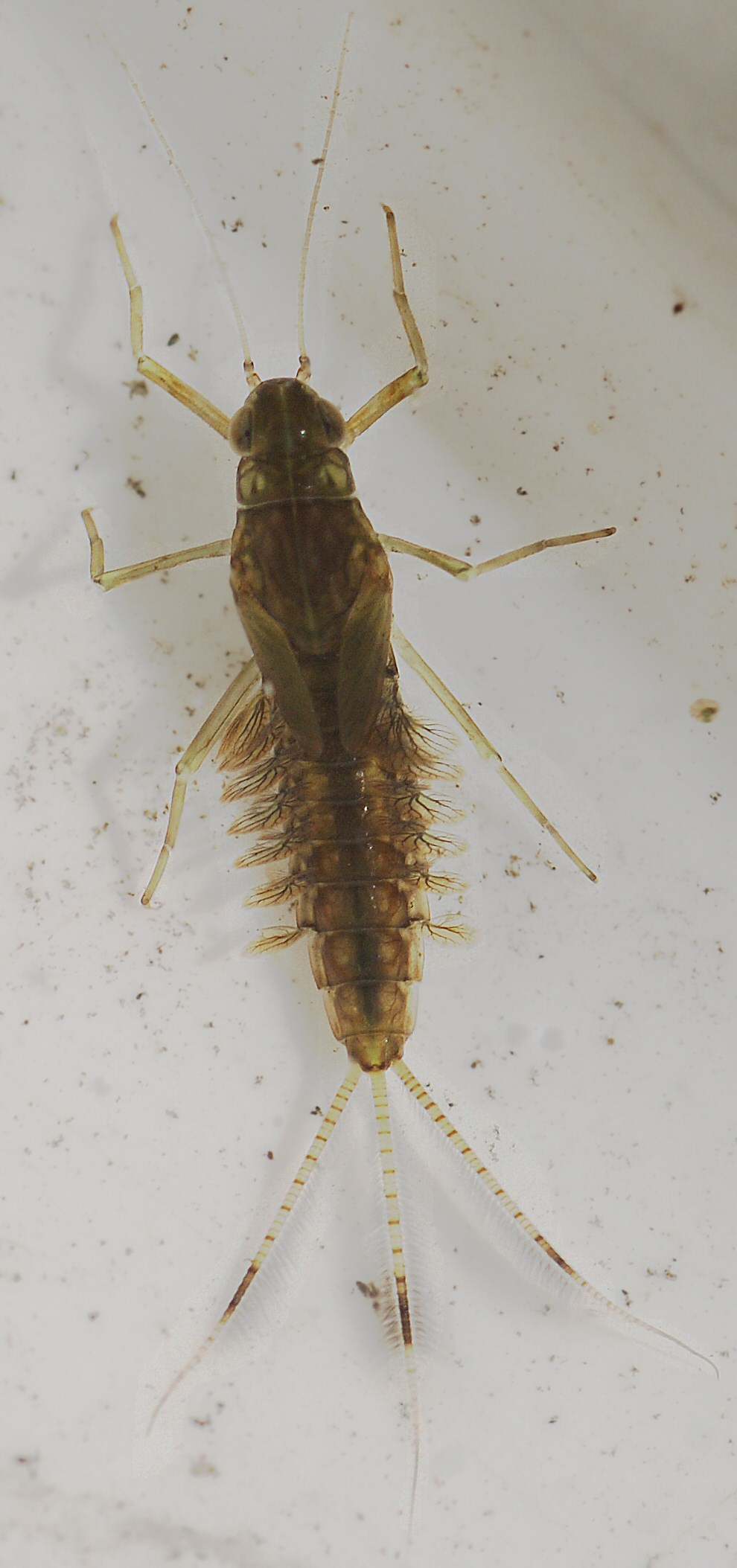
The eager dippers caught lots of Greater Ramshorn Snails, and some smaller ramshorns too. Among the haul were some very small Water Boatmen, midge larvae in reds and yellows, water fleas, a tadpole or two, some mayfly larvae (very zippy) with 7 pairs of gills, and some little damselfly larvae (more placid).
Two Sunday volunteers, relaxed and jolly, joined in the pond-dipping: it turned out that the Conservation Officer was out on a flat roof trying to catch a mallard duck and her six ducklings. Unfortunately the duck escaped while they were trying to scoop up the ducklings, so the rescue was abandoned. If the ducklings can’t be got to a pond soon, they’ll starve as the duck has no other way of feeding them.
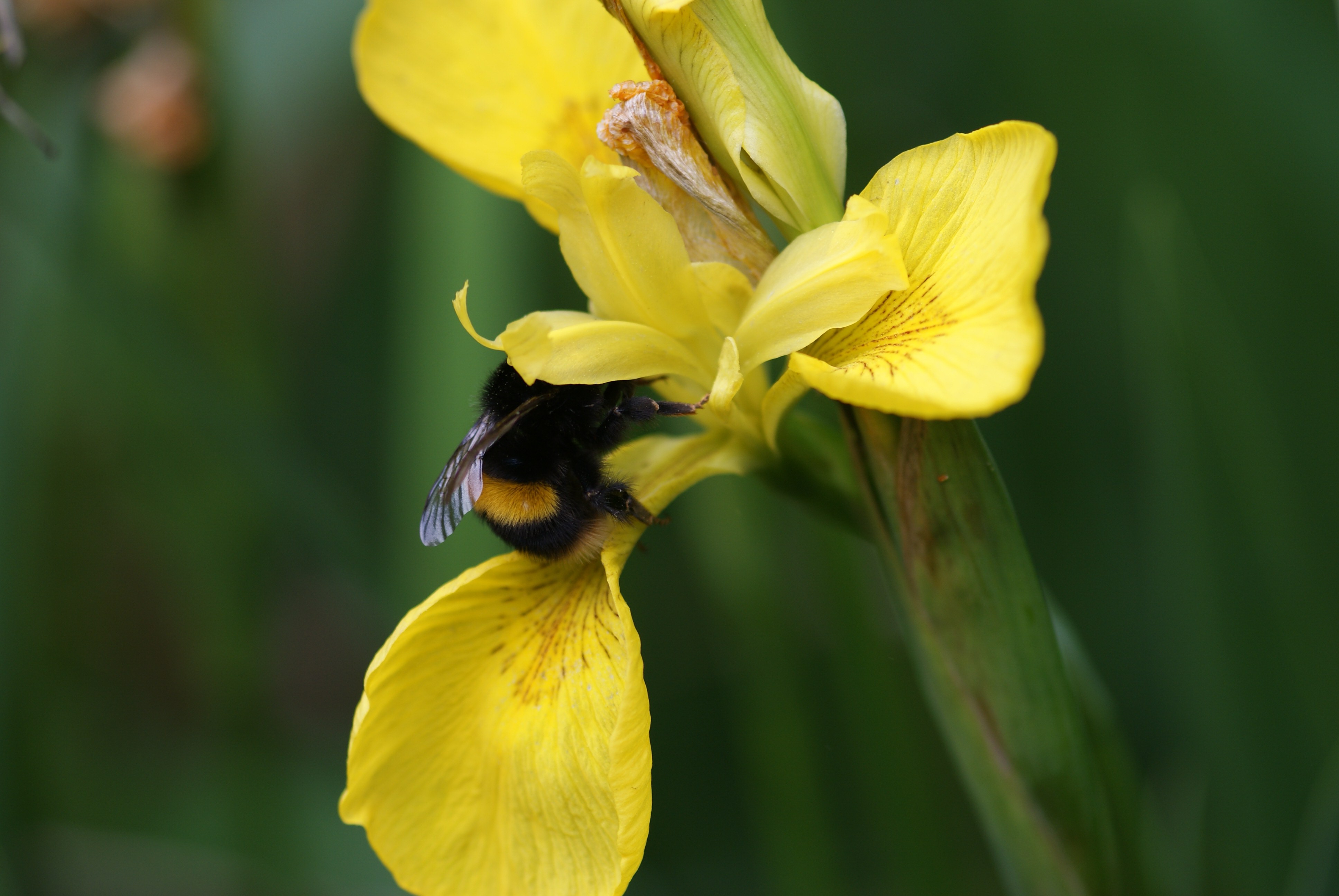
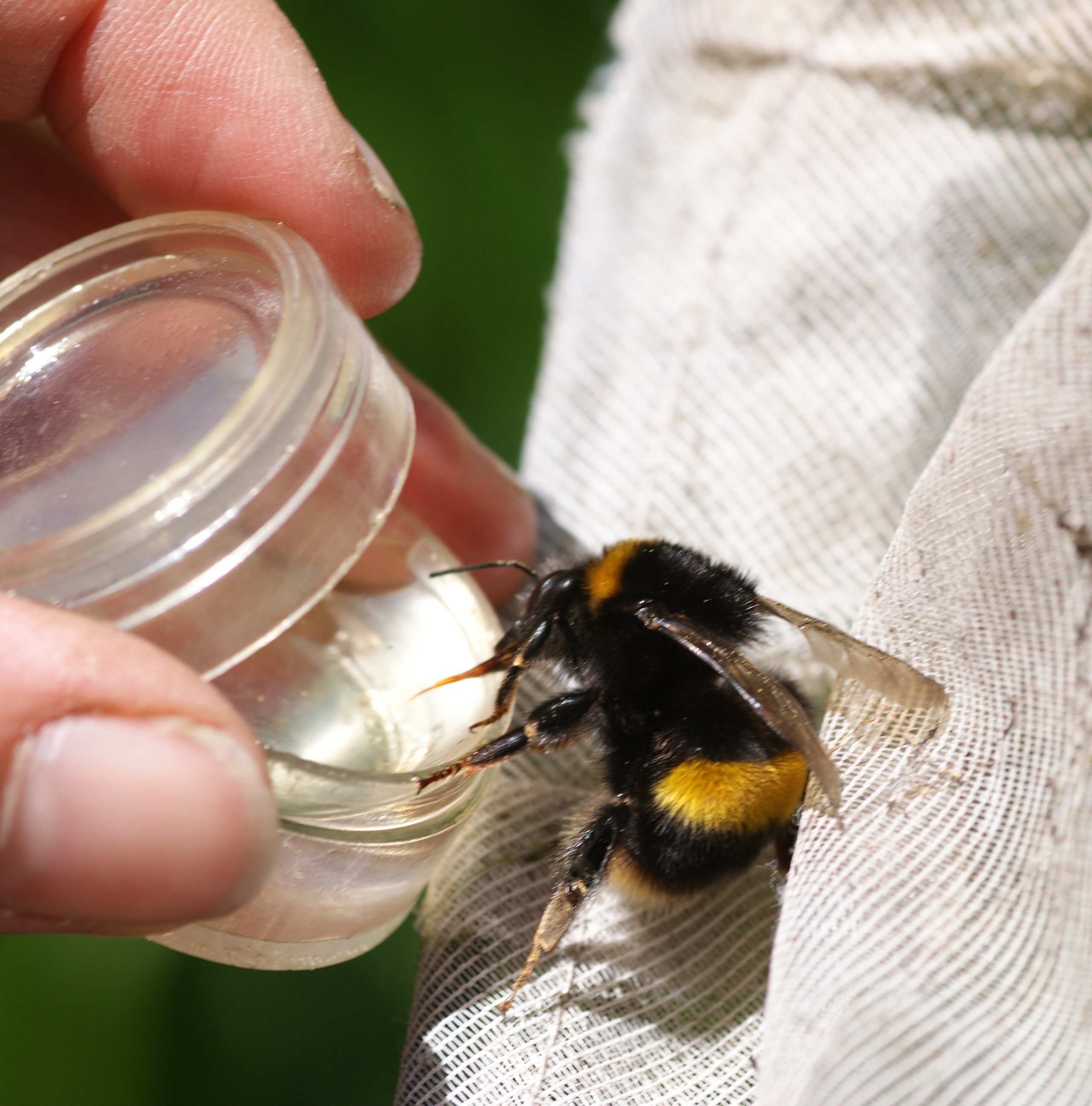
We did carry out another rescue, however: a very large Queen Buff-Tailed Bumblebee was sitting exhausted on the boardwalk. We looked about for flowers, and tried her on a Yellow Iris, with some success; but she soon used up the energy its nectar provided. I suggested some sugar-water. This was fetched, and it seemed to have the right effect, as she perked up considerably.
Then, in between telling people about the ridiculously complex fertilisation system in damselflies and dragonflies (indirect fertilisation, sperm storage, yeah) and identifying pond animals, I tried to photograph a mayfly nymph with the absurdly limited depth-of-field of my macro lens. What with the white glare from the pond tray, the sun going into clouds, and toddlers leaning into the light to get a better look, it was somewhat difficult. Here’s what I got.
Suddenly it’s actually hot in the nature reserve.
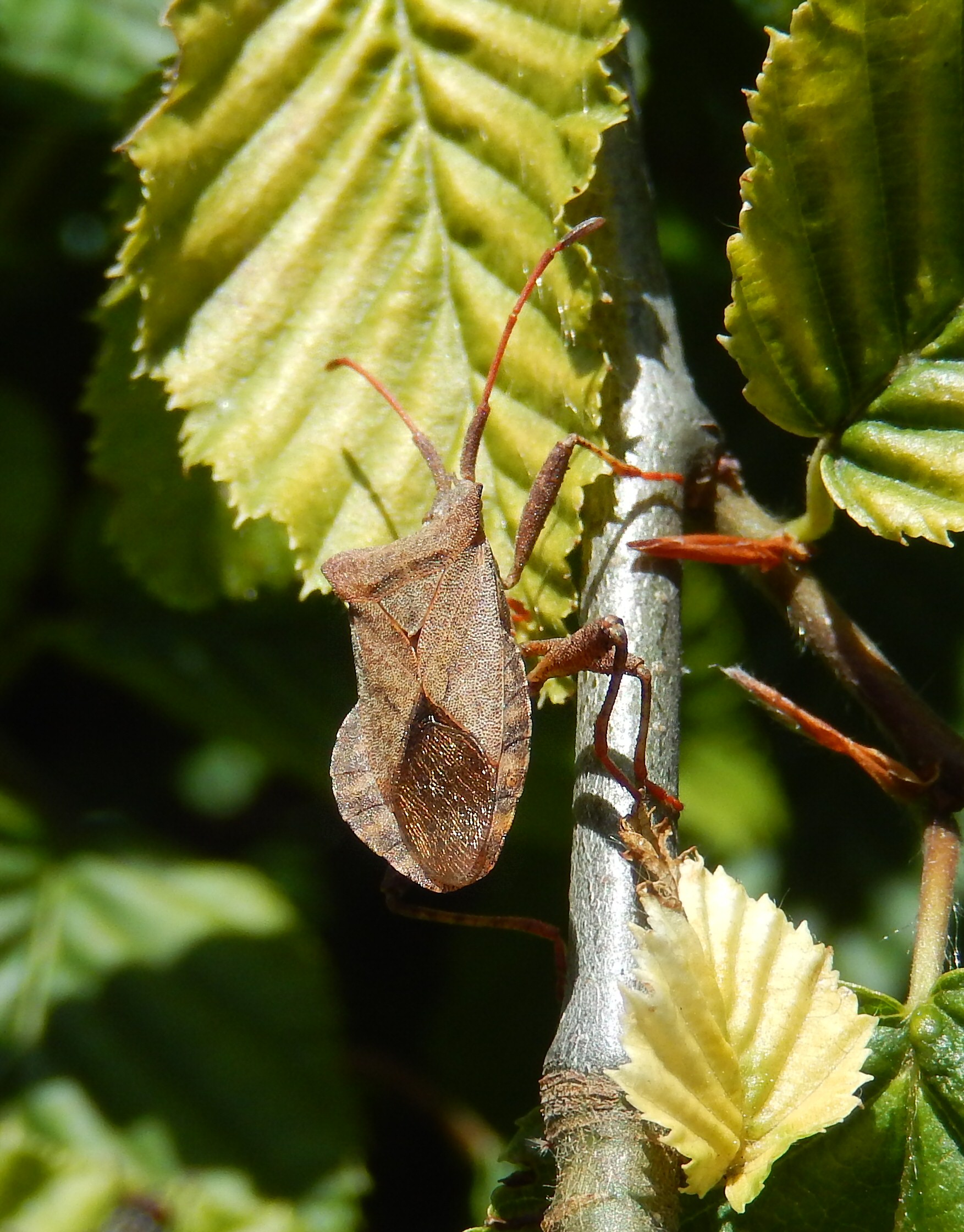
The wildflower meadow in front of the hut shimmered in the sunshine, with bumblebees buzzing around the many Red Campion flowers. A Brimstone visited, for once perching quietly to drink nectar from the flowers. A large brown Shield Bug flew in and clambered up a twig in the hedge. A Red Admiral flew over too. We spent the morning making pegs – like overgrown foot-long sharpened pencils – to fix down the long thin logs we’re using as path edgings. It was pleasant working as a team, with cutting to length and then sharpening with the billhook going on simultaneously.
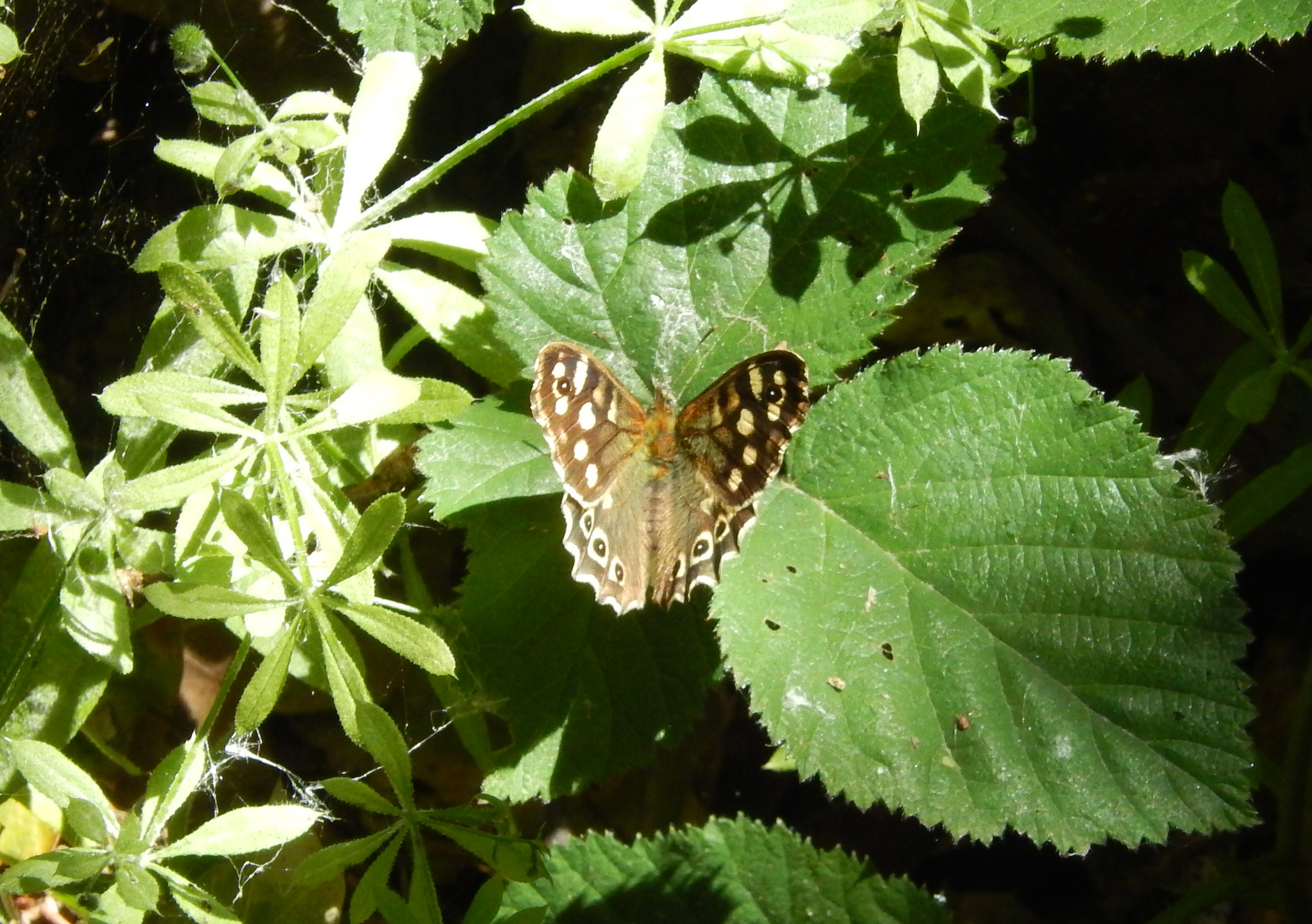
In the woodland where little shafts of sunlight reached the understory, Speckled Woods danced about or perched.
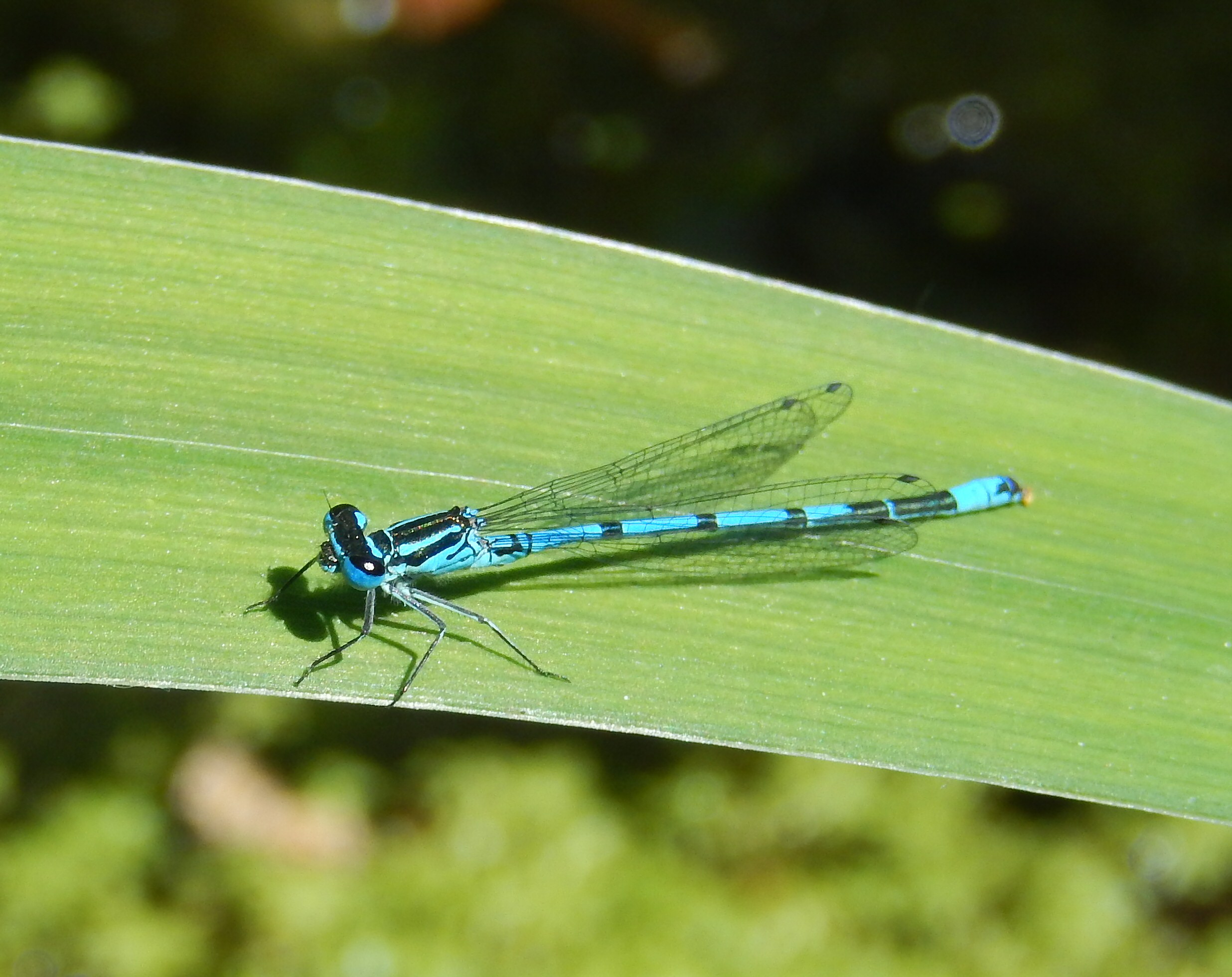
Down at the pond, Azure Blues (the ones with the little drinking-cup mark at the base of their abdomens) darted about, chasing each other off perches and flying in cop with what seemed to be rather few females compared to the number of eager males. A smaller number of Large Red Damselflies similarly chased and mated.
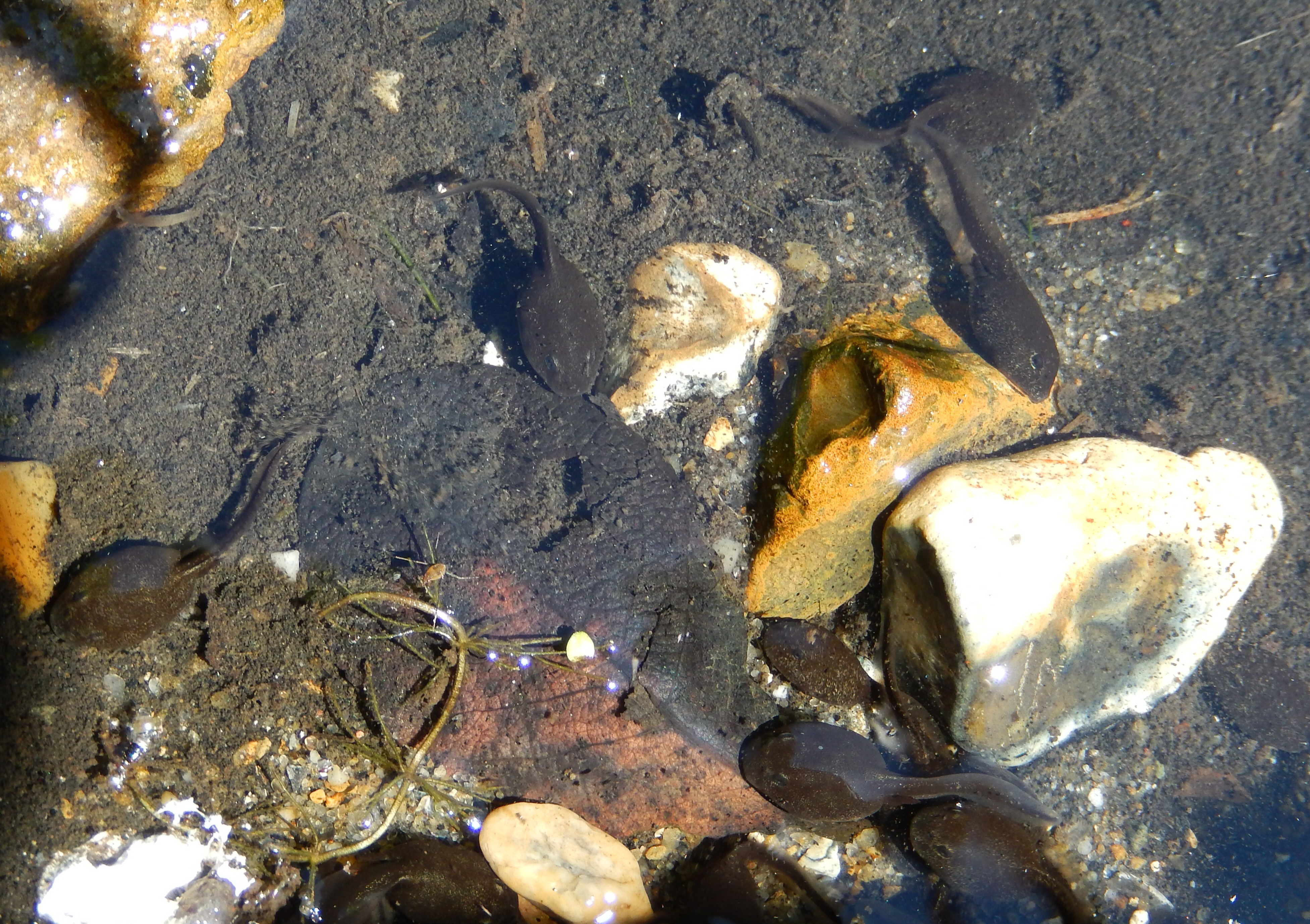
The “Mangrove Swamp” has lost almost all its standing water now: last week it had risen after being very low, but it only takes a few days for the level to fall dramatically. The frog tadpoles in the last pool were wriggling in a few centimetres of muddy water. I scooped them up in a bucket and popped them into the pond, where they’ll have to take their chances with the ducks alongside the toad tadpoles. The toad-poles may be somewhat distasteful like the adults, so perhaps the frog tadpoles are more palatable?
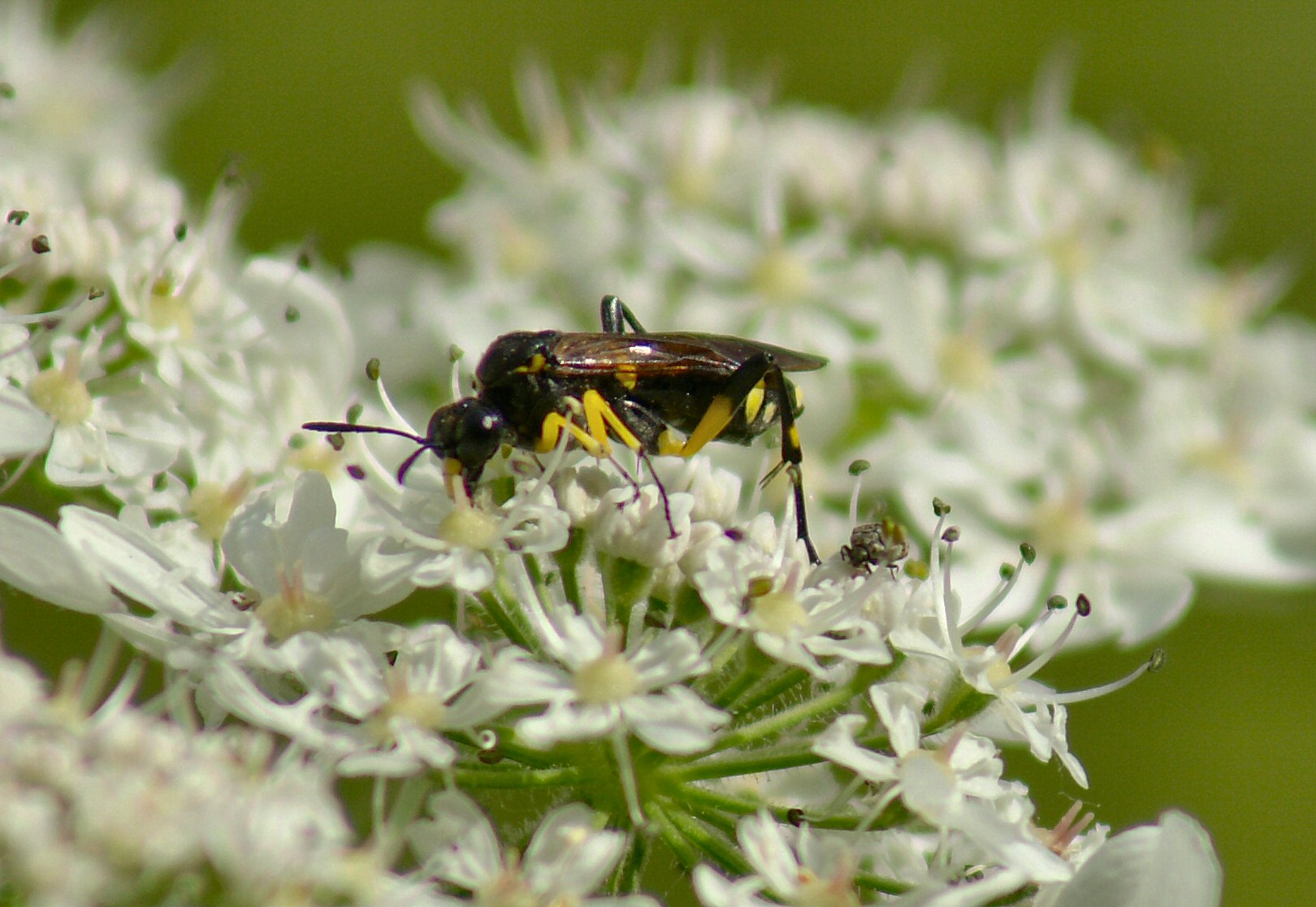
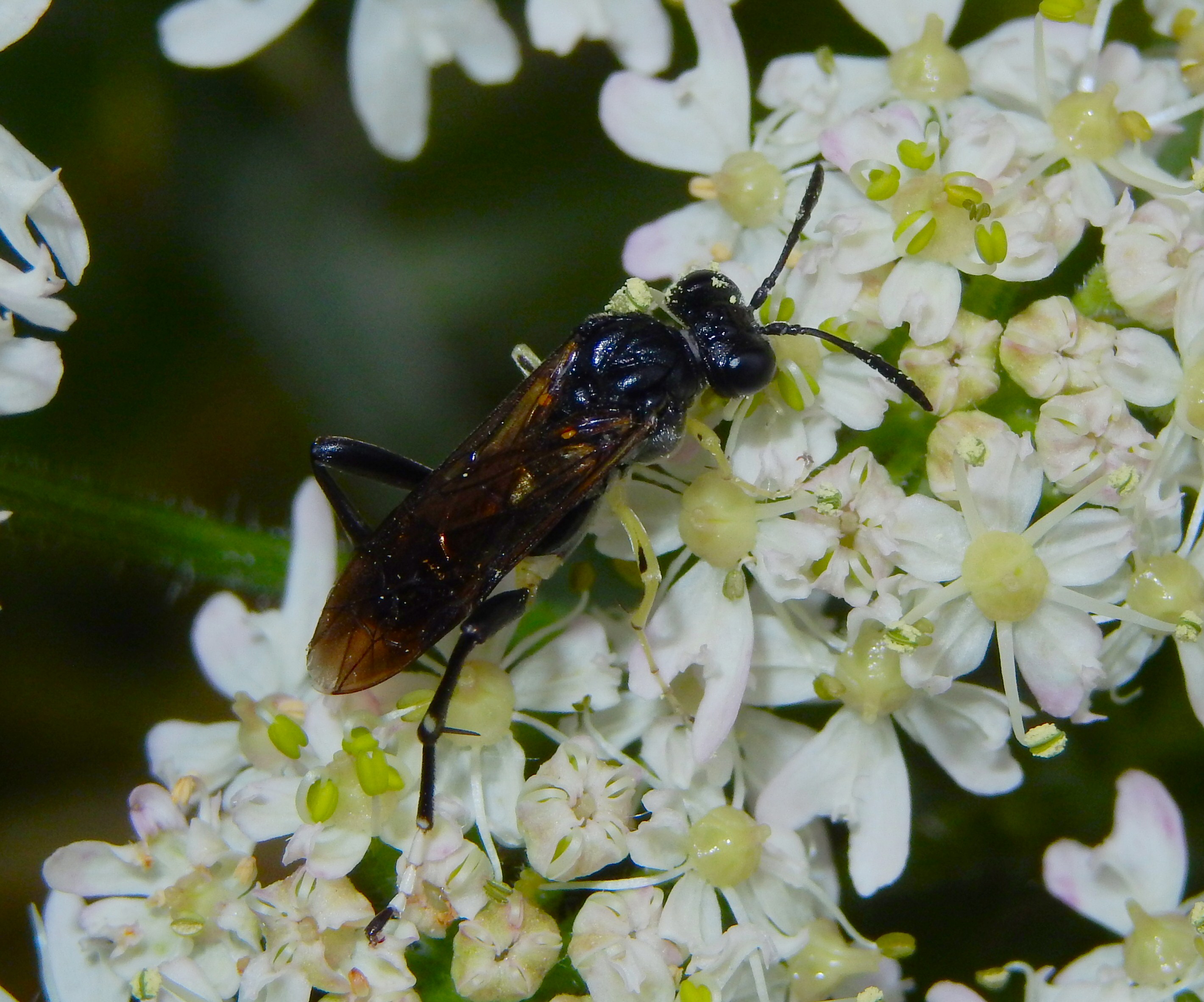
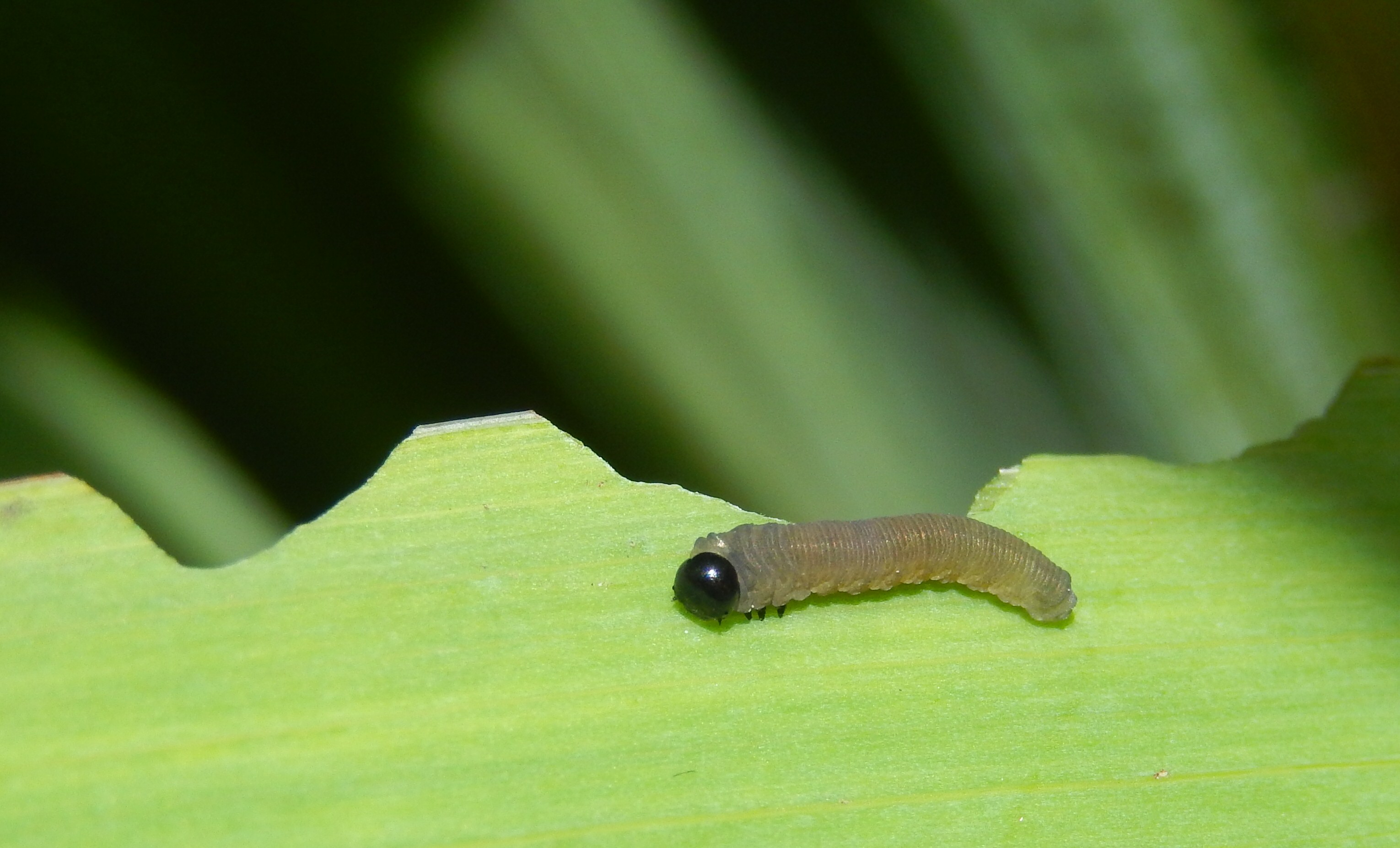
The Yellow Irises on the pond are starting to suffer from Iris Sawfly, a few of the leaves showing many small bite-marks along their margins.
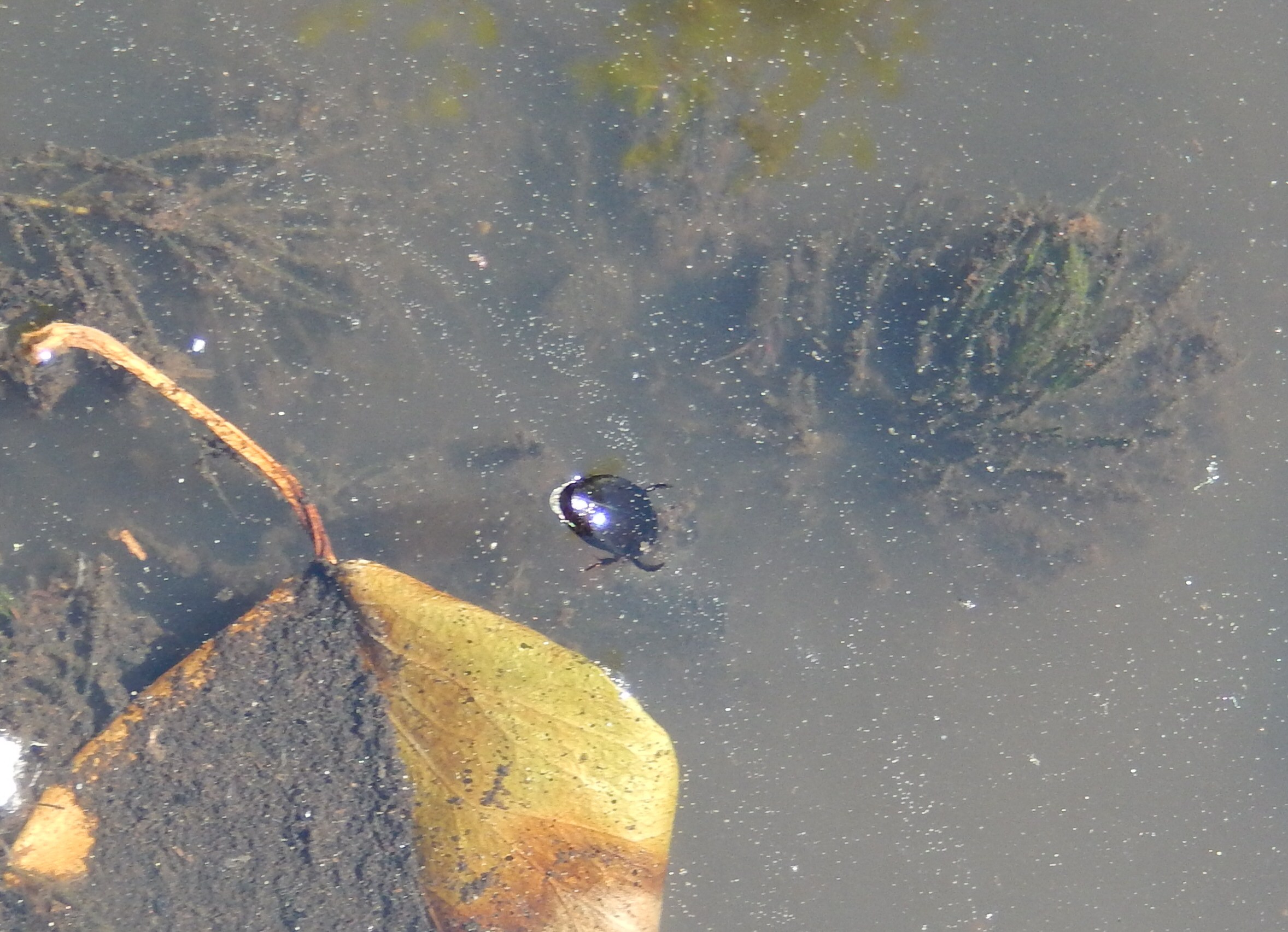
A small diving beetle obligingly came to the surface to replenish its air supply, staying up there for a minute and then zooming down to the bottom when I came close.
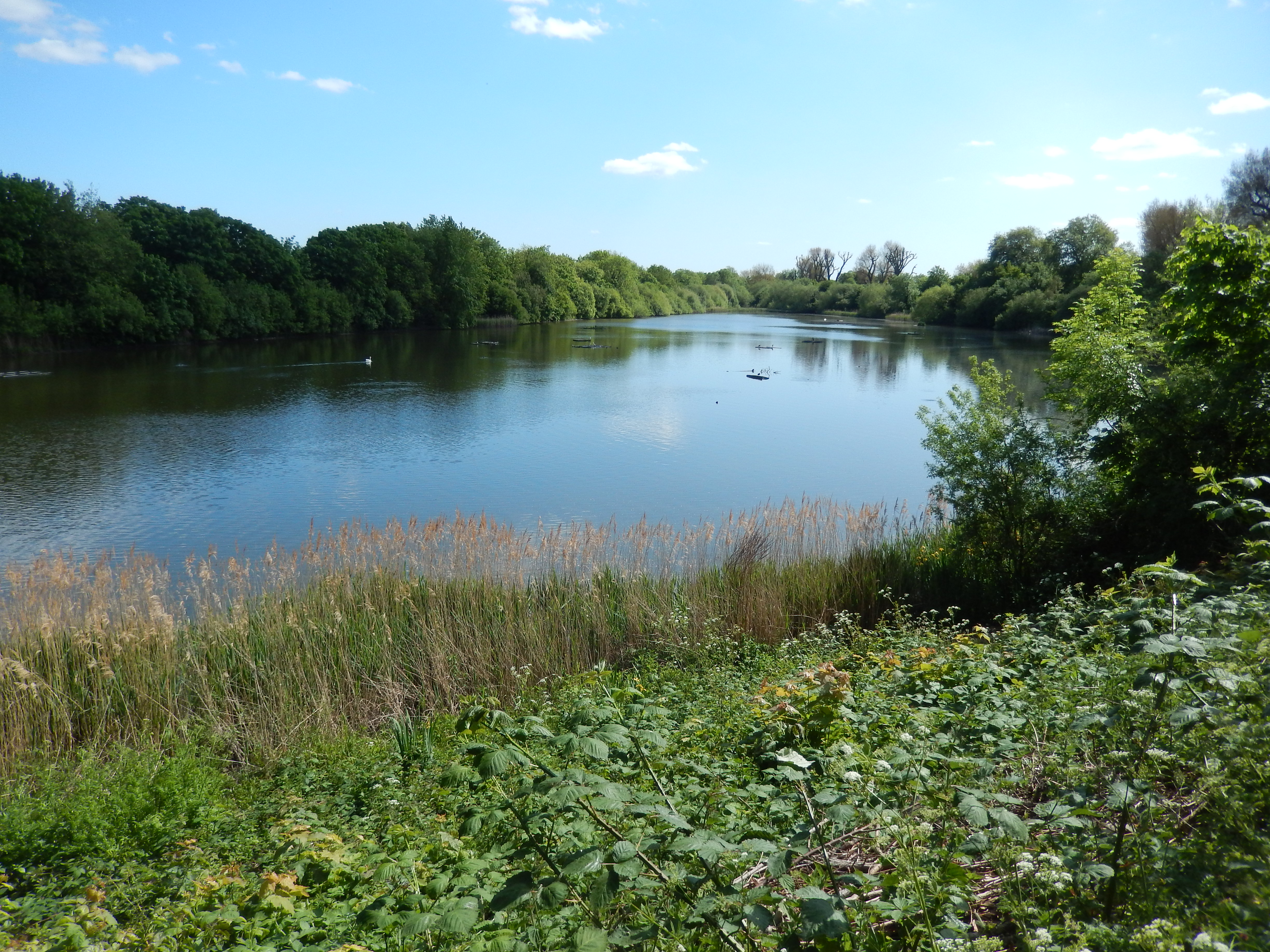
An unexpectedly warm and sunny afternoon in May is an opportunity too good to miss, so I went out with bicycle and binoculars along the river, and spent some time in the Leg of Mutton local nature reserve at Barnes. This is a bit of a secret corner, as it’s not far from the WWT’s London Wetland Centre which is certainly far better known. It’s also quite beautiful in springtime, the paths dressed in Queen Anne’s Lace (cow parsley to you) and the lake resplendently blue with new green borders. From the woods, Blackcaps sang all over; from the reeds, both Reed Warbler and Sedge Warbler sang their cheerful repetitive songs: I had a fine view of a Reed Warbler atop the reeds shown in the photo. A Coot with five cootlings scooted about the end of the lake (to the left); a mother Mallard escorted a neat convoy of ducklings; a few Tufted duck preened; five male Pochard dabbled heads-down; more surprisingly, a pair of Gadwall paddled about on the far side. A Mute Swan sat on a nest amongst the reeds. The flowers were visited by masses of small bees. Apart from the planes overhead, the city felt far away.
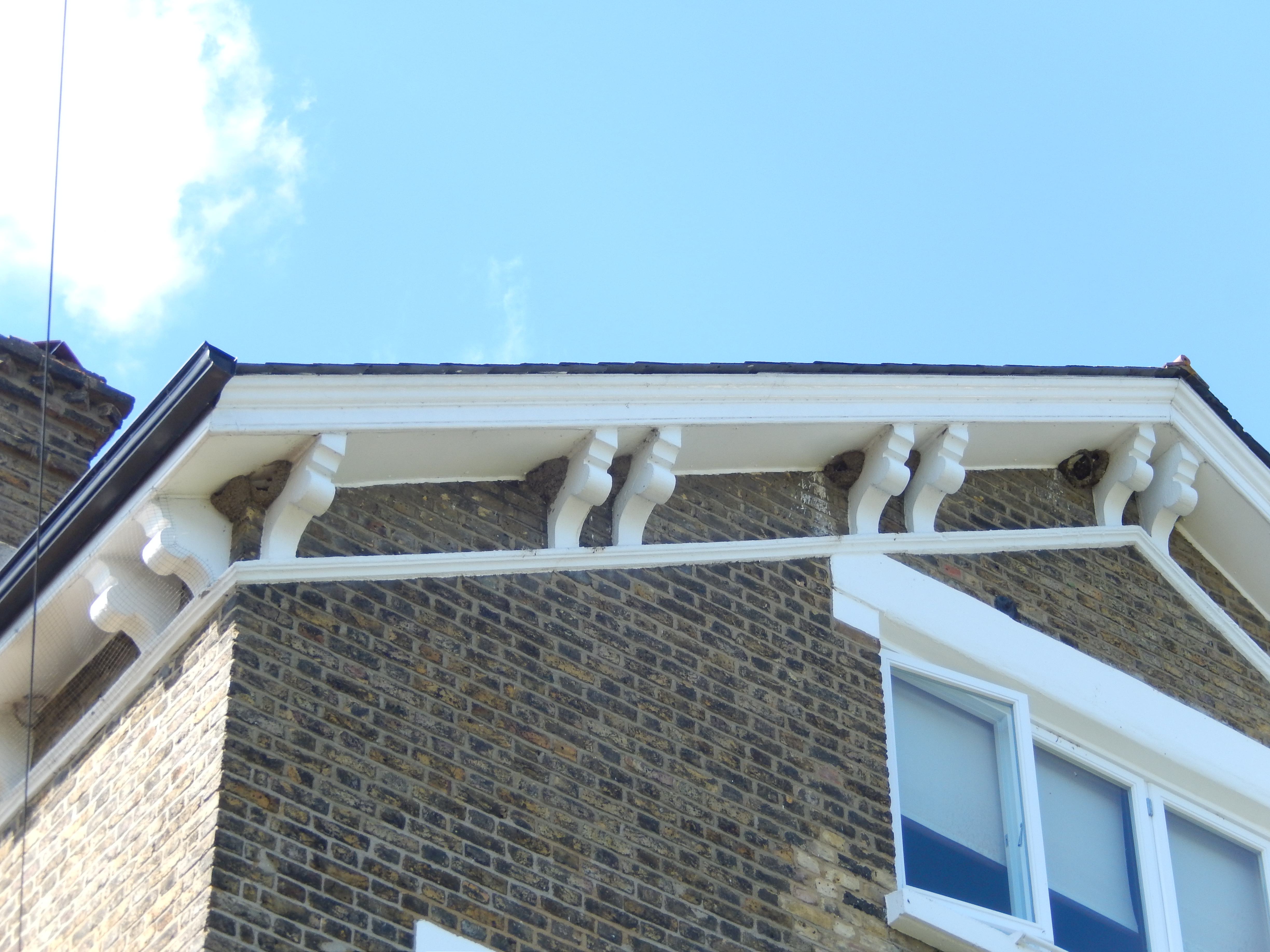
On the other side of the river (with the help of the handsome green Barnes Bridge) I had a wonderful surprise: House Martins. Four were wheeling and chattering above Chiswick Mall, right by a house decorated with a dozen House Martin nests (many of them visible in the photo), and several in usable condition. This was news to me because the old colony a few hundred yards away was abandoned for whatever reason some years ago. But it is clear that the birds have nested repeatedly in the past few years, and it certainly looks as if they’ll nest again this year. The only small fly in the ointment can be seen on the extreme left of the photo: there is the remains of at least one nest behind some netting, so the birds must have been considered a nuisance on that side of the house, at least. Let us hope that their presence on the front doesn’t trouble anyone, as the colony may well be the only one in Chiswick, and is certainly one of not very many in West London. Being by the river, there are plenty of flies, and the house’s wide eaves with stout supports are ideal for the species.