All posts by Ian Alexander

I have been in love with nature as long as I can remember. Nature photography, birdwatching, lichens, fossils, orchids, mountains, insects, everything else. Conservation, gardening at home, community gardening. I've loved it all.

Helen Wallis We’ll Miss You!

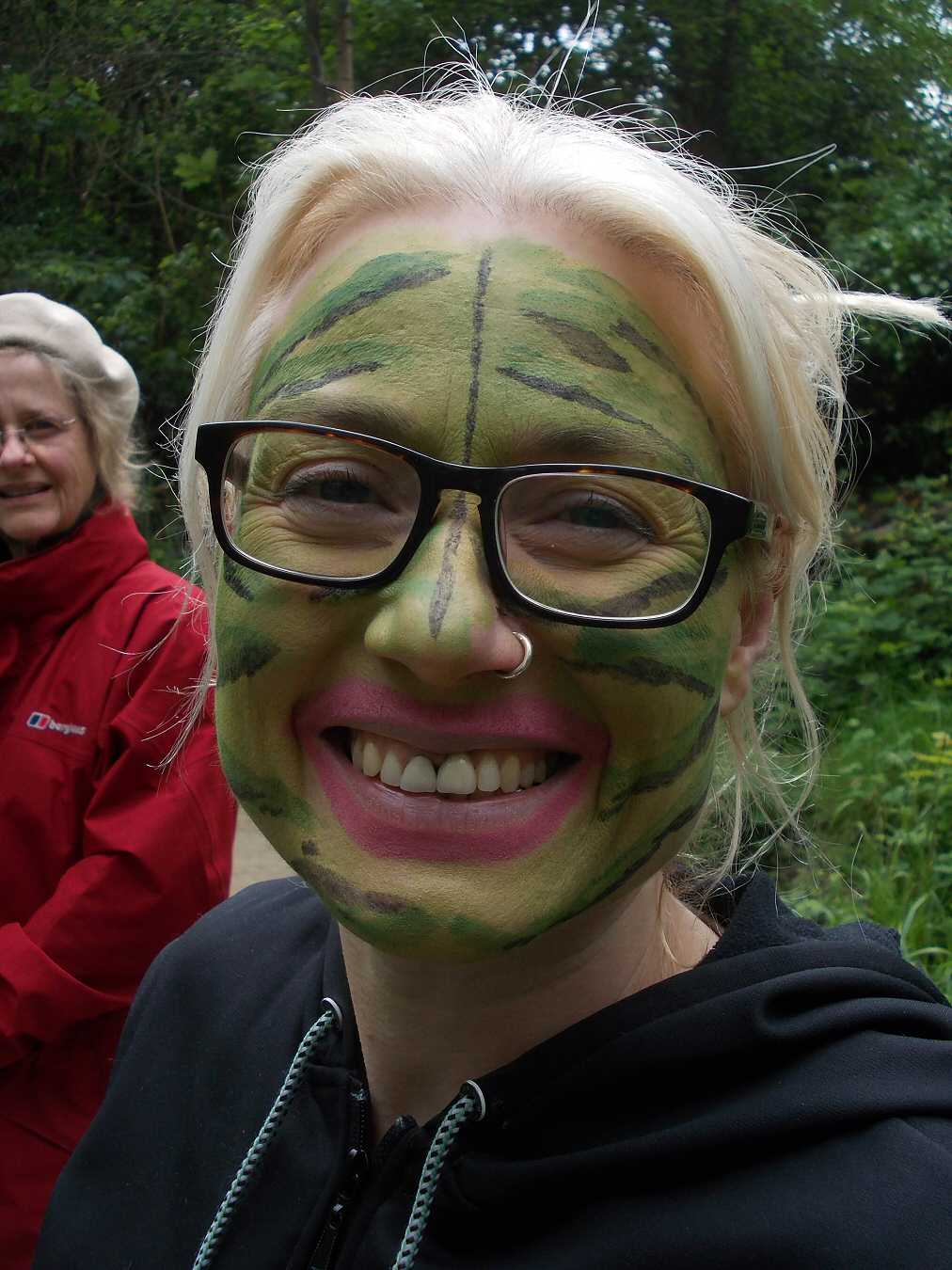
Helen Wallis on Frog Day a few years ago in Gunnersbury Triangle

Helen has worked for London Wildlife Trust for ten years, several of them as volunteer officer at Gunnersbury Triangle. She did the job with enormous energy and enthusiasm, and got the best out of everybody. Her frog day was memorable not just for her stripy green face but for the improv frog puppet show conducted behind the gate to the wheelbarrow store!

In her farewell interview for Wild London, she said “We also had amazing older volunteers who could turn their hand to anything” (thanks!) … “I really enjoyed working with them [of all types], because they taught me so much – we had volunteers who were experts in everything from butterflies, birds, and amphibians, through to the military application of animal camouflage” (thanks Helen, I know who that is!) … “Plus, I was always amazed at the sheer volume of practical management work they could get done.” (We know, we know.)

Helen, have a great time in your new job at Greenwich. We’ll miss you.

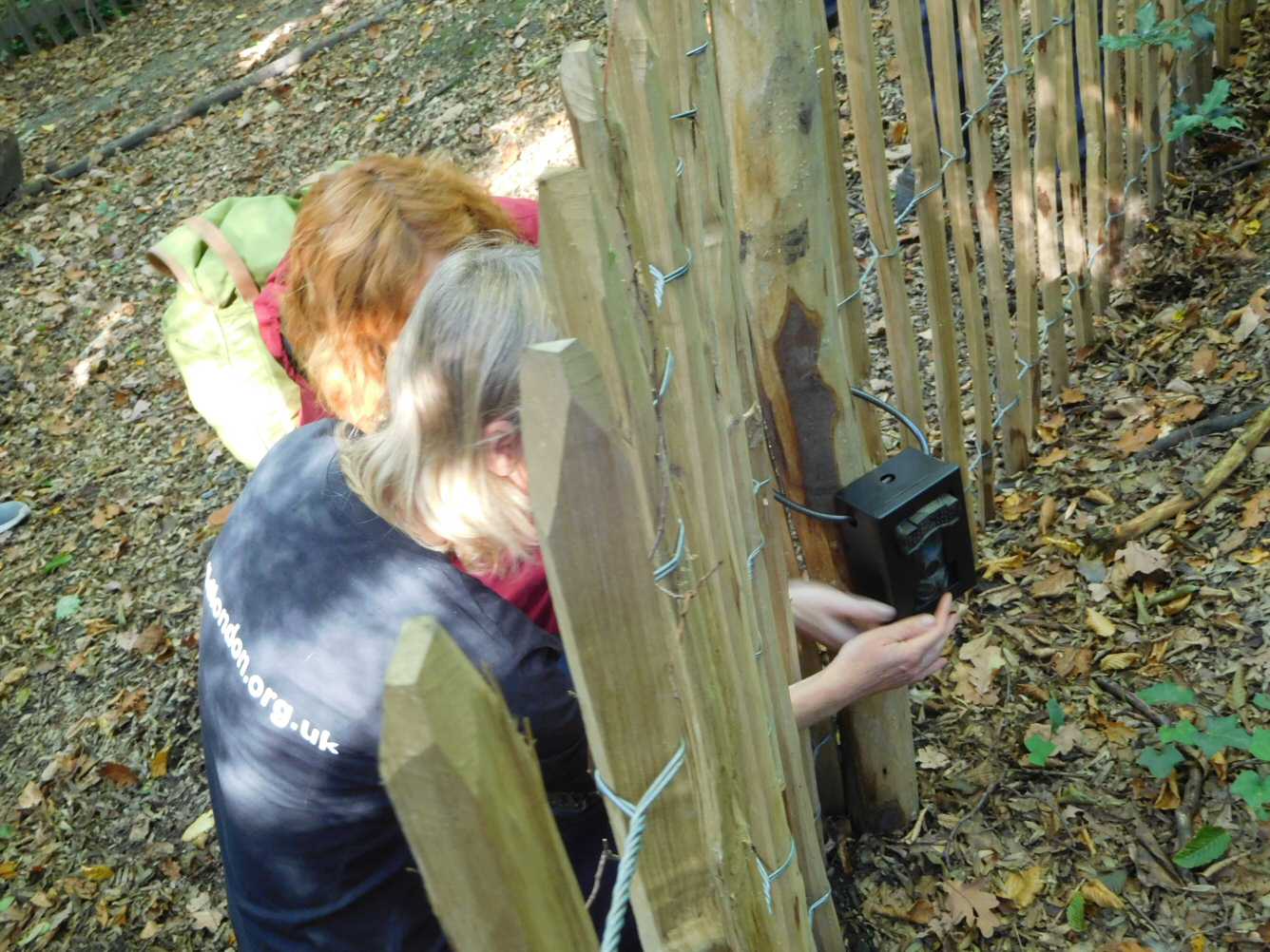
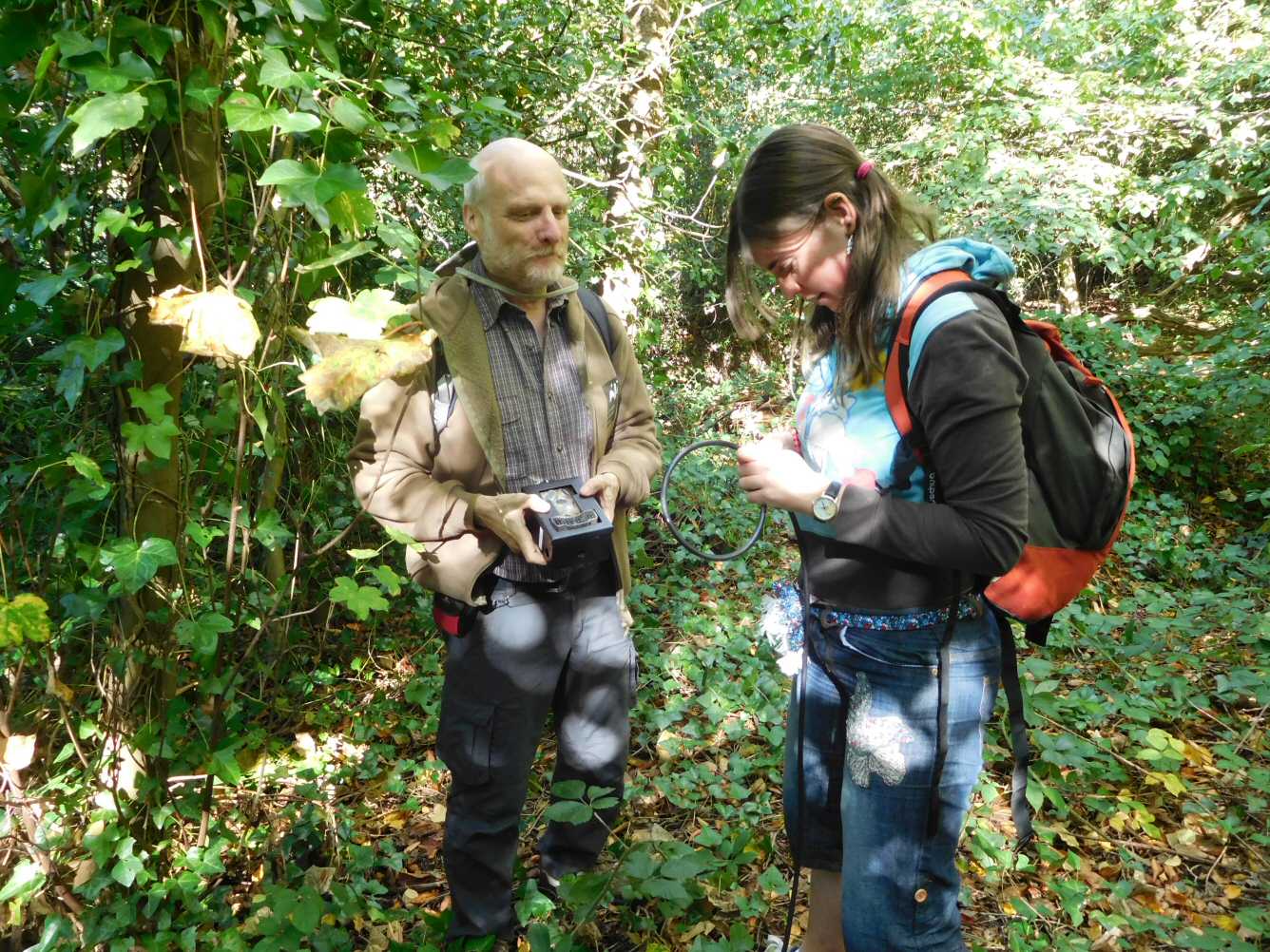
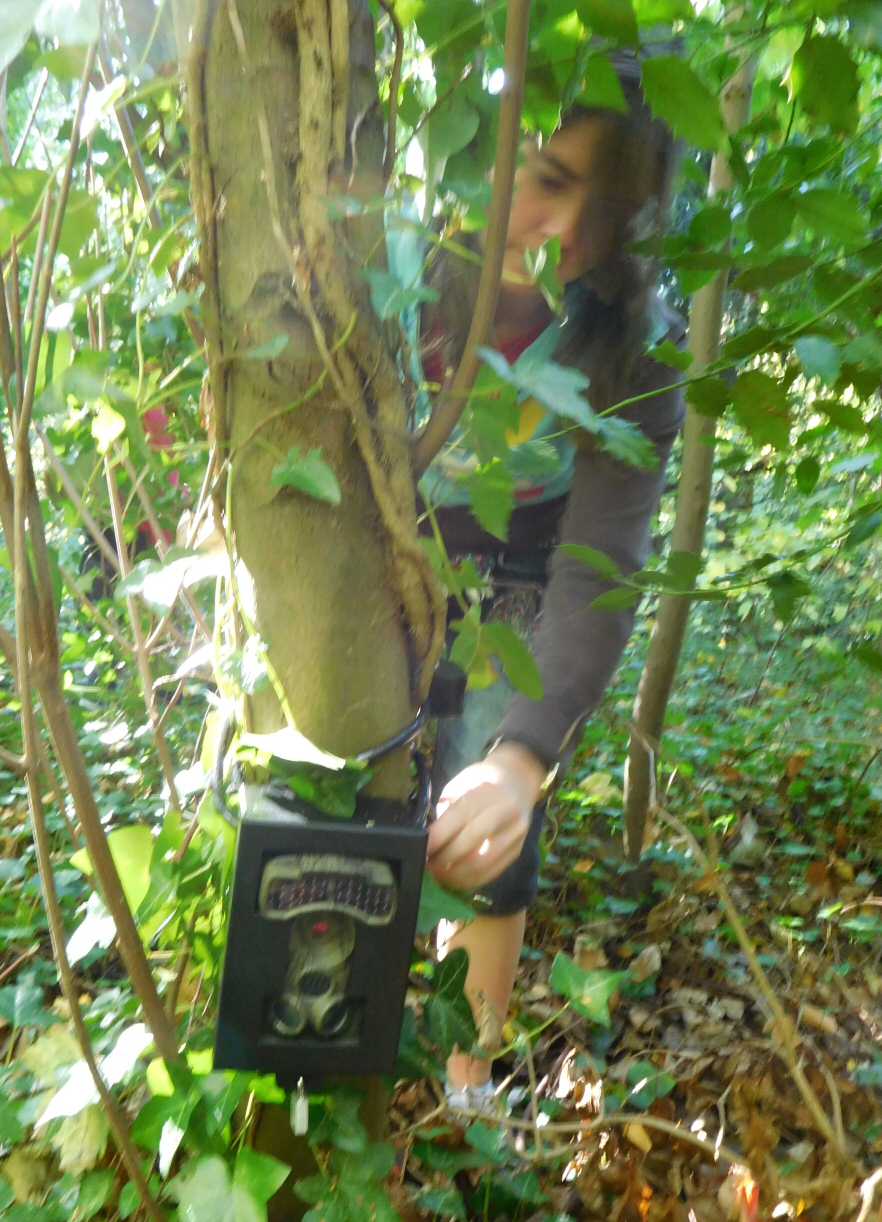
Learning how to use Camera Traps in Sydenham Hill Wood

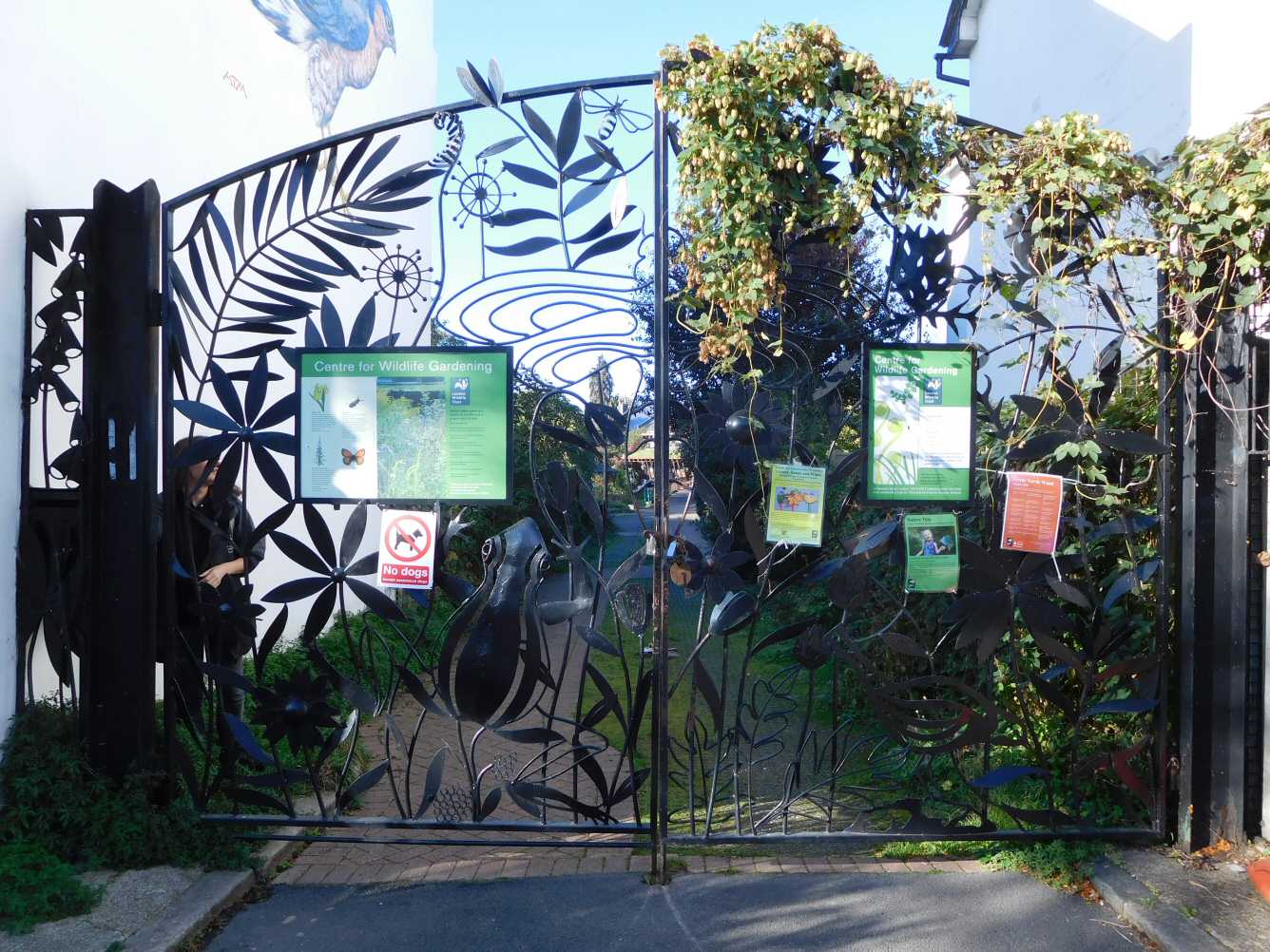
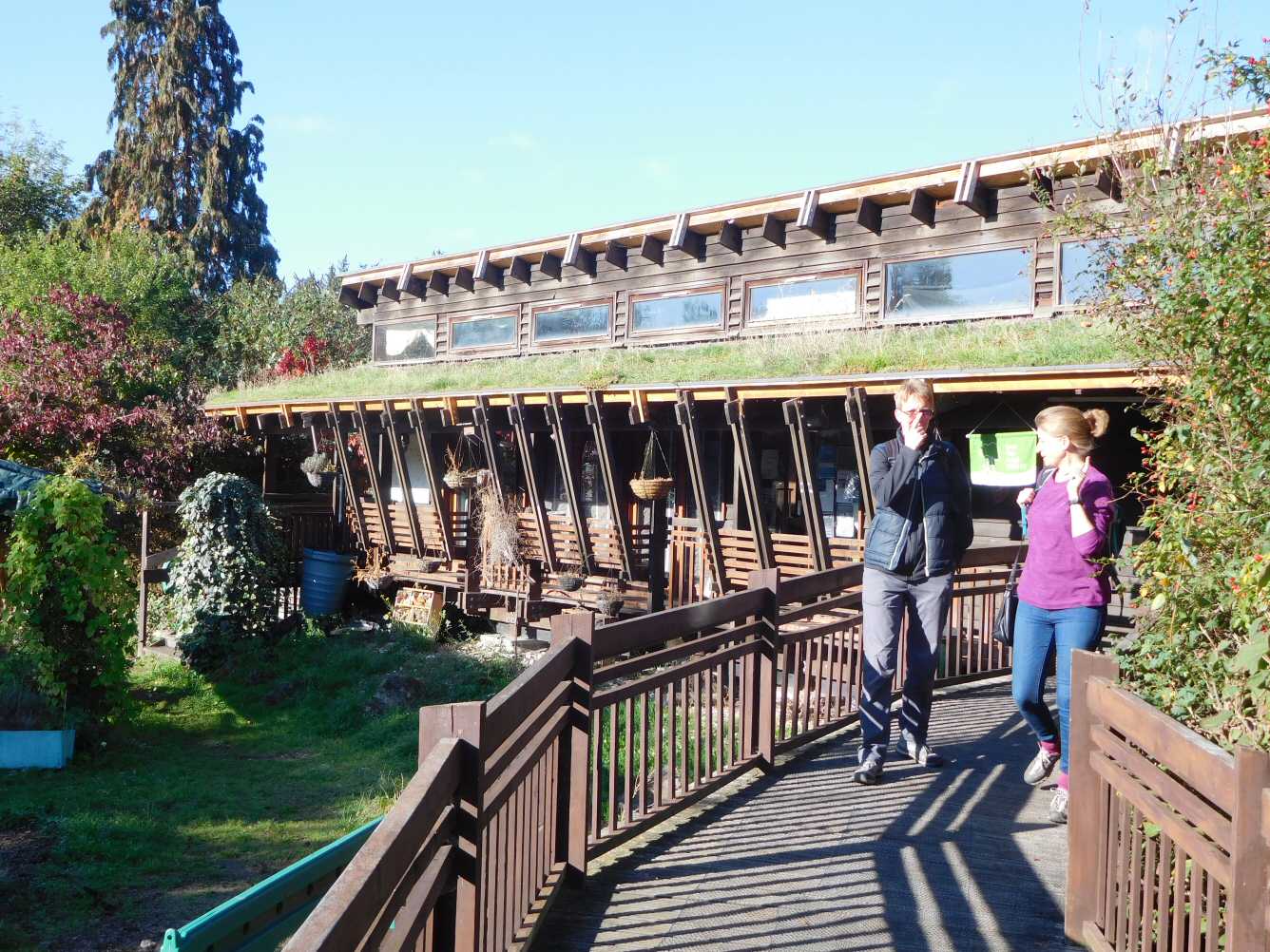
The course began at London Wildlife Trust’s beautiful Centre for Wildlife Gardening.
The green classroom – sustainable construction materials, low energy usage, green roof
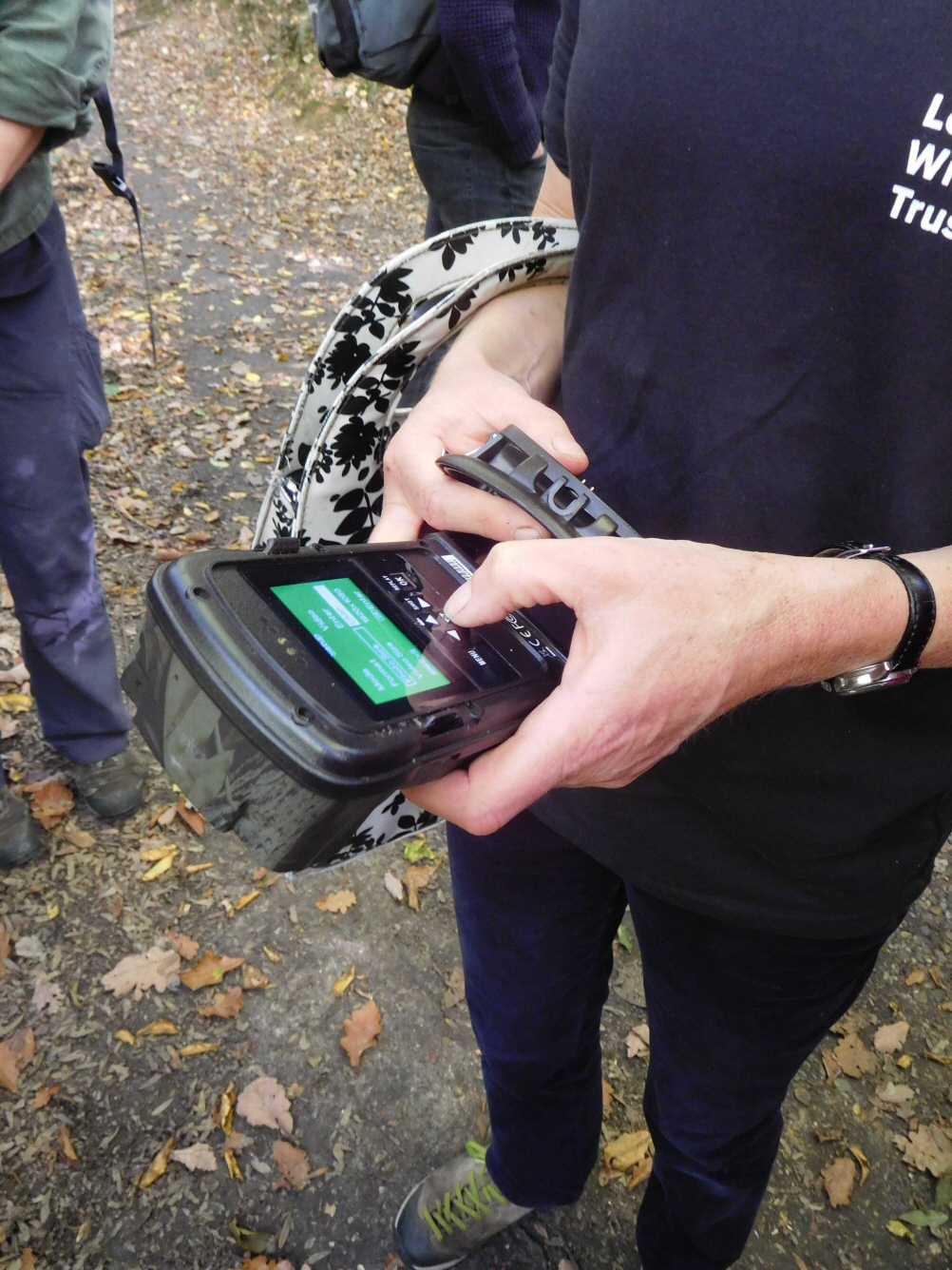
Inside a Camera Trap (this one’s an Acorn)
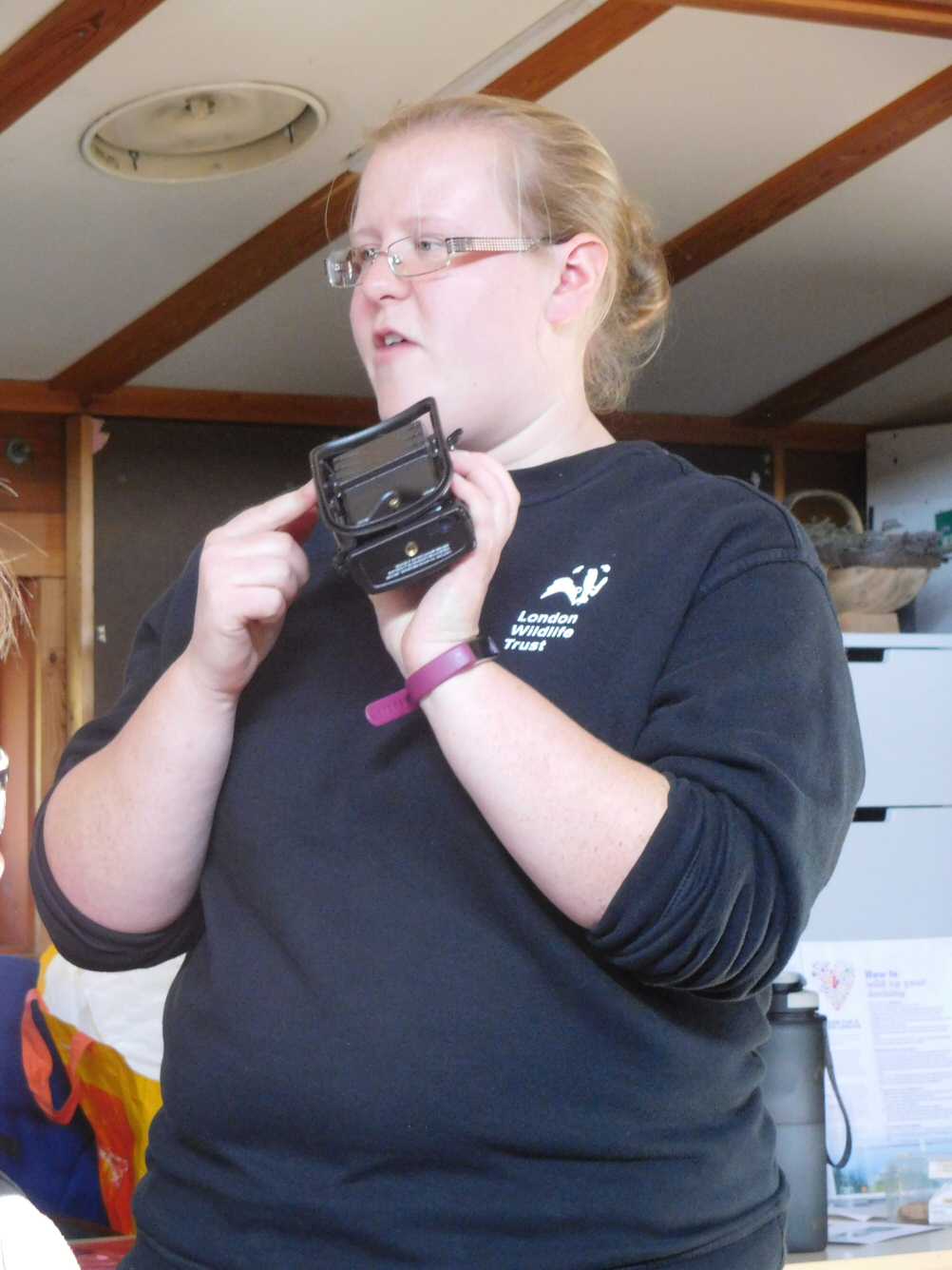
Emma teaching the course
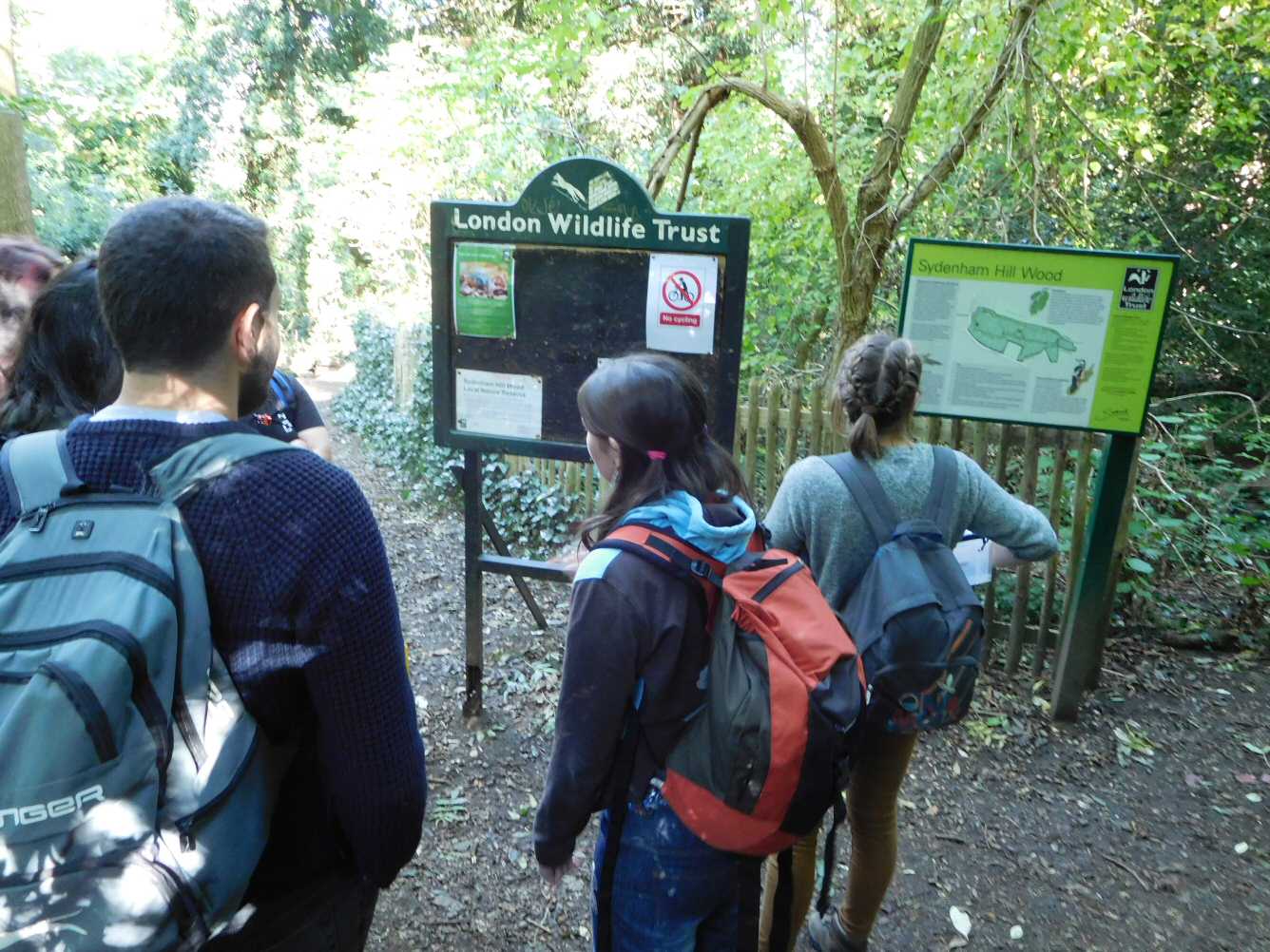
Arriving at Sydenham Hill Wood
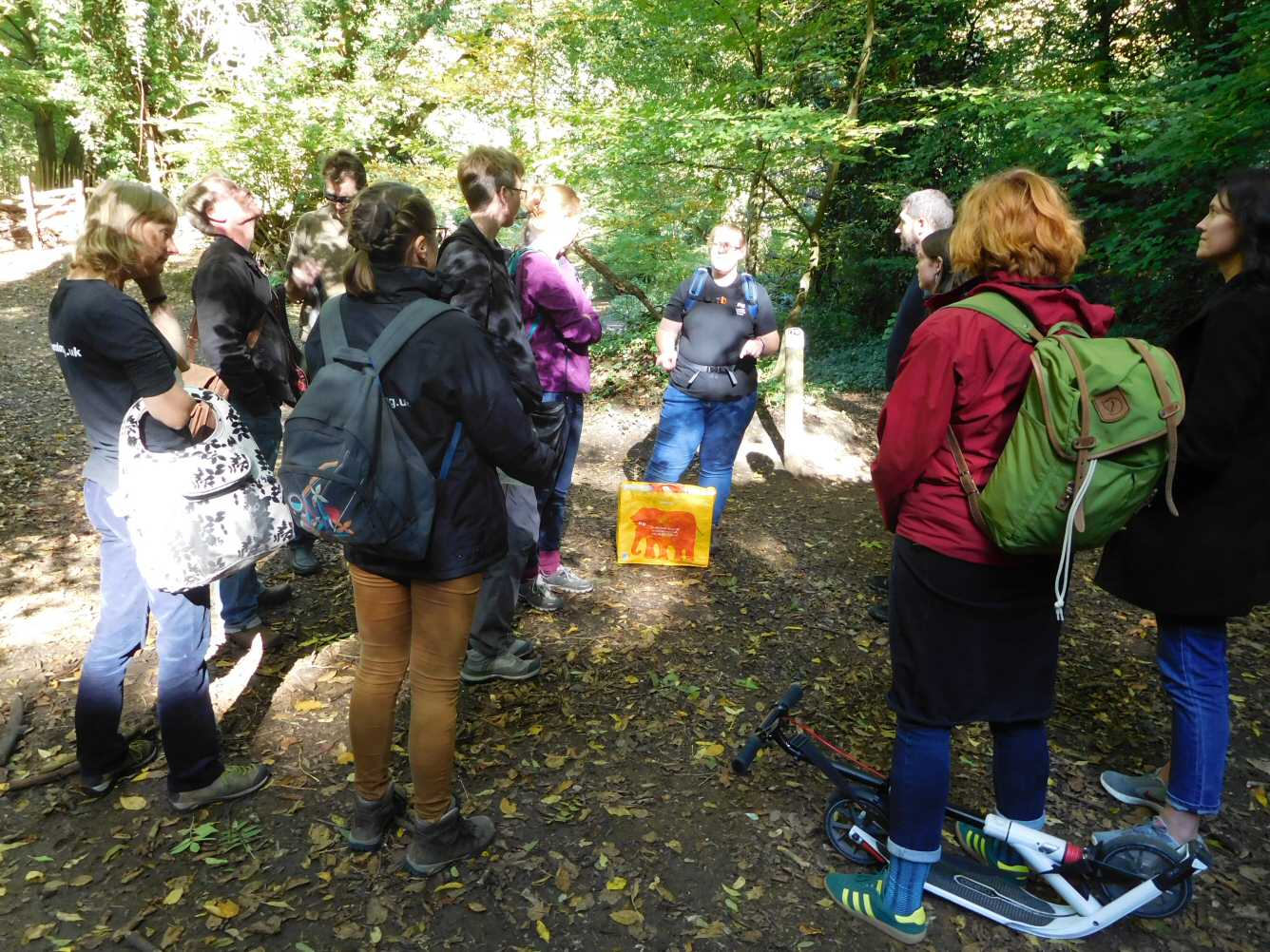
An outside classroom
Set phaser to ‘hedgehog’
Tie in position, lock the box
My turn – Rachel and me setting camera by a fox run
Fixing it nice and tight
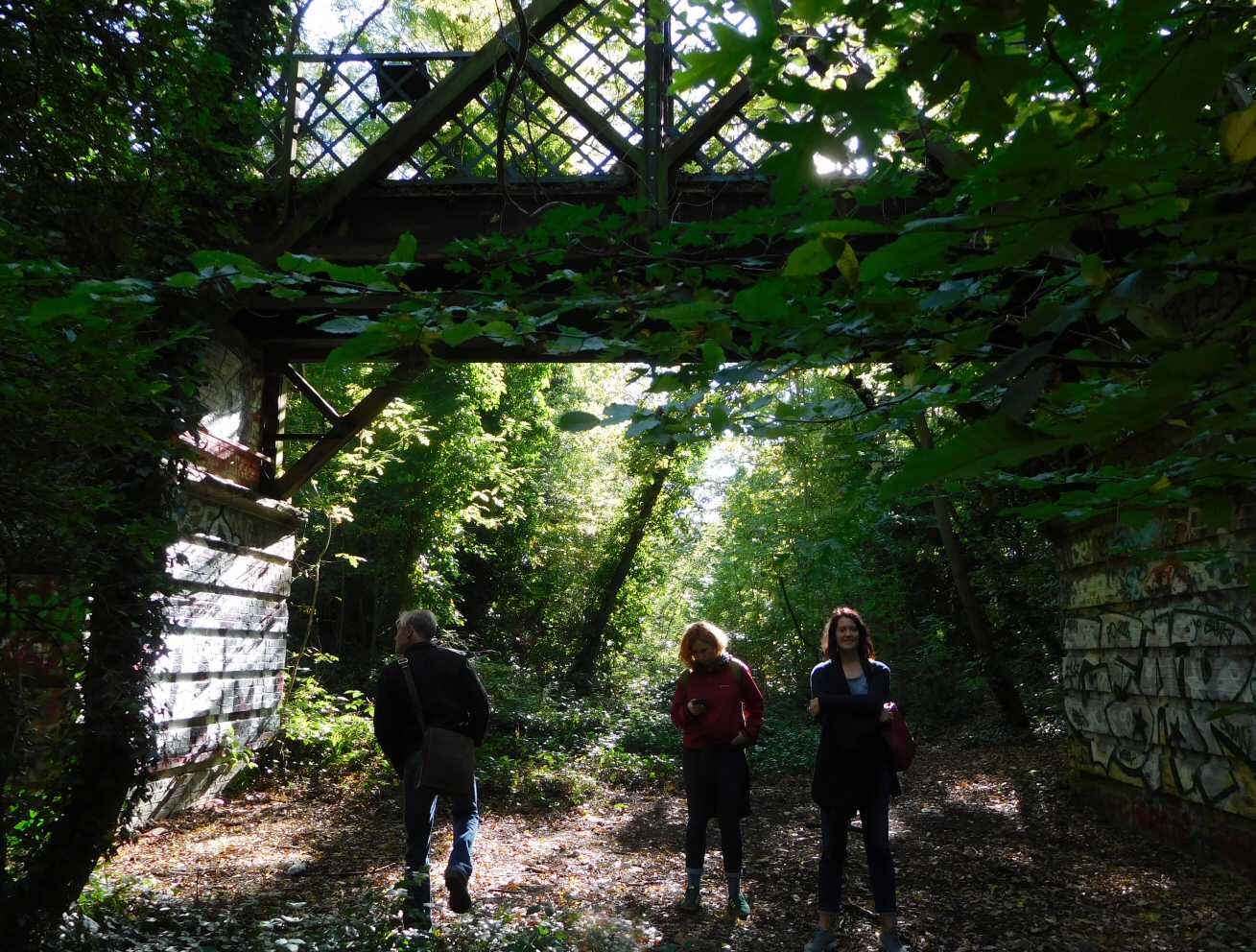
Dramatic Indian Summer light under the old railway bridge

All these images are copyright. You are welcome to use them as long as you name me beside the image and provide a link to this page.


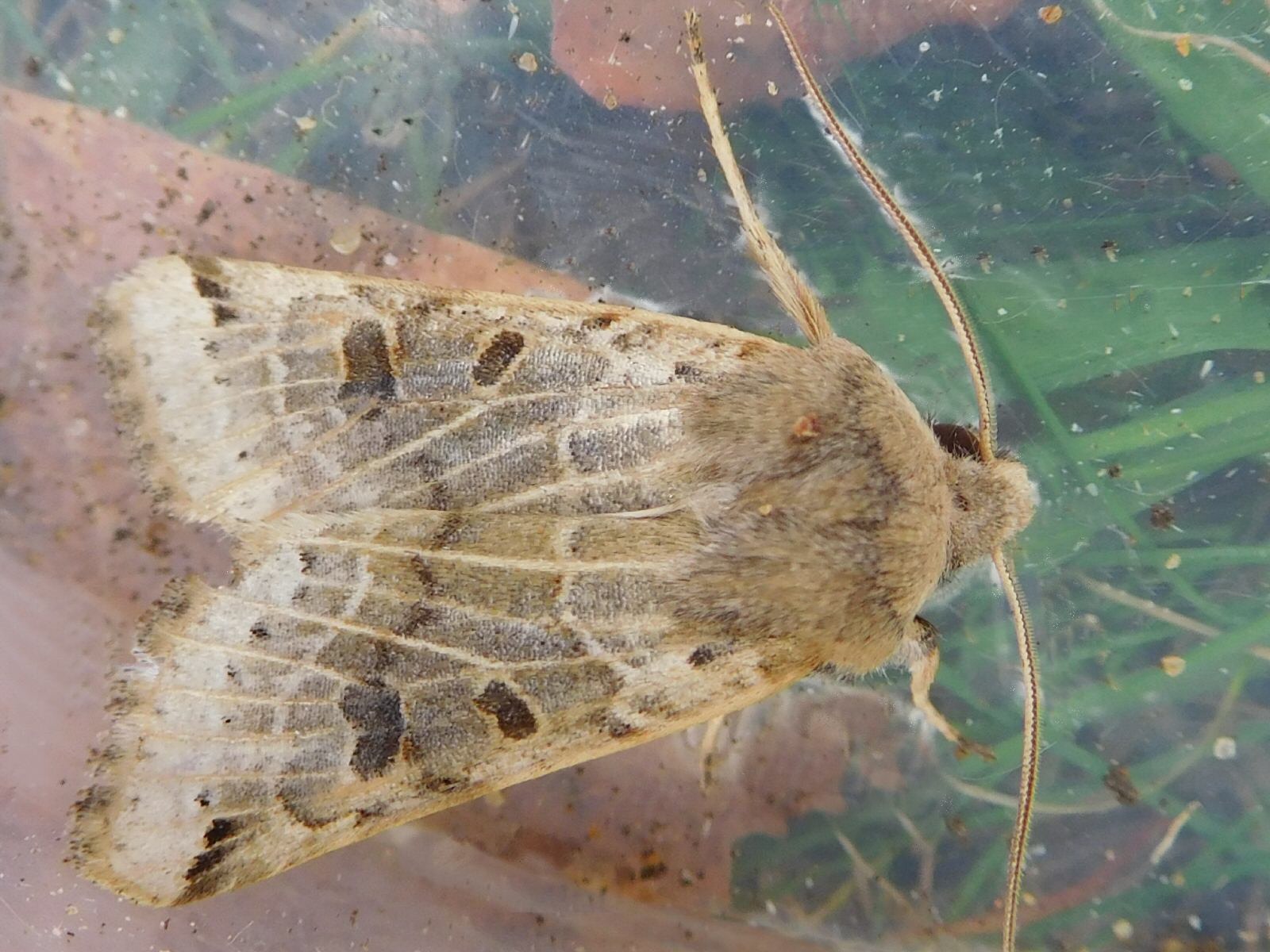
Lunar Underwing Moth in Gunnersbury Triangle

Lunar Underwing Moth from among the grassy tussocks in the Small Meadow

We carried on clearing brambles from the north bank and then the small meadow. The debrambling of previous years has helped, as there are far fewer large deep-rooted monsters than before, but we’ve still had plenty to do. I coppiced some Holm Oak, too.

We saw two or three of these Lunar Underwing moths (Omphaloscelis lunosa) among the grass. They eat grasses such as Yorkshire Fog and Annual Meadow-Grass.

Autumn Insects at Thursley Common

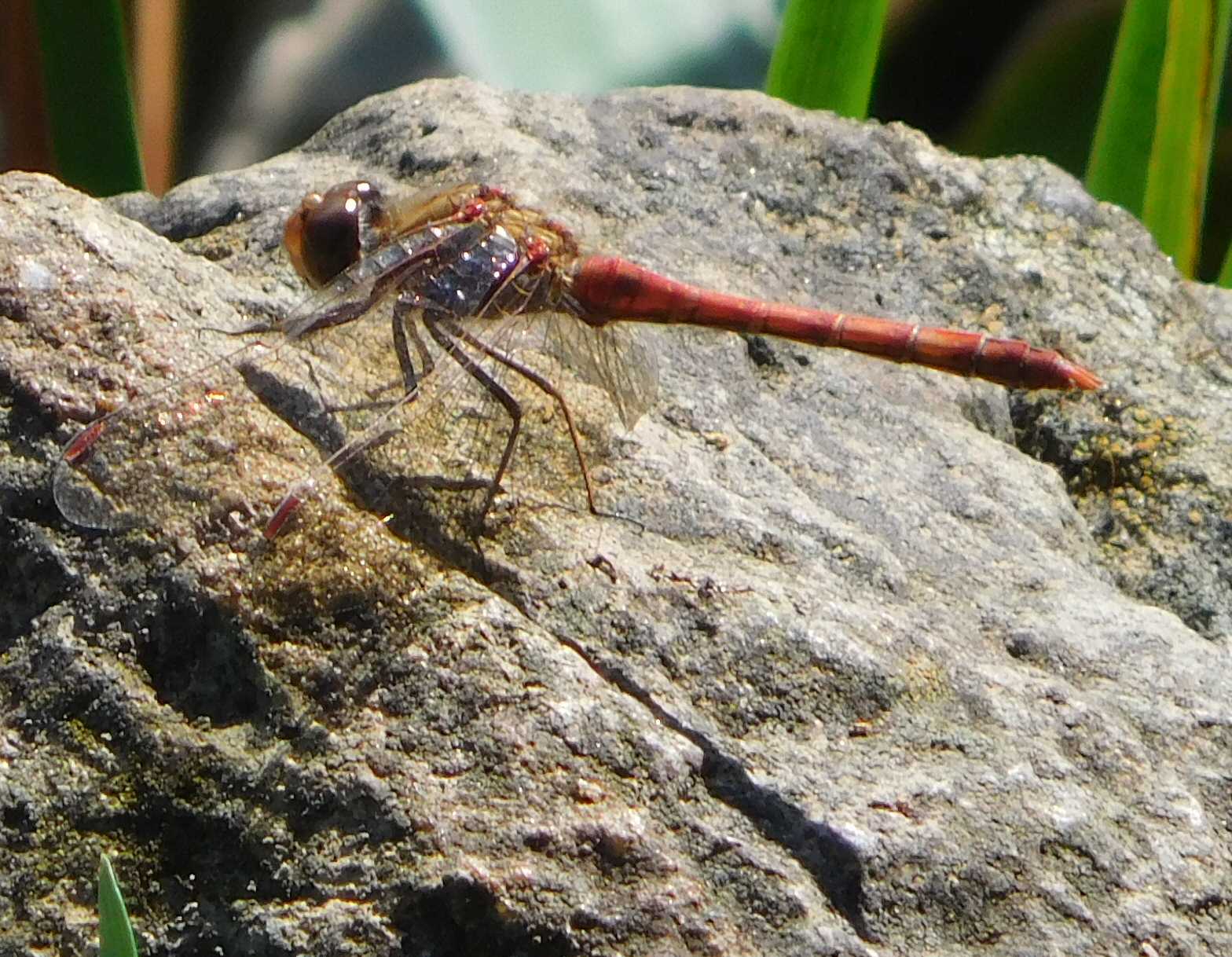
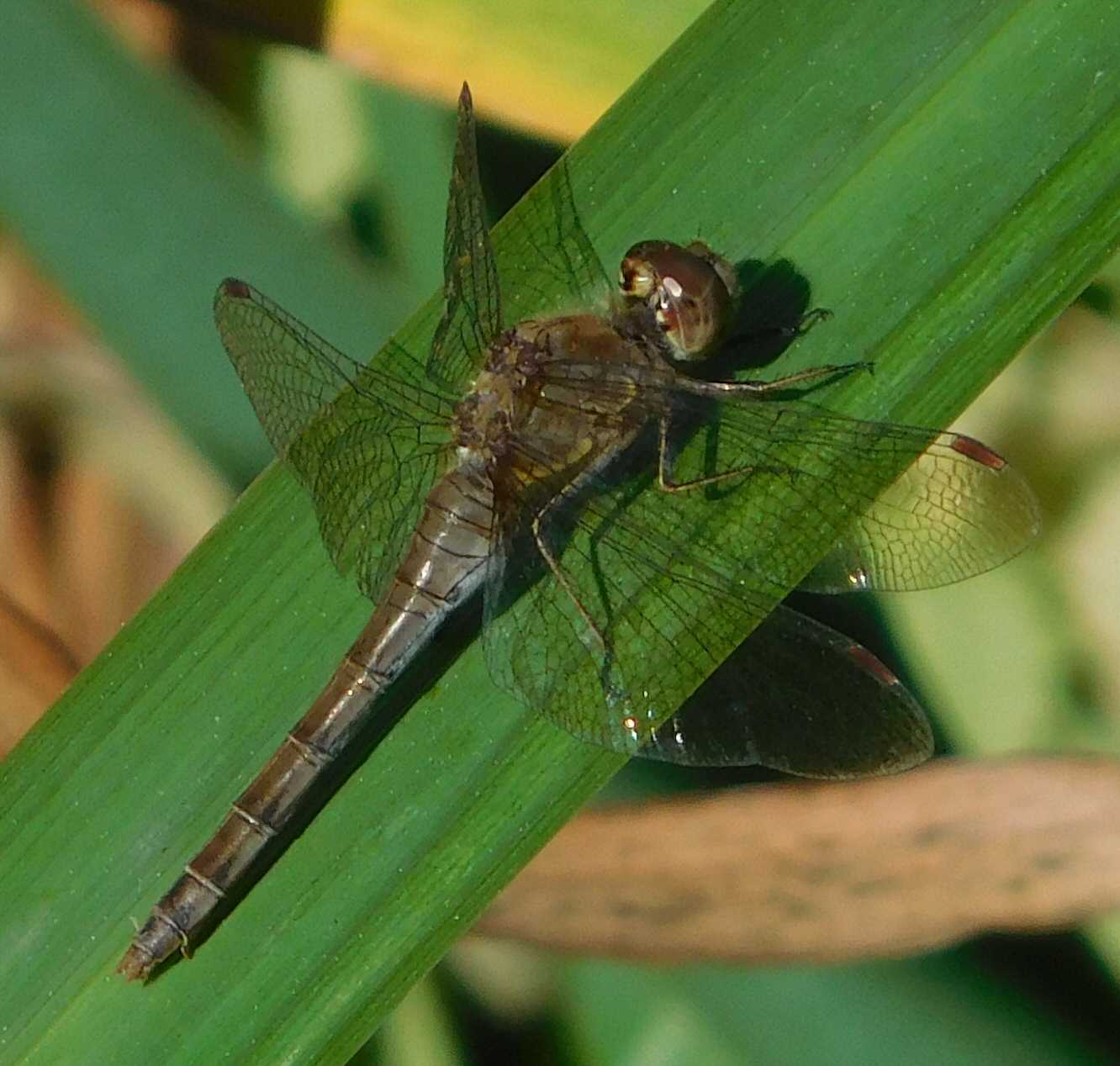
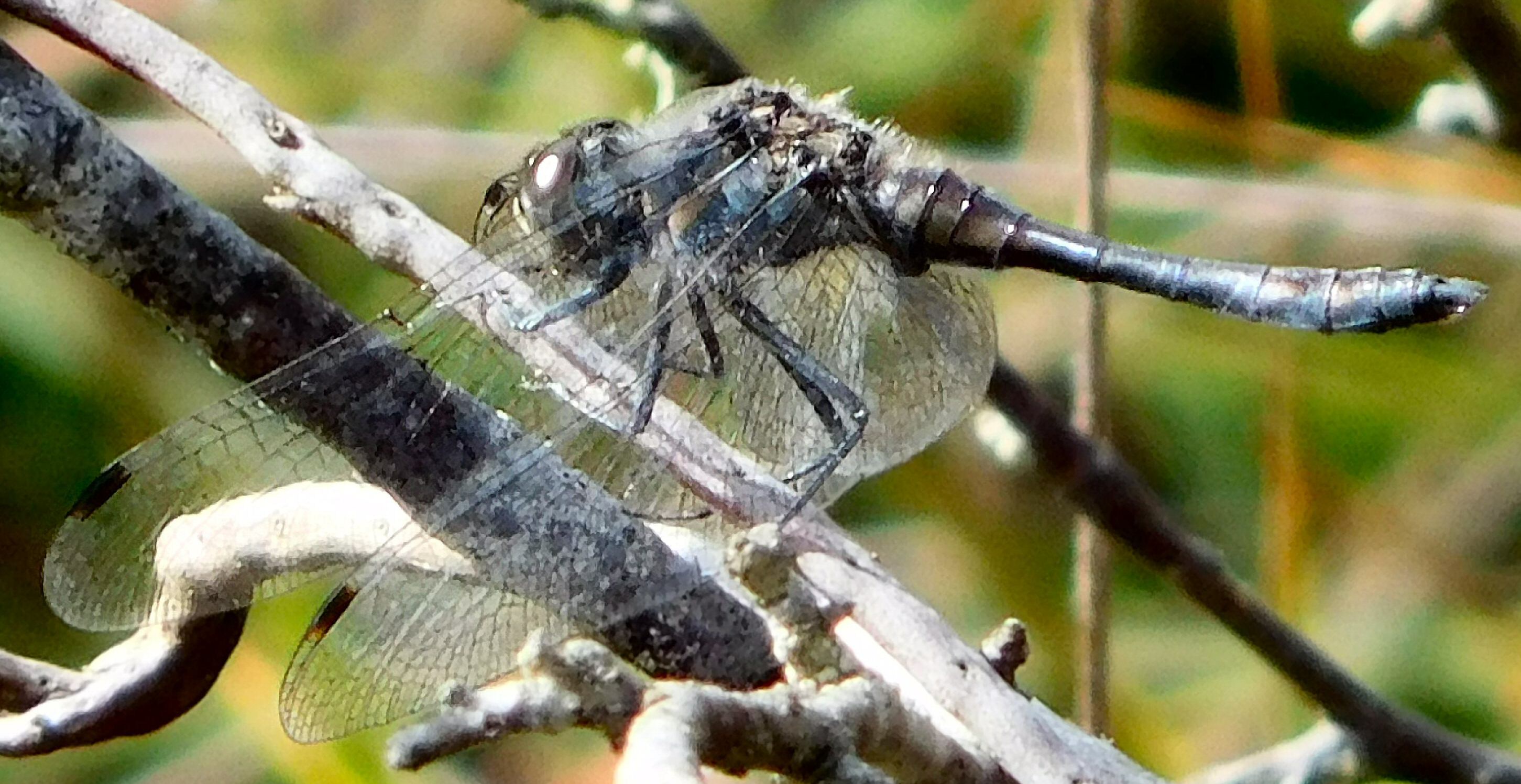
Black Darter – a dragonfly in late September, and a windy day too. The only other dragonfly about was the Common Darter, I saw two or three.
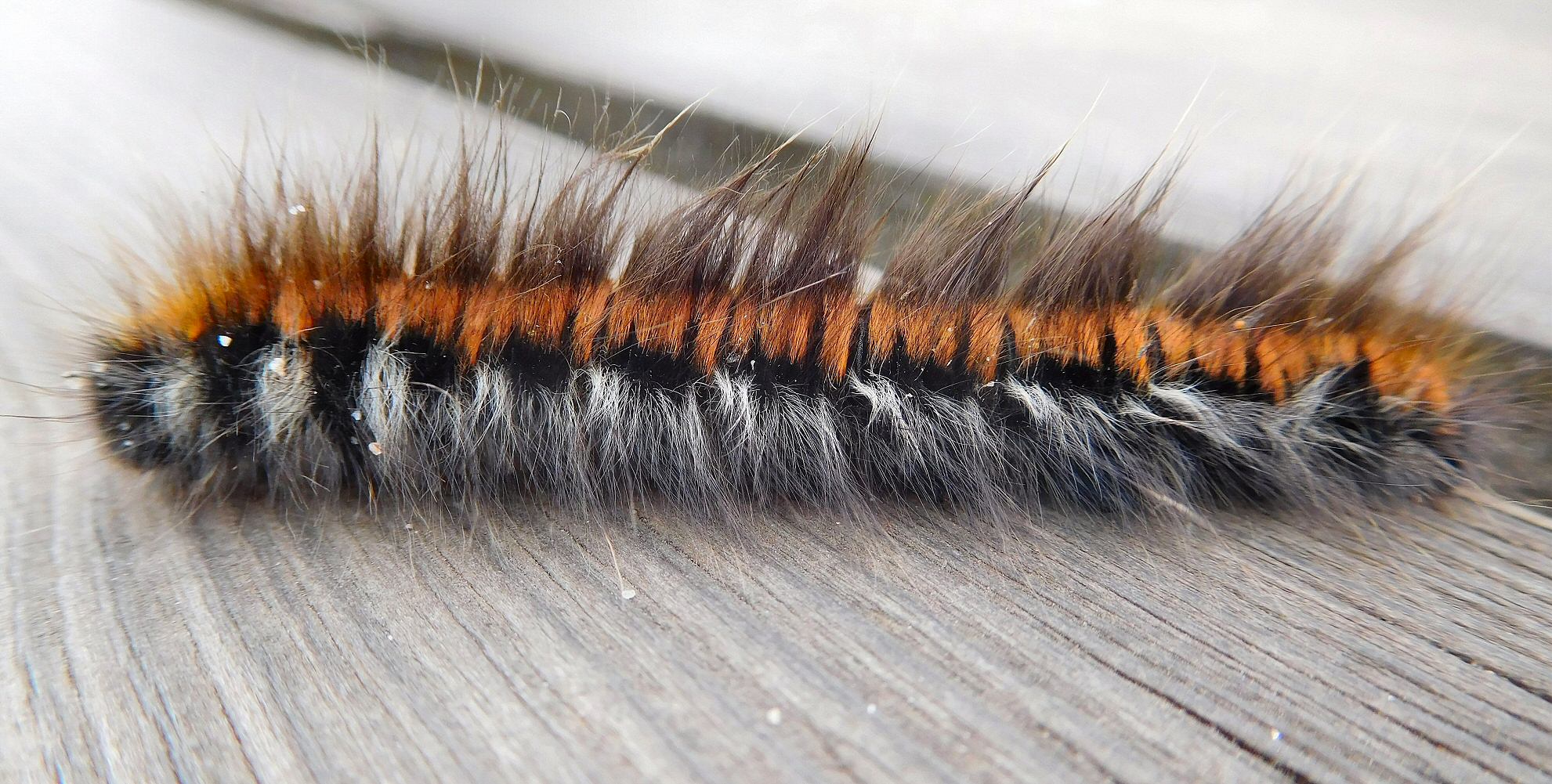
Woolly Bear caterpillar (of a Garden Tiger Moth) on one of the boardwalks.

Other insects seen included a few bumblebees and some moths scooting away in the strong wind, perhaps Silver Y.

There were only a few birds about; I saw some swallows, two stonechats, a crow, a jay, a gull, a chaffinch, and a finch-sized bird with a white rump flying into a tree, perhaps a bullfinch. Three mallard loitered on the Moat Pond.

A flash of yellow revealed some Gorse in bloom, alongside some fine purple Bell Heather.

The only fungus to be seen was a brown rollrim. A dead birch trunk was colourful with Common Orange Lichen.


Autumnal Marvels at Kew

One of the delights of walking in nature, or indeed in a botanic garden, is that you never know what surprises you may meet.

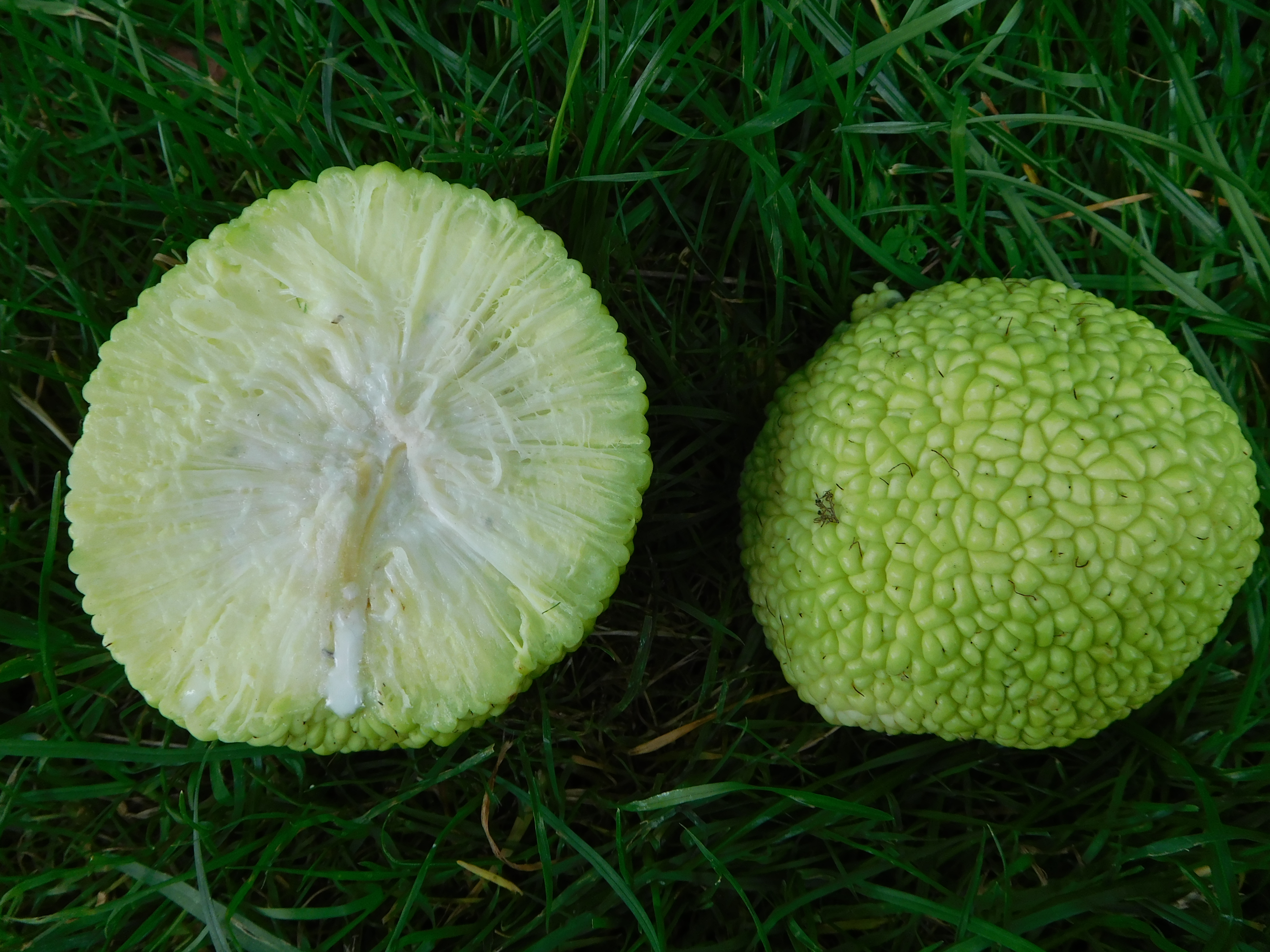
Osage Orange, Maclura pomifera fruit cluster, with sticky white latex when cut. The Osage were the tallest tribe in North America; they used the wood to make bows (for shooting). Maclure was a Scottish-American geologist. Pomifera (apple-bearing) means the ‘fruit’ looks vaguely like an apple. Actually it’s more reminiscent of a luridly fluorescent green tennis ball, and about the same size too.
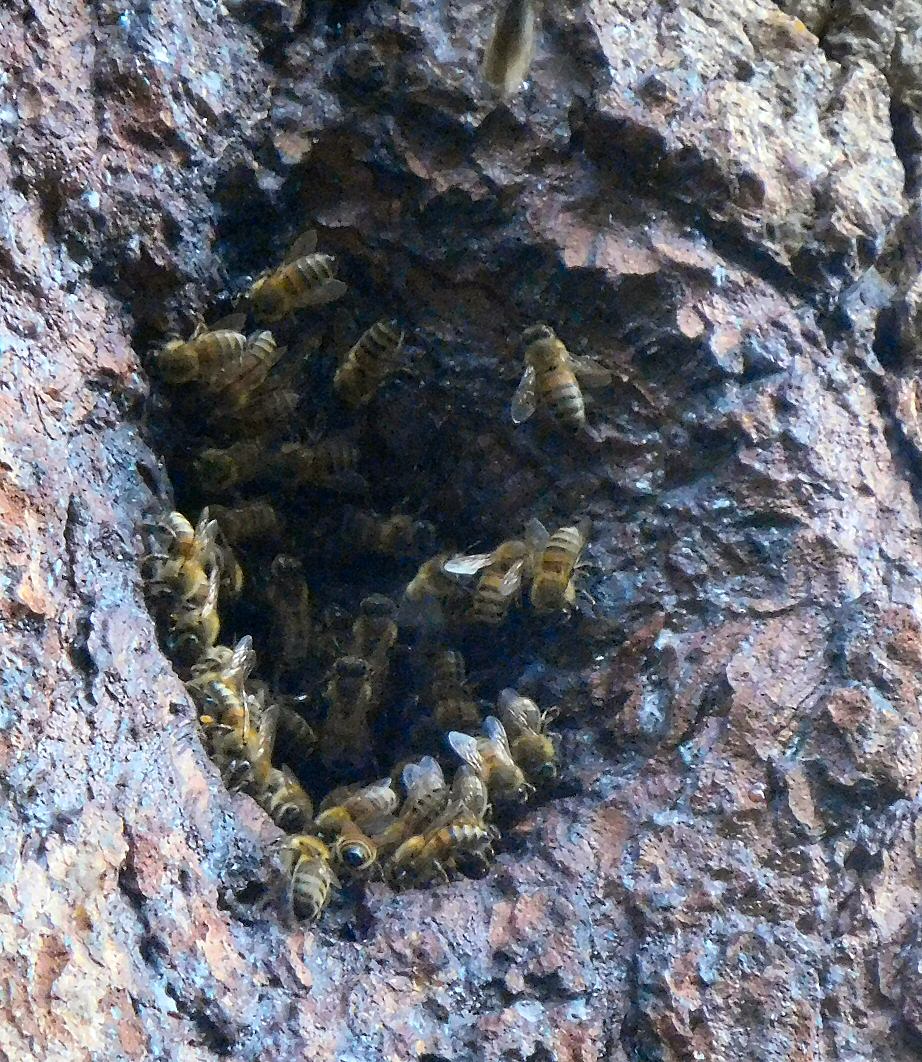
Wild Honey Bees guarding nest in Deodar cedar. David, one of the volunteer helpers, led us to it.
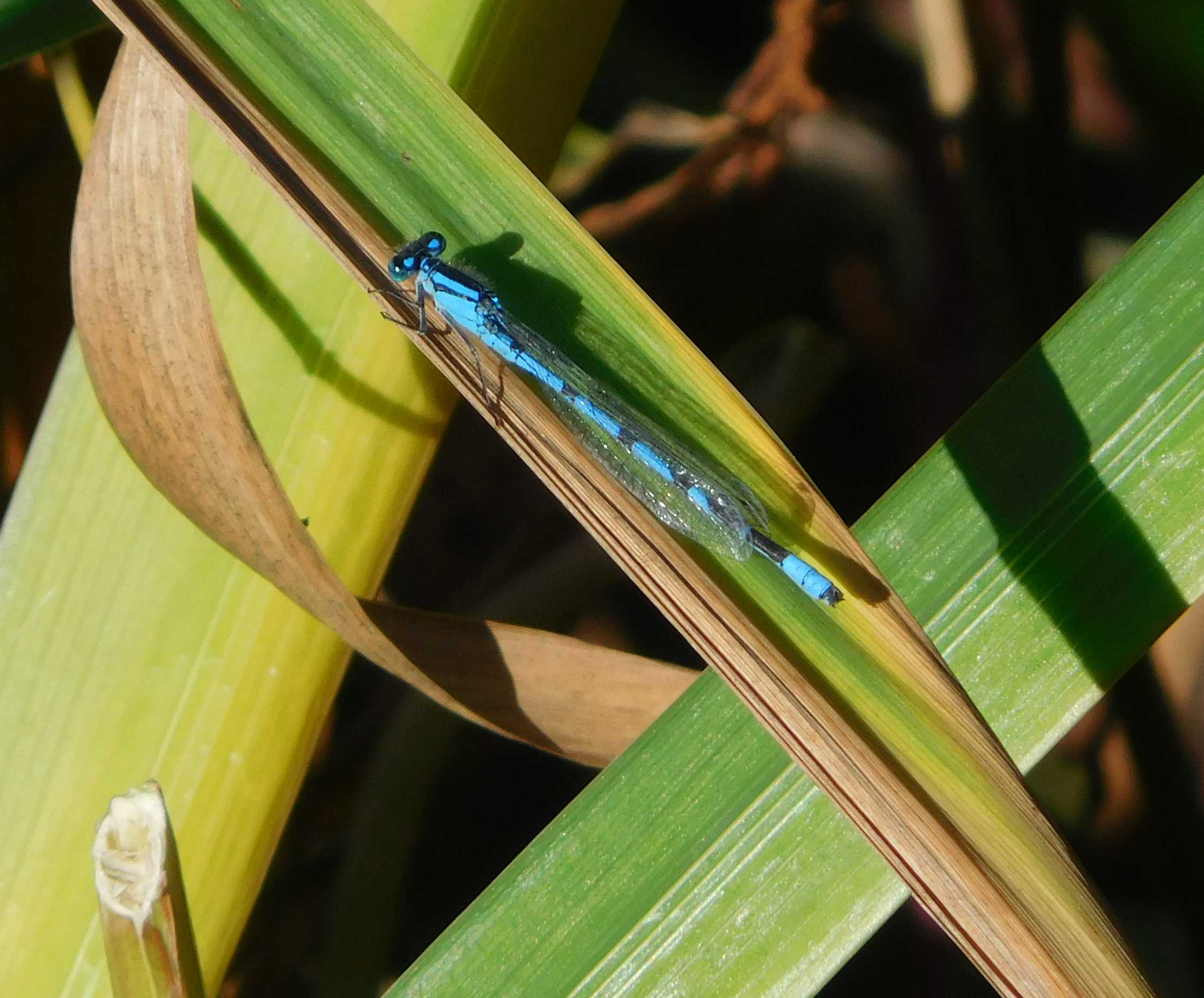
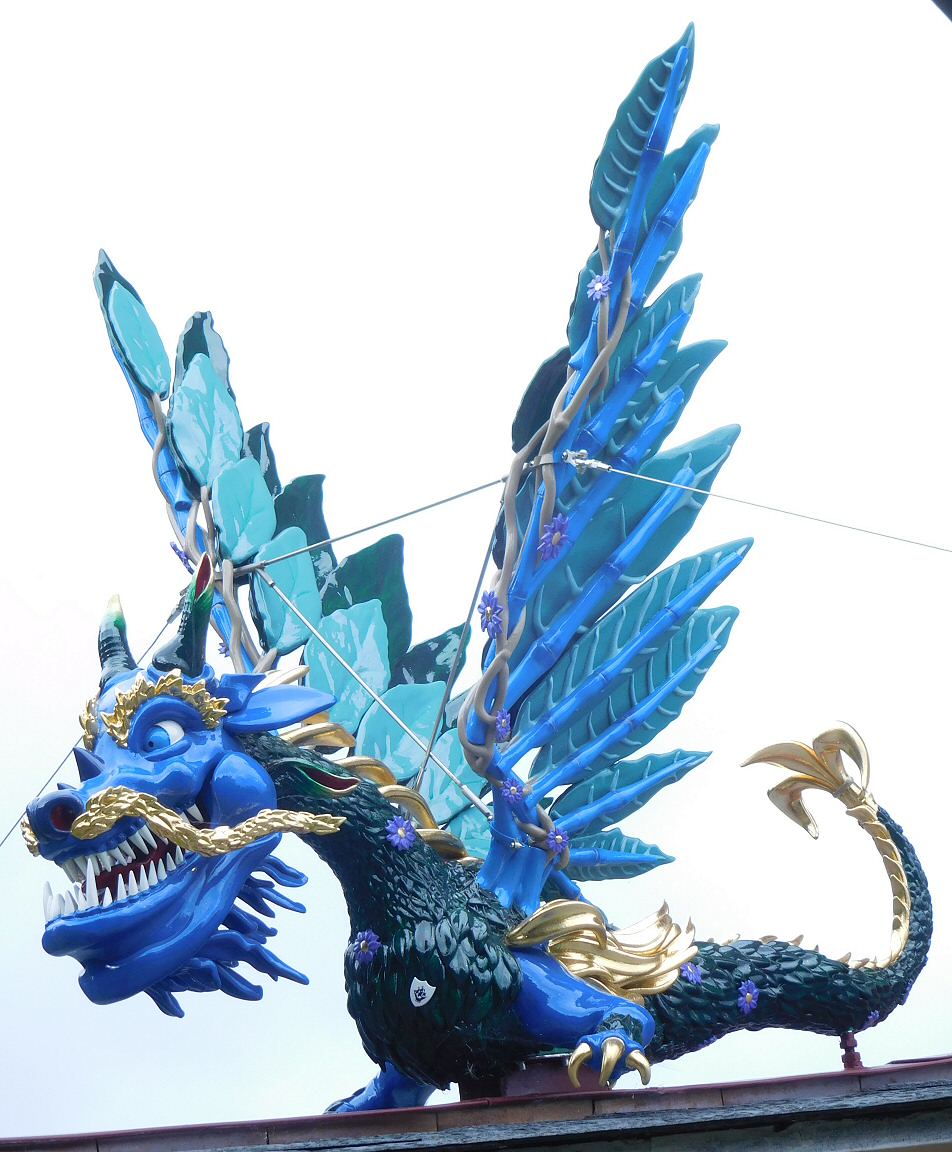
New Blue Dragon on Kew Pagoda

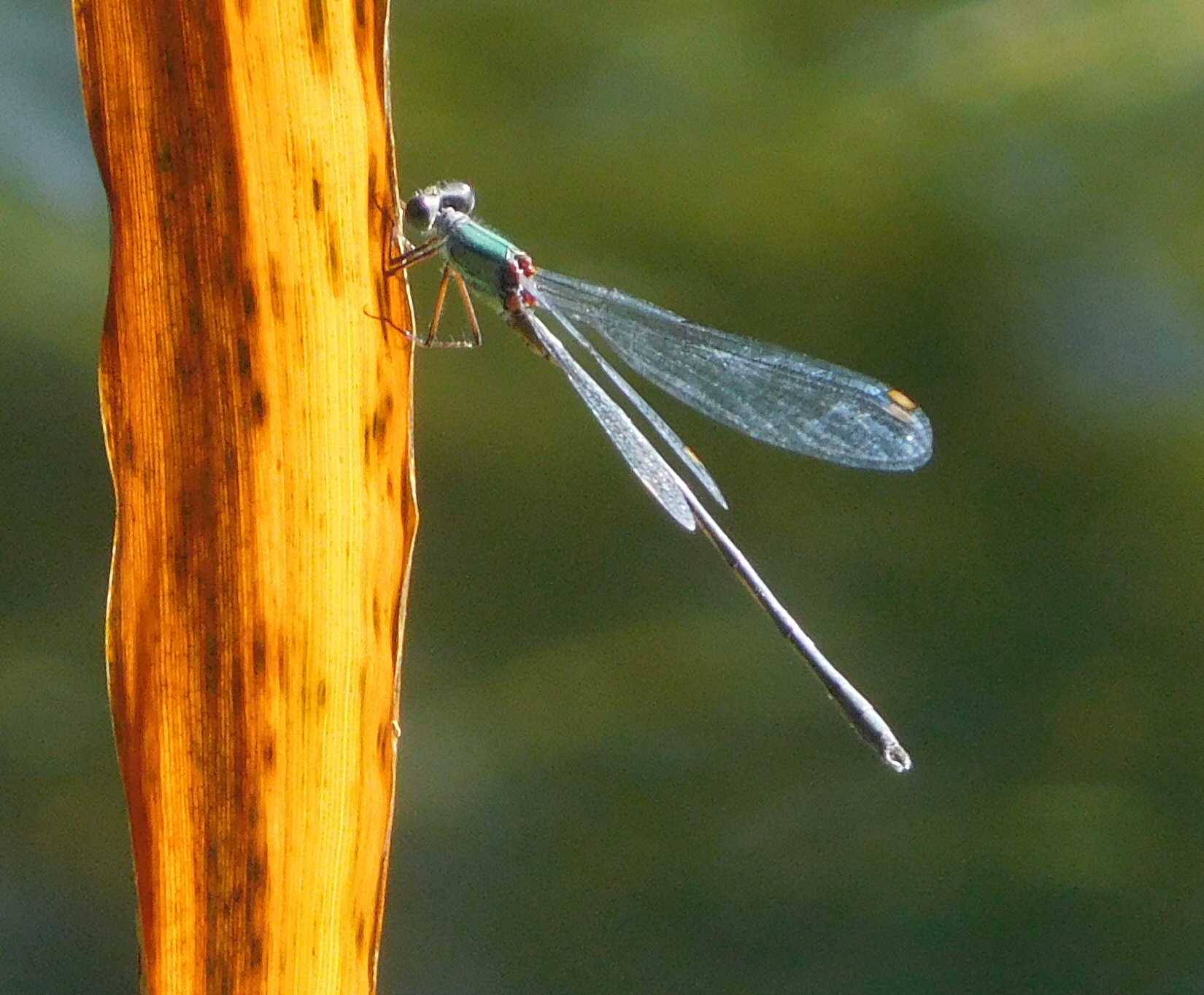
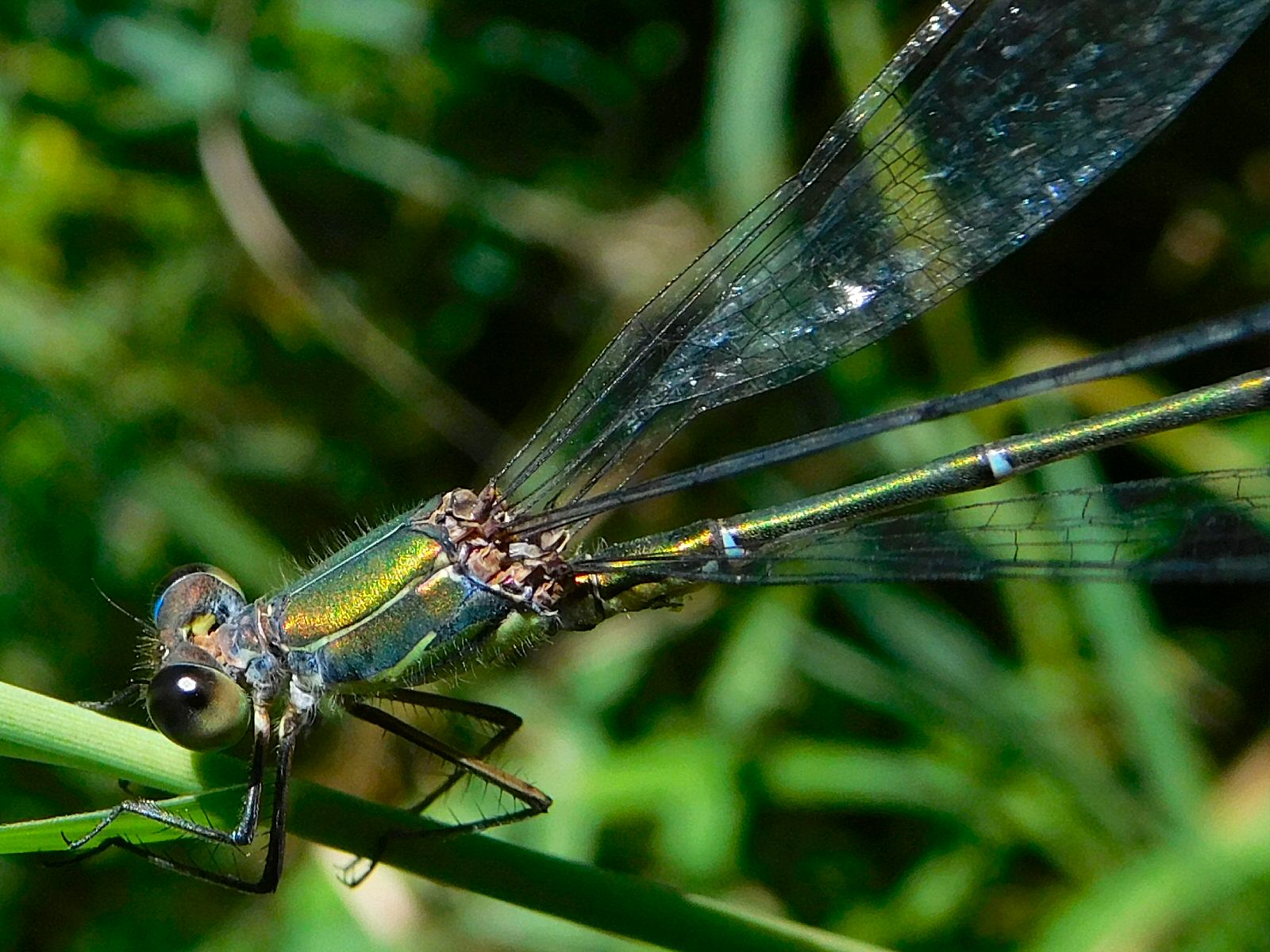
Willow Emerald Damselfly at Gunnersbury Triangle

Willow Emerald or Spreadwing Damselfly, rainbow iridescent in the beautiful Indian Summer sunshine. The wings never quite close over the back as they do in other damselflies.
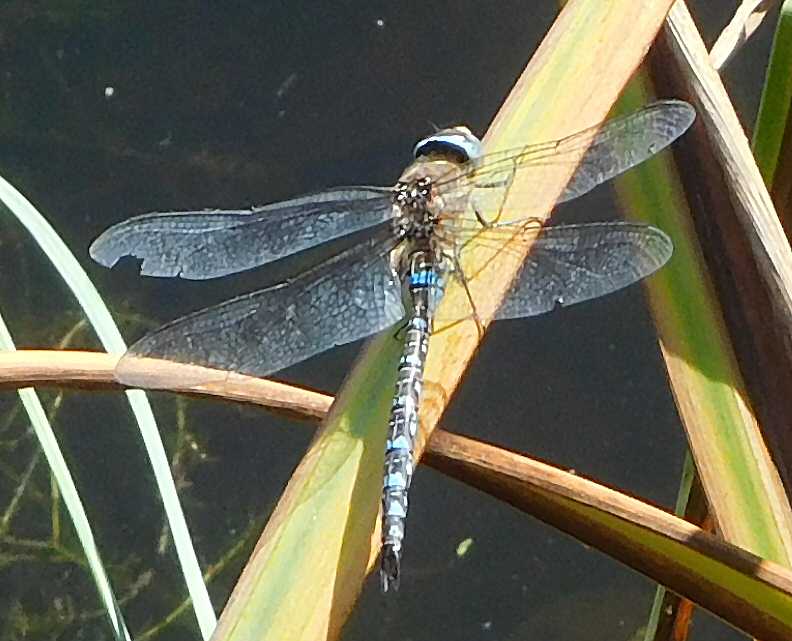
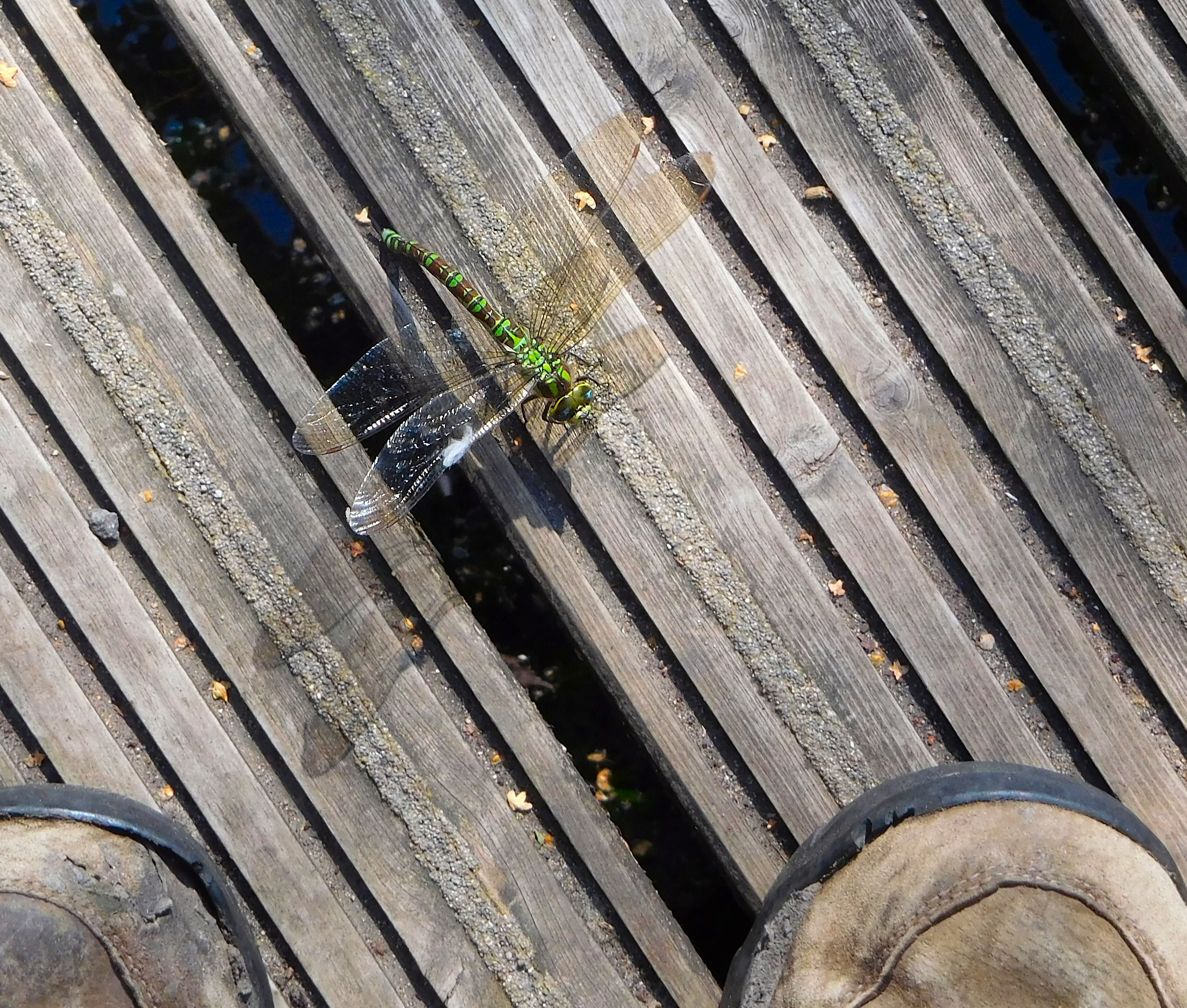
Southern Hawker ovipositing on boardwalk (in front of my boots)
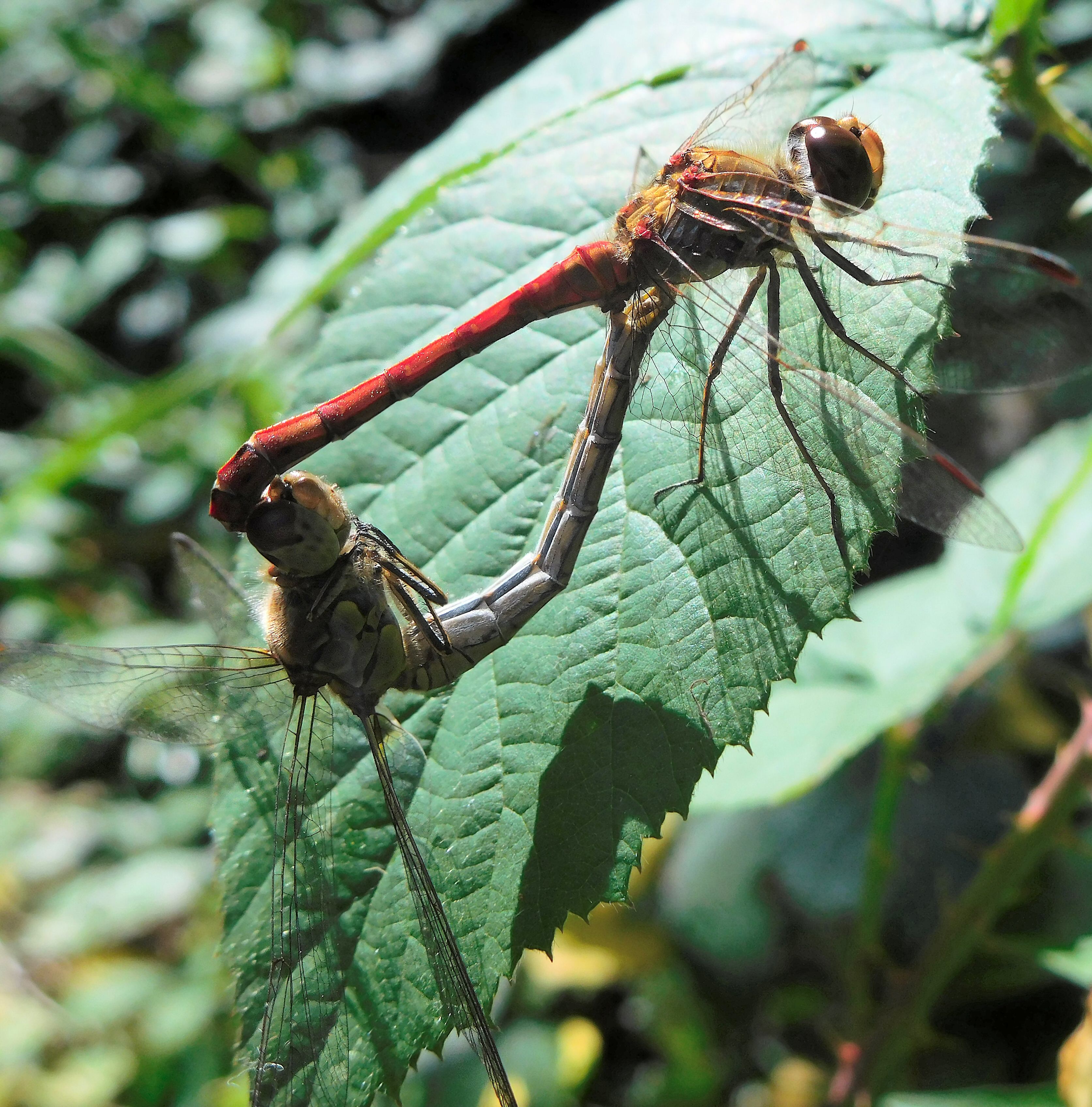
Common Darters in Cop
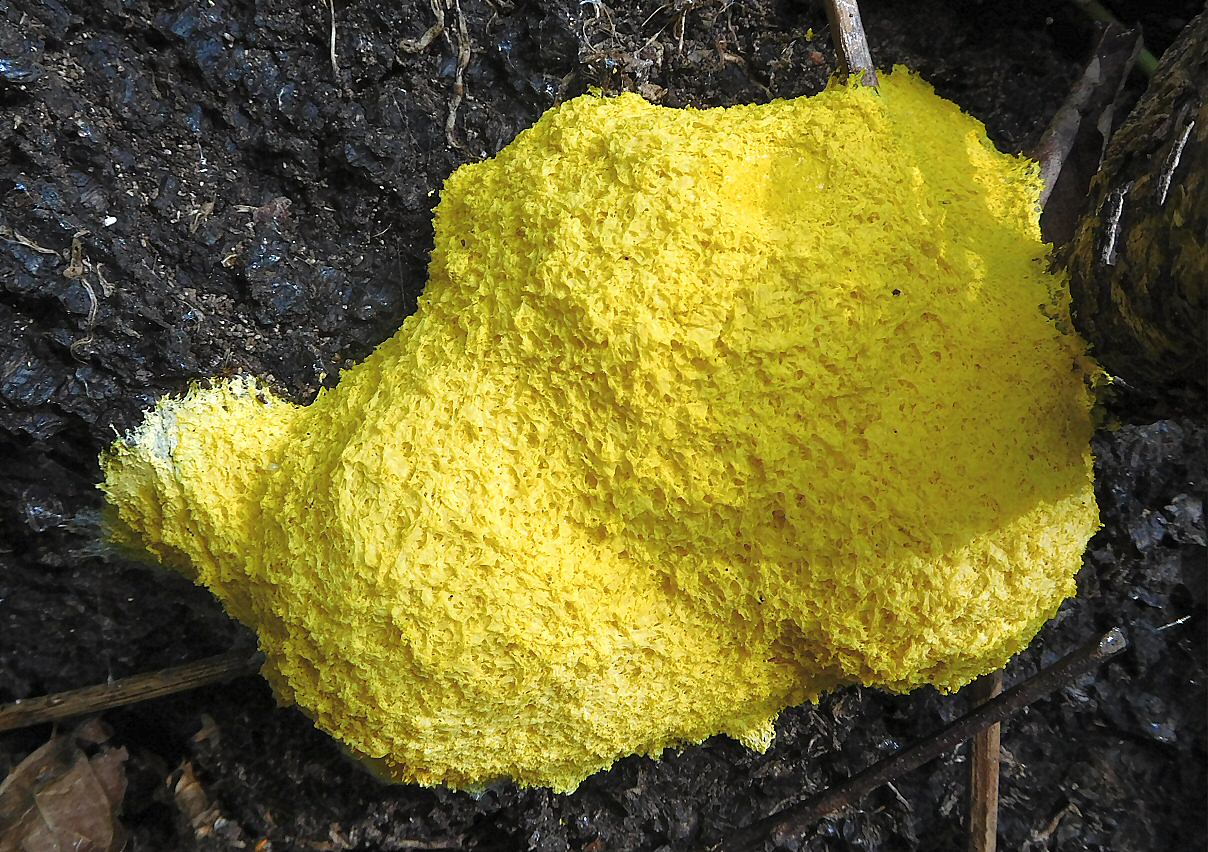
Dog’s Vomit Slime Mould, Fuligo septica, on Birch log

Willow Emerald, Woodmouse, Volunteers in Gunnersbury Triangle

Willow Emerald Damselfly on Willow in GT. This is a new species in the UK, only having arrived from the Continent in the past couple of years. It appeared in numbers ovipositing in the GT pond in August. The species perches with its wings not fully closed together. The iridescent green is handsome when it flies, remarkably well camouflaged when perched.
Woodmouse by GT bicycle wheel
Female Southern Hawker on Broom
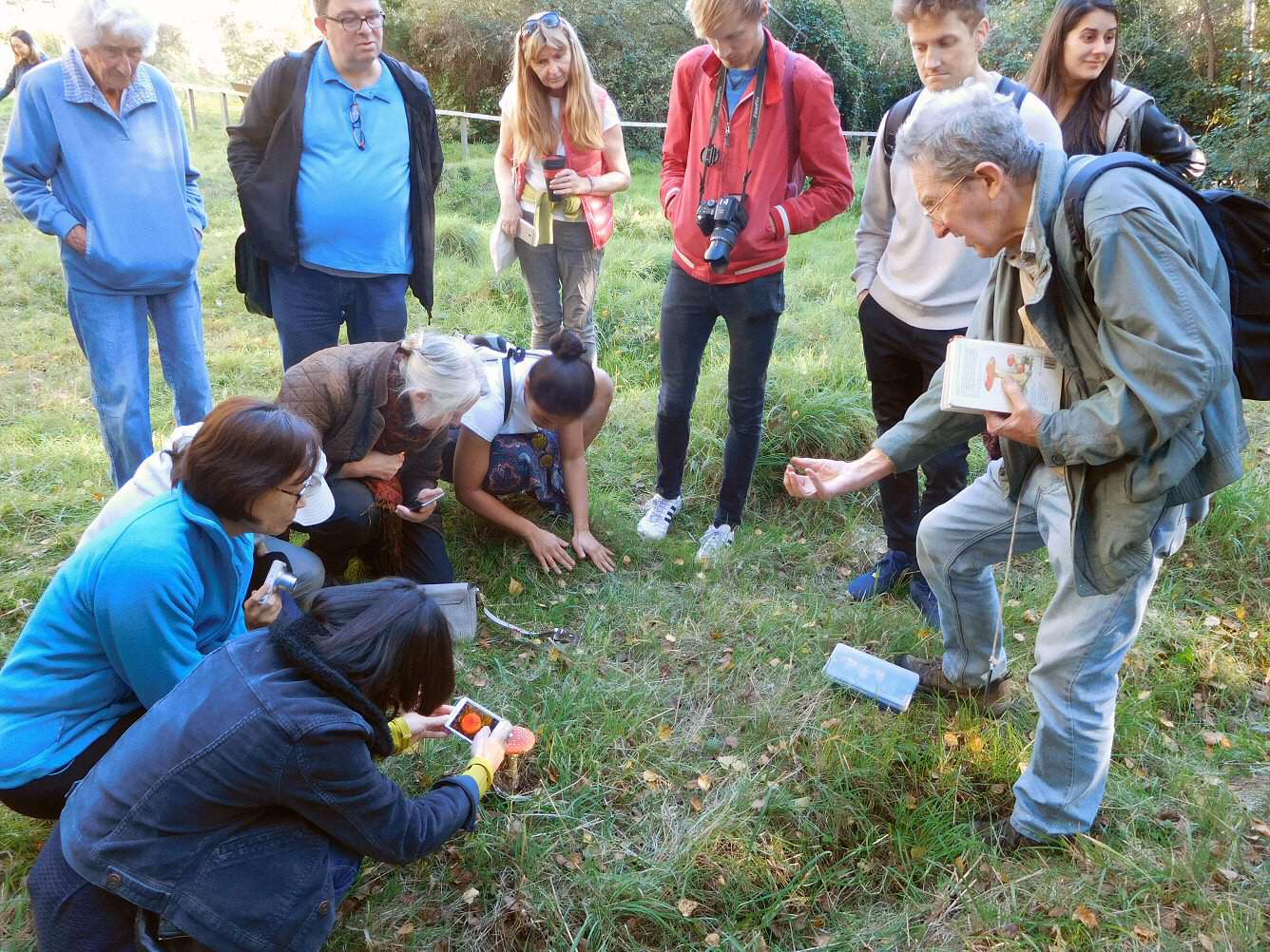
Tara Netty Eleni volunteers mowing Anthill Meadow (and looking at interesting specimens). We found small toads, frogs, and newts in the grass.