Tag Archives: Common Spotted Orchid

Dolomites 2025

Here are some of the natural history delights of the Dolomites. I’ve avoided duplicating species from my earlier Dolomites post. To see the images at full size, open them in a new tab or window.
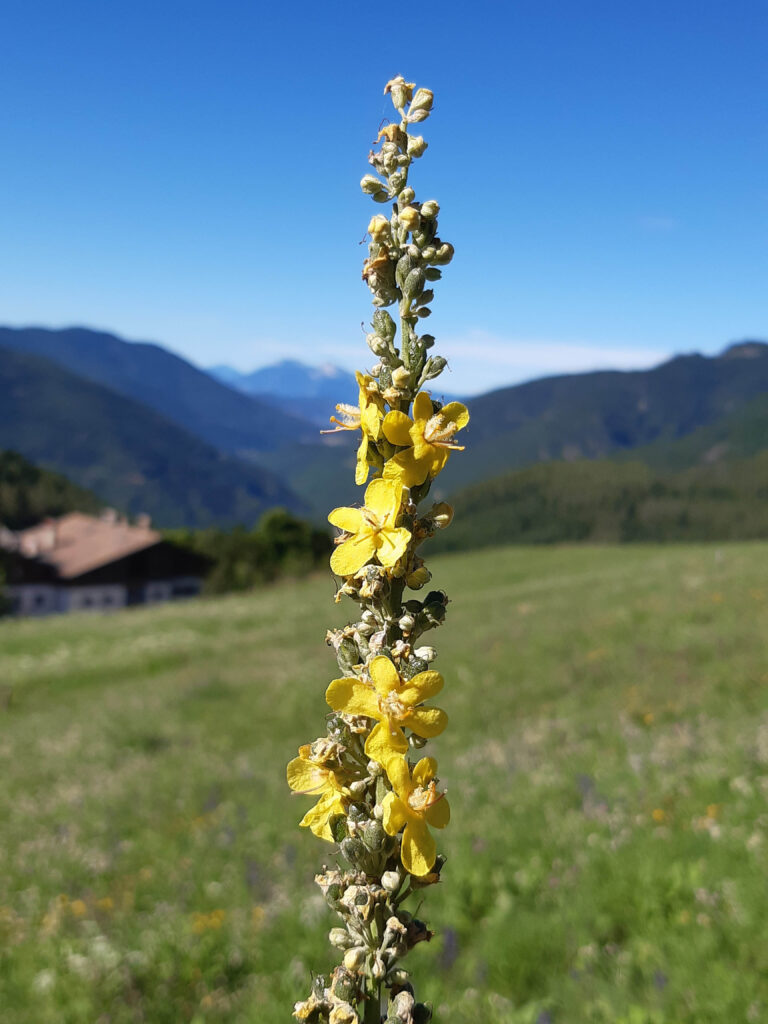
Mullein, Anterivo
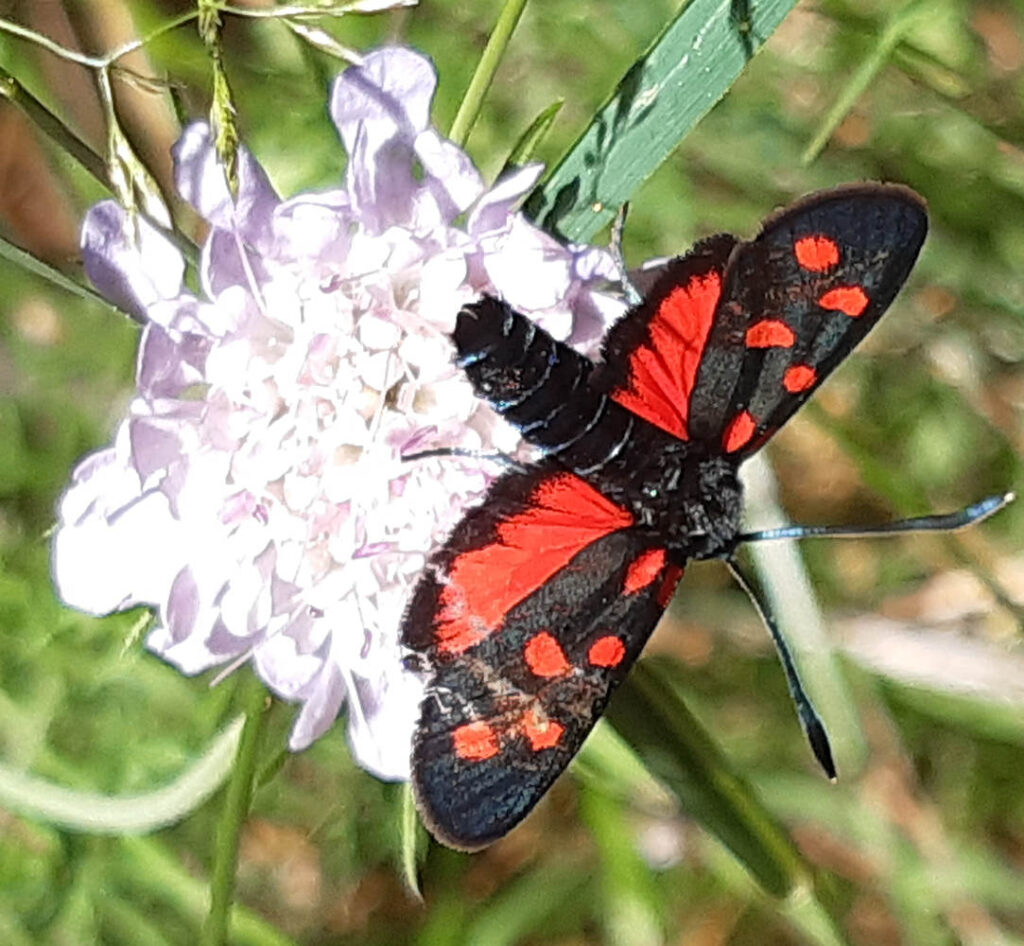
Narrow-bordered 5-spot Burnet Moth, on Scabious

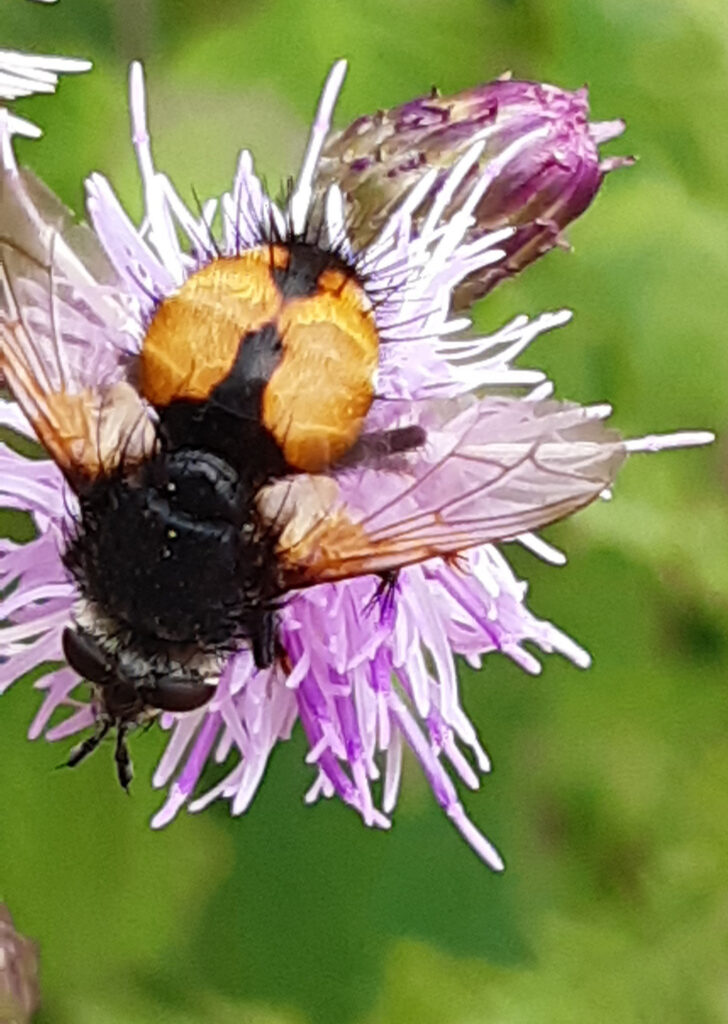
Orange-backed Tachinid fly, presumably mimicking a bee
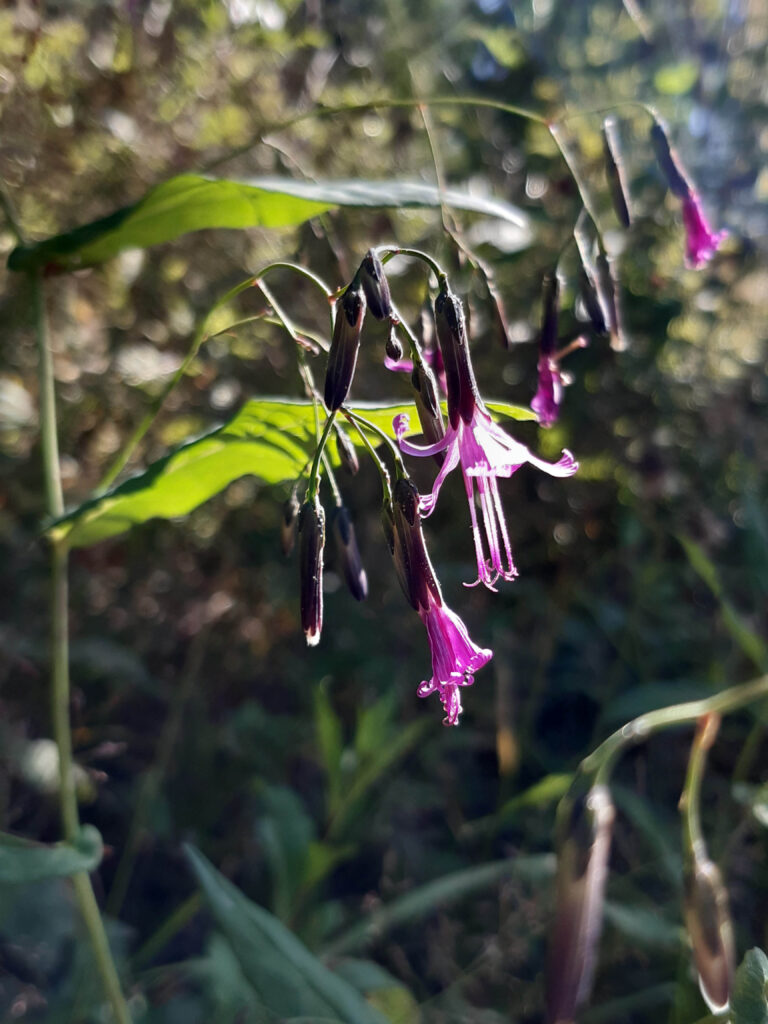
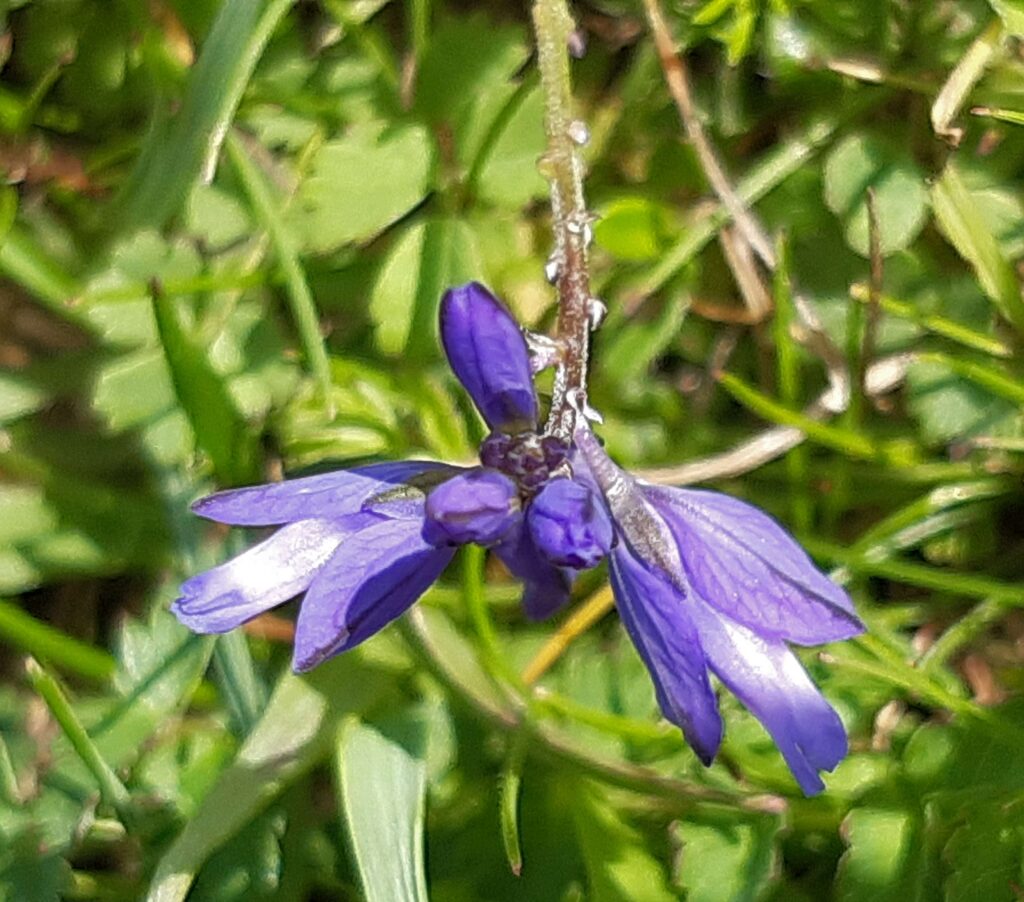
Purple Rattlesnake-root
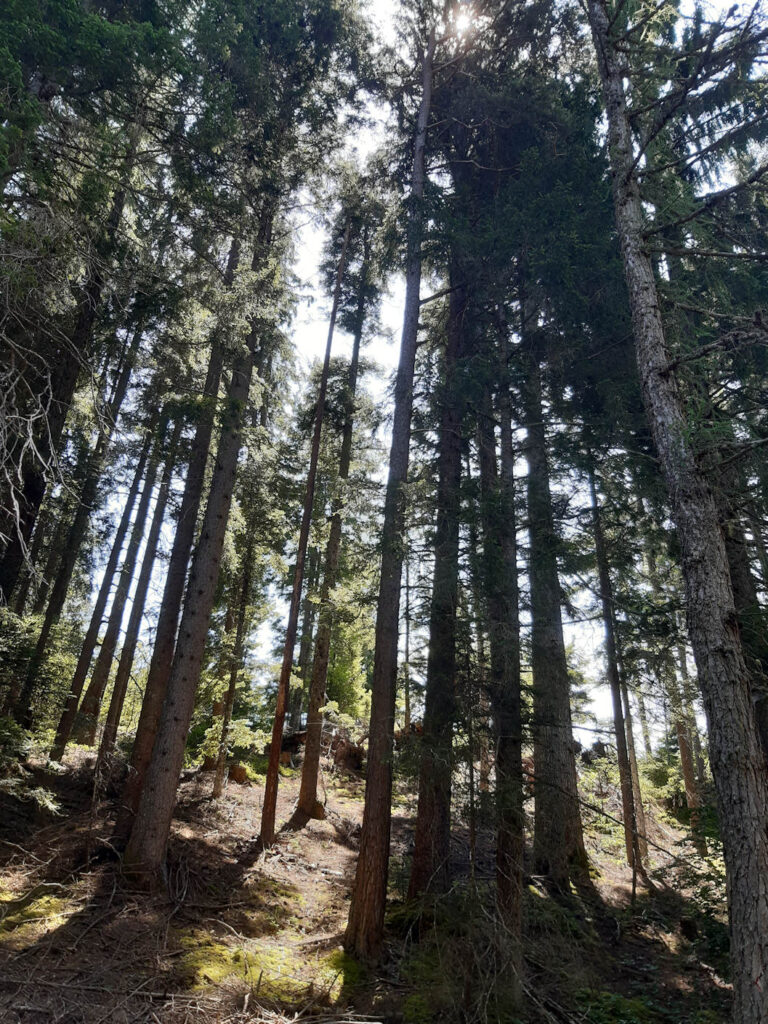
Marvellous tall firs, Anterivo
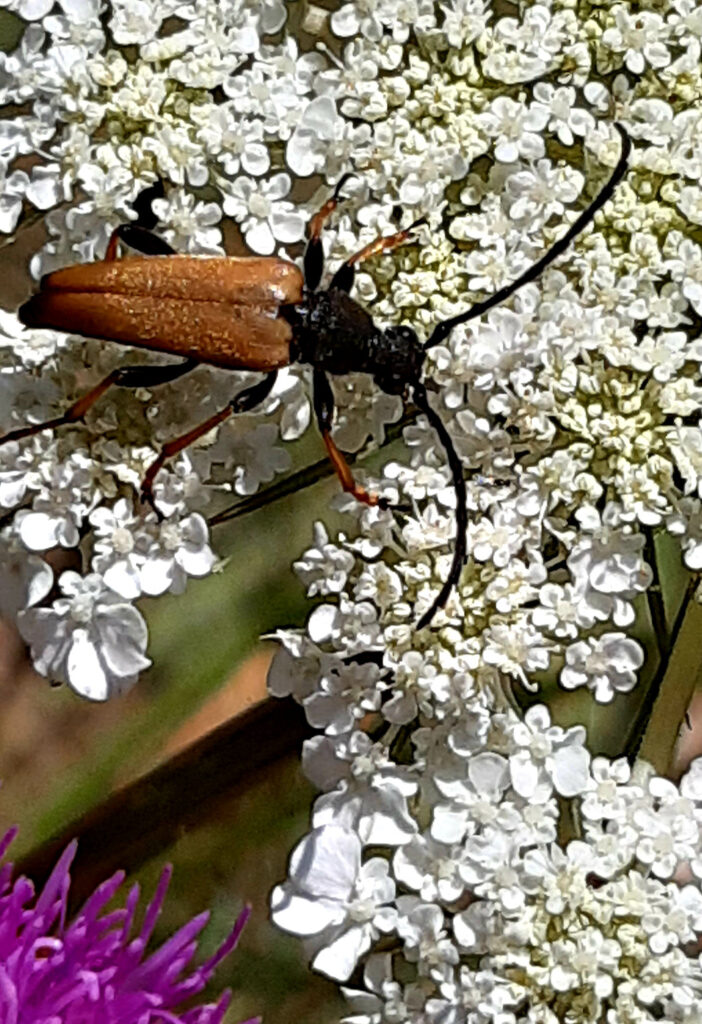
Red Pine Longhorn beetle. The adults take nectar; the larvae feed on rotting wood.
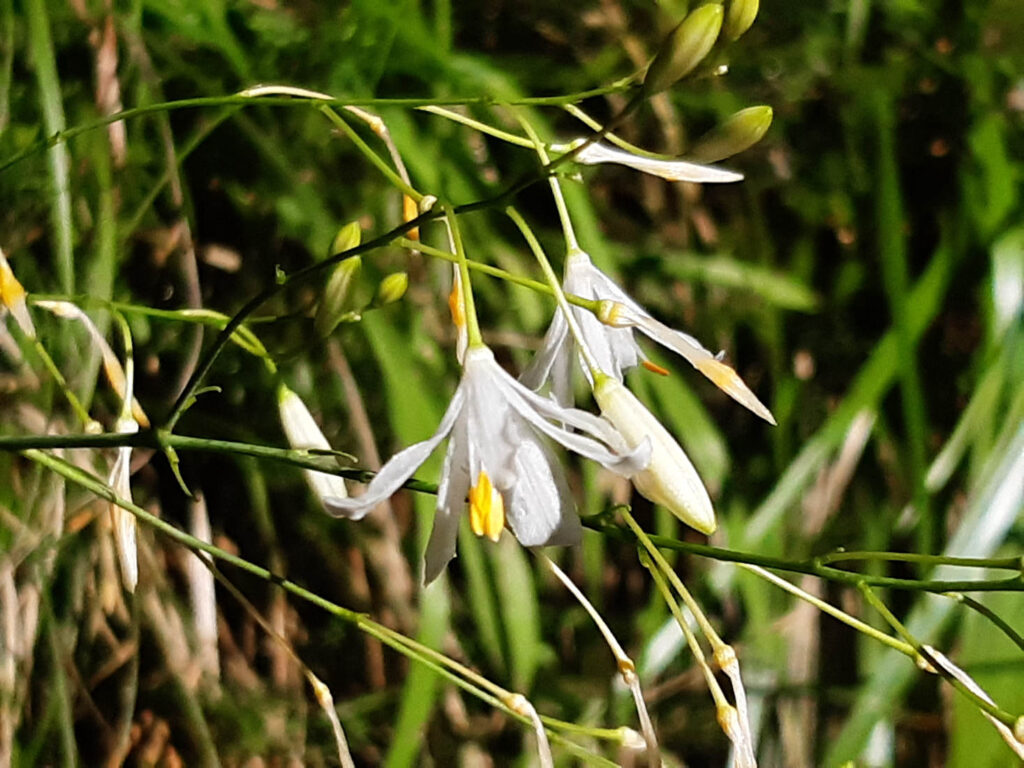
Keeled Garlic
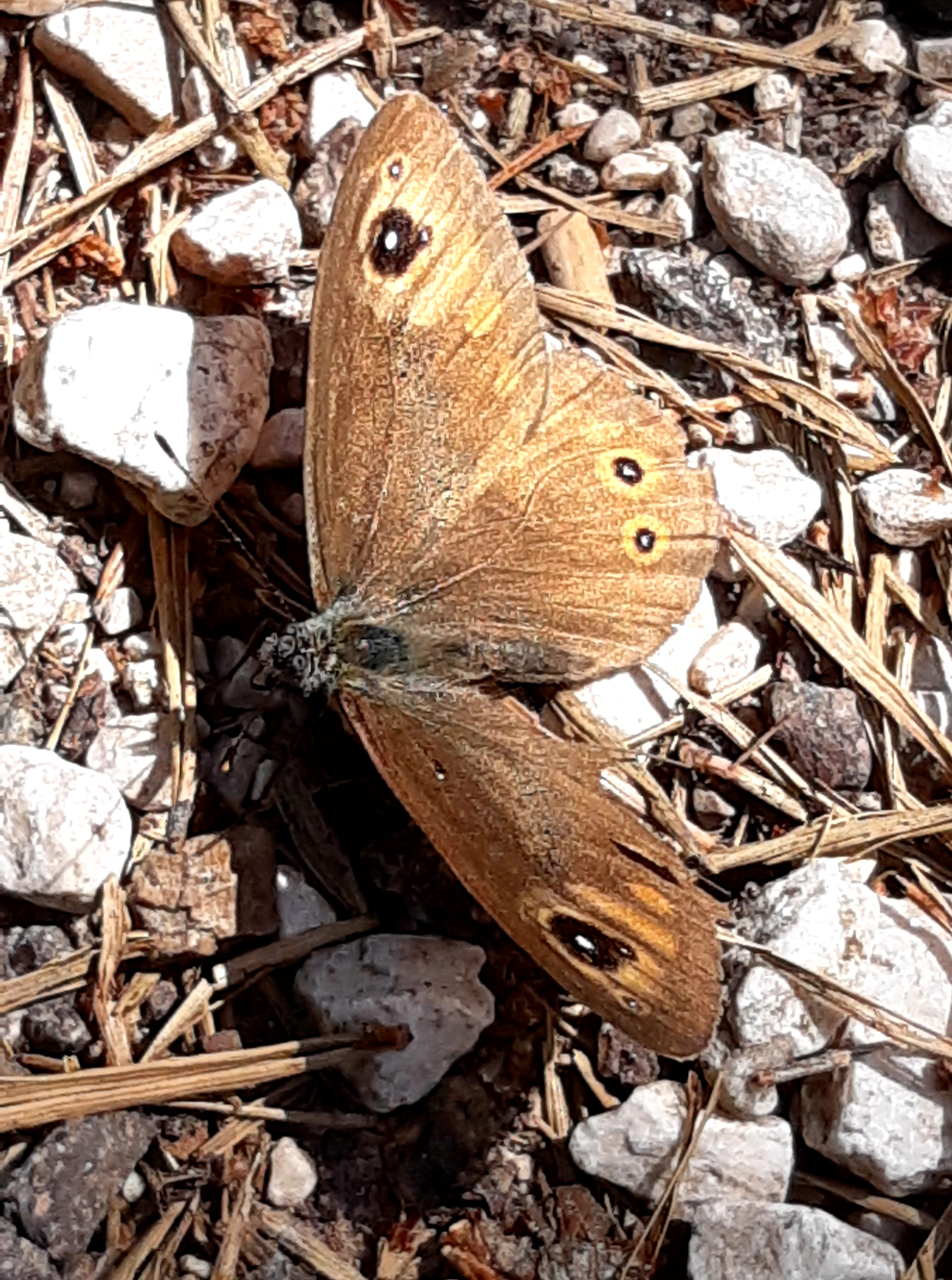
Large Wall Brown, Trodena
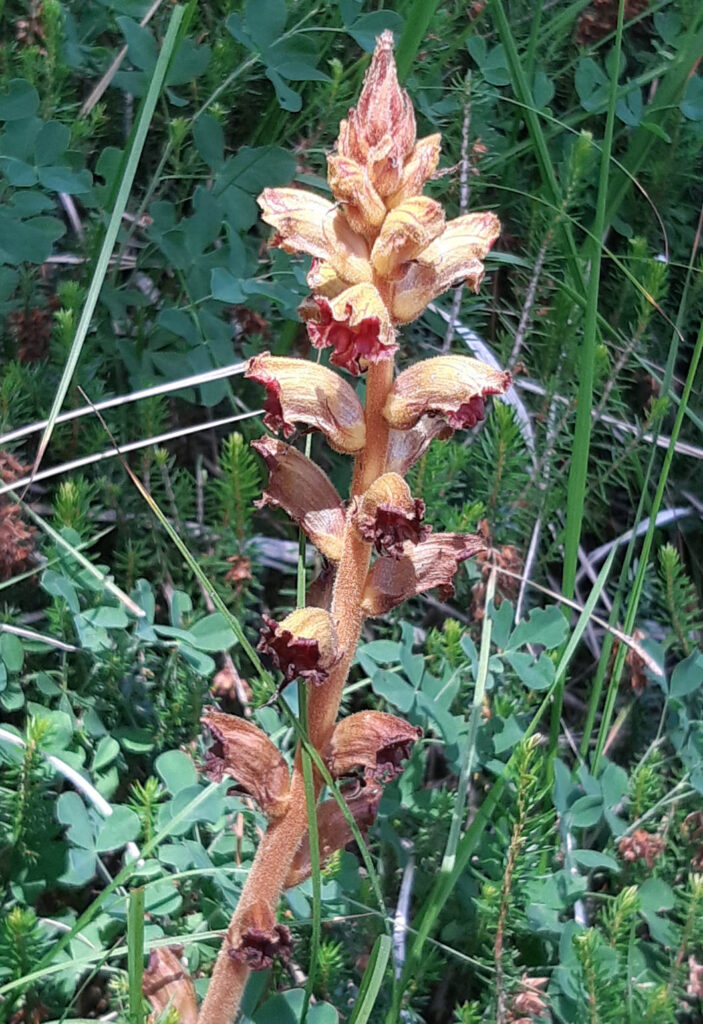
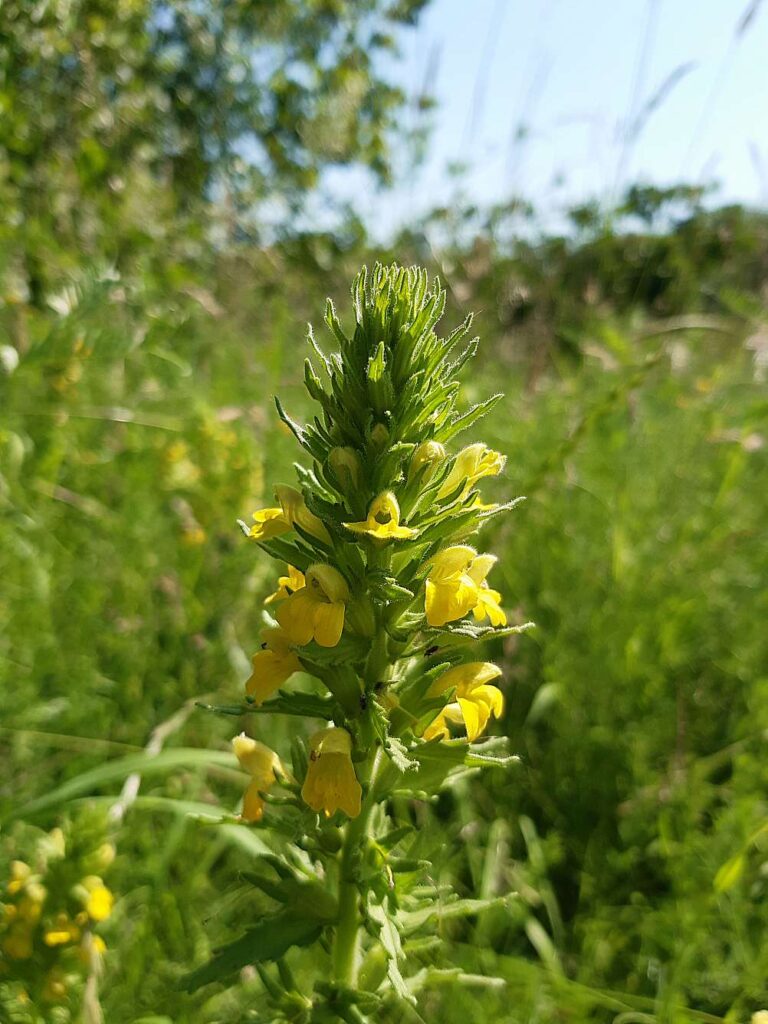
Purple Broomrape, Trodena. The plant has no leaves, relying entirely for its food on parasitising its host plant, Yarrow.
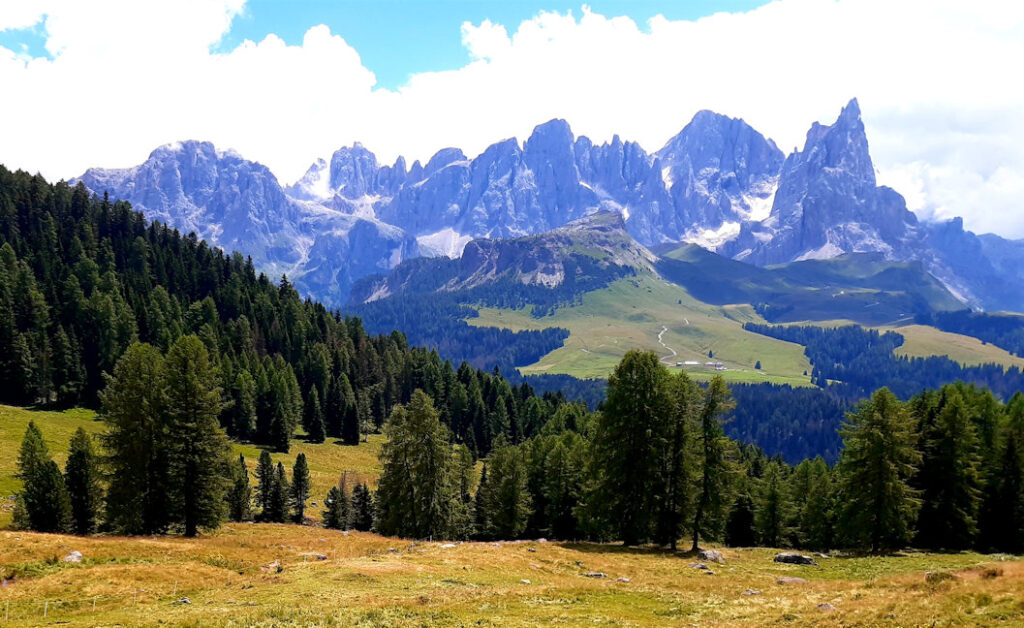
Pale di San Martino mountains, alpine meadows, mixed coniferous forest of Spruce, Fir, Larch, and Pine
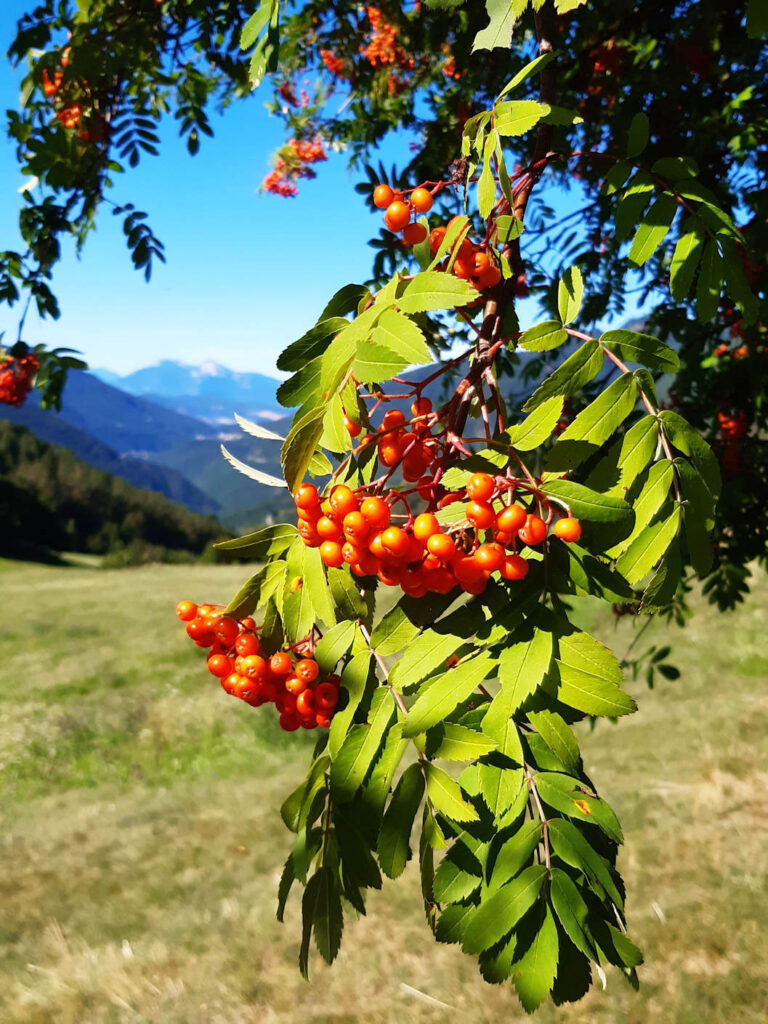
Rowan or Mountain Ash, Anterivo
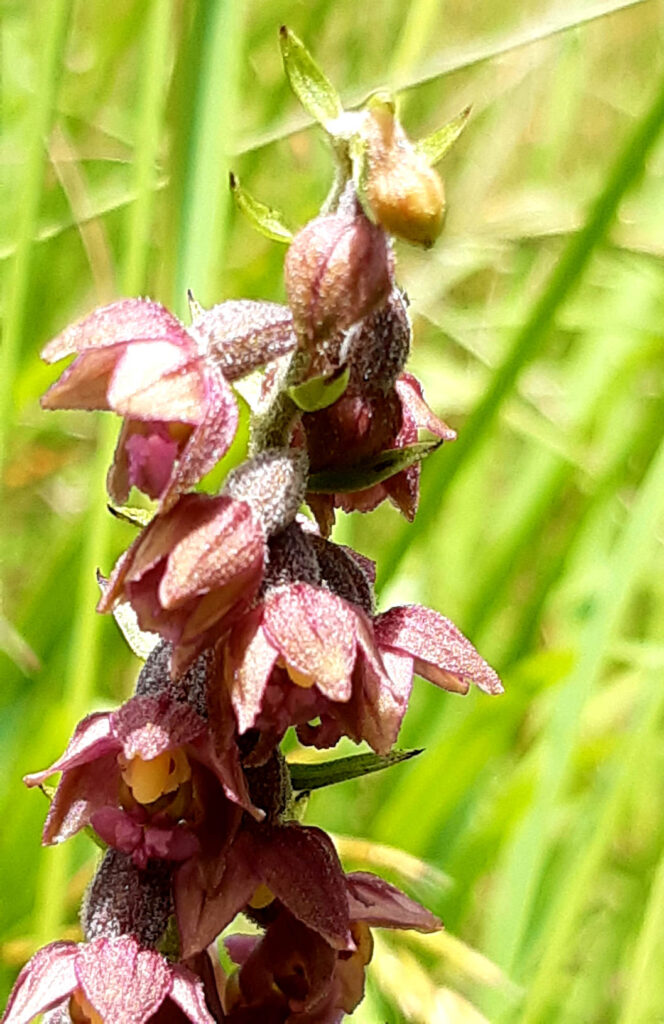
Dark Red Helleborine, Aldino
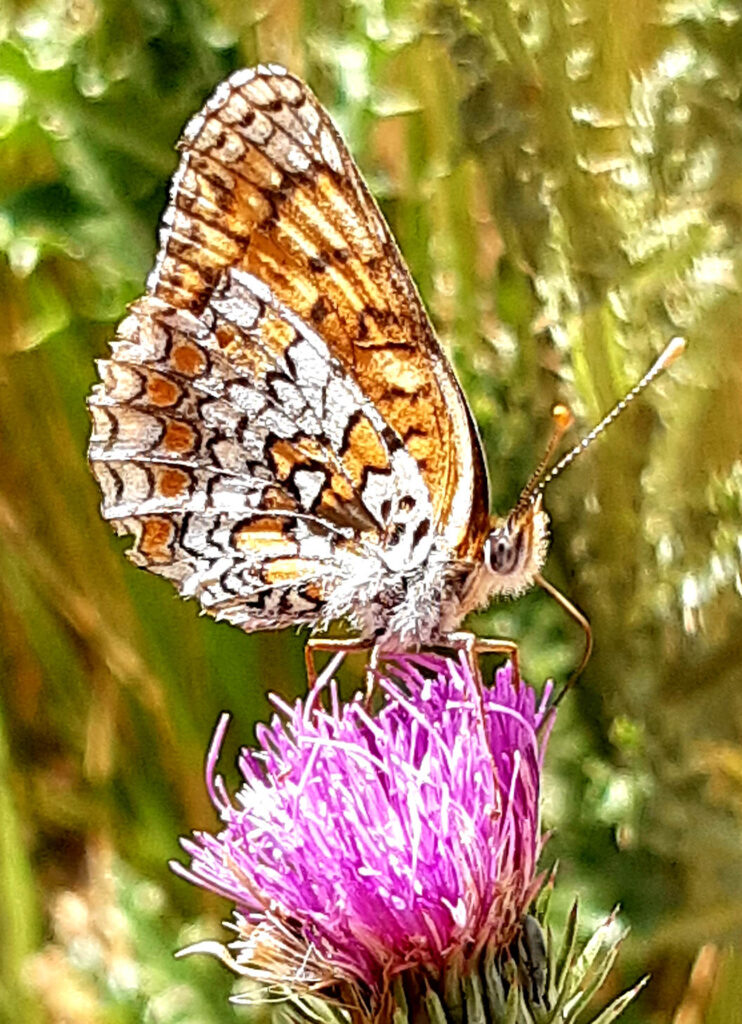
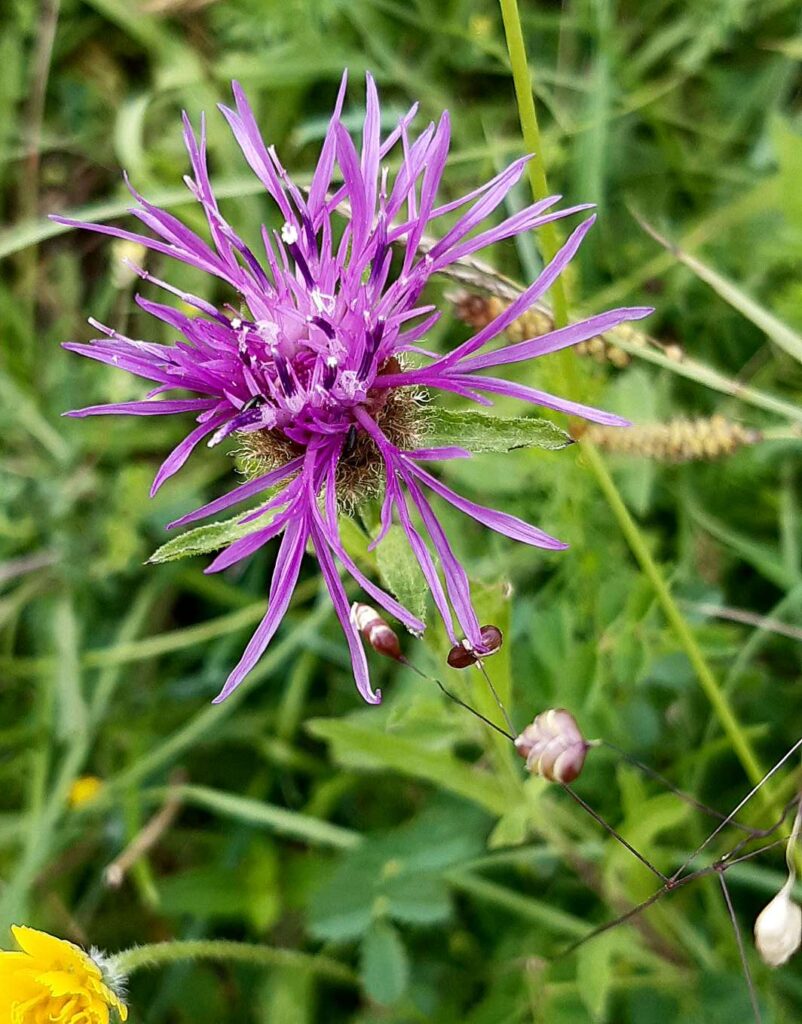
Knapweed Fritillary, on Knapweed
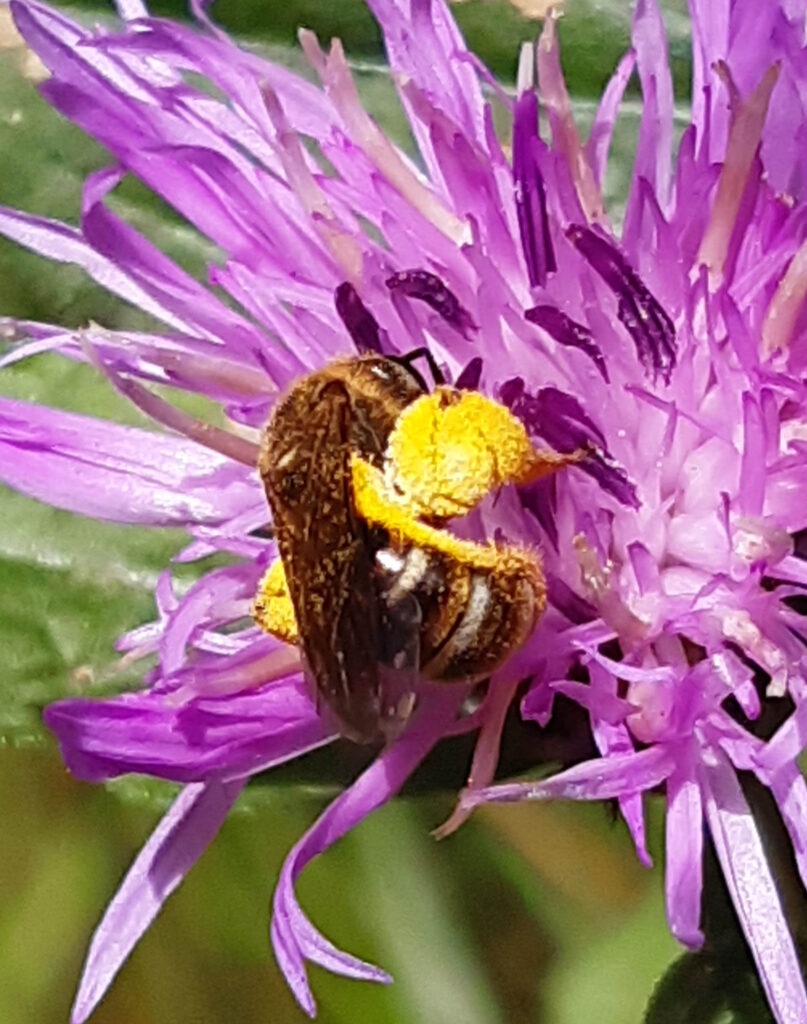
Pollinator at work: a bee with full pollen baskets on its legs, probably a Halictus mining bee, on Knapweed (cf Halictus scabiosae, which does nectar on Knapweed as well as on Scabious, and has stripes of three colours on its abdomen)
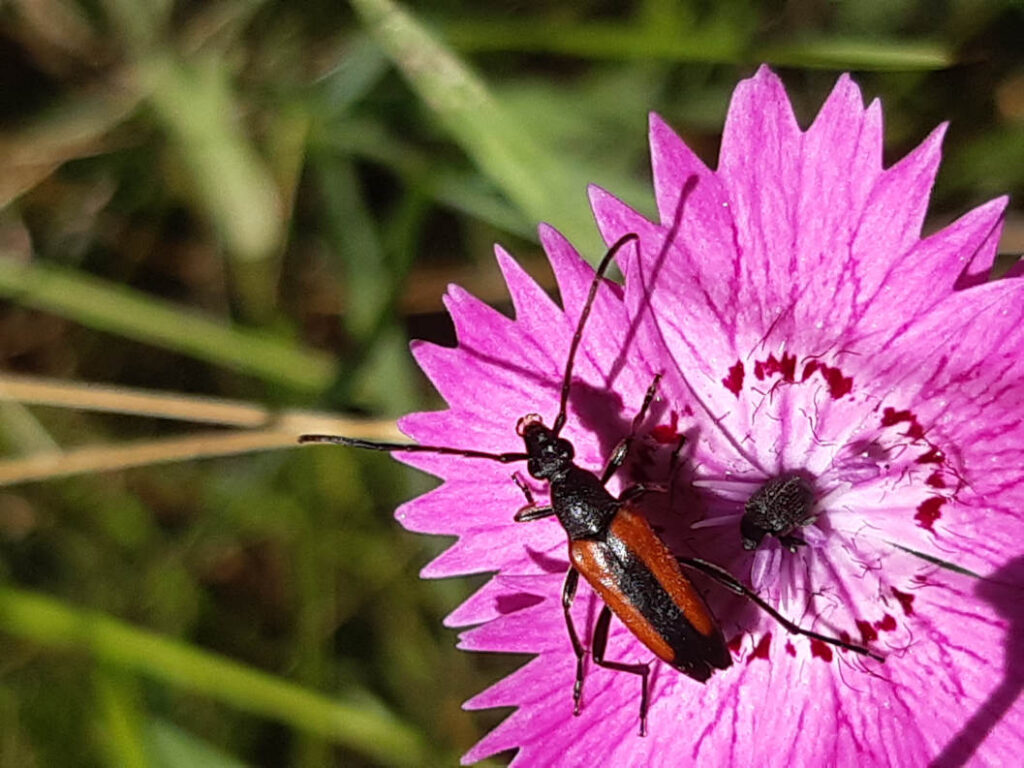
Black-striped Longhorn Beetle, on Seguier’s Pink
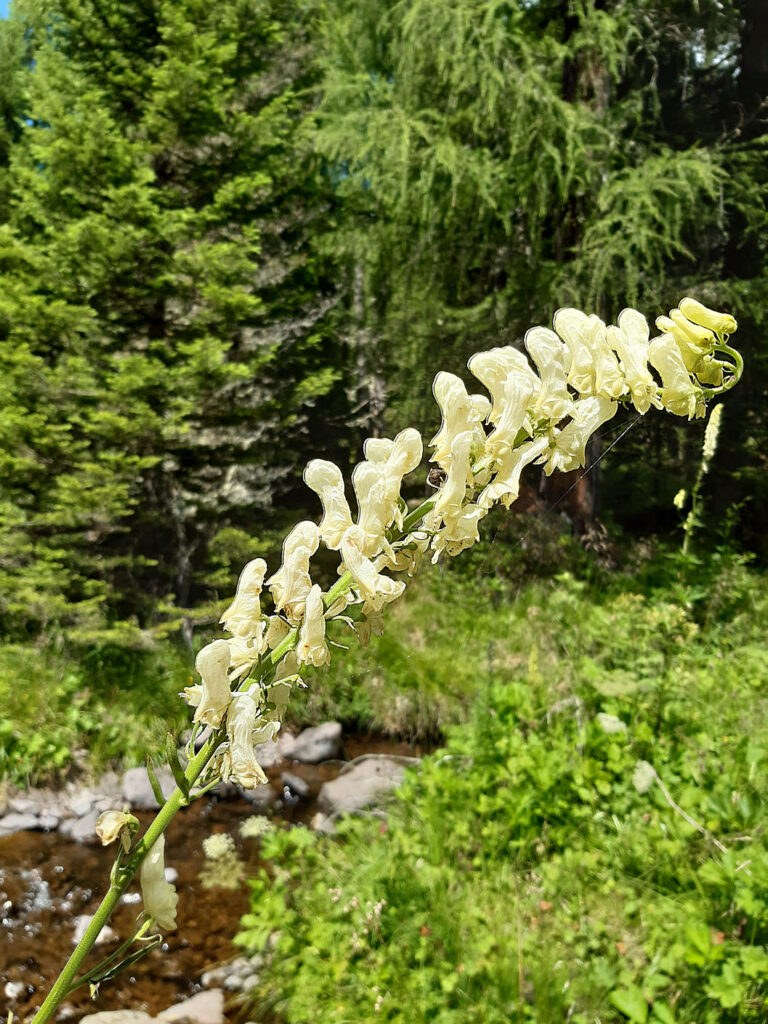
White Hellebore
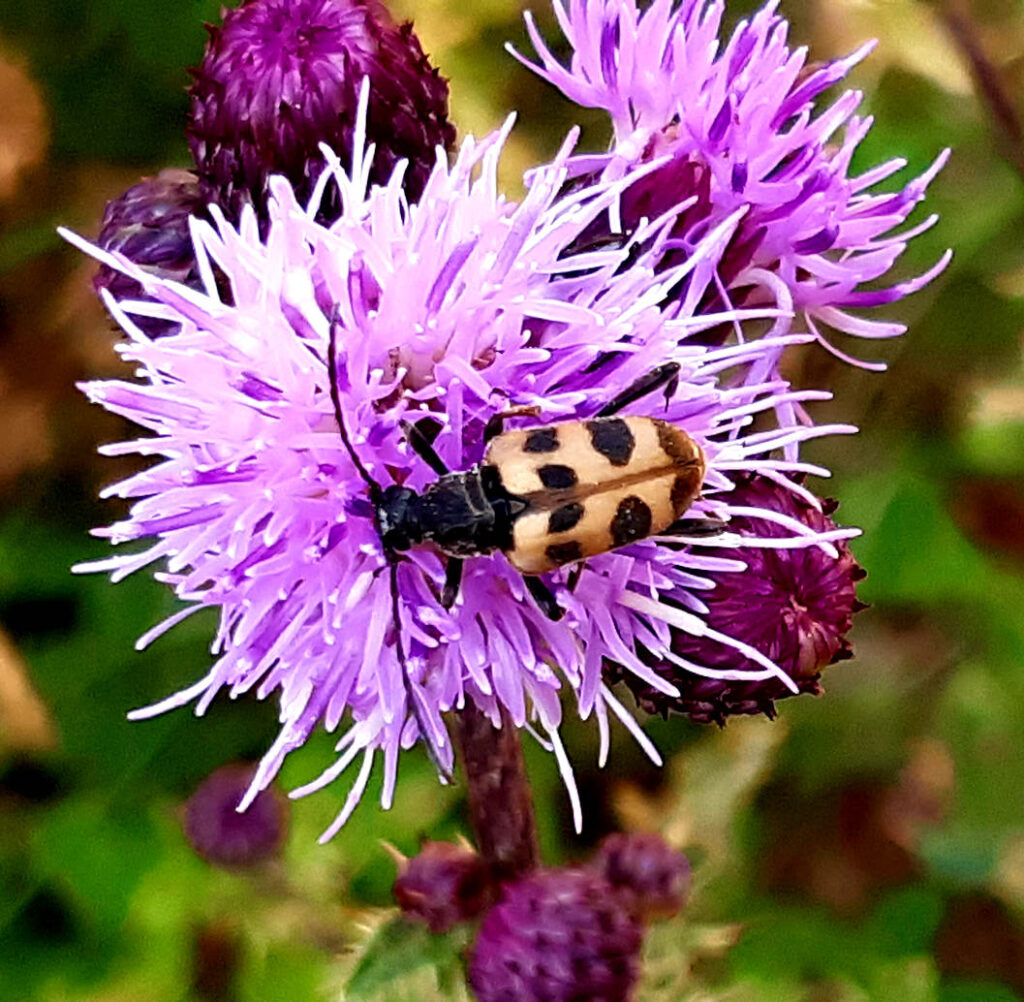
Spotted Flower Longhorn
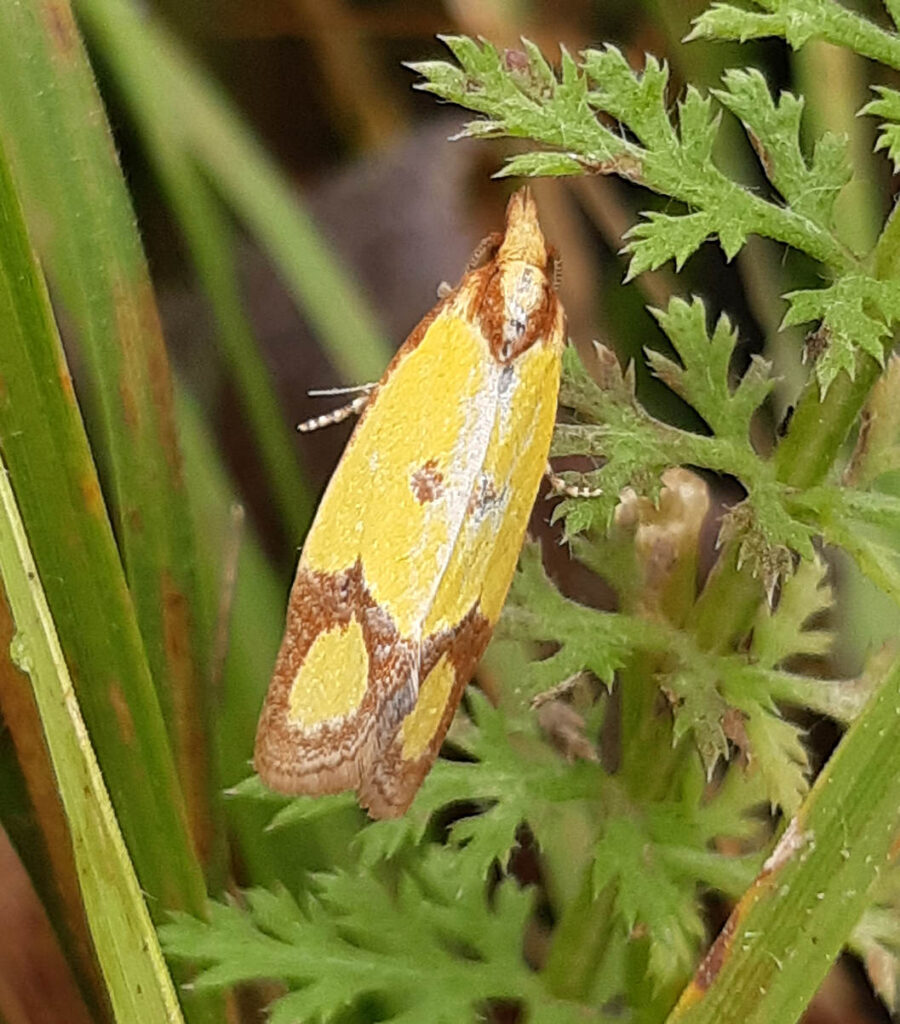
Sulphur Knapweed moth
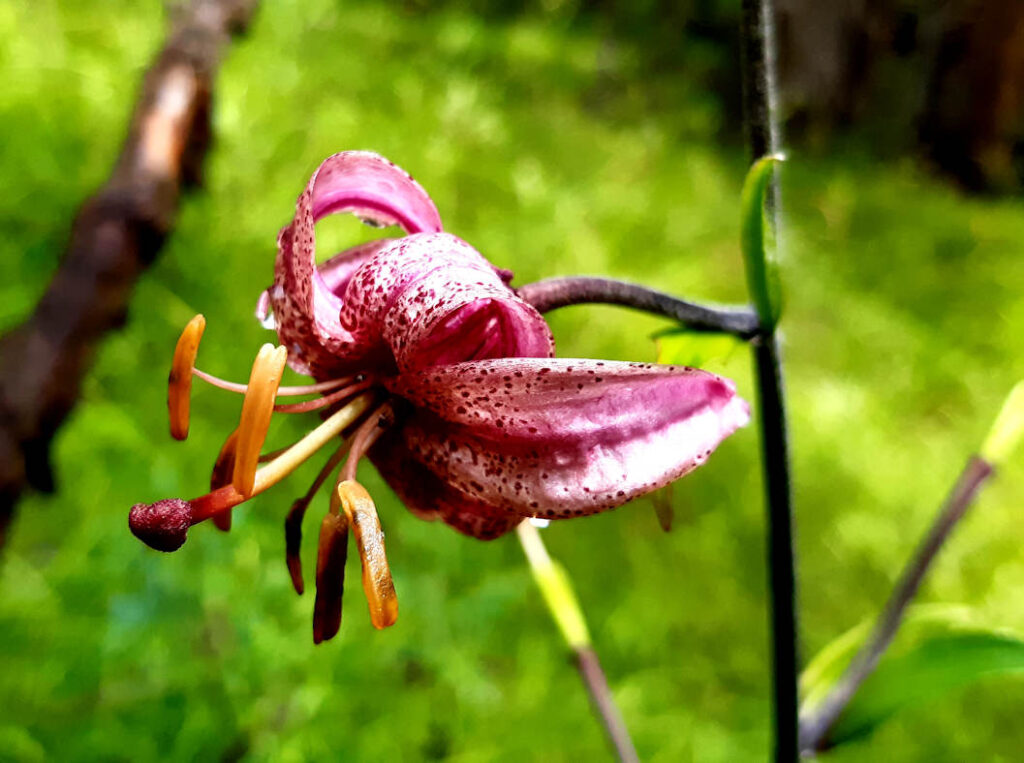
Martagon or Turk’s Head Lily
St Bernard’s Lily
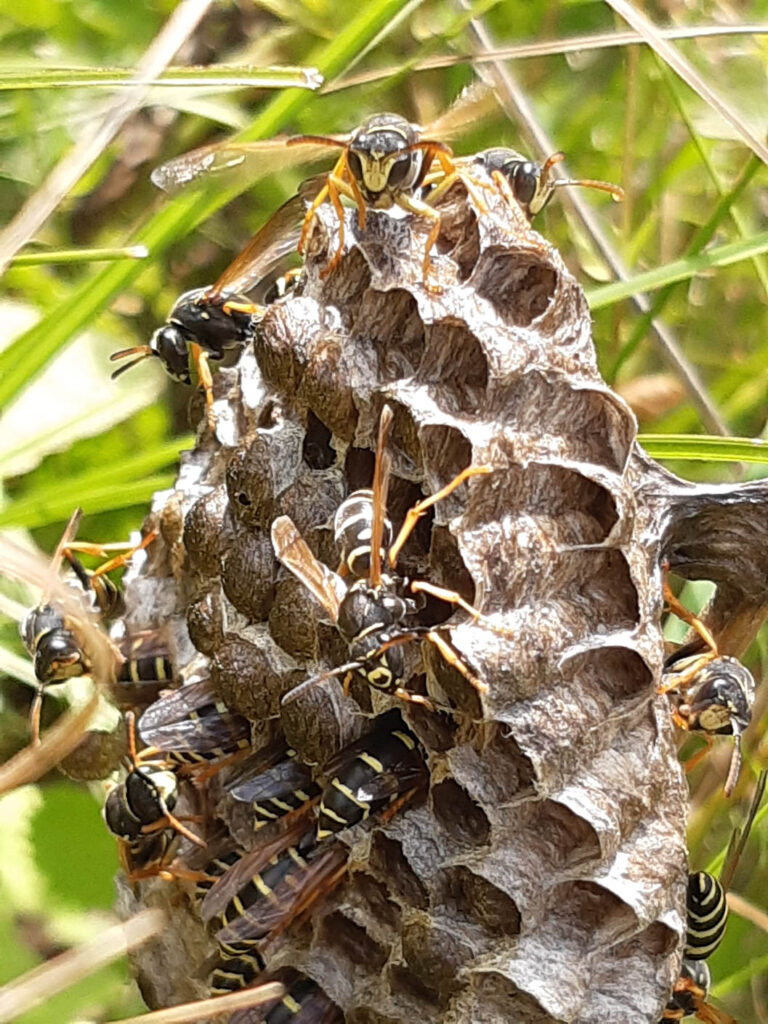
Nest of Paper Wasp (Polistes). Workers are on guard; others tend the larvae. The outer row of cells always remains unused. Unlike common wasps, the nest is made in the open, attached to a herbaceous stem as here, and it never gets much larger than this. Some of the cells are sealed, with domed ends and pupae inside.
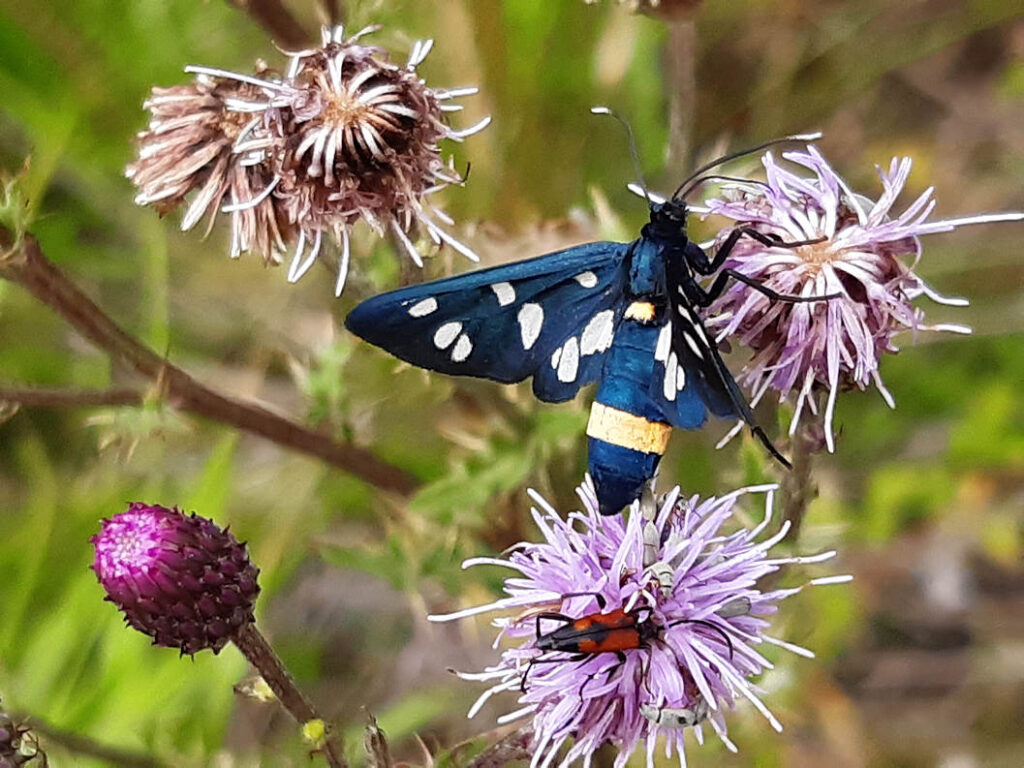
Nine-spotted Moth taking nectar on Knapweed. Like the Burnet moths, its bold coloration is aposematic; it may also be a wasp mimic with the bold yellow stripe on its abdomen. Below it is a heart-spotted flower longhorn beetle, Stictoleptura cordigera.
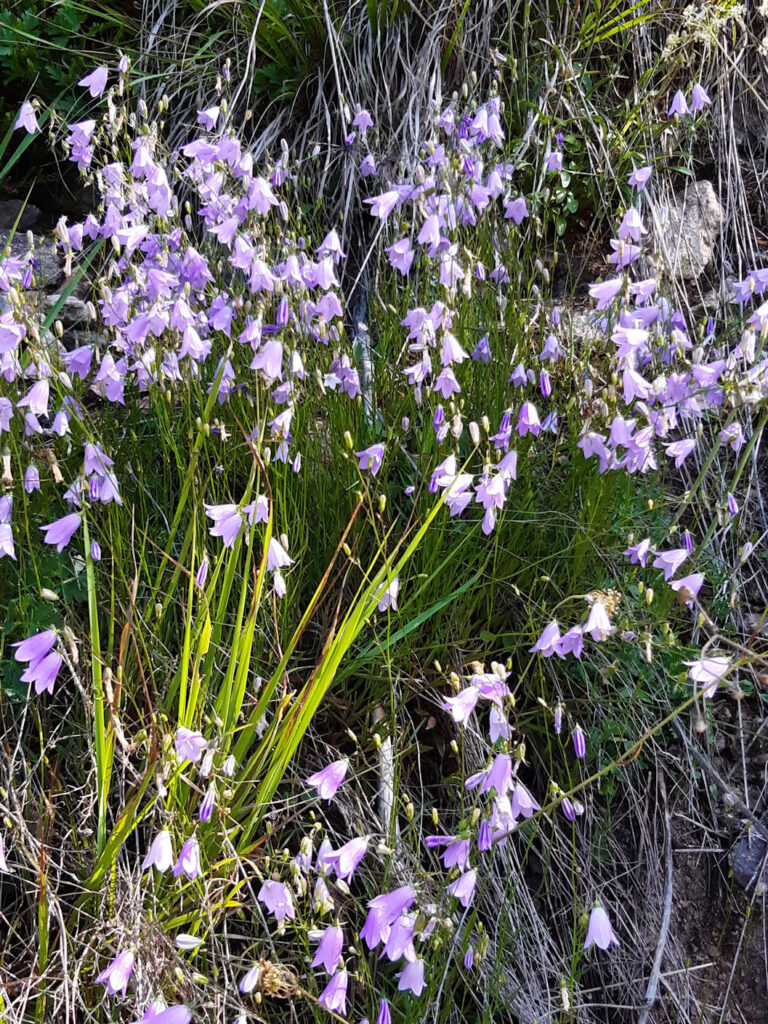
A mass of Harebells
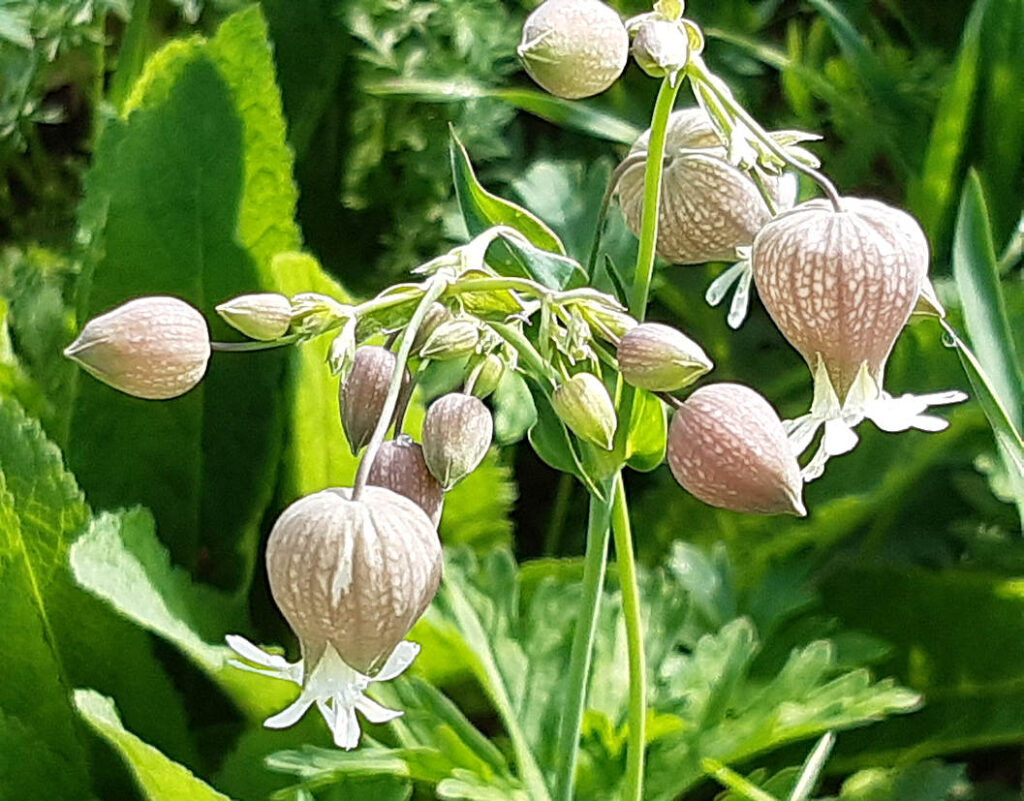
Bladder Campion
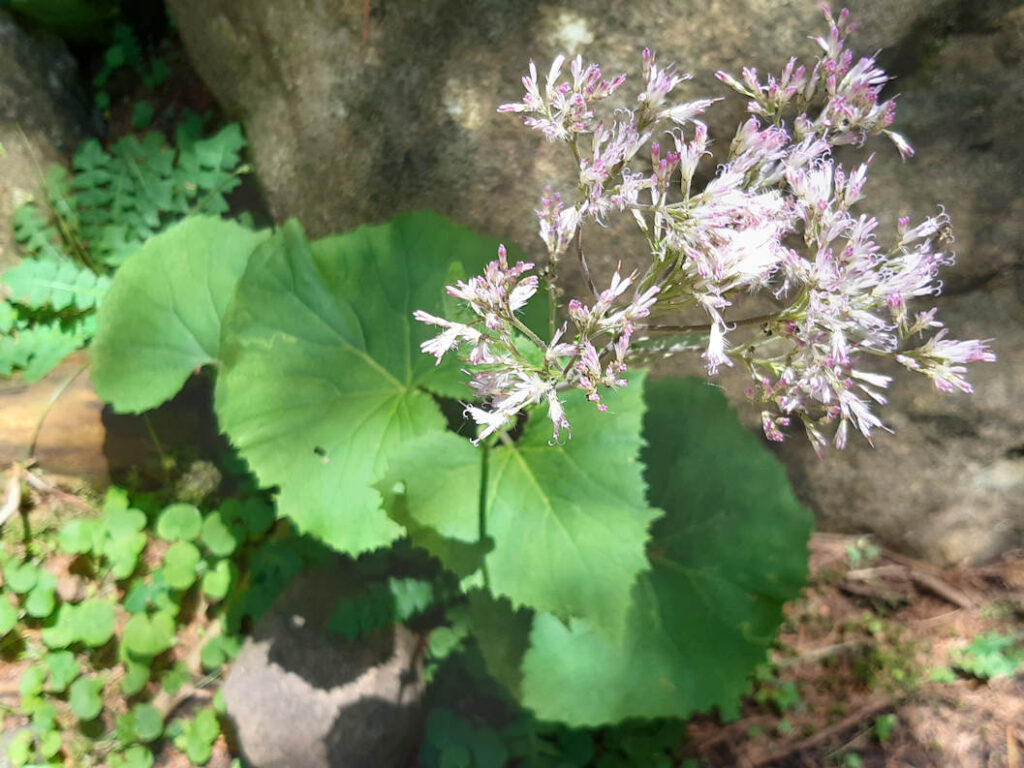
Alpine Butterbur
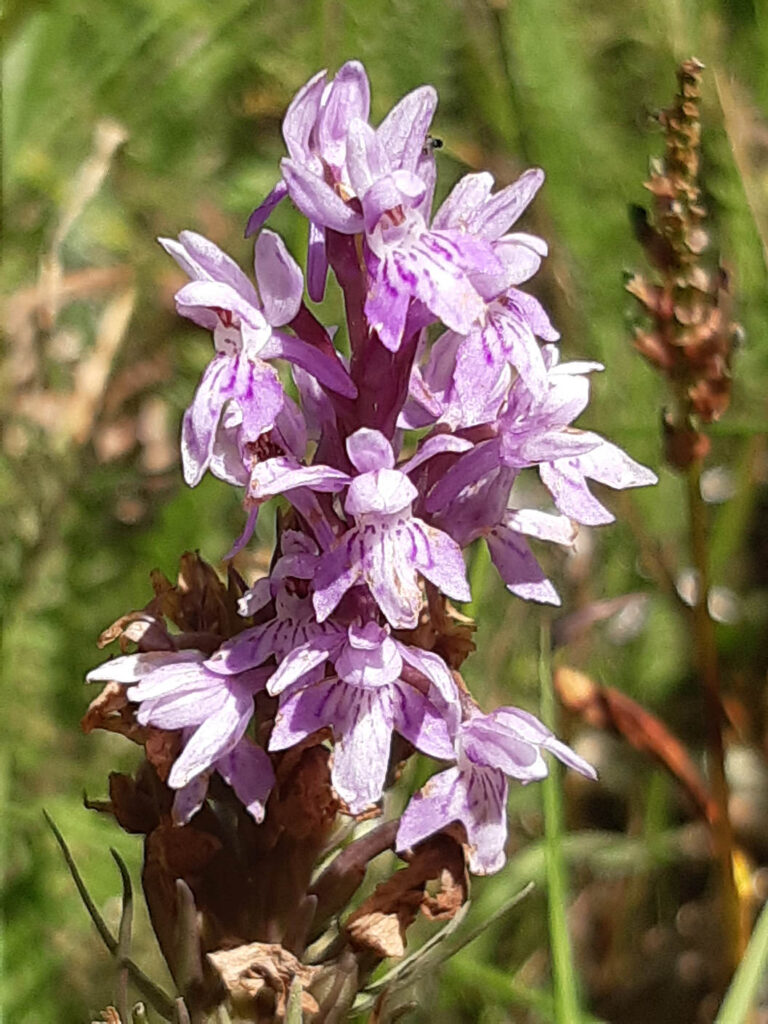
Heath Spotted-orchid
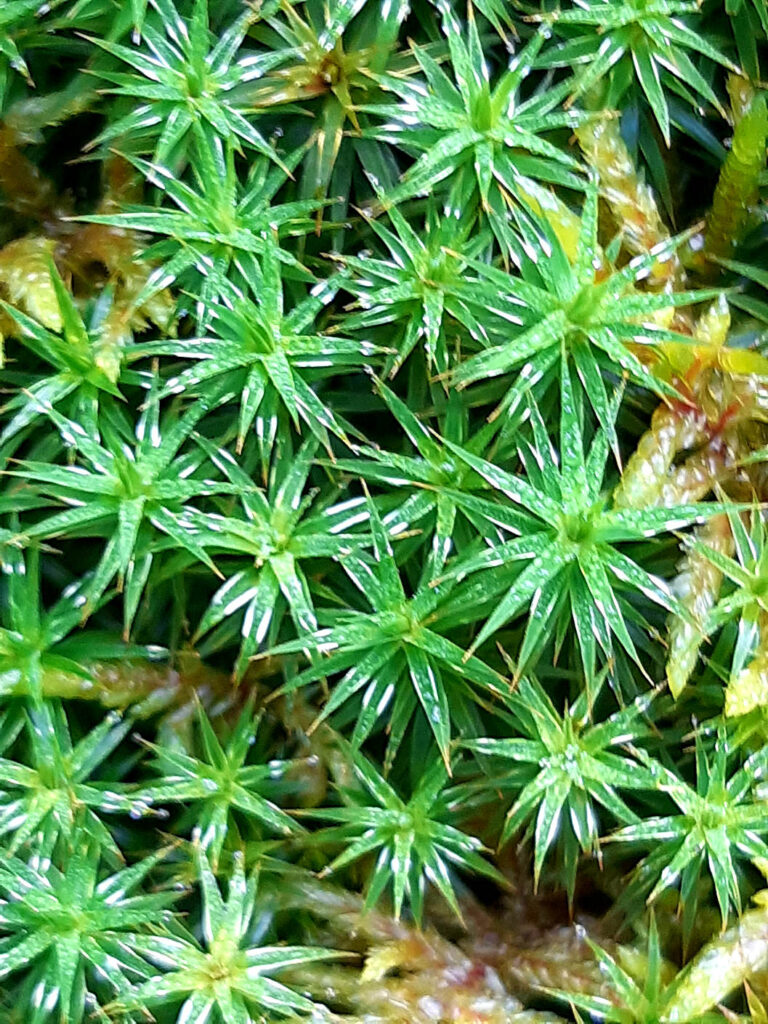
Haircap Moss (Polytrichum)
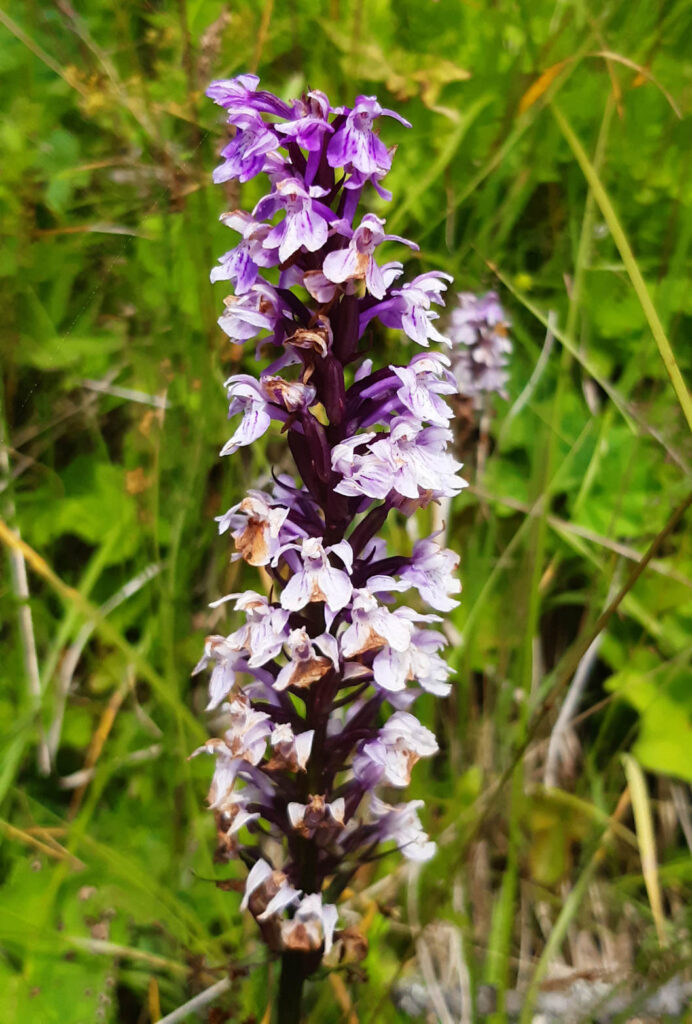
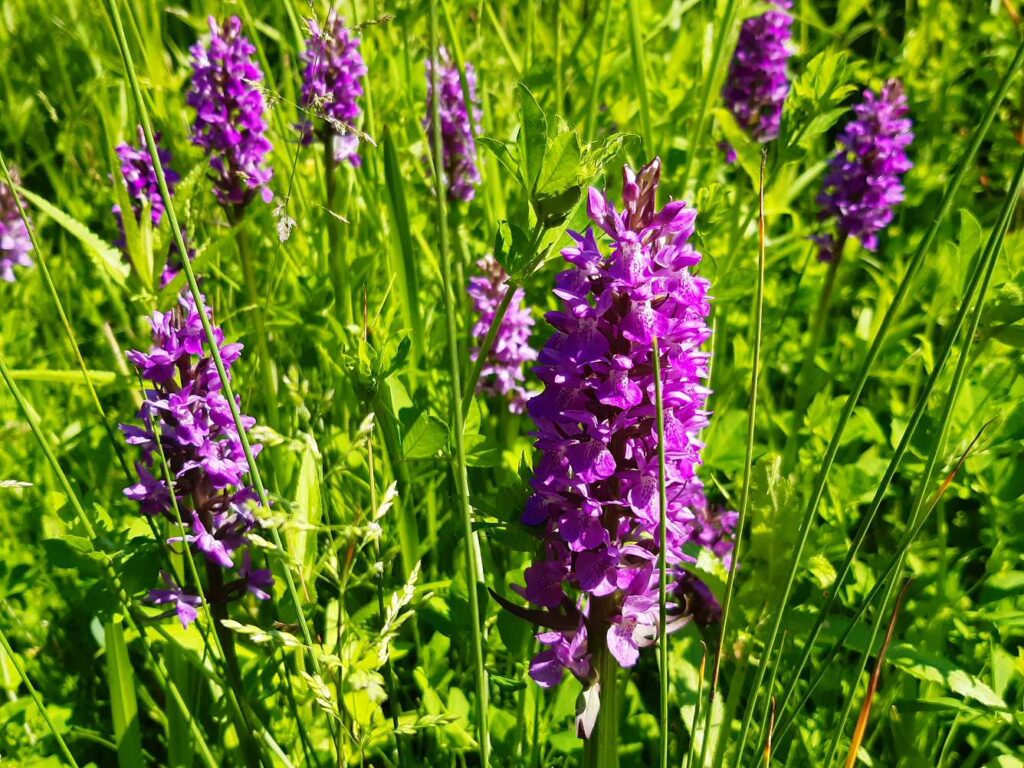
Common Spotted Orchid
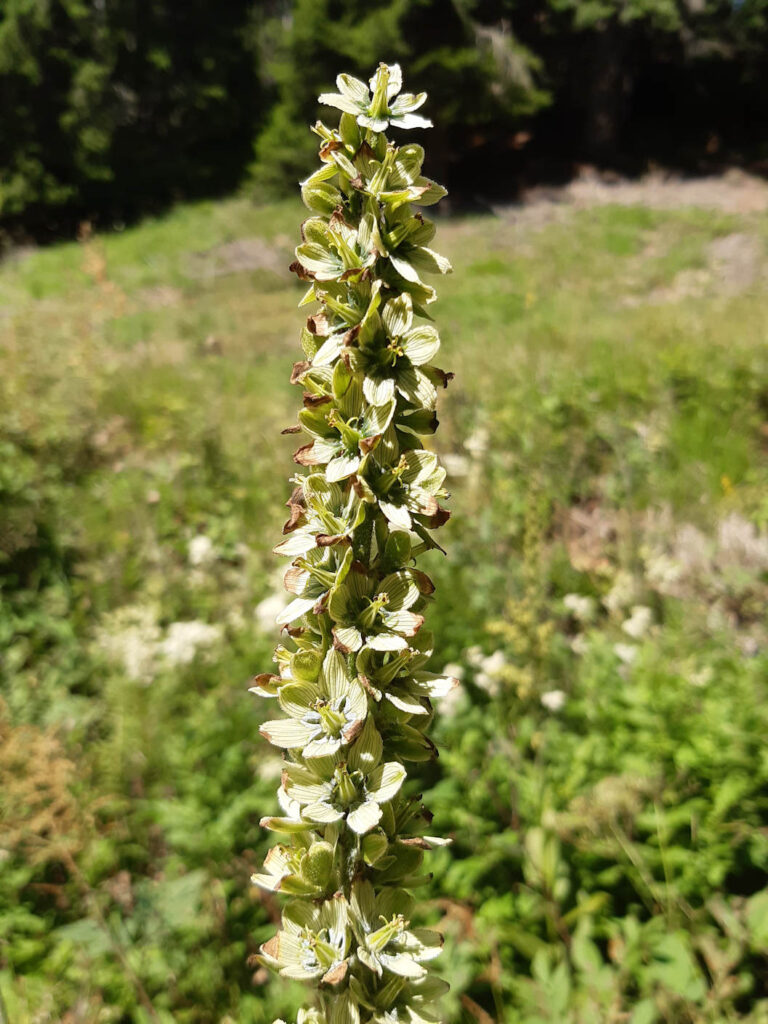
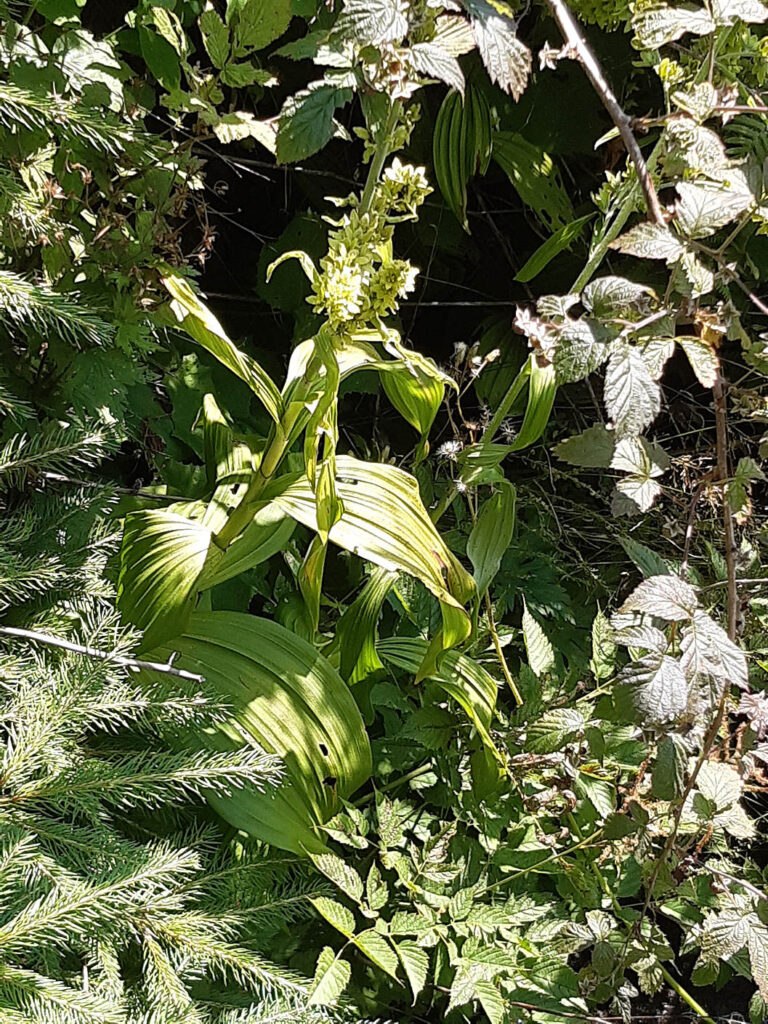
False Hellebore (Veratrum), in the Liliales (like lilies) not the Asparagales (like the orchids that it resembles)
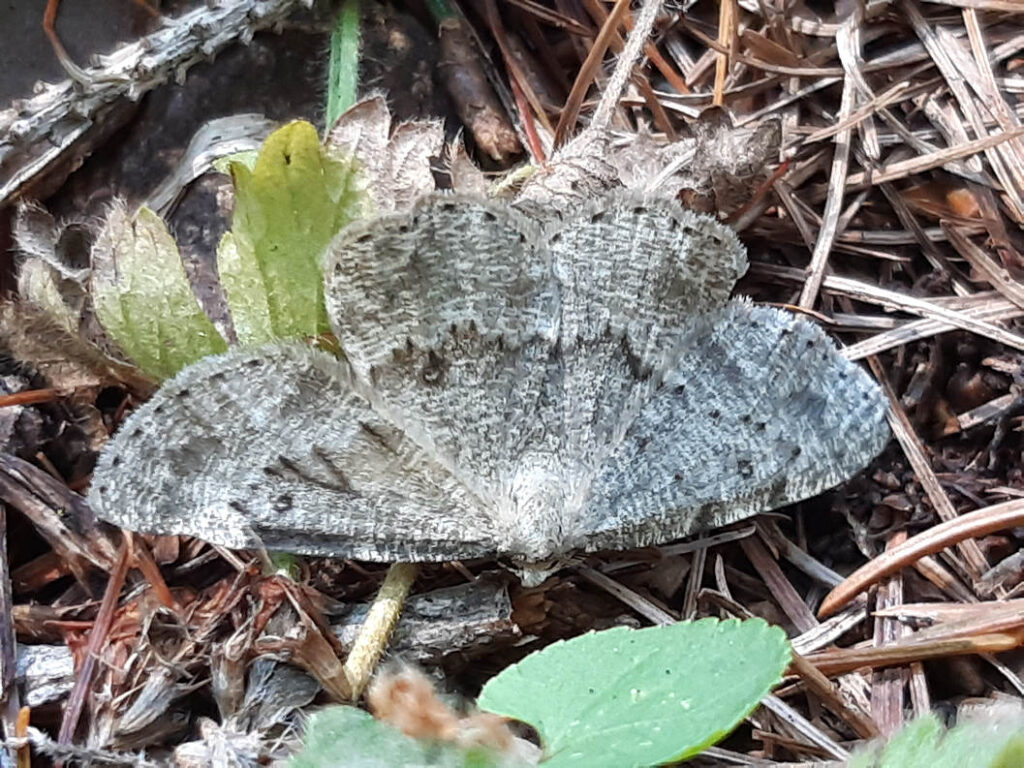
Lesser Cream Wave (Scopula immutata)
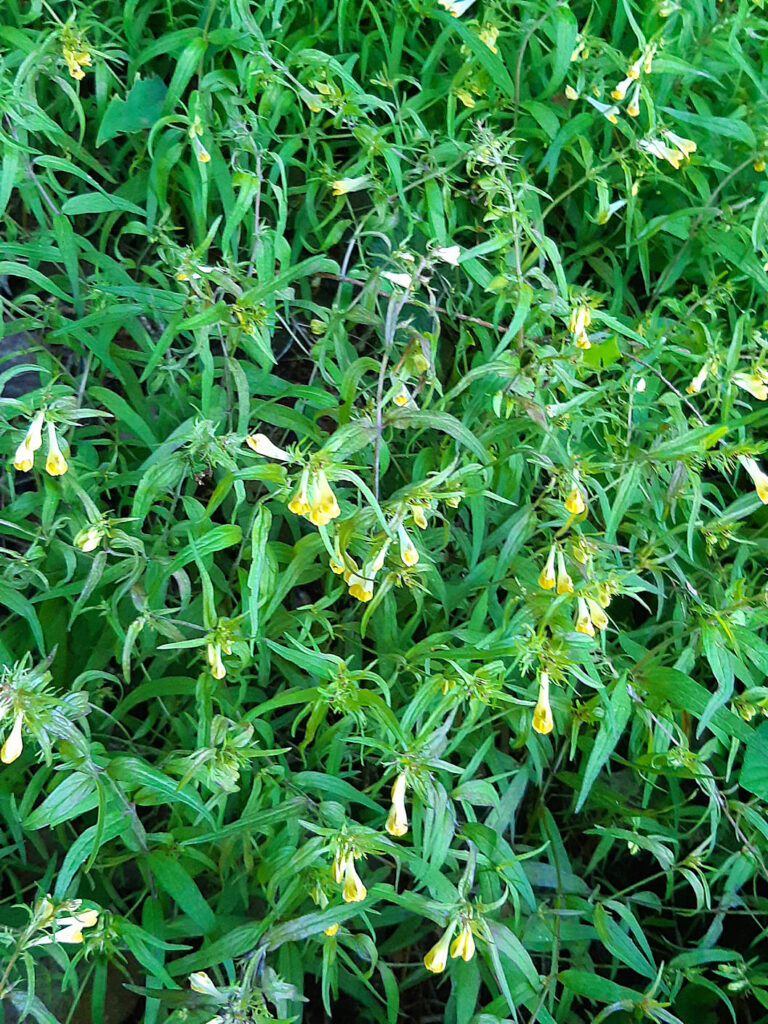
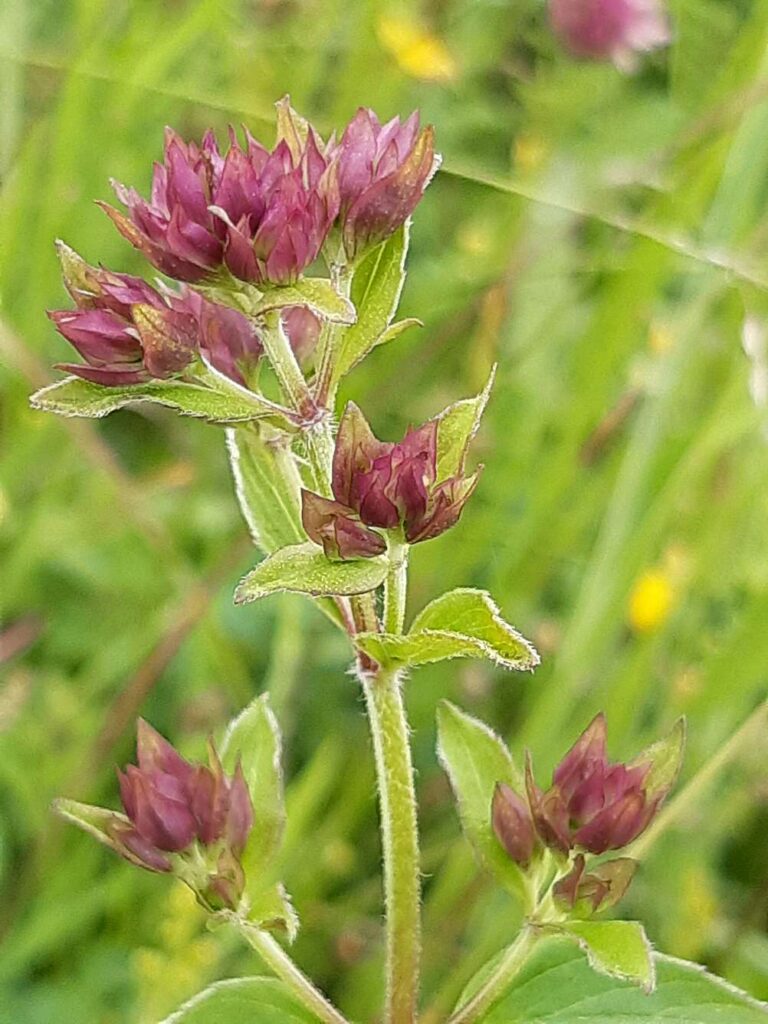
Cow-wheat is a hemiparasite, lives in a mutualistic relationship with the wood ant, and is the host plant of the Heath Fritillary.
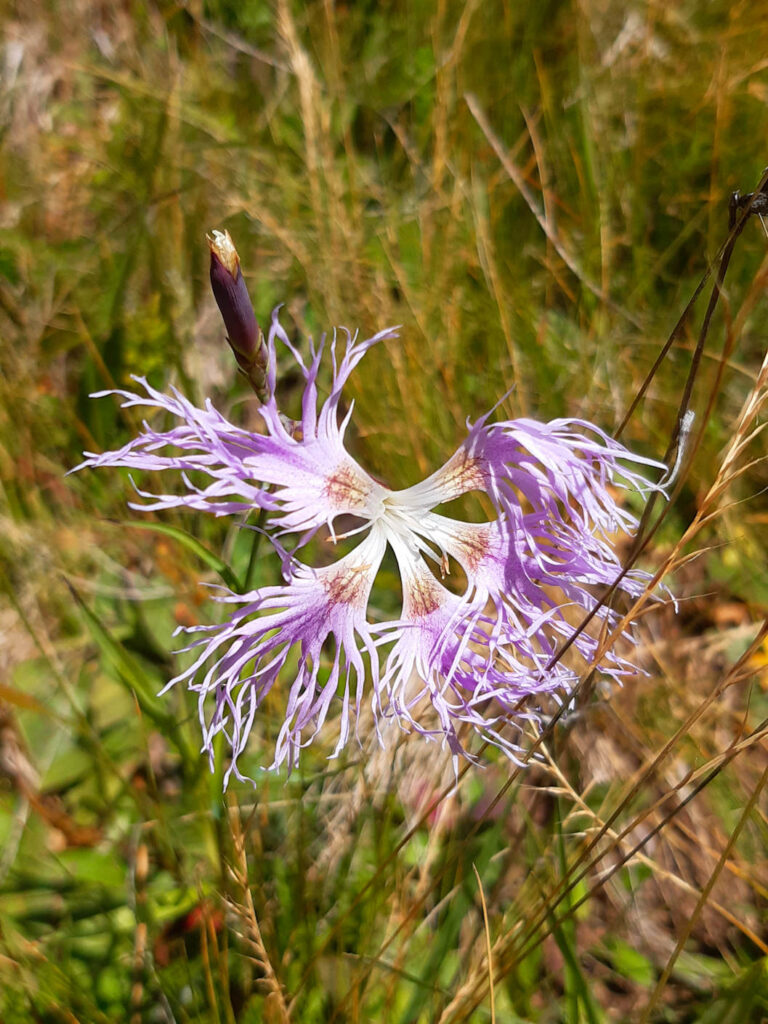
Fringed Pink
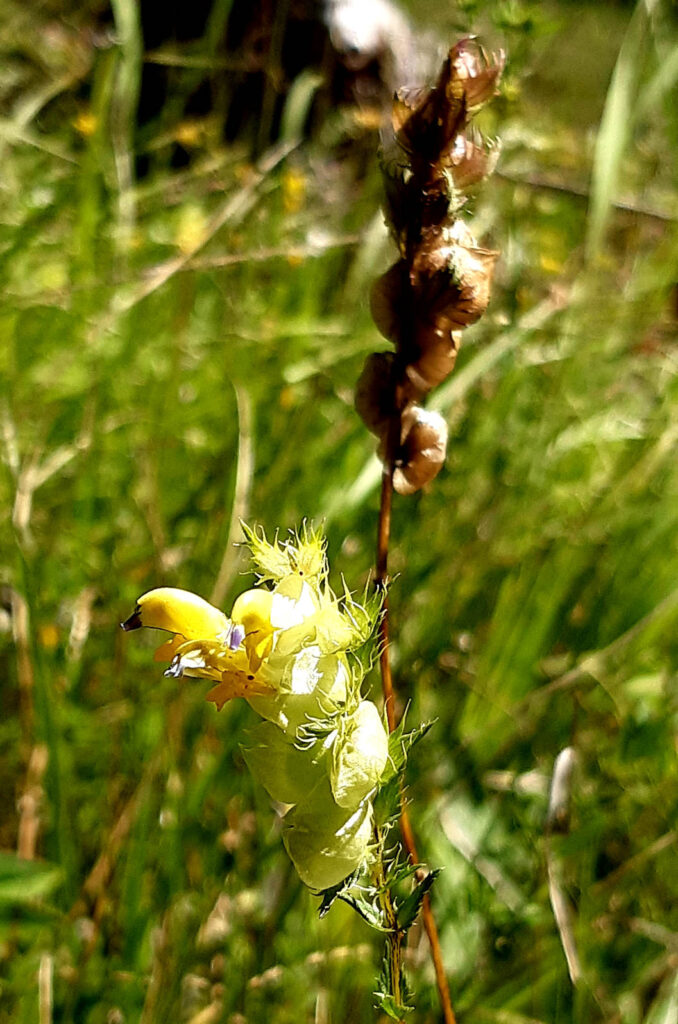
Yellow Rattle, a key plant in grassland as it parasitises tall grasses, weakening them and allowing many shorter flowers to flourish in alpine meadows.
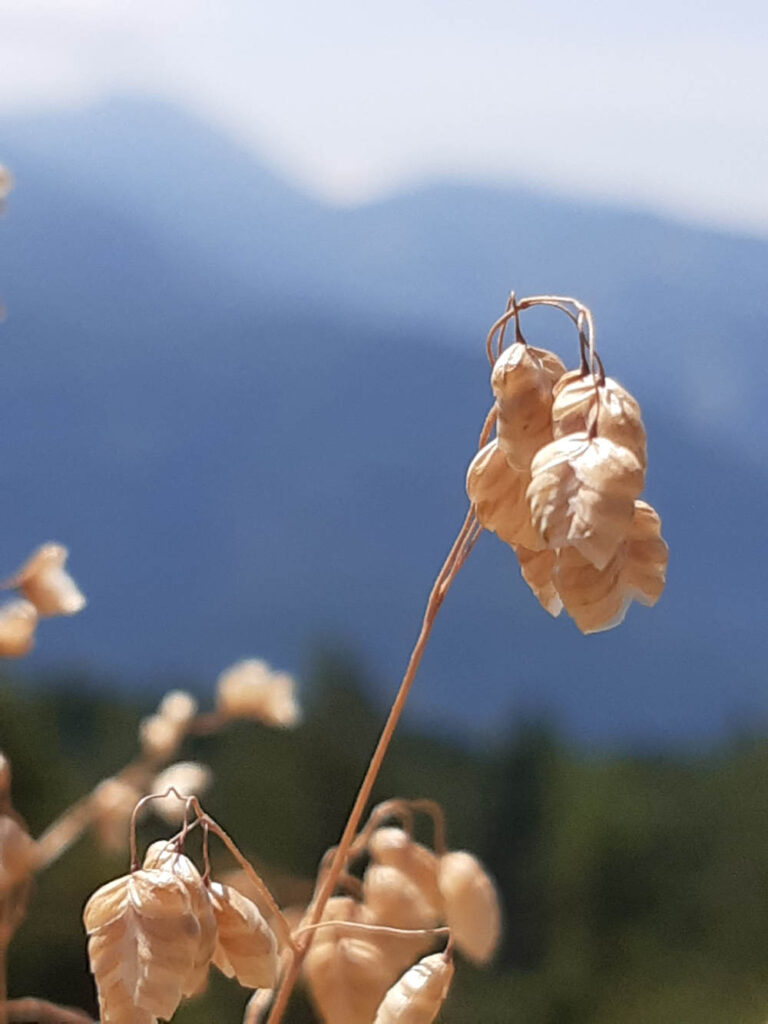
Greater quaking-grass (Briza), Anterivo
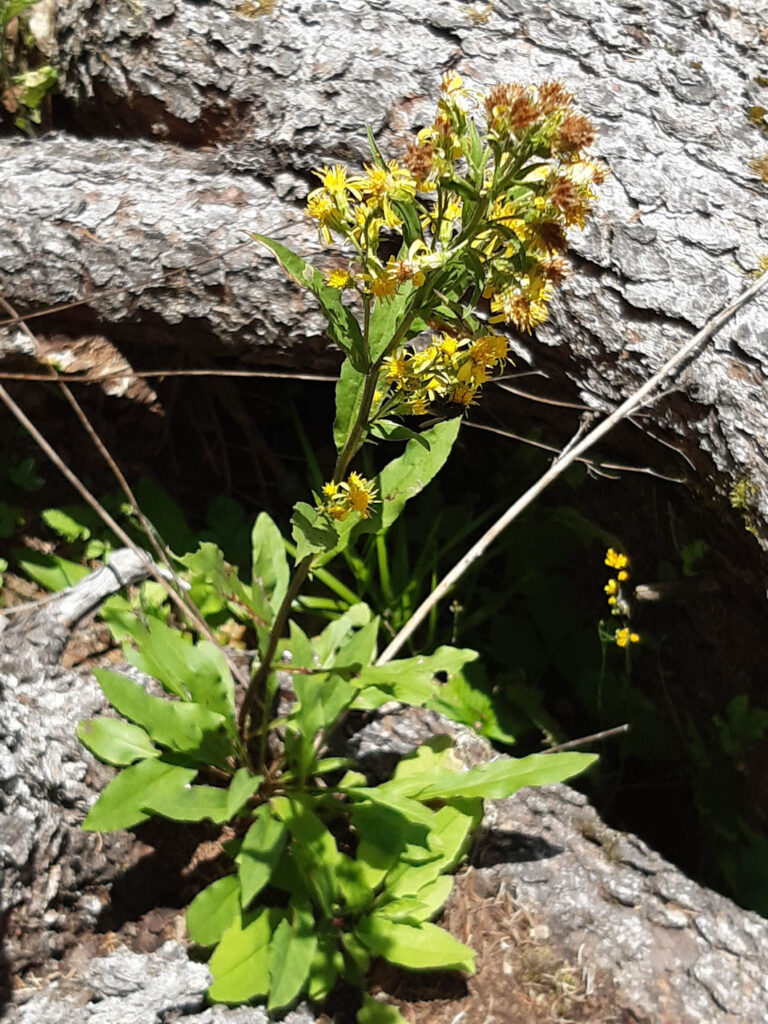
Goldenrod
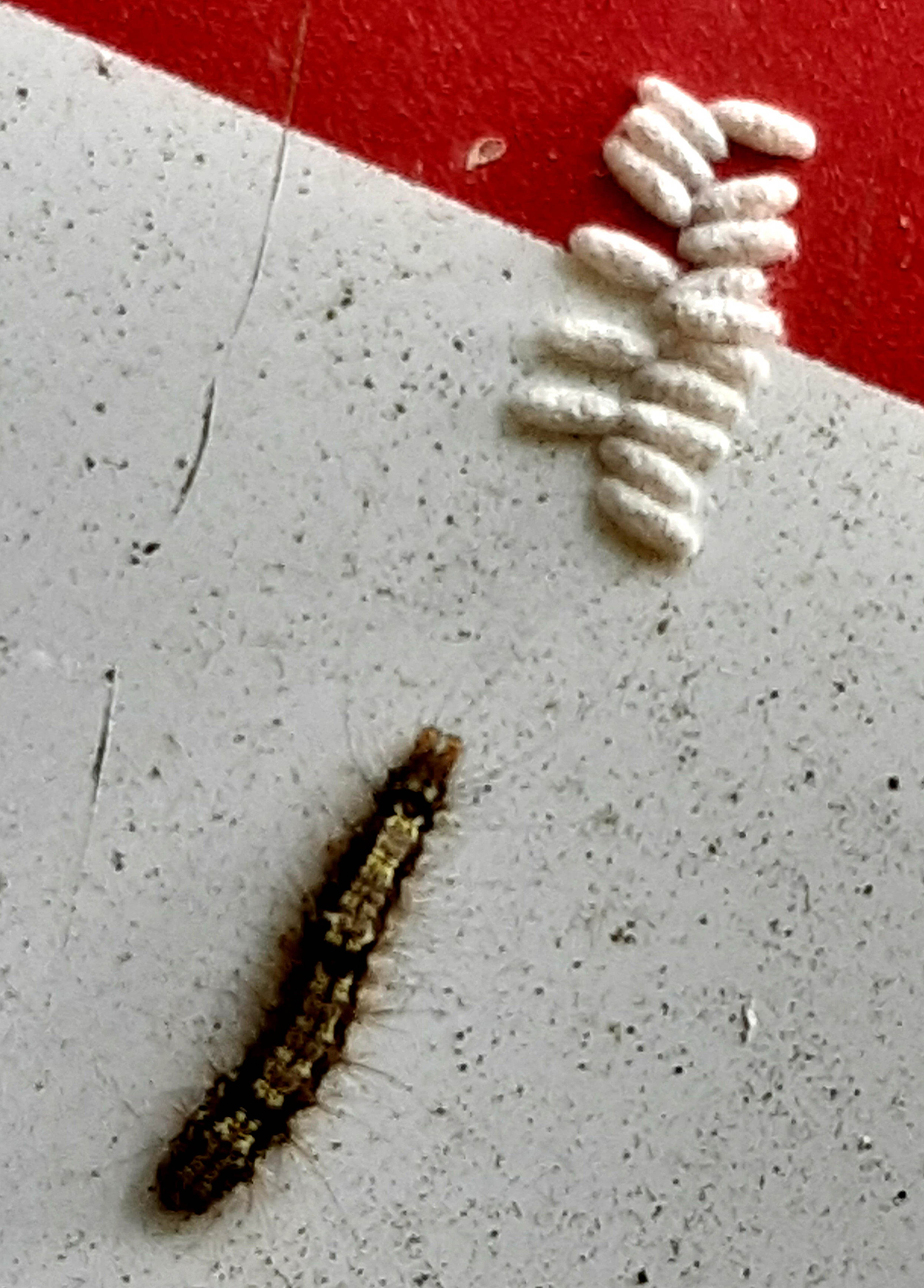
Gypsy moth caterpillar parasitised by Braconid wasps. They have eaten the inside of the caterpillar and have pupated alongside its body. The caterpillar has later slipped down away from the pupae.
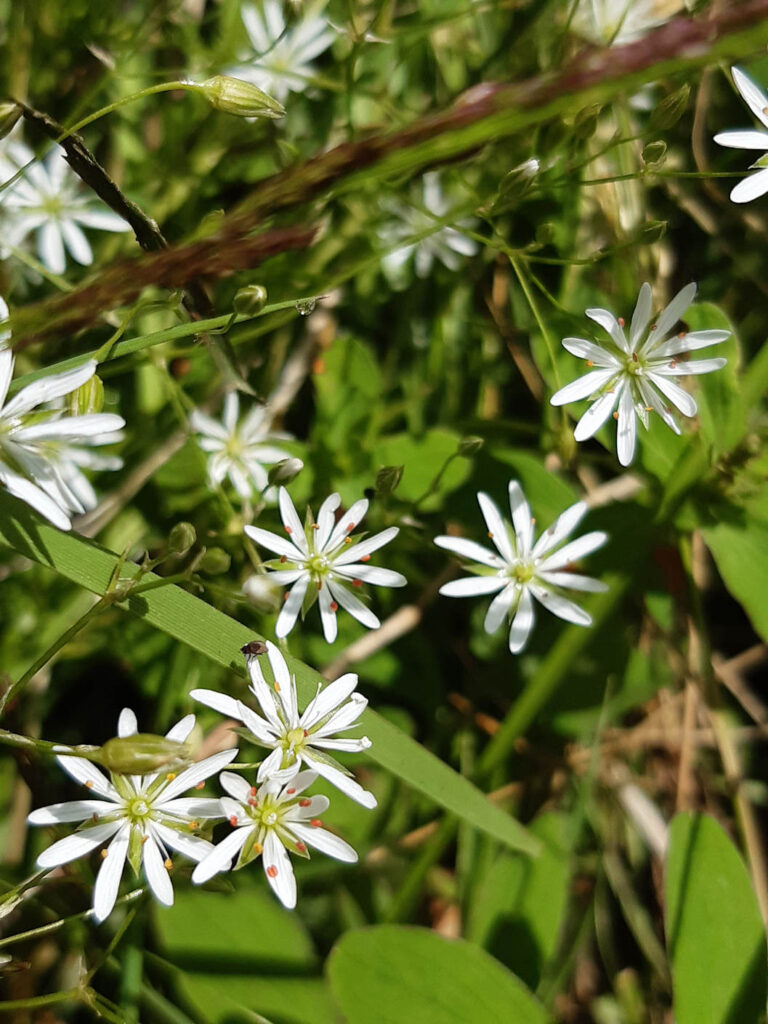
Grassy Stitchwort
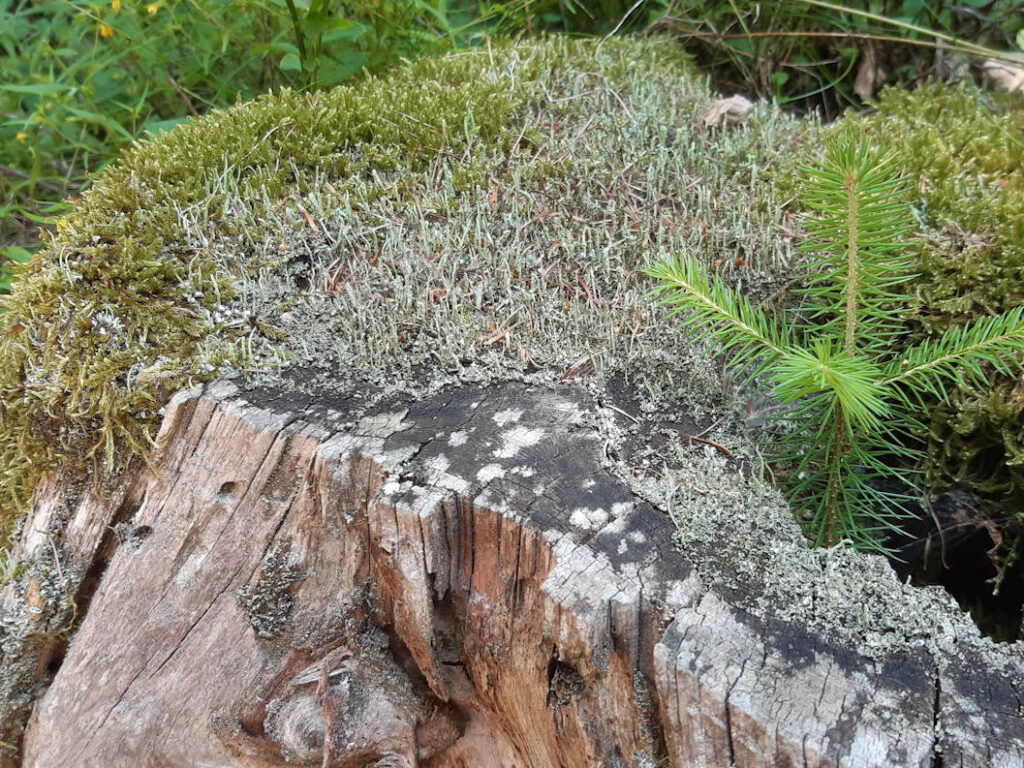
Cladonia lichen on fir stump
Small Yellow Foxglove
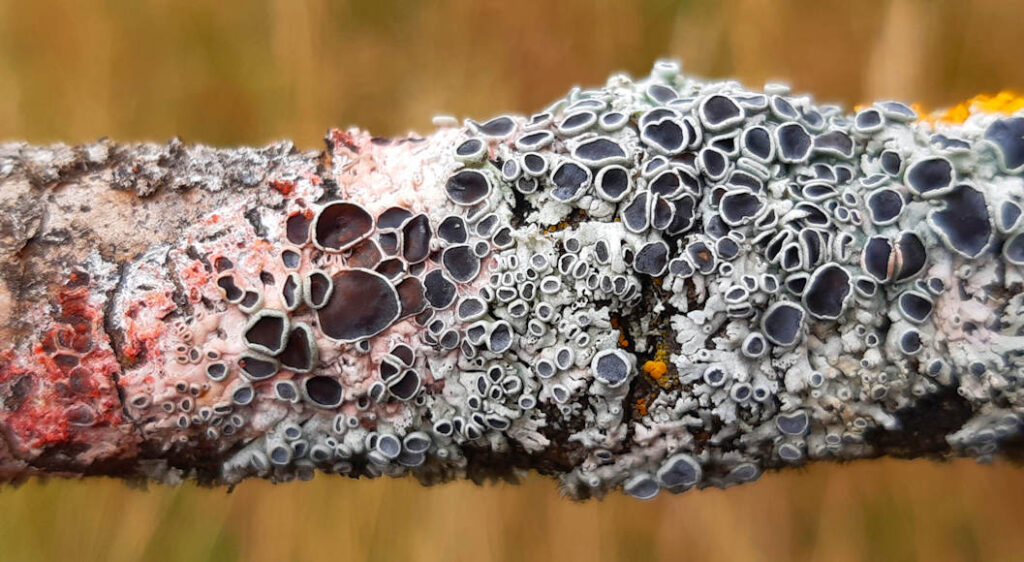
Handsomely lichened twig. The leafy Parmelia-type lichens have large rounded apothecia which release spores of the lichen fungus. The reddish area on the left is a discouraged patch of lichen; many lichens are used to create vegetable dyes in reds, oranges, and yellows.
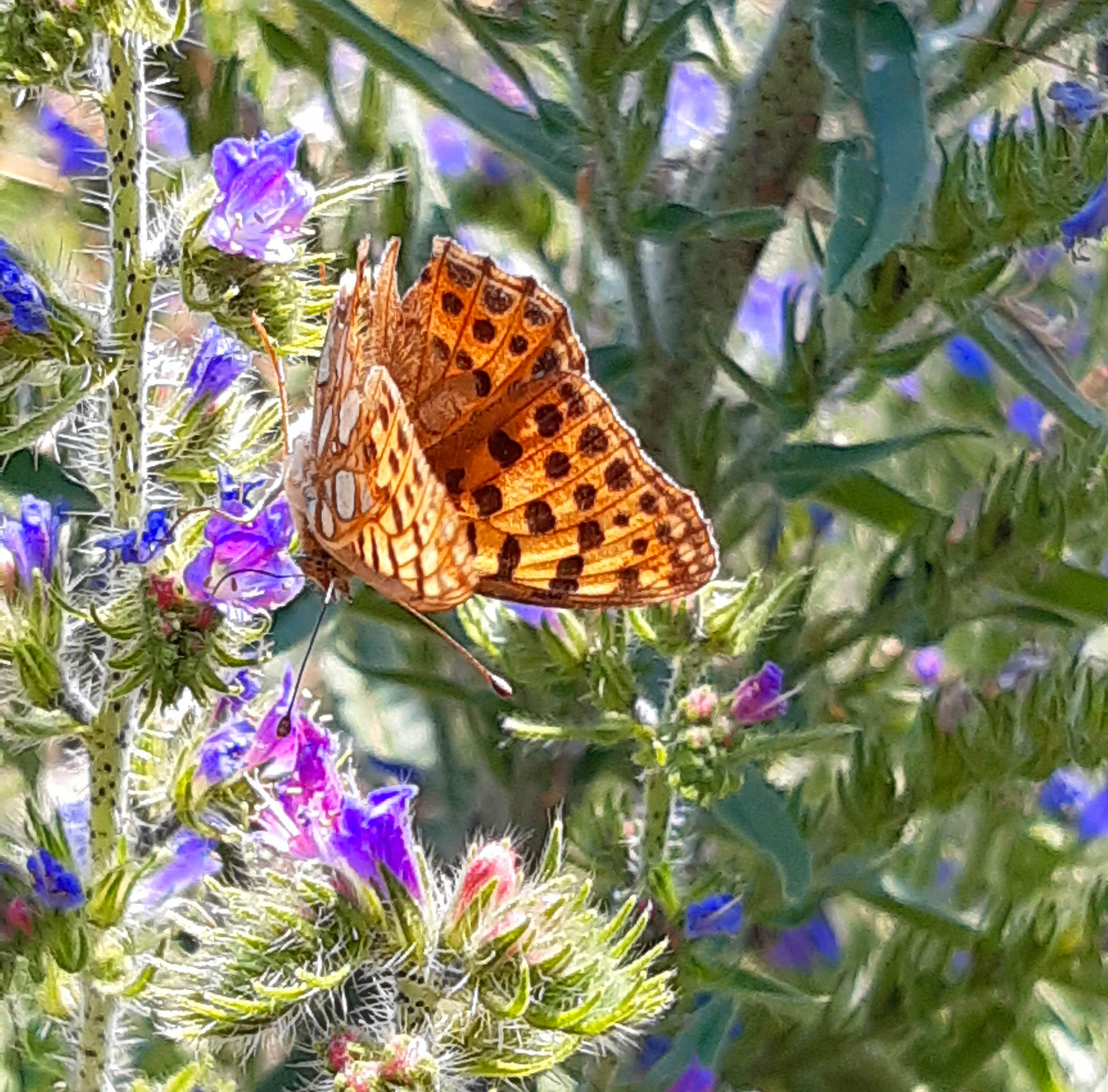
Queen of Spain Fritillary on Viper’s Bugloss
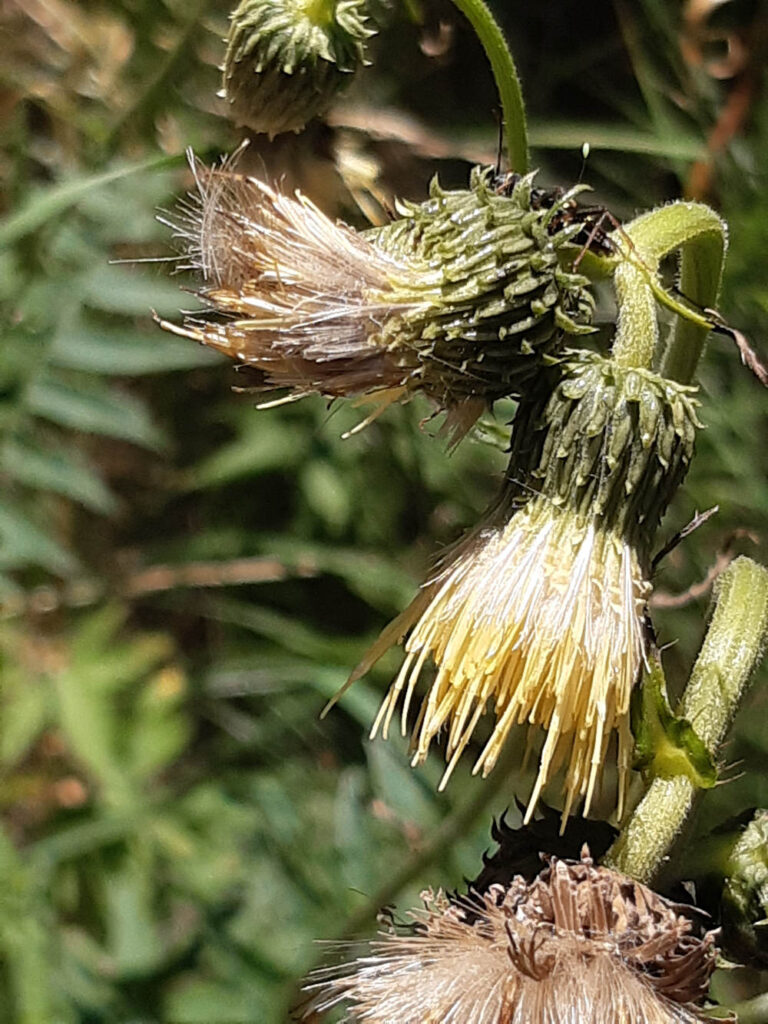
Sticky Thistle (Cirsium)
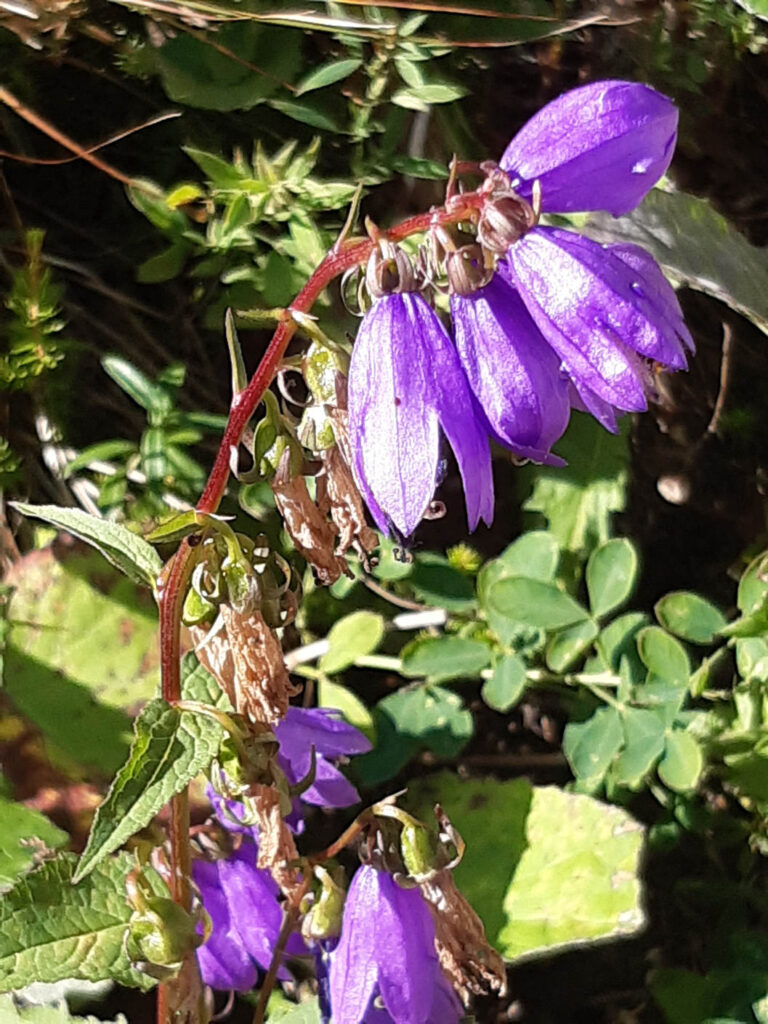
Creeping Bellflower
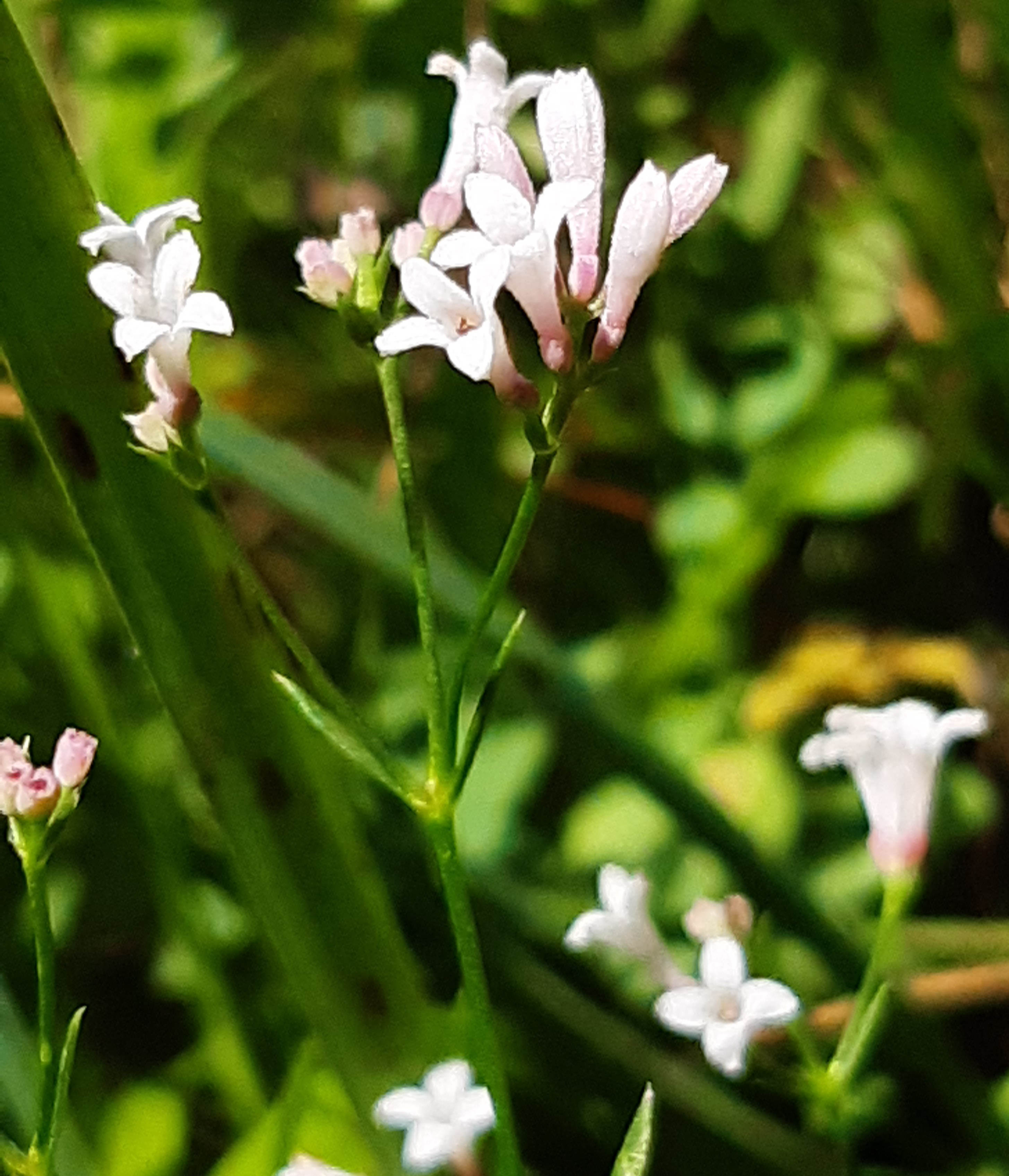
Squinancywort. It was formerly used to treat ‘quinsy’, an abscess behind the tonsils.
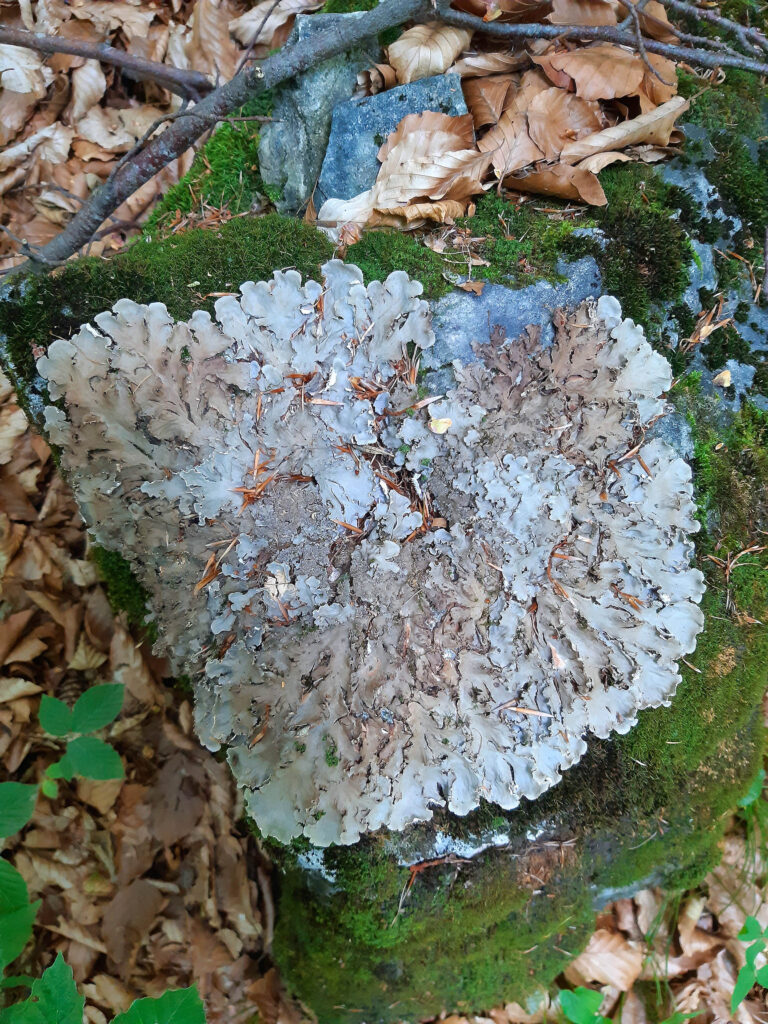
An impressively big patch of Dog Lichen (Peltigera canina) covering a tree-stump
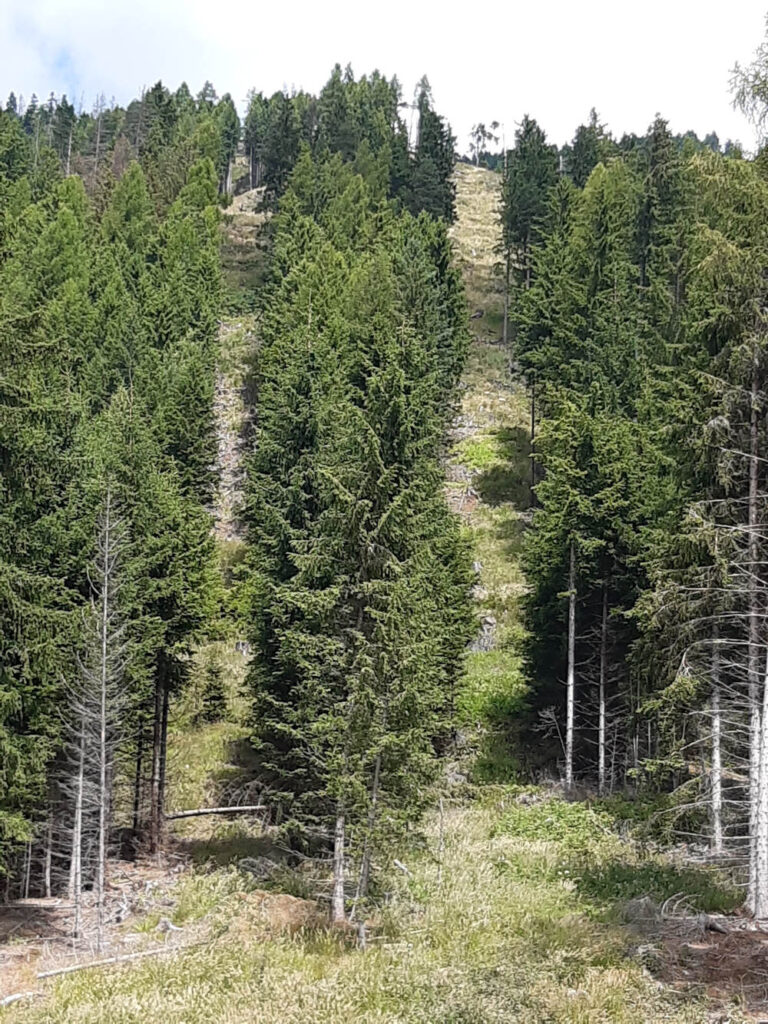
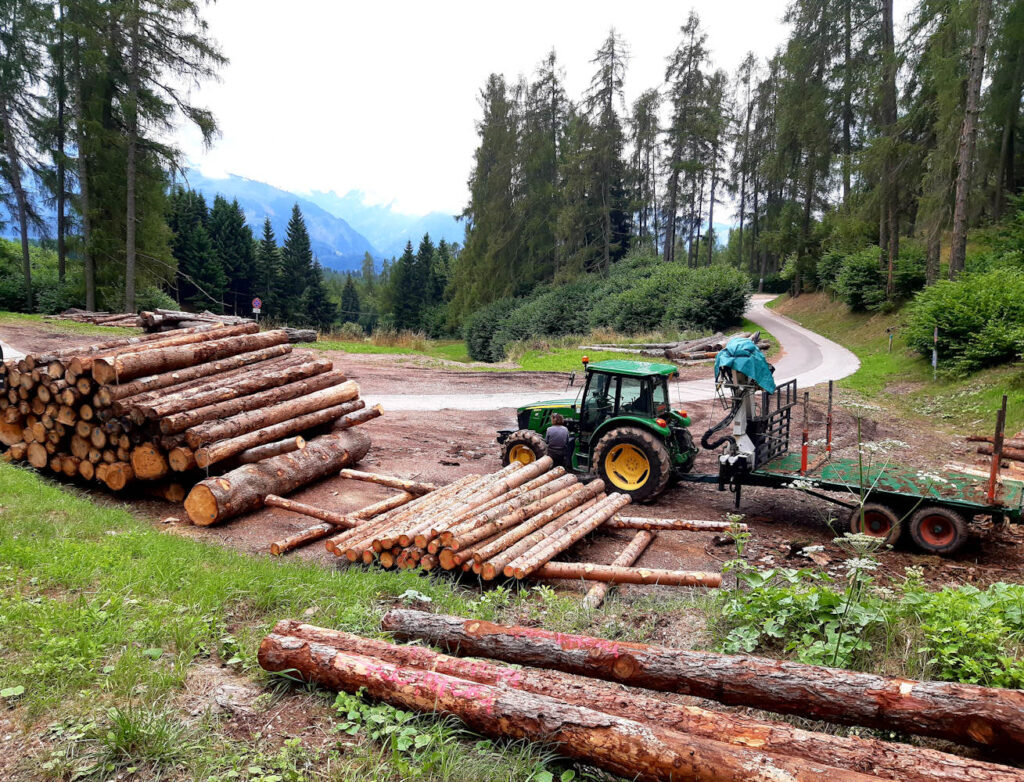
Local-scale commercial forestry. Trees are removed in small strips, not clear-felled, respecting the ecology of the forest.
Local-scale commercial forestry. The harvested trees are of different species and sizes.

Other sightings

Among other interesting finds (including species recorded in my earlier posting), I am pretty sure I heard the call of the Nutcracker, a small crow of forested mountains. A Black Redstart perched obligingly on a fence post, twitching its red tail. A surprised Stag, early one morning, bounded away uphill from a forest track: there were generally few signs of deer, though plenty of cattle and some horses grazing in the alpine meadows and forest clearings. A Hummingbird Hawkmoth hovered over the flowerbed near the house one morning, gathering nectar. Male Common Blue butterflies showed off their dazzling coloration of caerulean blue, but there were no Idas Blue butterflies, which I saw last time (at another time of year). Seen again like last time was the handsomely red/black striped bee parasite beetle Trichodes apiarius, plenty of Scotch Argus, one Chalkhill Blue, countless Marbled Whites, and plenty of Brimstones and Clouded Yellows, and one or two Speckled Woods. Common Heath moths were, well, common; they may not exactly be day-flying, but they’re readily disturbed in long grass.

We enjoyed seeing some familiar plants, too: Meadowsweet, never common in these hills, sticking strictly to very damp meadowland; the small yellow 4-petalled Tormentil, the delicate yellow Rock-rose, and the aromatic Wild Thyme, as much at home in the English uplands as here. Less familiar were the umbellifers (Apiaceae) Sweet Cicely and Broad-leaved Sermountain. Wild flowers that we saw that share the distinction of being also in our London garden include Eyebright and Self-Heal. Among the less usual ferns were Polypody and Wall Rue Spleenwort.

Reflections

It is hard not to compare the species richness of the flourishing alpine meadows and forests with that of Britain’s uplands. In Britain, sheep prevent trees from taking hold, and graze so severely that few flowers can grow. Farm subsidies and agricultural policy since the war have favoured production at the expense of wildlife; over 97% of Britain’s wildflower meadows, permanent pastures, have been ploughed up. Some of the ploughing was to enable reseeding with an “improved” grass mix, sometimes with clover. The result was invariably an impoverished agro-ecosystem, with far fewer species of grasses and flowers, far fewer insects, and degraded soil with fewer earthworms.
In some places, such as the chalk grassland near Beachy Head, the land was returned to pasture soon after the war with its urgent need for food. There is still, over 50 years later, a sharp contrast between the ploughed pasture land and the undamaged chalk grassland: the ploughed land has not recovered in that time.

It is no surprise that Britain’s bird, insect, and flower populations have collapsed. When hedges have been grubbed up and large fields carefully cultivated, after a while the farmer has a clean crop without flower “weeds” or insect “pests”, even without using herbicides or insecticides: there is no place for them to grow, no food for the insects to eat.

The only wild species that can survive in such a regime are efficient and troublesome weeds, like grasses too similar to cereal crops to be possible to spray; or genuinely pestlike insects, such as “cabbage white” butterflies, that can breed rapidly, fly or be blown long distances, and quickly destroy fields of Brussels sprouts if a farmer is unwary. All the more attractive and beneficial organisms are long gone.

See also Wildlife of the Dolomites (the animals and plants arranged into groups)
Iridescent Dragonflies, Dazzling Orchids at London Wetland Centre

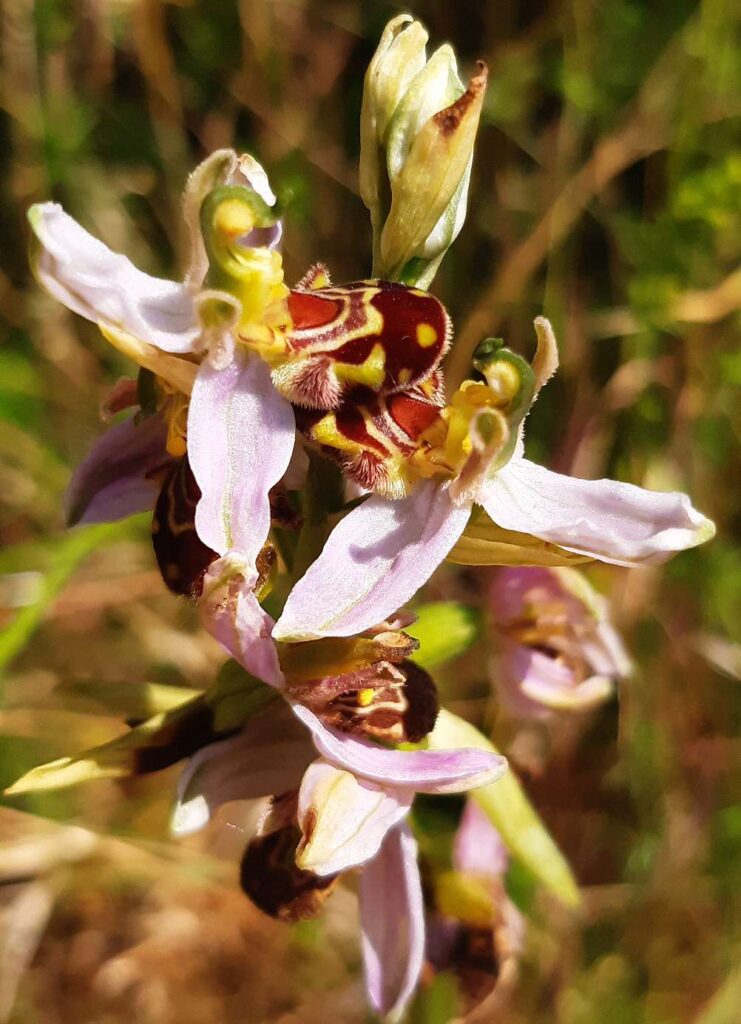
Bee Orchid
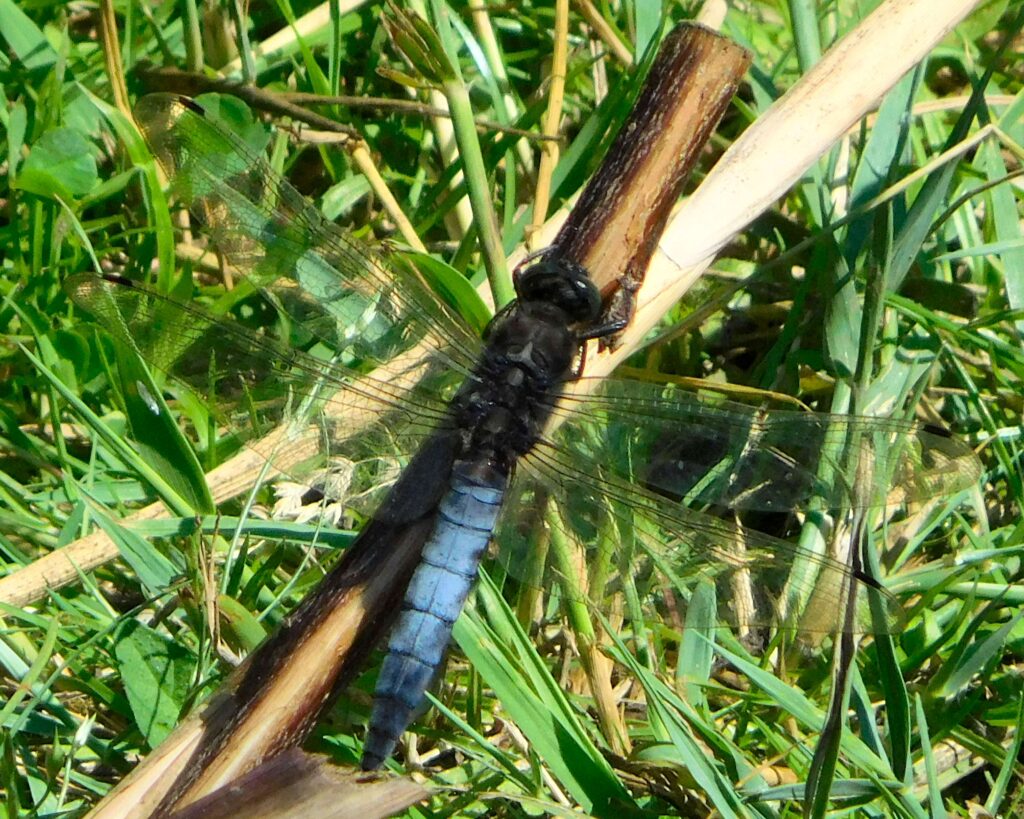
Black-Tailed Skimmer

The whole of the wetland was sparkling with Emperor Dragonflies patrolling the pools: a few females laid eggs by Water-Lilies, the males occasionally chasing prey, or a rival. The margins were full of Azure Damselflies, nearly all males: I saw one pair in wheel formation.

The marshy areas bristled with Southern Marsh Orchids
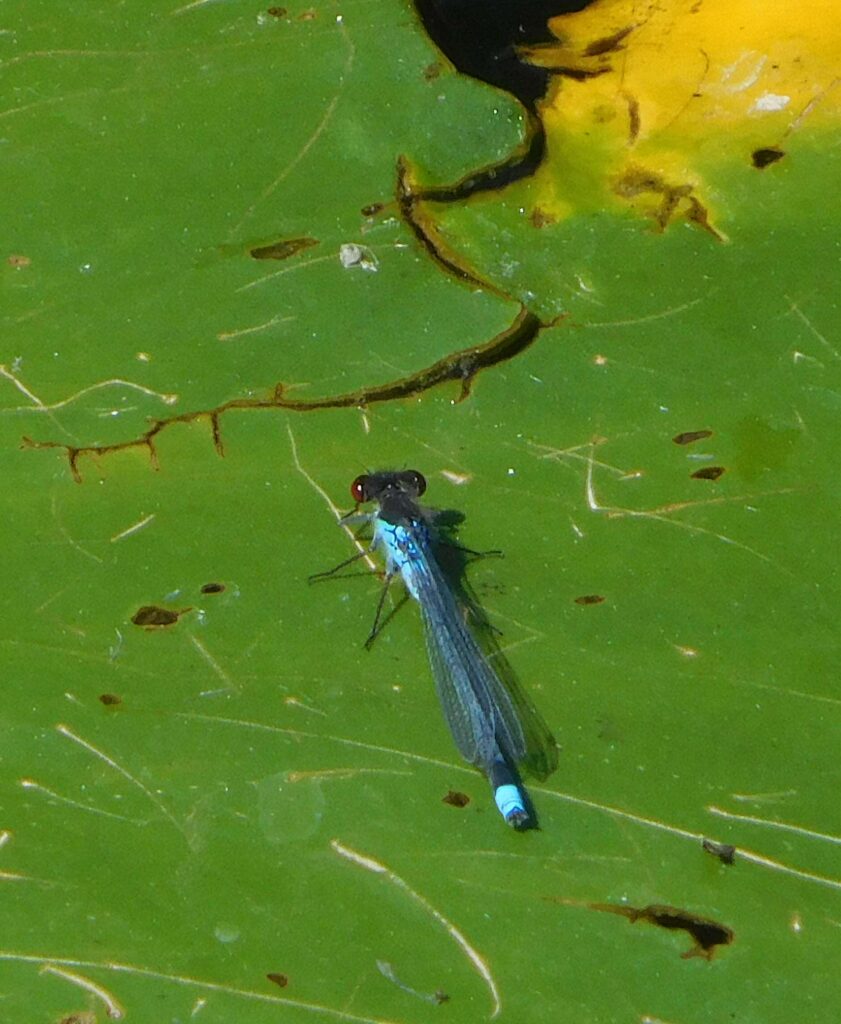
Red-Eyed Damselfly

Several Red-Eyed Damselfly males displayed on lily-pads, chasing off rivals; occasionally an Azure came by too. Over one or two of the smaller pools, a Hairy Dragonfly patrolled; one of them had an aerial tussle with a similarly-sized red dragonfly, I think a Common Darter.

Yellow Rattle

Overhead, quite a few Sand Martins caught insects over the water (well, the Wetland Centre does sport West London’s only Sand Martin bank, an artificial river cliff), along with a few Swifts, and I think exactly one Swallow … it feels as if something terrible has happened to these populations. They have to migrate across the Sahel, the Sahara, the Mediterranean, and numerous populations of hungry village boys and keen shooters, so it’s something of a miracle there are any left: and that’s not even speaking about climate change.

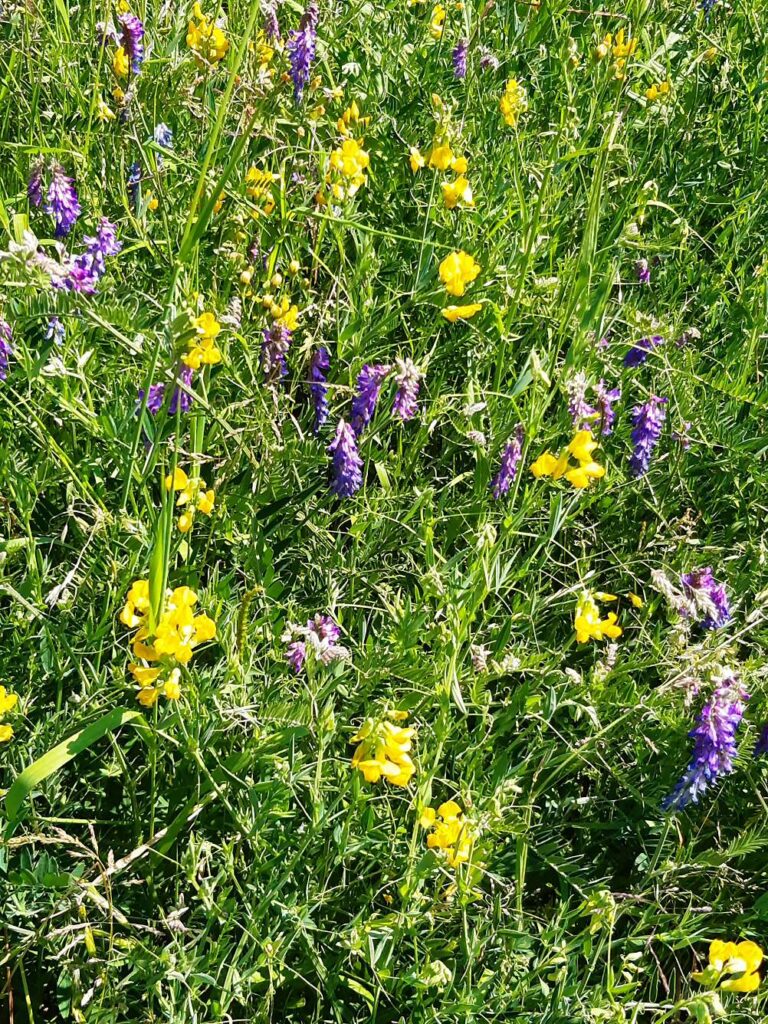
Blue and yellow Vetches bringing colour to the tall grassland, with tendrils everywhere

A couple of Common Terns, presumably those breeding on the Wetland Centre’s lake islands, made their bright and cheery waterbird calls as they wheeled about, searching for glimpses of tiny fish to dive in and catch.

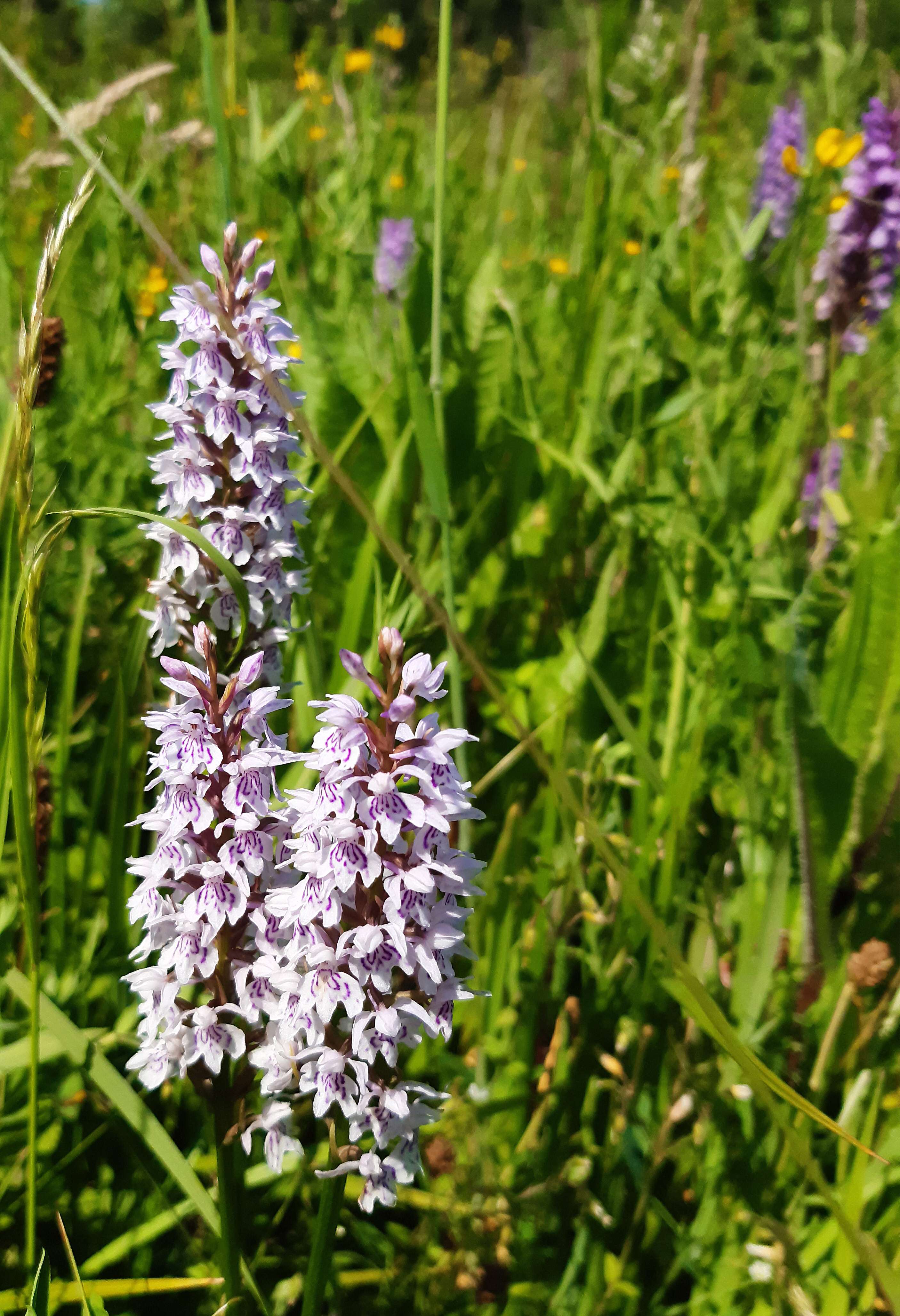
Common Spotted Orchid

There were only a few butterflies about – a Red Admiral, a Holly Blue, a couple of Speckled Wood, some Whites, a female Brimstone. For me, the bees and pollinators looked well down on normal, too. Amidst the warmth of the day, the beauty, the peace, and the brilliant colours, it is a sombre tale of decline.

Wakehurst Wonders

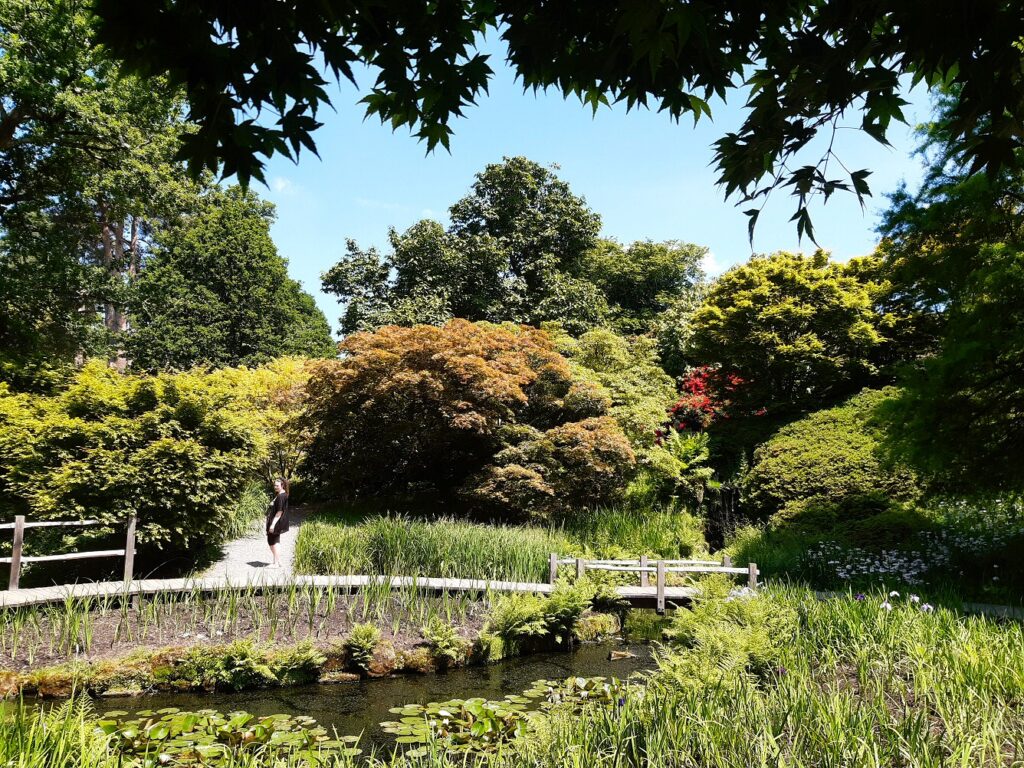
Water Gardens and foliage of many shapes and colours at Wakehurst Place
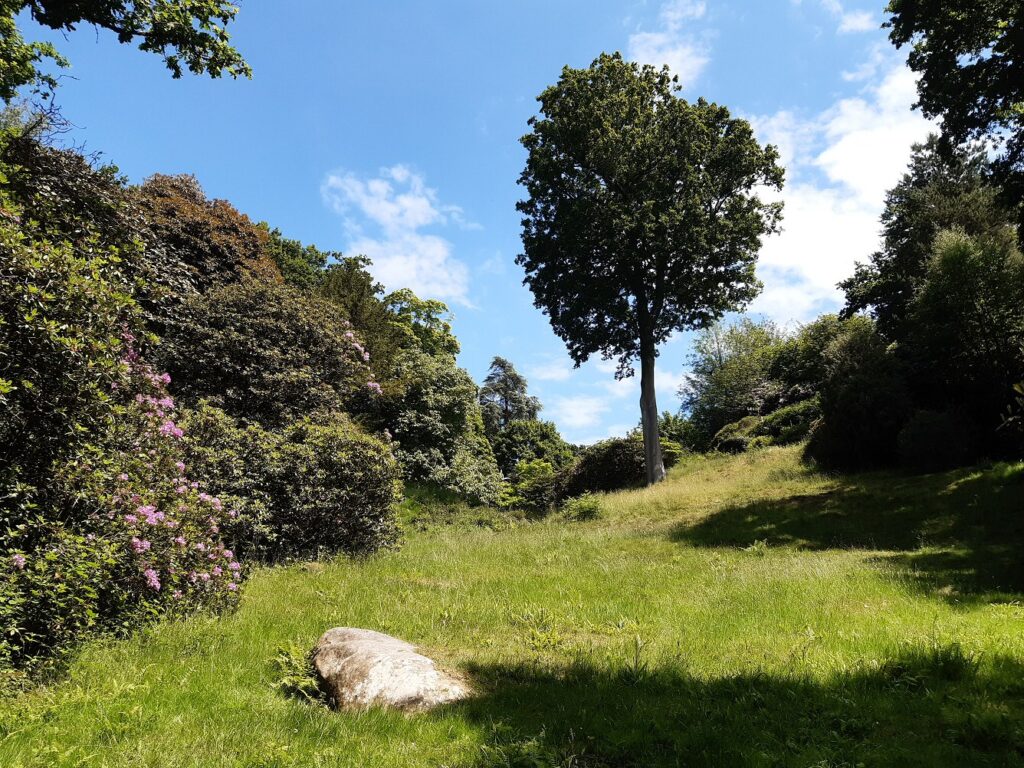
A grassy dell on the side of the main valley, with Oaks and Rhododendrons
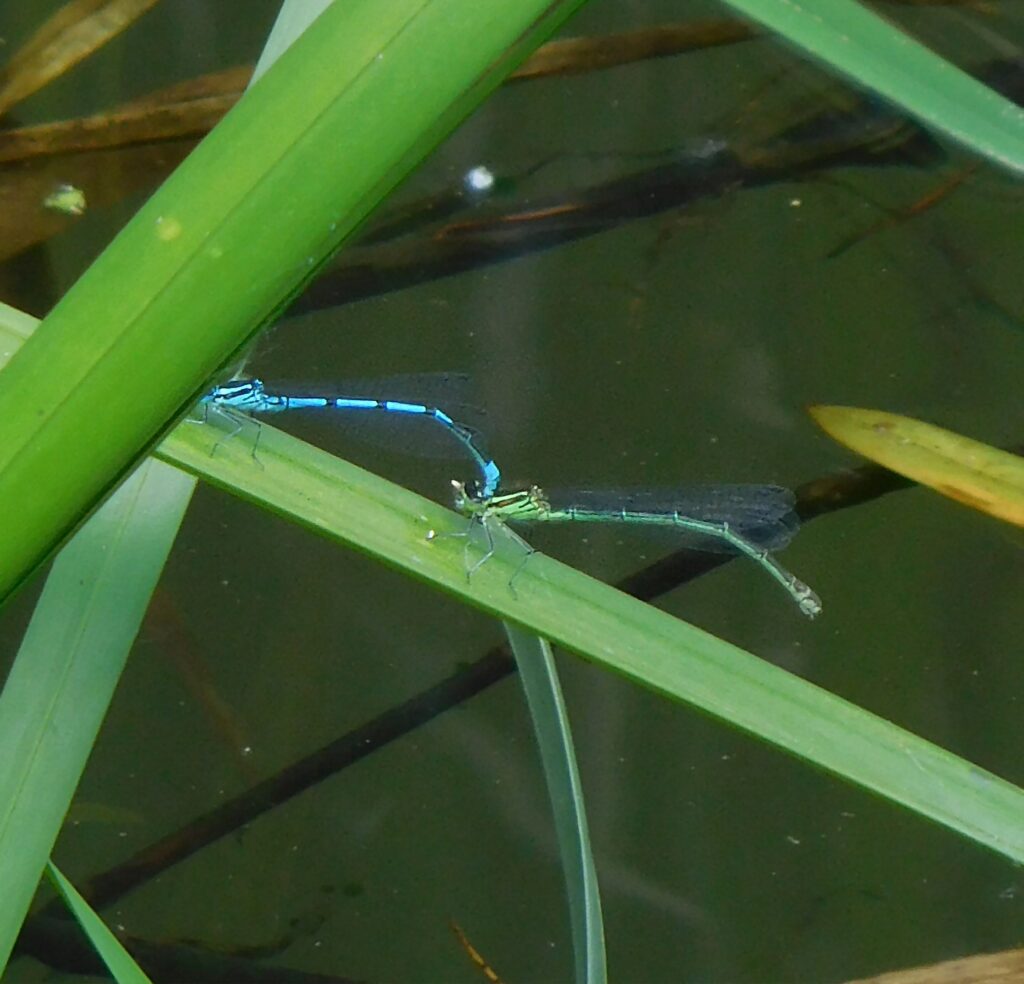
Azure Damselflies in cop, well seen from the handsome boardwalk at the far end of the gardens. The blue male has a U-shaped mark at the front of his abdomen; the green female has a thistle-shaped mark in the same place. Unlike the Common Blue damselfly, she does not have a spine sticking down out of the second-from-last ‘tail’ segment.
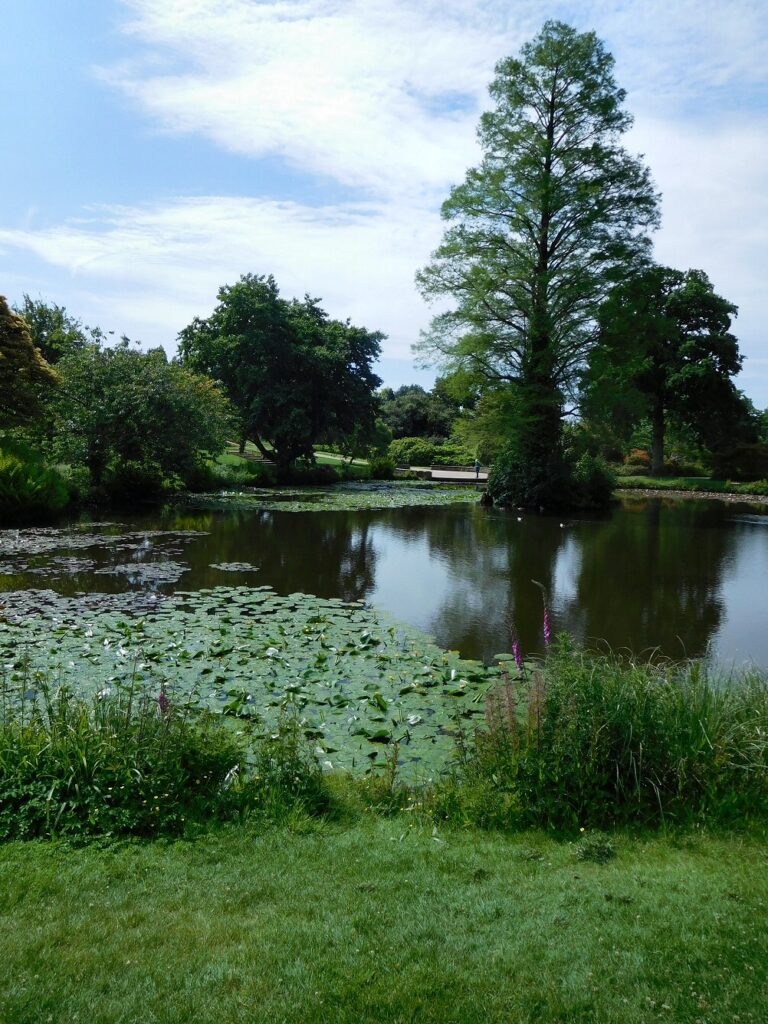
Emperor Dragonfly habitat: the beautiful main pond by the Wakehurst Place lawns. Yellow and White Waterlilies are in full bloom.

Well, I was hoping to see some colourful dragonflies on this hot and sunny day in early June, and they exceeded expectations. On the main pond just behind the Wakehurst Place mansion, the bulky shape of an Emperor Dragonfly, with its big apple-green thorax and downcurved blue abdomen, patrolled up and down over the Yellow and White Waterlilies, both gloriously in bloom. A single Broad-Bodied Chaser unmistakably whizzed low over the water.

The Water Gardens glittered in the sunshine, the little waterfalls tinkled pleasingly, and a few damselflies busied themselves among the vegetation.

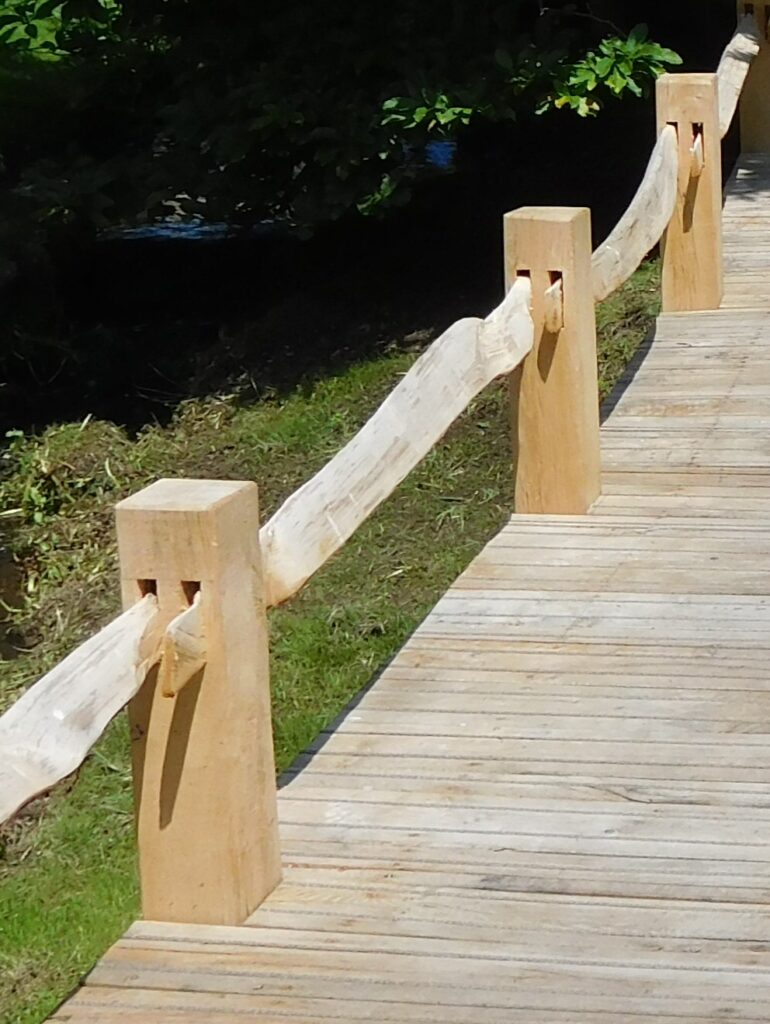
Traditional Sussex Craftsmanship: Boardwalk, with green-oak posts and rails (cloven not sawn, making them elegant, rugged, and strong as the grain runs unbroken the whole length of each rail) at the water gardens.

Down at the reedbed, the broad and elegantly-fenced boardwalk with its traditional green-oak posts and rails let us get as close as possible to the dragonflies down there. A Large Red Damselfly perched for a moment beside my hand on the rail. Azure Damselflies skittered about, some in cop, some ovipositing. A solitary Banded Demoiselle male, unmistakable with his big indigo wing-patches, fluttered back and forth.

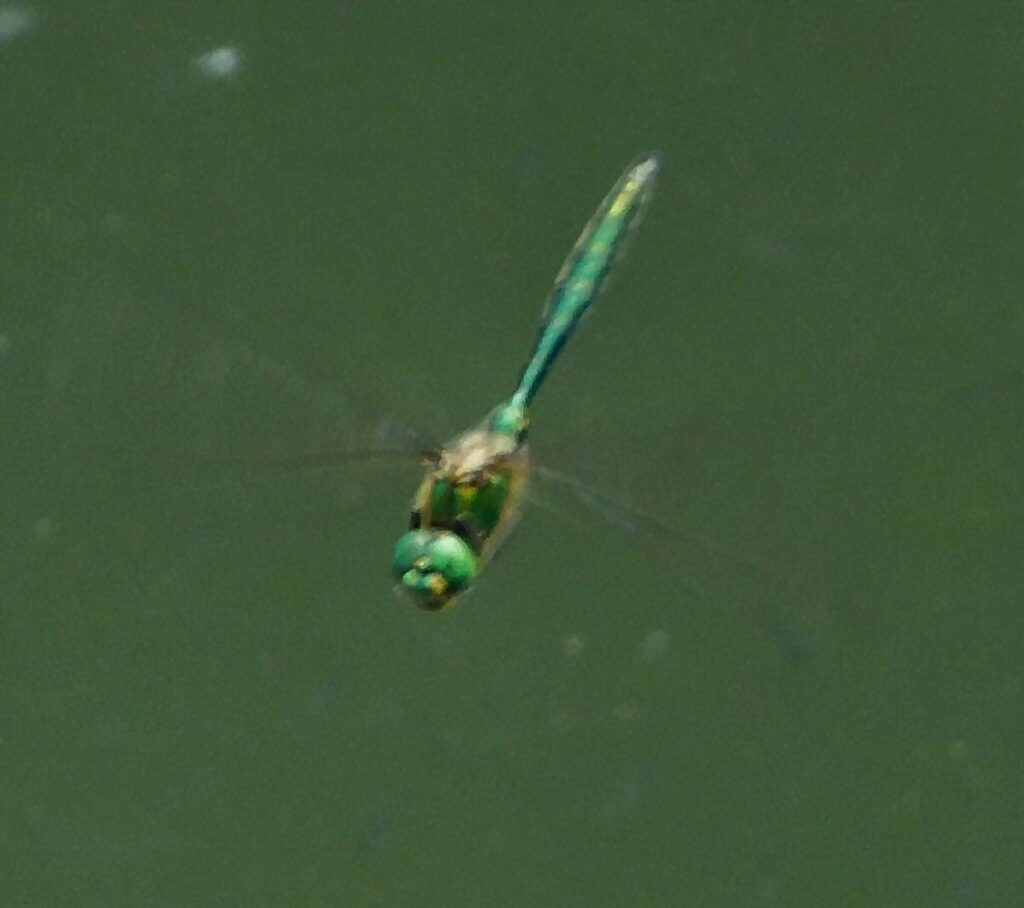
The other side of the boardwalk, a male dragonfly hovered over open water in the dazzling sunlight. I did my best to focus on the shimmering target. An Emerald! The Downy Emerald has been recorded here at Wakehurst Place, but this is also within the very narrow territory of the Brilliant Emerald in England, basically a bit of inland Sussex and Surrey, with another haunt in northwest Scotland. There is no sign of a downy thorax here, I don’t think; nor is the abdomen bronze-green, but rather a rich deep, iridescent, green; and it has the smooth spatulate outline of a Brilliant Emerald. Exciting!

Well this looks to me like a Brilliant Emerald Dragonfly! Sorry about the blurry photo – such things are never easy, but this one is rather interesting.
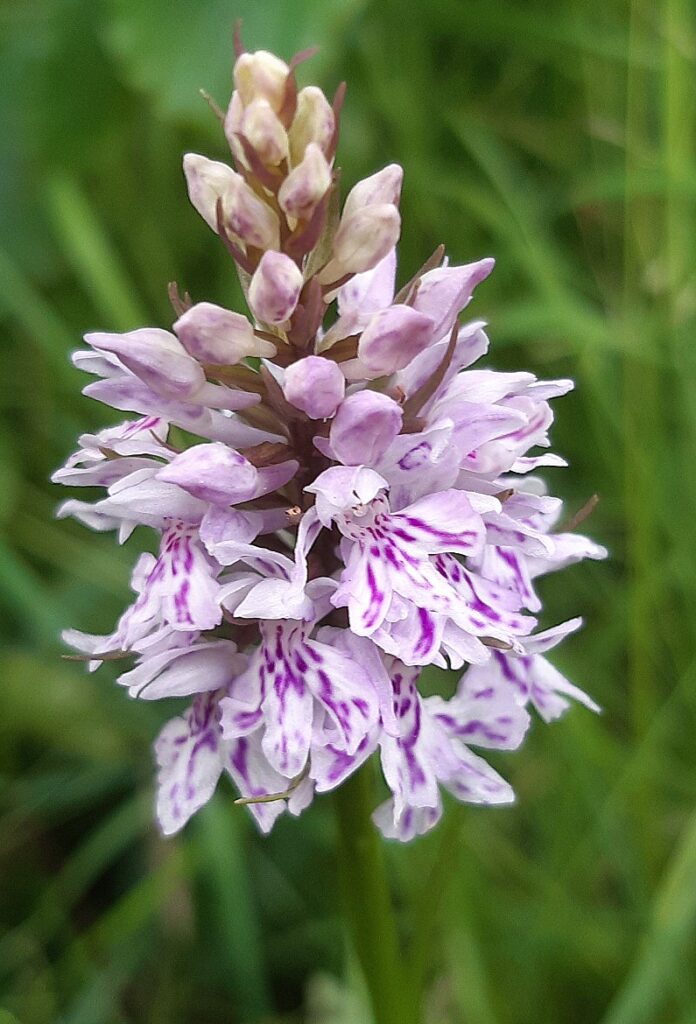
The meadows, too, were glorious in their early summer best, full of red clover, buttercups, and plenty of stalks of Common Spotted Orchid among the slender grass stems.
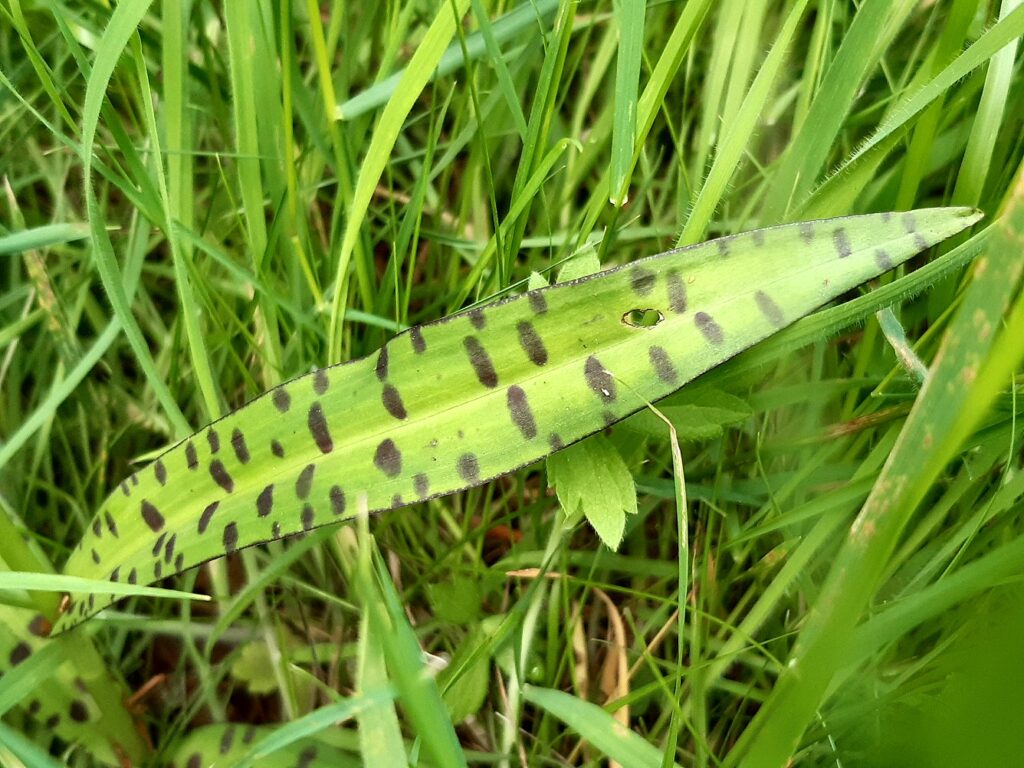
Spotted leaf of Common Spotted Orchid, in case you aren’t familiar with it!

Aston rowant Flowery meadows

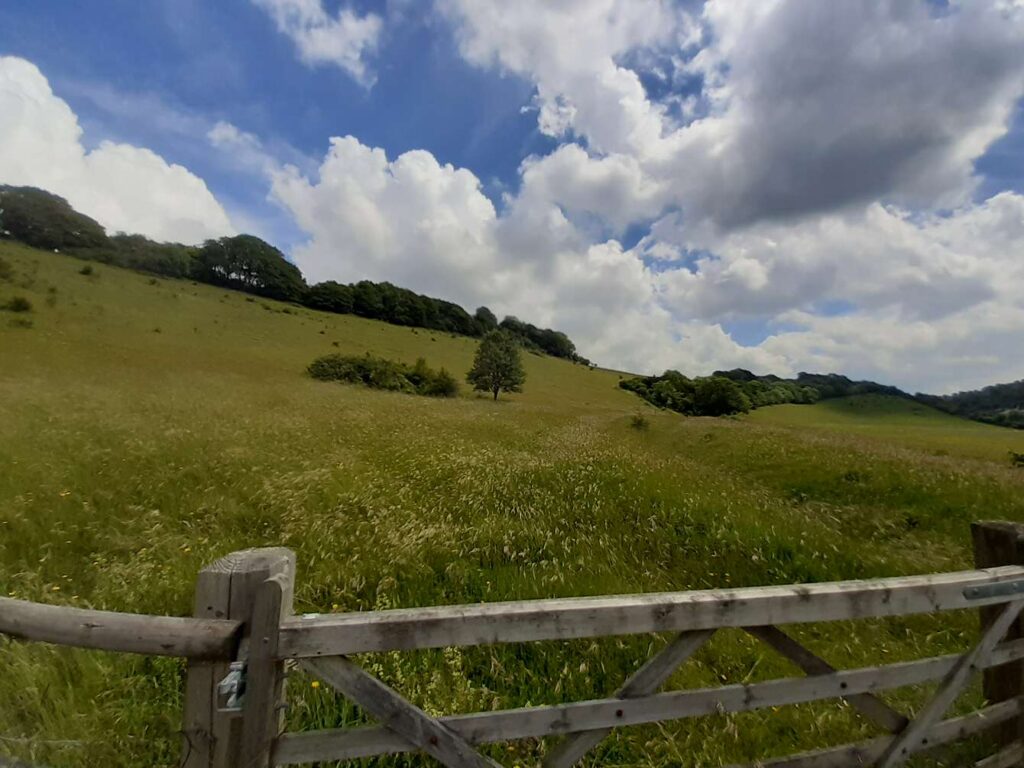
Aston Rowant’s fine south-facing flowery Chalk Grassland meadow

Well, this strange year – a cold dry April when the bees could hardly feed for lack of pollen and nectar; the wettest May anyone can remember; and now a June so late that cherries, raspberries and redcurrants are ripening all together. In some recent years, the end of June would have been too late for many flowers, specially on Aston Rowant’s steep, free-draining Chalk Grassland.

But not this year: it’s like Tolkien’s The Shire after Sam Gamgee has returned victorious and sprinkled the magic grains of earth from Galadriel’s Elvish Garden in all his favourite spots, and everything is glorious with colour, buzzing with bumblebees, and glittering with iridescent green Forester Moths, Thick-Kneed Flower Beetles, and astonishingly shiny Hawkweed Leaf Beetles.

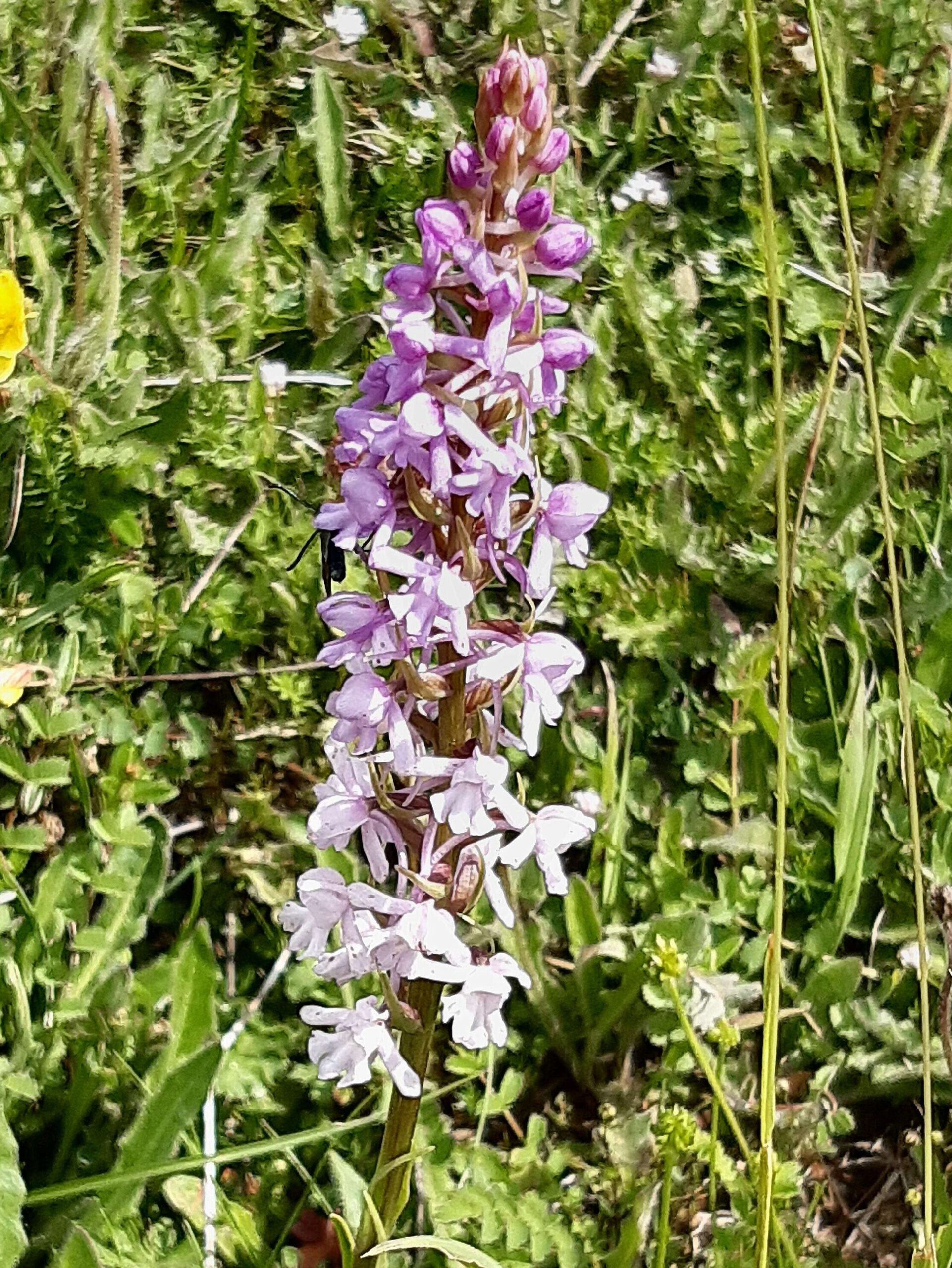
Chalk Fragrant Orchid (Gymnadenia conopsea)
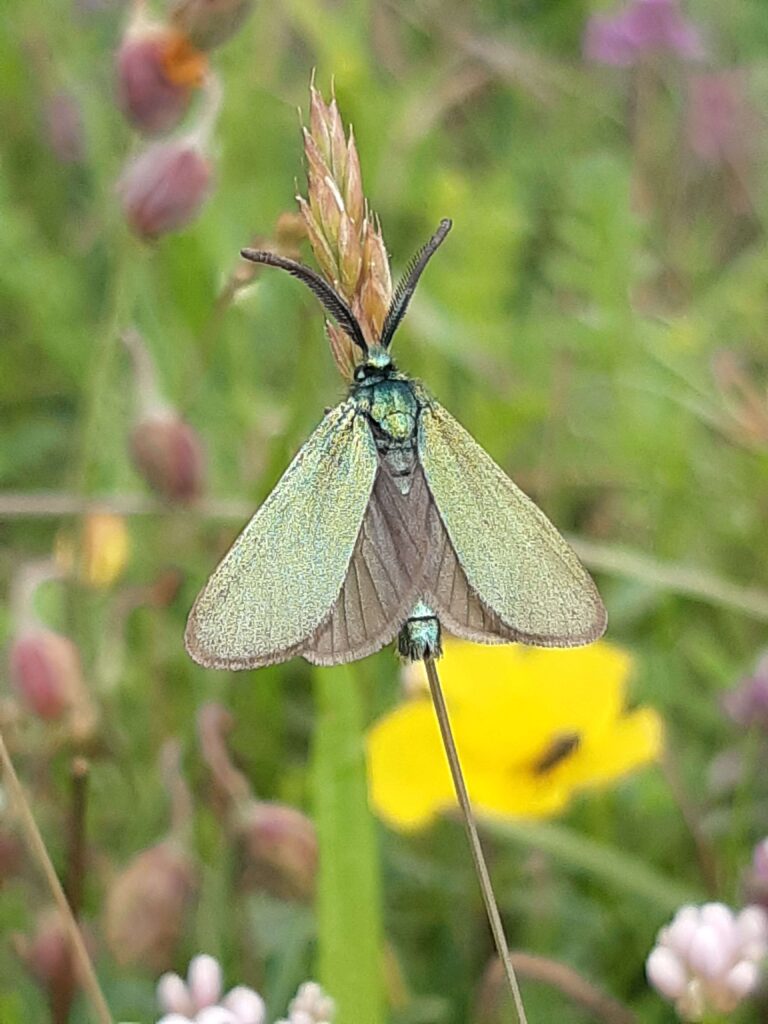
Forester Moth, distinctive as a day-flying moth with shiny green scales and feathery antennae
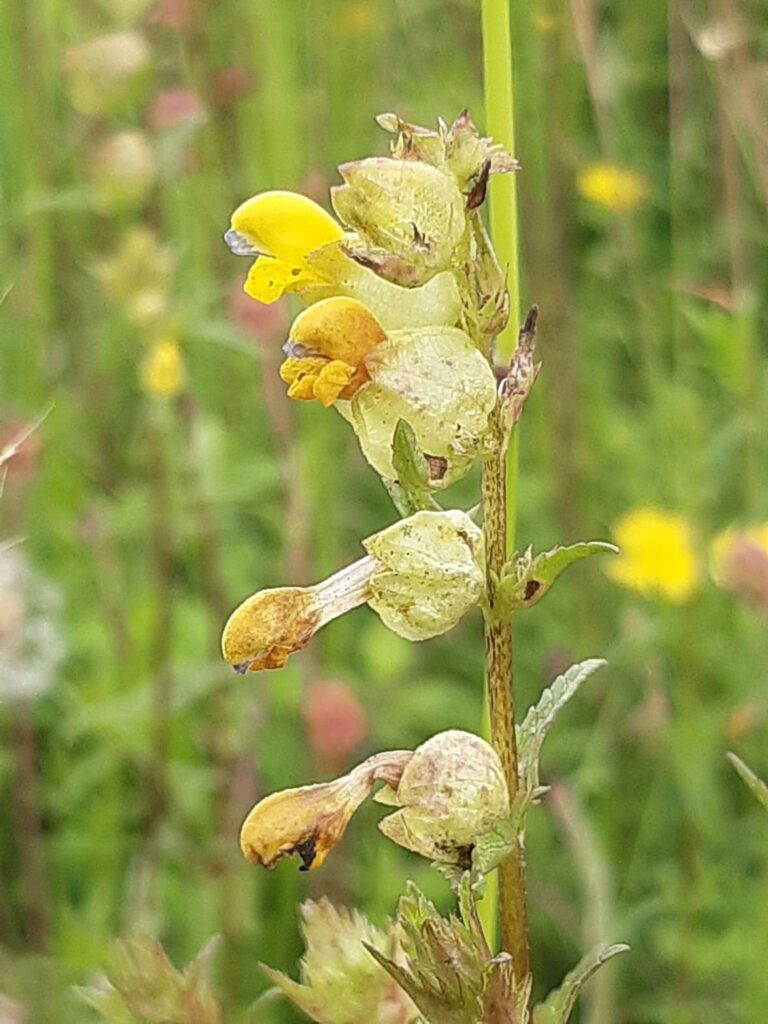
Yellow Rattle

This curious little flower in the Broomrape family, Yellow Rattle, may seem to be just an oddly-shaped herb; but it’s critically important to the flowery meadow ecosystem. It doesn’t have much in the way of green leaves, as it’s a parasite: its roots attach to nearby grasses, extracting the food it needs to live, and in the process weakening the grasses all around it. Result? Tall tough grasses that would otherwise crowd out and overwhelm their attractively coloured neighbours are suppressed, and a wealth of insect-pollinated flowers can, well, flourish. That doesn’t mean the area can just be left to look after itself: Hawthorn and other shrubs would quickly take over and turn the place into forest, so carefully-planned grazing is necessary to keep the land at the meadow stage. It’s called Rattle, by the way, because the ripe seeds dry out and rattle inside the leafy fruit capsules when the plant is shaken.

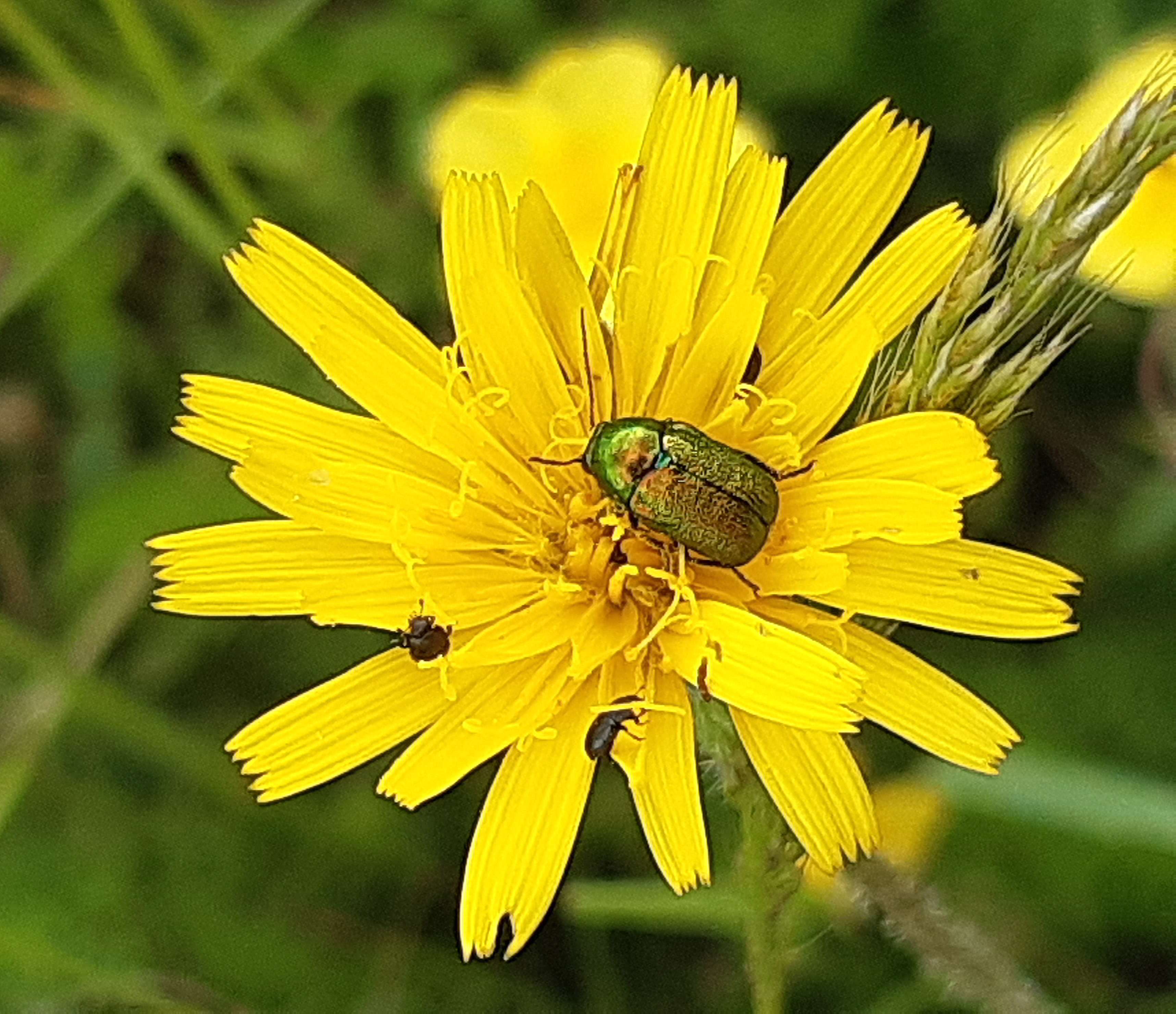
Cryptocephalus hypochaeridis (Chrysomelid leaf beetle) as usual on Hawkweed
Ragged Robin, another handsome and once common meadow flower. The attractive grass just below it is Briza, the Quaking-Grass: the little seed-heads shake on their long thin stems when touched.
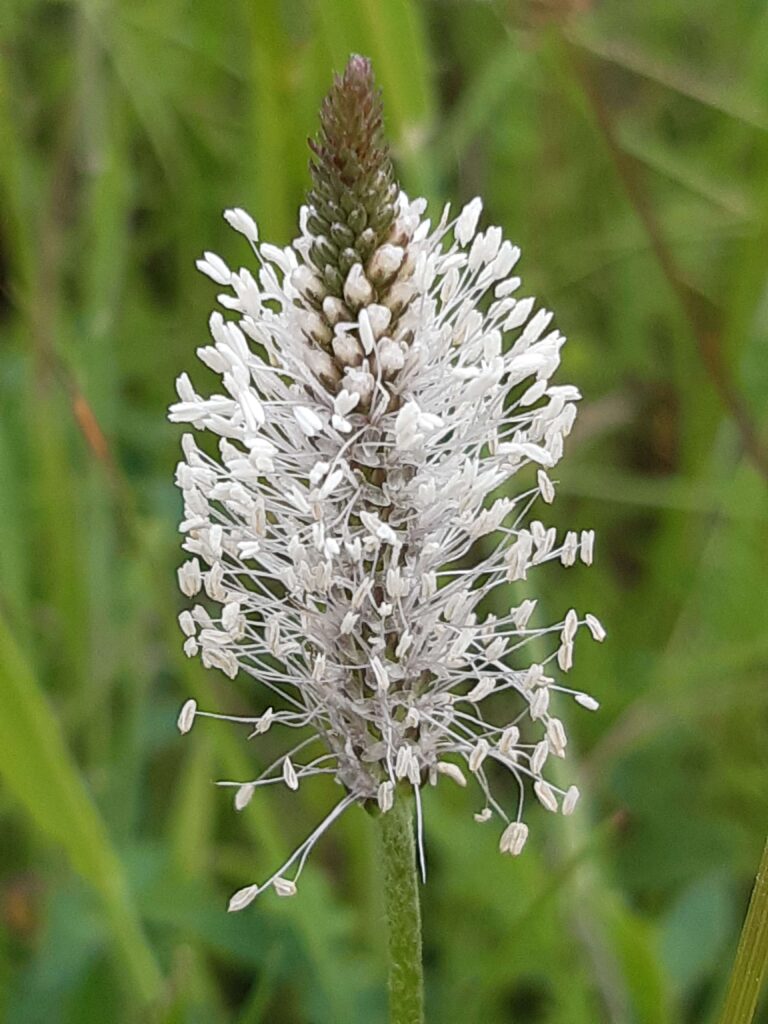
Hoary Plantain, an elegant (and tall) member of a familiar and often-overlooked family. It grows on lime (such as Chalk Grassland)
Milkwort

This small flower was once common in meadows, indeed its name tells its story: it was found wherever milk cattle grazed, in all Britain’s meadows. Now in lowland Britain at least, it’s a rare and special sight, and we feel excited and happy to see it: such is the scale of the catastrophe that has overtaken our countryside. Basically, the flowers are almost all gone; so are the insects; and the birds are fast following them. A place like Aston Rowant is indeed special: its warm, south-facing chalk slopes really were always a wonderful place for flowers like the Chiltern Gentian and butterflies like the Adonis Blue, and happily it still is; but it’s now special just for being what our grandparents would have seen as ordinary: it’s full of what they knew as common wild flowers “of wayside and woodland”.

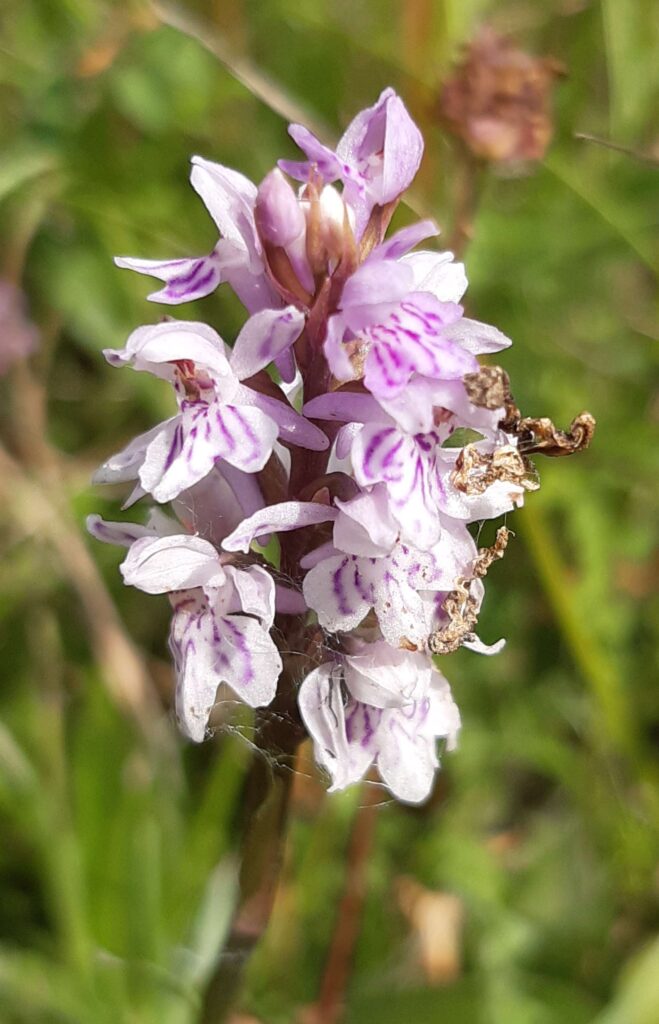
Common Spotted Orchid
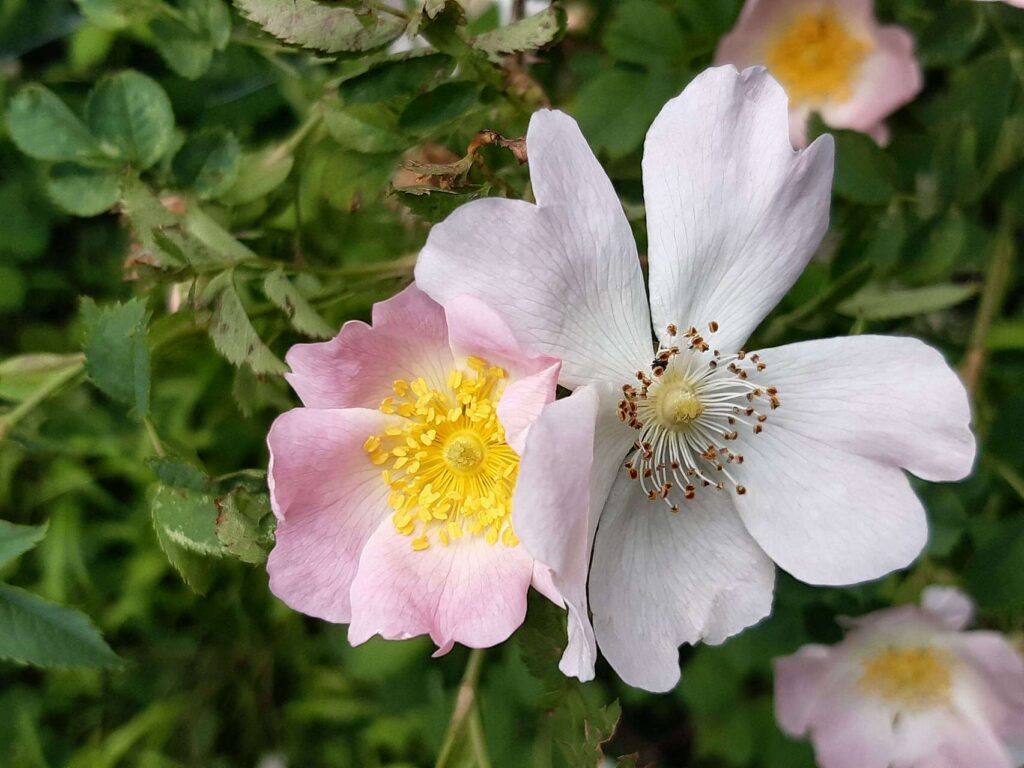
Dog Rose
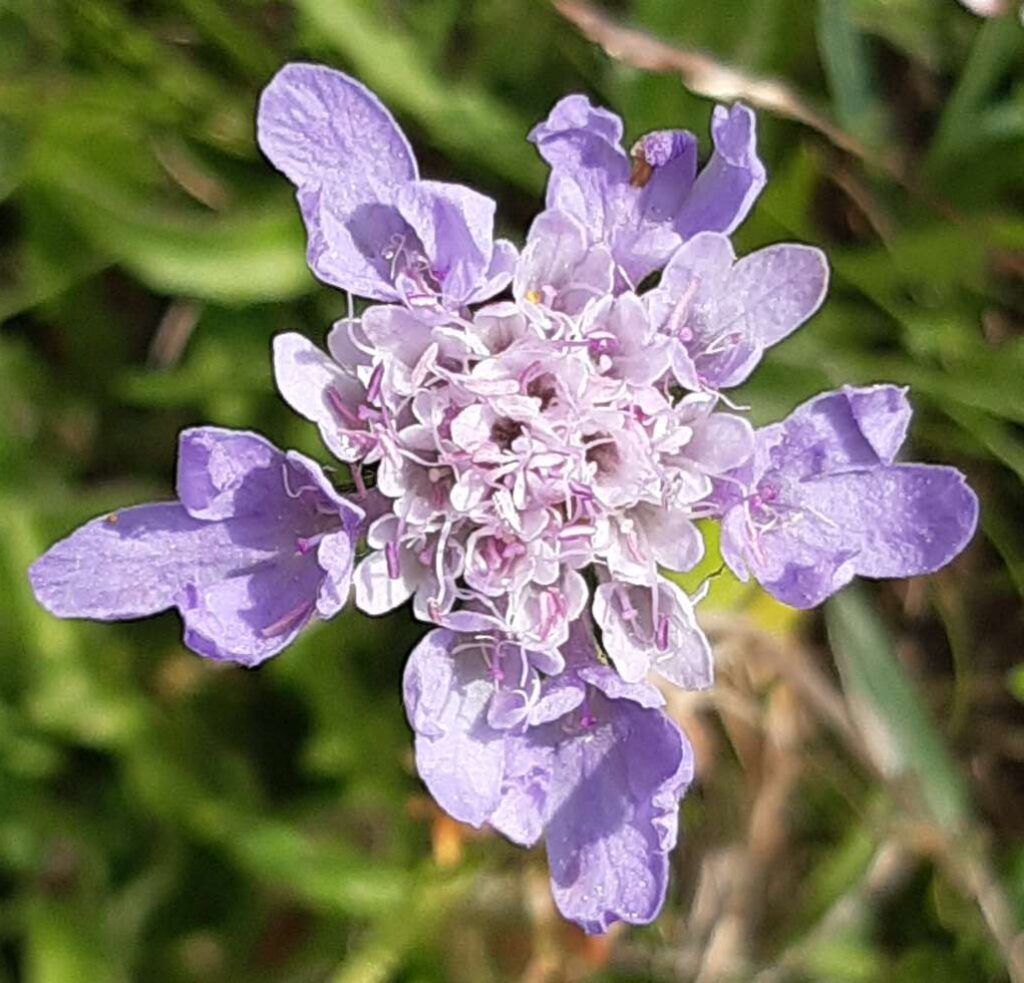
Small Scabious
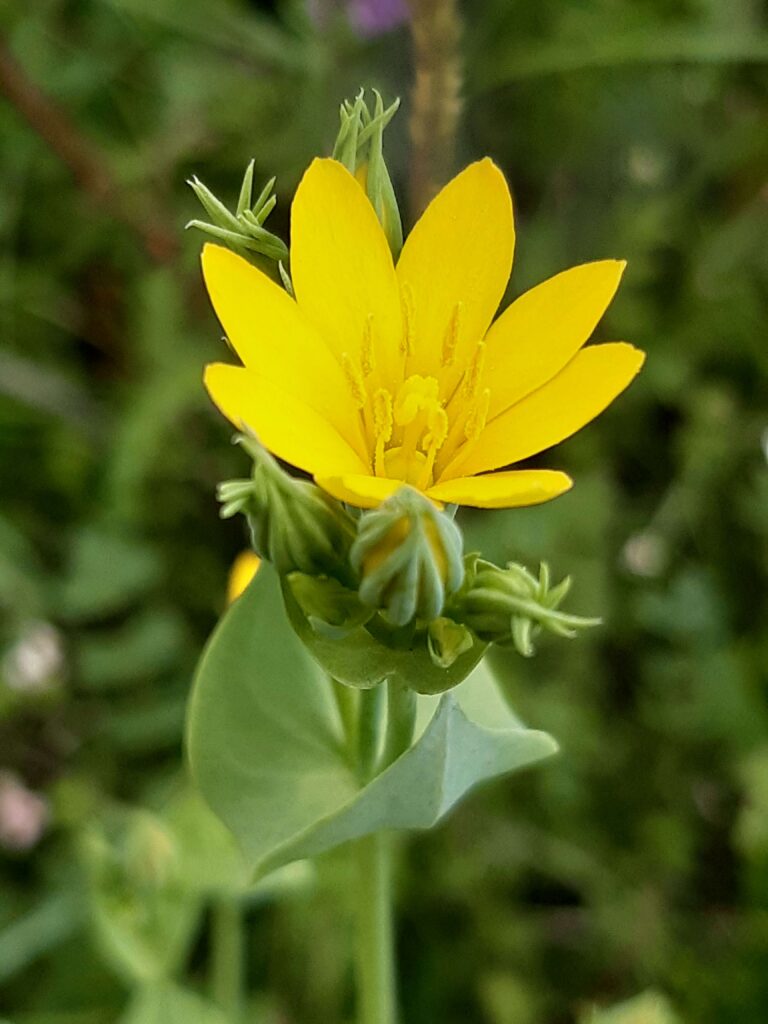
Yellow-Wort, a member of the Gentian family with its striking perfoliate habit and handsome 8-petalled flowers
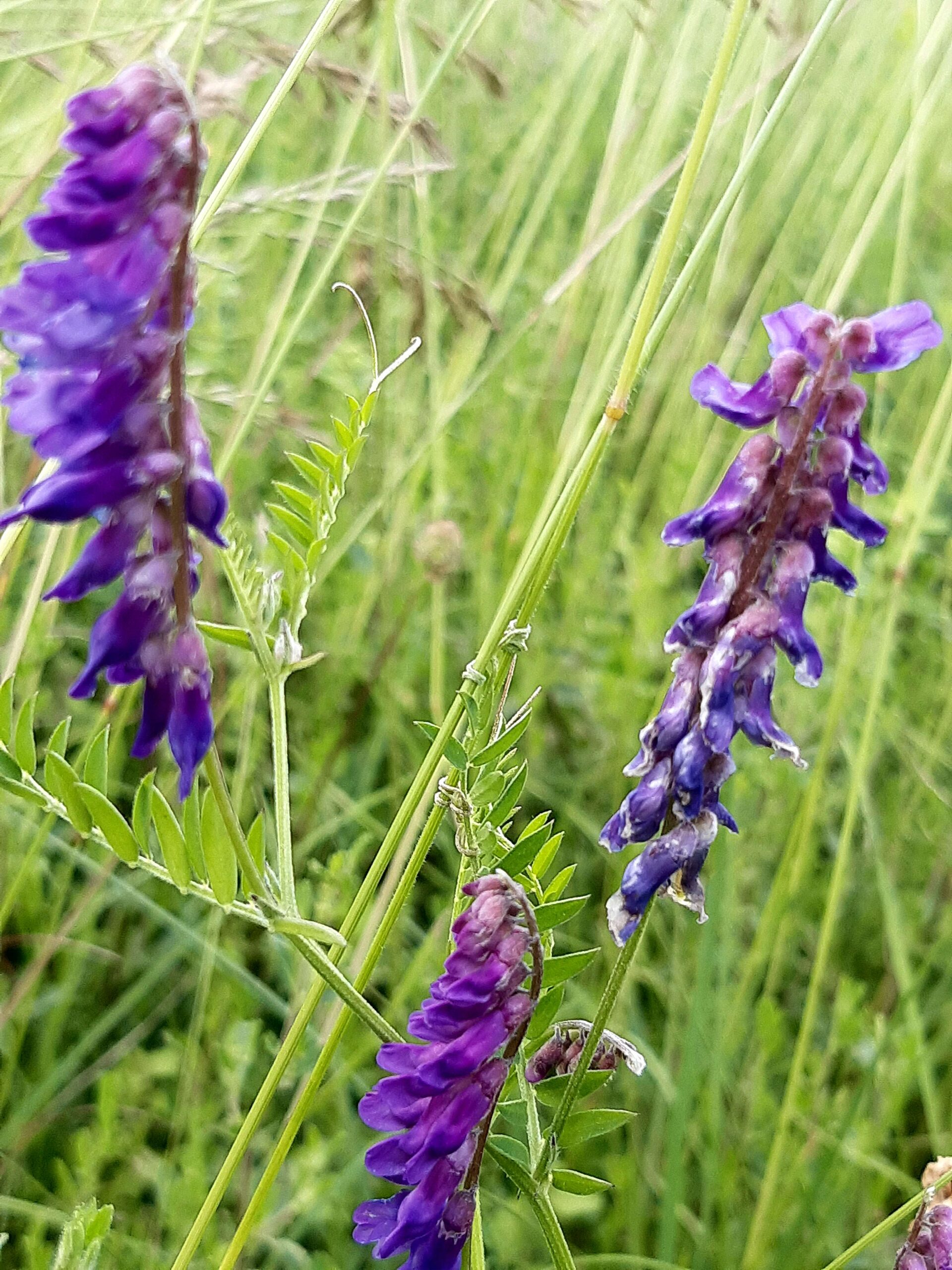
Tufted Vetch, showing off its fine purple tufts of flowers, its handsomely pinnate leaves, and its little paired tendrils grasping several nearby grass stems as it scrambles up.
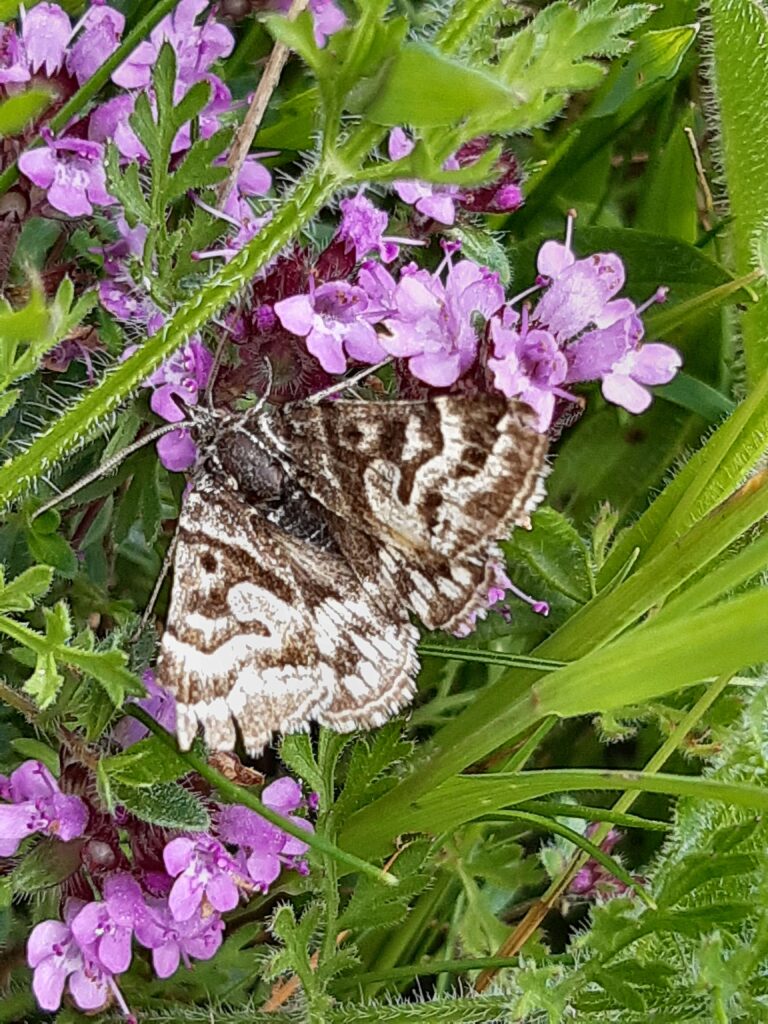
Mother Shipton Moth, named for a famous 16th-century Witch – her beaky nose and chin form a dark brown face pattern around her round eye and mouth. Seems to be a good day for day-flying moths!

There weren’t many butterflies about – Meadow Browns, Common Blues, a single Marbled White very handsome with its dancing flight, a good number of Small Heaths up on the hilltop, a Red Admiral. It looks as if the difficult spring has meant low butterfly numbers this year.

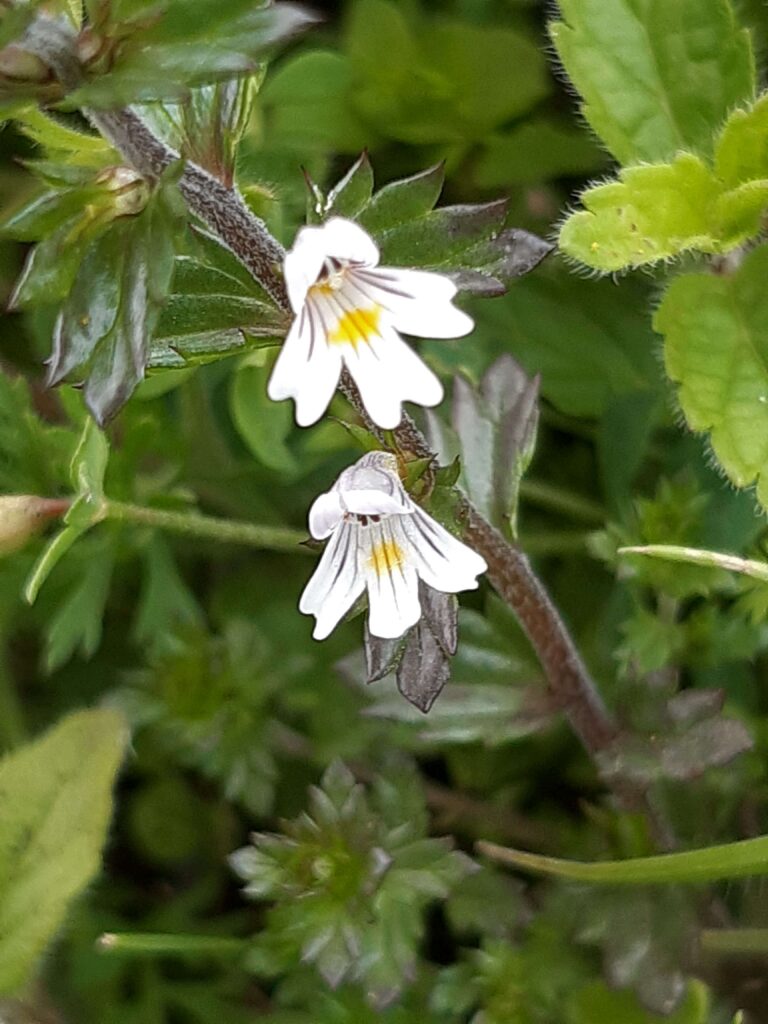
Eyebright

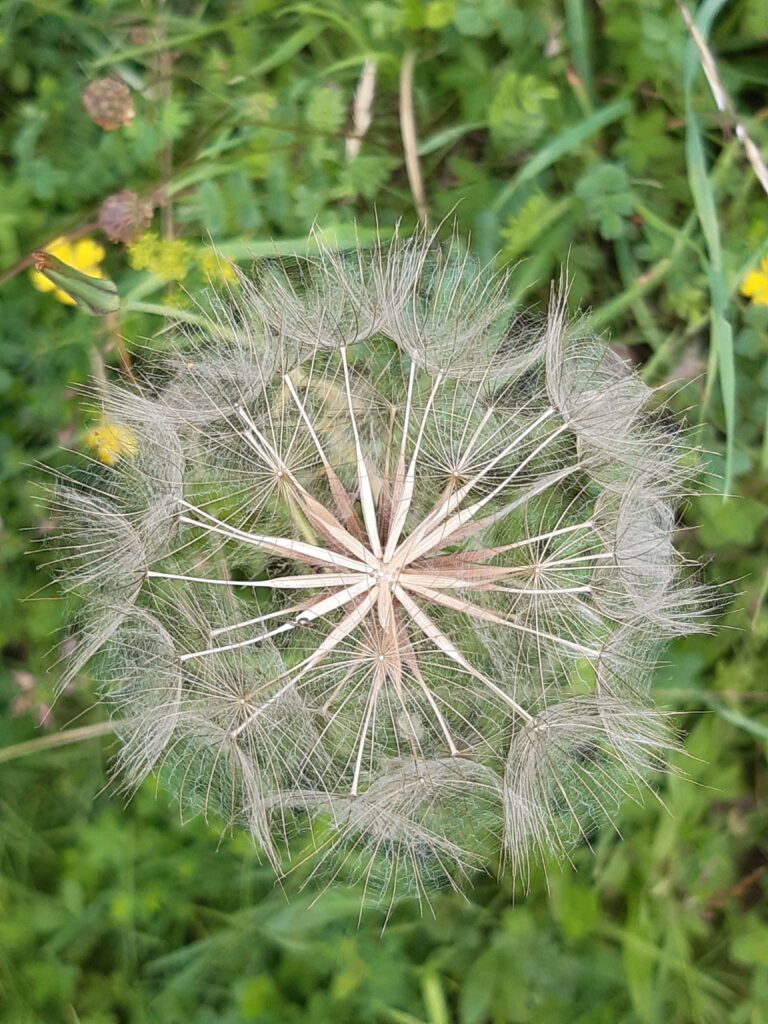
Goatsbeard Clock – the largest pappus of any of our dandelion-like composites
Gentians not yet in flower (but rather handsome even so) … come back later, and we’ll find out whether it was a Chiltern Gentian or an Autumn Gentian, maybe!

My 2014 blog on Aston Rowant, with a different selection of species (and some trenchant thoughts): http://www.obsessedbynature.com/blog/2014/06/18/aston-rowant-beautiful-brutalized/